2. Go Properly Wild in Tambopata
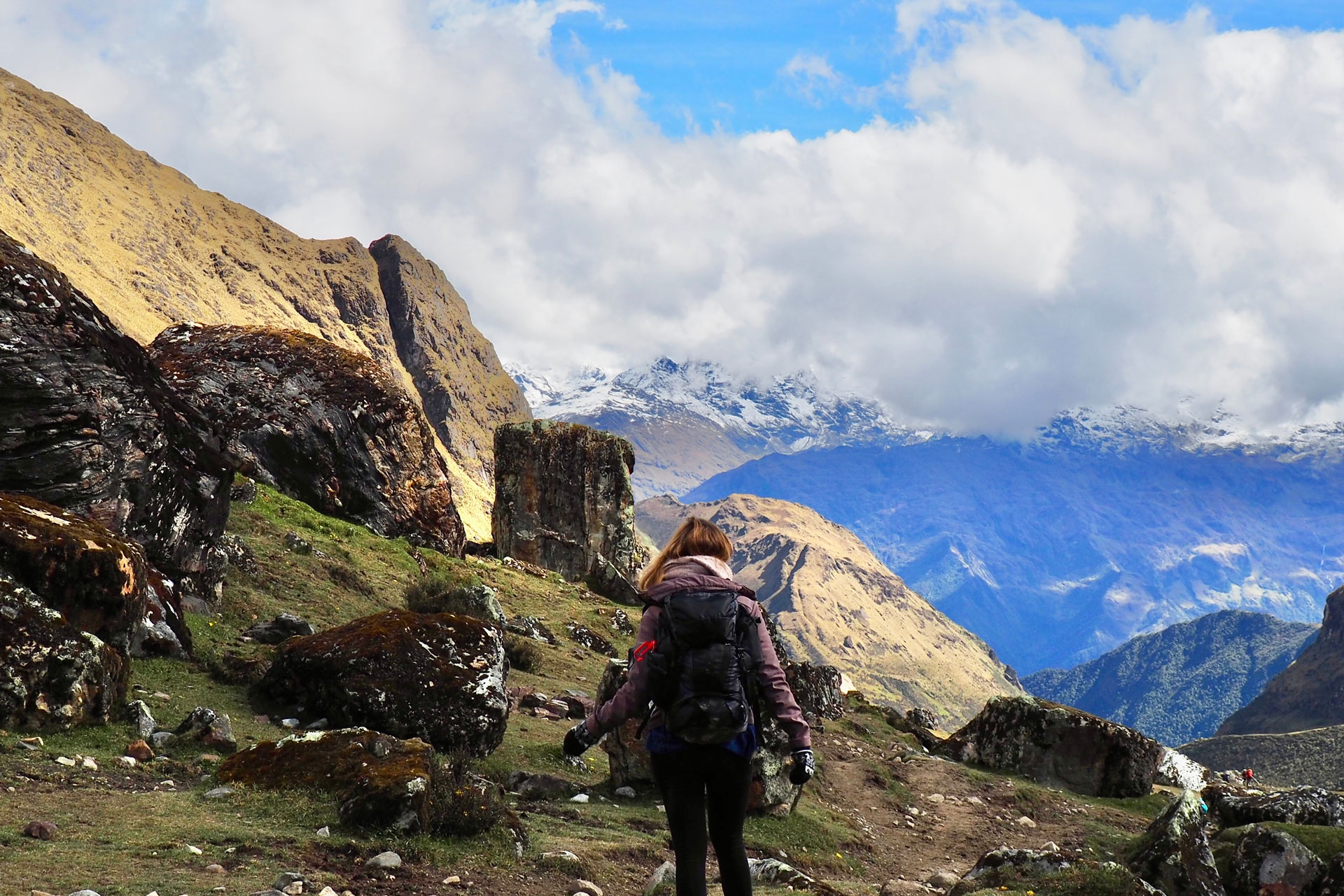
The Amazon occupies a huge chunk of Peru, and Tambopata National Reserve in the country’s southeast comes with a very lively soundtrack.

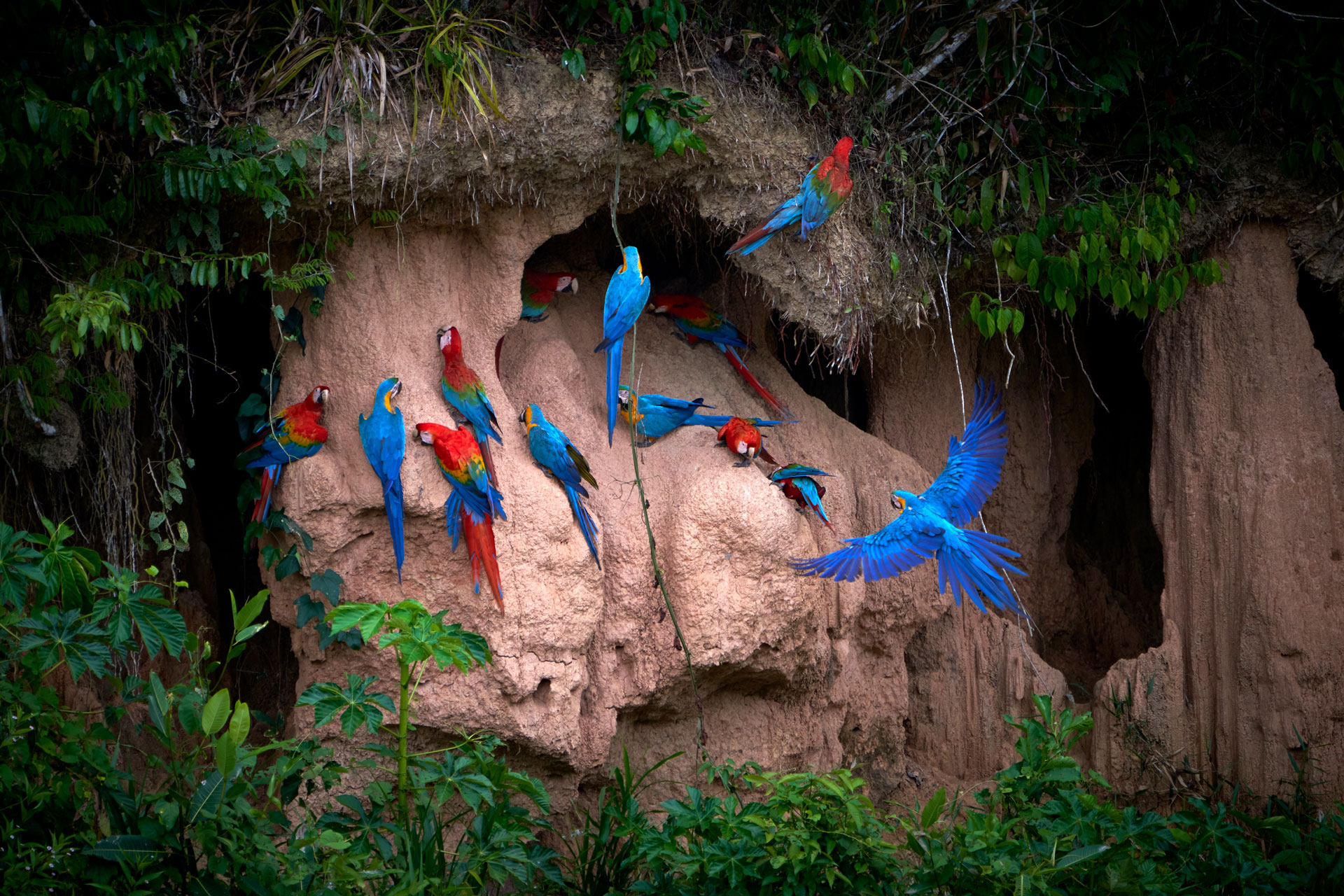
Days here start early. Very early. But getting dragged out of bed before sunrise is way more rewarding when the morning commute involves a boat down an Amazonian River to watch hundreds of macaws descend on a clay lick.
Check out the full video on Leavinin5’s youtube channel.
Remote jungle lodges put you among monkeys, caimans, capybaras and a ridiculous number of birds. You can paddle through oxbow lakes, head into the forest after dark and try your hand at piranha fishing, which is certainly one way to make regular fishing seem super underwhelming. Just don’t stick your hand in the water or you’ll lose it.
3. Go North to Kuélap
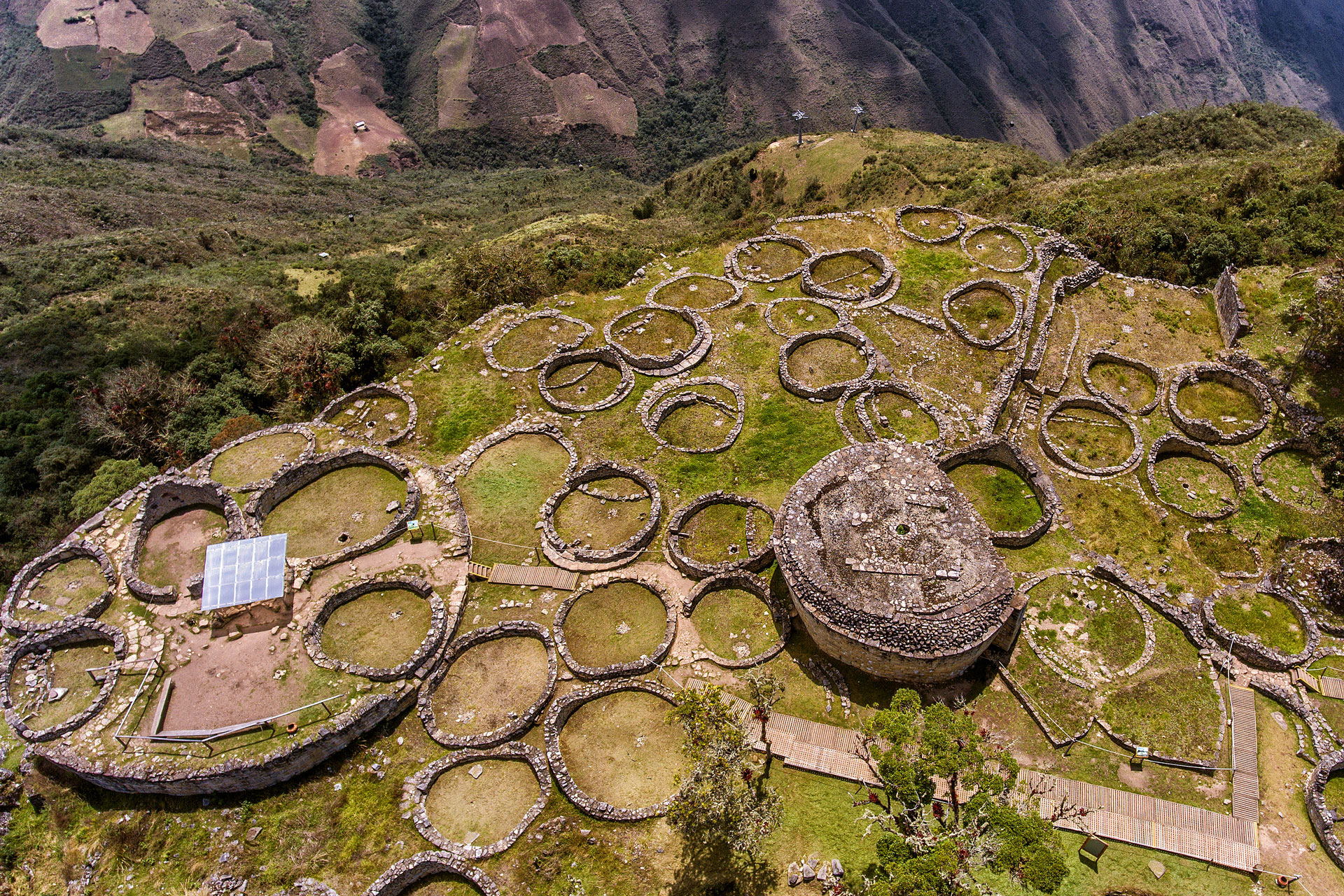
Getting to Kuélap means heading high into northern Peru, where a whopping stone wall has been sitting above the cloud forest for more than a thousand years.
The Chachapoya culture built this place from around the sixth century, eventually packing the mountaintop settlement with hundreds of mostly circular buildings. You can still wander between their remains today, 3,000m up in the Andes with the Amazonas region rolling away below.
Base yourself in Chachapoyas and Kuélap is only the start of the strange stuff you’ll see. Gocta Waterfall drops more than 700m through a great wall of green, disappearing into cloud and spray along the way. The hike from Cocachimba takes you through thick forest and across steep Andean terrain, with glimpses of the falls appearing between the trees before you finally reach their base. Prepare to get a little sweaty. And, if you stand close enough, considerably wetter.
And save a little leg power for Karajía, where a short hike leads to centuries-old, human-shaped sarcophagi perched high on a near-vertical cliff.
4. Sleep Halfway up a Cliff
Glamping in Peru offers an extraordinary way to discover the Andes in comfort and style. For the more adventurous, a high-altitude retreat is an experience in itself: far removed from the usual hotel check-in and closer to an ascent into the clouds.
Have you ever seen a cooler (or more terrifying) place to sleep?
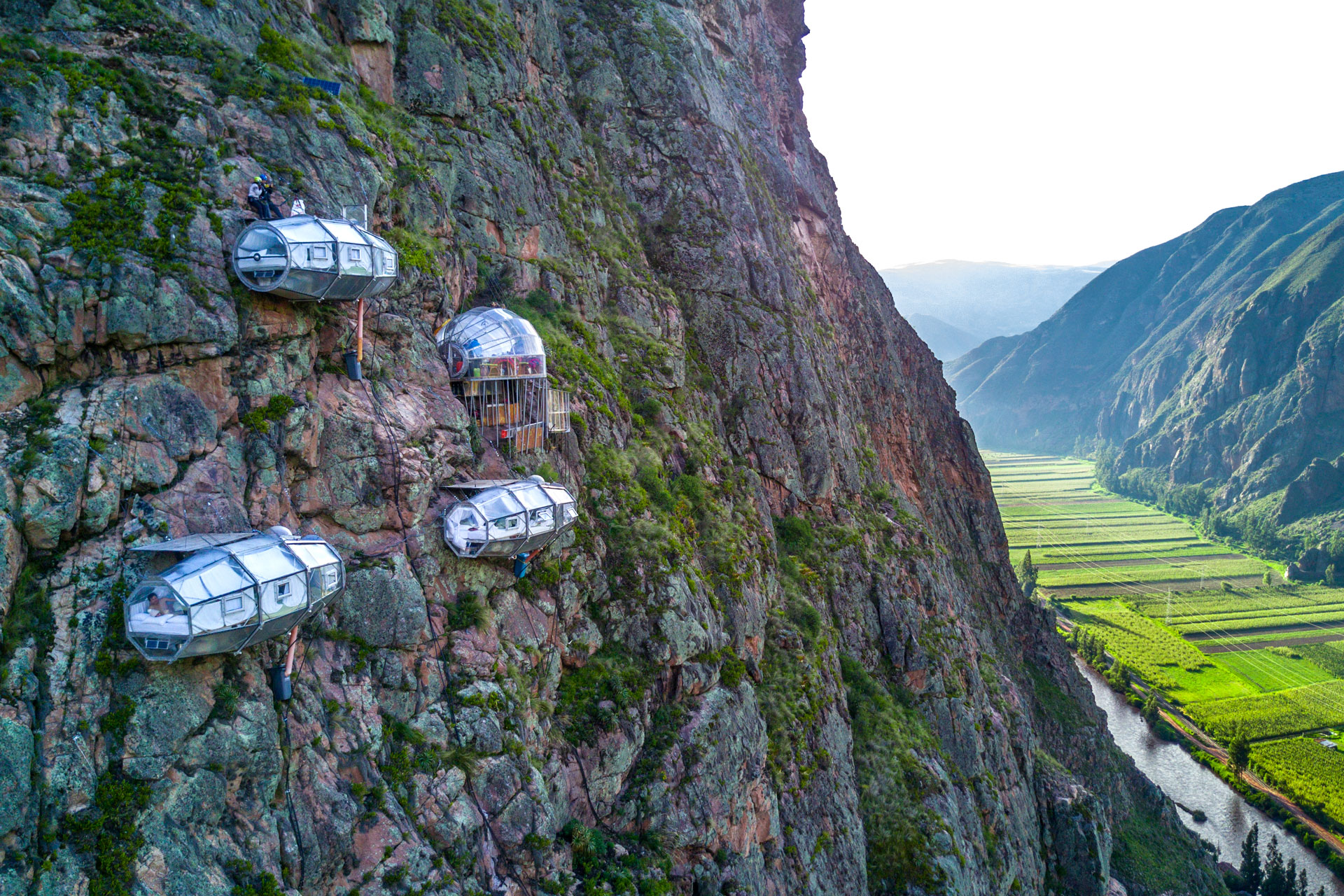
Skylodge Adventure Suites’ transparent sleeping pods cling to a cliff above Peru’s Sacred Valley, hundreds of metres off the valley floor. To reach your room, you’ll need to climb a via ferrata or take a combination of hiking and ziplines. Your reward is a glass capsule with the Andes spread out beneath you and absolutely no chance of forgetting where you are if you wake up in the middle of the night.
Whatever you do, don’t drop the room key.

5. Eat Your Way Through Lima
Come hungry. That’s probably the most useful piece of advice we can give you before arriving in Lima.
Peru’s capital has become a serious pilgrimage site for people who plan holidays around lunch, or any meal, actually. Over the past five years, two of Lima’s restaurants – Central and Maido – have risen to the pinnacle of global gastronomy, earning the title of the world’s best restaurant from The World’s 50 Best Restaurants.
Check out the full video on Morris to See’s Youtube channel.
Elsewhere in Lima, things get considerably less fancy but no less delicious.
Hit a cevichería for fish swimming in lime and chilli, hunt down anticuchos sizzling over charcoal, investigate Peru’s Chinese-influenced chifa restaurants and wash things down with a pisco sour or two.
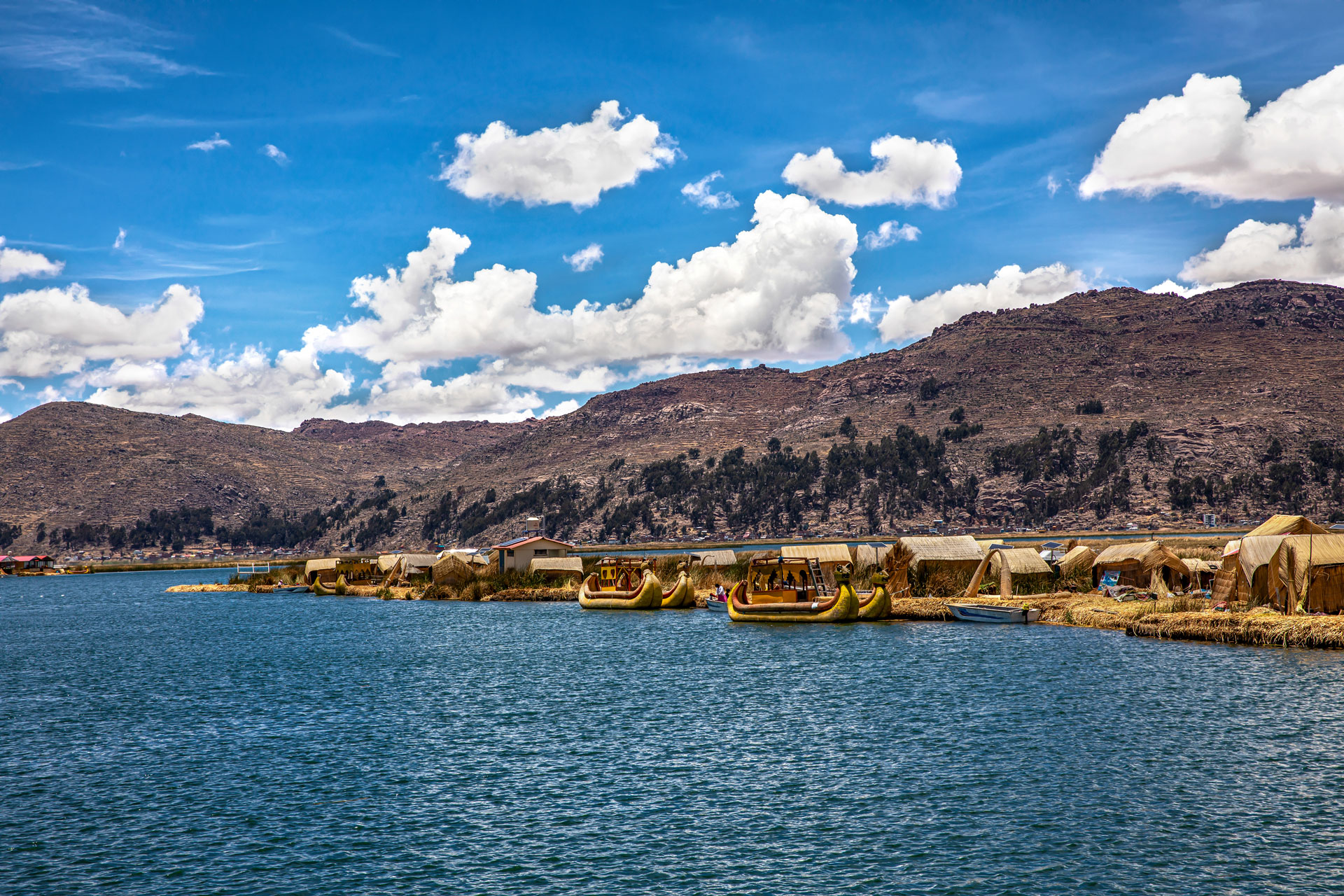
6. Spend the Night on Lake Titicaca
People have been building islands out of reeds on Lake Titicaca for generations. Yes, actual islands.
The Uros builds floating islands from layers of totora reeds, creating homes and communities that quite literally sit on the surface of the lake. Visiting can include learning how the islands are constructed and maintained, travelling in traditional reed boats and staying with local families.
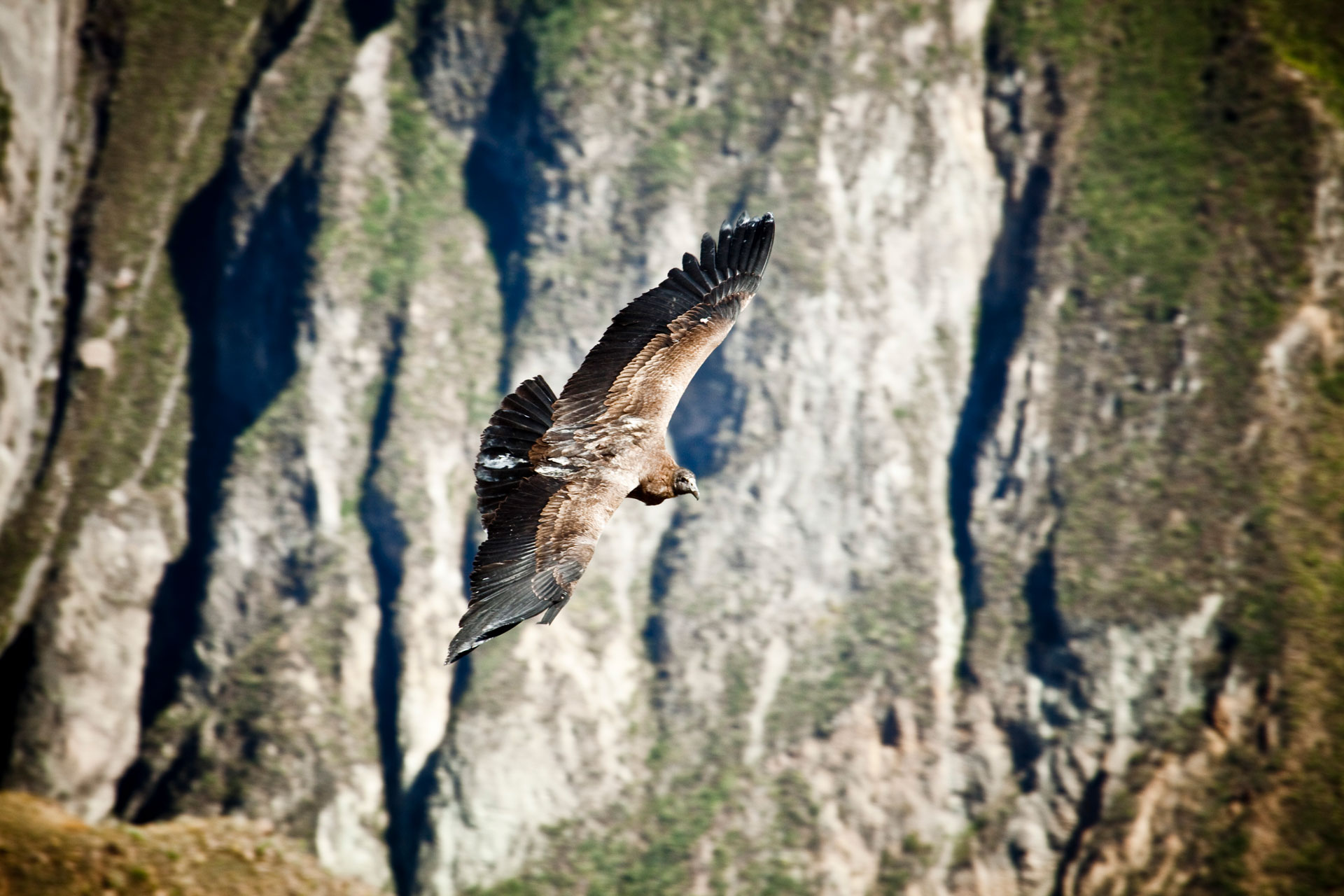
7. Go Canyon-hopping with Condors
Arequipa is built largely from pale volcanic stone, sits beneath a trio of volcanoes and has one of Peru’s prettiest historic centres. It’s also the jumping-off point for Colca Canyon.
Head for Cruz del Cóndor in the morning and you may see Andean condors using the canyon’s thermal currents to cruise past at eye level, enormous wings barely moving.
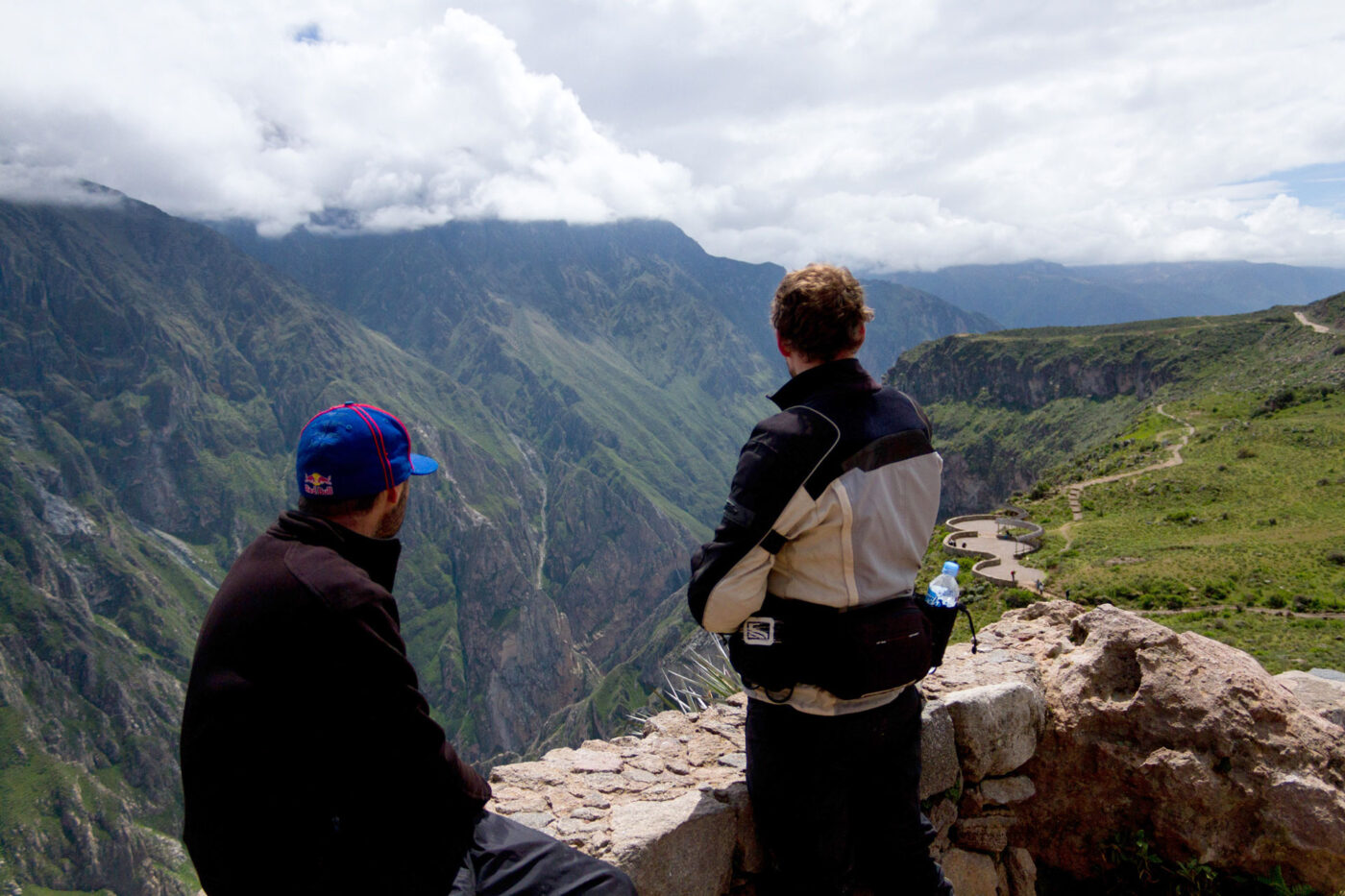
You can hike down into the canyon, soak in hot springs, pass through traditional villages and then return to Arequipa to investigate the city’s famously good picanterías.
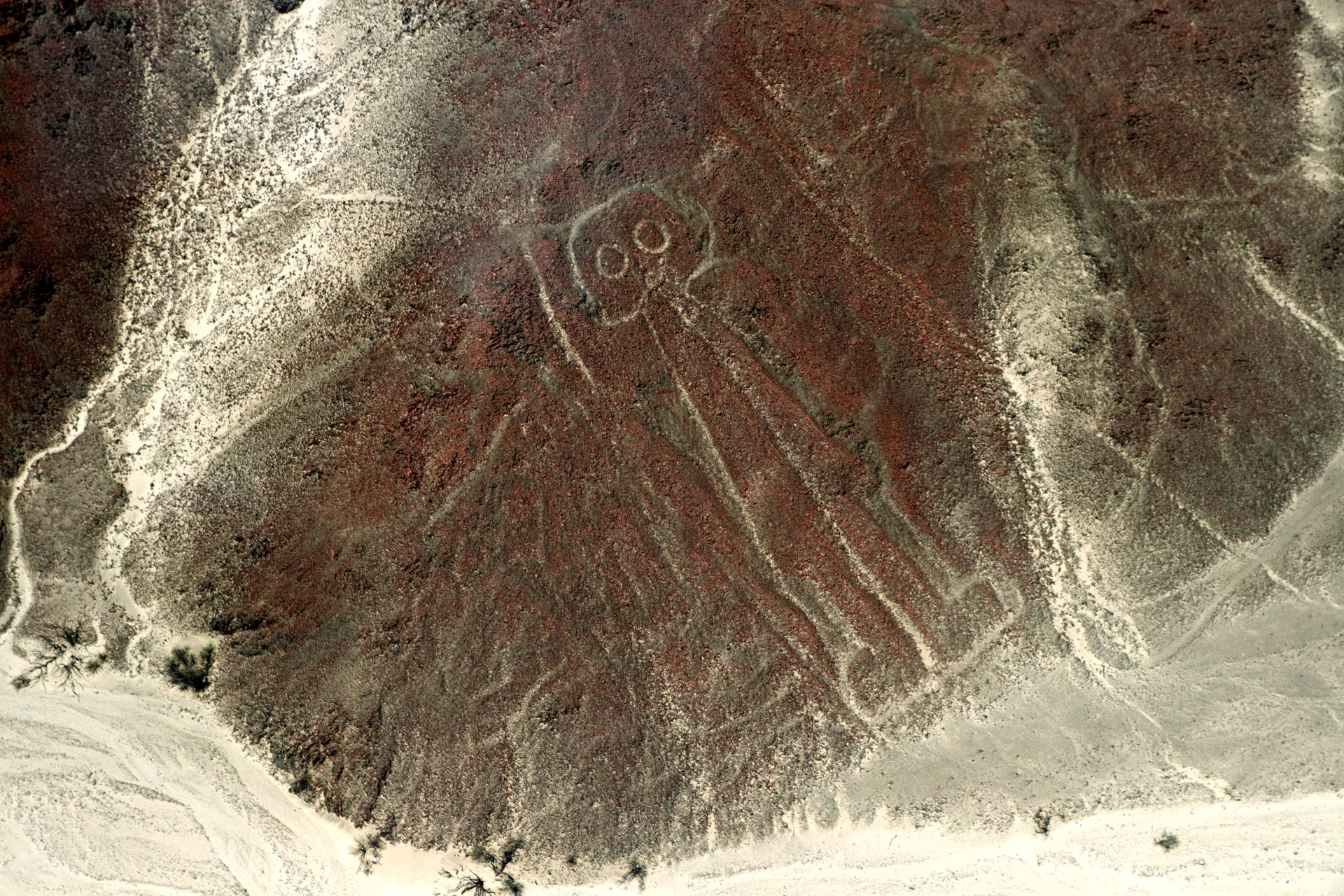
8. Inspect a 2,000-year-old Mystery From the Air
The Nazca Lines are easier to appreciate once you’ve put a few hundred metres between yourself and the ground.
Etched across Peru’s southern desert are enormous geoglyphs depicting animals, plants and geometric shapes, some stretching hundreds of metres across. Their scale means the classic way to see them is aboard a small aircraft banking above the desert.
From the seat of a small plane is the only way to see these weird shapes.
The hummingbird is up there. So are a spider, monkey and condor. Why the Nazca created them remains the subject of plenty of debate.
9. Paddle the Urubamba
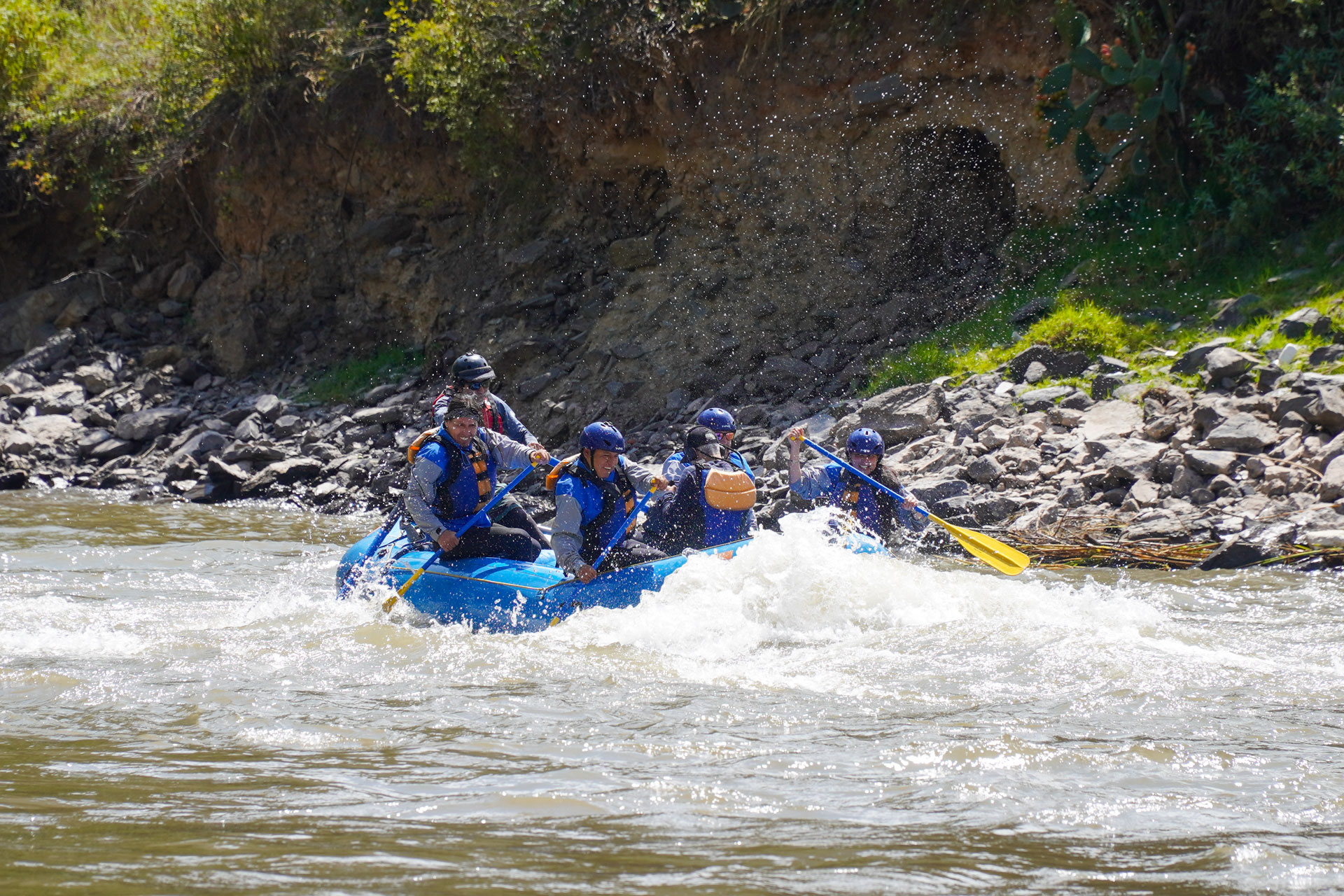
The Sacred Valley looks pretty good from the road but it looks even better when you’re floating through the middle of it, especially from May through to October.
The Urubamba River cuts between the mountains below Cusco, winding past steep green slopes, farmland and small communities on its way through the valley. Grab a raft and you can spend a few hours seeing this heavily travelled corner of Peru from a much less crowded angle.
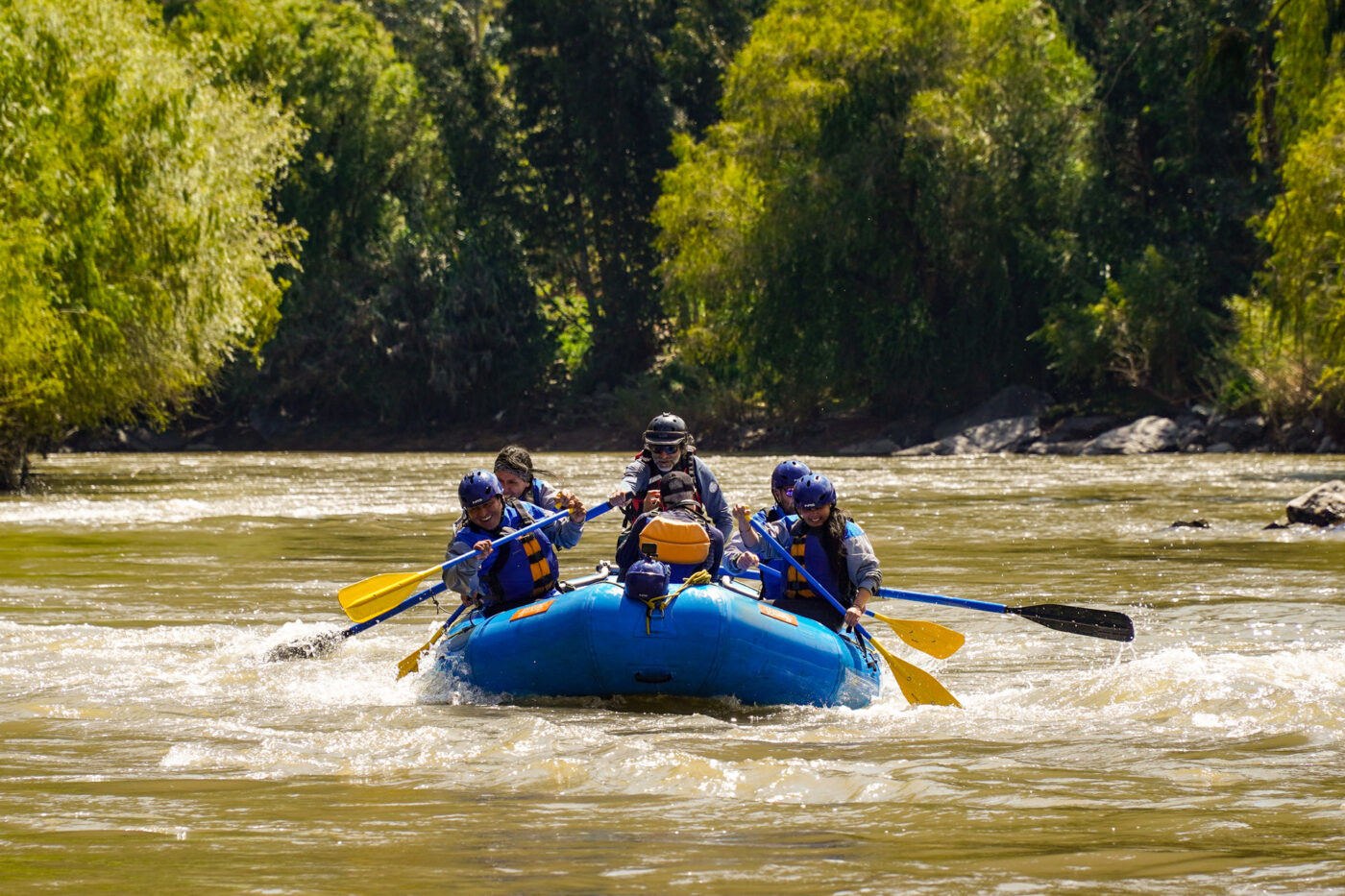
Depending on where you put in, stretches of the river range from gentle paddling to choppier water that’ll have you concentrating less on the scenery and more on keeping your raft pointing in the right direction. Either way, you’re down at river level with the Andes rising sharply on both sides without a single tour bus in sight.
It’s also an easy one to work into a Sacred Valley trip, particularly around Ollantaytambo, where you can trade archaeological sites and mountain roads for a paddle before getting back on dry land.
10. Get Mobbed by Marine Life
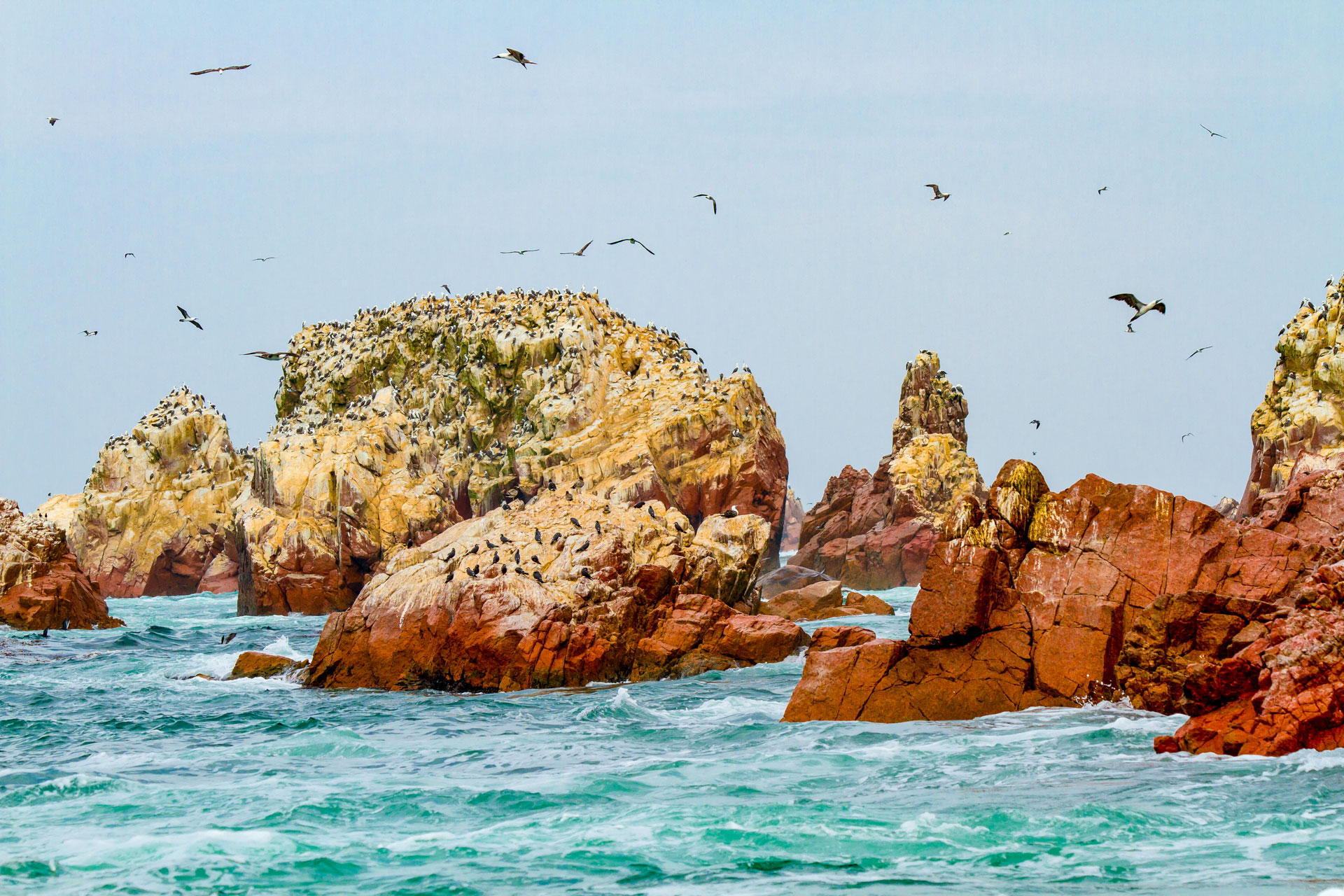
Peru’s wildlife isn’t all hiding in the Amazon. Off the country’s southern coast, the Ballestas Islands are absolutely heaving with the stuff.
Boats head out from Paracas towards this rocky little archipelago, where sea lions pile onto the shore, Humboldt penguins waddle between the rocks and thousands of seabirds make the cliffs look like prime waterfront real estate.
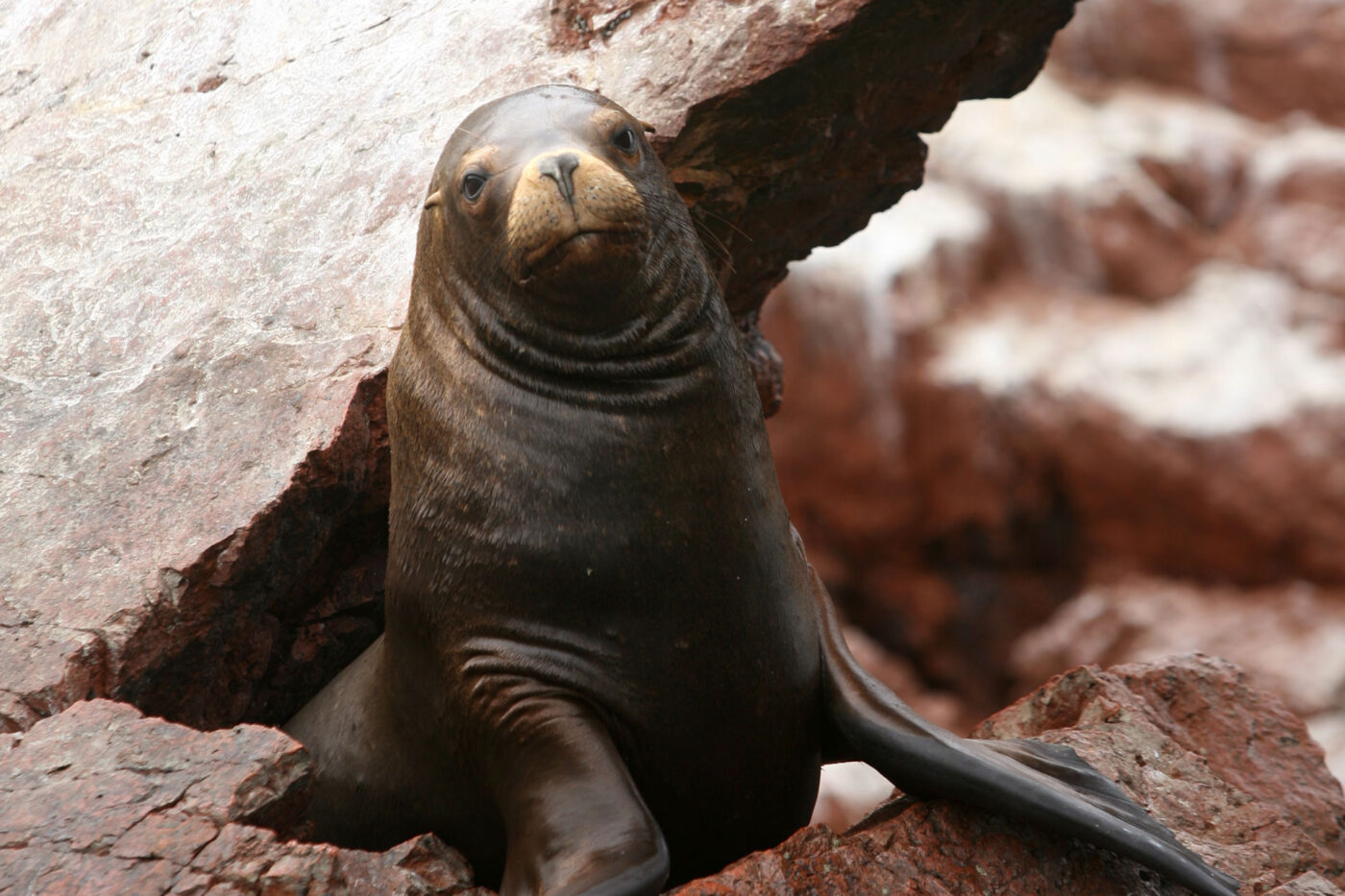
The islands sit just off Paracas National Reserve, where the Paracas Desert meets the Pacific in spectacularly barren fashion. Back on land, you can follow the coastline past red-sand beaches, enormous cliffs and viewpoints overlooking the ocean, keeping an eye out for flamingos and other birdlife along the way.

Share >


More Stories

On a still charming Caribbean island, Flash Parker finds himself in thrall to the rhythm of the night.

There’s more to carnival than dancing in the streets. Geoff Stellfox discovers celebration and protest coursing through the Uruguayan capital.

For decades it was relegated to the international sidelines, but visit Cuba now while its true heart still beats. And there’s no better time to get out and about in its capital than after the sun sets.