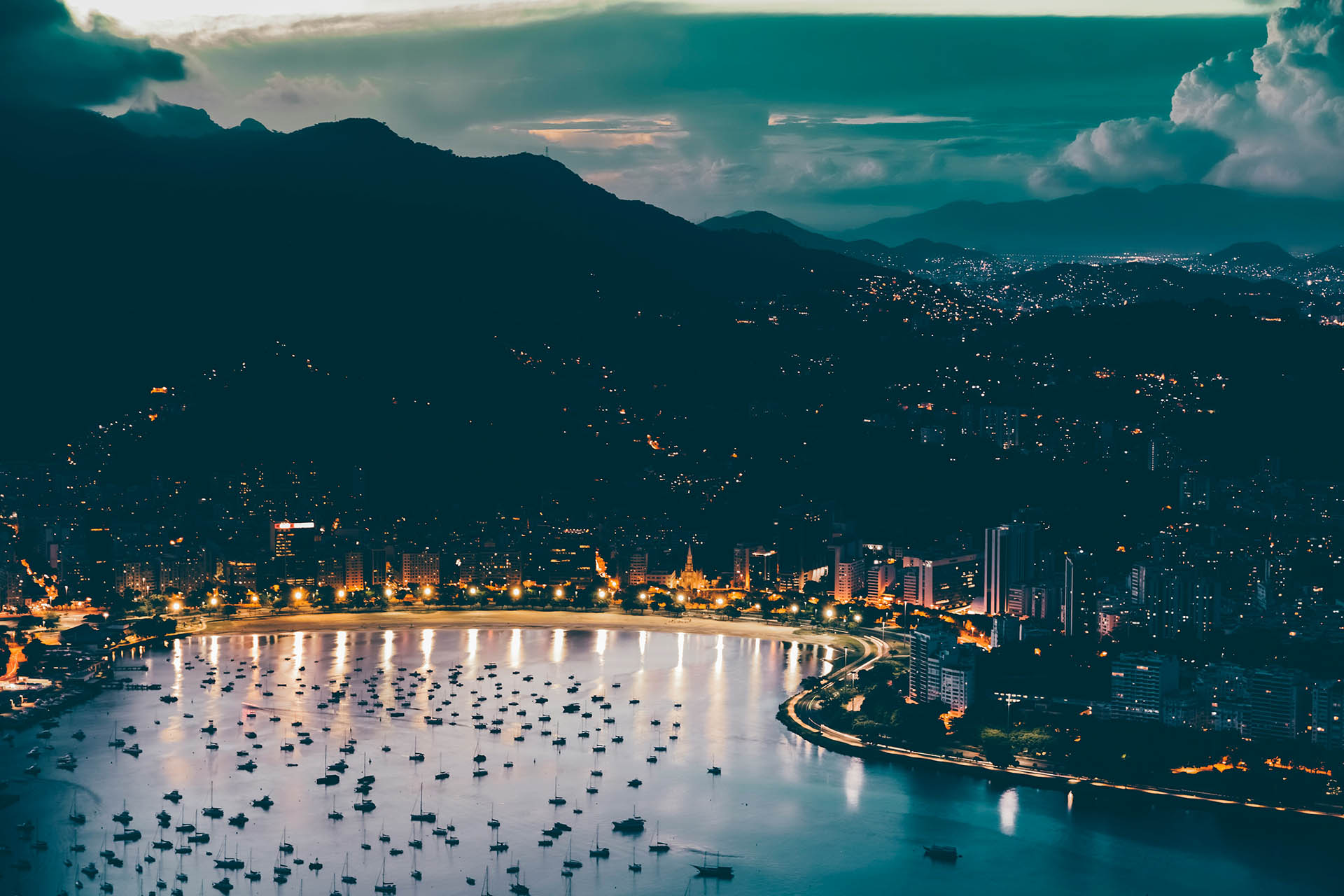
Rio de Janeiro, Brazil’s sexy seaside city, is celebrated for its sandy beaches, samba and sensational futebol skills. Cariocas, as Rio’s residents are called, spend their days worshipping the sun in the surf or on the sand. Yet they love their evenings equally as much. They easily while away an entire night, bouncing between neighbourhood botecos and samba bars. So I, too, decide to give it a go.
5.00pm
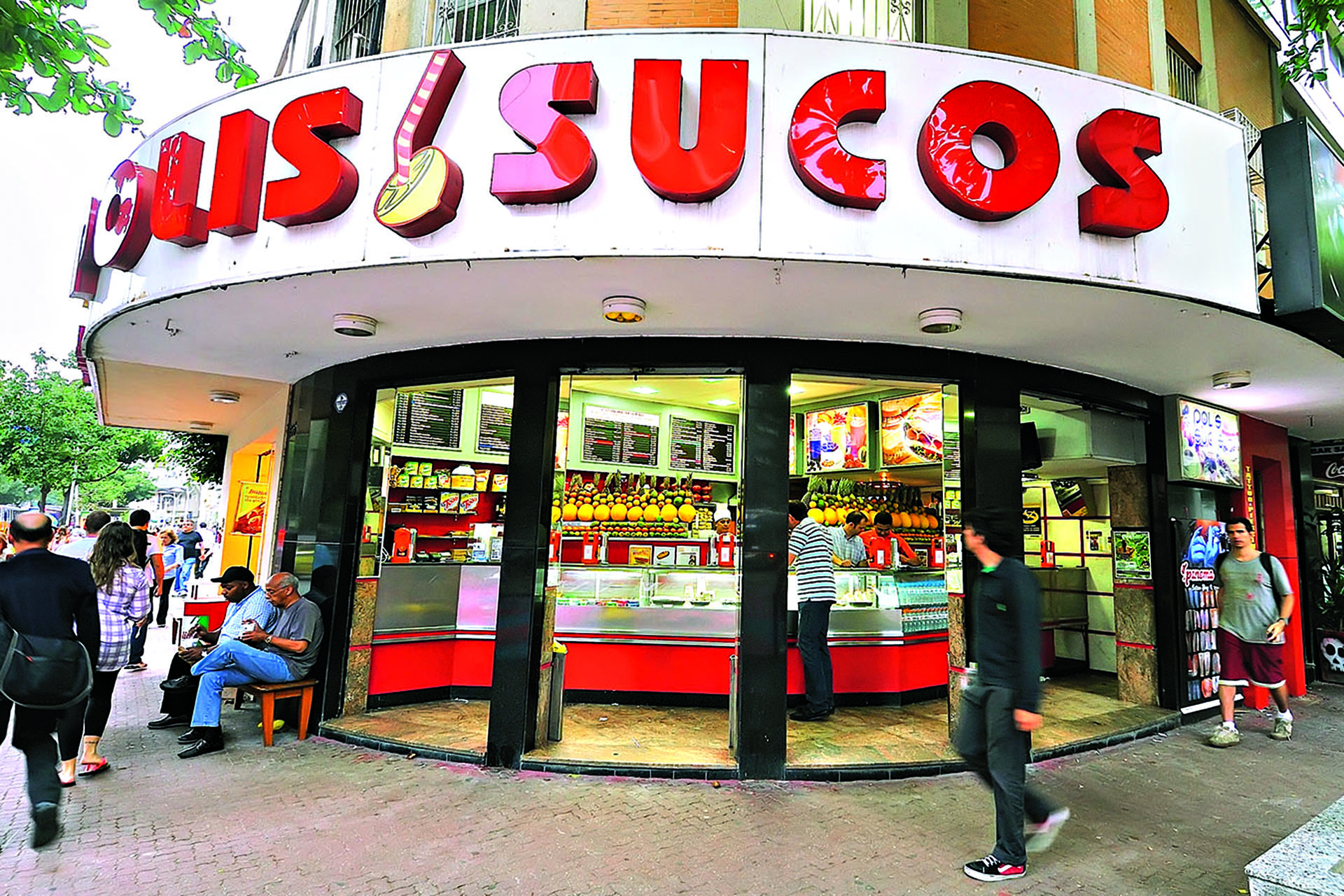
The cariocas’ energy is legendary. Their nights end late, but their days begin early. The secret to surviving the long day and night? An energy-packed, vitamin-laden juice known as a suco. Sipping a suco on one of the beaches – Copacabana, Ipanema or Leblon –is a twice-daily ritual for many locals. Almost every block has a juice bar with glass counters decorated with colourful displays of fruit and menus listing countless varieties of freshly squeezed juices and blends. The most popular drink is a vitamina – a thick smoothie of juice, milk or yoghurt, honey, wheat grass and guarana (a Brazilian caffeine berry). I knock mine back at one of Ipanema’s most beloved juice spots, Polis Sucos, opposite the Nossa Senhora da Paz (Our Lady of Peace Church). I’m not Catholic, but I cross myself after I down the drink, praying that it gets me through the long night ahead.
5.30pm
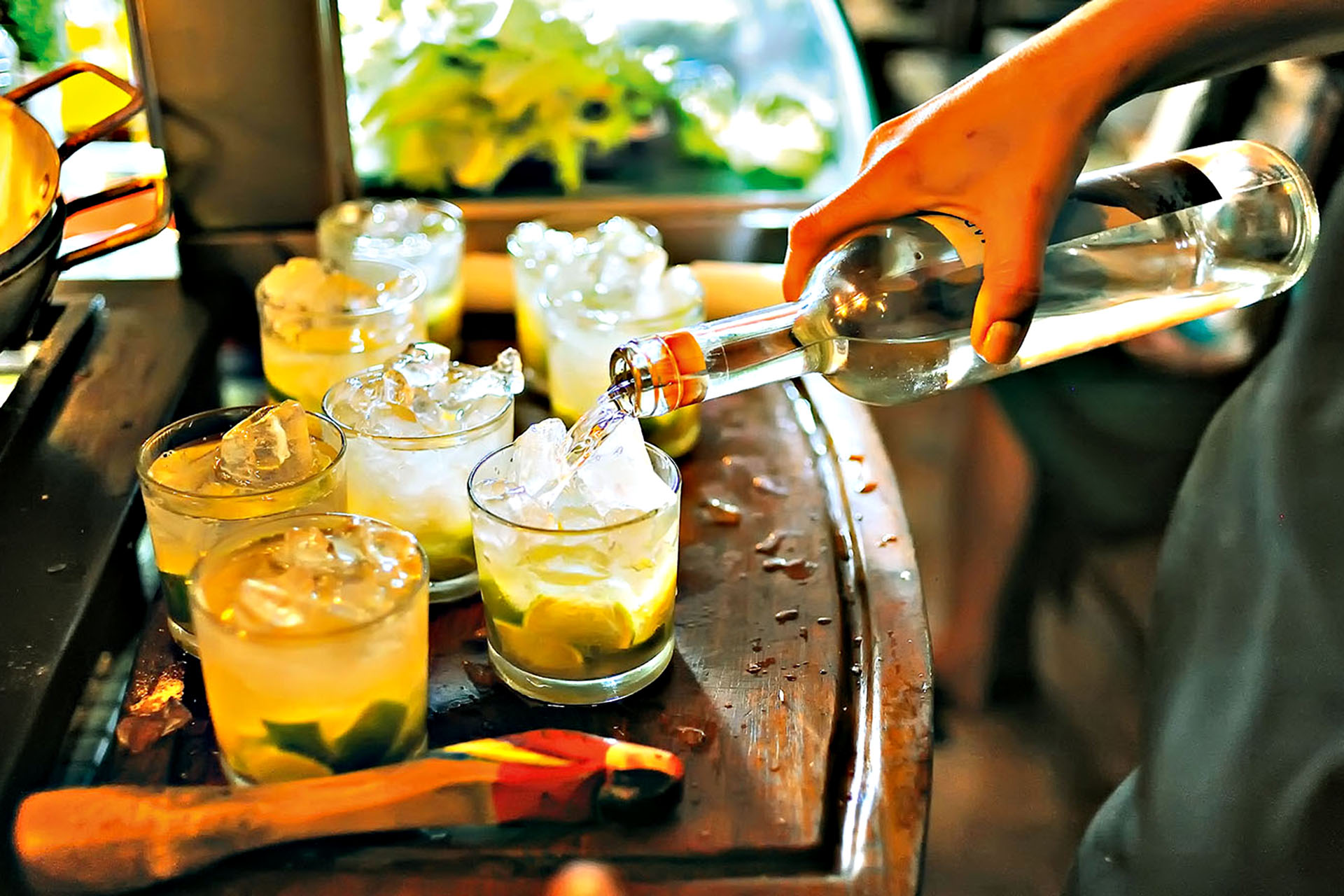
It’s hard to decide whether Brazil’s national drink is coconut water, sipped from a straw in a freshly cracked coconut shell, or the caiparinha cocktail, which is a mixture of fresh lime, sugar and cachaça: the potent Brazilian sugarcane spirit. Both are sold for a couple of dollars from the tiny bars dotted along Ipanema’s beach. I order one, then pull up a plastic chair to watch the sky turn pink, peach and tangerine as the sun goes down and my night begins.
6.00pm
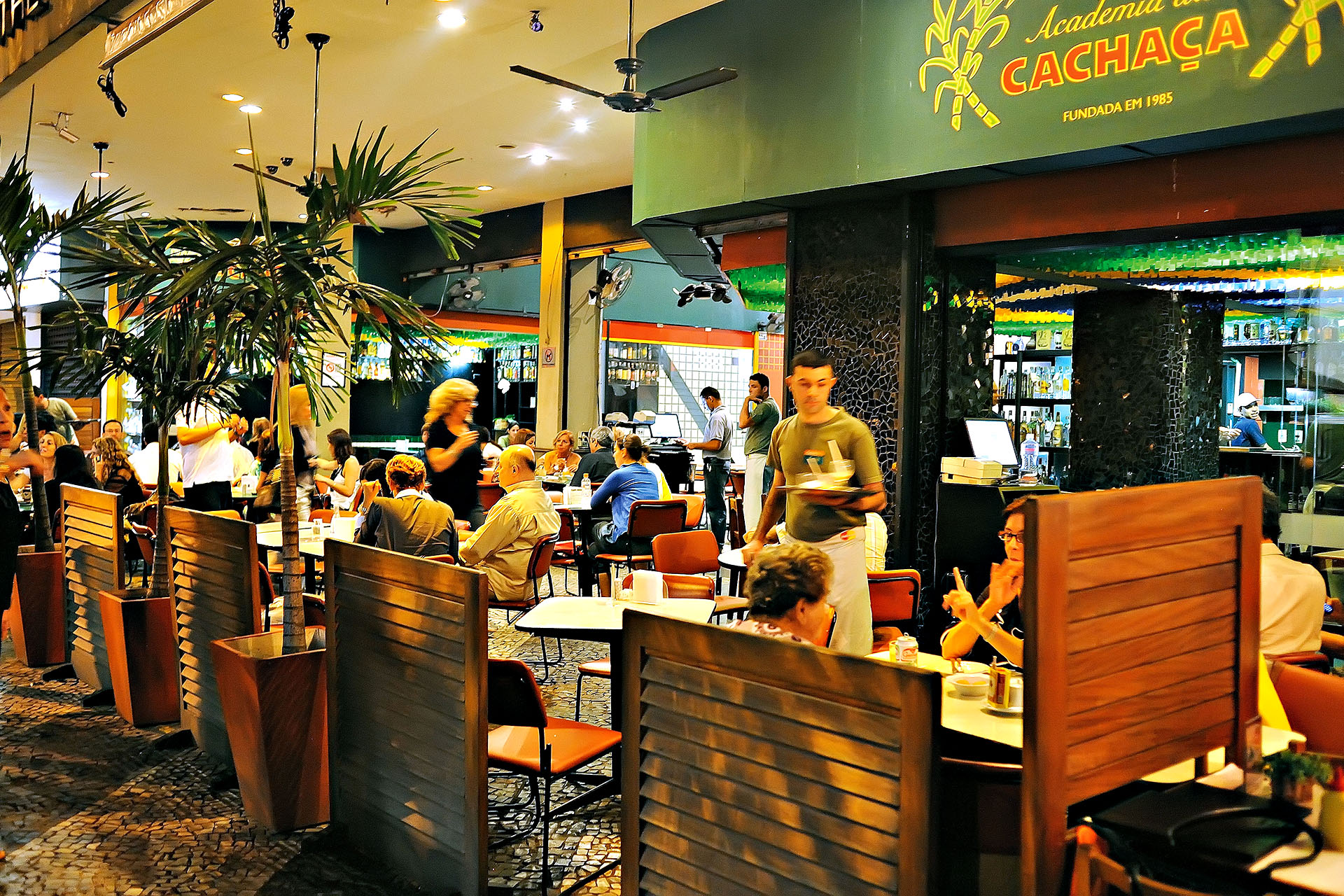
Caiparinhas are definitely more-ish. I stroll down to nearby Leblon to the Academia da Cachaça – a bar that has shelves weighed down by dozens of different types of cachaça bottles, most of which are unavailable outside Brazil. The Academia serves up more creative concoctions, such as pineapple, orange and passionfruit caiparinhas. Cachaça comes infused with everything from cashew to cinnamon. I try one of the juice-based cocktails, the cocada geladinha, made from coconut, coconut juice and cachaça, of course. I also order some scrumptious hot snacks, including bolinho de quejo (cheese balls) and queijo coalha asado (roasted curd cheese), both which are considered an excellent hangover prevention – or cure.

7.00pm
It’s no surprise that Brazilians are passionate about futebol (soccer). The most exciting game is a clássico or derby between rival clubs such as Flamengo and Fluminense. I head to a clássico between Botafogo and Vasco de Gama at São Cristóvão Stadium. There are 20,000 people in the stadium, though this isn’t much for Rio – the largest match, between Flamengo and Vasco at Maracana stadium, attracted close to 80,000 fans. The tension, nevertheless, is palpable. In the lower seats behind the goalkeepers, organised groups of hardcore fans motivate us as much as the players. They beat drums and chant songs, and the fans surrounding me soon join in. Throughout the game, they cheer, scream, applaud, hug each other, dance and leap into the air mid-song. The atmosphere is electric.
10.00pm
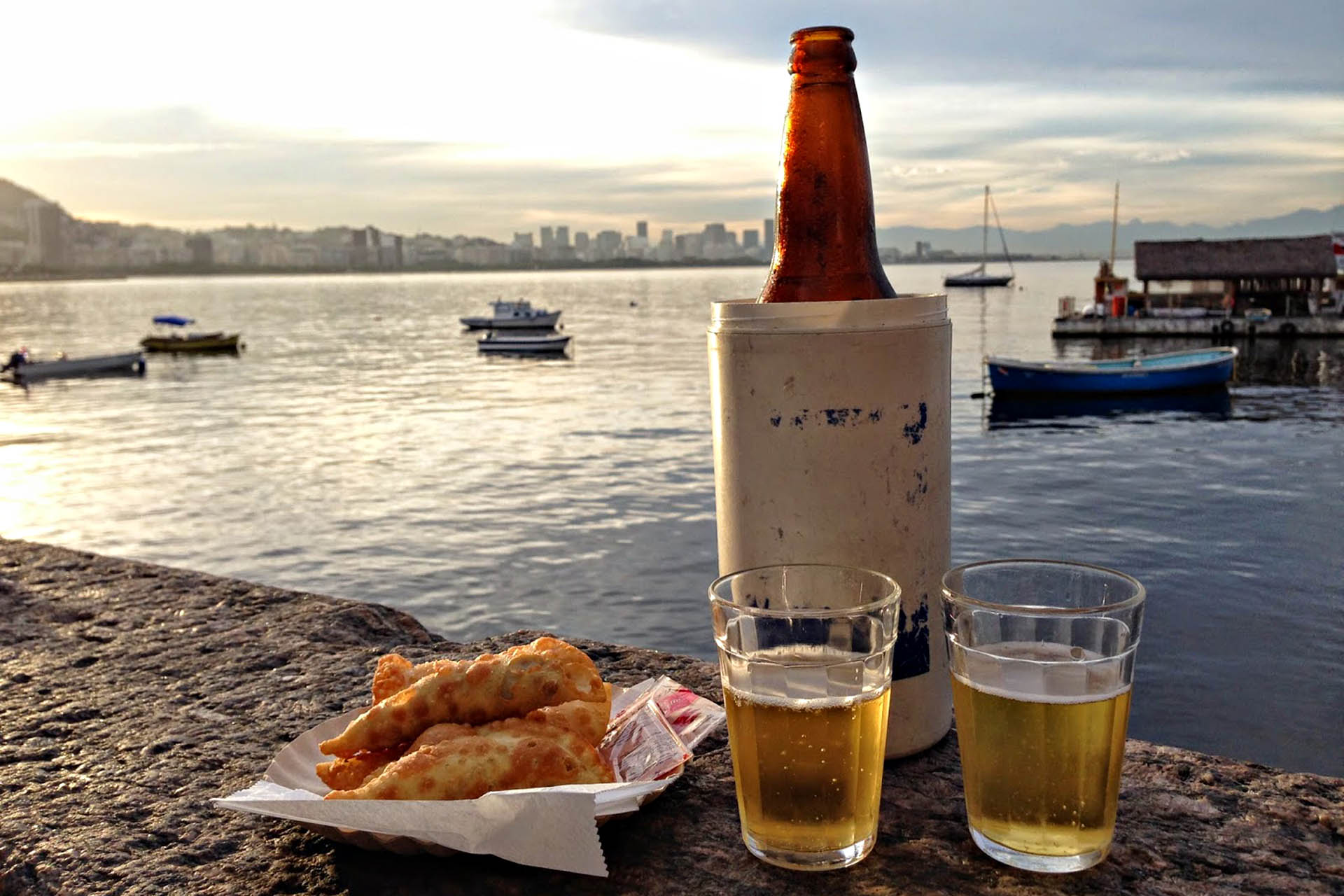
In need of some respite, I flag down a taxi to take me to the posh residential neighbourhood of Urca. Bar Urca is situated at the end of the quiet peninsula. There’s a seafood restaurant upstairs, but it’s the simple bar below and peaceful waterfront location that attracts most cariocas. I do as the locals do and buy a bottle of cheap cold beer, which the bartender tops with plastic cups. I cross the road to find a space on the crowded wall. Friends sit cross-legged and chat, while couples swing their legs and sip beers in between kisses and cuddles. I watch the planes fly in over the still waters of tranquil Guanabara Bay.
11.00pm
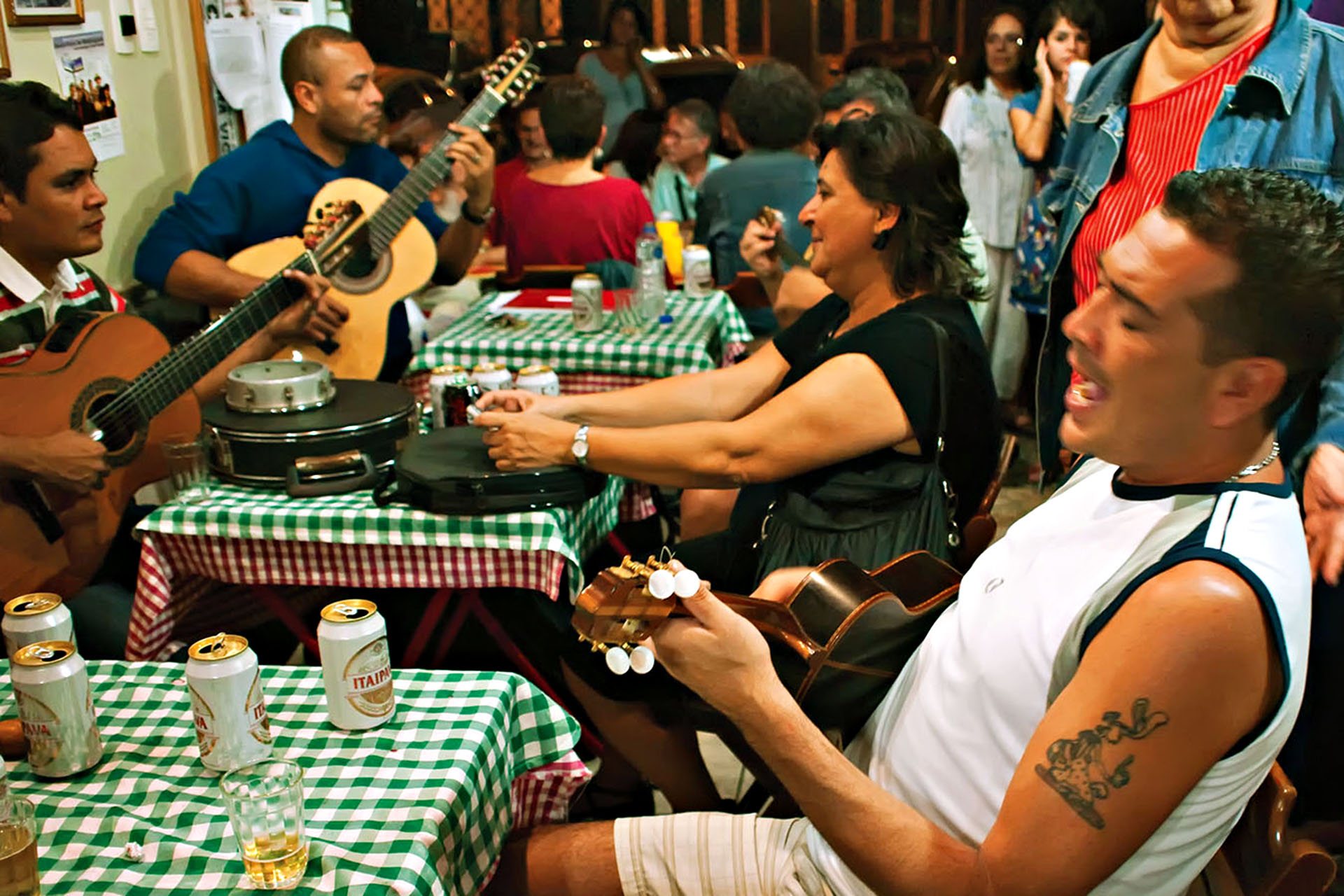
Ready for some music now, I head out in search of samba. While I could probably dance the rest of the night away at one of Rio’s popular (albeit very touristy) spots like the colossal Rio Scenarium, I opt instead for Bip Bip: a compact backstreet Copacabana botequim or neighbourhood music bar. I sway my hips to the beat of the cuica, a Brazilian drum that sounds like a cross between a monkey and a car horn, and help myself to beer from the fridge at the back of the bar. The bar operates an honour system where you pay for what you drink on the way out.
12.30am
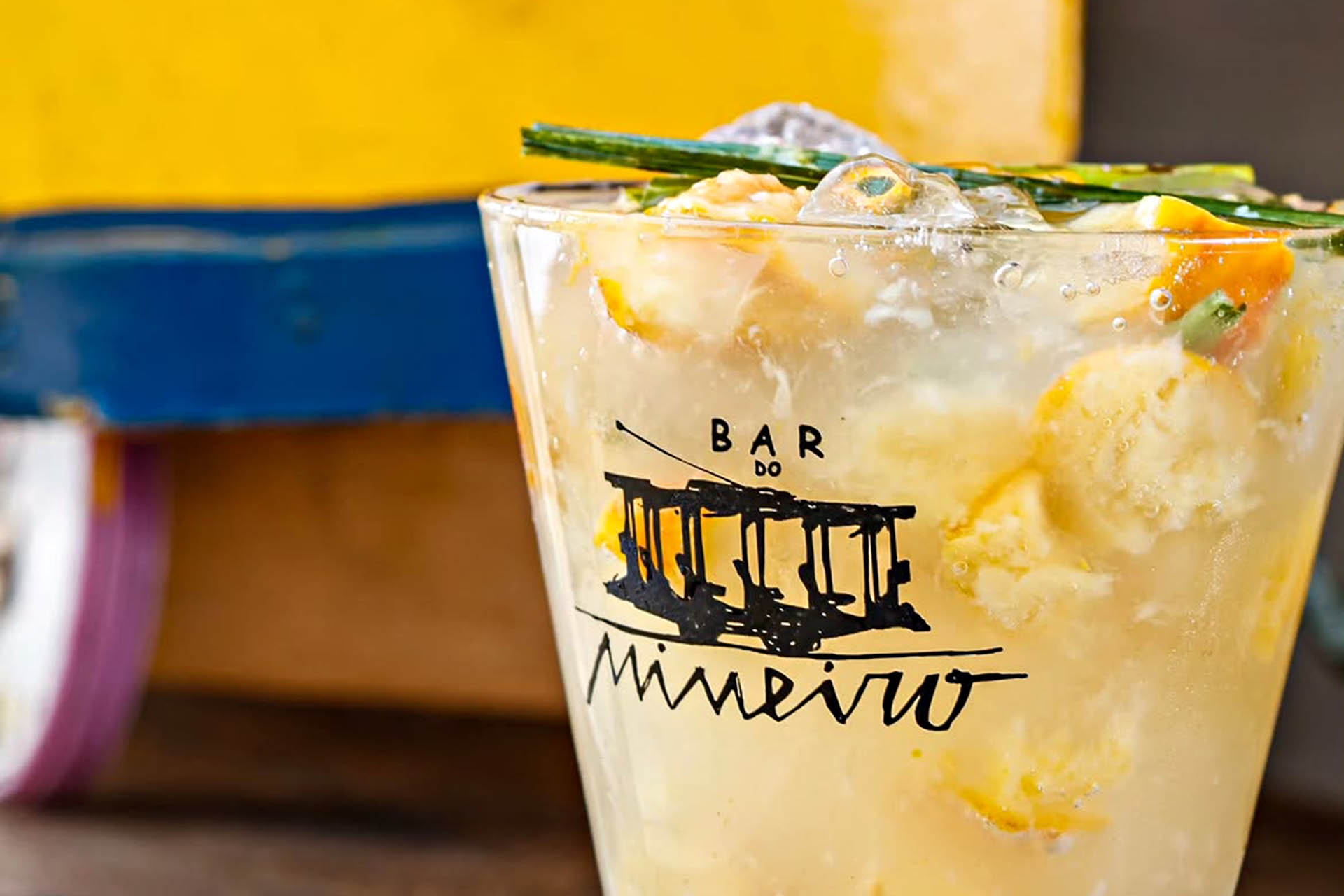
I’m hungry, so I make a beeline for bohemian Santa Teresa. Bar do Mineiro is hidden around the bend from a handful of more expensive restaurants that the guidebooks recommend. With fluoro lights and walls covered with black and white photos, the white-tiled eatery is packed with locals. I’m tempted to try the restaurant’s specialty – the traditional feijoada – a bean and pork stew, but the more-than-ample-sized dish will probably make me want to head home to bed. Instead, I order baskets of Brazil’s national snack, delicious bolino de bacalao (cod balls).

3.30am
I take a taxi back to Leblon, but before I wind up the night there’s a couple more botecos to try. Bar Jobi and Bar Bracarense haven’t changed their decor in 50 years. At Bar Bracarense, I start to feel weary among the tables of young friends. Yet, I still spy some sprightly, silver-haired seventy-somethings chatting animatedly as they sip their beers. It must be those vitamin-laden sucos.
Share >




More Stories
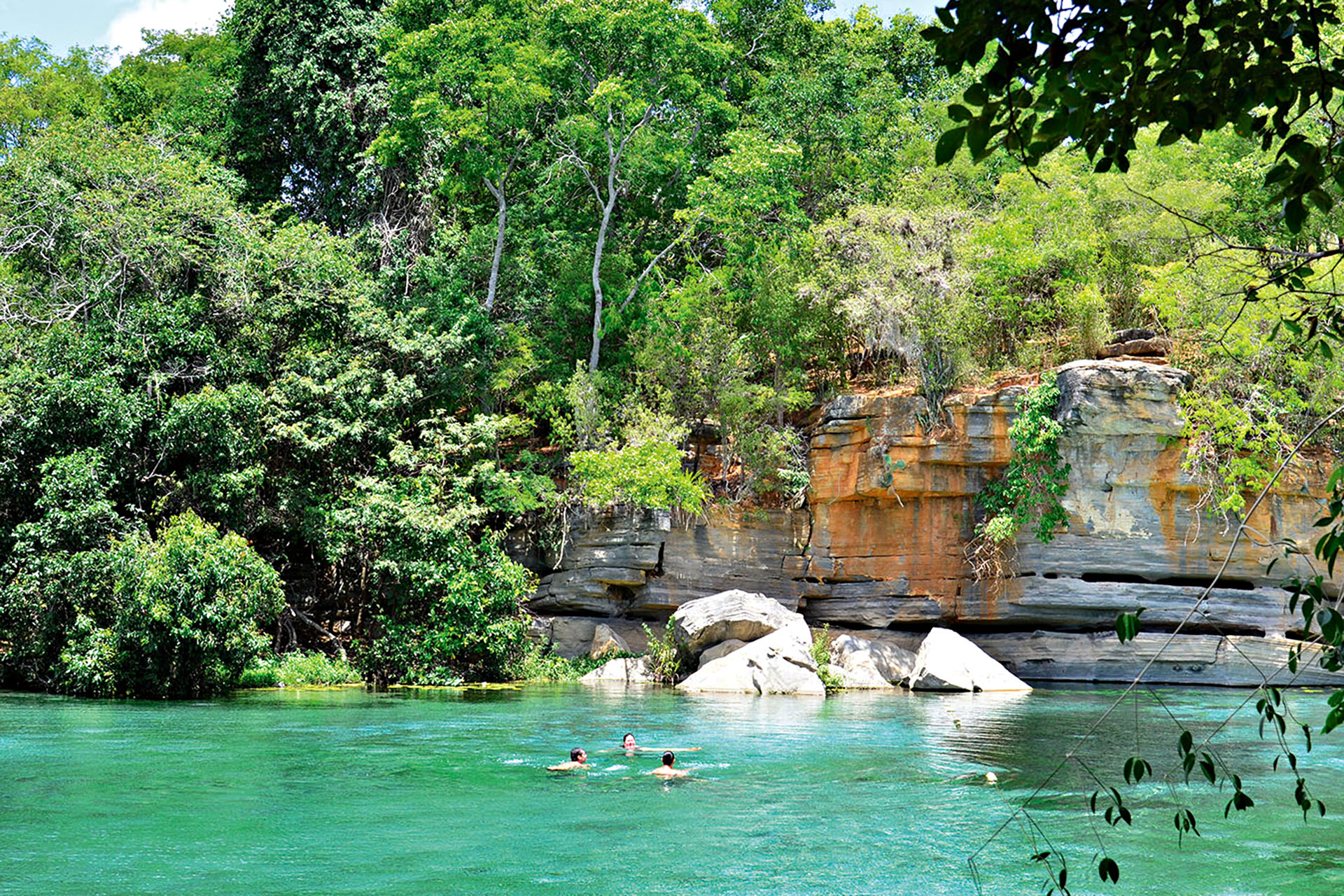
Once the centre of Brazil’s diamond-mining region, Chapada Diamantina National Park, with its underground caves, soaring plateaus and diverse ecosystems, is now on the travel radar. Get there before everyone else does, writes John Malathronas.
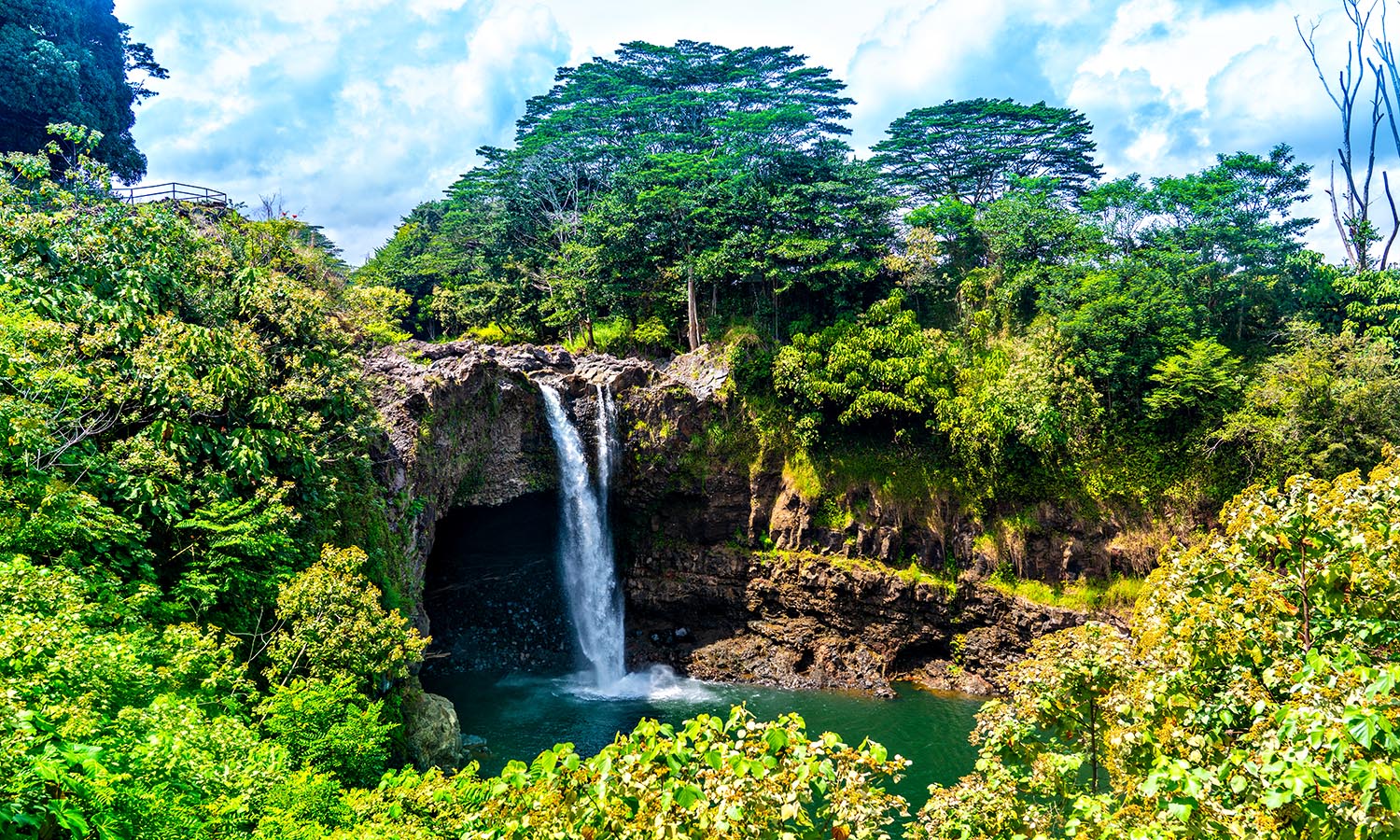
Hawai'i, Hawaii's largest and newest island, is the holiday from yourself you never knew you needed.
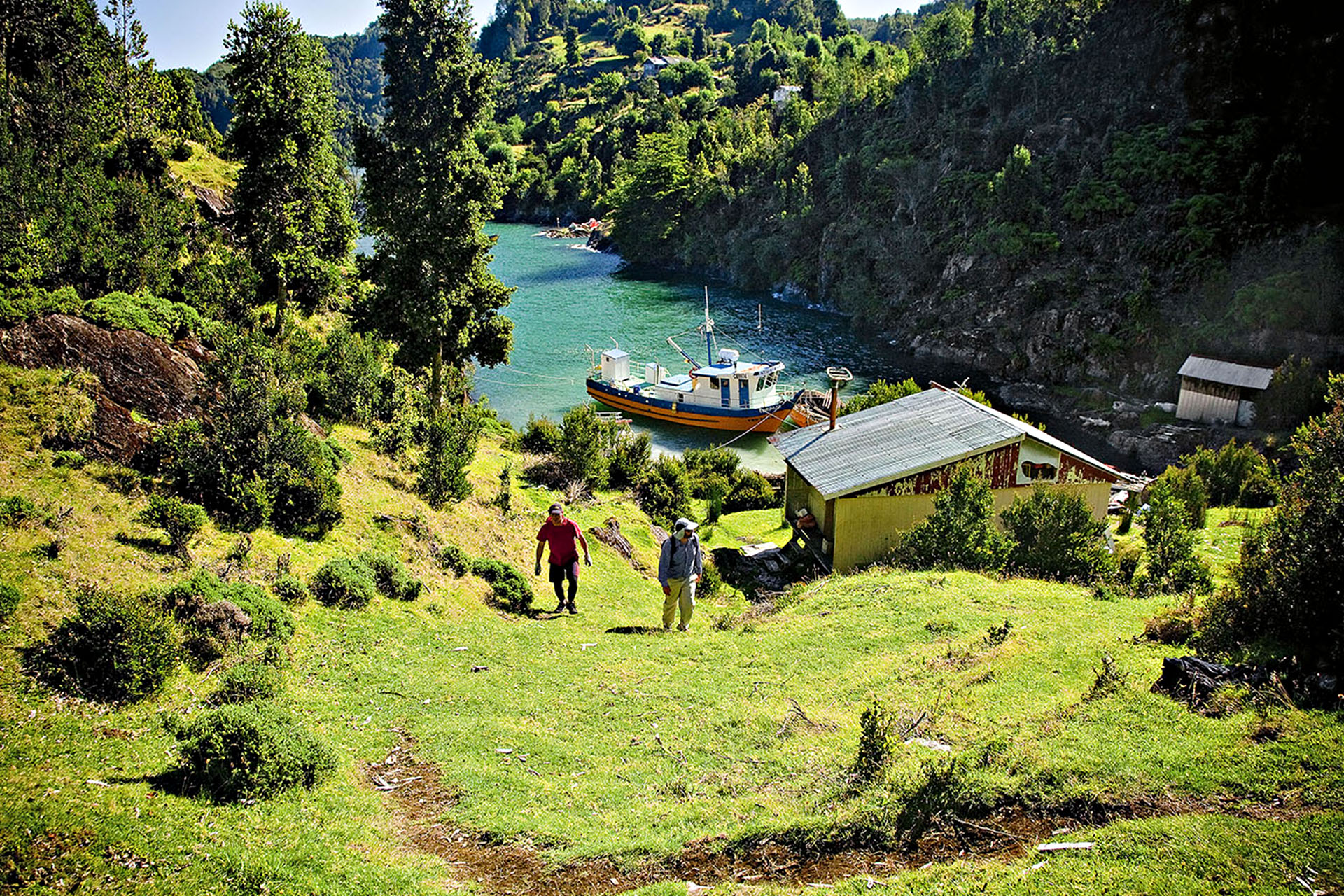
Cam Cope ventures to the south of South America and explores Chile’s magnificent fjords by boat.