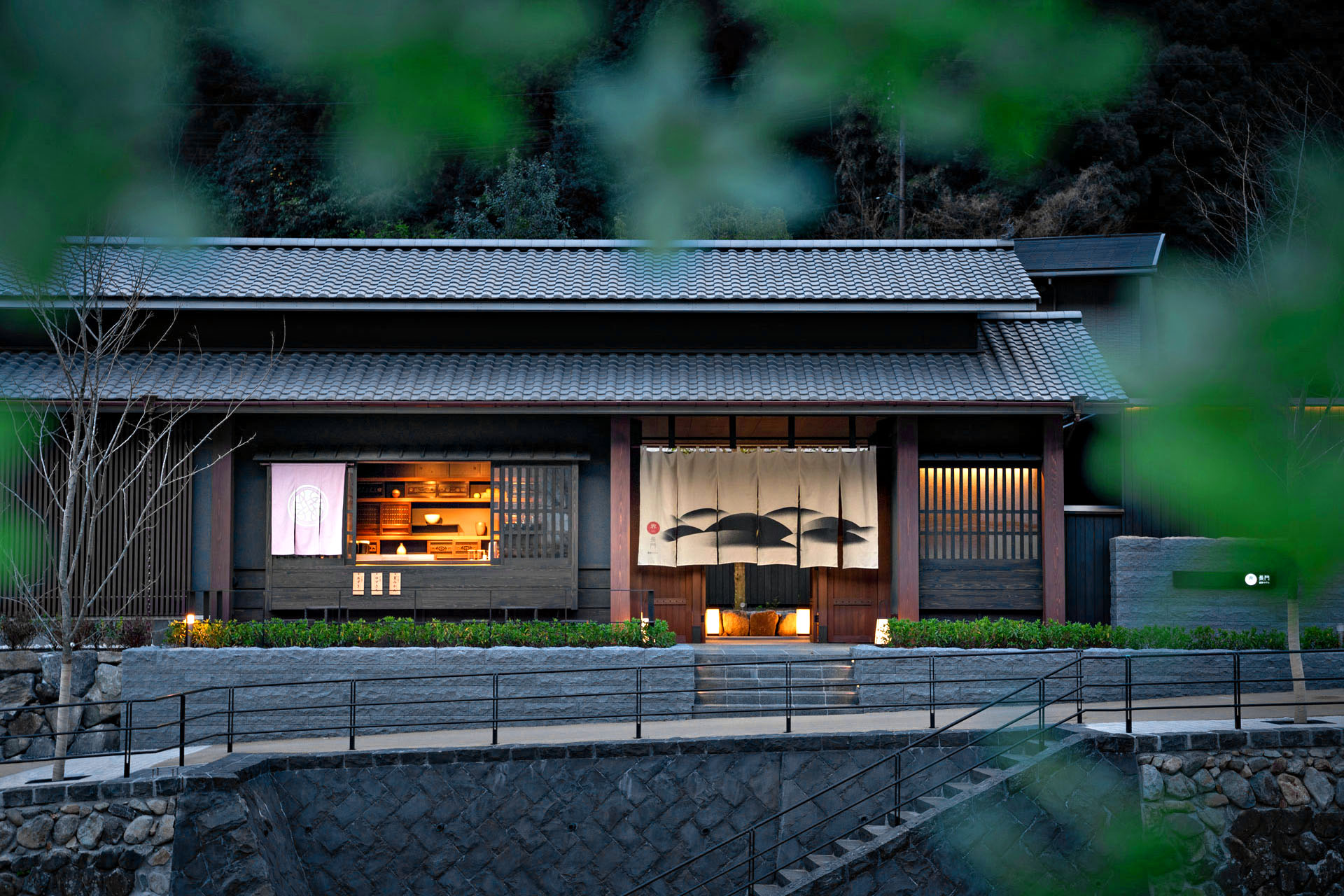
“Take an Onsen. You will feel new again” says Kazuhiro Otani, the owner of Bettei Otozure, a ryokan that blends tradition with a luxurious hint of modernity.
I’ve just arrived in Nagato Yumoto, a stunningly picturesque mountain village in the Yamaguchi Prefecture on Japan’s westernmost tip. I’m bleary-eyed, aching and only just starting to feel my feet again after far too long up the back of a Qantas A330, boarded in Sydney.
“Are you sure?” I ask. “It seems odd to have a bath at two in the afternoon.”
“Trust me,” says Kazuhiro with a look of intense assurance. “This onsen is very special. We onsen here whenever we need it.”
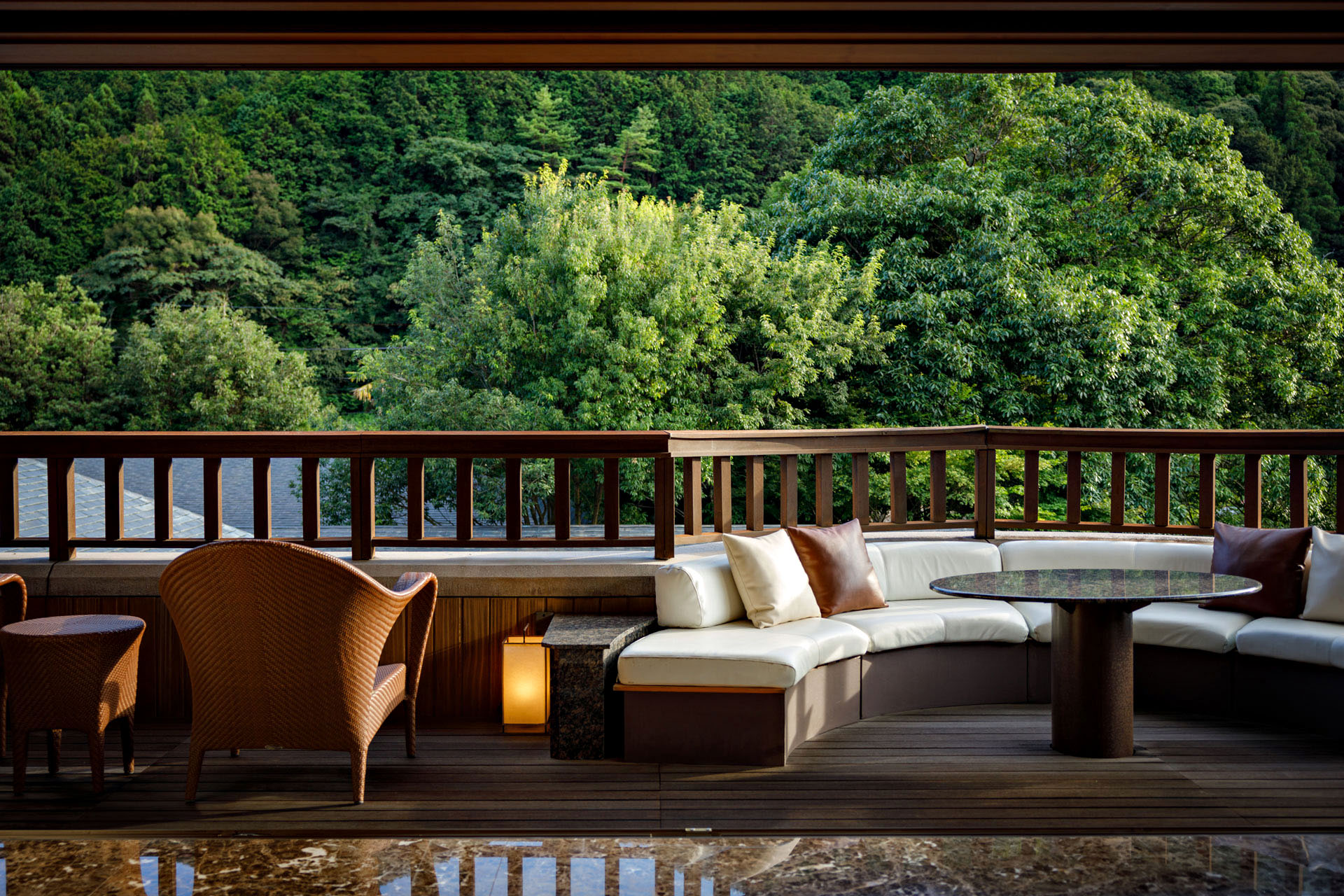
This exchange marks the first, but certainly not the last time, on this trip that I feel like Tom Cruise in The Last Samurai as he takes lessons from Katsumto, a man with more mystic wisdom in his little finger than in Cruise’s entire (albeit little) body.
It’s said that 600 years ago, the god, Sumiyoshi Daimyojin, blessed this village with the Onto hot spring to thank the local Buddhist monks for instructing in the way of the Buddha. The hot spring grew in fame, and for centuries locals and travellers alike have bathed in its soothing, spiritual waters.
RELATED ⟶ AN URBANITE’S SOUTH JAPAN ESCAPADE
Kazuhiro is a sixth generation Nagato Yumoto resident. So he knows a thing or two about the healing powers of this water.
“Rest up,” he says. “And I will see you for dinner. Six o’clock. Plenty of time to feel better and tonight we eat kaiseki!”
I slip into my private-balcony onsen, and with the water at a strict 39 degrees Celsius, things happen quickly. The bath is square and deep; crystal-clear hot spring water pouring from an ornate miniature Japanese waterfall. The result: absolute bliss.
I don’t know if it is the supernatural hot spring water, or the exhilaration of being in rural Japan for the first time, but after just 15 minutes, I’m feeling back to one hundred percent.
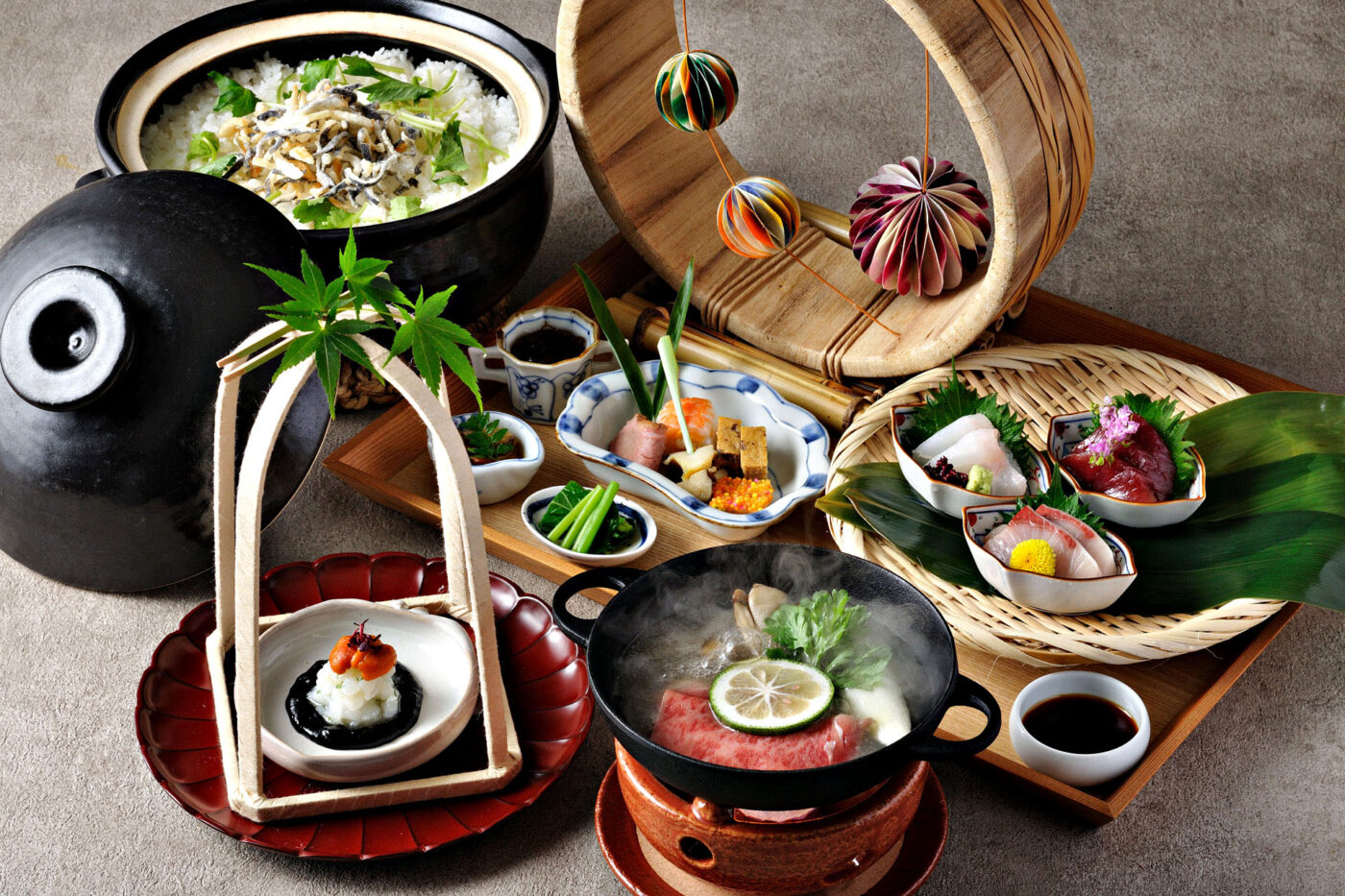
The Japanese are renowned for their attention to detail, food not excluded. But kaiseki dining is on another level again. The best way to describe this style is it’s an uber-fresh. Kazu (we’re into the sake and so we’re on a casual name basis) insists I first try dishes individually and then mix.
“Now you taste the real flavour,” he says.
I don’t know if it is the supernatural hot spring water, or the exhilaration of being in rural Japan for the first time, but after just 15 minutes I’m back to 100%.
There’s a broth-y miso-type soup with several miniature pickle dishes. A plate of soft sashimi fresh from the nearby Japan Sea is matched with a plate of Fugu sashimi, a fish more poisonous than cyanide and deadly if not prepared correctly.
“Only a few each year,” answers Kazu to the inevitable question.“But no one has ever died here… yet.”
Desserts are served and then promptly demolished, and after 10 courses I’m not bloated or nauseous; rather I feel perfectly fed.
RELATED ⟶ A TALE OF TWO ANCIENT CITIES
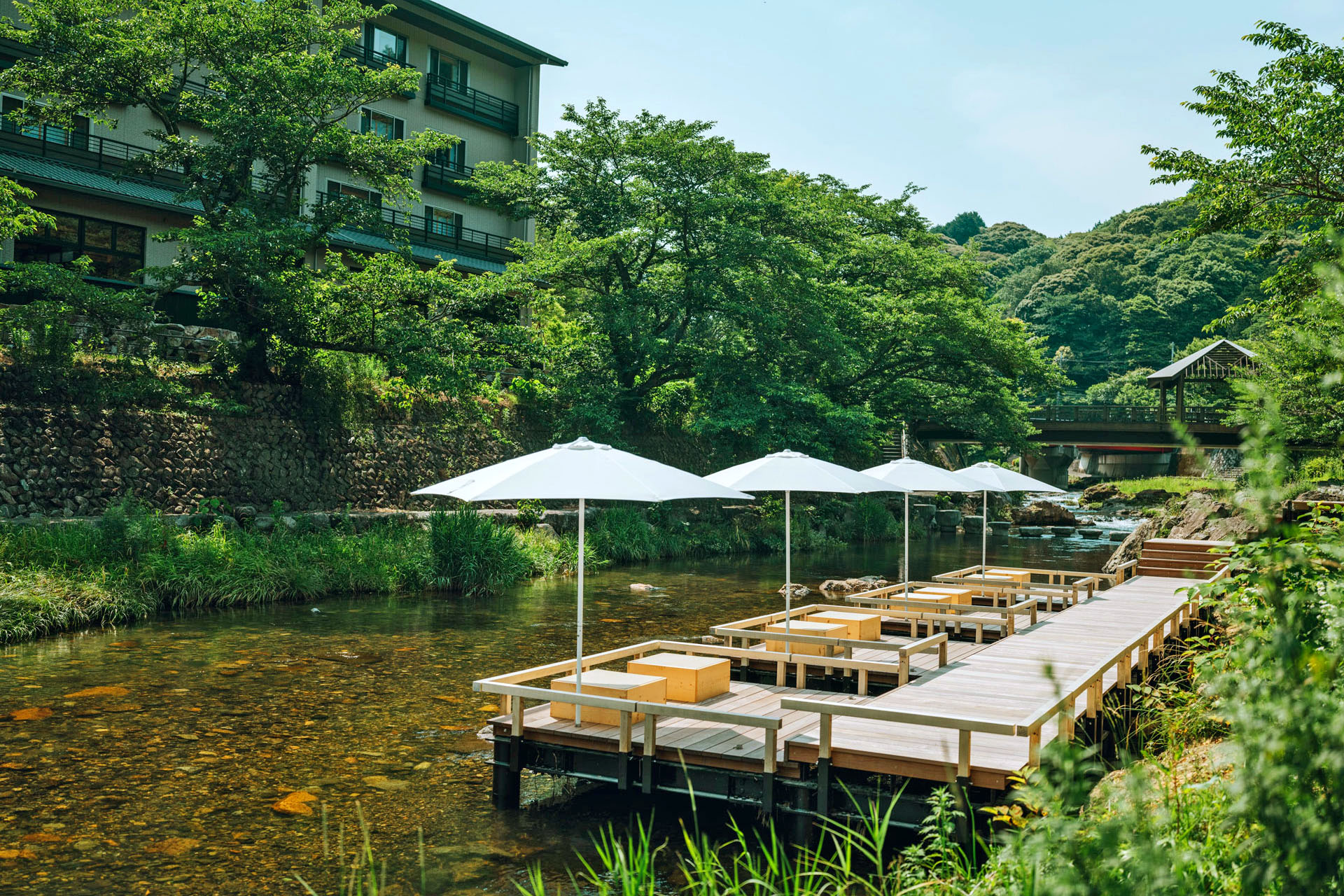
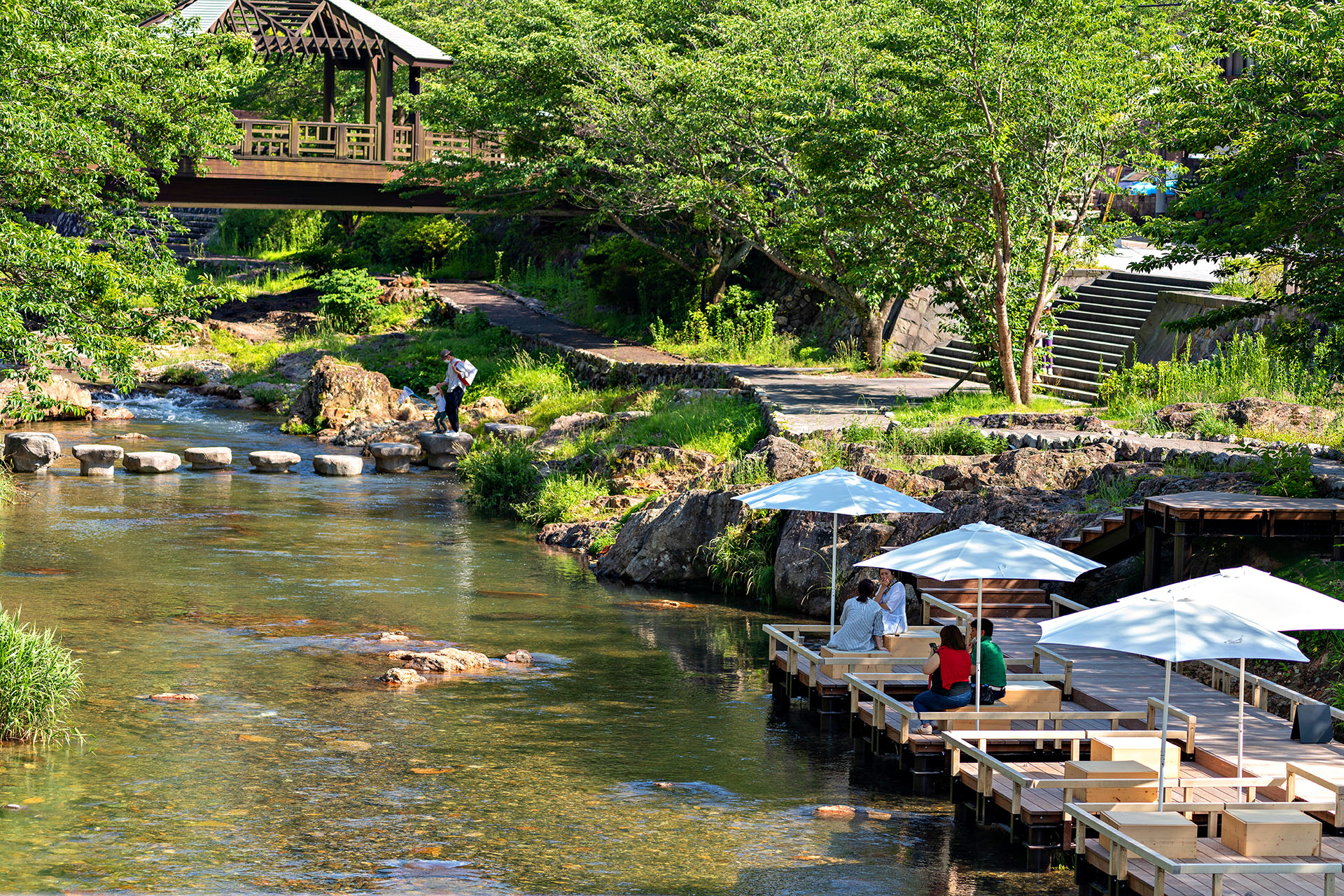
Nagato Yumoto itself is quaint and quiet, with the Otozure River splitting the town in half. There’s a sense of calm, as if the town itself has just bathed in the hot spring. Terraces are scattered along the riverside for people to sit and enjoy the fresh air.
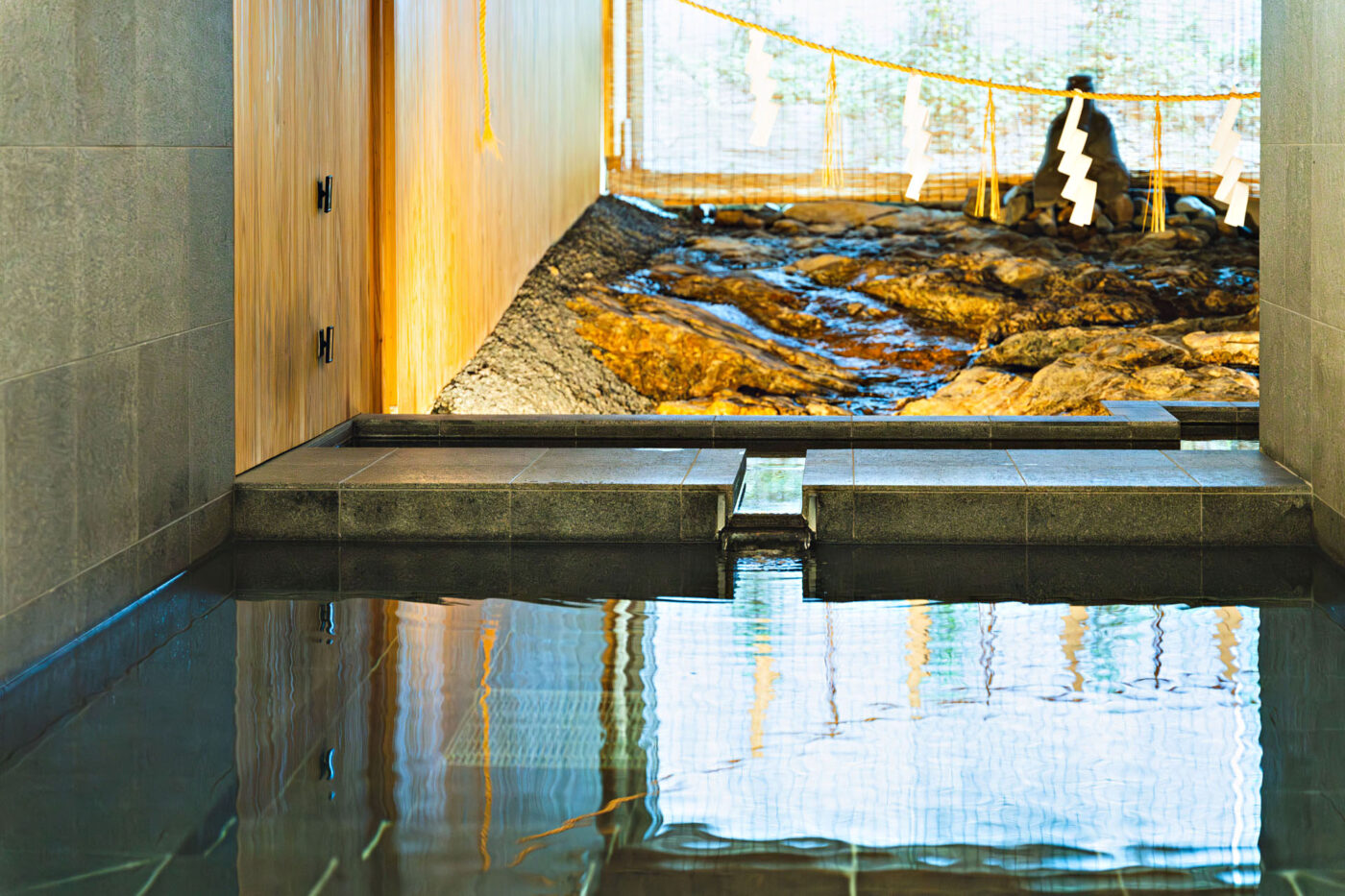
Central to the town is the newly built Onto Onsen, an architecturally-designed structure where you can bath in the waters directly bubbling from the bedrock—just as people have done for the last 600 years.
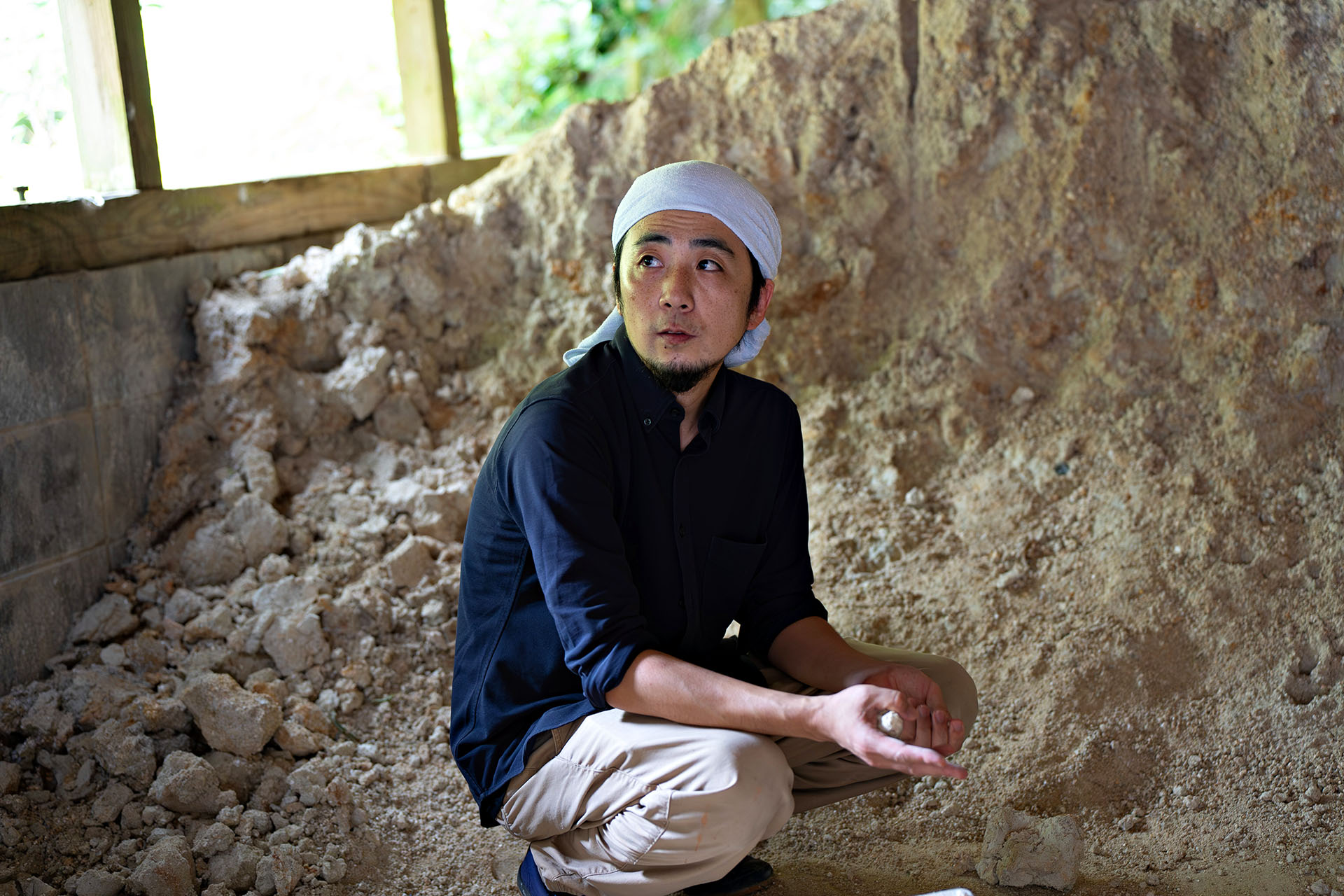
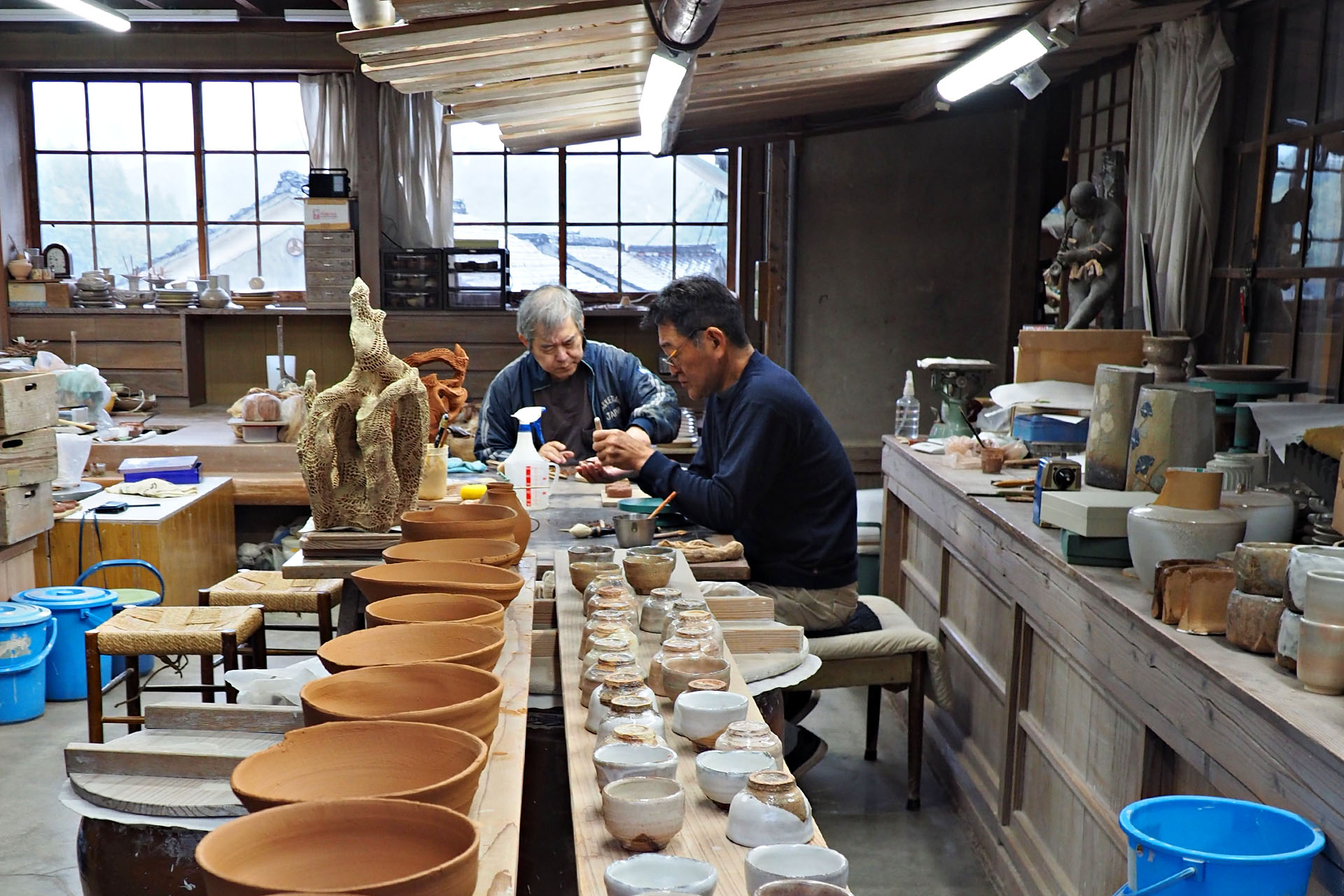
We meet Masahiro Sakakura, a sixteenth-generation sculptor (16!) and unassuming genius, whose family began crafting masterpieces in the region no less than 350 years ago. He shows us around his workshop and the 100-year-old Fukawa kiln, and as we sip bitter green tea from one of his great grandfather’s teacups I ask what it would be worth. Answer: about US$12,000. I carefully put the cup down.
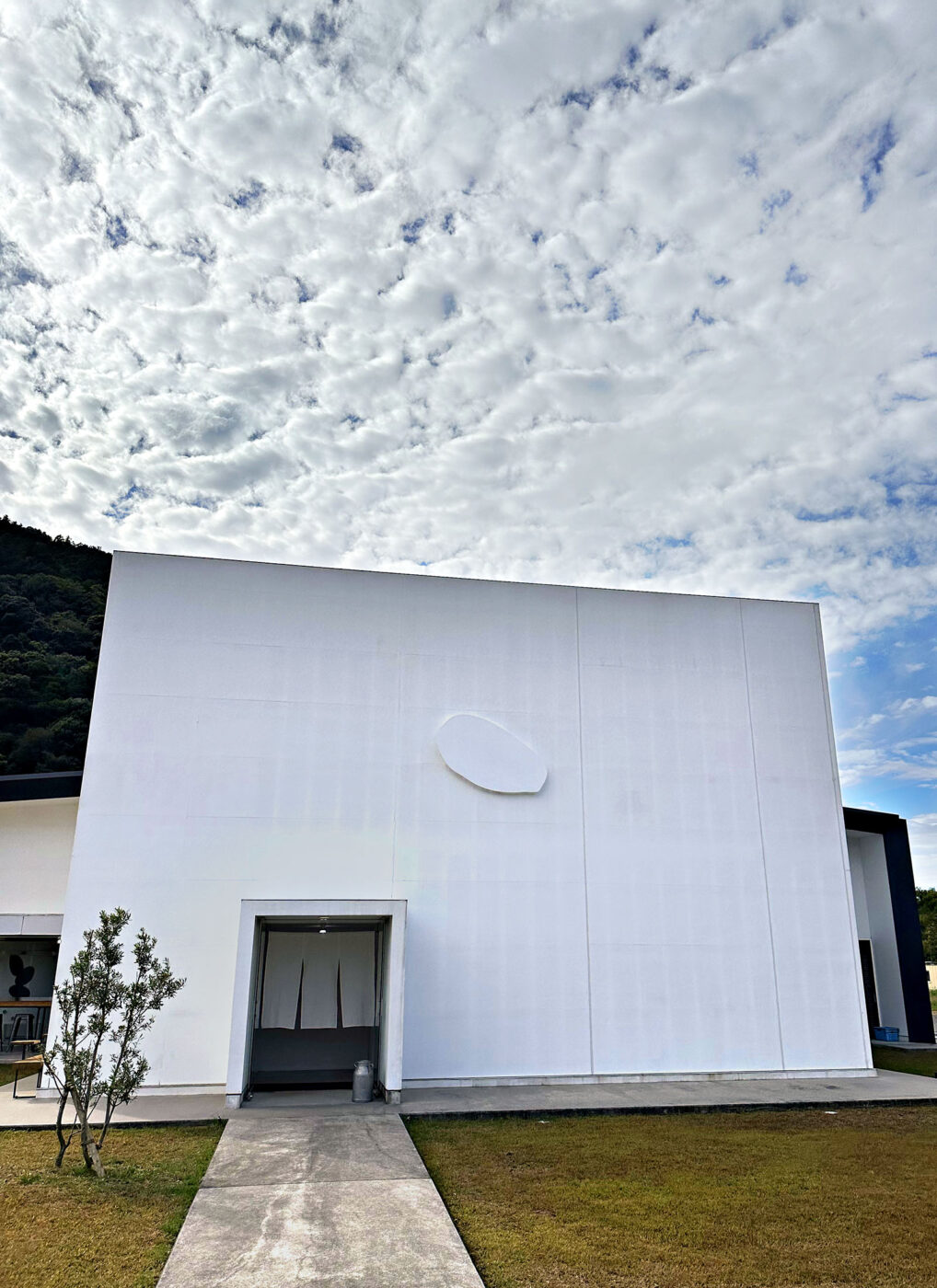
Rural Japan is time stood still, but younger generations are beginning to add their own touches, influenced by the outside world. The best example of this is Ohmine Shuzou, a sake brewery a short drive from town. Here, the ancient method of sake brewing has been restored (the original brewery was unused for over fifty years) with a modern twist. The building is an architectural feast for the senses, with clean design and a modern café and tasting room.
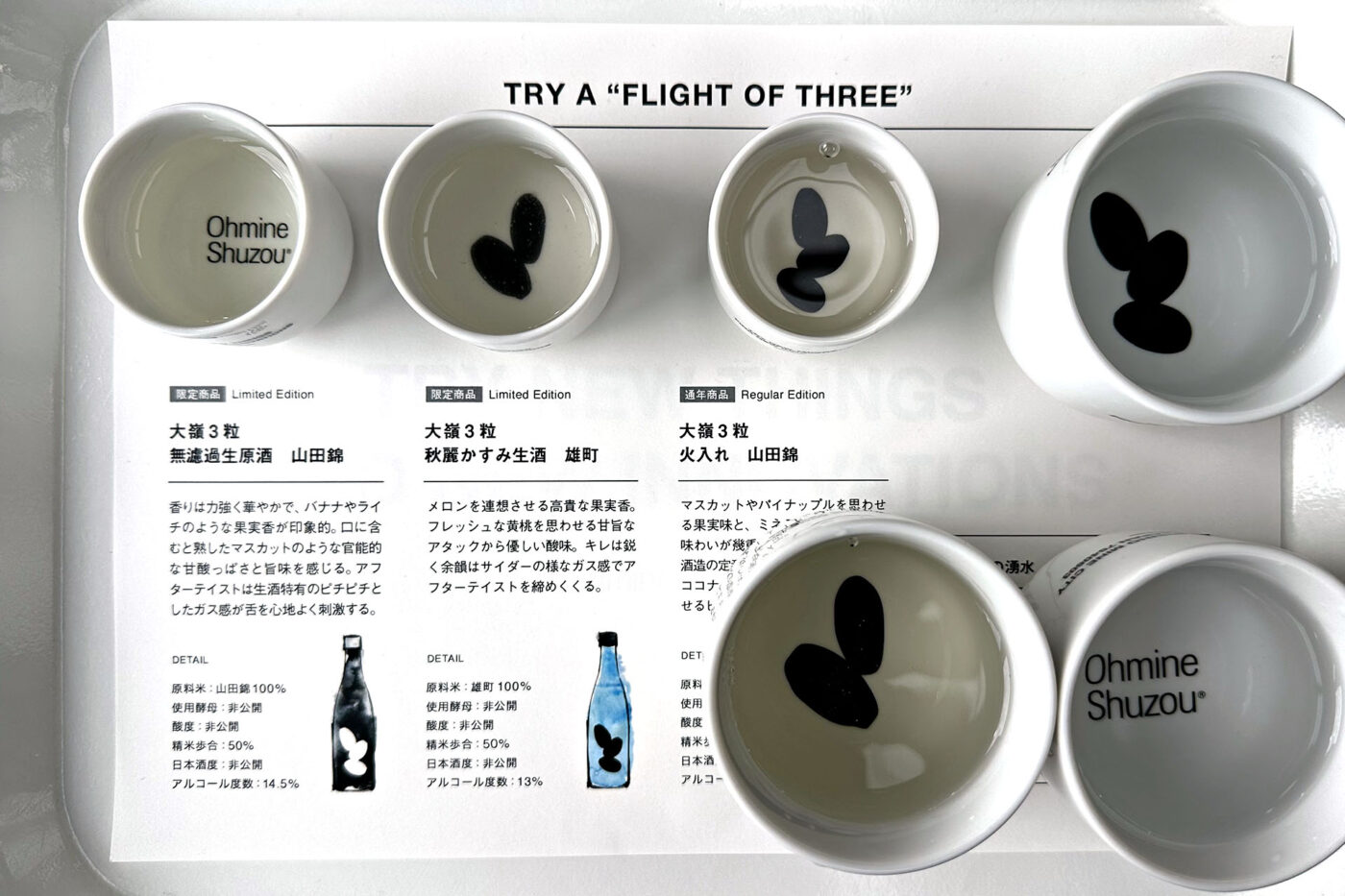
We order a tasting plate of four limited edition sakes all of which are smooth and subtle. Which makes sense considering they’ve been brewed with so called ‘Water from the Gods’. I’m thankful I’m not driving.
WATCH ⟶ WE GO OFF THE RAILS IN JAPAN
On our last afternoon Kazu takes me to his favourite yakitori bar, Komori in Nagato town.
It’s a small hole-in-the-wall with the traditional noren (vertical cloth slits) entry. Kazu is a popular figure here. He tells me his perfect day off is eating yakitori and enjoying the beers. Normally from 4pm until closing.
“What time is that?” I ask.
He smiles broadly. “About 9 o’clock.”
I get the feeling he does this often.
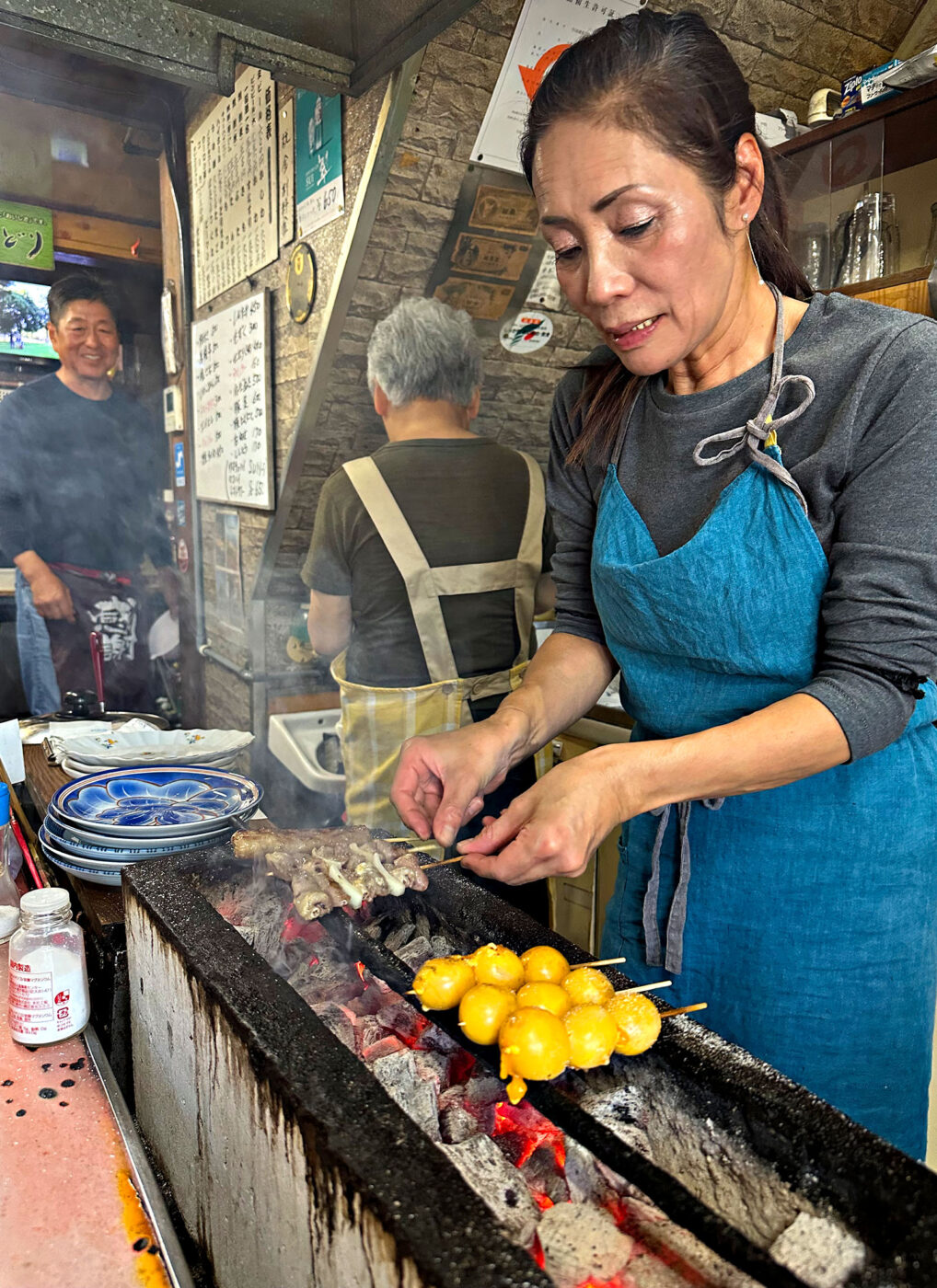
The bar Master and his wife hold court of conversation, and while beer flows to the ten or so patrons (at capacity) his wife tends to a small coal-fired barbecue, laying on sticks of chicken, pork and beef yakitori. Kazu tells me the chicken here is the best in Japan and I find it hard to argue.
Kazu tells me the chicken here is the best in Japan and I find it hard to argue.
I promised myself I’d try everything on this trip and so when Kazu orders a plate of raw liver, I again take his word for it.
For the first time since I arrived I lose my smile.
Thankfully the Master is on hand with a beer to wash the taste away.
RELATED ⟶ JAPAN’S WILD WEST
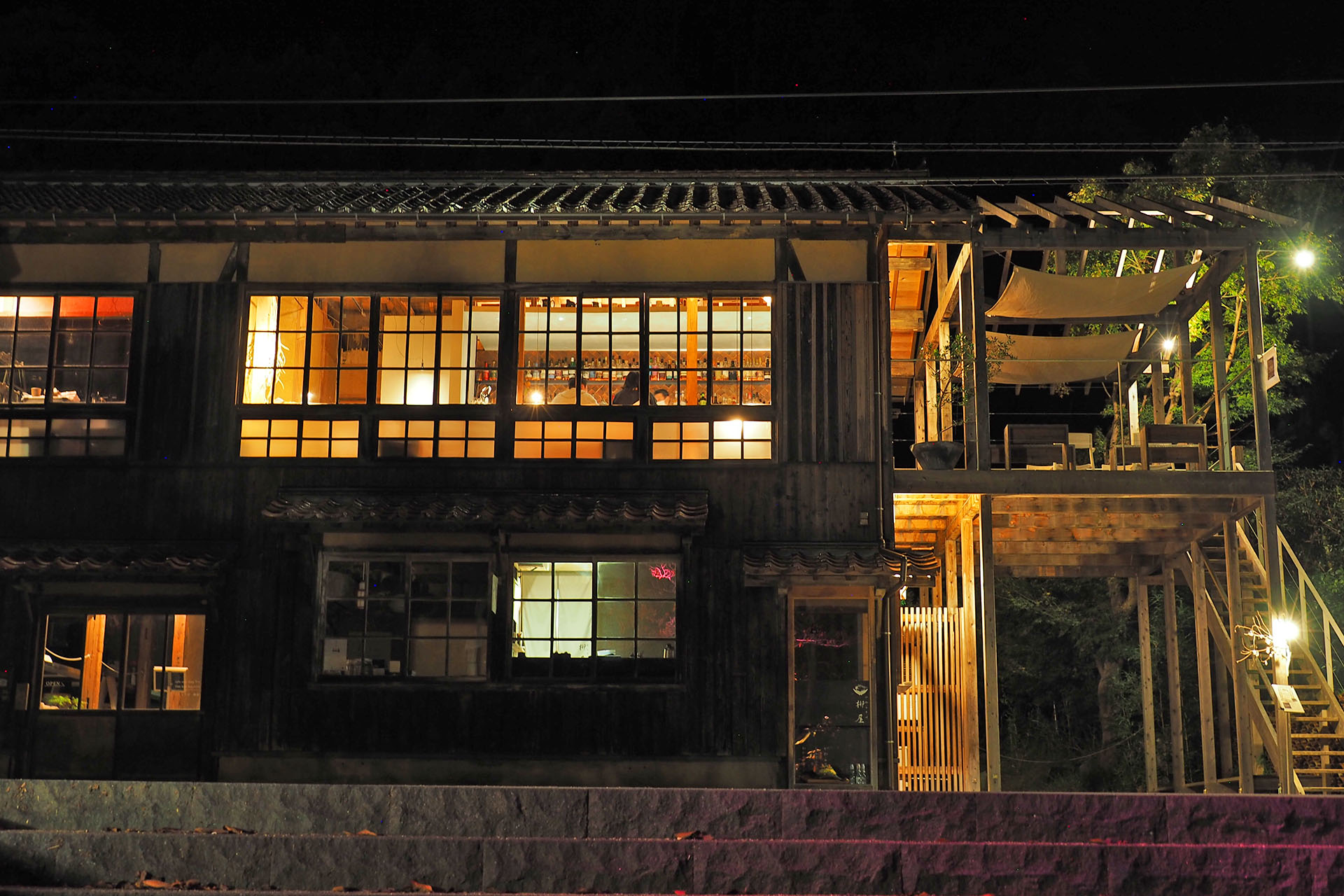
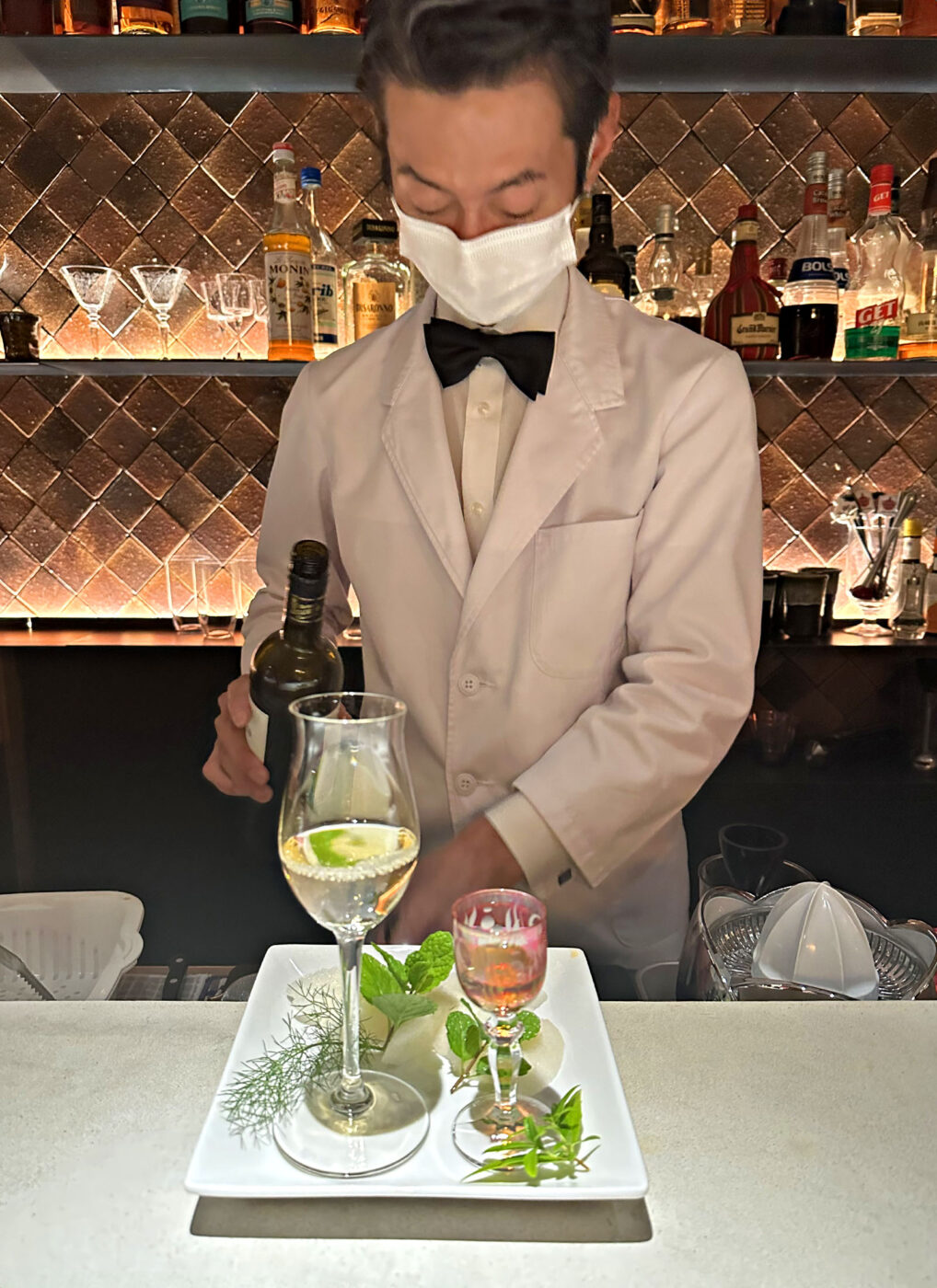
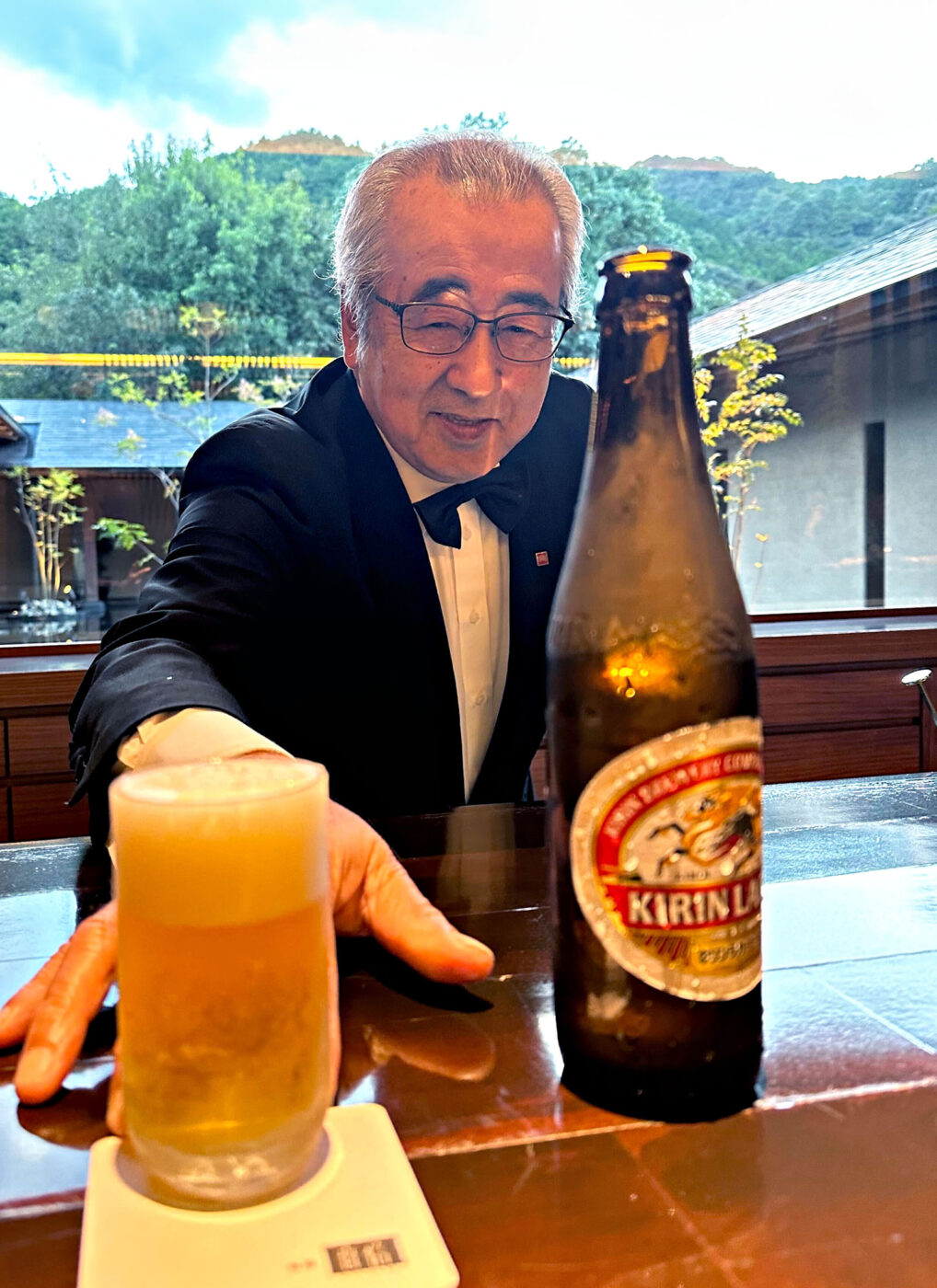
We finish the evening at The Bar Nagato, an upstairs speakeasy looking over the Otozure river. Presiding over proceedings is Daisuke Kuroda, a mater barman with over 30 years of experience. He’s dressed in a white jacket and black tie, and takes his time with every minute detail, concocting a martini so delicious, one is not nearly enough.
“You’ll be having an onsen in the morning I think,” says Kazu.
And he was right.

Share >




More Stories
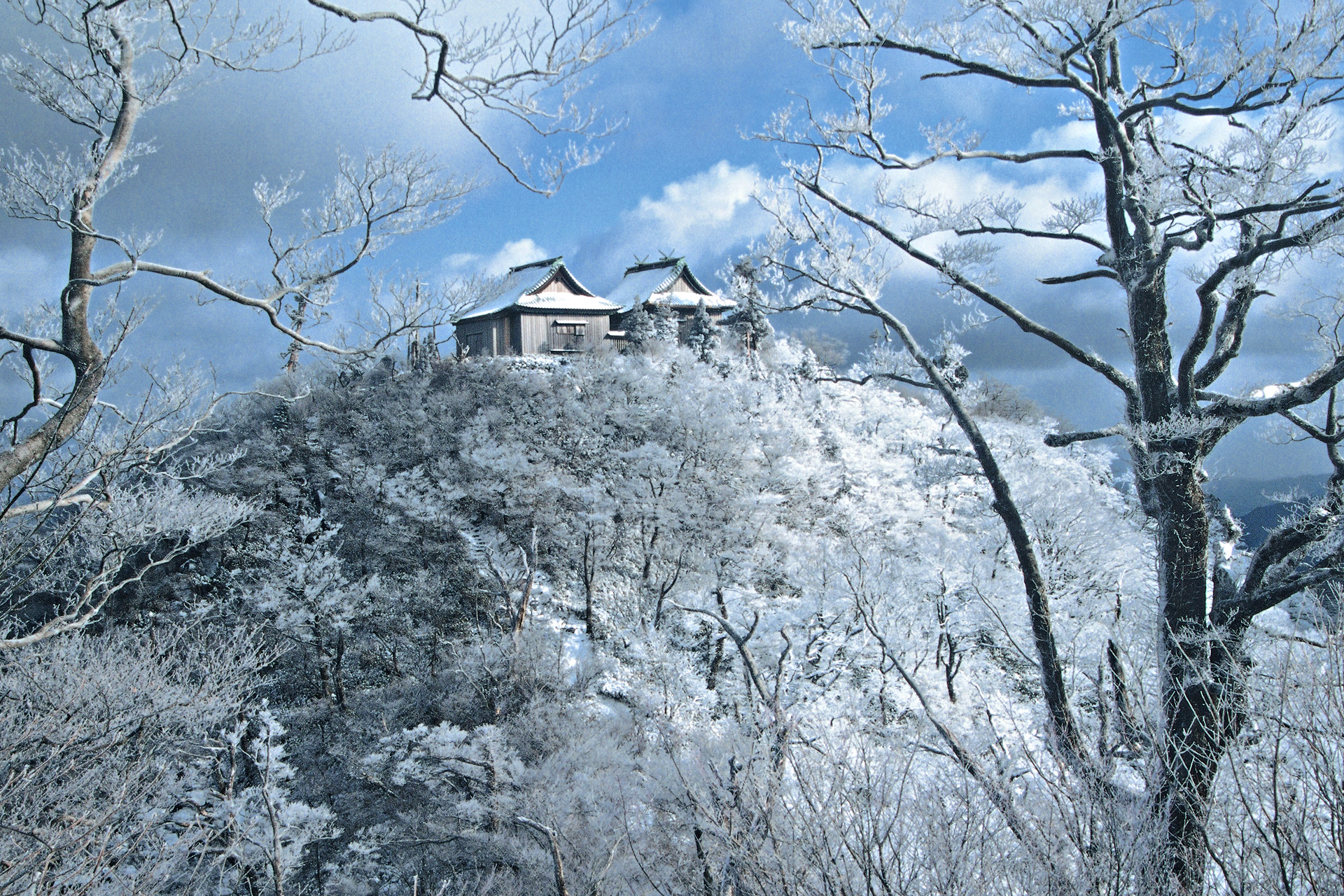
Tucked away in the southwest of Japan, Fukuoka offers the best the country has to offer in one intriguing package. The largest city on Kyushu Island, Fukuoka is famous for teasing visitors with the intoxicating aromas of street food at ‘yatai’ stalls, world-class shopping, culture and nightlife.

As someone who thrives on the electric hum of city life, trading bustling laneways and artisanal lattes for moss-covered forests and volcanic slopes was well beyond my comfort zone. Yet, five days exploring the south of Japan—particularly Yakushima and Mount Aso—offered a blend of challenges and breathtaking beauty that was impossible to resist.
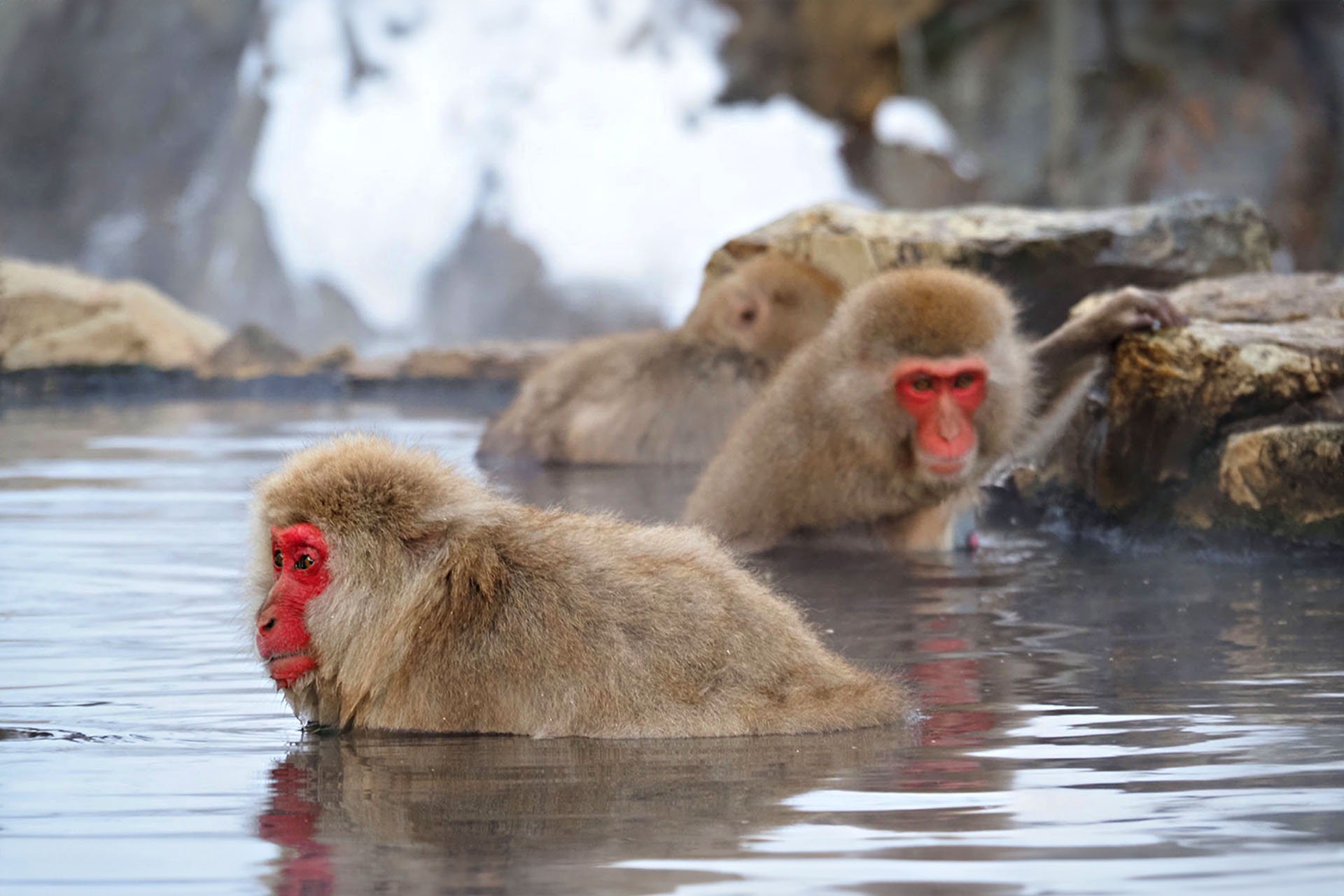
Justin Jamieson revisits Nagano and Kanazawa in winter, where monkeys steam, samurai endure and ancient cities reveal a colder, sharper kind of magic.