Watching a marine biologist pull a living coral out of a plastic tub and smash it with a hammer was not what I was expecting from an eco-tourism experience on the Great Barrier Reef.
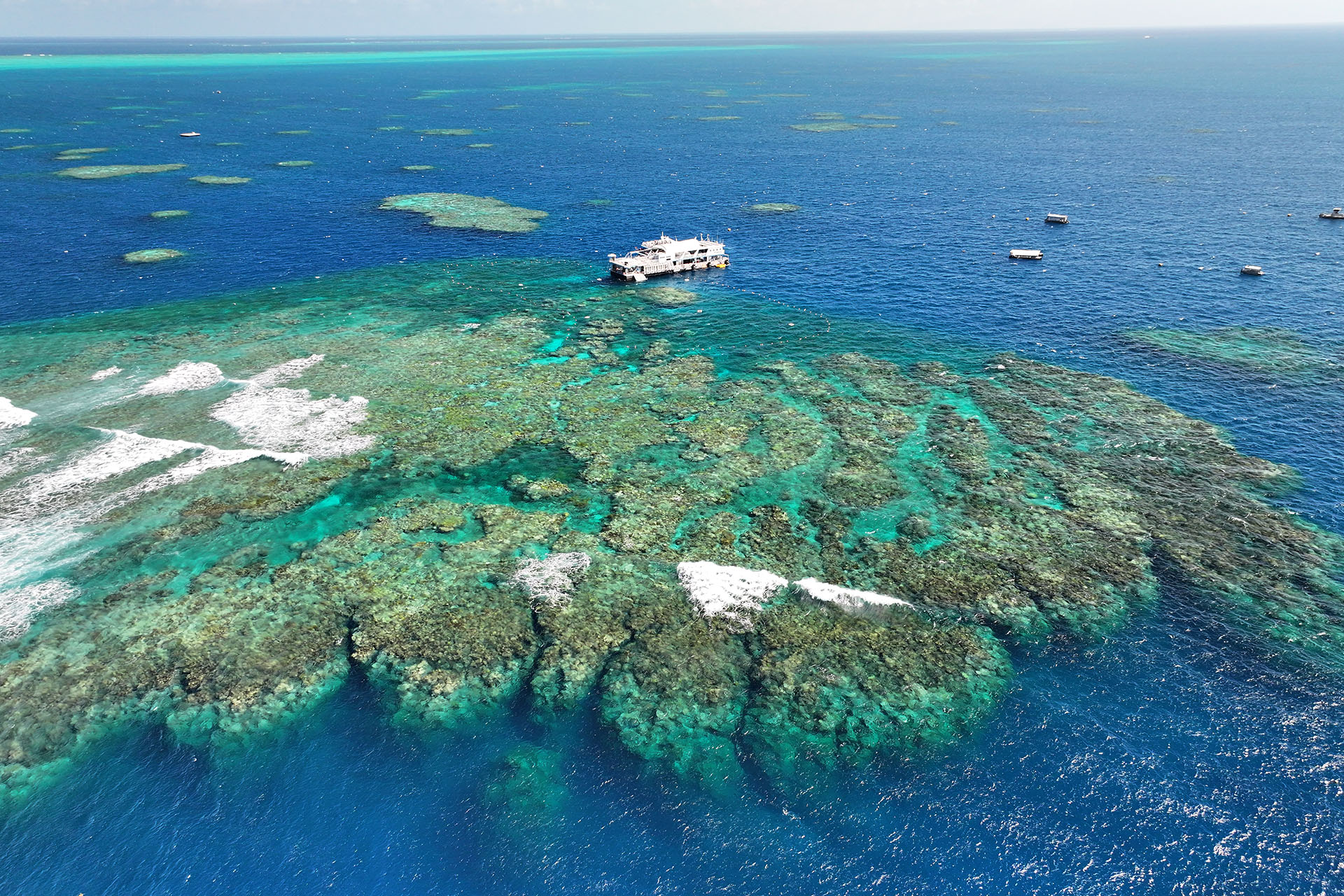
I’m on Reef Magic’s pontoon, two hours out of Cairns Marina. The majority of the 250 people on the pontoon have come to snorkel The Great Barrier Reef (GBR). Some have come to help restore it.
Which is where the hammer comes in.
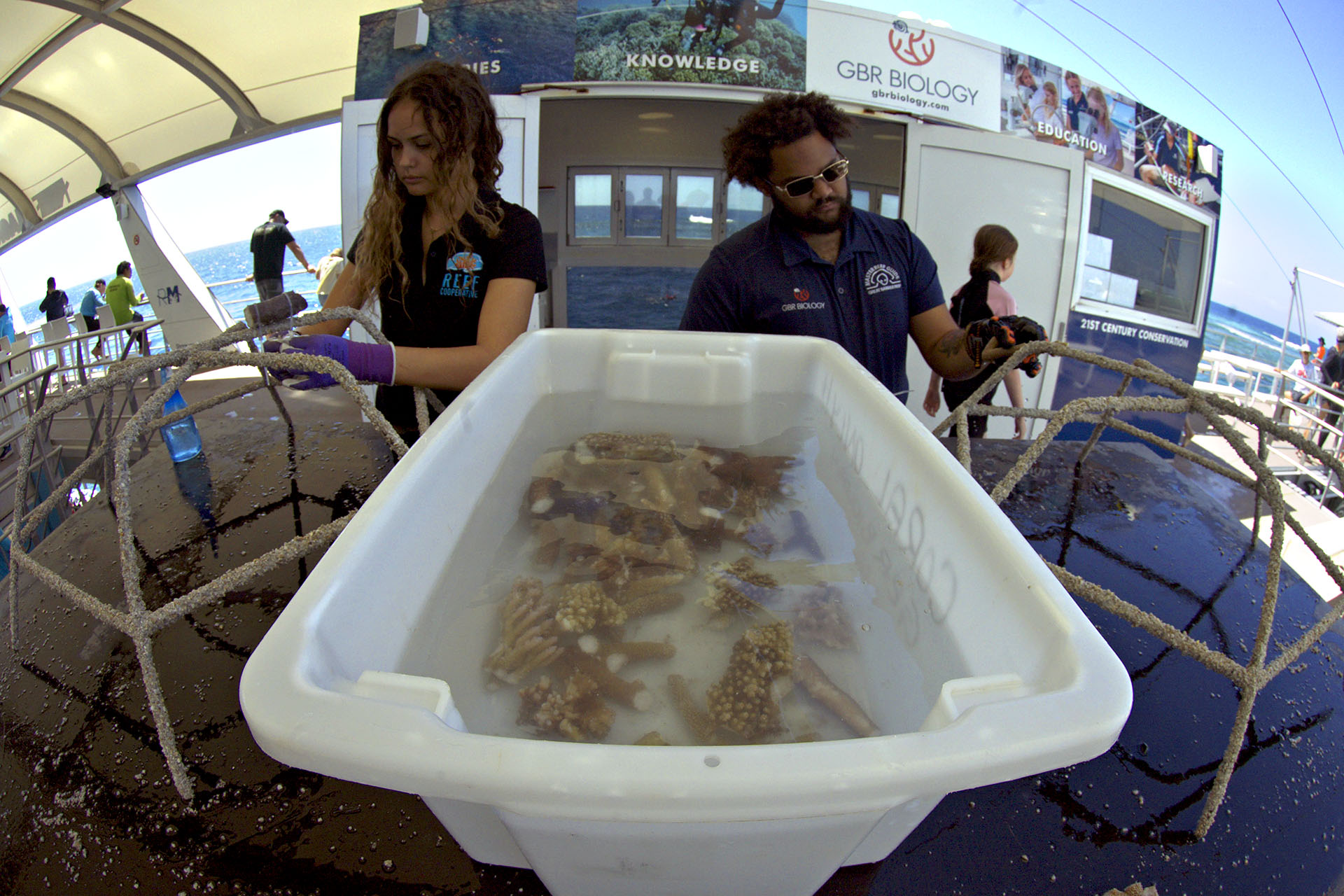
The now smaller pieces of coral are placed into tubs in the middle of a production line of tourists and scientists. I join in the effort, pulling on a pair of gloves, and selecting a piece of the reef from the tub.
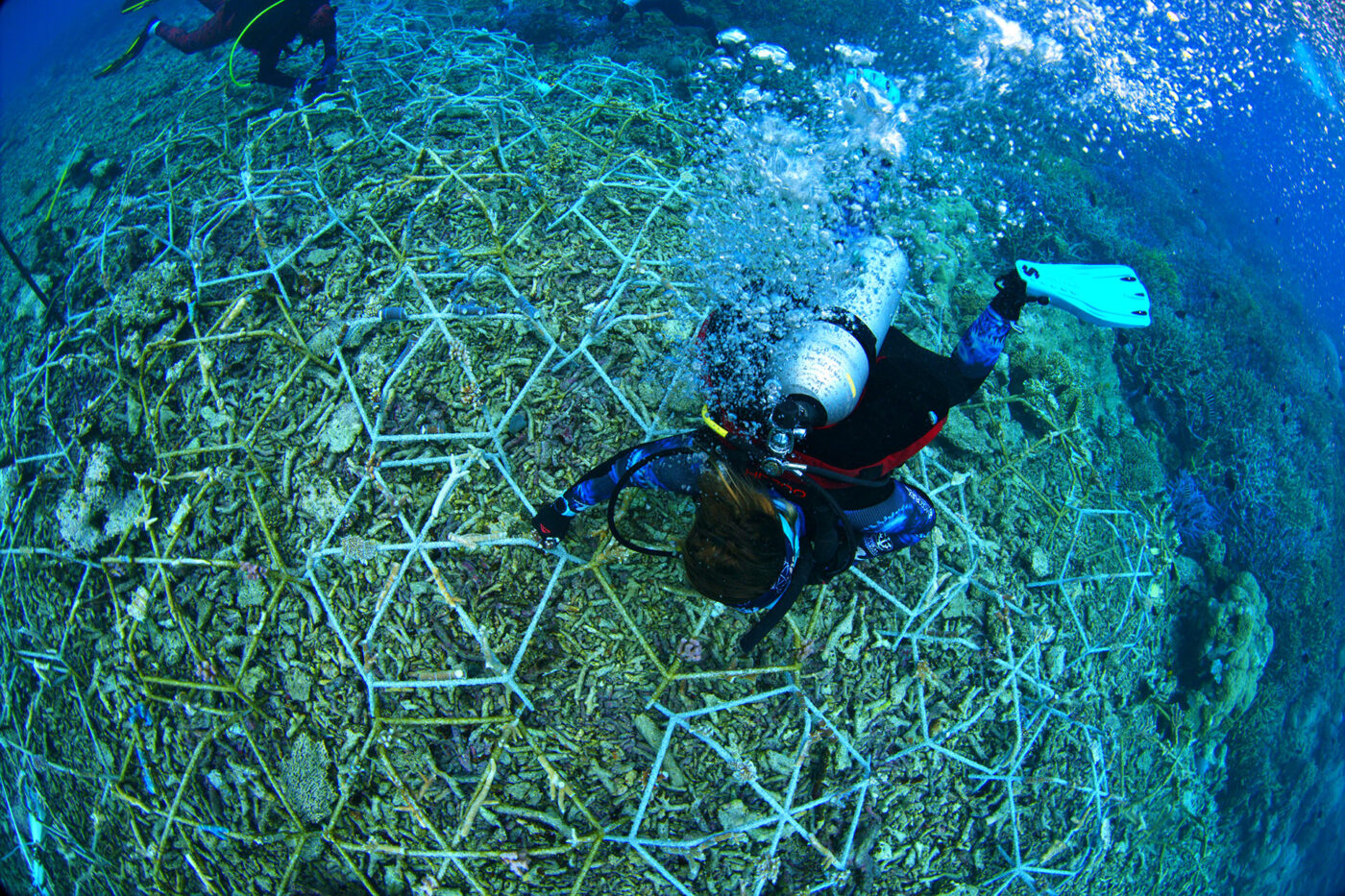
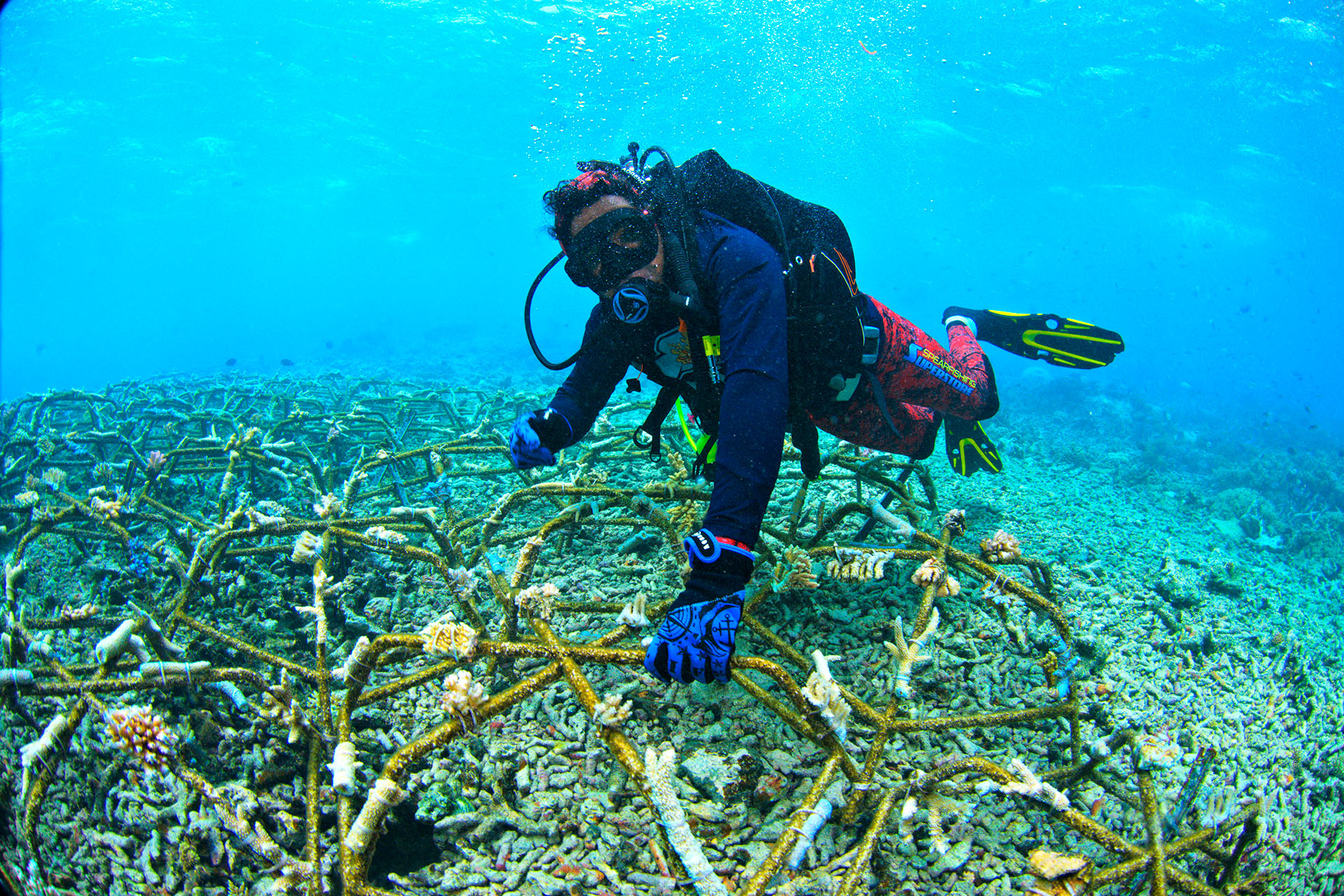
In front of me is a sand coated metal “star”, its arms already sporting a variety of coral fragments attached by cable ties.



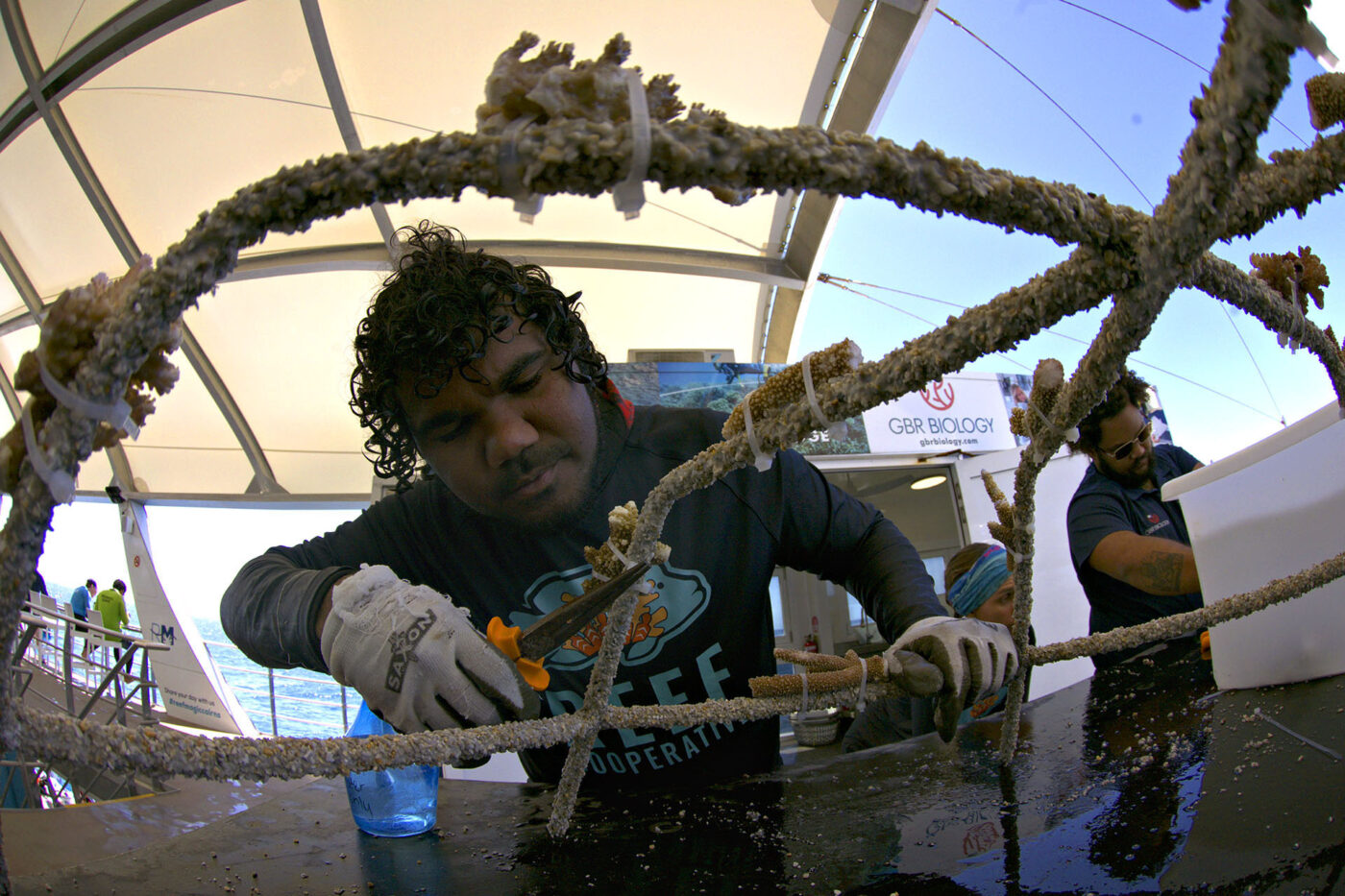
Master Reef Guide Lazarus Gibson, a Kuku Nyungkal man and one of the project’s Cultural Guides, shows me how to secure my piece of coral – optimistically called a “fragment of opportunity” – to the frame. It’s a remarkably tricky task to wrangle the coral and cable tie whilst wearing soggy, oversized gloves.
Laz makes it look easy.
“Just practice,” he says kindly.
He has had plenty. Laz has been involved in this reef restoration project since it began back in 2020. The team has now installed more than 1,000 Reef Stars at sites across the Great Barrier Reef.
“Looking after nature has always been a part of our culture,” Laz says. “The reef recovery (project is) our way of giving back to the reef, especially when it just needs a little bit of help to look after itself.”
There’s no shortage of work. Cyclones, nutrient run-off, crown-of-thorns starfish and – the big one – warming seas, have left sections of the reef badly damaged. Here, scientists, Traditional Custodians and tourism operators are working together to give some of those patches a chance to recover.
As the aptly named Marine Biologist Dr Eric Fisher explains, the pieces in our tubs have broken off the reef naturally but are still alive. Left to their own devices, they could potentially regrow where they’ve fallen. But the stability of the stars developed by Mars Sustainable Solutions improves their chances and allows for a variety of corals to be transplanted at one time.
“That gives us a very high diversity… it looks like a natural improvement and we’re achieving that in three to four years,” Dr Eric says.
Below is a graveyard of rusting iron stars and shattered skeletal white coral.
Once my frame is ready, it’s suspended from the pontoon in preparation for being “planted” on the reef by the research team. And now it’s time for the “and here’s one we prepared earlier” moment I’ve been waiting for.
I grab a snorkel and flippers and waddle down the pontoon’s metal steps to jump into the chilly waters. The sea is rough and it’s a challenge to avoid swallowing salt water as I’m led to a restoration site.
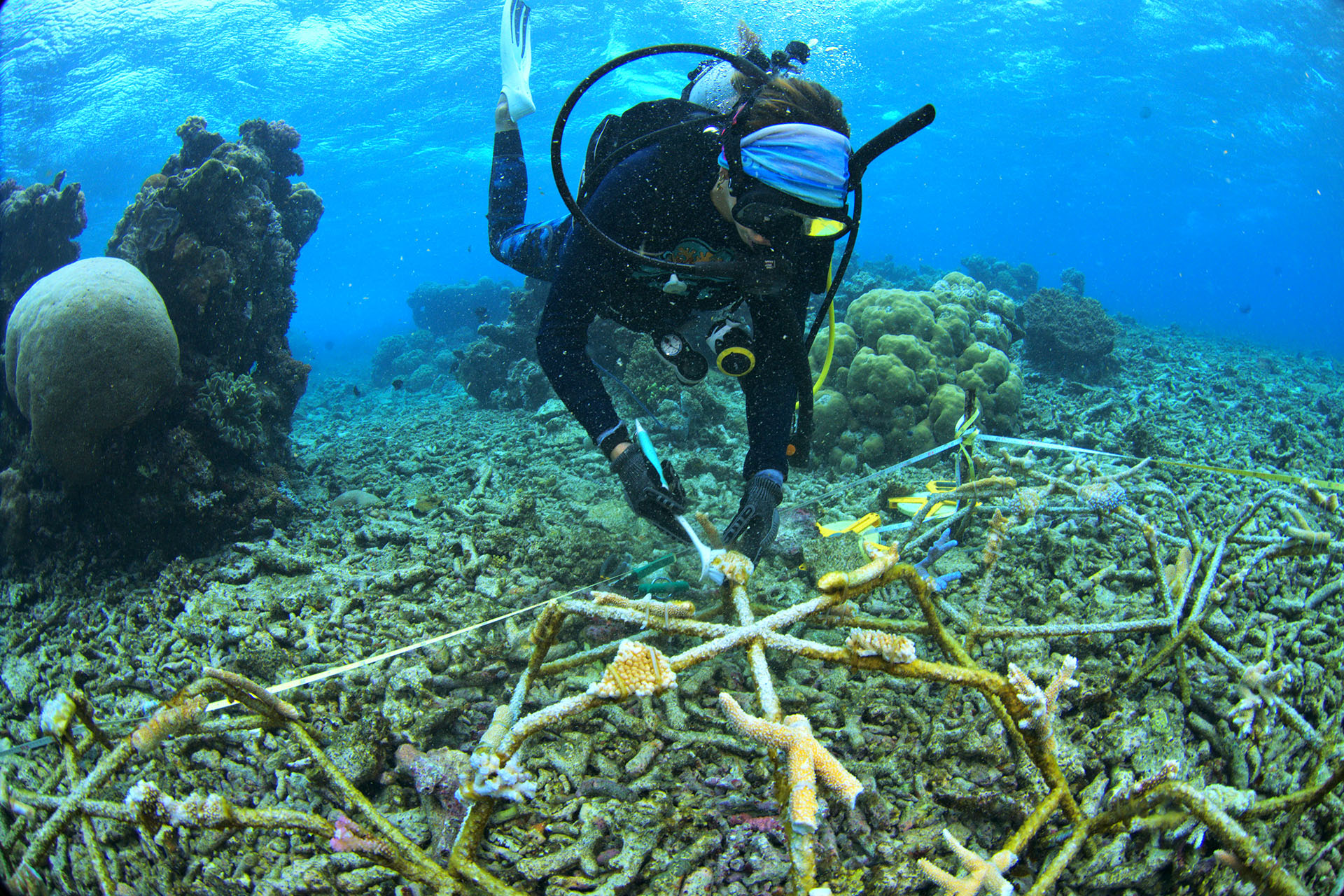
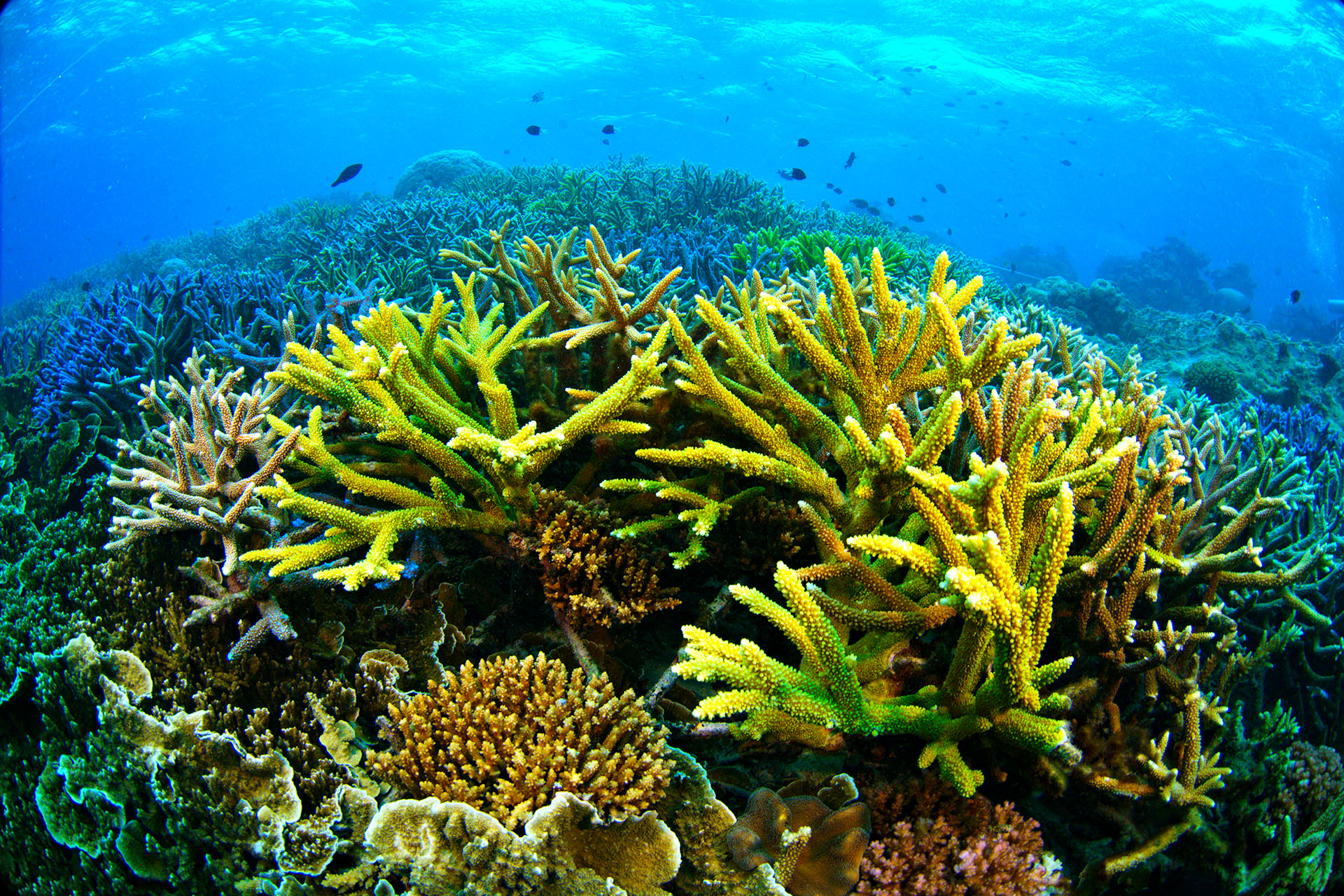
En route I can see first-hand the havoc cyclones can regularly wreak on the reef. Below is a graveyard of rusting iron stars and shattered skeletal white coral. In 2023, Cyclone Jasper demolished this section of restored reef. It’s a depressing sight, so it’s a pleasant surprise when I kick on a little further to find another section of transplanted coral that is thriving.
Sculptural hard corals and dynamic soft corals form a backdrop for a variety of sea life with colourful fish darting through the transplanted areas individually and in choreographed schools. The only clue that this slice of reef has undergone repair is the slightest glimpse of metal in the undergrowth.
Dr Eric is thrilled with the results. The data shows the transplanted coral has a high survival rate and – importantly – it has already spawned. Spawning usually happens once or twice a year, when the corals release ova and sperm that fertilise, floating through the water until they find a place to call home. It’s sex, coral-style, but last year was the first time researchers witnessed spawning by regenerated coral.
Forever Reef
Reef Magic’s coral experience is just one of the many reef protection and restoration projects being undertaken across the Great Barrier Reef and globally, many with an emphasis on tourism or citizen science.
A day and 65 kilometres later, at Port Douglas, I’m ushered through a nondescript door at Crystalbrook Superyacht Marina.
Inside, Forever Reef’s Facility Manager Shania Bolen is explaining to a group of tourists how a small backyard tank project has grown to become the world’s first living coral biobank.
Seed banks aren’t a new concept. There are several flora seed banks around the world that serve as insurance against mass extinction. But Forever Reef’s version involves a lot more water.
Rows of tanks house hundreds of hard coral specimens collected from the Great Barrier Reef.
The aim is to preserve their diversity, keeping a living collection available for research and, potentially, future restoration. Each specimen is tagged and its original location recorded. Water chemistry, movement and lighting are carefully controlled. If the reef is a tough neighbourhood, this is a luxury hotel.
It’s a strange mix of wonder and disappointment.
Given this level of pampering, unsurprisingly, their growth rate is fast. The corals can double in size within six to 18 months. Fragments can then be shared with researchers around the world. Eventually, they could be used for restoration projects like the Reef stars.
Shania hands out yellow protective glasses that cancel out the blue UV light that bathes the tanks. The impact is instant. Suddenly I can see the corals in all their colourful glory. It’s a strange mix of wonder and disappointment. Up close, many of them look like a collection of sloppily painted Grade 4 clay “art works”, with garish wavy lines and dots.
But I dare not voice my critique to Shania, whose passion for this project and individual corals is impressive. Despite still sporting red itchy lumps on her arm from a coral “bite” the previous week, she happily risks a repeat, plucking the same specimen out of the tank to demonstrate its open mouth. She then points out its neighbour, which has cloned itself, and is creepily able to open and shut multiple mouths.
Who knew?
There’s a lot riding on these strange little corals, and after two days in the company of people who collect, grow and study them, I’m starting to understand the appeal.
Get There
Qantas flies direct to Cairns from Melbourne and Brisbane, with connections from elsewhere in Australia. Pack your swimmers and sunscreen, the reef team has the tools covered.
Tour There
Reef Magic’s Reef Recovery Days combine time on the reef with a stint on the repair crew. Join marine biologists and Cultural Guides to attach coral fragments to Reef Stars, then swap your gloves for snorkelling gear. Tours depart Cairns on selected dates, with limited places. From AU$325 per person.
Stay There
Apart from being an easy stroll to Reef Magic’s boat, Crystalbrook Flynn has all the tools you need for your own restoration project – a glass-sided swimming pool, treatments at Eléme Day Spa, Italian restaurant and even a Whiskey and Wine bar.

Share >


More Stories

An Aboriginal-led adventure through Western Australia.
From shipwrecks and whales to crystal-clear lakes, floating rivers and an after-dark forest that glows, these are the Fraser Coast attractions you absolutely shouldn't skip. Especially if you’re travelling in winter.