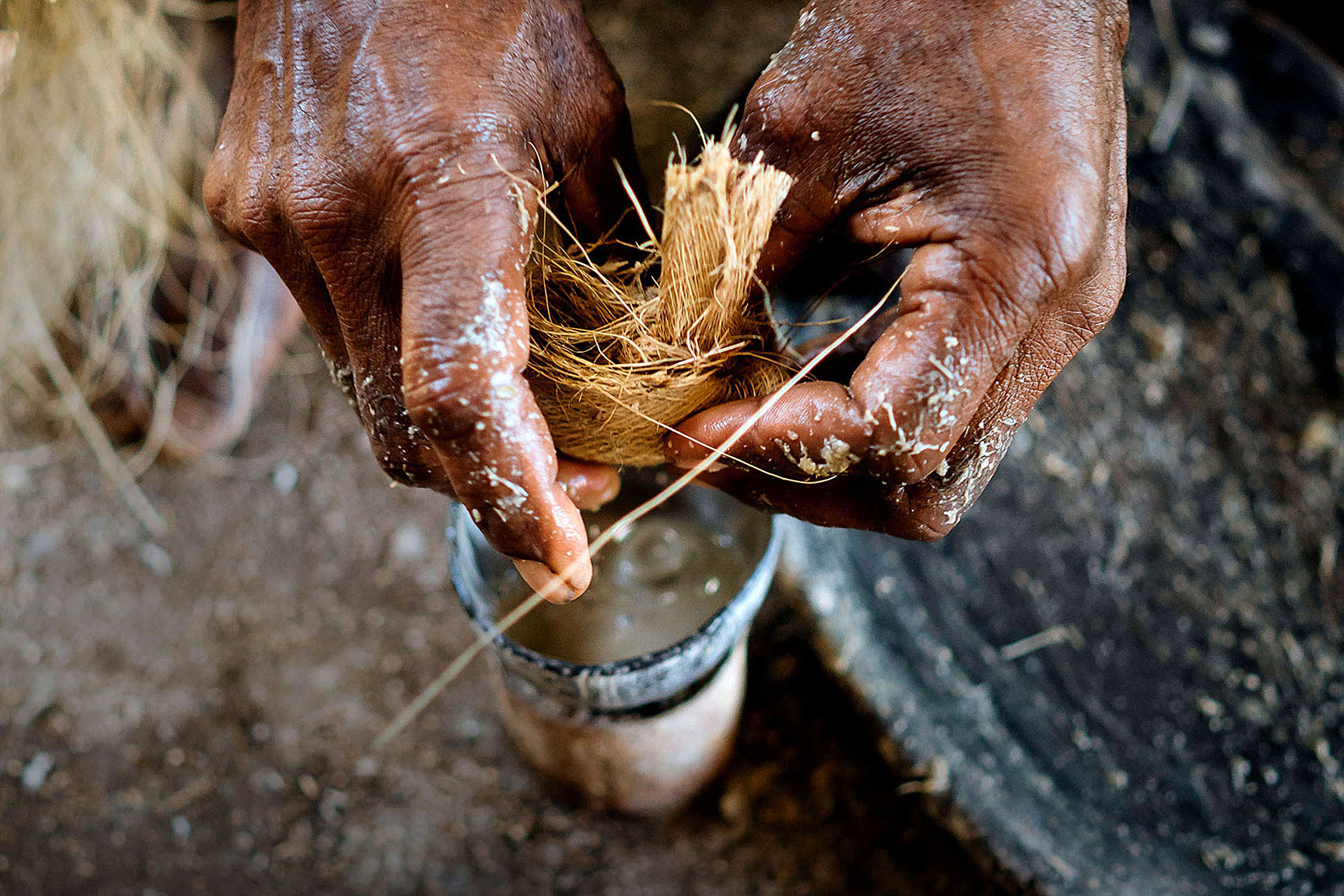
I’m partial to a beverage, being Australian, it comes with the passport. I’m also recreationally—albeit safely and relatively infrequently—partial to ‘other things’ (just don’t tell my mum). Given these two partialities, it should come as no surprise that on a recent trip to Vanuatu my curiosity was piqued by the Pacific elixir known as ‘kava’.
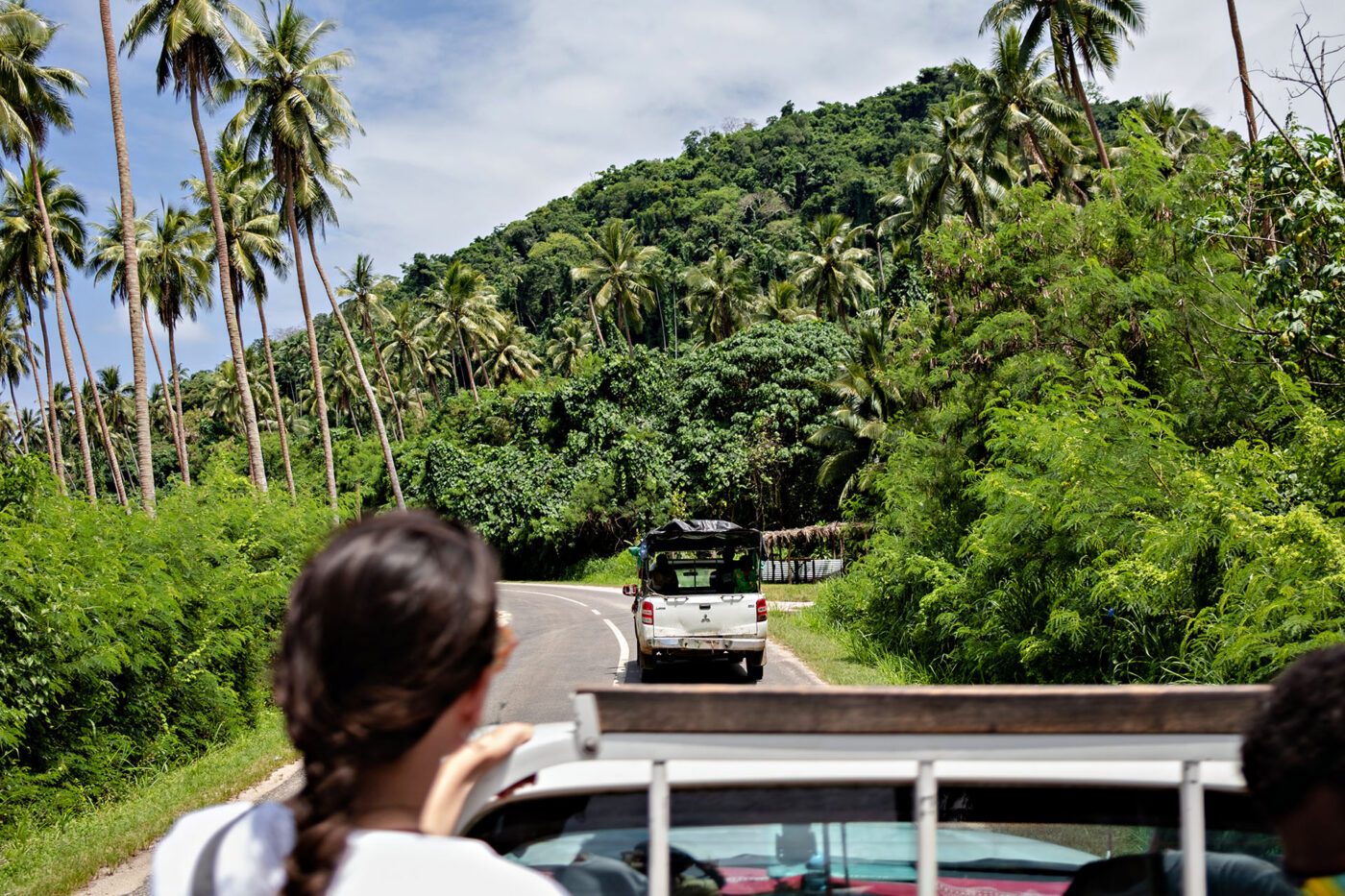
Is it alcohol? Is it a drug? Is it strong / sweet / legal / likely to reveal the meaning of life? I had SO. MANY. QUESTIONS. I also had it on good authority that Vanuatu is considered the birthplace of kava, so I knew (with every ounce of my journalistic intuition) that the answers I was seeking could only be found at the source. And that source turned out to be a dimly lit outdoor kava bar on remote Malekula Island, where I threw back my first slightly bitter, somewhat lip-numbing shell.
Look, I didn’t see God or Freddie Mercury. But I was introduced to an exceptionally interesting, culturally significant drink. A drink with a vast history that has found its home in communities and cultures all across the Pacific.
But what exactly is kava and why does the Pacific love it? Let’s deep dive.
RELATED ⟶ OPEN WATERS, A FIJIAN ADVENTURE
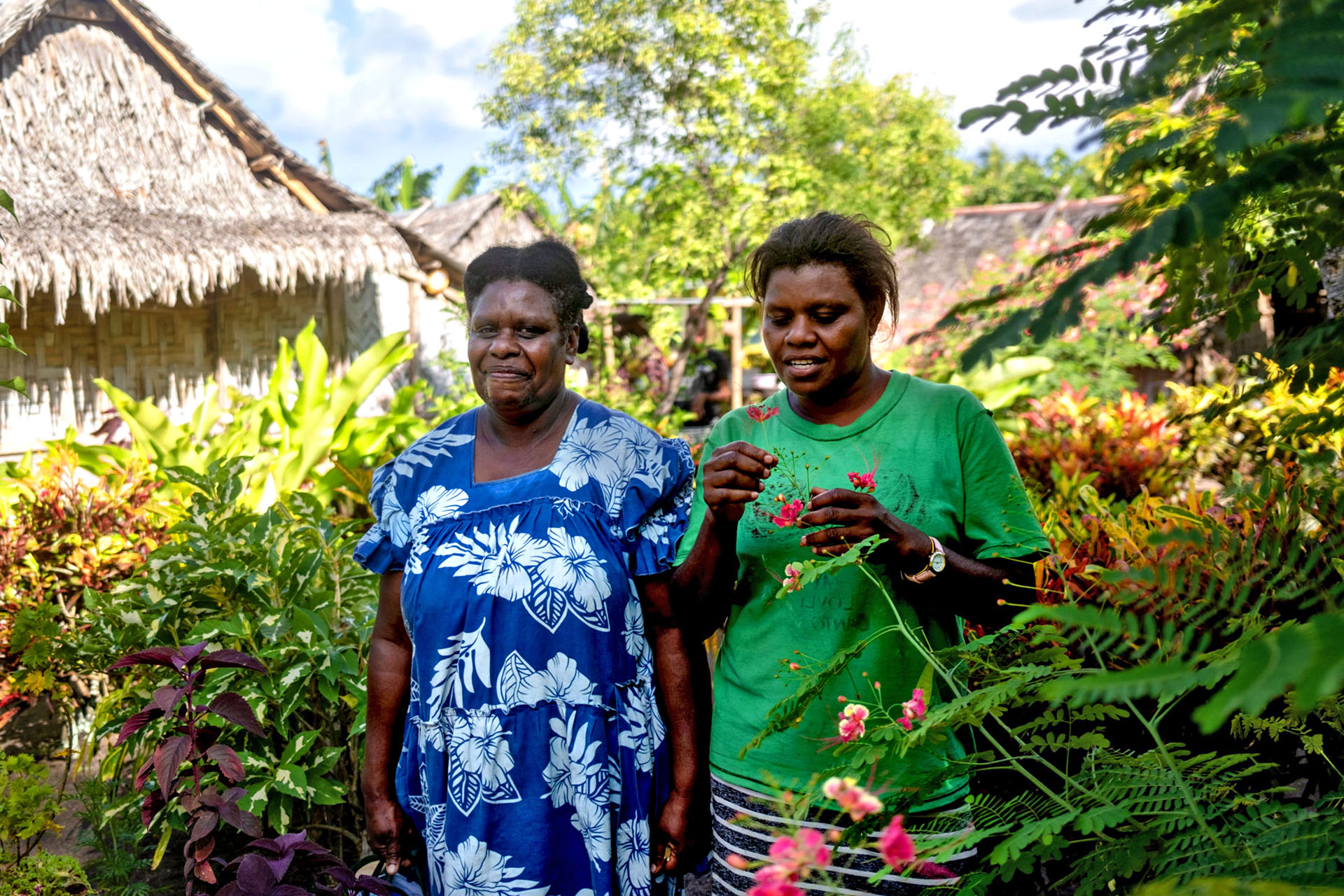
Sounds pretty ideal, but you might be thinking—but what about the side effects? Honestly, they’re mild, if any. Even the World Health Organisation has deemed kava an “acceptably low level of health risk”. Kava is considered neither addictive, nor does it affect your ability to think clearly. As my mate Stepson (a local Ni-Van) likes to say “alcohol makes you stupid, but kava makes you wise”.
It ’s Both Ceremonious and a Knock off
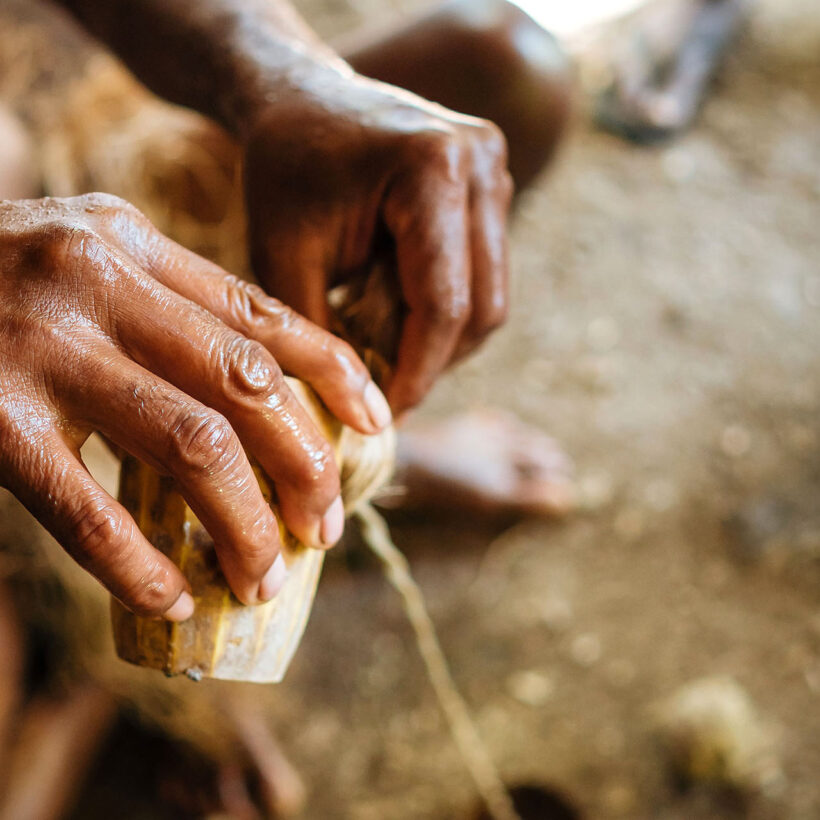
Traditionally the kava root has been crushed, ground, powdered (or sometimes even chewed) then mixed with water or coconut milk to create a tea that’s served in half a coconut shell. Over the centuries it became an integral part of island ceremony, especially important in welcoming newcomers, burial ceremonies and feasting with chiefs.


At some points in kava history, it was a drink only for chiefs. At other times, only for men. Nowadays, especially in places like Vanuatu, you can find low key, very casual kava bars (look for the red or green lights) across most islands—and the drink is open to all adults. It’s the post-work, stress relieving knock off of your DREAMS.
“…unlike traditional bars, which tend to become louder and more volatile as people drink, kava bars tend to get quieter and calmer as the evening fades to black…”
New York Times writer, Gideon Lewis-Kraus once said “… unlike traditional bars, which tend to become louder and more volatile as people drink, kava bars tend to get quieter and calmer as the evening fades to black—until practically the only sounds are the screech of the native fruit bat”.
RELATED ⟶ EDEN FOUND
It ’s Found From Tonga to Hawai’i
and (Mostly) Everywhere Nearby
Early Polynesian sea explorers were so cool. Not only were they navigating the world’s oceans using the stars, but they were taking kava cuttings with them to share the good vibes—a way of saying “thanks for letting us crash on your beach and eat your taro”.
Thanks to these journeys, there are more than 100 documented varietals growing across the Pacific, from Papua New Guinea to Hawai’i. The name kava is from Tongan and Marquesan and it means ‘bitter’, but in Hawai’i it’s called ‘awa, ‘ava in Samoa or sometimes yaqona in Fiji.
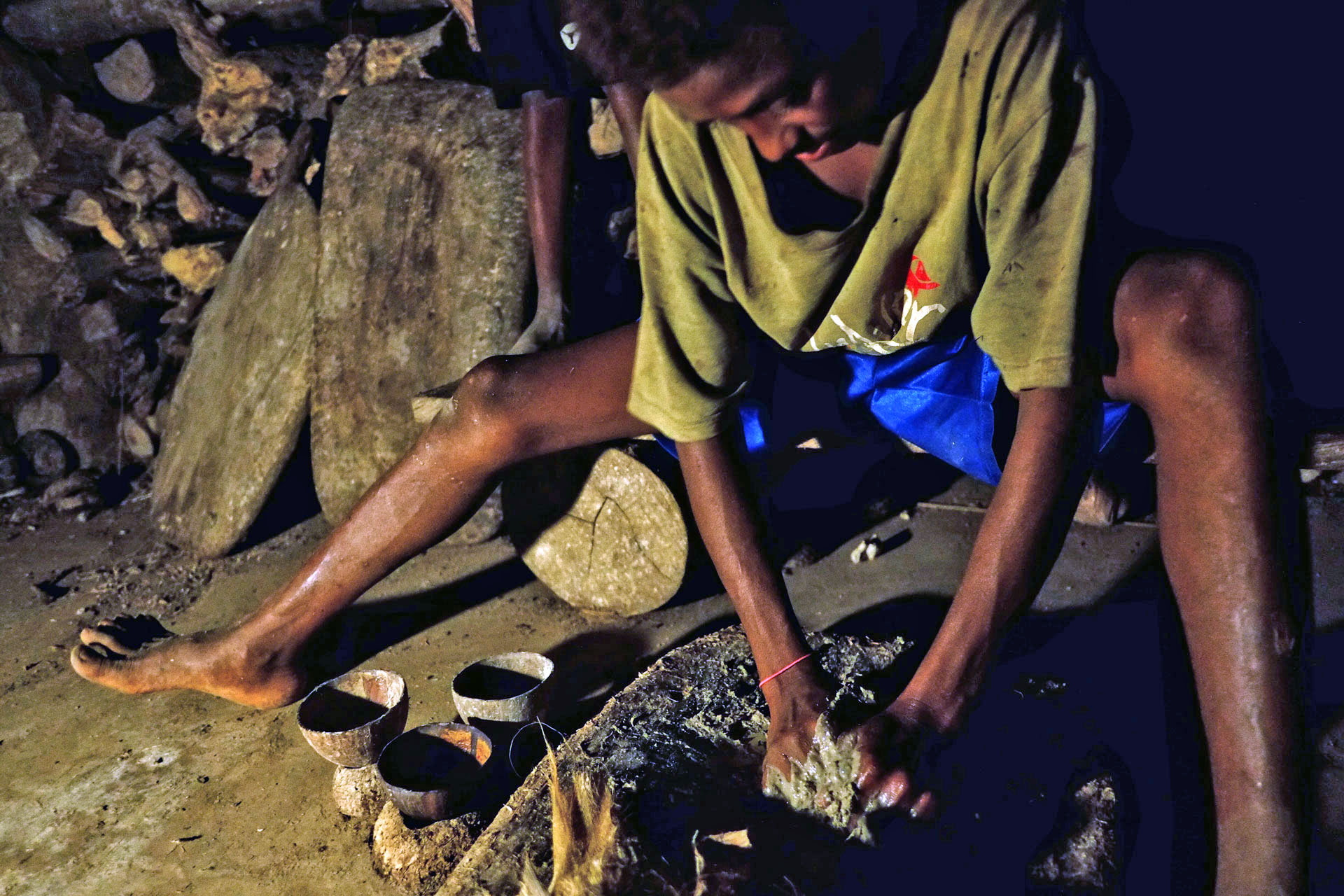
It’s Best Drunk (and Spat) in the Dark
Traditionally, kava is downed in one hit. You’re fully expected to drain the shell. It’s also best to take your kava when the sun is either set or setting, as your eyes could become more sensitive to light. In villages, some people will tell you that drinking kava at night helps them connect more easily with their local spirits or ancestors.
Heads up, there’s also a lot of spitting. This spitting is sometimes a symbolic offering to the Gods (it might be followed by a prayer or words to ancestors), other times it’s just a way of removing the lingering kava flavour (remember: bitter). This is where food also comes in. Don’t eat before taking kava, but you can snack in between shells. At local kava bars, you can often find local mamas selling bite-sized appetisers that help to wash bitterness from your mouth.
RELATED ⟶ LAUGHS IN AN ALL-WEATHER PARADISE
First-Time Kave Experiences
FROM THE GET LOST TEAM
“Having just hiked to the rim of a bubbling volcano, on an outer island of Vanuatu, nicknamed the Black Magic Island, I thought nothing of joining my guides for a kava session in the village Nakamal.
Under the lights of their mobile phones (oddly they all had one except for me), I watched the kava making process unfold. I’d been told the kava in the outer islands had some serious kick and will admit some trepidation creeped in as the root was mushed and ground and sieved through a net into an old bucket.
Three shells later and I was staring at my feet for what felt like an eternity before I somehow managed to get myself back to my bungalow. The only thing I recall was the laughter in the darkness from my new friends as I disappeared into the jungle.”
— Justin Jamieson
“‘Come on then palagi’ came the call from the front yard of a house as my cousin and I meandered past, our pace (or lack thereof) giving away our intentions.
Using the best of my knowledge on Australia’s rugby team, we sat and conversed, watching as the kava spilled out of the kumete and into the ipu—a little coconut cup which eventually made its way to us. I nervously tilted it back and gulped a larger than intended mouthful. Visually, it had appeared to be muddy water, and the taste wasn’t much better.
A very large Tongan man began singing songs in a voice which seemed impossibly sweet for his size, playing a guitar that looked like a matchstick set against his giant frame. I can still taste the bitterness of the kava in my mouth a few years on, but when I do, it only reminds me of this gentle giant’s gorgeous voice, and the happy faces around the circle as both night, and a happy stupor slowly descended on us.”
— Tim McGlone

Share >




More Stories

A chaotic, and sometimes slightly dangerous, journey through Vanuatu’s Millennium Cave.
A serious adventure to some of the world's most remote bush tribes.