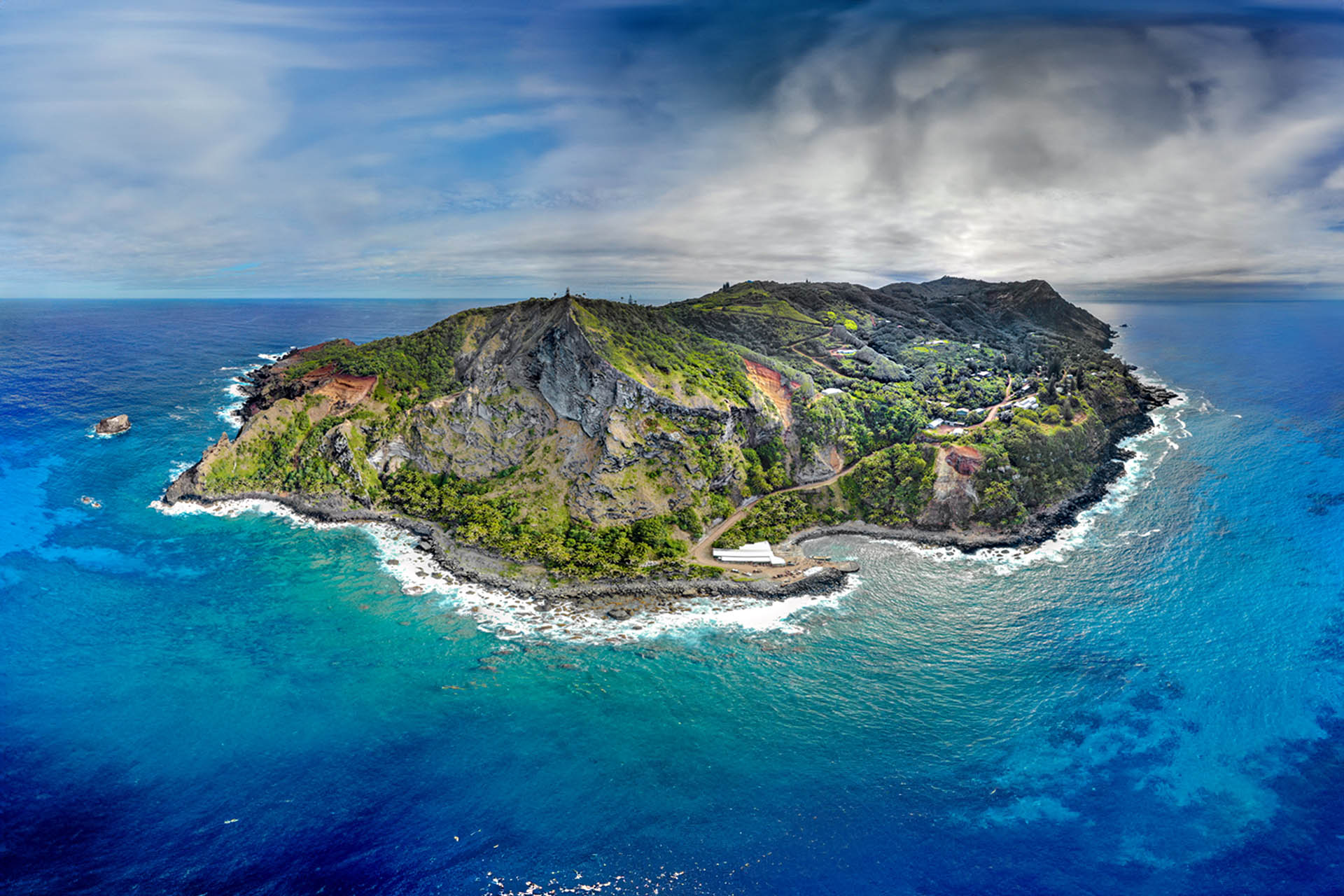
There are definitely easier places to run a marathon. Places with airports, for starters. Places with roads that go somewhere. Places where reaching the start line doesn’t require an expedition halfway across the Pacific. But, Pitcairn isn’t one of those places.
I’m currently training for a half marathon, which means I’ve recently developed a newfound respect for anyone voluntarily running any distance that requires carrying snacks. So, when I heard that 12 international runners had travelled to one of the world’s most remote inhabited islands to run twice the distance I’m currently complaining about, I had questions.
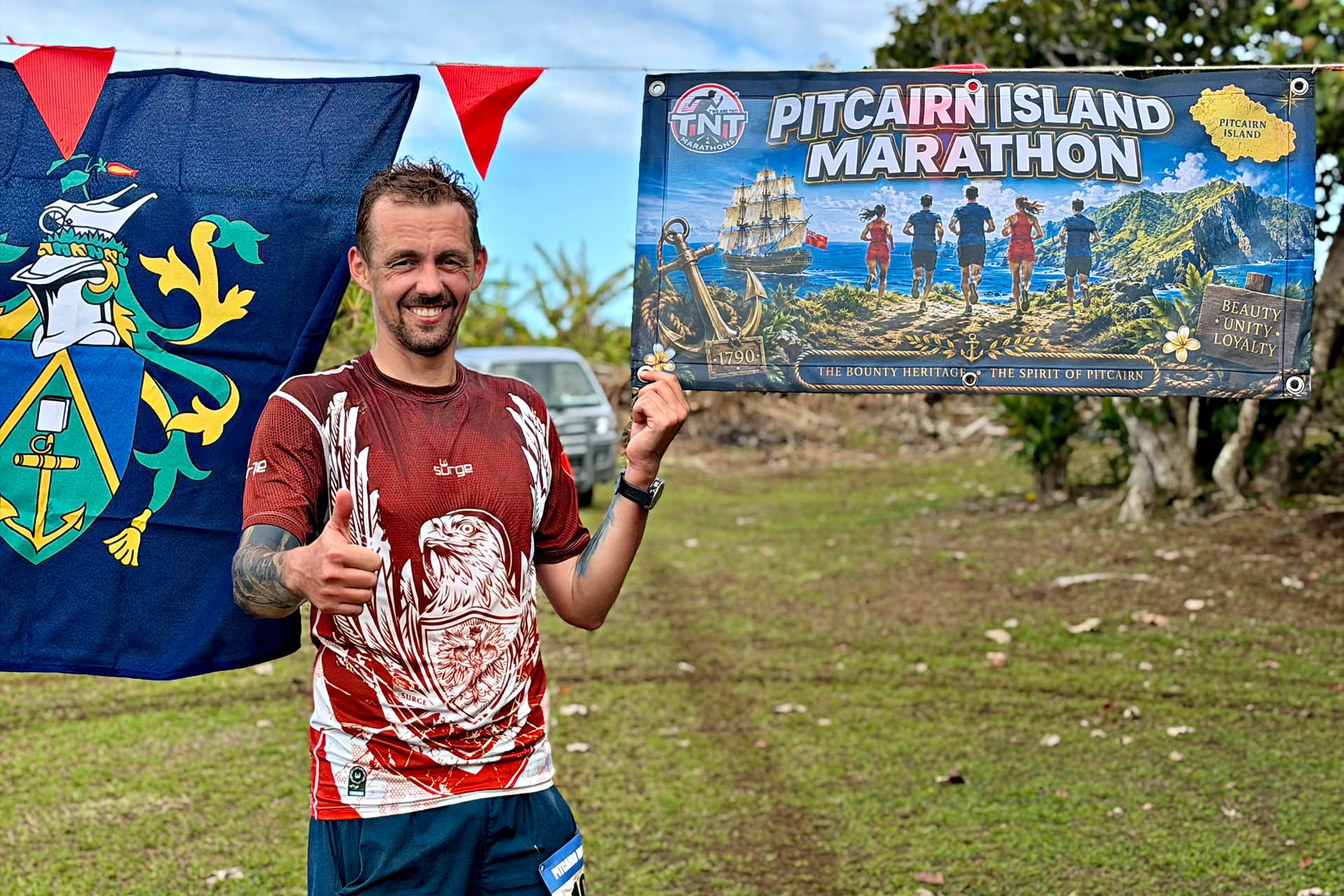
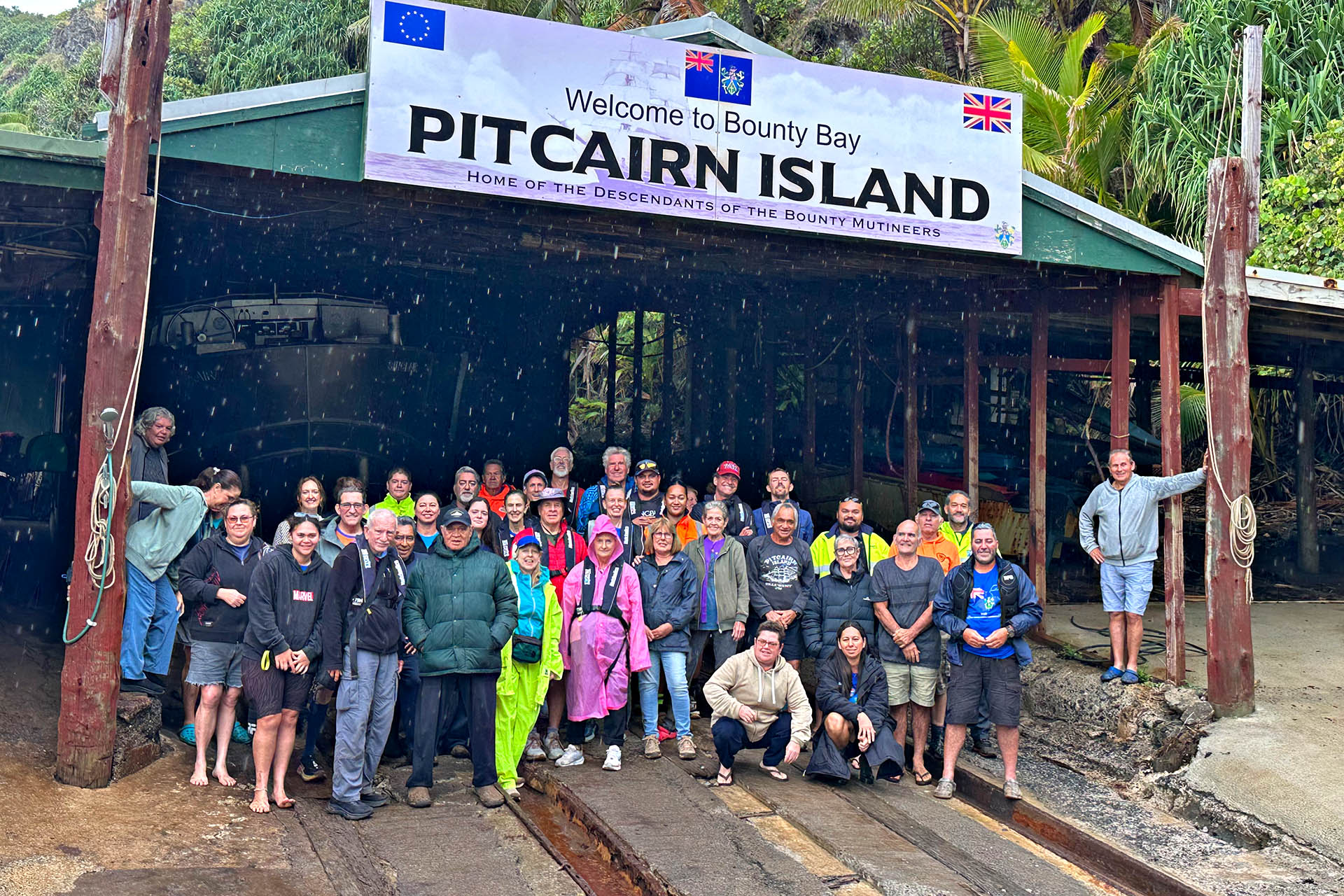
On 17 July 2026, Pitcairn hosted its first-ever marathon, as those 12 runners and an enthusiastic contingent of locals decided that living thousands of kilometres from almost everyone else wasn’t adventurous enough already. And thus, the Pitcairn Island Marathon was born.
If the name of the island sounds familiar, there’s probably a mutiny involved.
Pitcairn was settled in 1790 by nine of the HMS Bounty mutineers and their Tahitian companions, and their descendants still live there today. The British Overseas Territory sits alone in the South Pacific, roughly halfway between New Zealand and South America, and has no airport. Mainstream tourism has largely passed it by, which is precisely why we’d quite love to go one day. Maybe not to run the full mara, though.
RELATED ⟶ FIVE OF THE WORLD’S UNHINGED RACES
Getting there requires flying to Tahiti, continuing to the remote Gambier Islands and then boarding the MV Silver Supporter for the voyage to Pitcairn. The ship is the island’s passenger and supply lifeline, and its limited capacity means visiting isn’t something you casually tack onto a French Polynesian holiday because you’ve got some extra annual leave to spare.
For the marathon’s international contingent, all of that came before anyone had even tied their shoelaces.
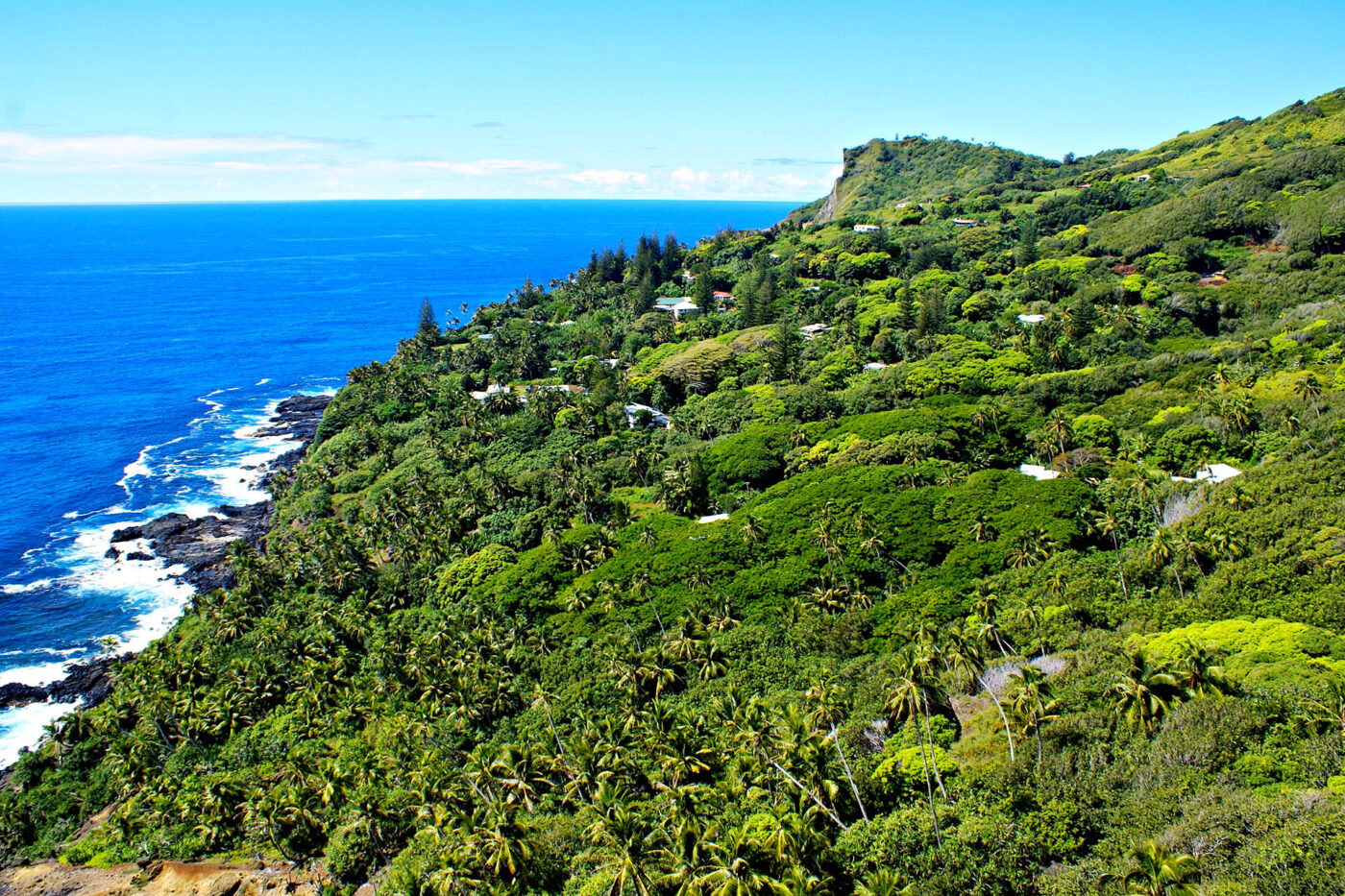
The group was brought together by TNT Marathons and its founder Donald Bierer, a man who has completed more than 60 marathons and looked at Pitcairn’s extreme isolation and thought, ‘yep, people should run around that’.
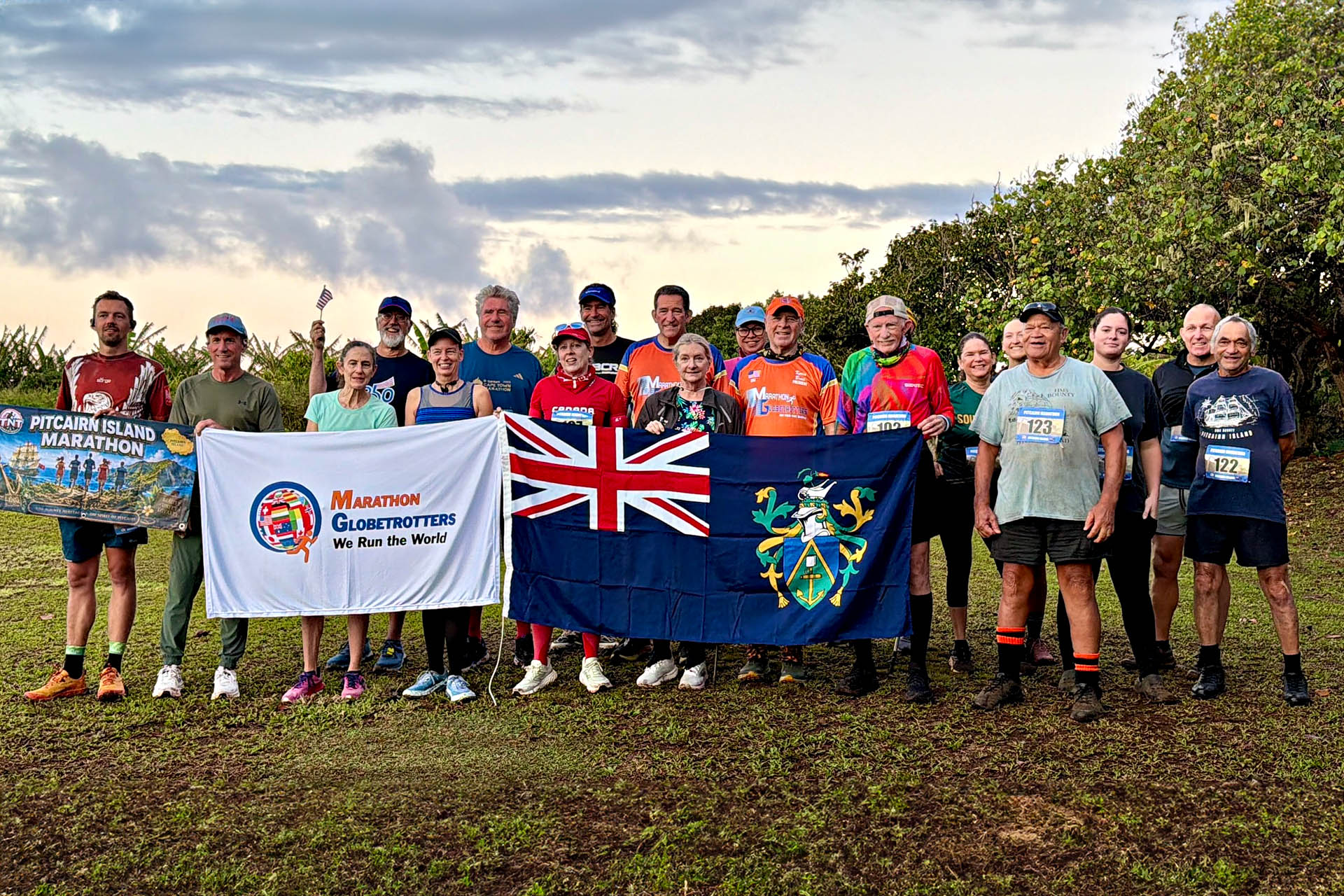
The 12 visiting runners represented six countries – the USA, Germany, Canada, Poland, Switzerland and India – and were joined by 20 Pitcairn residents taking on distances across the event.
And here’s the bit that makes my current training schedule look particularly pathetic. Pitcairn only has one paved road, steep terrain and not a whole lot of flat ground to play with, so organisers created a lap course through Adamstown, with marathoners clocking up more than 40 laps to reach the sacred 42.195-kilometre mark. Forty. As in 4-0.
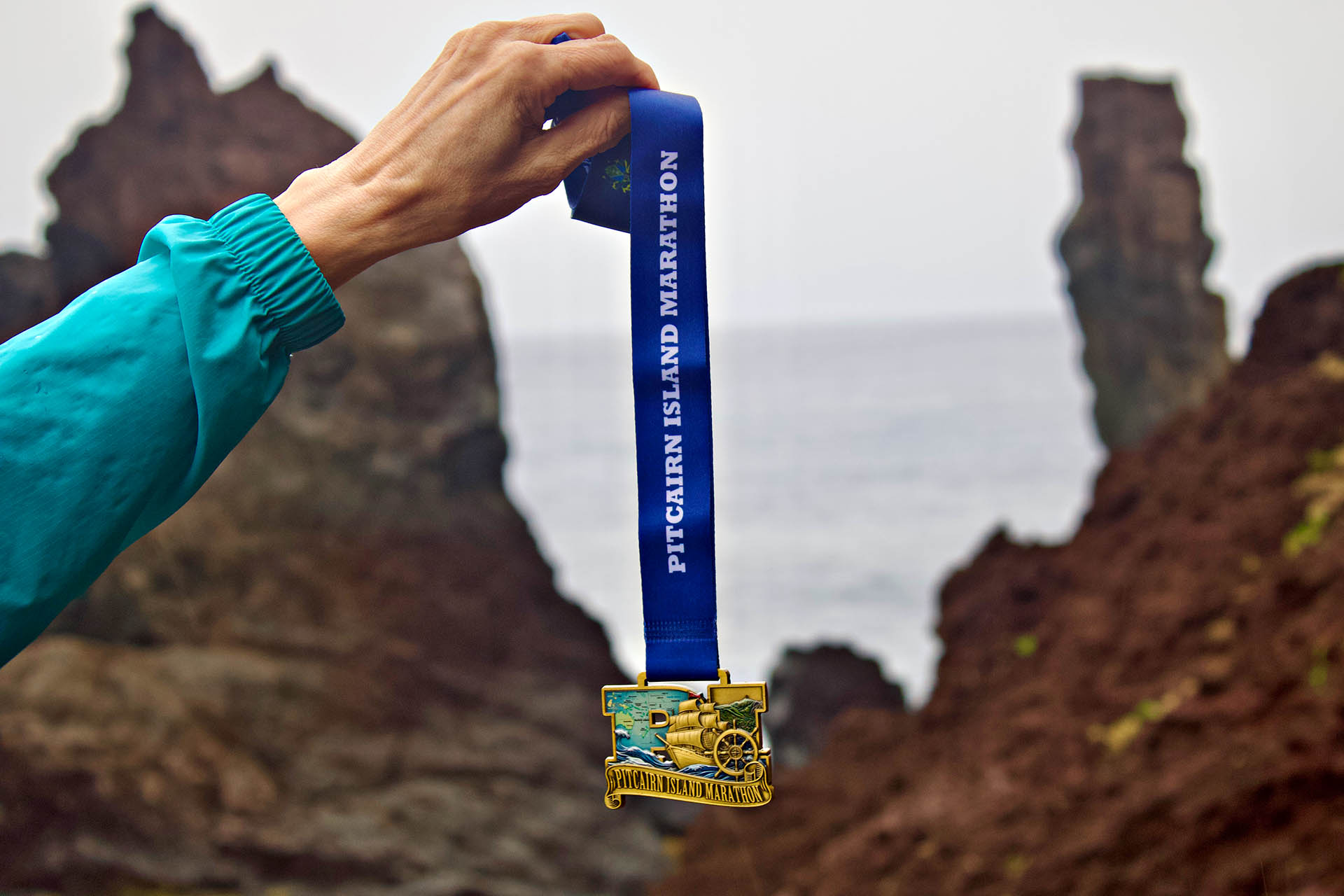
I lose the will to live when Runna tells me I’ve got another three kilometres to go. These people ran past the same bit of road more than 40 times.
At least there was no time limit, presumably because if you’ve travelled this far to run a marathon, telling you to hurry up would not be it.
As the hours ticked by, residents gathered along the route, cheering on the international runners and their neighbours. Alex Sherz of TNT Marathon eventually crossed the line first, followed by Piotr Bojka in second and Sally Shreeves in third.
But one of the biggest finishes belonged to local Emily Christian, who became the first Pitcairn woman to complete a marathon.
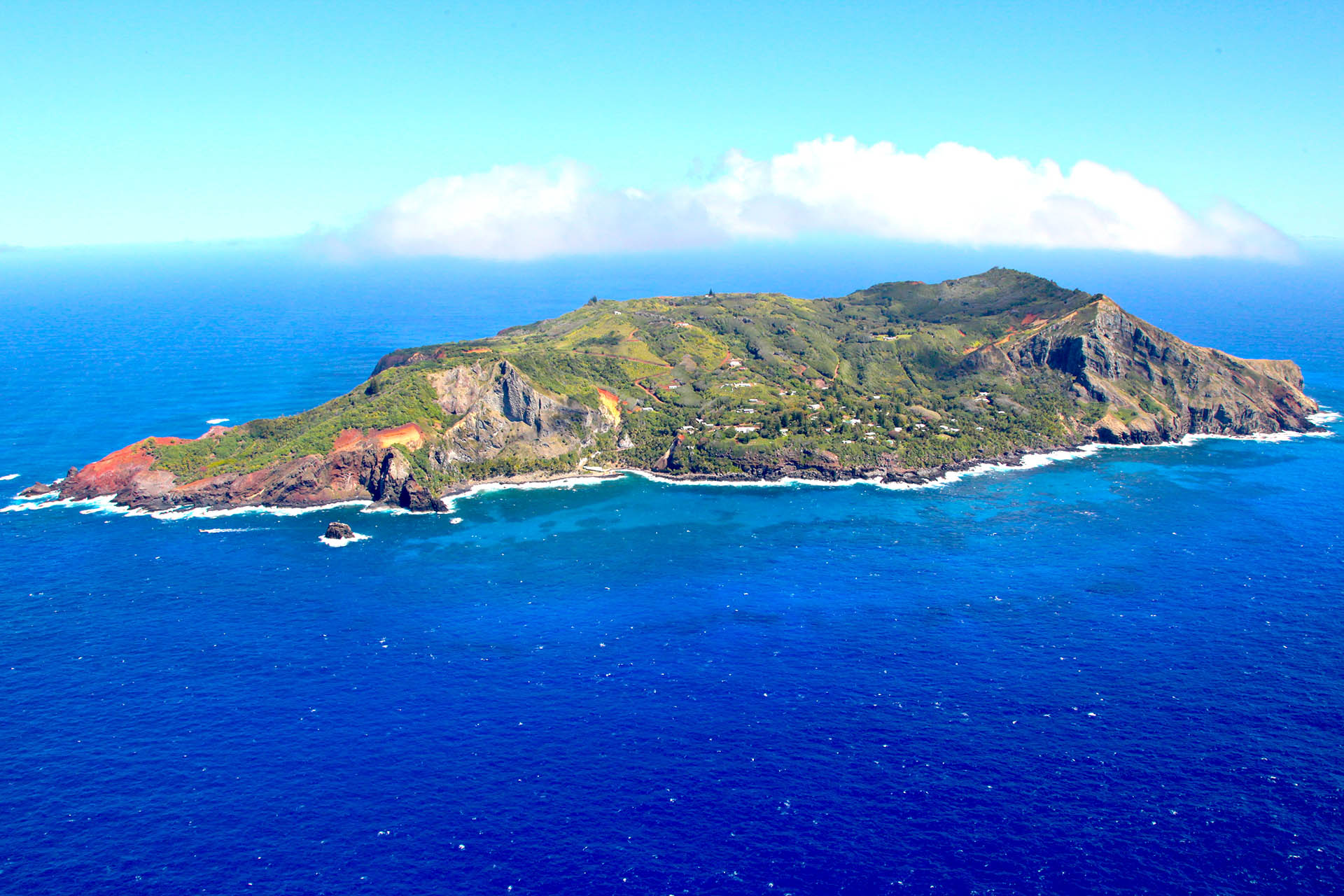
In total, 15 runners completed the full marathon, including three Pitcairn residents, while another six locals finished the half marathon. The final runners came home at around 6pm, at which point everyone did the sensible thing and replaced running with carb loading at a community dinner.
For an island more accustomed to longboats and supply ships than international sporting events, the marathon was a fairly impressive experiment in what adventure tourism can look like when you remove almost every convenient part of tourism. And it worked.
The second Pitcairn Island Marathon is already scheduled for Friday, 16 July 2027.
There’s just one slight issue. International participation is again limited to 12 runners because that’s the capacity available aboard the Silver Supporter for the voyage to Pitcairn.
Twelve spots. One of the world’s most isolated inhabited islands. Forty-odd laps. And one hell of a journey just to reach the starting line.
Suddenly, the Brighton Beach half marathon I’m training for feels a little pedestrian. Although, ask me again when I hit kilometre 18.

Share >




More Stories

Going off-piste on a midwinter tour of central Japan reveals a feast of flavour and tradition. It’s a dazzling bluebird day when I break my snowboard into two pieces and carefully assemble them so they become a set of cross-country skis. It’s my first time splitboarding and I’m both amped and a little apprehensive.

Strap yourself in: these high-octane motorised adventures are for those that are born to be wild. Here’s five trips that require a stack of fuel and the nerve to go completely off-road.
Ireland’s Wild Atlantic Way will leave you rugged, rejuvenated and with more friends than when you arrived.