There are times in life when you need excitement. And there are times when you’ve just spent Halloween in New Orleans. This is definitely the latter. After several days of Bourbon Street, costumes, cocktails and a city apparently operating under the assumption that sleep is for other states, we point the car north. Our destination is St Francisville, a tiny Louisiana town sitting high above the Mississippi River, around two hours from New Orleans and seemingly several hundred years away from it. The further north we drive, the quieter Louisiana gets. My liver sends a thank-you card.
St Francisville is famously described as being “two miles long and two yards wide”, a reference to the narrow ridge on which the town developed. Below it once sat Bayou Sara, a booming Mississippi River port that spent much of the 19th century being alternately flooded, burnt down and rebuilt until the Mississippi eventually won the argument. Up here, St Francisville survived. And thank God it did.
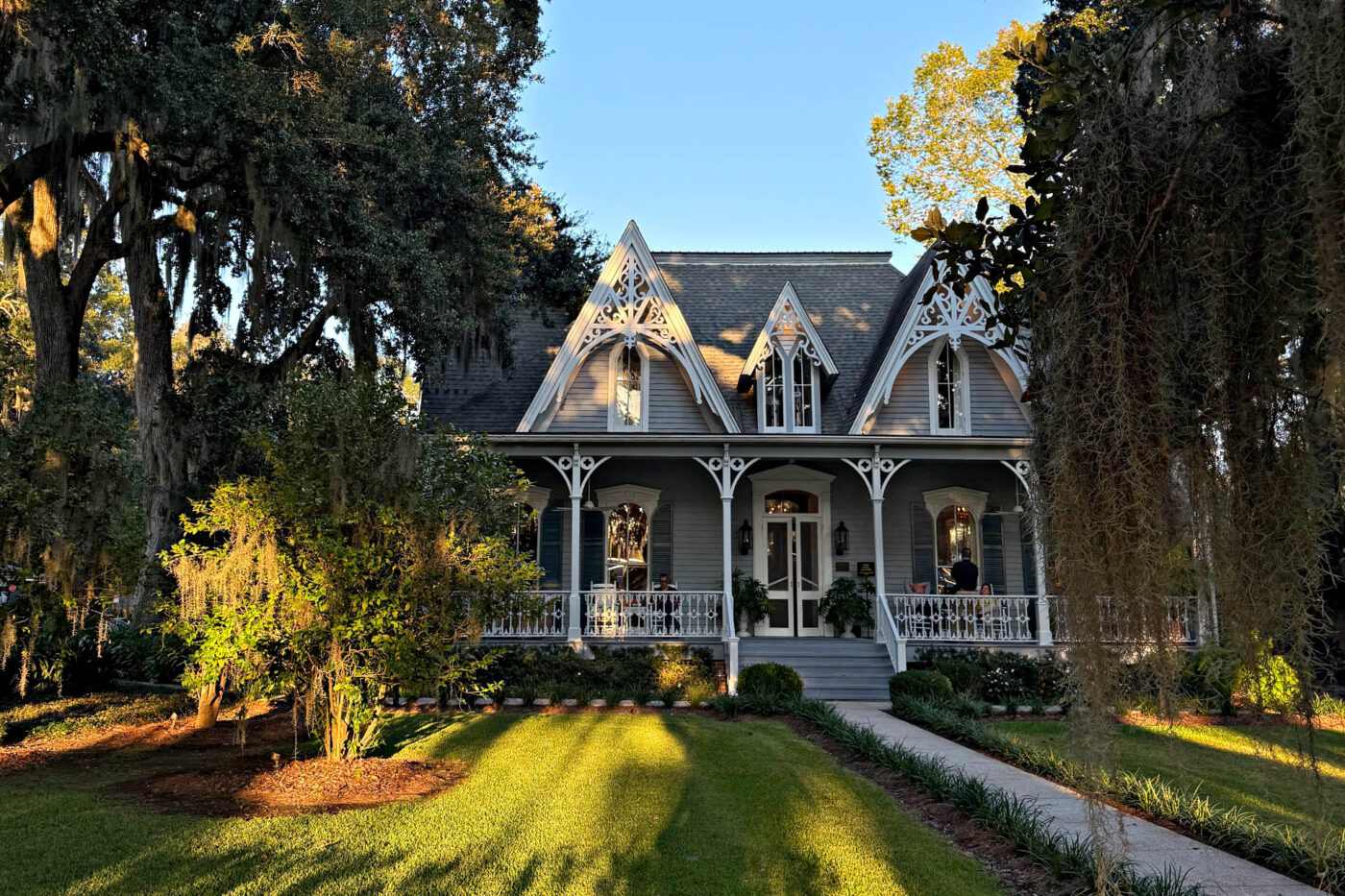
We pull into the St. Francisville Inn & Spa and immediately realise we’ve found the antidote to New Orleans. The historic inn is all sweeping verandas, gardens, rocking chairs and Southern elegance without feeling like somebody has turned nana’s house into a museum.
Owners Brandon Branch and Jim Johnston bought the place in 2018 and transformed it into something that feels simultaneously grand, uber stylish and incredibly relaxed. Brandon brings the design chops, Jim oversees much of the operation, and together they’ve absolutely nailed Southern hospitality.
They also understand something very important about weary travel writers: cocktails.
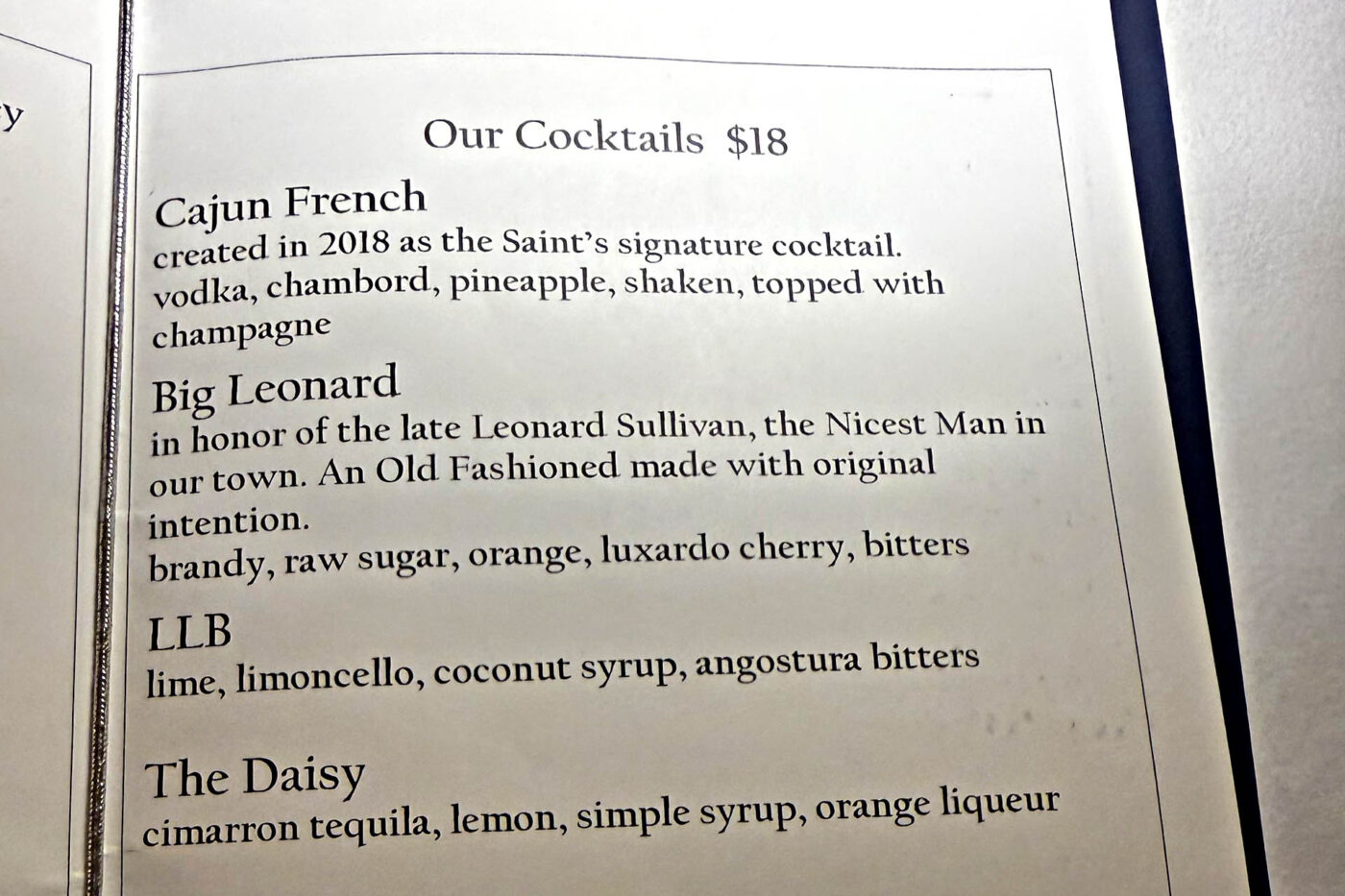
We settle into The Saint, the inn’s restaurant and bar, where Creole flavours dominate the menu and the drinks are taken very seriously indeed. I order the Big Leonard, which turns out to be an Old Fashioned on steriods. It arrives looking perfectly respectable, which after the previous few days in New Orleans, I do not. Big Leonard definitely helps. Dinner follows, rich with Louisiana flavours, and for the first time in days nobody is dressed as a zombie nurse or drinking something fluorescent from a plastic grenade. St Francisville is already working its magic.

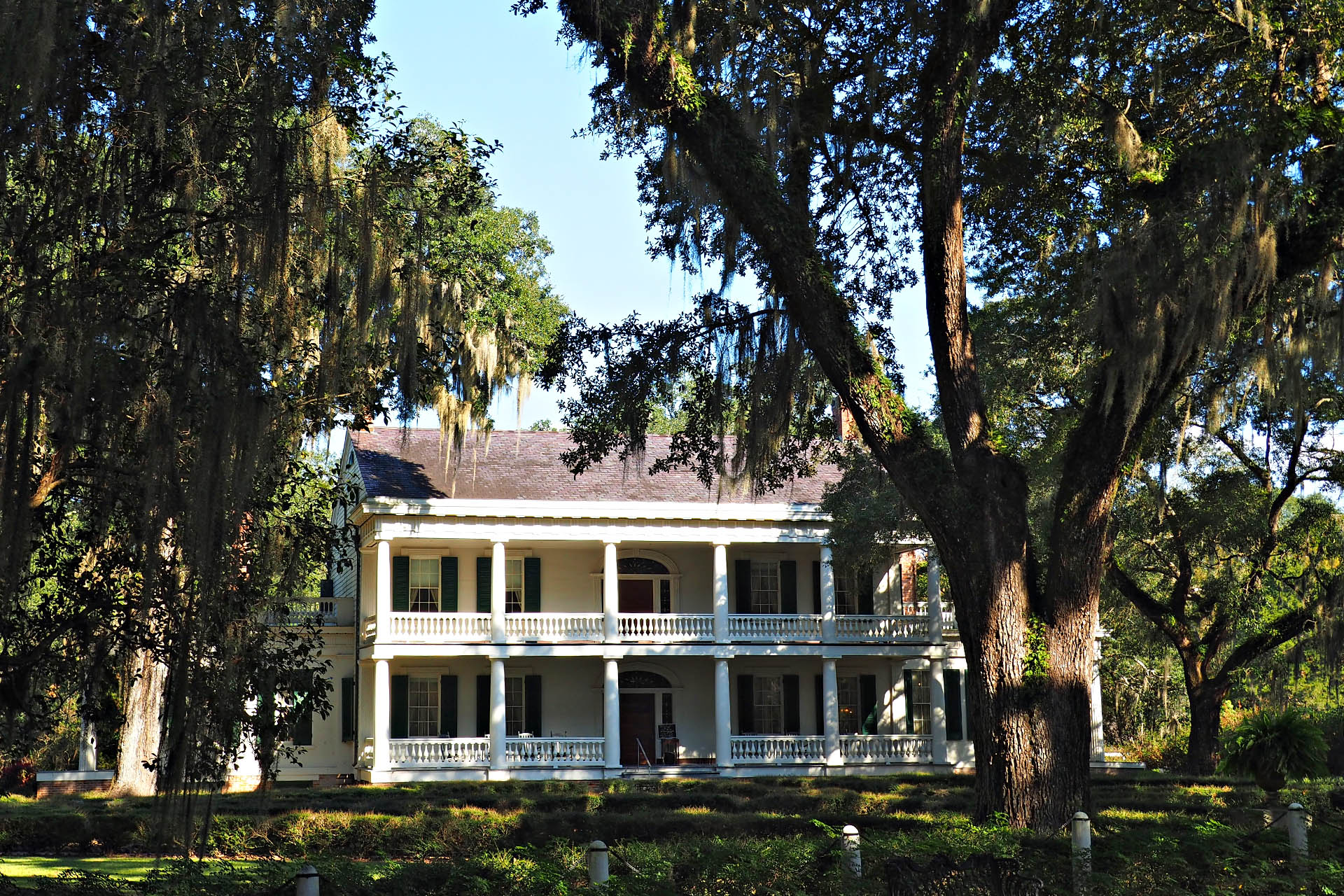
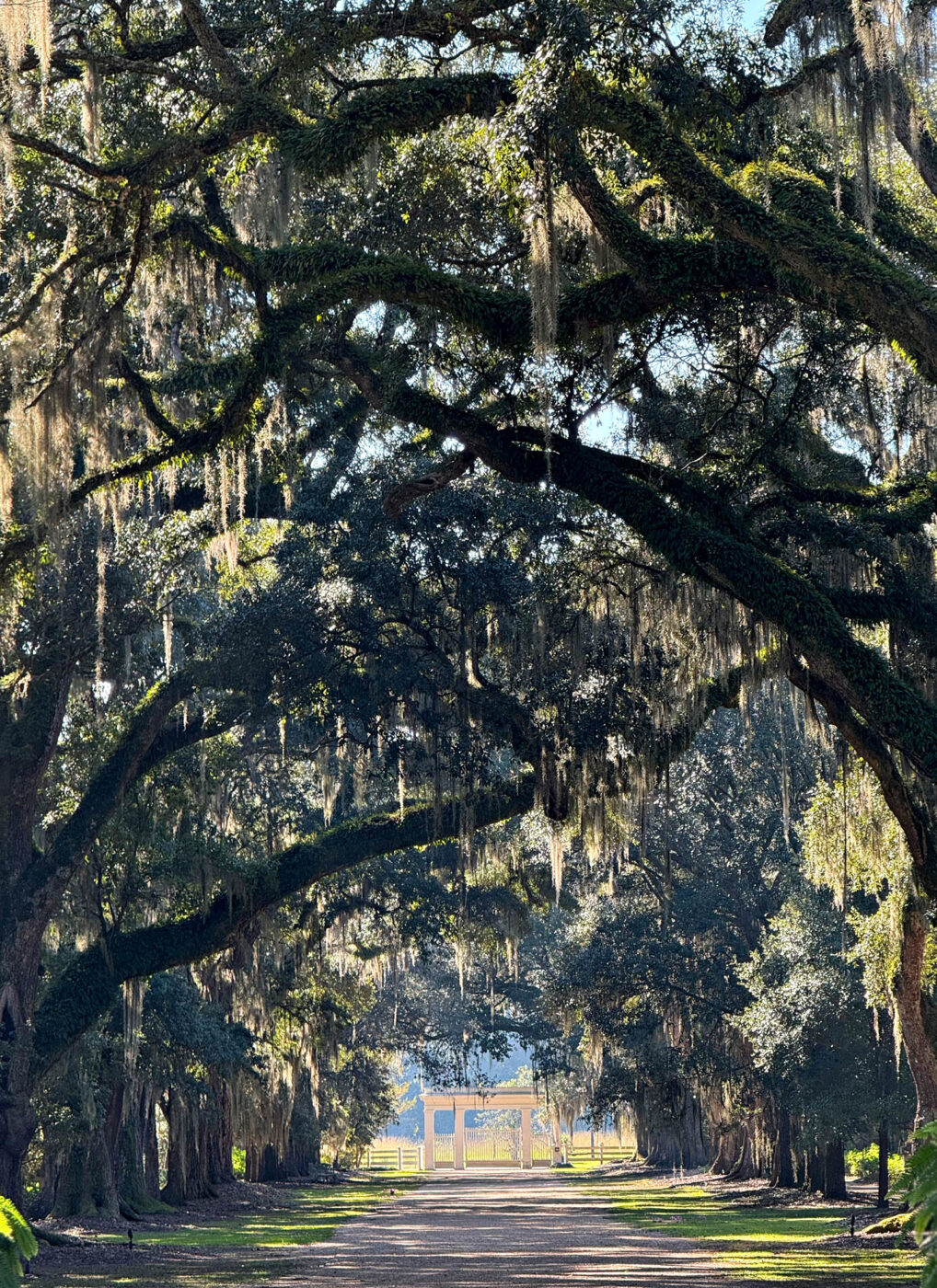
The following morning we head to Rosedown Plantation, one of the best-preserved plantation complexes in the South. A magnificent avenue of live oaks leads towards a mansion built by Daniel and Martha Turnbull in 1834 and 1835. They named Rosedown after a play they had seen on their honeymoon, and their travels through the grand gardens of Europe inspired Martha to create her own extraordinary gardens here.
It’s undeniably beautiful and I feel like I’ve stepped into a Hollywood set. It’s also impossible to separate that beauty from how it was created.
The Turnbulls became extraordinarily wealthy through cotton, and that wealth depended on enslaved labour. At the height of the operation, hundreds of enslaved people worked across the Turnbull properties. They built, planted, harvested, cooked, cleaned and maintained the world we’re now walking through. The gardens alone eventually spread across around 28 acres.
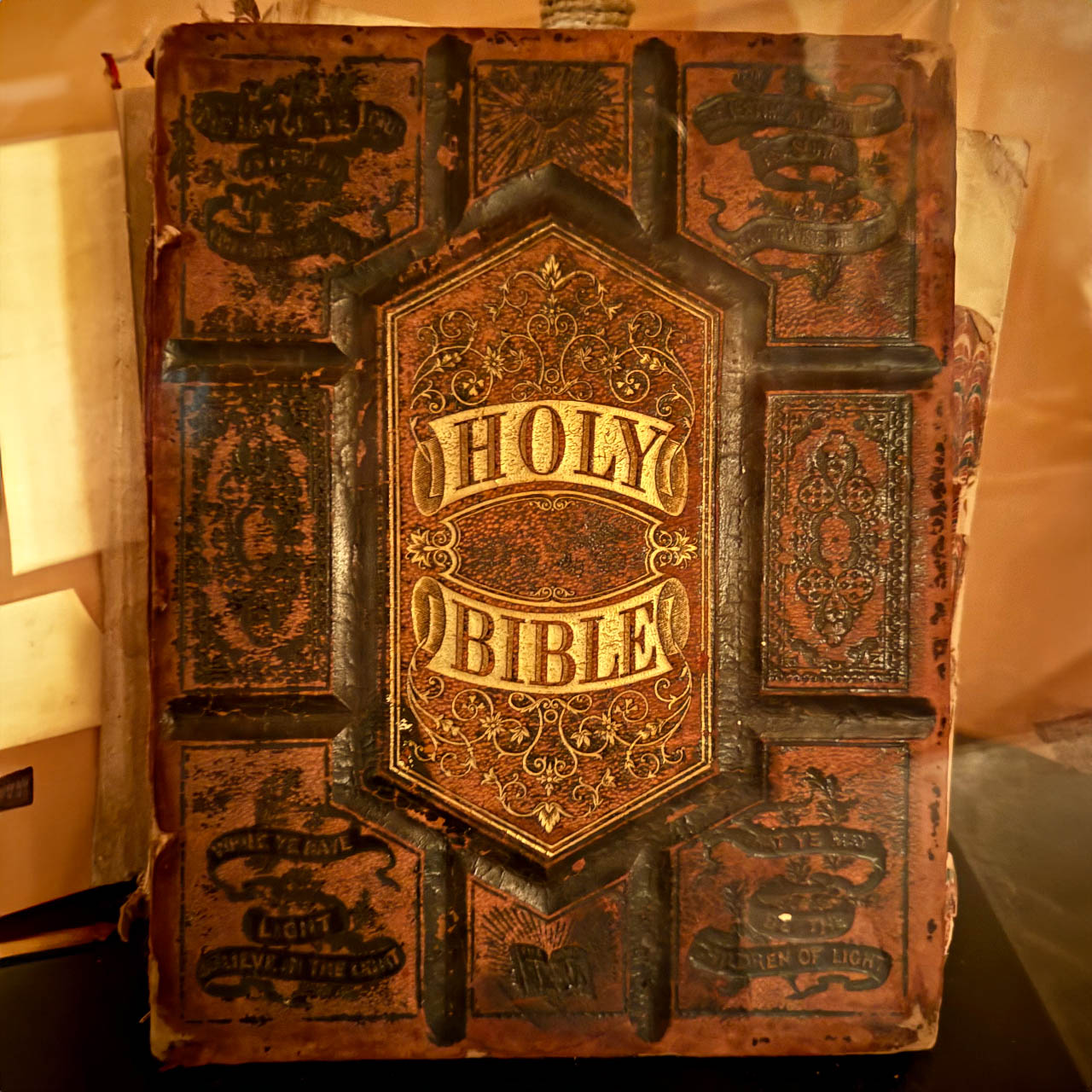
Our tour takes us through rooms still filled with an extraordinary amount of original furniture. Martha was a prolific record keeper, maintaining a garden diary for almost 60 years, and those records later became invaluable when the property was restored. The result is less a recreation than a time capsule. It also feels haunted and I ask one of my fellow travellers how much they’d take for spending a night in the Turnbull’s bed. “No chance!” is the reply.
Back in town, our historical contemplation lasts until we discover Bayou Sara Brewing Company. We order a tasting paddle. This is research. A tasting paddle remains one of travel journalism’s great loopholes. Drink four beers and you’re drinking four beers. Put four small beers on a wooden board and suddenly you’re investigating regional culture. I investigate thoroughly.
The location comes with one fairly unusual operational challenge: the river occasionally eats it.
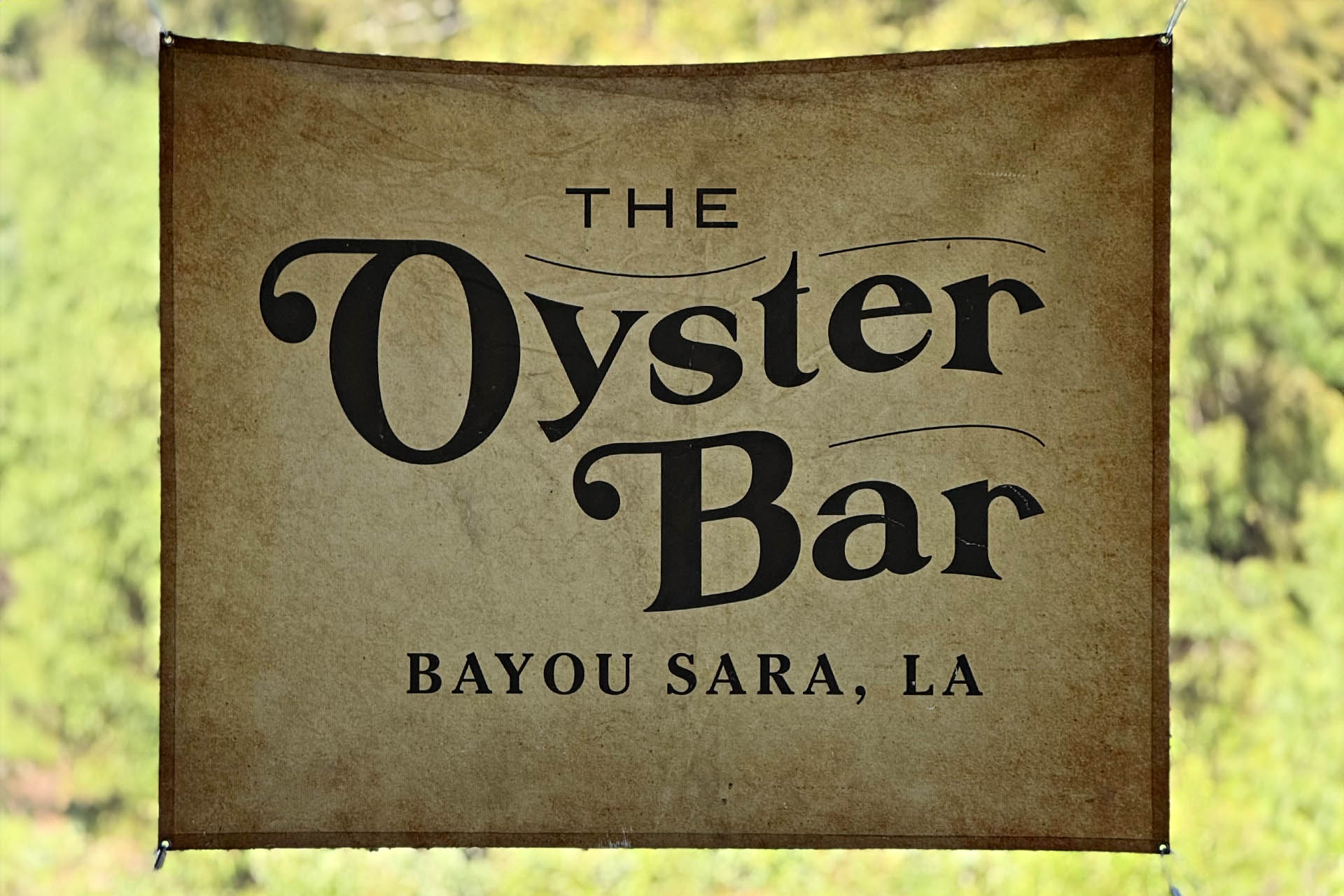
From there we head downhill towards Bayou Sara and the Oyster Bar, perched beside the water. The original Bayou Sara was once a major Mississippi River port, but repeated floods hammered the settlement throughout the 19th and early 20th centuries. The catastrophic 1927 flood helped finish the old town, and the low ground still floods today.
The Oyster Bar simply lives with it. When Bayou Sara rises high enough, the place can end up underwater. Not just a flooded front bar. The whole building is under water! When the water disappears, they clean up and get back to business. There’s something wonderfully Louisiana about that attitude. Yeah, the river ate the bar again. Anyway, what are you having? That evening we head to the Myrtles, a house routinely promoted as one of America’s most haunted homes. It has accumulated so many ghost stories over the past two centuries that separating history from folklore becomes almost impossible.
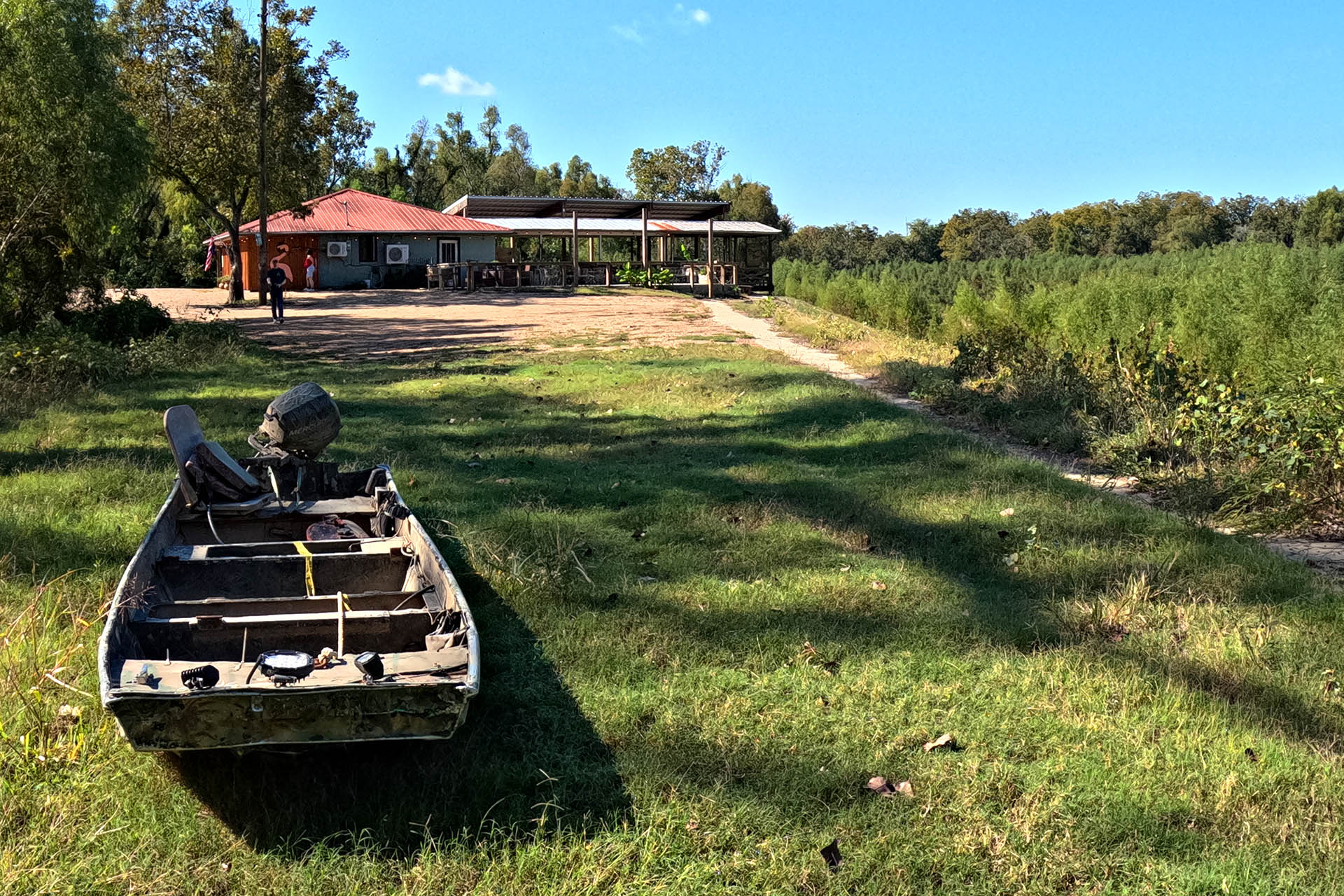
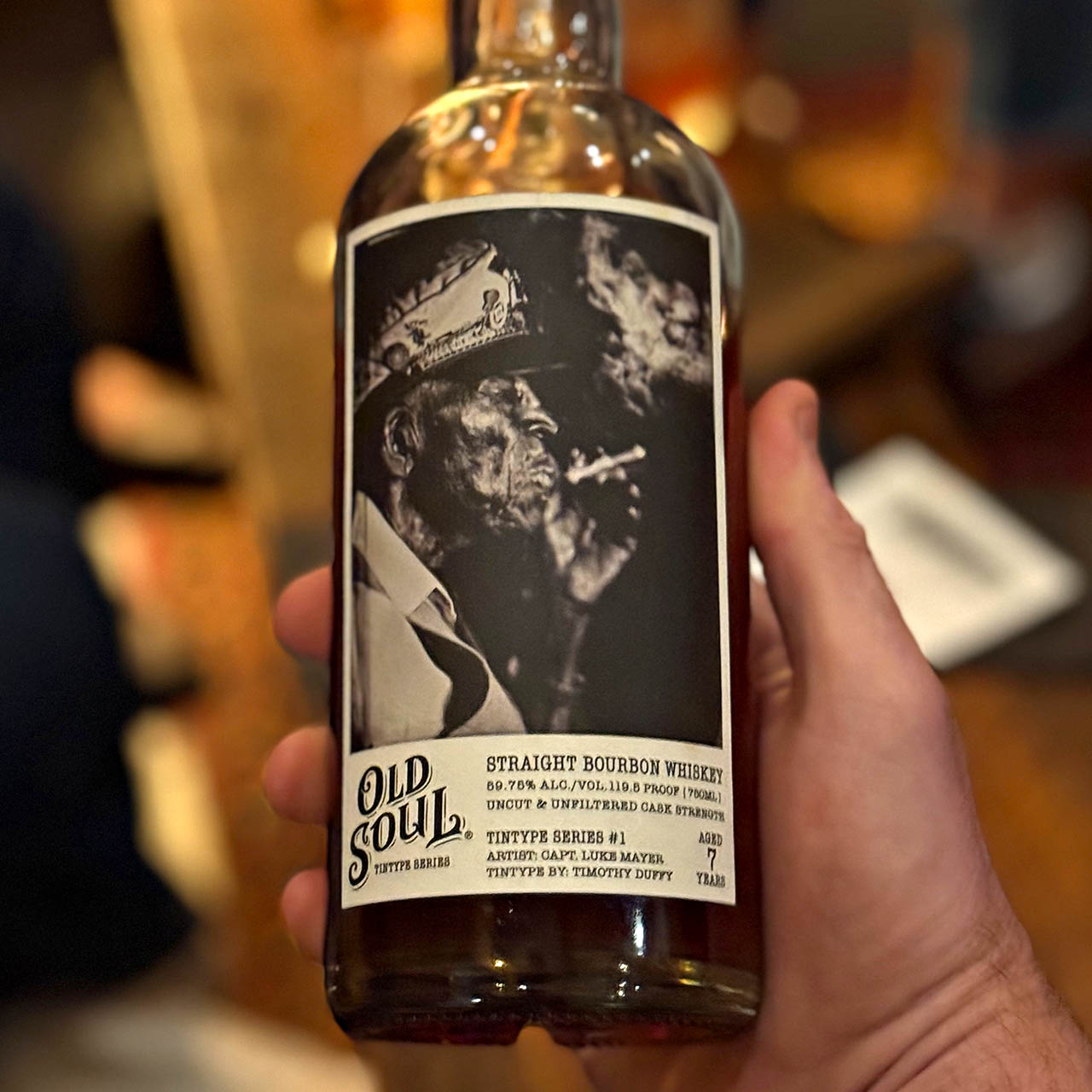
Fortunately, before meeting the dead, we meet the barbecue, as the Myrtles also operates as a restaurant and bar. Tables are loaded with Southern food, smoke drifts through the grounds and bourbon appears again. By now I’ve abandoned any pretence that St Francisville is going to be my detox destination. Another bourbon actually seems medically advisable because we’re about to walk into a house where apparently nobody ever really leaves. Inside, our guide begins rolling out the stories.
There’s the famous mirror, supposedly containing the spirits of Sara Woodruff and two of her children. According to the legend, this one was missed. Strange marks and what appear to be children’s handprints are said to reappear on the glass no matter how often it’s cleaned. Then there’s William Winter. He was genuinely murdered here in 1871, shot on the front porch. The legend says he staggered inside and dragged himself up the staircase before dying in his wife’s arms on the 17th step. Visitors claim they still hear footsteps climbing those stairs. They stop at seventeen. Of course they do.
Southern tradition held that mirrors should be covered when somebody died so their spirit couldn’t become trapped inside.
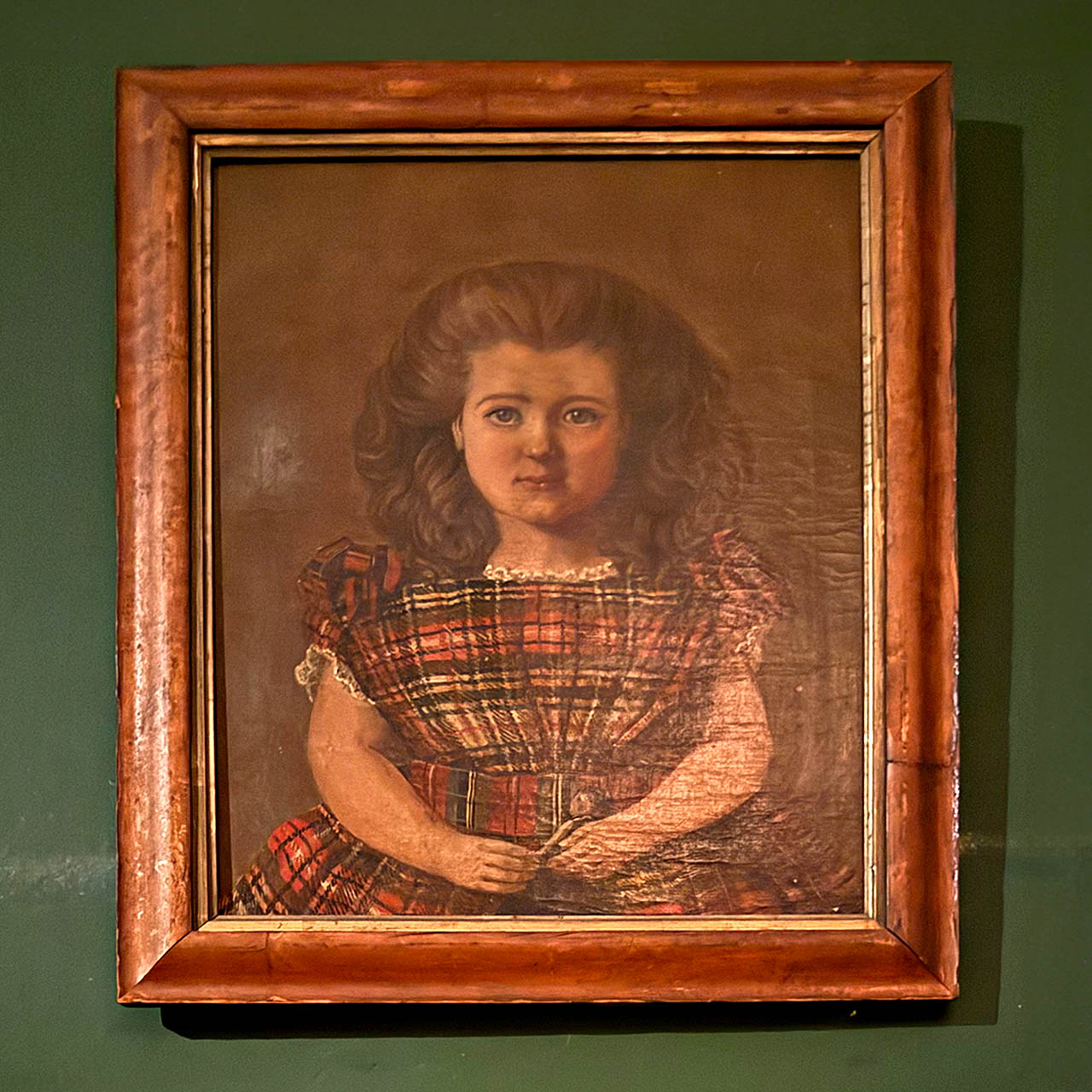
Then we meet Kate. A portrait of young Kate Winter hangs in the house, and our guide tells us one of the strangest stories of the night. Kate became gravely ill while the portrait was being painted. According to Myrtles lore, the artist completed one half while she was alive. Kate then died before he could finish it, so the other half was painted using the dead child as his model. I stare at the portrait. One side does seem somehow different from the other. “Fuck that” I mumble, just a bit too loudly.
Kate is also said to remain in the Myrtles. Guests report seeing a young girl, hearing children playing and even feeling someone jumping on beds. Elsewhere there are stories of a piano playing by itself, a Confederate soldier appearing in the house and a mysterious gatekeeper who has reportedly turned visitors away despite the minor complication that the Myrtles doesn’t employ a gatekeeper.
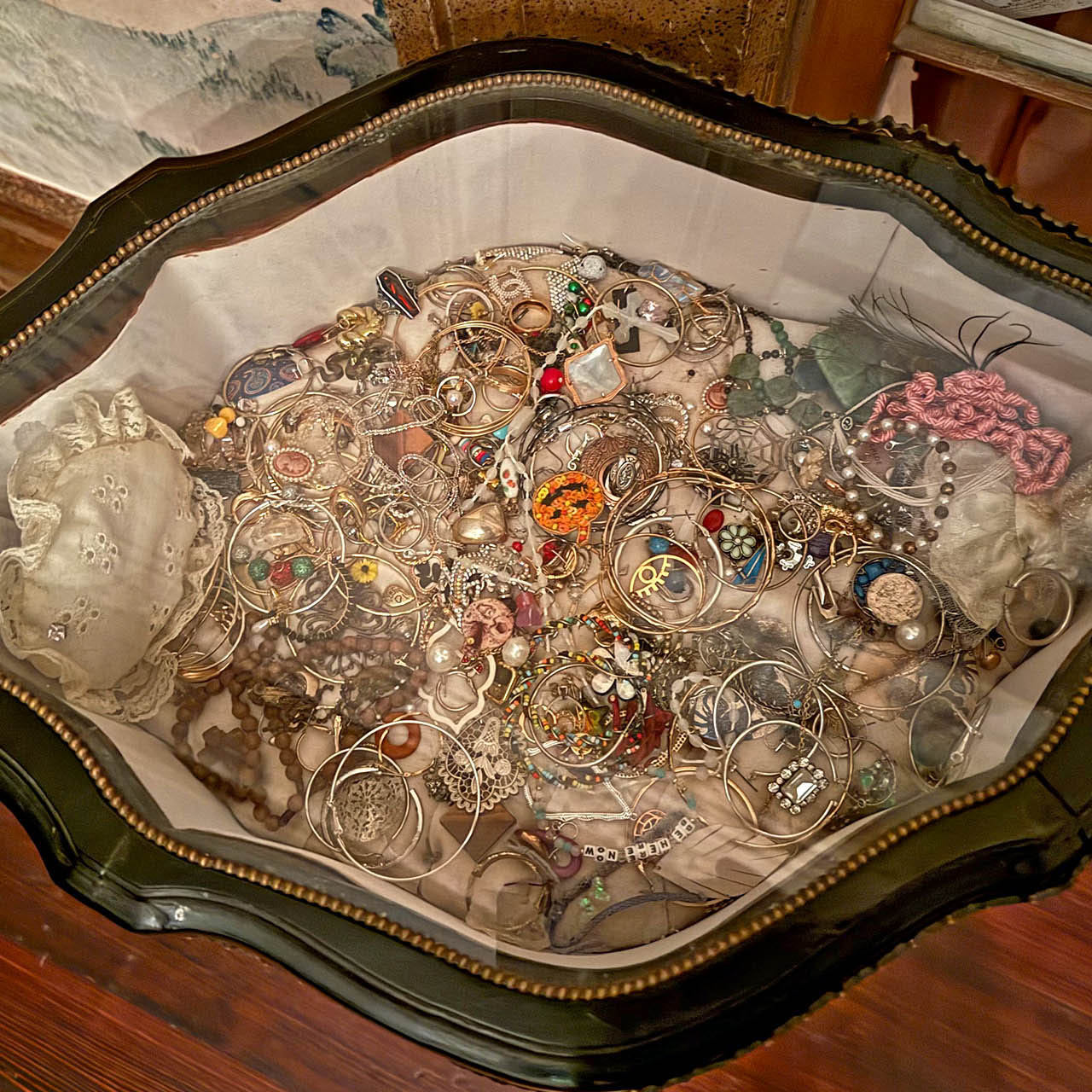
Then our guide shows us one of my favourite bits of Myrtles weirdness: a collection of little objects and trinkets that have apparently gone missing around the house before mysteriously turning up again. They’re kept together like some paranormal lost-property department, a chest of things allegedly pinched, moved and eventually returned by the house’s less visible residents. As the story goes, Chloe, the Myrtles’ most famous alleged ghost, is said to have a thing for jewellery, particularly earrings and shiny objects. Whether Chloe actually existed as the legend describes is highly disputed, but by this stage I’m keeping a fairly close eye on my belongings anyway.
I begin the tour adopting my usual rational position on ghosts. I don’t believe in them. Inside the Myrtles, after several bourbons, I’m prepared to reopen negotiations. Every unexplained noise suddenly deserves investigation. Something creaks upstairs. Old house. Another sound comes from the hallway. Timber contracting. Something moves in my peripheral vision. More bourbon please.


It has been less than 24 hours since we left Halloween in New Orleans, yet it feels like we’ve travelled considerably further than a couple of hours up the highway. New Orleans is Louisiana turned up to eleven. St Francisville turns the volume right down, but the stories remain just as loud.
They live in old mansions and flooded river towns, in gardens planted nearly two centuries ago and breweries breathing new life into old buildings. They’re in a bar that gets swallowed by the bayou and simply opens again, and in a house where footsteps apparently still stop on the 17th stair. I come to St Francisville looking for some peace and quiet after New Orleans. I find it. Mostly. Something just creaked upstairs.

Share >




More Stories
A brief, somewhat accurate, history of San Antonio's chilli-in-a-chip-packet phenomenon.

Is Oklahoma near the top of your USA bucket list?