I’m standing outside the building where Western icon Doc Holliday drew his last breath on this day, 139 years ago. It’s fitting, given I’m on a journey that is as much an exploration of American stories and legends as it is of the vast landscapes of Utah and Colorado.
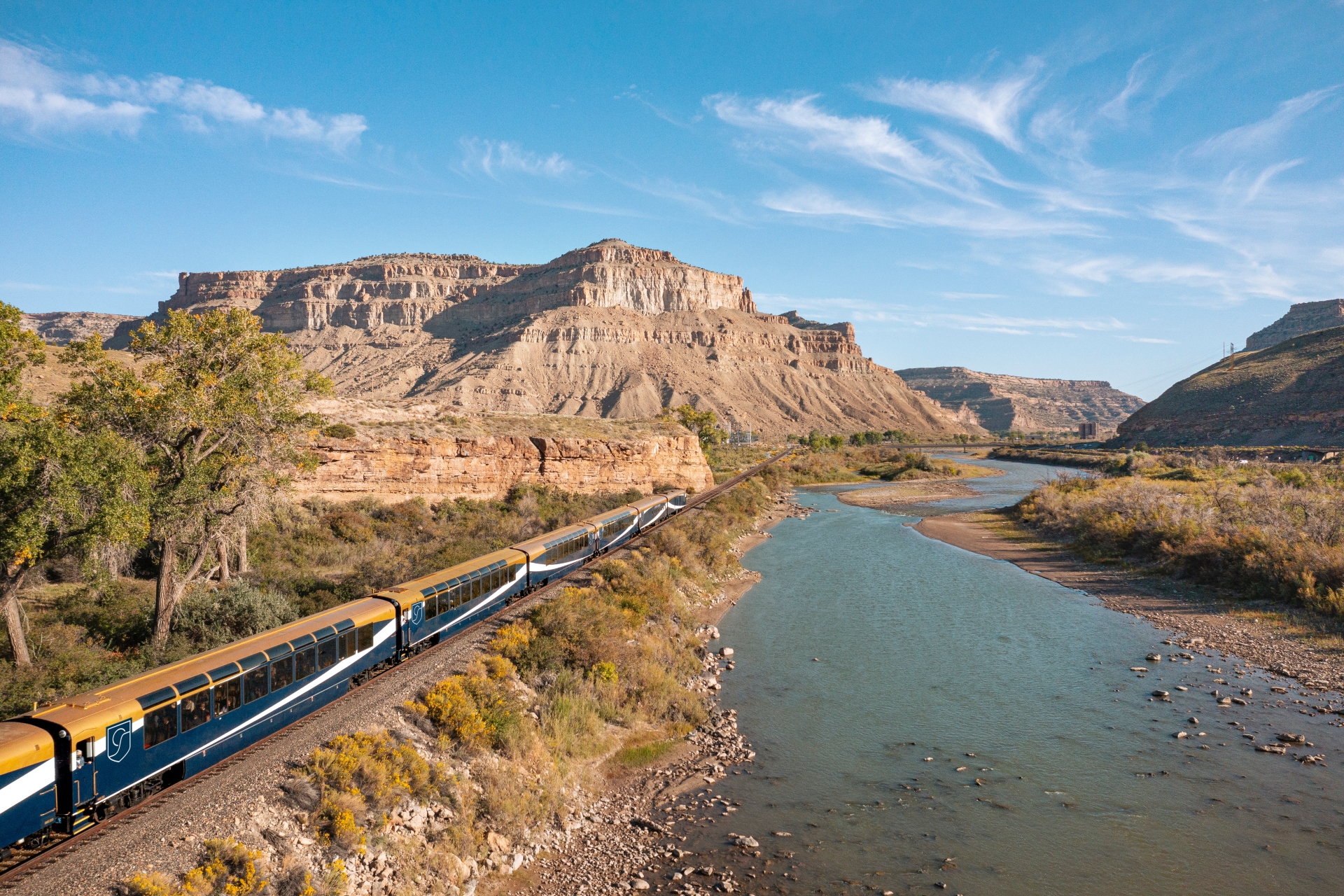
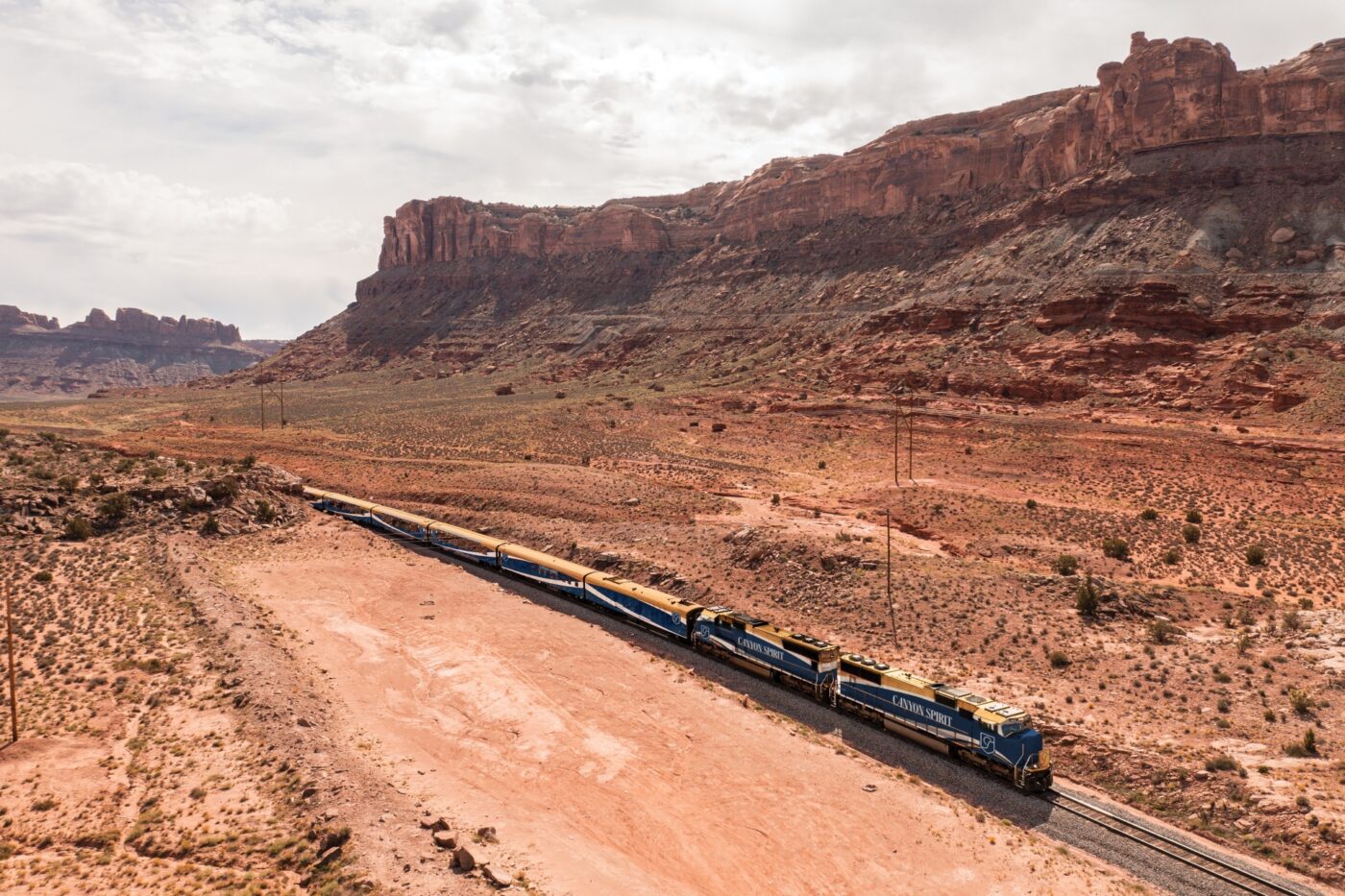
It’s the final day of a three-day adventure on the Canyon Spirit train service between Salt Lake City and Denver, mainly on the old Rio Grande line, built in 1883. The train was a catalyst of change, giving ranchers, outlaws and gold prospectors access to grab lands that had been home to Native American tribes for generations. It carried everything that settlers needed: supplies, payrolls, gold and silver, even entire houses, delivered in flat packs from Sears department store.
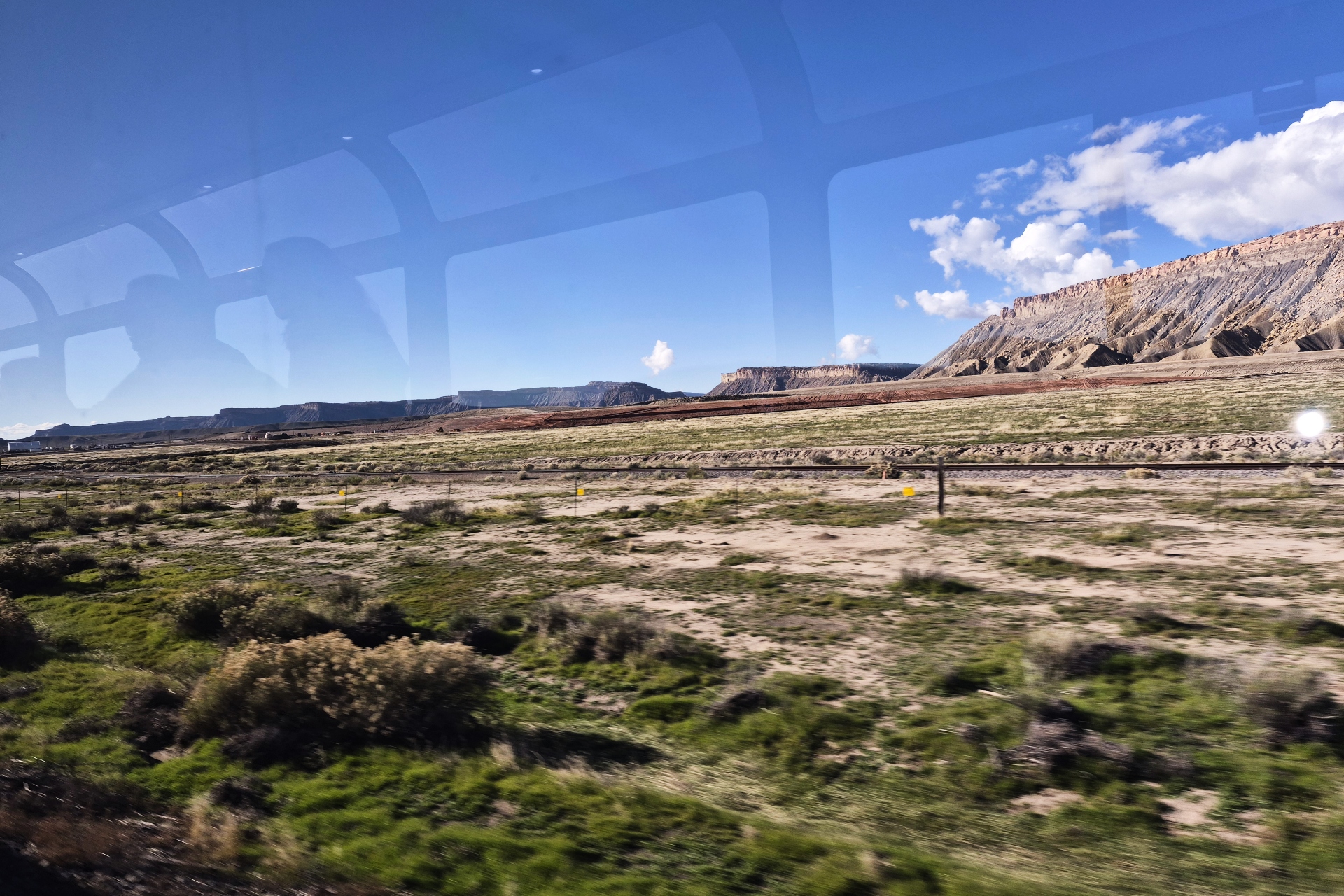
Winding its way through vast landscapes that fold over itself to form canyons, valleys and plains, the train also provided a tempting target for outlaws who were able to rob it then disappear with their bounty with the help of a good horse.
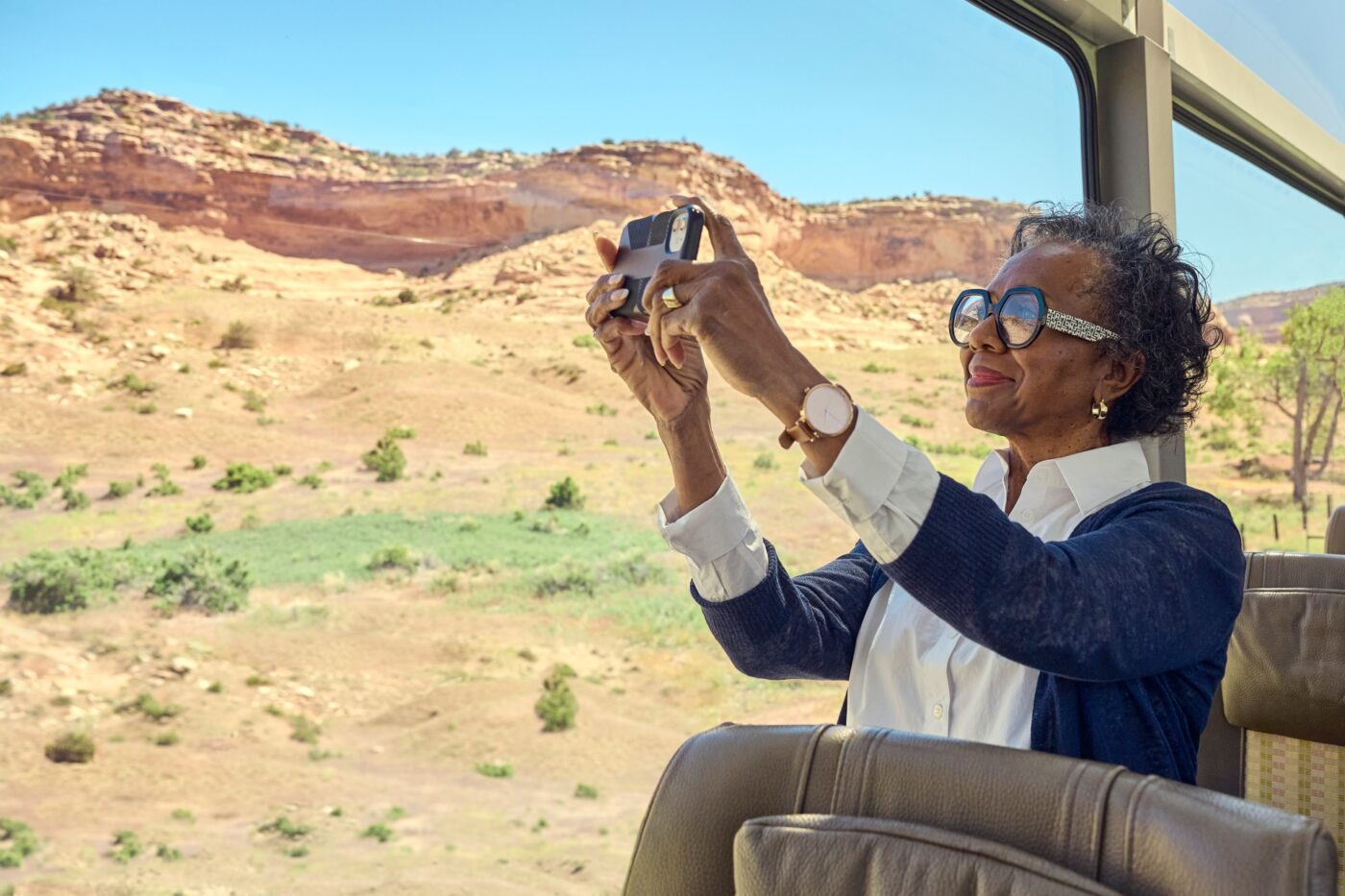
Today, the Canyon Spirit experience is less frontier, more luxury – the reclining seats are made for comfort not just utility. The windows curve to the roof to emphasise the views, there’s an open bar in the lounge, we have our own chef and bartender and a team of staff that are as skilled at storytelling as they are at serving drinks.
As we approach a huge sandstone fin, known as Castle Gate, crew member Tristan tells the story of Utah ranch hand Butch Cassidy and the Wild Bunch – less a gang than an early gig economy pool of outlaws who teamed up job by job.

RELATED ⟶ THE REAL AMERICA STARTS ON CAMPUS
In 1897, Cassidy and his partner Elzy Lay had spent the morning riding up and down the canyon, pretending to be jockeys testing their racehorses. When the train stopped at this very spot, Cassidy seized the coal mine’s payroll before fleeing to his hideout, known as Robbers Roost.
As we arrive at our first overnight stay at Moab, it’s not hard to imagine outlaws disappearing around here.
The landscape is a mass of glowing red, orange and rust-coloured sandstone cliffs, canyons and mesas. It’s iron-rich sandstone that gives the area its distinctive palette, but the drama of the desert is heightened by its mind-bending backdrop. The La Sal range, Utah’s second highest, is capped with snow.
A tiny town of only about 5,000, Moab punches above its weight for adventure activities. Think bungy jumps on steroids, Hummers driving up near vertical outcrops, white water rafting and canyoning.
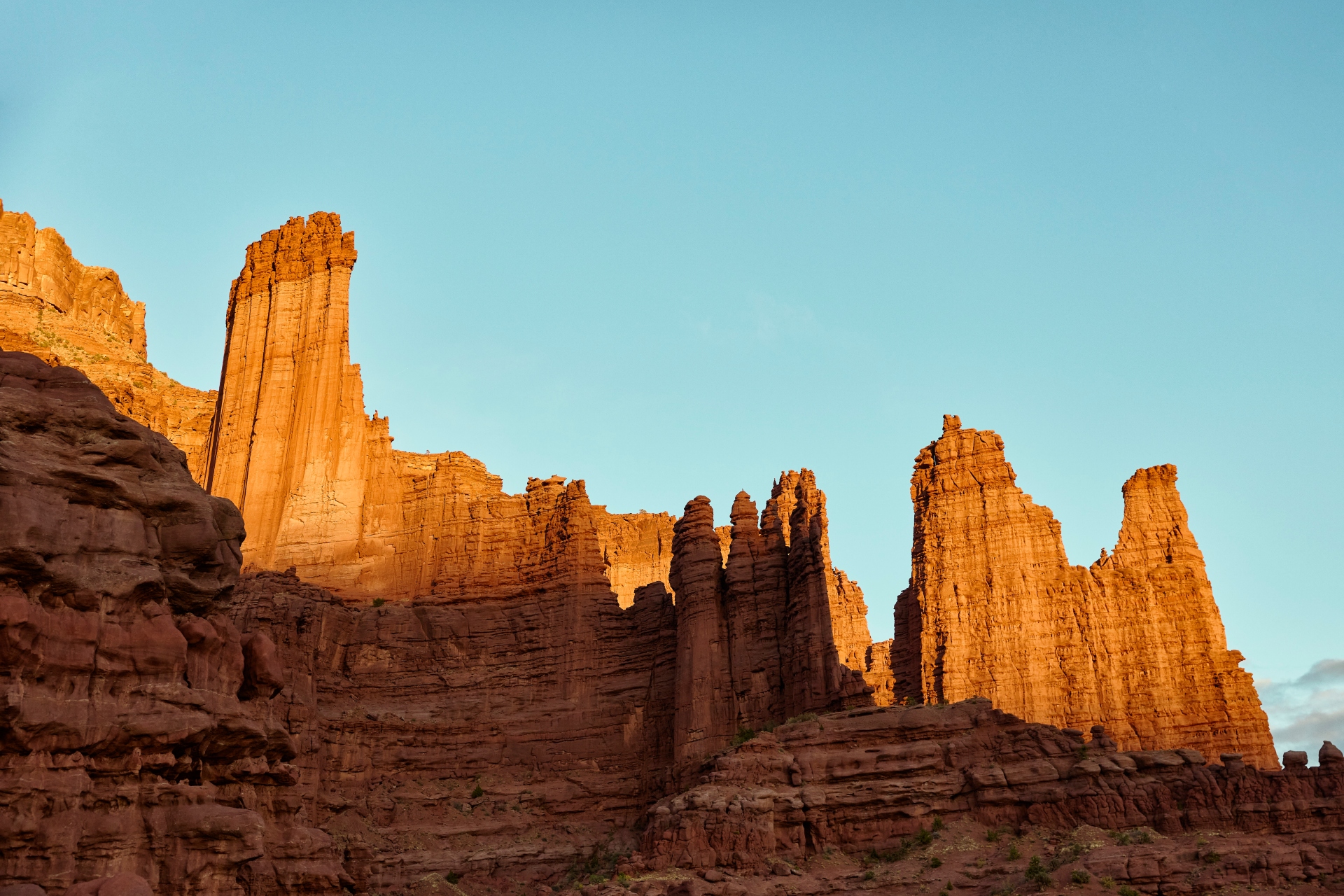
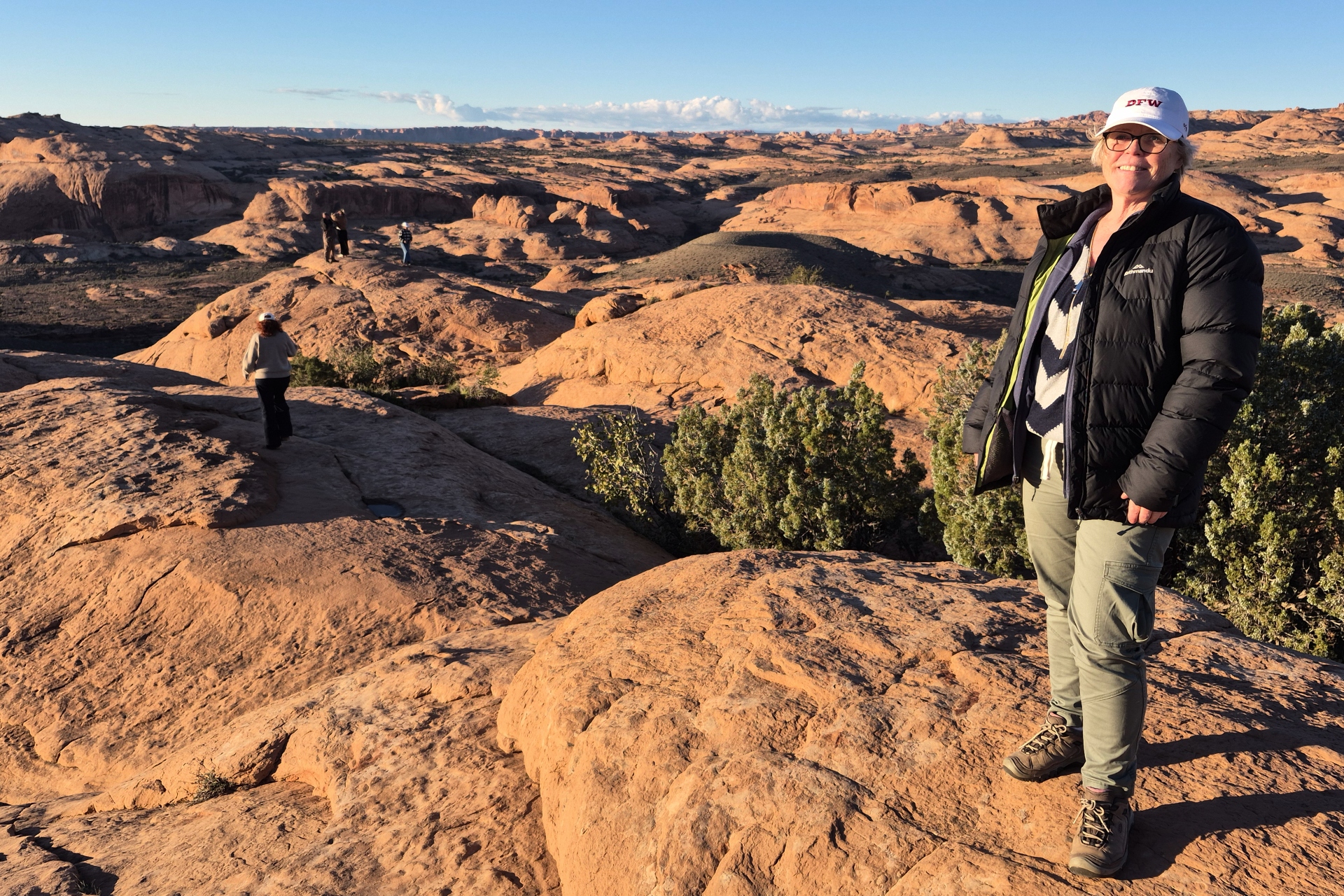
Moab is also basecamp for Arches National Park, which we explore with a knowledgeable local guide, Jesso. The park is filled with more than 2,000 natural sandstone arches, carved by wind and water to create a vast natural sculpture park.
It’s both stunning and harsh. Jesso explains that whilst Native American tribes, including the Ute, had traversed the area for generations, in the 1870s settlers were allowed to claim land if they could prove they had a water source.
It’s hard to believe settlers would be tempted to try and eke out a livelihood in these conditions, but the dry desert heat has protected the evidence – a tiny log cabin and a semi-buried food store that belonged to the Wolfe family.
There’s not a tree in sight.
The story goes that the Wolfe father and son worked at creating a ranch on this patch of desert for years before a daughter was convinced to join them with her own family in 1906. Unsurprisingly, after making the gruelling journey to the homestead, she was appalled at the conditions, insisting she needed a cabin with a window and floor. Christmas must have been awkward.
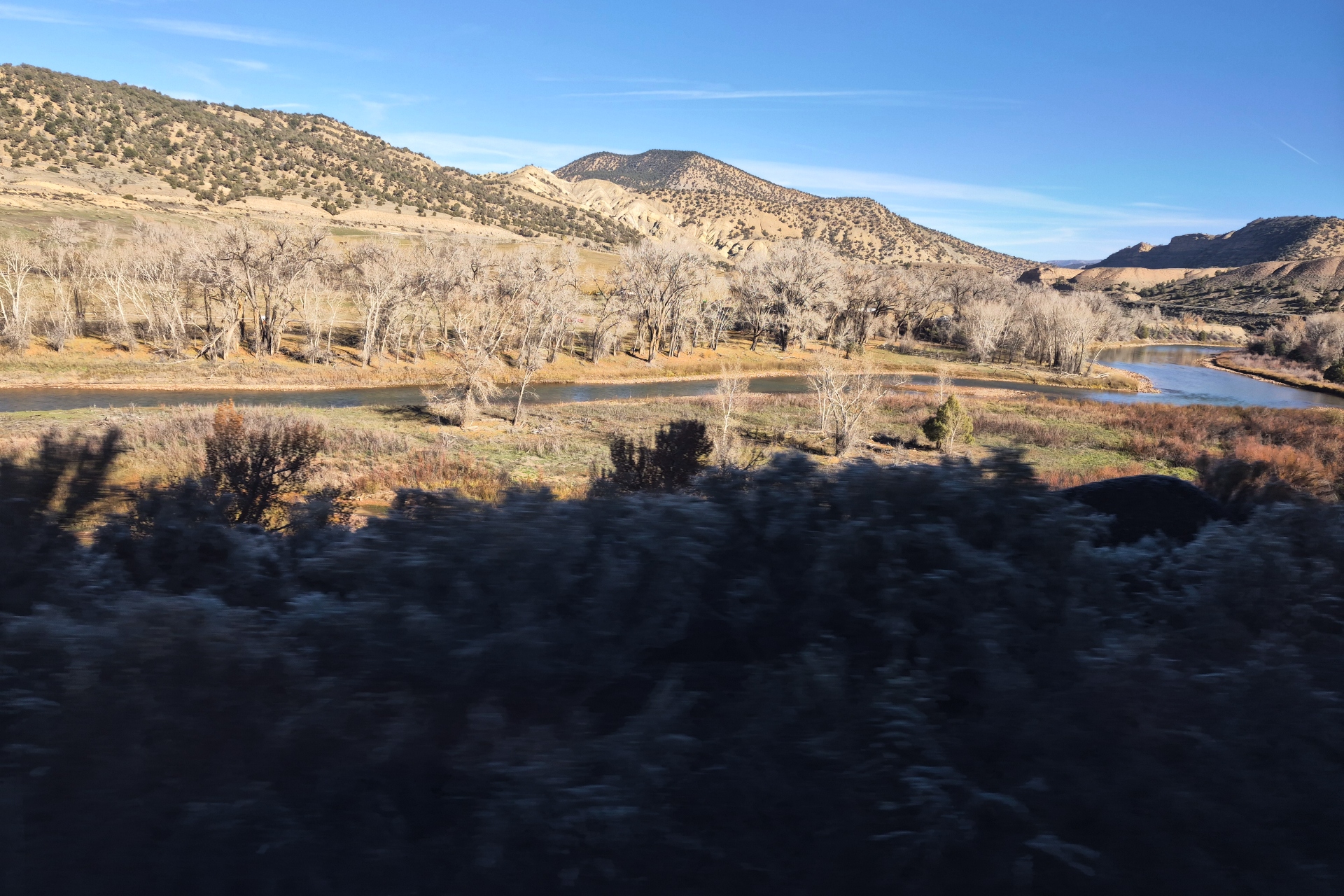
Back on the train, the Colorado River sidles up beside the track. That’s when we’re initiated into a more recent tradition: the rafters’ salute. When rafters on the Colorado see the train, they drop their pants and moon the passengers. Yes, it happened. Yes, it was juvenile. Yes, it was funny.
Then, Tristan strikes again. Roughly here, in June 1904, one of Butch Cassidy’s peers, Kid Curry pulled off the last major train robbery on the Denver and Rio Grande line. He climbed onto the locomotive in the dead of night, held a gun to the engineer and said: “Stop this train one mile down the line.”
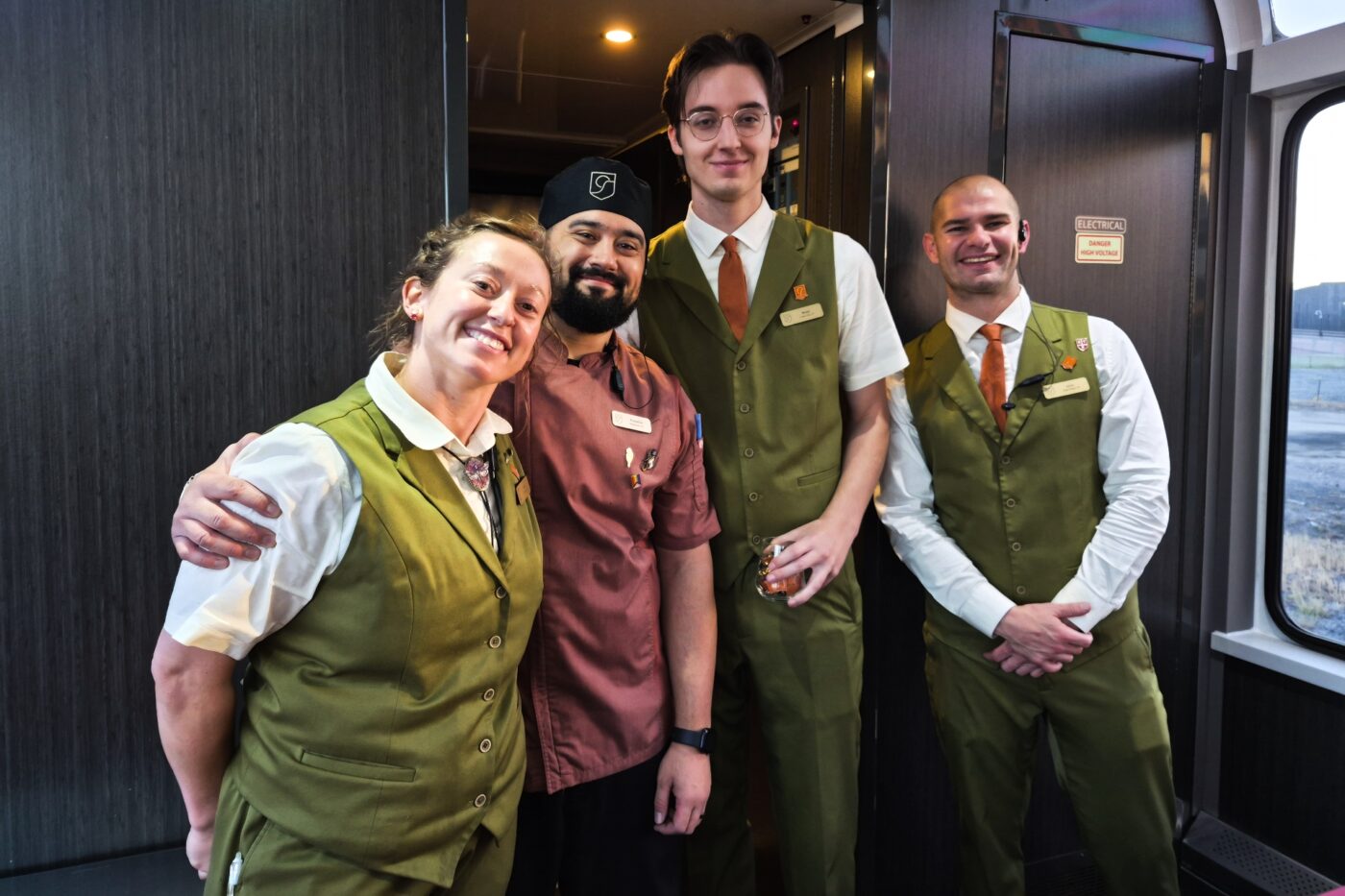
Tristan, decked out in his outlaw finery, recruits a couple of passengers to play terrified travellers as he acts out the robbery, complete with fake dynamite; Curry blew the safe, which turned out to be virtually empty.
After a gunfight, a cornered and wounded Curry took his own life rather than be taken by the posse.
The reenactment brings the already fascinating landscape to life and increases the chat among passengers who are no longer strangers.
As the shadows lengthen, the sun puts up a fiery fight for the end of the day, flushing the mountains with colour before taking the warmth with it. It’s pitch black when we pull into Glenwood Springs, a mountain town of 10,000 that is the second overnight stop. Lights twinkle in the trees, and steam rises from the hot springs across the road.
Which is where the story of Doc Holliday comes in.

If you’re not up on your American frontier history (I wasn’t), dentist-turned-gunslinger Doc Holliday was one of the participants of the 1881 gunfight at the OK Corral. Suffering from tuberculosis, he travelled to Glenwood Springs in the hope it would help cure him.
Native Americans had long known about the healing waters of the area, and entrepreneur Walter Devereux decided to cash in, building what is billed the world’s largest outdoor mineral hot springs pool.
Whilst the springs didn’t save Doc, his memory lives on. A window decal marks where he died and, a few doors away, the Doc Holliday Tavern is heaving. Doc fans still make the pilgrimage to his gravestone at the top of the hill to leave bottles of whiskey, poker chips and other offerings to their hero.
RELATED ⟶ THE DEAD PARTY HARDER HERE
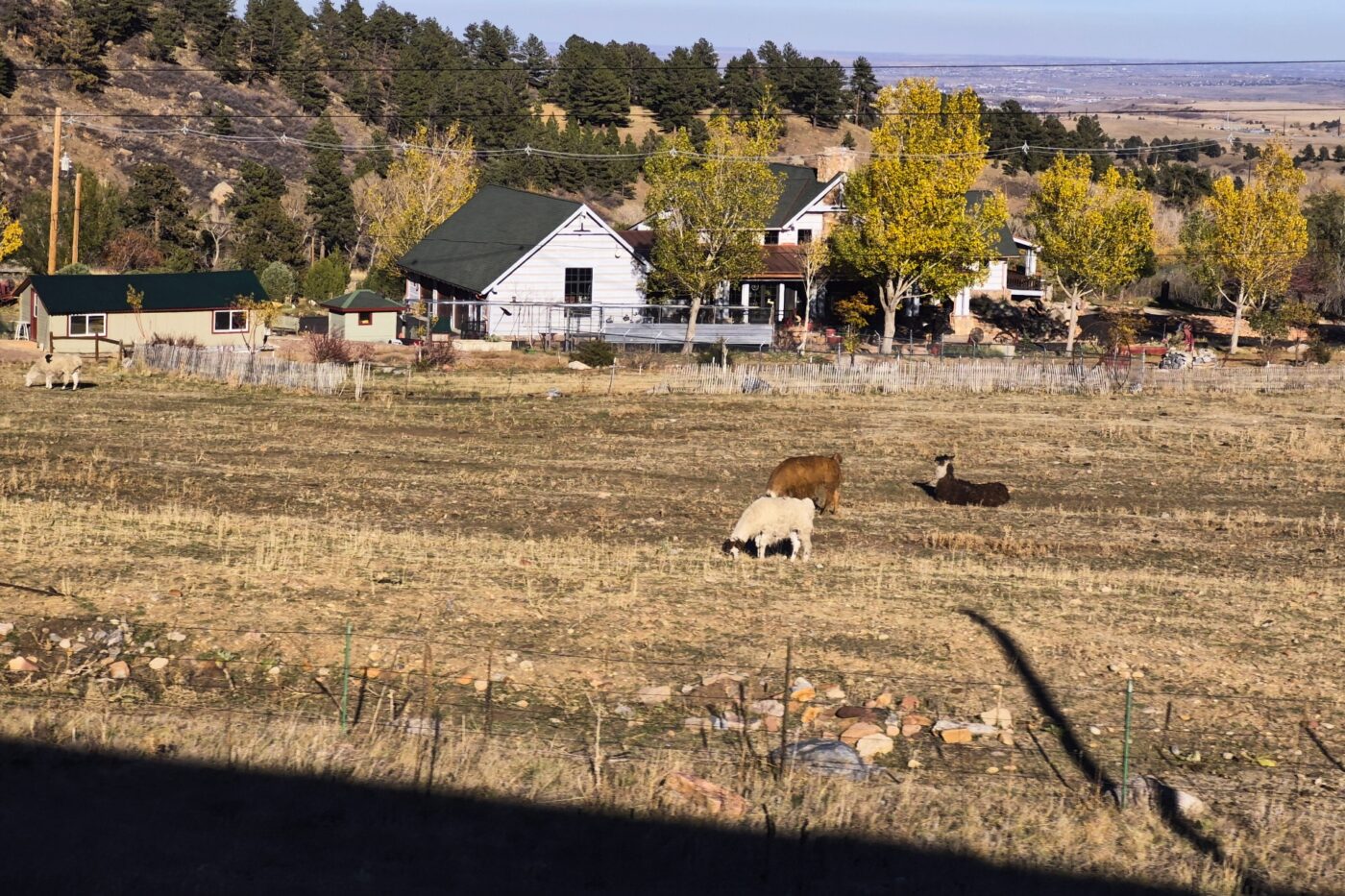
As we pull out of Glenwood on the final day of our journey, we pass a double-storey home where people wave and unfurl a banner: “See you next season” – this is the last Canyon Spirit journey of the year.
The track threads through Glenwood Canyon, then opens out at Dotsero, where houses line a clear green river and the cottonwoods are in their last flush of yellow. Then the train begins to climb.
We connect to the Moffat line, a shortcut created between Denver and Salt Lake City – an ambitious undertaking that involved the creation of dozens of tunnels, hand-blasted through solid rock. Crossing the Continental Divide involves a 15-minute journey through the six-mile/10km Moffat Tunnel.
According to crew member Emily, when the train plunged into darkness back in the day, men would try to steal a kiss, so women held their bonnet pins between their lips. Any man who tried his luck got a prick. That, she laughs, is where the word comes from – and another myth or legend is born.
Get There
United Airlines fly to Salt Lake City via San Francisco from Melbourne or you can fly Delta from Sydney, via Los Angeles.
Tour There
In 2027, the Canyon Spirit’s epic train journey between Salt Lake City and Denver will include more options to tailor the journey, with longer stays at Moab or Glenwood Springs and activities including horse riding and sunset boat trips on the Colorado River.
Stay There
Start as you mean to go on: in a train station. Asher Adams has turned Salt Lake City’s 1908 Union Pacific Depot into a 225-room hotel. Wander through the Grand Hall, where the original murals and stained glass are still in place and grab a memento: a photo-booth strip, sealed in a wax-stamped envelope.
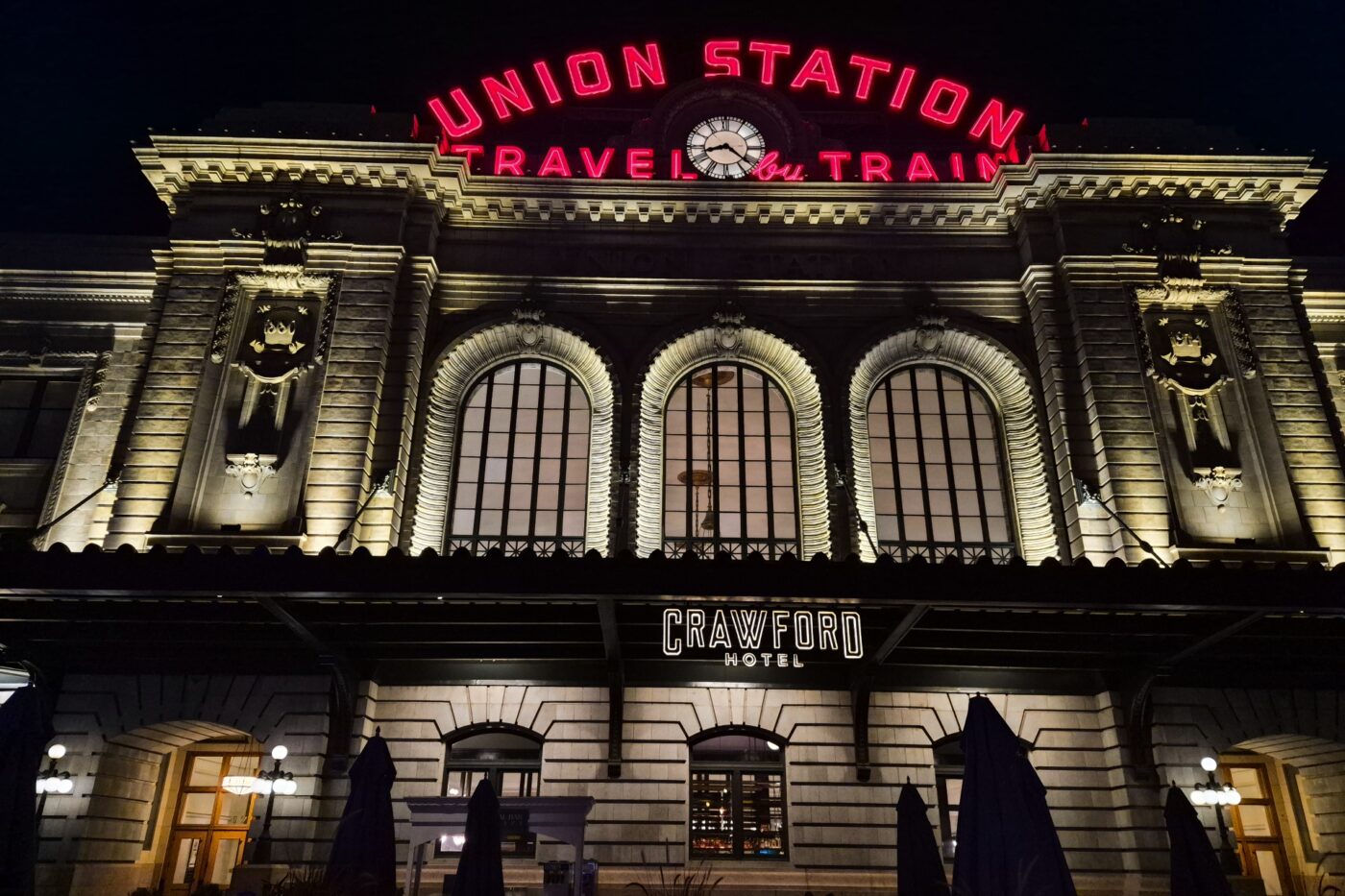
Pair it with the Crawford Hotel in Denver, based at Union Station, and you’ll have slept in two train stations without missing a single train.

Share >


More Stories
Let Oʻahu and Kauaʻi show you the side of Hawaiʻi your Instagram won’t.
Justin Jamieson survives Halloween in New Orleans and escapes to sleepy St Francisville, where the spirits come by the glass, and apparently wander the hallways after dark.
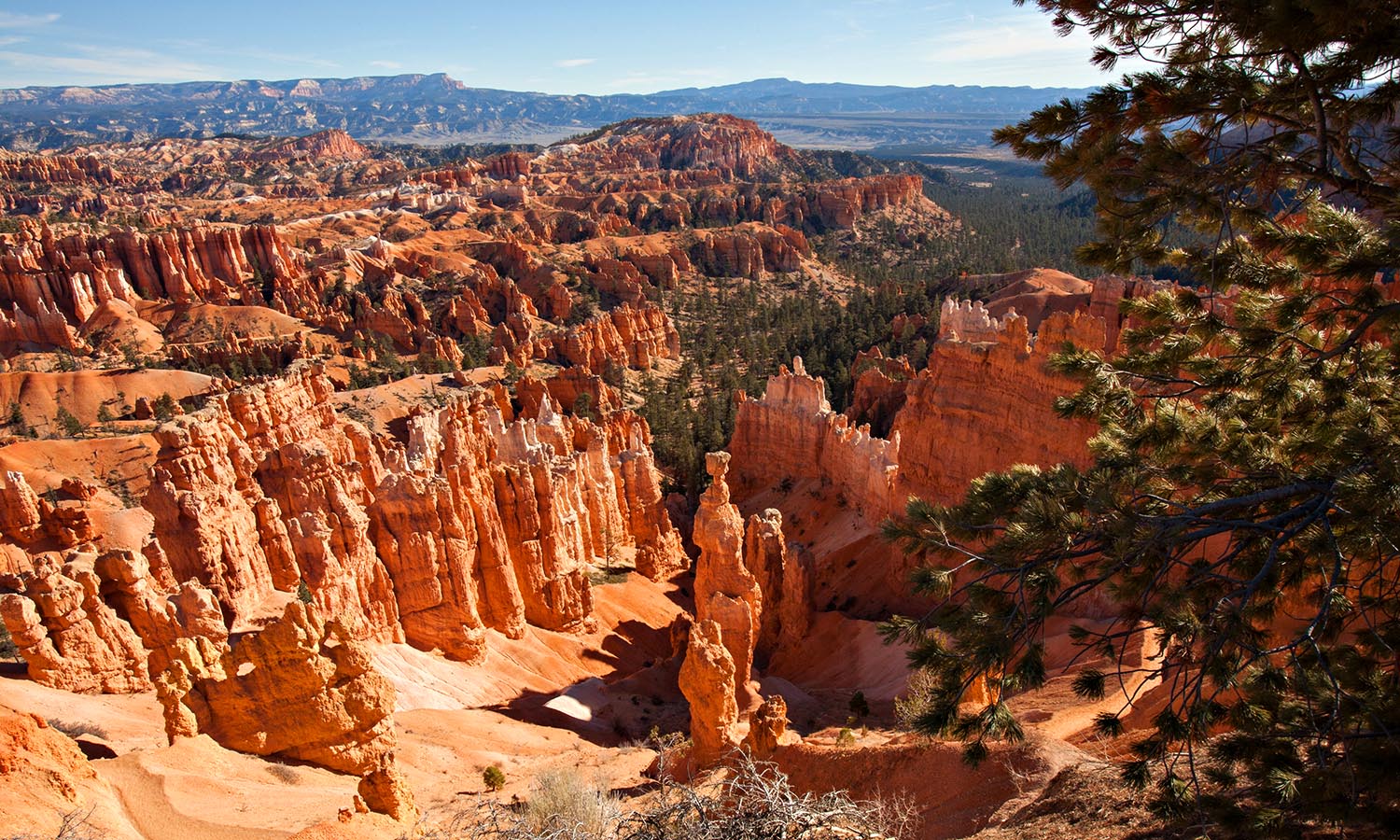
Utah is not just home to the Mighty Five® national parks. You’ll be blown away by the hidden gems that rival them.