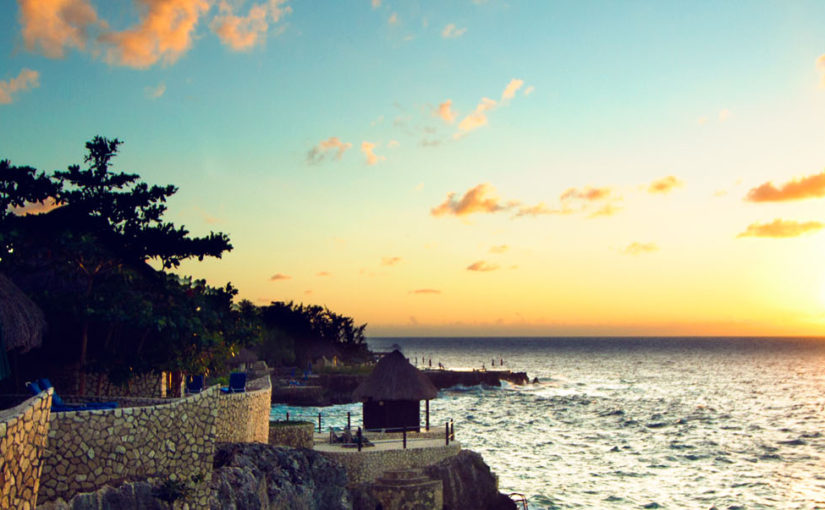
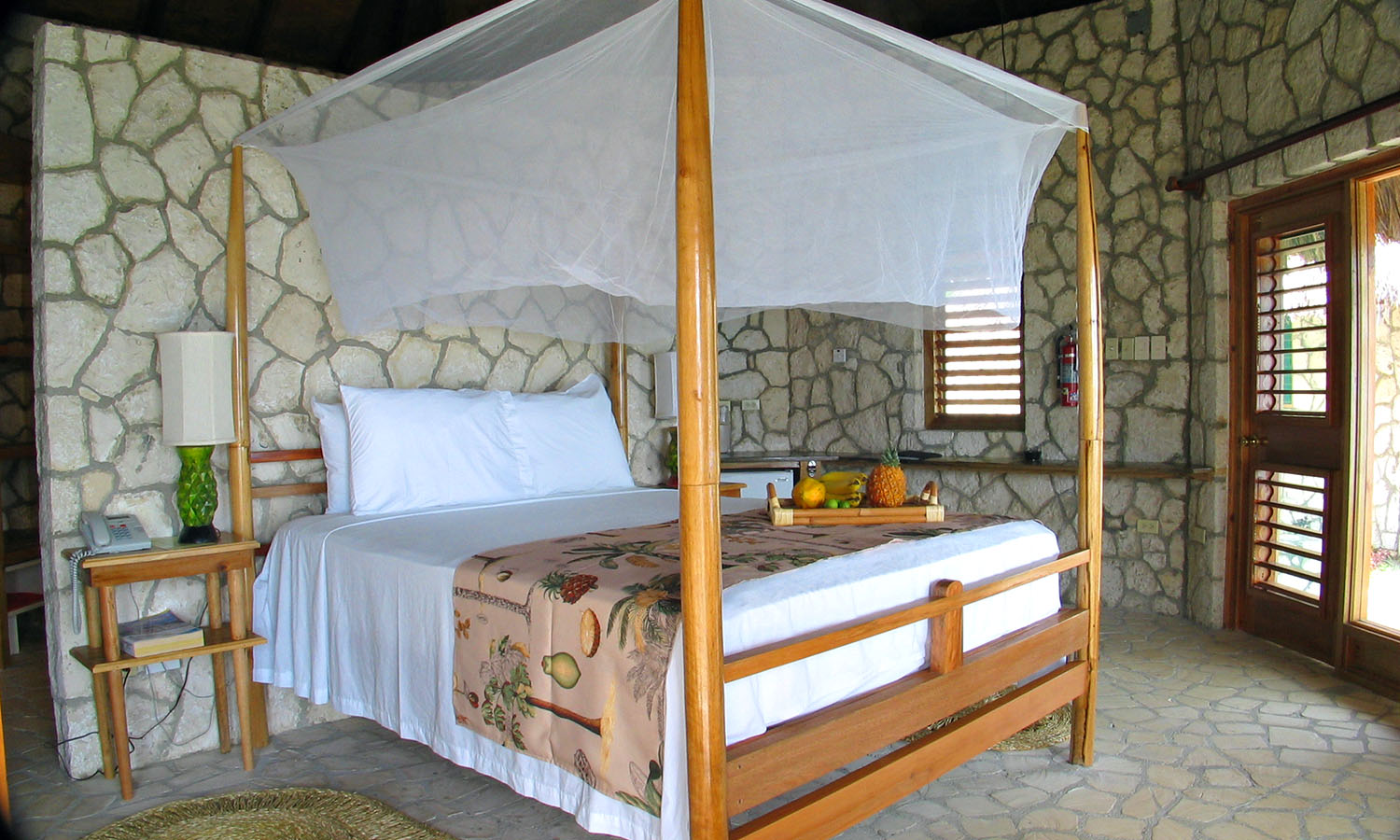
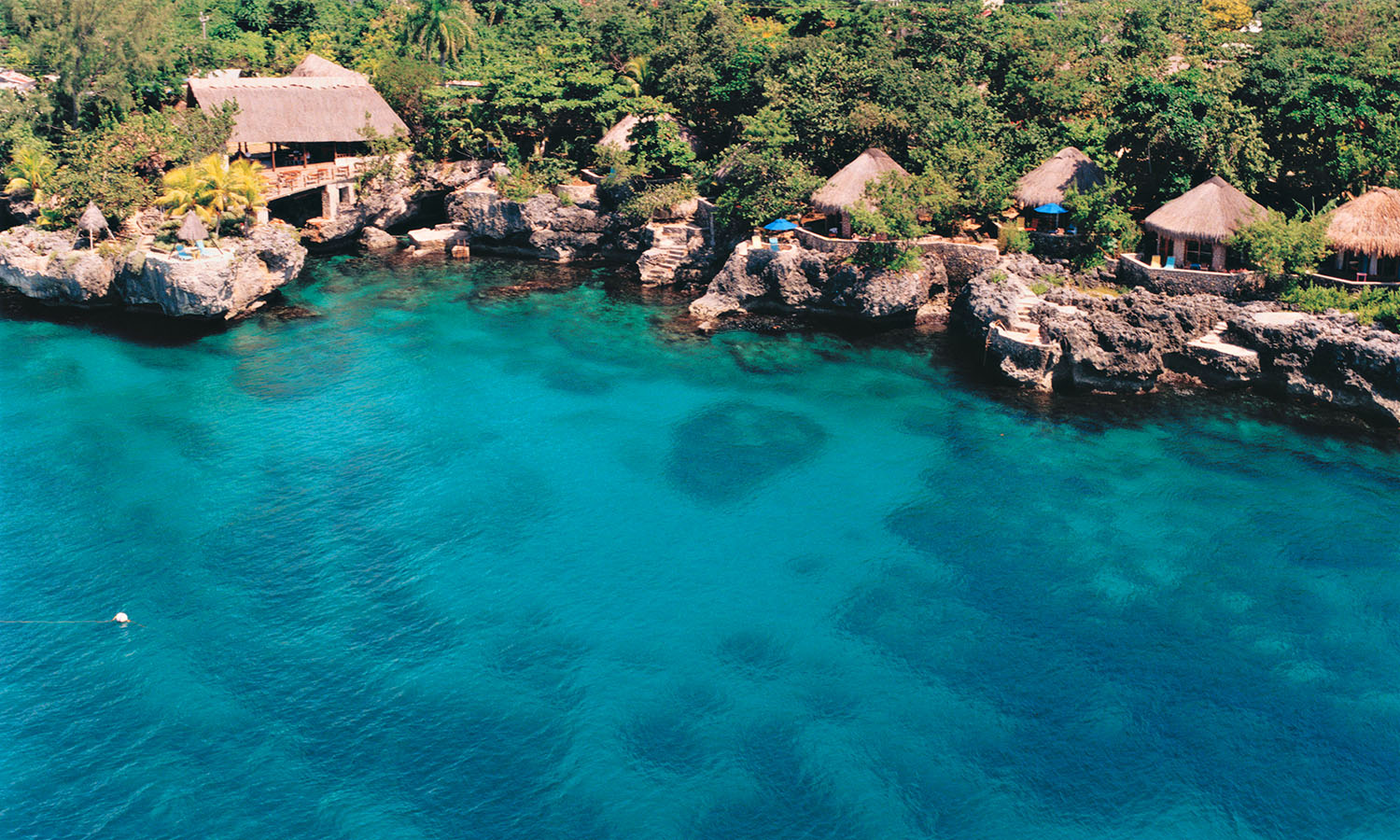
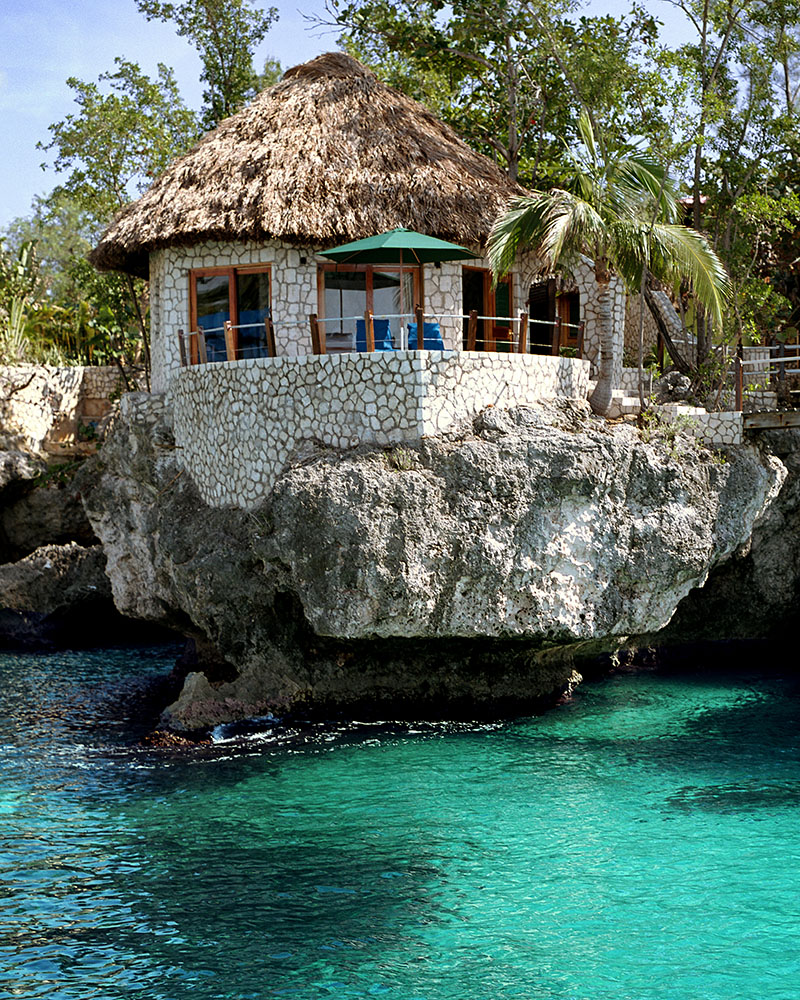
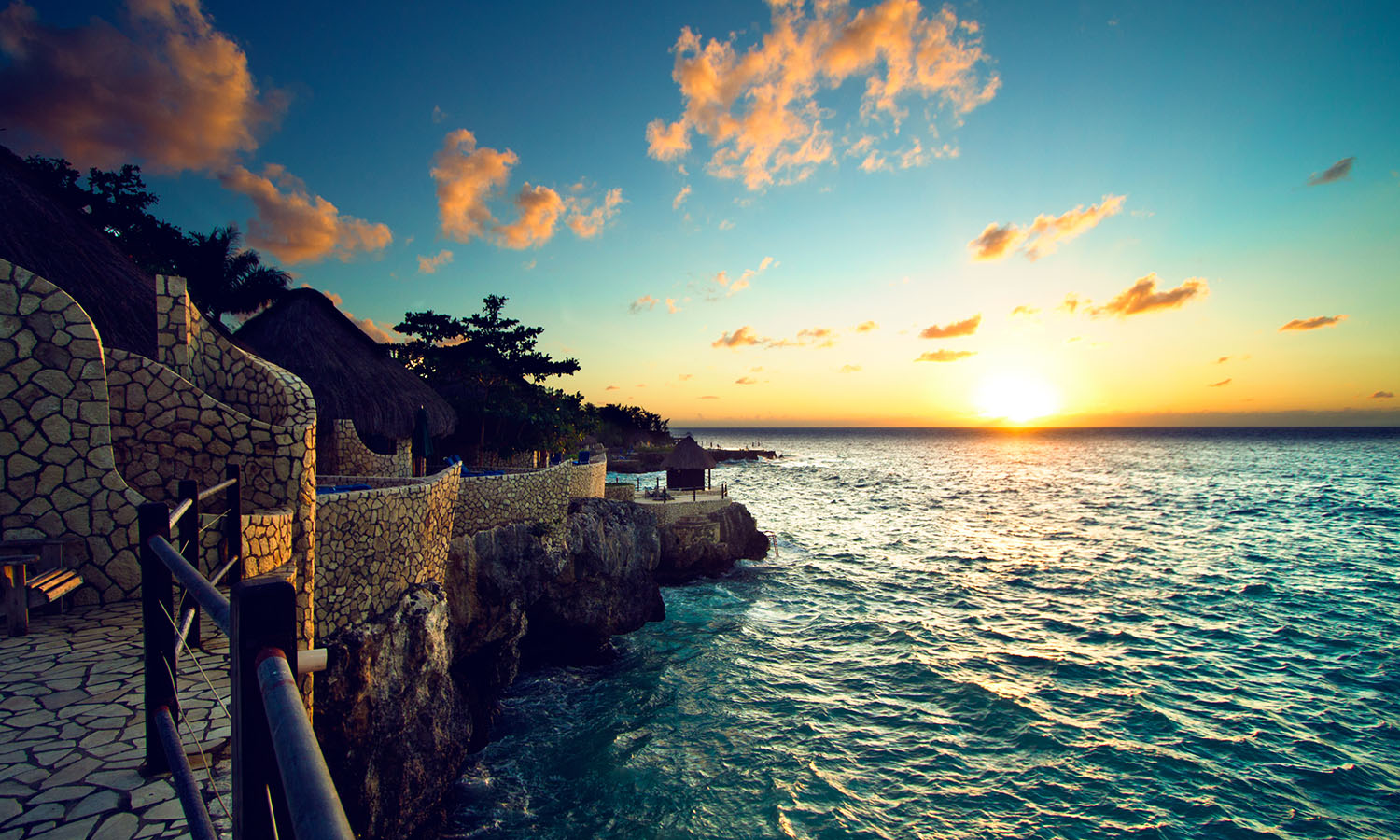
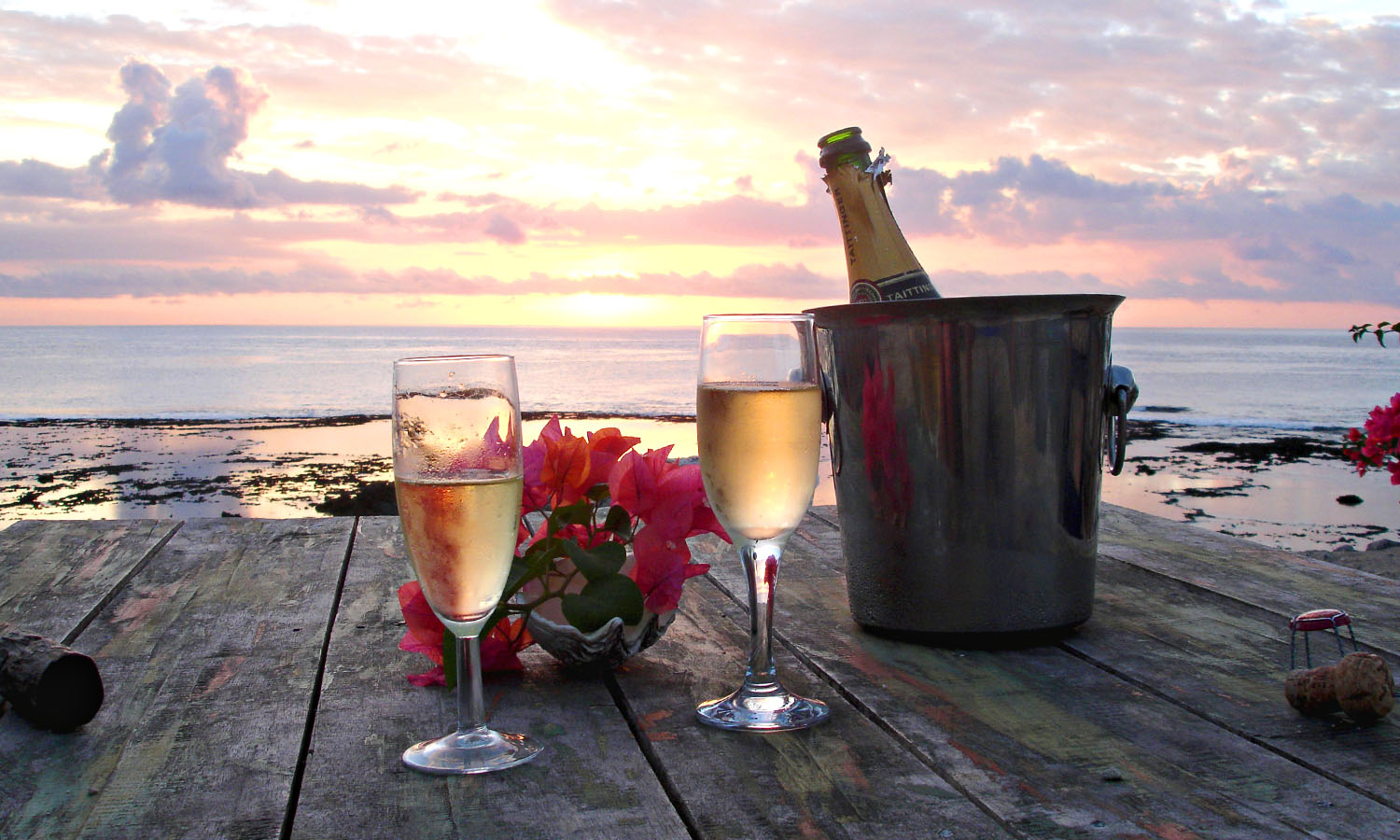
Utopia doesn’t begin to describe Negril’s aptly named Rockhouse Hotel. Carved out of the side of a limestone cliff, each villa has a lush green garden on one side and deep blue Caribbean Sea on the other. Forget the Joneses – your nearest neighbours will be parrotfish and Nemos.
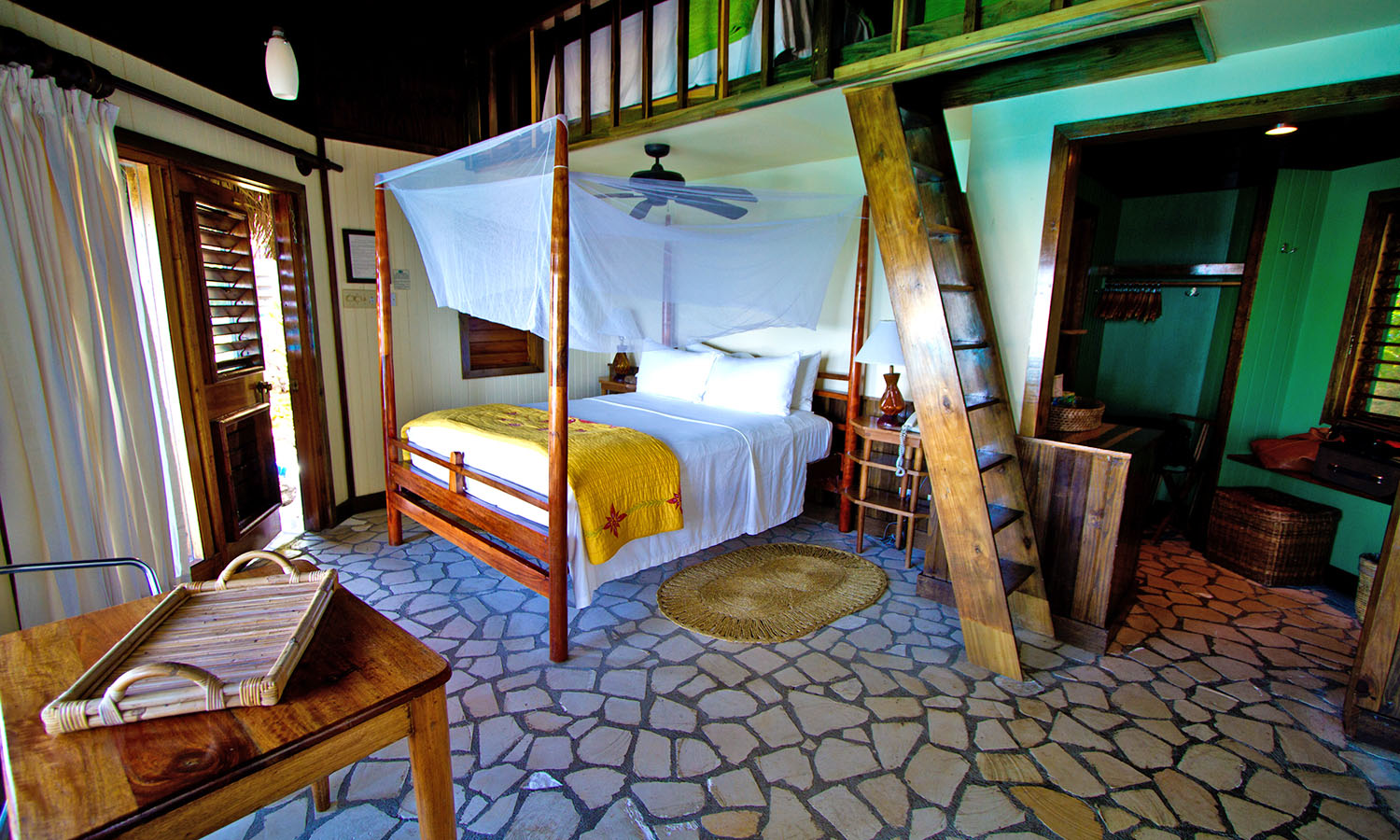
These stone-floor quarters have played host to some serious celebrities over the years, such as Bob Marley, Bob Dylan and The Rolling Stones to name but a few. And it’s not hard to see why: with its charmingly simple rooms and wildly beautiful views Rockhouse could almost have coined the term ‘barefoot luxury’.
Kick back in the spa, then order a coconut cream pie to your room (just because you can). More restless visitors can partake in painting classes, daily hatha yoga, African drumming lessons and tours of the property’s organic farm.
Best of all, you can indulge in everything this resort has to offer, safe in the knowledge that the local community comes first: the hotel’s foundation has invested almost US$4 million into nearby schools and libraries.
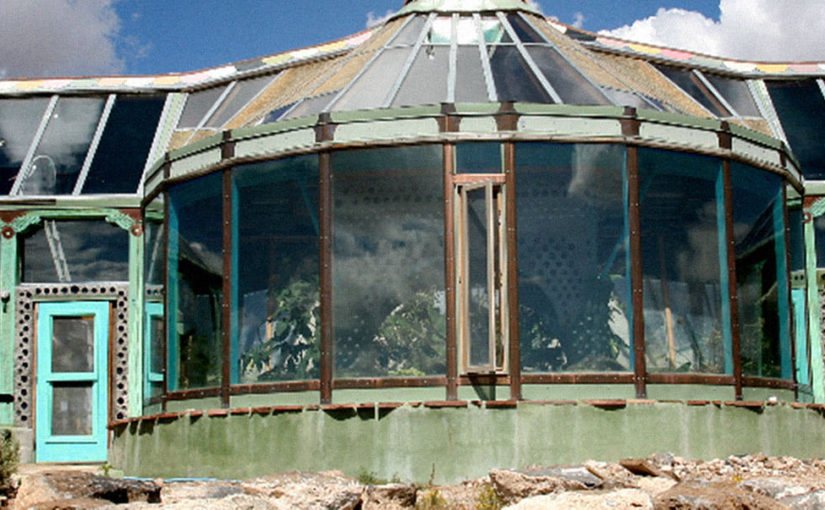
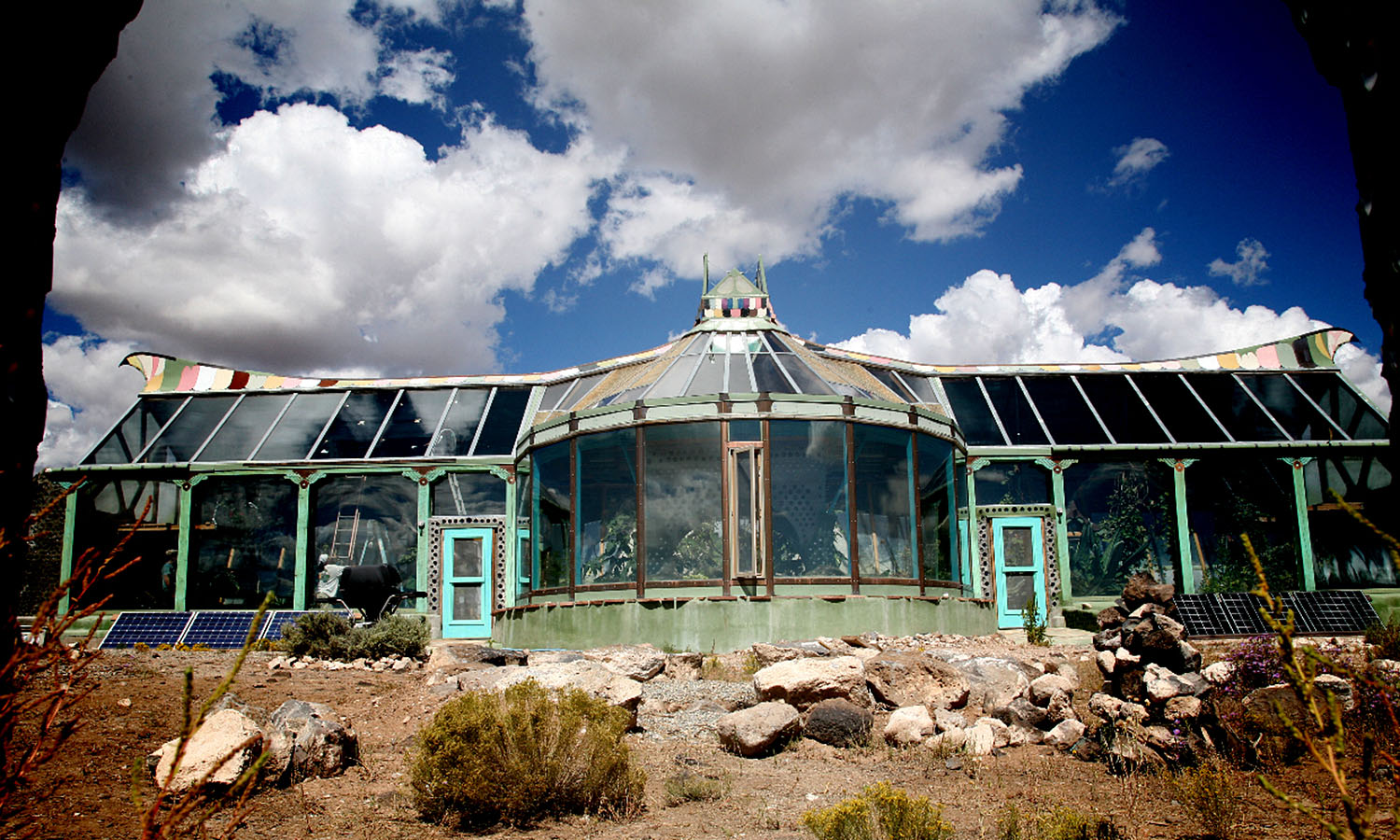
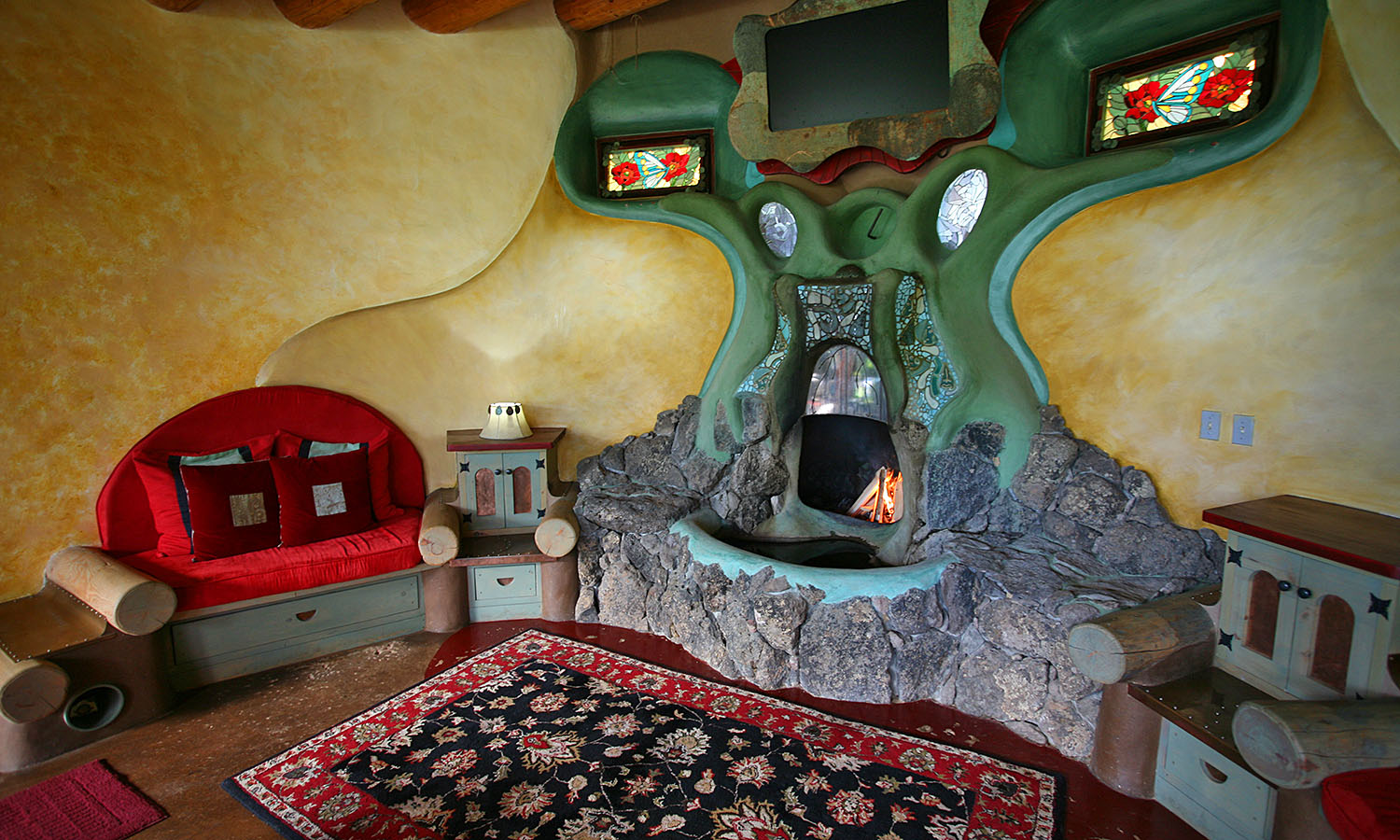
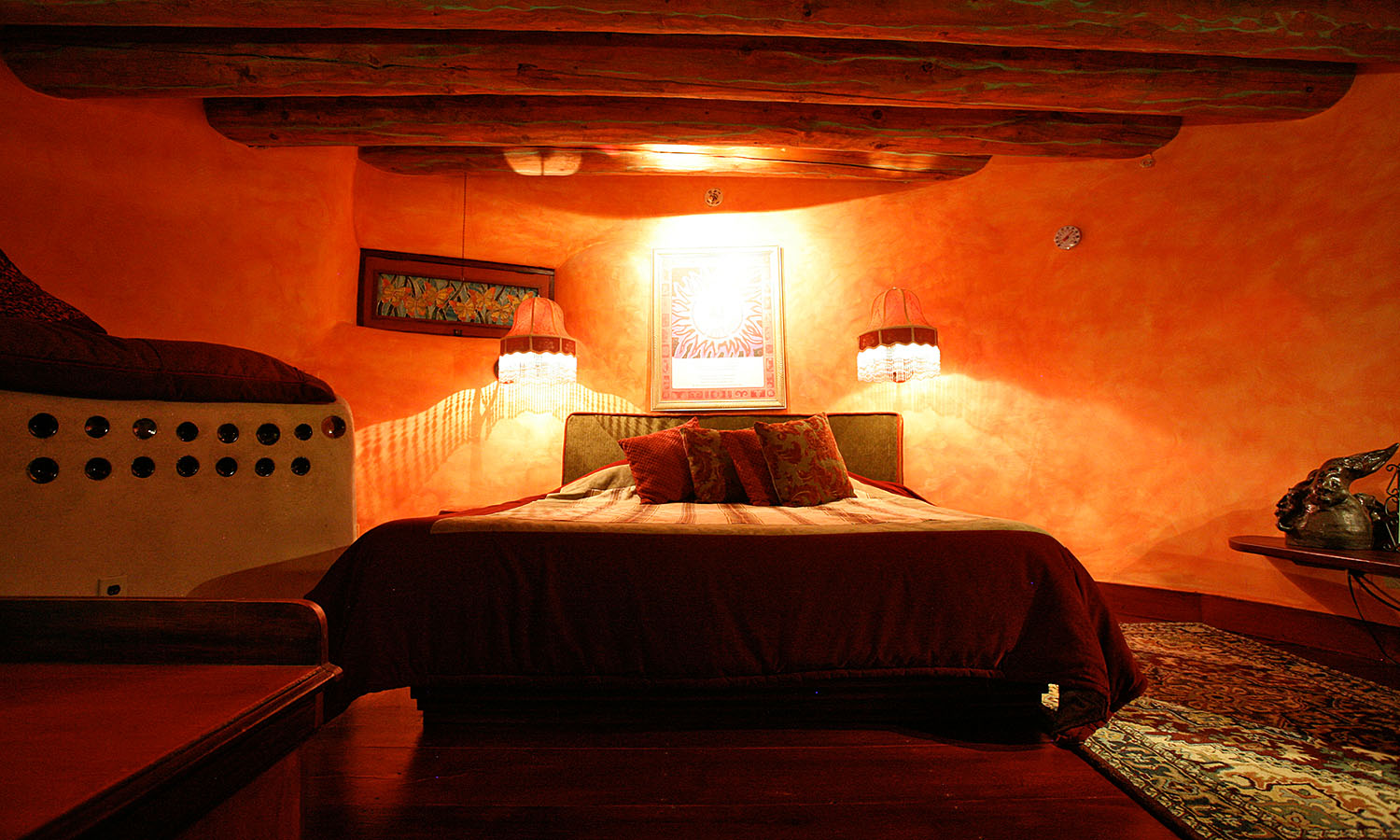
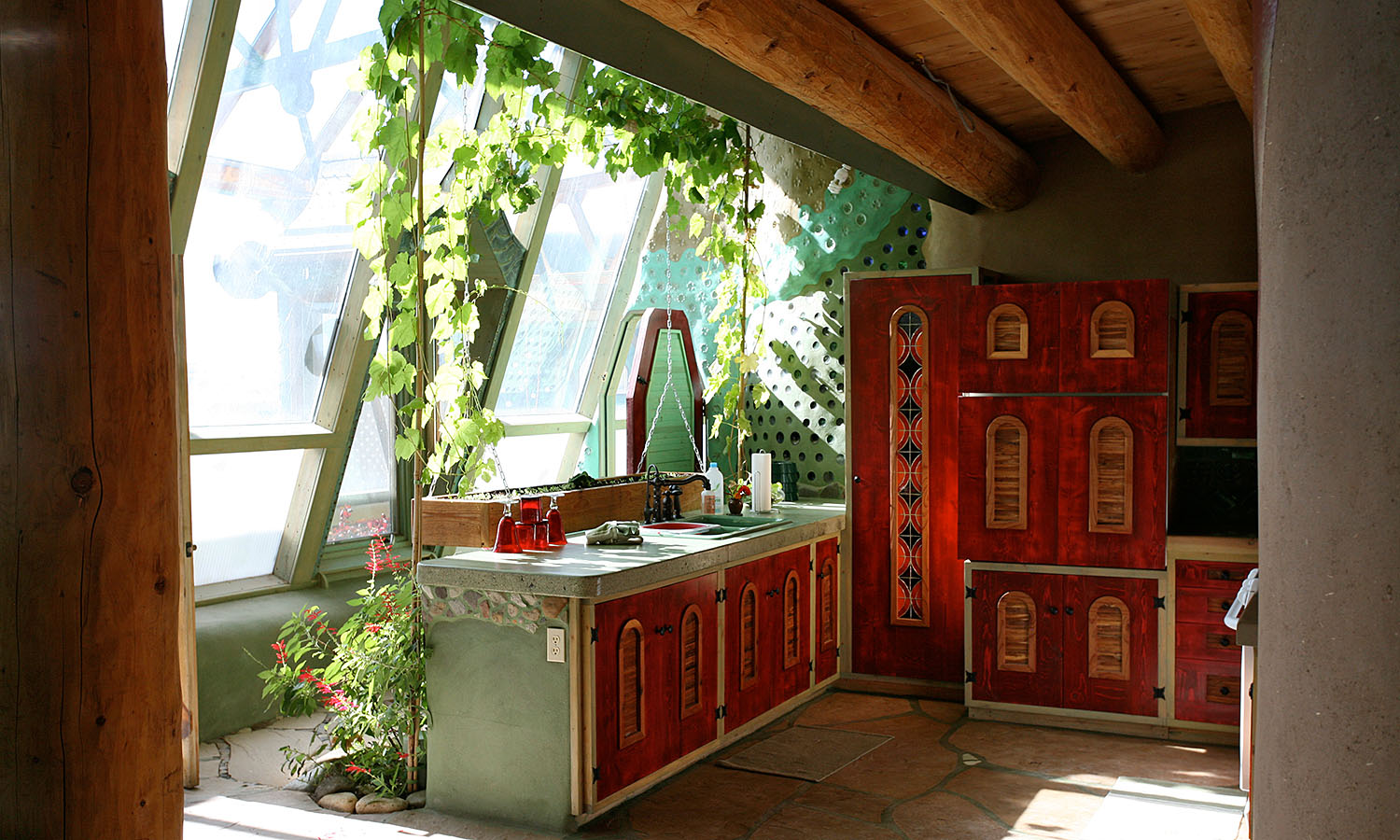
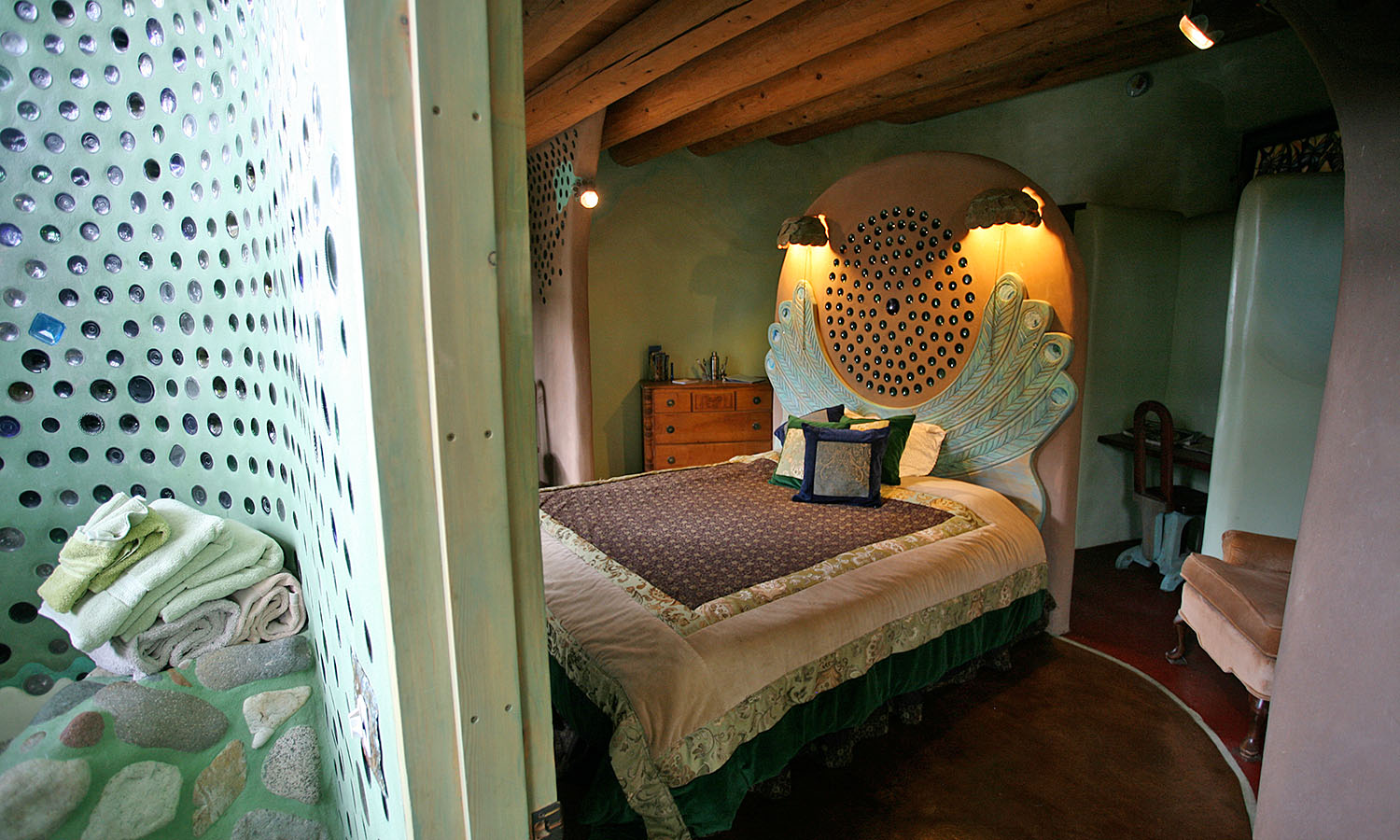
Step into the mothership of eco living. This all-sustainable lodging blends functionality with the curves and zany gingerbread house style of Gaudi. Think solar panels, walls constructed from coloured glass bottles and old tires, and a sometimes fireplace/sometimes waterfall in the living room. Don’t be surprised if a parrot swoops by while you bathe – your rainwater bath nourishes a verdant indoor jungle.
This greenhouse shelters chirping cockatiels and a pond teeming with fish and turtles. Peel a homegrown banana, sink into a couch nestled amongst the foliage and you can even forget there is a desert just beyond the door. If you feel up to the challenge, however, there is some prime hiking and mountain biking right on your doorstep, amid the Sangre de Cristo mountains. Scramble up New Mexico’s highest summit, Wheeler Peak, which measures more than thirteen thousand feet tall, or simply wake up with the sunrise and admire warm light falling on its crest from afar. Sustainable desert living has never been this lush.
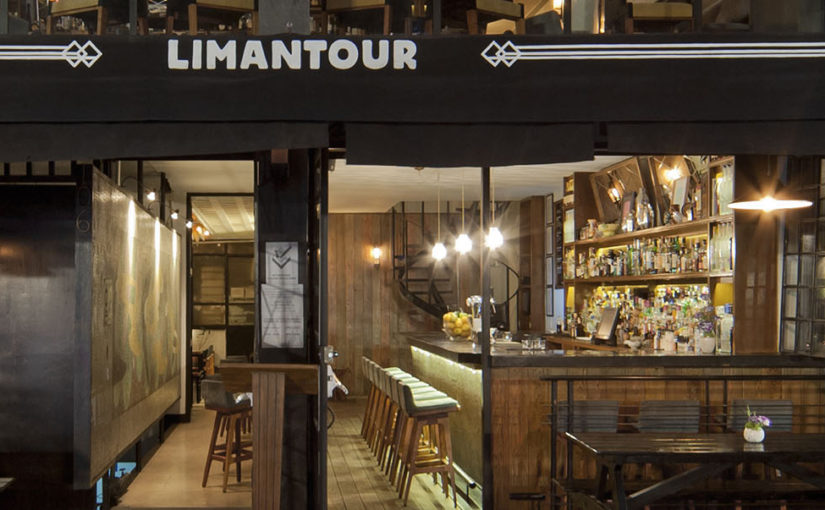
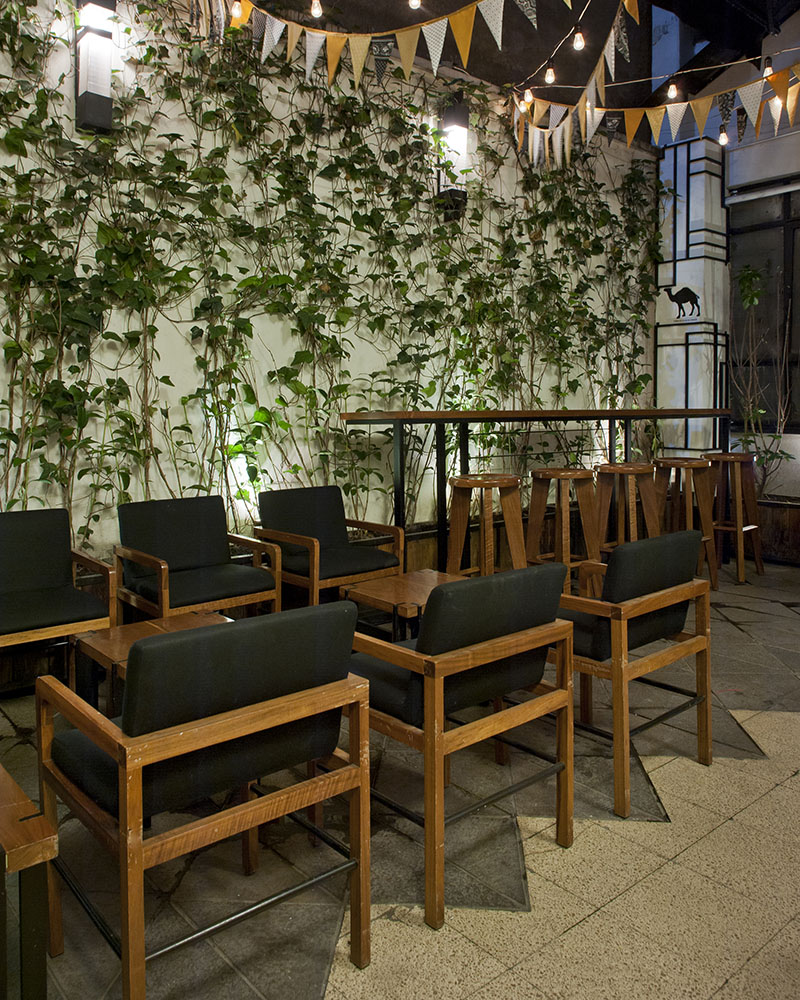
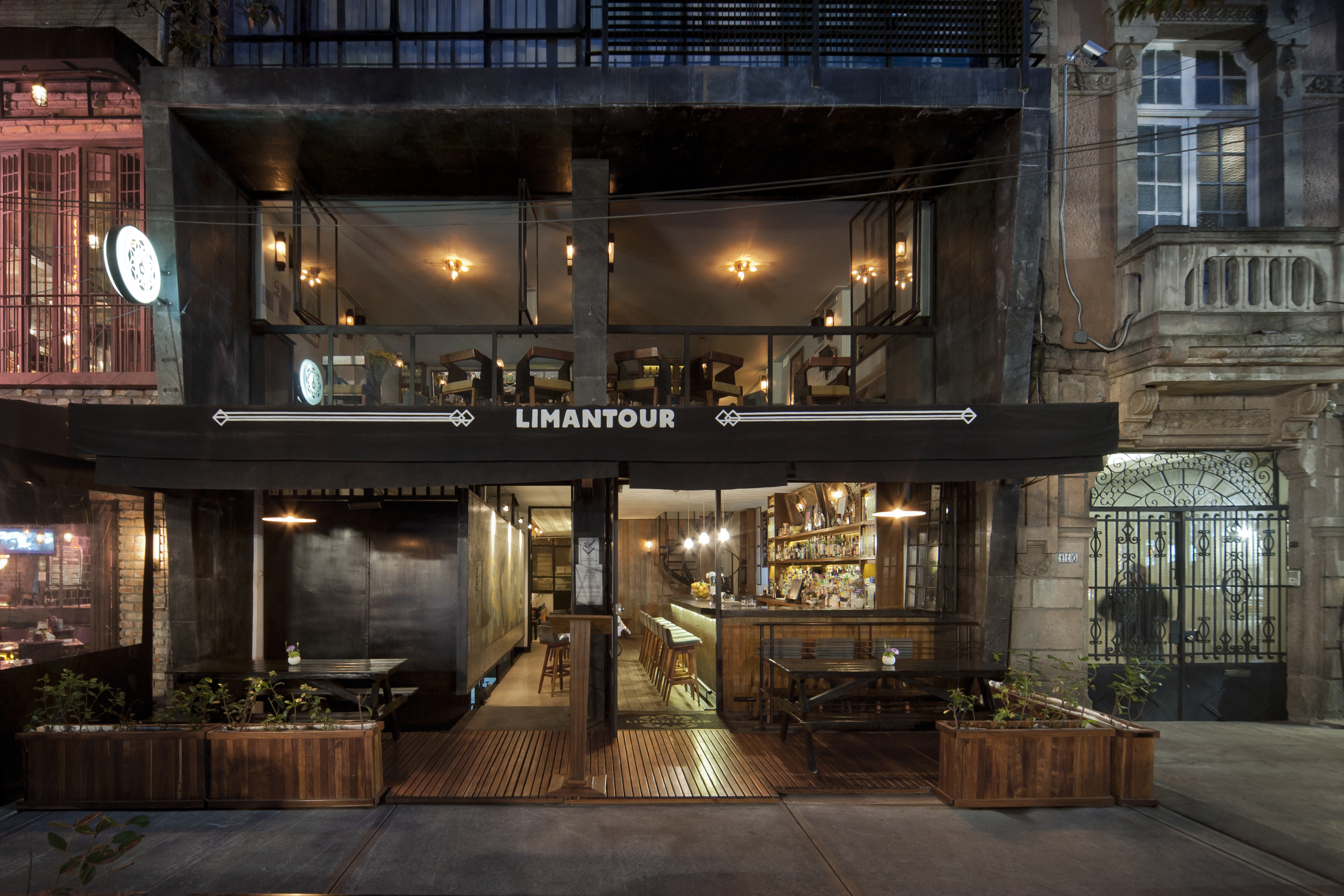
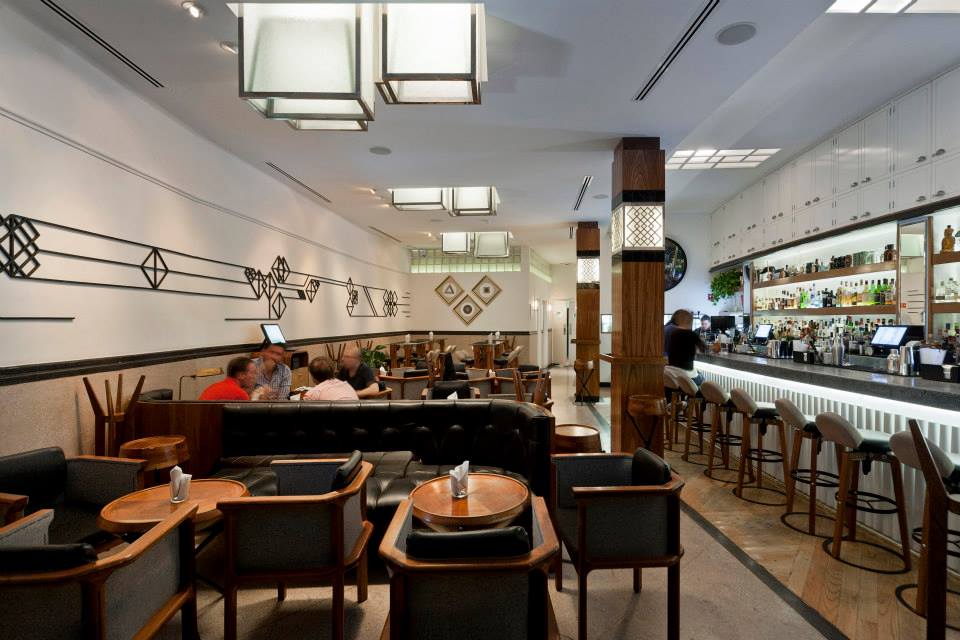
Fancy a globalised drinking experience, where Indian spices mingle with Austrian chocolate, and Twinings tea loses its virginity? Then step into Mexico City’s Limantour, where bartenders aspire to unite the flavours of the world in cocktail form. Limantour – which rocked in at a rather impressive number 13 on the World’s 50 Best Bars list in 2017 – has an extraordinary collection of drinking vessels hidden among its cupboards. Think anything from kitsch ceramic mugs to flaming molecular apparatus.
The bartenders are equally renowned among their industry brethren, and their global drinking adventures chronicled on the bar’s website. Perfection takes time, however, so grab a seat amid the minimalist Art Deco decor and glance upwards at the tilted ceiling mirrors where you can see reflections of the cocktail wizards working their magic. And with cocktails starting from just US$6.50, you might as well get to work on the menu stat. Welcome to the heart of the Mexican capital’s “New Old Days”.
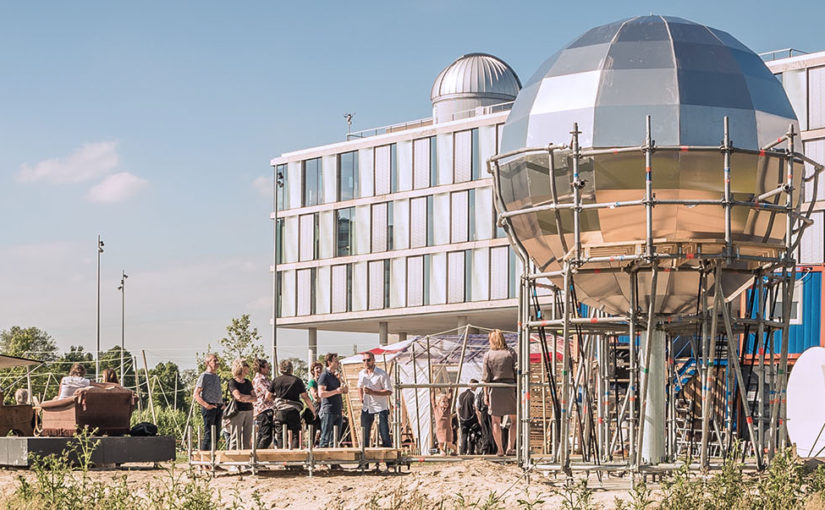
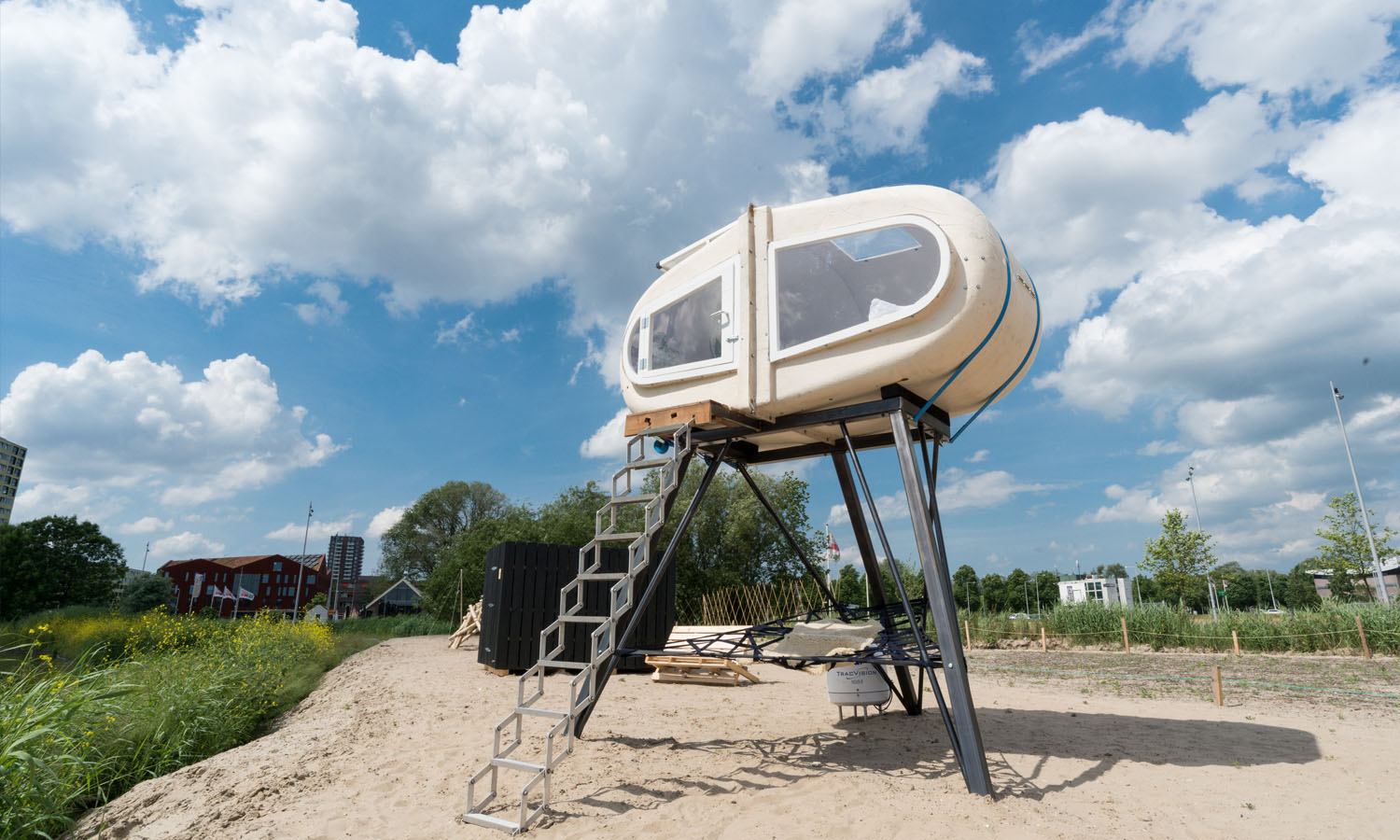
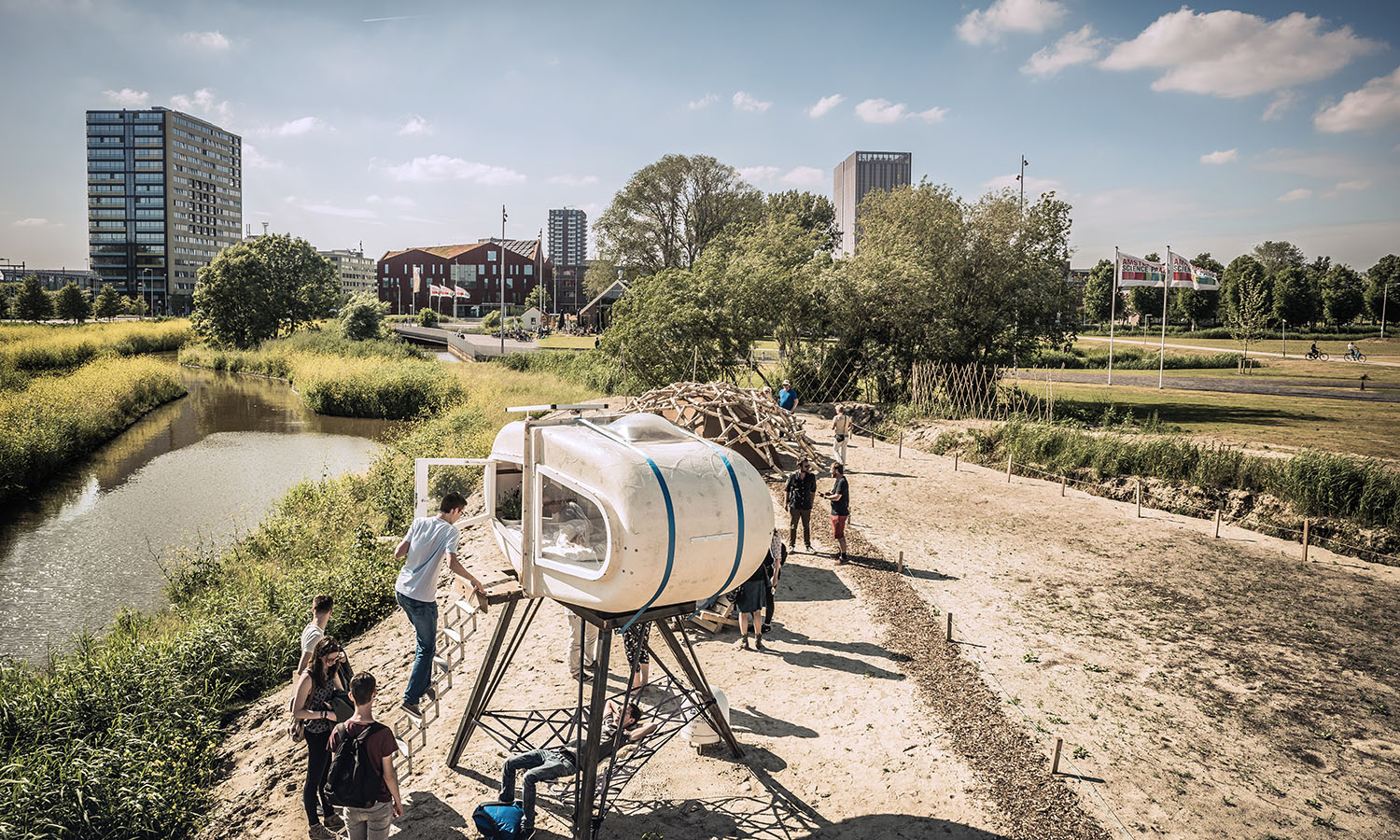
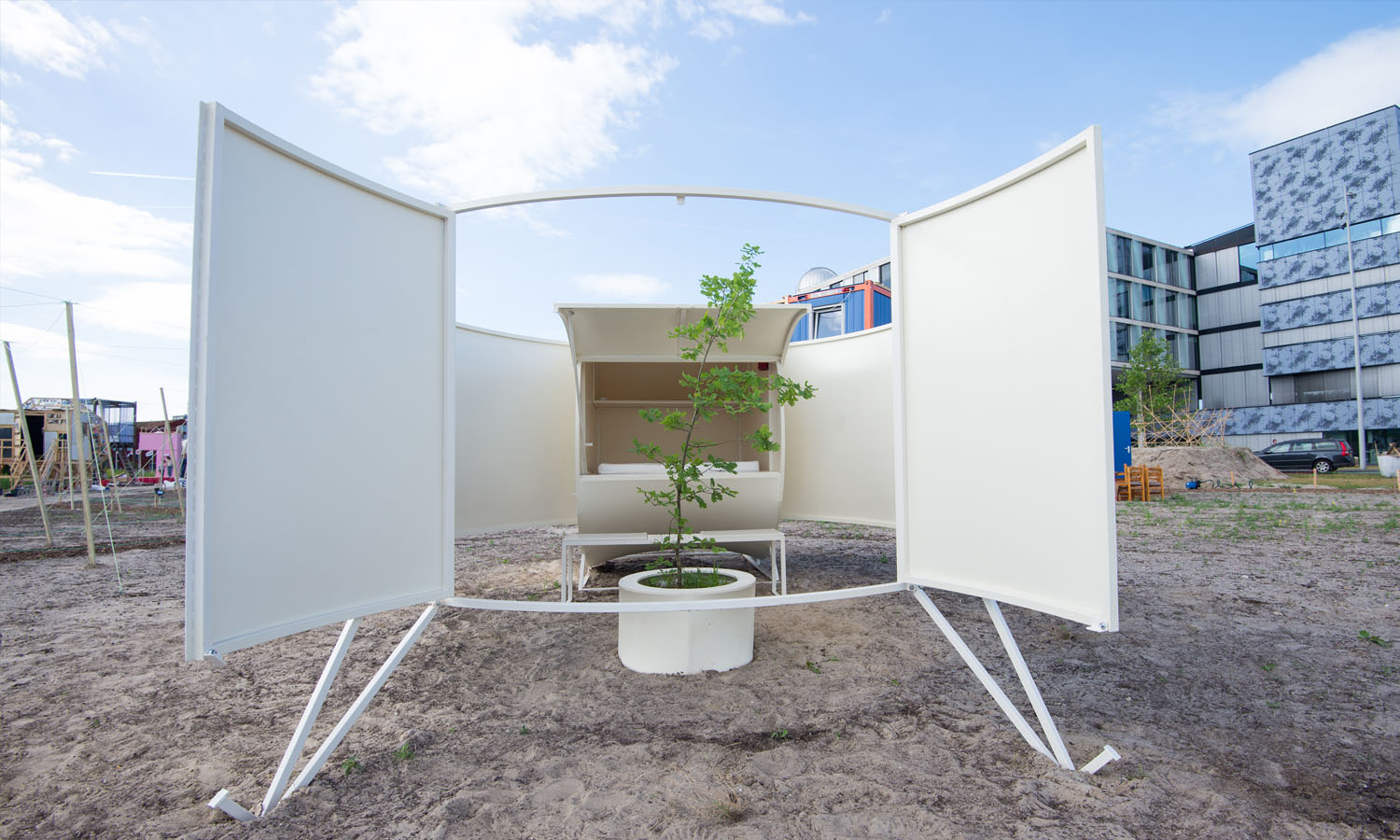
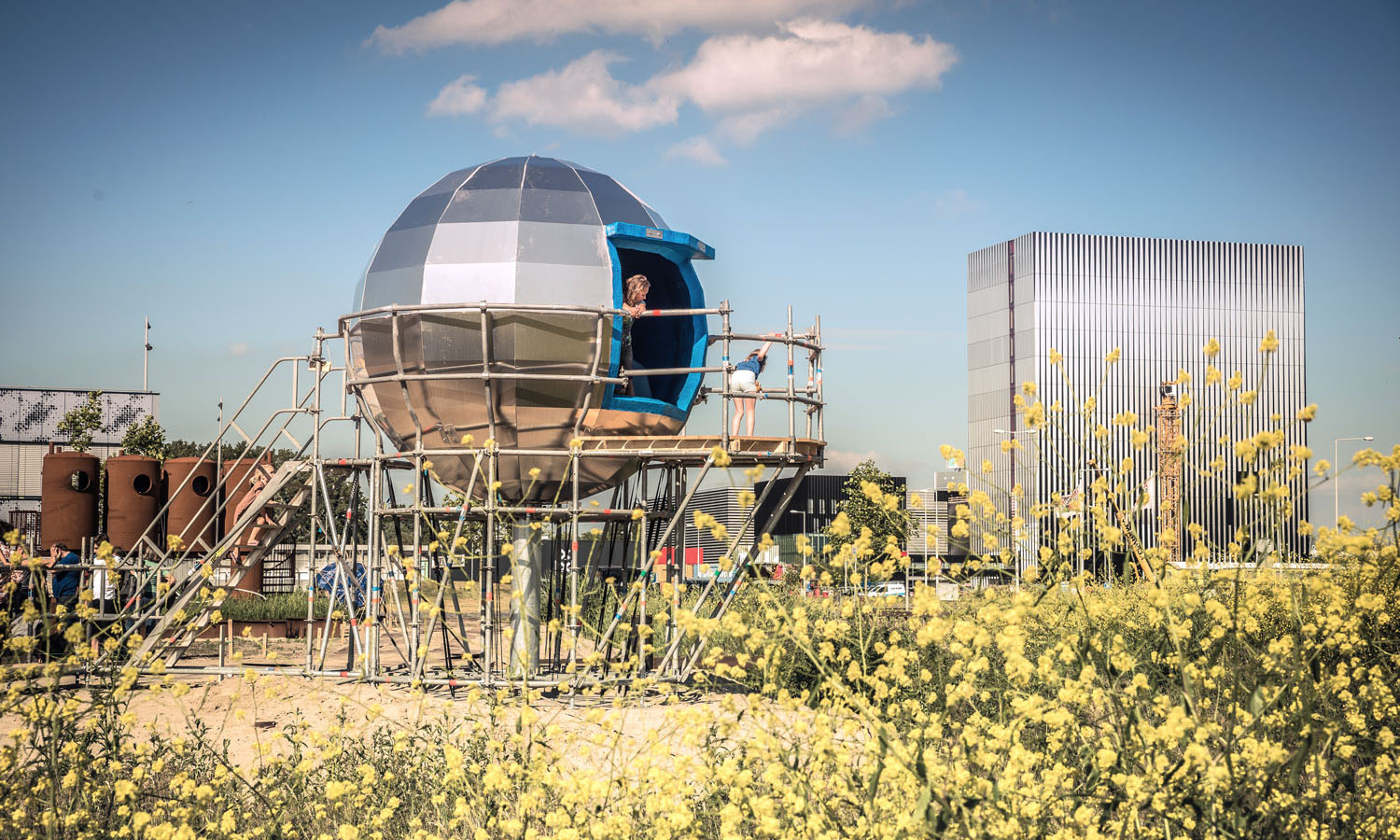
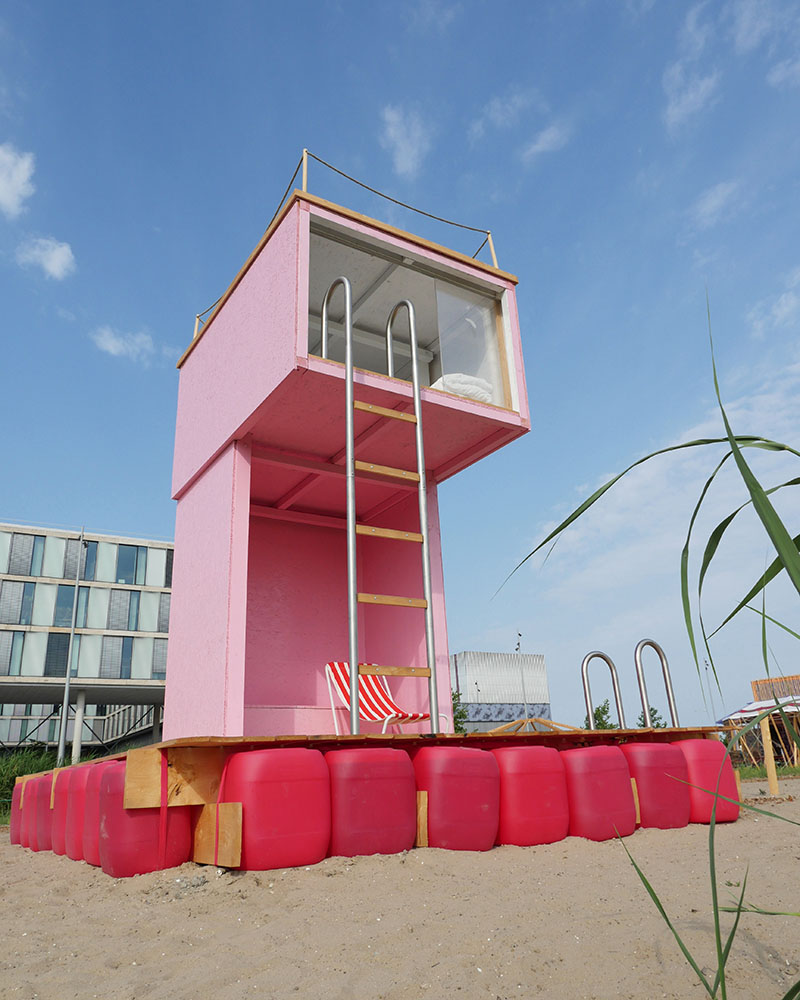
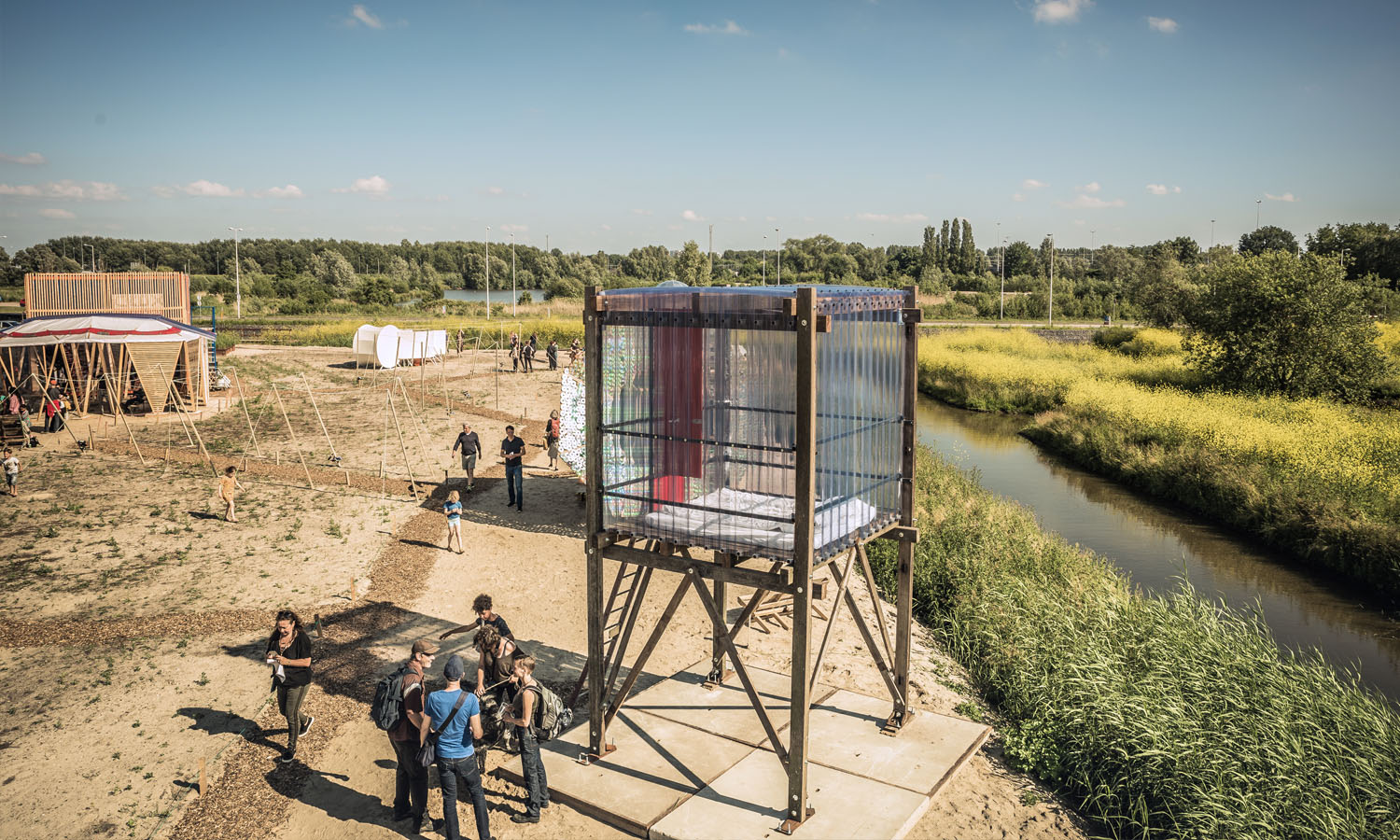
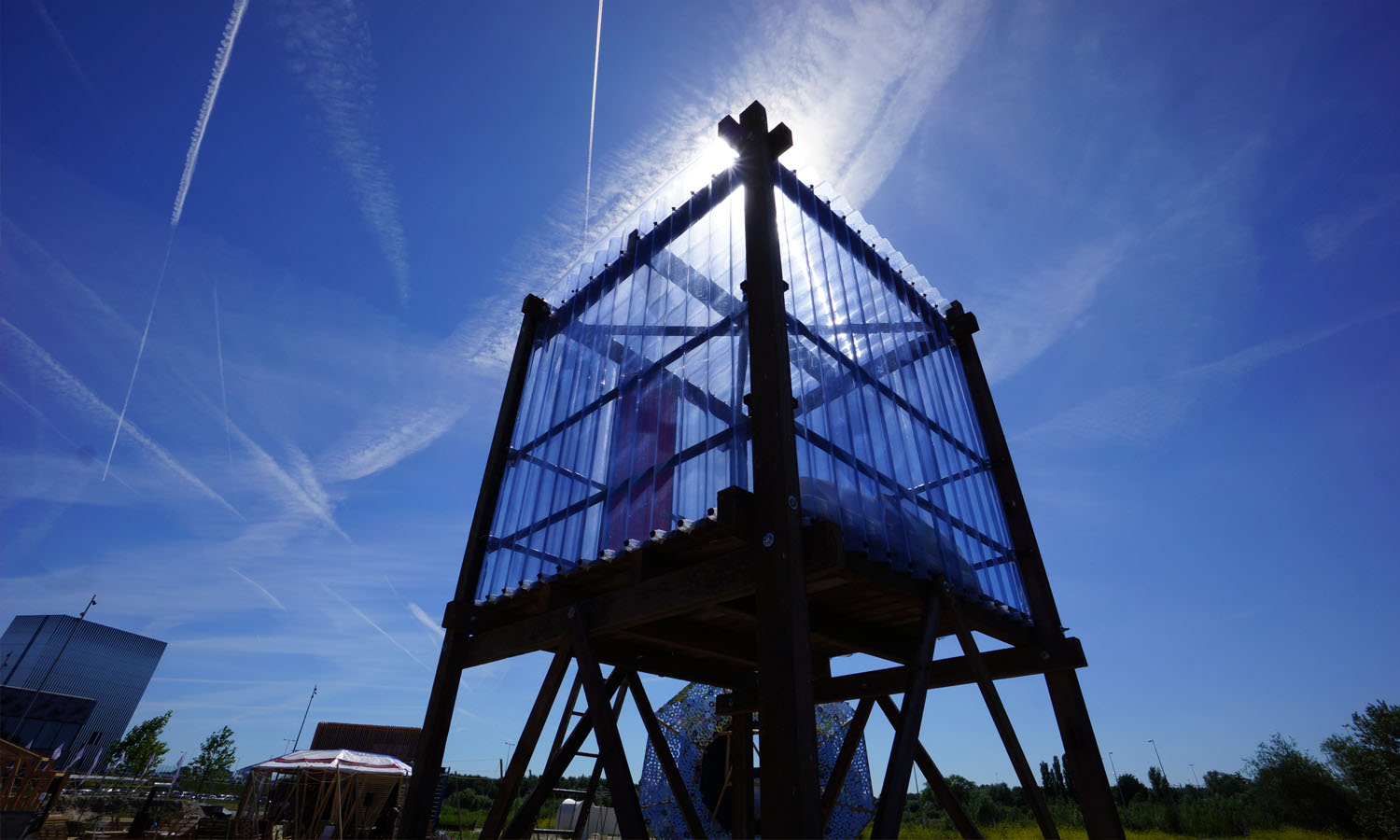
Indulge in an unusual sleepover at Amsterdam’s pop-up Urban Campsite. In its third incarnation, this weird and wonderful take on tenting has sprouted at Amsterdam’s Science Park. This year’s event (on until 1 September) explores the “the art of tech living”, while past iterations include the “art-sleep-experience” set on an artificial island, and a far simpler event at the Vliegenbos campsite back in 2013. Take your pick of 14 unique sleeping quarters, from a dumpster dubbed Dakloos (homeless) complete with sliding roof, to Tubalow (sewer-cum-bungalow), and even a Leonardo da Vinci-inspired tent covered in giant pick-up-sticks.
Relax in your own biodegradable B&B Foam Home, or live out your space exploration fantasies in Universe 9, a 360-degree rotating research ship. For a night in the slow lane opt for the Slow Camper – a refurbished 70s-era electric van and turn your world upside down in the Big Box.
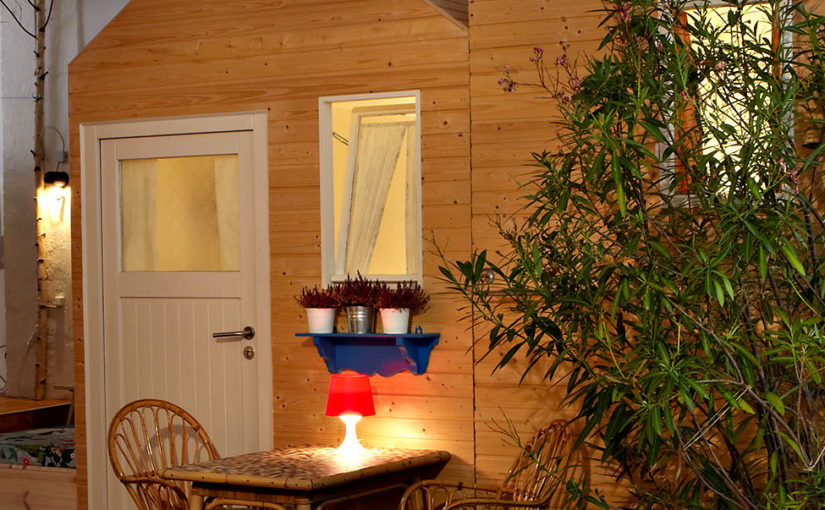
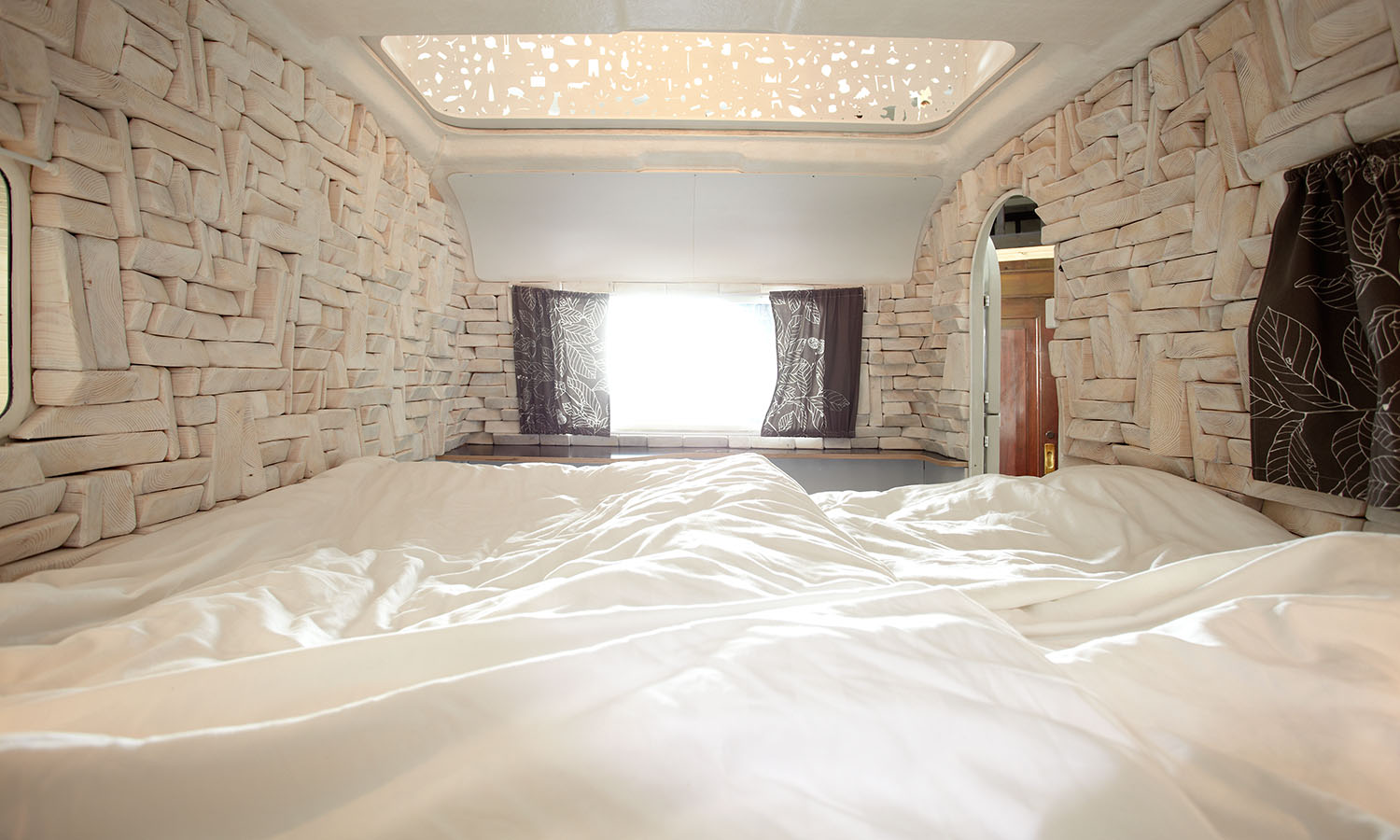
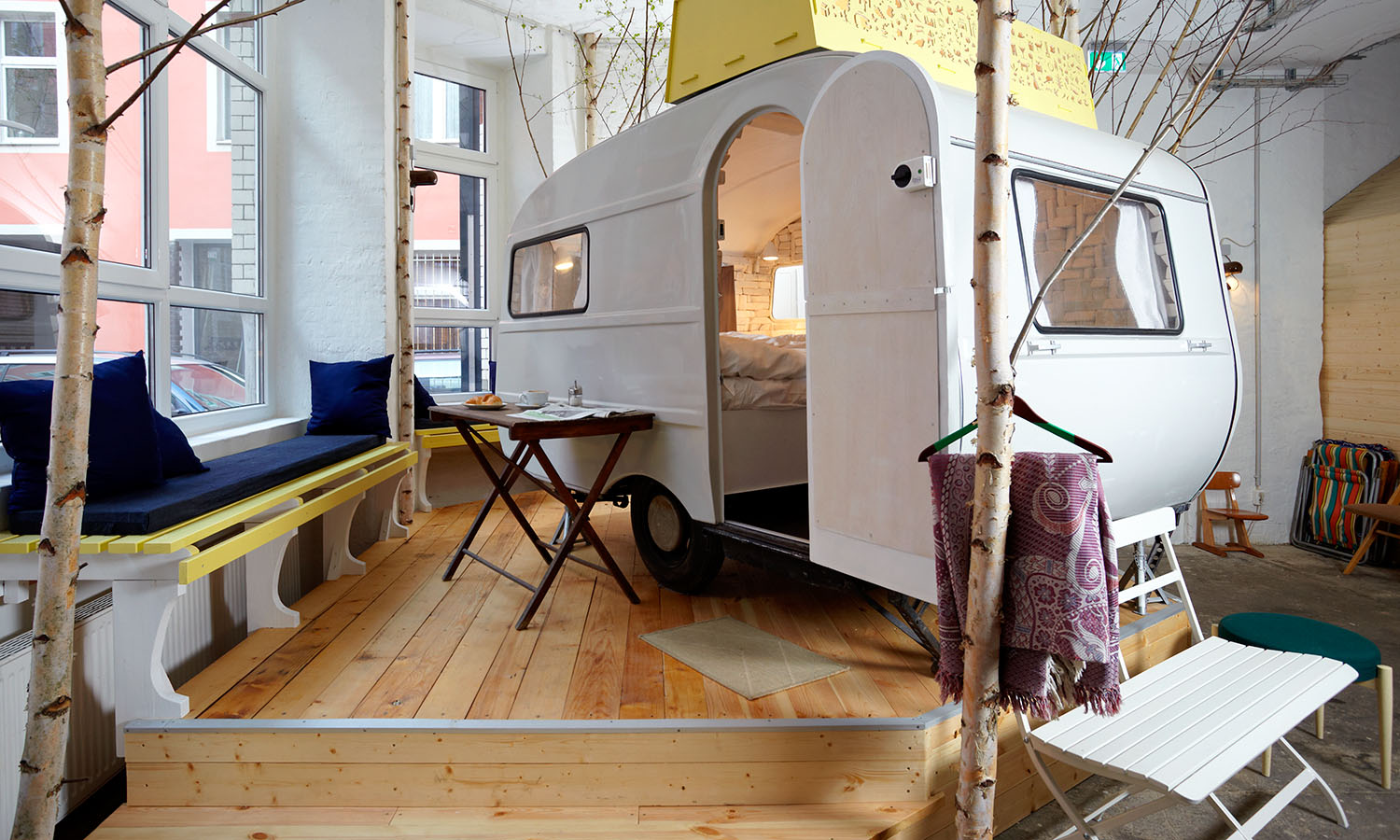
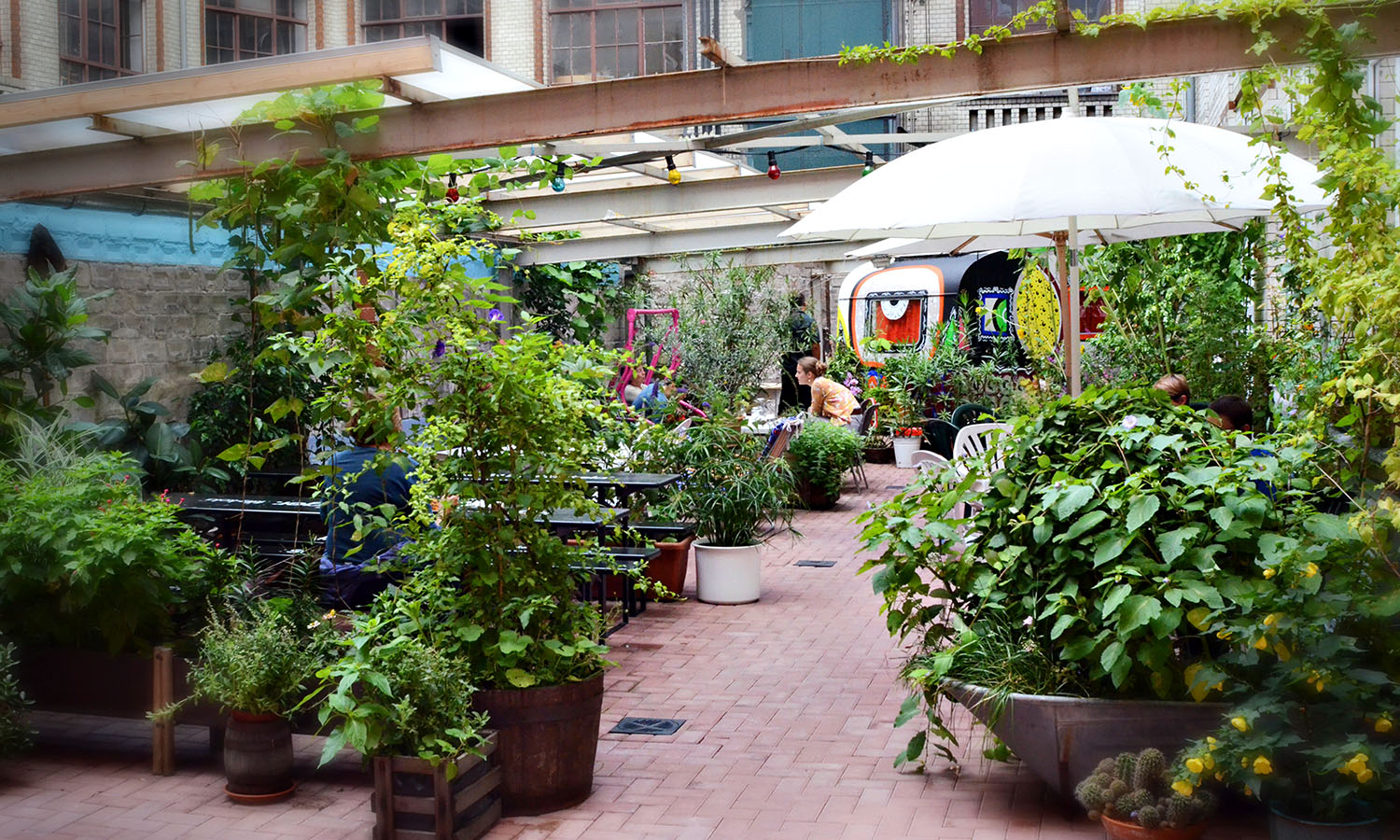
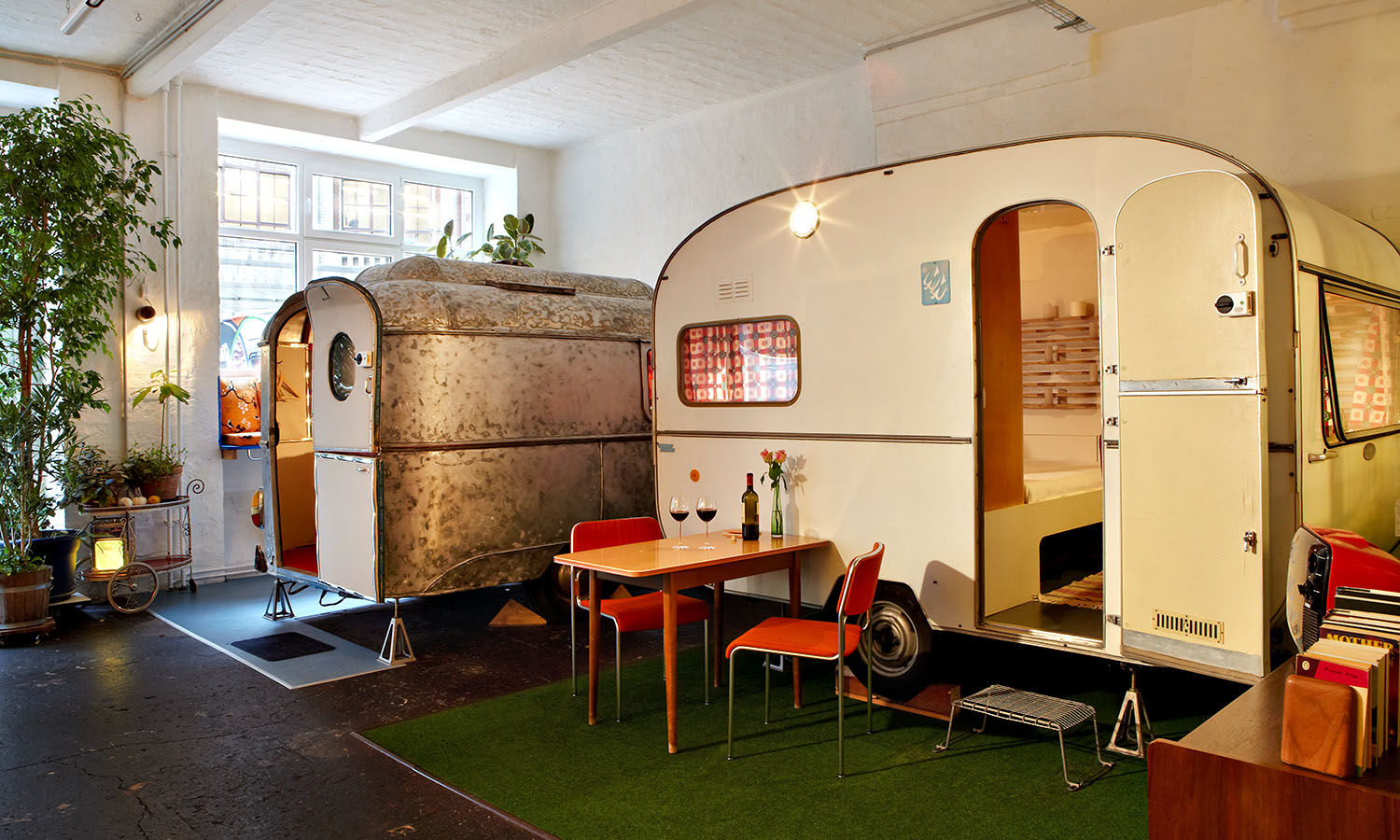
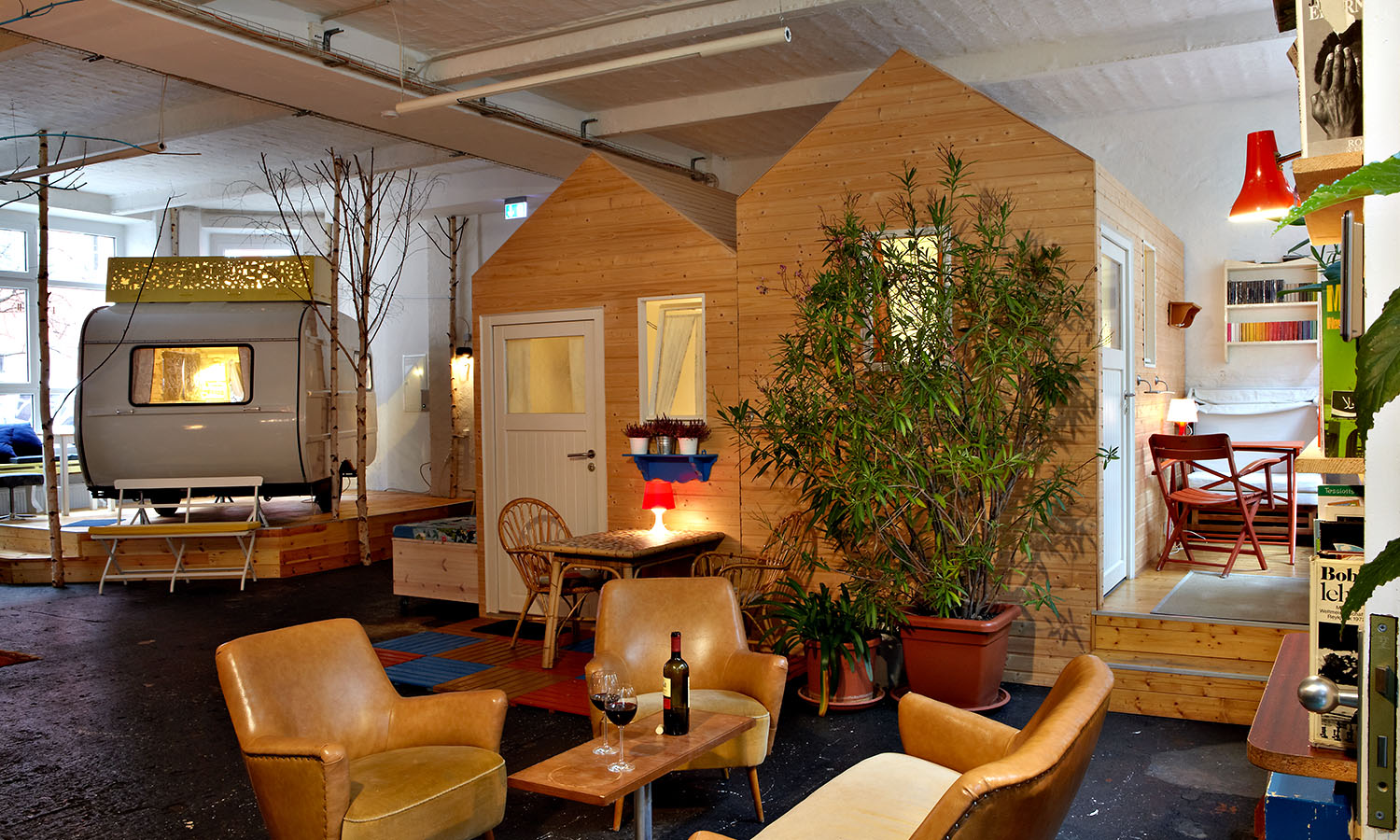
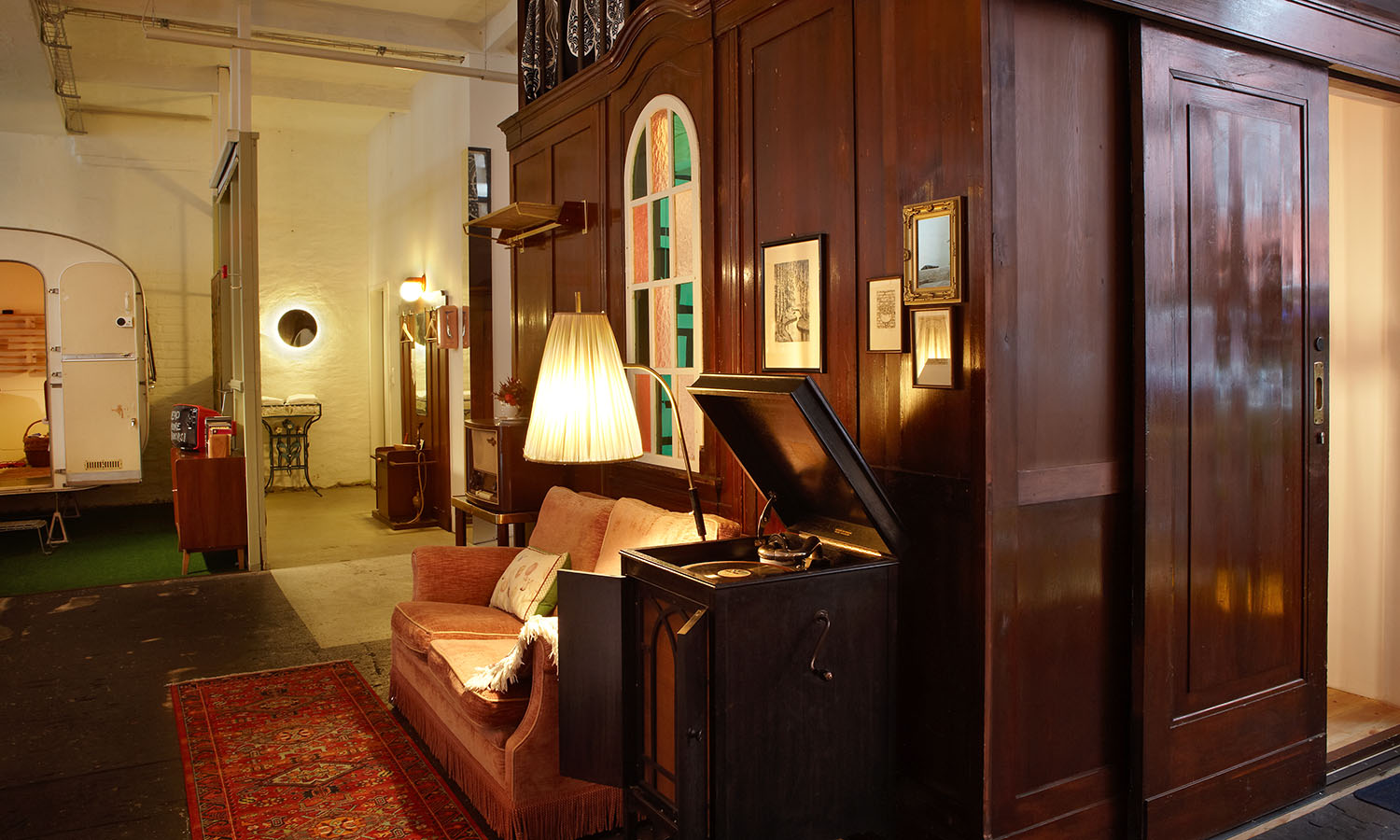
Set in a former vacuum factory in the arty district of Neukölln, this urban campsite offers all the charm of a night under canvas without the bugs and other beasts that go bump in the night. The site’s ‘creative playground’ is scattered with revamped caravans and quirky wooden cottages, each individually styled for a unique stay. There are also regular rooms with ensuites for a more mainstream getaway and an on-site cafe for a hearty slice of city sustenance.
With a garden complete with a hammock and swing strung up between wildflowers, tumbling beans and corn, the Hüettenpalast is so chill it’s easy to forget the big smoke is just metres from this hillbilly haven. Thankfully the friendly hosts have made life easy on weary travellers by compiling a list of the local shops and cafes that most merit exploring. And word on the street is a sauna will even be added to the fold in the not too distant future… watch this space.
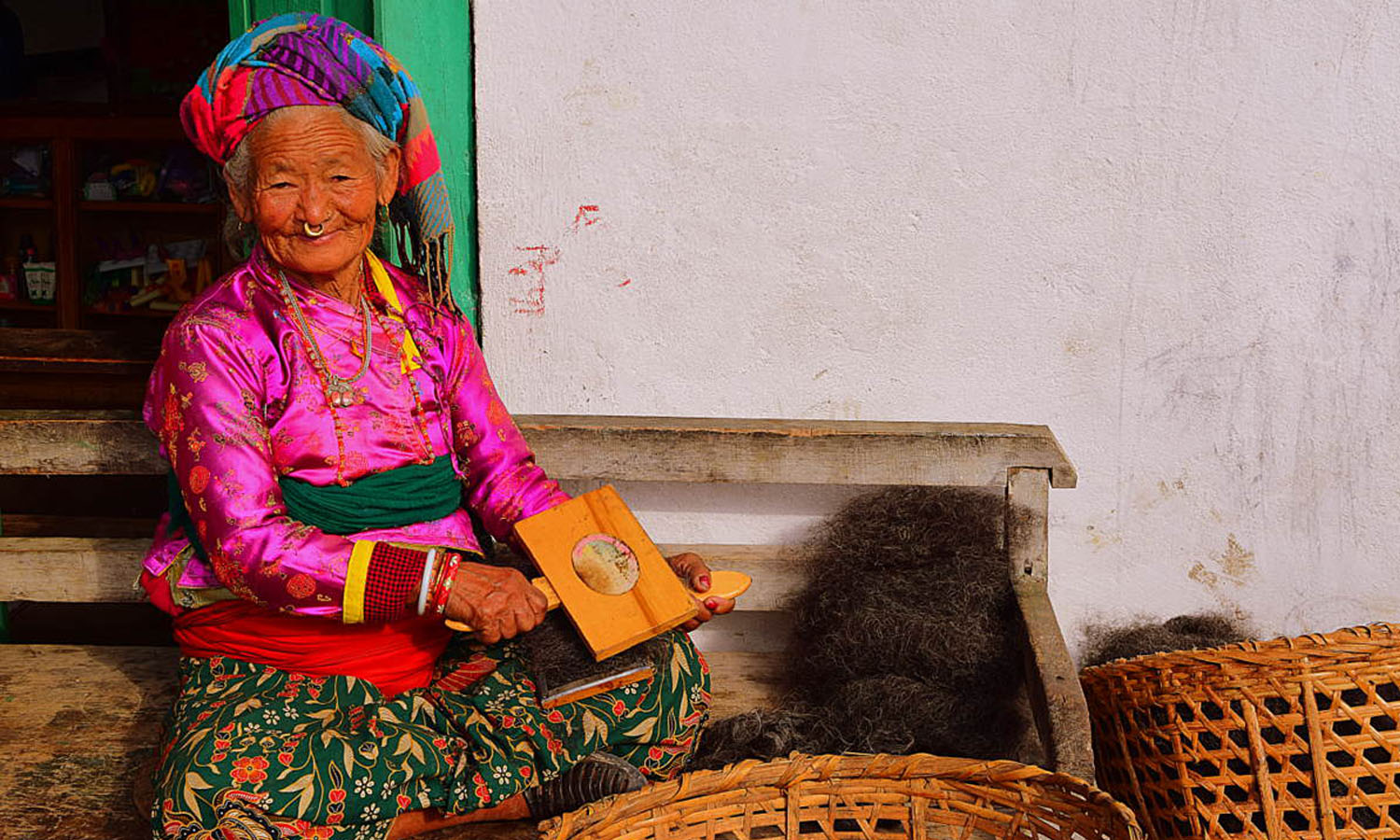
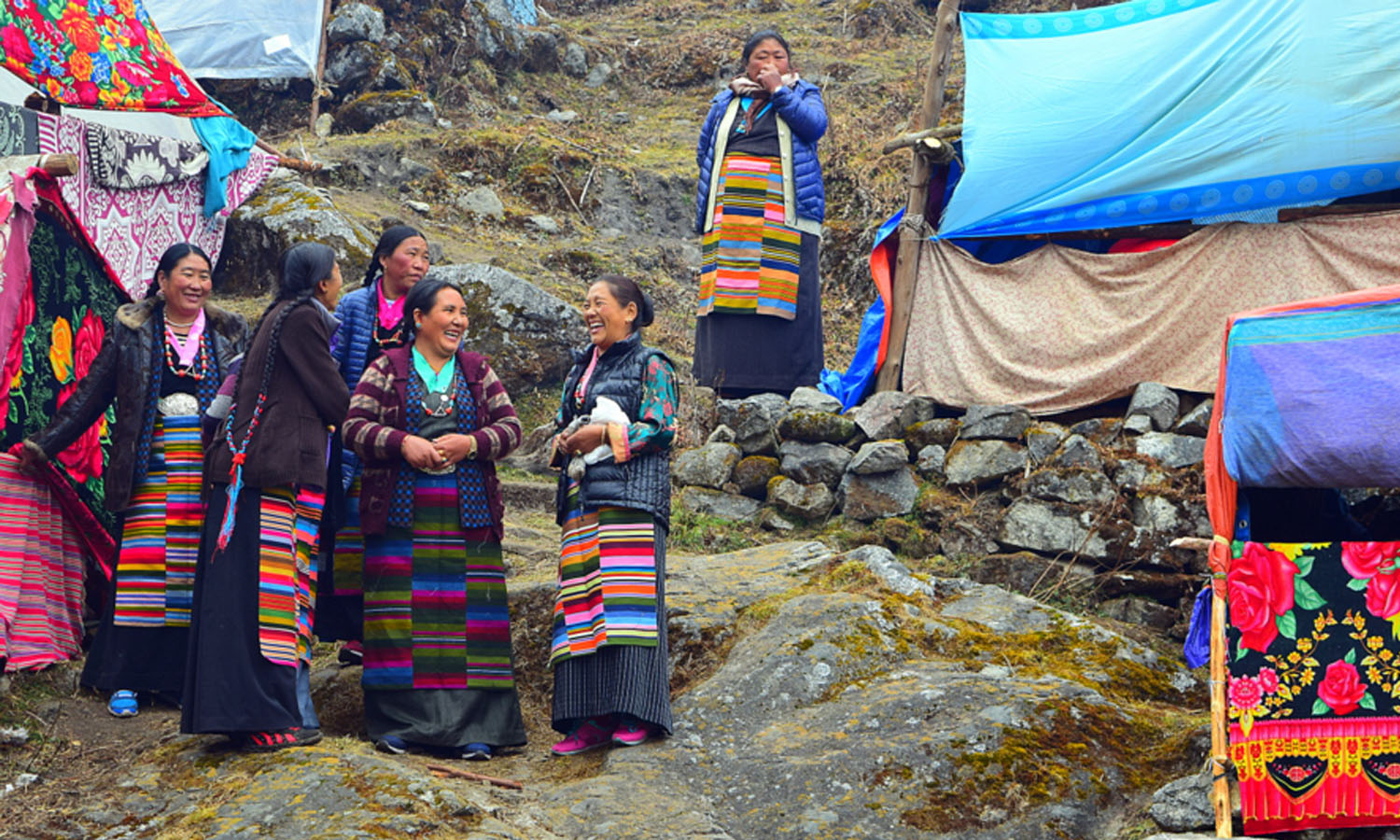
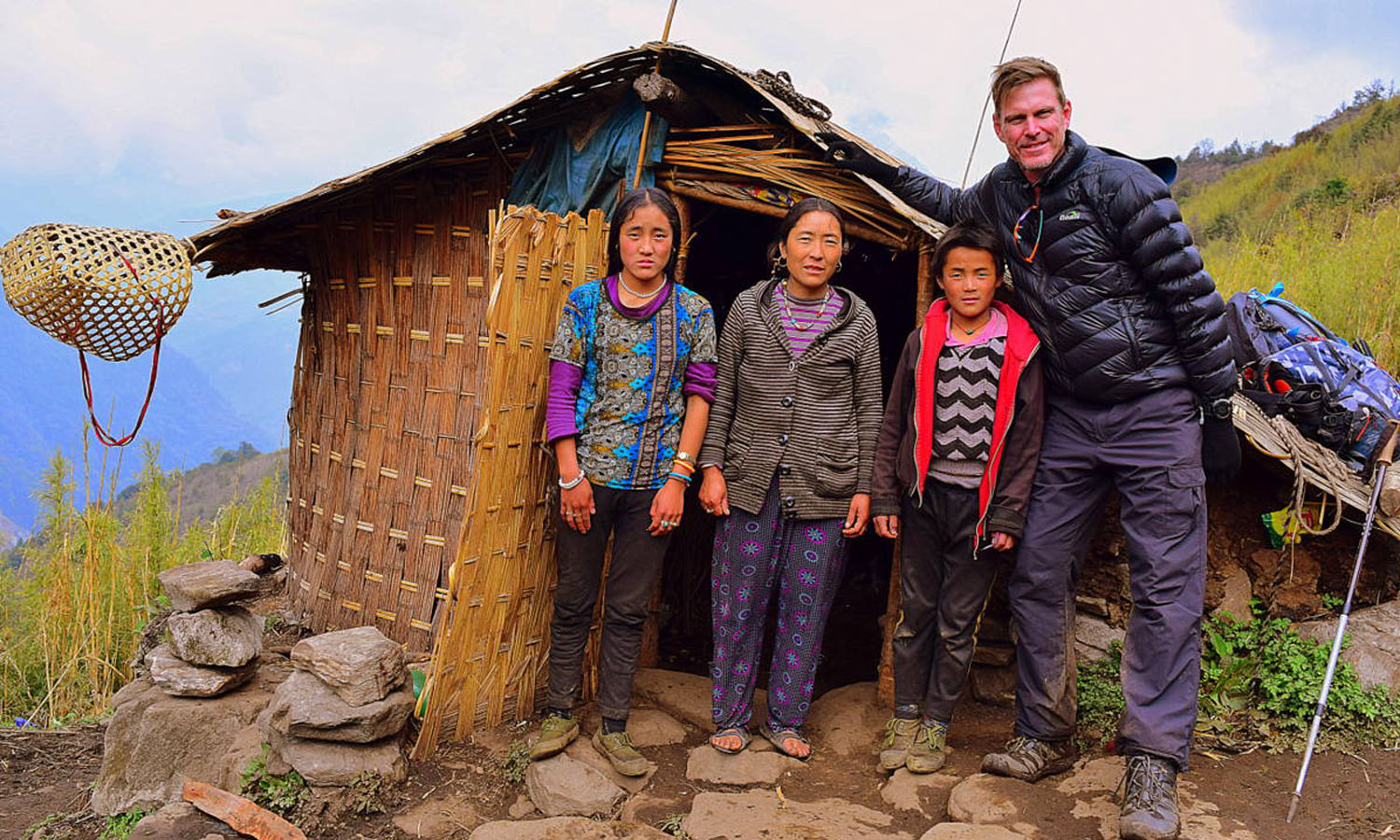
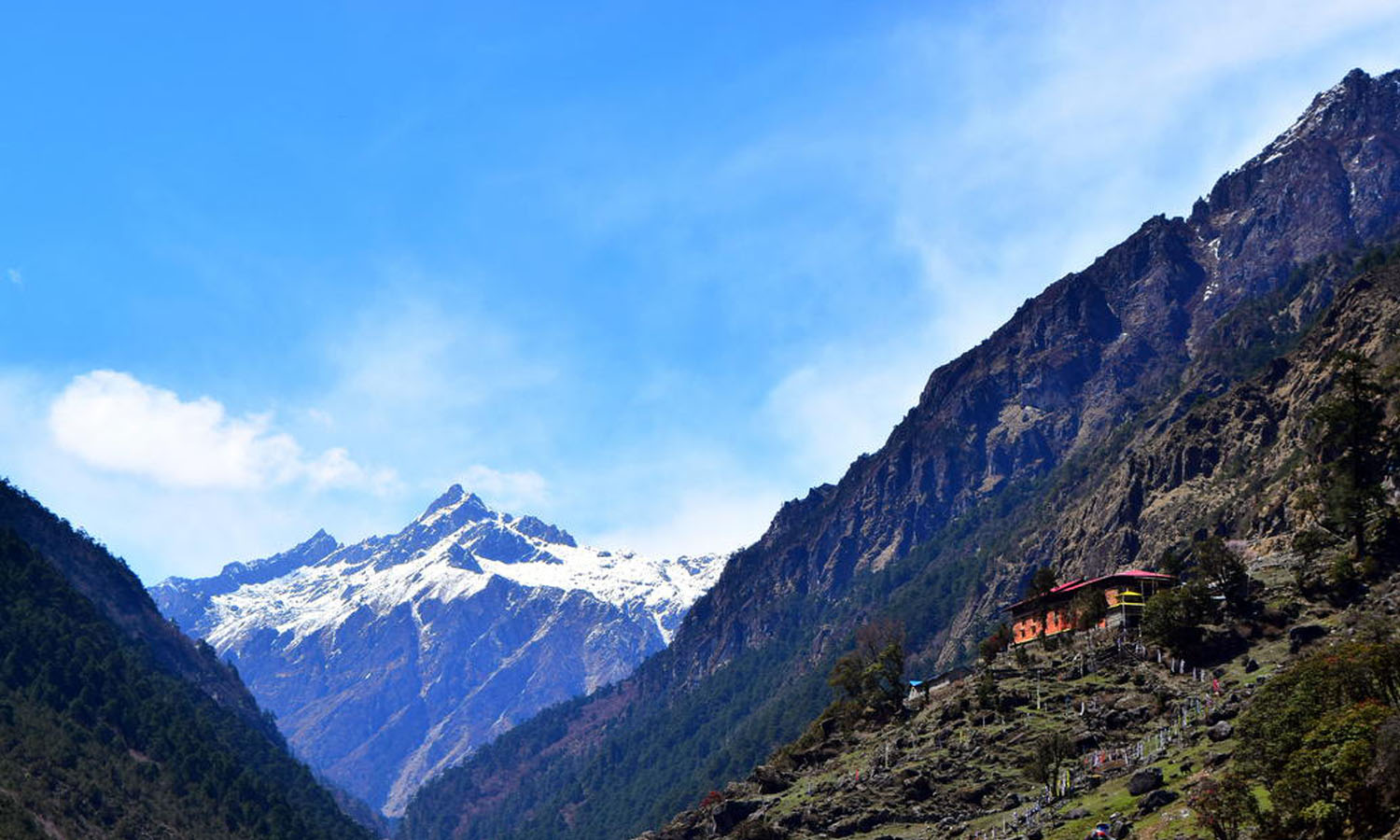
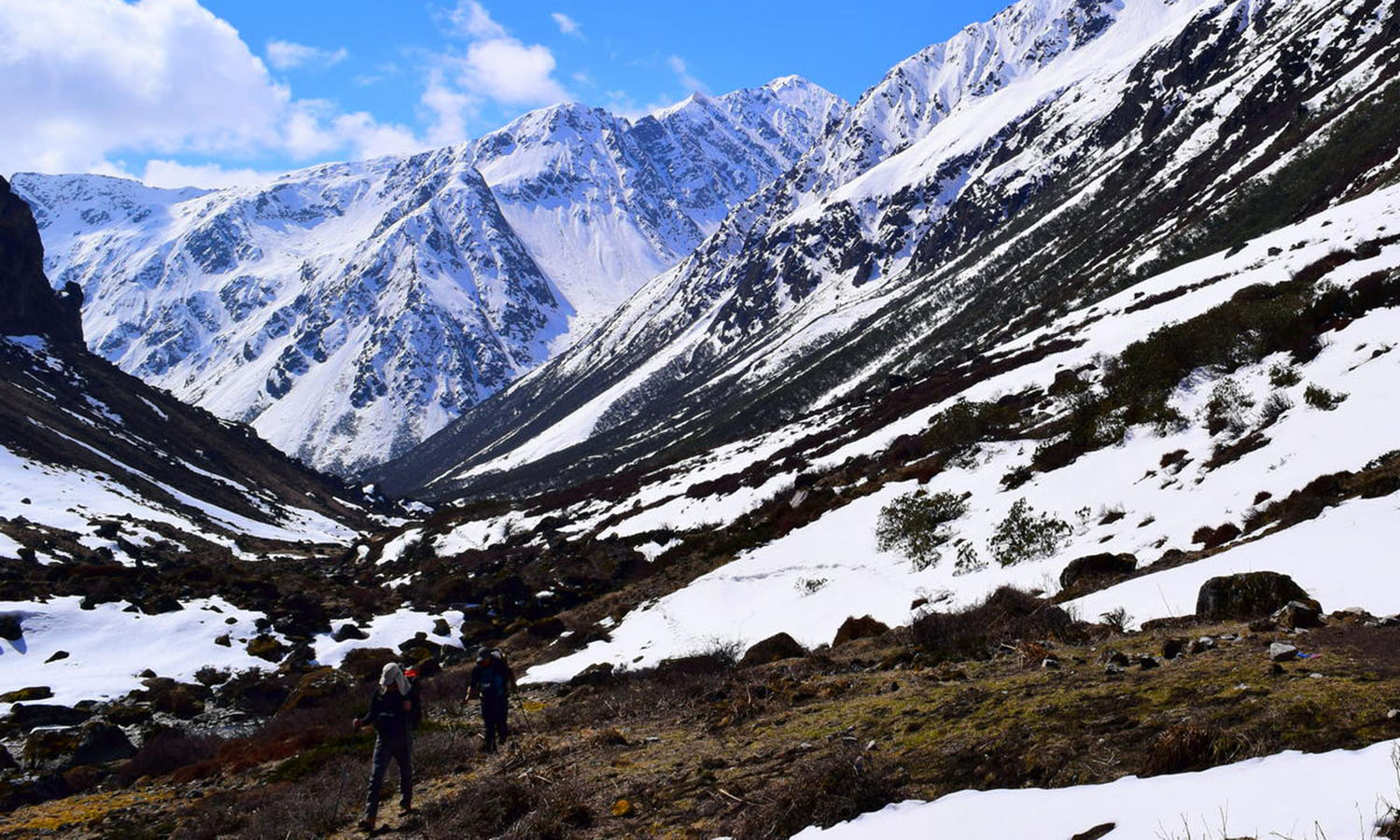
In peak season the famous Annapurna or Everest base trekking routes can feel not dissimilar to the traffic jams of your daily commute. Instead of battling with the crowds, leave the trekking highways behind and head to the remote Eastern Himalayas in the Tibetan borderlands of Nepal. Tour group Whistling Arrow has a new trekking route in the area, Northern Treasures, only accessible because of their personal connections with the villagers of, a traditional weaving community in the area.
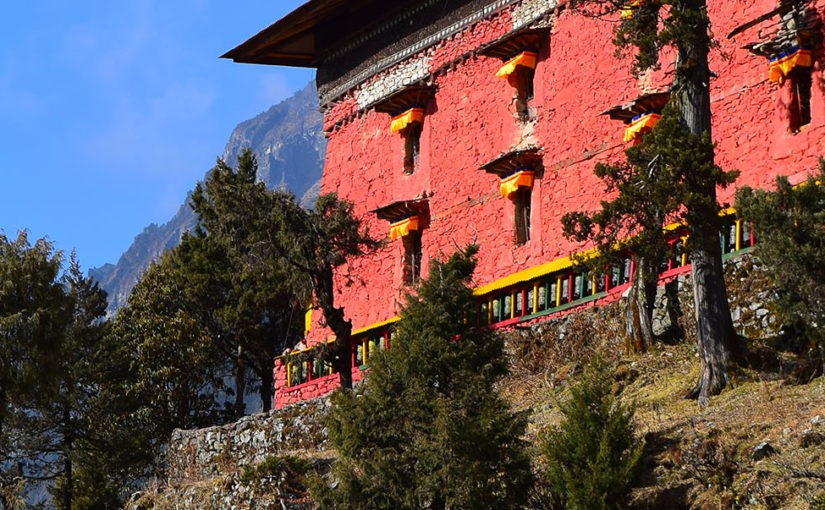
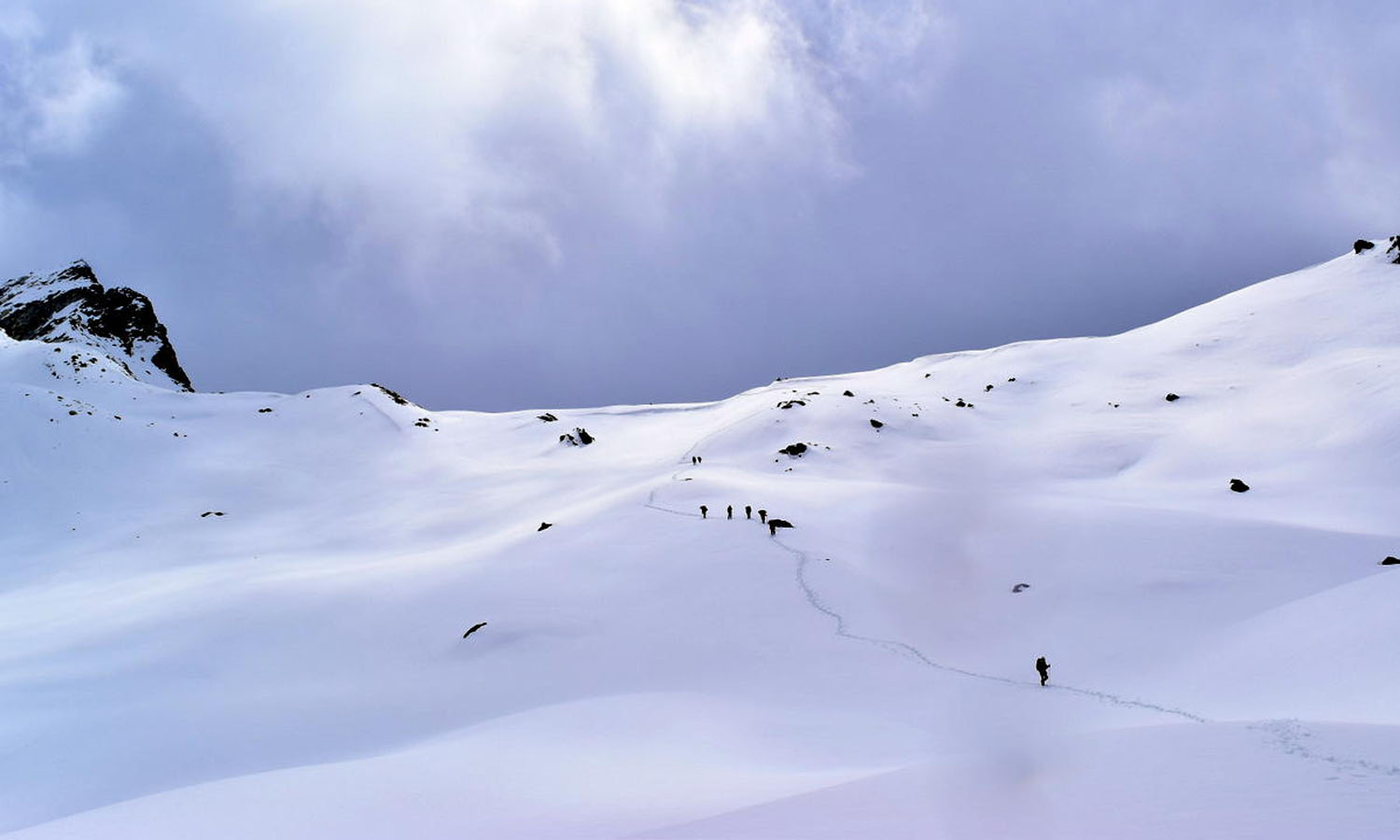
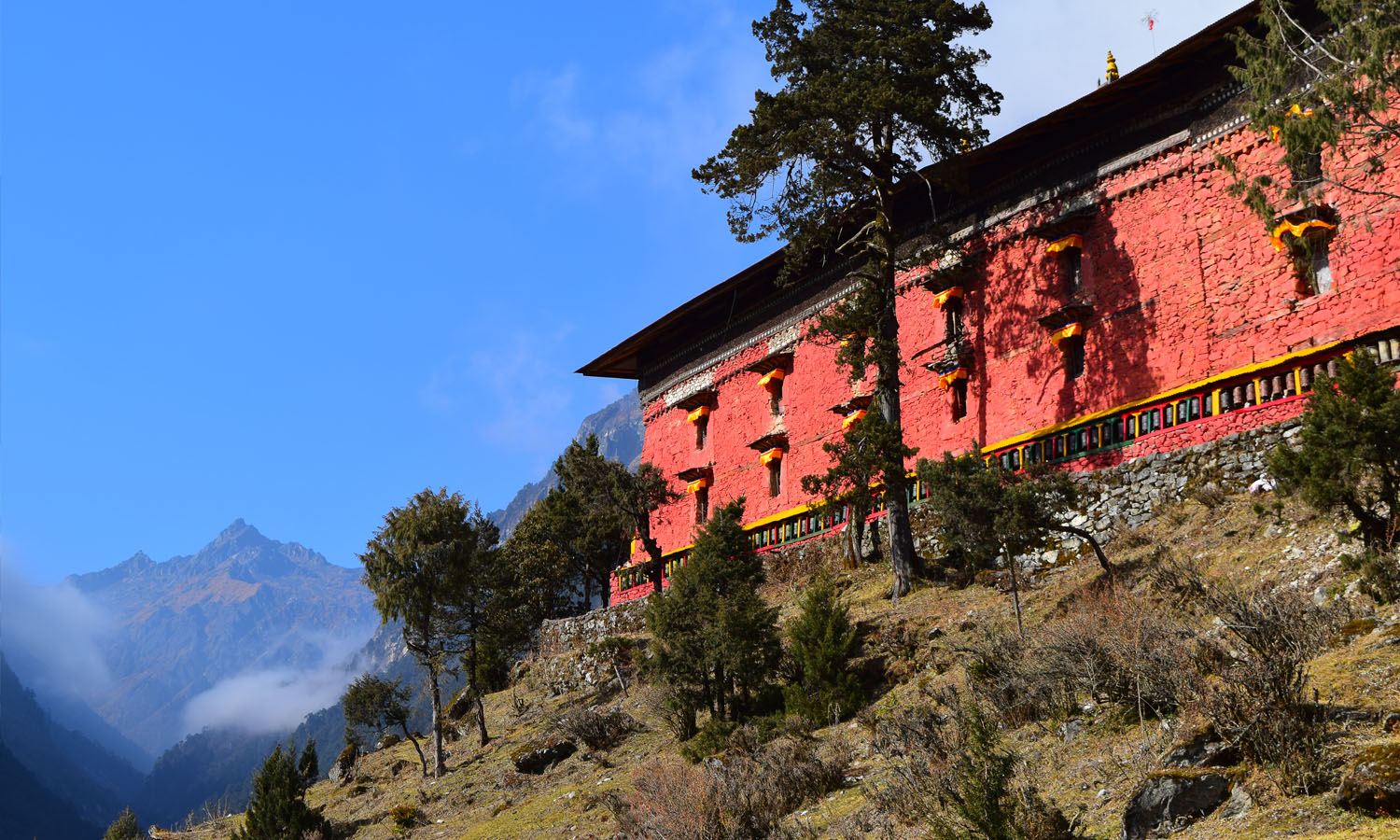
The 20-day Northern Treasures trek takes you through the cardamom-coated Tamor Valley, to remote villages and gompas (Buddhist monasteries) and across Himalayan passes, peaking with the staggering 5160m Lamba Sumba Kharka.
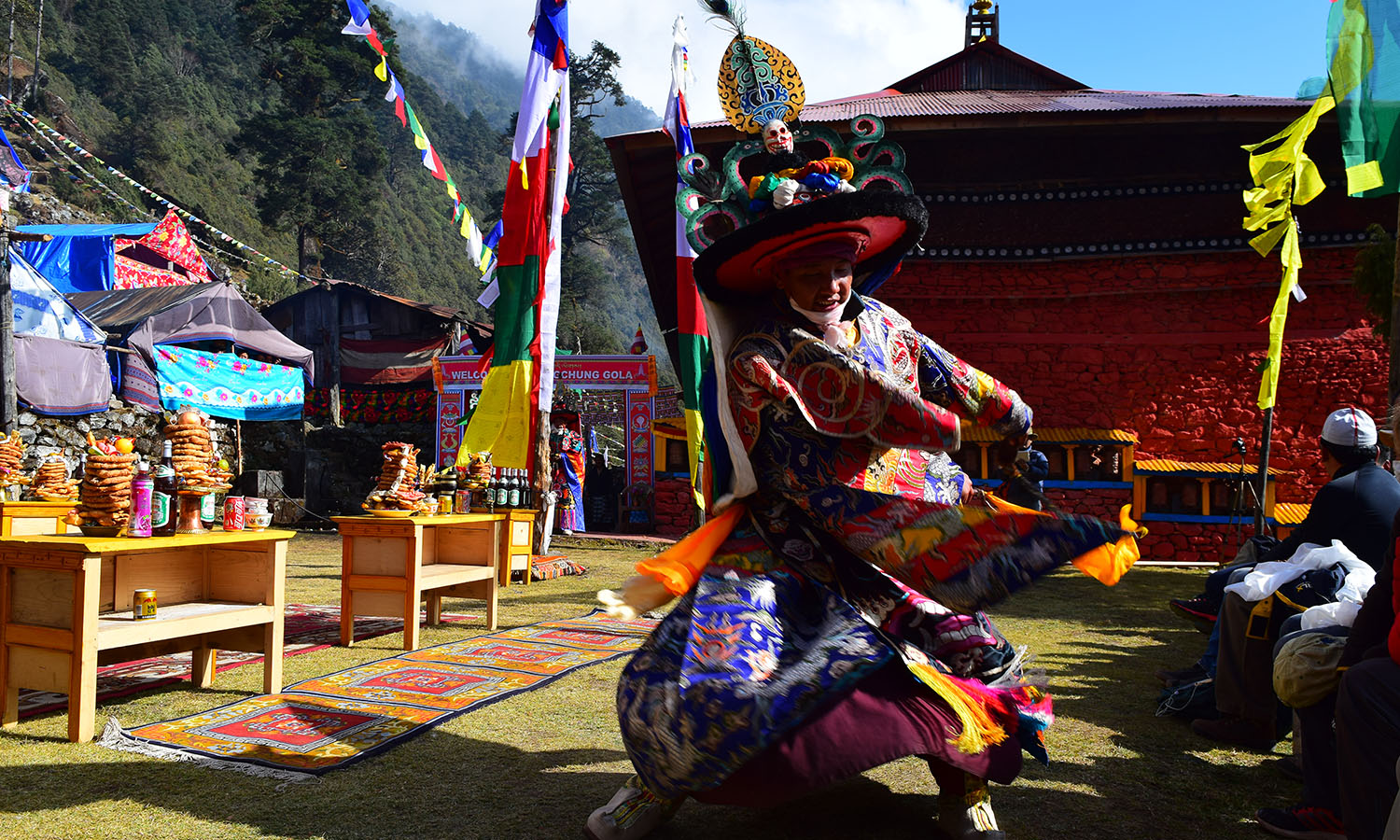
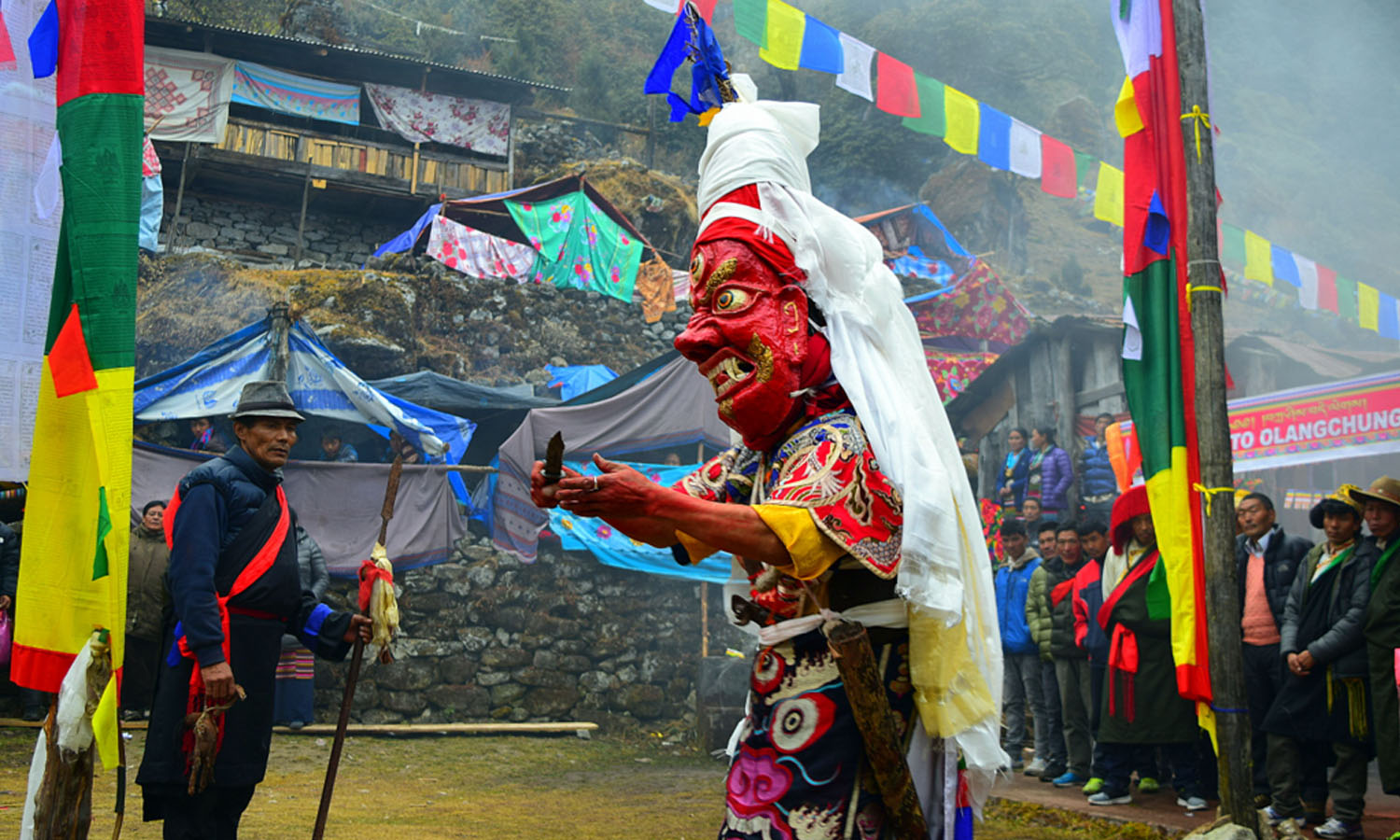
It’s highly unlikely that you’ll see any other trekkers and in your small group of six, you have the rare opportunity to take part in a seldom seen Tibetan Buddhist festival, hosted by a monastery in the Dzogchen tradition. Participating in tantric rituals and watching fiercely masked deities dance against a Himalayan backdrop won’t be a sight you’ll forget anytime soon.
A couple of days later you’ll be guided to a sacred lake, Singjengma Pokhari, that also just happens to be the home of eight wild snow leopards… not kidding. It’s thought that those of strong faith will be able to see their future karmic path reflected in the clear waters of the lake. Whether your faith stands the test or not this Himalayan trek is sure to get you in touch with your spiritual side, as well as your aching quads.
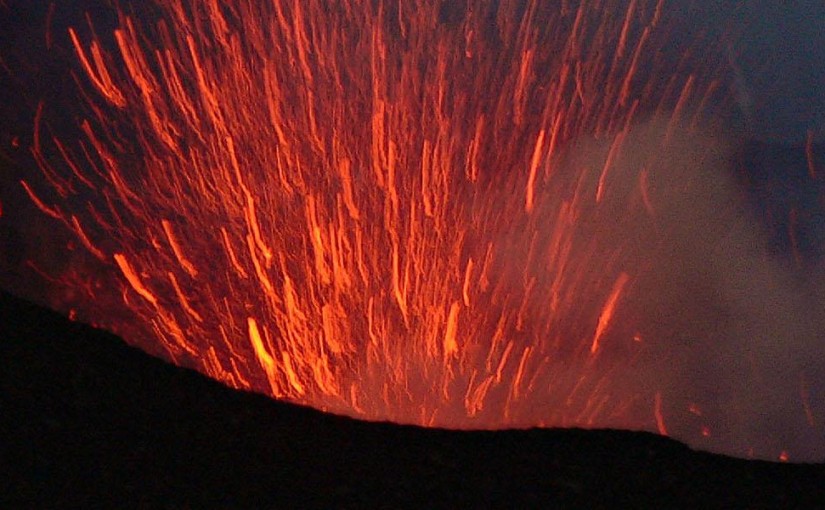
If you’re heading to the South Pacific and are looking for a point of difference from the obligatory beach view paradise, why not stay on a volcano? The island of Tanna, a 50-minute flight south of the capital Port Vila, is home to one of the world’s most accessible active volcanos, Yasur.
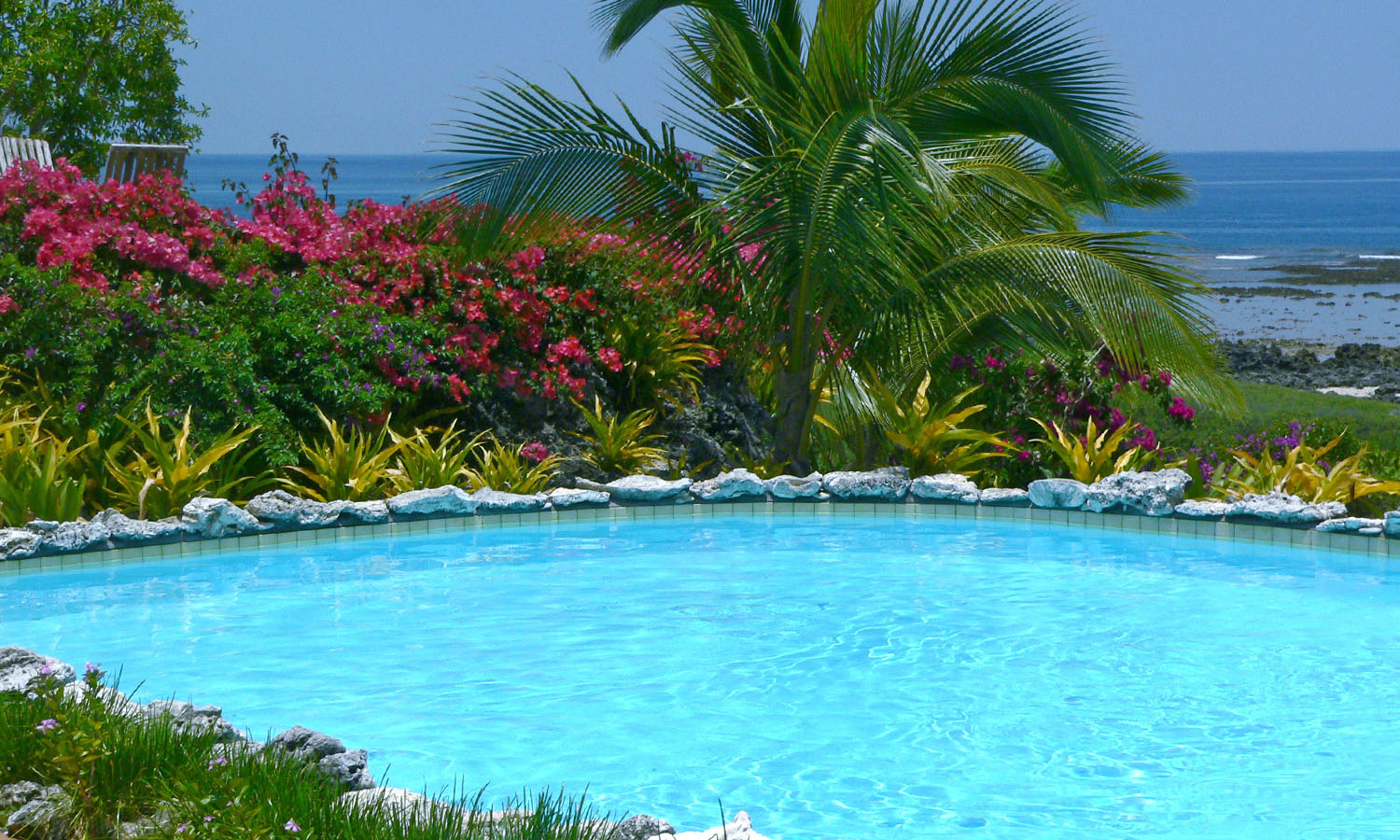
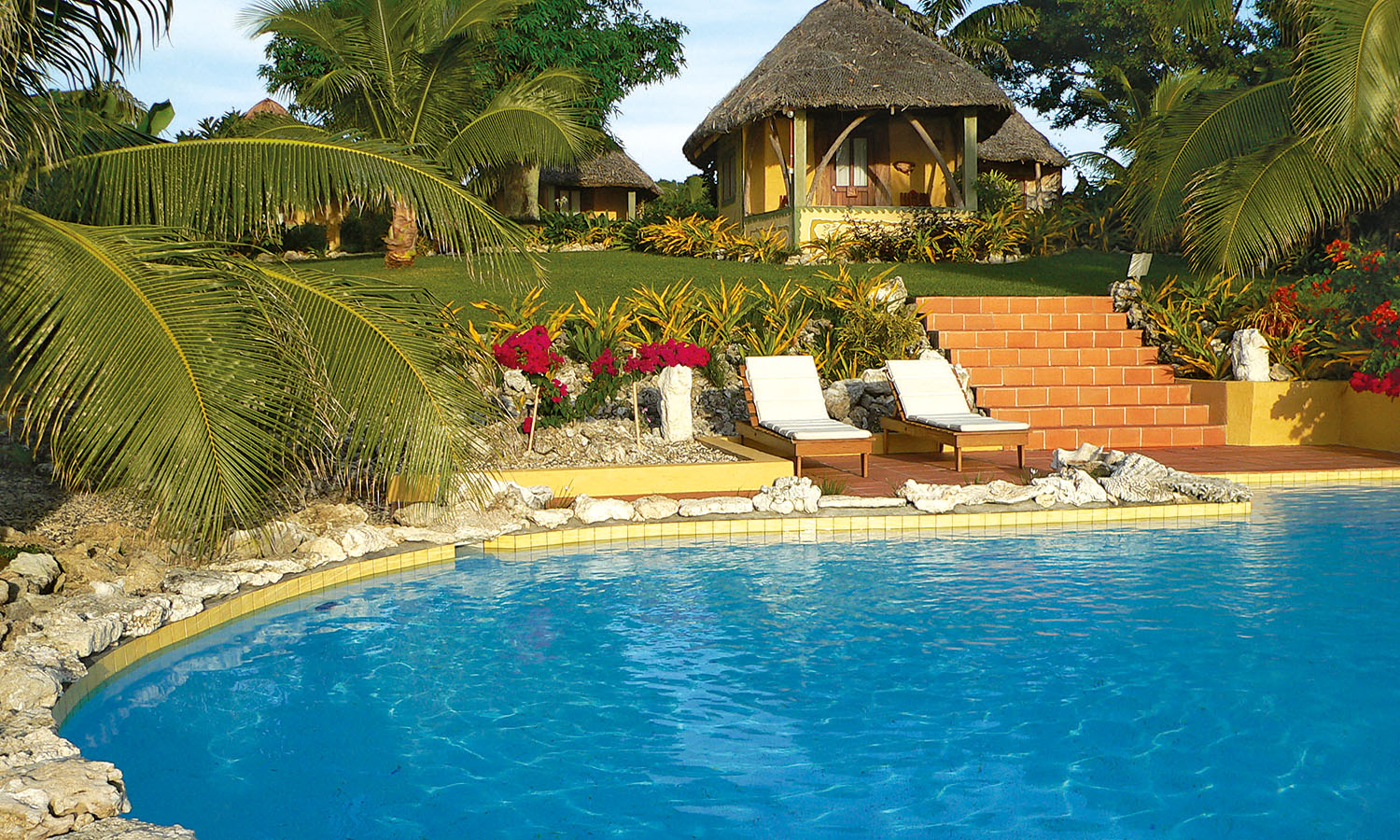
White Grass Ocean Resort is located on the coastline of Tanna island and features villa style luxury in classic Pacific Island style with private balconies, natural thatching, and local timbers positioned amidst stunning tropical gardens. It is also home to one to the most accessible volcanos in the world, Mt Yasur and you can get up close and personal by walking up to the crater of the rim.
Take a 4wd out to the volcano, snorkel around the pristine reefs and blue holes or chill at the resort with a professional trained masseuse using Tanna’s own virgin coconut oil and volcanic products.
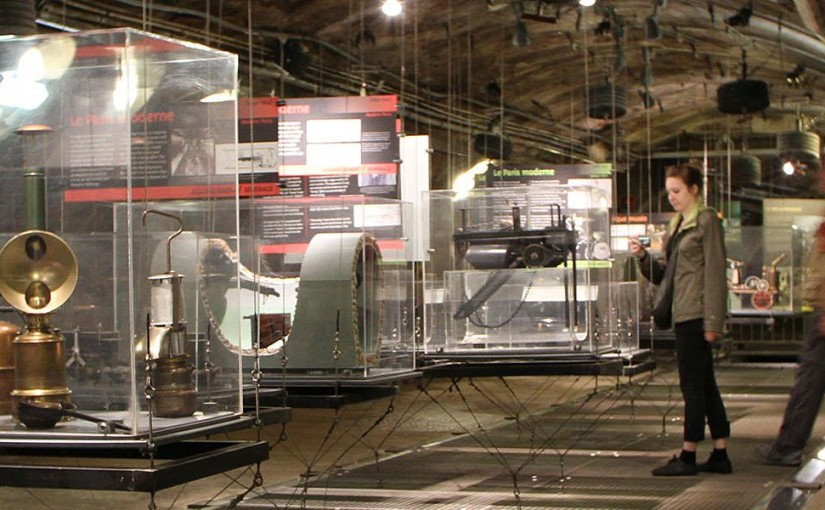
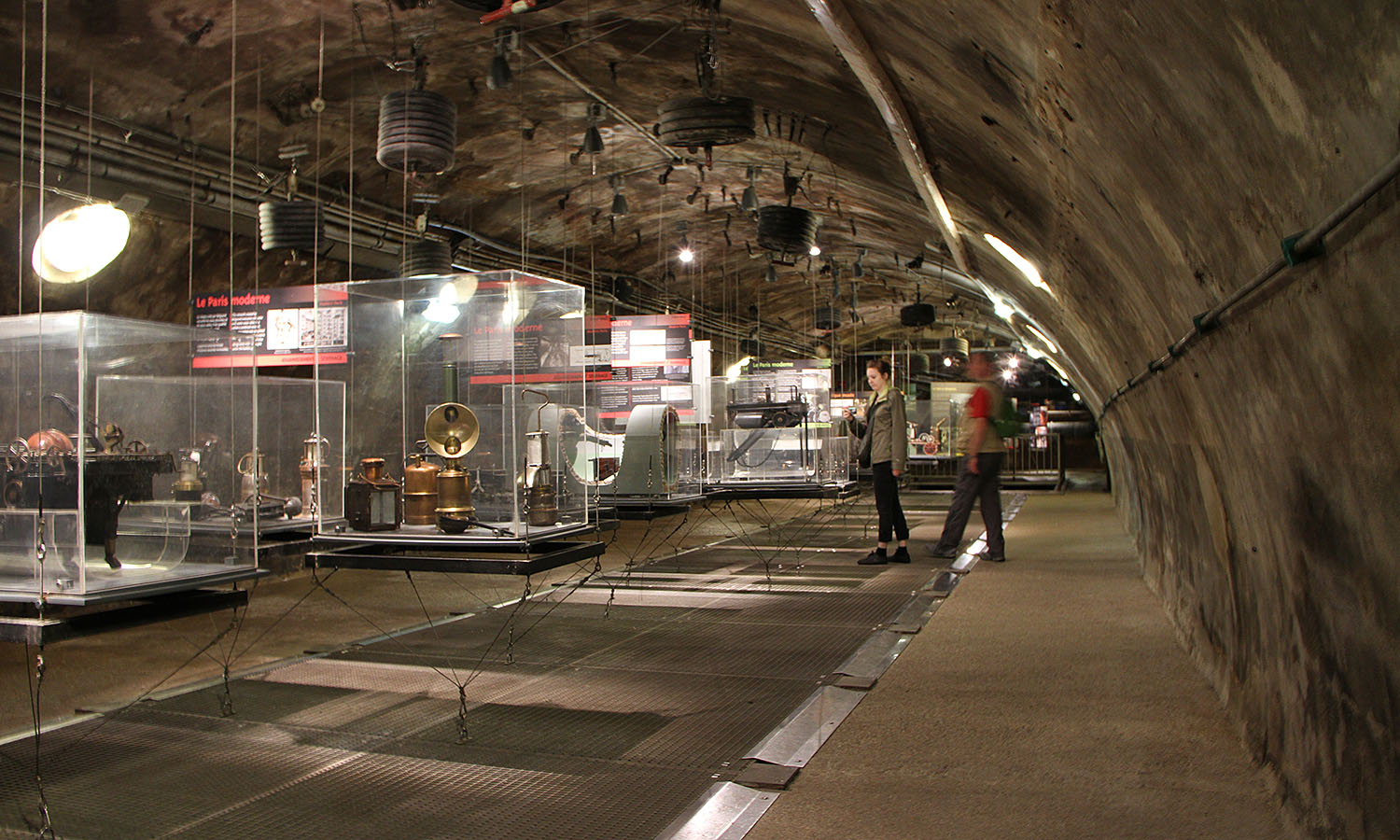
Beneath the enchanting scenes of the Seine and Paris’s cobblestone footpaths lies the route for one of the city’s oldest tours. Since the latter part of the nineteenth century, the Paris Sewer Museum has guided tourists and locals alike through the pungent labyrinth of its underground system.
It’s a true feat of early engineering and design – construction began in the 1300s – but this museum isn’t for those with a delicate disposition. With fully dressed mannequins posed as workers and thoroughly entertaining information about the city and its catacombs on offer, this is a tour that neither you nor your nostrils will be able to forget.
Marvel at the giant balls once used to clean the sewers, which look like they could have been plucked from the set of an Indiana Jones movie. Paris’s sewer network spans some 2, 100 kilometres, and tours were once conducted by locomotive-drawn carriages and also by boat. Guided tours are available, or go it alone.
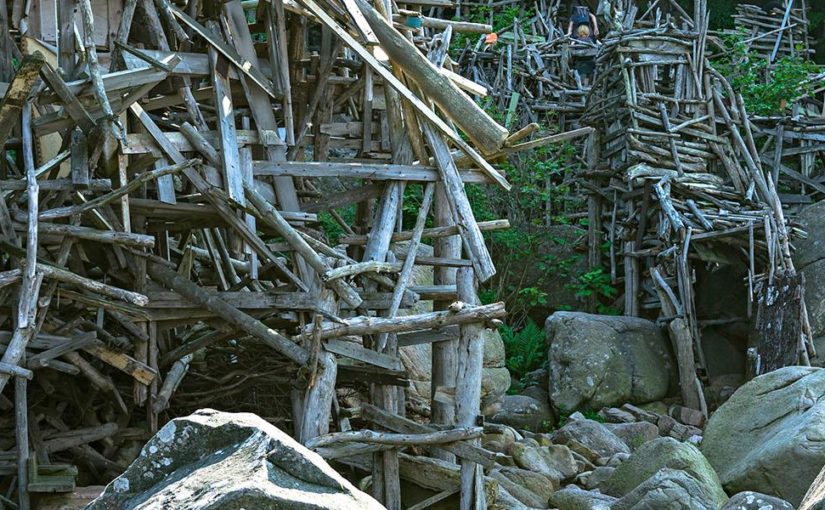
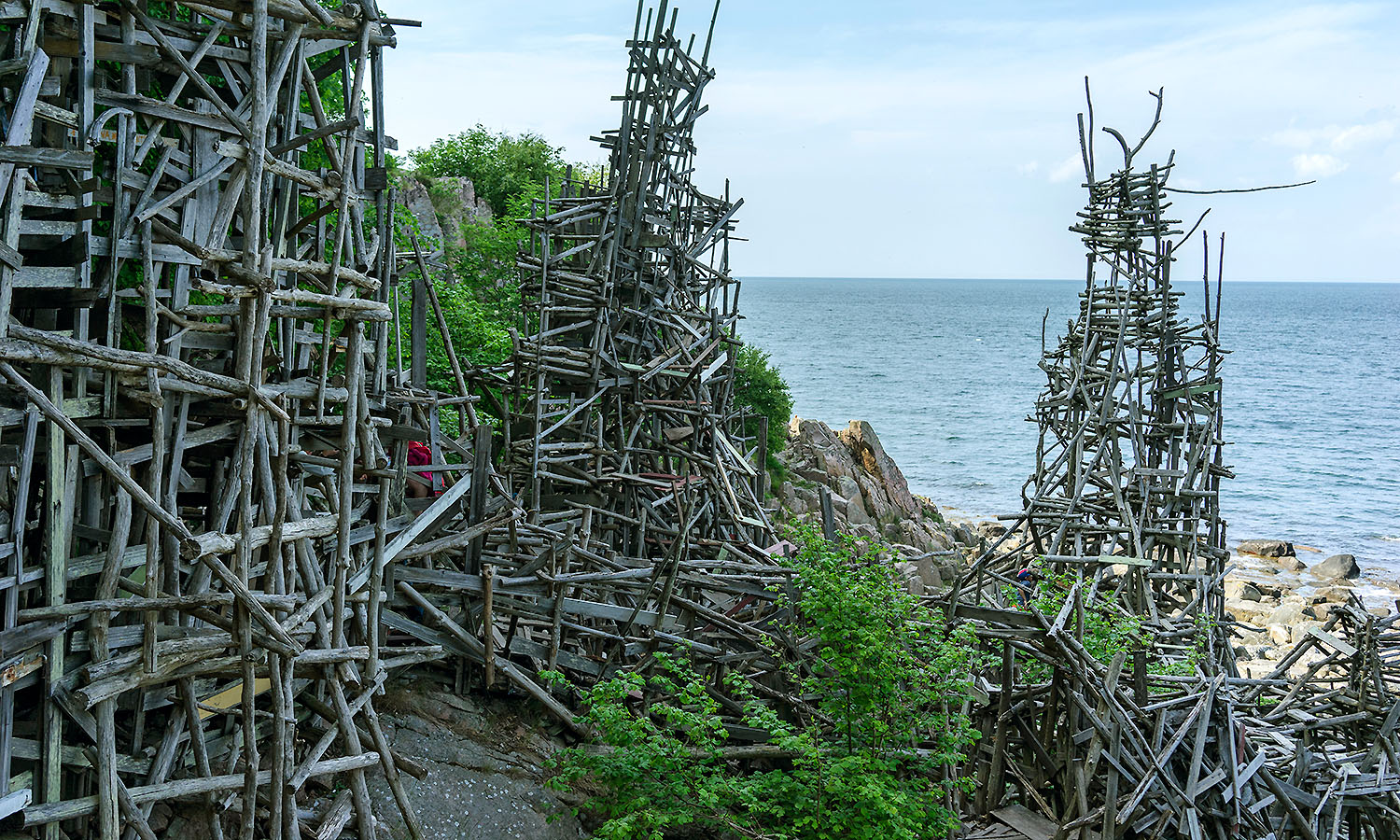
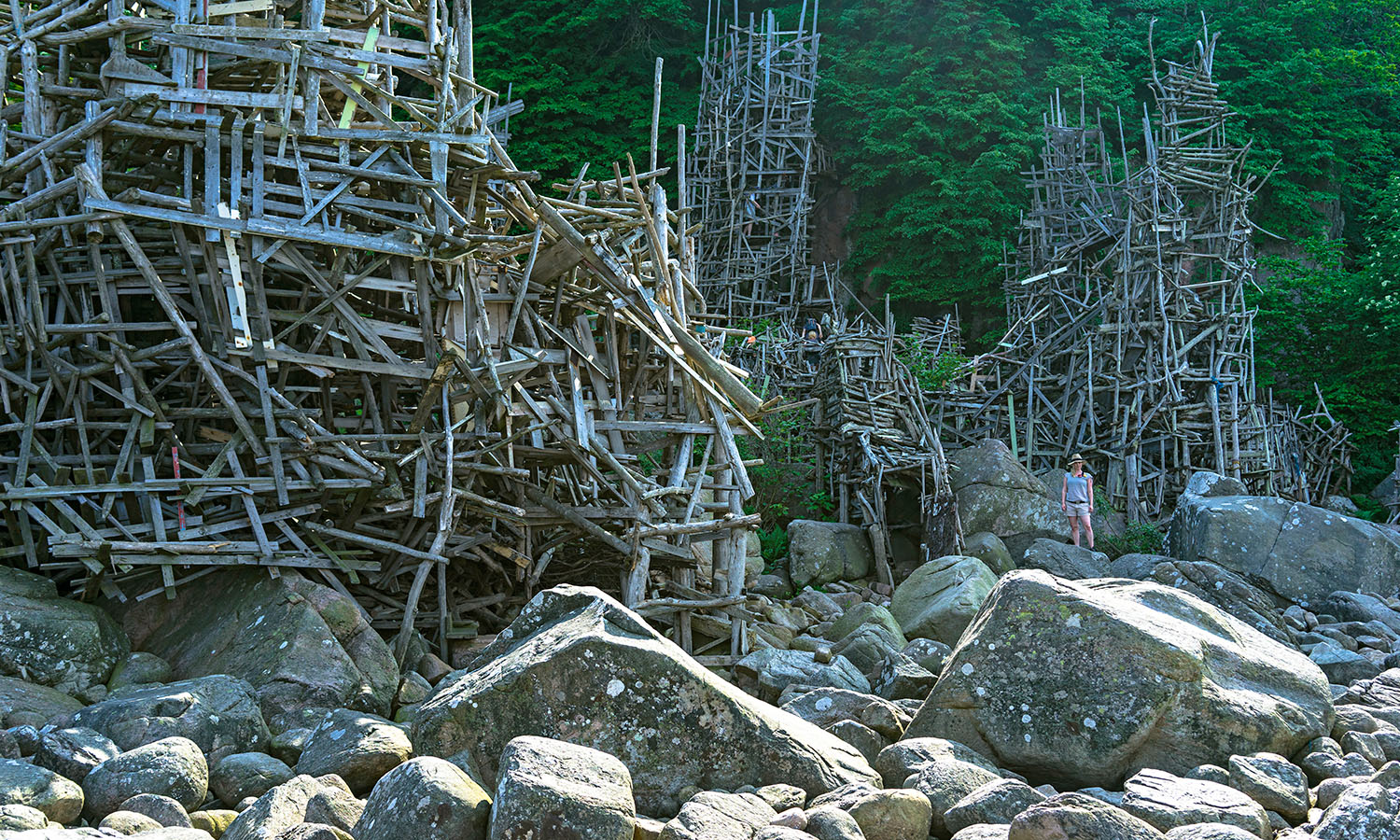
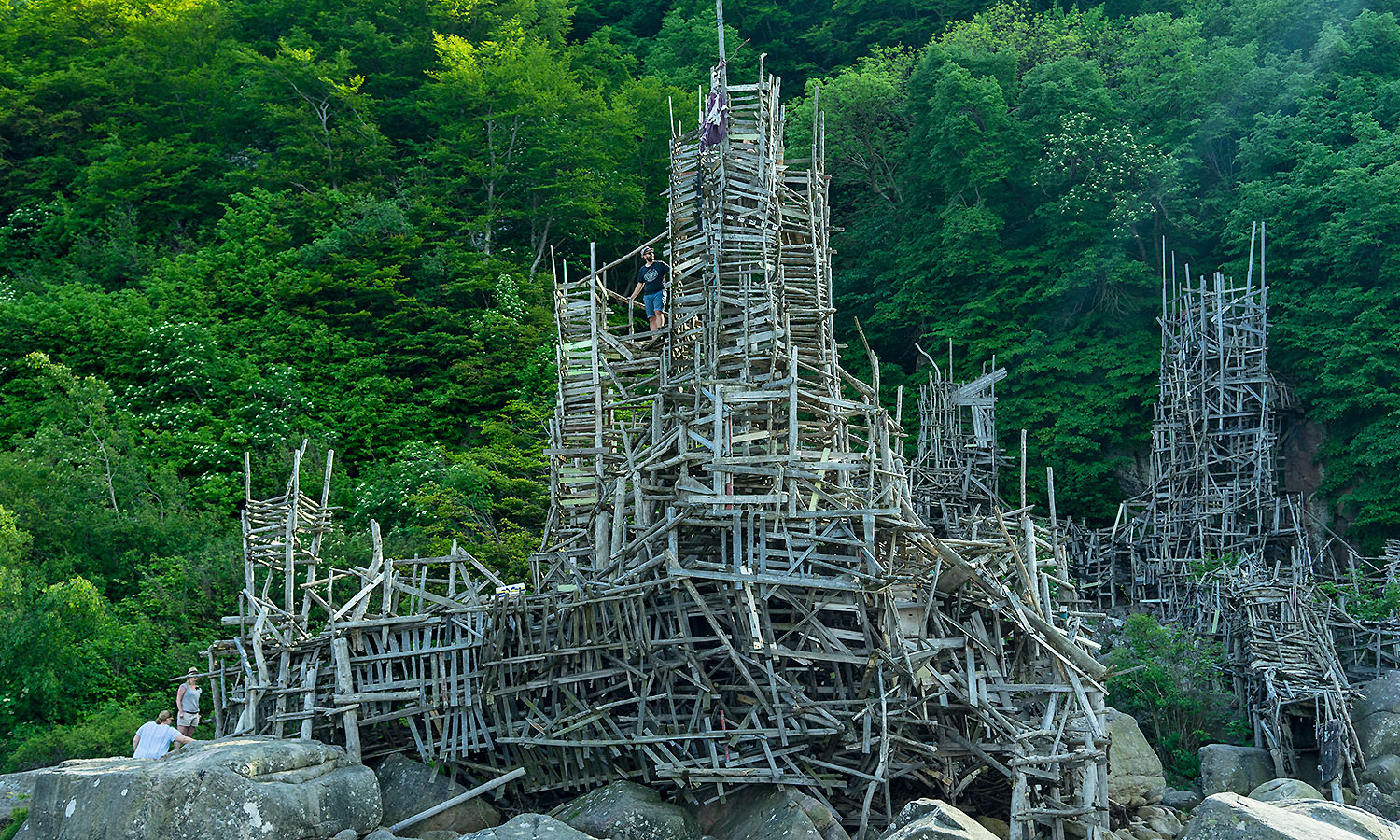
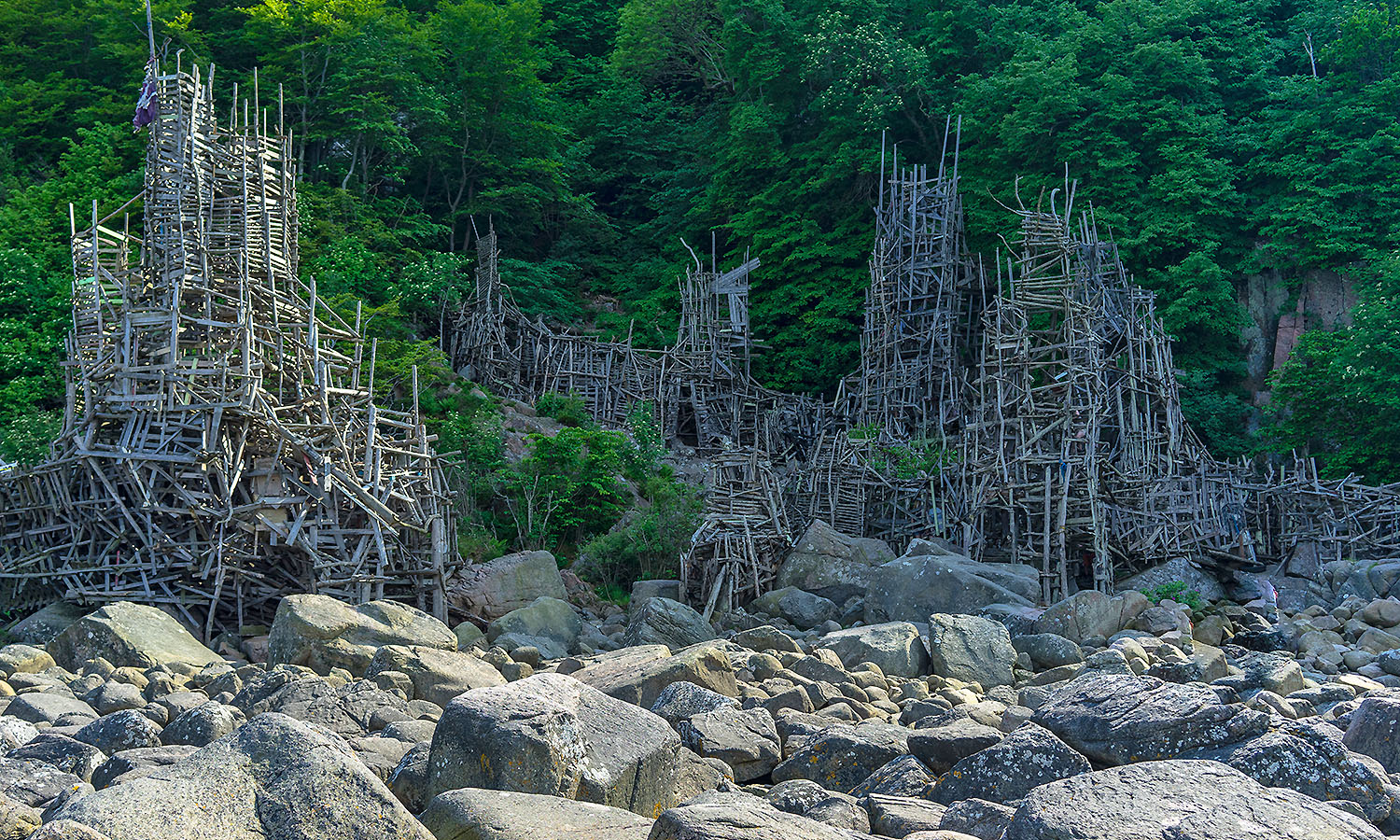
Who would have thought a Swedish national park could attract so much controversy? Hidden in the Kullaberg Nature Reserve in Skåne in the country’s south, is the giant sculpture Nimis (Latin for ‘too much’), constructed by controversial Swedish artist Lars Vilks. Built entirely from driftwood – at least so it’s believed – Vilks started crafting the structure in 1980, and it took two years before anybody even noticed.
Once it was uncovered, a series of convoluted court battles between Vilks and the local council led to the artist to declare one square kilometre of the nature reserve as autonomous from Sweden. And so the Royal Republic of Ladonia was born in 1996.
The micronation has a flag, a motto, two unnamed anthems, a capital, several official languages, a government, a queen, a president, a vice-president, a state secretary and almost 18,000 citizens worldwide. You can apply to become a citizen via the website for free, or even opt for a noble title for a small fee. Despite all this, nobody actually lives there.
The sculpture itself is impressively large, and as you climb down through it you feel as though you’re entering Netherland. The driftwood has been intricately cobbled together using nails and whatever else Vilks could get his hands on, to create an epic wooden labyrinth with tunnels you can climb through, and towers you can climb on. It’s awesome in both scale and concept.
Its most familiar calling cards might be coffeeshops and the Red Light district, but Amsterdam offers plenty beyond these less than salubrious features. A city founded some 800 years ago, there is a wealth of history hiding in its canal-side cobblestone streets. And with a little research you can uncover it all in one fell swoop by foot or on one of the capital’s ubiquitous bicycles.
Most conveniently, a KLM flight attendant has done all the hard work for you and come up with a handy pre-plotted route that includes 37 of Amsterdam’s most impressive edifices and takes in the vast bulk of the city’s thoroughfares.
Visitors begin (and finish) the 13-kilometre walk at the palace-like Amsterdam Central Station – a rijksmonuments, or national heritage site, built in 1889. After that you’ll mosey along one of the oldest canals in Amsterdam, delving straight into the tangle of tiny alleys that is De Wallen, the Dutch capital’s largest Red Light District.
Next up is Zeedijk, the home of the the city’s Chinatown, where you’ll stop to eye the 15th century De Waag, or Weigh House. It’s said to be the oldest remaining non-religious building in all of Amsterdam. This turreted structure was even depicted by Rembrandt in his 1632 painting The Anatomy Lesson of Dr. Nicolaes Tulp.
Then you’ll whizz over countless bridges, through numerous stone squares and past several museums, galleries, breweries and historic warehouses before landing on Prinsengracht, or Prince’s Canal, often called one of the city’s most beautiful stretches.
Some three hours later you’ll wind up at the final stop, and the most Dutch of all institutions: the gin bar. Neck more than 70 different liqueurs and genevers in tulip glasses, all produced in-house using traditional 17th century craft methods.
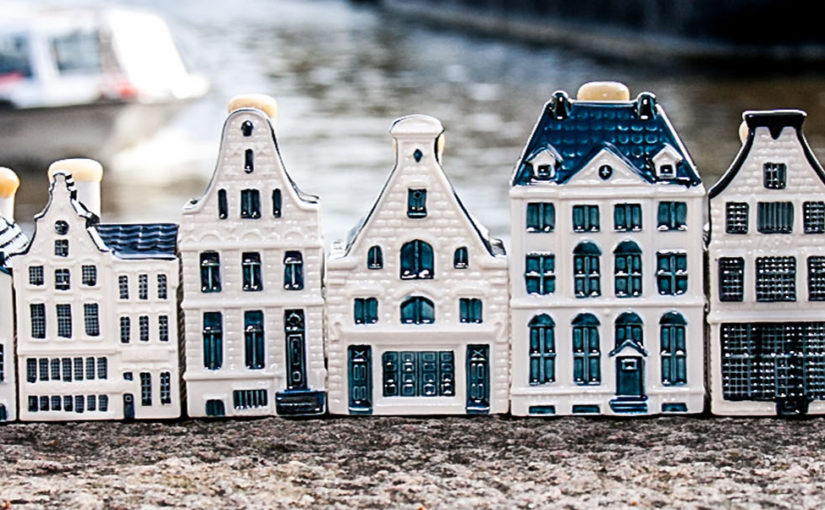
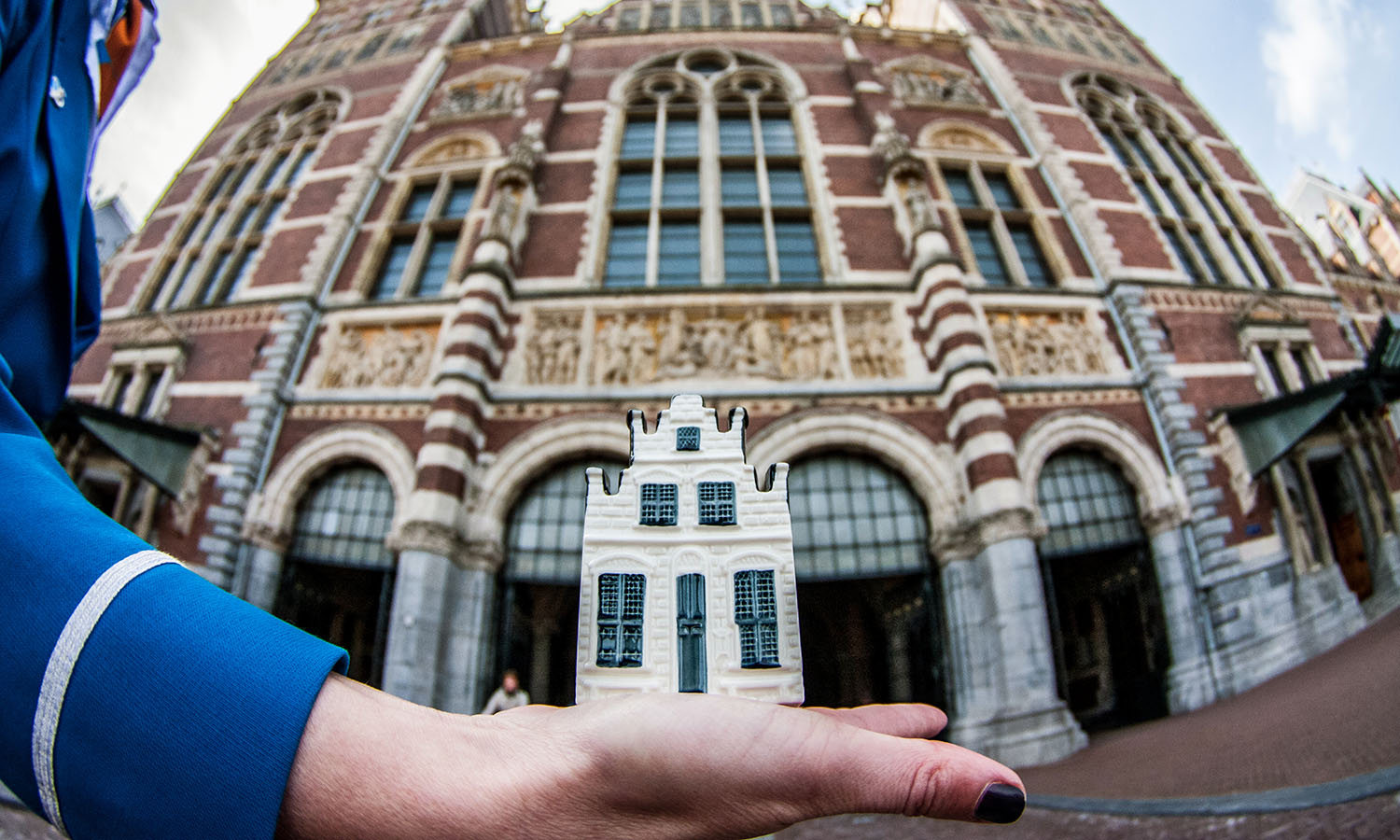
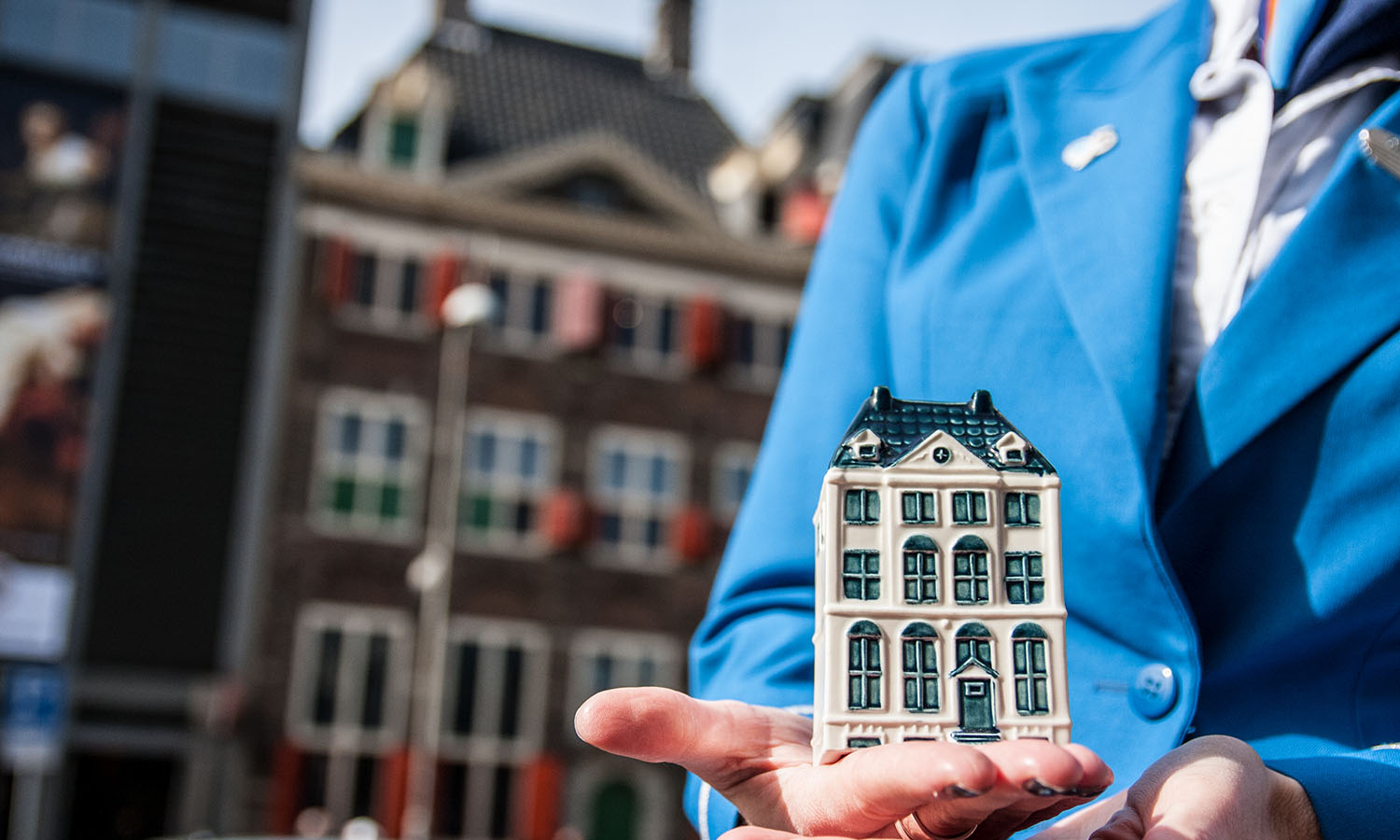
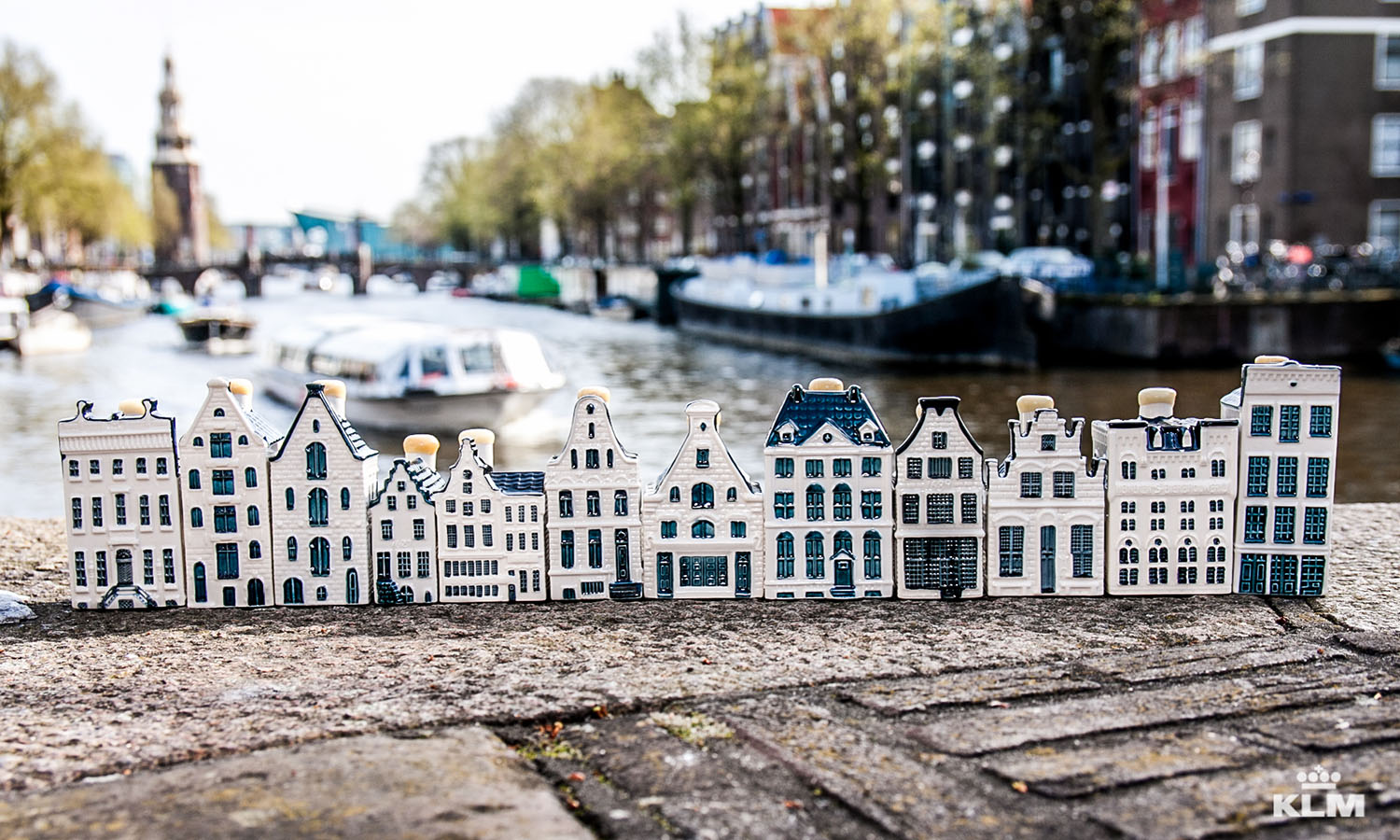
If you want to get your mitts on a tangible replica of these historic houses you’ll need to fly business class with KLM, where each passenger is presented with their own miniature delft house. Every year on the date of KLM’s anniversary, 7 October, a new house is added to the collection. There are 97 models now.
 (
(