(
(
Archives: Feature Articles
Allows the user to create Feature Articles
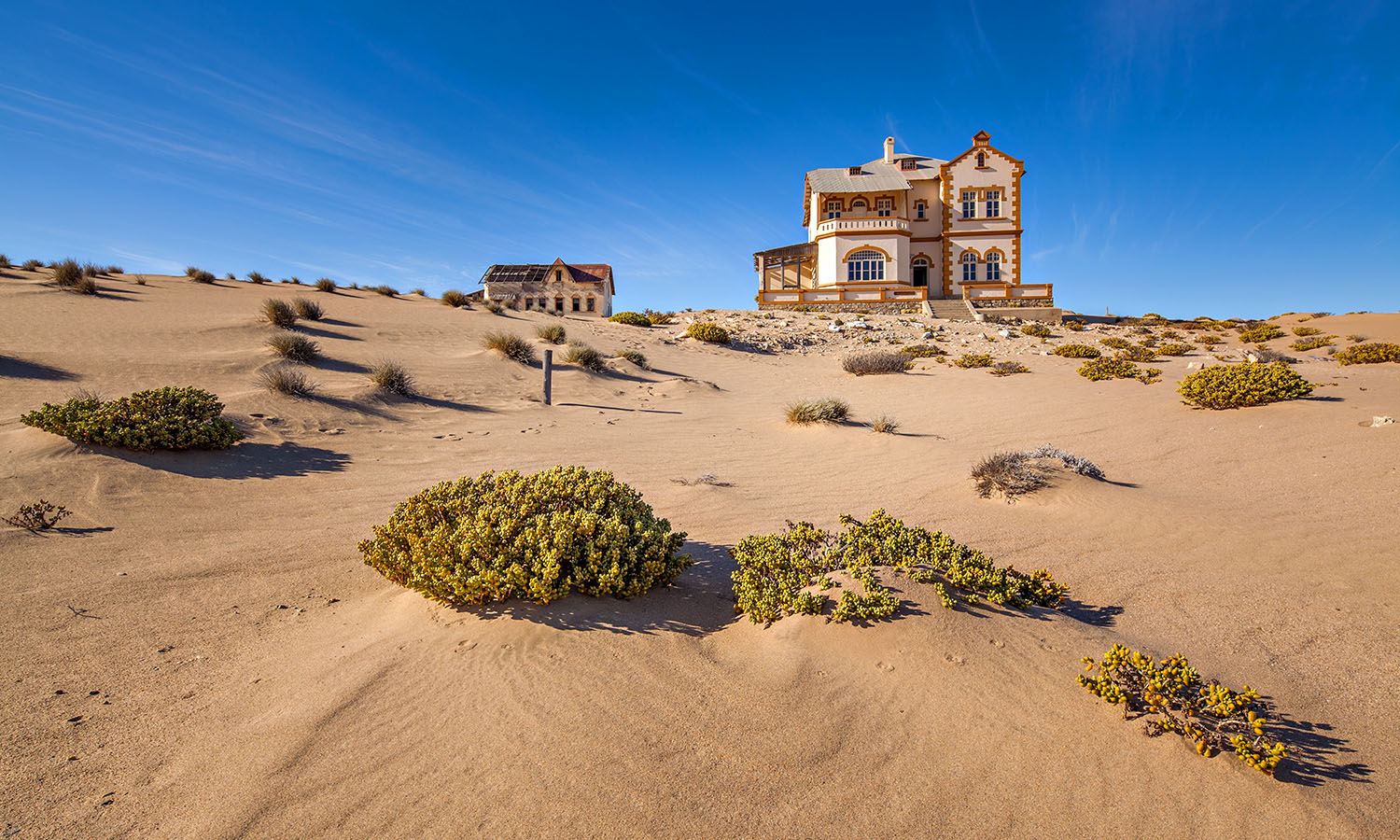
In the early 20th century, the Namibian town of Kolmanskop was responsible for 12% of the world’s diamond production.
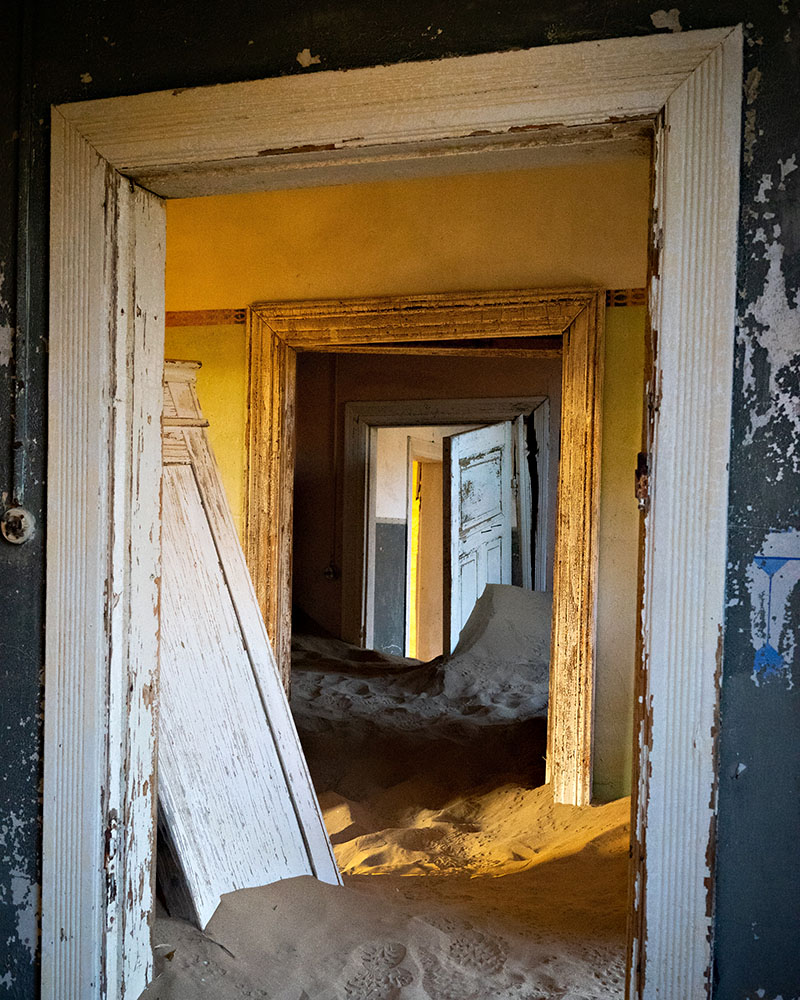
With cash coming out of their rear-end, miners built a hospital, ballroom, school, theatre, sporting facilities and even a casino, but by 1956 it was abandoned, with diamonds mined to depletion.
It has been sinking under the weight of the Namib Desert ever since. Travellers who reach Kolmanskop walk through abandoned houses knee-deep in sand and filling further, like a life-sized hourglass. The entire town will one day be buried in sand.
Australian music megastars Tame Impala used the town as the cover art for their 2021 album The Slow Rush.
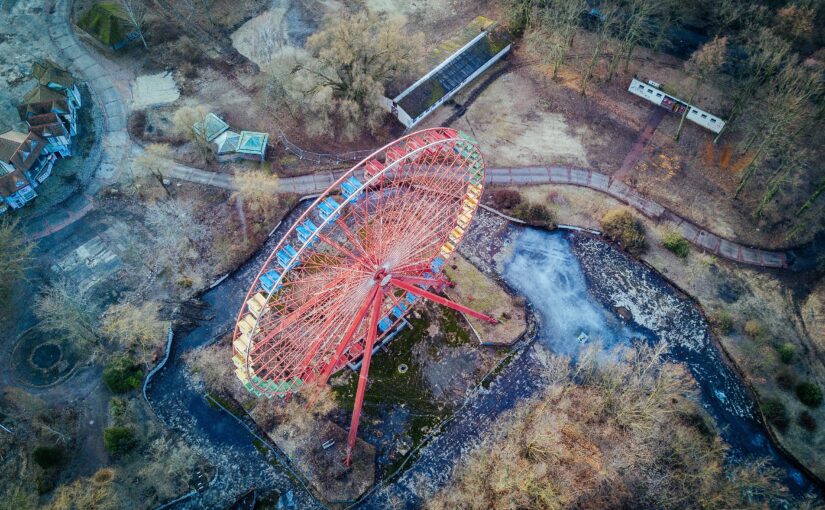
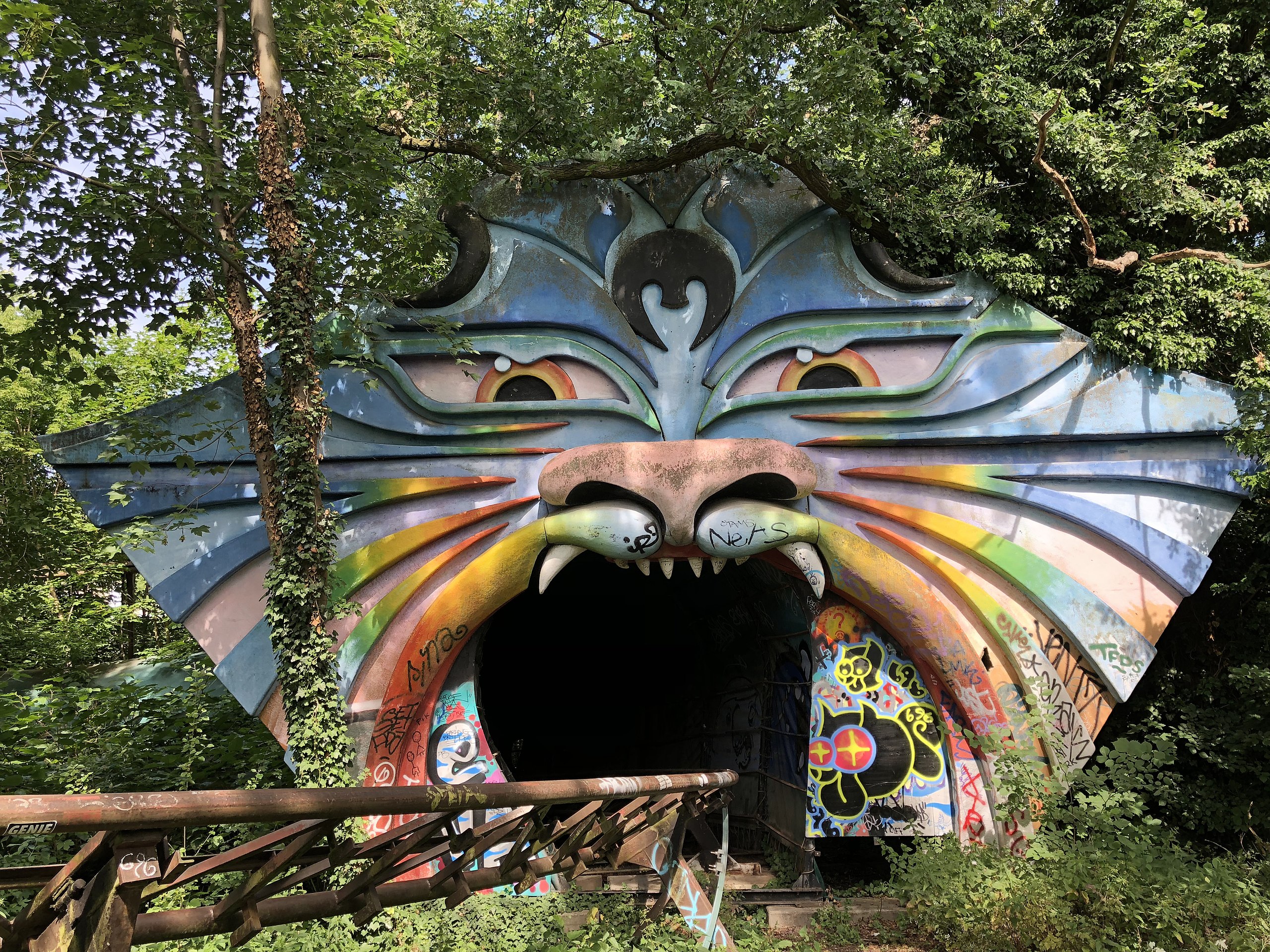
You can still ride the rollercoaster at Spreepark in Berlin. On foot, anyway.
The abandoned theme park was once the pride of the Eastern Bloc, the only consistently open amusement park in all of East Germany.
Raccoons, overgrown grass and vegetation now dominate the park, which is still littered with a lot of the old rides and attractions that drew daily visitors in the thousands at it’s peak. It is perhaps the weirdest place to be at after the sun goes down in Berlin – which is really saying something.
It operated from 1969 until 2002, when its owners fell into epic debt. In 2004 German police found 167kg of cocaine hidden inside one of the rides.
THE PARK CAN BE VISITED BY ANYONE BUT NOT FOR LONG… A $70 MILLION AUD CONVERSION INTO A ‘CULTURAL SITE’ IS DUE TO KICK OFF IN EARLY-2022.
Houtouwan is arguably the most photogenic living area on earth, notwithstanding the fact that pretty much no-one lives there.
A small fishing village on China’s Shengshan Island, the town was abandoned by residents partly due to the difficulty of getting there, an extremely narrow and steep path being the only way in or out.
It is this route travellers take now, where they are greeted with a sort of town-sized wild garden. Vegetation climbs the walls of houses and other buildings, all perched on a steep hill and looking out over a narrow, north-facing bay toward mainland China.
Visitors are permitted, and some villagers have even returned to take advantage of the tourism opportunities, but it is clear that Mother Earth, and not its residents, reigns supreme here.

IF YOU MANAGE TO MAKE IT TO SHENGSHAN ISLAND, IT IS REASONABLY EASY TO ARRANGE A DRIVER TO TAKE YOU TO HOUTOUWAN.
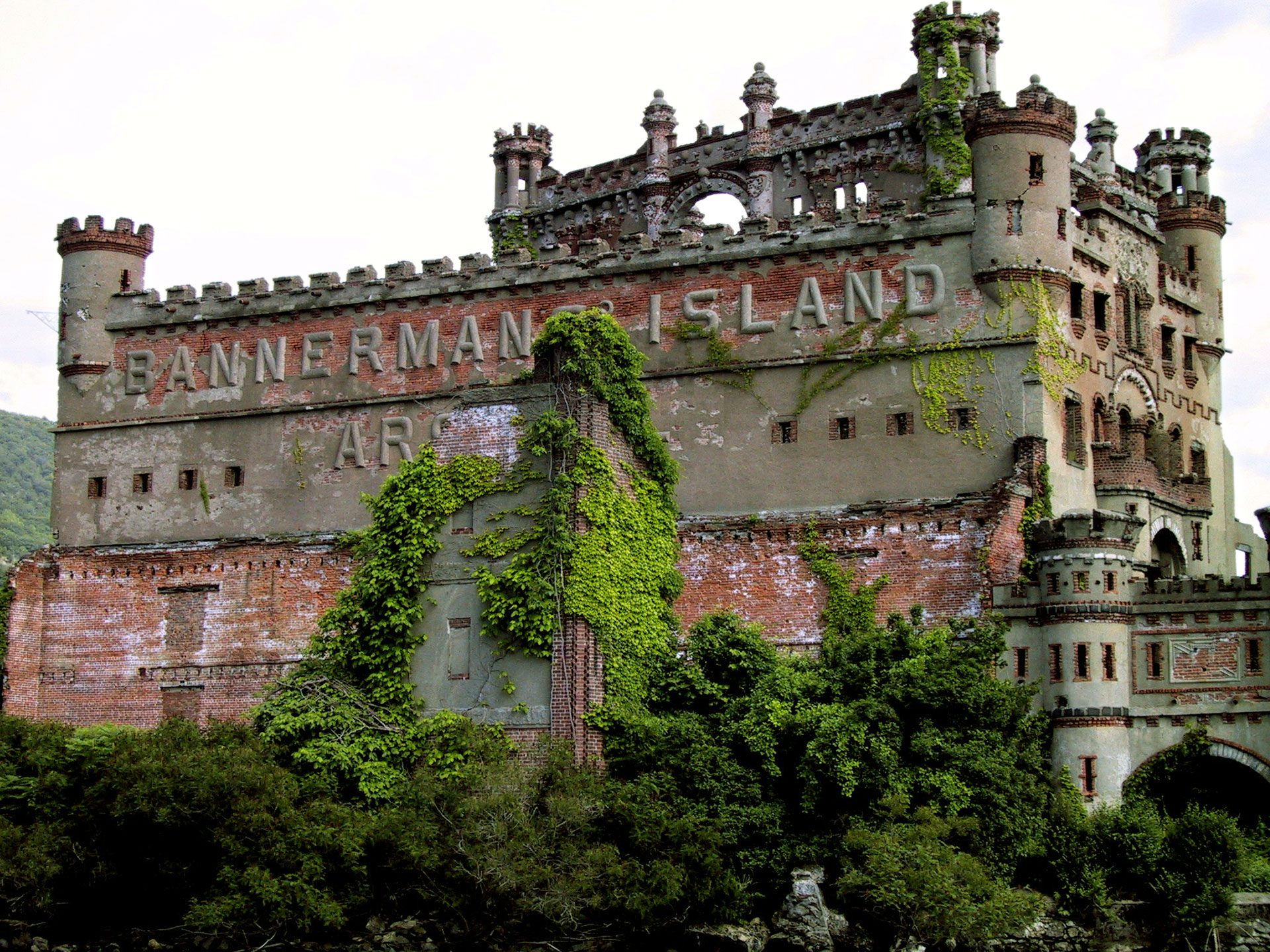
Bannerman Castle is an epic, decrepit stone fortress on it’s own island in the Hudson River. It’s what you imagine the Disney Castle to look like if it fell into ruins.
It has had it’s share of bad luck: a ferry which used to service the island sunk in a storm in the 1950s, before a fire ravaged the castle in 1960s, leaving it defenceless against vandals and adventurers, and neglected ever since. This vulnerable state is somewhat ironic given a castle’s primary historic purpose as a defensive structure; even more so when you consider this one was used to store military supplies by an eccentric businessman who dealt in army surplus for a living.
The once-elaborate castle is now in ruins, rendered second-fiddle to a jungle of flora and fauna. The two combine to create a sort of mysterious, medieval fantasy land.
BANNERMAN CASTLE IS LOCATED 80 KILOMETRES FROM NEW YORK CITY, HEADING NORTH UP THE HUDSON RIVER.
How good is getting lit on planes?
Whenever you’re heading somewhere new and exciting, it’s hard not to get carried away with a few drinks when you’re 30,000 feet in the air. Before long you’re best mates with the people next to you, and soon enough you’re hearing things like “Sir, can you please be quiet,” and “Sir, please get out of the cockpit, you’re not allowed in here.” Wait, what?

 
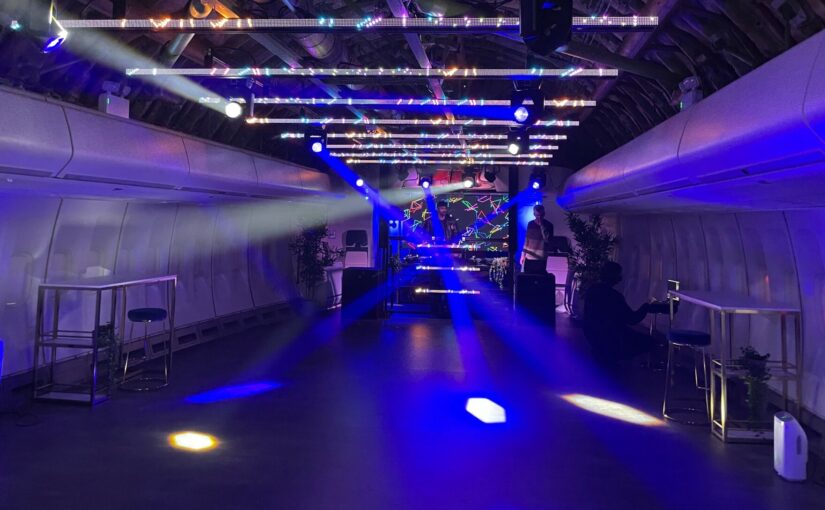
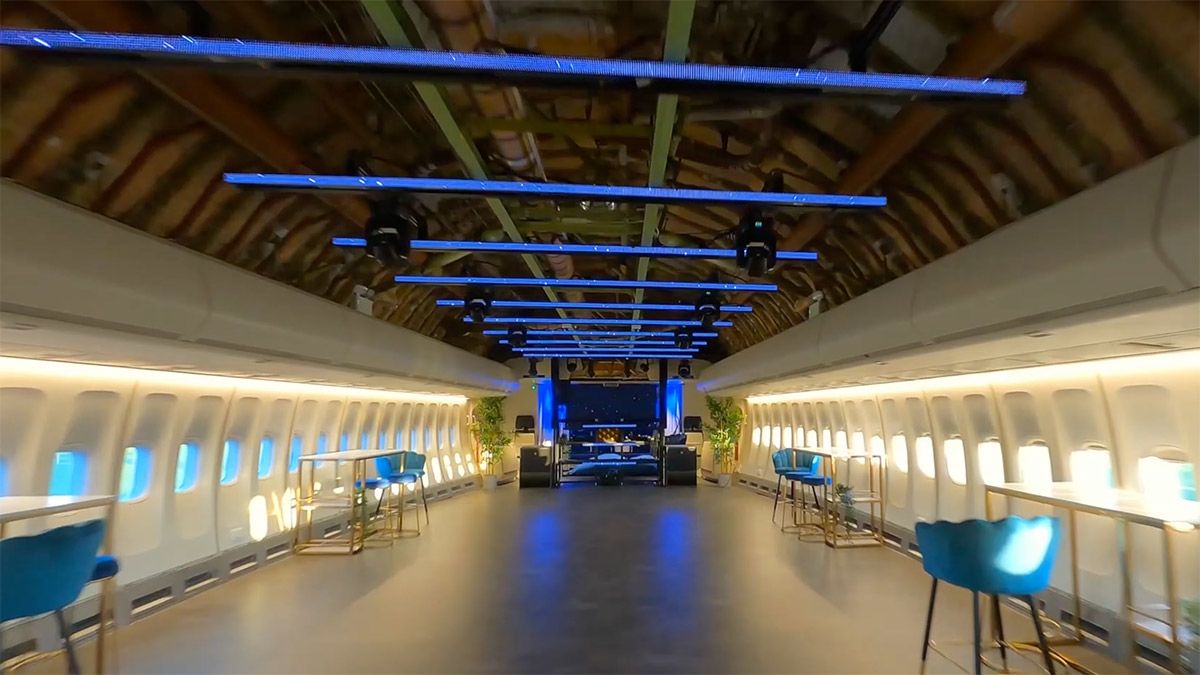
You won’t have any of those issues on the British Airways Boeing Negus 747, which, earmarked for retirement, has been made into a specially designated ‘party plane’. For AU$1900 an hour, you’ll be able to rent out what might be the ultimate space for an event or party.
Almost AU$500,000 has been poured into the plane in order to make it party-ready, which includes an epic dancefloor, lighting, a DJ booth, a kitchen and a bar.
 
We do hope you don’t have anywhere to go though – the plane is permanently grounded at Cotswold’s Airport in England. While you won’t have to deal with jet lag in the days following, you will likely have a different kind of headache to contend with.

On Saturday April 22 we celebrate Earth Day, a day to think about how bloody amazing this planet is, and to make investments into keeping it that way.
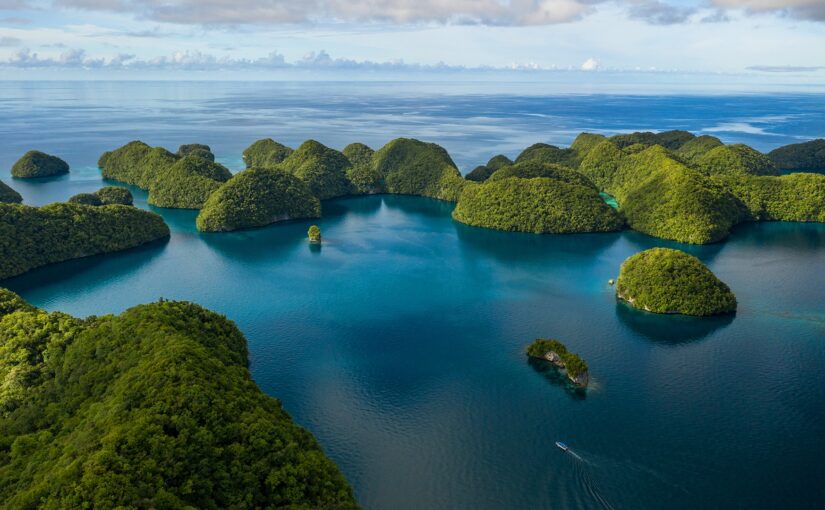
One of the most beautiful corners of this planet is Palau, an otherworldly set of islands filled with sandy beaches, palm trees, grassy fields and even mountains in the Pacific Ocean. In Palauan, “Ol’au” is a way of calling out to a friend to invite them into your space. And that’s what the Palauans are doing now – only, in a way that ensures these islands stay as beautiful as they are now.
Ol’au Palau is a tourism initiative that unlocks new experiences and places in that country through sustainable action. Whereas money buys you access to the best places around the rest of the world. In Palau, the more you show you care, the more points you get. The more points you score, the more places you unlock. It’s innovative, but pretty simple, system.
In 2017 Palau became the very first country in the world to change its immigration laws for the cause of environmental protection. Visitors are required to sign a passport pledge to act in an ecologically responsible way on the island.
It’s this sort of forward thinking that’ll keep this tiny archipelago as gorgeous as its always been. It’s win-win – a win for the country, and a win for the rest of us who get to enjoy the world class diving, beaches, marine and island life there is here.
A 14-year-old-boy pointed his gun at me, as I crouched nervously on my haunches.
We were squatting with about 20 others in a circle while the leader, a smartly dressed man with a beard, conducted things from the centre of the ring. There were about 200 other men in the room.
A few had warned us not to go to Iran.
I thought of this as we waited to see how the situation would unfold. I looked at Henri, who was doing well to conceal his terror. We were petrified at being called into the middle, as there was just no way we could possibly match this dancing, all sinuous, affectionate and enthusiastic – like some troupe of Middle Eastern M.C Hammers.
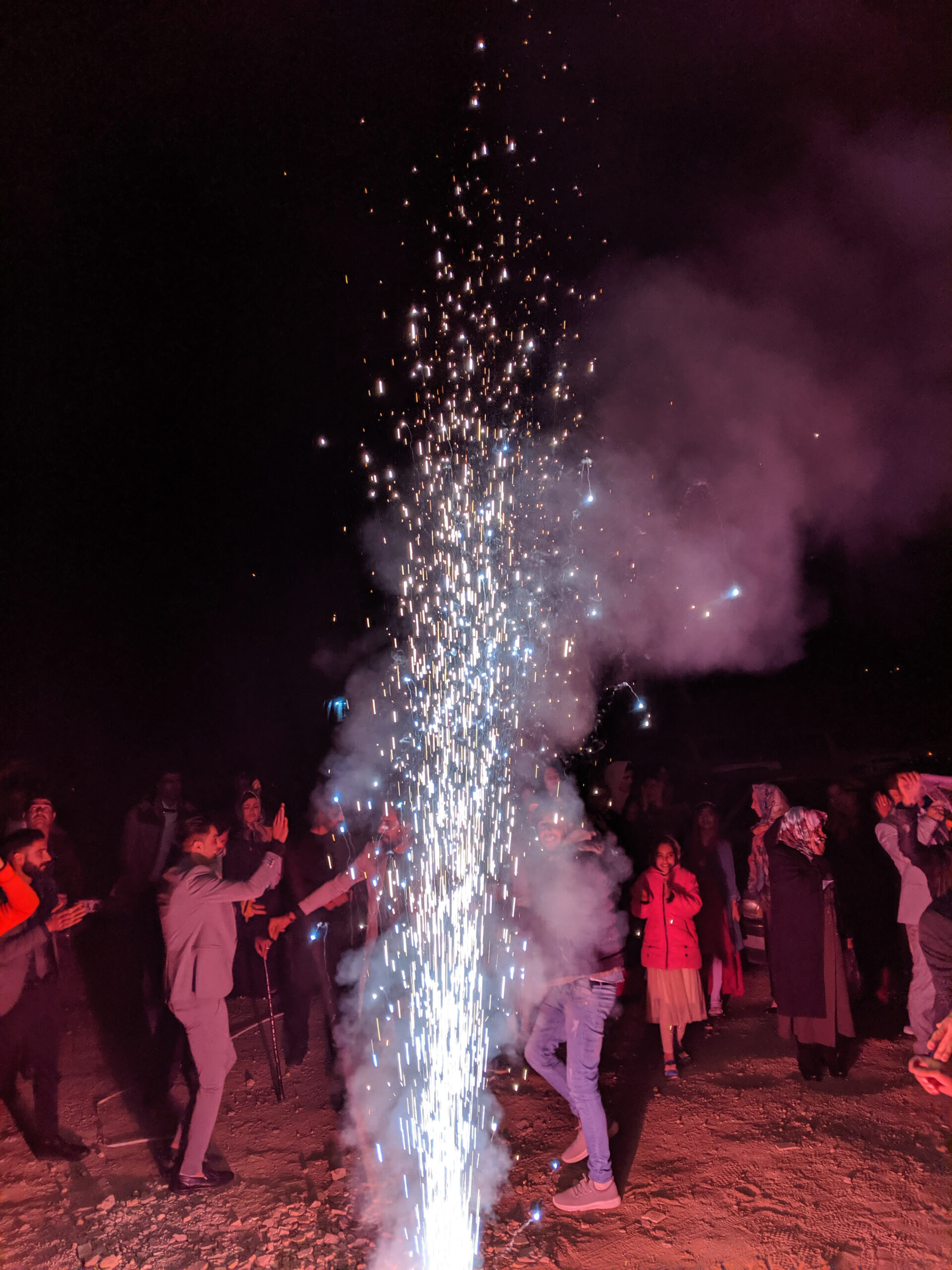 Iranian weddings are lit.
The circle was filled with guests at the wedding we’d been invited to, and the smartly dressed man was the groom, a cousin of Hamid, the friend we’d made in Isfahan. The 14-year-old boy’s gun was his fingers twisted into the shape of a gun, which he would occasionally point at me in fits of laughter until I returned fire in a game that lasted all night, although I’m still not sure of its meaning. Right now the groom was bringing individuals up one by one to dance with him in front of everyone.
It is worth mentioning that we had only met Hamid two days earlier, in cliche fashion: over a cup of chai in his carpet shop. His willingness to acquire extra invitations for two white westerners he’d only just met, with no commercial gain on his end, was our first introduction to the famed level of Iranian hospitality.
Isfahan is a busy city with a population of a couple million. Stunning Persian architecture line the streets in the city centre, while endless sand dunes flank the outskirts, where camping, sandboarding and trekking are all popular.
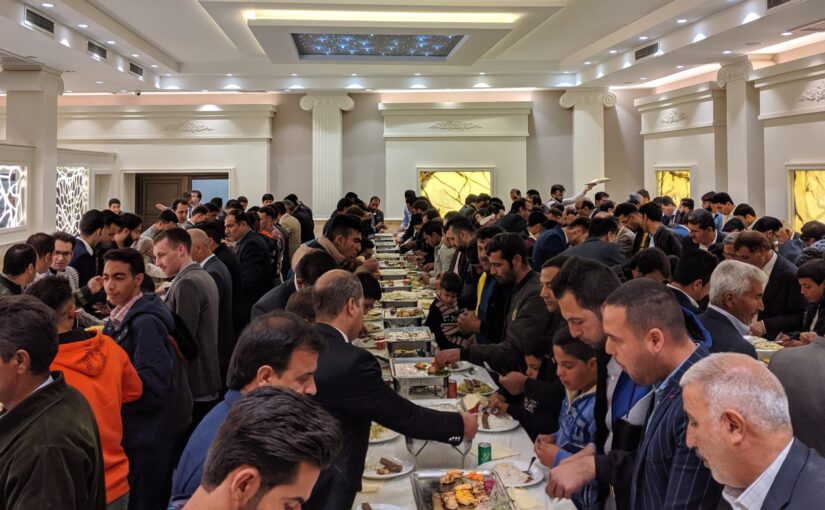
Based on a family’s level of conservatism, weddings here are generally (after a brief but extravagant ceremony) split into two parties based on gender. We’d watched at the start of the night as the bride and groom walked down a makeshift aisle to fireworks and flares, before dramatically releasing two white doves into the night sky. Shortly after we said goodbye to the girls, who disappeared into a separate hall to us.
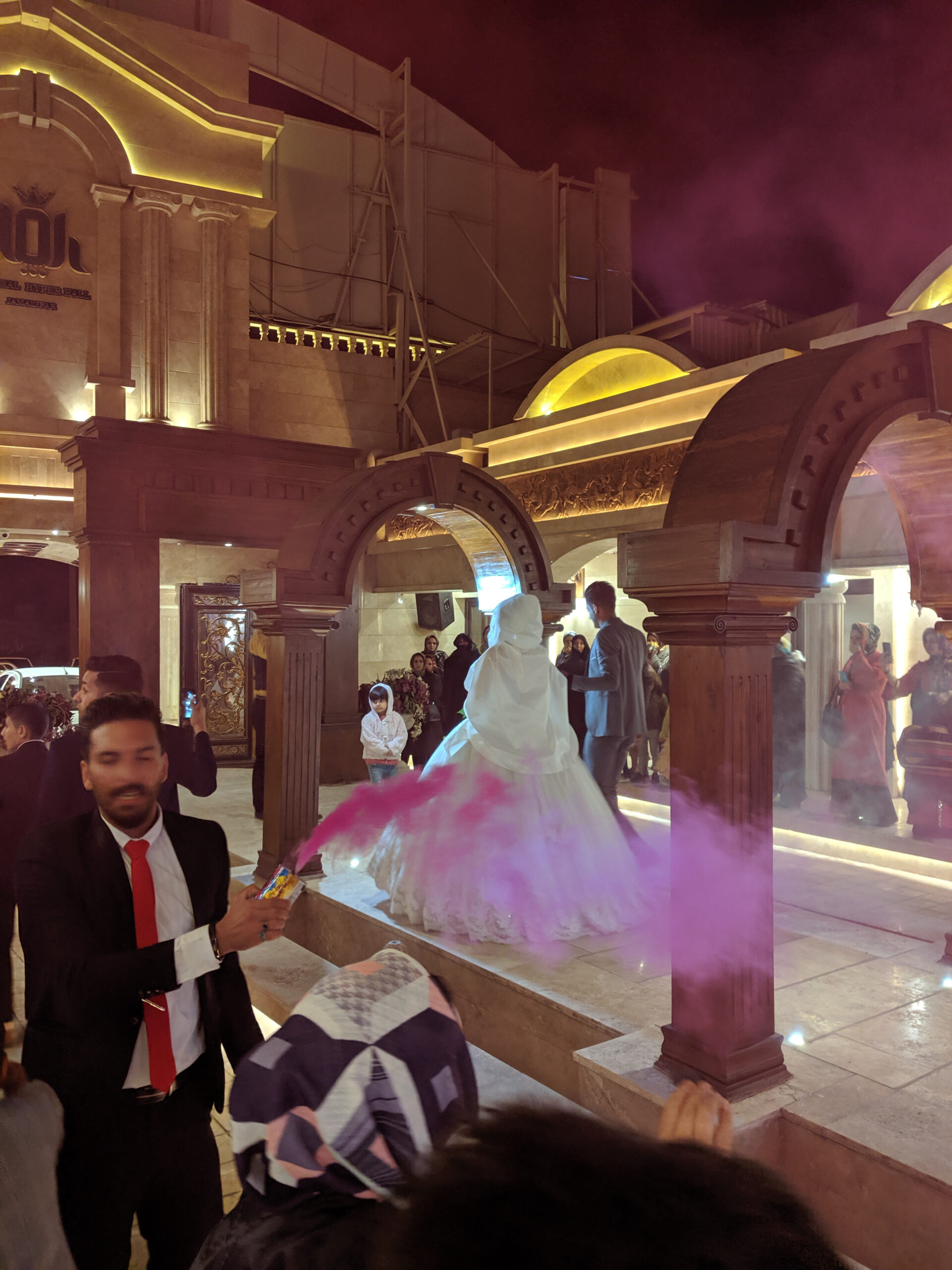 Women and men split into two seperate rooms after the walk down the aisle.
What followed was six hours of delectable food, wild dancing and selfies, as we came to terms with our celebrity status at the event. Happy and gregarious Iranian men came from everywhere to introduce themselves, hugging and kissing and welcoming us to Isfahan. It seemed everyone wanted to dance with us, to know what we did for a living and to tell us about their relative in Sydney.
After our turn dancing in the middle we were beckoned over to the table of Imam, a tall and mischievous looking character who was probably the least conservative of Hamid’s endless line of cousins. With a dangerous look in his eye he reached into his jacket and pulled out no less than 20 small cucumbers, placing them on the table. This seemed extraordinarily random on face-value, but our modus operandi by this stage was to go with it.
The cucumbers turned out to be chasers for arak, a lethal home-brew spirit which I found almost undrinkable, but ended up drinking quite a lot of. While alcohol is illegal nationwide, a blind eye is turned to occasions behind closed doors like this.
When the DJ’s eclectic mix of Arab-disco and Pitbull (he truly is Mr. Worldwide) concluded we filed out of the building, waving goodbye to the happy couple as they got into their car and drove off. End of the night, it would seem.
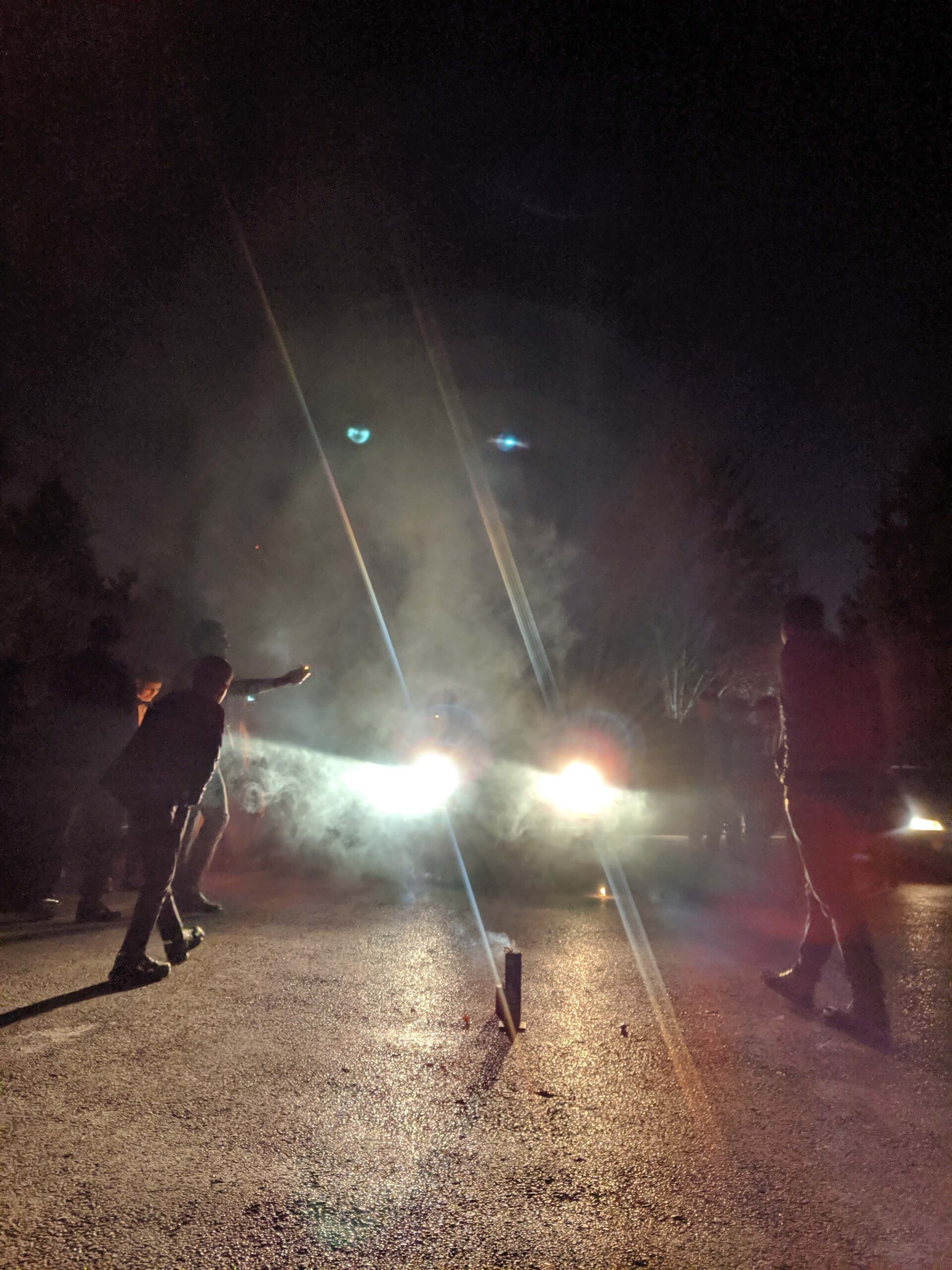
This however, proved to be a false conclusion. With Hamid at the wheel, and eight grown men packed into a tiny Fiat, we sped off after the newlyweds in a convoy of around 30 cars, swerving and maneuvering at 100kph and waving white towels out of the window on a highway. Lanes became obsolete in a game where the aim seemed to be to get as close to the bride and groom’s chariot as possible without touching it. Every 10 minutes or so we would all pull over to the side of the road, or down a sandy back alley, for some more dancing and fireworks before piling back into Hamid’s car for another game of cat and mouse.
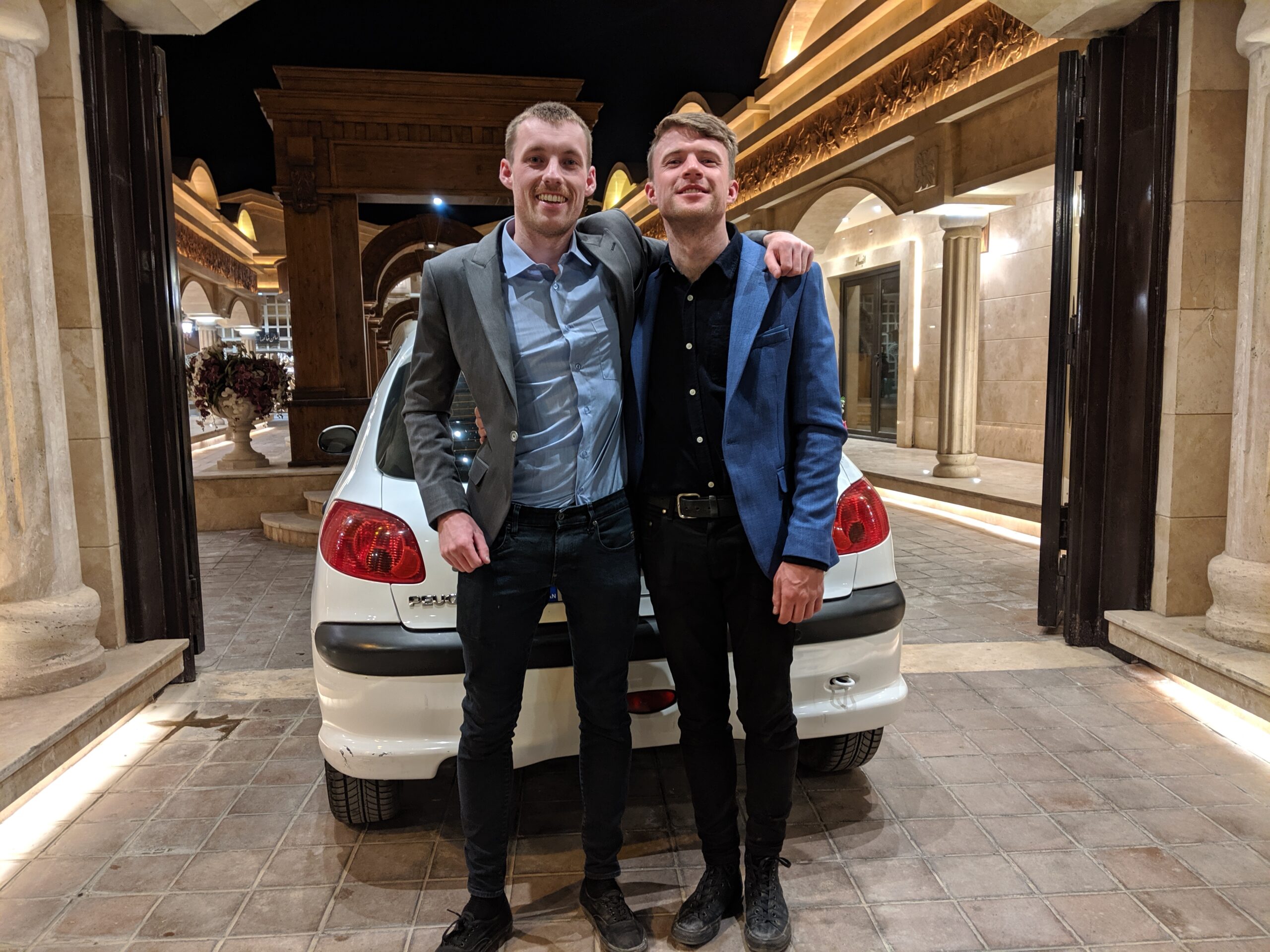
The race ended at the bride’s mother’s house, where (after more fireworks and dancing) an unlucky sheep was slaughtered in the name of love, a sacrifice the two guests at the wedding certainly didn’t see coming.
In the middle of nowhere, and without any idea of how to get home, we turned around to find our taxi driver from the start of the night ready to take us home – having waited for six hours and kept up with us in the speedy procession. We might have been surprised, but by now we were getting used to that feeling.
That’s not necessarily a bad thing, because in the blistering wake of the great travel break some tourism businesses have emerged as avant-garde; the sort of forward thinkers that we’re all desperately seeking when planning our future adventures.
You want to stay in a space hotel? Surprisingly that’s an option that’s not too far away. You want a personal travel concierge without the price tag? Let us introduce you to the virtual travel agent of the future. How about learning to kitesurf in the crystal lagoon surrounding Amanpulo island in the Philippines? Strap yourself in, this vacation is all about making you a better person.
Here are nine ways you can travel like a trailblazer:
WATCH THE FULL VIDEO HERE:
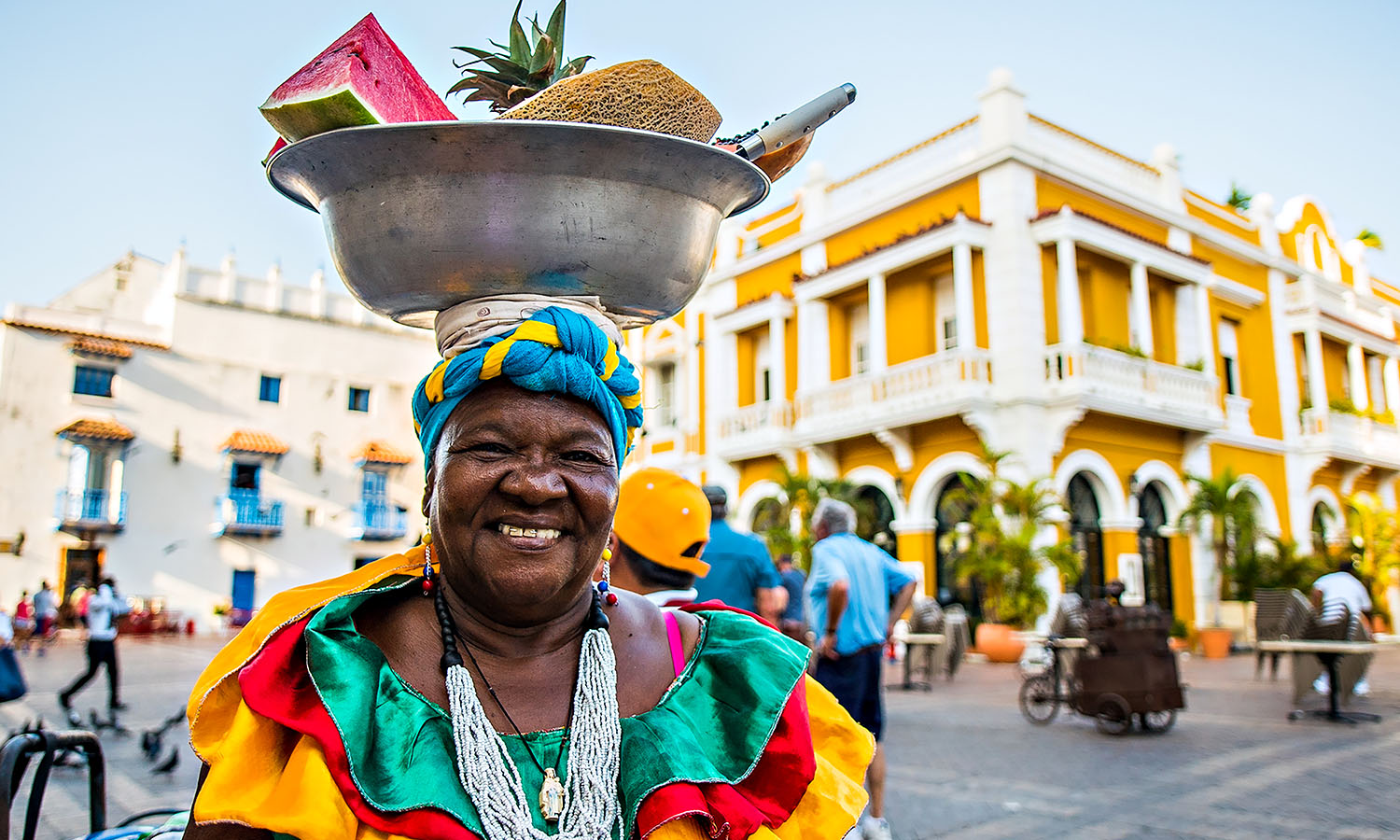
We have high expectations when it comes to booking hotels these days, and the trend is definitely towards accommodation that better connects us with nature.
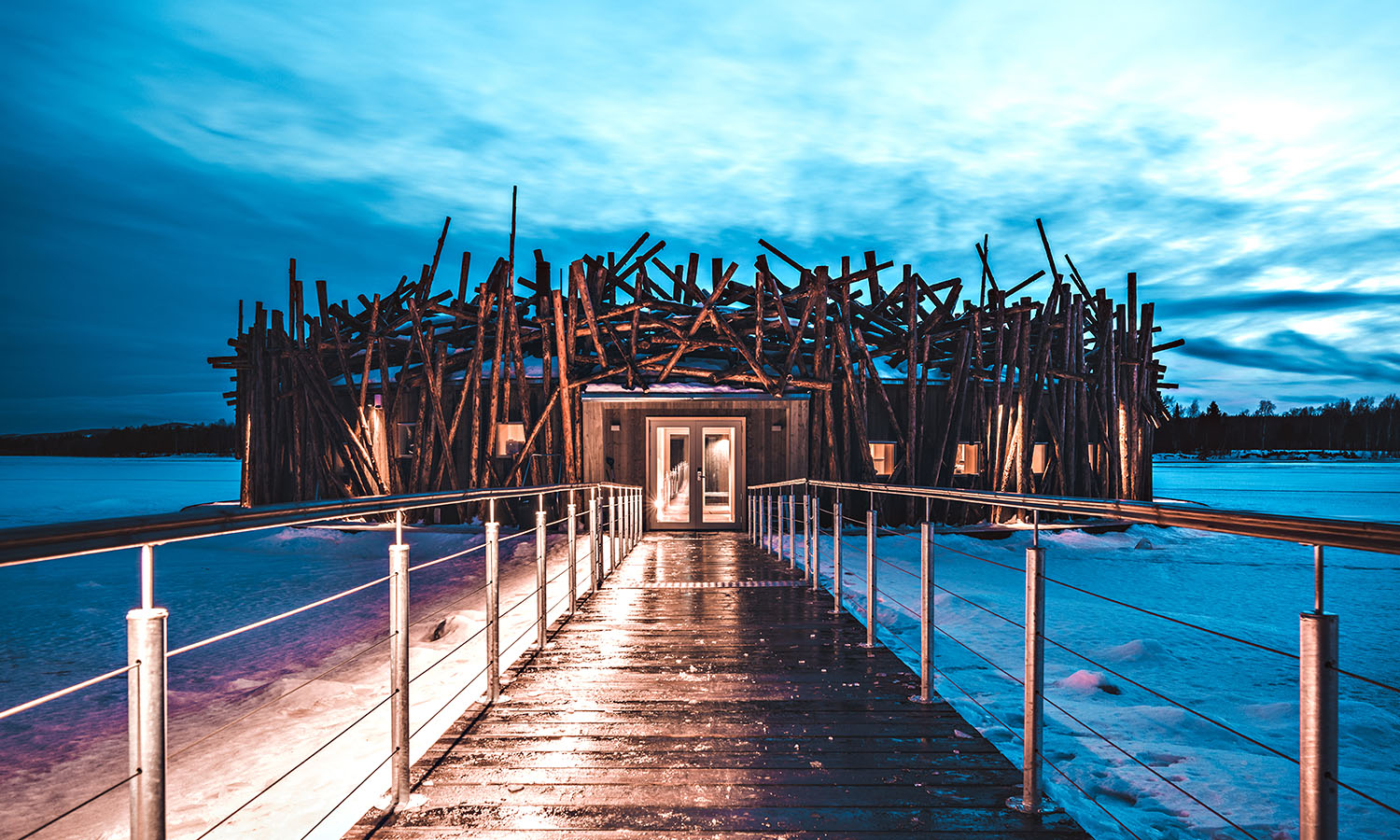
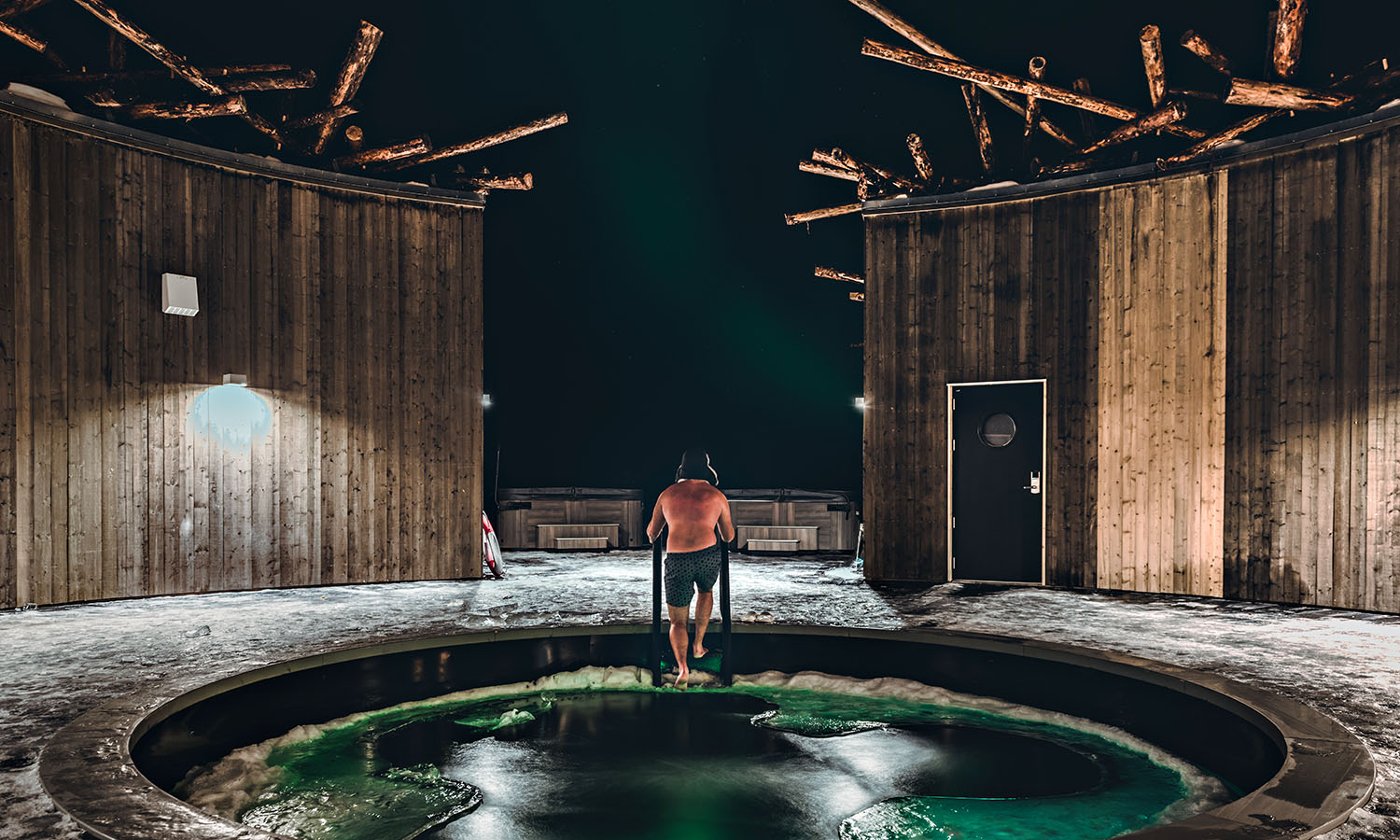
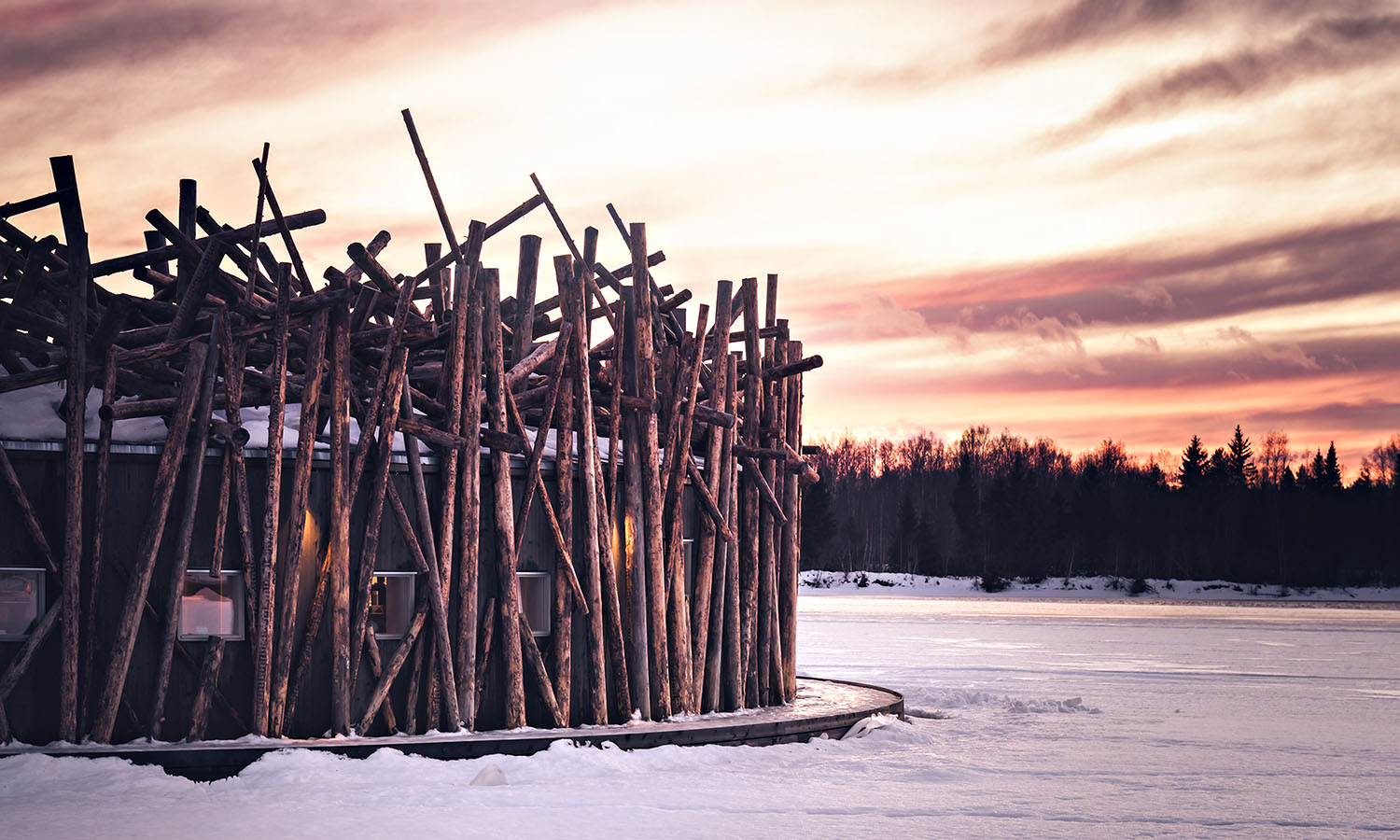
Plants are the new pets; they’re everywhere in our homes, so it makes sense that they come on vacation with us, too. ‘Biophilic design’ is a term used to define our connection to nature in a building or hotel, where nature can play a restorative role when we wake up on a holiday. We particularly love the Arctic Bath in Harads, Sweden. A giant nest-like structure that looks like it’s been constructed by a beaver on a river.
BRANCH OUT
arcticbath.se/
WATCH THE FULL VIDEO HERE:
Your wallet has the incredible ability to shift commerce and social change when you’re on vacation.
Tour companies, airlines and hoteliers are all reacting to market forces where consumers are not just requesting, but demanding sustainable holidays and tours which give back to local communities. Adventure World Travel recently launched their Make Travel Matter journeys, which are specific itineraries that meet a set of criteria measured against the United Nations Global Sustainability Goals.
ALTER ECO
www.adventureworld.com.au/maketravelmatter/
WATCH THE FULL VIDEO HERE:
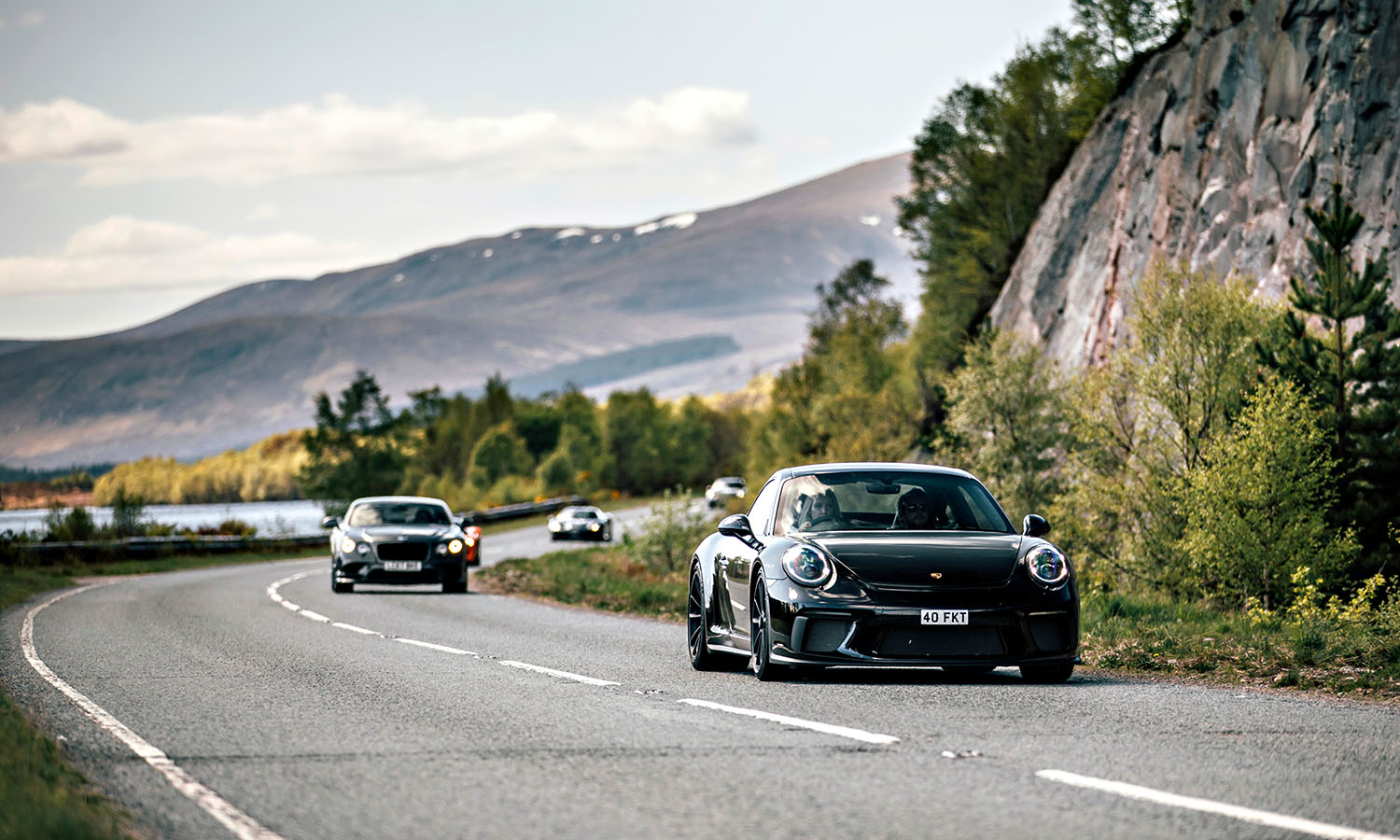
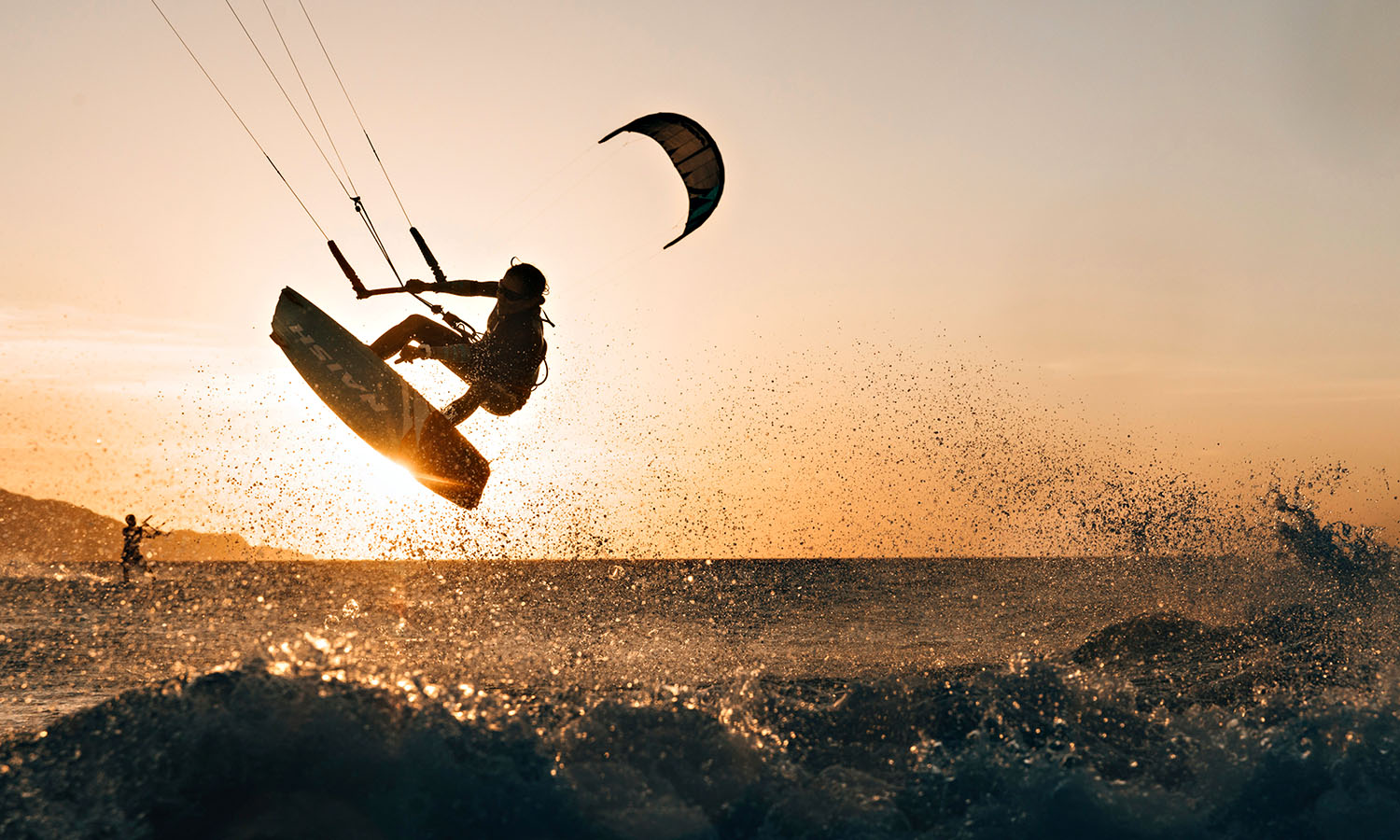
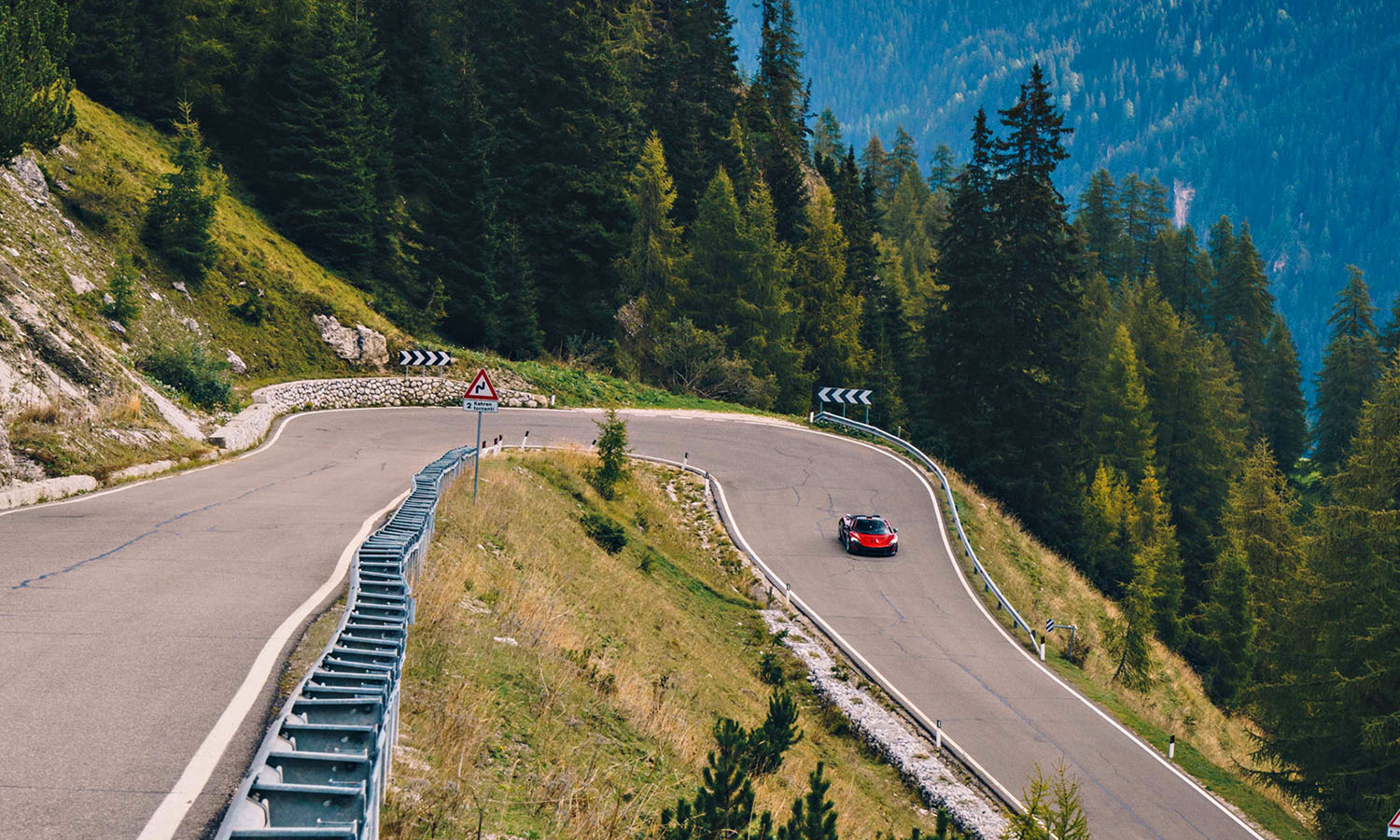
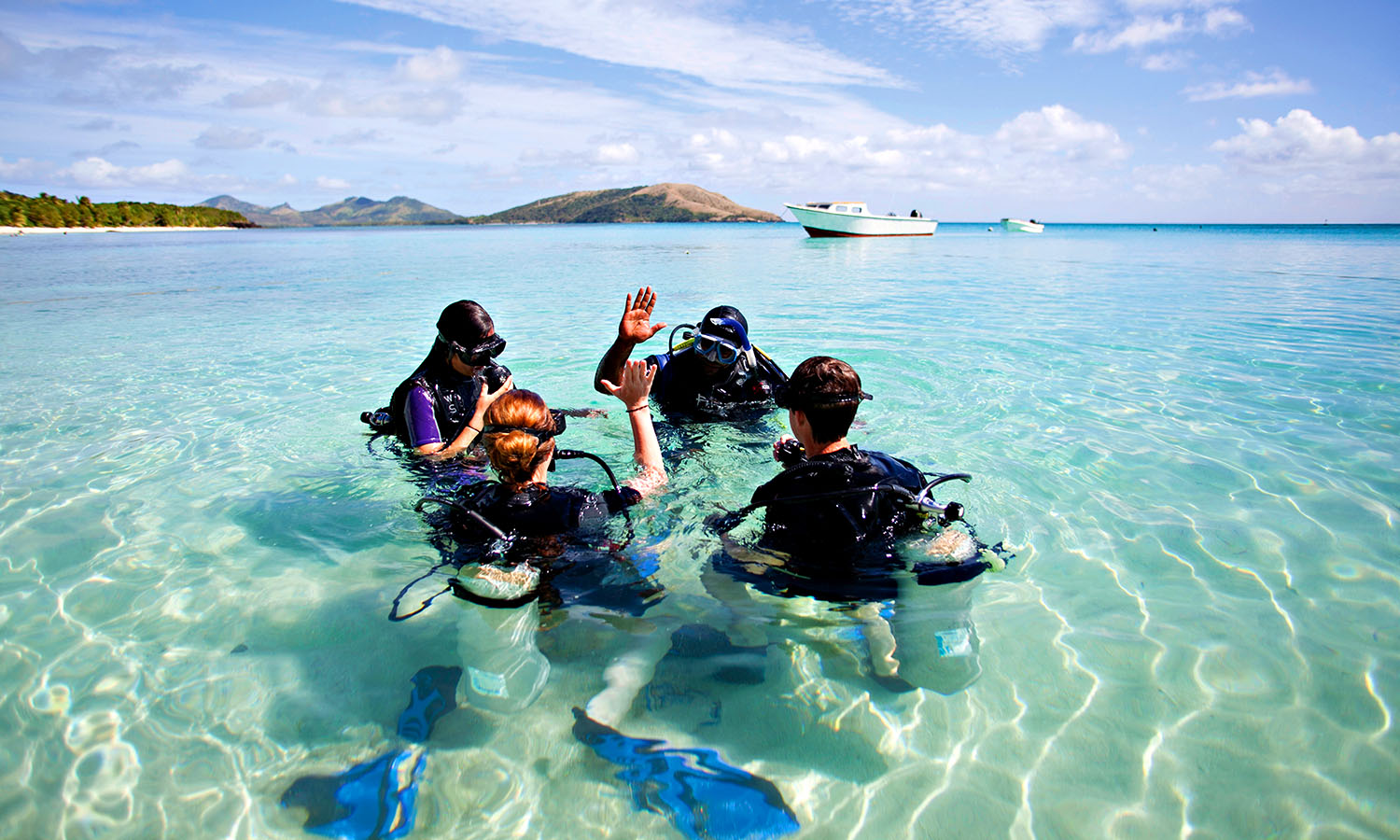
Fitness holidays and wellness retreats in Asia aren’t new, but for the solo travel trailblazer, it will be a big part of any future travel plans to learn a new skill while overseas and come back better than when they left.
Aman Journeys have a range of Extreme Sports Retreats to choose from, from the white-sandy beaches of the Philippines to the snow-capped mountains of Italy. Learn to Kite Surf in Amanpulo or take a driving course through the Italian Alps in a sports car alongside an experienced race car driver.
LOSE THE EXCESS BAGGAGE
www.aman.com



WATCH THE FULL VIDEO HERE:
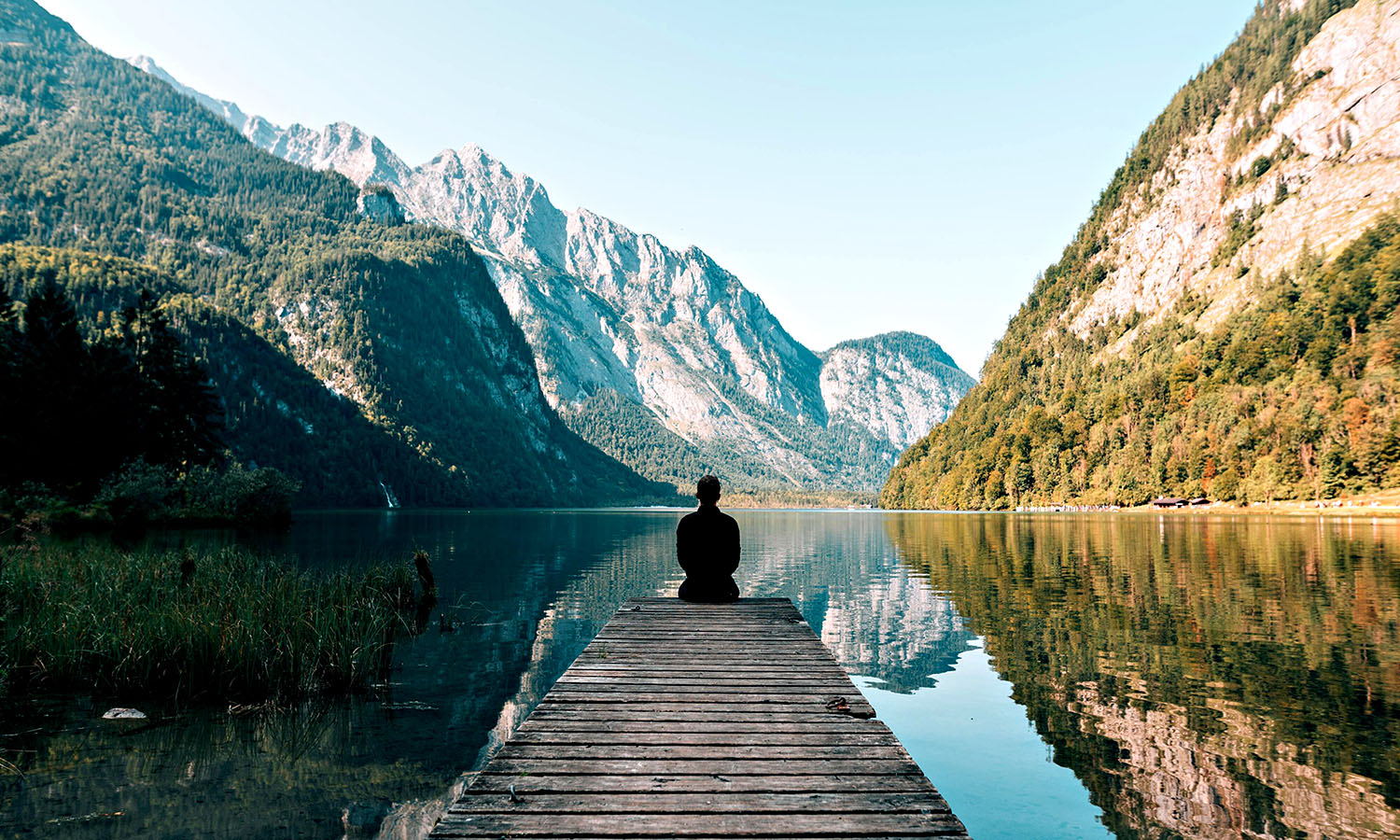
Ground control to Major Tom: Space travel is not far away.
As the billionaires battled it out in their own personal space-race this year, California-based Orbital Assembly announced it would welcome its first guests to its outer-earth hotel in 2027. That’s literally only six years away! Just like all the sci-fi movies, the super futuristic rotating space station (complete with gymnasium, sauna and bar) will produce artificial gravity by increasing and decreasing its rate of rotation.
NEED MORE SPACE?
orbitalassembly.com
WATCH THE FULL VIDEO HERE:
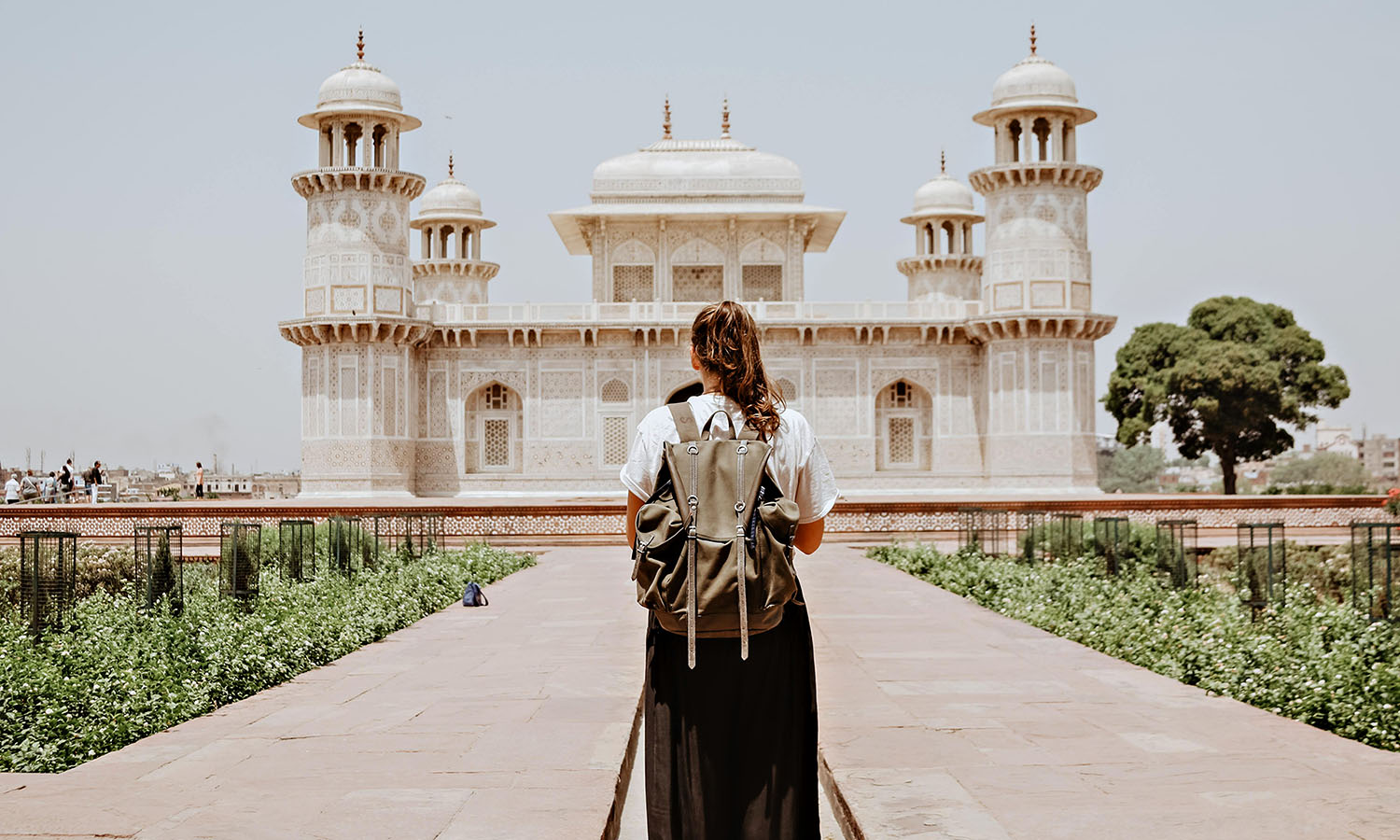
The day of the travel agent is well and truly numbered, but in their place virtual travel concierges have emerged as the go-to tool, for travellers seeking immersive and experiential travel experiences without having to lift a finger.
By using clever technology platforms like Jubel, you can get a hyper-personalised vacation based on your lifestyle choices with the assurance someone else is managing all the bookings and logistics.
DON’T RESIST THE CONCI-URGE
www.jubel.co
WATCH THE FULL VIDEO HERE:
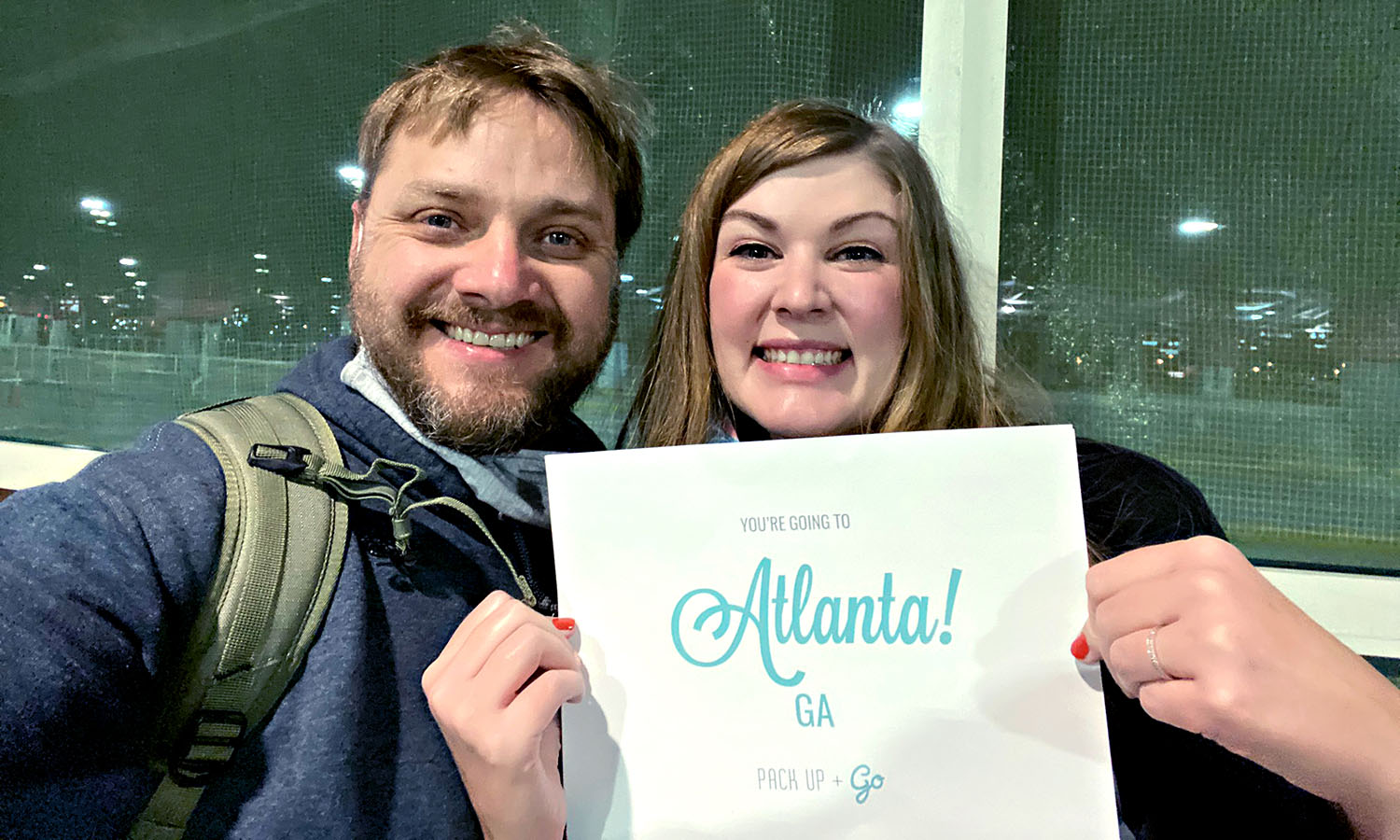
Once upon a time, booking a mystery flight was a wild and exhilarating concept! But sometimes the best adventures are completely unknown from the minute you step off a plane.
Take for example the team at Rustic Pathways who book mystery trips just for students. When you book, all you recieve is a Patagonia duffel bag in the mail, filled with subtle hints about your upcoming adventure and a packing list that arrives a month before you leave. Then there’s the crew at Pack Up + Go who also plan domestic trips for couples around the United States. All you have to do is fill out a quick survey and tell them your budget. The rest is completely out of your hands.
EMBRACE THE UNKNOWN
rusticpathways.com/students/programs/mystery-trip/
JUST PACK UP + GO
www.packupgo.com
WATCH THE FULL VIDEO HERE:
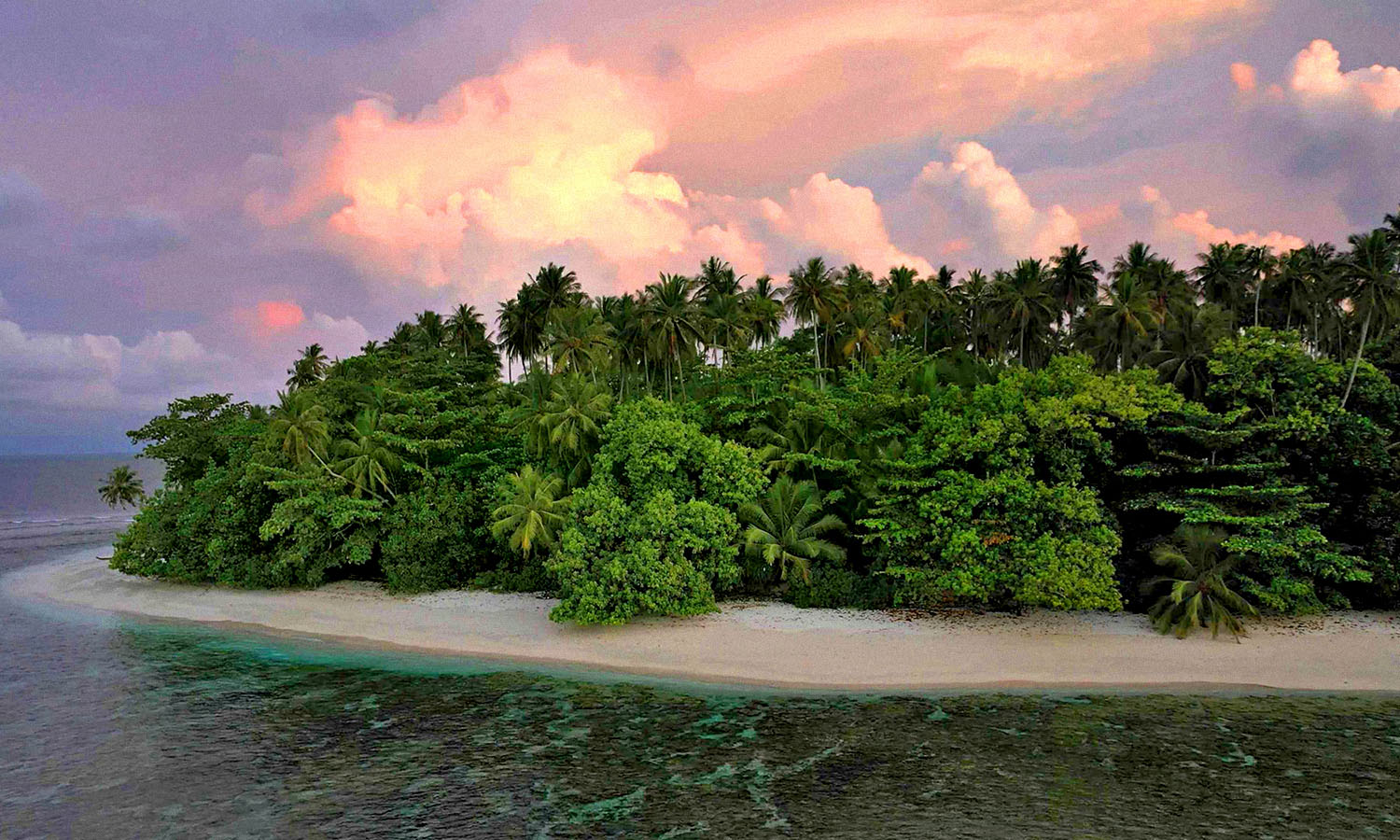
If the last year taught us anything, it’s that getting away and having your own time can actually be pretty good.
Getting away from absolutely EVERYTHING is what Do Castaway specialise in, offering authentic marooned-on-an-island experiences: on a secluded island it’s you, and only you. Forage for your own food, seek refuge in a basic shelter, hear the waves crash and live out your own Robinson Crusoe adventure.
REMOTE CONTROL
www.docastaway.com/tropical-island-holidays
WATCH THE FULL VIDEO HERE:
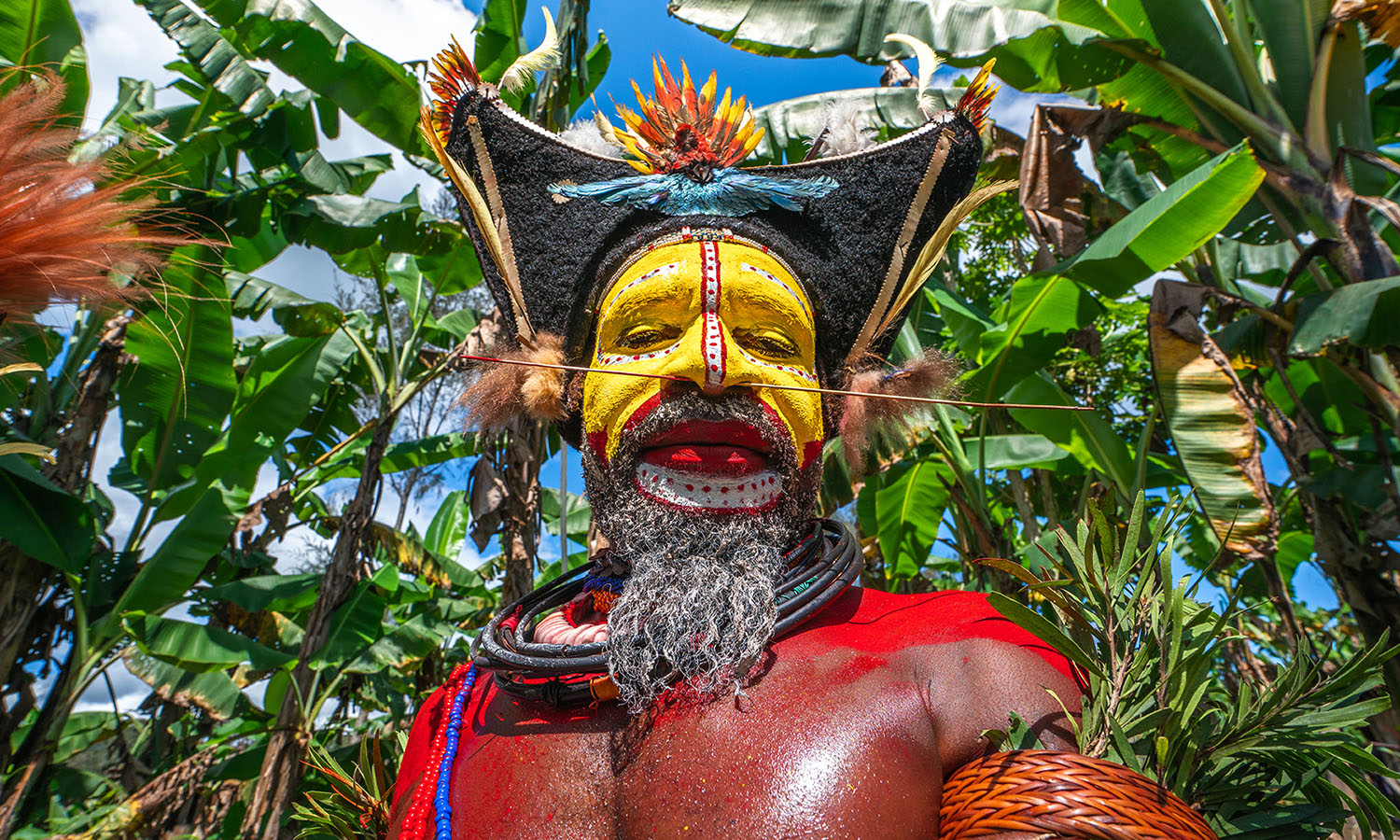
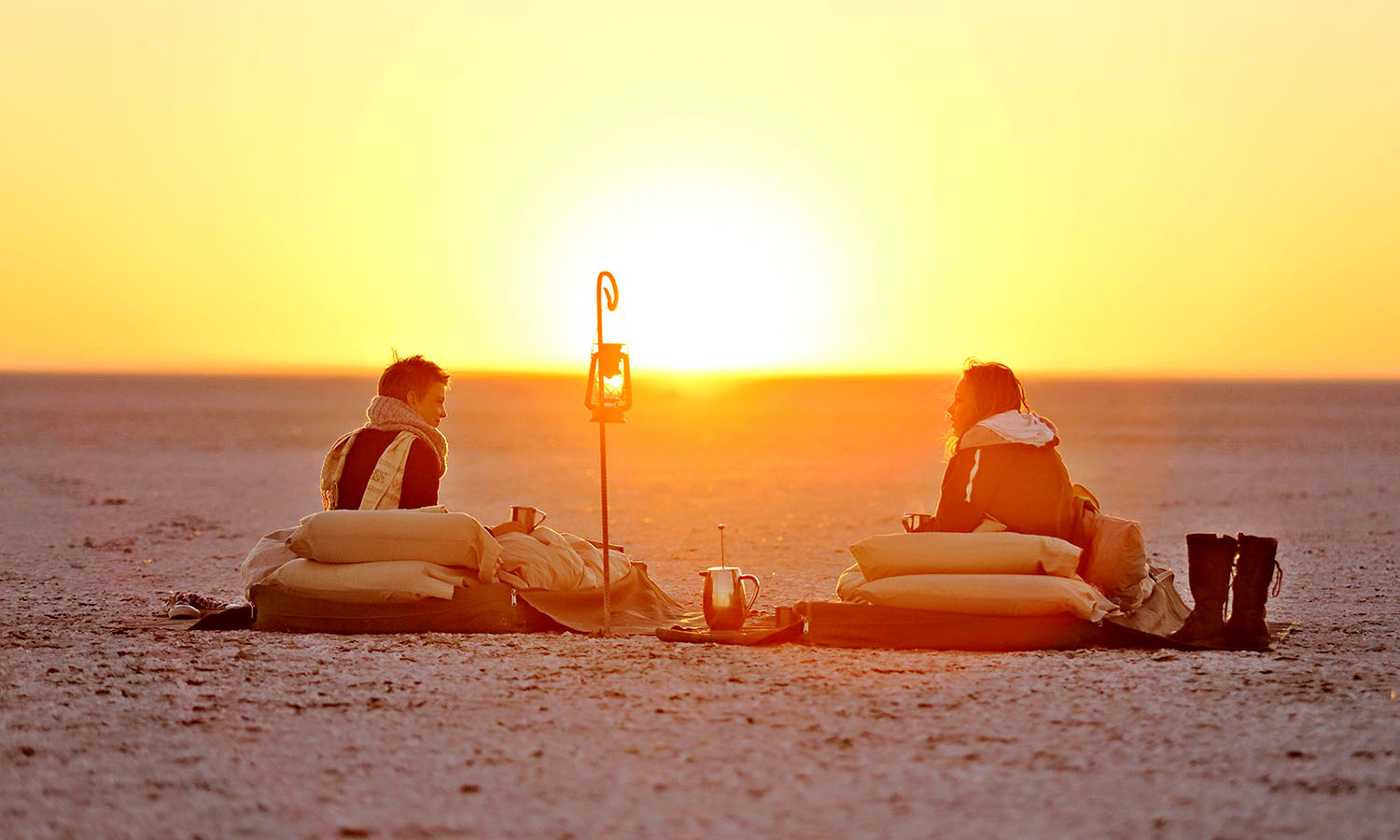
Travel should be rich, immersive and deeply educational. Arcadia Expeditions is a new-age travel company using expedition leadership teams of two on every small-group tour.
From Georgia to Sudan, Arcadia uses an expert (academic, photographer, poet, artist) on the trip’s specific theme to narrate the story of the tour alongside a local guide that also shares their knowledge and insights with guests.
FABLE ATTRACTION
www.arcadiaexpeditions.com
WATCH THE FULL VIDEO HERE:
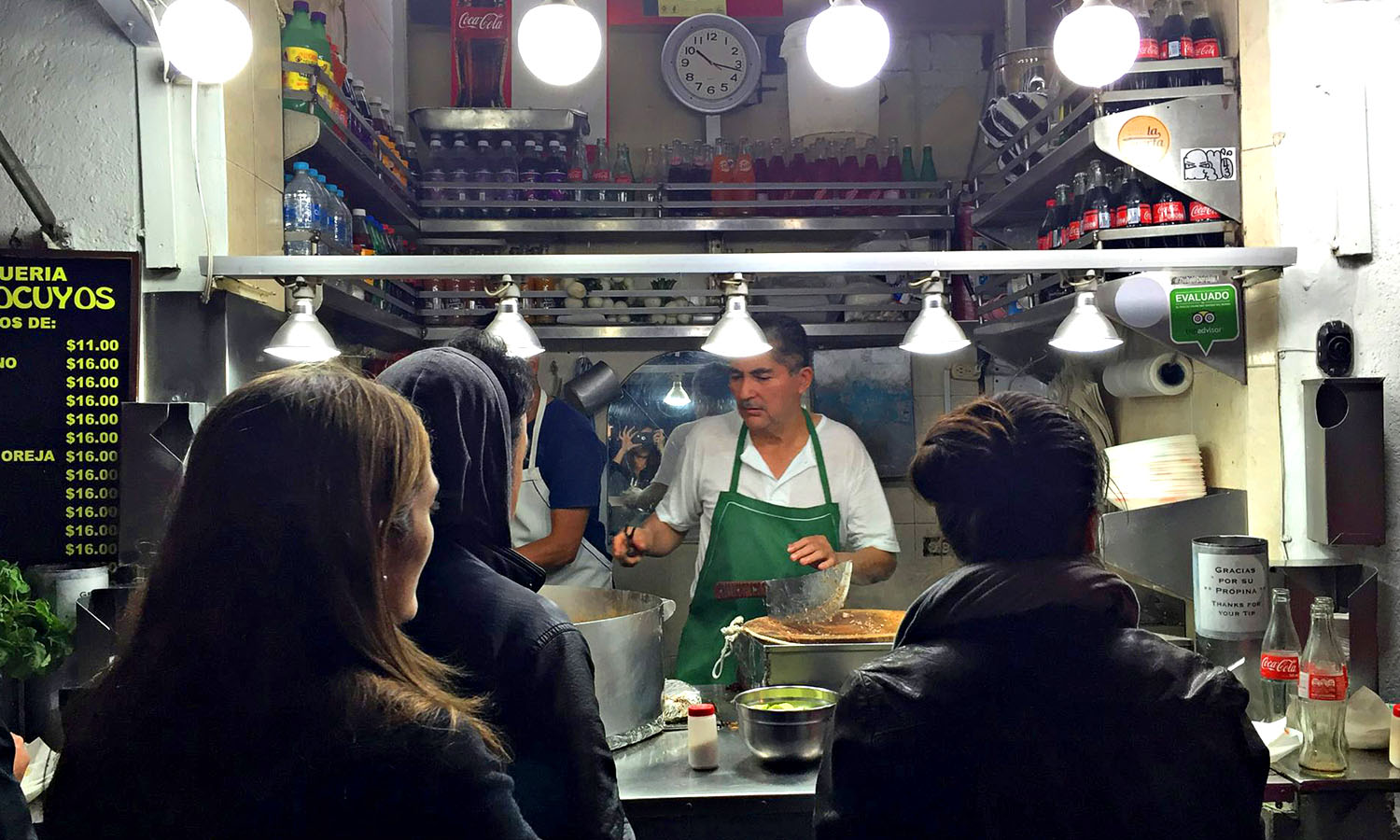
Rocio, the woman behind Mexico City food tour Eat Like a Local, absolutely hates tours. Which is why her tours work so well.
Inspired by a night out on the town with homeless men in Istanbul, the Mexico City native created a food tour that forgoes most traditional tour aspects: Employing only women, there’s even a tour run by kids. Noting that anyone can Google the best restaurants in a city, Rocio takes guests into the streets: the back alleyways, the hoods – the real Mexico City, in other words.
EAT AWE-THENTIC
eatlikealocal.com.mx
“We have the best fishing, the best golf, best water sports, the finest food, and absolutely no crowds,” says Alan, the owner of the grand Mount Falcon Estate, on the banks of the River Moy in Mayo.
The Wild Atlantic Way – which stretches from the tip of Malin Head in County Donegal to the quaint seaside town of Kinsale in County Cork – is extremely easy to access when driving from Dublin.
While the infinite beauty of the west of Ireland could take a lifetime to explore, my expedition has brought me and my travelling party to the southern seaside counties of Sligo and Mayo, where we’re due to get the best sampling of what this ancient corner of Europe has on offer.
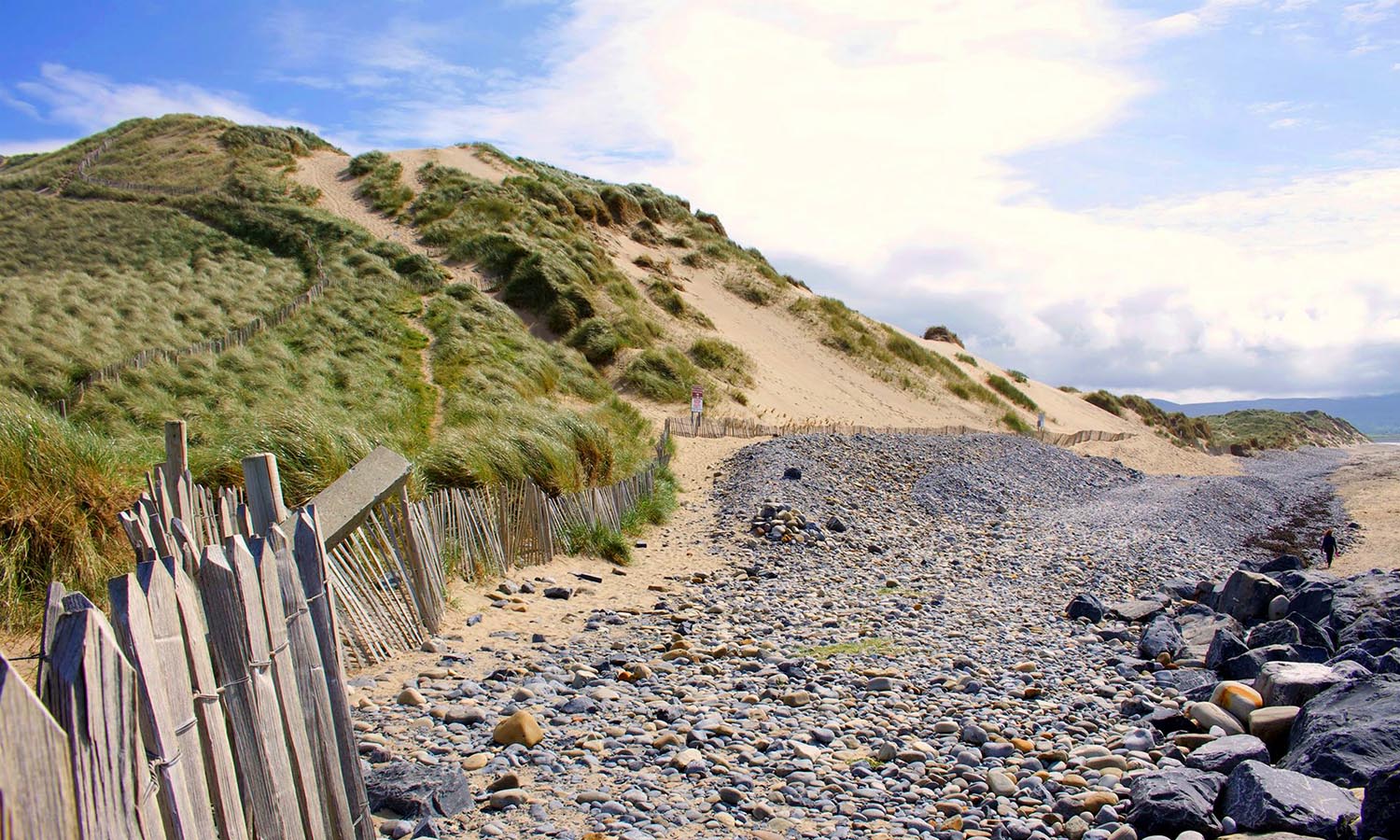
I’m starting off in Strandhill; a tiny town so darling and delightful it makes you want to stay here and start a life. With a picturesque main street that empties out onto the vast sandy coast, the town is lined with artisanal restaurants, classic pubs, seaside spas, and even friendly surf shops.
“There isn’t just surfing in Ireland, there’s some of the best surfing in the world here,” says Tom Hickey, my surf instructor from Perfect Day Surfing School. “Strandhill, Mullaghmore Head, and Easky are really world class [surfing] spots, where swells can reach up to 3 metres,” he tells me.
Luckily as he says this I’m already wearing the full steamer wetsuit he has rented me so he didn’t see me shame myself.
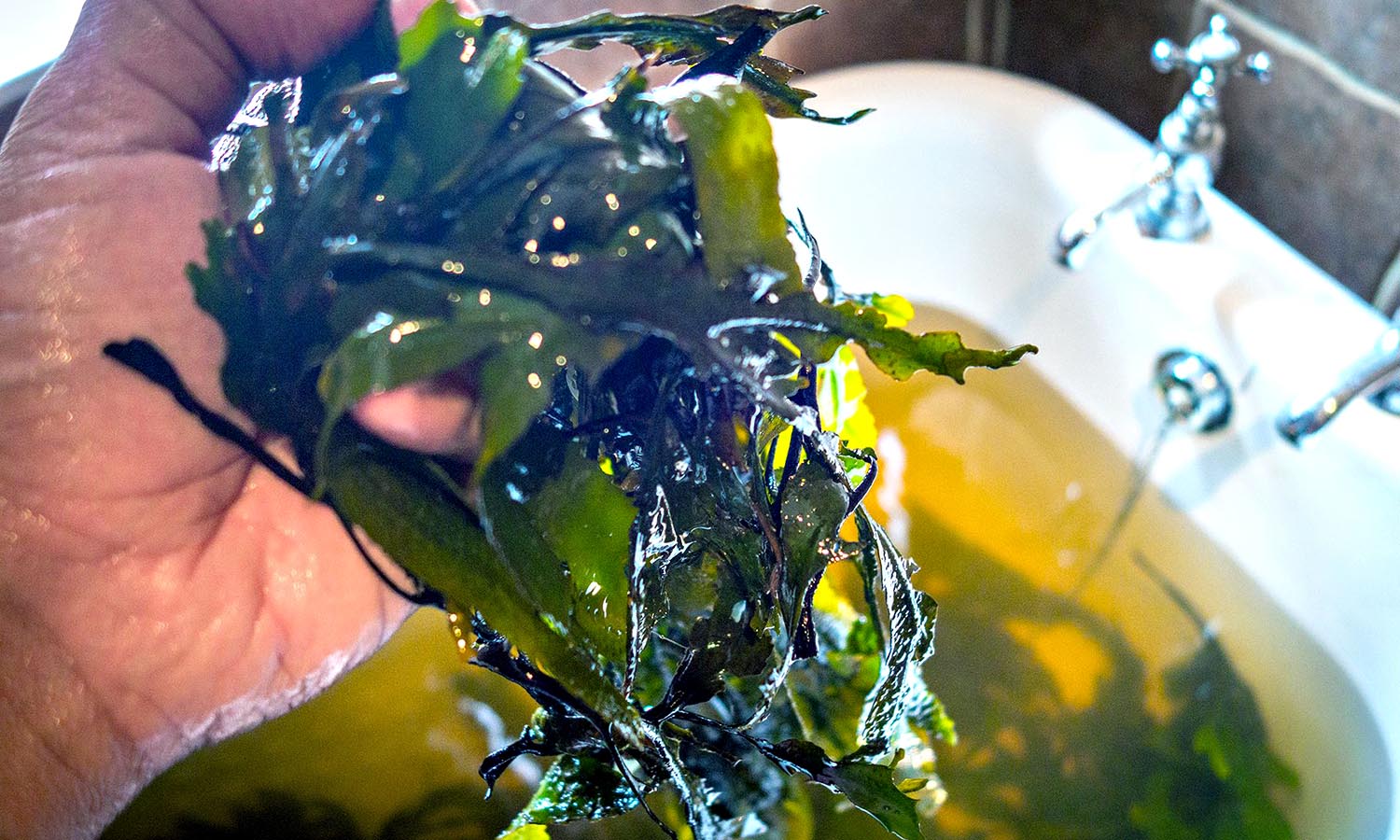
After surviving what can only be termed a torrid surf lesson on the angry Sligo coast, I quickly duck into Voya Spa to continue my sea therapy with something a little calmer – their signature seaweed bath. It’s a centuries-old coastal Irish tradition brought to life in a beautiful modern setting.

“You’re going to really like this. It’s much easier than surfing,” the receptionist at Voya says to me with a smile.
She was right, the tension and stress disappeared from my body almost immediately. And after 30 more minutes of soaking I’m brand new. The warm bath water extracts the natural, silky, gelatinous qualities from the freshly harvested seaweed from just out the front door.
What’s more, Voya Spa sells all sorts of seaweed-based health and beauty products, including a seaweed kit so you can have the same experience at home.
THE WARM BATH WATER EXTRACTS THE NATURAL, SILKY, GELATINOUS QUALITIES FROM THE FRESHLY HARVESTED SEAWEED FROM JUST OUT THE FRONT DOOR AND IT REALLY IS ONE OF THE MOST LUXURIOUS EXPERIENCES YOU CAN HAVE.

If you aren’t yet sold on Strandhill, the little gelato shop called Mammy Johnstons might be the real clincher. Here they lay claim to the prestigious title of the world’s best gelato.
“It’s not us saying it either,” the owner, who studied his craft in Bologna, tells me. “We’ve won best gelato in Italy for three years running.”
Saying farewell to Strandhill is not easy, but with a coastline that stretches more than 2,500 kilometres there’s still so much more to see. Is there anything more idyllic than traversing this landscape on horseback? If so, I’d love to hear it.
“What level of rider are you?” asks Ursula from Island View Riding Stables in Monygold.
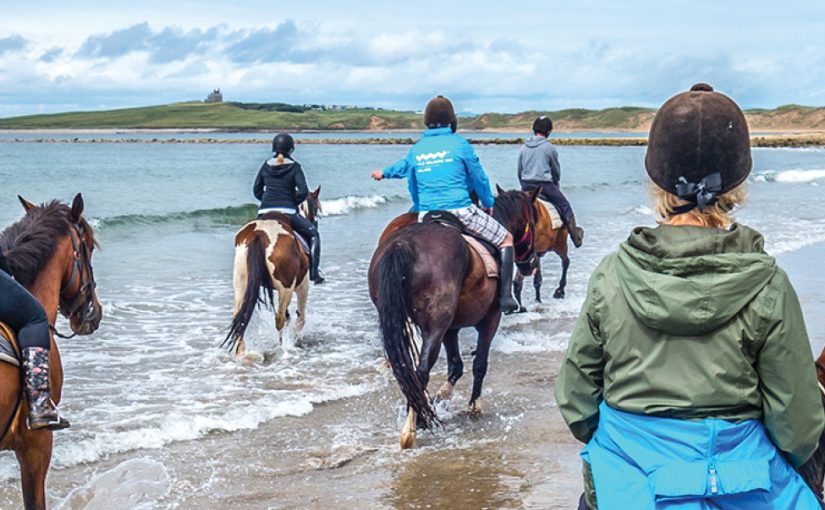
“Well, I ride the train, almost daily,” I joke to hide my trepidation. Soon after, I’m handed a furry four-legged tank named Delores. Ursula and her team are professionals, as are their animals, comfortable with city slickers like myself. Under their guidance, I find it easy bouncing down the beautiful Sligo coastline with the majestic Benbulbin Mountain flanking me in the distance.
CLICK TO SEE US TASTE THE BEST GELATO IN THE WORLD:
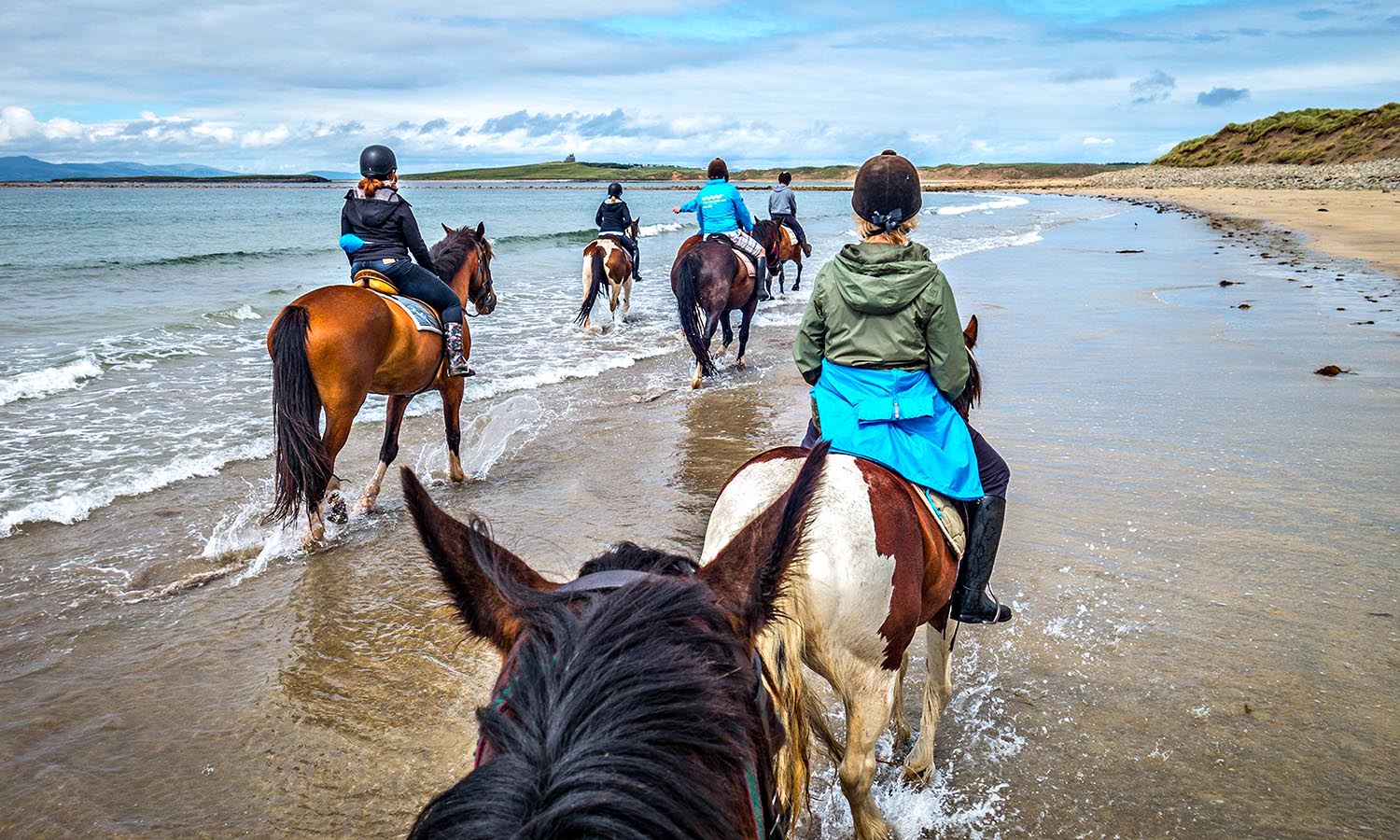
And as our horses and feet wade through the blue-green tidal water, I crane my neck to marvel at Slieve League just up ahead, the tallest sea cliffs in all of Europe are hard to miss. The beauty here on this beach is so raw, so natural, and frankly gigantic, that it leaves you feeling incredibly small and insignificant – even on the back of a trusty steed like Delores.
Saying goodbye to my all-terrain, four-legged transportation, our group travels to a local farm to rendezvous with another four-legged companion.
“You’re really going to like this. The dog you’re about to meet can do amazing things,” says Martin Feeny from Atlantic Sheepdogs.
Oh. Wonderful. A dog show. How … riveting? I have to stop myself from cringing.
Martin is a tall and bespectacled man we meet at the entrance to a modest sheep farm.
“We have some tea and biscuits here for you, we’re sure you’re hungry from your journey. Have a bite and then I’ll bring out Bob.” “Sorry, who is Bob?” I ask Martin.
“Oh Bob is one of our dogs. We’ll get him moving around for ya,” Martin replies with a confident smile.
I think to myself that these biscuits better be really good. Real good.
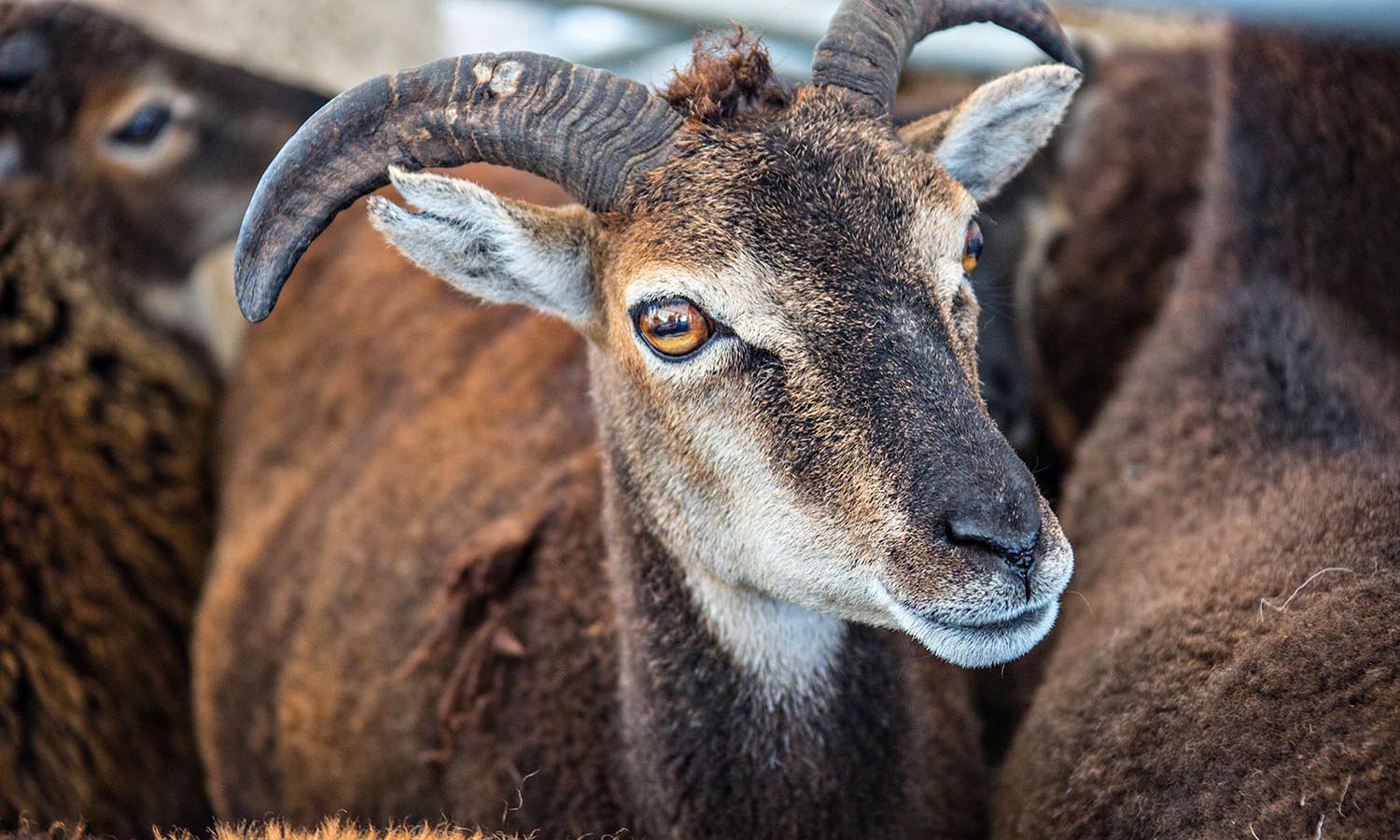
A minute later, most of the biscuit falls out of my fully agape mouth.
“Bob. Comebye. Comebye. Stop. Combye. Stop. Away’is. Stop. Combye. Stop.” Martin says calmly to Bob the Sheepdog, his beautiful black and white best friend, controlling him with ease as if the dog was mechanical and voice controlled.
“I can’t even get Siri to tell me what the weather is. How are you doing this?” I ask Martin while wiping the biscuit crumbs from my mouth.
“Well,” says Martin, “Bob wants to do this. Sheepdogs love chasing sheep. They would be doing it if I weren’t here. So if you get them young enough, you can teach them pretty easily.”
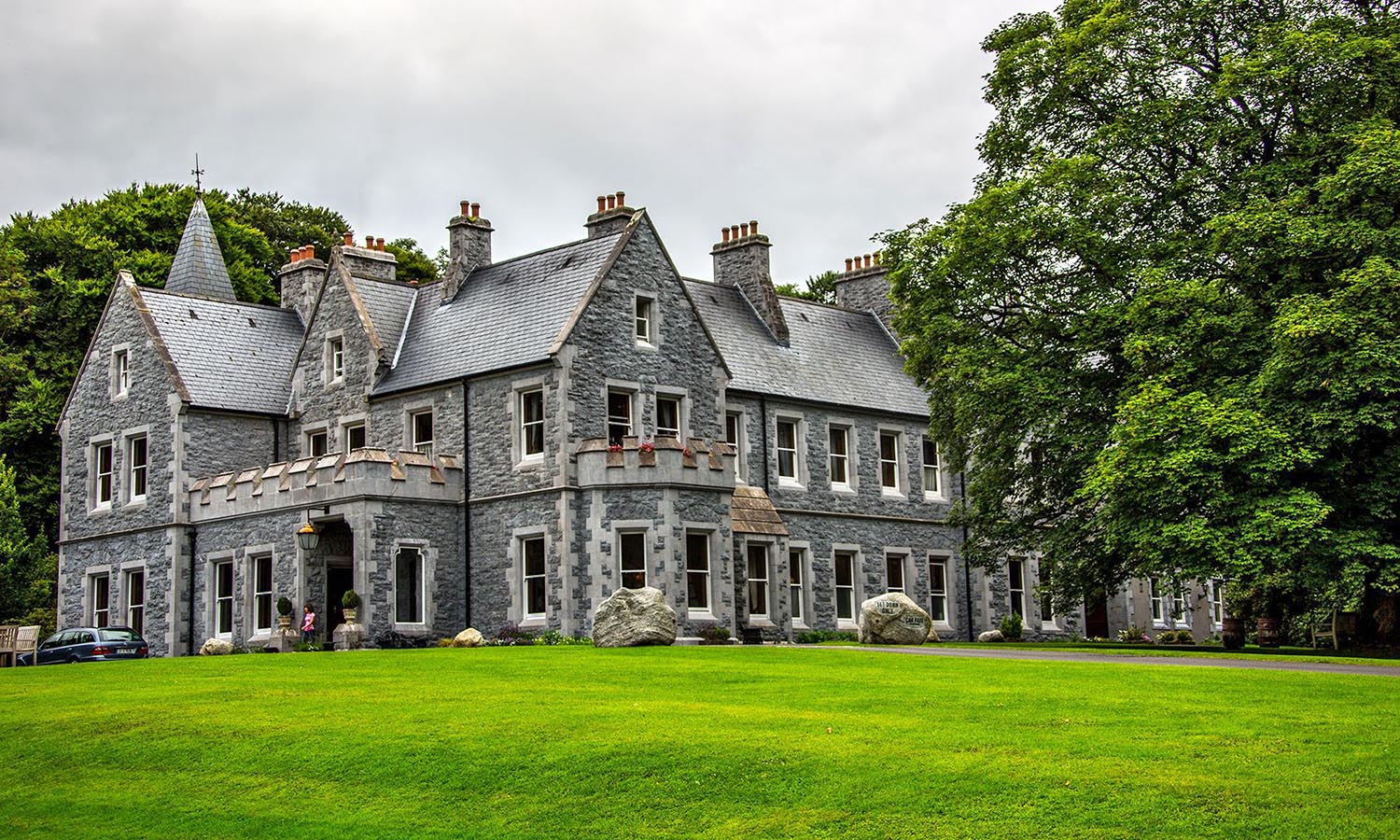
Saying goodbye to Bob, biscuits and black sheep, we move onto Mount Falcon Estate in Ballina. Once inside, the opulence of the 19th century manor is breathtaking, with rich mahogany timber balustrades and stone floors, fresh flowers and a warmth greeting you in every room like a hug.
“Well, well! Looks like our travellers have arrived!” says Alan the owner with a thunderous bellow. He greets us like ambassadors or dignitaries having just arrived from a long sea journey. “I think food and drink is in order! This way!”
Alan leads us to the dining hall, which used to be the old granary. It’s here he tells us the rich history of the Estate where we’re spending the night, he bends our ears over a delicious meal of local roasted meats, vegetables grown on the grounds, and some very fine single malt whisky.
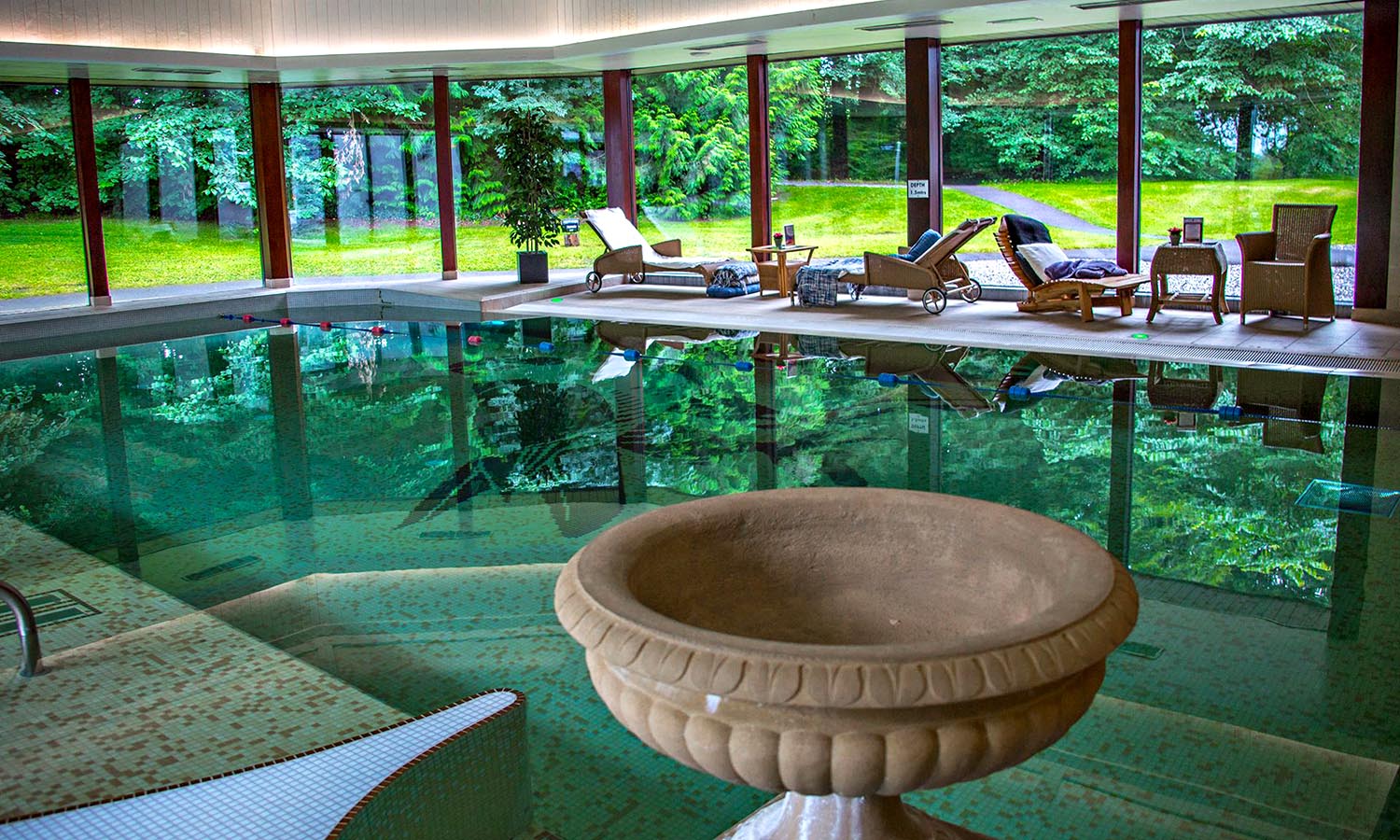
“My father worked for the United Nations, so my siblings and I grew up all over the Middle East. Even so, I have always been Irish, so when I came home I wanted to do something that really spoke to me. I found this place. I bought it. Spent years restoring it to its original beauty, and now, I get to share it with everyone. Couldn’t be happier.”
CLICK TO TOUR AROUND MOUNT FALCON ESTATE:
The next day – well rested – we’re bounding into the town of Belmullet which is dotted with lively pubs, small shops, and a single roundabout in the town’s center. What you may not expect from Belmullet, however, is the affinity they have here for water sports.
“What would you like to do today?!” says our guide, Paddy. “You want to kayak or maybe do a bit of snorkeling? Let’s do both!”
Paddy is more excited than all our travelling group put together, mainly because he’s accustomed to putting on a full winter wetsuit everyday. “Trust me, you’ll want the booties,” he says.
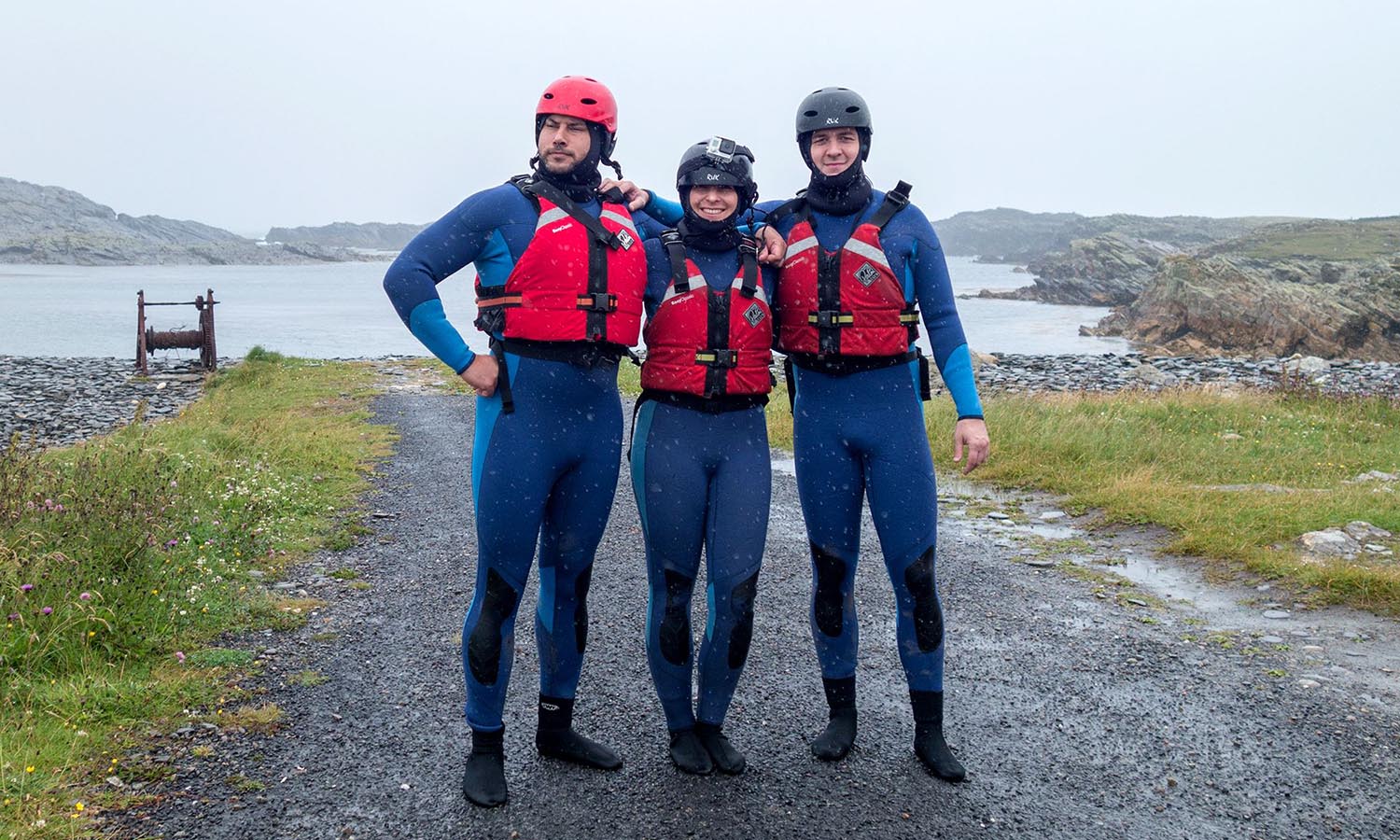
Carrying our kayaks down to the cove, we launch into the icy northern Atlantic. To my surprise, my first reaction was not to scream like a small child. Instead, I was able to quite comfortably paddle out around the cape and down the coast, marvelling at the towering rock formation that plunged into the sea.
“You know they just found three, three, Spanish galleons. Right here on this coast. All from the 16th century. It’s unbelievable the secrets the sea has here,” says Paddy.
Towelling off while simultaneously warming with a dram of whisky in my hand, we’re again back on the road toward my final stop; Clare Island.
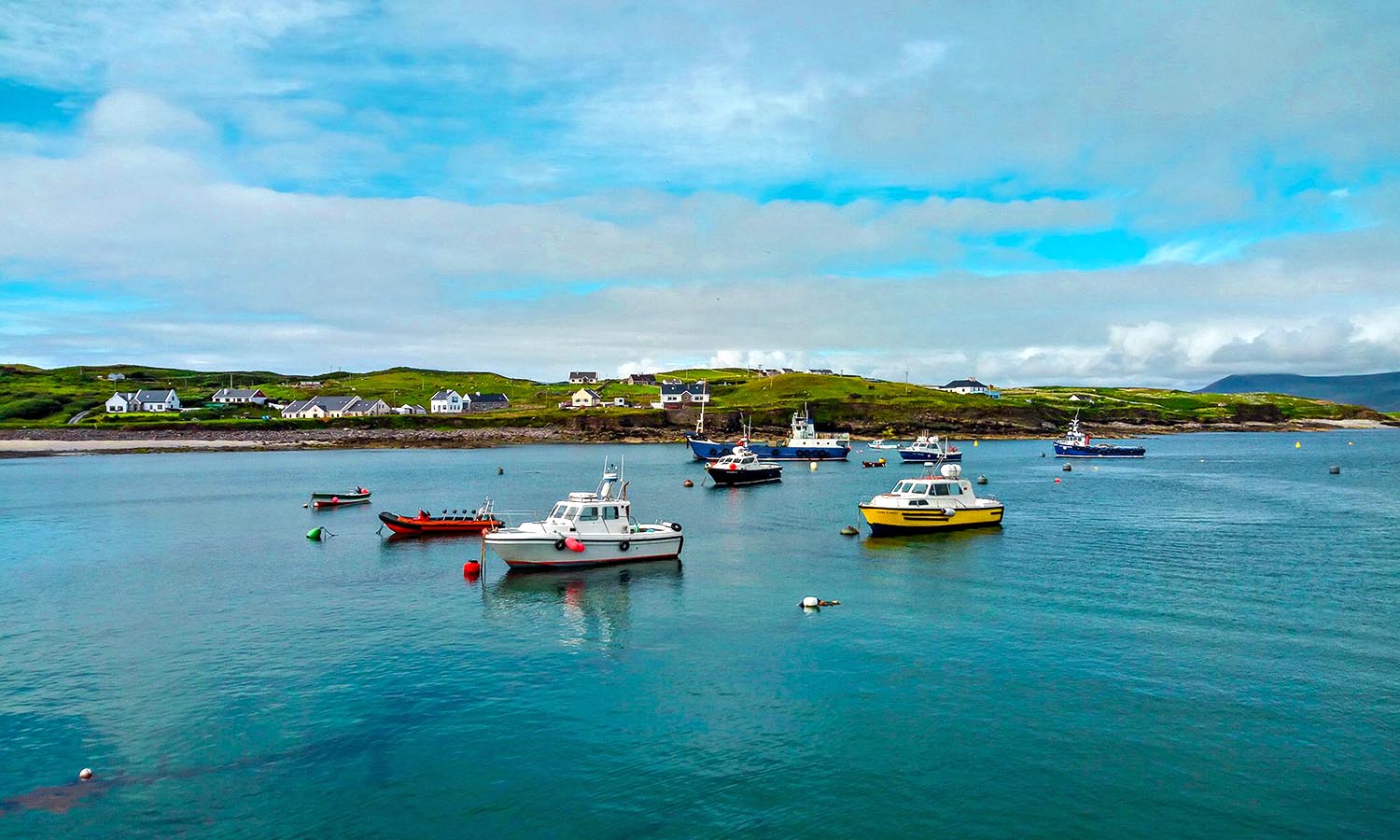
“Just to give you an idea, in 1841 there were over 1500 people living on this tiny island,” mentions the captain of the ferry over the radio, “Today there are just 152. Not one soul more nor less. That Sir, is what a famine can do to a place.”
What makes this island really magical isn’t so much it’s complex past, but the remaining inhabitants who have stayed behind. Take the kind eyed, sublimely centred Christophe who helps run Macalla Farm, which is a unique yoga retreat nestled in a lush valley overlooking the sea.
Travellers come to the farm from all over Ireland to work the land, meditate and further their yoga skills with the green mountains and deep blue Atlantic as their classroom. On Clare Island, you might also wander to the Ballytoughey Loom where master weaver Beth Moran still uses traditional methods to create some of the most beautiful and sublimely soft local clothing.
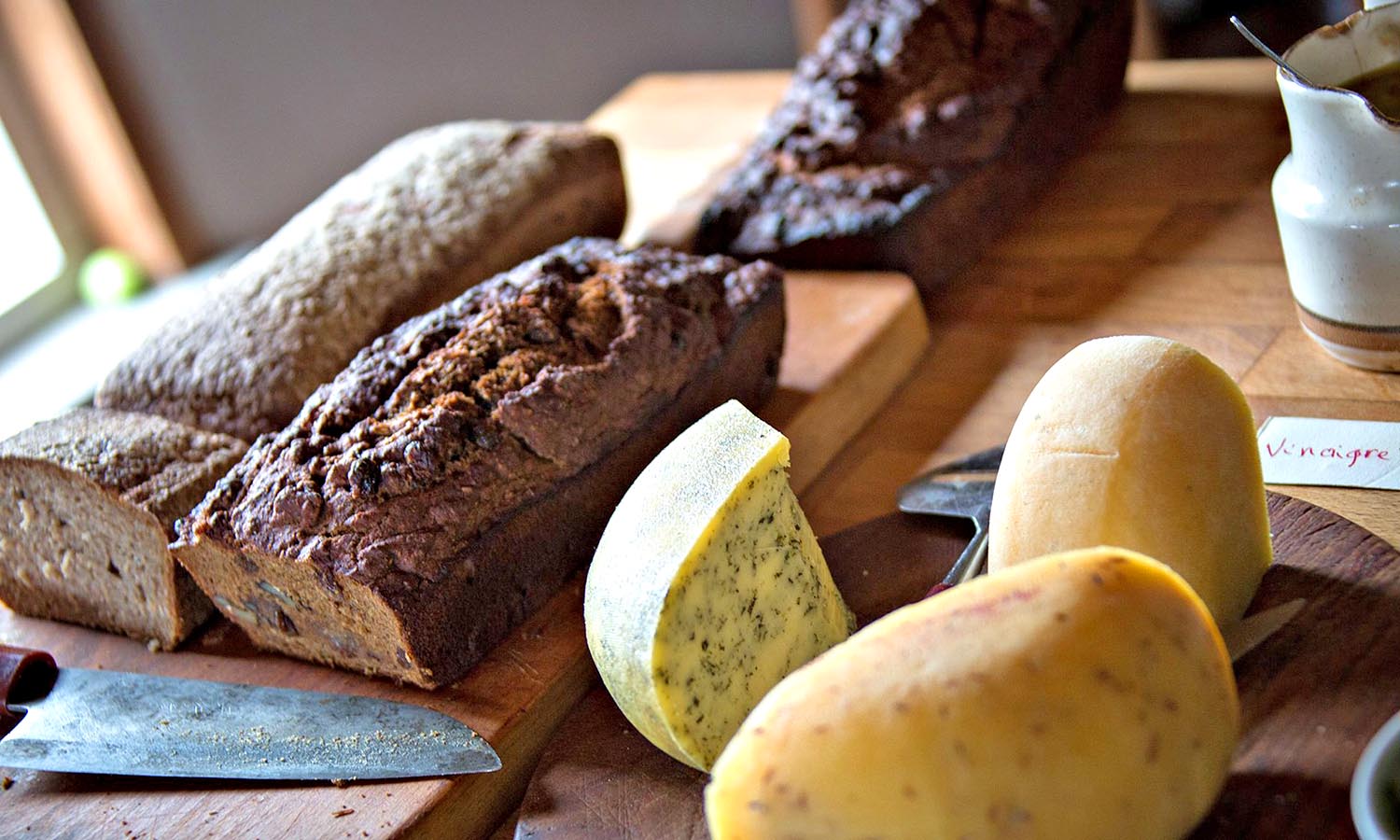
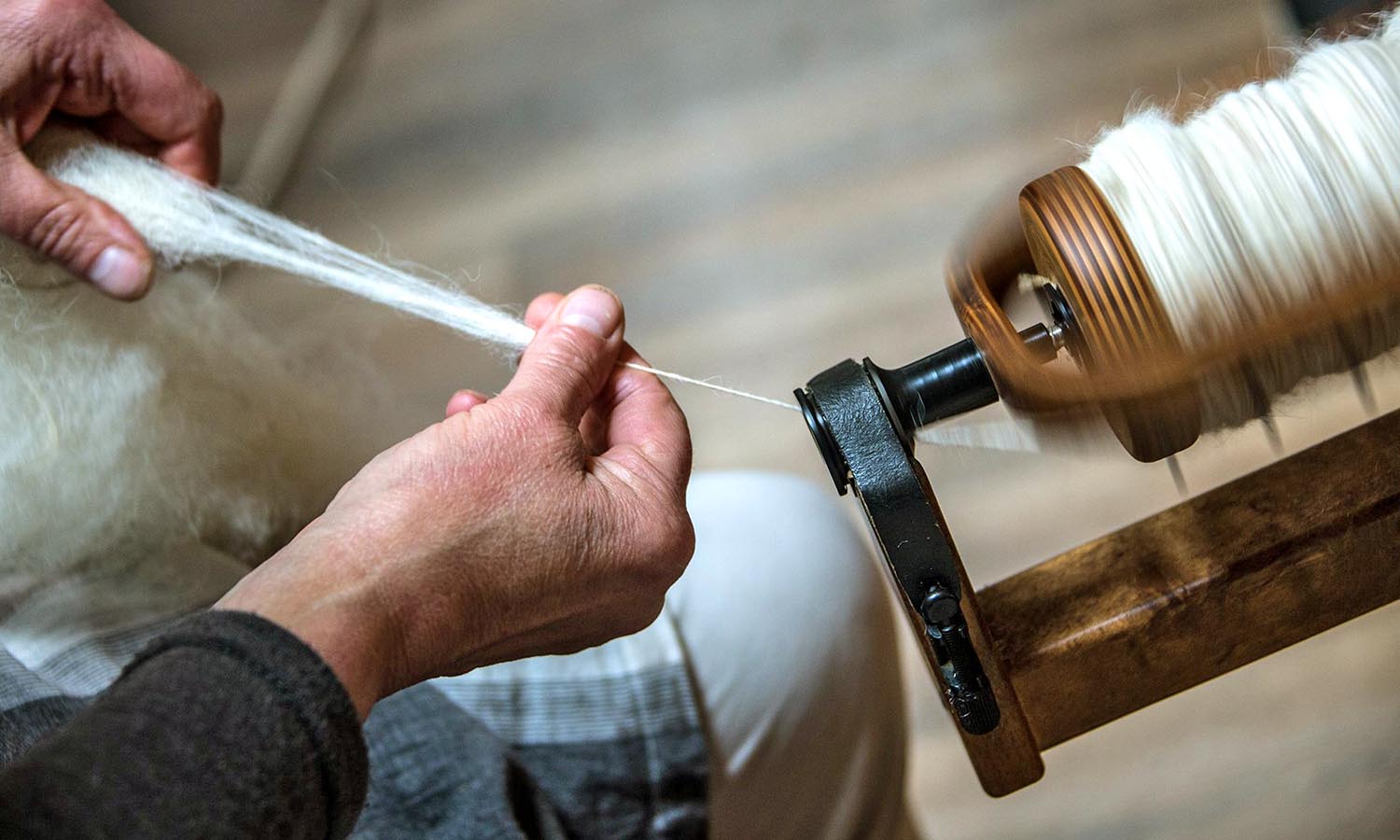
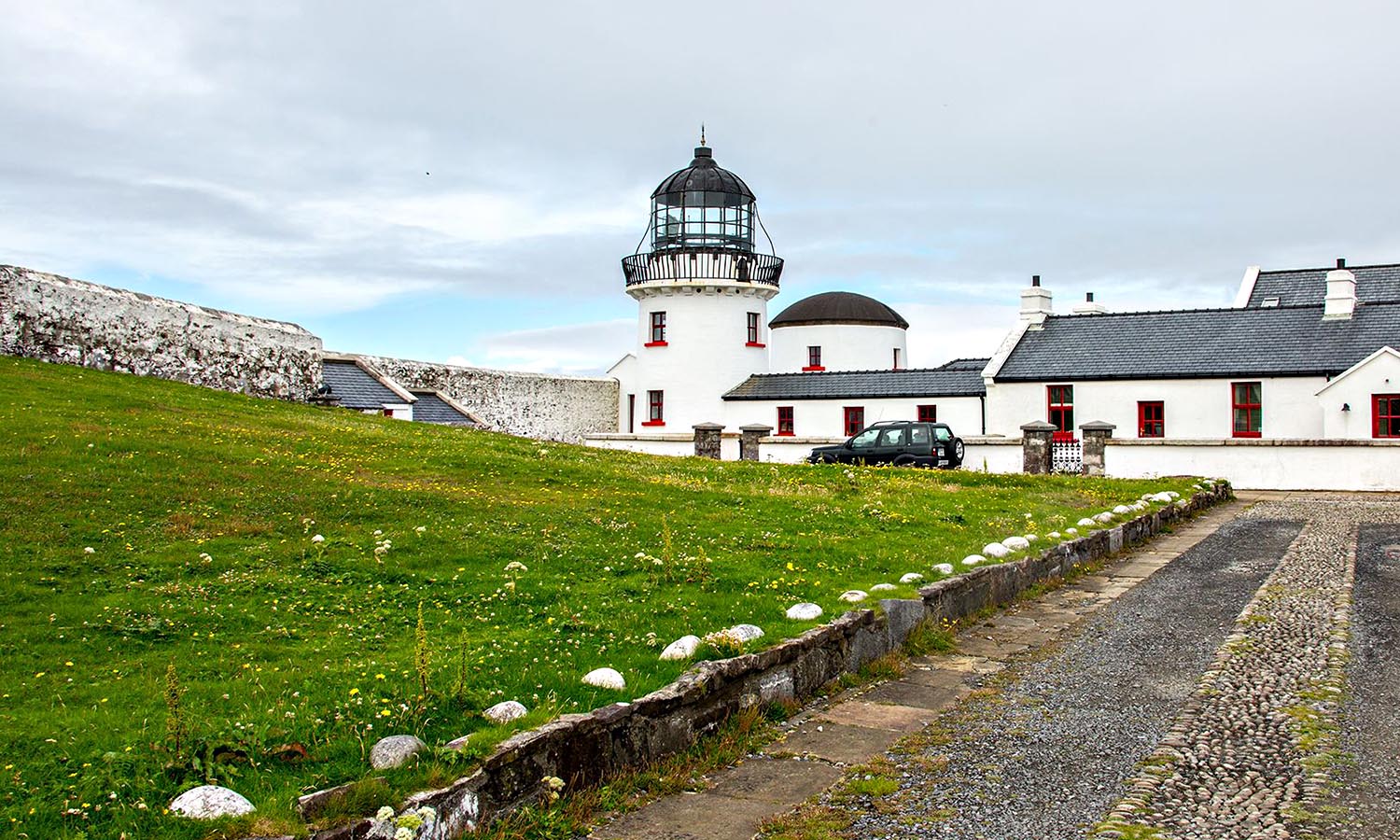
But most impressive was our visit to the Lighthouse Hotel overlooking the northern rocky tip of the island. Perched out on the black seawall over the Atlantic, this specialty hotel features six unique rooms in what was once a functioning Lighthouse from as early as 1806. Each room is beautifully appointed, modern, and one even has a private sauna.
As we leave the coast, the green hills and sodden bogs behind us – heading back to bustling Dublin – I keep thinking of something Alan from Mount Franklin Estate said to me before we left.
“The Irish people will make tourism a success, you won’t find any people in the world who are warmer, more welcoming, or prouder of their land. That is for sure.”
The wild west coast of Ireland as a destination is wonderful, full of nature, rich history, and outdoor experiences, but it really is the people that take it from extraordinary to spectacular.
“This is a very old land, they have found neolithic settlements here that date back to 3,000 b.c, some of the oldest in all of Europe … so I guess you could say that 5,000 years ago we invented the concept of neighbours.”
It’s no wonder they are so good with people; they’ve been practicing being neighbourly for millennia.
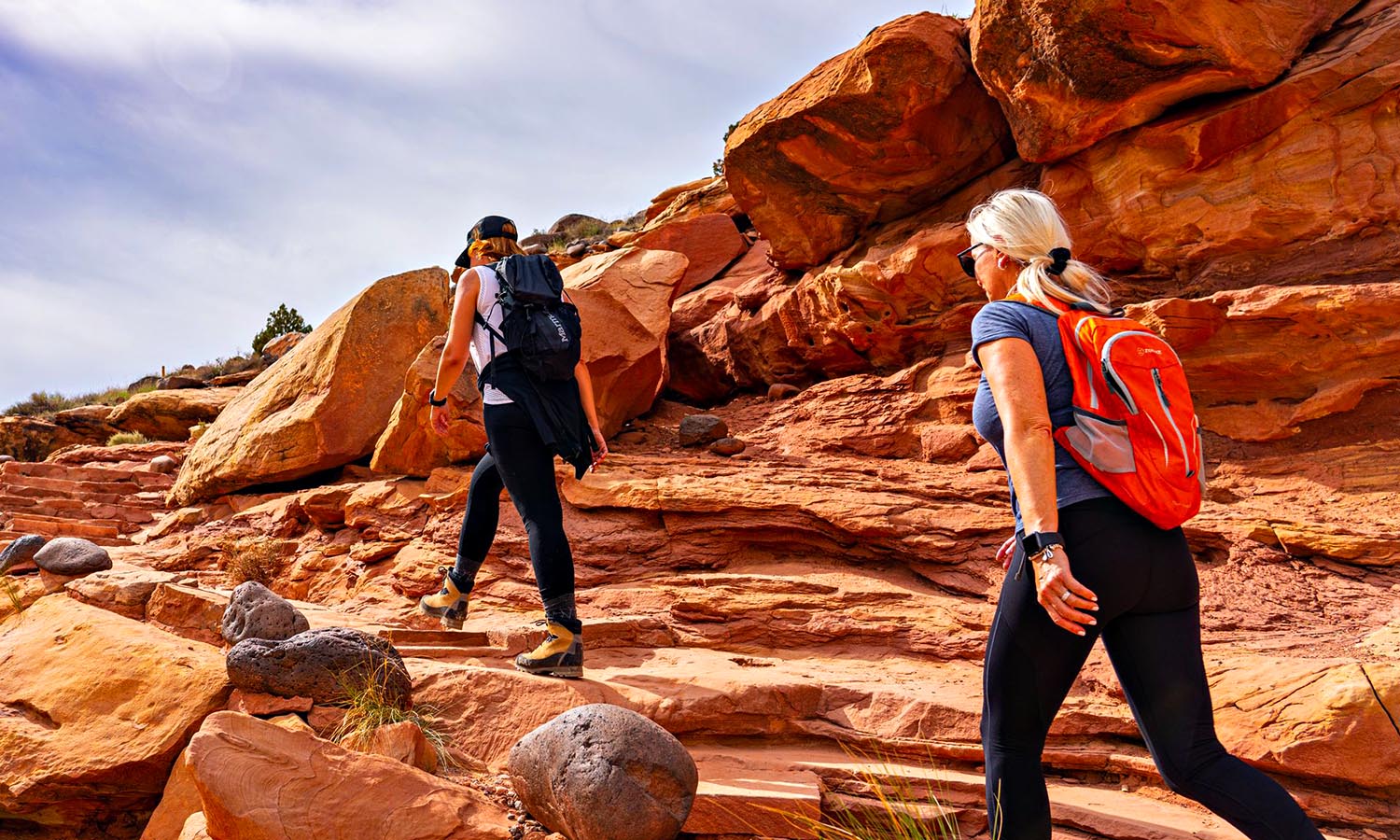
Within hours of flying in, our group is already travelling into the deep, ancient mountains of Zion National Park, near St George in the southwest of the state. This is a place steeped in natural wonders, adventure experiences and it’s one of the very few states in America ripe for those looking to experience the outdoors in its rawest form.
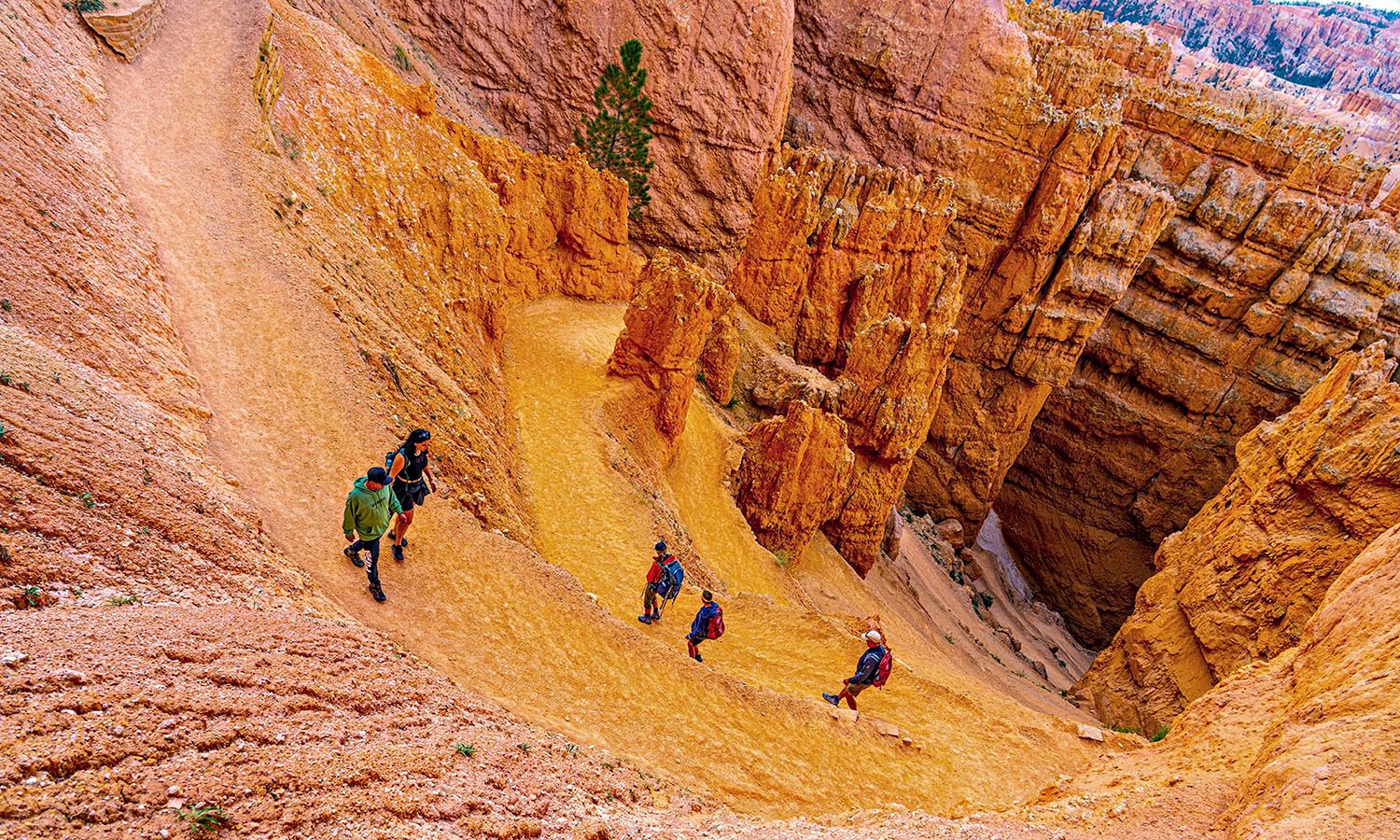
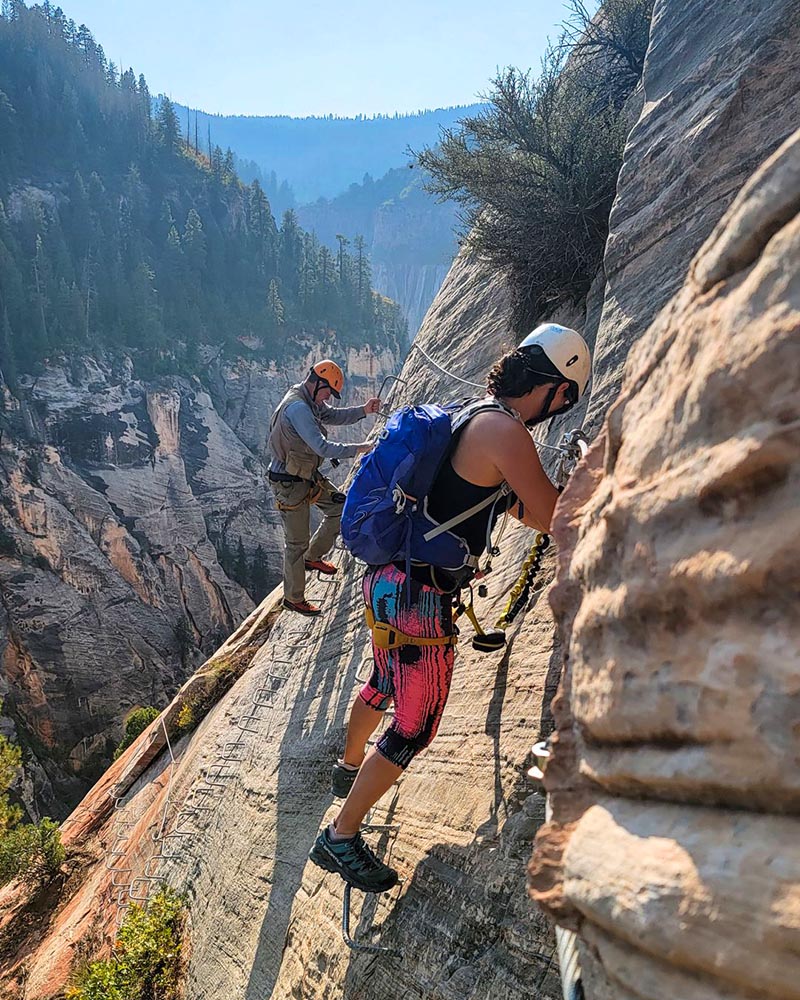
We arrive at the famous Angel’s Leading Ledgewalk via ferrata in Kolob Canyon, and very quickly I understand that Utah is not the place for your average outdoorsman. For the uninitiated, via ferrata means ‘iron path’ in Italian and is a type of climbing apparatus whereby metal rungs are drilled into vertical cliff faces thousands of metres in the air. Whilst the climber is attached to a steel cable, they walk across the cliff face with nothing but empty space and a cavern below them.
This particular via ferrata is advertised as something one can do from years 8 to 80, but obviously your comfort with heights may limit that severely. While you can now do via ferratas round the United States, here in Utah it affords you two spectacular advantages. The first is that the landscape here is nothing less than jaw dropping, as you spiderman through the seemingly painted chasms like you’re in a Kate Starling painting.
The second is that you’re guided by the man who actually created this particular course. Ian Crowe’s background in engineering affords you not just the benefit to ask a bunch of probing questions, but the added security knowing that if you go down, he’s going with you.
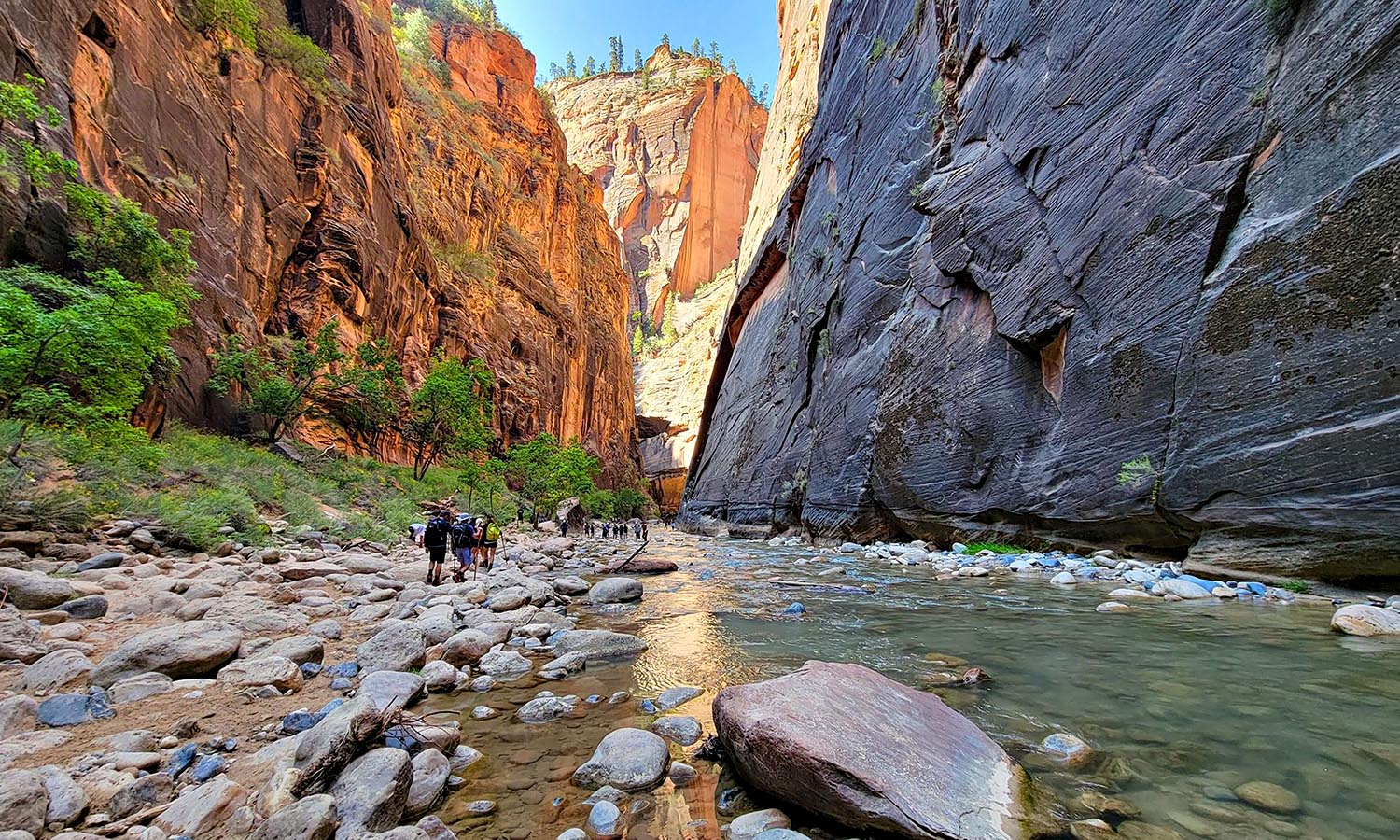
The next morning before the sun rises, we’re at Zion Outfitters sliding on thick neoprene socks and waterproof orange hiking boots. Before long we’re marching down a river flowing freely in an extraordinary cavern with walls about 150 metres high. The idea of walking in water for five hours sounds like a particular type of machiavelian torture chamber, but in reality it is one of the most amazing earth grounding experiences you can have in the natural world.
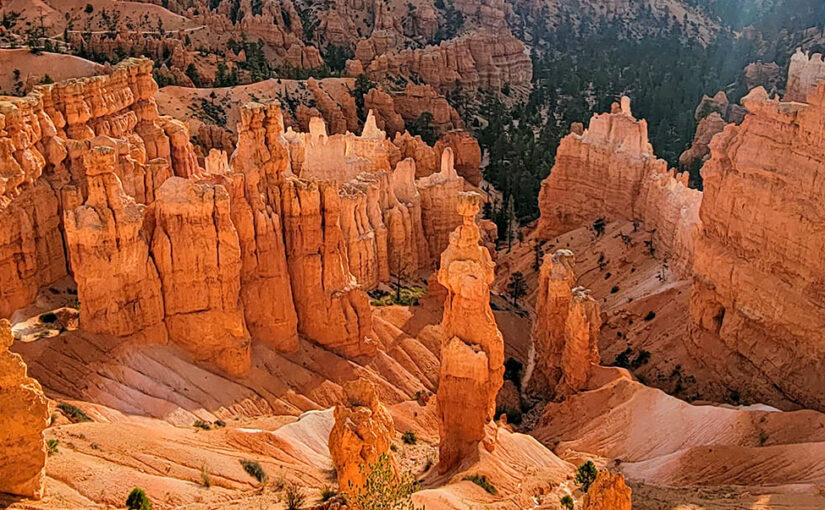
The walls are striated in reds, golds, blacks and whites, while trees sometimes defy gravity from cracks in the surface, and the rocky outcropping afford amazing light and shadow photo opportunities.
The water in late summer for a tall person can come up to your waist, higher in spring, and even higher the further you walk upstream, but the wetness of this experience is a welcome cooldown from the Utah heat.
CLICK TO SEE UTAH IN ACTION:
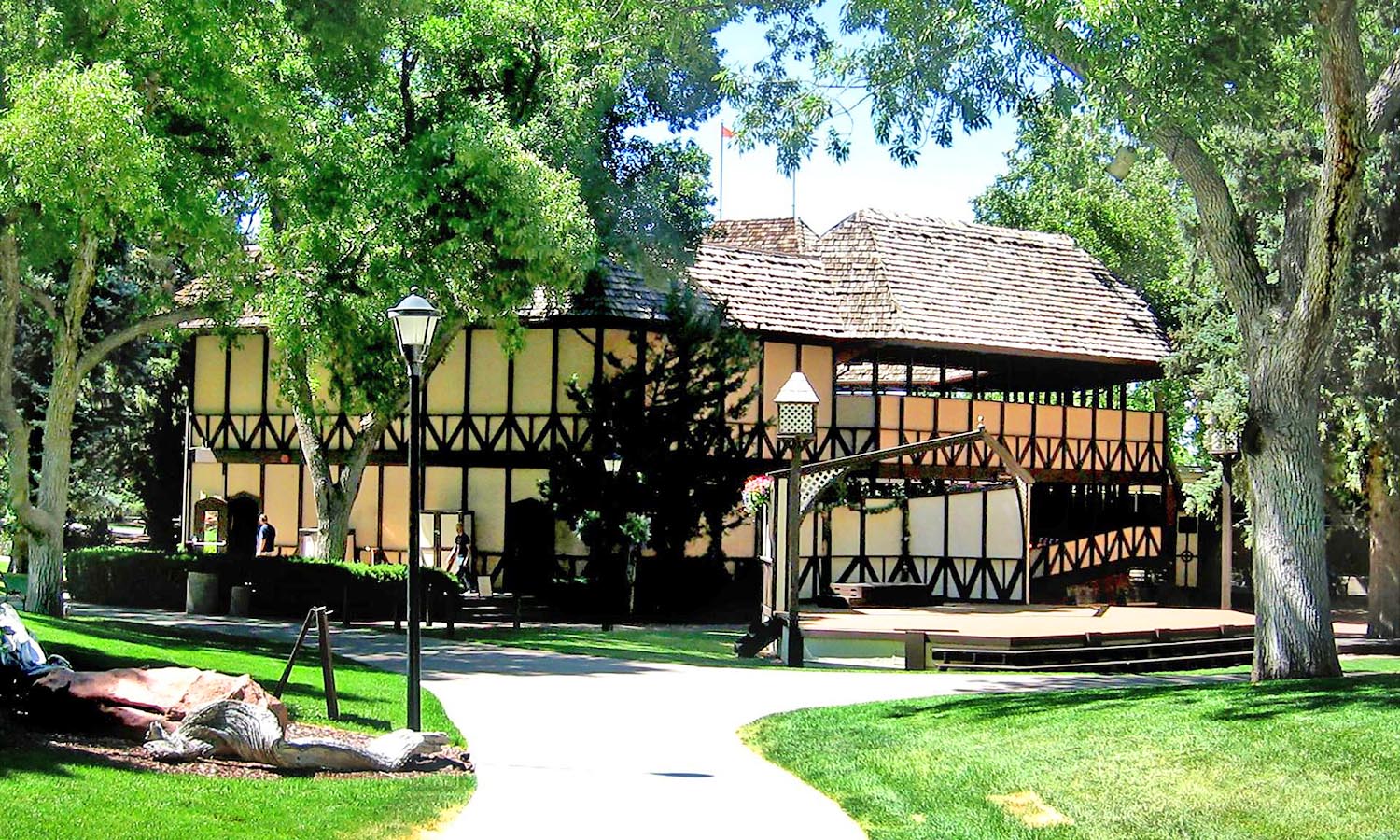
The following day, no longer waterlogged but definitely feeling the memory of the trail’s watery beauty in my quads, we find ourselves in the darling hamlet of Cedar City. It’s a quirky model all-American town with an actual replica Globe Theater. As in, famous playwright, Shakespeare’s Globe Theater, which our host Becki Lewis tells us is a major draw for the iconic town.
“We do about a dozen productions a year and people come from all over, even New York where the acting troupe is from. We have seminars before and after shows for anyone that wants to learn more about the plays. It’s a great way to get introduced to Shakespeare, even though we do other more contemporary plays here as well.”
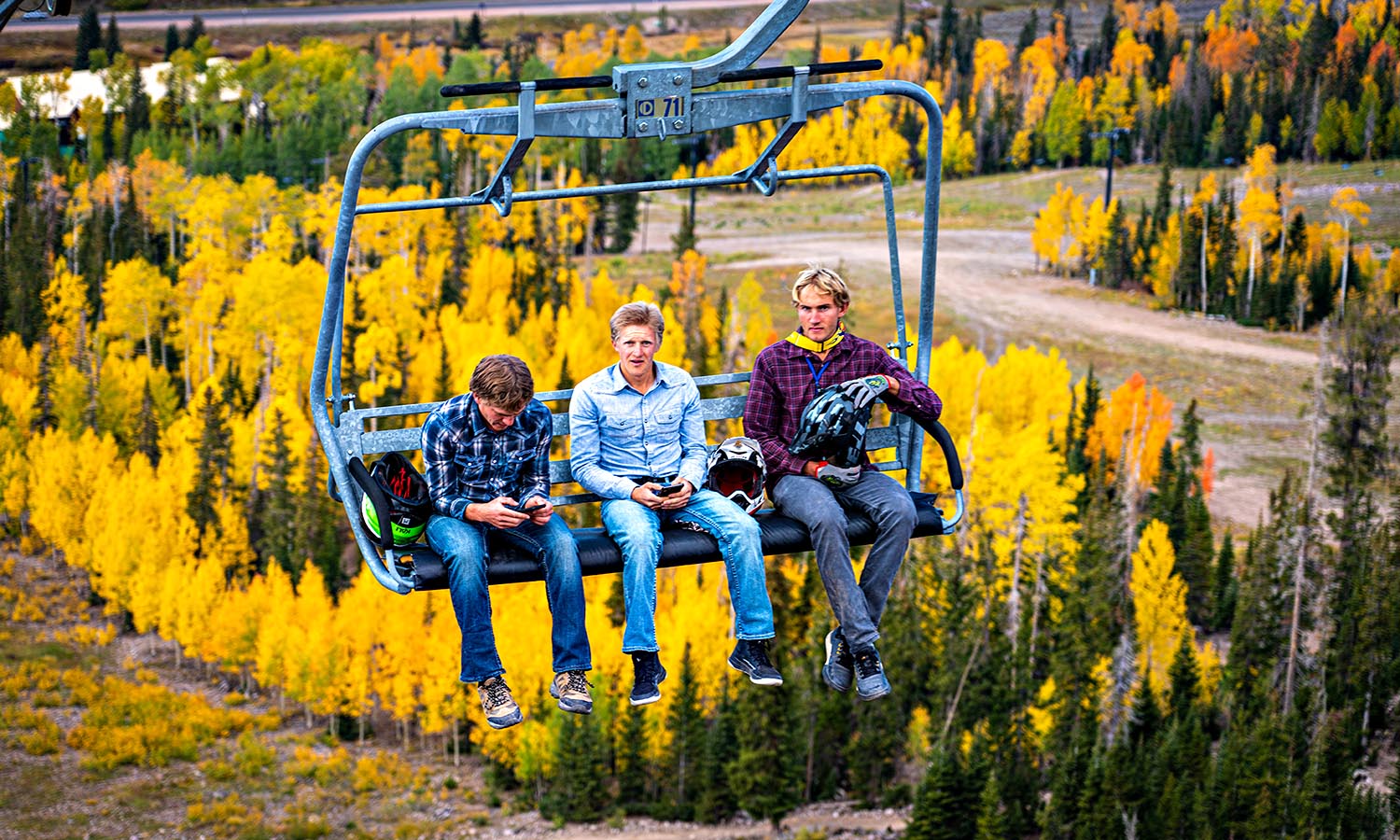
But art thou looking for outdoor adventure in Utah? Back to the epic. Brian Head Resort is an epic ski destination in Southern Utah. This unplugged destination offers some amazing powder snow and epic backcountry skiing opportunities throughout the winter, and all without the crowds that typify the resorts up north.
In the summer, the fun doesn’t stop, as mountain bikers flock to the hill to fly down at breakneck speed. At Capitol Reef we stop at a pick-it-yourself cum honour system apple orchard, grabbing a few ripe Red Delicious off perfect trees which could be cartoons. I throw some cash in a little basket hanging on a tree like something out of the 1920s.

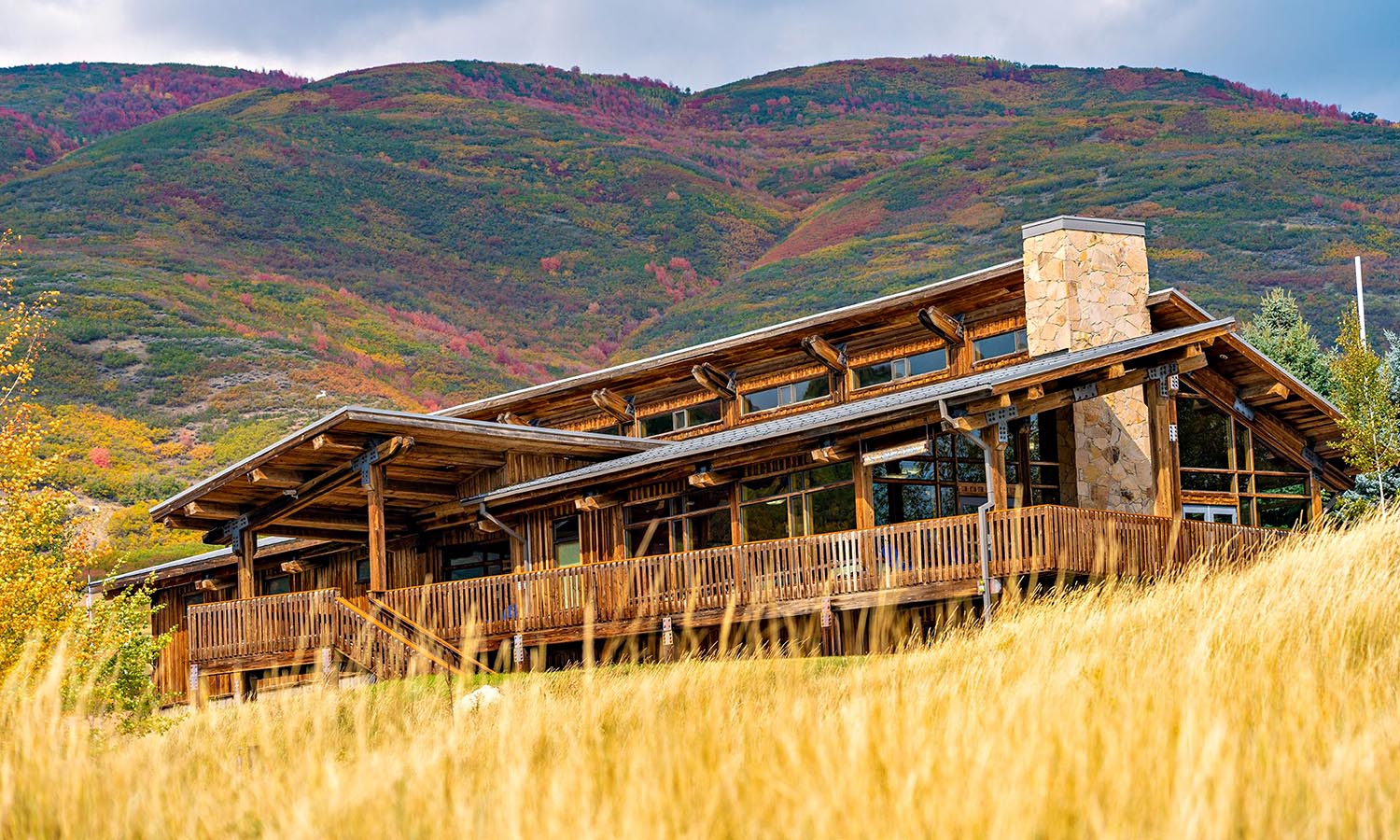
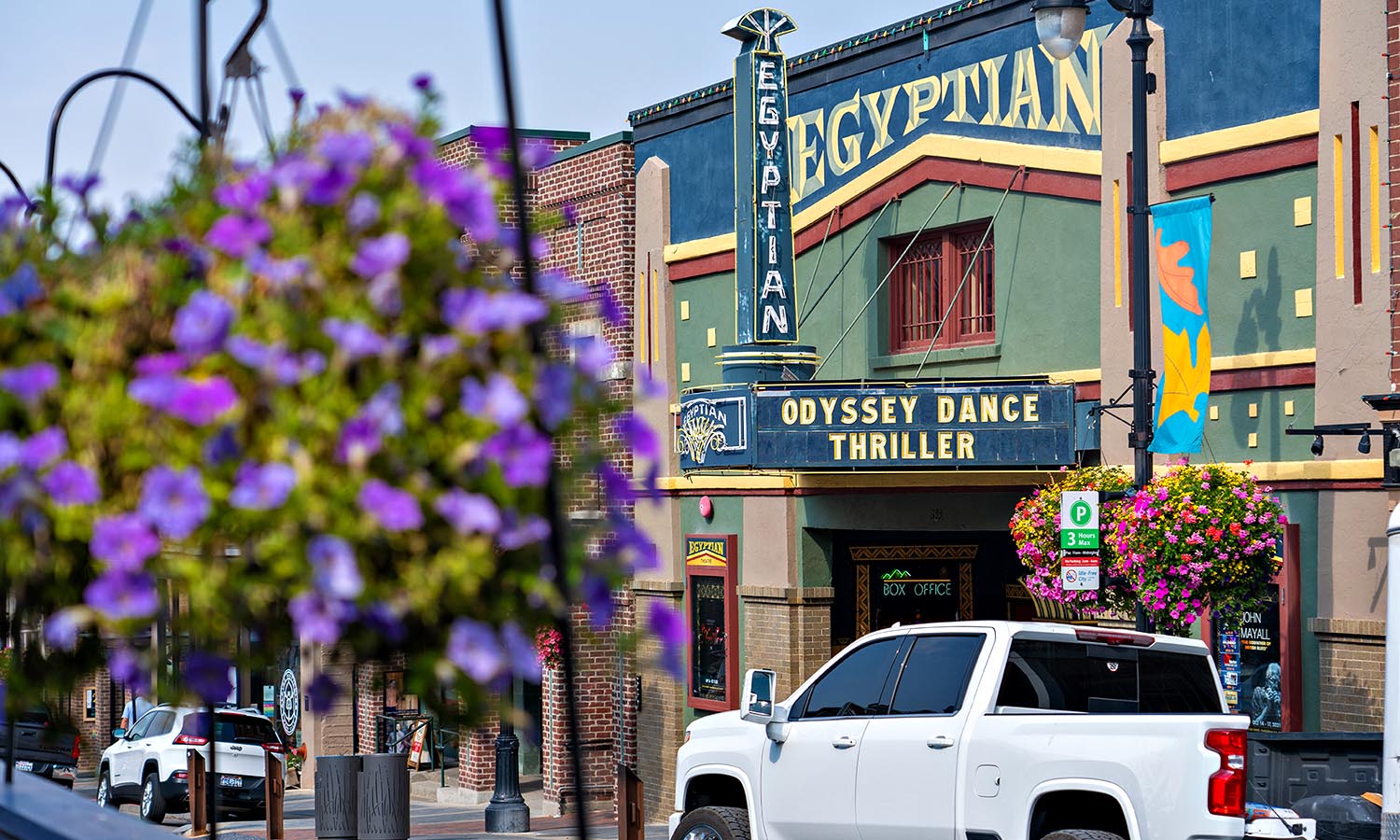
The next day is a bucket list moment for myself – a filmmaker in another life – when we visit Sundance, the mountain resort made famous by the film and arts community that resided and worked there. We visit exquisite restaurants and famous Owl Bar, frequented by the likes of Butch Cassidy and Robert Redford.
While most of our travelling group take to the mountain to hike or bike, I opt to instead visit the local art studio, to learn from the myriad artisans how to spin plates, make jewelry or in my case, perfect the art of crafting beautiful, artisan candles. I love bringing a bit of hand made magic home from magical places.
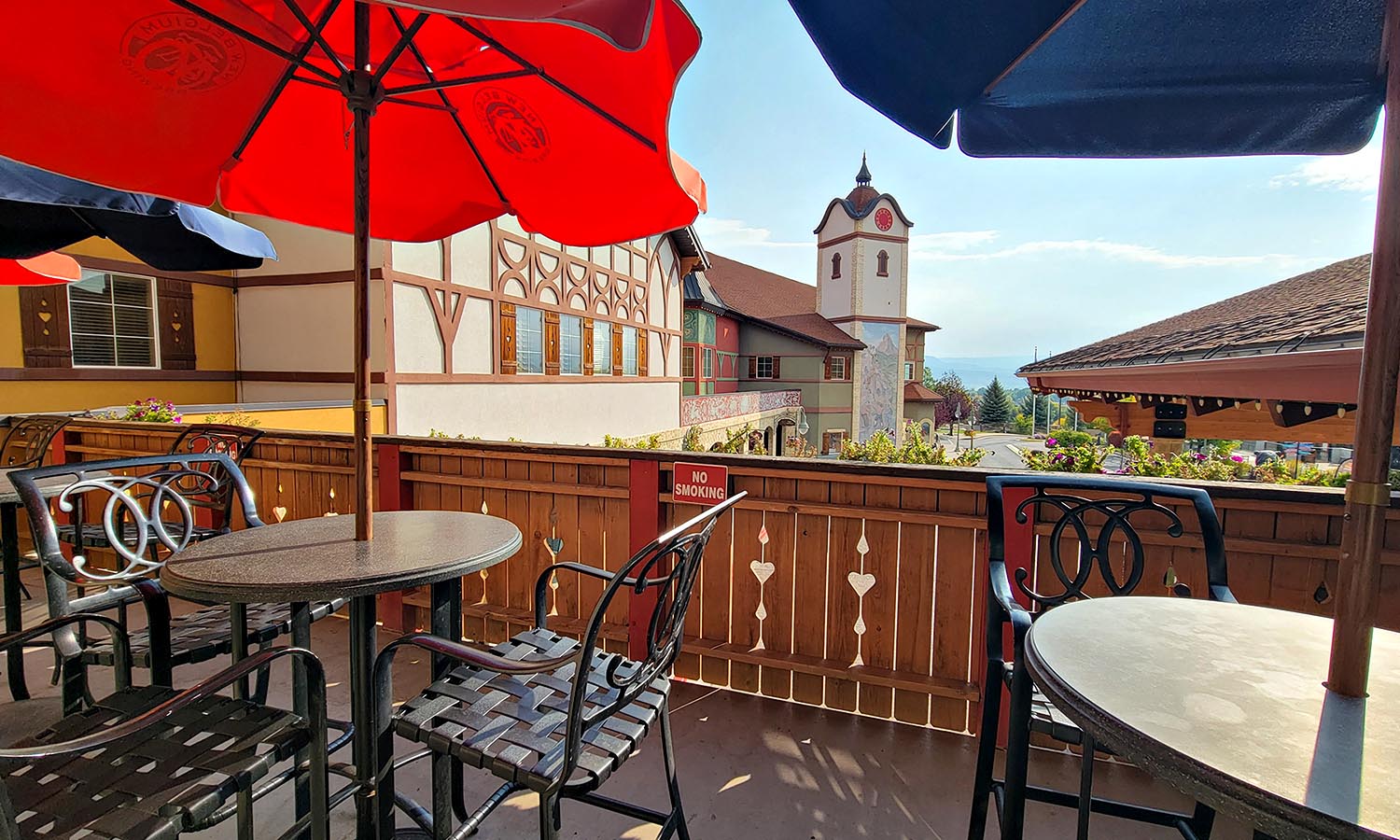
We stay in ‘Switzerland’…or as close to Switzerland as possible while still being in the southwest of the United States. Zermatt Utah Resort is an eerie carbon copy of it’s Swiss namesake. Complete with chateaux style hotels and mountain cuisine, Utah’s Zermatt Resort is something to behold; a grand hotel with spa and ski service, and quite simply the best apple strudel you can find in the New World. It’s kitch and crazy and I loved every minute of it.
At Soldier Hollow in Midway, a town which hosted the Biathlon event for the 2002 Winter Olympic Games, we strap on some roller blades and roll around shooting precision .22 caliber rifles at targets, all while being guided by a Olympic Biathlete Zach Hall. I never gave the Biathlon much thought when watching on TV, but after channelling a little of my inner-James Bond, it is my new favorite event.

IT IS TRULY A UNIQUE ADVENTURER’S PLAYGROUND, READY TO BE DISCOVERED. JUST BE SURE TO PACK AN EMERGENCY STASH OF BOOZE AND WATERPROOF SHOES.
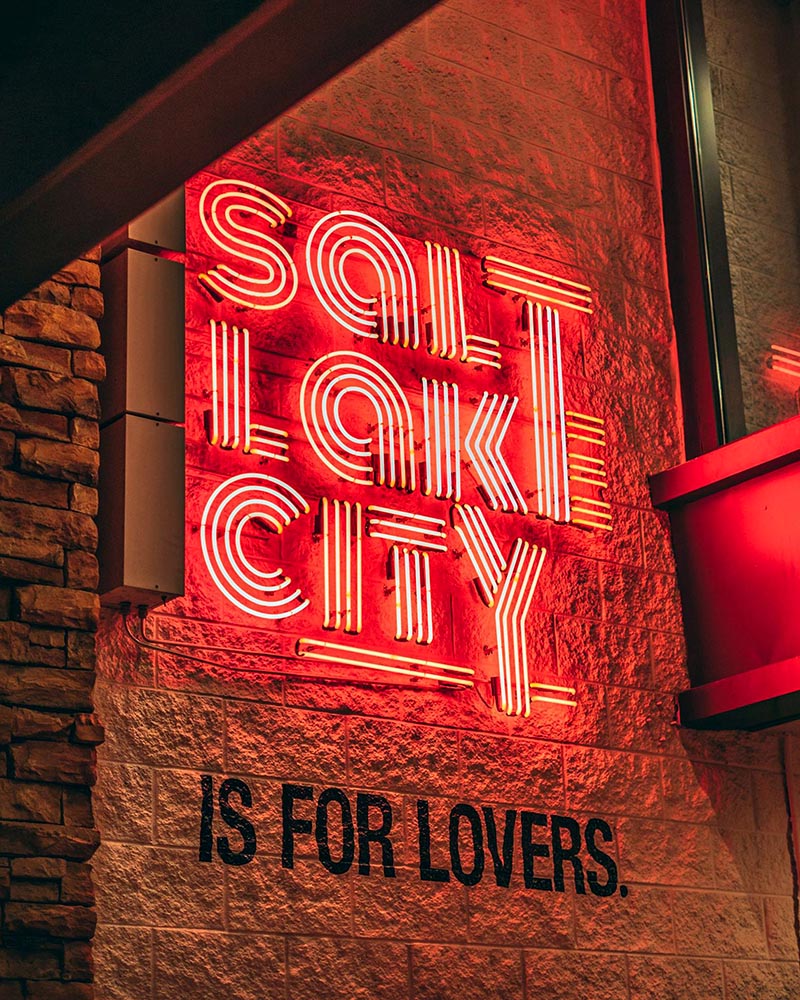
On our final night we land in Salt Lake City; a brackish mix of staunch belief and wild outdoorism. It’s surrounded by geological brilliance, and cultural importance, and an interesting history beginning with its Mormon founders.
This is a unique American city where the food and bar scene is cosmopolitan and prolific, but with a sprinkling of country hospitality. During the day, we explore Utah’s famous Natural History Museum which resides right along the great bath tub ring of the Great Salt Lake, with a petrified ocean that you can see from space and a fossil record that would amaze even the most advanced of paleontologists.
In the evening I dive deep into the bowels of the city and explore Carson Kitchen, a modern American eatery where every plate is a welcome adventure. Then at Fisher Brewing Company, I finished a beer flight featuring every ale on the menu before seeking out a nightcap at an alluring establishment called BAR-X, which made me feel like I was back in a trendy part of East Village, New York rather than a Mormon-stronghold.
Even the arduous stumble home to the Peery Hotel was a delight in itself, this old Grande Dame of lodging made me feel honoring it’s historic roots while prioritising modern comfort.
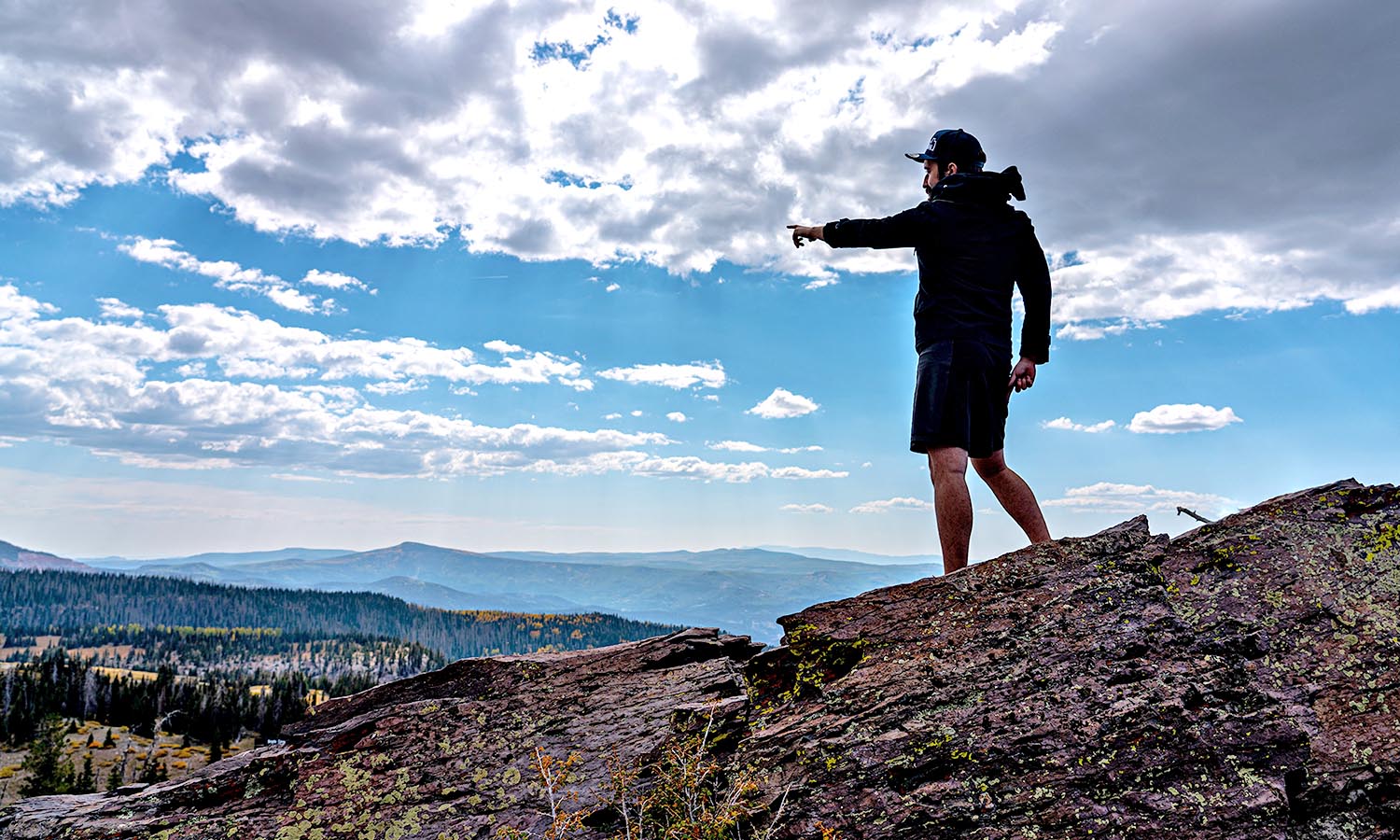
In the morning I leave the mountains for my metropolis home, and I marvel out the window at the immense span of land beneath me. This is some of the oldest earth on Earth, a wilderness that many visit, but fail to even scratch the surface.
Utah is not glamorous from the outside. It’s probably not yet fully set up for hordes of tourists, but therein lies the beauty of this natural amphitheatre.
It is truly a unique adventurer’s playground, ready to be discovered. Just be sure to pack an emergency stash of booze and waterproof shoes.
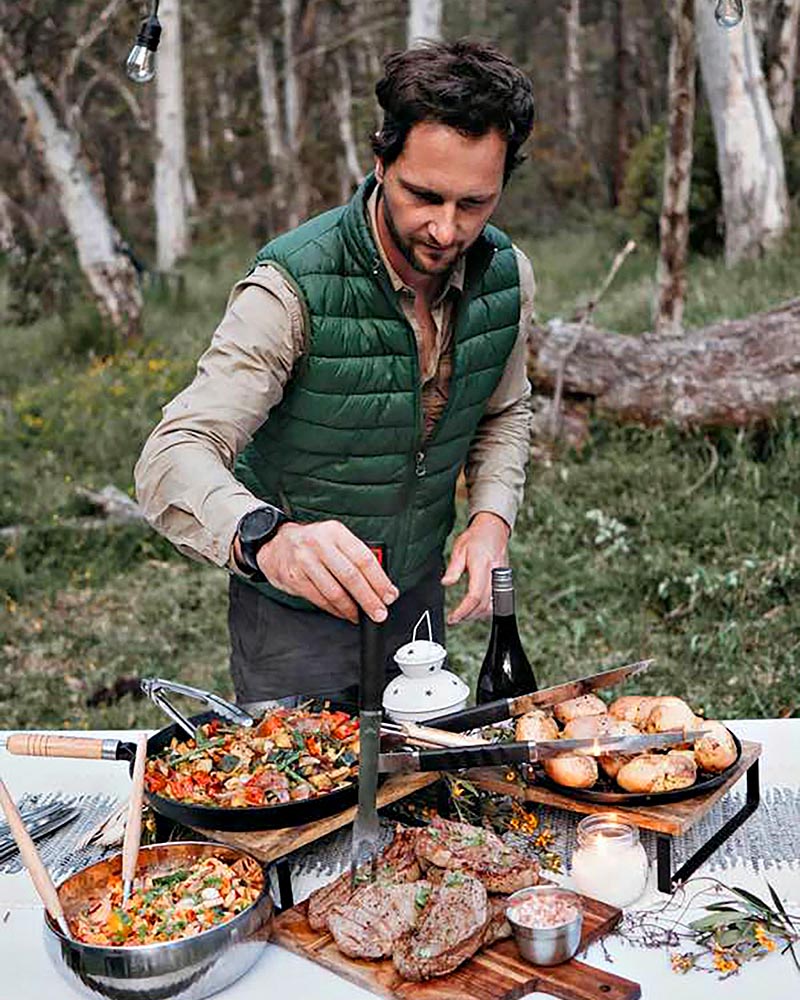
Ah, who am I kidding? Our group of five were let loose in the High Country; our mission, to walk the Falls to Hotham Alpine Crossing, a 37 kilometre route bridging two major ski resorts. Though we’re tackling it on our own two feet, someone else is lugging the gear and food; it’s the perfect balance of luxury and challenge. I mean if I don’t find my way to camp tonight there’ll be no Moroccan lamb and Tempranillo to wash it down, and if there’s no Moroccan lamb or Tempranillo…well, I don’t want to think about it.
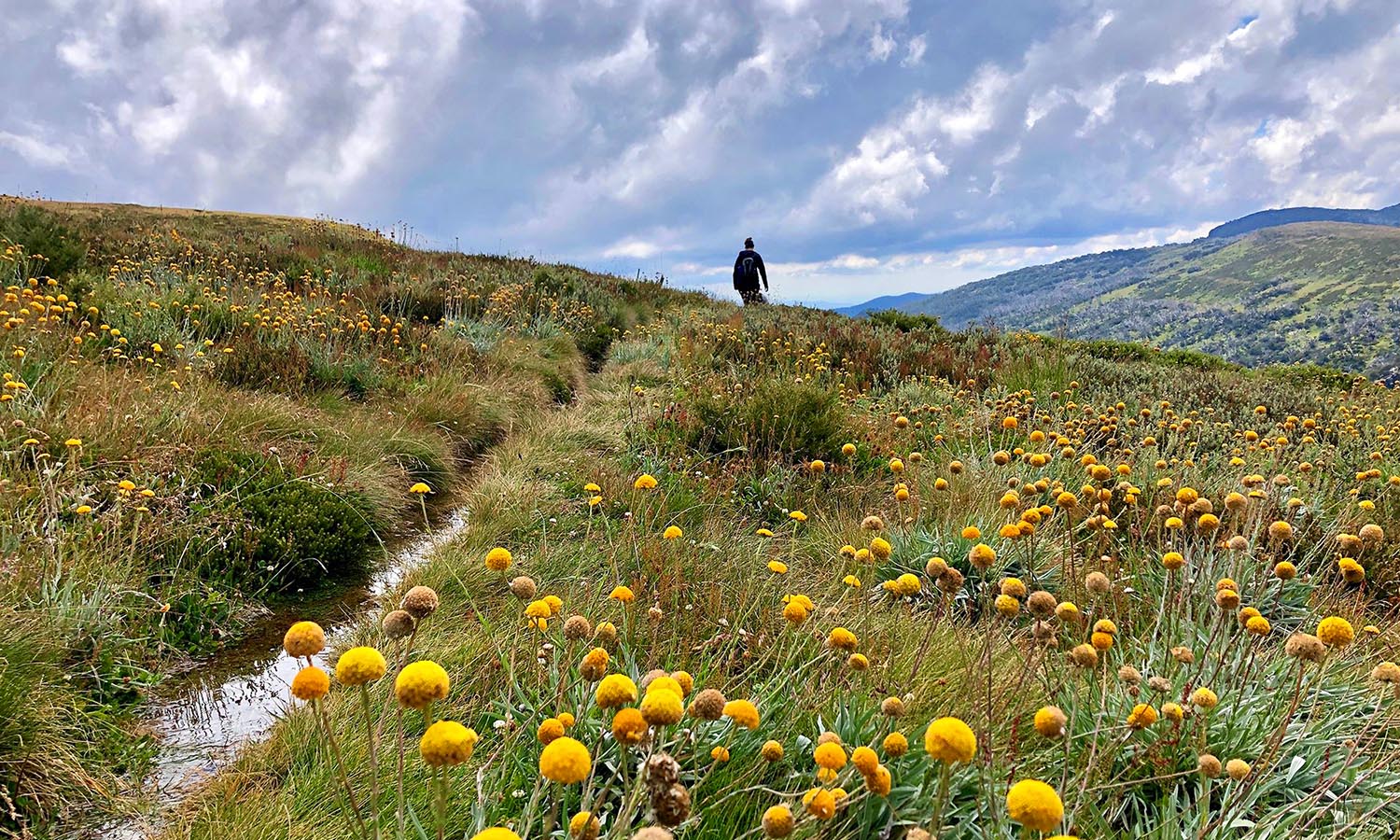
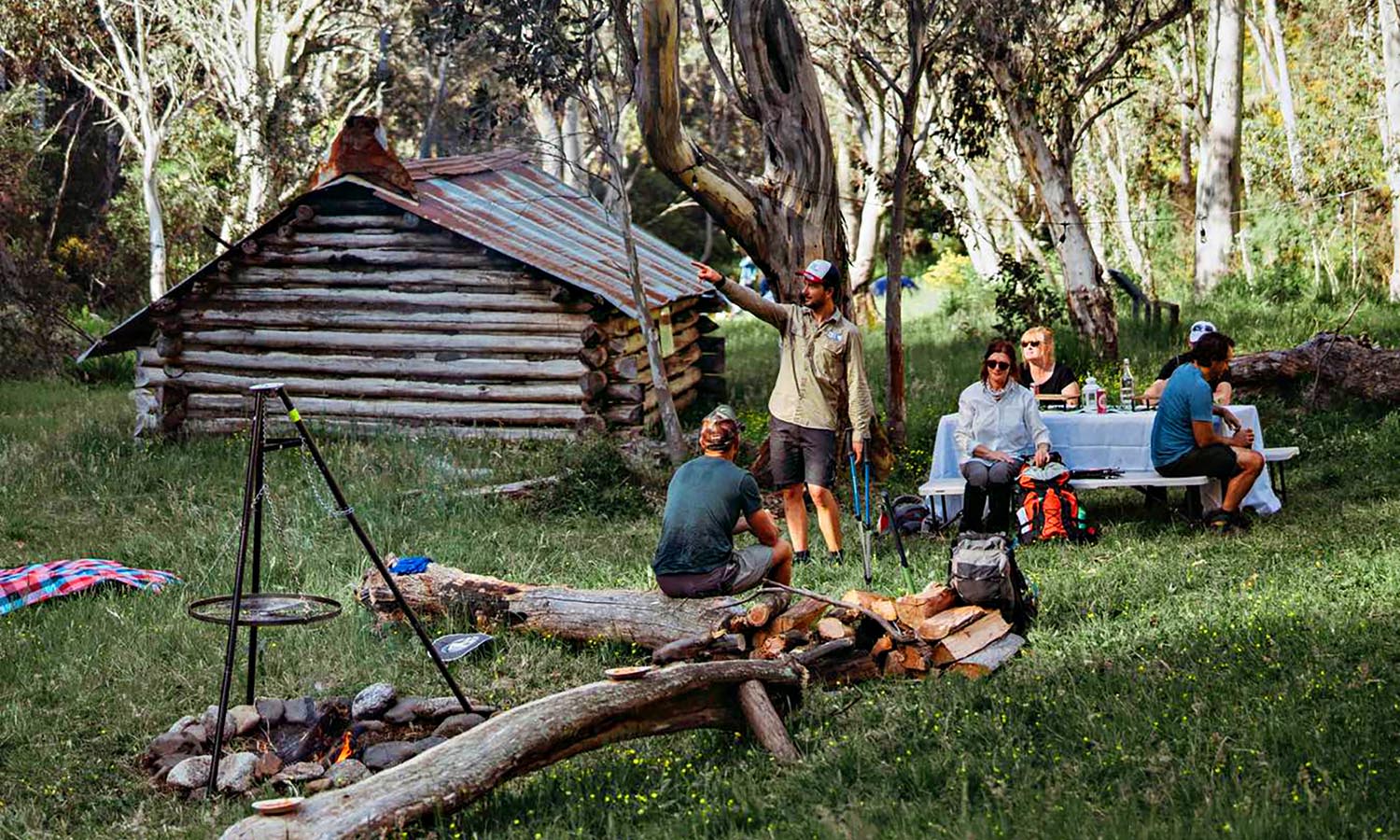
Jean-Francois Rupp of Alpine Nature Experience is our hero for this adventure, taking care of all the responsible-adult stuff and leaving us to wander the wilderness carefree. Alpine environments require care and, having grown up in the French Alps, they’re second nature to him.
Mountains are like a latino lover: drop dead gorgeous but also, at times, tempestuous and wildly unpredictable. Only a day earlier, thick fog and 70 millimetres of rain hammered the area we’re walking in.
“A lot of people love walking but find it daunting to plan a trip like this,” he says. “There’s gear, logistics, route-finding and assessing the weather. We take care of all that.”
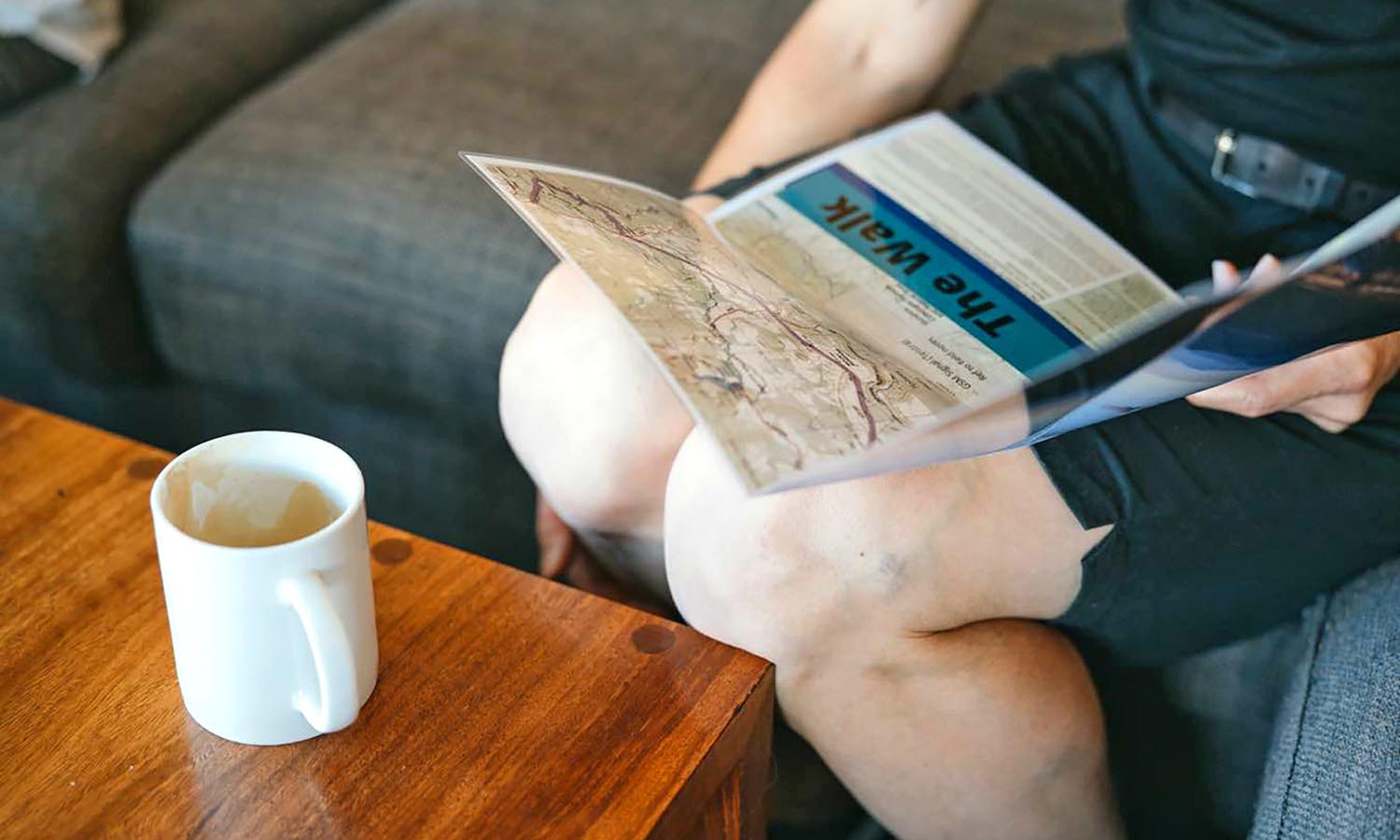
A morning briefing gave us – theoretically – all the tools we’d need: a topographic map, trail notes, mapping app, plus a lesson in handheld radios (for when mobiles are out of range). But the biggest draw for me is that there’s no big backpack to weigh me down on the hills ahead. Okay, that and the promise of Tempranillo.
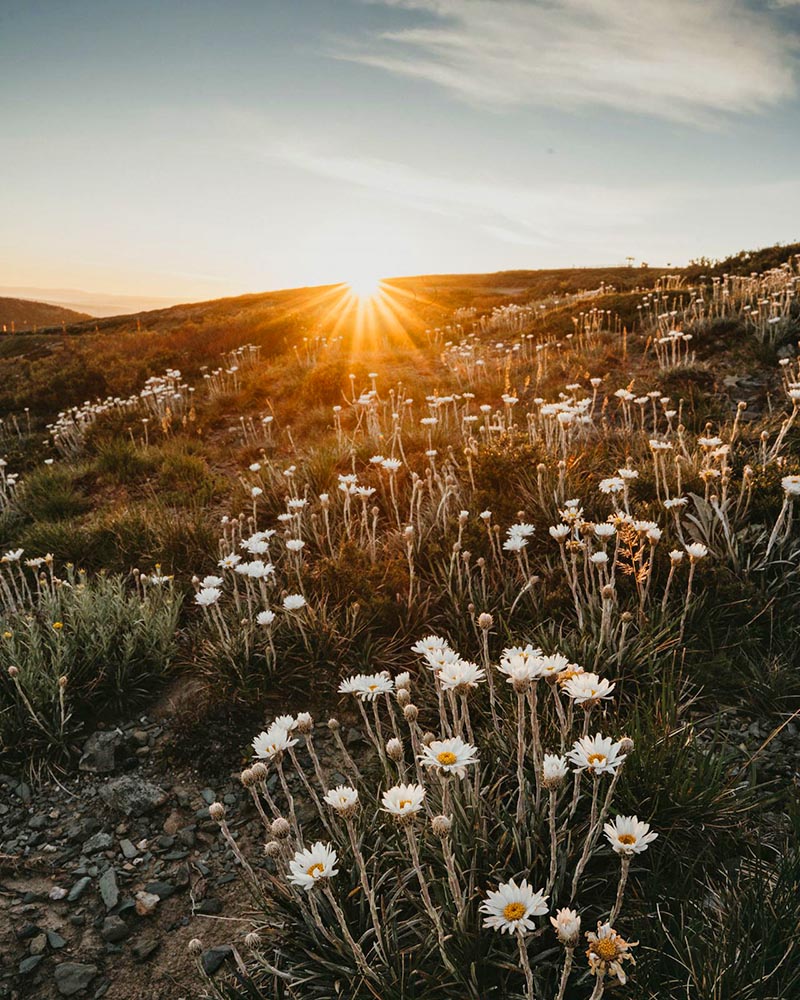
With the curtain of cloud now hoisted well above the horizon, the vastness of earth and sky is awe-inspiring. The Bogong High Plains float between 1,600 and 1,800 metres – a mass of heath, grass and wetland scattered with clumps of wildflowers quivering gently in the breeze. It’s the kind of place that makes you want to swirl around with your arms wide and sing the “the hills are alive…” a la Maria von Trapp.
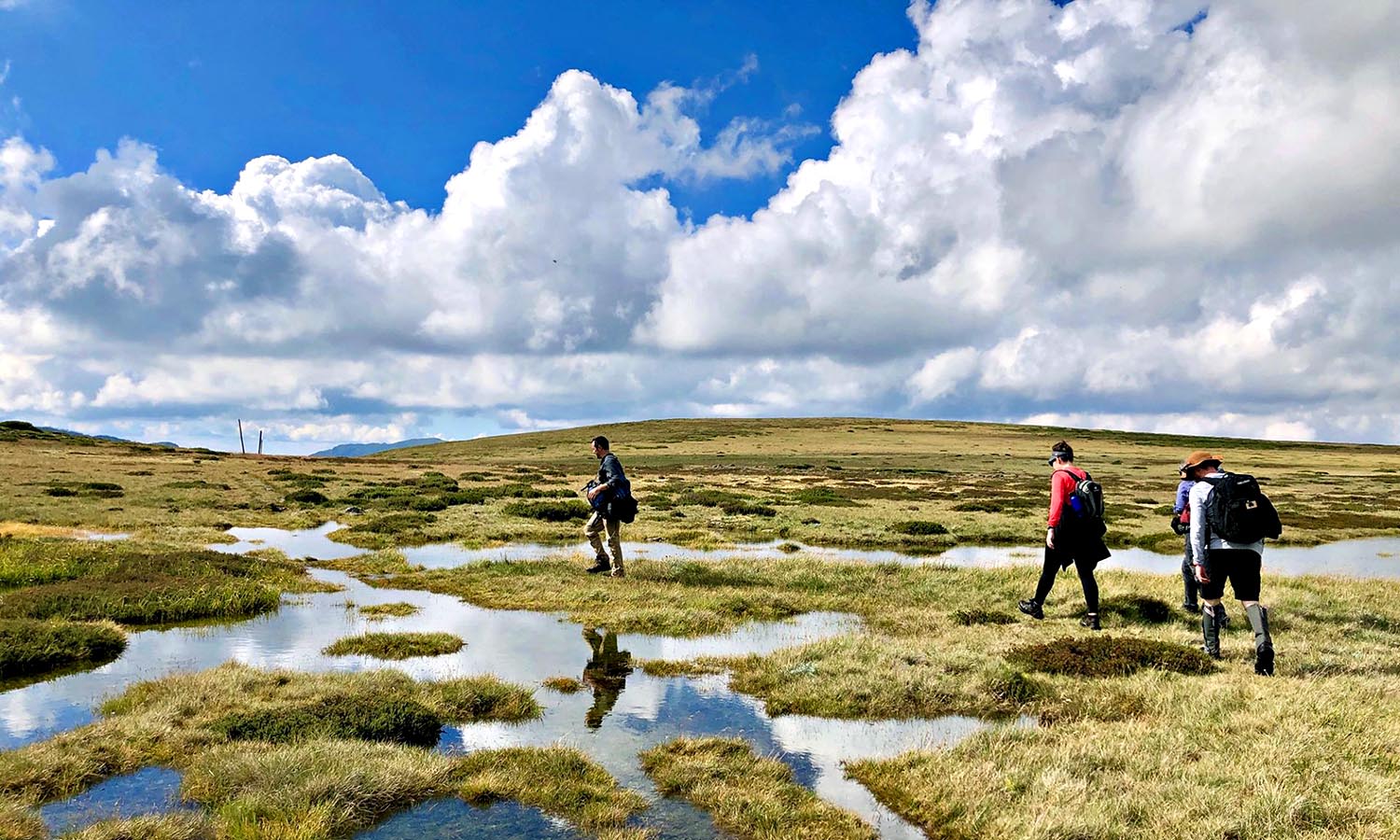
The ground covering makes for a cushy start, notwithstanding the fact that yesterday’s deluge has turned parts of the track into a running creek. Frogs croak. Boots slosh. We leap from one raised cushion of grass to the next. But, so far, we haven’t lost ourselves and the mere fact of walking independently really enhances the sense of discovery.
In winter, snow lays a blanket of white over everything here and the only occasional trail markers are tall pine poles – numbered for easy identification in a whiteout. At Pole 333 we detour to historic Westons Hut in the West Kiewa Valley, a steep descent through skeletons of snow gums (burned in the 2006 bushfires) that gives us a prime view of imposing Mount Feathertop, which is Victoria’s second highest peak at 1922 metres.
Westons is one of many historic huts that litter the High Country, reminders from a time when its grassy meadows were considered prime grazing for cattle and sheep, and hardy mountain men built shelters from slabs of snow gum or corrugated iron. The practice continued from the mid 1800s until 2005 when grazing was deemed too damaging to this fragile alpine environment.
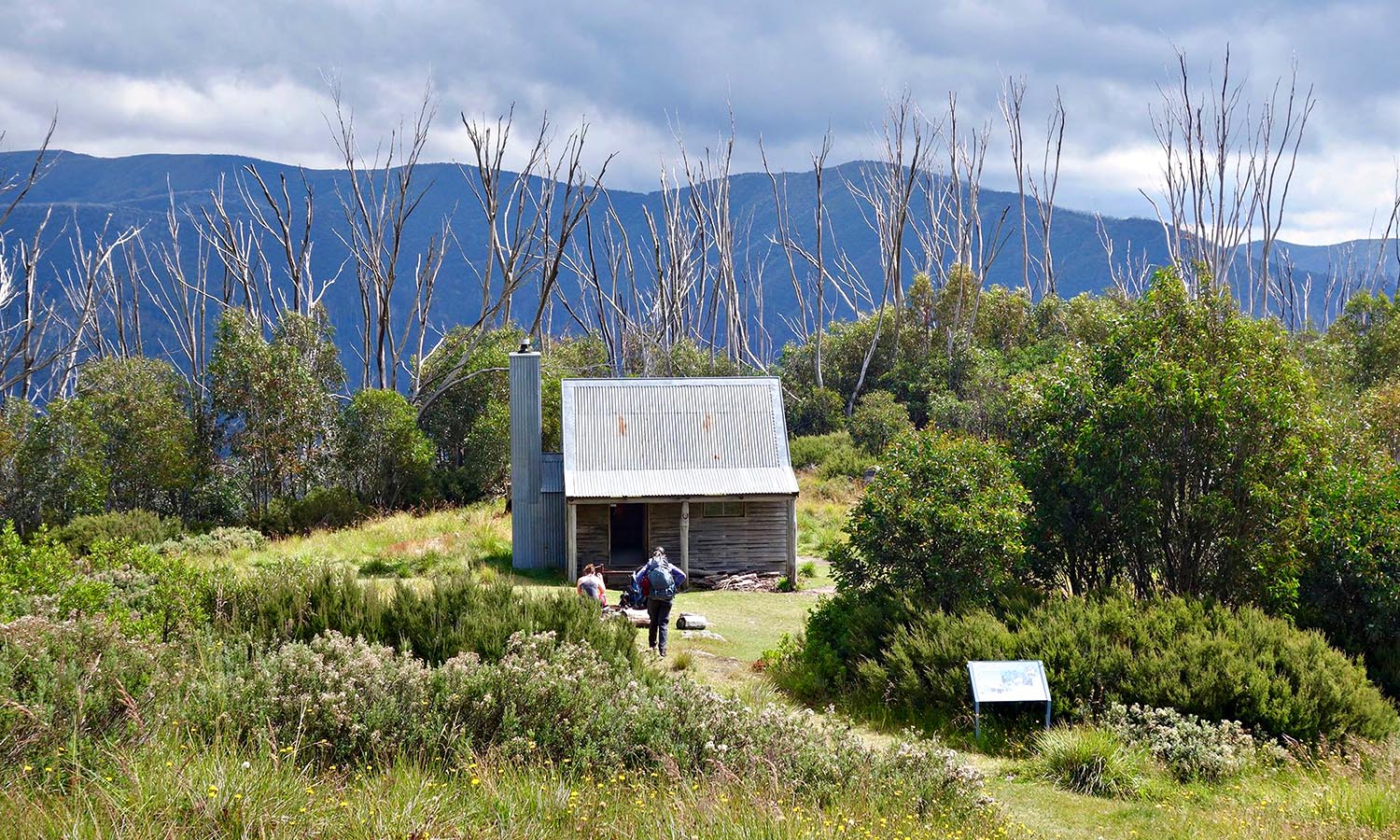
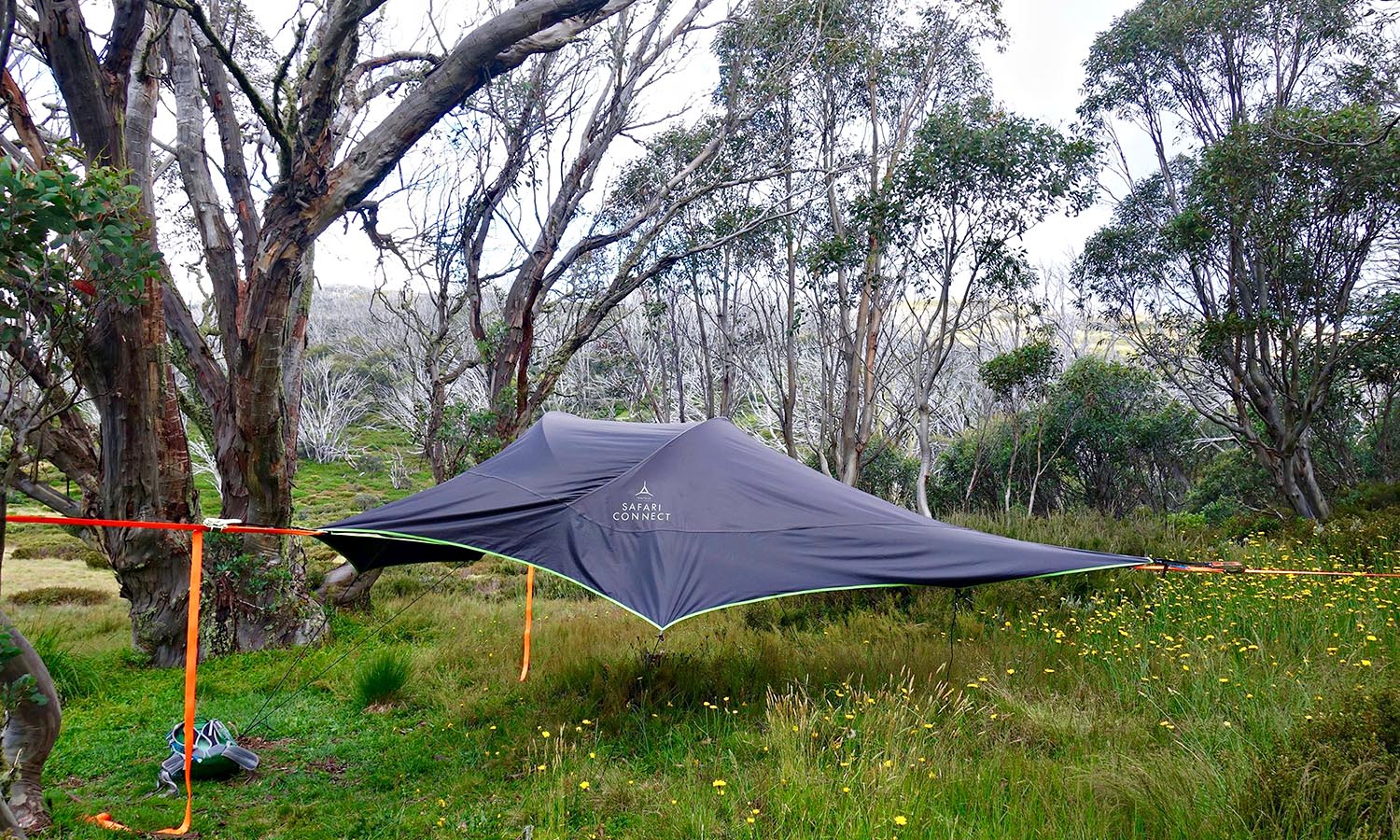
Tawonga Huts marks the end of our first day and, after 20 kilometres and almost seven hours on the go, Jean Francois’s camp looks as welcoming as a five-star hotel. A white cloth covers a trestle table, fairy lights hang from a massive twisted and gnarled snow gum, and our sleeping quarters – a cross between a hammock and tent – span the trees like spiderwebs.
Jean-Francois braved knee-high rivers and rough tracks to meet us here, towing a custom camper trailer fitted out with everything from USB charging points to a hot shower. Only one of us is bothered to use it straight away though, our sights set instead on the frosted glasses of Billson’s Beechworth gin and tonic, clinking with ice.

It’s an irrefutable fact that food dominates the minds of hikers and Jean-Francois’ is seriously good. “In France, we don’t shop for a recipe, we shop for good seasonal produce and then design a menu around it.”
He takes the same approach here and our antipasto spread includes smoked chicken and prosciutto from Tawonga South Butchery, and goats and cheese and brie from Milawa in the King Valley.
“The quality of food and wine available in this region is amazing and we use local and organic as much as possible,” he says.
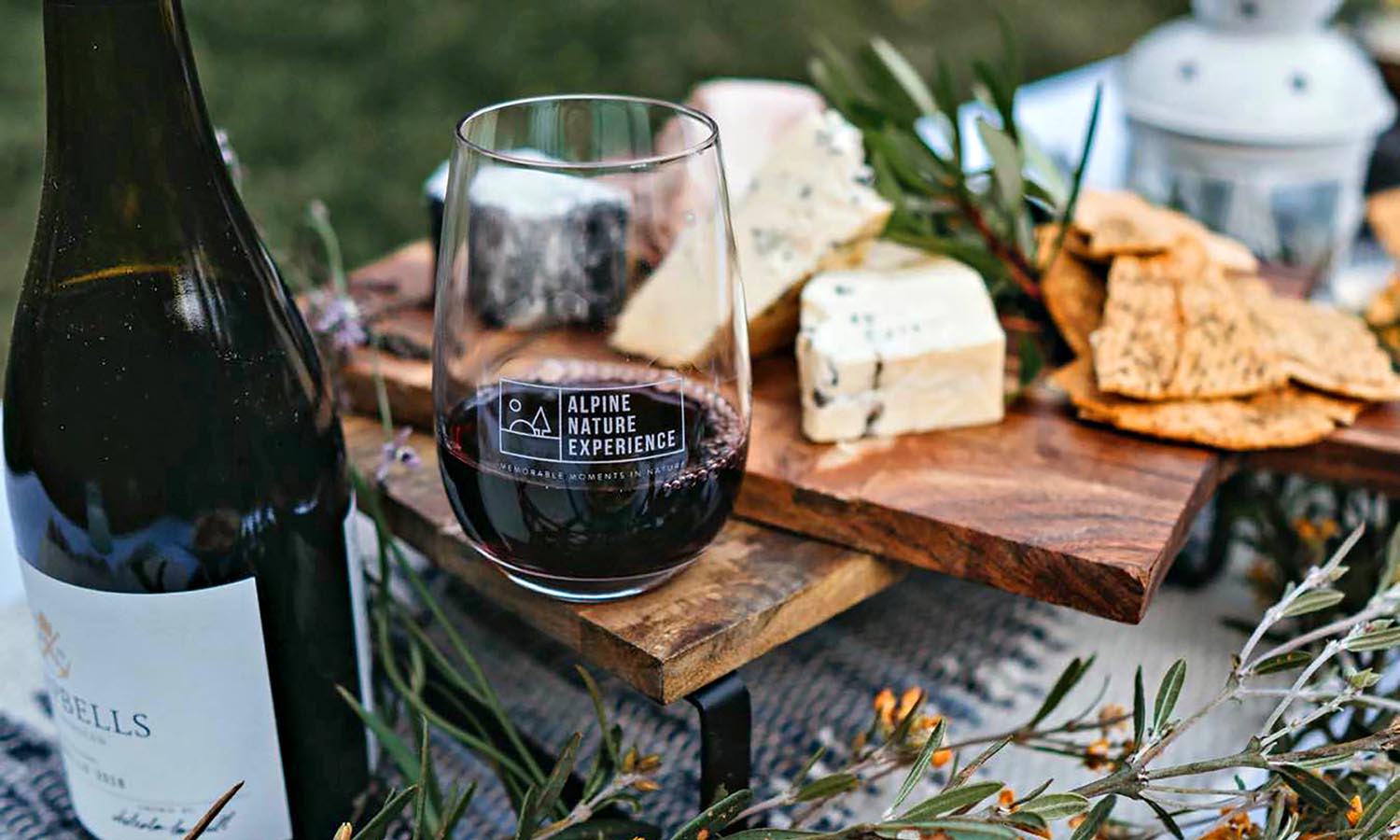
On an open fire, the long-awaited lamb is chargrilled and served with roasted vegetables and an orange and herb salad, and it’s about fifty times better than the two-minute noodles and canned tuna I usually dine on when out hiking in the wild.
With bellies full, we perch on logs fireside with a glass of that smooth Tempranillo we were promised. Dancing flames crackle and pop. A billion stars argue with a full moon over who is brighter. We’re the modern day equivalent of mountain men and women – sans cows and horses.
“My motto is that simplicity is luxury,” Jean-Francois says, and it’s a claim that seems accurate on two counts. Not only do we not have to worry about logistics, life itself is simple out here. Mobile coverage is sporadic and there are no reminders of the city life we’ve left behind.
“You don’t need much to be comfortable,” he says. “With a little bottle of gas, a battery and a solar panel, we have hot water, refrigeration and good food. That’s all that’s essential.”
Minimising environmental impact is also important to Jean-Francois. He participates in the global movement 1% for the Planet, he plants snow gum seedlings with a Mount Hotham nursery and runs a leave-no-trace operation.
Later I slink away to my treetop home, hovering discreetly above the grass and bush, and it envelops me like a cocoon though, albeit a spacious one. The base is surprisingly rigid and there’s only a gentle bounce when I roll over that lulls me to sleep.
“MY MOTTO IS THAT SIMPLICITY IS LUXURY. YOU DON’T NEED MUCH TO BE COMFORTABLE.”
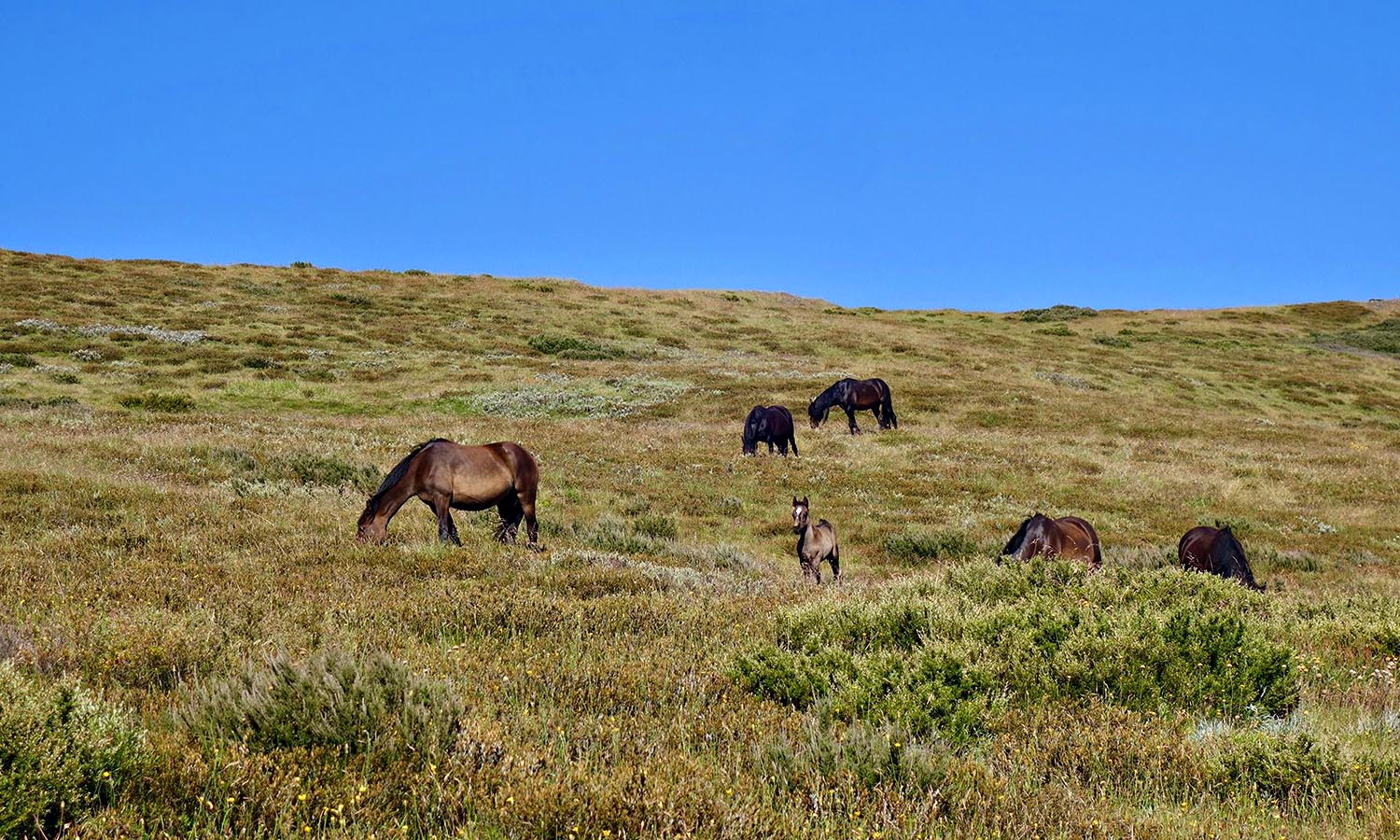
Day two is considerably hillier but a cloudless blue sky keeps us pumped. Three mobs of wild brumbies scatter over the hills, manes trailing in the breeze. A descent through snow gums leads to Cobungra Gap and the chunky log cabin of Dibbins Hut where a snack and a soak of the feet in the nearby creek revive us before the solid climb up Swindlers Spur.
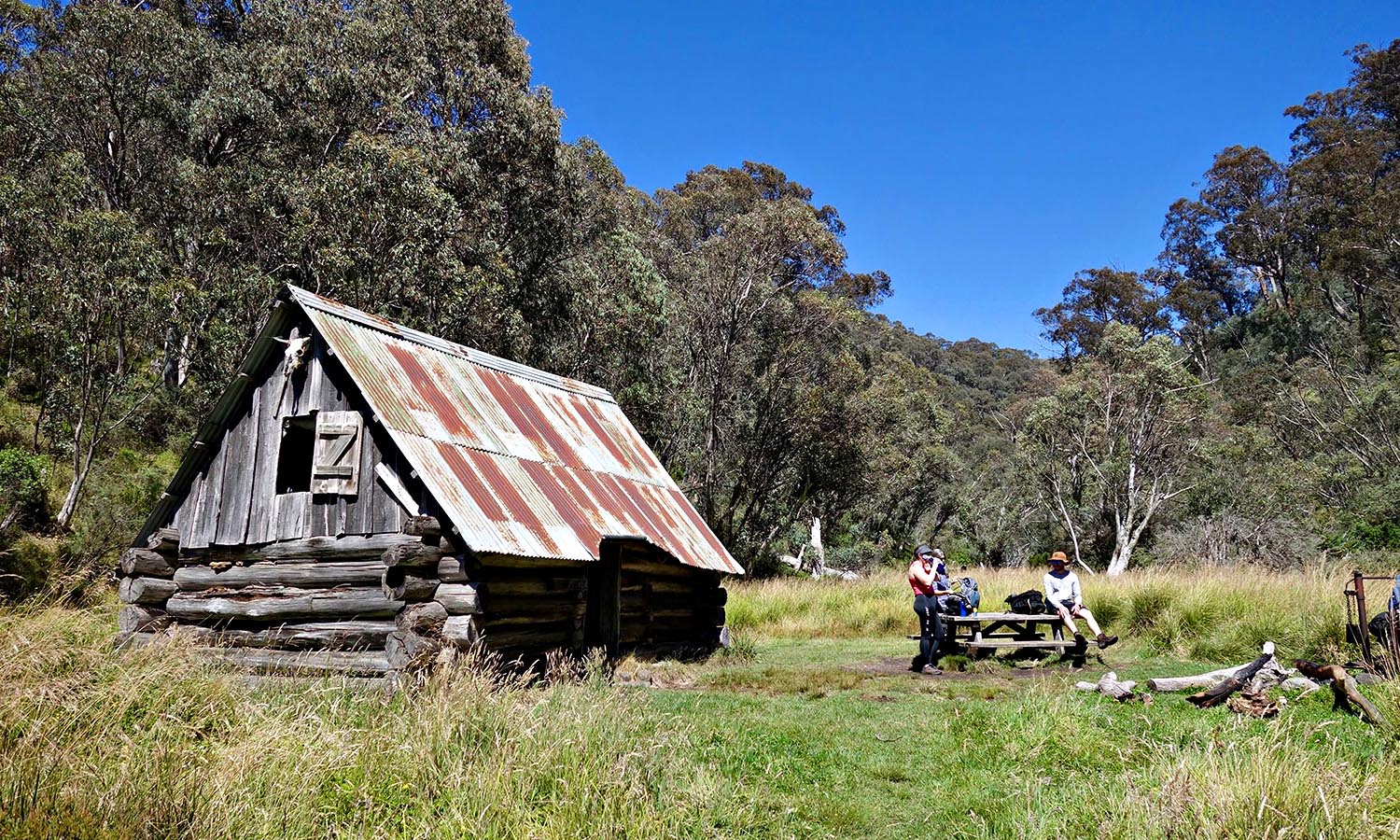
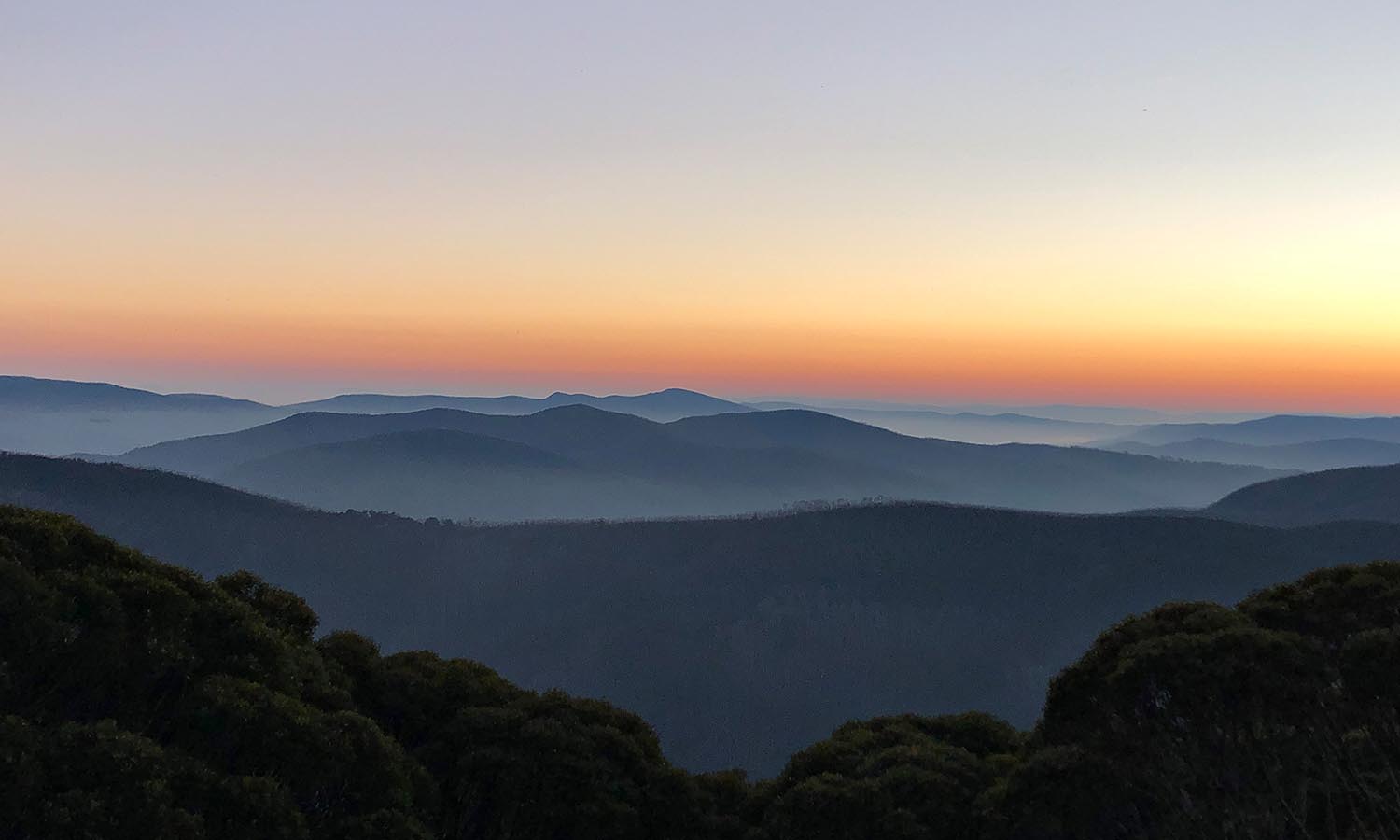
At Derrick’s Hut we laze on grass sprinkled with golden paper daisies and purple grass trigger plants, beneath the shade of a moss-covered snow gum. Our packed lunches include possibly the best – no, definitely the best – muffin of my life; double choc and caramel, slightly crispy on the edges and gooey in the middle. It’s enough to fuel us up Mount Loch where 360-degree views take in the Razorback Ridge, Mount Feathertop and our end point, Mount Hotham village.
When we eventually rendezvous with Jean-Francois again, he says: “I’d be very happy if people get to the end of this walk and decide they’re going to buy their own gear and get out there more.”
Personally, I feel we’ve been spoiled beyond redemption. From now on, it’s camping the Jean-Francois way or bust.
This intriguing new Australian festival in the Blue Mountains celebrates the Autumn equinox, tickles our senses in the dark and intimately connects us with an ancient landscape.
The Autumn equinox comes and goes in Australia each year without much thought or fanfare from your average punter. Despite its celestial, seasonal and scientific significance, it actually holds a much deeper and mysterious meaning in other parts of the world.
In the northern hemisphere, for example, revellers hold torches as they march through the city of Soria, a city in northern Spain to mark the changing of seasons. Other worshippers in Vilnius, Lithuania light candles along the Neris River just after sunset.
At last, there’s finally a festival on our doorstep to similarly mark the special occasion in one of our favourite spots in the country. Created and managed by Blue Mountains Tourism the inaugural ‘Autumn Celebration of the Senses’ kicks off this weekend.
Highlighting all that is great, hidden and mesmerising about the Blue Mountains (just a short one-hour drive from the centre of Sydney) the new festival spans three weekends in which visitors will be treated to a range of both free and ticketed events amidst the backdrop of one of the most ancient and revered natural landscapes in Australia.
The events and activities at this festival are all focused around the four main sensory themes of Taste, Hear, See and Feel. No matter the time of day, guests are assured epicurean treats, craft beverages from local producers, live music, free yoga, light installations and art workshops.
Here’s a rundown of the hidden treasures, the flavours, aromas and entertainment you can expect around every alluring sandstone corner:
A WEEKEND OF TASTINGS: 25th to 27th March
Hosted at the famous Hydro Majestic Hotel with its commanding views over the Megalong Valley, ‘Feast’ is our kind of headliner. The hotel’s ballroom will be transformed into an exotic and sensual banquet hall, hosting a culinary adventure for adventurous guests. For something a bit more refined (or even as part of your recovery) jump in your hire car and pop into the farm gates for some fresh produce along the Bells Line of Road.
A WEEKEND OF LIGHT AND SIGHT: 1st to 3rd April
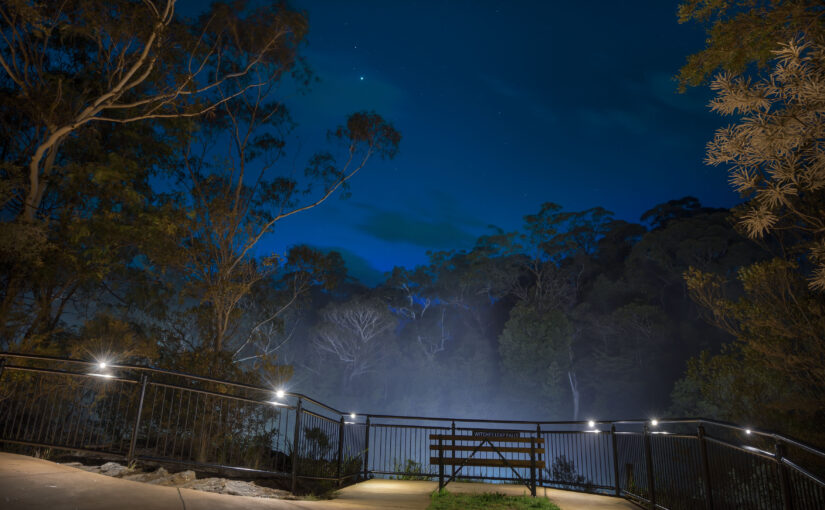
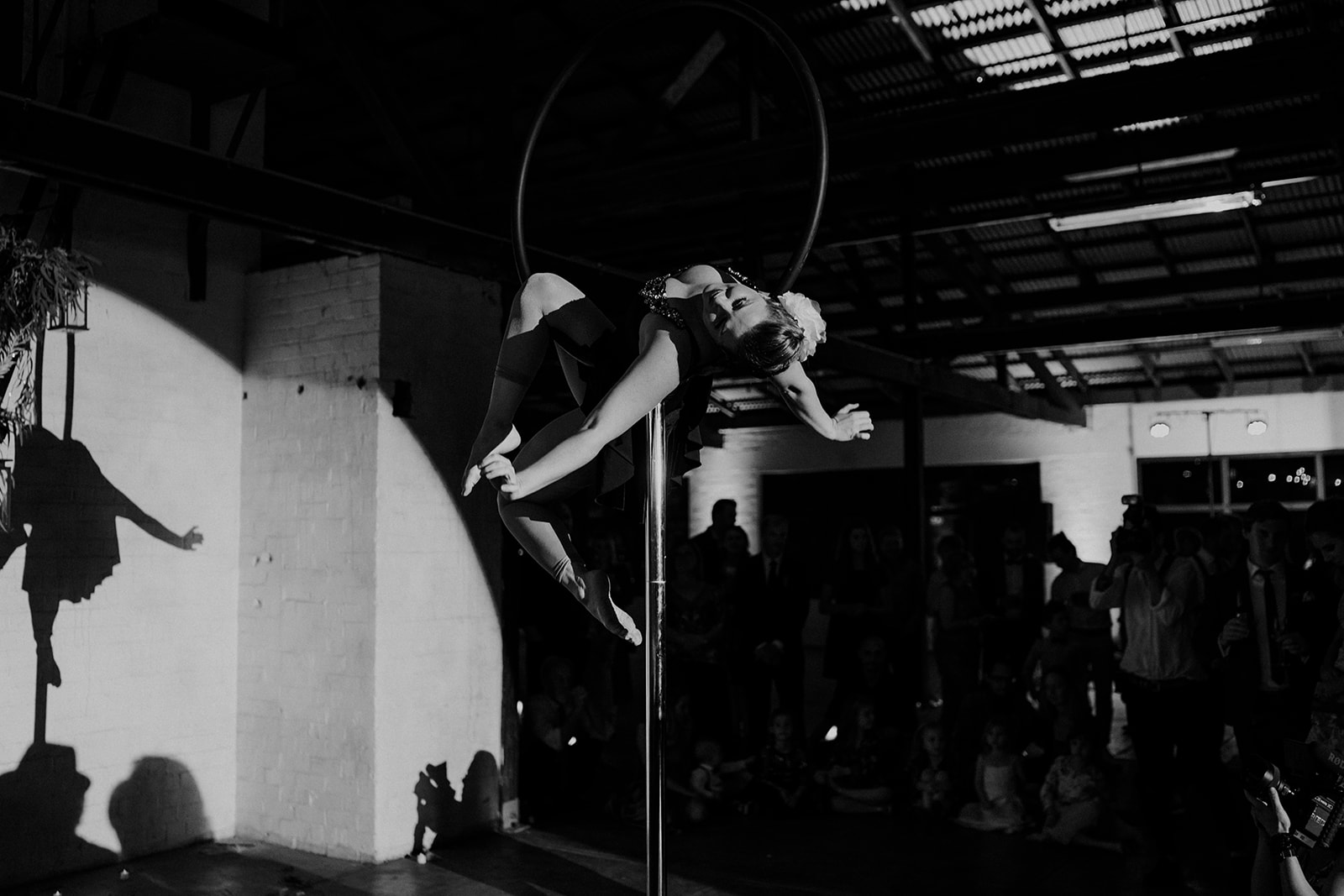
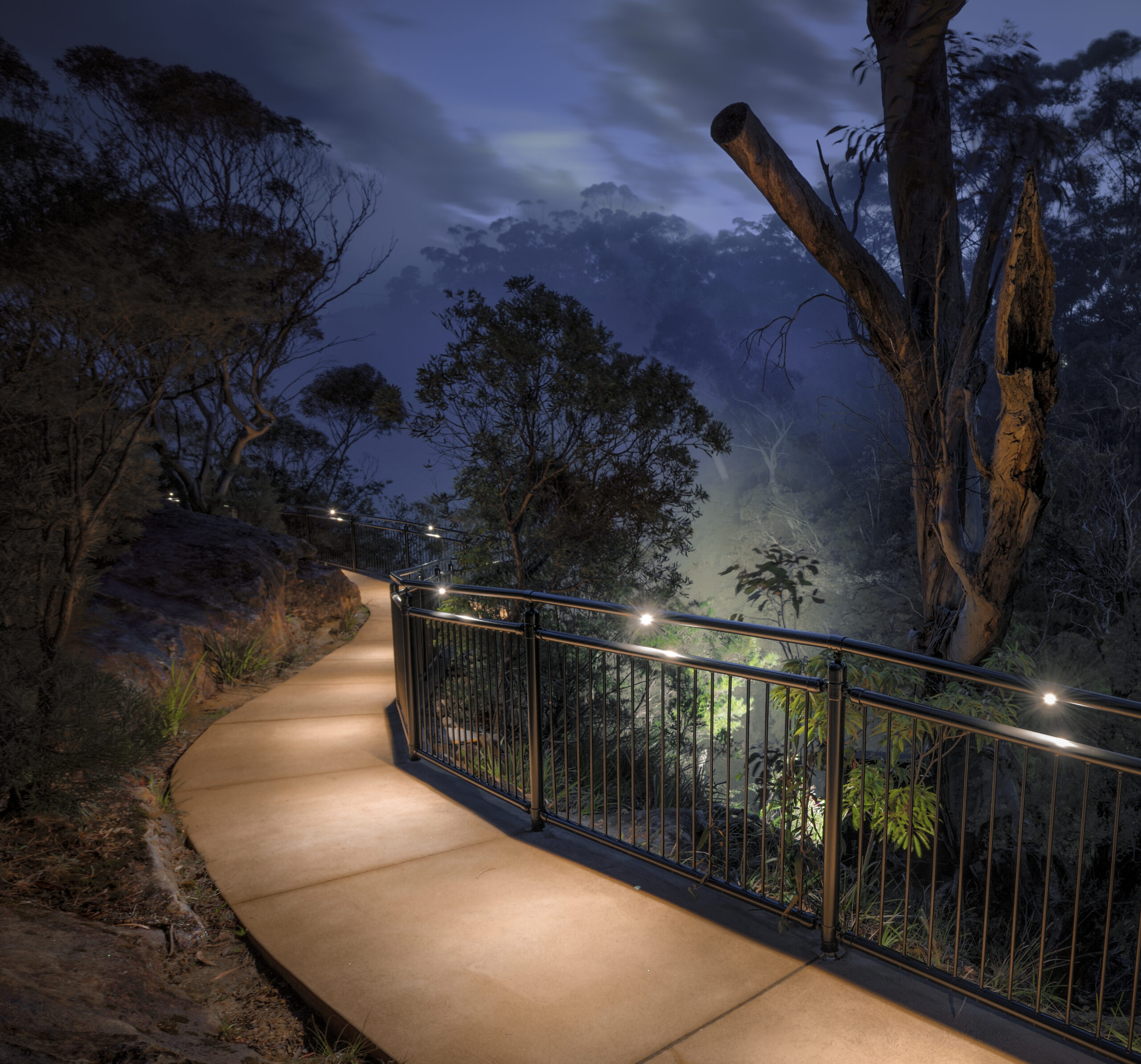
Be mesmerised by master card handler, trickster and pickpocket Harrison Milas in his Unfair Advantage show at Pigeon Lane in the iconic mountain town of Katoomba. While in town, the Great Art Deco Ball at the Carrington Hotel is not to be missed. But the real magic during the equinox season is when the sun goes down over the mountains. Visit Katoomba Falls Reserve Night-Lit Walk which takes you past the Three Sisters or sip and stargaze over the weekend at Dryridge Estate.
A WEEKEND OF ALL THE FEELS: 8th to 10th April
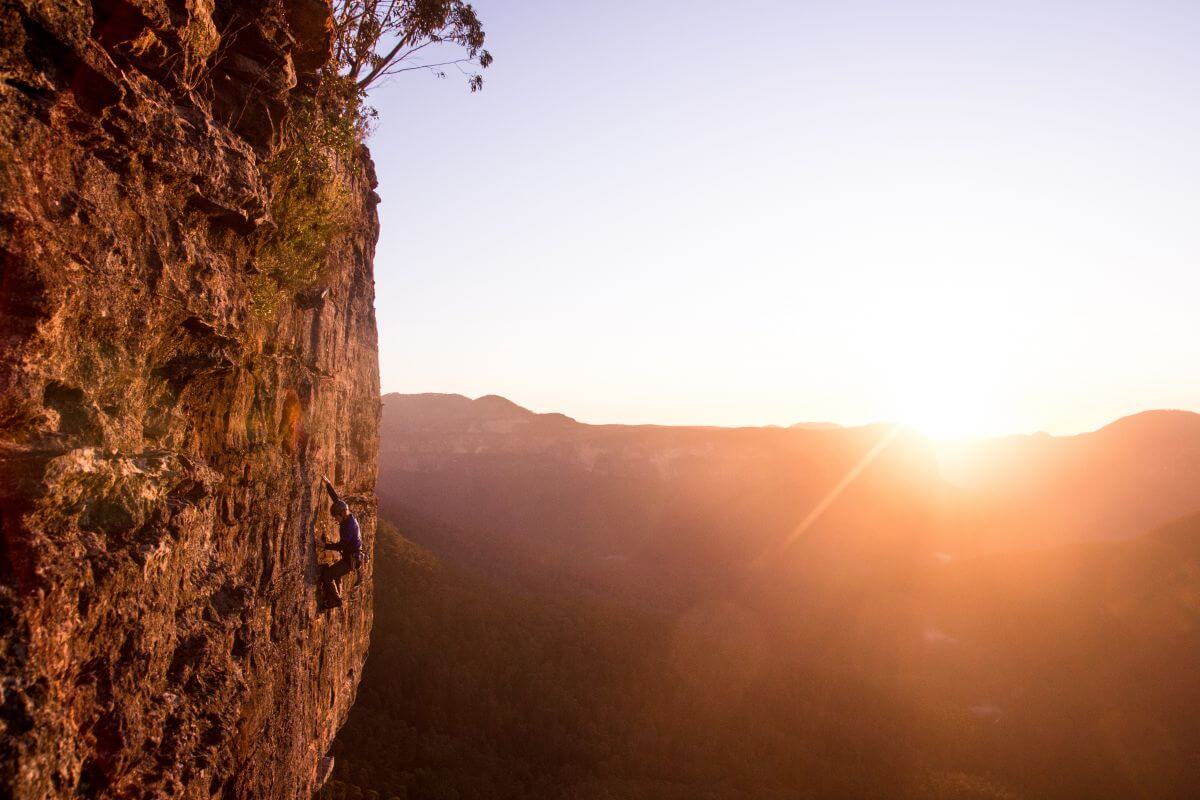
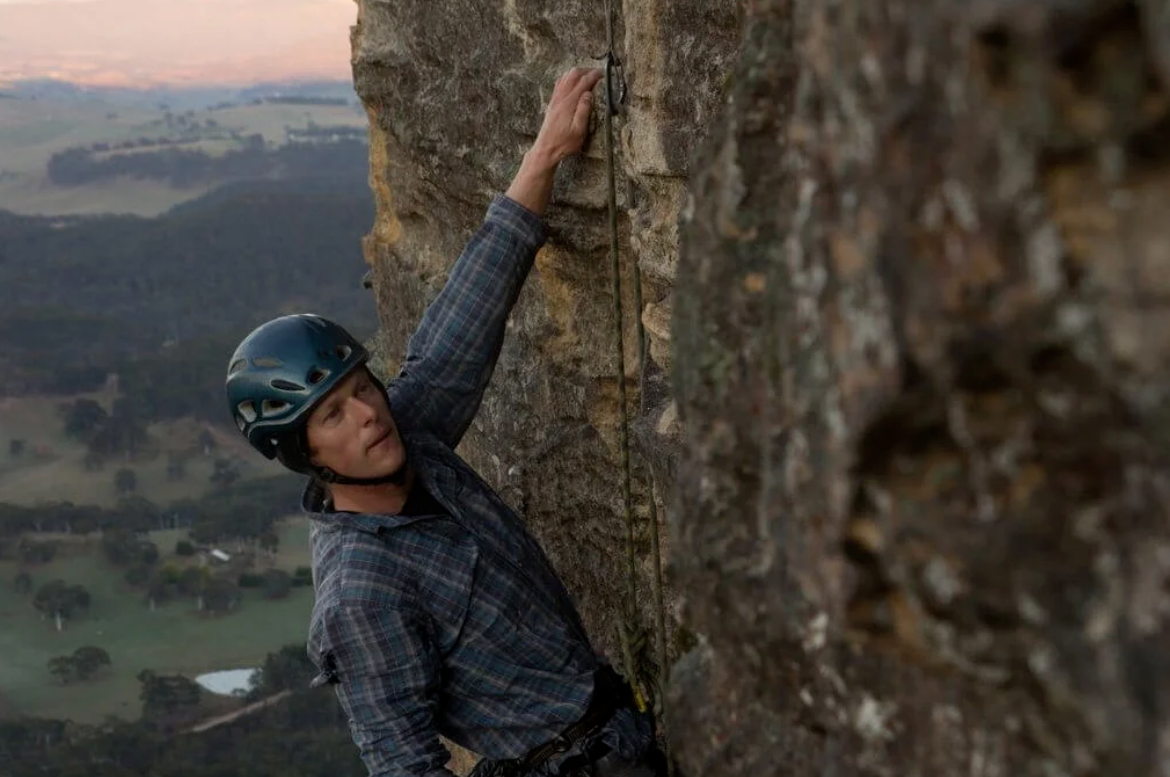
The Blue Mountains is a dense, rugged and ancient landscape with more than one-million square metres of dense bushland. But there’s something about the feel of the sandstone under your fingertips and the dewiness of the eucalyptus air that makes the nature experiences in this part of the world all the more special. Treat yourself to sunrise or sunset yoga over the Jamison Valley from the lookout at Echo Point. Mountain bike on world-class trails or test your nerve with Blue Mountains Climbing School, the choice (and all the feels) are yours. Visit visitbluemountains.com.au/equinox for tickets, accommodation and more details.
Japanese men battle for dominance, blessings and the approval of the Gods at Himeji City’s Fighting Festival.
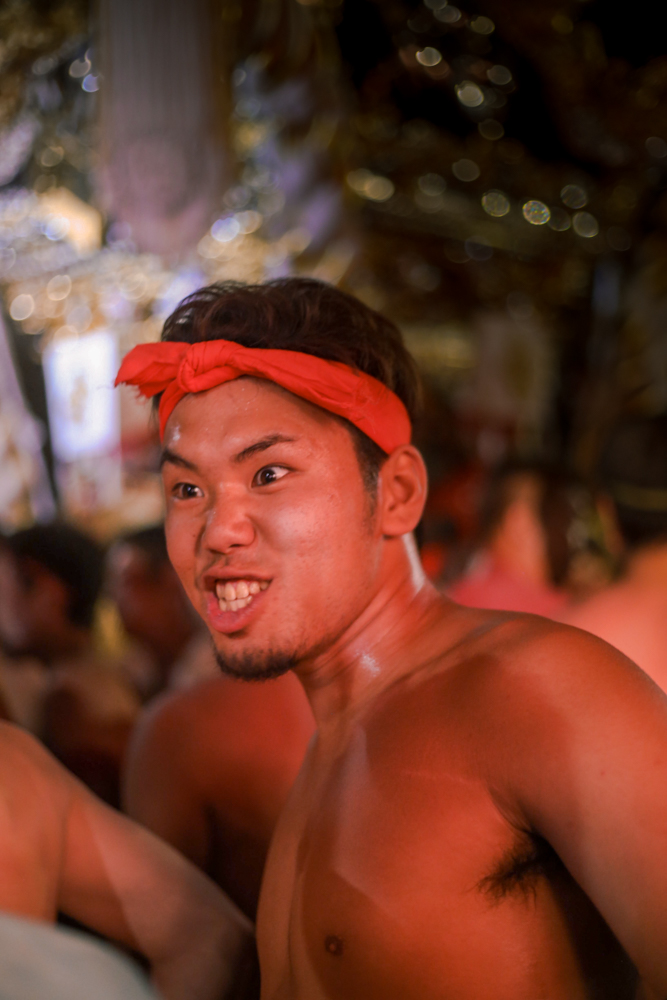
“Yoiyasa, Yoiyasa, Yoiyasa! (look to God and prosperity)” the crowd of almost naked Japanese men shouted energetically. They are carrying a two-tonne yatai, a portable Shinto shrine where the spirit of the local God resides. Despite their scantily clad dress and the cool breeze of the Autumn night, their faces glimmer with sweat and their brows are deep in fury as adrenaline pumps through their bodies. They are getting ready for a battle and from the looks of sheer determination on their faces, it is clear that no one was going down without a fight.
I’m about to witness the grand show at Himeji City’s Nada no Kenka Matsuri (Fighting Festival), a unique Japanese festival centred around brawling and wrestling. Yep, you read that right. A festival in Japan all about violence. When my Japanese friend invited me to her hometown to witness an epic battle, I was confused and very intrigued. The Japanese are known to be polite, reserved and respectful. Definitely not the type of people to let their emotions run high and battle it out with violence. Right?
Wrong. During Autumn, the country hosts a range of Shinto fighting festivals. This one in Hyogo Prefecture is the largest and most famous of them all, drawing in crowds of approximately 100,000 people annually pre COVID. Contrary to the traditional Autumn festivals, where local Shinto Gods are taken from their shrines for a stroll around the neighbourhood for good luck and prayers, this one is a bit different. The Gods, as well as the men of Himeji City, are preparing for the monumental combat of the year tonight.
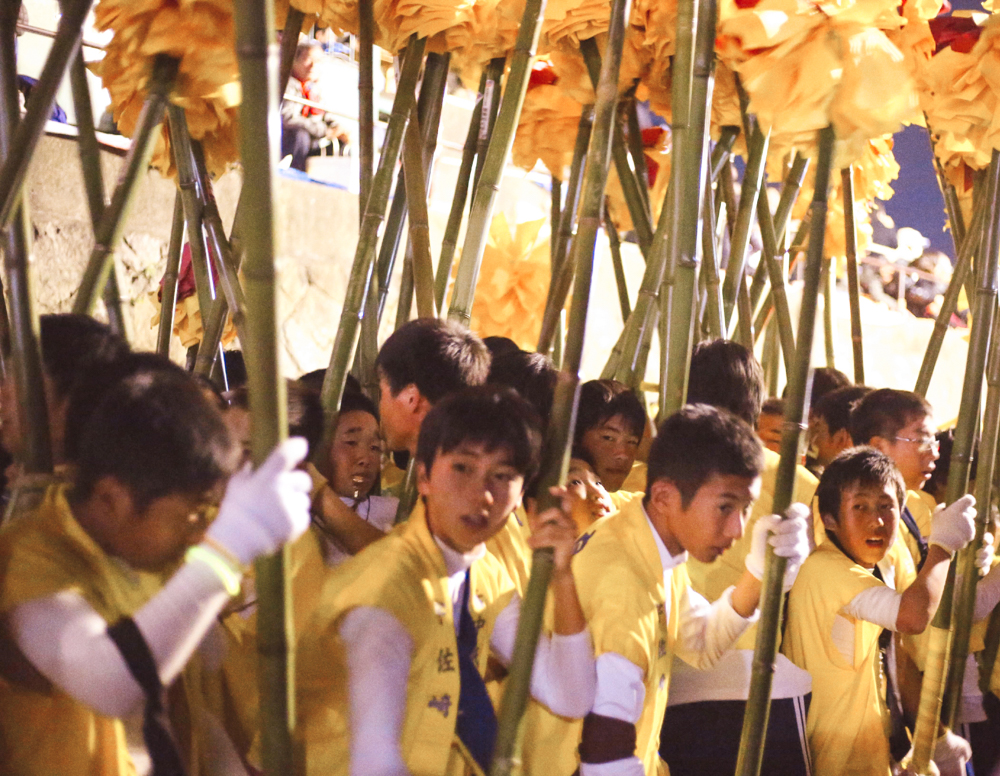
Every year on October 14th and 15th, the seven districts of Himeji City come together to participate in some good ole friendly neighbourhood competition. Each part of town transports their local God to battle on a yatai which is dressed up in a colour that represents their district. The shrines are slammed amongst each other unforgivingly in an extraordinary act of dominance until a winner is left standing. It is so dangerous and rowdy that people have been seriously injured – some have even died in the past.
Terasaki Yoji, who has been partaking in the festival for almost 40 years, describes the event as a great source of local pride. “Participating in the festival makes me want to pass on this special ancient tradition to the future generations and beyond. Everyone from Himeji is very excited to join the event and it is a great honour to be able to represent your community.” Young boys from the city, although too young to carry the portable shrine, cannot wait to carry on the legacy of their families and to pay homage to their roots.
I stand there watching as another group of men with another yatai and different colour headbands, representing another part of town, pass by me. I am half in shock and half in awe. In a country where people dress modestly and conservatively, it felt strange to see Japanese men wear barely anything except for a fundoshi. This piece of loincloth, similar to what sumo wrestlers wear, left their butt cheeks hanging out and baring all. There are so many butts. I am not sure where to look, or, where not to look. My eyes dart around the unusual scene unfolding before me.
Up close, the yatai’s intricate details stood out clearly and could not be missed. It is no wonder that each float takes several years to put together and requires the expertise and attention of specialised carpenters and craftsmen. Each portable shrine is decorated extensively with delicately handcrafted symbols, motifs and carvings representing the local district’s residential God and stories from ancient legends. The shrine jostling before me was carrying the God from Matsubara shrine, the symbol of the dragon crest donning the top of the structure plus the red dress of the float and the men gave it away.
Inside the yatai sit four taiko drummers, noriko, who are dressed in impressive kimonos, just as detailed as the yatai. Their arms swing in excellent synchronisation with each other, providing the non-stop soundtrack for the night. “It is said they have the hardest job of all!” my friend joked. “Noriko don’t have a break and drum on throughout the whole night, even when the shrines fall in the battle.” Yatai are truly a testimony to Japan’s emphasis on fine attention to detail and the country’s constant strive towards excellence.
As the men carry the shrine towards the battleground, they jostle it in an almost dance-like motion. They move it side to side and up and down to amuse and excite the God inside. Occasionally the shrine would drop to the ground with a loud thud, giving the men a well-deserved break. Controlling such a heavy structure is not an easy feat – it takes the strength of approximately 75 grown and able-bodied men to transport the float. Much to my surprise, Terasaki explains, “Those who transport the shrine actually don’t practise beforehand. The person at the front of the yatai has a job of calling out the direction and the nobori (men who carry the shrine) match their movements to the instruction.”
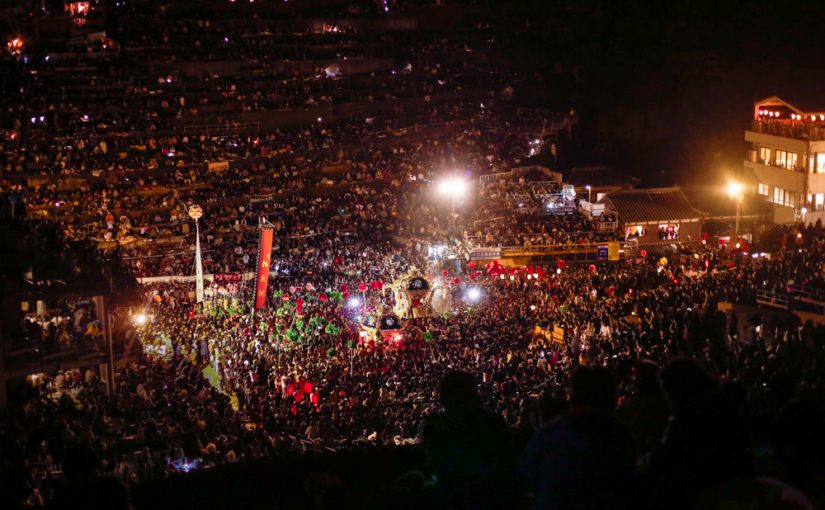
As the final shrine makes its way over to the open-air amphitheatre in the valley nearby the Matsubara Hachiman Shrine, the scene of the ultimate battle, I head back to our prime viewing spot situated high above the battleground. Reminiscent of the Coliseum in Rome, the venue is jampacked with people from all 360 degrees. People rush back to their seats as the event was about to unfold, returning from the food vendors who line the entrance to the amphitheatre. The charcoaled smell of yakitori (grilled chicken) and dried squid, along with the buzz of excitement and anticipation whiffed through the air.
On the battleground, the shrines begin bouncing up and down, up and down, similar to a boxer moving as he prepares himself before throwing the first punch at an opponent. Older men who are not physically able to carry the shrine carry pom pom sticks and surround the shrine on the battleground. They wave it up and down in fast and quick motions, getting quicker and quicker and foreshadowing the upcoming action. The shouting and chanting of the nobori grew in intensity. The sound of the taiko drums thunders louder and louder, ringing through the whole venue and my body. The battle of the year was about to begin.
As the shrines slam together (yatai-awase), my heart slams inside of my chest too. BANG. The sound of the slams vibrates throughout the amphitheatre. The men jammed the shrines towards each other. BANG. Ashes and dust kick off into the air, surrounding the clash. BANG. “The scene is said to represent the Gods fighting in heaven with the sound of the collision representing thunder. The more loud and rowdy everyone is, the more pleased the Gods will be.” my friend explains.
The drums continue with even more intensity and the chants too. Screams, shrieks and gasps fill the air as the crowd watches on the edge of their seats. I never understood the exhilaration and rush of a live battle but I did now. The energy was contagious and the air was thick in suspense and excitement. Each collision built on the growing enthusiasm felt by everyone. In the midst of all this, the noriko continue drumming in such a beautiful and almost dream-like motion, never missing a beat. The shrines continue to jam into each other and the nobori keep chanting. There were no rules. In this grand event, pairs or sometimes even three yatai battle each other until all have fought, providing hours of entertainment until one is crowned the ultimate winner.
The whole amphitheatre echos as the shrine topple to the ground and the crowd of people around it disperse quickly, careful to not get hurt by the powerful floats. I chuckle and think to myself – it turns out Japan isn’t that much of a quiet and peaceful country all the time.