Forget Aspen’s fur coats, Vail’s valet parking, and Park City’s $40 salads.
These five mountains are for people who actually came to ski, not to compare goggle tans in a champagne bar. Think deep powder, dive bars, and locals who’ll give you the best tips over a cheap beer instead of a concierge counter.
From Montana’s treehouses and Oregon’s haunted hotels to Utah’s powder-meets-desert views, Idaho’s secret celeb hideaway, and Colorado’s last great ski town; these spots deliver proper mountain culture. No gloss. No pretense. Just big turns, big nights, and even bigger stories.
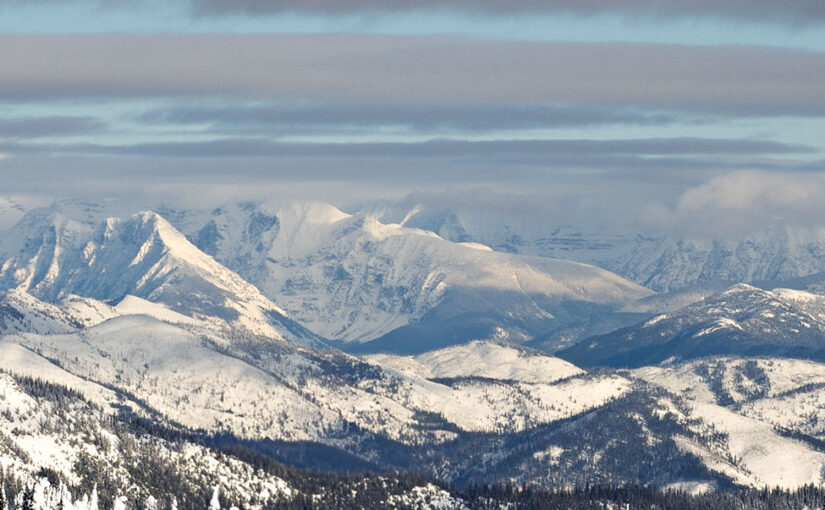
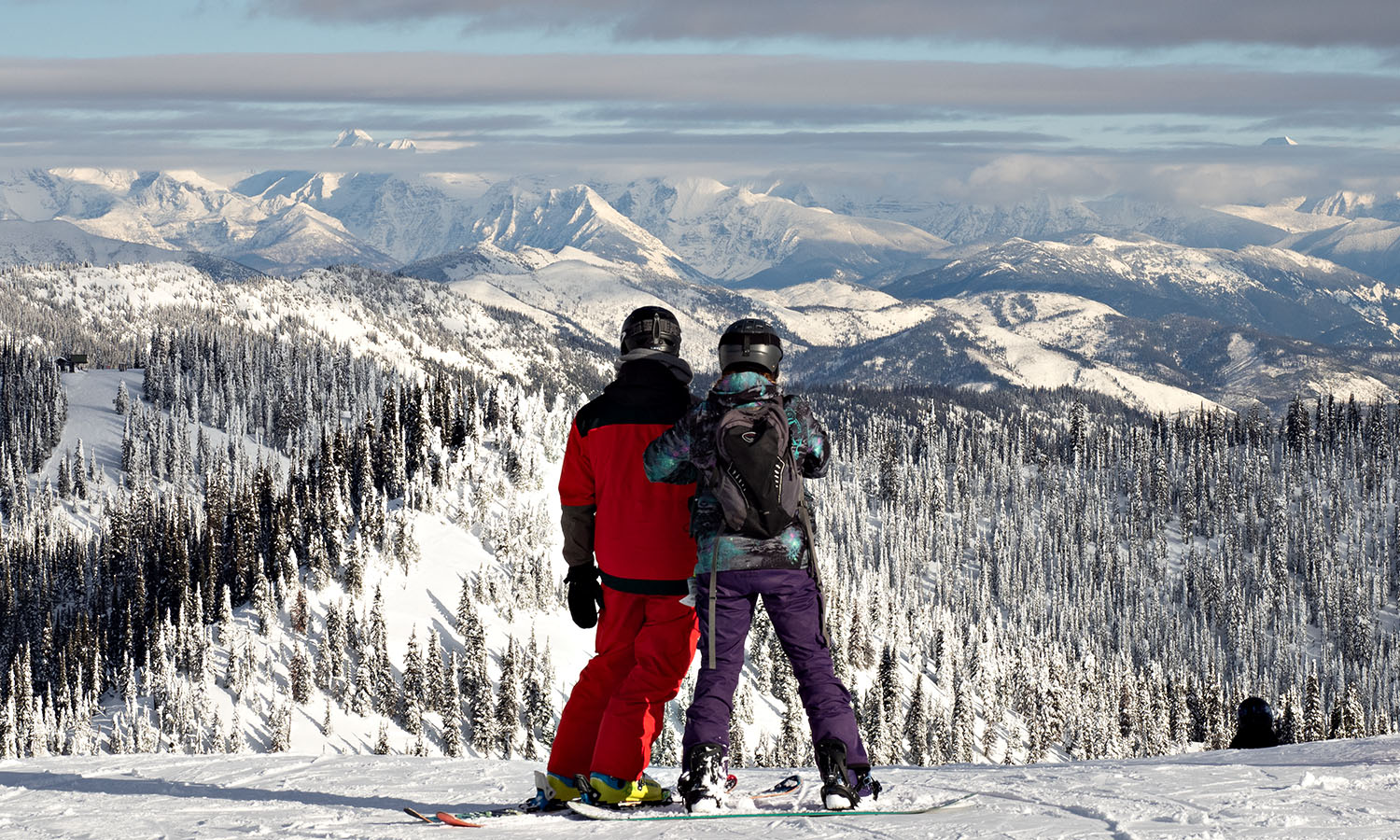
Whitefish is where ski bums, night owls, and powder hounds collide, sometimes literally, usually at the Hellroaring Saloon. Big terrain, bigger personalities, and night skiing that’ll ruin you for daylight forever.
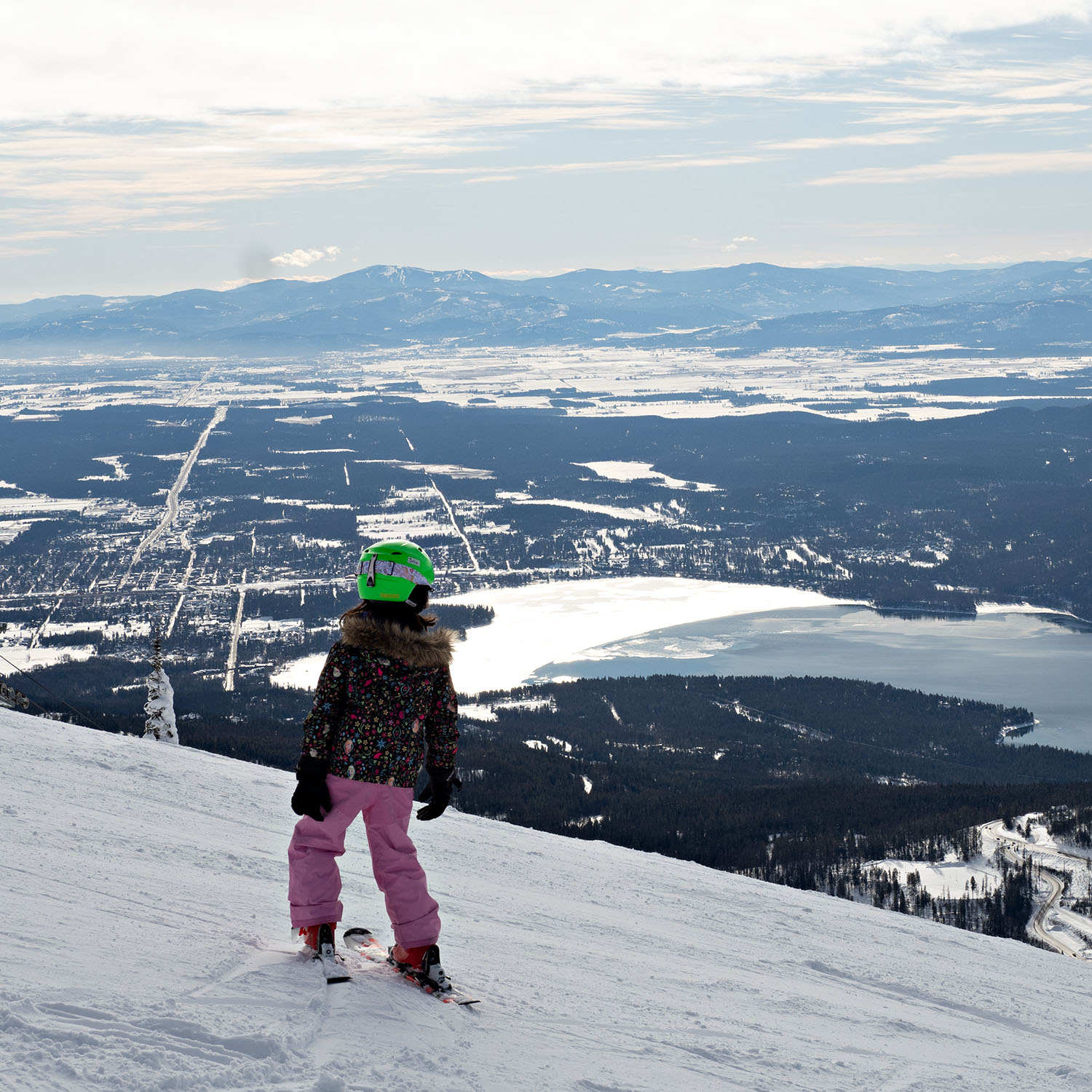
Whitefish is what happens when a ski town decides it doesn’t want to grow up and become Aspen. Tucked up near the Canadian border in Montana, it’s got big-mountain skiing without the big-mountain attitude. The locals are friendly, the beer’s cheap, and the powder’s so dry you’ll swear the snowflakes were freeze-dried by hand.
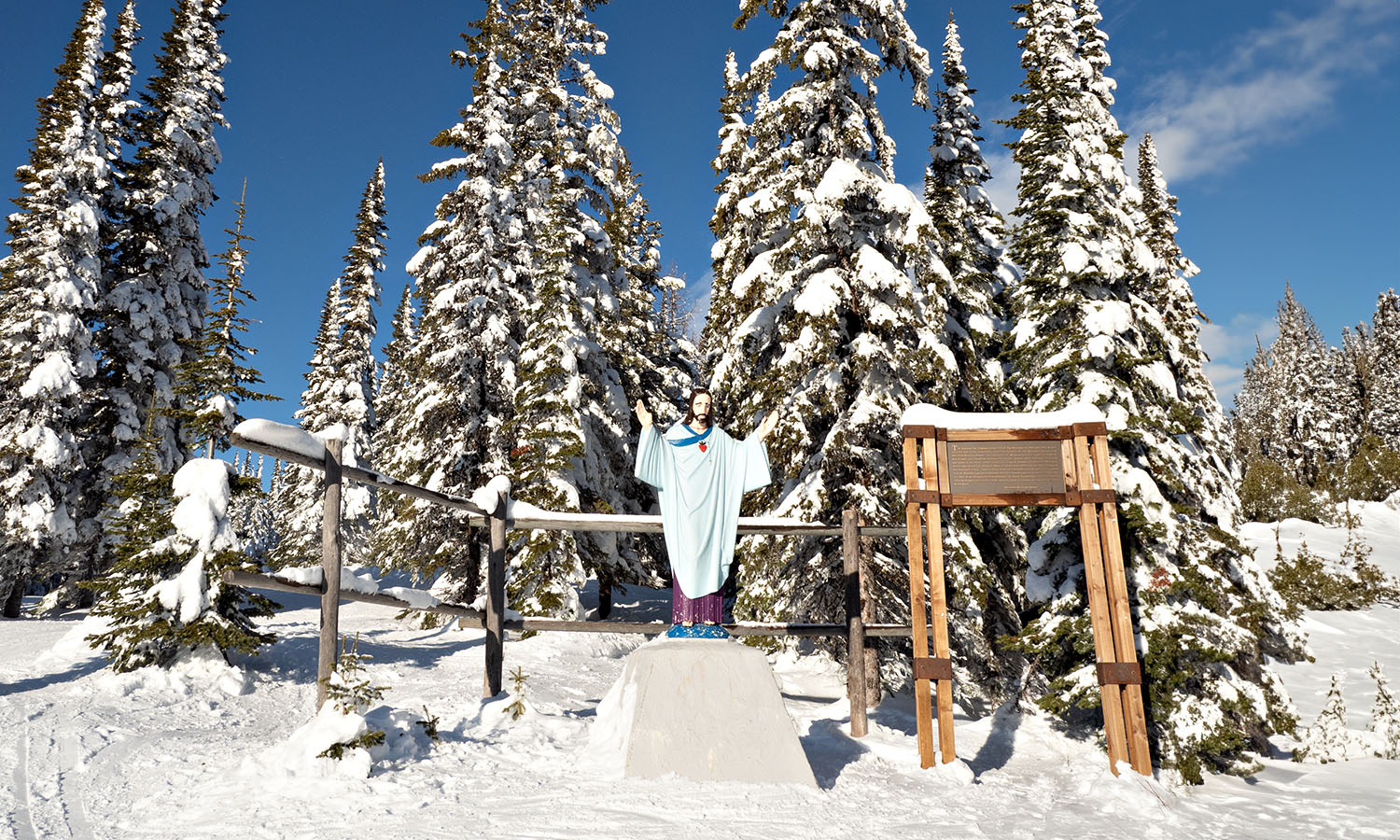
The mountain itself is huge. With over 3,000 acres of skiable terrain, you’ll find everything from mellow cruisers to thigh-burning tree runs. And if you haven’t shredded under the lights yet, Whitefish offers night skiing, a surreal, slightly spooky experience where you carve turns under the stars while a faint whiff of woodsmoke floats up from the valley below. Pro tip: bow to Big Mountain Jesus on your first run for good luck. Trust us.
“Night skiing under a billion stars and finishing the run in a bar with sticky floors, Whitefish is Aspen’s cooler, cheaper, drunker cousin.”
Après-ski here is delightfully unpretentious. Locals migrate straight from the slopes into town to spots like the Great Northern Bar, where pool tables and pints replace champagne buckets and charcuterie boards. Expect live music, sticky floors, and the occasional cowboy hat, sometimes all on the same person.
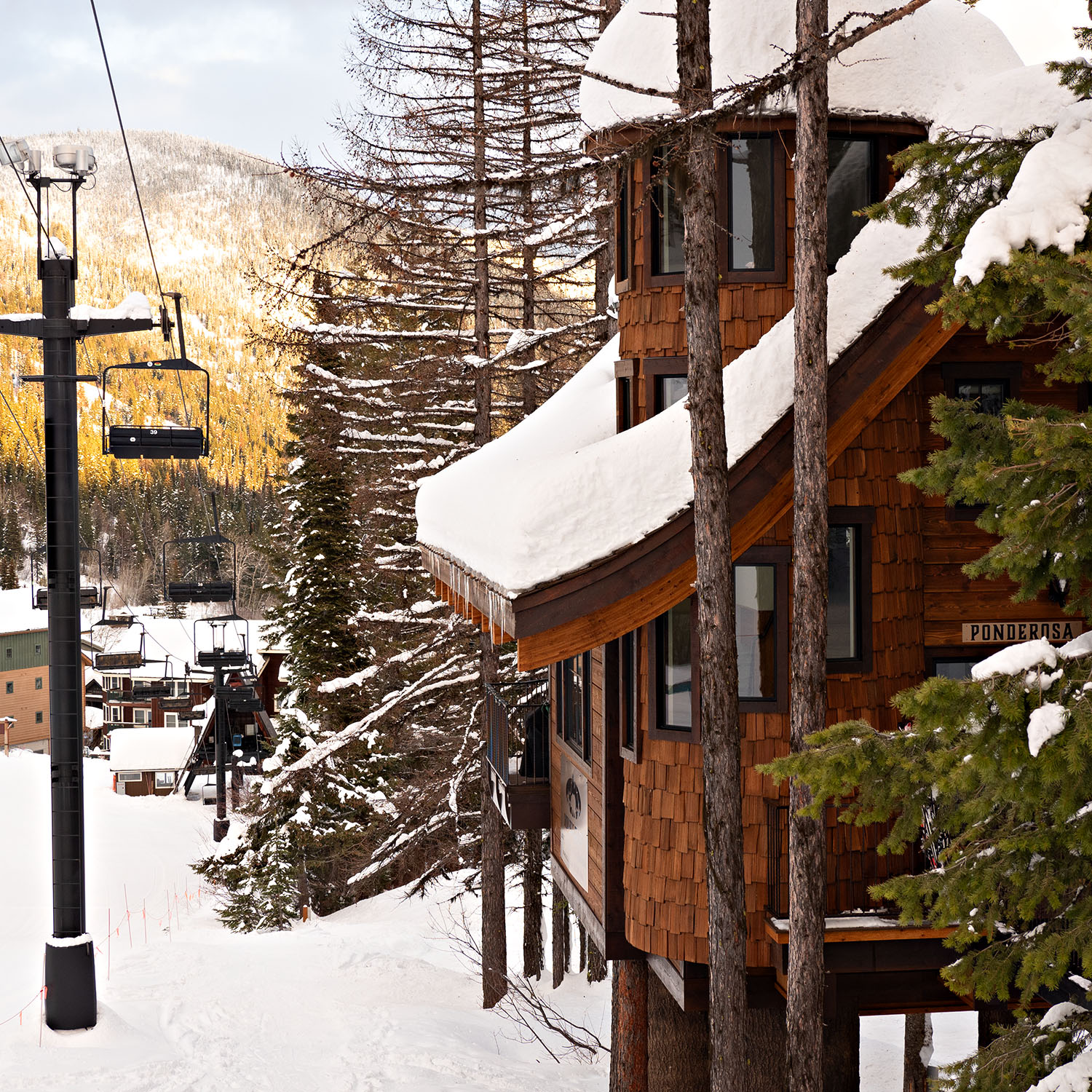
For accommodation, you could stay in a hotel… but you’re better off booking the Ponderosa Treehouse. It’s part Swiss Family Robinson, part ski bum fantasy: a cabin perched high among the pines, with panoramic views and a toasty fire waiting after a day smashing powder stashes.
Add in Glacier National Park just down the road, and you’ve got yourself a proper winter playground without the pretension.
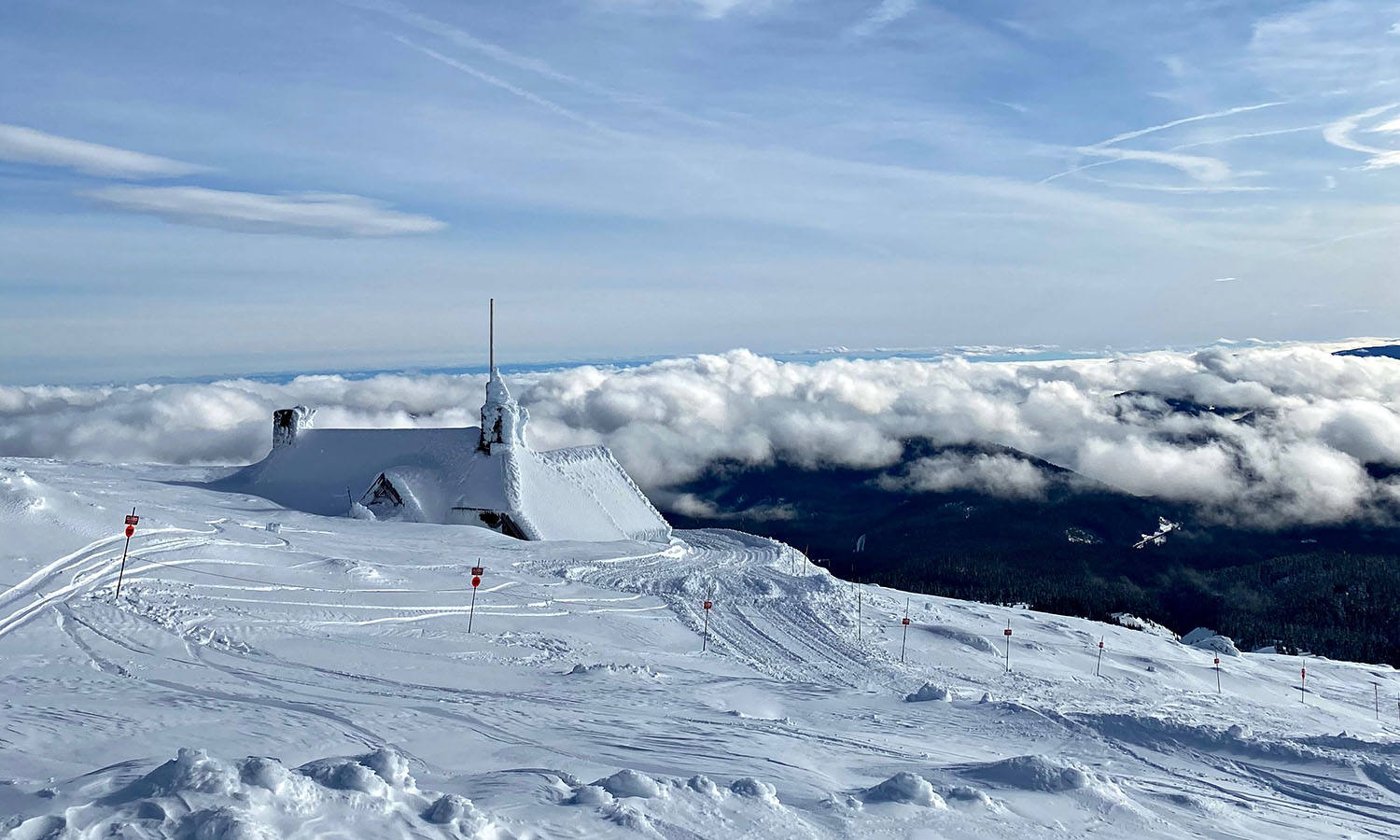
Skiing Mt. Hood feels like stepping into a Stephen King novel — minus the murder (usually). The Timberline Lodge, perched on the slopes, doubled as the infamous Overlook Hotel in The Shining, so you can spend your après imagining Jack Nicholson lurking behind the bar whispering, “Here’s Johnny!”
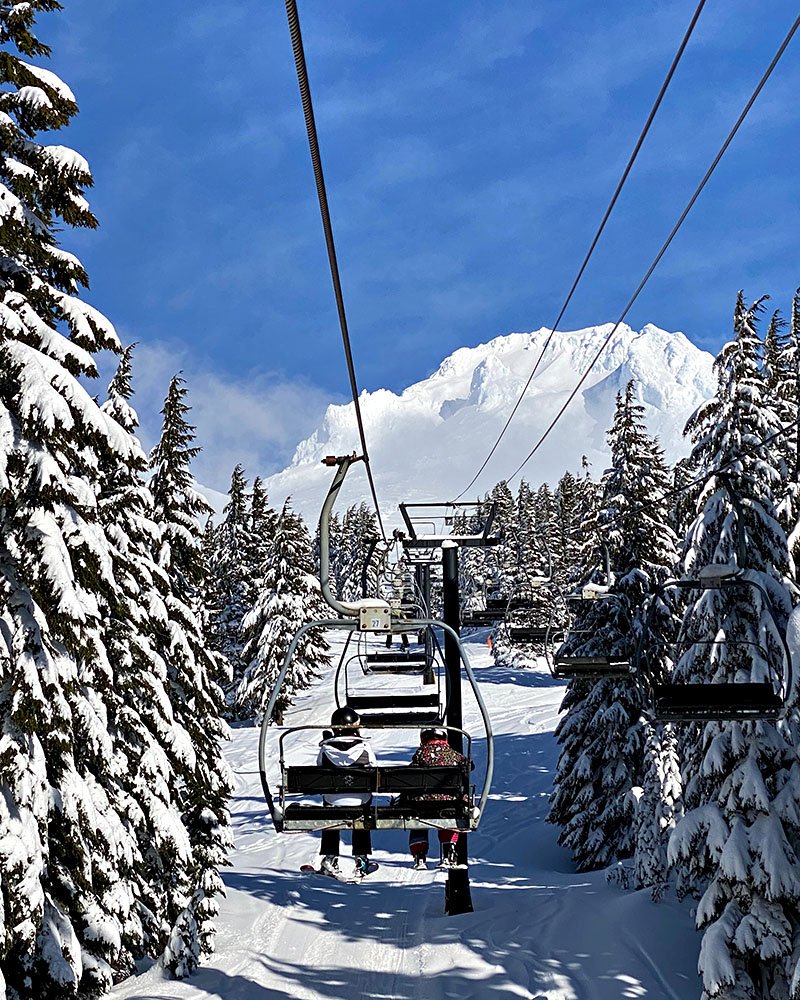
The mountain itself is a beast, offering skiing nearly year-round thanks to its volcanic glacier and the highest elevation ski slopes in North America. You’ll get everything from wide-open groomers to tight tree runs where you’ll pray to every snow god you know.
For a true locals’ experience, rent a log cabin in the woods around Mt. Hood Village.
There’s something primal about waking up surrounded by towering pines, brewing coffee on a wood stove, and heading out into crisp alpine air knowing your day involves both adrenaline and craft beer.
Après-ski here is perfectly Oregonian. It’s laid-back, slightly hipster, and deeply committed to local brews. Check out Mt. Hood Brewing Co. for a pint of Ice Axe IPA and a pile of pub grub big enough to feed a snowboard team. Stick around long enough and someone will inevitably offer you a local tip involving “secret stashes,” which may or may not refer to powder.
And if you need a day off and if your legs still work, snowshoe through silent old-growth forests where the only sound is snow crunching underfoot and maybe the faint echo of “redrum” if you’ve had one too many at après.
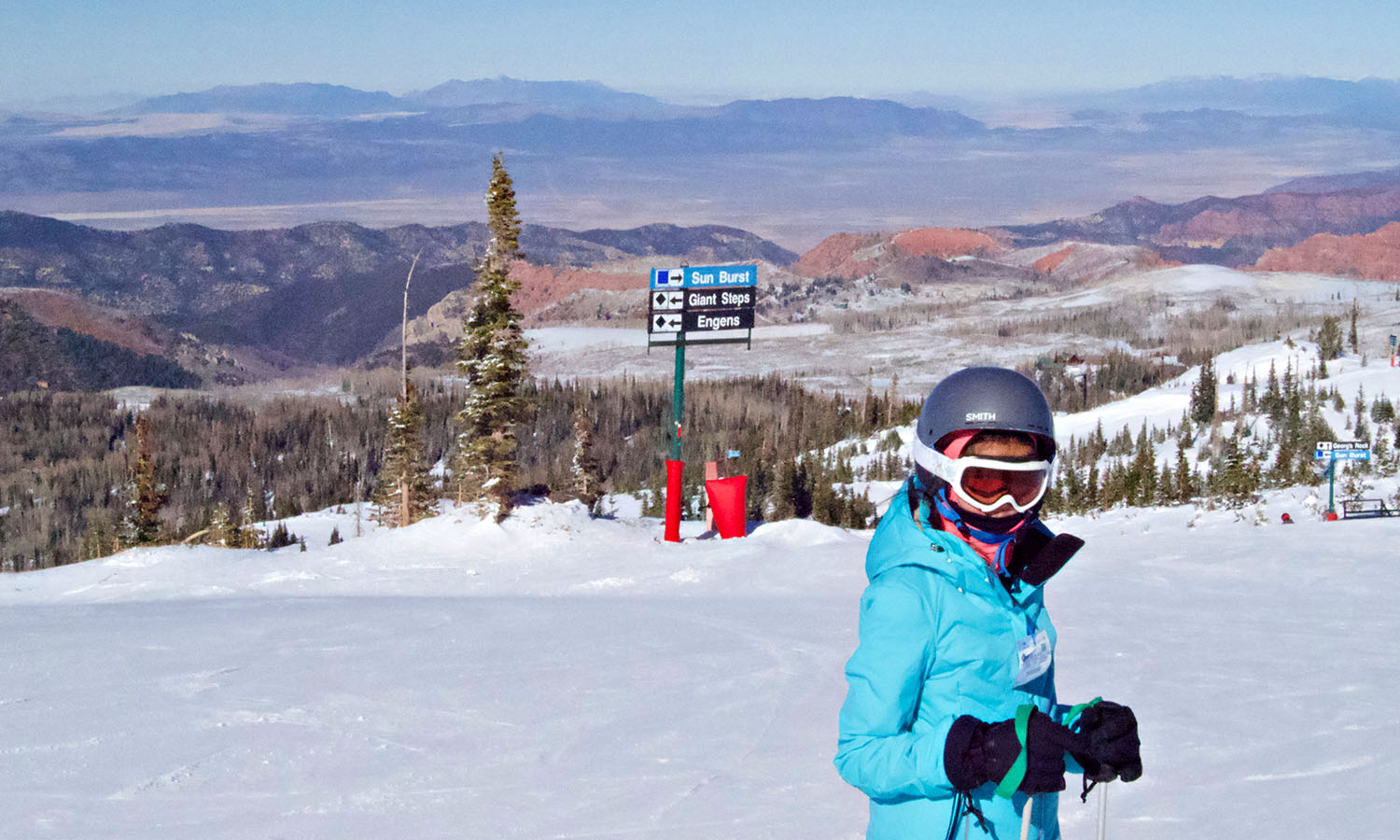
At Brian Head, you’re carving powder while staring at red rock cliffs that look like they’ve been stolen from Mars. It’s part ski resort, part desert fever dream, and somehow, it works perfectly.
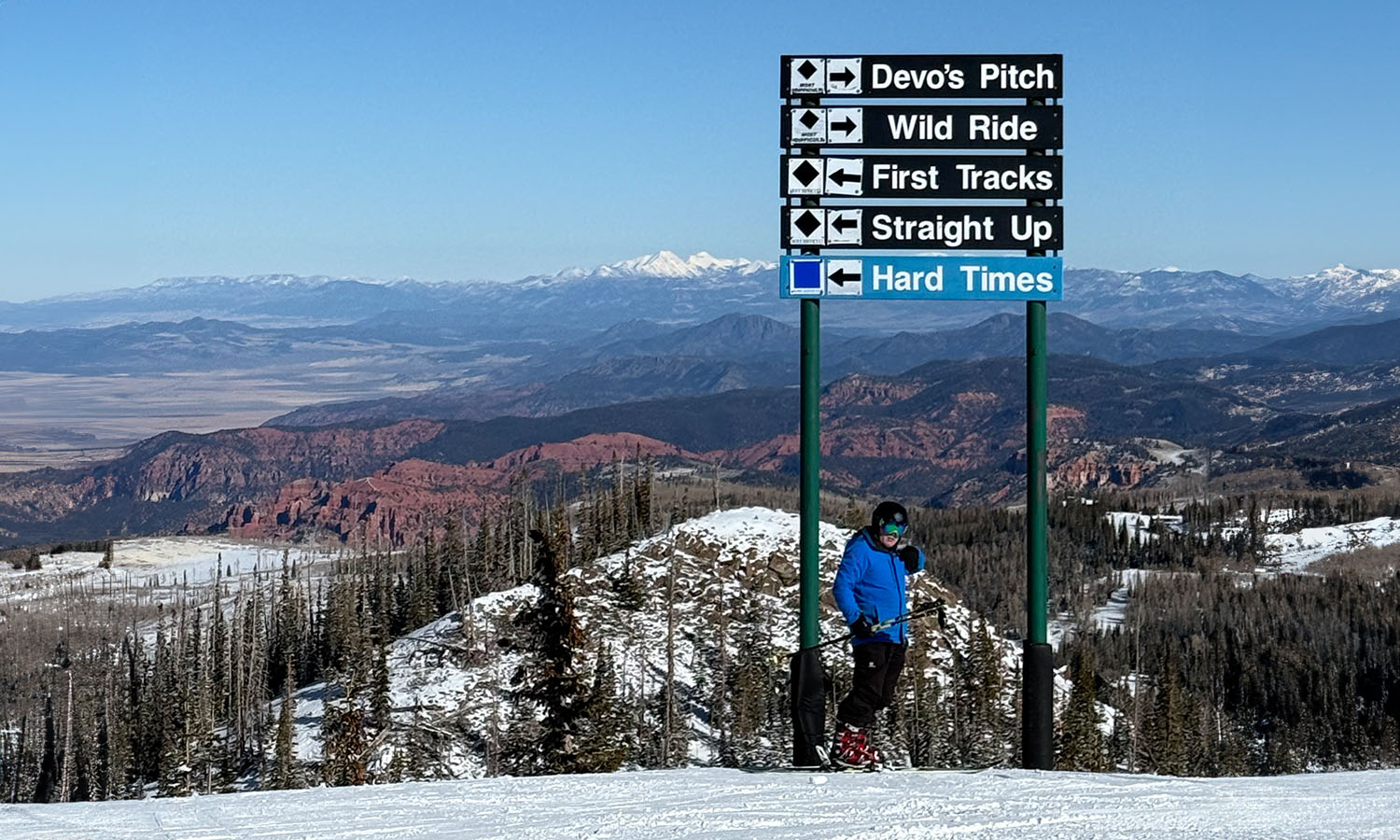
Brian Head is what happens when a ski resort gets dropped into a desert painting. From the top of the runs, you’ll gaze out over fiery cliffs and bizarre hoodoo formations dusted with snow like some surreal mash-up of skiing and Mars colonisation.
The vibe here is about as far from Park City’s glitz as you can get. Locals roll up in pickups, not Porsches, and the après scene is low-key but lively. Head to the Last Chair Grill and Brews. Grab a craft brewski, swap stories with strangers who’ll become mates by sundown, and soak up a genuine mountain-town energy.
Brian Head is also a family-friendly gem. The mountain has just the right balance of approachable greens and sneaky double blacks, so you can introduce the kids to skiing while still scaring yourself silly on the steeps. And if you need a break, there’s tubing, snowmobiling, or simply parking yourself at a firepit to bask in 300+ days of Utah sunshine.
What really seals the deal is the contrast deep powder under bluebird skies, framed by alien-looking red rocks that make every photo look like a Photoshop job. It’s Utah, but it feels like nowhere else on Earth.
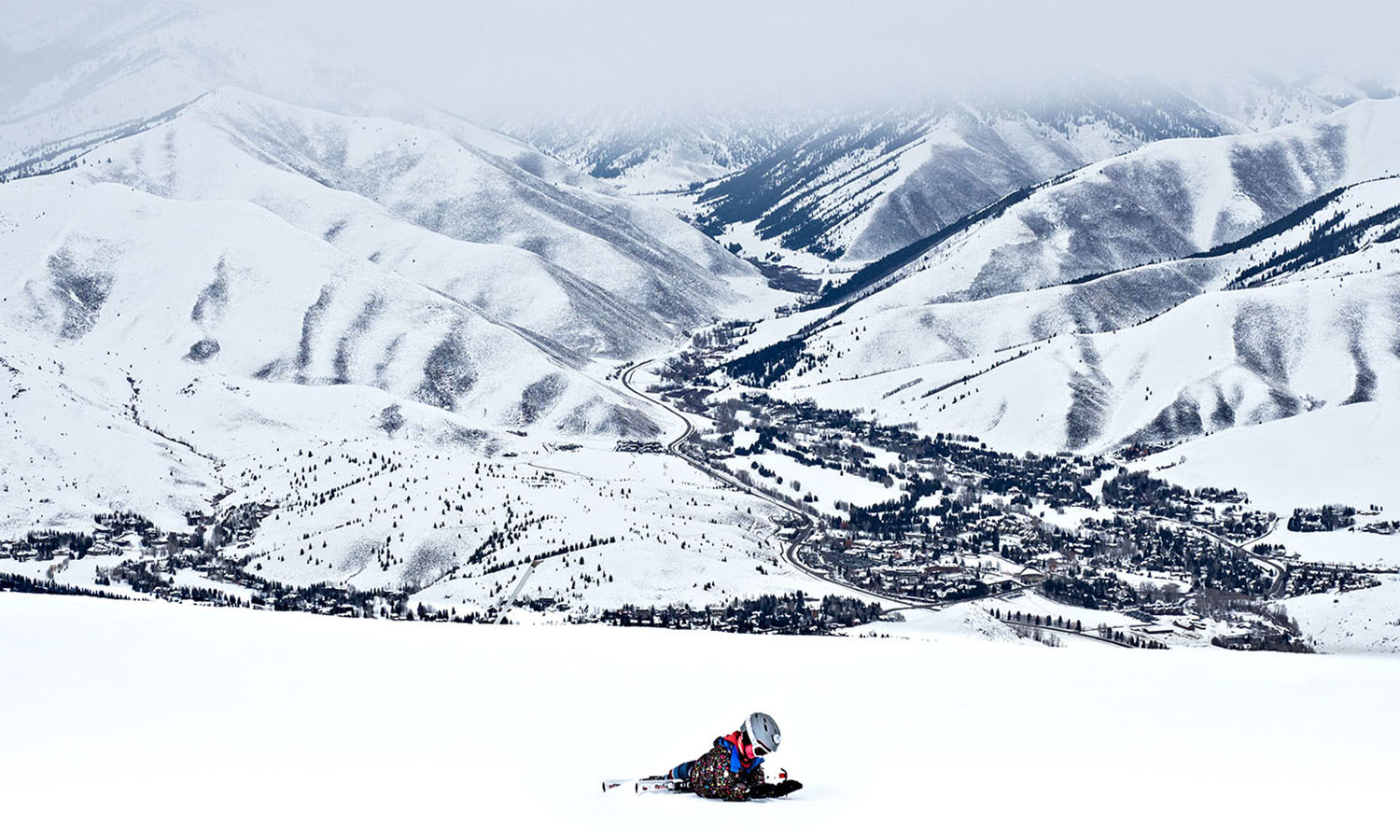
Sun Valley’s where celebrities go to disappear and ski bums go to pretend they’re locals. Clint Eastwood and Arnie love it, but the real star here is Ketchum, a cowboy-cool town where whiskey flows faster than fresh powder.
Sun Valley might be America’s original ski resort, but it’s still somehow managed to fly under the radar of the masses. This is where the Hollywood set comes to hide, trading paparazzi for powder days. It’s where you’ll find Clint Eastwood filling up his old ute at the bowser next to you and where Arnold Schwarzenegger has his own run named after him. Funnily enough it was previously called Flying Maid. They must have a sense of humour in Sun Valley.
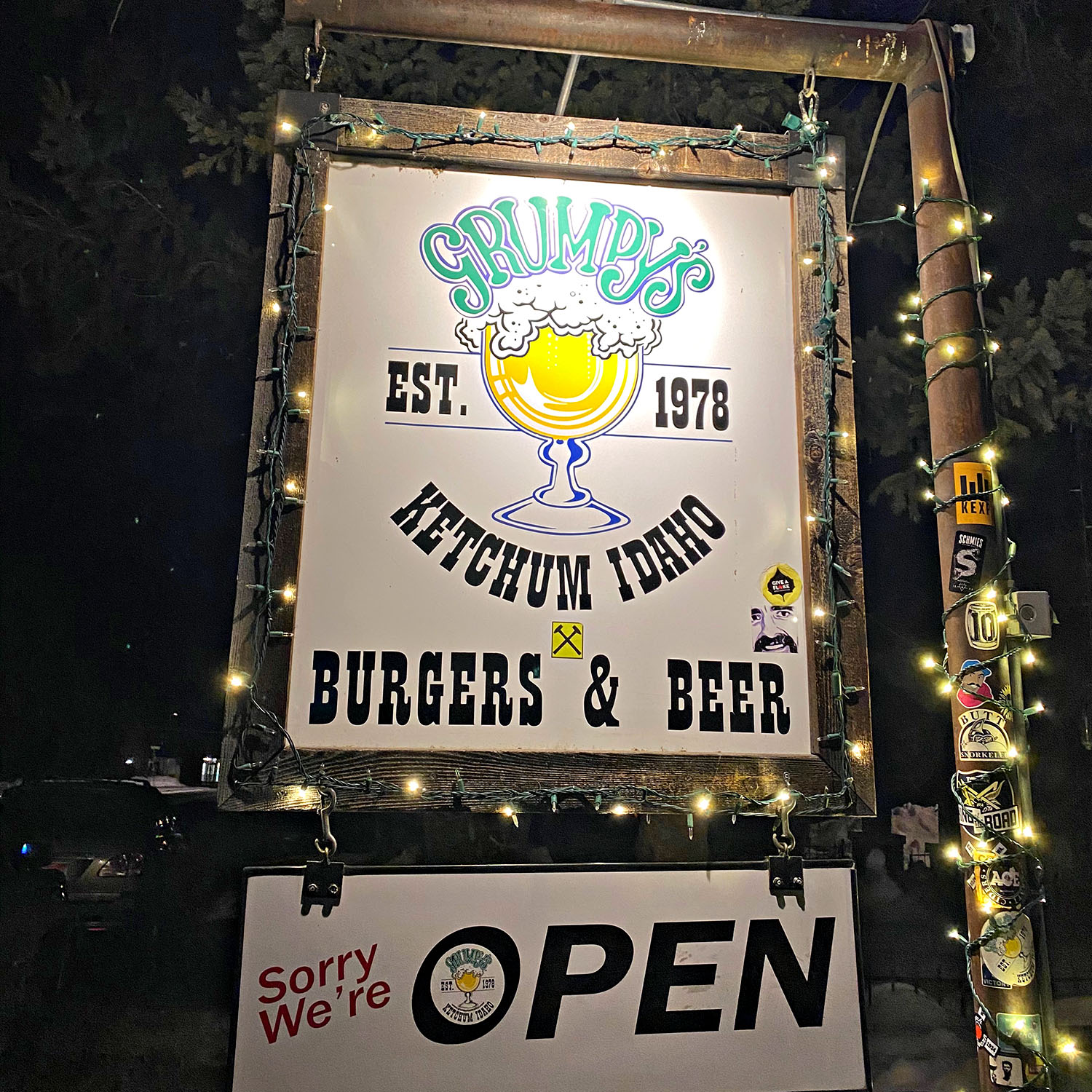
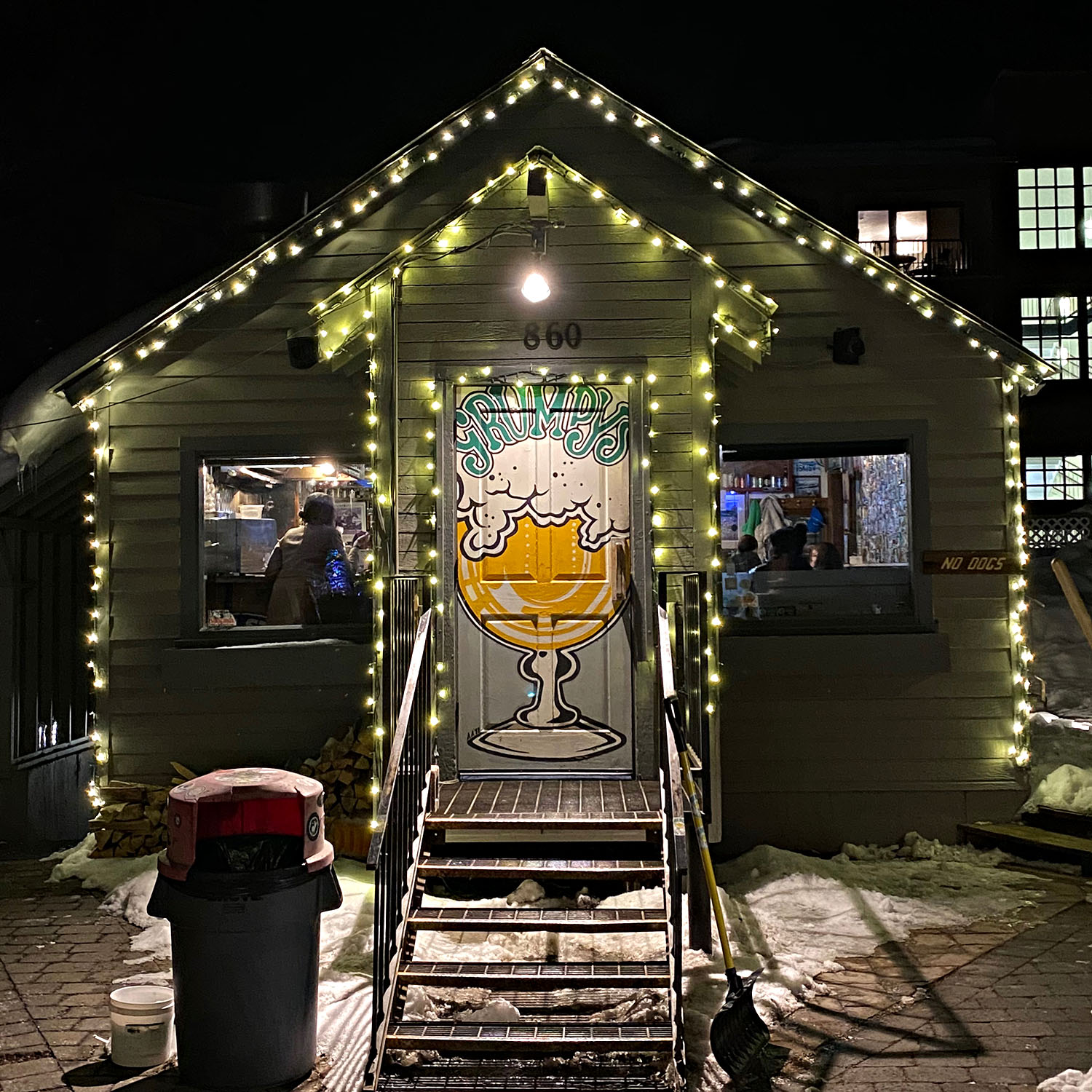
The skiing is stellar: 2,000 acres of perfectly groomed trails mixed with sneaky bowls and glades for when you want to disappear. But the real magic happens in Ketchum, the cowboy-cool town at the mountain’s base. Think wooden boardwalks, neon-lit saloons, and bars where everyone from ski bums to billionaires ends up drinking the same $6 whiskey.
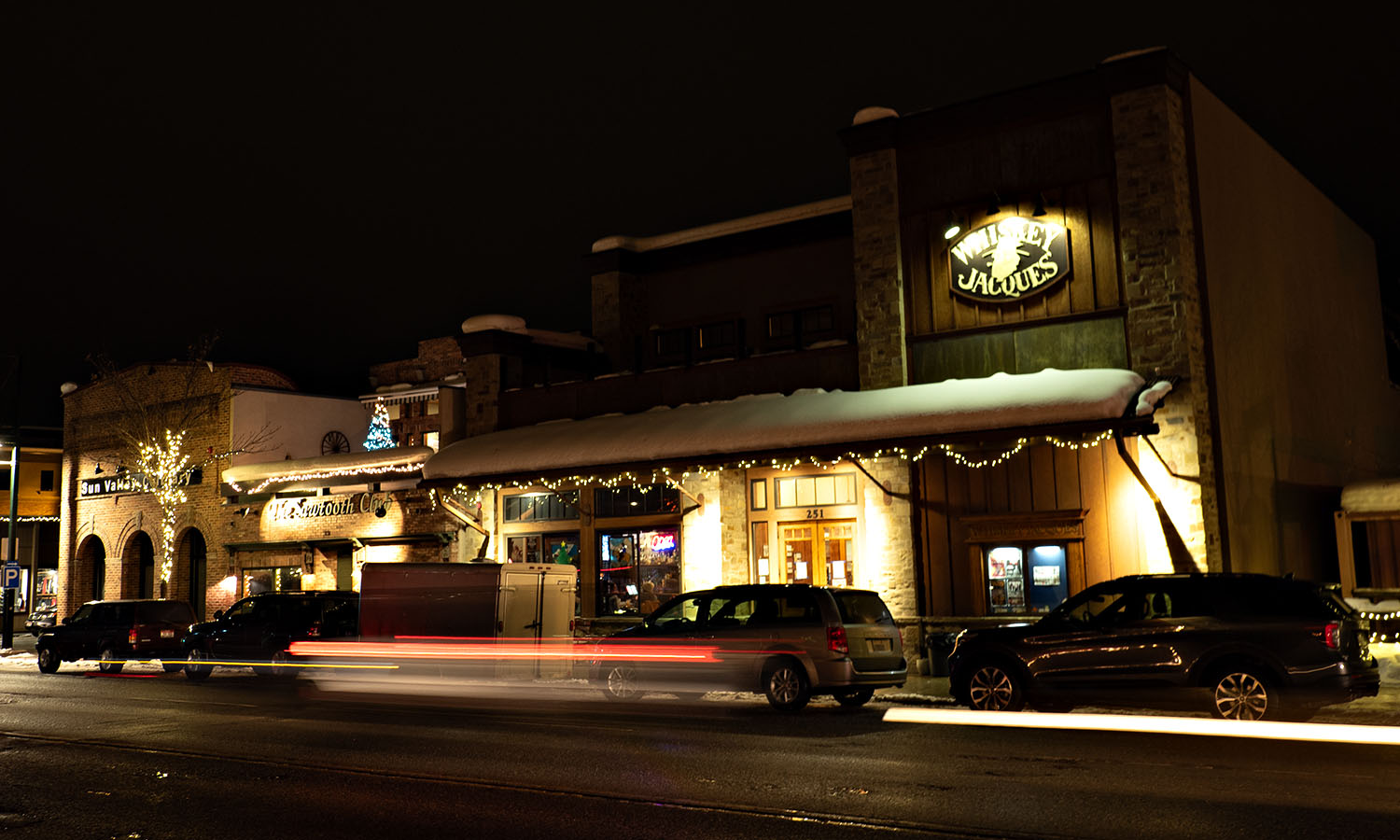
Hit the Pioneer Saloon for prime rib the size of your head and walls covered in taxidermy, then stumble across the street to Whiskey Jacques for live bands and a shot or three of local rye. Ketchum’s got an authenticity that big-name resorts lost decades ago. It’s where Wild West grit meets ski-town chic, and somehow, it works.
If you’re lucky, you’ll end up in a random late-night poker game with a retired Olympian and a guy who swears he once sold a snowboard to Dirty Harry. Sun Valley has that energy: stories waiting to happen, with a side of perfect corduroy.
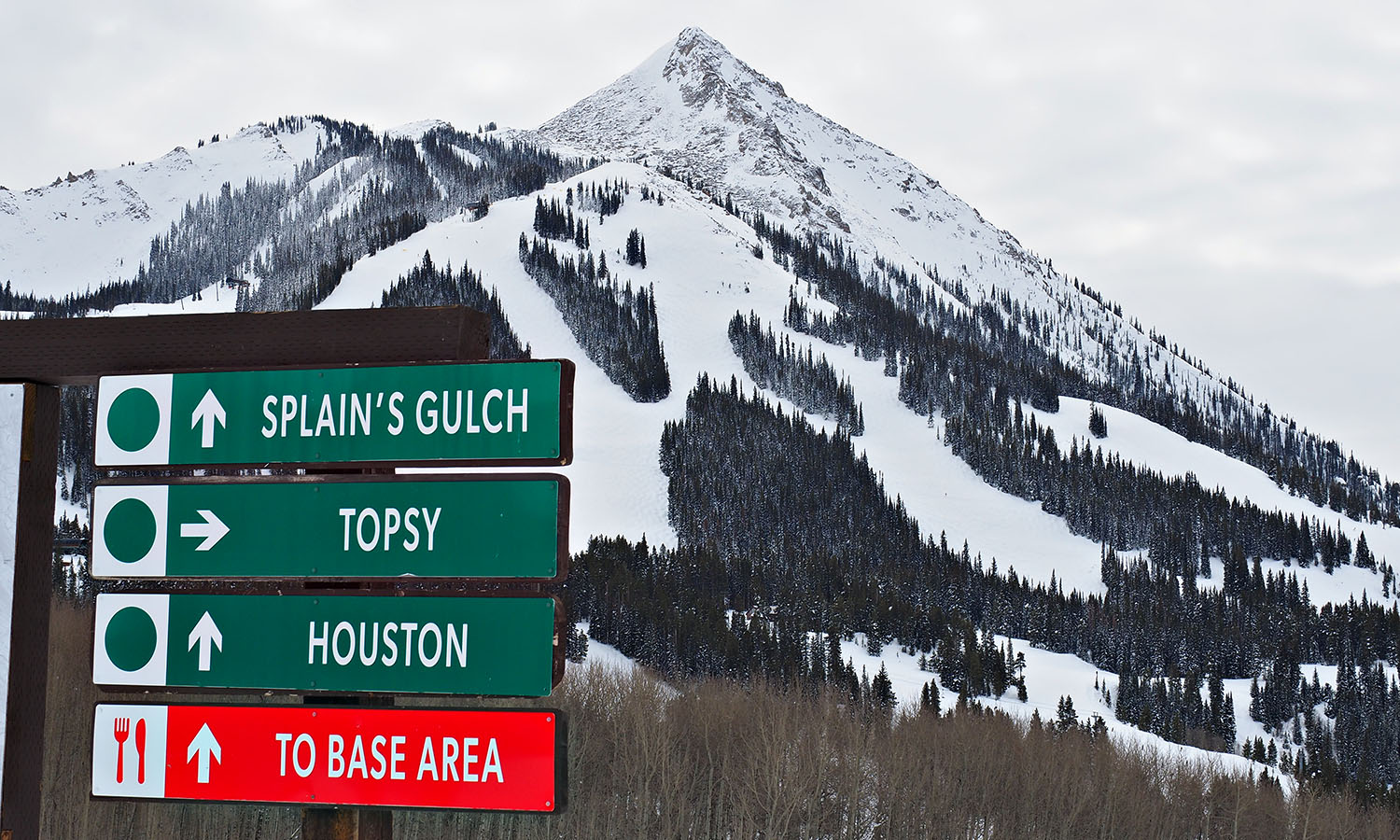
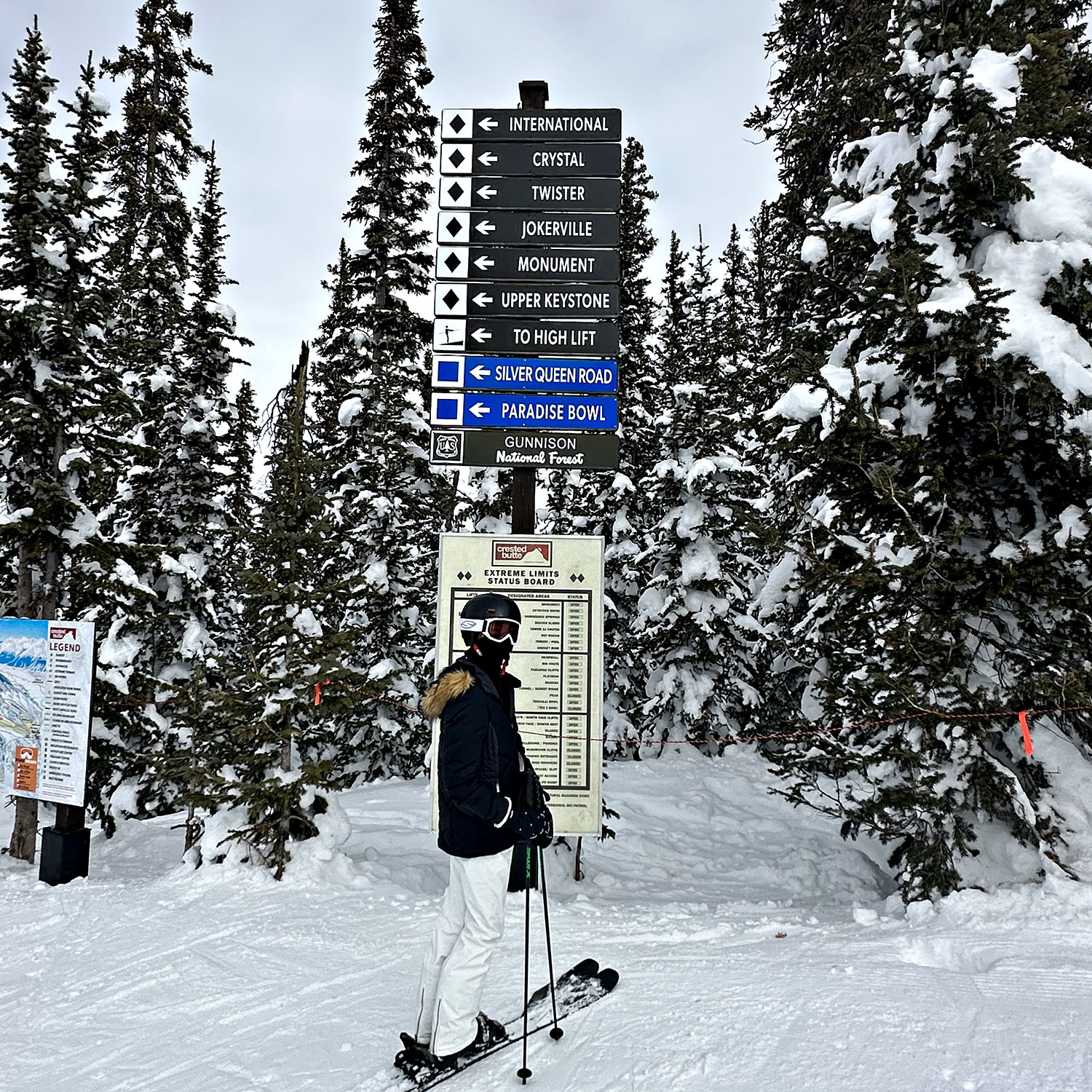
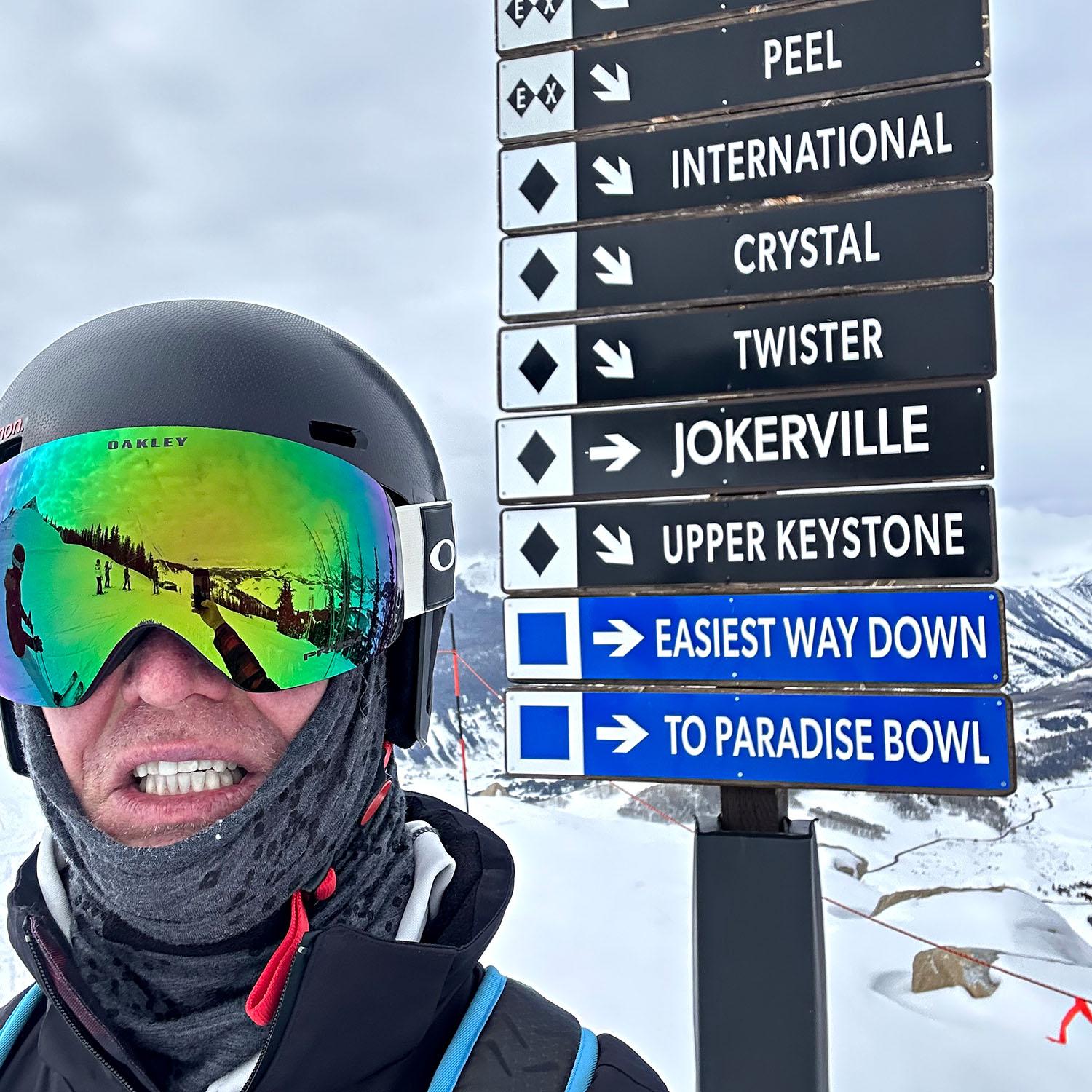
Crested Butte is Colorado’s last great ski town. No designer après boots, no velvet ropes, just steep chutes, cheap beer, and locals who’ll drink you under the table before showing you their secret powder stashes.
If you ask any hardcore skier where their heart lives, odds are they’ll whisper, almost reverently: Crested Butte. This is the last true locals’ mountain in Colorado. It’s a funky, unpretentious town paired with some of the steepest, most rewarding terrain in the Rockies.
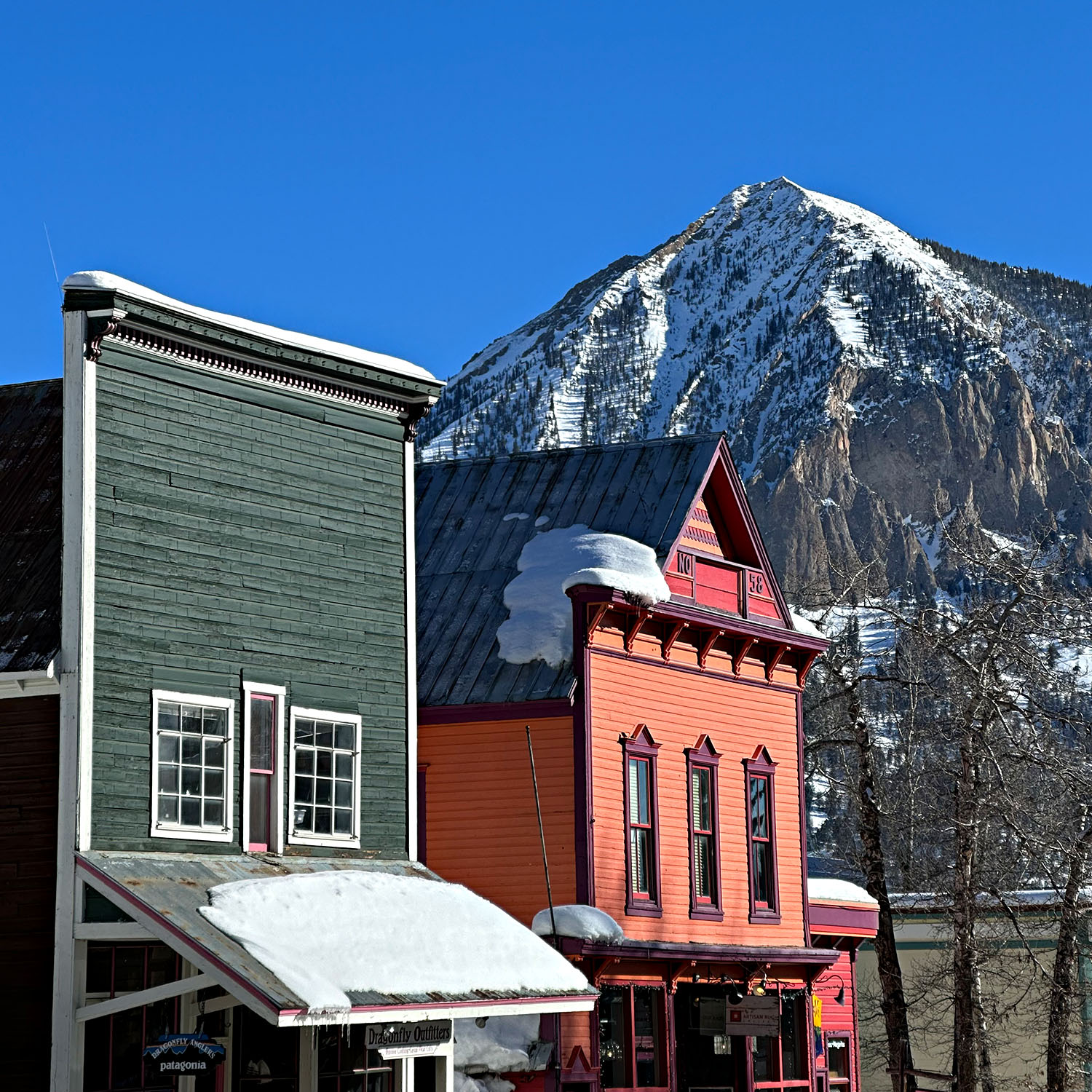
This mountain doesn’t mess around. Expect leg-shredding double blacks, narrow chutes that test your nerve, and enough hidden powder stashes to keep you busy for weeks. But it’s the town that seals the deal. Painted Victorian houses, quirky dive bars, and a main street straight out of a snow globe — Crested Butte oozes charm without even trying.
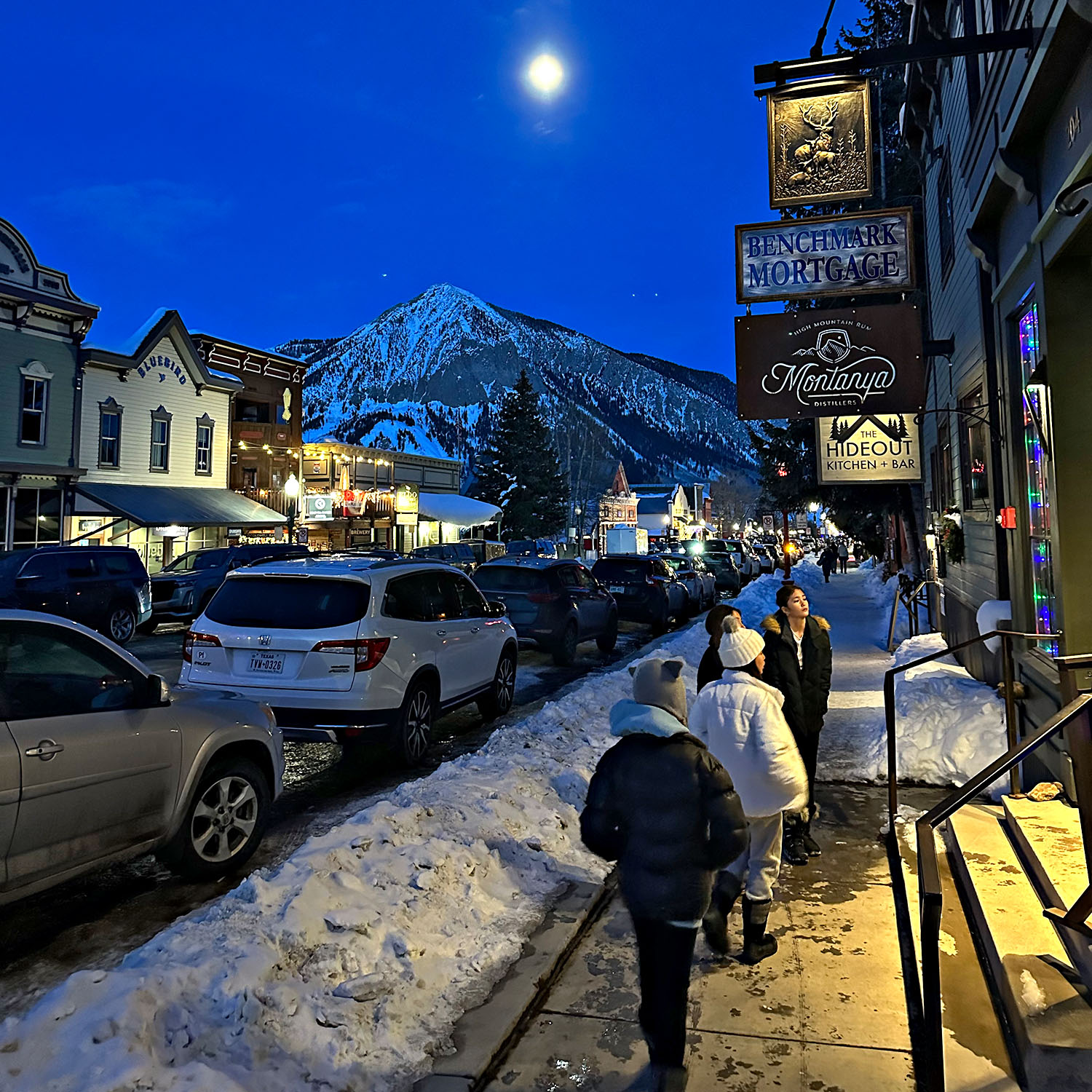
Après here is an art form. Start with a local pint at The Public House, then graduate to Montanya Distillers for small-batch rum cocktails that will blow your frostbitten socks off. Finish the night at The Dogwood, a cozy cabin bar serving craft concoctions in what feels like your weird uncle’s living room.
And the vibe? Pure magic. Locals still outnumber tourists, no one cares what you’re wearing, and the conversations range from avalanche conditions to which band’s playing down the street. Crested Butte feels like skiing used to be before the luxury condos, $40 lift sandwiches, and designer après boots.
If you’re chasing big lines, bigger laughs, and a ski town that still feels like a secret, Crested Butte’s your place. Just… don’t tell too many people.
(that proves it’s more than just a rest stop between Hanoi and Hoi An)
Ah, Huế. The name alone sounds like a sigh of relief after too many bowls of phở. Wedged right in the belly of Vietnam, this former imperial capital is where emperors once strutted around in silks, poets scribbled moody verses about rivers, and regular folk learned the art of sweating through 40-degree heat with at least a little dignity.
These days, Huế is a curious blend of old-world grandeur and modern Vietnamese hustle – think citadels and tombs next to karaoke bars and motorbikes balancing entire wardrobes.
If you’re the kind of traveller who gets weak at the knees for history, culture, food, and a good Insta shot (don’t lie, we all are), Huế is your kind of place. We’ve put together six of the absolute best things to do in Huế, with enough variety to keep both your inner history nerd and your caffeine-addicted soul happy.
1. Play dress-up in an áo dài and walk around the Imperial City
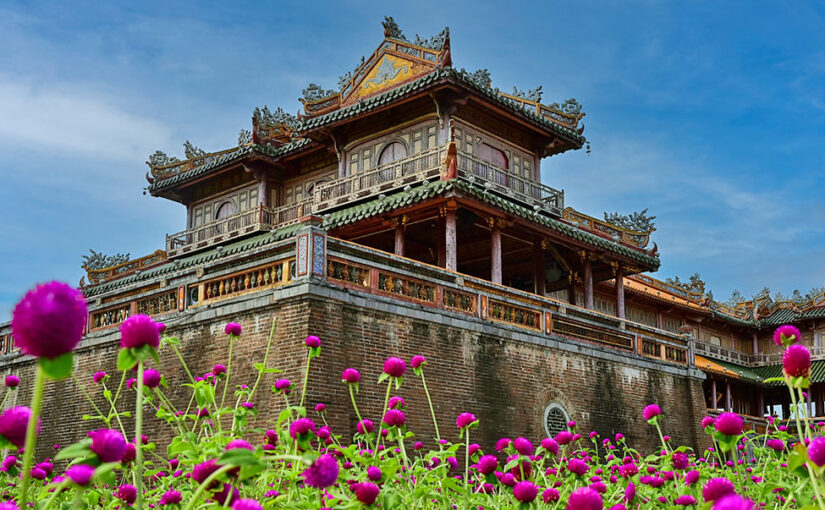
Let’s start with the obvious. You cannot (and I mean cannot) come to Huế and skip the Imperial City. Built in the early 1800s by the Nguyễn Dynasty, this sprawling citadel is Vietnam’s answer to Beijing’s Forbidden City, except with more humidity and fewer selfie sticks.
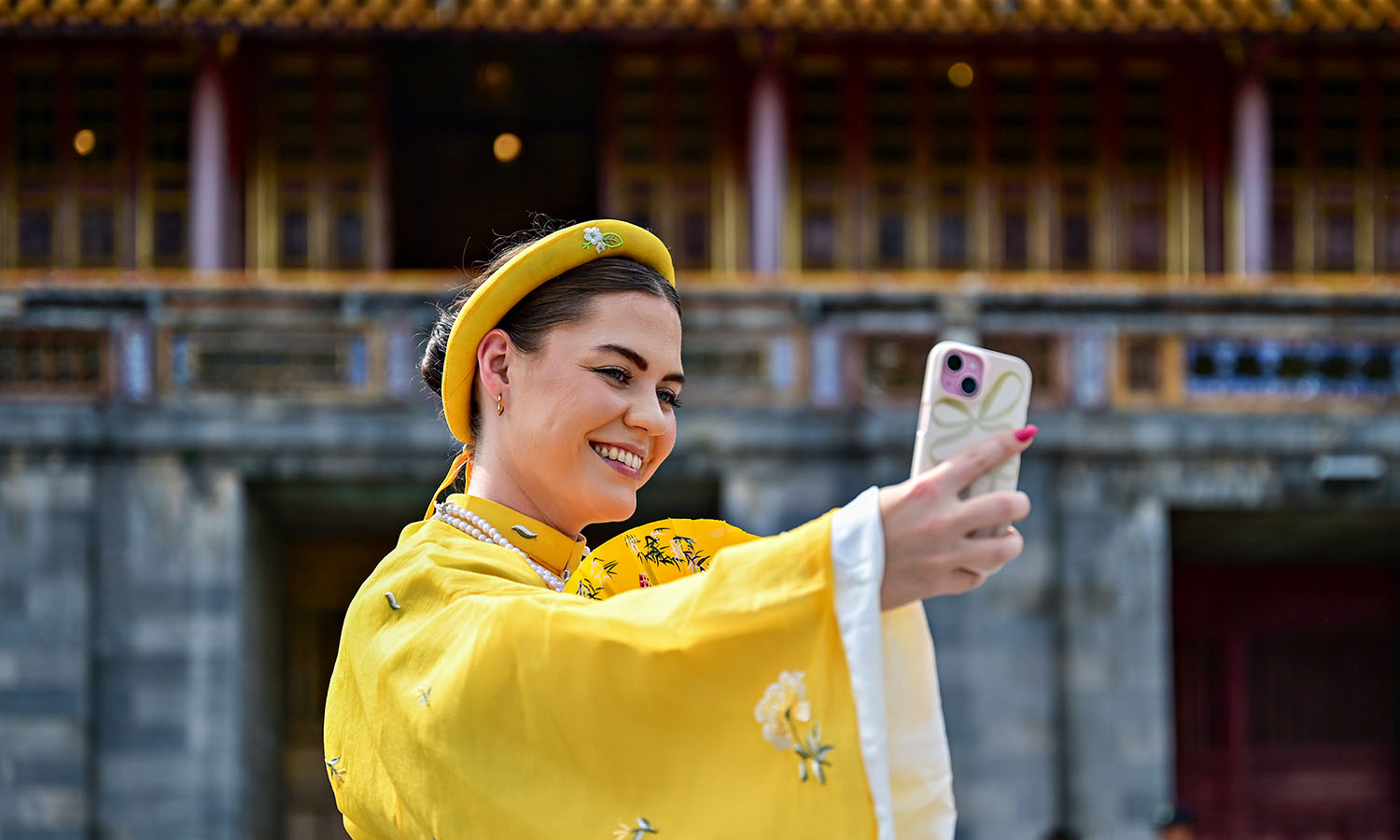
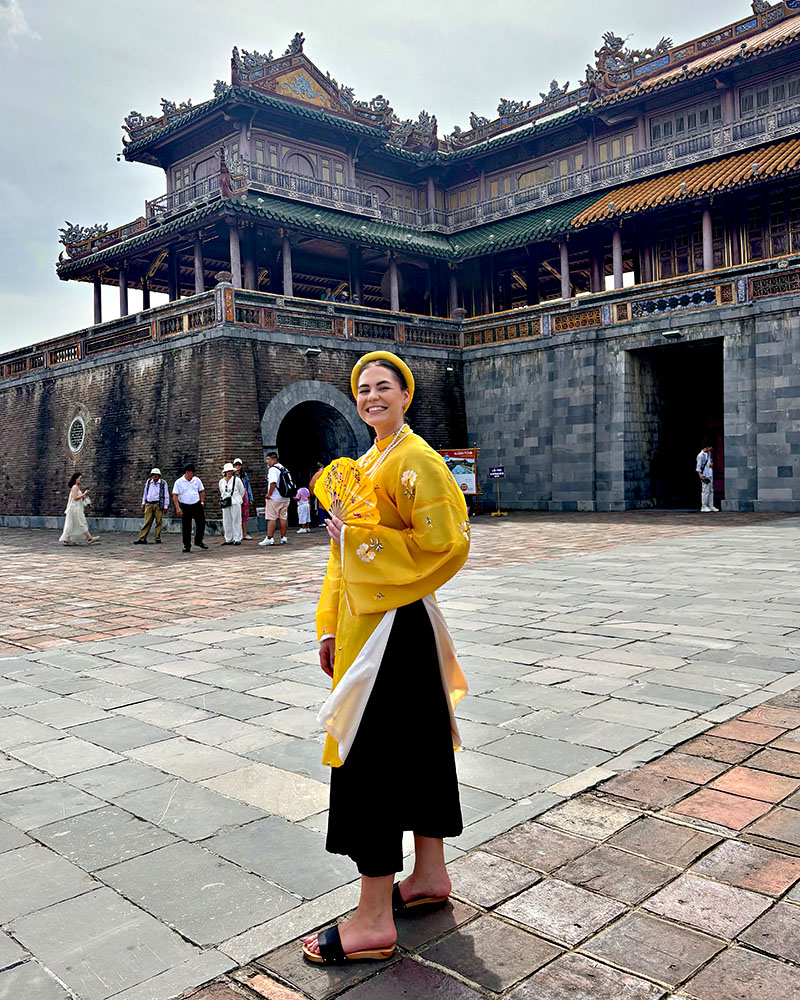
Now, walking around the Imperial City is great on its own, but why stop there when you can fully commit and slip into an áo dài, Vietnam’s traditional long tunic? Rental shops nearby will happily deck you out in silky splendour for just a few bucks. Suddenly, instead of a sweaty tourist with a guidebook, you’re a regal courtier wandering through history, commanding respect from the ghosts of emperors’ past.
Sure, you’ll look slightly ridiculous if you trip on the tunic hem while climbing a staircase. And yes, locals may giggle at your awkward regal poses in front of golden gates. But nothing makes those UNESCO World Heritage shots pop like flowing silk in the breeze.
Just go in the early morning before the sun turns the citadel into an oven. Trust me when I say you don’t want to be wearing any more clothing than is strictly appropriate when the heat comes out to play.
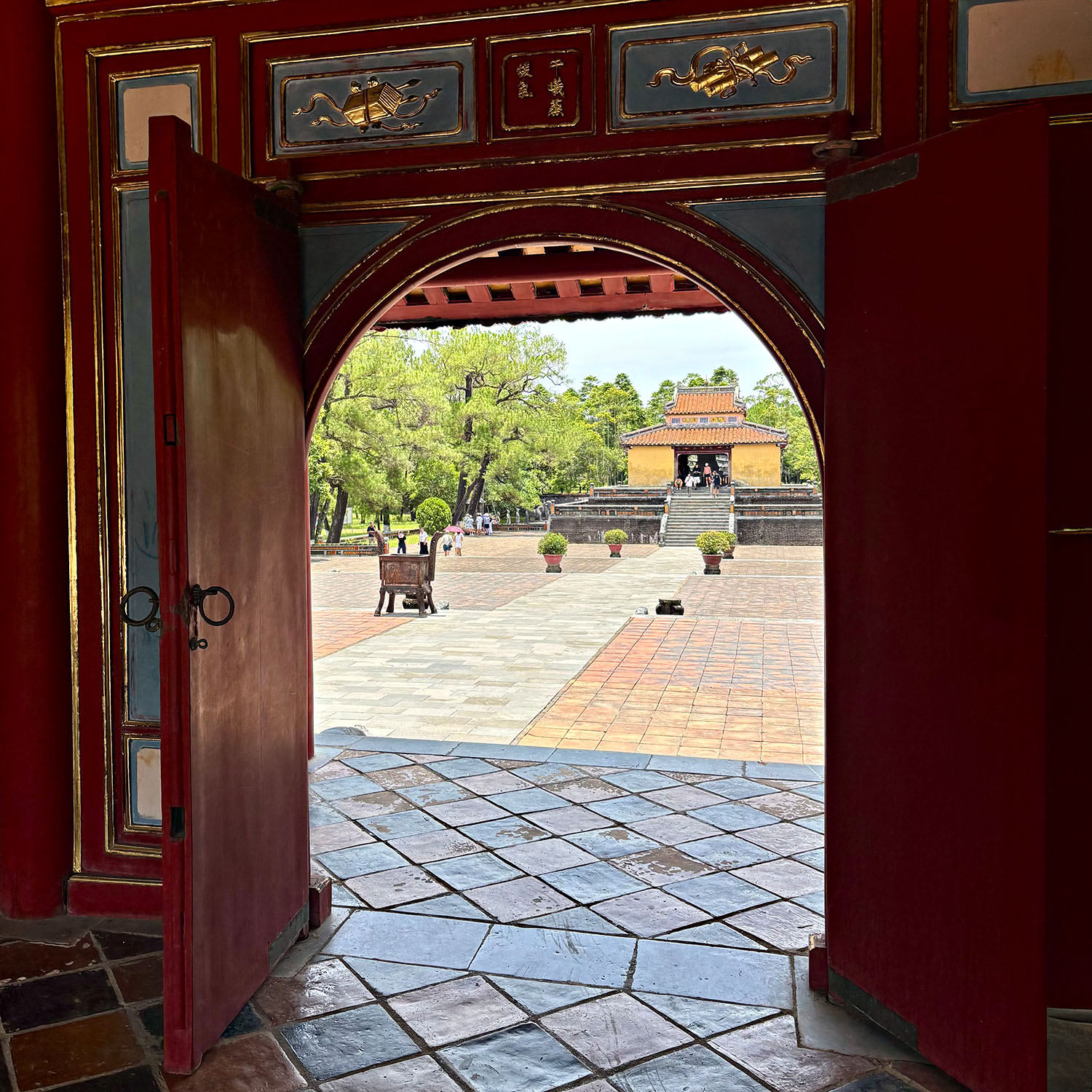
If cemeteries make you squeamish, relax – Huế’s imperial tombs are less about spooks and more about stunning architecture and lakeside pavilions.
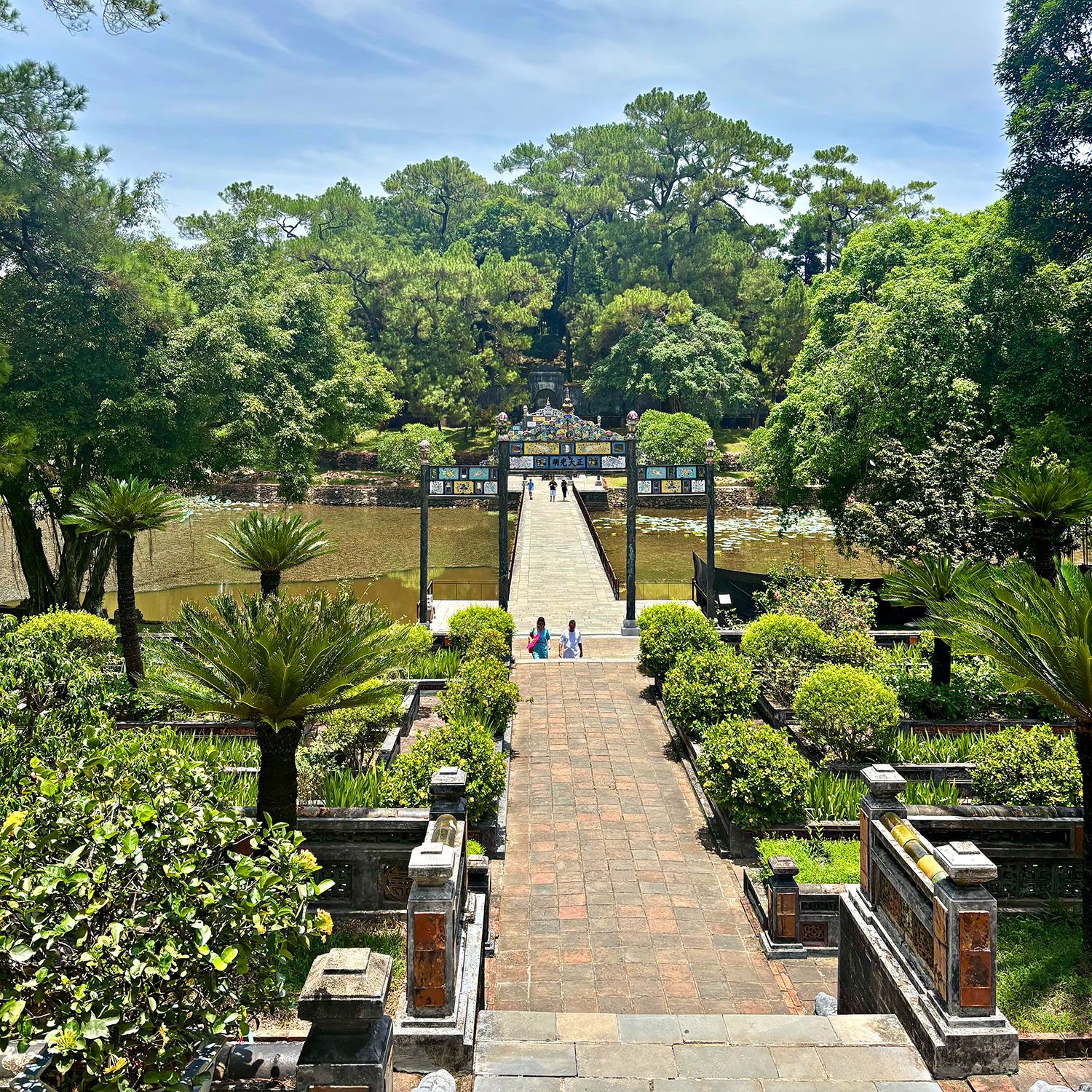
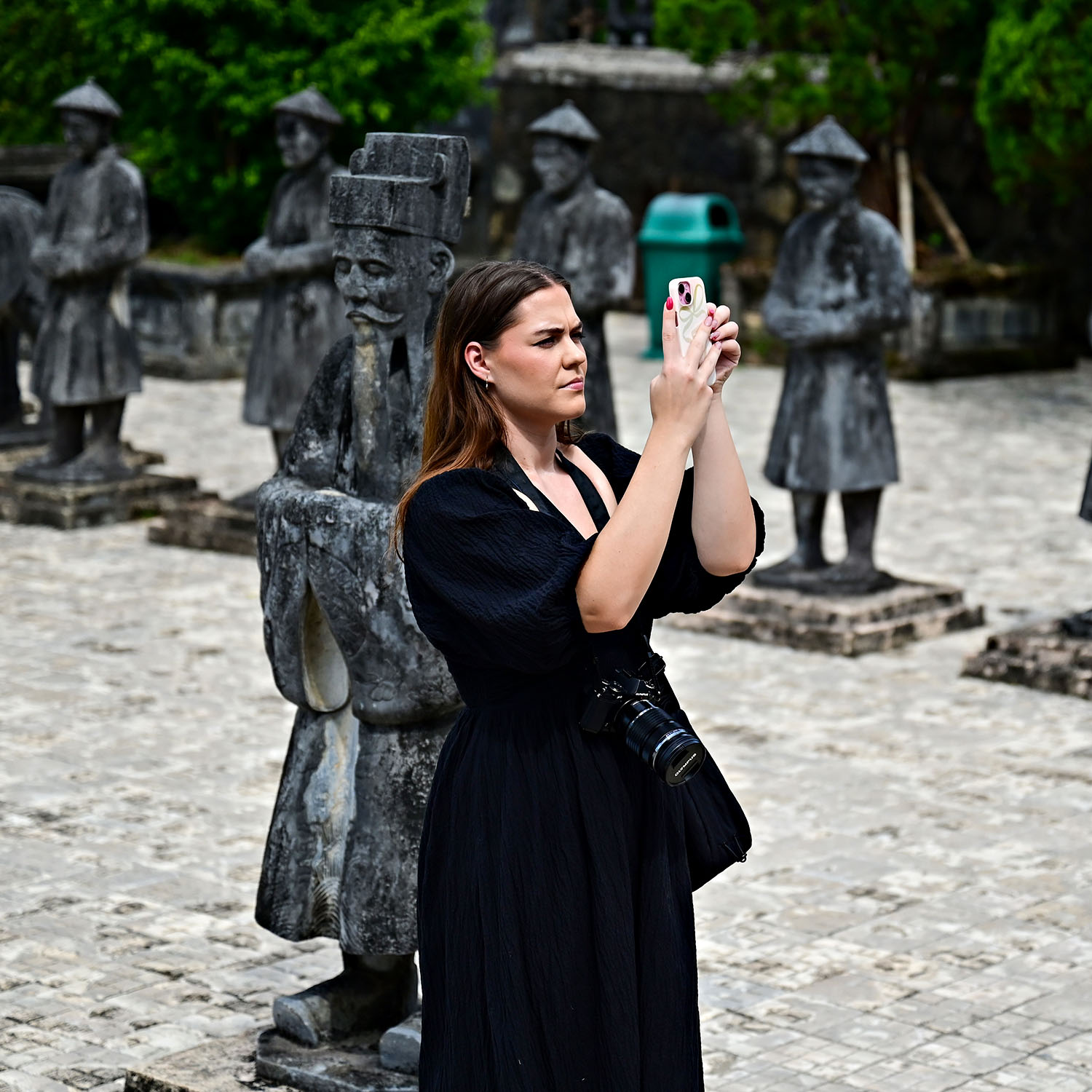
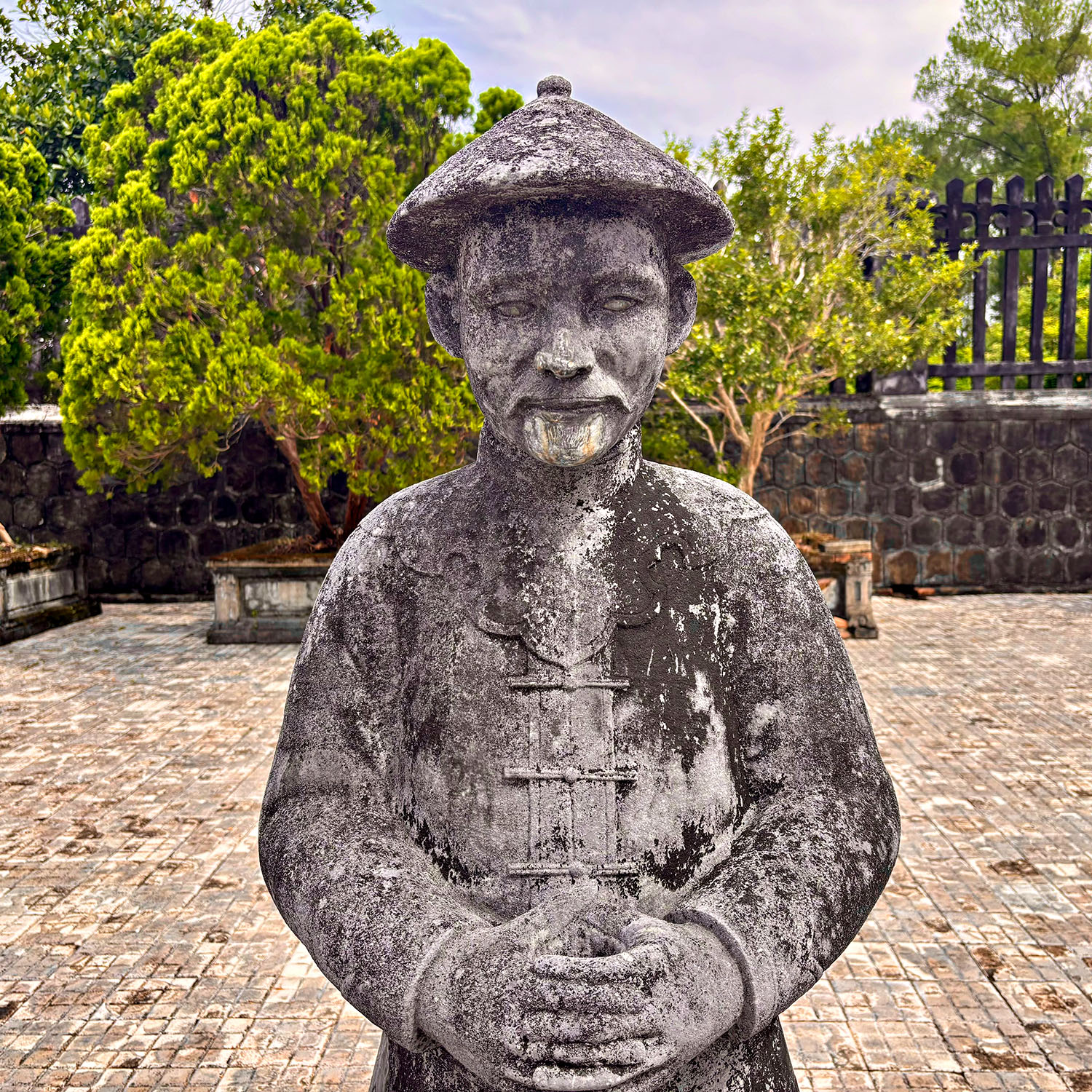
Minh Mạng, the second emperor of the Nguyễn Dynasty, clearly had taste. His tomb, located about 30 minutes outside Huế, is a masterpiece of symmetry. Picture manicured gardens, lotus ponds, ornate temples, and stairways that lead to terraces where you can look over the grounds, pretending to be Minh Mạng himself.
It’s peaceful, beautiful, and just a tad eerie. You could easily spend hours wandering around, admiring dragon motifs and perfectly framed views of the surrounding hills.
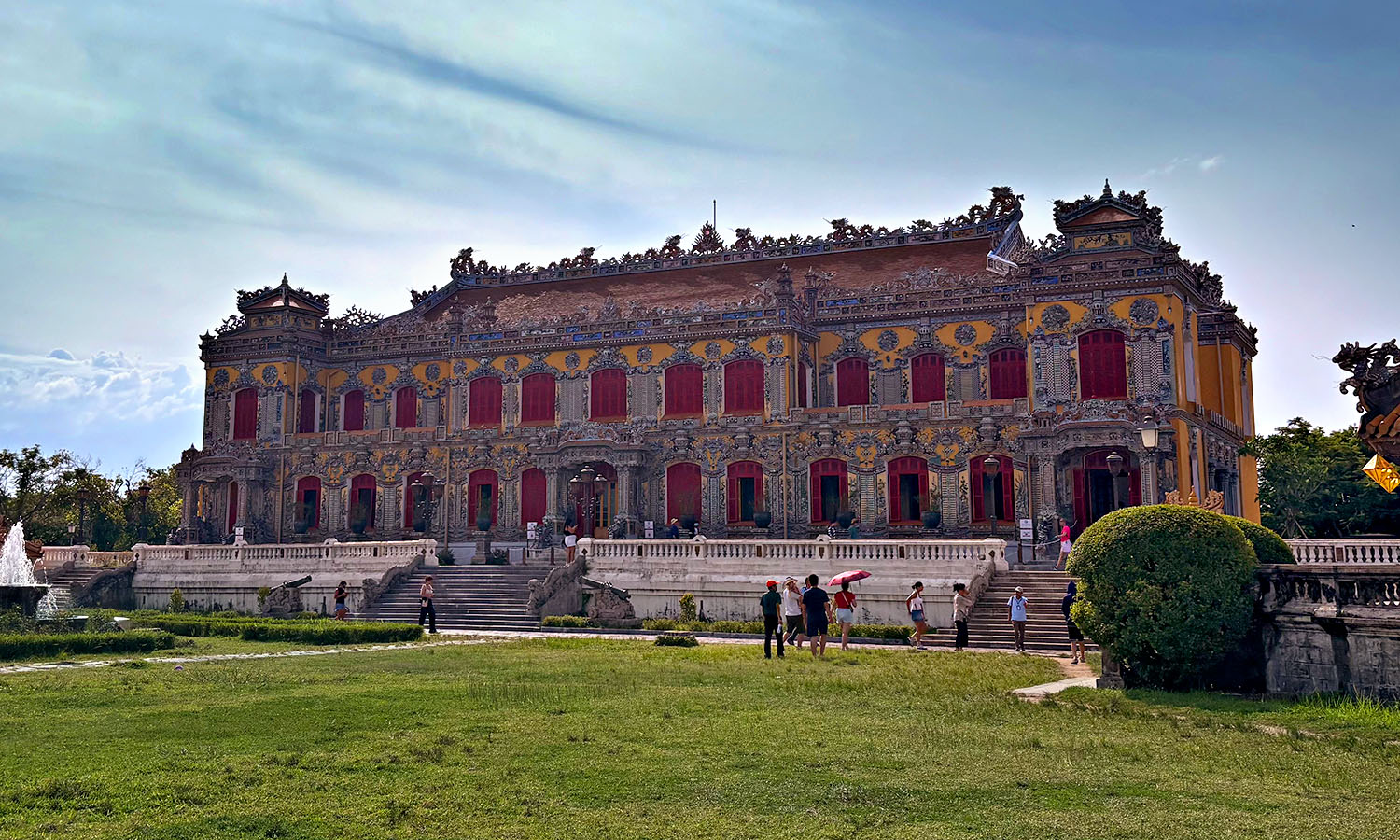
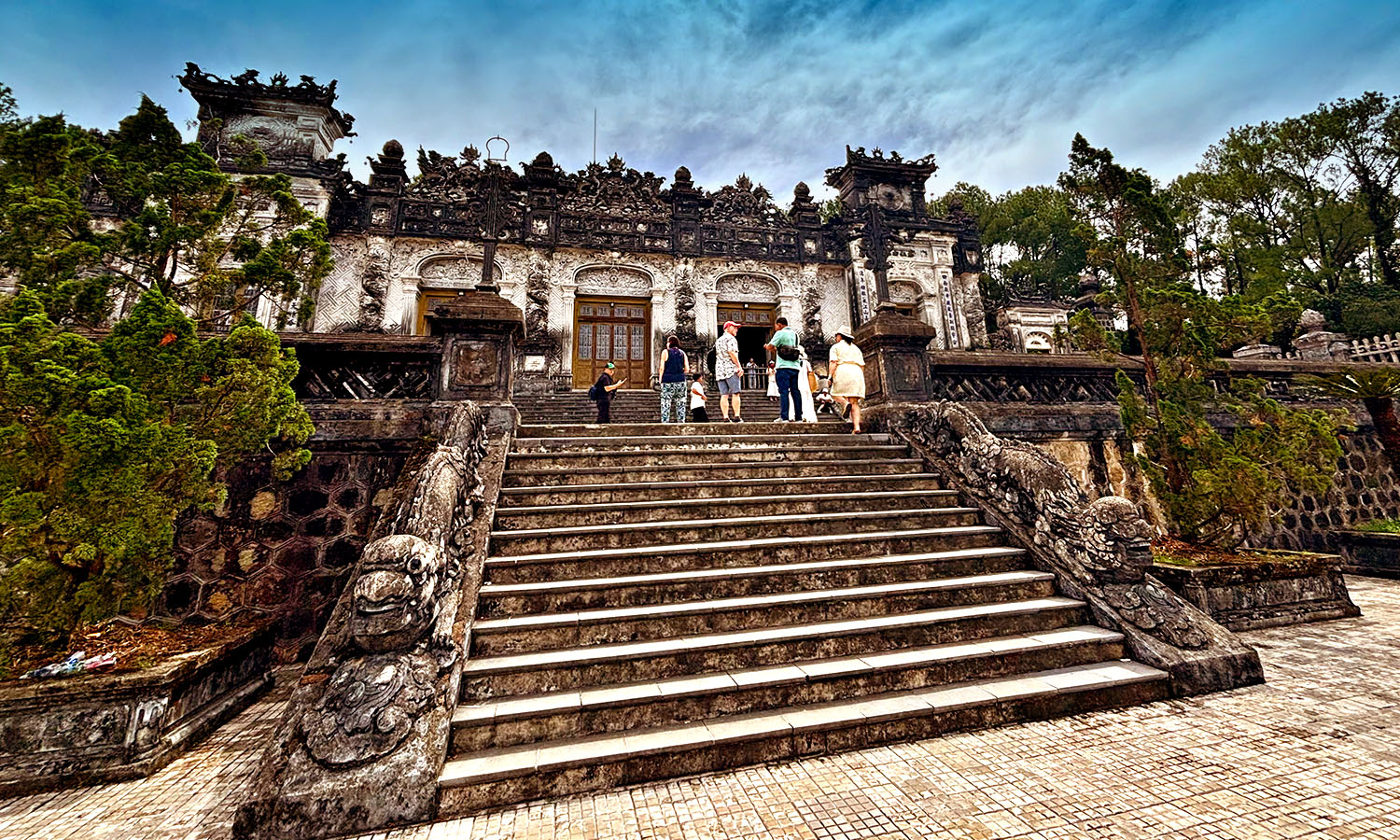
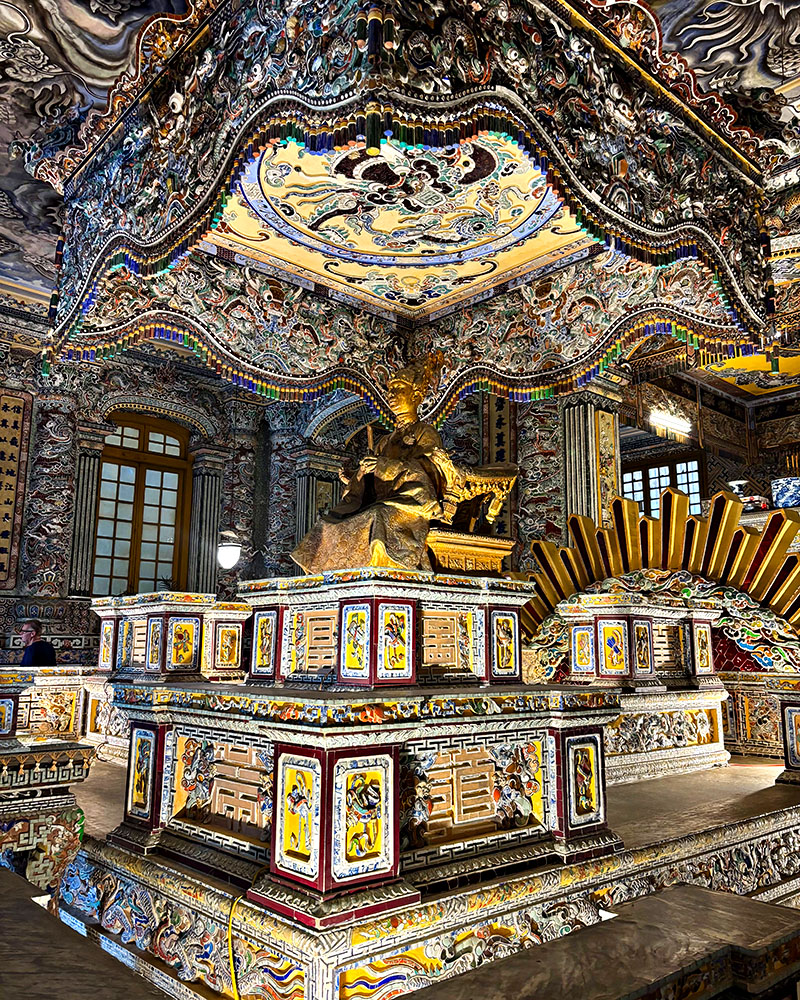
Now, if Minh Mạng’s tomb was subtle and poetic, Emperor Khải Định clearly went for: “make it shiny enough to blind my haters.” His tomb is the exact opposite of minimalist design. Imagine what would happen if a French palace, a Gothic cathedral, and a Vietnamese pagoda had a baby. Then imagine that baby rolled around in crushed glass, porcelain shards, and gold leaf. Voilà; it’s Khải Định’s tomb.
Climb the steep staircase and you’ll find a grand, over-the-top monument. Inside, the ceiling murals are so elaborate you’ll need a stiff neck massage afterwards. There are dragons, sunbursts, and enough detail to keep your eyes entertained for hours (if you can stand the humidity for that long).
Some say it’s gaudy; others call it genius. Either way, you’ll definitely mutter “wow” at least six times. And if you squint just right, it’s basically Vietnam’s Versailles but with fewer tourists elbowing you in the ribs.
I recommend visiting both Minh Mạng and Khải Định to really appreciate the contrast between understated elegance and full-blown imperial flex.
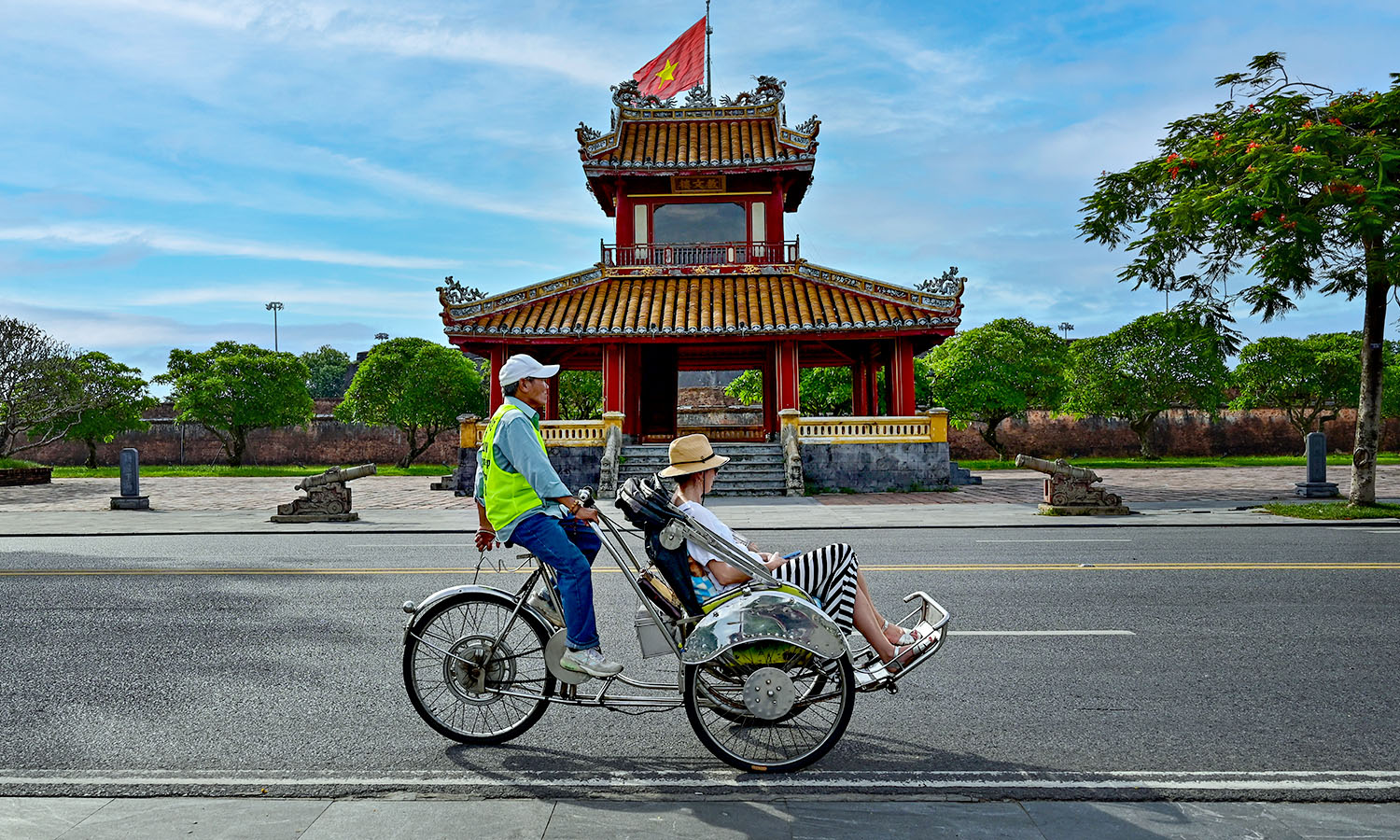
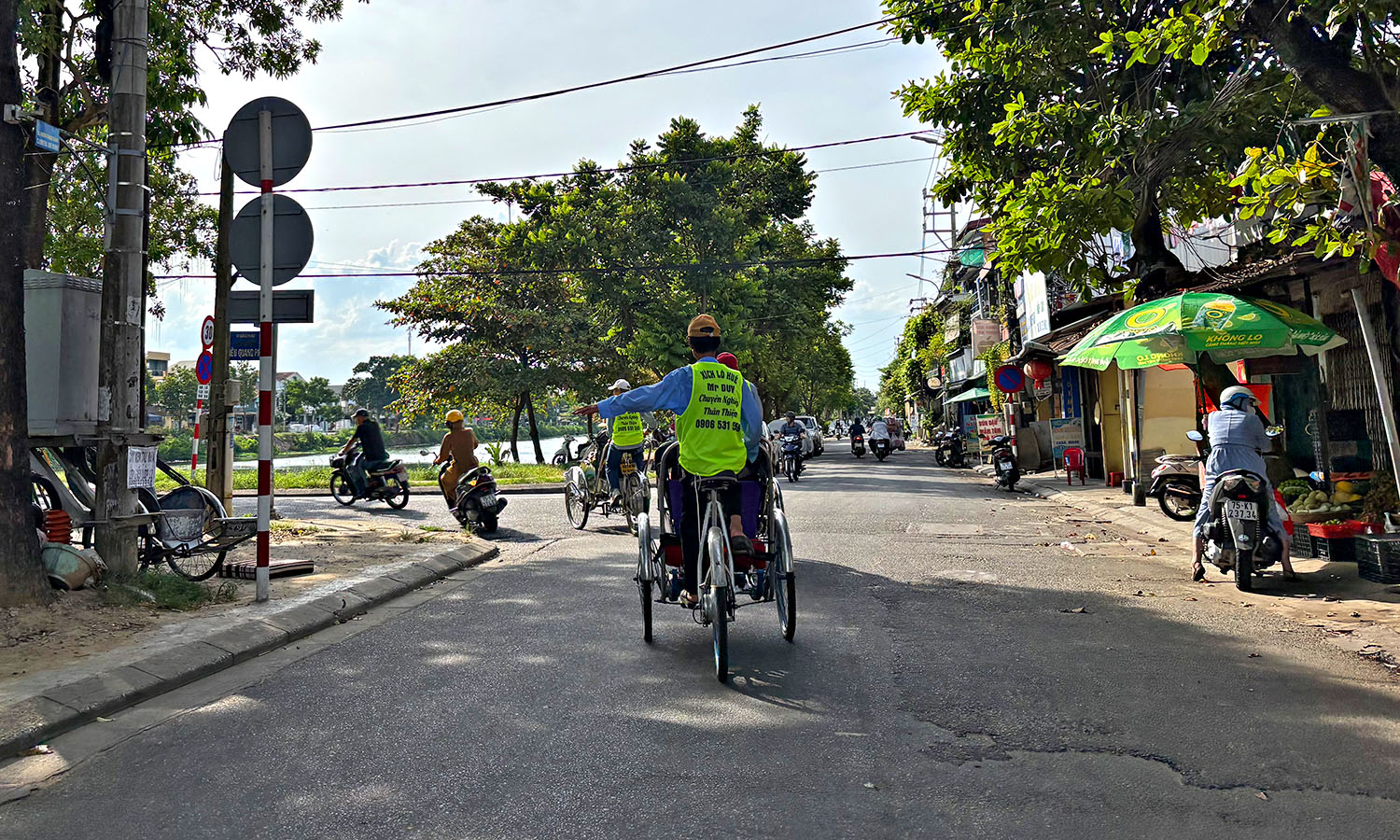
Forget Uber. Forget Grab. Forget your two functioning legs. The only way to properly see Huế’s city centre is in a cyclo, the Vietnamese answer to a rickshaw, where you sit up front like royalty while a wiry man pedals you around with superhero calf strength.
Is it slightly awkward at first? Absolutely. You’re sitting in a giant seat while someone sweats profusely to get you across intersections teeming with motorbikes. But once you get over the mild guilt, it’s actually the best way to soak in Huế’s vibe.
You’ll glide past markets overflowing with dragon fruit, women selling steaming bowls of bún bò Huế (the city’s legendary noodle soup), and incense-scented pagodas that seem to pop up out of nowhere. The drivers often double as unofficial tour guides, shouting snippets of history in between expert traffic manoeuvres.
It’s chaotic. It’s authentic. And it’s far more fun than dodging scooters on foot.
If emperors loved one thing, it was a boat that looked like a mythical creature. On the Perfume River, you’ll find exactly that: colourful dragon boats ready to ferry you into the sunset.
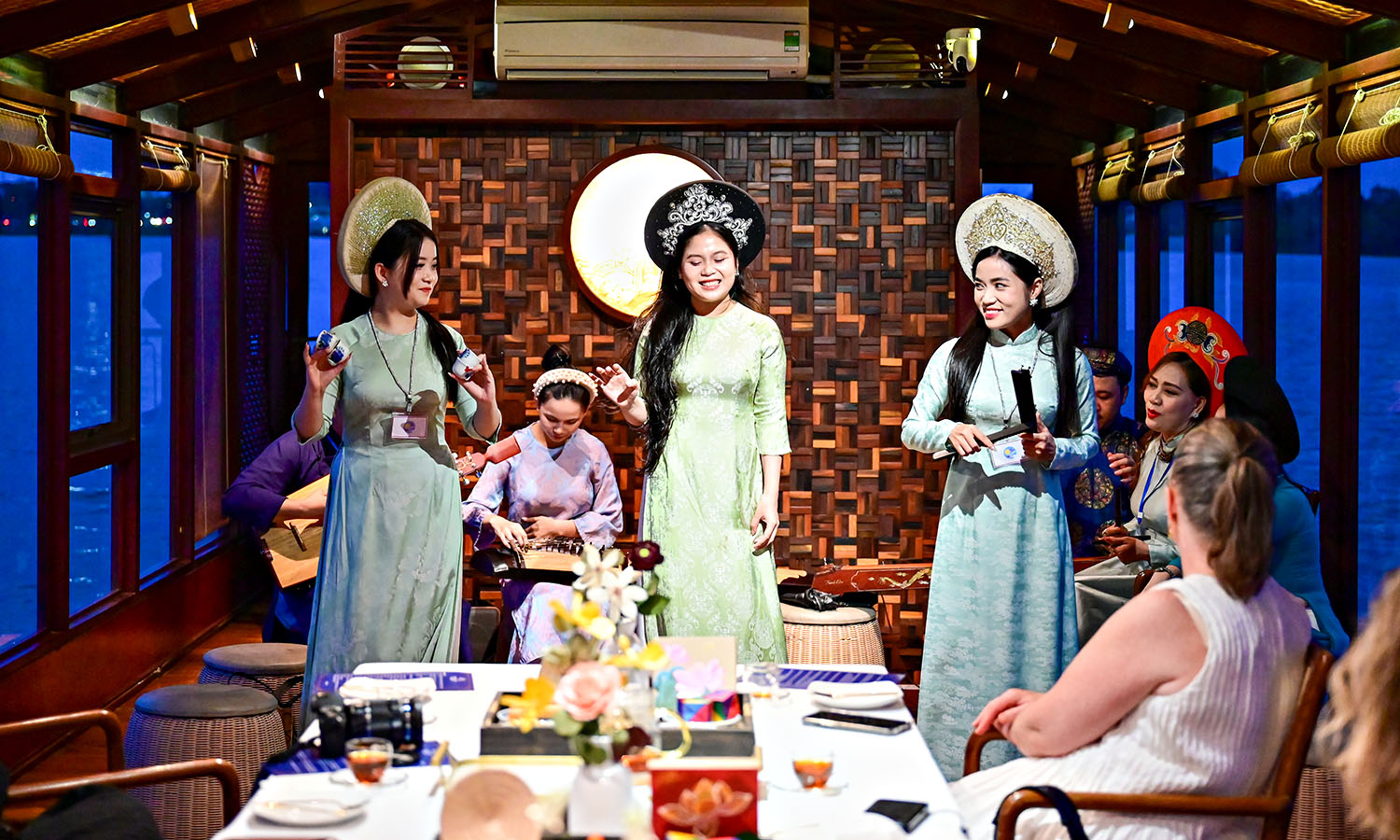
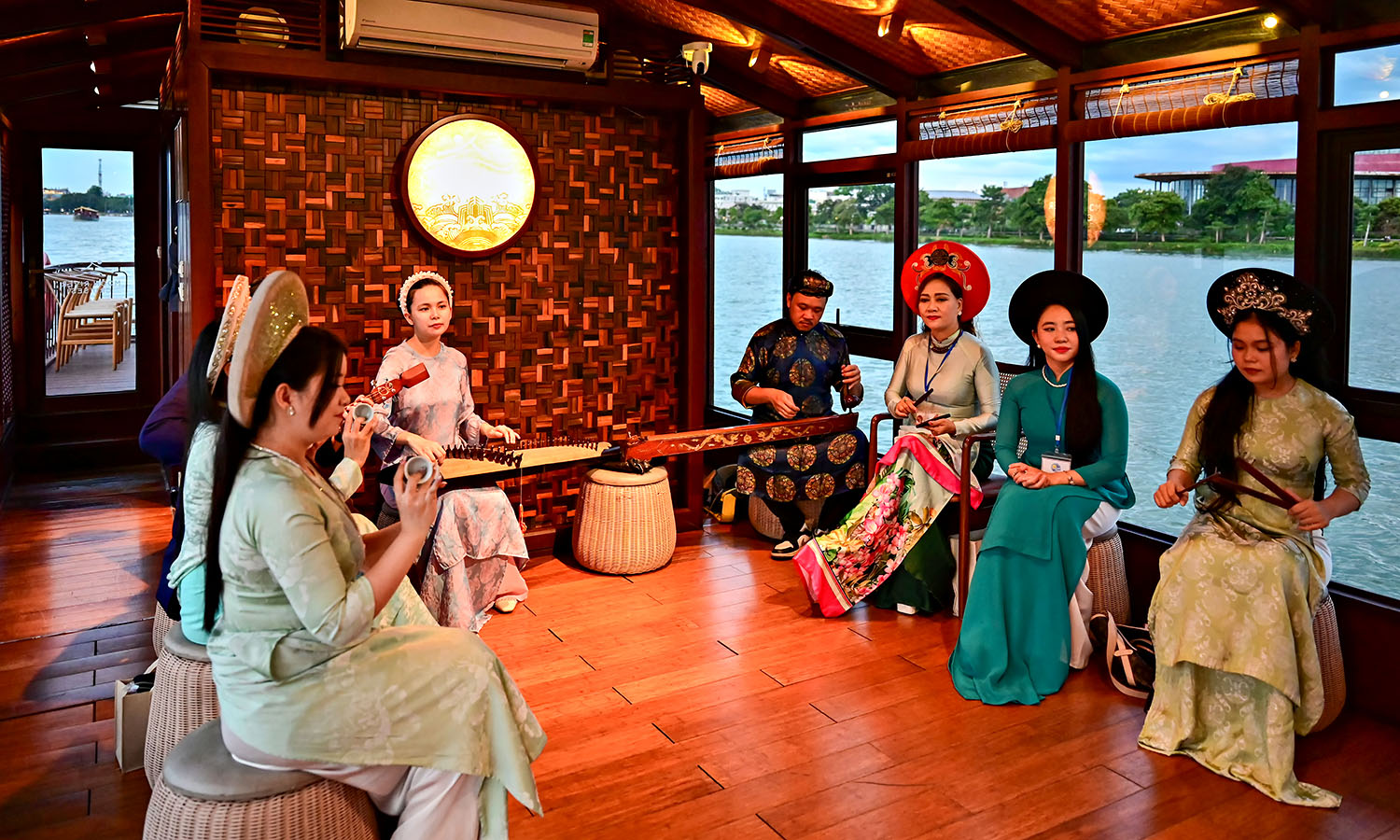
Board one of these beauties and you’ll be treated to riverside views of pagodas and city life, but you can also organise a traditional Vietnamese music performance to enjoy while you float. Think zithers, flutes, and vocals that echo across the water, reminding you that Spotify playlists sometimes don’t cut it.
One moment you’re reflecting on the poetic name “Perfume River” (spoiler: it doesn’t actually smell like Chanel No. 5), the next you’re clapping along awkwardly as musicians hand you porcelain cups to smack together.
Hopping aboard one of these boats in the evening is magical, not just because the air will be cooler, but because the twinkling city lights will be mirrored on the water.
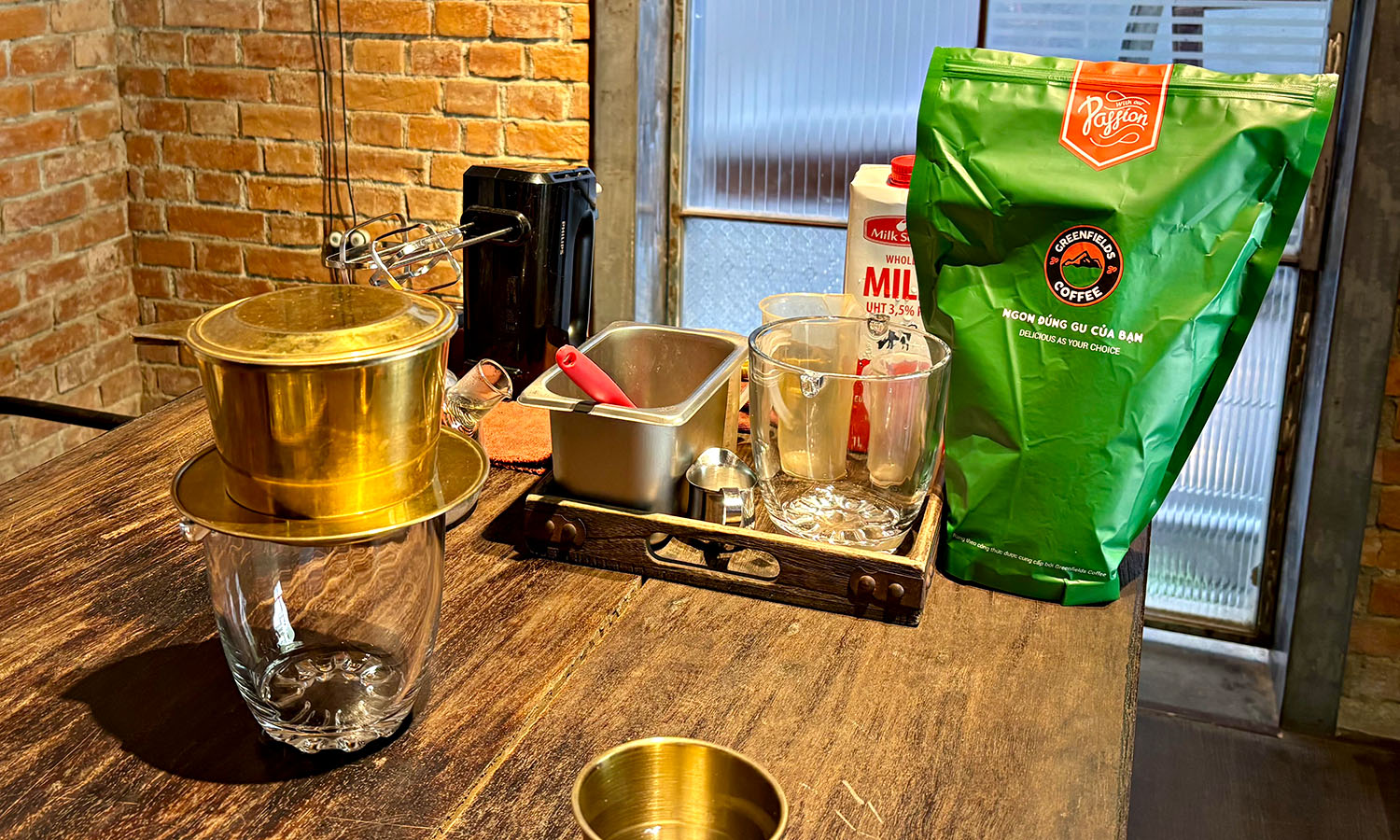
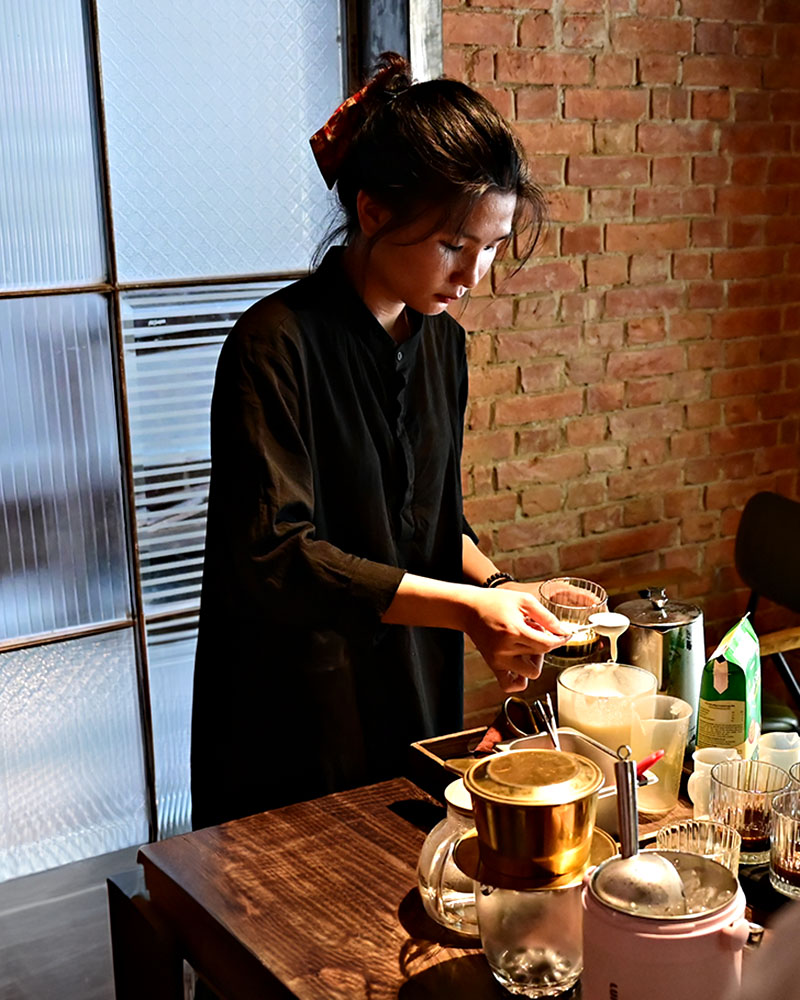
You thought Vietnam’s caffeine game peaked with iced coffee dripping slowly into condensed milk? Think again. Huế has a beverage so unique you’ll question everything you thought you knew about coffee culture: cà phê muối, or salt coffee.
Yes, you read that right. Salt. In coffee. Somewhere out there, an Italian barista is clutching his chest in horror. But trust me, it works.
The trick is that the salt is mixed into the creamy foam that tops the coffee, balancing the bitterness with a subtle savoury kick. The result is a flavour explosion that’ll have you reaching for more.
And where better to try it than in Huế, the city that invented it? Pull up a low plastic stool at a street-side cafe, order a glass, and feel the sensation as your taste buds dance the cha-cha of confusion and delight.
But don’t sip it too fast. This is a slow-burn kind of beverage, best enjoyed while people-watching.
Whether you’re dressing up in an áo dài, floating down the Perfume River, or slurping down a salty coffee that’ll defy your tastebuds, Huế proves again and again that it’s not just a pit stop, it’s a destination that deserves its own spotlight.
I’m a proud Australian, but I’ve never felt entirely comfortable saying it.
Maybe it’s because I grew up on the coast, feeling more connected to the ocean than the centre. Or maybe it’s because so much of what’s sold as “Australian pride” feels one-dimensional: a kind of rugged nationalism that doesn’t always include or acknowledge the complexity of our past or the depth of First Nations culture.
Travelling overseas, I’d sometimes meet people who dreamed of visiting the Australian outback. Usually older, often British or European, they spoke about red dust, endless roads and Mad Max landscapes with a kind of wild-eyed admiration. I never quite understood the sentiment.
In July, I had the opportunity to explore the elusive outback on a one-week road trip through South Australia, ending with a rare chance to witness one of Australia’s most remarkable natural events: the flooding of Kati Thanda–Lake Eyre.
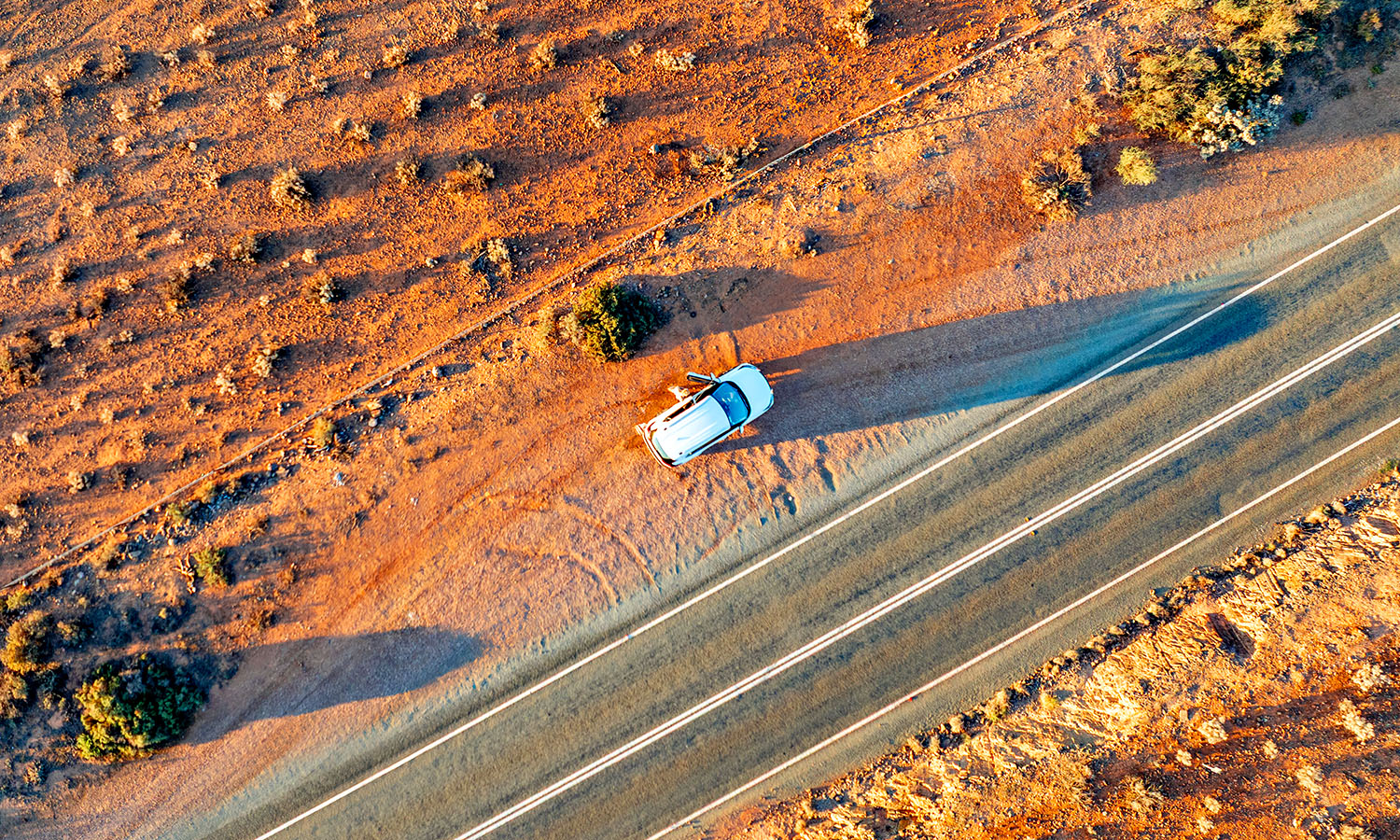
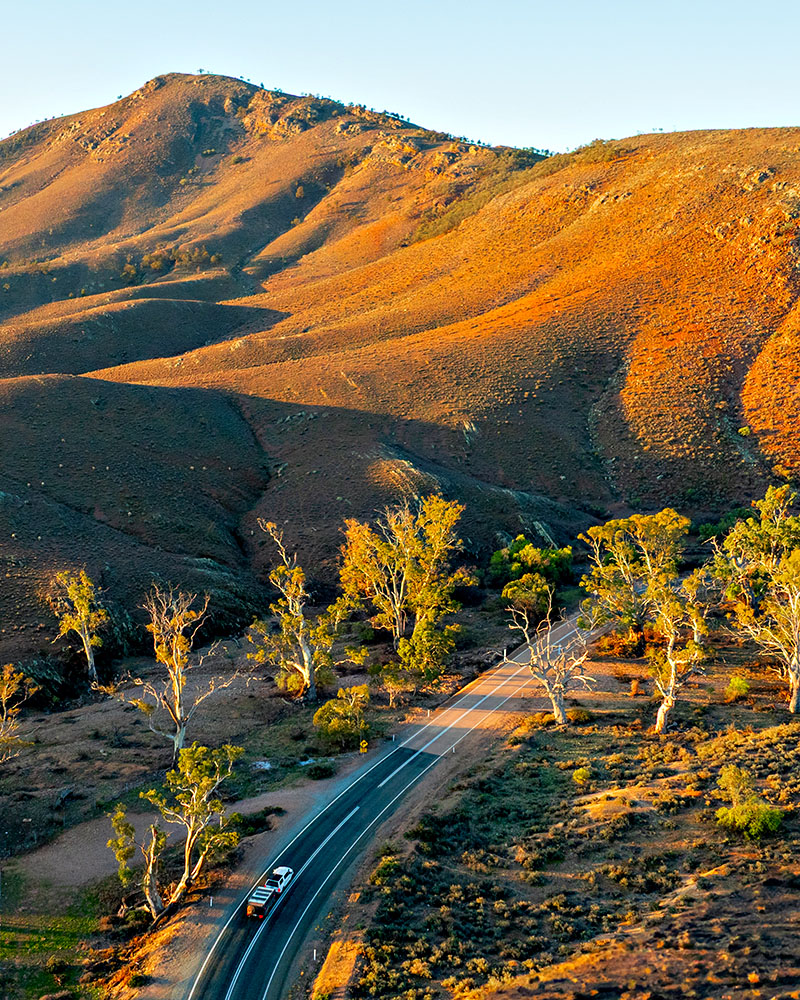
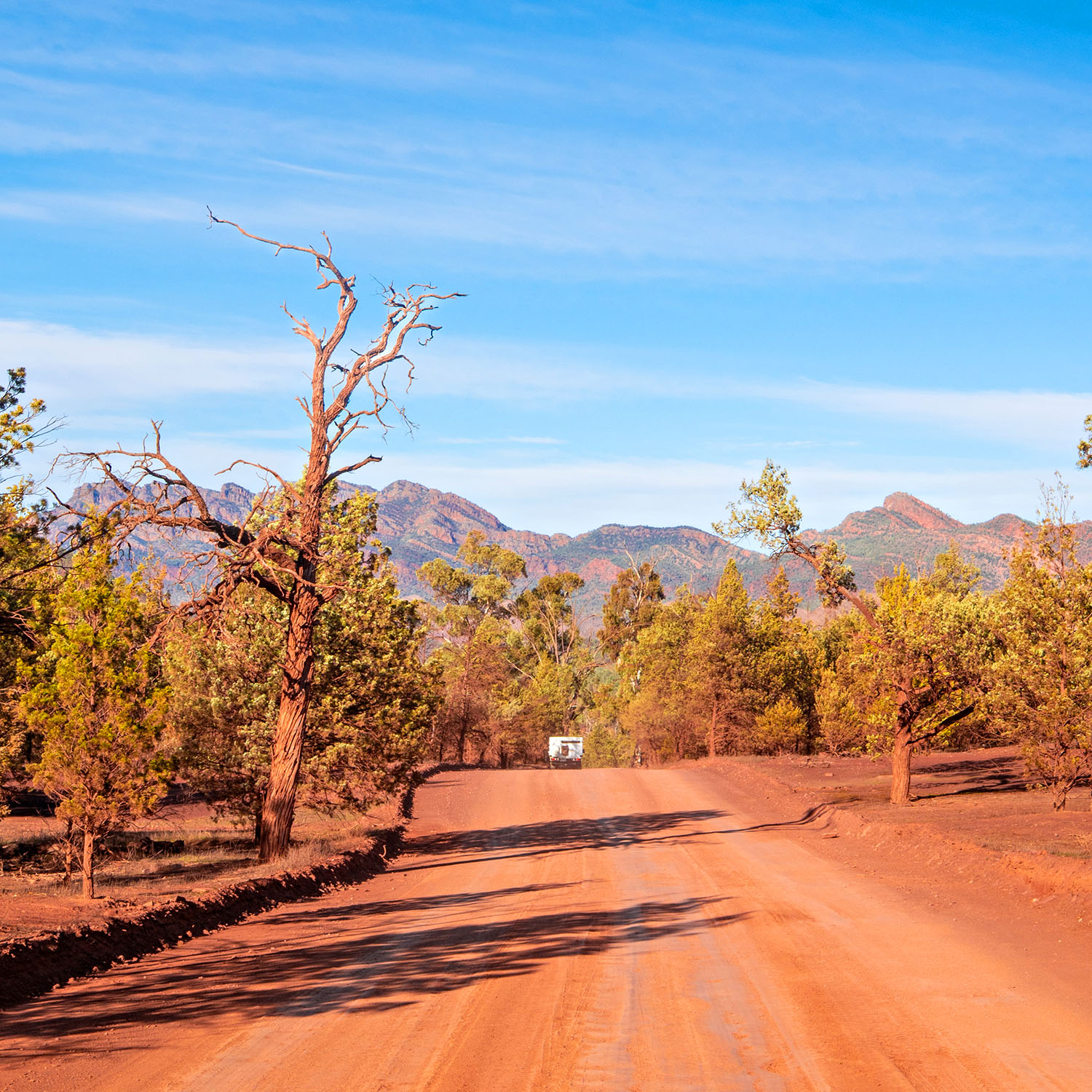
The trip began with an early winter flight to Adelaide, where I picked up an all-wheel-drive rental and began the journey north. Following the A1, a highway that connects much of Australia, I stopped in Port Augusta to stock up for my solo trip. So far, the drive had been typical of Australian highways: cattle paddocks broken up by shipping ports and industrial towns. But beyond Port Augusta, the landscape began to shift. The Flinders Ranges Way weaved between the rugged hills of the southern ranges, and the earth deepened to a burnt orange – a hint of what was to come.
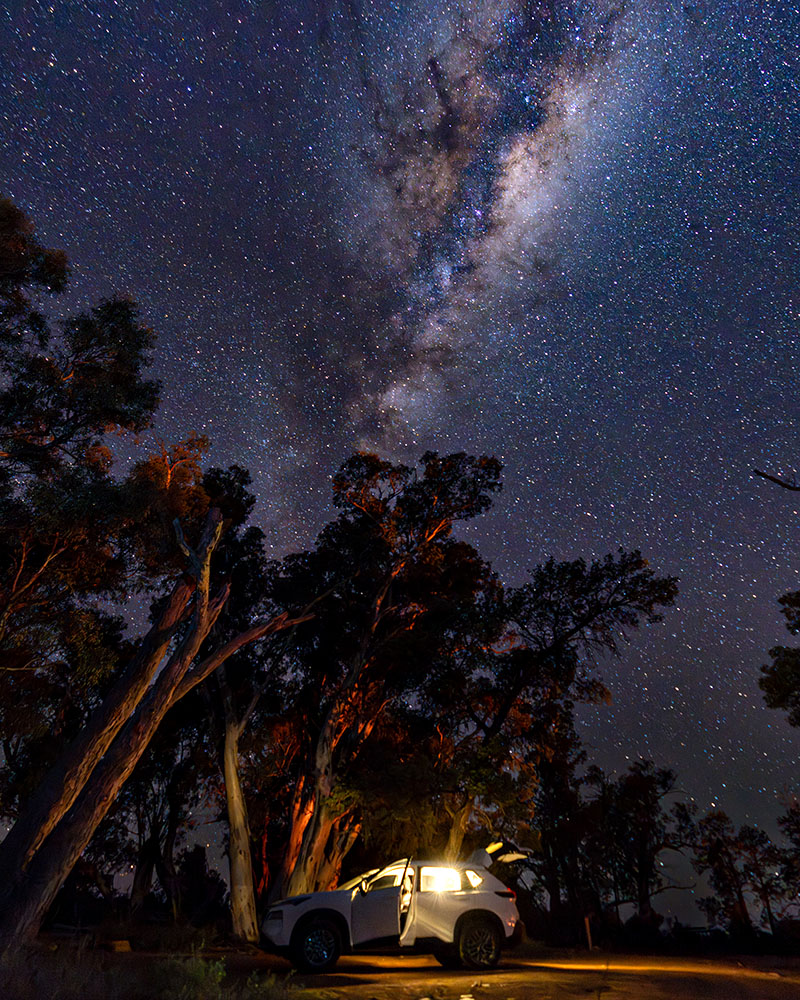
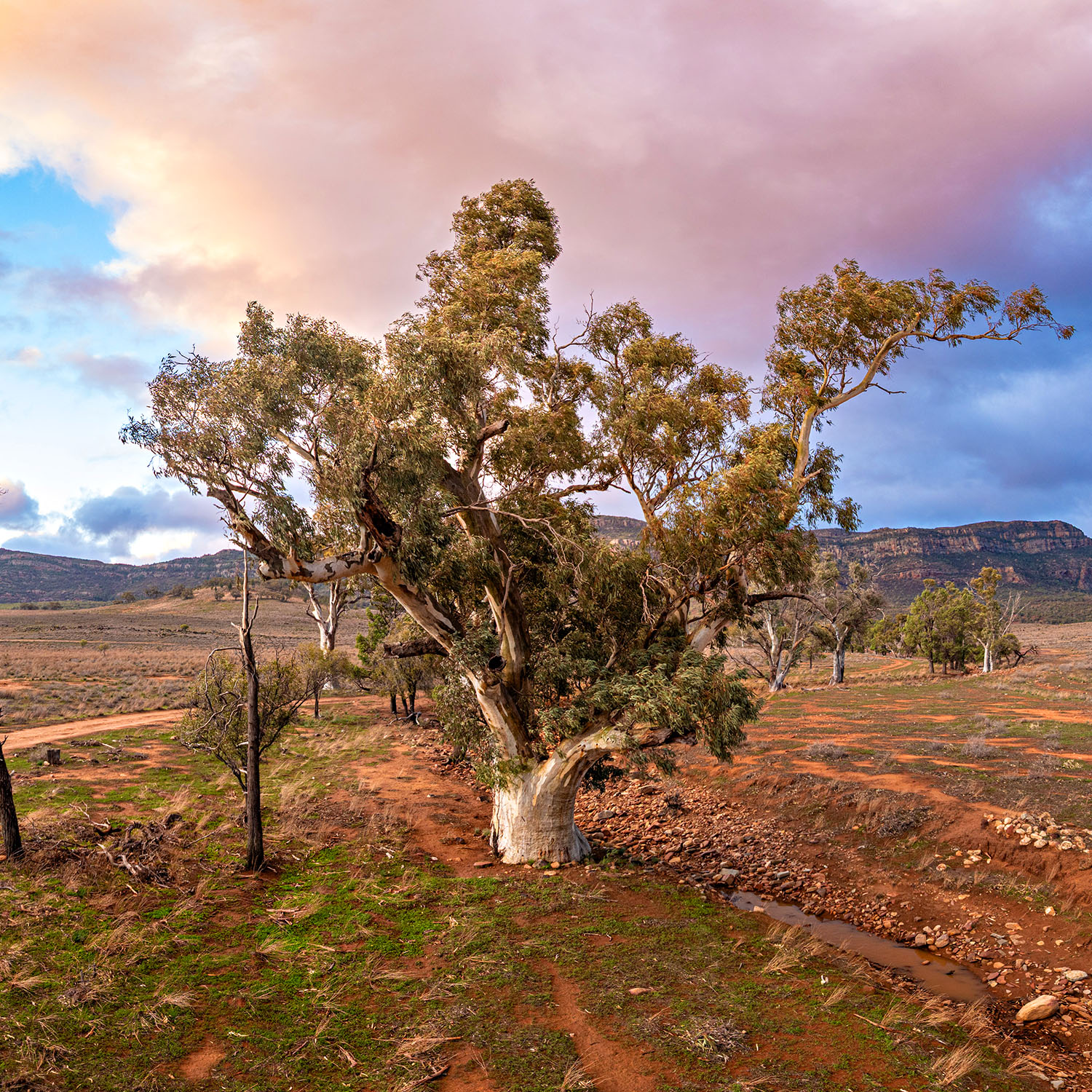
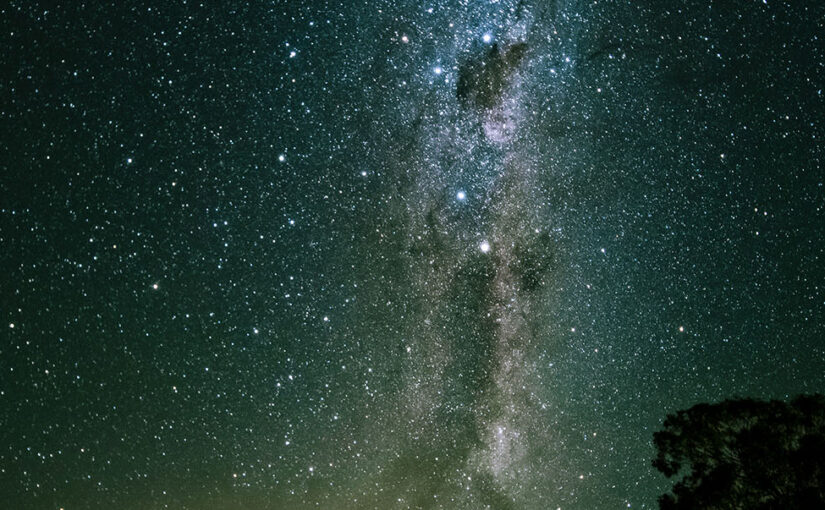
I arrived at Trezona Campground just after dusk and set up beneath a stand of River Red Gums. The sky was completely clear, and the winter night soon came alight, with the Milky Way stretched directly overhead. As Australia’s first official dark sky national park, the Flinders Ranges offer some of the clearest stargazing in the country. And, after setting up camp, I lay back and gazed upwards in the quiet. I’ve always marvelled at the power of aviation. Just that morning, I had been on the other side of the country, and now I was somewhere remote and ancient, completely alone.
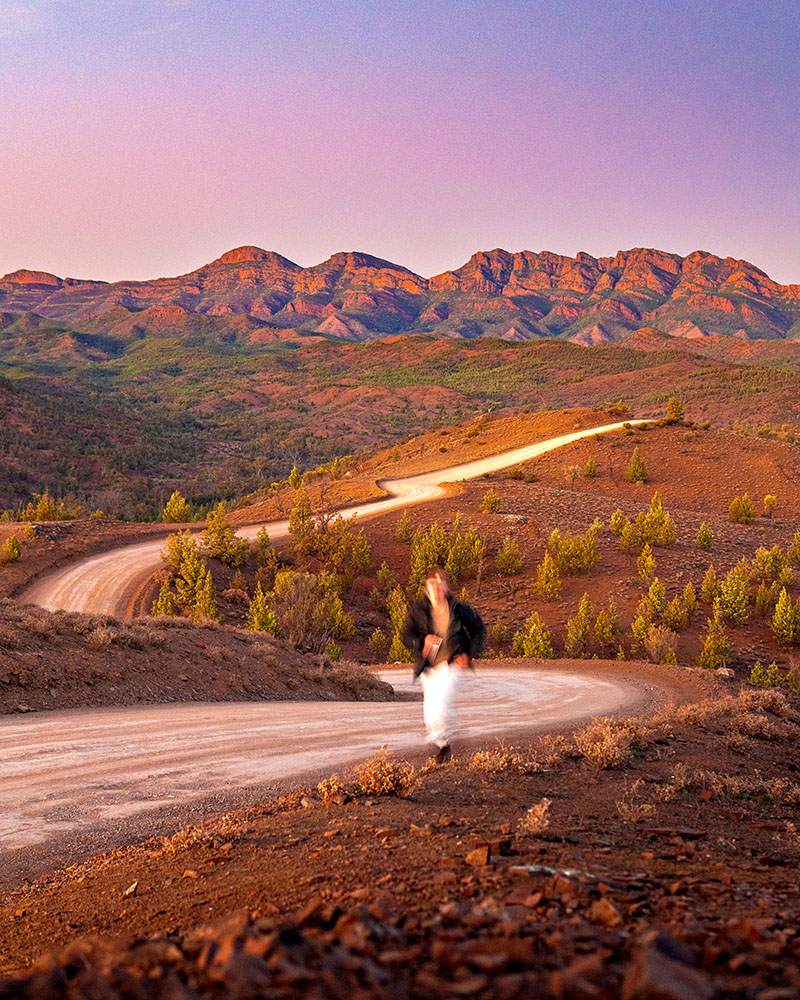
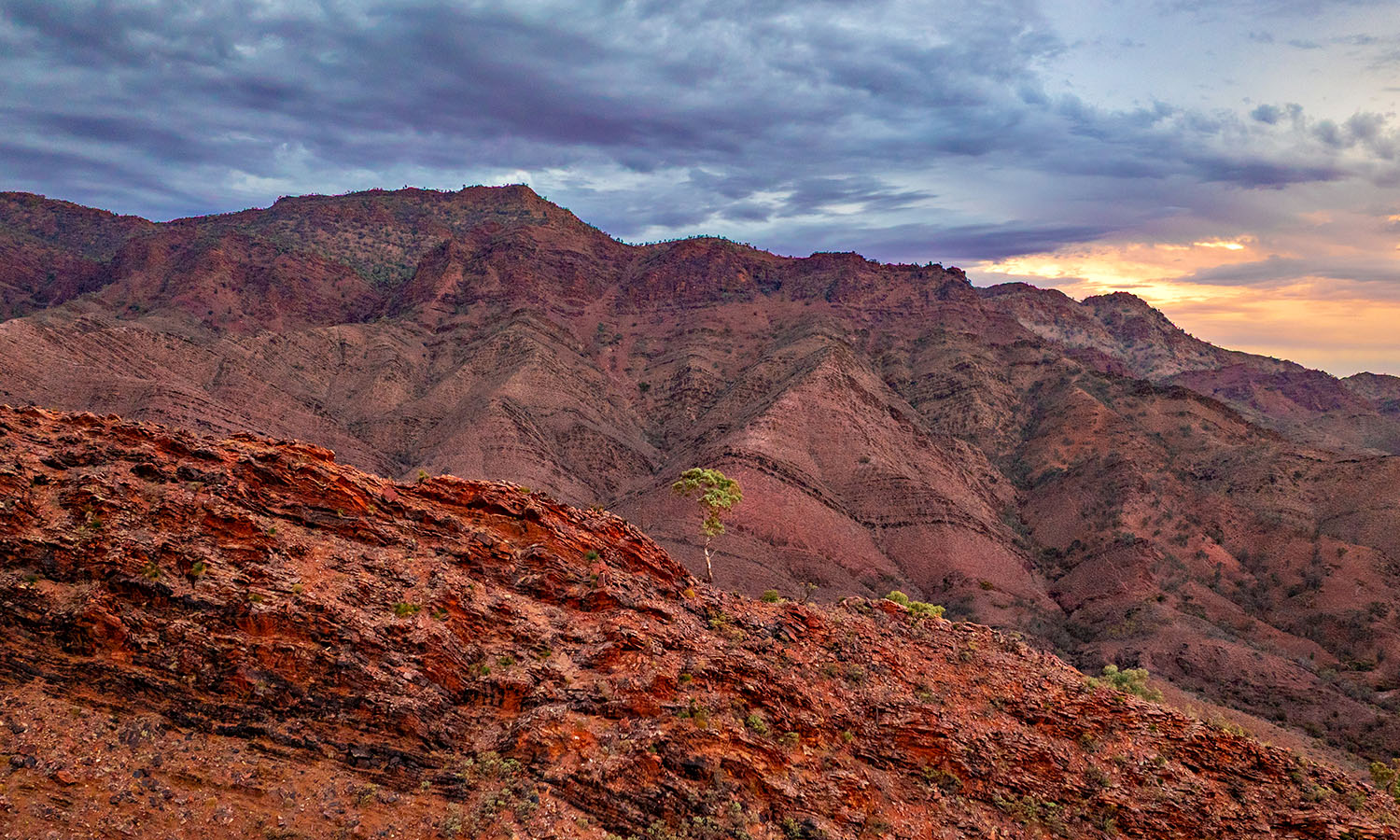
I woke before sunrise for the morning’s mission: Razorback Lookout. One of the most iconic views in the Flinders Ranges, it did not disappoint. Behind the mountains, the sky turned purple before the first light touched the distant peaks of St Mary’s. The light cascaded down until the valley filled with a golden glow. What a place it was to make myself a morning coffee.
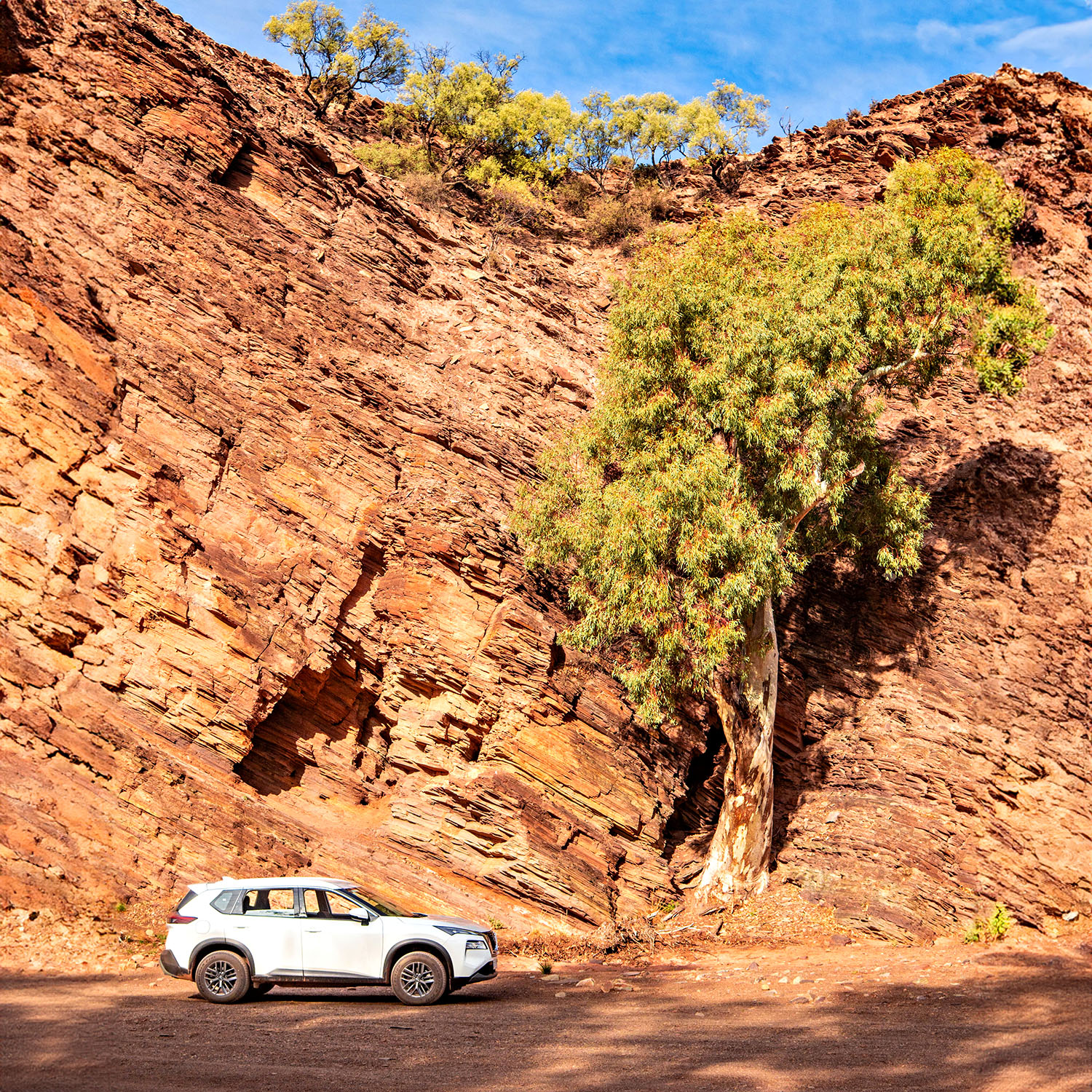
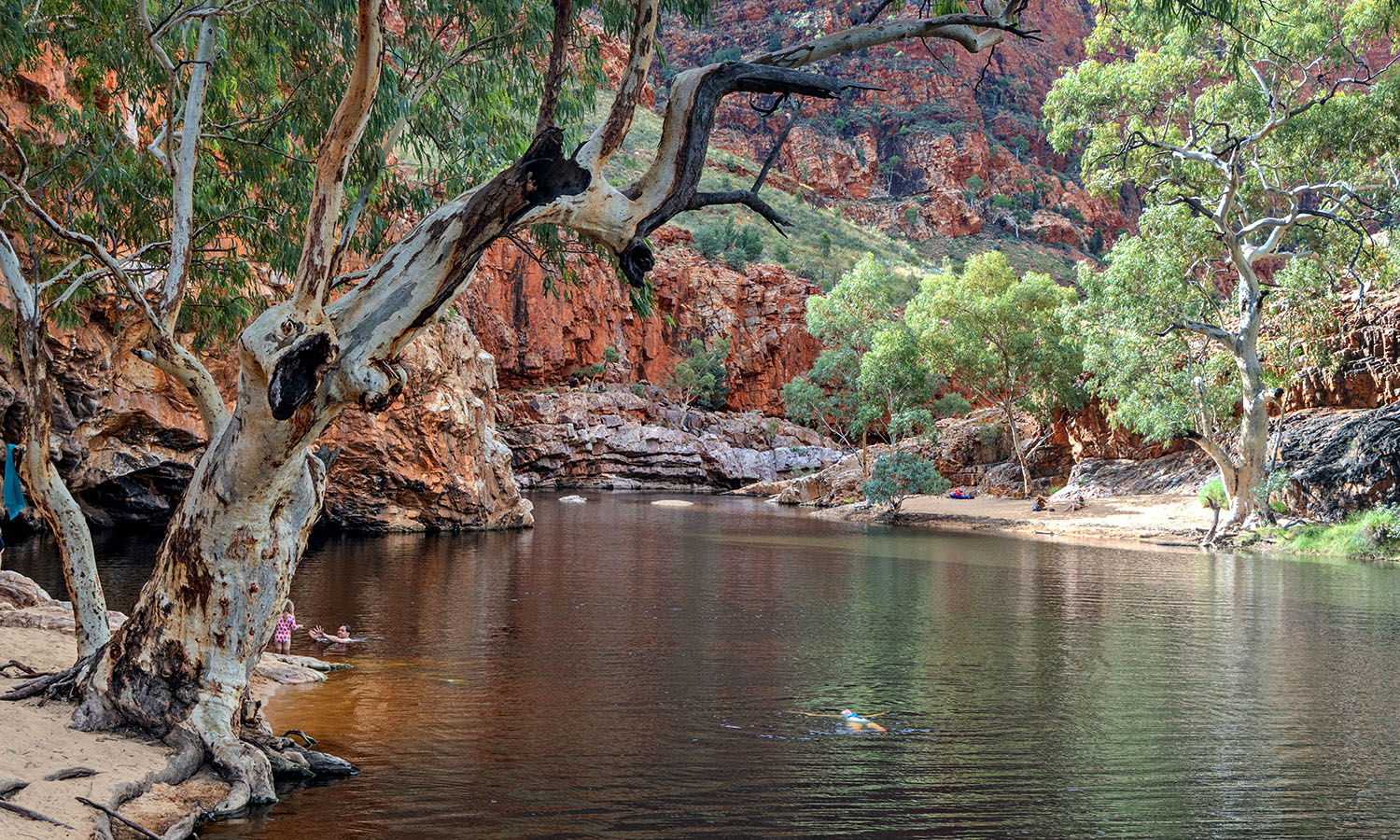
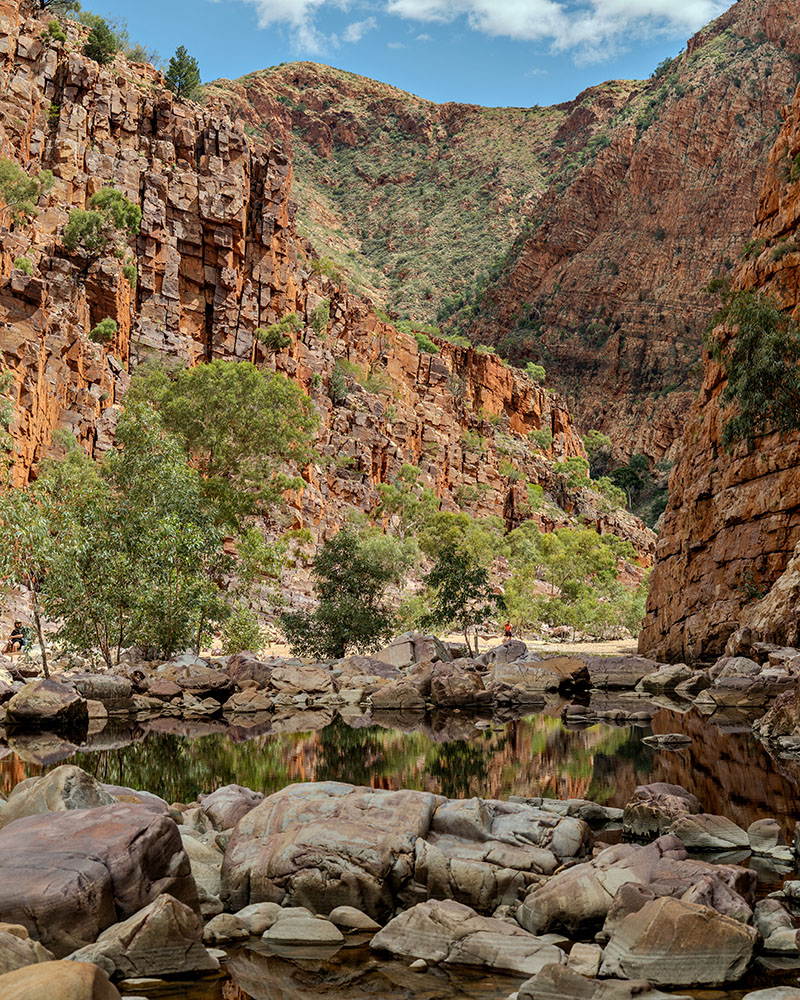
The rest of the day I drove the Brachina Gorge Geological Trail, an iconic route tracing over 130 million years of geological history. The gorge is sometimes called a “corridor through time”, its rock layers revealing some of the oldest visible fossils and formations on Earth.
Stopping intermittently along the trail, I found myself thinking about the cultural depth of this place, the land of the Adnyamathanha people, whose name translates to “rock people”. Their stories, language and knowledge are not just part of the landscape’s past but remain deeply connected to it today. I drove further north to Parachilna Gorge, where I set up camp for the night. Campsites lined the edge of a dry riverbed, and with a storm front approaching, I bunkered down for the night.
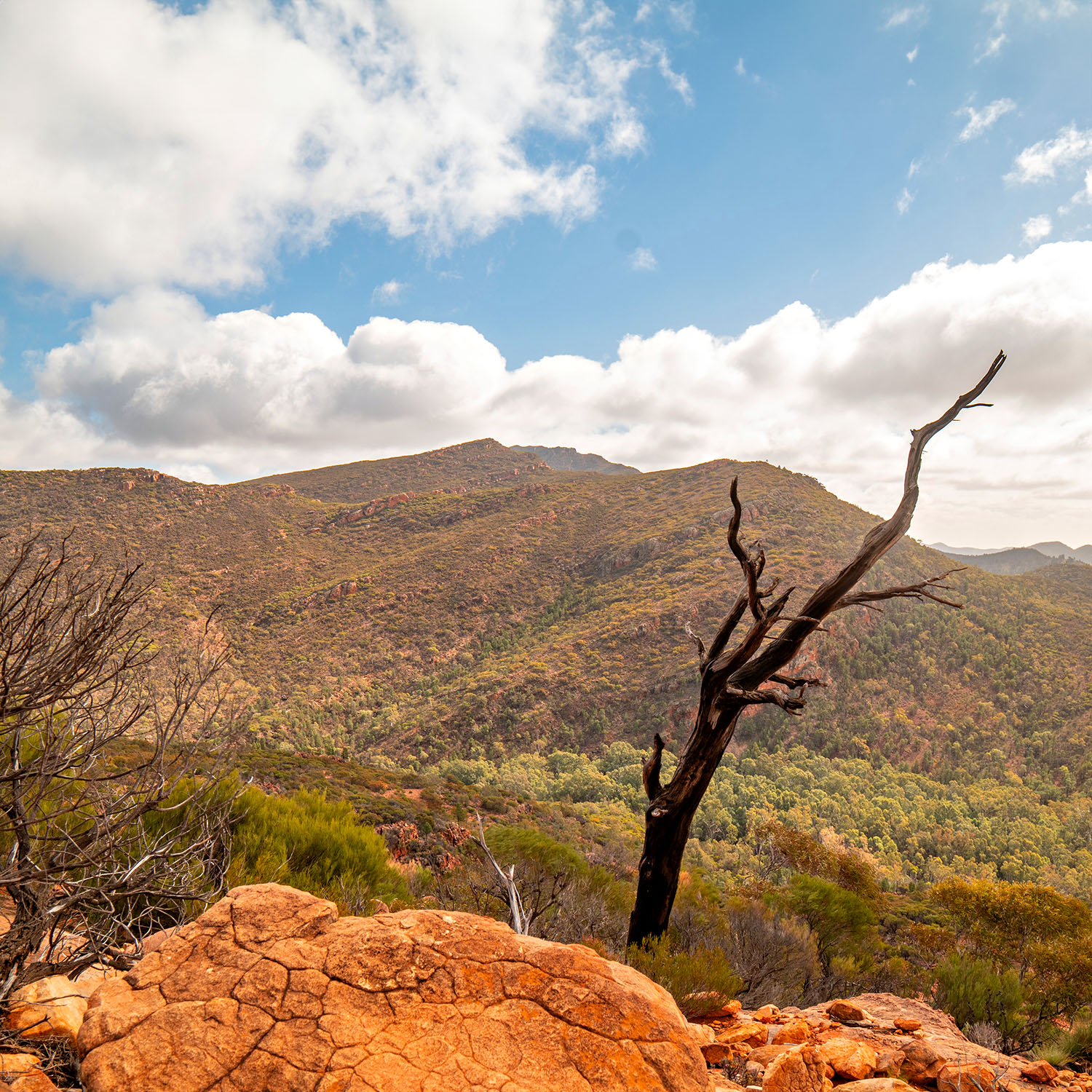
The following morning, I continued through the gorge back to Flinders Ranges Way, stopping at Stokes Hill Lookout and hiking Mount Ohlssen-Bagge for a sweeping view into Wilpena Pound. One of the best ways to grasp just how ancient this land is lies in a simple geological fact: the Flinders Ranges were once part of a vast mountain chain that rivalled the Himalayas in height.
Over the last 500 to 600 million years, erosion and weathering have gradually worn them down to the folded ridges and valleys we see today. It’s hard to describe, but when you’re looking out over the landscape, it even feels old. The red, banded rock crumbles away down the slopes below. That night, I camped at Rawnsley Park Station, with sweeping views of the cliffs of Wilpena Pound.
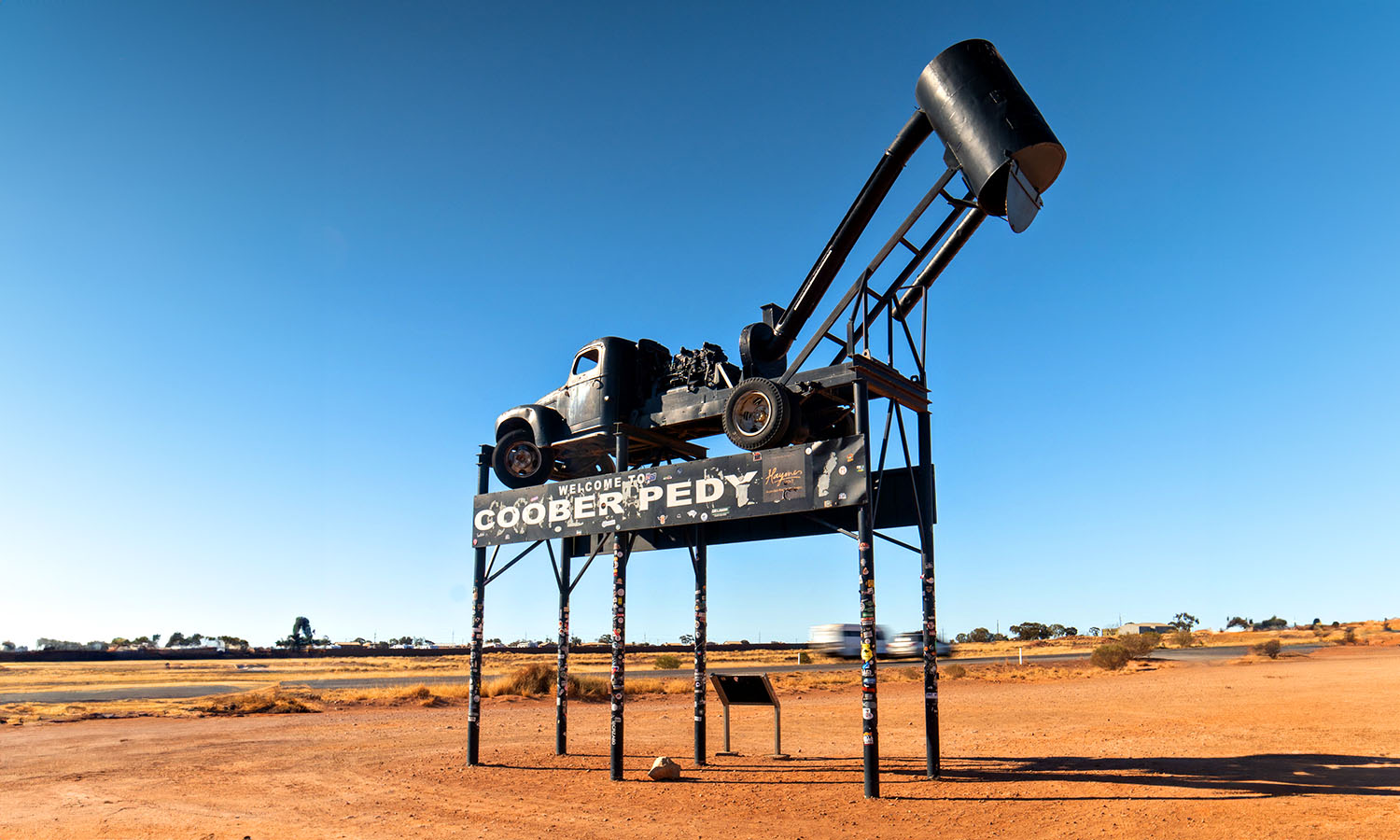
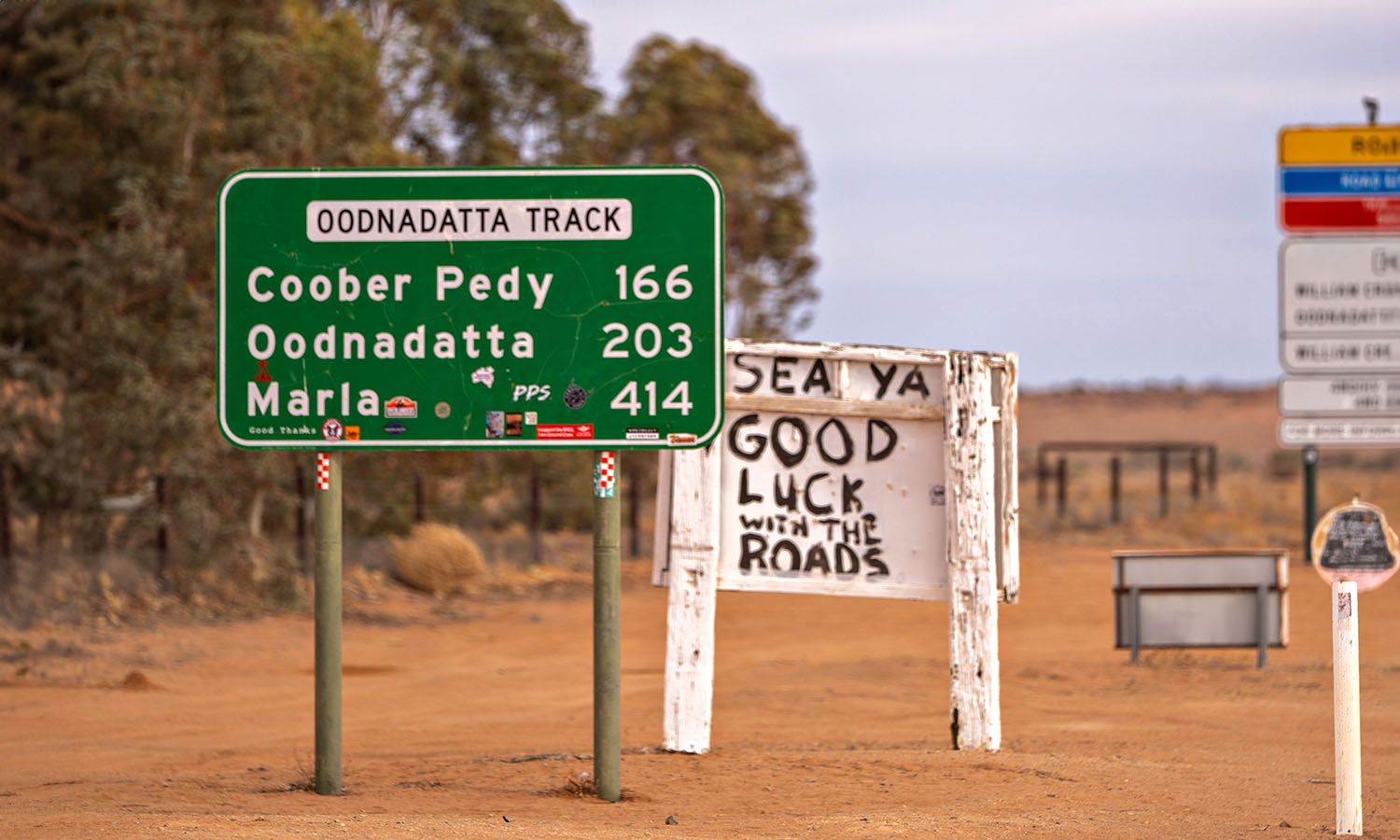
The next leg took me to Coober Pedy. The landscape grew sparse, and the soil deepened to a richer red. The ancient mountains flattened out into what was once a vast seabed. You know you’re getting close when mounds of excavated earth begin to scatter across the horizon. Coober Pedy is one of those places every Australian kid learns about: the town so hot that people live underground.
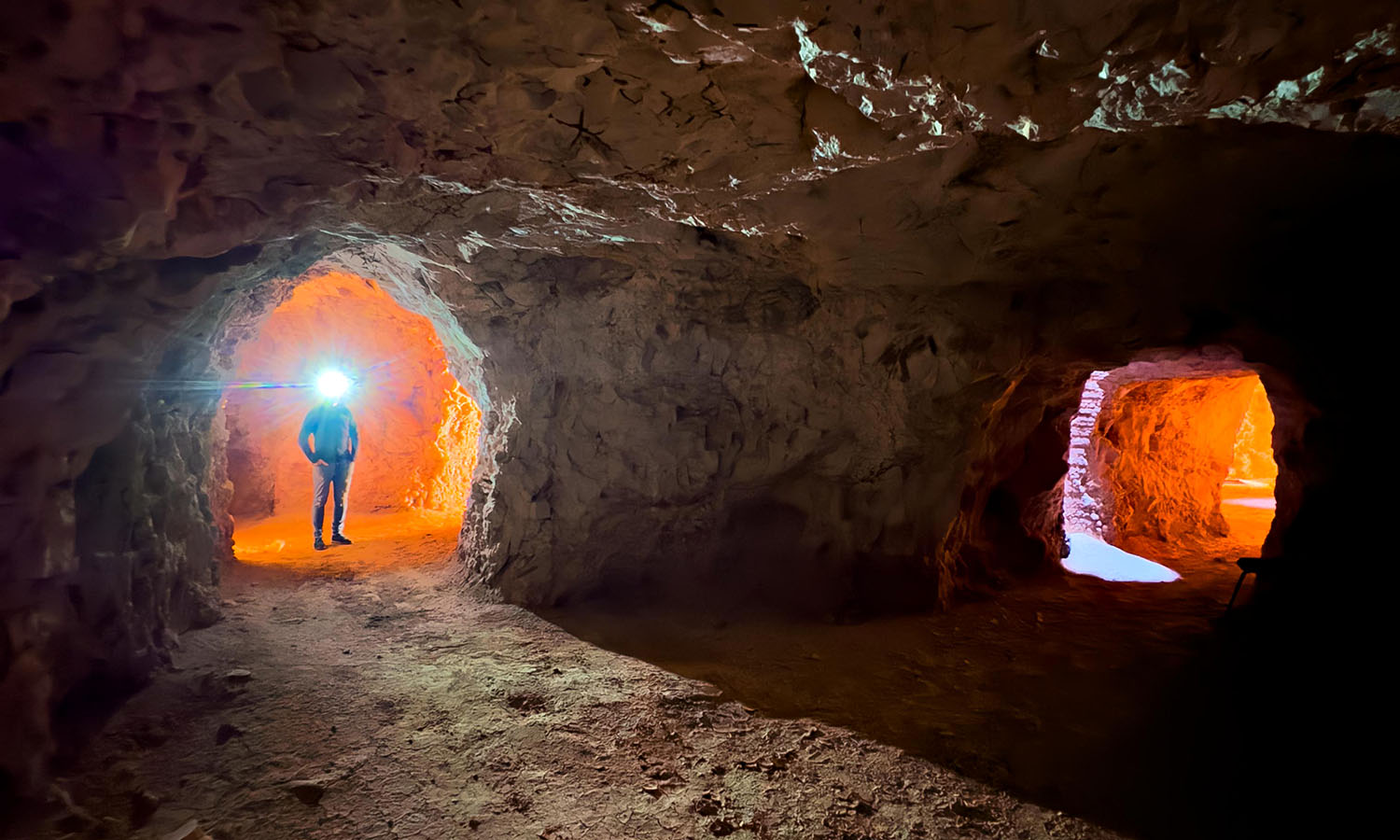
I find it amusing that the name Coober Pedy comes from the local Aboriginal words kupa piti, often translated as “white man’s hole” – a reference to the miners who burrowed underground to escape the heat. It’s a rough, strange and oddly beautiful place, where opals are still dug from the earth. Formed over millions of years, opals begin as silica-rich water seeping through sandstone.
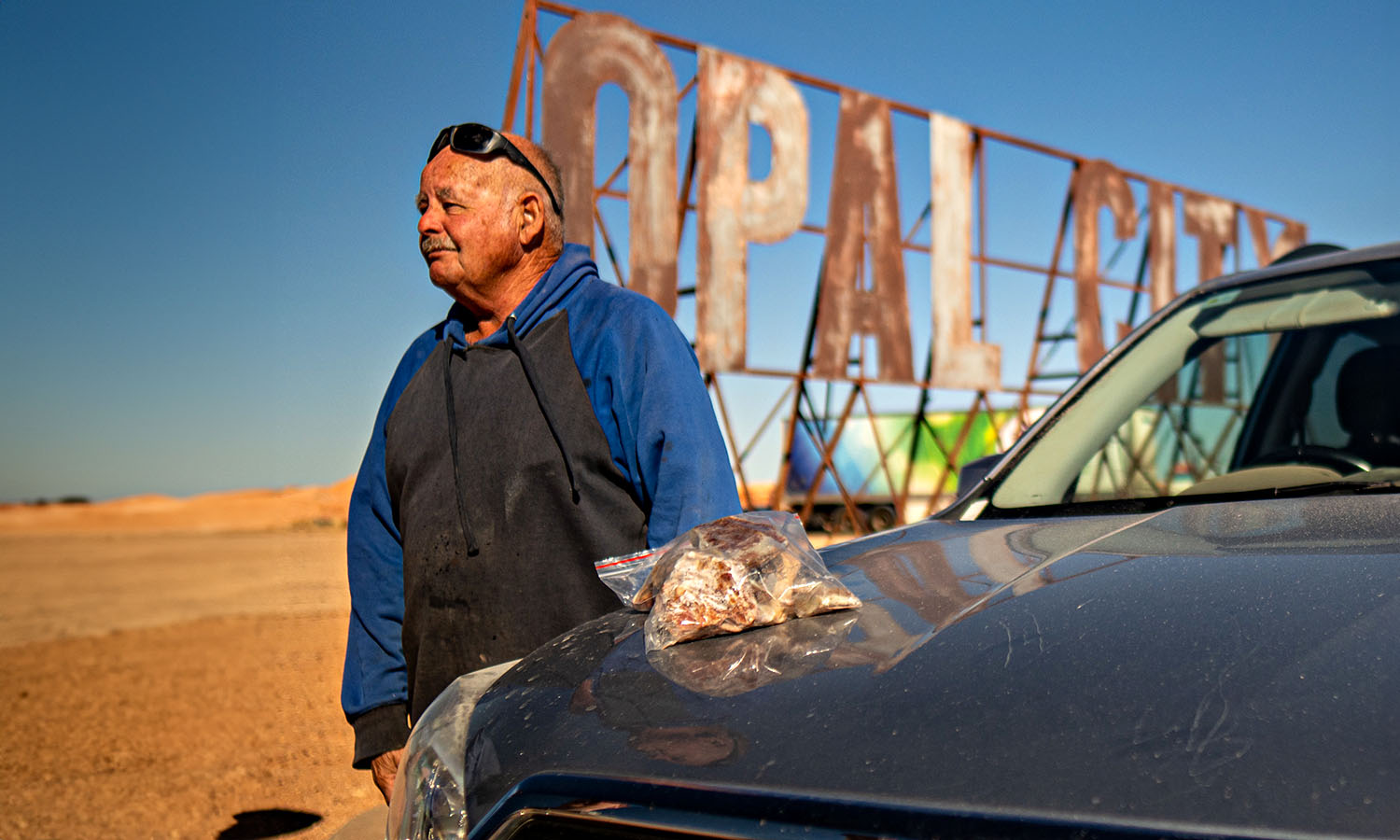
As the water evaporates, it leaves behind silica that hardens into stone. Their vivid colours come from the way these silica spheres scatter light. At the town sign, a local miner stopped to show us his daily haul, not high quality, he said, but fascinating all the same. That night, I stayed in one of the local hotels, above ground, though part of me wondered what it might be like to sleep in a dugout.
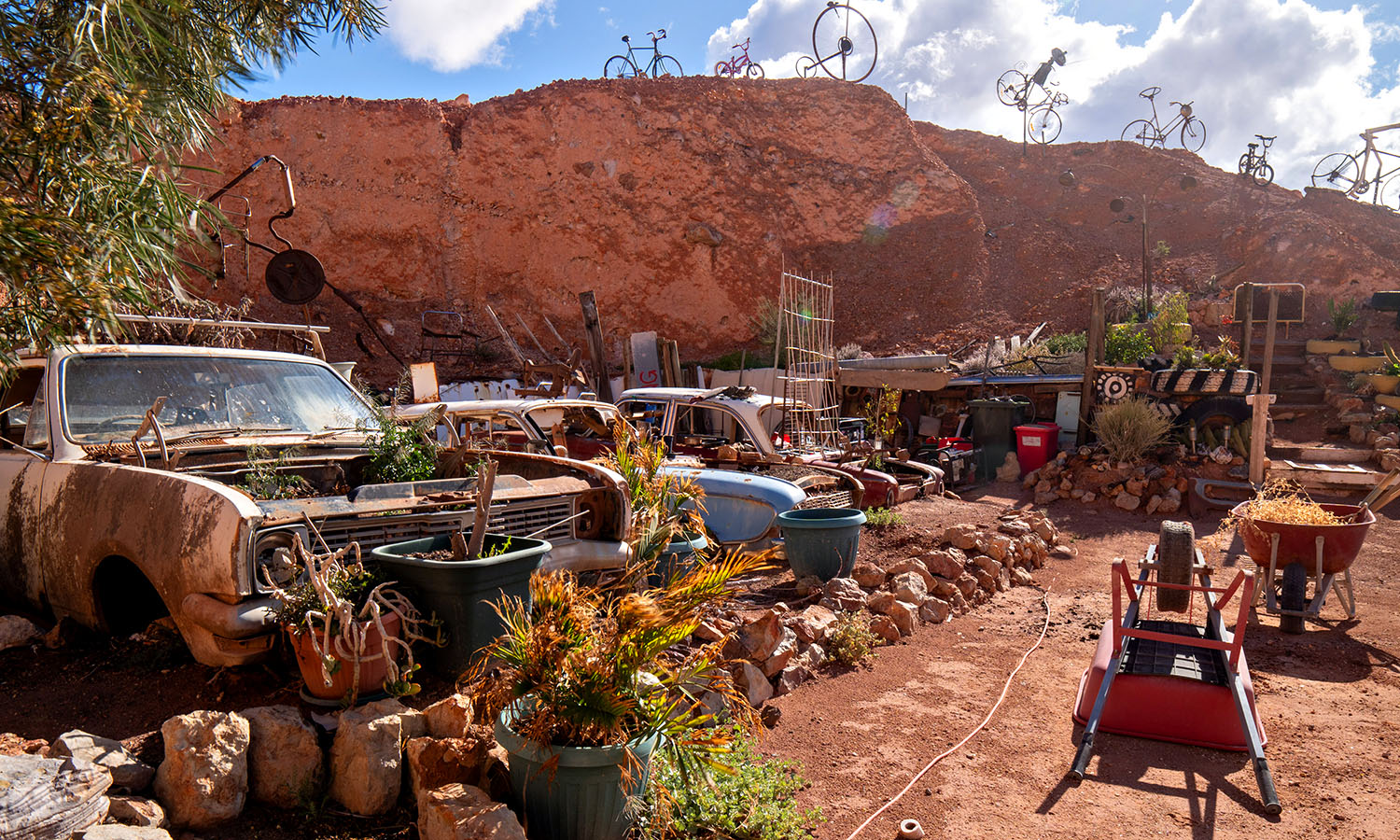
The next morning, I visited one of the town’s most famous attractions, Crocodile Harry’s old dugout house. In many ways, it summed up Coober Pedy: eccentric, improvised, and full of personality. Out the front were rusted cars and old movie props, including relics from sci-fi films once shot in the area. Inside, the surprisingly light-filled cave was lined with photos from wild parties once hosted by the man said to have inspired Crocodile Dundee. Out the back, he had his own private opal mine. It was incredible to walk through these lived-in, deeply personal spaces.
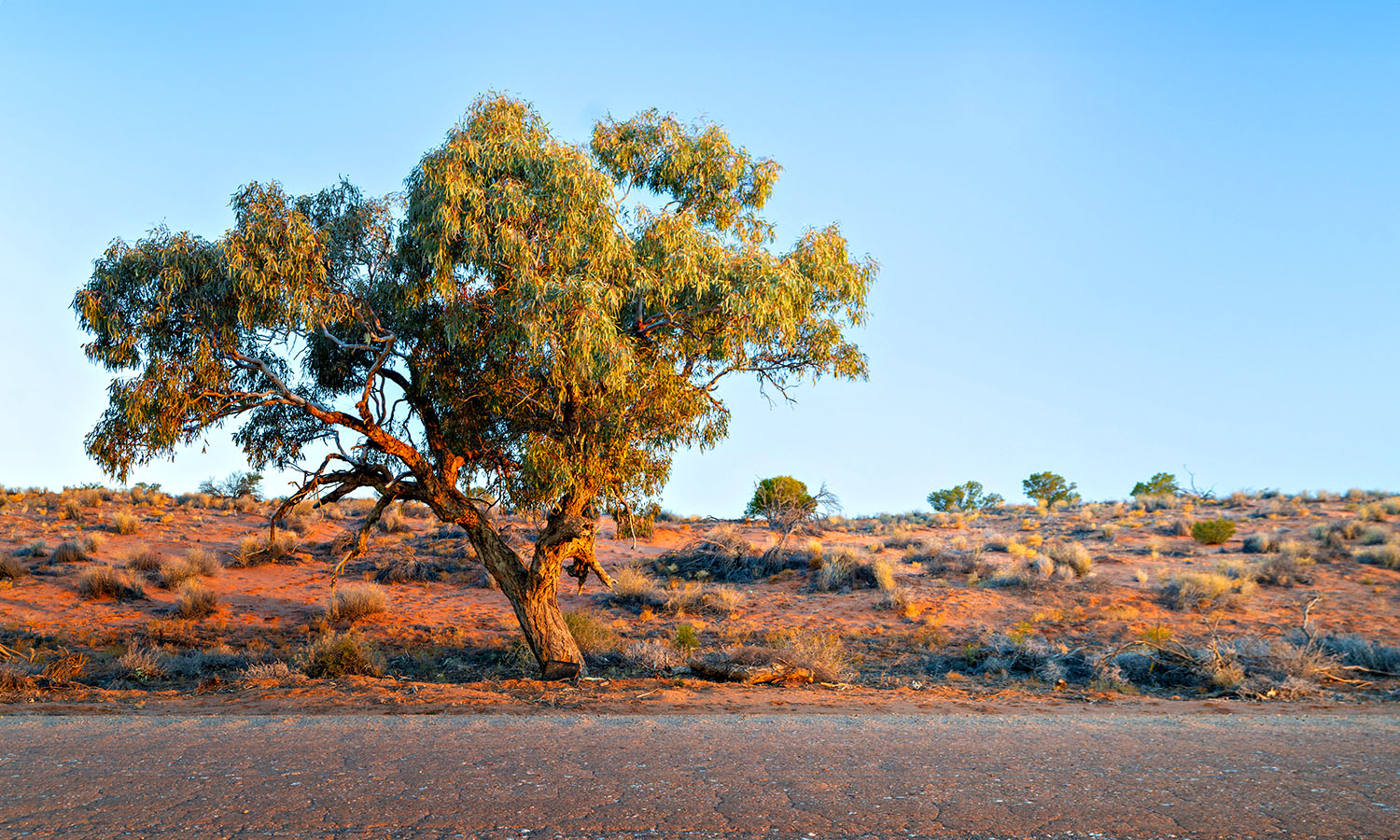
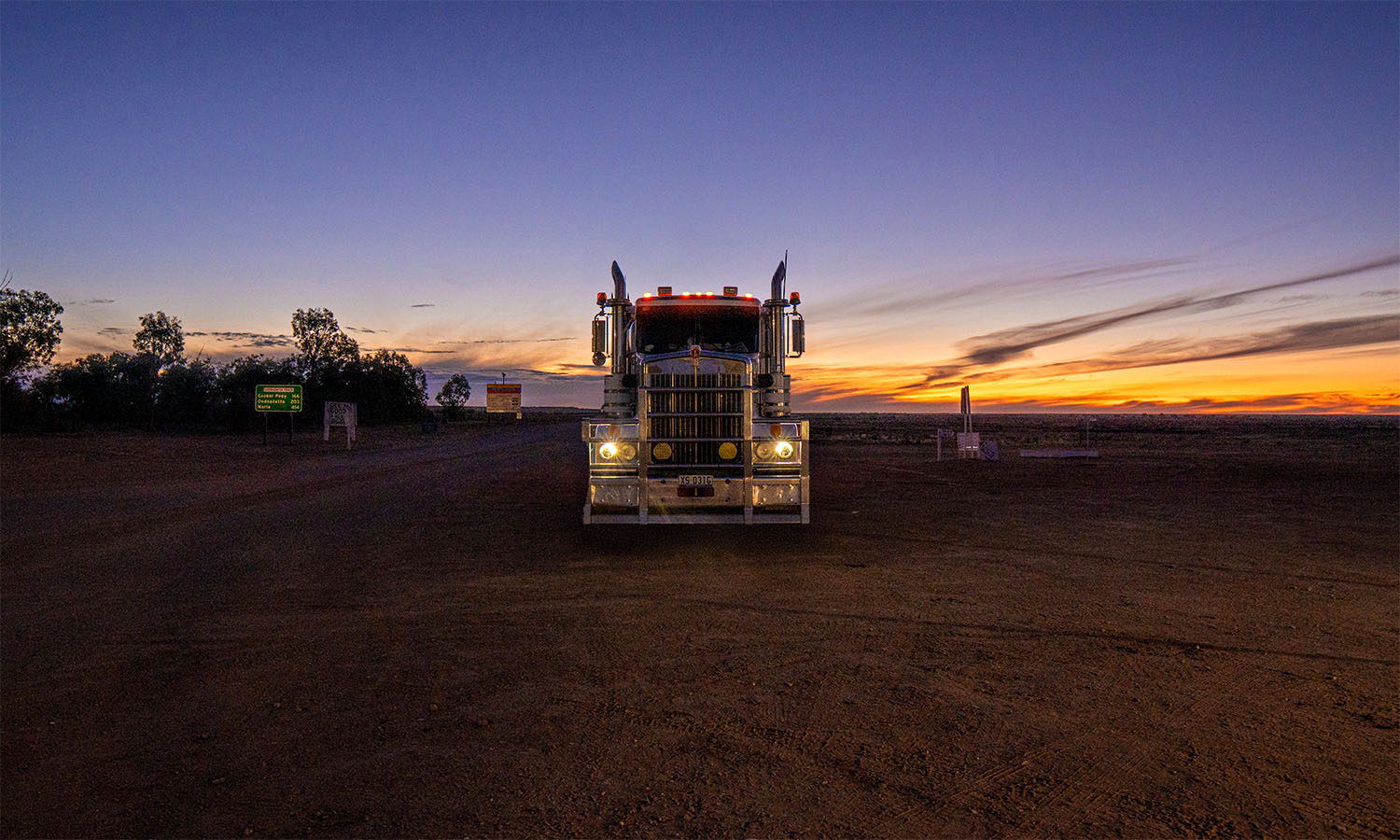
That afternoon, I turned east onto William Creek Road. The scenery was classic outback Australia: red sand, sparse scrub and a sense of enormous scale. A large sign declared the road open but warned that conditions could quickly change in bad weather. I had made it just in time, with one of the season’s first winter rain fronts moving in behind me. What I hadn’t expected was how dramatically the landscape shifted along the way. One moment, I was driving through barren, flat plains with hardly any vegetation; the next, I was weaving through undulating dunes and rocky hills. It challenged my assumptions about what this desert landscape would be.
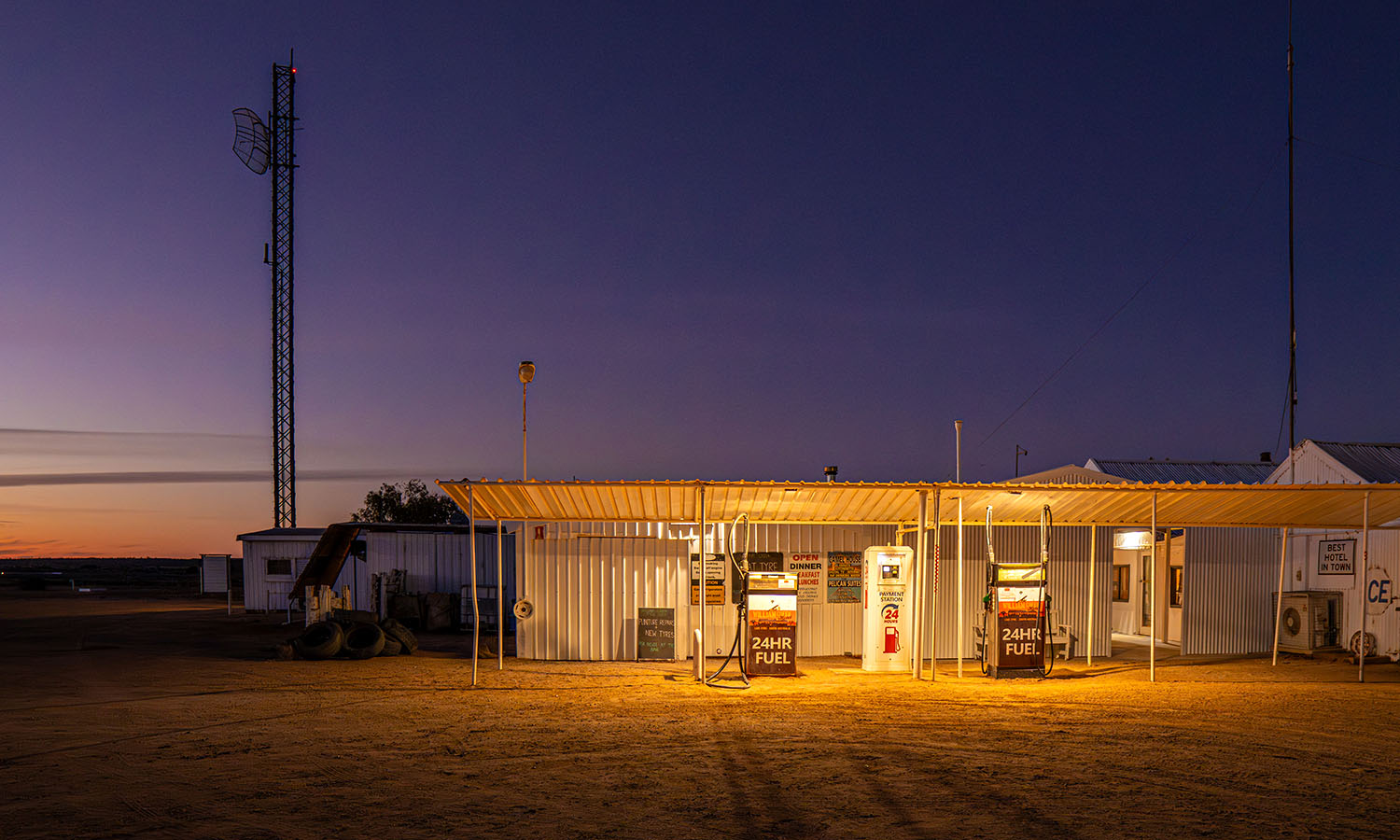
After passing Anna Creek Station – the largest cattle station in the world, covering over 15,000 square kilometres – I rolled into William Creek just after sunset. This tiny settlement sits in the heart of the desert, little more than a handful of buildings clustered around the main attraction: the pub. That night, I was staying in a glamping tent out the front of the William Creek Hotel, famously one of the most remote pubs in Australia.
Despite its isolation, the pub was buzzing. Lake Eyre was in rare flood, and William Creek is one of the closest launch points for scenic flights, so it had become a hub for outback travellers chasing the spectacle. As I paced back and forth trying to find a table in the crowded bar, one of the older patrons called out, “Aye, you’re wearing the lino out!” He wasn’t a local, just another classic Australian character: sun-worn, straight-talking and clearly amused by my indecision. He guessed I was from Sydney, probably because of my oversized puffer jacket. I headed to bed early, in preparation for the highlight of the trip.
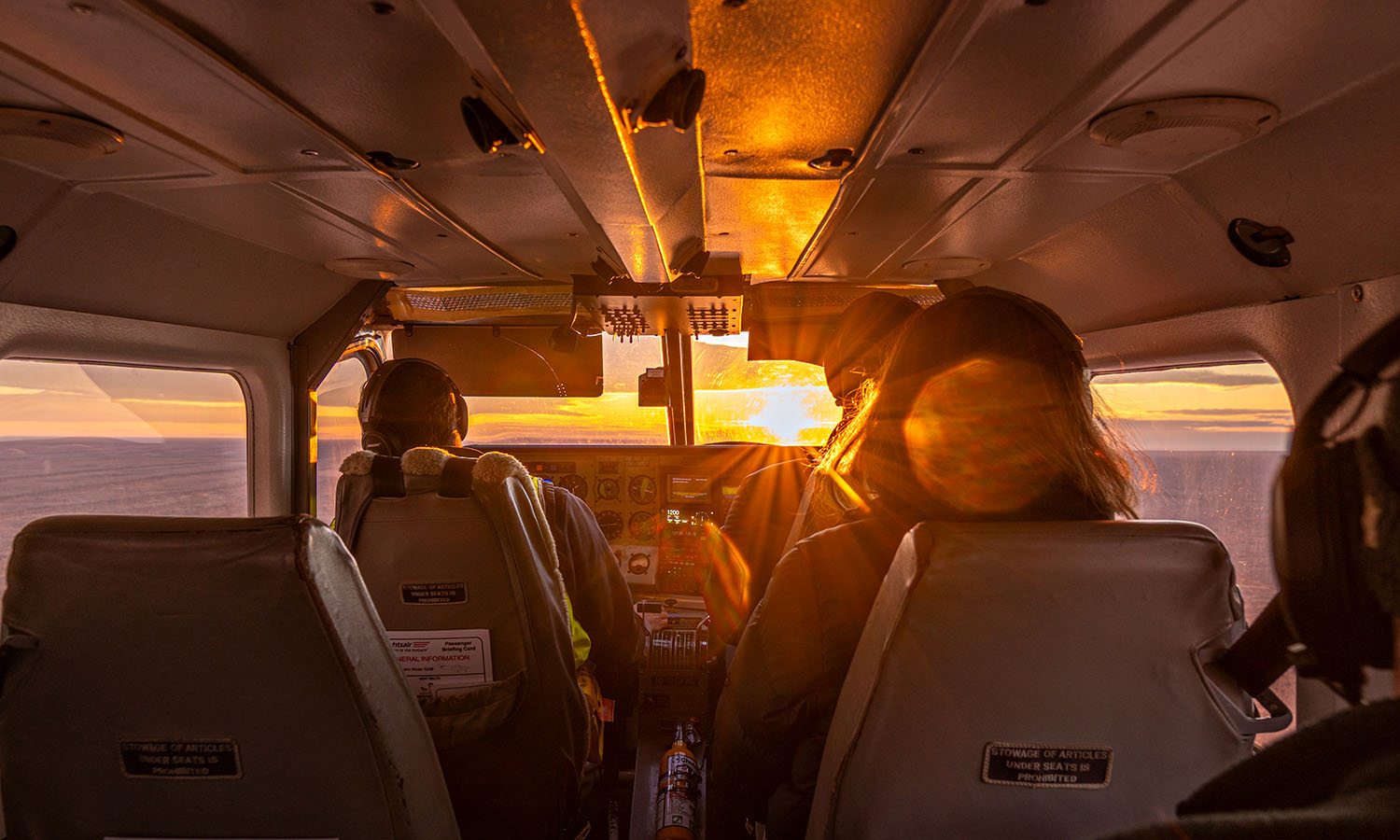
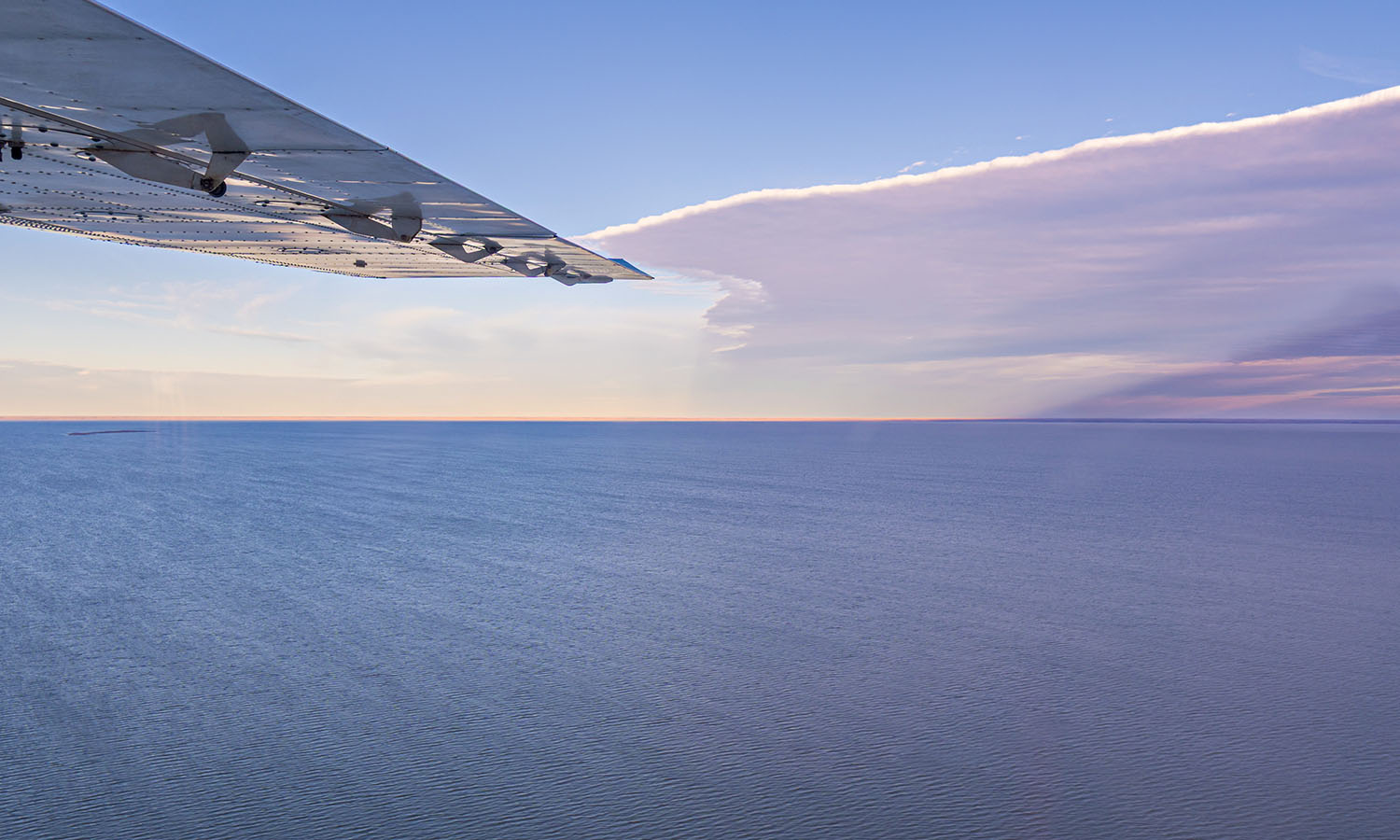
The crescendo of the journey was worth the wait. After being allocated a plane and a pilot, I walked down to the airfield and climbed aboard. Before we boarded, we had a quick safety briefing (it felt a little absurd to be shown how to use a life jacket while standing in the middle of a desert). Together with fellow passengers, we took to the sky just as high clouds began to glow red. We flew directly into the sun, and it felt like we were gliding over a vast desert.
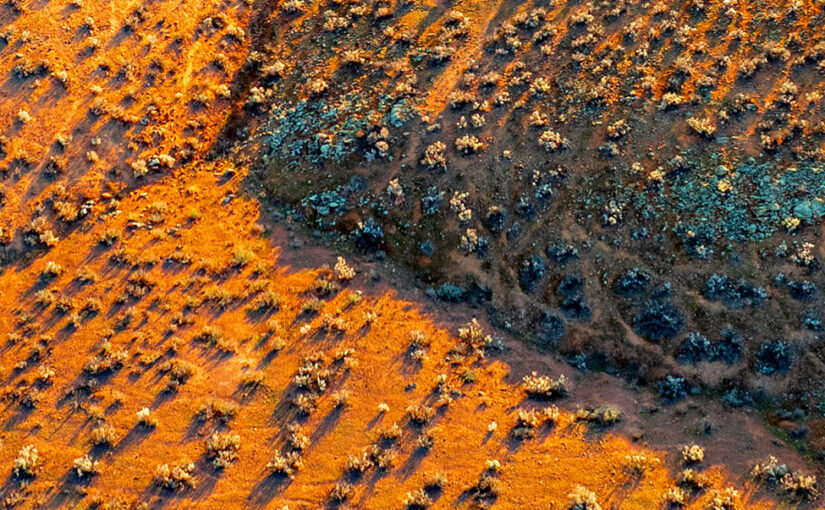
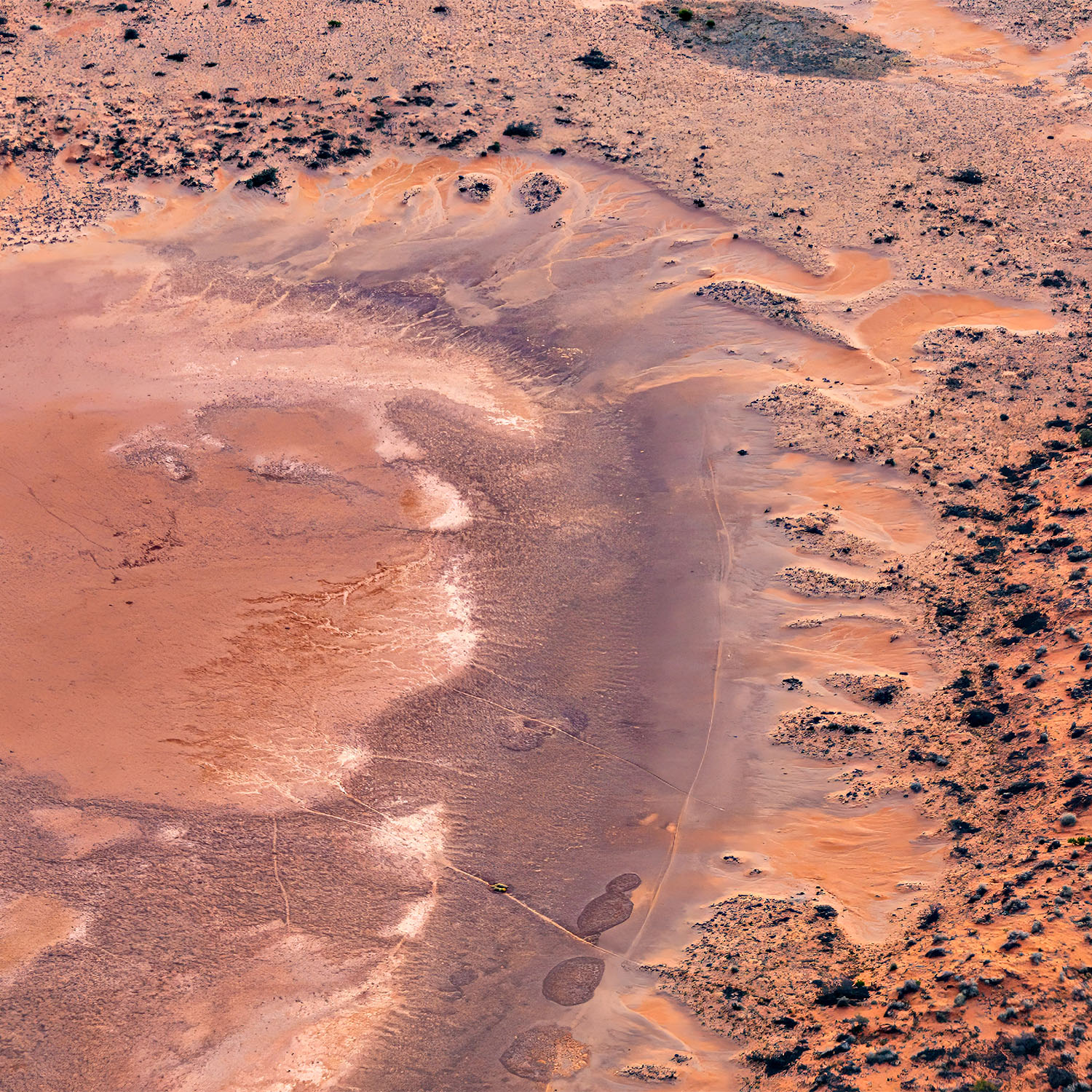
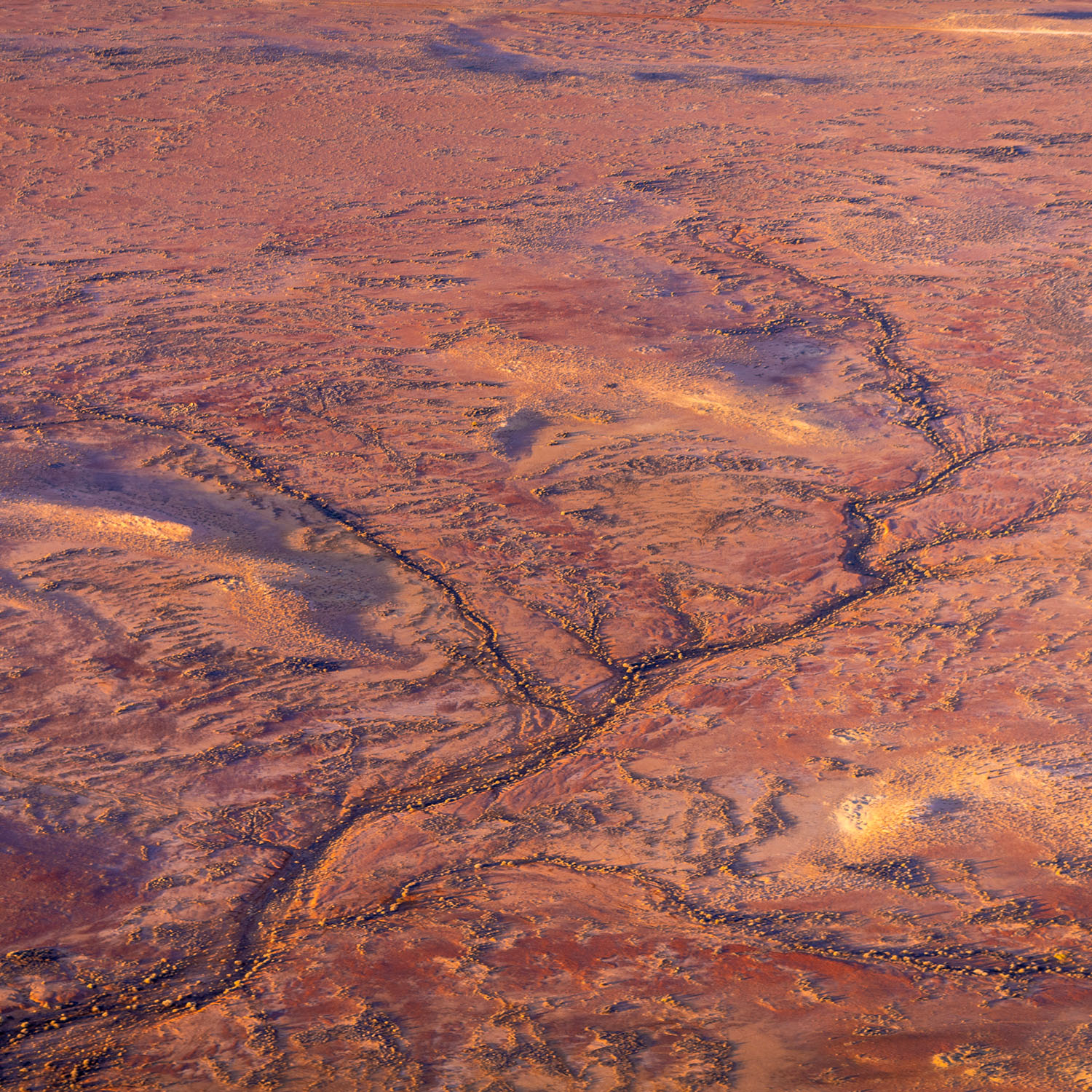
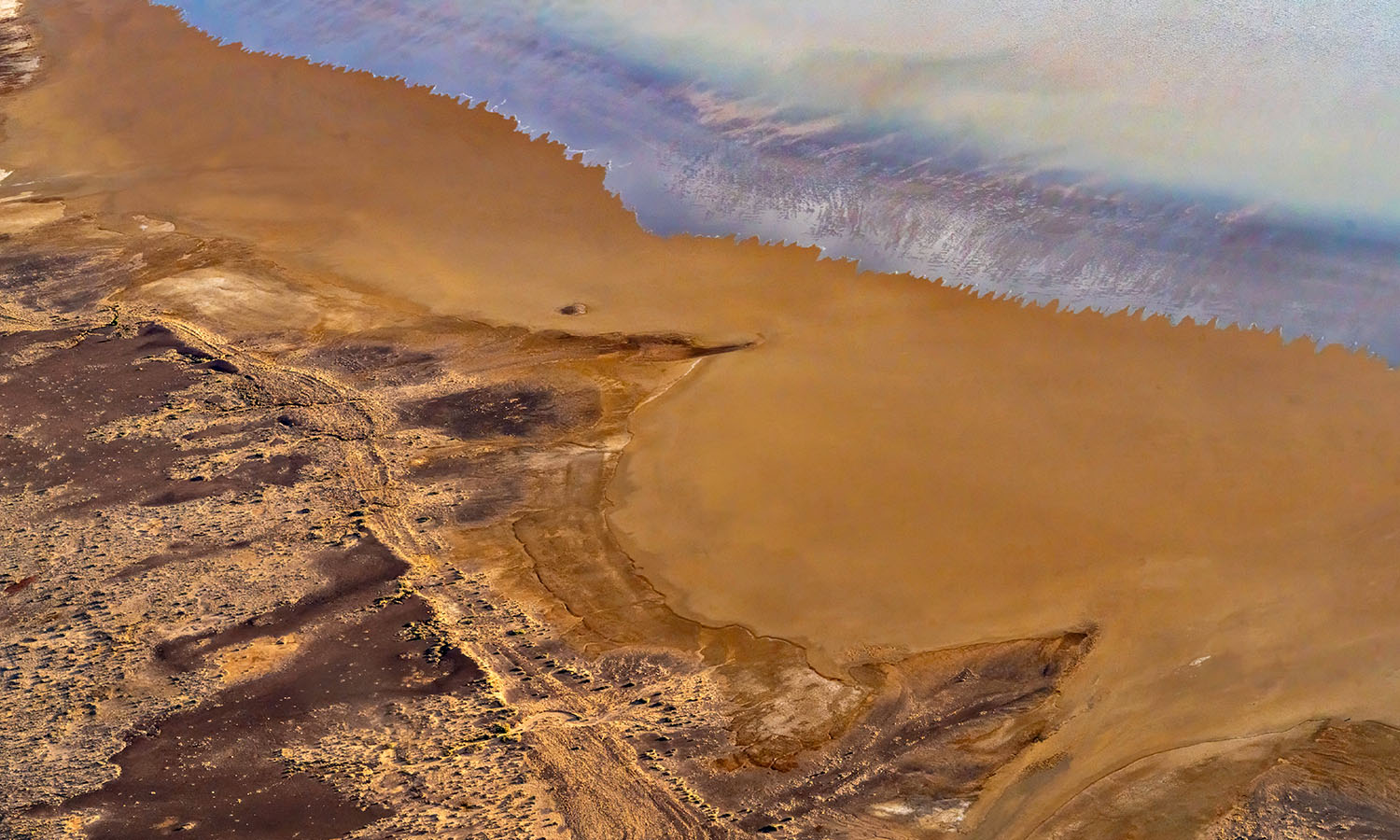
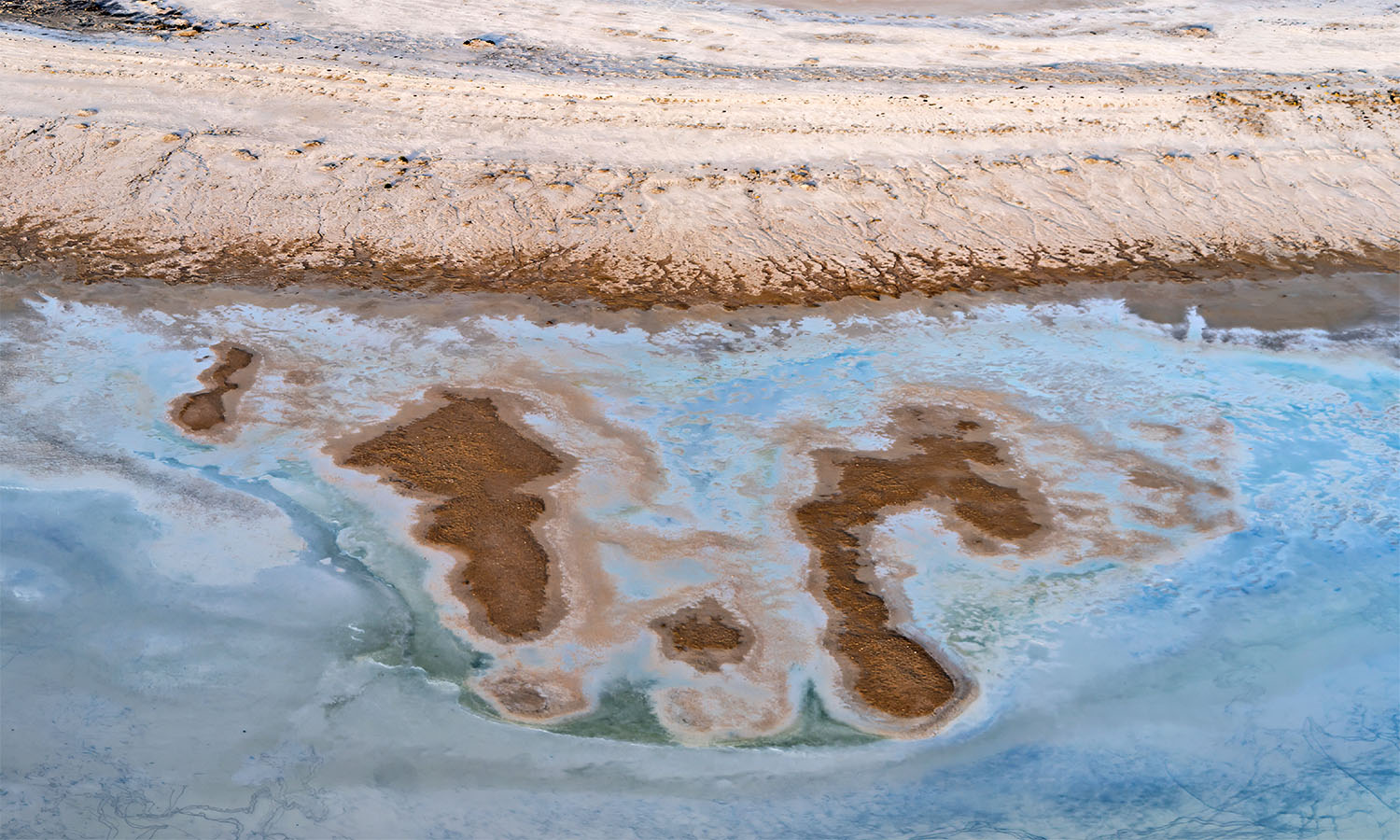
From the air, the ground patterns were starkly beautiful. What had looked random and sparse from the road now followed the natural contours of the land – faint vegetation tracing ancient watercourses, with salt pans etched delicately into the red earth.
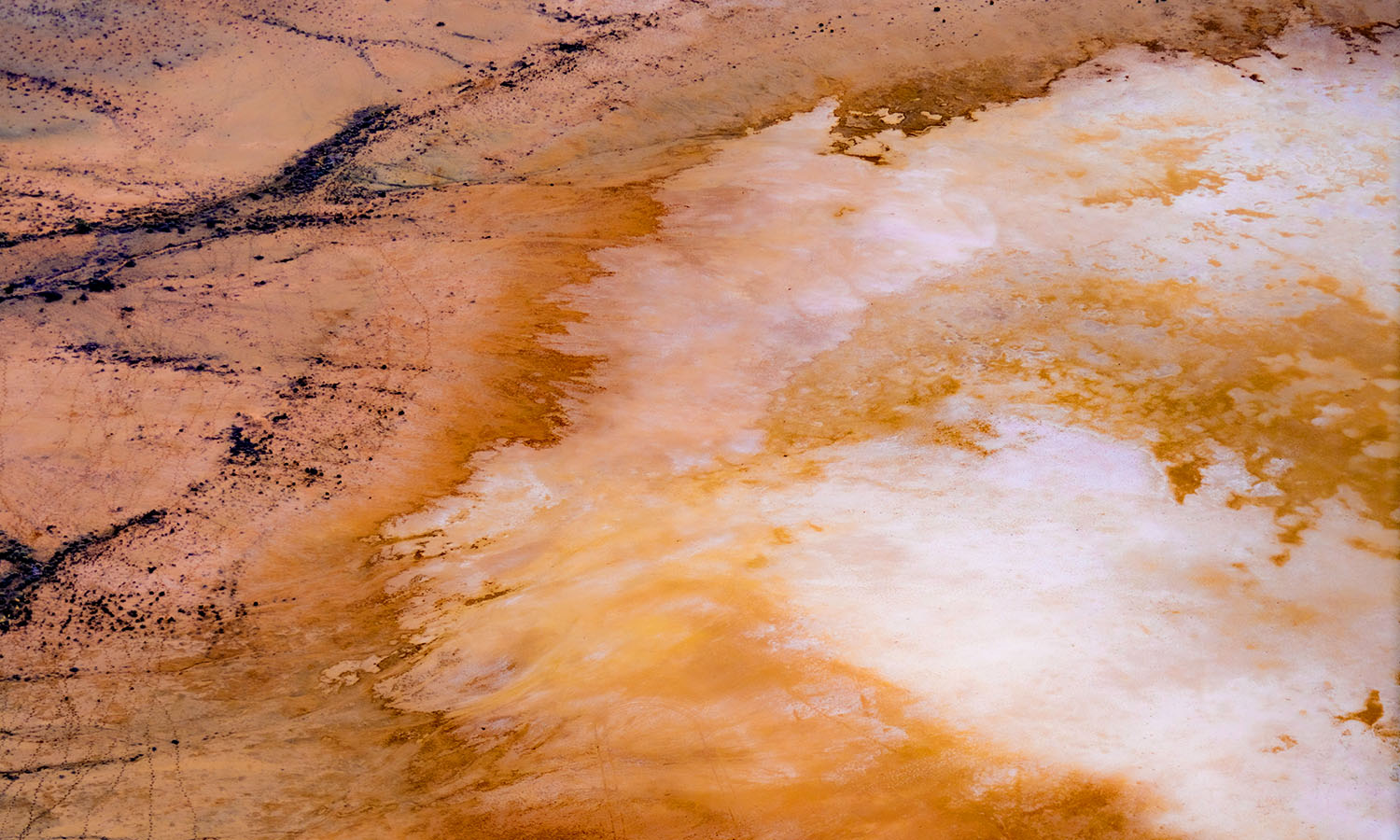
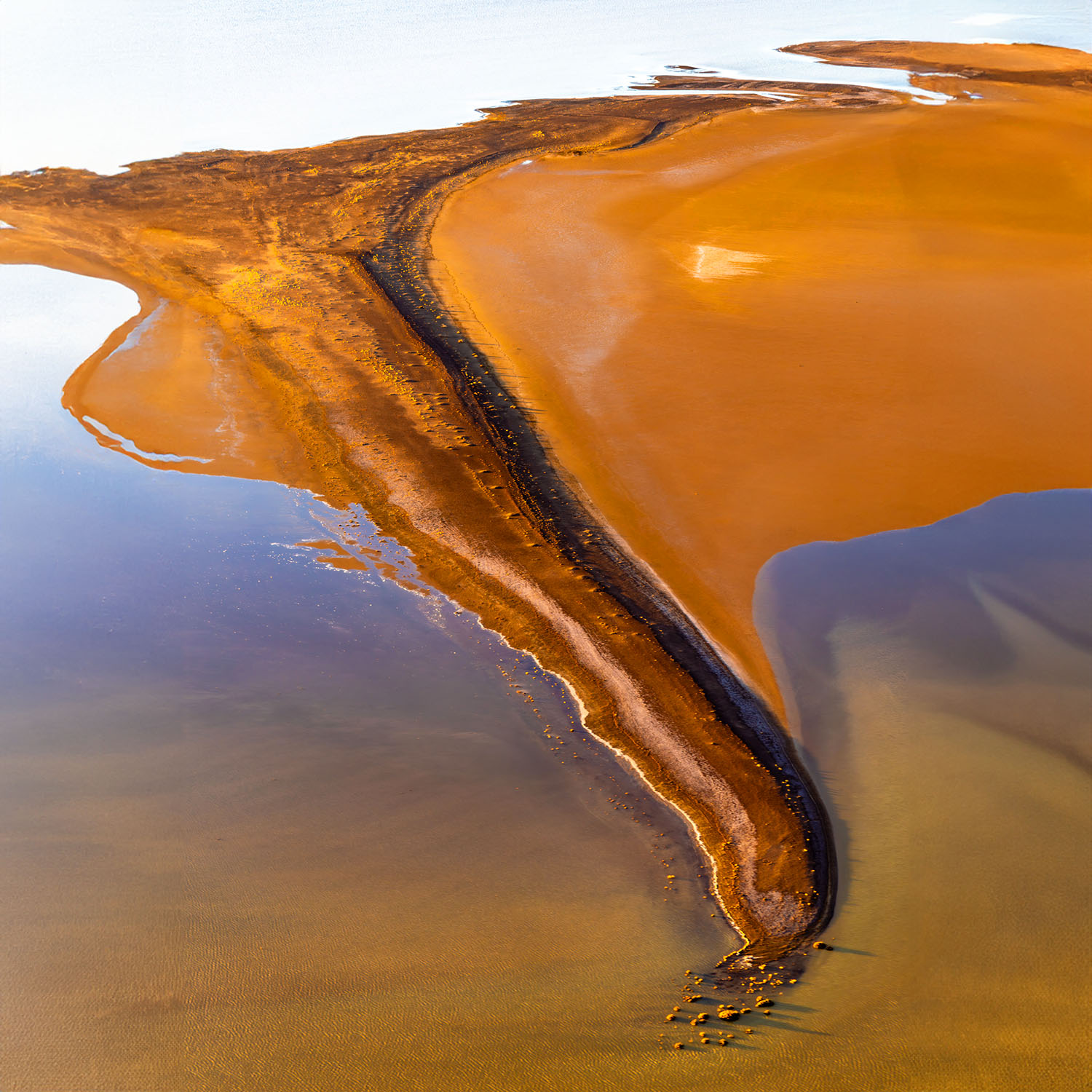
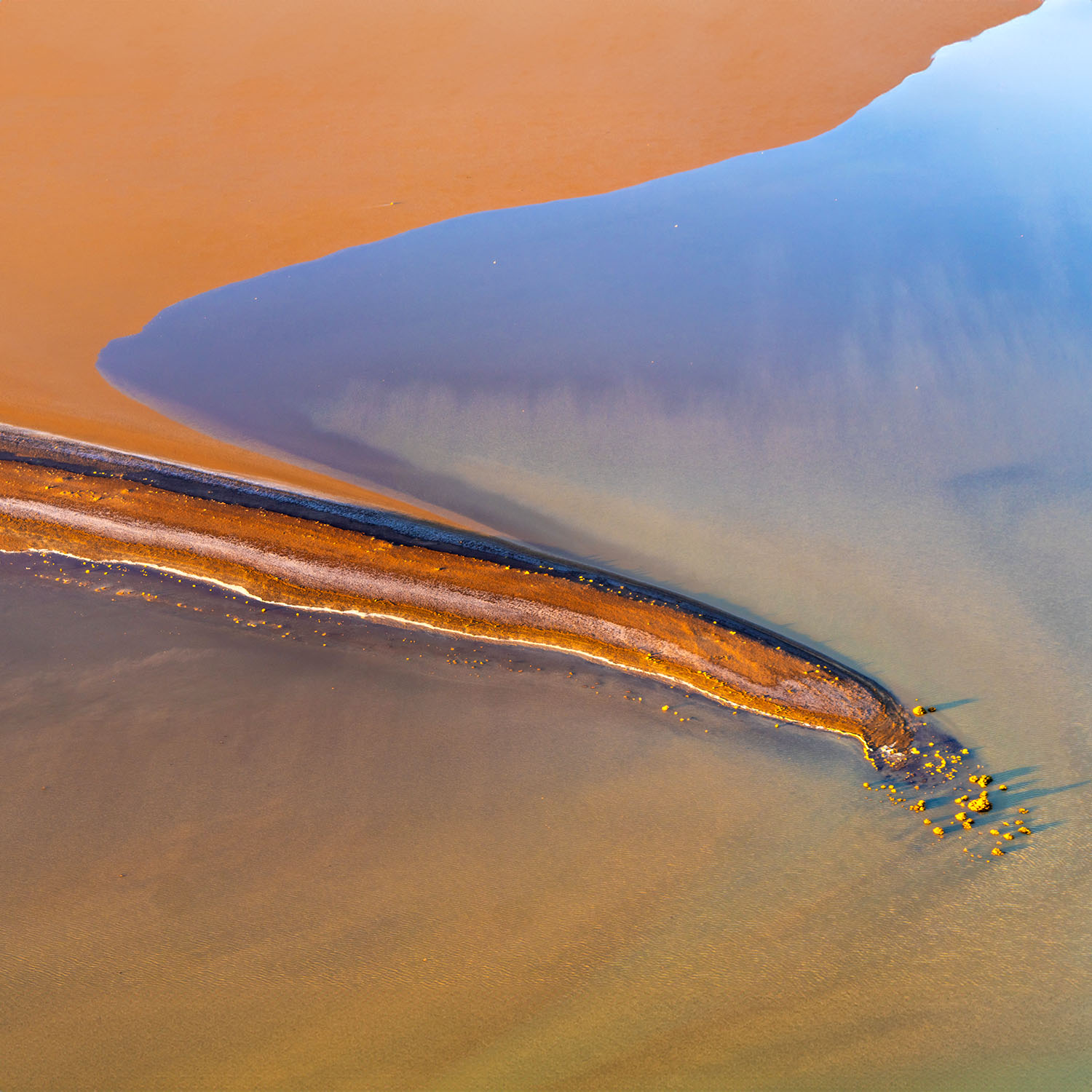
On the horizon, the main attraction slowly revealed itself: Kati Thanda–Lake Eyre, under a once-in-a-generation flood. Rainfall from hundreds of kilometres away in Queensland had made its way into the basin, bringing water to a region more often remembered for dust. When I visited, the northern lake was already filling, though the southern section had yet to break through. From above, it looked as if the desert was slowly turning to glass – a vast inland mirror reflecting the colour of the sky.
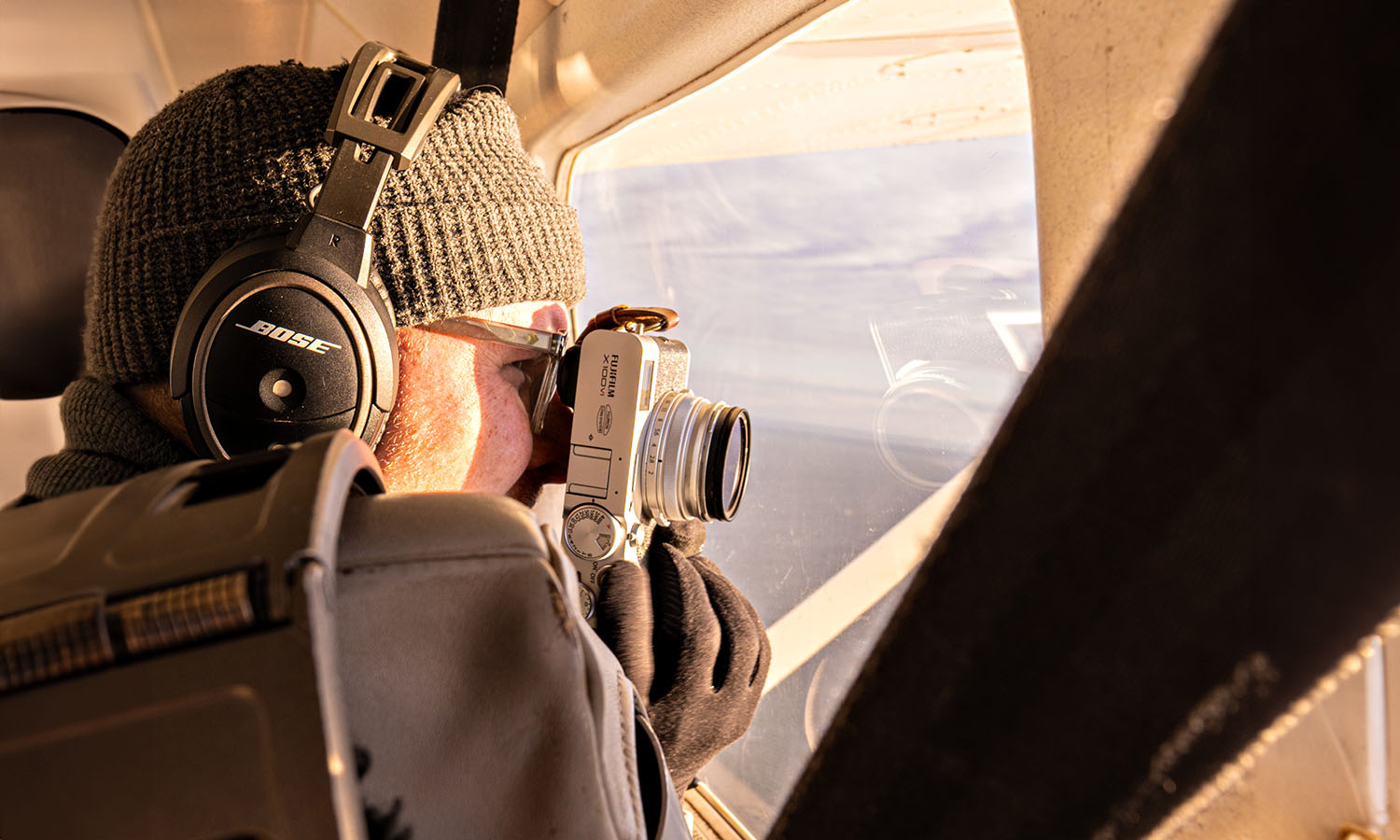
While flying over the vast expanse of water, I found myself torn between being present in the moment and trying to capture it. The golden morning sun flared off the surface, flooding the cabin with glare and making it hard to frame a clean shot. Below, the desert shimmered like glass. This was the lowest point in Australia, a shallow, salt-encrusted basin with no outlet. The water didn’t flow anywhere. It simply spread out, then slowly evaporated or disappeared into the ground.
While this road trip only lasted a week, it gave me a taste of what the Red Centre had to offer. I am keen to keep exploring, to keep getting lost in the Australian outback, and to keep learning from the Traditional Owners of the land.
And perhaps now, for the first time, I feel a little more comfortable calling myself a proud Australian, not because of a flag or a slogan, but because I’ve begun to understand and connect with the land itself.
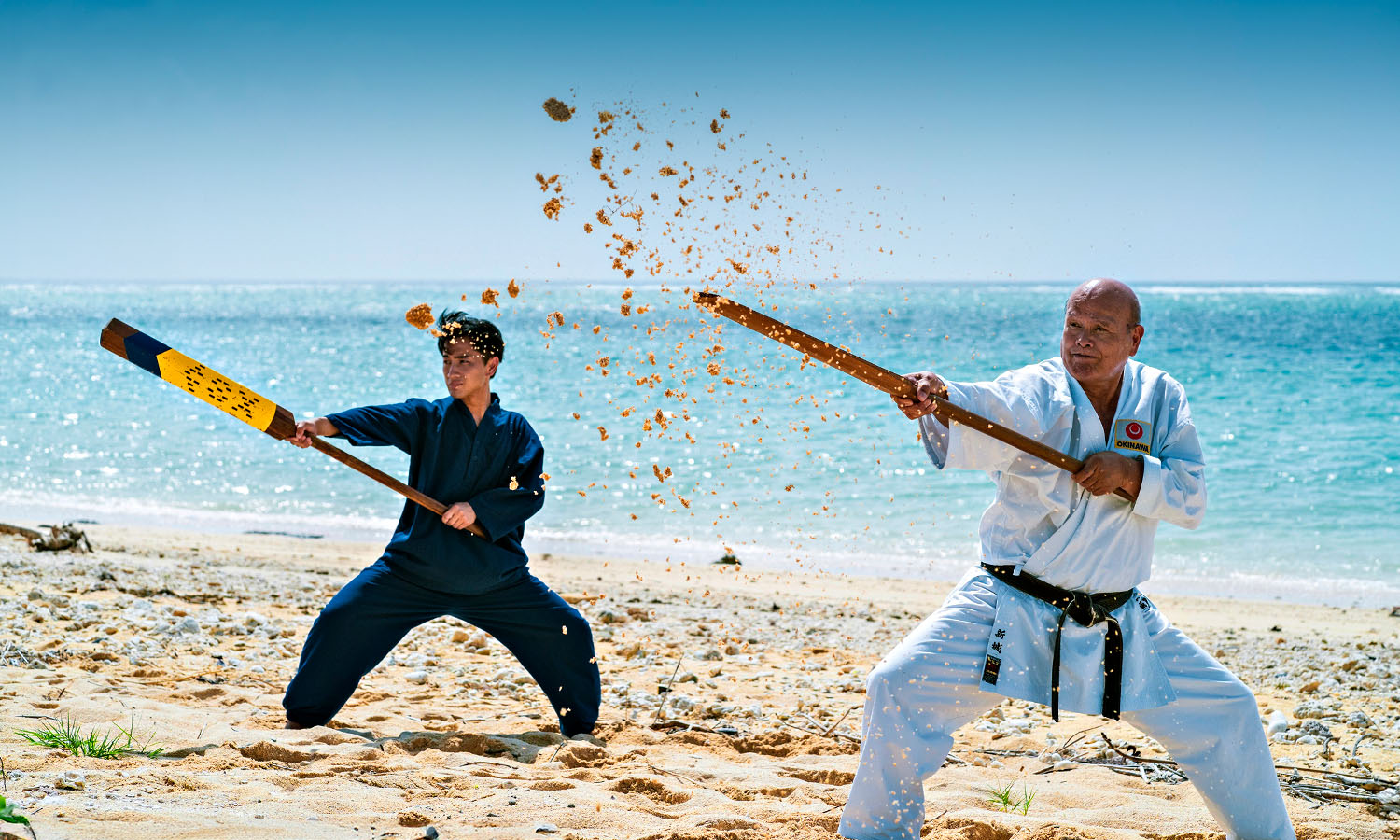
Most wellness retreats ask you to light incense and hum yourself into a mild coma. But on a wind-swept clifftop in Okinawa, Japan’s southernmost prefecture, one luxury resort is swapping scented candles for sai weapons and replacing om with hiyaaa!
Welcome to HOSHINOYA Okinawa, a place where you don’t just find yourself… you fight yourself. Literally.
This isn’t your average Zen-and-tonka-bean-smoothie type escape. The Ryukyu Karate Stay is a two-night, three-day wellness program that trades passive pampering for purposeful punches. Think of it as a spiritual cleanse. A cultural immersion, physical reckoning, and damn good food, all served with the salty sting of sea air and sore muscles.
Forget what you know about karate from bad ’80s movies and underwhelming gym classes. Okinawa is where it all began. The ancient martial art of “Te” collided with Chinese influences and became “Toudi,” the philosophical ancestor of modern karate. Here, karate wasn’t about breaking bricks or impressing a Tinder date, it was about confronting your own chaos and sculpting it into calm.
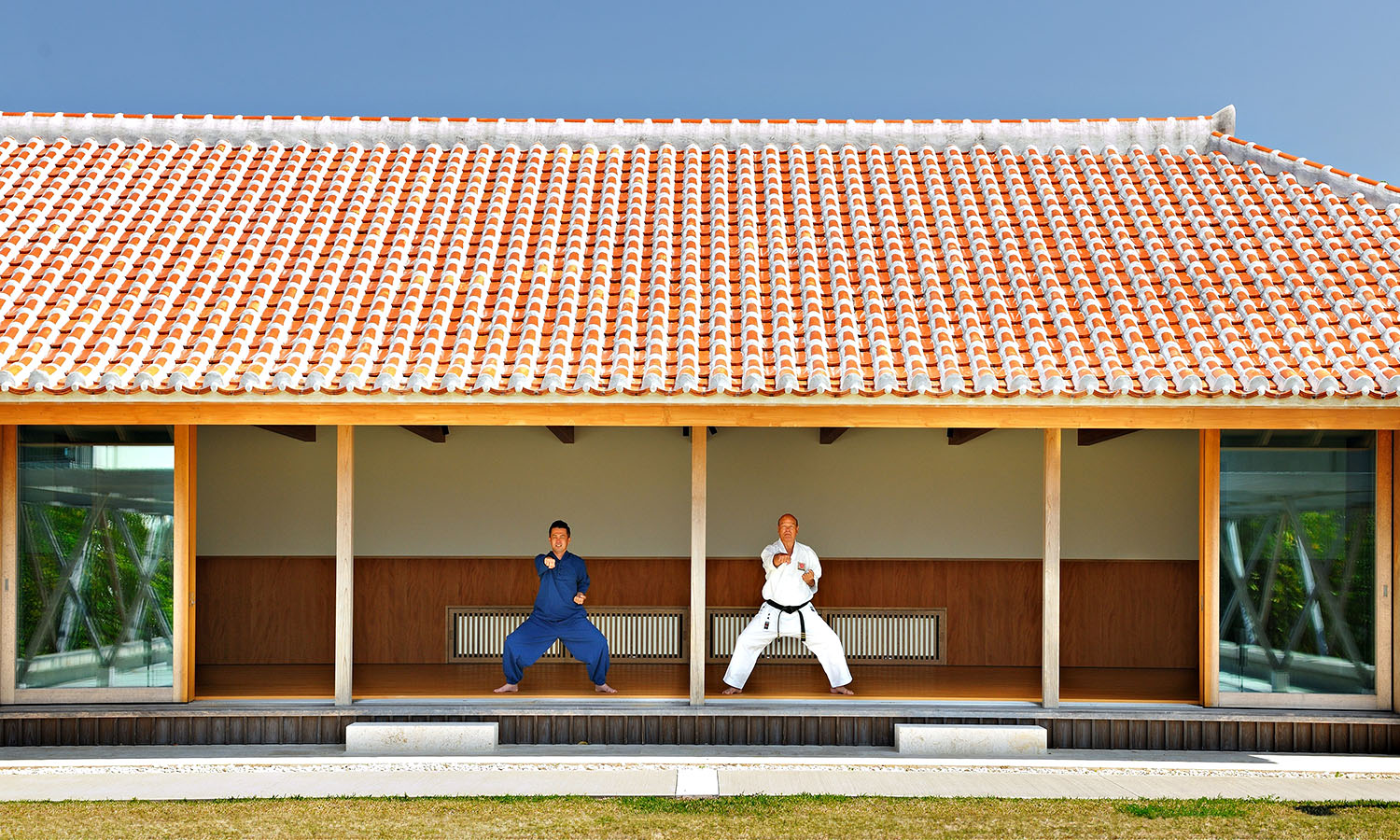
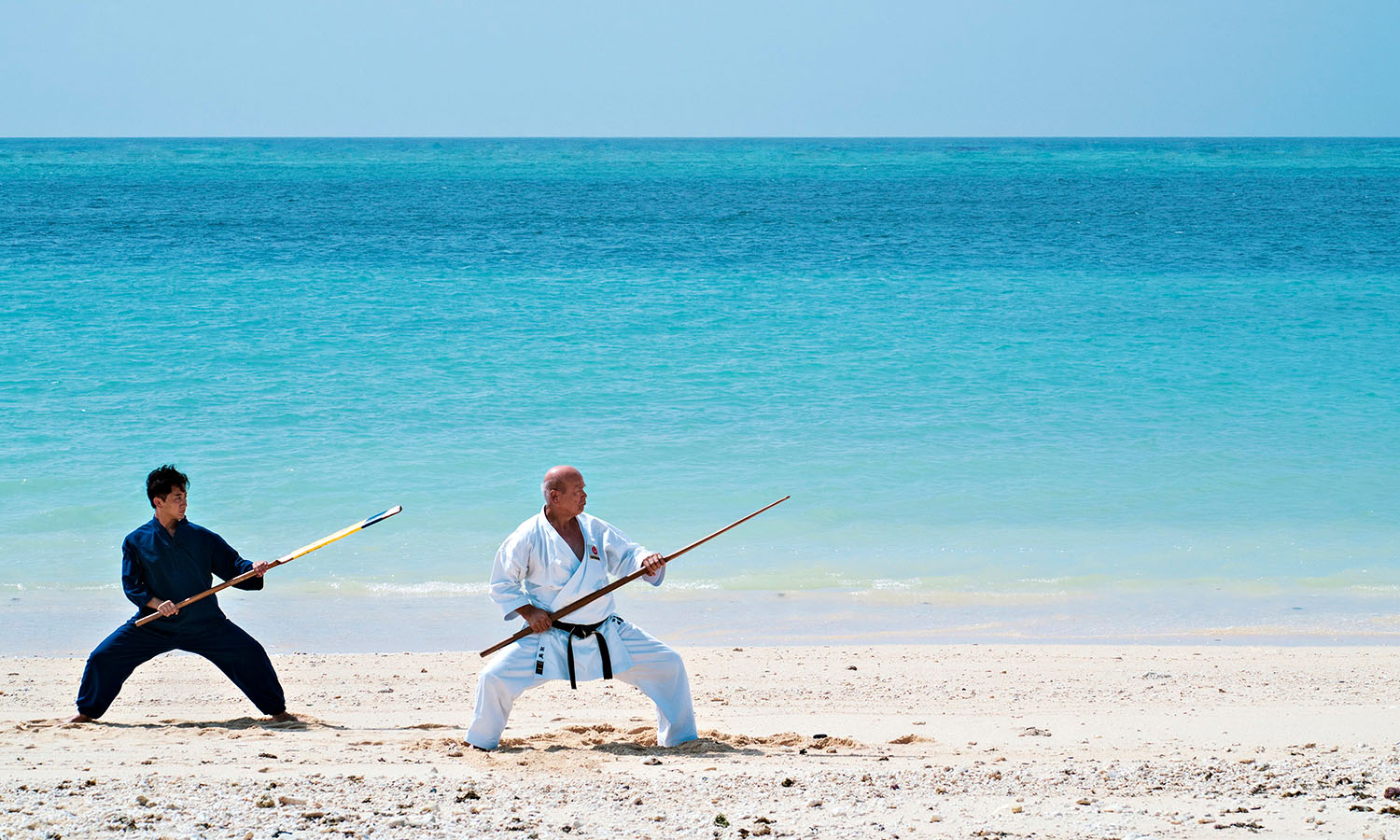
At HOSHINOYA’s coastal dojo and on the sand (yes, barefoot beach sparring is a thing), you’ll train in both Ryukyu Karate and the lesser-known but seriously badass Ryukyu Kobudō, which uses tools like the sai (think: deadly metal fork) and the eeku (a weaponized oar, because… island life).
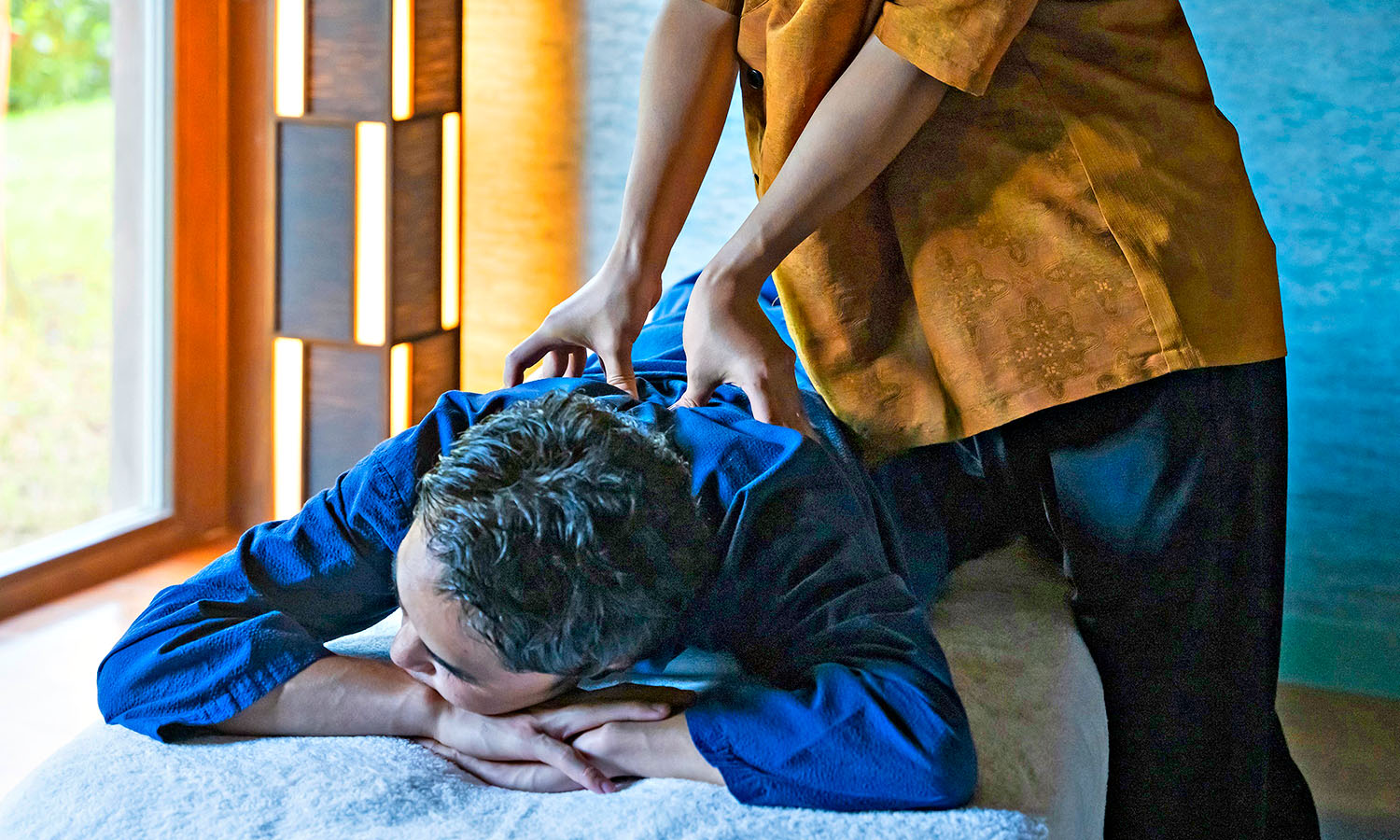
Once your soul is centred and your limbs are rubber, it’s time to heal like a warrior. A post-training ritual of oil therapy, acupuncture, and shiatsu awaits, administered by licensed experts who can coax knots out of muscles you didn’t know existed.
This isn’t just a massage. It’s a full-body exhale.
EAT LIKE THE OKINAWANS (Which Might Be Why They Live Forever)
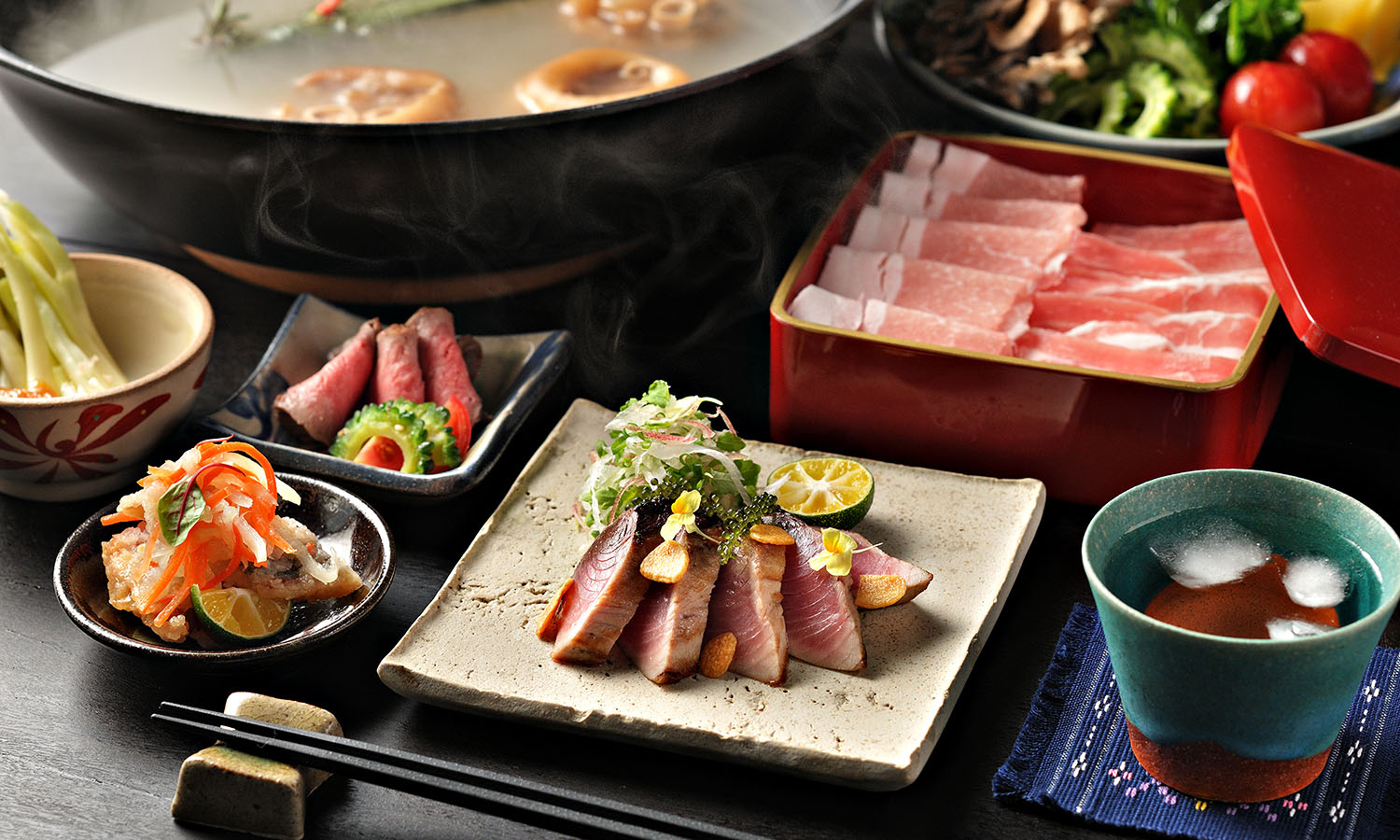
In Okinawa, food isn’t just fuel. It’s medicine. And at HOSHINOYA, meals are crafted under the ancient philosophy of Ishoku Dōgen, the idea that what you eat can heal what ails you.
Forget the quinoa. This is vitamin-loaded local greens, mysterious island herbs, and melt-in-your-mouth Okinawan pork that makes your B vitamins do backflips. Every dish is beautifully balanced to restore what the modern world has taken from you. Yes, it’s delicious. And yes, you’ll probably post it before you eat it.
• Program: Ryukyu Karate Stay
• Duration: 2 nights, 3 days
• Cost: ¥160,000 per person (excl. accommodation)
• Includes: Karate + Kobudō sessions, all meals, spa treatments, a spiritual sucker-punch to your routine
• Group Size: Just you and a plus one (max 2)
• Bookings: Minimum two weeks in advance Link here
The Setting: HOSHINOYA Okinawa
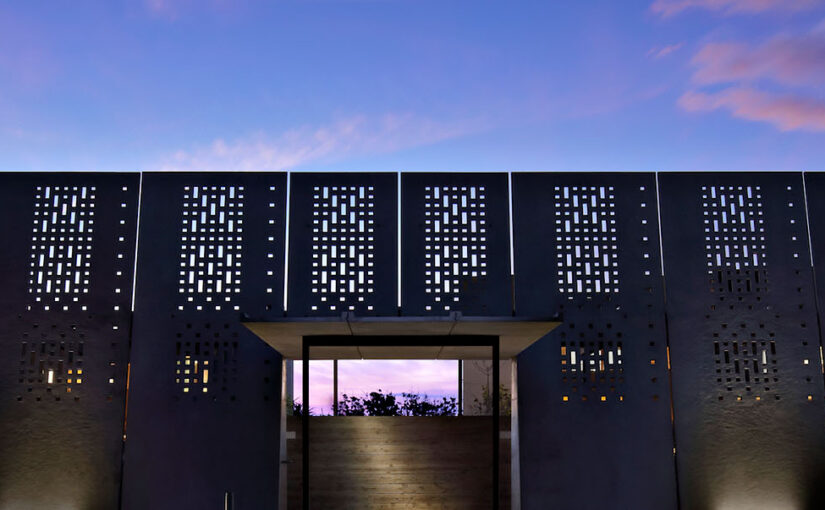
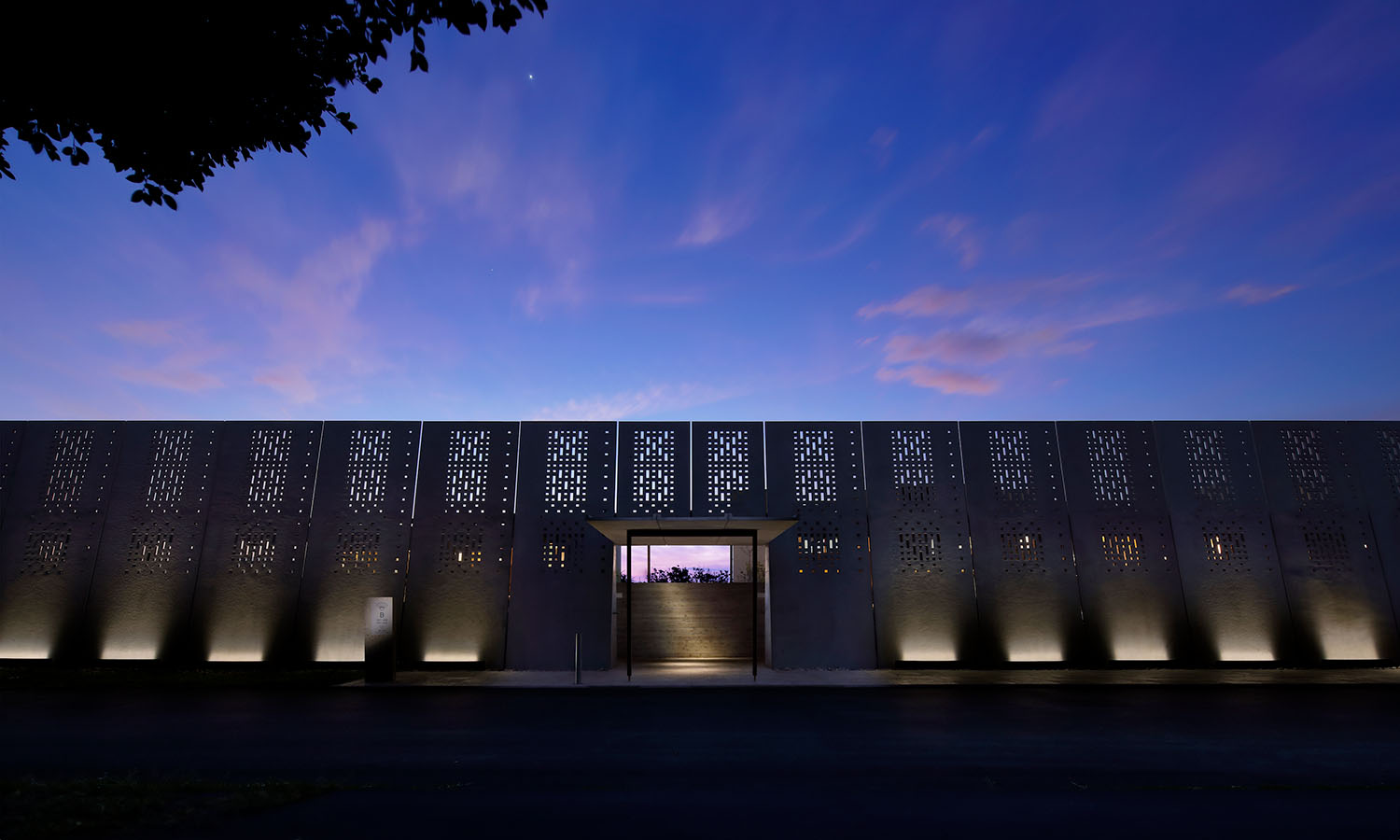
Perched on the edge of Japan and reality, this 100-room fortress-inspired resort combines contemporary luxury with Ryukyu soul. Expect dramatic ocean views, traditional design, and enough cultural gravitas to make you feel like you’ve time-travelled—if samurai were into soft linens and world-class dining.
So if you’re tired of downward-dogging your way to peace, maybe it’s time to throw a few (metaphorical) punches instead. Okinawa’s waiting, with a black belt, a bowl of pork belly, and a killer ocean view.
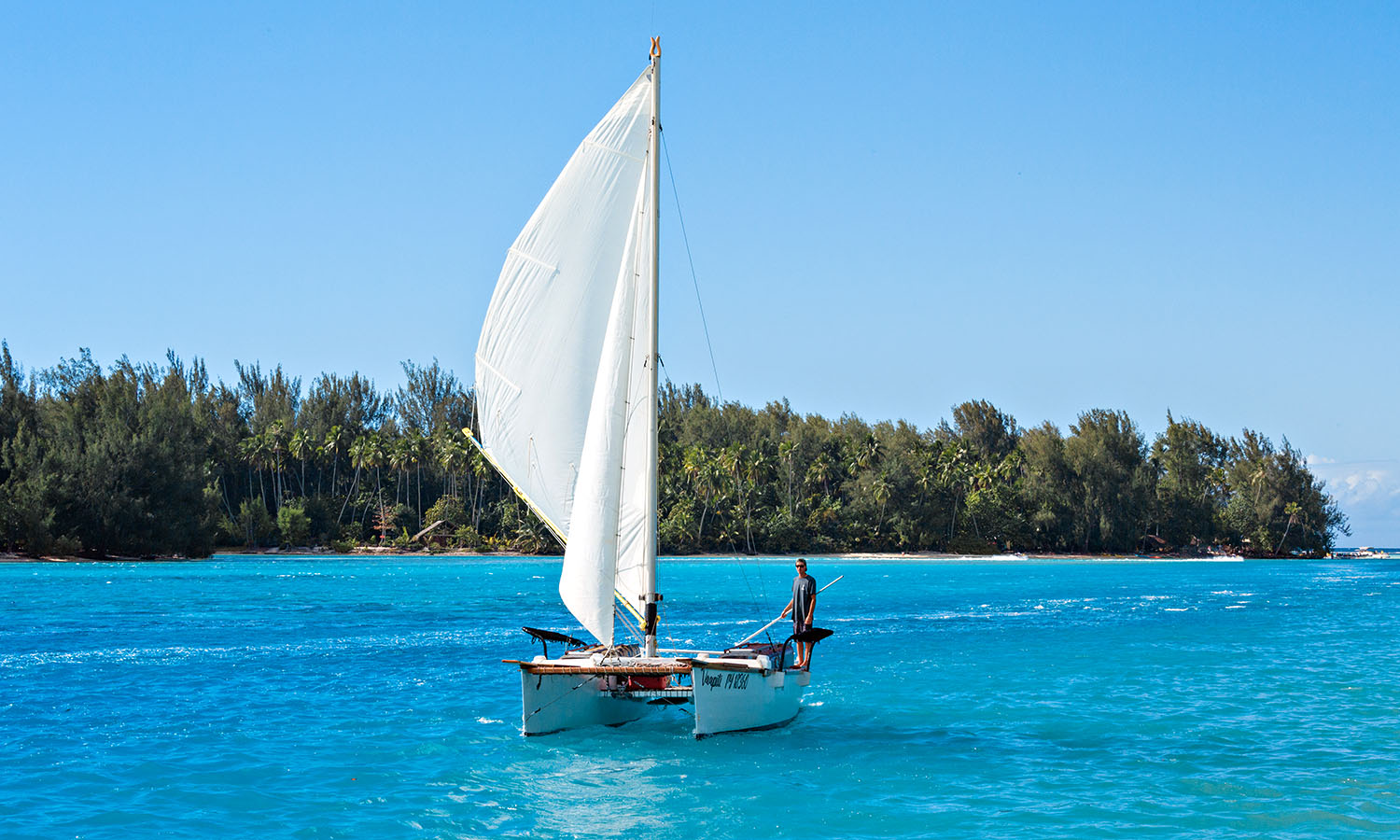
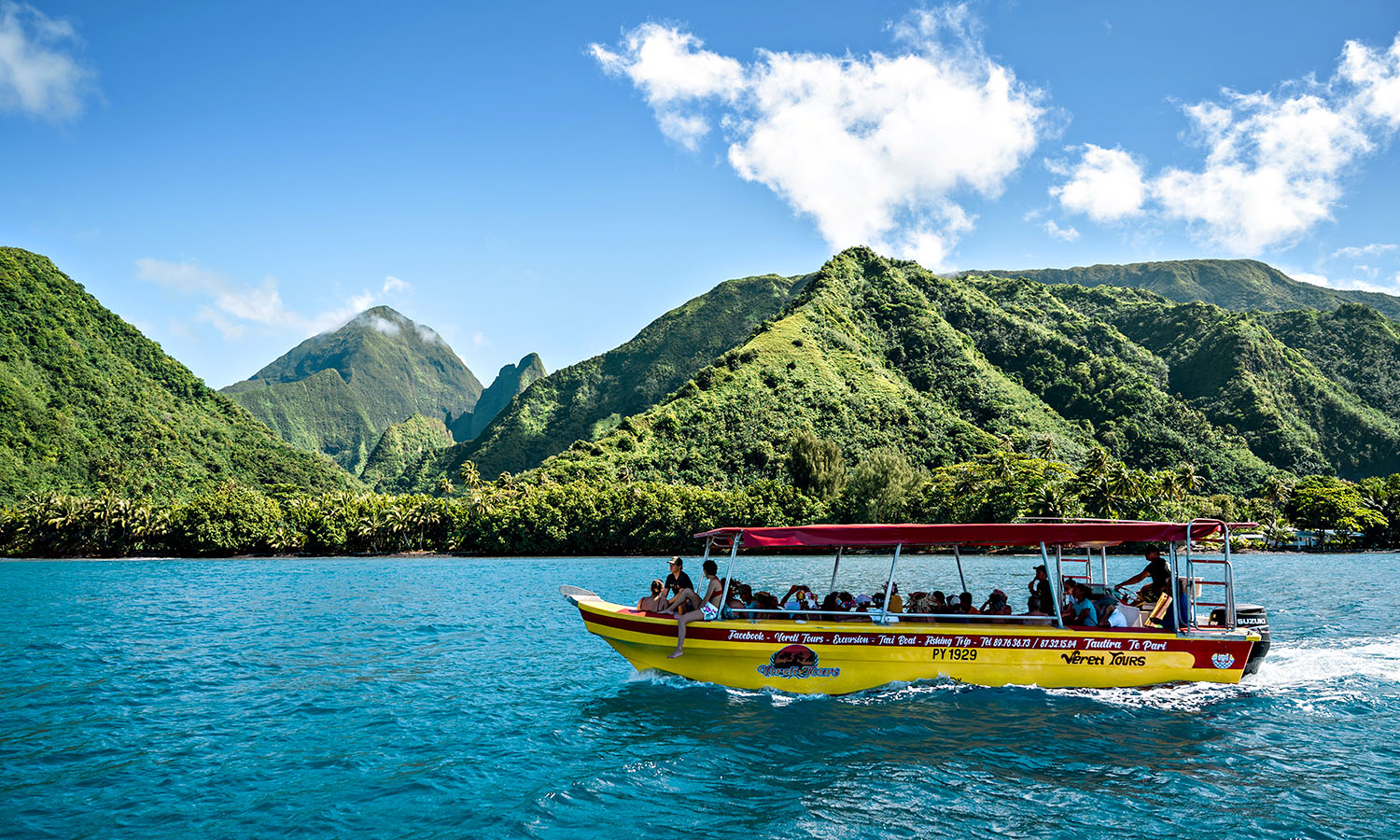
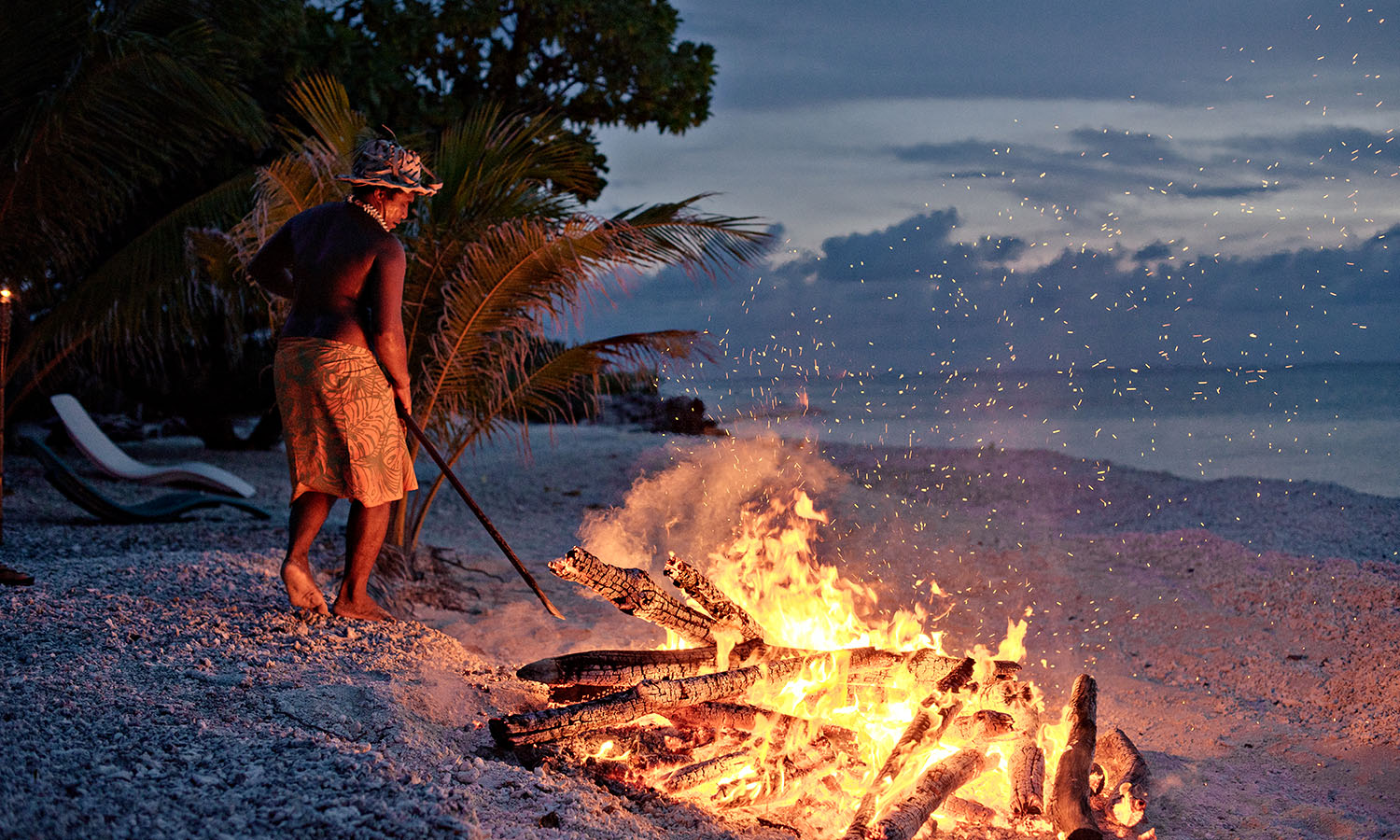
8 reasons why you should travel to the Islands of Tahiti during the low season
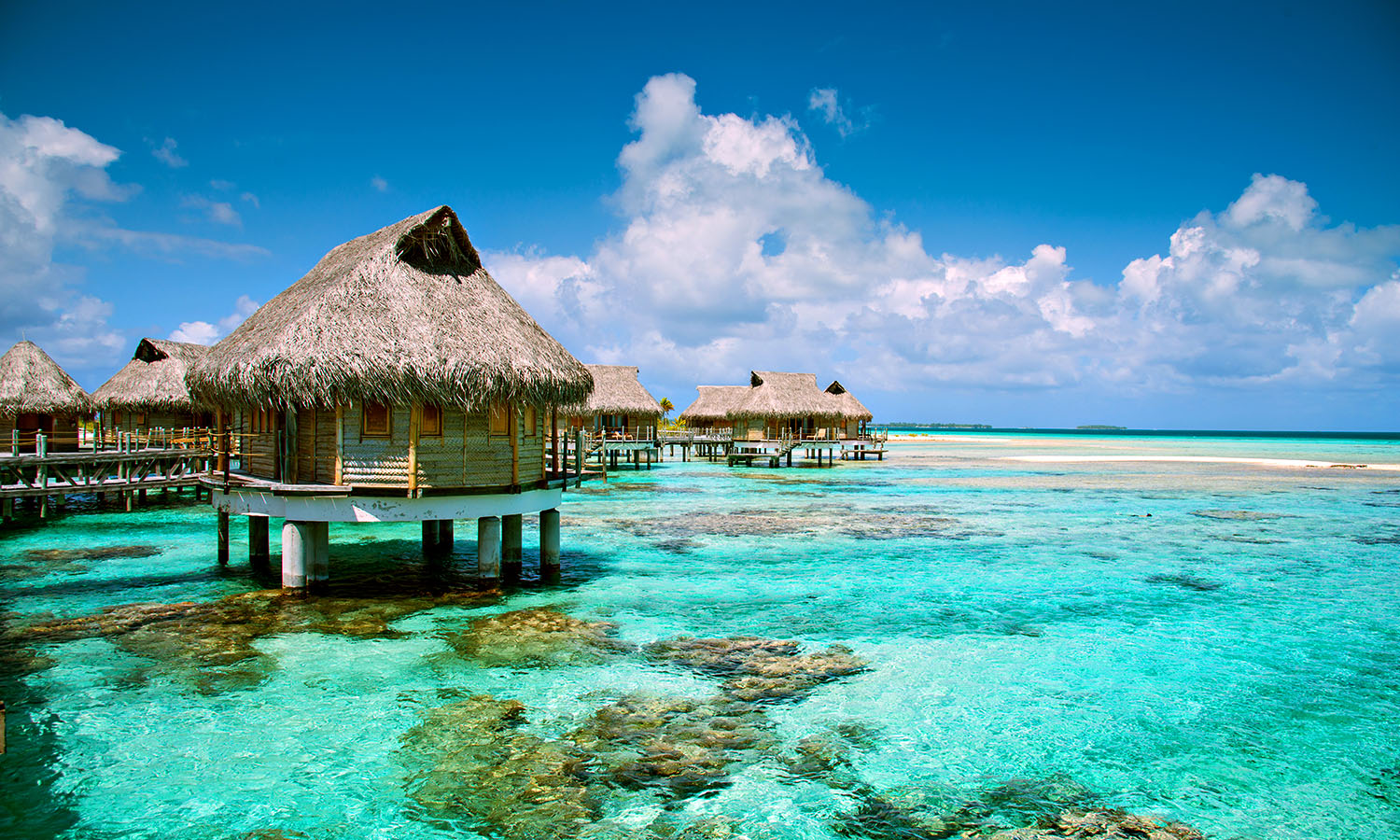
Let’s be honest, when most people think of Tahiti, they picture honeymooning couples sipping champagne in an overwater bungalow while dolphins leap in synchronised harmony in the background. And sure, that version of paradise exists.
But here’s a secret everyone doesn’t want you to know: the best time to visit The Islands of Tahiti is actually during the low season, when everything is a little quieter, a lot cheaper, and just as dreamy.
From November to March, Tahiti trades high-season hype for something far more magical: slower travel, lush landscapes, warm tropical rain (read: excellent excuses for extra cocktails), and prices that won’t make your credit card cry.
Here’s the thing – Tahiti doesn’t do crowds like other places. Even in peak season, you’ll rarely feel overrun. But in the low season? It’s next-level peaceful. Think empty beaches, open bookings, and the freedom to stroll through botanical gardens without photobombing a single proposal.
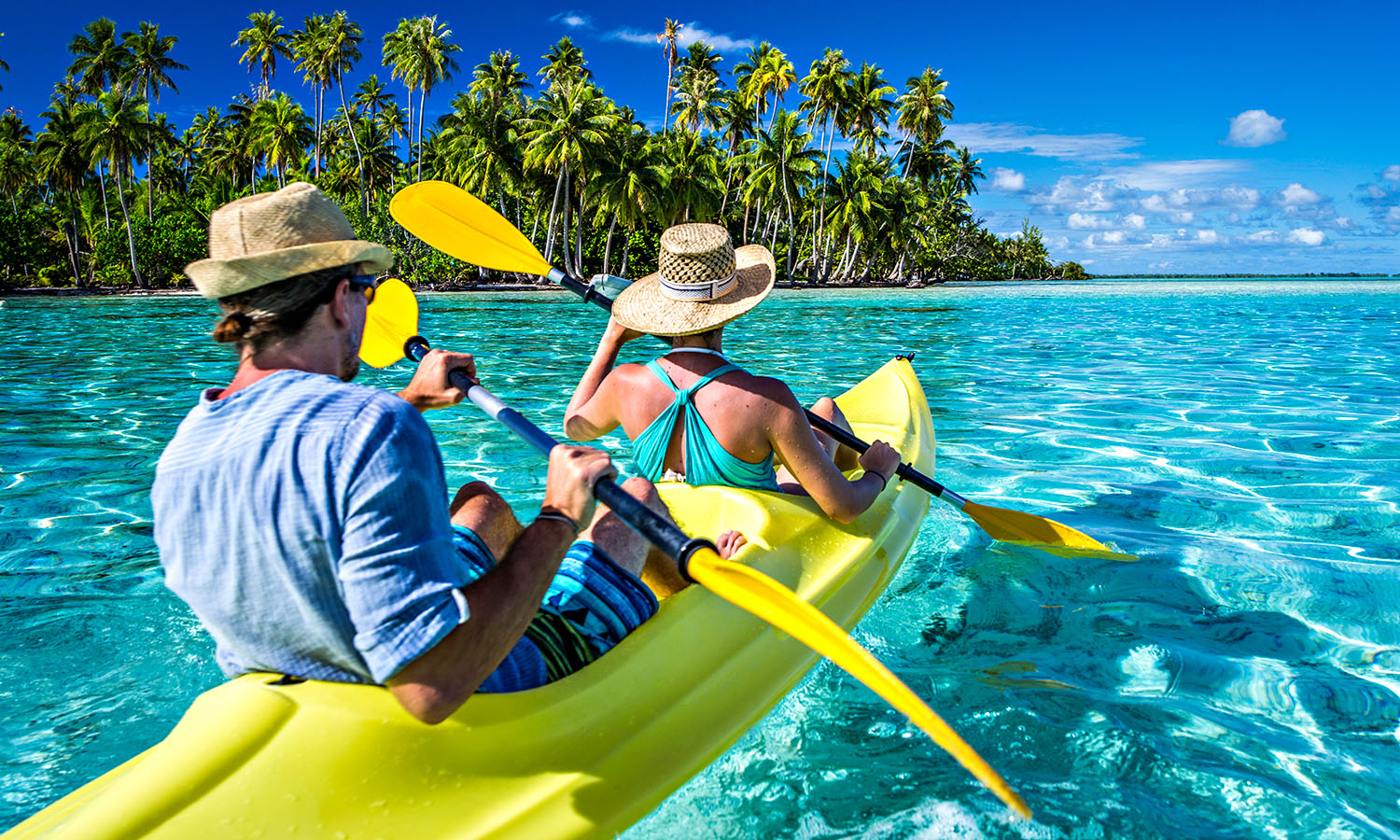
This off-peak window is your golden ticket to serene snorkelling sessions, solo sunset gazing, and getting that perfect Insta shot without someone’s uncle Gary in the background.
The low season practically begs you to ditch the schedule, unplug a little, and lean into that laid-back Polynesian rhythm. With fewer tourists around, you’ll have more time (and space) to immerse yourself in local life, traditions, and flavours. You’re not rushing from activity to activity, you’re having long chats with the tour guide, sipping coffee with the guesthouse owner, and saying “yes” to that spontaneous waterfall hike.
Now, let’s talk money. Visiting Tahiti during the low season means better availability, lower prices, and more package deals to make your trip feel luxe without the “oops, I accidentally spent my house deposit” panic.
Flights from Australia tend to be cheaper during summer, and many hotels offer discounts or bonuses like free nights, upgrades, or extra activities. Want a massage and a mountain-view suite? Done.
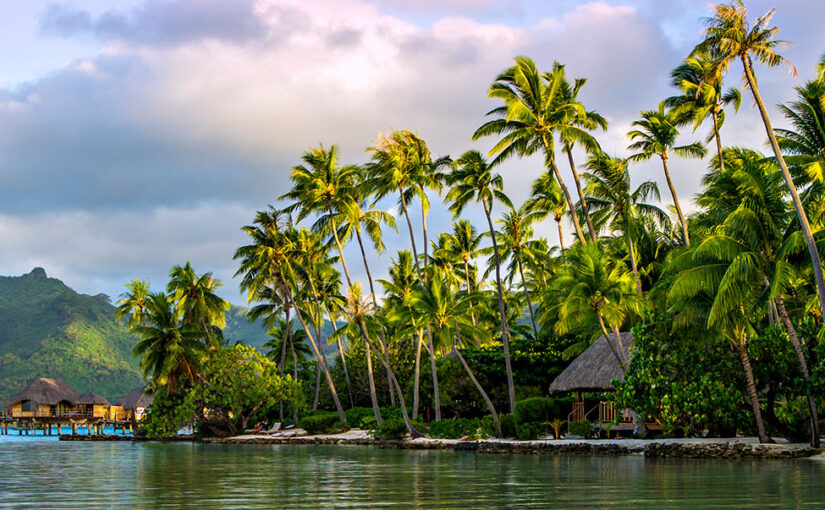
Travelling with a group? Look at holiday rentals or local guesthouses for serious value. Feeling adventurous? Yes, you can camp on Bora Bora, and suddenly, you’re the coolest person on the island.
A little heads up though, the Christmas and New Year’s window is technically still “low season,” but don’t expect low prices. It’s a popular time for travel, and availability tightens. If you want deals and quiet beaches, aim for early November, mid-January, or February, you’ll get the sweet spot of serenity and savings.
4. Tropical showers? More like scenic intermissions
Yes, it’s technically the “wet season,” but don’t let that scare you off. Rain in Tahiti is usually short-lived – more of a dramatic tropical flourish than a week-long monsoon. And when it does rain, it fuels the already jaw-dropping greenery. We’re talking misty mountaintops, lush jungle trails, and waterfalls that come alive with cinematic energy.
Bring a light poncho, embrace the moody skies, and enjoy the added bonus: the islands are extra photogenic when wet.
Speaking of waterfalls, this is the time to chase them. Papenoo Valley, Vaipahi Water Gardens, and countless secret jungle trails become even more majestic. The flora explodes in a riot of colour, and the air feels thick with life. If you’re into botanic beauty, this season is the time to visit the Harrison Smith Botanical Garden or see the national flower, the tiare, in full bloom.
And if you’re the kind of traveller who likes things wild and weird, head to Vin de Tahiti, the world’s only coral winery, where the grape harvest happens in December. Yes, you read that correctly: coral. Wine. Weird. Wonderful.
Low season means tours that are usually packed are suddenly intimate, and local guides have more time to share stories, teach you about Tahitian history, or help you perfect your tamure dance. You’ll gain deeper cultural insight and a more meaningful connection with the people and the land.
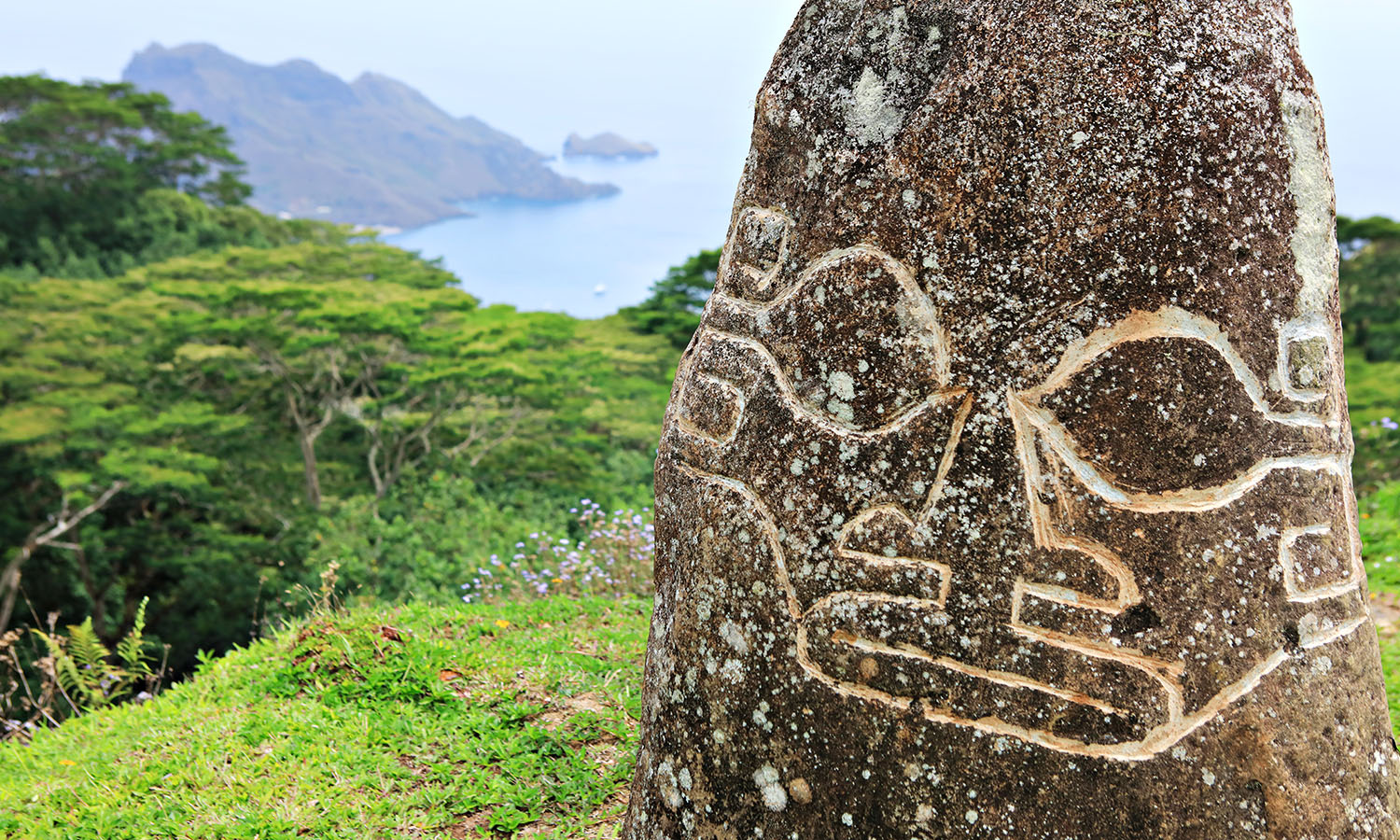
Imagine learning to make coconut milk the traditional way, weaving your own palm-leaf crown, or hearing ancient legends while surrounded by ancient marae (temples) and zero tourist groups.
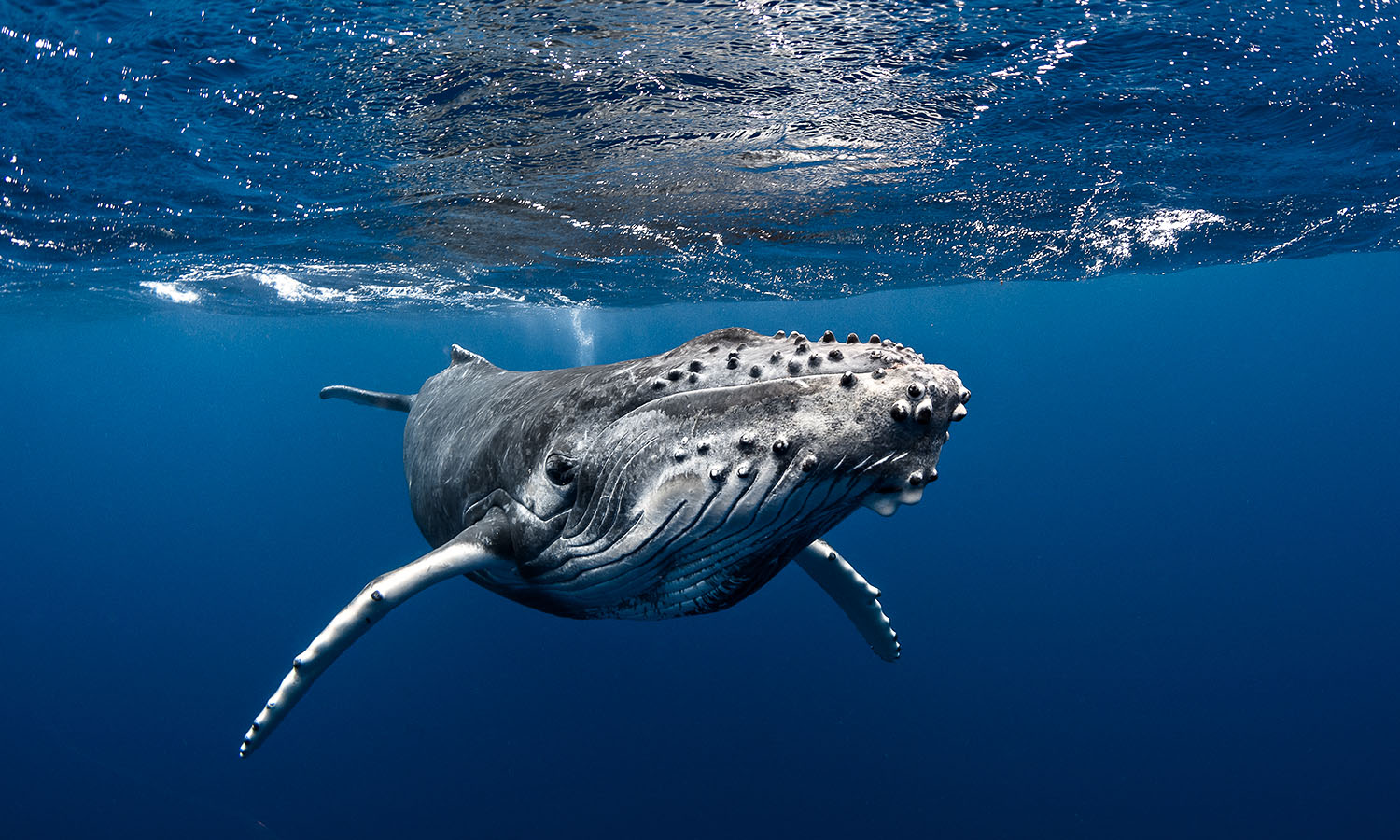
Divers, rejoice: this season also brings higher plankton levels, which means marine life is going OFF. Schools of fish, colourful coral, reef sharks and manta rays, particularly in spots like Rangiroa, Tikehau, and Fakarava, are putting on a show. Visibility’s still great, and dive tours are easier to book, with fewer people onboard and more time underwater.
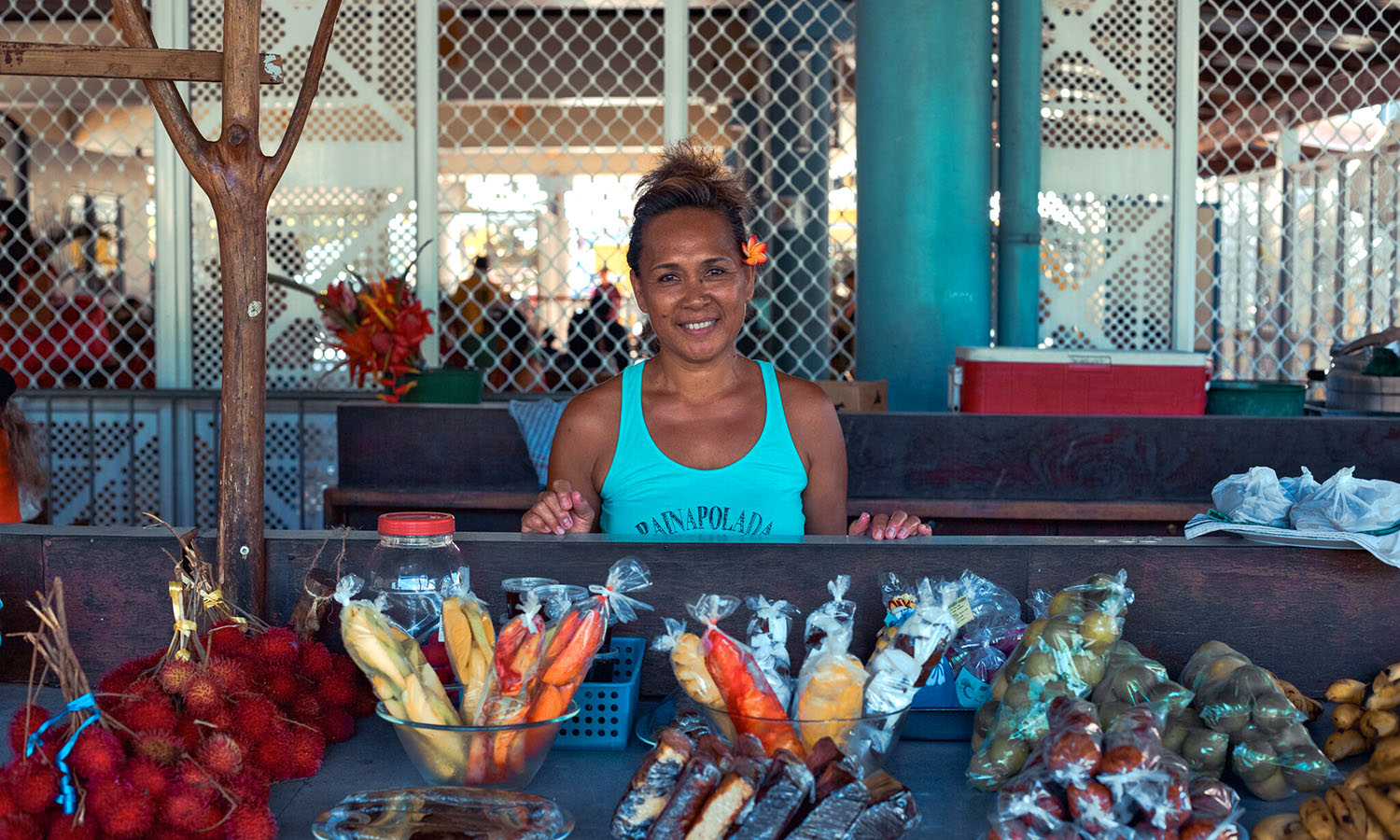
Another budget-friendly low-season perk? The food trucks. Known locally as roulottes, these open-air gems serve up fresh Tahitian dishes for under AU$15. Think grilled fish with coconut milk, sizzling steak frites, and gooey banana crepes eaten under fairy lights beside a marina. Your tastebuds, and your wallet, will thank you.
If you’ve been dreaming of Tahiti but assumed it was out of your price range, or just don’t fancy rubbing shoulders with cruise ship crowds, the low season is your time to shine.
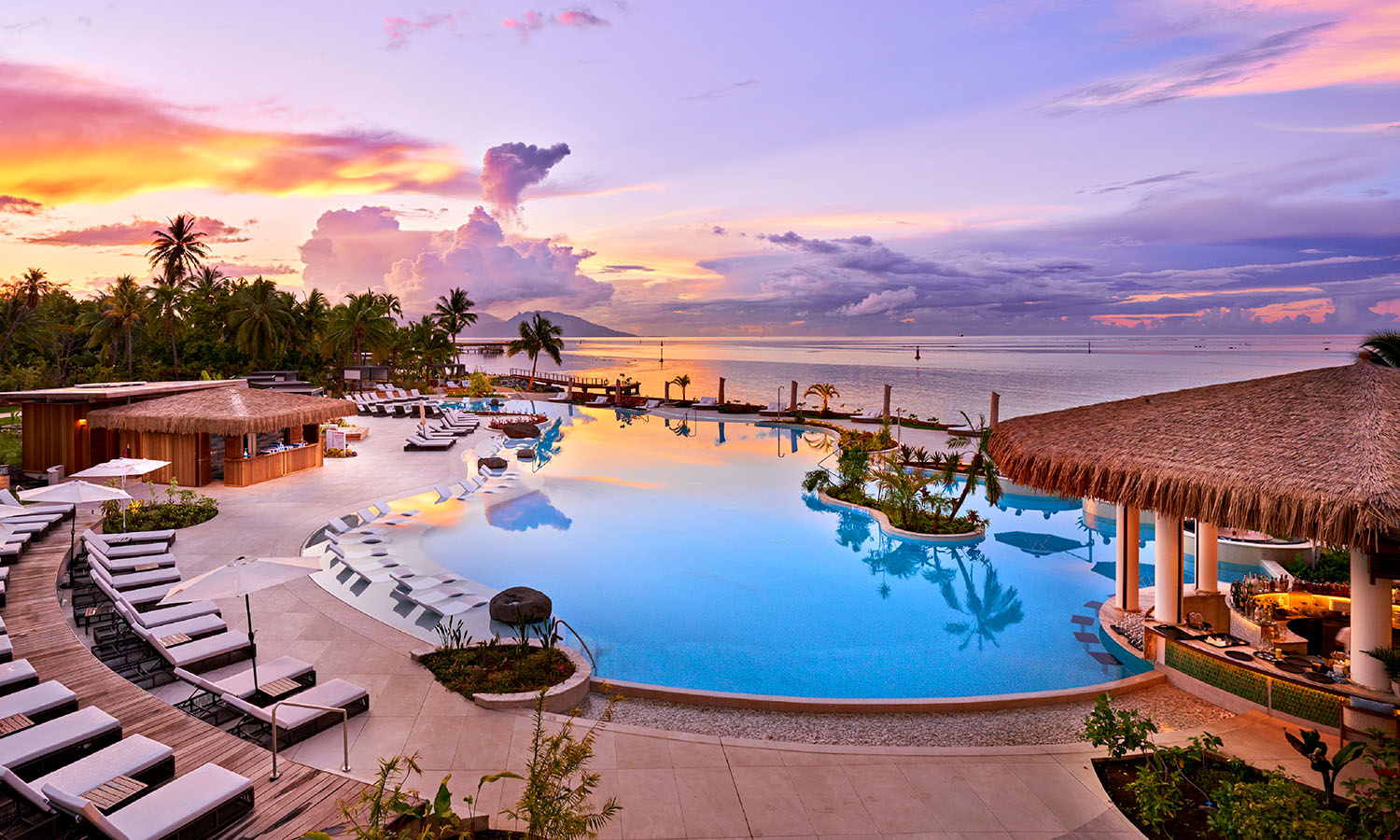
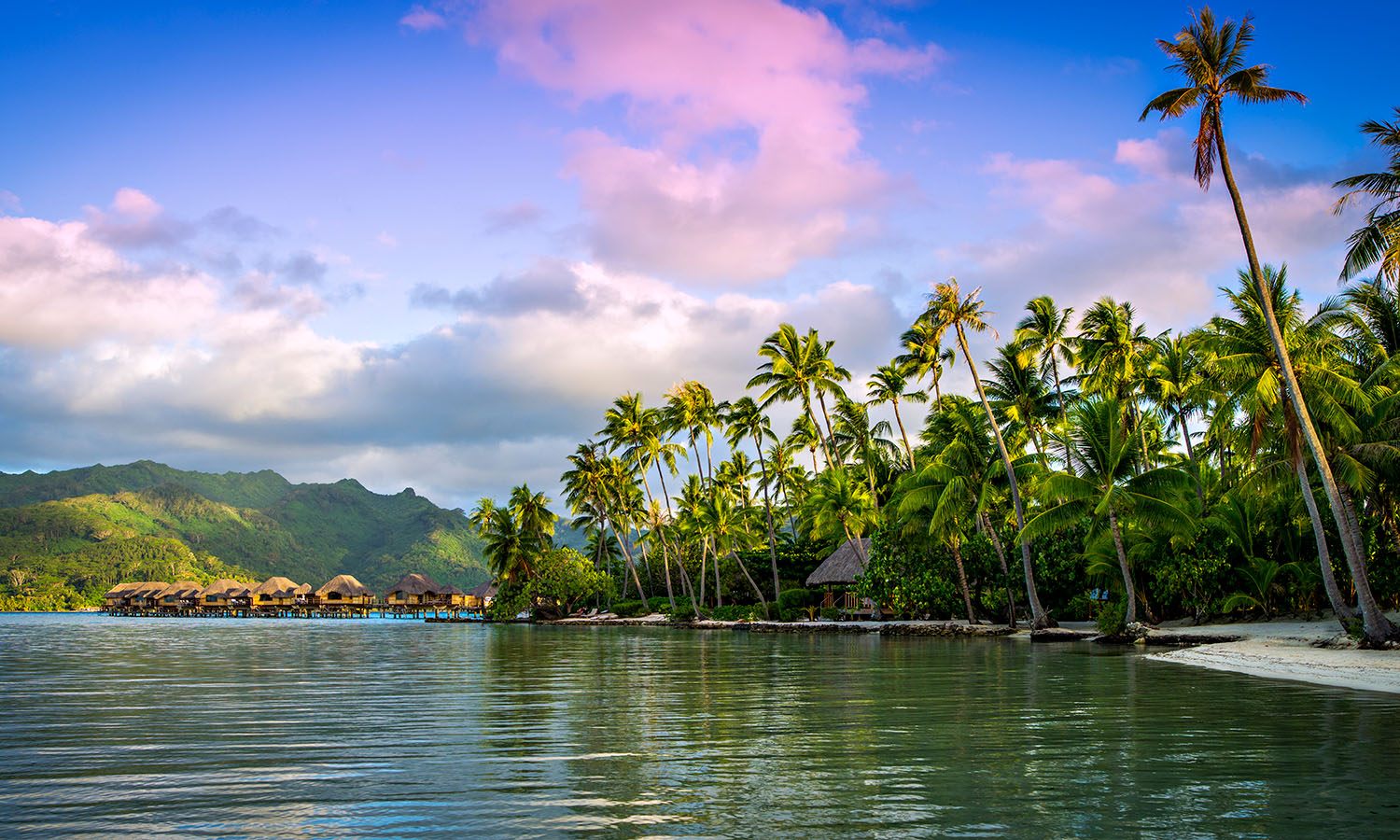
You’ll still get turquoise lagoons, overwater bungalows (if that’s your thing), lush rainforest, incredible food, and sunsets that make you want to write poetry. But you’ll get it all with a side of stillness, savings, and more local connection.
Justin Jamieson boards a luxury riverboat, eats something mildly illegal, drinks something definitely dangerous, and floats gloriously into oblivion. It’s just another day cruising from Chiang Rai to Luang Prabang on the Gypsy.
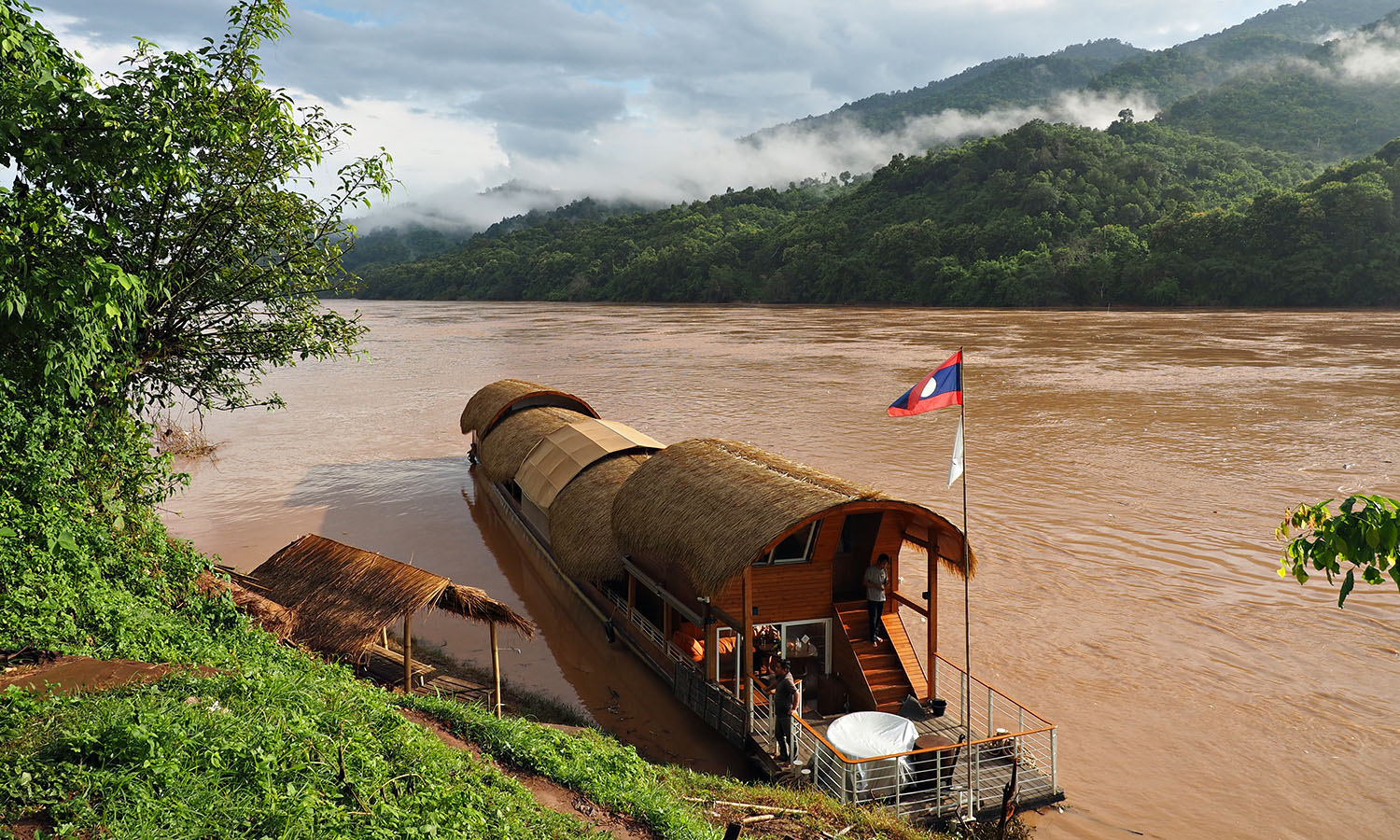
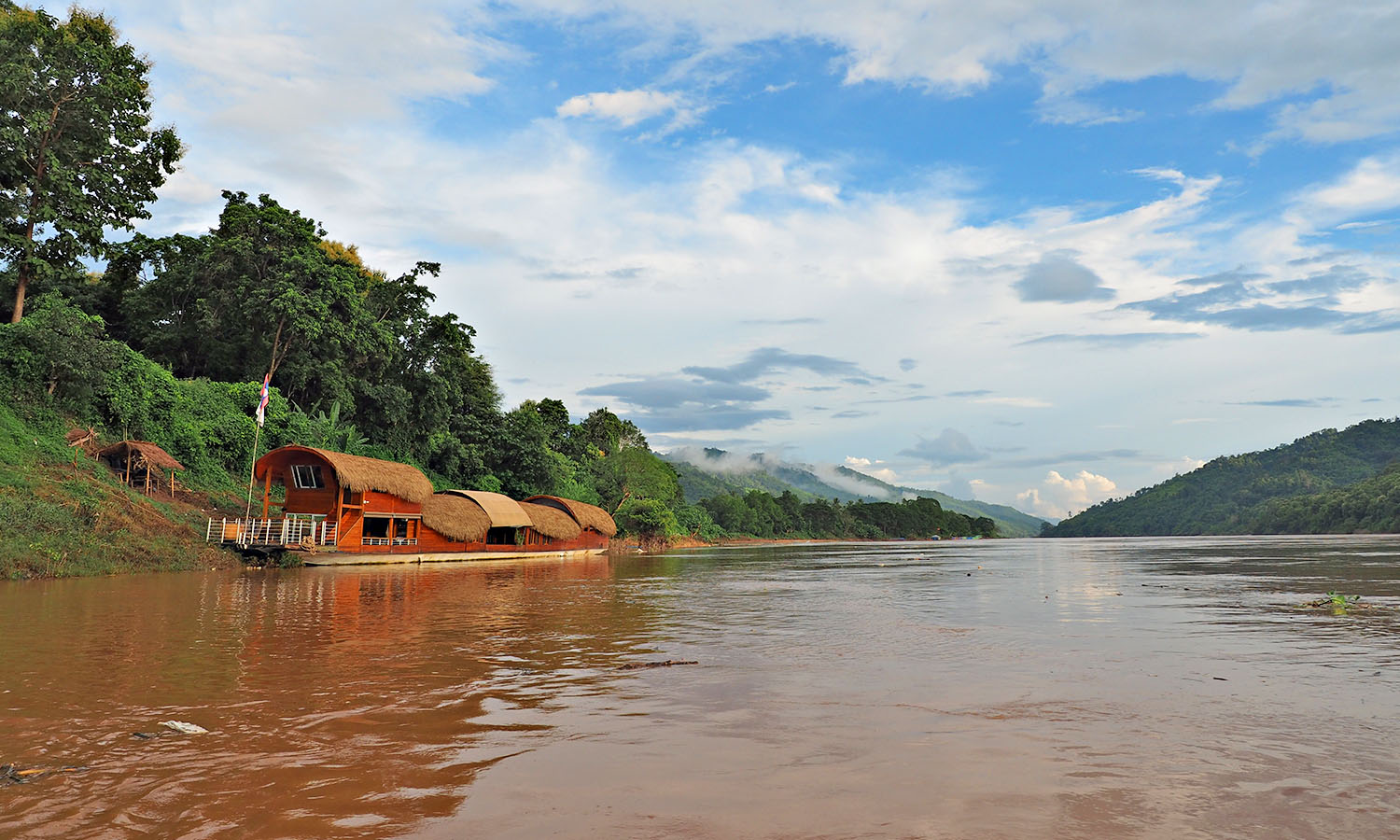
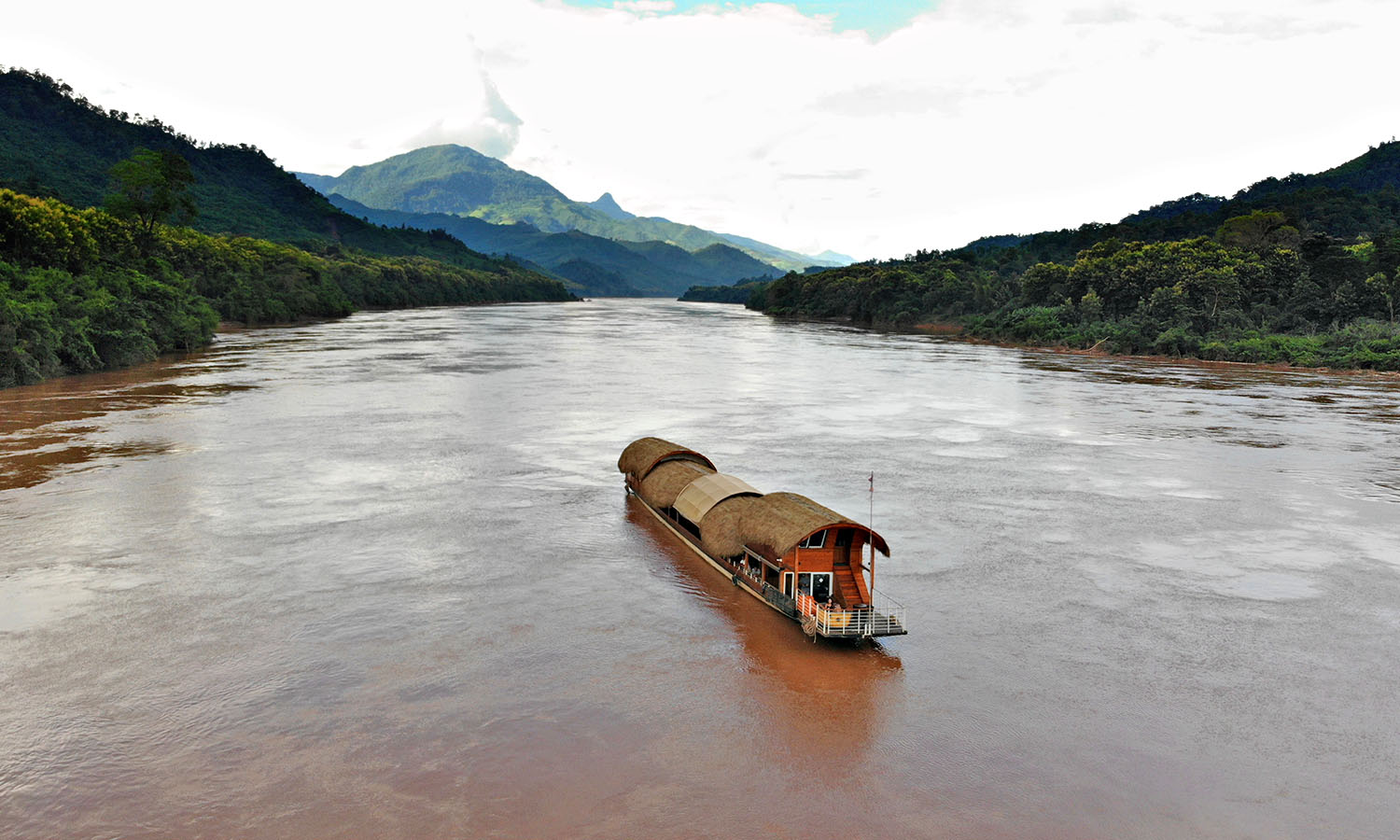
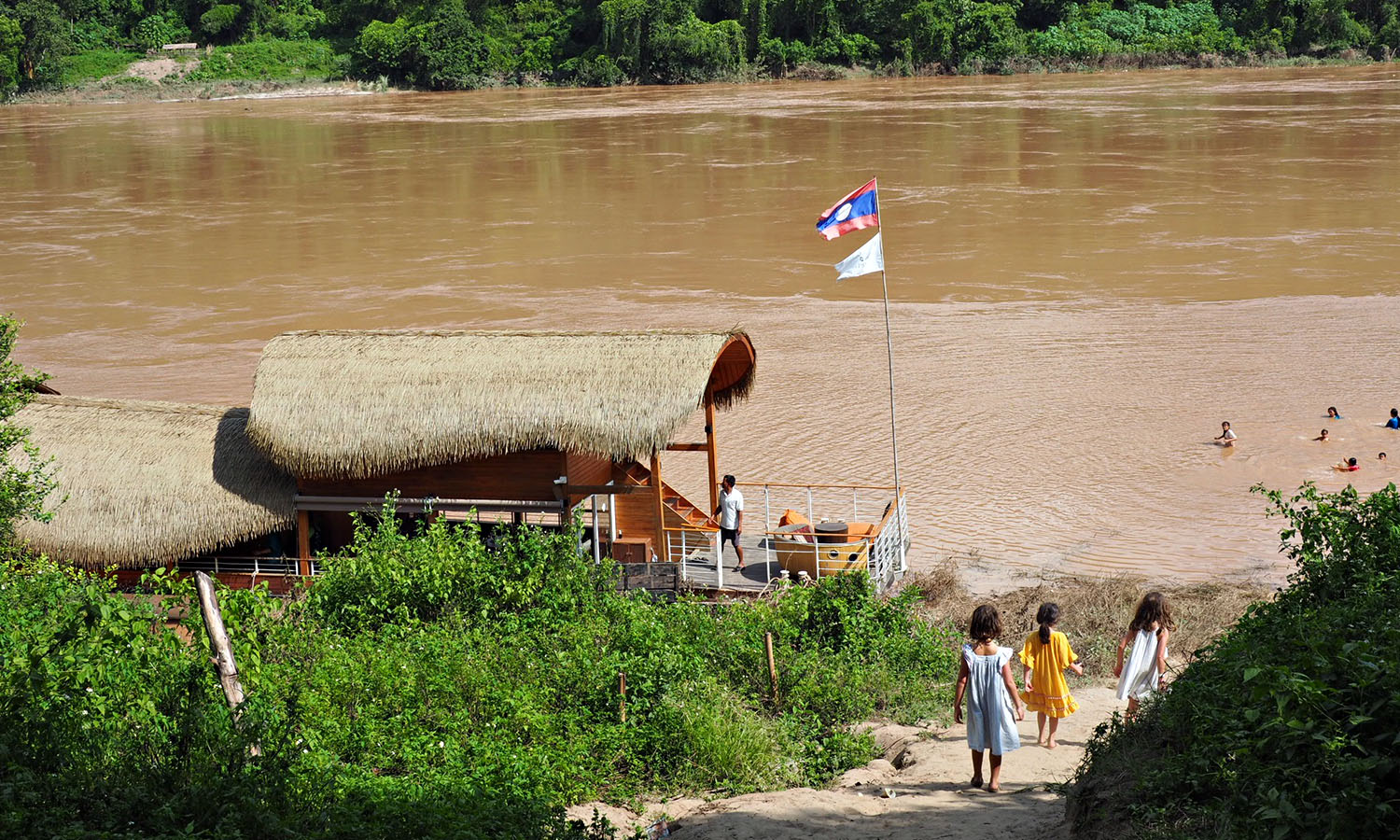
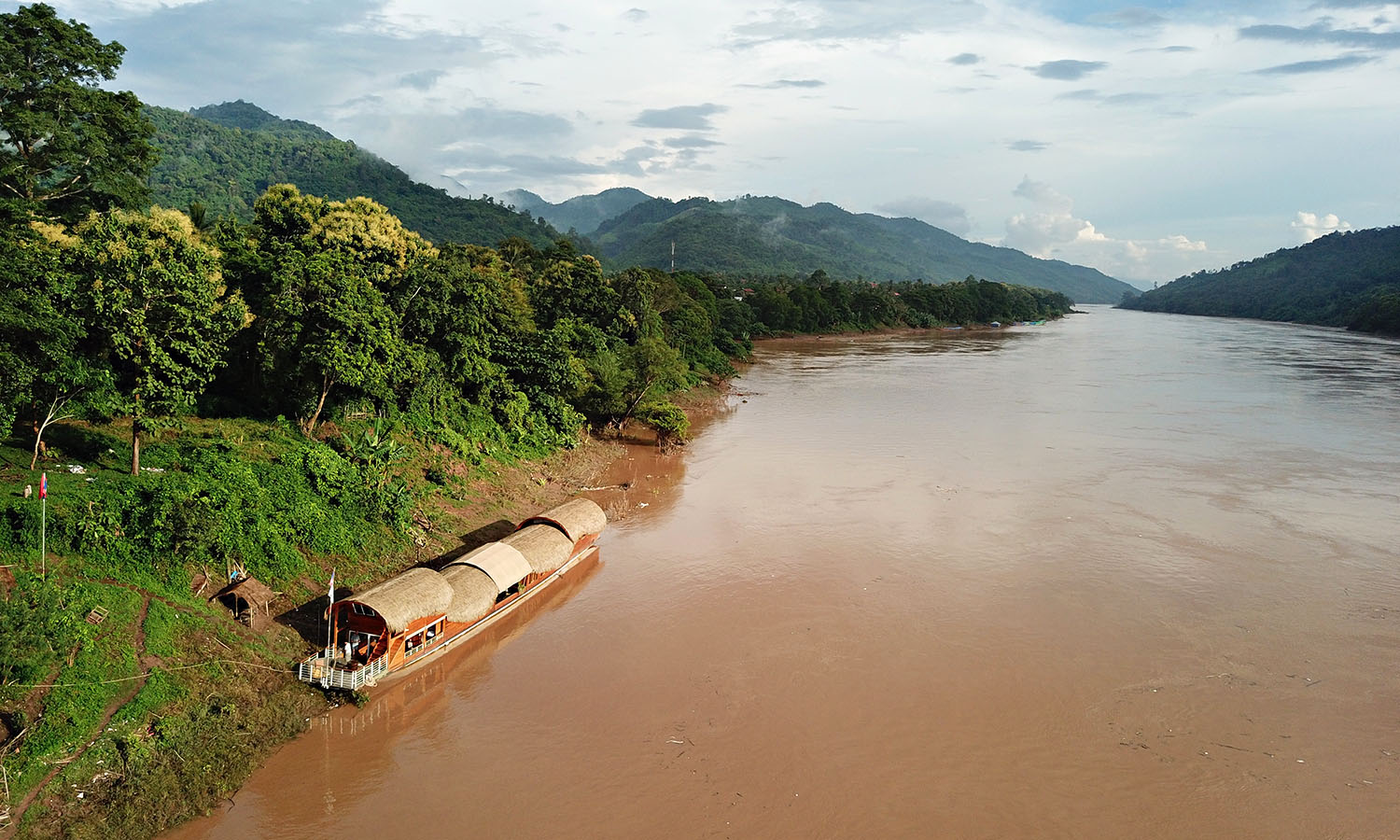
It starts, like all great adventures, with a boat that looks too good to be true and a glass of something suspiciously strong in my hand. I’m standing barefoot on the Gypsy, a two-cabin floating dream built to drift slowly down the Mekong River from Chiang Rai to Luang Prabang, and already wondering if I’ll ever want to walk on solid ground again.
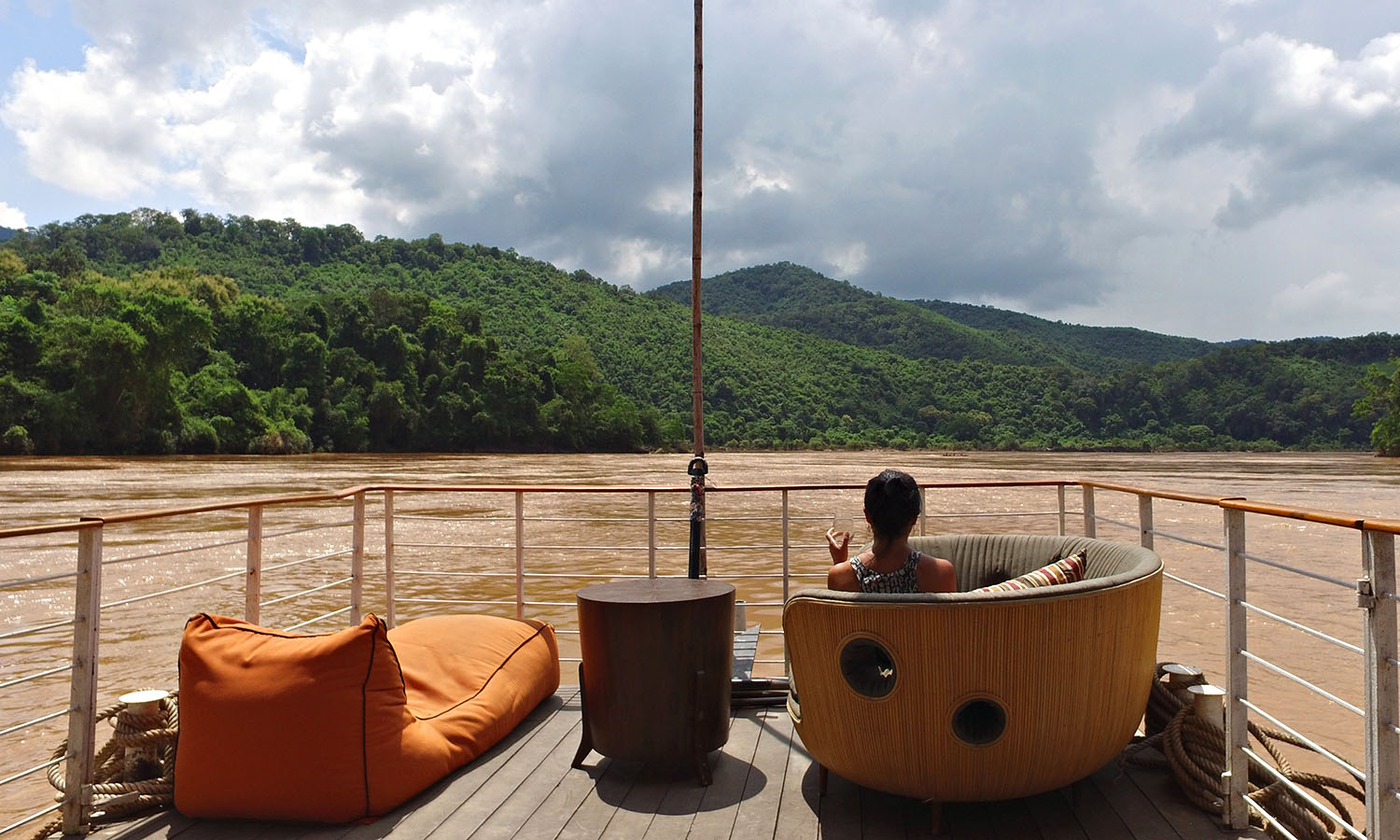
The Gypsy is outrageously good-looking, all teak and soft cushions and open spaces made for doing absolutely nothing. It’s the kind of boat you imagine Hemingway would have chartered if he were less grumpy and had a thing for throw pillows. Two staff flit around discreetly like river ninjas, ensuring that my biggest problem is deciding between another ice-cold Beer Lao or a nap in the sun.
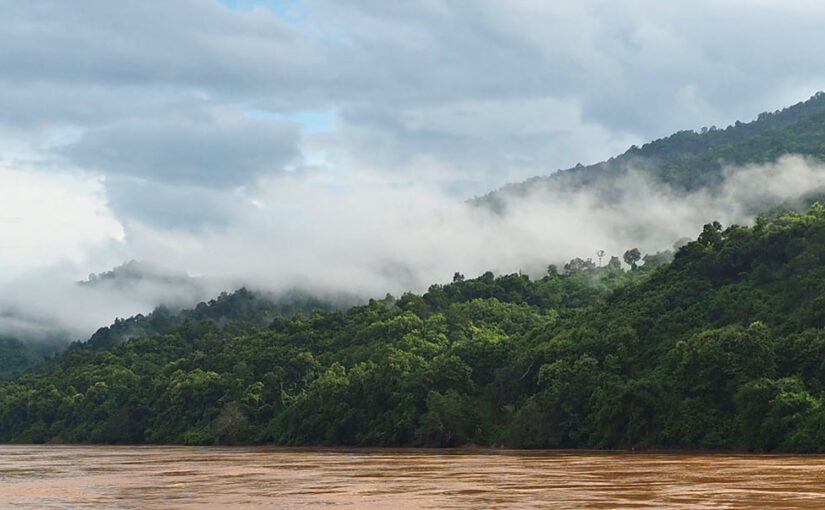
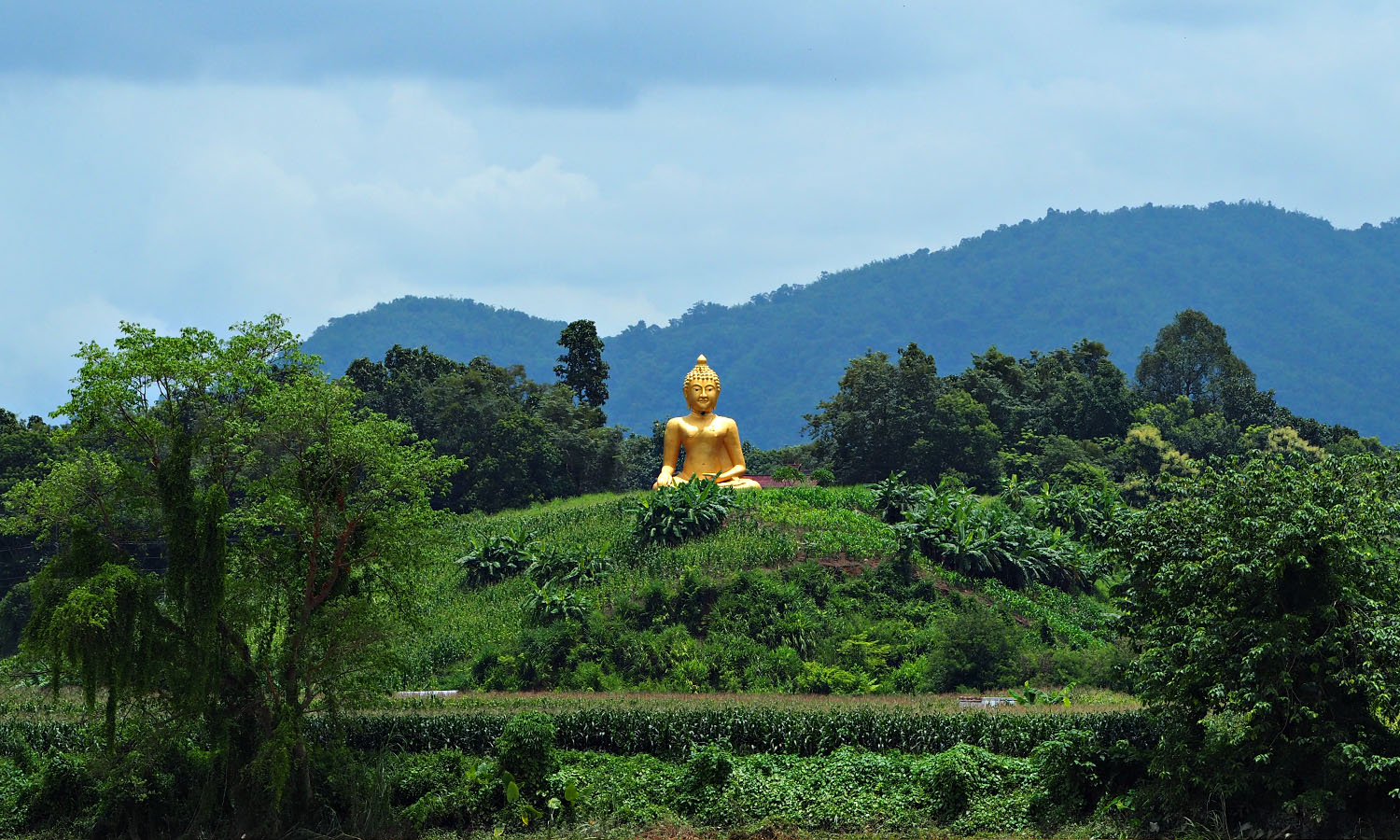
Leaving Chiang Rai behind, we carve through the thick morning mist. Jungle-clad hills rise up on either side, and every now and then, a lone fisherman stares at us, presumably wondering which minor royal or washed-up pop star is floating past.
I spread out across the daybed, sipping G&Ts and reading a book I have absolutely no intention of finishing. This is a slow cruise, and the Mekong, a muddy, muscular beast of a river, doesn’t so much flow as swagger downstream. It suits me perfectly. River boats chug slowly along, the ones heading upstream fighting a battle against the fast-moving Mekong. A “fast boat”, which is basically a surfboard with a massive engine and 8 people strapped to it, zips past us, and I’m reminded of my last trip on this mighty river. Backpacking, sleeping in hammocks and clinging to the edges of a “fast boat”, wishing I’d taken a Laotian “nerve settler” in Pakbeng before climbing on. I toast myself and the Gypsy with another Beer Lao!
The days quickly fall into a rhythm: wake up to the sound of the river coughing and spluttering past, eat something stupidly delicious, lounge about pretending to write deep thoughts in a notebook, wave half-heartedly at passing kids, and drink more things that would make my liver file for a restraining order. But it’s the nights where the real magic happens.
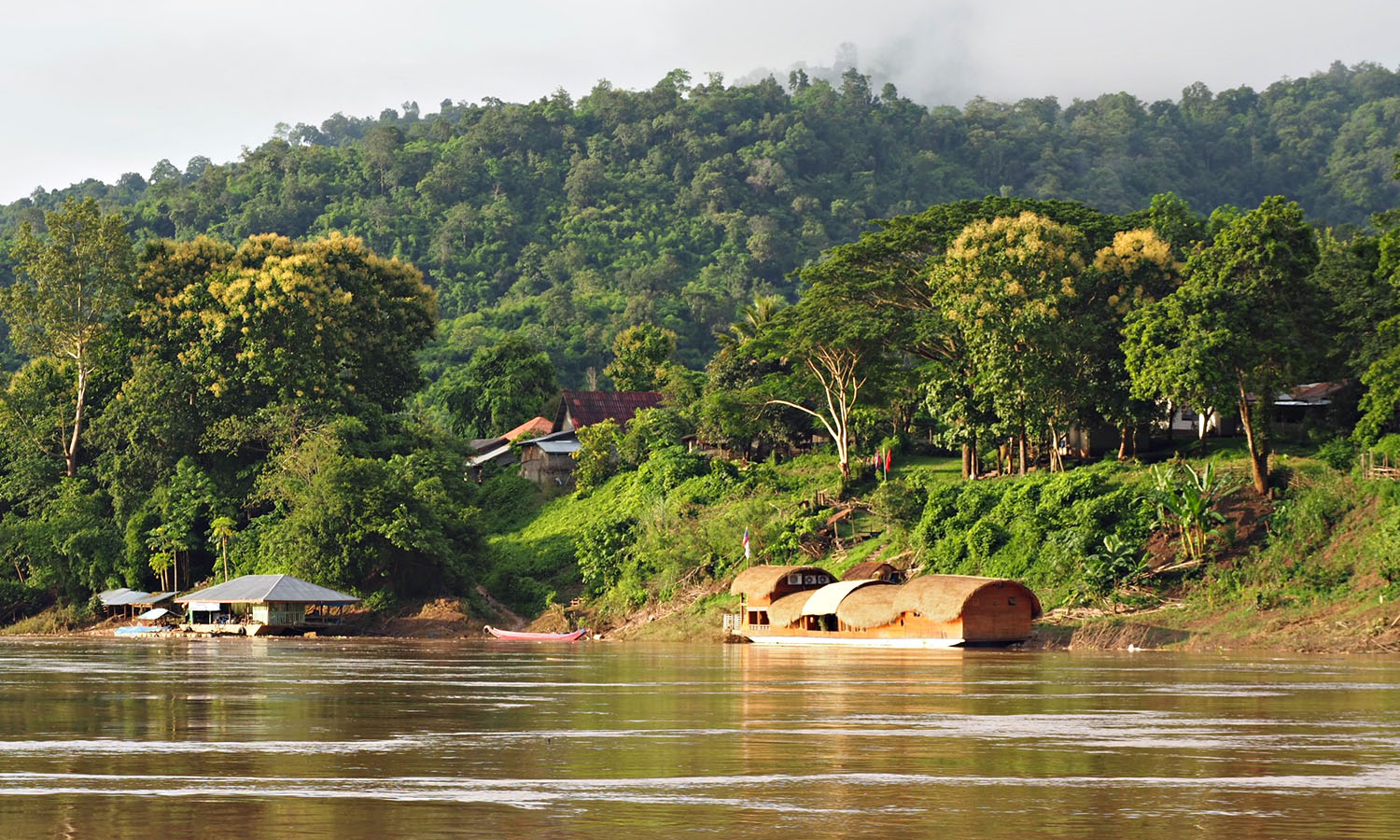
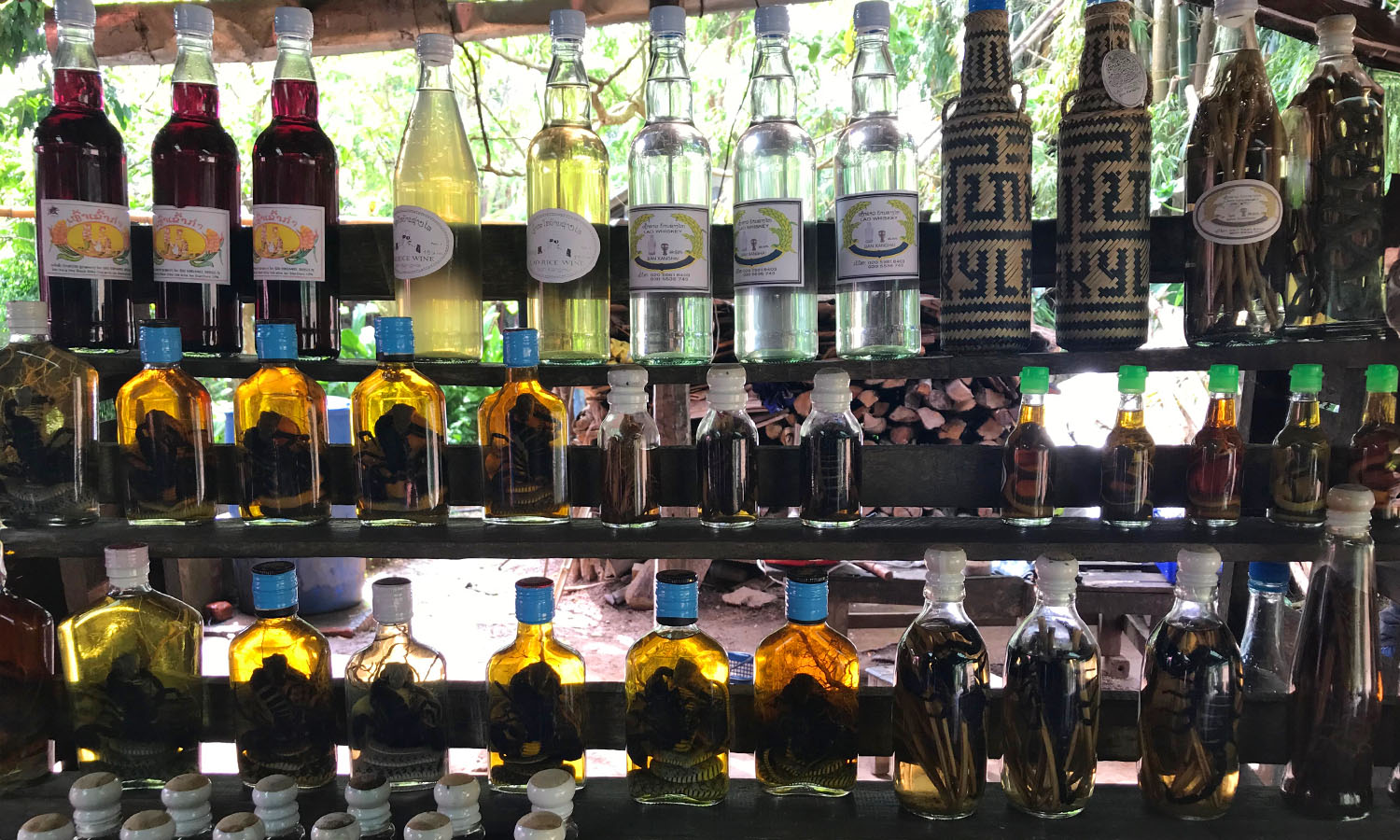
On our second evening, we pull up near Xanghai Village, a pocket-sized cluster of stilt houses so charming it feels like I’ve stumbled into a very well-curated Instagram post. This place is famous, at least to those in the know, for its handmade Laotian whiskey, which is basically rice wine’s bigger, badder, drunker cousin. Somsak, our guide, suggests we head ashore. “Good people here,” he grins. “Good whiskey too.” A statement both promising and deeply ominous.
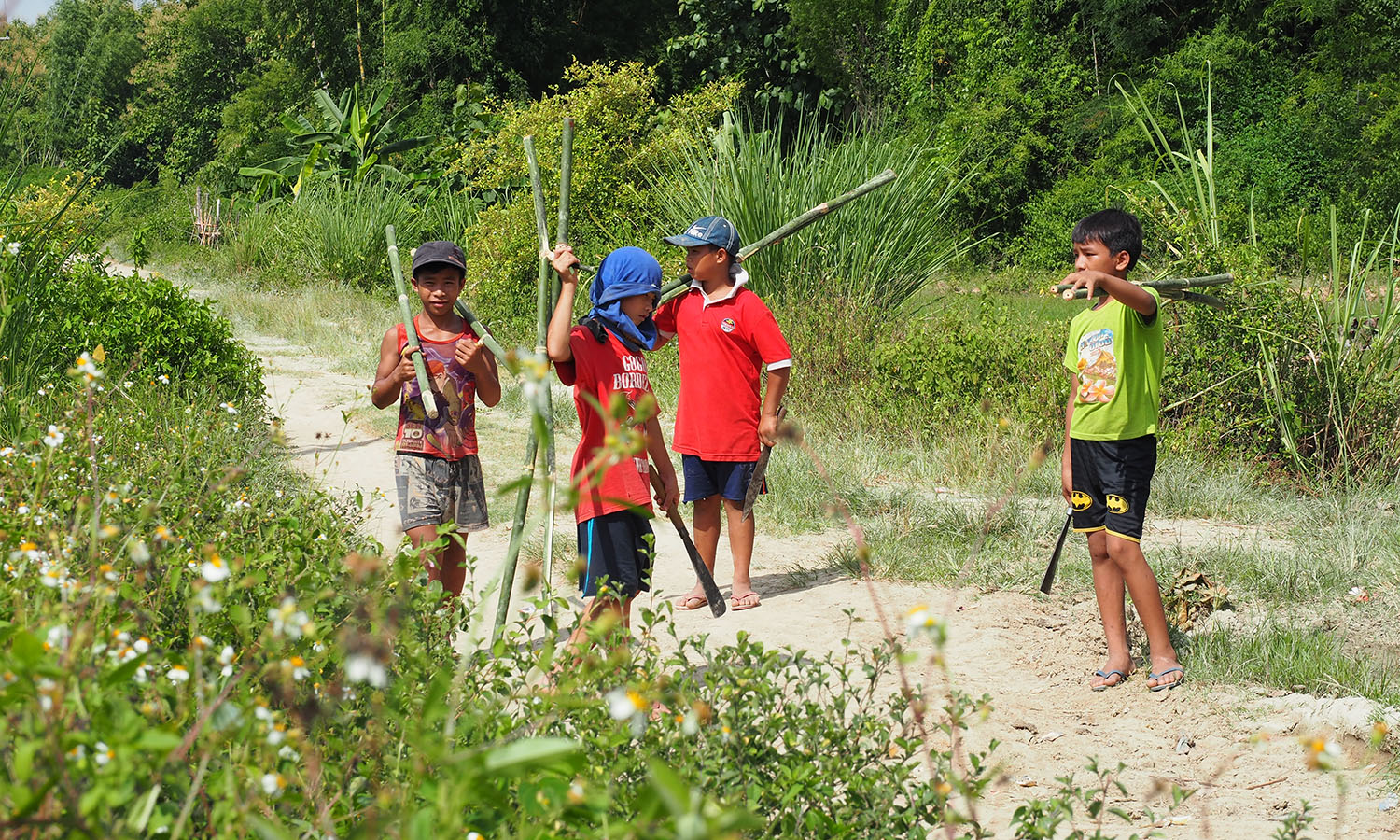
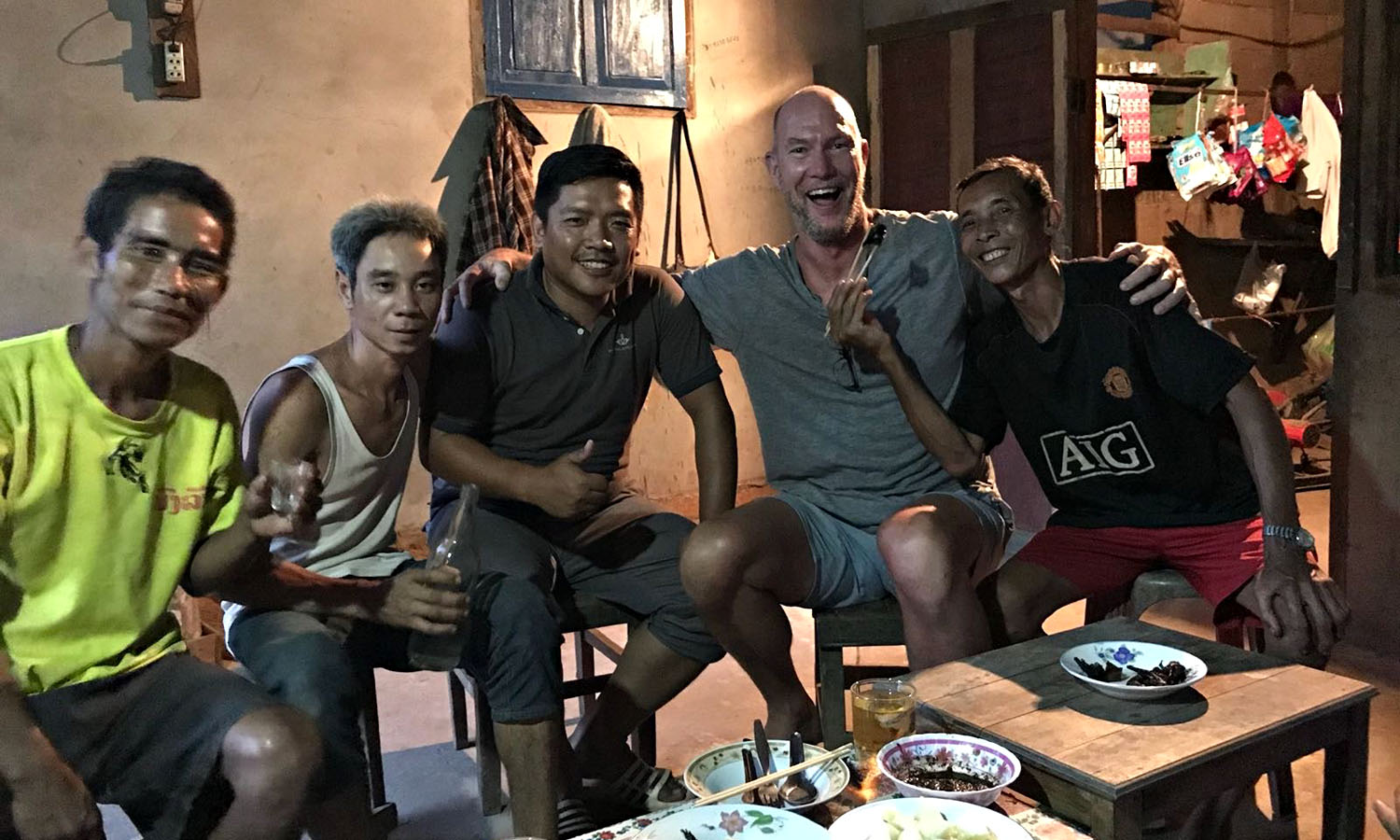
We weave through the village’s dusty laneways, past chickens scratching around ancient motorbikes, women weaving barely glancing up, and end up in a small courtyard where a handful of locals are already getting a head start on the evening’s festivities. There’s a fire pit crackling away and something roasting over the coals that even from a distance does not look regulation.
Somsak mutters something to the group, and before I can fake an allergy, I’m handed a bamboo skewer topped with what is, unmistakably, a bat.
“Barbecue bat,” Somsak confirms unnecessarily. “Good for stamina.”
Wonderful. Because if there’s one thing I’ve been worried about lately, it’s stamina.
Trying not to think about wingspan, I take a bite. It’s… crunchy. Burnt rubber with notes of despair and regret. I immediately chase it with a shot of the village’s famous whiskey.
The whiskey hits like a freight train. My eyes water. My soul briefly leaves my body. Then someone yells, “Another!” and just like that, I’m locked into a drink-off with men whose livers have clearly been forged in fire. We laugh, we clink tiny glasses, I try to teach them a Johnny Cash song, and I decide that, bat aside, discovering Xanghai village might be the best part of this adventure.
We stumble back to the Gypsy, smelling like smoke, bat, and Mekong mud, and I pass out in the comfort of my soft cosy double bed. Honestly, if I’m going to vomit up questionable wildlife, this is exactly the sort of five-star setting I’d want to do it in.
The next morning, hungover but proud, I drag myself to the sun deck, where the crew, clearly veterans of worse nights, greet me with strong coffee and a delicious breakfast sans wings and fangs. The Mekong, wide and uncaring, keeps on rolling, dragging me deeper into Laos and deeper into a kind of blissful, sun-drenched stupor.
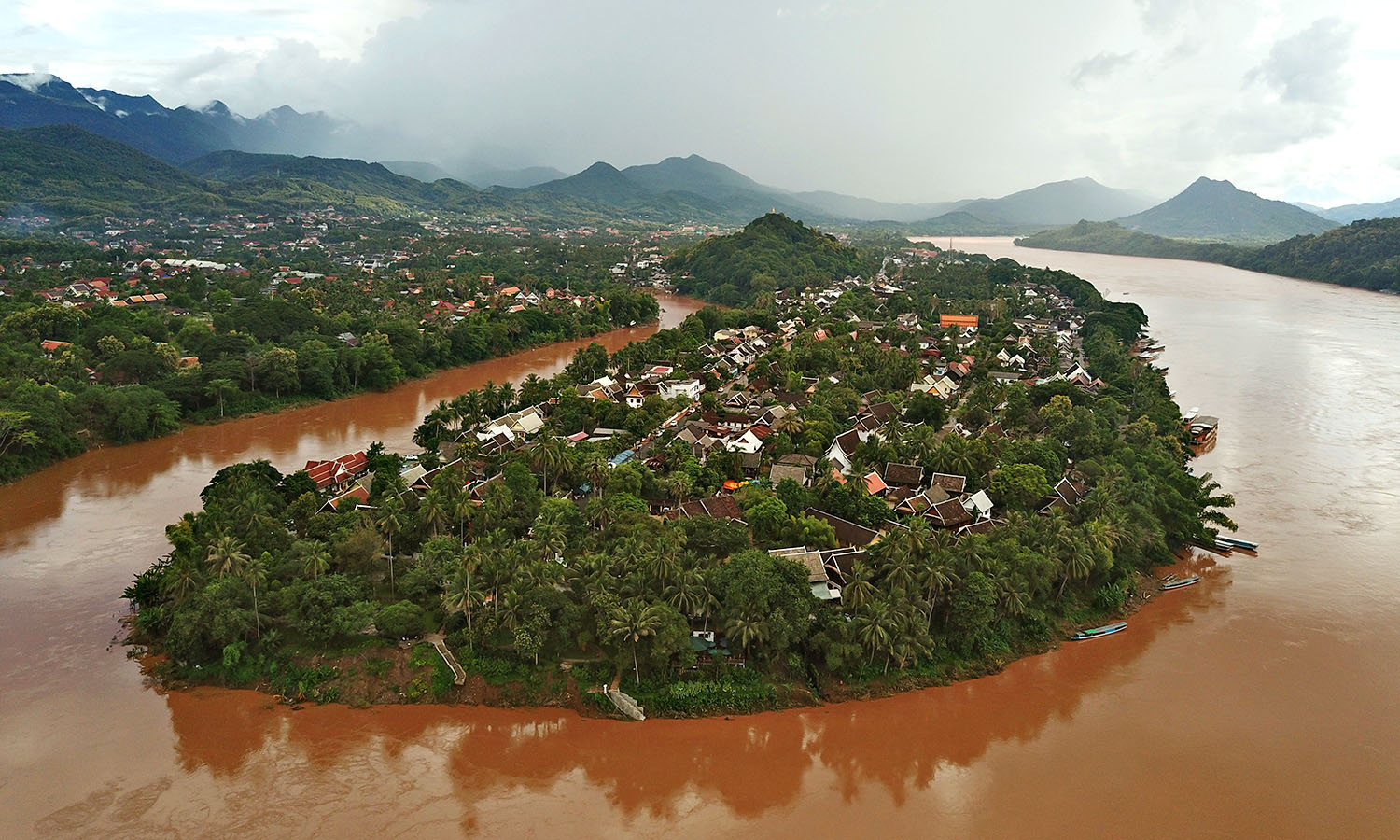
By the time we glide into Luang Prabang, all crumbling French mansions, orange-robed monks, and mango-scented magic, I am practically a new man. A bloated, mildly poisoned man, sure, but a new one, nonetheless.
As I disembark, I look back at the Gypsy bobbing on the river, a little slice of teak-and-cocktail heaven in a mad, beautiful world. I give a small, dignified wave.
And then promptly stagger off to find the nearest pharmacy. Manpower, it turns out, has a price.
One man’s mission to survive Innsbruck’s beer, schnitzel and snow.
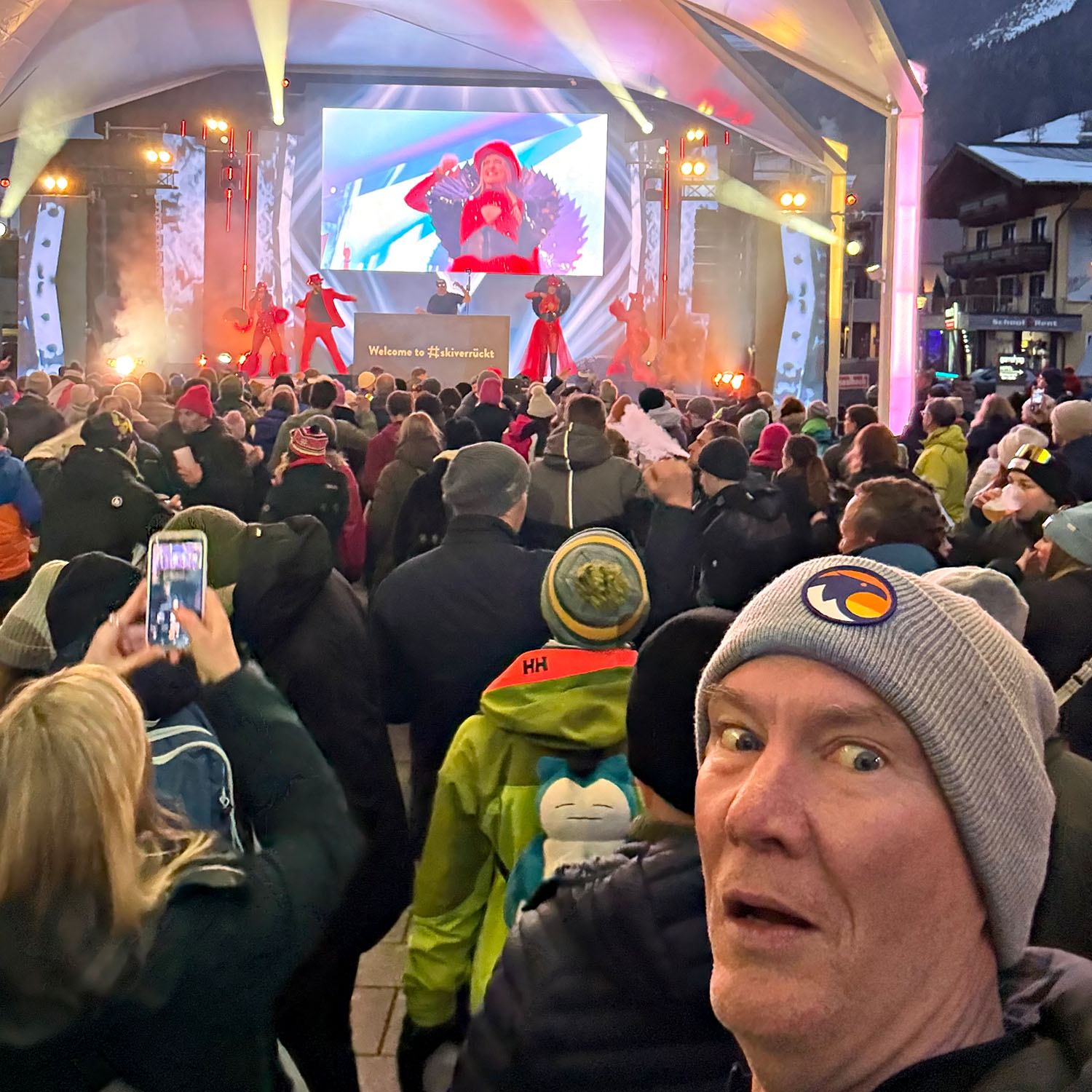
I’m dragging my hungover carcass through the medieval alleyways of Innsbruck. This is a city where baroque opulence collides with snow-covered adrenaline. Did I mention the hangover? The kind of hangover that only comes from partying with Austrians during the Downhill World Championships in Saalbach the night before. Austrians plus snow plus a world-class event equals real partying. We’re talking schnapps-fuelled, lederhosen-wearing, après-ski mayhem that makes Ibiza look like a book club.
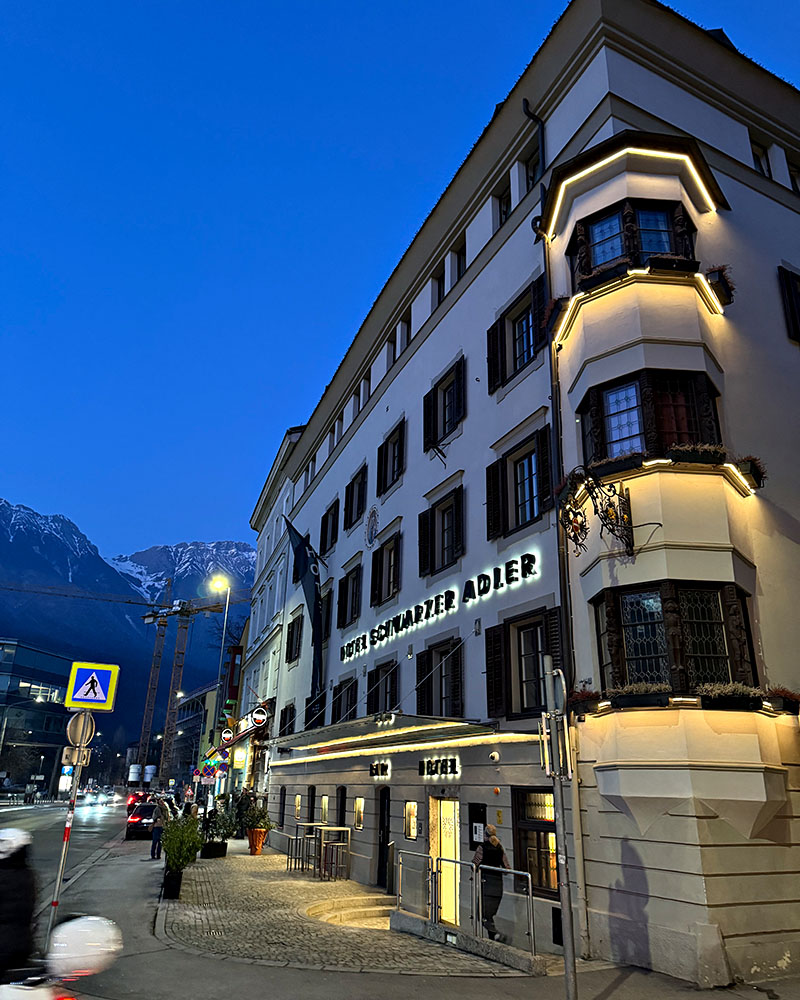
I’m extremely thankful for the warmth of an early check-in at the Hotel Schwarzer Adler, a hotel 400 years older than my own country. I wonder if Mozart himself ever wandered the hallways. I check in and collect my Ski Plus City Pass. This little card is the golden ticket to Tyrolean fun, giving me access not just to ski lifts in nearby Kühtai, but also to city attractions, public transport, museums, and even Swarovski’s shimmering fever dream of a museum. I do what any responsible journalist would do: go find some crystals.
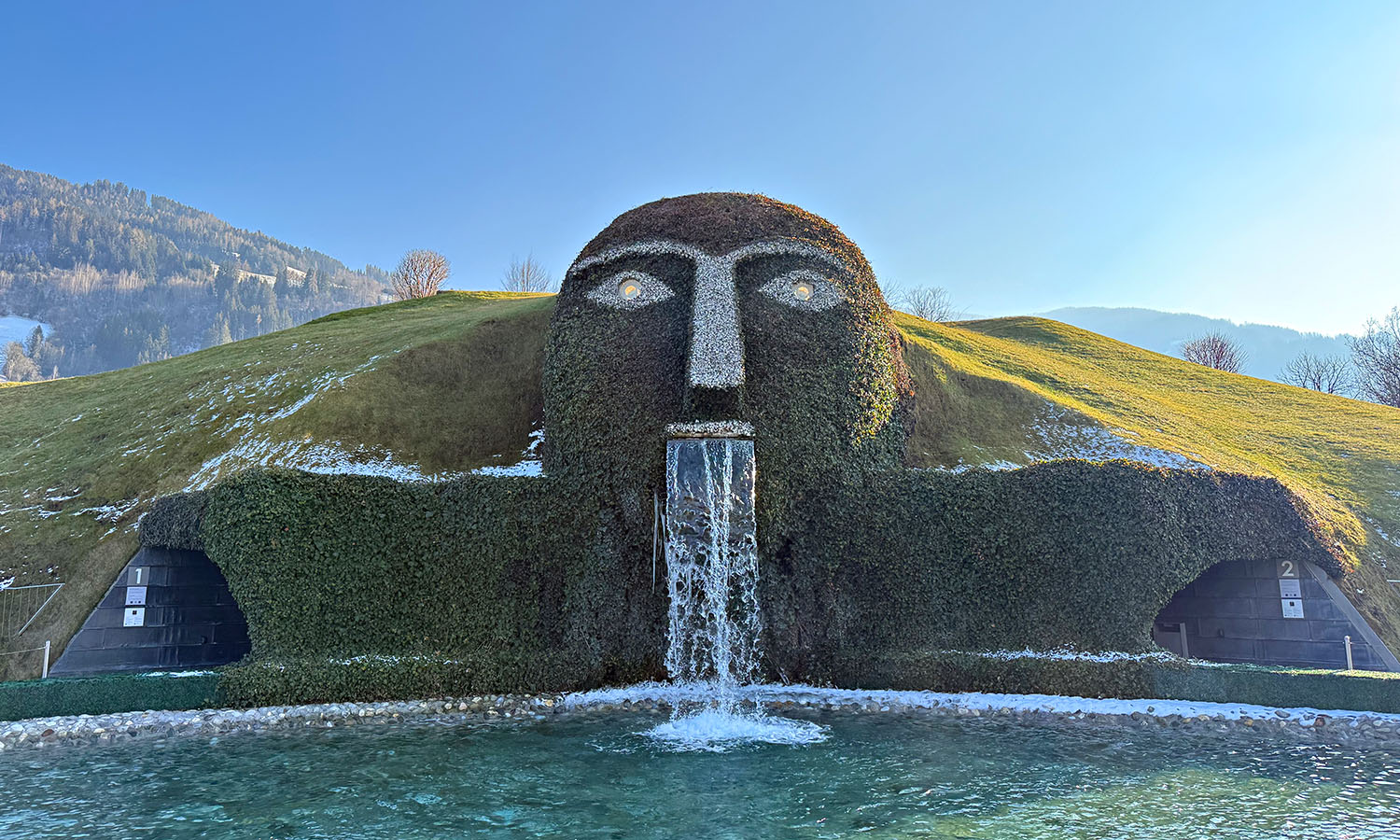
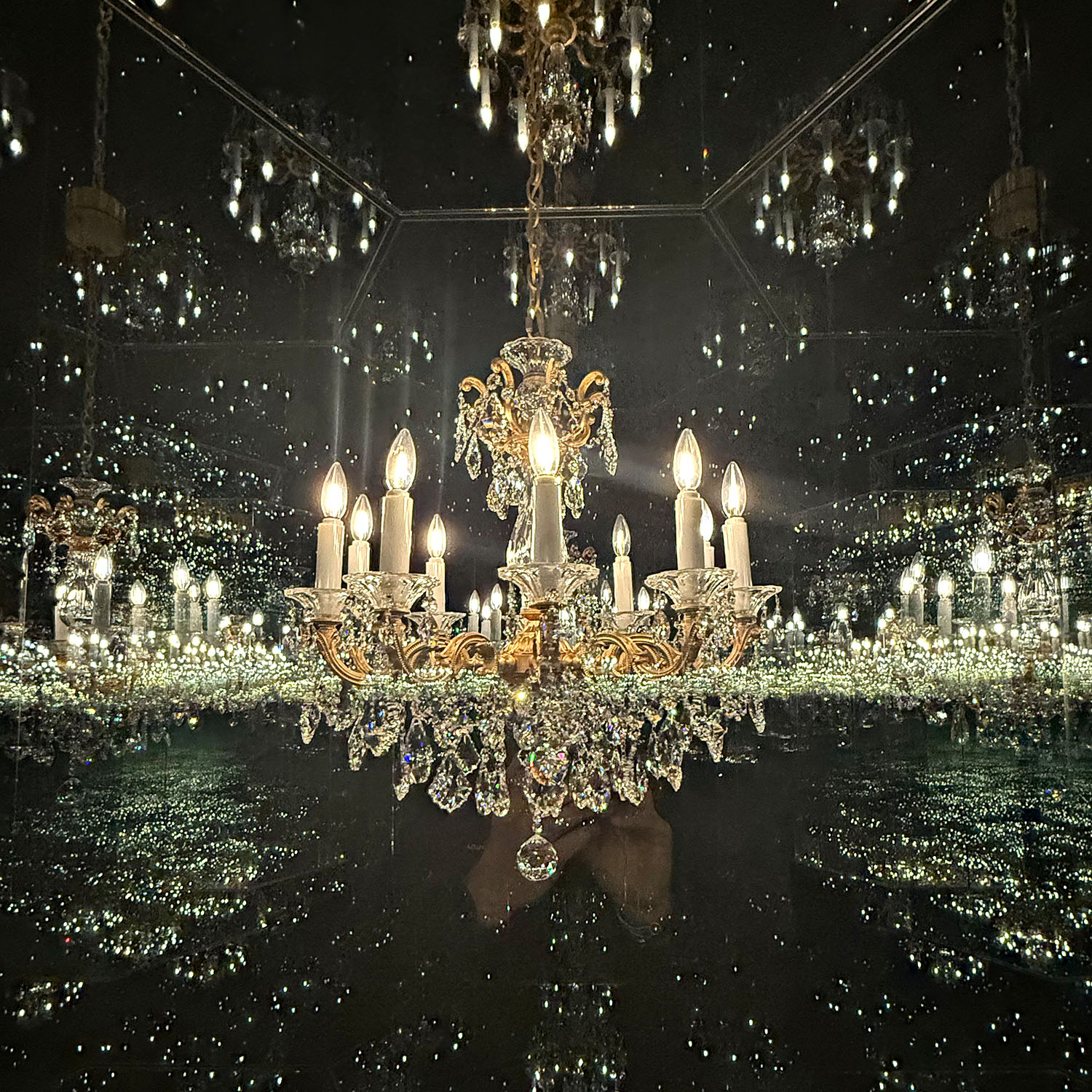
Swarovski Kristallwelten is like falling headfirst into a glittering fantasy land. The entrance is a grass-covered giant’s head with crystals for eyes. It’s actually more like a Bond lair than a museum. Inside, rooms explode in light, mirrors, and existential sparkle.
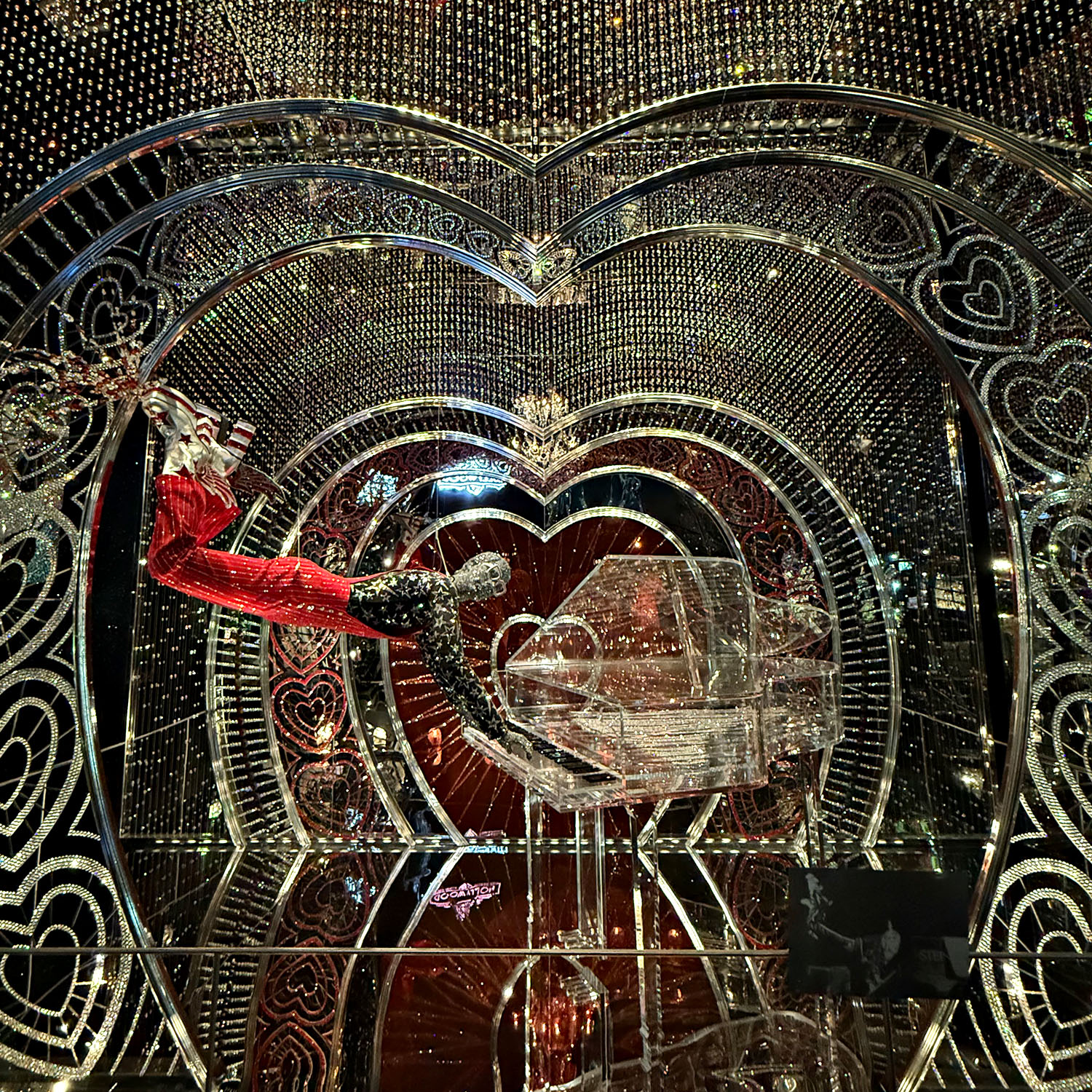
One gallery casually displays the number of Swarovski crystals embedded in celebrity costumes over the decades, which is frankly obscene. Elton John, unsurprisingly, leads the charge. His outfits shimmering with enough bling to light a runway you can see from space. There’s a mechanical birdcage, a silent snowstorm that never ends, and a room of music-playing crystals that feels like Brian Eno went on an acid bender at a jewellery store. The highlight is a walkway with a roof of hundreds of crystal speakers, each one speaking to you as you walk underneath; languages from all over the world. It’s truly surreal.
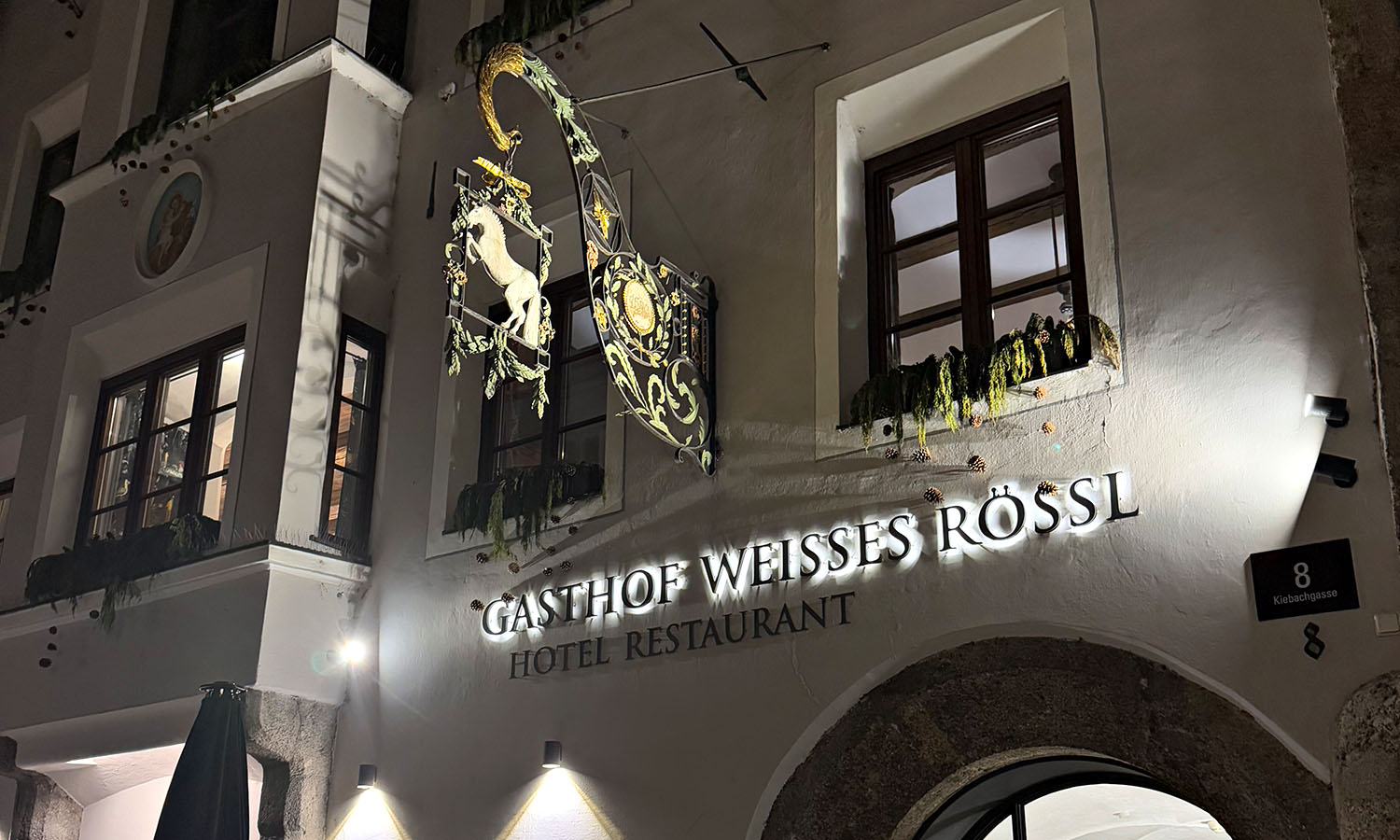
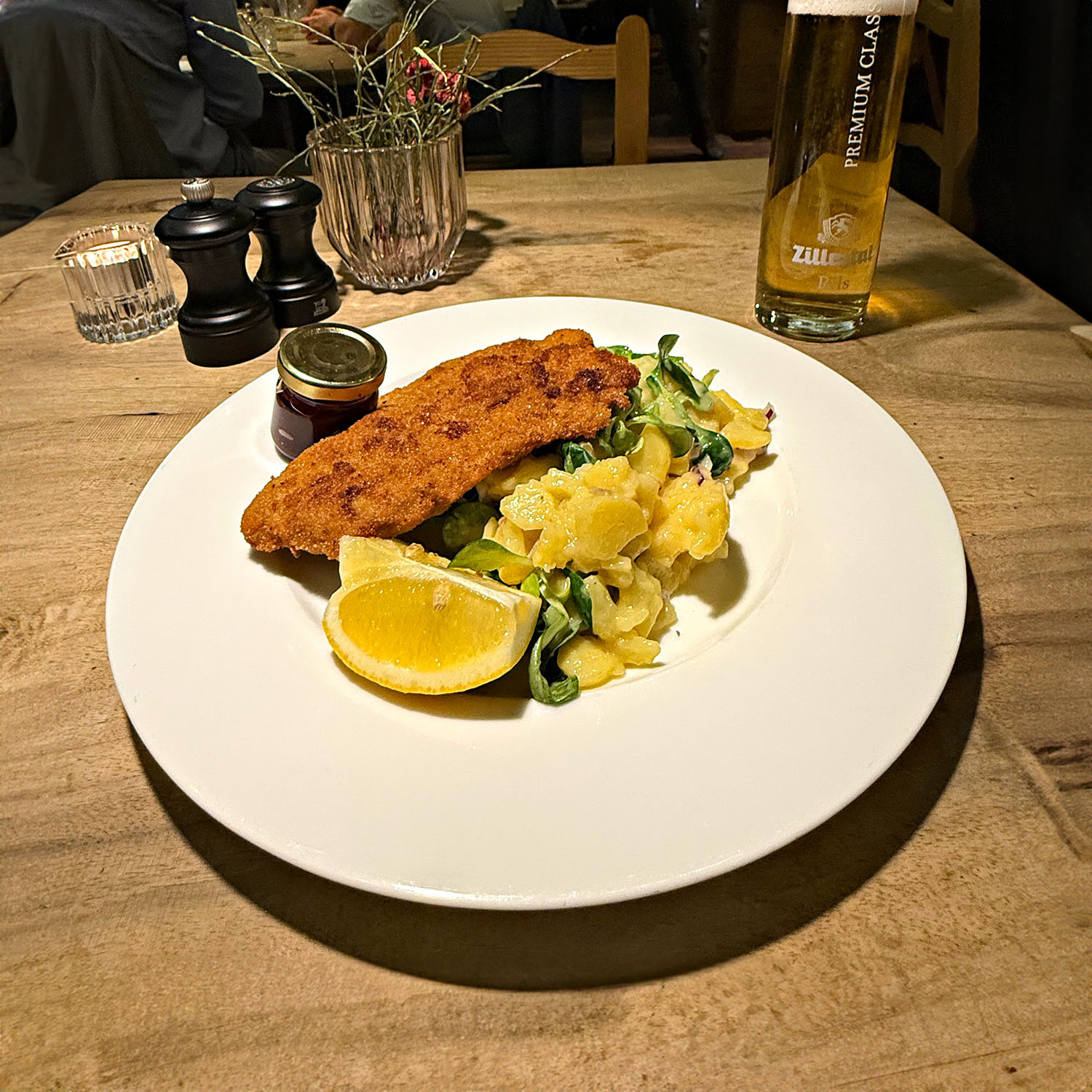
I go full Austrian for dinner with a hearty plate of Tiroler Gröstl and a schnapps at Weisses Rössl, one of Innsbruck’s most traditional inns. It’s all low timber beams, candlelit corners, and centuries of Alpine gemütlichkeit (that’s friendliness). The waitstaff wear dirndls like they mean it, and the menu reads like a greatest hits of Austrian comfort food. I ordered the schnitzel, because you have to. What arrives is a golden, perfectly crisp, pan-fried miracle roughly the size of a snowboard. It crackles under the knife and melts like butter in the mouth. It is easily the greatest schnitzel I’ve ever eaten.
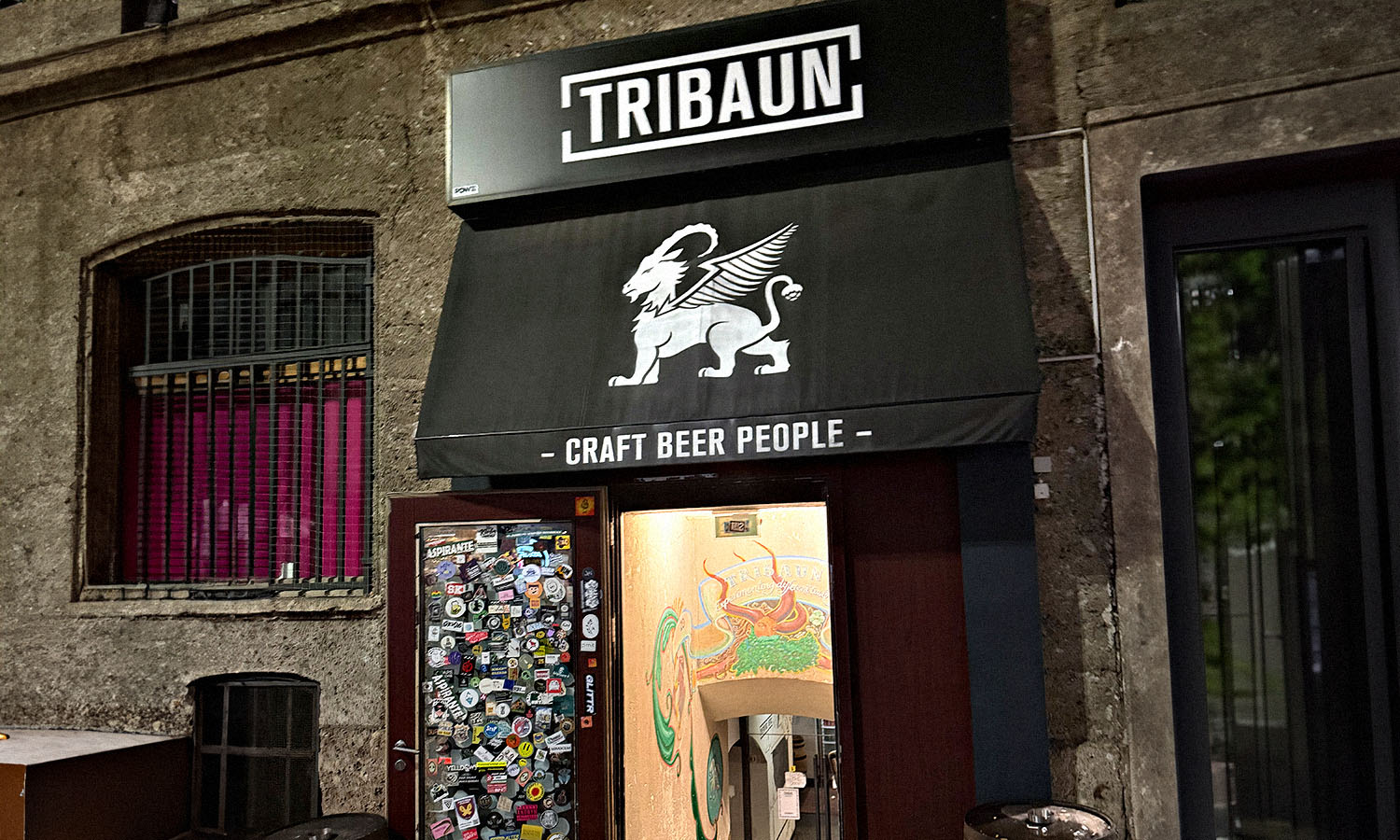
After dinner, I wander slowly and bloated through the backstreets in the moody glow of gaslights and gothic arches. It’s here, happily lost in the old town of Innsbruck, that I stumble upon Tribaun.
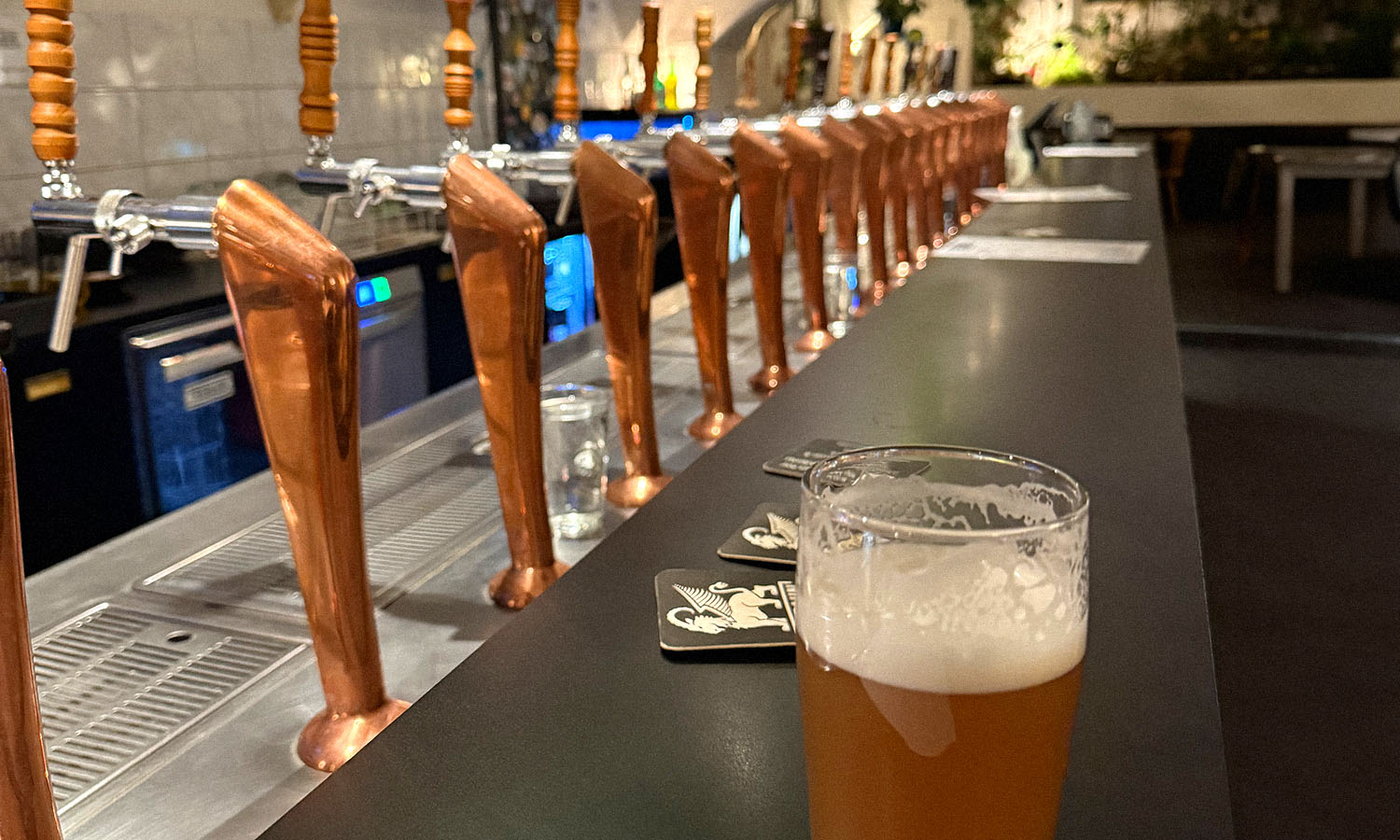
It doesn’t look like much. Just a door. But down the steps is a den of hops-fuelled sin. Craft beer from all over Europe, tattooed bartenders with opinions, and a crowd that looks like they argue about fermentation methods for fun. I fall in with some locals who pull me into a “shout”, an endless cycle of buying and consuming increasingly aggressive beers. One hazy IPA hits like a freight train of citrus, pine, and regret. I think I’m winning until I try to stand up.
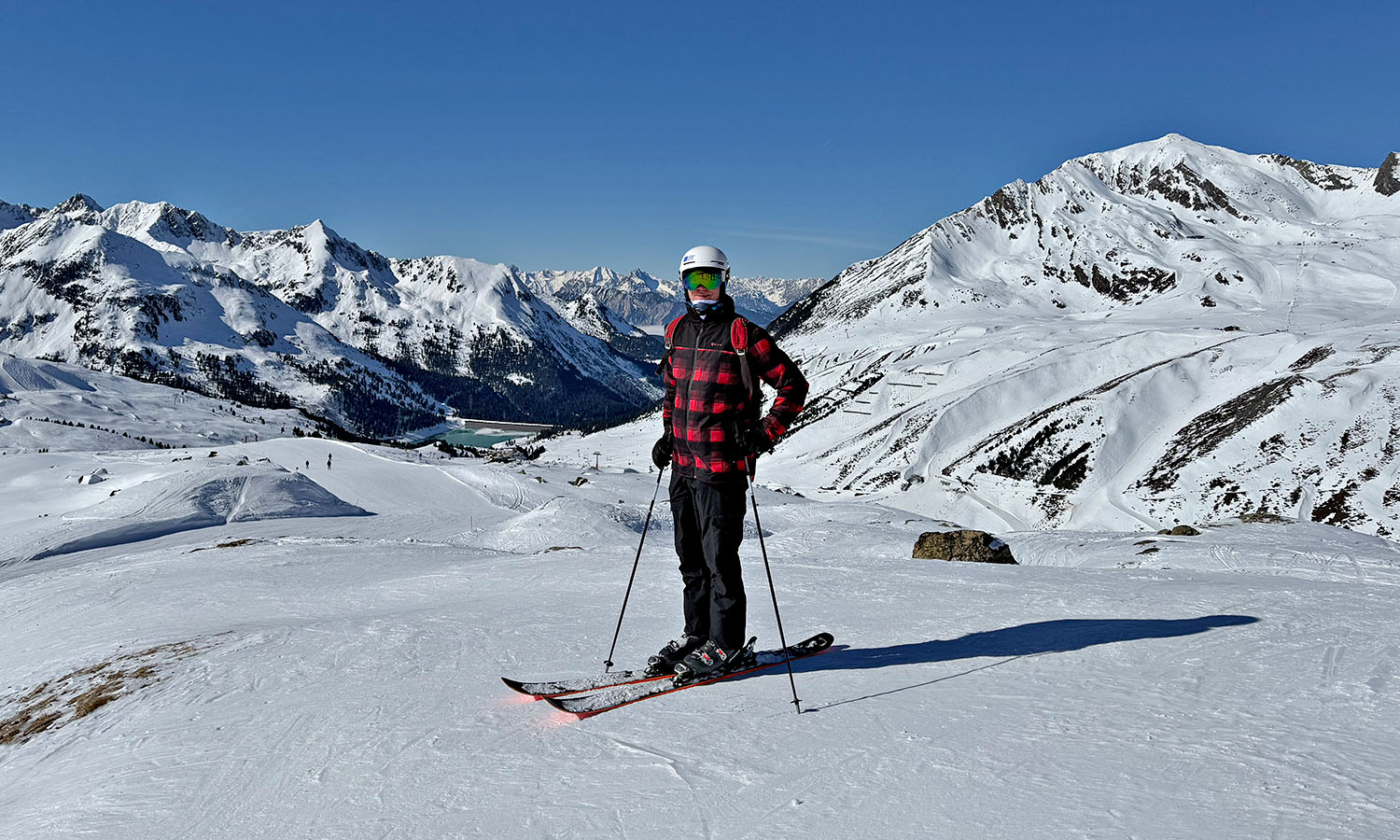
Morning. Kühtai. A yodelling demon pounds timpani drums in my skull. My ski instructor sizes me up like a butcher choosing which bit to cut first. I’m pale, I’m trembling, but I’m committed.
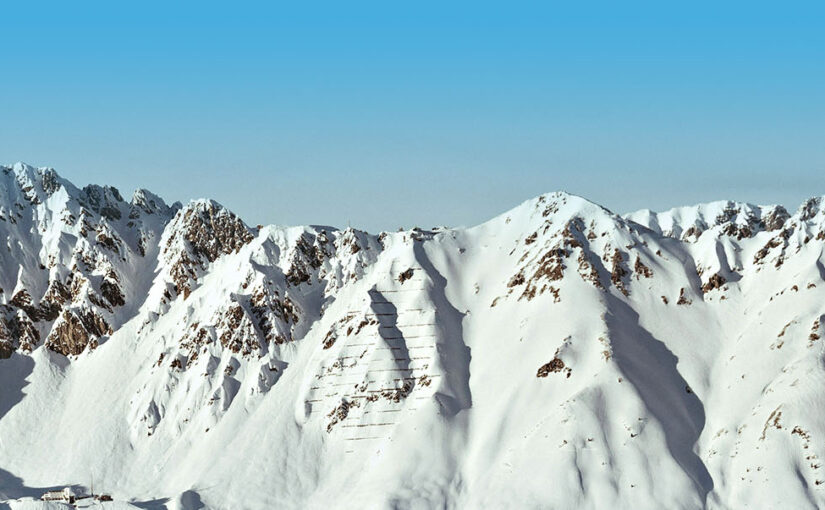
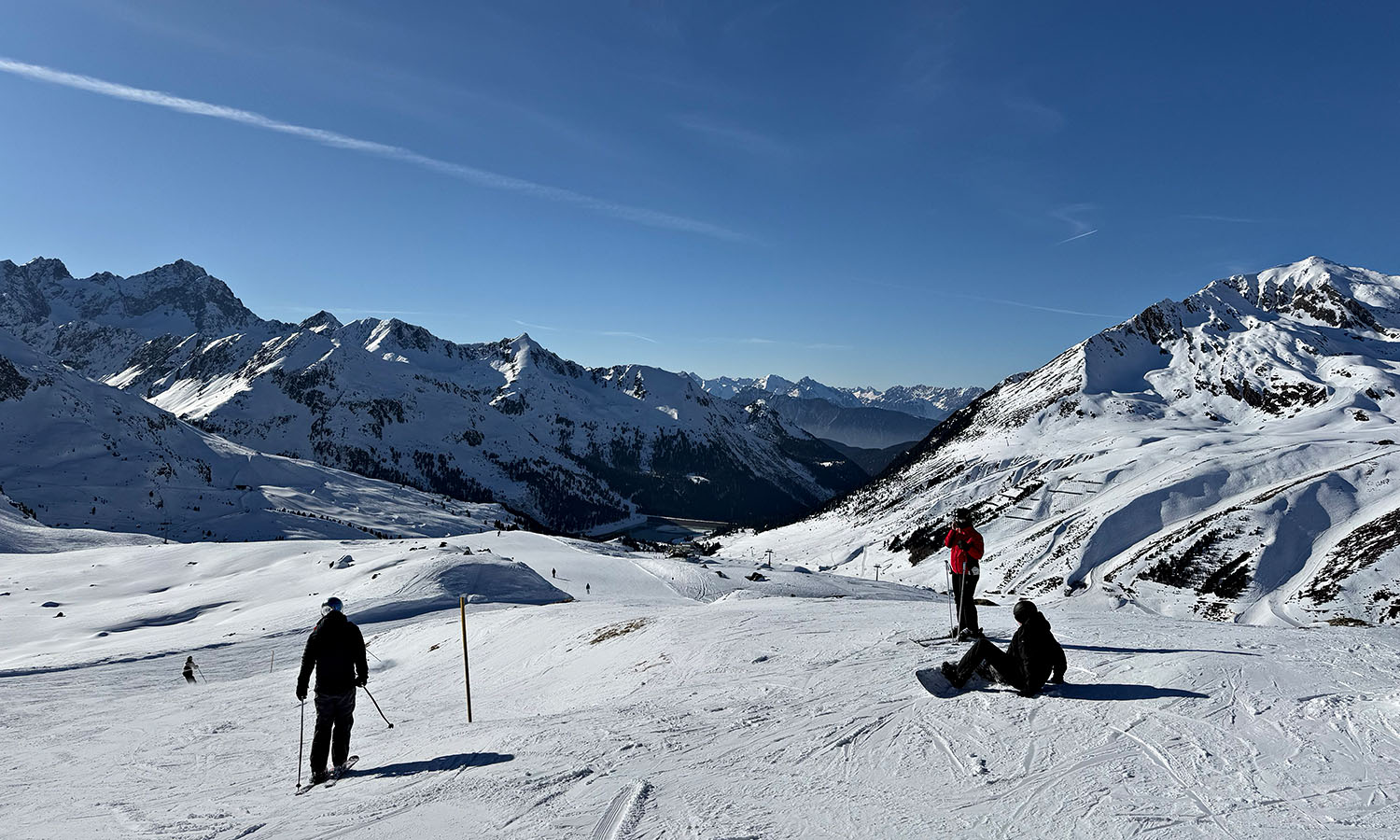
Kühtai is Austria’s highest ski village, perched at over 2,000 metres, which means snow is pretty much guaranteed. The drive up from Innsbruck is a leisurely forty minutes with increasingly stunning views as you wind up through villages and into Kuhtai. The slopes here are a glorious patchwork of wide cruisers and narrow chutes, flanked by rugged peaks. There’s something for everyone here, easy-going blues that lull you into confidence, and then out of nowhere, sneaky reds and aggressive blacks that demand respect (and functioning knees).
I start with a gentle run to test the structural integrity of my head. It’s going well until I hit an icy patch, and I’m suddenly skiing backwards. Still, my instructor is encouraging, or at least I think that’s what he’s saying in thick Tyrolean dialect while trying not to laugh. We traverse tree-lined paths, open powder bowls, and even flirt with a mogul field. The stunning views make it hard to concentrate on the snow in front of me. The snow is perfect, the air is merciless, and gravity is no longer my friend. I wobble, I slide, I survive. Just.
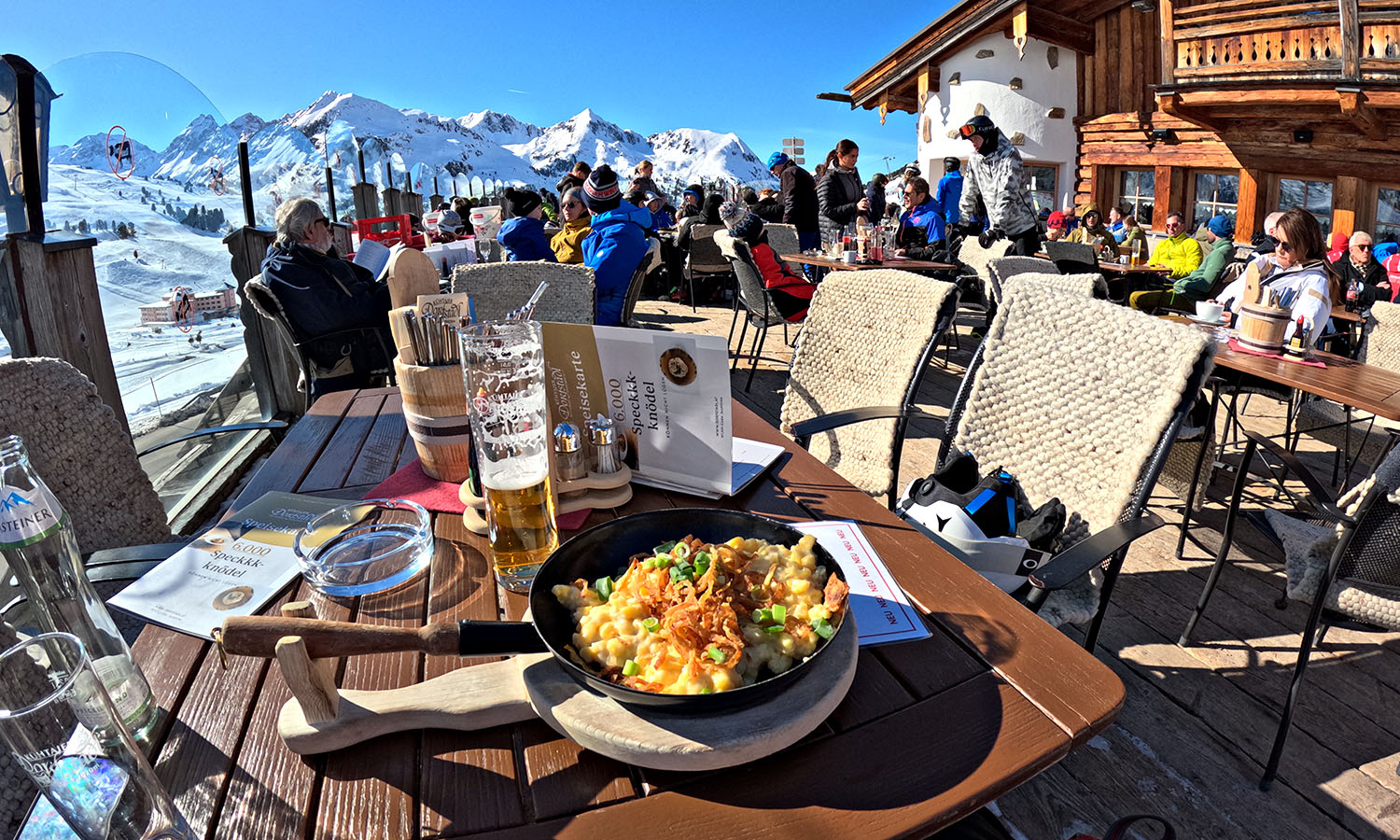
Lunch saves me. At Kühtaier DorfStadl, out on the deck, I devour a heaving plate of Käsespätzle (think cheese, pasta, bacon, delishessness) and a crisp pilsner, and I’m back! I emerge from my hangover cocoon, part man, part dairy product, but ready to return to the slopes.
Back in Innsbruck, the Old Town waits like a storybook villain: pretty, polished, and probably dangerous. I wander past Rococo buildings, duck into the Hofburg Palace for a hit of imperial delusion, then lose myself in AUDIOVERSUM, a science museum about sound where my battered ears get one last chance at redemption.
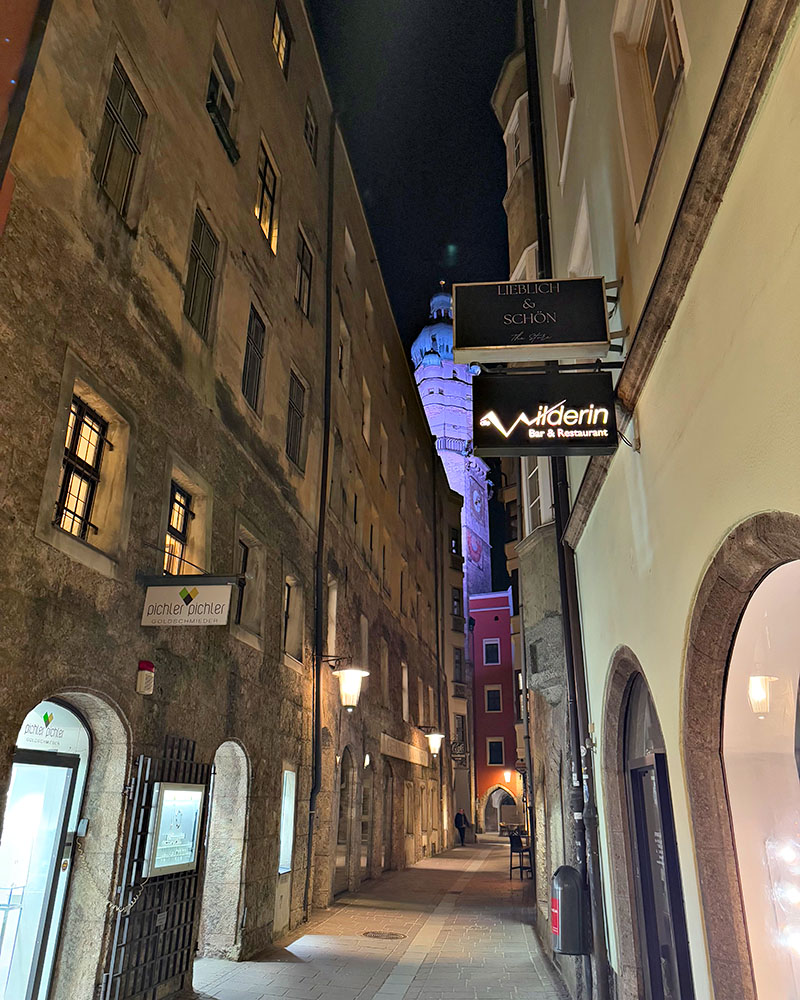
Dinner at Wilderin is everything you want a final supper to be. This place is uber local, seasonal and paired with just enough wine to forget the hangover but remember the fondue. I sit up at the bar and befriend the owner, Michael, whose passion for sustainable cuisine is remarkable. He convinces me to try the Austrian specialty, Beuschel. He refuses to disclose the ingredients, and I trust him. It’s delicious. And even after Michael explains that it is a traditional Austrian “grandmother” specialty stew of lung, spleen and heart, I mop up the stringy bits with bread. It’s that good.
On my last day, I head up to Nordkette. It’s three cable cars to the top, each one peeling back layers of the city until all that remains is air, snow, and ego. At the final stop, Hafelekar, I lace up my boots and take the short, snowy hike toward the famed peak, the Top of Innsbruck. It’s not a long walk, but every step carries the weight of 2,300 metres of altitude and the kind of drop-offs that inspire awkward laughter and sweaty palms. One small slip here and I genuinely believe I could slide all the way into Germany, passport-free, face-first, and screaming.
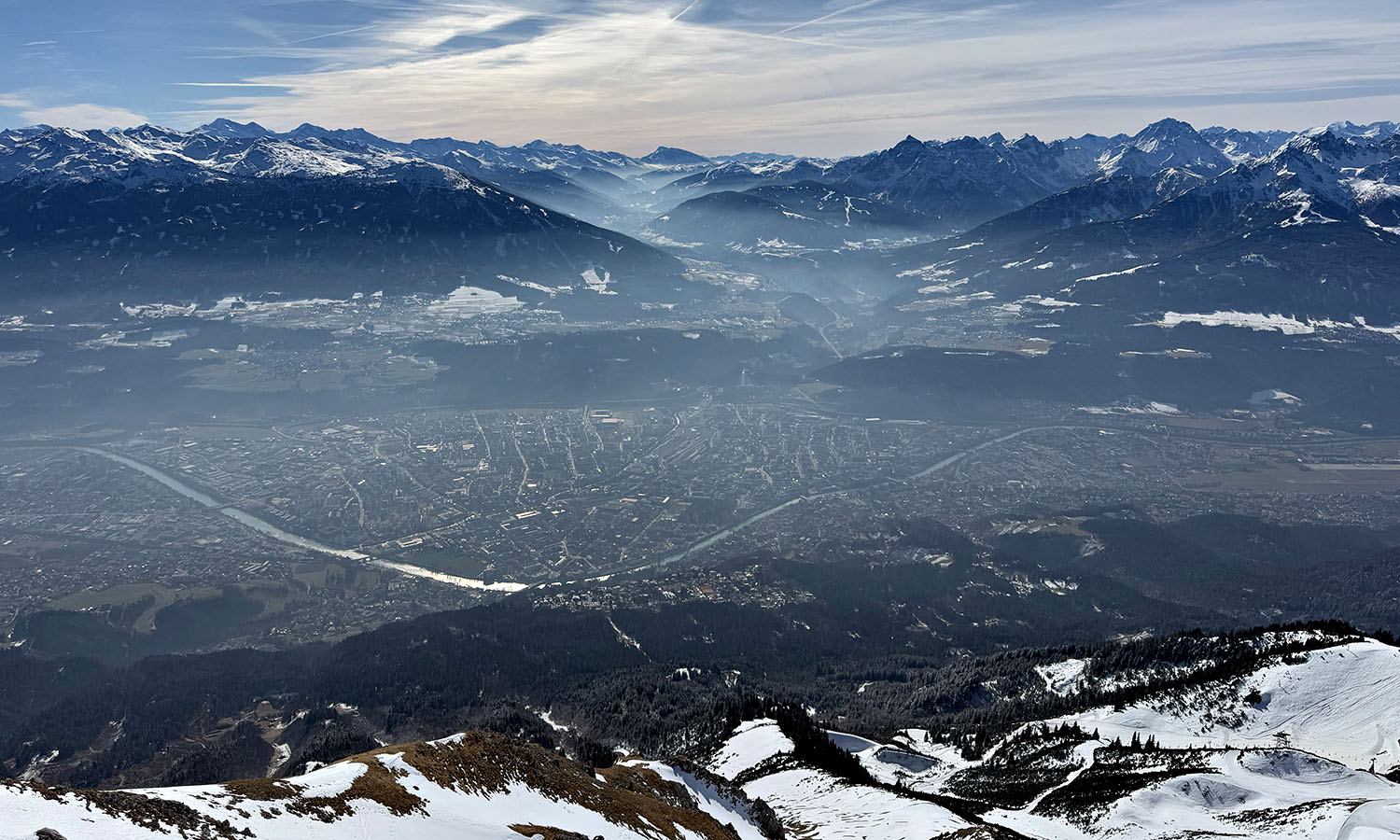
The view is outrageous. On one side, Innsbruck spreads out like a gingerbread model city: spires, pastel facades, and neatly squared-off streets framed by the Inn River. Spin around and you’re staring into the raw, jagged Alps and beyond, the valleys of Bavaria. It’s like standing on the edge of two countries, one foot in Austria, the other dangling temptingly toward a bratwurst-fuelled future. The wind bites, but the scenery punches harder. It’s the kind of panorama that makes you whisper-swear in amazement.
Innsbruck sprawling below, mountains all around. “Fark.”
At lunch, I toast the Tyrol with a glass of something cold, stare into the endless white, and feel like I’ve survived something.
Then, of course, there’s time for one last hurrah. With my train departing in the early evening, I have just enough time for one last visit to Tribaun. The bartender gives me a knowing look and pours another hazy IPA. I raise my glass to Innsbruck, the city that broke me, rebuilt me, and broke me again.
...delivers staggering views and lingering legends.
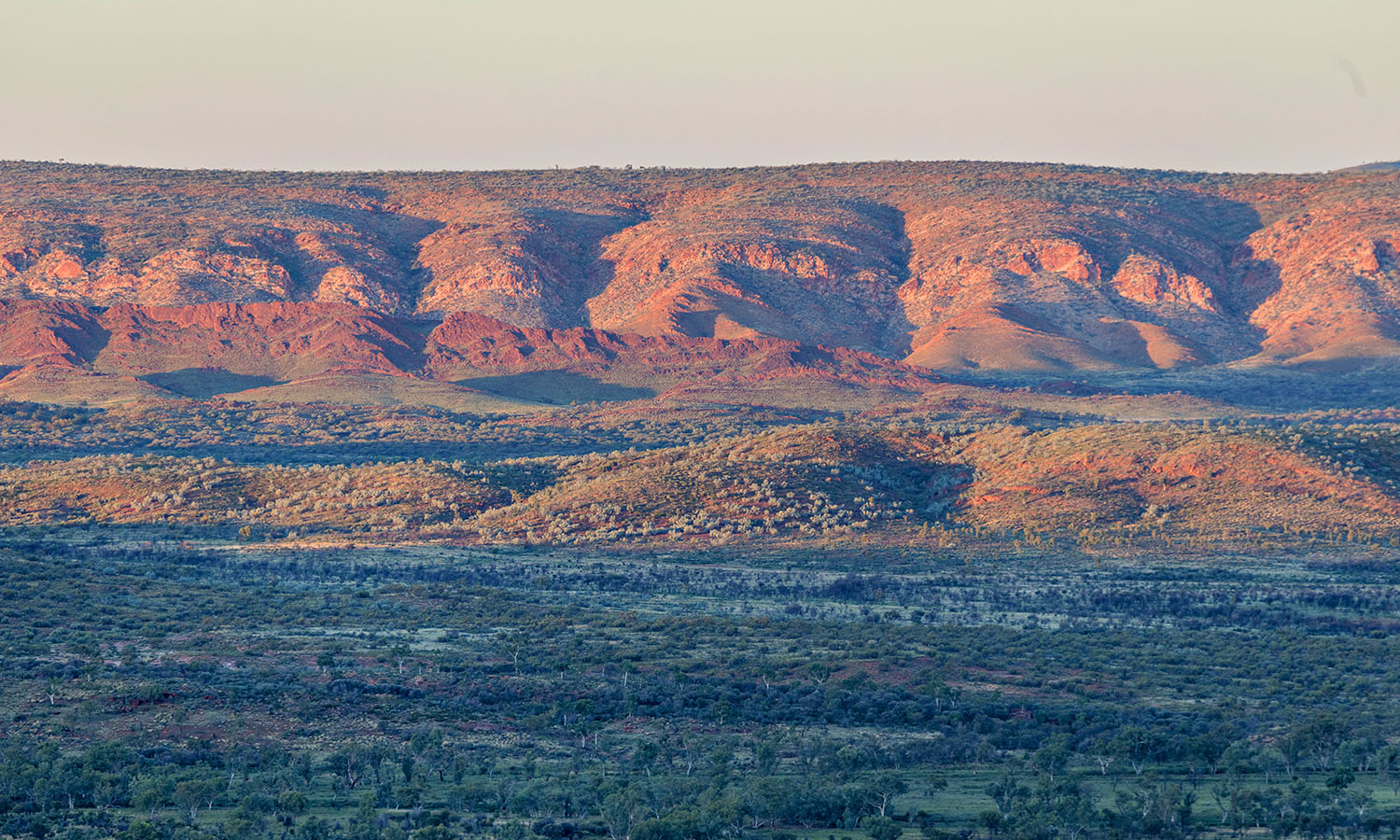
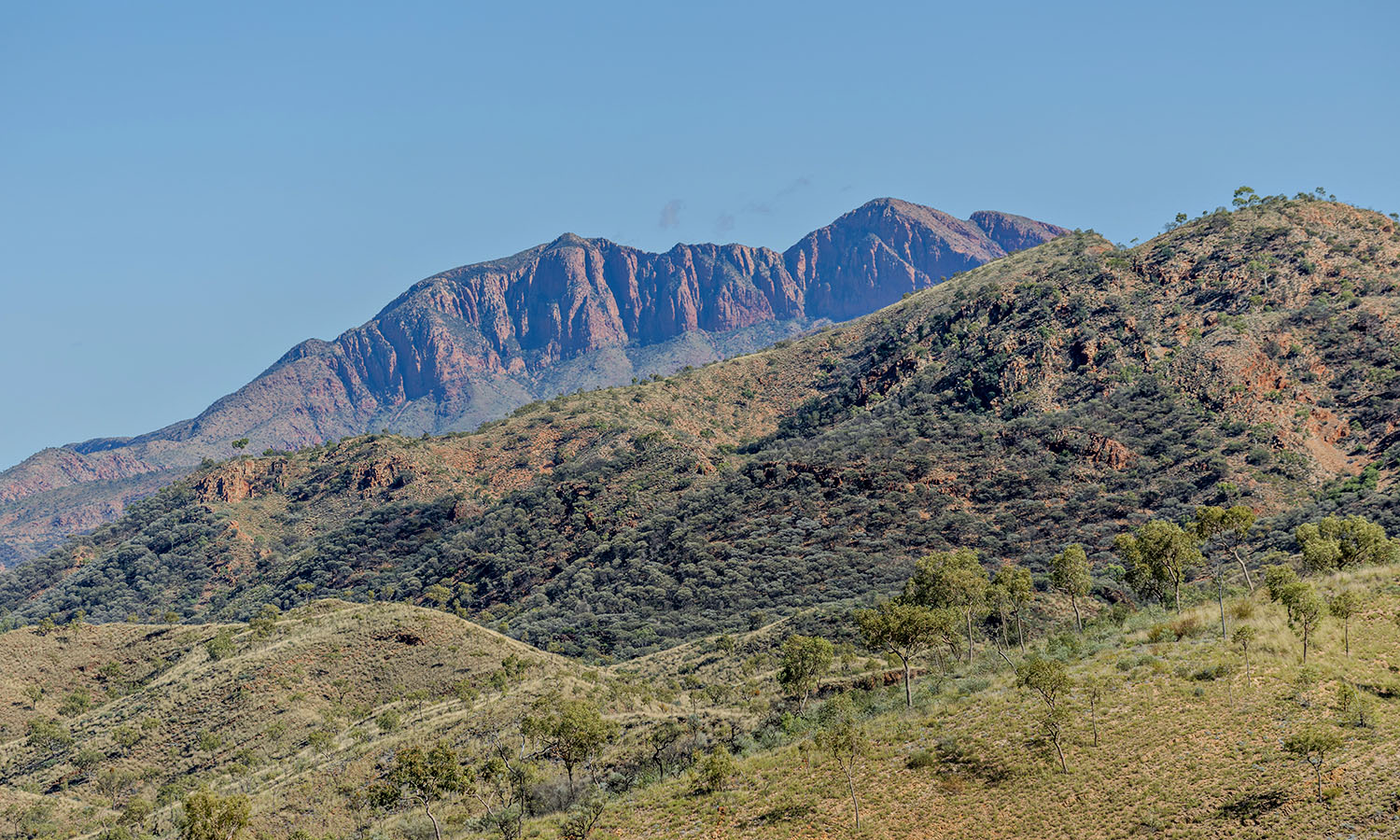
It’s 3 am when I’m woken by the sound of tents unzipping. The crisp, dry night air of April in central Australia is perfect for our pre-dawn amble up Mount Sonder. It may only be the Northern Territory’s fourth-highest mountain, but for the past four days, its silhouette has loomed in the background of our hikes: its sunlit peak like a distant beacon, quietly reminding us to conserve our energy for what lay ahead.
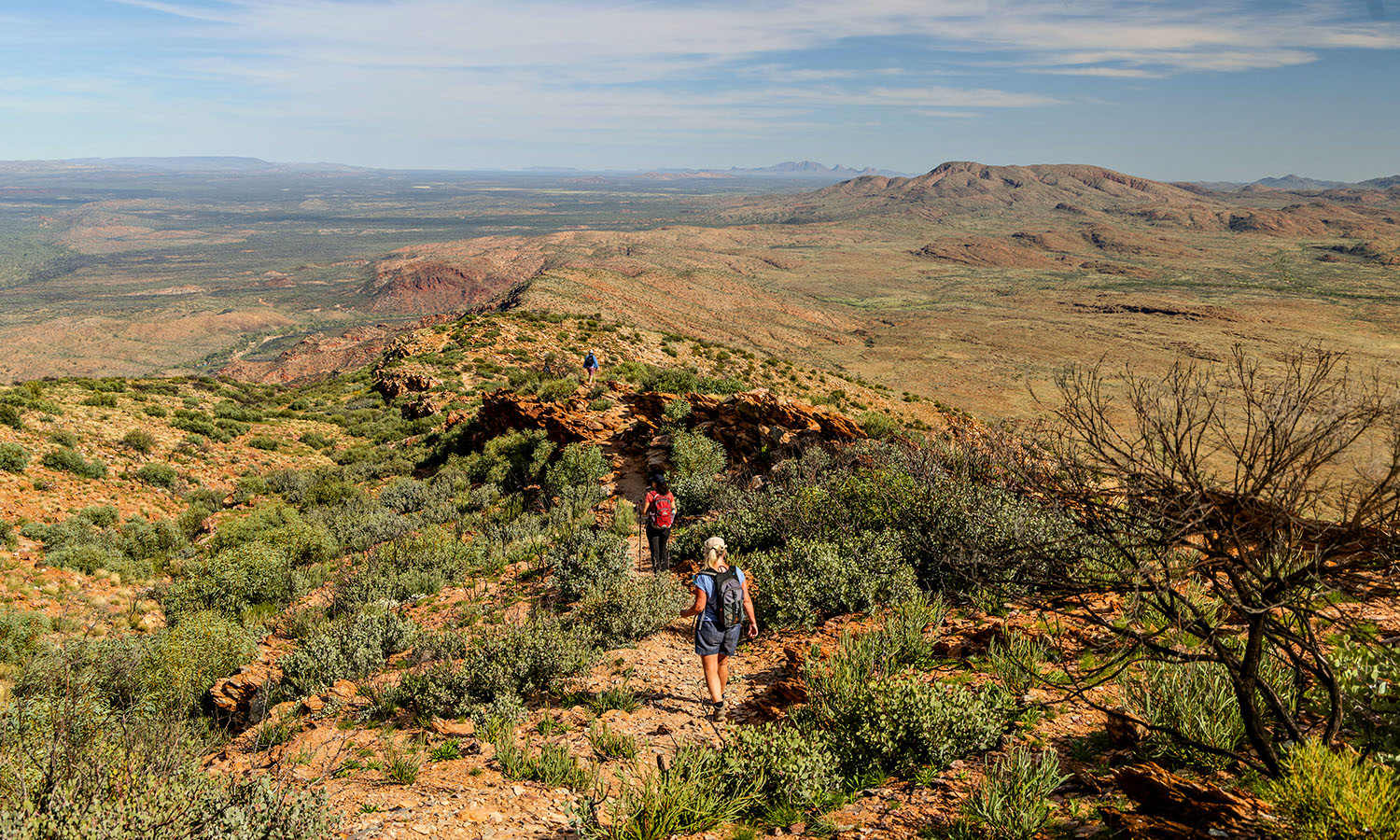
When we arrive at its base, the night sky is startlingly bright. Our headtorches light the path beneath our feet, while starlight softly reveals the vastness of the surrounding landscape. We hike for an hour to the saddle – a flattened section of the trail – where we pause to watch the sun rise, slowly igniting the ridges in hues of glowing red.
From there, it’s another two hours to the summit. I’m surprised by how jubilant and light-footed I feel, despite having only four weeks to prepare for this six-day, 67-kilometre journey with Tasmanian Walking Company along the highlights of the Larapinta Trail.
But as physics reminds us, what goes up must come down. The descent is deceptive – long, steady, and unforgiving. As the sun climbs higher, its rays beat down on the exposed slopes. Jagged rocks seem to materialise from nowhere, and I slam my toes into them again and again. The chattiest member of our group falls silent. Gaps between us grow. The downhill path feels endless.
That’s when it hits me: a surge of emotion wells up, unstoppable. Hot tears stream down my cheeks, a release of exhaustion and the heaviness of a difficult year. I keep moving – fuelled by adrenaline, sips of water, lolly snakes, and the distant promise of a seat on an air-conditioned bus. And I wonder: is this the emotional journey the Aboriginal elder was referring to by the campfire last night?
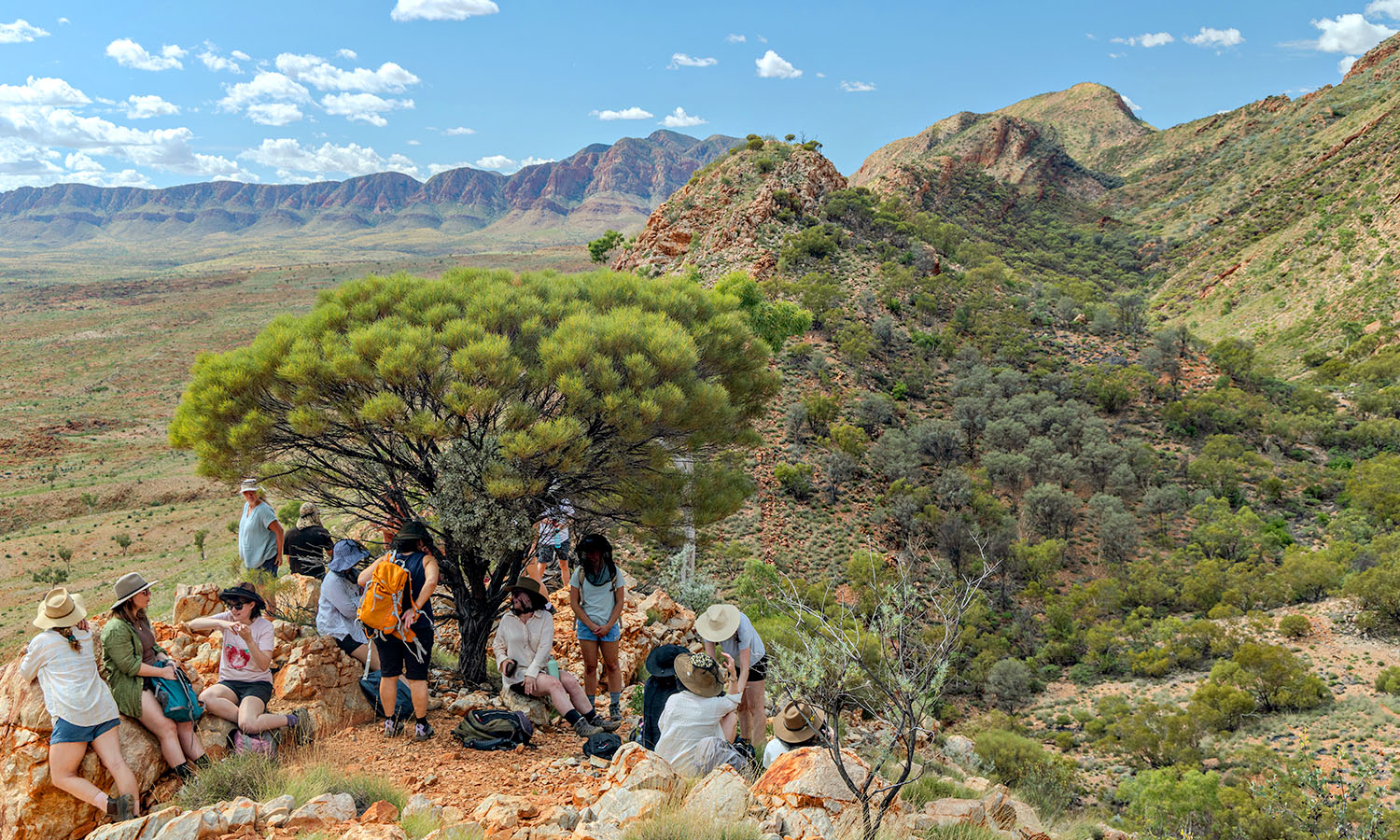
“We are not just storytellers, but teachers as well,” Benji Kenny told us. “And this is more than just walking from point A to point B. Our ancestors used to walk along here and rest,” he said, gesturing toward our fireside tents – luxurious by comparison, with double beds, comfy mattresses and linen sheets. He asked each of us where we came from and why we were here. Though the words varied, the essence of our answers was the same.
“You come out here to see the beautiful country and the place,” he said, “but in reality, there could be something personal or spiritual for yourself. And hopefully, what you found made you feel good. We’ve had people open their minds, feel so emotional – and they went back feeling better,” he tells, reassuringly.
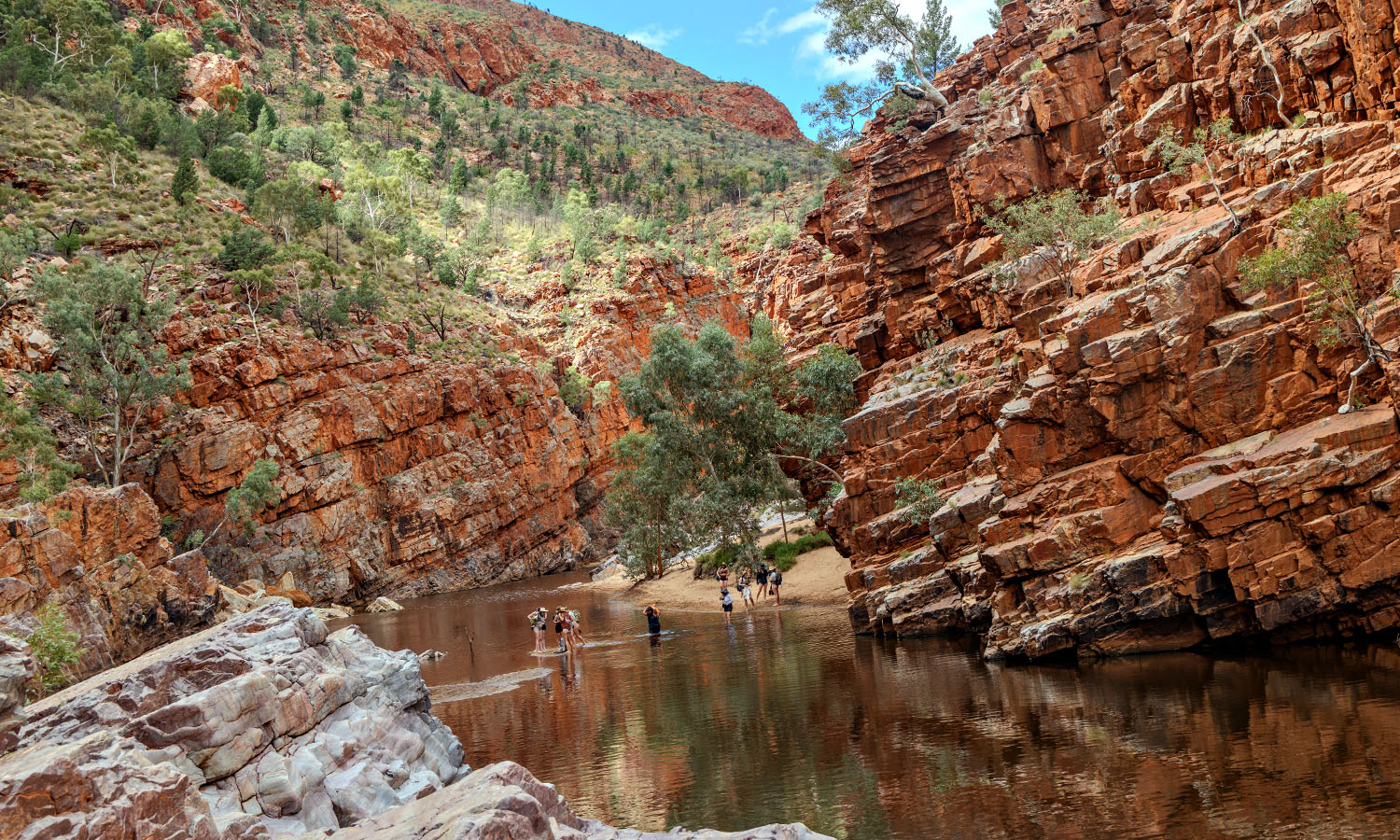
Millions of years ago, the parallel ridges of the West MacDonnell Ranges were as tall as the Himalayas, but erosion has softened them into their current breathtaking form. They carry many stories, which Benji shares without hesitation. One of our guides, who lives in Alice Springs, tells us how young Aboriginal adults often seem glued to their phones. But out here, in the bush, they instinctively put their devices away. “Our ancestors are welcoming us,” they say.
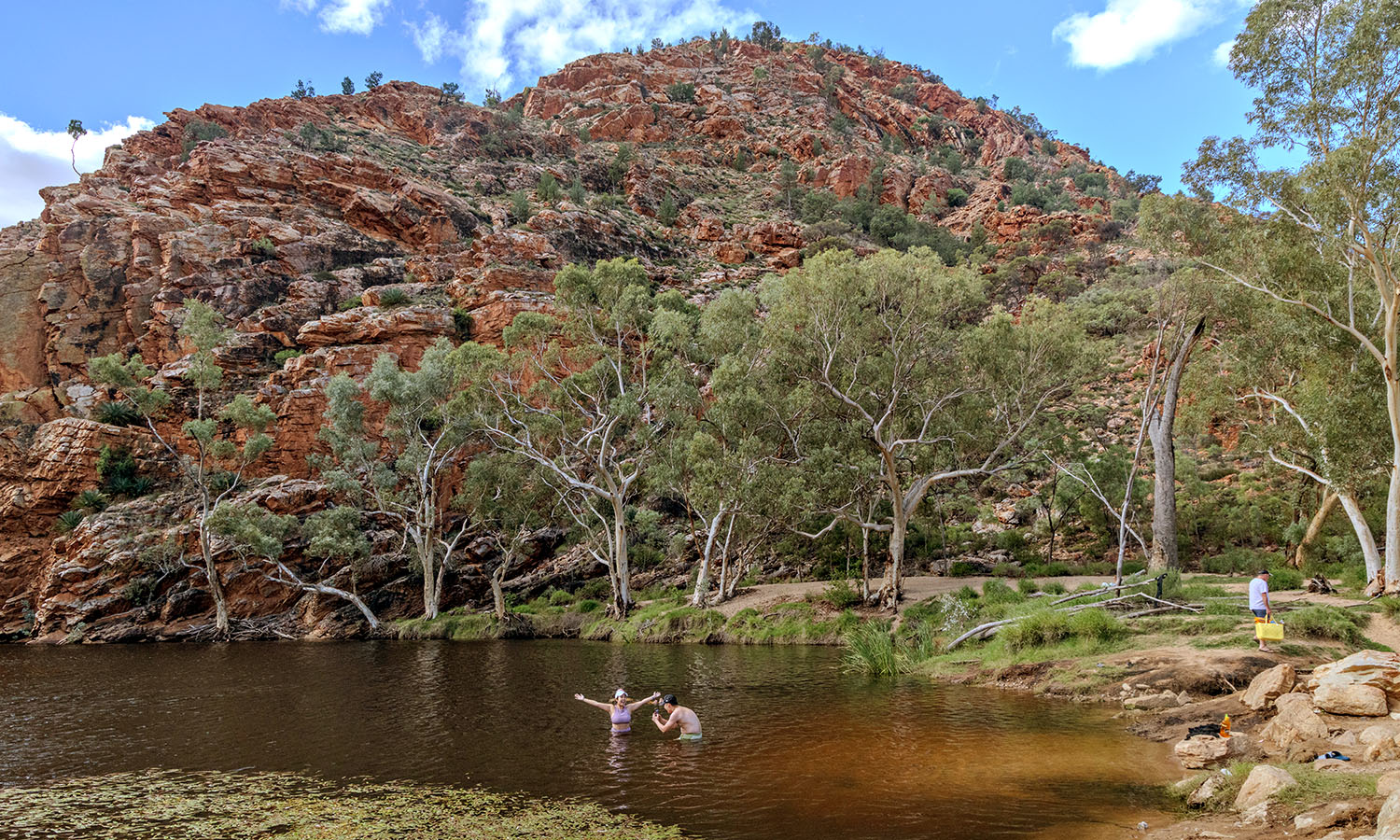
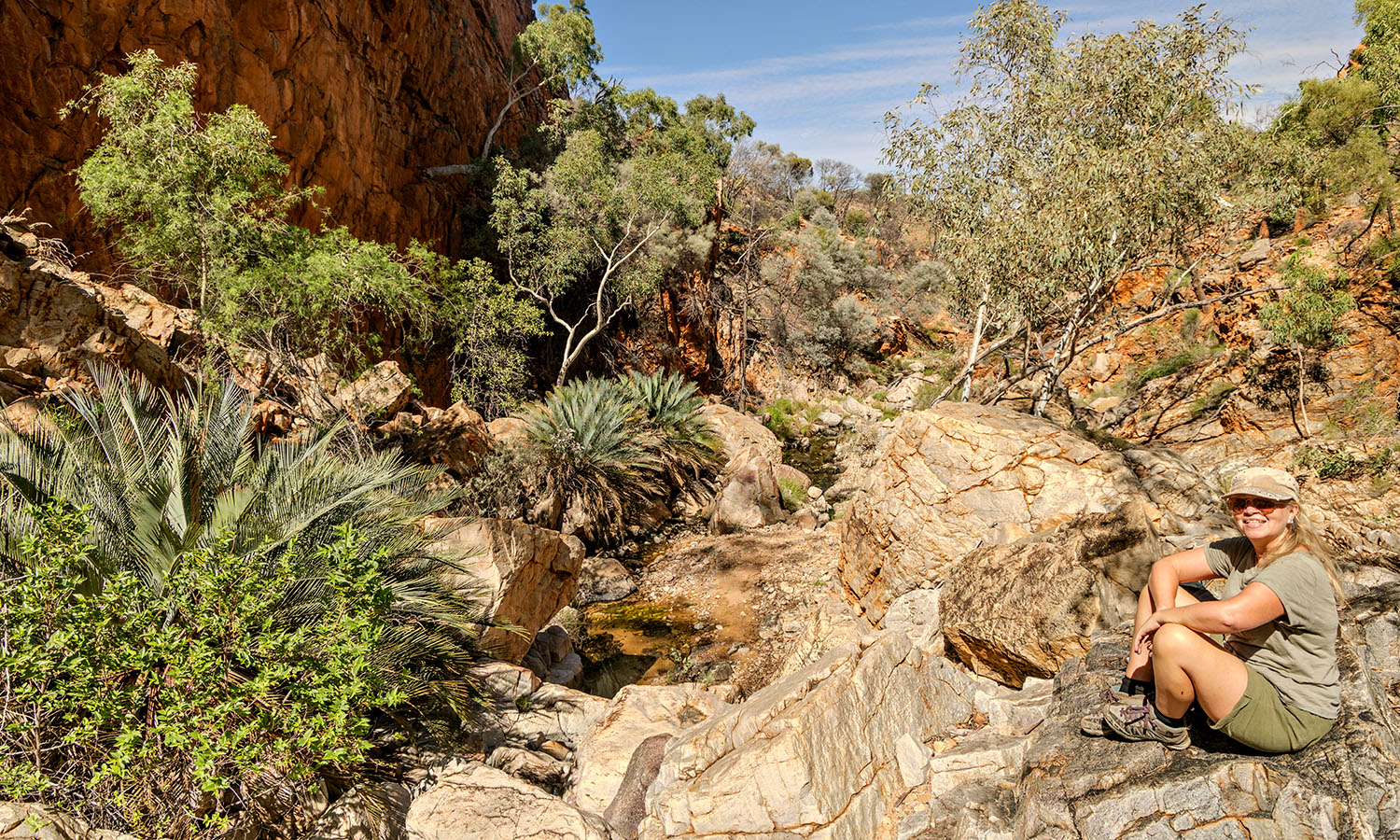
In the gaps between the ranges, natural water holes have formed – our swimming pools at the end of long, dusty hikes. Each one is filled with still, icy water. Their very existence in such a rugged, arid landscape feels almost miraculous. Ghost gums cling to the red rock walls, growing at right angles, defying logic. Cue the bunyips.
Just over the border in South Australia lie the Flinders Ranges – once part of the vast inland sea that covered this part of the continent around 120 million years ago. Over time, tectonic plates collided to form the dramatic mountain ranges, waterholes, and gorges that shape the landscape today. My father, whom I lost last year, loved the Flinders. He took us there often on family holidays, returning again and again to a place that clearly meant something to him.
Was this the connection Benji was talking about? That sense of belonging to a country, even if you weren’t born to it, even if you were just passing through. My dad would have loved the West MacDonnell Ranges, too. As I walked, my thoughts kept drifting to him – sometimes quietly, sometimes all at once, like a wave. Stubbornly uninterested in any overseas trips I made, he would have been wrapt that I had made the time to come out here.
While my Bunnings straw hat and fly net were no substitute for his well-worn Akubra, I felt that I could finally appreciate this harsh brown land as much as he undoubtedly did. This first walk of the season followed an unusual bout of rain, and life sprouted from the dry, red dirt, covering the ground in lush green grass. Waterholes are replenished.
Tiny flowers cover the basin of Ormiston Pound, the week’s most pleasant hike. Part of the 8.5-kilometre loop is walked in silence, allowing us to fully absorb the solitude of this sacred place, which can only be reached on foot.
During the warm afternoons when our legs start to ache and blisters bloom, our thoughts turn to the luxuries of our camp: hot showers, baked goods, chilled glasses of wine and home-cooked meals waiting to restore us each evening.
As the final kilometres stretch behind us and we draw closer to the hum of everyday life, I carry more than just sore legs and red dust in my boots. I carry a deeper understanding of this ancient land, of the people who have cared for it for millennia. I came here expecting a hike. I didn’t expect to find my father out here. But in the silence, in the stone and water and sky, he was never far away. And perhaps that’s what the Larapinta Trail offers – and Benji reiterated – not just a walk through breathtaking country, but a space to lay things down, pick others up, and keep moving forward.
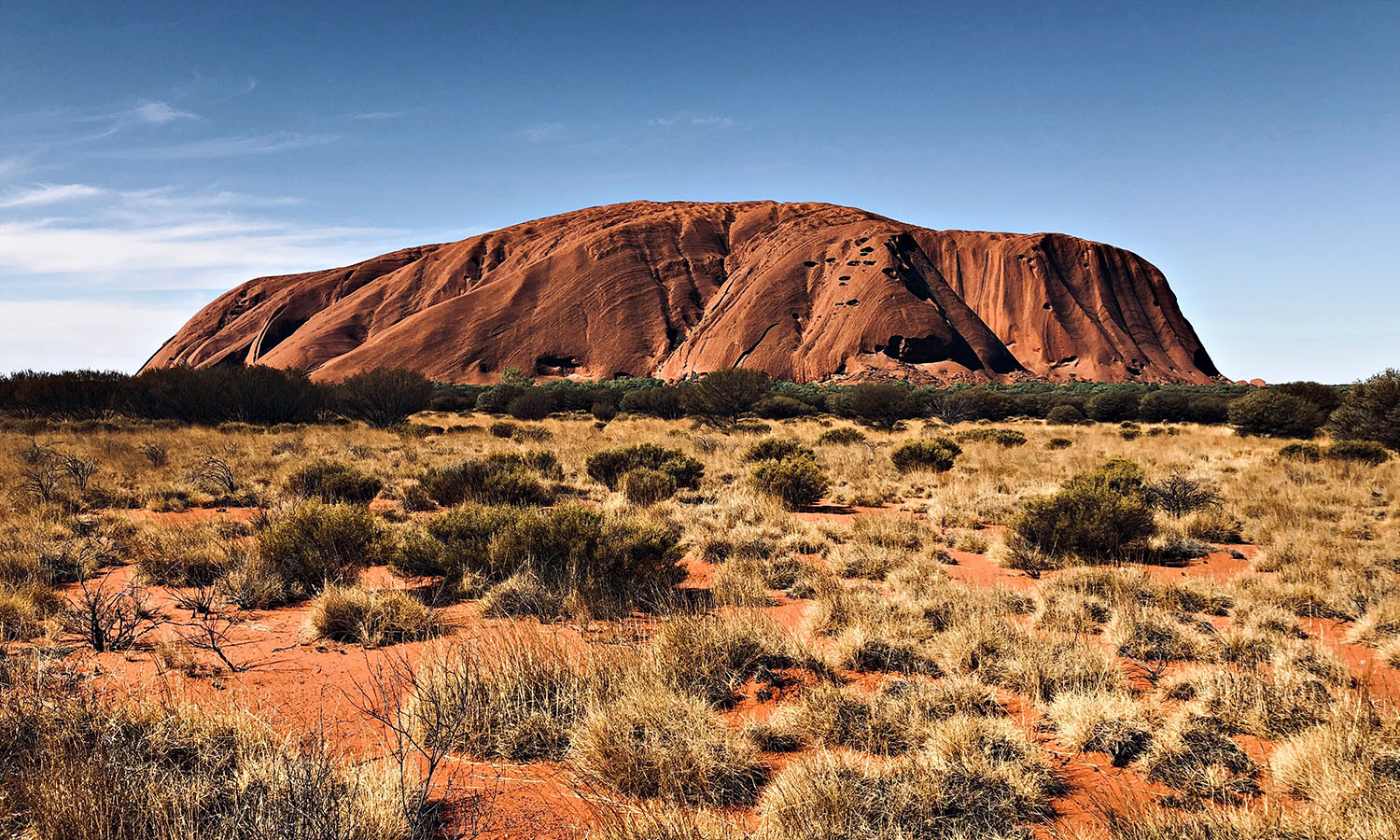
In 2026, Tasmanian Walking Company will launch a groundbreaking new trek between Uluru and Kata Tjuta, offering visitors the rare opportunity to stay overnight within the World Heritage-listed national park for the first time.
Staycation. It’s a word that usually makes me cringe, mostly because it’s about as exciting as binge-watching reruns of Dr Who with your agoraphobic cousin. After all, travel is about exploring new ‘hoods, finding new bars, meeting new people. But here I am, deliberately stranded in my own backyard of Melbourne, attempting the unthinkable: reframing my brain to look at this city like a tourist.
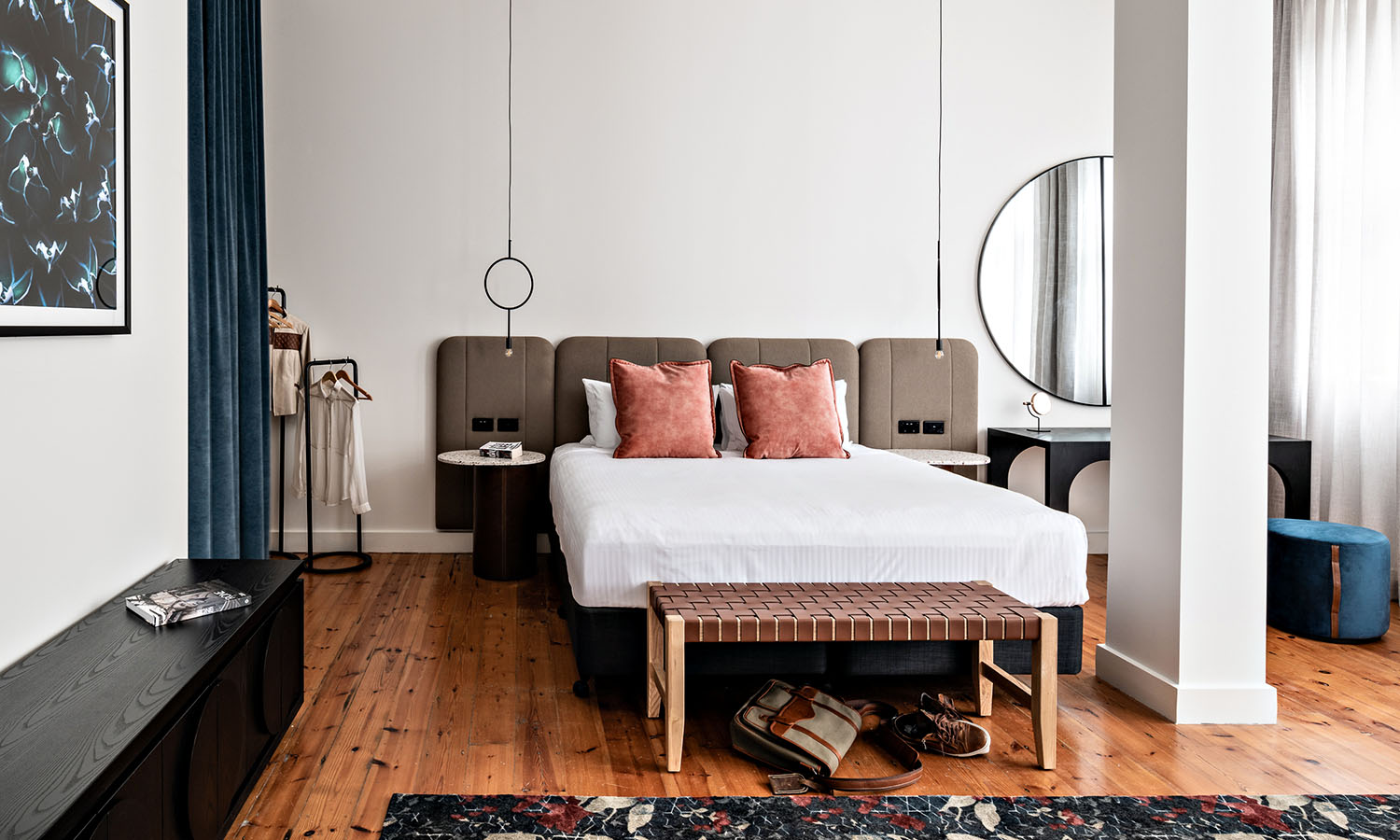
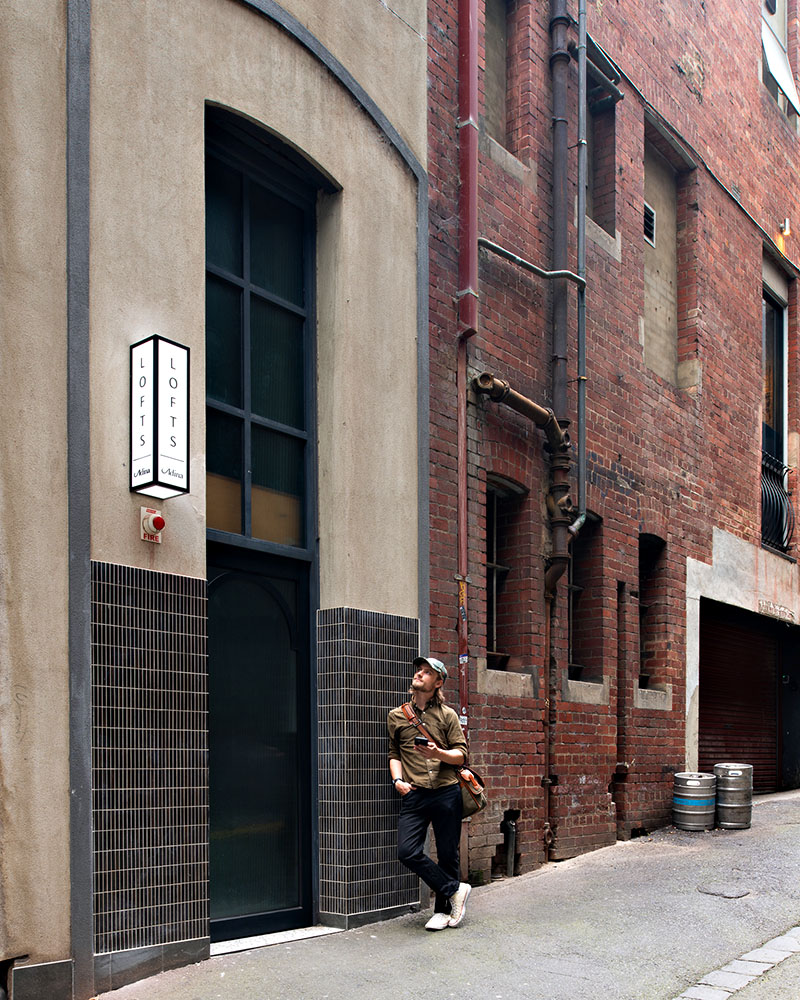
Step one, get out of the damn house. I check myself into the Adina Apartment Hotel on Flinders, specifically one of their loft apartments nestled in Malthouse Lane. If Melbourne had an illicit love child with New York City, this loft would be it. Exposed brick walls, industrial chic fittings, soaring ceilings, and mood lighting that practically demands I pour myself something strong. It feels like I’ve stumbled into a secret, grungy-chic Brooklyn hideaway. Only, thankfully, without Brooklyn’s enormous rats.
After making myself unreasonably comfortable (read: sprawled like Andy Warhol in Studio 54), I head out into the streets as dusk settles. It’s time to actually see my hometown properly. Not as the jaded local who complains about trams and footy crowds, but as the guy who flew halfway across the world to see something cool.
First stop: RISING. Melbourne’s ambitious, slightly chaotic winter festival of art, music, and sensory overload. Think Burning Man meets MoMA but with significantly more coats and scarves. Wandering installations, neon-soaked laneways, and avant-garde performances quickly turn the city I thought I knew into a psychedelic dreamscape. I’m part tourist, part Alice in Wonderland, completely blown away. The streets literally pulse with creativity.
Art absorbed, it’s time to let my stomach do the navigating. I find myself tucked into Pastuso, a hip Peruvian spot hidden away in AC/DC Lane (shaking me all night long), where the smell of ceviche is as intoxicating as the pisco sours they sling. It’s a bustling den of South American exuberance smack in the middle of Melbourne’s now famous graffiti-tagged laneways. Eating here feels like an illicit culinary tryst, clandestine yet thrillingly public. Every bite of kingfish ceviche and grilled wagyu rump skewer is a reminder that this city’s palate is wilder than any Uber Eats menu could dream.
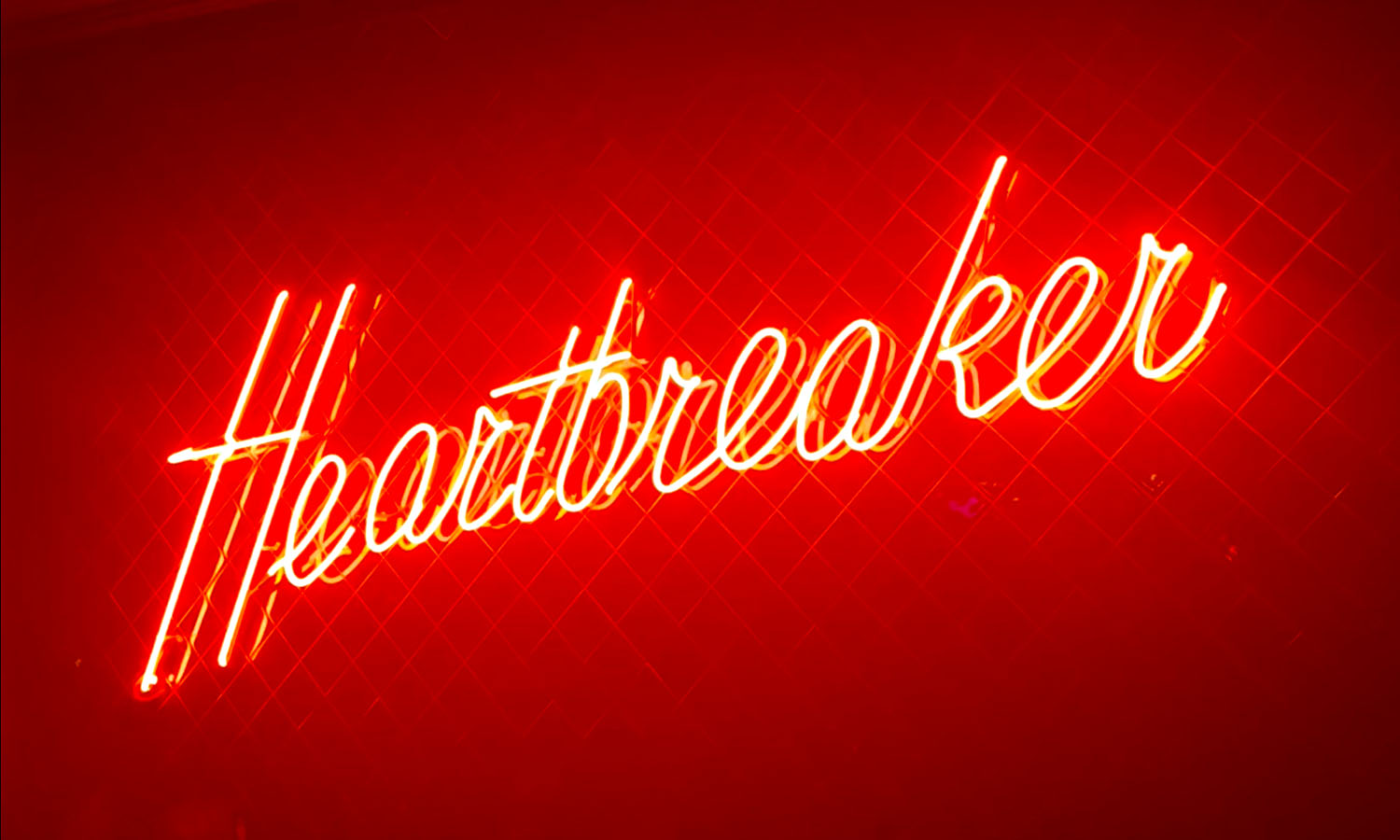
Post-feast, my internal compass guides me toward Russell Street’s Heartbreaker. This bar is Melbourne’s unapologetic answer to dive-bar perfection: dim lights, loud music, strong drinks, and zero pretension. It’s the kind of joint Anthony Bourdain would have felt at home in, downing whiskey while ranting poetically about the virtues of Led Zeppelin. As Robert Plant belts out from the jukebox, I nurse a hazy IPA potent enough to make tomorrow morning’s regrets almost certain. I trade stories with bartenders, drinkers, and a few characters who might just have stepped straight out of a Tom Waits lyric. For an hour or so I could be in the West Village of Manhattan.
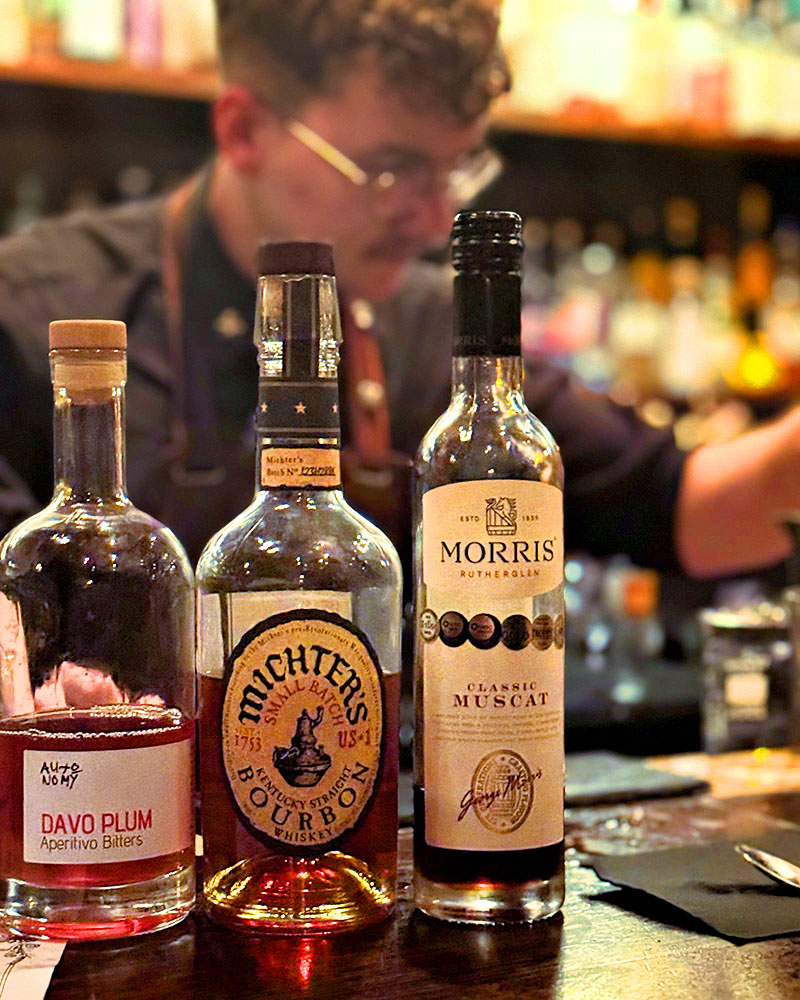
Feeling a mix of adventure and sophistication I stumble into Eau De Vie, a cocktail bar hidden like a speakeasy behind an unassuming façade and thankfully just a stone’s throw from my “NYC” loft. The bartender, a wizard in a waistcoat, shakes up a Blood and Sand cocktail, blending whisky, sweet vermouth, cherry brandy, and orange juice with the flair of a magician performing his best trick. It’s the nightcap I didn’t know I needed, sophisticated enough to make even my boozy exploits feel classy.
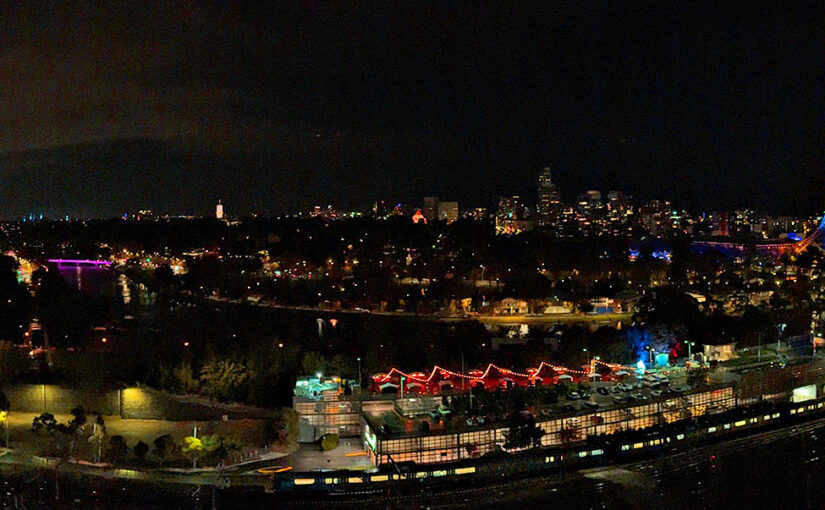
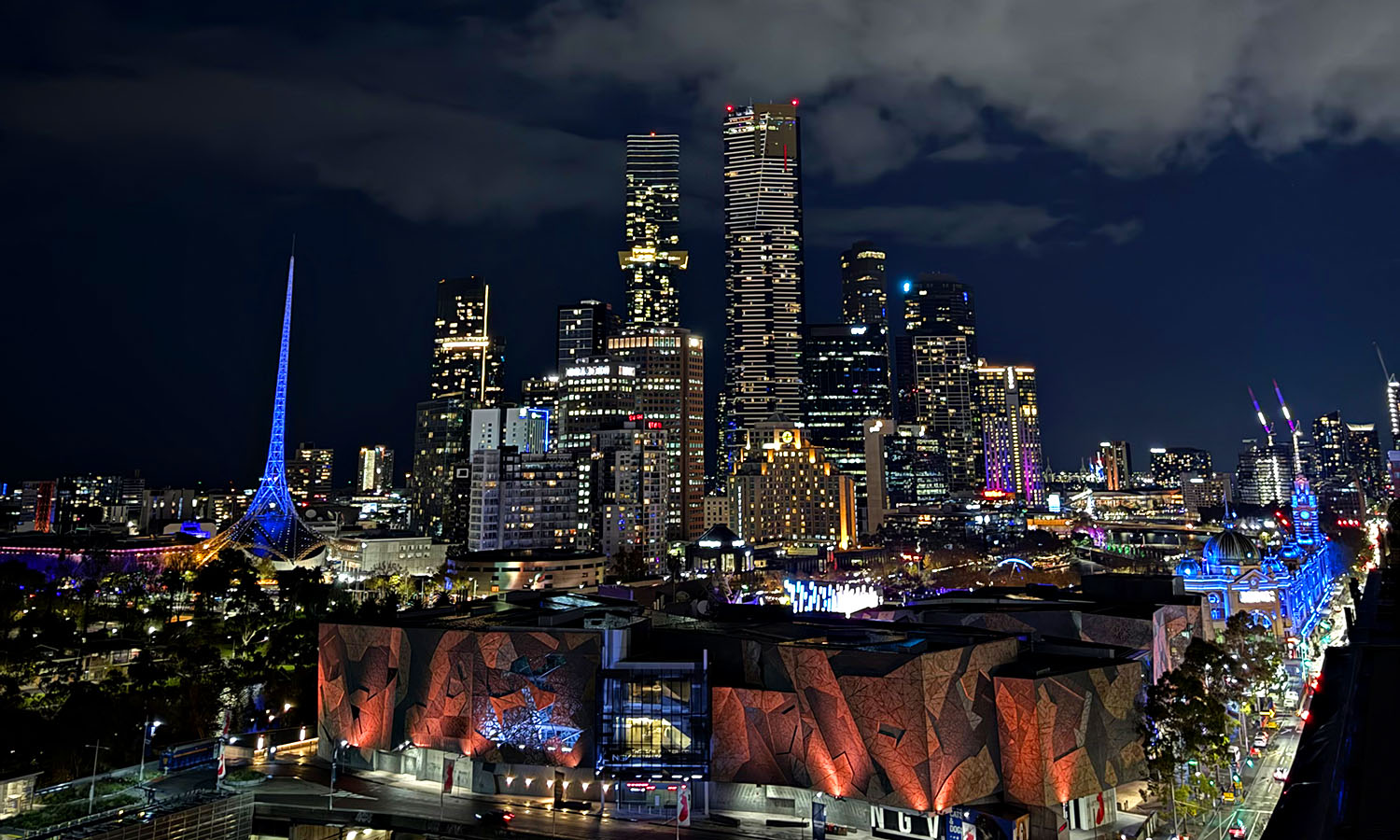
Hours later, climbing the stairs back to my loft feels like summiting Everest. Inside, Melbourne’s skyline flickers through oversized windows, a private show of glittering lights and endless possibilities. Reclining on the oversized couch, booze still buzzing through my veins, I reflect: being a tourist in this town called Melbourne is pretty bloody good.
As I drift into a hazy, contented slumber, I realize Melbourne has tricked me. It’s flipped my perceptions upside down. The place I’ve casually called home suddenly feels raw, adventurous, even a bit reckless. Who knew a staycation, once the dullest concept ever invented, could make a city you thought you knew feel gloriously unknown again?
Turns out, sometimes all it takes is a reframed brain and maybe one too many hazy IPAs to rediscover the place you never realized you loved.
Out here, the one-finger wave says more than a thousand words.
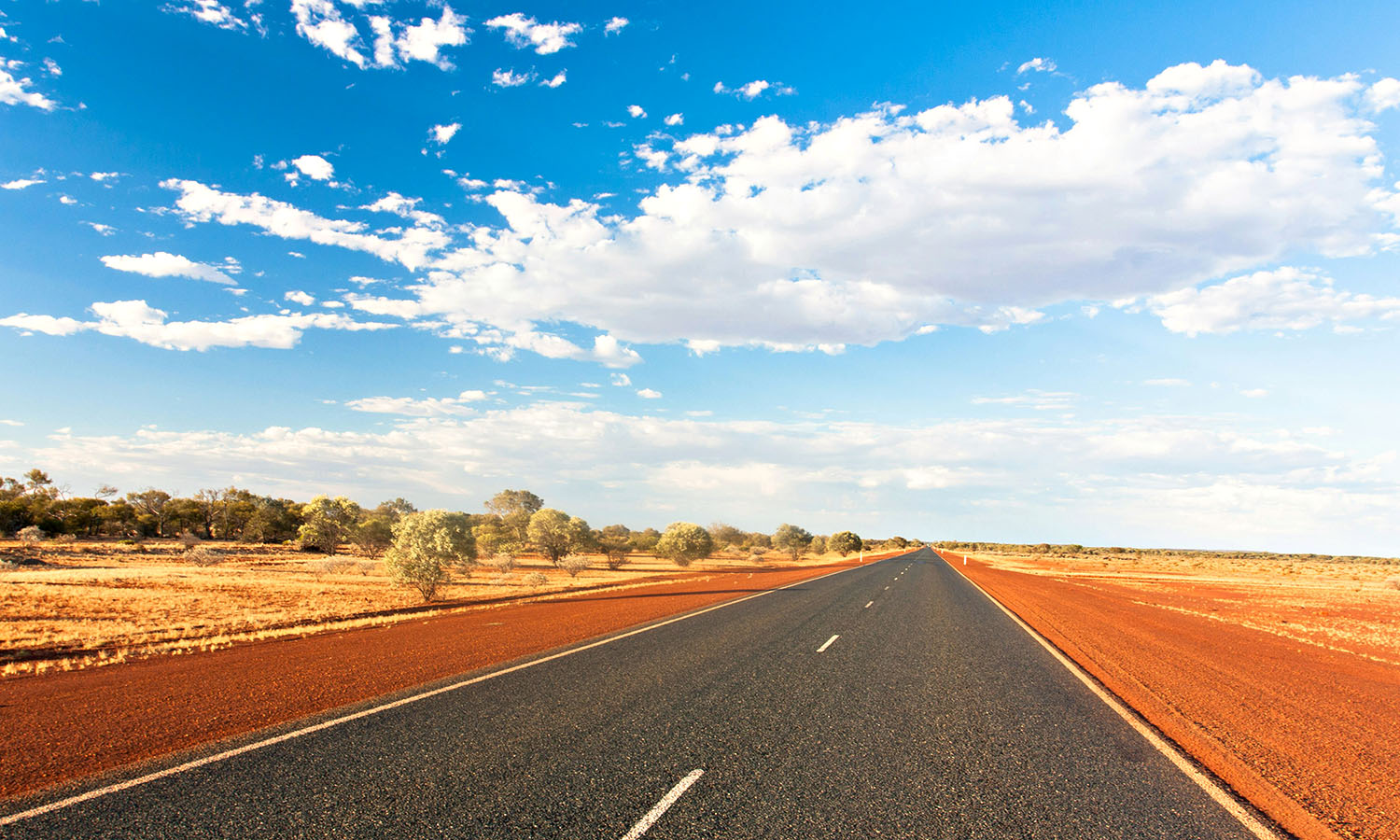
You know the one; hand stays on the wheel, index finger flicks up in a kind of lazy salute as you pass another car on the road.
It’s not much, but in Outback Queensland, it’s the equivalent of a heartfelt hug and a “G’day, mate.” After a few days out here, you find yourself doing it instinctively.
I’d set off on a road trip through Queensland’s Dinosaur Trail thinking I was going to be all about the fossils, the bones, and the big prehistoric creatures I never even knew existed. Turns out, it was the tiny towns along the way that really made me feel like I’d driven straight into a warm, dusty postcard – one that might be a little frayed around the edges, mostly forgotten at the bottom of a drawer, but with a picture still as bright and eye-catching as ever.
My first stop was Richmond. A place that’s small enough to blink and miss but big enough to hold a 100-million-year-old secret. You roll into town and immediately get that feeling like everyone knows you’re not from around here, but not in a suspicious way. More in a mildly curious and endearing, “Where do you come from,” way.
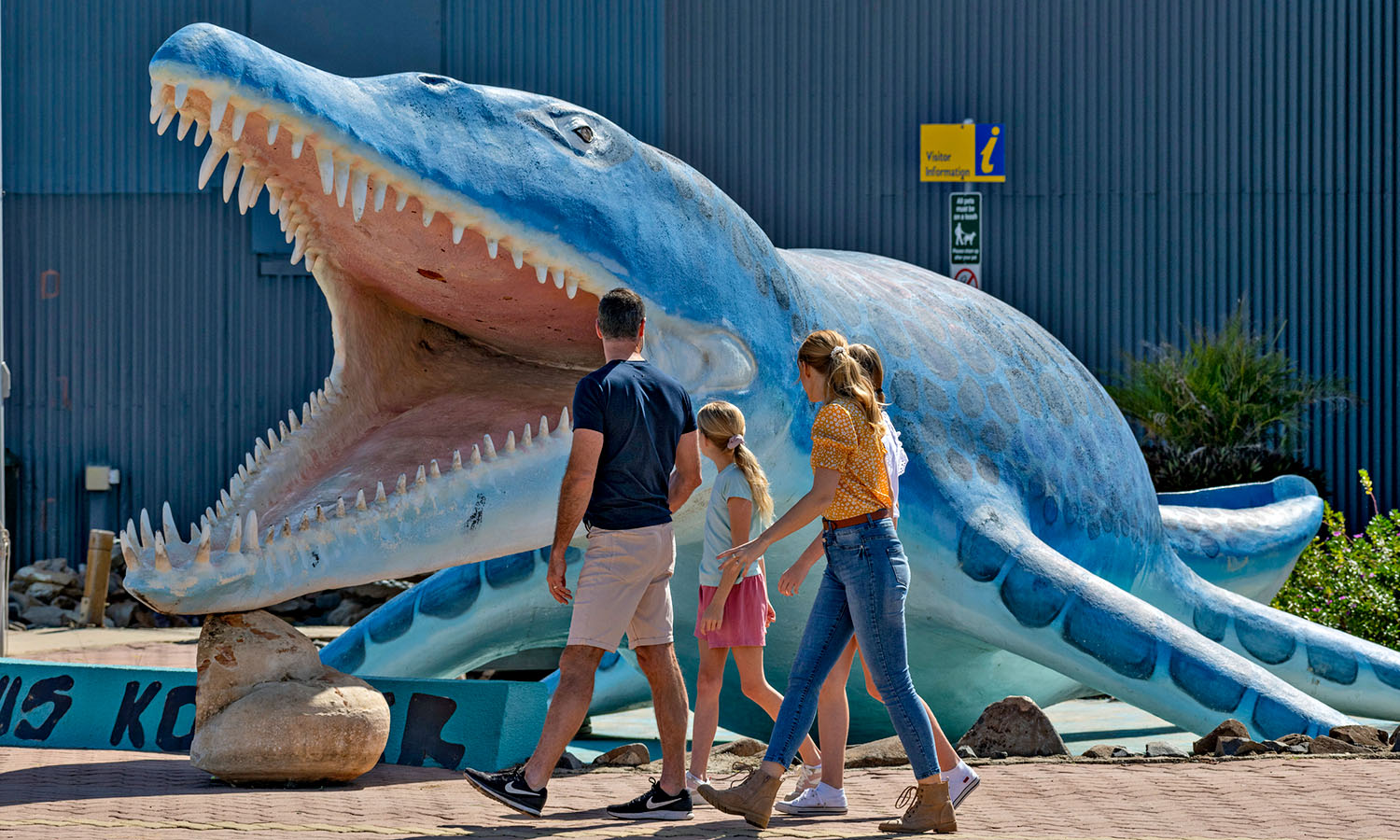
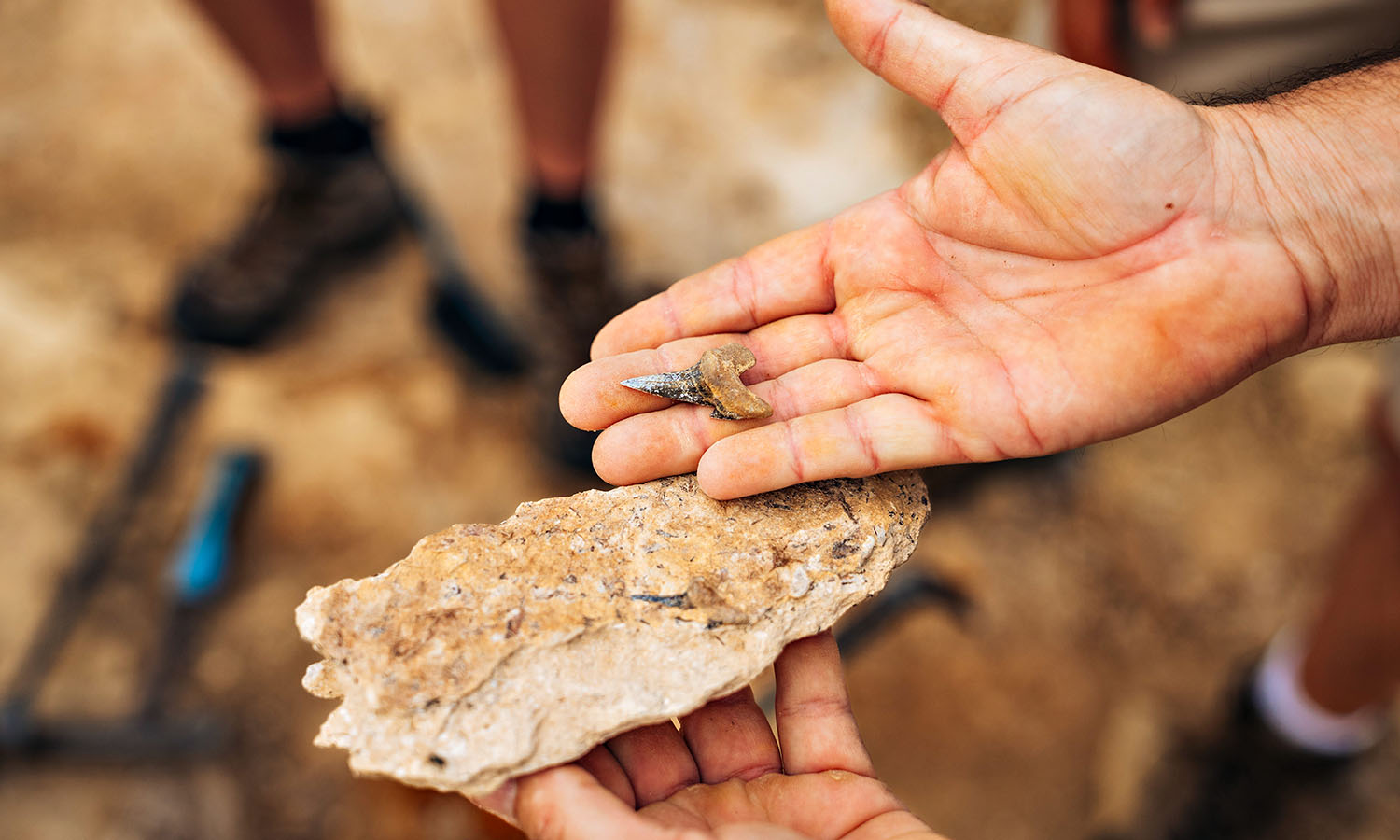
Kronosaurus Korner is the local Dino haunt, and I went in to learn all about the ancient sea monsters. What I left with was a brain full of mind-bending facts and a new appreciation for just how weird and wonderful Outback history really is.
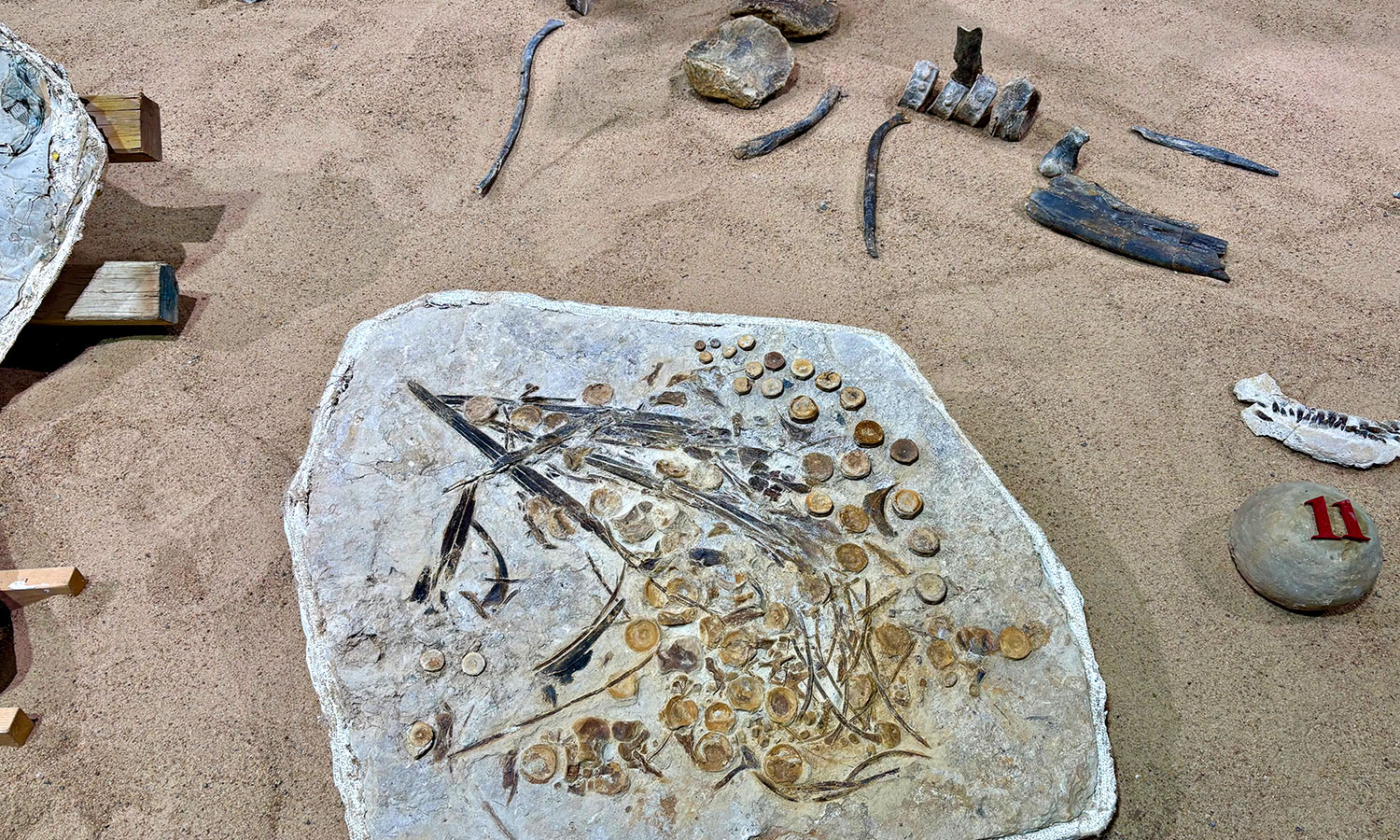
This place is where Richmond casually flexes its prehistoric muscles, showcasing 100-million-year-old marine fossils dug up right from the surrounding paddocks. You can even do a ‘dig at dawn’ experience that allows you to get your hands dirty, digging for fish scales, shells and coprolite (dino poop).
From there, I followed the dusty ribbon of highway to Hughenden, where there are roughly three shops, 27 dinosaurs (replica ones, but still), and the kind of country hospitality that makes you feel like you’ve accidentally joined someone’s family reunion.
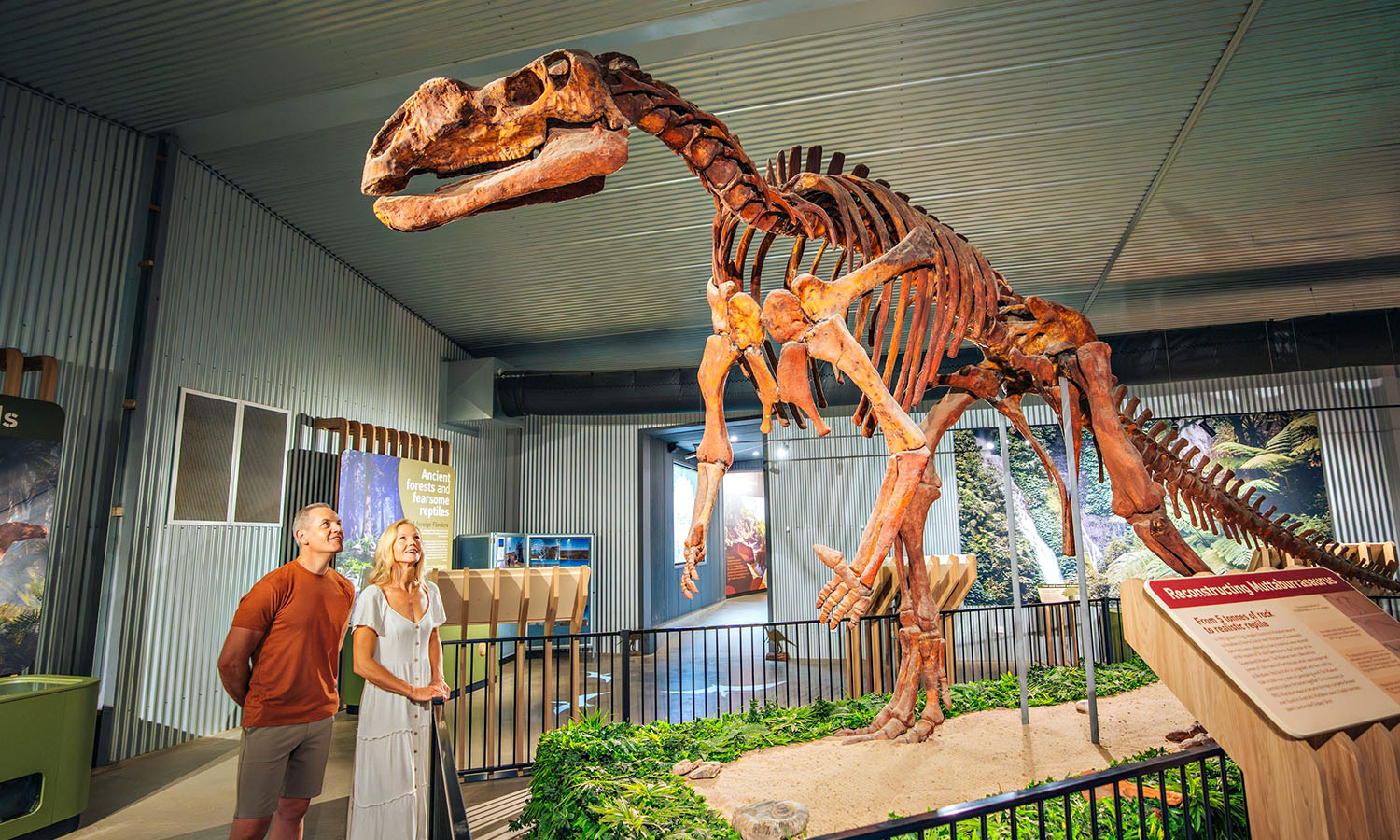
The Flinders Discovery Centre is where it’s all happening; it has a life-sized Muttaburrasaurus and an entire exhibit explaining how this part of the country was once an ancient inland sea. Standing there, looking at a fossilised fish that once swam above the very dirt I was now walking on, my brain did a kind of slow backflip.
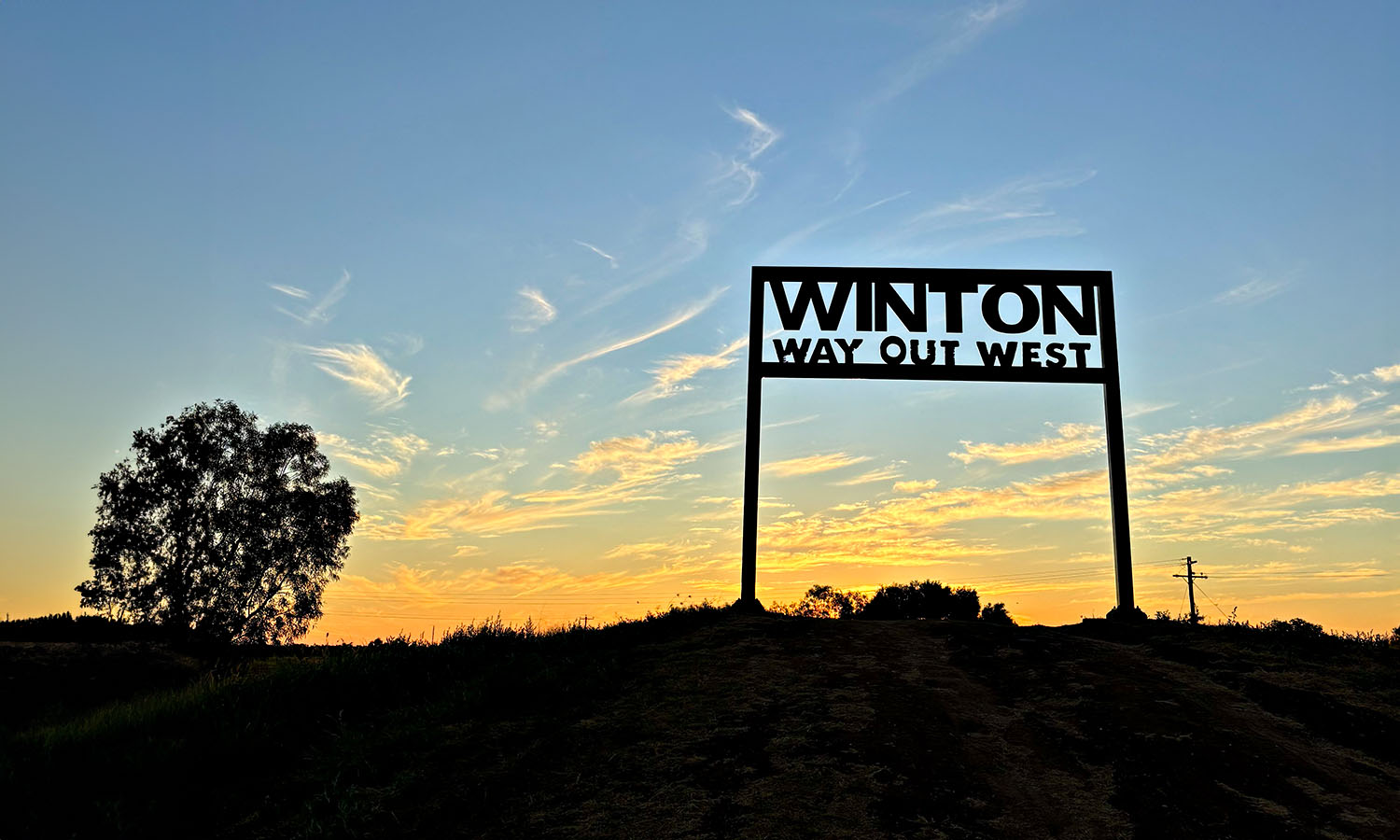
But nothing – and I mean nothing – prepared me for Winton.
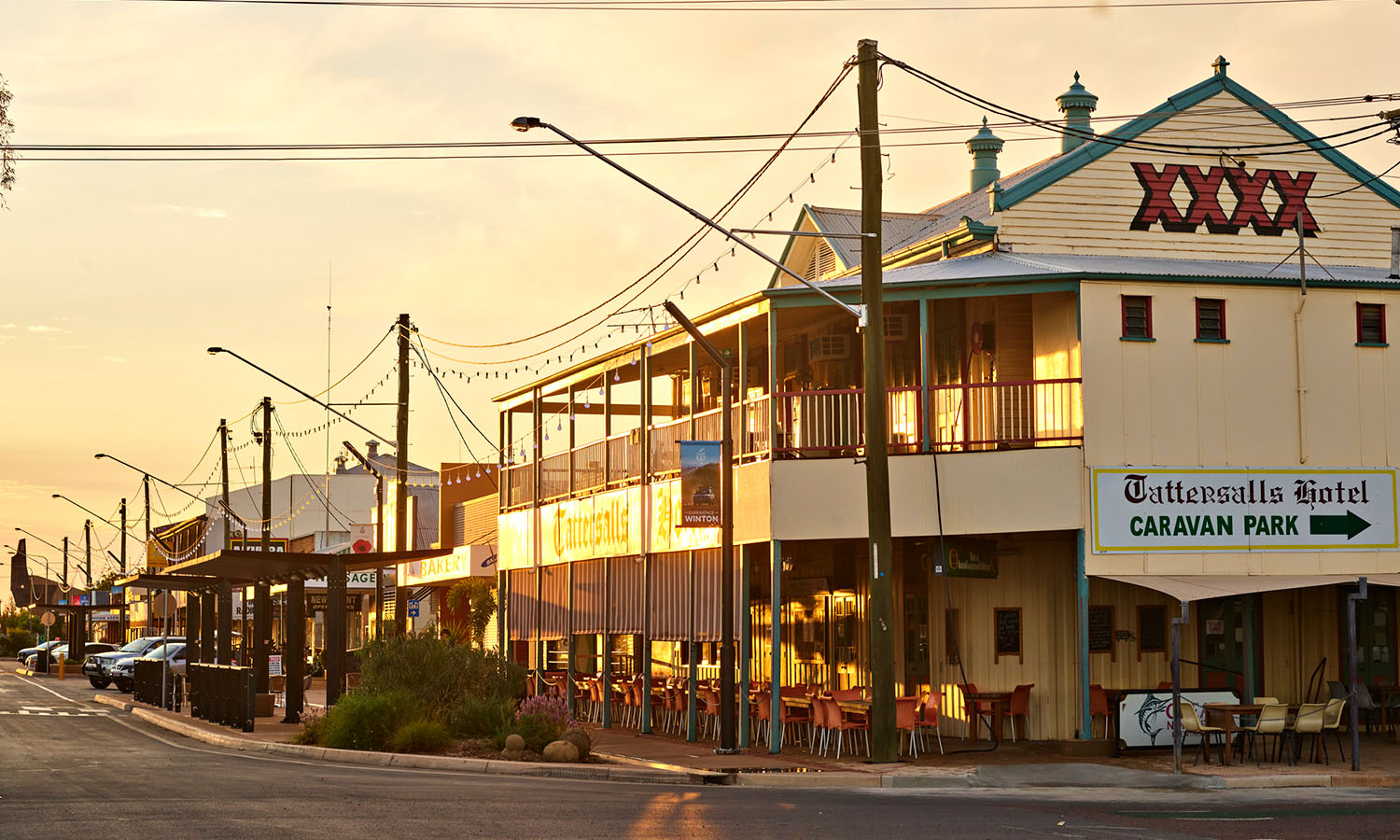
If Richmond and Hughenden are the entrée and main, Winton is dessert. It’s a proper outback hub, buzzing with caravanners, grey nomads, families with dust-covered kids, and that one guy in a kitted-out 4WD who definitely doesn’t know how to use any of the gear strapped to his roof. Winton is the kind of town where you can check into a motel, lose track of time, and end up staying three extra days without meaning to, especially when there’s Banjo Patterson poetry being performed at the local pub.
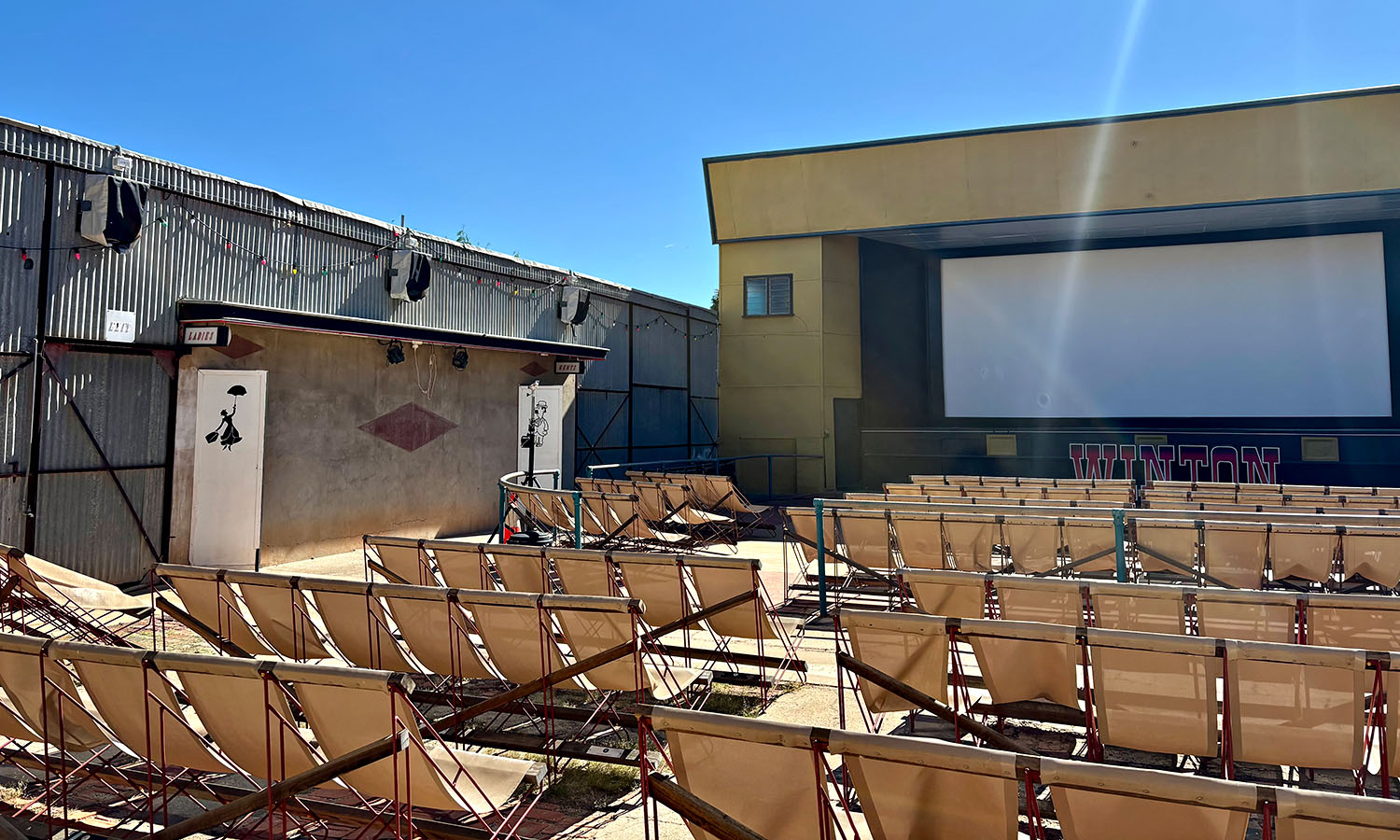
Let’s start with the Royal Open Air Cinema. It’s the oldest open-air cinema in the world, which means it’s got more stories than your nan and twice the charm. Sitting under the stars with a choc top in hand, watching a western while galahs heckle from the rafters – it’s like Netflix got tired of the same ol’ shit and moved to the bush.
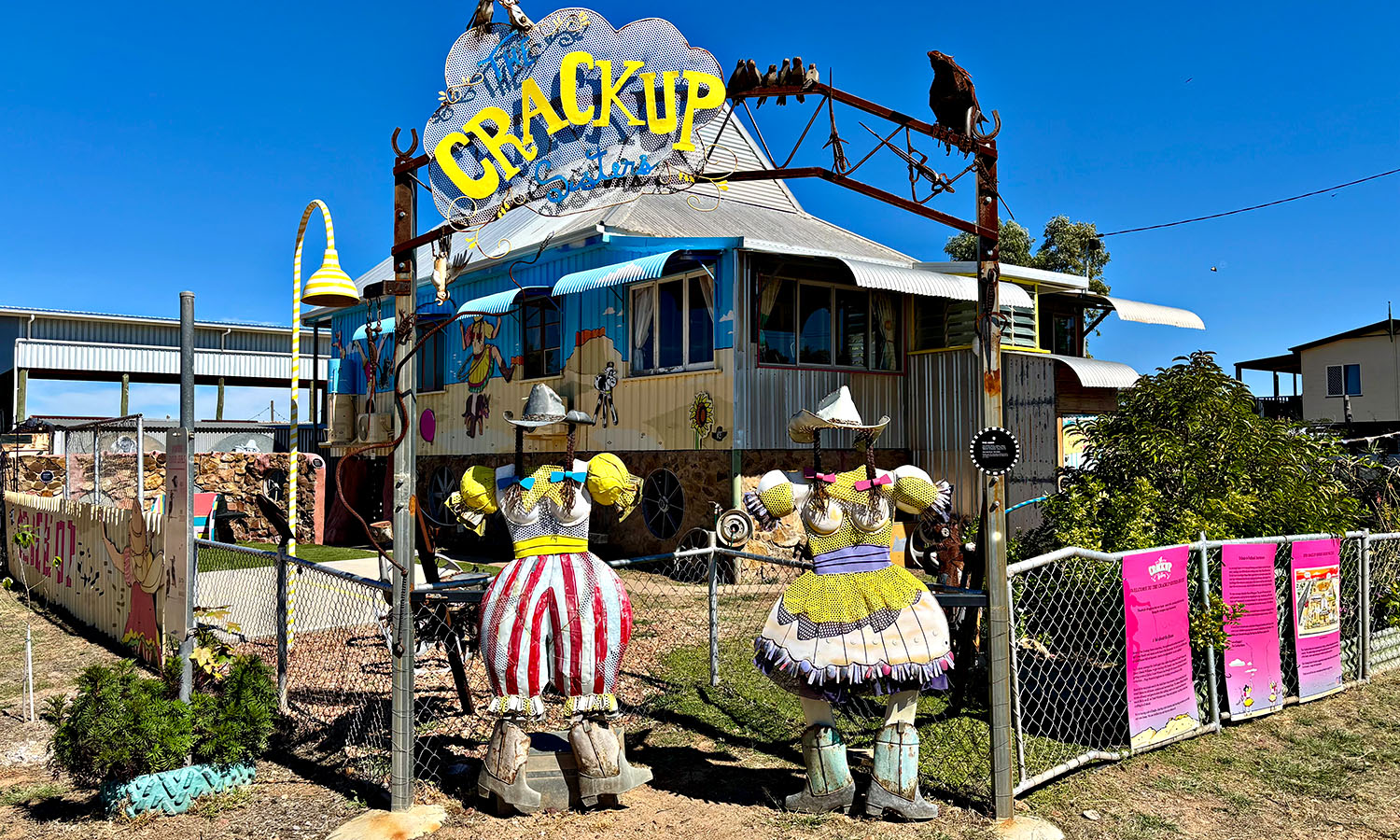
Then there’s the Crack Up Sisters museum, which is as bonkers as it sounds. It’s slapstick comedy, whip-cracking spectacle and living shrine to all things larrikin rolled up into one collection of crazy. It’s filled with memorabilia and oddities and will absolutely rope you into participating in something ridiculous before you leave (try having a luck shower).
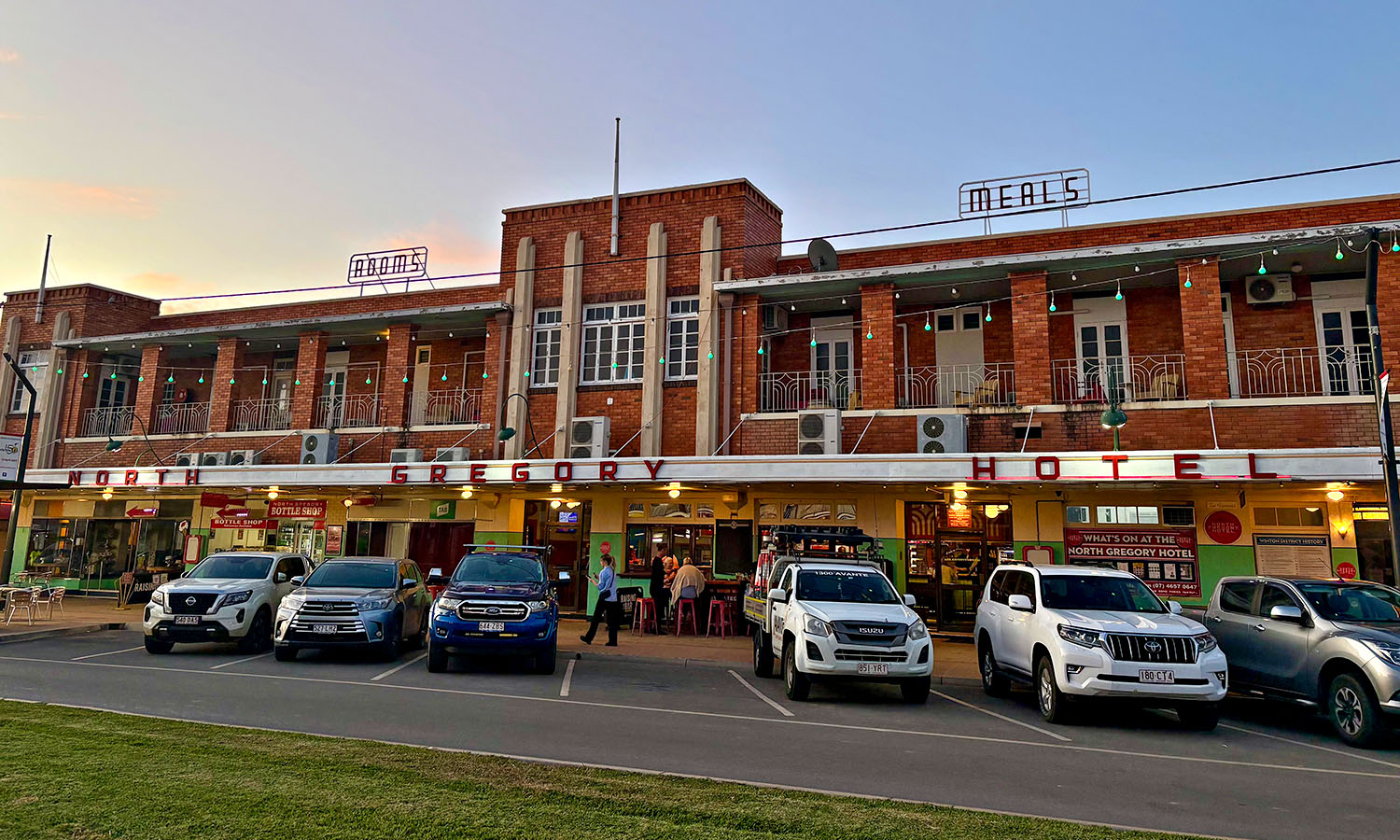
For dinner, I made my pilgrimage to the North Gregory Hotel, a pub with a name that sounds like a character from a Ned Kelly novel. The food was exactly what you want after a day of dusty adventuring; hearty, unpretentious, and likely served at the counter by someone who calls everyone “darl.”
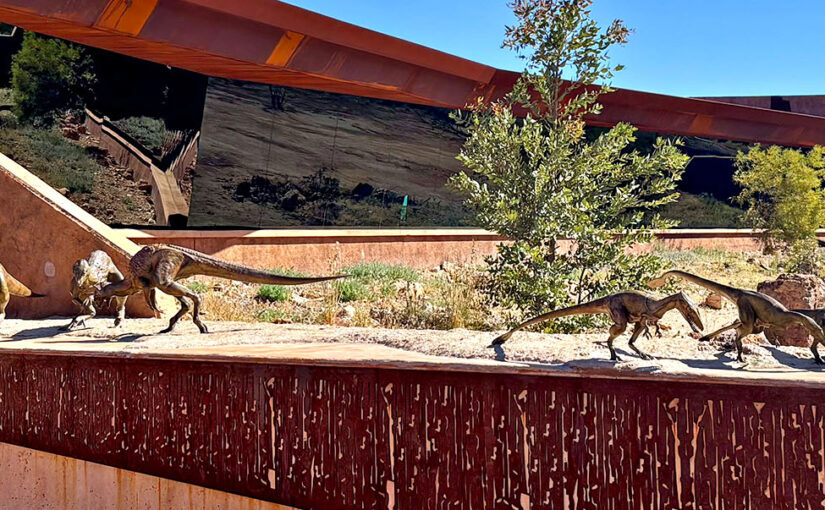
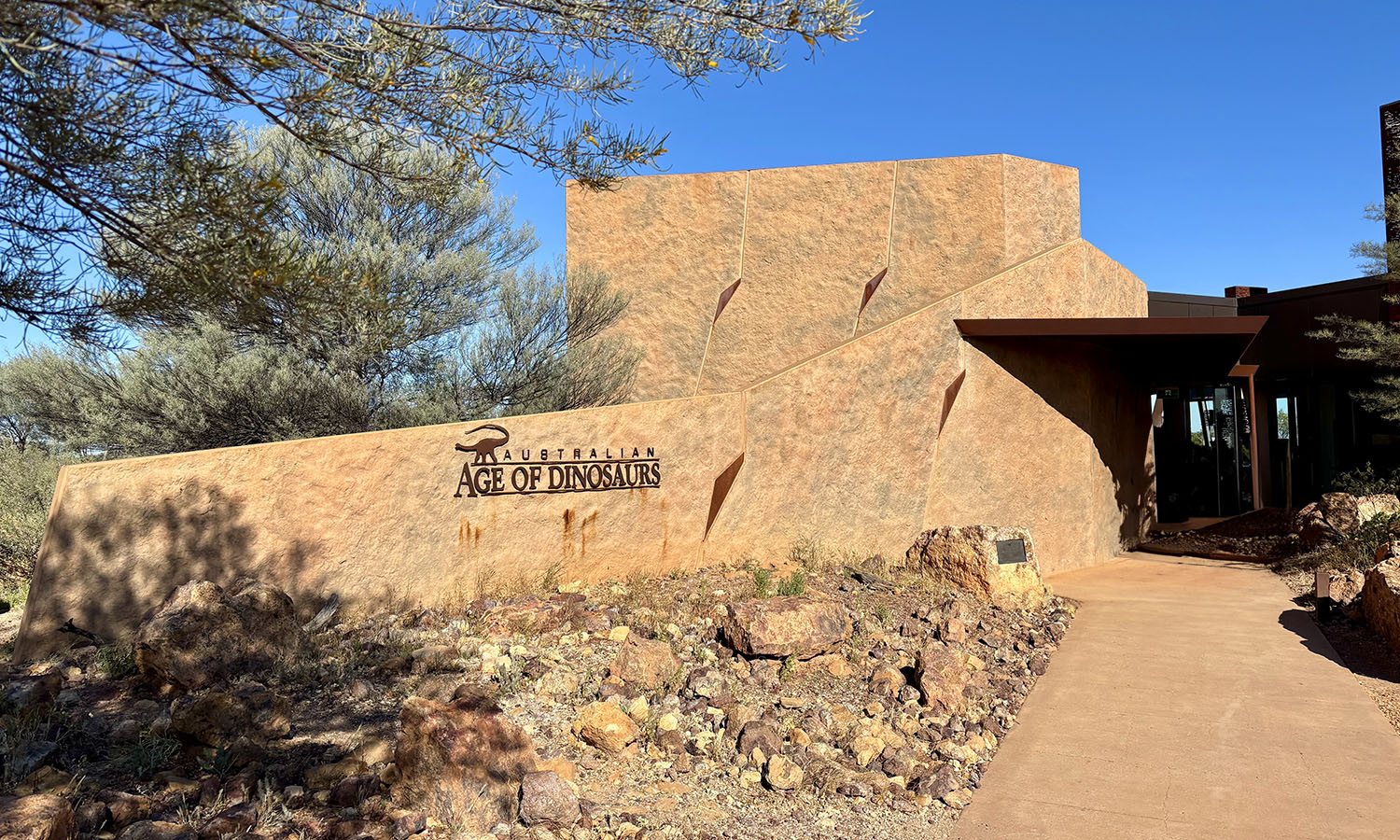
The next day, I drove to the Australian Age of Dinosaurs museum just outside of town. Perched dramatically on a jump up (which is a local word for “big rocky hill thing”), the museum gives serious Jurassic Park meets Mad Max vibes.
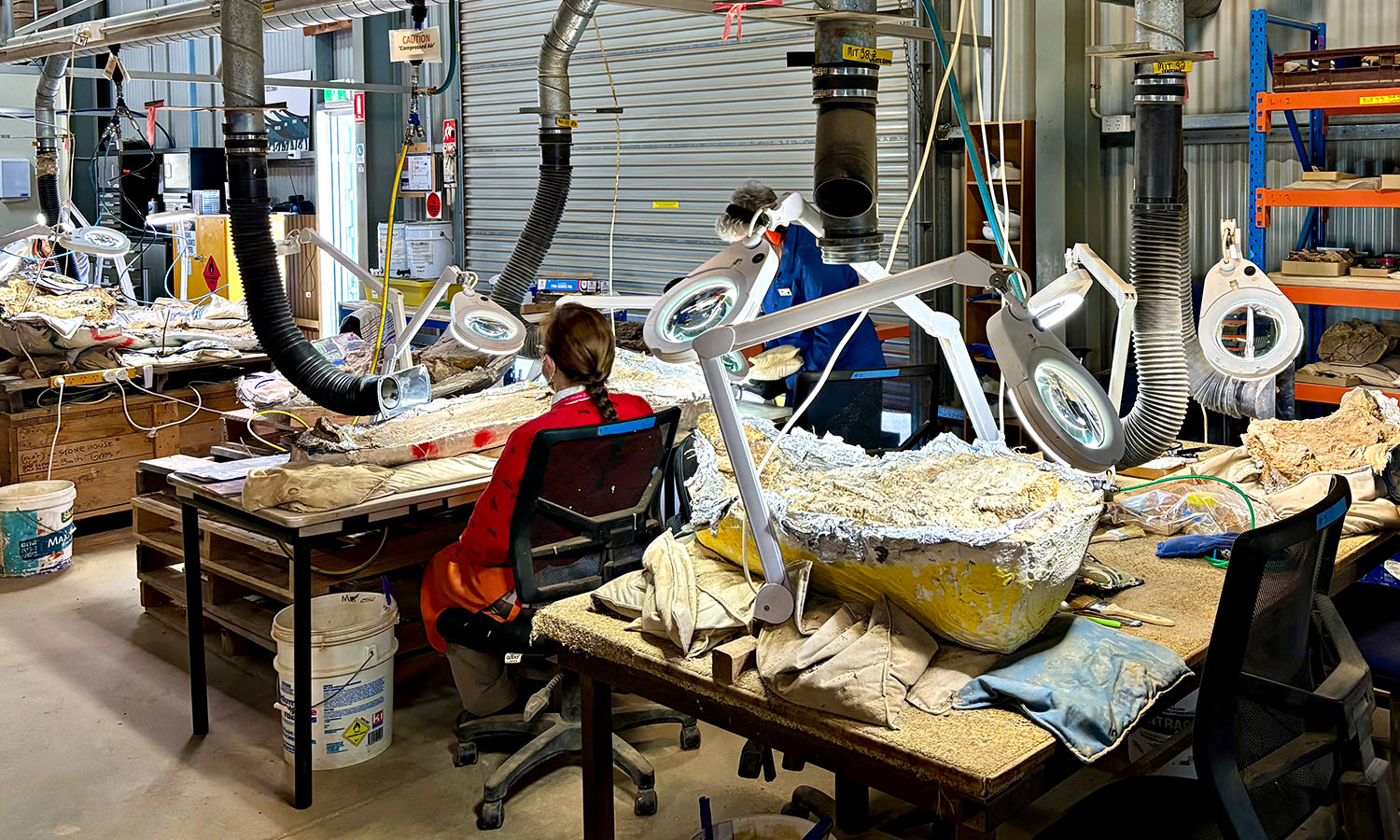
There’s a fossil lab where you can see scientists chipping away at bones and walking trails that make you feel like you’re being quietly watched by something with very sharp teeth and a complicated Latin name.
Learning how these creatures ended up in the middle of Australia, buried under eons of sediment and red dust, genuinely blew my mind. I left with a newfound respect for both palaeontologists and sunscreen.
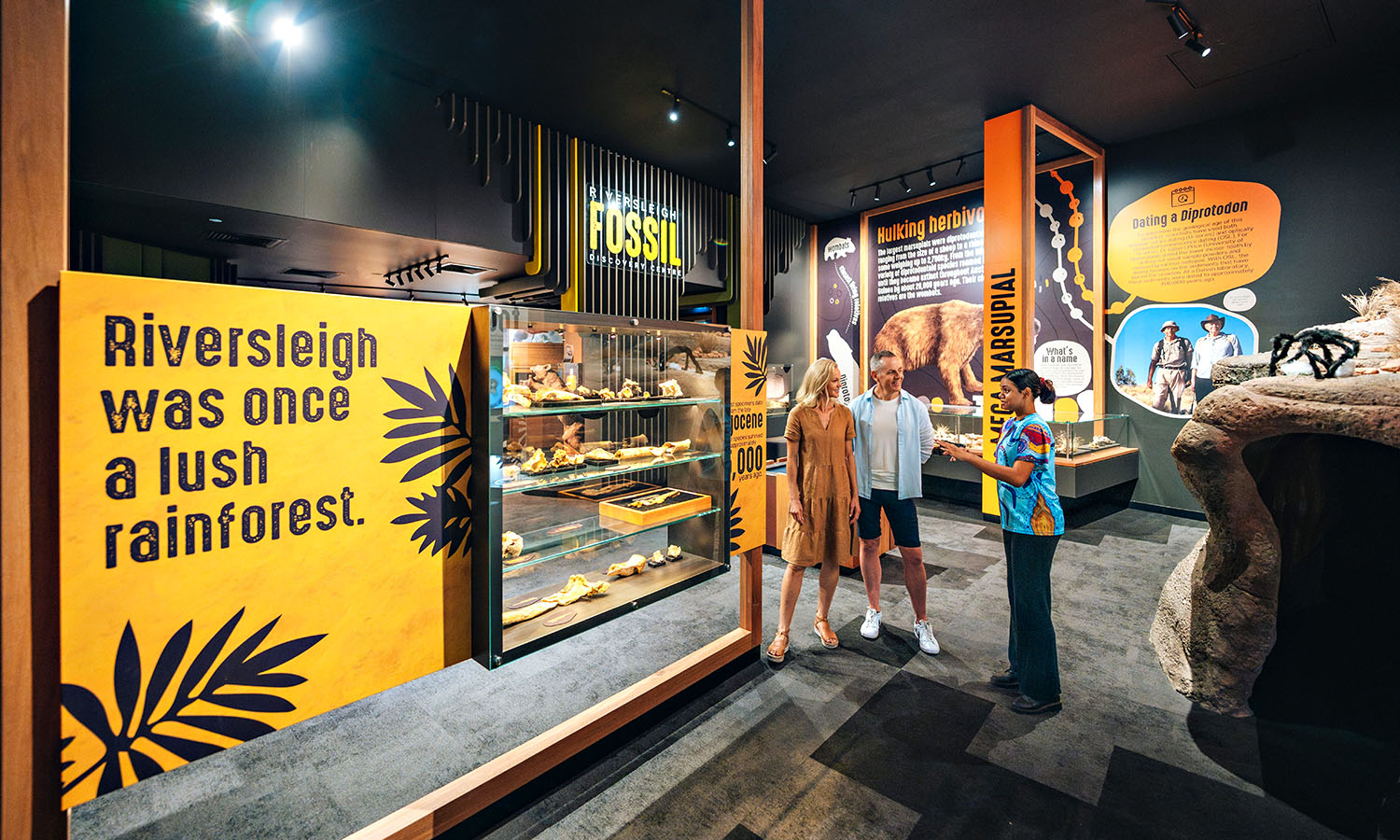
And just when you think you’re all fossil’ed out, Mt Isa throws its hat into the prehistoric ring with the Riversleigh Fossil Centre. While it doesn’t have a focus on dinosaurs, a tour around the museum will see you come face to fluff with Australia’s most ancient (and thankfully) extinct locals.
You’ll discover giant wombats, flesh-eating kangaroos and tree-climbing crocodiles in their brand new interactive exhibition. You can even take a closer look in their lab where tiny bat teeth and small rodent jaws are on display under microscope.
But for all the bones and beasts, what really stuck with me during this journey was the people. Every servo stop came with a yarn. Every cafe had a story. There’s a slowness to outback life that you don’t realise you’ve been craving until you’re sitting in a caravan park somewhere, listening to two local boys hand out raffle prizes as you eat homemade apple pie (with ice cream and custard) while trying not to get eaten alive by gidgee bugs.
The Dinosaur Trail might lure you in with the promise of ancient wonders, and fair enough, because those fossils are bloody impressive, but it’s the towns, the characters, and the glorious in-between that make the journey unforgettable.
Just don’t forget to lift that finger as you drive. You don’t wanna be that person who doesn’t.
 (
(