Africa, you’ve had your moment. Sure, elephants and lions are impressive, but have you ever locked eyes with a humpback whale and questioned your entire life existence in the deep blue abyss? Didn’t think so.
Welcome aboard Majestic Whale Encounters, imagine safari meets Atlantis with a generous side of aquatic chaos. They’ve unleashed their own underwater Big Five, starring Humpback Whales, Spinner Dolphins, Orcas, Manta Rays, and False Killer Whales. Move over, Simba, it’s officially time for whales gone wild.
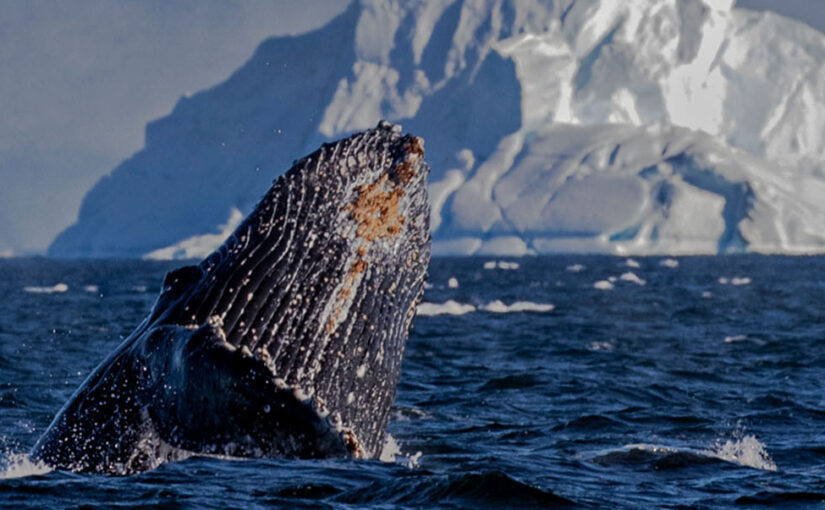
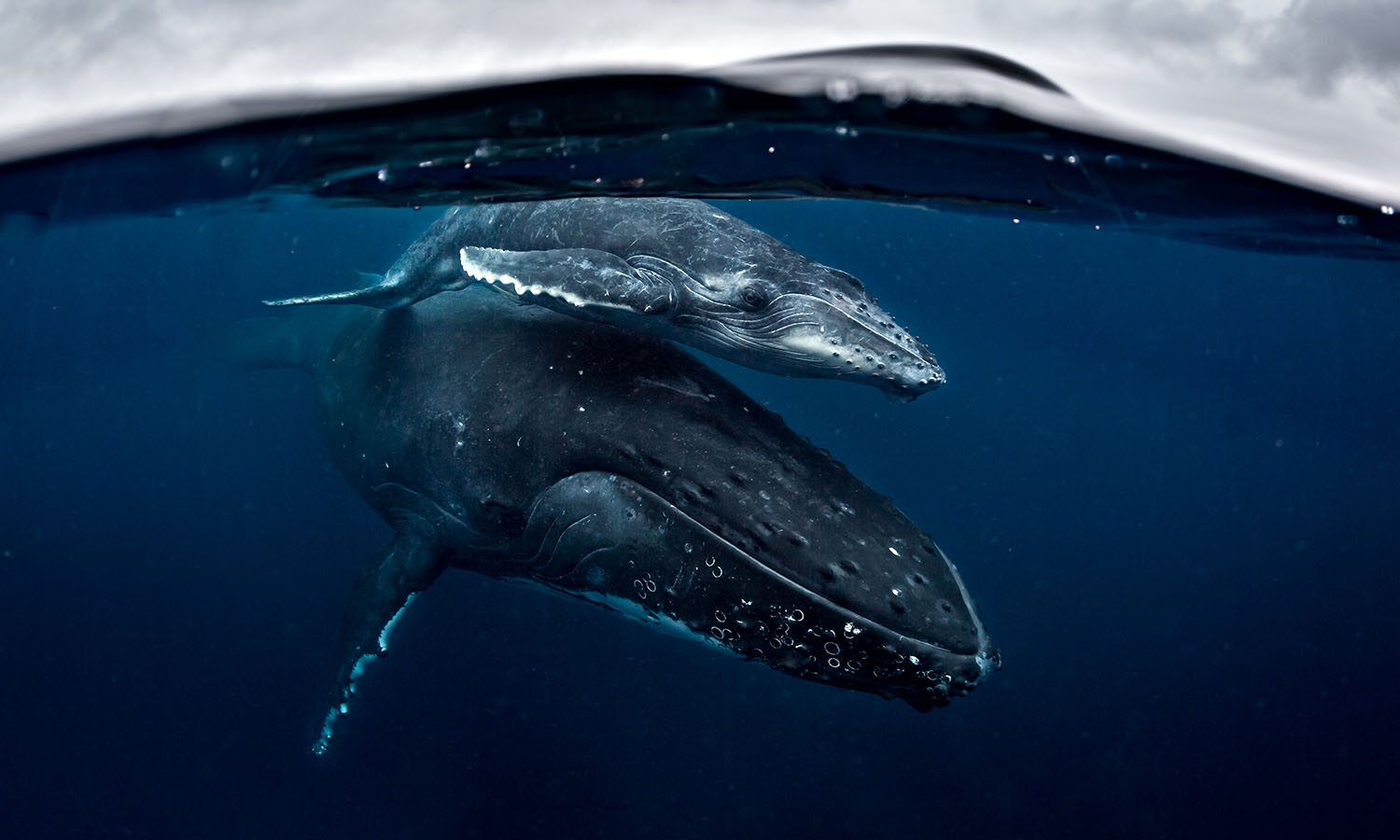
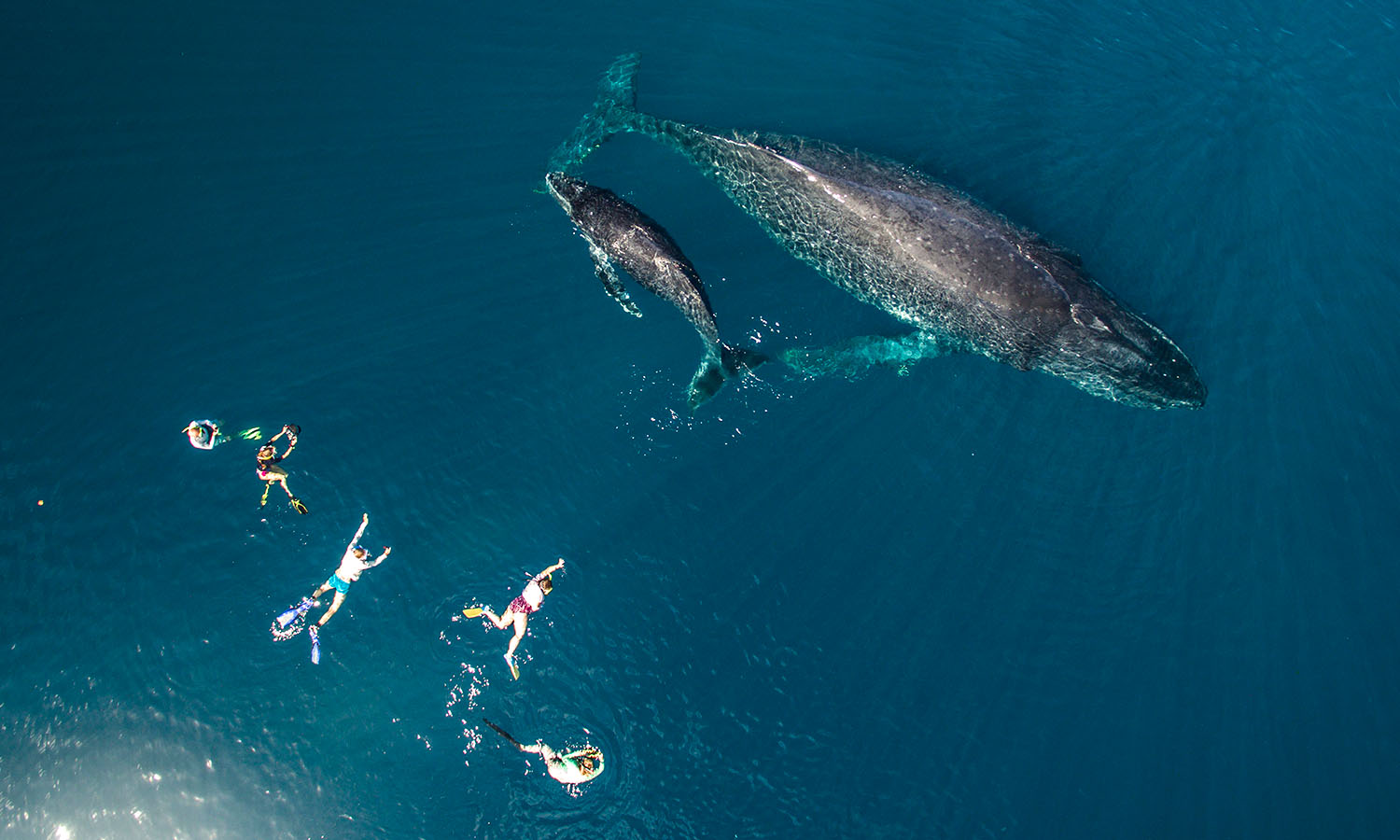
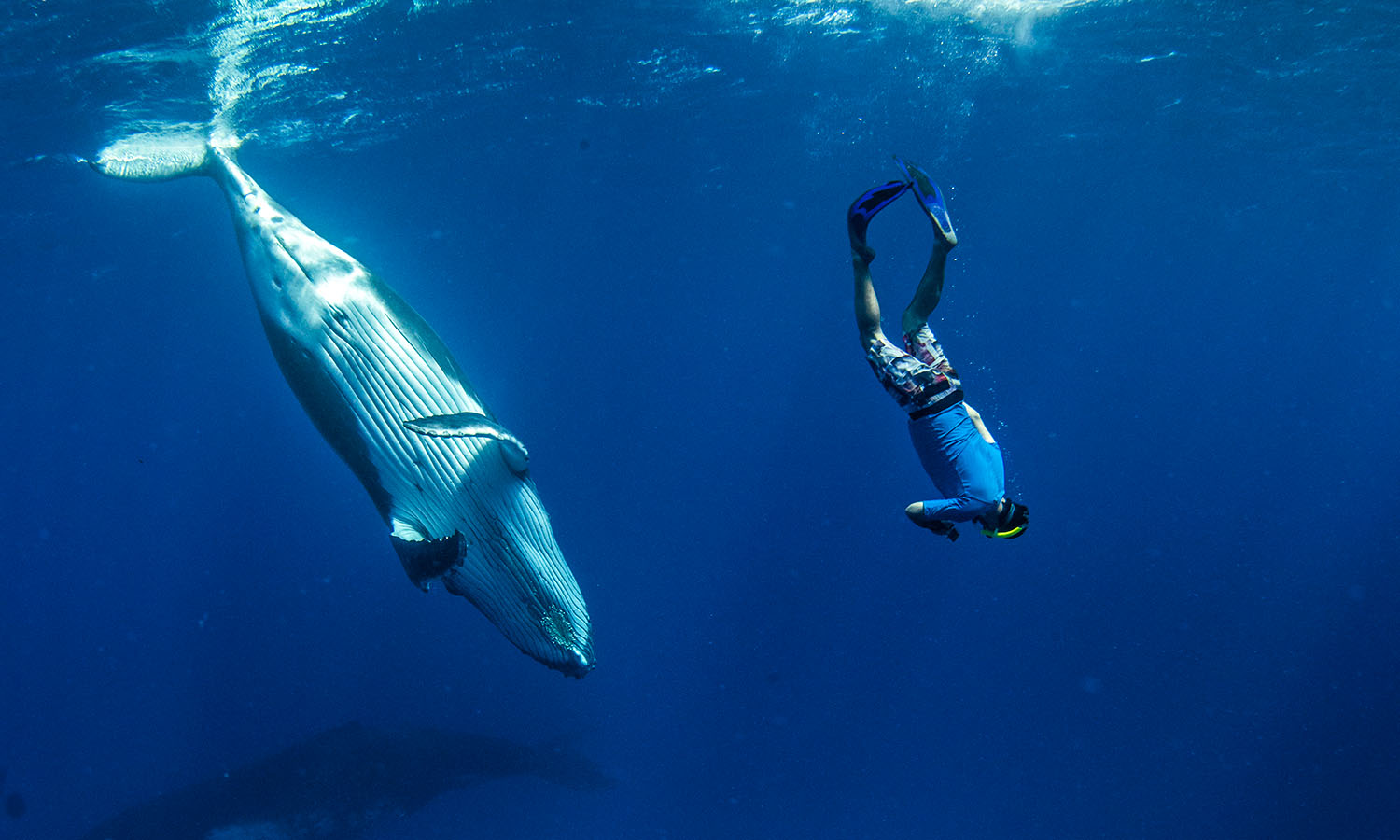
Let’s dive right in with humpback whales in the crystalline waters of Tonga, essentially the ocean’s heavyweight champion karaoke artists. Weighing in at around 40 tons, they’re famous for their spectacular breaches and dramatic tail slaps, putting every diva tantrum you’ve witnessed to shame. Underwater with these show-offs, you’re plunged into the aquatic equivalent of Coachella, minus the overpriced drinks and awkward sunburn. Trust me, when a humpback hits a high note, even Adele sits down and takes notes.
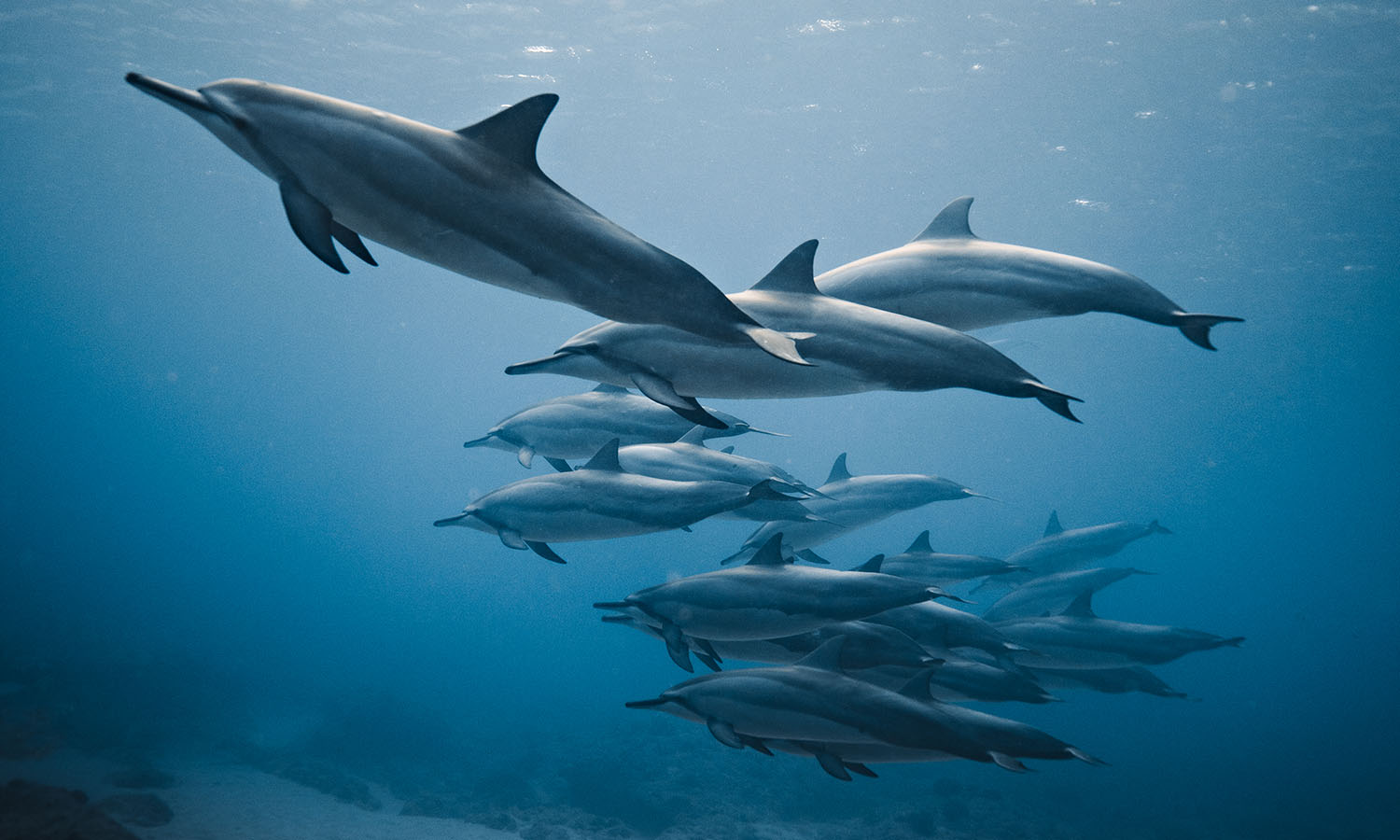
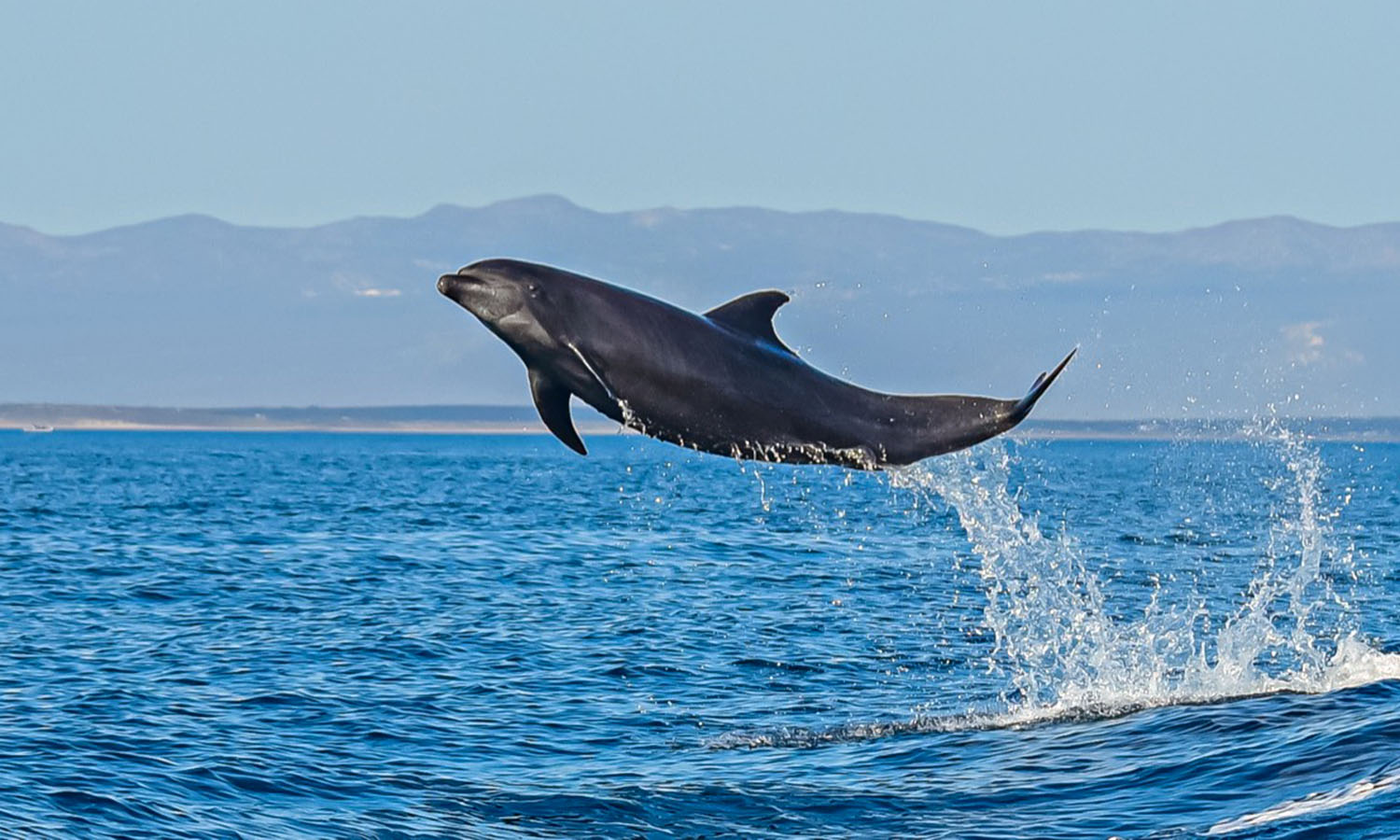
Spinner dolphins are next on the marquee, tearing up the warm waters off the coast of Hawaii. They’re essentially caffeinated toddlers at an aquatic trampoline park. These dolphins spin through the air faster than your hangover hits the morning after a tequila-fuelled beach party. Imagine hundreds of dolphins flipping, twisting, and generally showing off their skills like audition rejects from America’s Got Talent, endlessly entertaining and blissfully unaware of their lunacy.
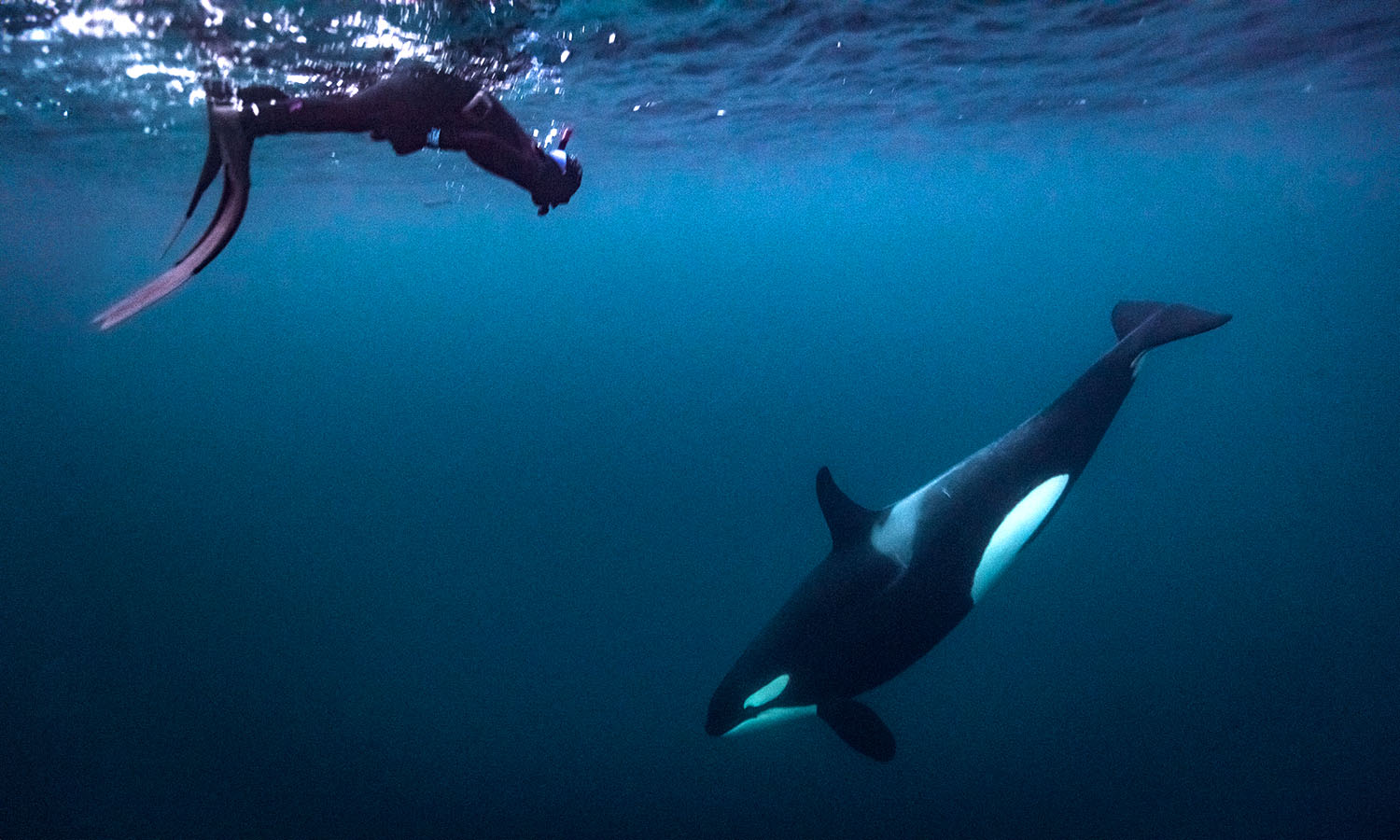
Orcas, meanwhile, patrol the cooler waters of Norway with all the sophistication yet slight sinister allure of Bond villains. They don’t just swim; they prowl, exuding an aura of sleek, predatory confidence that’s equally terrifying and mesmerising. They might look like oversized aquatic pandas, but don’t let the cute monochrome fool you, these guys mean business. Gliding beside them is like infiltrating an exclusive underwater mafia meeting. Keep your flippers crossed that they appreciate visitors.
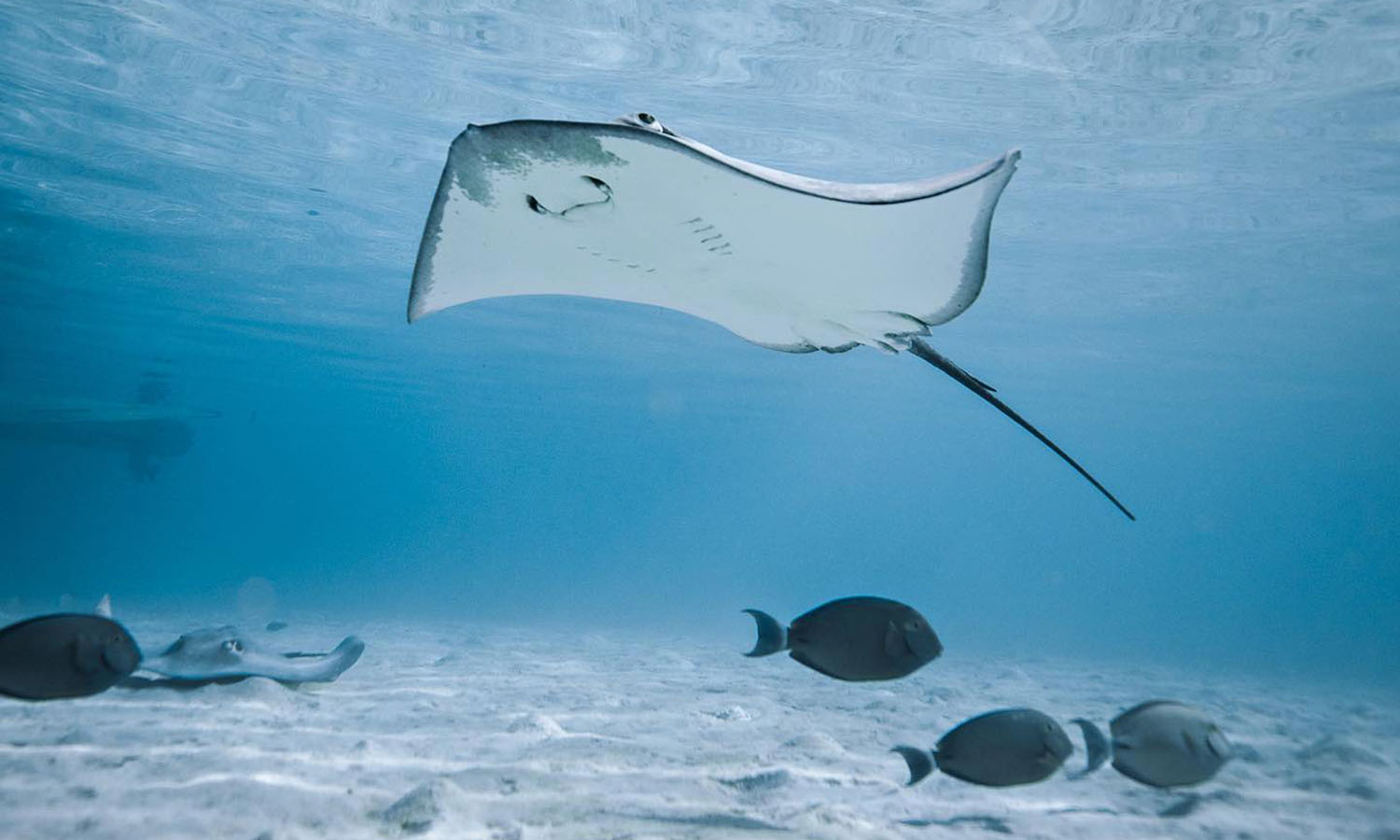
For sheer elegance, cue the manta rays, gracefully gliding through Indonesia’s vibrant coral reefs. They’re marine ballet dancers with wingspans that would make Batman jealous. Watching mantas glide effortlessly through the ocean is hypnotic, ethereal, and makes your awkward underwater flailing feel embarrassingly pedestrian. It’s an exquisite dance recital performed by nature’s finest artists, leaving you simultaneously breathless and humbled.
False killer whales round out the spectacle off the pristine shores of Australia, tragically burdened by nature’s worst marketing decision since the platypus. Despite their misnomer (seriously, someone owes these guys an apology), these whales are playful, sociable, and shamelessly inquisitive. Think oversized puppies of the ocean; dark, shiny, and unafraid to invade your personal space, offering judgmental glances at your flippers, wetsuit choices, and questionable snorkelling technique.
So, toss aside your binoculars, squeeze into that wetsuit (good luck), and dive headfirst into this majestic marine madhouse. Majestic Whale Encounters run not just your run-of-the-mill eco-tours; theirs are the ultimate oceanic rollercoaster of adrenaline, awe, and absolute absurdity. Sorry Africa, but this safari’s got whales that dance, dolphins that spin, and villains straight out of a spy movie. Frankly, it’s madness you can’t afford to miss.
So, with a glint in my eye and Google Maps set to stun, I veer off the tourist trail, bound for Wakayama and Nara—two lesser-known gems ready to blow my mind.
The shift begins quietly. As we leave the edge of Osaka, the urban sprawl fades into the countryside. The air takes on a salty, earthy scent. The road begins to wind. Hills roll into view, dotted with citrus trees and tiled-roof houses. The light softens. After an hour on the road, we reach the coastline and I catch my first glimpse of the sea, calm and glassy, stretching into the haze of the afternoon.
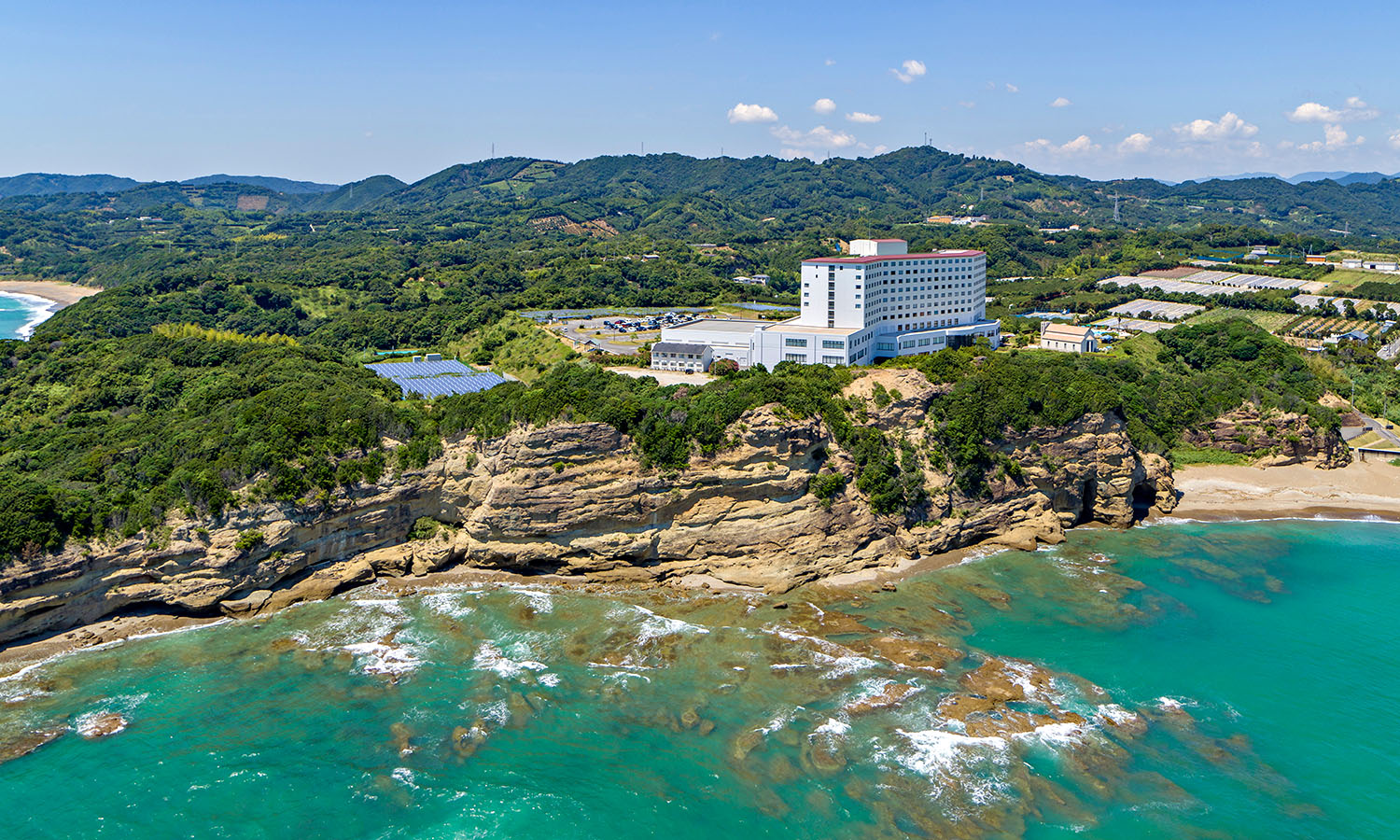
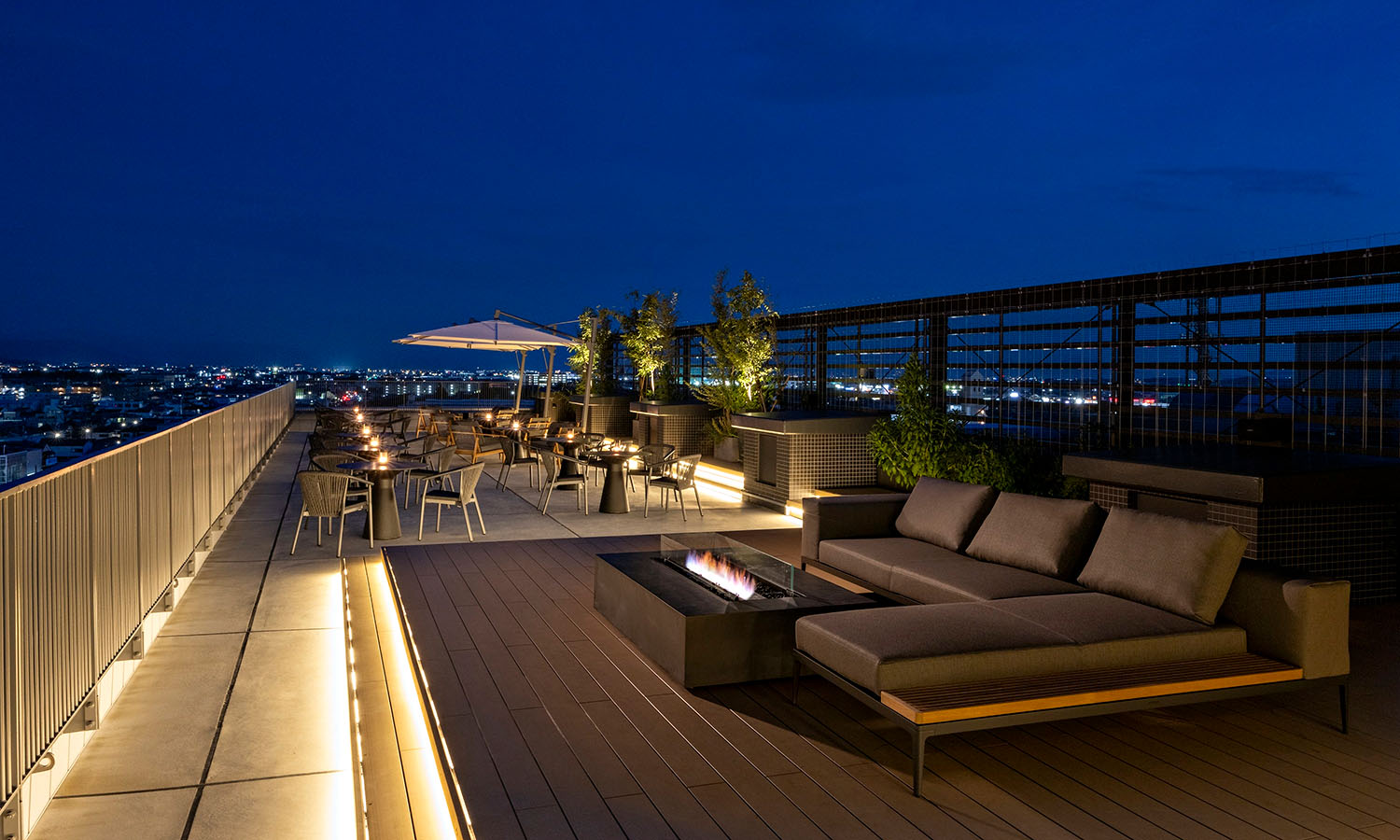
It’s here that I arrive at the Grand Mercure Wakayama. The hotel is perched above the water, a sleek and welcoming retreat that seems to hover between ocean and sky. It feels like stepping out of the everyday and into a different rhythm altogether.
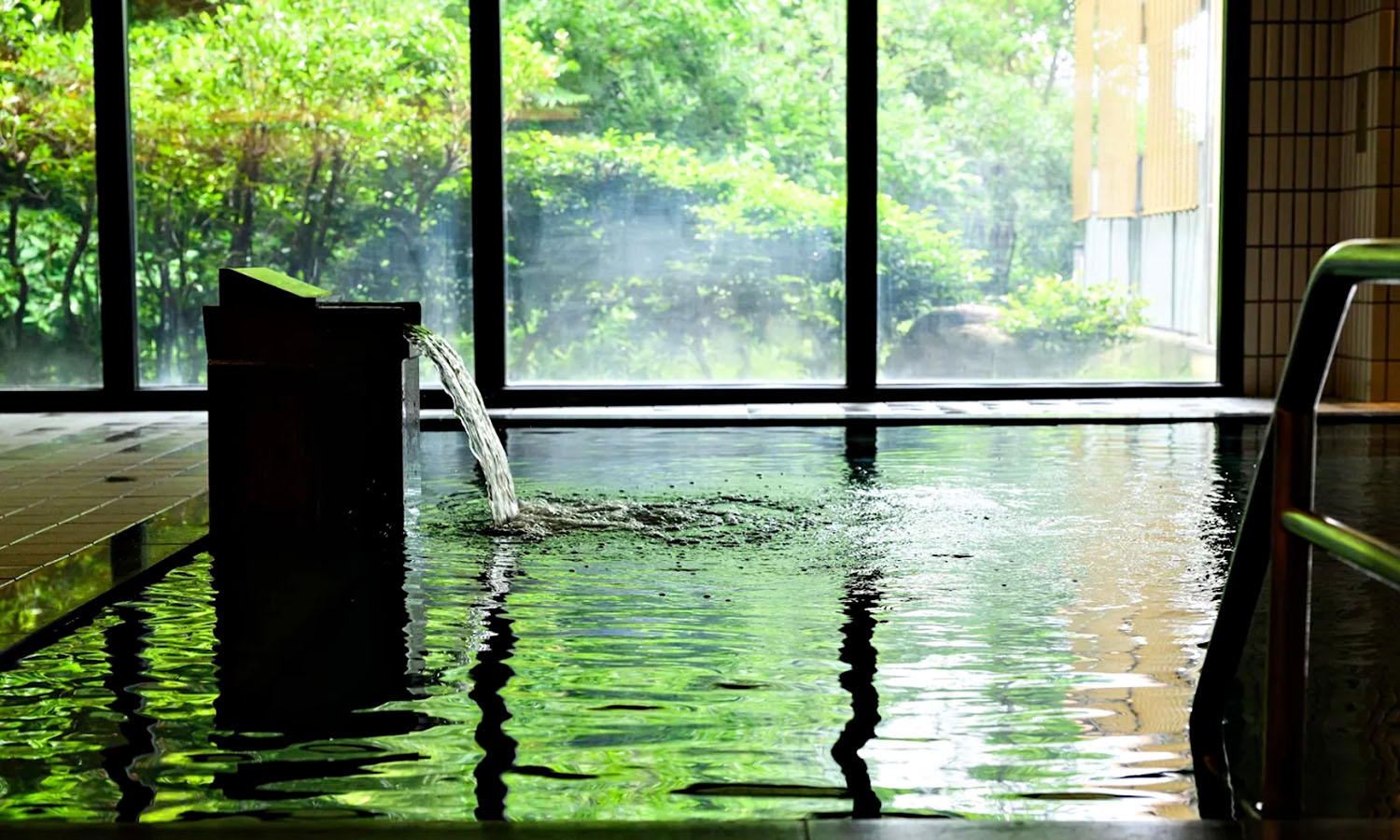
Without even unpacking, we head straight to the hotel’s ocean-view onsen. Built high above the coastline, the open-air hot spring is quiet except for the occasional call of a seabird and the gentle rush of steam rising into the breeze. The mineral-rich water is warm and soothing. The sky turns soft gold as the sun begins to set. I had planned an early night but when someone suggests a soak under the stars, I can’t resist. One glass of sparkling wine and a tray of snacks later, I am completely immersed, both body and mind.
Wakayama’s hot springs are famous for good reason. People come here to find stillness and to be held in warmth and quiet. This onsen is exactly what I didn’t know I needed. Restorative, grounding and full of that quiet cinematic beauty Japan does so well.
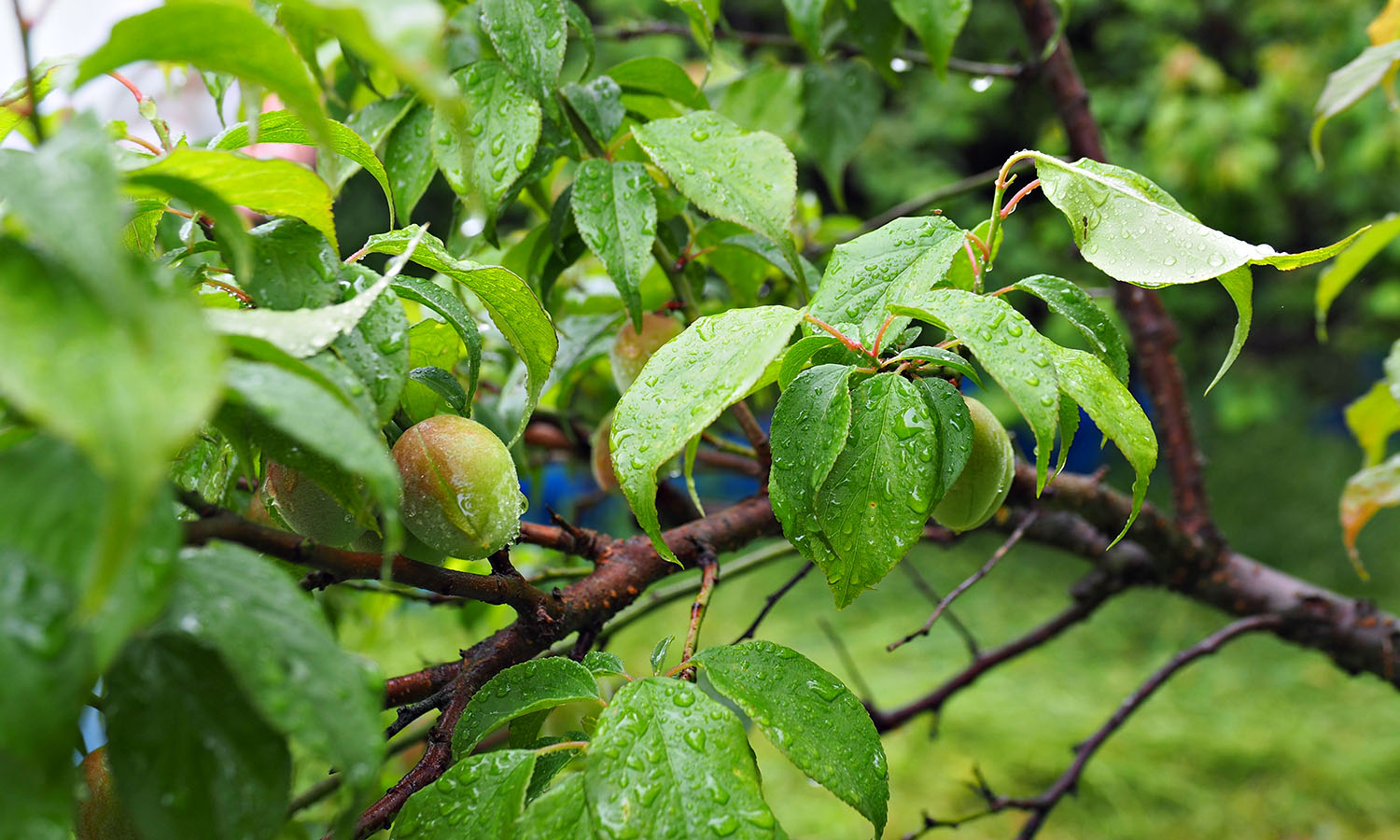
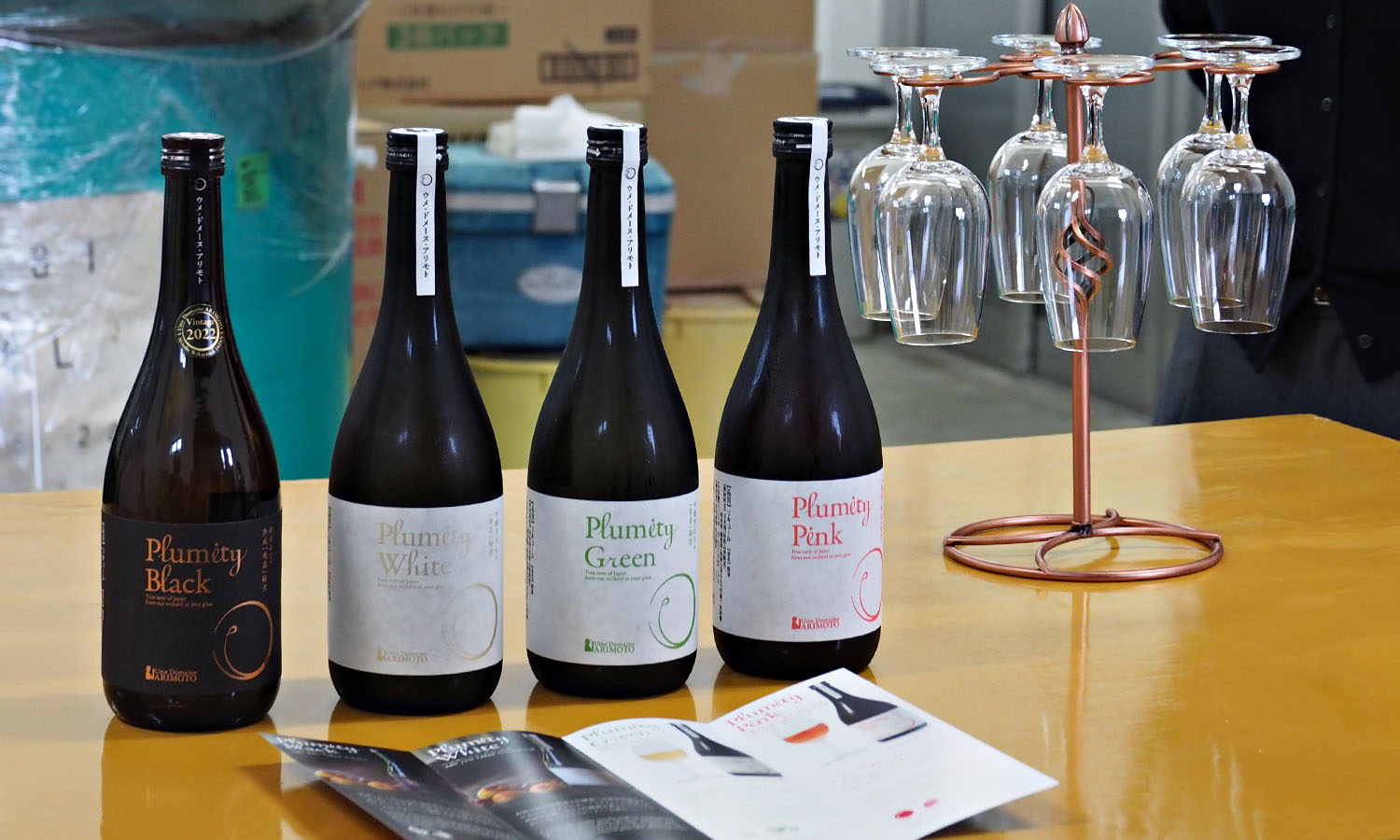
By 9 a.m. the next day, I’m holding a small glass of plum wine and standing in a sun-dappled orchard in Minabe, a sleepy inland town known for its ume plums. Rice doesn’t grow easily in this region, so the locals have perfected their craft with plums instead, turning them into Japan’s most beloved fruit liquor.
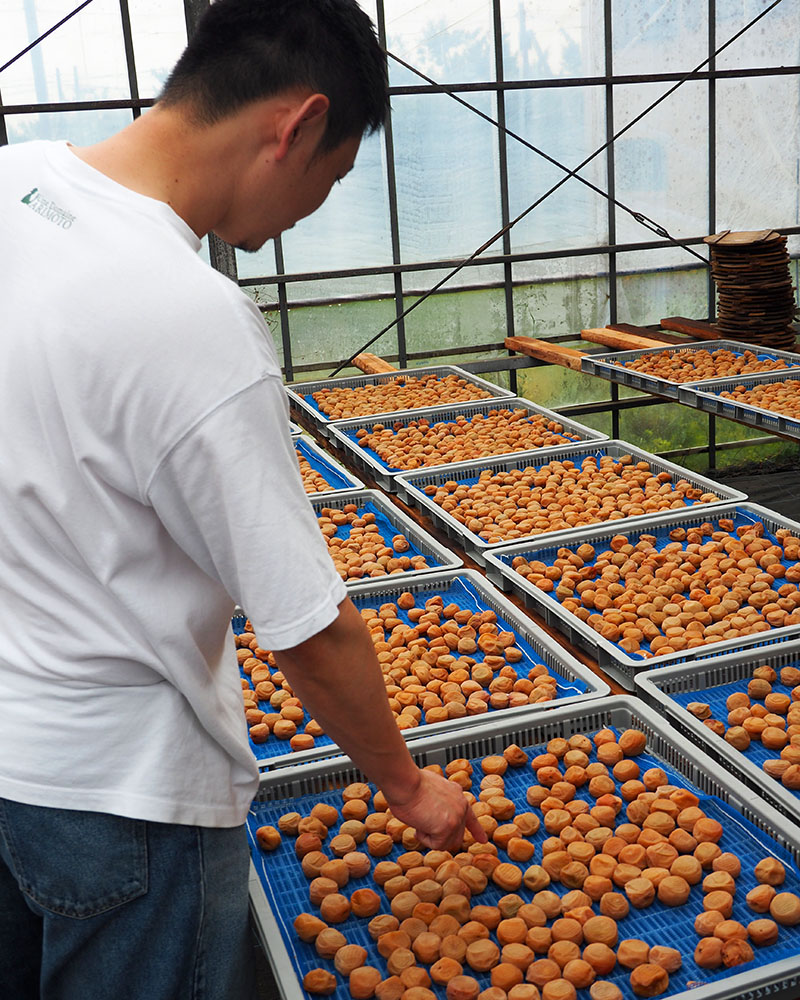
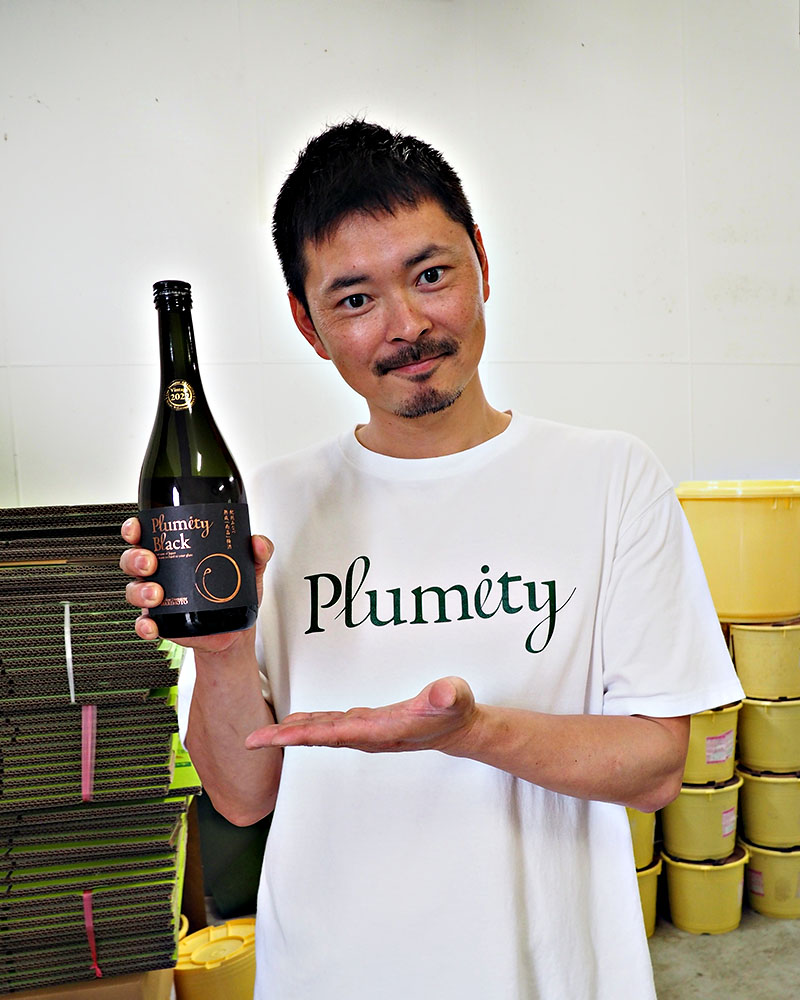
Yohei, our host, is a fourth-generation wine maker and horticulturist. With quiet pride, he explains that the plums are only harvested once they fall naturally from the tree. No rushing the process. We sample dried plums, some so salty they make my cheeks tingle, as we wander through the trees.
Then, the wine: smooth, slightly sweet, and surprisingly complex for something sitting at just 11 percent. Yohei has me hooked before I’ve finished the first sip.
The tour is only available via the Grand Mercure Minabe Resort & Spa, so you’ll need to plan ahead, but it’s worth it.
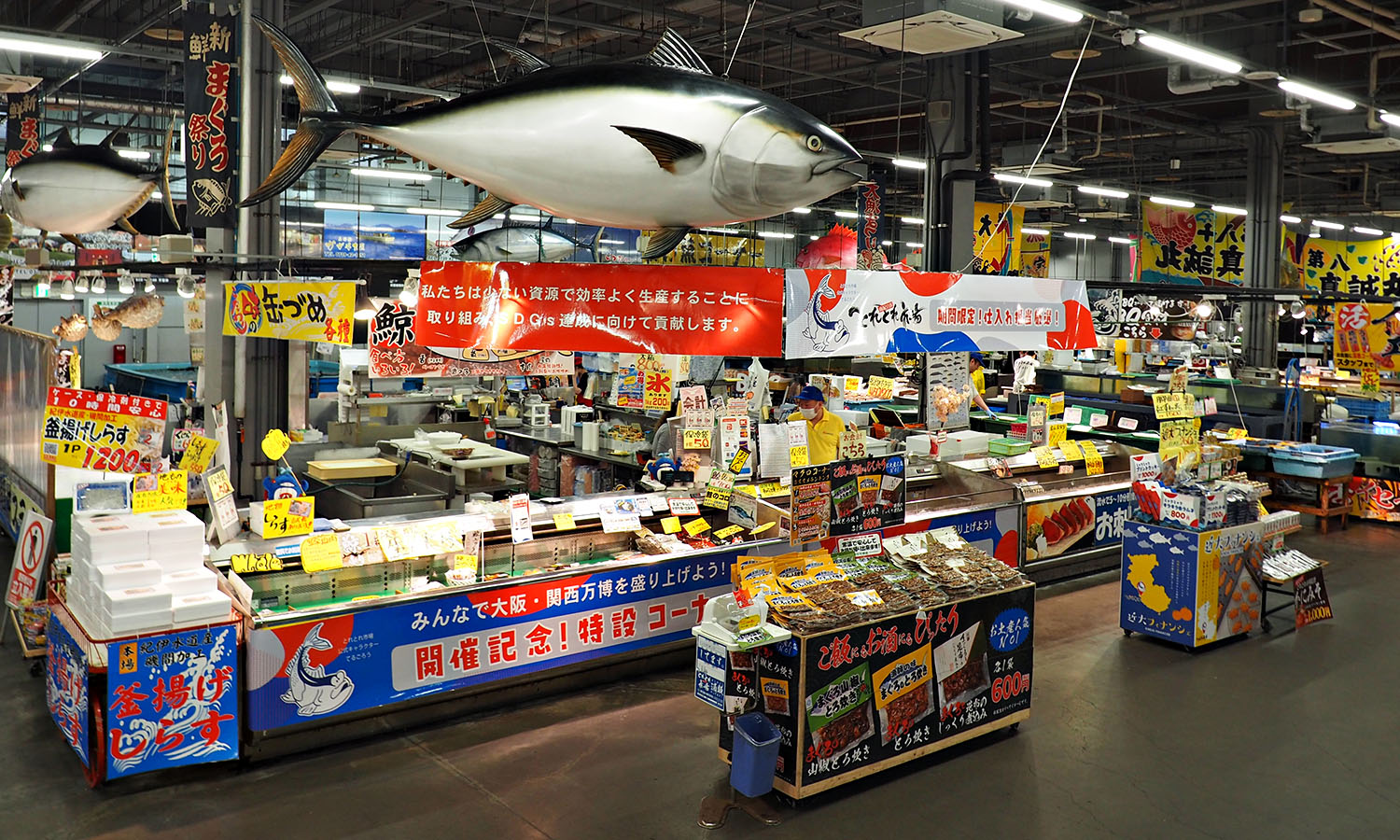
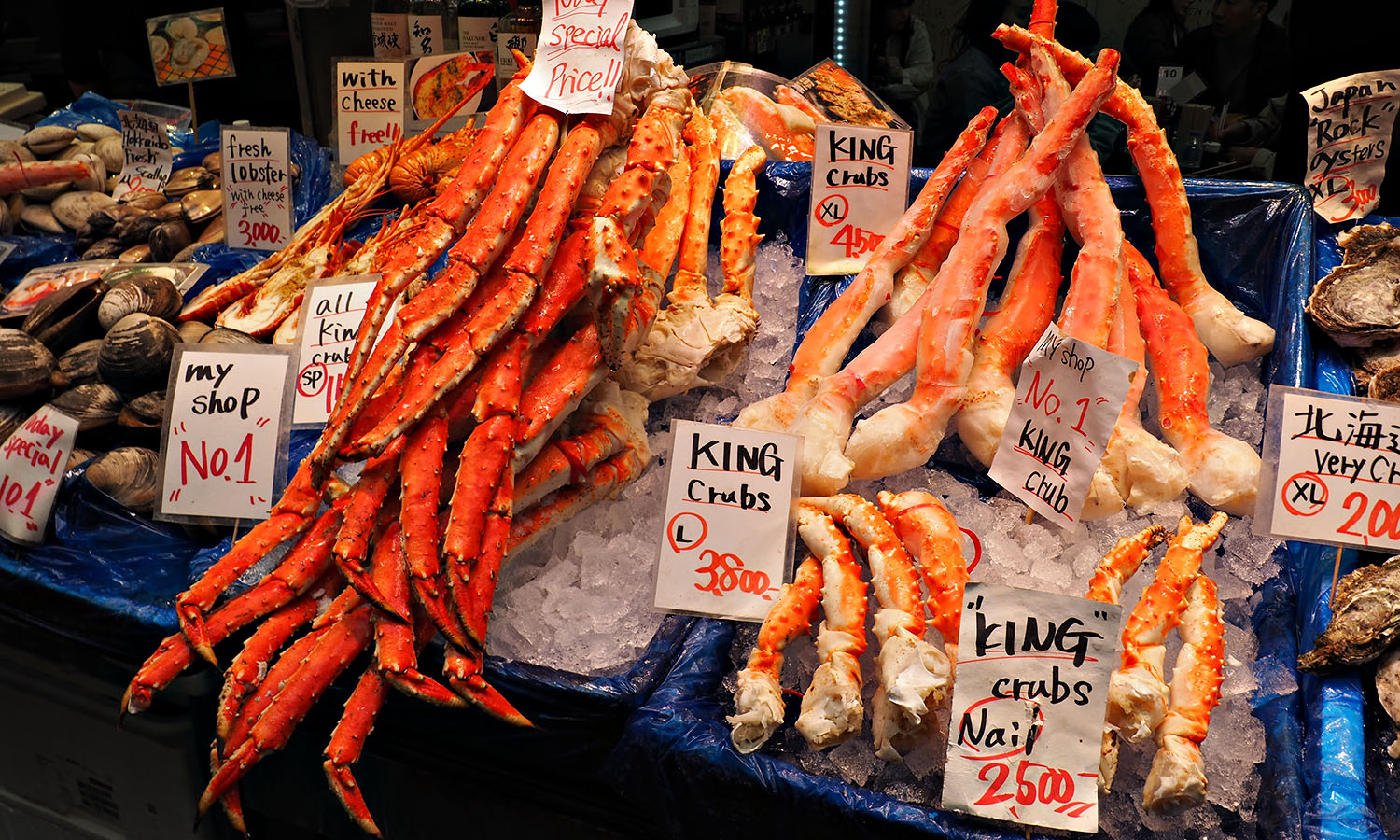
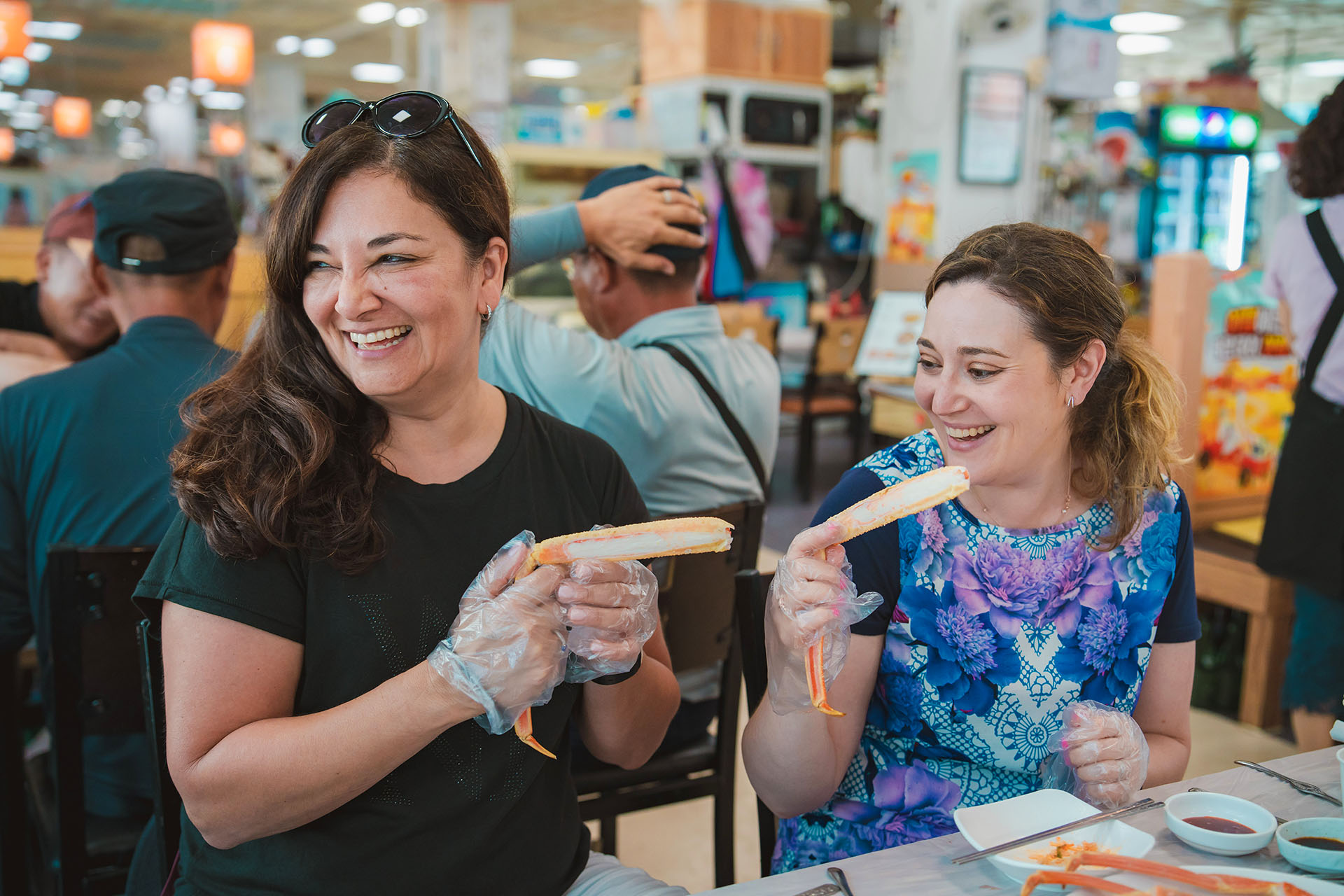
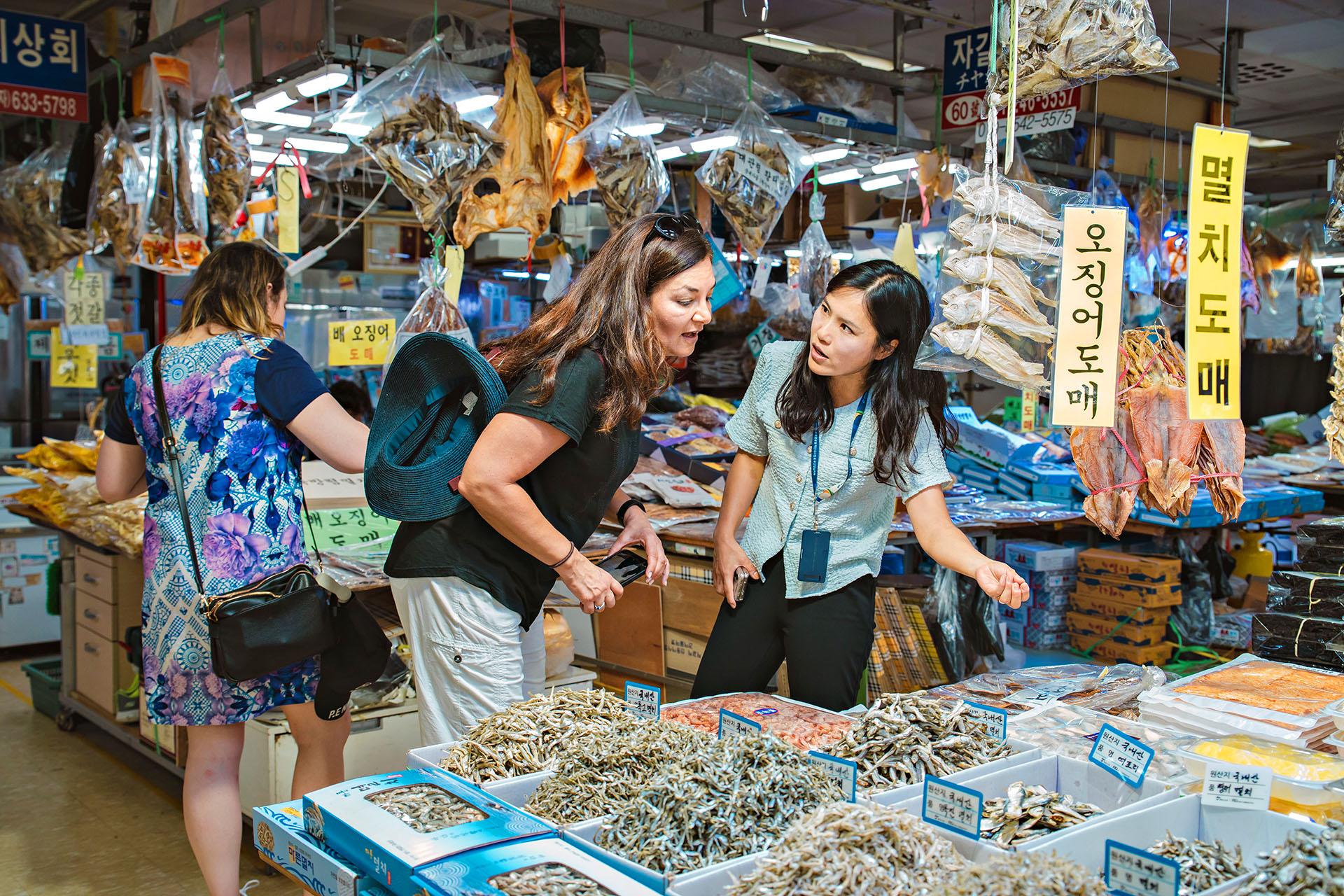
The morning wine stirs my appetite, so we head to Toretore Market, a chaotic wonderland of seafood, steam, and spectacle. It’s part market, part theatre. Giant crab legs tower over tanks of live fish, and the smell of charcoal-grilled shellfish fills the air.
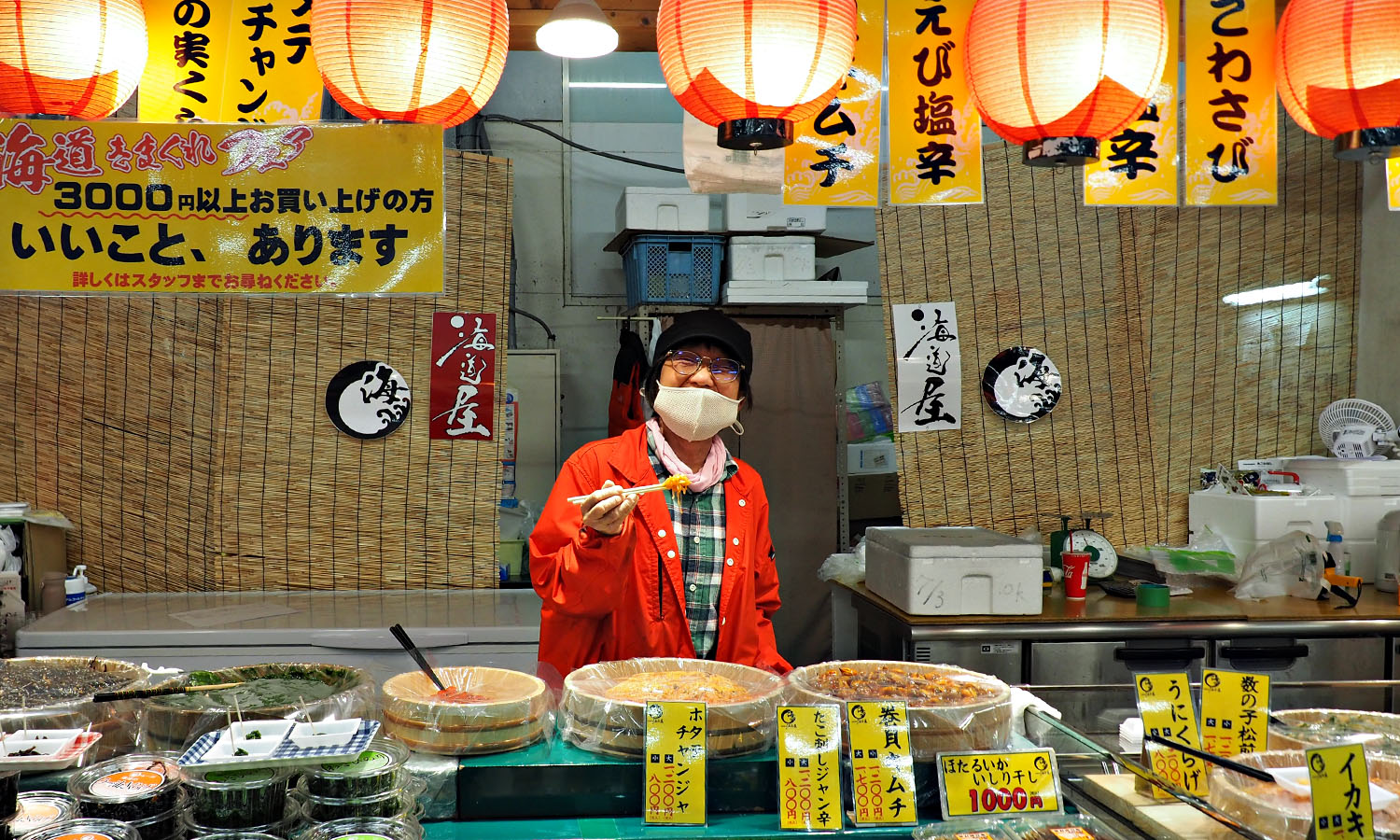
I’m on a mission to find the biggest crab leg I can, and when I do, it’s everything I hoped for. Bold, buttery, and intensely satisfying. In one quiet corner of the market, I meet Mr. Noji Kanye, who’s been marinating mushrooms in chilli oil for over four decades. He hands me a sample on a toothpick with a sly grin. It’s spicy, earthy, umami-rich perfection. I immediately buy a jar and silently mourn that I didn’t get two.
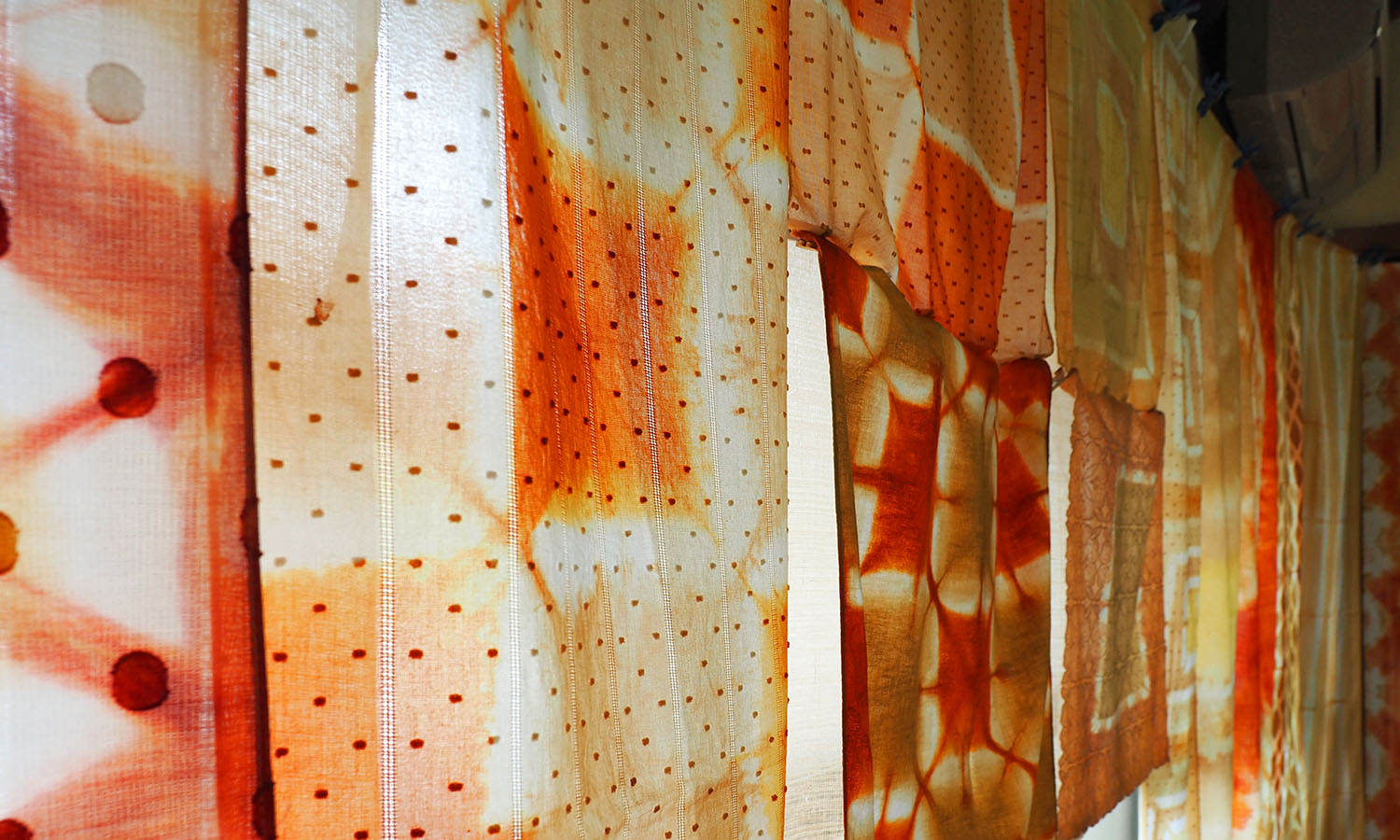
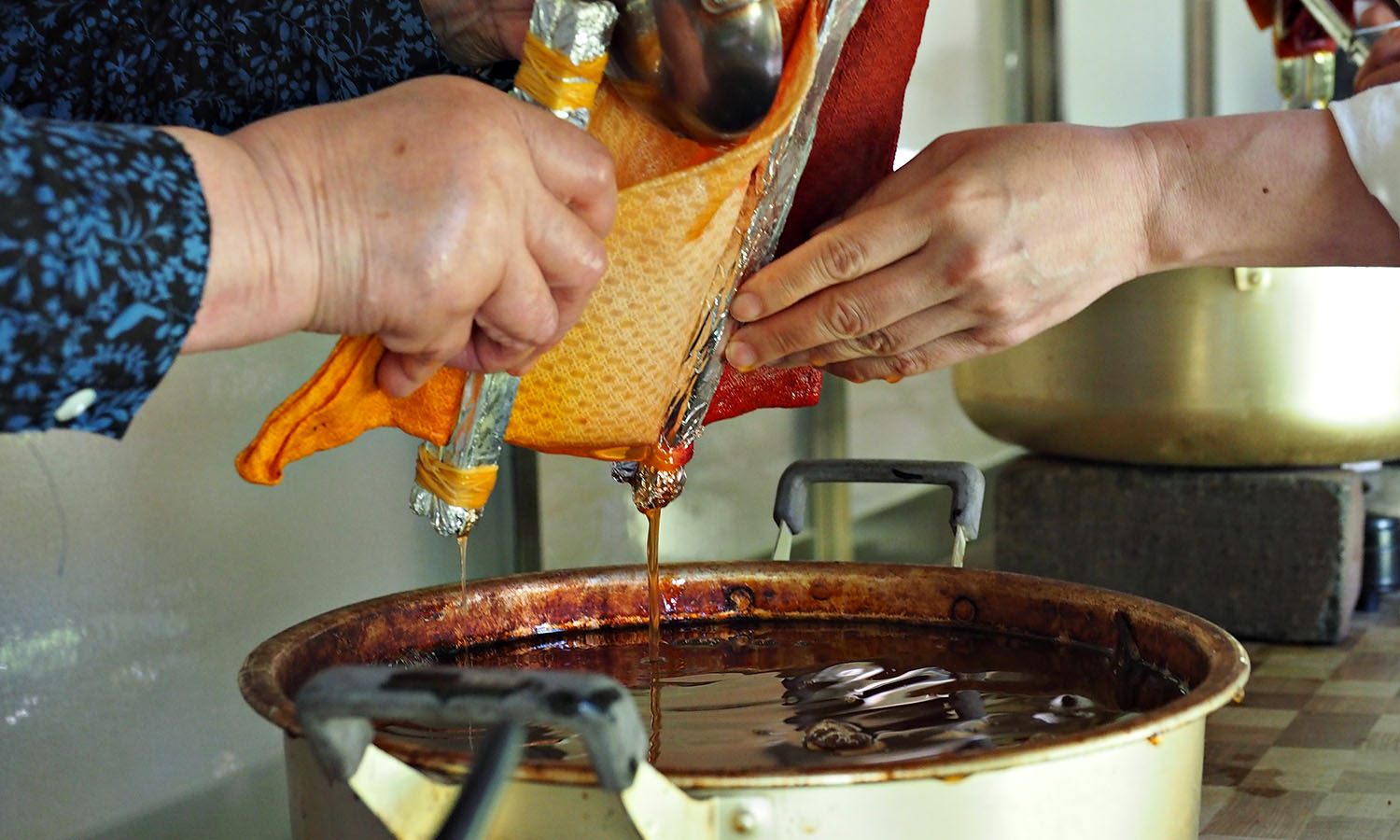
From Wakayama, we travel inland to Nara, where the energy shifts. It’s slower, more reflective. I join a small textile workshop inspired by shibori, Japan’s ancient indigo-dyeing technique that combines the patience of origami with the unpredictability of tie-dye.
With wooden blocks and rubber bands, I fold and bind a plain cloth before plunging it into vats of deep blue dye. When I finally unfurl my creation, it’s uniquely mine. Creased, saturated with indigo, and full of character. I fold it gently into my bag, a tactile souvenir of this moment.
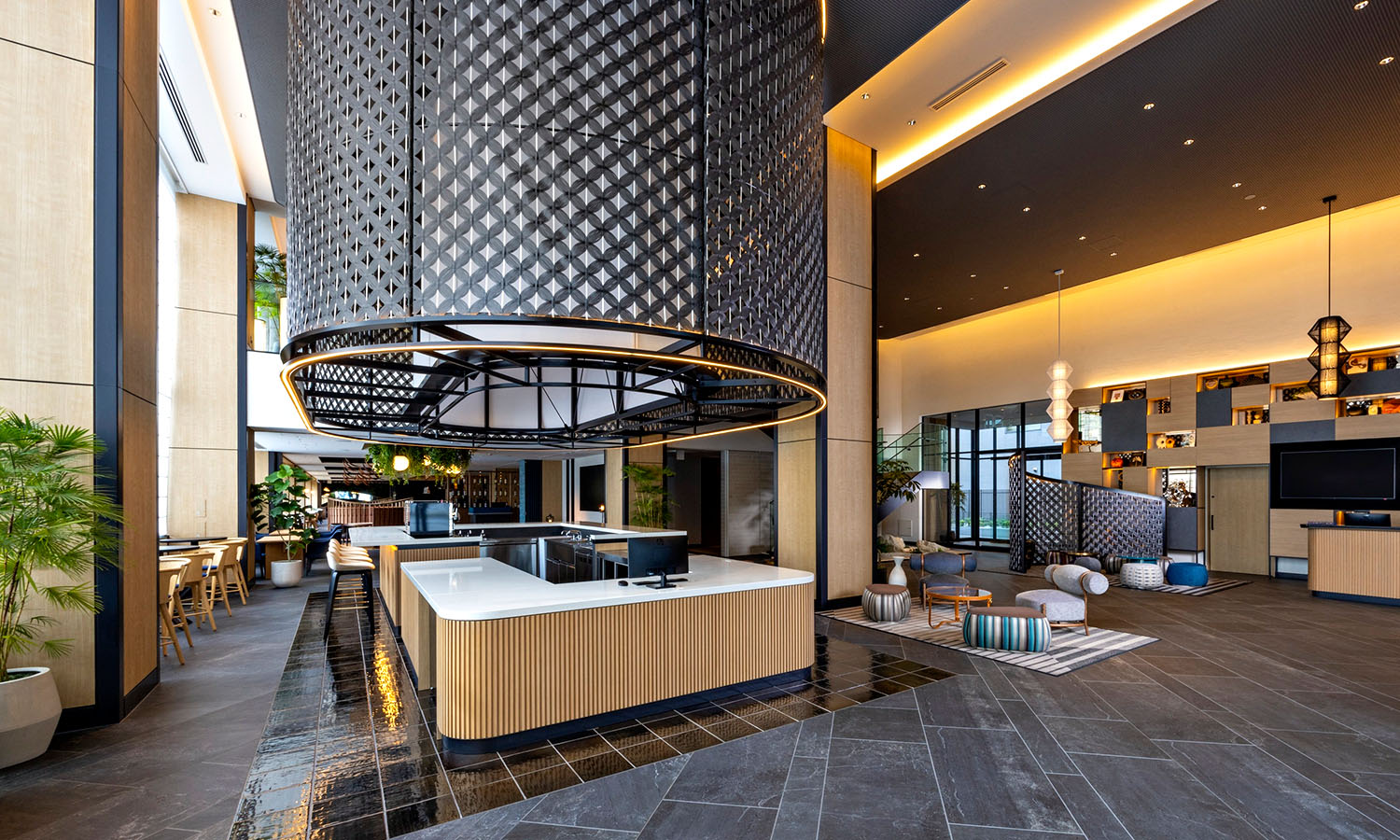
Checking into the Novotel Nara, I’m struck by how fresh it feels. Not new in a clinical way, but polished, local, grounded. The lobby is all warm tones and thoughtful design, a tribute to the city’s rich history. Upstairs, the Japanese-style rooms blend sleek tech with serene minimalism. Touchscreen mirrors double as concierge screens and the beds feel like clouds.
Over breakfast, the kind that ruins all other hotel buffets, I meet Makoto, the Hotel Manager. When I joke that the place is “boujee” and explain it means next-level luxe, he laughs and pours us both a sake. Kanpai, he says, and I happily toast.
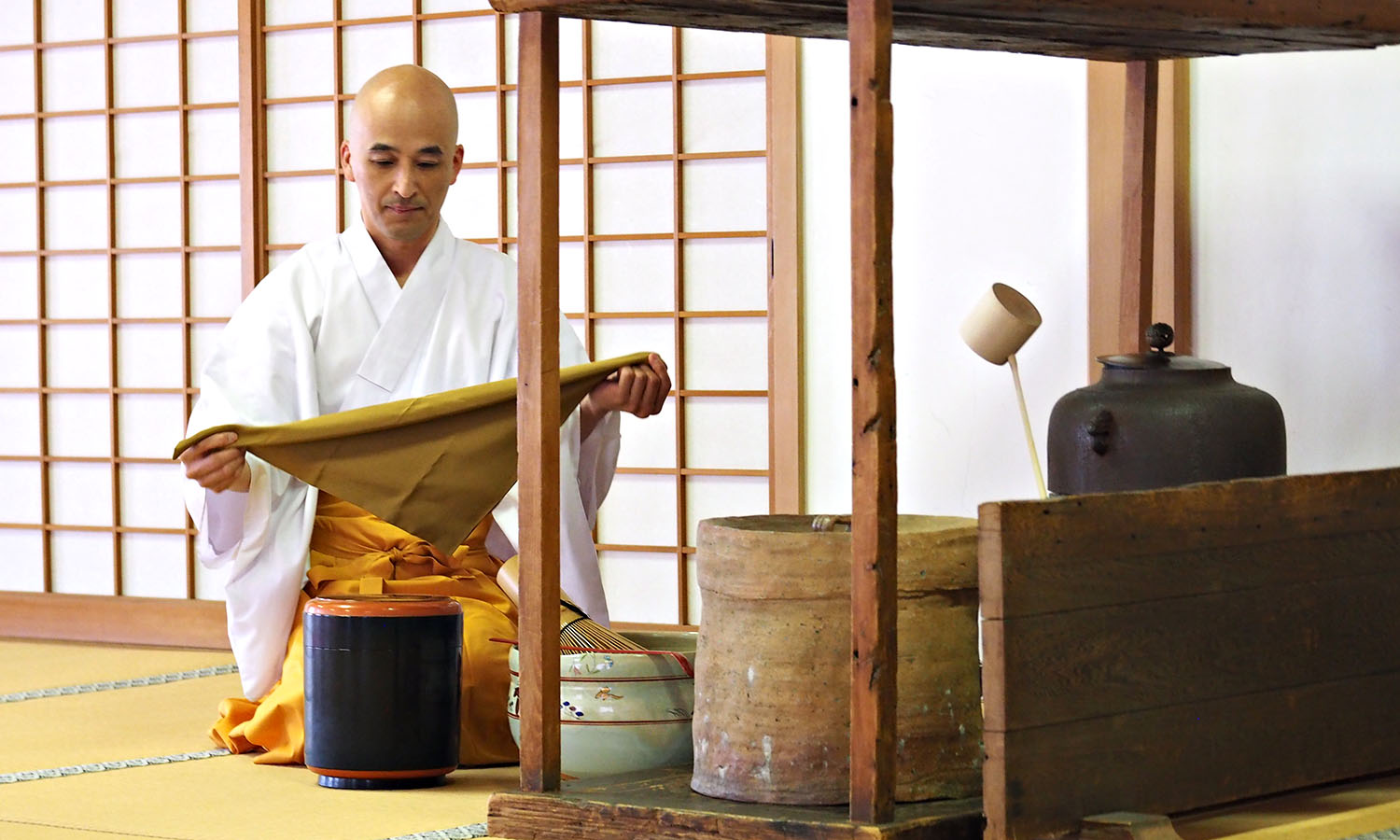
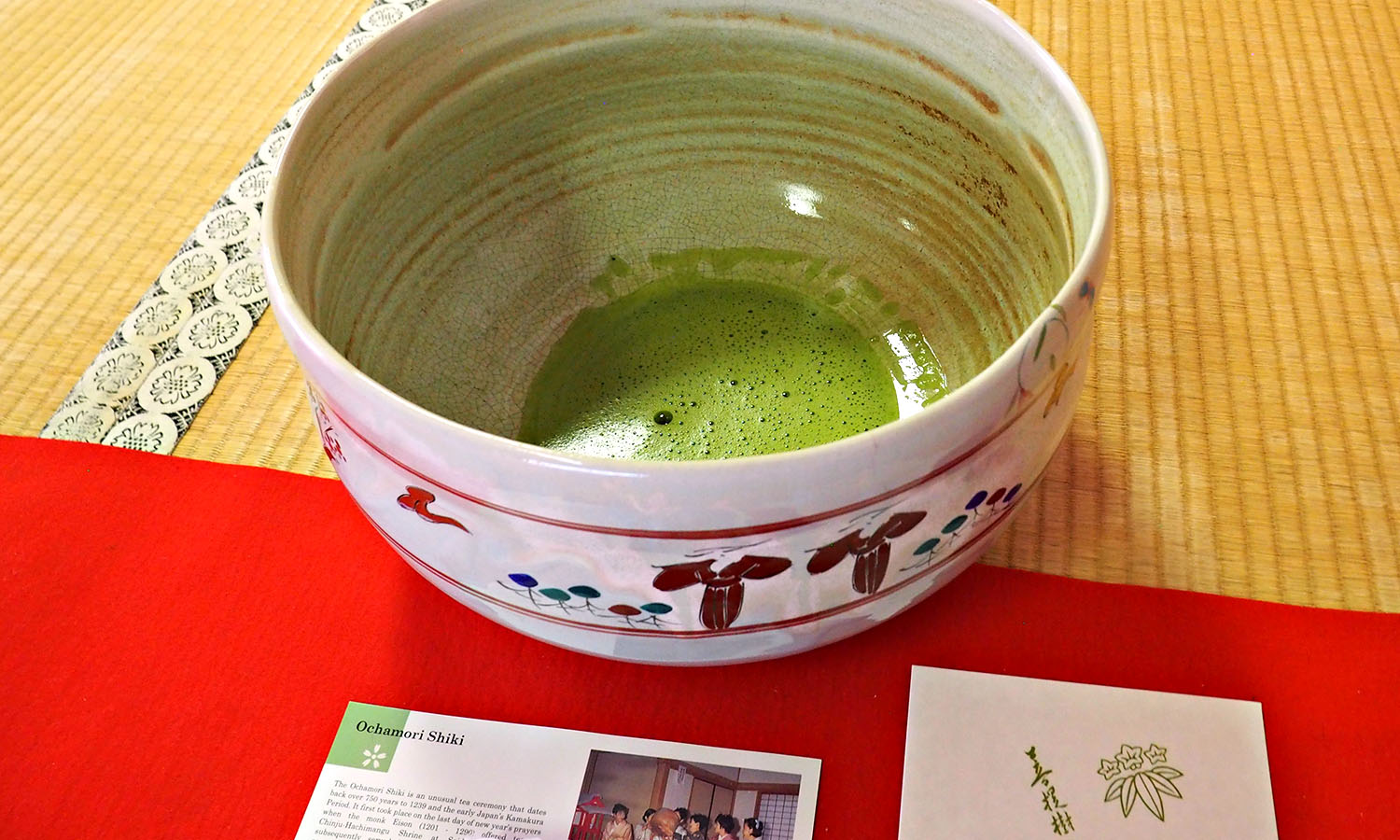
Makoto arranges something truly special. An invitation to the Great Tea Ceremony (Ochamori) at Saidaiji Temple. It only happens three times a year. Inside the temple, monks bow silently as we enter. We kneel, not just out of custom, but with real respect. The tea is thick and frothy and served in bowls the size of my head. Literally. The aim is harmony. A happy life. The ritual is grounding, reverent, and full of centuries-old grace.
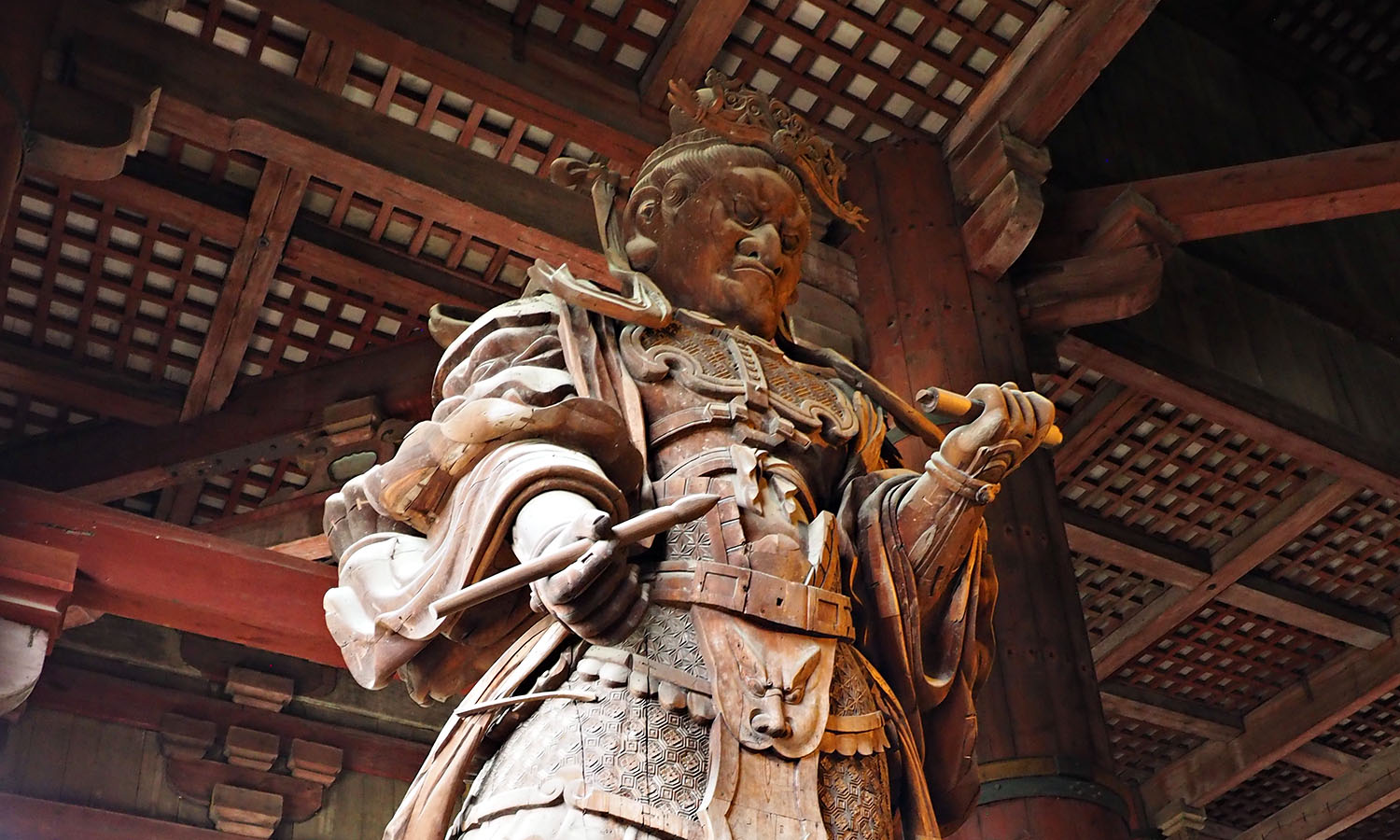
Remember the TV series Shōgun? Turns out parts of it were inspired by the temples in Nara, and stepping into Todaiji’s Great Buddha Hall makes that connection crystal clear. The scale is impossible to ignore. The original structure dates back to the 700s and even the current rebuild, from the 1200s, feels impossibly ancient.
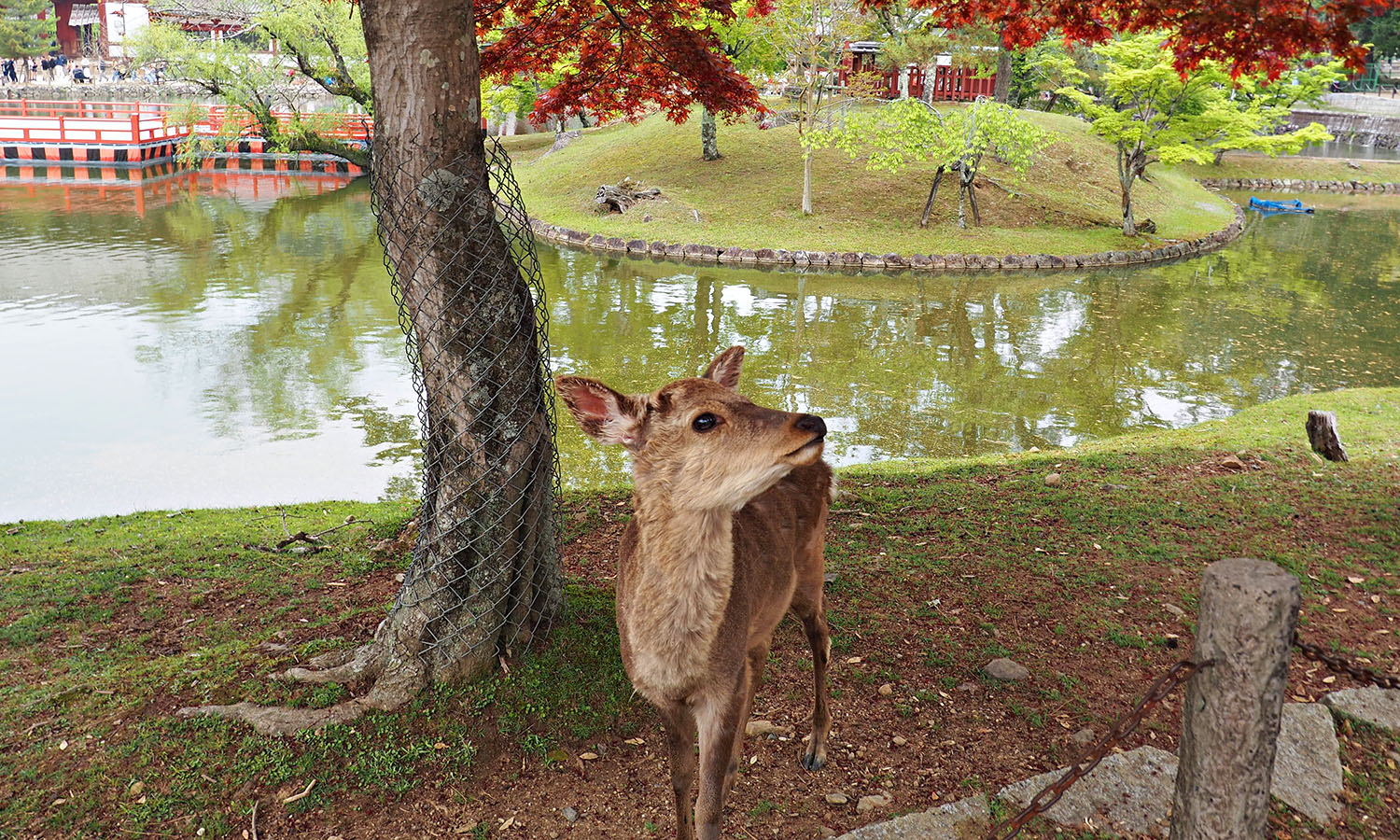
But almost more magical is the walk to the temple. We pass through a park filled with wild deer and trees glowing with crimson and amber. Despite the crowds, it feels peaceful and sacred. Nara has that effect. It was once the capital of Japan and the Emperor still visits. You can feel the weight of history in the hush between footfalls.
From ocean springs to ancient temples, fiery mushrooms to oversized tea bowls, this journey through Wakayama and Nara isn’t just a trip. It’s a complete reset. Gentle, unexpected, and rich with flavour, it stays with me.
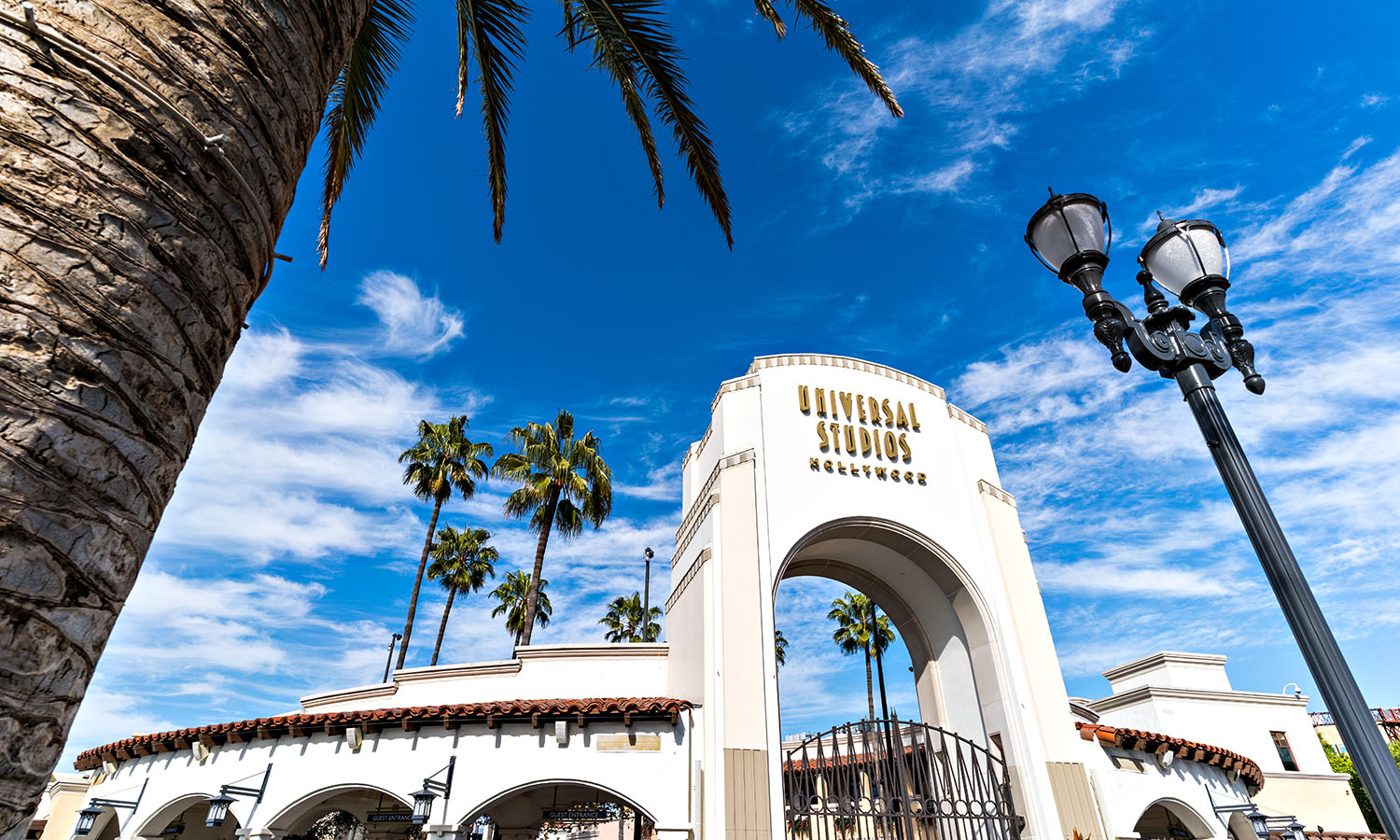
It’s a blue-sky morning in Los Angeles, and I’m standing at the gates of Universal Studios Hollywood, trying to pace my coffee intake so I don’t barf on a velociraptor before midday. Today, I’ve come for the blockbusters, not the kind you stream at home in pyjamas, but the kind you physically live through while being hurled sideways at 60km/h in a theme park that insists your chiropractor stay on speed dial.
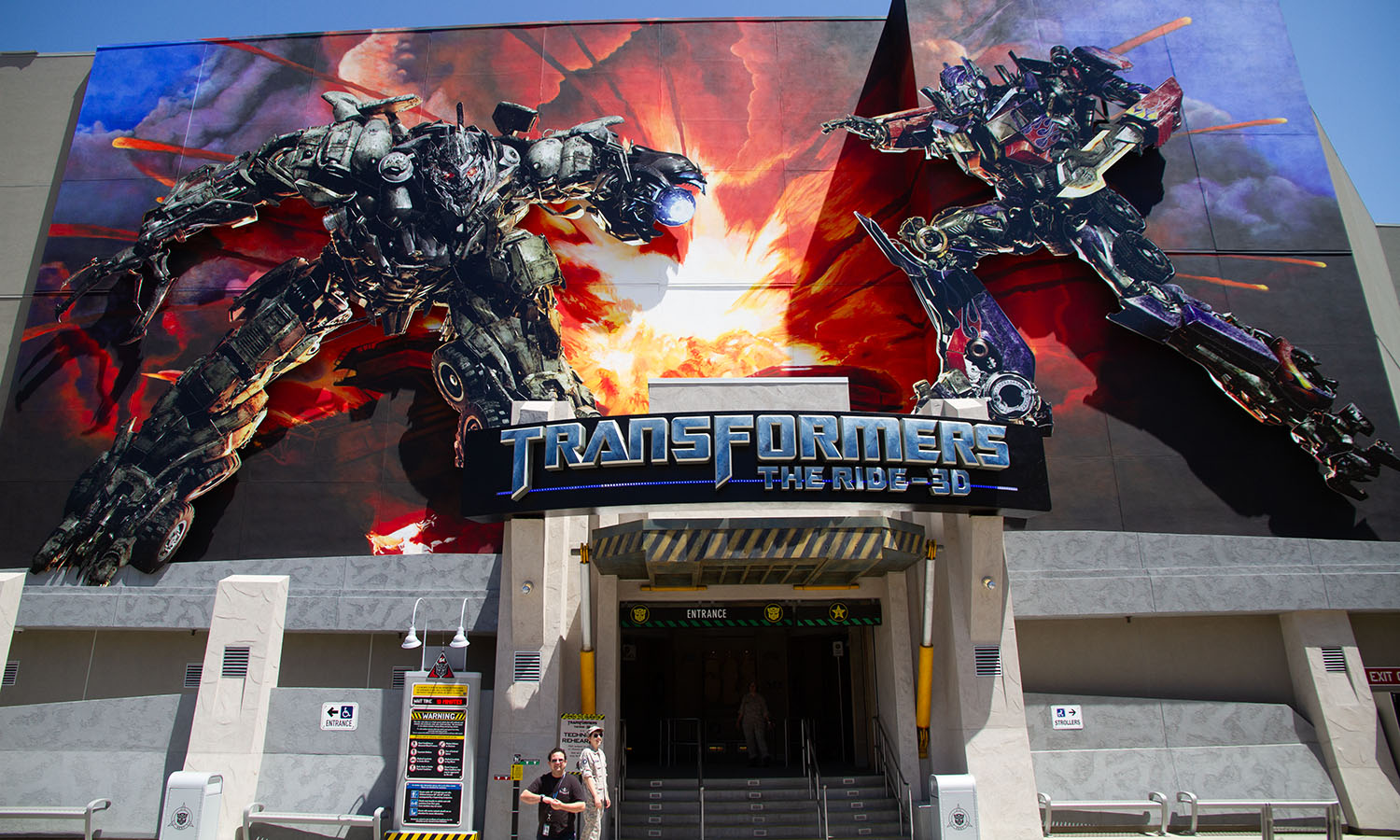
First stop: Transformers: The Ride–3D. This beast of a ride redefined theme park tech when it launched back in 2013 with a build budget of US$100 milllion and Steven Spielberg in attendance. Gone were the days of rickety rollercoasters and cardboard cut-out villains. Suddenly, we were inside the film. I’m dodging Decepticons, flying through cityscapes, and feeling flames on my face while Optimus Prime yells something vaguely inspirational in Dolby Surround. It’s hyper-real, hyper-fast and hyperventilation-inducing. It was revolutionary back then, and honestly, still is. Transformers proved rides didn’t need tracks, they just needed motion simulators, 3D glasses, and a healthy disregard for your equilibrium.
I stagger off, already questioning my life choices, but this is Universal. You don’t ease into it. You commit. You charge headfirst into cinematic chaos like a stunt double with something to prove.
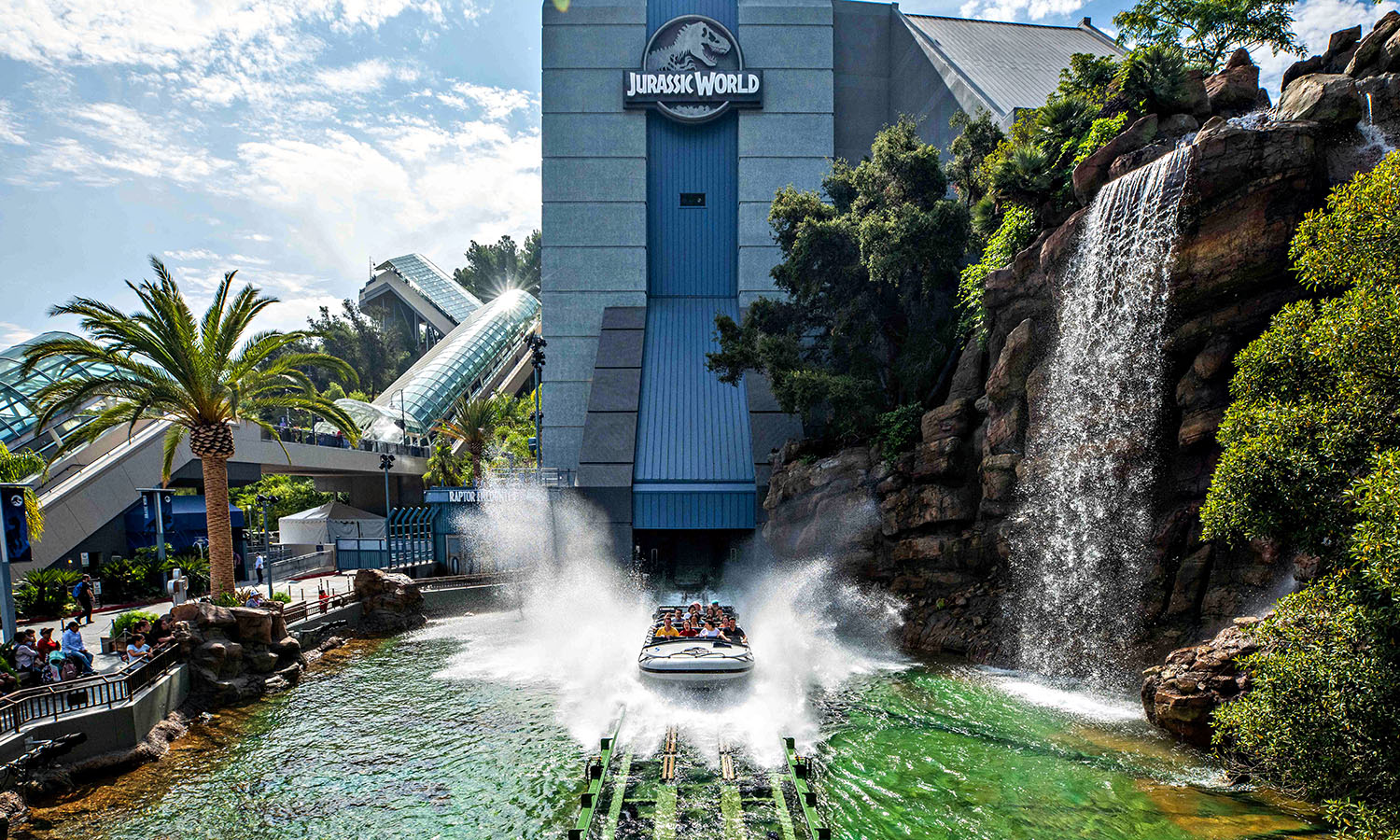
Next, I make a beeline for Jurassic World—The Ride, which has evolved from its original Jurassic Park incarnation like a raptor discovering Instagram filters. The bones are the same: you’re in a boat, you drift through foliage, and things go dramatically wrong. But now, it’s sleeker, meaner and more immersive. The screen effects are seamless. A mosasaurus tries to eat me through a digital aquarium. Velociraptors snarl with upgraded teeth. And that final T-Rex drop? It’s bigger. It’s wetter. It’s a full-blown Jurassic panic attack with a soundtrack.
I emerge completely soaked and totally alive, which is more than I can say for the churro I accidentally sat on.
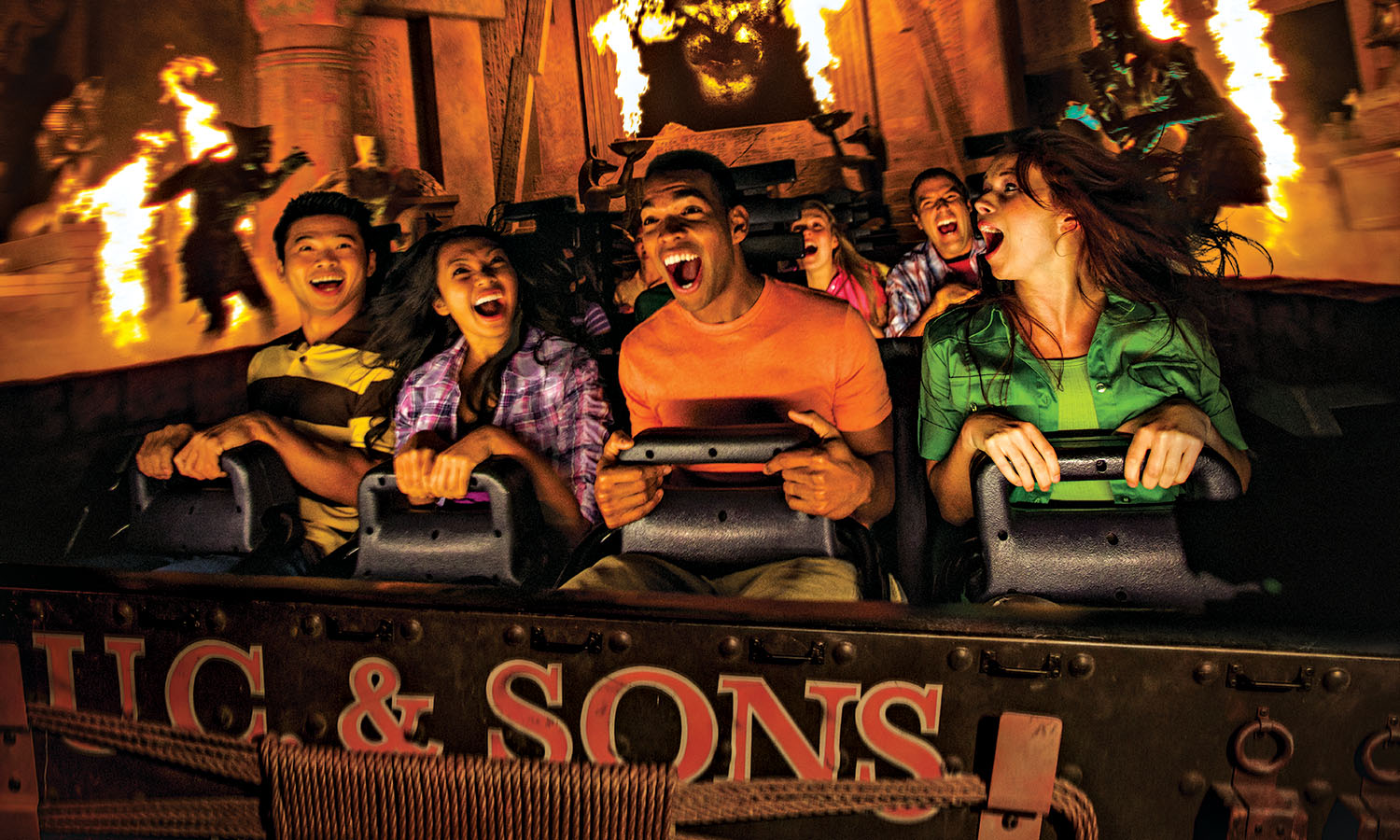
Now, once upon a time, Revenge of the Mummy was the crown jewel of Universal thrills. It had fireballs, backward launches, and an actual curse, at least that’s what my neck told me after whiplashing into 2004. But here’s the kicker: There’s a new kid coming to the lot. Fast & Furious: Hollywood Drift is Universal’s first-ever, high-speed outdoor roller coaster. And it’s coming in 2026.
Soon, as well as screaming at Mummy’s hanging from the ceiling, you’ll also be burning rubber with Dom Toretto and the family and while I love that curse-flinging lunatic that is Revenge of the Mummy, another part of me cannot wait to Tokyo Drift my face off.
To prepare for this spiritual transition, I hop on the Studio Tour, the OG experience, the one that’s been dragging tourists through movie backlots since the dinosaurs were in beta testing. But even this staple has had a glow-up. Gone are the days of a bored guide mumbling facts about soundstages while you squint at a beige warehouse. The modern Studio Tour is a full-blown hybrid of nostalgia and high-tech spectacle.
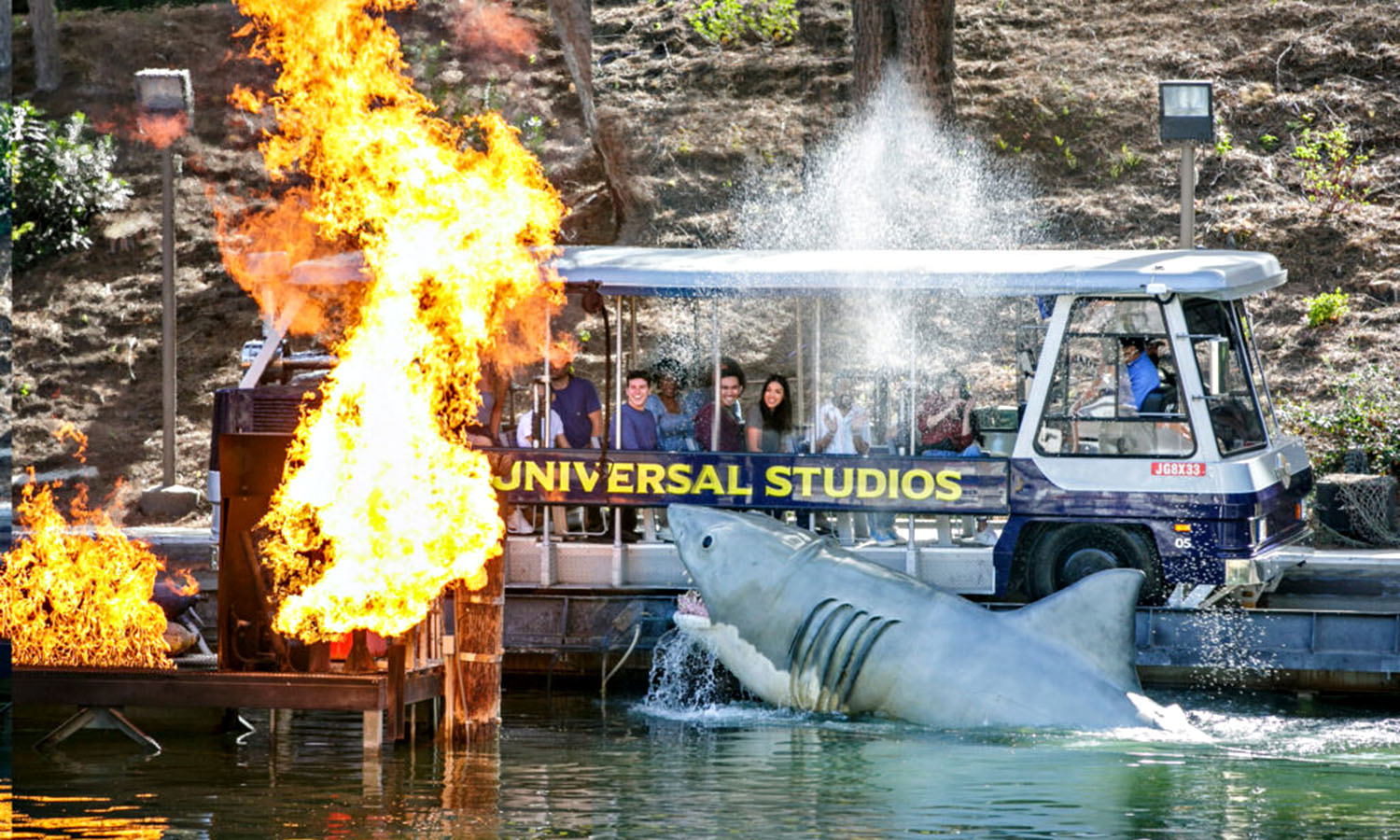
I hop aboard the tram and we roll through legendary sets. Yes, Norman Bates is still creepily stalking the Psycho motel (in real life I might add, now there’s an acting gig), and yes, “Bruce” the shark from Jaws still pops out with all the enthusiasm of a pensioner at bingo, but now we’re also treated to immersive 3D sequences, high-def projections and massive surround effects that make you forget you’re in a glorified golf cart.
The most outrageous addition? The Fast & Furious: Supercharged finale. Suddenly the tram isn’t a tram, it’s a street racer in a car chase through downtown LA. The vehicle shakes, the screens scream, and The Rock tells me I’m part of his team now. I didn’t train for this. I just wanted to see where Back to the Future was filmed. But I lean in. I scream. I believe. This is the Studio Tour 2.0, heritage with horsepower.
By now, my legs are jelly, my clothes smell vaguely of fake smoke, and I’m convinced Universal has figured out how to tap directly into our fight-or-flight response and charge admission for it.
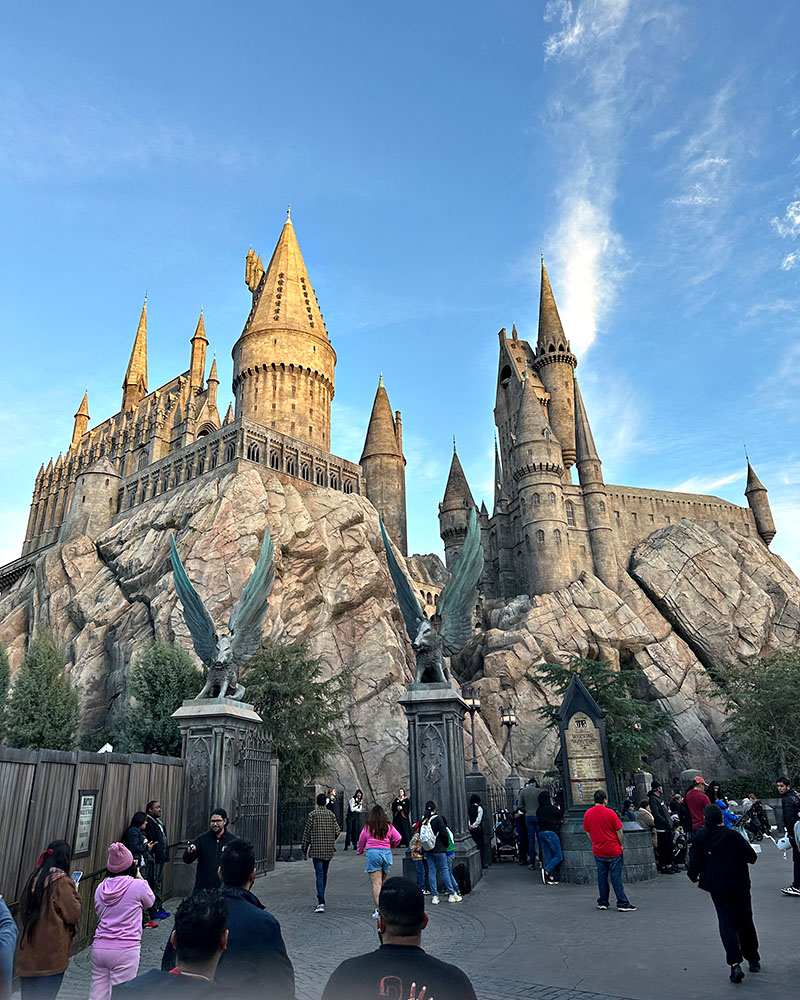
As I lurch past a life-sized Minion and a teenager dressed like Mario Kart, I realise this is what keeps Universal Studios relevant, relentless reinvention. They don’t just refresh, they replace, rebuild, and reboot like they’ve got a Hollywood scriptwriter for the entire park. In 2016, they waved a wand and conjured up The Wizarding World of Harry Potter, complete with Butterbeer, Hogwarts Castle, and a wand shop so immersive you forget it’s just a broom closet with good lighting. And in 2023, they hit the nostalgia jackpot again with Super Nintendo World, where you can literally punch question blocks, race Mario-style, and queue up in a giant green pipe. It’s like stepping into your Game Boy after a week-long bender.
Rides are no longer rides. They’re multi-sensory assaults disguised as entertainment.
And while it’s sad to say goodbye to the old classics, you have to respect the hustle. Universal doesn’t rest on nostalgia. It turbocharges it. Adds fire. Throws you into the backseat of a Charger doing 200 down a CGI freeway.
I leave the park exhausted, exhilarated, and at least 17% more likely to believe I could outrun a dinosaur or pilot a Transformer. I’ve dodged Decepticons, survived a mosasaur attack, got fast & furiously flung through LA traffic, and eased my nerves with a margarita. Yep, they serve booze. And honestly? I’d do it all again tomorrow.
Two minutes to open, and we saw the silhouette of the queue outside.
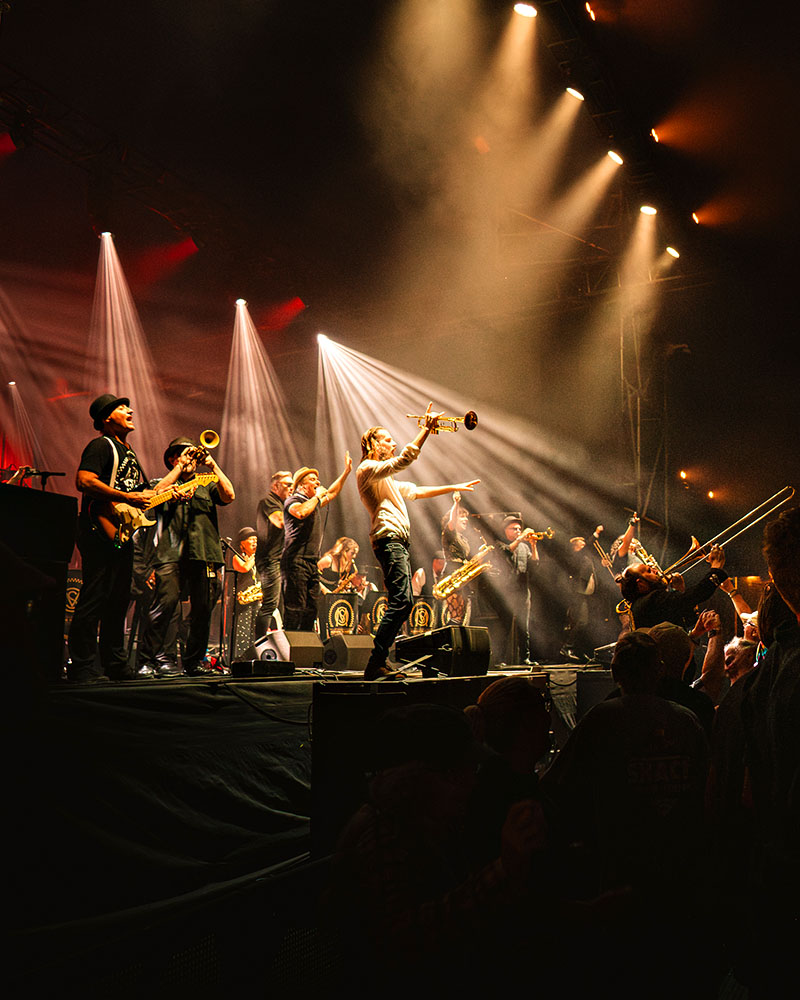
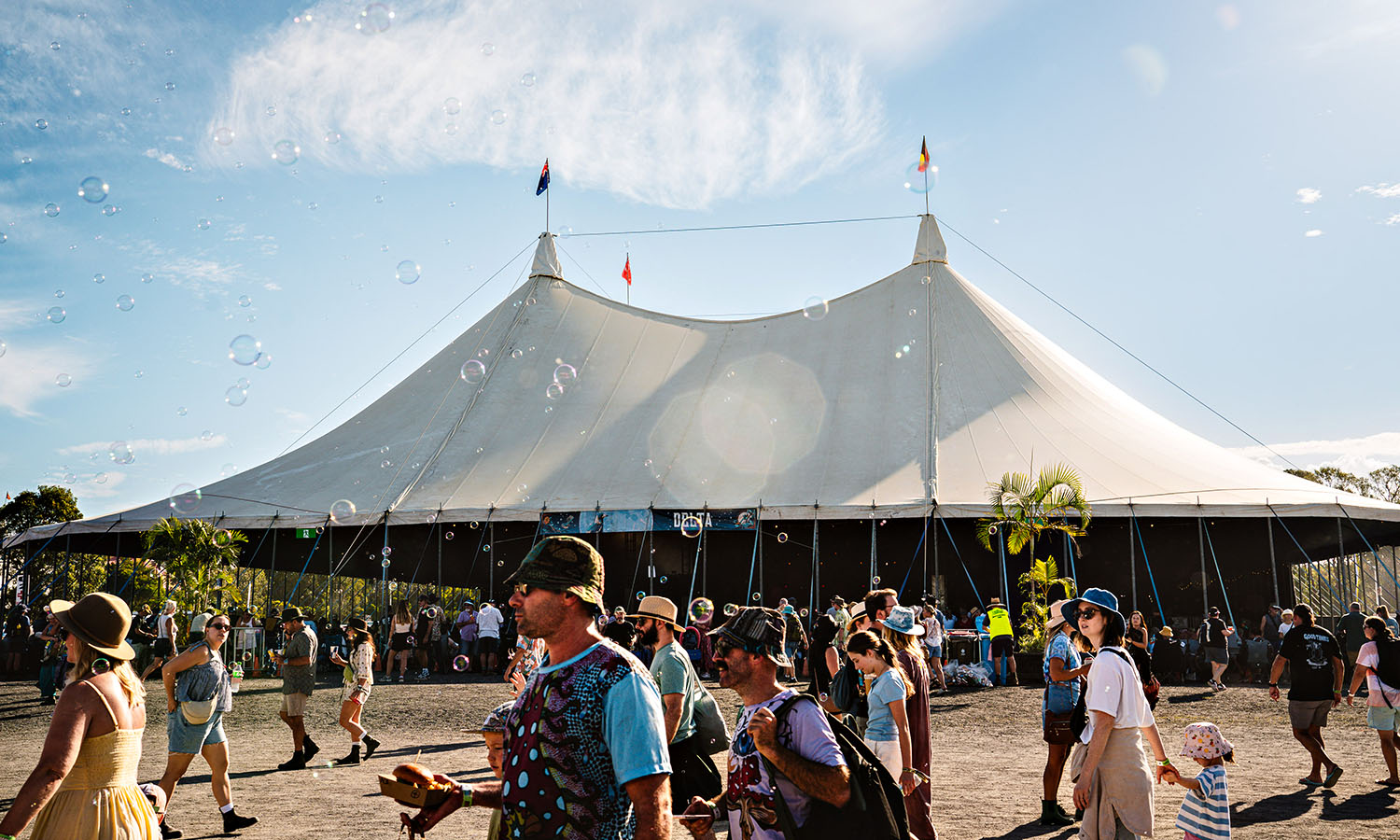
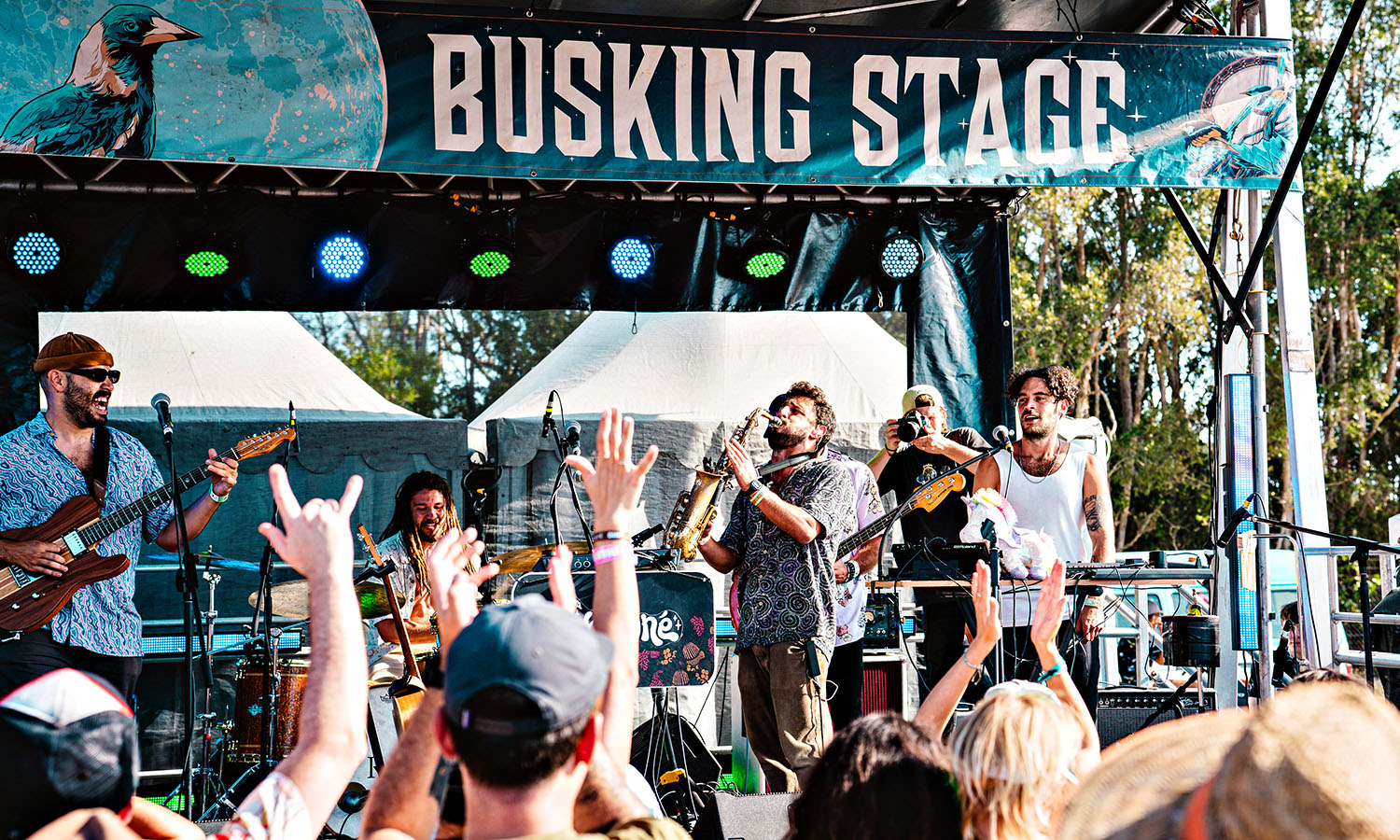
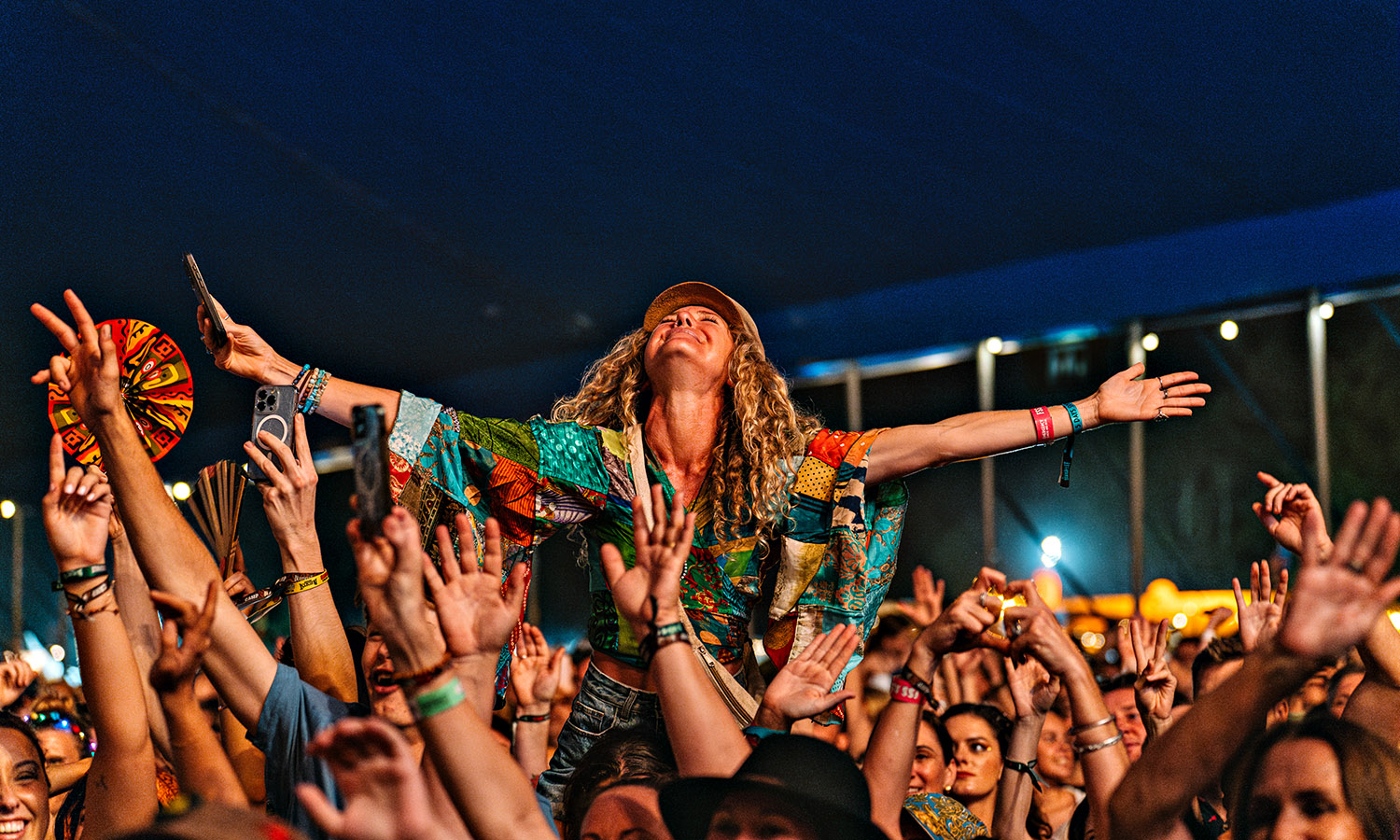
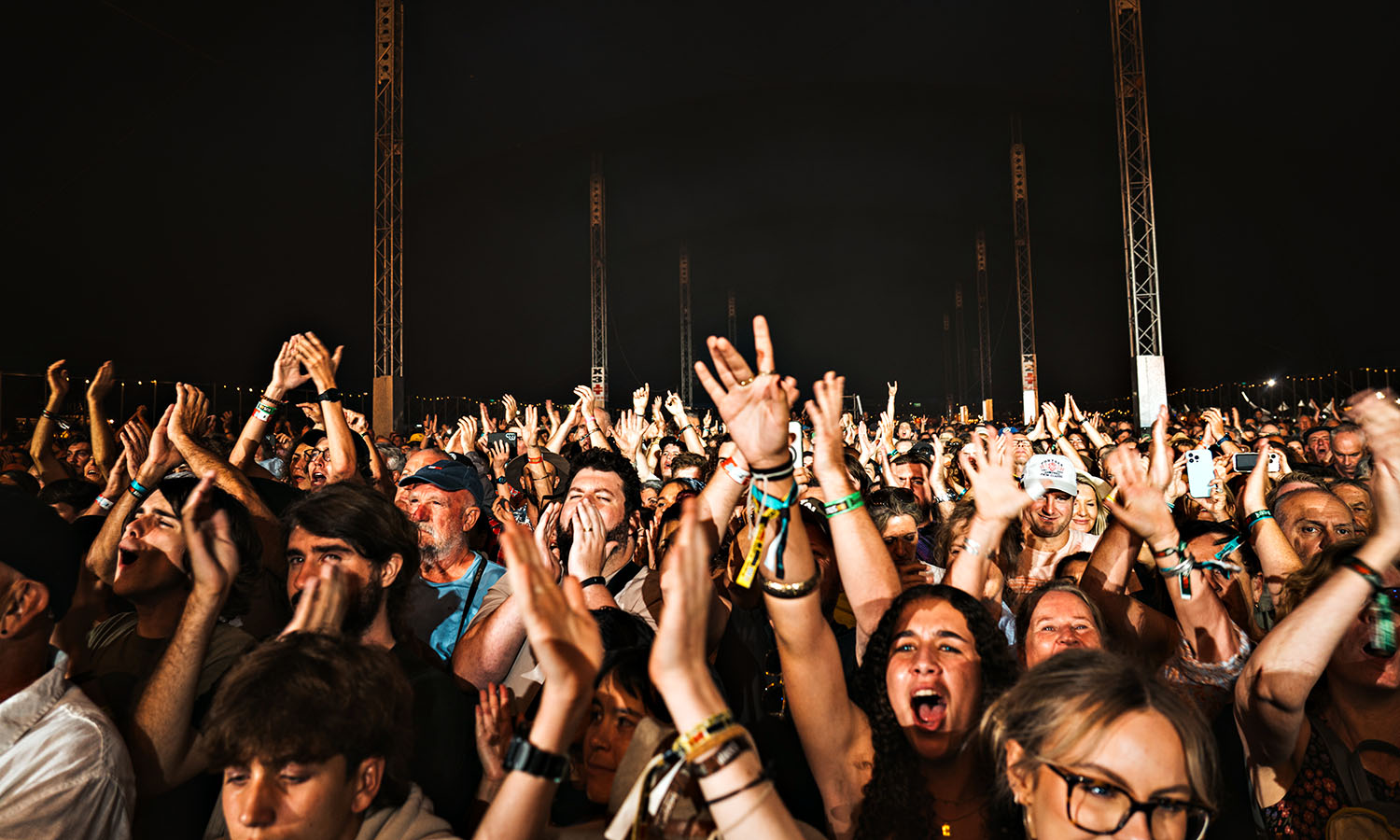
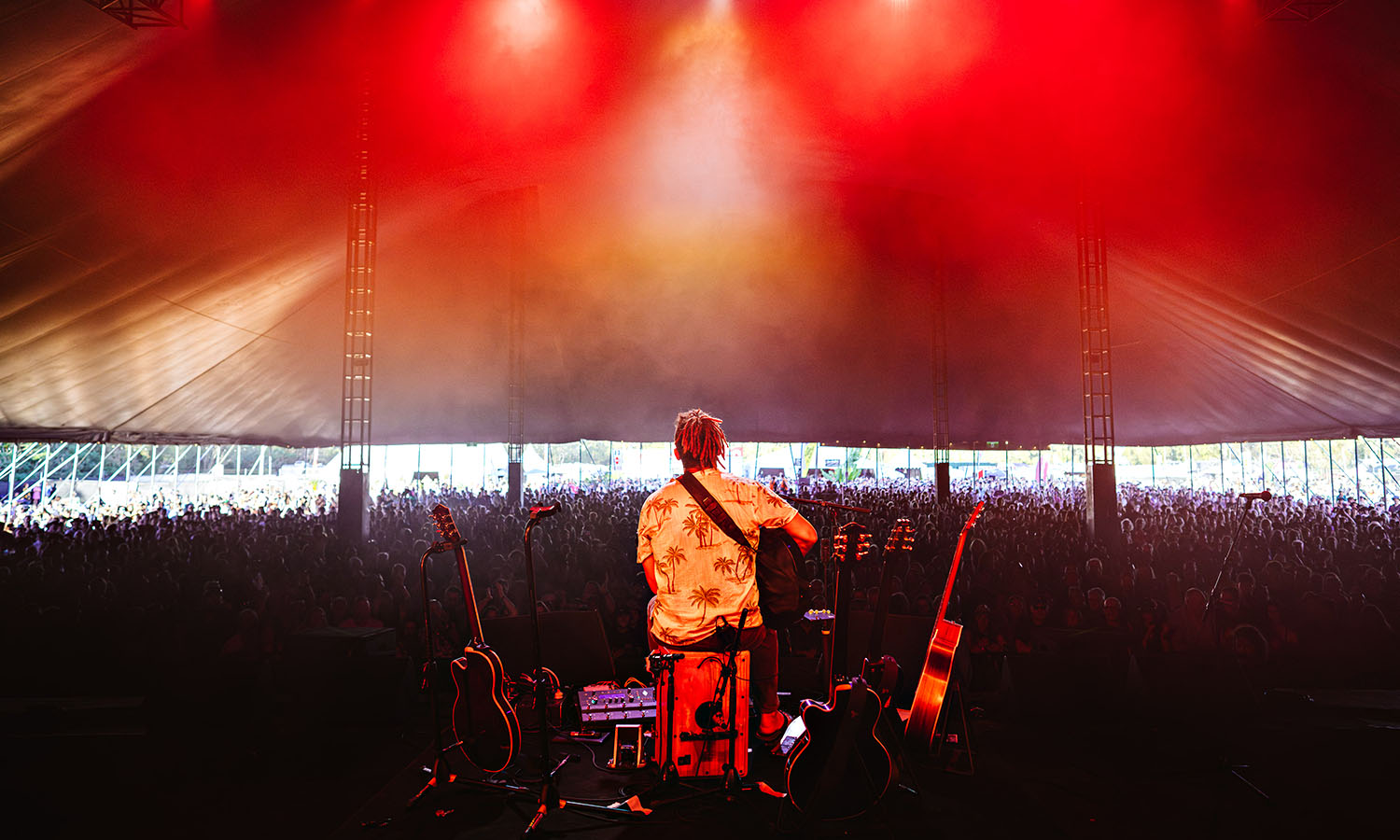
The staff were all smiles, but there’s a hum in the air: Is this the calm before the storm? Bluesfest 2025, the gates opened to a crowd that absolutely dwarfed last year’s. The fear of this being the last ever Bluesfest had attracted the third-largest crowd in the festival’s history: 109,000 patrons strong. The sun is blazing down, and the sky a perfect Byron blue. We’re back. And it’s big!
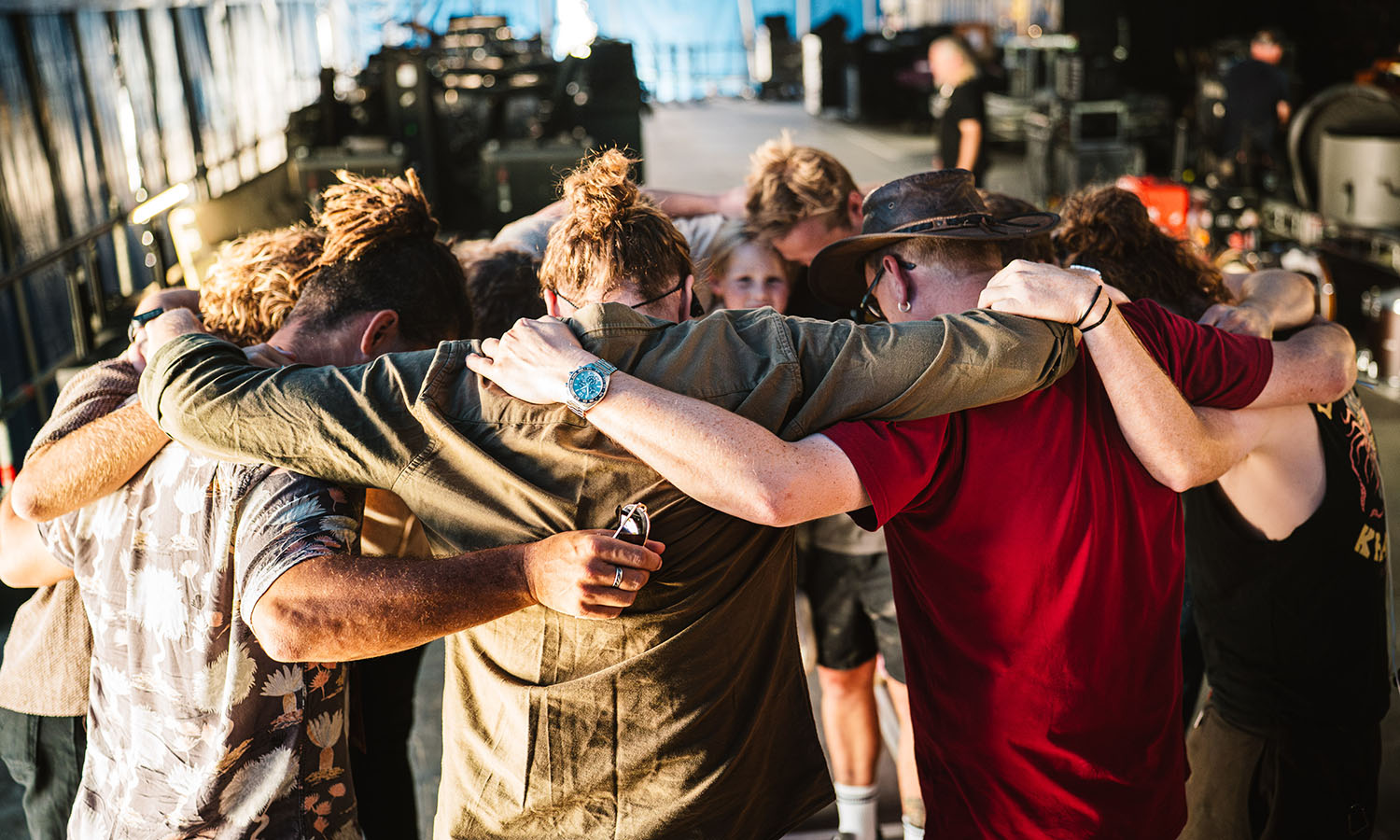
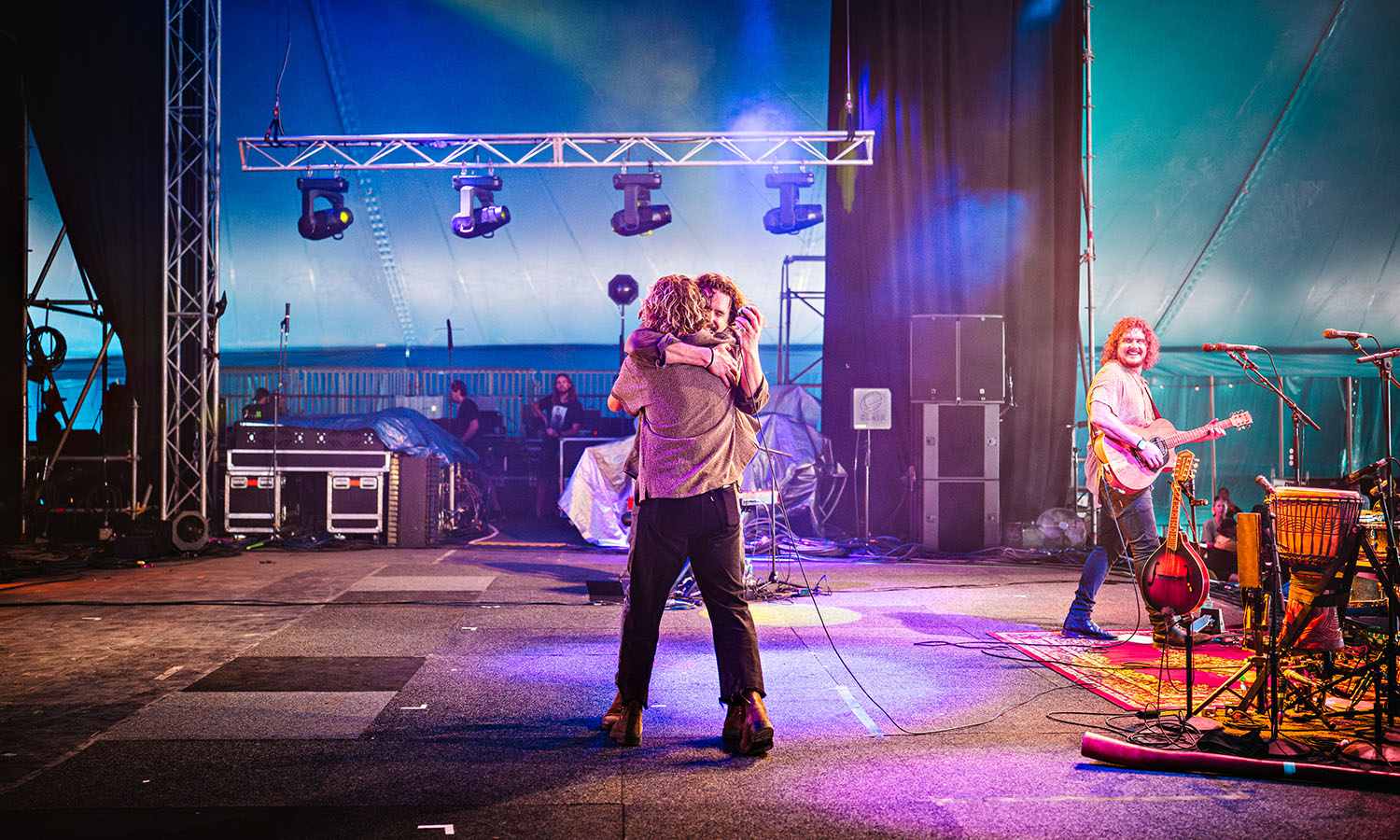
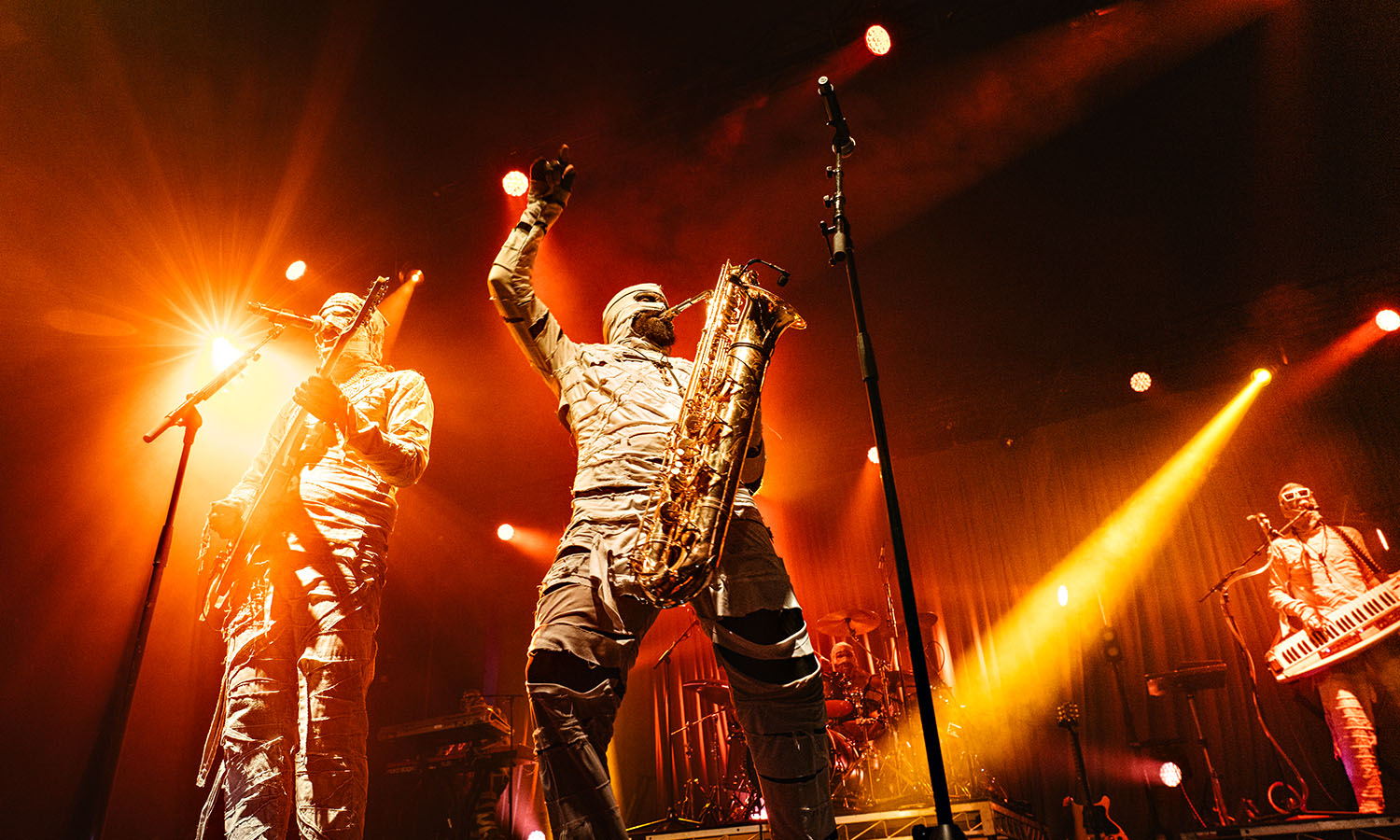
This year, we had the joy of backstage access, and we saw that the buzz was just as much in the artists as it was in the crowd. We witnessed musos cheering each other on from side stage, jumping in for surprise collaborations, and sticking around long after each set just to share the moment. There’s something contagious about that kind of joy, it’s the kind that ripples out from the stage and hits every person in the audience. You can tell when a musician is having an absolute ball on stage.
Almost every Aussie artist shared a personal Bluesfest story; the festival has always been more than just a lineup. It’s a reunion. A celebration. A chance for artists, fans, crews, and families to come together and be part of something bigger than themselves.
Kim Churchill was introduced as the “golden child” of Bluesfest. He first debuted on the busking stage in 2009, and now belts it out to a full crowd on one of the main stages. We saw him everywhere: side of stage at other sets, hopping in to play with Ash Grunwald, vibing with The Beards (big bushy fake beard included), and joining the Pierce Brothers’ incredible set. It became a thread running through the entire weekend. As with so many other musicians, the weekend wasn’t just about playing their own set, it was about coming together and celebrating each other’s music: “Bluesfest has always been my happy place. My musical home. And it’s all the little moments that make it that. All the in between bits of absolute life affirming wholesomeness.”
John Butler told the story of playing Bluesfest twenty years ago. The tent was barely a quarter full, “Then the rain brought everyone in… It was like petrol and fire, and we just exploded!” A crew formed around him after that set and became a family that still rolls with him to this day.
“Music runs through my veins,” said Missy Higgins – her third Bluesfest performance. When Melbourne Ska Orchestra hit the stage, they reminded us that this festival kickstarted their career too, landing them their first-ever record deal. The Cat Empire launched into How to Explain and reminded us why this festival still matters. “Music is the language of us all,” they sang, and the crowd screamed it back. Other highlights included the massive, thousands-strong singalong to Toto’s Africa, Chaka Khan absolutely belting it like it’s 1978, Xavier Rudd grounding us all, before making us jump up and down to Follow The Sun.
Because music really is the language of us all. It’s connection. Especially at a time when we’re all feeling a little disconnected. John Butler, Nicky Bomba, and Xavier Rudd all shared this message. In times like this, it’s important that we find common ground, that we dance and sing together, that we celebrate the good parts of humanity. Live music isn’t just entertainment. It’s culture. It’s connection. It’s sticky floors and shared anthems. It’s strangers hugging in the dark because that one track just hit. It’s a rite of passage for teenagers, a returning pilgrimage for adults, and a heartbeat for regional towns that host these moments of collective joy.
It’s been a rough few years for the Australian live music scene. Fires, floods, and the pandemic delivered blow after blow, cancelling show after show. More recently, its economic woes have quietly and cruelly crushed festivals. Longstanding events, pillars of the Aussie music scene, are falling over like dominoes in a country known for its music and easy-going lifestyle.
These events remind us that we’re not alone. It shakes something loose in us and breaks the routine. Music festivals give us a reason to drive ten hours, to camp in the rain, to throw our arms around strangers and scream the lyrics until we lose our voices, and to volunteer days of work just to dance in front of the front row when Hilltop Hoods perform The Nosebleed Section.
So, here’s to the venues still opening their doors. To the events rolling the dice, the staff and vollies holding it all together, and to the artists playing their guts out. We need live music now more than ever. And thank goodness: Bluesfest isn’t done yet.
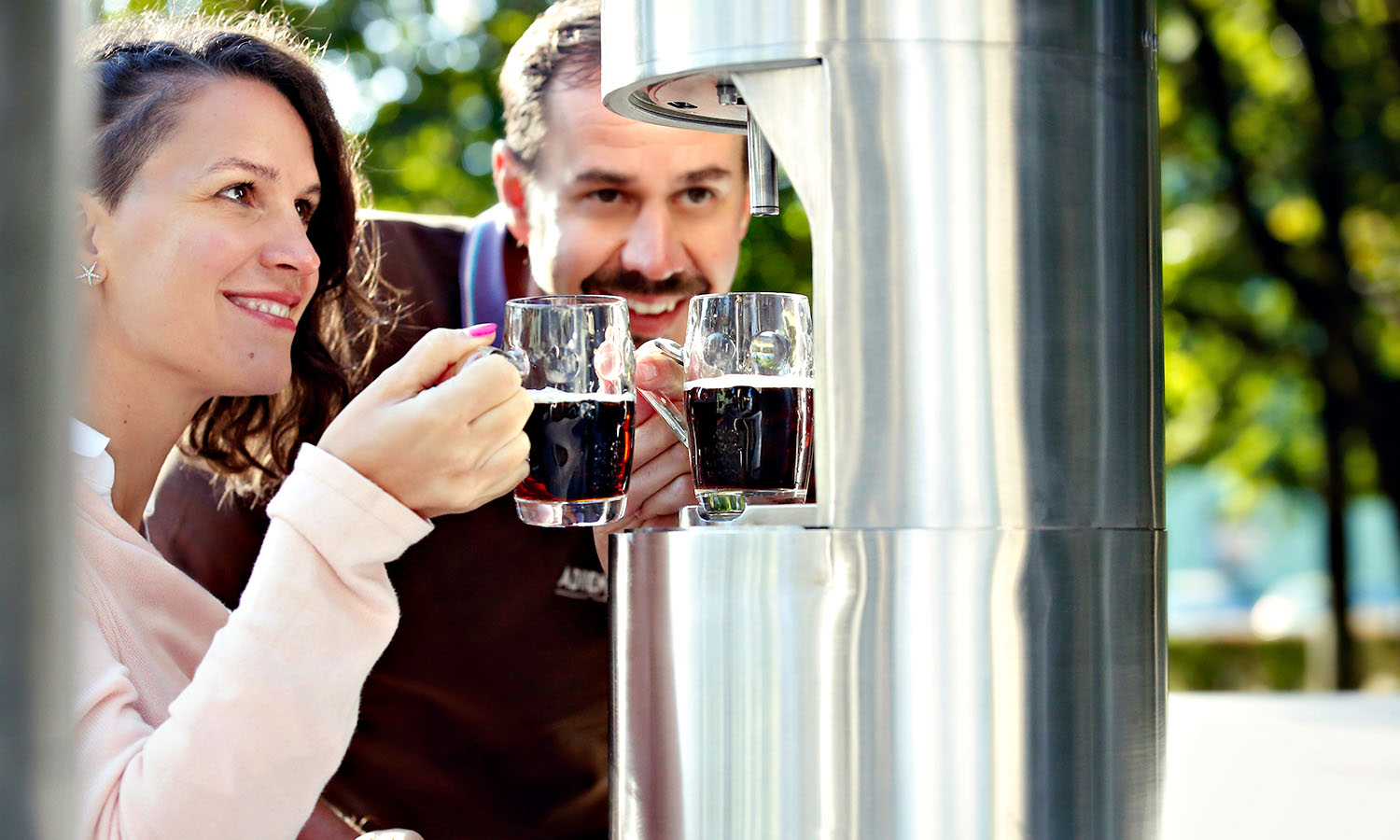
I’m standing in the middle of a Slovenian town, holding a sleek little glass with a microchip in it, and I’ve just poured myself a beer, from a fountain.
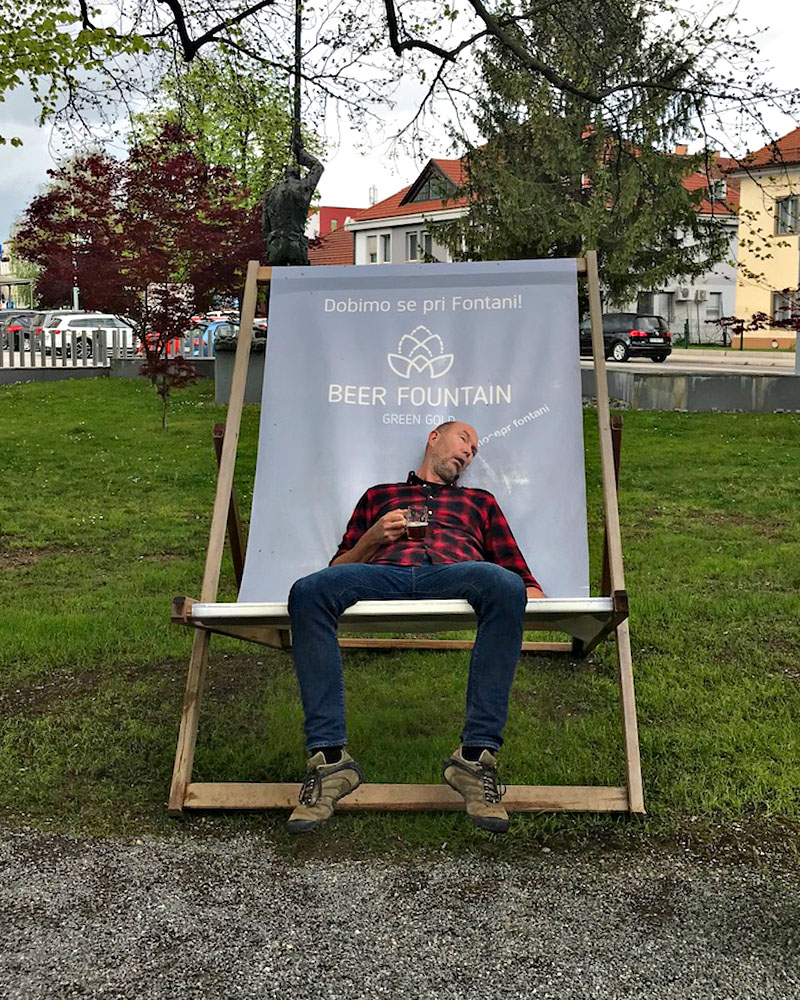
Let me repeat that slowly for those at the back still sipping lukewarm lager from a can: A beer fountain. In a public park. Flowing not with water, but with glorious, hoppy, golden nectar straight from the taps of local Slovenian breweries. Žalec, you beautiful, boozy genius.
Why every town on Earth hasn’t adopted this idea is beyond me. Libraries? Nice. Museums? Great. But a communal beer-dispensing installation in the local park? Now that’s culture.
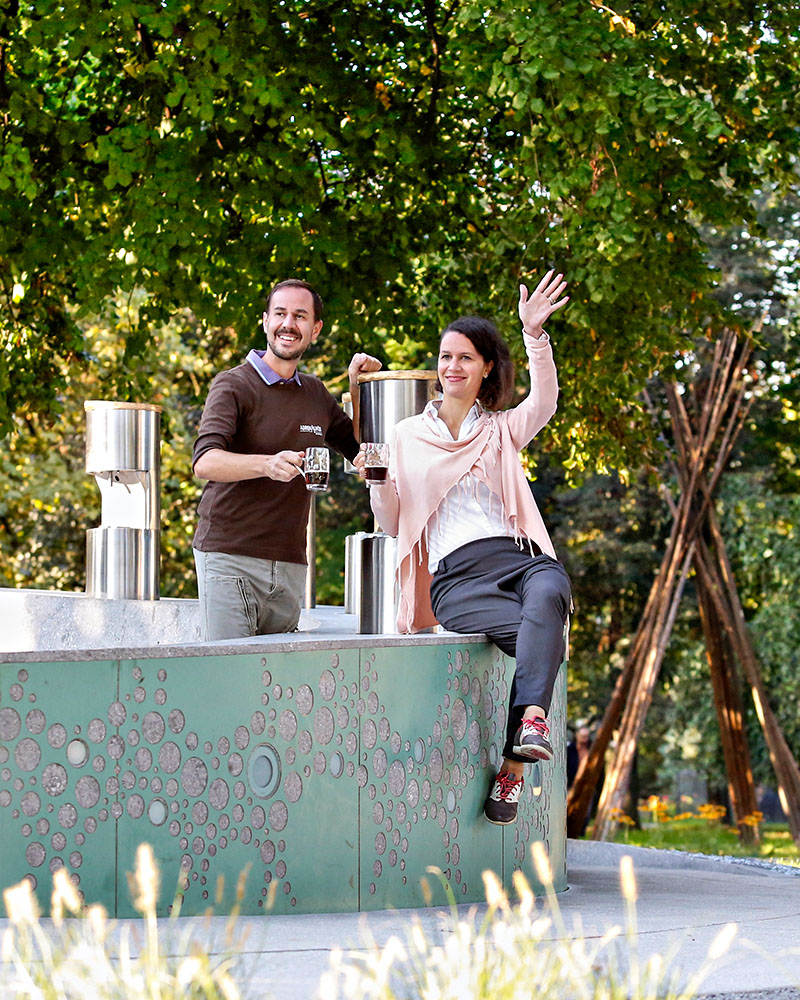
They call it the Green Gold Beer Fountain, which sounds like something a leprechaun might bathe in, but it’s actually a tribute to the hops that grow in abundance in this region. The Styrian region of Slovenia has been growing hops since the Middle Ages, and Žalec, the self-proclaimed hop capital, thought: “You know what this history needs? A public drinking installation.”
You pay a few euros for this specially designed glass with a built-in chip (because it’s 2025 and even your pint glass is smarter than you), and you get six pours of different local brews straight from the futuristic beer taps poking out of polished steel columns. It’s like a high-tech pagan shrine dedicated to lager. I bow.
First pour: a crisp pilsner that makes my tastebuds do a little jig. Second: a punchy IPA that drops a hop bomb bigger than David Hasslehoff! I’m only two drinks in and already questioning everything I know about urban planning (in all honesty I don’t know much). Why do we have public fountains spitting out chlorinated water when they could be gently burping out craft beer instead?
The locals stroll past like this is the most normal thing in the world. There’s a pensioner reading a newspaper on a bench while a couple in matching Lycra refill their glasses post-bike ride. A man walks his dog with one hand and pulls a lager with the other.
“Respect!” I say, raising my glass to cheers him. He gives me a look as if to say “another overexcited tourist.”
Of course, I try them all. One beer has hints of caramel and smoke. Another is so light and citrusy I swear I hear tropical birds chirping in my ears. This isn’t just a gimmick, it’s seriously good beer. By my fourth pour, I’m contemplating buying real estate in Žalec. By the fifth, I’ve decided to start a grassroots movement to install beer fountains in every city back home. Imagine knocking off work on a Friday, strolling into the city square, tapping your glass to a gleaming steel column, and pouring a fresh lager straight into your soul. Heaven. Urban bliss. Social cohesion, one pour at a time.
By my sixth (and tragically final) beer, I’m genuinely emotional. I mean, sure, Paris has the Eiffel Tower, Sydney has the Opera House, and New York has almost everything (I love New York), but Žalec? Žalec has a beer fountain, and frankly, it wins. Every town deserves this. Every town needs this. Forget potholes and traffic congestion—give the people what they want: beer on tap in the heart of the city. A place to gather, to taste, to toast, and to tell your mates, “You’ll never believe what I found in Slovenia…”
And then, with a sly grin and a clink of your chipped-glass goblet, you tell them: “It was a beer fountain.”
Spoiler alert: It involves balls, shafts, and a suspiciously sexy windmill.
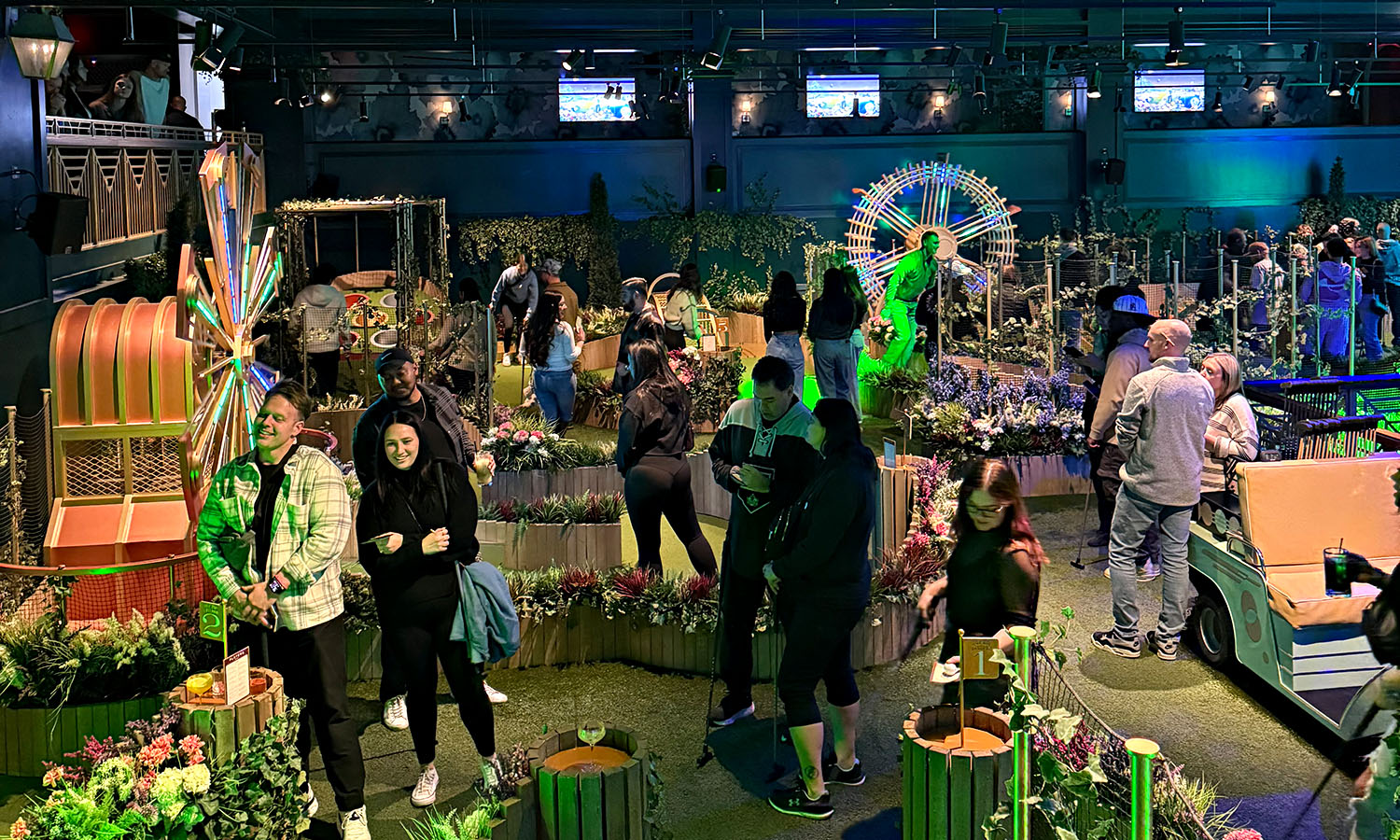
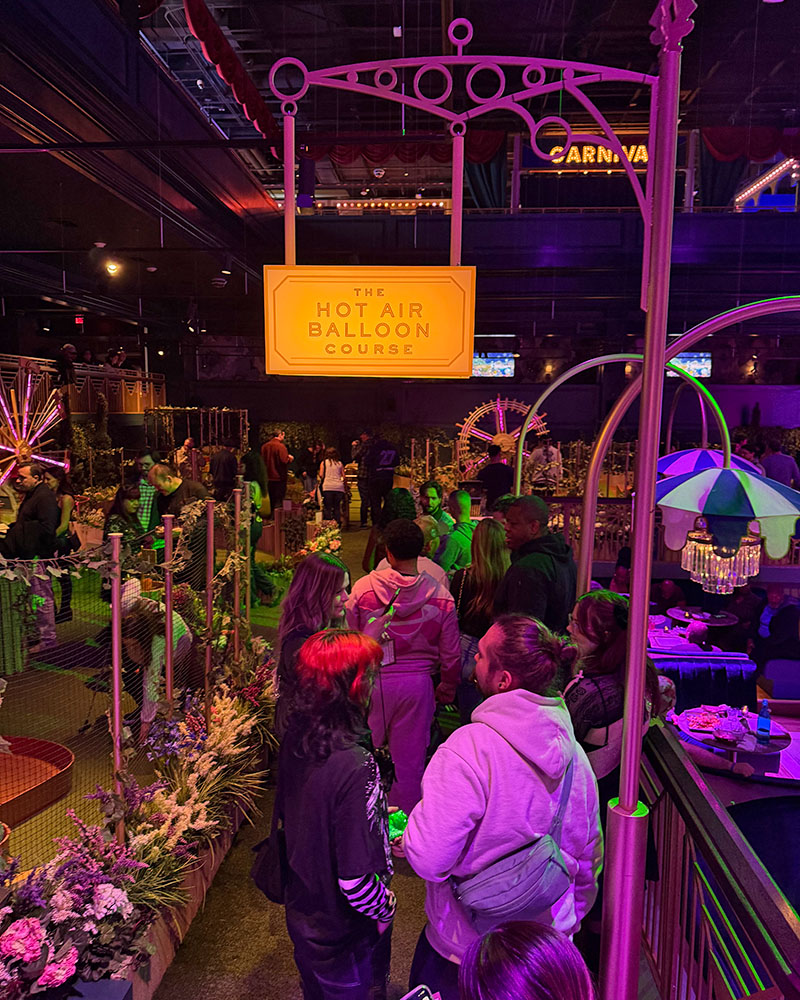
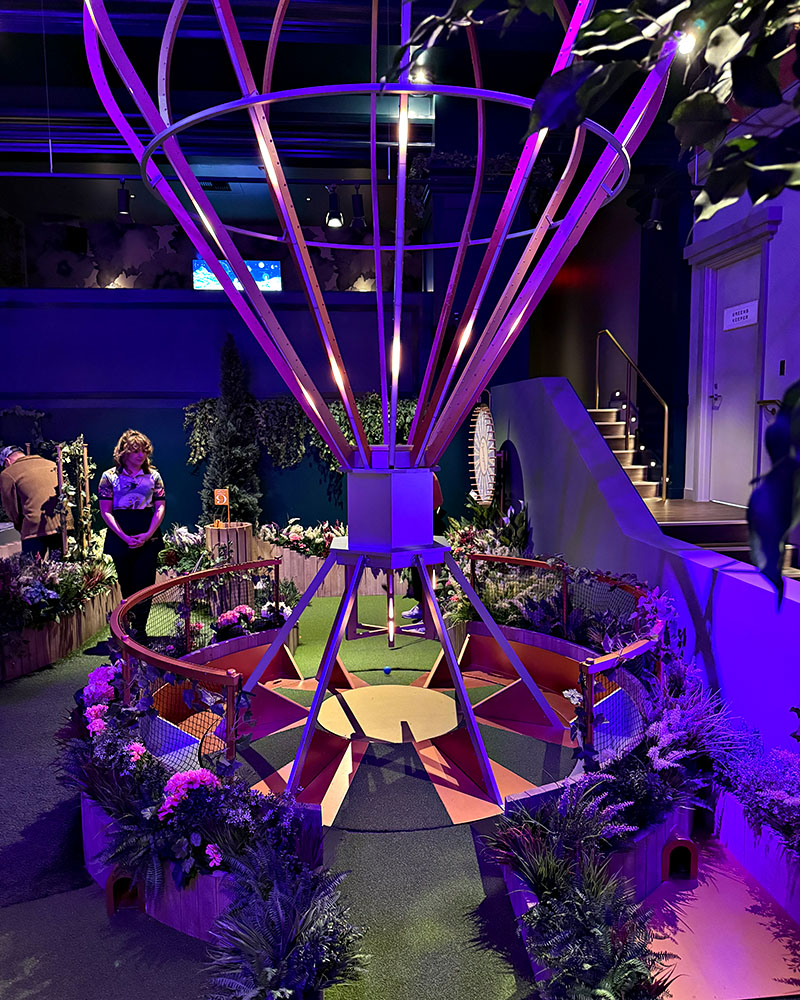
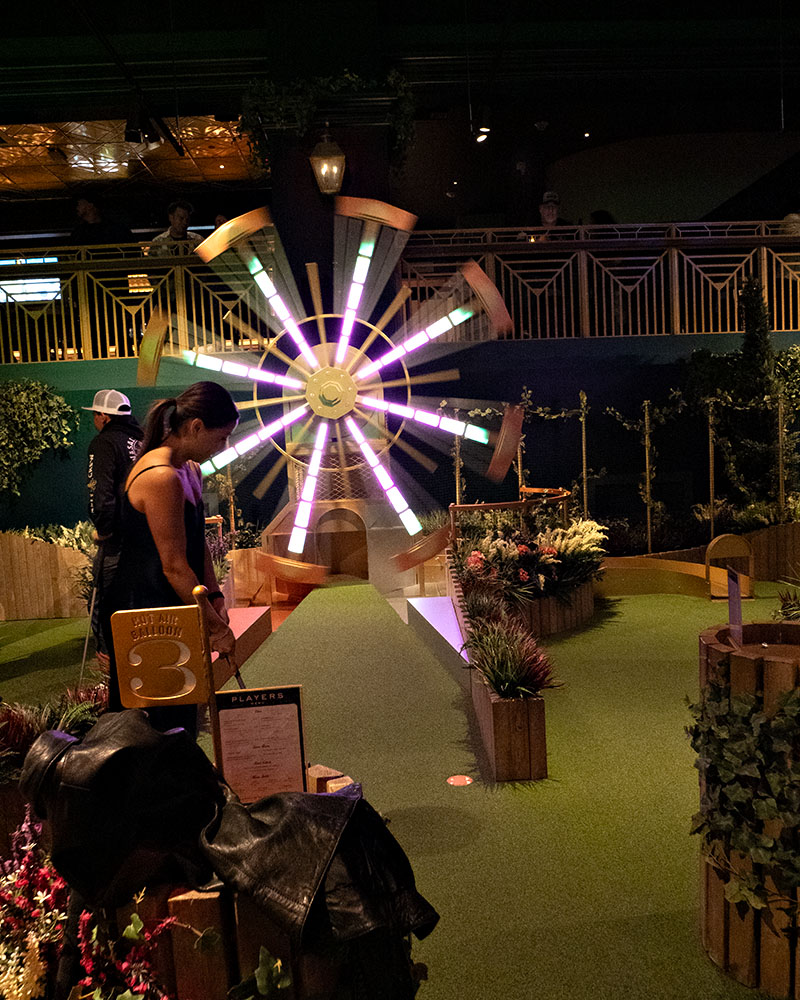
When Justin drags his long-suffering wife Vicki to a Swingers Club in Vegas, he’s not entirely sure what to expect, key parties? Pineapples? Regret? Instead, they stumble into the world’s wildest mini-golf course, where cocktails flow, disco lights flash, and innuendo is par for the course. Welcome to Swingers Mandalay Bay: part golf, part nightclub, all filthy fun.
We’re at Mandalay Bay, where Swingers , the newest, naughtiest addition to the Las Vegas nightlife scene has just opened its doors after a star-studded VIP launch. And trust me, it’s not your average putt-putt.
Swingers started out in a dodgy London basement back in 2014, a pop-up in Shoreditch where two blokes, Matt Grech-Smith and Jeremy Simmonds, thought “Why not combine crazy golf with cocktails, DJs and street food?” Because of course they did. London loved it. Next thing you know, Swingers has taken over New York, Washington D.C., and now, with its global flagship in Vegas, it’s bigger, bolder, and hornier than ever.
And yes, it’s still about golf. Technically.
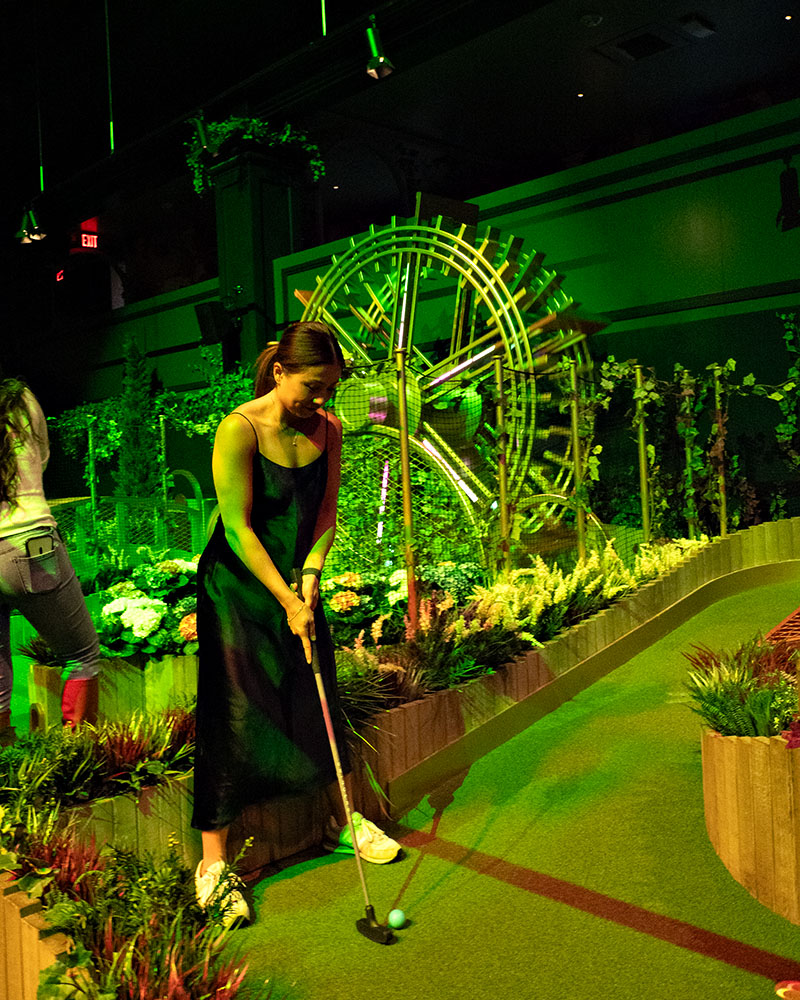
The second we walk in, we’re hit with a neon glow, thumping beats, and a giant sign screaming Get Ready to Swing. I glance at Vicki. “Not what you thought, hey?” She eyes the disco-lit windmill and mutters, “I was kinda hoping for more nudity.”
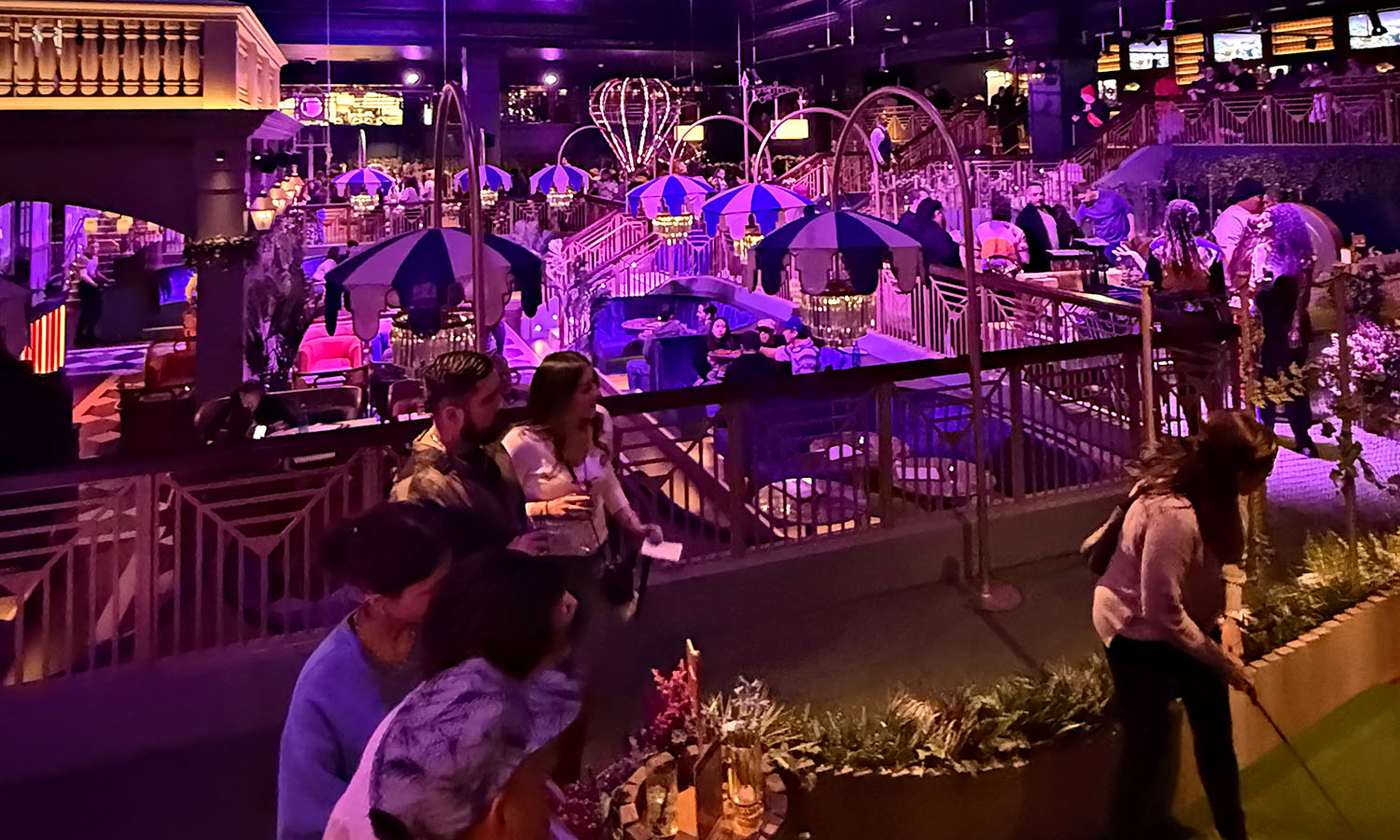
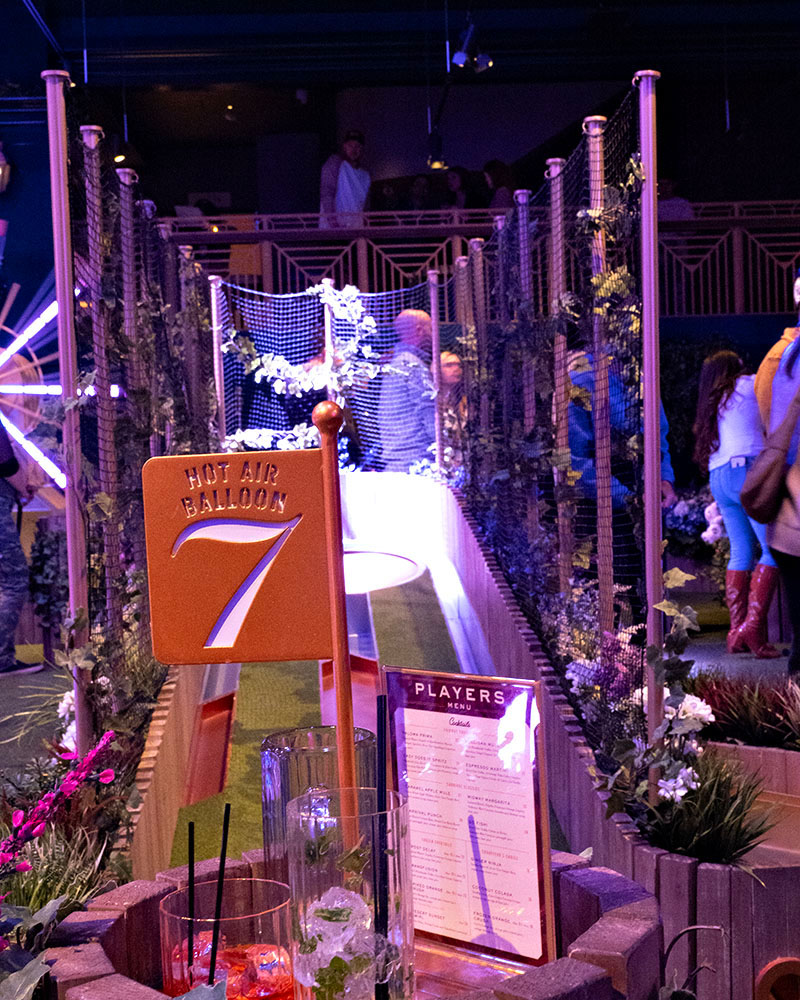
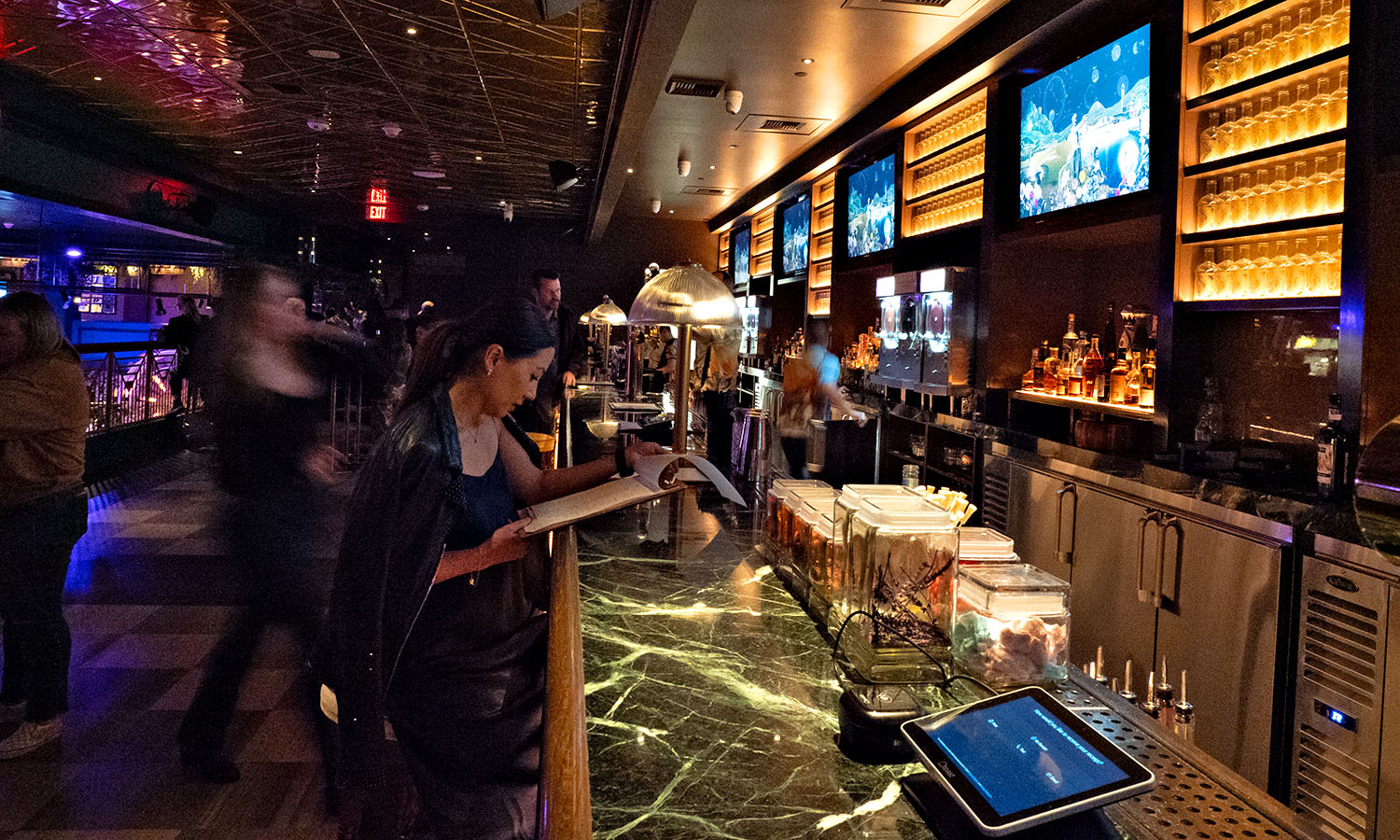
We’re ushered in by a hostess wearing fishnets and a knowing smile, and handed cocktails with names like “Foreplay” and “Stroke of Genius.” There are four outrageous courses to choose from, each one more suggestively themed than the last, plus an old-school carnival arcade and a pizza joint slinging slices sexier than they have any right to be.
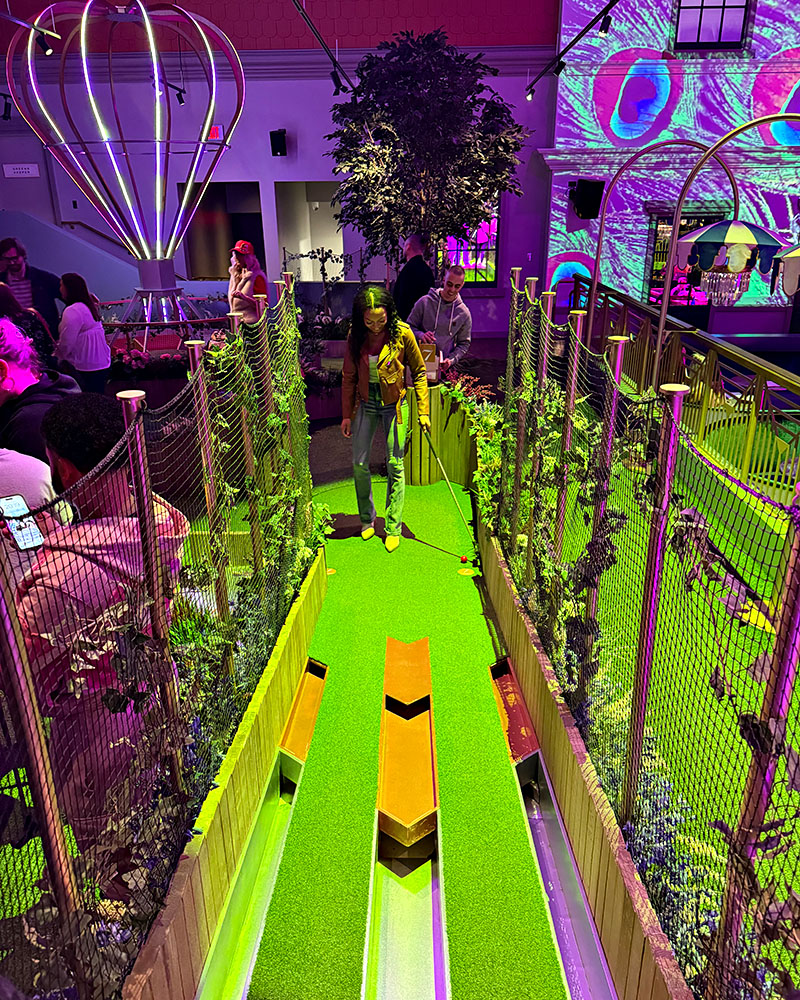
We start on “The Velvet Course,” which sounds like a Barry White album and plays like a fever dream. Hole Two features a giant pair of furry dice swinging above a heart-shaped bed. Hole Five’s called “The Love Tunnel” and involves a rotating tunnel, low ceilings, and a questionable grip on your balls. Vicki smashes it. I nearly fall in.
Everywhere we go, people are laughing, dancing, flirting and swinging, clubs, hips, conversations. The energy is unhinged in the best way possible. You’re not here to win. You’re here to lose your inhibitions and possibly your dignity.
By the time we reach Hole Twelve, “The Money Shot”, I’m sweating, two cocktails deep, and trying to line up a putt between a pair of glittering legs. Vicki’s howling. “You’ve never looked so focused,” she says. “Is it the pressure… or the heels?”
I sink the putt. She applauds. Somewhere, Barry White plays softly in the background.
As we collapse in a velvet cabana with spicy margaritas and pizza, I finally get what the founders meant. “We wanted to create the most ridiculously fun venue possible,” Matt Grech-Smith said. Mission well and truly accomplished, Matt.
Swingers isn’t about swapping partners. It’s about swapping boredom for chaos, cocktails, and a very different kind of foreplay.
A complete guide to the best things to do in Okinawa before settling into the coolest Okinawa accommodation.
They call it the Hawaii of Japan but Okinawa is more like Hawaii’s cooler, quieter cousin who ditched the crowds for coral reefs and taco rice. A string of sun-soaked islands drifting in the East China Sea, this subtropical gem delivers sugar-white beaches, turquoise water, and laid-back island vibes with a side of Japanese quirk.
Think samurai castles, WWII ruins, and vending machines that sell everything from beer to fresh eggs. It’s where you can snorkel with sea turtles in the morning, stuff your face with beni-imo ice cream by lunch, and belt out karaoke in a beach shack by sunset. Aloha? Nah, it’s haisai here and Okinawa’s calling with open arms and a chilled Orion beer.
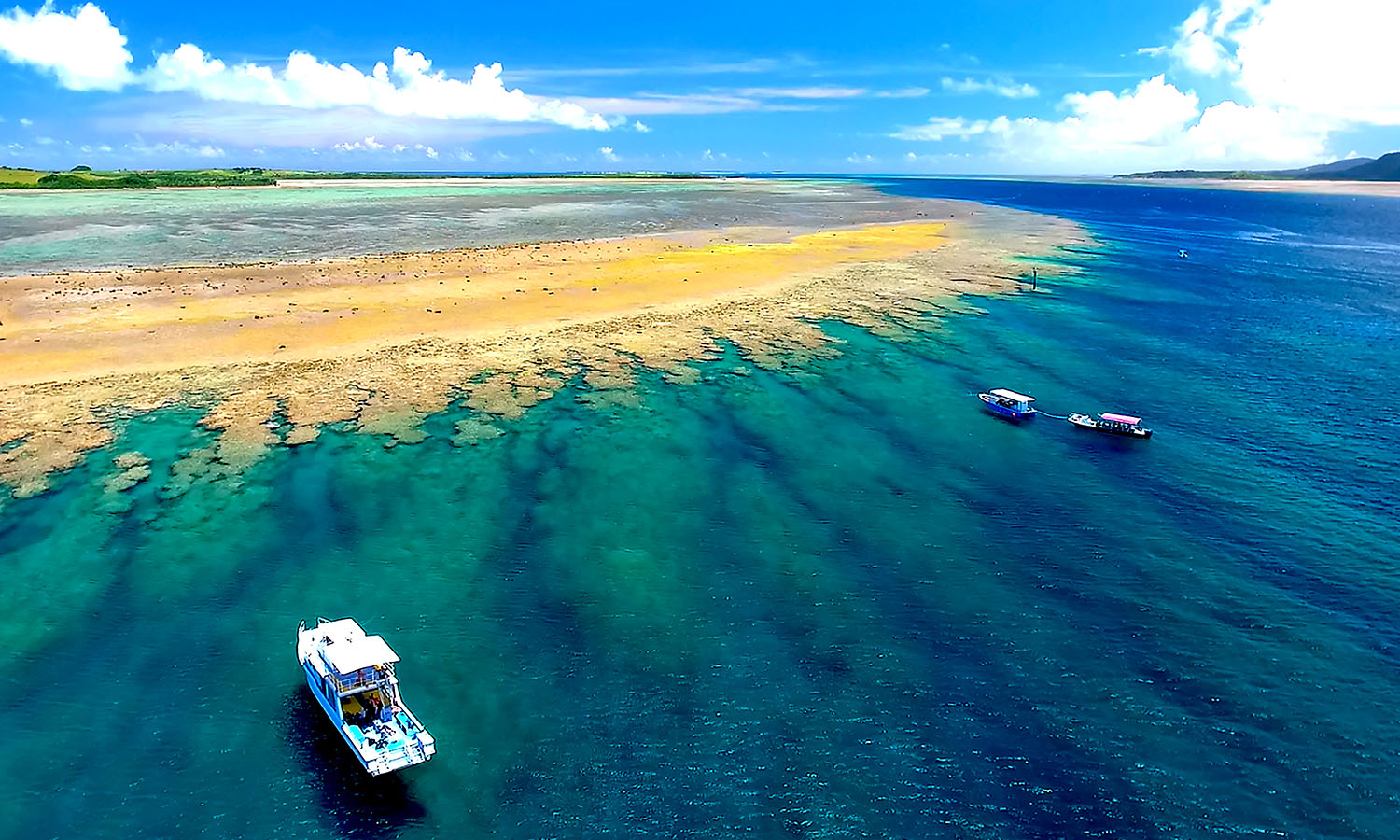
Okinawa’s waters are a diver’s dream, boasting around 200 of the world’s 800 coral species, so it’s little wonder why diving is one of the most popular things to do in the region. And there’s no better diving company to take you on your exploration of Okinawa’s underwater world than Prime Scuba Ishigaki.
Based on Ishigaki Island, these legends offer full-day dive cruises aboard their 60-foot cruiser, the Blue Swan, exploring Ishigaki and the surrounding Yaeyama islands.
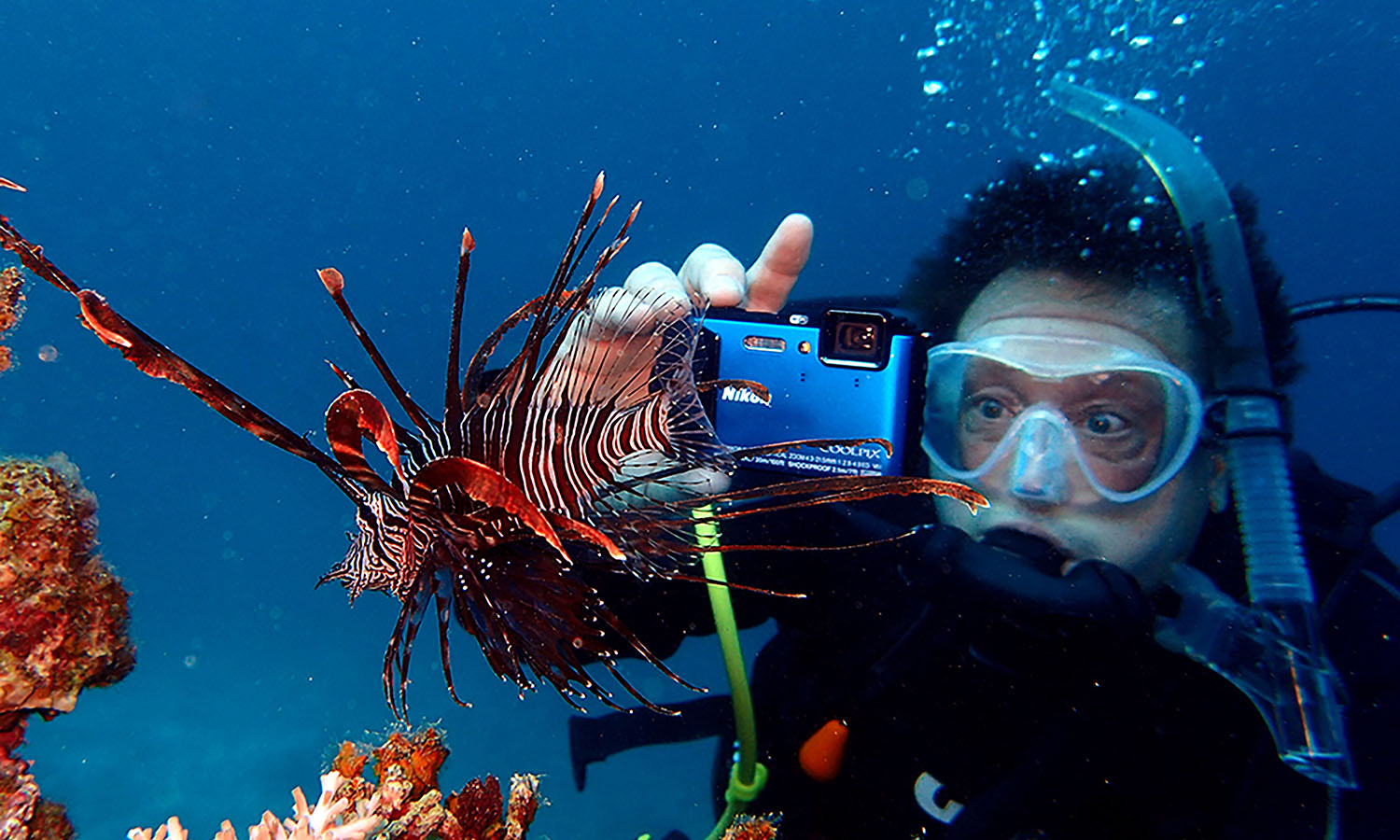
Expect to rub fins with manta rays, reef sharks, and sea turtles, all while navigating through coral gardens that look like they were designed by an overzealous artist with a thing for neon.
And even if you’re a newbie, Prime Scuba Ishigaki’s experienced instructors will have you blowing bubbles like you’ve been diving for years. Pro tip: come prepared with an underwater camera. You’re gonna want proof you did this.
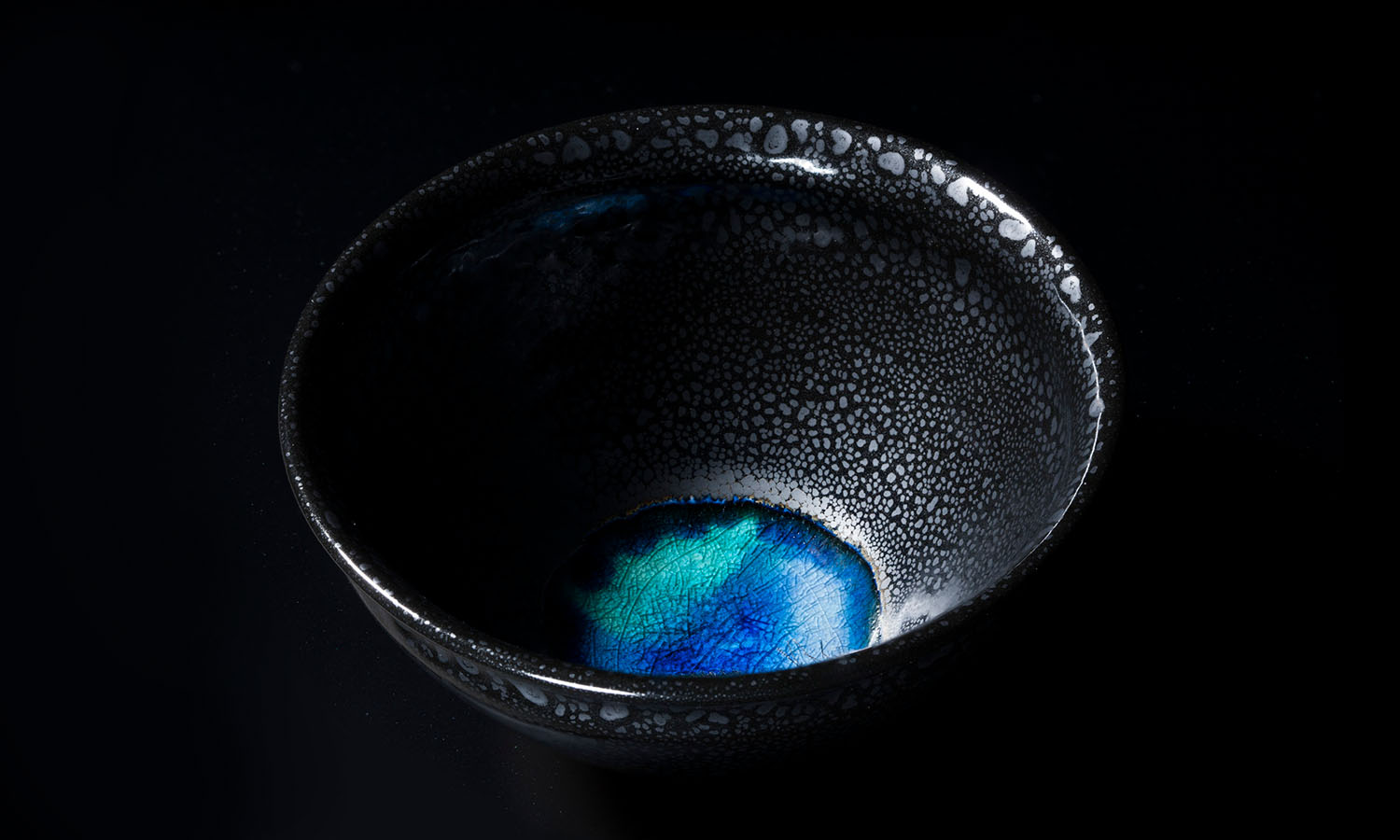
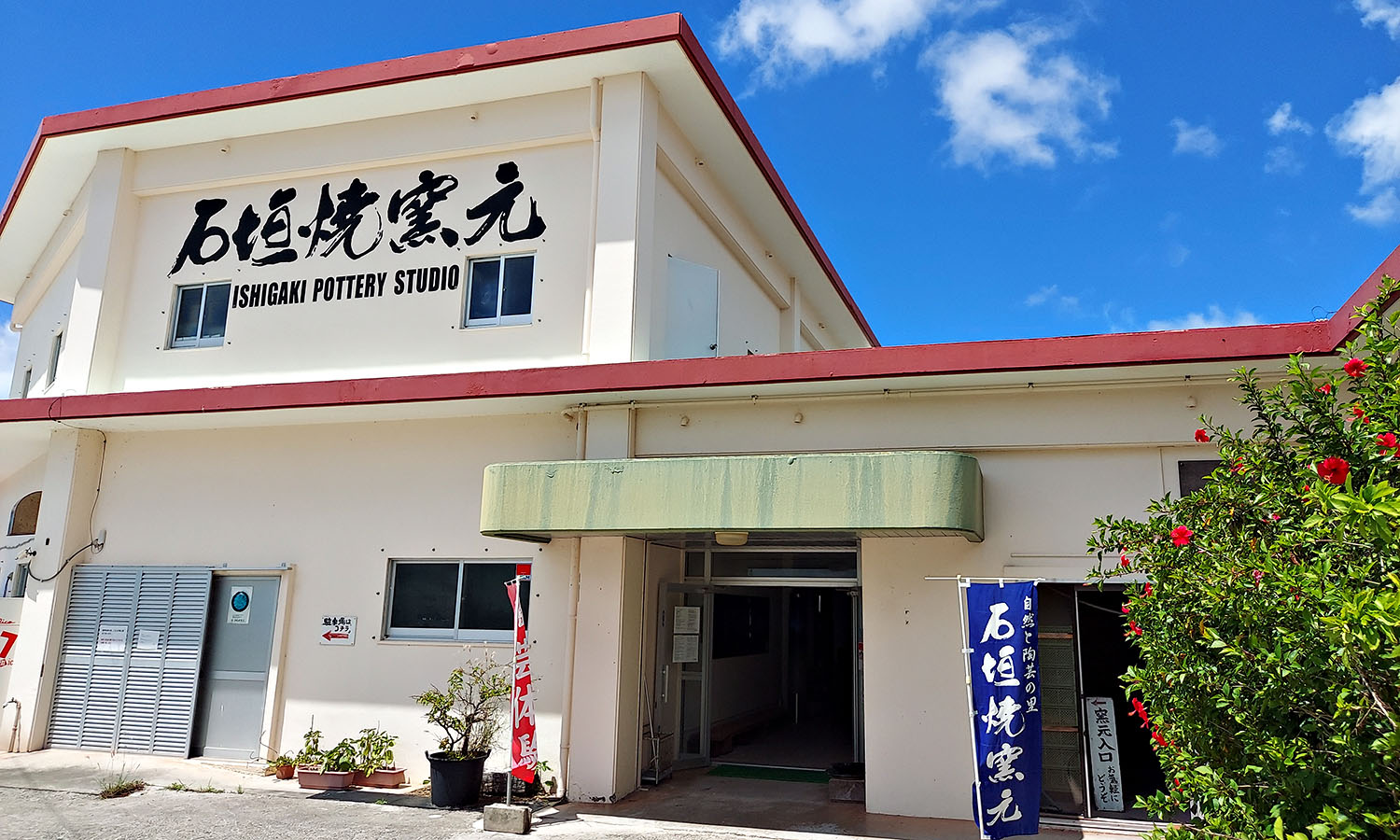
Tucked away in Okinawa’s sun-kissed Ishigaki Island, Ishigaki-yaki Pottery Studio is where everyday items are made with a glow-up in mind. This place is all about forging a non-traditional path since, well, they’ve developed a new pottery style. Yep, no earthy tones or island vibes here.
Successfully fusing clear glass and ceramics with the Yuteki-Tenmoku glaze, this studio is breaking the barrier and showcasing Okinawa’s marine beauty through its stunning blue pieces.
Want to try making your own? You can’t, at least, not in the way the masters of the studio do. But you can craft your own clay masterpiece in a pottery experience that’ll see you put your artistic skills to the test.
Said masterpiece might end up looking more like a mutant seashell, but hey, that’s the fun of it (wabi-sabi, are we right?). Either way, you’ll leave with something uniquely Ishigaki… and possibly clay under your nails forever.
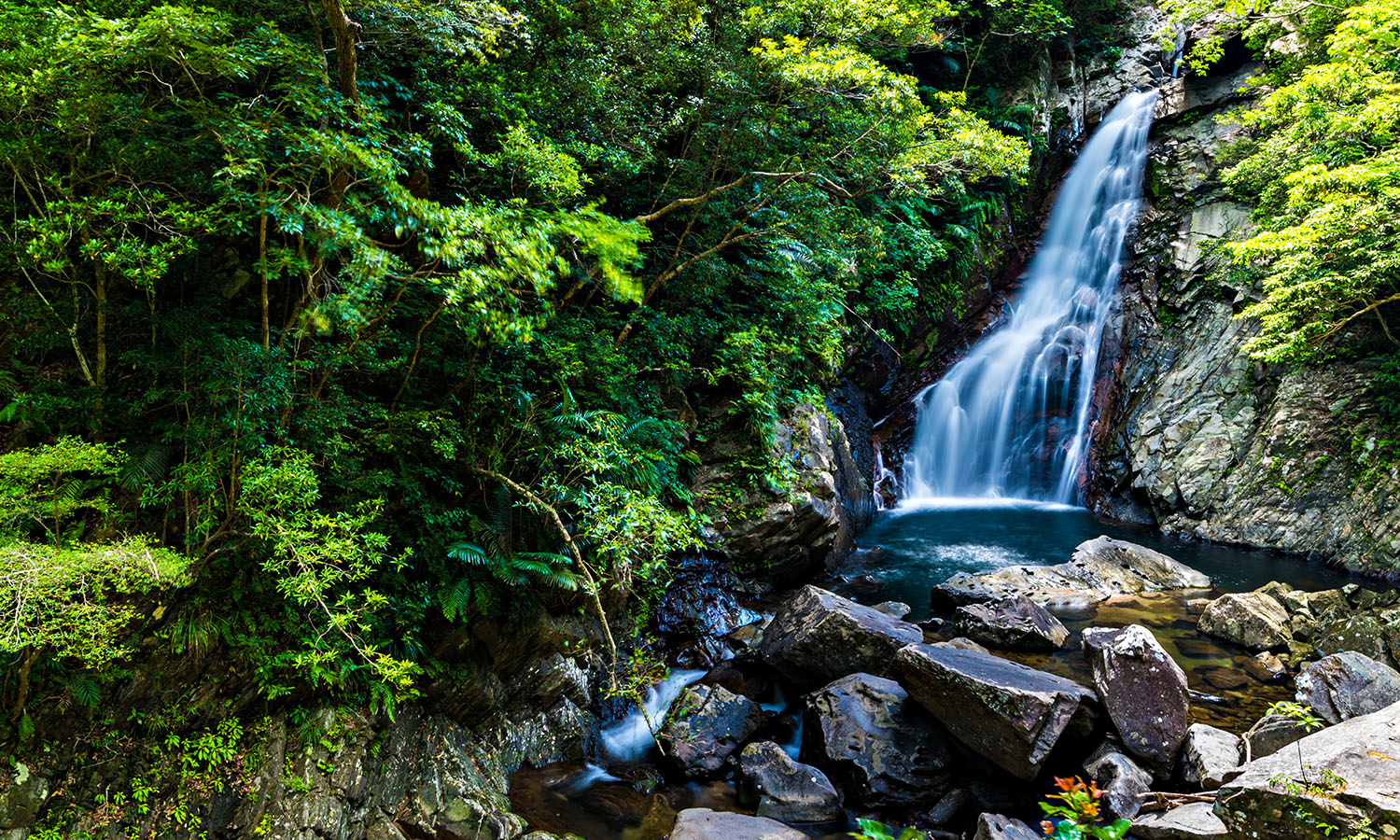
If you’re up for a jungle adventure that won’t leave you gasping for air (too much), the hike to Hiji Waterfall is calling your name.
This 1.5-kilometre trek through Okinawa’s lush Yambaru Forest takes around 40 minutes one way, just enough to break a sweat but not enough to regret your life choices. You’ll be met with suspension bridges, stone steps, and the occasional curious critter along the way.
But the payoff is more than worth it; a stunning 26-metre waterfall that looks like it’s straight out of a postcard. Bring water, wear decent shoes, and get ready to soak up Okinawa’s wet and wild side.
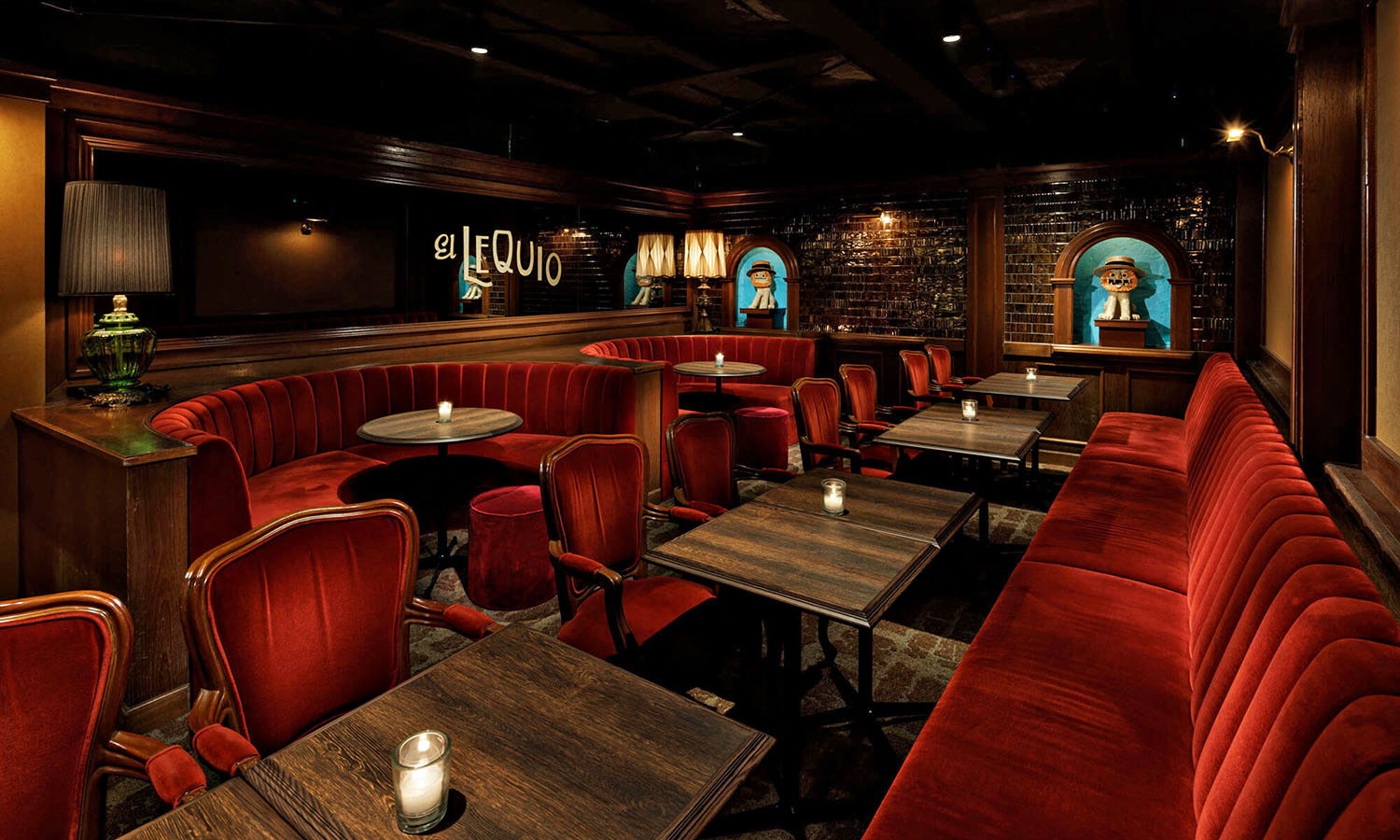
Ever wondered what happens when Okinawa’s rich Ryukyu heritage takes a salsa-infused detour through Latin America? Enter El Lequio, the cocktail bar where these two vibrant cultures collide in the most delightful way.
Named after the moniker Spanish and Portuguese explorers gave the Ryukyu Kingdom during the Age of Discovery, El Lequio is a testament to Okinawa’s unique cultural fusion.
Step inside, and you’re greeted by an 18-seat bar adorned with Latin American flair, complemented by Okinawan bingata textiles. Its cocktail menu is a two-pronged adventure: “Ryukyu-Inspired” concoctions that put a local twist on classics, and “Nikkei-Latino” drinks that blend Latin American roots with Okinawan innovation. It’s pretty much a flavour-packed history lesson, served in a glass.
Tucked away in the lush, subtropical forests of the Yambaru region lies Nakayama Coffee Farm, a hidden gem for those seeking an authentic coffee adventure. Just a 20-minute drive from Nago City, this serene plantation offers more than just a caffeine fix; it provides a deep dive into the art of coffee cultivation.
Upon arrival, the rich aroma of coffee blossoms fills the air, mingling with the earthy scents of the surrounding jungle. The farm’s “From seed to cup” experience invites visitors to engage in the entire coffee-making process. You’ll start by harvesting ripe coffee cherries, then move on to roasting them over an open flame, a process that fills the air with a pleasant popping sound and a tantalizing fragrance. The culmination is brewing and savouring a cup of coffee that you’ve crafted with your own hands.
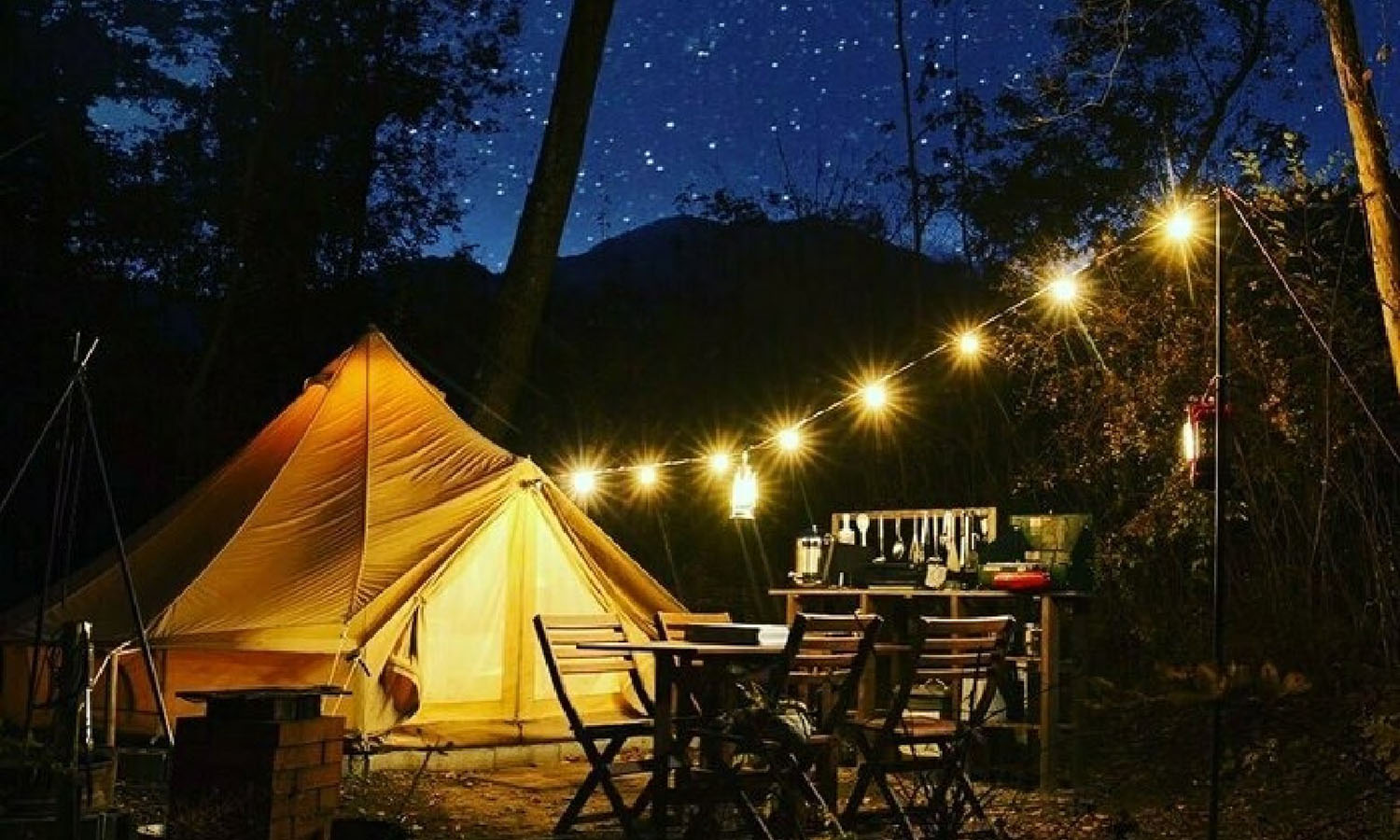
For those looking to extend their stay, Nakayama Coffee Farm offers an exclusive camping experience. With only one group accommodated per night, guests can immerse themselves in the tranquil beauty of the farm, waking up to the gentle sounds of nature and the promise of a fresh brew.
Beyond coffee, the farm is home to the Yui Maru Herb Garden, where visitors can handpick herbs to create personalized herbal teas. This hands-on activity complements the coffee experience, adding another layer to your sensory journey.
Nakayama Coffee Farm isn’t just a destination; it’s an invitation to slow down and connect with the origins of your favorite brew. It’s a place where the journey from bean to cup becomes a personal story, set against the backdrop of Okinawa’s breathtaking natural beauty.
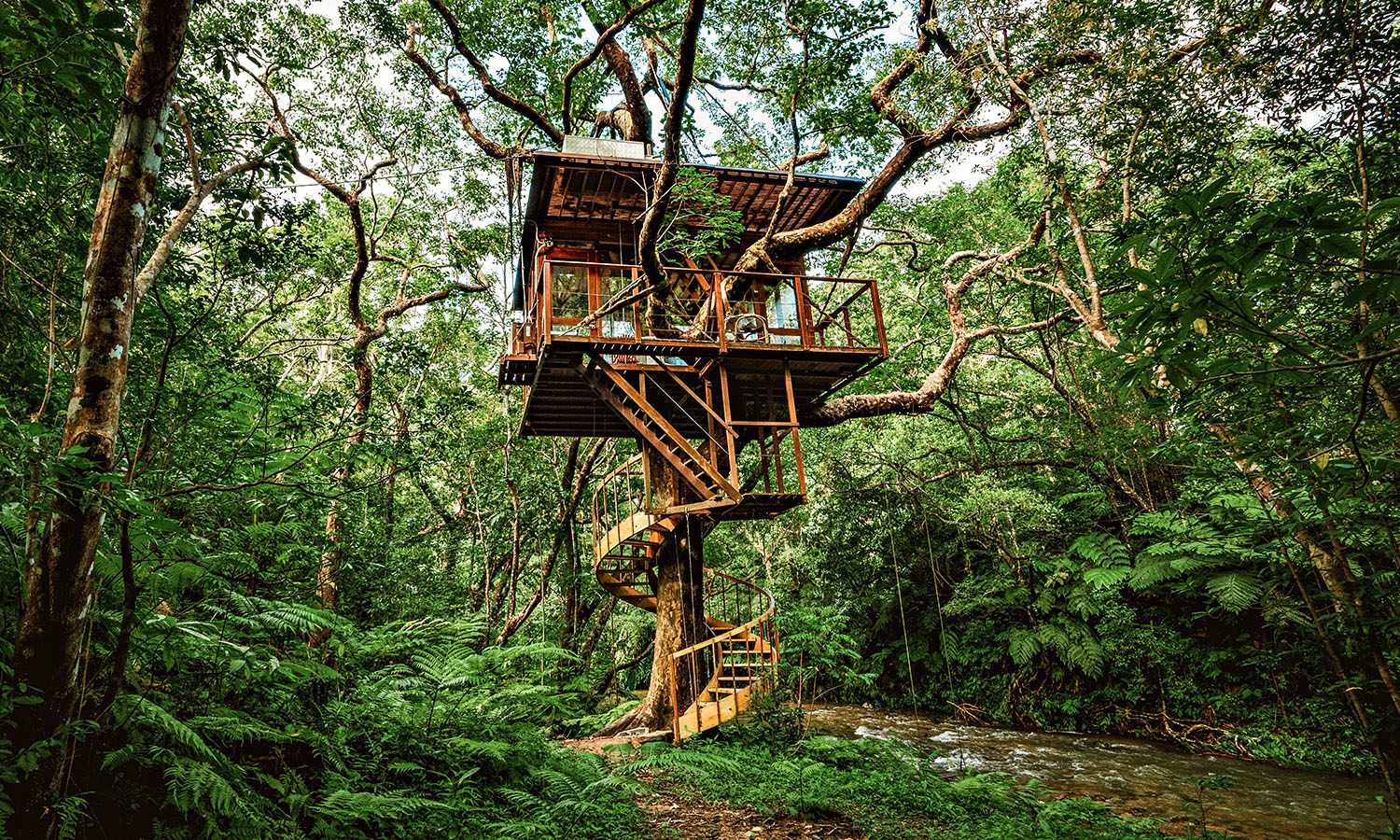
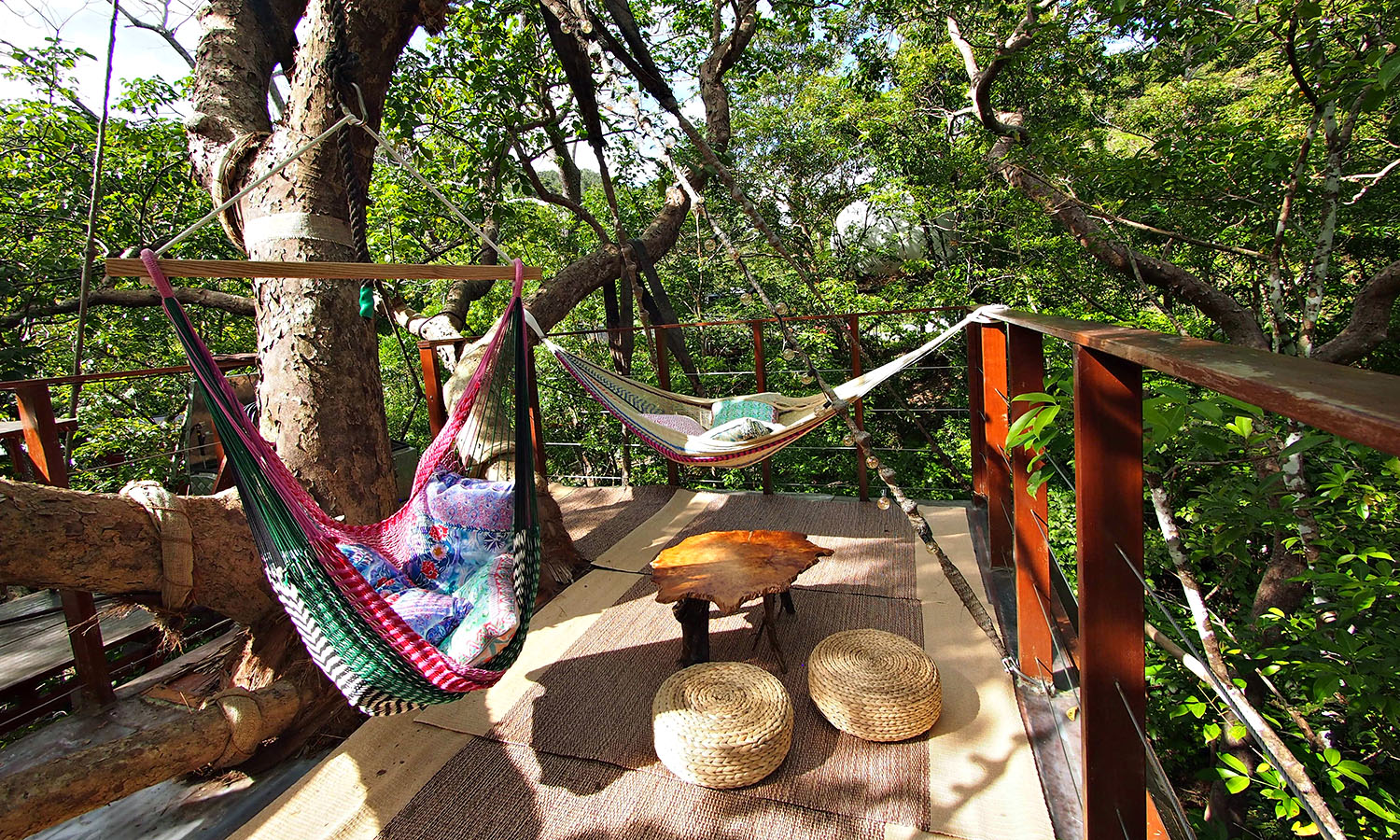
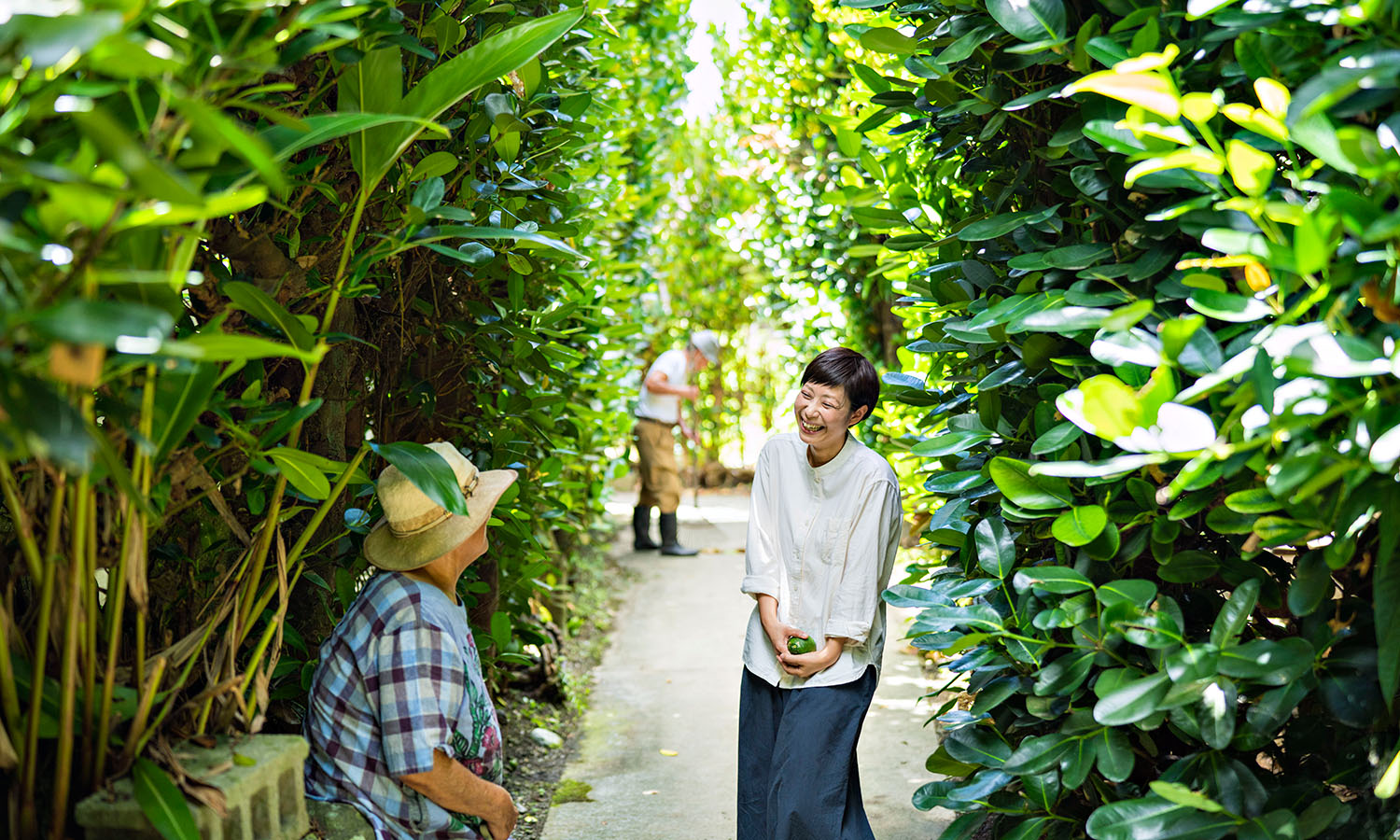
Treeful Treehouse isn’t just a place to stay, it’s a manifesto disguised as a jungle retreat. Hidden in the lush hills of Okinawa, this off-grid haven proves that sustainability doesn’t have to mean roughing it or hugging trees in hemp pants (unless you’re into that).
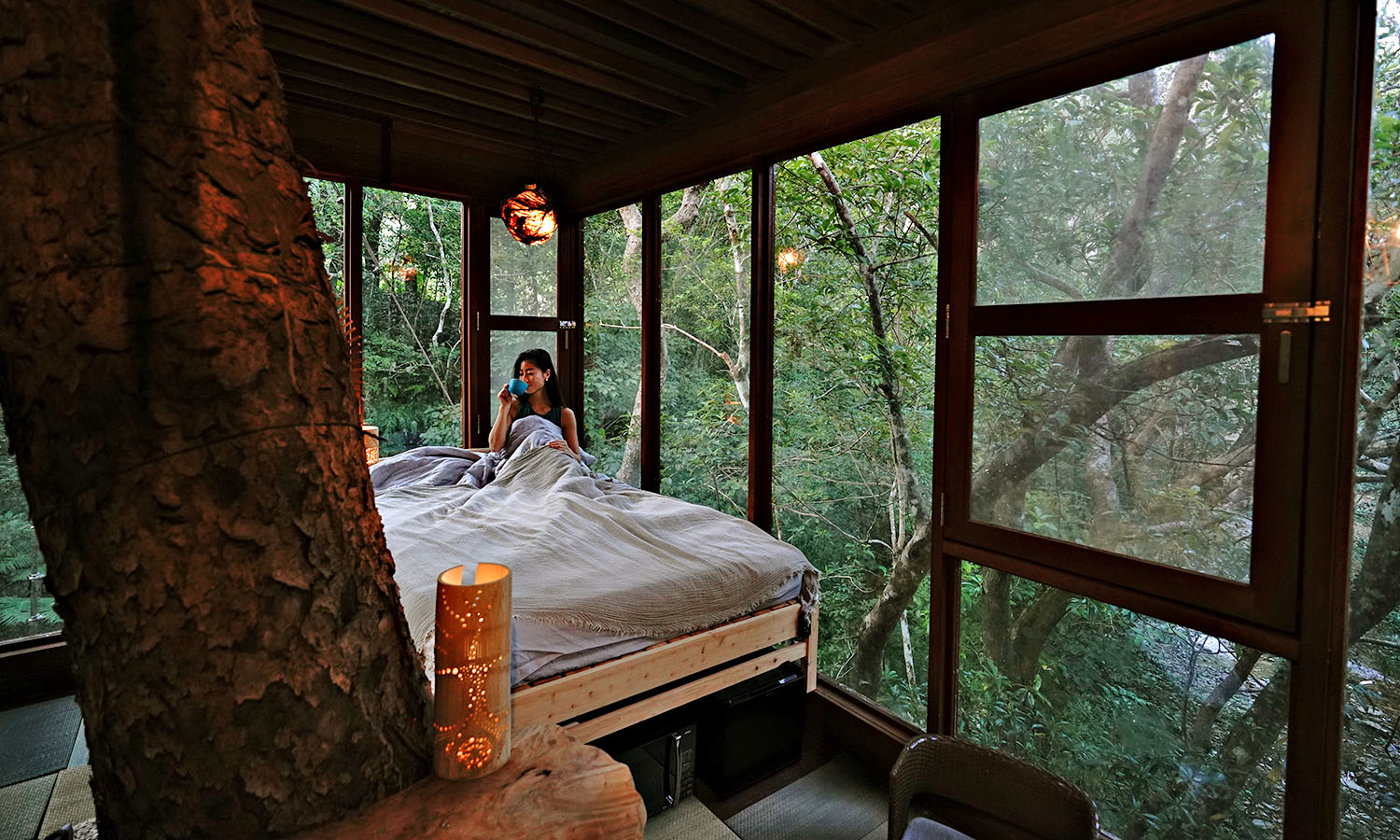
Everything here runs on solar power, from your morning espresso machine to the lights that softly glow in your treetop pod. The air smells like rainforest and smugness but the good kind, because every detail is eco-conscious, from the bamboo interiors to the composting toilets that are far more chic than they should be.
You’ll shower under the sky, fall asleep to a symphony of cicadas, and wake up guilt-free knowing your carbon footprint is practically doing yoga. There’s a river to float in, a Skywalk to wander, and not a single plastic bottle in sight. It’s nature done properly, with brains, beauty, and a zero-waste bin.
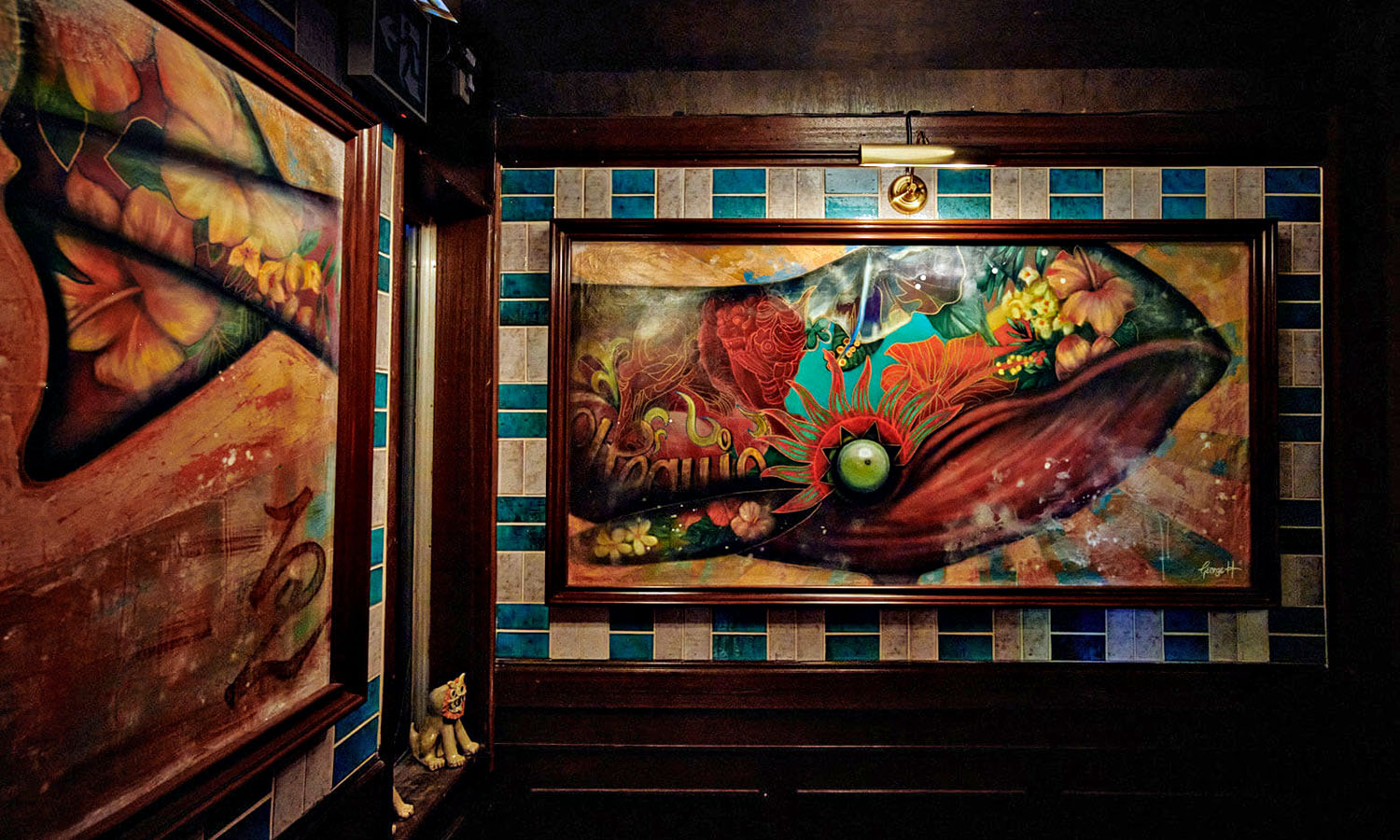
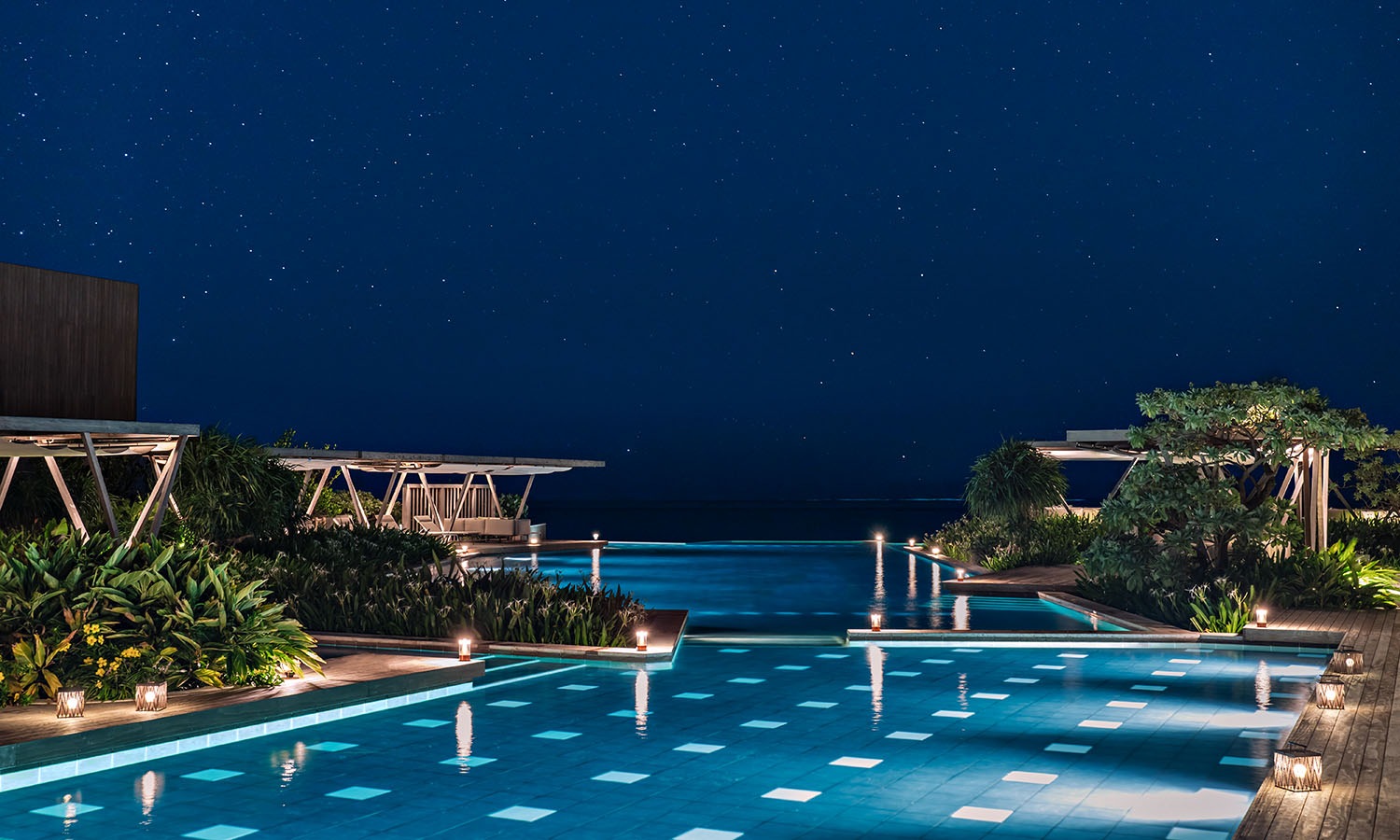
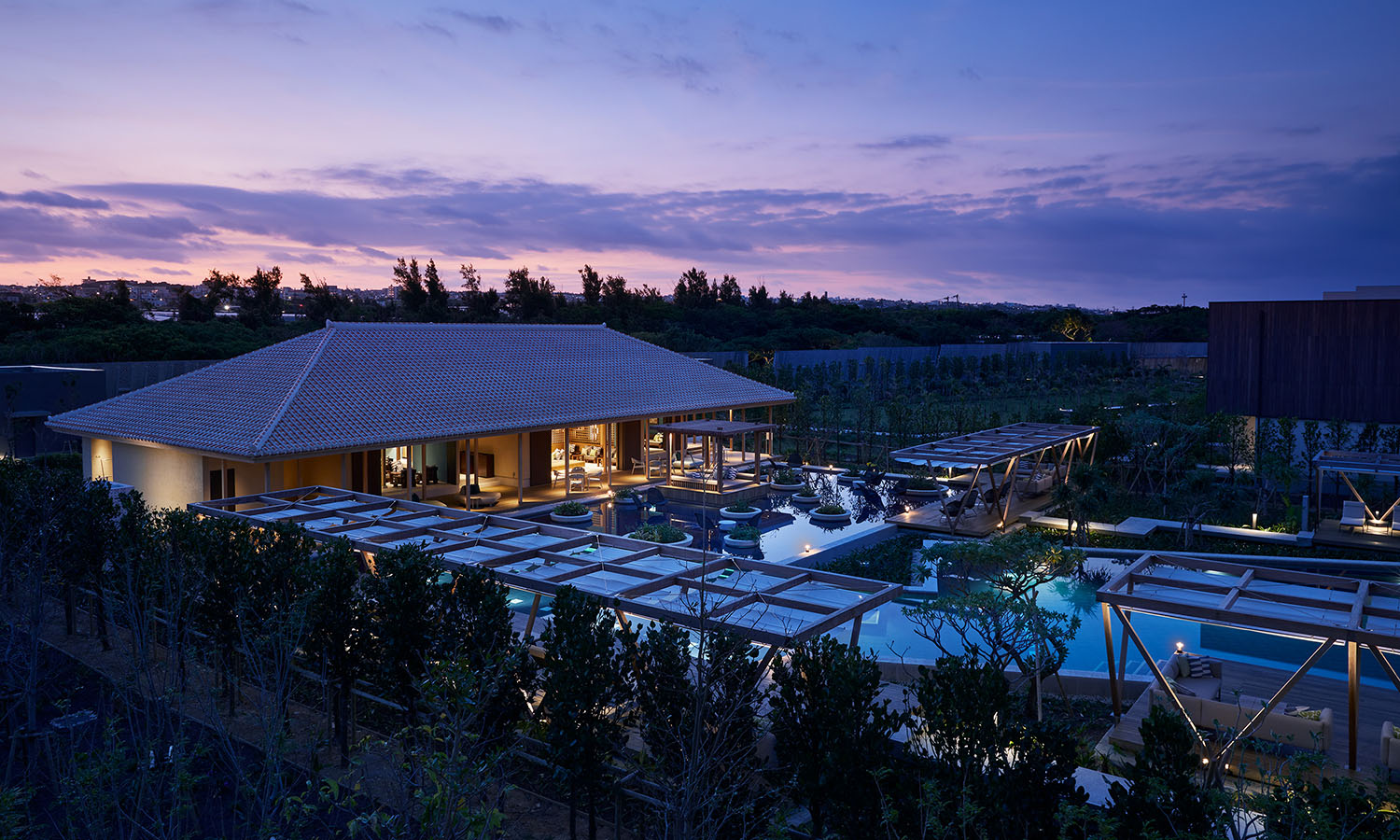
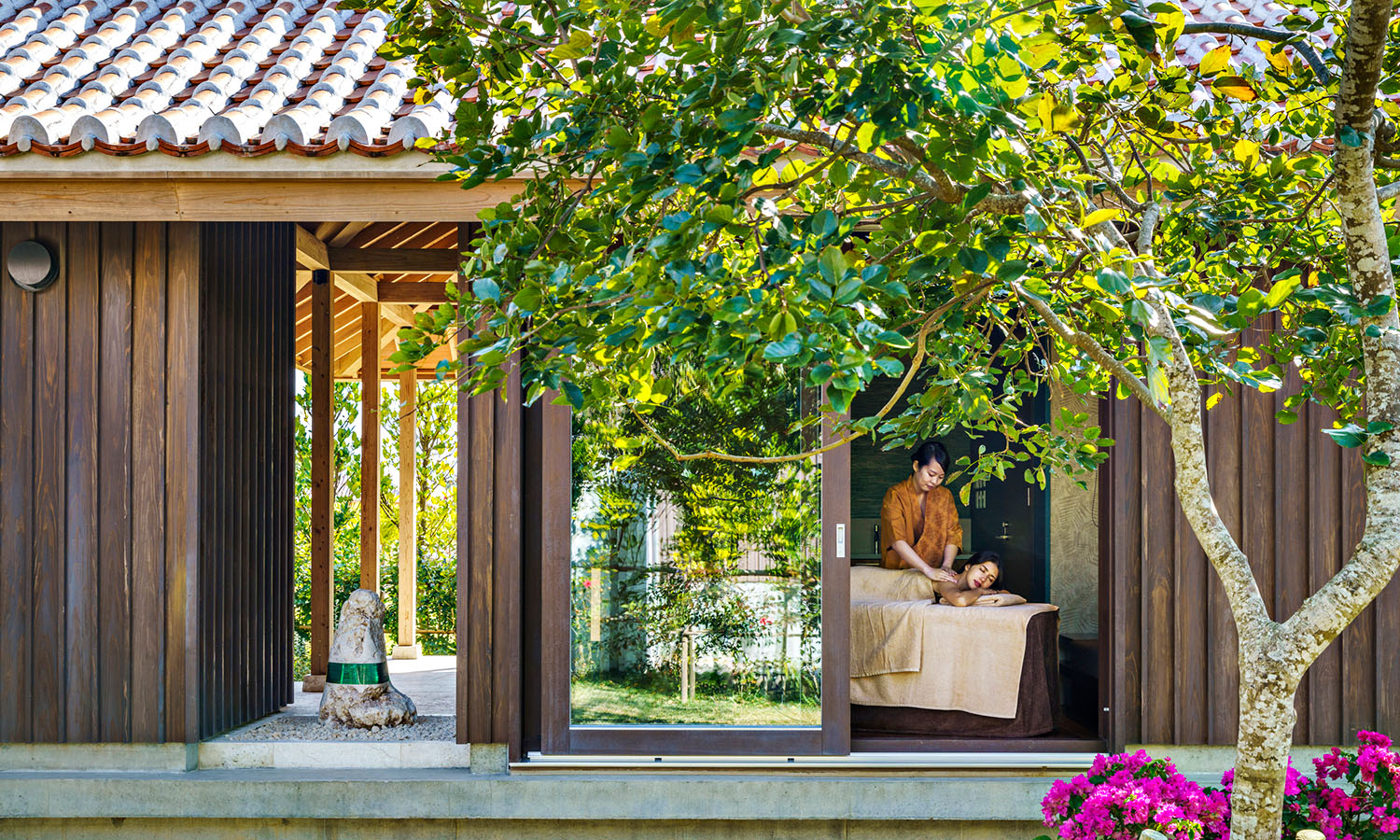
Welcome to HOSHINOYA Okinawa, where Japanese precision meets laid-back island living and you’re gently reminded that yes, even paradise can come with turn-down service. Perched above a wild and wave-smashed coastline, this place feels less like a resort and more like a Bond villain’s retirement plan with stone walls, infinity pools, minimalist villas, and all.
You can float in the pool overlooking the South China Sea or snack on Okinawan soba with a side of sea breeze. Meals here are slow, artistic, and probably philosophically nourishing. Morning yoga? Sure. Evening sanshin music? Obviously. And the best part? You can do absolutely nothing and still feel like you’re on a spiritual journey.
This isn’t your cliché tropical getaway. It’s subtropical zen, served with a shikuwasa cocktail and a whisper of sea salt in the air.
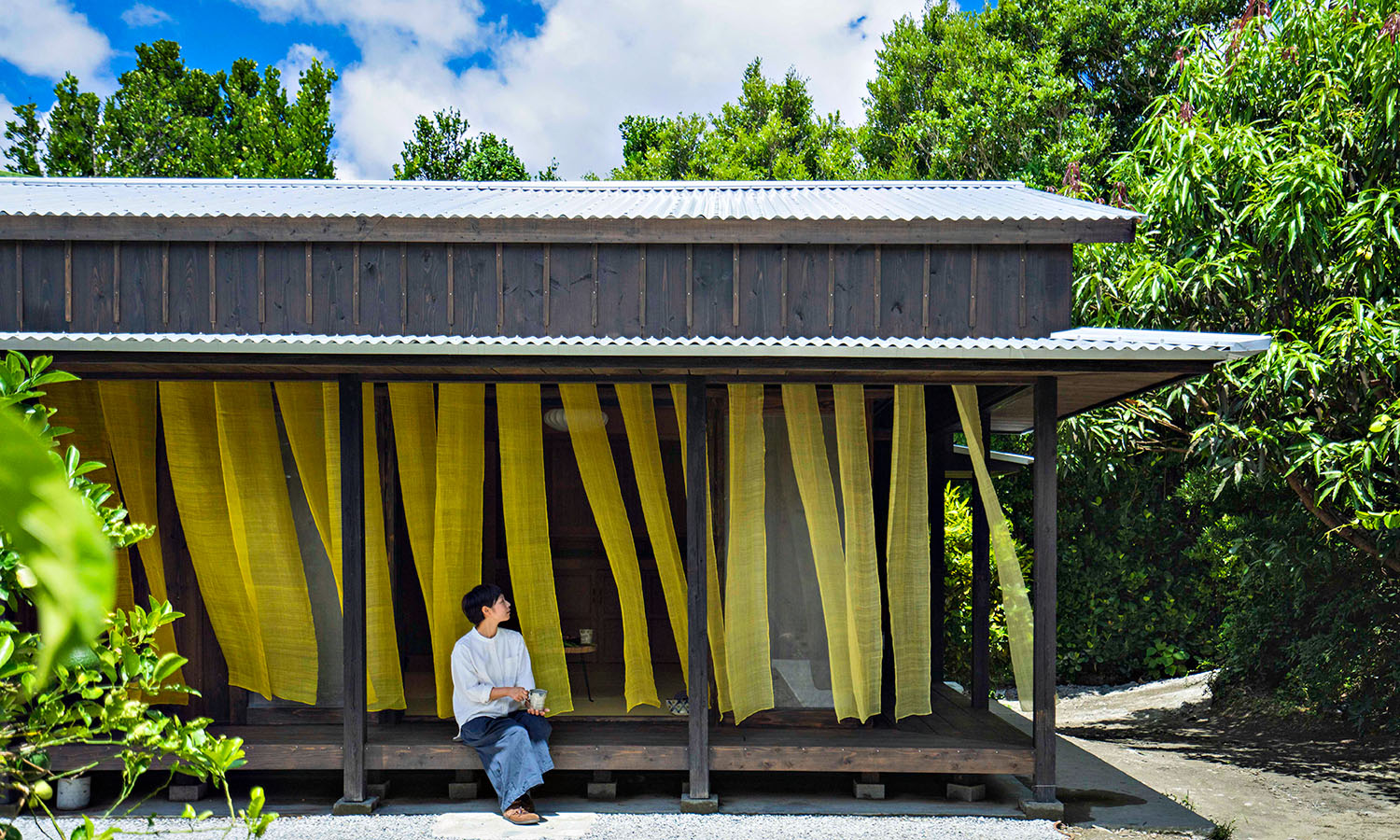
If you’ve ever wanted to time-travel in Japan without the hassle of quantum physics, a stay at Nanmei Shinshitsu in Okinawa’s lush Yambaru region is your ticket.
But think of this place as less like accommodation and more like a full-blown cultural deep dive; traditional Okinawan wooden houses, earthen floors, and a kamado stove that’ll make you feel like a Ryukyuan chef in training.
Local ‘Sherpas’ (yes, that’s what they call them) will take you on hands-on experiences, from mastering traditional Okinawan cooking to crafting like a true island artisan. It’s the perfect spot to ditch modern chaos and soak up Okinawa’s old-school charm (and absolutely no time machine required).
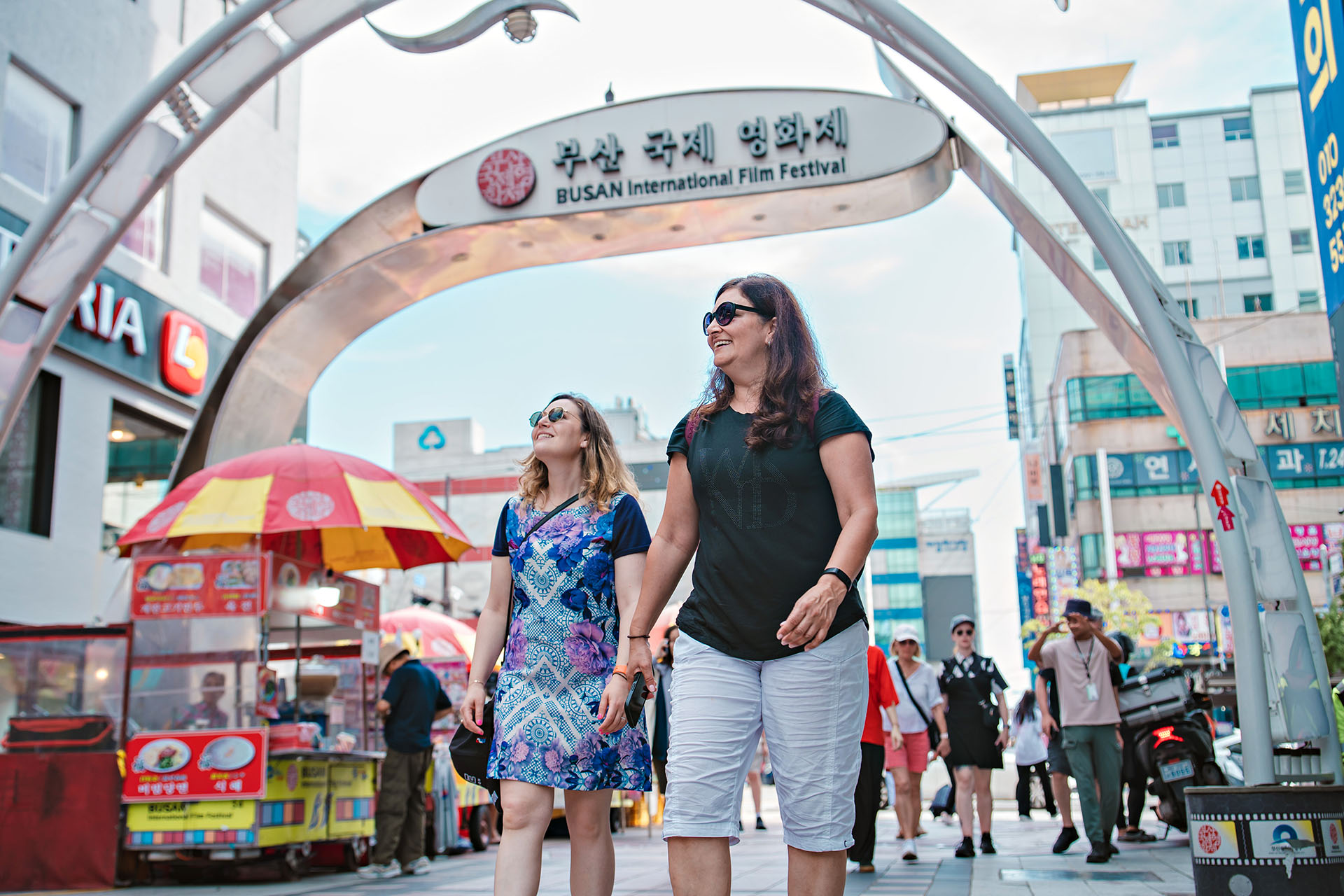
In September 2024, Martine and I embarked on an unforgettable 9-day adventure across South Korea, courtesy of a contest win from Get Lost Magazine and InsideAsia Tours (part of Inside Travel Group and sister brand of InsideJapan Tours). Our journey took us through the vibrant cities of Seoul, Jeonju, and Busan, each offering its own unique blend of tradition and modernity.
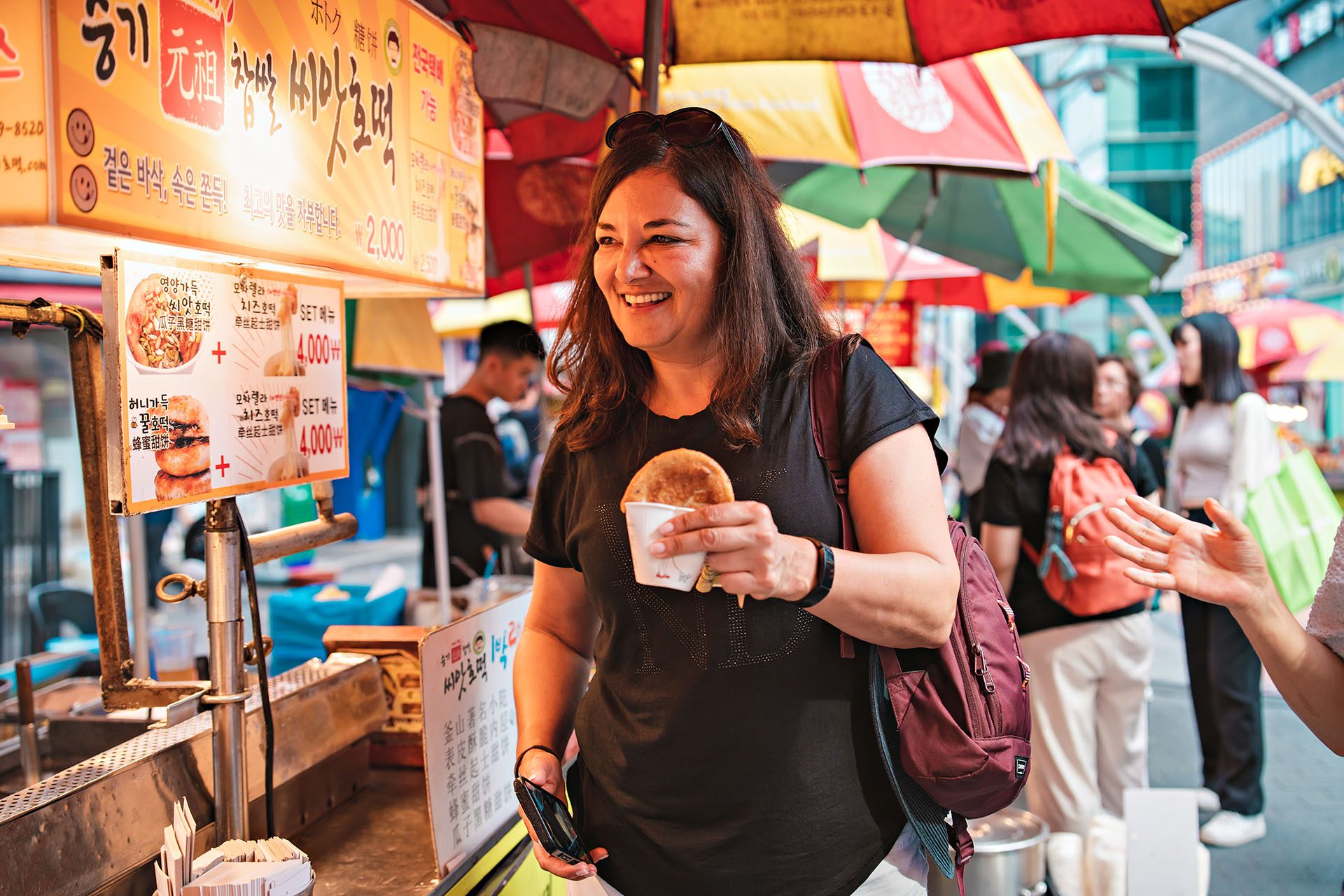
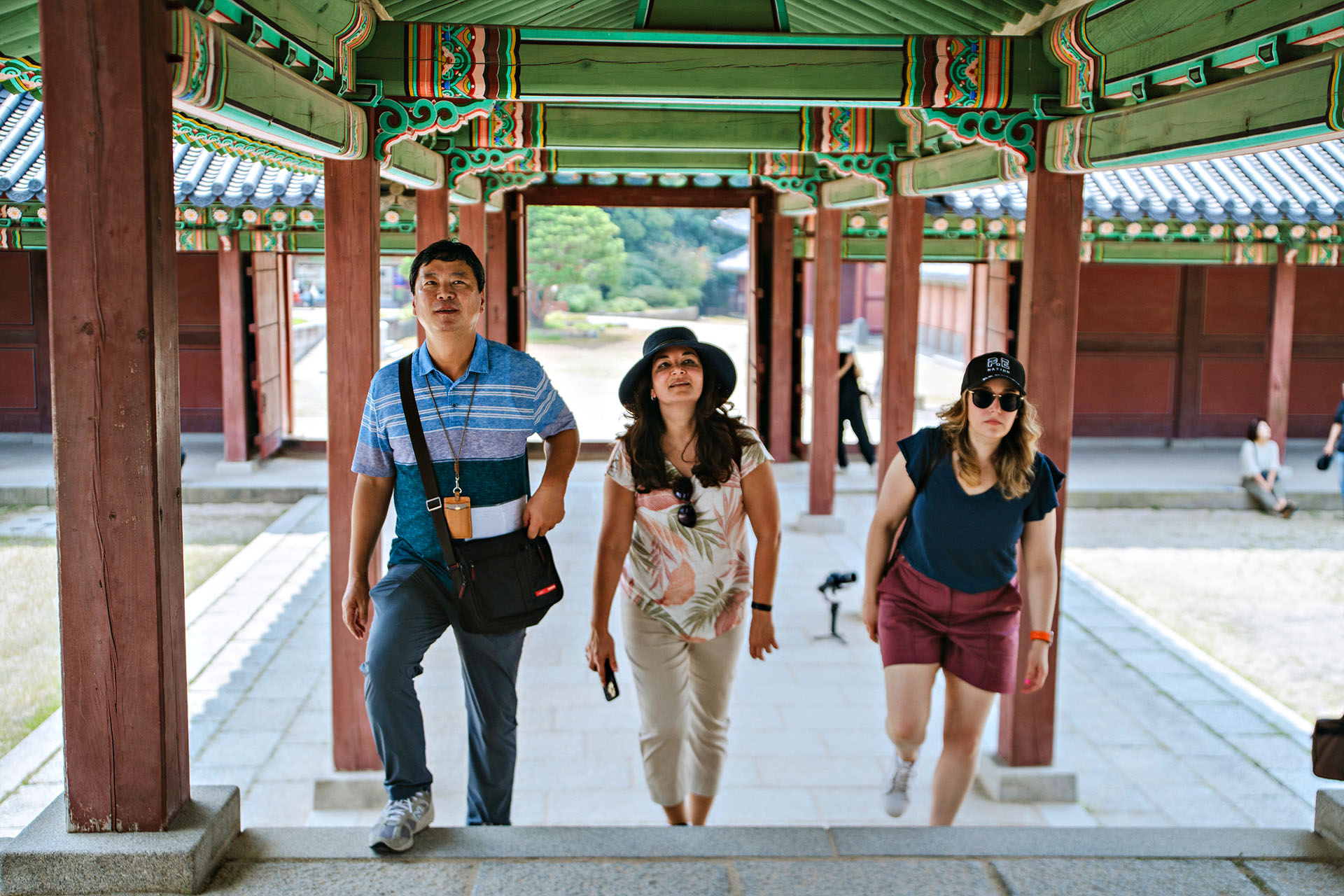
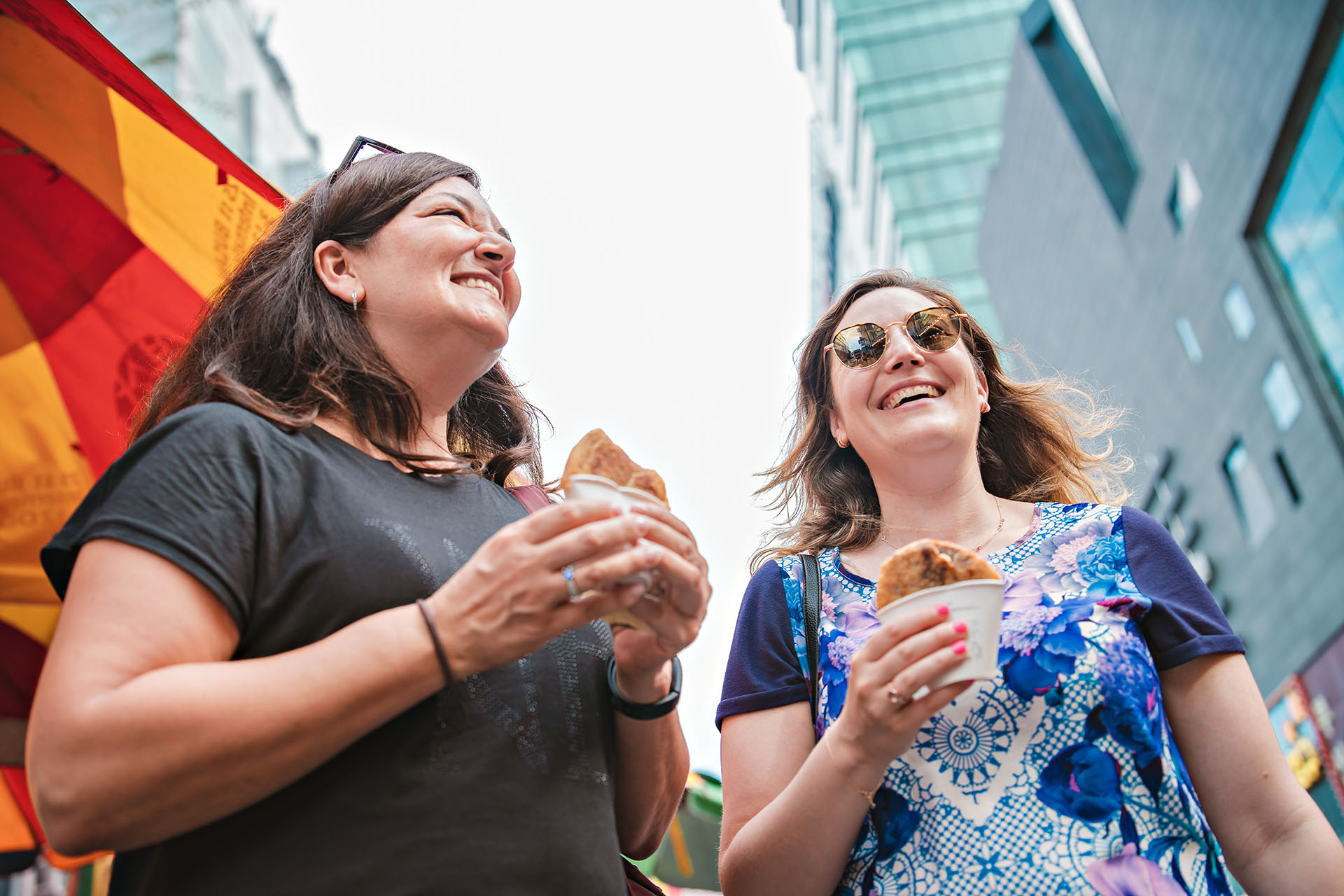
Our first stop was Seoul, where we were immediately captivated by the bustling Myeong-dong market. The area was a sensory delight, with its dazzling storefronts, enticing aromas, and lively atmosphere. We couldn’t resist picking up souvenirs on our very first day including toys, clothes, soft toys, and pens for our kids, and some of the tasty flavoured almonds for ourselves. A highlight was the food tour, where we savoured a variety of Korean dishes that were completely new to us. The panoramic views from the Seoul Tower left us awestruck, revealing the true vastness of this metropolis; we had no idea the city was as large and populous as it is. In the evening, our guide introduced us to the pulsating nightlife of Seoul. We loved the energy of night markets, restaurants, cafes, and throngs of people.
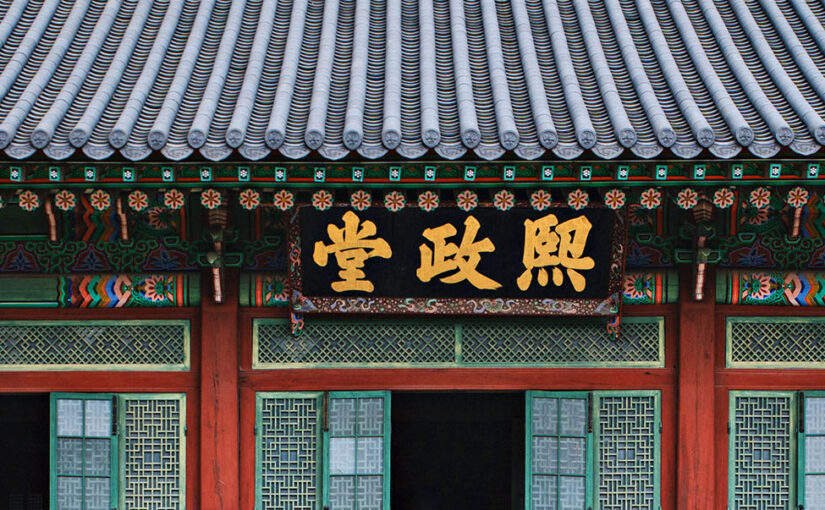
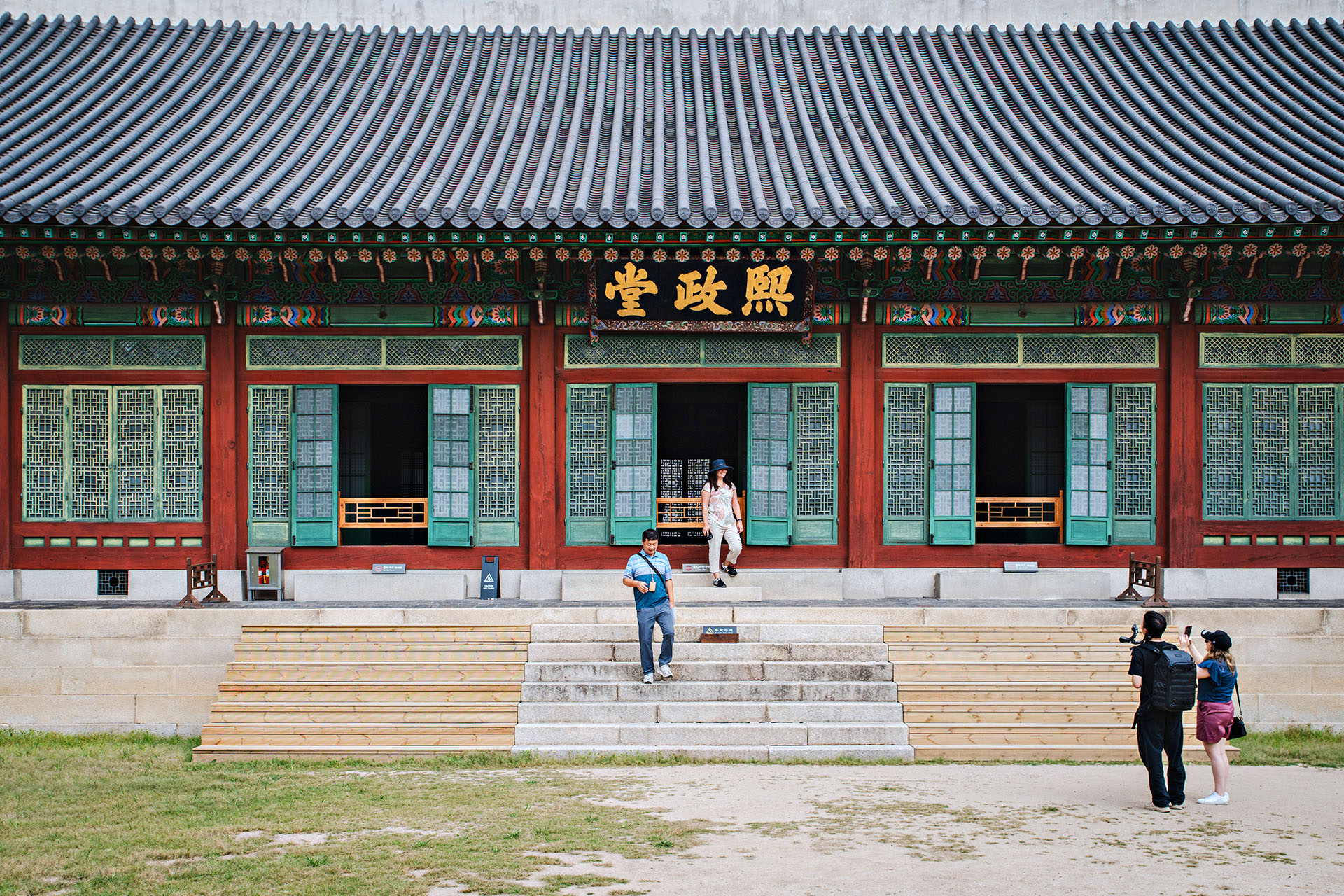
Jeonju offered a change of pace, immersing us in Korea’s rich cultural heritage. We explored the charming Jaman Mural Village with its colourful street art covering most houses and city walls. Our stay in a traditional hanok guesthouse was a unique and insightful experience, though we were secretly grateful for the return to western-style beds. The city’s reputation as a foodie haven didn’t disappoint, especially when we indulged in a refreshing mango bingsu at a delightful dessert café called Grandma’s Best.
Busan, our final destination, stole our hearts and we only wished we had more time there. Our exceptional guide, Kimmy, elevated our experience with her knowledge, enthusiasm, and thoughtful gestures. The Gamcheon Cultural Village was gorgeous with its vibrant hillside houses and ocean views. However, the crown jewel of our trip was the Haedong Yonggungsa Temple. Perched dramatically on the coastline, it was simply breathtaking. We enjoyed the local traditions, reading people’s wishes on the golden leaves, tossing coins for wishes, and pouring water over Buddha statues for good fortune.
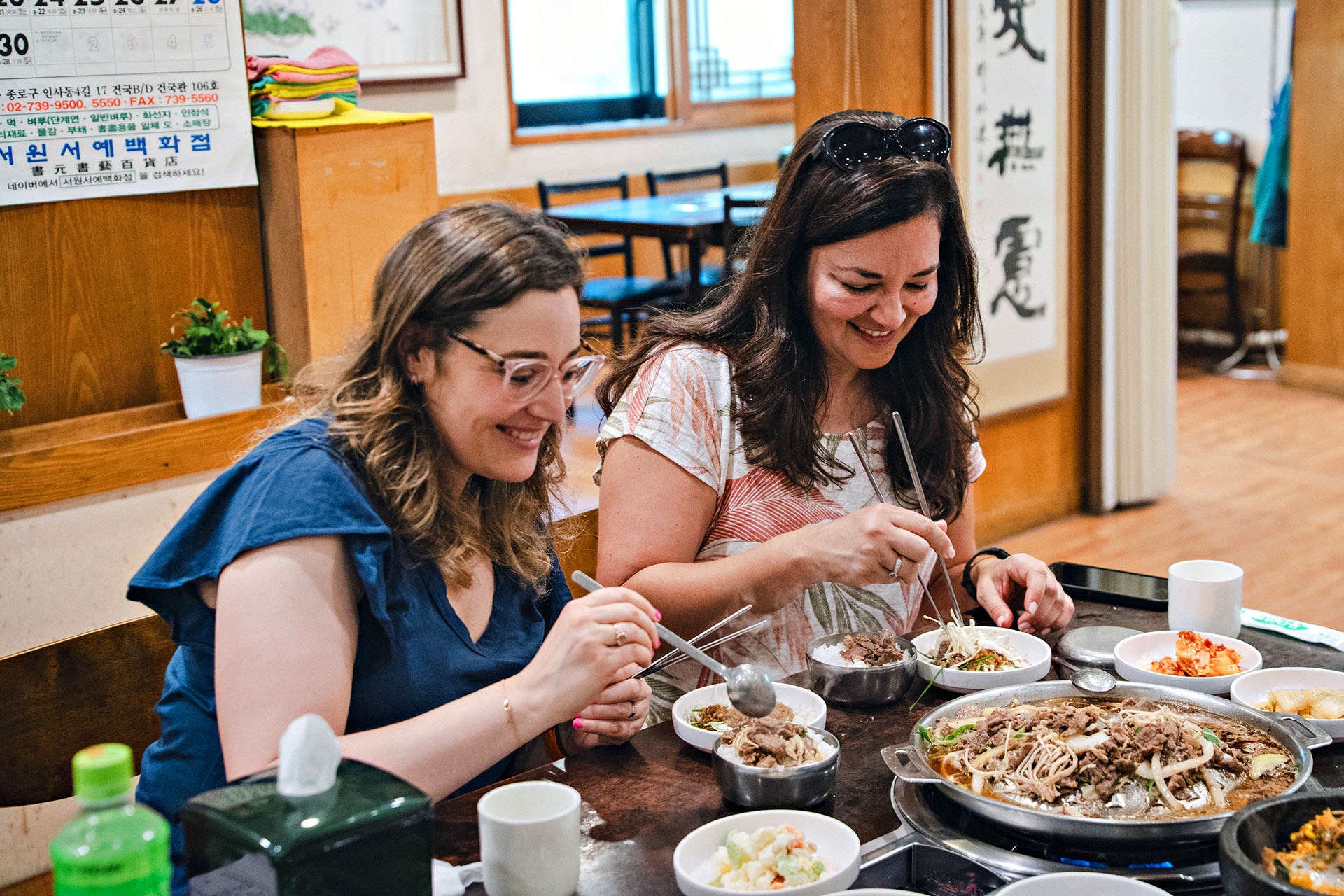
Throughout our journey, we indulged in numerous Korean BBQ experiences and tried bibimbap everywhere we went. In Busan, the Osulloc Tea House became a favourite, where we stocked up on various tea blends and tried a lot of green tea ice cream!
South Korea surprised us in many ways. The sheer scale and population density of Seoul was unexpected. An intense heatwave in September caught us off guard, sending us in search of air-conditioned respites each day. We were impressed by the country’s advanced infrastructure and ubiquitous technology. The prevalence of Starbucks and beauty shops seemingly on every corner was also surprising.
InsideAsia Tours made our trip an unforgettable and seamlessly enjoyable experience. From the onset, they worked with us to accommodate our requests for the itinerary and our travel and accommodation. Every detail was meticulously planned, from our knowledgeable guides and carefully curated tours to our flights, train trips and hotels. They even provided us with mobile connectivity and a T-Mobile card so we could have some pocket money! We felt truly pampered throughout our journey.
Our guides played a crucial role in deepening our understanding of South Korea. In Seoul, our guide’s wealth of information brought each location to life. The food tour guide in Seoul went above and beyond, tailoring the experience to our preferences and concluding with a delightful visit to a traditional hanok tea house. In Busan, Kimmy’s enthusiasm was infectious. Her personal touches, like welcome gifts and impromptu history lessons during our family video calls, made our experience truly special.
This trip has ignited a passion for annual getaways together, a welcome respite from our parental responsibilities. We are immensely grateful to InsideAsia Tours for crafting such a memorable journey, allowing us to experience the perfect blend of Korea’s rich traditions and modern vibrancy.
Once a world dominated by beard-stroking, tweed-wearing gents, the whiskey industry is now home to a squad of powerhouse women distilling, blending, and bonding their way to greatness. Let’s meet three legends proving that whiskey isn’t just for the boys.
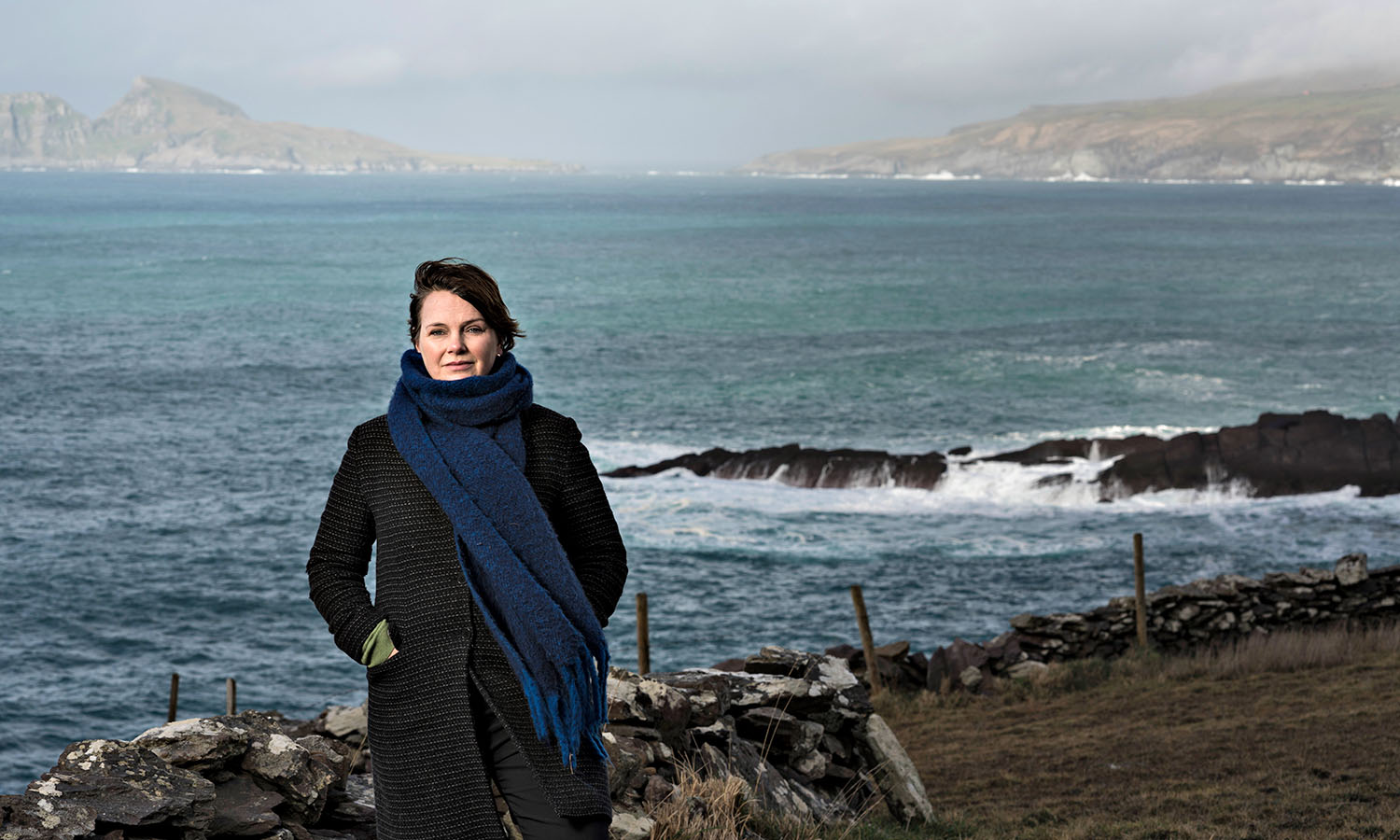
June O’Connell didn’t just dip a toe into the whiskey business; she did a full cannonball. After 25 years of legal jargon and court battles, she called time on her career as a corporate lawyer and took a leap of faith into the world of spirits. In 2019 she founded SkelligSix18 alongside her husband, a micro-distillery nestled in Cahersiveen, County Kerry (aka the dramatic, rain-soaked paradise of the Wild Atlantic Way).
SkelligSix18 pays homage to the 618 stone steps leading up to Skellig Michael, that epic UNESCO World Heritage Site featured in Star Wars (no, sadly, June is not distilling whiskey with Jedi mind tricks.) But she is crafting high-quality spirits infused with the Kerry landscape, using pure mountain water and local botanicals to bring her gin and whiskey to life. Her secret weapon? A healthy dose of muinín – an Irish word for that calm, collected confidence that makes you get stuff done. And June? She absolutely gets stuff done.
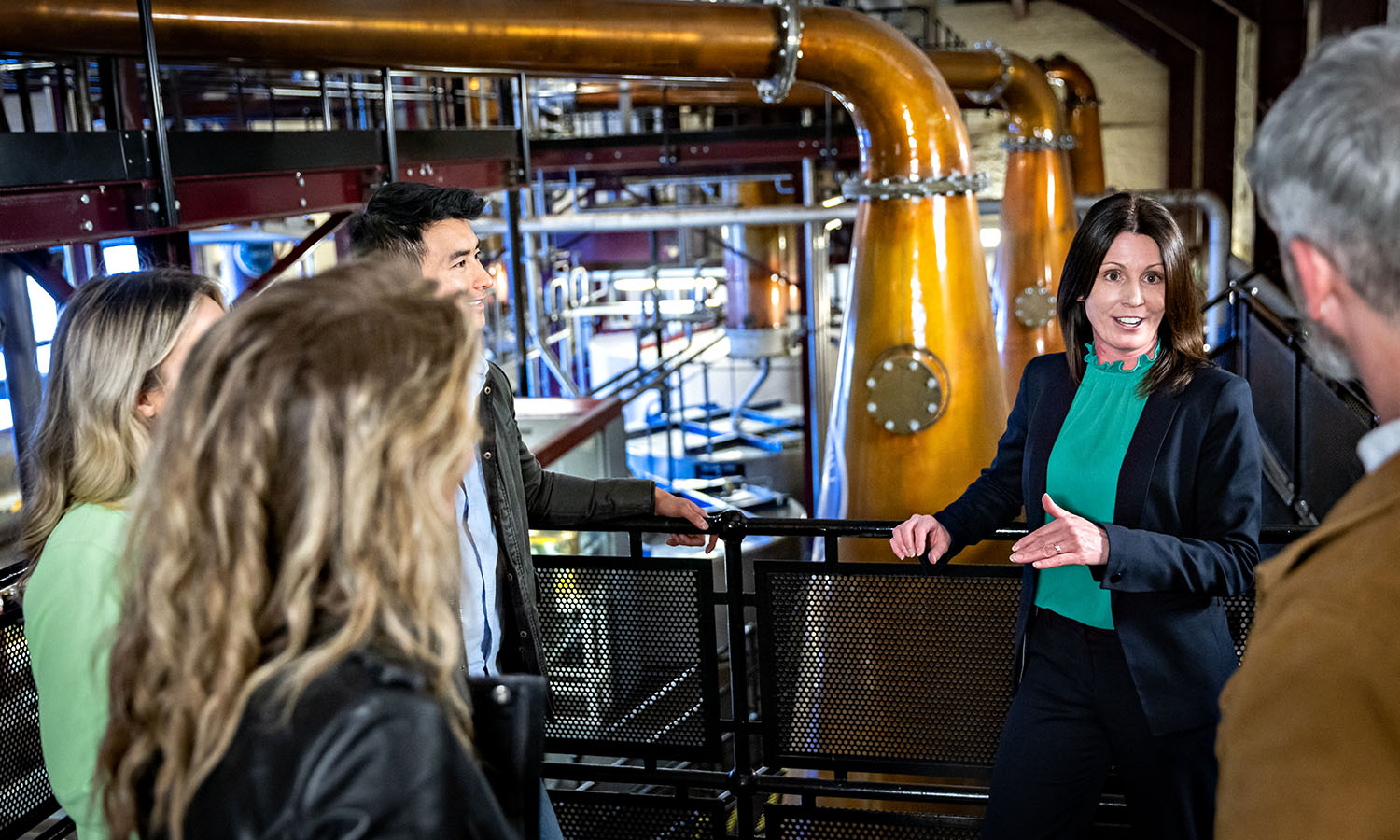
Growing up just a stone’s throw from the legendary Old Bushmills Distillery, Alex Thomas probably had whiskey in her DNA before she even knew it. These days, she’s the Master Blender at Bushmills, which is kind of a big deal when you’re working for the world’s oldest licensed whiskey distillery. That’s right, Bushmills has been legally making whiskey since 1608. What have you been doing?
Alex created The Sexton Single Malt, an international bestseller that’s been making waves across the whiskey world. But she’s not just about past glories – she’s constantly dreaming up new blends, sniffing, swirling, and sipping (it’s research, okay?) to create the next big thing.
One day she’s tinkering with formulas in the lab, the next she’s off sourcing casks or sampling whiskey straight from the barrel. It’s a tough job, but somebody’s gotta do it. And if you ask her what her favourite part of the job is, she’ll tell you it’s seeing a bottle of her whiskey make its way into the wild, ready to be savoured by enthusiasts everywhere.
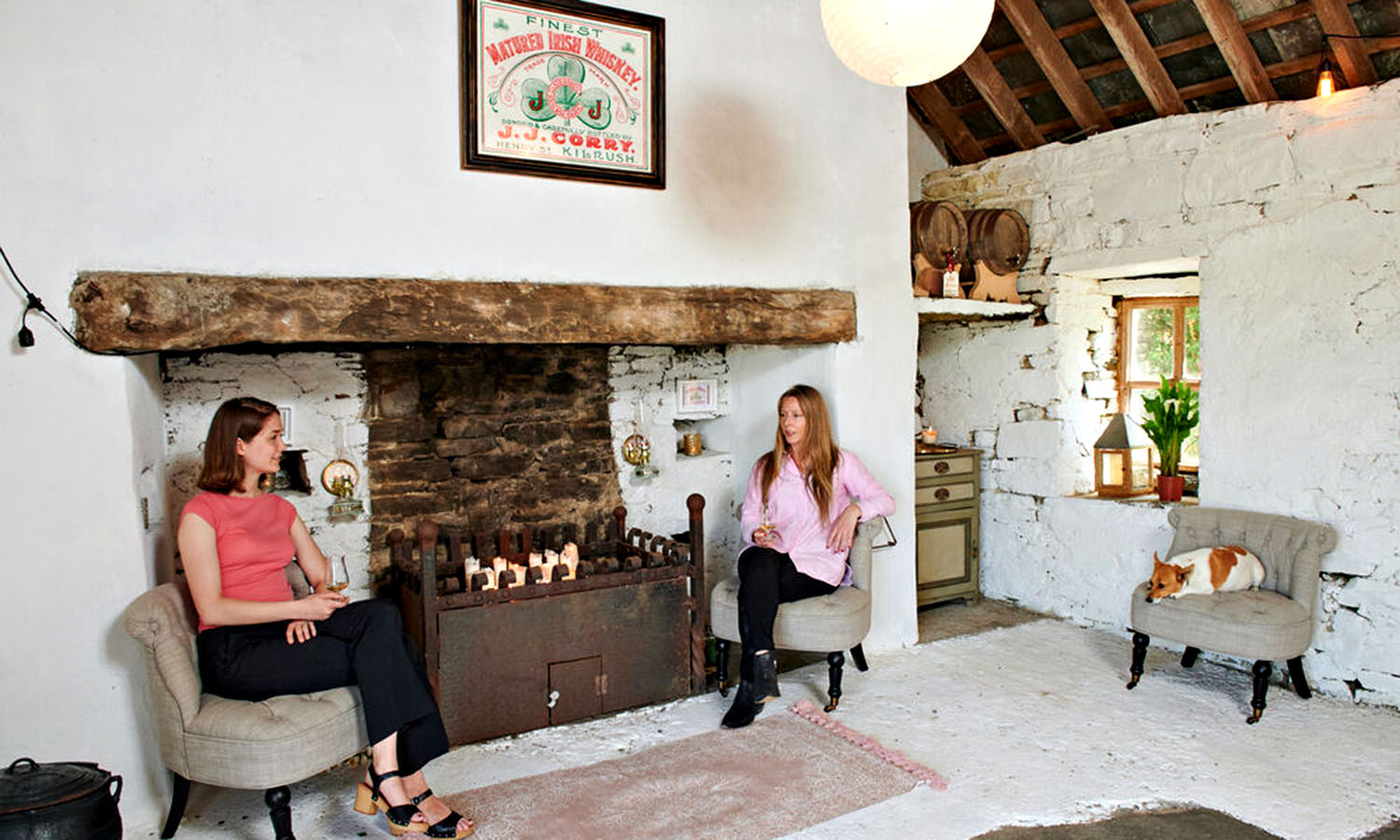
If there was ever a woman determined to bring a forgotten whiskey tradition back from the dead, it’s Louise McGuane. After globetrotting for years working with some of the world’s biggest drinks brands, she decided to shake things up and revive the lost art of whiskey bonding. Think of it as matchmaking for whiskey: sourcing spirits, aging them in just the right casks, and blending them into liquid gold.
In 2015, she launched J.J. Corry Irish Whiskey on her family’s farm in County Clare, single-handedly bringing back a centuries-old practice that had all but disappeared. As the only solo female founder in the Irish whiskey industry, she’s proving that whiskey bonding isn’t just an old boys’ club tradition, it’s an art, and she’s the artist.
Her blends are now shipping worldwide, and she’s at the forefront of the Irish whiskey renaissance. As she puts it, “It’s an honour to be part of the rebirth of any industry, especially one that lets you drink on the job.” Well said.
So, next time someone tries to tell you whiskey is a ‘man’s drink,’ pour yourself a generous glass of something Irish, raise it high, and toast to the women rewriting history one bottle at a time.
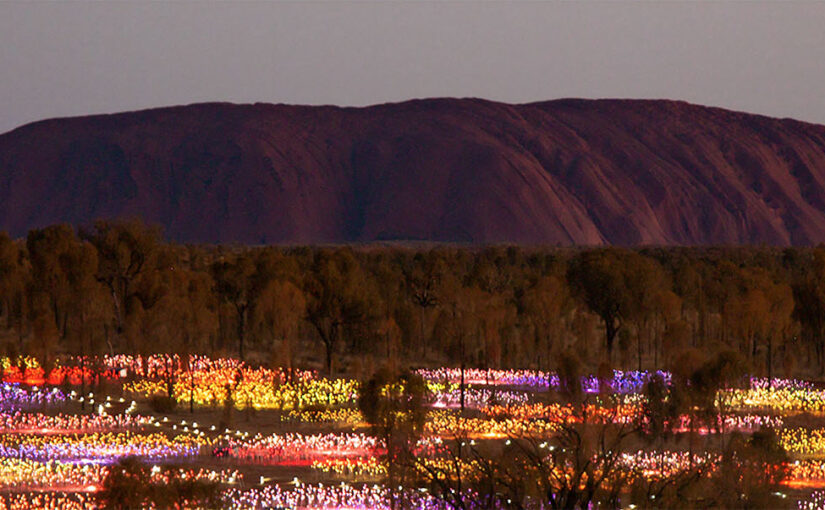
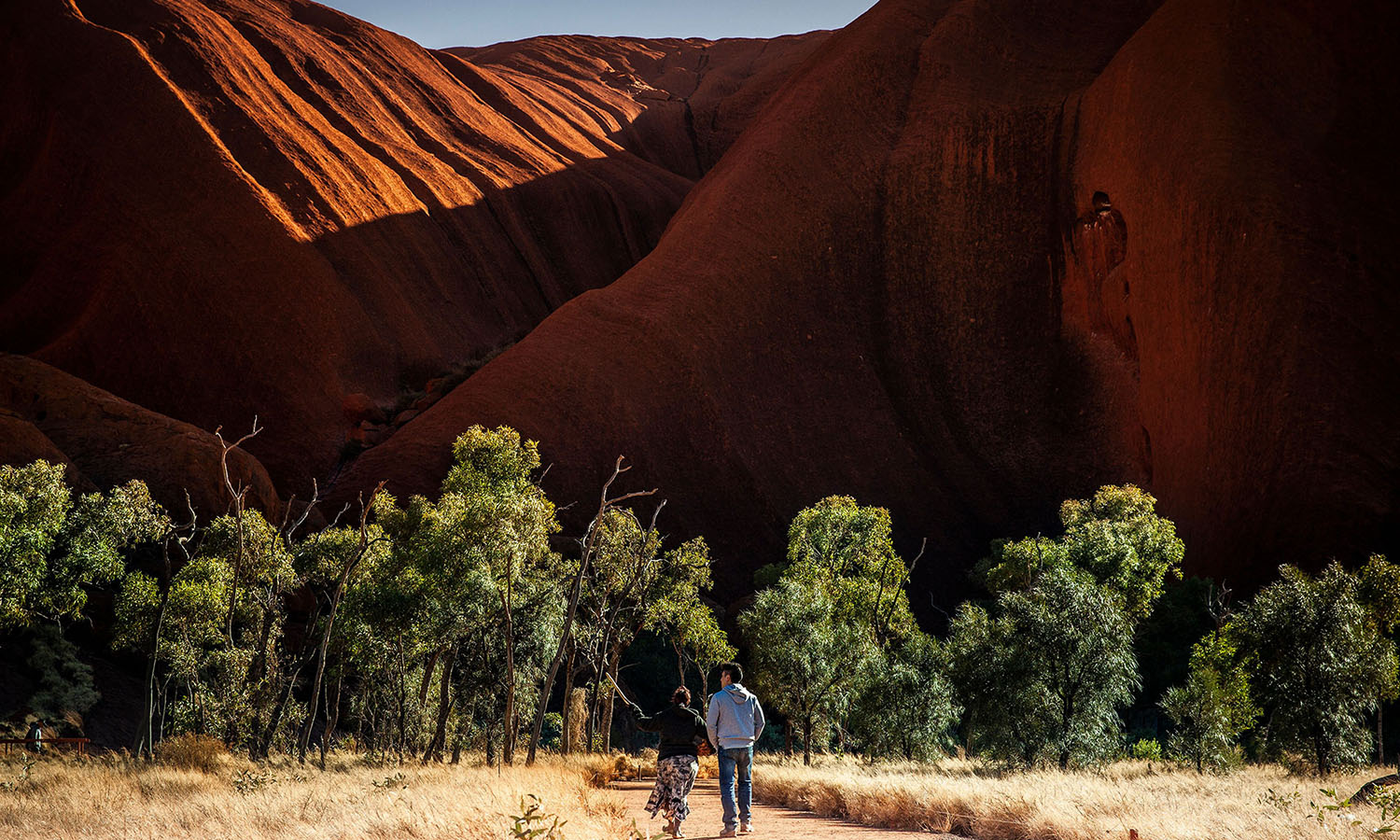
Your morning? It’s a psychedelic light show. Stake out your spot with views of Uluru or Kata Tjuta as the sun slams into the horizon, turning those sacred rocks into fiery giants. Want the best view? Conquer the Valley of the Winds trail through Kata Tjuta’s surreal domes. The air out here has a buzz to it, like you stumbled into something far bigger than yourself.
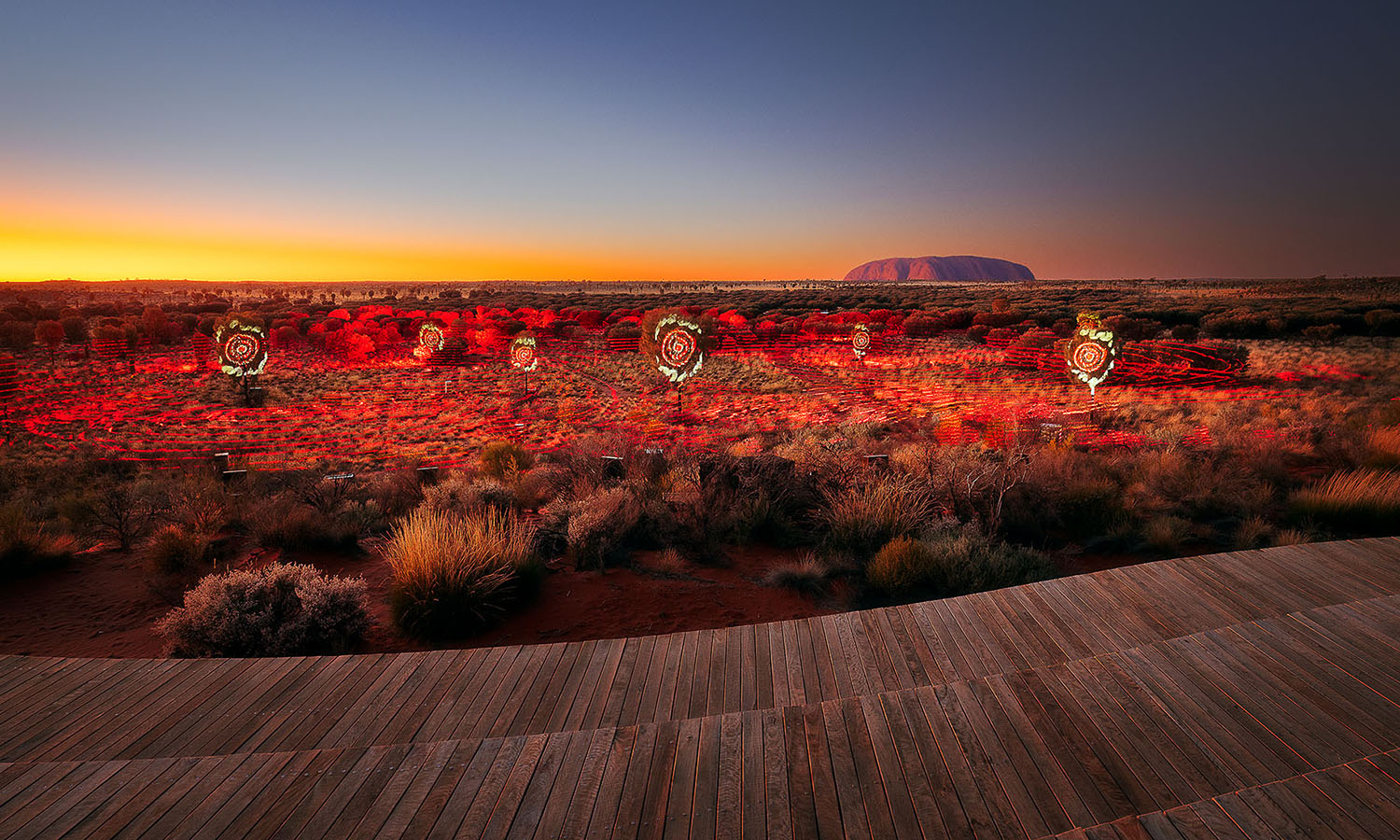
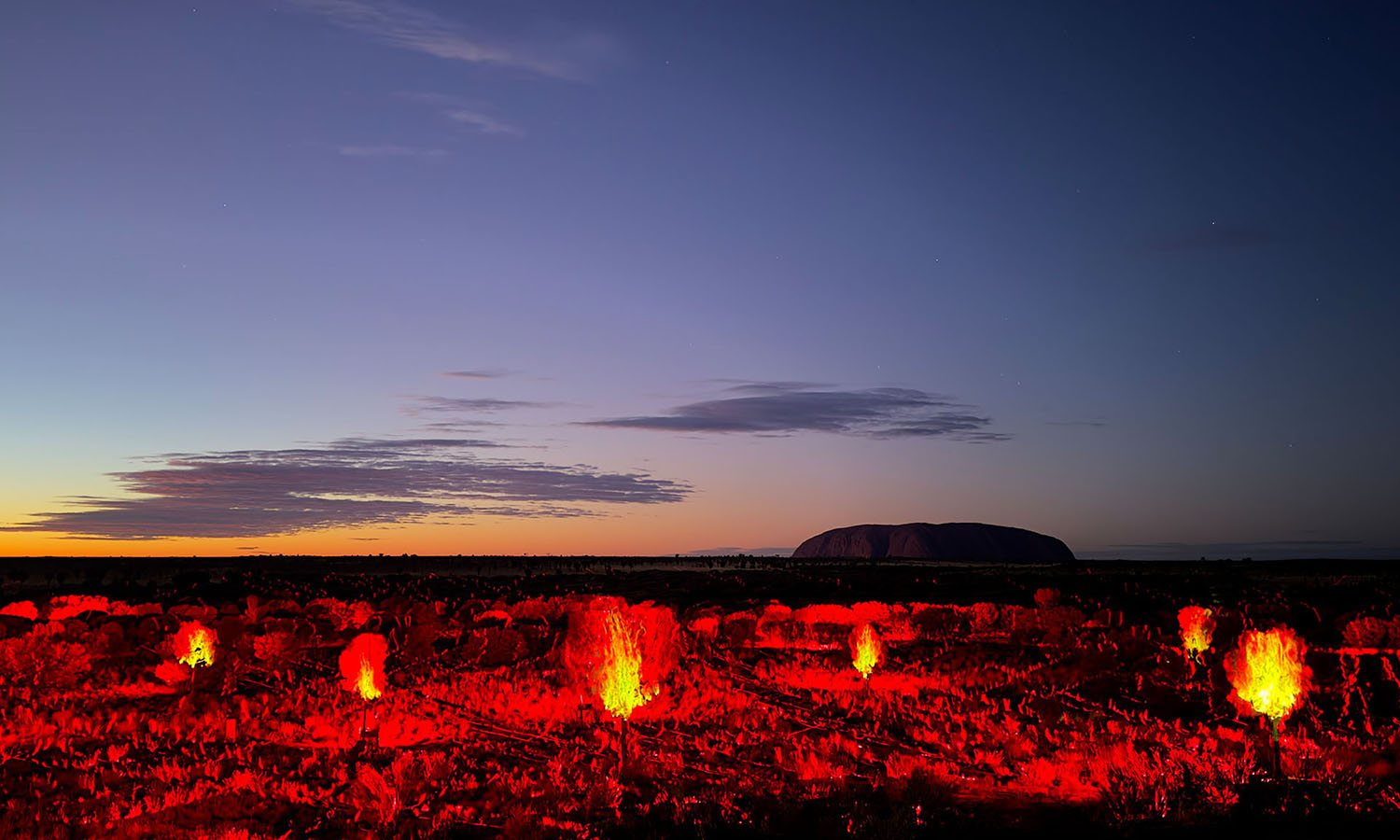
When the sun takes a bow, don’t think for a second that the show’s over. The Wintjiri Wiru drone and laser extravaganza stages a takeover of the night sky, piecing together tales as old as time with 1,200 glowing drones. Yep, 1,200 drones. And then there’s Bruce Munro’s Field of Light—a trippy dreamscape of 50,000 soft lights blooming in the desert. Stroll through it. Get lost in it.
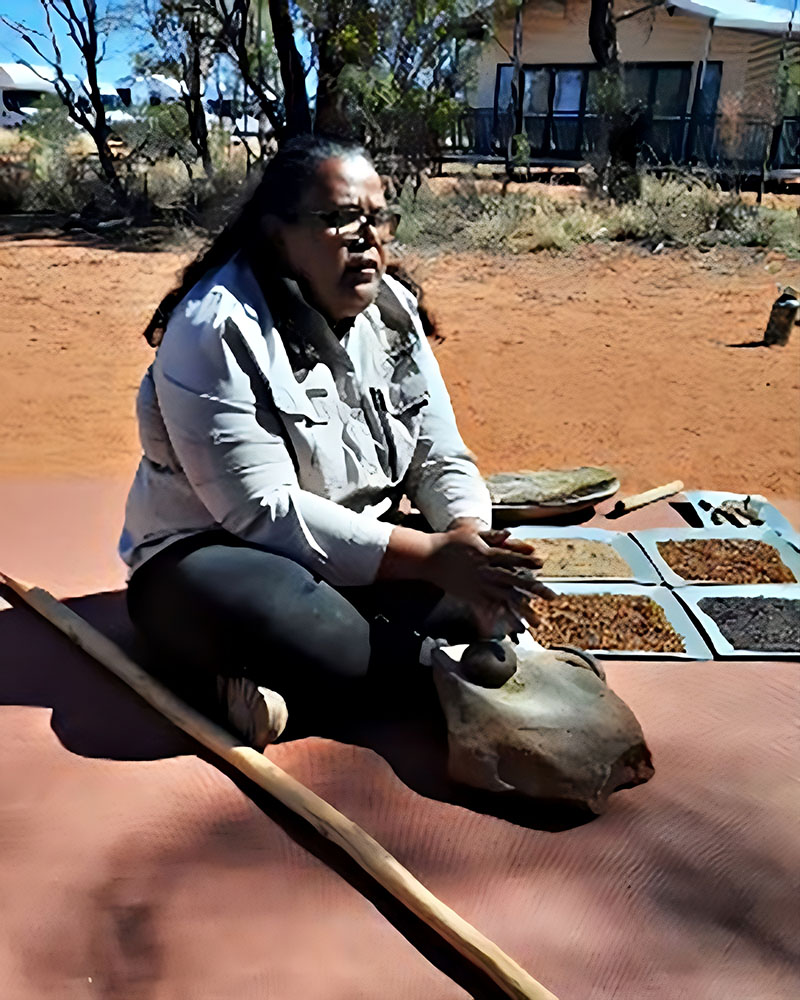
Feeling hands-on? Get schooled in ancient wisdom with Karrke Aboriginal Cultural Tours. Bush medicine? They’ve got it. Digging up witchetty grubs? You’ll do it. Decoding dot paintings? They’ll explain it.
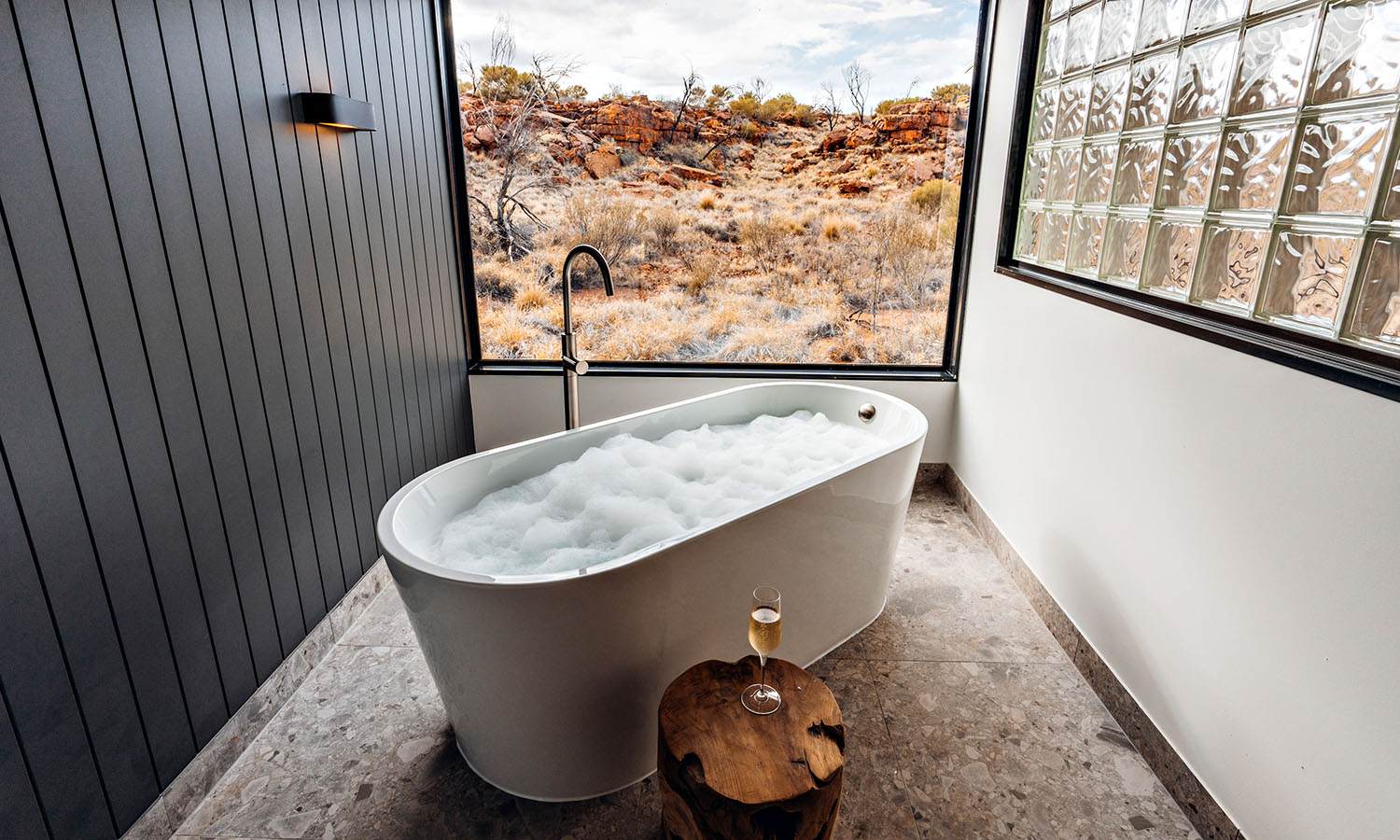
And there’s no need to scrimp on indulgence. Discovery Kings Canyon dishes out pizza, cold beers, and bathtubs with views of a sky jam-packed with stars. Just don’t miss the Kings Canyon Rim Walk.
This isn’t your cookie-cutter holiday. It’s immersive adventures, cultural awakenings, and bucket-list moments you won’t shut up about for years. Central Australia isn’t calling.
 (
(