We Came to Swing

Spoiler alert: It involves balls, shafts, and a suspiciously sexy windmill.

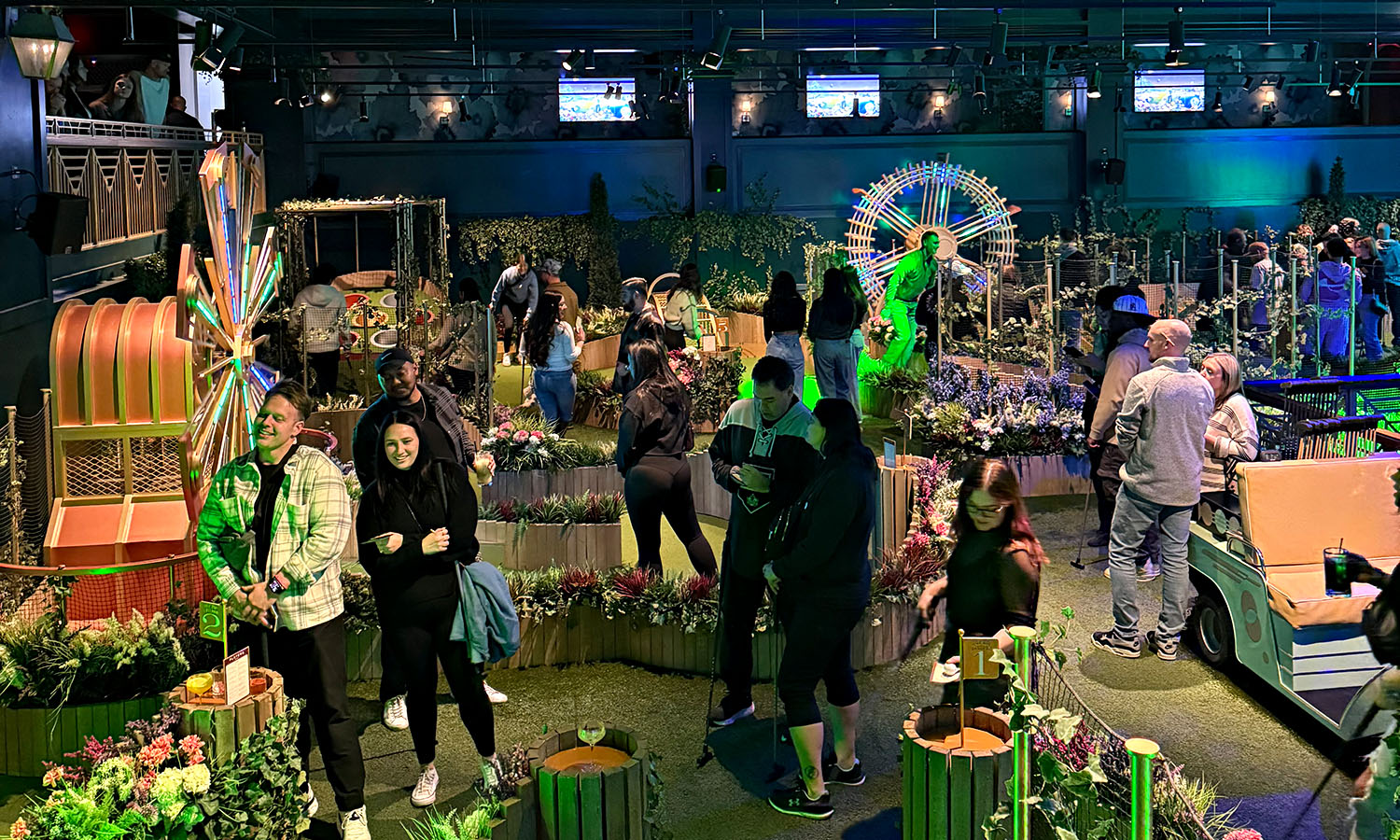
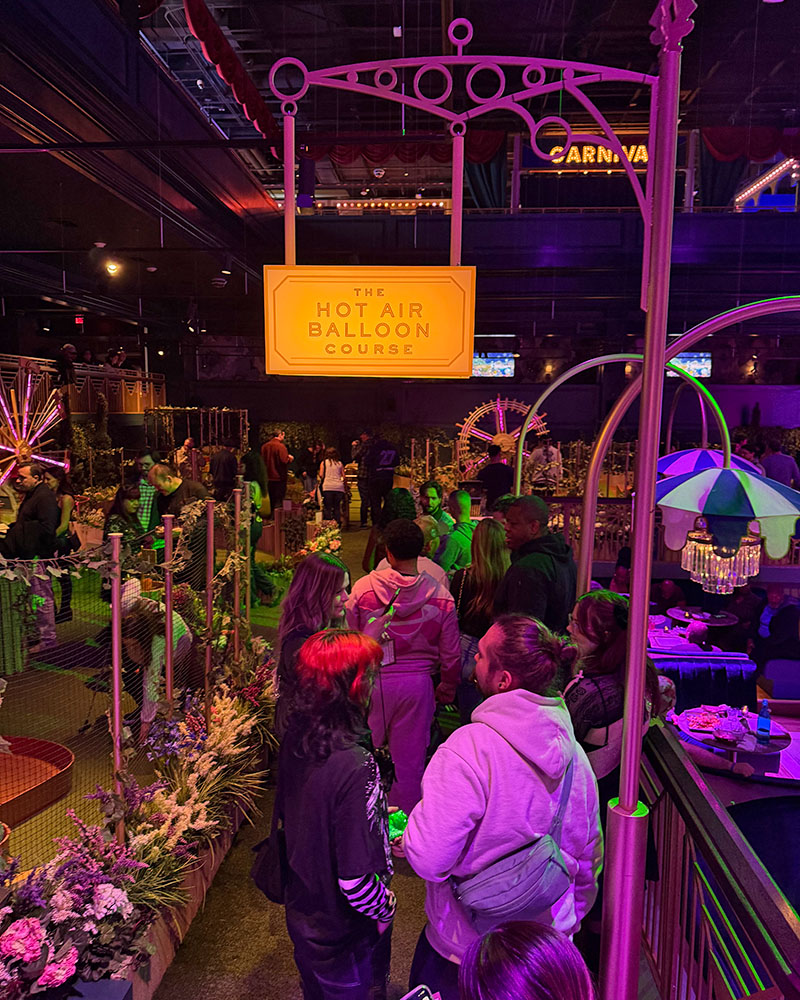
When Justin drags his long-suffering wife Vicki to a Swingers Club in Vegas, he’s not entirely sure what to expect, key parties? Pineapples? Regret? Instead, they stumble into the world’s wildest mini-golf course, where cocktails flow, disco lights flash, and innuendo is par for the course. Welcome to Swingers Mandalay Bay: part golf, part nightclub, all filthy fun.

“Are we really going to a Swingers Club in Vegas?” Vicki asks, giving me the kind of look that usually ends with me sleeping on the couch.

“Technically yes,” I reply. “But keep your pants on. It’s a mini-golf course. Mostly.”

We’re at Mandalay Bay, where Swingers , the newest, naughtiest addition to the Las Vegas nightlife scene has just opened its doors after a star-studded VIP launch. And trust me, it’s not your average putt-putt.

Swingers started out in a dodgy London basement back in 2014, a pop-up in Shoreditch where two blokes, Matt Grech-Smith and Jeremy Simmonds, thought “Why not combine crazy golf with cocktails, DJs and street food?” Because of course they did. London loved it. Next thing you know, Swingers has taken over New York, Washington D.C., and now, with its global flagship in Vegas, it’s bigger, bolder, and hornier than ever.

And yes, it’s still about golf. Technically.

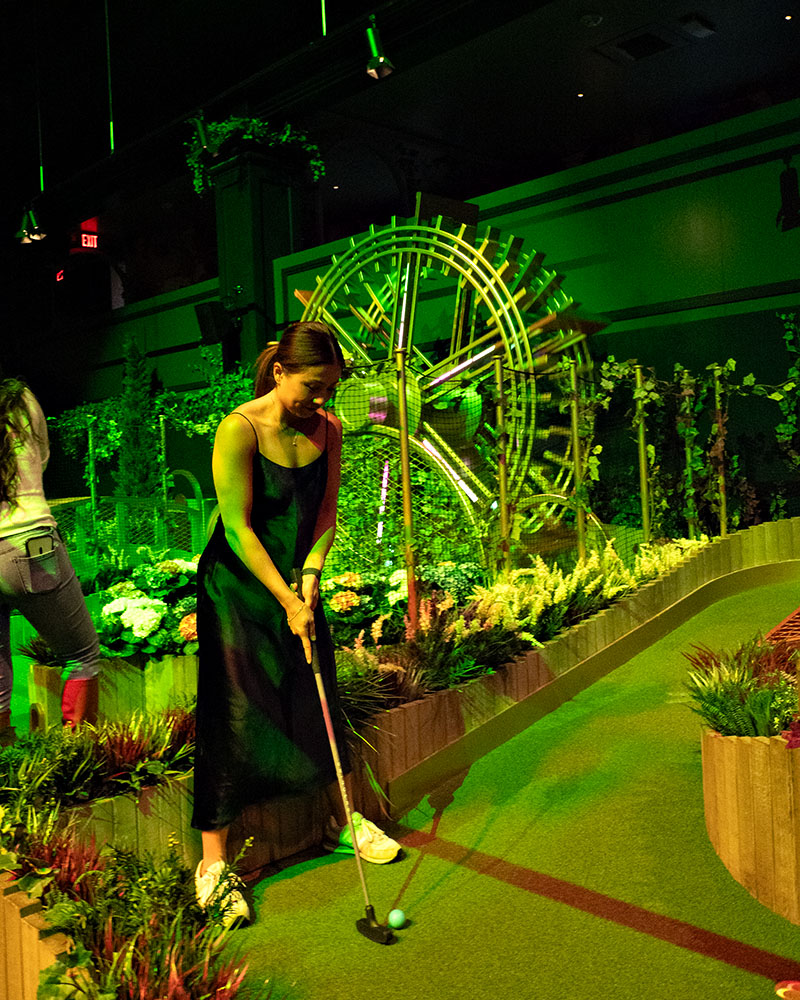
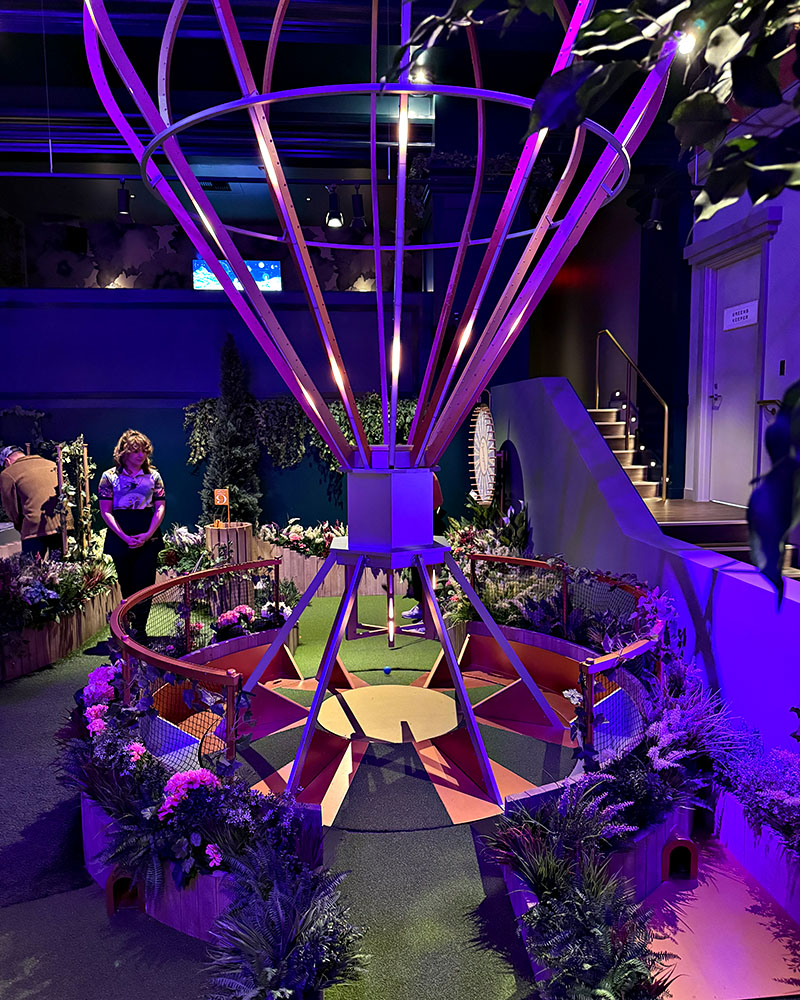
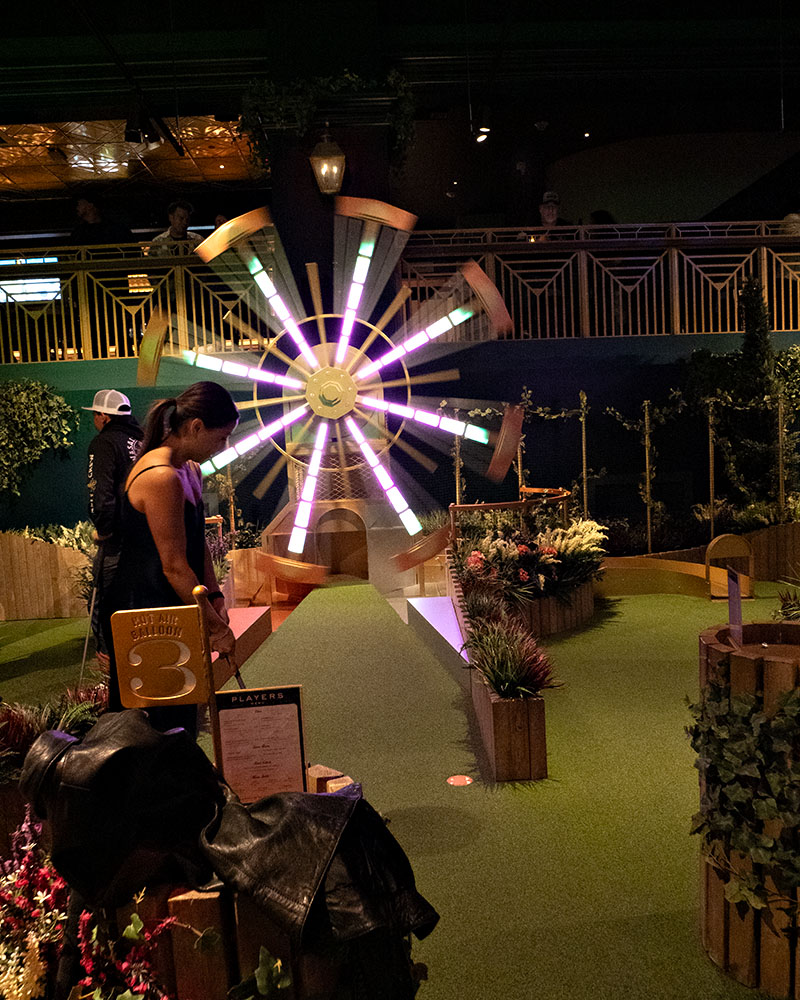
The second we walk in, we’re hit with a neon glow, thumping beats, and a giant sign screaming Get Ready to Swing. I glance at Vicki. “Not what you thought, hey?” She eyes the disco-lit windmill and mutters, “I was kinda hoping for more nudity.”

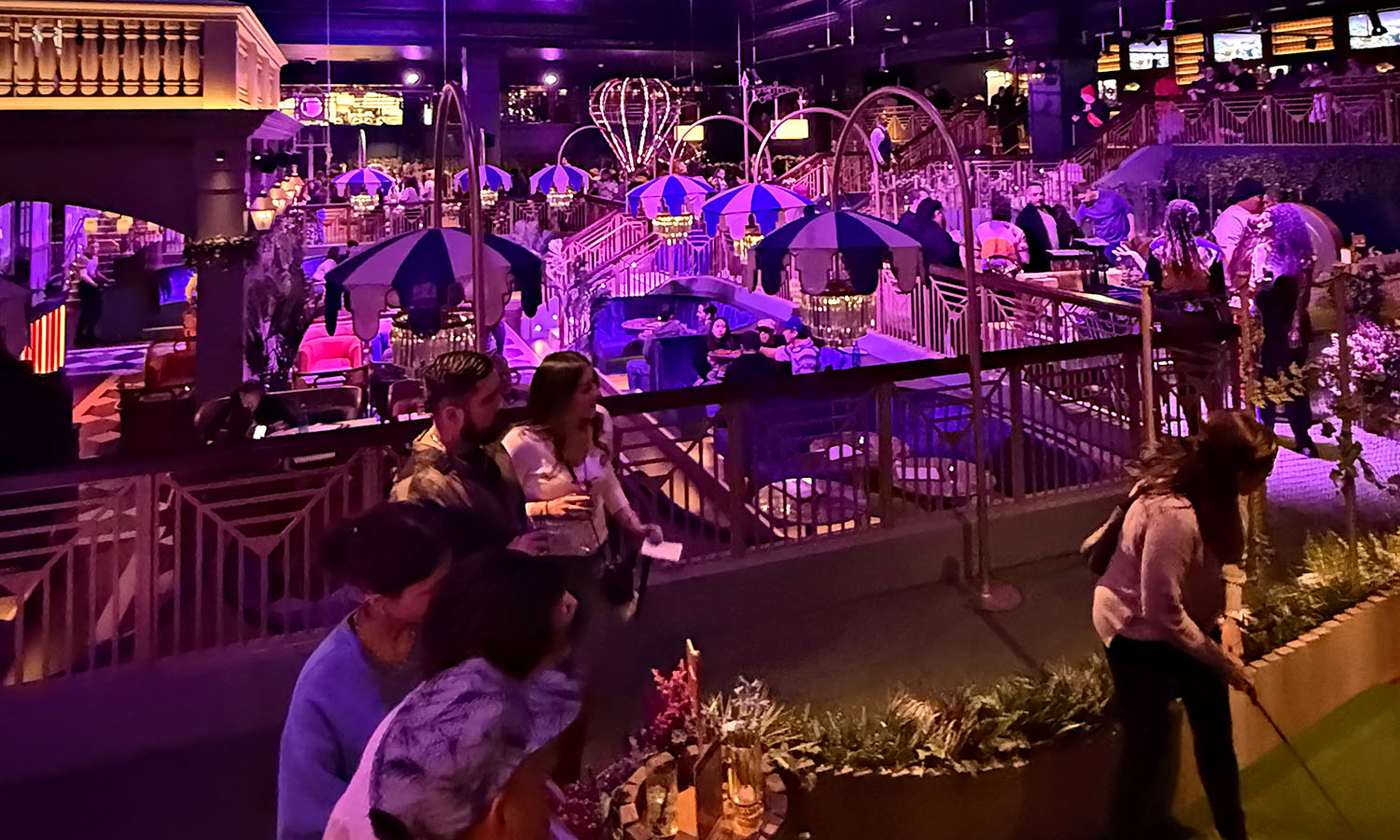
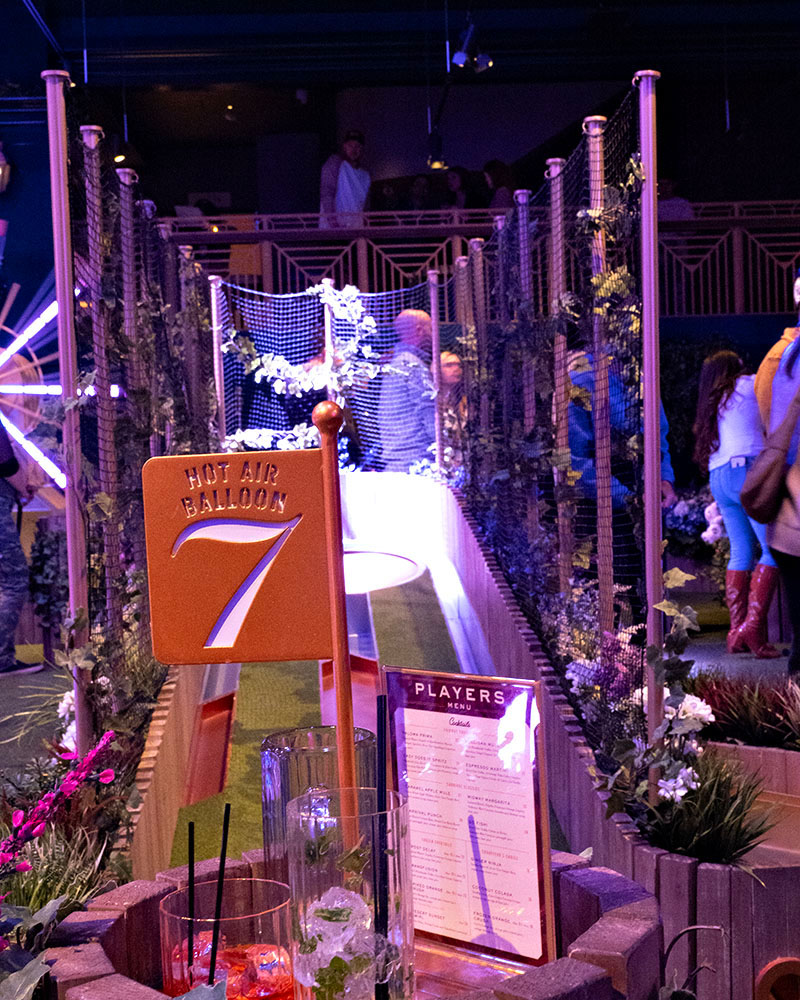
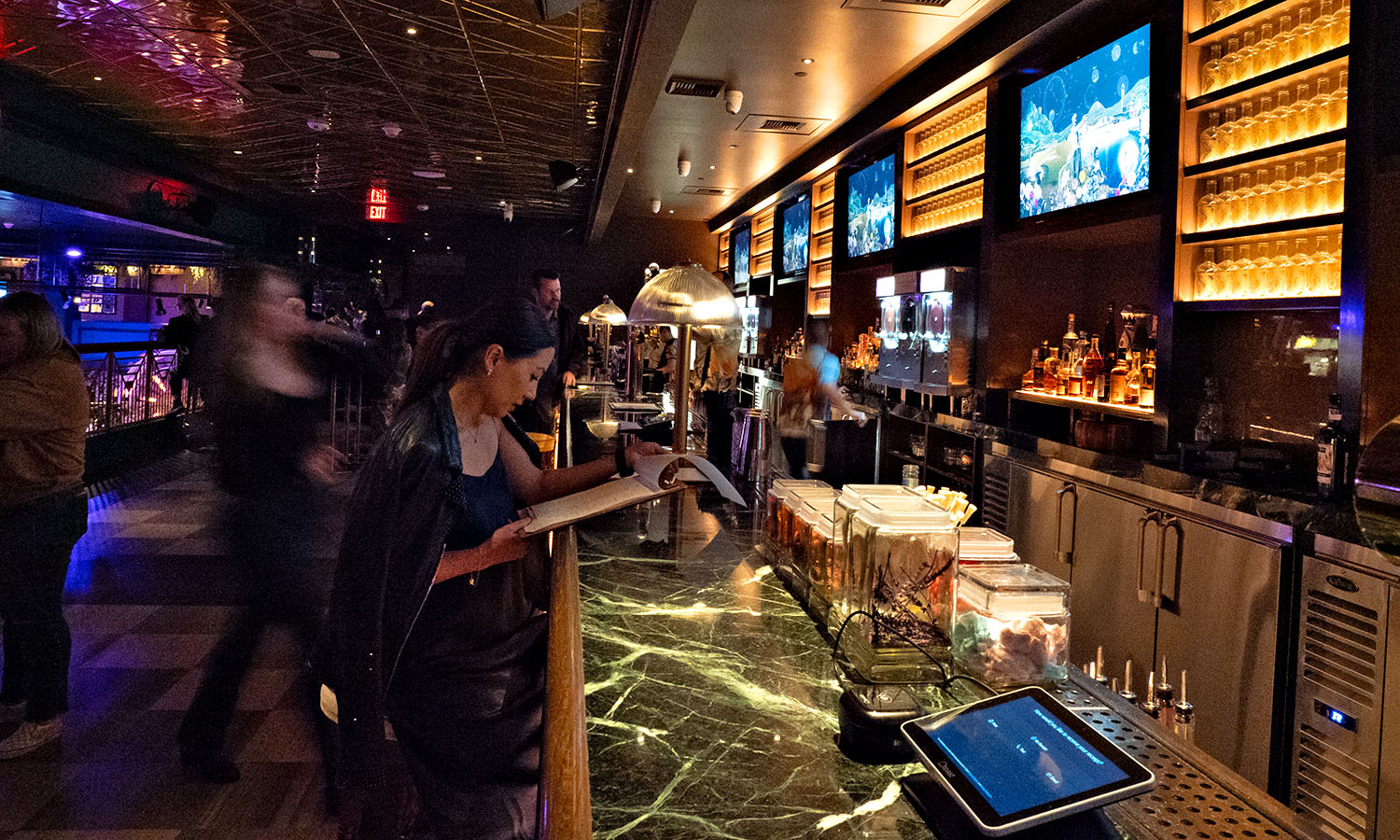
We’re ushered in by a hostess wearing fishnets and a knowing smile, and handed cocktails with names like “Foreplay” and “Stroke of Genius.” There are four outrageous courses to choose from, each one more suggestively themed than the last, plus an old-school carnival arcade and a pizza joint slinging slices sexier than they have any right to be.

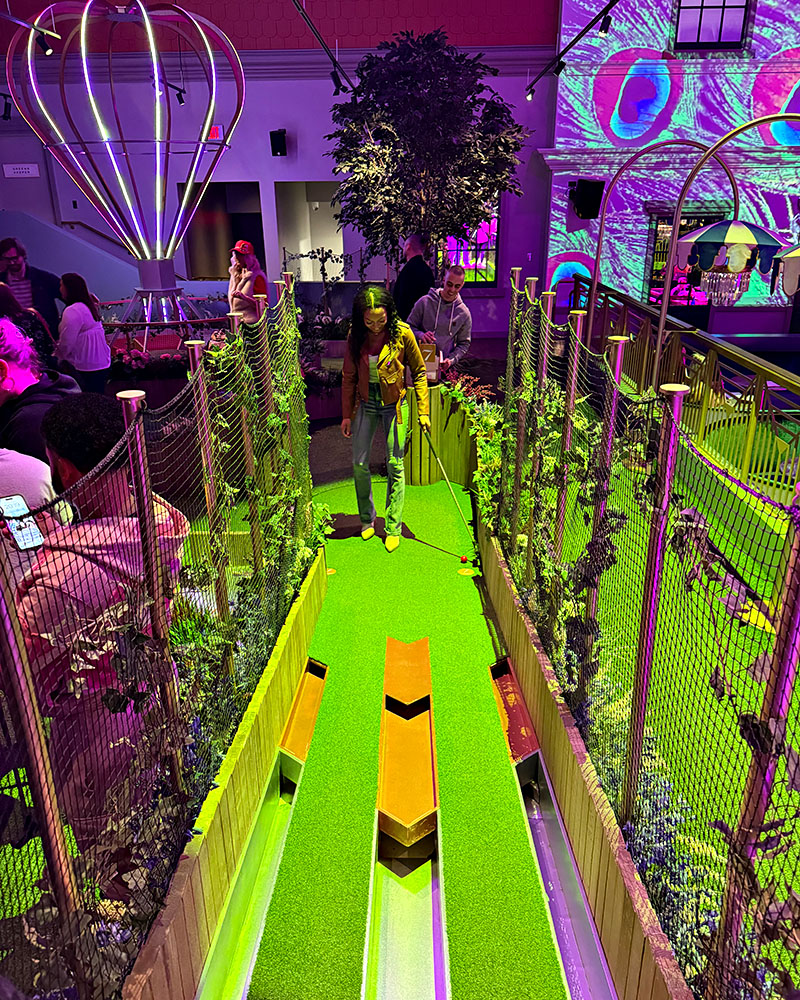
We start on “The Velvet Course,” which sounds like a Barry White album and plays like a fever dream. Hole Two features a giant pair of furry dice swinging above a heart-shaped bed. Hole Five’s called “The Love Tunnel” and involves a rotating tunnel, low ceilings, and a questionable grip on your balls. Vicki smashes it. I nearly fall in.

Everywhere we go, people are laughing, dancing, flirting and swinging, clubs, hips, conversations. The energy is unhinged in the best way possible. You’re not here to win. You’re here to lose your inhibitions and possibly your dignity.

By the time we reach Hole Twelve, “The Money Shot”, I’m sweating, two cocktails deep, and trying to line up a putt between a pair of glittering legs. Vicki’s howling. “You’ve never looked so focused,” she says. “Is it the pressure… or the heels?”

I sink the putt. She applauds. Somewhere, Barry White plays softly in the background.

As we collapse in a velvet cabana with spicy margaritas and pizza, I finally get what the founders meant. “We wanted to create the most ridiculously fun venue possible,” Matt Grech-Smith said. Mission well and truly accomplished, Matt.

Swingers isn’t about swapping partners. It’s about swapping boredom for chaos, cocktails, and a very different kind of foreplay.

And Vicki? She’s already asking if we can come back tomorrow night. “Might even wear a blindfold next time,” she teases.

Vegas, you filthy genius. Never change.


Is this the Hawaii of Japan?

A complete guide to the best things to do in Okinawa before settling into the coolest Okinawa accommodation.

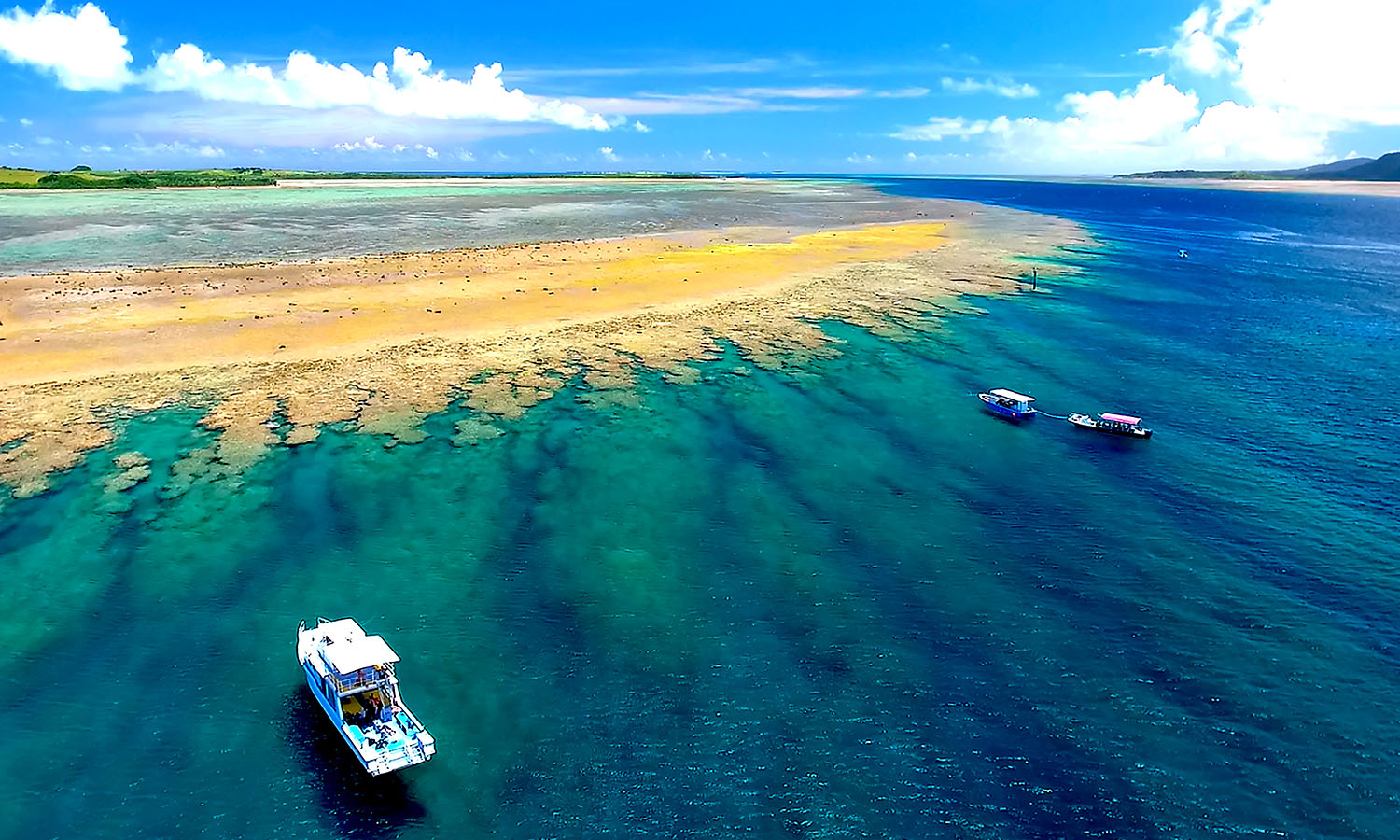
They call it the Hawaii of Japan but Okinawa is more like Hawaii’s cooler, quieter cousin who ditched the crowds for coral reefs and taco rice. A string of sun-soaked islands drifting in the East China Sea, this subtropical gem delivers sugar-white beaches, turquoise water, and laid-back island vibes with a side of Japanese quirk.

Think samurai castles, WWII ruins, and vending machines that sell everything from beer to fresh eggs. It’s where you can snorkel with sea turtles in the morning, stuff your face with beni-imo ice cream by lunch, and belt out karaoke in a beach shack by sunset. Aloha? Nah, it’s haisai here and Okinawa’s calling with open arms and a chilled Orion beer.

BEST THINGS TO DO IN OKINAWA

TRY OKINAWA SCUBA DIVING

Okinawa’s waters are a diver’s dream, boasting around 200 of the world’s 800 coral species, so it’s little wonder why diving is one of the most popular things to do in the region. And there’s no better diving company to take you on your exploration of Okinawa’s underwater world than Prime Scuba Ishigaki.

Based on Ishigaki Island, these legends offer full-day dive cruises aboard their 60-foot cruiser, the Blue Swan, exploring Ishigaki and the surrounding Yaeyama islands.

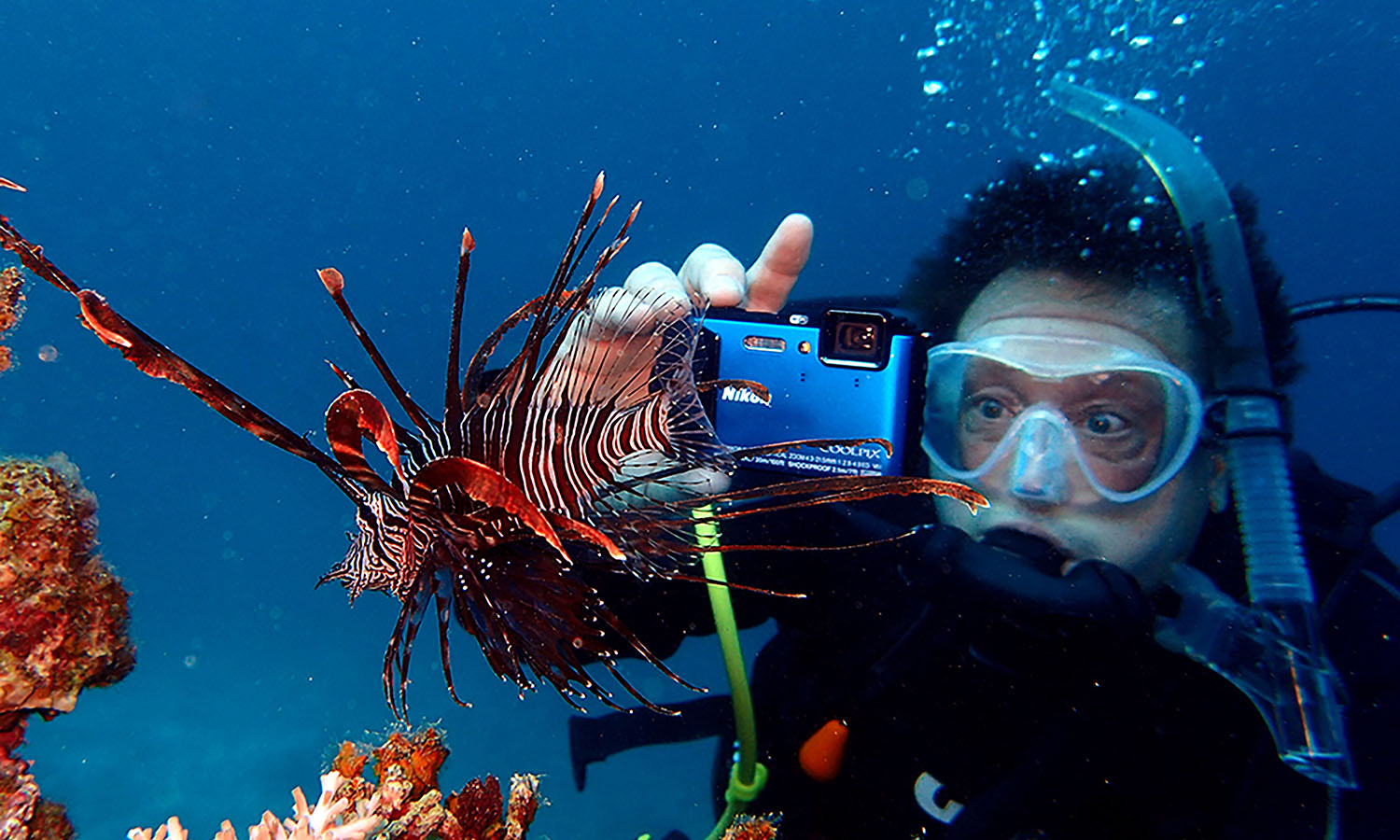
Expect to rub fins with manta rays, reef sharks, and sea turtles, all while navigating through coral gardens that look like they were designed by an overzealous artist with a thing for neon.

And even if you’re a newbie, Prime Scuba Ishigaki’s experienced instructors will have you blowing bubbles like you’ve been diving for years. Pro tip: come prepared with an underwater camera. You’re gonna want proof you did this.

primescuba-ishigaki.com/

HAVE A GO AT POTTERY-MAKING

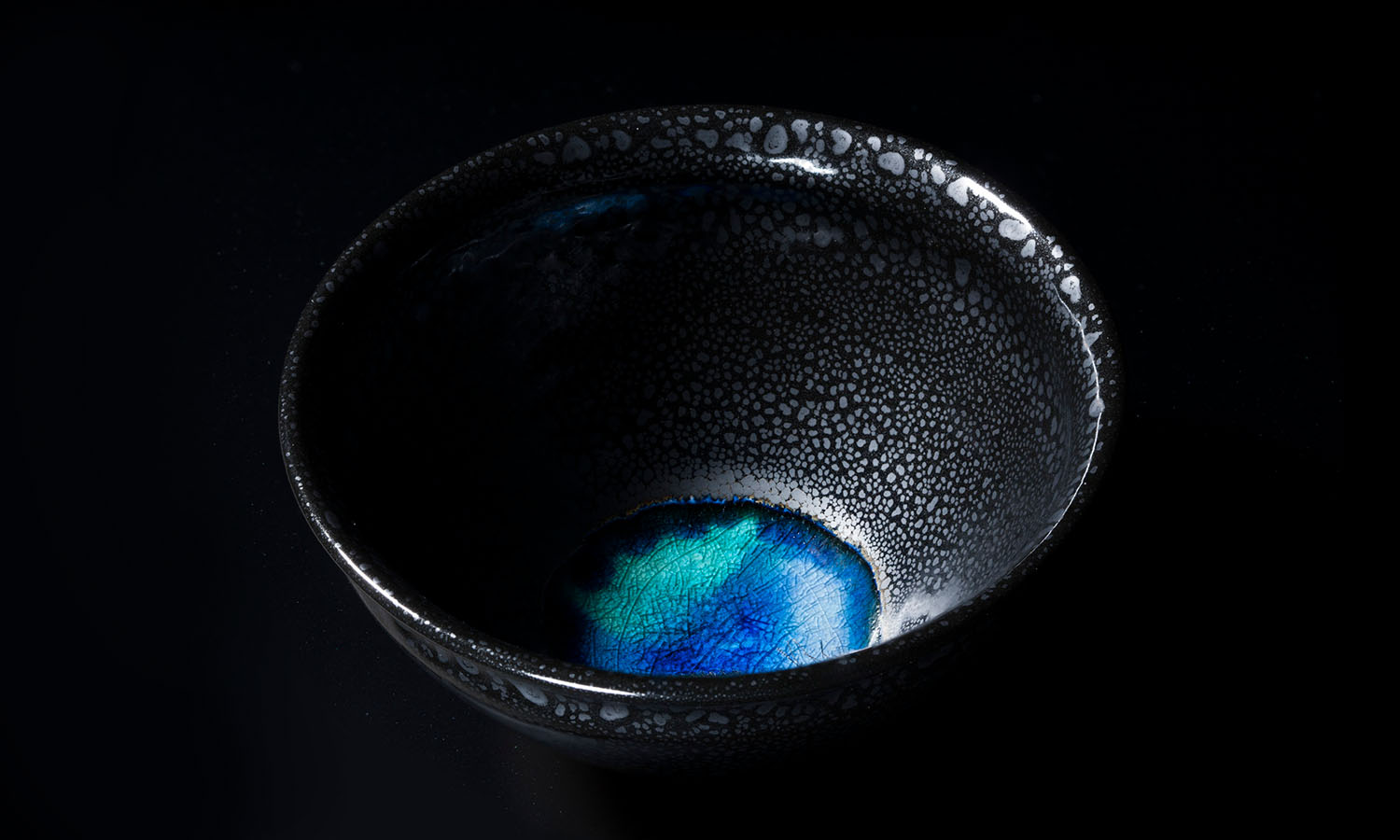
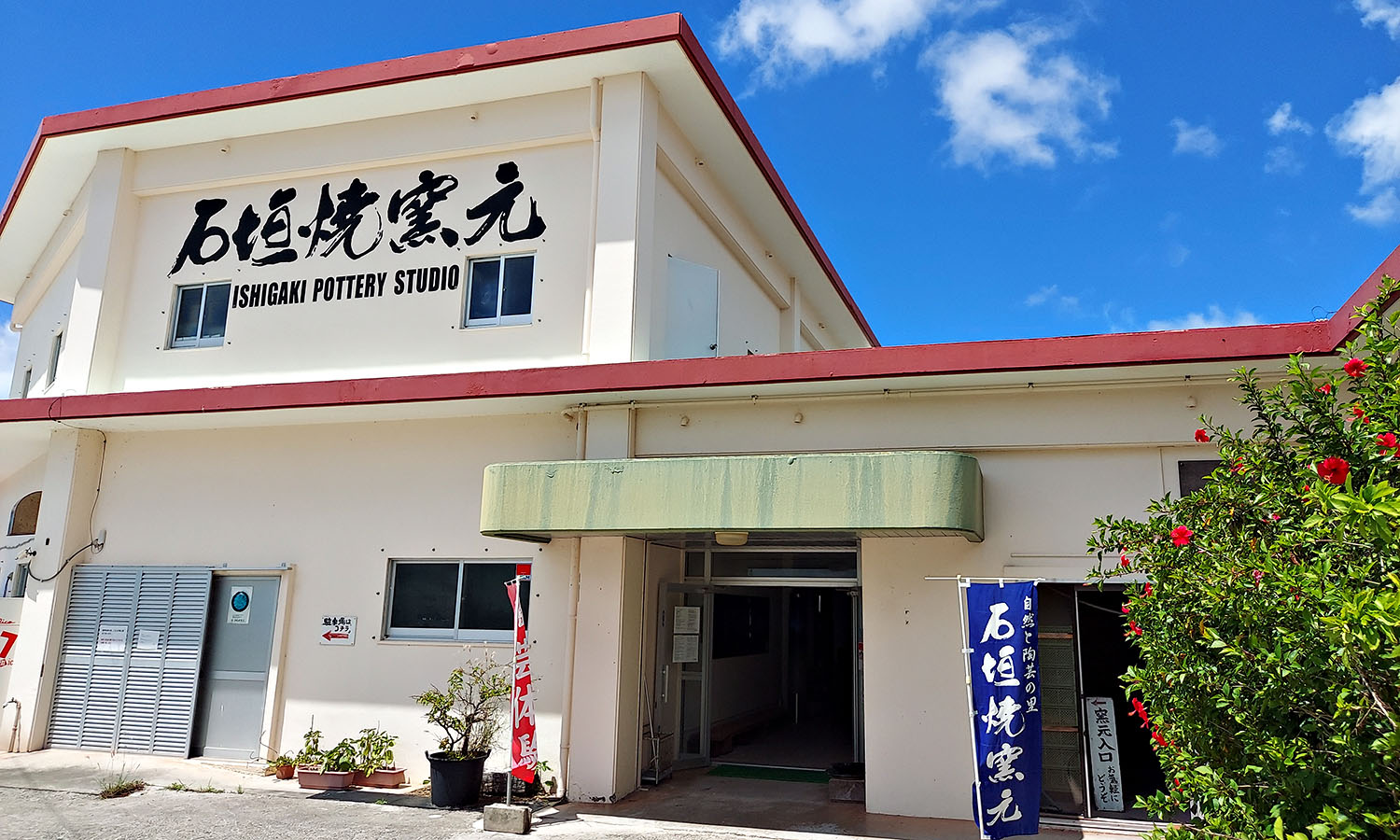
Tucked away in Okinawa’s sun-kissed Ishigaki Island, Ishigaki-yaki Pottery Studio is where everyday items are made with a glow-up in mind. This place is all about forging a non-traditional path since, well, they’ve developed a new pottery style. Yep, no earthy tones or island vibes here.

Successfully fusing clear glass and ceramics with the Yuteki-Tenmoku glaze, this studio is breaking the barrier and showcasing Okinawa’s marine beauty through its stunning blue pieces.

Want to try making your own? You can’t, at least, not in the way the masters of the studio do. But you can craft your own clay masterpiece in a pottery experience that’ll see you put your artistic skills to the test.

Said masterpiece might end up looking more like a mutant seashell, but hey, that’s the fun of it (wabi-sabi, are we right?). Either way, you’ll leave with something uniquely Ishigaki… and possibly clay under your nails forever.

ishigaki-blue.com/

HIKE TO HIJI WATEFALL

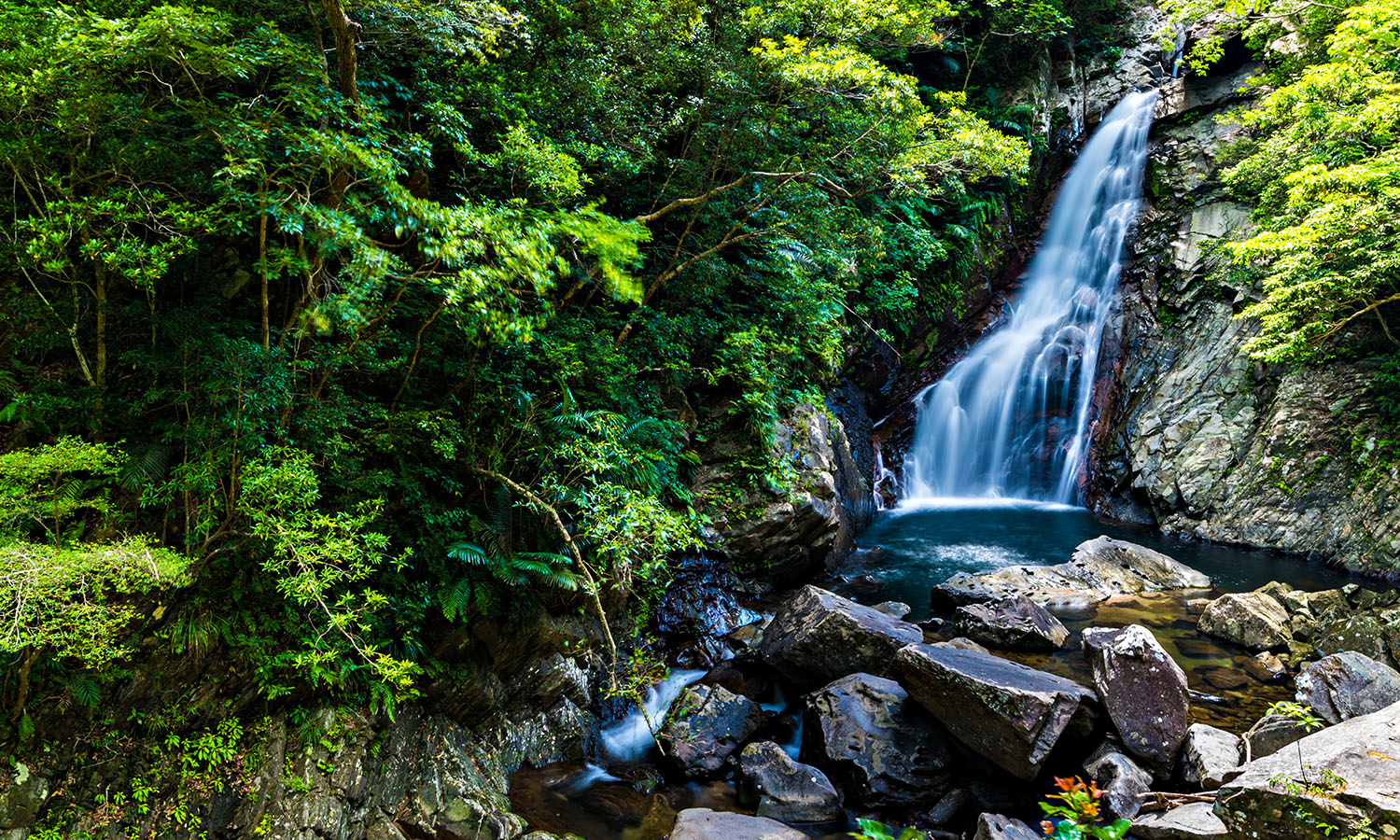
If you’re up for a jungle adventure that won’t leave you gasping for air (too much), the hike to Hiji Waterfall is calling your name.

This 1.5-kilometre trek through Okinawa’s lush Yambaru Forest takes around 40 minutes one way, just enough to break a sweat but not enough to regret your life choices. You’ll be met with suspension bridges, stone steps, and the occasional curious critter along the way.

But the payoff is more than worth it; a stunning 26-metre waterfall that looks like it’s straight out of a postcard. Bring water, wear decent shoes, and get ready to soak up Okinawa’s wet and wild side.

HAVE A DRINK AT EL LEQUIO

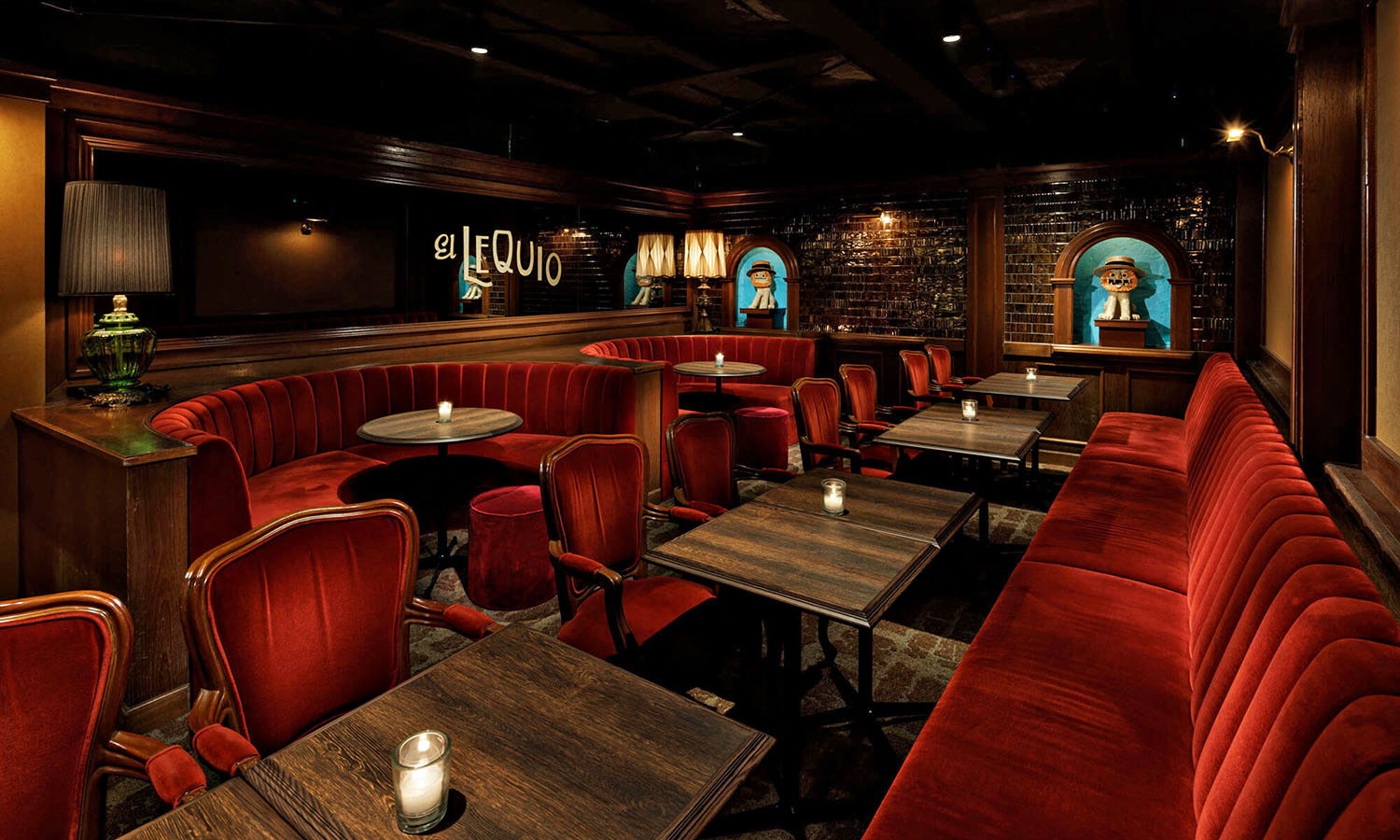
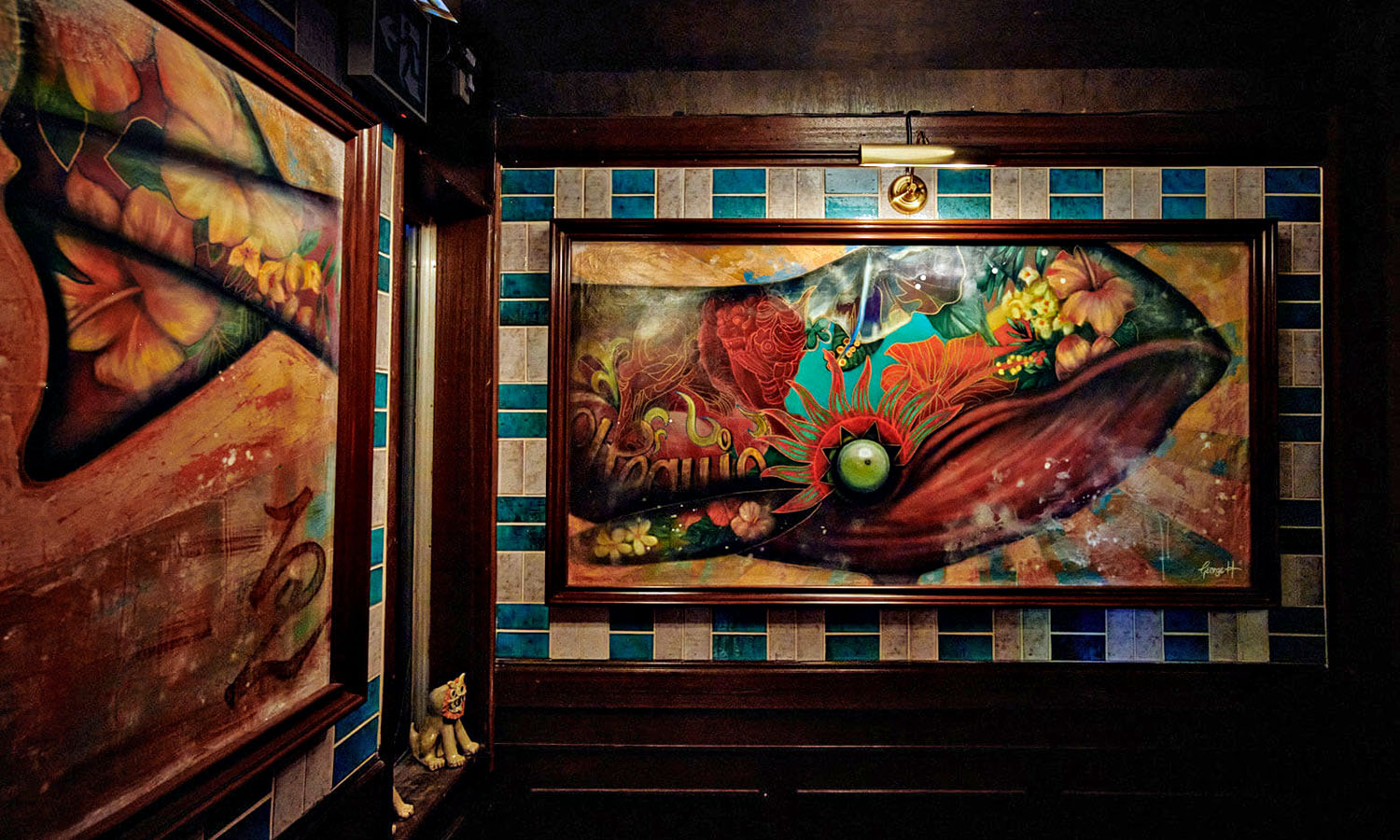
Ever wondered what happens when Okinawa’s rich Ryukyu heritage takes a salsa-infused detour through Latin America? Enter El Lequio, the cocktail bar where these two vibrant cultures collide in the most delightful way.

Named after the moniker Spanish and Portuguese explorers gave the Ryukyu Kingdom during the Age of Discovery, El Lequio is a testament to Okinawa’s unique cultural fusion.

Step inside, and you’re greeted by an 18-seat bar adorned with Latin American flair, complemented by Okinawan bingata textiles. Its cocktail menu is a two-pronged adventure: “Ryukyu-Inspired” concoctions that put a local twist on classics, and “Nikkei-Latino” drinks that blend Latin American roots with Okinawan innovation. It’s pretty much a flavour-packed history lesson, served in a glass.

ellequio.com/

LEARN ABOUT THE REGION'S COFFEE

Tucked away in the lush, subtropical forests of the Yambaru region lies Nakayama Coffee Farm, a hidden gem for those seeking an authentic coffee adventure. Just a 20-minute drive from Nago City, this serene plantation offers more than just a caffeine fix; it provides a deep dive into the art of coffee cultivation.

Upon arrival, the rich aroma of coffee blossoms fills the air, mingling with the earthy scents of the surrounding jungle. The farm’s “From seed to cup” experience invites visitors to engage in the entire coffee-making process. You’ll start by harvesting ripe coffee cherries, then move on to roasting them over an open flame, a process that fills the air with a pleasant popping sound and a tantalizing fragrance. The culmination is brewing and savouring a cup of coffee that you’ve crafted with your own hands.

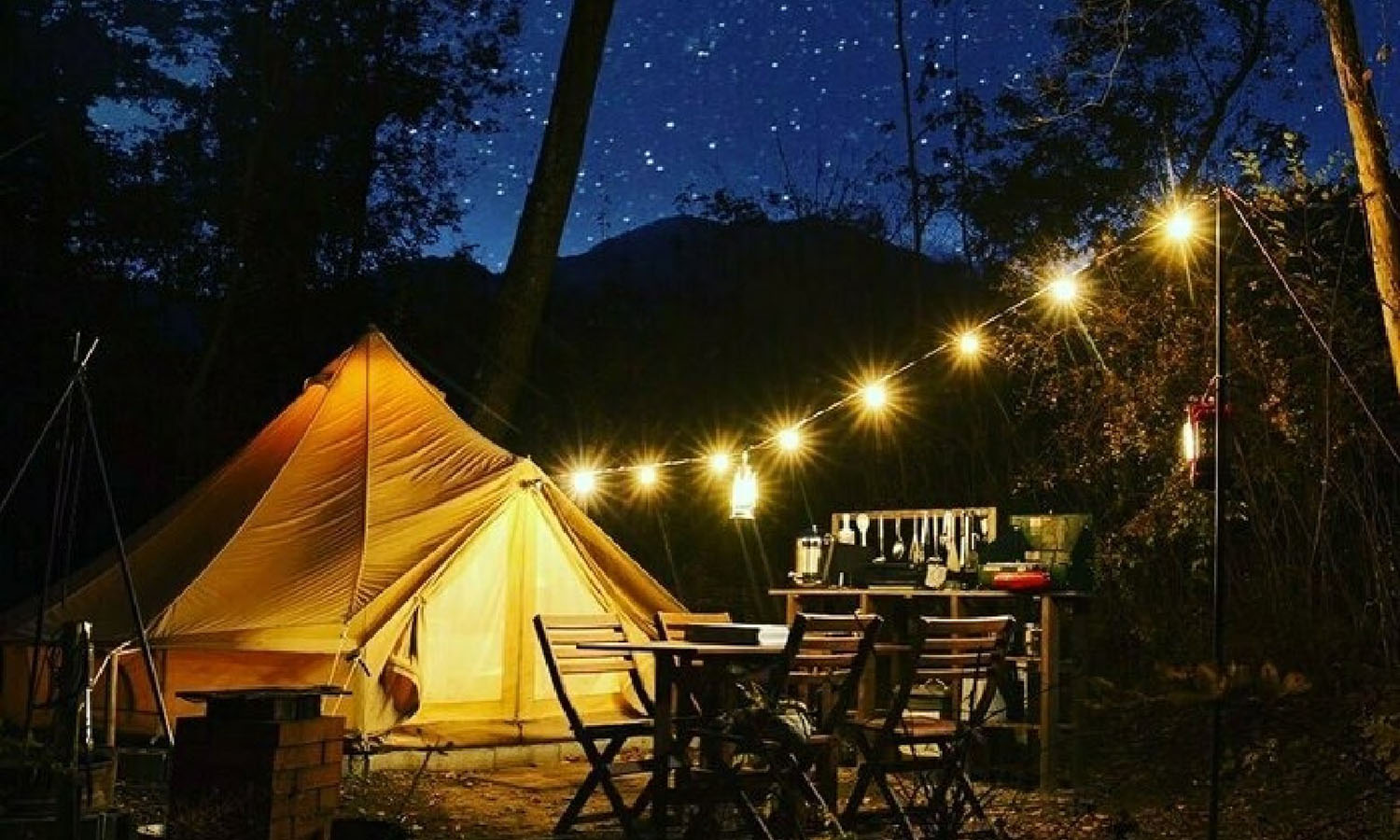
For those looking to extend their stay, Nakayama Coffee Farm offers an exclusive camping experience. With only one group accommodated per night, guests can immerse themselves in the tranquil beauty of the farm, waking up to the gentle sounds of nature and the promise of a fresh brew.

Beyond coffee, the farm is home to the Yui Maru Herb Garden, where visitors can handpick herbs to create personalized herbal teas. This hands-on activity complements the coffee experience, adding another layer to your sensory journey.​

Nakayama Coffee Farm isn’t just a destination; it’s an invitation to slow down and connect with the origins of your favorite brew. It’s a place where the journey from bean to cup becomes a personal story, set against the backdrop of Okinawa’s breathtaking natural beauty.

nakayama-coffee.com/

WHERE TO STAY IN OKINAWA

TREEFUL TREEHOUSE SUSTAINABLE RESORT

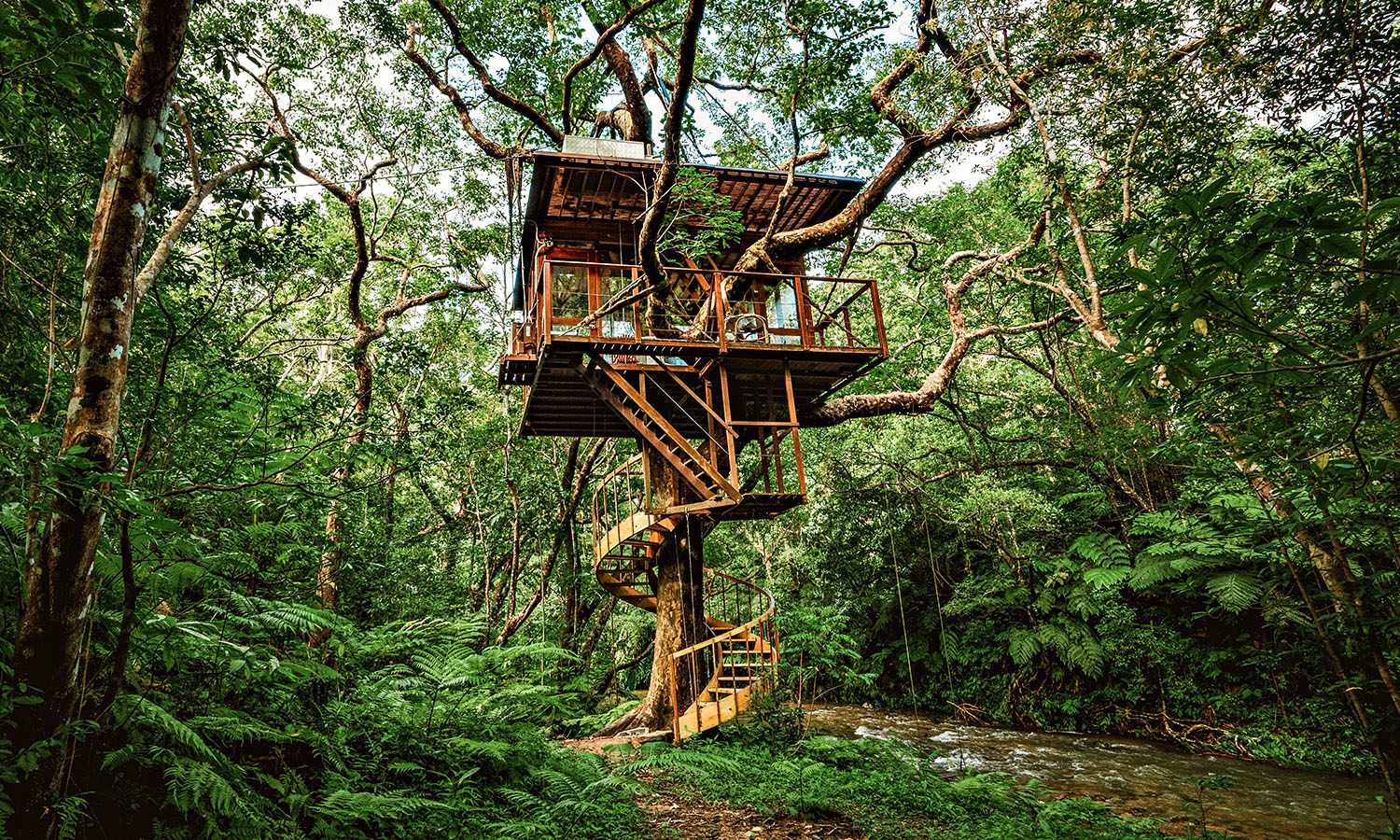
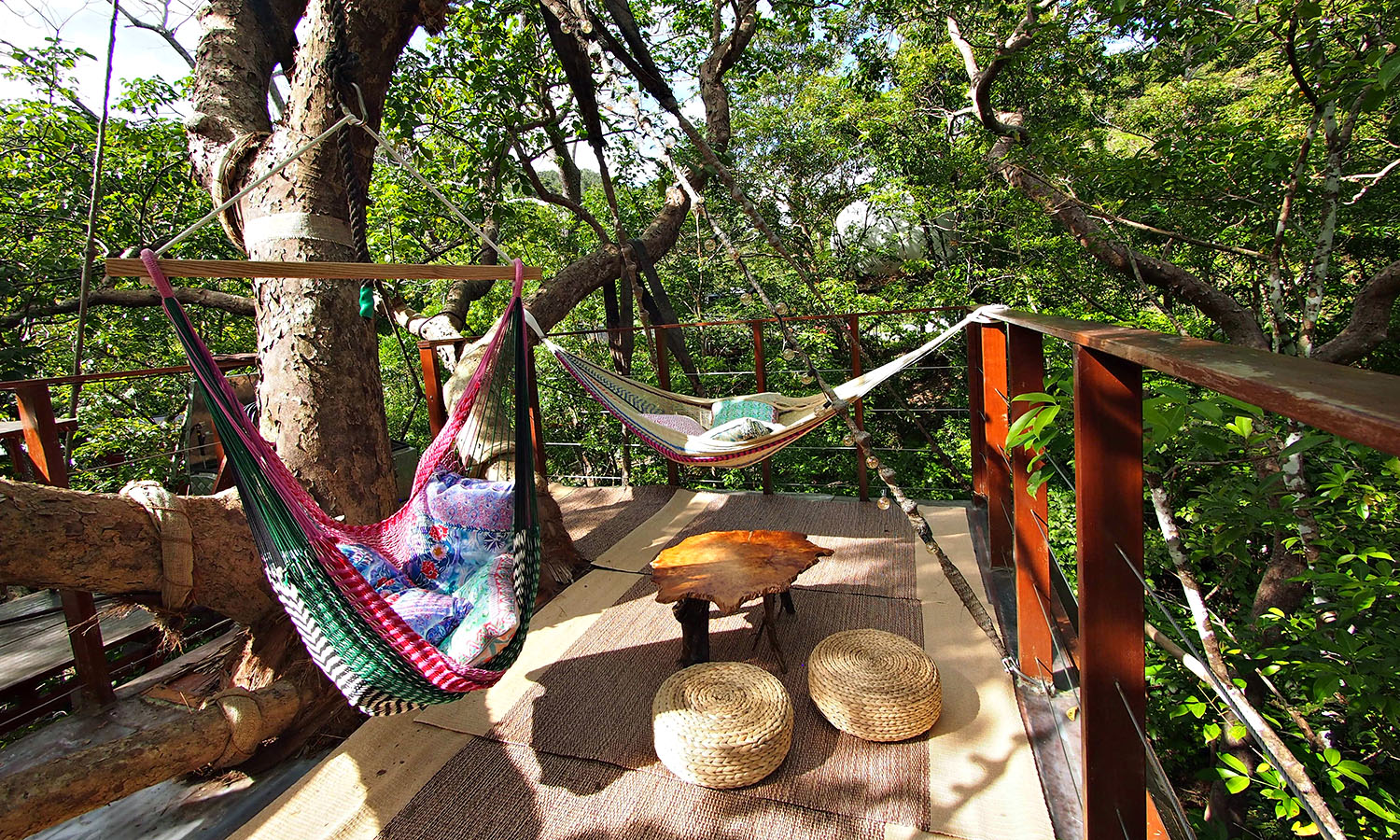
Treeful Treehouse isn’t just a place to stay, it’s a manifesto disguised as a jungle retreat. Hidden in the lush hills of Okinawa, this off-grid haven proves that sustainability doesn’t have to mean roughing it or hugging trees in hemp pants (unless you’re into that).

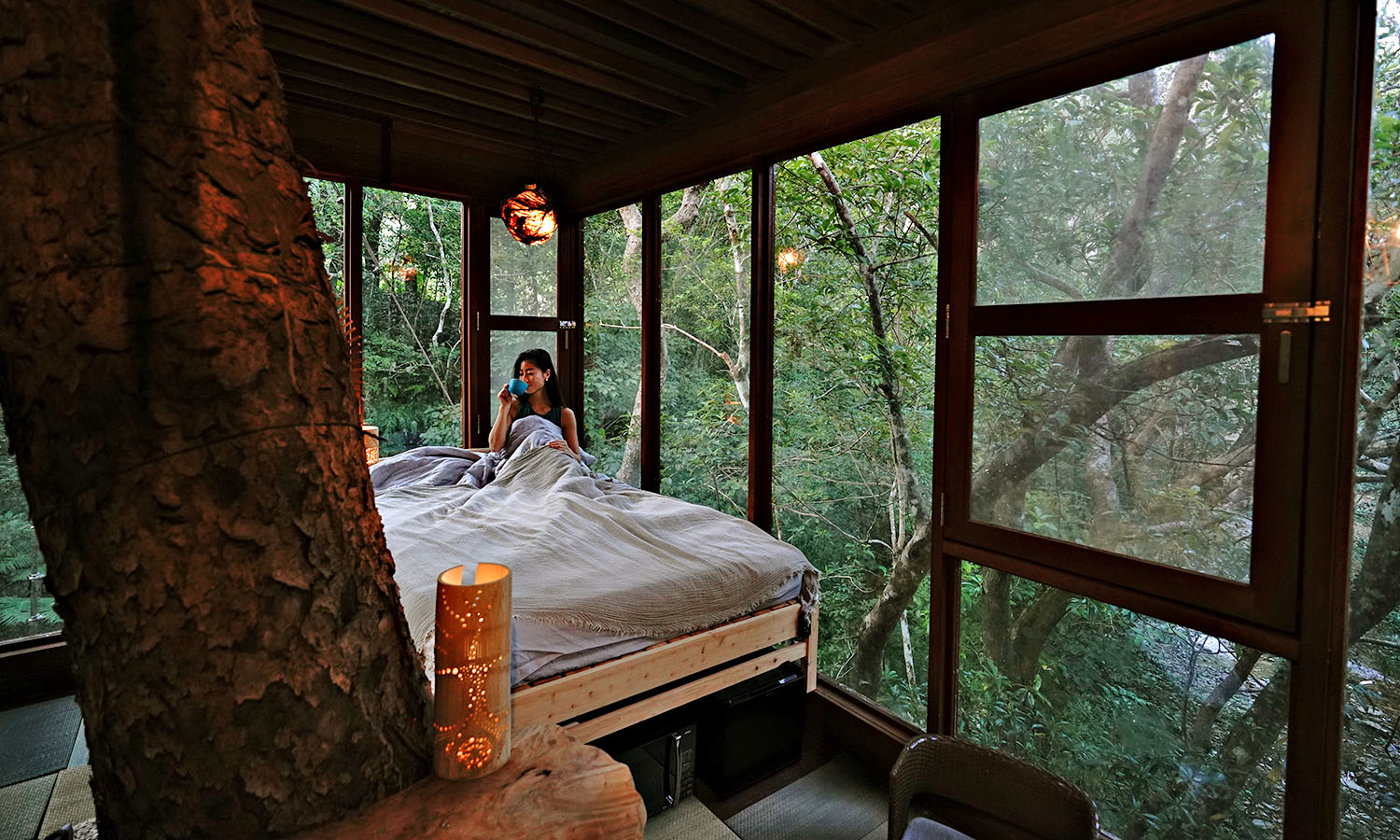
Everything here runs on solar power, from your morning espresso machine to the lights that softly glow in your treetop pod. The air smells like rainforest and smugness but the good kind, because every detail is eco-conscious, from the bamboo interiors to the composting toilets that are far more chic than they should be.

You’ll shower under the sky, fall asleep to a symphony of cicadas, and wake up guilt-free knowing your carbon footprint is practically doing yoga. There’s a river to float in, a Skywalk to wander, and not a single plastic bottle in sight. It’s nature done properly, with brains, beauty, and a zero-waste bin.

treeful.com/

HOSHINOYA OKINAWA

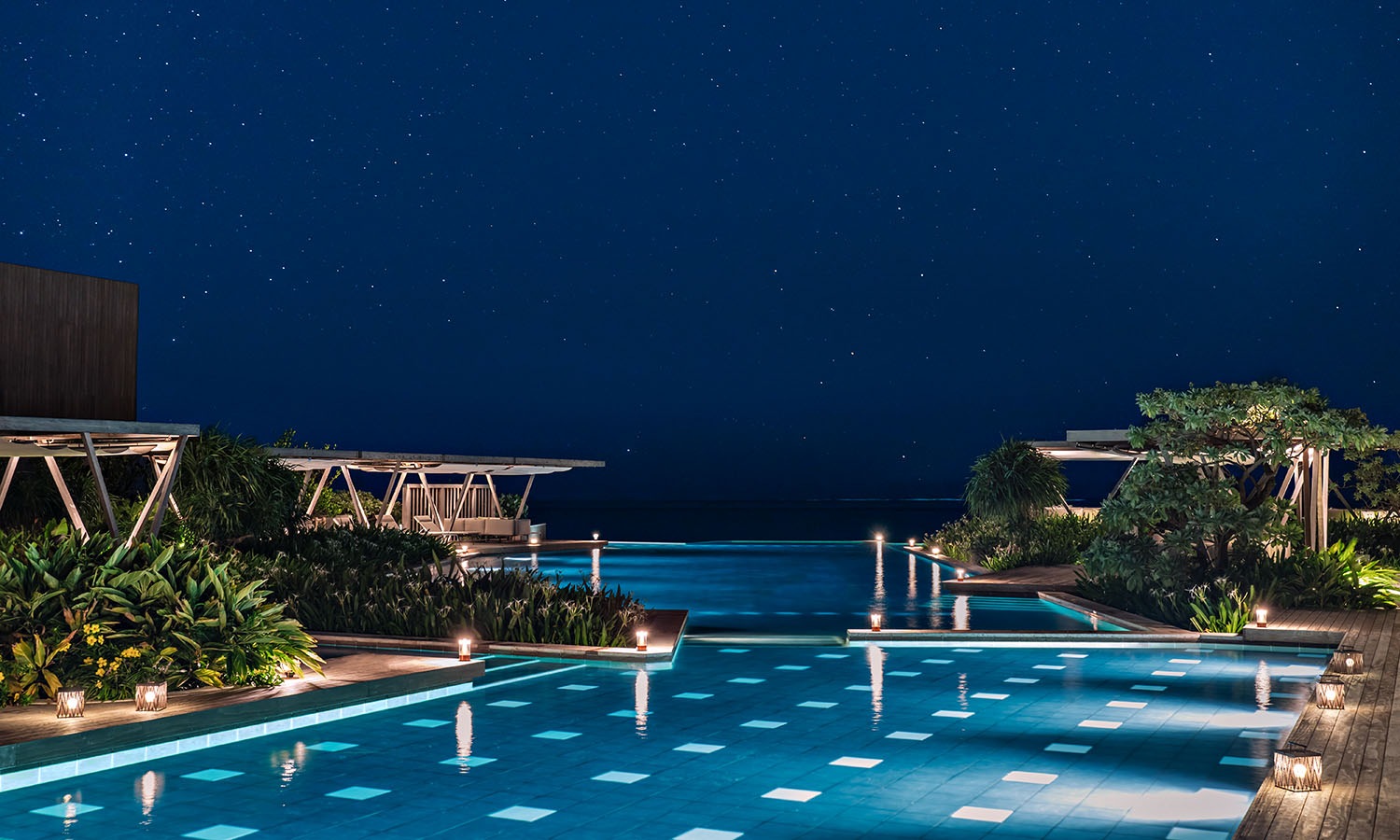
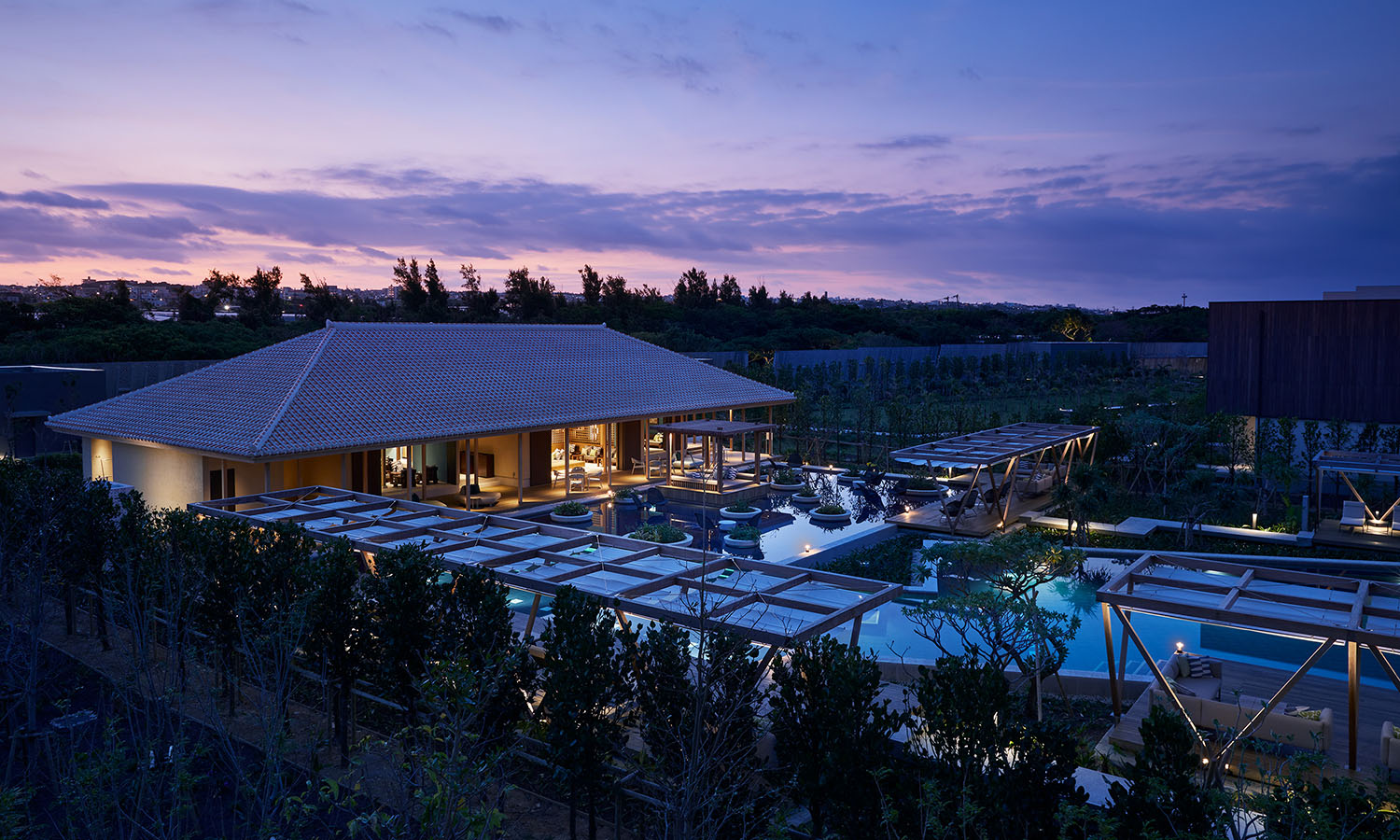
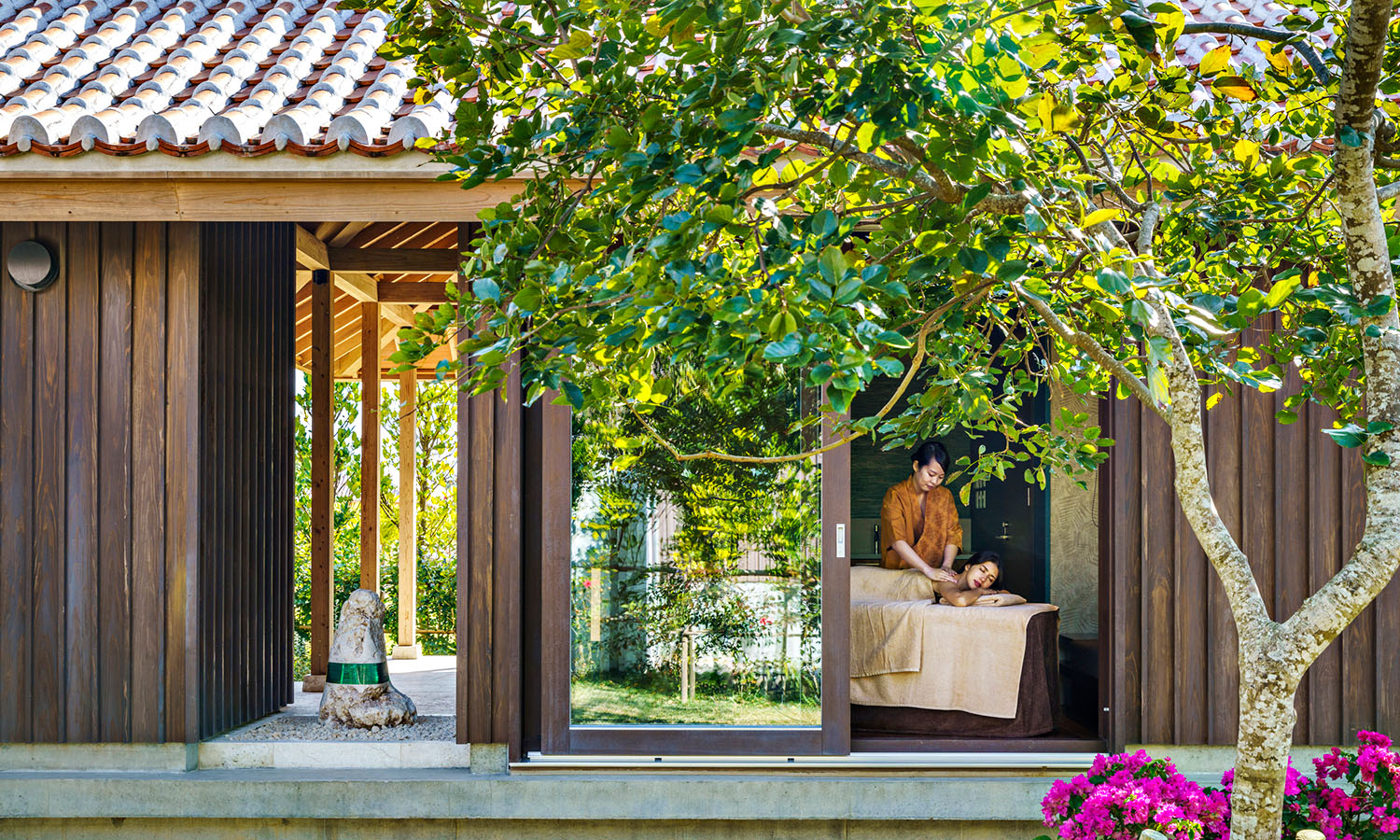
Welcome to HOSHINOYA Okinawa, where Japanese precision meets laid-back island living and you’re gently reminded that yes, even paradise can come with turn-down service. Perched above a wild and wave-smashed coastline, this place feels less like a resort and more like a Bond villain’s retirement plan with stone walls, infinity pools, minimalist villas, and all.

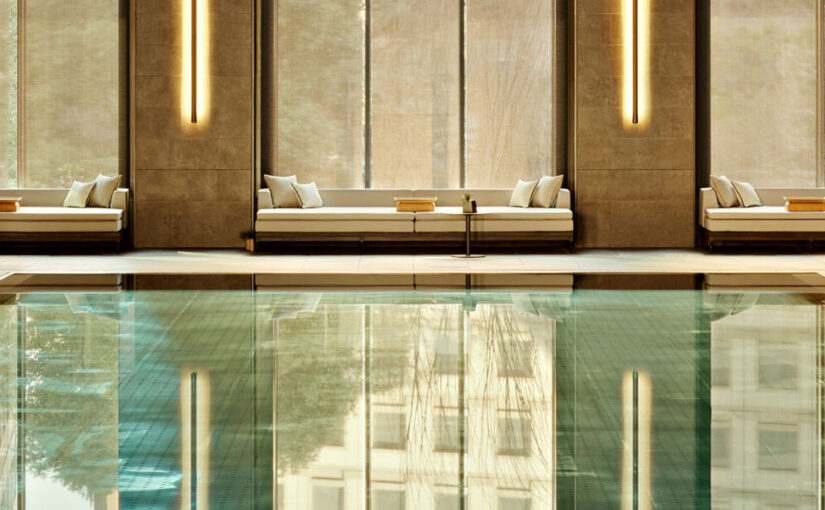
You can float in the pool overlooking the South China Sea or snack on Okinawan soba with a side of sea breeze. Meals here are slow, artistic, and probably philosophically nourishing. Morning yoga? Sure. Evening sanshin music? Obviously. And the best part? You can do absolutely nothing and still feel like you’re on a spiritual journey.

This isn’t your cliché tropical getaway. It’s subtropical zen, served with a shikuwasa cocktail and a whisper of sea salt in the air.

hoshinoresorts.com/

NANMEI SHINSHITSU

If you’ve ever wanted to time-travel in Japan without the hassle of quantum physics, a stay at Nanmei Shinshitsu in Okinawa’s lush Yambaru region is your ticket.

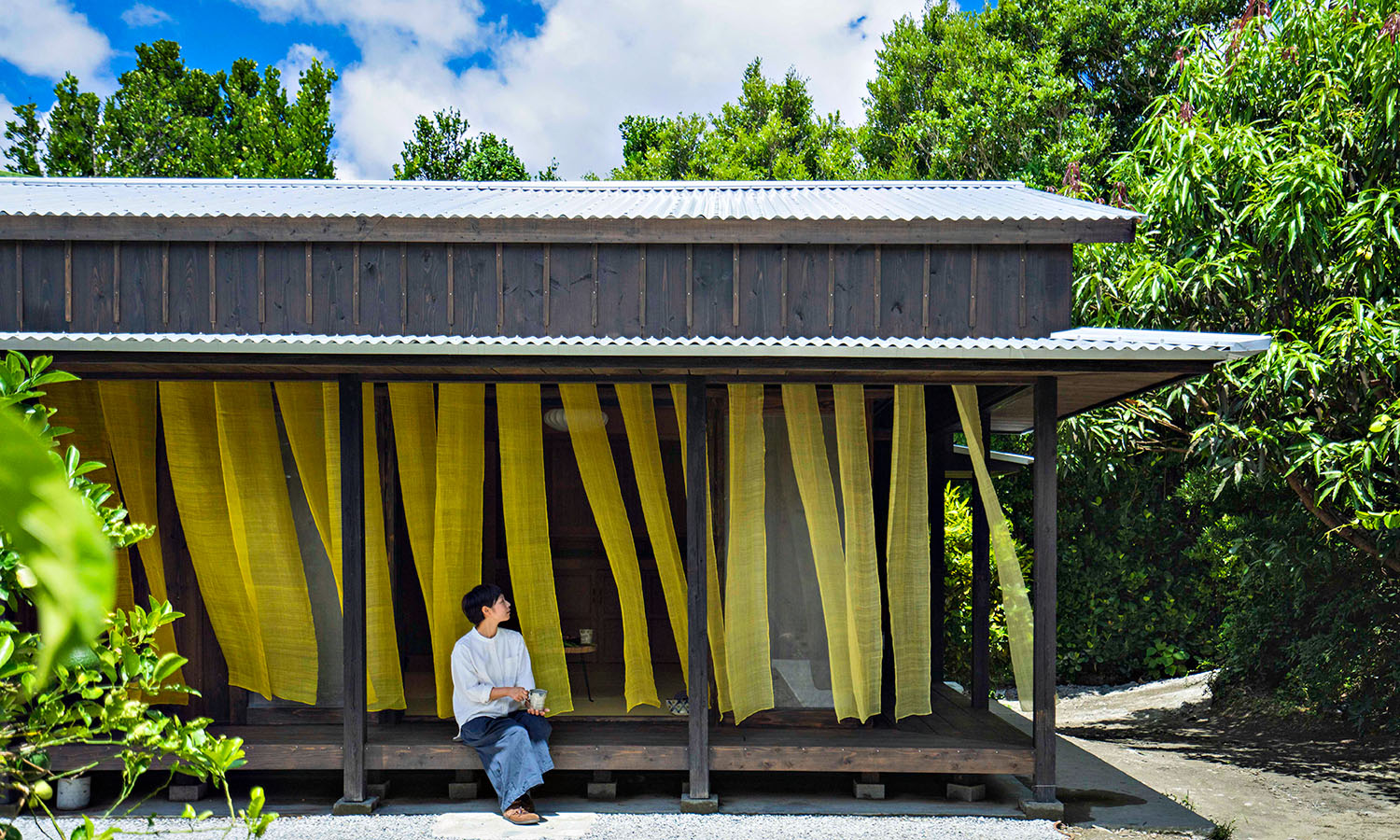
But think of this place as less like accommodation and more like a full-blown cultural deep dive; traditional Okinawan wooden houses, earthen floors, and a kamado stove that’ll make you feel like a Ryukyuan chef in training.

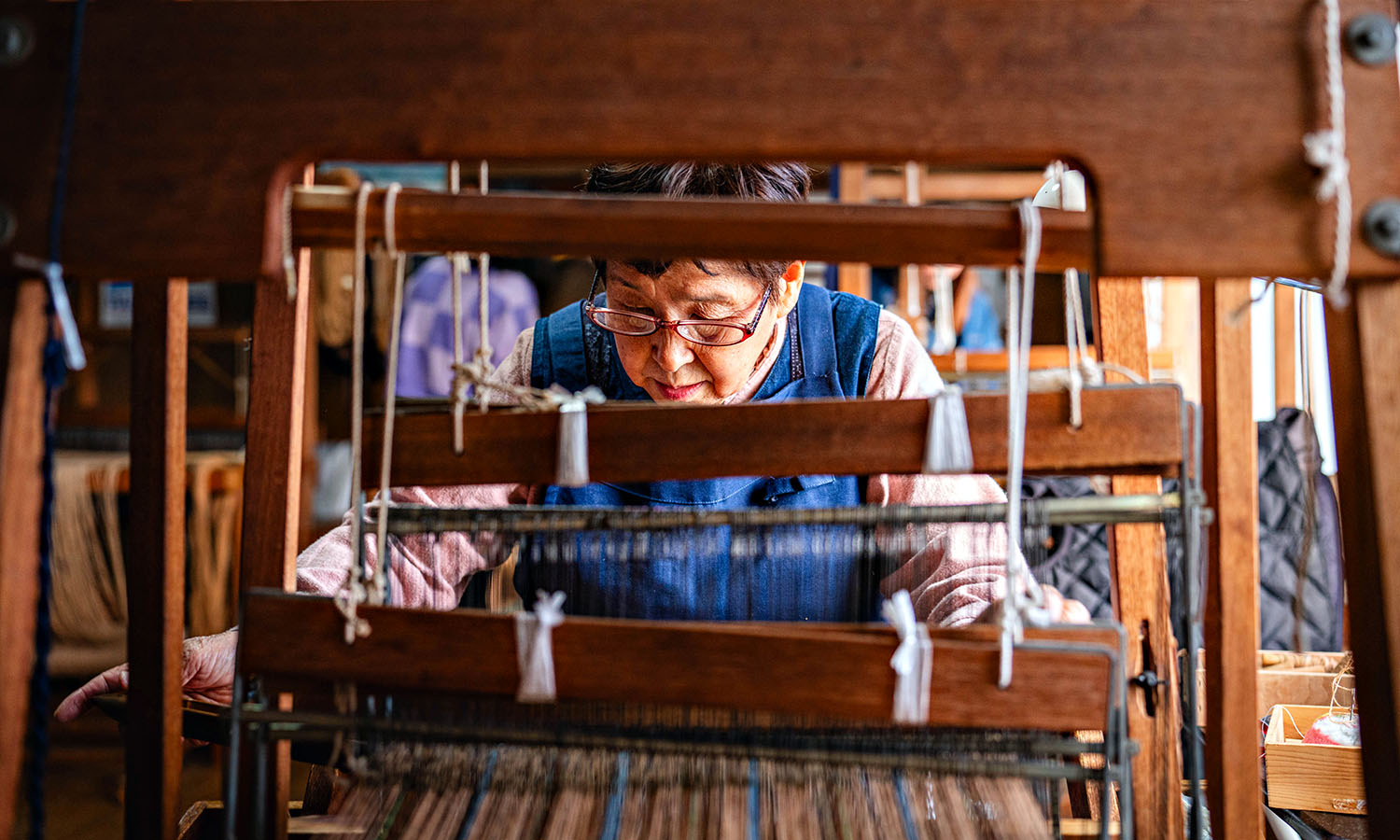
Local ‘Sherpas’ (yes, that’s what they call them) will take you on hands-on experiences, from mastering traditional Okinawan cooking to crafting like a true island artisan. It’s the perfect spot to ditch modern chaos and soak up Okinawa’s old-school charm (and absolutely no time machine required).

yambaru.com/

A trip to South Korea; hear from our winners

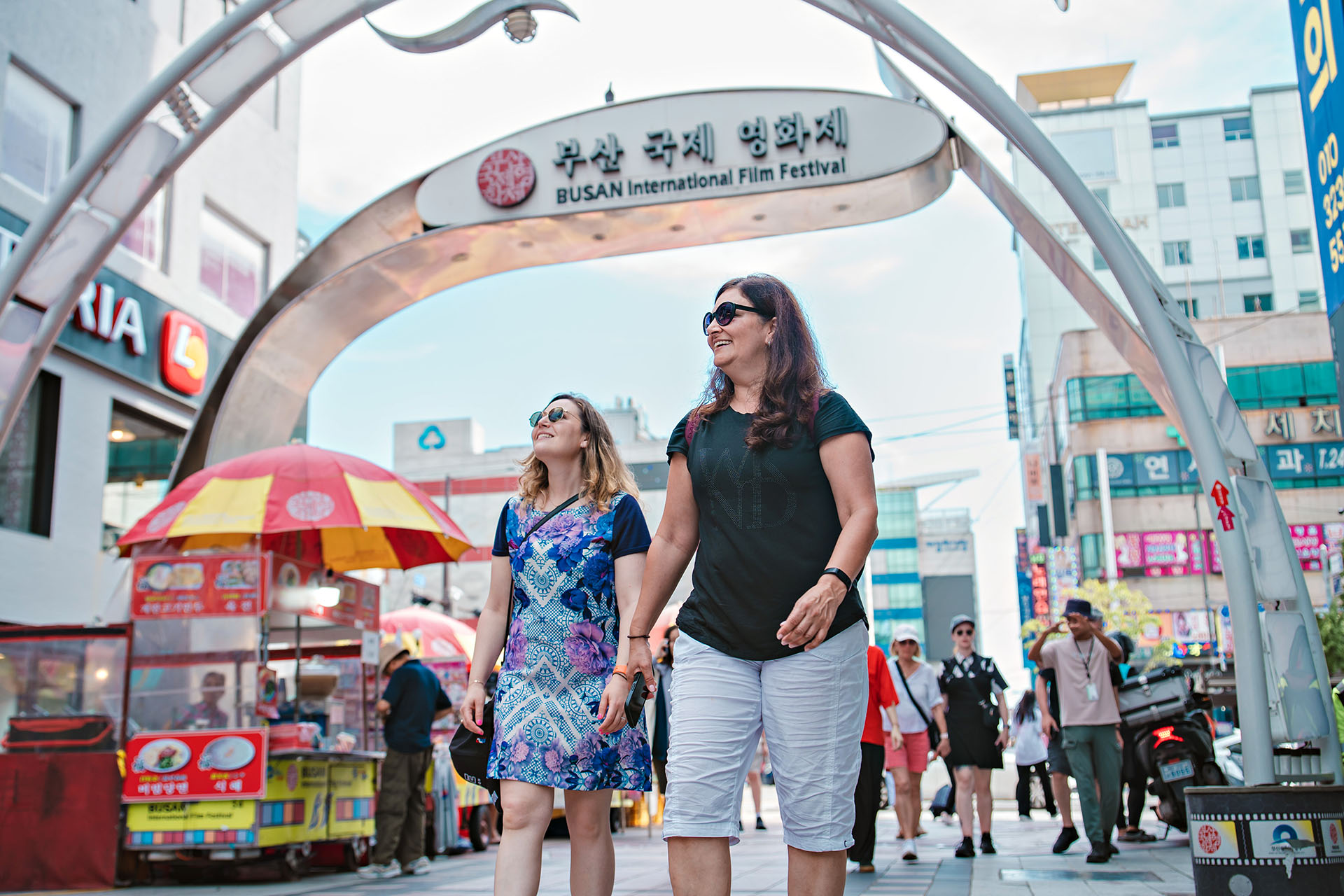
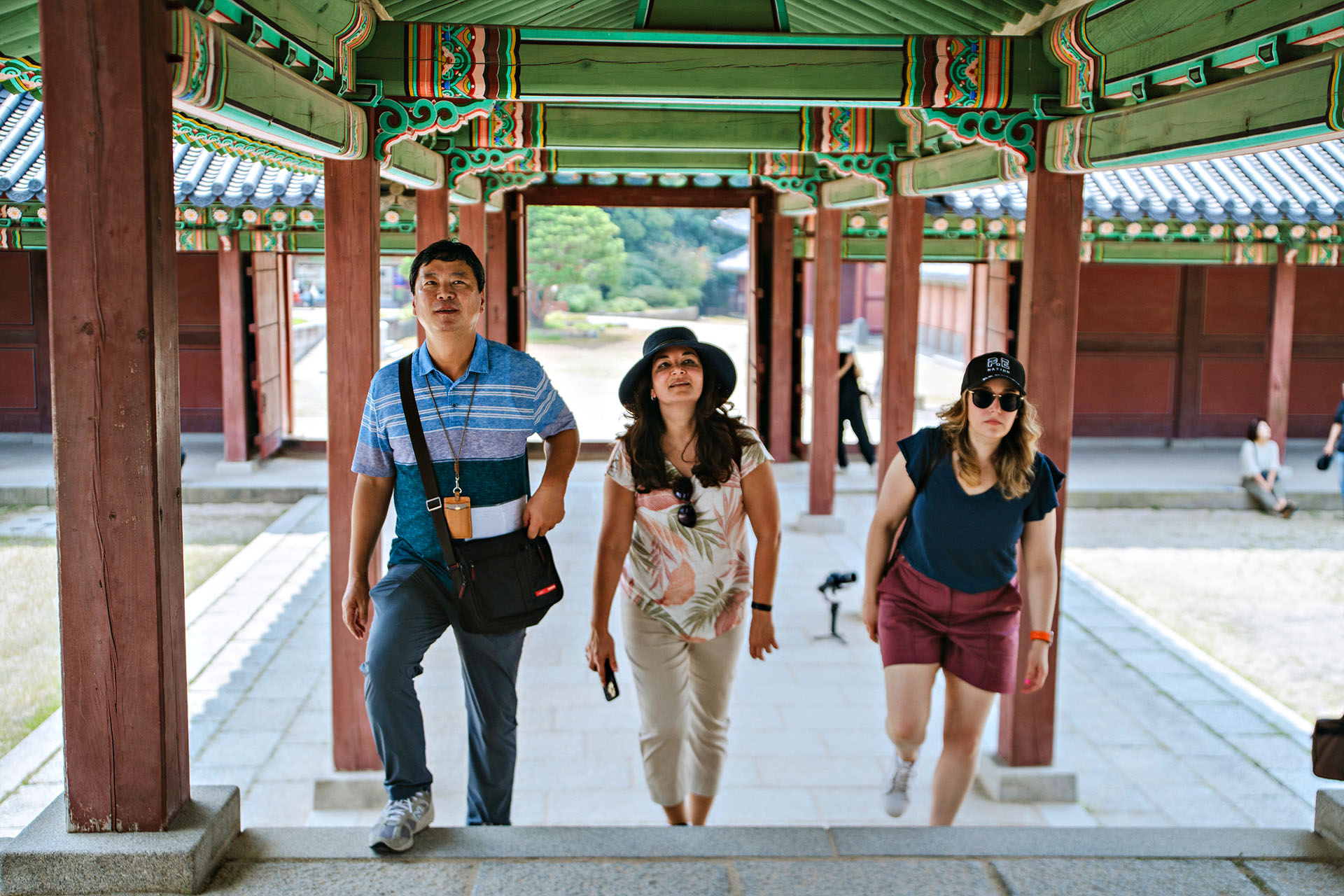
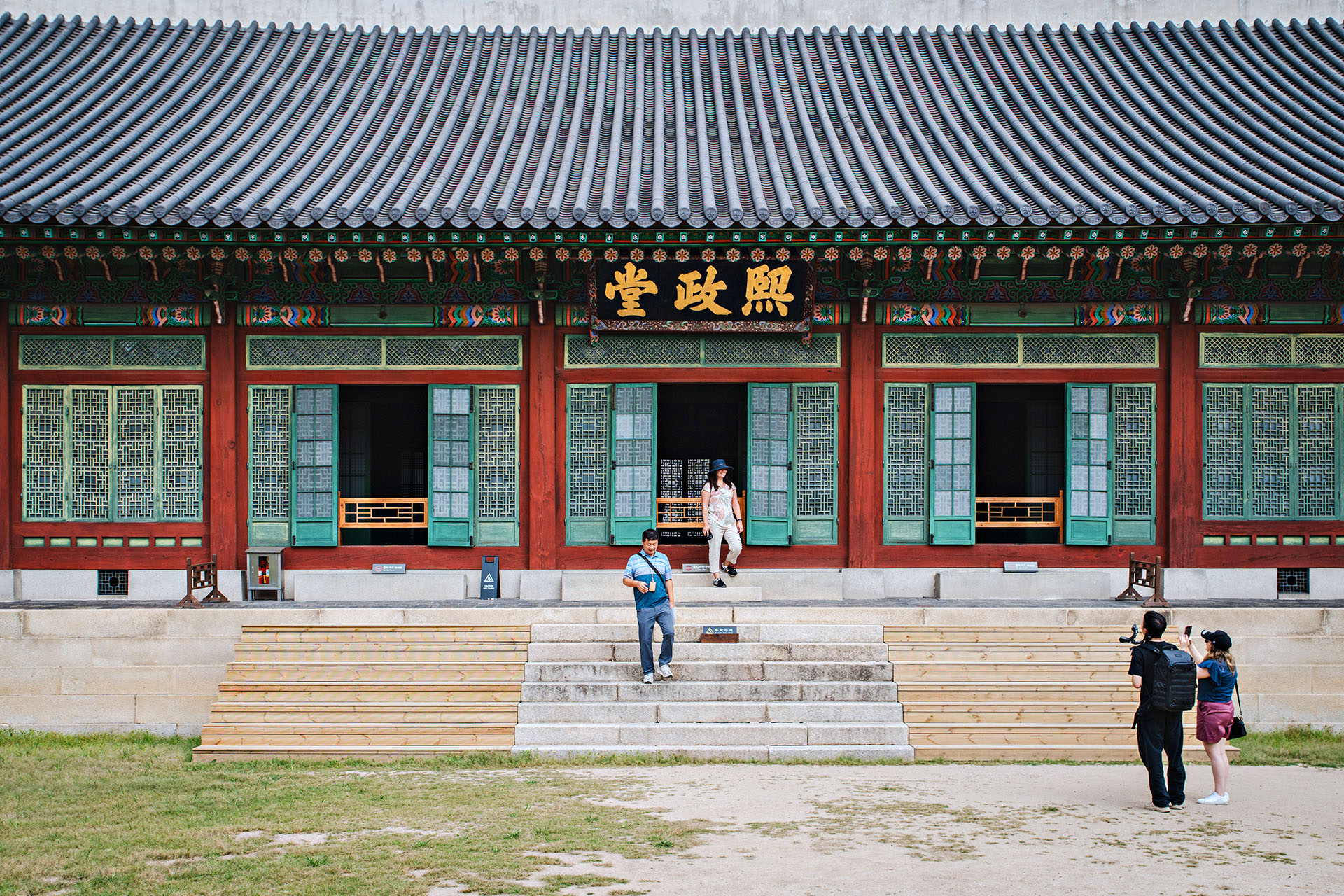
In September 2024, Martine and I embarked on an unforgettable 9-day adventure across South Korea, courtesy of a contest win from Get Lost Magazine and InsideAsia Tours (part of Inside Travel Group and sister brand of InsideJapan Tours). Our journey took us through the vibrant cities of Seoul, Jeonju, and Busan, each offering its own unique blend of tradition and modernity.

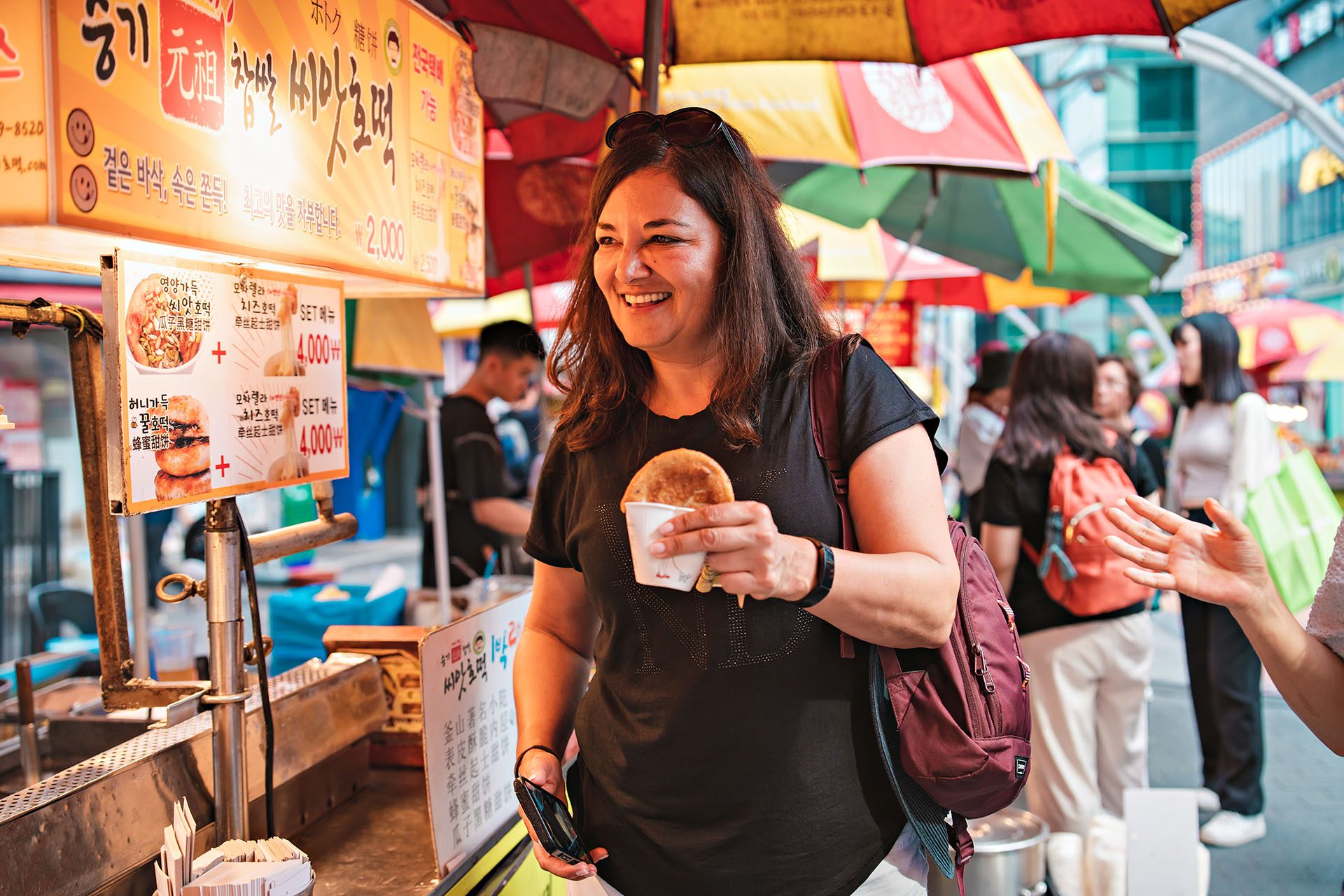
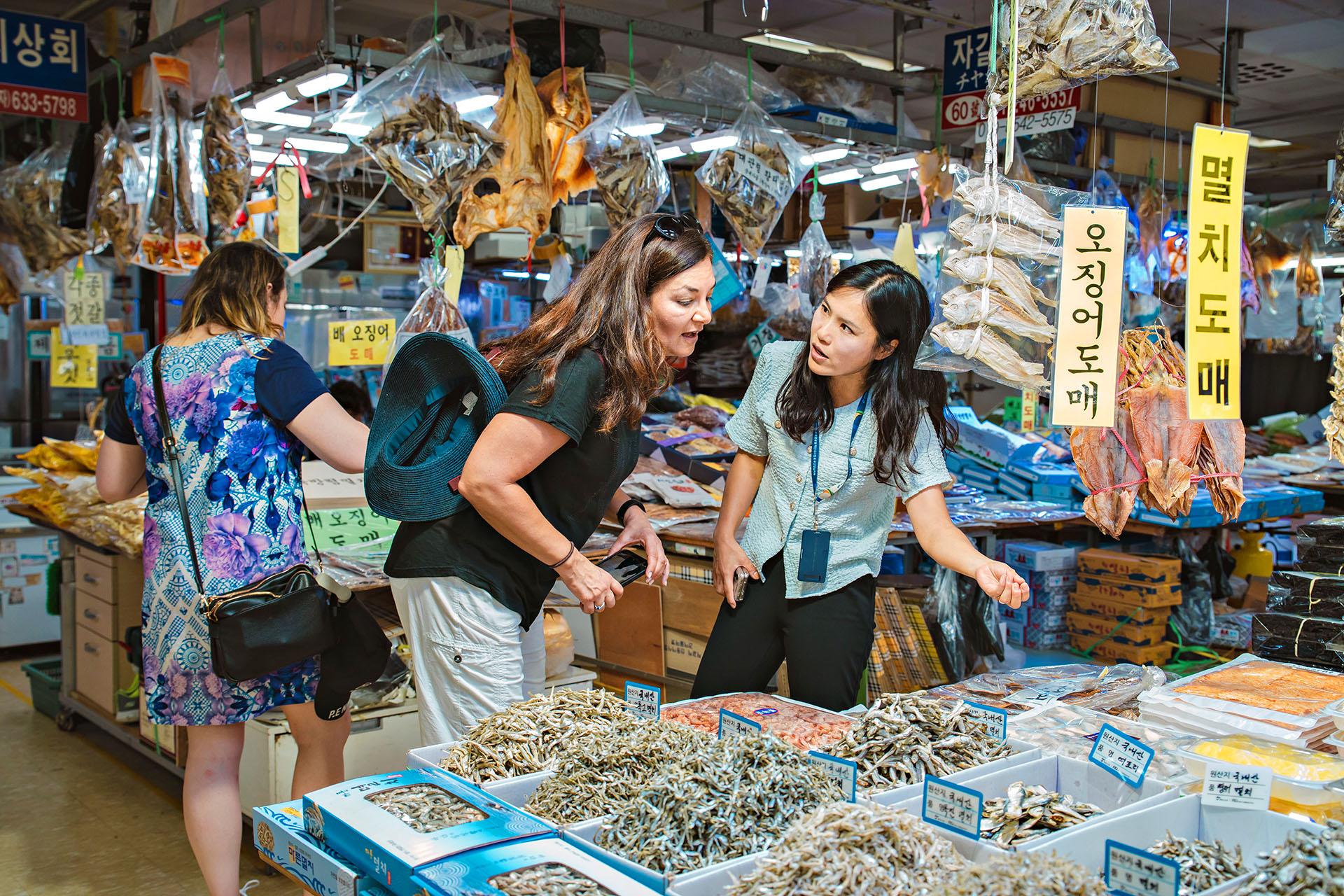
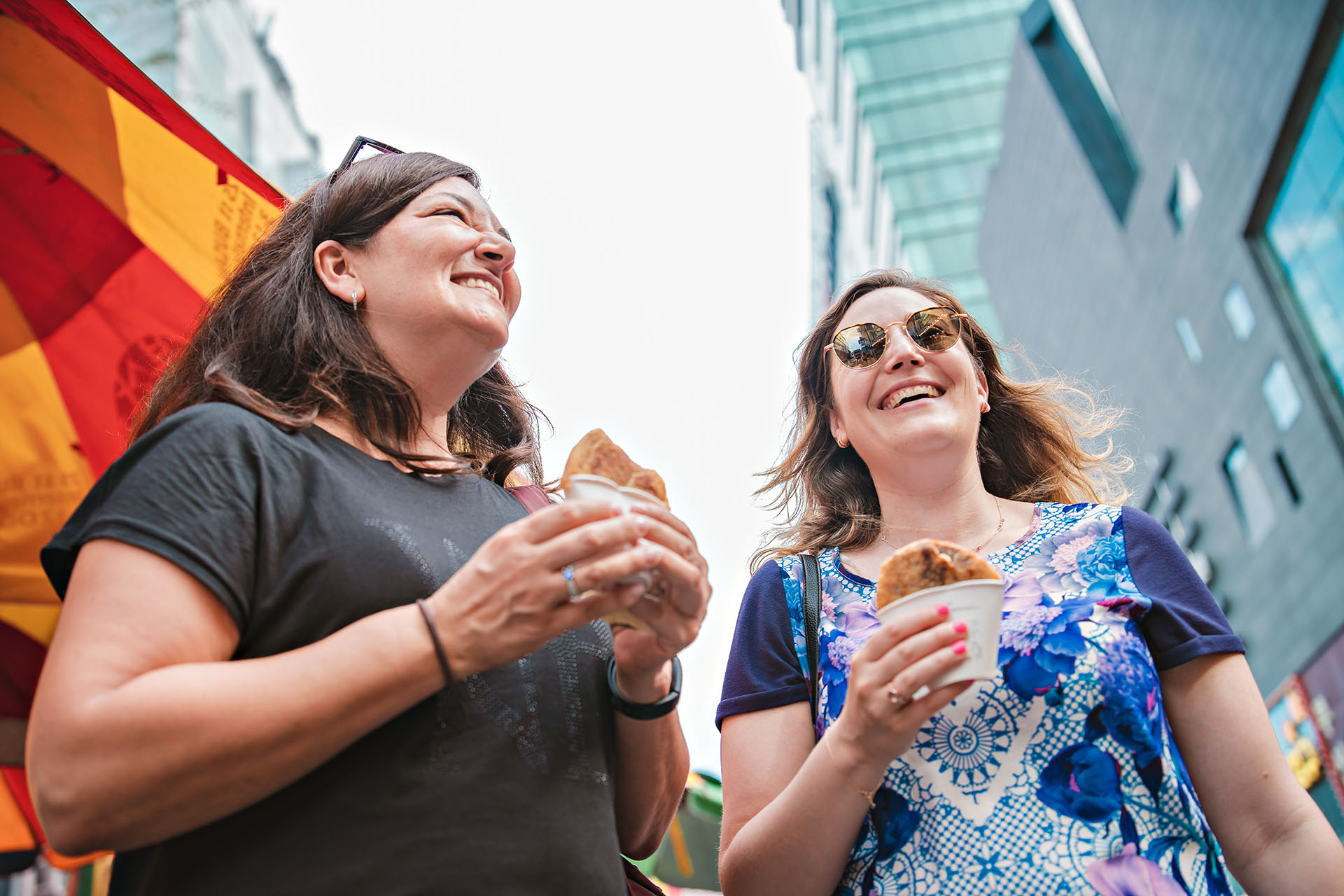
Our first stop was Seoul, where we were immediately captivated by the bustling Myeong-dong market. The area was a sensory delight, with its dazzling storefronts, enticing aromas, and lively atmosphere. We couldn’t resist picking up souvenirs on our very first day including toys, clothes, soft toys, and pens for our kids, and some of the tasty flavoured almonds for ourselves. A highlight was the food tour, where we savoured a variety of Korean dishes that were completely new to us. The panoramic views from the Seoul Tower left us awestruck, revealing the true vastness of this metropolis; we had no idea the city was as large and populous as it is. In the evening, our guide introduced us to the pulsating nightlife of Seoul. We loved the energy of night markets, restaurants, cafes, and throngs of people.

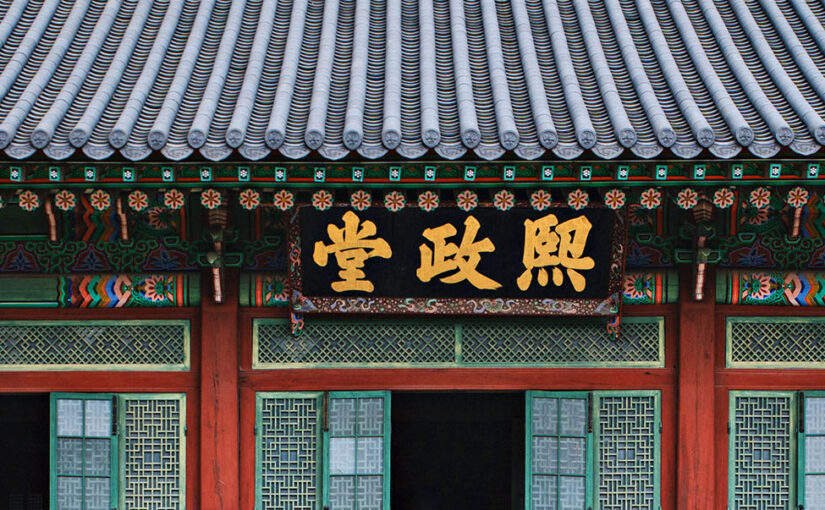
Jeonju offered a change of pace, immersing us in Korea’s rich cultural heritage. We explored the charming Jaman Mural Village with its colourful street art covering most houses and city walls. Our stay in a traditional hanok guesthouse was a unique and insightful experience, though we were secretly grateful for the return to western-style beds. The city’s reputation as a foodie haven didn’t disappoint, especially when we indulged in a refreshing mango bingsu at a delightful dessert café called Grandma’s Best.

Busan, our final destination, stole our hearts and we only wished we had more time there. Our exceptional guide, Kimmy, elevated our experience with her knowledge, enthusiasm, and thoughtful gestures. The Gamcheon Cultural Village was gorgeous with its vibrant hillside houses and ocean views. However, the crown jewel of our trip was the Haedong Yonggungsa Temple. Perched dramatically on the coastline, it was simply breathtaking. We enjoyed the local traditions, reading people’s wishes on the golden leaves, tossing coins for wishes, and pouring water over Buddha statues for good fortune.

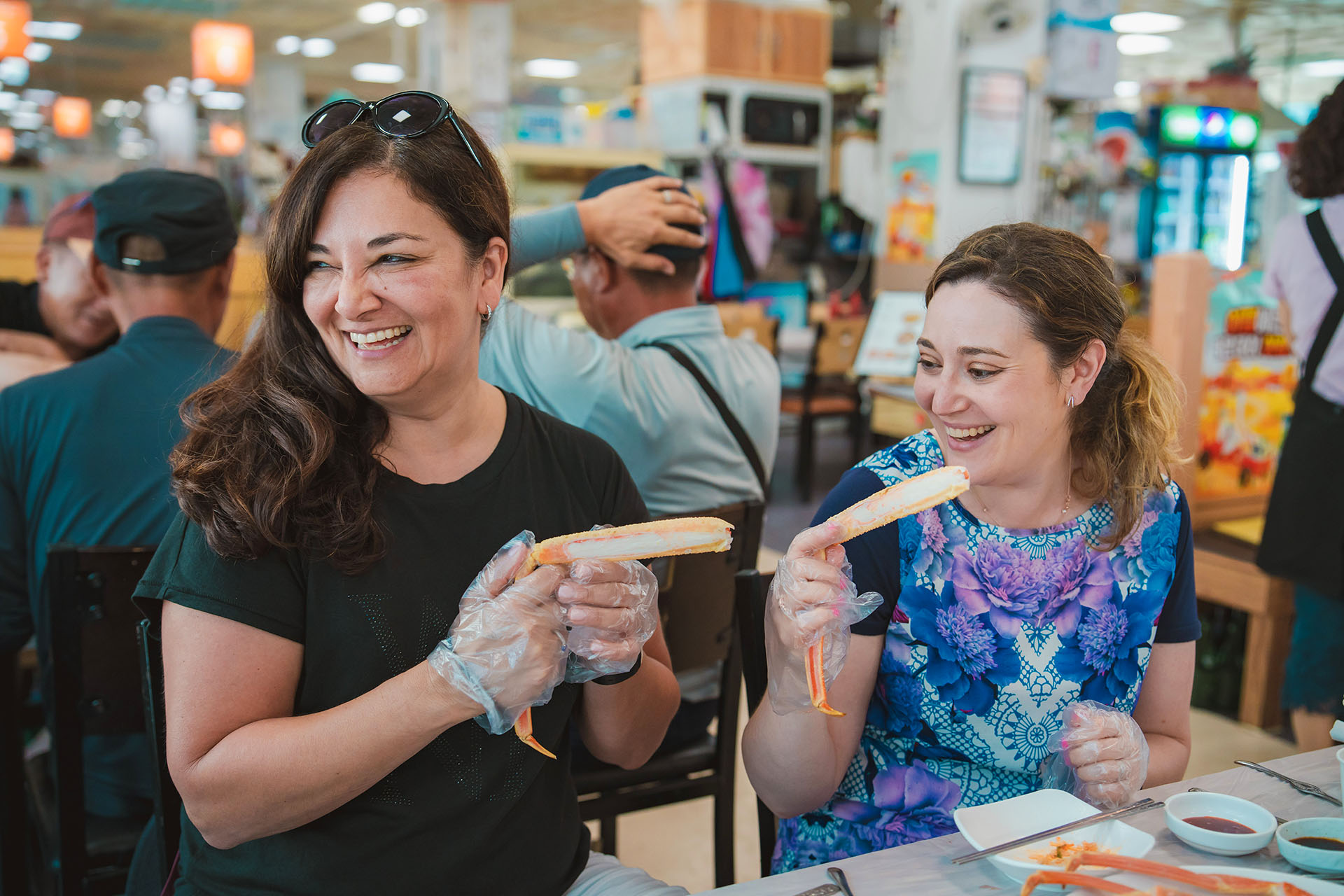
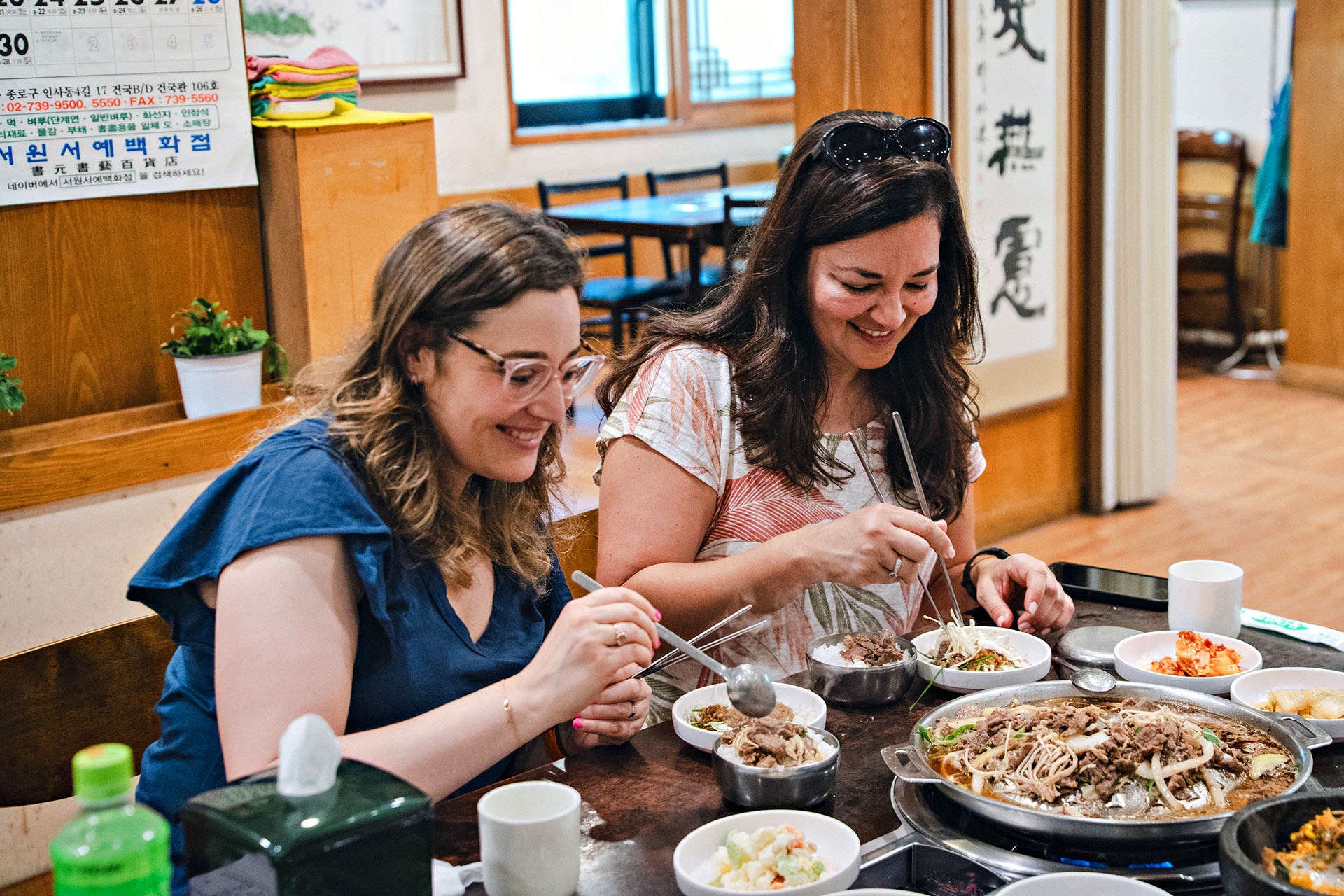
Throughout our journey, we indulged in numerous Korean BBQ experiences and tried bibimbap everywhere we went. In Busan, the Osulloc Tea House became a favourite, where we stocked up on various tea blends and tried a lot of green tea ice cream!

South Korea surprised us in many ways. The sheer scale and population density of Seoul was unexpected. An intense heatwave in September caught us off guard, sending us in search of air-conditioned respites each day. We were impressed by the country’s advanced infrastructure and ubiquitous technology. The prevalence of Starbucks and beauty shops seemingly on every corner was also surprising.

InsideAsia Tours made our trip an unforgettable and seamlessly enjoyable experience. From the onset, they worked with us to accommodate our requests for the itinerary and our travel and accommodation. Every detail was meticulously planned, from our knowledgeable guides and carefully curated tours to our flights, train trips and hotels. They even provided us with mobile connectivity and a T-Mobile card so we could have some pocket money! We felt truly pampered throughout our journey.

Our guides played a crucial role in deepening our understanding of South Korea. In Seoul, our guide’s wealth of information brought each location to life. The food tour guide in Seoul went above and beyond, tailoring the experience to our preferences and concluding with a delightful visit to a traditional hanok tea house. In Busan, Kimmy’s enthusiasm was infectious. Her personal touches, like welcome gifts and impromptu history lessons during our family video calls, made our experience truly special.

This trip has ignited a passion for annual getaways together, a welcome respite from our parental responsibilities. We are immensely grateful to InsideAsia Tours for crafting such a memorable journey, allowing us to experience the perfect blend of Korea’s rich traditions and modern vibrancy.

If readers would like to experience a version of this trip, InsideAsia’s ‘Culinary Korea’ itinerary is the perfect option.

Women in whiskey

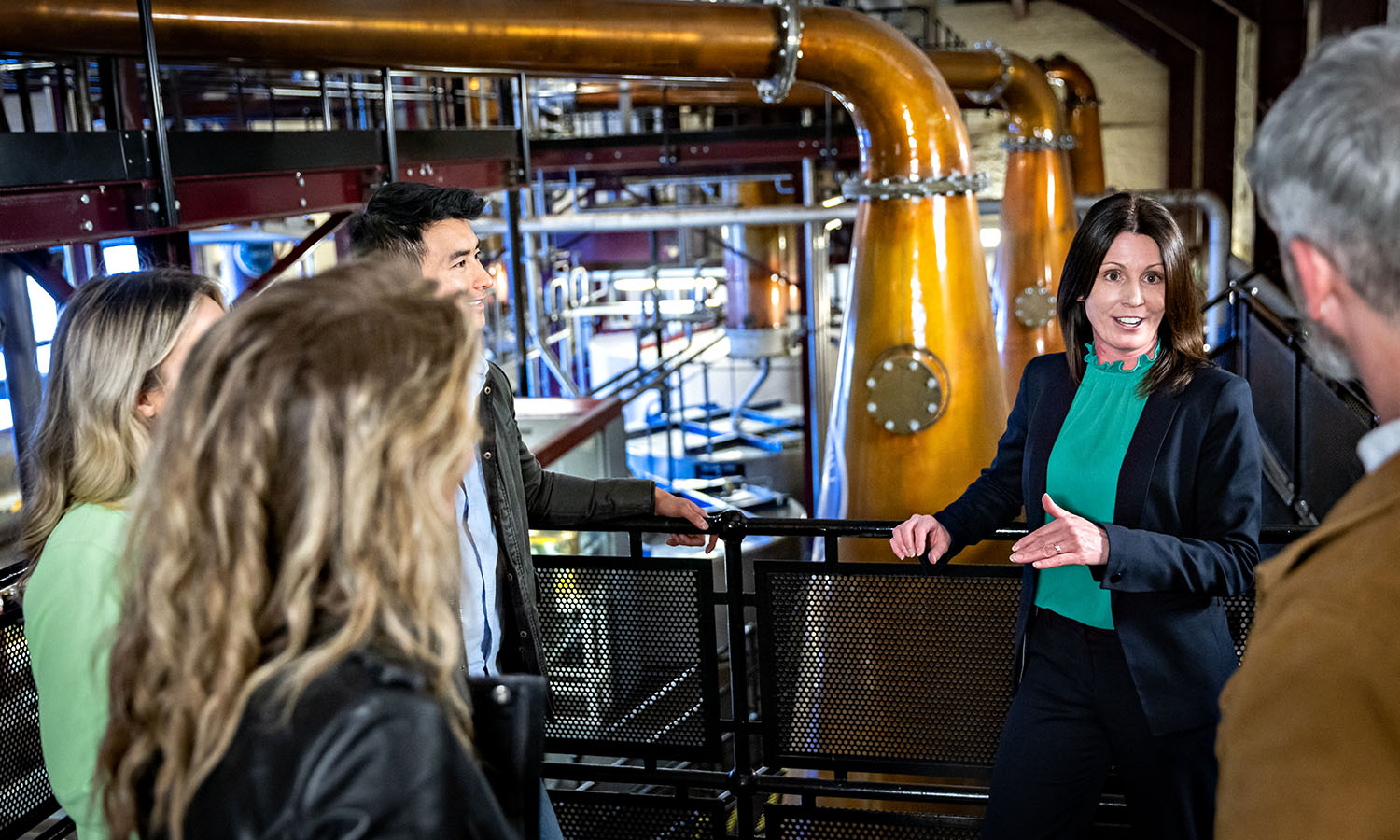
Once a world dominated by beard-stroking, tweed-wearing gents, the whiskey industry is now home to a squad of powerhouse women distilling, blending, and bonding their way to greatness. Let’s meet three legends proving that whiskey isn’t just for the boys.

June O’Connell
From Courtrooms to Casks

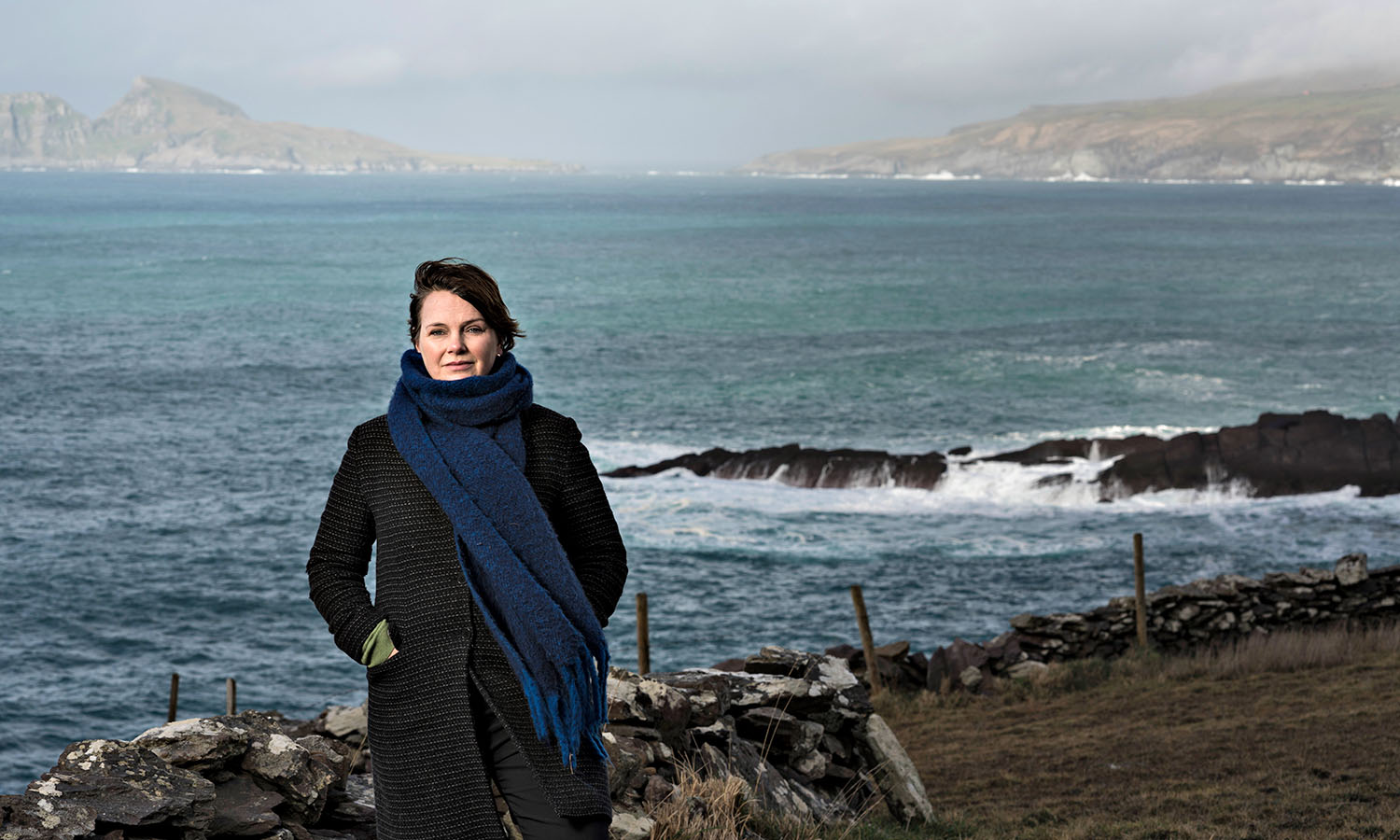
June O’Connell didn’t just dip a toe into the whiskey business; she did a full cannonball. After 25 years of legal jargon and court battles, she called time on her career as a corporate lawyer and took a leap of faith into the world of spirits. In 2019 she founded SkelligSix18 alongside her husband, a micro-distillery nestled in Cahersiveen, County Kerry (aka the dramatic, rain-soaked paradise of the Wild Atlantic Way).

SkelligSix18 pays homage to the 618 stone steps leading up to Skellig Michael, that epic UNESCO World Heritage Site featured in Star Wars (no, sadly, June is not distilling whiskey with Jedi mind tricks.) But she is crafting high-quality spirits infused with the Kerry landscape, using pure mountain water and local botanicals to bring her gin and whiskey to life. Her secret weapon? A healthy dose of muinín – an Irish word for that calm, collected confidence that makes you get stuff done. And June? She absolutely gets stuff done.

Alex Thomas
The Blend Queen of Bushmills

Growing up just a stone’s throw from the legendary Old Bushmills Distillery, Alex Thomas probably had whiskey in her DNA before she even knew it. These days, she’s the Master Blender at Bushmills, which is kind of a big deal when you’re working for the world’s oldest licensed whiskey distillery. That’s right, Bushmills has been legally making whiskey since 1608. What have you been doing?

Alex created The Sexton Single Malt, an international bestseller that’s been making waves across the whiskey world. But she’s not just about past glories – she’s constantly dreaming up new blends, sniffing, swirling, and sipping (it’s research, okay?) to create the next big thing.

One day she’s tinkering with formulas in the lab, the next she’s off sourcing casks or sampling whiskey straight from the barrel. It’s a tough job, but somebody’s gotta do it. And if you ask her what her favourite part of the job is, she’ll tell you it’s seeing a bottle of her whiskey make its way into the wild, ready to be savoured by enthusiasts everywhere.

Louise McGuane
The Whiskey Bonder Extraordinaire

If there was ever a woman determined to bring a forgotten whiskey tradition back from the dead, it’s Louise McGuane. After globetrotting for years working with some of the world’s biggest drinks brands, she decided to shake things up and revive the lost art of whiskey bonding. Think of it as matchmaking for whiskey: sourcing spirits, aging them in just the right casks, and blending them into liquid gold.

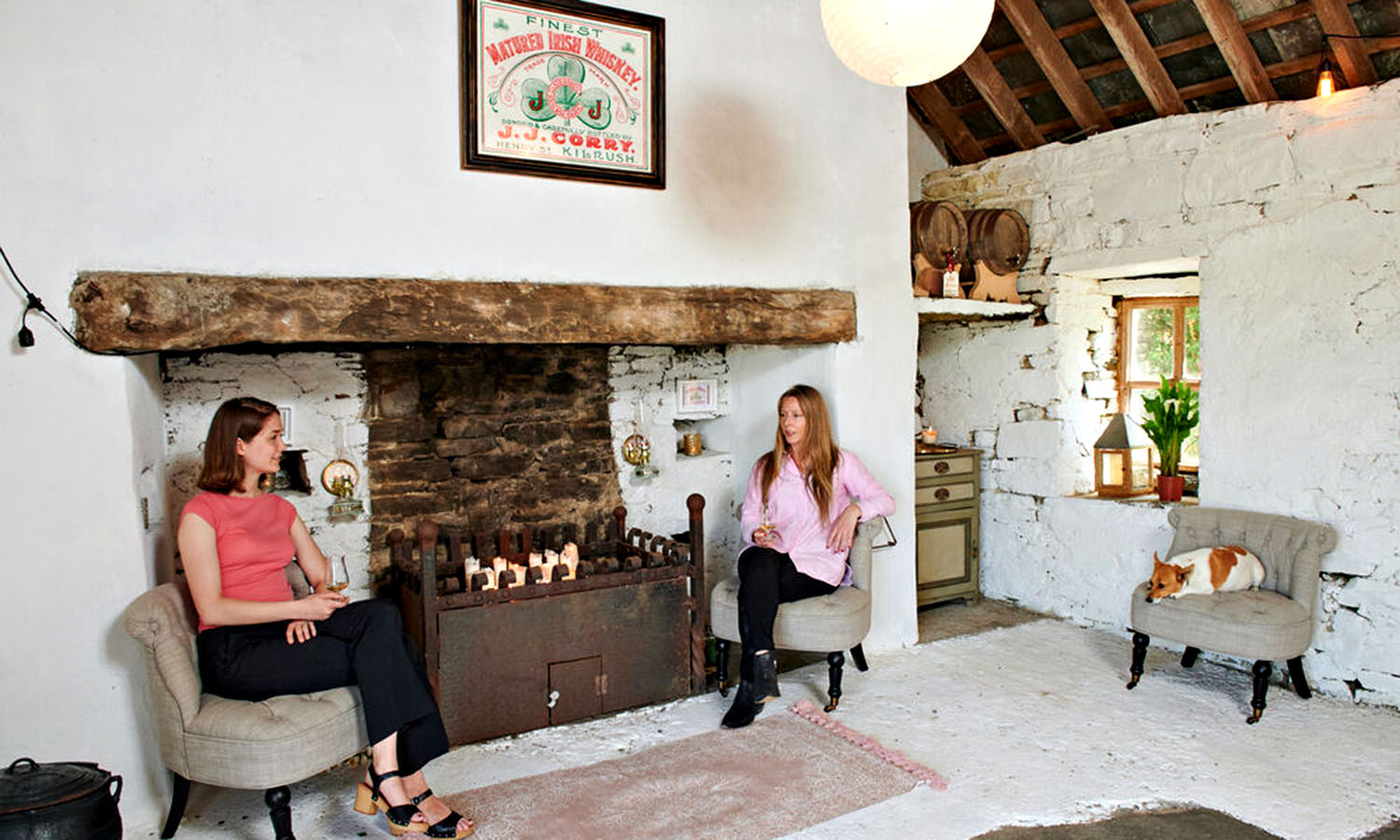
In 2015, she launched J.J. Corry Irish Whiskey on her family’s farm in County Clare, single-handedly bringing back a centuries-old practice that had all but disappeared. As the only solo female founder in the Irish whiskey industry, she’s proving that whiskey bonding isn’t just an old boys’ club tradition, it’s an art, and she’s the artist.

Her blends are now shipping worldwide, and she’s at the forefront of the Irish whiskey renaissance. As she puts it, “It’s an honour to be part of the rebirth of any industry, especially one that lets you drink on the job.” Well said.

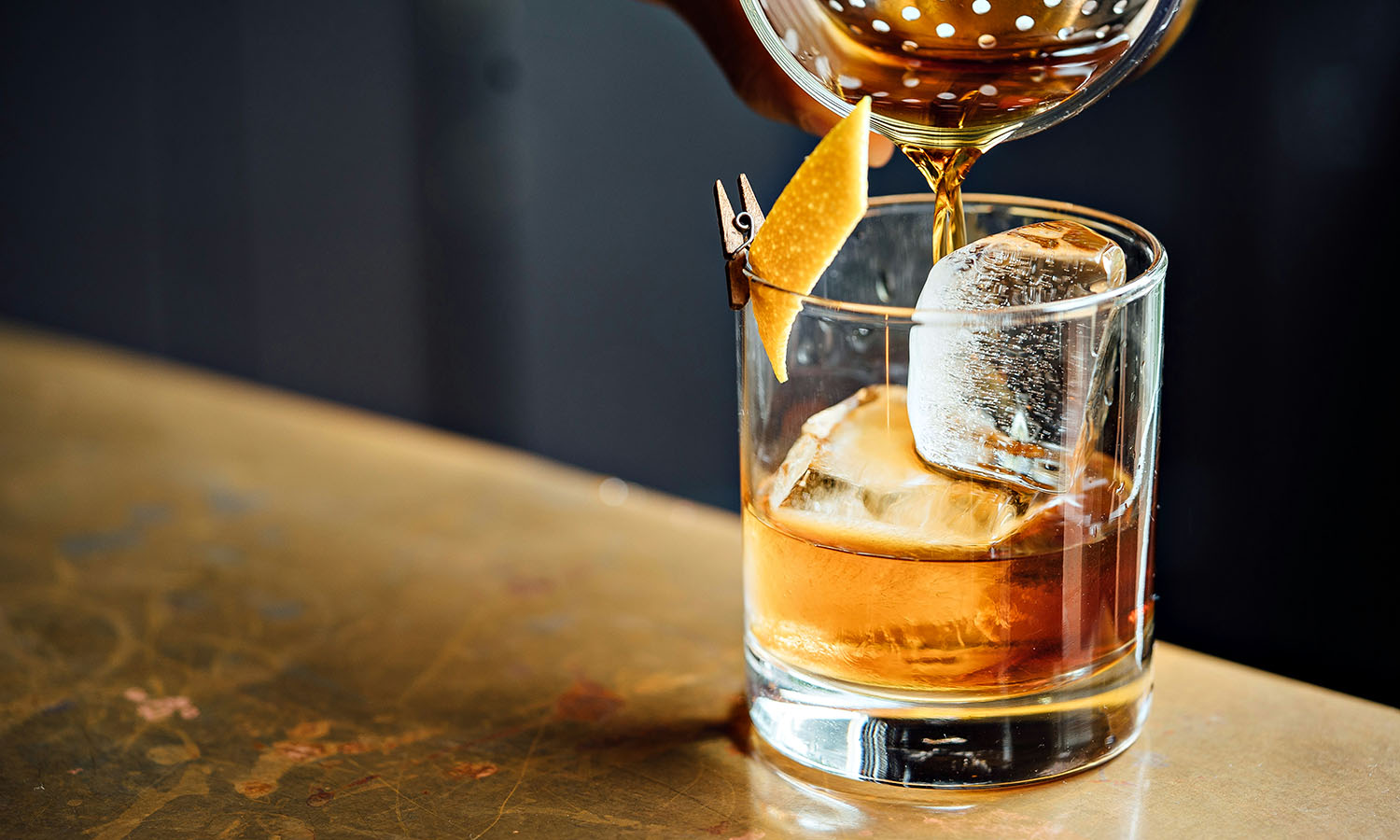
So, next time someone tries to tell you whiskey is a ‘man’s drink,’ pour yourself a generous glass of something Irish, raise it high, and toast to the women rewriting history one bottle at a time.

Sláinte!

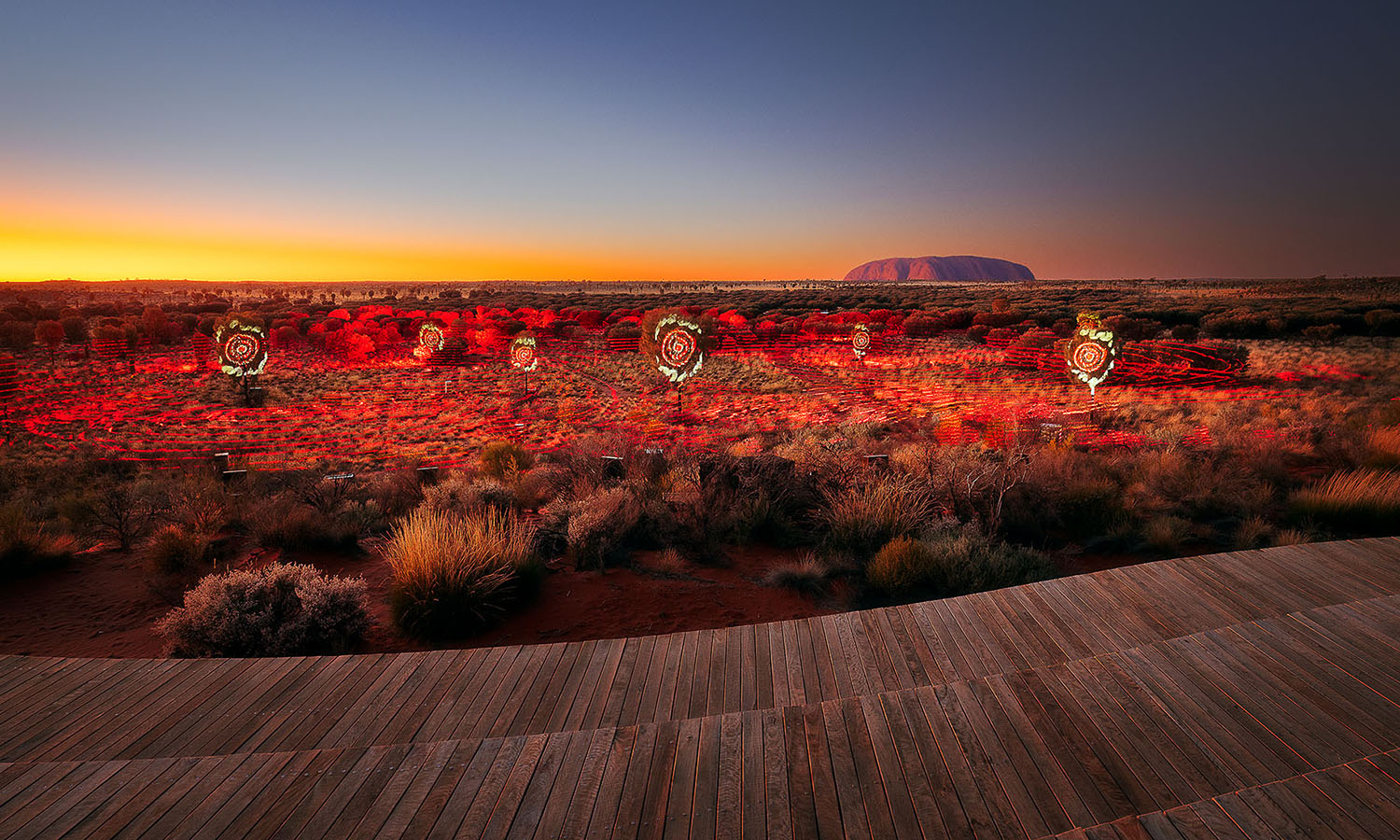
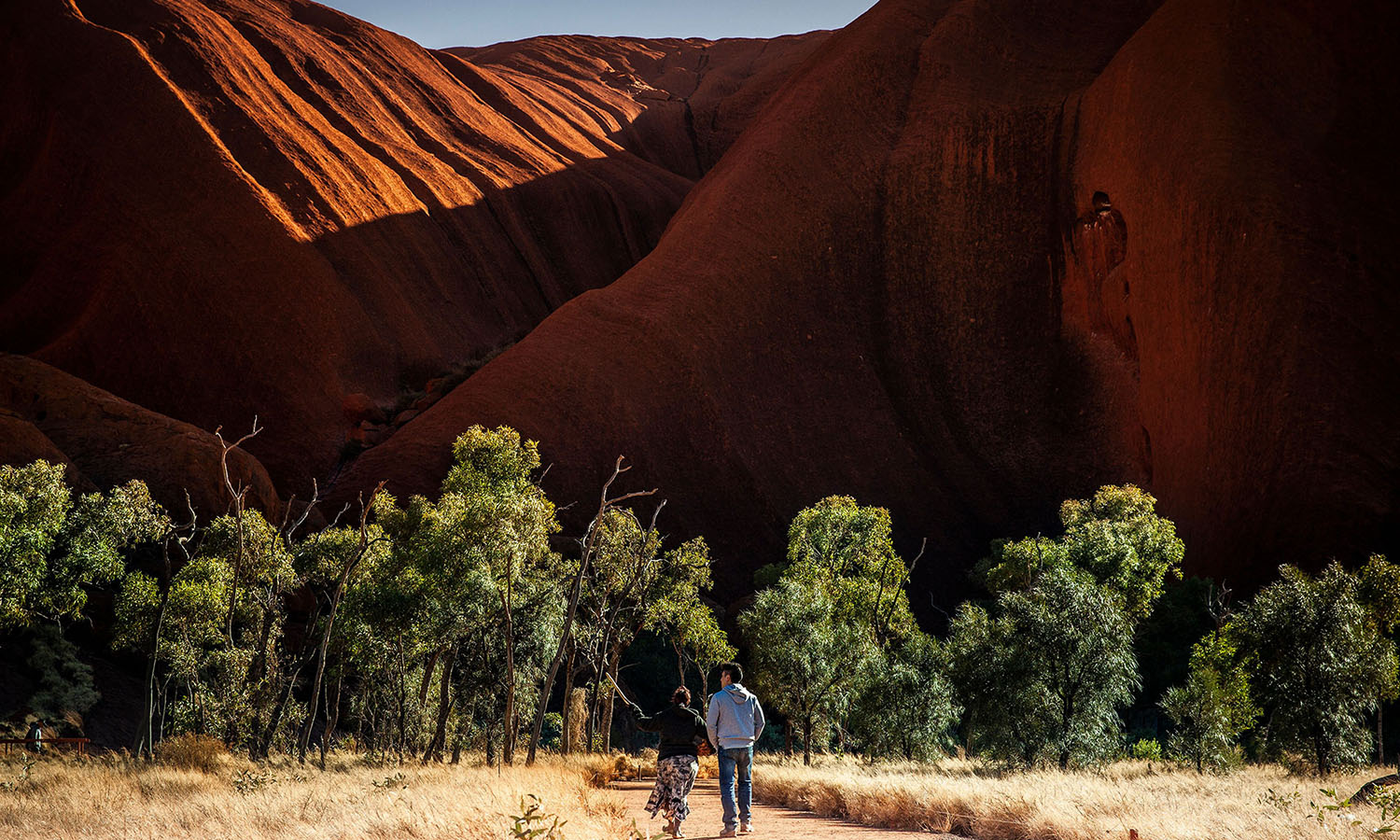
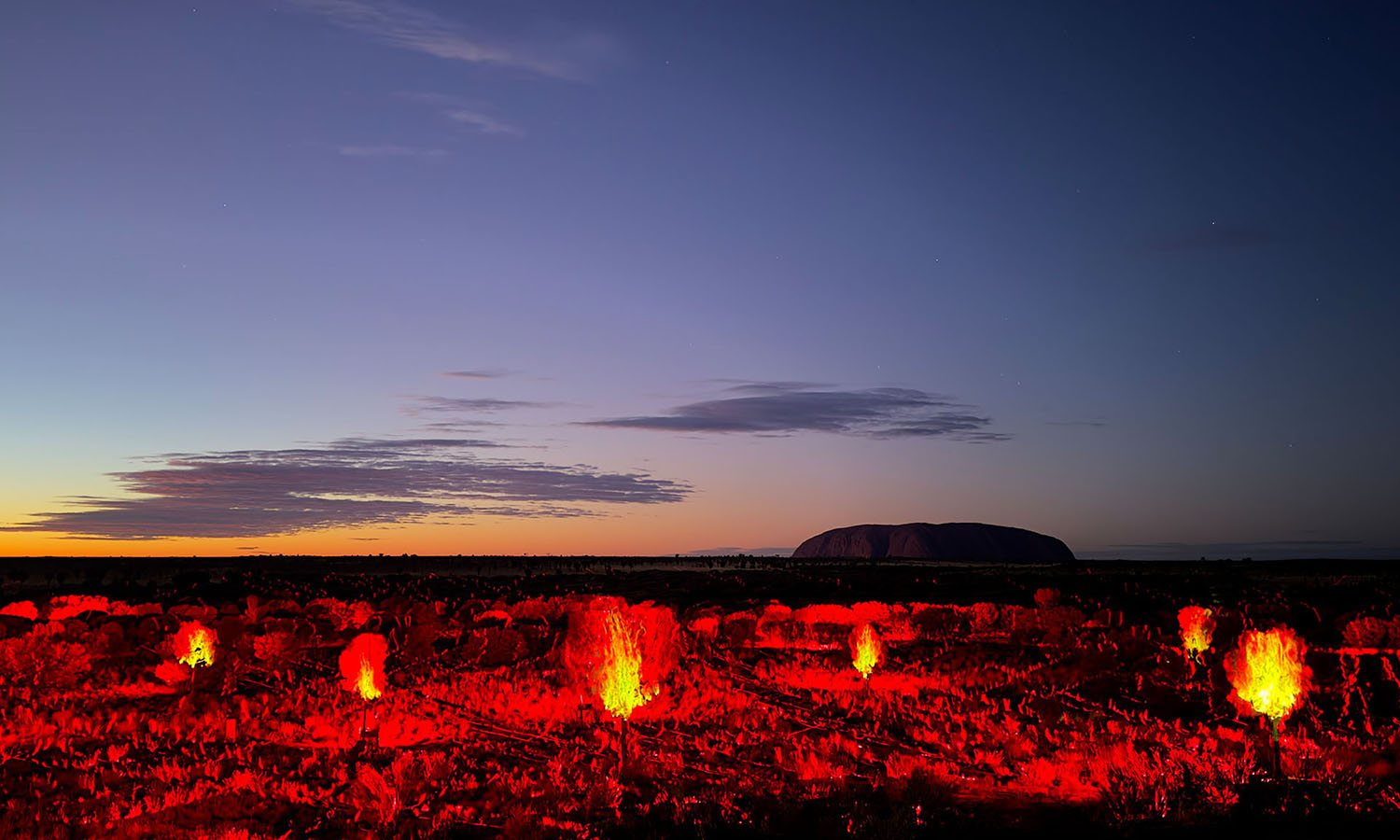
Your morning? It’s a psychedelic light show. Stake out your spot with views of Uluru or Kata Tjuta as the sun slams into the horizon, turning those sacred rocks into fiery giants. Want the best view? Conquer the Valley of the Winds trail through Kata Tjuta’s surreal domes. The air out here has a buzz to it, like you stumbled into something far bigger than yourself.

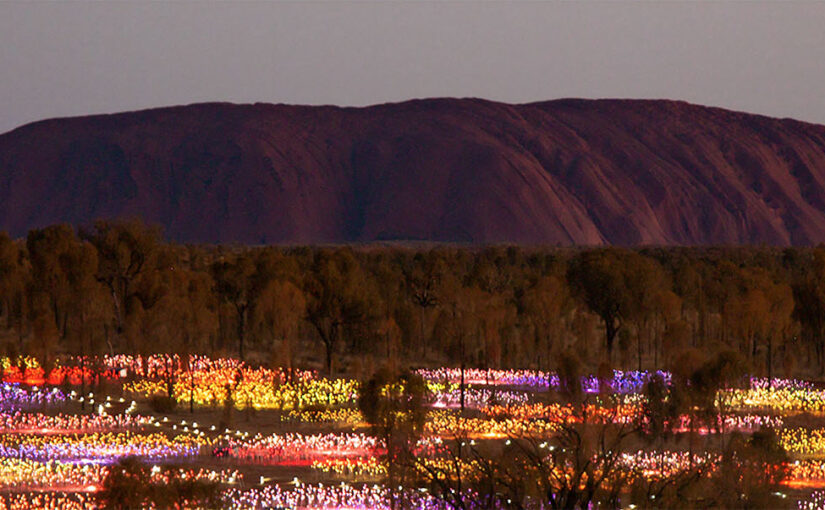
When the sun takes a bow, don’t think for a second that the show’s over. The Wintjiri Wiru drone and laser extravaganza stages a takeover of the night sky, piecing together tales as old as time with 1,200 glowing drones. Yep, 1,200 drones. And then there’s Bruce Munro’s Field of Light—a trippy dreamscape of 50,000 soft lights blooming in the desert. Stroll through it. Get lost in it.

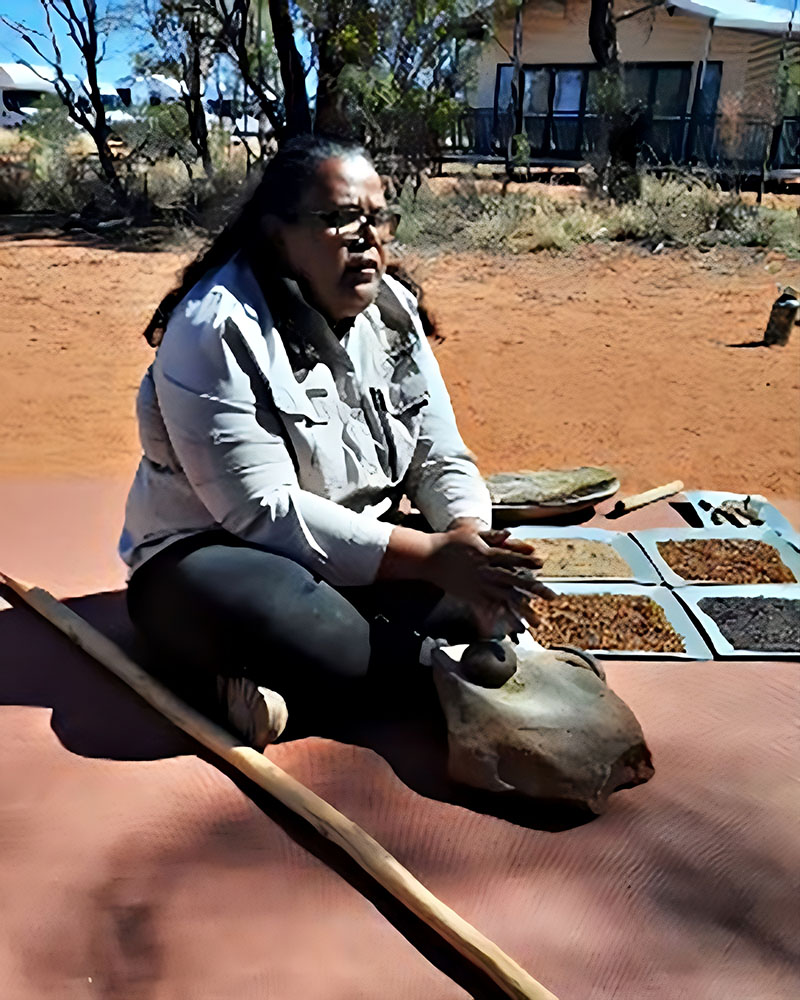
Feeling hands-on? Get schooled in ancient wisdom with Karrke Aboriginal Cultural Tours. Bush medicine? They’ve got it. Digging up witchetty grubs? You’ll do it. Decoding dot paintings? They’ll explain it.

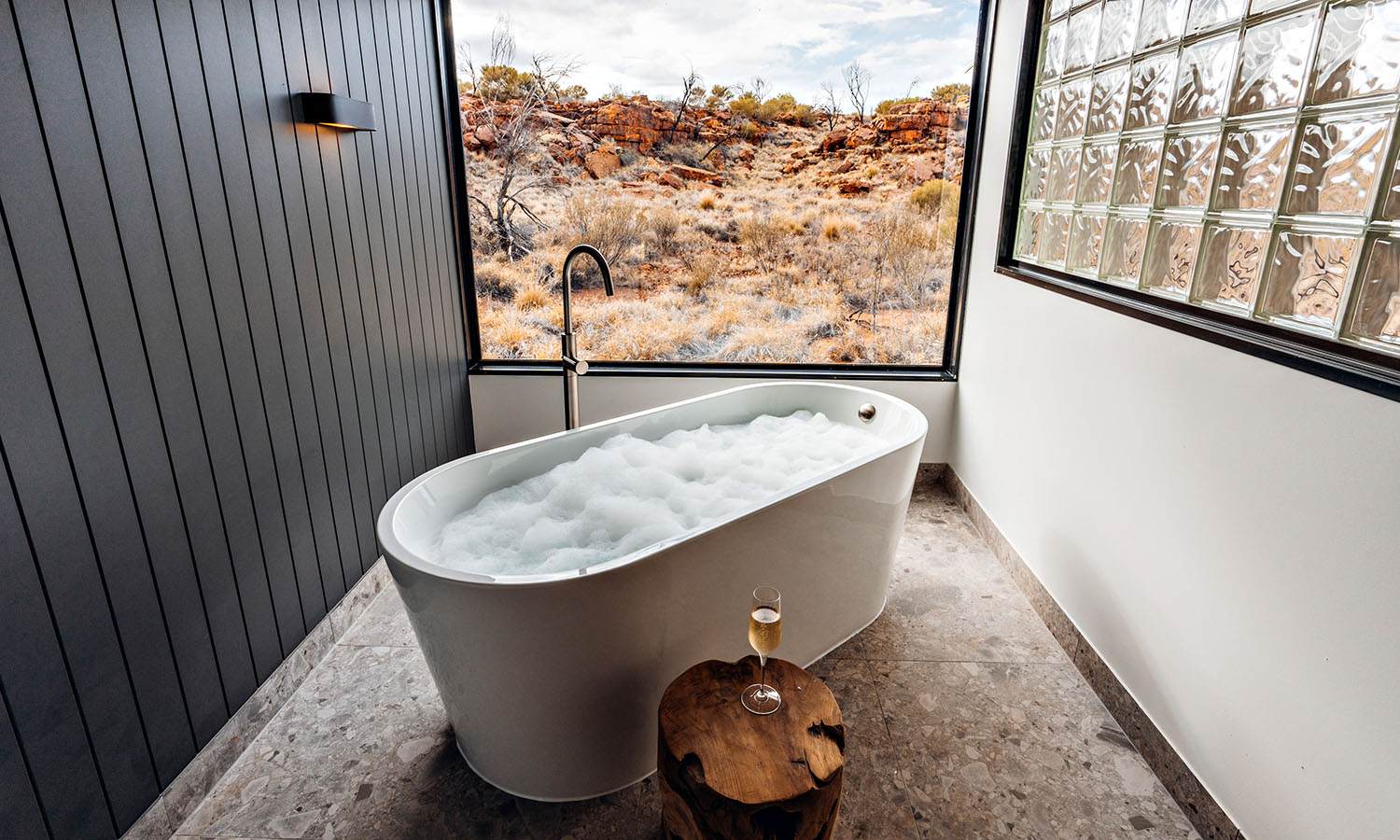
And there’s no need to scrimp on indulgence. Discovery Kings Canyon dishes out pizza, cold beers, and bathtubs with views of a sky jam-packed with stars. Just don’t miss the Kings Canyon Rim Walk.

It’s a Herculean effort, for sure, but when you hit the top? The view punches way above its weight. Ancient cliffs. Endless desert. Pure magic.

This isn’t your cookie-cutter holiday. It’s immersive adventures, cultural awakenings, and bucket-list moments you won’t shut up about for years. Central Australia isn’t calling.

It’s yelling. Pack your bags—it’s time to listen.

Frozen in Time: Quark Expeditions to Antarctica

The Antarctic cold stung like a whip. The snow and ice seemed to penetrate to the marrow of our bones. The biting wind and freezing temperatures were a constant reminder that survival in this unforgiving landscape required courage and determination. – Ernest Shackleton.

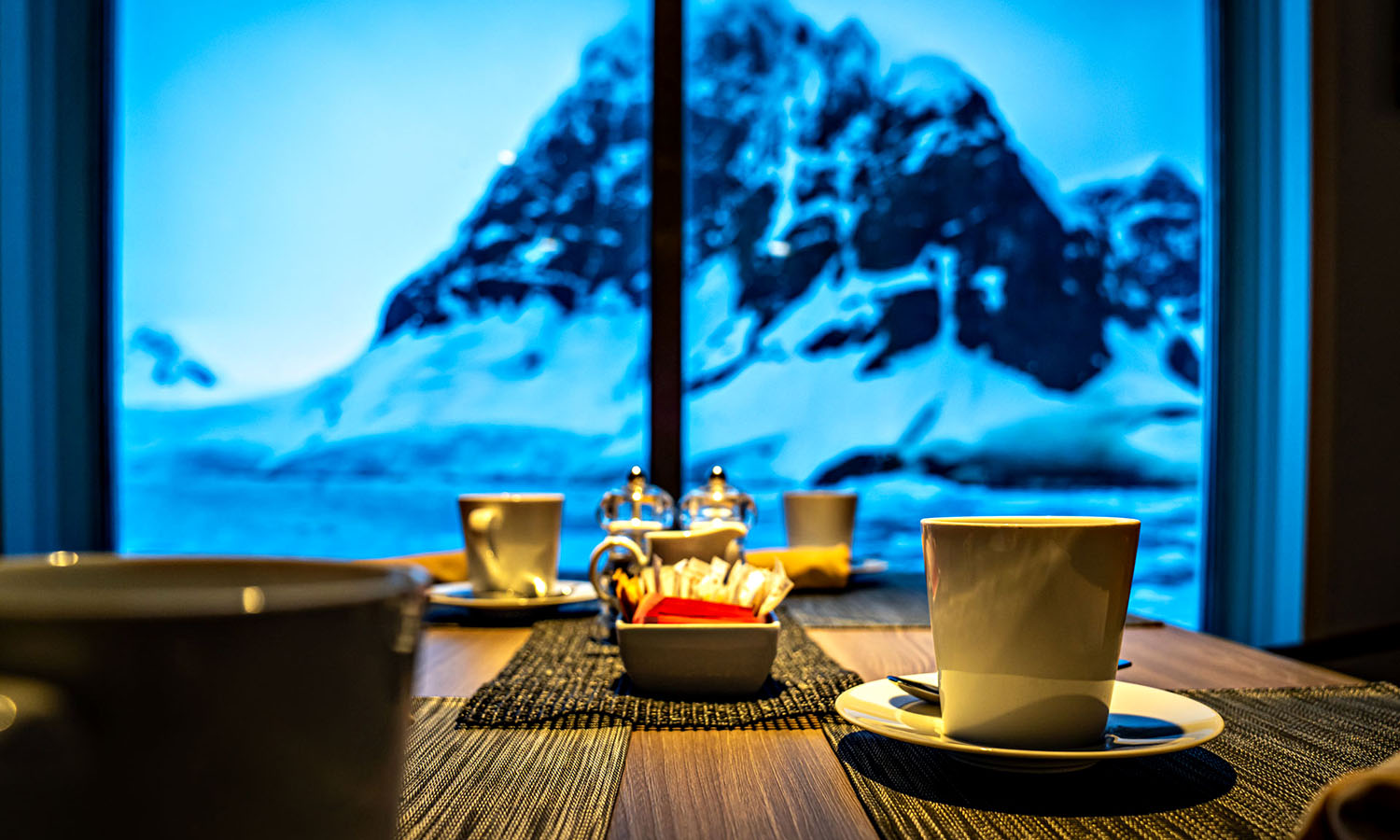
A bead of sweat falls softly onto the page of my book, just as I glance at the towering wall of ice just outside the floor to ceiling window.

“Geez. It really must have stunk.” I said to myself as I whipped another ladle of water on the hot rocks, the sound of instant steam melting my previous thought. I quietly contemplate what will be for lunch, before returning to reading about the famous British explorer Sir Ernest Shackleton’s final expedition to the South Pole in 1909.

Click play to watch

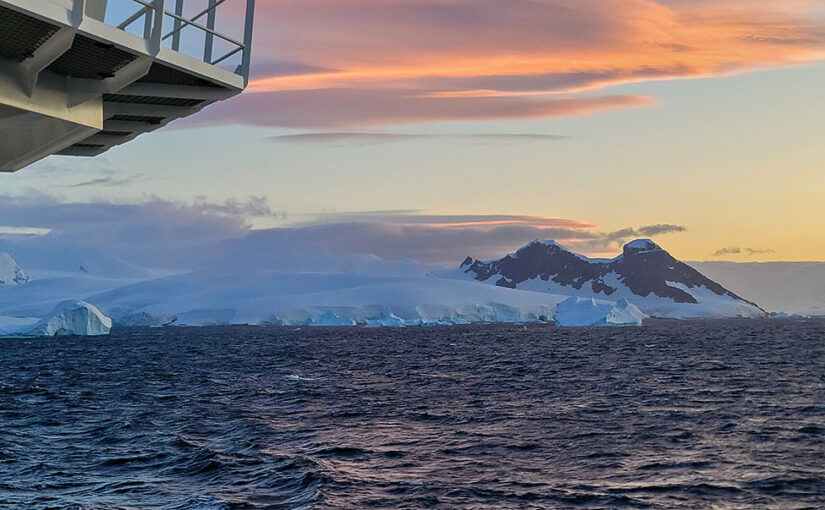
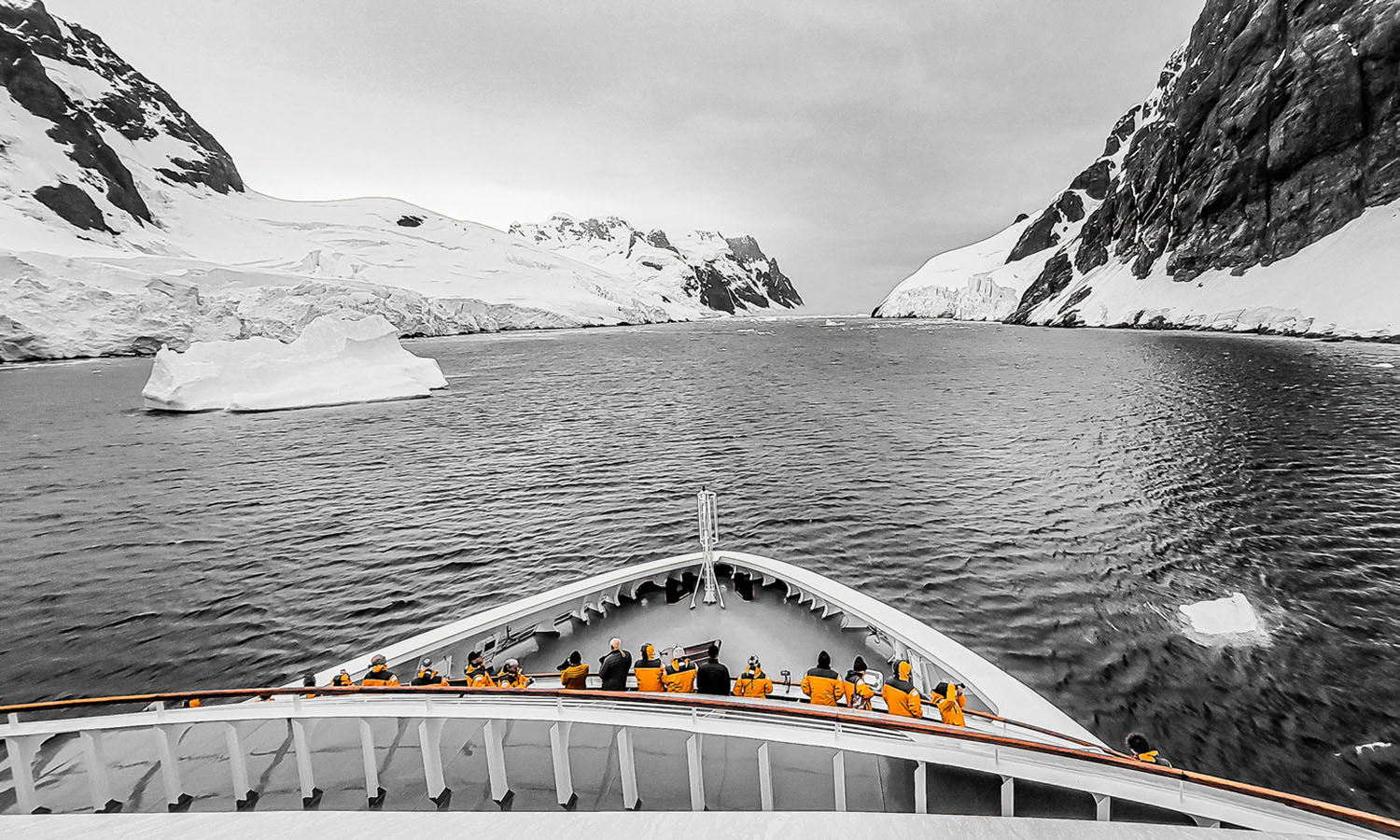
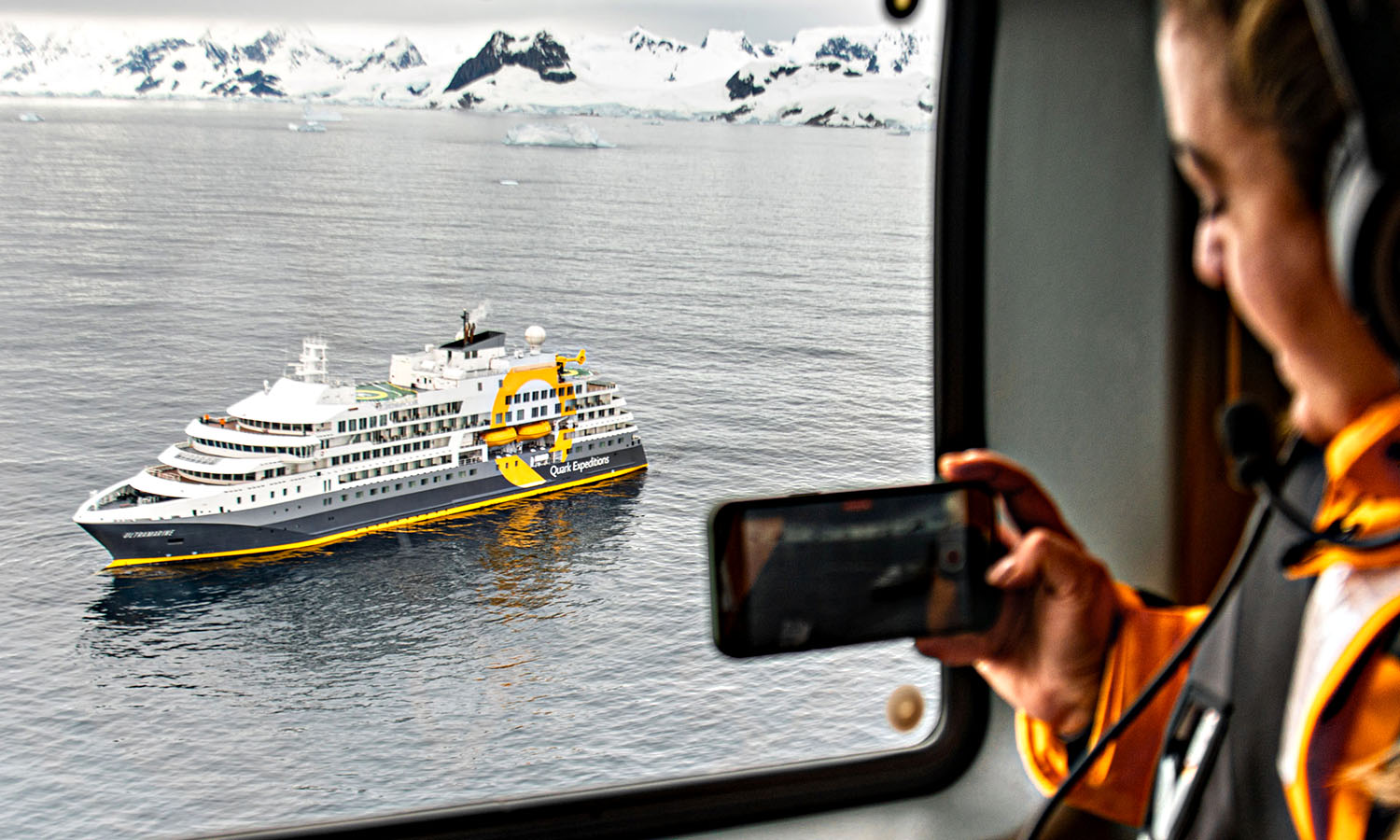
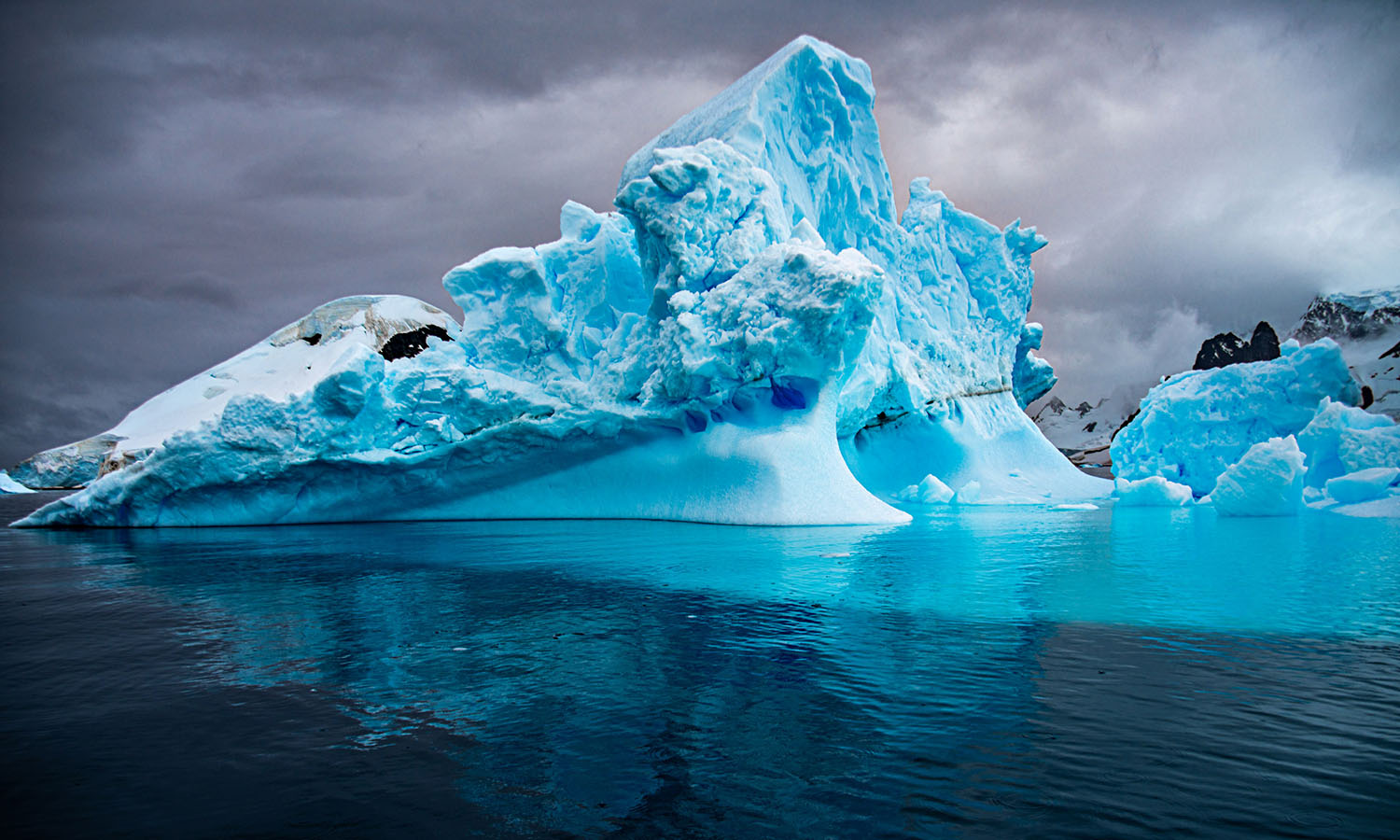
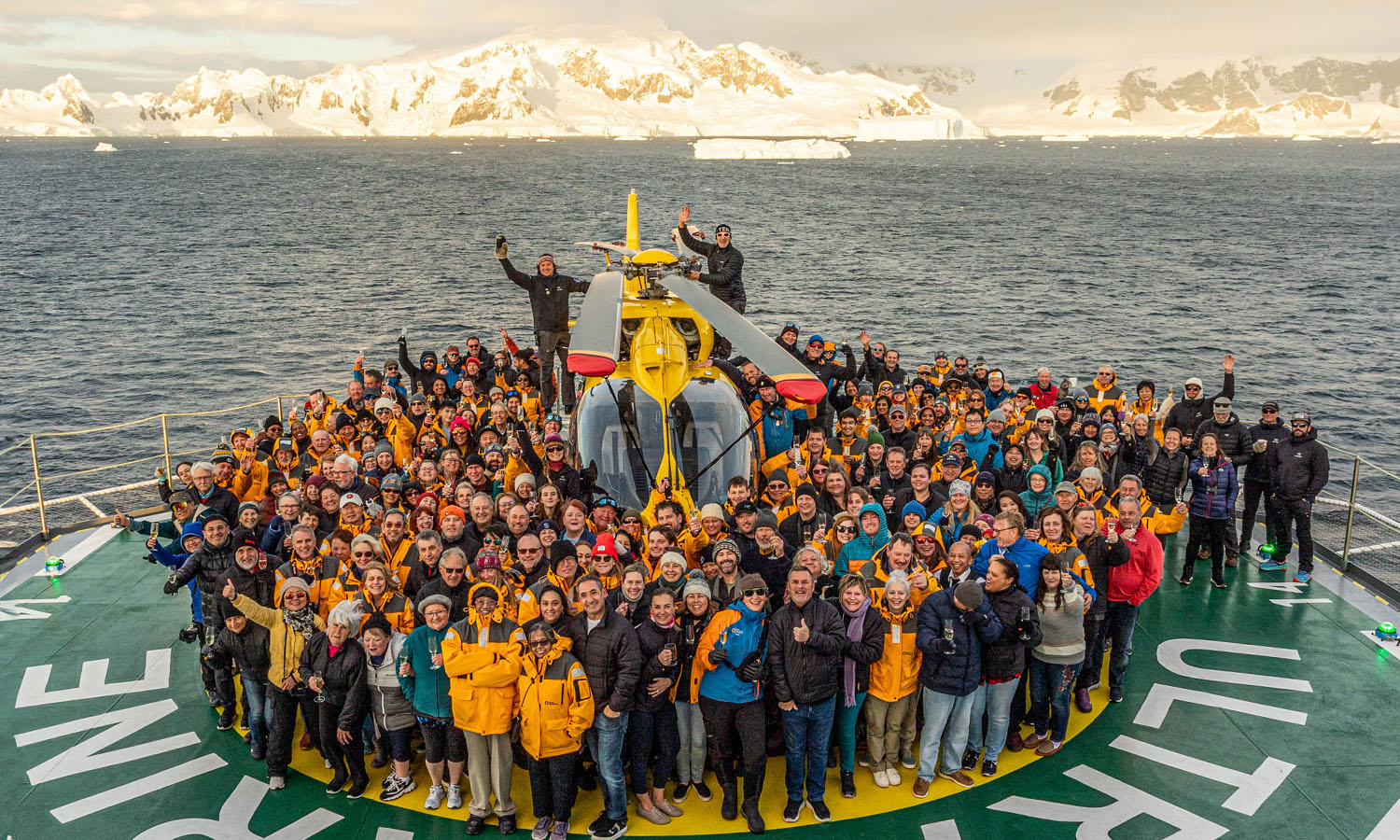
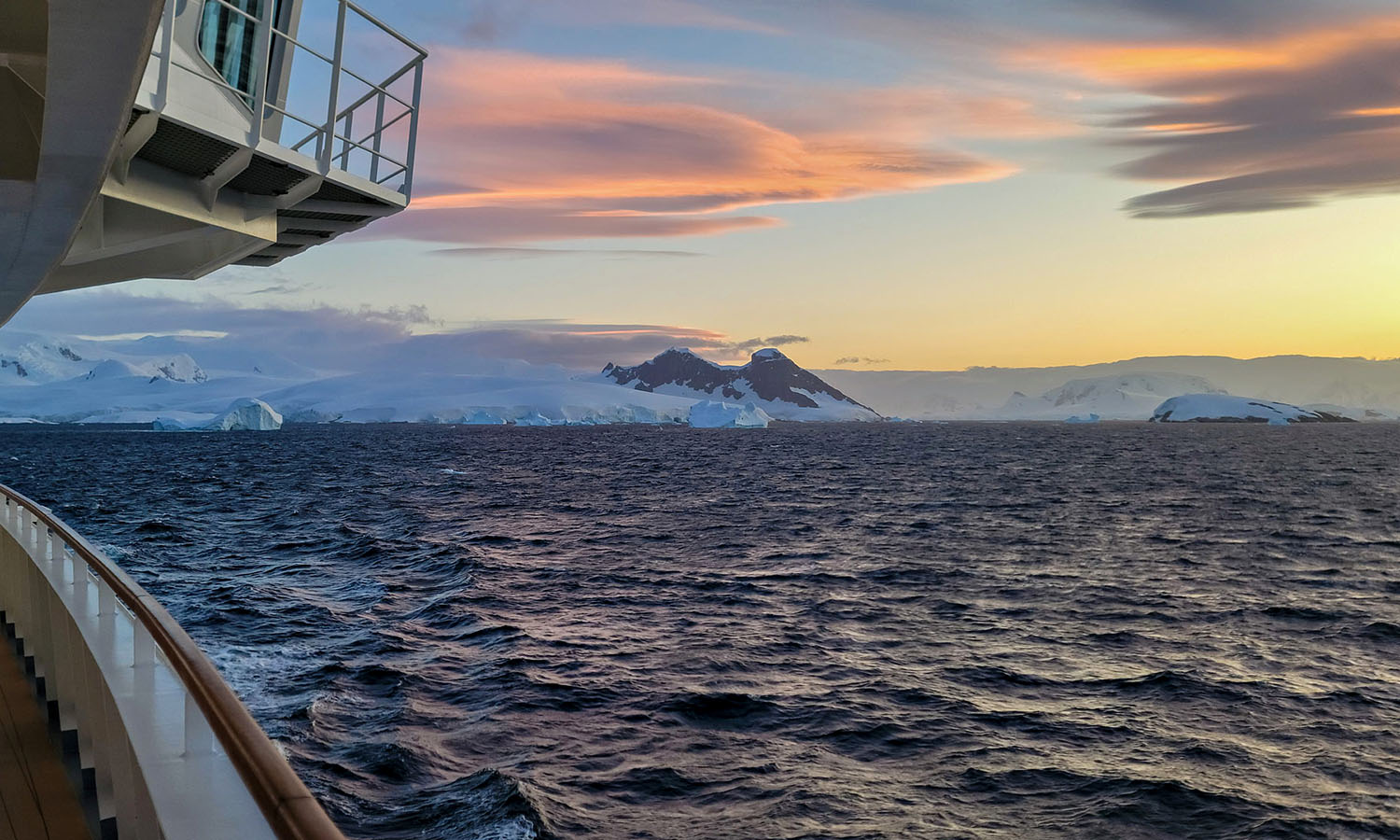
No more than 0.0125% of the entire global population have ever witnessed the spectacular beauty of Antarctica. I feel incredibly special to be in this amazing place, let alone on board Quark Expedition‘s Ultramarine – eight floors of world class service and amenities bring us safely to the harshest, wildest, most pristine place on the planet.

Adventure travel is to me the most difficult to get right. On one hand you want adventure, so there has to be a level of danger; a level of unknown and difficulty. At the same time you want a warm shower, good food, and fast internet. The trick is to make it comfortable, but still raw enough so that you get the same high that Shackleton did. Quark Expeditions’ range of trips to Antarctica somehow manages to do this.

The Ultramarine is a ship in its own class; four engines in two redundant rooms, and two twin-engined helicopters which bring us to the most remote, untouched place on the planet safely in extreme comfort.

Within we will find a well-oiled hospitality machine working quietly in the background. A full bar and lounge, extensive library, modern gym, and even a spa with Beverly Hills quality treatments.

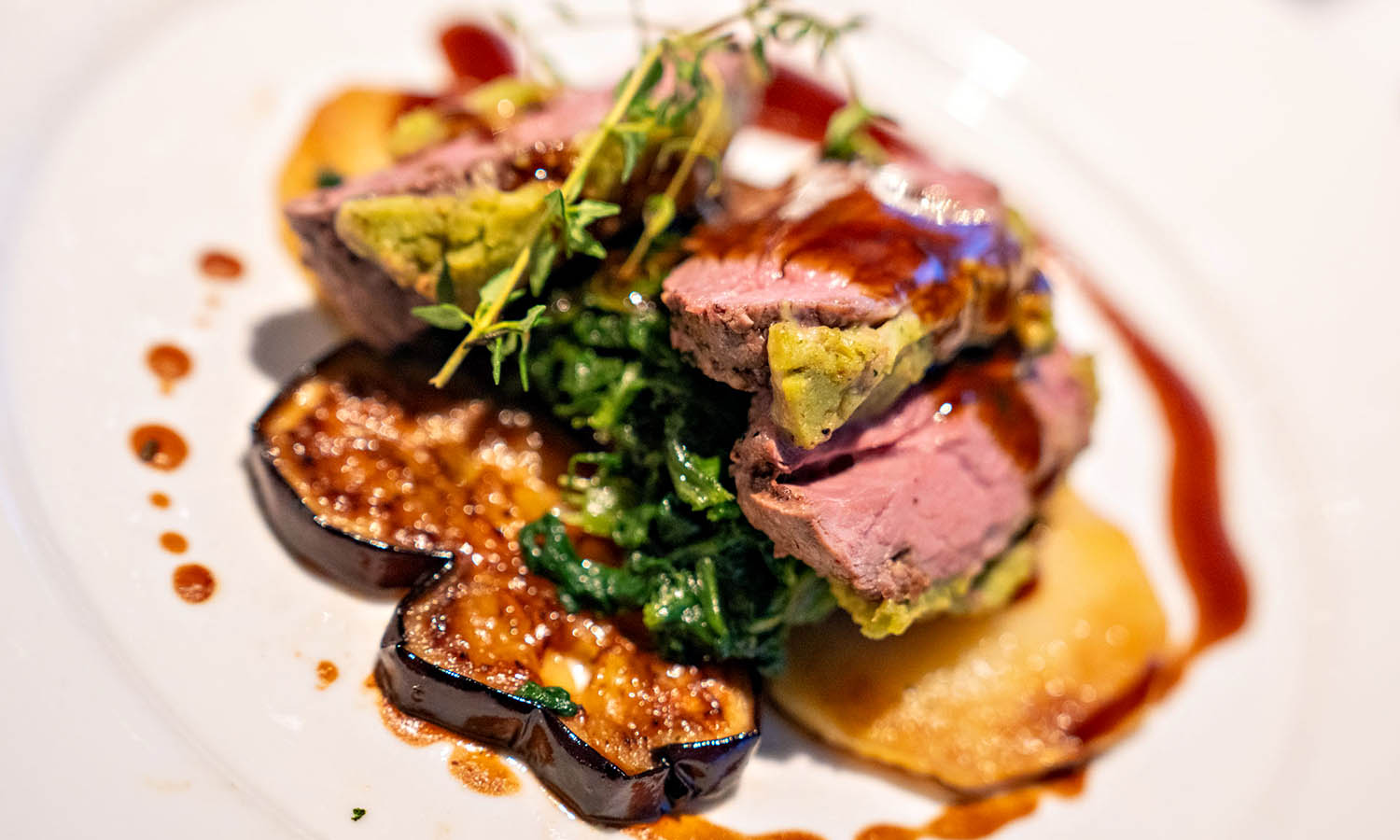
The food here in Antarctica is extraordinary, believe it or not. Multiple entree and buffets, carefully curated and delicious, and even a full vegan menu.

The rooms are immaculate and put most of the New York apartments I’ve lived in to shame. Large, comfy beds and sitting areas, rainforest showers, an entertainment centre loaded with hundreds of films, and even high-speed internet for an additional cost that makes my ATT service at home look like a smoke signal.

While this is all lovely, it’s not why we’re here. The moments you get to enjoy this luxurious floating palace are, rightly, quite limited. The amazing staff at Quark keep us constantly in explorer mode. Which is kind of the point, right?

Each day we find ourselves going full-Shackleton in a new area of unexplored wilderness.

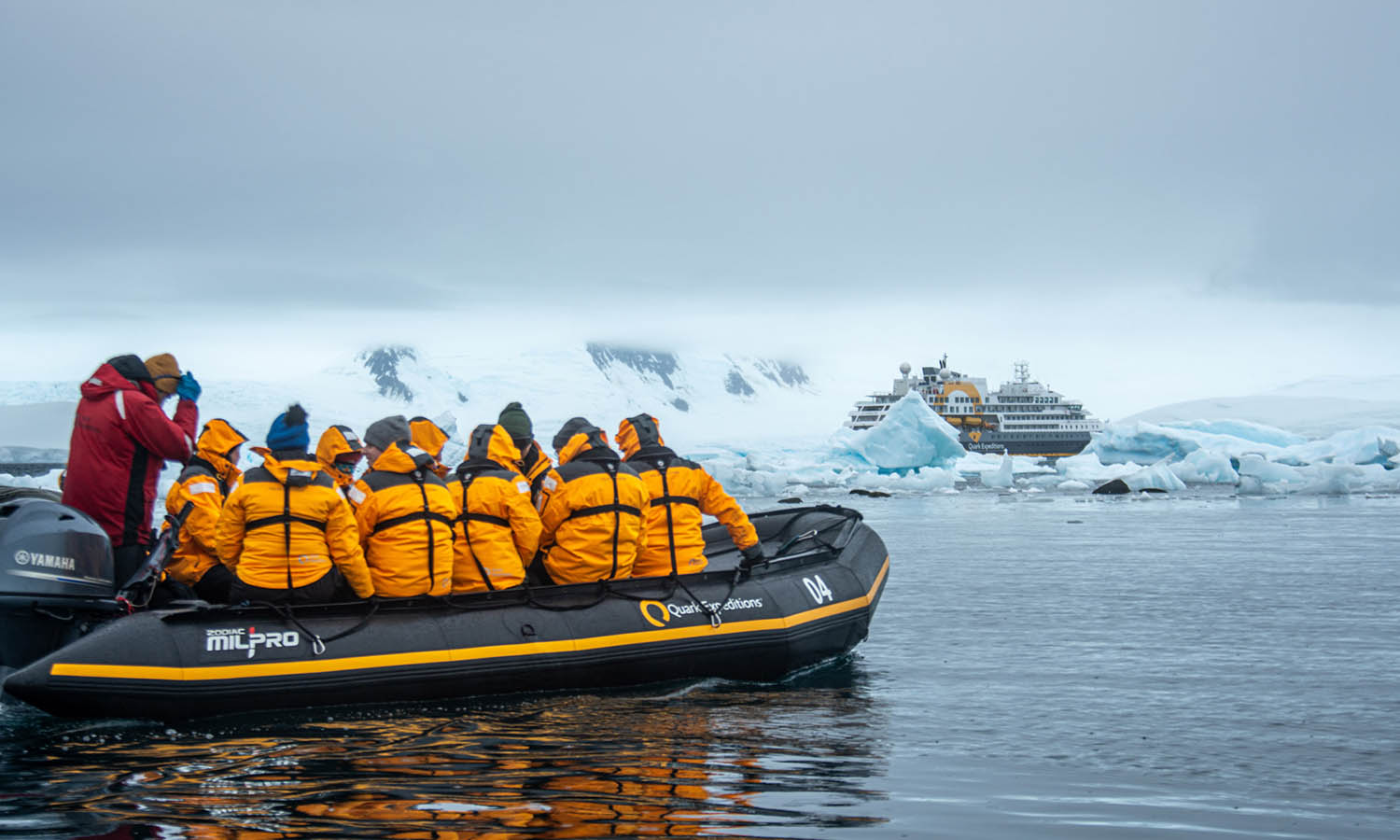
Highly trained zodiac teams load us up and give us multiple tours of the ice shelf, and we even land on the beach so that we can get close to wildlife.

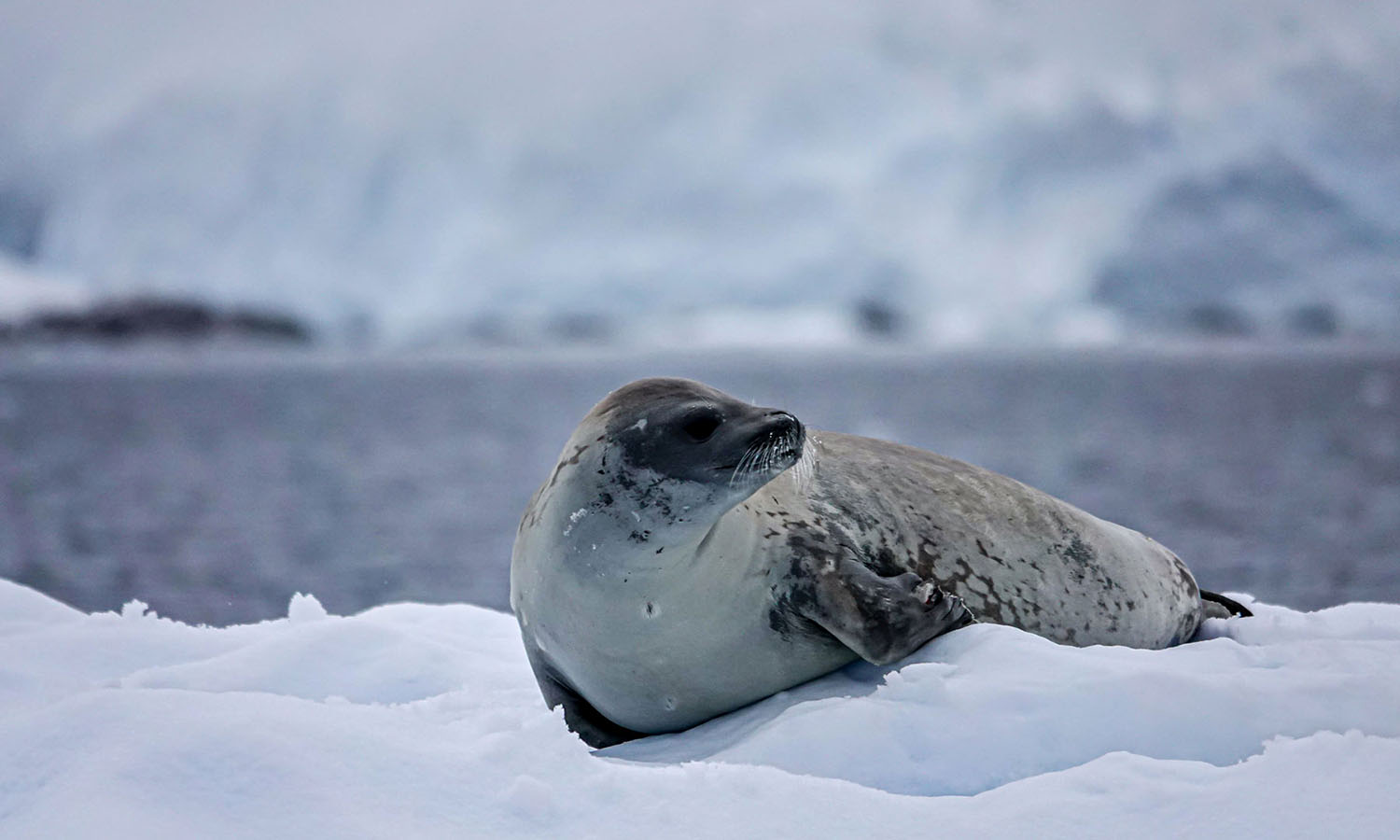
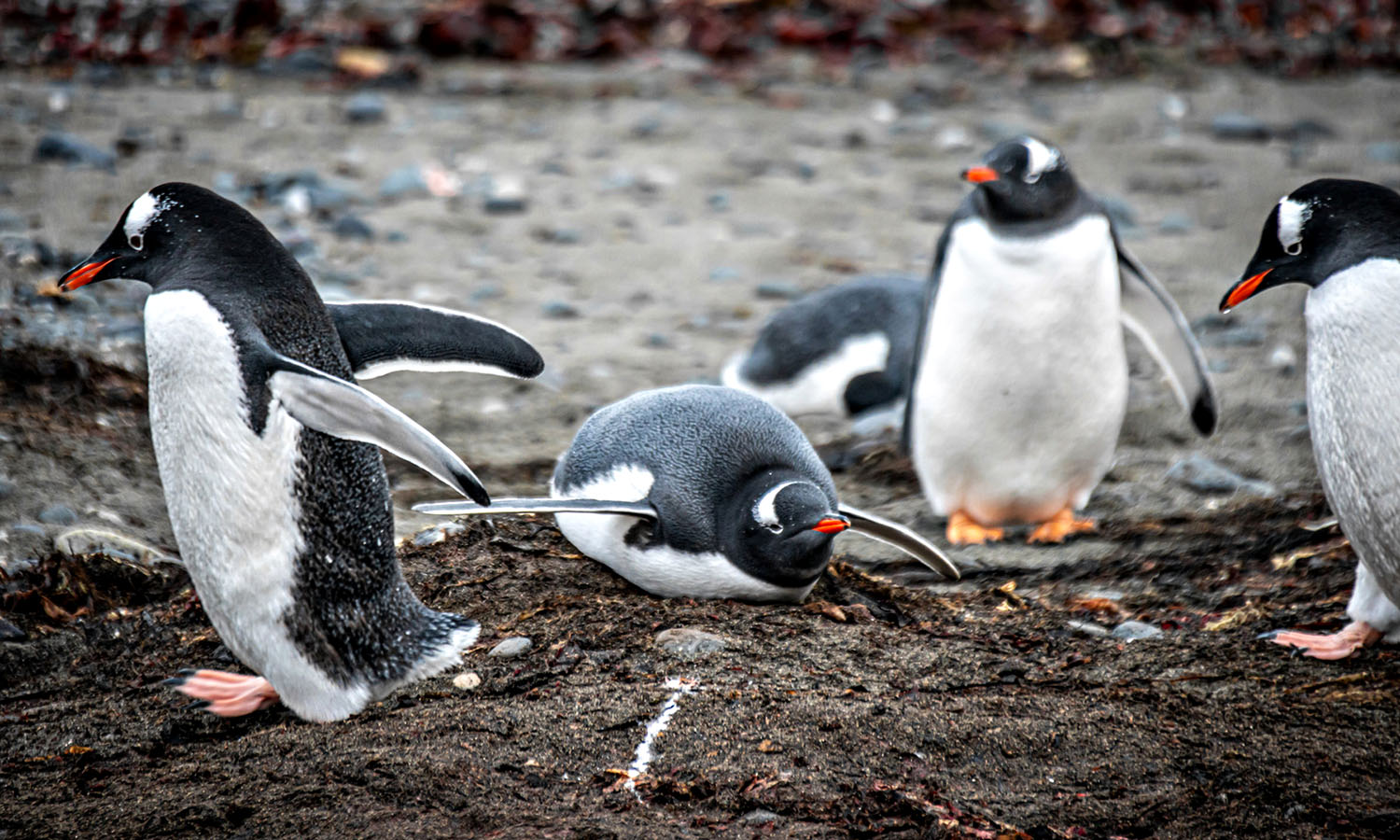
Close is not a term I use over-zealously here. Colonies of penguins, Gentoo, Chinstrap, and Emperor swarm us with a curious flapping of wings. Elephant seals bark in the sun, and Minke whales gently brush up against our zodiac.

Shackleton’s observation that “the whole place seems alive with wildlife,” still feels very true.

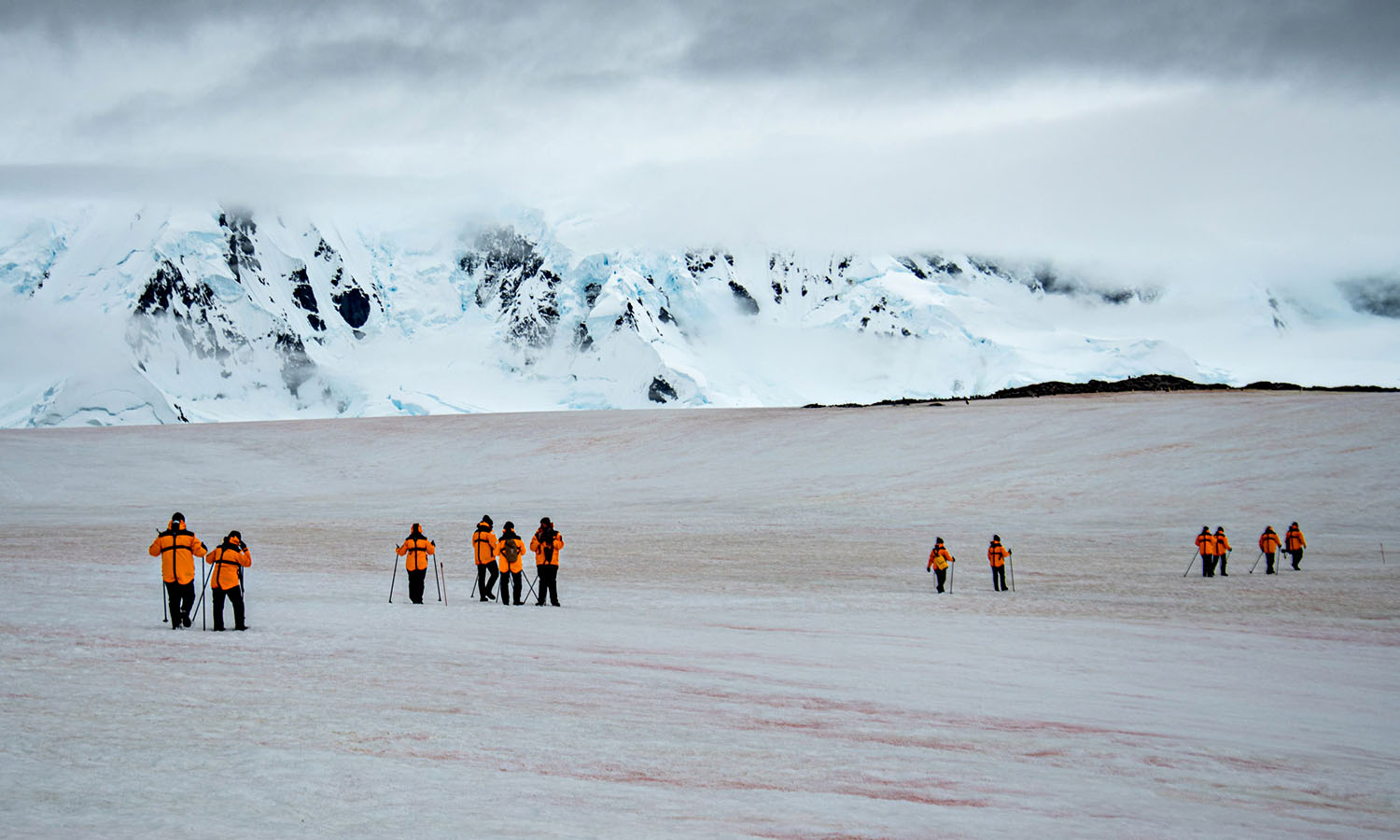
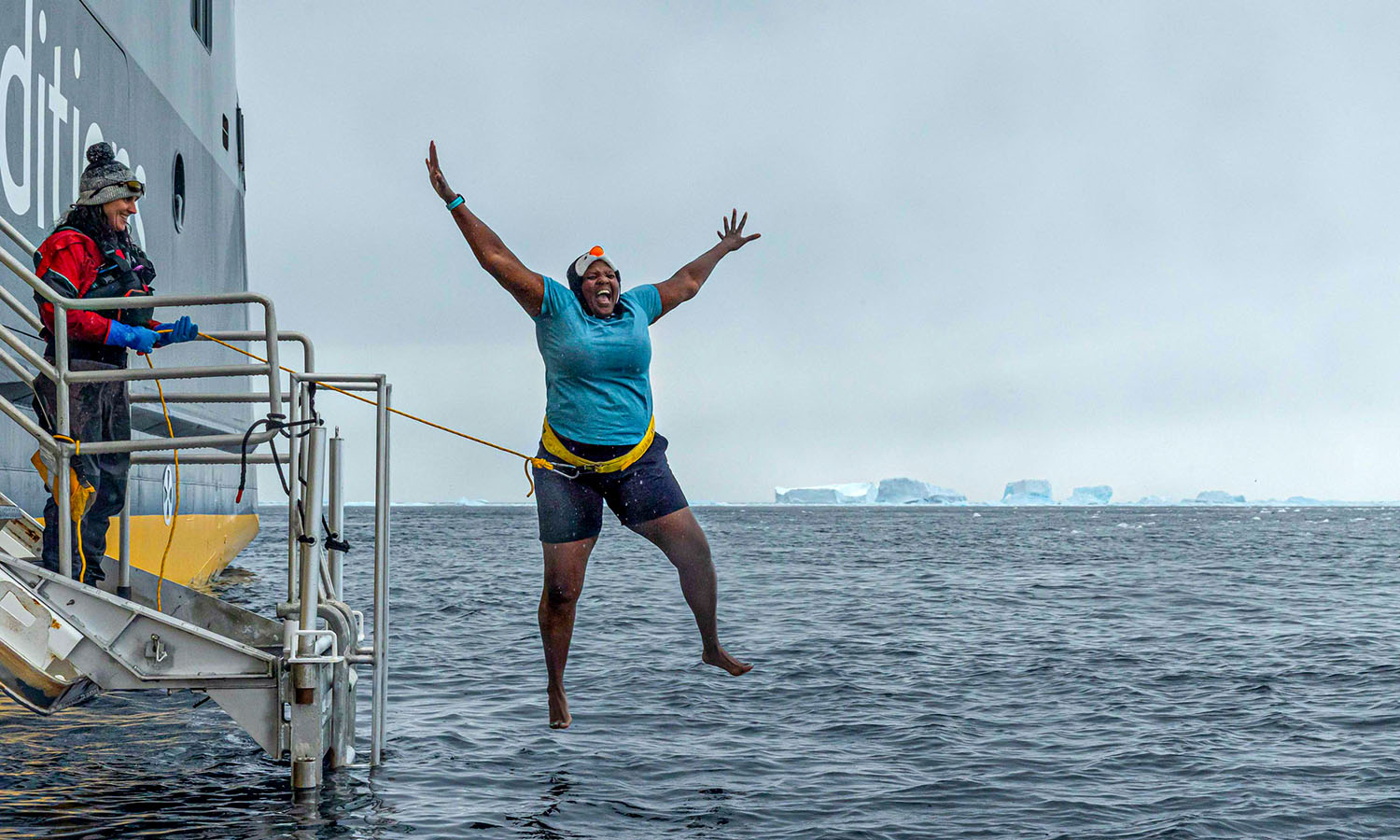
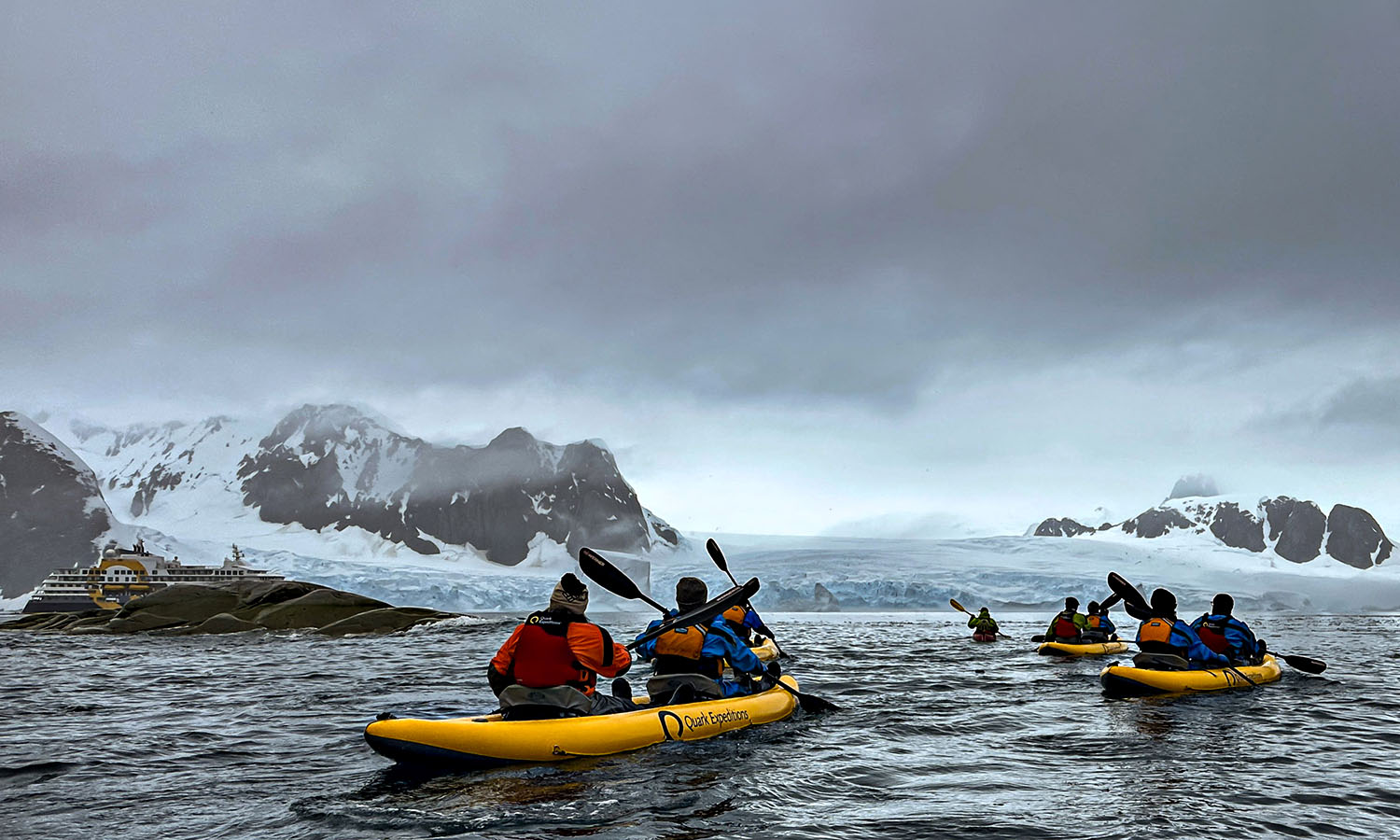
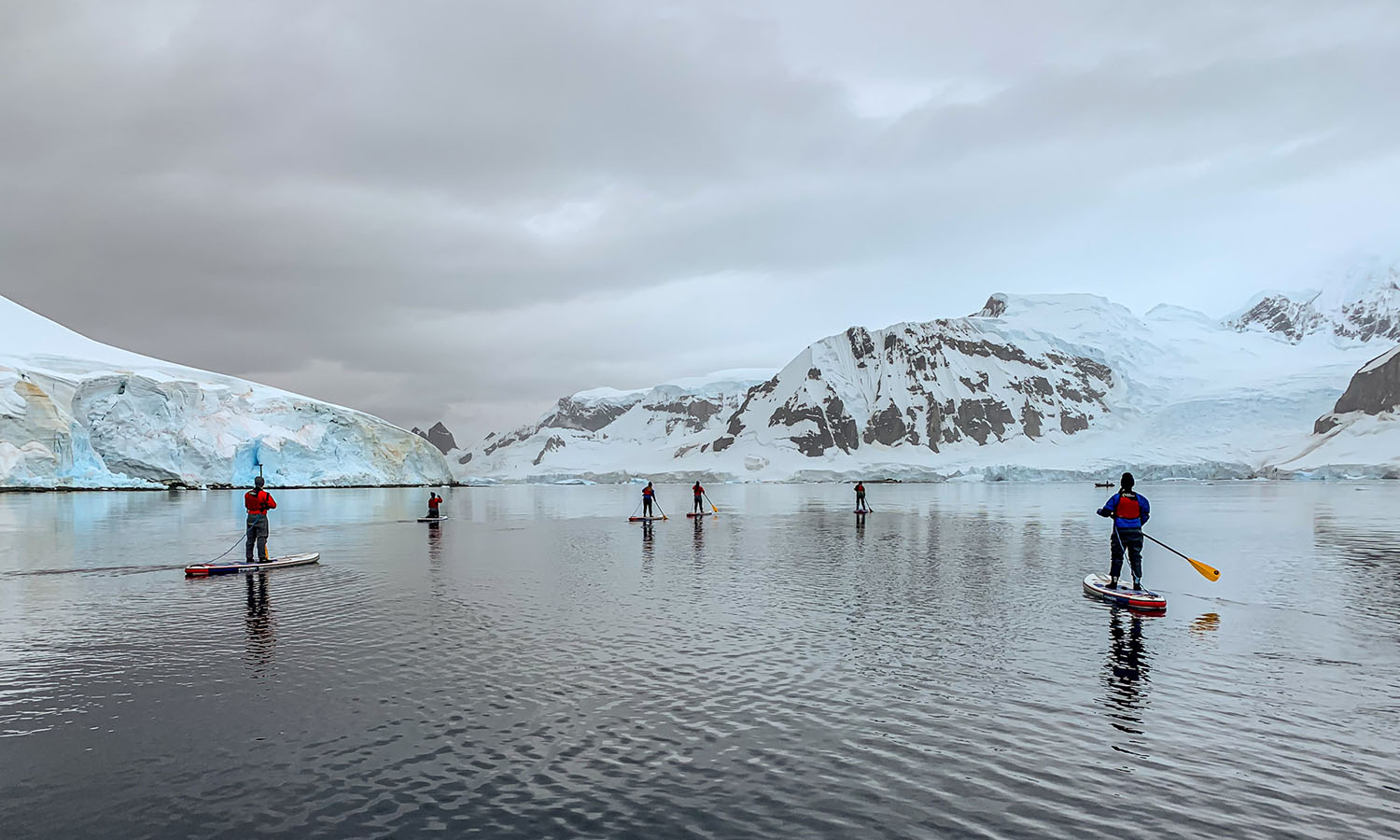
When not exploring on land, we take up unique experiences like sea kayaking or paddle boarding. If conditions permit, there are helicopters available for a sky-seeing tour, and we go snowshoe trekking on land, also à la Shackleton. Due to being really brave, or more likely possessing a “madness of mind” as Ernest puts it, we take the polar plunge—an almighty leap into the freezing Antarctic Ocean. Our reward is a badge, a shot of vodka, bragging rights and the knowledge that whatever cool ocean we find ourselves in in the future, it’ll never be quite as cold as this.

In the evening the Ultramarine forges ahead to a new destination as we listen to extraordinary lectures and play games.

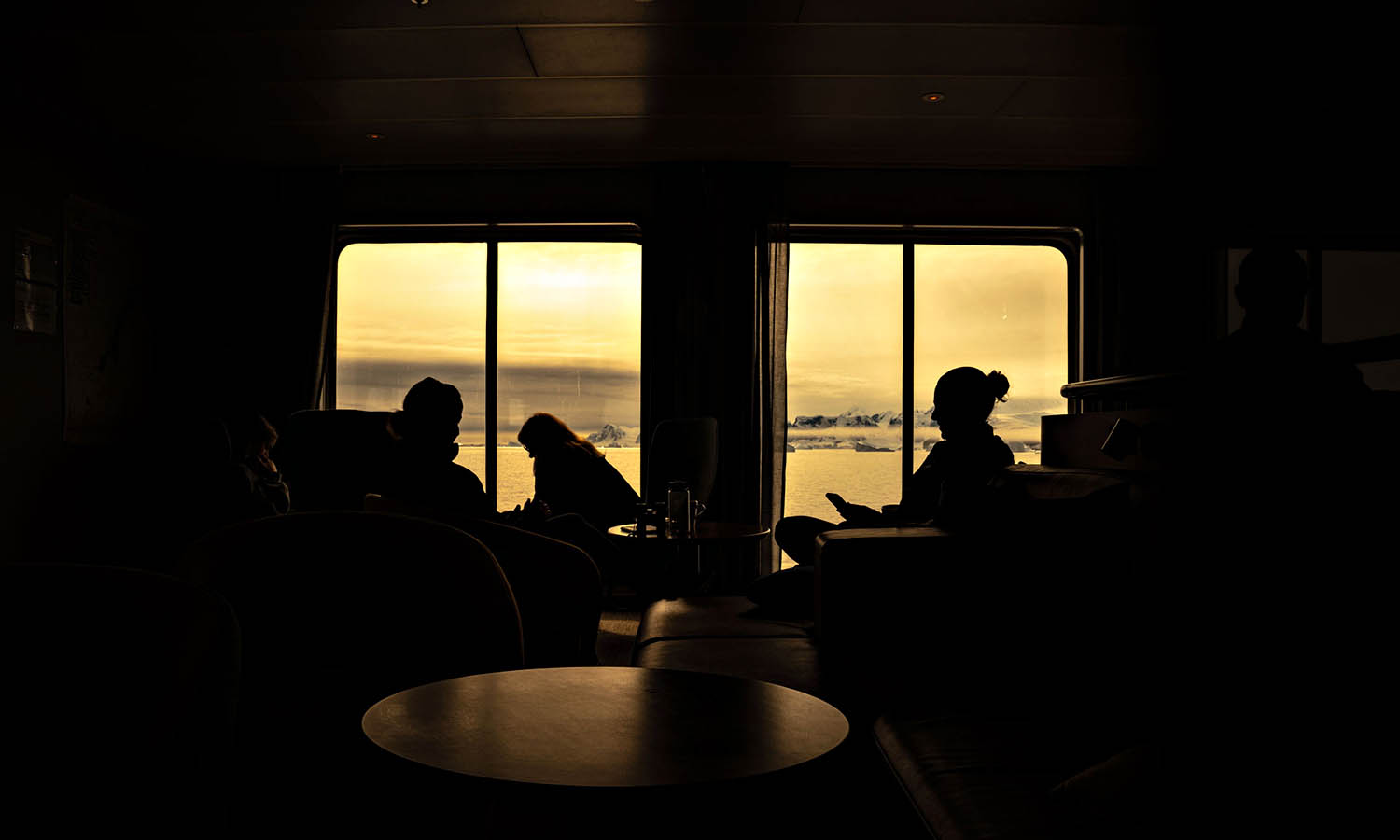
New bonds and friendships form that feel like they’ll be maintained long after we return to shore. The lounge fills up with a cacophony of clinking glasses, cheers and chuckles as everyone shares incredible stories of what they saw during the day. No two camera angles are alike, no two experiences similar.

Antarctica is a final frontier of sorts—the last continent for me to reach. I have been a traveller since I was 15, born into this life from two airline parents. I have been fortunate to see more places than most, but Antarctica always seemed slightly out of reach, almost other-worldly. I would read the great explorer’s accounts of their obsession with the great white continent. Shackleton made three separate, life-threatening journeys here in a time when it was nearly suicide to do so. That magnetic draw and love of adventure is what also captivated me my entire life.

I was experiencing the same beauty and wonder that he became obsessed with, just without any of the frostbite, which frankly, I’m quite fine with.

Nasu: The Healing Forest

Your flights are booked, your accommodation confirmed. Bags, well… they’re far from packed. Soon, you’ll gaze out the window, wine in one hand, chopsticks effortlessly balanced in the other, with headphones on, you’ll be gliding along in your very own music video, the sun setting below you and definitely not a single loud tourist on board. Now that it’s locked in, you can tell your mates about it, your family, your dog. Maybe even your boss.

“Ah!” they’ll exclaim, “Arigato gozaimasu,” with a bow.

This, along with “Moshi-moshi,” are probably the first phrases you’ll learn. And they are useful ones… but I’ve got a secret for you: a much better, much more useful word. You can thank me later. Hai dozo, the word is “Onsen.”

Ah, onsen… A word that has become sacred to me. But we will get to that soon.

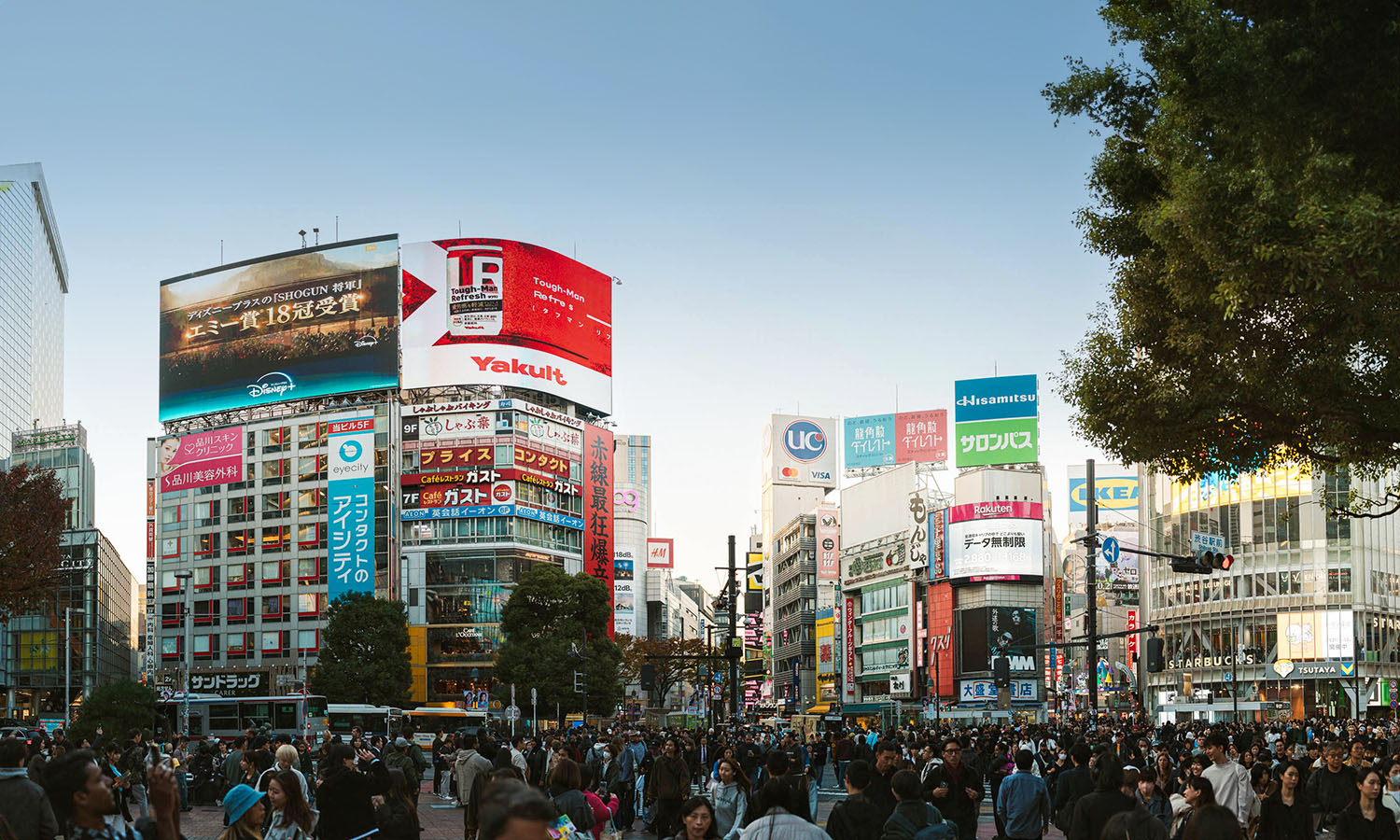
The hustle and bustle, the sensory overload of neon and noise. Cities that never sleep, a place where technology and tradition vie. Where tourists parade around on rails like an endless sushi train going round and round (and round!). Talking toilets, a million vending machines. Vending machines selling talking toilets… These are usually the first thoughts of Japan.

The streets flow like rivers into sardine-packed trains. Wonderful scents grab you by the nostrils, pulling you gently down backstreets, tiny under the towering skyscrapers. It’s a lot, and it demands all your attention. “How do they do it?” you might wonder, watching the locals zip through the crowds, finishing bowls of ramen faster than you can say “tantanmen,” and navigating the labyrinth of underground train lines like they aren’t a tangle of ramen noodles. The Japanese lifestyle has a famous reputation for being extremely hardworking over anything else…

But, dear stranger, I think we’ve uncovered a secret. It goes along the oxymoronic lines of “Work hard, play hard,” but it’s more “Work hard, relax hard.”

A cruisy 70-min ride on the Shinkansen bullet train brings you to the wonderful highlands of Nasu, in the Kantō region. One of the first towns on the footsteps of the Nasu mountain range. Locals know it, locals love it, we love it, and my futuristic Japanese-speaking toilet says you will love it too. Even the emperor and royal imperial family (who can holiday wherever they wish, keep in mind) stay here annually! Nasu is everything Tokyo is not; quiet, calm, natural, and without a tourist trap in sight. It is the balance against the manic: it is outdoor fun, natural healing, incredible dining, and onsen relaxation.

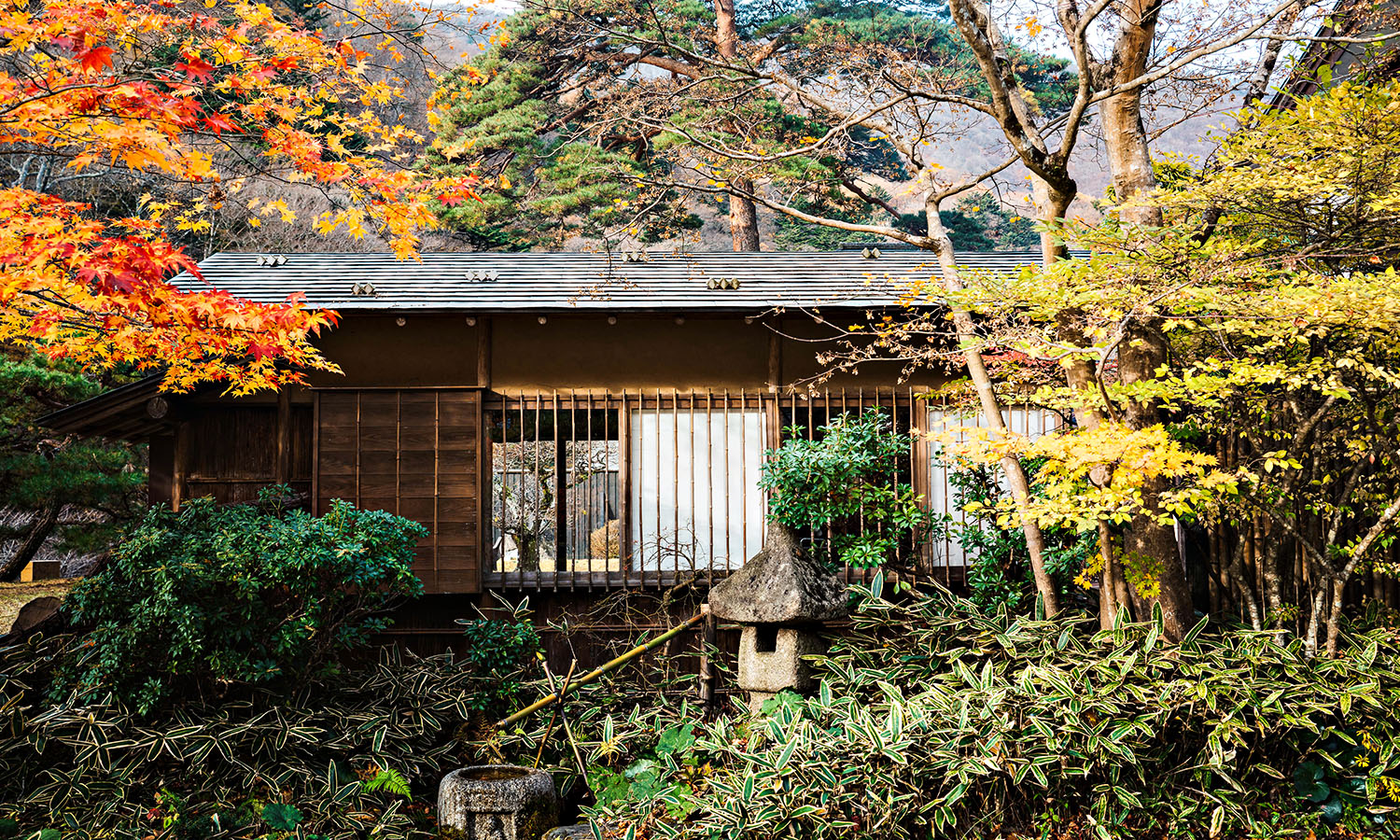
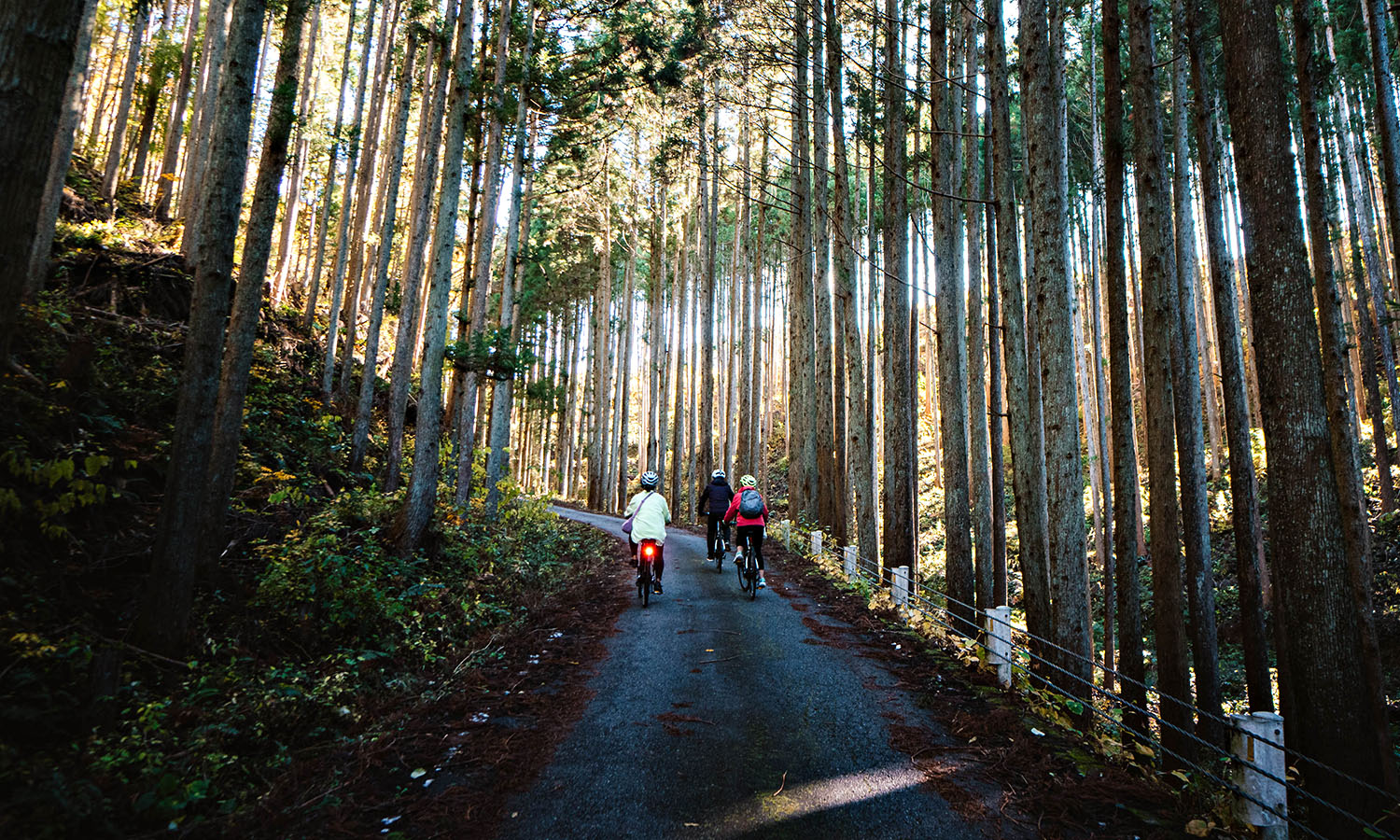
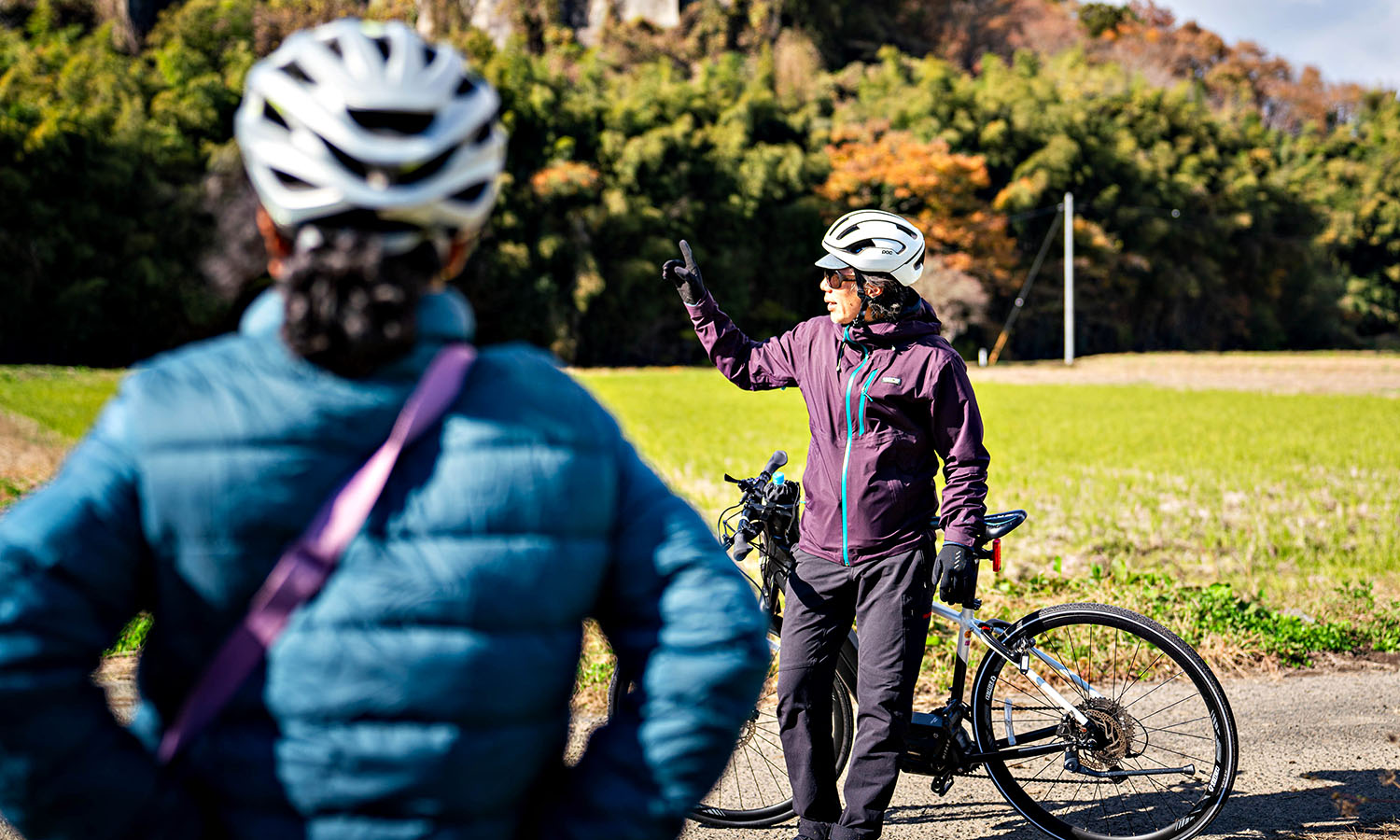
Start your visit with a private everything-organised-for-you cycling tour (don’t worry, e-power does most of the work for you) through the nearby woodlands and the somehow perfectly manicured, aesthetically pleasing farmlands, which appear to be straight out of a Studio Ghibli film. “It’s the best way to travel,” smiles Tetsuya, looking out over the rice fields. He’s our guide for the day, CEO of Ride Experience, and a bit of a local legend. You’ll find many locals ditched the mad city life for the quiet of Nasu and never looked back – just like you have.

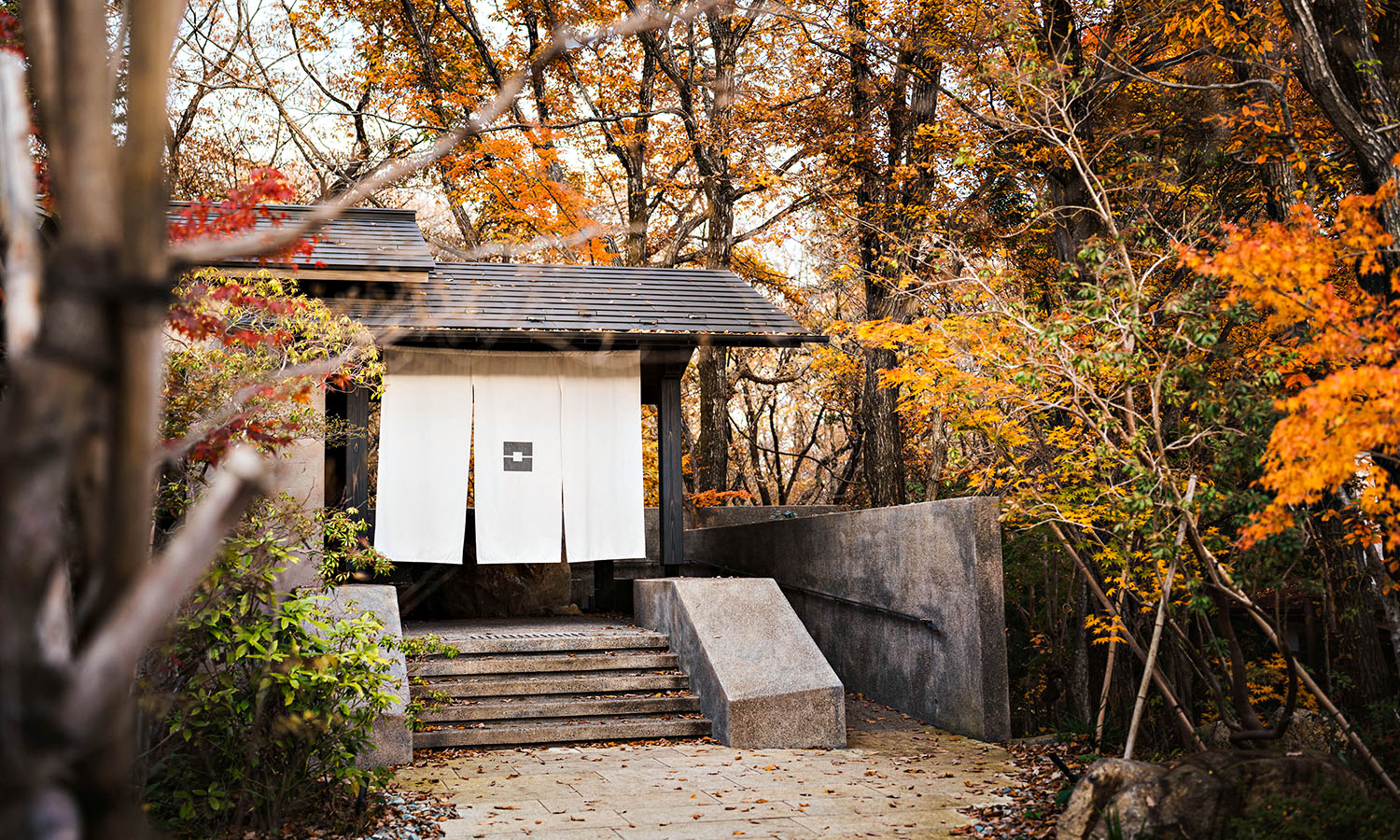
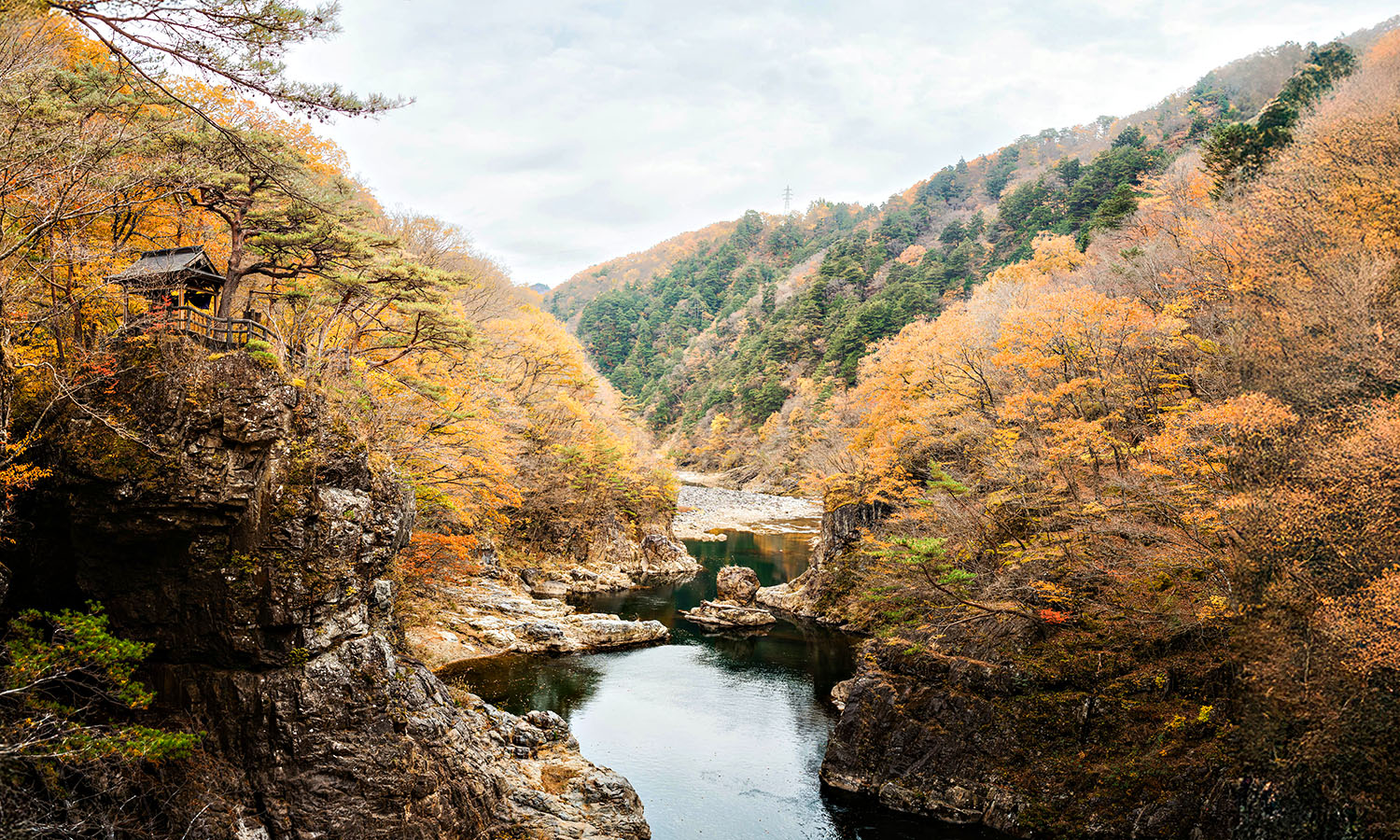
Stop for soba ice cream and coffee, and then roll through the countryside, floating along like the autumn red leaves you’re now riding under. Tetsuya and the team welcome you like old mates reunited. They know the land, the people, the special spots: the shrines and their stories, the quiet tracks through the bamboo maze, the best spots to eat, and – sometimes most importantly – the best sake to drink (go for a tasting at the Tonoike Sake Brewery).

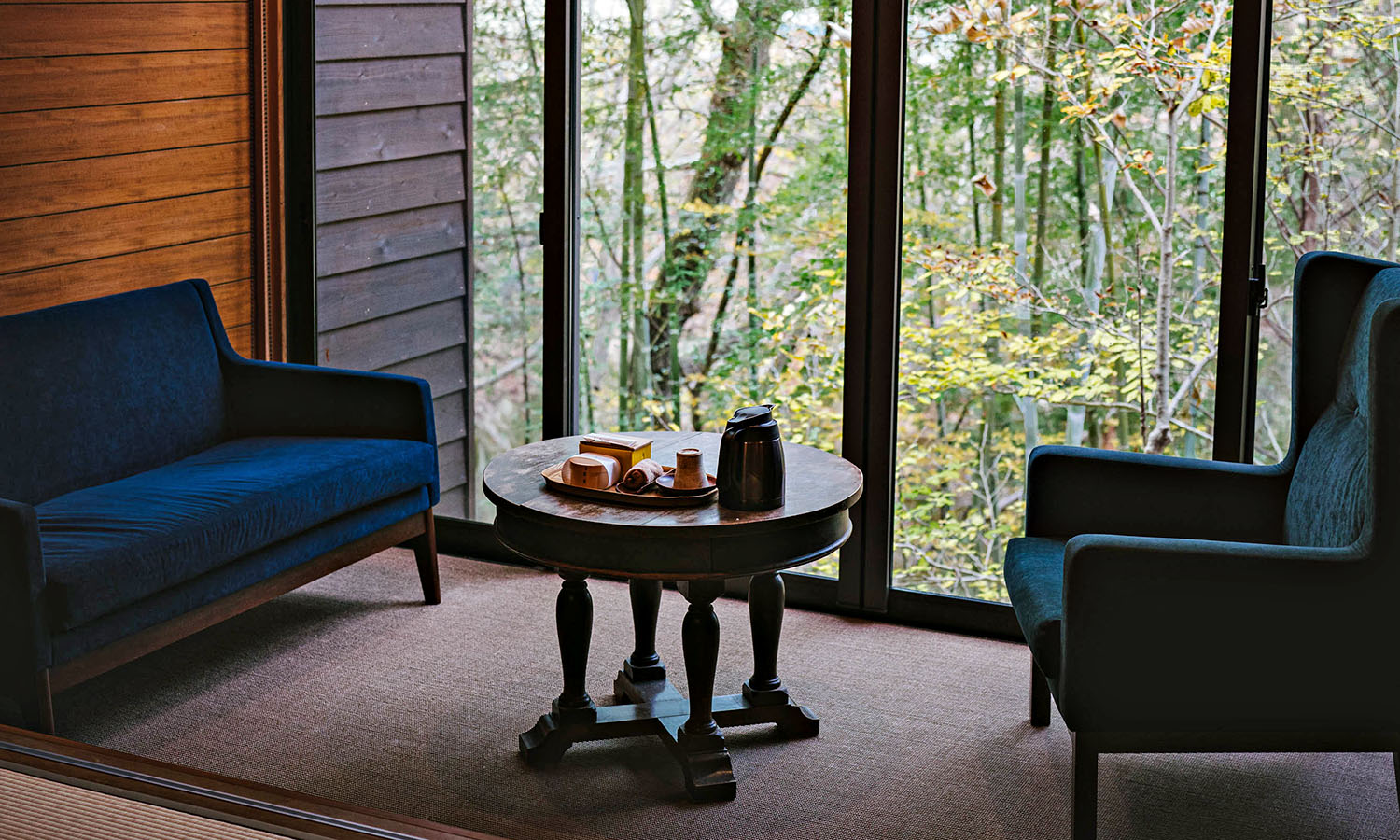
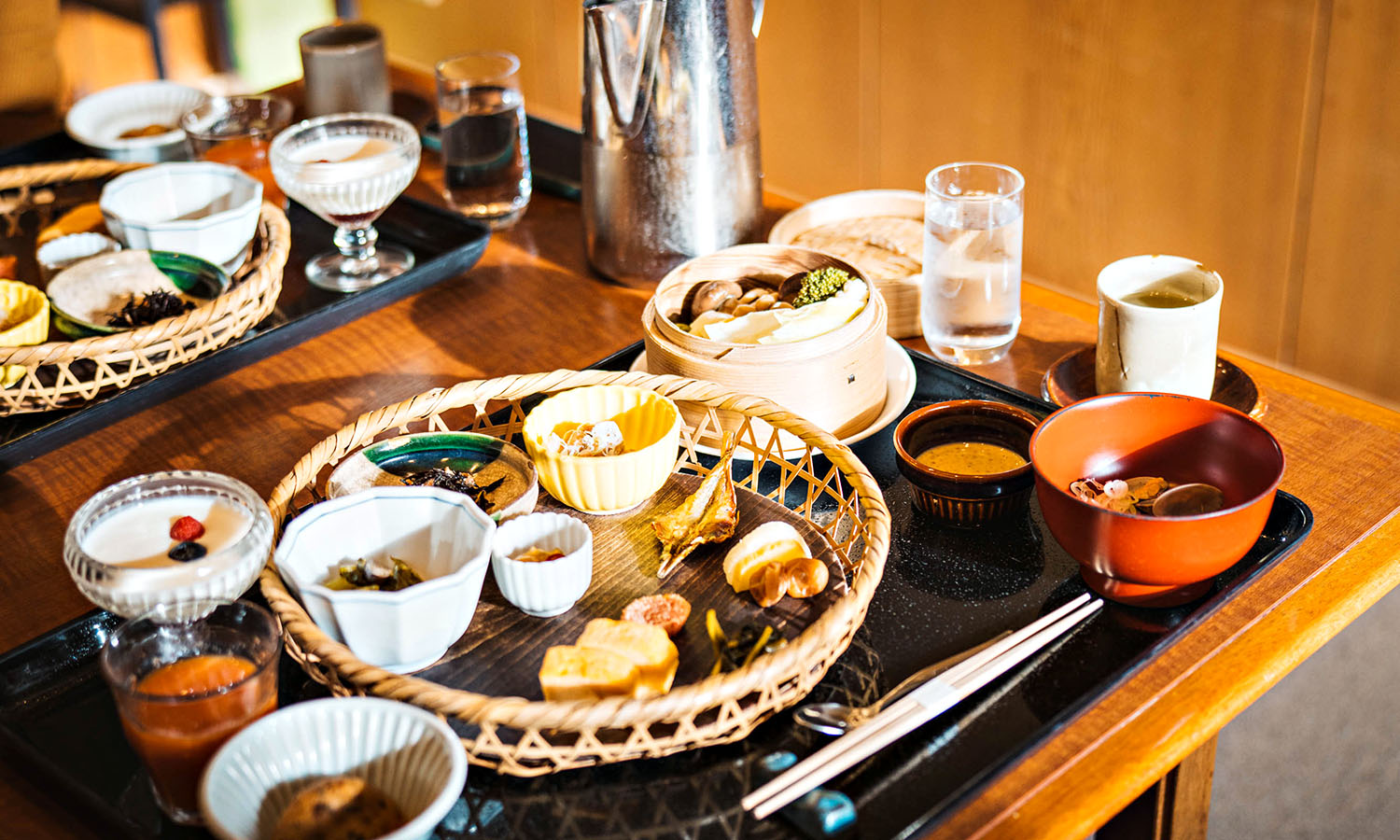
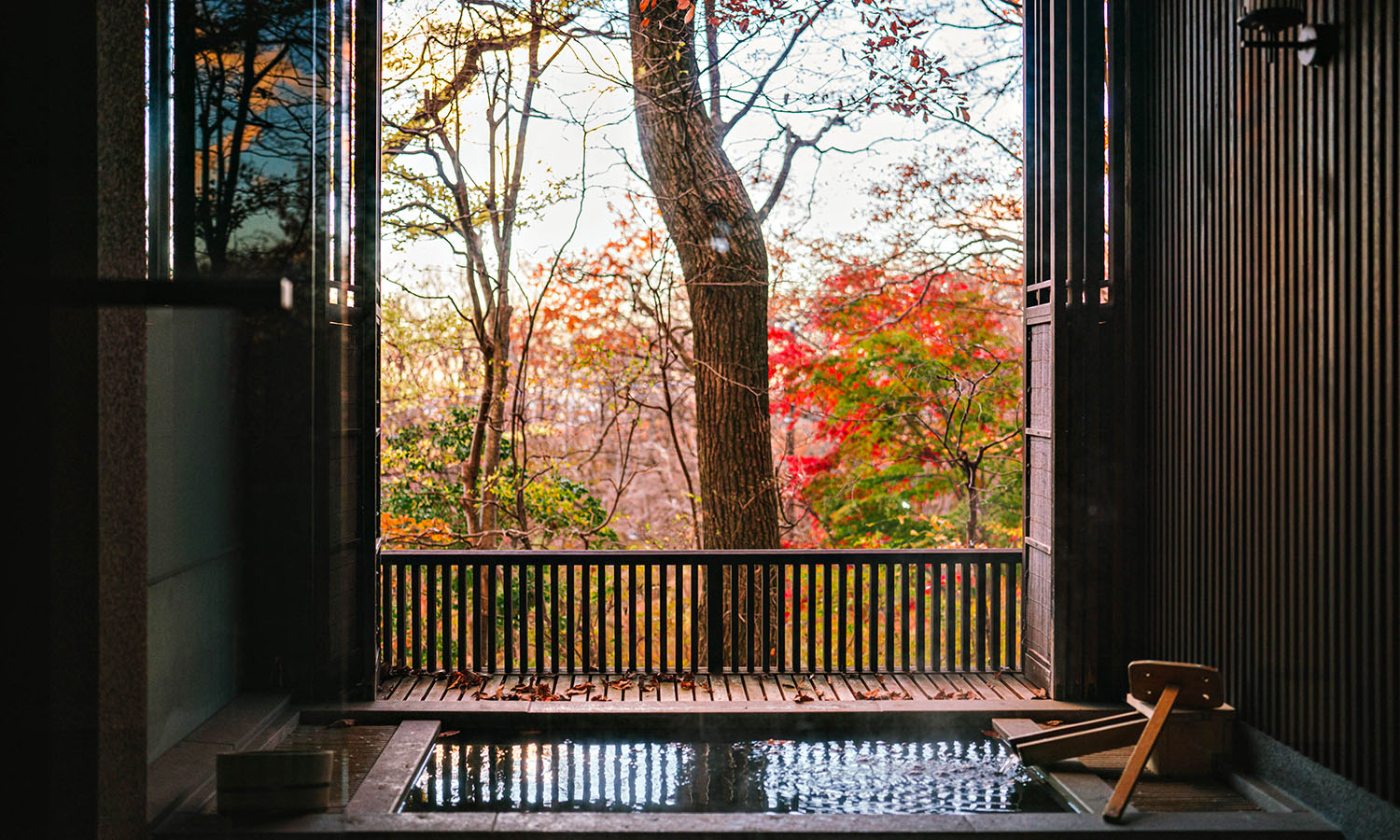
Now comes the payoff for your hard work. ‘Minka’ are vernacular traditional Japanese houses: tatami mats, sliding doors, beautiful woodwork, you know the deal. There’s nothing quite like it, especially when your room has a private onsen – a natural, steaming, forever-flowing dip pool fed by one of the eight geothermically heated underground hot springs of Nasu, which have soothed local souls for over a thousand years. Traditionally onsen bathing is a public activity where clothing and loud chatter is forbidden (and often tattoos, although that’s changing nowadays). Stepping into the onsen is like stepping back in time, a ritual as old as the mountains themselves. In some, the air is thick with the scent of sulfur, and the water is a milky, mineral-rich, skin-cleansing concoction. In our beautiful accommodation at Sansuikaku, the water is crystal clear, and the air is thick only with steam. The big issue with such a comfortable stay is that you won’t want to leave! But you should leave; there’s so much to see.

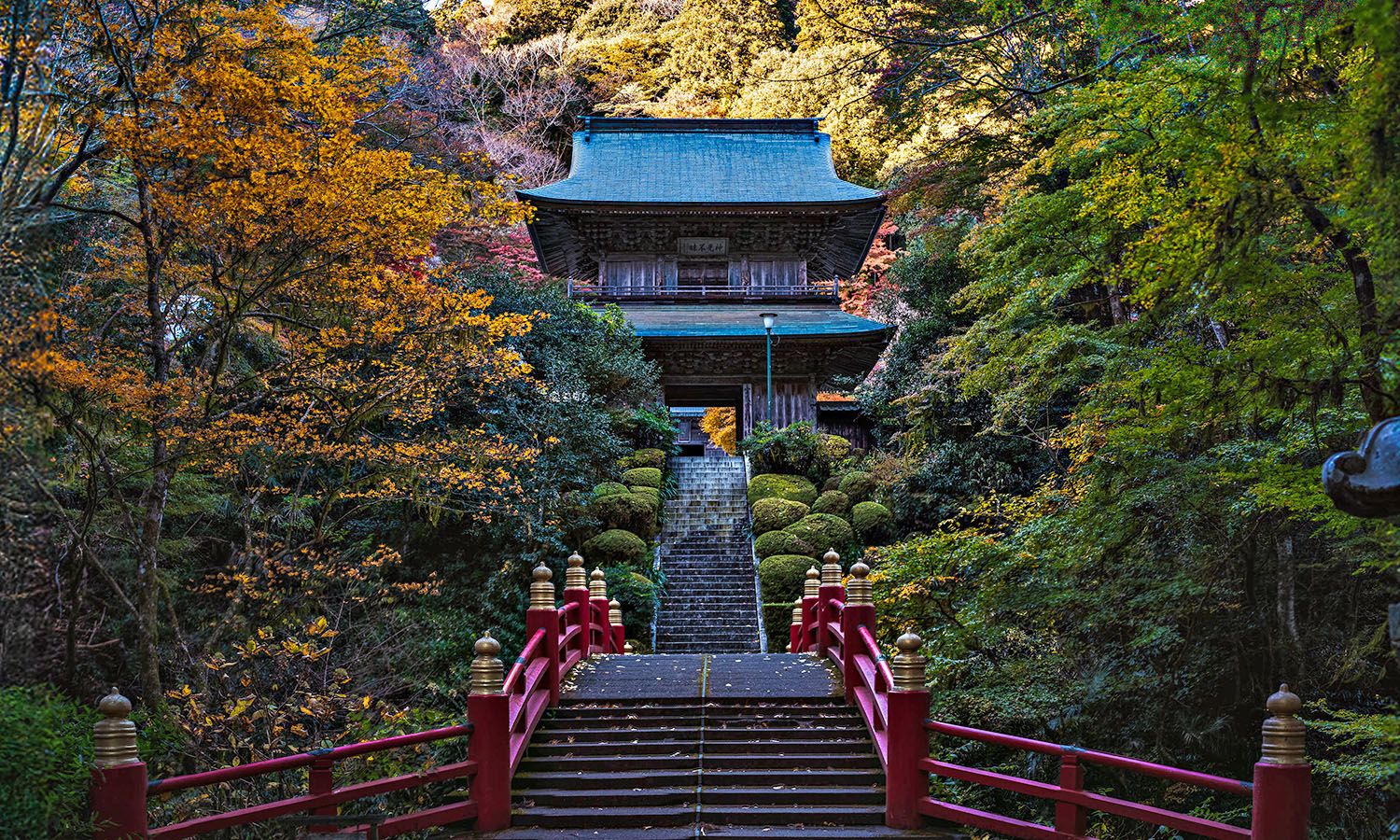
The surrounding area is home to popular restaurants serving up fresh, local ingredients (you can’t go wrong with Suisha no Sato Mizuhogura or Tensui soba restaurant for lunch, or Takai-ya and Tamaruya Sushi Shop for dinner), wonderful shrines and temples to visit (get a Goshuincho book and collect a unique stamp at each one – gotta catch ‘em all), the cutest little bakery in a pretty home in the woods (Croce Bakery), and even the lush forest of healing: the area used to be reserved for the imperial family, but today you’re welcome to visit.

Do as the royals do and retreat into the untouched woodlands of the Heisei-no-Mori Forest. You just might be one of the first few international visitors to the area, and every season has something to offer: whether it’s the snow gently blanketing the trail, the lush green of a happy ecosystem, or the fiery reds and yellows of a Japanese autumn. Waterfall? Check. Wildlife? Check. Stop for coffee and tea? You bet.

After each outing you will feel the call – yes you guessed it – of the onsen. The naturally heated water is the best place to unwind, to recount the quiet of the hidden bamboo forest you explored on the bike tour, the full-course lunch and laughter at the local farmer’s house that followed, and the weighted peace walking the grounds of ancient temples.

Now, finally, this is the moment you slow…This is the moment you stop.

And this is the moment you thank yourself for leaving the city, for sidestepping the hustle and bustle, for escaping the Japanese game show that is navigating the crowds and crosswalks. It bears repeating: Nasu is everything Tokyo is not; quiet, calm, natural, without a tourist trap in sight. It is the balance against the manic: it is outdoor fun, it is natural healing, it is incredible dining and this… this is onsen relaxation.


Pedals and Peaks: An Urbanite’s South Japan Escapade

As someone who thrives on the electric hum of city life, trading bustling laneways and artisanal lattes for moss-covered forests and volcanic slopes was well beyond my comfort zone. Yet, five days exploring the south of Japan—particularly Yakushima and Mount Aso—offered a blend of challenges and breathtaking beauty that was impossible to resist.

Into the Heart of Yakushima’s Mystical Forest

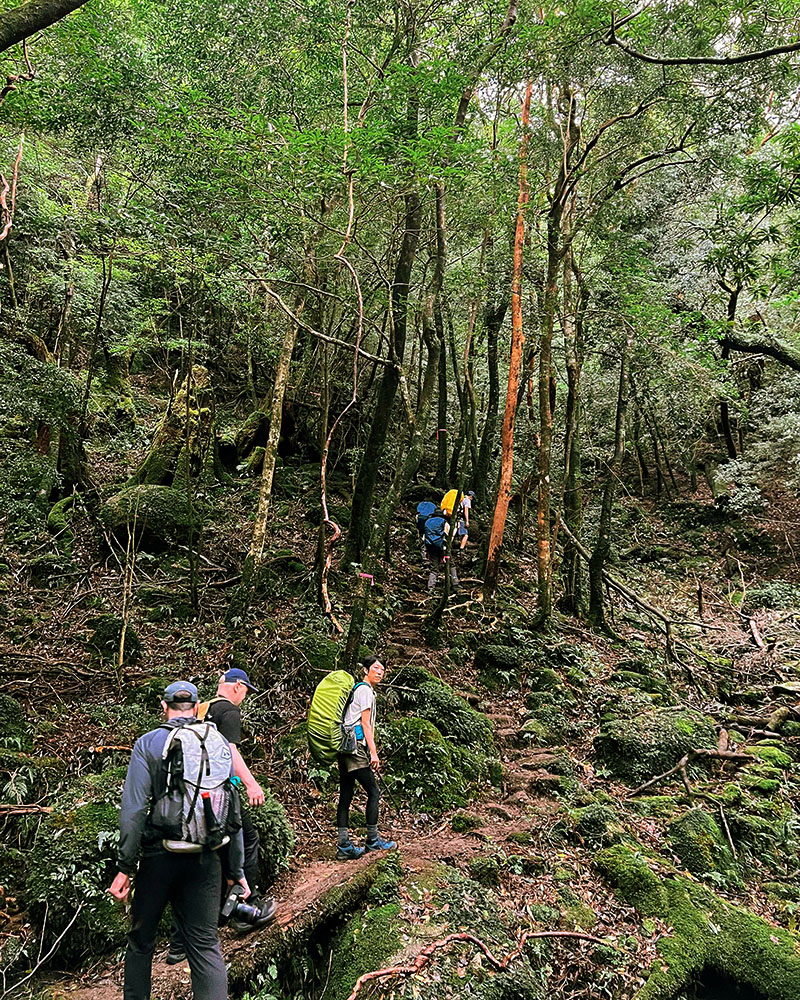
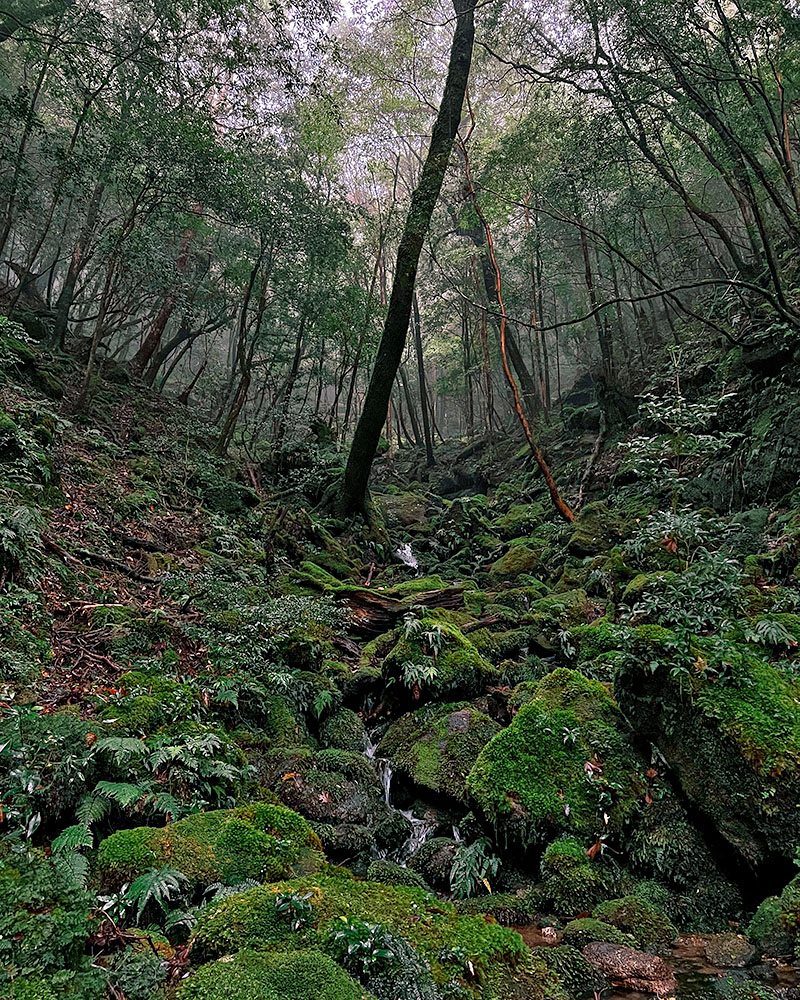
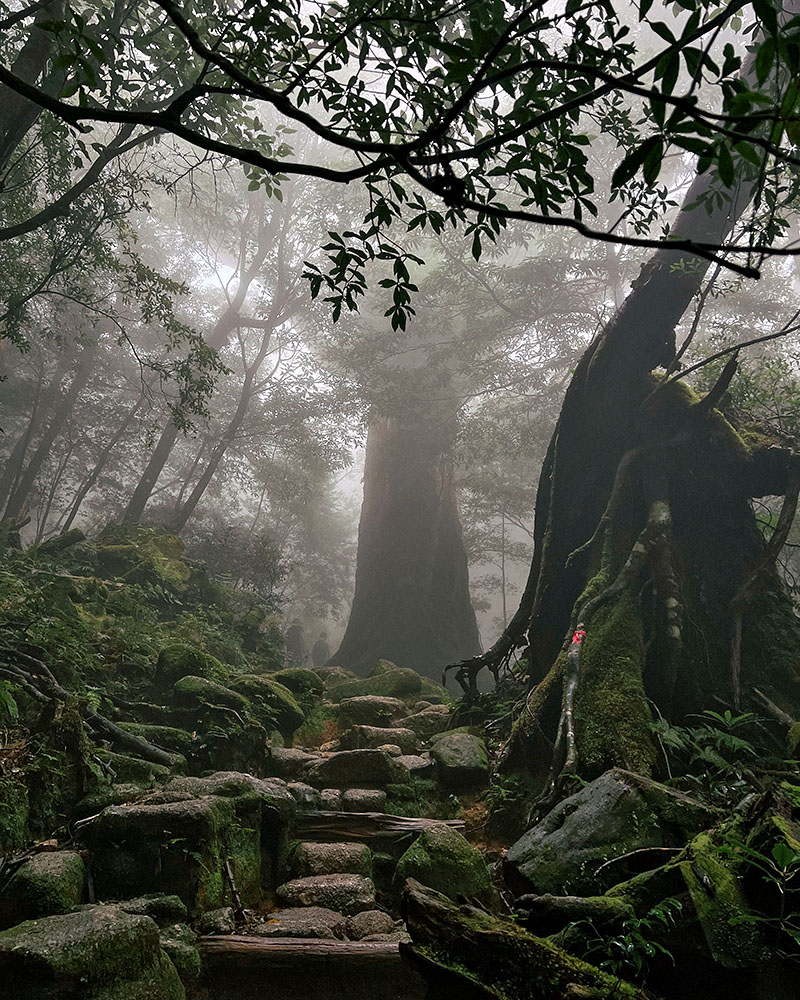
Yakushima is a place of cinematic wonder. Its Shiratani Unsuikyo Ravine is famed for inspiring Studio Ghibli’s Princess Mononoke, and stepping into its emerald embrace felt like walking into a living fairytale.

We had set out for the Taikoiwa Rock Round Trip Course, a 5.6 km hike meant to lead us through the ancient cedar forest to panoramic views of the island. However, nature had other plans. A typhoon had rendered the main trail unusable the week prior, diverting us onto a detour that transformed the hike into a gruelling 10 km, six-hour ordeal.

The trail was slick with mud, and what was meant to be a clear path often dissolved into a labyrinth of tree roots, slippery stones, and lots and lots of mud. I was acutely aware of how far removed I was from my urban bubble. Each step tested my resolve, yet there was a rhythm to the forest that made the struggle worthwhile.

Yakushima’s forest pulses with life. Moss blankets everything, creating a verdant dreamscape that feels timeless. Ancient Yakusugi cedars towered over us, their gnarled trunks whispering stories of centuries past.

When we finally reached the summit, a shroud of cloud had cloaked the view. Instead of sprawling vistas, we were greeted by a surreal, otherworldly whiteness. Initially disappointed, I soon found peace in the ethereal stillness. There’s something uniquely fulfilling about standing in a sea of clouds, disconnected from expectations.

By the time we returned to the car park, our legs were leaden, and our shoes doused in dirt. Yet, the sense of accomplishment—and the connection to this magical landscape—was unparalleled.

A Volcanic Adventure on Two Wheels

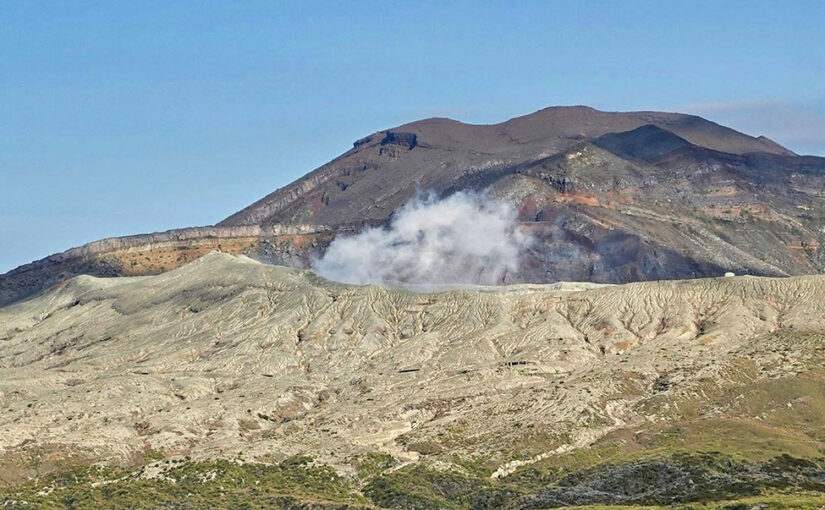
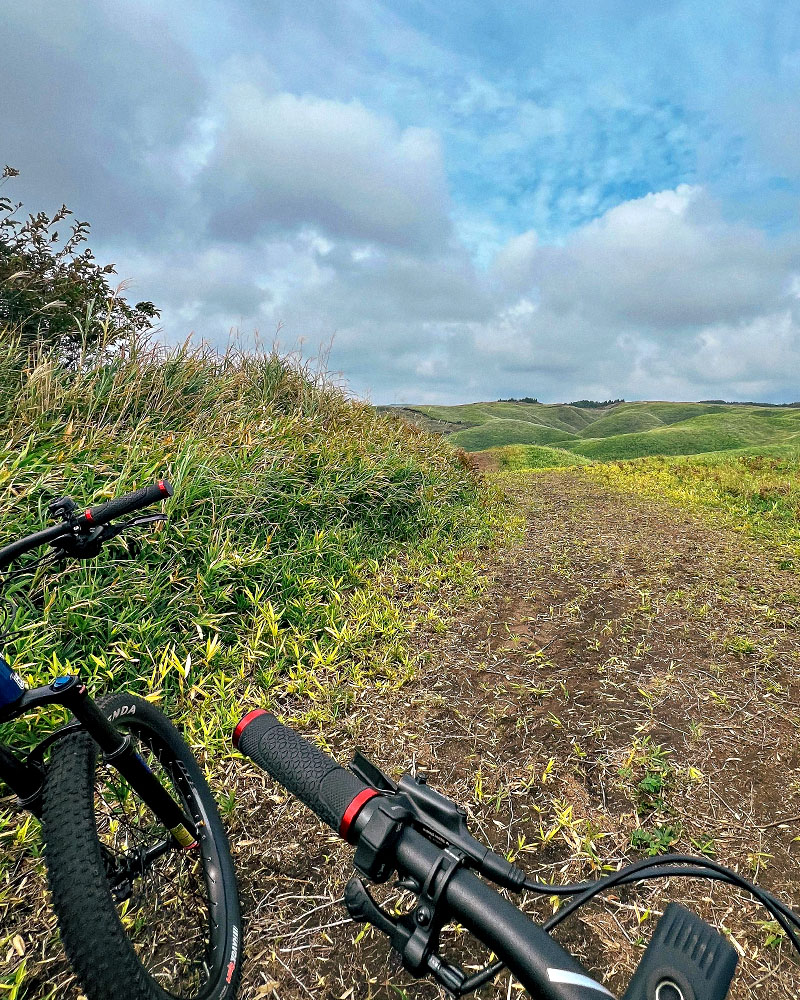
The following morning, our aching muscles begged for respite, but adventure called again. This time, it was Mount Aso, Kyushu’s iconic active volcano, where we were set to embark on a mountain e-bike excursion.

My experience with e-bikes had been limited to casual rides on city pavements, so I was woefully unprepared for the rugged terrain awaiting us. The day began with a deceptive ease, pedalling along dirt paths framed by rolling fields. But as we ventured deeper into the volcanic landscape, the challenge intensified.

Bear in mind, it had been a while since I rode your everyday bicycle, so a mountain e-bike was like trying to learn to walk for the first time. We found ourselves navigating through towering six-foot-tall grass fields. My first attempt at riding ended in a less-than-graceful tumble, but there was little time to nurse bruises—our guide swiftly rerouted us to a new path. This alternative route, however, came with its own test: a steep downhill slope.

Here’s where my city sensibilities betrayed me. I underestimated the power of the brakes and, in a moment of panic, gripped them too hard as I descended this slope graced with unreal countryside views. The bike pitched forward, and I was sent sprawling down the slope, earning a split lip and several bruises as souvenirs.

Though shaken, I pressed on, determined to soak in every moment of this raw, untamed experience. Riding around Mount Aso, with its caldera looming in the distance, felt like traversing another planet.

Embracing the Unexpected

Both Yakushima’s forest and Mount Aso demanded a level of grit I didn’t know I
possessed. These experiences weren’t about curated Instagram perfection but about embracing the unpredictable beauty of nature.

For a city girl, there’s something profoundly liberating about surrendering to the elements and pushing through discomfort. The mud, the bruises, and the sore muscles are fleeting, but the memories of ancient forests, volcanic slopes, and a sense of wonder rediscovered will last a lifetime.

So, if you’re a fellow urbanite seeking something extraordinary, let rural Japan challenge you. You might just find yourself in the process.

You might know Fiji as a ‘flop and drop’ destination—a term I heard a lot of during my seven days in this tropical paradise. Y’know, a place where Aussies can come over by the plane-full in search of a resort where they can sun themselves, gorge on buffet meals and have one too many cocktails at the swim-up bar.

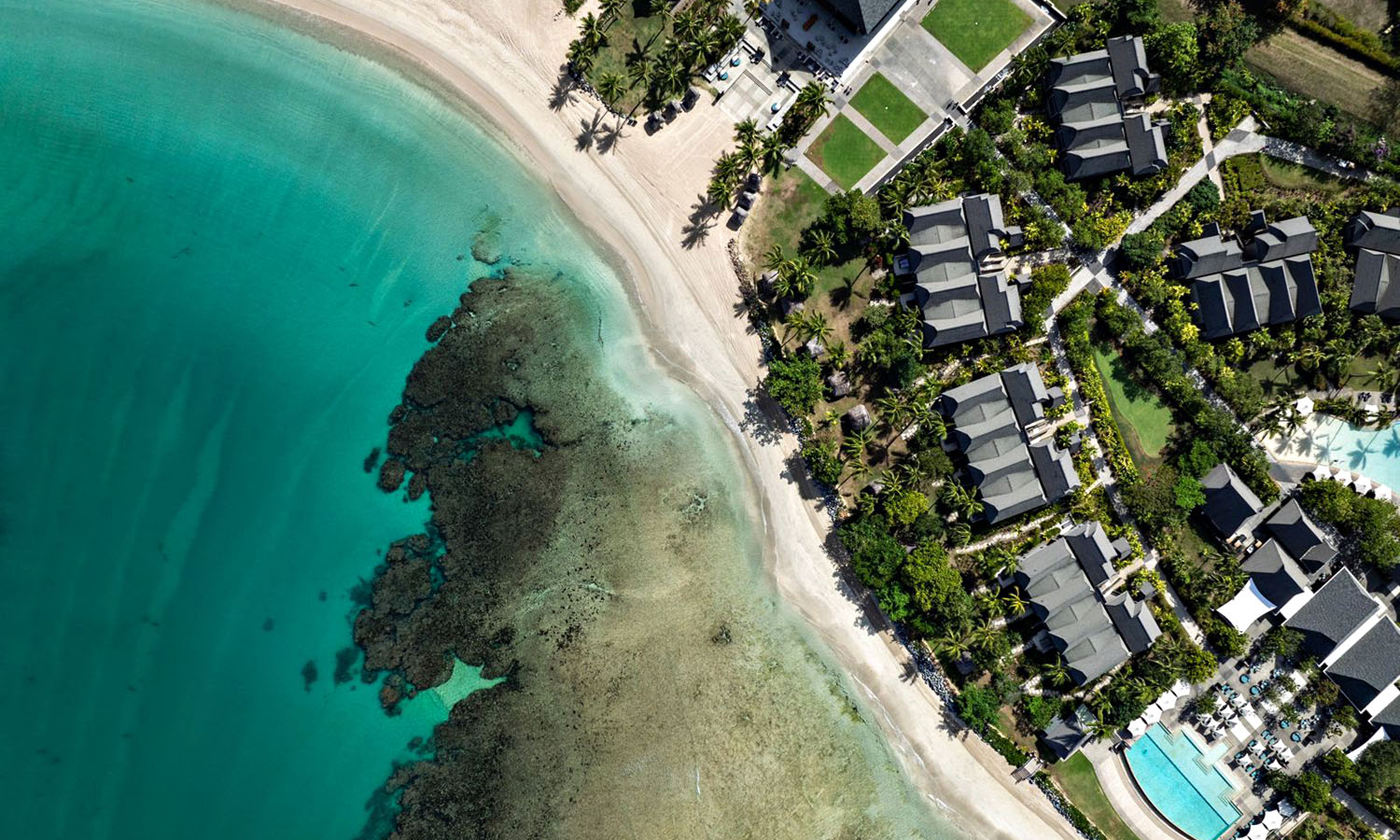
And I admit I was one of them. This was my third time in Fiji, but the first time I actually left the white sands of Natadola Beach at the InterContinental, dragged myself out of the adults-only pool at the Sheraton or slept in anything other than one of the Marriott’s overwater bungalows.

What I didn’t realise was just how much Fiji had to offer. Beyond the brochure cliches lies a country bursting with warmth, infectious spirit and a whole lot of thrilling adventure. But before I dive headfirst into the latter (spoiler alert: there’s a lot of water involved), there’s a word we should talk about that you’ll hear approximately 12 seconds after landing in Fiji: bula.

Yes, it’s a greeting: a way of saying hello. And yes, it technically means, “life,” but it’s so much more than the sum of its four letters. It’s a blessing of good health, an unspoken challenge to embrace life with both arms wide open, an invitation to try new things, and a genuine and enthusiastic, “We’re so glad you’re here.”

And guess what? Fijians love it when you say it back. The more heartfelt it sounds, the more people light up with smiles and stories that’ll make you feel as if you’ve stumbled into a country full of your closest friends and family – a truly comforting feeling when you’re so far from home.

But back to the adventure.

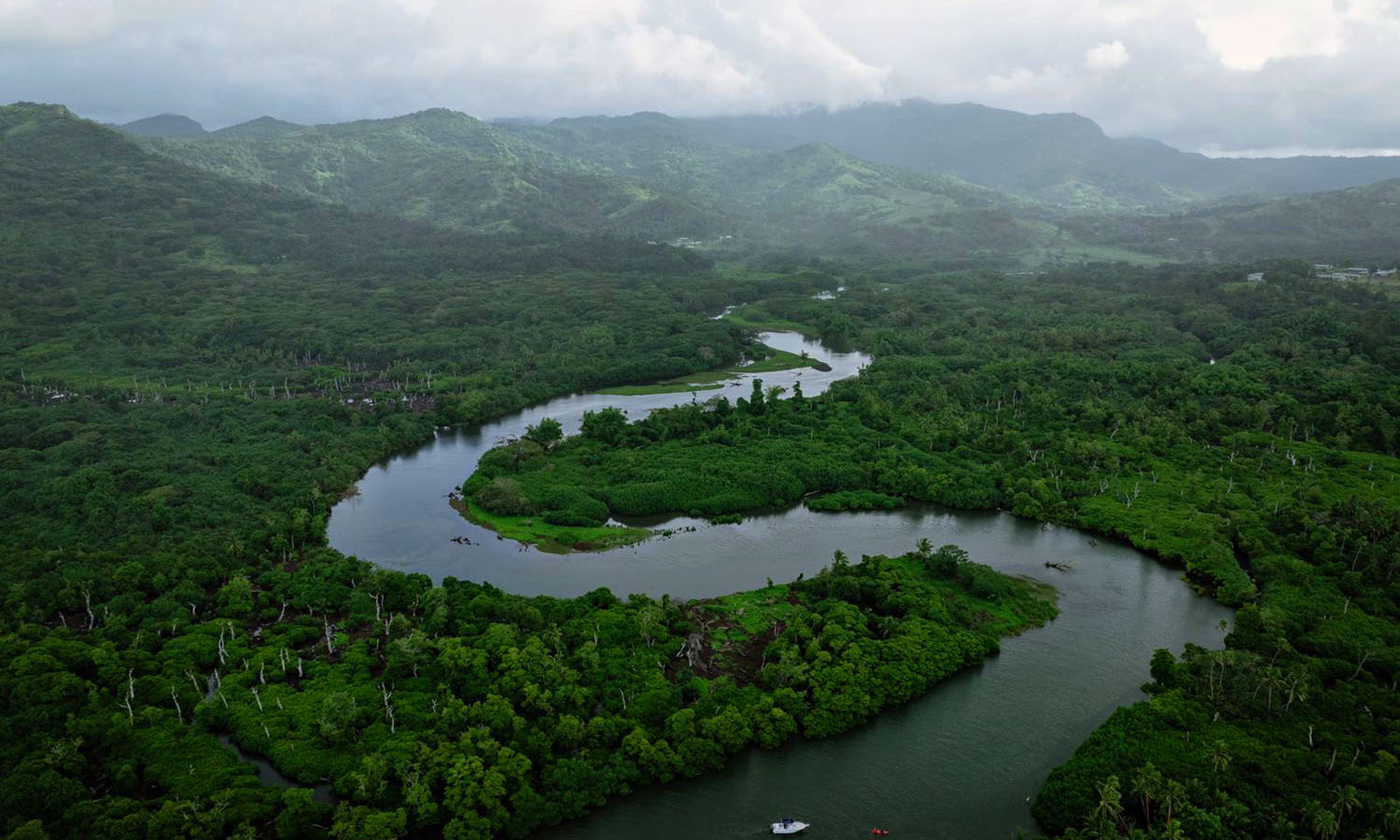
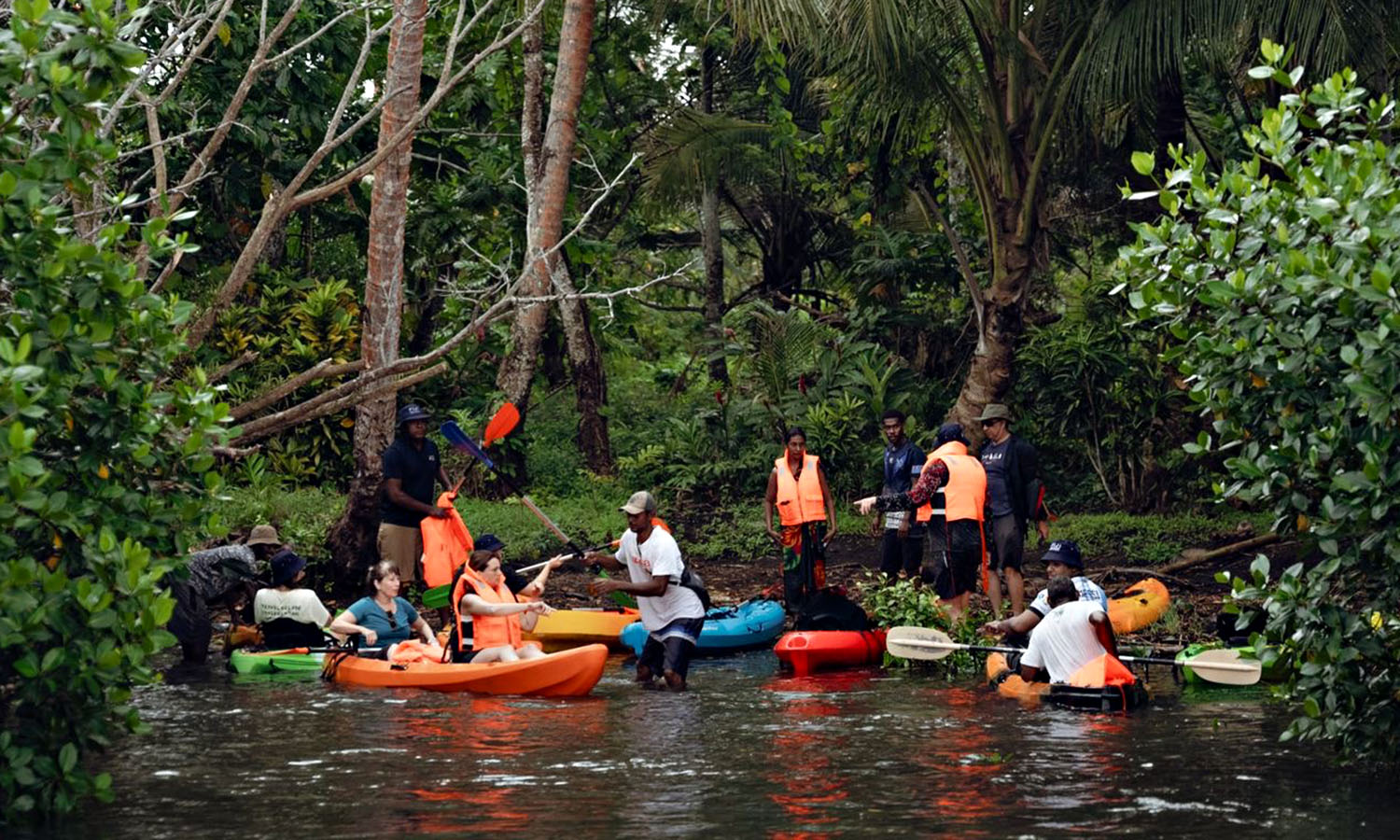
Kayaking wasn’t the first adventurous activity our group did, but it was one of my favourites. Paddling through Fiji’s mangroves felt like entering a natural cathedral, except the pews are roots and the stained glass is made up of sunlight filtering through the lush green foliage.

The water might have been calm, but my breathing definitely wasn’t. Prepare to use every last ounce of your shoulder strength, especially if you’re trying to impress the local guides with your athletic prowess like I tried to (and failed at).

We glided through peaceful winding channels, only occasionally bumping into things we shouldn’t, and passed hundreds of mangroves acting like guardians of this little slice of Fiji’s ecosystem. It was serene…until someone glided too close to a wasp’s nest.

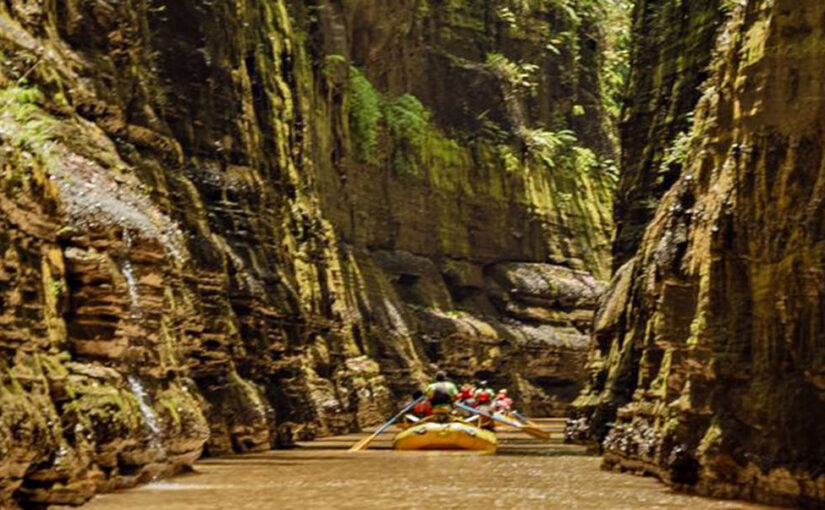
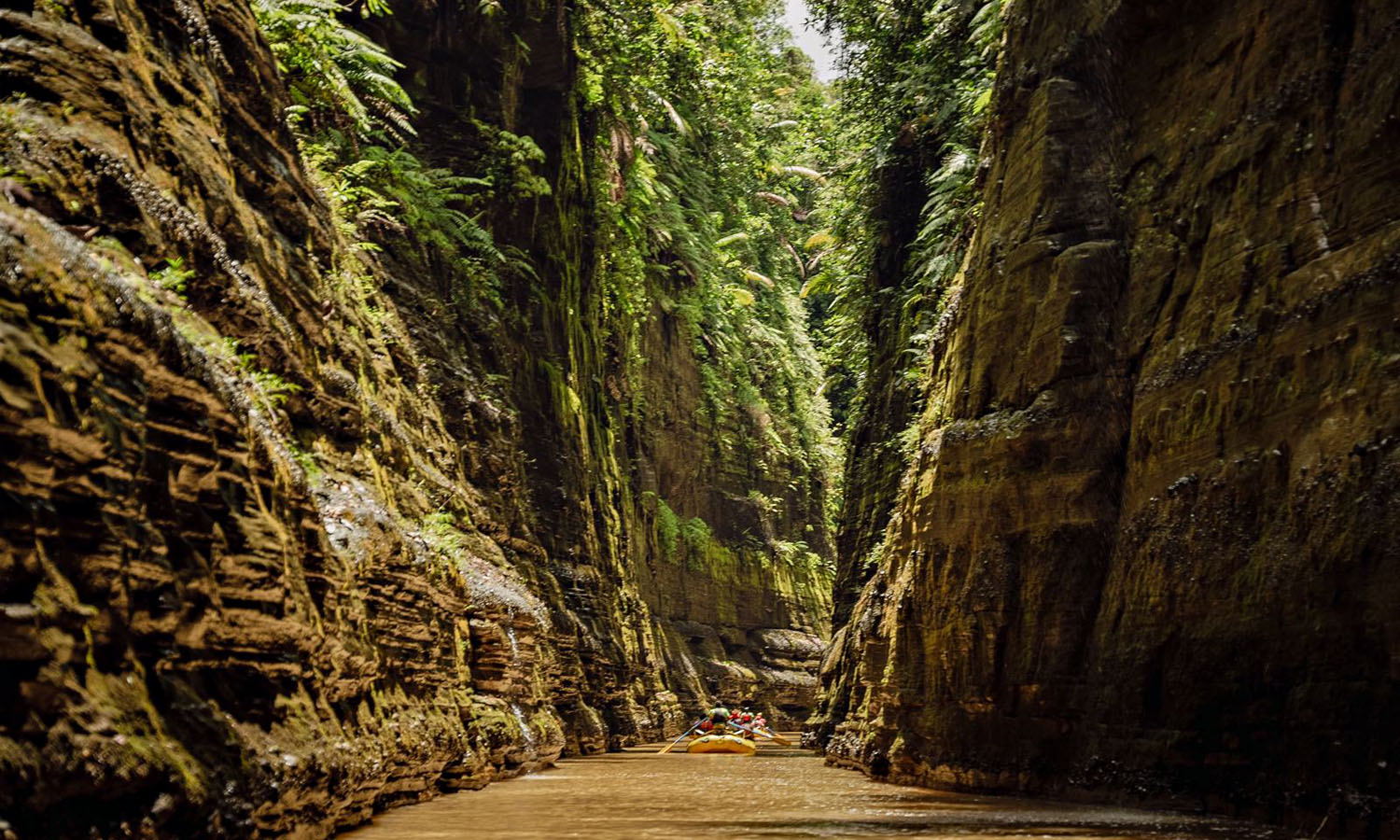
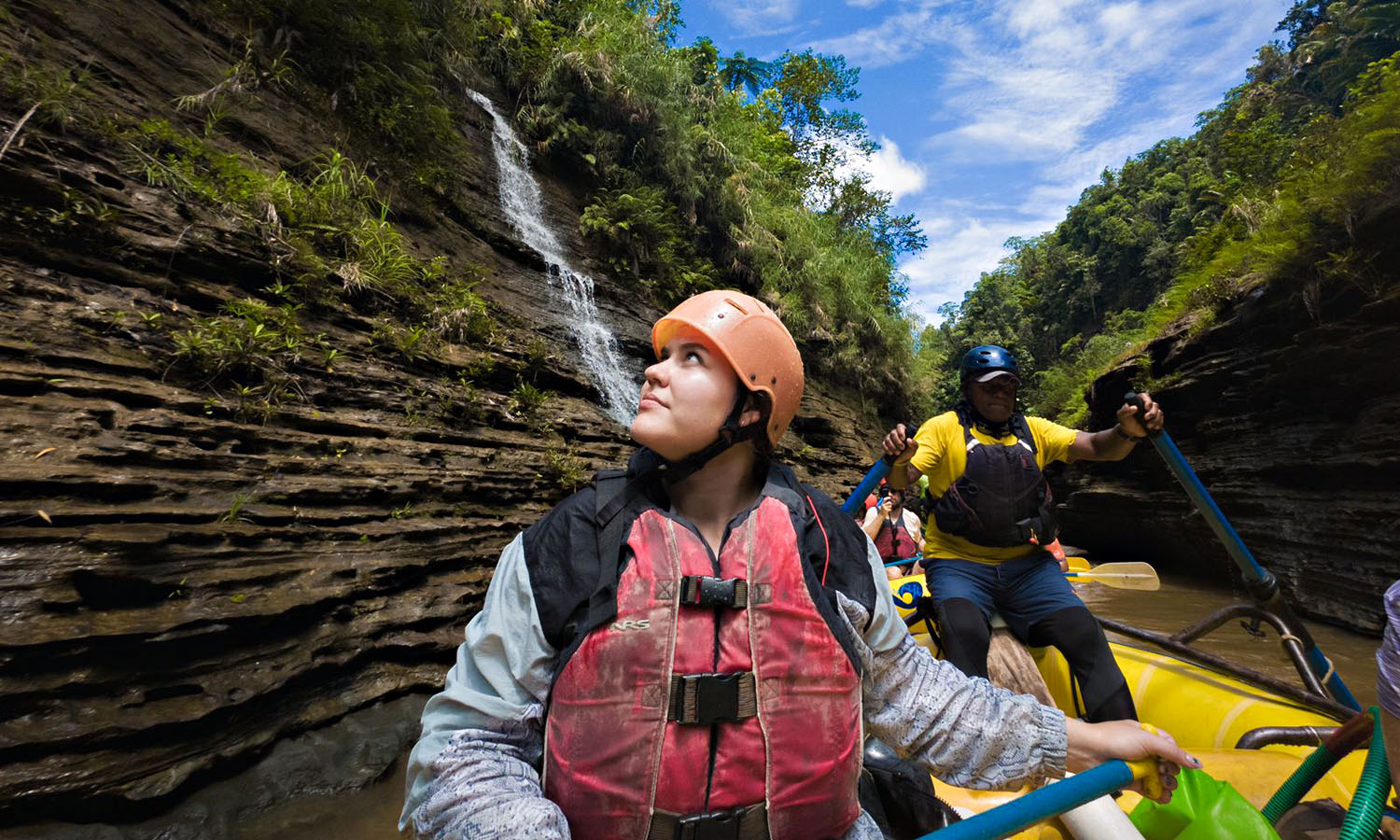
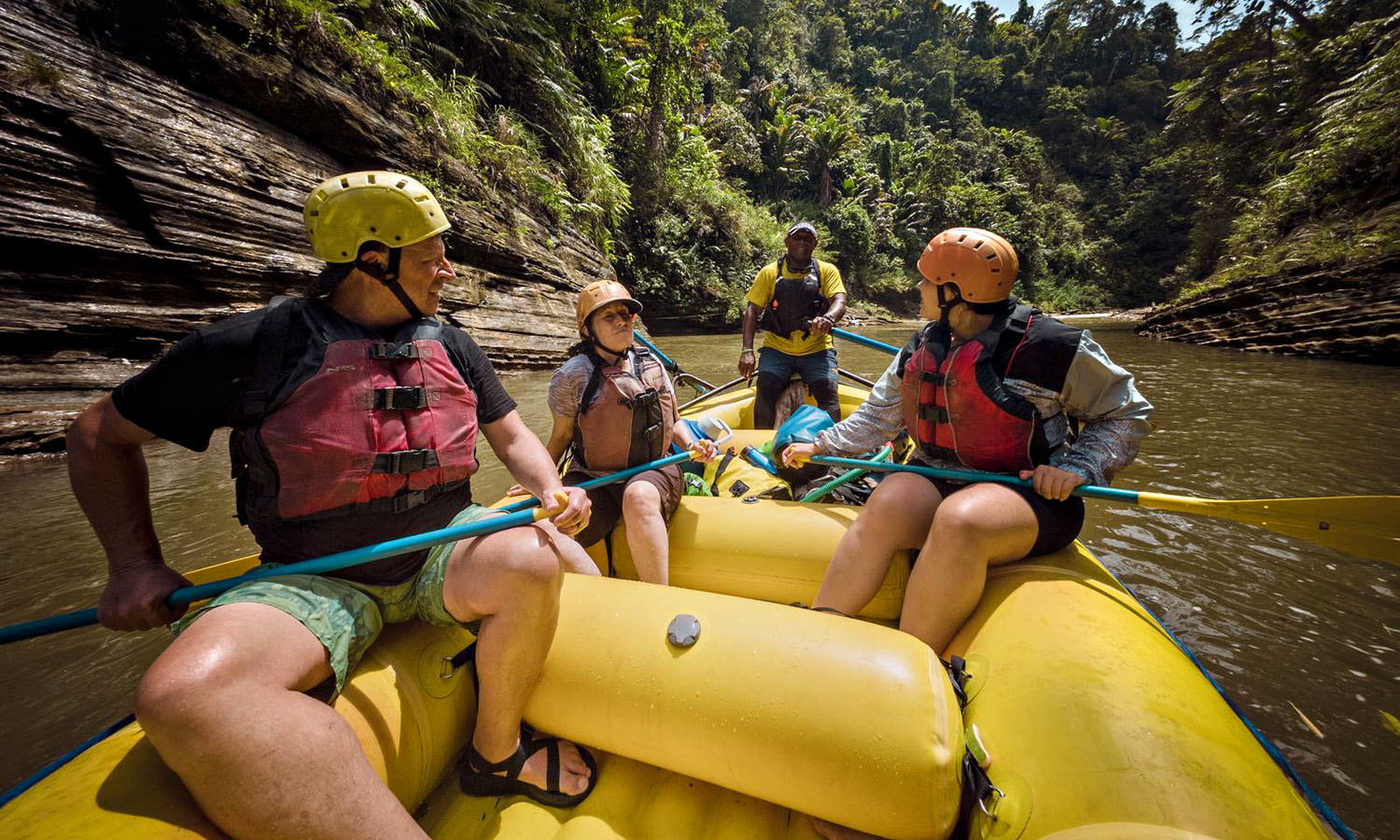
But the kayaking was preparing us for the main event, the activity I couldn’t wait to try: whitewater rafting down the Upper Navua River. Our Rivers Fiji guides briefed us on all the safety precautions, like how to position your body in the water if you fall out and how numb our butts were going to feel, but they didn’t warn us about how breathtaking the narrow (in some parts) waterway would be.
The river’s flanked by towering volcanic cliffs, lush rainforest straight out of Tarzan and waterfalls you can actually get close to. But my serene surroundings lulled me into a false sense of security. At one point I was even wondering if I’d break a sweat. Then came the rapids.

Okay so it’s not like we were paddling down the Futaleufu River in Chile, but these rapids weren’t nothing either. The only thing piercing the sounds of crashing water on rocks was our guide Moses’ voice, telling us to, “Paddle together family,” shouting as if our life depended on it.

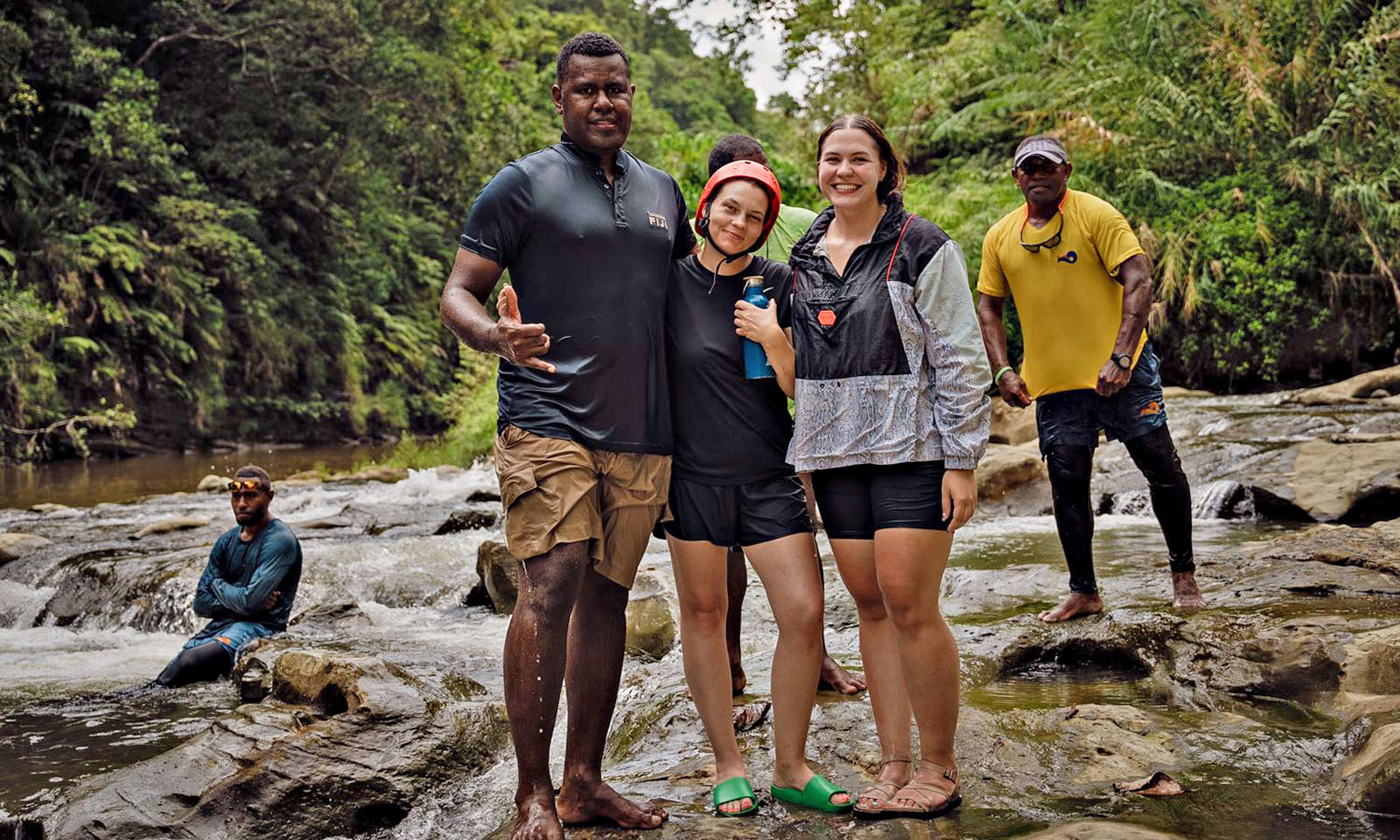
I’ll let you in on a little secret: you’ll survive. Not only because the Rivers Fiji guides are pros (Moses has been rafting the river for decades), but also because the adrenaline-inducing rapids are over before you know it, quick to be replaced by calmer sections of the river. Your fully wet clothes—and some sick GoPro footage—are the only reminders that it ever even happened.

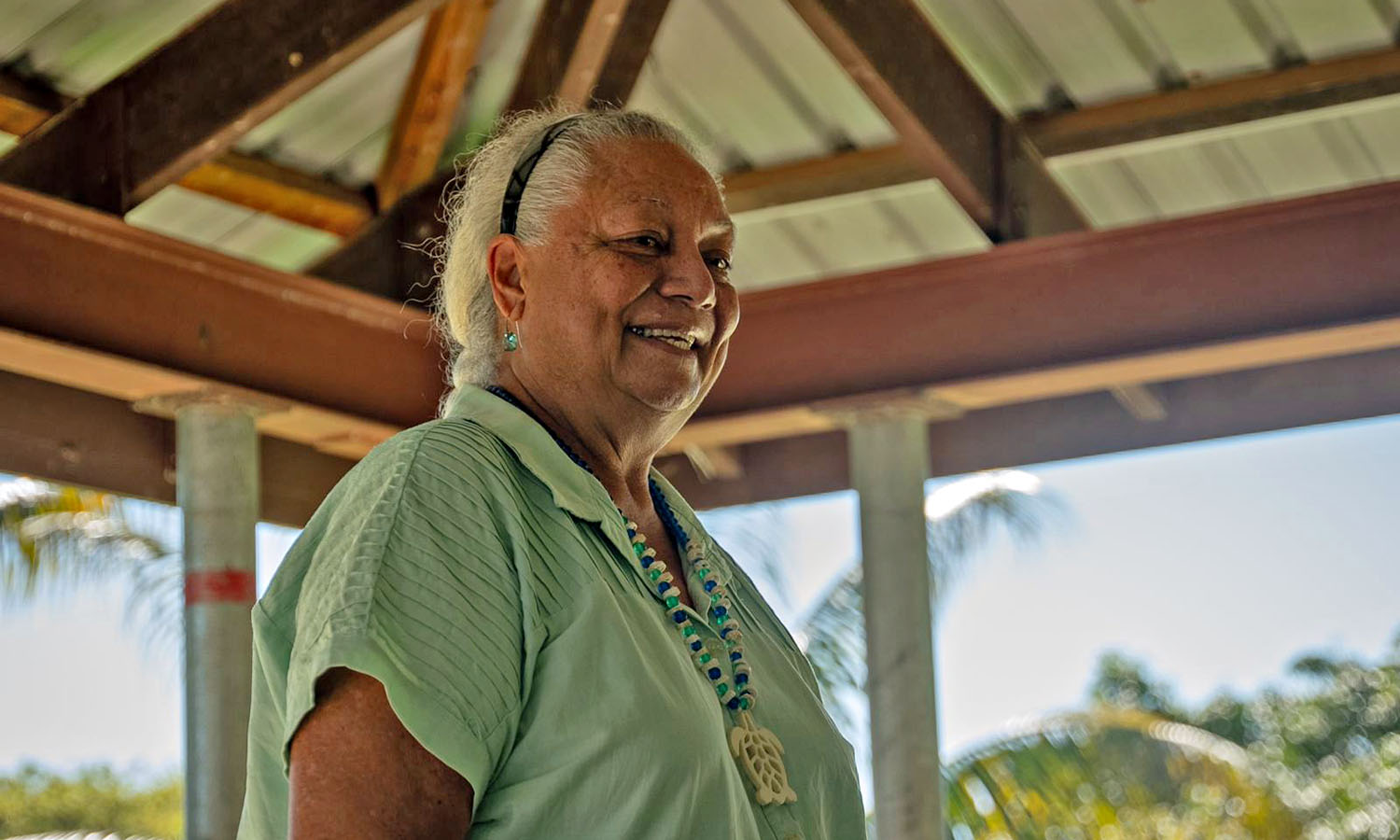
Here’s the thing though, as exhilarating as its adventures are, it’s the people of this island country that steal the show. Fijians are renowned for their hospitality, which isn’t the polished, almost rehearsed kind you get at the fancy resorts. It’s authentic, sincere and infused with a sense of humour that’s hard to find anywhere else.

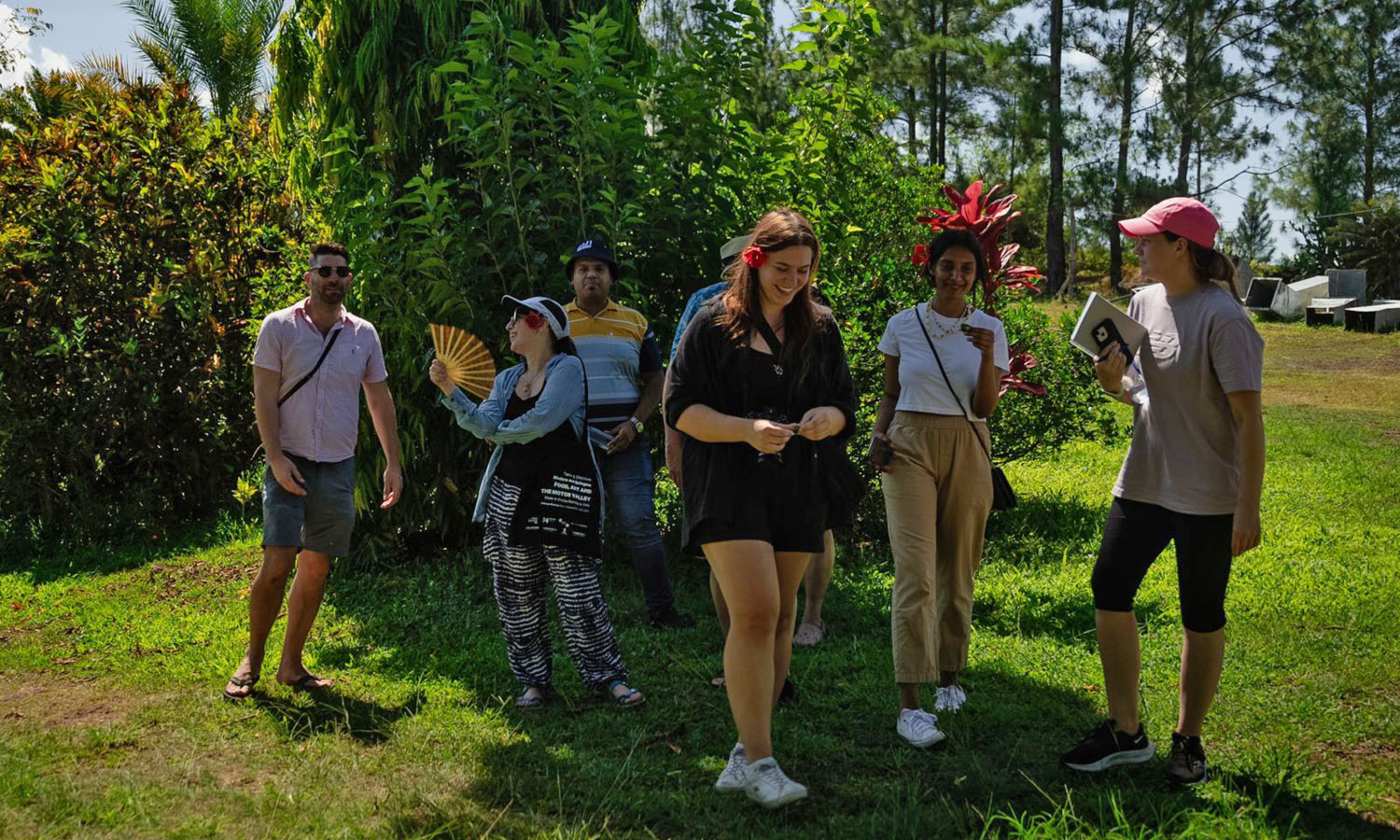
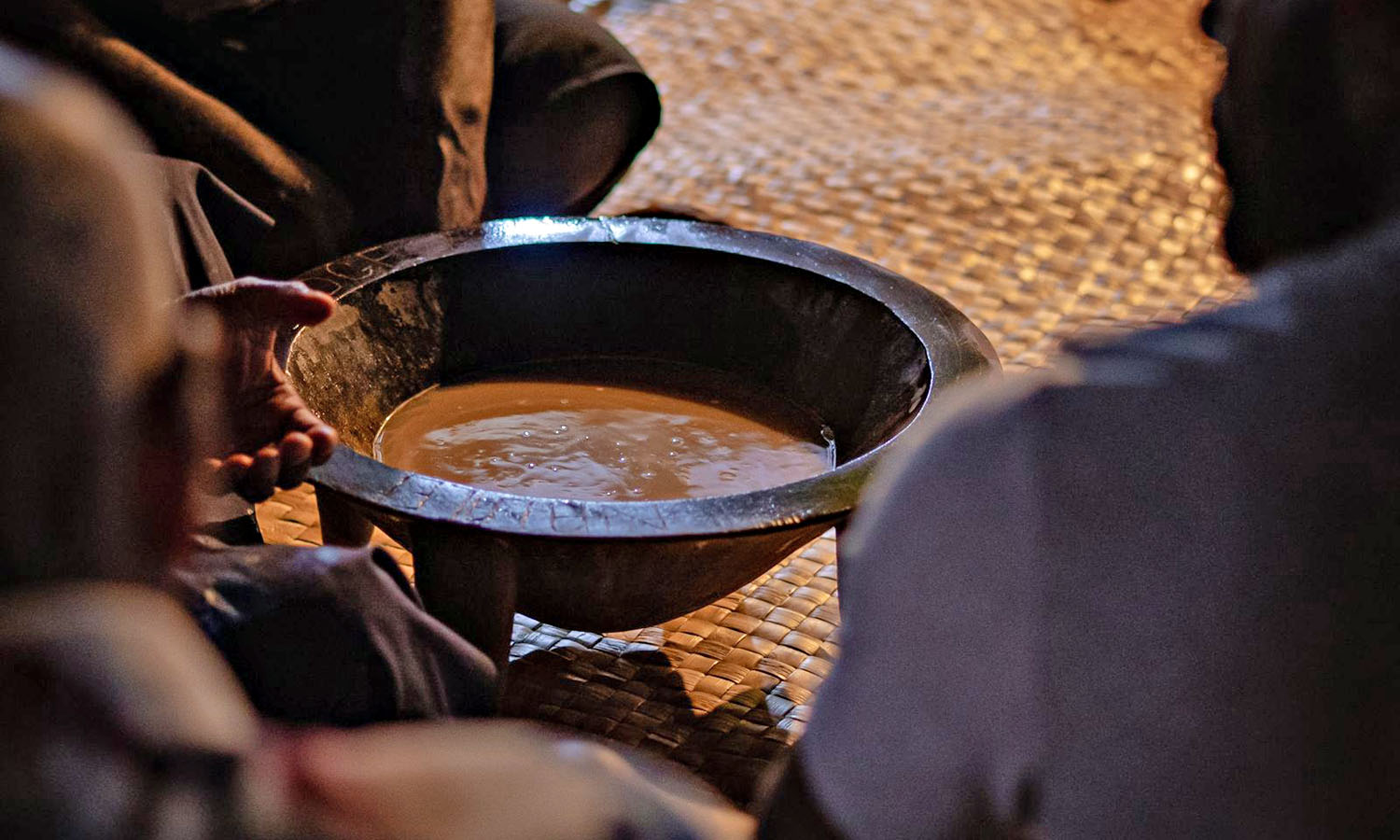
During our stay at Natalei Eco Lodge (located in Dawasamu), I found myself sitting cross-legged on the floor, drinking kava (a mild sedative ceremonial drink) and trying to follow the words of the nearby village’s chief. I didn’t understand a thing and had only been subtly coached by our gracious tour guides on what to expect and how to behave.
But the locals just good-naturedly laughed at each one of our slight mistakes, and simply smiled when one of us asked for a, “Very low, low, low tide.” They didn’t take themselves too seriously, and by the end of your stay in this country, you won’t either. It turns out Tourism Fiji’s slogan—where happiness comes naturally—isn’t just a saying, it’s a sentiment.

*Image credit to the Adventure Travel Trade Association and Studio 4×4*

The 10 best hotels

FOR A FESTIVE CHRISTMAS GETAWAY

Tired of the same old tinsel and turkey routine?

You deserve a festive upgrade this year and we’re thinking one of the world’s top Christmas getaway spots might just be on the cards – think cosy firesides in alpine chalets, palm-fringed villas on secluded beaches or a grand Spanish suite so nice even Santa won’t want to leave.

So you don’t have to spend hours researching (when you could be binge-watching The Great British Bake Off), we’ve put together a list of our favourite Christmas escapes. We promise they’re way better than anything you’ll find stuffed in a stocking.

1. Lo Scoglio, Byron Bay

Trade the Christmas chaos for Hinterland views, spa treatments and sun-kissed skin at Lo Scoglio, Byron’s newest (hotel) bae. The vibe might be Italian villa, but when it’s 40 degrees outside and Lo Scoglio’s infinity pool is practically begging for a cannonball, there’ll be no doubt in your mind – you’re in for an Aussie Christmas.

There’s a yoga deck that’s perfect for post-present lounging, a bar menu full of cocktails that put even the richest eggnog to shame and an ice bath and infrared sauna combo for when you’ve gone a little too hard on the festive cheer (read: champagne).

2. Jalakara, Adaman Islands

If you’re looking for a Christmas escape that’s different from your usual snowy situation then Jalakara, nestled on the Adaman Islands in India, fits the bill. This place is more ‘tropical breeze’ than Silent Night, with white sand for as far as the eye can see, palm trees that sway constantly and cocktails you’ll want to swap your hot chocolate for.

And you can forget about the turkey (you won’t get one here). Instead, dine on fresh seafood, including a spiny lobster platter and sugar-cured tiger prawns. Throw the hotel’s raw and beautiful setting into the mix, and you’ve got the perfect Christmas getaway.

3. Silversands Beach House, Grenada

Jetting off to the Caribbean for Christmas sounds a little odd, but when your final festive destination is Silversands Beach House in Grenada, it makes perfect sense…at least to us. That’s because this chic beachfront hotel is luxurious yet extremely intimate. In other words, no one’s going to hear you playing Micheal Bublé on repeat.

The hotel grounds are set on top of a cliff overlooking Portici Beach (which has the most turquoise-y waters you’ve ever seen) and there’s only 28 rooms in the joint: each one boasting a private terrace with a sail-like canopy that’s a perfect spot for your post-Christmas feast coma.

4. Aloita Boutique Resort, Mentawai Islands

When you think of Christmas, it’s probably woolly coats, festive markets and steaming cups of mulled wine that come to mind, but swap pine trees for palm trees and island sunsets for snow and you’ve got yourself Christmas at Aloita Boutique Resorts in the Mentawai Islands.

This place is pure luxury; beachfront bungalows dot the white sand, lounges full of plush sofas and entertainment wait around every corner, and a cold coconut-laden bar hides under the swaying palm trees. Even Santa would trade in his sleigh for a surfboard at this place.

5. Bourbon Barrel Retreats, Kentucky

A stay at Kentucky’s Bourbon Barrel Retreats is the ultimate Christmas plot twist. While everyone else is drinking eggnog and mulled wine, you’ll be sipping on festive ‘spirit’ of a different kind: plenty of good ol’ bourbon.

This retreat is nestled in the heart of Bourbon Country – you’re completely surrounded by distilleries, tours, bars and restaurants all centred on the golden-brown stuff. So, it makes sense that these barrels are literally the perfect place for a Chrissy nightcap.

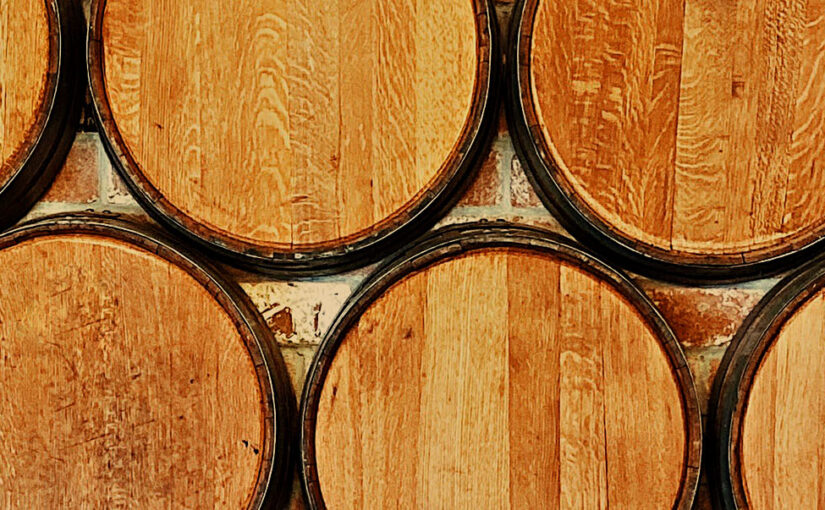
But these aren’t your average dusty, crusty and musty barrels. They have 10-foot-high ceilings, and king-sized beds, and kitchenettes, and beautiful curved wooden walls. Five of them even have outdoor hot tubs, so the bubbling hot water can warm the outside of your body while the smooth taste of world-class bourbon spreads heat from the inside.

6. Kapolcsi Sziklak, Hungary

When Christmas comes around every year, it’s hard to not keep doing the same things; you unpack the same decorations, watch the same movies and listen to the same Mariah Carey songs. But not this year.

This year you’re heading to the Rock Cabins at Kapolcsi Sziklak in Hungary, where your holiday season won’t just be different, it’ll be unforgettable.

Picture this: you’re nestled in a cosy wooden cabin surrounded by frosted Hungarian hills and a little dusting of snow. You’re feeling all toasty inside from the hot chocolate you’ve just finished, and you feel like braving the breeze for a dip in the jacuzzi. It’s December 24th and Christmas is only hours away, life is good. Pretty epic, huh?

7. CERVO Mountain Resort, Zermatt

Spend Christmas at CERVO Mountain Resort in Zermatt, where the only thing more stunning than the snow-capped peaks is the apres-ski scene. You can still pack your cheesy holiday jumper, but the resort’s all about sleek chalets and hot chocolate served with a side of ‘seriously epic view’.

Indulge in gourmet dining, lounge by the open fire and hit the Matterhorn slopes on Christmas day. Maybe Santa brought you some new skis? The only problem is, once you spend one Christmas here, you’re gonna want to spend every Christmas here. But y’know, pick your battles.

8. Janu, Tokyo

If we had to throw in one Christmas city escape, it simply had to be in Tokyo, and the hotel simply had to be Janu. Don’t worry, we’ll tell you why.

This city never tones it down – it’s edgy and high-energy, two characteristics that only heighten during December. And Janu’s floor-to-ceiling views of Tokyo’s city lights give you a front-row seat to the Big Man’s movements on Christmas Eve.

Yes, you’ll have to swap a home-cooked ham for world-class fusion cuisine, but we can bet ya the food tastes more comforting when you’re not the one doing the washing up. There’s also a spa/zen-haven for when having your third helping goes from being the best idea to the worst.

9. Grand Hotel Son Net, Mallorca

Feel like embracing a different culture’s holiday traditions this December? Introducing Mallorca’s Grand Hotel Son Net, a picturesque property nestled at the foothills of UNESCO-protected Sierra de Tramuntana Mountains that’s more than ready to ramp up the festive spirit.

Decorations light up the hotel’s common areas, candlelit feasts full of Majorcan Christmas ball cake and seasonal soup burst from each on-site restaurant, and vineyard tastings bring out the local holiday flavours.

And we haven’t mentioned the rooms yet. Guests have a choice of three room types: the palace, the pool cottages and the pool cottage house. Each type has a distinct personality with incredible attention to detail and a style that feels like you’re Christmas-ing like a royal.

10. Cauayan Island Resort, Palawan Islands

Okay we’re back on our tropical grind with this one, and it’s for good reason – Christmas at Cauayan Island Resort in the Philippines is pure paradise-y magic. Instead of heavy-duty gloves and snowy landscapes, think swimsuits and private villas with infinity pools you won’t stop swimming in.

This resort offers everything from a personalised butler service to epic diving spots right at your holly-wreathed doorstep. Holiday stress? Haven’t heard of her. The private hotel’s spa provides a welcome escape with facials, rejuvenating massages and other beauty treatments so you can start the new year the right way.