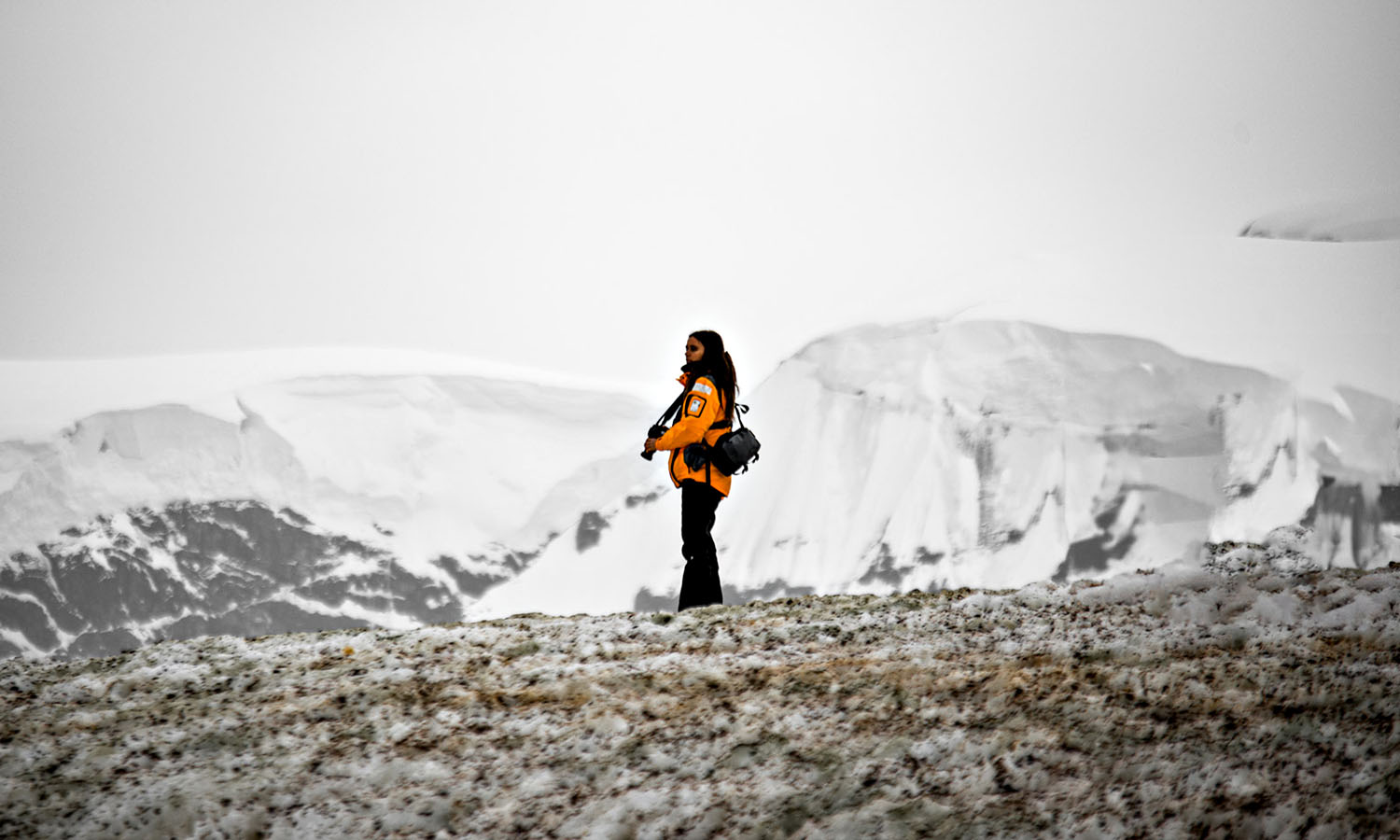
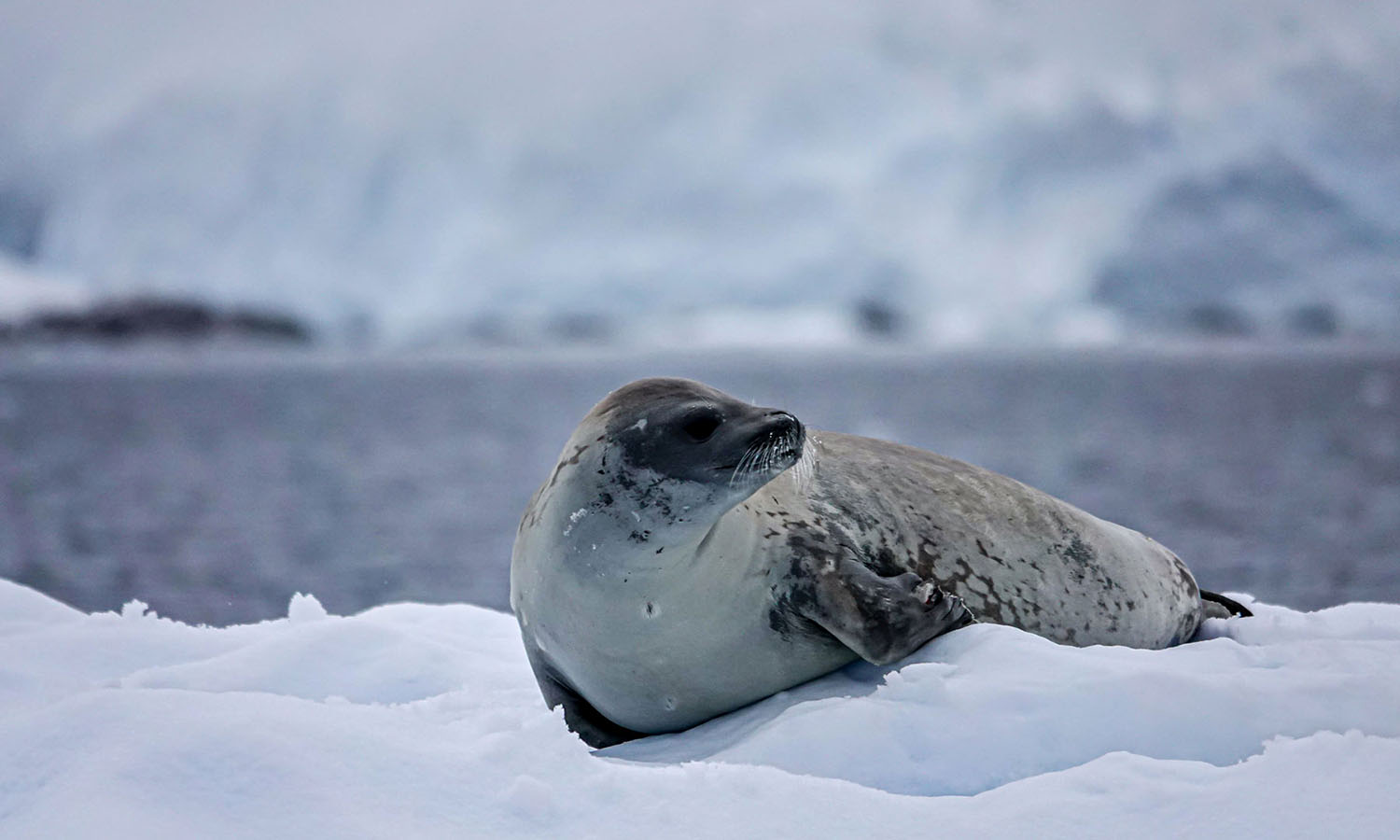
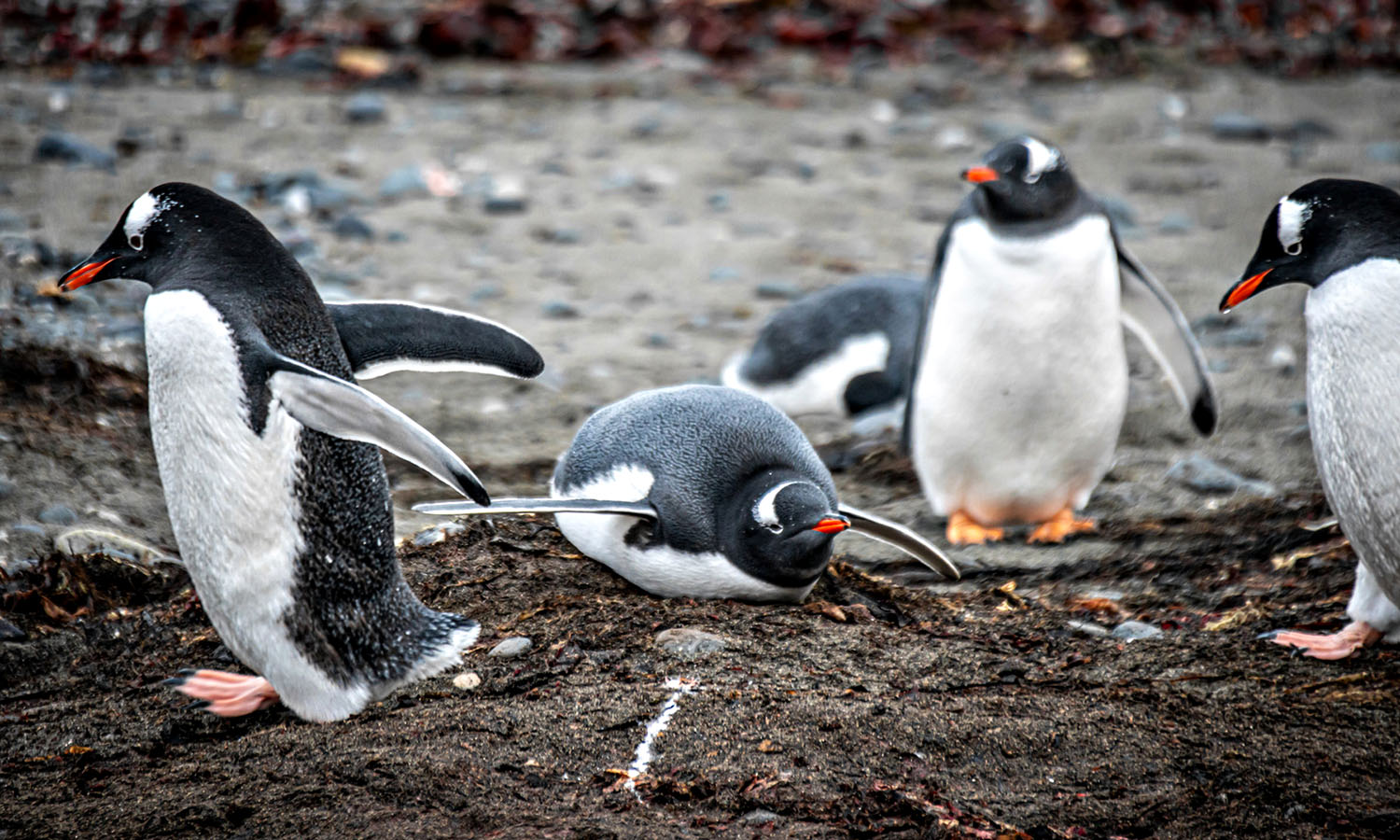
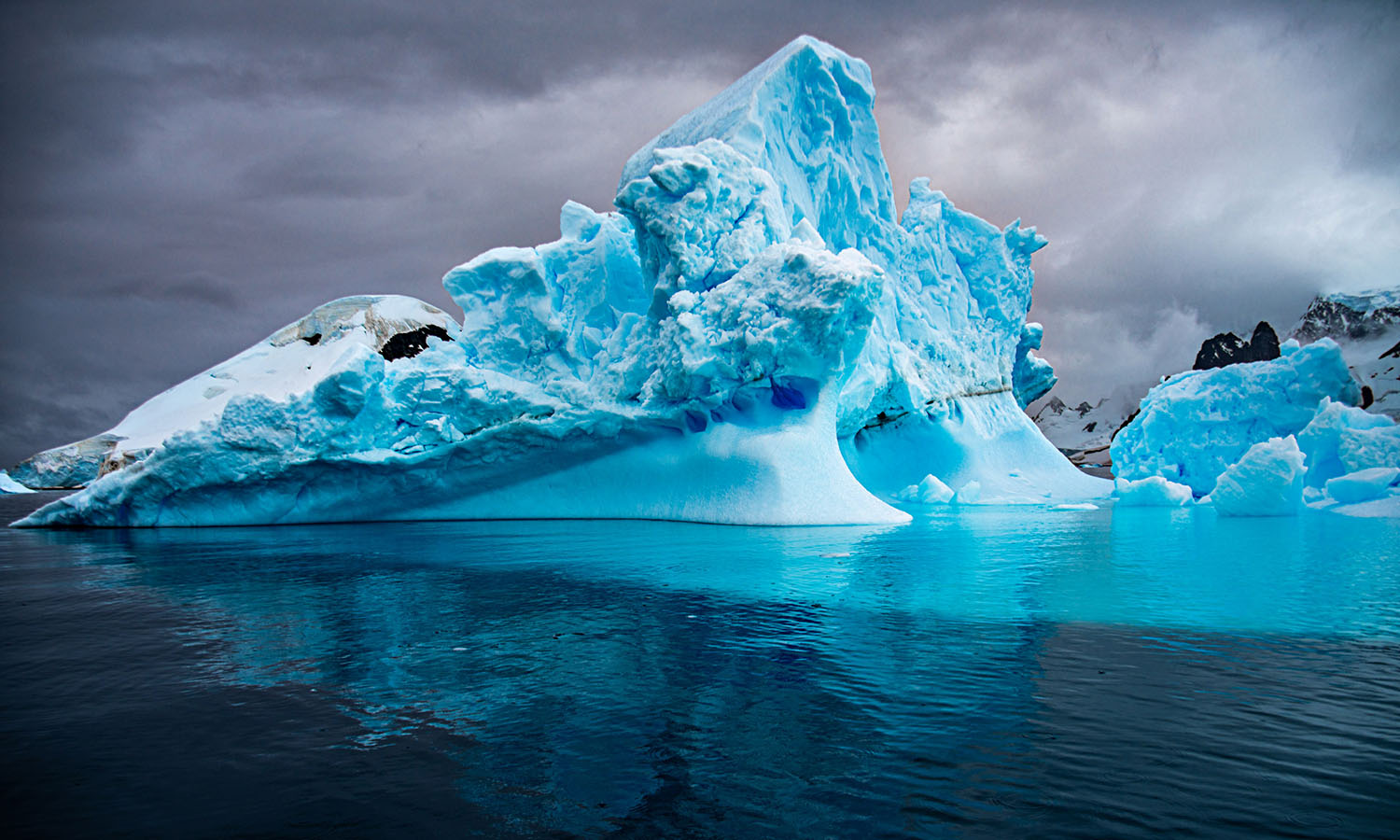
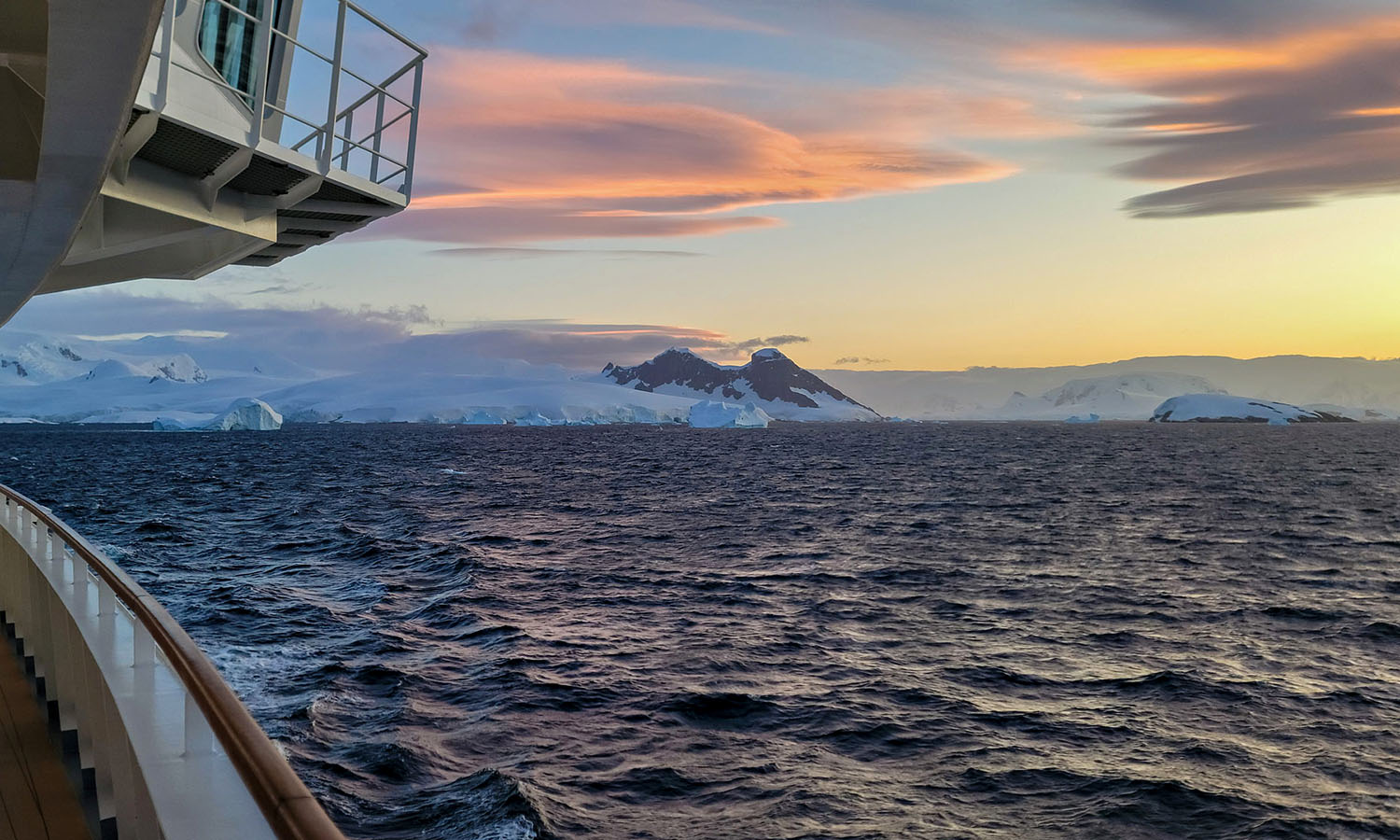
The Antarctic cold stung like a whip. The snow and ice seemed to penetrate to the marrow of our bones. The biting wind and freezing temperatures were a constant reminder that survival in this unforgiving landscape required courage and determination. – Ernest Shackleton.
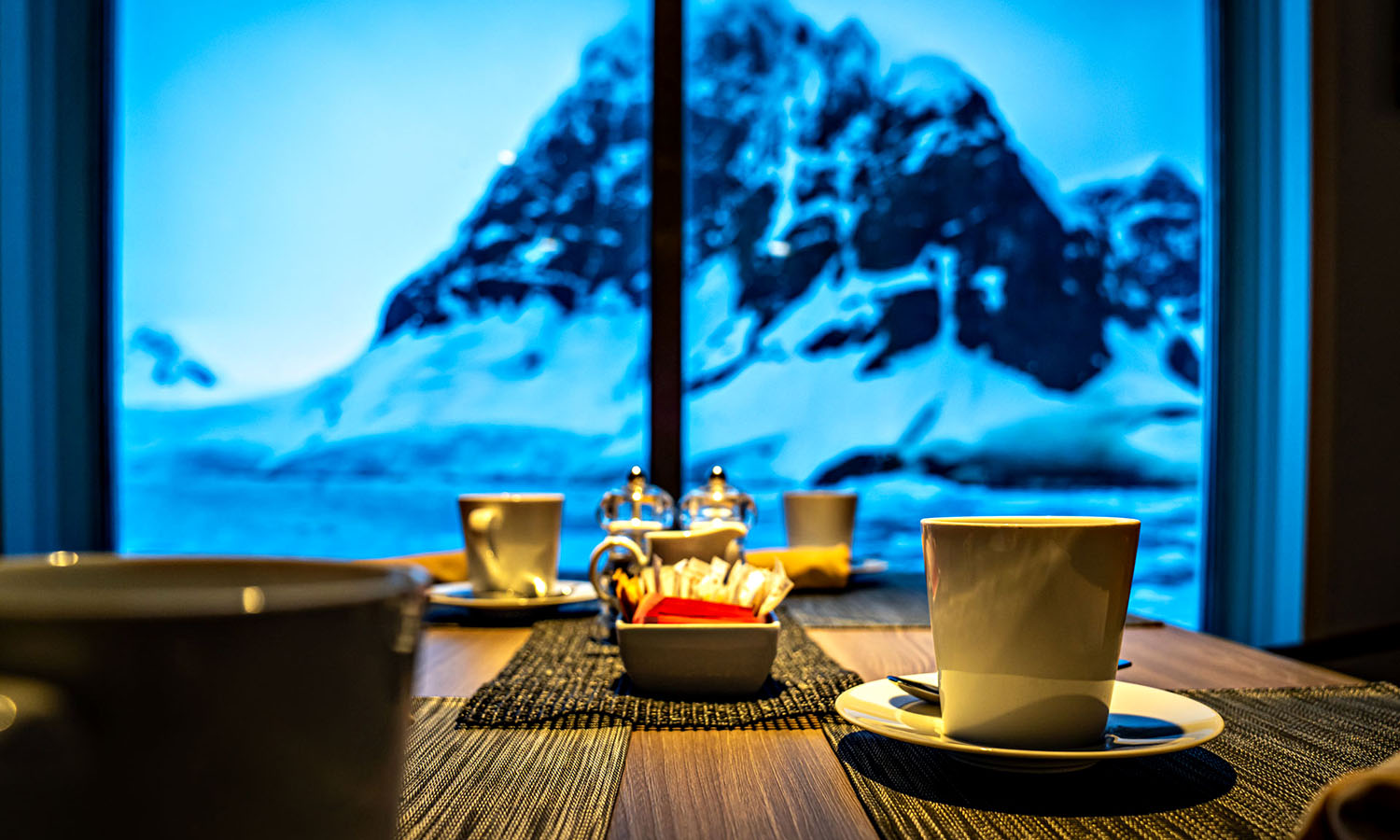
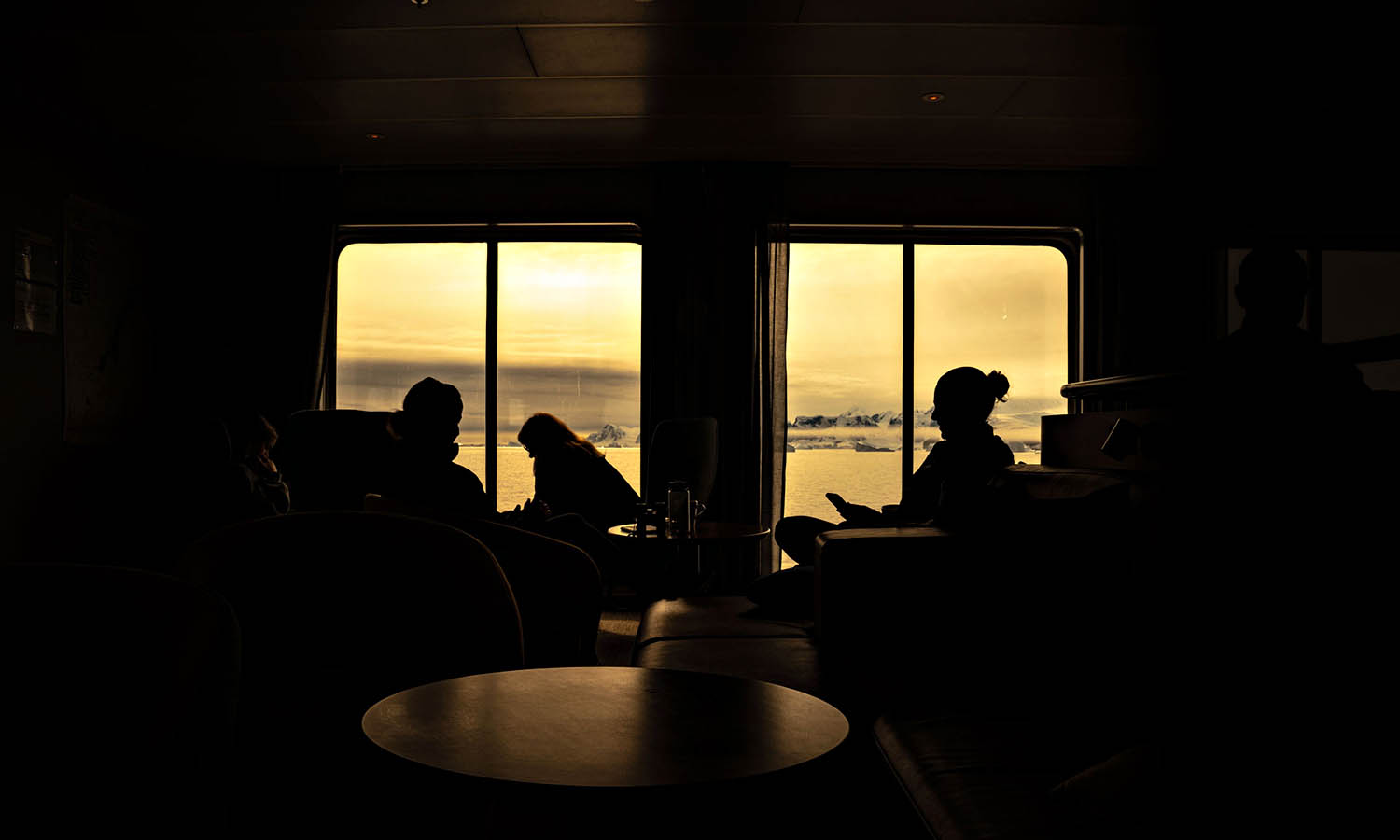
A bead of sweat falls softly onto the page of my book, just as I glance at the towering wall of ice just outside the floor to ceiling window.
“Geez. It really must have stunk.” I said to myself as I whipped another ladle of water on the hot rocks, the sound of instant steam melting my previous thought. I quietly contemplate what will be for lunch, before returning to reading about the famous British explorer Sir Ernest Shackleton’s final expedition to the South Pole in 1909.
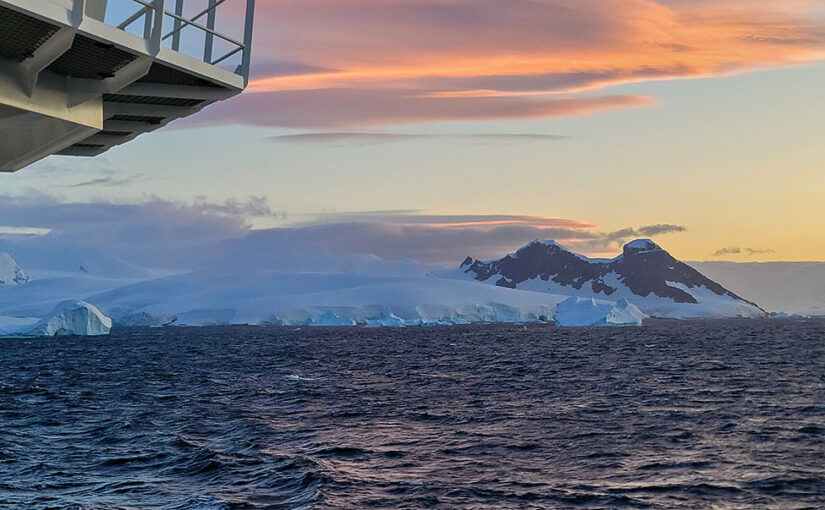
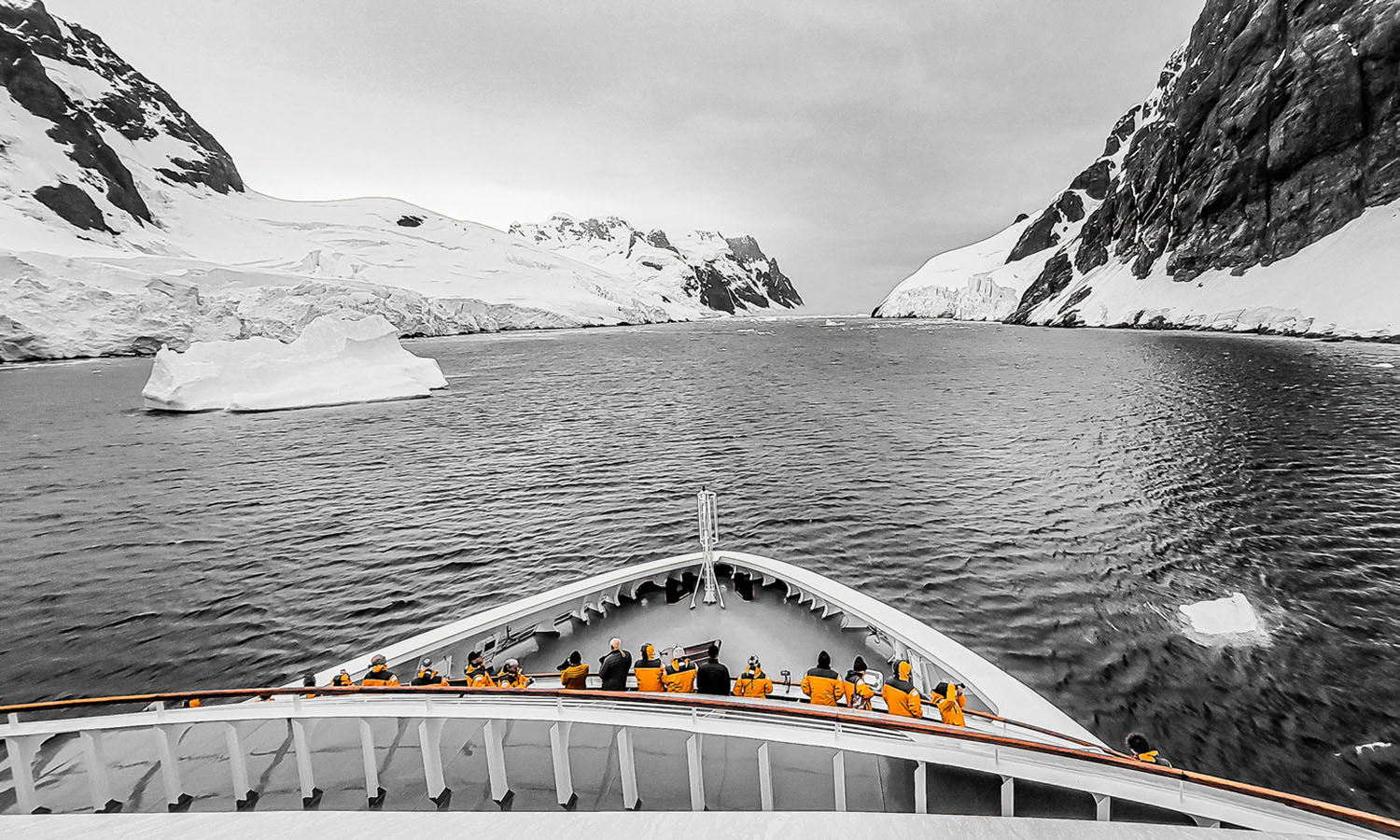
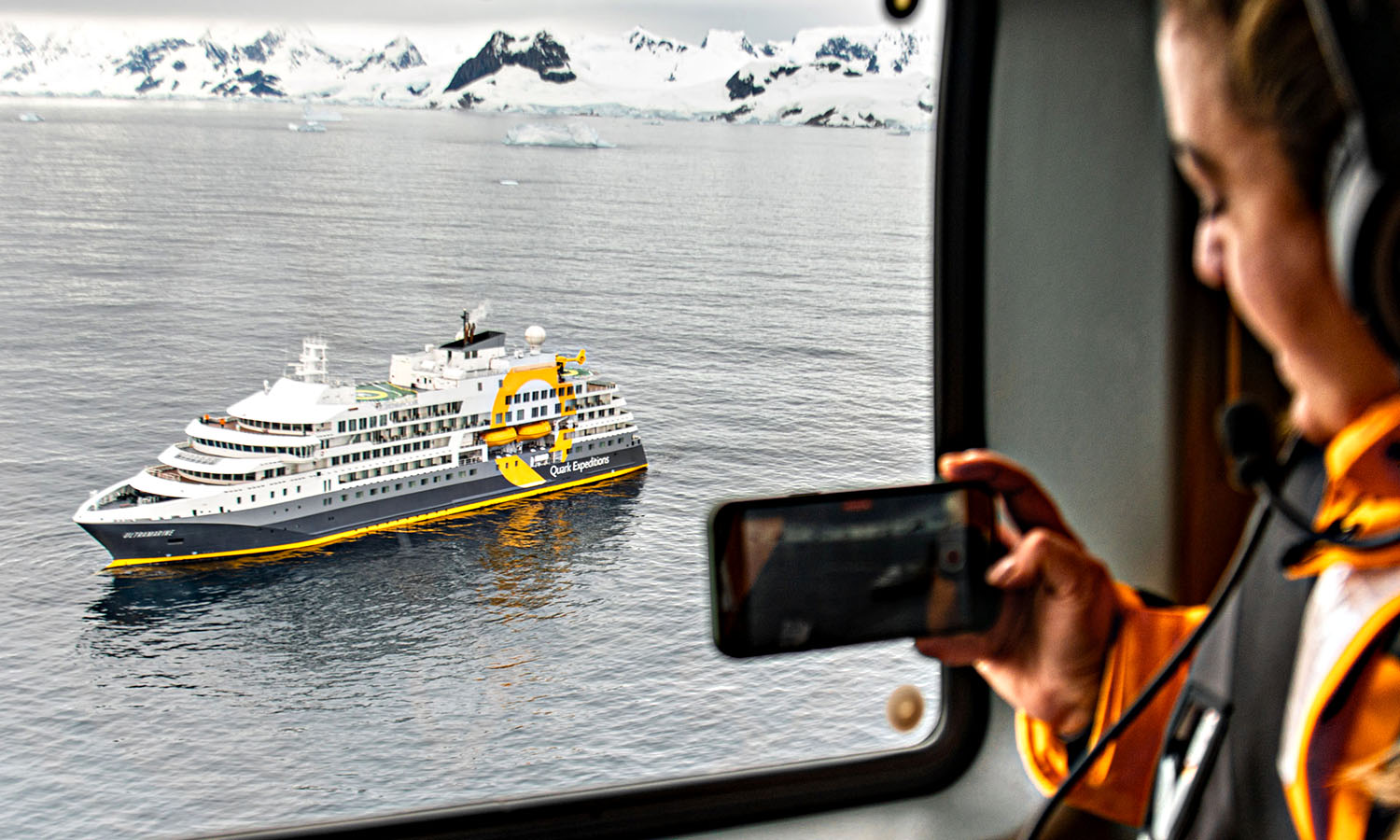
No more than 0.0125% of the entire global population have ever witnessed the spectacular beauty of Antarctica. I feel incredibly special to be in this amazing place, let alone on board Quark Expedition‘s Ultramarine – eight floors of world class service and amenities bring us safely to the harshest, wildest, most pristine place on the planet.
Adventure travel is to me the most difficult to get right. On one hand you want adventure, so there has to be a level of danger; a level of unknown and difficulty. At the same time you want a warm shower, good food, and fast internet. The trick is to make it comfortable, but still raw enough so that you get the same high that Shackleton did. Quark Expeditions’ range of trips to Antarctica somehow manages to do this.
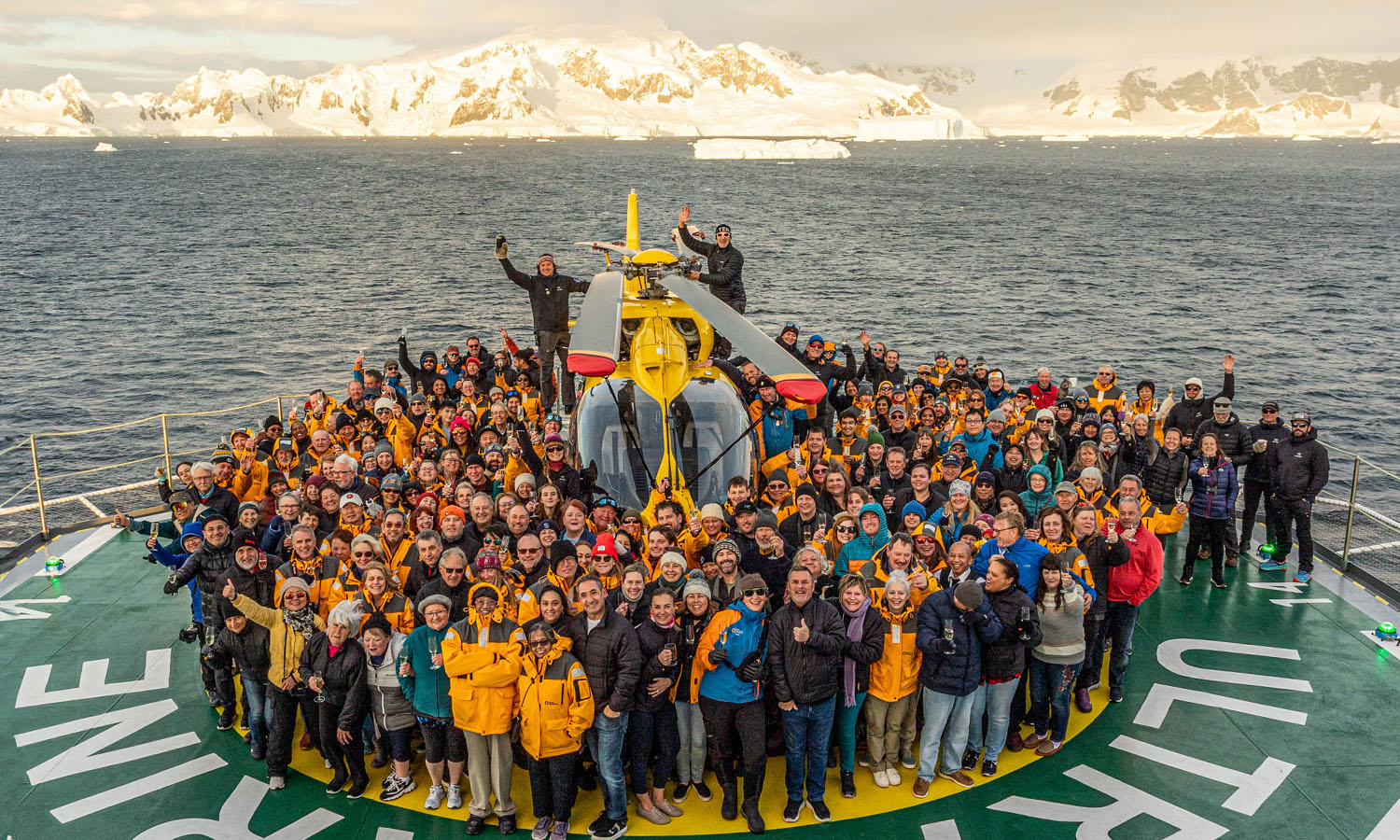
The Ultramarine is a ship in its own class; four engines in two redundant rooms, and two twin-engined helicopters which bring us to the most remote, untouched place on the planet safely in extreme comfort.
Within we will find a well-oiled hospitality machine working quietly in the background. A full bar and lounge, extensive library, modern gym, and even a spa with Beverly Hills quality treatments.
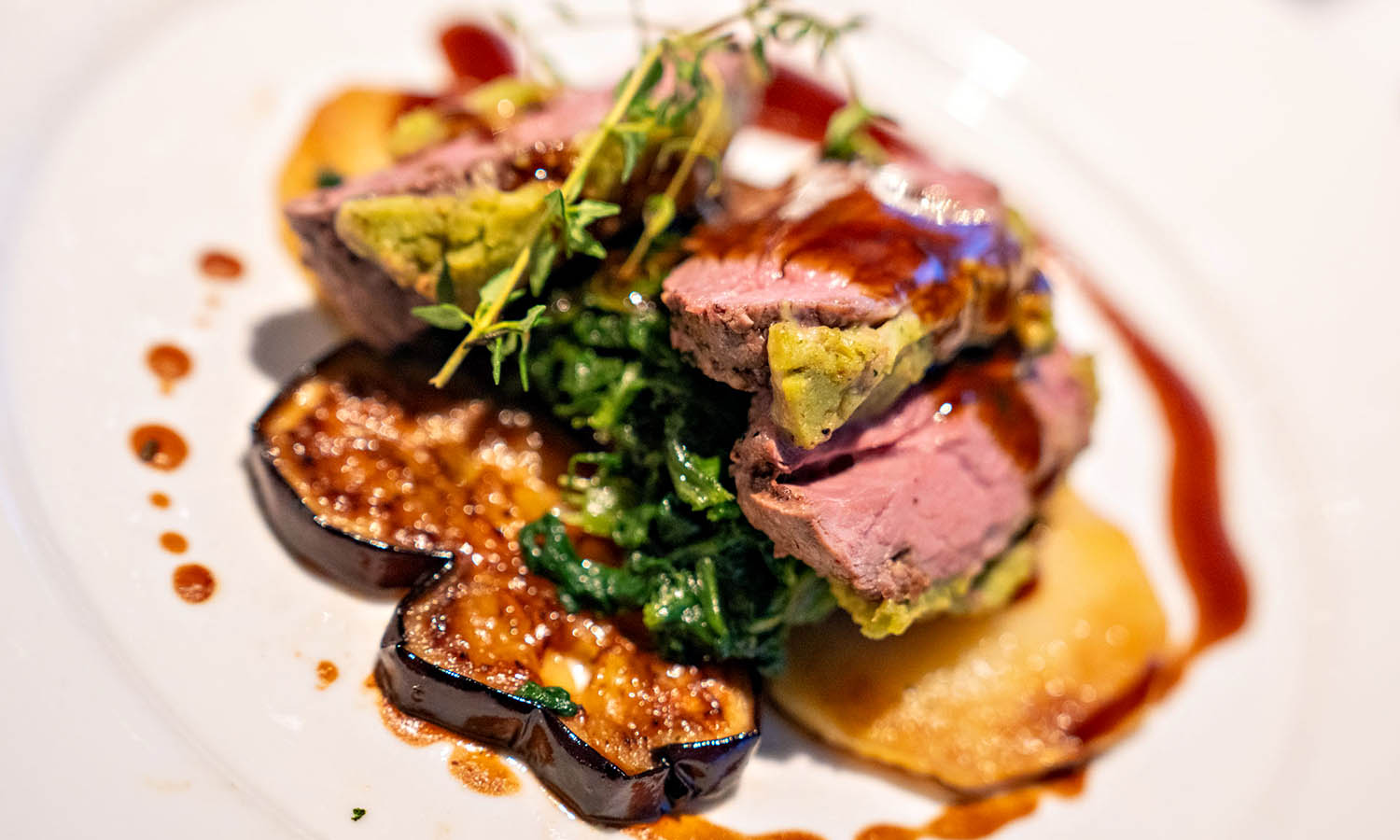
The food here in Antarctica is extraordinary, believe it or not. Multiple entree and buffets, carefully curated and delicious, and even a full vegan menu.
The rooms are immaculate and put most of the New York apartments I’ve lived in to shame. Large, comfy beds and sitting areas, rainforest showers, an entertainment centre loaded with hundreds of films, and even high-speed internet for an additional cost that makes my ATT service at home look like a smoke signal.
While this is all lovely, it’s not why we’re here. The moments you get to enjoy this luxurious floating palace are, rightly, quite limited. The amazing staff at Quark keep us constantly in explorer mode. Which is kind of the point, right?
Each day we find ourselves going full-Shackleton in a new area of unexplored wilderness.
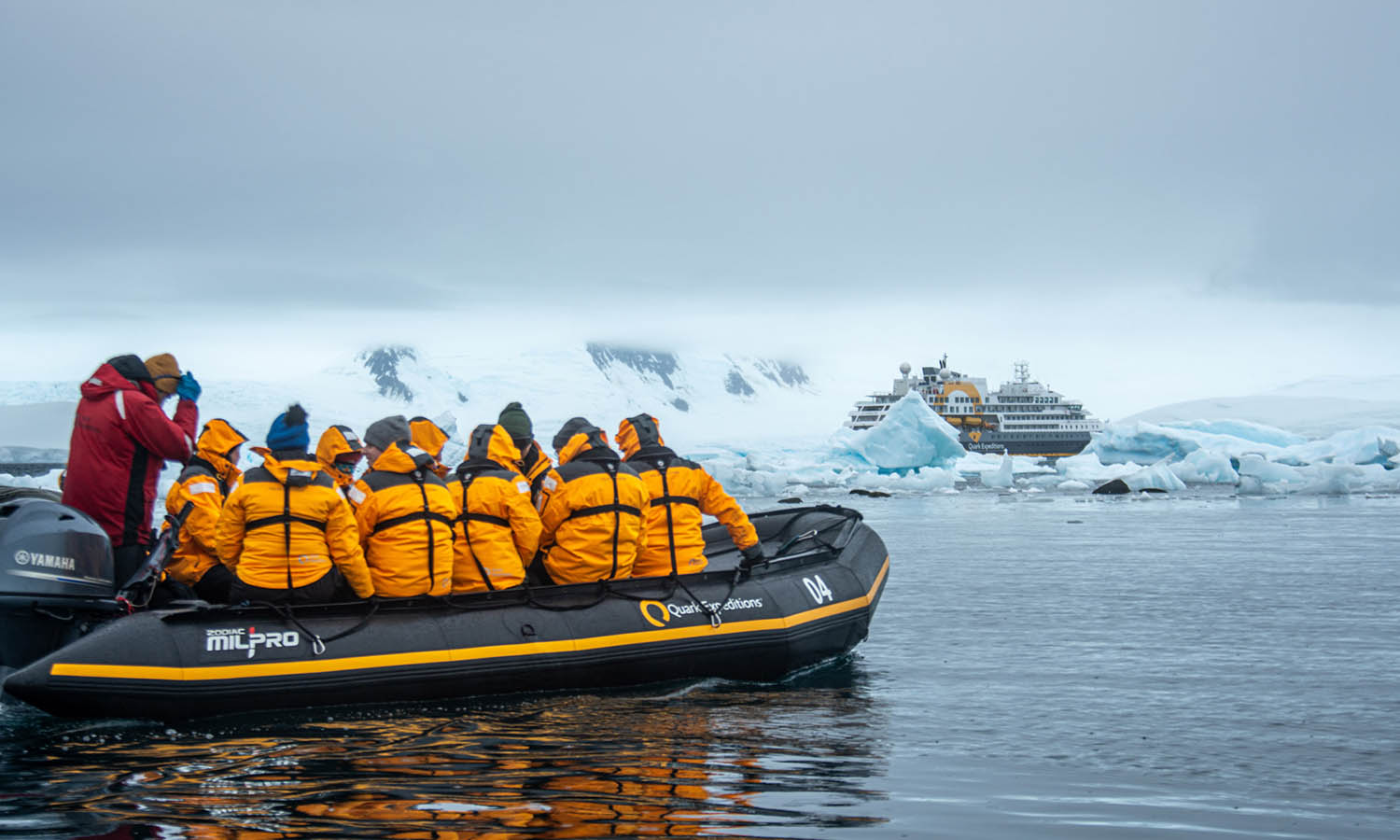
Highly trained zodiac teams load us up and give us multiple tours of the ice shelf, and we even land on the beach so that we can get close to wildlife.
Close is not a term I use over-zealously here. Colonies of penguins, Gentoo, Chinstrap, and Emperor swarm us with a curious flapping of wings. Elephant seals bark in the sun, and Minke whales gently brush up against our zodiac.
Shackleton’s observation that “the whole place seems alive with wildlife,” still feels very true.
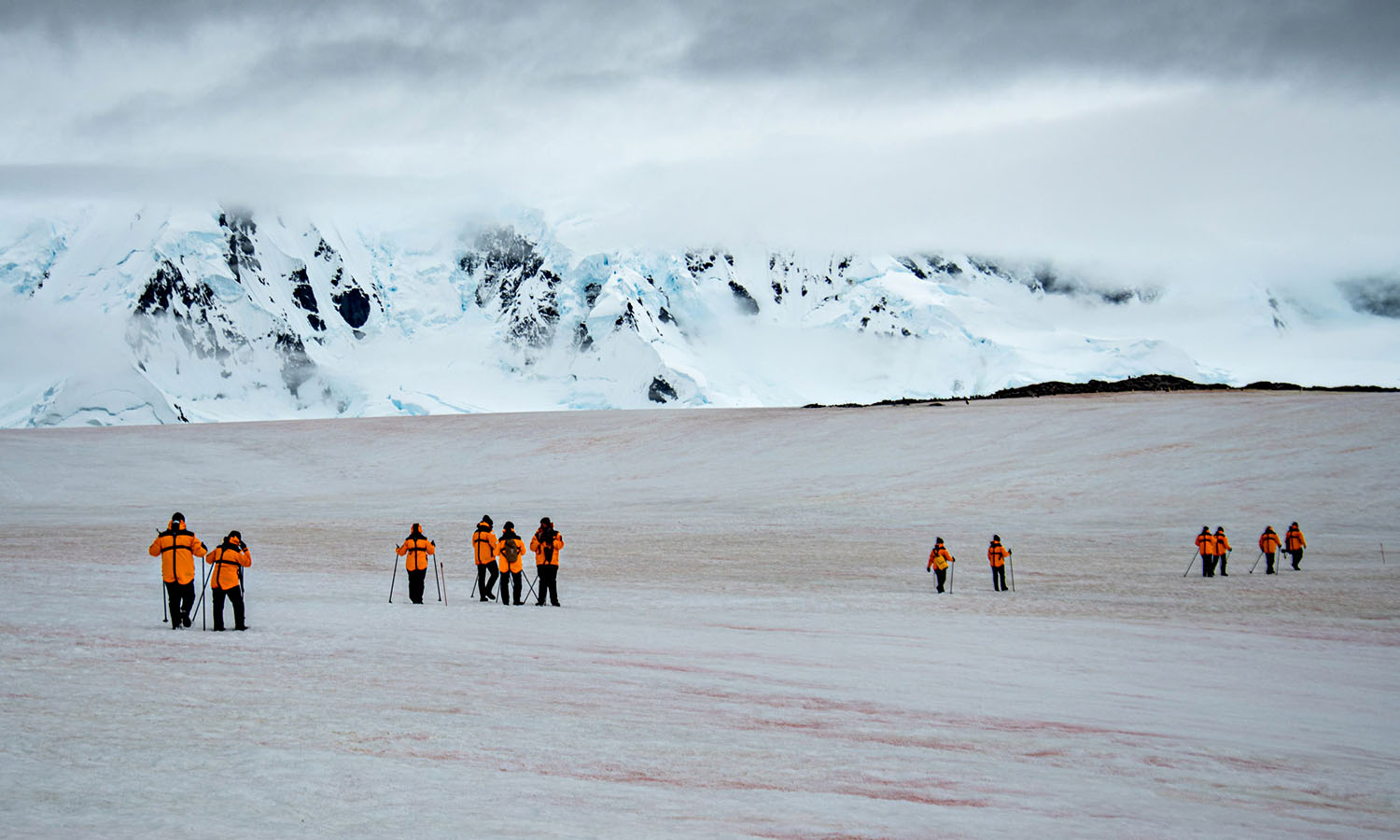
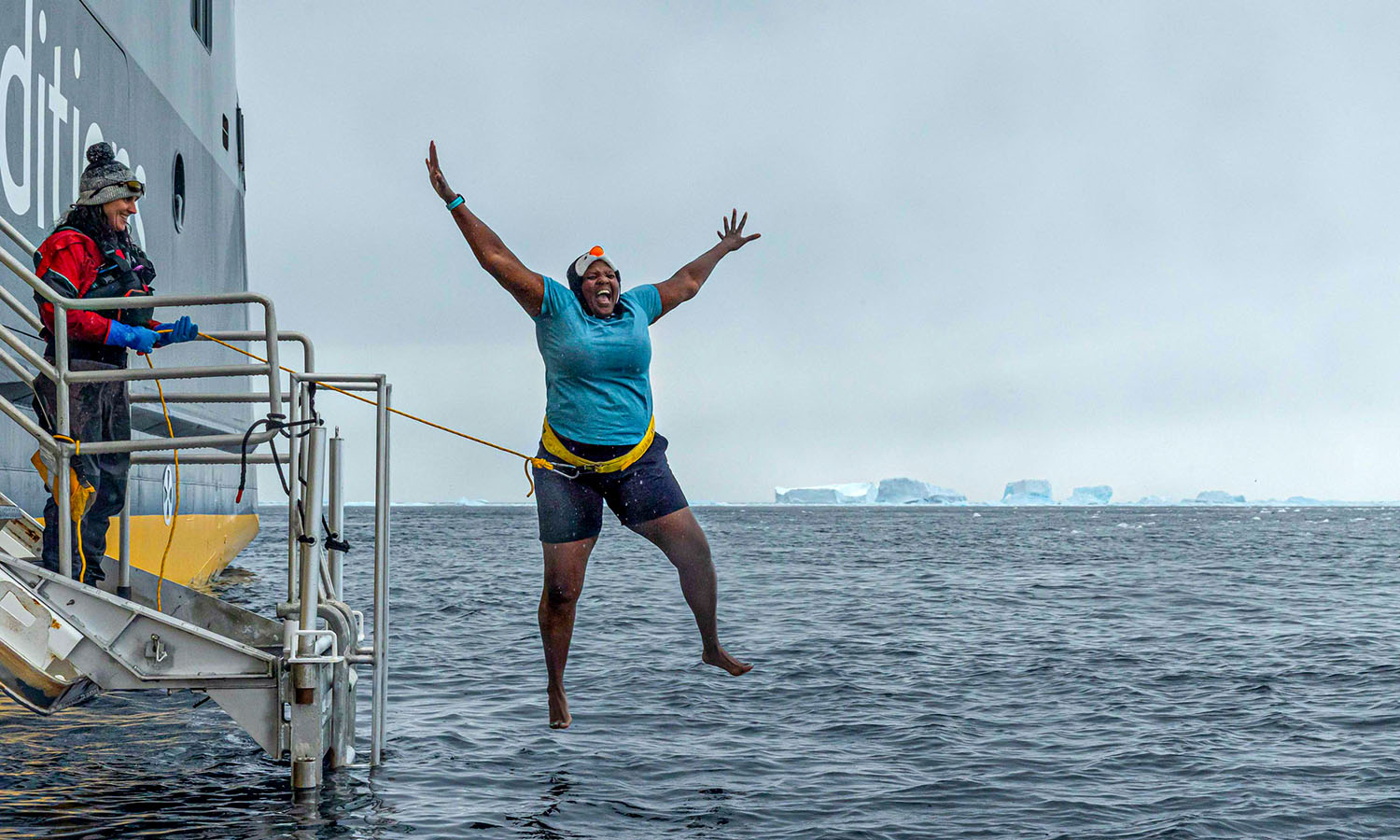
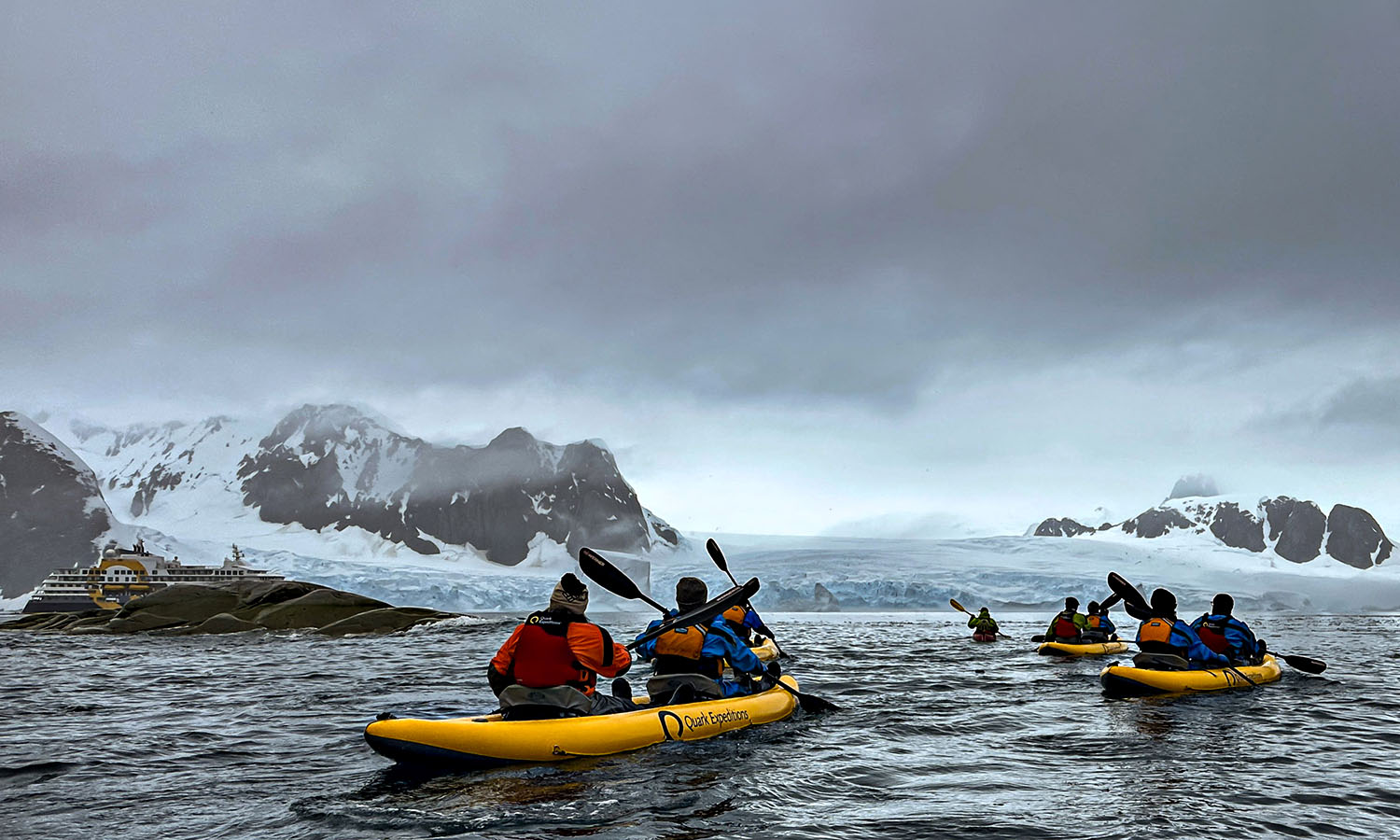
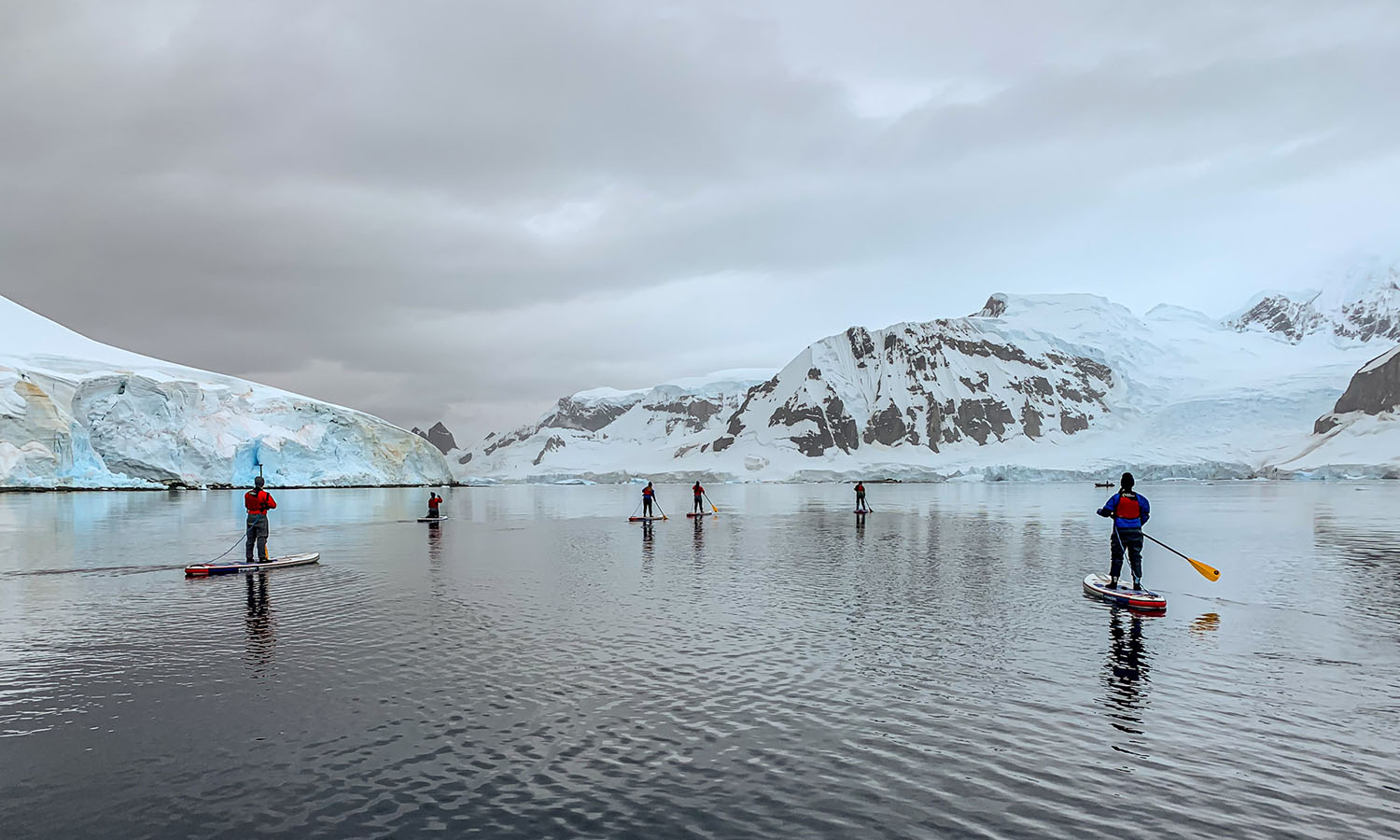
When not exploring on land, we take up unique experiences like sea kayaking or paddle boarding. If conditions permit, there are helicopters available for a sky-seeing tour, and we go snowshoe trekking on land, also à la Shackleton. Due to being really brave, or more likely possessing a “madness of mind” as Ernest puts it, we take the polar plunge—an almighty leap into the freezing Antarctic Ocean. Our reward is a badge, a shot of vodka, bragging rights and the knowledge that whatever cool ocean we find ourselves in in the future, it’ll never be quite as cold as this.
In the evening the Ultramarine forges ahead to a new destination as we listen to extraordinary lectures and play games.
New bonds and friendships form that feel like they’ll be maintained long after we return to shore. The lounge fills up with a cacophony of clinking glasses, cheers and chuckles as everyone shares incredible stories of what they saw during the day. No two camera angles are alike, no two experiences similar.
Antarctica is a final frontier of sorts—the last continent for me to reach. I have been a traveller since I was 15, born into this life from two airline parents. I have been fortunate to see more places than most, but Antarctica always seemed slightly out of reach, almost other-worldly. I would read the great explorer’s accounts of their obsession with the great white continent. Shackleton made three separate, life-threatening journeys here in a time when it was nearly suicide to do so. That magnetic draw and love of adventure is what also captivated me my entire life.
I was experiencing the same beauty and wonder that he became obsessed with, just without any of the frostbite, which frankly, I’m quite fine with.
Your flights are booked, your accommodation confirmed. Bags, well… they’re far from packed. Soon, you’ll gaze out the window, wine in one hand, chopsticks effortlessly balanced in the other, with headphones on, you’ll be gliding along in your very own music video, the sun setting below you and definitely not a single loud tourist on board. Now that it’s locked in, you can tell your mates about it, your family, your dog. Maybe even your boss.
“Ah!” they’ll exclaim, “Arigato gozaimasu,” with a bow.
This, along with “Moshi-moshi,” are probably the first phrases you’ll learn. And they are useful ones… but I’ve got a secret for you: a much better, much more useful word. You can thank me later. Hai dozo, the word is “Onsen.”
Ah, onsen… A word that has become sacred to me. But we will get to that soon.
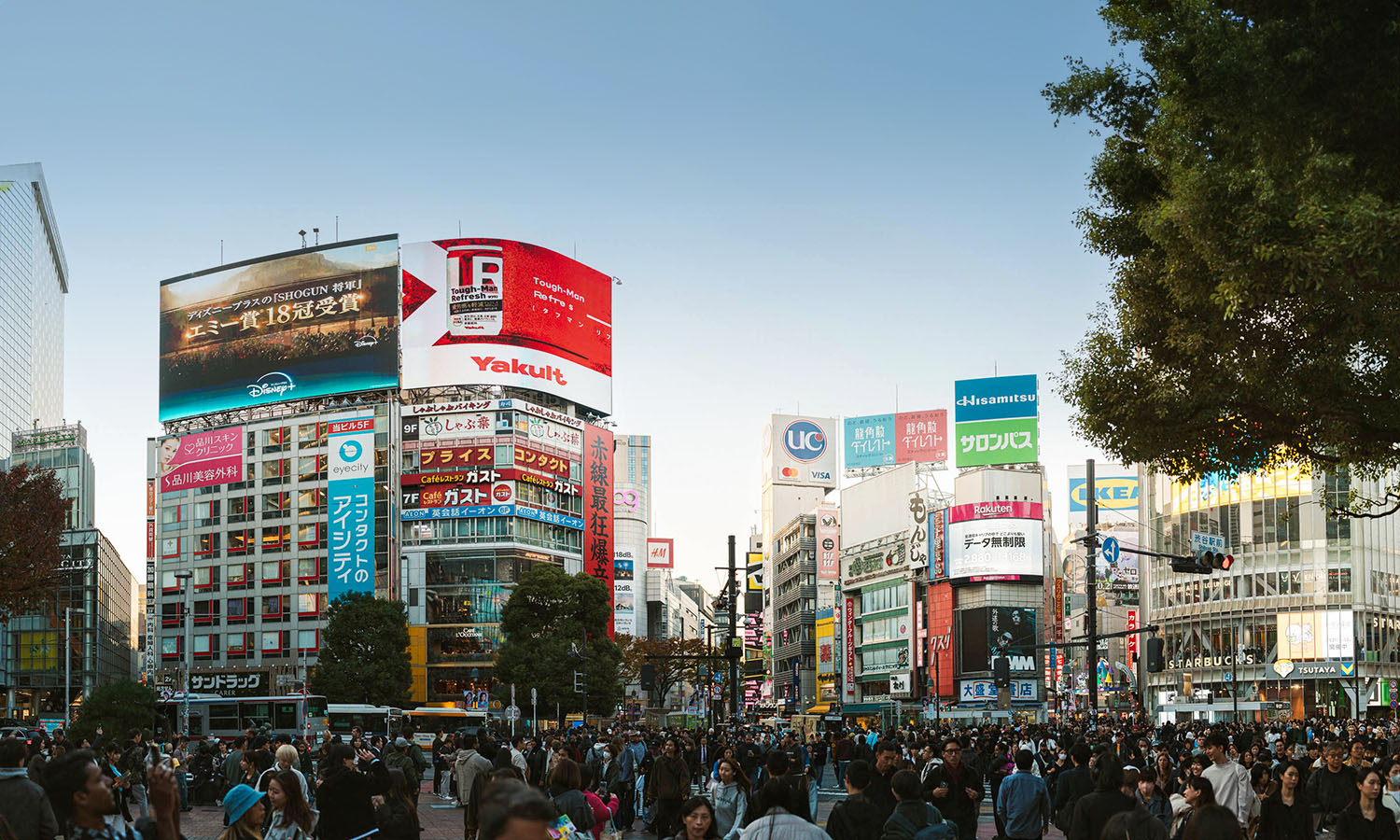
The hustle and bustle, the sensory overload of neon and noise. Cities that never sleep, a place where technology and tradition vie. Where tourists parade around on rails like an endless sushi train going round and round (and round!). Talking toilets, a million vending machines. Vending machines selling talking toilets… These are usually the first thoughts of Japan.
The streets flow like rivers into sardine-packed trains. Wonderful scents grab you by the nostrils, pulling you gently down backstreets, tiny under the towering skyscrapers. It’s a lot, and it demands all your attention. “How do they do it?” you might wonder, watching the locals zip through the crowds, finishing bowls of ramen faster than you can say “tantanmen,” and navigating the labyrinth of underground train lines like they aren’t a tangle of ramen noodles. The Japanese lifestyle has a famous reputation for being extremely hardworking over anything else…
But, dear stranger, I think we’ve uncovered a secret. It goes along the oxymoronic lines of “Work hard, play hard,” but it’s more “Work hard, relax hard.”
A cruisy 70-min ride on the Shinkansen bullet train brings you to the wonderful highlands of Nasu, in the Kantō region. One of the first towns on the footsteps of the Nasu mountain range. Locals know it, locals love it, we love it, and my futuristic Japanese-speaking toilet says you will love it too. Even the emperor and royal imperial family (who can holiday wherever they wish, keep in mind) stay here annually! Nasu is everything Tokyo is not; quiet, calm, natural, and without a tourist trap in sight. It is the balance against the manic: it is outdoor fun, natural healing, incredible dining, and onsen relaxation.
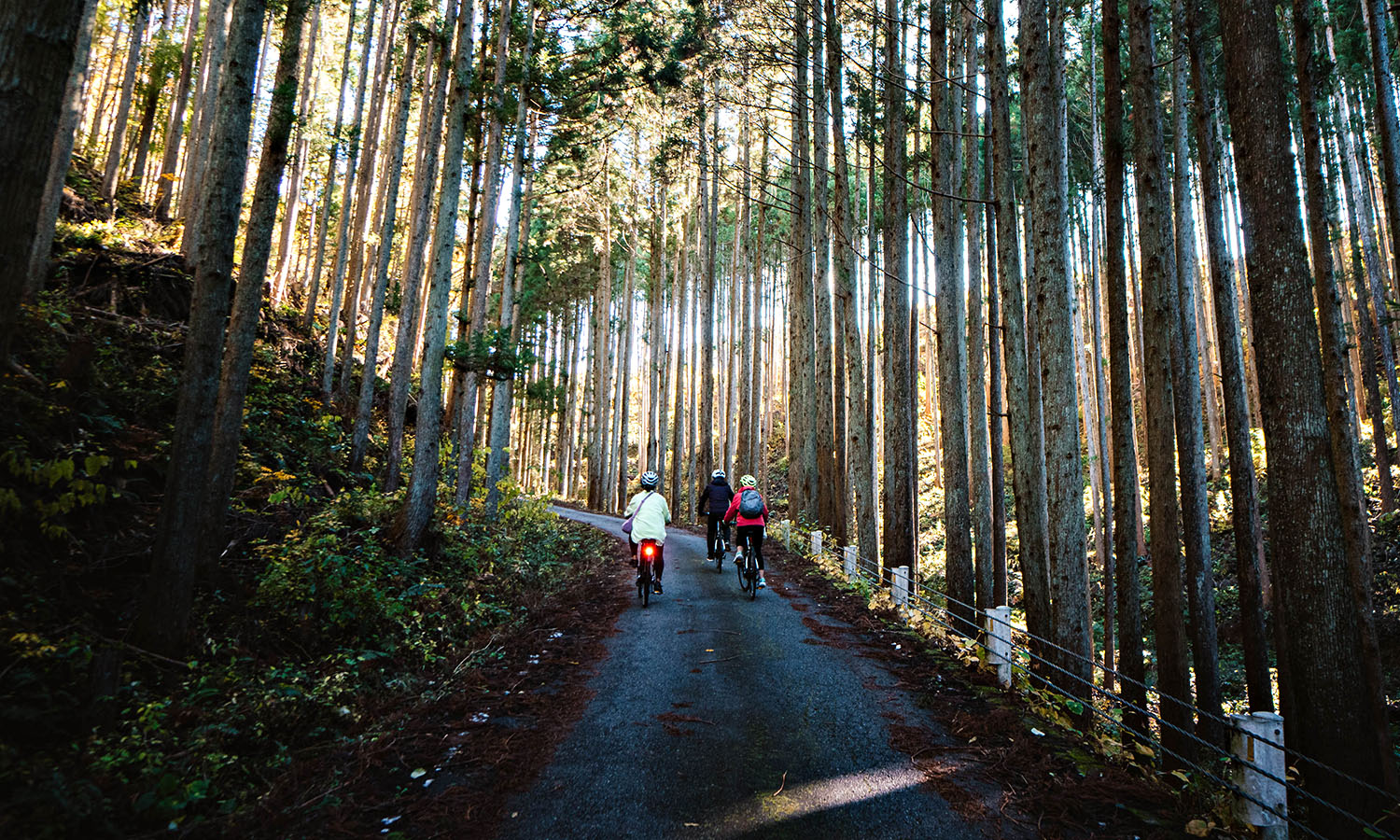
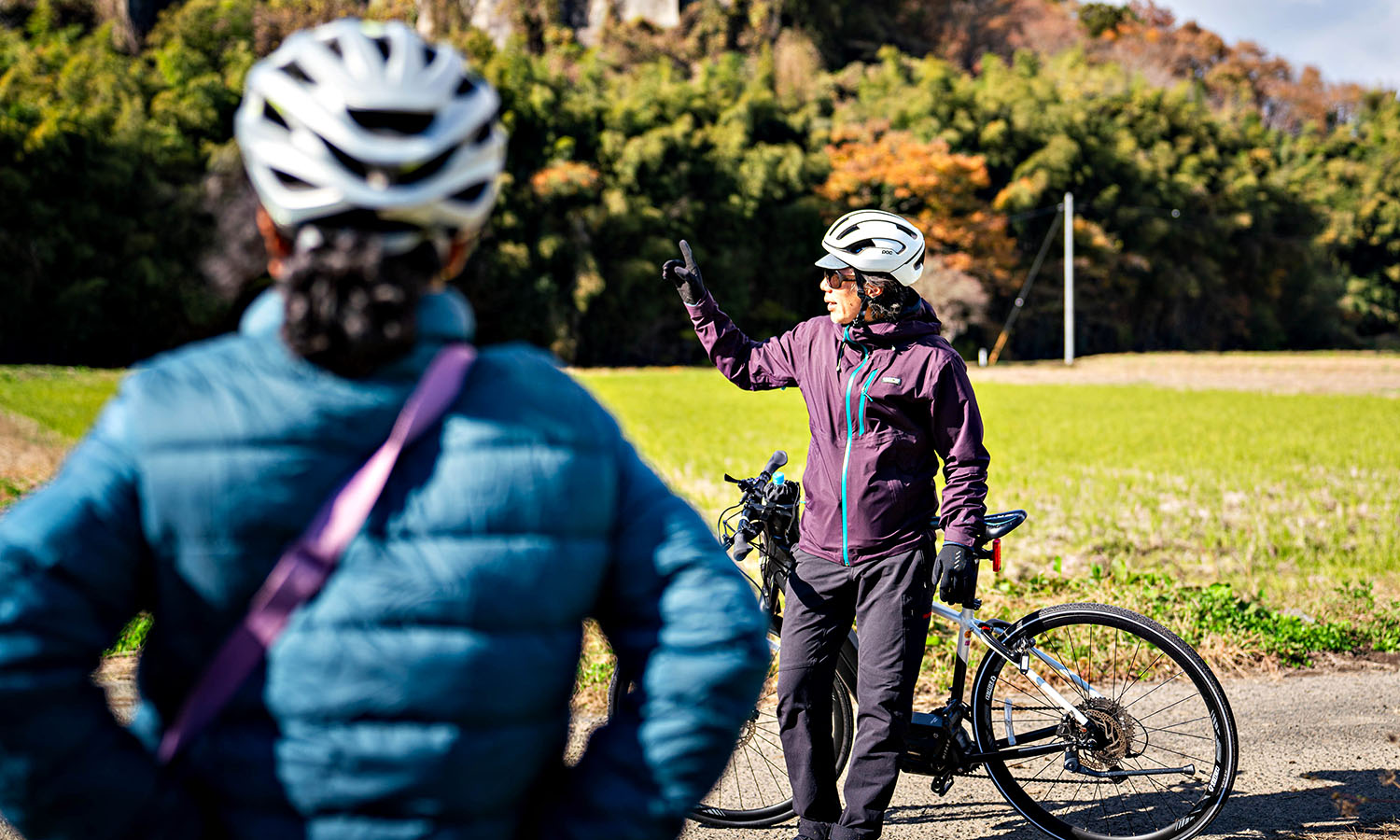
Start your visit with a private everything-organised-for-you cycling tour (don’t worry, e-power does most of the work for you) through the nearby woodlands and the somehow perfectly manicured, aesthetically pleasing farmlands, which appear to be straight out of a Studio Ghibli film. “It’s the best way to travel,” smiles Tetsuya, looking out over the rice fields. He’s our guide for the day, CEO of Ride Experience, and a bit of a local legend. You’ll find many locals ditched the mad city life for the quiet of Nasu and never looked back – just like you have.
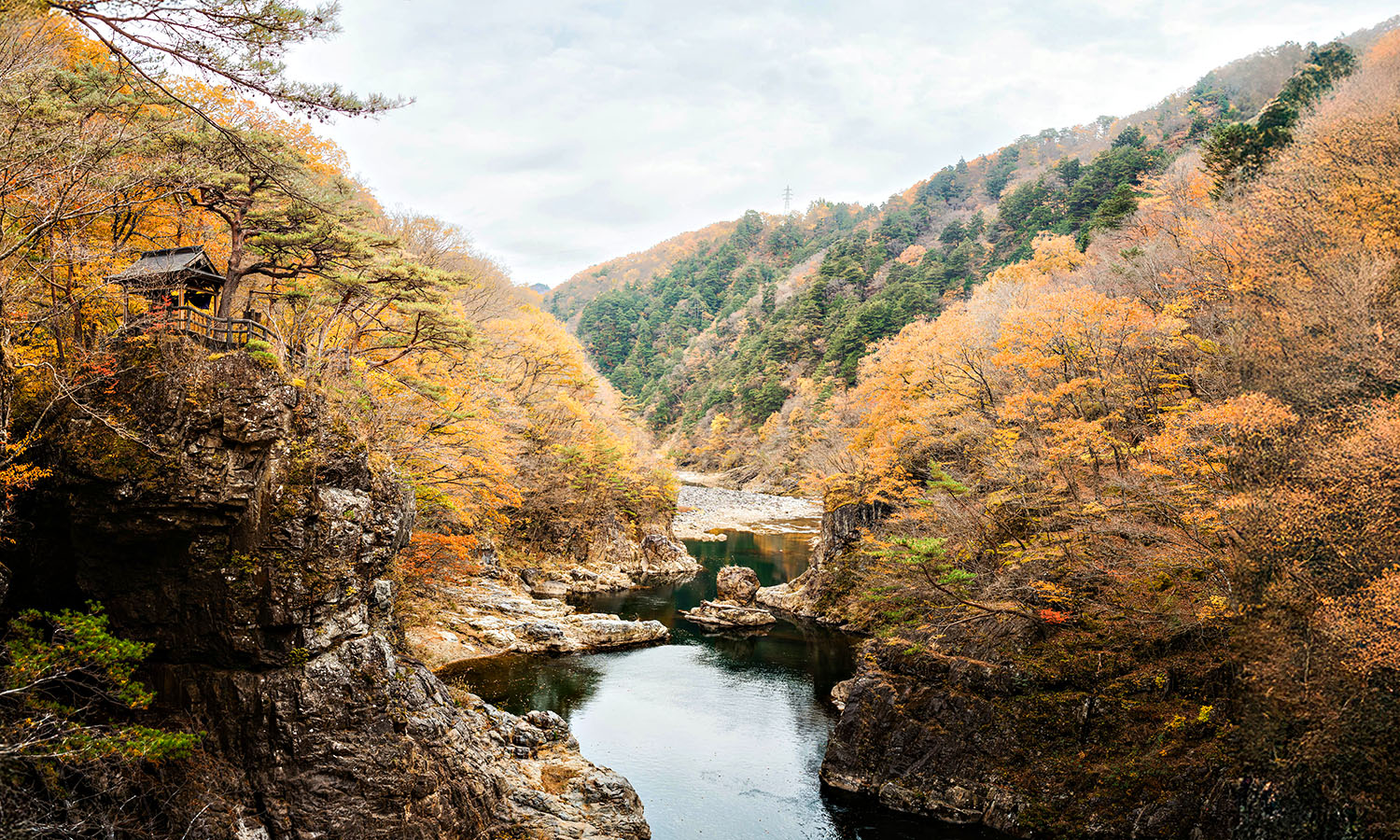
Stop for soba ice cream and coffee, and then roll through the countryside, floating along like the autumn red leaves you’re now riding under. Tetsuya and the team welcome you like old mates reunited. They know the land, the people, the special spots: the shrines and their stories, the quiet tracks through the bamboo maze, the best spots to eat, and – sometimes most importantly – the best sake to drink (go for a tasting at the Tonoike Sake Brewery).
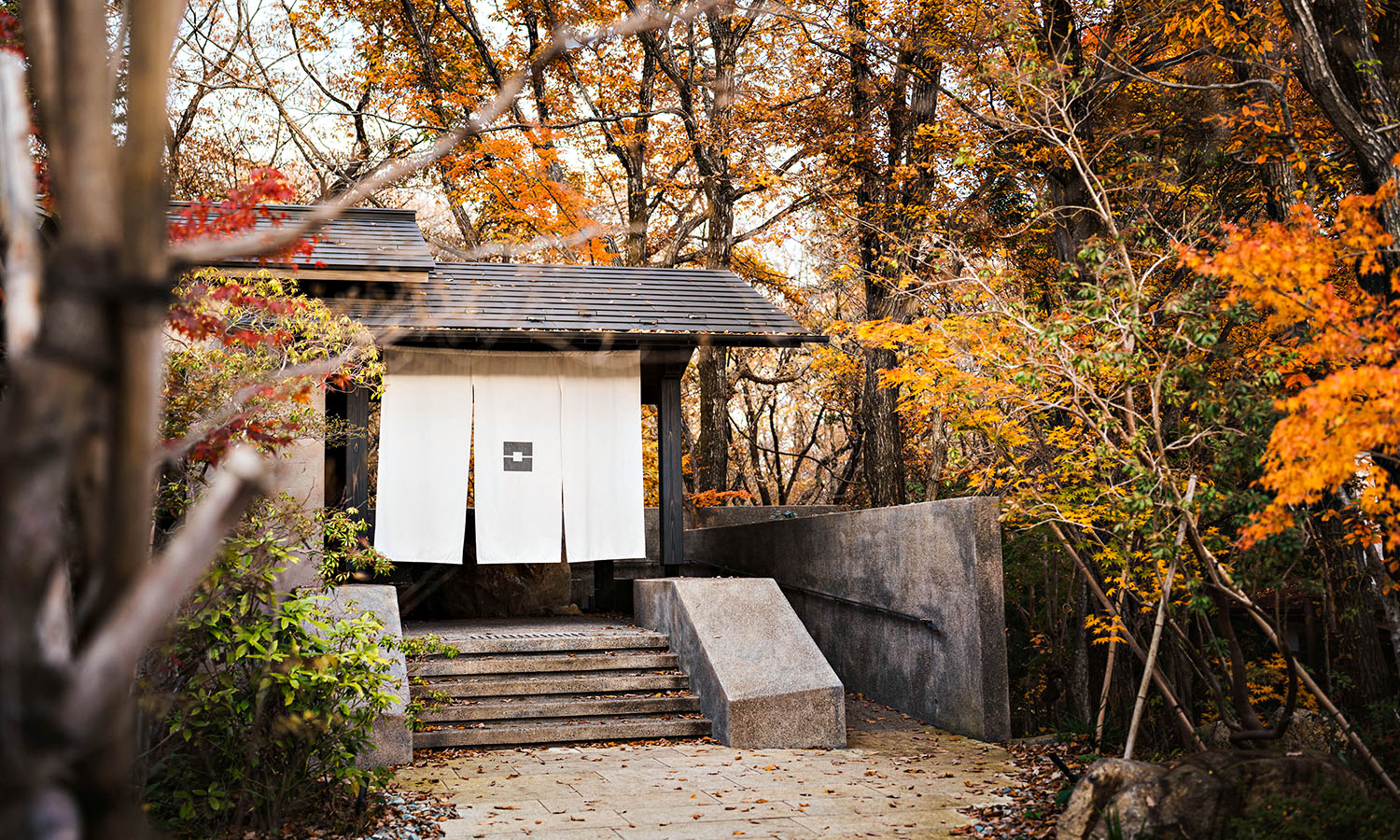
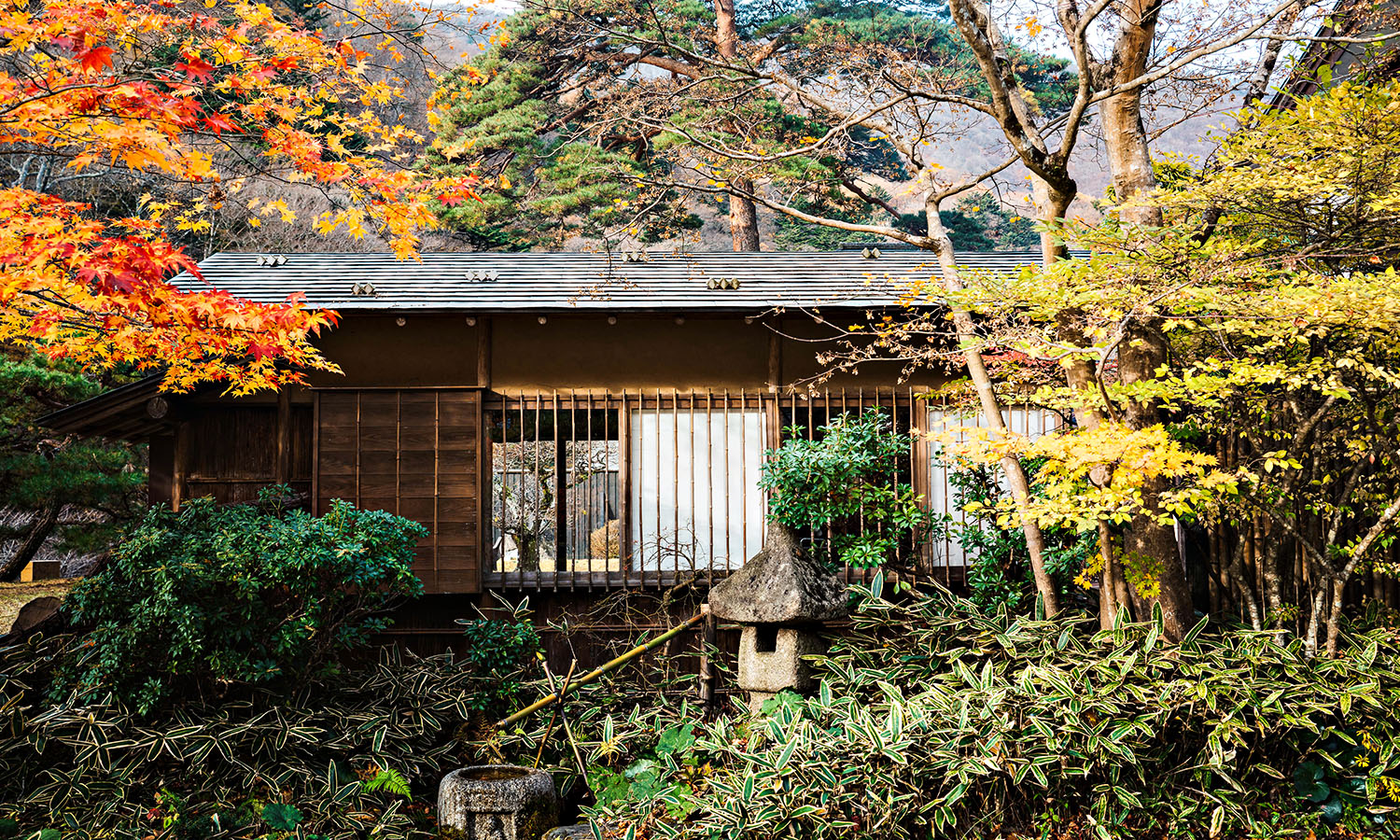
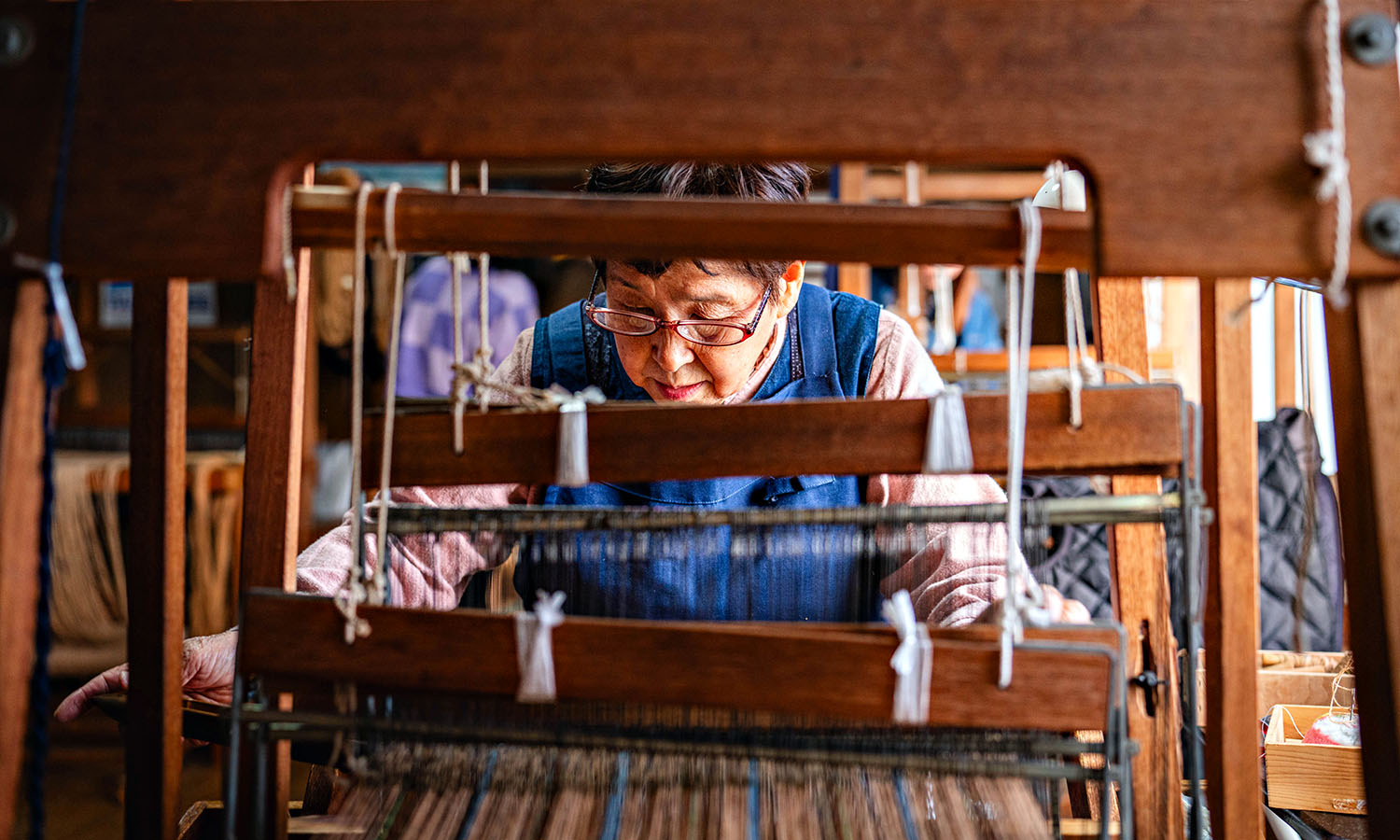
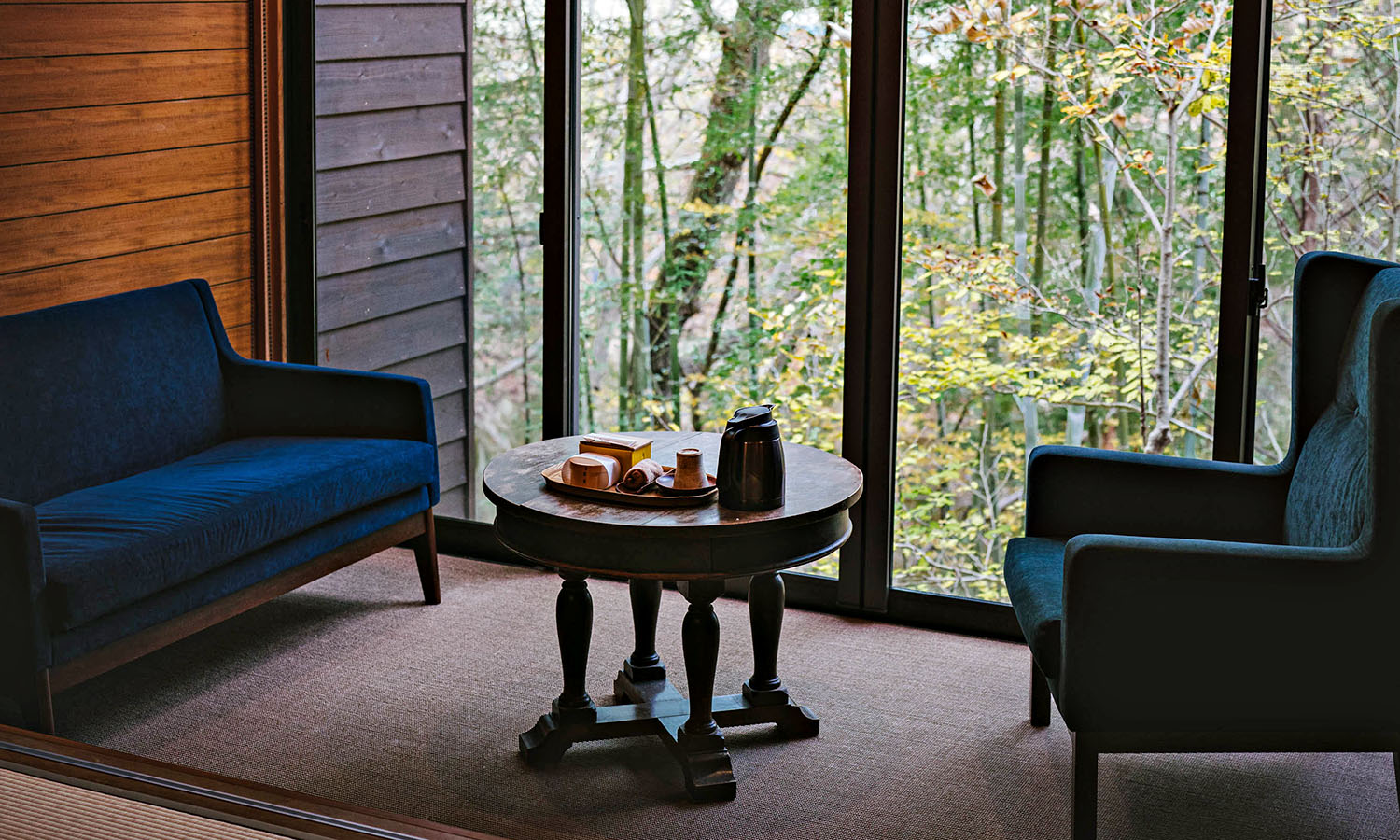
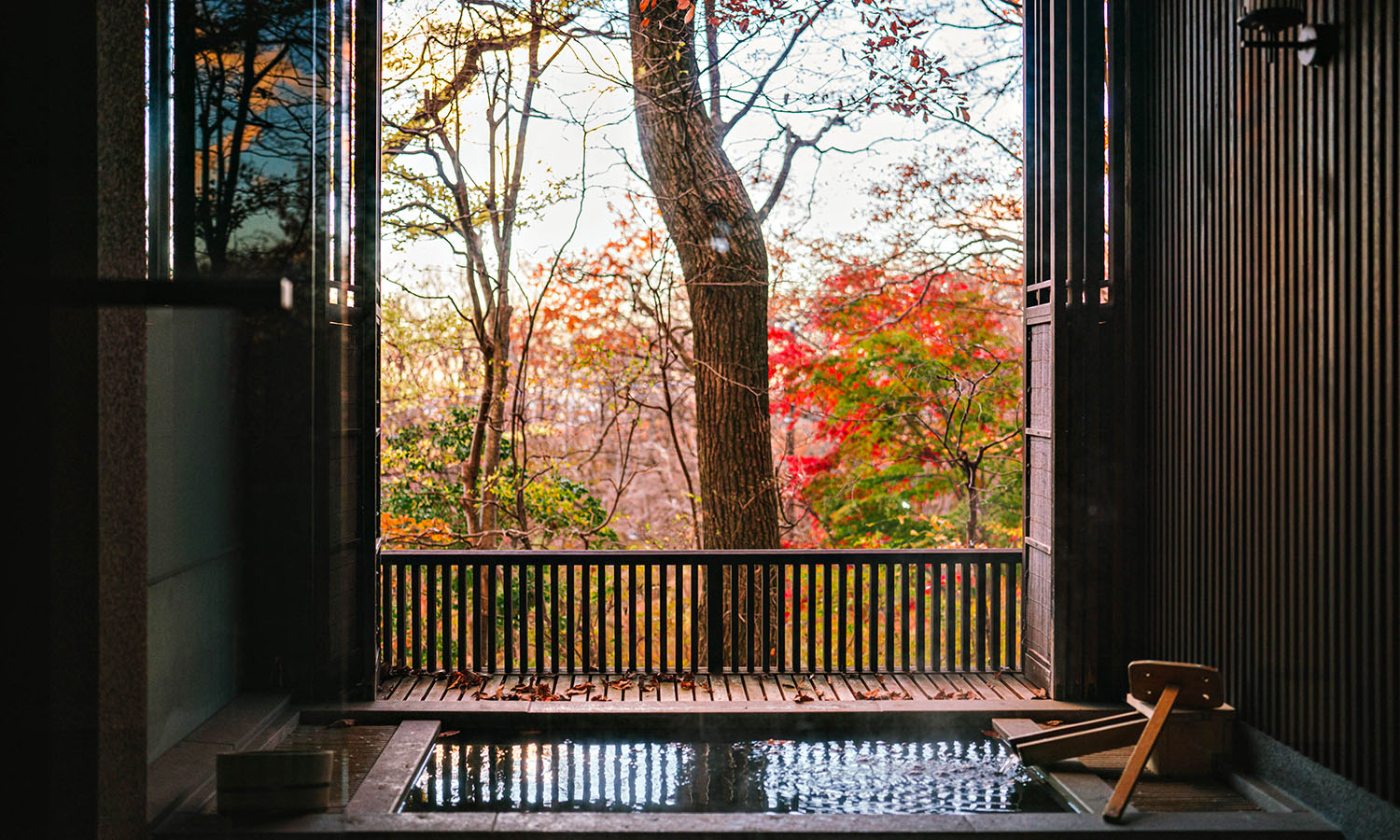
Now comes the payoff for your hard work. ‘Minka’ are vernacular traditional Japanese houses: tatami mats, sliding doors, beautiful woodwork, you know the deal. There’s nothing quite like it, especially when your room has a private onsen – a natural, steaming, forever-flowing dip pool fed by one of the eight geothermically heated underground hot springs of Nasu, which have soothed local souls for over a thousand years. Traditionally onsen bathing is a public activity where clothing and loud chatter is forbidden (and often tattoos, although that’s changing nowadays). Stepping into the onsen is like stepping back in time, a ritual as old as the mountains themselves. In some, the air is thick with the scent of sulfur, and the water is a milky, mineral-rich, skin-cleansing concoction. In our beautiful accommodation at Sansuikaku, the water is crystal clear, and the air is thick only with steam. The big issue with such a comfortable stay is that you won’t want to leave! But you should leave; there’s so much to see.
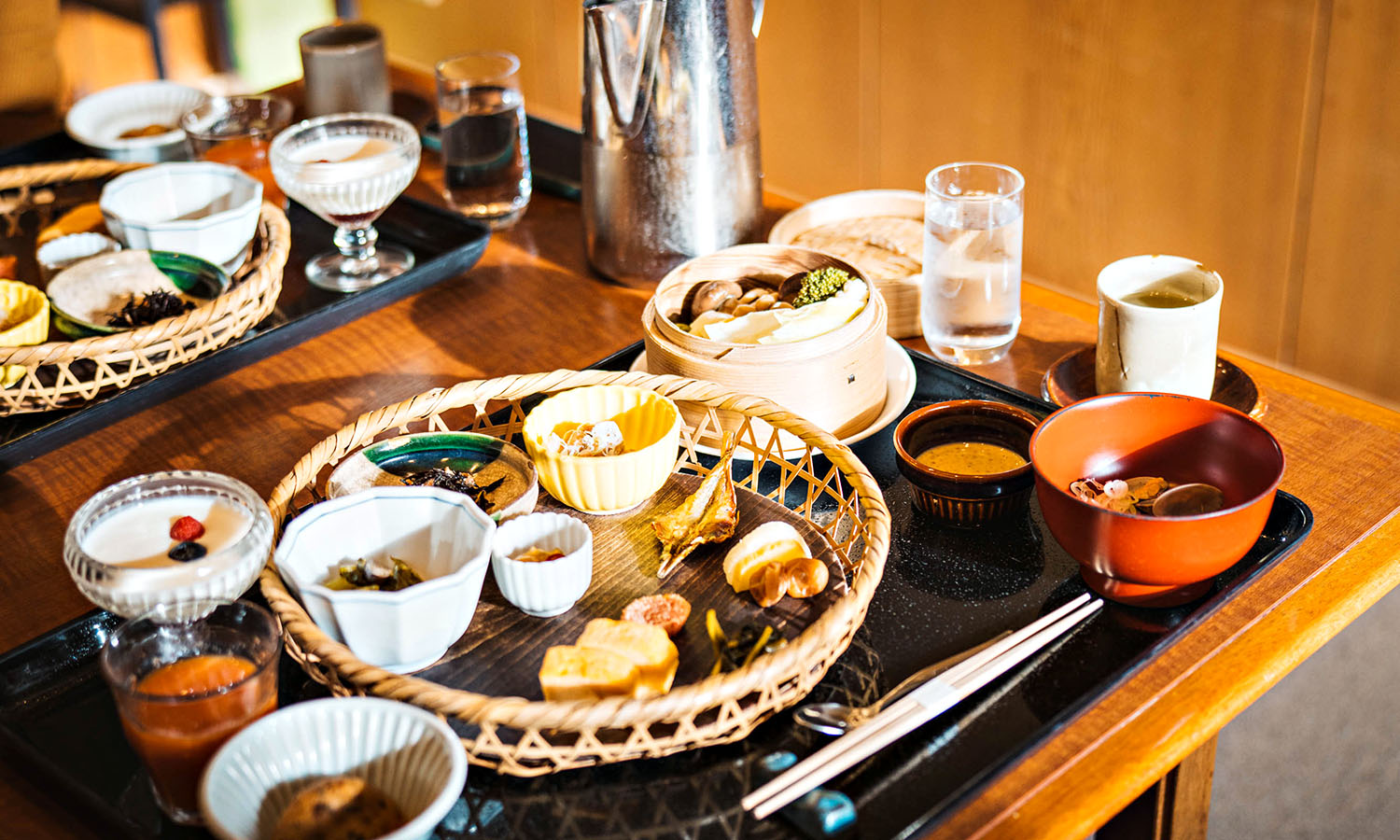
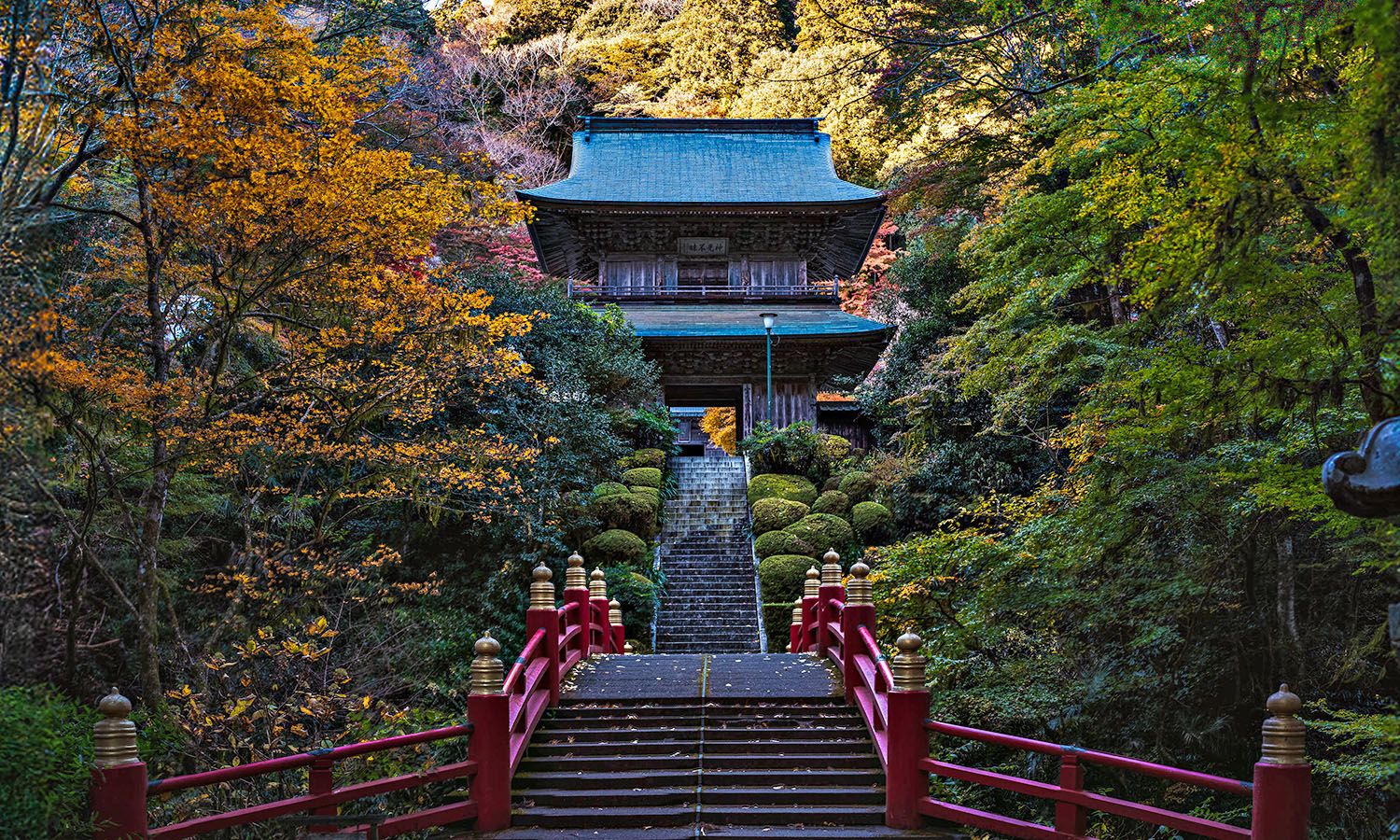
The surrounding area is home to popular restaurants serving up fresh, local ingredients (you can’t go wrong with Suisha no Sato Mizuhogura or Tensui soba restaurant for lunch, or Takai-ya and Tamaruya Sushi Shop for dinner), wonderful shrines and temples to visit (get a Goshuincho book and collect a unique stamp at each one – gotta catch ‘em all), the cutest little bakery in a pretty home in the woods (Croce Bakery), and even the lush forest of healing: the area used to be reserved for the imperial family, but today you’re welcome to visit.
Do as the royals do and retreat into the untouched woodlands of the Heisei-no-Mori Forest. You just might be one of the first few international visitors to the area, and every season has something to offer: whether it’s the snow gently blanketing the trail, the lush green of a happy ecosystem, or the fiery reds and yellows of a Japanese autumn. Waterfall? Check. Wildlife? Check. Stop for coffee and tea? You bet.
After each outing you will feel the call – yes you guessed it – of the onsen. The naturally heated water is the best place to unwind, to recount the quiet of the hidden bamboo forest you explored on the bike tour, the full-course lunch and laughter at the local farmer’s house that followed, and the weighted peace walking the grounds of ancient temples.
Now, finally, this is the moment you slow…This is the moment you stop.
And this is the moment you thank yourself for leaving the city, for sidestepping the hustle and bustle, for escaping the Japanese game show that is navigating the crowds and crosswalks. It bears repeating: Nasu is everything Tokyo is not; quiet, calm, natural, without a tourist trap in sight. It is the balance against the manic: it is outdoor fun, it is natural healing, it is incredible dining and this… this is onsen relaxation.
As someone who thrives on the electric hum of city life, trading bustling laneways and artisanal lattes for moss-covered forests and volcanic slopes was well beyond my comfort zone. Yet, five days exploring the south of Japan—particularly Yakushima and Mount Aso—offered a blend of challenges and breathtaking beauty that was impossible to resist.
Into the Heart of Yakushima’s Mystical Forest
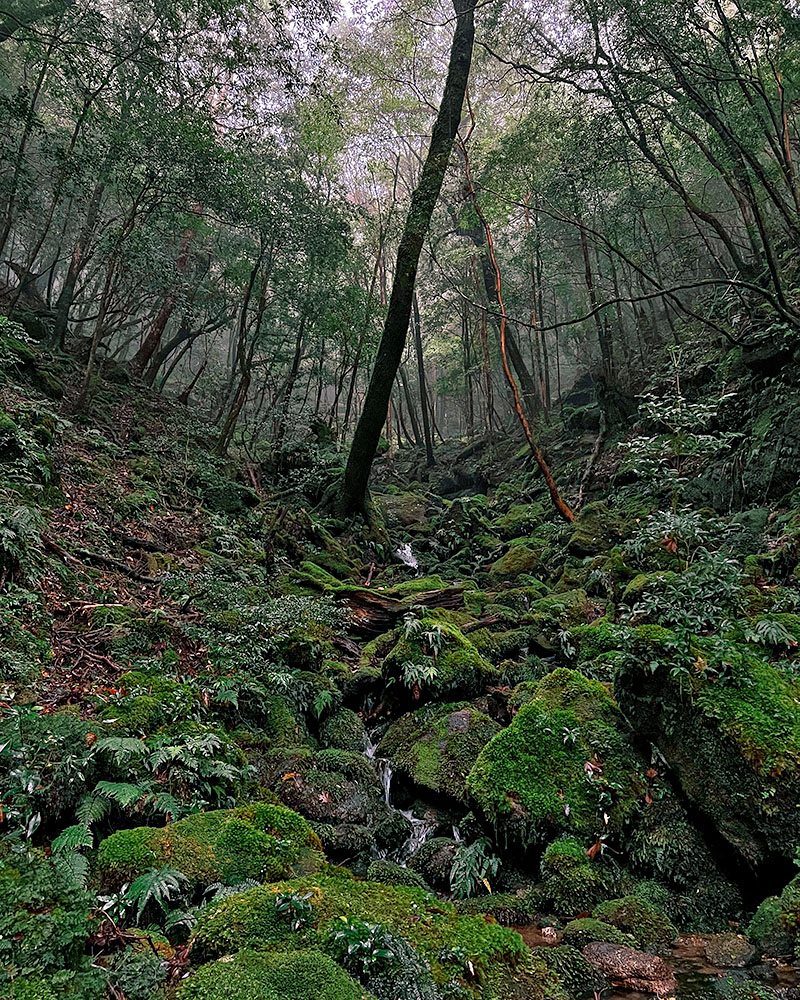
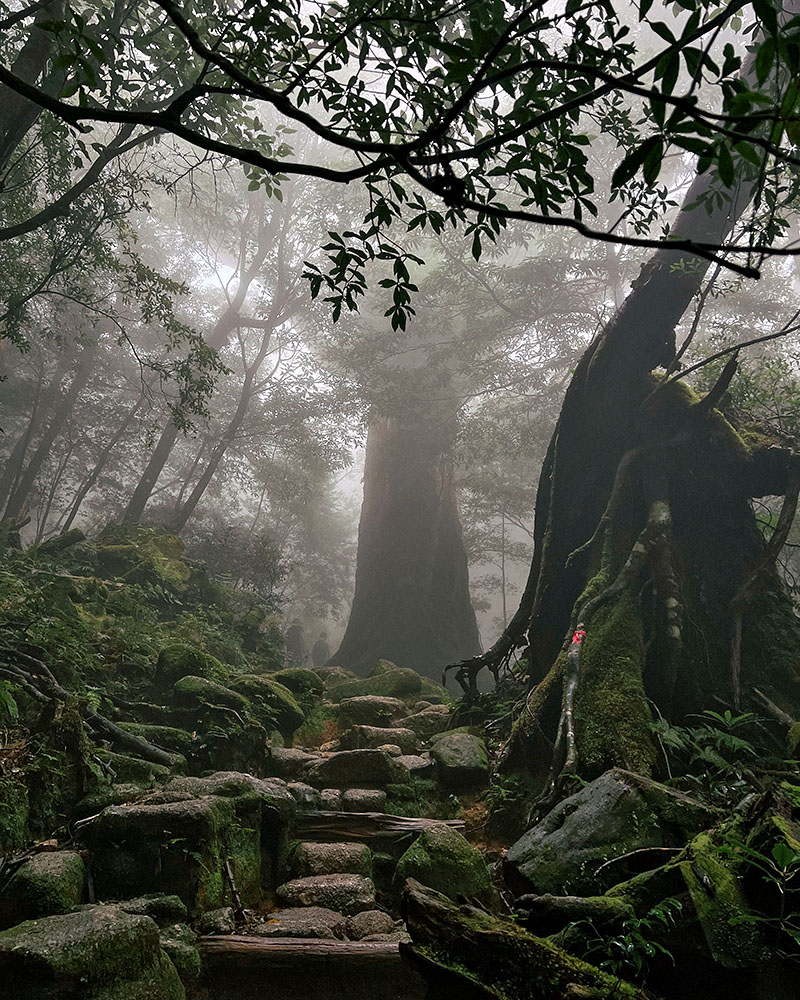
Yakushima is a place of cinematic wonder. Its Shiratani Unsuikyo Ravine is famed for inspiring Studio Ghibli’s Princess Mononoke, and stepping into its emerald embrace felt like walking into a living fairytale.
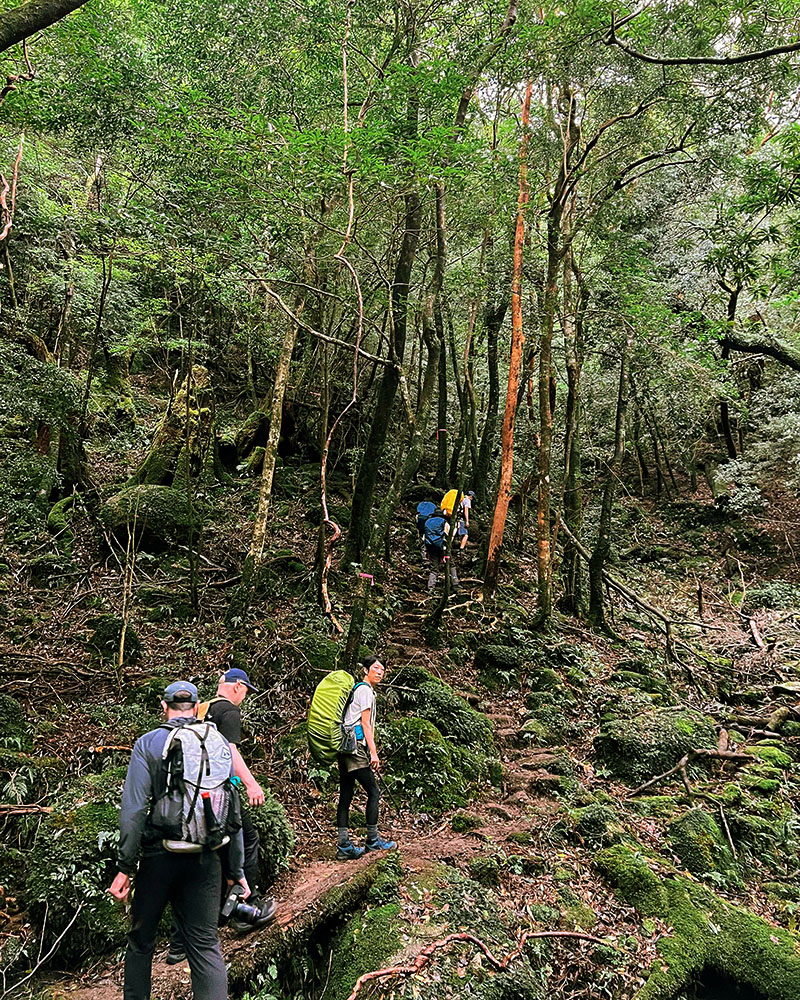
We had set out for the Taikoiwa Rock Round Trip Course, a 5.6 km hike meant to lead us through the ancient cedar forest to panoramic views of the island. However, nature had other plans. A typhoon had rendered the main trail unusable the week prior, diverting us onto a detour that transformed the hike into a gruelling 10 km, six-hour ordeal.
The trail was slick with mud, and what was meant to be a clear path often dissolved into a labyrinth of tree roots, slippery stones, and lots and lots of mud. I was acutely aware of how far removed I was from my urban bubble. Each step tested my resolve, yet there was a rhythm to the forest that made the struggle worthwhile.
Yakushima’s forest pulses with life. Moss blankets everything, creating a verdant dreamscape that feels timeless. Ancient Yakusugi cedars towered over us, their gnarled trunks whispering stories of centuries past.
When we finally reached the summit, a shroud of cloud had cloaked the view. Instead of sprawling vistas, we were greeted by a surreal, otherworldly whiteness. Initially disappointed, I soon found peace in the ethereal stillness. There’s something uniquely fulfilling about standing in a sea of clouds, disconnected from expectations.
By the time we returned to the car park, our legs were leaden, and our shoes doused in dirt. Yet, the sense of accomplishment—and the connection to this magical landscape—was unparalleled.
A Volcanic Adventure on Two Wheels
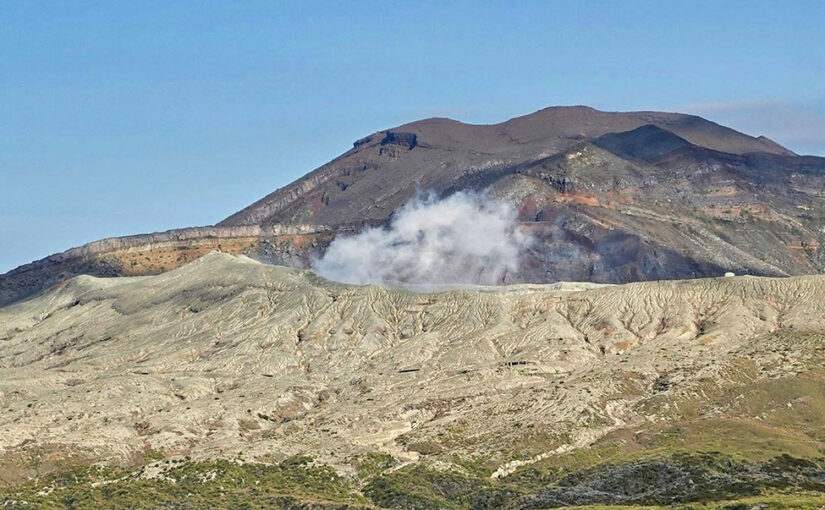
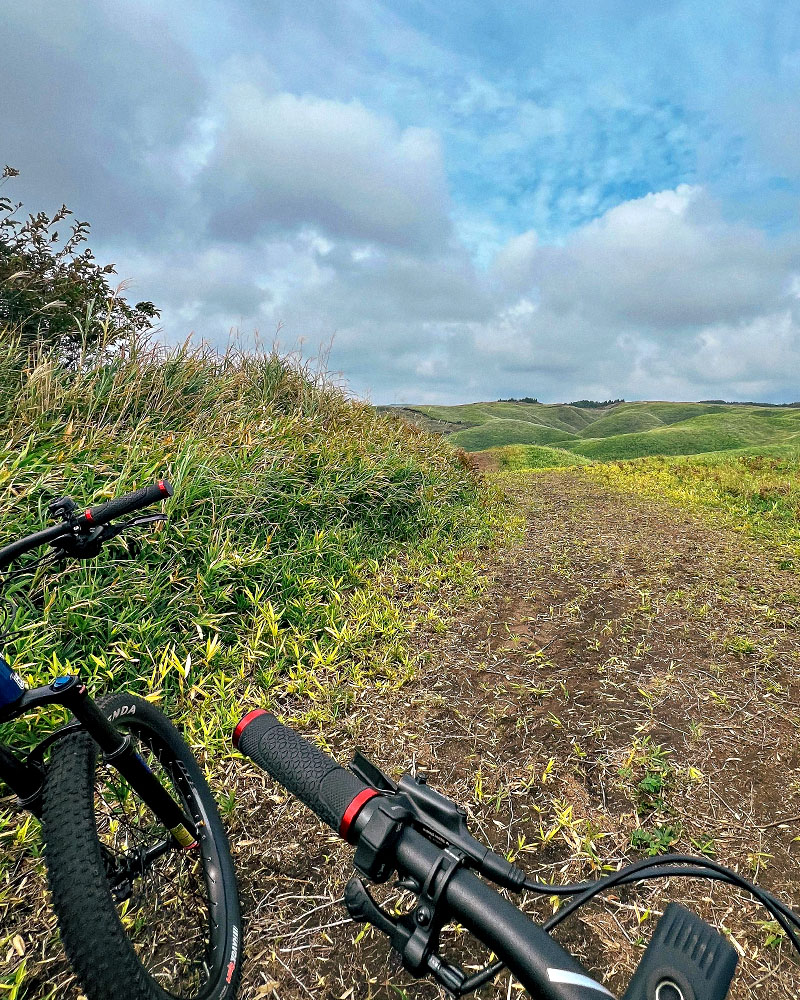
The following morning, our aching muscles begged for respite, but adventure called again. This time, it was Mount Aso, Kyushu’s iconic active volcano, where we were set to embark on a mountain e-bike excursion.
My experience with e-bikes had been limited to casual rides on city pavements, so I was woefully unprepared for the rugged terrain awaiting us. The day began with a deceptive ease, pedalling along dirt paths framed by rolling fields. But as we ventured deeper into the volcanic landscape, the challenge intensified.
Bear in mind, it had been a while since I rode your everyday bicycle, so a mountain e-bike was like trying to learn to walk for the first time. We found ourselves navigating through towering six-foot-tall grass fields. My first attempt at riding ended in a less-than-graceful tumble, but there was little time to nurse bruises—our guide swiftly rerouted us to a new path. This alternative route, however, came with its own test: a steep downhill slope.
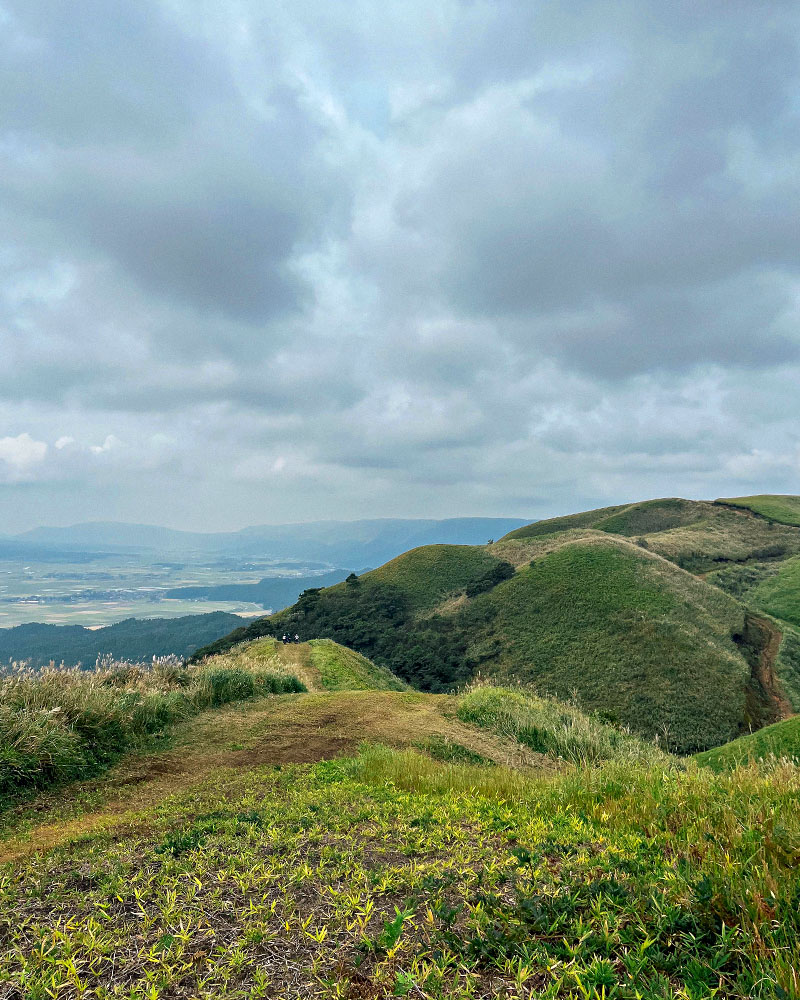
Here’s where my city sensibilities betrayed me. I underestimated the power of the brakes and, in a moment of panic, gripped them too hard as I descended this slope graced with unreal countryside views. The bike pitched forward, and I was sent sprawling down the slope, earning a split lip and several bruises as souvenirs.
Though shaken, I pressed on, determined to soak in every moment of this raw, untamed experience. Riding around Mount Aso, with its caldera looming in the distance, felt like traversing another planet.
Embracing the Unexpected
Both Yakushima’s forest and Mount Aso demanded a level of grit I didn’t know I
possessed. These experiences weren’t about curated Instagram perfection but about embracing the unpredictable beauty of nature.
For a city girl, there’s something profoundly liberating about surrendering to the elements and pushing through discomfort. The mud, the bruises, and the sore muscles are fleeting, but the memories of ancient forests, volcanic slopes, and a sense of wonder rediscovered will last a lifetime.
So, if you’re a fellow urbanite seeking something extraordinary, let rural Japan challenge you. You might just find yourself in the process.
You might know Fiji as a ‘flop and drop’ destination—a term I heard a lot of during my seven days in this tropical paradise. Y’know, a place where Aussies can come over by the plane-full in search of a resort where they can sun themselves, gorge on buffet meals and have one too many cocktails at the swim-up bar.
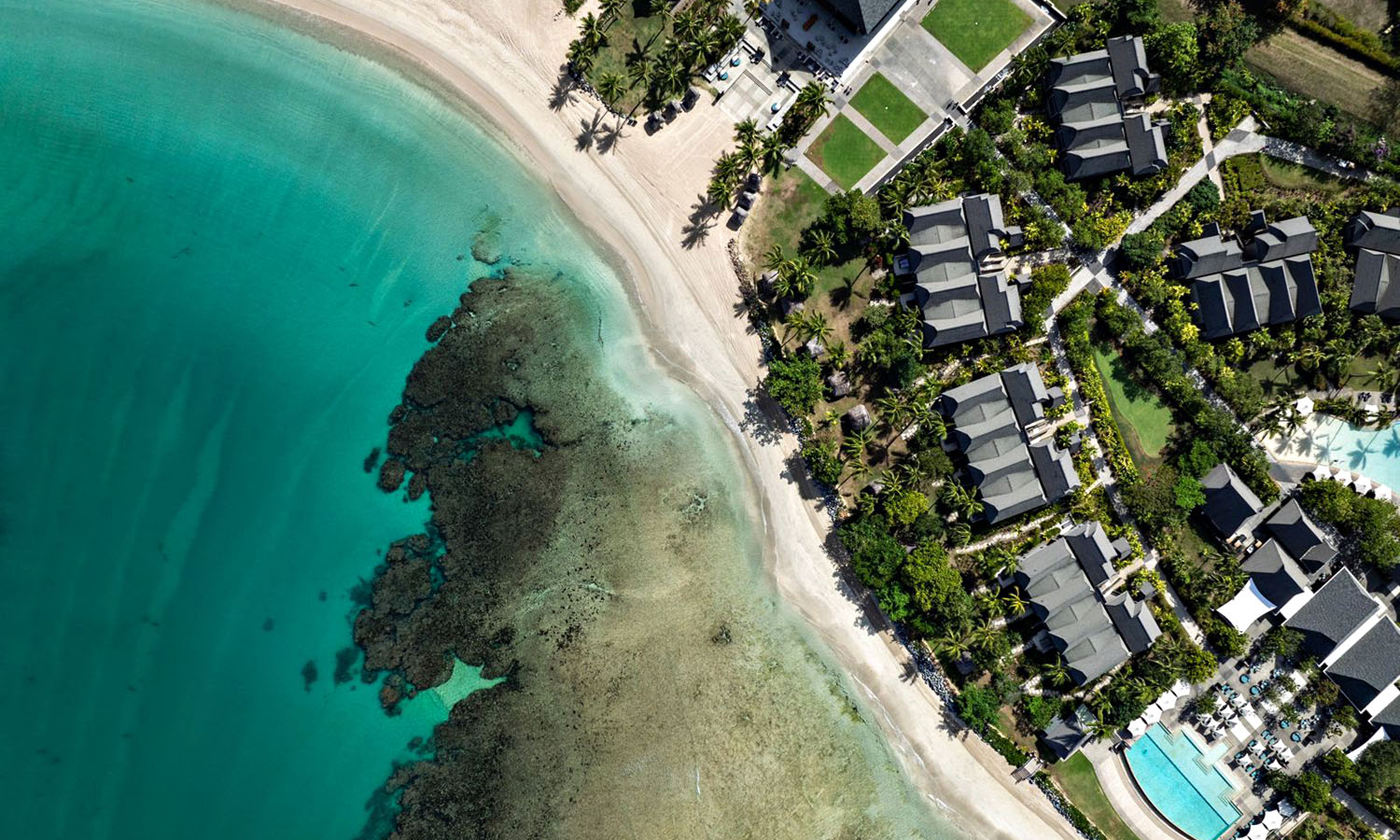
And I admit I was one of them. This was my third time in Fiji, but the first time I actually left the white sands of Natadola Beach at the InterContinental, dragged myself out of the adults-only pool at the Sheraton or slept in anything other than one of the Marriott’s overwater bungalows.
What I didn’t realise was just how much Fiji had to offer. Beyond the brochure cliches lies a country bursting with warmth, infectious spirit and a whole lot of thrilling adventure. But before I dive headfirst into the latter (spoiler alert: there’s a lot of water involved), there’s a word we should talk about that you’ll hear approximately 12 seconds after landing in Fiji: bula.
Yes, it’s a greeting: a way of saying hello. And yes, it technically means, “life,” but it’s so much more than the sum of its four letters. It’s a blessing of good health, an unspoken challenge to embrace life with both arms wide open, an invitation to try new things, and a genuine and enthusiastic, “We’re so glad you’re here.”
And guess what? Fijians love it when you say it back. The more heartfelt it sounds, the more people light up with smiles and stories that’ll make you feel as if you’ve stumbled into a country full of your closest friends and family – a truly comforting feeling when you’re so far from home.
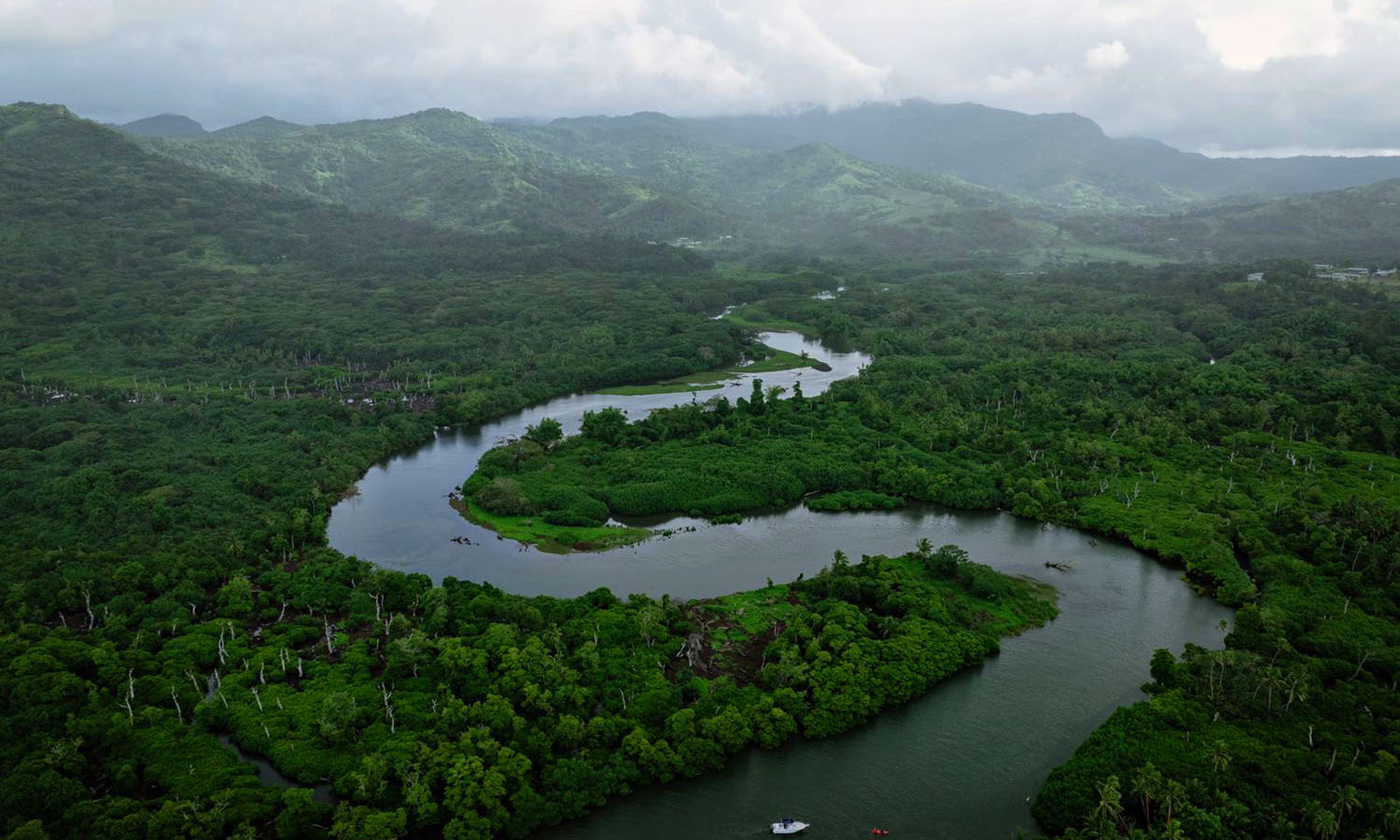
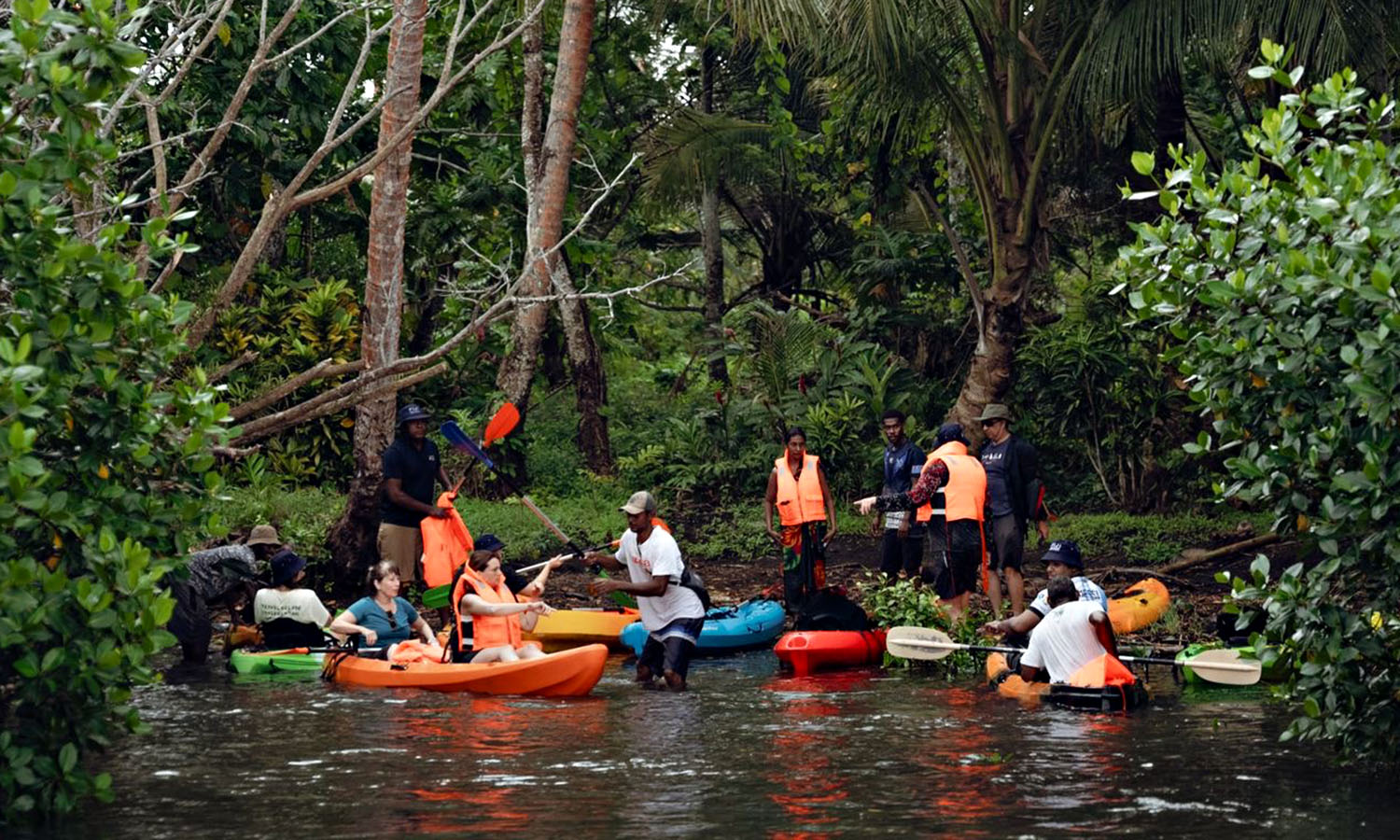
Kayaking wasn’t the first adventurous activity our group did, but it was one of my favourites. Paddling through Fiji’s mangroves felt like entering a natural cathedral, except the pews are roots and the stained glass is made up of sunlight filtering through the lush green foliage.
The water might have been calm, but my breathing definitely wasn’t. Prepare to use every last ounce of your shoulder strength, especially if you’re trying to impress the local guides with your athletic prowess like I tried to (and failed at).
We glided through peaceful winding channels, only occasionally bumping into things we shouldn’t, and passed hundreds of mangroves acting like guardians of this little slice of Fiji’s ecosystem. It was serene…until someone glided too close to a wasp’s nest.
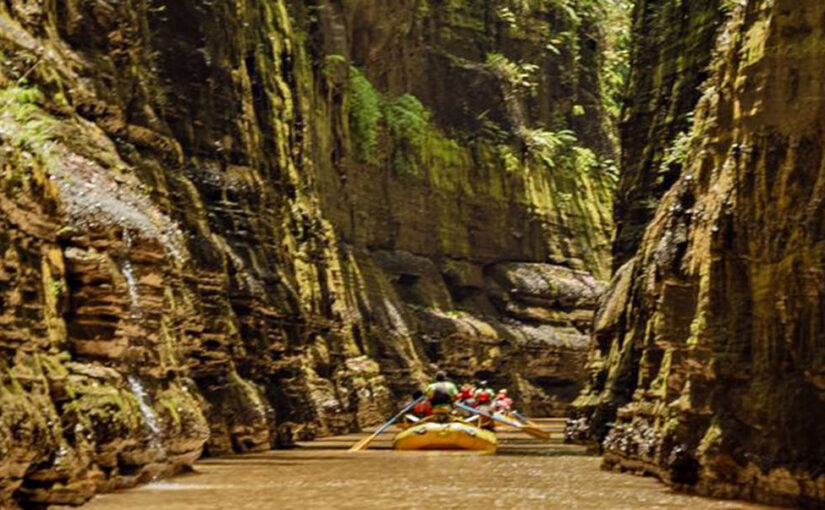
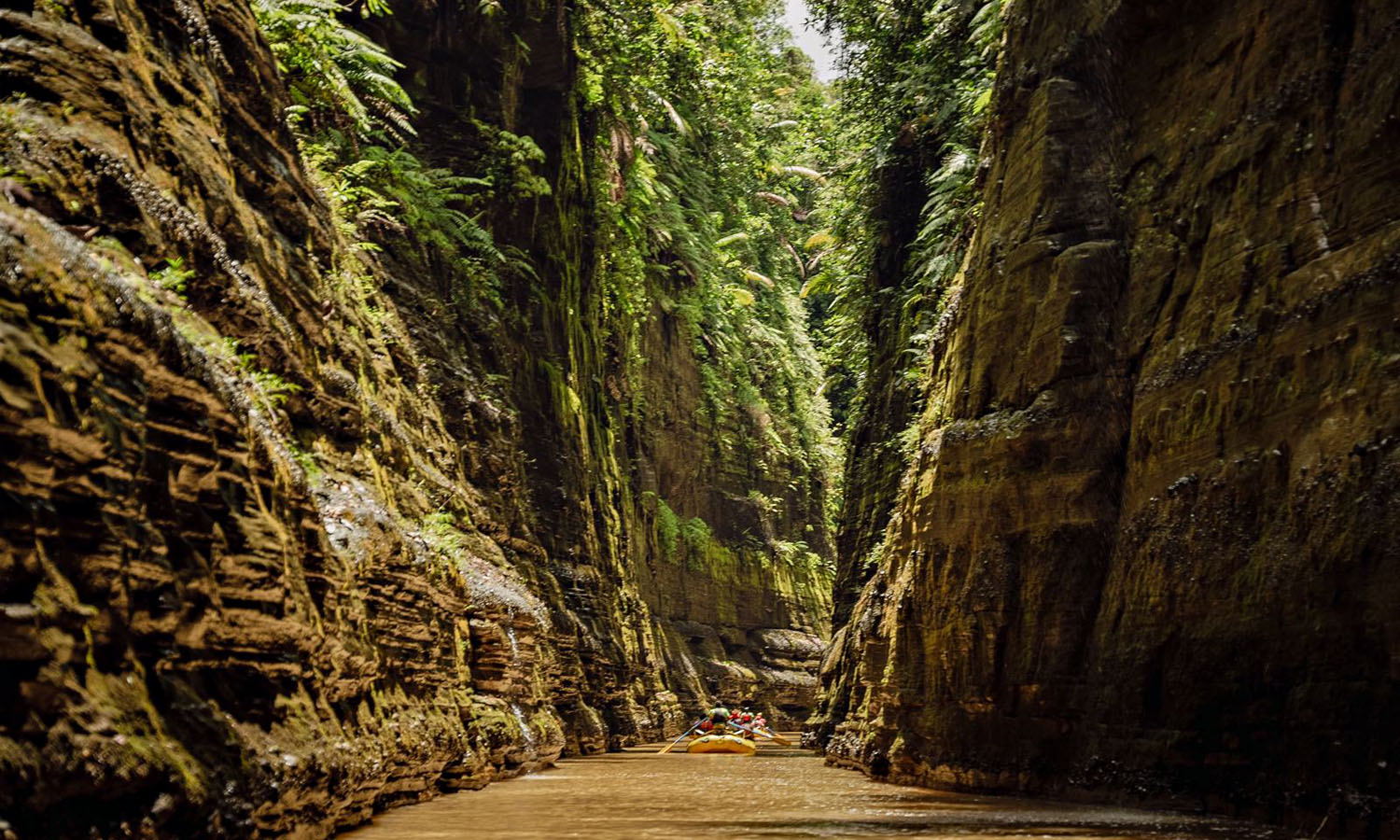
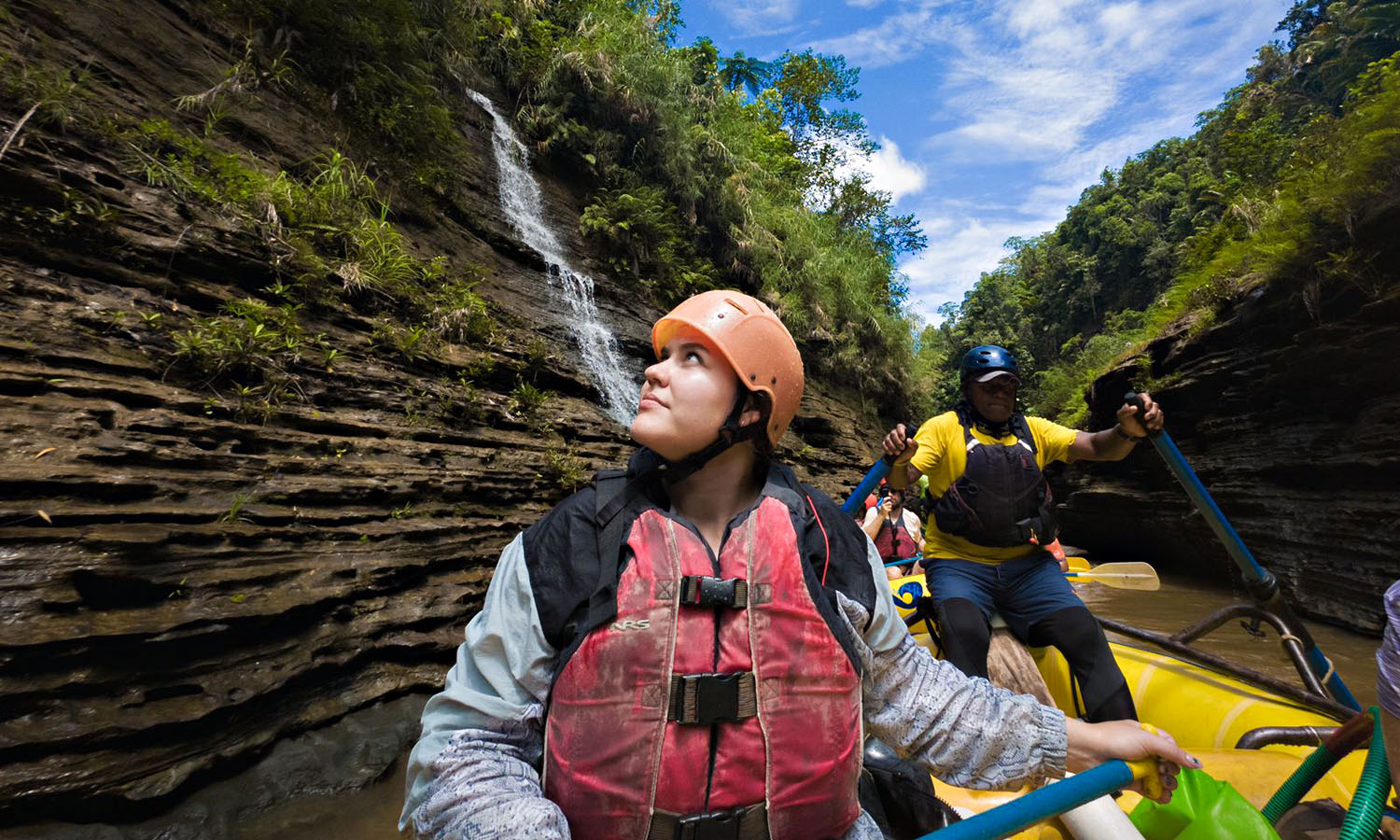
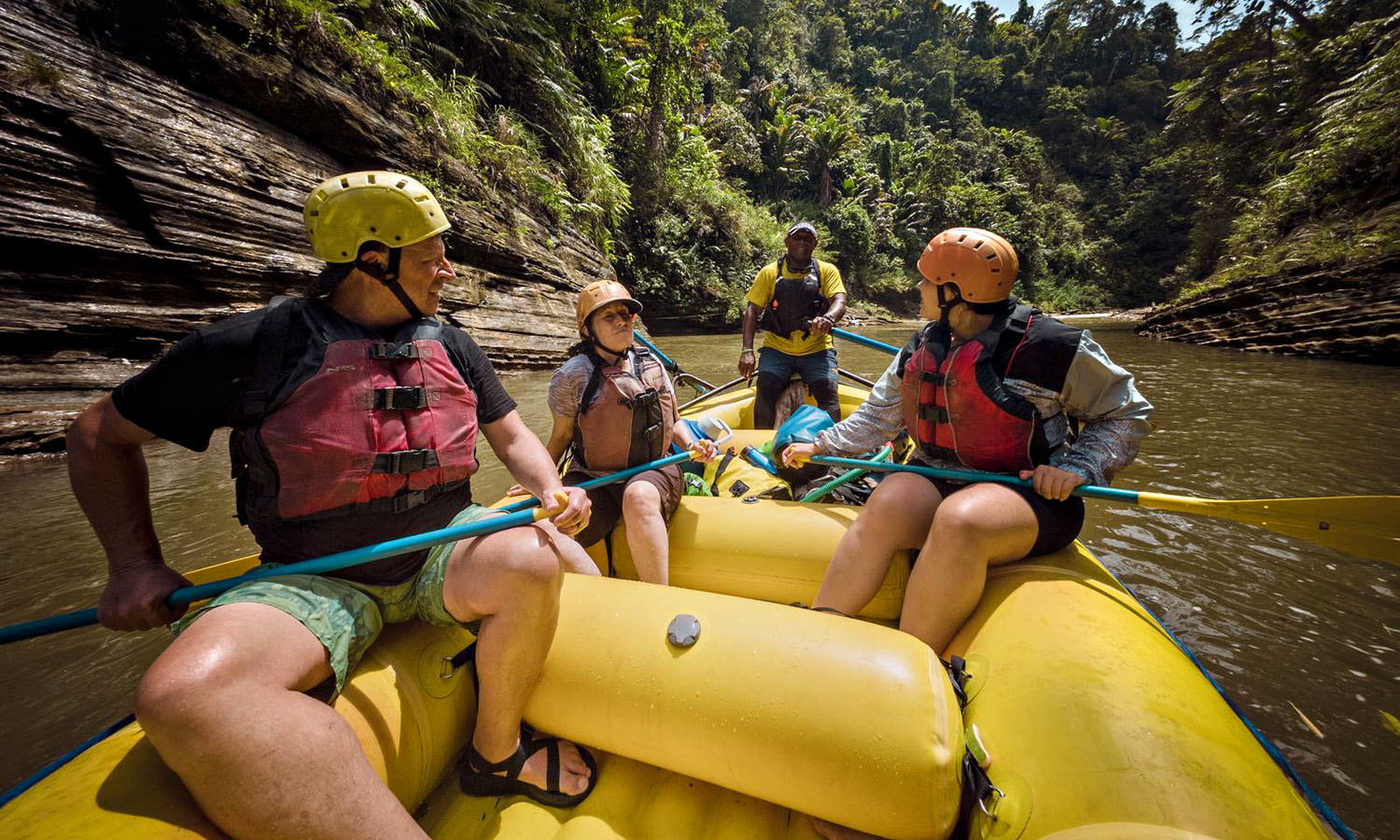
But the kayaking was preparing us for the main event, the activity I couldn’t wait to try: whitewater rafting down the Upper Navua River. Our Rivers Fiji guides briefed us on all the safety precautions, like how to position your body in the water if you fall out and how numb our butts were going to feel, but they didn’t warn us about how breathtaking the narrow (in some parts) waterway would be.
The river’s flanked by towering volcanic cliffs, lush rainforest straight out of Tarzan and waterfalls you can actually get close to. But my serene surroundings lulled me into a false sense of security. At one point I was even wondering if I’d break a sweat. Then came the rapids.
Okay so it’s not like we were paddling down the Futaleufu River in Chile, but these rapids weren’t nothing either. The only thing piercing the sounds of crashing water on rocks was our guide Moses’ voice, telling us to, “Paddle together family,” shouting as if our life depended on it.
I’ll let you in on a little secret: you’ll survive. Not only because the Rivers Fiji guides are pros (Moses has been rafting the river for decades), but also because the adrenaline-inducing rapids are over before you know it, quick to be replaced by calmer sections of the river. Your fully wet clothes—and some sick GoPro footage—are the only reminders that it ever even happened.
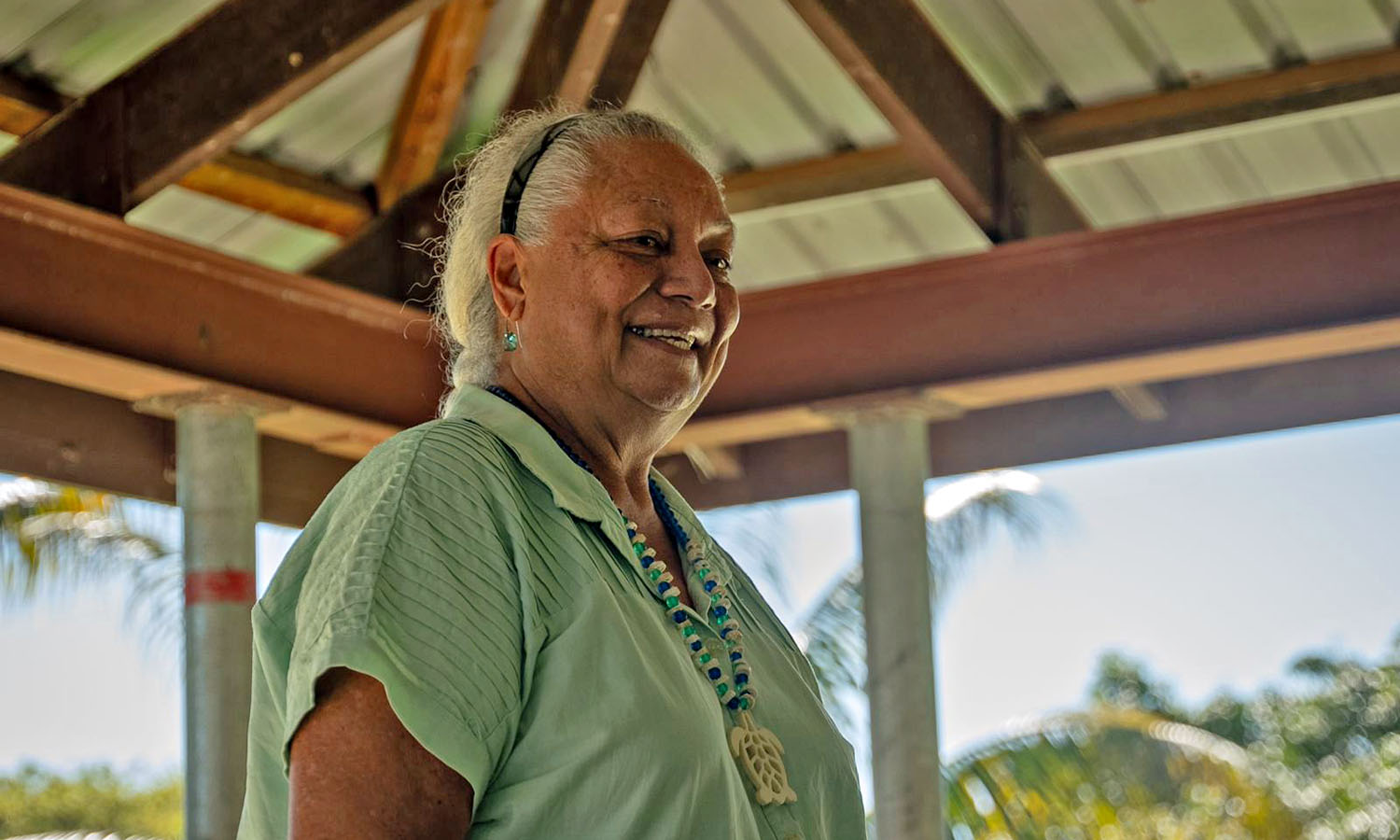
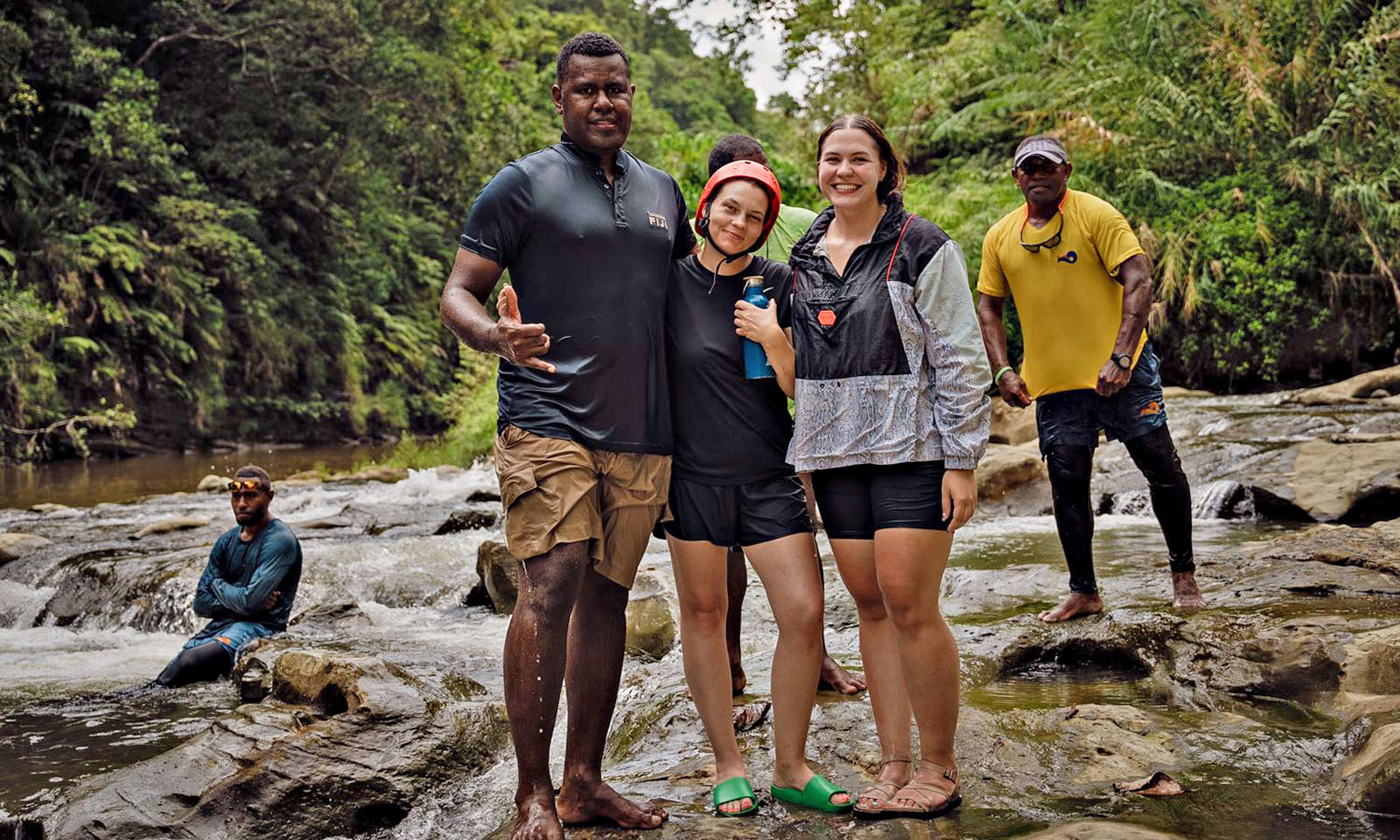
Here’s the thing though, as exhilarating as its adventures are, it’s the people of this island country that steal the show. Fijians are renowned for their hospitality, which isn’t the polished, almost rehearsed kind you get at the fancy resorts. It’s authentic, sincere and infused with a sense of humour that’s hard to find anywhere else.
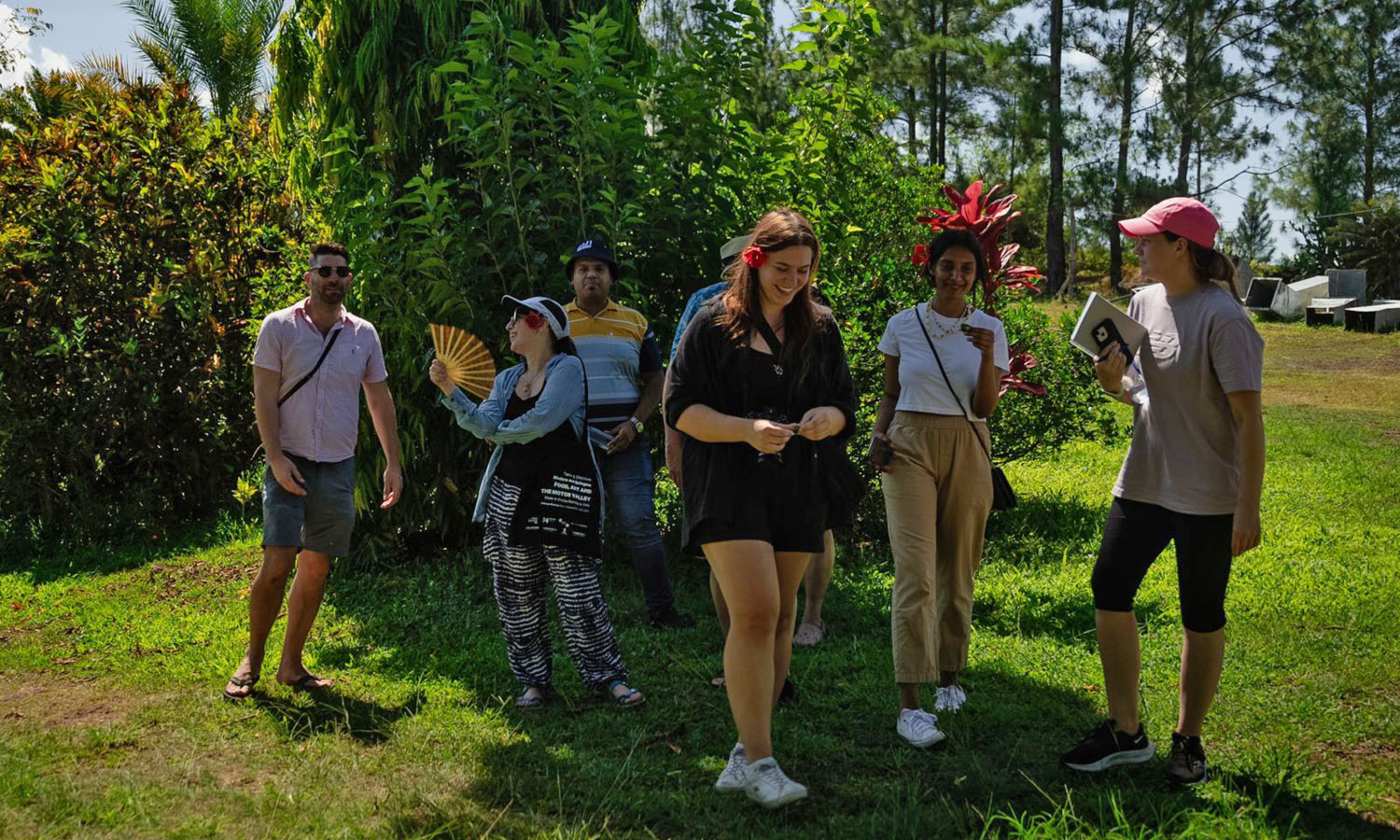
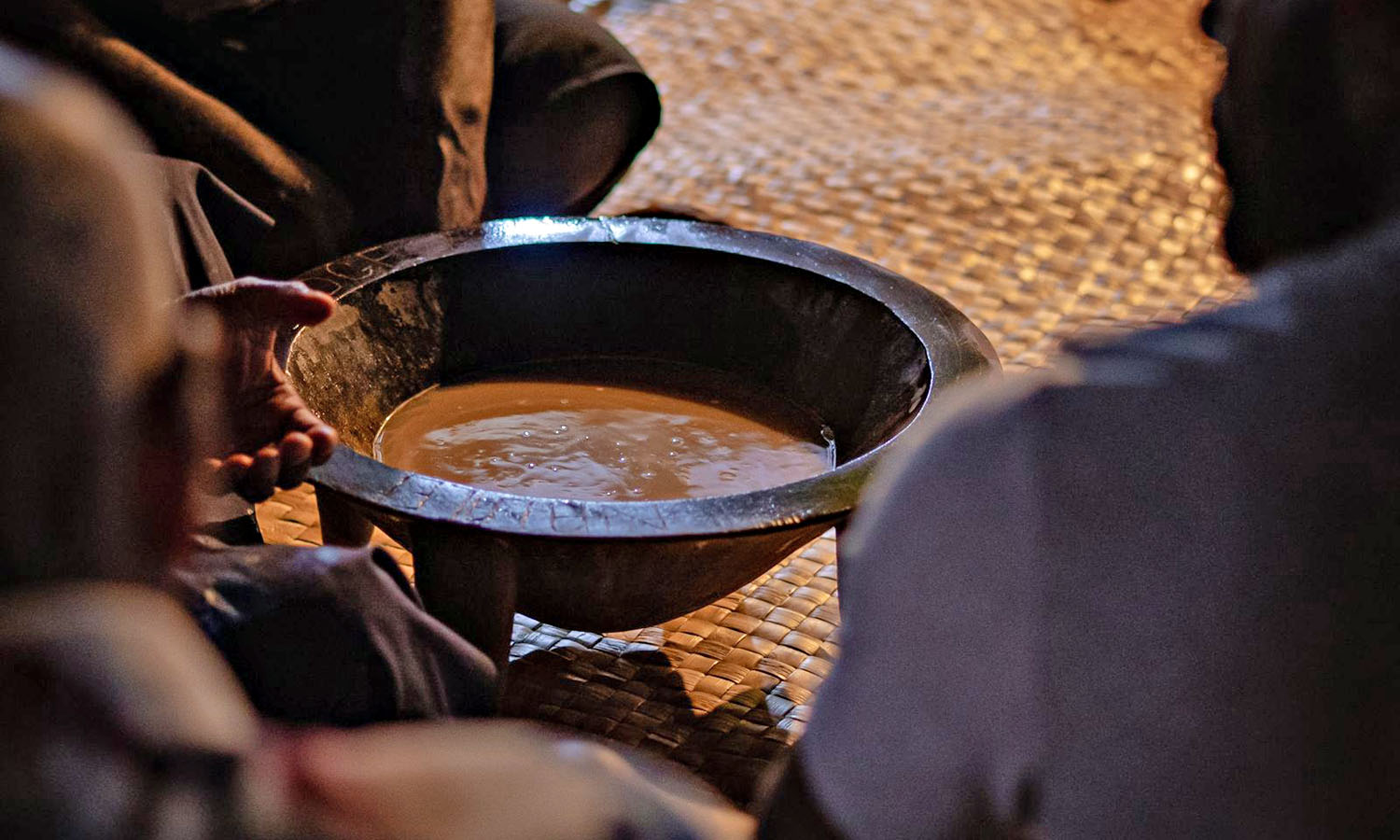
During our stay at Natalei Eco Lodge (located in Dawasamu), I found myself sitting cross-legged on the floor, drinking kava (a mild sedative ceremonial drink) and trying to follow the words of the nearby village’s chief. I didn’t understand a thing and had only been subtly coached by our gracious tour guides on what to expect and how to behave.
But the locals just good-naturedly laughed at each one of our slight mistakes, and simply smiled when one of us asked for a, “Very low, low, low tide.” They didn’t take themselves too seriously, and by the end of your stay in this country, you won’t either. It turns out Tourism Fiji’s slogan—where happiness comes naturally—isn’t just a saying, it’s a sentiment.
*Image credit to the Adventure Travel Trade Association and Studio 4×4*
You deserve a festive upgrade this year and we’re thinking one of the world’s top Christmas getaway spots might just be on the cards – think cosy firesides in alpine chalets, palm-fringed villas on secluded beaches or a grand Spanish suite so nice even Santa won’t want to leave.
So you don’t have to spend hours researching (when you could be binge-watching The Great British Bake Off), we’ve put together a list of our favourite Christmas escapes. We promise they’re way better than anything you’ll find stuffed in a stocking.
Trade the Christmas chaos for Hinterland views, spa treatments and sun-kissed skin at Lo Scoglio, Byron’s newest (hotel) bae. The vibe might be Italian villa, but when it’s 40 degrees outside and Lo Scoglio’s infinity pool is practically begging for a cannonball, there’ll be no doubt in your mind – you’re in for an Aussie Christmas.
There’s a yoga deck that’s perfect for post-present lounging, a bar menu full of cocktails that put even the richest eggnog to shame and an ice bath and infrared sauna combo for when you’ve gone a little too hard on the festive cheer (read: champagne).
If you’re looking for a Christmas escape that’s different from your usual snowy situation then Jalakara, nestled on the Adaman Islands in India, fits the bill. This place is more ‘tropical breeze’ than Silent Night, with white sand for as far as the eye can see, palm trees that sway constantly and cocktails you’ll want to swap your hot chocolate for.
And you can forget about the turkey (you won’t get one here). Instead, dine on fresh seafood, including a spiny lobster platter and sugar-cured tiger prawns. Throw the hotel’s raw and beautiful setting into the mix, and you’ve got the perfect Christmas getaway.
Jetting off to the Caribbean for Christmas sounds a little odd, but when your final festive destination is Silversands Beach House in Grenada, it makes perfect sense…at least to us. That’s because this chic beachfront hotel is luxurious yet extremely intimate. In other words, no one’s going to hear you playing Micheal Bublé on repeat.
The hotel grounds are set on top of a cliff overlooking Portici Beach (which has the most turquoise-y waters you’ve ever seen) and there’s only 28 rooms in the joint: each one boasting a private terrace with a sail-like canopy that’s a perfect spot for your post-Christmas feast coma.
When you think of Christmas, it’s probably woolly coats, festive markets and steaming cups of mulled wine that come to mind, but swap pine trees for palm trees and island sunsets for snow and you’ve got yourself Christmas at Aloita Boutique Resorts in the Mentawai Islands.
This place is pure luxury; beachfront bungalows dot the white sand, lounges full of plush sofas and entertainment wait around every corner, and a cold coconut-laden bar hides under the swaying palm trees. Even Santa would trade in his sleigh for a surfboard at this place.
A stay at Kentucky’s Bourbon Barrel Retreats is the ultimate Christmas plot twist. While everyone else is drinking eggnog and mulled wine, you’ll be sipping on festive ‘spirit’ of a different kind: plenty of good ol’ bourbon.
This retreat is nestled in the heart of Bourbon Country – you’re completely surrounded by distilleries, tours, bars and restaurants all centred on the golden-brown stuff. So, it makes sense that these barrels are literally the perfect place for a Chrissy nightcap.
But these aren’t your average dusty, crusty and musty barrels. They have 10-foot-high ceilings, and king-sized beds, and kitchenettes, and beautiful curved wooden walls. Five of them even have outdoor hot tubs, so the bubbling hot water can warm the outside of your body while the smooth taste of world-class bourbon spreads heat from the inside.
When Christmas comes around every year, it’s hard to not keep doing the same things; you unpack the same decorations, watch the same movies and listen to the same Mariah Carey songs. But not this year.
This year you’re heading to the Rock Cabins at Kapolcsi Sziklak in Hungary, where your holiday season won’t just be different, it’ll be unforgettable.
Picture this: you’re nestled in a cosy wooden cabin surrounded by frosted Hungarian hills and a little dusting of snow. You’re feeling all toasty inside from the hot chocolate you’ve just finished, and you feel like braving the breeze for a dip in the jacuzzi. It’s December 24th and Christmas is only hours away, life is good. Pretty epic, huh?
Spend Christmas at CERVO Mountain Resort in Zermatt, where the only thing more stunning than the snow-capped peaks is the apres-ski scene. You can still pack your cheesy holiday jumper, but the resort’s all about sleek chalets and hot chocolate served with a side of ‘seriously epic view’.
Indulge in gourmet dining, lounge by the open fire and hit the Matterhorn slopes on Christmas day. Maybe Santa brought you some new skis? The only problem is, once you spend one Christmas here, you’re gonna want to spend every Christmas here. But y’know, pick your battles.
If we had to throw in one Christmas city escape, it simply had to be in Tokyo, and the hotel simply had to be Janu. Don’t worry, we’ll tell you why.
This city never tones it down – it’s edgy and high-energy, two characteristics that only heighten during December. And Janu’s floor-to-ceiling views of Tokyo’s city lights give you a front-row seat to the Big Man’s movements on Christmas Eve.
Yes, you’ll have to swap a home-cooked ham for world-class fusion cuisine, but we can bet ya the food tastes more comforting when you’re not the one doing the washing up. There’s also a spa/zen-haven for when having your third helping goes from being the best idea to the worst.
Feel like embracing a different culture’s holiday traditions this December? Introducing Mallorca’s Grand Hotel Son Net, a picturesque property nestled at the foothills of UNESCO-protected Sierra de Tramuntana Mountains that’s more than ready to ramp up the festive spirit.
Decorations light up the hotel’s common areas, candlelit feasts full of Majorcan Christmas ball cake and seasonal soup burst from each on-site restaurant, and vineyard tastings bring out the local holiday flavours.
And we haven’t mentioned the rooms yet. Guests have a choice of three room types: the palace, the pool cottages and the pool cottage house. Each type has a distinct personality with incredible attention to detail and a style that feels like you’re Christmas-ing like a royal.
Okay we’re back on our tropical grind with this one, and it’s for good reason – Christmas at Cauayan Island Resort in the Philippines is pure paradise-y magic. Instead of heavy-duty gloves and snowy landscapes, think swimsuits and private villas with infinity pools you won’t stop swimming in.
This resort offers everything from a personalised butler service to epic diving spots right at your holly-wreathed doorstep. Holiday stress? Haven’t heard of her. The private hotel’s spa provides a welcome escape with facials, rejuvenating massages and other beauty treatments so you can start the new year the right way.
Don’t panic—we’ve put together a list of the nine best travel-related experiences and products for every avid adventurer. Whether they’re a seasoned backpacker, a serious photographer or just an ‘I love being outside’ -er, these presents will inspire a few, ‘I need to pack now,’ moments and you’ll look like a gift-giving genius.
FOR THE ONES WHO ALWAYS SAY ‘I’VE GOTTA GET FOOTAGE OF THIS’
DJI Mini 4 Pro AU$1,699
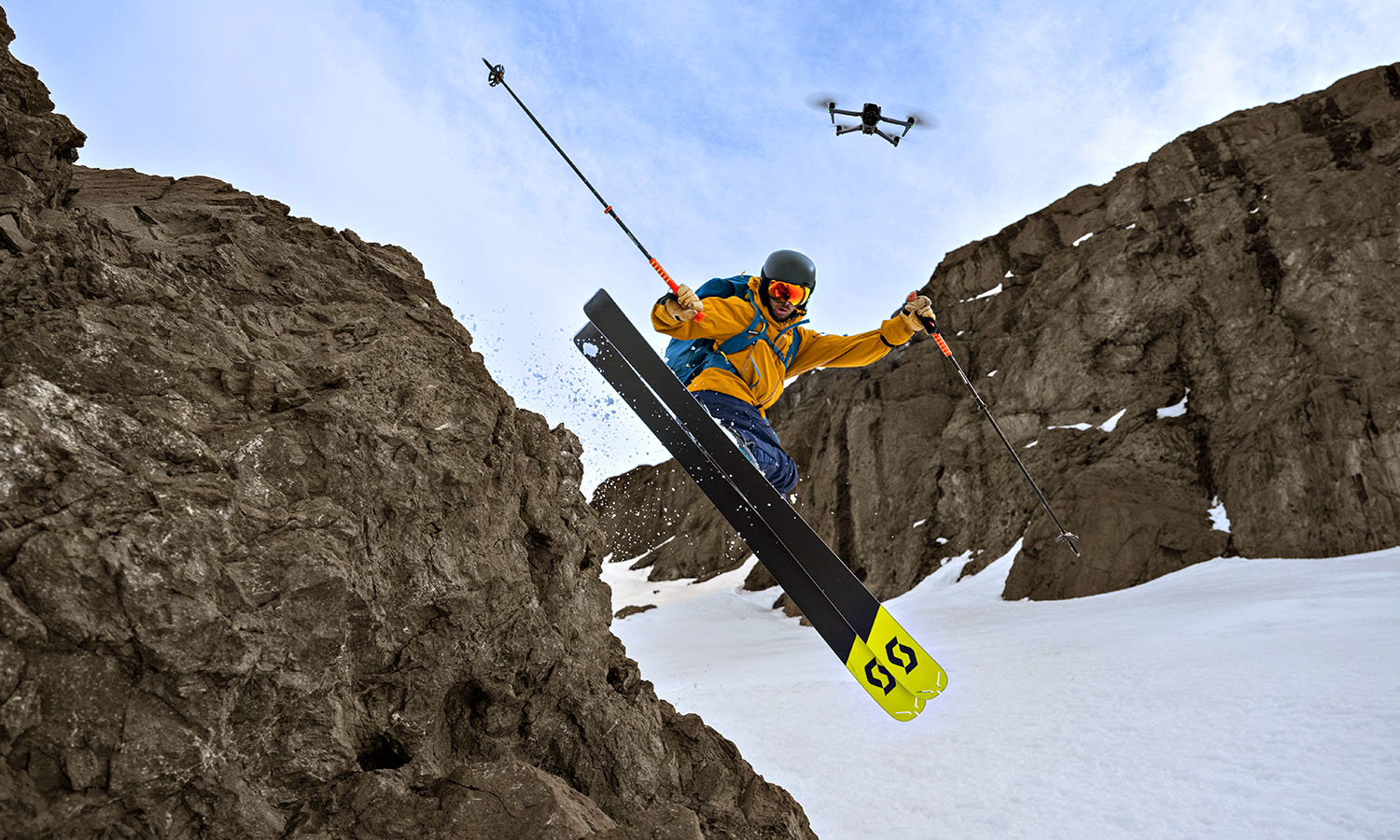
Gone are the days when you had to carry around kilos of back-breaking equipment to get some decent footage. DJI’s newest mini marvel promises epic travel photography thanks to its host of advanced technologies—think flexible shooting-range selections, nightscape optical sensing and a dual camera with 14 stops of dynamic range.
Forget capturing the view; you’ll be able to chase it and still get quality worth the AU$1,699 price tag. It’s lightweight, easy to fly, and perfect for those who want to be a drone master, but aren’t quite there yet.
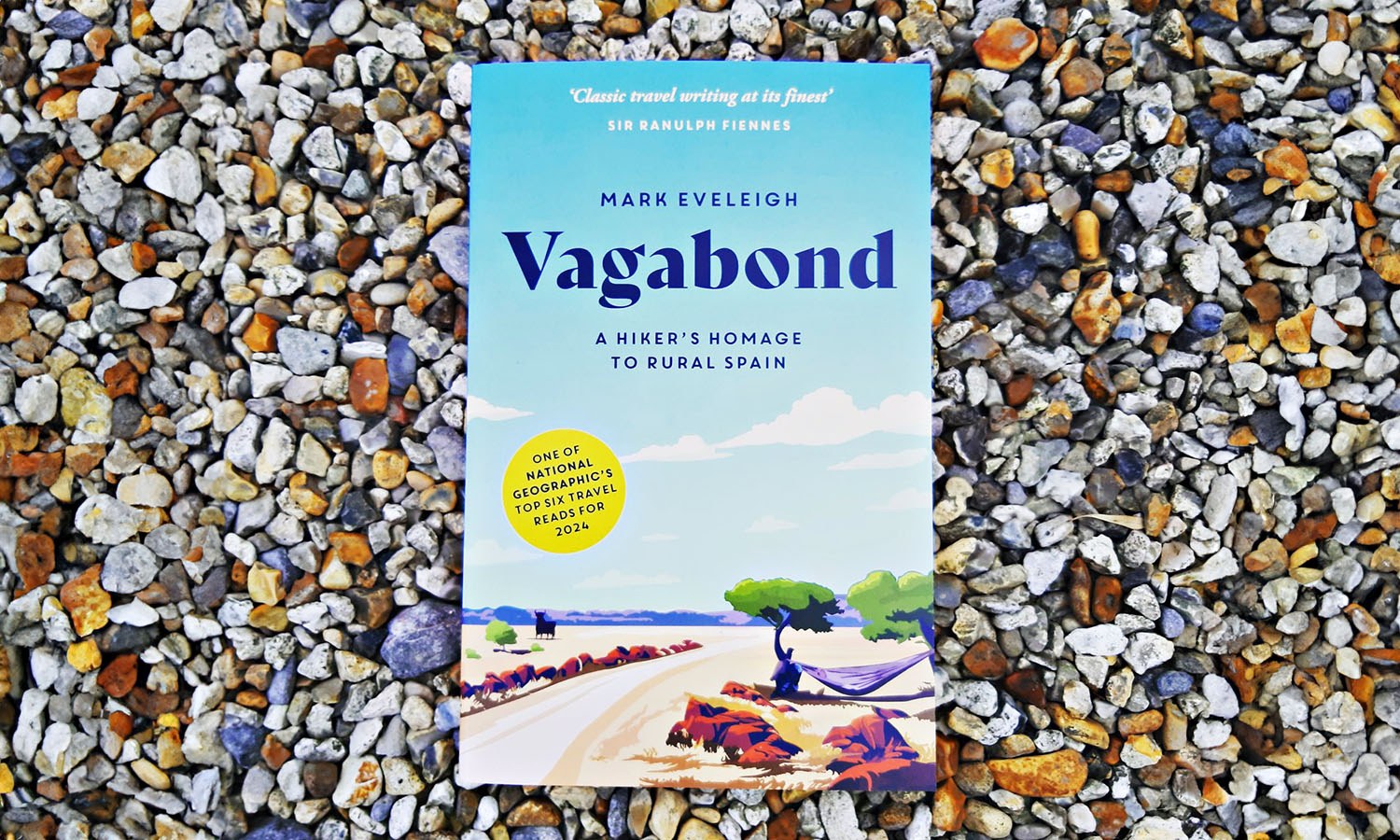
Reading and adventure don’t often go hand in hand, but Mark Eveleigh’s Vagabond makes you feel as if you’re the one hiking across the Iberian Peninsula with every flip of the page. And you’re in for a wild ride.
This book explores the highs and lows of a life lived on the edge while also celebrating rural Spanish communities that are well and truly on the road to being forgotten. With this incredible story, Eveleigh explores the meaning of offbeat adventure, stumbles upon ridiculous encounters, and has a fair few surprisingly profound moments. And you can too, all you need is a backpack, a hammock and a little touch of crazy.
FOR THE ONES WHO THINK THE BAGGAGE CAROUSEL IS A RUNWAY
July Carry On AU$325
If you know someone who uses their passport as much as the TikTok app on their iPhone, then a July Carry On is the answer. Sleek, stylish, and built for the modern traveller, this hard case is extremely functional—we’re talking reinforced bumpers, an integrated TSA lock, a multi-stop telescopic handle, a water-resistant and stain-proof nylon lining and a lifetime warranty (what??).
Say goodbye to zippers that get stuck and hello to smooth rolling wheels, a durable design, and enough space for your cousin Jack to pack his whole wardrobe. You can even personalise the case for a nice little Chrissy touch.
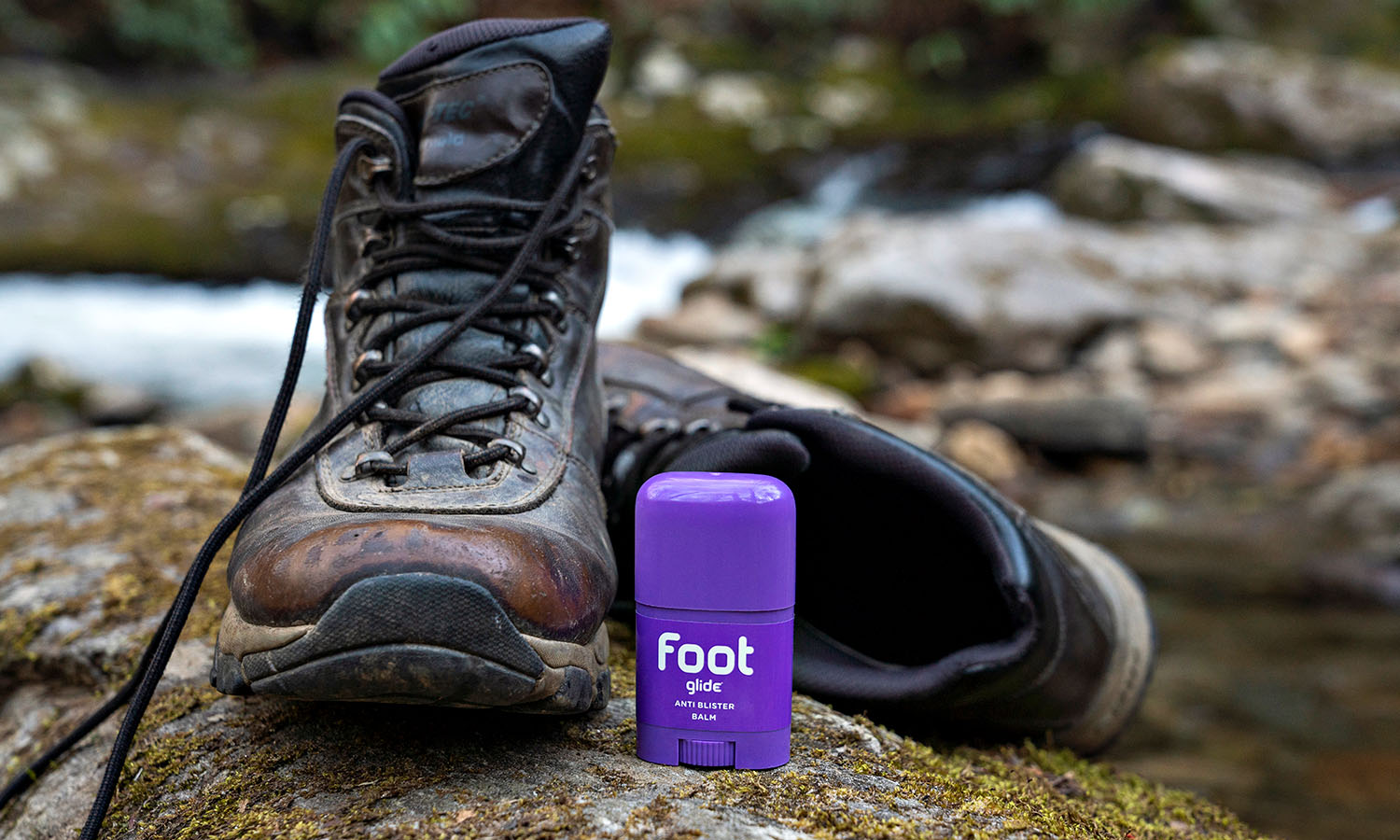
Picture this. You’re halfway through a 4-hour hike. The terrain’s tough, the sun’s beating down, there’s sweat dripping off your face, and you can feel your left sock slipping a little more with every step. You’re gonna get a blister, and there’s nothing you can do about it.
But what if there was? That’s where Body Glide comes in. Protect your feet and toes at all costs with Foot Glide, your one-stop, anti-blister balm. Before you lace up your runners or buckle your sandals, directly apply the balm onto the back of your heel, in between your toes or wherever your skin rubs for instant blister prevention.
Packed with a bunch of skin-saving ingredients like Apricot Kernel Oil, Comfrey Lead Extract and a couple of the good Vitamins (A & C to be exact), this balm nourishes, restores and softens your skin so you can continue your adventure on foot, pain-free.
FOR THE ONES WHO CAN’T GO ANYWHERE WITHOUT THEIR GoPro
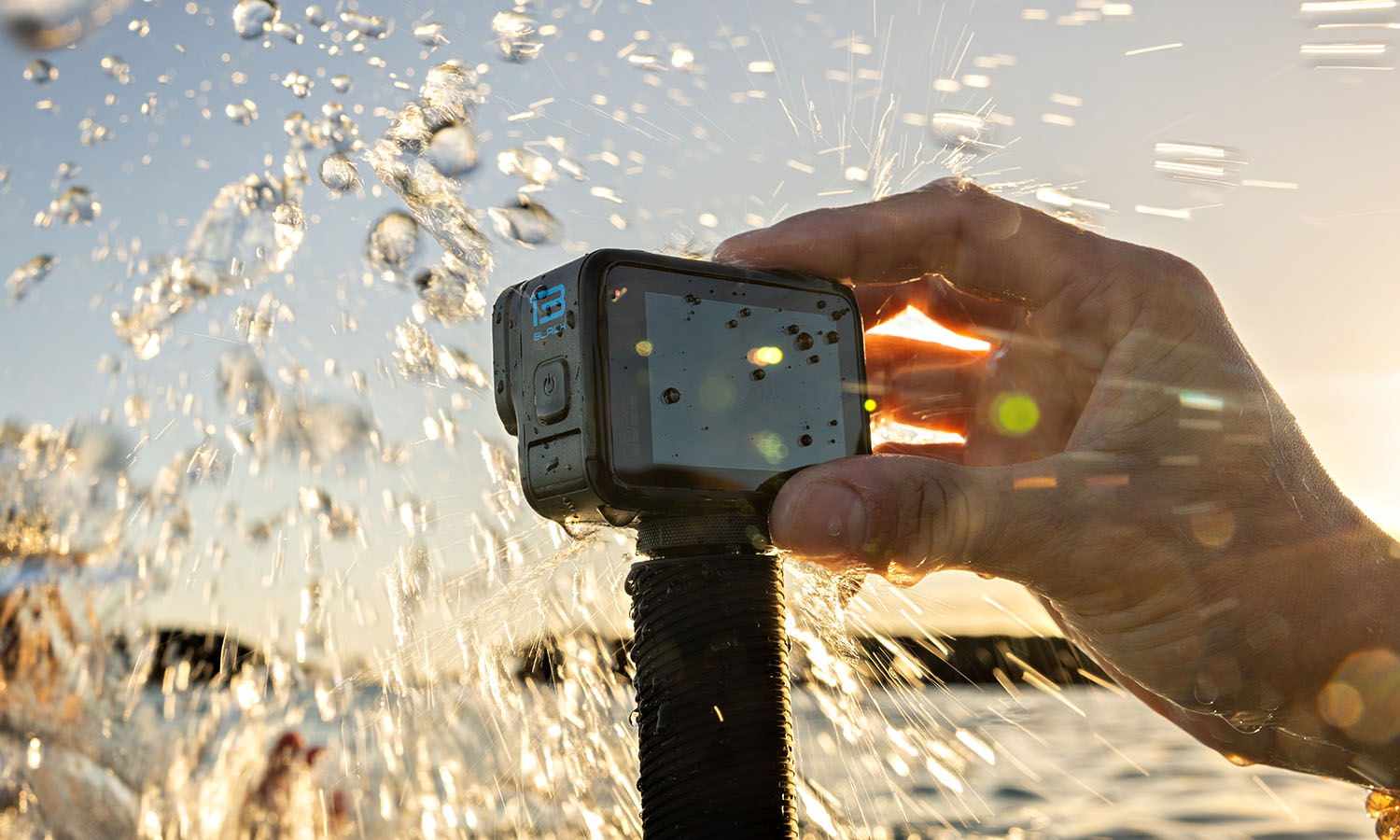
GoPro HERO13 AU$649
The newest addition to the GoPro line-up is here, and it won’t just take a video. It’ll perfectly preserve the feeling of catching some serious air skiing on the slopes or the amazement of being surrounded by tropical fish in the South Pacific, all in 5.3K. That’s right, the image quality is so wicked that you’ll get to relive your favourite exhilarating moments over and over again.
In other words, this baby has it all—think a water-repelling lens cover, in-camera video stabilisation, a tall image sensor, wide-angle digital lenses, 10-bit colour, timecode syncing, auto-detection so you don’t have to fiddle with the settings mid-adventure, longer battery run-times and magnetic mounting. Someone’s been extra nice this year.
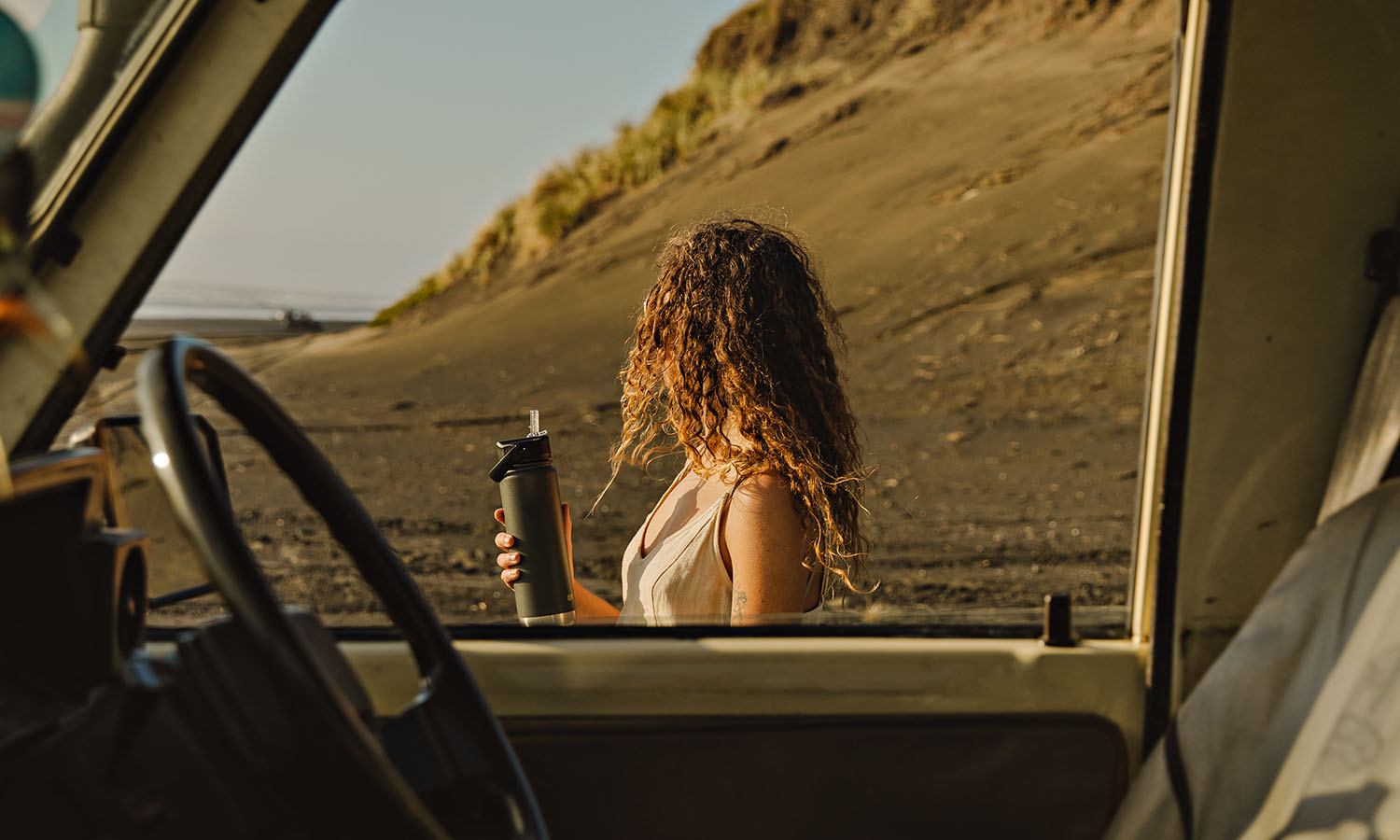
A Project PARGO drink bottle isn’t just a drink bottle; it’s a sustainability statement. Whether you’re telling a burpee who’s boss or dodging spills at your work desk, this bottle not only has your back, but the planet’s too. Let us explain.
With every purchase of a Project PARGO drink bottle, a percentage goes towards implementing clean water filters in communities that need it. Plus, each bottle is leak-resistant, double wall insulated, made out of Pro-Grade stainless steel and super easy to clean (so there’s no lingering funky smells). We reckon there’s a Project PARGO drink bottle with your Aunt Susie’s name on it.
Who cares if you look a little silly when 8 hours of quality sleep on a plane awaits once you’ve rested your neck down on Travelrest’s All-in-One Ultimate Travel Pillow? A decent sleep while you’re on the move is practically unheard of, but with memory foam inserts that’ll mould to your head, neck and shoulders and an ergonomic design that offers customisable support, this pillow is your first-class ticket to comfort-ville.
It’s also lightweight, compact, and easy to inflate (and deflate), so you can avoid the inevitable stares in the customs queue. Or your sister can.
FOR THE ONES WHO ARE REALLY INTO THE FESTIVE ‘SPIRIT’
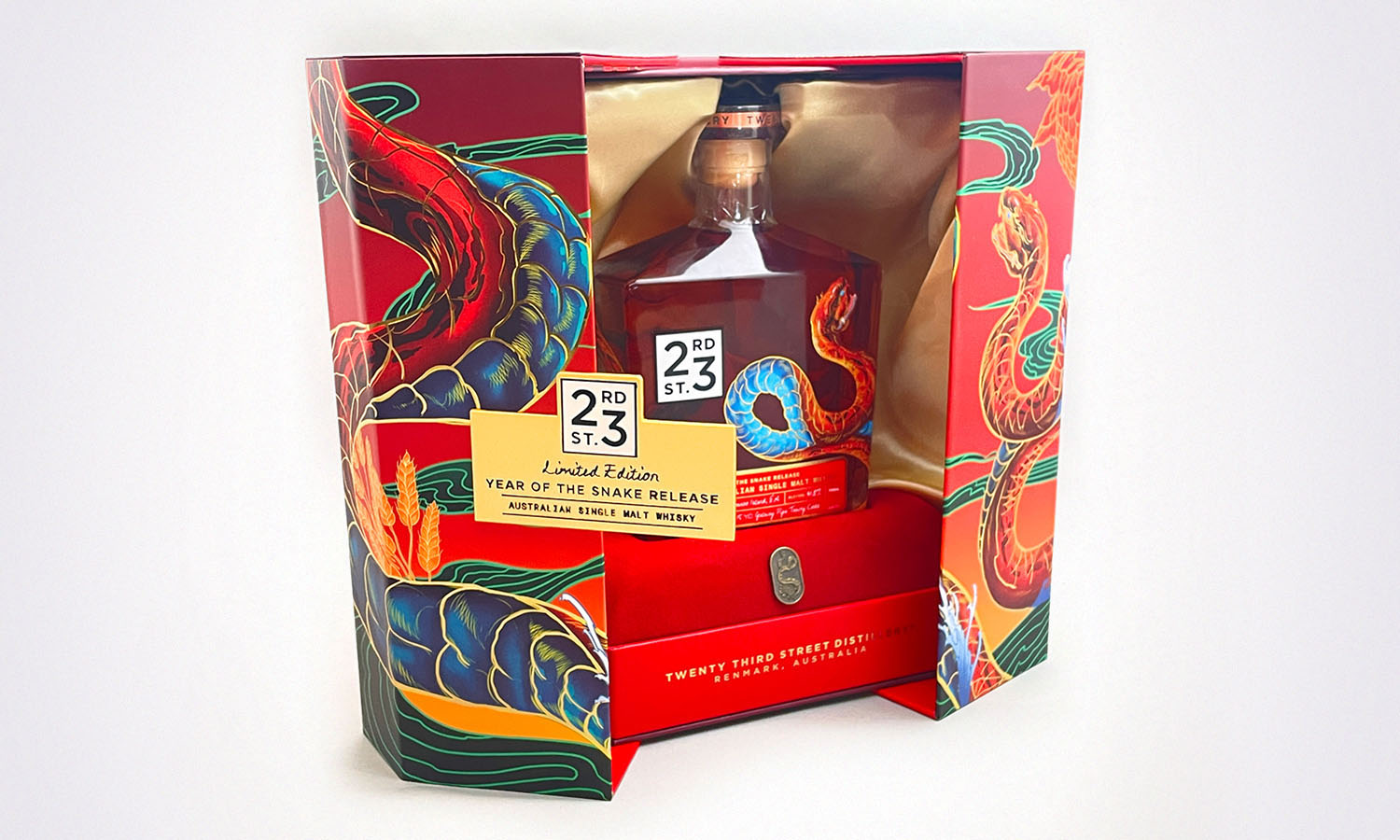
23rd Street Limited Edition Australian Single Malt Whisky AU$225
First things first, this isn’t your run-of-the-mill booze, so it can’t be gifted to any run-of-the-mill person (we all know at least one). This is 23rd Street’s Limited Edition Year of the Snake Australian Single Malt Whisky, and it’s bold and refined and it packs a punch—which you’ll find out if the giftee decides to share a glass with you.
Showcasing the wood element of the 2025 Year of the Snake, this smooth and rich whisky has been painstakingly aged in charred oak barrels to highlight a tasty depth of flavour (think wood and fire notes).
Your tastebuds can expect hints of toffee, raisins, vanilla and butterscotch, and your heart can expect to be loved by the lucky person you give it to.
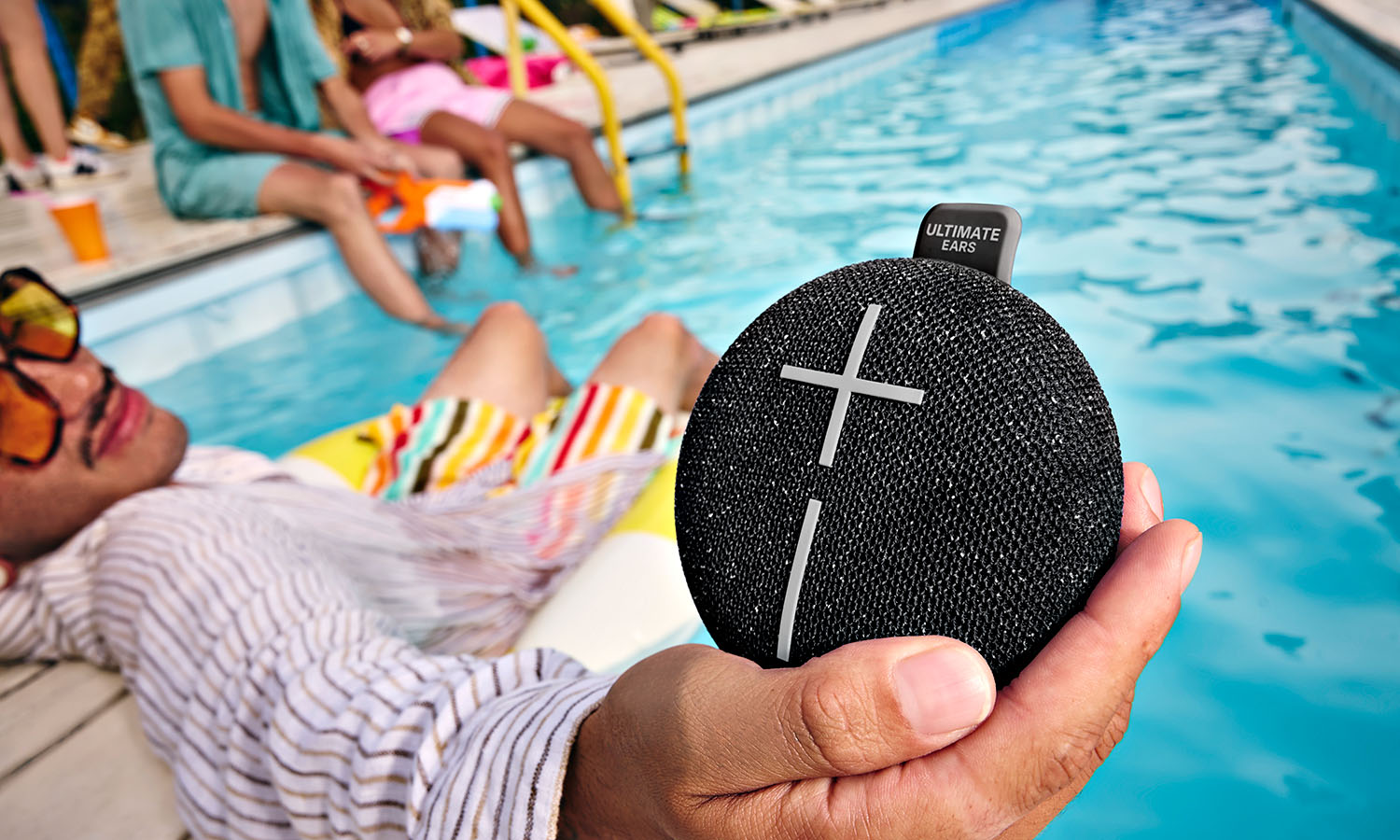
The Ultimate Ears MINIROLL might be small, but it produces a big sound (just ask your next-door neighbour after a bassy Christmas lunch). You can use it inside, but this little guy is made for the great outdoors.
It boasts an impressive 12 hours of play time, a design that’s water, dust and drop-proof, and hookable straps that let you tote it around wherever you go (read: attach it to your backpack or hang it off your jeans pocket).
It’s even made out of recycled plastic, so you don’t have to feel guilty while listening to Earth by Lil Dicky. What a Christmas win.
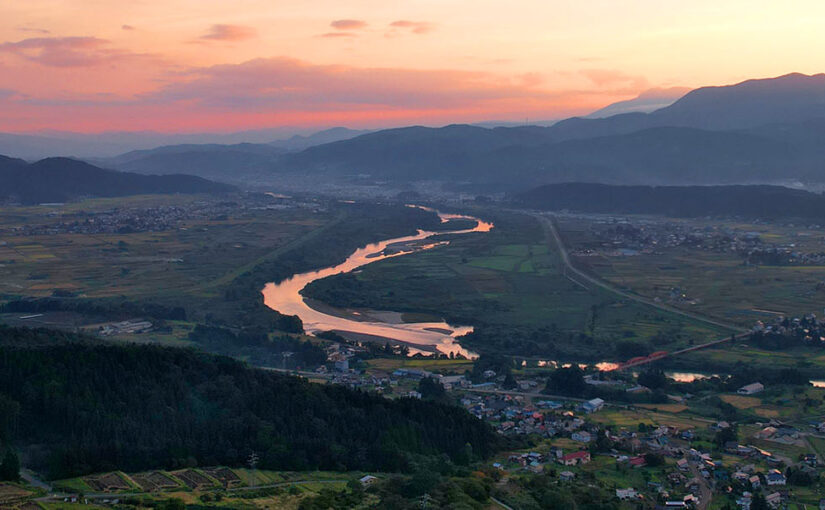
NAGANO: STEPPING INTO NAGANO IS LIKE WALKING INTO A WORLD CAREFULLY TUCKED BETWEEN TRADITION AND QUIET REBELLION AGAINST THE MODERN RAT RACE.
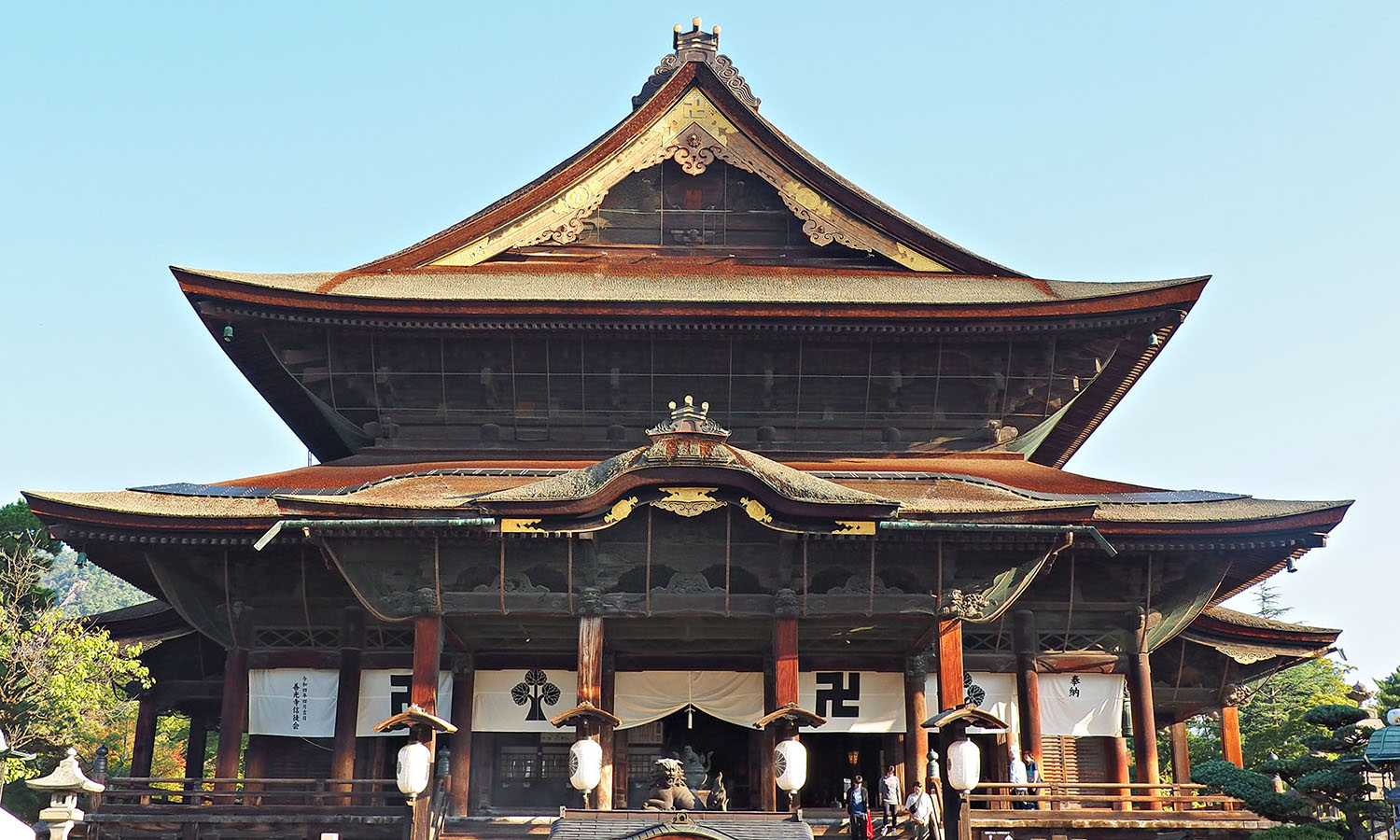
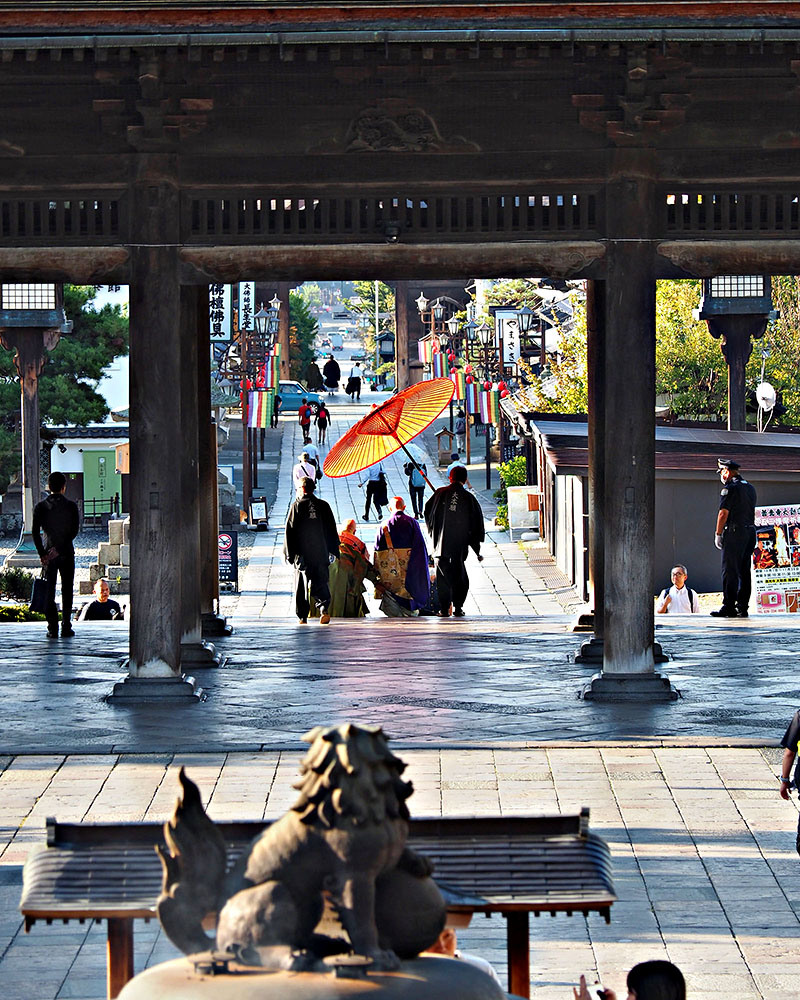
My first stop is Zenkoji Temple, one of Japan’s oldest Buddhist temples and, more importantly, a treasure trove of secrets that don’t surrender easily. It’s before dawn as I shuffle in, eager but hushed, feeling the weight of the place. The temple hosts a morning ceremony, a nod to the ages-old belief that no day should begin without a blessing.
The priest’s chants fill the hall like smoke, thick and unmissable, coaxing my mind to an almost meditative state. The centrepiece of the ritual, though, remains unseen. A sacred statue of Amida-Nyorai, the Buddha of infinite light, is hidden within the altar’s depths. The statue was brought from Baekje, one of the Three Kingdoms of Korea, in 552 and has never been viewed by mortal eyes, not even the head priest’s. As the chanting settles, I’m ready for what’s next: the Okaidan passage.
The Okaidan is not just a passage; it’s a rite of passage. This pitch-black tunnel wriggles beneath the main hall, right under where that hidden Buddha rests. It’s said you emerge changed and reborn. So, of course, I dive in. There’s nothing to see (it’s complete darkness), but I hear shuffling footsteps. The stone walls press in like a heartbeat, steady but somehow intimidating. Suddenly, my fingers graze something cold: it is the ‘key’ to paradise. According to the locals, touching this lock, known as the ‘key’ to paradise,’ which connects you to the Buddha, grants you safe passage into the afterlife.. An odd calm comes over me a second later, as if I’ve brushed against something profoundly ancient.
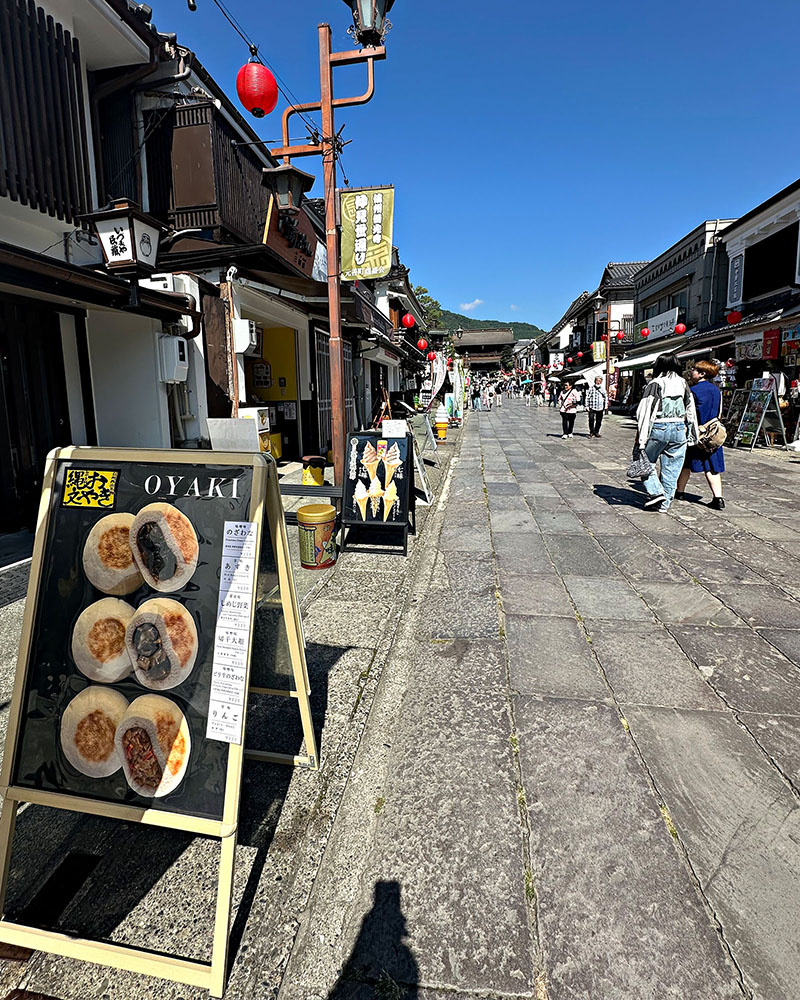
Back above ground, the sun is fully up. Feeling slightly changed and reborn I’m ready for breakfast the Nagano way: street food. I hunt down a stall selling Oyaki, a bun stuffed with everything from sweet red bean paste to savoury miso eggplant. It’s as warm and filling as it sounds, and honestly, I could eat these things all day.
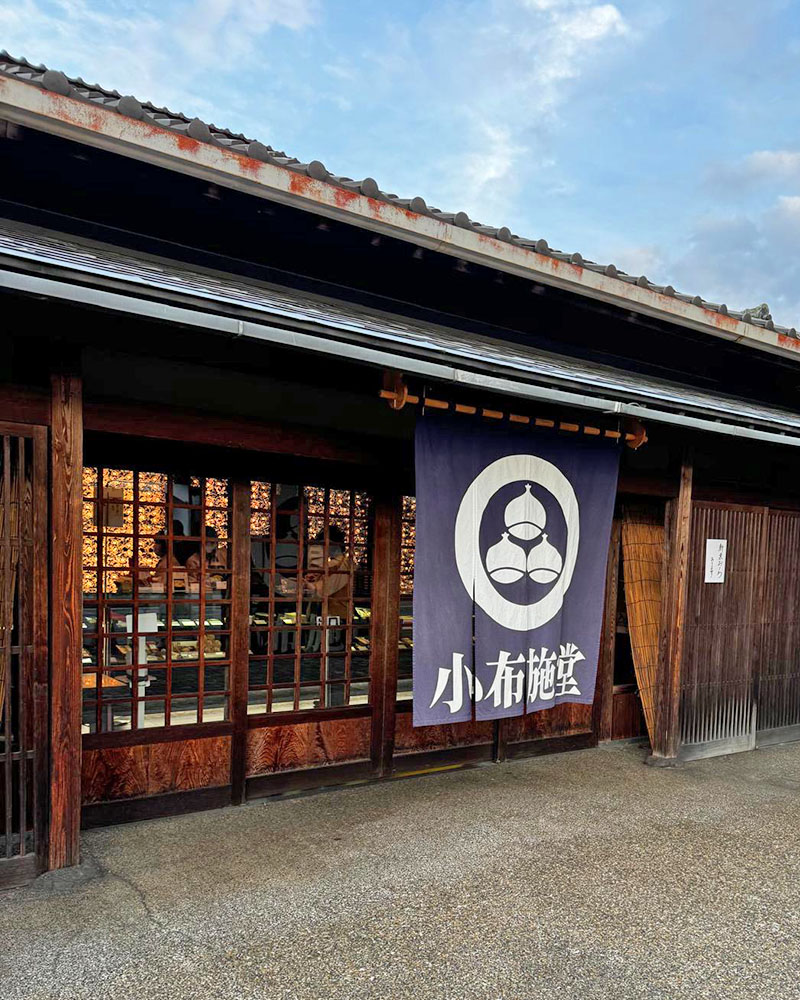
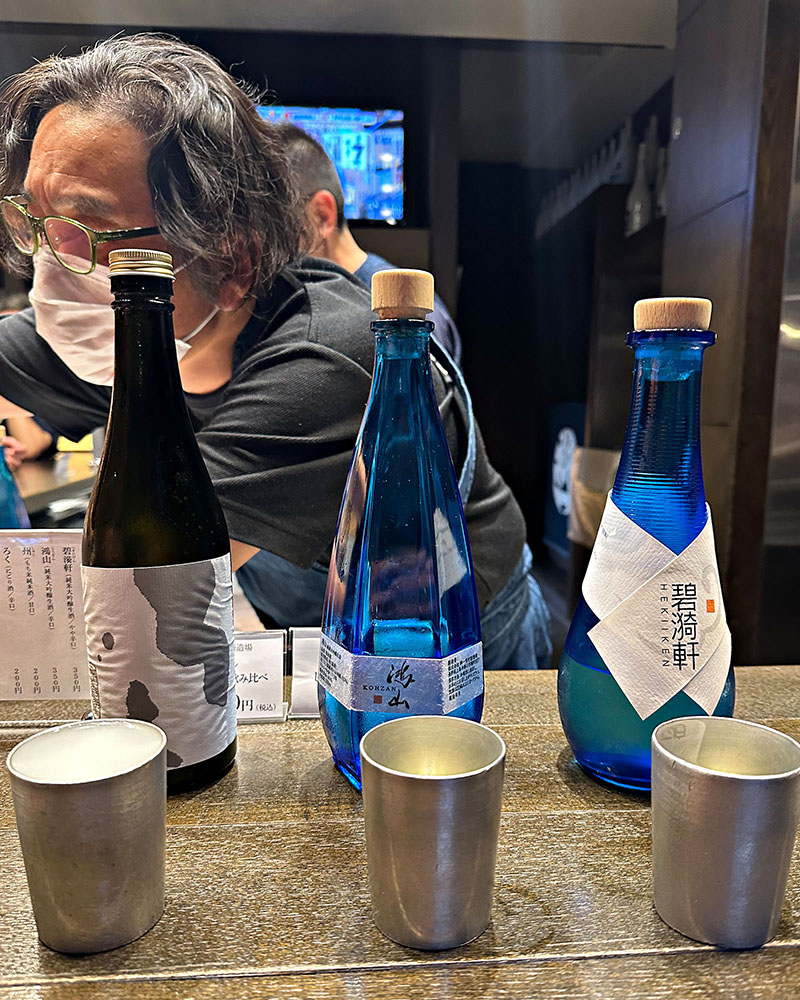
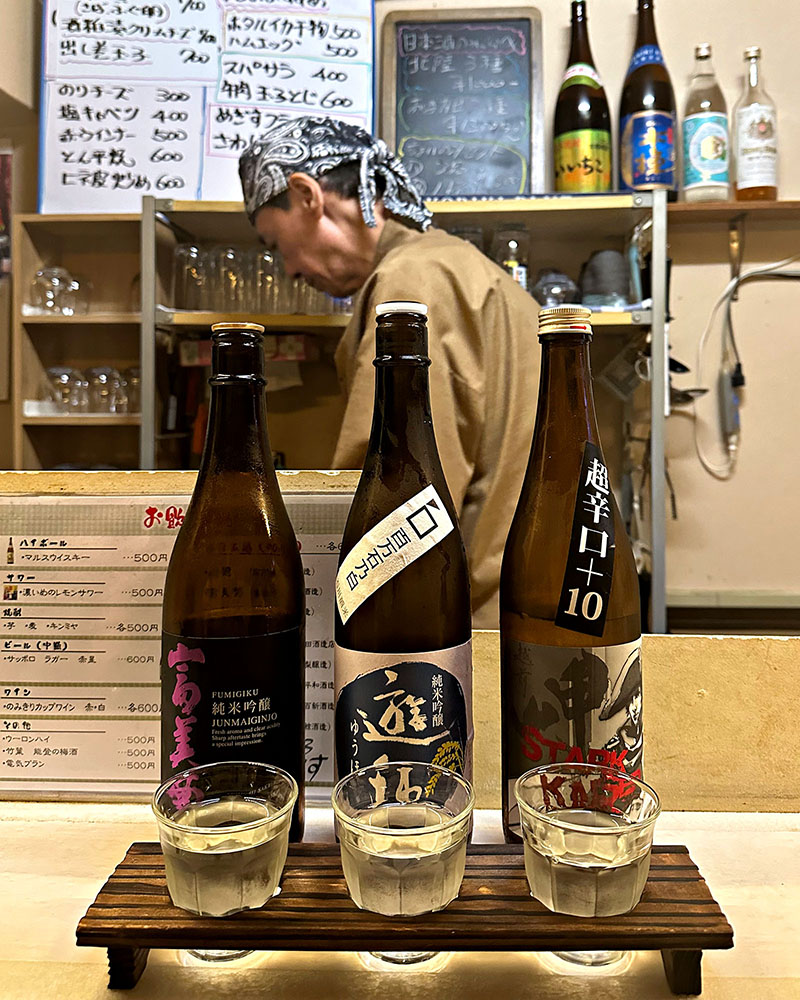
Next on my itinerary is a visit to the Hokusai-kan Museum. The name Hokusai alone has the art nerd in me buzzing, yes, that’s the man behind the iconic “Great Wave off Kanagawa.” His art moves from delicate landscapes to bold brushstrokes, capturing Japan with an intensity that feels raw and unapologetic. I leave feeling a touch more artistic than I did before and head to the Nishinomon Yoshinoya Sake Brewery, a 400-year-old establishment that’s practically a shrine to Japan’s love affair with rice wine. After a few taste tests, I conclude that my appreciation for sake has just been elevated from “polite interest” to “sign me up.”
Back at Shinshu Zenkoji Yakuoin (my accommodation for the night), the simplicity of the traditional inn is like a blanket I didn’t know I needed. But before I sleep, I try my hand at Shakyo, the art of hand-copying sutras. Sitting there with brush and ink, each stroke feels purposeful, like part of me is being carved away and left on the page. By the time I finish, my mind is oddly still, like I’ve stumbled into a meditation I didn’t know I signed up for.
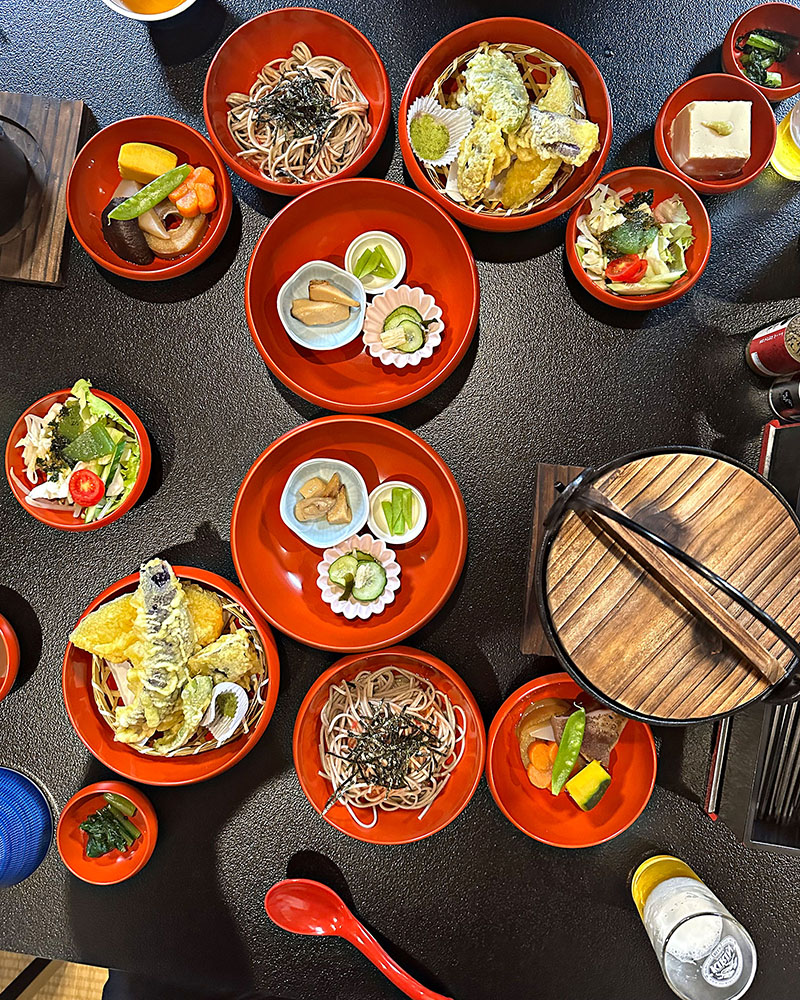
Dinner at the inn is a monk’s vegetarian spread, and while that may sound austere, it’s anything but. There’s a miso soup that’s so delicate and complex it practically deserves its own ceremony and an assortment of vegetables so fresh they taste like the very essence of the fields. The Japanese lager I down with it feels like a rebellious twist to the meal. Who knew monks could be so fun?
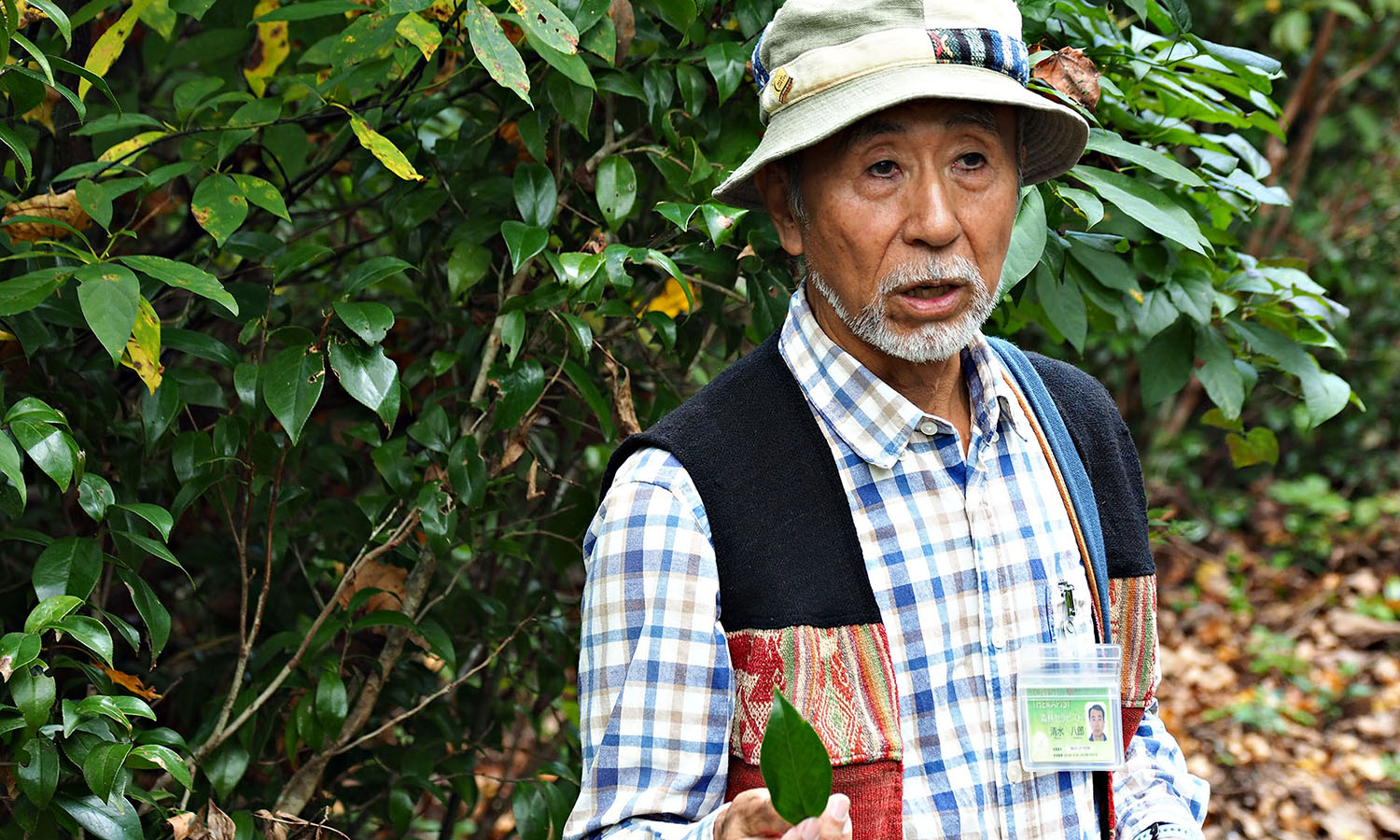
The next day, I met Mr. Shimizu for a forest bathing experience. There’s a pseudo-science to it: cedar trees, like the ones towering around us, release antibacterial particles that, when inhaled, have a positive effect on the body and mind. Mr. Shimizu leads me down a hidden path, and soon, I feel the deep hum of nature seeping in, grounding me with every step. The trees stand tall, unbothered, just doing their thing. And all I’m supposed to do is breathe and exist. It’s magic, pure and simple, but it’s about to get even more spiritual.
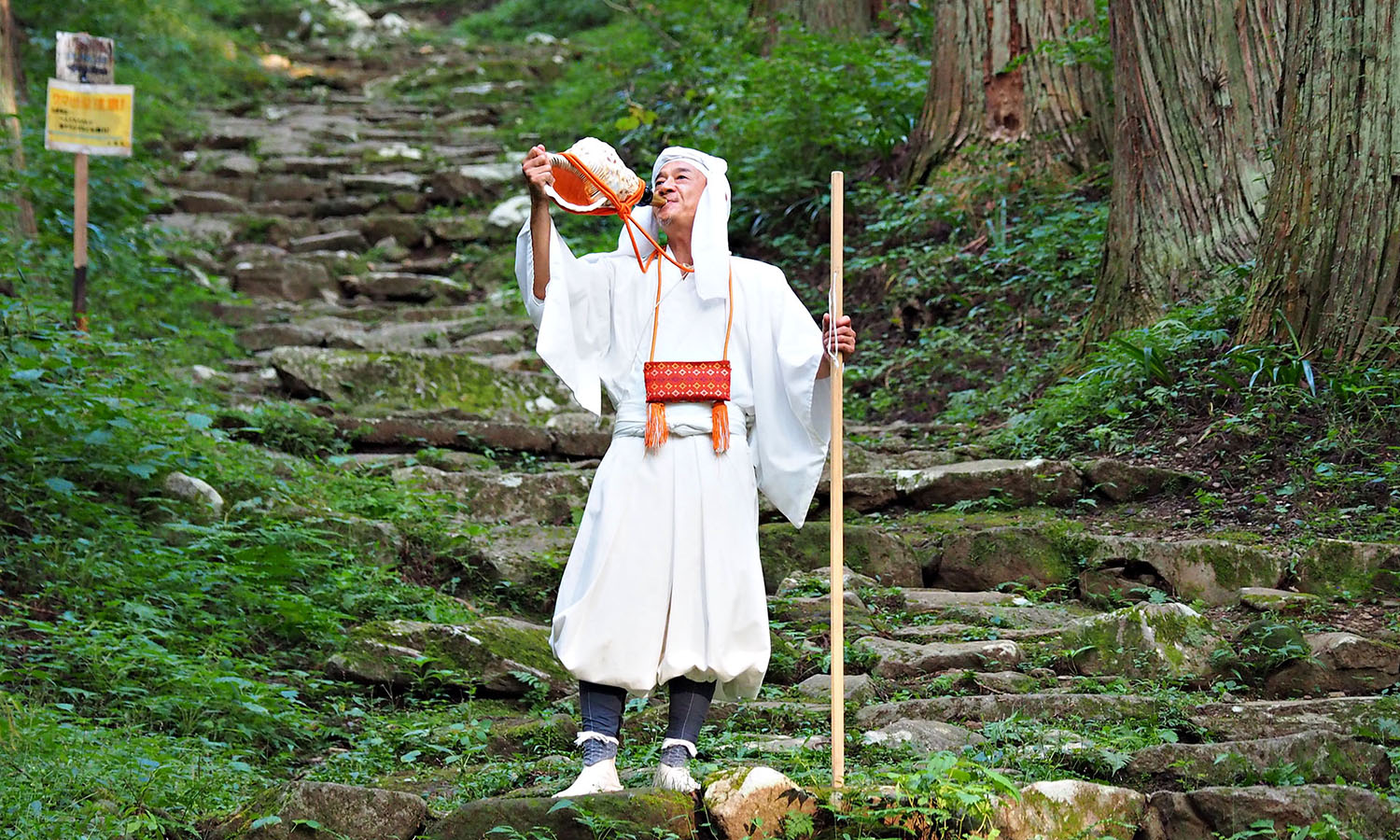
In the remote mountains of Nagano, the tradition of the Yamabushi, ancient mountain ascetic monks, still lives on through one of its last practitioners: Shida-san. The Yamabushi practice is a unique form of spiritual training, blending elements of Shintoism, Buddhism, and nature worship.
Shida-San, one of the last Yamabushi in the region, offers visitors the rare opportunity to experience this ancient tradition firsthand. Participants embark on a journey into the sacred mountains, engaging in meditative forest walks, waterfall rituals, and fire ceremonies. These practices, designed to cleanse the body and mind, bring participants closer to nature while deepening their understanding of themselves.
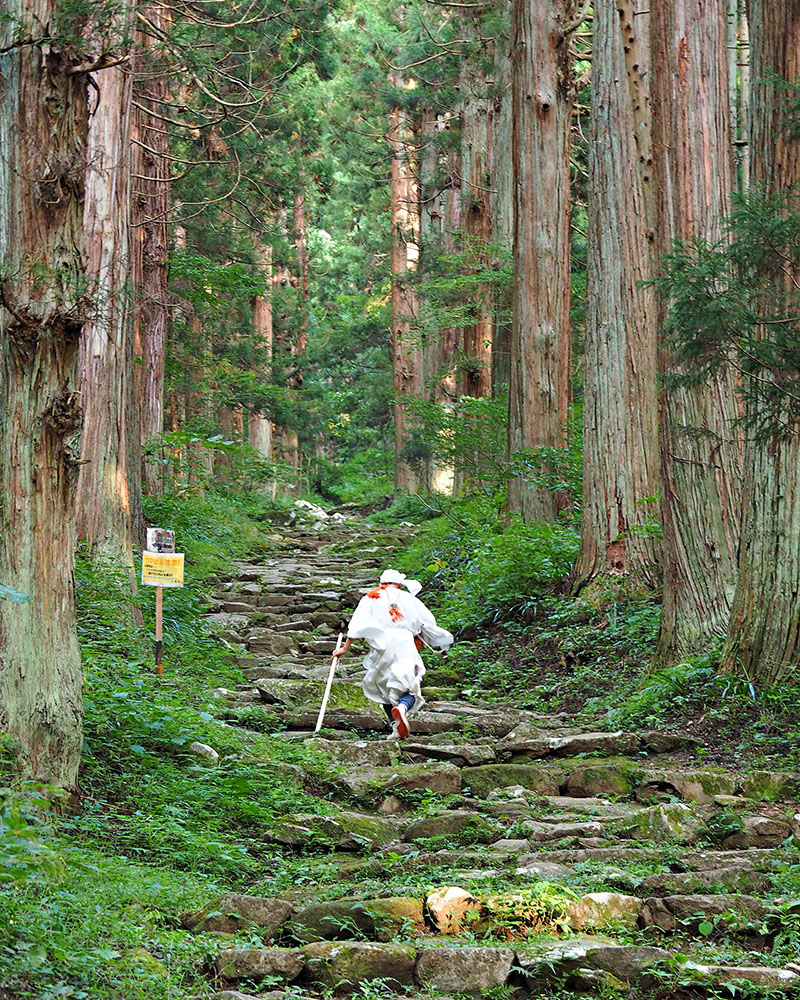
The last Yamabushi of Nagano doesn’t look like someone who could outpace a middle-aged travel writer through a mountainside forest. Yet, there I was, bent over a gnarled cedar root, panting and drenched, while Shida-san was halfway down the trail, barely breaking a sweat.
It started innocently enough. On our descent out of the spiritual forest, I challenge Shida-san to a race to the gate. He’s small. I’m not and I thought my legs gave me an advantage. I thought I had a chance. Wrong. Within minutes, Shida-san had transformed from the calm, almost mystical presence at our briefing into a flash of white robes disappearing down the trail, his traditional staff tapping out a steady rhythm.
“Mind, body, nature, all one!” he called over his shoulder, as I stumbled over something that might have been my own foot. Somehow, he made it look like he was floating over the terrain, while I looked more like an overstuffed backpack with legs, crashing through branches.
Halfway down, my lungs decided they’d had enough of this “enlightenment” nonsense, and I slowed to a pathetic shuffle, my ego in tatters. Shida-san’s laughter rang up from below, and he paused, offering a few words of Yamabushi wisdom about “releasing the self.” I think he meant giving up the need to win, though I’d already figured that part out.
But here’s the twist: losing to Shida-san was almost… liberating. By the time I crawled to the end, he’d somehow transformed the race into a ritual, a reminder that these mountains don’t care about time or trophies. Shida-san’s teachings are embedded in every cedar and waterfall, quiet reminders that in this forest, you’re just another wandering spirit, learning to let go.
Back at the base, he gave me a nod. “You’re ready for next time,” he said. Maybe he was just being polite, or maybe he really saw potential. Either way, next time, I’m taking a shortcut.
My Nagano escapade nearing its end, I head to Hatano restaurant for dinner. Nestled in a countryside house, the restaurant serves a seven-course feast with ingredients sourced from nearby farms. Each dish feels like a love letter to Japan’s culinary soul, meticulously plated and packed with flavours that are both foreign and comfortingly familiar. By the time dessert rolls around, I’ve declared it the best Japanese meal I’ve ever had.
As I savour the final bite, I realise Nagano has somehow seeped into my bones. It’s not just the temples or the food or even the cedar-scented air, it’s the mix of reverence and playfulness, of secrets kept and secrets shared. Nagano is not a place you visit; it’s a place that stays with you, quietly transformative in ways you might only understand later. For now, I raise a final glass to the day and think: if paradise is real, it’s hiding somewhere in the shadowy corners of Zenkoji Temple, waiting for those brave enough to reach out and find it.
It’s hard to believe I’ve only been in Japan for four days. I’m not sure if it is the spiritual nature of Nagano or the breadth of experiences but home feels much further away now. As Nagano disappears out the window of the Hokuriku Shinkansen and we race north to the ancient samurai city of Kanazawa, I promise to get back someday.
KANAZAWA: ARRIVING IN KANAZAWA CITY FEELS LIKE UNCOVERING AN OLD LEGEND THAT SOMEHOW NOBODY ELSE HAS STUMBLED ACROSS.
Nestled on Japan’s western coast, this city is a tapestry of samurai legacy, artistic tradition, and cuisine that could even humble Tokyo. Kanazawa managed to escape bombing in WWII, which is perhaps why its ancient streets and perfectly preserved buildings seem so resolute against the march of time. Today, Kanazawa feels like Japan’s best-kept secret, a harmonious blend of tradition and high-concept cuisine that will have you questioning why it’s not on every travel itinerary (because it should be).
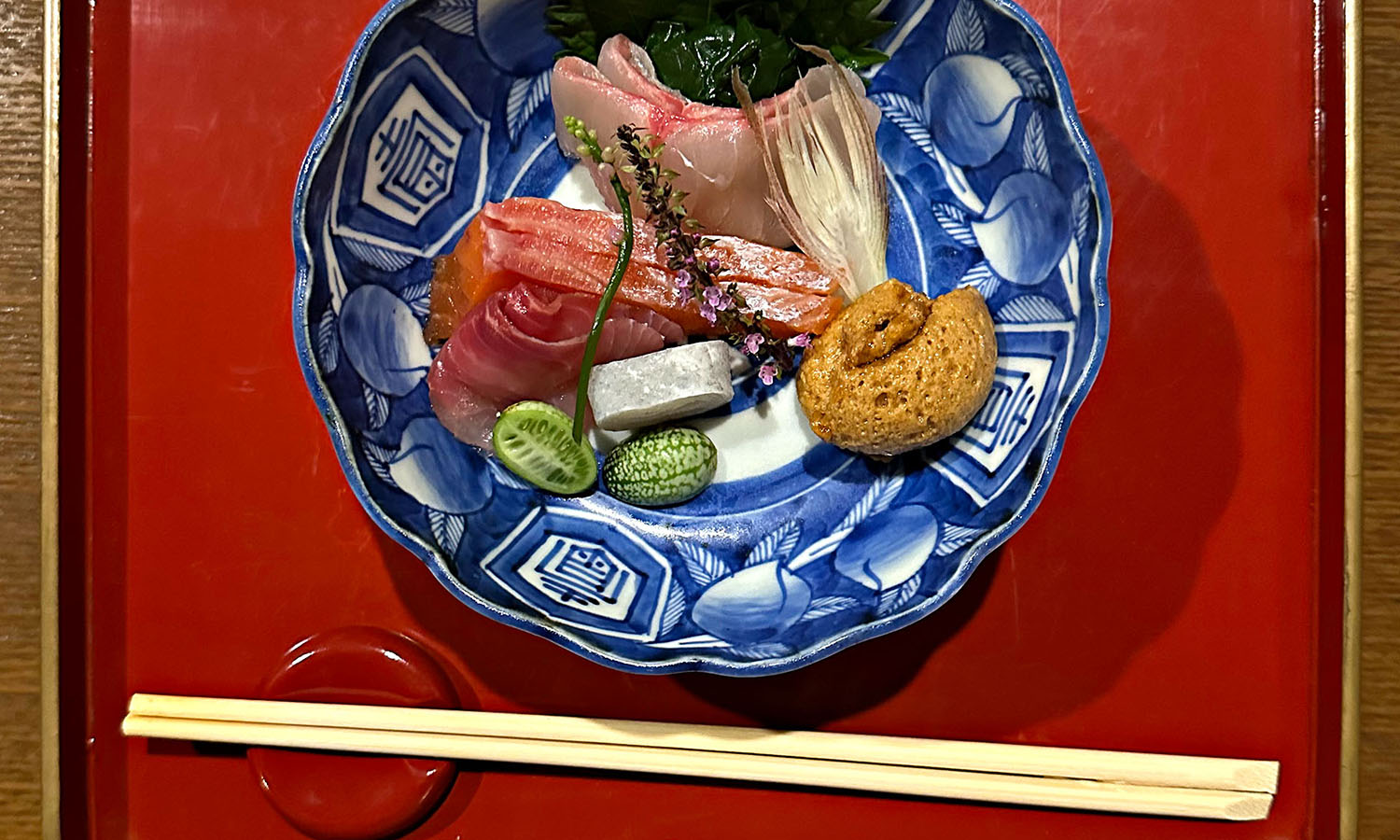
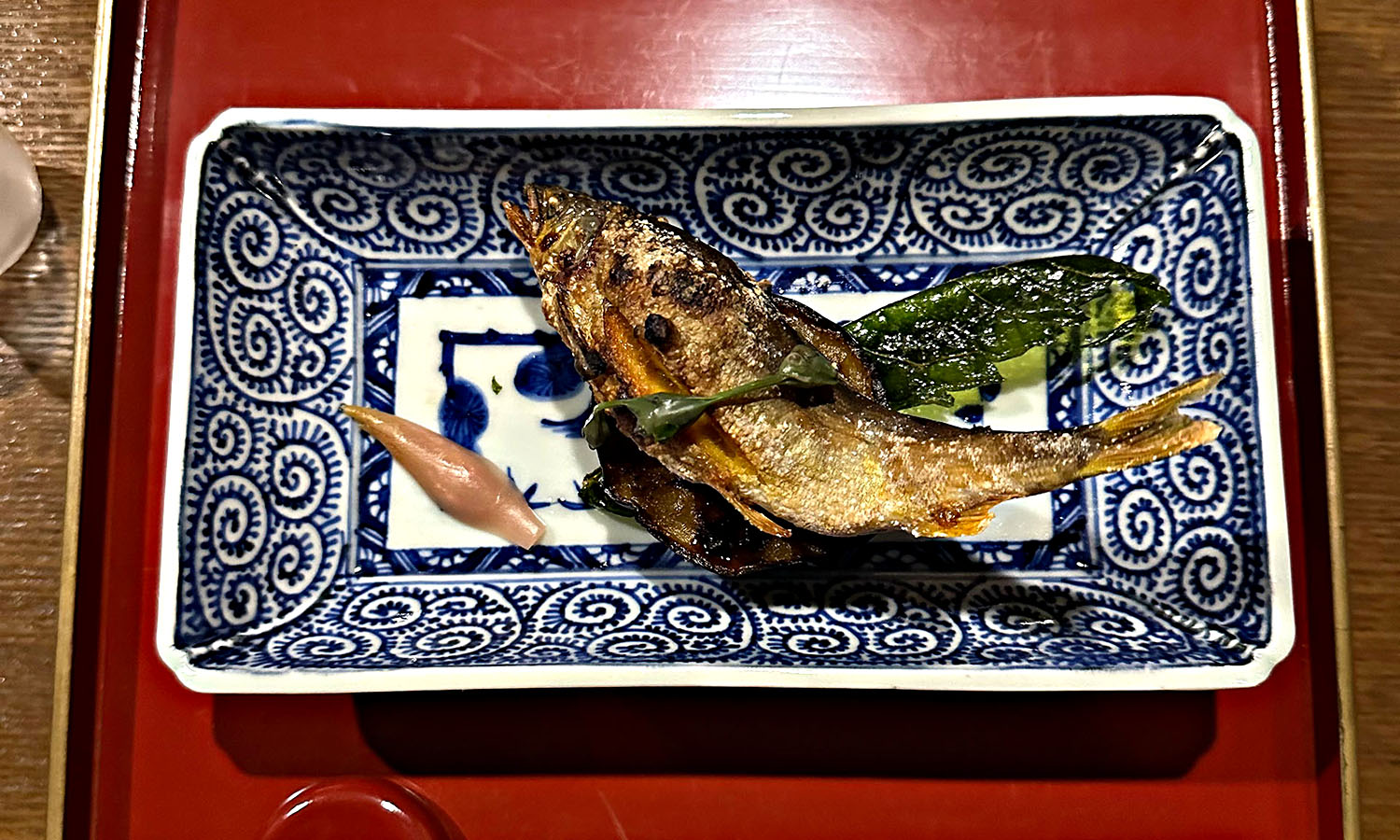
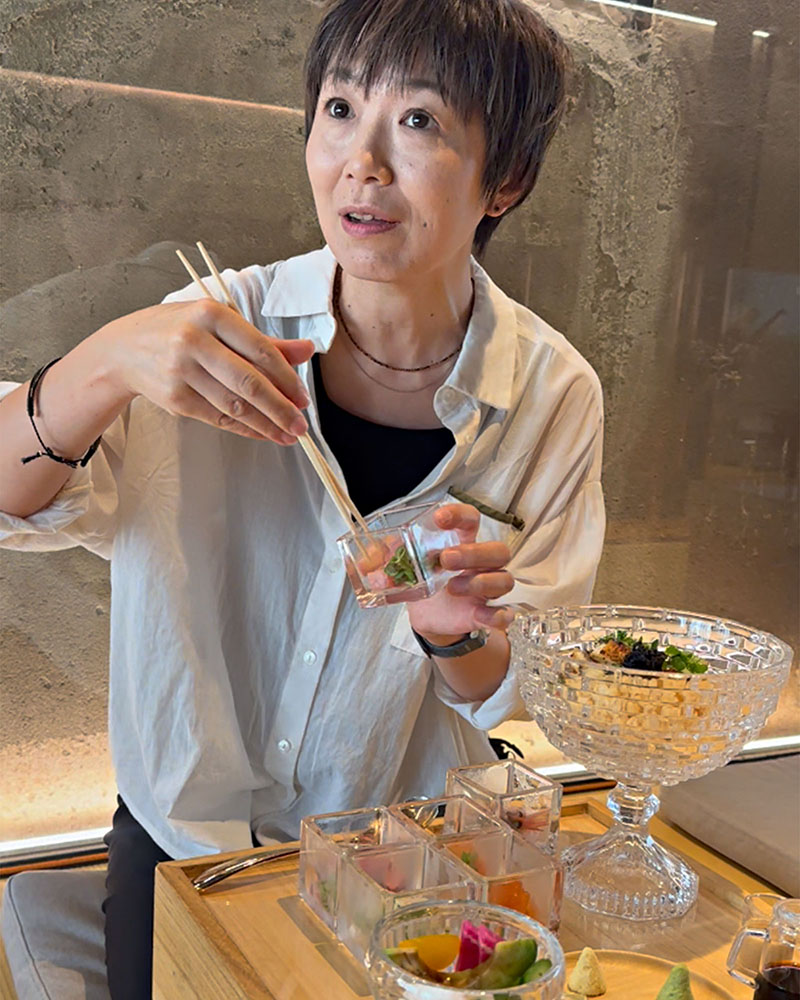
After checking into my hotel, I head for lunch at Tile. The restaurant’s menu is a work of art, and each dish lands on my table looking too perfect to eat; sashimi plates that look like pastel waves and desserts that would make an Instagrammer quiver. My reluctance to destroy the aesthetic loses out to my appetite, and I tuck in. The sashimi is delicate and fresh, while the miso-infused main leaves me wanting more. I’m not sure how Tile does it, but it feels like I’ve dined on more of an art gallery than a meal.
Afterwards, I wander the Higashi Chaya district, a perfectly preserved neighbourhood of teahouses and narrow lanes. Back in the day, this was where geishas entertained merchants and samurai alike. Today, it’s as enchanting as it sounds, with lattice windows and old-world vibes.
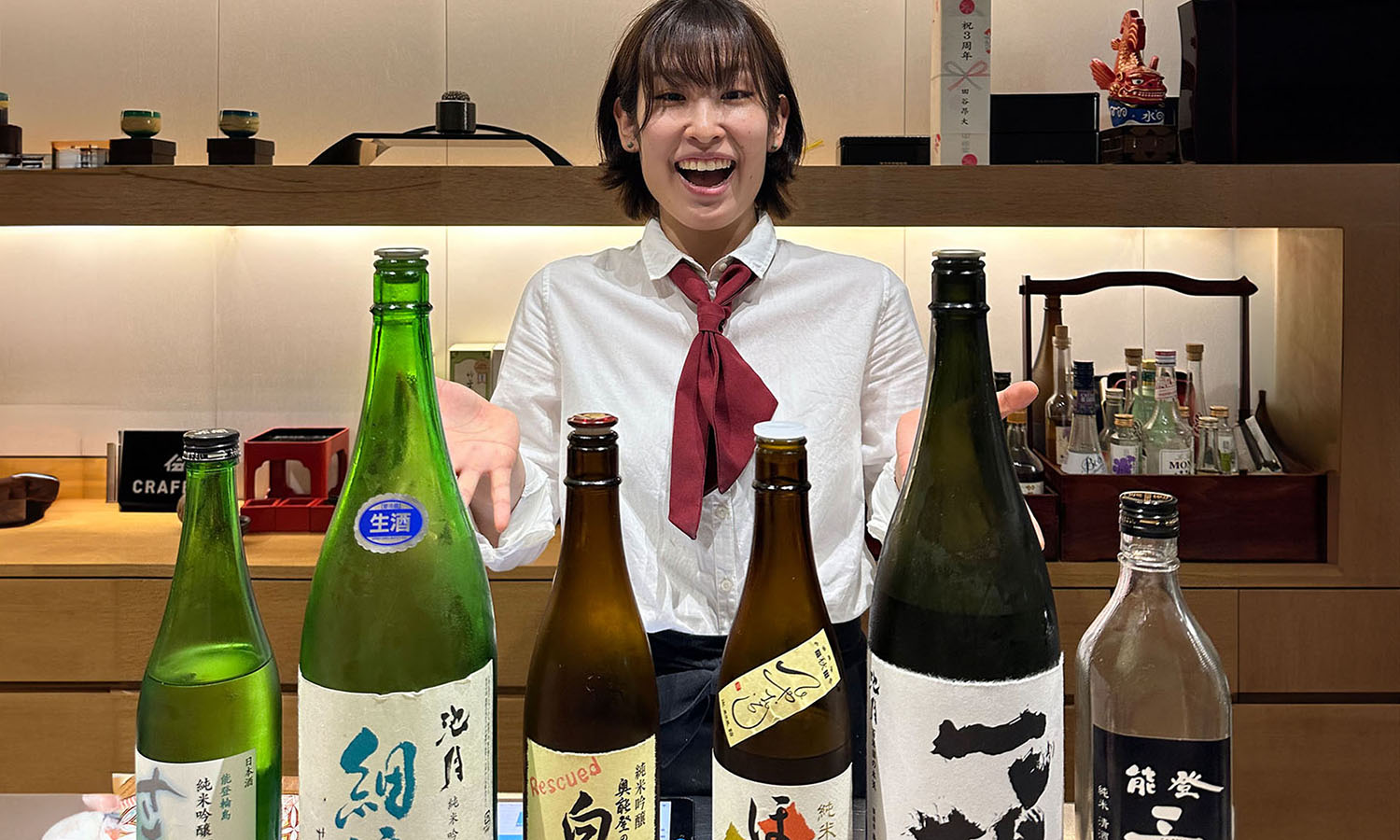
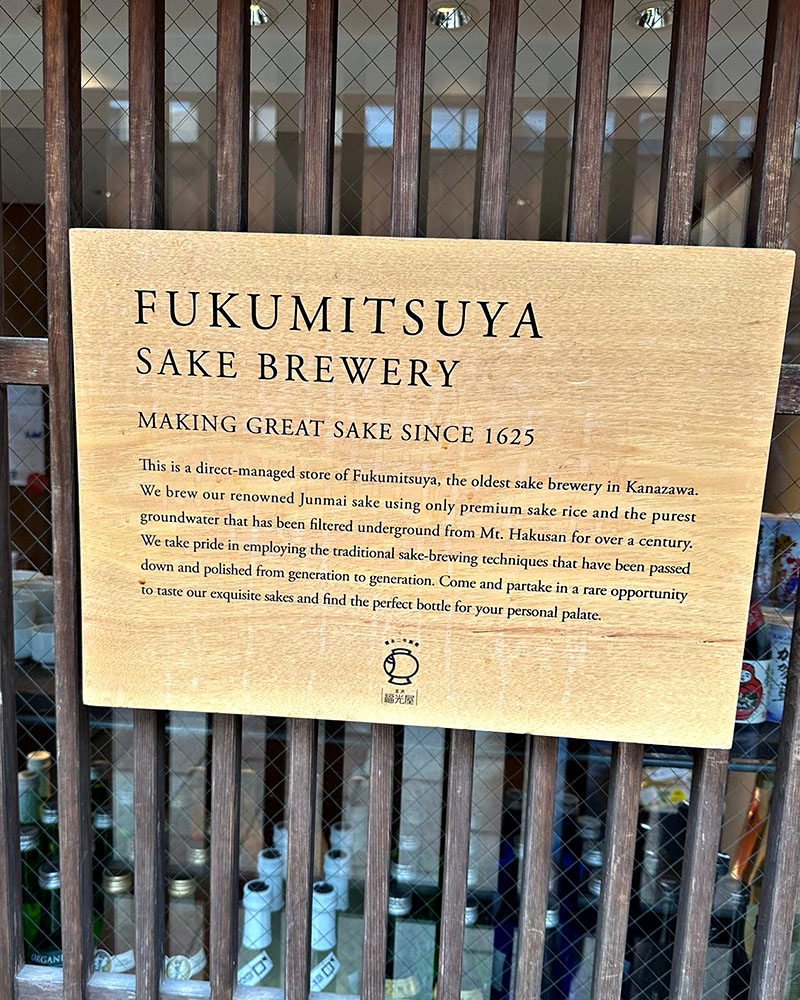
I stop by Fukumitsuya, a sake brewery that’s been in the game since 1625, using pure water from Mt. Hakusan that’s been filtering underground for over a century. The sake is soft and clean, with a depth that hints at its ancient roots. I raise my glass, imagining samurai toasting over the same stuff centuries ago.
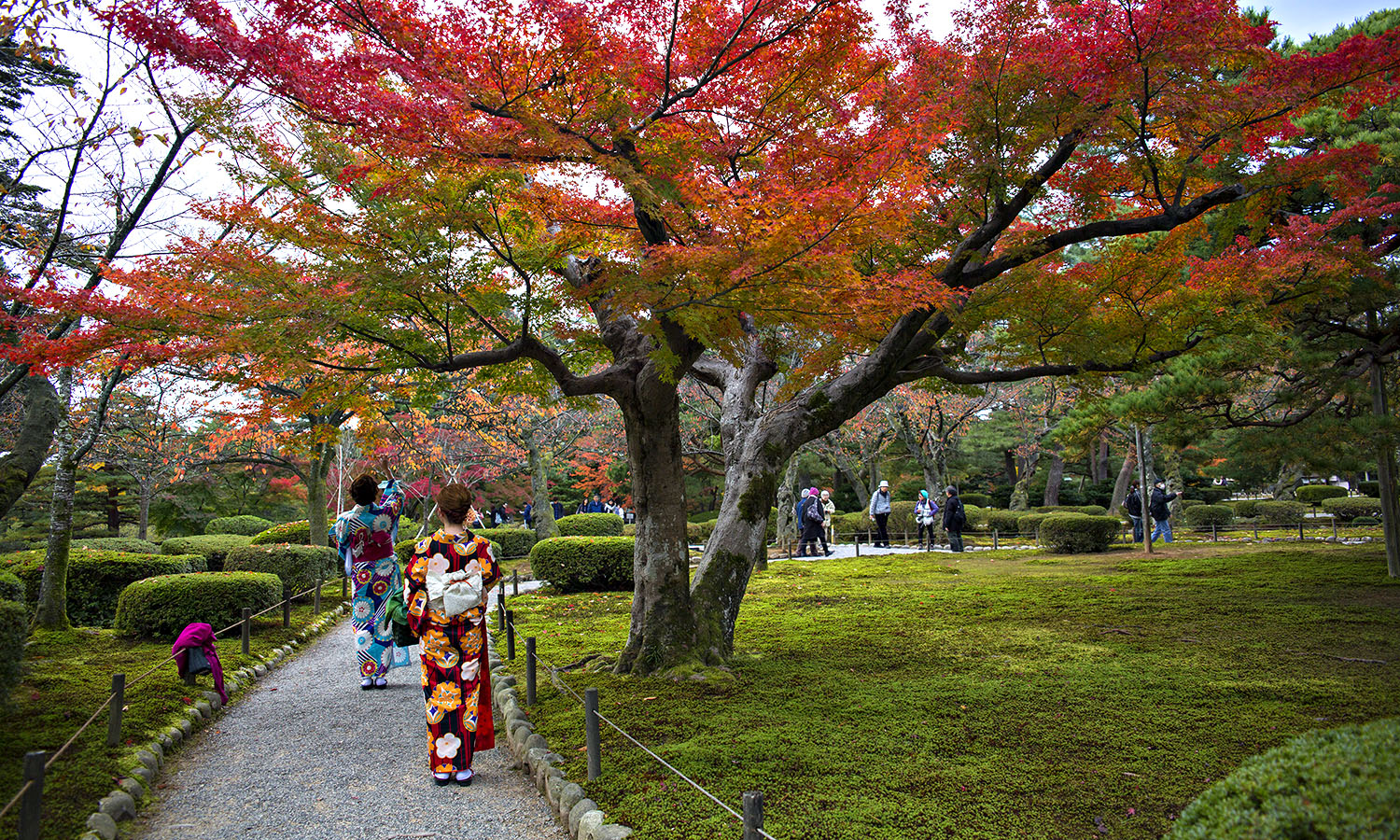
With a slight sake buzz, I enter Kenroku-en, Kanazawa’s crown jewel and one of Japan’s “Three Great Gardens”. Established over centuries by the Maeda family, the feudal lords of the region, Kenroku-en means “Garden of Six Qualities.” These qualities; space, seclusion, artifice, antiquity, water features, and wide views are rarely found together, but here they blend seamlessly. Meandering through its winding paths, past tranquil ponds and elegantly twisted pines, is like stepping into a classical painting.
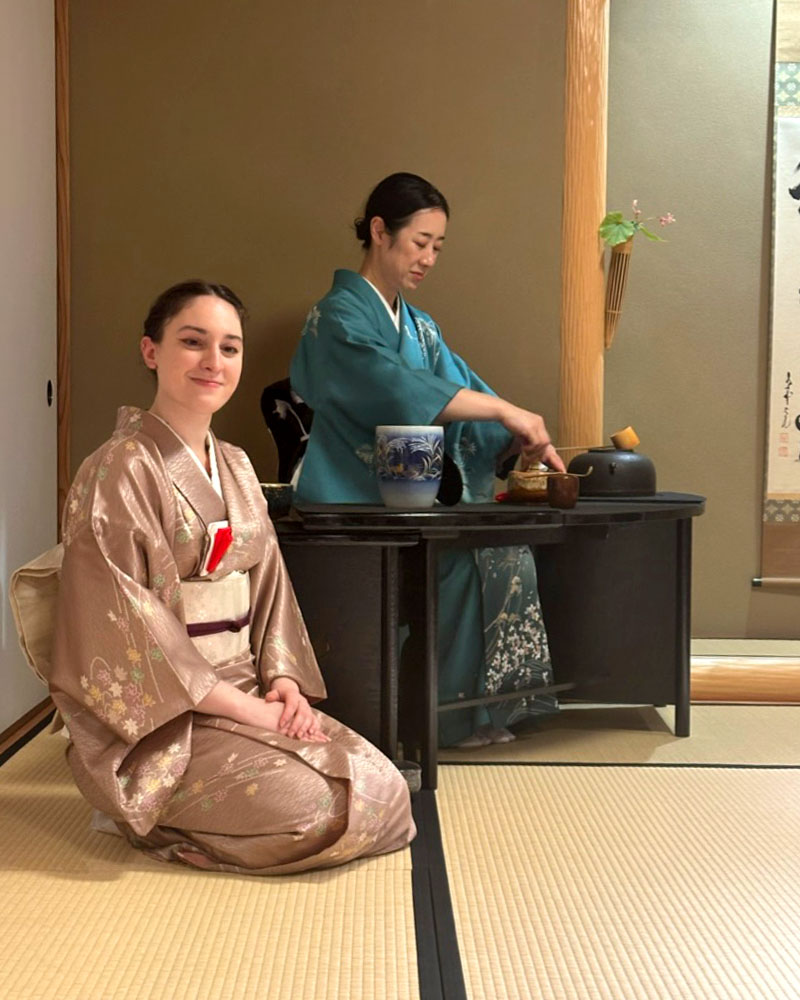
A tea ceremony follows, and I learn the art of Chado, the skilled craft of preparing and serving matcha, a finely ground green tea. It consists of much ceremony, bowing and whisking bitter green tea until it foams, a skill that, after about ten minutes of trying, I’m actually not too bad at. I’m told this ceremony is about cultivating a peaceful spirit. I wouldn’t say I’m there yet, but the scenery certainly helps.
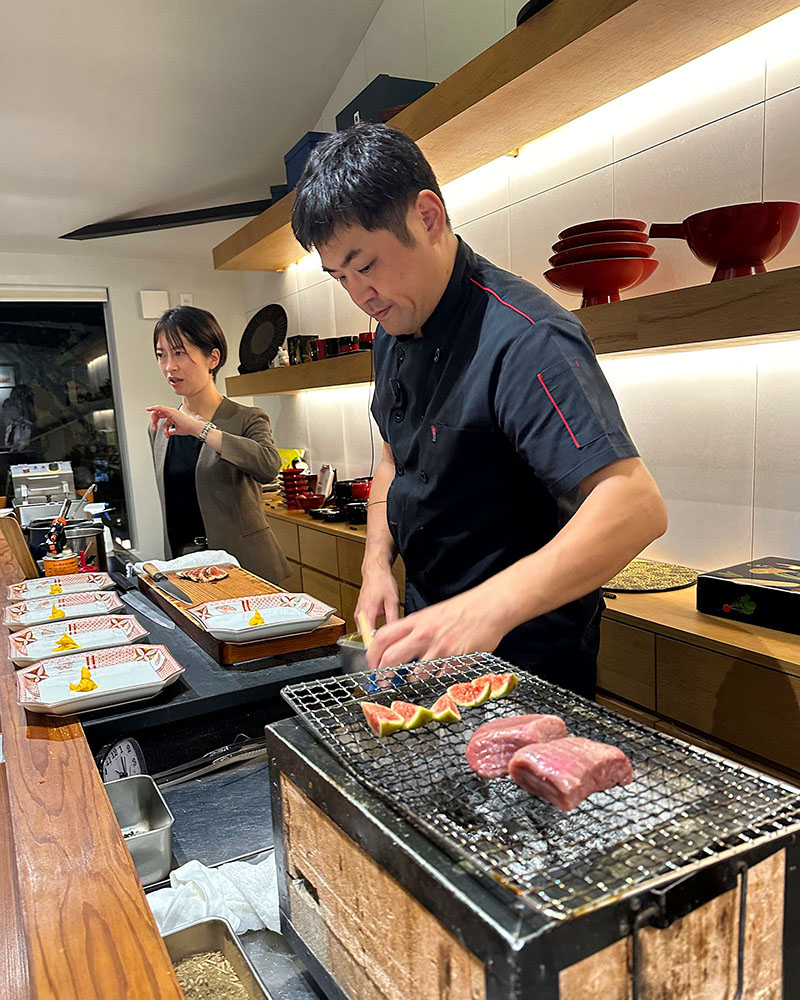
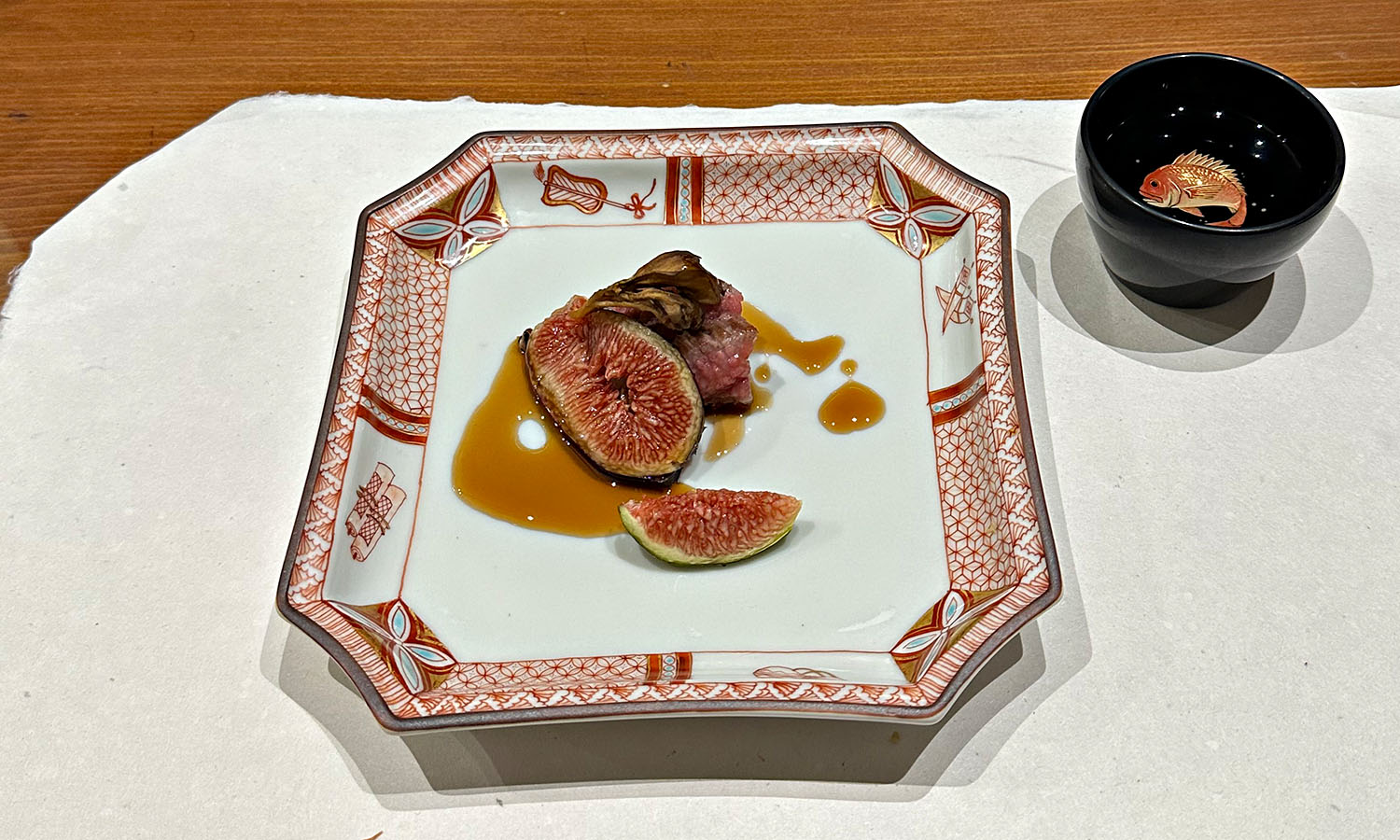
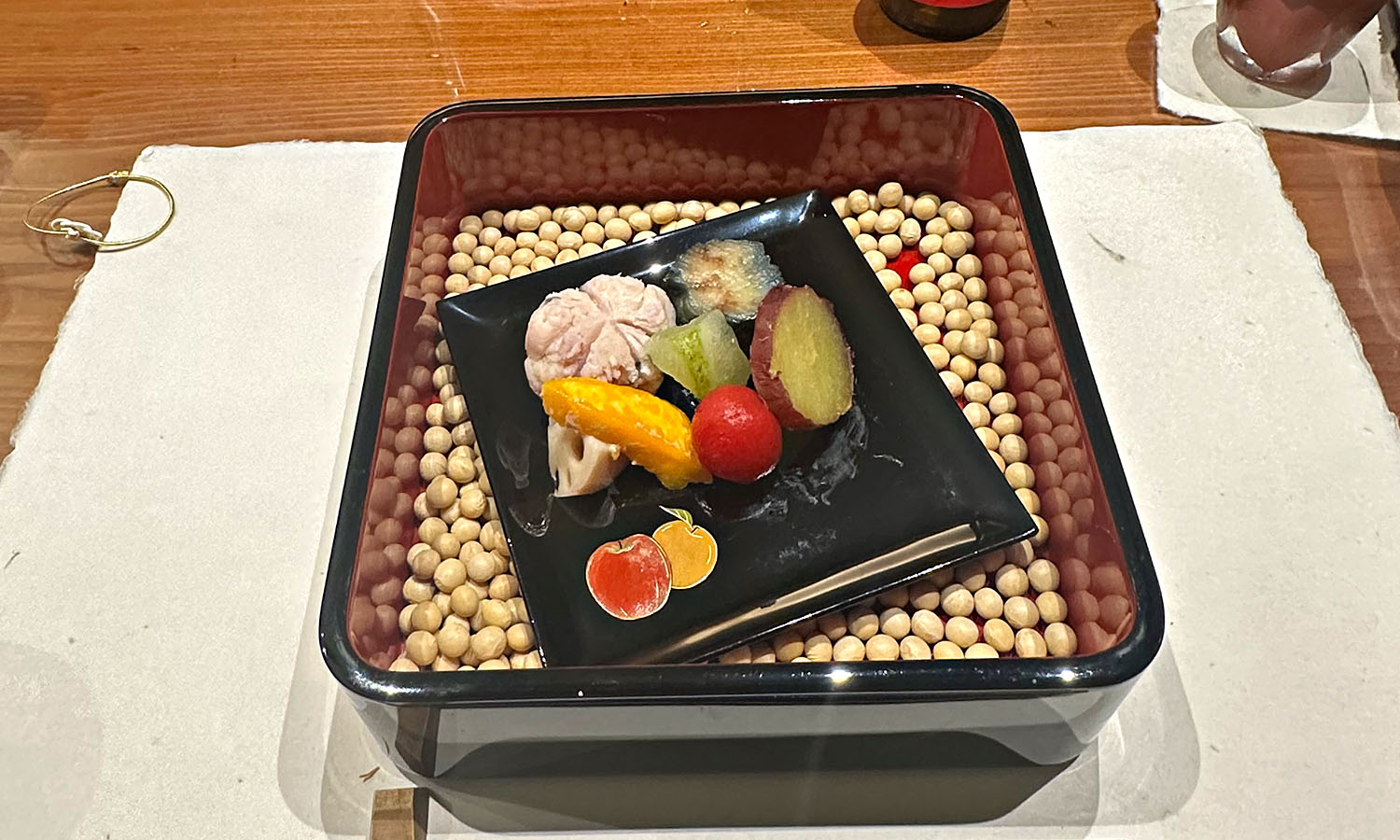
Dinner that evening is at Crafeat, where the tableware alone is worth a fortune. We’re told the combined total of our tableware is in the vicinity of two million yen. This Wajima-nuri lacquerware is as valuable as it is beautiful, crafted by a 10th-generation artisan, no less.
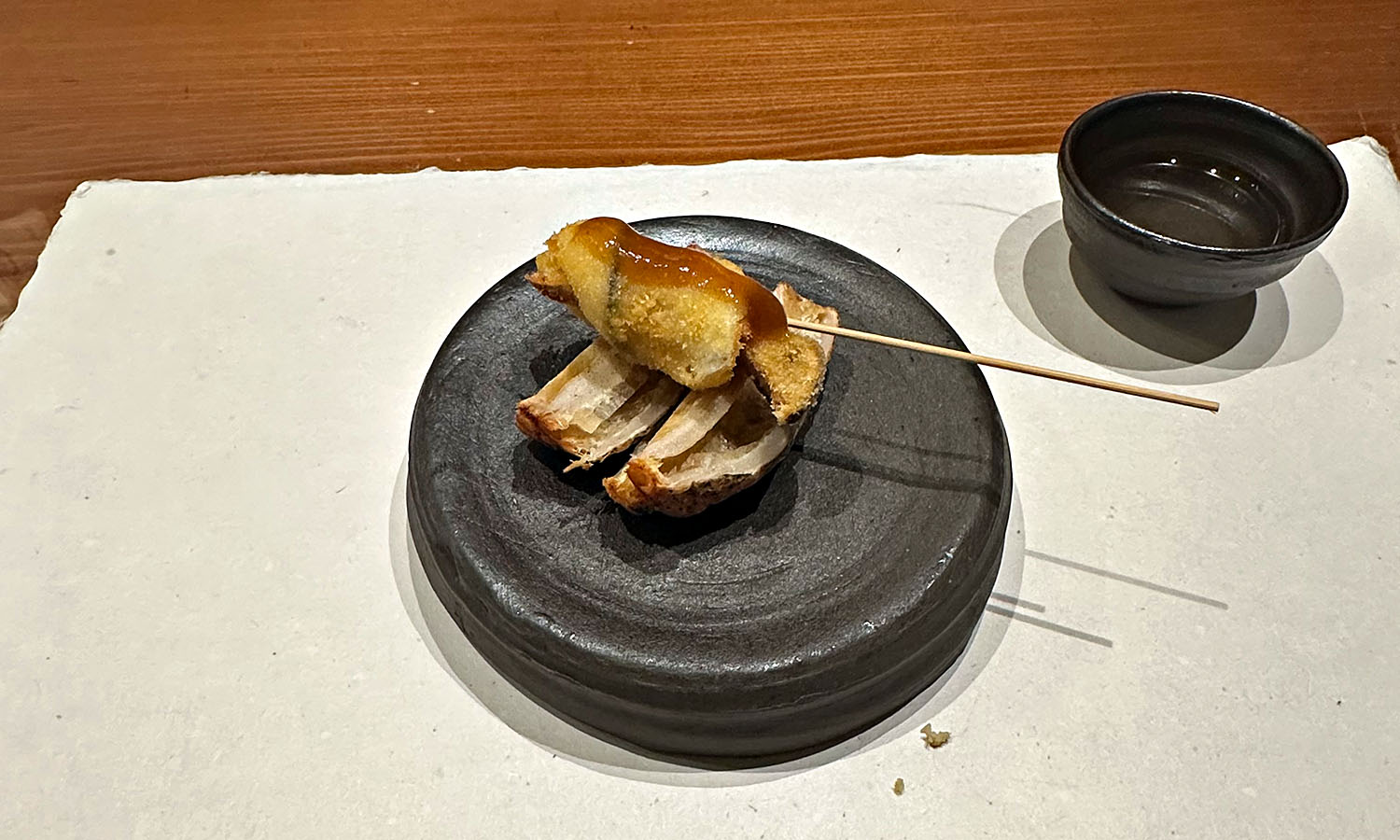
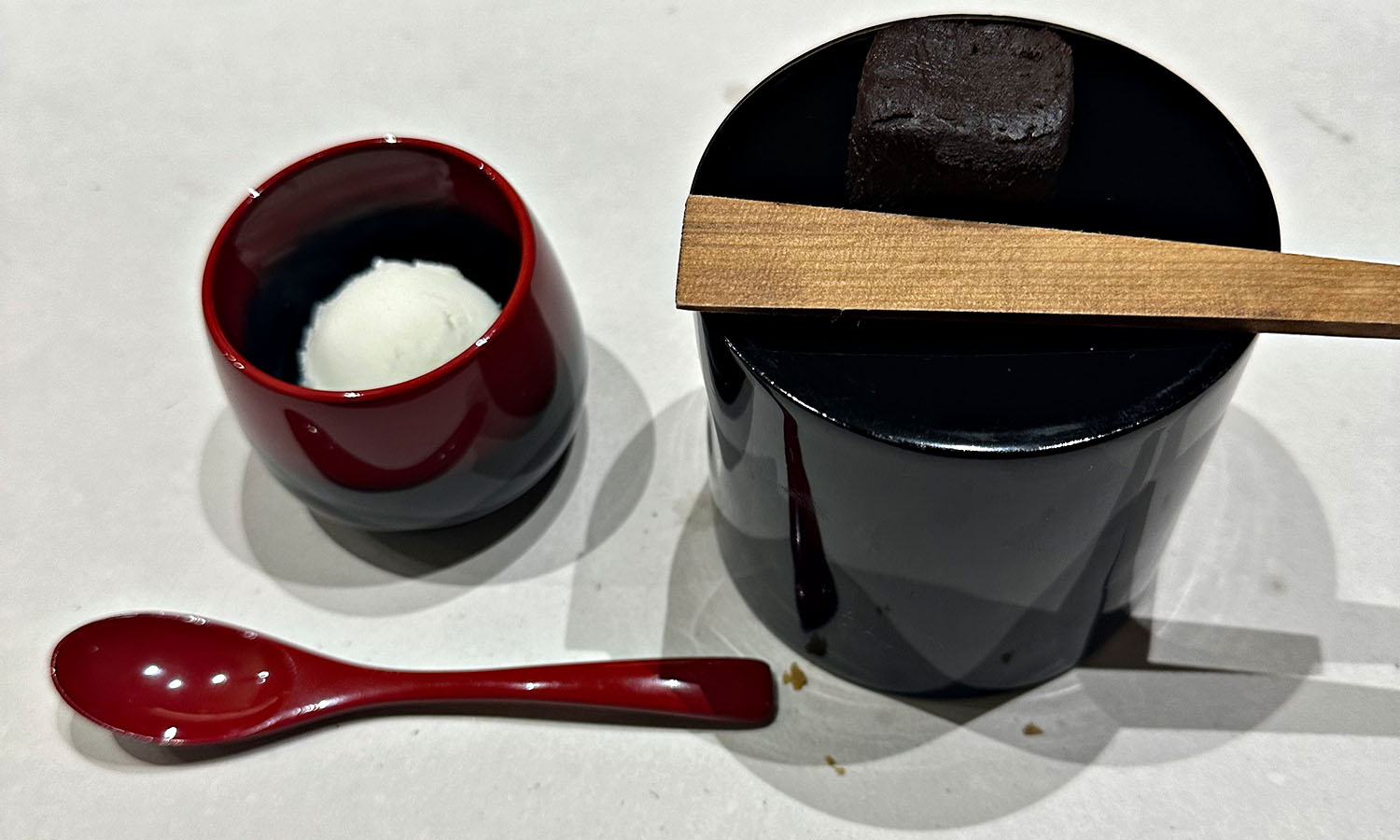
Chef Okumura serves up an 11-course tasting menu, each dish a testament to Kanazawa’s culinary flair. Smoky sashimi, exquisitely tender fish, and sake that pairs so well it’s borderline miraculous. Crafeat raises the food game to new heights, and just when I think I’m done, out comes the dessert, a delicate block of chocolate that we spear onto a square stone and eat with an exquisite vanilla ice cream. It feels almost too indulgent for a place so steeped in tradition, but that doesn’t stop me from devouring it.
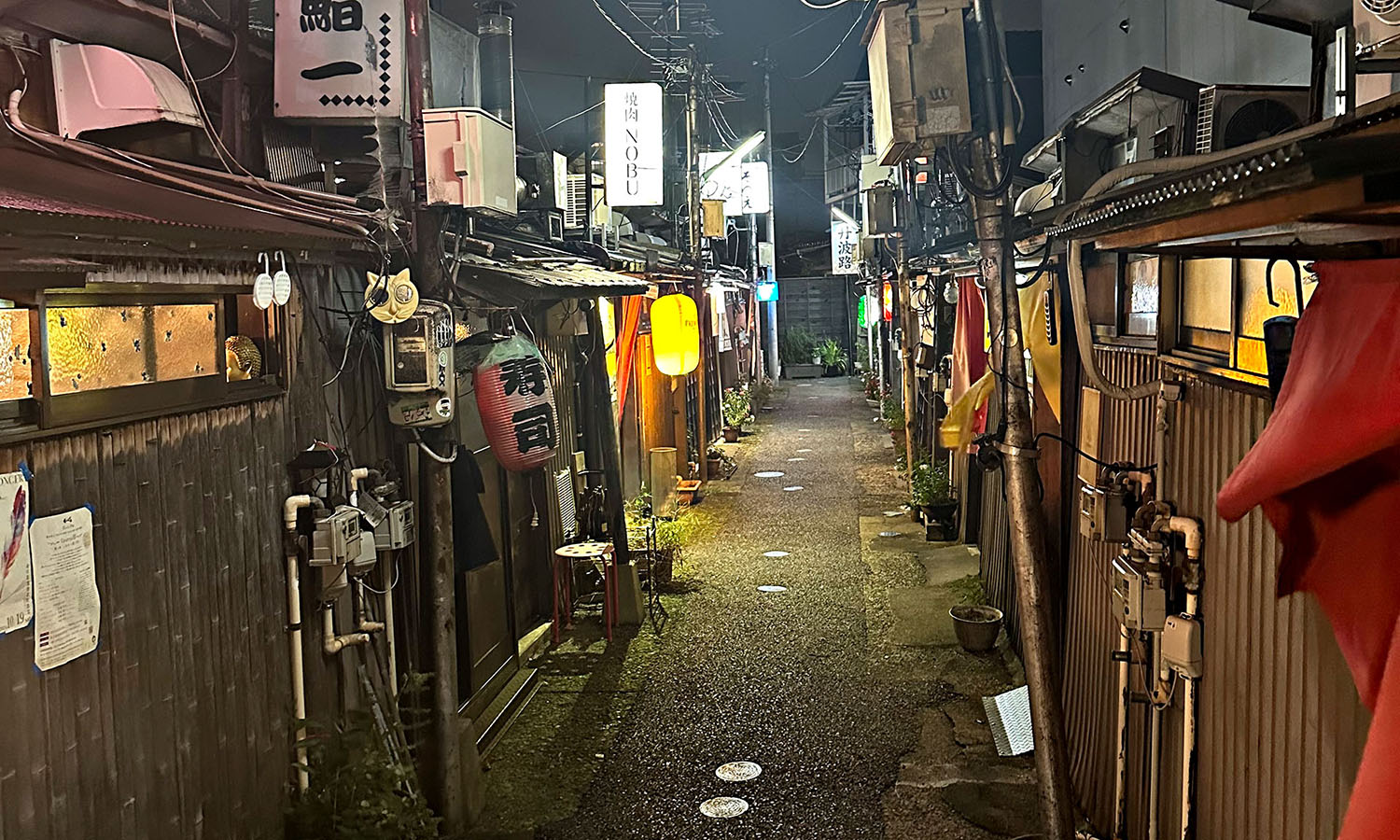
Stuffed and satisfied, I venture out into Kanazawa’s Katamachi district to check out the vibes of the night in this Samurai town. I find myself in Chuo Mishokugai, a labyrinth of tiny bars and restaurants, each with its own style. These little hideaways offer everything from rare sake to French potato gratin. Why am I in Japan, eating potato gratin in a bar the size of a closet? I don’t know, but the blend of East-meets-West in these quirky corners just works. The night ends with me arm in arm with a sake dealer trying to teach him Johnny Cash’s Folsom Prison Blues.
The next day dawns too soon, and after a refreshingly deep sleep at Kanazawa Sainoniwa Hotel, I’m off to try my hand at the Kaga Yuzen art of kimono design. Kaga Yuzen is a silk dyeing technique from the Edo period, known for its detailed naturalistic designs. My brush strokes, however, make it clear that I’m no artist, and my “masterpiece” won’t be gracing a boutique any time soon. But for a guy that can barely draw a stick man, I’m pretty chuffed.
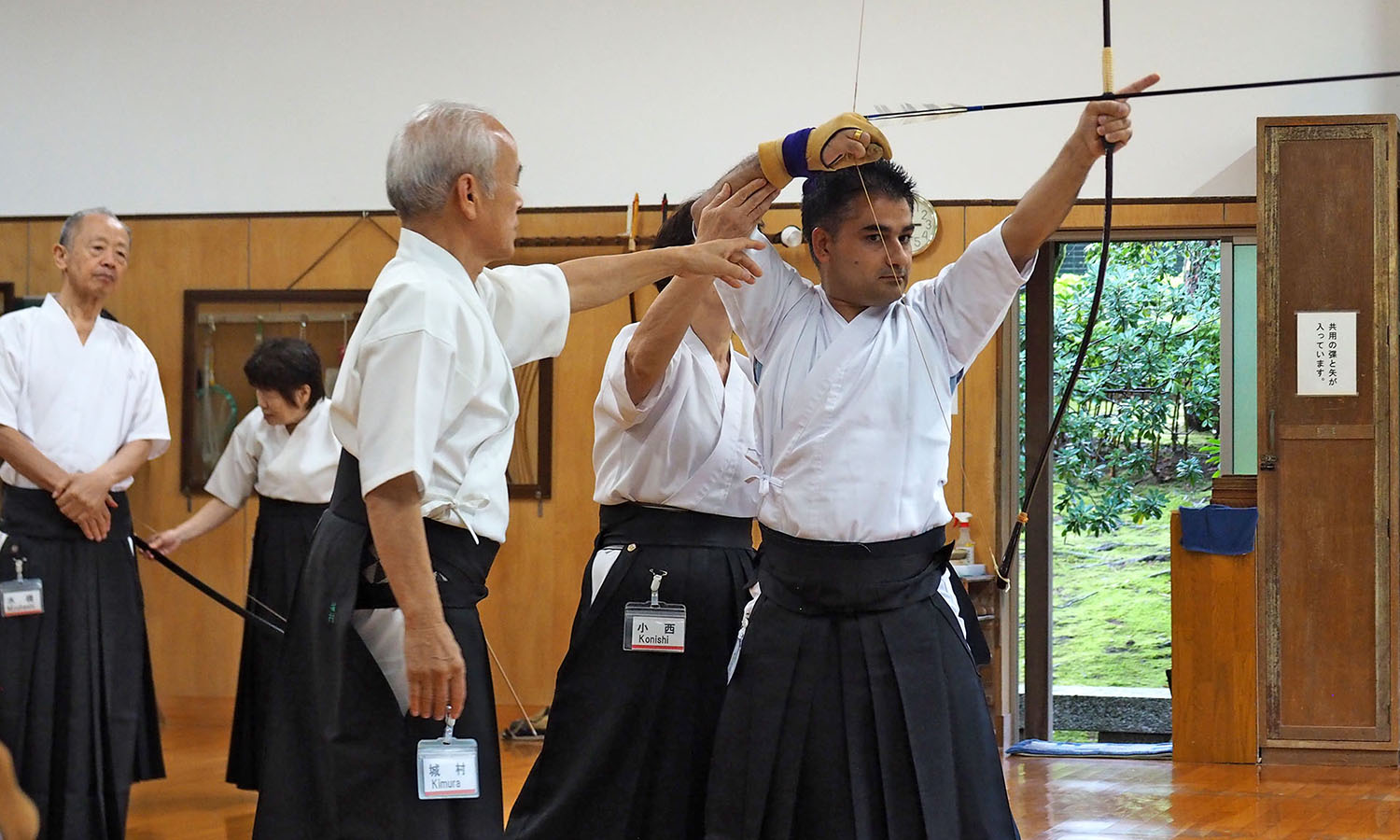
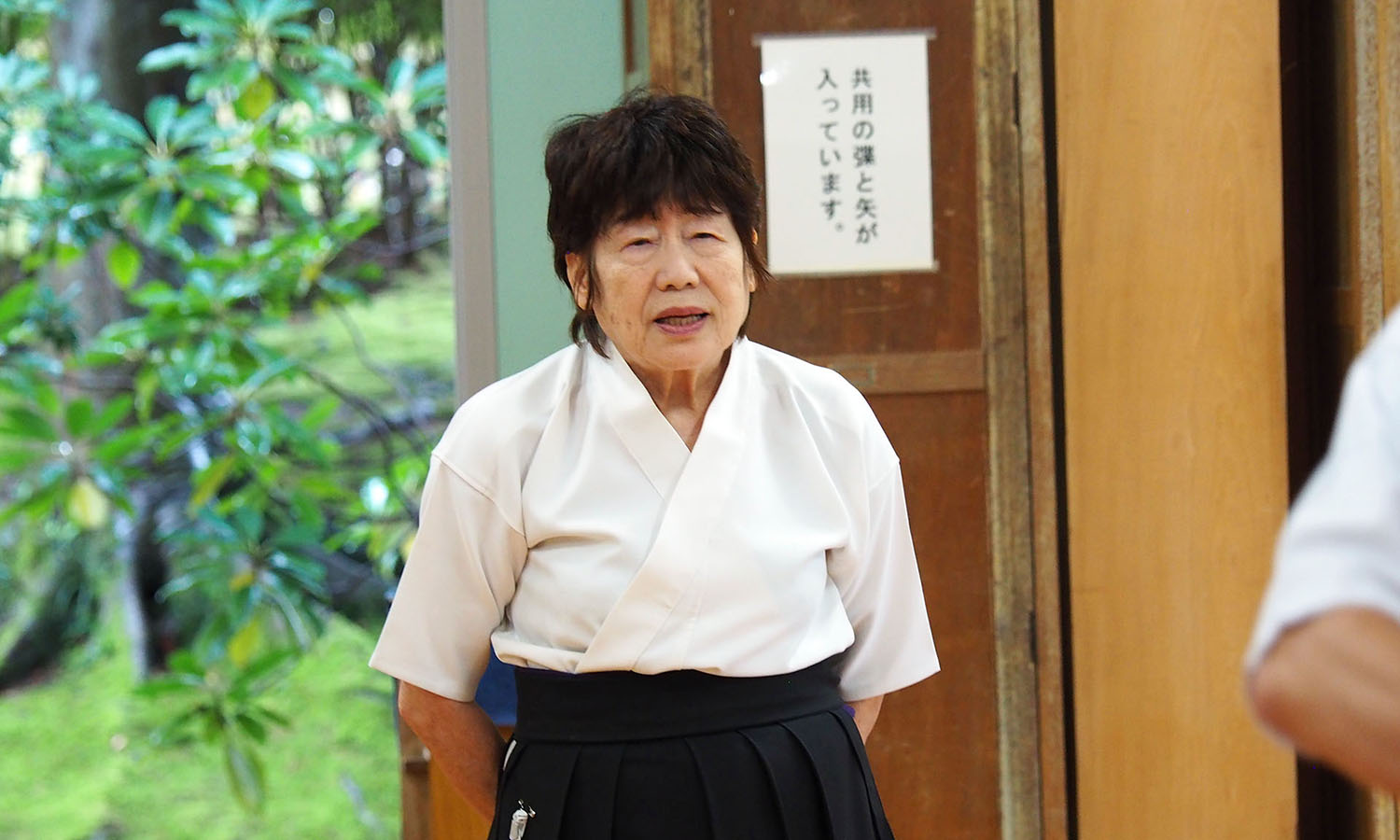
The samurai culture of Kanazawa pulls me in next with a Kyudo lesson, the Japanese martial art of “archery”, but it isn’t just archery; it’s an art form, every movement calculated, from gripping the bow to releasing the arrow. We’re dressed in traditional Kyudo clothing and my teacher, a reserved but determined master, reminds me several times as I pull back the bow like a giant Japanese Robin Hood, “This is not archery!” I then shoot my first two Ya’s (arrows) into the roof.
Kyudo is about form, breathing, and presence. The entire practice has a ceremonial vibe, with each move as deliberate as a dance. Watching a master in action feels like witnessing something ancient and sacred, each shot landing with purpose, not in the roof.
Later, I step into Nomura-ke Samurai residence, an authentic samurai residence. Its sliding doors, tatami rooms, and modest decor give insight into the disciplined lifestyle of the samurai class. While they trained in martial arts and lived by a strict code, their homes were surprisingly minimalist, proof that they valued duty over luxury. And while the house itself was simple it was built around yet another stunning garden. The samurai discipline is clearly on display.
Unfortunately, the weather nixes our plans to visit Kanazawa Port Ikiiki Market, an open-air bazaar where vendors hawk the freshest catch from the Sea of Japan. Known for its fish, squid, and shellfish, the market is a haven for seafood lovers, and I can’t help but feel a pang of disappointment. I remember visiting the Tsukiji Fish Market in Tokyo long before it closed to the public and feeling, even then, that it was somewhat touristy. This market, like most of Kanazawa is the real deal.
Thankfully, dinner at Dozan makes up for it. The skewers here are something else. They’re crispy, juicy, and full of flavour. I wash them down with a final few rounds of sake, feeling content and, admittedly, a bit sentimental about my last night in Kanazawa.
On our final day, it’s only fitting that we are blessed one final time. We take in an Asakatsu experience at Josho-ji Temple which translates loosely to a samurai morning activity. Ours includes a kendo lesson (samurai sword training) followed by a traditional samurai breakfast of porridge. It is simple yet surprisingly enjoyable. I’m summoned to the altar and blessed amid the swirling incense smoke. I don’t know if it’s because it’s my last day in Kanazawa, but it’s strangely emotional.
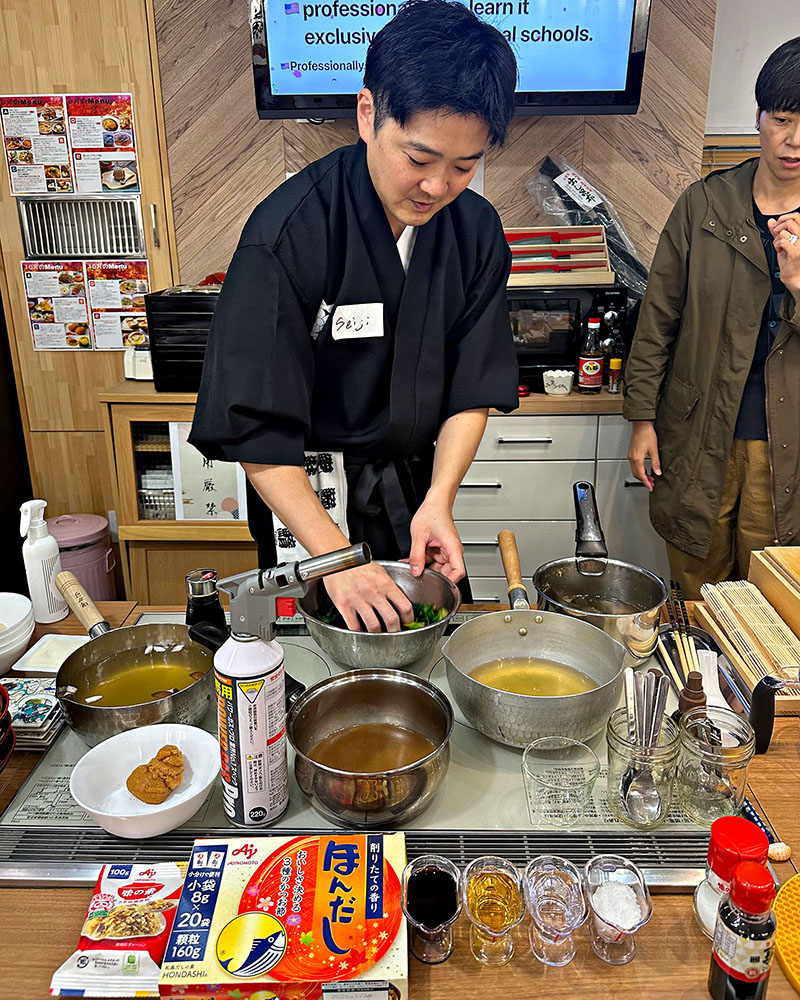
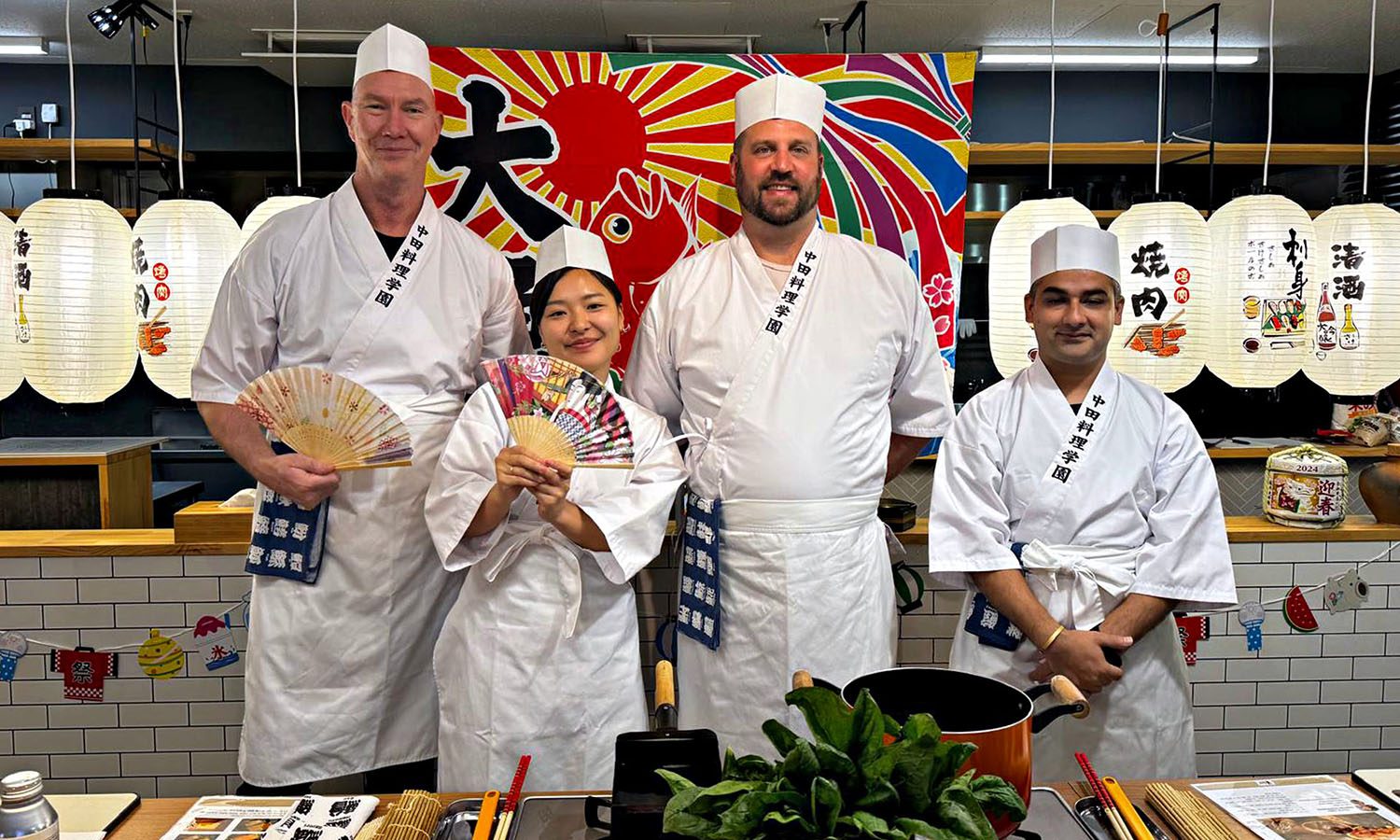
Energised, I join a three-hour cooking lesson at Nakata Cooking School. This isn’t just any cooking school; it’s a slice of culinary history served up with a healthy dose of local pride. Founded over three generations ago, Nakata’s been teaching the fine art of Japanese home cooking since long before I even knew which end of a sushi roll to bite into. And it’s a good thing I’m here, because the Japanese have techniques down to a science, even in something as seemingly straightforward as rice rolling. Spoiler alert: It’s not straightforward.
In the spirit of immersion, my instructor patiently shows me the ‘thumb placement’ to make sushi rice behave like ‘it’s supposed to’. I follow, and mine looks like a cross between a burrito and a squashed dumpling. Not exactly the elegant bites you’d expect, but hey, it’s a start.
They also teach you to flip your sushi upside down before eating, which apparently helps the flavour profile. I nod like I totally get it (I don’t), but the taste speaks for itself. It’s fresh, umami-packed, and downright delicious. By the end of the class, I can’t help but wonder if I’ve actually learned a new life skill… or at least a new party trick.
As I wrap up, I realise that nothing I’ll make at home will likely match what I’ve eaten on this trip. Nagano and Kanazawa feel like Japan’s best-kept secrets, the lesser-known cousins of Kyoto and Tokyo, but with every bit as much charm and half the crowds.
Nagano is a spiritual sanctuary tucked between ancient temples, lush forests, and mountain air that somehow tastes crisper and Kanazawa—a city that might just be Japan’s answer to art and craftsmanship, where lacquerware and sake share space with cutting-edge cuisine.
Together, they offer an unfiltered taste of Japanese culture without the tourist treadmill, places where you can walk temple paths in the quiet dawn, stumble upon a centuries-old sake brewery, or witness tea ceremonies without a selfie stick in sight. For travellers seeking authenticity, Nagano and Kanazawa are everything you didn’t know you were looking for, old Japan, alive and well, with a few modern twists.
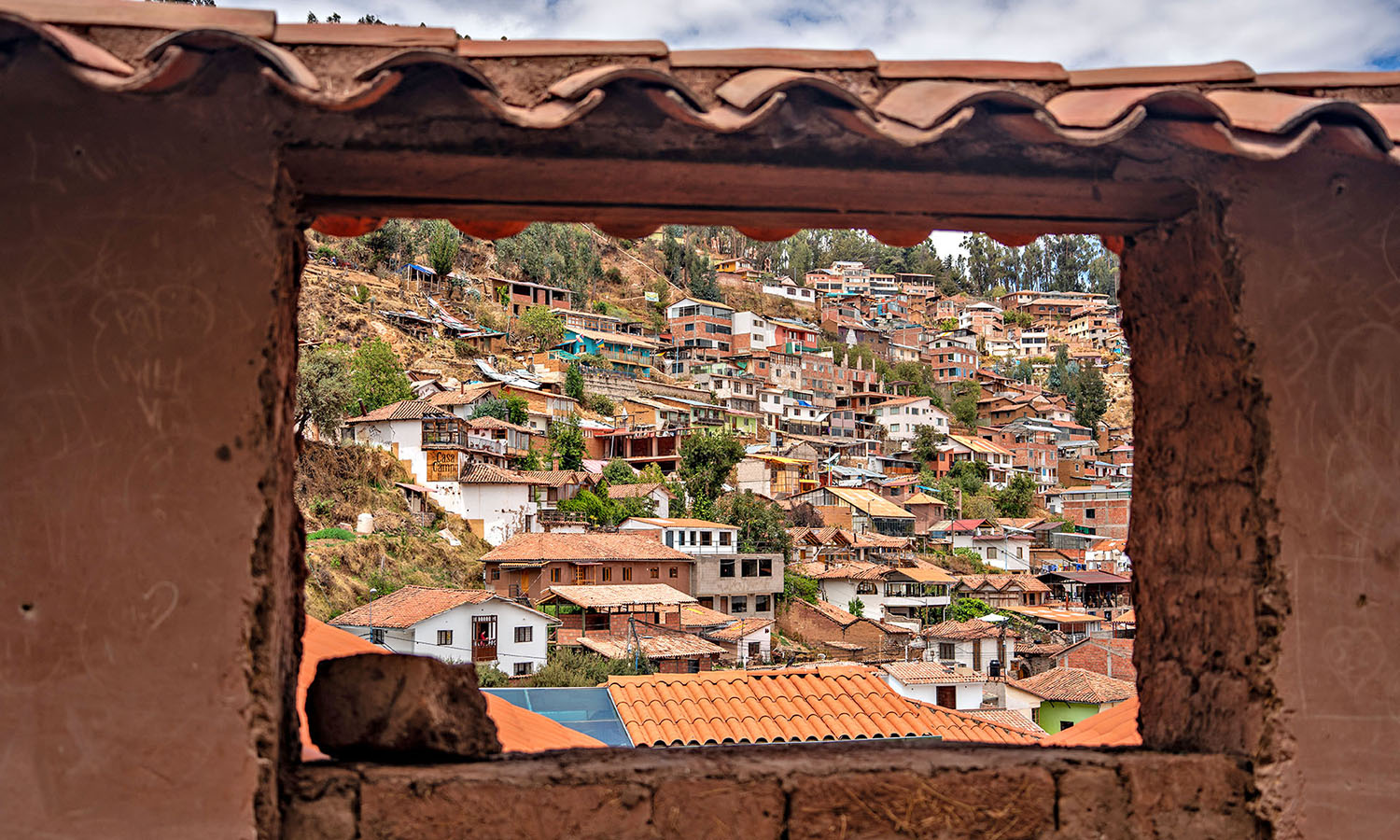
I had to wake at 3:30 am, still a bit drunk either from the copious amounts of medicinal Guinness I administered at Molly’s pub to counteract my altitude sickness or just the general lack of oxygen in Cusco (which sits 11k feet into the sky). Regardless, I was up, and had to make my way to Alpaca Expedition Headquarters as I was about to do something few people get the chance to; visit the lost city of Choquequirao.
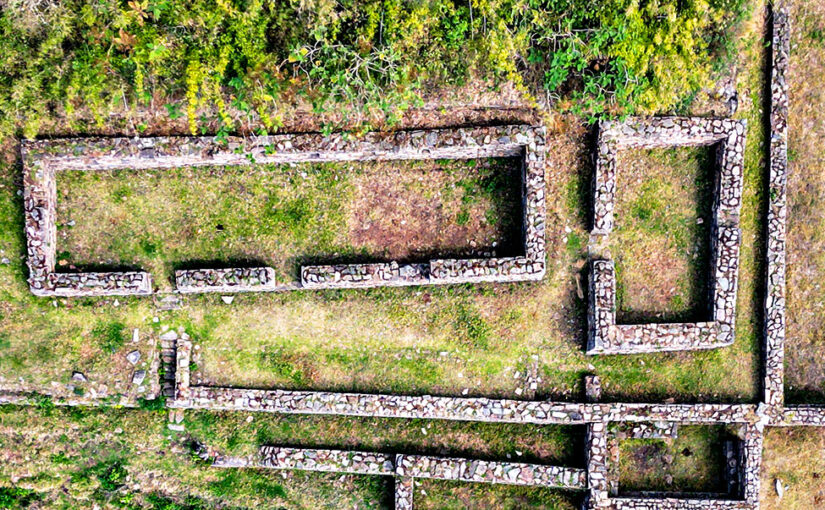
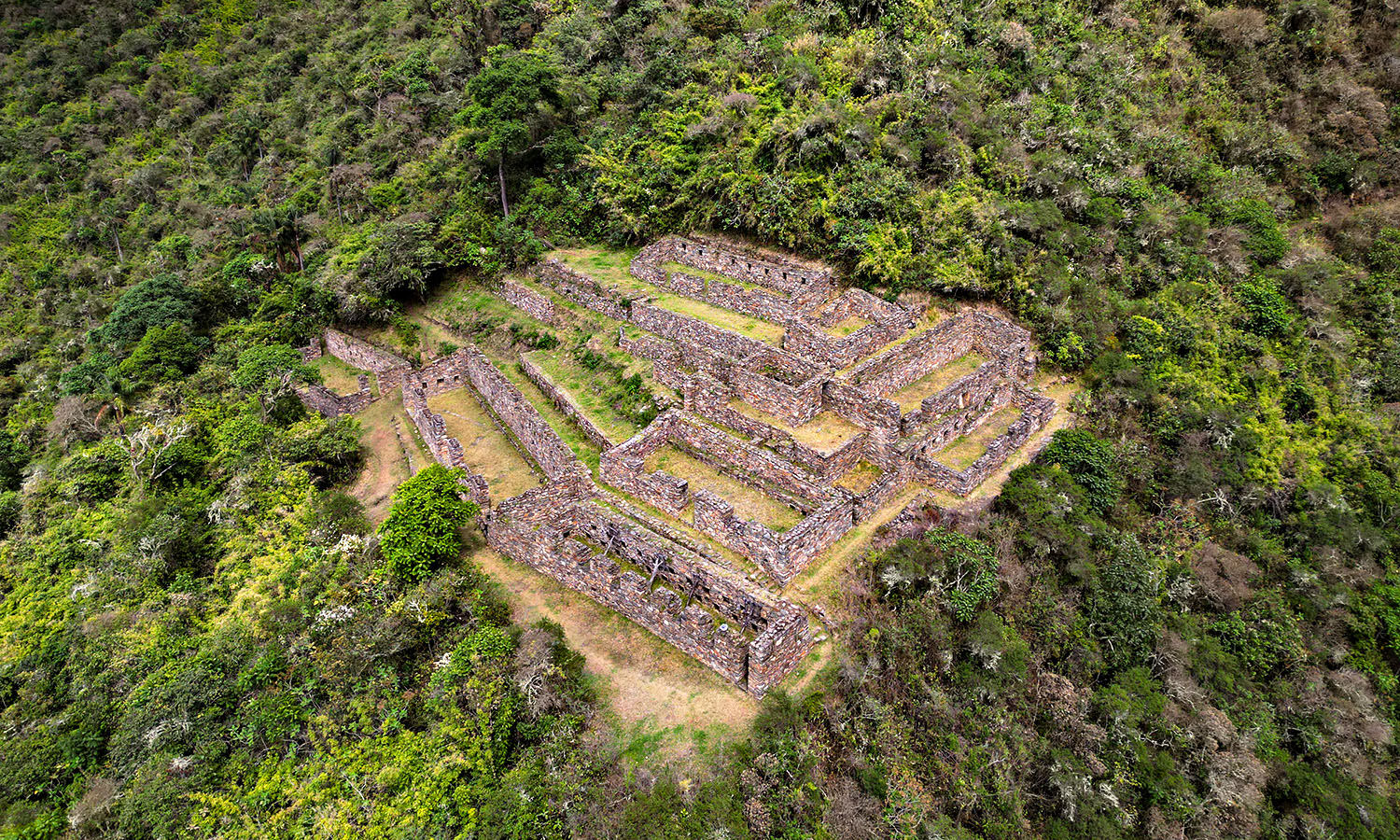
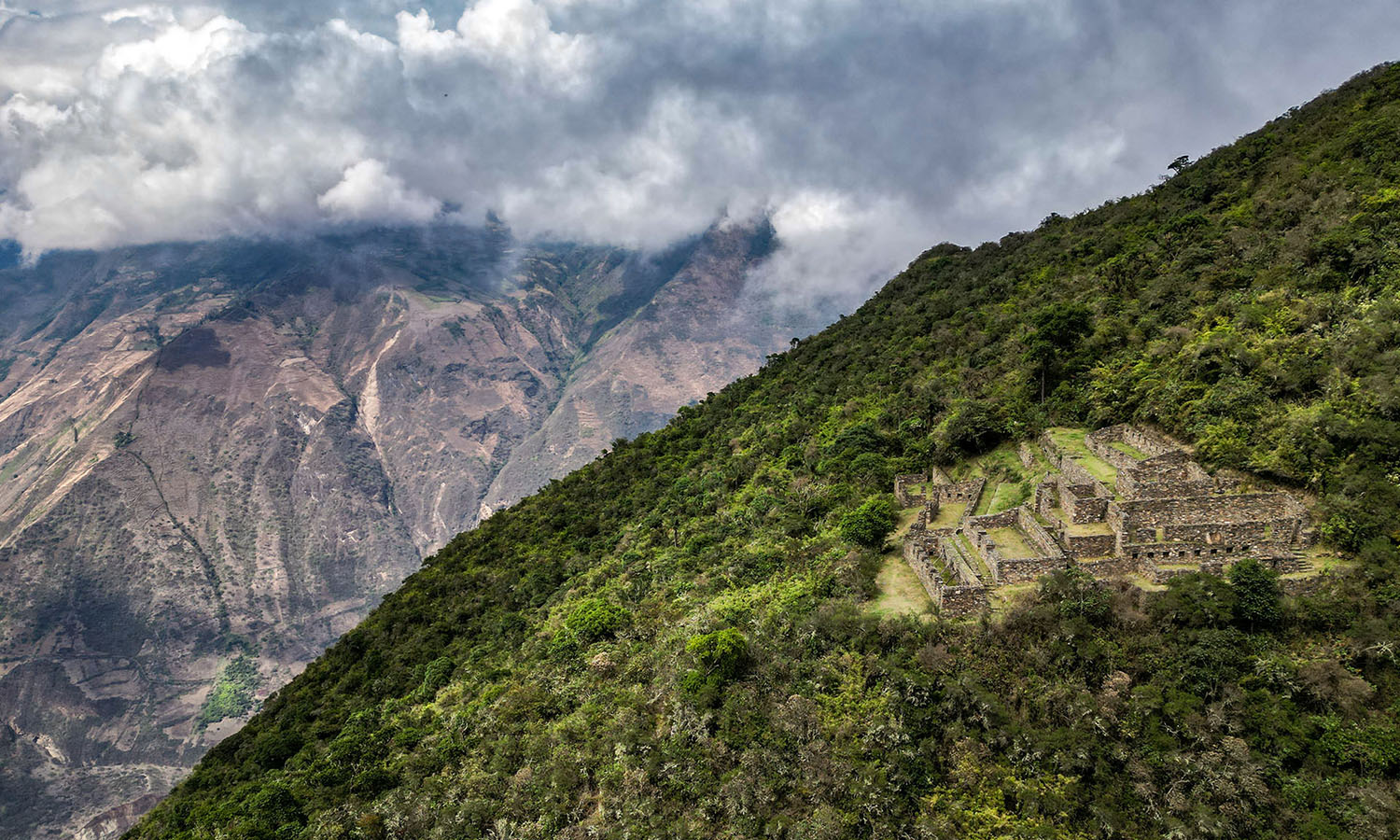
Most have heard of Machu Picchu. Many have even hiked the sacred valley to get there. Very few have caught wind of its sister city Choquequirao, and that’s a very good thing. This 15c. Incan archaeological site was rediscovered in 1909. Located in the Apurimac Valley, its remote location has kept it in pristine and untouched condition for over a century. The ruins here rival Machu Picchu as it was the last bastion for the Inca and perhaps one of the last destinations tourists have infiltrated.
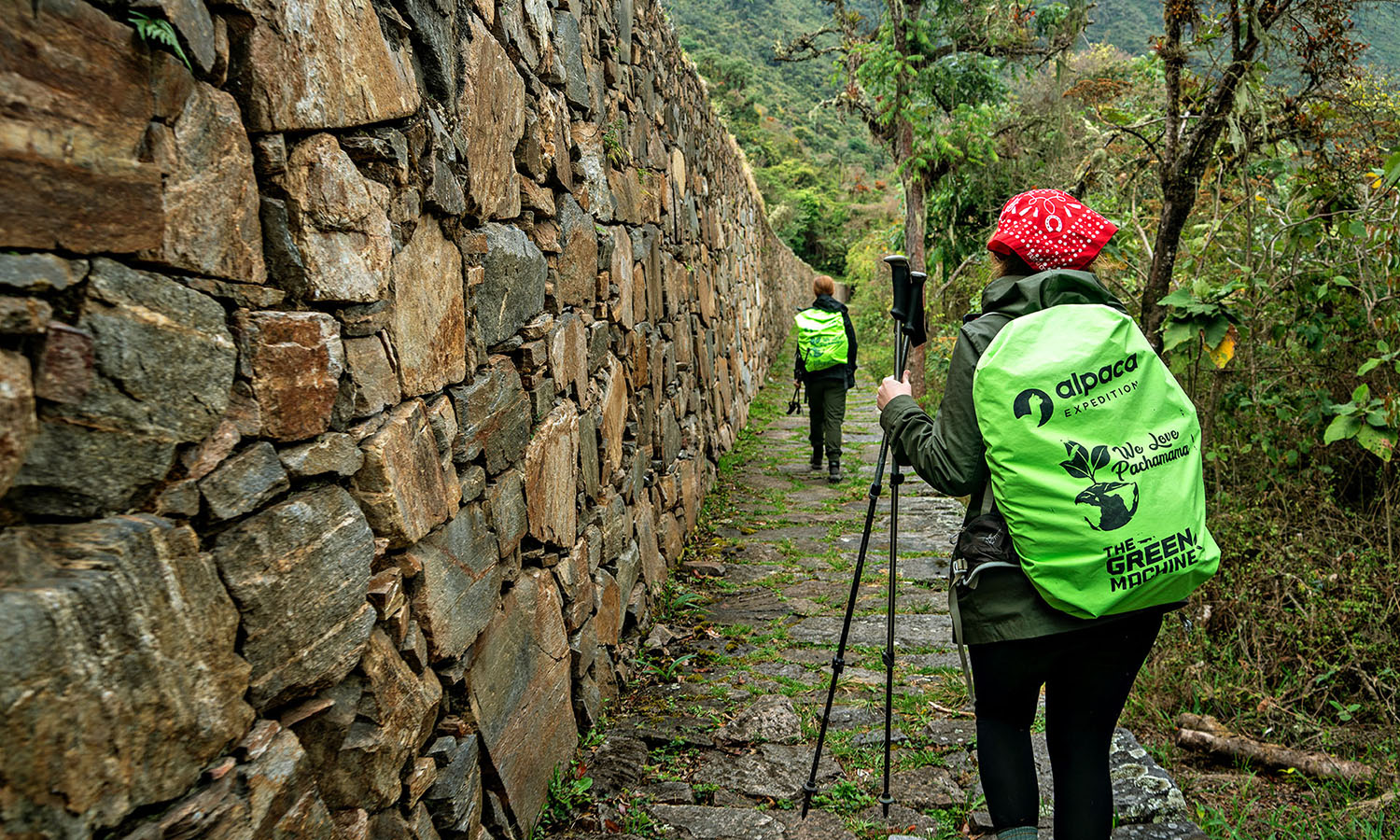
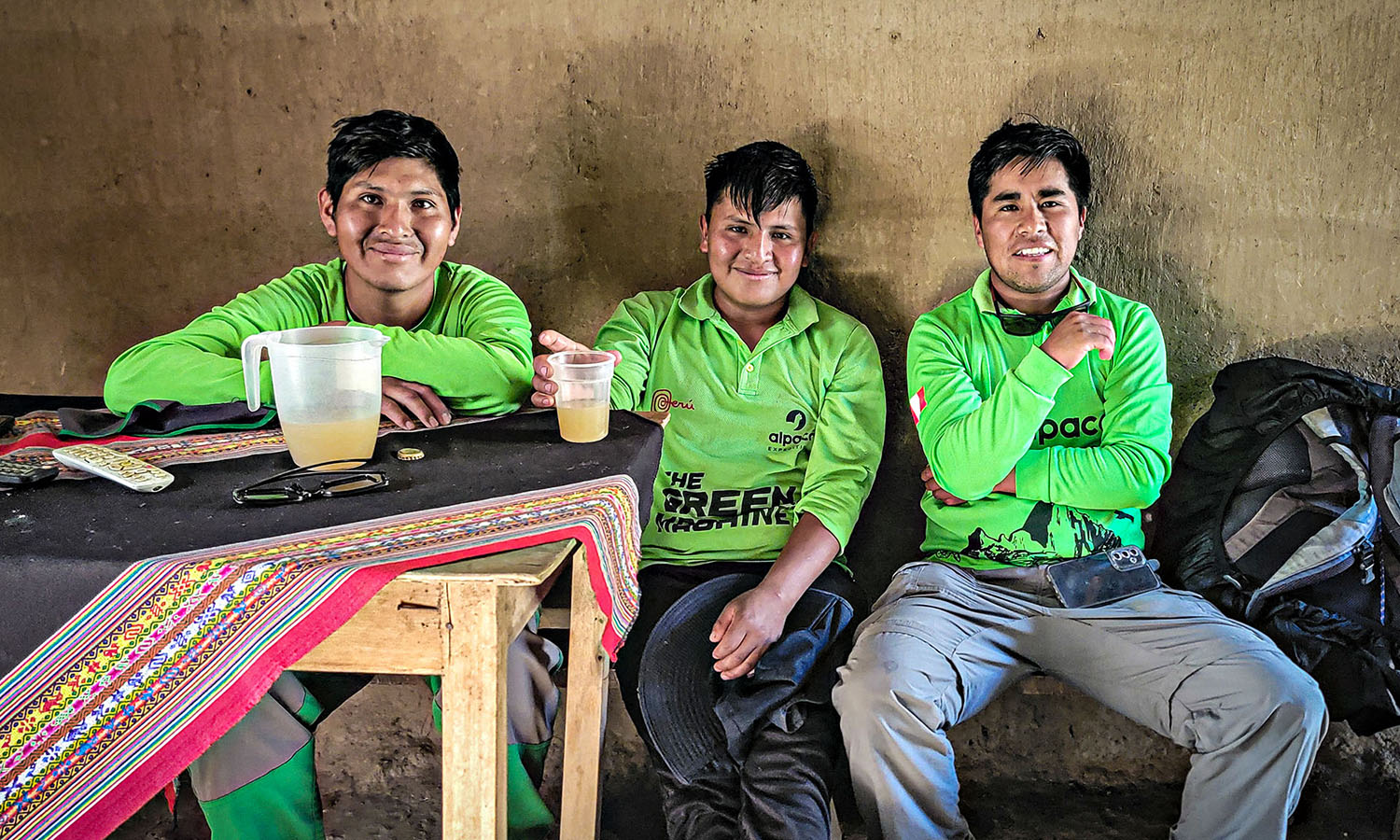
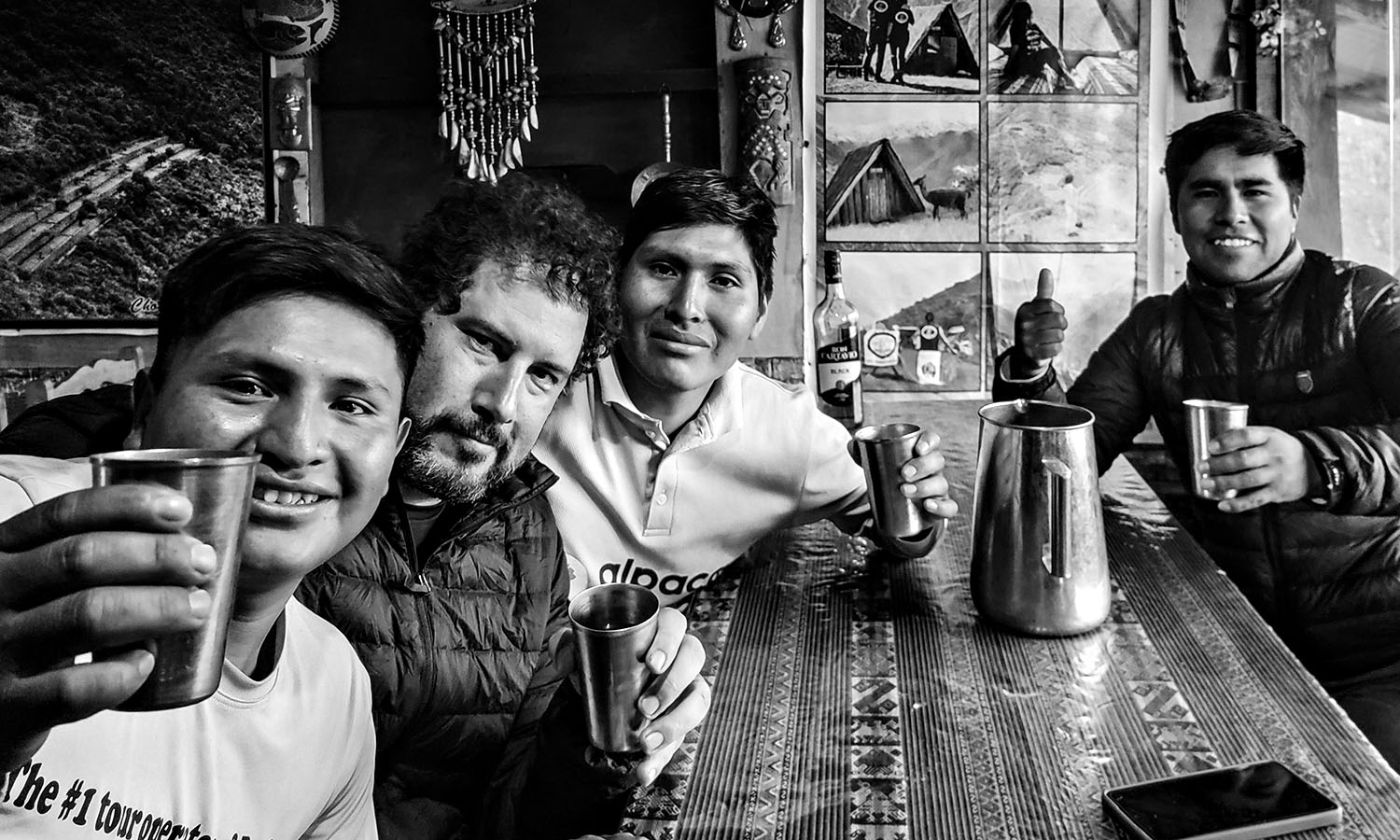
You can only walk to Choquequirao, and to do so you must traverse a wild rift valley. Fortunately no one does it better than Alpaca Expeditions who are the only 100% indigenous owned and operated in the world. Besides true experts who’s blood date back to the Inca civilisation you are about to visit, all their tours are created with sustainability in mind, while bringing support to remote communities and offering gender equality initiatives, like a specially designed educational program to train female guides and porters in a typical male orientated field. They don’t just bring you a once-in-a-lifetime experience, they do it with heart and love.
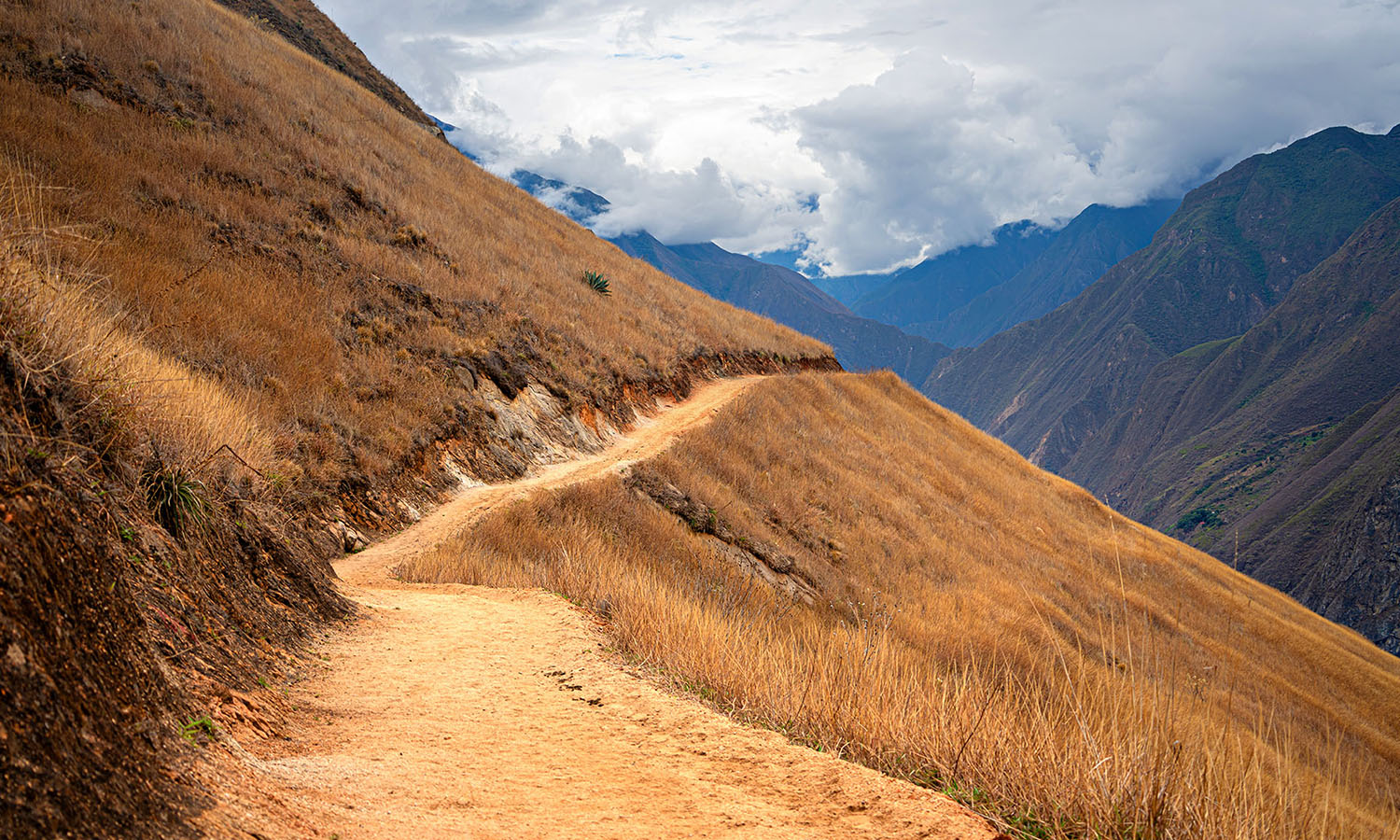
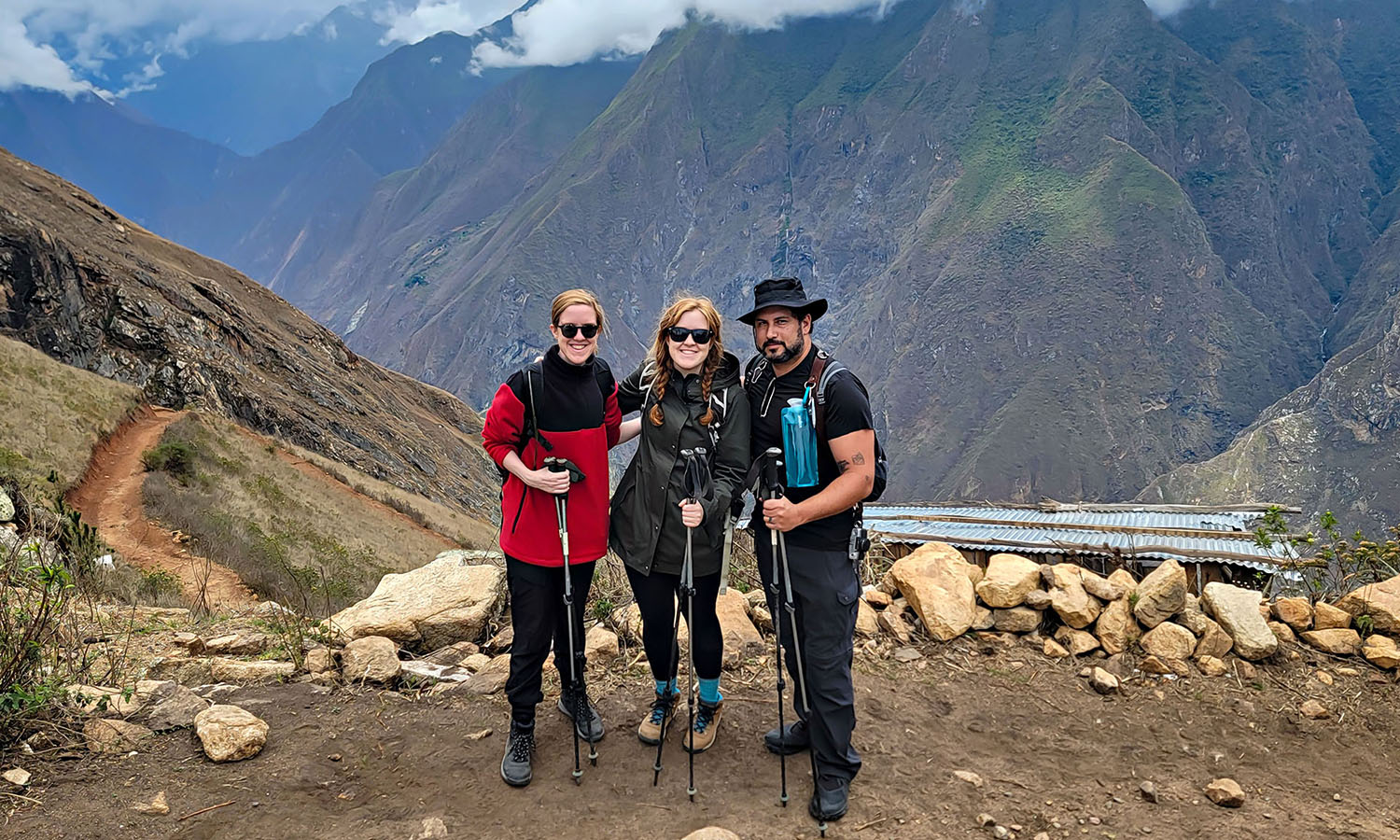
Our guide Victor and his porters load up a team of very pretty mules with our camping gear. On our backs we carry just the necessities; 2 liters of water, some camera gear, rain gear, and life-saving snacks. The road to Choquequirao is not the easiest; while the Alpaca Expeditions website says the 5-day journey is “challenging,” fit for anyone who “enjoys hiking and is in moderate shape,” the nearly 35 miles round trip with a 20k altitude change is definitely something to be concerned about.
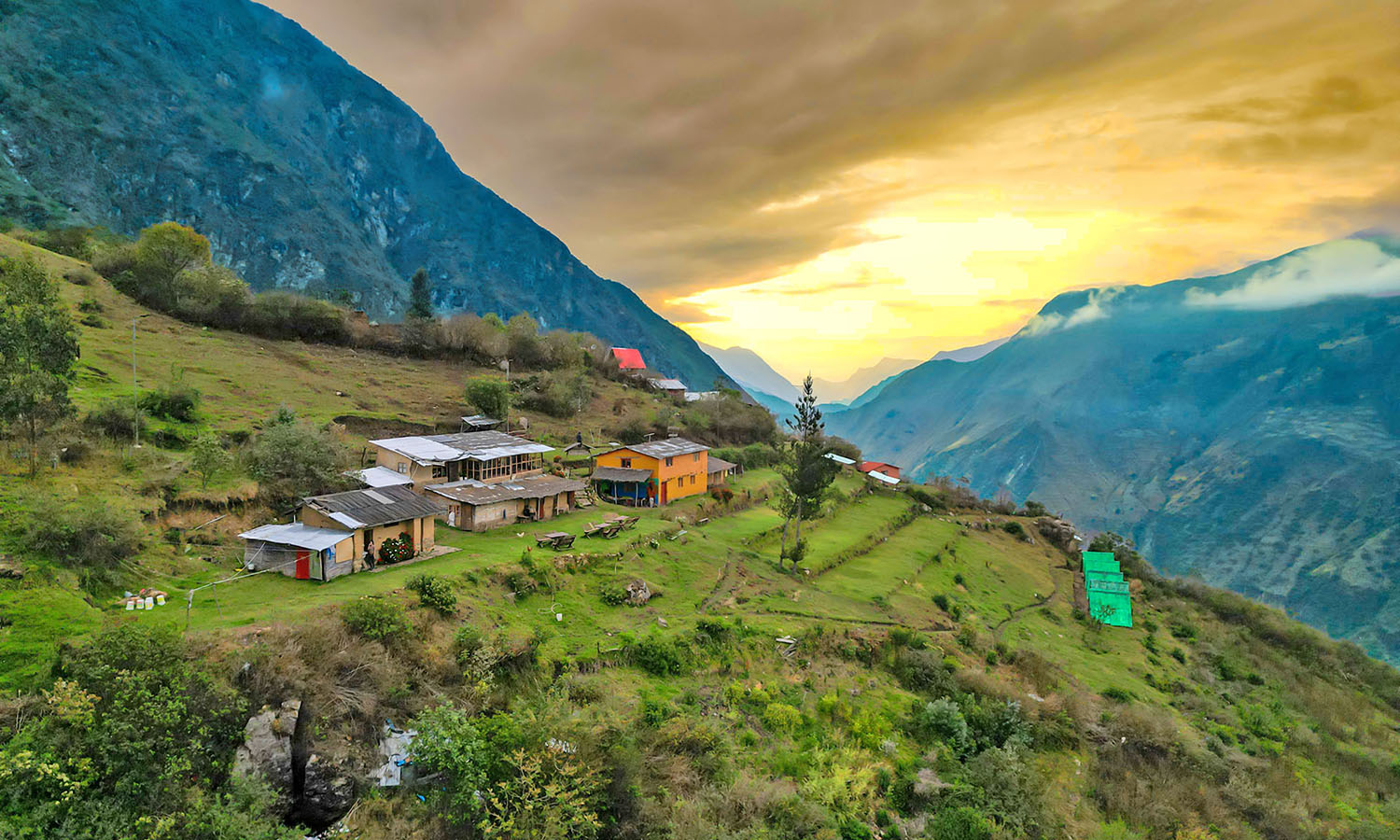
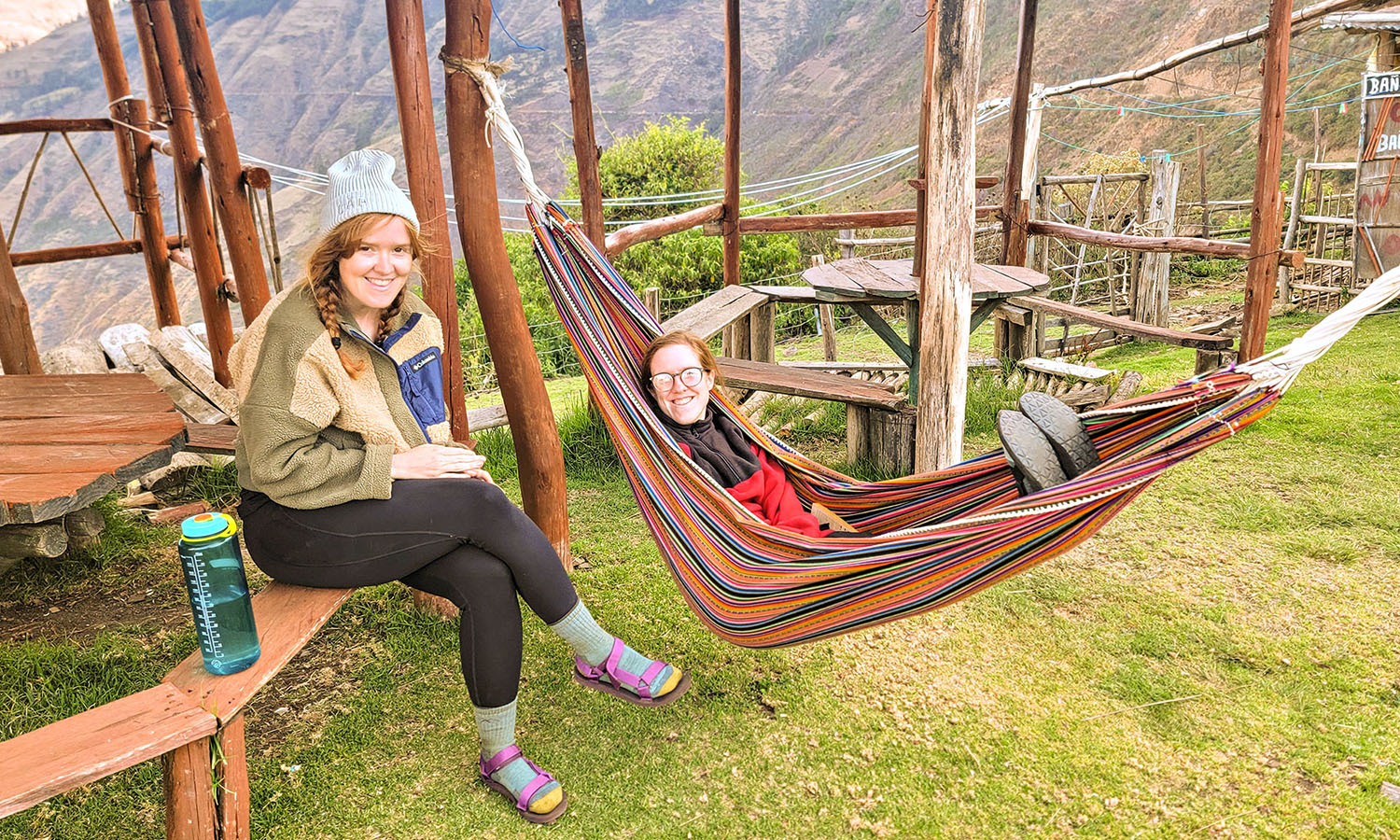
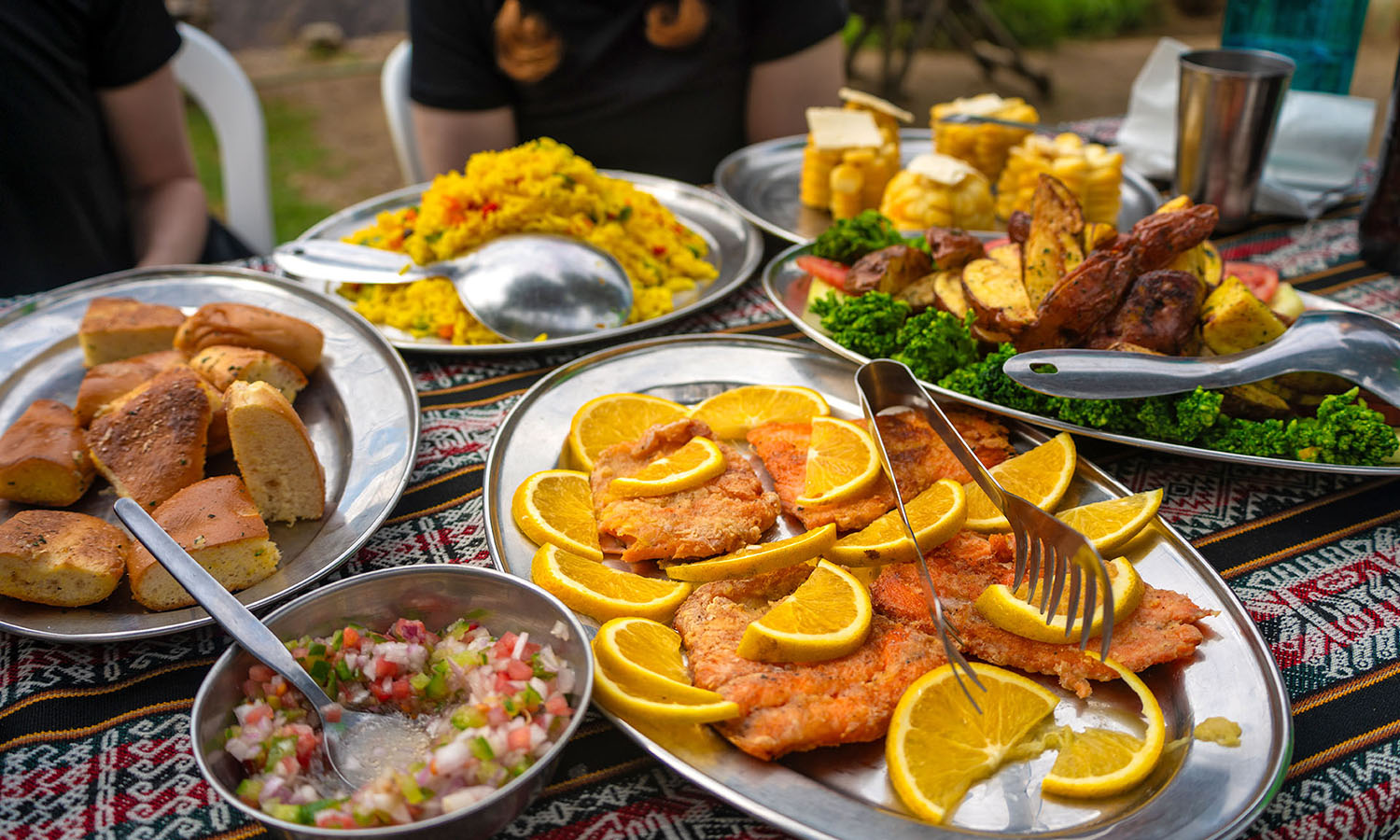
The first leg of the hike is all downhill, about 6.5 miles, with a 4k foot descent. I was with two twin sisters from NYC, about ten years younger than me, who were cheery and excited to do something different than spin class at a midtown Equinox. Most of the way, we oscillated between gasping at how stunningly beautiful it was and demonstratively declaring that downhill hiking is way worse than going uphill. A few hours later, we found ourselves at Chikiscca, our camp for the night, where our tents had already been prepared, and dinner of fresh fried fish, potatoes, and giant choclo (corn with farmer’s cheese) was being served with the most stunning view of the Apurimac River valley you’ve ever seen. Sleep couldn’t come quick enough, and with a 4:30 am start time, we got right to it.
From Chikiscca our legs were on fire as we descended to the river basin and crossed the questionable suspension bridge we found there. Once across, it was a constant incline to our next stop. Ten miles and a can’t-believe-I’m-writing-this five thousand-foot ascent back up to the top of the ridge on a nearly 45-degree incline of brackish rubble. It was at this point the mosquitos arrived and seemed to be using the liberally applied DEET 30 as a type of guacamole dip for my blood. Anemic, parched and exhausted, the sun decided to break through the cloud cover in the last leg of the journey. Victor saw I was losing steam rapidly.
“Mister Robert,” he said with the quiet tone of a confidant, “would you like the emergency donkey?”
I thought he was kidding, but thankfully he was not. A stubby, brown, furry ambulance arrived shortly after a radio call, in which I threw the entirety of my pain, suffering and 230 lbs of Italian corpus on the back of this brave, poor beast.
At the top, alive and having pounded my weight in water, I fed a bag of apples to my furry friend, thanking and apologizing profusely for eating all that pizza over my 45 years on Earth. For now, I was safe and once again having a fine, freshly cooked meal overlooking the most stunning mountain range and valley I had ever seen. The sky bled pastels and as the wind died down, we crawled into our tents for tomorrow when we would reach our destination.
The next day, we set out along the ridge, and while the hiking itself wasn’t as challenging as the day before, we found ourselves in a thick, humid, mountain jungle. Cutting through switchbacks and over lazy waterfalls, we slowly made the last 1km to the summit. Soon, we started to see signs of the ancient Incan civilization as we climbed a makeshift stone staircase in various states of disrepair. Then, like birthing into a new world, the dense vegetation cleared, and we were literally above the clouds. Before us lay the lost city of Choquequirao.
I won’t attempt to persuade you of how intense the feeling is reaching this untouched settlement. I will not try to use poetry or prose to instil an understanding of the profound sentiment of accomplishment that comes with seeing it. For all the pain and discomfort and strife, the payback is ten-fold in pride, wonder and excitement. You are truly alone up here among the clouds. Able to roam freely through these ancient structures, perfectly manicured and unmodified. You get to sit quietly and feel what it was actually like 500 years ago, living on top of the world. It is yours and yours alone, and it’s marvelous.
As a traveler whose job it is to travel, the constant struggle I face is that I’m part of the problem I find wherever I go since wherever I go, there are always other travelers, taking away and sucking the lifeblood from the destination. Fewer and fewer places around the planet are truly untapped and unique. Choquequirao is, without question, one of the last places that is truly untapped. Fitting that this was the last place the Inca existed, the location of their final stand against the colonizers. It also seems to be the last place unconquered by colonizing tourists as well. Here lies Choquequirao’s wonderful treasure, and all you need is blood, sweat, and perhaps an emergency donkey to get there.
Day 4
We had the option of stopping to sleep one more night, but we all agreed in quiet reflection over hot cacao that we would make the push and travel longer, farther, and higher than we had on any other day. I had an extra cacao as some sort of consolation prize, figuring I was burning at least 27,000 calories a day and deserved it.
We set off to make good time back to the river in the valley’s nadir. Although it was just two days ago, it seemed like I had never been there before. Despite how physically challenging it all was, there was no denying the spectacular beauty of this place, like a favourite film you could watch a thousand times on repeat and never get tired of.
It was a long and slow ascent, and the sun required every step to be accompanied with a metered exhale. Then, when I thought I had nothing left, I saw him. My old friend burrito. I can’t be sure, but I think he saw me too and gave a low-brow squint of disgust before we both nodded, realising that this was our lot in life.
With the help of my furry Uber, I made it back to our base camp. As we arrived, a thick fog rolled in, giving us the sensation that we were floating in the sky. We stumbled into the main hut, where I purchased the biggest bottle of rum they had (it was hidden in the back), and our porters whipped up a very special, “Inca tea,” that we all administered liberally with dinner. That night we were all good and intoxicated on many things, but mostly drunk on satisfaction knowing we had reached the heavens and returned. I don’t think any of us had ever slept so well before.
The following day, I find myself back in Cusco, having hiked up and down a mountain to see a site most will never get to see the same way. I had a 2-hour massage and two full dinners with two liters of wine to soothe my battered body and soul. I was melting into my feather-top bed under a deep comforter at the exquisite Rumi Punku Hotel, enjoying their high-speed internet. Although I had only been back for a few hours, I was already plotting my next trip with Alpaca, and with dozens of different experiences to choose from, there was so much more to explore.
What I found were lush green fields as far as the eye could see and brand-new immaculate roads that stretched for miles that gave an air of modern living (but there were clear signs of Nica’s rustic roots everywhere you looked). Eventually, as we neared the coast the asphalt gave way to raw mud tracks my taxi devoured unapologetically, the violent shimmy giving me an impromptu welcomed chiropractic adjustment after my 5-hour flight.
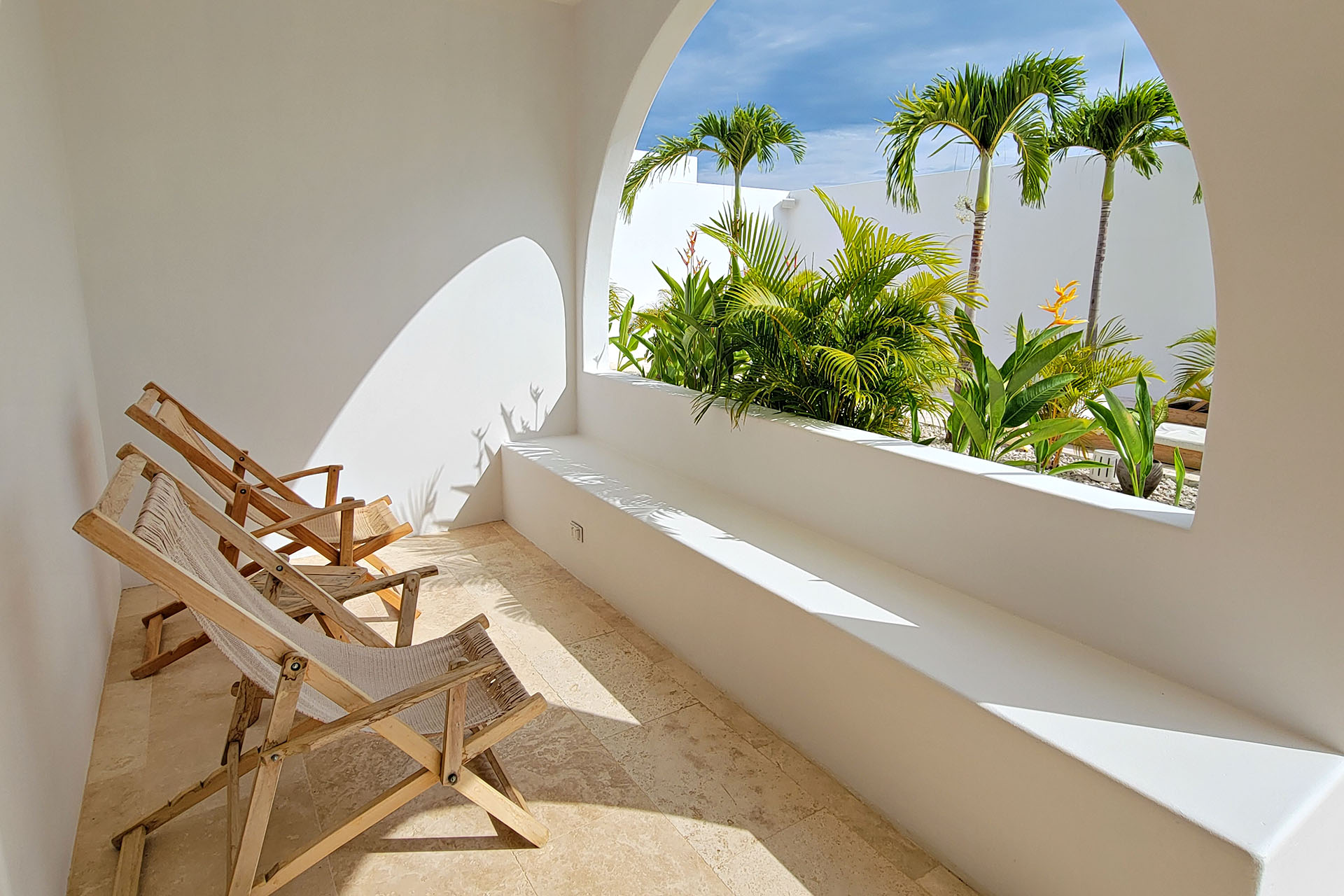
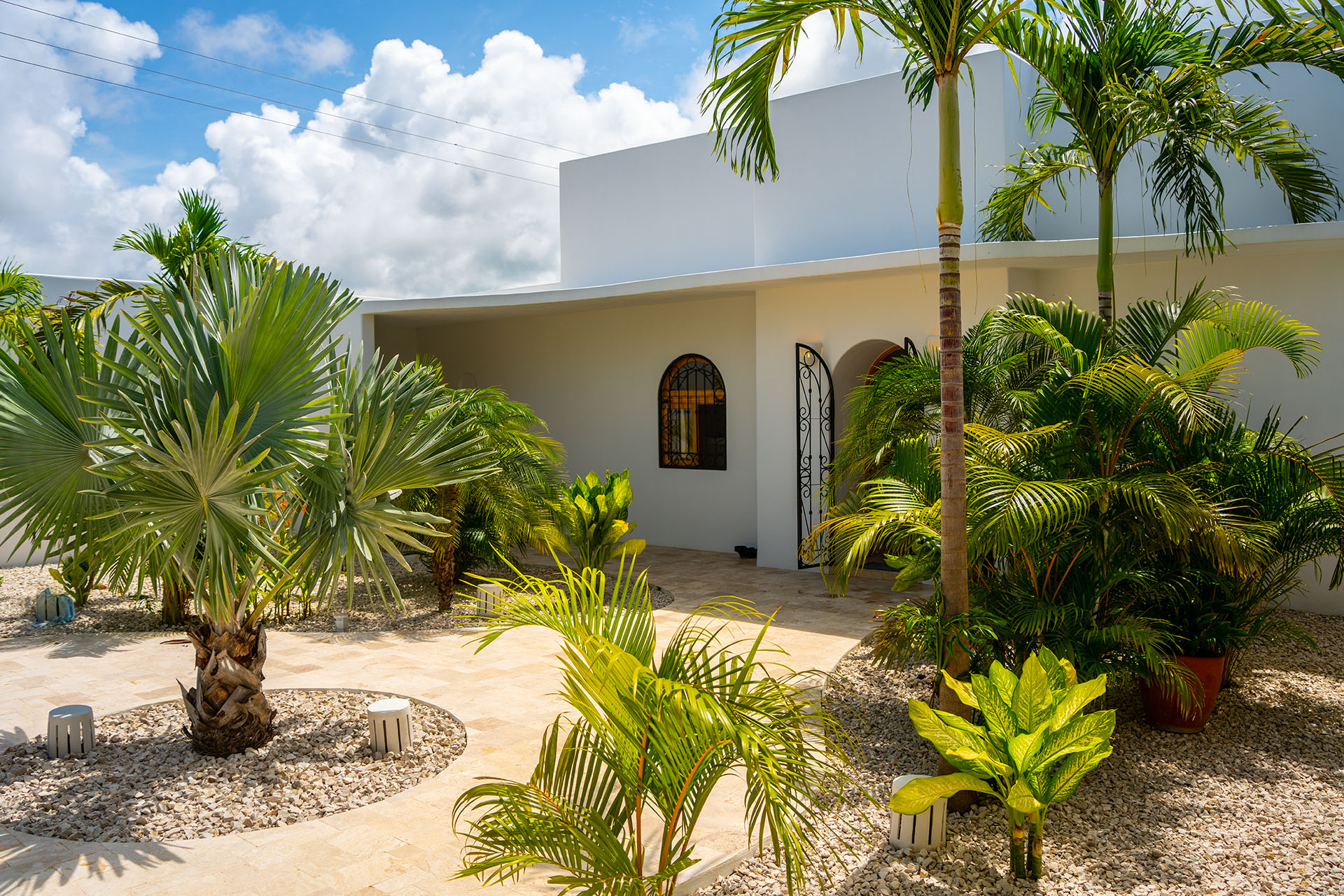
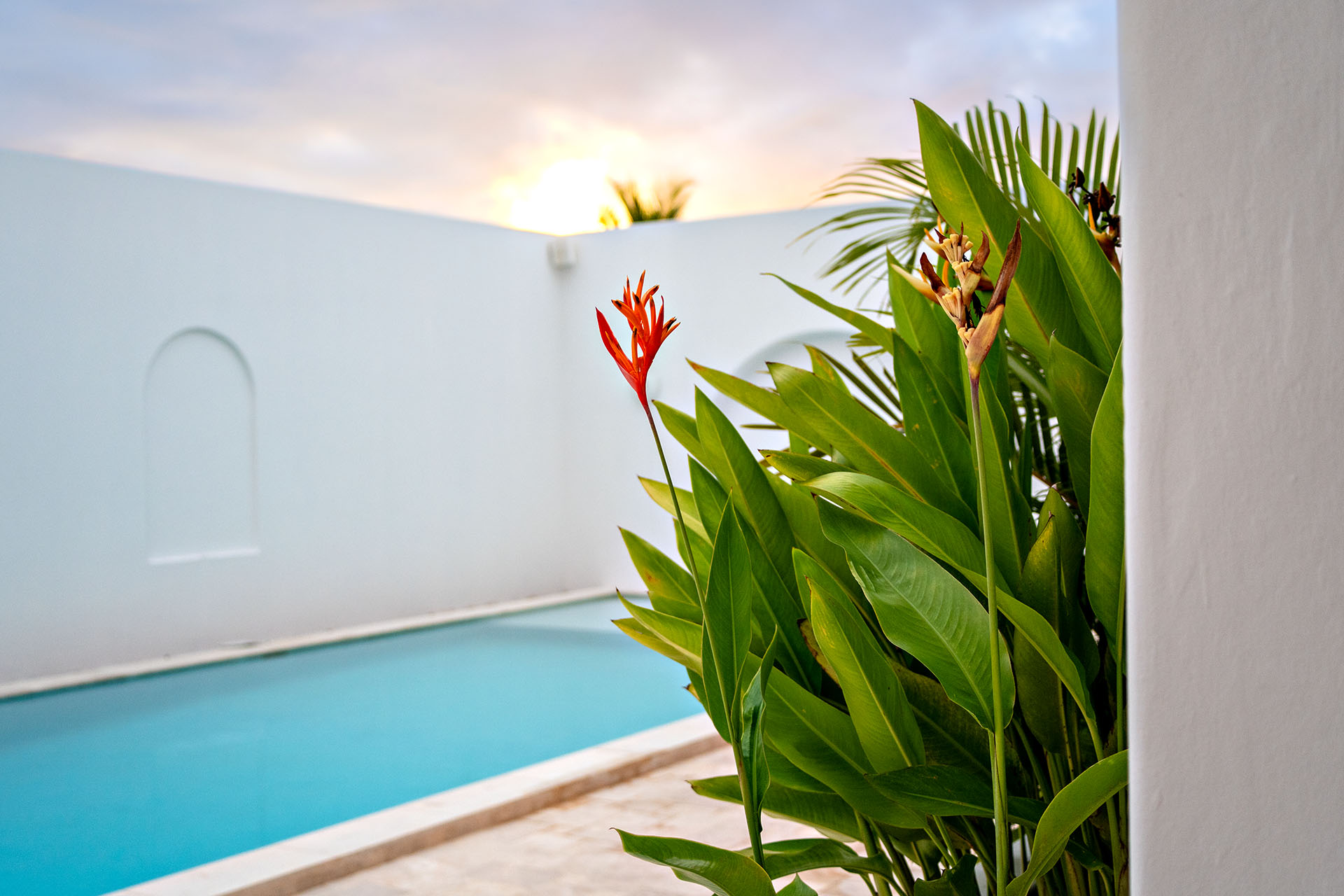
Then, without warning, we reached our sacred destination, the Hide and Seek resort in Popoyo, which stuck out like a Brit in Bali. After a quick celebration with my driver, I sublimated into the fully immersive world of Hide and Seek. With arched white stucco bounding travertine marble with perfectly manicured palms lining the way, this exceptionally designed resort is the lovechild of Emelia and Daniel, two amazing Aussies who can be seen enjoying the grounds with the patrons. This is a paradise within a paradise, where every angle subdues you into a new level of serenity with its French Moroccan vibes.
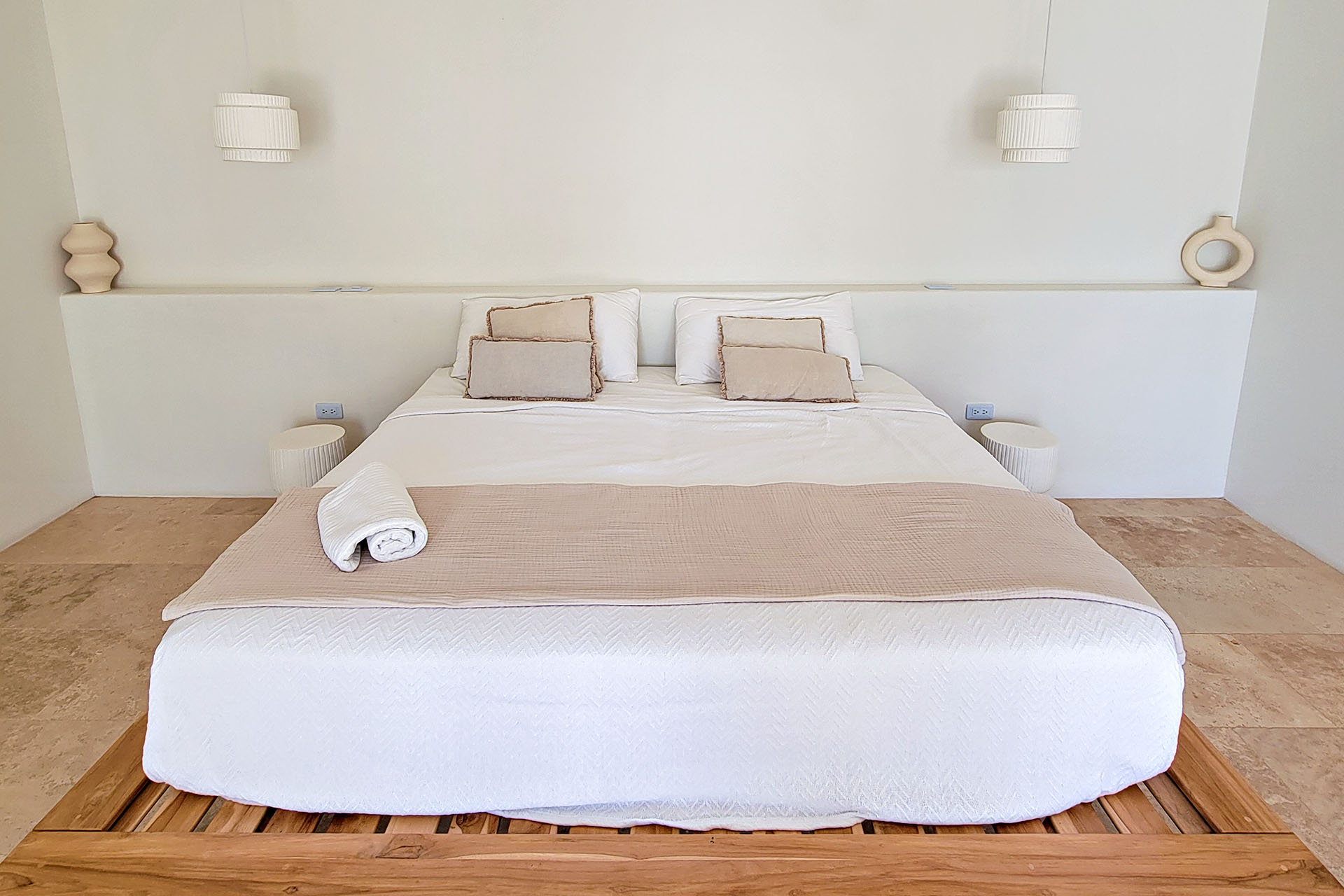
The rooms are perfect blank canvases to paint your ultimate masterpiece of relaxation. Everything here is wonderfully muted and amorphous. With natural materials and soft linens that give luxury while keeping it very simple. The bath is a work of art, a cathedral of natural light and fine product to wash away even the most stubborn thoughts of your daily grind. There is a TV, but I couldn’t tell you if it worked, I was too enthralled with the view from my glass wall, a live screensaver of paradise. Throw in the most perfect complimentary fresh squeezed margarita, and you are ready to never leave.
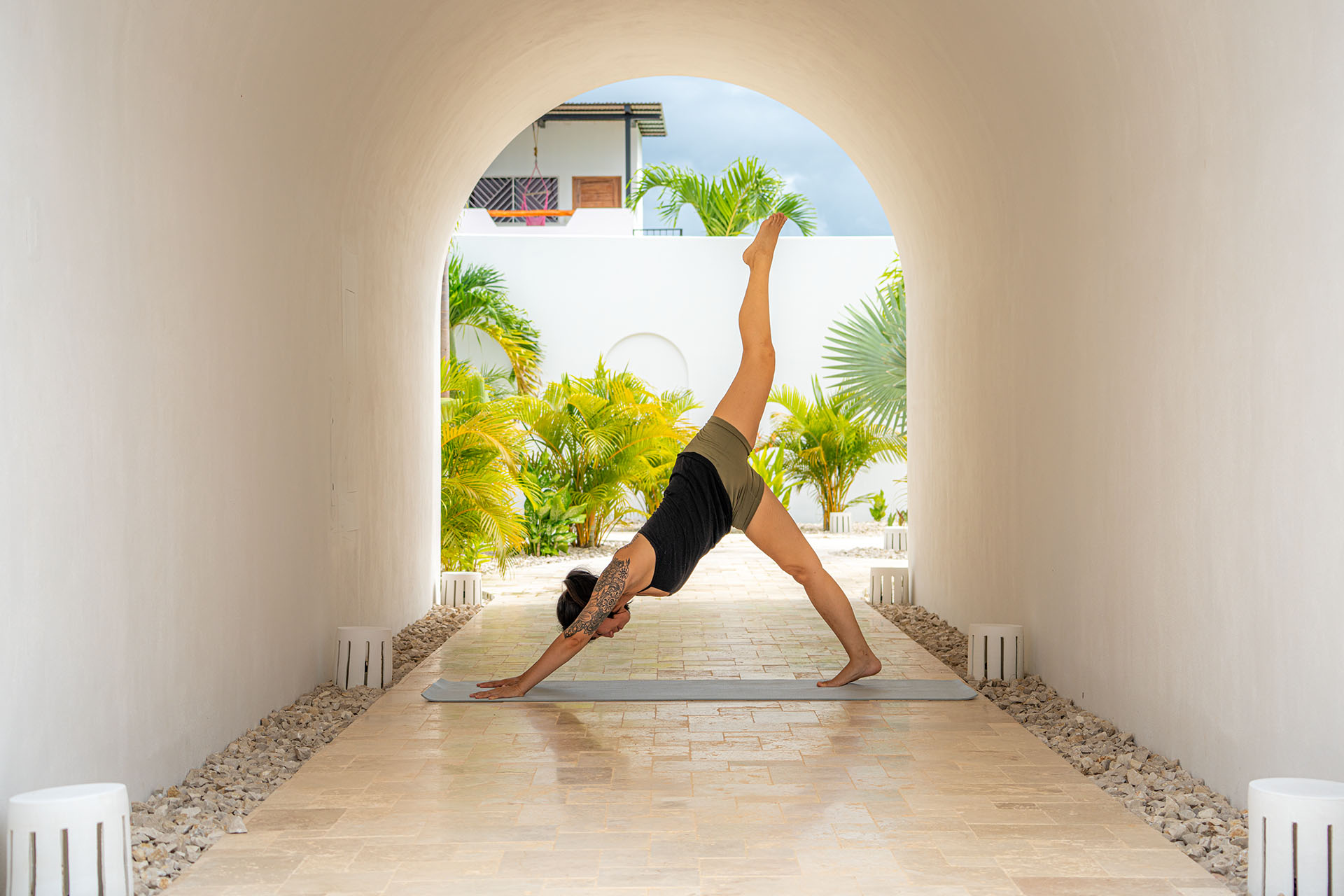
And in fact, Hide and Seek makes it a bit too easy. They offer yoga with their resident instructor each morning out on the grounds for those seeking their center. They don’t have a gym so you can’t feel guilty about not working out, or you can do the Serrini special and lift furniture while drinking wine. Afterwards, you can hit up the spa to enjoy the voluminous Finnish sauna and complete the cycle with a full-scale cold plunge guaranteed to make you feel like a newborn baby. Of course, a quick glass of wine in the shower is necessary before a bite to eat.
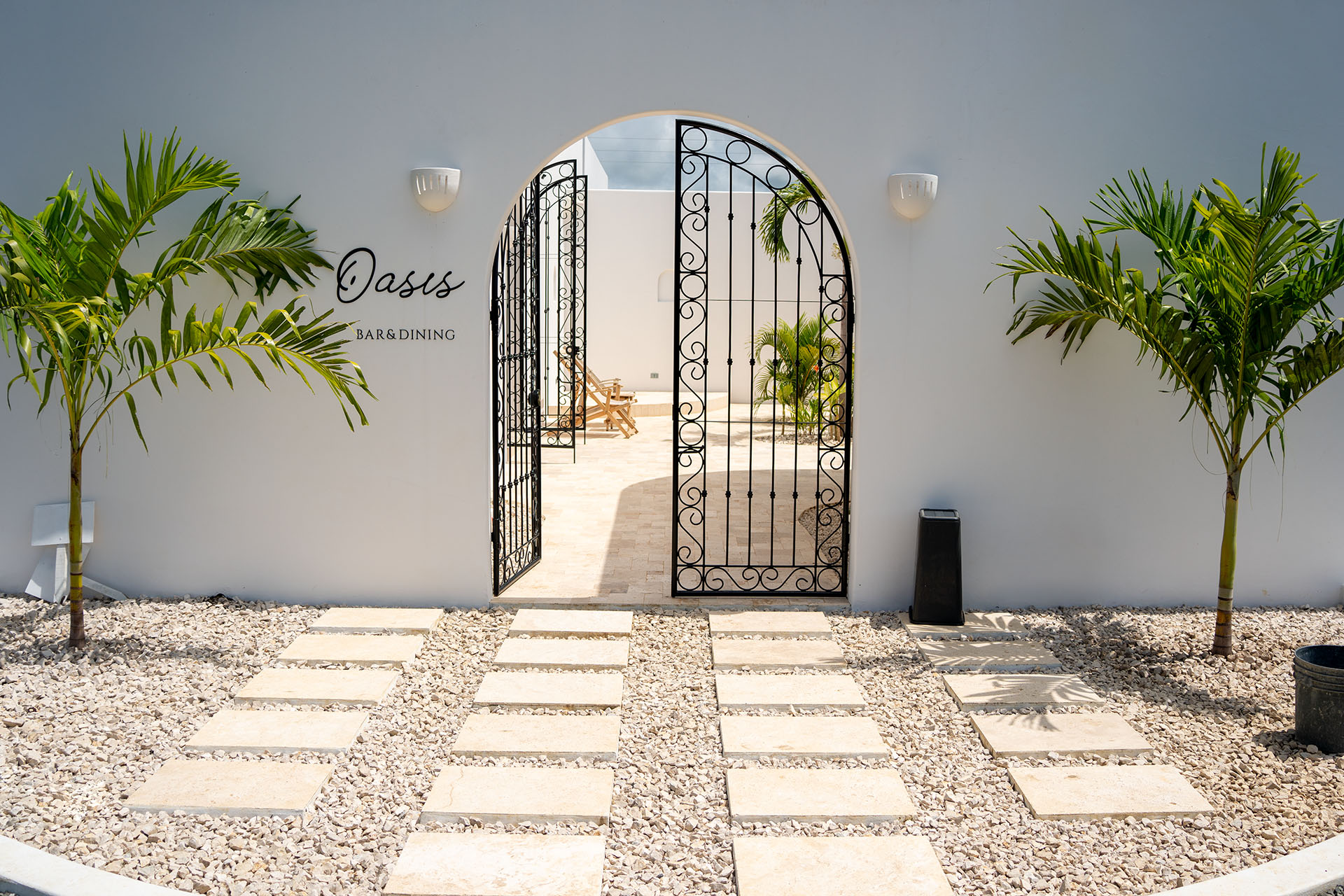
Barefoot breakfast, lunch and dinner happen at the Oasis, which remains open throughout the day and evening, and besides serving up high-speed internet in a lovely setting, they offer some truly amazing bites. The food here does not need to be this good or this diverse. From all things fresh fruit to any fresh salad or savory dish from chicken parm to authentic red coconut curry, the quality is beyond good. And did I mention the wine? There is no reason I should be drinking excellent pinot from California deep in the jungle of Nicaragua, but I am. And when I needed something perhaps a little more volatile, the fellas behind the bar had me covered with a bit of boozy sunshine in a tall glass.
When not swimming in red wine, I found myself swimming in the pool, which is the centerpiece of the resort. I’m a big fan of off-season travel when the weather is brackish, but the destinations are all mine. Even with Nica’s warm and sporadic rainfall, the pool is a lil’ slice of heaven on earth, which only gets better with another bottle of Pinot Noir. It’s rare and wonderful to find a place whose entire focus allows you to hang out with yourself and get to know yourself a little better.
But then you feel obligated to leave heaven and see celestial suburbia. The owners have a wicked land cruiser that can take you anywhere quite literally, or better yet, you take one of the moto bikes and explore on your own. Soon the pavement bleeds into cocoa-colored mud as you tear through backtracks in your slides, letting warm puddles of jungle water bathe your feet. Before you know it, you’re at the reason everyone comes to Popoyo, the beach.
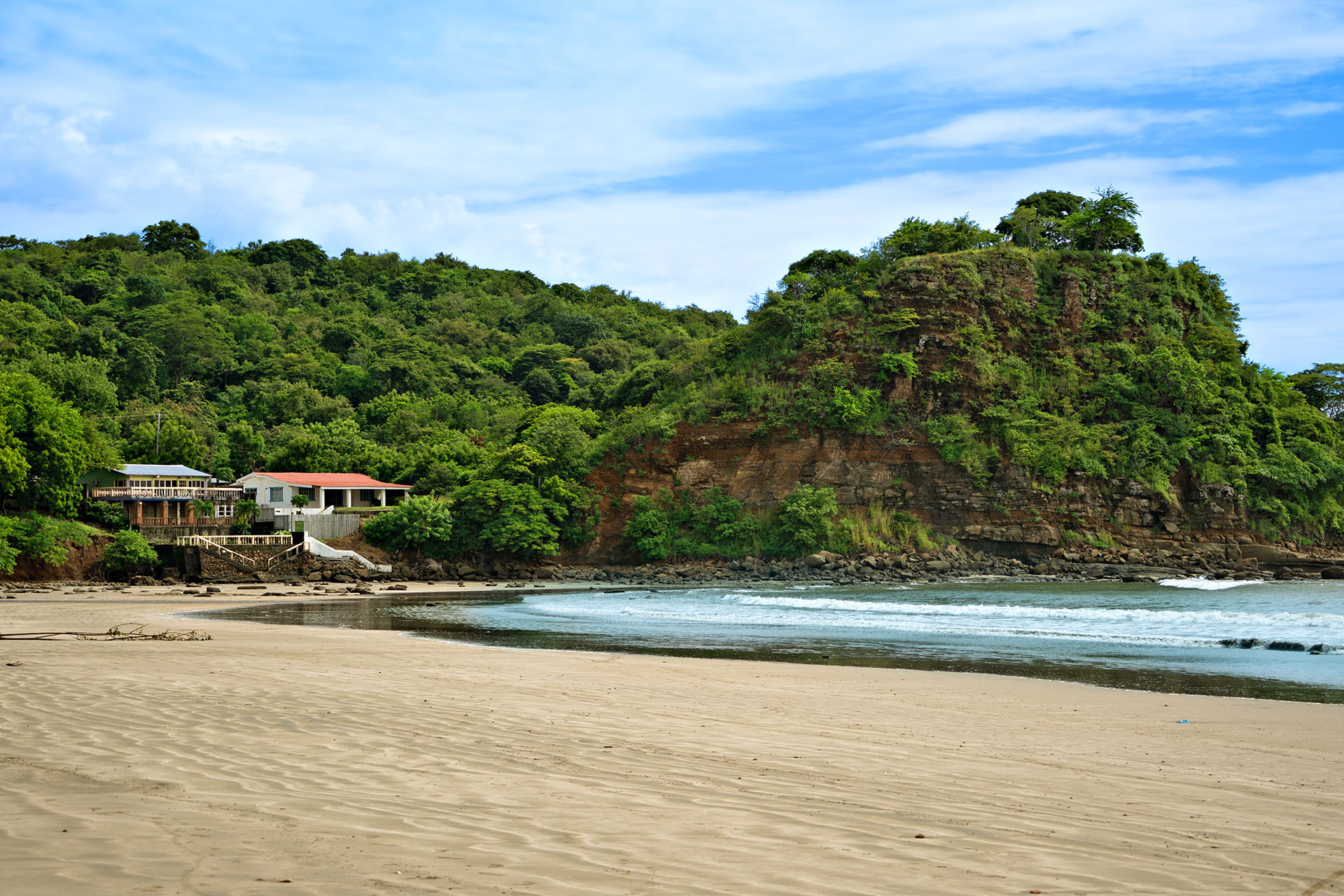
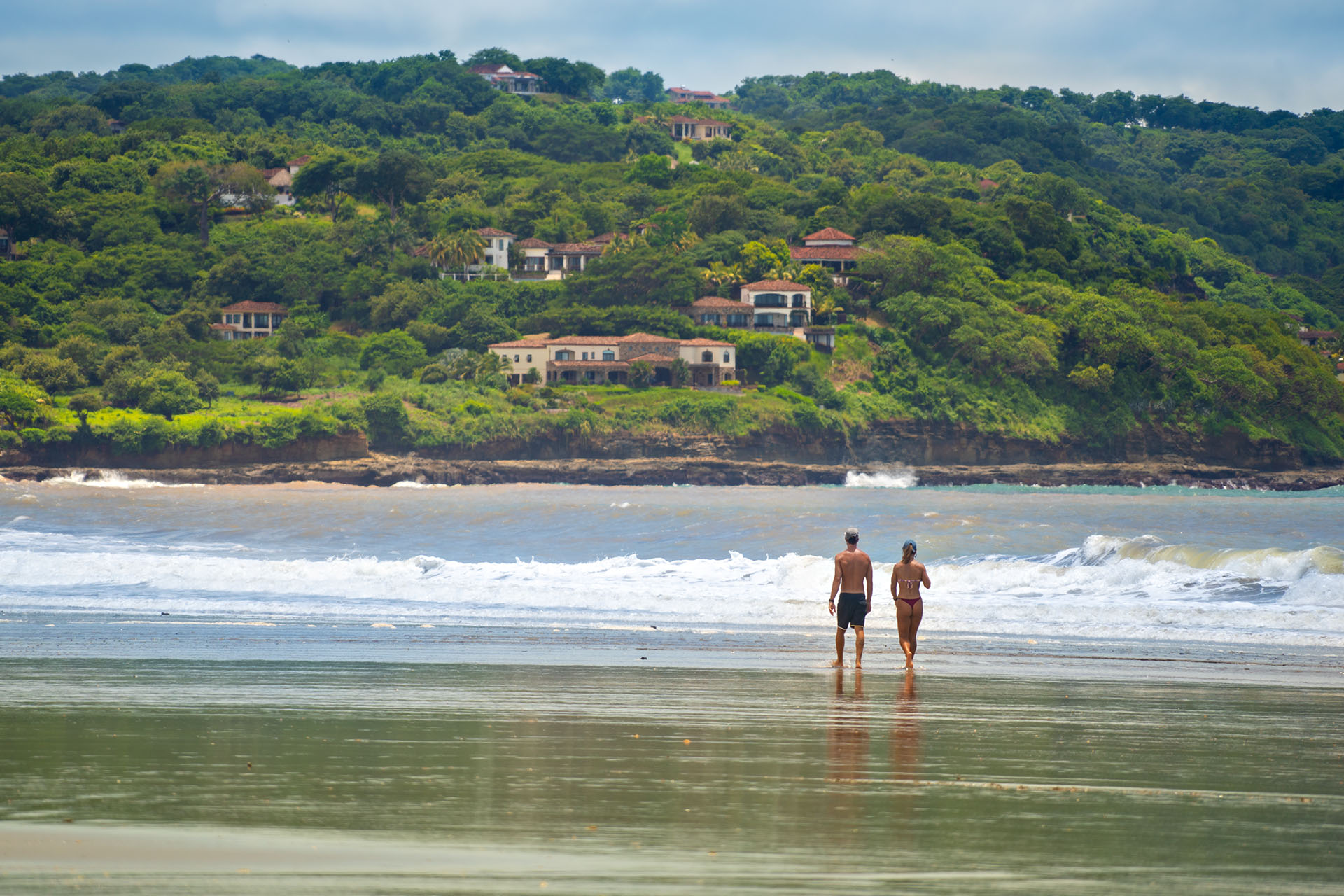
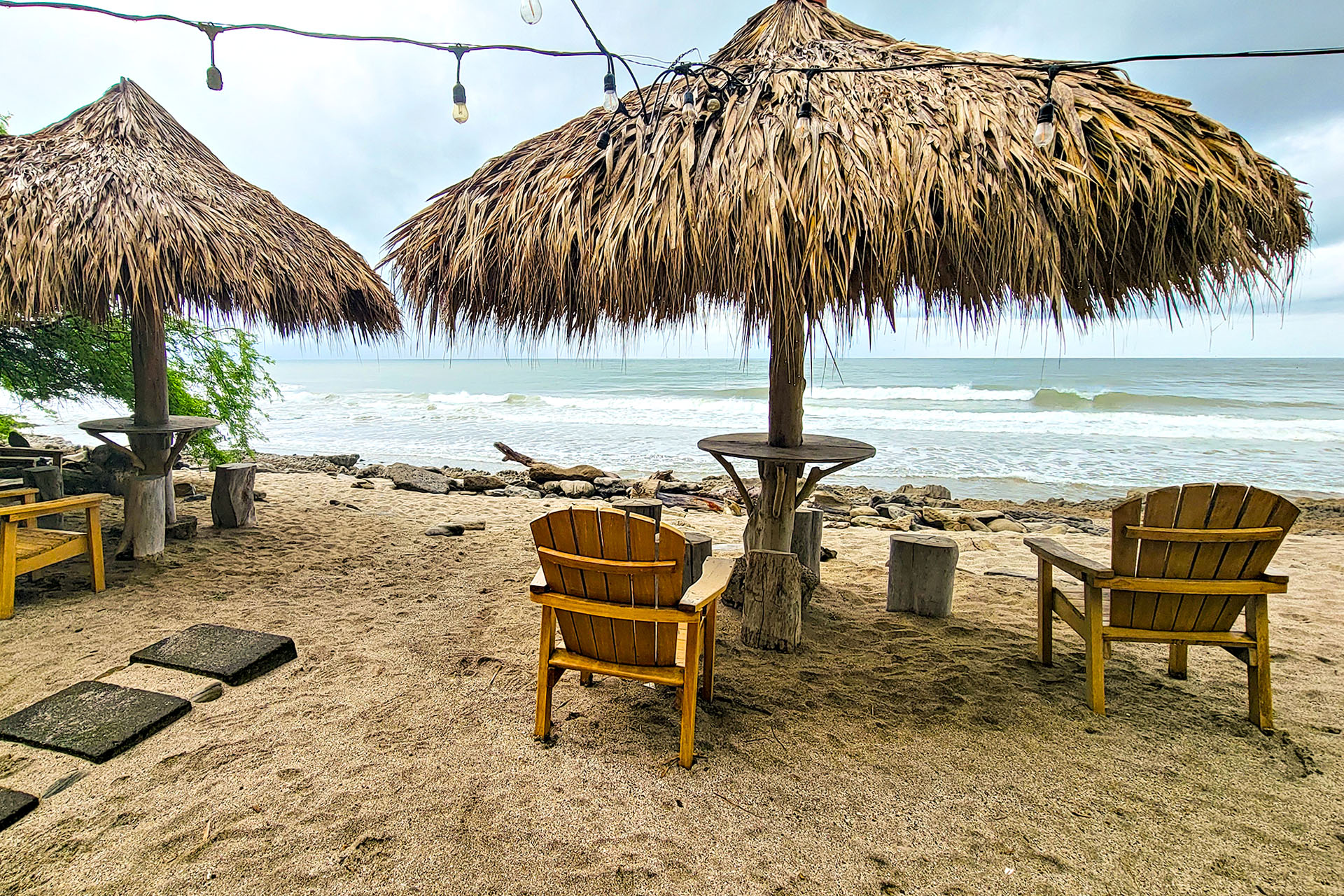
Popoyo is the beach and there is a lot of it. Miles and miles of powdery sand caressing an infinite shoreline of bathtub-warm water. Along the coast here you will find plenty of little places to explore, like the Happy Coconut, which boasts a half-pipe skate ramp in questionable condition and cold local beer that comes with a mandatory oceanfront view.
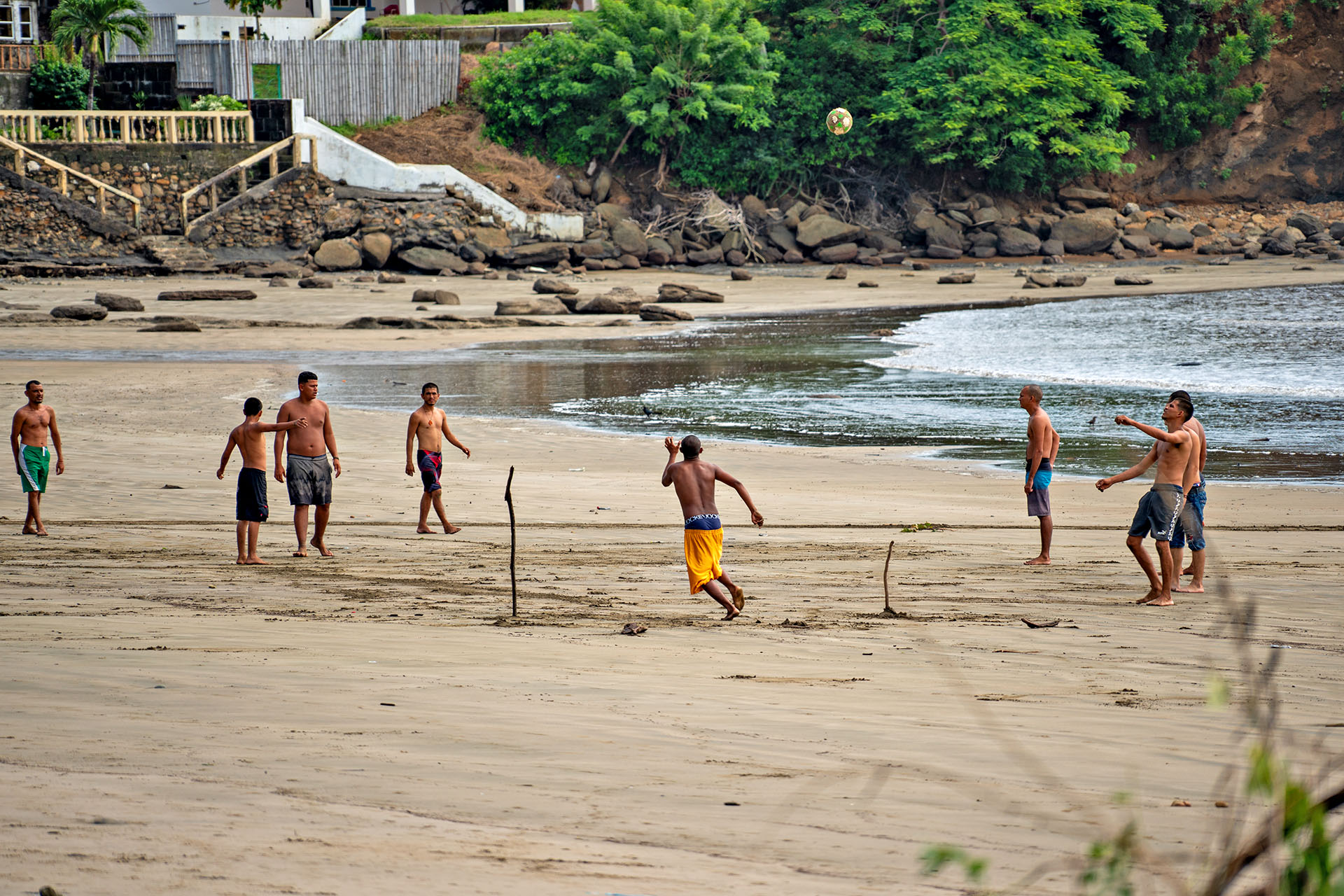
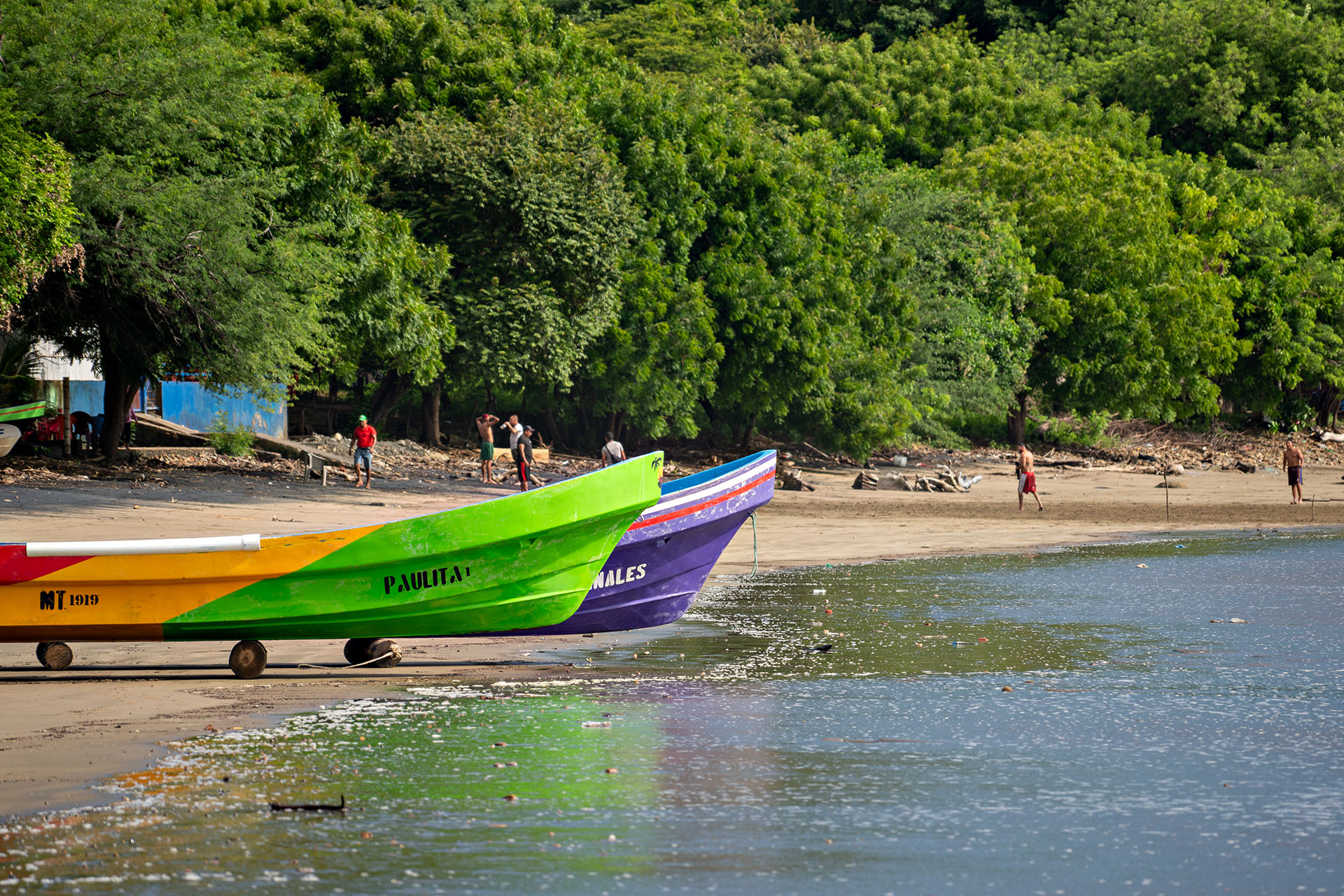
Hopping back on my hog, I head way north to El Astillero, a local fishing village. Here, there are no gringos, surf shops, or work cafes with Wi-Fi. Just colorful fishing boats and swarms of children playing an impromptu game of soccer with driftwood for goalposts. Local or foreign, one thing is for sure, everyone here enjoys the beach to the max.
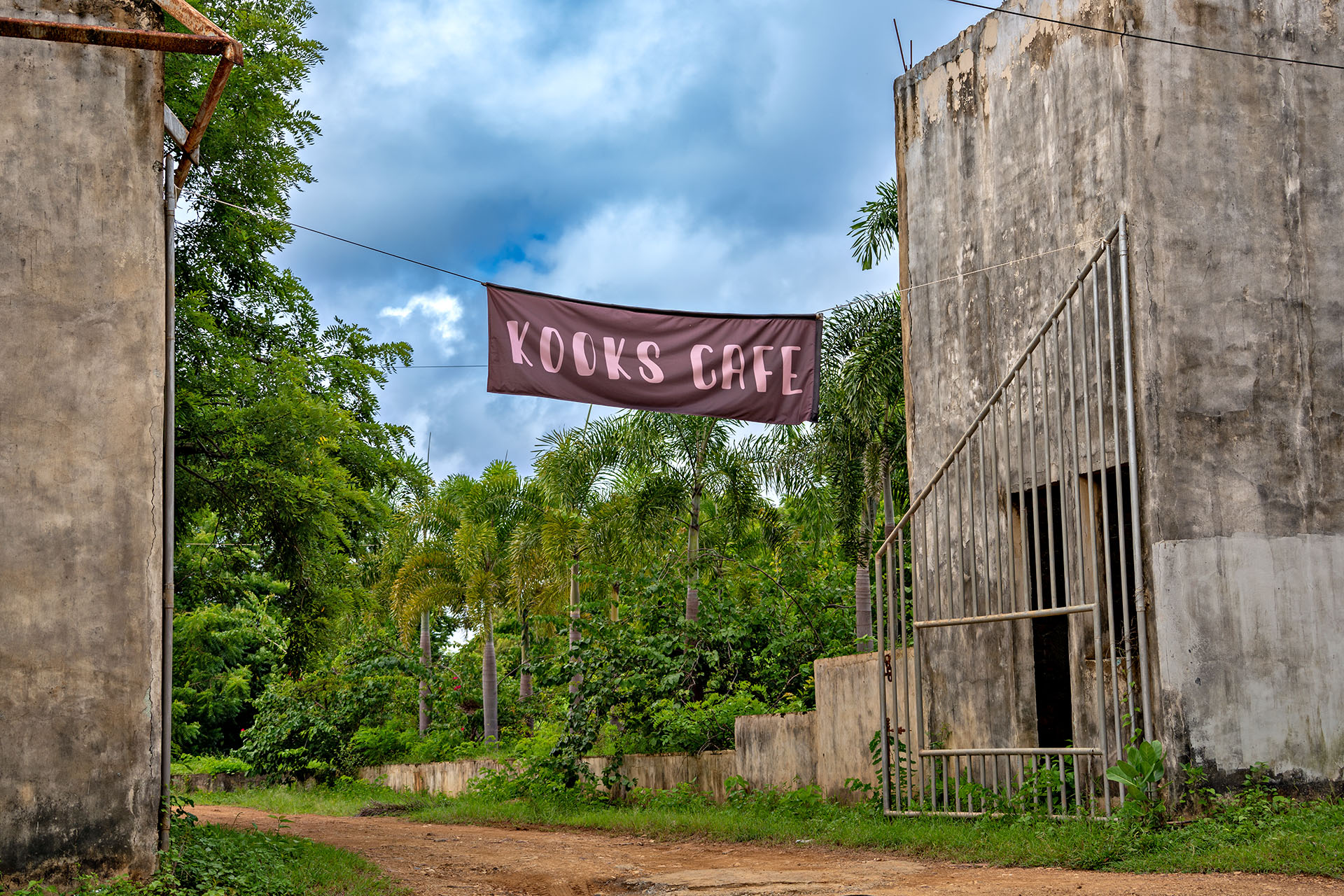
Cruising back down to Popoyo, I stopped off at Kooks Cafe on the recommendation of a nice couple I met on the street. Kooks could be on Abbot Kinney in Venice Beach if not for the lack of glass on the windows, with its kitschy little local artisan shop and vagrant love of dogs (and their owners). It’s a wonderful mix of mosquito coast and Manhattan here, where you can get a very proper flat white, along with something called a Barbie which is like drinking an EDM party. Then there’s the Shakshuka with its farm-fresh organic eggs that are so good you need extra homemade bread to slop up the remnants.
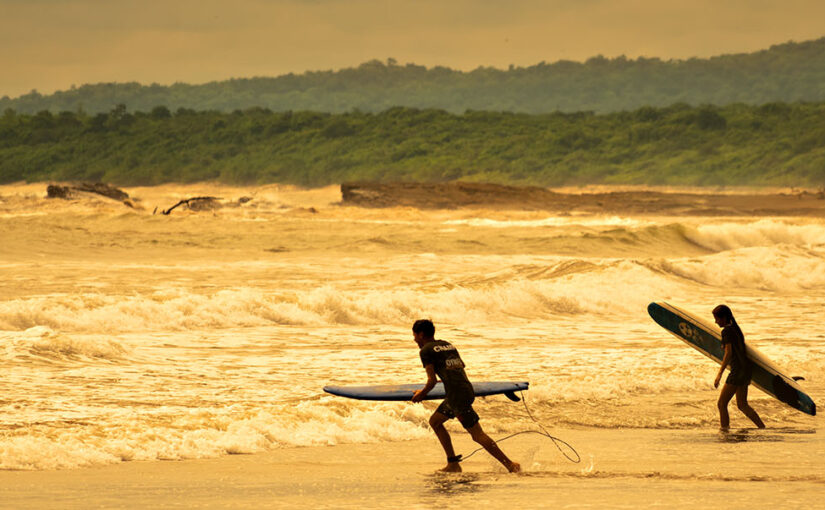
I would be remiss if I didn’t mention the reason all this exists. The surf. The surf here is world-class. Miles of breaks, and even on the mushiest days, it still tickles the fancy. Coming from Socal, where I’ve seen guys get shanked at El Porto because they’re crowding the locs, it was beautiful to watch dozens of surfers spread across the sea with room to spare. The surf here is for everyone, and while it can be unruly at times, the brave welcome the risk to find that perfect wave.
As the gray crept in with the evening (as it does in the rainy season), I decided to head back. Stopping for gas, I noticed that a bottle of rum was about 5 USD, a bargain too generous to pass up, and with a makeshift hobo bindle, I made my way back to my local beach. There are only a few places on earth I would bother writing about these days with such fondness, running the risk that it might cause too many to come and suck the magic out, but this little remote corner of the world has the space and love for it, and with a full bottle of rum by your side, you have the time to sit and contemplate what it means to get tipsy in paradise before others arrive to share the joy.
It’s about time you traded your Wi-Fi for the wild and your Teams meetings for the sound of the Arctic wind howling through the fjords, and choosing to stay in one of Norway’s off-the-grid accommodation options is the perfect place to do it.
So, if you’re ready to heed the call of the country’s rugged natural beauty, we’ve put together a list of the best places to stay in Norway (with a little help from Torunn Tronsvang, founder of Oslo-based travel specialist Up Norway), that’ll satisfy your inner hermit. We hope you have your on-the-ground Norwegian travel specialist on speed dial.
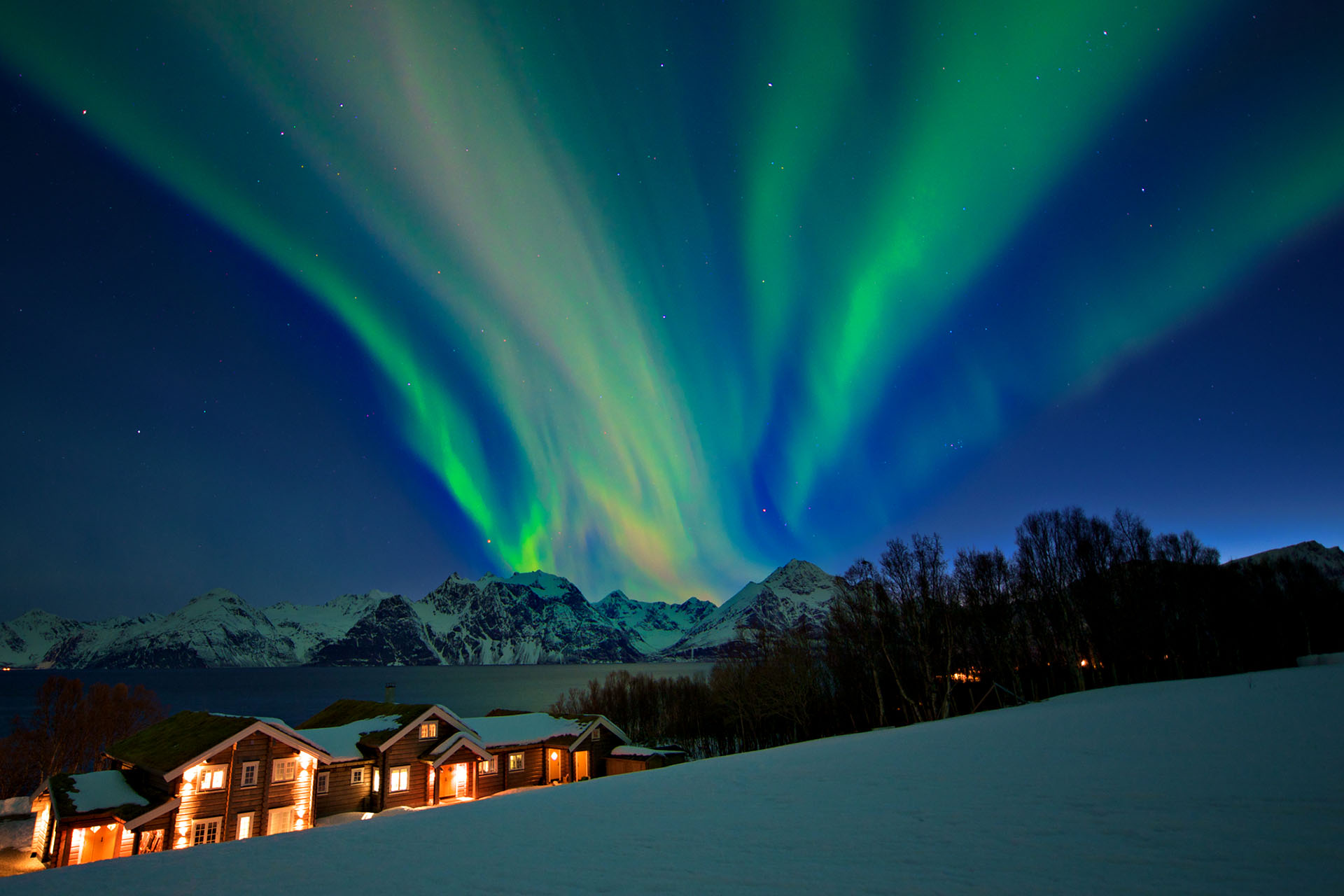
Nestled in the heart of the Lyngen Alps, this lodge is like stepping into a fairy tale—if that fairy tale included gourmet dining and hot tubs with stunning views of the Northern Lights (we must’ve skipped that part in Cinderella).
This place is all about cozy, rustic charm mixed with the tiniest hint of adventure. During the day, strap on some skis, take to a dog sled, or even join a snowshoe trek—just try not to faceplate and embarrass yourself in front of your new lodge buddies.
And at night, you’ll find yourself indulging in a delicious five-star dinner before sinking into a hot tub under a starry blanket. But remember to pack your thermals, frostbite isn’t a cute look.
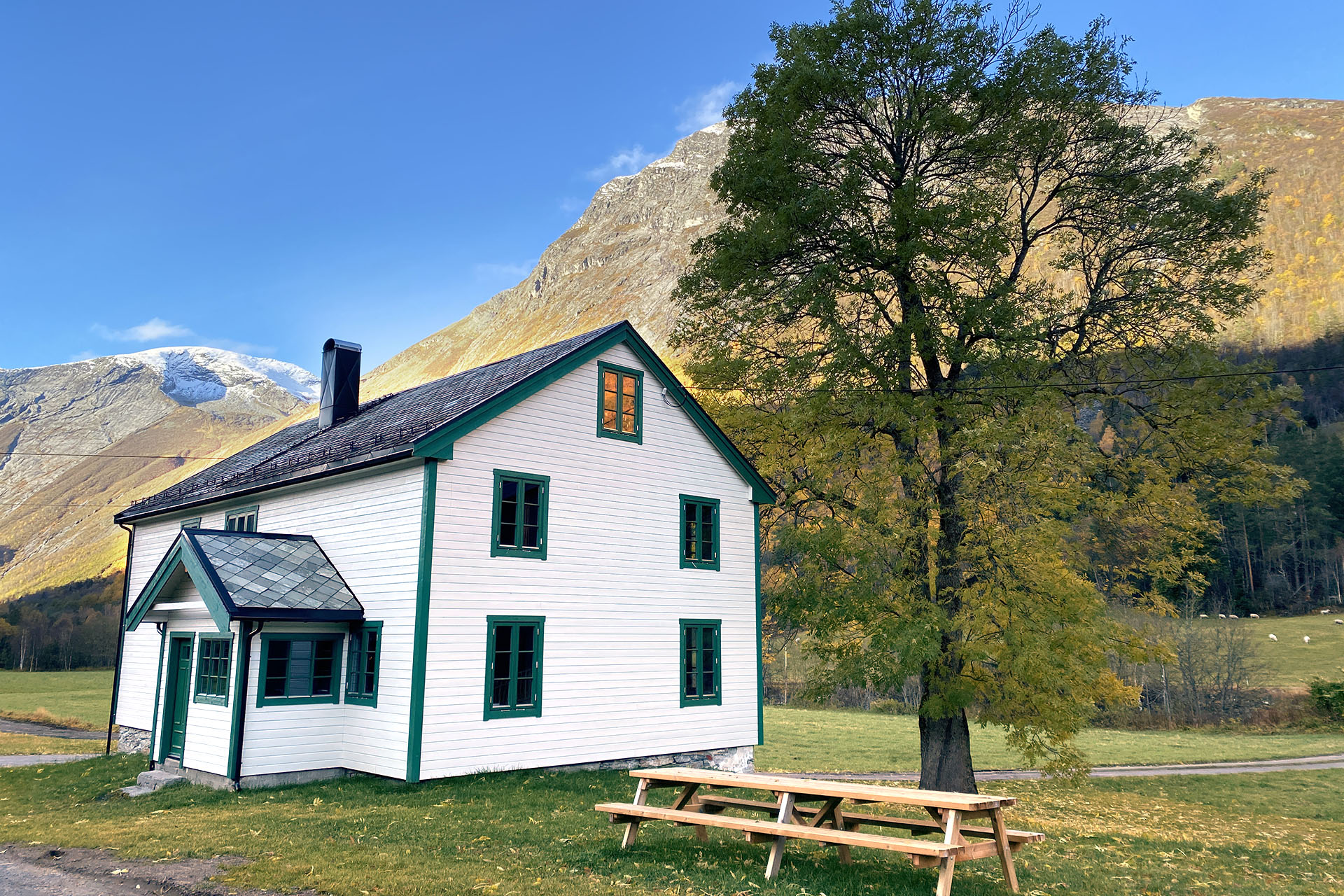
If you’ve ever dreamed of living like a reclusive Arctic explorer (guilty), Staurneset is your kinda place. This quaint little spot combines the beauty of nature with the charm of a rustic cabin to make you feel as if you’ve stumbled straight into an icy postcard.
With a remote location that gives you front-row seats to the drama of the Northern Lights (we’ll take allll the tickets), you’ll likely spend your evenings glued to the window. The best part? You’ll have the whole place to yourself—unless you count Rudolph and his reindeer pals.
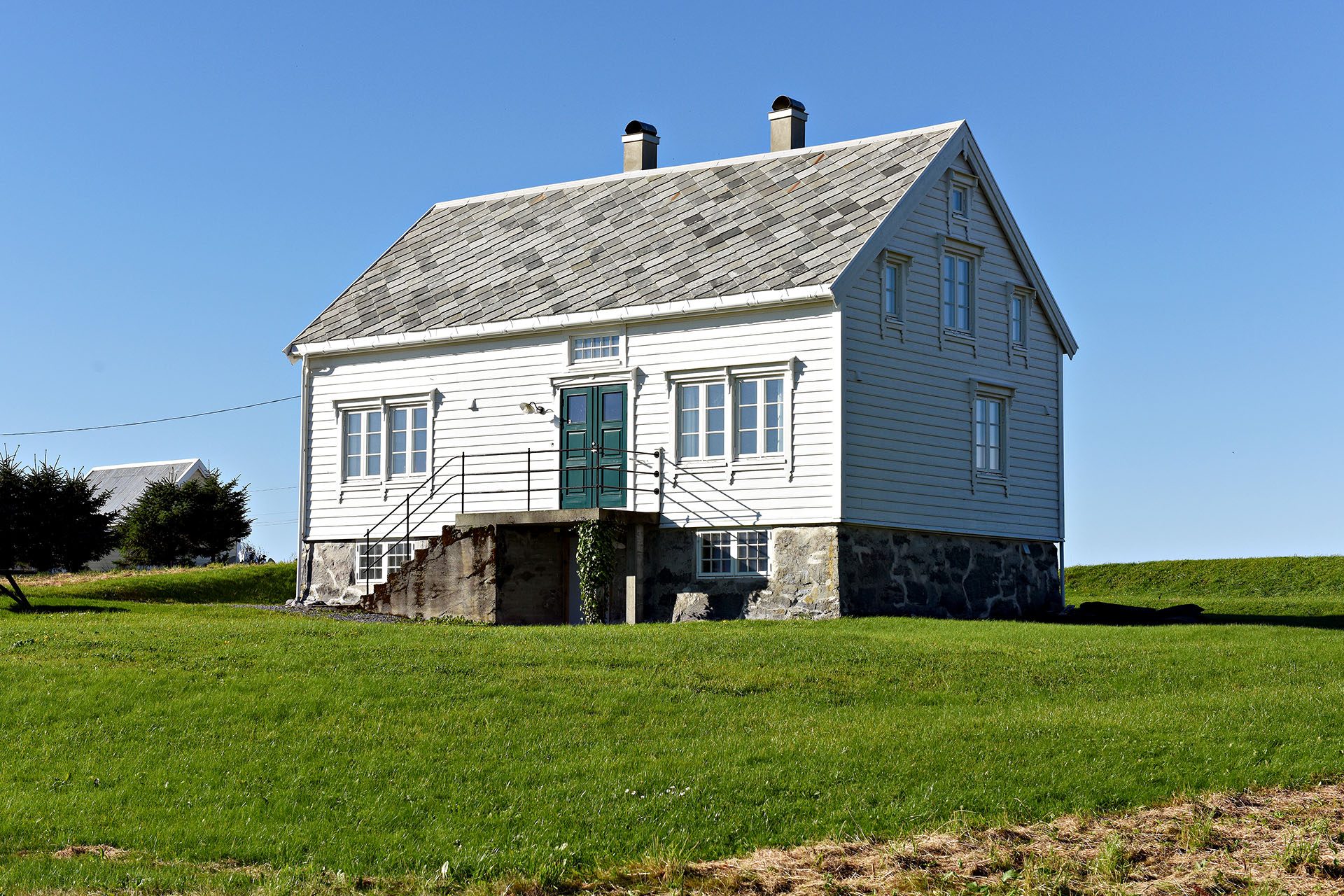
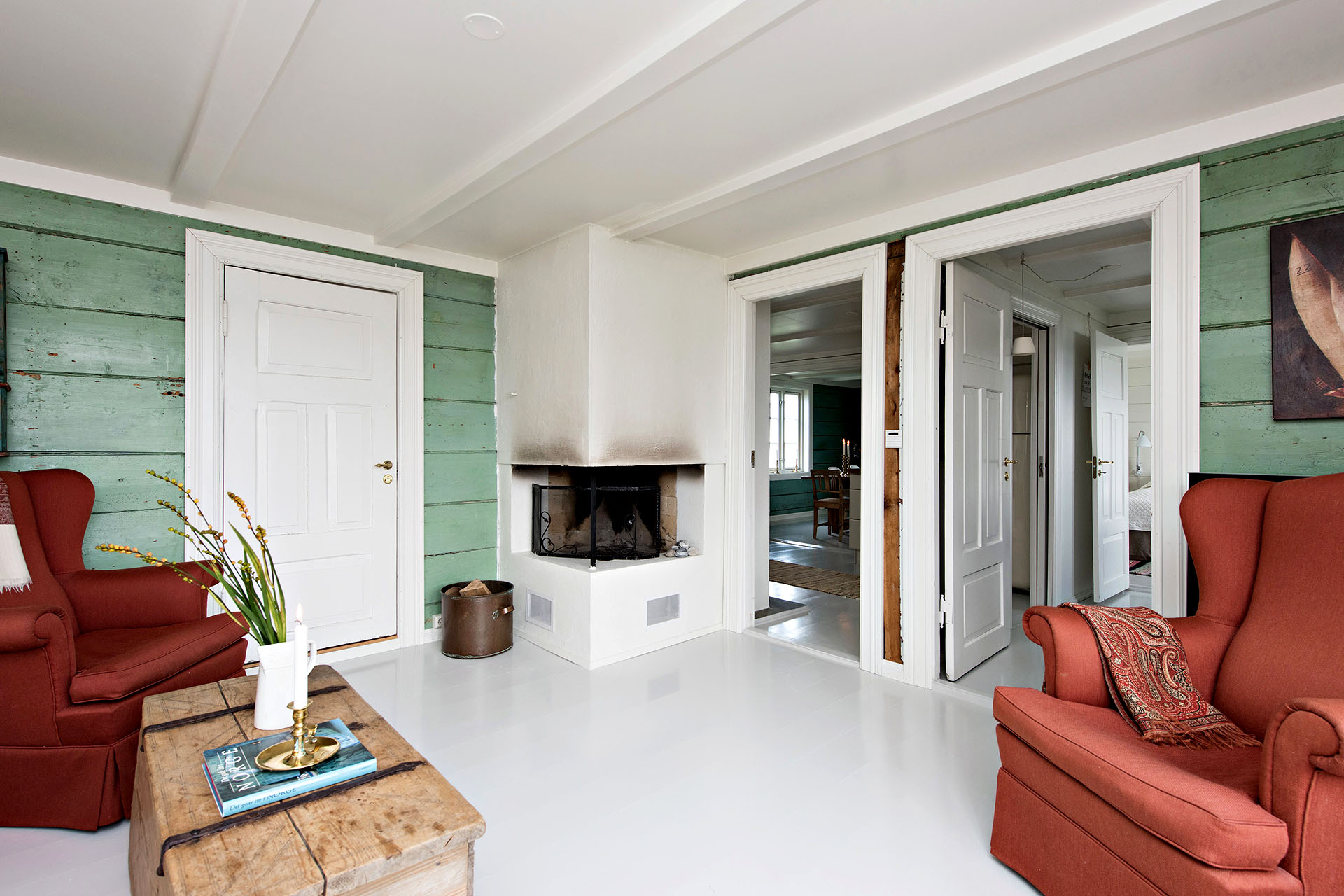
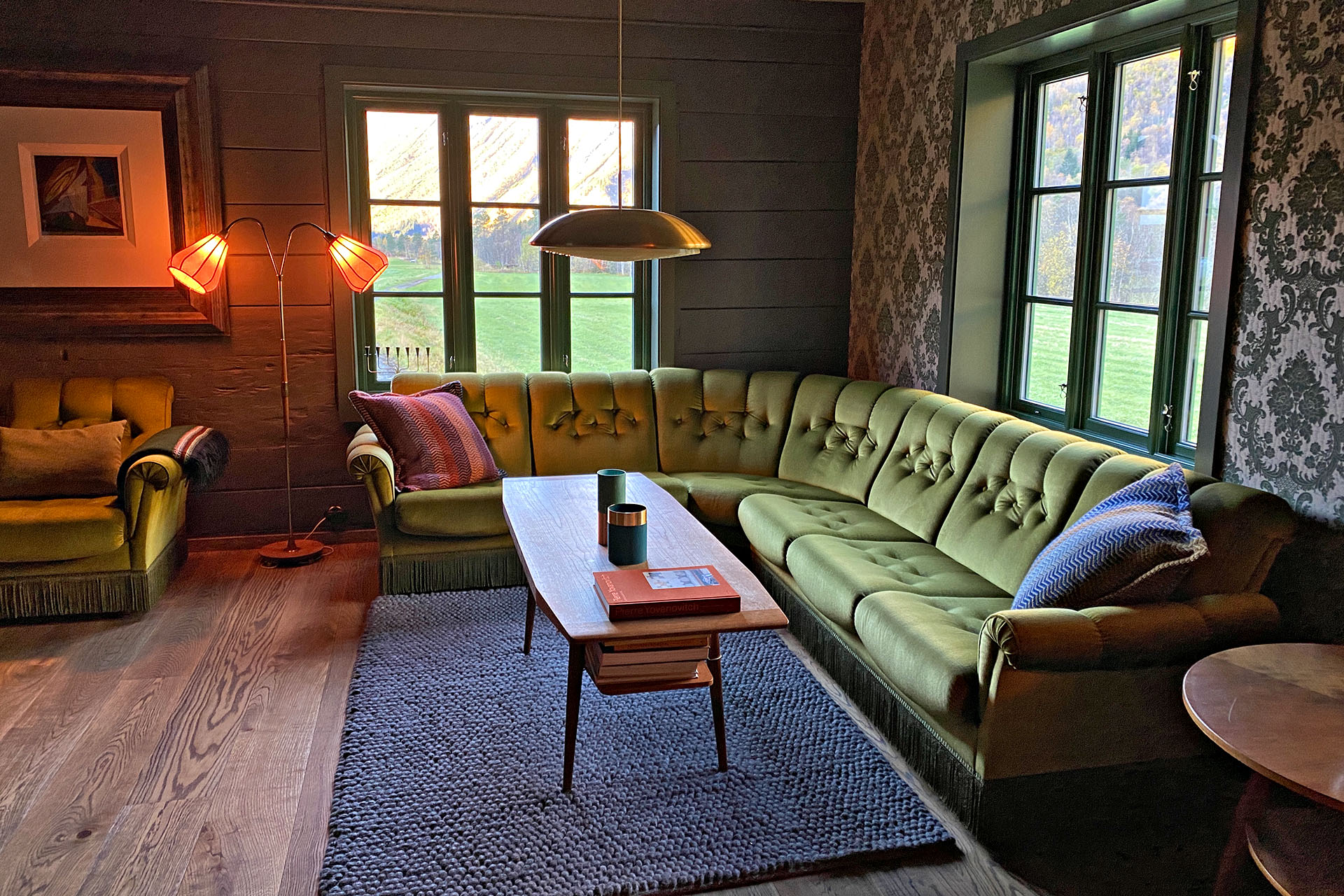
For those who believe that less is more, Nikkahuset is the epitome of Scandinavian simplicity. This tiny log cabin is all about minimalist design, giving you the essentials for a truly unplugged experience.
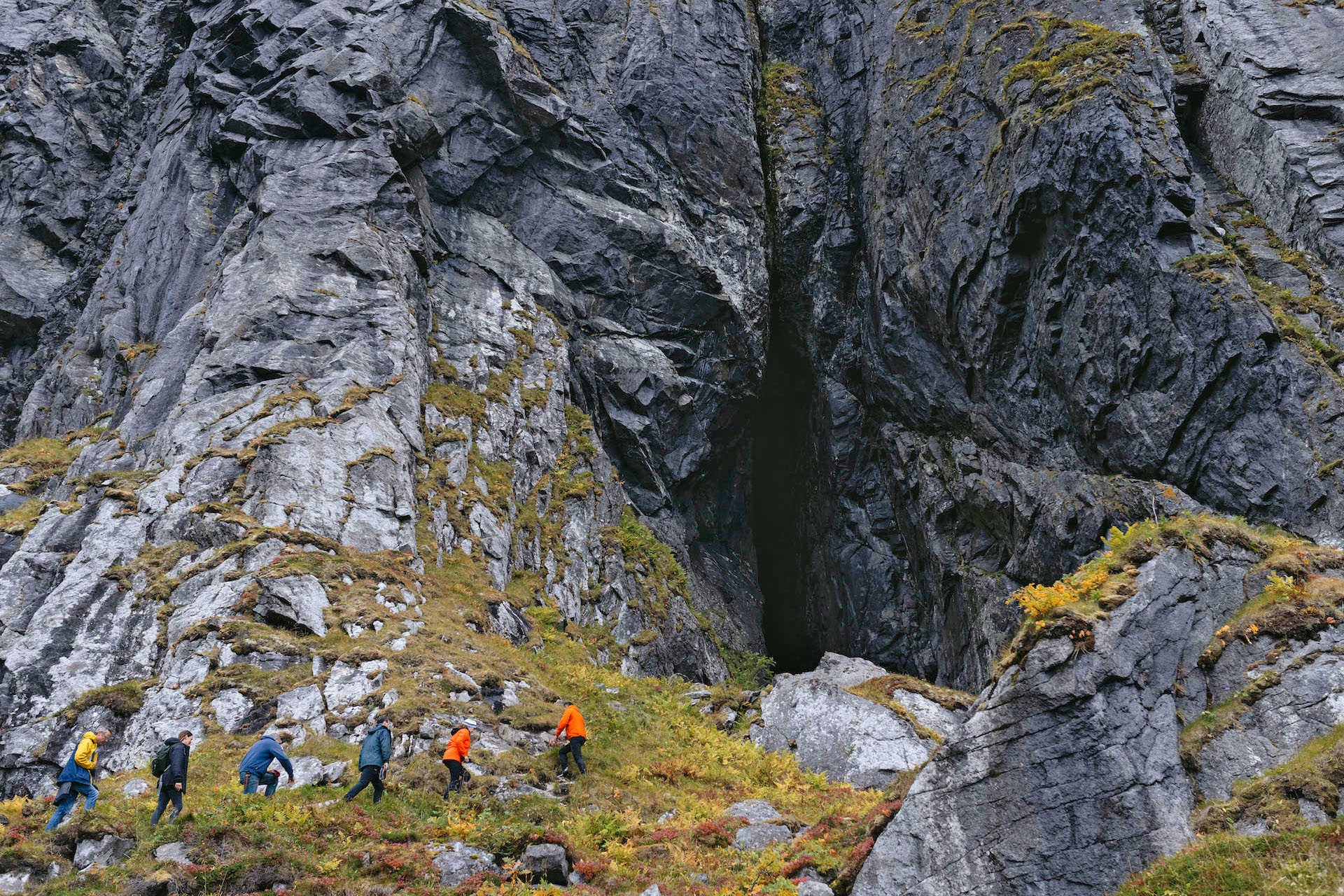
This place is surrounded by vast landscapes that scream “explore me!” And after brewing your morning coffee on the wood stove, that’s exactly what you’ll do. At least, you will after you find your boots that may or may not be buried under the mountain of gear you insisted on bringing.
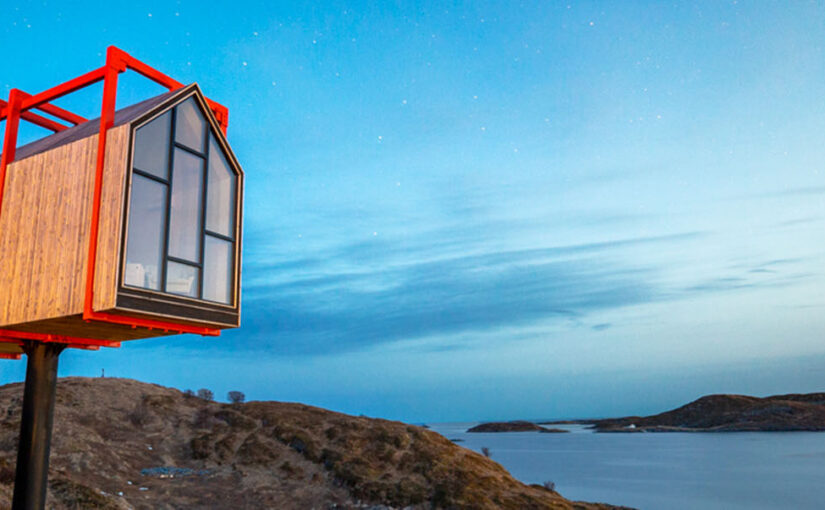
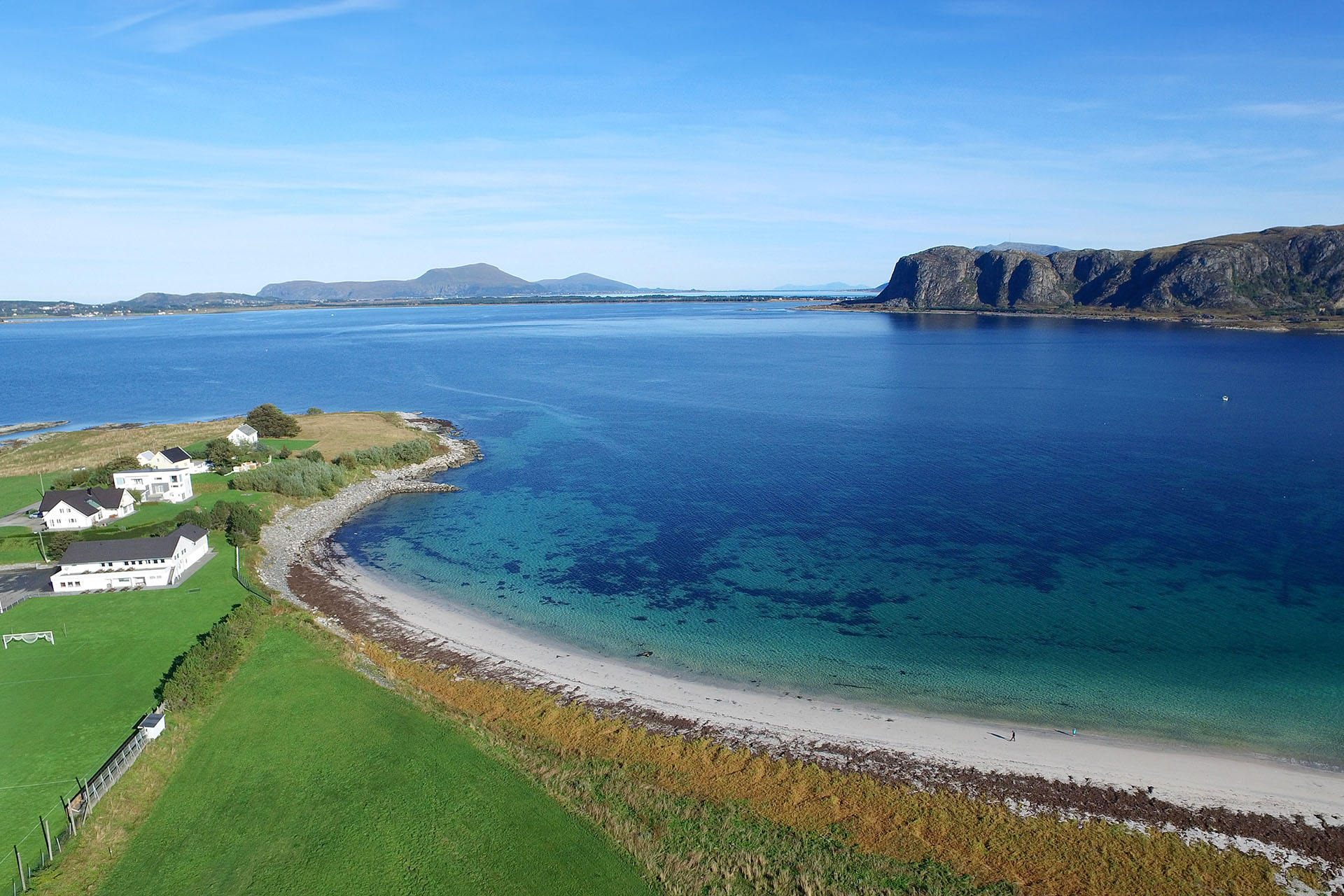
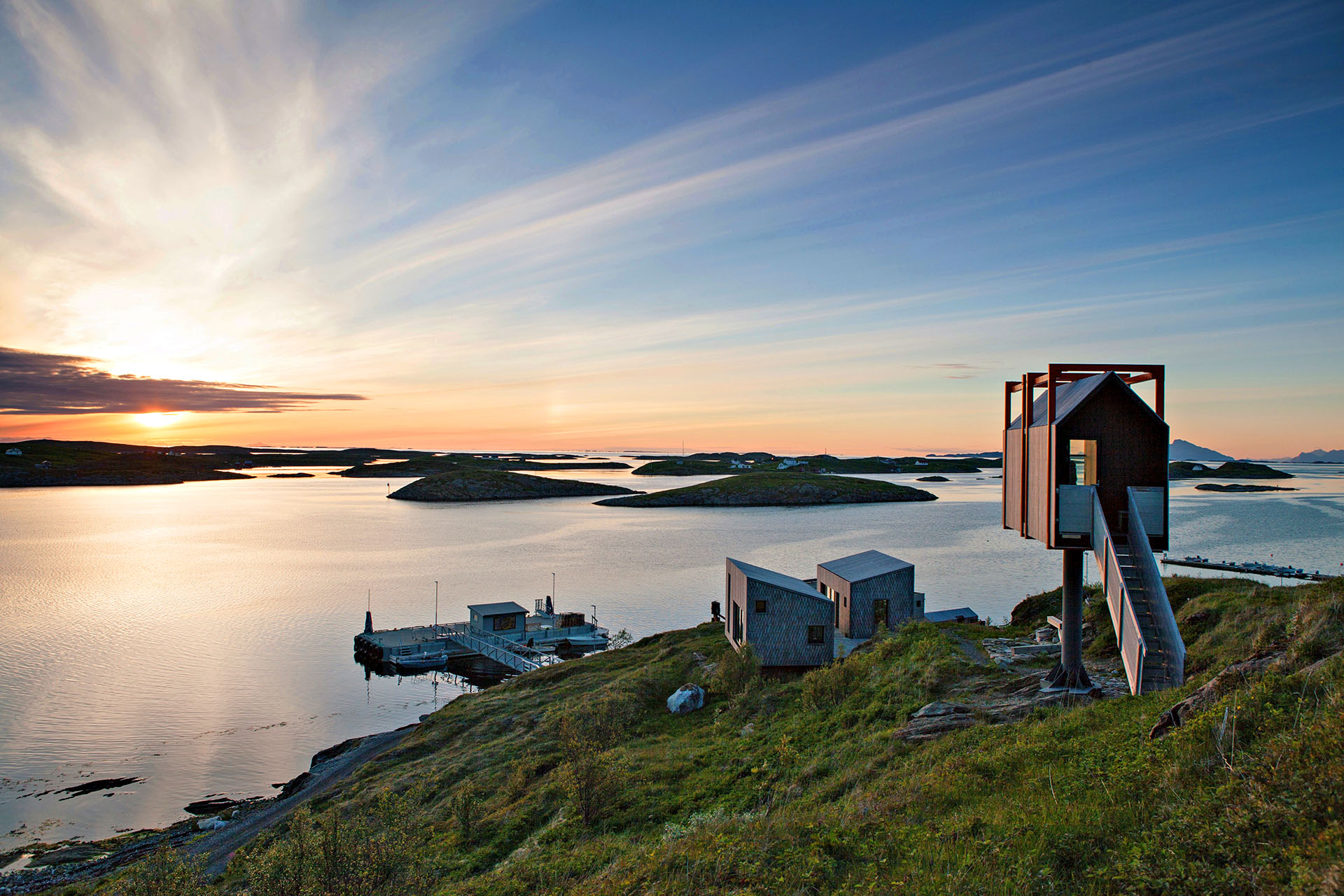
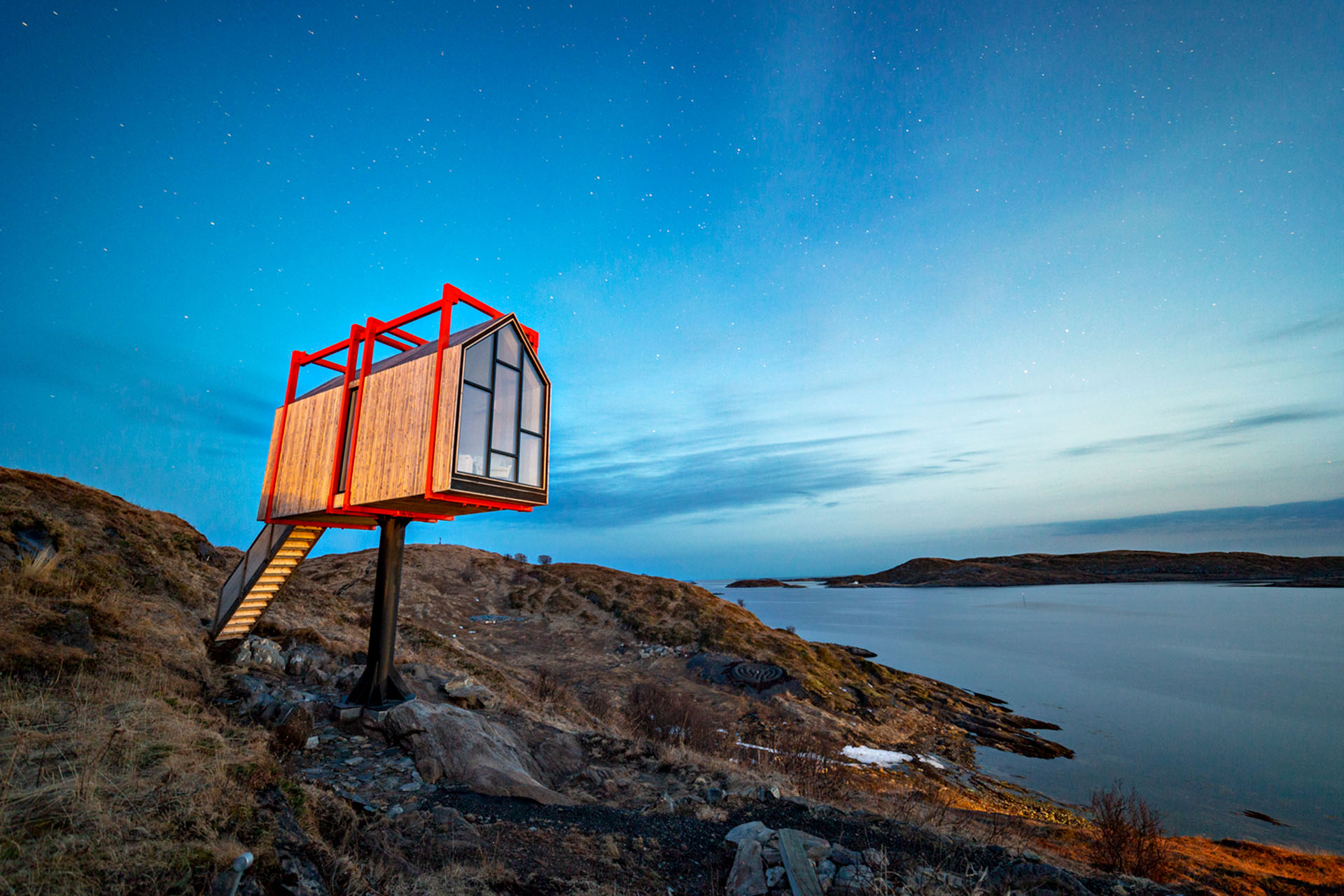
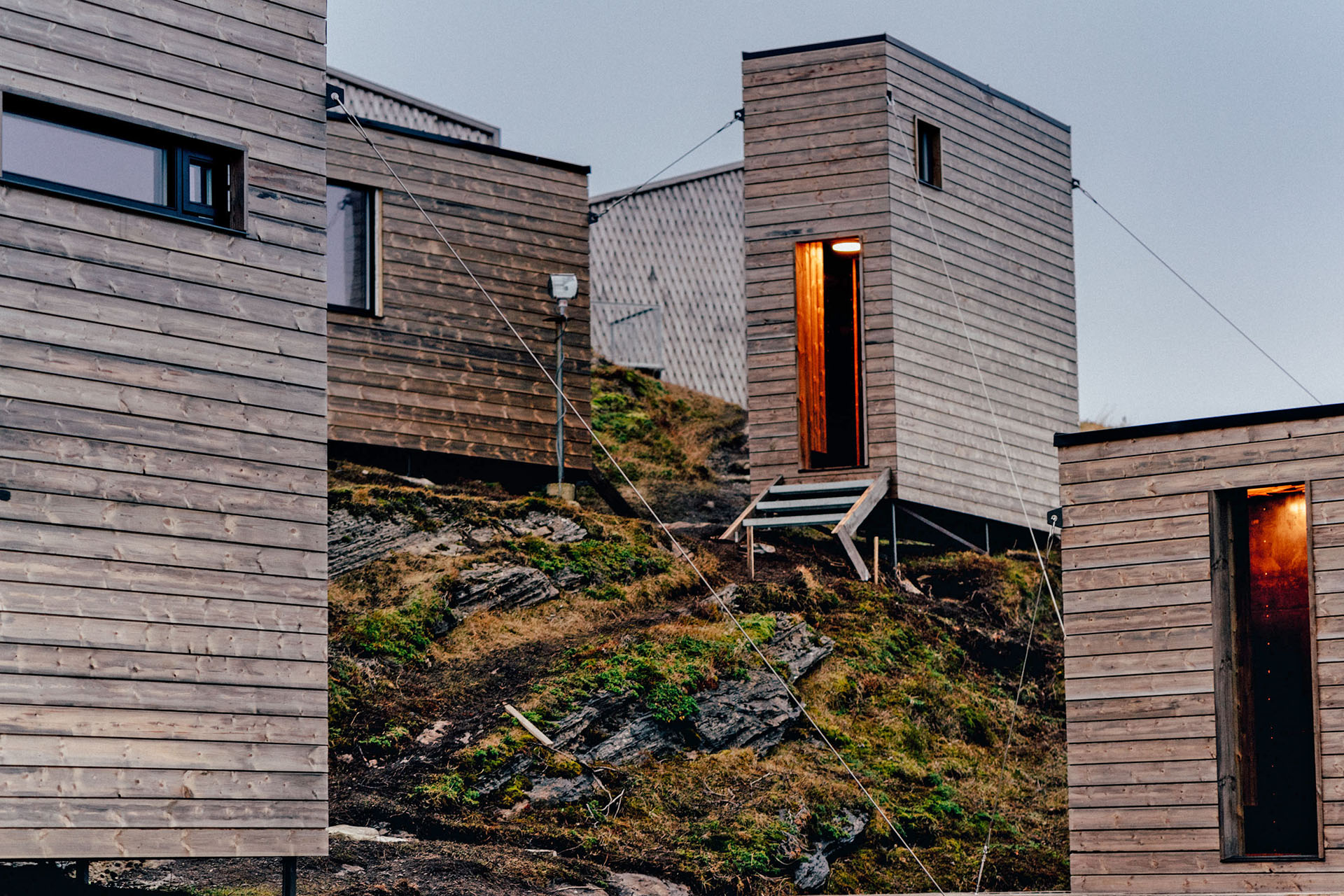
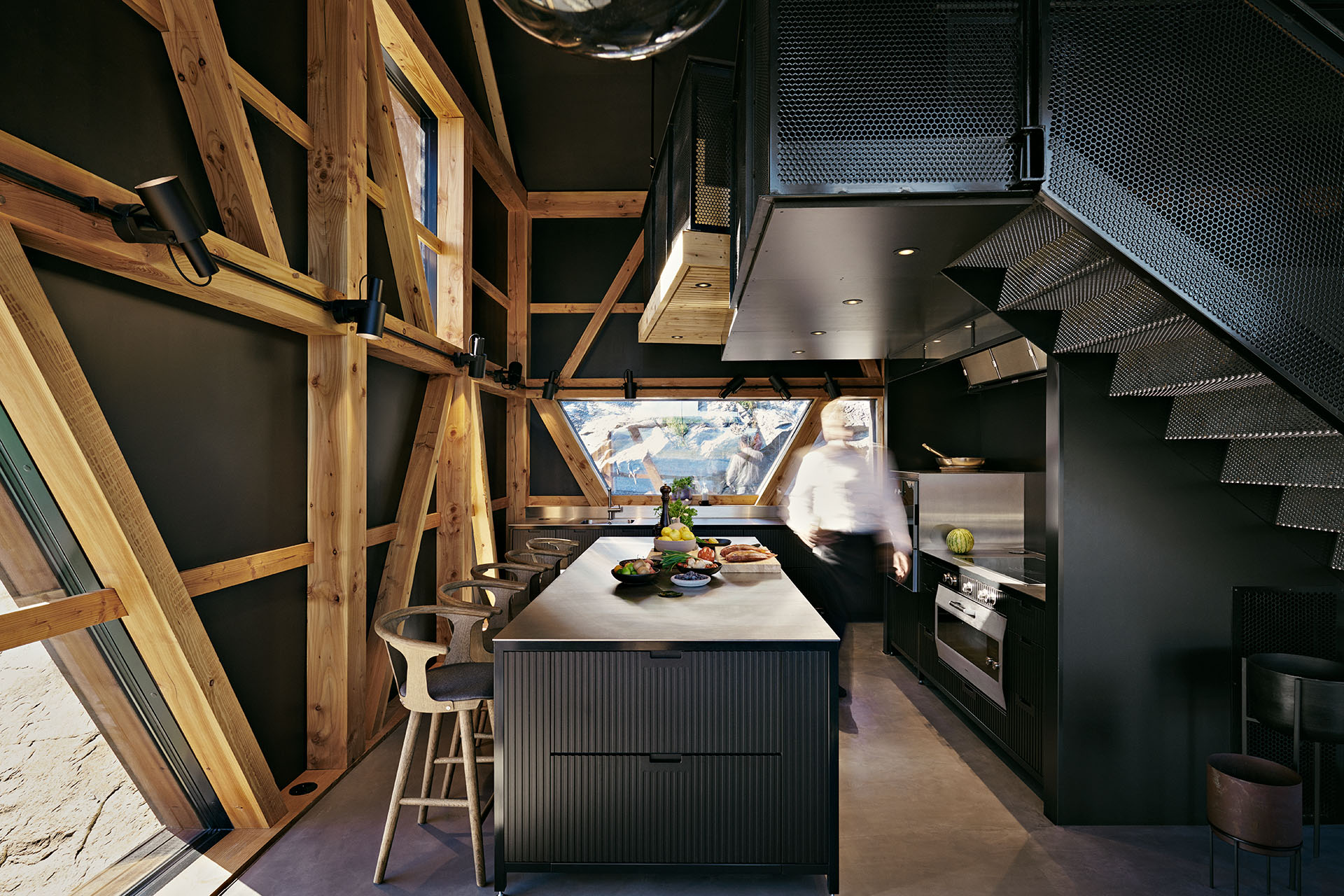
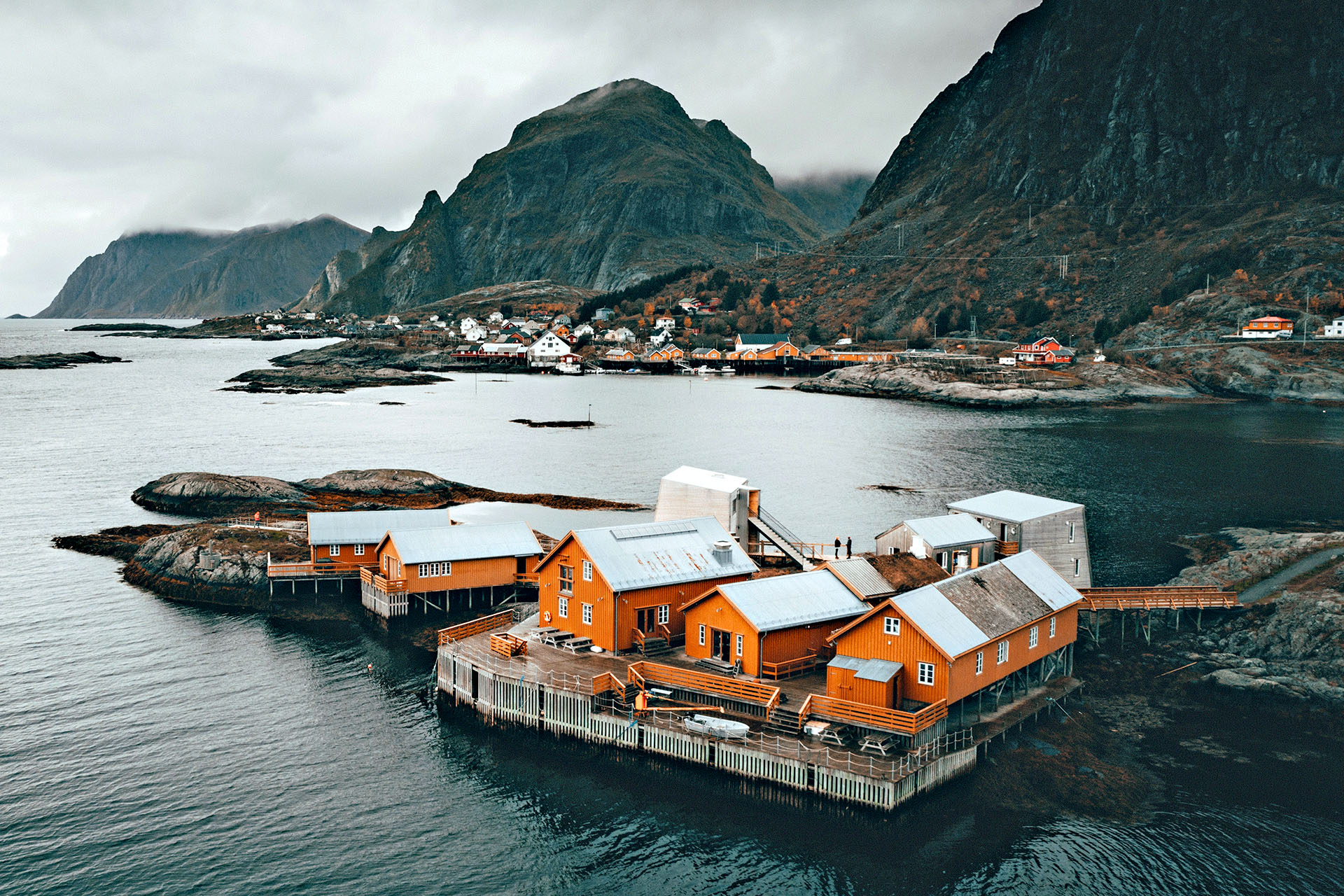
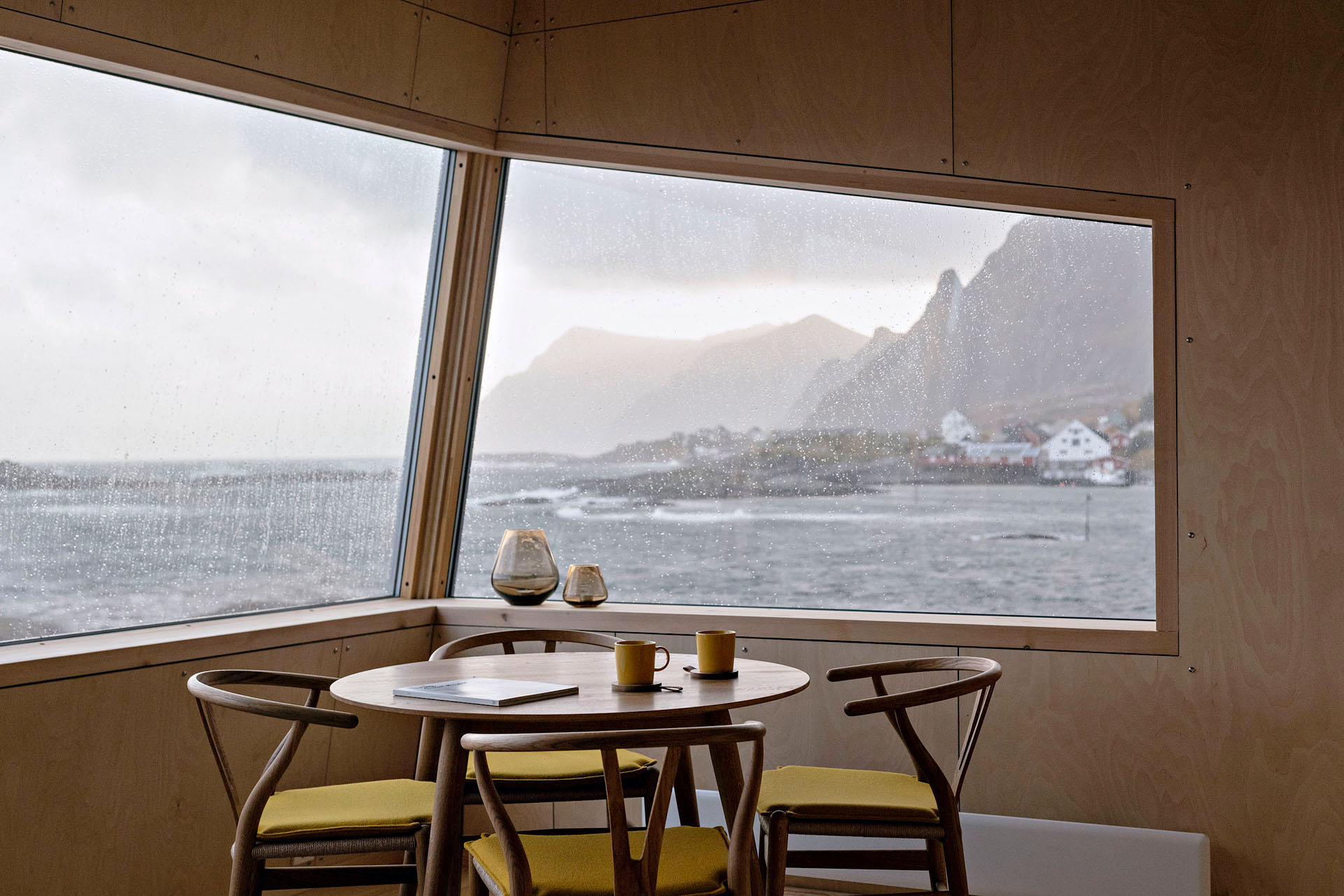
Located in the Lofoten Islands, this unique setup features several eco-friendly cabins, all designed for comfort and breathtaking views, so I’m sure you already know why it’s one of the best places to stay in Norway. But we’ll run you through the pros anyway.
You’ll be surrounded by fellow adventurers here on your own private island, but don’t worry, they’re the “let’s go hiking, then swap embarrassing travel stories over a drink” kind of people*. True, the communal area’s cosy but it’s still big enough for 1) you and your newfound best buds to gather, and 2) to toast big fat marshmallows.
This next Norwegian stay is a former boathouse turned cosy hideaway right on the coast. And trust us when we say there’s simply nothing like waking up to the sound of waves lapping the shore. Or stepping outside to feel that invigorating sea breeze whip through your hair—those experiences could be yours at Naustet Stokkøy.
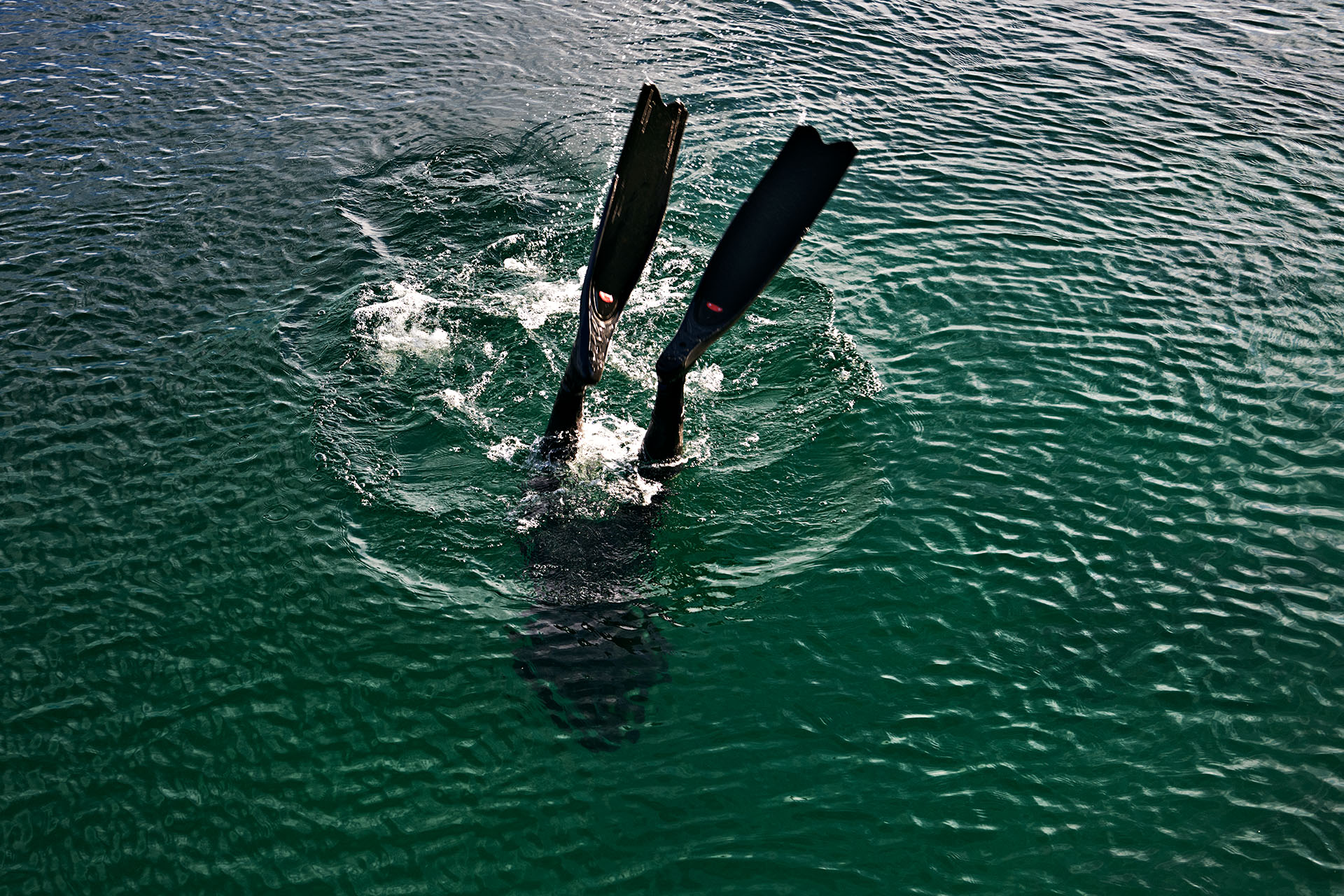
Spend your days fishing for scallops, kayaking, lounging in your hammock, reading by the fire or pinching yourself that the tranquil surroundings you find yourself in are real and not the product of your holiday-deprived imagination (we’re choosing all five).
If you think going off the grid means roughing it, Holmen Lofoten will instantly prove you wrong. This rustic-chic accommodation combines the wild beauty of the Lofoten Islands with a touch of luxury: each cabin is designed with floor-to-ceiling windows to let in the sweet views of the surrounding mountain and fjords without you ever having to leave your bed.
Nearby hiking trails are yours to explore but let’s be real, chances are the best part of your stay will be returning to your cabin after a big day of adventuring, pouring yourself a glass of gløgg, and basking in the fiery colours of a Norwegian sunset. Preferably while wearing a fluffy robe and even fluffier slippers.
 (
(