(
(
Videreo Test

Allows the user to create Feature Articles
Videreo Test
Their new Omura’s Whale Conservation Research Sailing Adventure in Madagascar is an experience that’ll take you right into some next-level eco-research.
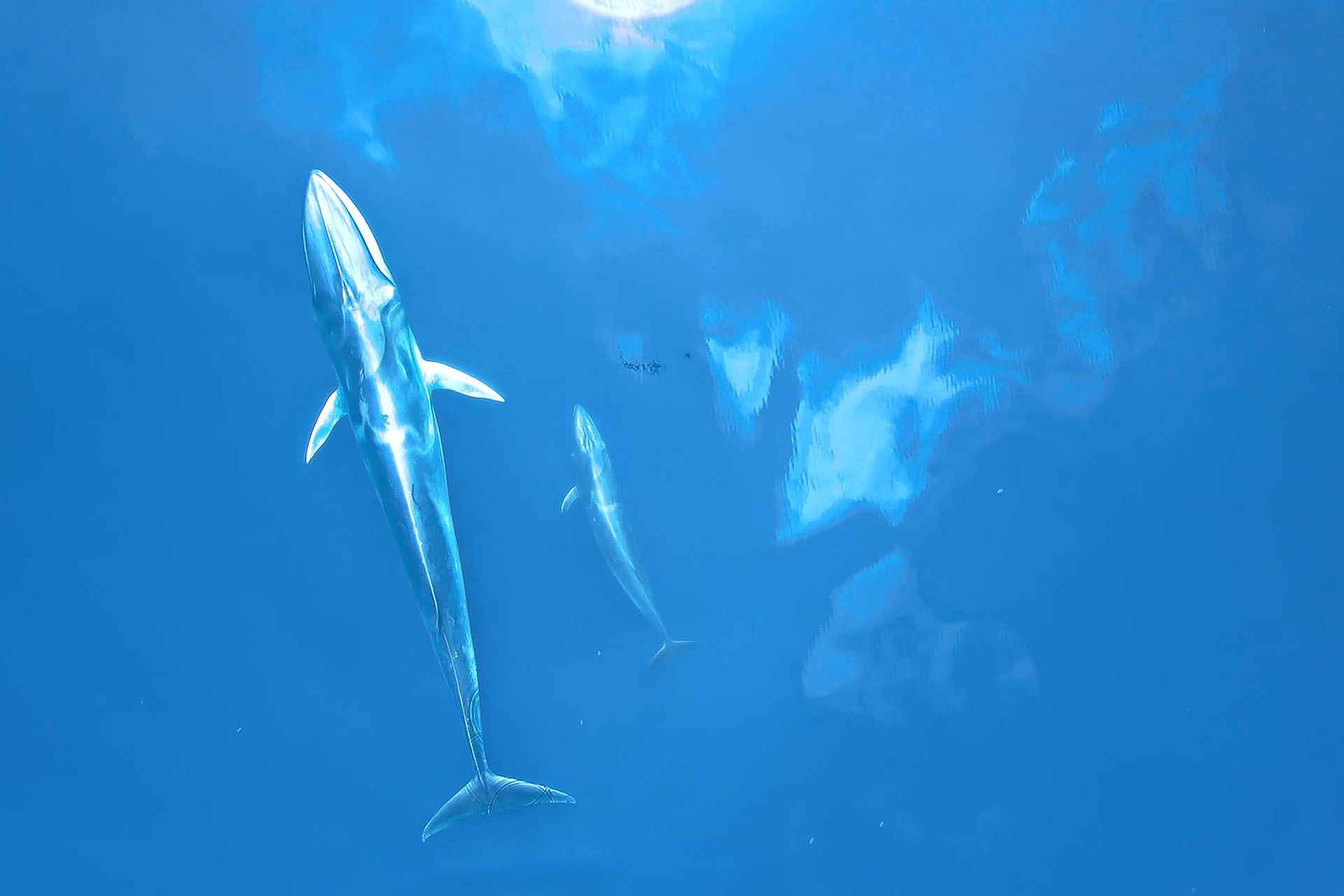
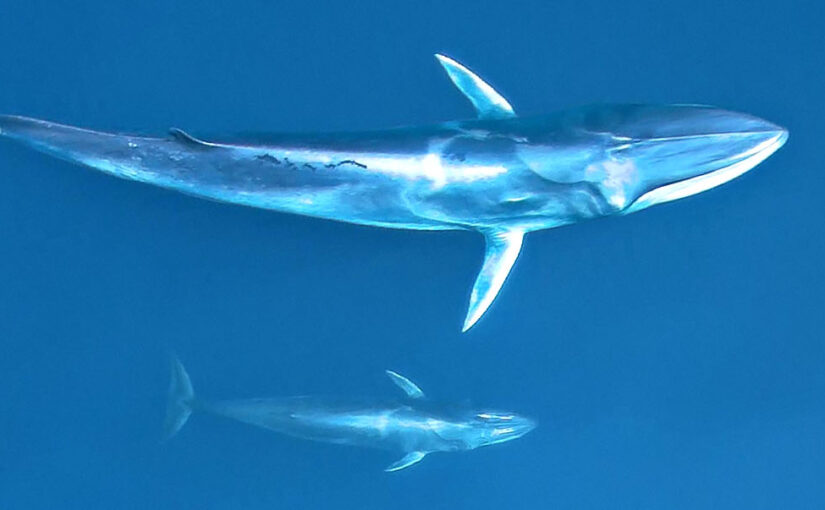
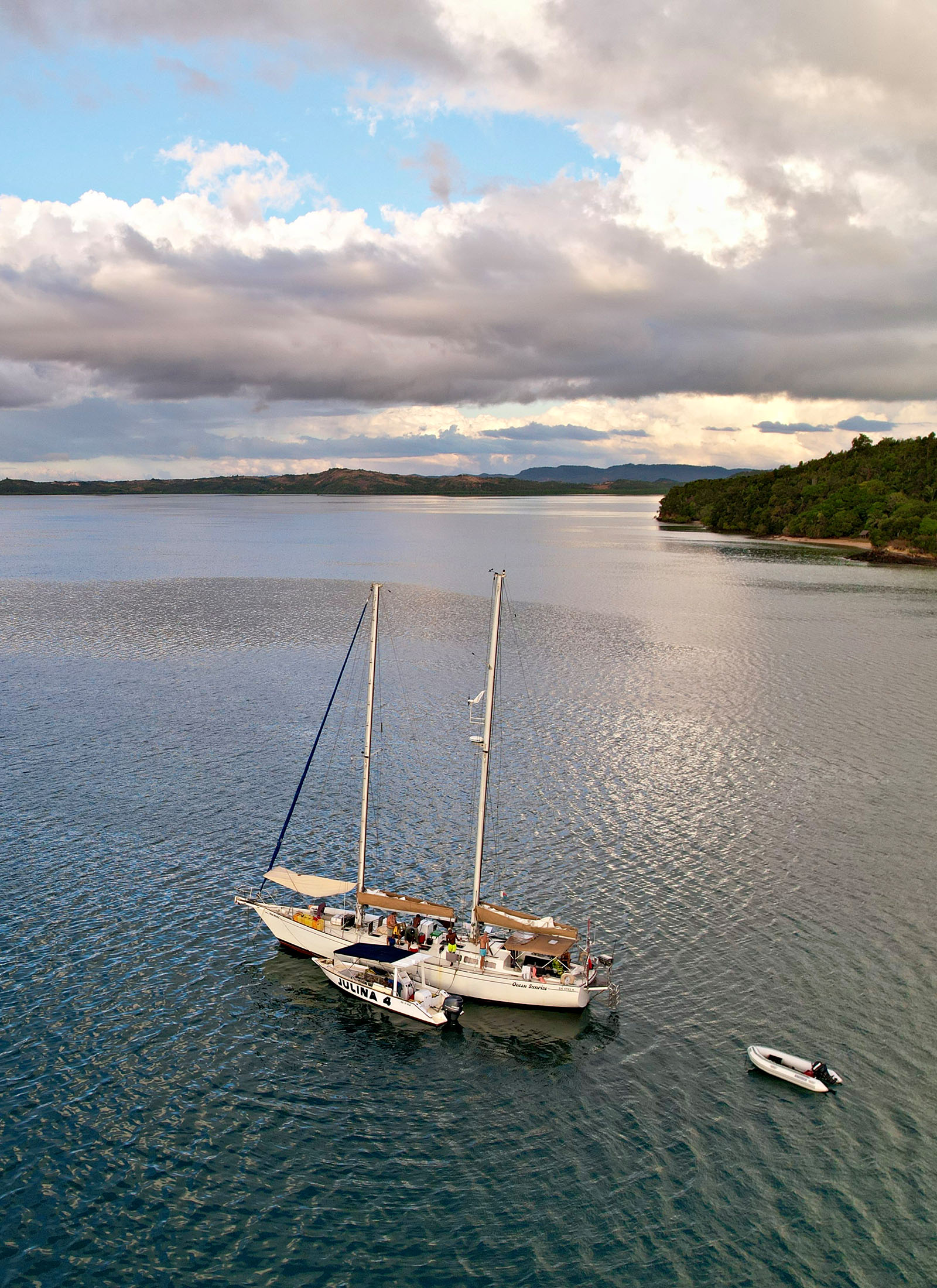
Picture this: You’re cruising along Madagascar’s northwest coast aboard Ocean Sunrise, a sleek 60-foot schooner captained by Simon Blackburn, who probably knows these waters better than his own backyard. But here’s the real kicker—you’re not just any old tourist, snapping selfies. You’re joining the crew that discovered Omura’s whale (think of them as the cheetahs of the ocean, sleek, fast, and forever patrolling their coastal hunting grounds).
With an ancient lineage going back who knows how long, they were only recognized as their own species in 2003. And get this—they don’t even bother migrating, they just hang around hunting krill like mini-dolphins, all in a small strip of ocean off Madagascar.
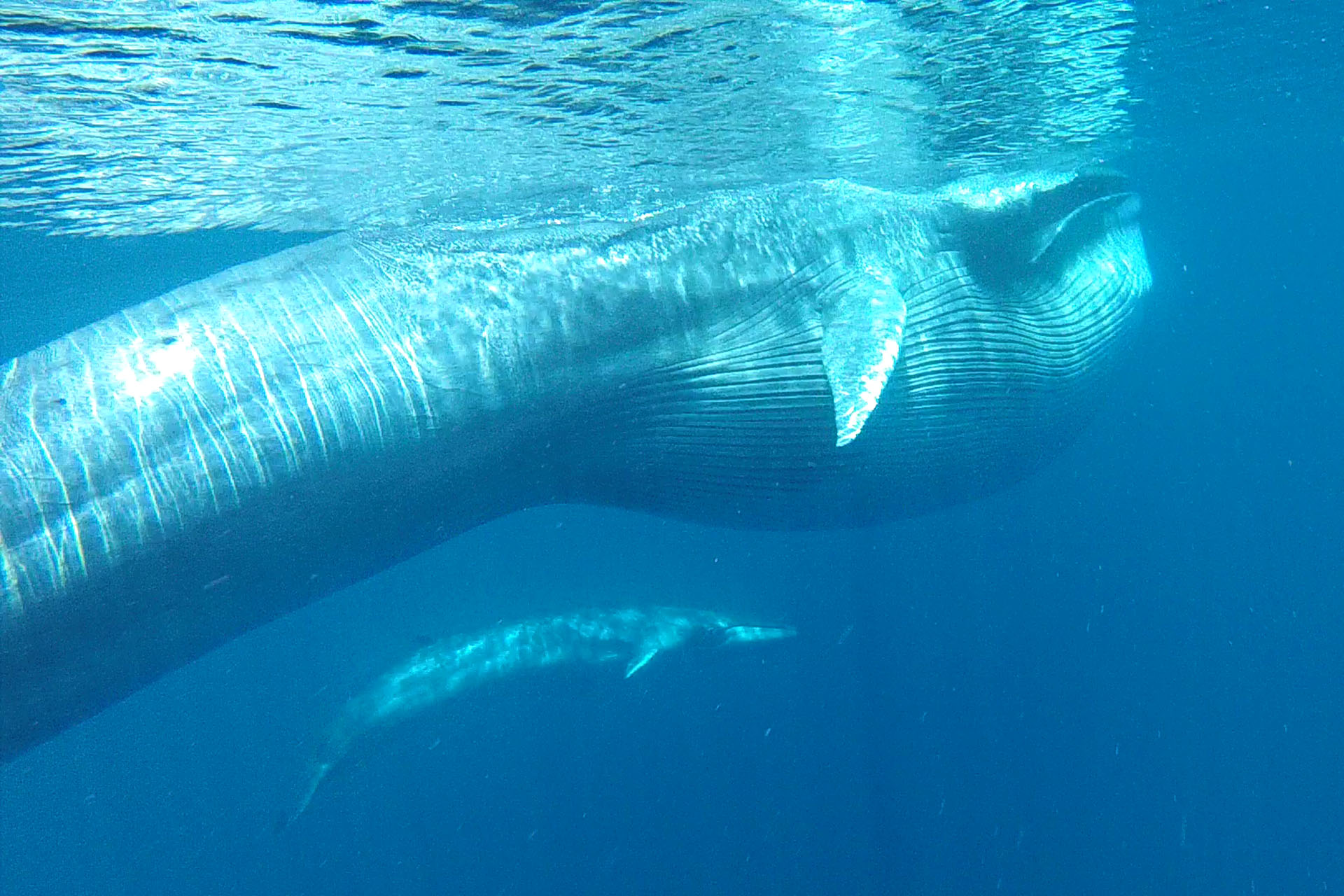
Your mission, if you choose to accept it? Jump in a speedboat with the scientists and head to known whale feeding spots. If you spot the elusive Omura, the team will get to work, collecting skin biopsies, fecal matter (yep, that’s a thing), and snapping some photo IDs like it’s a high-stakes oceanic paparazzi job. You’ll be part of the whole process, watching them tag and study these graceful creatures, and learning about efforts to turn their habitat into a marine protected area.

When you’re not chasing whales, there’s plenty of downtime to soak in the surroundings. Madagascar’s northwest coast is as off-the-grid as it gets: think deserted beaches, mangroves teeming with wildlife, and fishing villages where the pace of life is still set by the tides. You’ll have a guide and a second tender at your disposal for exploring the coastline, hiking inland to spot lemurs, snorkeling in pristine waters, or simply kicking back on deck with a drink in hand, basking in the knowledge that you’re one of the lucky few who get to call this place home—at least for a week.

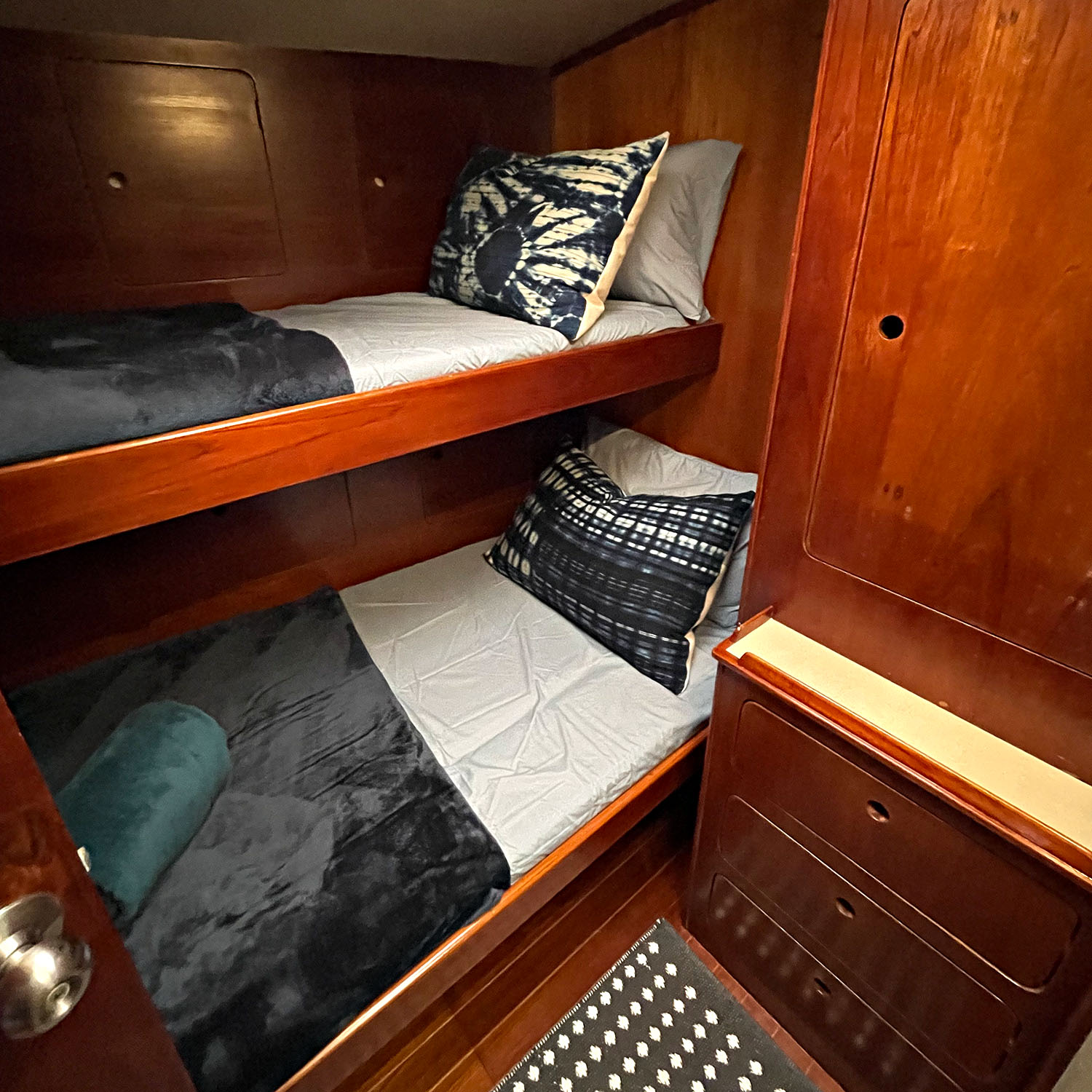
Back onboard, you’ll share meals and stories with the crew, discussing the day’s findings and delving into the research on Madagascar’s marine megafauna. And while Ocean Sunrise might not come with all the bells and whistles of a luxury yacht (think fans instead of A/C), it’s got just the right touch of comfort to keep you relaxed.

So if a week on a private sailing yacht, tracking one of the world’s rarest whale species, while also exploring Madagascar’s untouched corners sounds like your kind of trip, Go2Africa’s got your next adventure sorted. You’ll leave with a lifetime of memories, and maybe, just maybe, a deep-rooted obsession with Omura’s whales.
So, you’ve been lounging around Fiji’s picture-perfect beaches for a week now, drinking one too many coconuts and basking in the sun like a contented sea lion. Sure, the idea of another lazy day in a hammock sounds appealing, but let’s be real—you didn’t come all the way to the middle of the Pacific just to become a human sunburn. It’s time to take a step off the tourist treadmill, swap your flip-flops for hiking boots, and dive headfirst into Fiji’s wild interior with Talanoa Treks. They offer an experience so remote and rugged, you might just have to remind yourself you’re still in the same country as those postcard beaches.
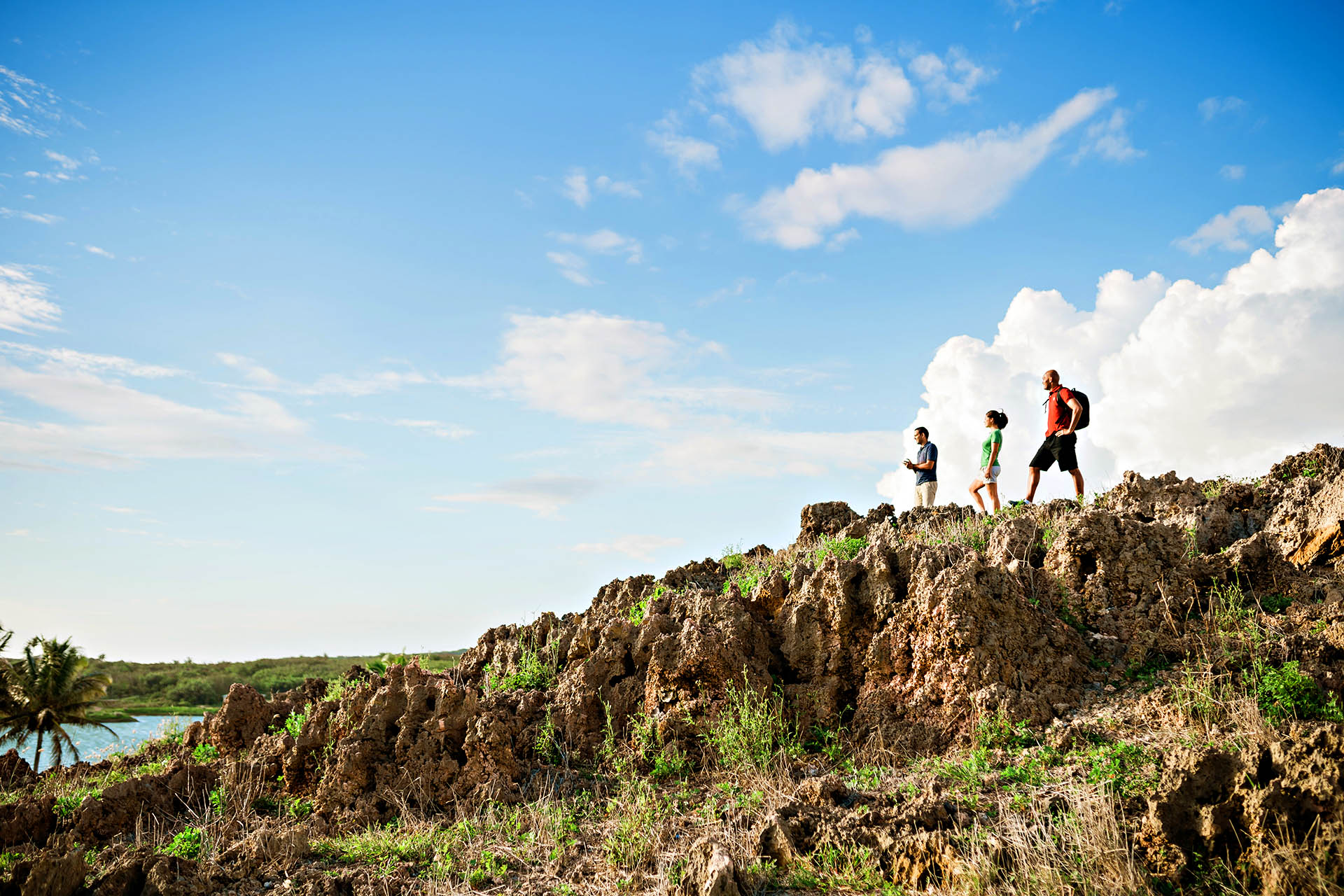
The Highland Escape, including the epic hike up Mount Tomaniivi, Fiji’s tallest peak, isn’t your typical island adventure. It’s a back-to-basics, sweat-dripping-down-your-back, low-impact exploration of Fiji’s lush interior and hidden highland villages. And trust me, it’s worth every blister.
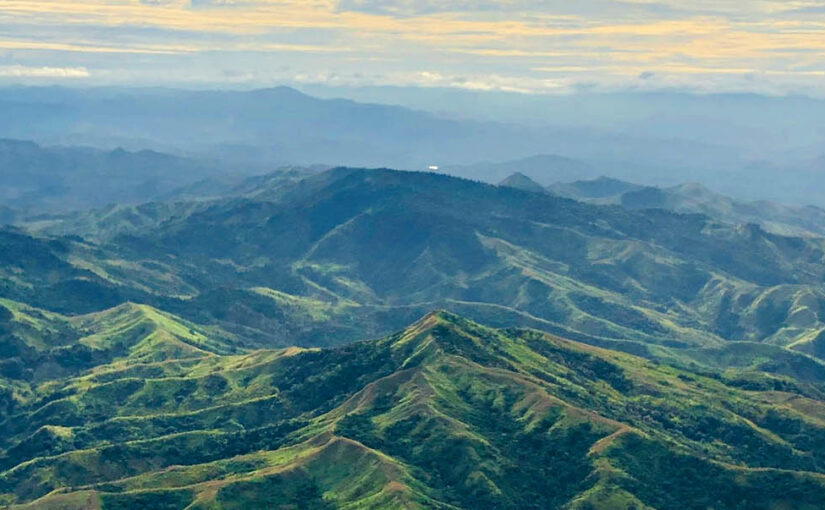
You won’t find this experience on a glossy brochure in your hotel lobby. Talanoa Treks takes you into the heart of Viti Levu, where the island’s rugged spine of mountains has been quietly doing its thing while the beach crowd sips cocktails. You’ll start by trekking through rolling green hills, past waterfalls, and dense jungle that feels like it hasn’t changed since the days of the first Fijian explorers. The landscape here is jaw-dropping—endless valleys, deep river gorges, and views that stretch across to the distant sea.
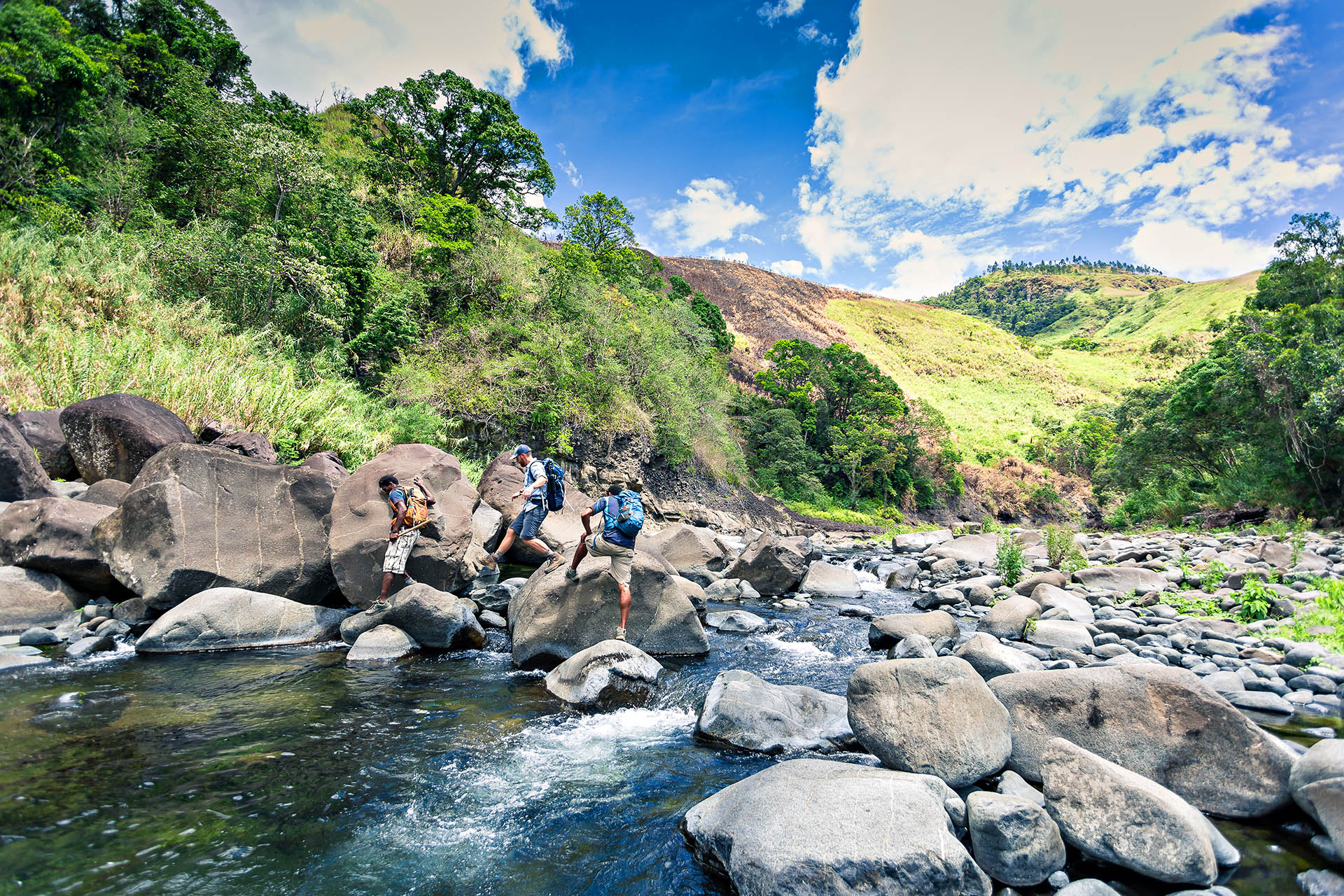
But the best part? You won’t see another tourist for miles. Instead, you’ll be greeted by locals who still live in the remote villages dotted throughout these highlands. These are places where the modern world hasn’t intruded too much, where life moves at a slower, more deliberate pace, and where hospitality is a way of life, not a business transaction.
The beauty of the Highland Escape isn’t just the dramatic scenery (though, yeah, that’s a big part of it), it’s also the cultural experience. You’ll be welcomed into remote villages, where families will open their homes, share their stories, and offer up steaming bowls of lovo (earth-oven cooked food). You’ll sit cross-legged on woven mats, sharing a cup of kava with the village chief, and trust me, after a few bowls, your limbs will feel like they’ve melted into the mat, and you’ll swear you’ve been adopted into the community.

Talanoa Treks’ whole mission is about traveling lightly. You’re not barging in and demanding 5-star service. This is low-impact, leave-no-trace adventure at its best. The money you spend goes directly to the communities, supporting local projects and ensuring that tourism here remains sustainable. It’s a win-win: you get an adventure, and they keep their way of life intact.
But don’t get too comfortable sipping kava in the village. Because you’ve got a mountain to climb. Mt. Tomaniivi, standing at 1,324 meters, might not sound like Everest, but it’ll make you work for that summit view. The hike is steep, muddy, and absolutely stunning. As you ascend through thick jungle, the trail winds through cloud forests that feel like something out of a Tolkien novel. Moss-draped trees tower above you, while birds you’ve never seen (and likely will never see again) flit through the canopy.
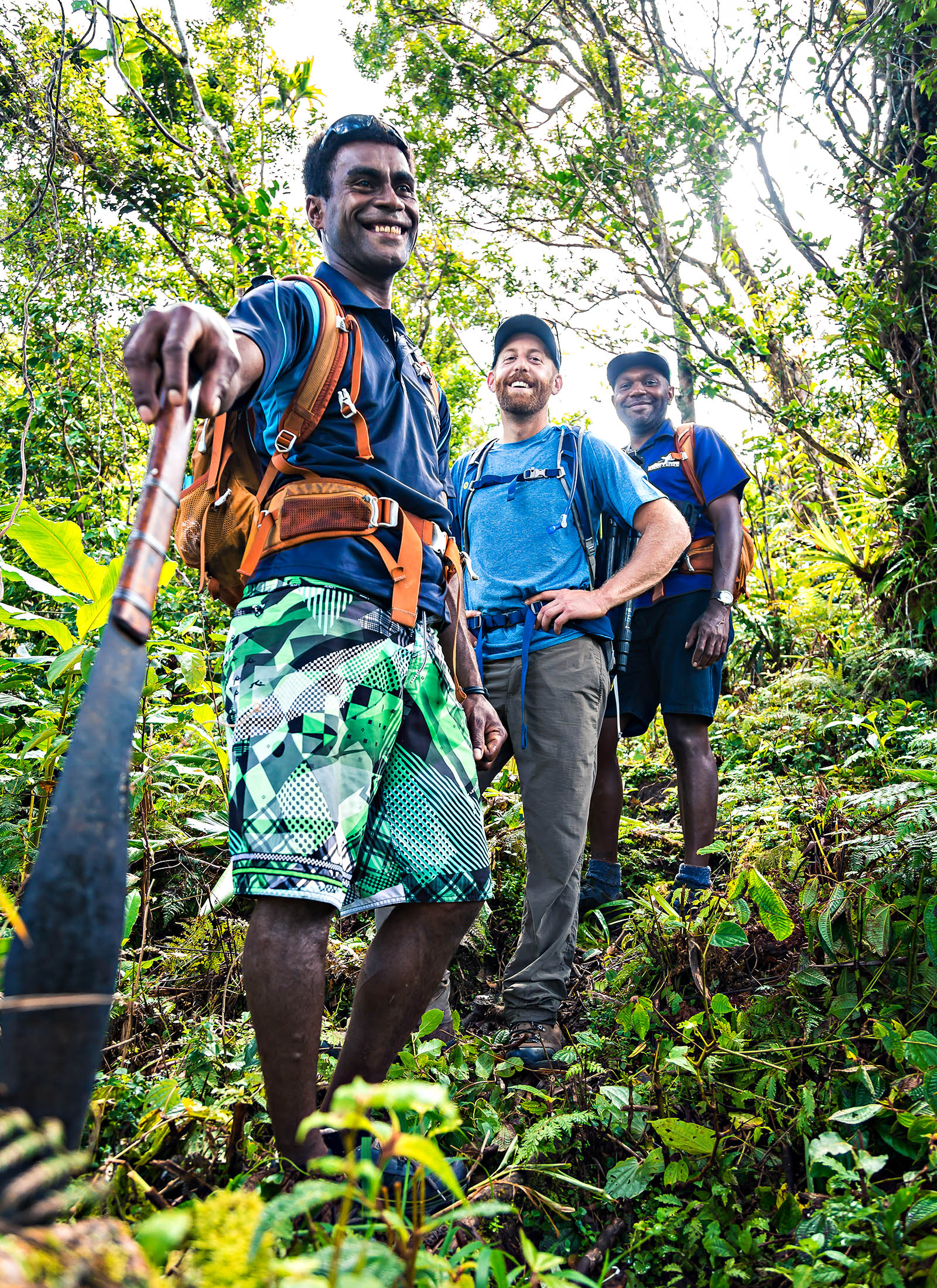
And just when your legs are screaming, and you’re wondering why you didn’t just stick with another beach day, you break out onto the summit and are hit with views that stretch for miles in every direction. From up here, you can see the Pacific Ocean on both sides of the island, endless green hills below, and clouds drifting lazily over distant peaks. It’s the kind of view that makes you realize why you came to Fiji in the first place.
The beauty of the Highland Escape and Mt. Tomaniivi hike isn’t just the raw adventure—it’s how it’s done. Talanoa Treks is all about low-impact travel. You’re not charging through villages in a convoy of 4WDs or leaving a trail of plastic bottles in your wake. This is slow travel at its finest, where the journey matters as much as the destination.
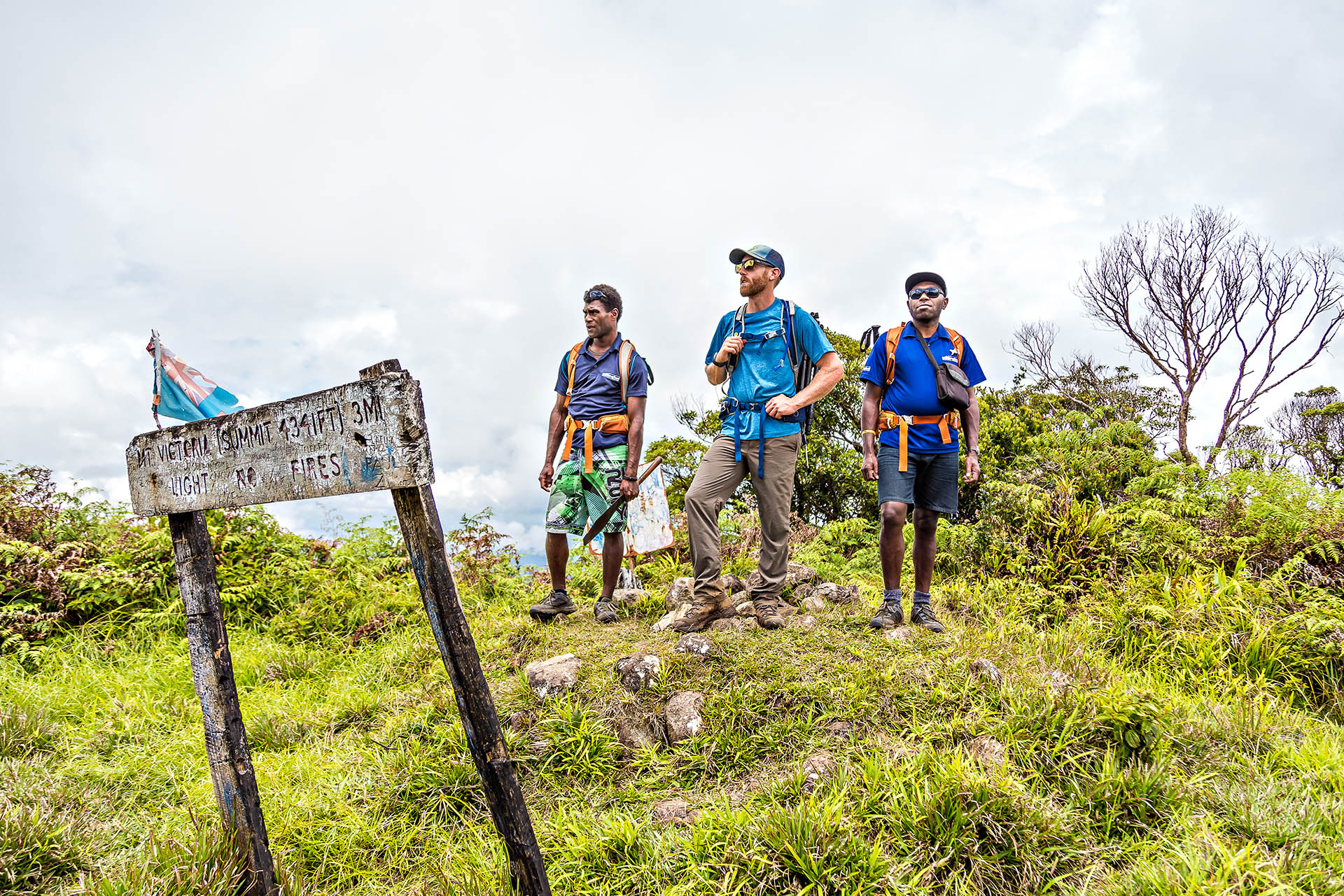
With Talanoa Treks, you’re walking softly, connecting with the land, and experiencing Fiji the way it was meant to be: raw, wild, and full of heart. The people you meet, the places you visit, and the stories you’ll hear are all part of an adventure that’s as much about culture as it is about hiking.
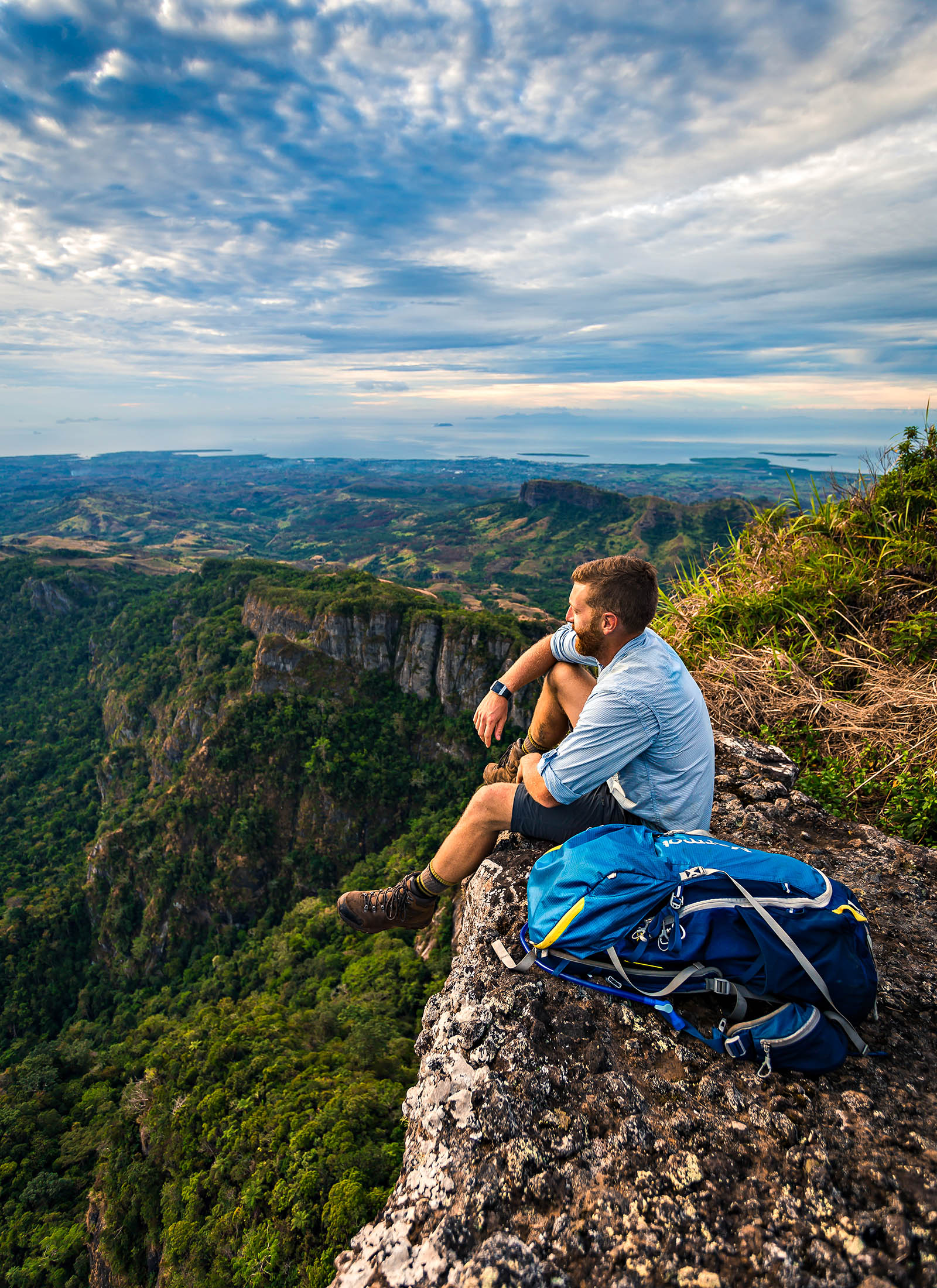
So, if you’re looking for more than just palm trees and cocktails, pack your gear and head inland. The Highland Escape will leave you with muddy boots, a full heart, and stories that’ll make your hammock-swinging friends back at the resort jealous. And when you’re standing on top of Mt. Tomaniivi, the wind in your face, you’ll know that Fiji’s true adventure lies far from the beach.
Japan is widely known for its big cities, but it’s also a destination that offers countless opportunities to get away from it all in some of the most remote and picturesque settings – far from the grind of daily life. From the country’s rural inlands to its smaller far-flung islands and coastal regions, here are some of the best locations to experience Japan’s unique blend of serene natural beauty and traditional culture.

(Kagoshima Prefecture)
Situated off the southern coast of Kyushu, Yakushima Island is a UNESCO World Heritage Site known for its subtropical rainforest climate, lush coastal vegetation, and ancient Yakusugi cedar forests. The island is home to some of the oldest trees in Japan, with the gigantic Jomon Sugi cedar tree – estimated to be over 2,000 years old – being one of the island’s most popular trees to visit to marvel at its incredible size.
With its unspoilt landscapes stretching from Yakushima’s subtropical coast to inland forests, the island offers the perfect place to enjoy off-grid adventures including hiking forest trails up to mountain peaks and visiting the picturesque Shiratani Unsuikyo Ravine. You’ll also discover waterfalls around the island including Oko Falls which plunges from the forests above into a natural pool.
(Hokkaido)
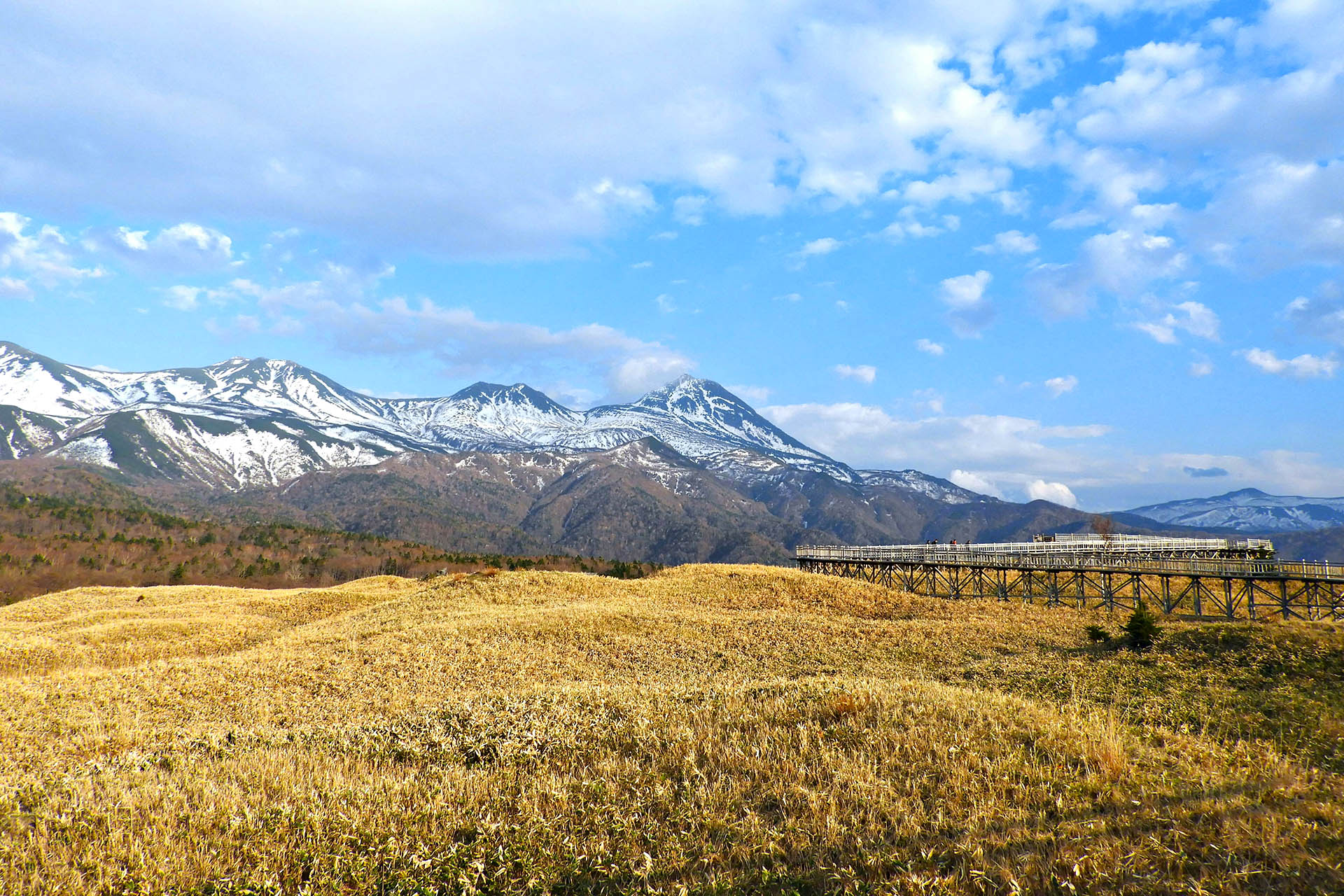
Jutting into the Sea of Okhotsk in eastern Hokkaido, the Shiretoko Peninsula is renowned for its rugged coastline wilderness where you’ll find diverse wildlife and spectacular landscapes. The Shiretoko National Park is set in the mountains and cliffs of the northeastern tip of the peninsula and attracts visitors for its range of scenic activities and wildlife encounters.
Against the backdrop of the Shiretoko mountain range, you can stroll along the boardwalks of the Shiretoko Goko Lakes – a collective of five small lakes with calm mirror-like waters, join a boat cruise to enjoy brown bear spotting and seal watching along the coast, and if you’re visiting in winter, you might even try a drift ice walk or boat tour.
With its thermal waters cascading into natural pools, Kamuiwakka Falls offers a unique remote onsen experience in the forest, while the small towns of Rausu and Utoro are great places to visit to enjoy the freshly caught seafood the region is so well known for.
(Shimane Prefecture)
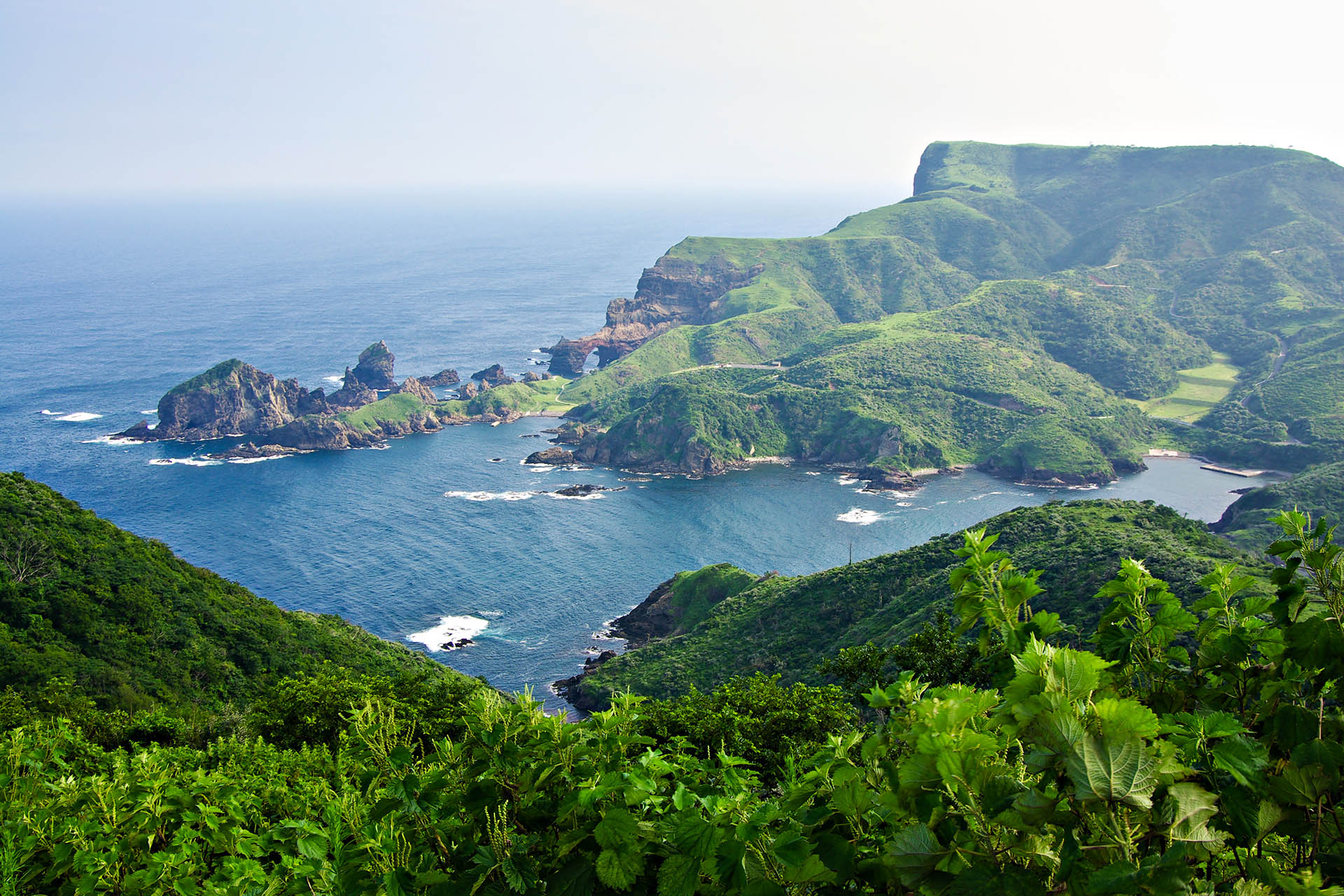
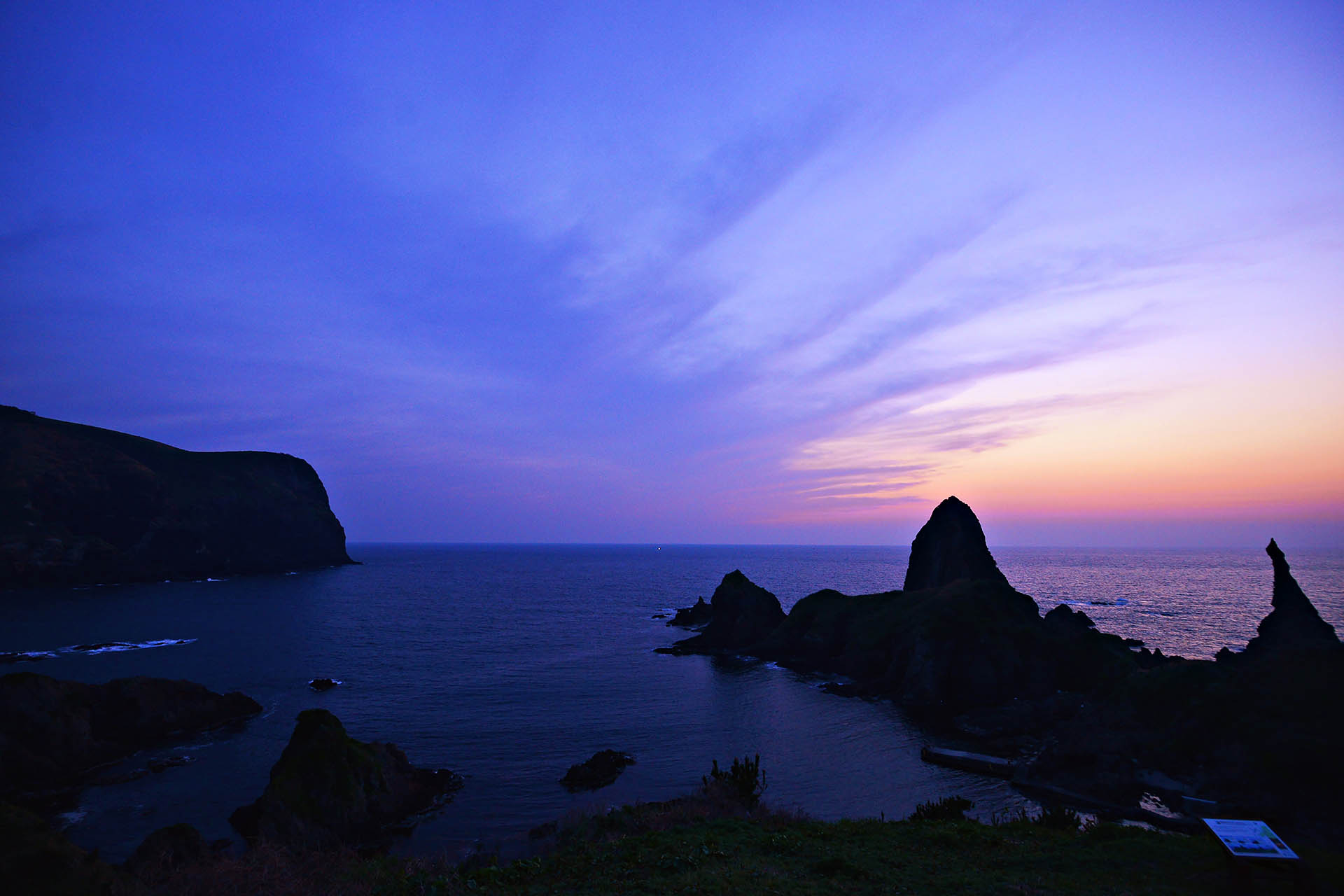
Located 60km off the coast of Shimane Prefecture and formed by volcanic activity millions of years ago, the four main islands of the Oki Islands offer dramatic coastal scenery and rugged volcanic landscapes. Hiking is a popular activity, especially along the Kuniga Coast on Nishinoshima Island. Kuniga Coast is visited for its towering cliffs, magnificent rock formations, and crystal-clear waters, while the Tsutenkyo Arch is one of the coastline’s most iconic scenic spots.
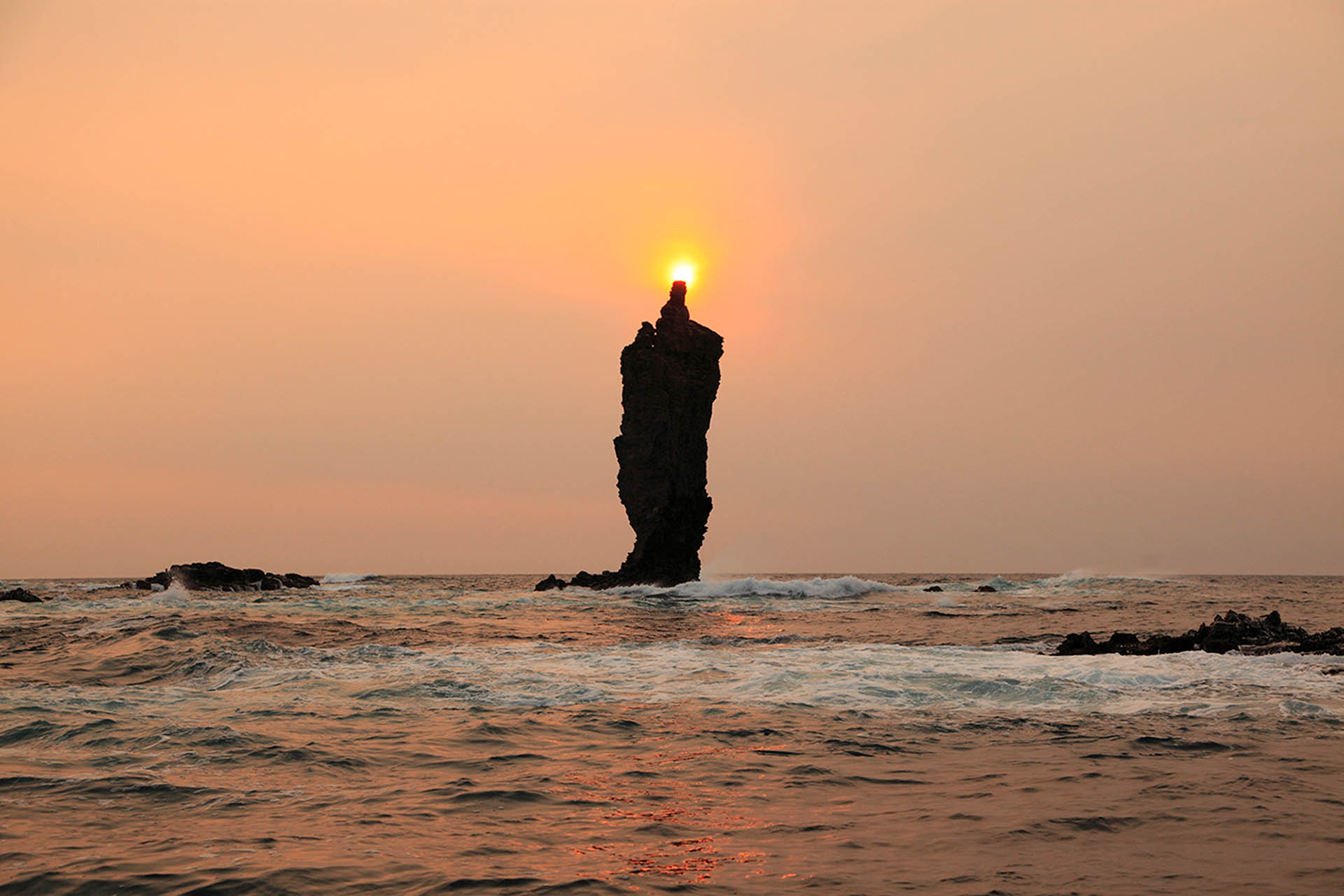
Other highlights of a visit to the Oki Islands Geopark include sunset views over Dogo Island, which is also home to Dangyo Shrine and Dangyo Falls, and Nakanoshima Island’s rice fields, red cliffs and Cape Kirogasaki Lighthouse. With its extraordinary biodiversity, you can enjoy a range of activities around these sparsely populated islands including swimming, snorkelling, kayaking, fishing, and scuba diving.
(Nagano Prefecture)
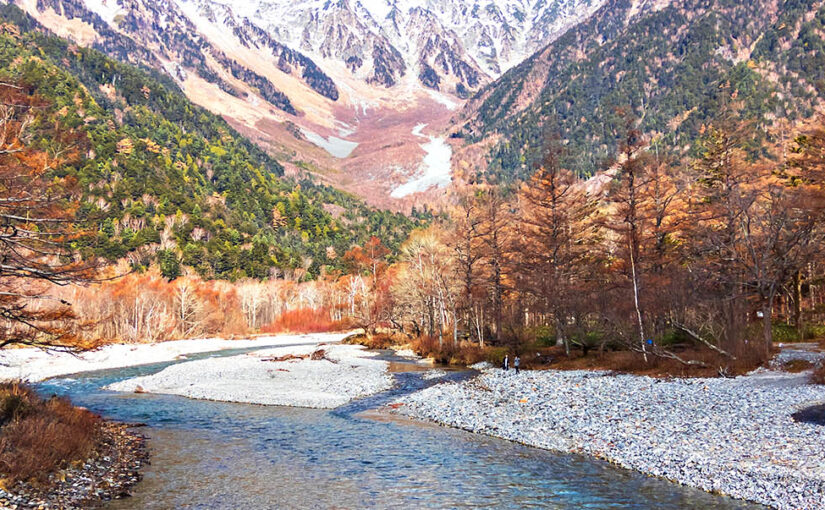
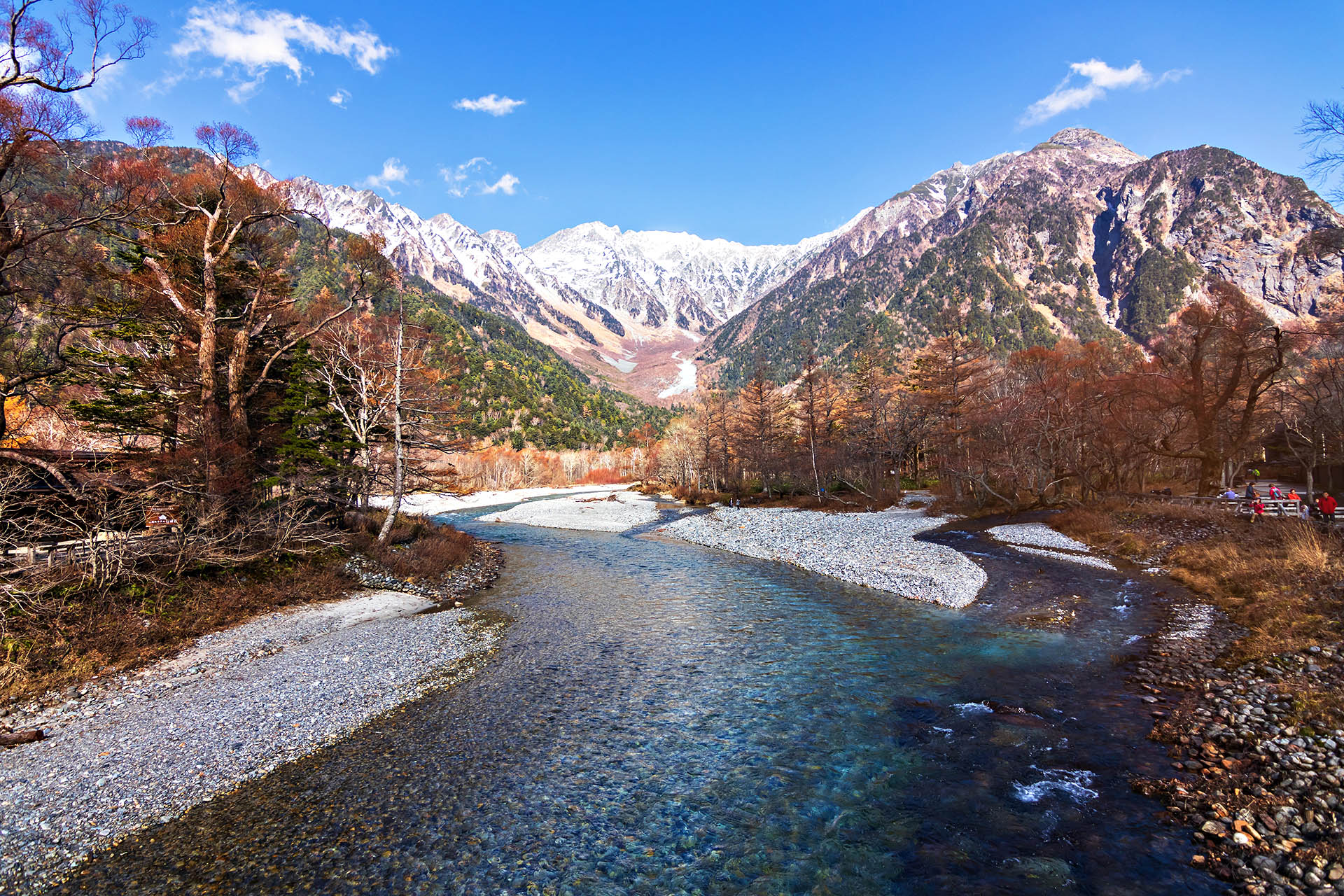
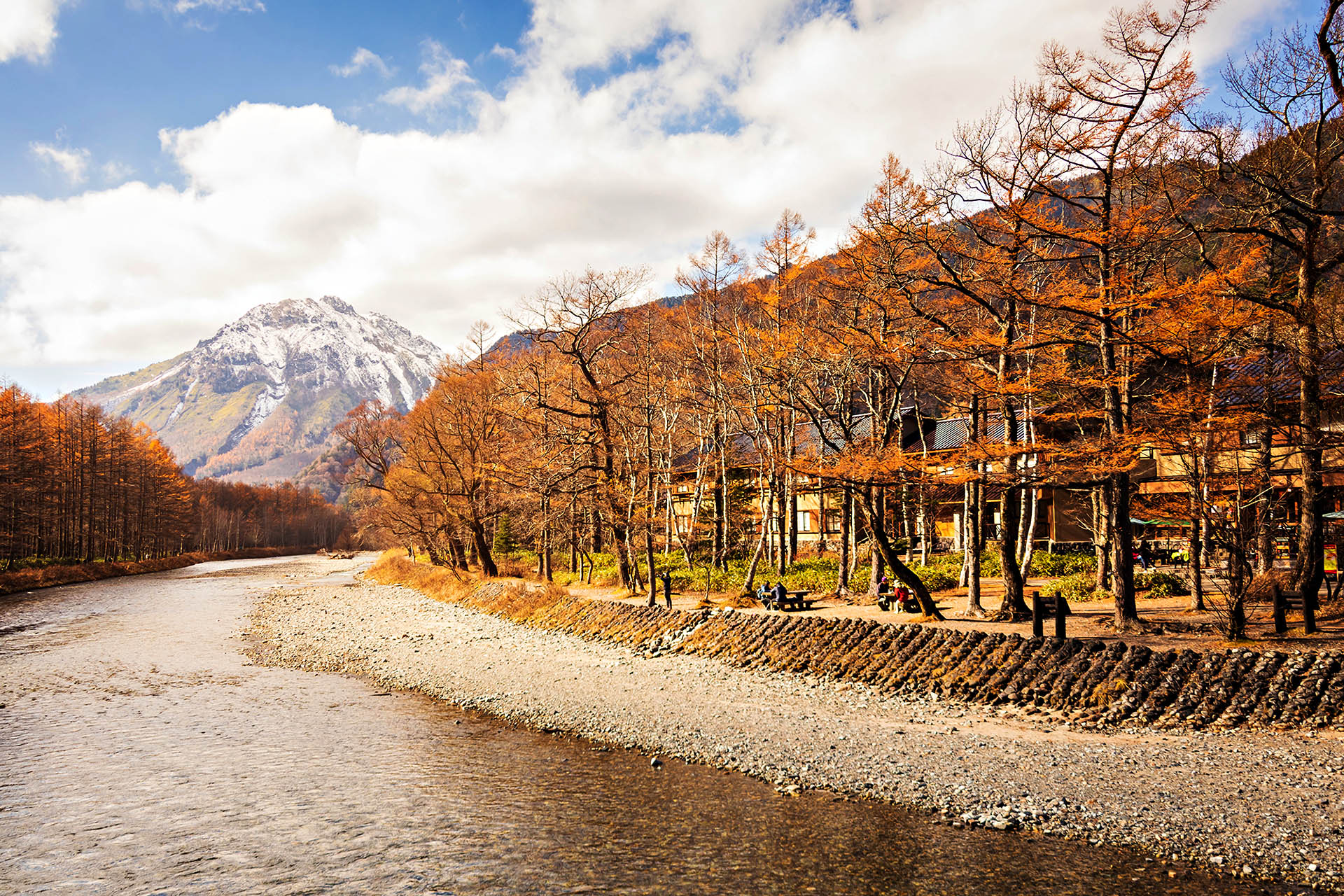
Kamikochi is a remote mountainous valley in the Hida Mountains in western Nagano Prefecture and part of the Japan Alps. The valley is especially known for its 15-kilometre-long plateau which follows the Azusa River offering a great location for walks along the river or upwards to explore the diverse flora and fauna higher in the mountains.
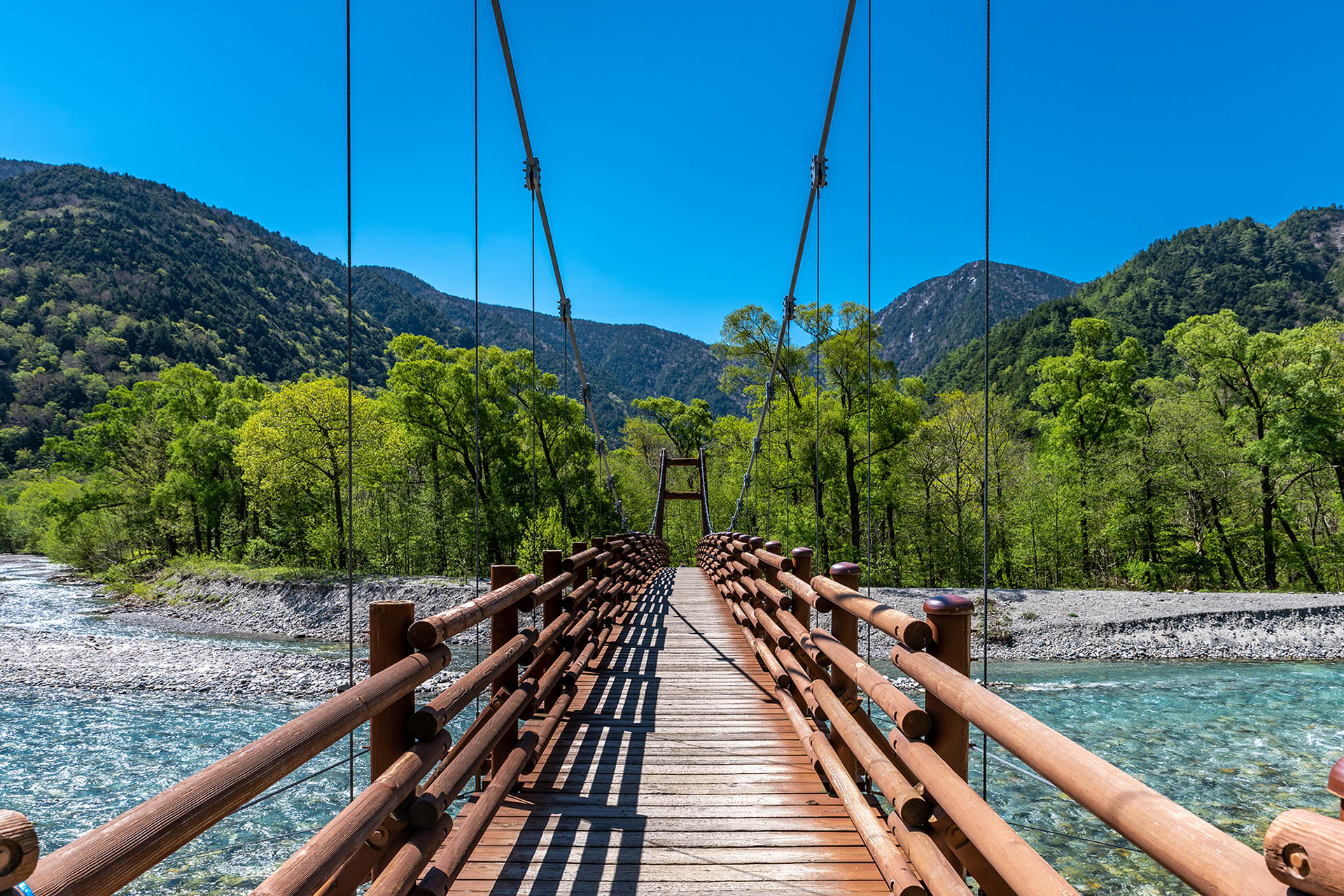
In this valley that delivers beautiful ever-changing scenery throughout the seasons, visit Kappa Bridge – an iconic wooden suspension bridge – for views of the Azusa River, and the Hotaka Range which includes Japan’s third highest peak, Mt Hotaka, and the active volcano of Mt Yakedake. Hikes to the clear reflective waters of Myojin Pond and Taisho Pond are also a must to experience a truly serene natural environment, while you might take the rare opportunity to try snowshoeing in winter.
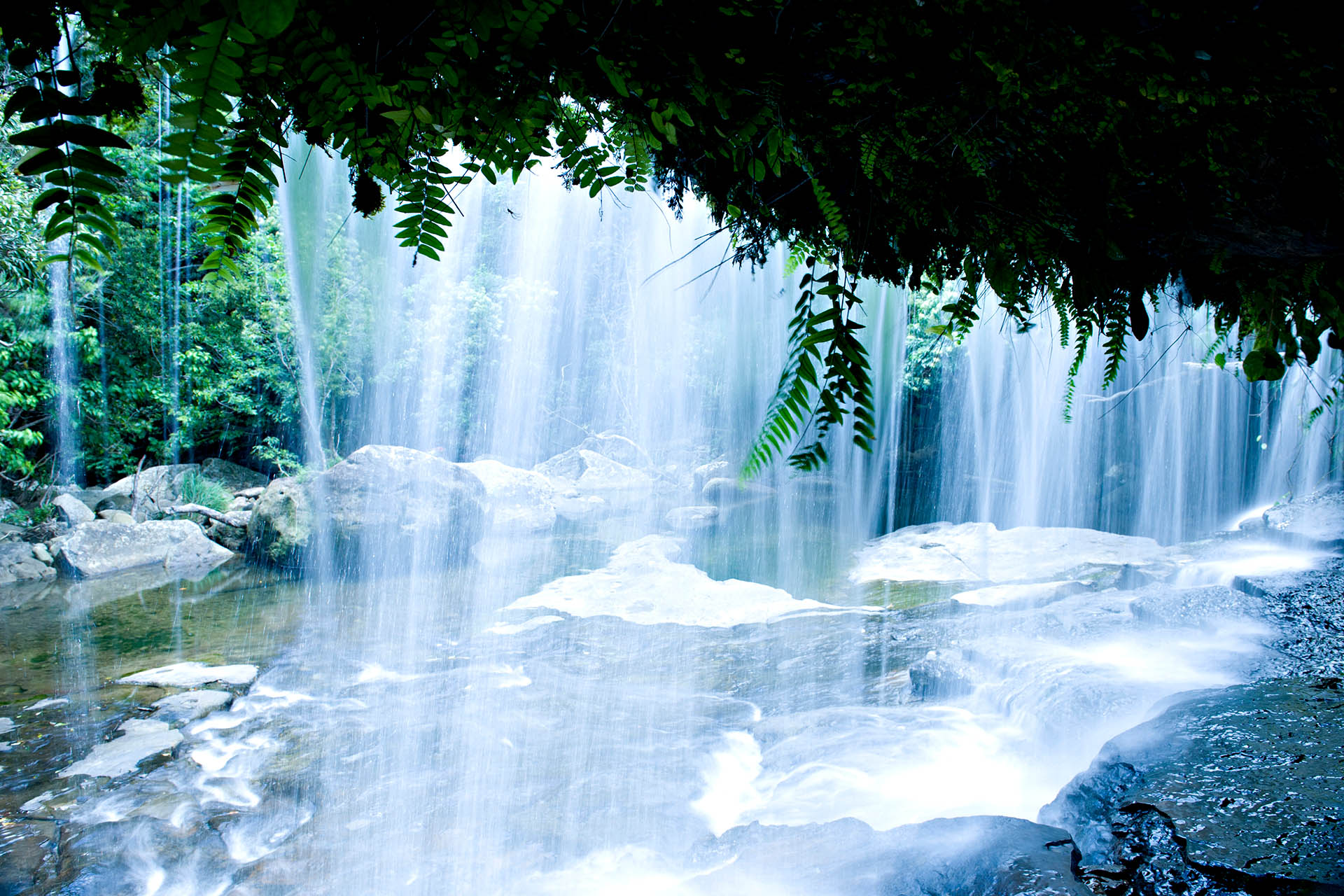
(Okinawa Prefecture)
Part of the Yaeyama Islands, Iriomote Island is largely within the Iriomote-Ishigaki National Park offering an idyllic location for an off-the-beaten-path jungle adventure, contrasting the colder climes of Japan. The island is sparsely populated and filled with dense inland jungles and mangrove forests, especially along the Urauchi River and Nakama River.
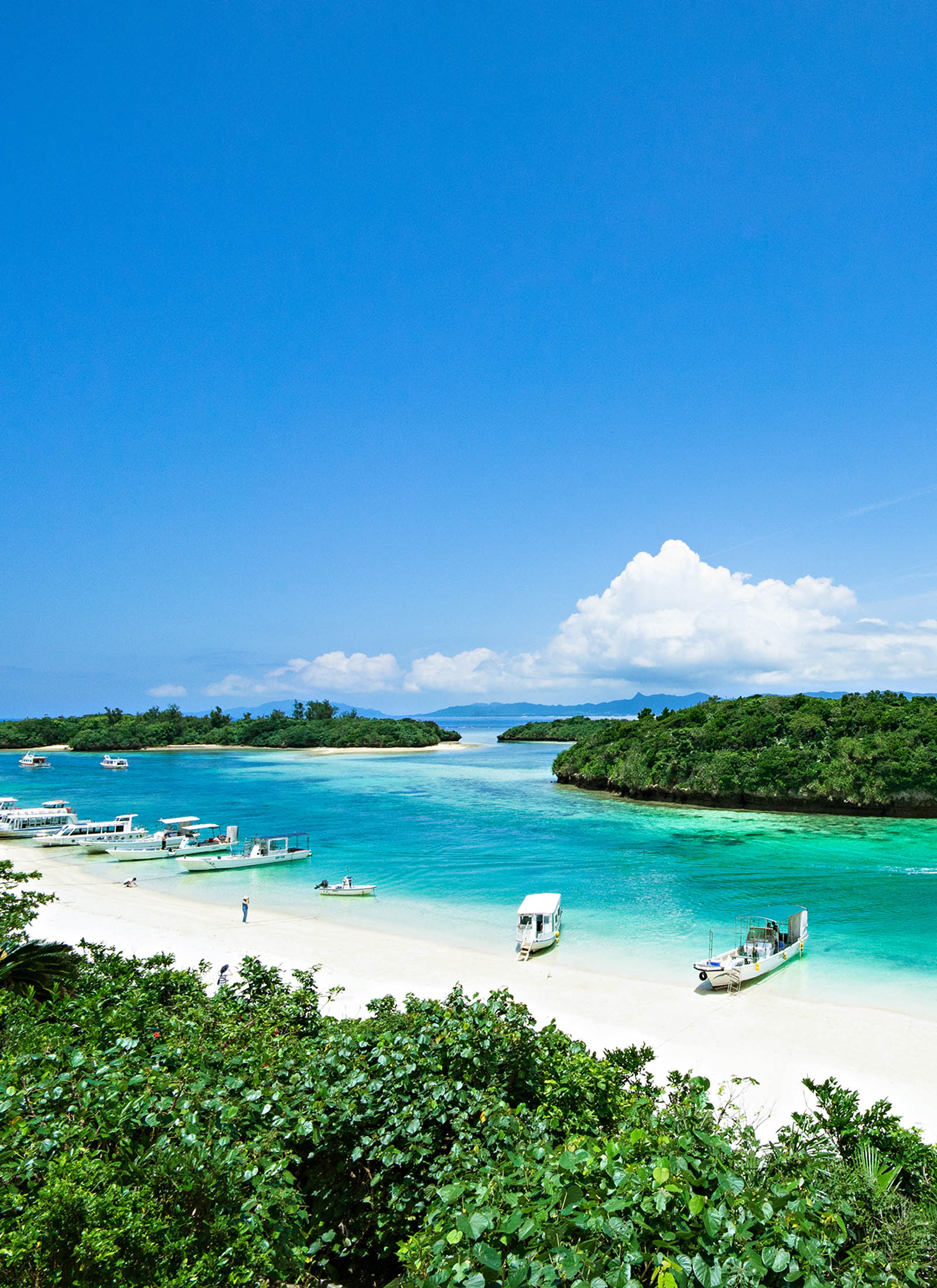
Imagine hiking jungle trails to hidden waterfalls including the journey to Pinaisara Falls – the highest waterfall in Okinawa – and kayaking or stand up paddleboarding through the mangroves along the meandering rivers. With Iriomote Island surrounded by white sand beaches and coral reefs, the island is also an excellent location for snorkelling and diving to see marine life including tropical fish and turtles in the clear waters.

Far flung from Japan’s sprawling cities, this sparsely populated island also offers the opportunity to connect with traditional Okinawan culture through local music and cuisine featuring tropical ingredients and fresh seafood. Guided tours of the island are available to experience the best of Iriomote Island’s unique ecosystems and local culture.
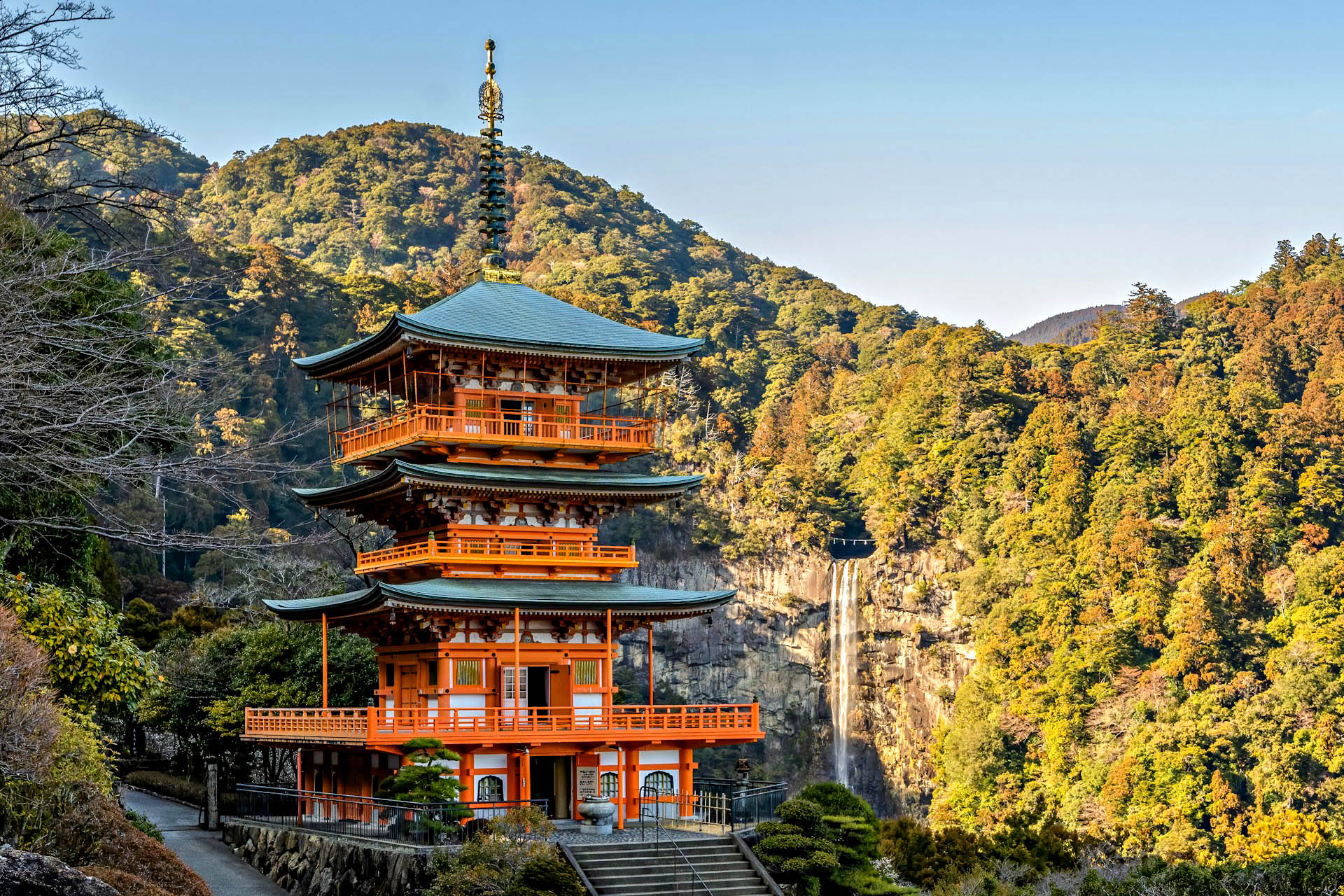
(Kansai Region)
Spanning the three prefectures of Mie, Nara, and Wakayama, Kii Peninsula is renowned for being a spiritual hub and one of the most naturally stunning locations in Japan – home to a great many scenic treasures and sights of spiritual and cultural significance. While its rural areas are dotted with ancient temples, forests, and onsen, you’ll also discover a network of ancient pilgrimage trails known as oshi Kodo that journey through incredible forests and lead to the three sacred shrines of Kumano Hongu Taisha, Kumano Nachi Taisha, and Kumano Hayatama Taisha.
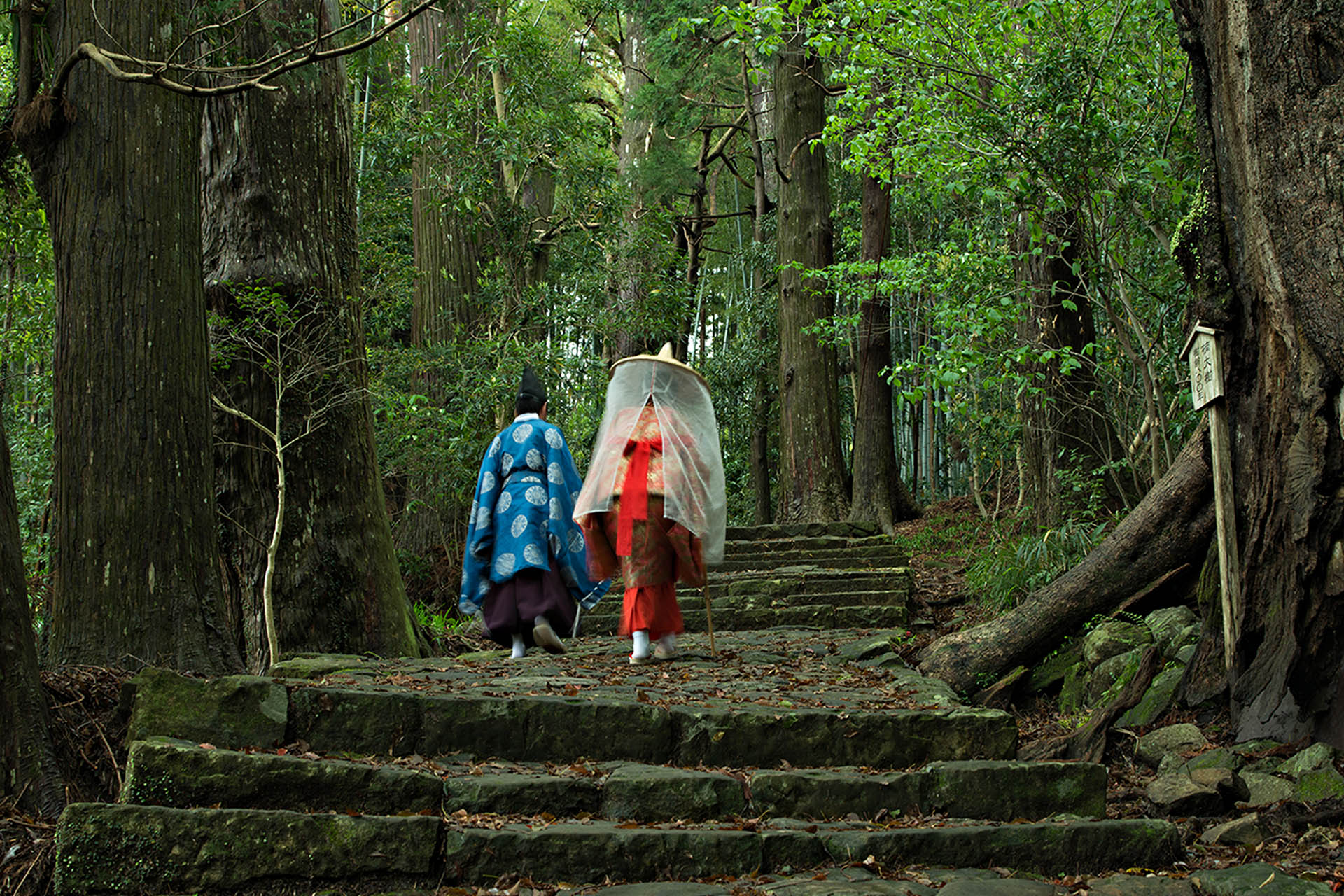
For an immersive off-grid experience, visit the mountaintop temple complex of Koyasan which offers temple lodgings (shukubo) where you can learn about Buddhist practices and enjoy meditation and wholesome meals with fresh produce. Plunging 133 metres, one of Japan’s most famous waterfalls, Nachi Falls, can also be found on the Kii Peninsula, part of the Kumano Nachi Shrine complex. Meanwhile, you can experience one of Japan’s oldest hot springs, Yunomine Onsen, or explore the Yoshino-Kumano National Park for hiking trails through forests, rivers, and scenic coastlines featuring cliffs and sea caves.

You know those moments when you’re sitting at your desk, staring out the window, daydreaming about throwing your phone into the ocean and disappearing to a tropical island? Well, what if I told you that you can actually disappear on the ocean? Enter Anthenea—the floating eco-pod of your wildest, most futuristic fantasies.
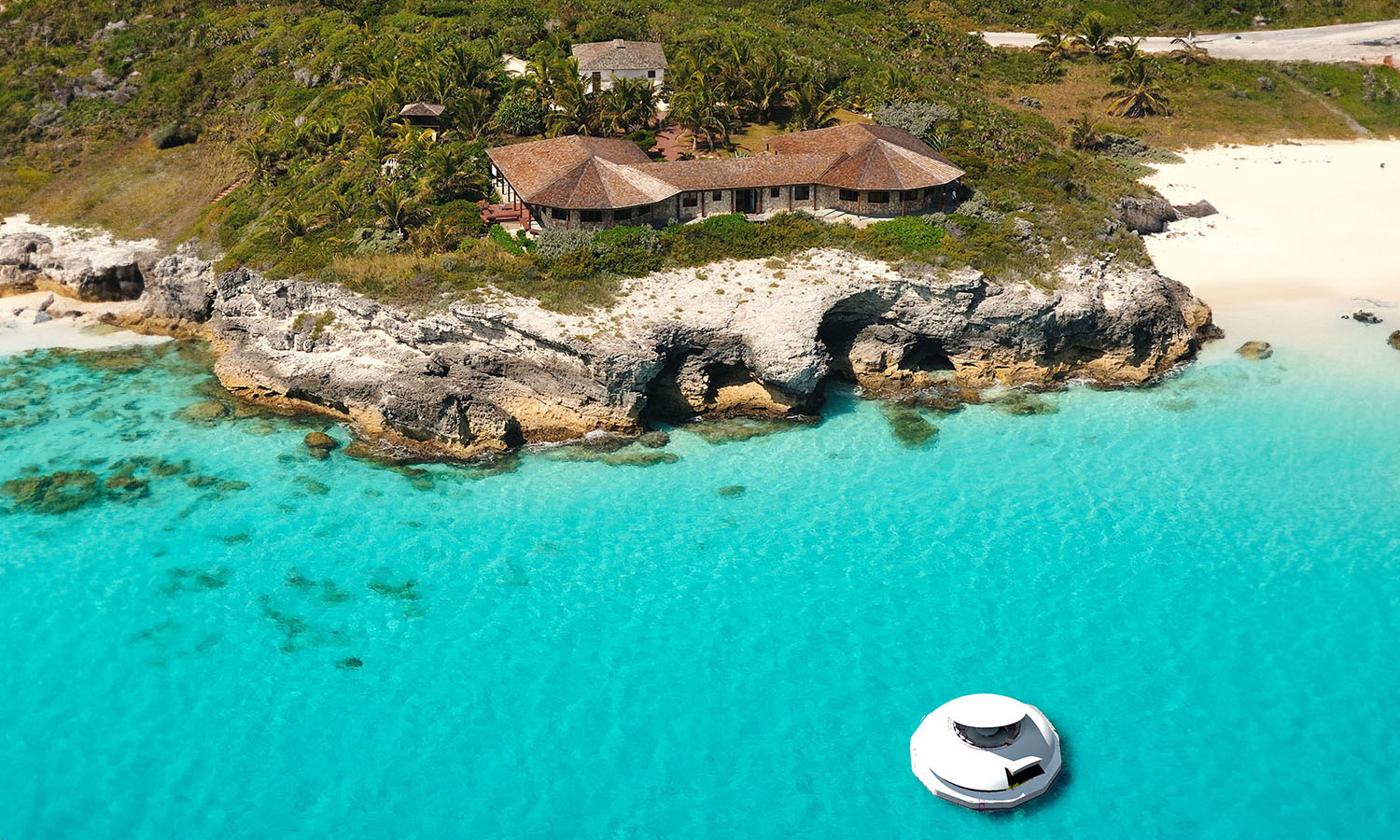
Anthenea’s pods aren’t just the stuff of Instagram dreams; they’re full-blown James Bond lair meets Robinson Crusoe getaway. These circular, UFO-shaped floating suites are designed to be a luxury escape, completely off the grid, where you can bask in the middle of the ocean with no Wi-Fi to suck you back to reality. And when I say floating, I don’t mean “parked at the dock in some marina.” Nope. You’re truly on the water, floating off the coast of some secret South Pacific island like a villain in a spy movie (but eco-friendly, of course).
The Pod Life: Floating Luxury Meets Sustainability
Let’s break it down: the Anthenea pod is basically a mini eco-friendly spaceship—complete with solar panels, 360-degree ocean views, and sleek interiors that would make a Scandinavian designer cry with joy. With a lounge area, a bedroom fit for lounging like royalty, and even a rooftop terrace for all your sunbathing and sundowner needs, it’s got the works. And it’s completely sustainable. That’s right—your ultra-luxe, floating abode is powered by the sun, with zero impact on the ocean around you.
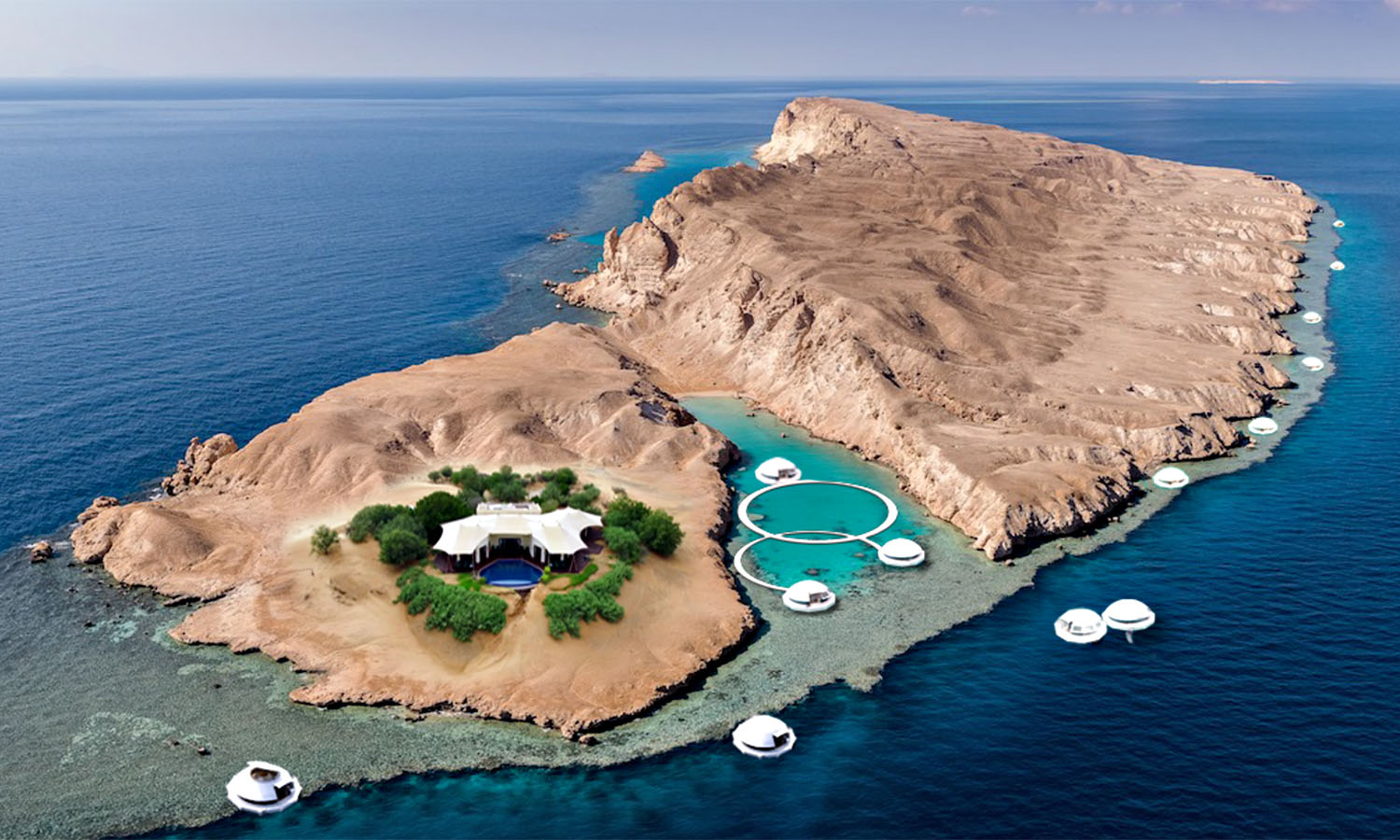
Picture this: You wake up to the sound of the ocean gently lapping against your pod (because, obviously, the ocean is your backyard). You step out onto your private deck, coffee in hand, and watch as the sun starts its lazy climb over the horizon. Maybe there’s a dolphin or two in the distance. Or maybe it’s just you and the endless blue. Either way, you’re living a life where time doesn’t exist and stress is a concept you can’t even remember.
A South Pacific Hideaway: Secret, Secluded, and Absolutely Unreal
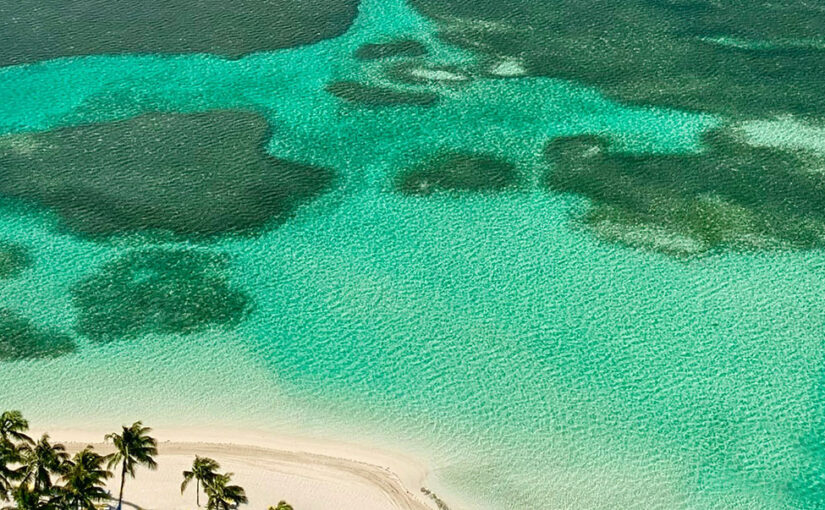
Now, imagine one of these Anthenea pods nestled in the middle of a secret lagoon somewhere in the South Pacific—so secret, it doesn’t even show up on Google Maps (which, frankly, only adds to the allure). You’re miles away from civilization, surrounded by nothing but turquoise water, coral reefs, and the odd turtle gliding by. Forget swanky island resorts with other people—this is pure, unadulterated isolation at its finest.
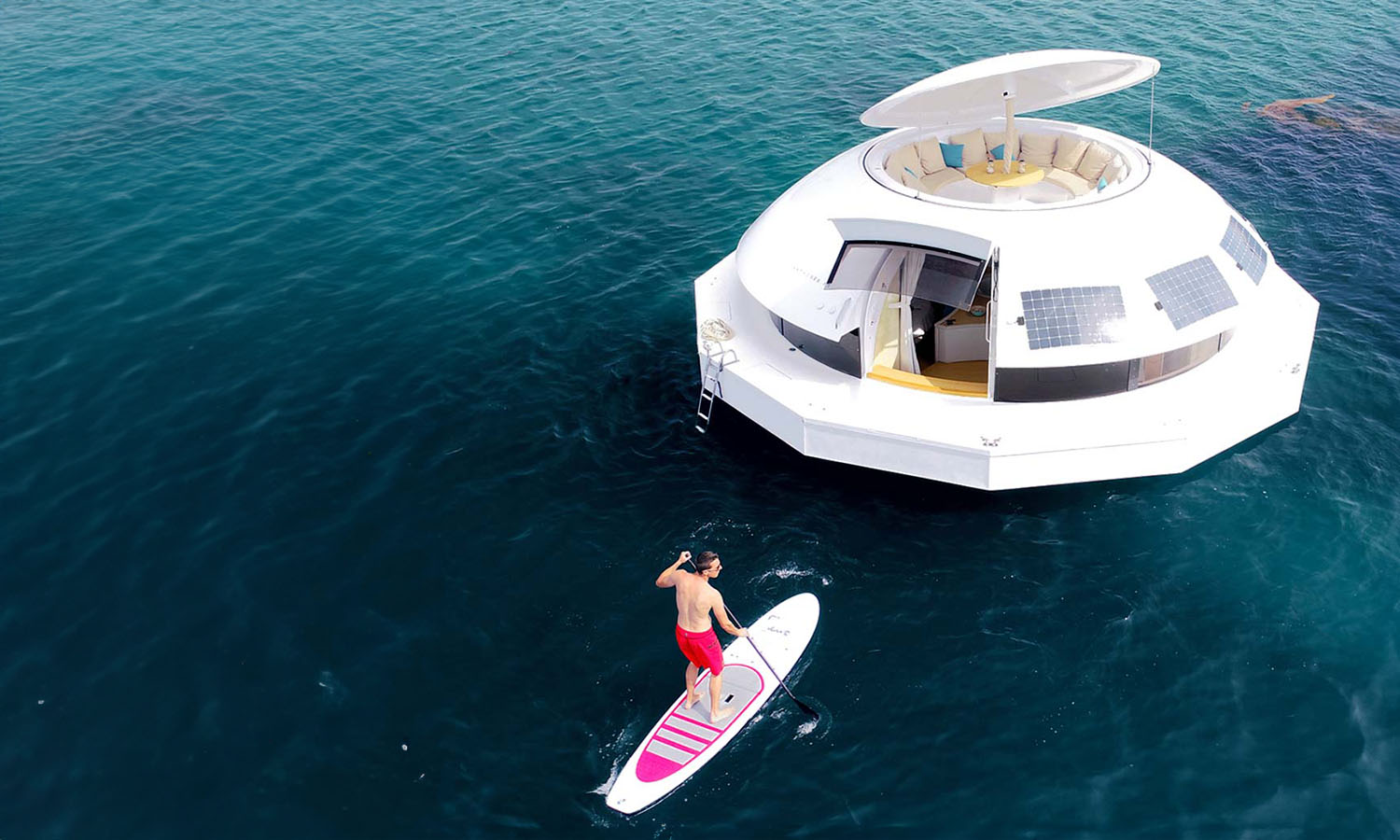
You want to snorkel? Just roll out of bed and drop into the water from your pod. You want to sunbathe in total privacy? Head to the rooftop and stretch out on the lounge chairs, with not a single human in sight. And when night falls? Crack open a bottle of wine, look up at the stars, and marvel at the fact that you’ve managed to escape the endless grind of the real world in a floating, sci-fi inspired hideaway. Oh, and don’t worry about leaving your beloved Earth in worse shape—Anthenea pods are 100% eco-friendly, so you can feel good about living your best deserted island fantasy without wrecking the environment.
The Future of Travel?
If this all sounds a little too “out there,” just wait. These floating eco-pods are the future of travel—and not just because they look like they came straight out of a sci-fi flick. With their minimal environmental impact, sleek design, and ability to go totally off-grid, Anthenea pods are redefining what it means to truly get lost. In a world where “luxury” often means crowded resorts and Instagrammers fighting for the same poolside shot, Anthenea is a breath of fresh, salty air. No crowds, no schedules—just you, the ocean, and the infinite horizon.
If you’ve ever dreamed of escaping the chaos of everyday life to a remote tropical island where Wi-Fi signals can’t reach you and your biggest decision is whether to swim or snorkel, Dryft Camp on Darocotan Island should be your next stop. Touted as the number one glamping resort in the Philippines, this slice of paradise is less a resort and more an immersive island experience, where “roughing it” feels gloriously refined.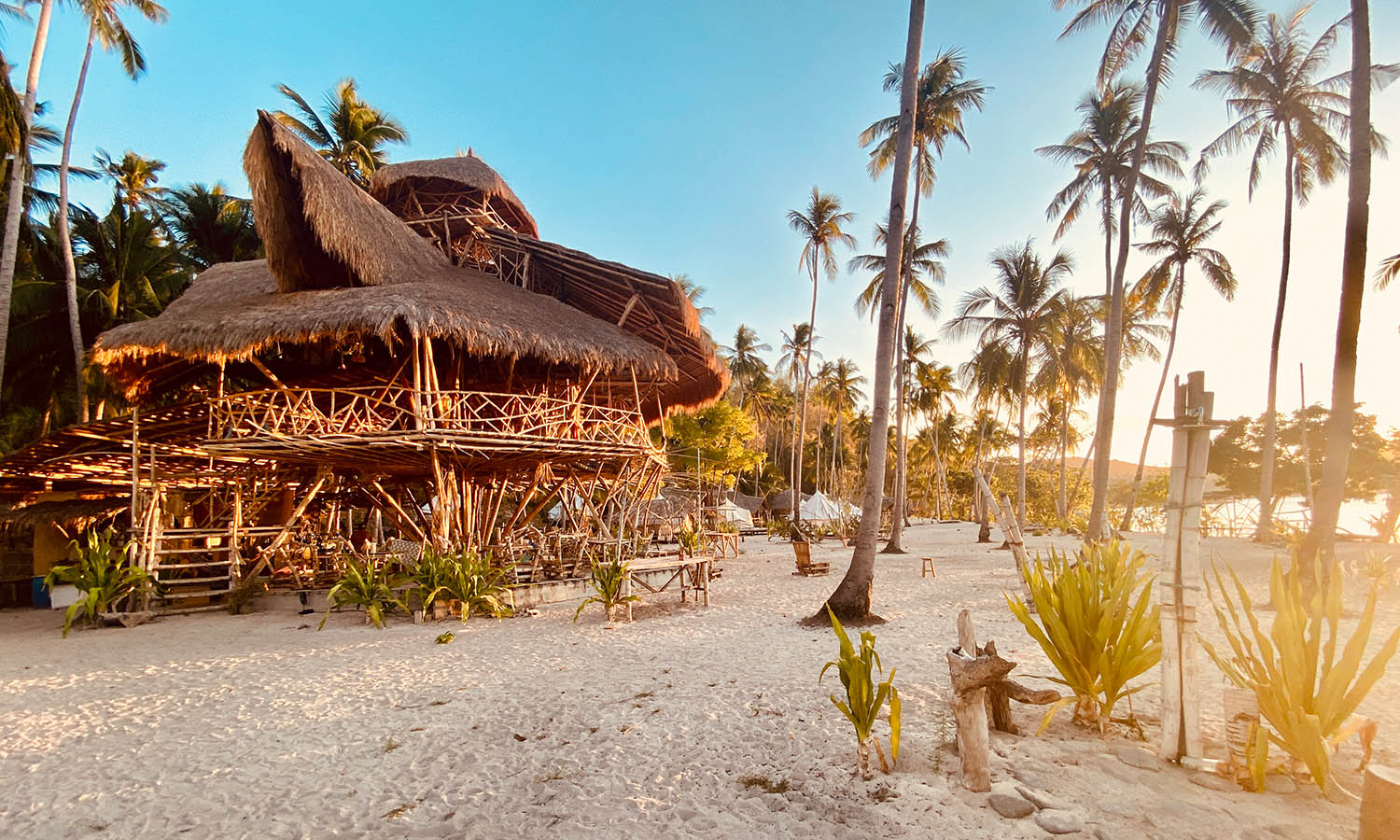
Getting to Darocotan Island isn’t exactly seamless, and thank god for that. You’ll first make your way to El Nido, where a local boat will whisk you away to the island. The 30-minute ride might just be the perfect time to say goodbye to emails, notifications, and that frantic urban energy you didn’t realize had been clinging to you until now. Instead, you’re greeted by the sight of pristine beaches, crystal-clear waters, and the complete absence of, well, pretty much everything. It’s just you, the ocean, and a few bamboo huts scattered along the shore.
Forget your standard glamping setup with a tent plopped down somewhere next to a road. At Dryft Camp, glamping is an art form. The handcrafted bamboo huts and bell tents offer a level of rustic luxury that screams Robinson Crusoe, but with better Instagram lighting. There’s a certain wild elegance here—the tents come with actual beds, linens so soft you’ll question every pillowcase you’ve ever owned, and private outdoor bathrooms that let you shower under the stars. Sure, there’s no air-conditioning, but trust me, a breeze off the Pacific beats any fan, and nothing says “I’ve made it” quite like a cold shower after a long day of swimming.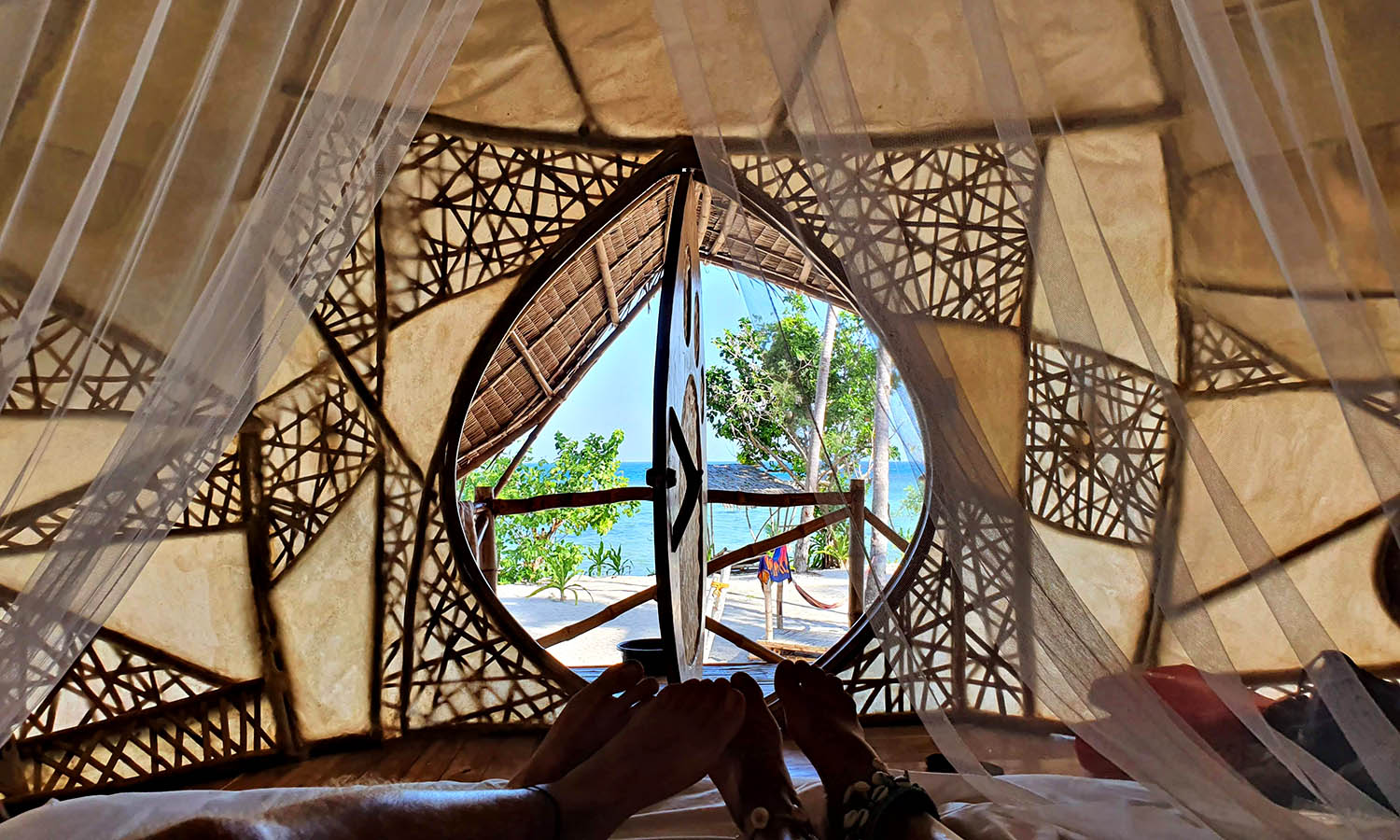
It’s hard to describe just how liberating it is to be totally off the grid. At Dryft, your phone becomes irrelevant—there’s no Wi-Fi and zero cell signal. But here’s the thing: you won’t miss it. Not once. Instead of doom-scrolling, you’ll spend your days snorkeling in the nearby reefs, kayaking around the island, or chilling in one of the hammocks scattered along the beach. If you’re feeling particularly ambitious (and hydrated), you can even sign up for a spear-fishing trip with the local fishermen, an activity that’s as badass as it sounds. And let’s talk sunsets. They’re the kind that make you feel guilty for having ever spent a golden hour indoors. As the sun dips into the ocean, grab a beer or a fresh coconut, and take it all in—there’s nothing quite like a Darocotan sunset to remind you why people leave everything behind to live on islands like this.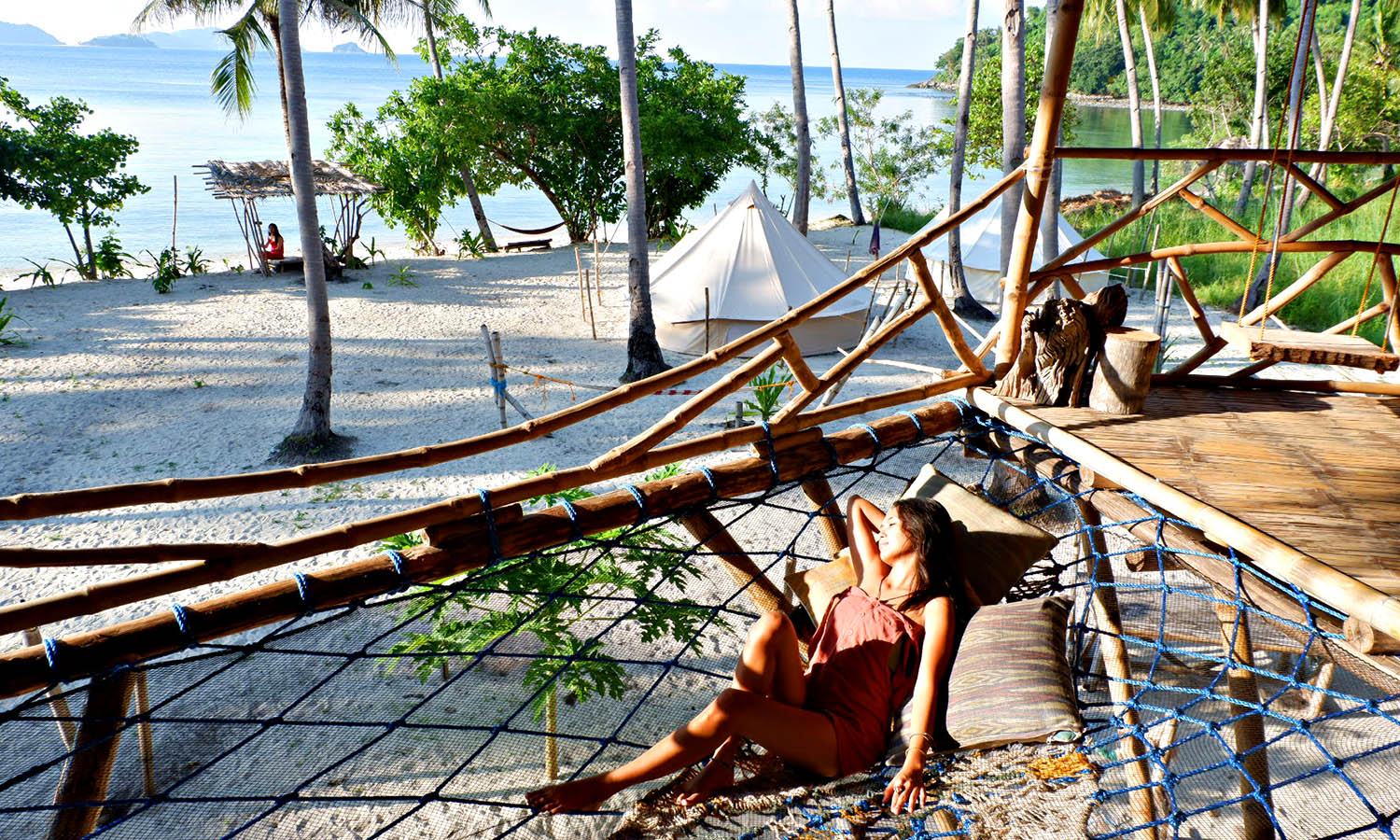
The best part? Dryft Camp isn’t just about aesthetic goals. It’s built around sustainability. The resort is 100% solar-powered, and everything from the composting toilets to the locally sourced meals is designed to minimize impact on the environment. You can stuff your face with delicious seafood, knowing it’s fresh off the boat and as eco-friendly as your bamboo hut.
When night falls, the vibe shifts. The campfire gets going, drinks flow, and you can hear the sounds of the island come alive—waves crashing, the breeze rustling through the palms, and the occasional guitar strum. If you’re lucky, someone will pull out a ukulele and you’ll find yourself singing along with other guests, all of whom have the same glazed-over, blissed-out expression of island-induced euphoria.
Sure, Dryft Camp might not be for everyone. If you need air conditioning, round-the-clock room service, or a five-star spa, you might want to look elsewhere. But if you’re after an authentic island escape, where the luxury is in the experience and not the thread count, this place is a dream. It’s the kind of spot that lingers in your memory long after your tan fades and you’ve returned to the chaos of real life.
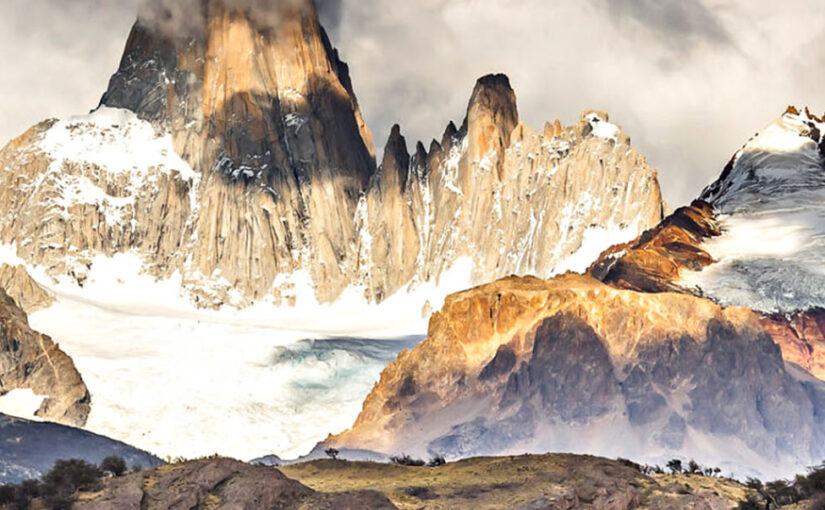
If your idea of a vacation is sipping cocktails by the pool, I’m going to stop you right there. The Gaucho Derby isn’t for the faint-hearted—or anyone who values comfort, sanity, or consistent access to Wi-Fi. Nope, this is for the wild ones, the adventurers, the slightly unhinged thrill-seekers who think “fun” involves galloping across Argentina’s untamed wilderness on horseback for 500 kilometers. Brought to you by The Equestrianists (a group of people who clearly enjoy combining horses with questionable life choices), the Gaucho Derby is like the love child of the Mongol Derby and an Argentinian rodeo. It’s an epic, multi-day test of endurance, horsemanship, and whether or not you’ve got the grit to survive Patagonia’s ever-shifting moods. Think scorching sun, freezing nights, treacherous mountain passes, and rivers that look like they could swallow a small boat. Oh, and did I mention the wild horses? 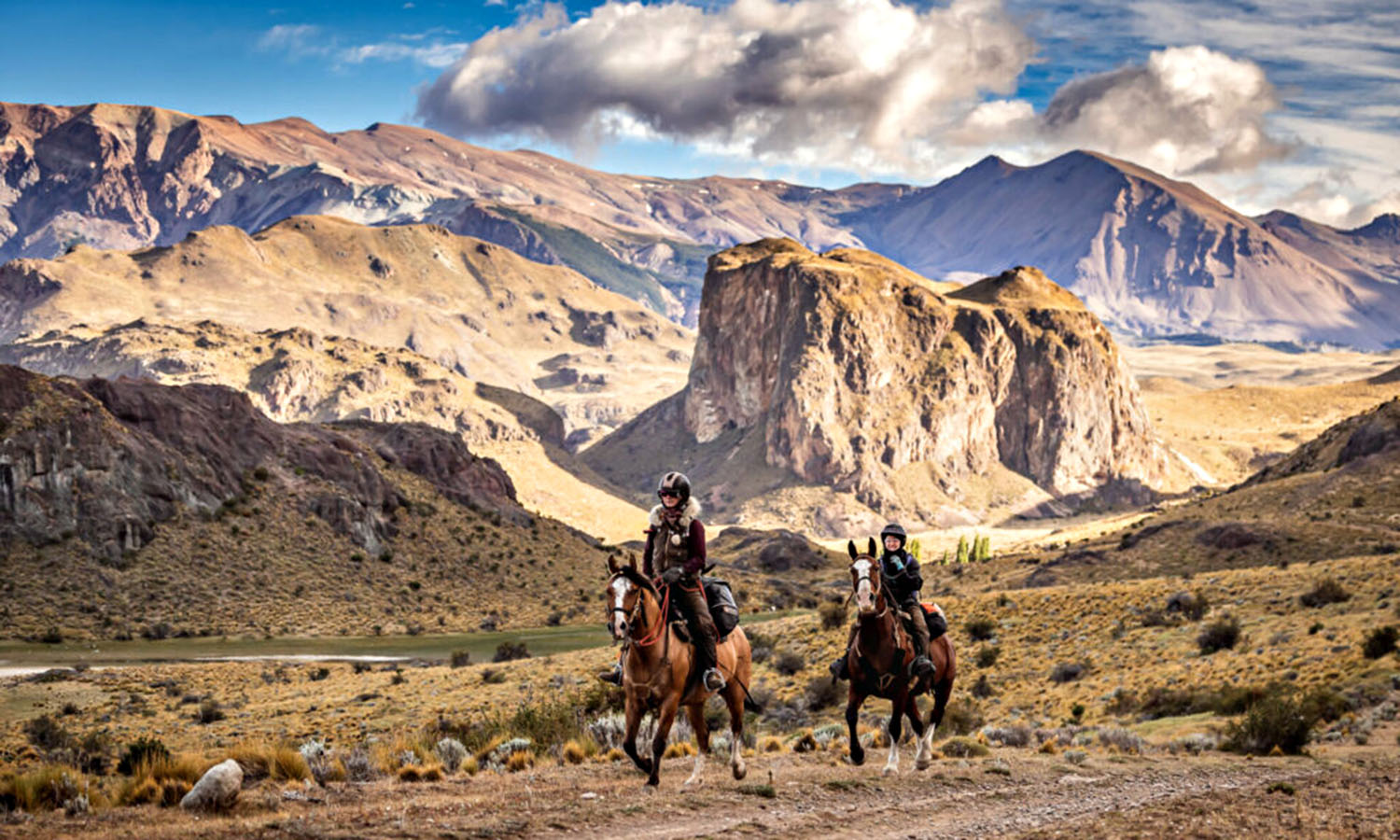 The Horsepower of the Pampas The event kicks off in the shadow of the Andes, where you and a motley crew of fellow lunatics (sorry, “riders”) are given your trusty steed. Now, these aren’t your average ponies—they’re hardy, sure-footed criollo horses that have been bred for generations to handle the toughest terrains with ease. And you’re going to need that because, spoiler alert: the route changes every year, and no one—not even the organizers—really knows what kind of hell Mother Nature’s going to throw at you. Your job? Ride. Navigate. Survive. Repeat. You’ll be covering around 100 kilometers a day, which sounds exhausting because, well, it is. But when you’re racing across sweeping plains, dipping into valleys straight out of a Nat Geo spread, or dodging the odd Andean condor, you won’t care about your aching backside. (Okay, maybe a little.)
  Who Needs GPS? One of the best things about the Gaucho Derby? It’s designed to mess with you. GPS? Forget it. This isn’t a road trip with your dad shouting directions from the passenger seat. You’re on your own here, armed with a map, a compass, and whatever survival skills you’ve picked up from watching Bear Grylls reruns. Each night, you’ll either bunk down in a gaucho village, where you can swap stories over a cup of mate, or camp under the stars. Don’t expect gourmet meals, but if you’re lucky, you might score some traditional asado (Argentinian BBQ), which—let’s be honest—is worth the pain of a full day in the saddle. And when you’re not cursing the landscape or wondering why you signed up for this, you’ll have moments of pure, unfiltered awe. The kind that comes when you crest a ridge and see the wild expanse of Patagonia unfold before you. Or when you realize your horse knows this land better than any GPS ever could. Or when you share a silent moment with your four-legged partner, feeling like you’re part of something timeless and ancient.
 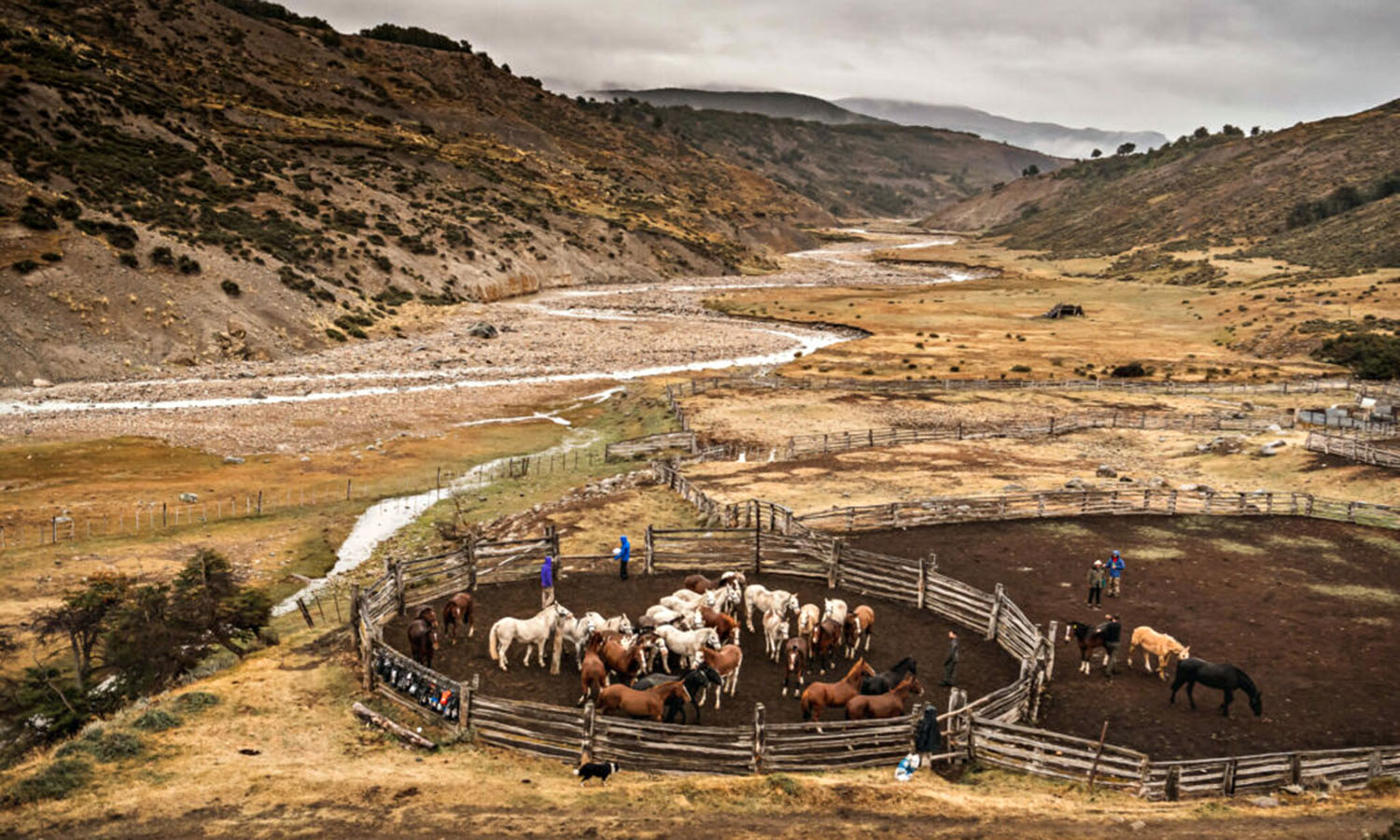 Gaucho Life Isn’t for the Weak Now, if you’re thinking, “But what if I fall off?” Don’t worry. You will. And it’ll hurt. But this isn’t about how many times you hit the dirt; it’s about how many times you get back in the saddle. That’s the spirit of the gaucho, after all—tough, relentless, and always ready for the next challenge. You’ll be competing against some of the most skilled and determined riders in the world. But really, the Gaucho Derby is less about beating the competition and more about conquering yourself. It’s about pushing your limits, trusting your horse, and finding out what you’re made of when the chips are down, and you’re miles from civilization.
 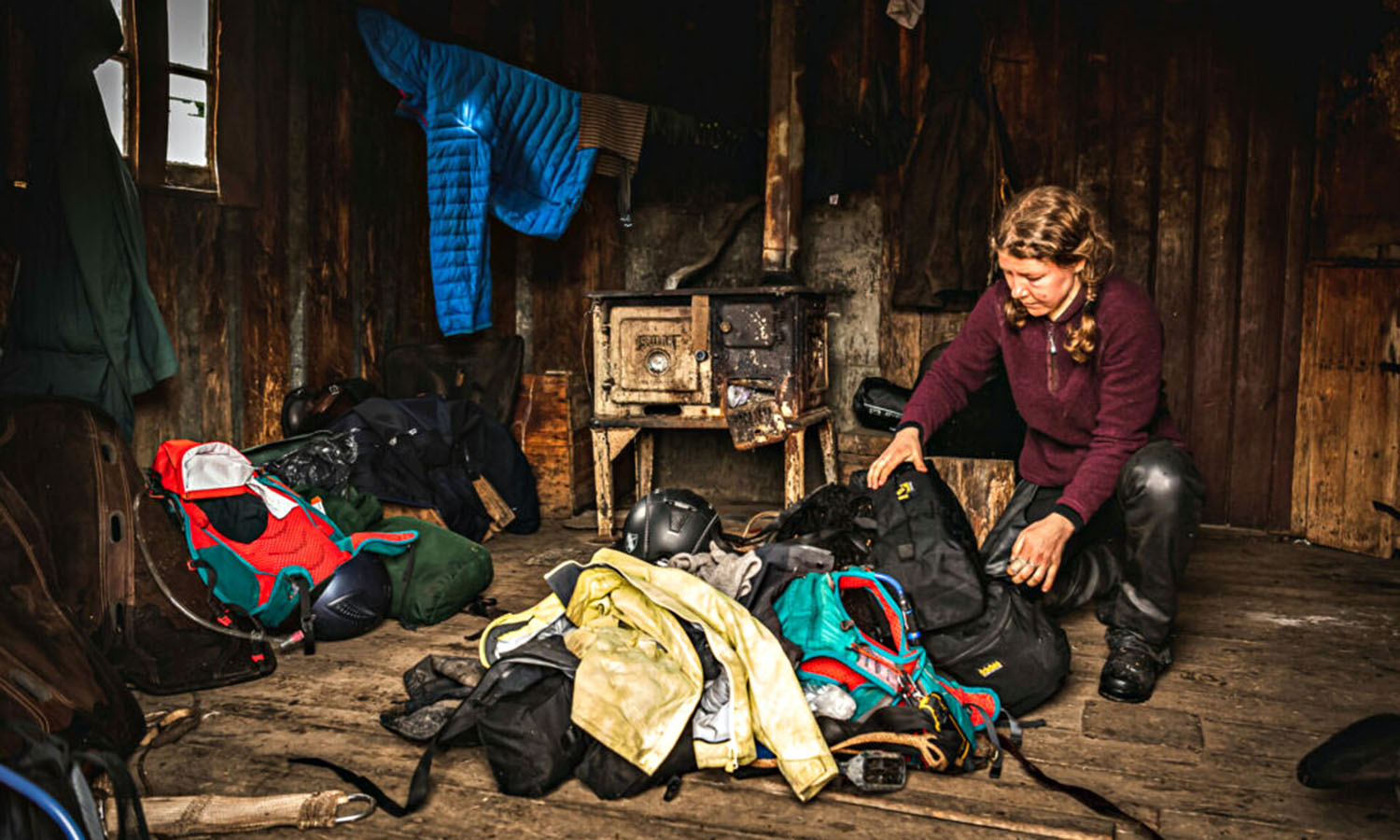 The Finish Line: Worth Every Bruise By the time you stumble across the finish line—dusty, sore, and probably wondering if you’ll ever walk normally again—you’ll realize you’ve just completed one of the most intense, incredible, and borderline insane experiences of your life. The Gaucho Derby isn’t just a race. It’s a testament to the raw, untamable beauty of Patagonia, the enduring partnership between horse and rider, and the indomitable spirit of the adventurers brave enough to tackle it. So, if you’re ready to swap your beach towel for a saddle, your cocktail for a cup of mate, and your holiday for the adventure of a lifetime—saddle up. The Gaucho Derby is calling. And trust me, it’ll be one wild ride.
Ah, Japan—the land of sushi, samurai, and, of course, steaming hot springs known as onsen.
Picture this: you’re in a natural, mineral-rich bath, surrounded by serene mountains, with nothing but the scent of sulfur in the air. But before you go stripping down and jumping in, there’s a whole list of do’s, don’ts, and “please don’t even think about its” to navigate. So, here’s your irreverent guide to onsen etiquette, tattoos, and why skinship isn’t nearly as creepy as it sounds.
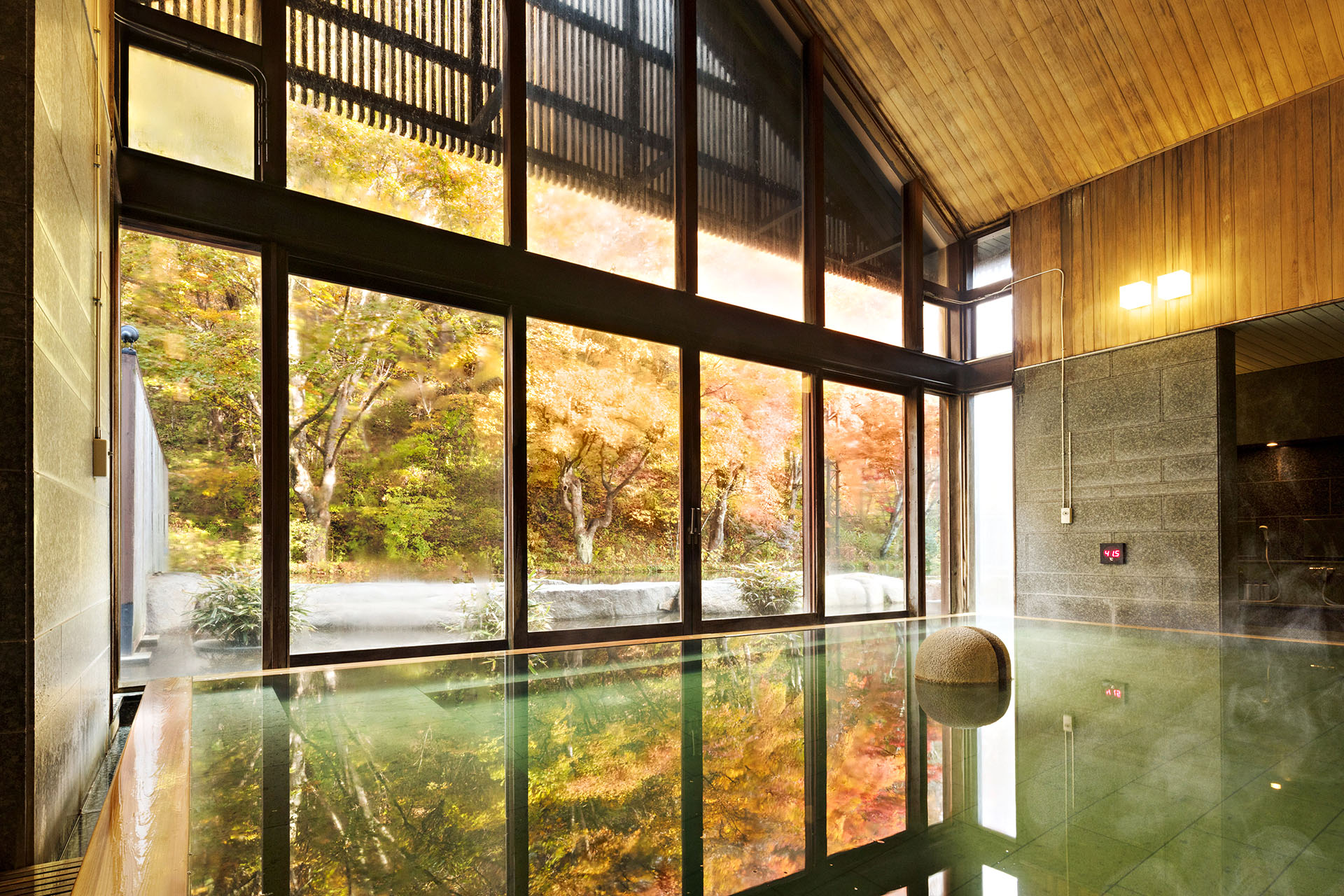
Let’s start with the basics. Sento vs. onsen—one’s a regular bathhouse with plain old heated water, and the other’s the real deal with natural, mineral-packed goodness. You’ll want the latter. Some places even slap on the word tennen (meaning “natural”) just to remind you that yes, this is the real hot spring experience.
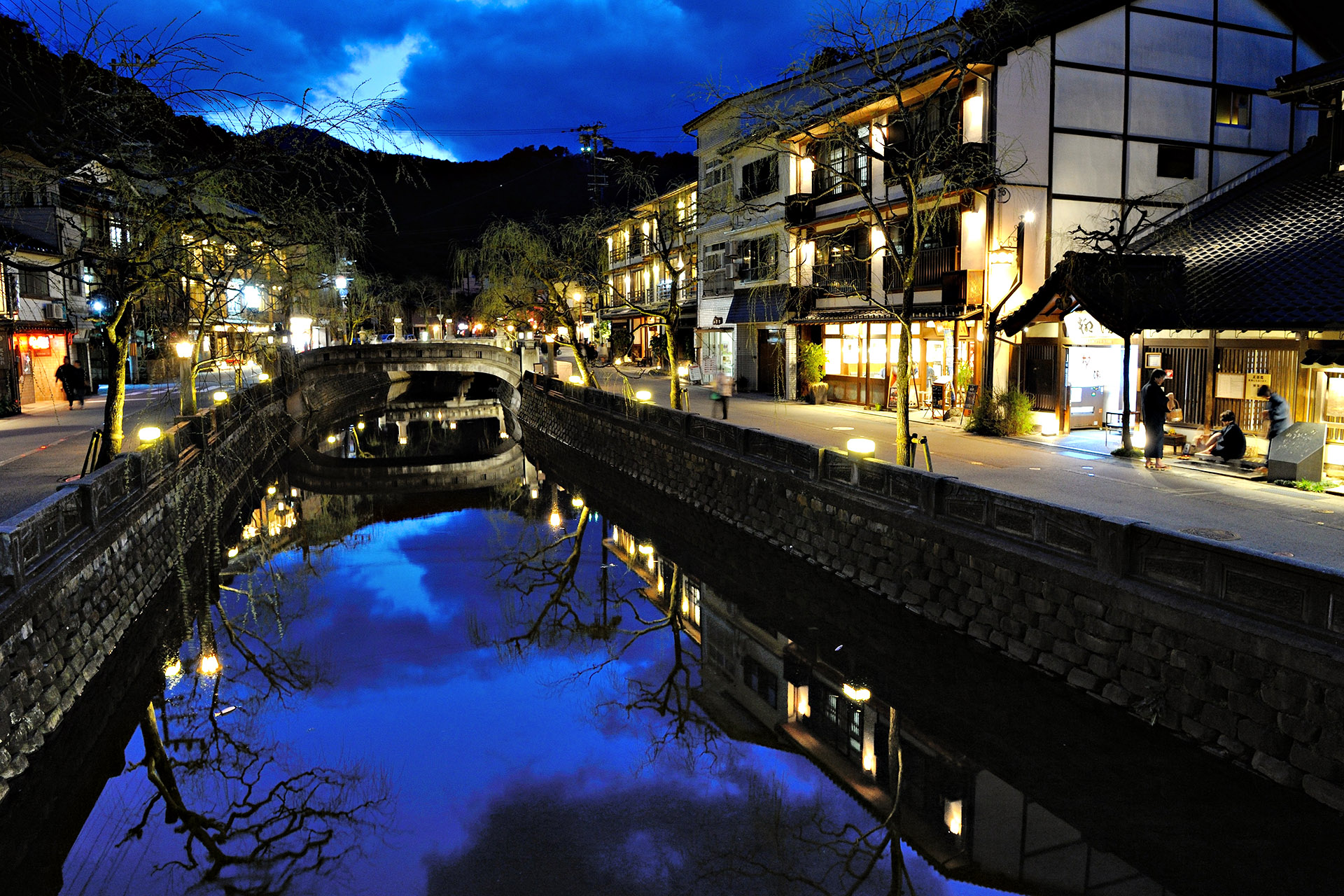
Staying overnight? Many onsen are attached to traditional inns called ryokan, which is basically your ticket to sleeping on the floor (in a good way) and eating food that you can’t pronounce. These places often throw in onsen access as part of the deal. Whether you’re a day-tripper or overnight guest, expect to cough up a fee, but it’s worth it for that blissful soak.
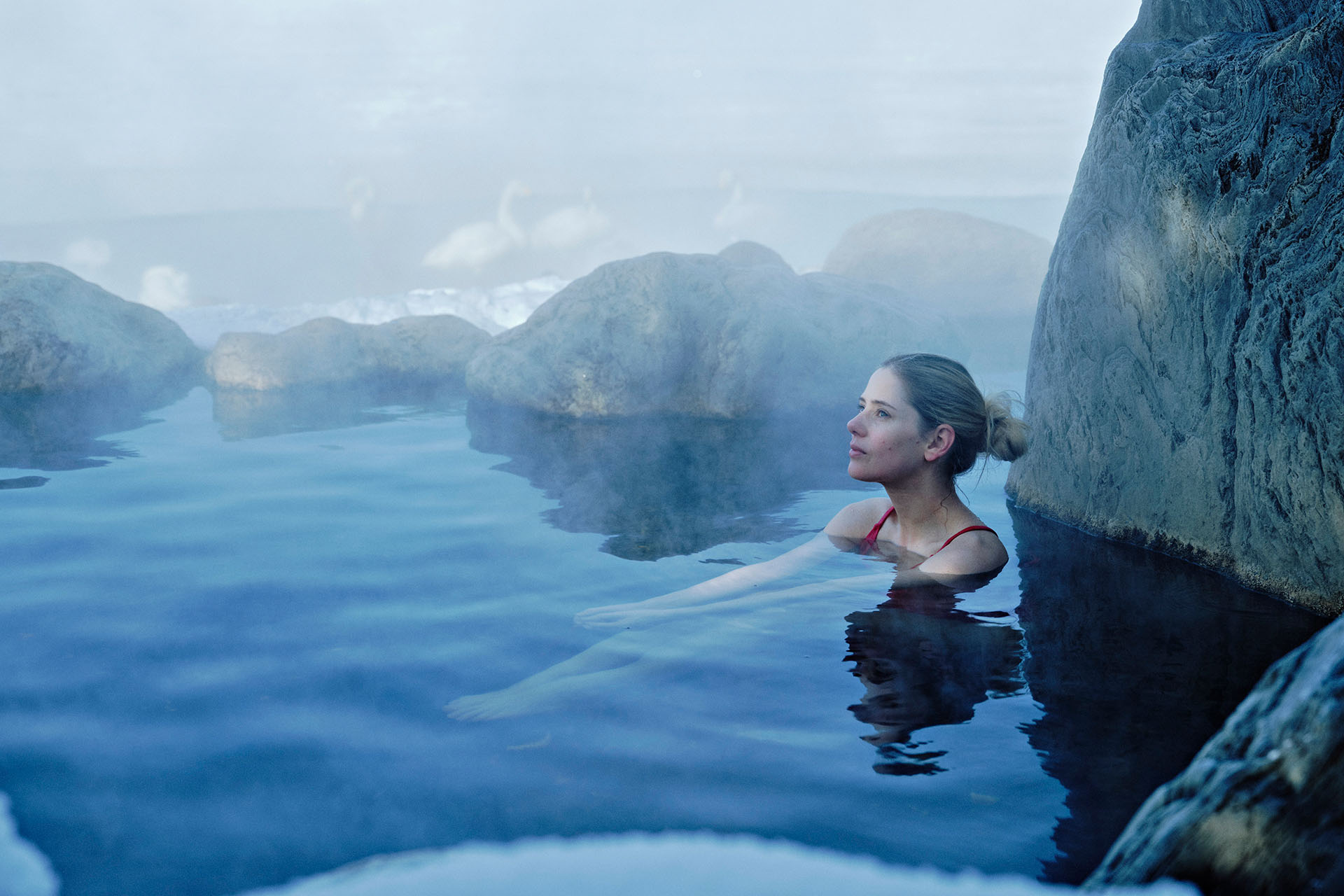
Now, let’s talk rotenburo—open-air baths that let you enjoy the great outdoors while you marinate in hot water. Some even offer yukimi (snow-watching) onsen, where you can pretend you’re in a postcard while freezing your bits off in the name of relaxation. And for those who don’t fancy baring it all in public, there are private onsen (kashikiri) where you can splash around in peace without judgmental stares.
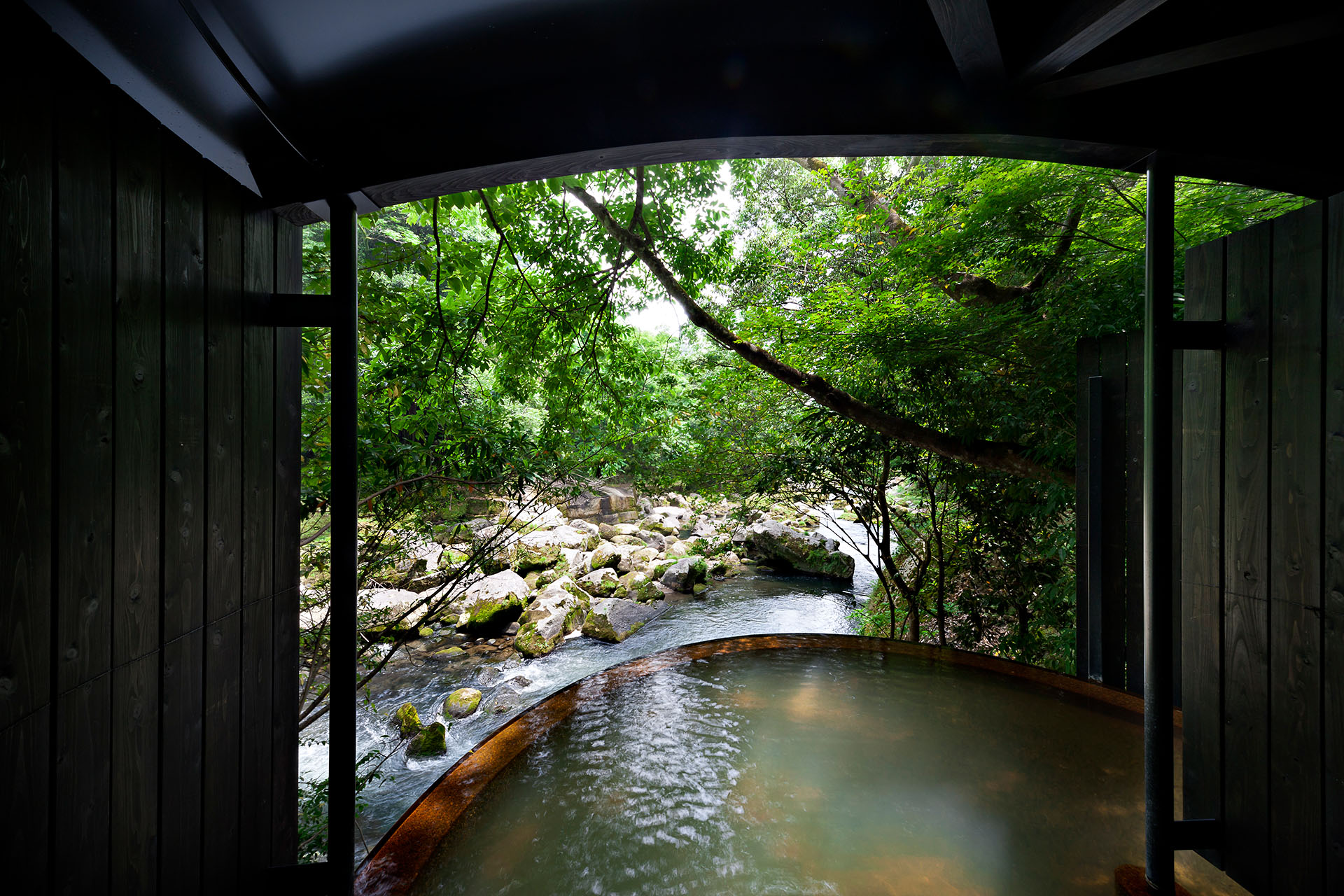
So, here’s the deal: no clothes in the onsen. Seriously, none. You’ll be given a teeny towel that’s more symbolic than functional, and you’re supposed to wash up before even thinking about dipping a toe in that sacred water. We’re talking a full-on scrub-down, like you’re about to perform surgery. Shampoo, soap, conditioner—it’s all there. And if you’ve got long hair, tie it up, because no one wants your split ends floating by.
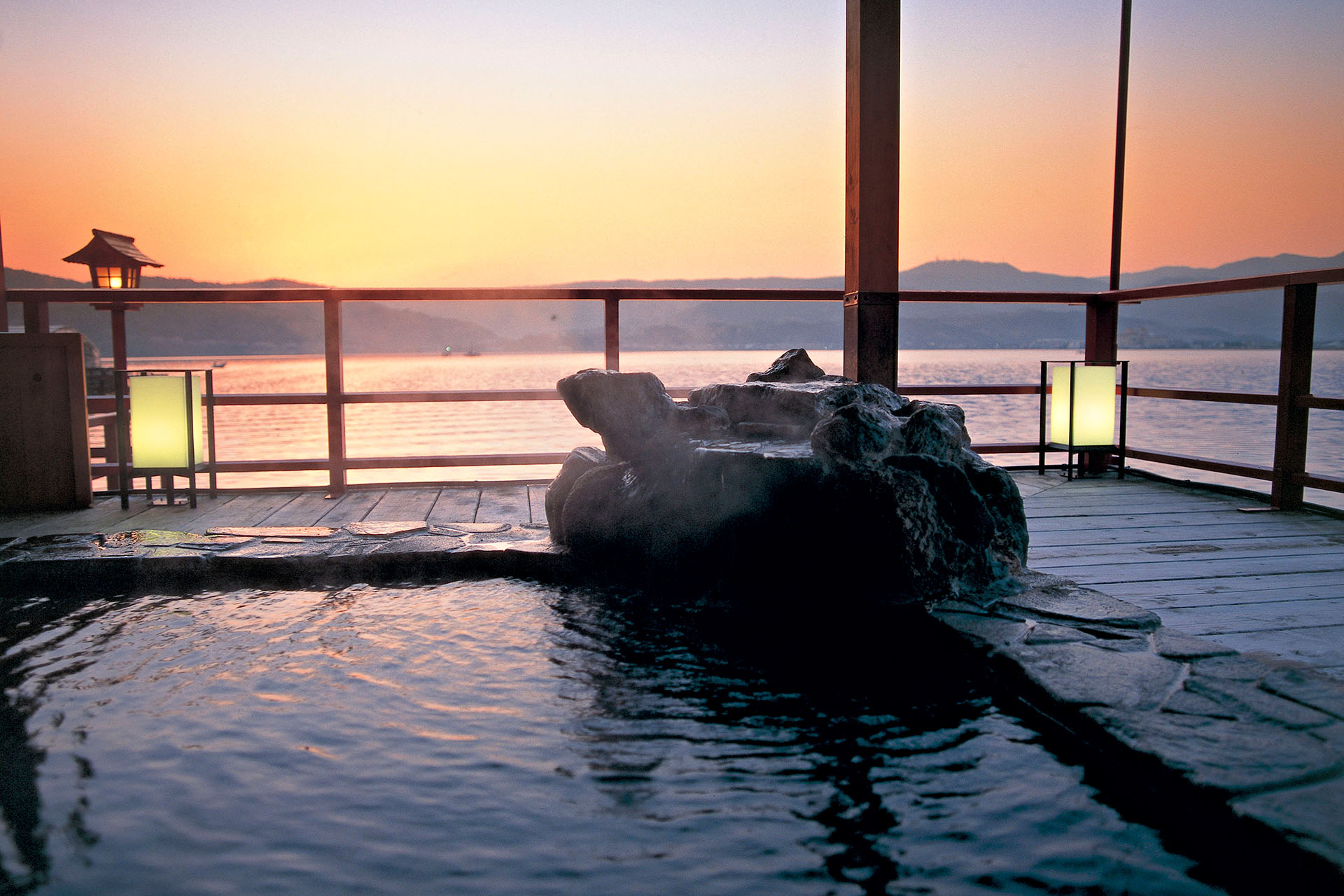
Once you’re clean, slide into the onsen like a pro, but keep that towel out of the water. It’s bad manners to dunk it, and frankly, it’s just gross. Pro tip: Don’t stay in too long or you’ll end up more prune than person. And while it might be tempting to sneak in a sake, food and drink are a big no-no. You don’t want to be the person who passes out in the bath, do you?
Ah, tattoos. In Japan, they’re not just body art—they’re often linked to the yakuza, which is not the look you’re going for while soaking in a hot spring. Some onsen are still strict about their no-tattoo policies, so don’t be surprised if you get turned away.
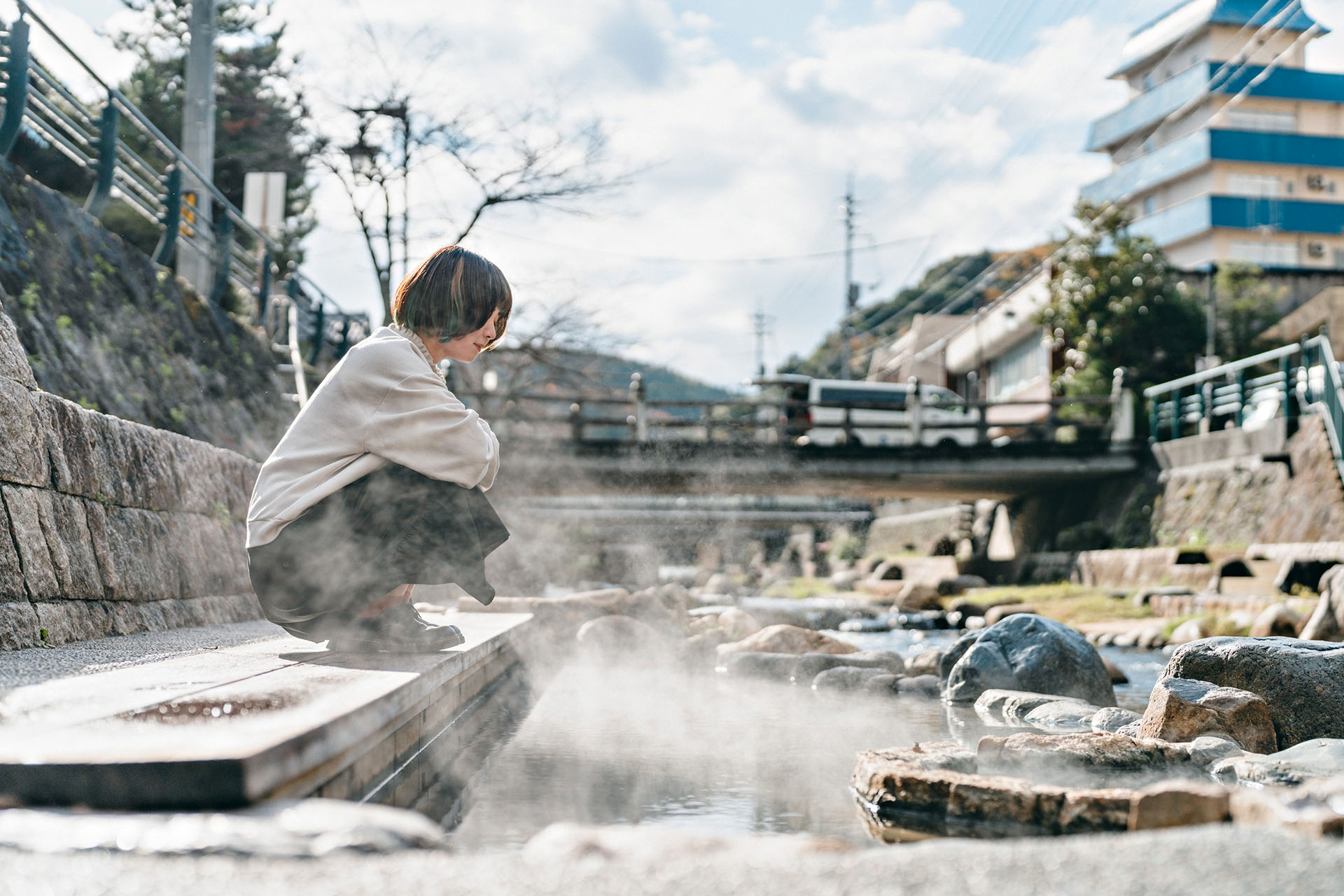
To avoid the walk of shame, check the tattoo policy before you go. If your ink is on the smaller side, you can always slap on a tattoo cover, which you can pick up at stores like Don Quijote. But if you’re rocking a full sleeve, your best bet is a private onsen, where you can bathe without worry. Or, find a tattoo-friendly onsen (yes, they exist!), and soak away without a care in the world.
So, there you have it—your irreverent guide to enjoying Japan’s onsen without making a cultural faux pas. Now strip down, scrub up, and soak in the experience like a local. Just don’t forget to leave your modesty (and your clothes) at the door.
“You’re going in there alone,” she declares, eyeing the entrance like it’s the gateway to hell. She’s got a point. Rats aren’t exactly the kind of creatures you’d expect to be welcomed into an air-conditioned building with fanfare. But here in Siem Reap, these rats are more celebrated than the Kardashians at a Botox convention.
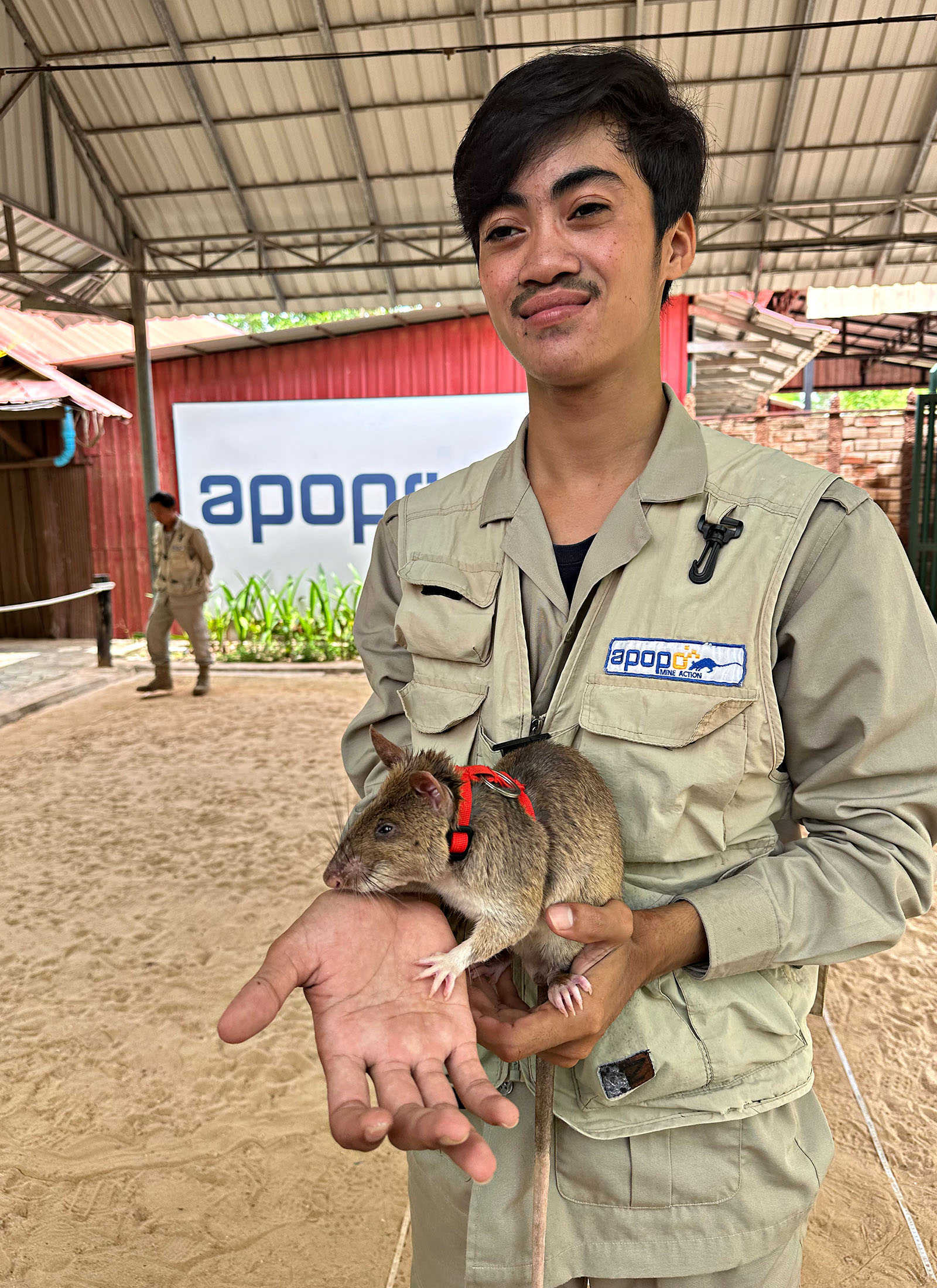
Inside, I’m greeted by a friendly guide who starts telling me about the heroics of a little rodent named Magawa. Now, if you’ve ever thought your cat was impressive for bringing you a dead bird, let me tell you, Magawa puts all cats to shame. This rat, who, mind you, weighed in at a hefty 1.5 kg, sniffed out nearly 150,000 landmines in his career. Yes, you heard that correctly. One rat. 150,000 explosives.
I’m led to a small observation area where the HeroRats do their thing. Our guide, Vangkeng, with the enthusiasm of someone who genuinely loves their job, explains how these rats are trained. “These are African giant pouched rats from Tanzania,” he says, leading me toward the training area. “They’re light enough that they won’t set off landmines, but they have an incredible sense of smell. They’re trained to detect TNT, and when they do, they scratch at the ground to let us know they’ve found something.”
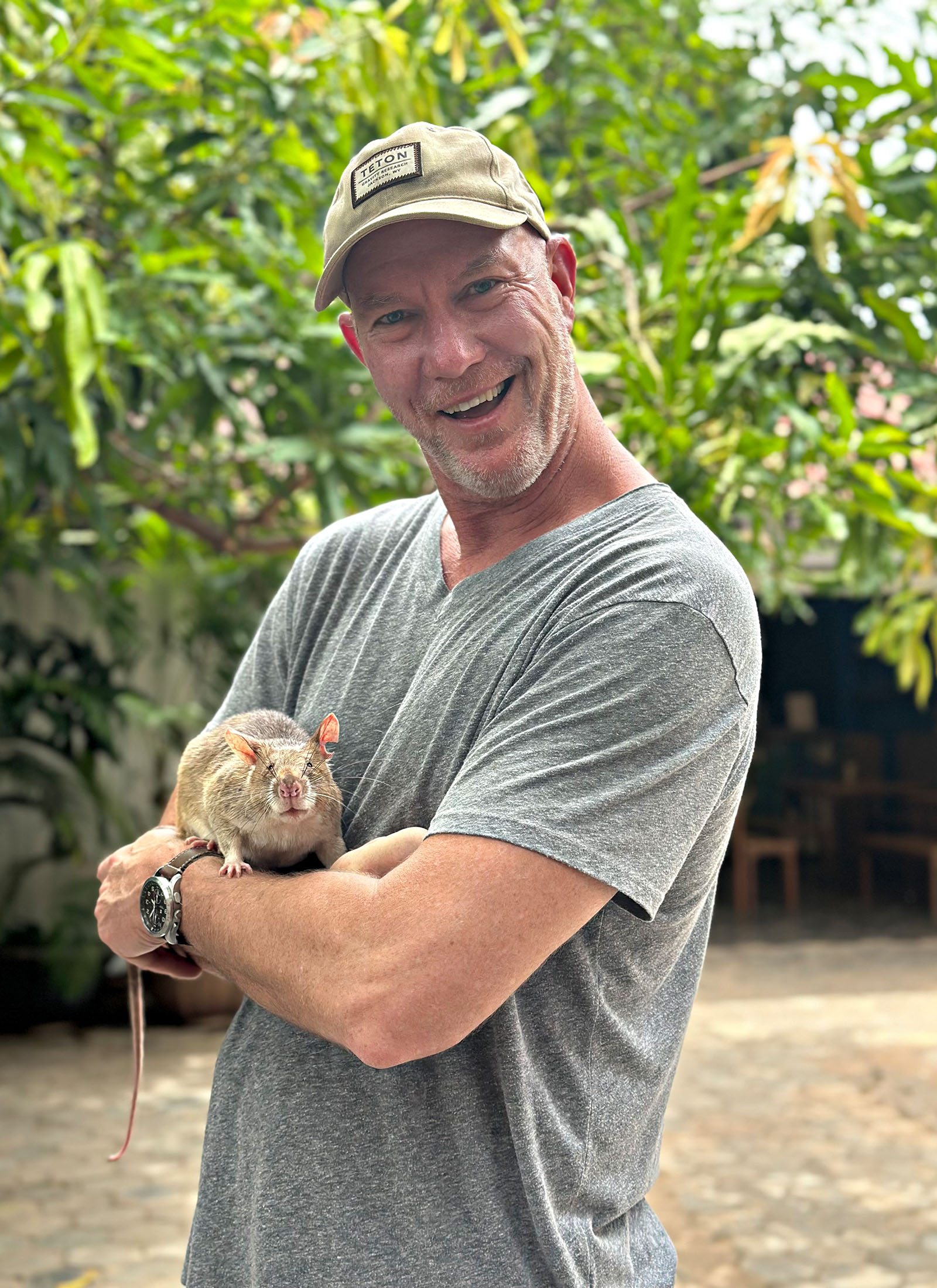
It’s not like they’re out there defusing bombs with tiny wire cutters; they’re not James Bond in fur coats. Instead, they’re using their incredible sense of smell to detect TNT in landmines, earning their breakfast one sniff at a time.
I’m watching one of these little rats named Ratana go to work. Ratana’s sniffing around, stopping every now and then like he’s just caught a whiff of something interesting. And when he finds a landmine? He scratches at the ground, signaling his human handler to step in and deal with the nasty little surprise buried underneath. It’s like the world’s most dangerous game of hide-and-seek, and these rats are undefeated champions.

Vangkeng tells me about the impact these rats have had on landmine detection in countries like Cambodia. They’ve saved countless lives by clearing areas that were once no-go zones. And while traditional methods of mine detection are slow and expensive, these rats are getting the job done quicker and cheaper. Who knew that something so tiny could have such a huge impact? It’s enough to make you rethink every bad thing you’ve ever said about rats.
Meanwhile, I can’t help but imagine what my wife is doing outside. Probably Googling “Rats in Siem Reap” and ordering an industrial-strength can of Raid for when I get back. But she’s missing out. Because as much as rats might give her the creeps, these HeroRats are absolute legends. The GOAT of rats, Magawa even received a medal for his life-saving bravery!

As I leave the Centre, I find my wife standing a good 50 feet from the entrance, arms crossed and foot tapping. “So, how was it?” she asks, still clearly not sold on the whole idea of rat heroics.
“Incredible,” I say, trying to downplay the fact that I’m a little starstruck by a rodent. “You missed out on meeting the rat equivalent of Superman.”
She rolls her eyes. “I’ll take your word for it. But if you start bringing rats home as pets, we’re going to have a problem.”
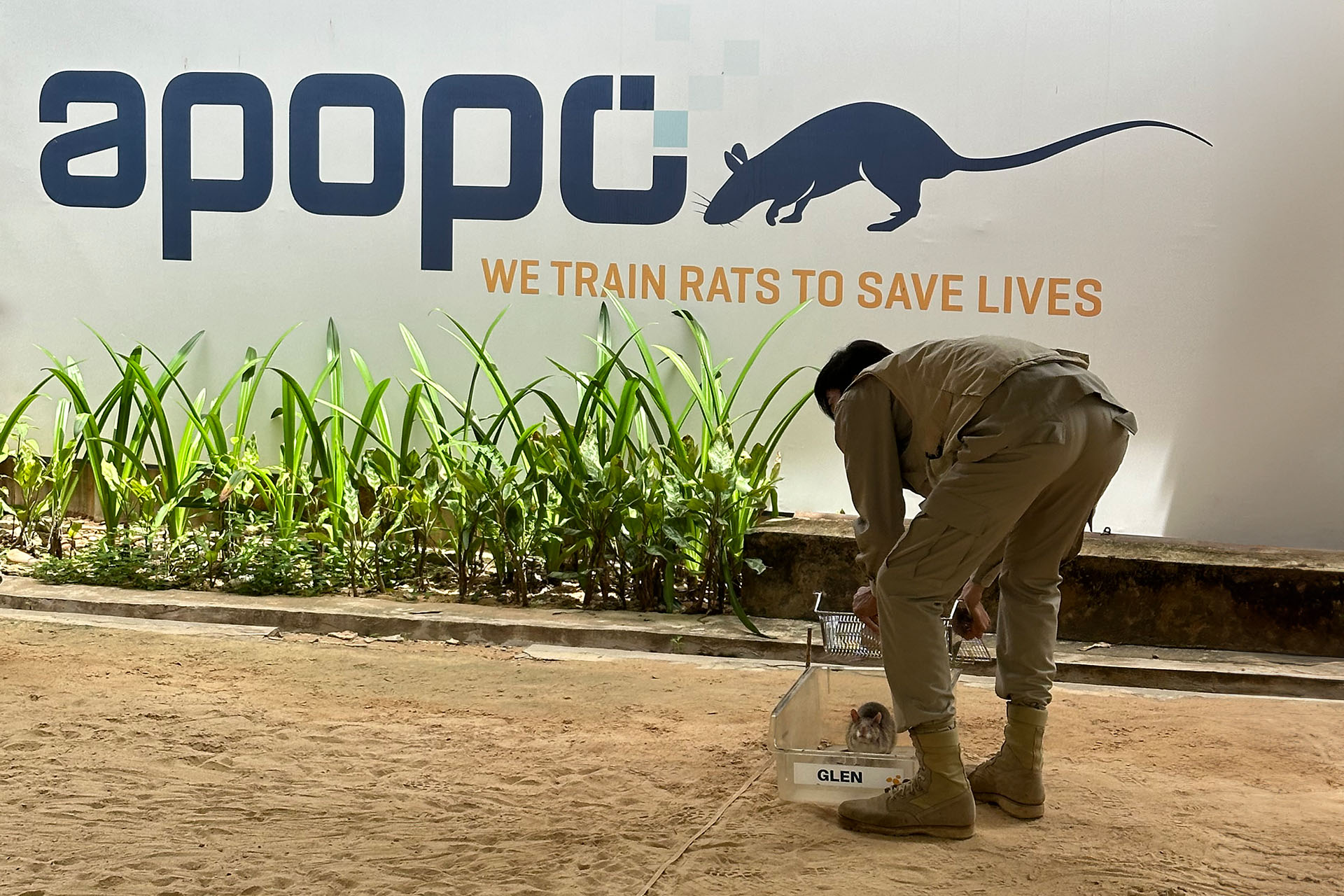
Fair enough. But as we walk away from the APOPO Centre, I can’t help but think about the lives these rats have saved and continue to save. They might not be the cuddliest creatures around, but they’re doing a job that’s both vital and dangerous. And if that doesn’t earn them a bit of respect, I don’t know what does.
Click play to watch
The Democratic People’s Republic of Korea (DPRK), otherwise known as North Korea, were the first country to close its doors due to the COVID pandemic. Now, almost five years later, they’ve just re-opened, allowing the tourists to flock to the traditional travel hotspot known for its nightlife and freedom of expression.

Chinese tour companies have begun operating there once again, with tours available to people from pretty much all nationalities, as long as it is through one of those selected companies.
We at get lost predict one day, probably in the very distant future, North Korea will have its travel boom. Travellers will be curious to go – borrowing a term from 1989 – ‘behind the curtain’, and discover life in this mysterious hermit country. Volcanic mountains and decent ski/snowboarding are top of the list, and the very few who have visited have spoken about a cuisine completely untouched by western influence.

But that all would need to wait until the Kim dynasty finishes up, which doesn’t look like happening any time soon.
The Australian Department of Foreign Affairs (DFAT) Smart Traveller website has a “do not travel” note in place for North Korea. get lost is all for travel to far-flung places, but we agree with this warning – travel to North Korea is still under extremely tight restrictions, and any money that goes into a tour goes toward supporting an oppressive, totalitarian dictatorship.

1. Jeans are illegal. Everywhere. Leave your Levis and Dejours at home.
2.Construction of the Ryugyong Hotel, the 1,080 foot pyramid-shaped skyscraper which dominates Pyongyang’s skyline began in in August 1987. It has never been finished. The North Korean Government is allegedly looking to turn it into a casino.
3. The Masikryong Ski Resort is the country’s first ski resort, and supposedly has some pretty decent slopes. The resort, which we visited about 10 years ago, has been described as a “prestigious propaganda project for the regime.”
4. Paektu Mountain, shared with China, is the country’s highest point. It last erupted in 1903.
5. Air Koryo is the country’s official, and only, commercial airline.