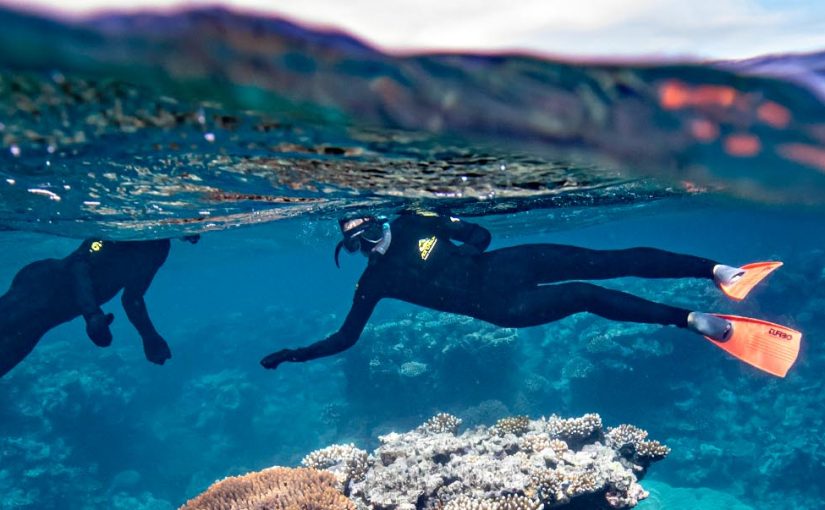
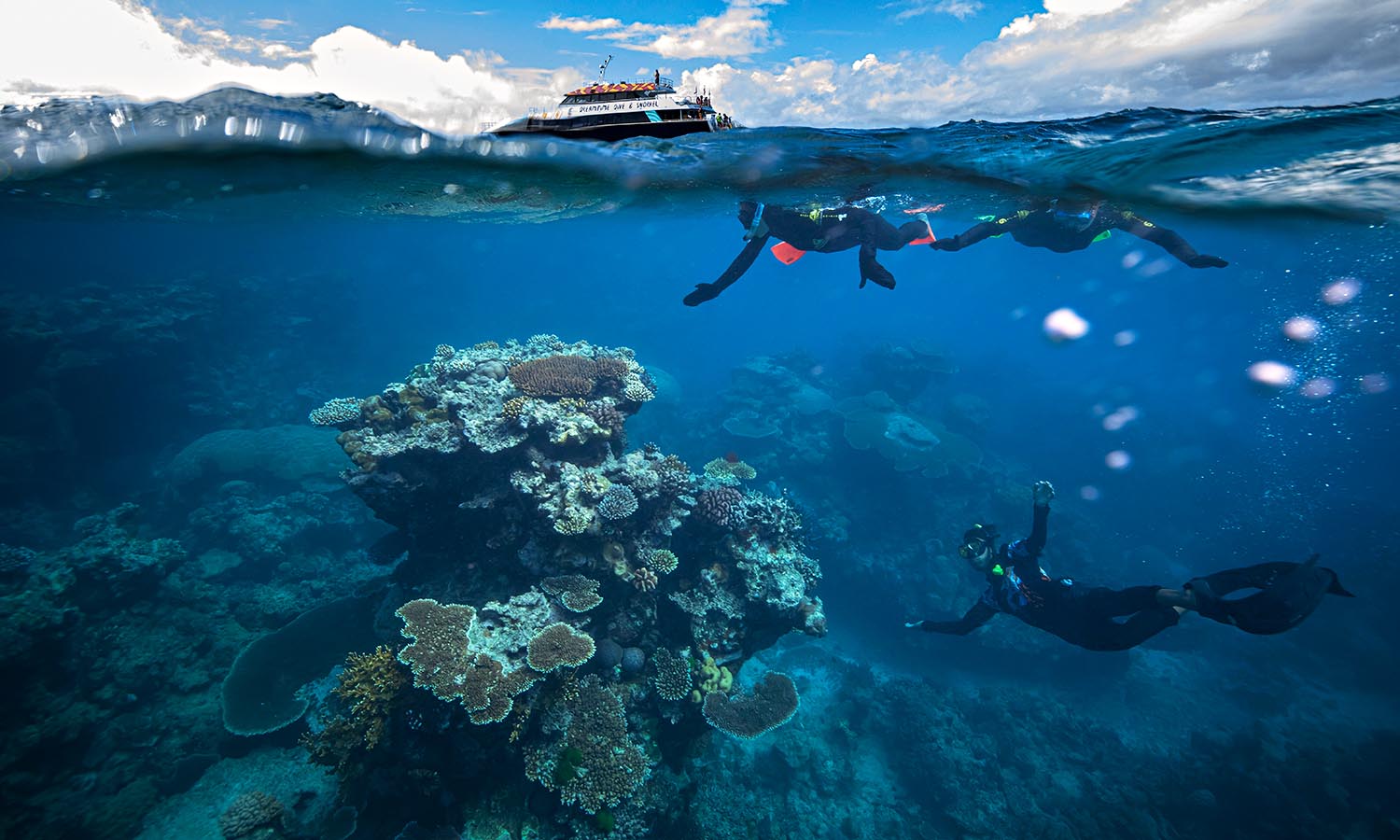
Explore pristine coral reefs and learn about the world’s oldest living culture in Gunggandji Sea Country, Queensland with Dreamtime Dive + Snorkel.
Traditional custodians have passed down their Dreamtime stories over tens of thousands of years including fascinating stories about Australia’s most amazing marine life. The Gunggandji Sea Country experience gives travellers the unique opportunity to gain an insight into a diverse ecosystem on two premium outer reef sites from traditional landowners.
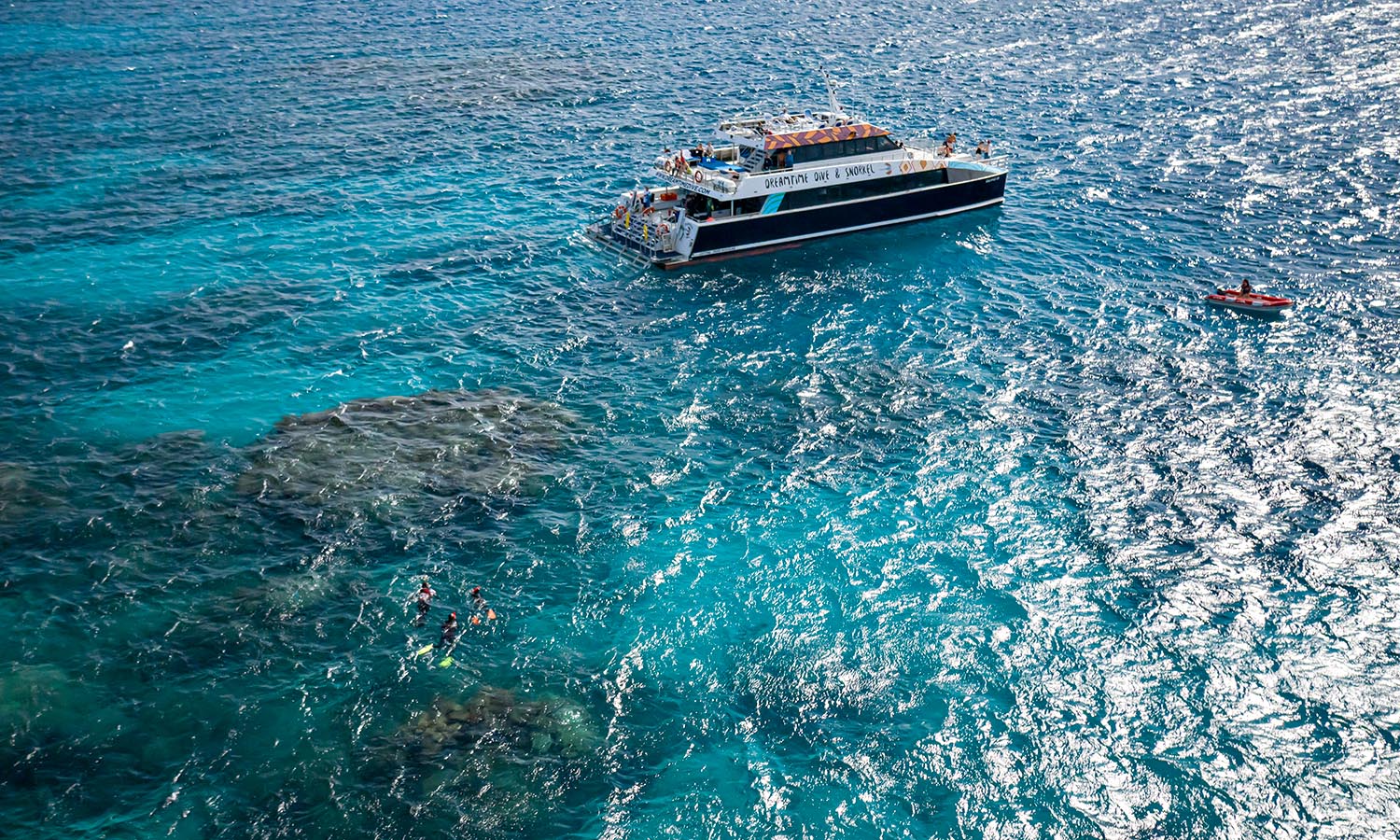
Milln, Flynn and Thetford Reef, located on Gunggandji Sea Country are home to some of the most idyllic snorkelling and diving on the Great Barrier Reef. Travellers can snorkel right off the boat, join a guided snorkel tour or even try an introductory scuba dive. These reefs are chosen for their superior coral quality, colour and overall diversity of reef life.
Located further off-shore away from coastal rivers and streams, outer reefs are found in clean coral sea water with higher coral densities and less sediment (sand) resulting in maximum water clarity in all weather conditions. The Outer Reef Wall is a renowned dive location by local dive enthusiasts and keen snorkelers and reaches depths of over 30 metres.
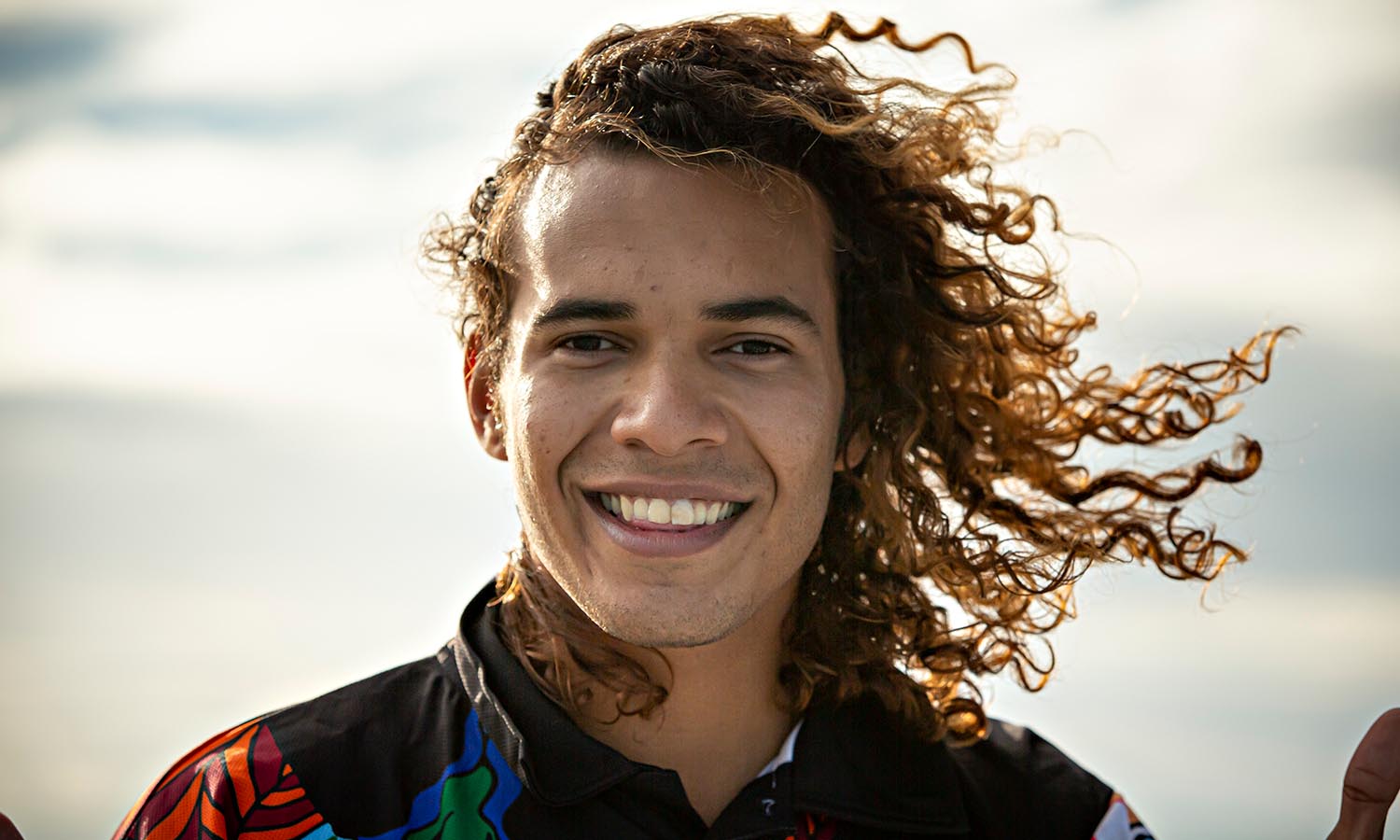
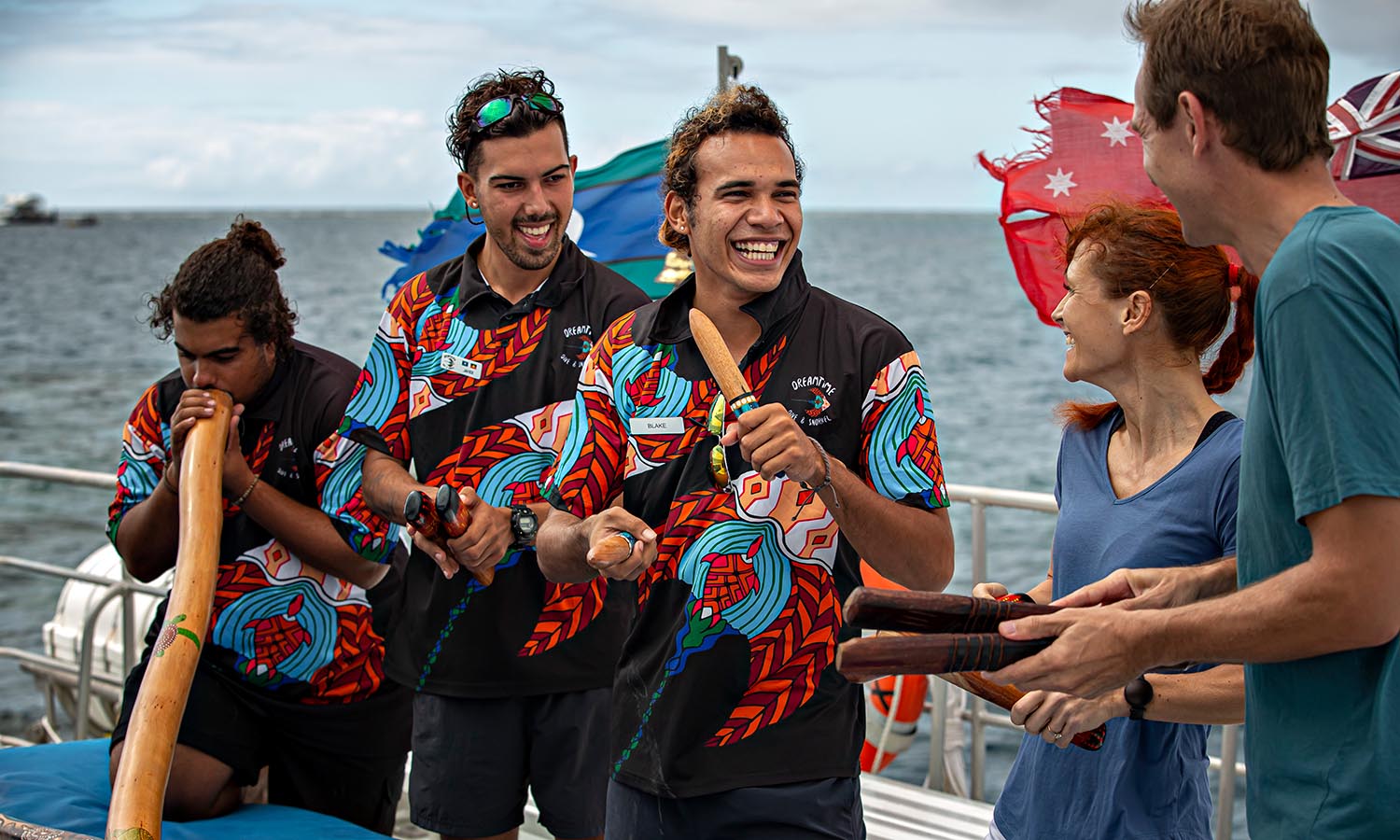
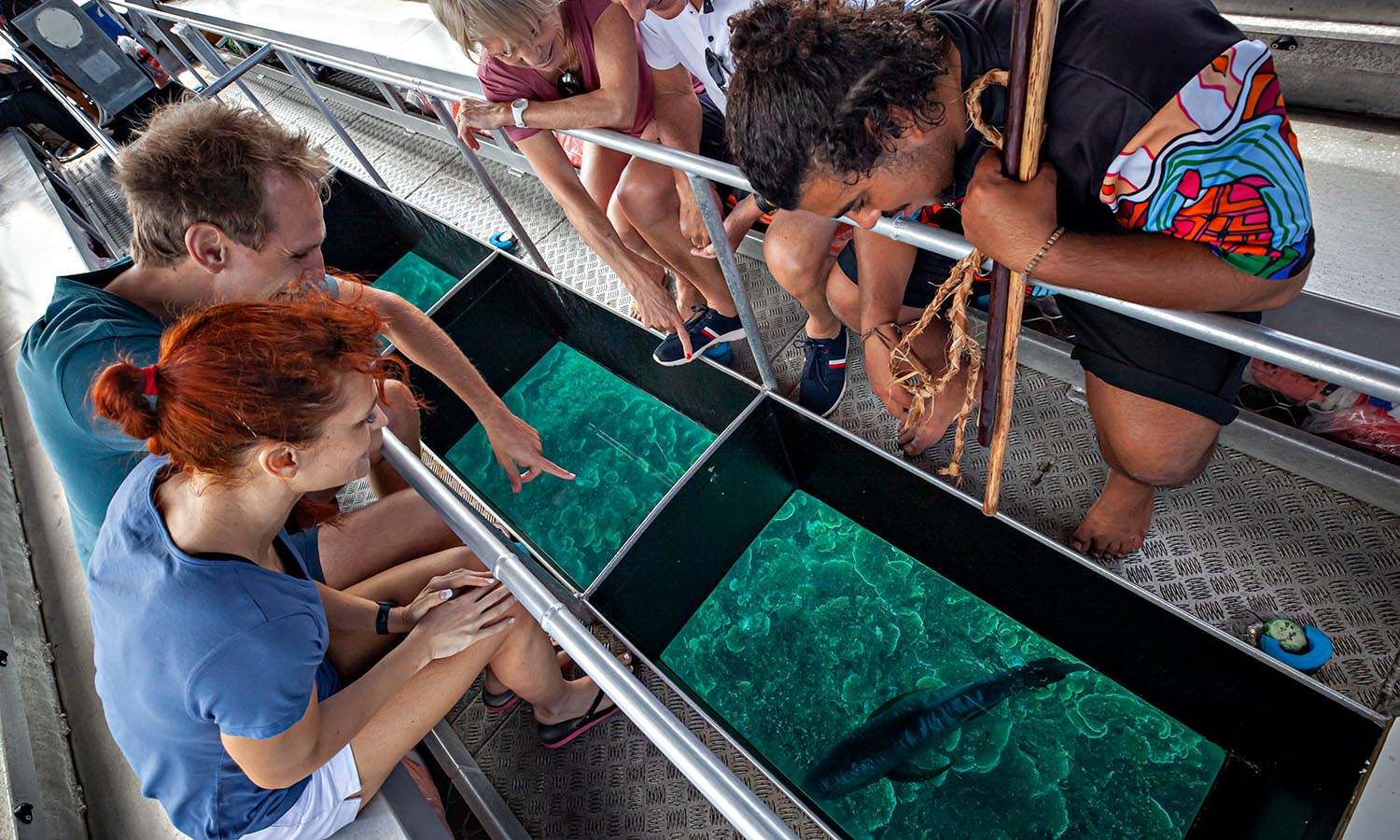
You’ll be in good hands with the guides who have a special connection to the country, an insider’s knowledge of the reef, and a passion for sustainable tourism and educational adventures. After visiting the reefs, enjoy a live demonstration of traditional dance, and didgeridoo performance on the land. Dreamtime is the only Great Barrier Reef cruise that allows guests to interact with original clap sticks, and fire poles.
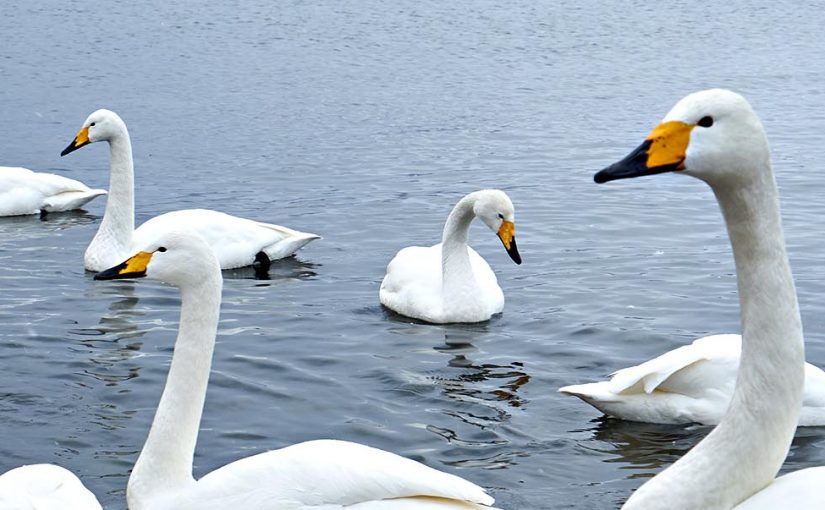
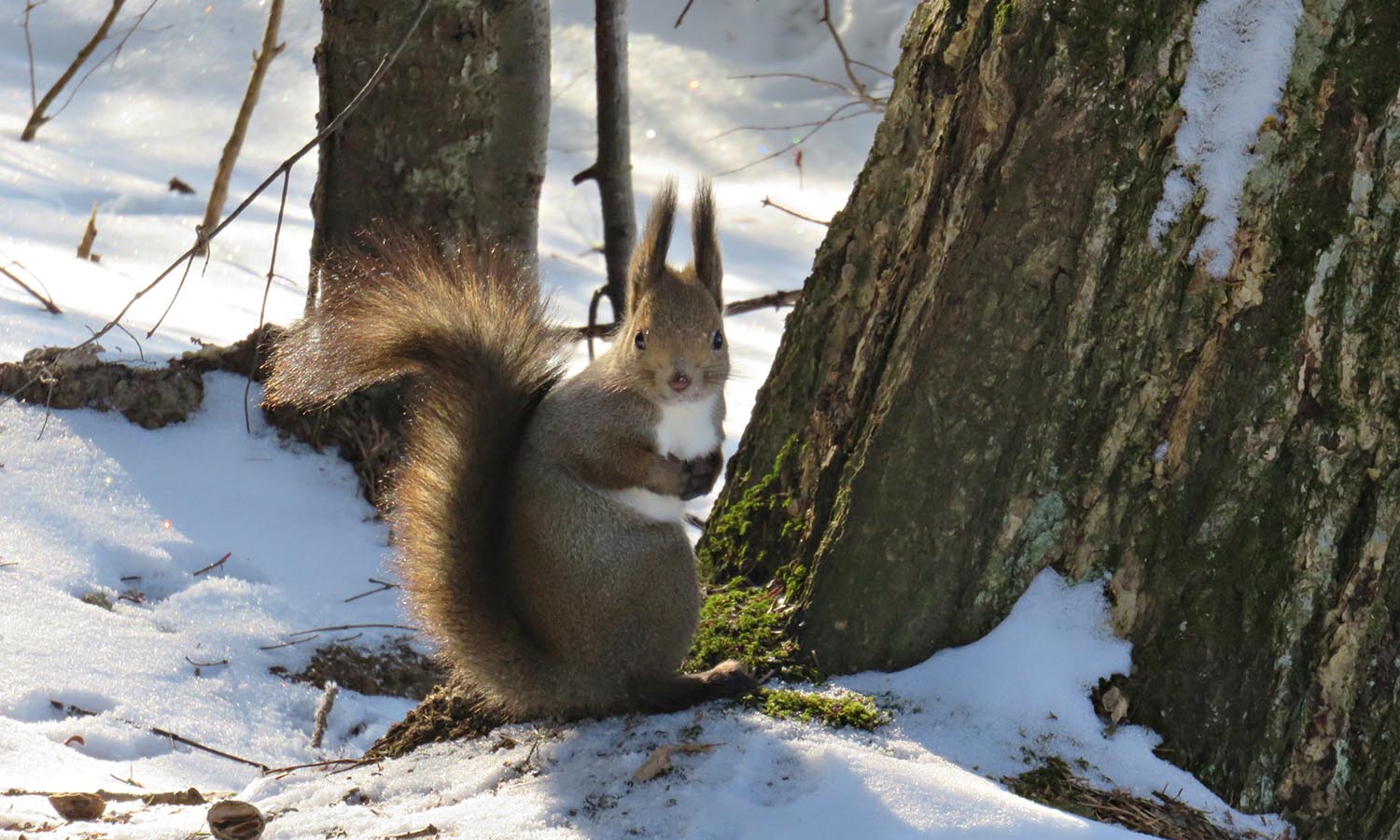
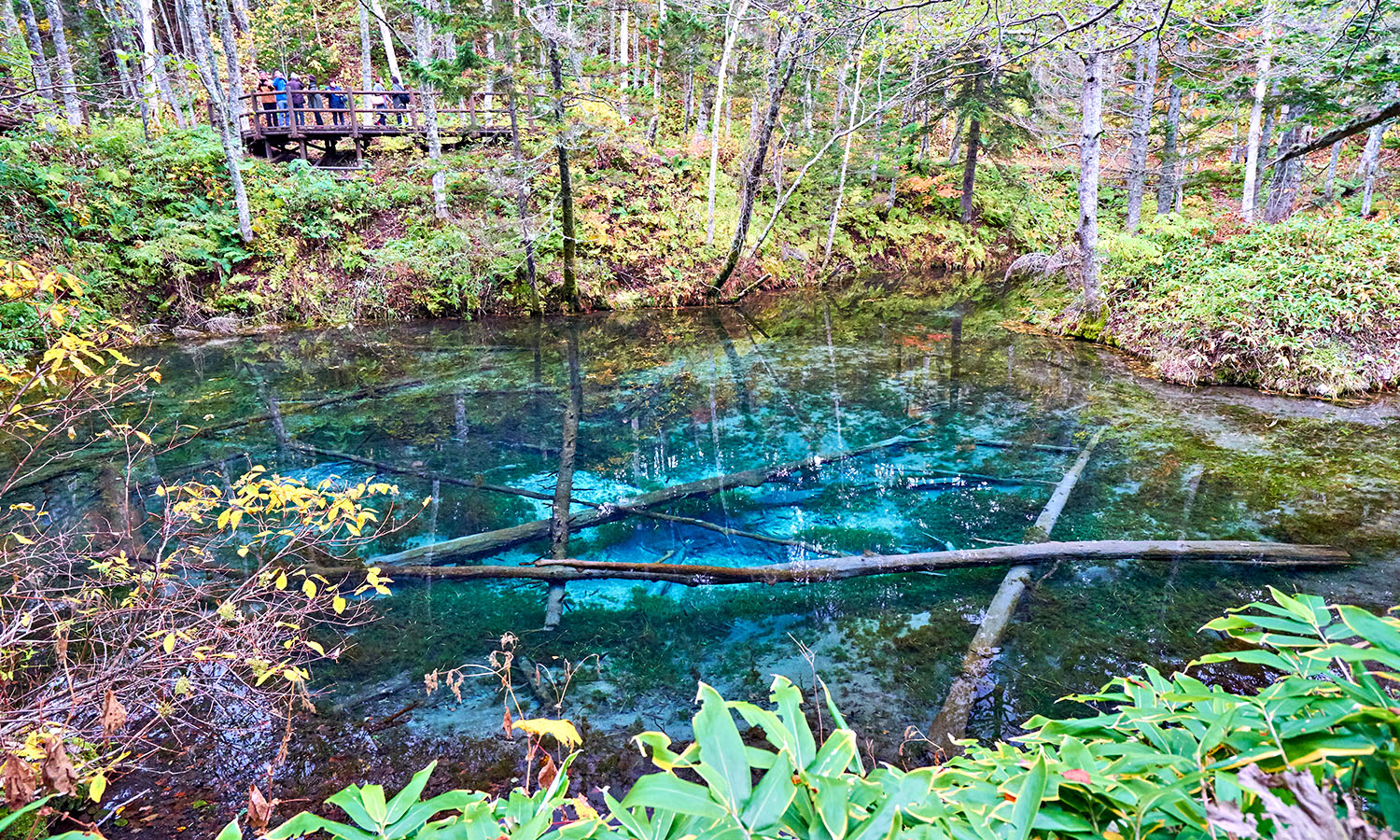
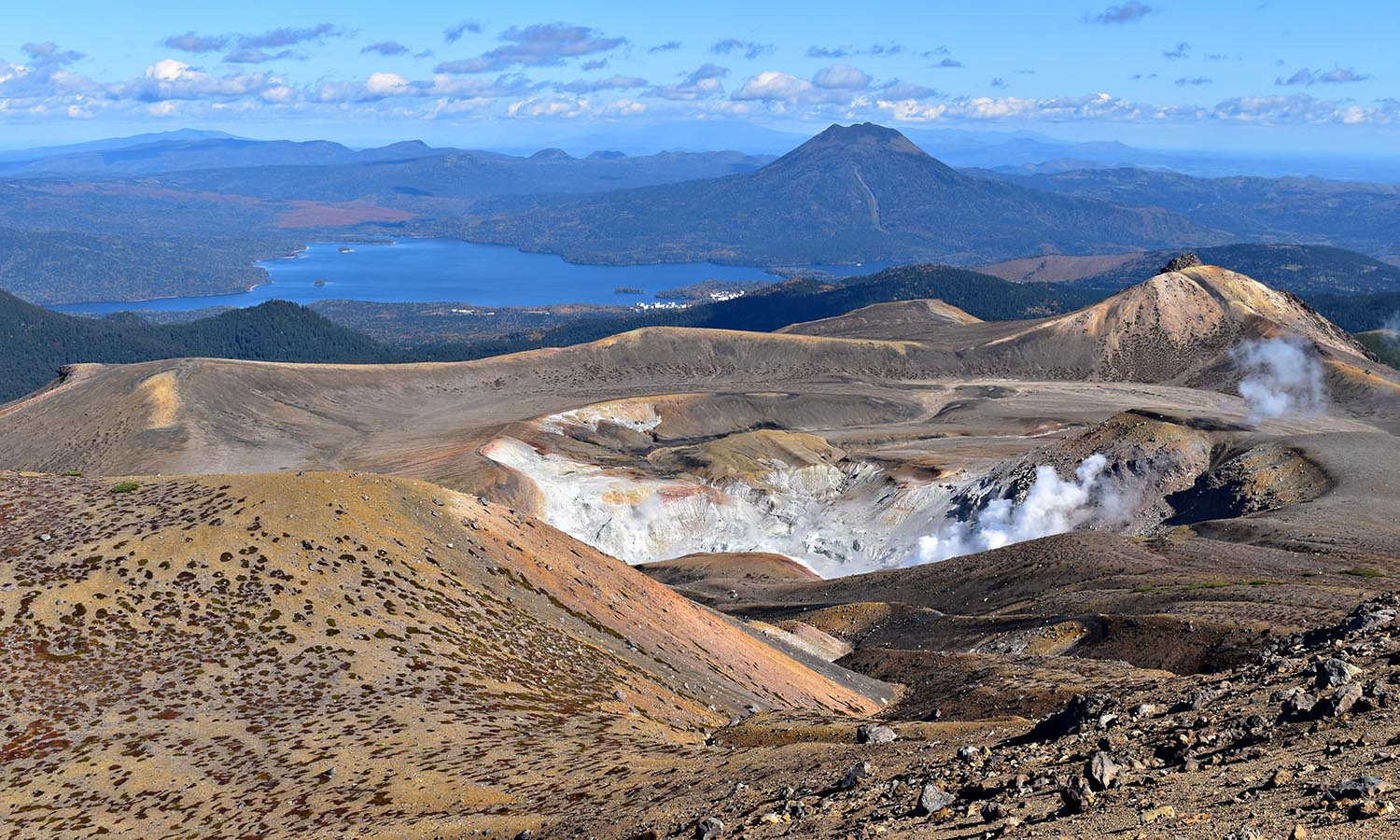
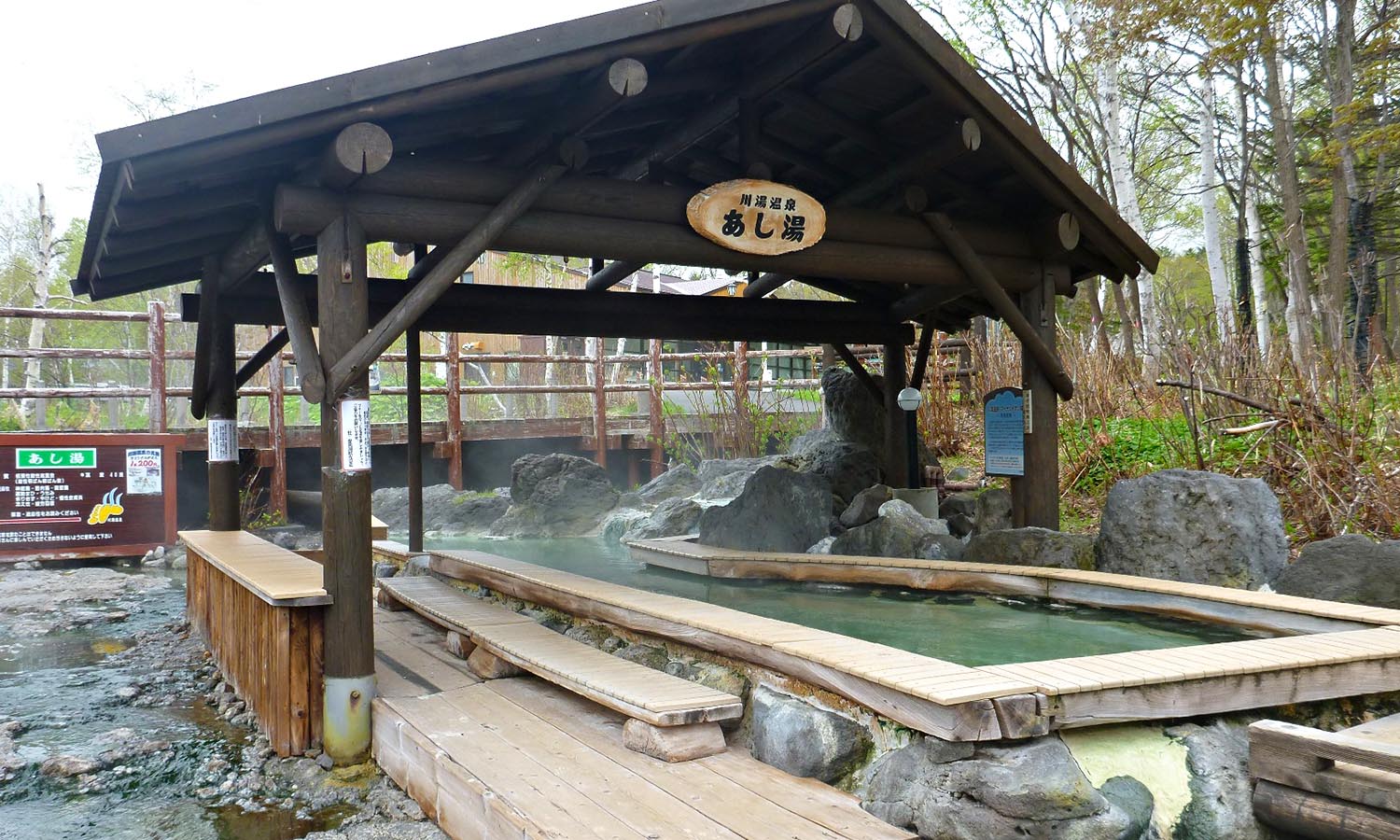
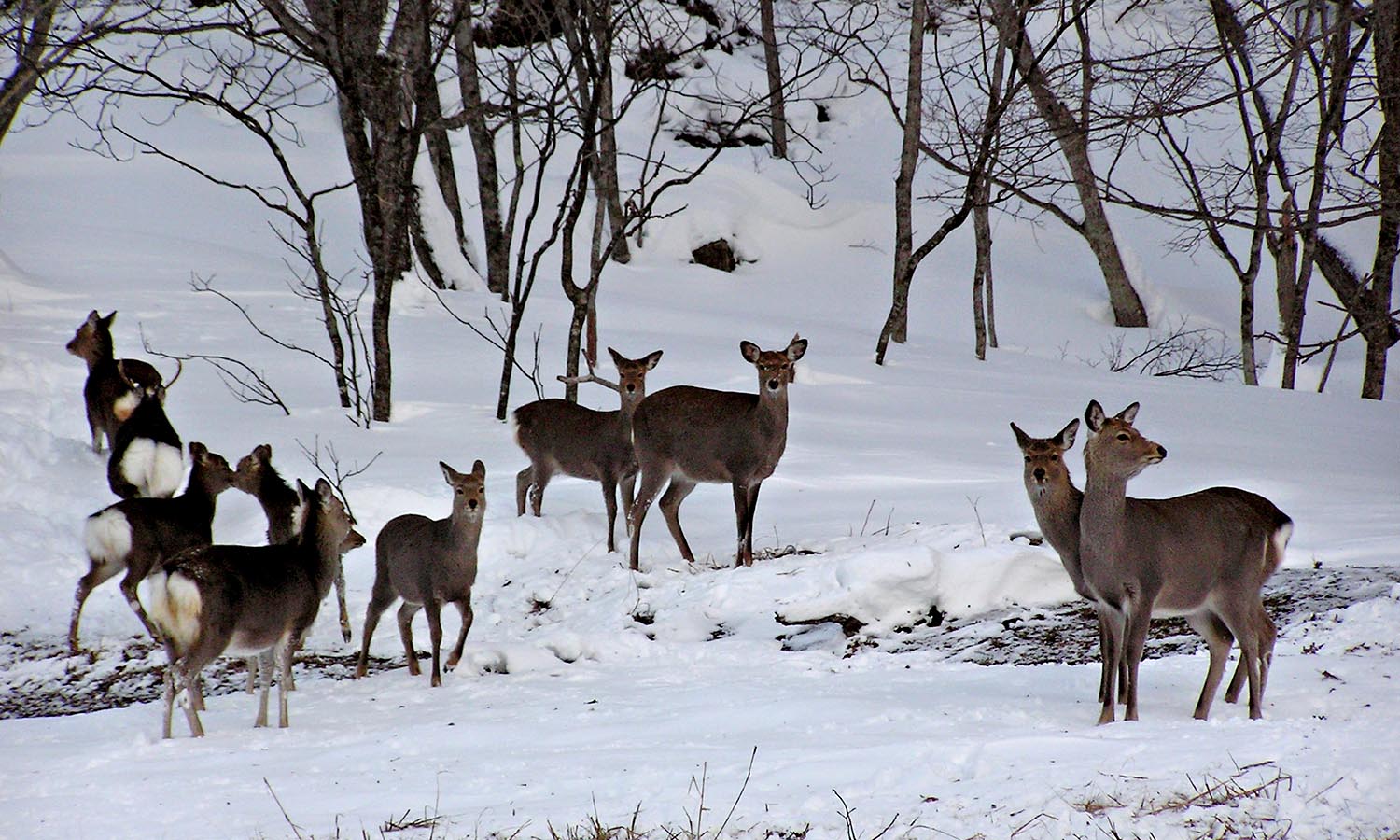
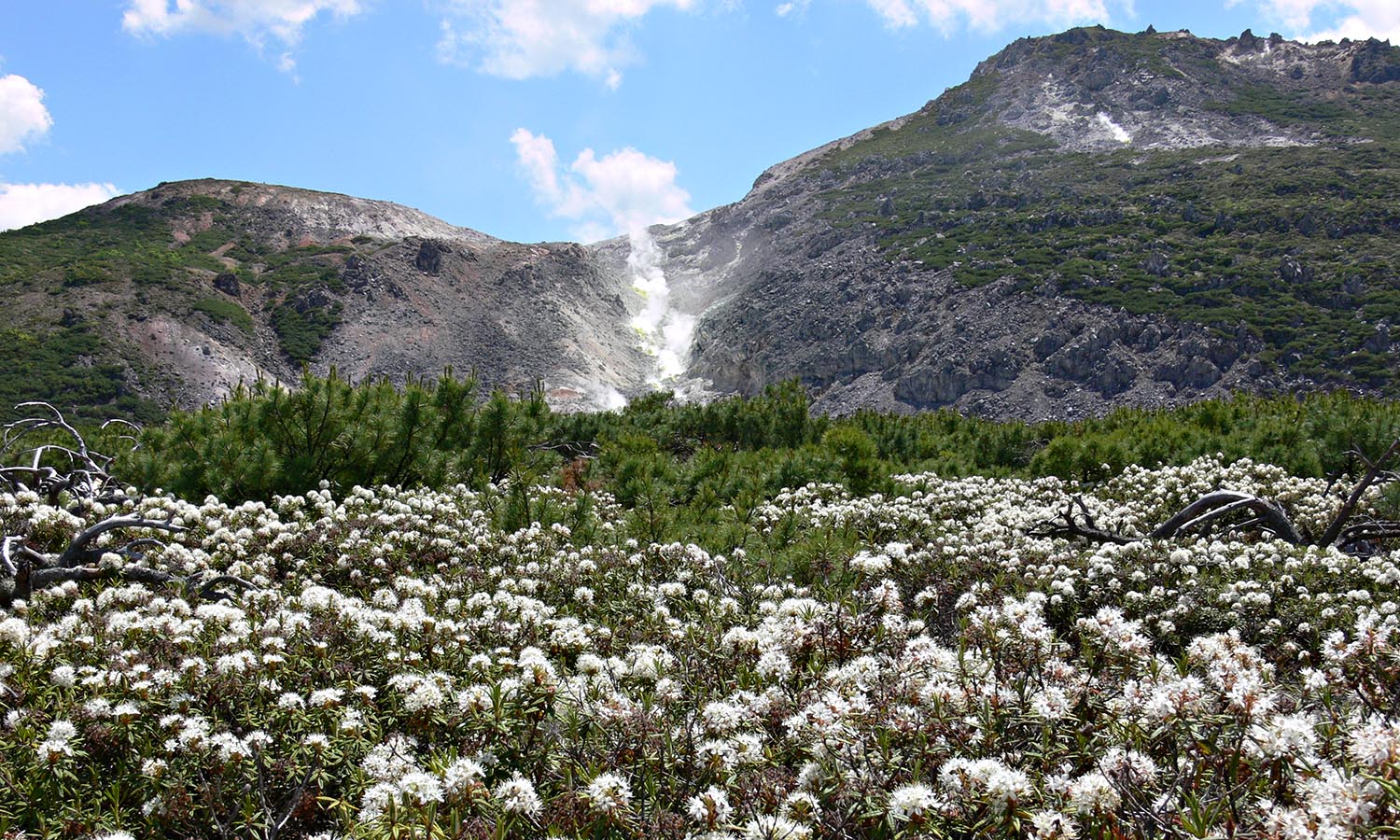
Located in Japan’s northern island, eastern Hokkaido, surrounded by stunning mountains, ancient volcanos, lush forests and crystal blue waters is Akan Mashu National Park.
Along with Daisetsuzan National Park, Akan Mashu National Park is the oldest national park in Hokkaido and boasts the longest history of any national parks in Japan’s northern island. The park features diverse terrains formed by volcanic activity, and is separated into Lake Akan and Lake Kussharo and there’s plenty to see and do.
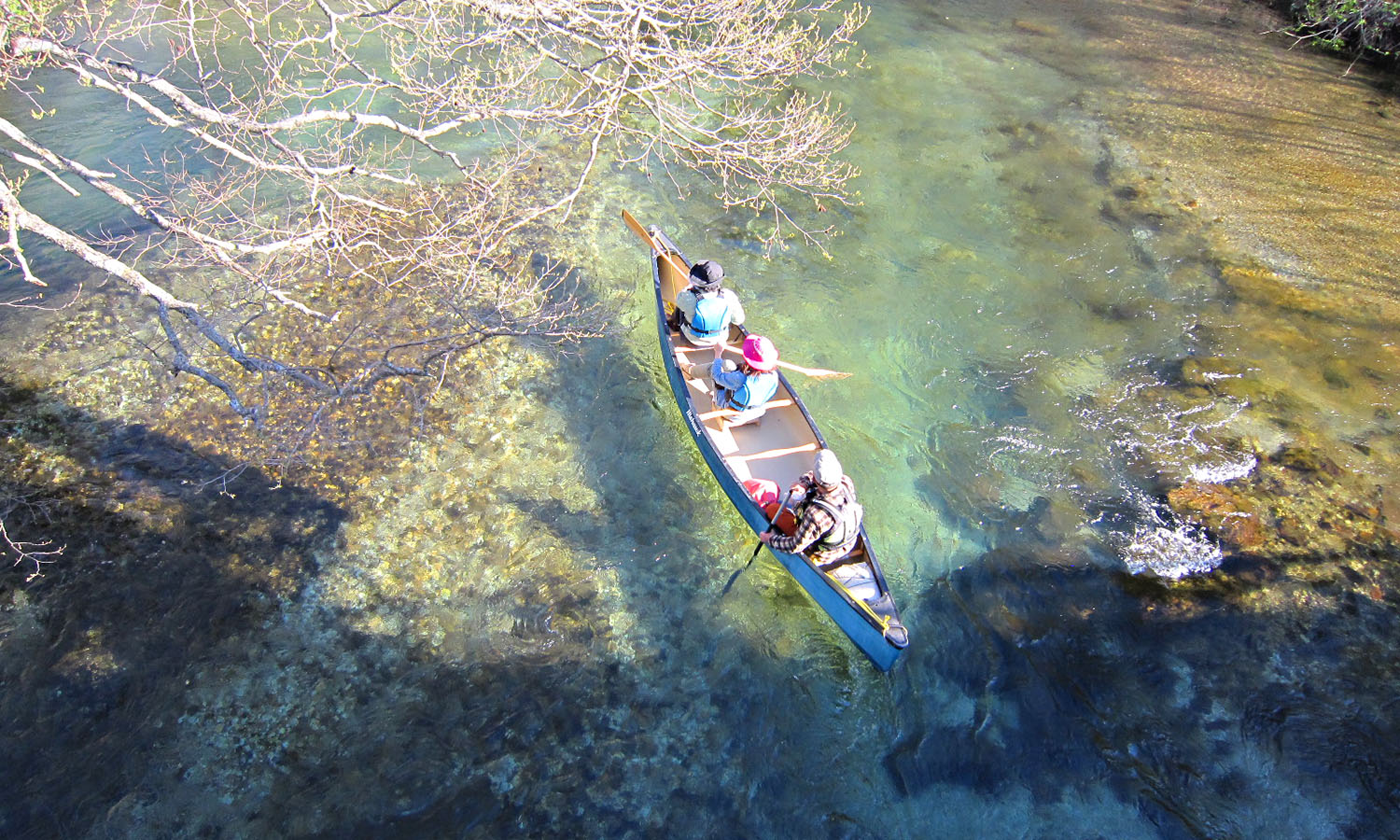
For those with energy to burn can saddle up for a 180 minute downhill cycle starting at Uramashu Observatory, or tour Kussharo Caldera, Mt. Io, and Lake Kussharo. There’s also canoeing, and snowshoeing, or for the more refined traveller, there’s cooking classes and even pottery utilising earth taken from the volcano.
The culture of the Ainu people (the native people of Hokkaido), is also an intriguing highlight and their lifestyle and culture can be experienced at Akanko Ainu Kotan village and Kussharo Kotan village.
For a dose of relaxation and therapeutics, a walk in the woods around the base of Hokkaido’s only forest therapy is a must. You can even make your own aromatic distilled water using tree leaves gathered in the woods.
To finish things off, the world’s first ever night walking tour at a national park is compulsory viewing. A digital reproduction of the Ainu legend, the “Tale of the Owl and the Jay” comes to life on a nighttime stage in the woods of Lake Akan. Under the supervision of the local Ainu people, this walking tour is based on indigenous Ainu legends and highlights the importance of living in harmony with nature; and right about now this couldn’t be a more important message.
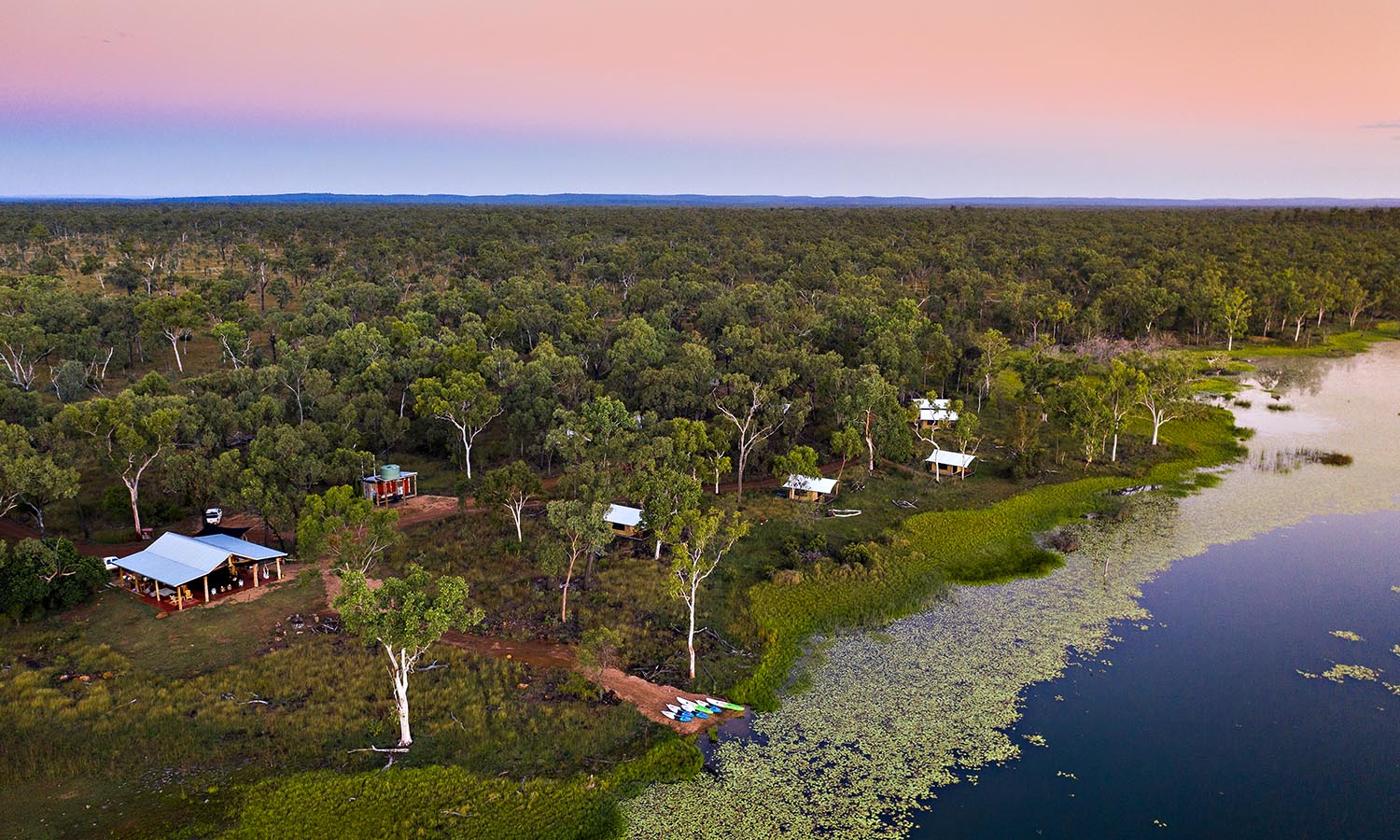
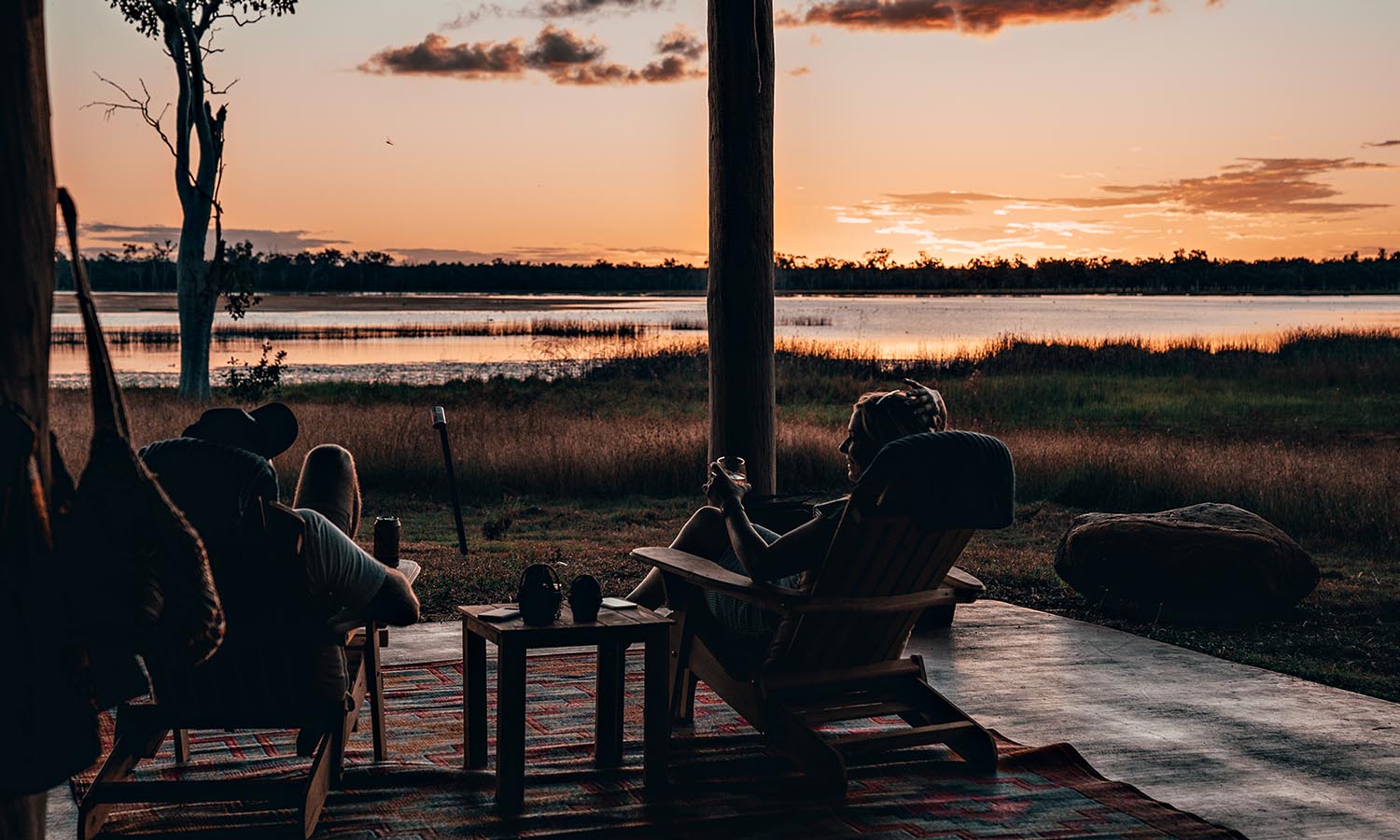
It starts with a four-hour drive from Cairns, heading southwest to the Gulf Savannah. Once there, you’ll be welcomed to the country by local Gugu Badhun people and delivered to MacEacherns Camp, your home for the next four nights.
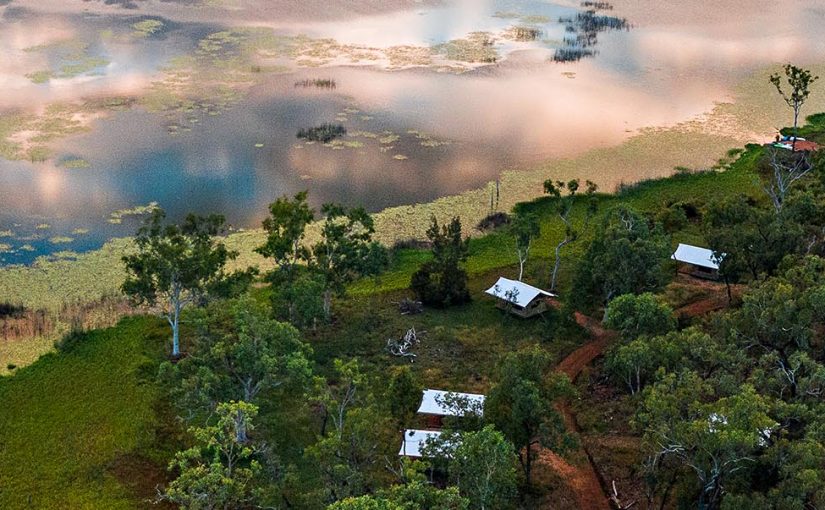
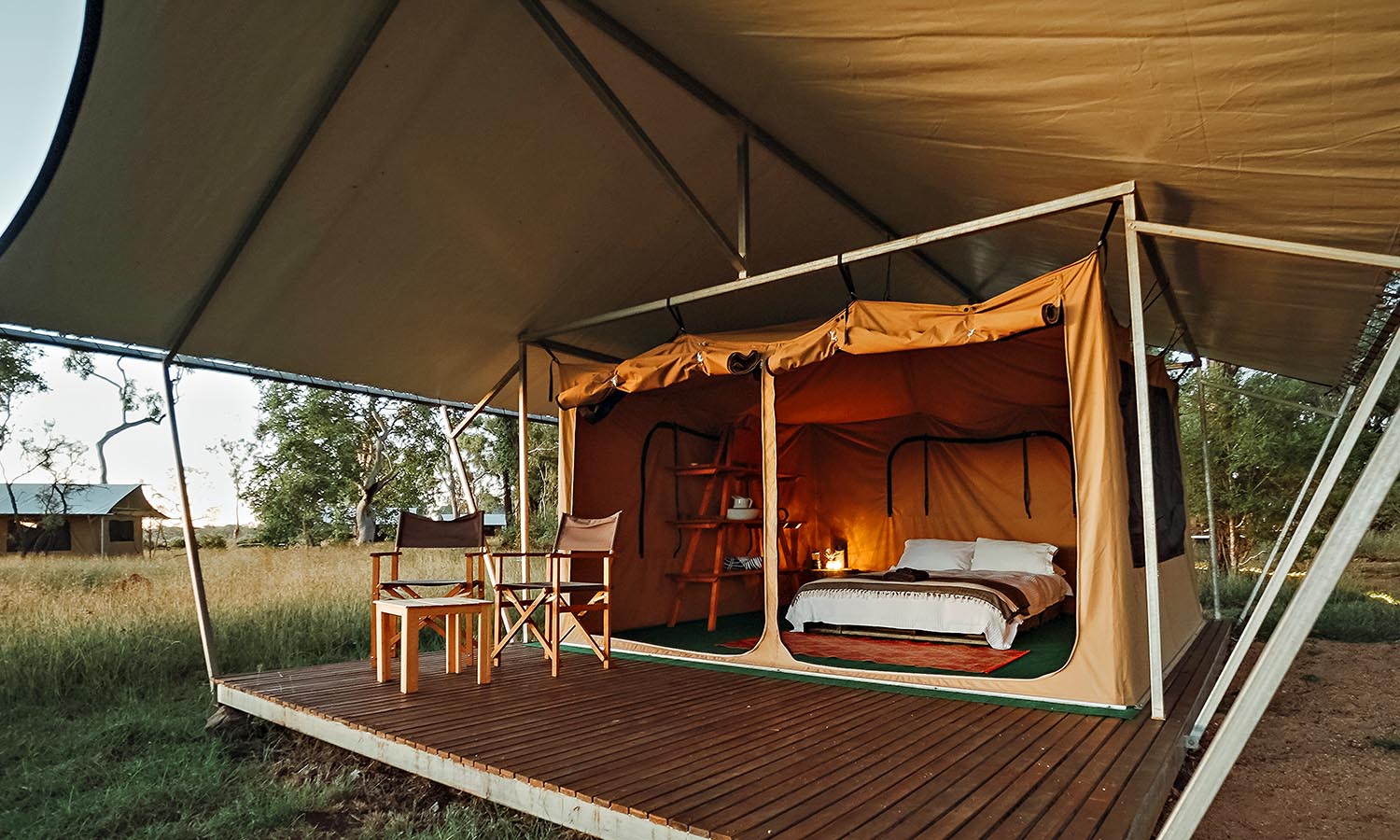
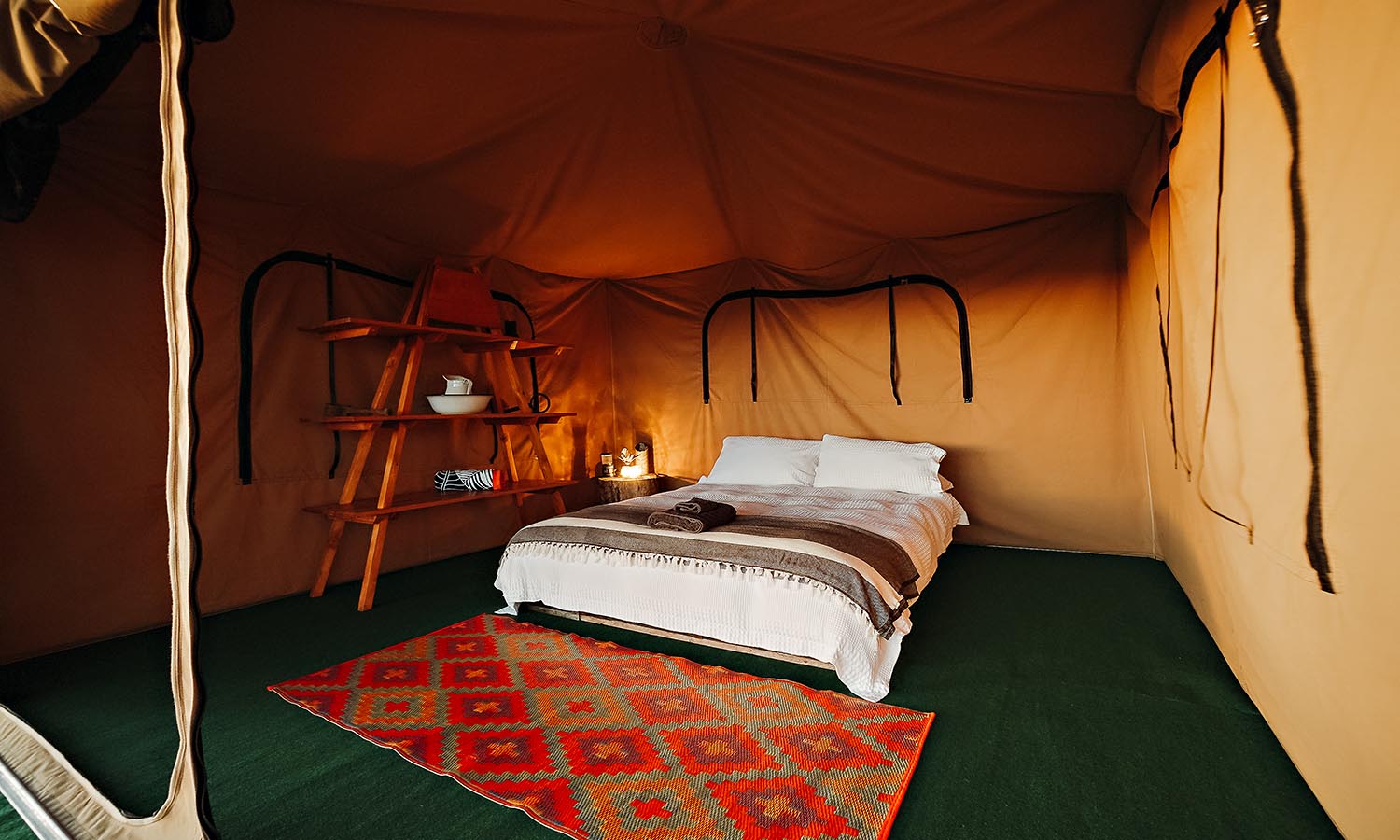
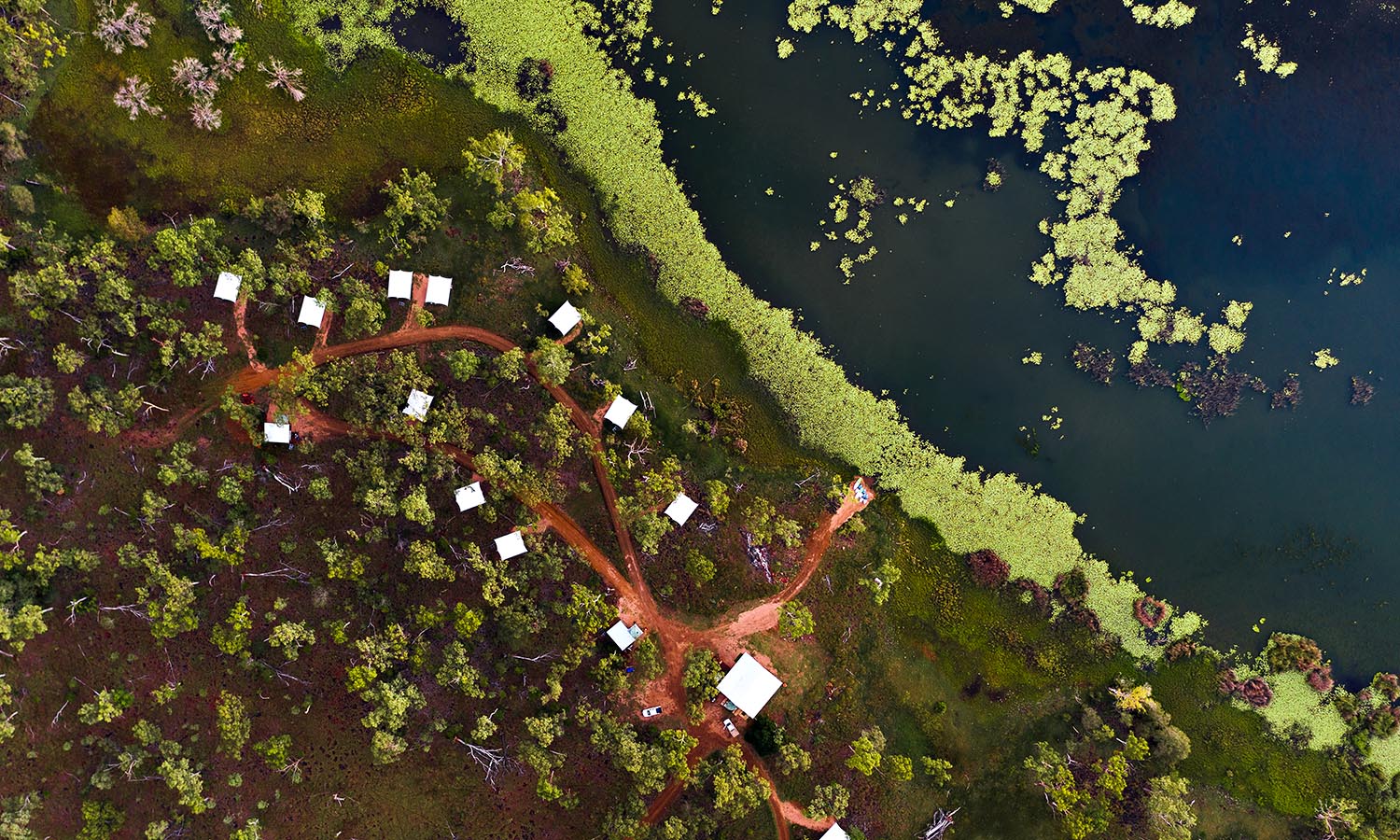
MacEacherns Camp is set on the 70,000 acre Kinrara Station where you will settle into a safari tent, complete with queen-size pillowtop bed and hot shower, on the edge of the wetlands then be ready to explore this immense landscape. Spend most of the day adventuring – swimming in waterfalls, kayaking, birdwatching, hiking, visiting the homestead – interspersed with excellent meals back at camp.
If you want to experience a slice of remote Australia, this is an amazing experience and the cherry on top is that it’s open to just 12 guests at a time during fewer than a dozen expeditions each year.
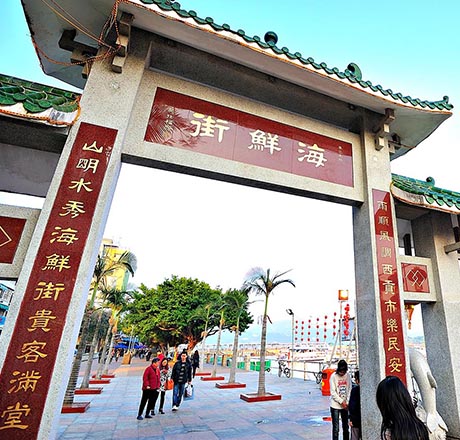
Known for its fishing villages, stunning scenery, hiking trails, beaches, islands, geological formations and laid-back vibe, Sai Kung, in the New Territories east coast is known as the back garden of Hong Kong.
With stunning views of the city, this former fishing village has become quiet-the -destination for adventurers and water sport enthusiasts who come to hike, snorkel, dive and kayak in its its idyllic beaches. Not only do the outdoor types flock here, Sai Kung is also a haven for foodies and shoppers with literally something for everyone. You’ll find everything from dim sum, Michelin restaurants (Loaf On), Thai, to Miss Hui Homemade Steamed Bun. Don’t like Asian food? There’s even a British restaurant.
For all you caffeine addicts there’s Little Cove Espresso, an Australian coffee shop serving bulletproof coffee, organic colas and Mediterranean dishes. For something heavier, there is even a craft brew house called The Bottle Shop.
For shopping enthusiasts you’ll find everything from knick-knacks, designer clothes, boutique stores, handcrafts stores, Japanese grocery stores, to Hong Kong’s first zero-waste grocery store Live Zero.
Once you’ve had your fill eating and shopping, it’s time to head for the beach. One of the most accessible beaches in Sai Kung is Trio Beach. You’ll find it behind the Hebe Haven harbour that can be reached via a 30-minute hike from Hebe Haven (Pak Sha Wan). There’s showers and lifeguard towers on-site, and beach snack stalls.
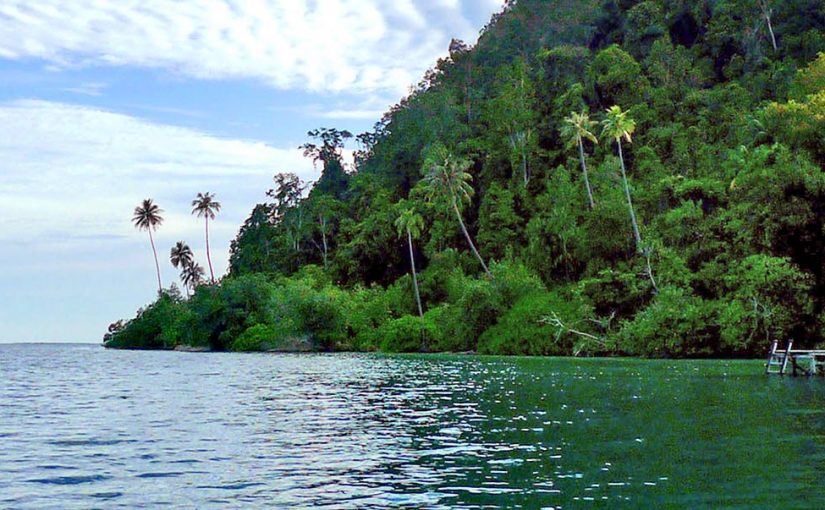
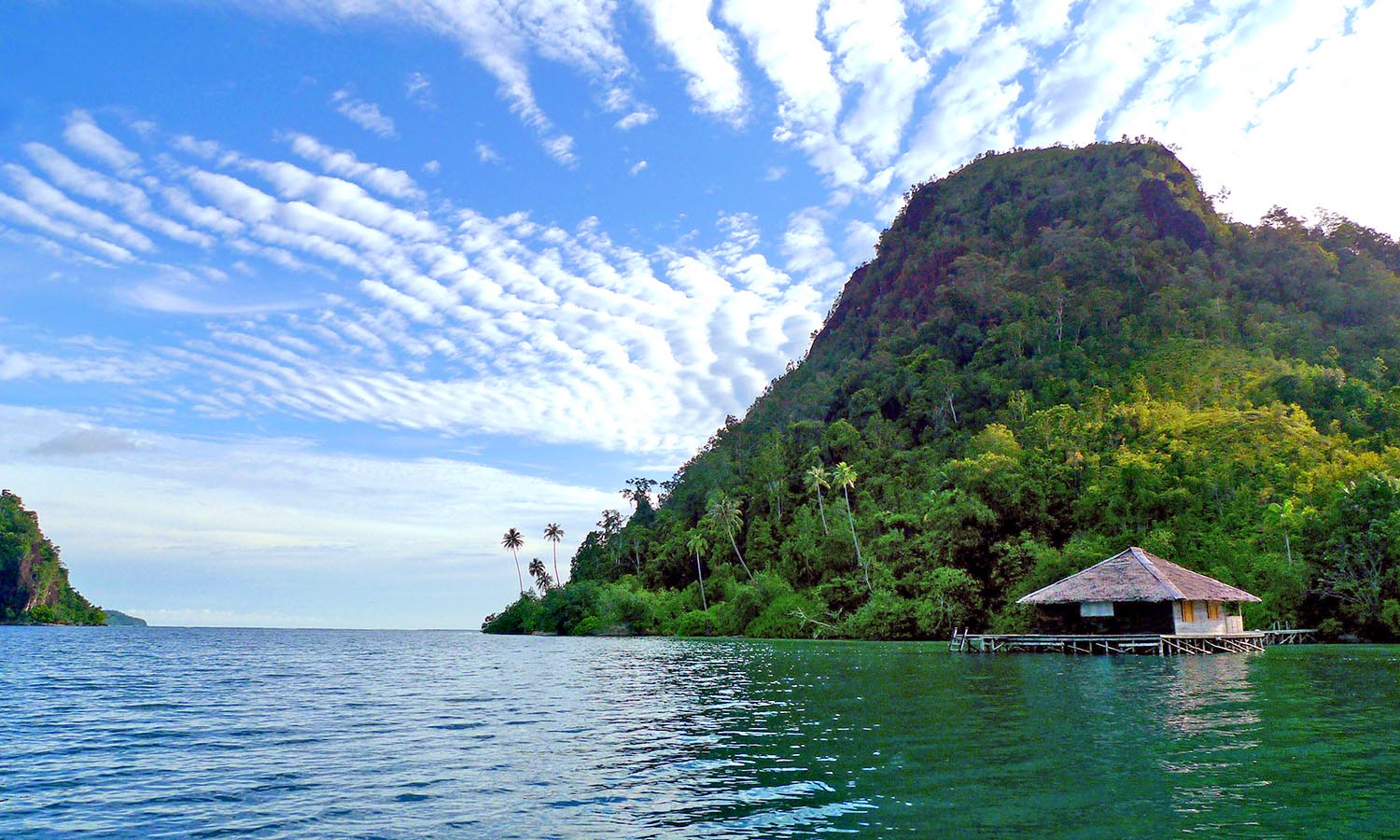
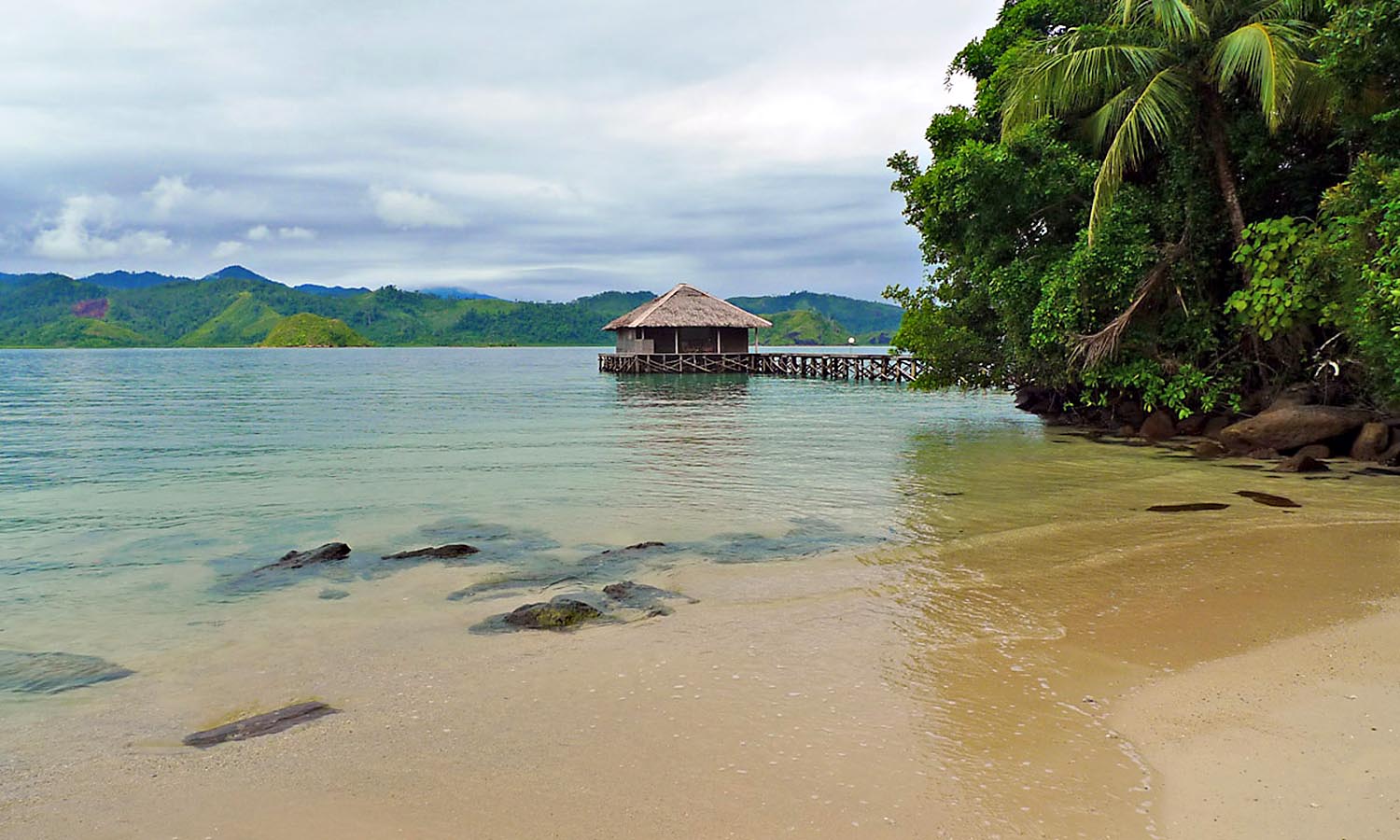
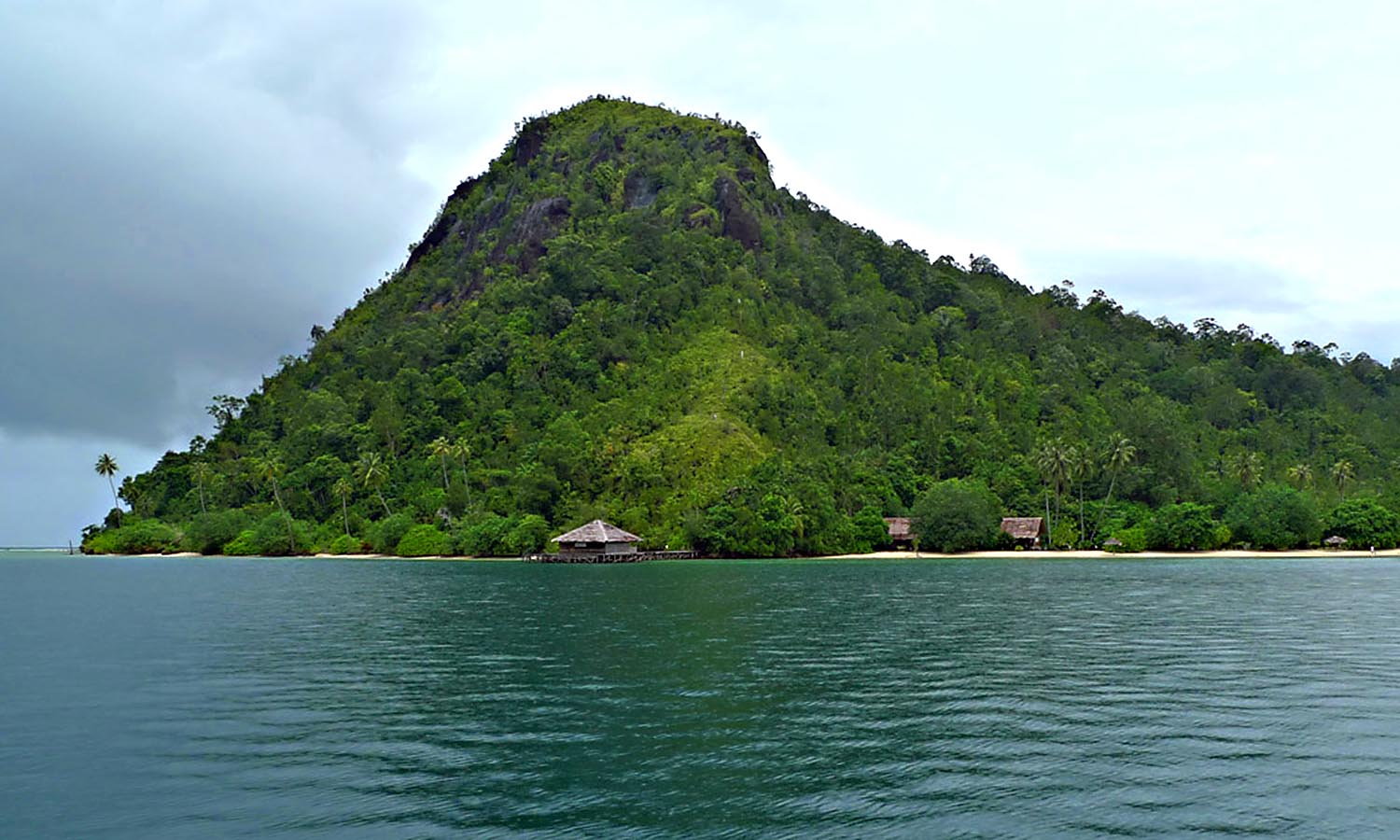
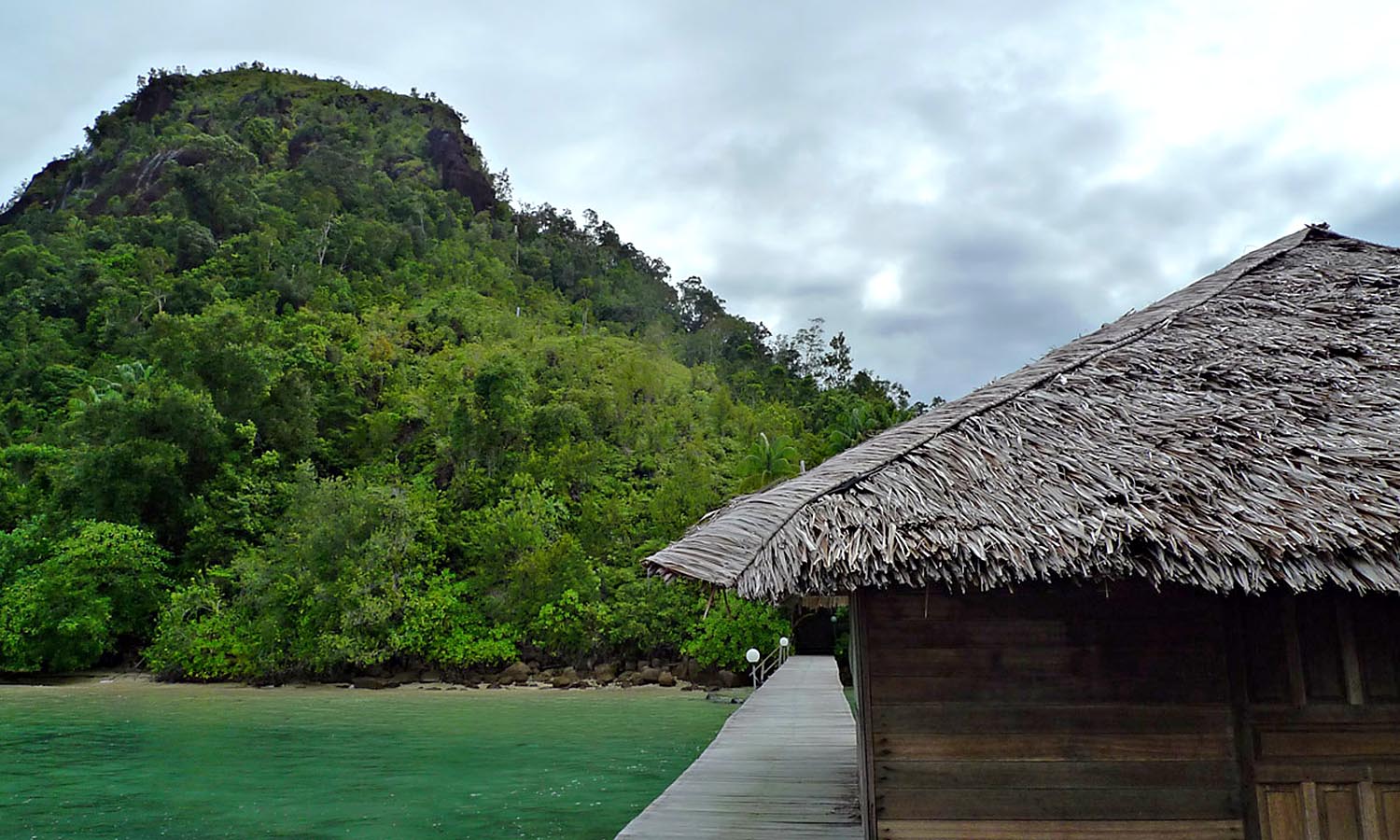
In the middle of nowhere, no one can hear you scream. Not that you’ll need to, because at these far-flung hideaways paradise awaits. The Waterhouse, Indonesia is so isolated, the folks who run this remote retreat don’t even want us to say where it is.
Rest assured, you’ll be looked after from the time you arrive in Kuala Lumpur to when you set foot in this overwater bungalow surrounded by warm water and jungle-covered islands.
There’s a maximum number of 36 guests on the private island at any one time, but you’ll barely see them except for when you head to the restaurant for meals, many of them prepared using fresh seafood delivered daily by local fishermen.
Slip off your veranda into the water and go snorkelling, book a dive, organise a tour of nearby islands or go trekking in the mountains where you might see monkeys and monitor lizards. Alternatively, there’s nothing wrong with pulling out a book and slipping off into an afternoon nap with the soft sounds of the water lapping beneath you.
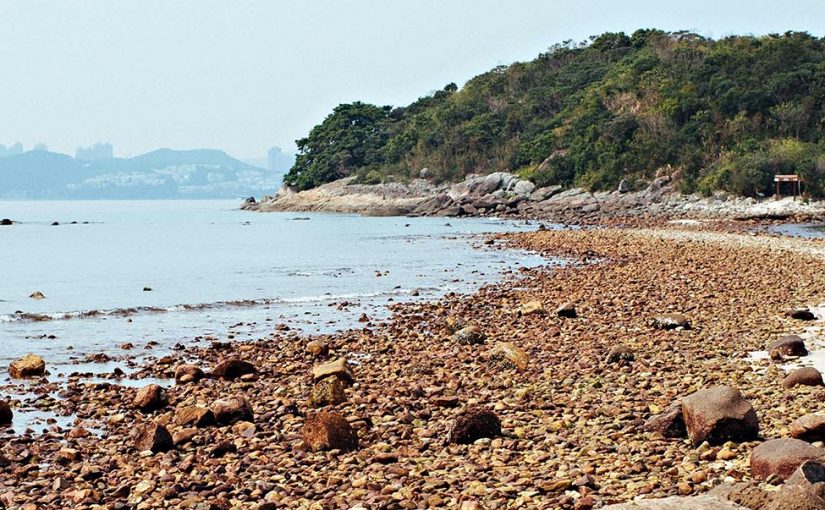
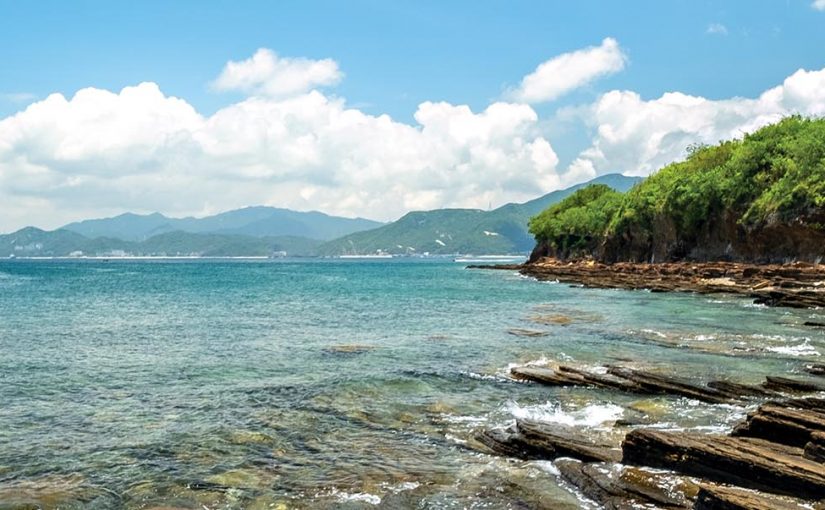
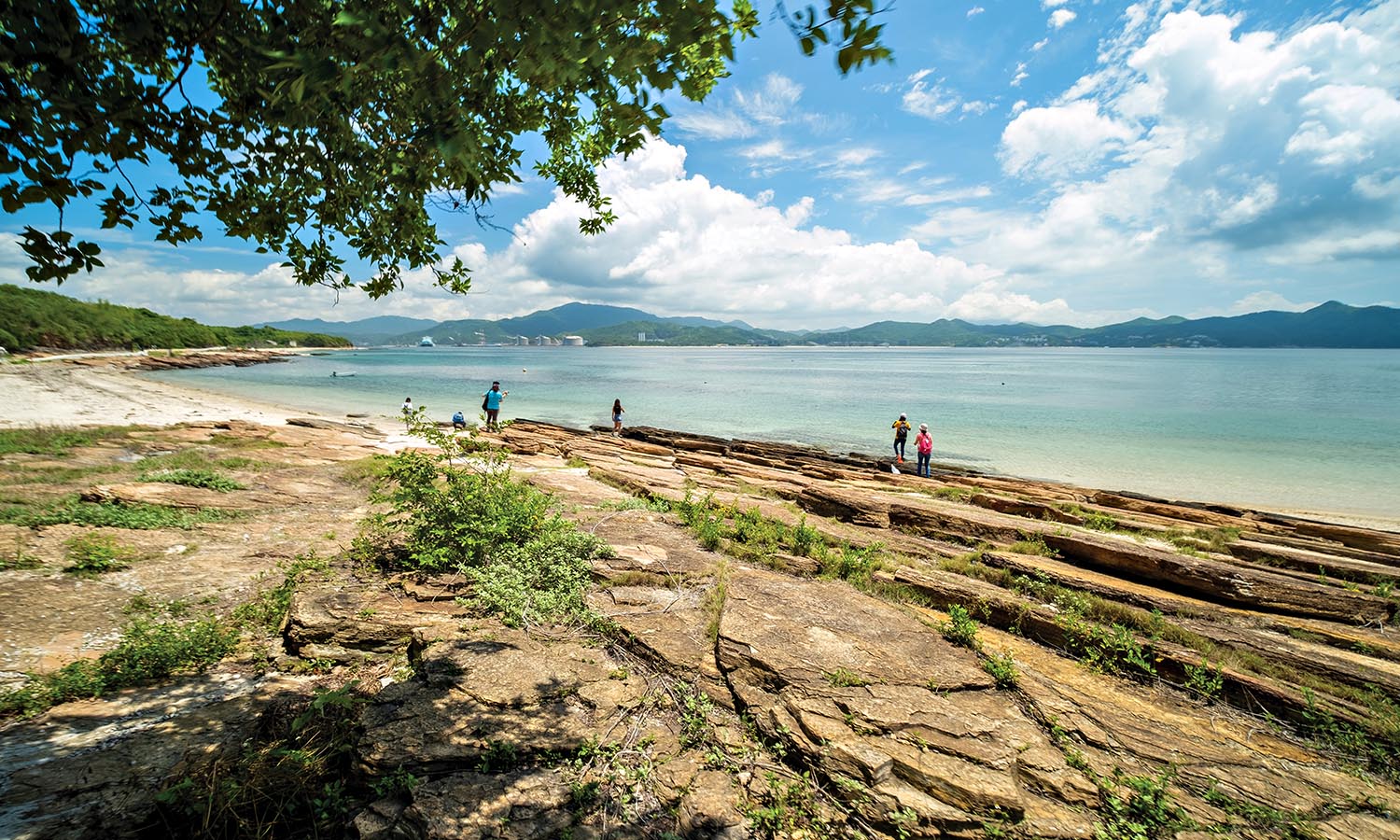
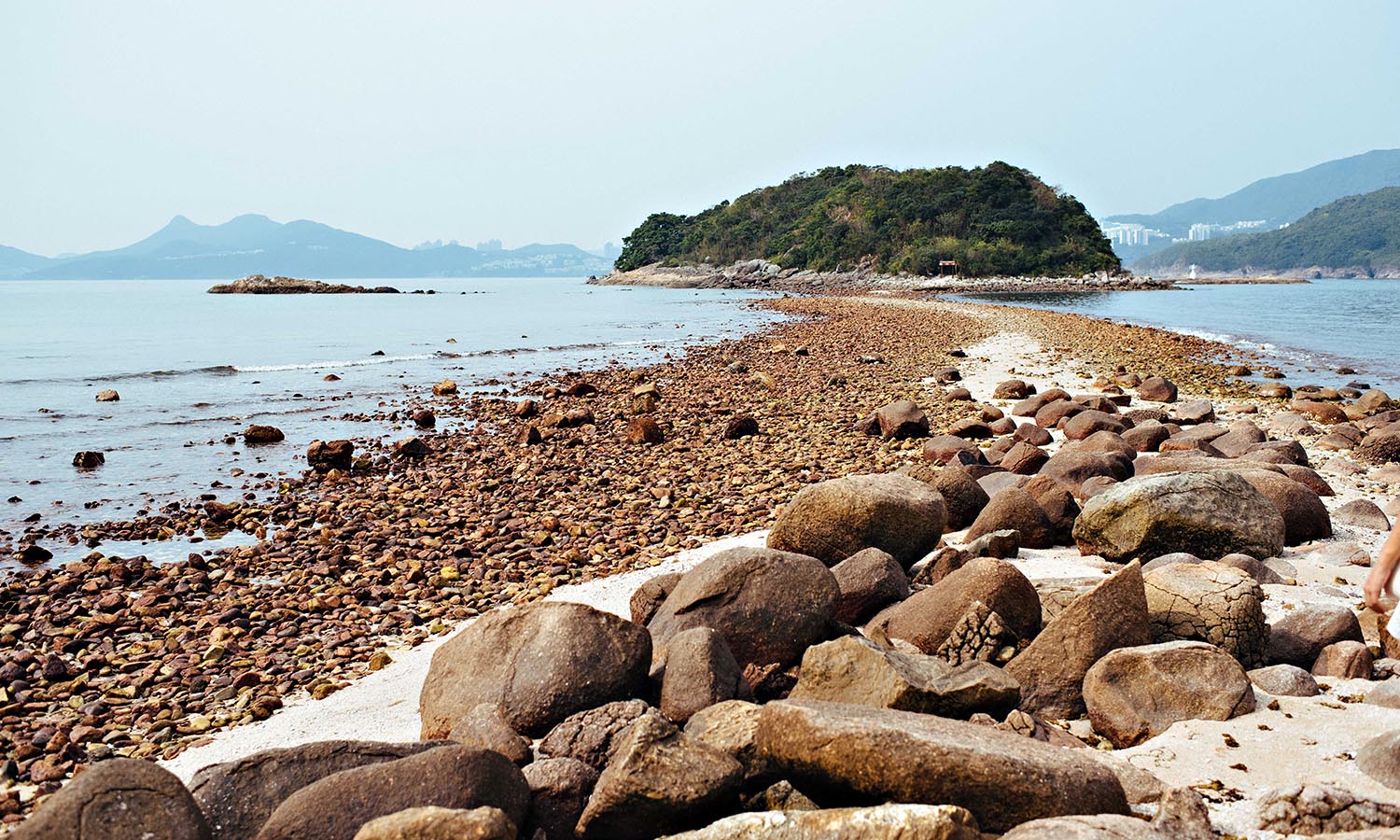
Hong Kong has plenty of natural beauty to explore and an ideal starting place to get acquainted is Tung Ping Chau with its stunning sedimentary rocks that jut out from its coastline.
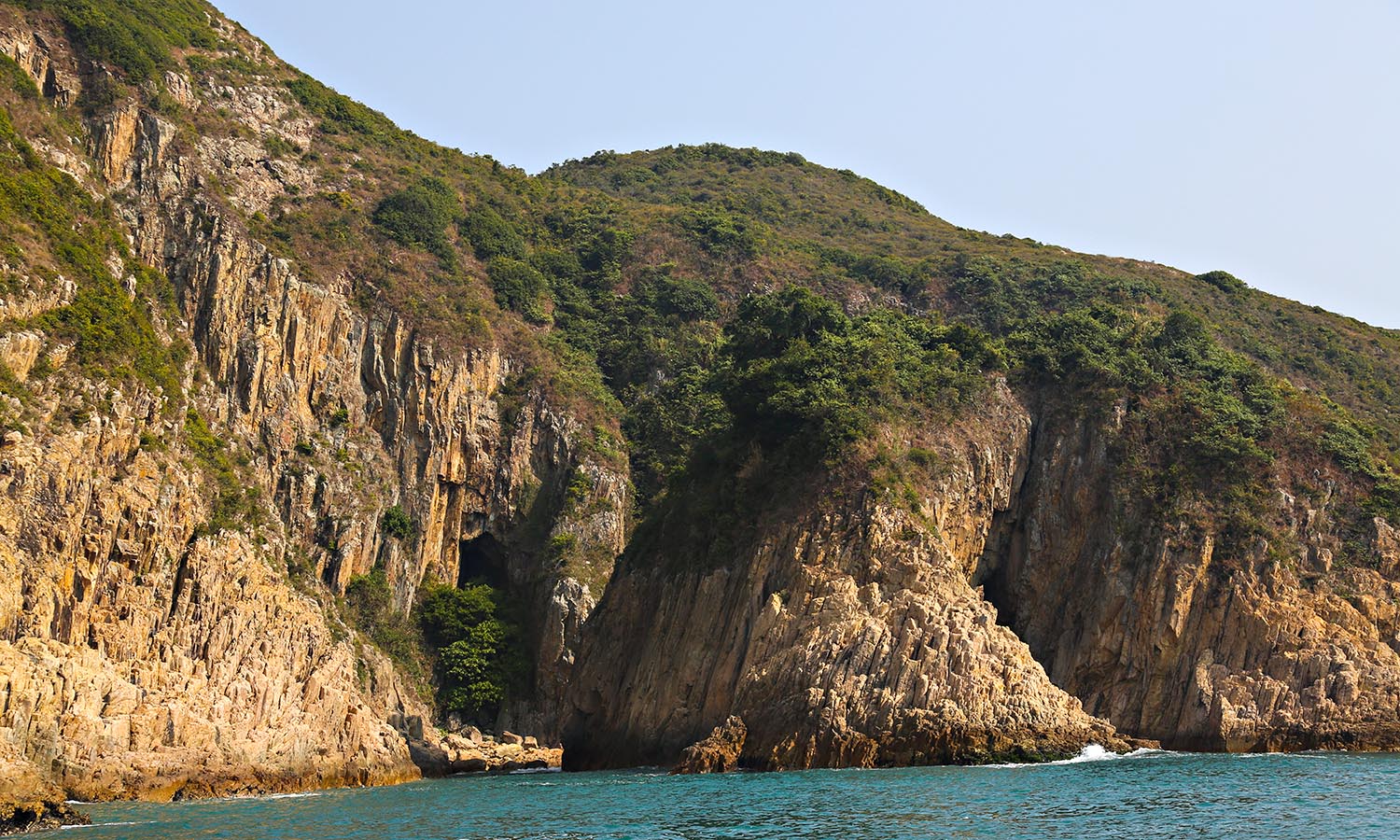
We’re all acquainted with the bustling Hong Kong but Tung Ping Chau is a universe away from all of that. A part of Hong Kong’s UNESCO Global Geopark, Tung Ping Chau is a geomorphologist’s dream with 6.5 million year old rock features and structures made of fossils.
Follow the trail around the island and check out Ken Lau Shek and rock pools (look out for crabs, sea urchin, and sea hares). Move on to Lung Lok Shui (dragon falling into water) where a 100-metre-long band of jutting rocks made up of bedded dolomitic and calcareous siltsto looks as though a dragon is making its way down into the ocean. Photo opportunities galore here.
Cham Ken Chau (Chopped Head Isle) is a gorge that was originally attached to the island, and has broken free with erosion, creating a natural corridor. If you descend the slope you’ll be rewarded with stunning views of boundless ocean. There’s also two historic taoist temples, Tin Hau and Tam Tai Sin both highlighting typical architectural characteristics of the Qing Dynasty.
For your final stop, sit down with you packed lunch at Cheung Sha Wan Beach and cool off with a paddle in the clear water. On your way back to the pier, you can stop by and see if you can hustle up a hot meal, fresh seafood dishes, snacks or a cold drink.
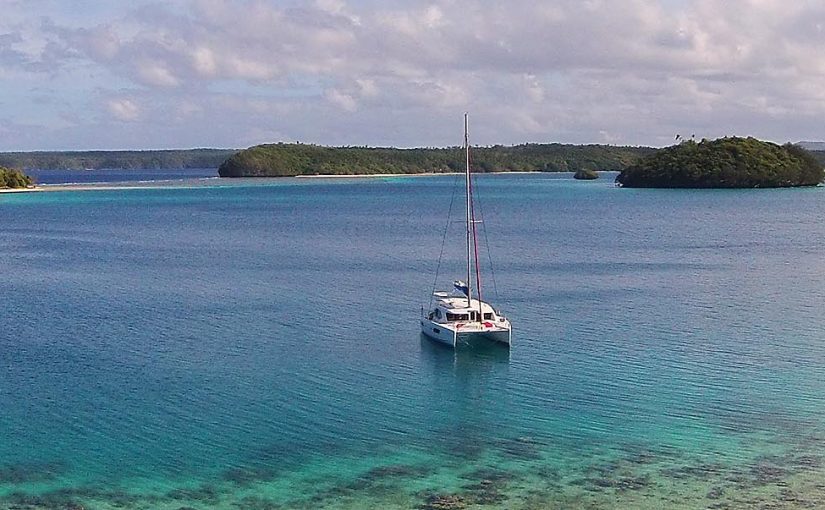
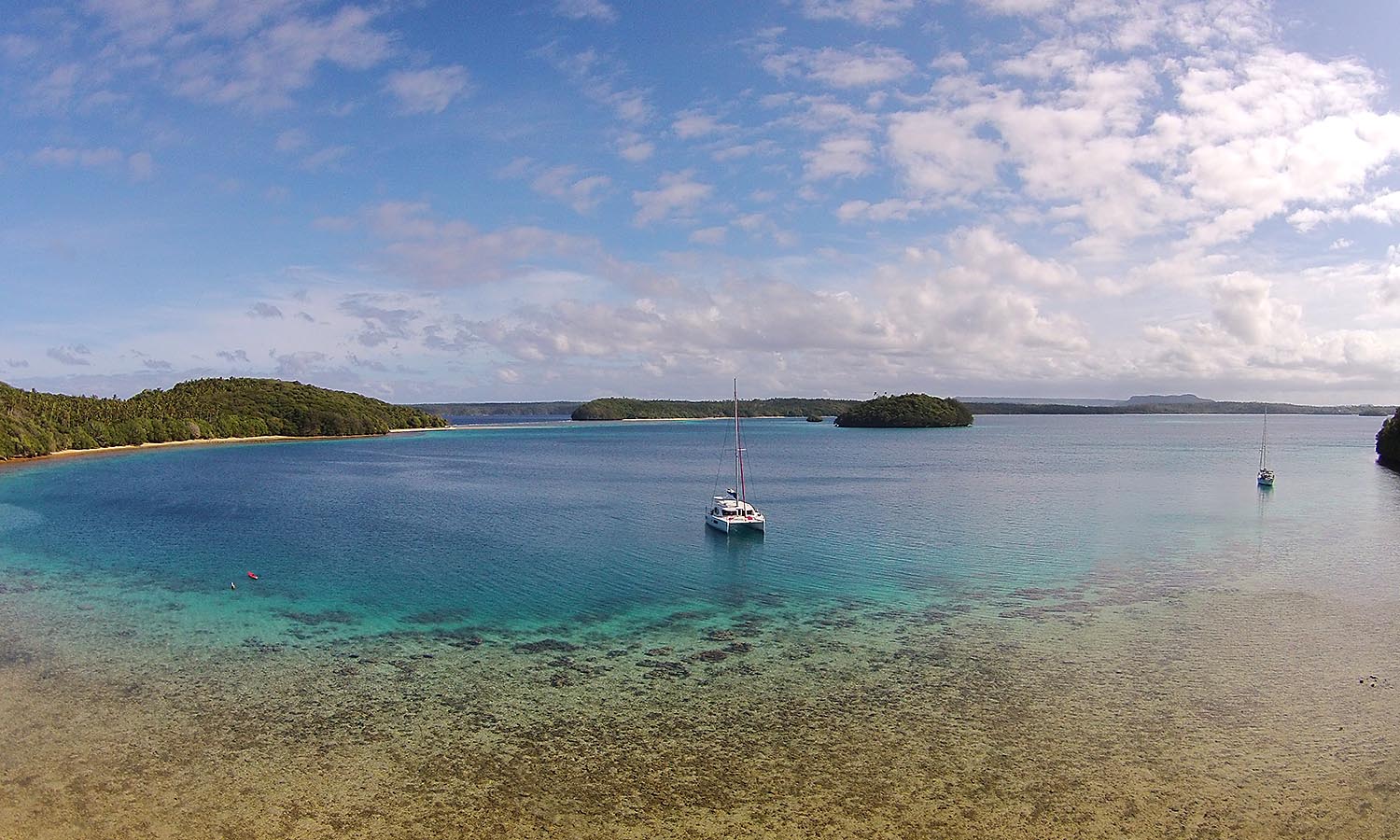
Of the 172 islands that make up Tonga, only 36 are inhabited. The rest are pristine landmasses of varying sizes that remain virtually untouched by the outside world.
While exploring them all in one go is a bit of a stretch, on a sailing trip with Sunsail you’ll come pretty close to feeling as though you’ve clocked the archipelago. With an impressive fleet of both yachts and catamarans, it doesn’t matter whether you’re a salty sea dog or landlubber whose idea of boating is a booze cruise on Sydney Harbour – there’s a vessel and itinerary to suit.
Our favourite skippered route is one that circumnavigates the northern Vava’u group, a collection of islands best known for its isolated lagoons, limestone cliffs, dazzling coral gardens and white-sand beaches.
A typical one-week jaunt generally consists of hopping from one deserted island to the next, checking out the best bars, dropping anchor when the urge to swim, dive or kite surf hits, and stopping by a local village to enjoy a traditional Tongan feast. If you’re lucky, you may even find yourself in the company of the humpback whales who migrate annually to frolic in Tonga’s warm waters.
Lantau Island is one of those places that nobody goes home disappointed, because it caters for everybody. It has culture, entertainment, food, hiking trails, unspoiled beaches, picturesque villages, and everyone’s favourite, Hong Kong Disneyland.
Where do you start with Lantau Island? Rather than ply you with an itinerary, we’d rather give you a list of highlights and allow you the fun of planning. If you are the active kind, there’s 70 kilometres of hiking trail that circumnavigates Lantau Island. The trail passes many tiny villages including Ngong Ping Village with its traditional Chinese architecture, shops, restaurants and tea houses. We recommend dim sum for your rest stop.
The old fishing port of Tai O is an intriguing insight into pre-colonial Hong Kong and is easily recognisable with its stilt houses. Explore the backstreets for Tai O’s speciality food and street markets for local delicacies including home-made prawn paste, salted fish, dried seafood and street foods such as local egg waffles, pancakes, and Hong Kong-style grilled pineapple.
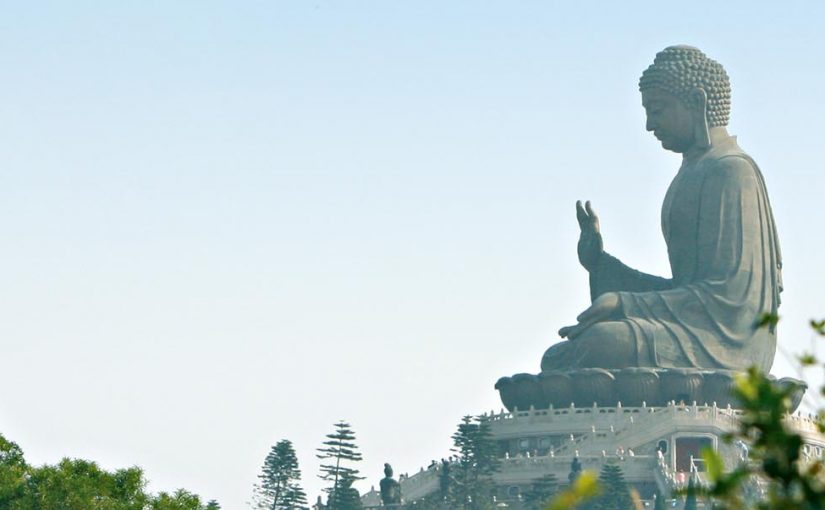
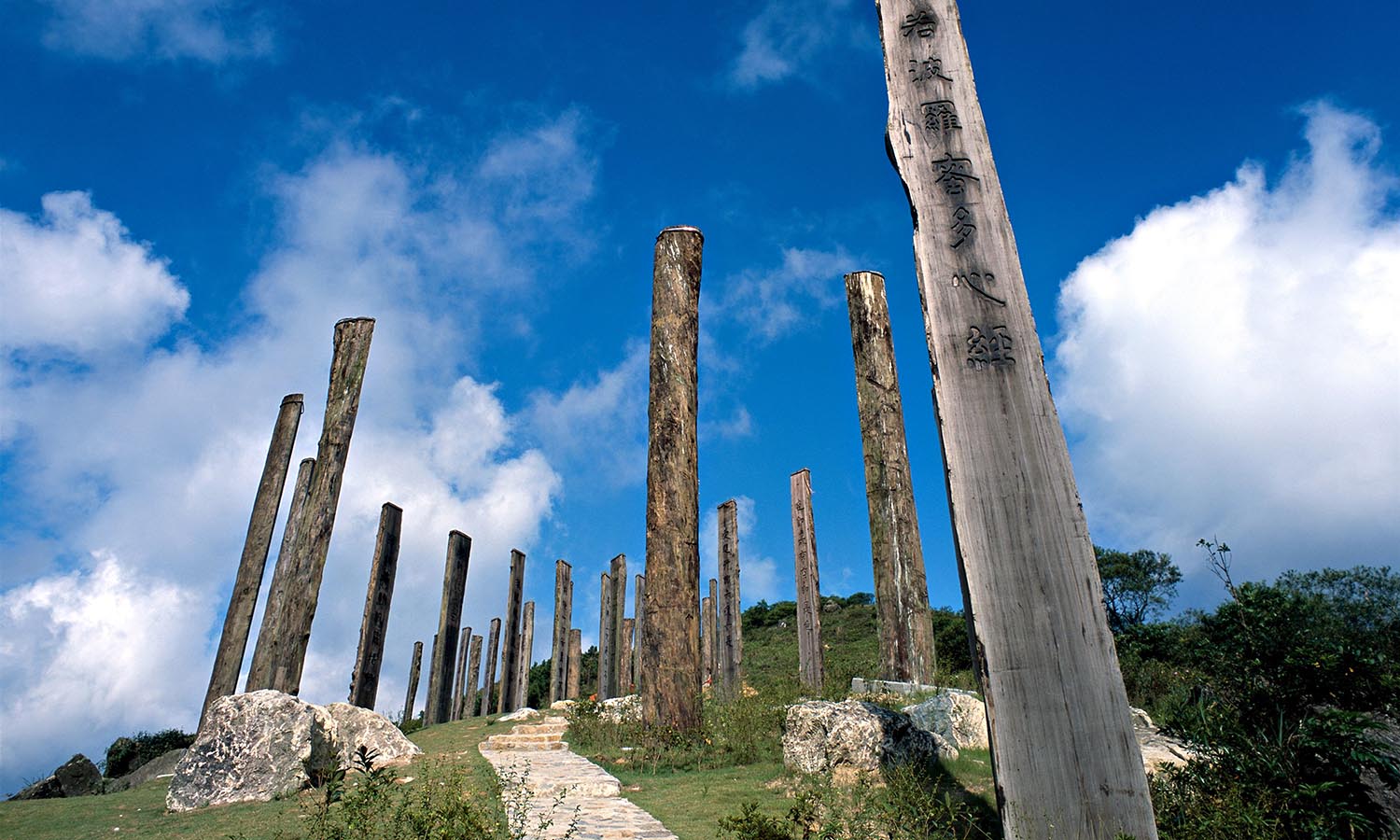
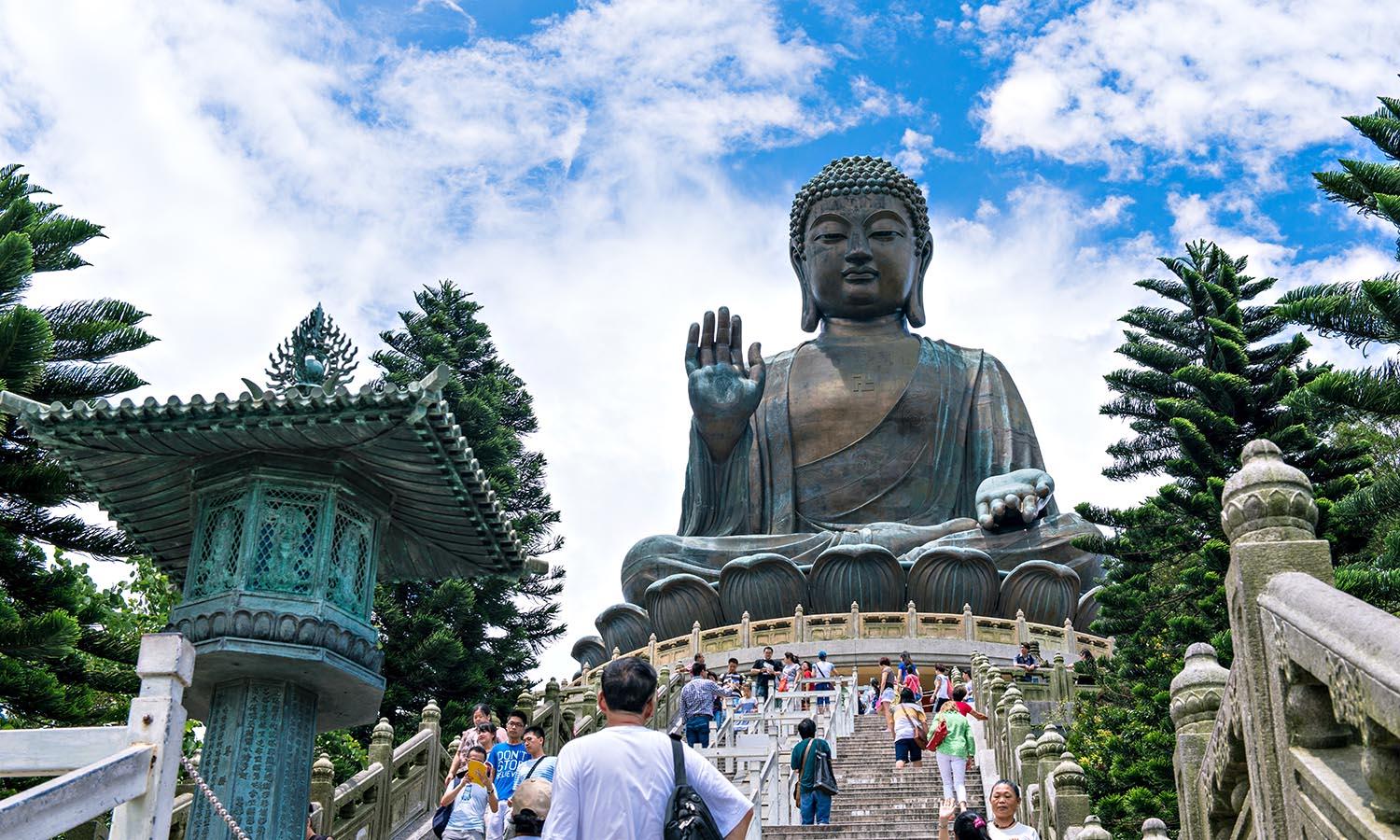
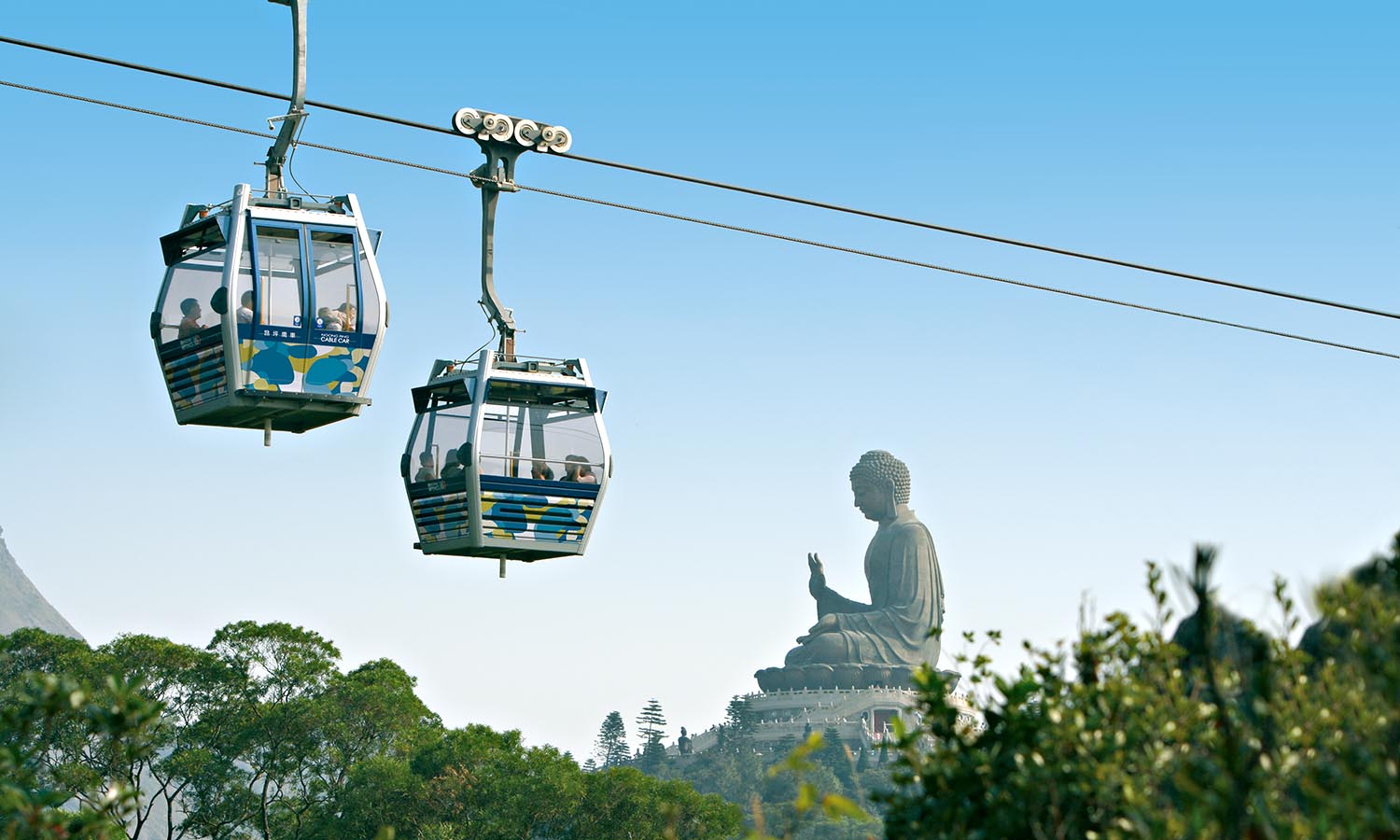
No trip to Lantau is complete without seeing the magnificent 112 ft-tall, 250 metric ton bronze Tian Tian Buddha. The best way to see this majestic sculpture is up close of course and that means climbing 268 steps to reach it. It’s well worth it and the views from the top are breathtaking. Don’t forget to walk through the Wisdom Path just behind the Tian Tan Buddha, it’s well with a look and comprises 38 wooden columns on which verses from the centuries-old Heart Sutra have been carved. A trip on the Ngong Ping 360 Cable Car is also highly recommended.
At the other end of cultural spectrum there’s Hong Kong Disney Land Resort. For around US$100 will get you a day of rides, enchanted lands, themes, and events. No one leaves unhappy from Disneyland. As Walt said, “dream, believe, dare, do!” Due to COVID check their website for updates regarding opening dates.
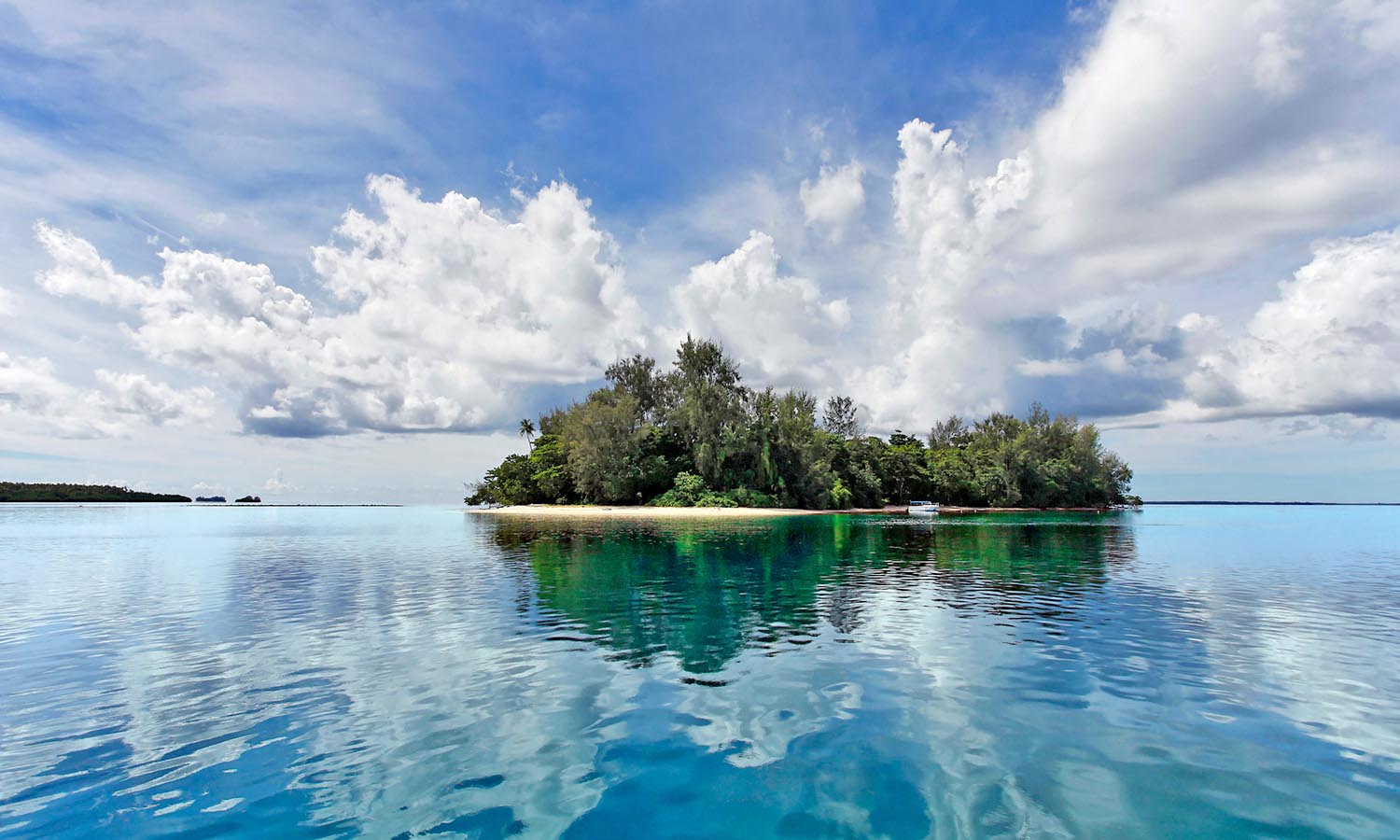
If your idea of holiday heaven is a Survivor-style setting meets adults-only retreat, this is the place for you. Lissenung Island Resort, in the New Ireland Province of PNG, could just be the ultimate private island experience.
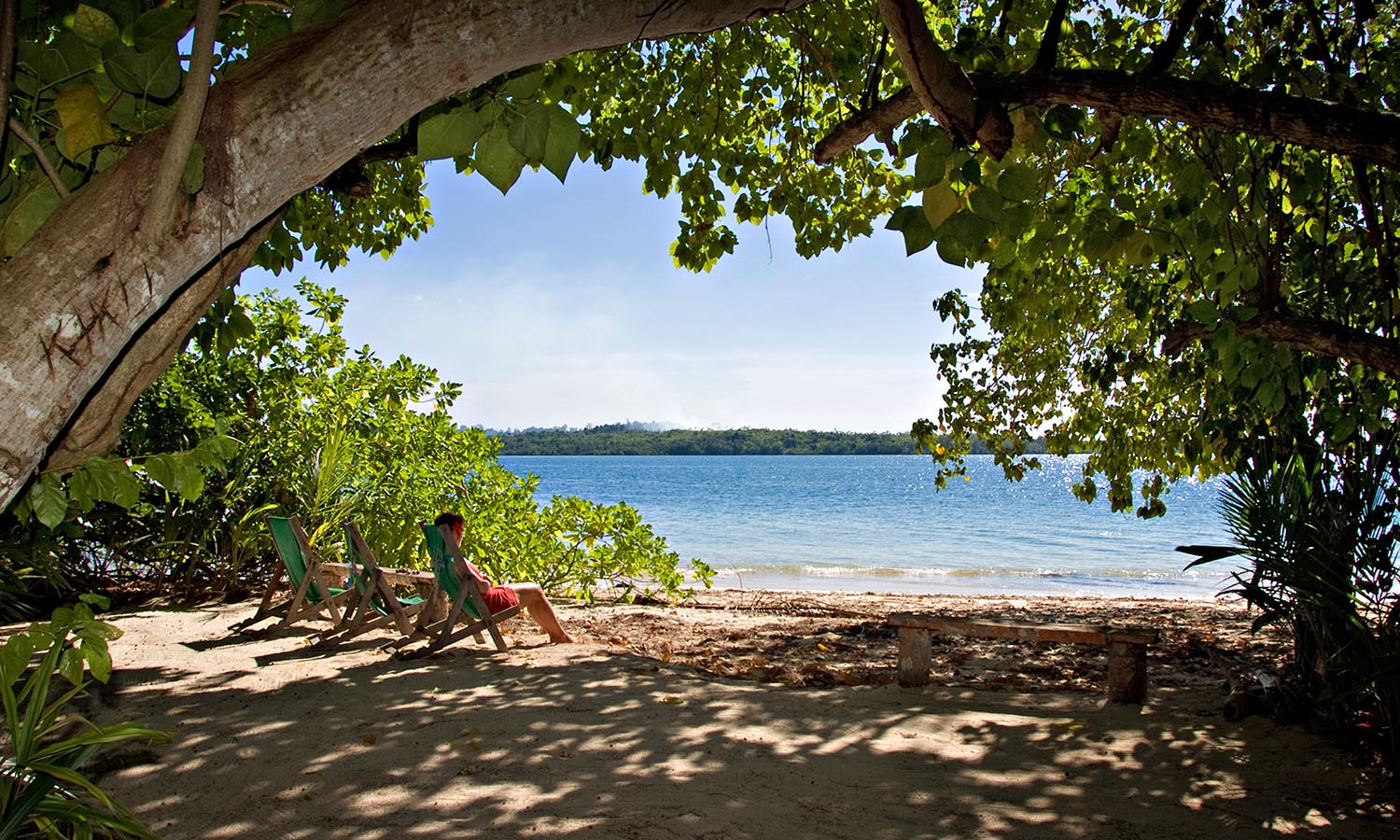
And when we say private, we mean it. Kavieng, the closest major island, is a 20-minute boat ride away, and aside from a few local staff and other guests – there’s a maximum of 16 – your chances of seeing another person during your stay are close to zero.
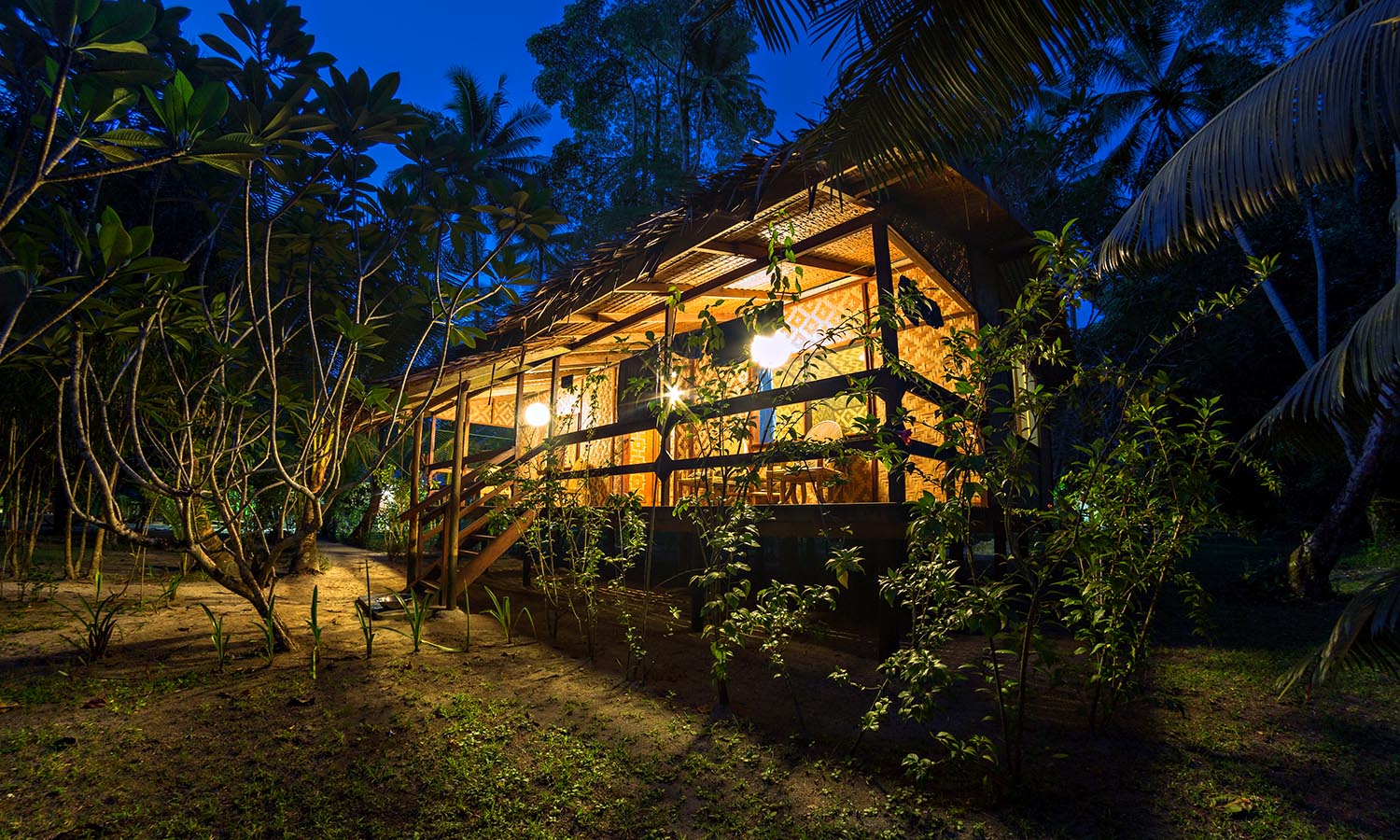
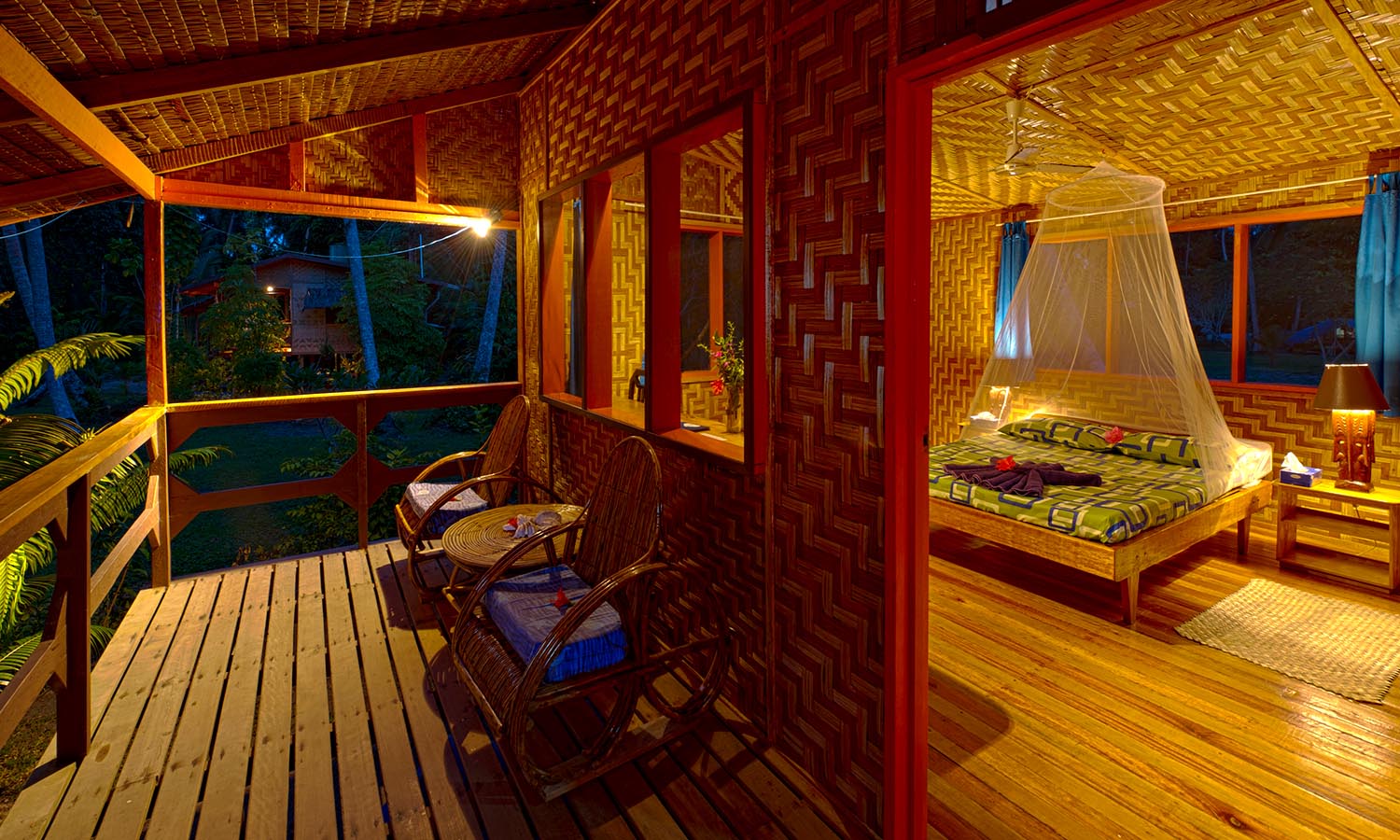
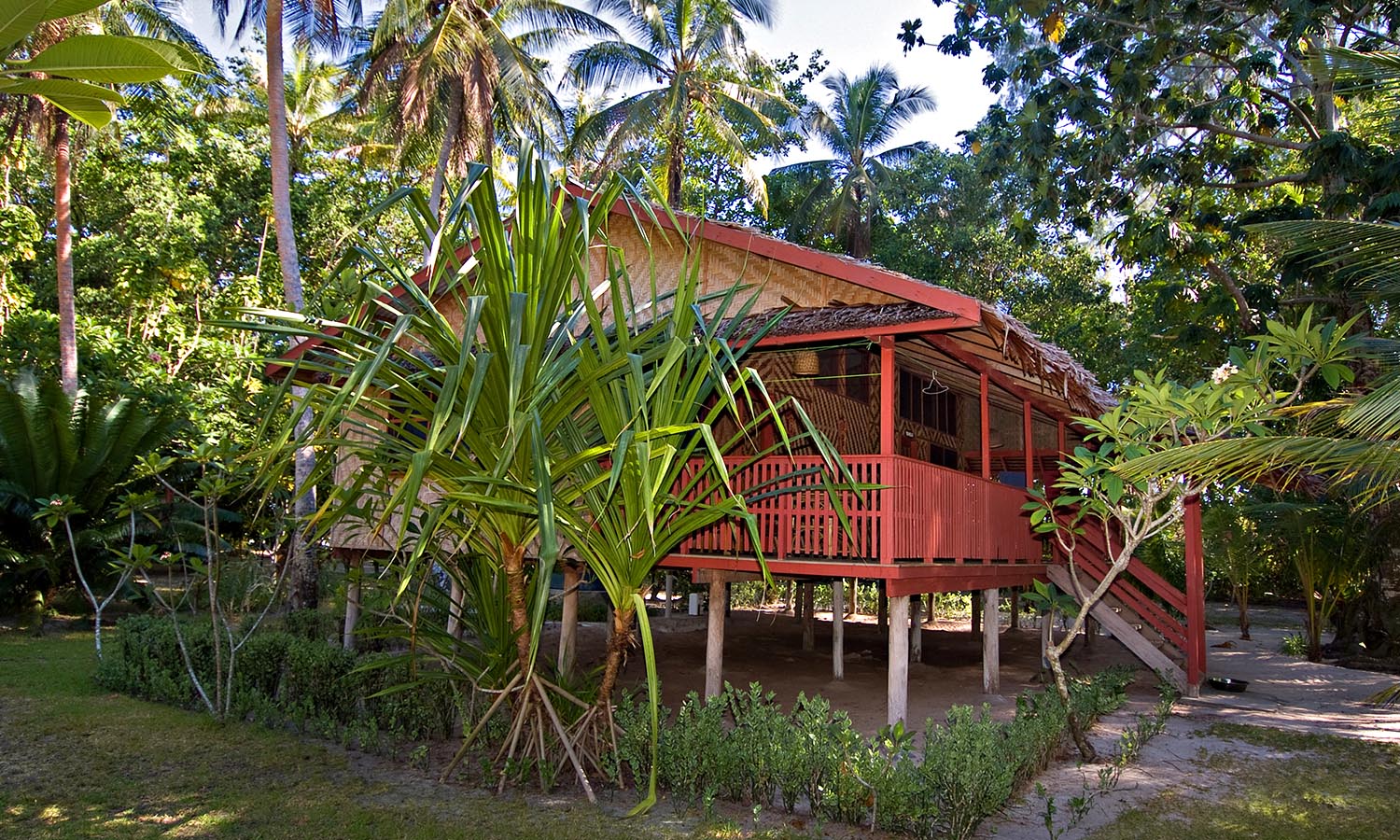
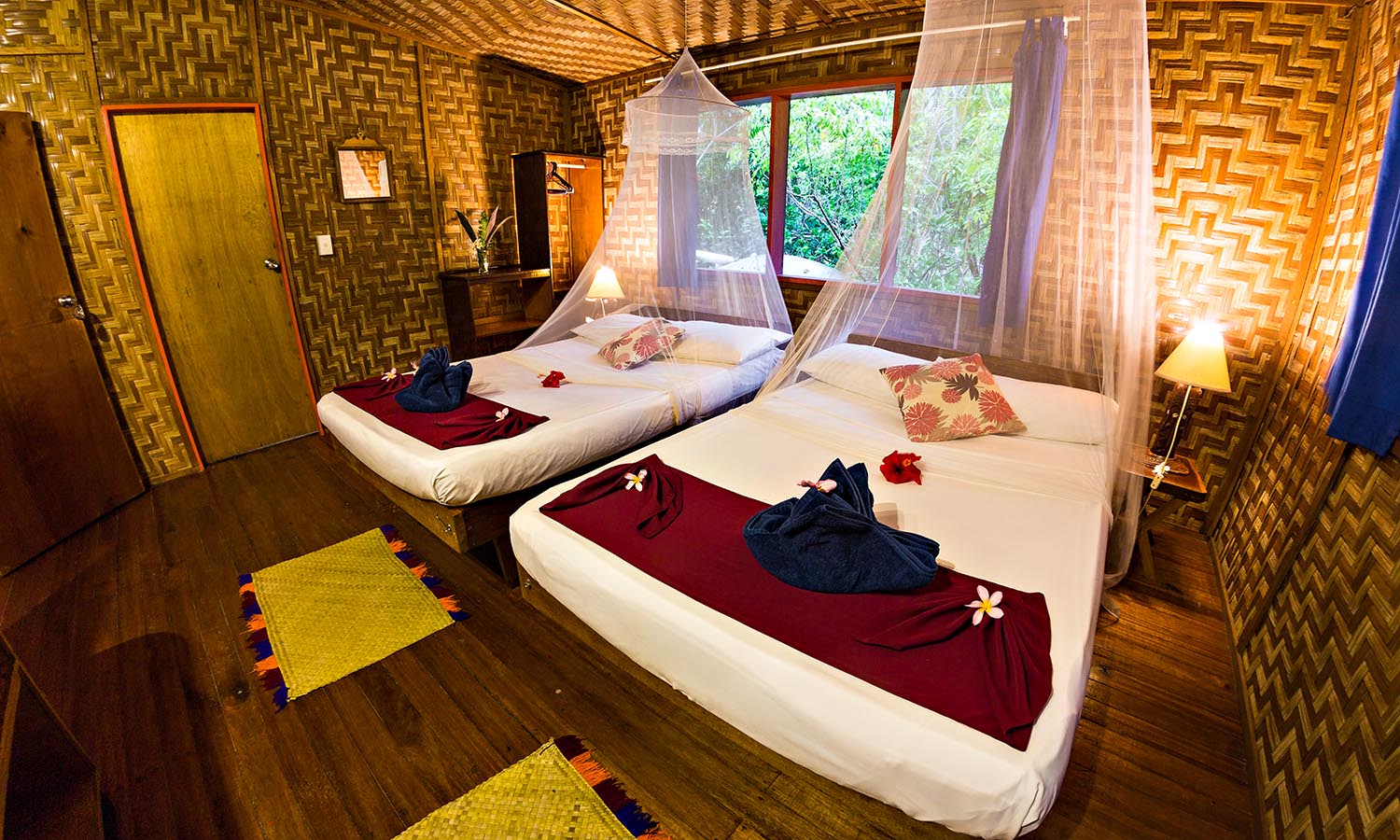
Scattered across the island, among towering palm trees and overgrown wild flowers, are four oceanfront bungalows, built in a traditional way using woven bamboo. Huge verandas provide the perfect spot to welcome the sunrise, and while there’s no glass in the windows, mosquito nets over the bed and a large ceiling fan ensure everyone stays cool and protected from creepy crawlies.
Fresh seafood and locally grown fruit and veg dominate the daily-changing menu, which is served at a communal table in the main house. The usual island activities are all on offer here, including swimming and snorkelling, and boat transfers to the best fishing, diving and surfing sites are available.
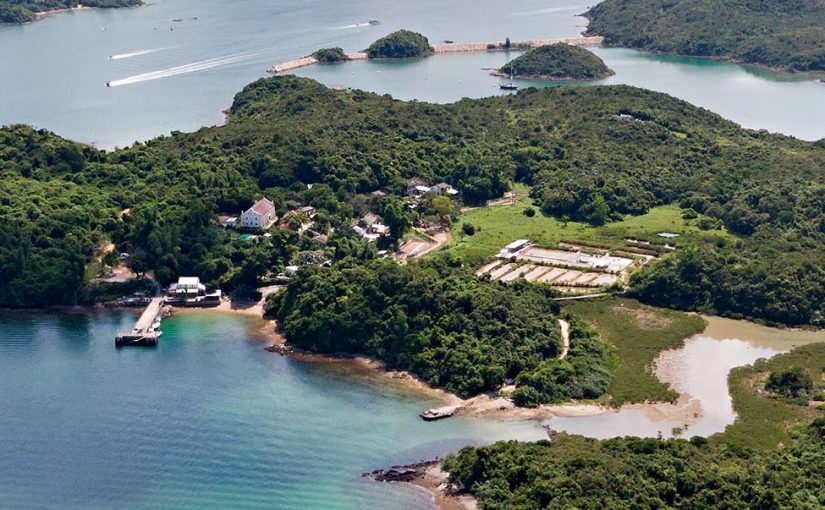
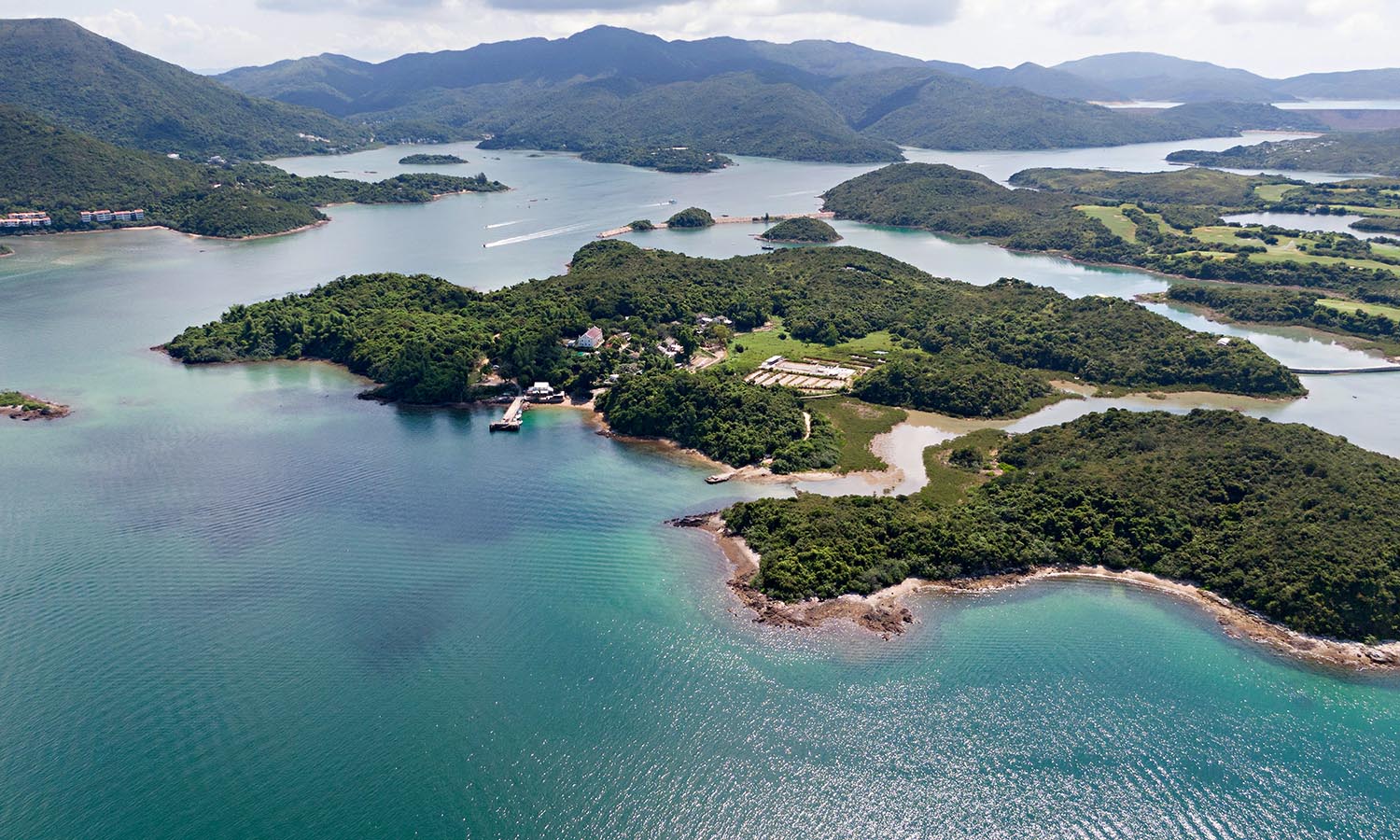
If you’re itching to escape the hoards, only a short boat ride will land you smack bang in the middle of Hakka culture at Yim Tin Tsai “Ghost Island”.
Yim Tin Tsai was originally populated in the 1740s by a family from Guangdong, who’s descendants developed salt farms; which explains the island’s name translation – small salt field. Once home to 500 to 1,200 people, Yim Tin Tsai is now a desolate and intriguing destination and being only 24sqkm, its ideal for a day trip.
There’s loads to see from salt pans, Yim Tin Tsai Heritage Exhibition Centre where you can see a collection of artefacts, ceramics and homeware; the Italian Romanesque Joseph’s Chapel, and the abandoned Hakka homes who are mostly still owned by the descendants of the original owners. You can still see belongings, furnishings and utensils that belonged to the original owners…eerie. This was all made possible thanks to descendants of the original villagers who returned to Yim Tin Tsai and started a movement to revive the island.
When you’re done, Yim Tin Tsai has three restaurants where you can try authentic Hakka fare serving everything from old Hakka food, to wood-fired roasted chicken.
 (
(