(
(
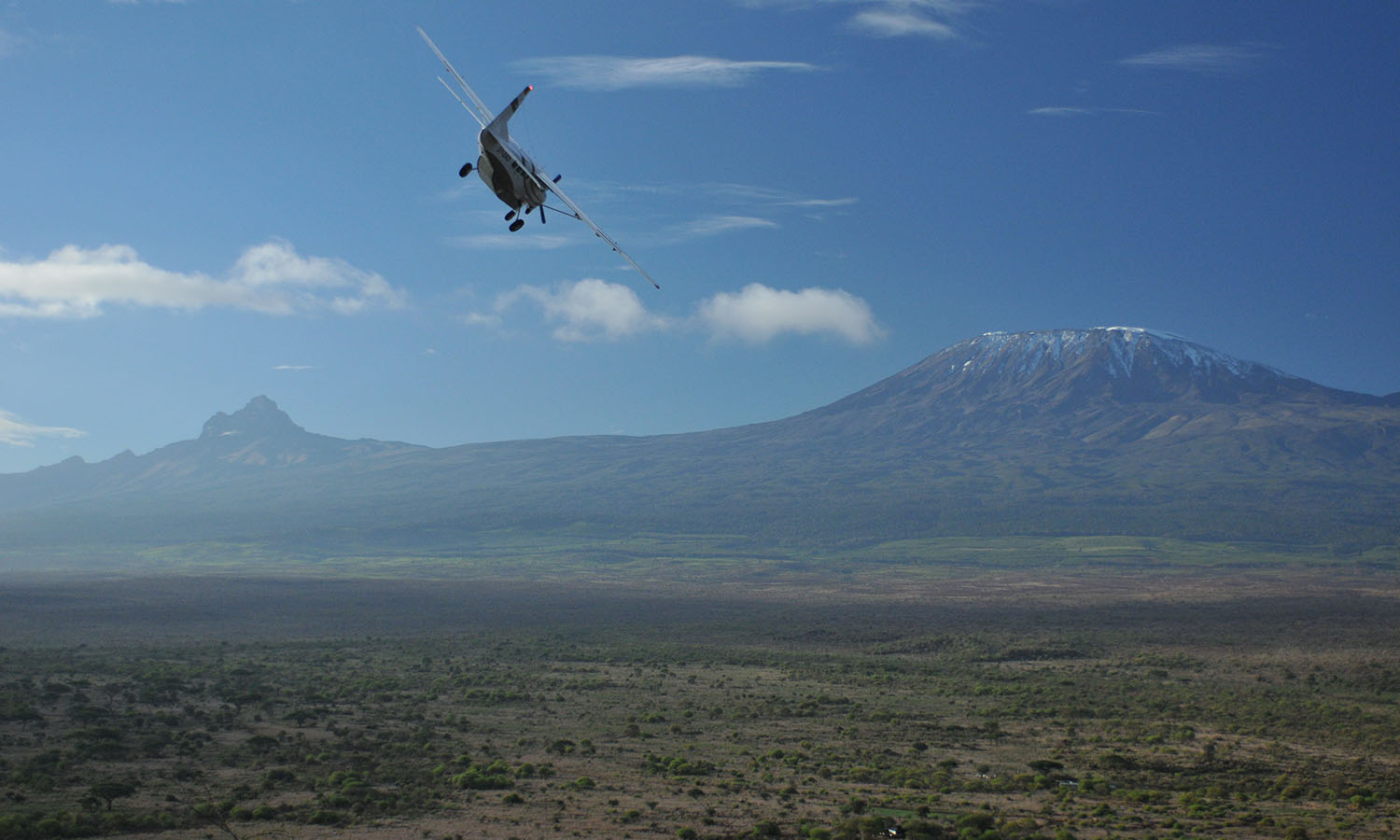
We’ve spent the previous two days based at the luxurious Satao Elerai Lodge, marvelling at the elephants of Amboseli living alongside hippos and hyenas. We even caught a pride of lions stalking a wounded wildebeest. It has been indulgent to say the least, including sundowners that lasted well after the sun went down. It was our first stop on a two-day, two game park Scenic Air Safari, an ideal option for those short on time yet keen to experience the best of Kenya’s varied game reserves.
Click to view gallery

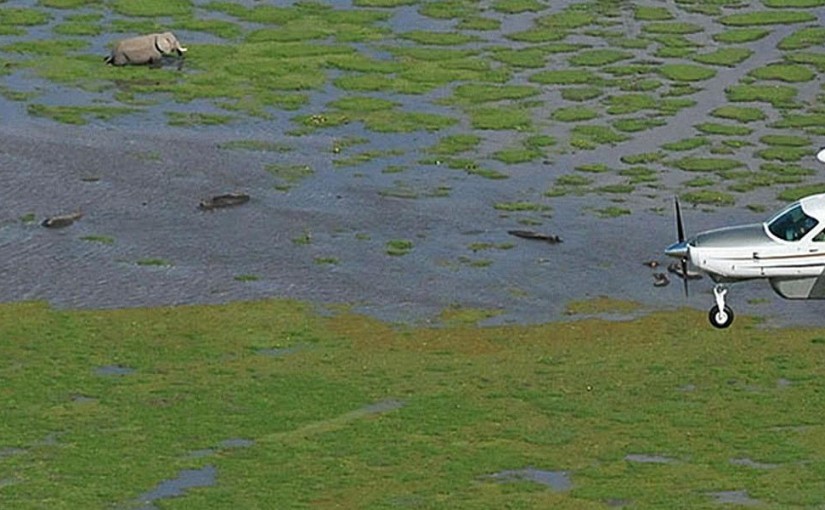
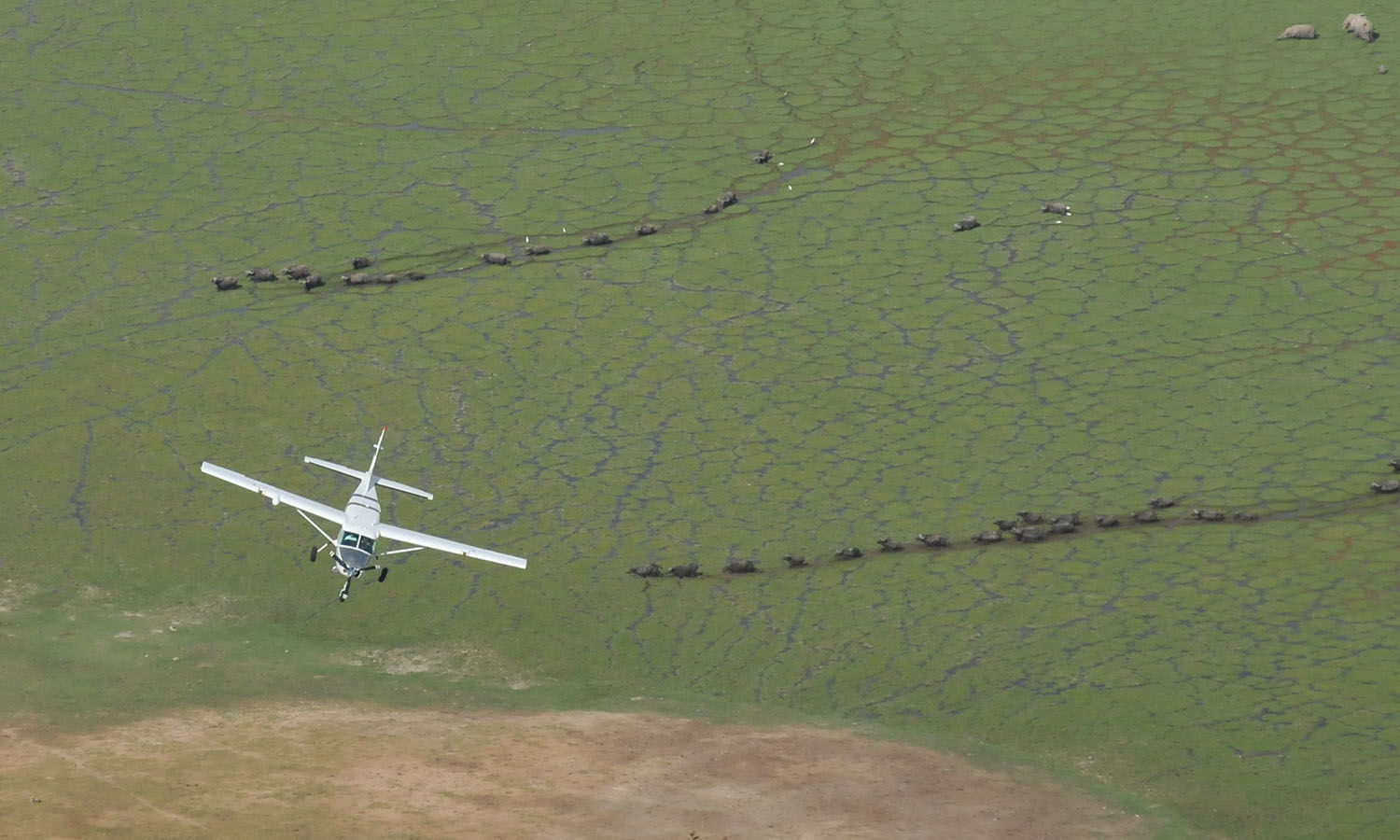
Our Caravan follows the Tanzanian border north towards the Masai Mara, one of the more popular wildlife reserves, famed for its big cats, including lions, cheetahs and the elusive leopard. Murtaza interrupts a Mick Jagger classic to tell us we’ll fly low over the Mara River and to keep an eye out for hippos. A lone elephant makes tracks in the long Masai grass as we fly overhead. The shiny black backs of a pod of hippos glisten as Murtaza follows the river deeper into the Masai. It is a surreal sight and a terrific perspective.
We land at Mara Serena airport and are greeted by our driver, who offers refreshing cold towels before whisking us away to Karen Blixen Camp, a perfect glamping set-up perched on the banks of the Mara. Here, we spend another two days on a driving safari, coming within a couple of metres of a pride of lions and stumbling across a cheetah catching the last rays of the setting African sun. It is almost too perfect. That evening I sip a cold Tusker, watching the hippos disappear and reappear in the running river. Like the guy in the song says: “It’s gonna take a lot to drag me away from you.”

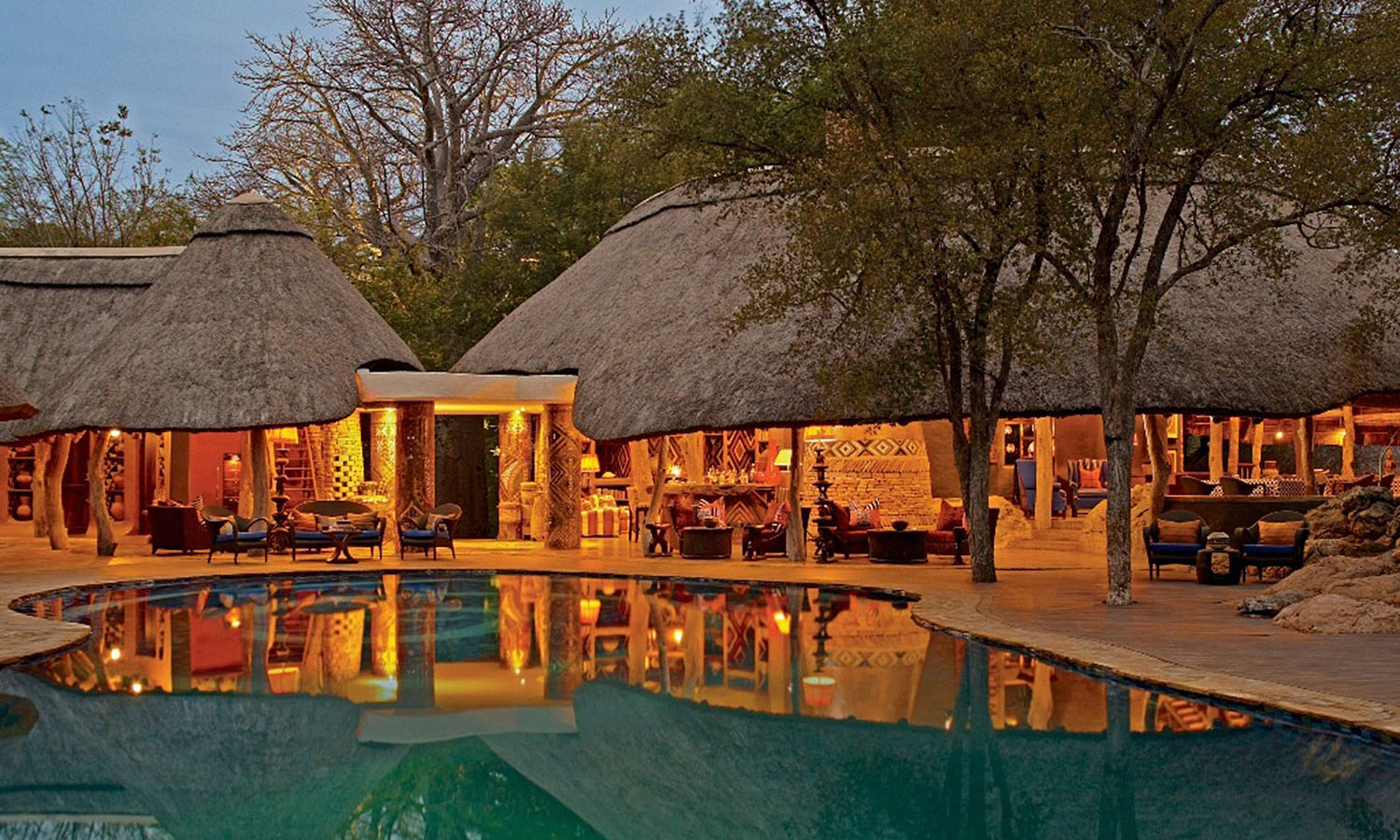
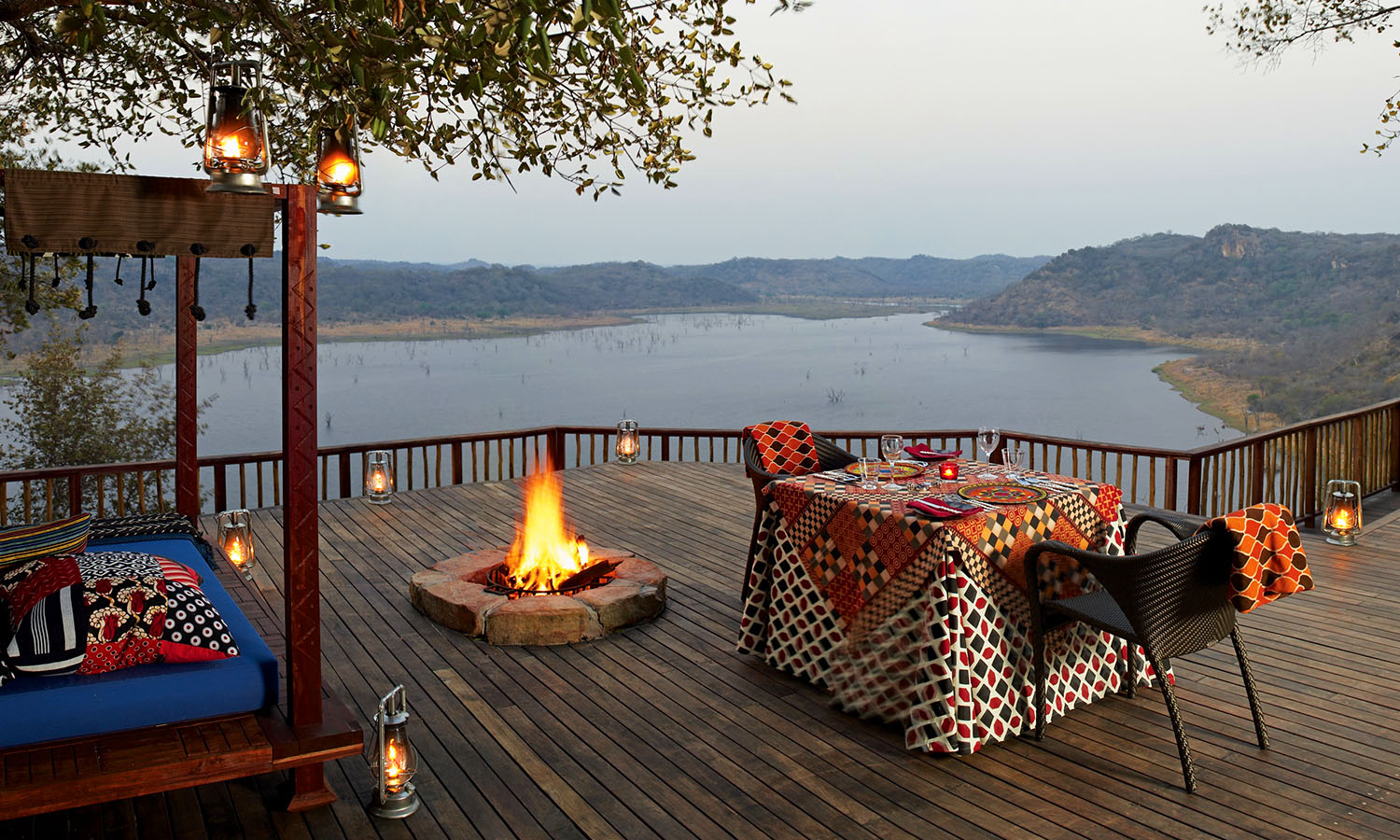
Pamushana Lodge
For a truly ‘out-there’ experience, sleep under the stars surrounded by wild animals, all under the watchful eye of the night rangers at Pamushana Lodge in Zimbabwe.

Don’t be put off by the idea of sleeping in the desert – this lodge is all luxury. With ensuites, air-conditioning and telescopes in every suite, you’ll struggle to decide whether to go on an animal-spotting safari or stay in and enjoy the lodge’s outdoor hot tub.
Burkina Faso
It’s certainly not one of Africa’s big drawcards, but this small landlocked country in the continent’s northwest is one for the curious. There are just four national parks, but you’ll find one of the largest elephant populations in west Africa here, alongside lions, leopards, buffalo, cheetahs and the endangered African wild dog. And, with just 600 metres of elevation separating its highest and lowest terrain, it’s all about the plains.
The largest cities have amazing mouthfuls for names: Ouagadougou (known as Ouaga) is the capital and Bobo-Dioulasso (not surprisingly, most call it Bobo) is the second largest city, even though it has a bit of a small town vibe. Neither is big on sights, as such, but in Ouaga you’ll be surprised by the great music, bustling markets and the opportunity to shake your thang to local bands at places like Petit Bazar. In Bobo, head to the Grand Marché – like the name suggests, it’s a big market selling everything from produce to local fabric – and the amazing Grand Mosquée, built in the 1880s and an impressive example of Sudano-Sahelian architecture (rounded forms made from mud with sticks protruding from the walls).
Infrastructure for travellers is limited, but with a good sense of adventure and the ability to go with the flow, you’ll be rewarded by a country visited by few but where the welcome is always warm.
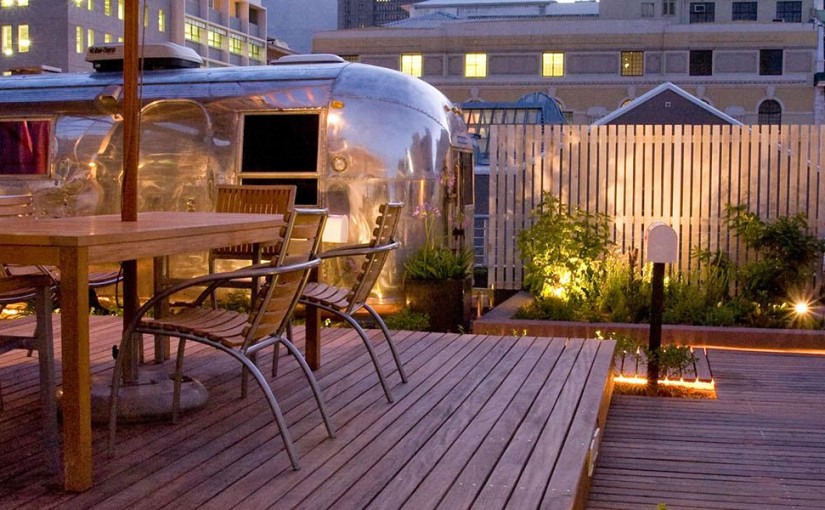
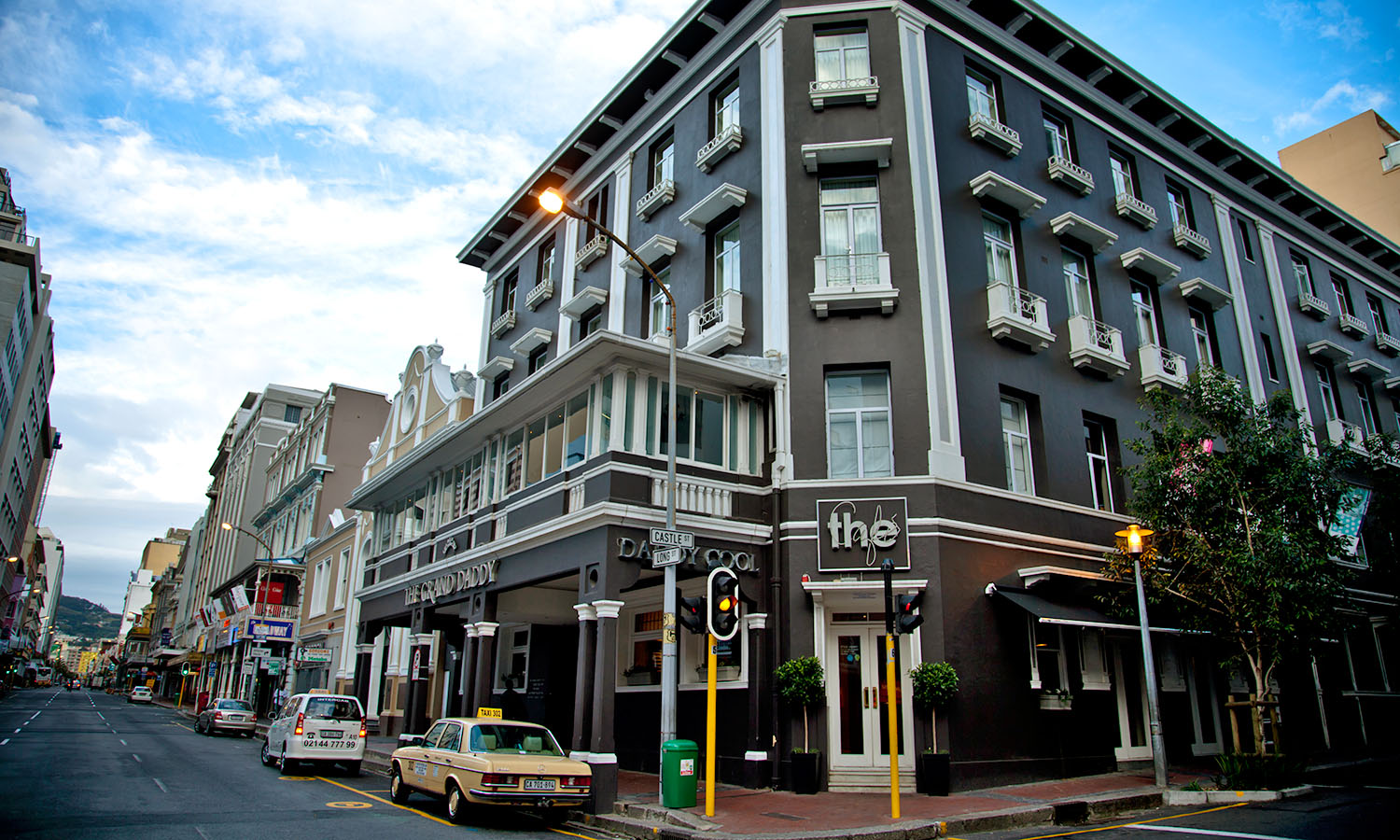
Trailer time at Grand Daddy Hotel
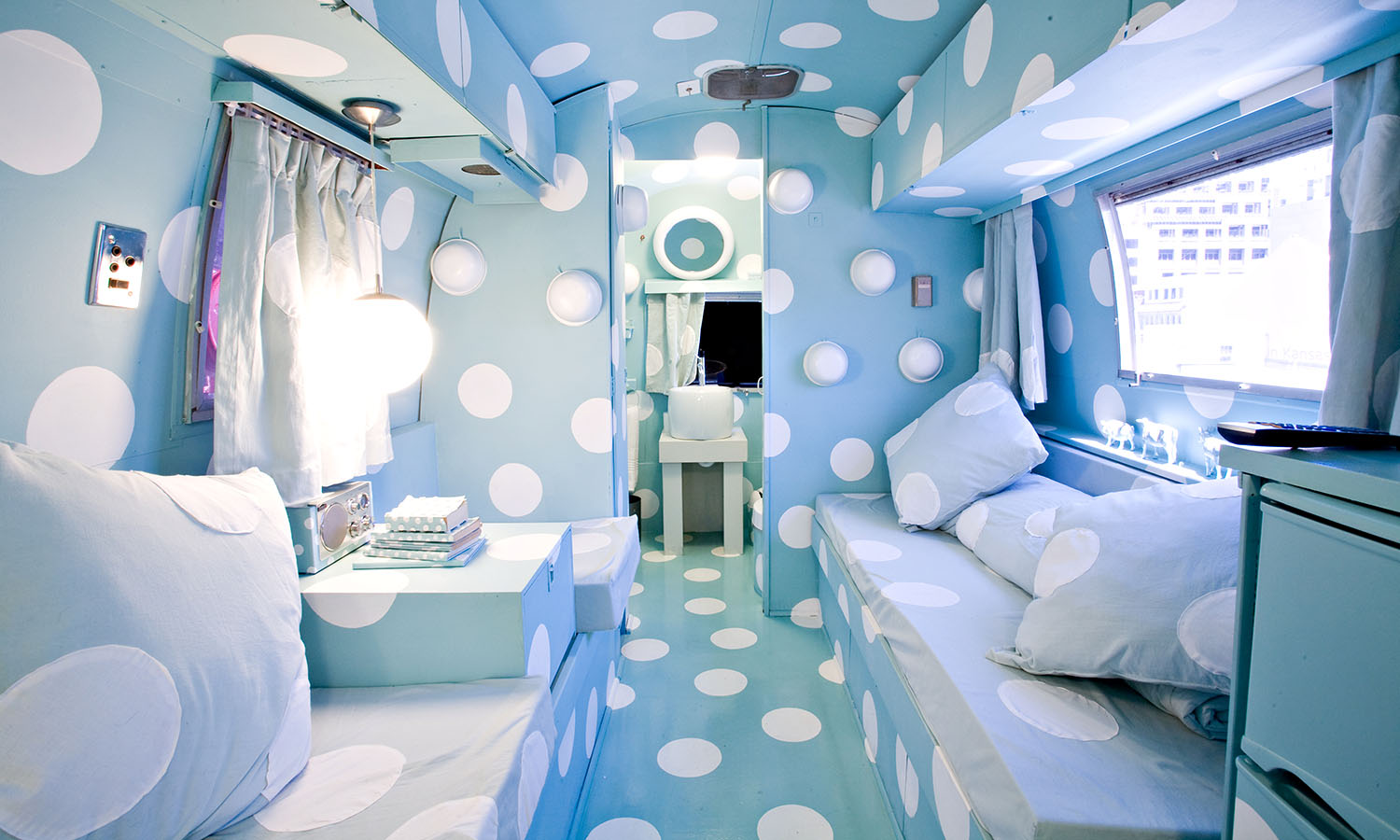
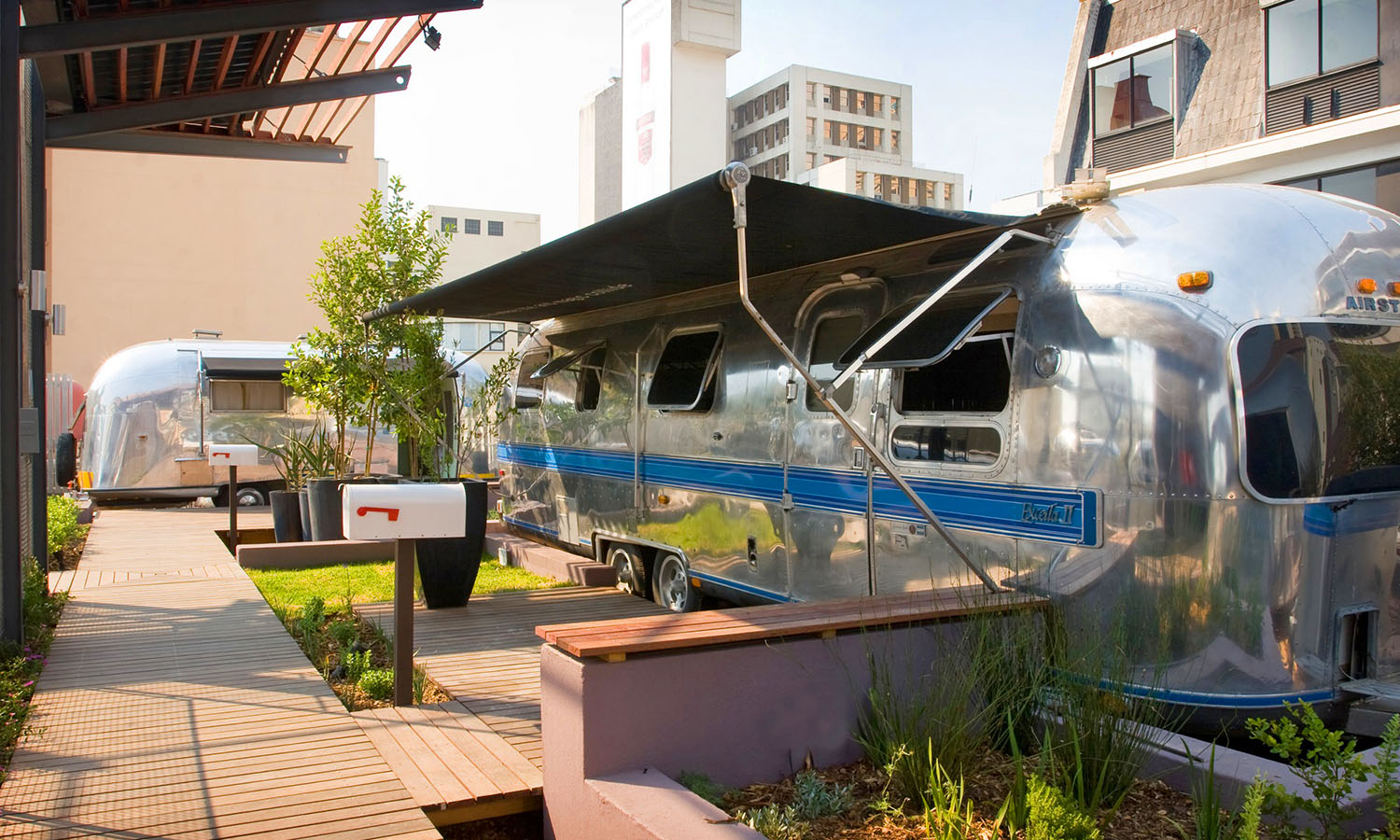
Perched atop Cape Town’s swanky Grand Daddy hotel, you can stay in a souped-up, USA-style vintage trailer park. Don’t think trailer trash, though – this is penthouse of all caravan parking lots. Local designers were brought in to reinvent the interiors of seven 1930s Airstream trailers, creating the chic aesthetic you see today.
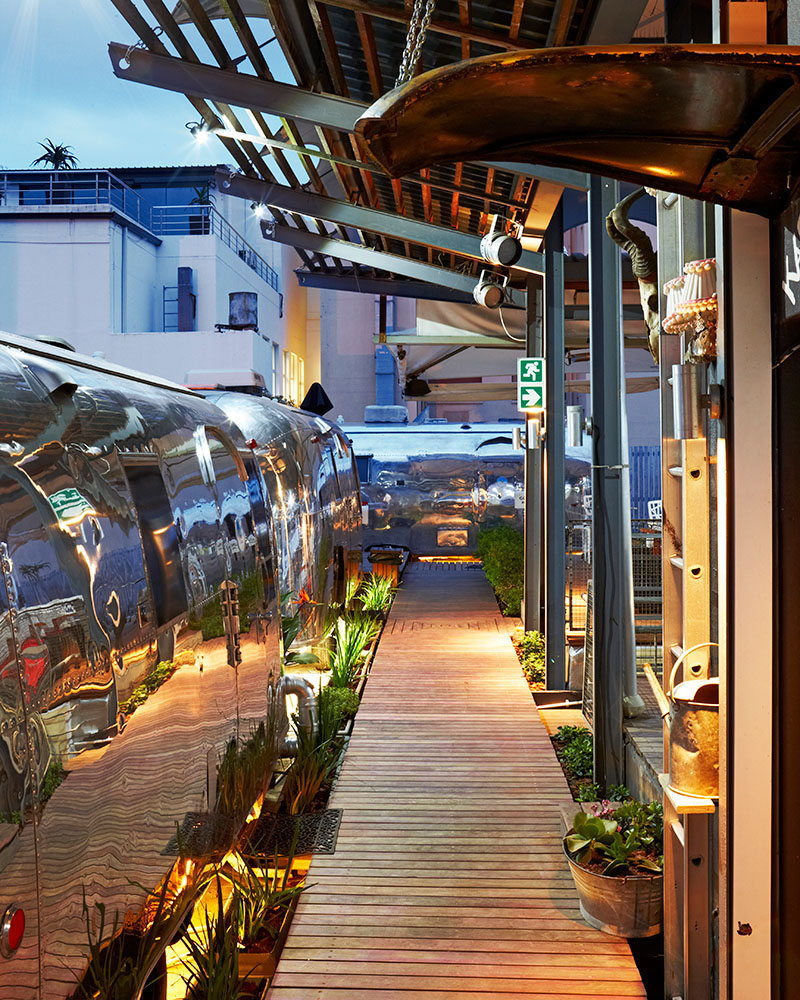
Each of the over-the-top, tongue-in-cheek motor homes has its own theme – think Karoo, Safari and Surfing – and they’re spick and span following refurbishment. Big screen TVs, air-conditioning, ensuites and massage services give guests a taste of the real American dream.
Togo
Did you have to check out Google Maps? There’s no shame in that since this is one of Africa’s smallest nations, wedged between Ghana and Benin, and it’s major claim to fame is its ranking in the bottom five of the world’s happiest countries.
Those who make it there find little evidence of the latter, although there’s certainly not much in the way of creature comforts if you decide Togo is for you. Its capital Lomé – once known as the Paris of West Africa – is on the coast. There’s little heed paid to the needs of tourists, but it’s a laid-back place where the streets are broad and the markets colourful. Make sure you head to the Marché des Féticheurs, the world’s largest voodoo market (somehow the missionaries who travelled to Africa back in the nineteenth century couldn’t convince the Togolese to give up their animist ways). It’s not one for the weak of stomach or PETA supporters, since it’s chockablock with dead critters. You can, however, meet with a practitioner to cure your woes – live hawks and eagles are used to rid the unlucky of curses.
Outside of Lomé there is little in the way of infrastructure – public transport is non-existent, and running water and electricity can’t be taken for granted – but the people are welcoming and generous. Hike up Mount Agou and look out to Ghana, or head to Parc de Sarakawa. You’re not going to see any of the big five here, but then there’s not going to be moving herds of 4WDs blocking your view while you’re watching antelopes, zebras or ostriches either.
Algeria
A true blend of cultures and its almost complete lack of profile on the tourist trail are just a couple of the reasons you might choose to head to this northern African country. Perhaps a little surprising is that, due to its history and location, this vast country (the largest on the continent) is more Arabian than African. The Berbers are its original inhabitants but during thousands of years just about everyone – the Romans, Vandals, Ottomans and, much later, the French – has had a crack at it. Now, there are a number of UNESCO World Heritage sites – the ruins of Beni Hammed Fort, part of the eleventh-century Hammadid dynasty, and the M’Zab Valley, with its large urban oasis, among them – for intrepid adventurers to explore.
The capital Algiers, on the Mediterranean coast, is both beautiful, with its whitewashed buildings on the seafront, and enormous. One of the country’s other World Heritage sites is here: the Algiers Casbah is one of the oldest parts of the city, with the remains of the citadel, old mosques and Ottoman palaces dotting its still bustling alleys.
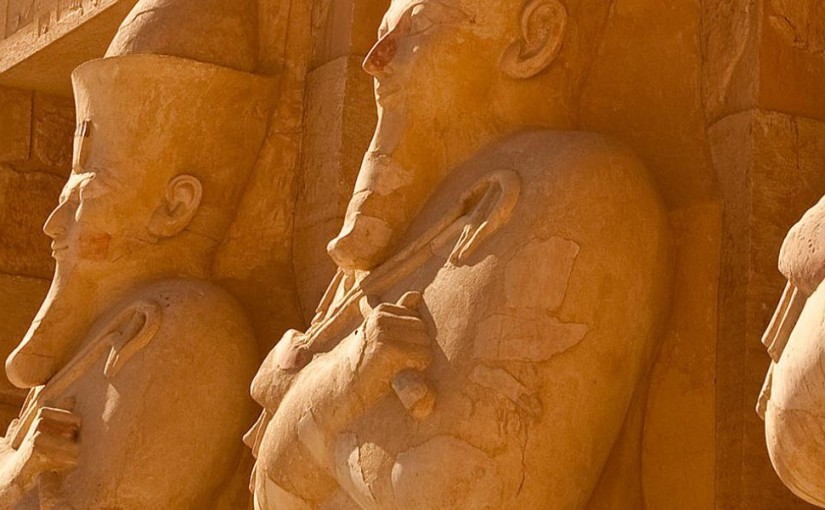
See the Midnight Pharoah
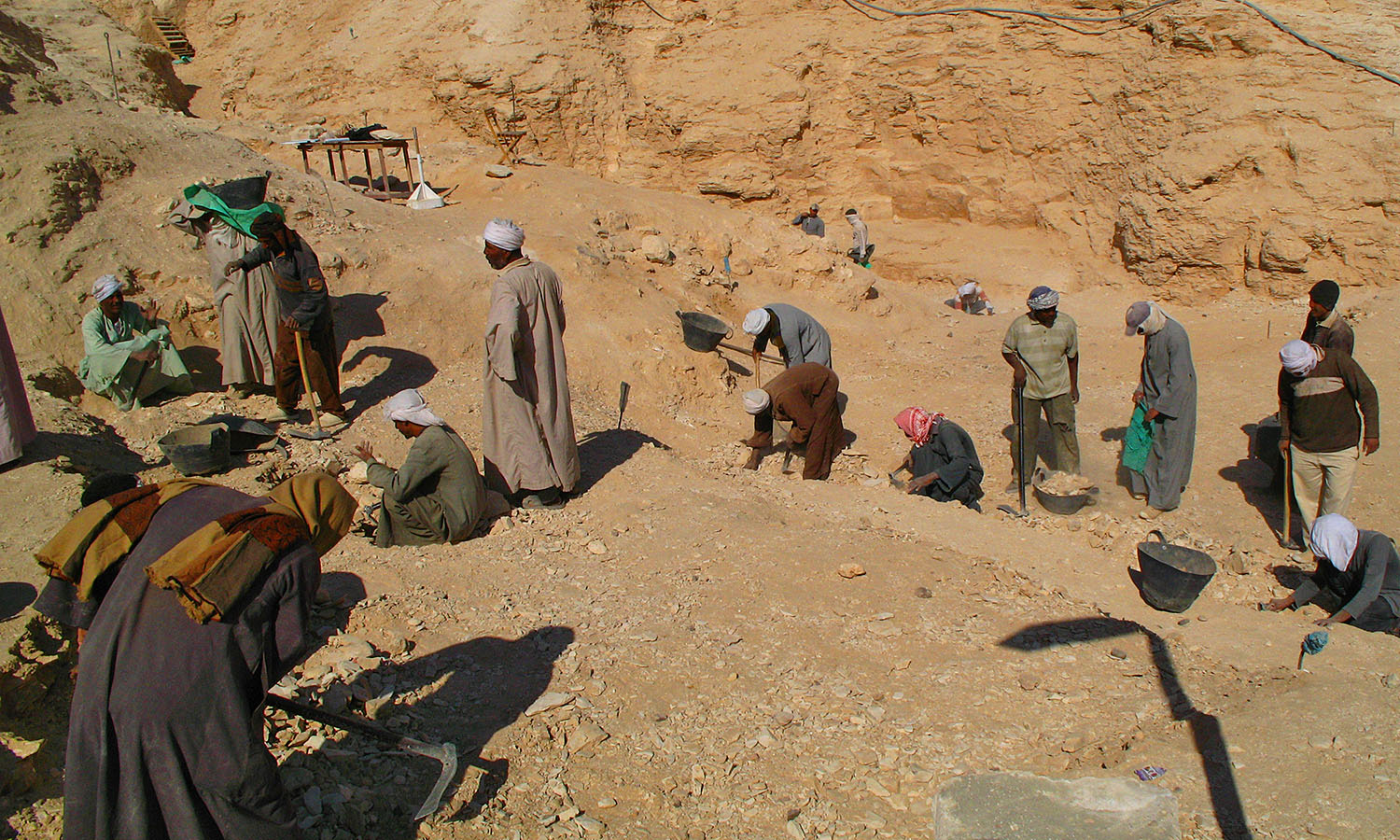
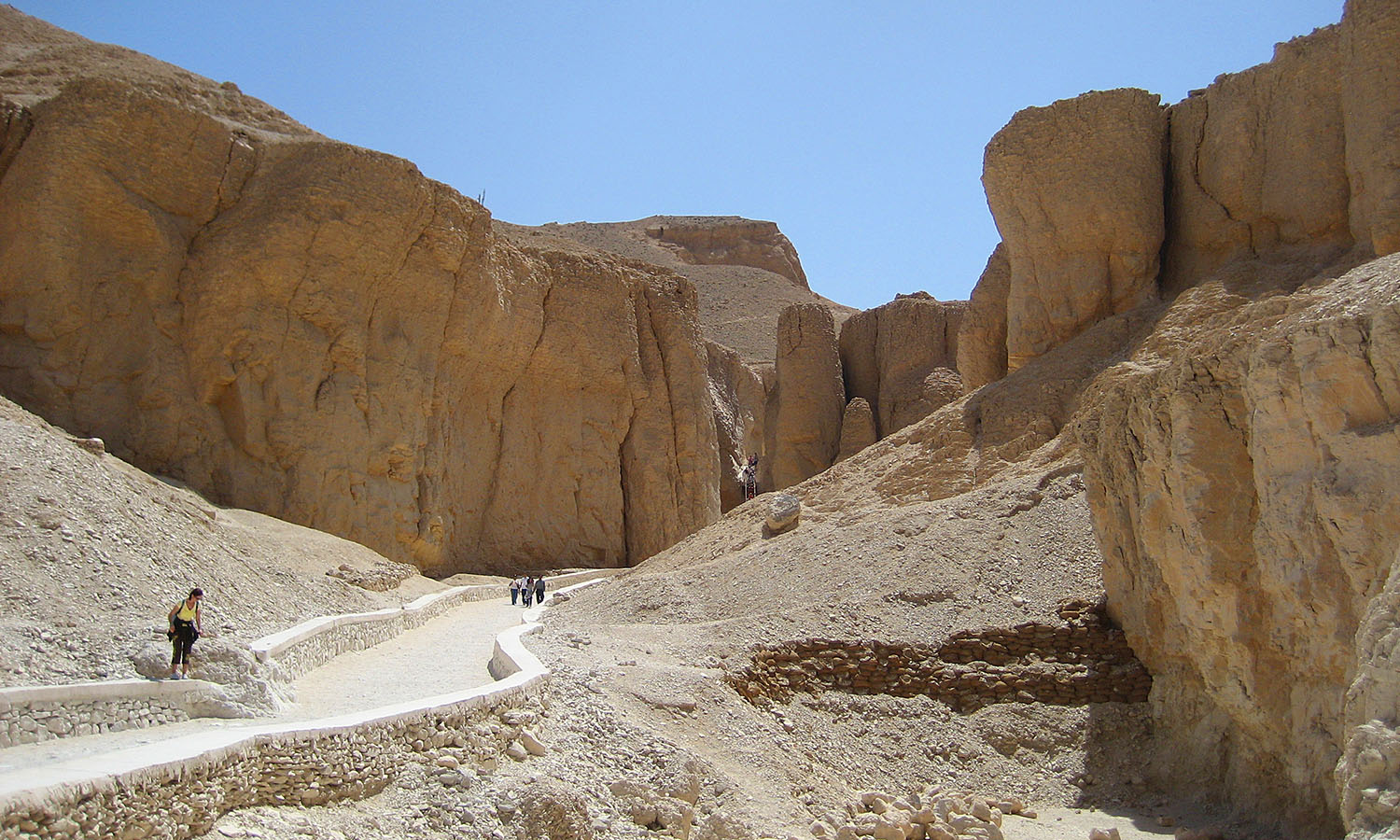
The curse of the pharaohs – the belief that anyone who disturbs the tomb of an ancient mummy will be cursed with bad luck, illness or death – is legendary in Egypt.
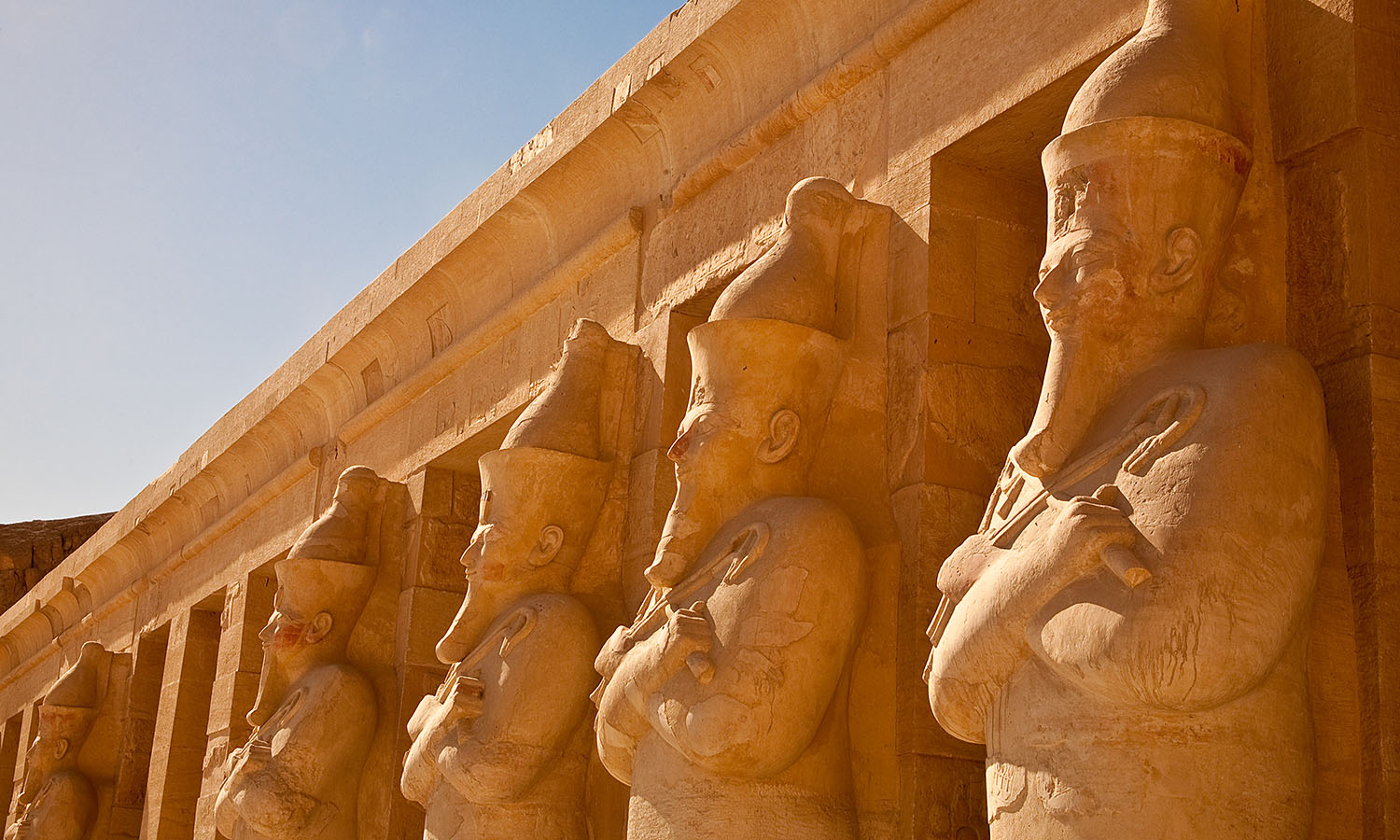
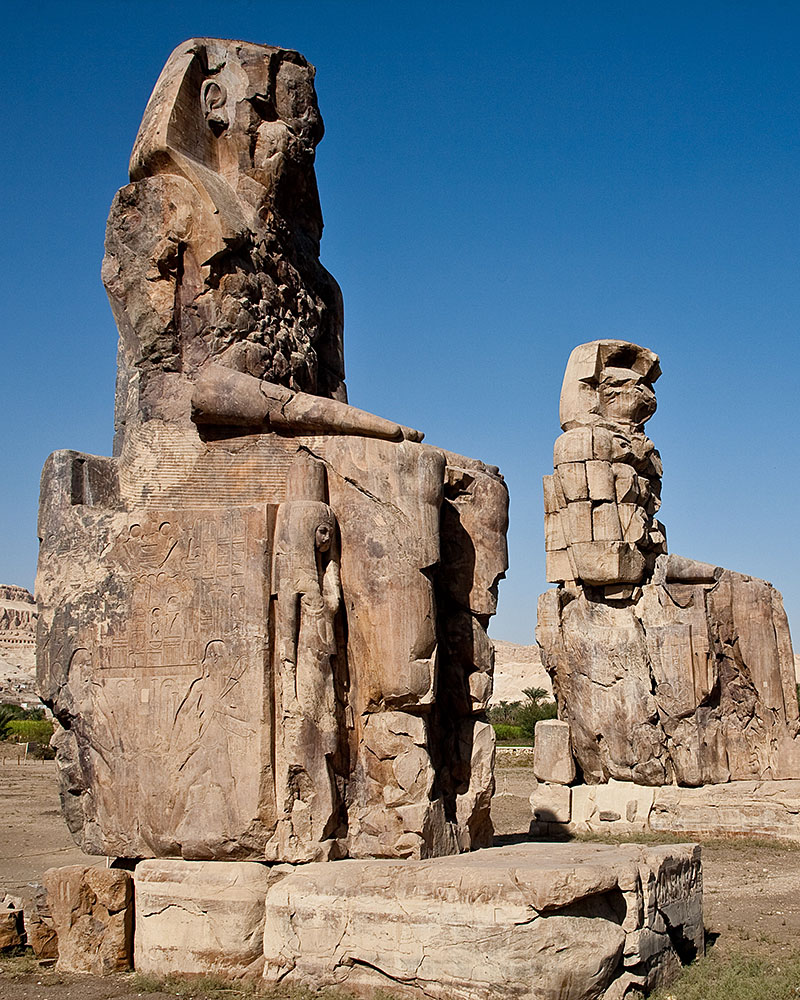
The ancient royal tombs pockmarking Luxor, including that of King Tutankhamun, are famous for their foreboding and mystique. But there’s another ghostly force at play that’s an even greater enigma.
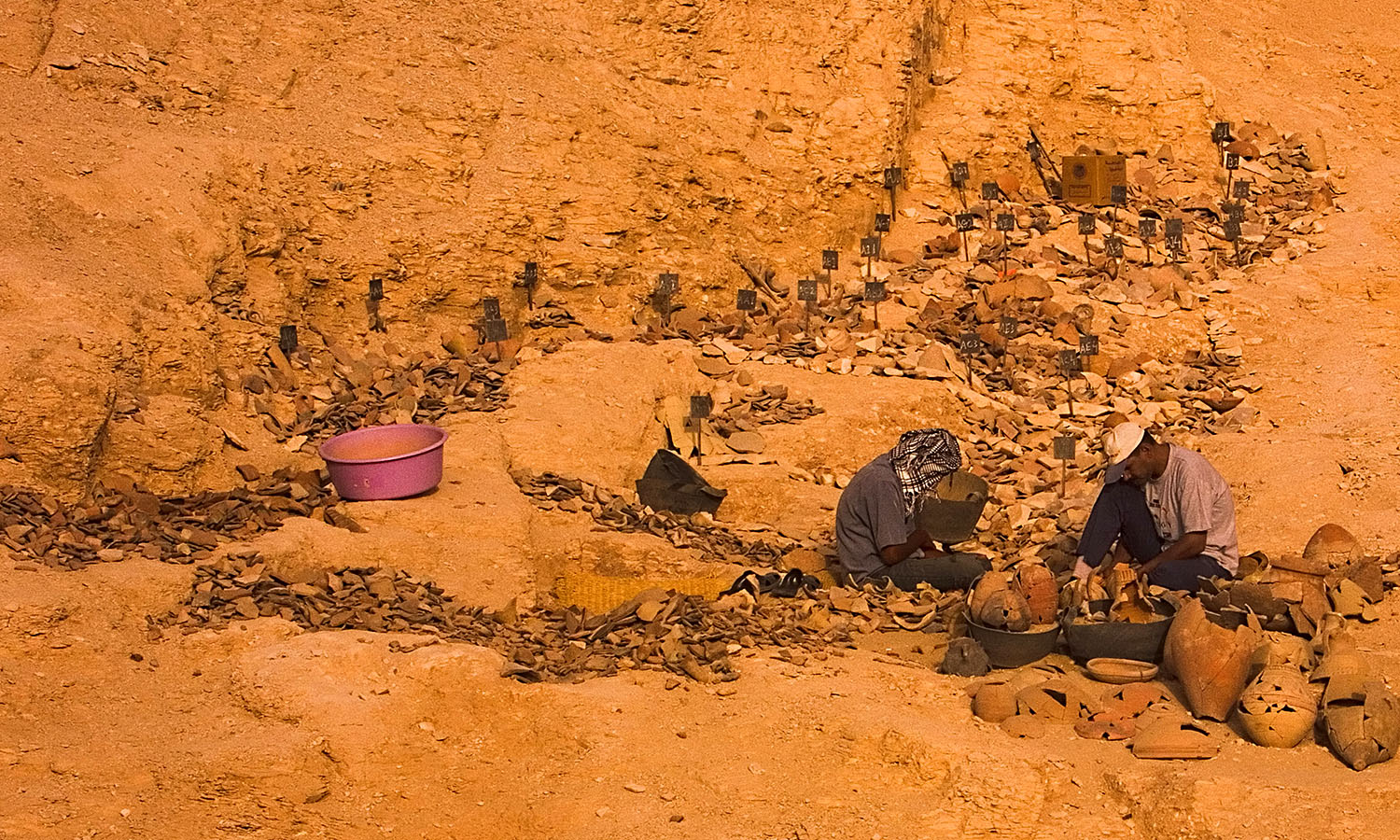
At midnight, an Egyptian pharaoh can reportedly be seen blazing through the Valley of the Kings on a chariot led by black phantom horses. According to witnesses, the ghostly figure is an eerie sight as he gallops past wearing a golden collar and headdress. If you see him, best to get out of the way.
To get a full experience of the ancient structures of Luxor, stay a few nights and head out during the day with a guide.

The Caprivi Strip
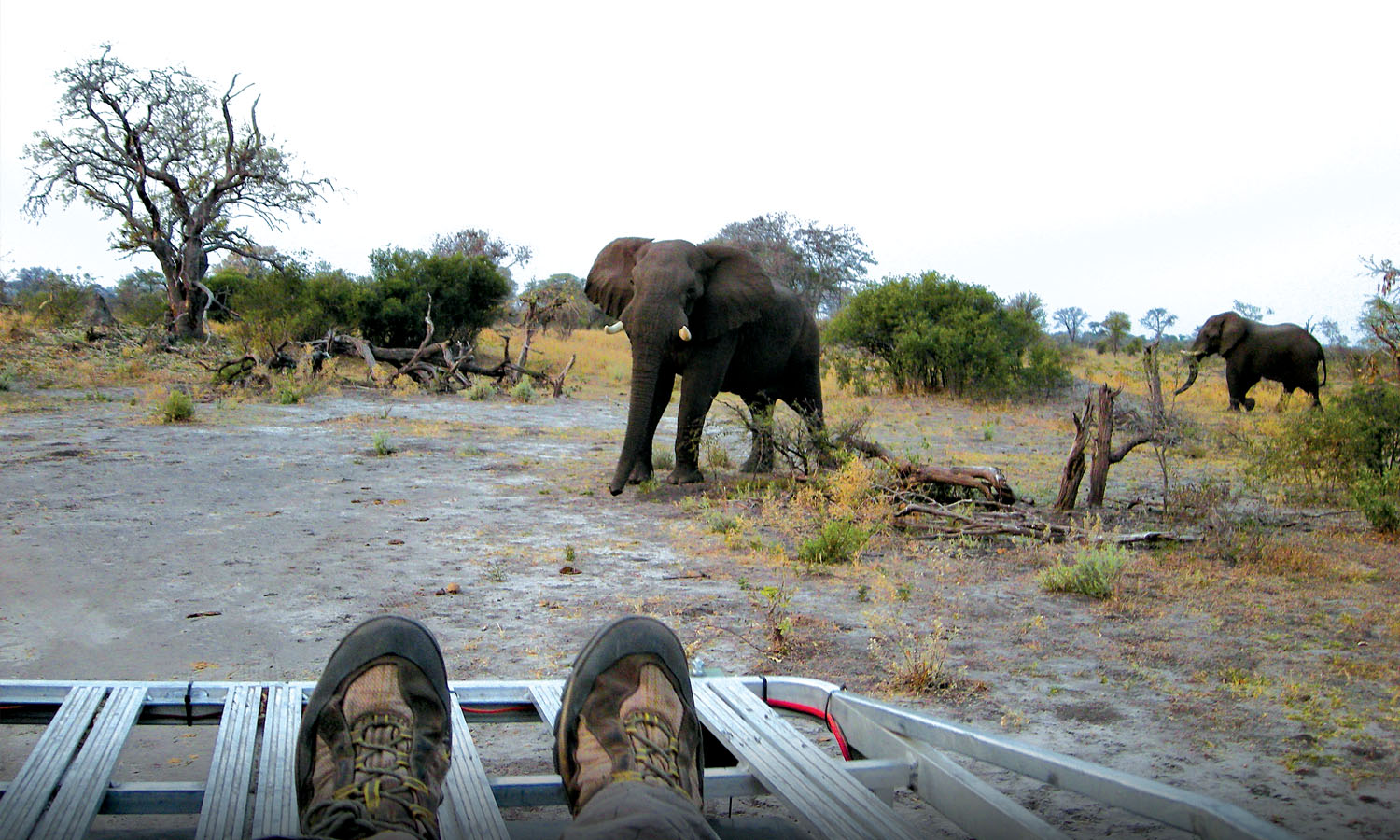
I’m sitting alone atop a Land Rover, with only about 50 metres of open space between me and the irked African elephant. It stares at us and shakes its Hummer-sized head. It flaps its ears, kicks up a giant puff of dirt and dust, and waves its trunk like a weapon.
My guide, Francois, along with the other guests, is below inside the car. He calmly tells me that turning around and driving away isn’t an option. “If we back off, it’ll probably see it as a sign of weakness and begin to charge,” says Francois. “Just keep very still up there,” he adds, as if we’re playing a backyard game with a well-trained pet. I flatten myself and attempt to look like an inanimate object – not an easy task when you’re shaking like a nervous boy-scout.
The angry giant seems to be weighing up its options. To me, it has two clear choices: 1) to calmly and politely walk away and continue its afternoon amble in the sunshine, or 2) charge, knock me off the top of the car and stomp and gore me to my untimely death. I lean back and wait for fate to decide. To tip the odds in my favour I do my best impersonation of a set of roof-racks while I wait. Where on an elephant’s body are its genitals located? Its feet. Because if one stands on you, you’re fucked.
Click to view gallery
Click to view gallery
At long last, the creature makes its move. Unfortunately, though, it goes for option number two, and starts towards us. Until this point in my relationship with Francois (that of guide and guest), he had shown himself to be an ever-calm, helpful, knowledgeable, caring and compassionate character. A true, cigarette-smoking, Coca-Cola-drinking, clean-his-nails-with-his-pocket-knife bushman. Fearless and entirely unflappable. The type of person you scrutinise in hope of exposing a weakness that can never be found. Now, under pressure, I wonder if he might become somewhat flapped. He pokes his head out of the window, turns it to the side and softly speaks. “OK,” he says, and casually leans back into the car. OK?! Nothing more. Is it a question? Is it a statement? Is it a farewell? Is it the least apt encapsulation of a situation I have ever heard? I begin to panic. “Francois, I’m panicking,” I offer. “OK, OK,” he replies, as if to emphasise the inadequacy of the word by saying it twice. I figure I’m doomed. I do, however, detect a tone in his voice that is similar to someone who is ever-so-slightly flapped, and briefly revel in a minor victory. “I’m still panicking,” I add.
It is now that Francois deploys our last and only line of defence against the encroaching creature: he begins rapping loudly on the side of the car door with a screwdriver and beeping the horn. Banging and beeping. This is all we have. It’s at this point that I wish I had religion. Suddenly, though, the elephant stops in its tracks. It shakes its Turkish-rug-sized ears, looking confused. It seems it doesn’t like loud noises. Sensing a turning of the tide, I, too, begin banging like a lunatic. In a mad huff, the elephant stomps the ground violently, turns around and trots off angrily in the opposite direction. I live for another day. But this is only day two. Why is an elephant’s trunk at the front of its body? So it doesn’t put peanuts in its arse.
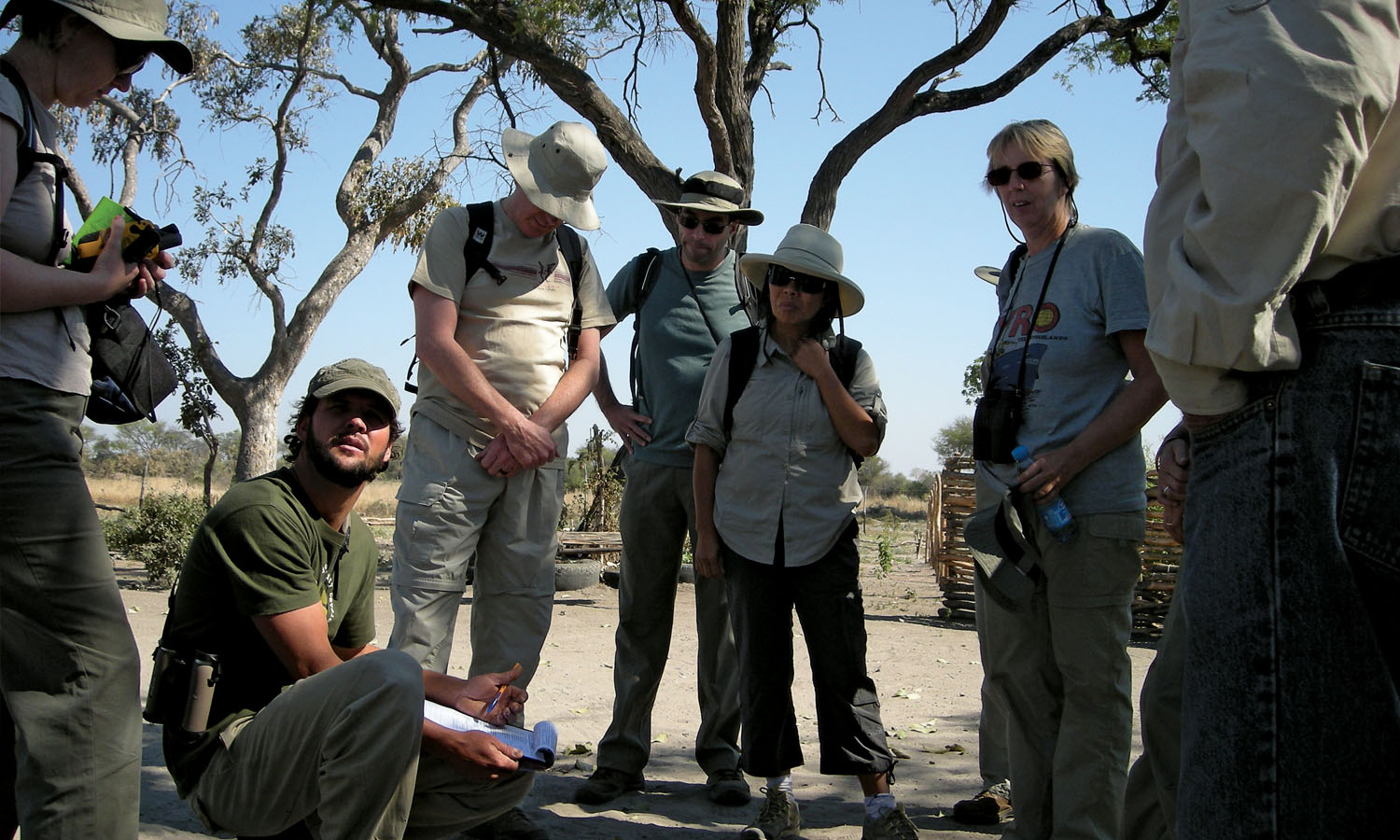
Welcome to Hanyini Research Station, Namibia. Throw down your bags, don your boots and khakis, douse yourself in mozzie repellent, and make yourself as comfortable as possible. This will be your home for the next two weeks. If you’re looking for an African outback adventure, far from the hordes of camera-toting tourists on super safaris (far from anywhere, in fact), this is your place. This, without a doubt, is an adventure of a lifetime.
Click to view gallery
Situated in the Caprivi Strip – the thin strip of land that juts out of northern Namibia about 450 kilometres eastwards, between Botswana, Angola and Zambia – Hanyini is a fully functioning research station that hosts Biosphere Expeditions guests on volunteer conservation vacations. Biosphere’s mission is to promote sustainable conservation and preservation of the world’s wildlife. They do this by getting together serious scientists with everyday folk like you and me. It’s a hands-on holiday that allows business people, teachers, waitresses, journalists, mechanics and many more to step outside of their day-to-day lives and play a role in creating a sustainable future for a particular species or habitat in a far-flung locale.
Hanyini was founded by partners, Francois de Wet and Julia Gaedke, of the Wildlife Community & Development Fund (WCDF). In conjunction with Biosphere Expeditions, WCDF is looking at ways in which the local people in and around the Mamili National Park can coexist with predators like lions, leopards and hyenas. As it stands, the local people – whose major (and very meagre) source of income is derived from cattle farming – are losing a sizeable percentage of their herds to hungry beasts with big teeth. The locals, in turn, are protecting their livelihoods by shooting these incredible creatures.
Francois, a scientist, is a big cat person. Julia, an anthropologist, is a people person. In their love for each other, the land, the animals and the people, and for the sustainable future of this region, they are working on how to solve this complex human–predator conflict. The greenhorns like you and me not only bring vital funding and people power to the project, we are also invited to help find solutions to this multifaceted situation. From tracking, counting and documenting animals (including scat samples), to building bridges and cleaning the camp, Hanyini is a real, roll-up-your-sleeves adventure. German fetish holidays aside, there are few vacations where you will find yourself with a group of strangers huddled around and discussing the shape and consistency of a desiccated turd. Fewer holidays still will render you so enthused with the said poo that you’ll photograph it and write down its GPS coordinates in a log book. It’s all part of the experience.
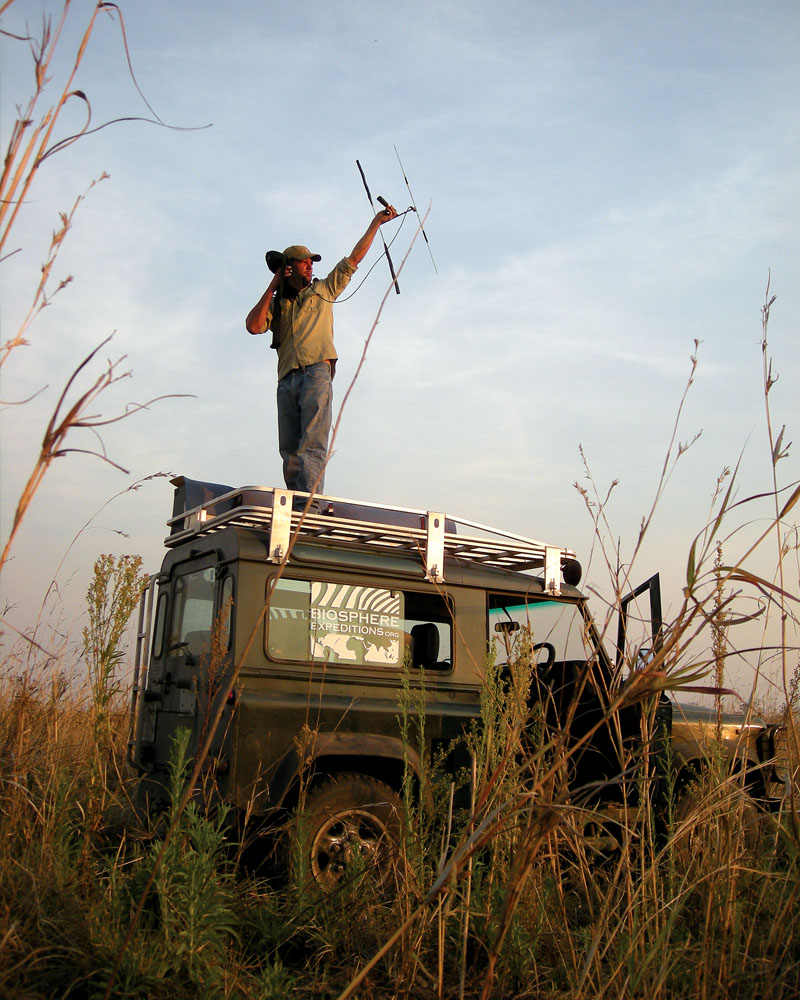
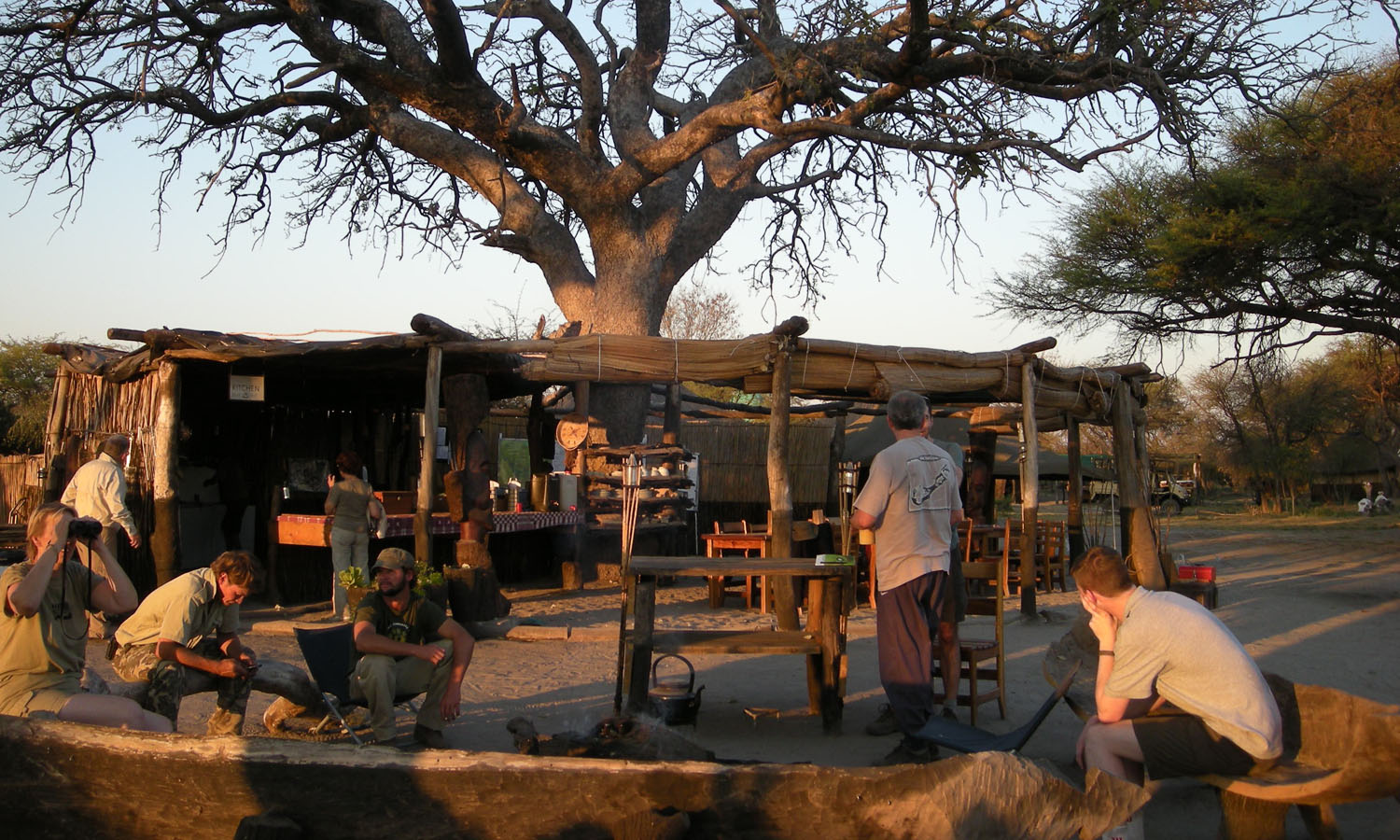
If day two finished with a close call with the world’s largest land-based animal, day one at least began on a less adrenaline-filled note. After arriving – an all-day adventure in itself that involved border crossings, buses, cars, boats and trucks – we ‘check in’ to the camp (all guests in rustic, yet secure, bungalows; me in a big, old canvas tent) and get to know our surroundings. As the sun starts setting through an ancient camel-thorn acacia, over the flat and dry African savannah, and we tuck into a delicious meal on a candlelit table in the al fresco camp kitchen, I think to myself two things. First, I have found a place of vast beauty. Second, the everything-in-Africa-wants-to-kill-me business is not something I’m going to worry about. I have nothing to fear here. All my previous apprehension has gone. Maybe it’s the wine. Not long after, Francois walks in with a serious expression on his face.
“OK everyone, I need you all to listen in for a moment,” he begins. “I need you all to be very careful when you leave the table tonight and walk back to your cabins.”
I look around at my fellow guests – an eclectic mix of young and old from across the globe – their eyes wide with expectation and mouths filled with half-chewed food, not wanting to chew again until Francois delivers his news.
“Neil has just been charged by a leopard.”
Half-chewed food is gulped whole. Mine is spat back onto my plate. Neil, one of the guides, has just had a leopard run at him – with razor-like claws and teeth bared – in an attempt to attack. This, mere metres from where we dine on spaghetti and oven-baked olive bread, with nothing but candles between us and the unknown dark. There are no electrified fences or armed guards here. Just two strands of wire with some cowbells hanging from them.
“Luckily, Neil didn’t panic,” says Francois. “He kept calm and he’s fine.”
We go back to our meals. I take care of any panicking Neil may have neglected to do moments earlier. I don’t sleep well that night.
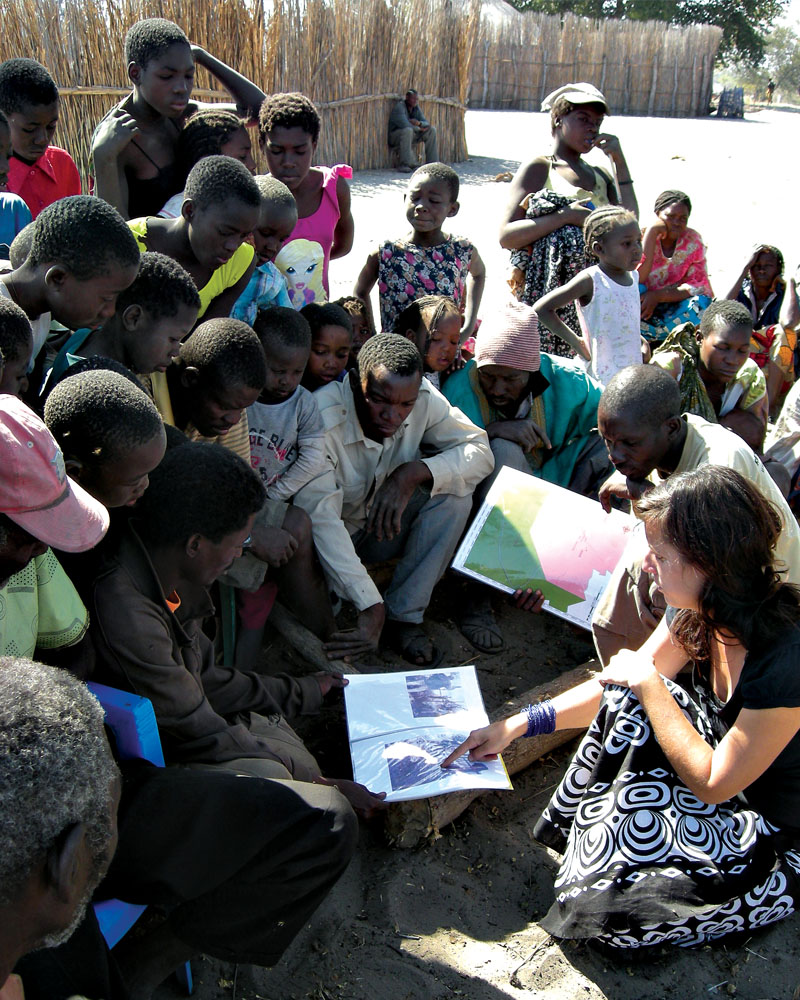
To paint Hanyini as a place teeming with life-threatening wild beasts doesn’t accurately capture the entire picture, though. Yes, there are the odd moments of terror, but, for the most part, this expedition is an absolute joy. Our days are spent in the hot sun, working and learning and revelling in the adventure of it all. We conduct game counts from the vehicles and on foot. We track animal prints in the sand. We build bridges. We meet with impossibly poor local people and, through an interpreter, discuss with them their worries and woes and views on conservation. We spend nights sleeping under the stars, with hippo’s honking in creek beds nearby. We track animals with radio collars attached. We walk, drive and boat through the bush like it’s our very own adventure theme park. At the end of each long and hard day, we all converge at the camp kitchen under the giant sausage tree and, while the sun goes down, we discuss the things we’ve seen and learned that day. The cool beer and the sunsets give these afternoons an almost dream-like quality.
By the end, I almost come to terms with my elephant phobia. Each night, herds of them choose to congregate directly behind my tent, with only sun-worn canvas and two strands of wire between us, and I still sleep like a log. On my last morning at Hanyini, I crawl from my tent, sleepy-eyed and barely clothed, to relieve myself against a tree. As I begin my morning wee, I become acutely aware of something watching me. I turn my head to find a giant elephant about three metres away, its trunk waving towards me over the wire fence. I casually finish my business and bid it good morning. Fear is a funny thing. What did the elephant say to the naked man? “How the hell do you drink with that?”
Beautiful Thing Here
Where is the ‘thing’, I wonder? We hadn’t seen any ‘thing’ for a couple of kilometres either side of the sign. I look all around me to see if there’s something I’ve missed, but there’s nothing. I soon figure it’s another of those baffling occurrences that happen when travelling in this part of the world and I return to gazing out the window, watching the world pass by. Past the pineapple fields and the cashew nut stands. Past the lazy little villages with thatched-roof houses and the herd boys attending to their cows.
Later that day, when we stop for petrol, I get talking with a gap-toothed old man who speaks a little English. I ask him if he understands the message I saw scrawled on the sign. I’m not sure if it’s a language problem or if he thinks I’m an idiot but, to him, the sign makes perfect sense. “It’s simple. There’s a beautiful thing here, you come look today,” he says. “Why this difficult for you?” When I ask him what exactly the ‘thing’ might have been, he looks at me with a mixture of disbelief and sympathy – a look reserved for those who ask stupid questions. “It is everything, my friend; it is Mozambique!”
Welcome to the Terra de Boa Gente, The Land of the Good People. A destination as confounding as it is delightfully uncomplicated. A nation whose ongoing battles with war, weather, famine and disease seem difficult to imagine while sipping a chilled cider on its big, beautiful beaches. A place where teenage boys who dress and speak like American gangsters still debate a girl’s appeal in terms of the number of cattle she might be worth. A country where it feels as if it’s still possible to truly get off the beaten path, yet doing so risks stepping on landmines. Welcome to Mozambique.

Click to view gallery
Click to view gallery
I arrive in Mozambique aboard a big, blue overland truck operated by global tour company, Kumuka. We’re kitted out with everything we need, from our food to our tents, our guidebooks to our two local Kumuka guides. It feels like a youth hostel on wheels: a 22-seat, four-wheel drive, German-designed mobile guesthouse. We’ve just spent a few days in the comparative luxury of neighbouring South Africa, spotting the Big Five in the legendary Kruger National Park and mingling with the grey nomads in their campervans and caravans. Crossing the line that separates the two countries, I notice a dramatic change. The highly efficient and functional tourist experience of South Africa is replaced with a genuine developing-world adventure. The lazy-looking immigration officials seem only to be motivated into passport-stamping action when a few US dollars are flashed about. All manner of people and things are walking across the busy border without garnering much attention at all. The happy singsong sounds of Portuguese float about in the warm breeze. There’s a rawness and roughness here that seems a world away just over the border. After some aimless waiting in the sun, the stamp holder inks our passports and waves us into his country.
By land and by sea, Mozambique has been invaded, visited and colonised by people from all over the world. It’s a great cultural crossroads. From Bantu-speaking African tribes to Arab voyagers, Goan merchants to Portuguese explorers, Mozambique’s land and people have enticed those in search of ivory, gold and slaves. In the late 1700s, its ports became one of the main channels for selling slaves. Some estimate that up to one million people were sold into slavery from here. The Portuguese, whose interest in Mozambique began more than 500 years ago, ruled the country until June 1975. Since independence, the country has been ravaged by civil war, drought and famine.
Beset by serious poverty and a shocking HIV infection rate, today’s Mozambique is still largely dependent on foreign aid but is desperately trying to move forward. Tourism is vital to this process. Slowly, visitors are arriving and finding a destination rich with cultural and geographic diversity. Its people are an ethnic patchwork of African tribes mixed with Portuguese, Chinese, Indian, Pakistani, Arab and more. And its 2,500 kilometres of pristine coastline, with warm blue waters, untouched islands and swarms of sea life, is some of the prettiest on the planet.
Click to view gallery
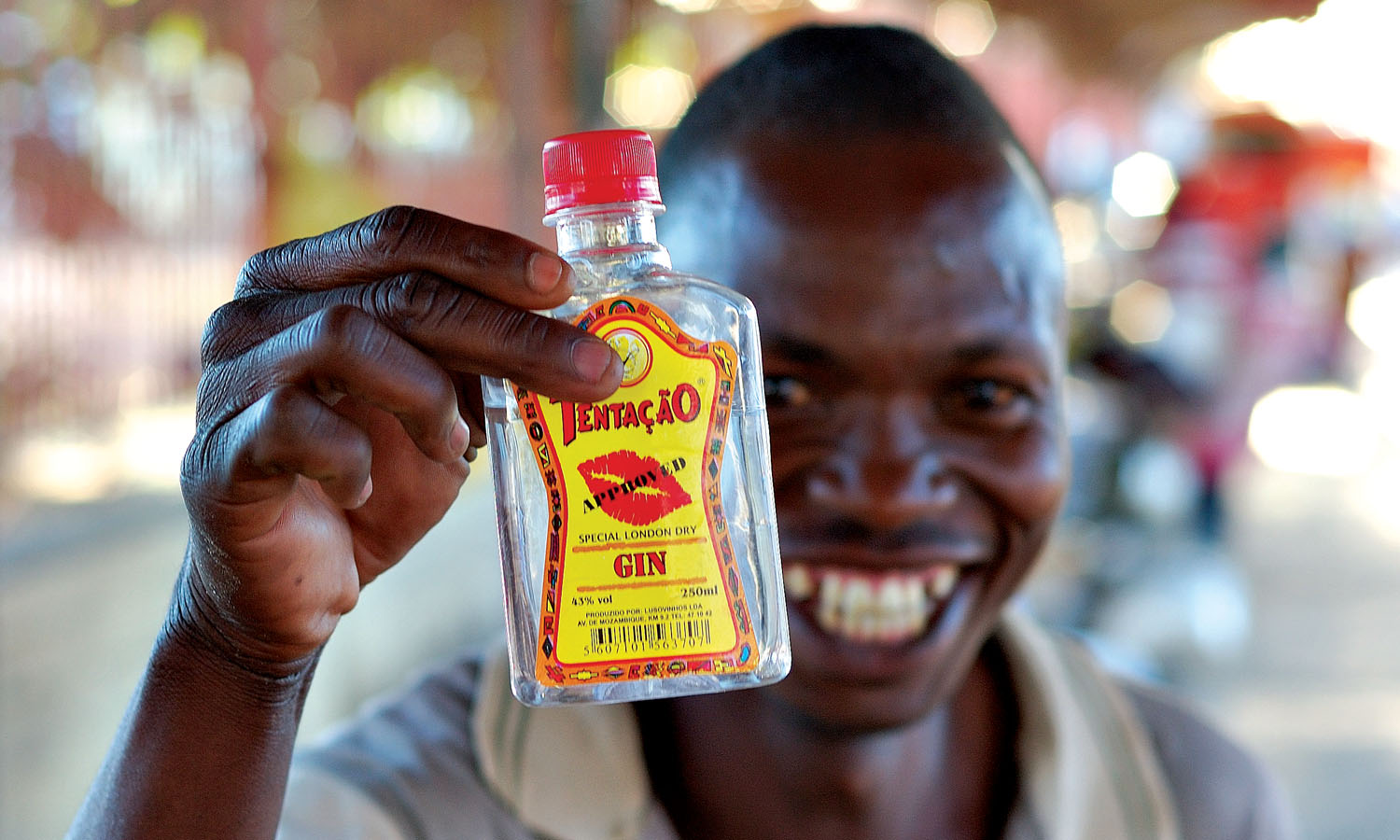
Our first port of call is the country’s colourful capital, Maputo. This city quickly reveals itself as quite an attractive beachside metropolis, with some lovely colonial architecture and big, broad boulevards flanked by flame trees and jacarandas. There’s a palpable energy and plenty of sidewalk cafes and restaurants from which to watch the action. We spend the afternoon ambling along the sand with a few sundowners in hand. At night we eat seafood and drink sweet rum from the bottle and sample a couple of nightspots. This is definitely a place to spend a few days, but we’re not here for the city. The next morning we take off up the coast to Barra.
After another bumpy day on the truck we arrive at Barra Lodge, well and truly ready for the fine food, luxury and adventure promised in the brochure. Barra doesn’t disappoint. Only 30 minutes from the charming historic town of Inhambane, the Barra Peninsula is a brilliant seaside location offering hotels and resorts and loads of adventure activities. We check into our cute little self-catering cottages and head for the beach bar. That evening we dine at candlelit tables on the sand, tackling the enormous seafood buffet as local performers dance and play drums in the moonlight.
The following day, my high-energy companions go their separate ways to partake in the different adventures activities offered by Barra Lodge – reef diving, ocean safaris, deep-sea fishing, swimming with whale sharks and mantas, and other adrenalin-inducing experiences. I, on the other hand, opt for a boat trip to Pansy Island. While this decision did little to improve my standing with the ladies in the group, the experience far outweighed the indignity of the corresponding challenges to my manhood. Onboard a comfortable 33-foot catamaran, we cruise the clear, calm waters off Barra to Pansy Island – renowned as a top spot to find the beautiful and quite rare pansy shell.
I’m joined on the catamaran by South African newlyweds who look like they’d been back for a few too many helpings at the buffet. Peter, the proud new husband, is clearly enthusiastic about Mozambique as a tourist destination. “Five years ago, nobody wanted to come to this place, but now people are realising it’s okay,” Peter explains. “This place will be a mini Mauritius very soon.” We sit on the deck for a while, sunning in silence together, when Peter pipes up once more. “This place is so fucking beautiful, man.” And with that, he throws his cigarette butt into the ocean. We spend half a day walking around Pansy Island, looking for shells and snorkelling, eating some of the biggest and best garlic prawns I have ever sampled, and being slothful in the sun.
When we return to the mainland I make a desperate bid to reaffirm my masculinity by taking off on a quad-bike tour. We noisily slip and slide along sandy tracks lined with coconut palms, high-fiving enthusiastic children who run from their houses to watch us zoom by. We pass through small villages, along the beach front and cliff tops, with the salty air in our faces, and through a terrific little town called Tofo, where we stop for drinks and a stroll through the colourful markets. We spend two days at Barra Lodge, lazing by the beach and pool. We eat and drink well and feel 100 per cent adjusted to the idle pace of Mozambican beach life.
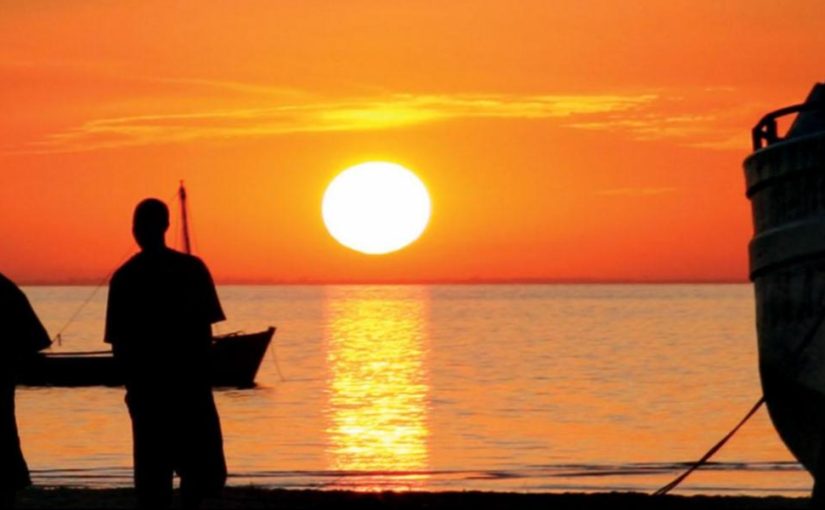
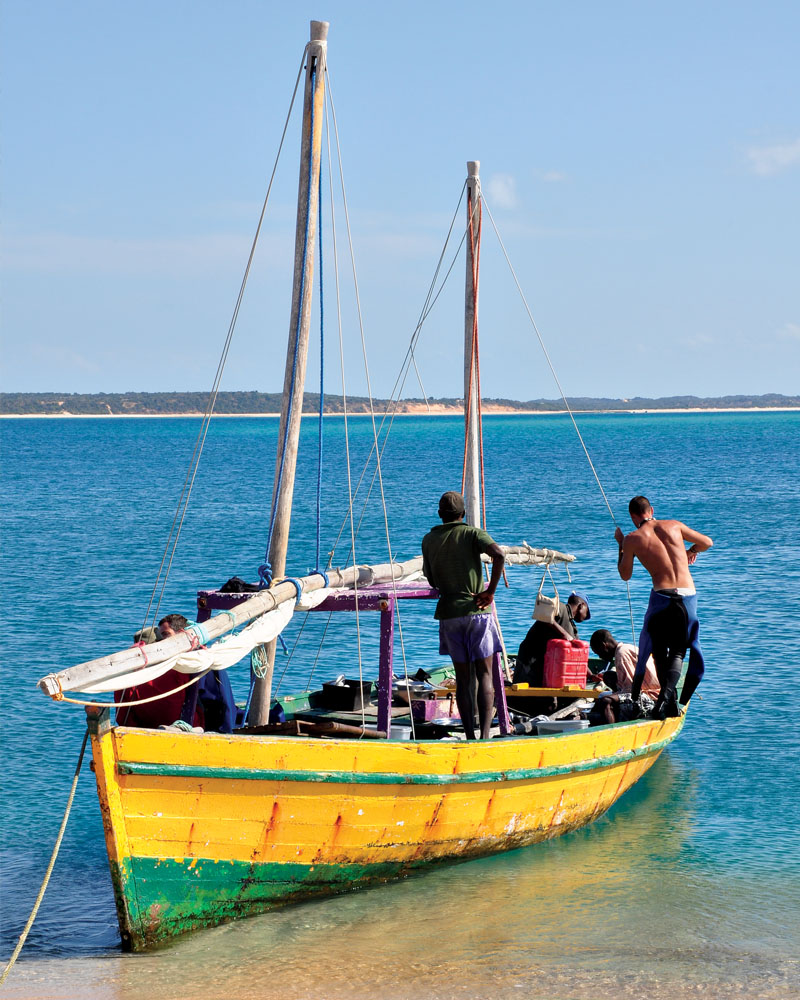
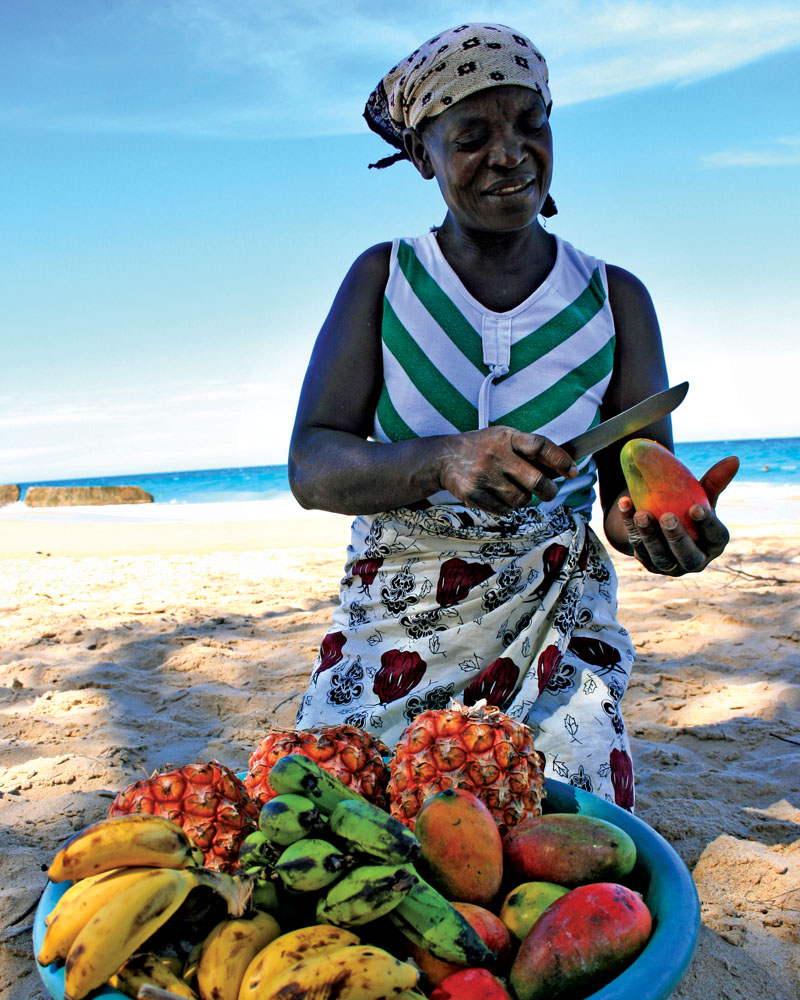
Our next destination is a town to the north called Vilanculos. This is the gateway to the stunning Bazaruto Archipelago: a group of tropical islands that satisfies every tropical island fantasy possible. The beaches around Vilanculos come alive each day when the fishermen return from a night at sea in their dhow boats (Arab sail boats). The sandy shore becomes an instant fish market, with hundreds of buyers and sellers bargaining for the day’s best deals. Colourfully clad women carrying huge buckets on their heads get to work gutting and cleaning the catch while their kids play in the sand. We join the action, play with the children and watch the sun set a magnificent orange colour over the Indian Ocean.
On day two in Vilanculos we make our way out to the Bazaruto islands in a dhow boat. Travellers search the globe for picture-perfect destinations, only to often find a yawning gap between the romantic notion of a place and the reality of being there. But the Bazaruto islands aren’t like that. These islands belong in a big-budget beer advertisement. Every airbrushed tourism-brochure image comes brilliantly to life. The blueness of the water, the whiteness of the sand, the lack of tourists, the king-sized prawns, and the succulent squid all leave me grappling for superlatives.
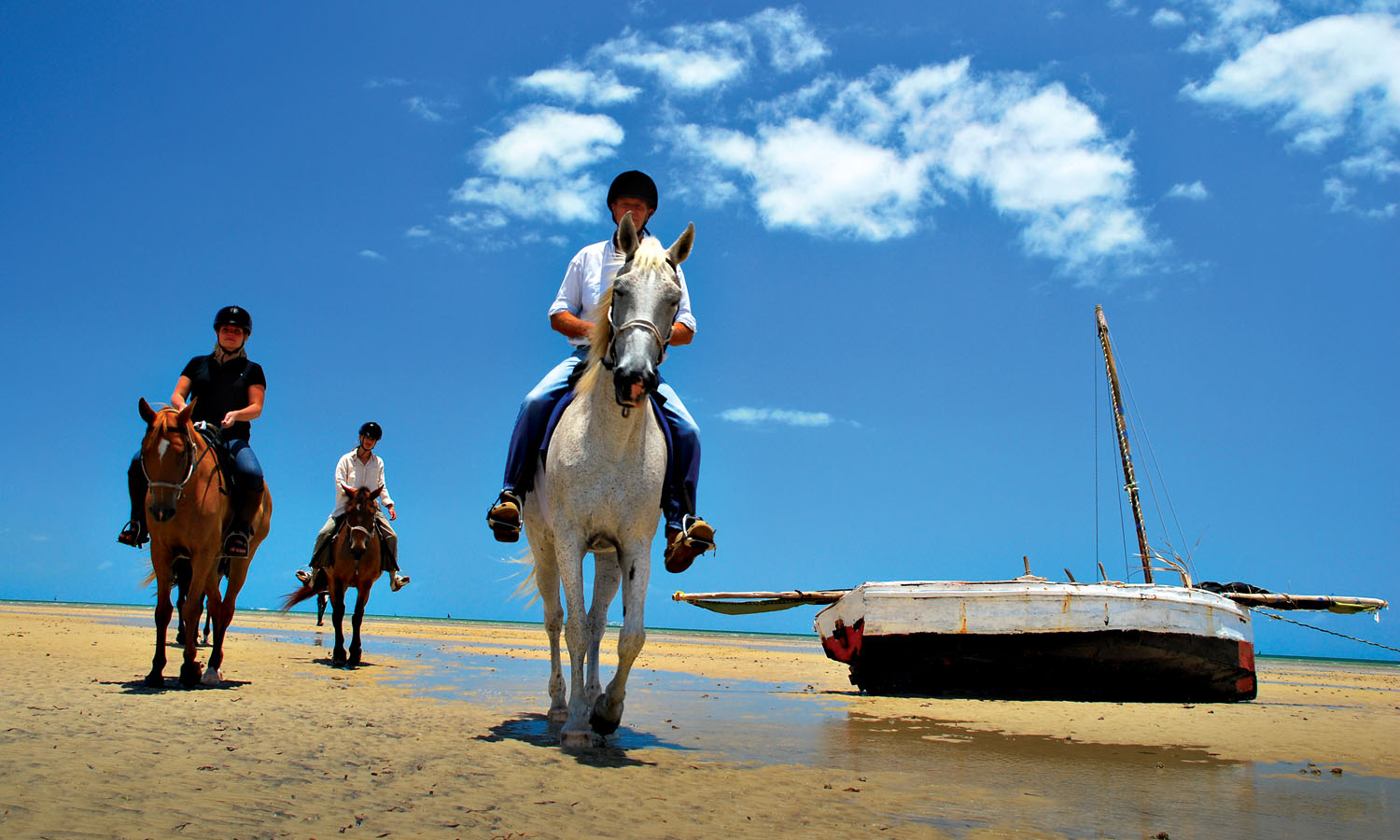
The next day I decide to permanently shake the ‘pansy’ tag by going horse riding. I envisage myself on a tall and strong steed, galloping across the dunes and at the water’s edge. For the purposes of this daydream I also imagine I’m wearing a ten-gallon hat and smoking Camel cigarettes as I ride. While Bazaruto lived up to my preconceptions, my Mozambican-man-from-Snowy-River dream is very quickly shattered. It’s not that we don’t ride across the dunes and at the water’s edge. We do. It’s not that we don’t take one of the most incredibly scenic horse rides to be found anywhere. We do. It’s just that the other guests get to ride tall and strong steeds with names such as Excalibur and Maximus while I get saddled up on a disobedient little brown and white nag called Meaghan. As pretty as she might be, she firmly reinforces my pansy-ness. It is still a great day out. We walk, trot and canter through villages, along the dunes, by the beach and even dip our hooves in the ocean. Our ride finishes with a cool beer at a little beach resort that looks out over the ocean and the islands. I get talking with an expat living in Vilanculos who can’t speak highly enough of the beauty of this place. He tells me some of the history of the region and, alarmingly, that mining is set to heavily encroach on this part of the world in the near future. “This place’ll probably be fucked in ten to twenty years’ time.” Somehow, he seems quite bright and breezy about this future.
Like most journeys, my visit to Mozambique is far too short. The possibilities for serious exploration here are endless. I merely scratch the surface along the thousands of kilometres of coastline. On the last day of my trip, I look out to the dhow boat sails flapping on the horizon like big brown leaves and I wonder if I’ll return. I quickly agree with myself that this is a stupid question. Of course I will. There’s a beautiful thing here.
The Lake of Stars
“Sure, of course,” says a smiling Happy Coconut. “Chicken Pizza is my friend.”
“Can you tell him Cheese on Toast from Monkey Bay says hi,” I say.
“No I can’t, Chicken Pizza is in Finland,” he tells me.
“Yeah, he’s visiting his girlfriend,” Boobs confirms.
Welcome to Malawi, home to some of the friendliest people on the planet, with some of the world’s weirdest names.
I meet Happy Coconut, an entrepreneurial part-time artist who sources carvings, jewellery and artworks for travellers, in Nkhata Bay. He tells me over a few beers that he changed his name to something catchier, so travellers would remember him and return to buy his wares. It’s a good fit – he is always smiling.
I ask him about the other names around town.
“There’s Soil, Gift and Happiness – they’re nice. But then we have a few Troubles. They always end up bad,” he laughs.
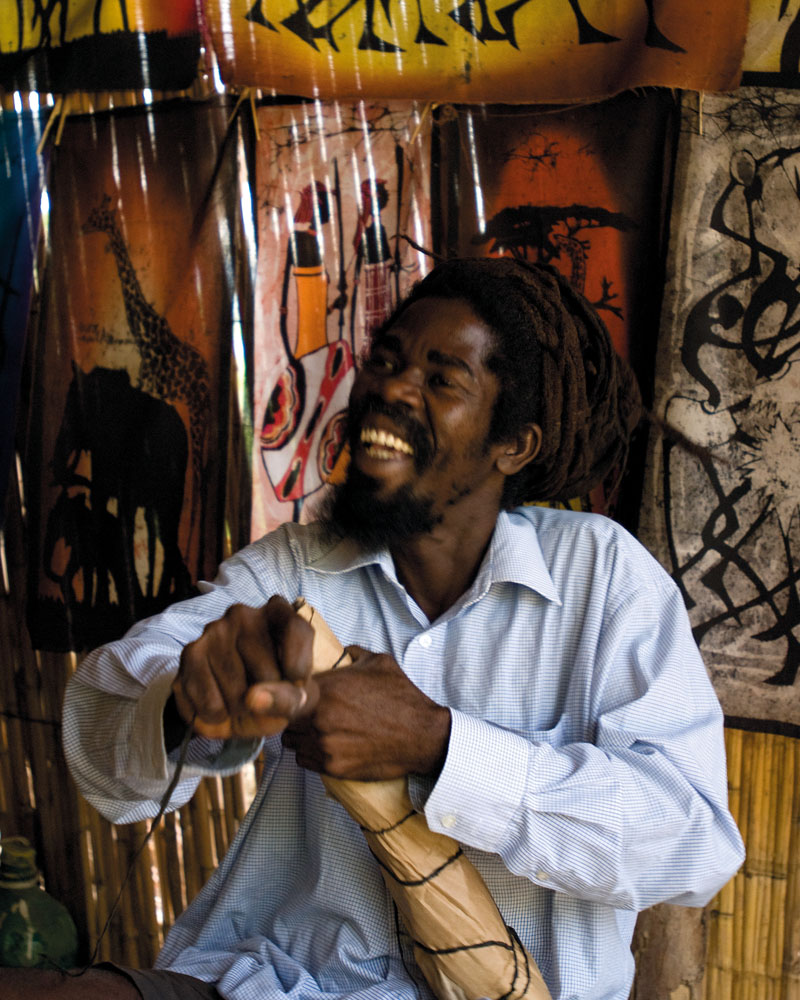
Malawi also has a bunch of clichéd names to describe the country itself. It’s known as ‘the warm heart of Africa’, which describes the spirit of the people. I’ve also heard it referred to as ‘Africa for beginners’ or ‘Africa light’, as if having a real, yet safe, African experience is a bad thing.
Yet of all the titles, ‘The Lake of Stars’ is the one that defined my experience as I travelled from Monkey Bay in the south of Lake Malawi to Nkhata Bay, where I am volunteering on a community project called the Butterfly Space.
This name was given to the lake in the 1800s by David Livingstone, when he saw lights from the lanterns of fishermen and thought they were stars in the sky. It’s also the name of the area’s annual four-day international music festival. But, to me, it’s a name that best sums up the people around here: ‘the stars’. And I don’t mean Madonna.
Her association with Malawi is well documented after she adopted two local children under questionable circumstances. However, while I intend helping out at a nursery school here, unlike Madonna I plan to leave the kids in Malawi when I depart.
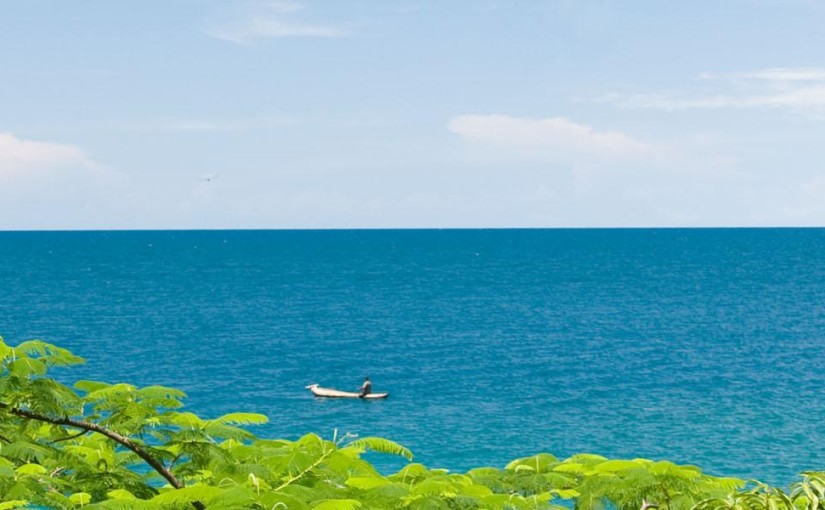
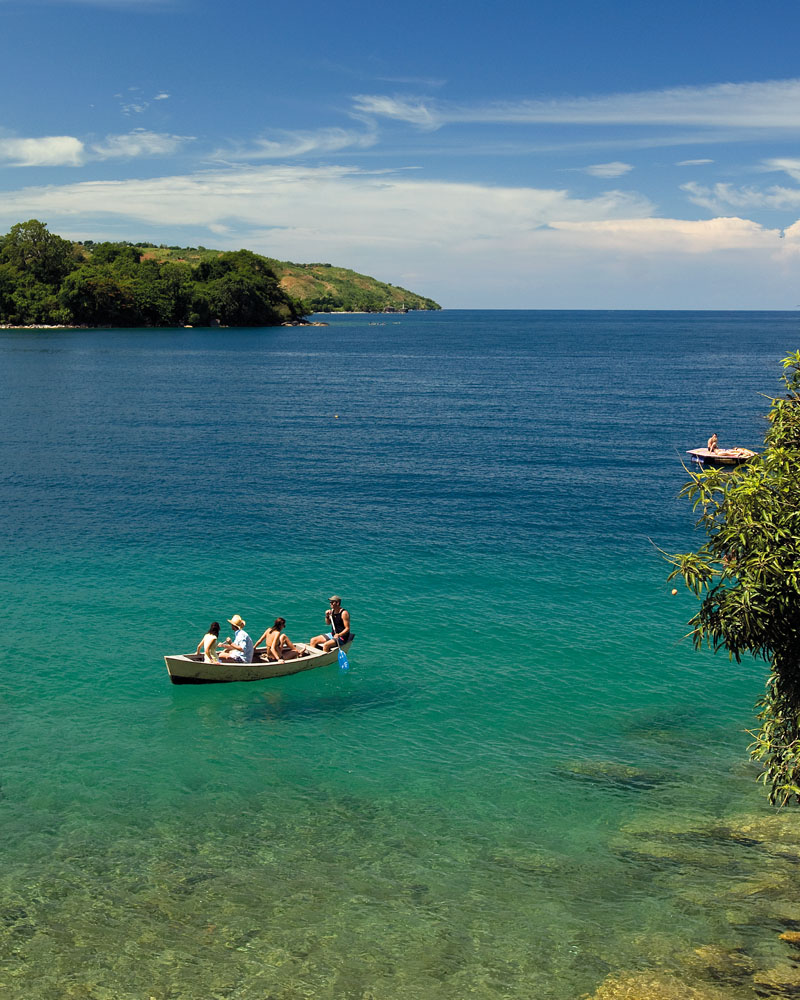
Lake Malawi is the aquatic highway and main vein of the country. It’s bordered by Tanzania and Mozambique, and, at more than 500 kilometres long, is the eighth largest lake in the world. It’s the source of water, food and life for the people of Malawi, and is a big attraction for travellers and biologists. With tropical-postcard waters, hundreds of fish species (many exclusive to Malawi), and white sandy beaches with smatterings of coconut trees, it looks more like the Caribbean than a freshwater lake.
My journey begins at Monkey Bay, where I wait to board the Ilala ferry, a 1950s steamliner that travels from the south to the north of the lake, stopping at ports and islands in Malawi and Mozambique.
The Ilala has been out of service for a week, but according to Cheese on Toast (the barman) and Owen, the chief safety officer for the Ilala, who I meet at the bar, it is set to leave the following day.
The day comes and goes, but the Ilala doesn’t. Owen assures me it will be ready to leave at midnight the next night. It isn’t. He phones several times during the night with updates to help me out. The final phone call comes at 4am, after he’s worked all night. “Come down to the wharf, we’re ready to go.”
I grumble as I walk for half an hour in the rain to board. There’s no one to drive me because the car at the hostel has run out of petrol and can’t be filled up due to supply issues that had filtered down from the political crisis in Zimbabwe.
I am embarrassed by my petty complaints as soon as I see scores of locals lying on cardboard boxes on the concrete floor, waiting patiently – no complaints – at the ferry terminal. They’ve been here for more than a week.
It’s even more embarrassing when I board the ferry before everyone else does, just because I can afford the US$115 ticket that entitles me to a comfortable bed for the three-day journey. It’s an old-school basic cabin on the second floor, above the locals clambering for a space to sit among the varied cargo of boxes, bags of cement, smoked fish and bleating goats.
On the top floor is the overstated first-class area, where the simple bar is located and where many travellers spend their time sleeping on mattresses on the deck.
The days pass way too quickly. It’s like being on a no-frills cruise ship, relaxing with books and beers and conversation. The Ilala chugs slowly along, making designated stops to pick up and offload cargo and passengers. The sun shines life into the colours of the lake, the jungle and mountains surrounding it. But it is most impressive when it sets and pinks the African sky.
Although the lake looks more like an ocean, Lloyd the engineer tells me it’s definitely not. It also doesn’t have mermaids, and neither does the real ocean. He knows this because he was fortunate enough to see the ocean once, while studying in Japan on a scholarship. He waited for the mermaids to surface, just as he’d imagined from the stories his aunty told him when he was a child. Very few people in Malawi ever get to see the ocean, so he was most disappointed to return home and have to tell his family his aunty had been lying.
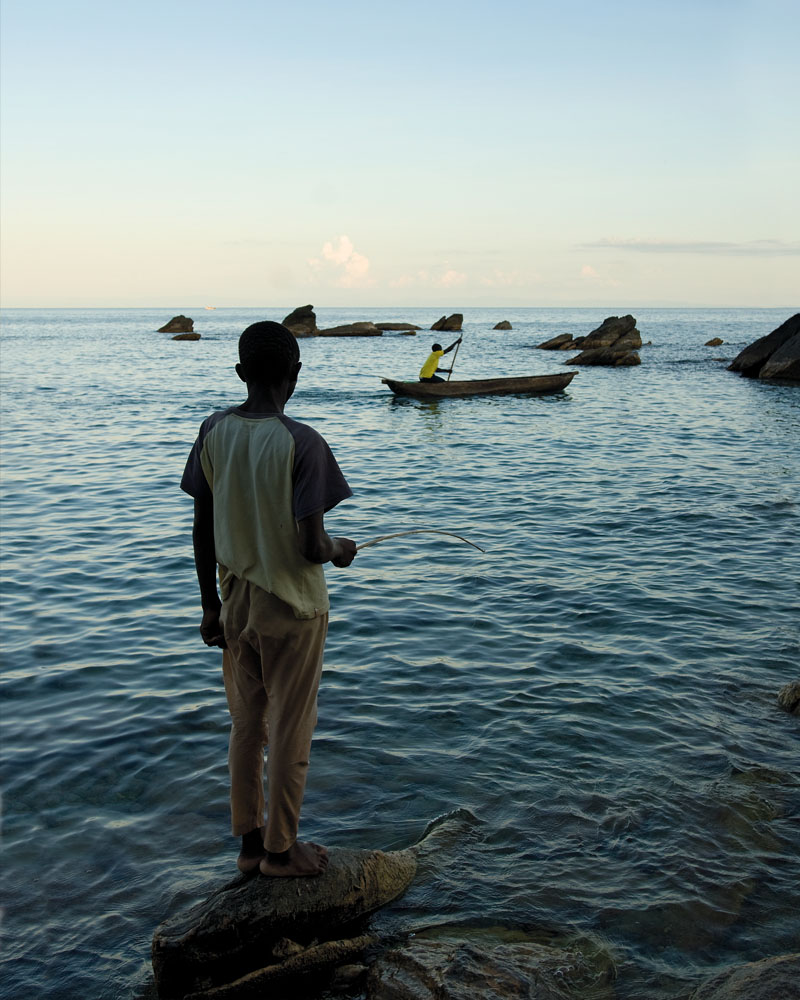
The ferry finally pulls into Nkhata Bay at around 2am, but the supplies take hours to unload so Kahlua the barman lets me sleep and wakes me in time to get off at dawn.
I walk through the markets and village, and around the bay to a rustic timber cabin situated over the water at the Butterfly Space. This is a unique place where you can live for next to nothing, swim and snorkel in tropical waters, eat fresh fish, explore nearby islands, meet great people and also make a positive contribution.
Alice Leaper (AJ) and Josie Redmonds started the Butterfly Space in 2007 to help the people of Lake Malawi.
“It’s about creating opportunities, that’s the philosophy,” says Josie, who had spent previous years volunteering throughout Africa. “We want people to be able to change their own situation the way they want to, rather than it being forced on them from the outside.”
Volunteers here don’t pay to help, they just chip in for their food and board. In fact, the Butterfly Space will not be associated with any other organisations or websites charging volunteers fees. This is because they feel strongly that any money raised should go straight into the projects an organisation runs, rather than supporting the business of volunteering, which is now the case with many other volunteer groups in Africa.
The Butterfly Space provides a nursery school, youth group, soccer and netball team with coach, music groups, special needs groups for adults and gardening projects for schools. There’s a room full of take-home educational handouts, and computers for the kids to use for free. There’s also an HIV lunch program that involves cooking and creating healthy meals to aid awareness of dietary requirements.
Click to view gallery
Click to view gallery
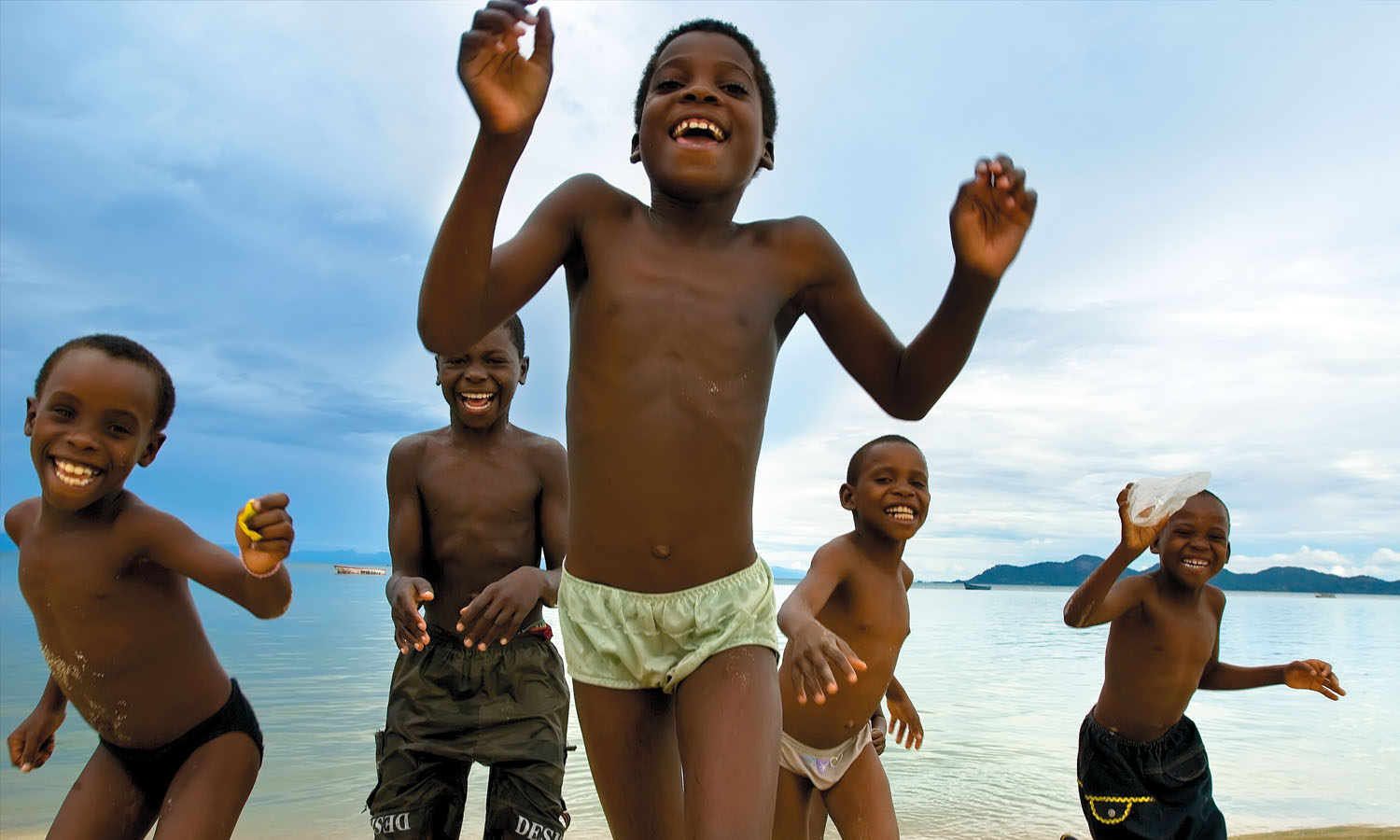
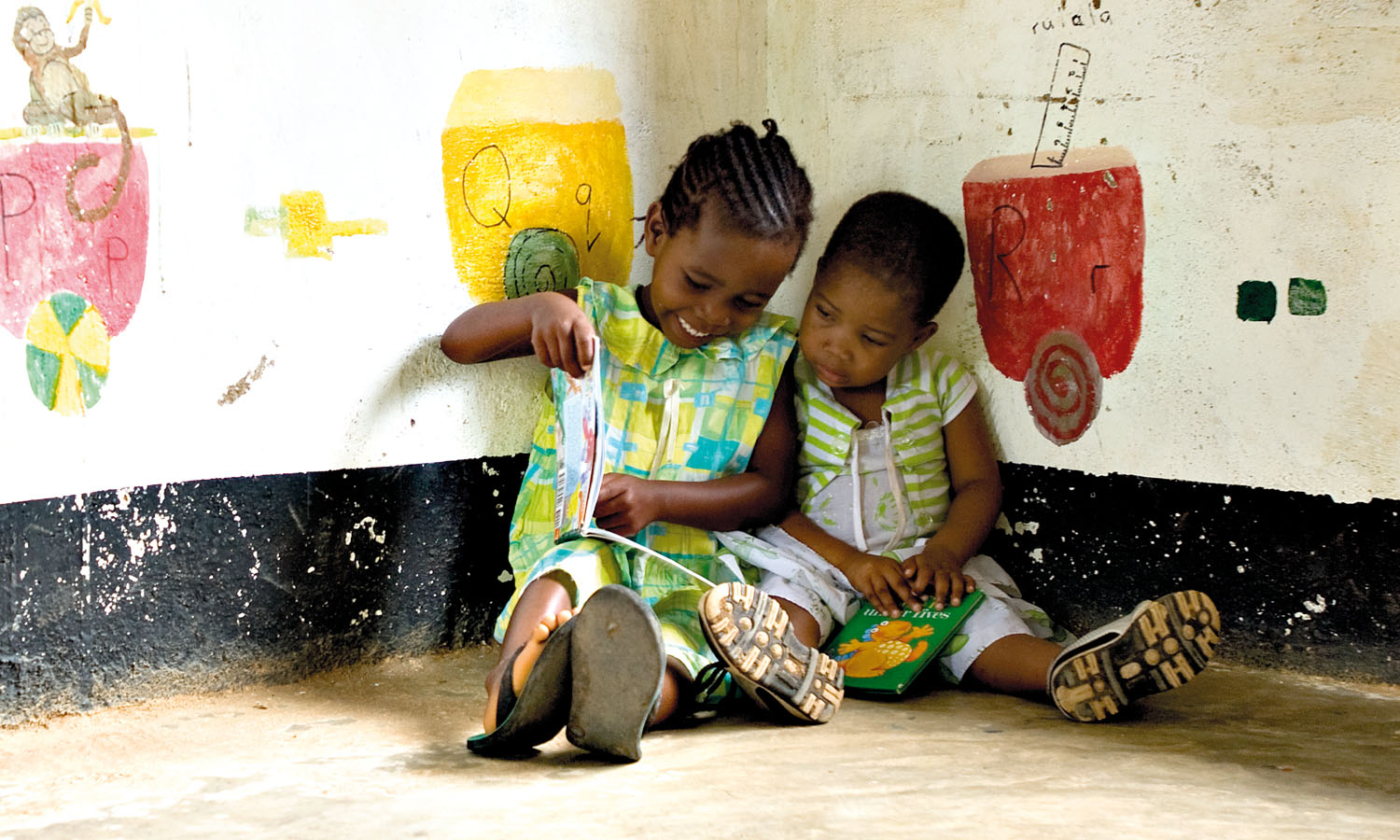
In between relaxing around the lake with locals such as Happy Coconut, I help out at the Gulugufe Nursery School, which was established to provide young children with a space to learn and a place to be kids. Most children in Malawi don’t have toys or books at their homes. This means that unlike many Western children, Malawian children love school.
I help the kids learn English by singing badly (I forget the Hokey Pokey has a challenging range), hand out fruit and nutritional snacks, entertain the kids and accompany some of them, like Precious and Bright, who are only two years old, on their walk home.
It’s a rare kind of volunteering where you don’t have to put yourself through intense conditions or suffering, but it’s just as rewarding to know that your contribution still makes a difference.
“We can use anyone’s skills,” says AJ, who fell in love with Nkhata Bay when she first passed through it on an overland tour. “Ideally if volunteers have specific skills, we like them to stay for a month, but if you don’t have the time just one day helps. Even if you don’t have skills or experience you are always welcome here.”
It’s easy in Malawi to assume people are better off than they actually are. Here, smiling faces can be deceiving. You have to be wary of romanticising poverty, because for every happy face there are life and death issues just below the surface.
Unfortunately, Malawians can’t change their situation as easily as they can their name.
“If people don’t like their name, they change it, but then people copy it,” Happy Coconut explains to me. “That’s why it’s Chicken PizzaTM – that’s a trademark you can’t copy. Someone had the name Black Seed, but now there’s three Black Seeds in town so you never know who you’re talking to.” He laughs.
While there is one Chicken PizzaTM in town who gets a funded trip to Europe with a generous girlfriend, most other people in Malawi struggle to get ahead. No matter how dynamic their personalities or how intelligent they might be, this is one of the poorest countries on earth.
Thankfully, Butterfly Space helps to make stars of the people of Lake Malawi, by providing opportunities for children like Precious and Bright to shine.