(
(
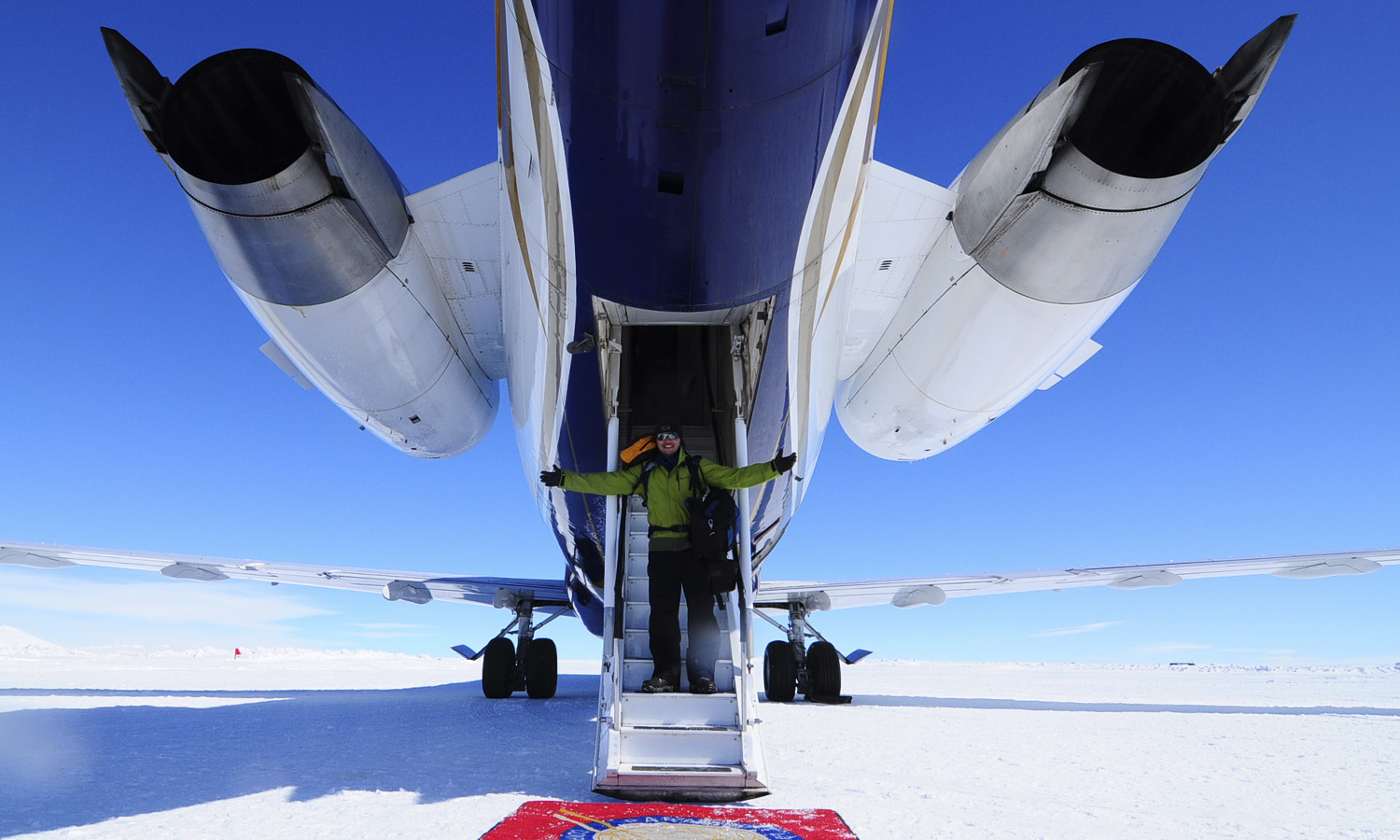
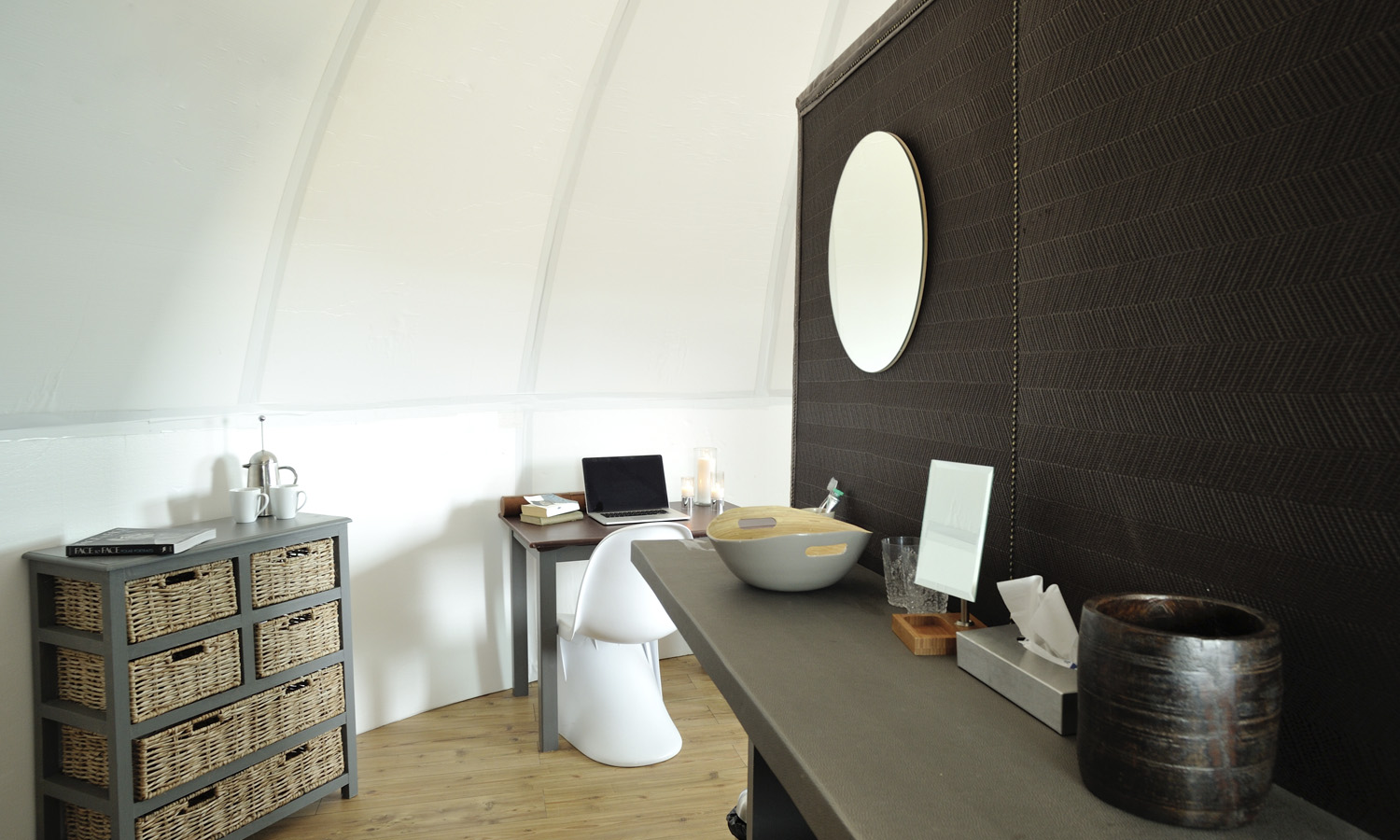
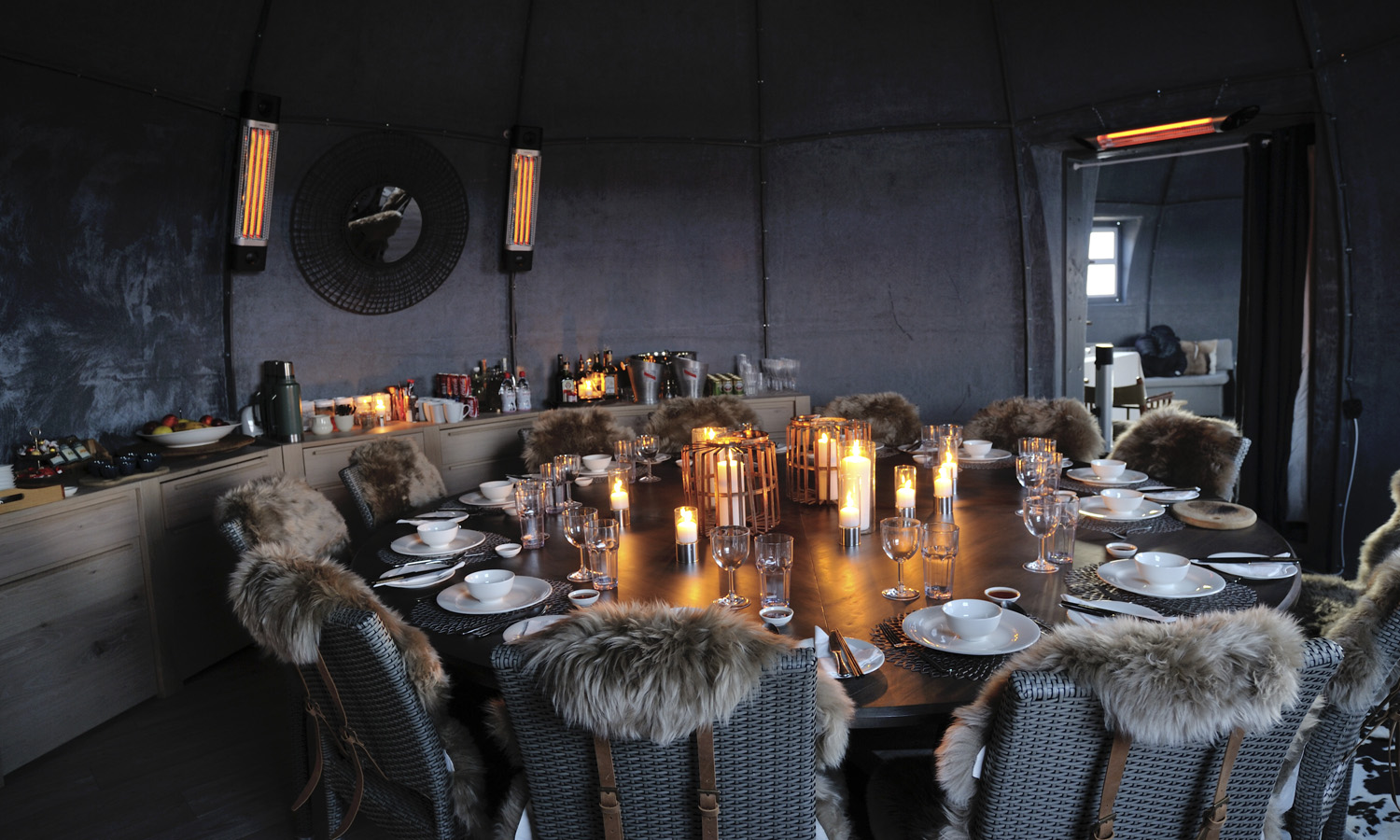
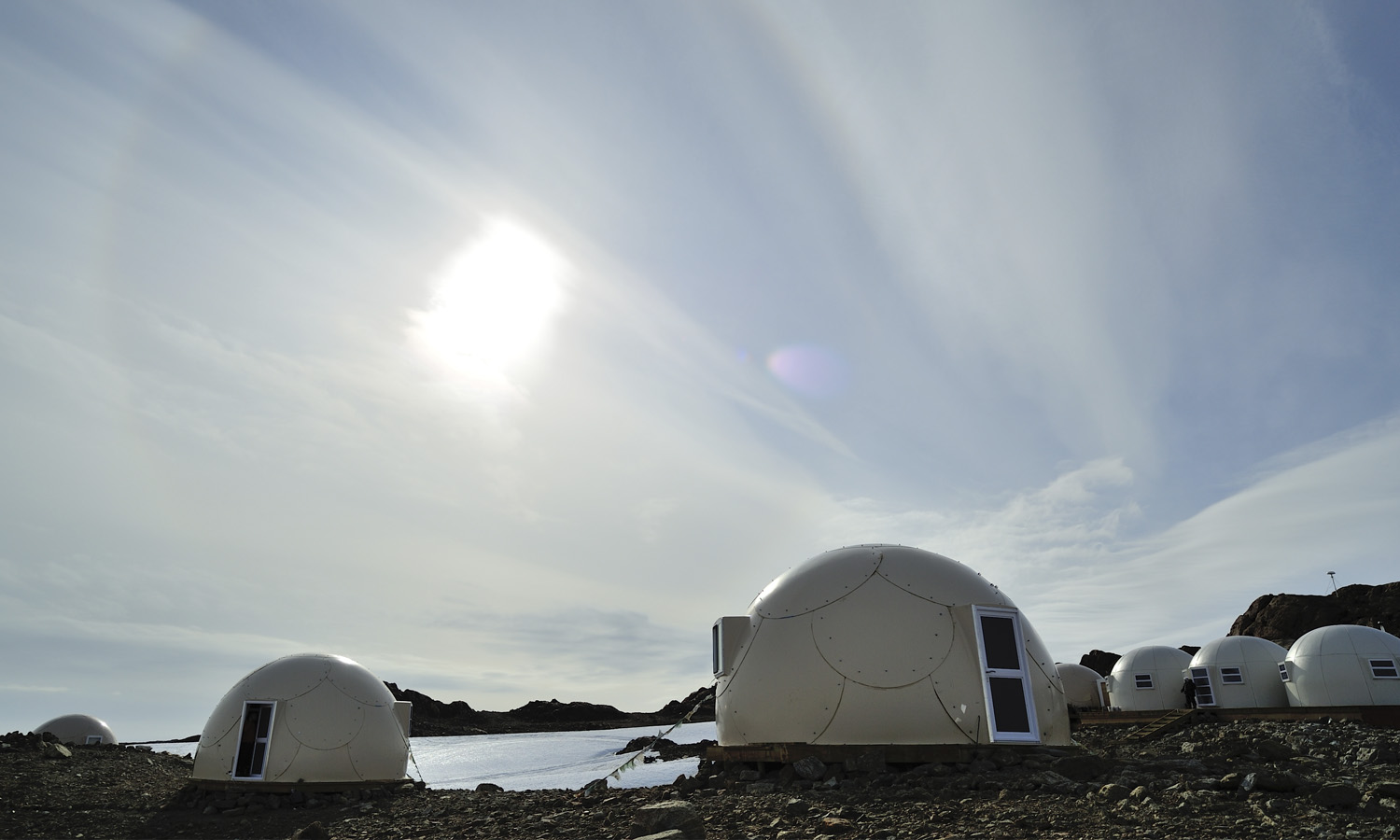
After getting stuck in a storm on a 1850-kilometre scramble across Antarctica, a team of explorers decided to set up a camp with everything they lacked during those four gruelling days. Situated next to an ice cliff, deep in the interior where few travellers ever venture, Whichaway Camp offers six luxurious domes, where guests lounge on leather and nosh on gourmet food rather than voyage rations.
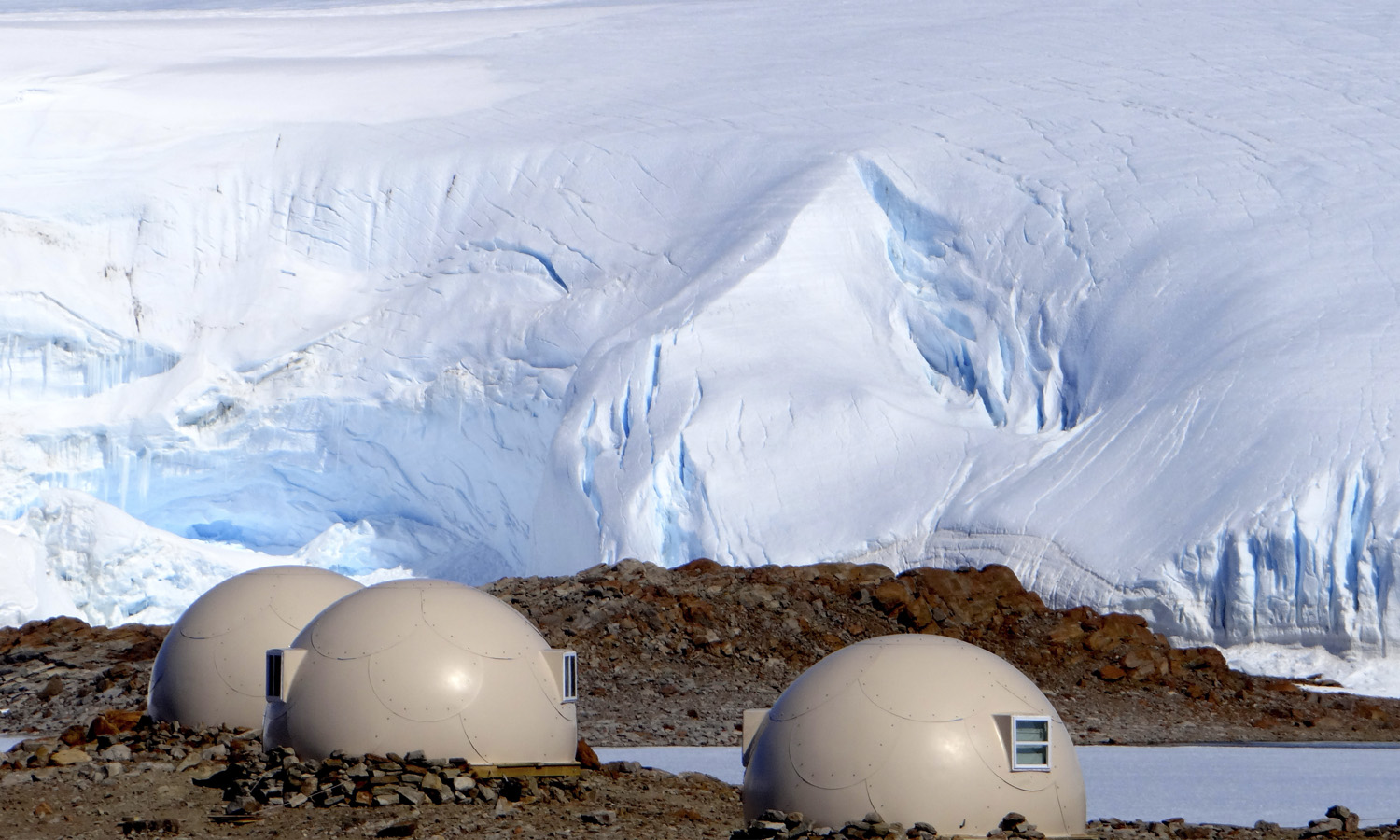
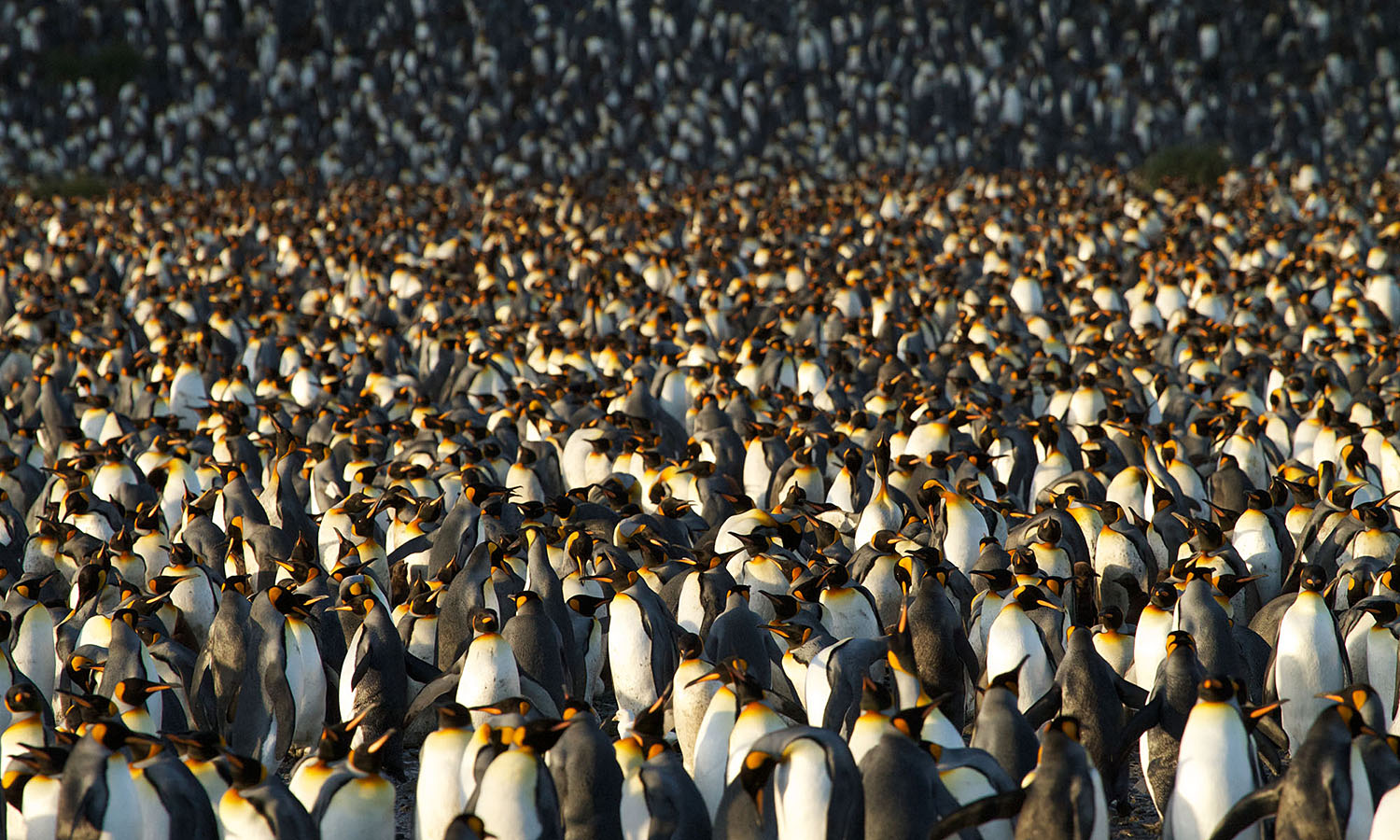
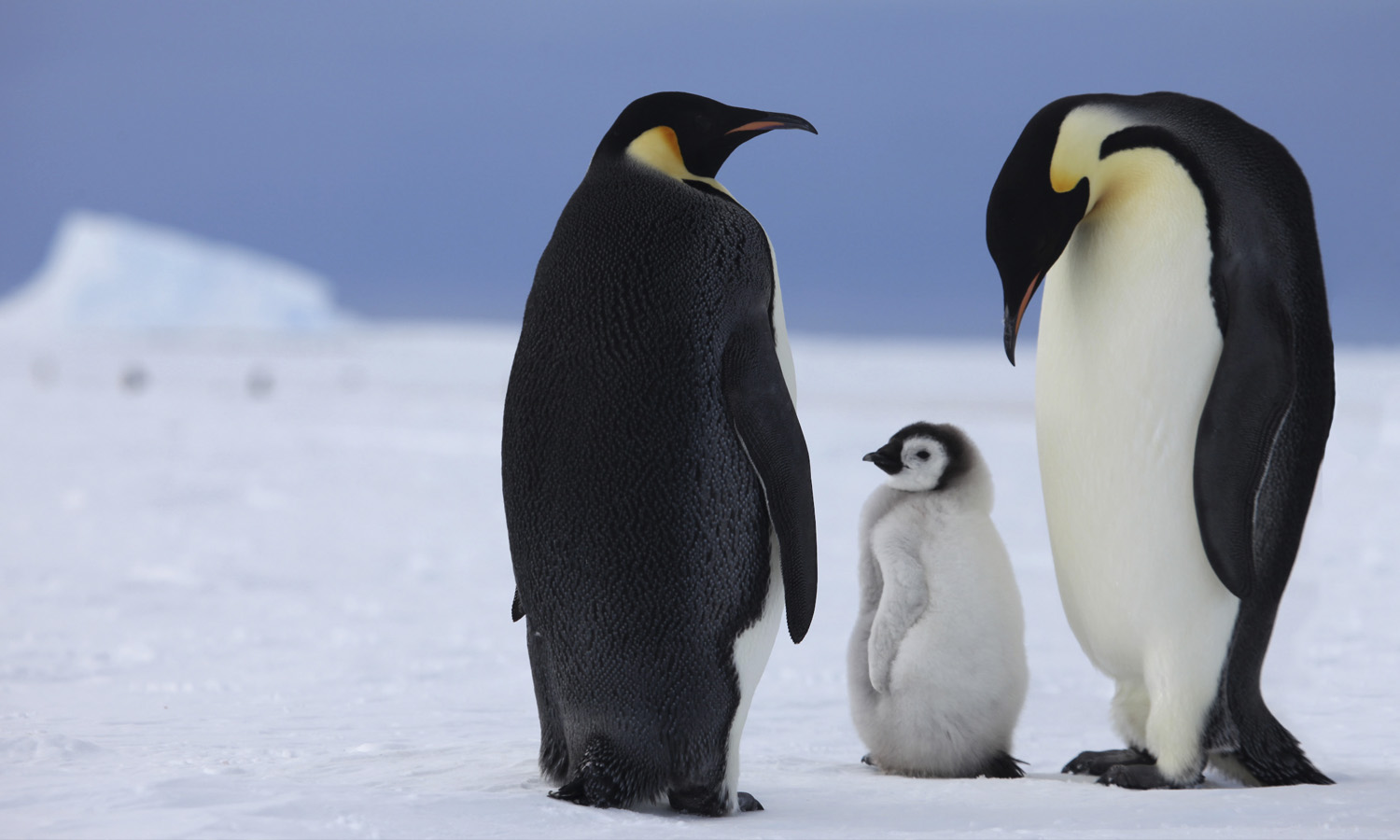
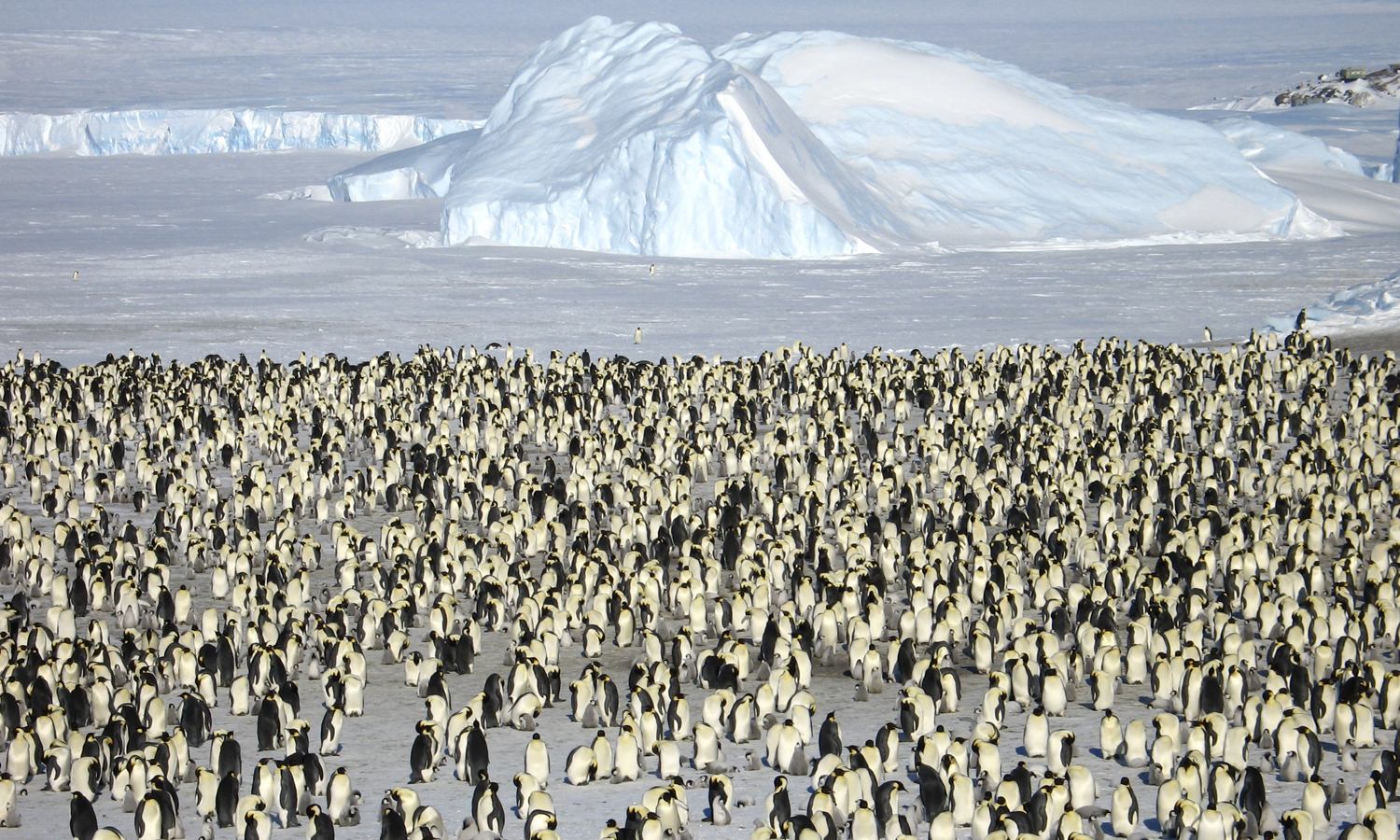
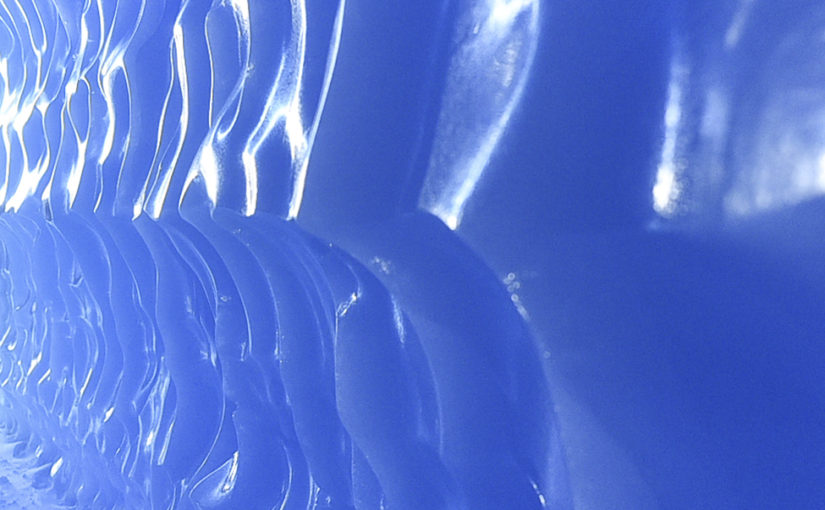
Its zero-impact policy means waste is flown out, emissions offset and the 24-hour sunlight harnessed for power. Away from base you’ll visit ice caves and 6000 penguins in Atka Bay, and even jet to the South Pole if you choose.
region: Antarctica
South Georgia
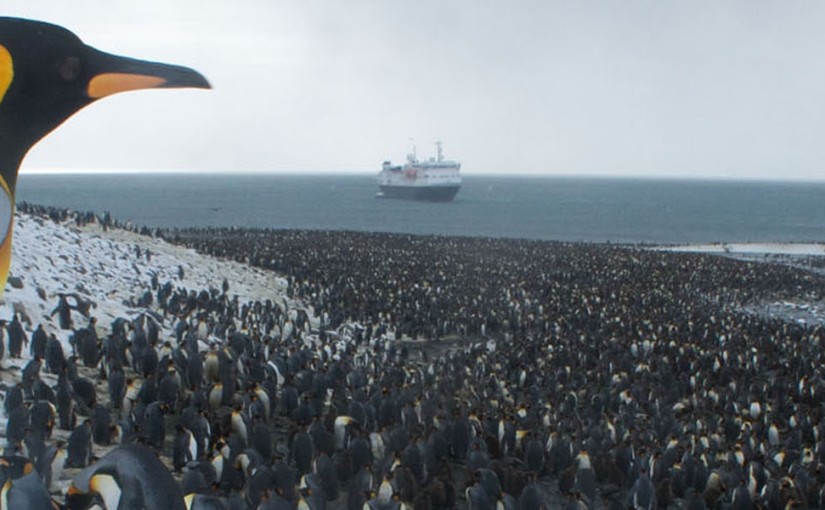
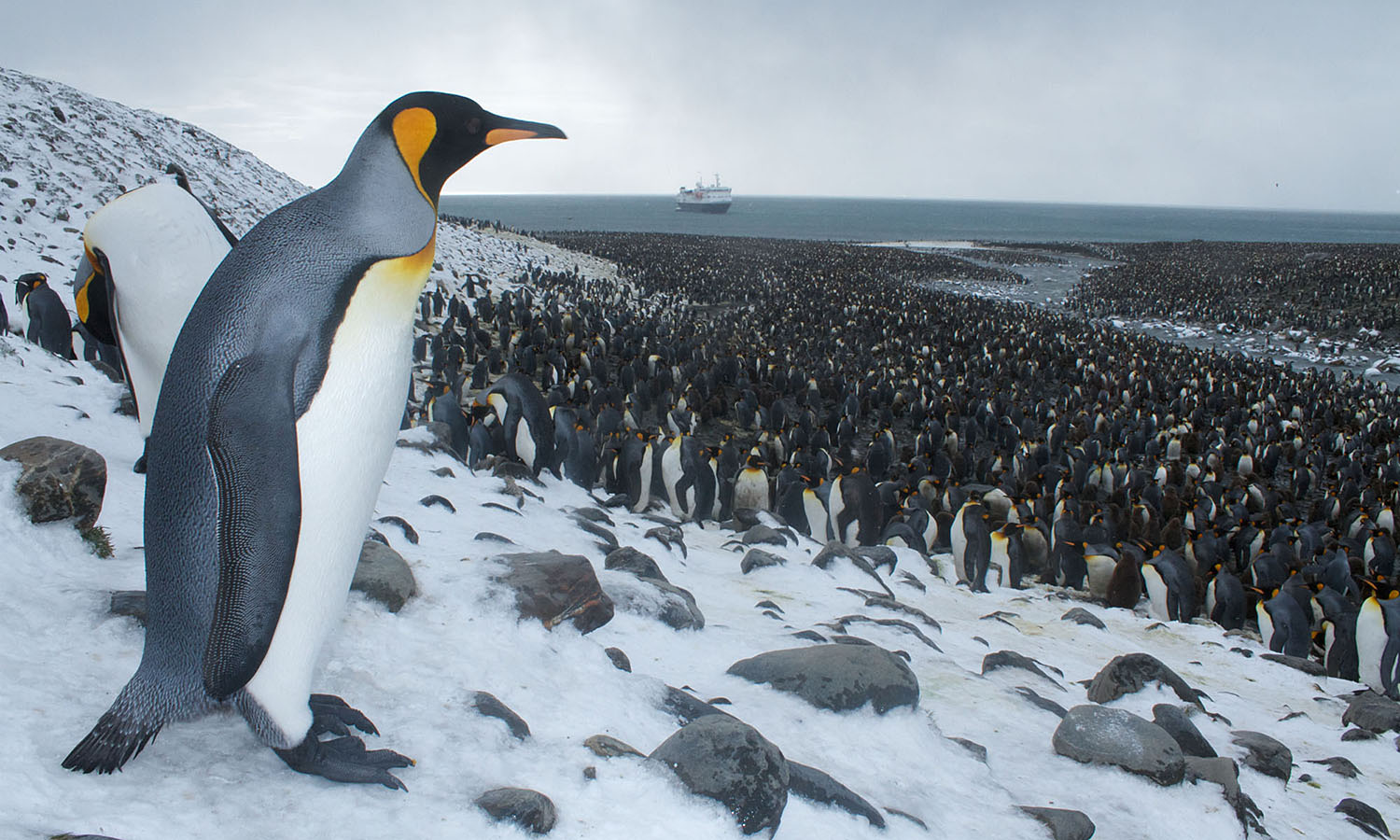
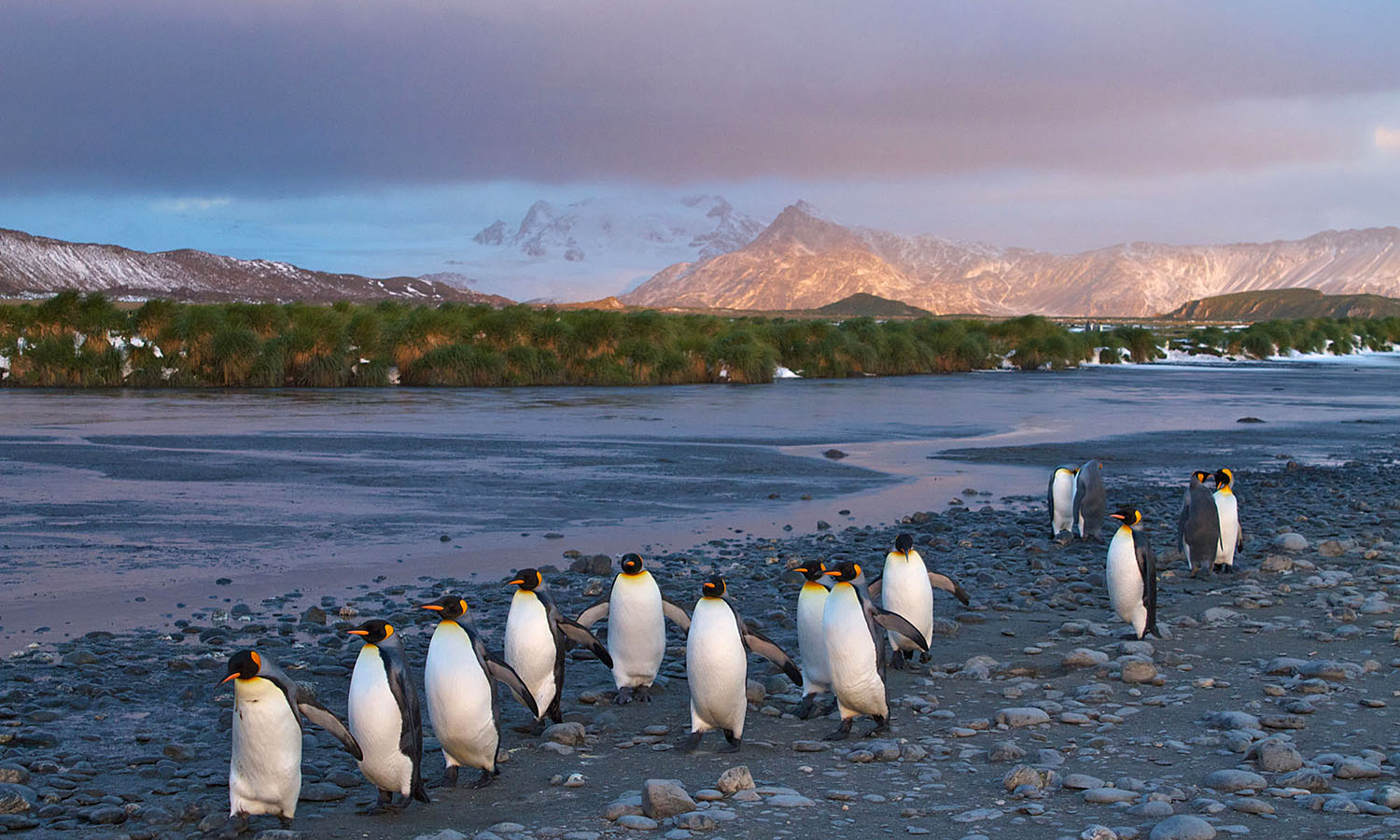
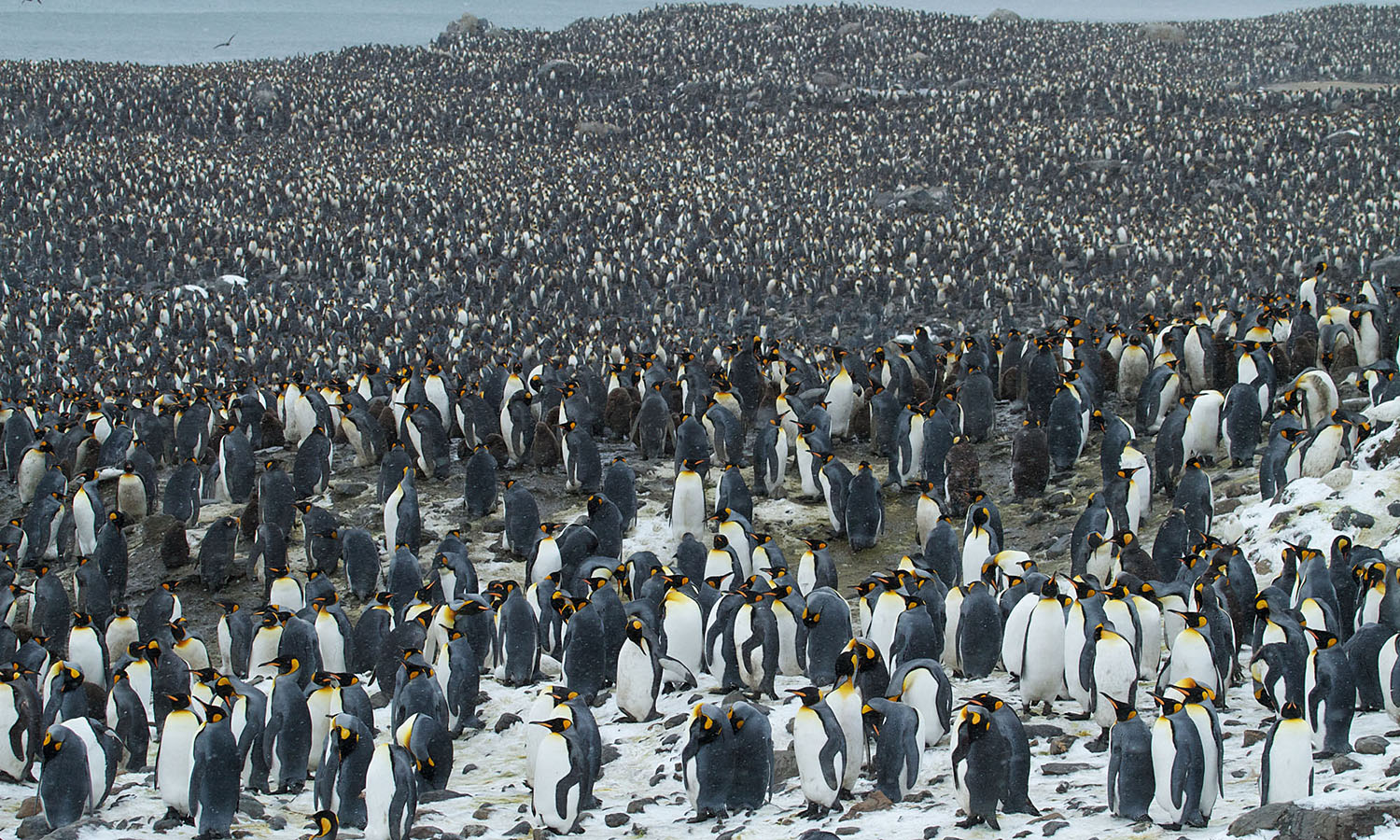
You’ve sailed the Caribbean, summited the Himalayas, traversed the Kalahari, backpacked through most of Europe and all of Southeast Asia, and milked yaks in Mongolia. The travel bucket list is well and truly ticked off. But have you ever ventured to the southern Atlantic Ocean to hang out with king penguins? South Georgia, a British overseas territory about 1300 kilometres southeast of the Falkland Islands, is extremely remote yet remains one of the most-visited places in Antarctica. (It’s teamed with the South Sandwich Islands, which are so remote and inhospitable few visit them since the Argentina closed its naval station on Thule Island in 1982.)
Captain James Cook was the first to land here in 1775, and his reports of huge populations of elephant and fur seals brought the traders who would lead, not just the bloody exploitation of these mammals (typical humans – once they’d killed the last of the seals in 1916 they moved on to whales), but also the exploration of the Antarctic.
These days visitors still largely arrive on sea-going vessels. Some tour operators follow in the footsteps of Sir Ernest Shackleton, who was the first to attempt to cross the Antarctic from coast to coast via the South Pole. He started his journey here, returned to the island after his ship sunk in ice and was eventually buried here, at Grytviken, after he died aboard Quest on his way to Antarctica in 1922.
These days King Edward Point, on a sheltered bay, hosts a small but permanent population of scientists and crew from the British Antarctic Survey (they also man a scientific base at Bird Island), while nearby Grytviken is home to a museum. For the visitor, this is an otherworldly place. Bare, rugged peaks erupt from the island behind the settlement, seven abandoned whaling stations dotted around the island are a reminder of darker days, and South Georgia’s two mountain ranges are covered in snow, ice and glaciers. Still, it’s the wildlife that is its biggest attraction. After their decimation, seals have returned in force. About two million southern fur seals (or 95 per cent of the world’s population) come here each summer, along with huge numbers of southern elephant seals. There are six species of penguins, and a eye-popping number of sea birds. About a quarter of a million albatrosses, including the wandering albatross with its three-metre-plus wing span, return each year. And because there are so few people on the island, the animals don’t fear them, often making for close encounters of the rare kind.
Antarctica
No, it’s not a country, but around 37,000 tourists now visit the continent during each austral summer, enjoying its almost 24/7 sunlight. Given the logistics required to get here, the only way to go is on a group tour, usually via boat.
This place is for nature lovers and those with a scientific bent keen on seeing the planet’s extremes. Despite the cold and barren nature of Antarctica, wildlife is a drawcard – penguins, albatross, humpback and minke whales, and crabeater, elephant and leopard seals are all found here.
Cruising the Ross Sea, with its flowing ice, 4000 kilometres of frozen coastline and several active volcanoes, provides ample photo opportunities. Another highlight is the history of exploration in Antarctica and its research stations, including today’s constantly rotating shifts of scientists studying as far south as you can go.

New Years in Antarctica
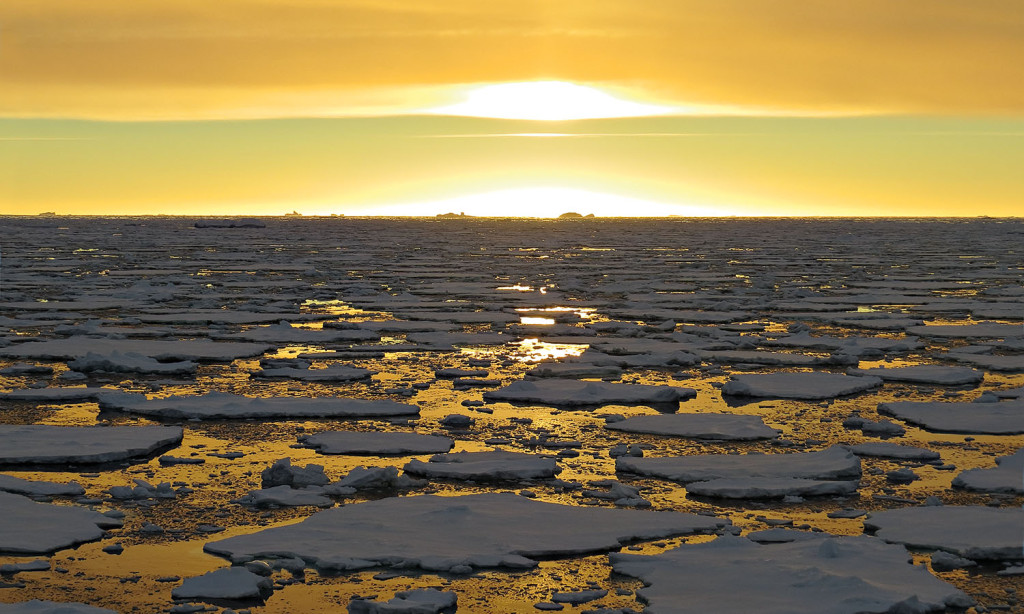
We have no concept of time as the setting sun clips the horizon before immediately rising again. The ocean is choked with puzzle pieces of ice sheets jostling with iceberg rubble. The silhouettes of colossal icebergs resemble a faraway city skyline. As the ship splinters the solid ice in its path, each hit sounds like an empty oil drum being dropped onto concrete.
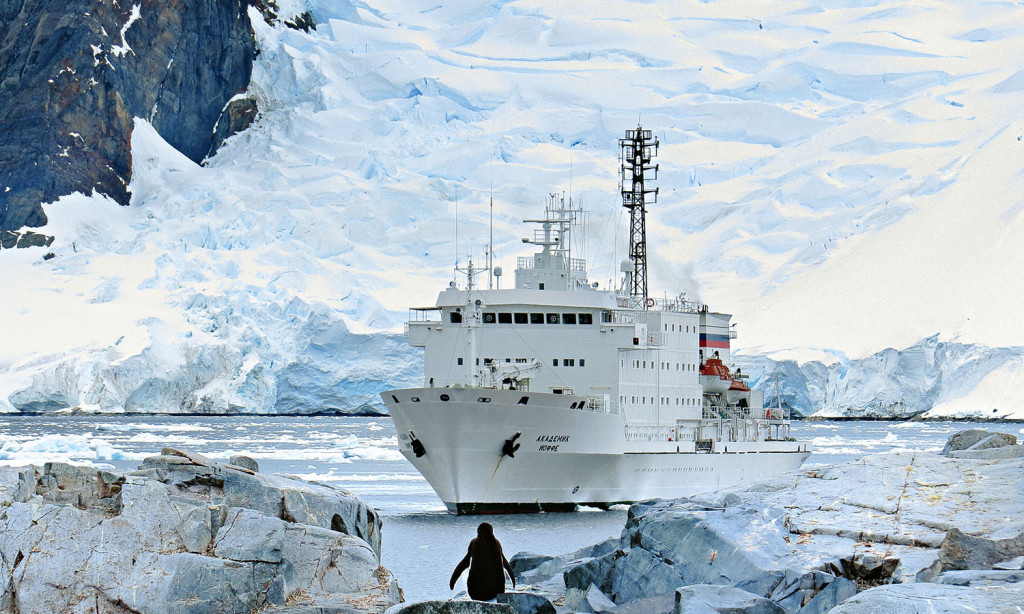
Three days ago we left Ushuaia, starting a 13-day voyage. The beginning of our epic adventure involved two days crossing the notoriously rough Drake Passage. Our ship is the Rolls-Royce of these seas, boasting a fancy stabilisation system that thankfully reduces the roll by 40 per cent. The remaining 60 per cent, however, confines half of the guests to their cabins for the crossing. Crew members diligently check on the absent, while vomit bags and dry crackers magically appear throughout the ship. The pharmacy of every conceivable seasickness remedy I’ve stowed in my luggage proves my saviour.
During the days at sea everyone is briefed on the wildlife, expedition plans, conservation practices and landing procedures. Suiting up for each excursion is quite the procedure to master. Layering up as you would for the ski slopes, you then add an outer skin of wet-weather gear, boots and a life vest before waddling to the gangway like a weighted-down astronaut.