Toni Basil’s 1980s hit song ‘Mickey’ blares out across a chilly night sky, and thousands of people crammed into the arena are treated to a pom-pom–shaking display by girls dressed as American cheerleaders and backed by two dozen performers wearing what may (or may not) be oversized Pokemon costumes. Welcome to the resolutely kitsch high point of the annual Taiwan Lantern Festival, an event where ancient eastern custom meets modern Asia in a collision of traditions and a mash-up of religion and technology. Oh, and there are lots and lots of lanterns.
In a world where many countries seem basically the same, Taiwan’s idiosyncratic touches and eccentric quirks make for a refreshing change. A 36,000 square kilometre country of super-fast trains and even faster drivers, of red-toothed betel-nut chewers and passionate-yet-confusing politics, its island status extends beyond the geographical.
It feels a bit like mainland China, a bit like Japan, and in parts like Korea, but in the end it’s definitely the island of Taiwan – officially the Republic of China – where it’s perfectly natural for ‘cheerleaders’ to go berserk to ‘Mickey’ at an ostensibly traditional event and for indigenous performers to strut in canvas loincloths to a techno beat.
The festival takes place in the middle of February each year, beginning on the 15th day of the first lunar month on the Chinese calendar to celebrate New Year. Not to be confused with Pingxi Sky Lantern Festival held in a small village east of Taipei, the official Taiwan Lantern Festival is a 10-day bonanza of tradition, lanterns, lights, performances and sensational Taiwanese street food markets. It has been held as a designated event in a different Taiwanese city or county each year since 1990 – a moveable feast, as it were, with 2014’s event taking place in the central county of Nantou, close to the island’s third-largest city, Taichung.
And so it comes to pass that we arrive at Taipei airport at 4am and are promptly whisked two hours south to our hotel in Taichung. With a few hours to kill before heading to the festival, we gratefully accept the chance to freshen up in our disconcertingly high hotel. I breathe deeply, try not to look out the window and, after a shower and a nap, am ready to take the one-hour trip towards the main festival site.
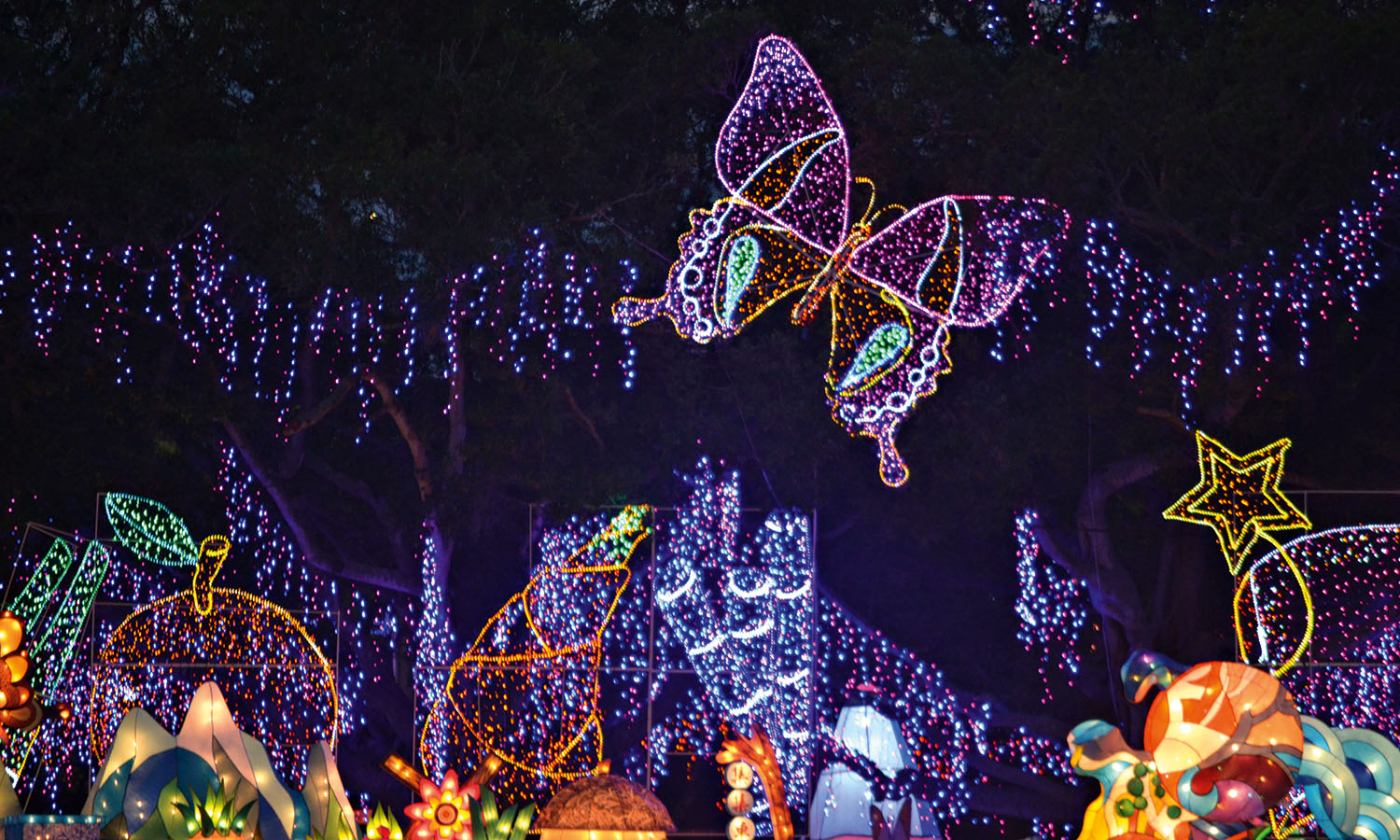
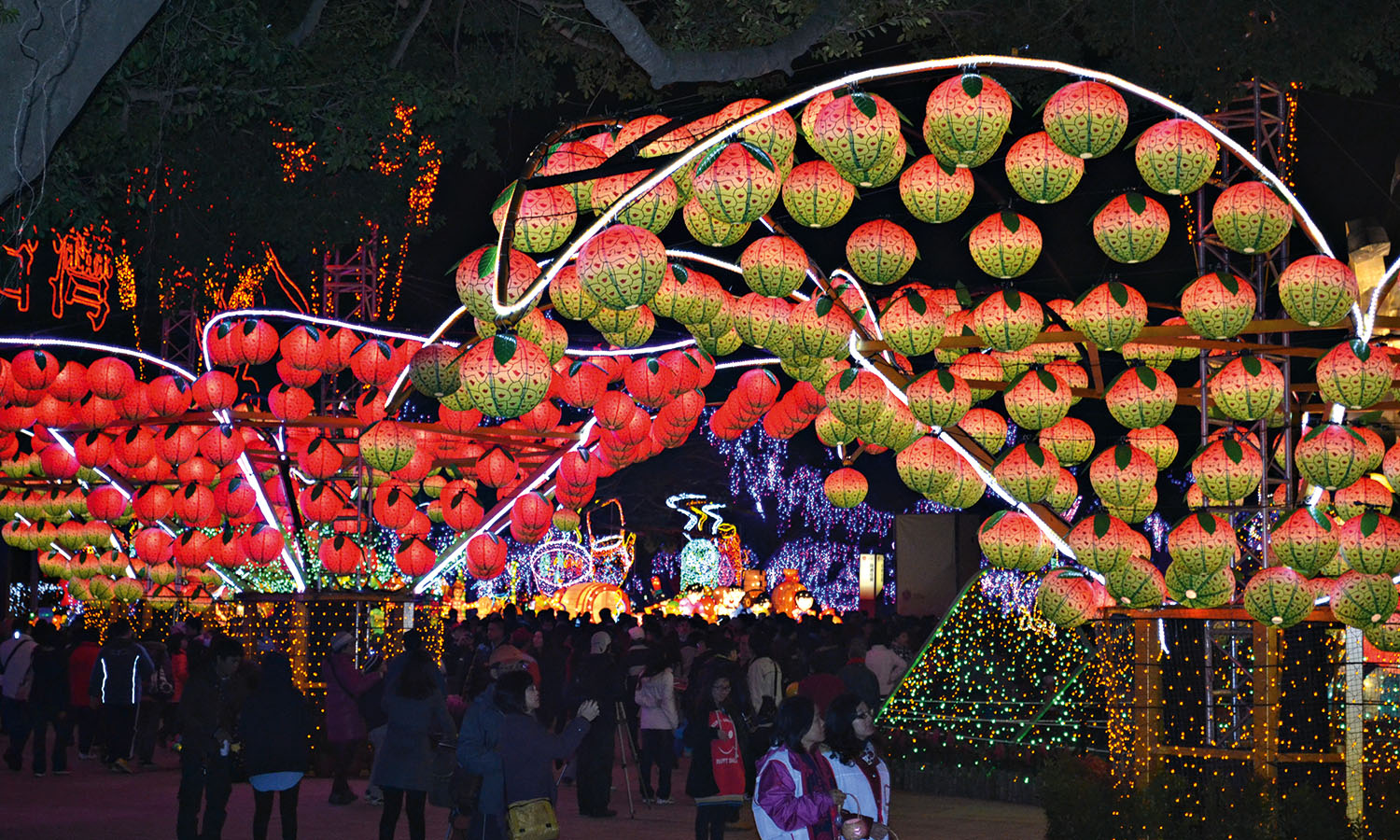
Deposited by a van in a nondescript field, we are ushered aboard a packed bus that takes us to an area where there is clearly something happening. We alight and, as a group of five, work hard to both stick together and go with the human flow in what we presume is the correct direction. We turn a corner and it’s clear that it is – heading up the hill is a boulevard of lighting display dreams. As far as we can see, the road ahead is festooned with lanterns and lights and bulbs and baubles. There’s little doubt the organisers know their way around a light show and, as we head to the main arena, where the performance is due to start at 6pm, it’s clear they’ve gone all-out in their efforts.
Large zones are designated as lantern displays and the inventiveness, colour and quirky humour on display is a treat. These aren’t lanterns like your grandma hung on the veranda at the holiday house. They’re intricate affairs, depicting everything from traditional scenes to the characters from popular Hollywood movies.
We continue onward, but before we get to the arena a detour is necessary. It’s one of the truisms of Taiwanese life that there will always be a street food market somewhere close to any gathering and the Lantern Festival doesn’t disappoint. Off to our left there’s a long lane of stalls offering everything from the sublime – dazzlingly fresh corncobs with sweet melted butter – to the near ridiculous (for my taste buds, anyway). I eschew stinky deep-fried tofu in goose blood for the corncob and some fried potato cakes, the memory of which I’ll find myself salivating over for days afterwards.
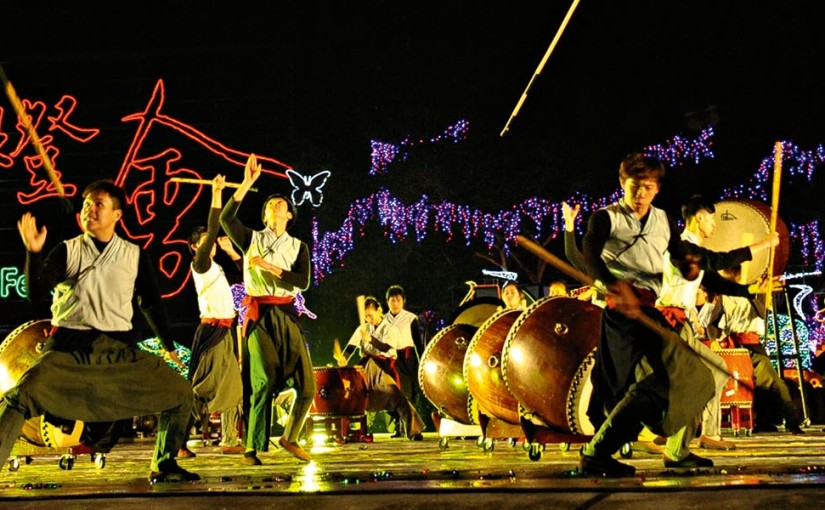
Appetite sated, it’s on to the main event. We ascend the road towards the arena and take our seats in an open grandstand overlooking the festivities. At ground level, various troupes gather in marshalling areas ready to take the stage. These include our ‘Mickey’ cheerleaders, the Pokemons, a large group of men in fetching yellow pyjama-like outfits and numerous indigenous Taiwanese performers. (Visitors to Taiwan are often surprised at the rich aboriginal traditions that exist on the island, and their recognition in wider society and incorporation into events such as this is a heartening indication of respect.)
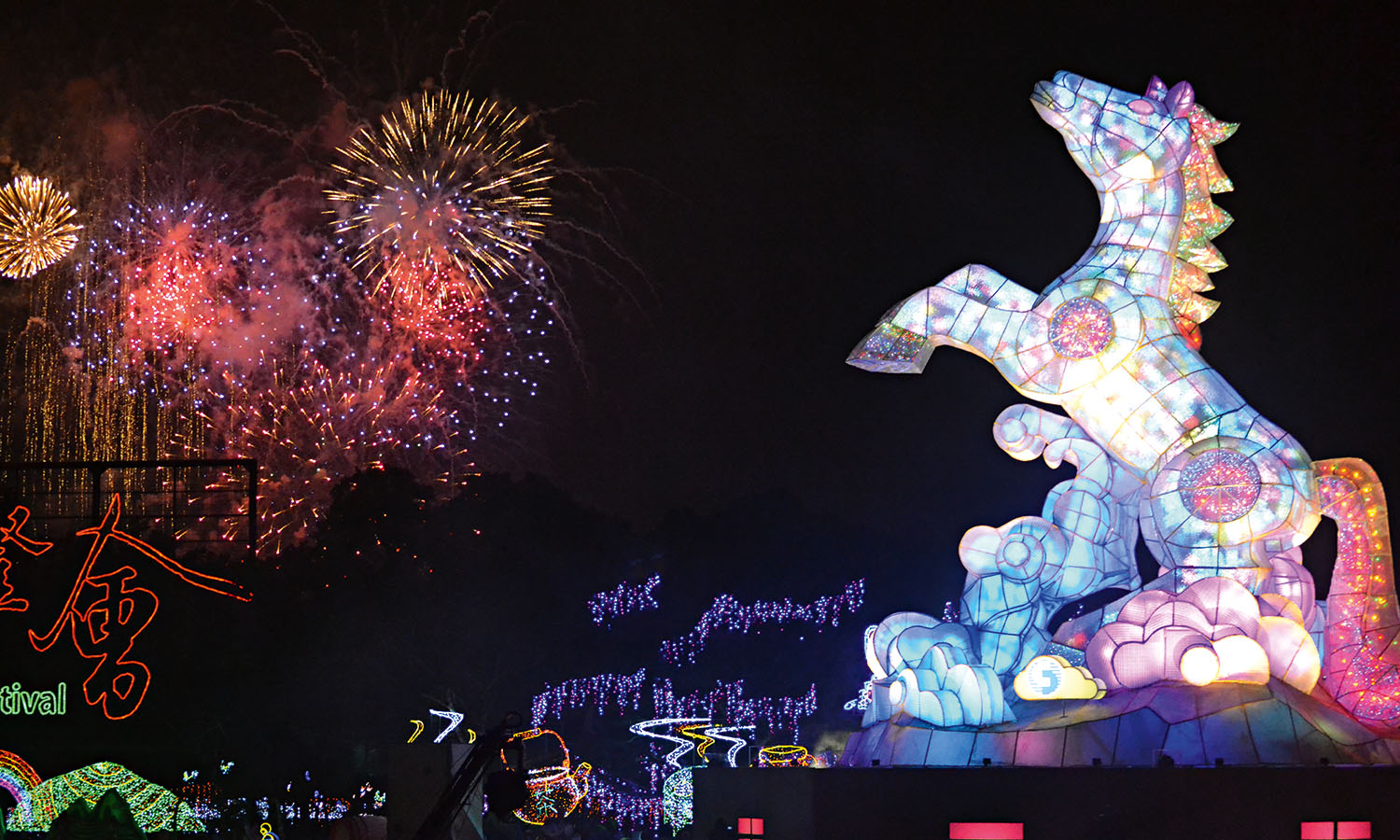
In the distance a massive structure in the shape of a rearing horse draws my eye and it’s explained to me that this is the festival’s pièce de résistance – this, after all, is the Year of the Horse. Some of the indigenous musicians then take to the stage. A dozen muscular men pounding massive timpani-like drums are accompanied by a thumping electronic soundtrack, which one suspects may not be wholly traditional.
With the crowd now building to capacity, I take a walk to ground level. Down here, it occurs to me the atmosphere is a bit like a night at the Big Day Out, just with less sweat, more dancers, more lights and a louder sound system. It’s then the opening strains of ‘Mickey’ are blasted out and, as the cheerleaders charge the stage and go bananas, I enter the realm of the surreal. Incense burns nearby, an earnest group of unsmiling youngsters files past holding signs reading ‘No smoking please’, dozens of strobe lights flash, the whole venue shakes to the throbbing beat and the heady aroma of stinky tofu reaches me from somewhere unseen.
It soon becomes apparent all this is leading up to the point when the giant lantern horse, which stands 25 metres high, is illuminated. The word around the venue is that the Vice President of Taiwan, Mr Wu Den-yih, is going to be the person who presses the button on this traditional symbol of good luck and prosperity. Eventually a countdown begins and, sure enough, the VP flicks the switch. The massive horse lights from within, fireworks fire and choreographed lasers and music blast across the now cold and dark sky.
Members of the crowd – all 30,000 of them seem to be watching the event via the screen of their mobile phone – cheer in a non-demonstrative Taiwanese way. The horse, which organisers say features state-of-the-art digital triggers, contains 200,000 LED light bulbs and weighs 30 tonnes, is a thrilling sight in the night air, deserving of its place as opening night’s centrepiece.
This searing display lasts for around an hour, the crowd transfixed and unmoving. Then, finally, there’s a climactic burst of lights, lasers and fireworks and, literally with a bang, it’s over.
People immediately begin to disperse; we’re shivering from what we’re told is a typical Taiwanese cold front that has come through during the course of the evening. It’s definitely time to go, so we wind our way through the throng, our over-stimulated minds abuzz from the show. As we head out of the arena, I spot one of the cheerleaders happily posing for photographs with thrilled punters. I consider telling her that the performance was “oh so fine, oh so fine, it blew my mind”, but I don’t. Instead we happily wander off to find our bus and head back to our hotel after a night immersed in Taiwanese festival life.
Karaoke bars are so cliché. As are the stories of nights in distant Asian cities you could never tell to anyone at home.
Manila is huge and can be a little confusing. It’s easy to be swayed by the instant gratification of a hotel bar or a club in one of the seedier parts of town. Instead it’s a much better idea to jump in a taxi (they’re so cheap don’t bother trying to figure out the late-night public transport options) and head to places some of the locals enjoy. Rest assured, you won’t hear a bunch of drunk dudes belting out ‘Livin’ On A Prayer’.
5pm
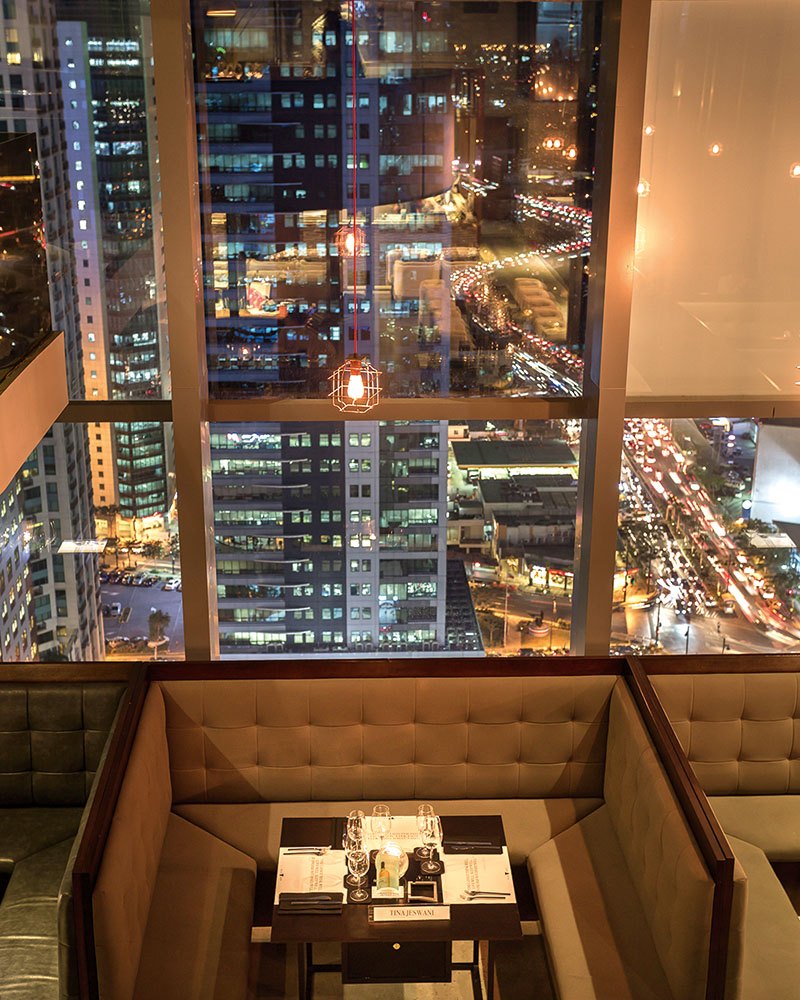
There are many places you can enjoy the sunset over Manila Bay, although strangely, given its proximity to the view and the modernity of the development, there aren’t a whole lot of rooftop bars in Bonifacio Global City. Instead, book ahead so you can nab a gorgeous corner table 27 floors above ground level at Black Sheep and partake in modern interpretations of classic Filipino drinks. It’s quite different to what you’ll find in other bars – even the fancy-schmancy ones. (FYI, the locals aren’t overly fond of the taste of alcohol, so you won’t get toasted during sundowners.) The Kwarto Kantos is a gin-based cocktail containing preserved calamansi, while another, made in collaboration with a local distiller, combines cucumber, basil and a sugarcane wine called basi. Black Sheep The Penthouse, W Fifth Avenue Cnr 5th Avenue and 32nd Street, Taguig facebook.com/blacksheepmnl
6.30pm
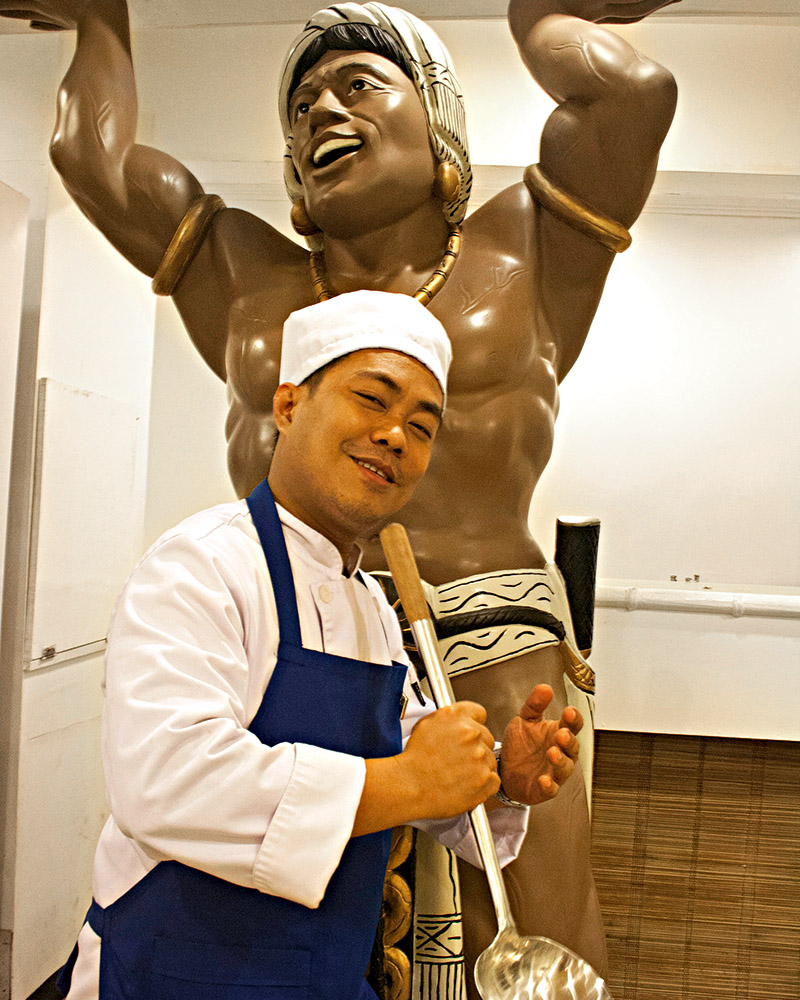
The Filipinos are renowned for their love of song and ability to sing. Everywhere you go in Manila you’ll hear tunes pumping out of jeepneys as people move about the city. They also love food, and the unique Singing Cooks and Waiters restaurant is where you’ll find the two combined. Huge family groups celebrating birthdays line long tables alongside work parties starting out the night as everyone working in the restaurant belts out tunes – all the hits, from ‘My Heart Will Go On’ to ‘Gangnam Style’ – to the accompaniment of a three-piece band dressed in Hawaiian shirts. Somehow the chefs manage to bang pans and juggle fruit as they serve up plates of lechon (roast suckling pig), kare-kare (beef in a peanut stew) and kalderata (braised goat in a tomato stew). Not recommended for romantic tete-a-tetes. Singing Cooks and Waiters Ongpauco Building Cnr Roxas Boulevard and Senator Gil Puyat Avenue, Manila singingcooksandwaiters.com
8pm
During the day it’s one of the better places in the Makati district to grab an espresso, but from about 6.30 each evening The Curator transforms into a crazy-cool, dimly lit cocktail lounge. Being hidden behind a wine bar also makes it feel as if you’ve discovered one of Manila’s after-hours secrets. You can either pull up a wishbone chair at one of the communal tables or prop yourself on a banquette. The list is short on what you might consider classics, instead featuring creations by local bartenders. Owner Jericson Co is the man behind the Rye ’n Gosling, a fruity fusion of blueberry, rye whiskey, Gosling’s rum, ginger shrub and Fernet-Branca. The Curator 134 Legazpi Street, Makati thecurator.com.ph
9.30pm
Like many bars in Manila, it’s all about the music at saGuijo. The difference is that in this tiny dive bar in a suburban street you’ll find indie and unsigned bands playing rock. Squeeze through the door past the band and over the legs of girls sitting on the floor and head out to the back for an icy cold can of San Miguel. Then try to find a spot where there’s a line of sight back to the musos (there’s no actual stage). You’re almost guaranteed to be the only traveller here, but a fun, loud night out is guaranteed. saGuijo 7612 Guijo Street, Makati saguijo.com
12am
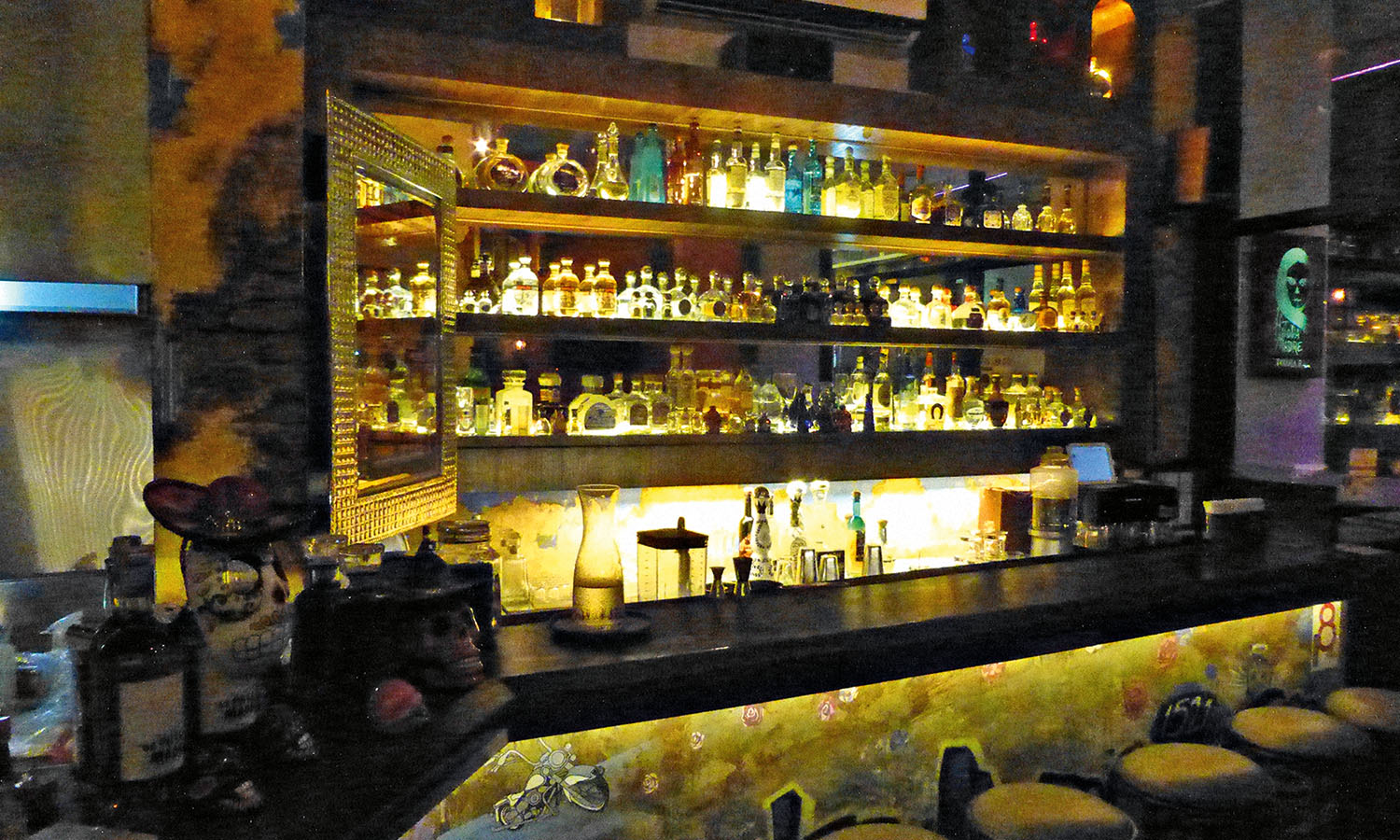
Unless you have a penchant for establishments with monikers like Dimples, Rascals and Mixed Nuts (ladyboys rather than ladies), you may think there’s no point going to P Burgos Street, Manila’s best-known red-light district. That was until brothers Sante and Aljor Perreras decided to bring a touch of Mexico to the ’hood. At A’Toda Madre they’ve imported some of the finest tequilas – blanco, reposado and añejo – to the country. There are more than 100 available at any one time, as well as Mexican beers and, of course, margaritas made with premium booze, agave nectar and fresh lime. The brothers have also imported spices and herbs from California and Mexico for use in the kitchen. After all, at this time of night you might need a pollo de chipotle taco or two to keep up the energy levels. A’Toda Madre GF Sunset Tower Cnr Durban Street and Makati Avenue, Makati atodamadre.com.ph
2am
There’s nothing that goes better with a late-night foray in a foreign city than laying your cards on the table. Or putting everything on black. Or chucking a coin in a slot. Solaire Resort & Casino, built on reclaimed land in Manila Bay (Imelda Marcos initiated the program in 1977), is like a touch of Macau come to Manila. The gaming area is a huge 18,500 square metres spread over two floors where you can take your pick of 380 tables or 1700 slot machines. If you’ve got no idea when to fold ’em, the Dragon Bar, with its namesake crystal centrepiece, is a good spot to peruse the comings and goings in the lobby. Order a martini (it is that time of night, after all) and contemplate your next move. Solaire Resort & Casino 1 Asean Avenue Paranaque City solaireresort.com
4am
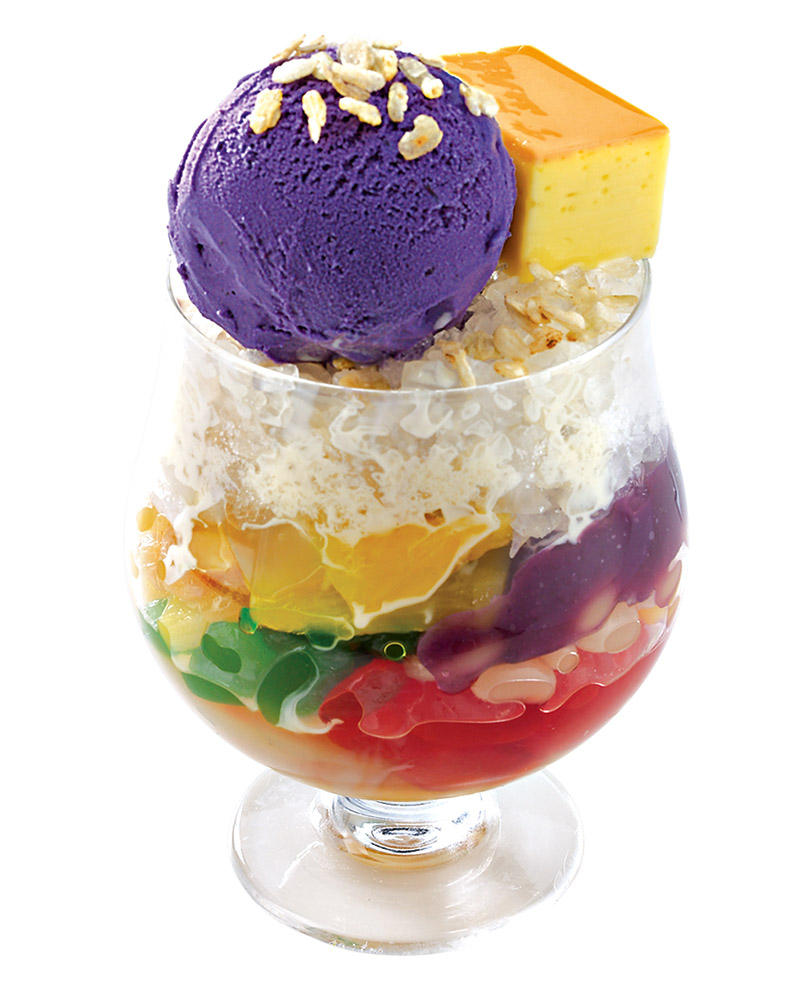
Now is about the time you’d generally head straight for the nearest kebab stand. However, when in Manila do as the locals do and instead indulge in halo-halo, a local dessert that is a huge, colourful concoction of purple yam ice-cream, crushed ice, jackfruit, coconut shavings, chickpeas and jelly. The name means mix-mix and that’s exactly what you do. Normally, you can get halo-halo all over the city but at this time of night there’s only one place to go: the magnificently soaring lobby at The Peninsula Manila. It’s the perfectly extravagant way to end a long night. The Peninsula Cnr Ayala and Makati Avenues, Makati manila.peninsula.com
Sanej guides me through a packed medieval square and down a steep, deserted alley. The excitement of the crowd fades behind a row of temples and with each step away my paranoia grows: am I about to miss the action? “Do not worry, Mr Cameron,” Sanej says, trying to appear confident. “The best place I know it very well.” It’s day four of Bisket Jatra, a raucous nine-day festival for Nepali New Year celebrated with unmatched intensity in the UNESCO World Heritage city of Bhaktapur.
According to the Newar ethnic group who predominate here, the Sky is about to make love to the Earth in a ceremony that honours the special Tantric power of a fabled prince. I begin to think Sanej’s promise of the best view in town is an equally unlikely fable until he leads me through a nondescript doorway to a rickety staircase. Each floor we ascend lets in more noise from the streets, and on the fifth we can barely hear ourselves say “Namaste” to a huddle of bewildered, giggling grandmothers. Above them we hoist ourselves through a hatch and climb onto the roof just in time.
I barely have a moment to take in the panorama of hordes of people erecting a 50-metre wooden ‘pole of love’ called a Yoshin before a human surge flows downhill from the centre of the old town. Sanej’s local knowledge has seriously paid off. We’re in the box seat as a fierce tug of war ensues via a tangle of hundred-metre-long ropes between rival sections of the crowd. It’s called the Grounding of the Yoshin and the movement of the pole in a large stone mortar none too subtly symbolises a divine bump and grind as the sun casts its last rays. Such is the power of each thrust that scores of men on the losing side are left dangling from ropes metres above the brick pavers.
The Grounding of the Yoshin also marks the new Bikram era and, bizarrely, celebrates the not-quite-Disney legend of a young man who became a prince by satisfying the voracious sexual appetite of the king’s daughter and survived to tell the tale. “You see,” comments Sanej, as though it were an element of logic, “the two banners on the Yoshin are the serpents that sneezed nightly from the princess’s nostrils and murdered her many lovers right in the hot bed, until a special youth with Tantric power sliced them.” The symbolism of slain serpents starts to make more sense when the pole snaps from the strain, thundering to the ground amid biblical shrieks – and later, when I learn that the event also symbolises marriage.
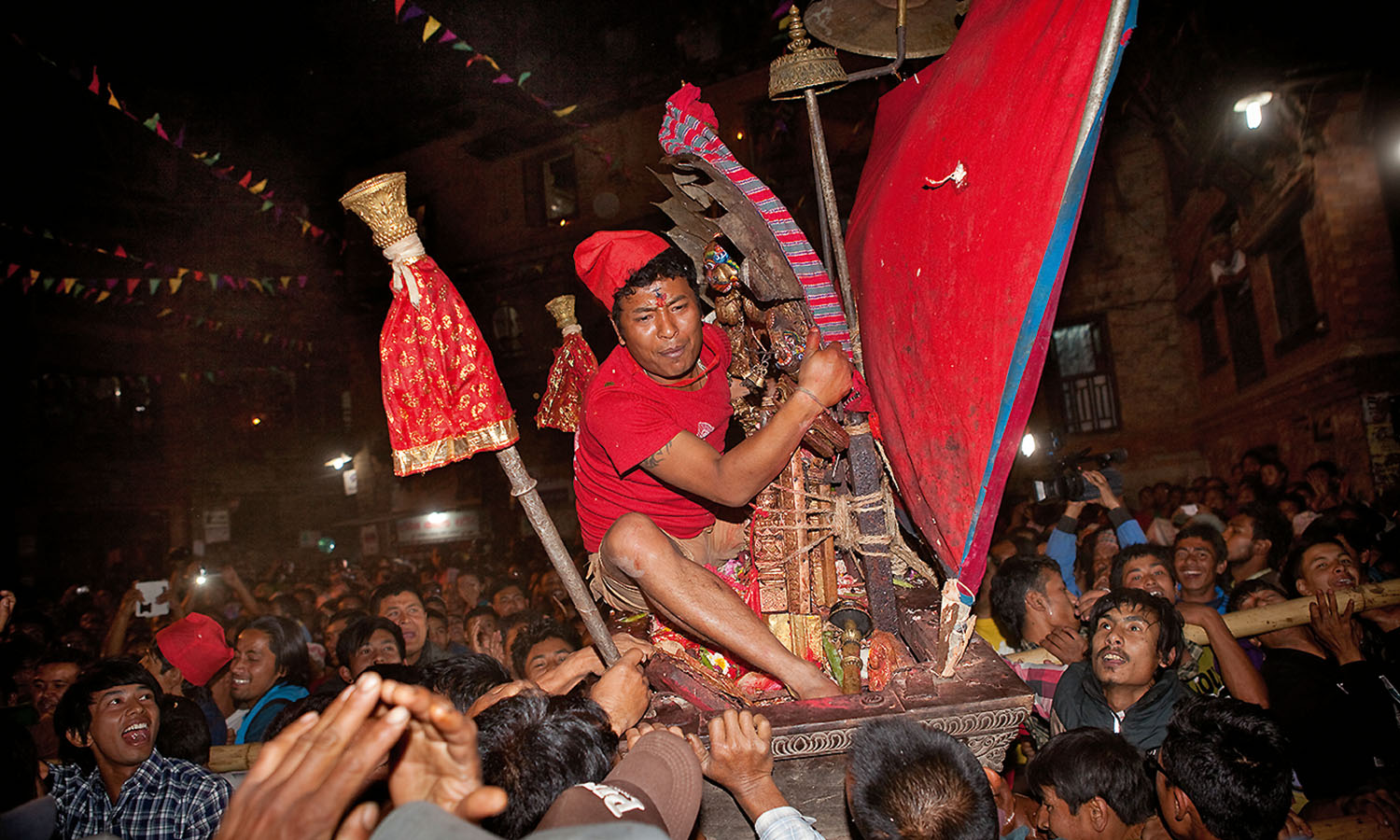
As soon as the Yoshin lays wasted, the crowd’s energy surges anew, redirected at hauling an ornately carved, multi-tonne chariot through Bhaktapur’s darkening streets. The chariot features another prominent phallus, mounted with a sacred metallic icon of Bhairab, a wrathful incarnation of Shiva and a patron deity for the city, alongside a hobgoblin, just for good measure. The object for the hundreds of young men – in various states of inebriation – rhythmically heaving the ropes is to clash the creaking, swaying chariot with Bhadrakali, Bhairab’s female consort, for another divine dalliance.
The sexual symbology of events continues long (and hard) into New Year’s evening, and reflects key parts of Bhaktapur’s identity. Known as the Tantric City and designed in the shape of a conch shell, its Malla kings ruled an independent kingdom from the fifteenth to the eighteenth centuries with a reverence for Tantric traditions that continue today and are immortalised in the city’s World Heritage-listed temples.
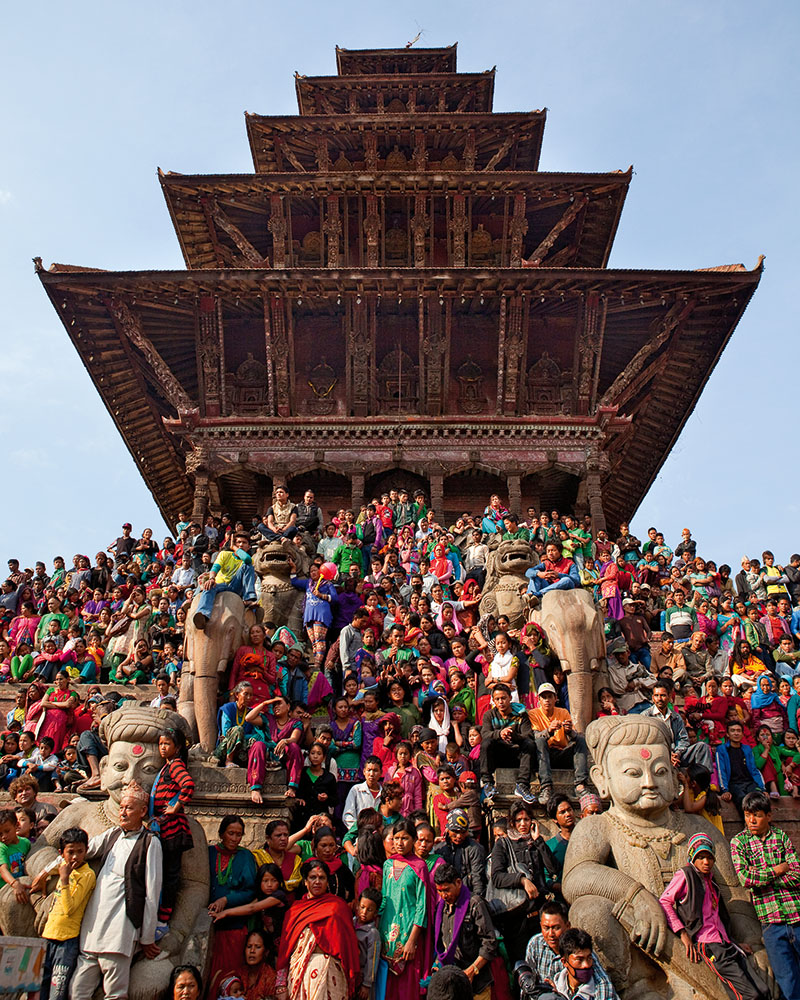
Initially, Bhairab is drawn on his chariot through Taumadhi Square past the five-roofed Nyatapola Temple, one of Nepal’s most renowned, where the powerful Tantric goddess Siddhi Laxmi is said to hide.
But higher up in the old city’s Durbar Square lie even more intriguing drawcards. Yaksheswor Mahadev is the oldest surviving temple in the block and features more than 24 sexual positions carved into its roof struts (stand-up doggy appears to have been a royal favourite). Even more curious is the Shiva Parvati Temple that features its own Karma Sutra for amorous elephants.
The next morning, festival fervour continues into another religious precinct in the neighbouring township of Thimi. Although exhausted from the previous evening I’m up before sunrise and cram into a very mini-van with Sanej and a handful of his friends who are all photographers. It’s no coincidence. I’ve booked this trip with Pramod Khatiwada, an enterprising Nepali based in Melbourne who has started a company called Sherpa Tours. As he politely explained to me over pizza and beer in a Melbourne bar, his aim is to create personalised experiences catering to a traveller’s interests – in my case, that’s photography – that also make use of his local knowledge and contacts.
Sanej and his friends have come from Kathmandu to shoot the most colourful event of Bisket Jatra, Sindoor Jatra (also known as the Vermillion Festival), and because they’re displaying their festival images from previous years in an exhibition at a local restaurant.
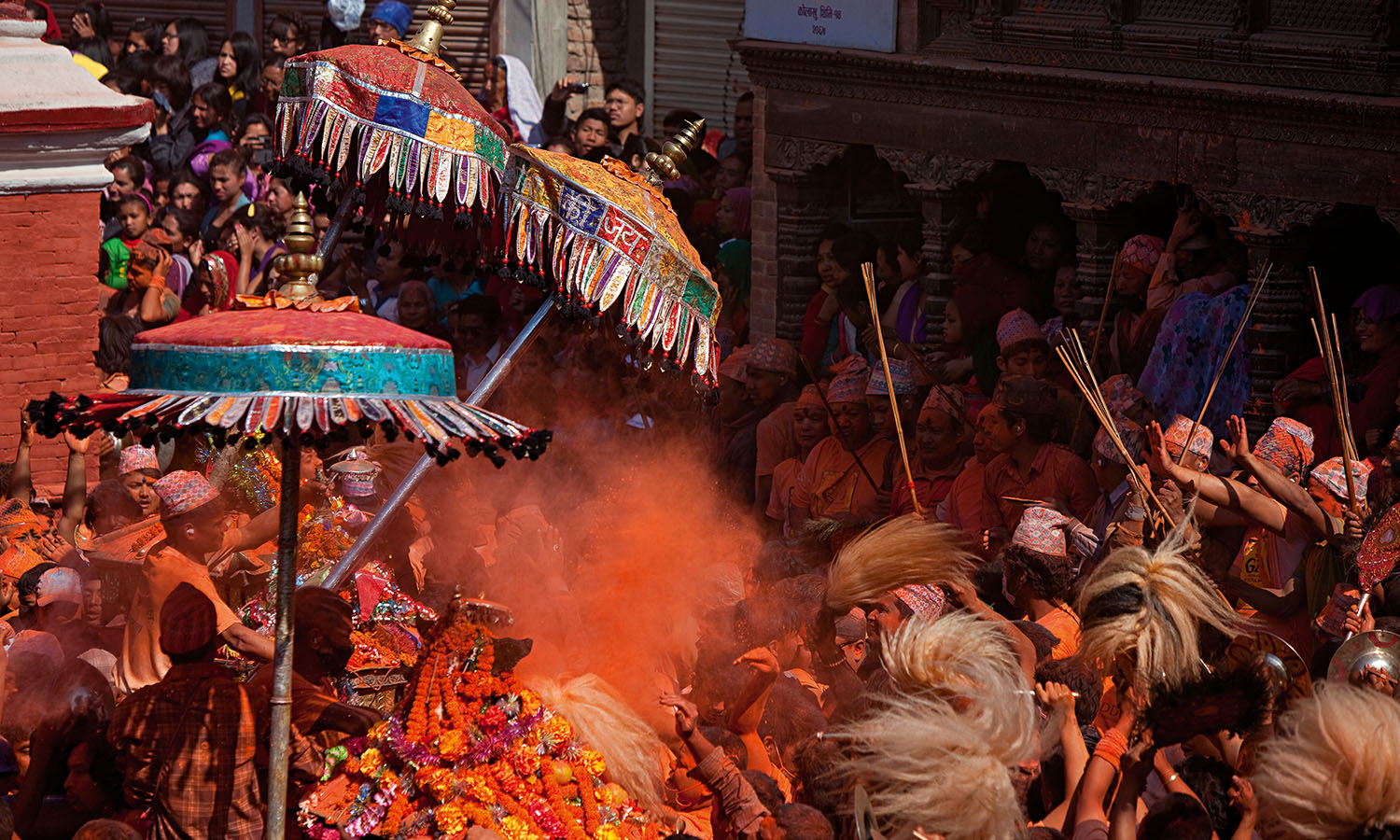
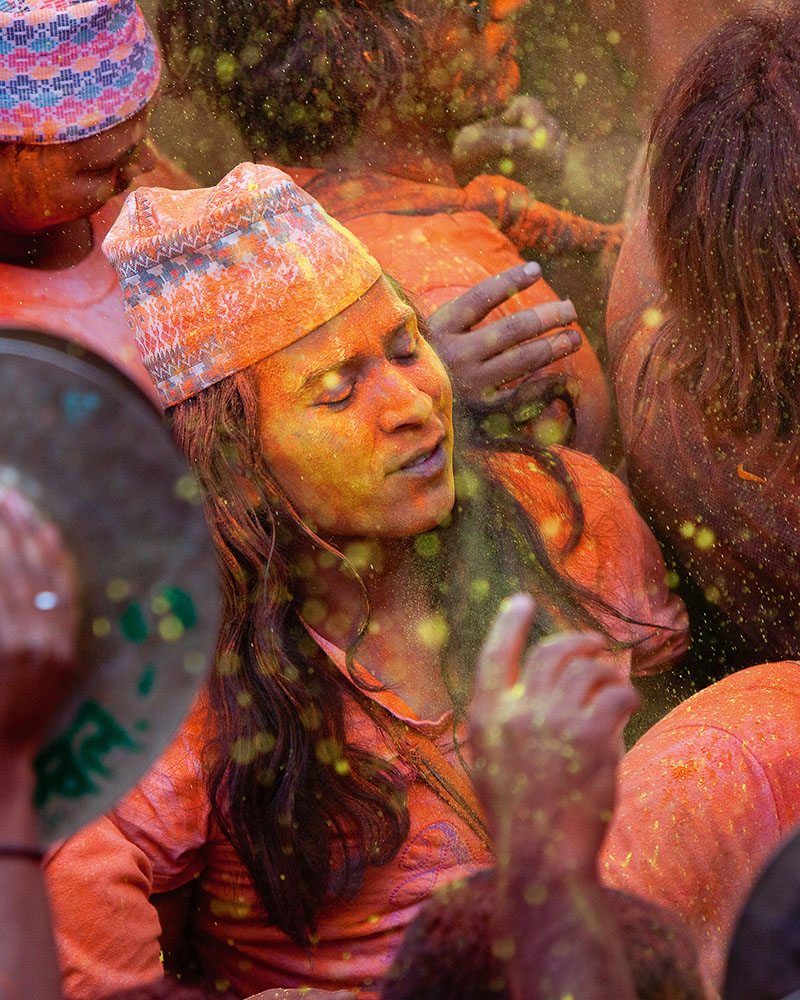
The morning at Thimi’s Balkumari Temple begins with a bubbling pilgrimage as dawn’s first rays strike locals queuing to leave offerings of eggs, rice, flowers, coins and scarlet powder. The rooftops and balconies overlooking the adjoining square begin to pack with women and children, and I retreat with Sanej to a small terrace that again puts us in prime position for the action. Part of the devotees’ religious duty today is simply to experience joy. It’s an infectious idea. Within minutes the crowd hits fever pitch as a surging, dancing, singing, drumming, cymbal-clashing throng of men converts the atmosphere from religious to ecstatic moshpit. Explosions of vermillion catch the sunlight as thousands of fistfuls of orange powder rain on as many beaming smiles and wiggly dance moves. Wave after wave of palanquin-style khat (chariot) bearers then charge into the square marking Bisket Jatra’s morning climax. It’s a battle of the khats as each team gangs up on Ganesh, who is carried for several clockwise laps of the temple before making a close-run escape.
After the crowd dies down, one of the photographers bumps into an orange-coated, barely recognisable friend he hasn’t seen in years, and we’re all invited home for an impromptu lunch. There I’m plied with fermented rice beer called chhaang and served a spicy array of goat meat, potato and unrecognisable green vegetables. The guys equally laugh and encourage as I attempt to ball the curry into handfuls with smashed rice, and I’m struck that a standard city guide could never have offered an experience like this.
Thankfully, over the next few days Bisket Jatra is marked more by calm than chaos. It’s a reflection that, towards the end of the festival, the event reins are given over more to women and the elderly.
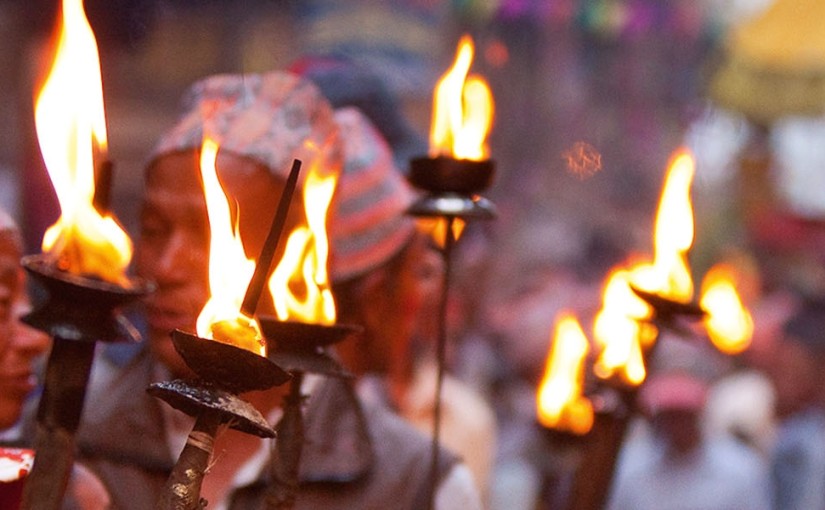
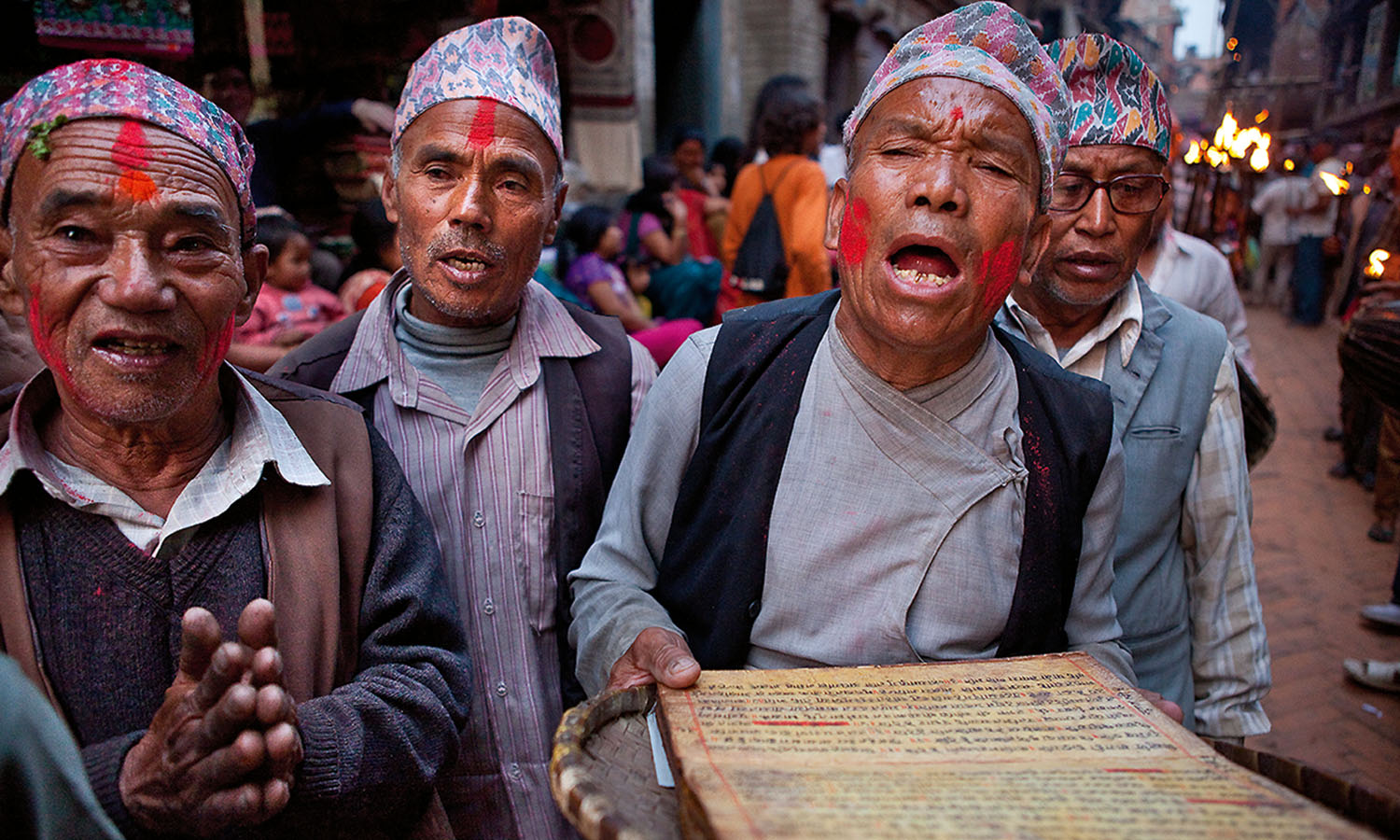
At nightfall the next evening in Dattatreya Square – yet another of Bhaktapur’s temple-laden gathering spaces – a charming procession of elderly men in Dhaka topi (traditional hats) keeps the narrow streets aglow with music and candlelight. It’s called Brahmayani Jatra and is an oil-flame torch-bearing event of gentle atmosphere. Though its purpose is holy, the singing in the torchlight – read from yellowed tomes of Sanskrit – feels like a wind-down from the craziness of the days past. But the event that makes Sanej and the photogs suspend their collective breath is Taa Din, for which the city’s idols come out from their temples for worship. From daybreak the Newari women of Bhaktapur take a prominent lead, filling the streets in elegant, flowing saris and traditional shirts called cholos. Their cloth is dyed in continuous patterns of scarlet and black, and they wear matching adornments of flowers and greenstones in their hair and around their necks. Their traditional role is to make puja (a Hindu prayer ritual) to the gods, but many also prove their musical talent as flautists in roving street ensembles.
It’s only as I’m departing Bhaktapur that I hear an avalanche on Mount Everest has claimed the lives of 16 mountain guides, mostly Sherpas. It’s the deadliest in Everest’s history and a tragedy made more acute by the fact that each man who died was working early to portage gear for foreign climbers, who meanwhile remained in safety at base camp. When I cast my mind over Bisket Jatra, I can’t recall seeing more than 10 or 15 foreign tourists among the tens of thousands celebrating. It’s an infinitesimal fraction of the numbers who fly in to trek among and climb the world’s highest mountains, and a perplexing fact to consider after experiencing such a captivating, world-class event. Clearly the world is yet to discover the cultural heights that rise here.
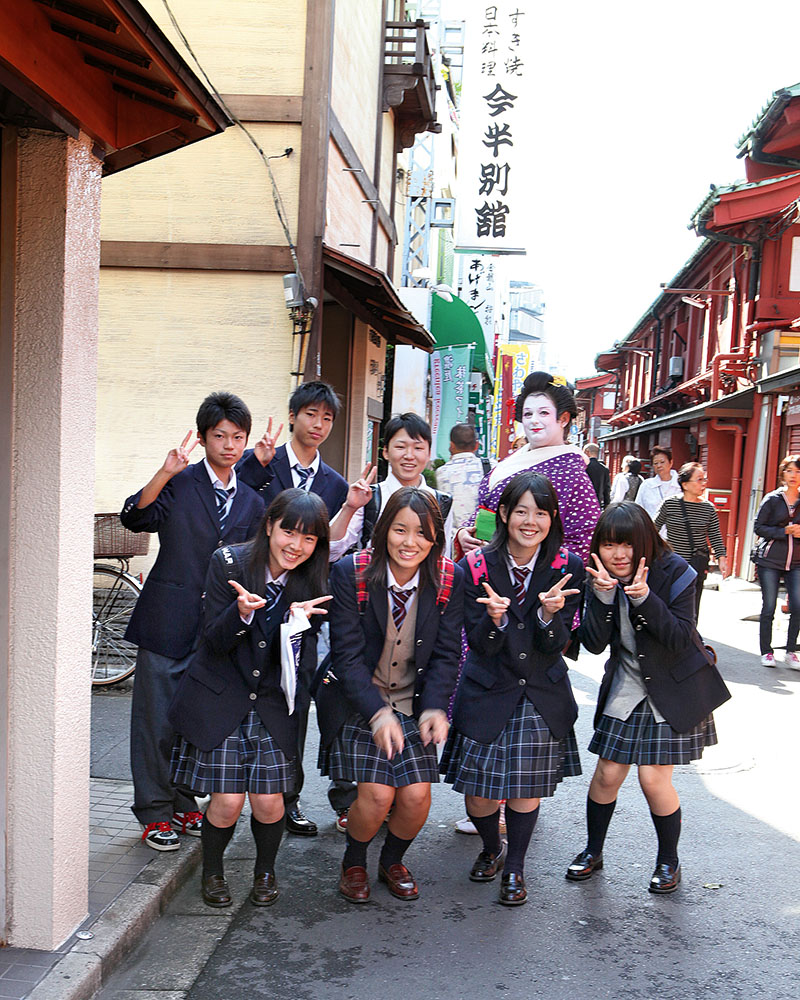
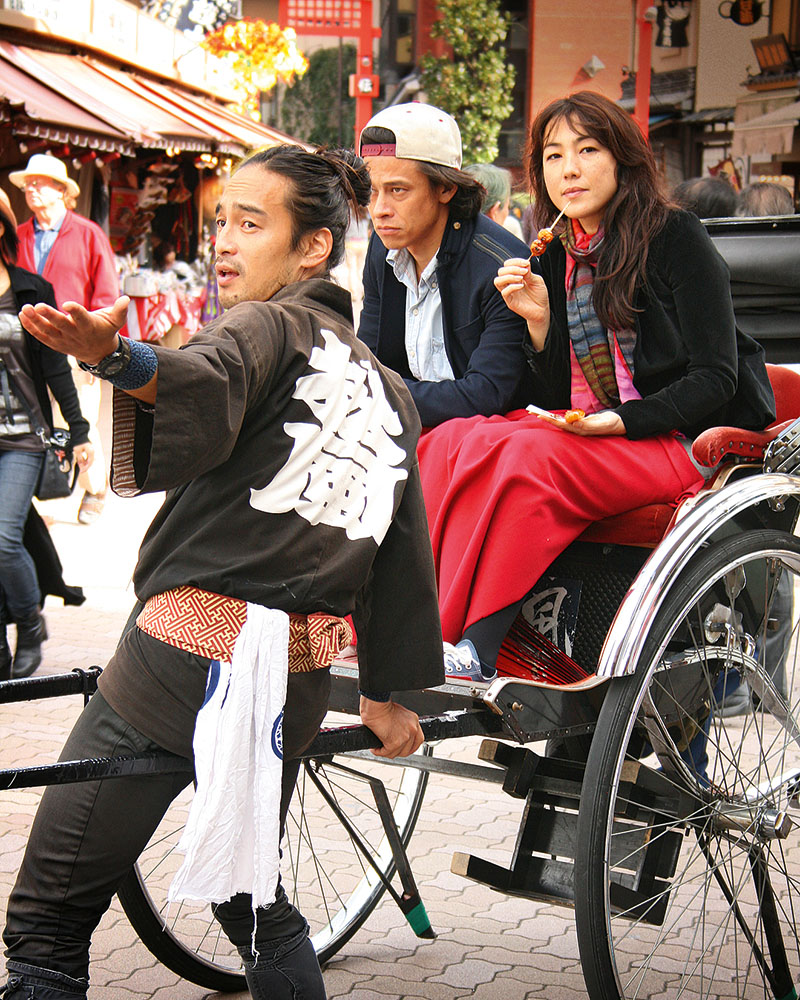
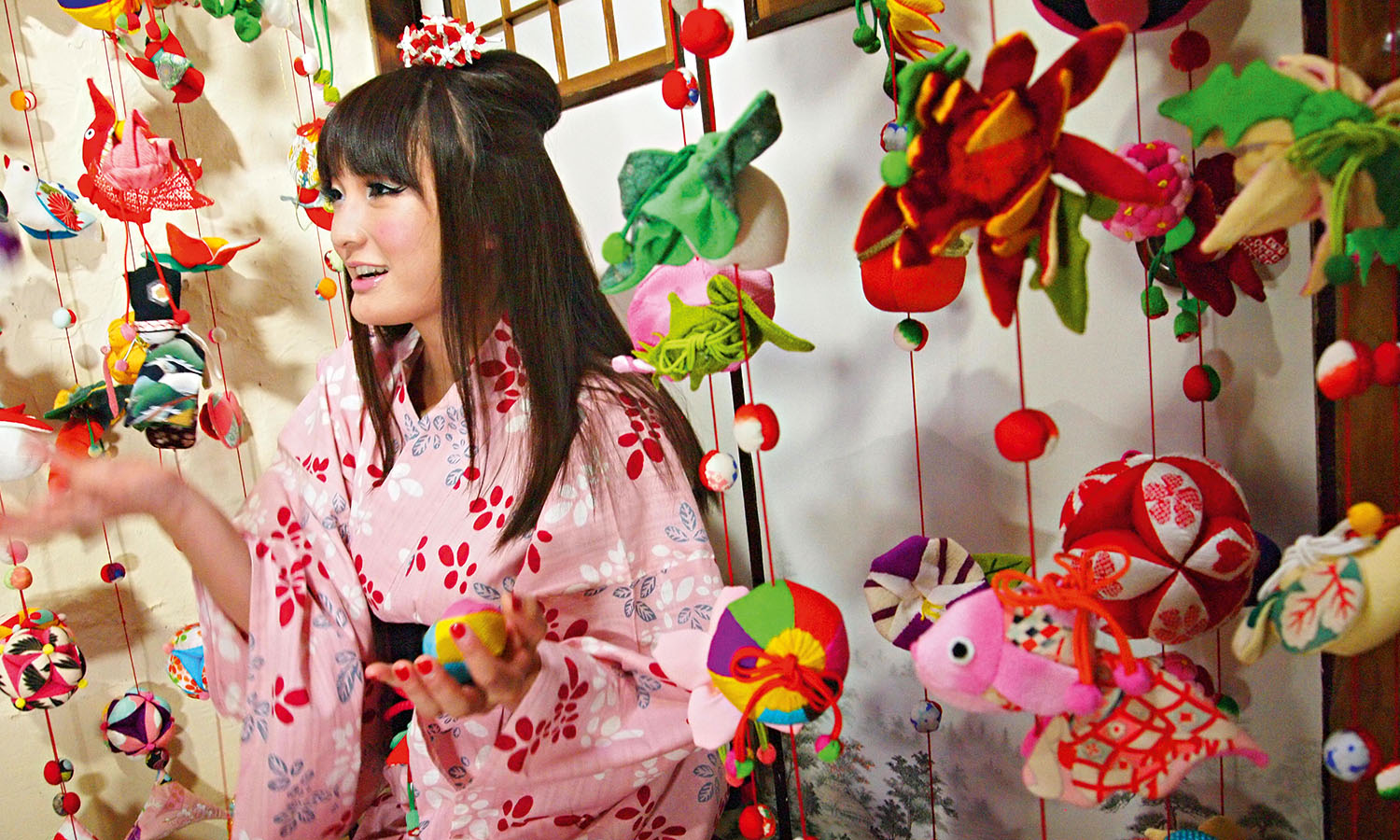
Tomomi giggles and makes a motion as if taking a photo: “You will be like a movie star. Paparazzi.” In a tiny studio off Asakusa’s market, I am getting ready for my close-up. First the make-up artist and photographer slathers my face with primer that has the density of vaseline. Then comes a thick layer of white powder made into sludge with a little water, followed by a pressing of white powder. My heart skips a beat when Tomomi starts to paint what appears to be bright-red lipstick around my eyes. Then again, she’s the expert.
When she’s happy, she asks me to pick a kimono. From a vast rail, I choose a purple one. She looks at me as if to say ‘really?’, but pulls it off its hanger anyway. For some reason, I thought dressing as a geisha would simply involve slipping a beautiful silk gown over my head. Wrong. First Tomomi straps down my chest. “You have good body, but flatter is better,” she says in halting English. Then she and her assistant Miho begin strapping and binding with sashes, belts and velcro until I can barely breathe. Finally, she walks me towards the mirror and in it I see someone who could not be me. Could it?
Tomomi runs a business called Cocomo, where she adorns ordinary citizens in traditional costume. On her walls there are photos of made-over celebs including Jessica Simpson, Taylor Swift and Betsey Johnson; in her brag book are images of tiny children in beautiful silks, men kitted out as kabuki actors or samurai, and couples posing in traditional garb on their wedding day. The preparation takes about 90 minutes before she takes me to a studio where I pose with parasol and samisen (a Japanese guitar) before heading into the street where I become the tourist attraction.
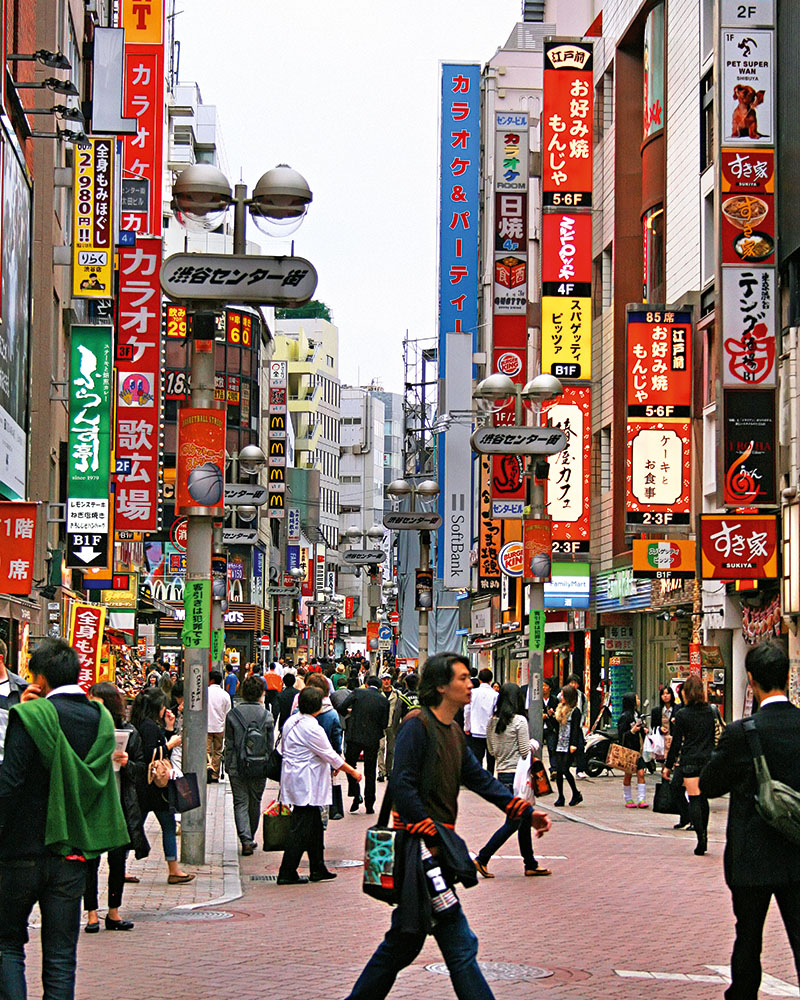
To say Tokyo is a multifaceted character is a complete understatement. Its public persona is of tea houses, tipsy salarymen, Shibuya intersection shuffling with a cast of thousands, and serene gardens dotted by koi ponds. It is all that and much more too, and if you dig a little deeper you can leave Western tourists snapping pics of kooky kids on Takeshita Street behind and explore another side of the Japanese capital. With just three days to pack it all in though, there’s just a question of when there’ll be time to sleep.
My first stop is Ikebukuro Life Safety Learning Center. Most people call it the Earthquake Museum, but that is a bit of a misnomer. Run by the Tokyo Fire Department, it deals in serious stuff. I’m in a group with a bunch of kids from the Junior Fire Brigade. Average age: 10. First we’re scared stupid by a video that shows skyscrapers swaying ominously, along with the 2011 tsunami ripping through the Japanese countryside and its devastating after effects. Next it’s off to the earthquake simulator, the facility’s newest addition. Basically, you sit around a table on a huge metal plate and it starts to shake, at which point you dive under the table and hold on tight to a leg. The instructor turns the machine up to match the 2011 earthquake, the table moves across the floor and I lose my balance and smack my head on its edge. The rocking and rolling seems to go on forever. When the shaking finally subsides my heart is pounding and I’m completely terrified. Next, the kids and I manage to escape unscathed from a burning building then douse a kitchen fire with extinguishers.
The Japanese certainly seem to have a penchant for vaguely odd museums. If you’ve got the stomach for it, the Meguro Parasitological Museum is worth a visit just for its prize display – an 8.8-metre–long tapeworm. All the signage is in Japanese, which is a little disappointing because I really wanted to know where Tapey lived before finding himself in a giant jar. It takes a couple of photos and a bit of post-visit Googling to work out what the drawings of men carrying their enormously engorged scrotes in slings are all about. Apparently Wuchereria bancrofti is a roundworm spread by mosquitoes that can cause fever, chills, skin infections and, in blokes, orchitis, an extreme and painful inflammation of the testes. If you haven’t made enough ball jokes by about now, head across the street to Ganko Dako, a street stall selling takoyaki, or fried octopus balls. Smothered in mayonnaise and bonito flakes, they’re morsels of absolute goodness.
Food is serious business in Tokyo. There are more restaurants with three Michelin stars here than anywhere else in the world (15 in comparison to Paris’s 10), but you certainly don’t have to spend a fortune to enjoy something a little different. The fish served at Zauo, for instance, is definitely fresh. That’s because you have to catch it yourself. Waiters furnish guests with a rod, a tiny unbarbed hook and a pot of miniscule prawns. Most of the tables are set on a faux boat ‘sailing’ in a pond filled with sea creatures, from small sharks and snapper to lobster and shellfish. “You have the table for two and a half hours,” the waiter tells me as he seats me in the boat’s bow and hands over my equipment. Seriously, I think, how long can a quick sushi dinner take? Well, when it takes 45 minutes to snag a snapper, the answer is two and a half hours.
My shiny, slippery snapper goes off to the kitchen and comes back on a plate. Slices of sashimi are fanned over ice, and the head and frame are artfully twisted and secured with a large skewer. Slightly off-putting is the twitching of the fins as I slurp down the sashimi, a problem that is completely solved when the remains get whisked away and prepared for the second course of fried bones.
Not nearly so close to nature is Akihabara’s cult food offering. At the front of Don Quijote (a chaotic blend of costume store and $2 shop) you can buy a Black Terra hotdog from Vegas Premium Hot Dogs. “What does it taste like?” my guide Michiko asks, tucking into a reassuringly red dog in a white bun. “Mmmm, hotdog,” is my none-too-startling revelation. It seems the colour comes from tasteless, pulverised bamboo charcoal and, as I lick the mustardy remnants from my fingers, I can’t help but wonder why you’d bother.
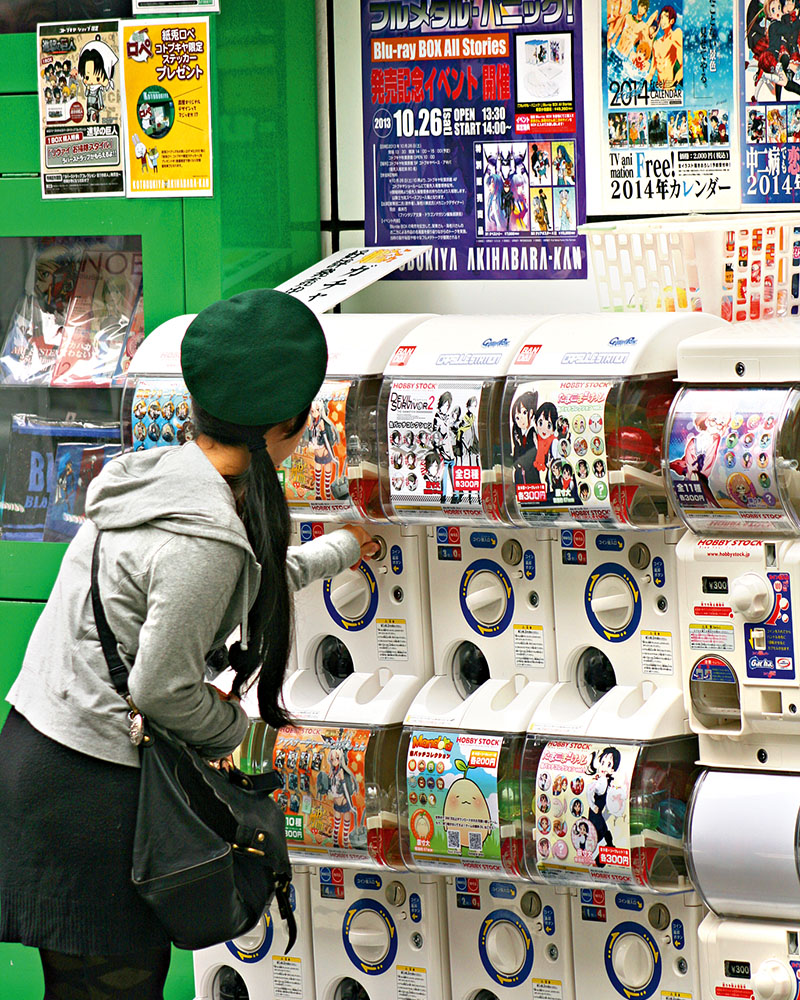
Akihabara Electric Town was once the place you’d visit if you were in the market for a computer, camera or other piece of electronic ephemera. These days, you can still get all that, but it’s also become the beating heart of Tokyo’s otaku (geek) culture. Head to multi-level store Super Potato and buy up big on second-hand retro games. Commodore 64 components, Atari games and Donkey Kong handhelds are all there, and there’s an arcade on the fifth floor. There are vending machines on many street corners, but the ultimate mechanised mecca is Gachapon Kaikan, a store lined with toy-vending machines. Pop in 200 or 300 yen (US$2–3), turn the handle and out pops a plastic bubble with, perhaps, a manga (Japanese comic book) character or even a hamster nibbling a carrot (replica, of course) inside.
This is also the home of AKB48, a J-pop group with 89 female members who ‘work’ on a roster performing shows every day. If you thought One Direction was a big deal, check this out – in May last year, the group released a single called ‘Sayonara Crawl’ that sold 1,763,000 copies in the first week. They’ve got a shop and a cafe and their own theatre, natch.
At 11am on a weekday morning, there’s a line-up of mostly young guys outside a huge bookstore called Akiba Culture Zone. Something may have been slightly lost in translation, but it seems they’re waiting for tickets to go on sale at 4pm for a concert that evening. Not any old concert, though – the star of this one is a female hologram who performs Vocaloid songs (basically, it’s a synthesiser that produces a singing voice). The most famous Vocaloid ‘artist’ is Hatsune Miku. In 2010, her debut album Exit Tunes Presents Vocalogenesis feat. Hatsune Miku debuted at number one on the Japanese charts and last year ‘she’ performed at SonicMania alongside bands like The Stone Roses and Pet Shop Boys.
If Tokyo’s young men seem obsessed by virtual girls – you only have to venture into the dungeon that is Mandarake, a huge store selling toys, comics and DVDs, and see them furtively flicking through manga featuring comic girls with pneumatic tatas on the covers to know it’s true – the beautiful young women of the city seem to still be searching for actual love. With real human beings. Tokyo Daijingu is a stunning Shinto shrine thought to help with togetherness. On a Saturday afternoon, a bride dressed in a glorious cream silk kimono is marrying her beau and seemingly hundreds of young women are admiring her as she has her portrait taken. They’re also buying love charms and fortunes (called o-mikuji) from priests – male and female – dressed in pristine white robes. I hand over 200 yen (US$2), shake a numbered stick from a wooden box and a priest hands me the accompanying fortune. “It’s good,” says Michiko, as she begins translating. “It says you should let the person you love go because he is too good for you. Your perfect match is a Scorpio, has AB blood and was born in the Year of the Horse. It also says it’s not time for you to get married yet. You need to be patient.” Since I’m on the wrong side of 40 and wouldn’t even know what type of blood runs through my veins, I’m wondering what she’d consider a bad fortune. These, should you be unfortunate enough to procure one, are tied to a wall, but Michiko urges me to keep mine. I slip it into my pocket along with a belled charm I hope will speed my good love vibes along.
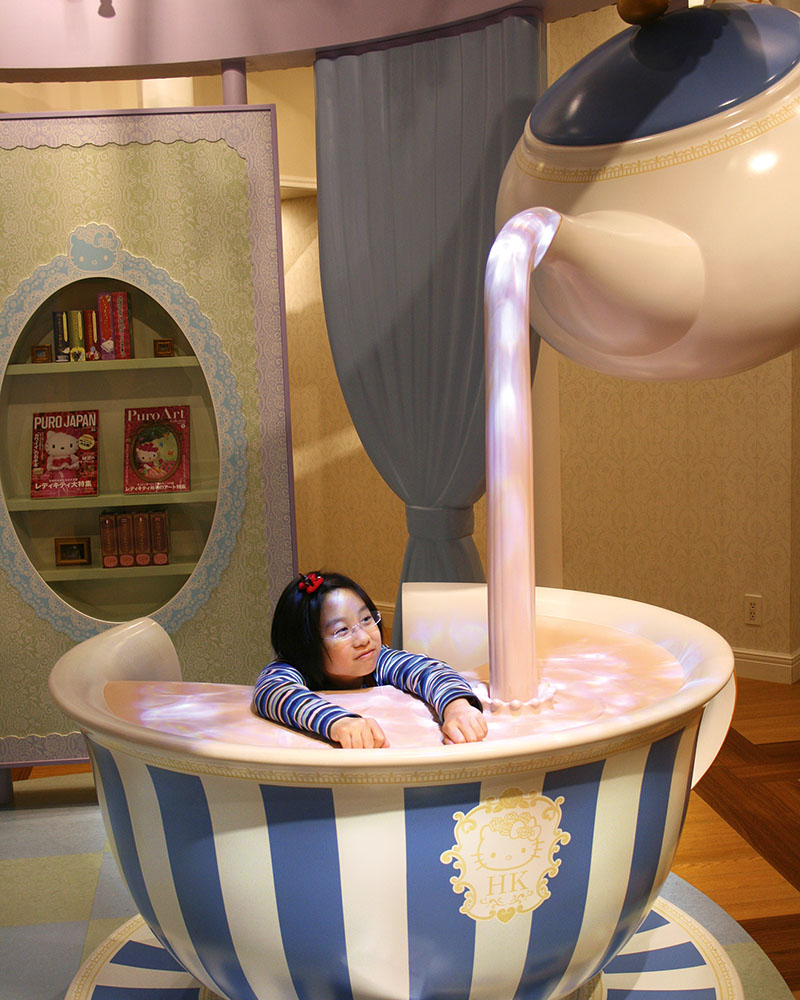
Another major attraction for young women (in many cases, the very young) is Sanrio Puroland, an indoor theme park where you can say “Hello Kitty” to Kitty. Kawaii is the Japanese word for cute and a whole industry – from maid cafes, where the waitresses sing songs of love as they serve your food, to strange police mascots with green hair and dog ears – has grown around it. But Puroland is kawaii on steroids. There are boat rides, a journey with Kiki and Lala, Kitty’s quite amazing house and shows featuring the characters that make up her extended family. That’s not to say there isn’t a sly wink to adults who find themselves here. In a musical based on Alice in Wonderland, the Queen of Hearts has her botulism-infused magic tiara stolen, instantly rendering her an old hag. In the enormous gift shop I buy a pair of socks bearing the words ‘I Love Mushrooms’ and an image of Kitty sitting on and eating mushrooms, and a face cloth of My Melody in a ghost costume printed with the words ‘Meet me in the freaky forest’. I will leave you to make your own interpretations of both.
All the outward shininess and focus on the cute does tend to hide the fact that Tokyo has a long, dark history. American researcher Lilly Fields has lived in the city for 30 years and, fascinated by its past, has a sideline in Haunted Tokyo Tours. Far from the gimmicky, after-dark schlock fests you sometimes encounter, Field’s walking tours are mostly held in broad daylight, which doesn’t make her stories any less horrifying. Her Blood of Samurai tour is the final stop on my whirlwind itinerary. We walk to the top of a burial mound, and visit a site where, in 1623, 50 Christians, mainly Jesuit priests, were crucified and burned. The methods used to torture them make the Romans seem almost mild by comparison. Then there’s the story of the 47 ronin, who avenged the death of their master Asano. Their 300-year-old graves in Takanawa are still visited by many who come to pray. Lilly is a master storyteller – one of those people who can bring a seemingly innocuous place and its history to life with her vivid words. She takes us up Ghost Hill, where we stop at a temple to visit the magical lipstick Buddha. “One of the ways to pay devotion to this Buddha is to apply make-up to it,” she explains. “Geisha would come here to pray for beauty.” There are pots of baby powder arranged around the Buddha and she encourages us to add our own daubs. I think of the love charm in my pocket and grab a powder puff. Well, you never know your luck, particularly in this big city.
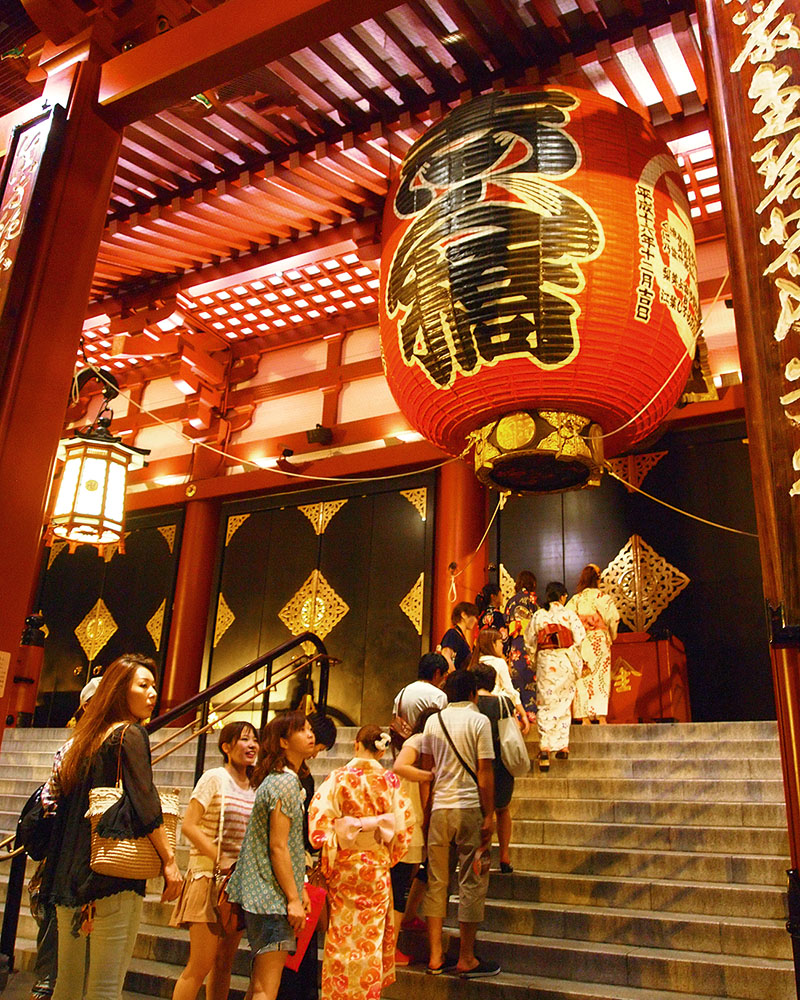
Most people think Asakusa in Tokyo’s east is a tourist trap. Hordes of travellers – an estimated 30 million every year – visit to ogle Senso-ji, the city’s oldest temple, dating back to 645. Here, one can experience a piece of traditional Japan, and the Buddhist complex, with its exquisite architecture and painted details, is a sight to behold.
However, away from the crowds who typically browse Nakamise-dori, the pedestrian street leading up to the temple that’s lined with stalls selling traditional sweets and kitschy souvenirs, is a truly charming neighbourhood made up of small lanes dotted with artisanal and multi-generational family-run shops. There is no need for a supermarket selling mass-produced goods, as everything can be bought at stores specialising in just one type of product.
In the Edo period (1603 to 1868) the neighbourhood was popular with commoners and merchants. At the time Japan was enjoying a period of political stability and, thanks largely to this peaceful climate, cultural endeavours flourished. In opposition to the elegant and refined tastes of upper-class Tokyo, the downtown area developed a bawdy reputation. Ironically, various aspects of Japanese culture that are lauded now – woodblock prints, kabuki theatre, even tattoos – were, during the time, produced by the commoners for the commoners.
The locals who live here now have a fierce parochial pride and a brash sense of humour. The spirit of the community is evident during the many matsuri (festivals) that take place during the year. The most incredible of these are the Sanja Festival, which takes place on the third weekend each May and resembles one big street party, and the Sumida River Fireworks Festival in July.
Increasingly, the area has become a hotbed for members of the creative class, who find the rent in trendy west Tokyo areas prohibitively expensive. Their arrival has helped create a unique neighbourhood, where old-school craftsmen and new-wave designers exist side by side.
For visitors, there are a number of hotels in Asakusa, but Taito Ryokan – a small Japanese inn, built in 1950 – is a good choice. For Tokyo, it’s very cheap (about US$25 per person), with atmospheric tatami-style (straw mat) rooms and a friendly owner who makes the whole experience more like a homestay.
Asakusa has a plethora of artisan food stores – some sell only one kind of dried fish, for example, while others specialise in tofu. Kintaro-ame is a style of classic Japanese sweet and the most famous shop making it is the fifth-generation Kintaro-ame Honten. Long sugary ropes are assembled together, stretched then cut to reveal a pattern – most often a character’s face – within.
Stop for a break at Gallery éf. This Edo-era warehouse, built in 1868, is one of the few buildings that survived the fire-bombings of World War II. The space retains its architectural charm, but now serves as a cultural hub cafe, bar and gallery – with a cosmopolitan clientele. Exhibitions range from Yutaka Kamimura’s photography of cats and dogs living in the Fukushima nuclear evacuation zone to NYC shooter Paule Saviano’s burlesque images.
While Senso-ji is the most famous temple in the area, you can find numerous shrines nestled inconspicuously between buildings. The small Yoshiwara Benzaiten Shrine is surrounded by cherry blossoms that bloom gloriously during spring. Although legal reforms saw courtesans disappear from Tokyo life during the mid-50s, they used to come here, once part of the city’s biggest red-light district, to pray for protection.
One of the most atmospheric sentos (public baths) in Tokyo is Onsen Jakotsu-yu, nestled in Asakusa’s laneways. Sentos were common in the region post-war, as many houses did not have their own bathrooms, but locals still attend them – yes, in their birthday suits – for the community atmosphere and sense of ritual. The water that flows in Jakotsu-yu comes from deep in the ground and is rich in minerals, leaving skin smooth and soft. This is also one of the few bathhouses in Japan where people with tattoos can bathe.
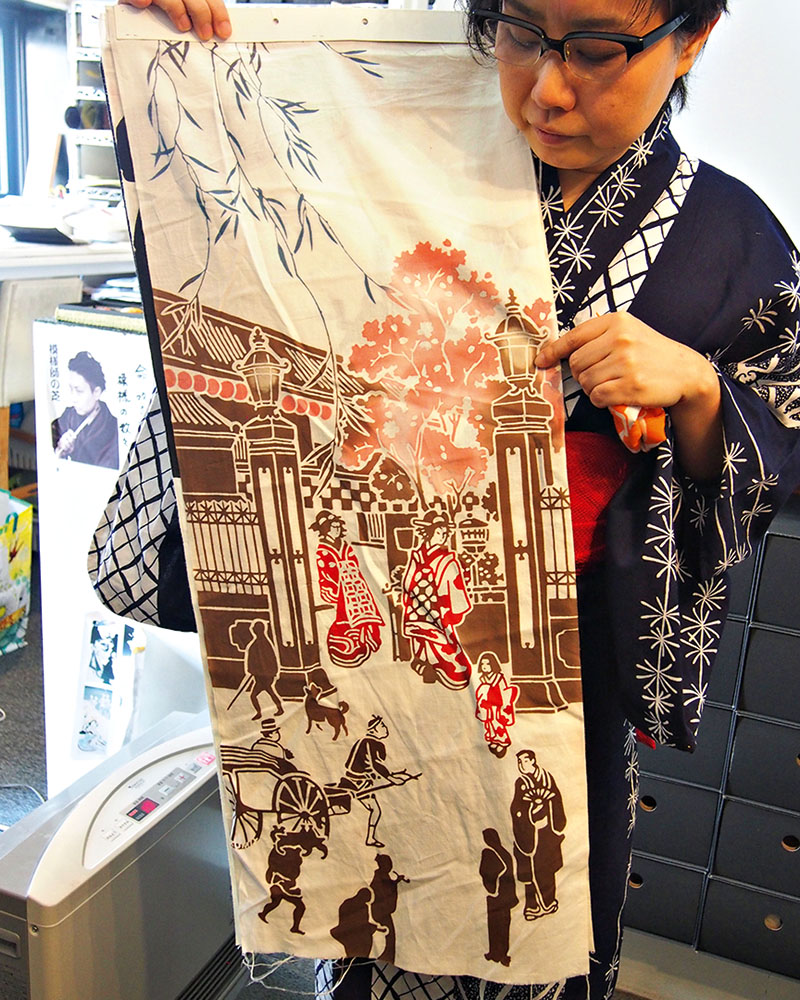
One recent transplant to the district is yukata (kimono) maker Rumi Shibasaki, who works out of her atelier, Rumix Design Studio. She makes cotton kimonos infused with a rock ’n’ roll sensibility – the dramatic motifs include images referencing all aspects of pop culture from Alfred Hitchcock films to novels by Yukio Mishima. She does, however, use traditional dyeing methods that utilise meticulously detailed, hand-cut stencils. Each yukata is stitched to order, so you can go in, get measured up and have a kimono made especially for you.
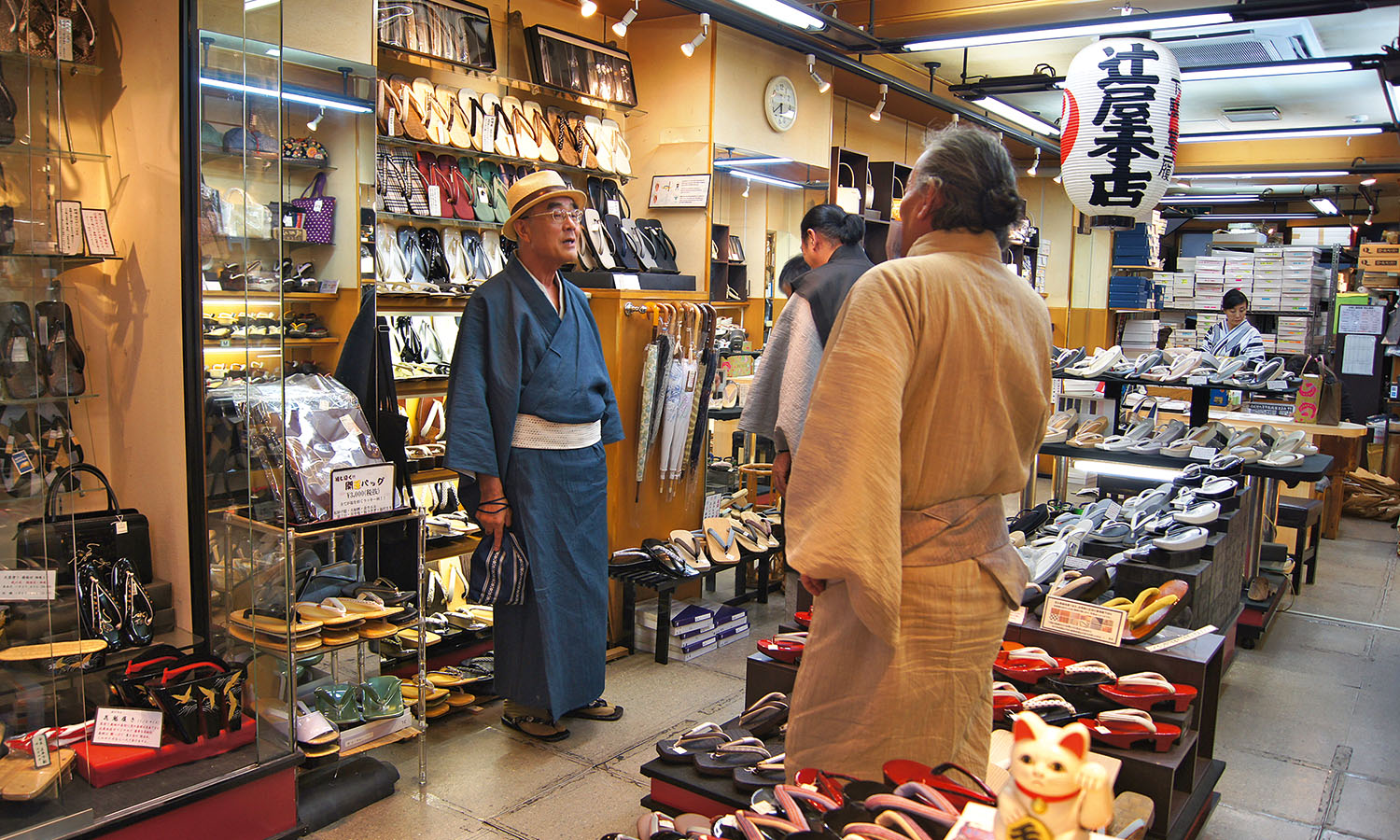
What to wear with your Rumix yukata? The answer is footwear from Tsujiya Honten, a traditional footwear store that makes geta, zori and setta, which are similar in shape to flip-flops but have the sturdiness of clogs or sandals. Each pair is custom-made by an in-house creator who fits them to your foot. They are beautiful, comfortable and, as an added bonus, go really well with jeans. A visit to the store is always great for people watching, as customers, from elegant gentlemen in their finest kimonos to first-time fashionistas, wait to have their sandals tailored to them.
The first time I went to Miyoshi, a small restaurant in the heart of Asakusa, it was by invitation of a local tattoo artist who goes there every second day to eat. It has unassuming interiors and a low-key atmosphere, but excellent fugu. While the taste of this famous pufferfish (poisonous if prepared incorrectly) is subtle, the presentation – delicate slices fanned out on a plate – and the texture of the sashimi is what makes fugu such a speciality in Japanese cuisine.
One of the best nightspots in Asakusa is Oiwake. The food served is typical of an izakaya – drink-friendly yakitori (meat grilled on skewers), edamame (soybeans still in their pods), house-made tofu and the like – and is downed with plenty of beer and sake. The real attraction here is the entertainment. At this bar young musicians play folk songs from north Japan with shamisens, a lute-like instrument that is strummed vigorously to produce a melancholic sound. The playing is so fervent and energetic it has been likened to that of Jimi Hendrix. Afterwards, when they’ve finished their set, the musos mingle with the crowd. That’s just the kind of place Asakusa is.
Some time during the fourth day of waiting I begin to lose my mind. Malarial mosquitoes gather in numbers for their insidious evening raids, and my daydreams of perfect waves and swaying palm trees are interrupted by the rhythmic clang of a rusted ceiling fan. Outside, a dusty potholed mess plays host to a constant procession of hotted-up bemos blaring garish Indonesian pop. With little company other than my own swirling thoughts I reach a low point I never thought my travels would take me. Anyhow, any way, I want off this island. I pace and I swat, while the buzzing in my ears sends me quietly off the deep end.
I am in Kupang, West Timor’s grim capital and the first stop on a journey in search of the fabled “Bali of 20 years ago”. Depending on whom you ask, it still exists in far-flung isles around the Indonesian archipelago, and I’d heard whispers of a small island called Rote. Depending on the whims of the local weather, it’s a three-hour ferry ride from Kupang.
An overnight stop in Kupang is required for anyone travelling to Rote. All going well, the morning after your arrival, a ferry will take you across the Pukuafu channel. The dramatic confluence of the Indian Ocean and Timor Sea, Pukuafu is a stretch of water where strange currents, whirlpools and walls of chop bounce off jagged islands lined with volcanic stone, ensuring a harrowing journey. It is renowned as one of the deadliest stretches of water in Asia, even by Indonesia’s dodgy public transport standards. In recent years the crossing has seen more than its share of sinking vessels and lives lost. My arrival in Kupang has coincided with a not-uncommon run of strong winds with the potential to cause even more perilous conditions for the former European River Cat that is ill-designed for its use here. Mornings quickly turn into a routine of loading luggage onto the ferry, fighting for space, then sitting as the wind swells before heading back to town to do it all again the following day.
Kupang is a busy port with few redeeming features other than an impressive night market, serving the freshest catch of the day and regional specialities for next to nothing. The town was occupied by Japanese troops during World War II, which in turn saw it battered by numerous Allied bombing campaigns. Walking along the waterfront today, it’s not hard to imagine the place in the days after the raids. The buildings are a mix of the decrepit and crumbling, with no hint of charm and a thick layer of dust.
Captain William Bligh found his way here after the mutiny on the Bounty, and small reminders of his sojourn can be found around town, most notably in the one decent drinking hole on the waterfront, which has great old maps and memorabilia on display. The open-sided bar is a gathering place for a smattering of travellers and expatriates, many of whom are pickled from the early hours of the day. At best, they make for awkward company. The clang of the saloon-style bar doors is often the only break from their war stories of love and fortunes won and lost. After a little time in Indonesia one can recognise these characters pretty quickly, their downtrodden tales echoing through dusty bars from Timor to Sumatra. After my own recent break-up, I vow never to join them, although it dawns on me I am in much the same position. At least I’m keen to keep moving.
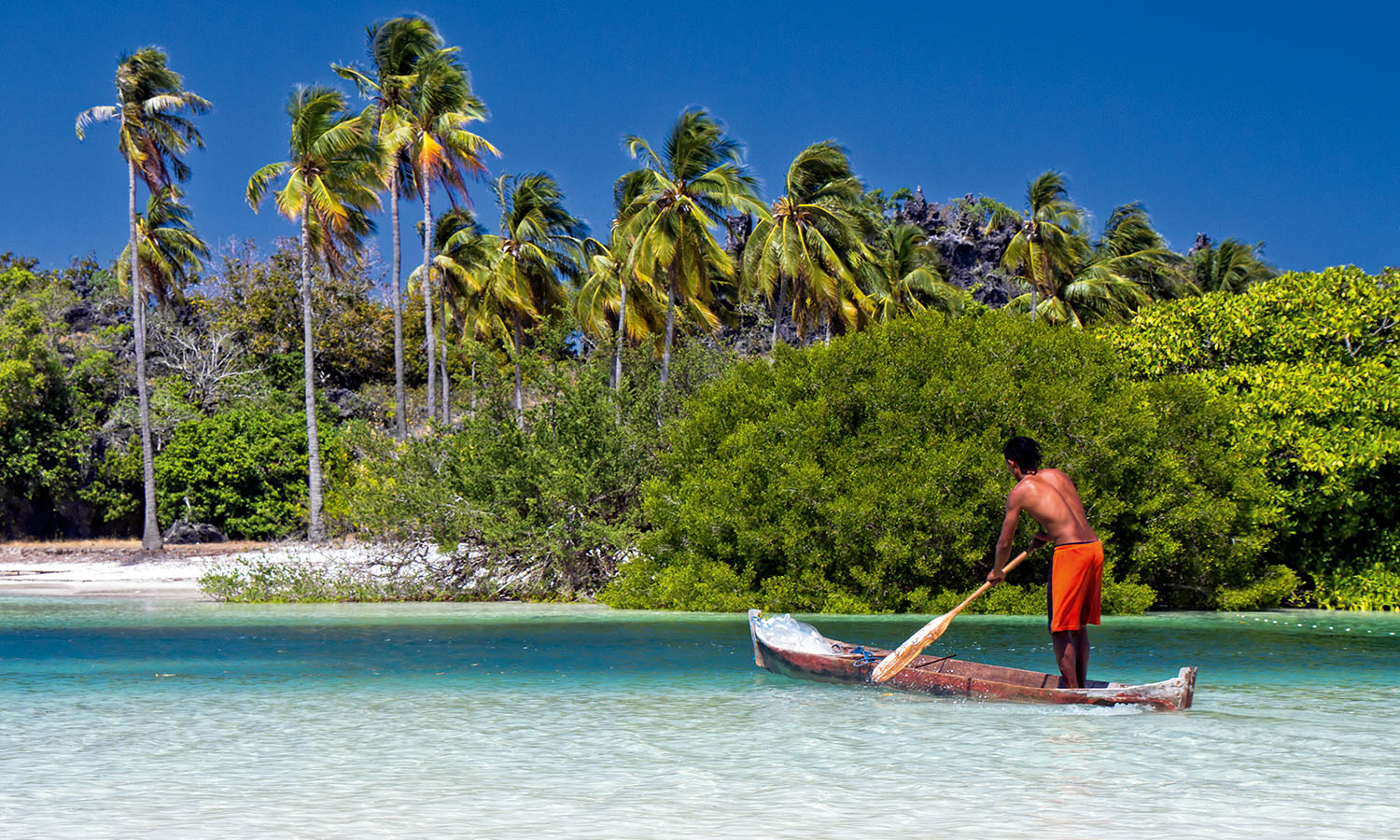
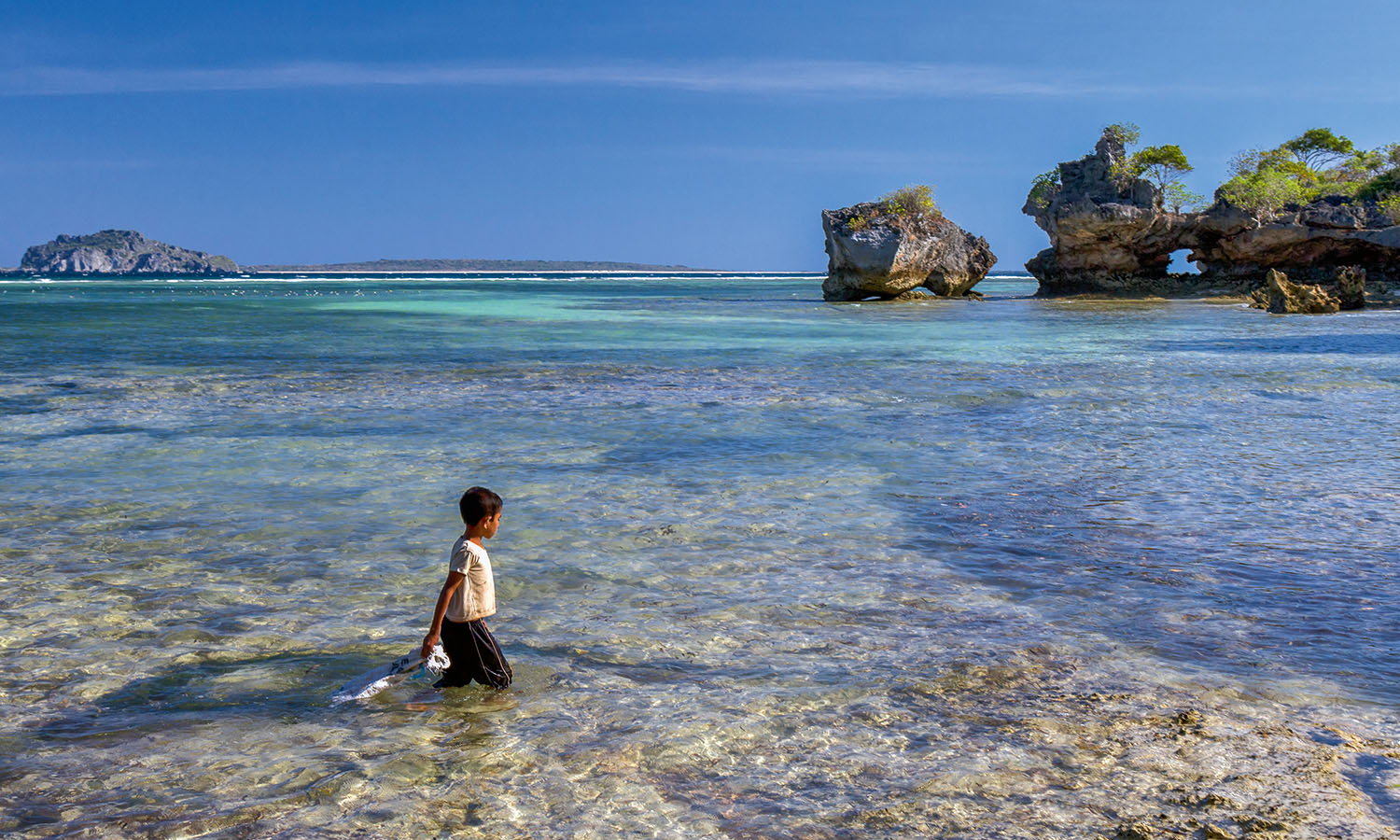
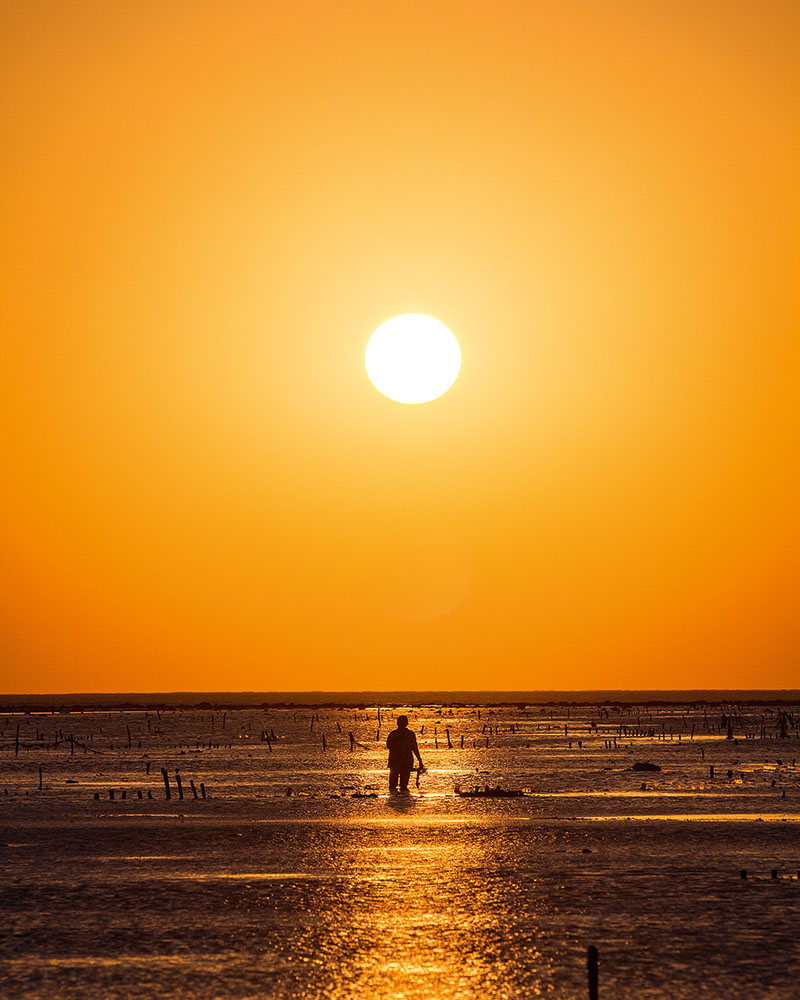
Thankfully, a change in the weather brings my bout of fear and loathing in Kupang to an end. Finally the ferry sets sail and I find myself in the small town of Nemberala on the spectacular palm-lined north-east coast of Rote. Rote sits just off the edge of the Australian continental shelf, a mere 170 kilometres west of Australian territory at Ashmore Reef. It’s so close to the lucky country the dry-season trade winds sweep up dust from the Red Centre – combined with the tropical sunshine, it conjures some of the more spectacular sunsets you can imagine.
Facilities are still basic in Nemberala. Water is drawn from wells prone to typhoid contamination. Generators produce power only in the evenings and on Sundays, and there’s patchy to no internet. Malaria is also a real threat, with little in the way of treatment should you succumb. The distinct possibility of being stuck on the island for extended periods only adds to the risk of travel here.
Surfers make up the majority of tourists on Rote. In the late 1960s a Peruvian world surfing champion, Felipe Pomar, set up a small homestay and has lived here since. The main wave is called T-Land, in recognition of a similar wave in Java, although some refer to it as Old Man’s Left, since the expats who surf it are generally of advanced years. It’s a long, left-breaking wave in relatively deep water compared with many headline Indonesian breaks. Other travellers, however, are slowly catching on to what Rote has to offer: friendly locals, truly stunning beaches and the simplicity of a life far off the grid.
Around the time Pomar crossed Pukuafu, surfboard in hand, James J Fox, a US-born, Australia-raised anthropologist, also made the journey over the channel. His motivation was not the search for perfect waves but to document the rich culture of the Rotinese people. Fox brought with him a small tape recorder, which the locals quickly dubbed “the voice catcher”. Catcher in hand, Fox set about recording the oral histories of the Rotinese. The picture painted through his work is of a proud Christian tradition woven with local legend as well as a fierce independence from outside rule. The Western religious influences are quickly evident as you traverse the island’s patchy and often dangerous roads. Whitewashed churches dot the island, surrounded by swaying lontar palms, picket fences and mobs of cheeky kids yelling “bulle” (Indonesian for foreigner).
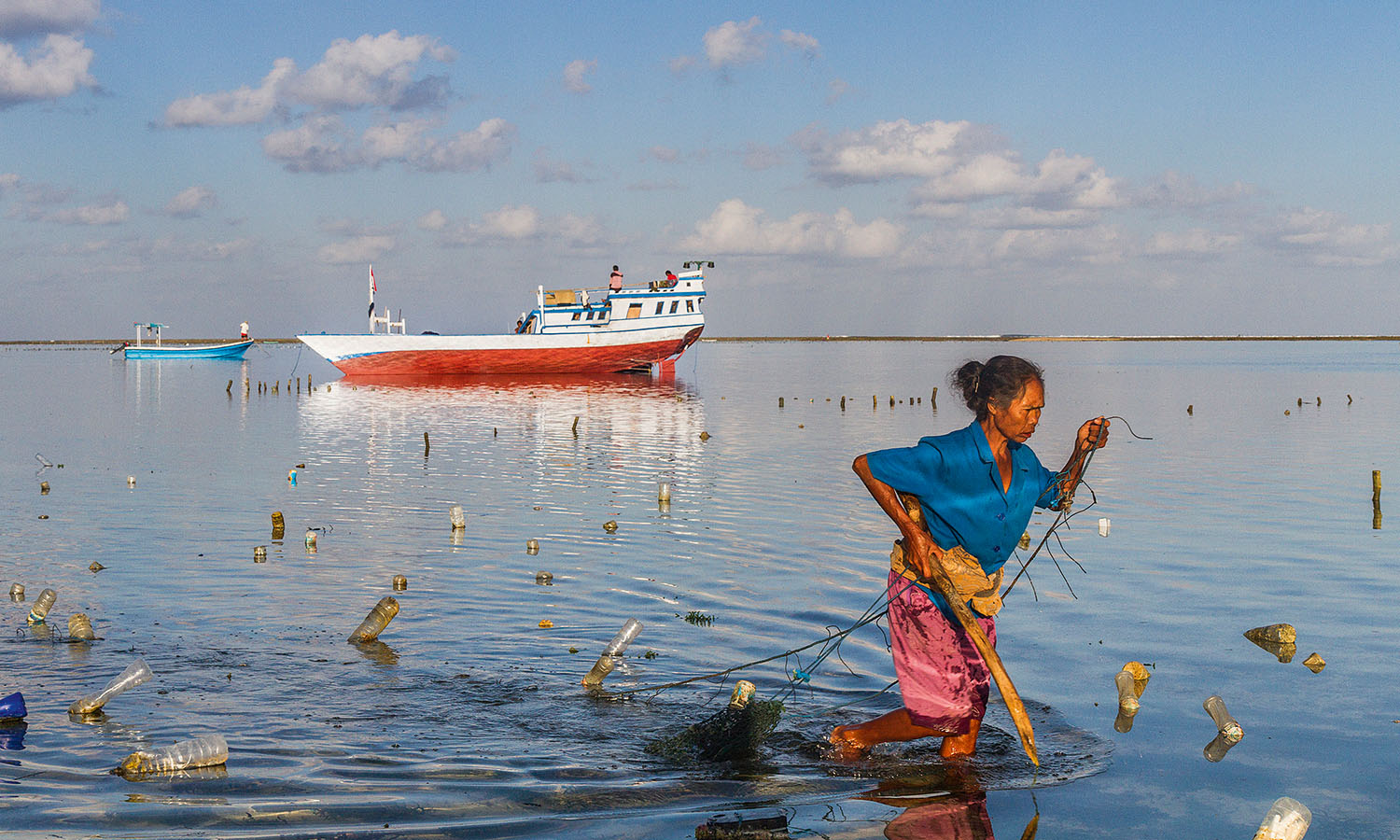
Alongside stray animals and hordes of kids, Rote dishes up surprises around every corner. Dirt tracks often lead to small fishing villages, home to groups of Muslim fishermen famous across the archipelago for their seafaring skills. On Rote these groups still eke out a simple living subsisting on the daily catch, while practising Indonesia’s majority religion as the minority on this distant outpost. A highlight of my time on Rote is a few afternoons spent with one of these groups, watching them fish in their small bay and photographing faces that say more than I could ever pick up with my average Bahasa.
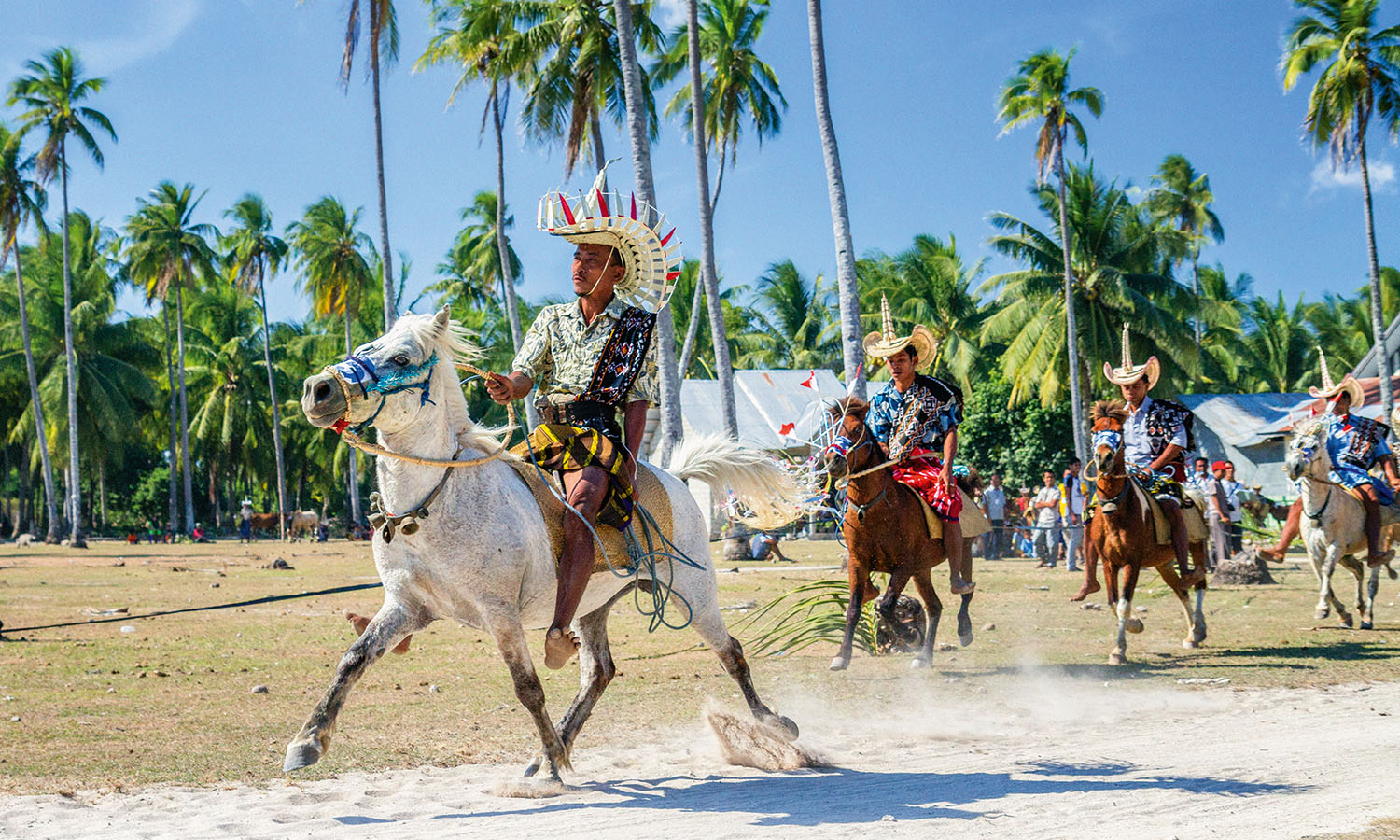
A few times a year you might be lucky enough to catch the local horse races. The method of determining the winner of these events seems a mystery to almost everybody. As far as I can tell, important factors include a combination of the best-dressed horse, its speed around the track and the rider’s dexterity in smoking a lung-busting Gudang Garam clove cigarette with one hand while controlling the reins in the other.
Another entertaining feature of life in Nemberala is the village pigs. They rule the streets here, ambling around town, hanging out under trees, sniffing the vast reef at low tide for a feed of crabs, and playing chicken with speeding mopeds. These pigs are as free-range as it gets, enjoying the benefits of their sty-free existence while awaiting their day of reckoning, which may come in the form of a wedding or Christmas feast.
The Rotinese have the distinction of being the first group to expel the Dutch, years before formal independence for Indonesia was achieved. As it was for the Dutch, some visitors find their time on Rote is not all carefree days swinging in a hammock waiting for the right tide and winds before going surfing under blood-red skies. Being the closest port to Australia, this is a stopping point for boats carrying refugees further south. Overloaded decks are stuffed with people seeking the sort of comfort and security most travellers on Rote are escaping, at least temporarily. Local stories abound of boats landing here or on small neighbouring islands, their passengers informed they’ve arrived in Australia then left to their own devices.
I also hear of boats sinking just offshore. Quite possibly at least some of these may go undocumented – another part of the often faceless toll of humans lost while seeking a better life in Australia. Reflecting on my earlier stresses – barely a minor inconvenience in comparison – I can only thank my lucky stars I get to travel to a place like this, enjoy the best of what it has to offer before returning to my privileged existence at home.
Rote is a spectacular place, and while I never got to visit that famed Bali of 20 years ago I’d hazard a guess this is every bit the joyful escape those early travellers found on the paradise island. Just hope for the winds to be in your favour, and save a thought for those heading further south.
With one meaty arm resting on a plastic paddle and a lifejacket puffed out over the barrel-like bulk of his chest, Captain Lukose Francis stands like a rooster on the river bank, his chin jutting imperiously at the crowd of local boys who’ve poured down to the shore to gawk. He looks every inch the rugged adventurer, fresh from some death-defying feat of exploration. A crossing of the Arabian Sea by canoe perhaps, or maybe a solo circumnavigation of the Antarctic ice sheets.
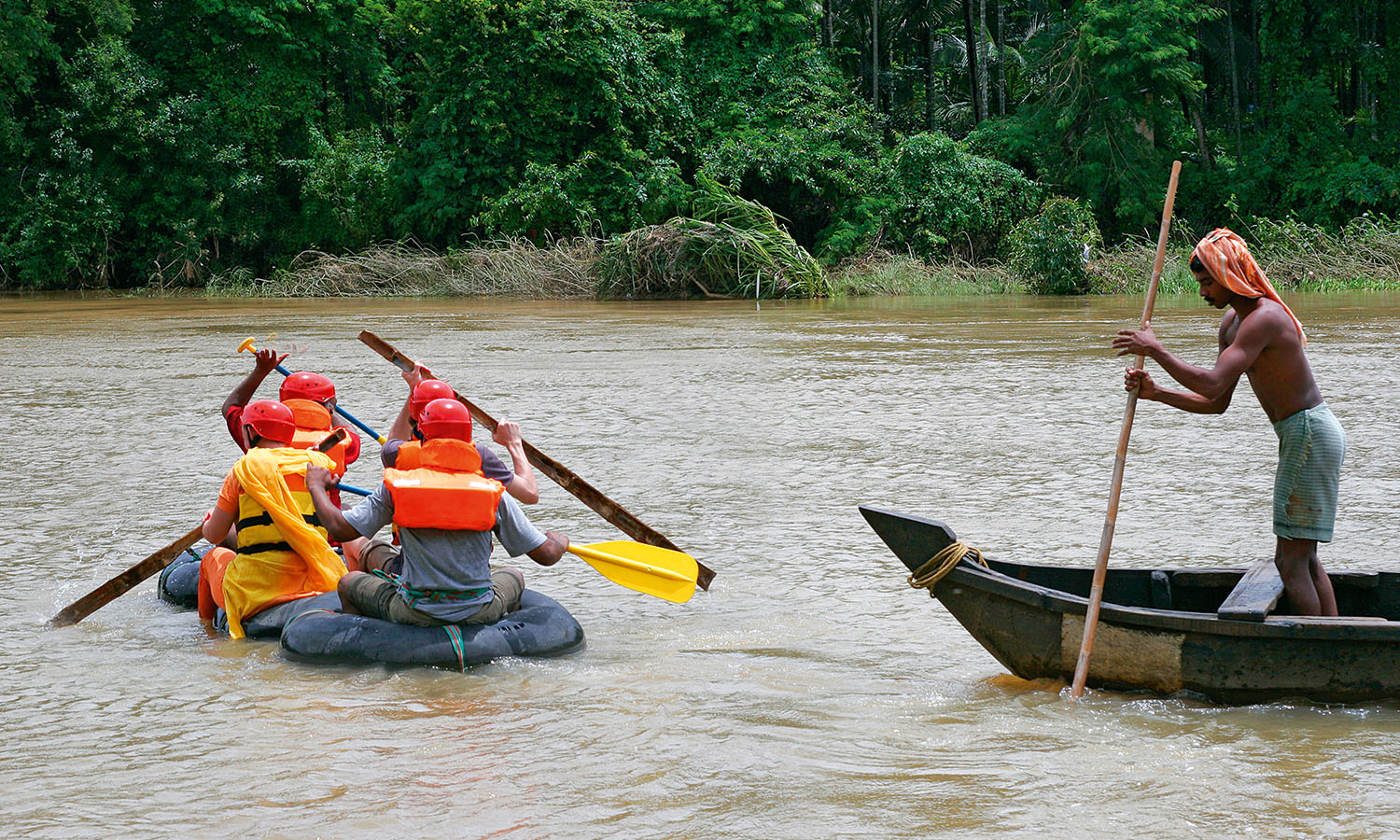
Not quite. But he has valiantly steered a vessel made from nine sticks of bamboo and three inner tubes through the rain-swollen rapids of the Thuthapuzha River. And he’s done it while manhandling the weight of a mutinous crew, who’ve spent the first half of the trip figuring out which way round to hold our oh-so-rustic bamboo oars, and the rest of it filling them up with water to tip over each others’ heads. Welcome to the not-so-extreme sport of monsoon rafting, Kerala style. The Thuthapuzha may be the wildest tributary of one of South India’s most storied rivers – the much-mythologised Nila – but in a proper rubber raft its rapids would struggle to rate Grade One. Yet when your feet are braced against bamboo struts lest they get crunched by submerged rocks, and when even the gentlest riffle can slosh up through the inner tubes to give your nether regions a complete soaking, this most primeval form of river travel gives you a joyous sense of not just floating along on top of a river, but actually flowing along in it. The credit for rejuvenating the formula of wood plus rope plus something buoyant equals a sodden good time belongs to Gopi Parayil, a native of the banks of the Nila. Gopi experienced an epiphany when he returned from London to tend his ailing father, and found his beloved river to be faring no better herself.
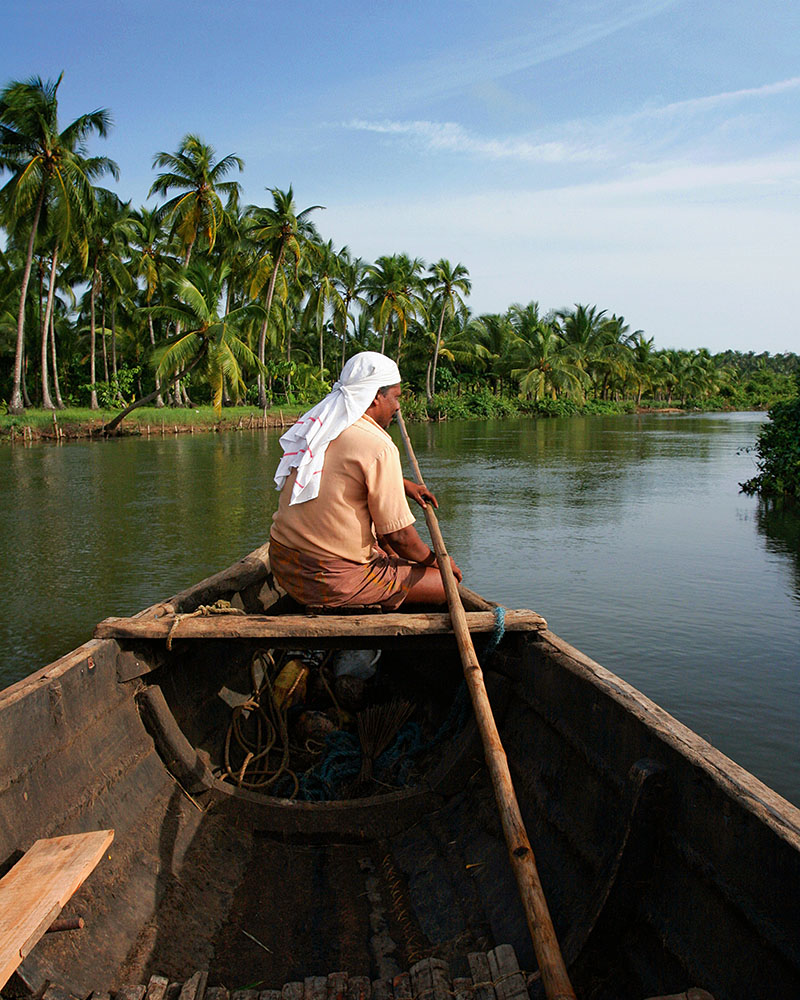
“We believe that bathing in the Nila frees the soul of its liabilities,” he explains, as we gaze out across a sluggish, sandbank-lined reach of the river. It’s the third week of July, supposedly the peak of India’s southwest monsoon, and still the river barely manages to cover its sandy bed. “It broke my heart that there was hardly enough water in the river for my dad to take a dip.”
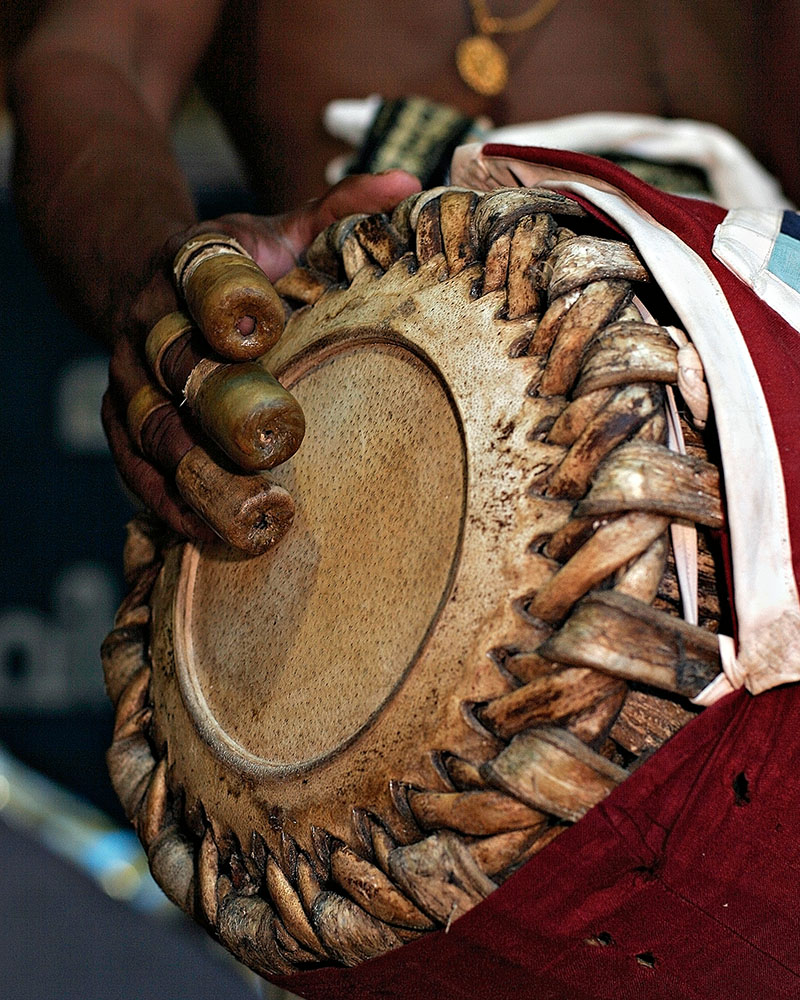
Its modest 290-kilometre length utterly belies the place the Nila holds in Kerala’s spiritual and cultural life. Many of the state’s signature performing arts have been fostered along its banks, from the outlandishly costumed solo dance spectacle of Thullal to the cacophonous classical music that soundtracks lavish temple festivals like Thrissur’s Pooram.
In the village of Cheruthuruthy, Gopi leads me through the leafy grounds of the Kerala Kalamandalam, a university for the performing arts, where the drummers, temple dancers and Kathakali artists of tomorrow study their art in open-sided classrooms. It all feels very industrious and idyllic. Yet just as the river has come under assault from sand miners, dams and deforestation, the Nila’s culture is fighting its own battle for survival. Youngsters, lured to the city by the chance of a lucrative IT or call-centre career, are no longer willing to accept the often impoverished life their parents may have endured in the name of art.
“Kids need modern education, but that doesn’t mean you need to say no to what you know,” Gopi tells me. “Once you lose what you’ve inherited, you can’t make it again on a day-to-day basis.” Hence his mission: to rebuild pride in traditional culture and prove to local families that the old ways, activated by the participation of interested travellers, can still carry an economic imperative. That’s why the next morning, rather than loading into a standard-issue imported rubber raft, I find myself sawing and chopping and lashing together lengths of bamboo – bought from local growers at rates that make them sit up and take notice – while Captain Lukose carves away at a pair of elegant, organic oars. Once the inner tubes are made fast to the frame, and with a bag of jackfruit chips lashed on for sustenance, the Bamboo Pearl is ready to set sail. Grabbing a corner each, we heave her into the shallows then paddle hard for the middle of the river, where the current sweeps us up.
To call the Thuthapuzha a raging torrent would be to somewhat stretch the point. For the most part it bubbles along merrily, occasionally breaking into a canter where the river runs over submerged rocks, at other times slowing to an ooze and offering the chance to flop over the side for a swim. At one point the sky goes black and a moist monsoonal wind whips up white horses, forcing us to paddle madly into the teeth of a majestically intense downpour that stings our cheeks and makes the water around us fizz like acid.
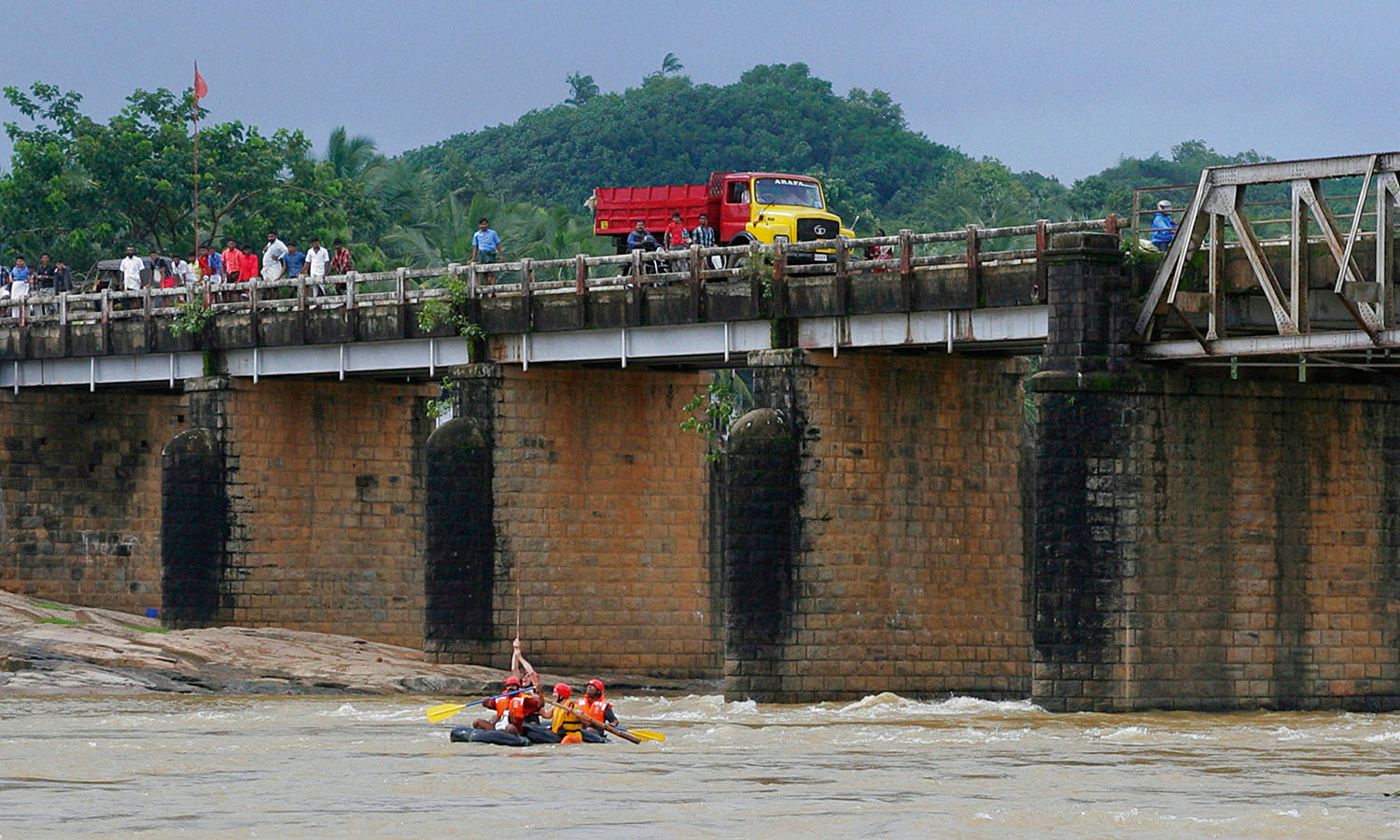
It soon becomes evident the Bamboo Pearl has the potential to be a perfect raiding vessel. Several times we drift out from behind a boulder or a clump of trees to startle a half-undressed woman standing in the shallows beating the stuffing out of her sari. One elder casts an unimpressed eye over our vessel; she’s seen our like before, when real-life pirates swooped in on a similar bamboo raft and stole all her ducks. The Pearl enters a tunnel of dark forest, and a group of children run to the riverbank and begin singing to us. Lukose sings back, leading them down the river like a waterborne Pied Piper. The rest of us are so absorbed in the lilting melody and the beauty of the scene that we momentarily let our oars drag in the water. Our leader turns around to sternly admonish us: “I sing. You paddle!” A stocky, bronzed water buffalo that’s mooched down to the shore for a quiet drink shoots us an offended look. Just when the trip is in danger of becoming too languid for its own good, the stone bridge at Thootha lumbers into view, accompanied by the ominous roar of what sounds like a mini Niagara. Lukose, shoulders tensing, motions that we need to shoot for the middle arch. But we’re hopelessly off course to the right, the current quickening with every second, and a crowd of onlookers begins to gather on the bridge, eagerly waiting to see us get smashed to pieces against the piers. Suddenly the crew of the Bamboo Pearl meshes together. Spearing our oars into the rollercoaster waves we pull desperately towards the centre channel, groaning and swearing like a team of navvies digging a ditch, as the stone pillars loom menacingly close. With seconds to spare the boat catches the current funnelling under the main span, and our howls of triumph echo off the walls of the Gates of Deliverance, dampened not at all by the tidal waves of muddy brown water erupting from under the floor. The crowd on the bridge stays mute; it’s not every day you get to see a raftload of foreigners chomped to bits, and we’ve cruelly denied them.
Sore and blistered but triumphant, we row the brave Bamboo Pearl to the left bank and haul her out of the water, to be greeted by a volley of questions from the lungi-bedecked welcoming committee. Where have we come from? What are we doing here? Have we, perchance, any ducks for sale? As for the boat, like a bamboo Titanic, her maiden voyage is also to be her last. As Gopi and Lukose squash the air out of the inner tubes, a couple of local guys shoulder the bamboo frame off down the street – perhaps to be turned into scaffolding or firewood, or maybe, just maybe, to be treasured as an heirloom and displayed to the wondering eyes of grandchildren for generations to come.
That evening we’re invited to a feast of spicy dal and flaky flatbreads in the grounds of an old Keralite mansion outside Arangottukara. The house belongs to a member of the Vayali folklore group, who got together in 2003 to revive the songs and dances native to their rice-growing villages. As the purple clouds of a monsoon dusk slowly fade to black, Vayali’s singers – porters and labourers during the day, gods and goddesses of the paddy field by night – unleash a sequence of rustic and hypnotic campfire songs, each one delivered by a choir of soaring voices to the accompaniment of the staccato boom-tap of the chenda (drum). Then, as raindrops spit into the dust, the ferocious demon Dharika, dressed for battle with a serrated brass moustache, squares off against the goddess Kali, herself resplendent in a crown of palm fibre arrows, frilly shoulder pom-poms and a metre-long beak fashioned from coconut palm.
Bare-chested drummers strike up a rhythm as the combatants begin to circle; Dharika’s blackened eyes wear an expression that verges on psychotic, as though his eyeballs have flipped inside out to gaze inward at some unseen horizon. As the drumming rises to a crescendo, the dancers lunge at each other, the homemade swords in their hands flashing wildly, forcing those of us in the ring of spectators to lurch backwards to save our skins. It’s a raw and wild spectacle, and a far cry from the predigested tourist-friendly product that passes for cultural performance in more travelled parts of Kerala. Back at my hotel I sit out on the veranda into the early hours, watching vibrations of yellow lightning in the distance and listening as rainclouds sweep across the coconut palms like stealth bombers: approaching with the whoosh of an express train, unleashing pandemonium for a minute or two, then ceasing just as abruptly to leave a loud chorus of frogs in their wake. It rains all night and through the next day. The Nila bursts out of her sandy chains and, for the first time in years, fills her channel to the brim. Gopi walks around grinning under a broad umbrella and calls all his friends. His river has returned, at least for now, and I can’t help sharing his joy. Having given myself up to the Nila’s flow and song, it’s become my river, too.
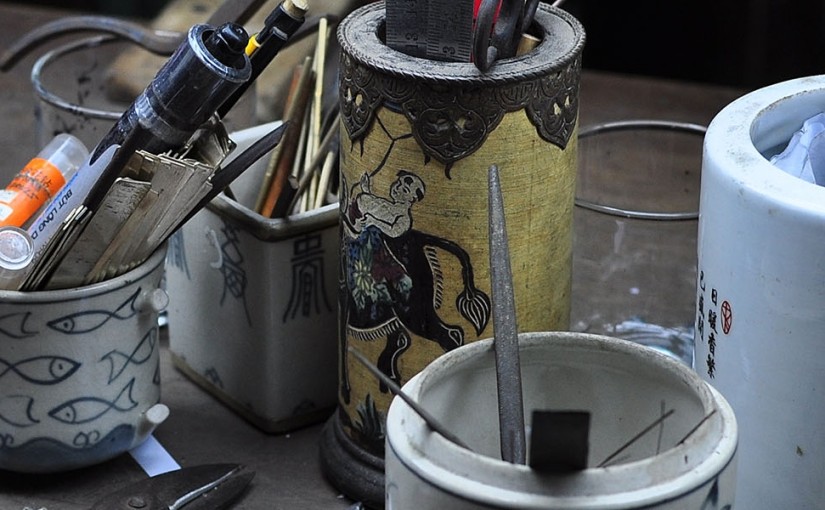
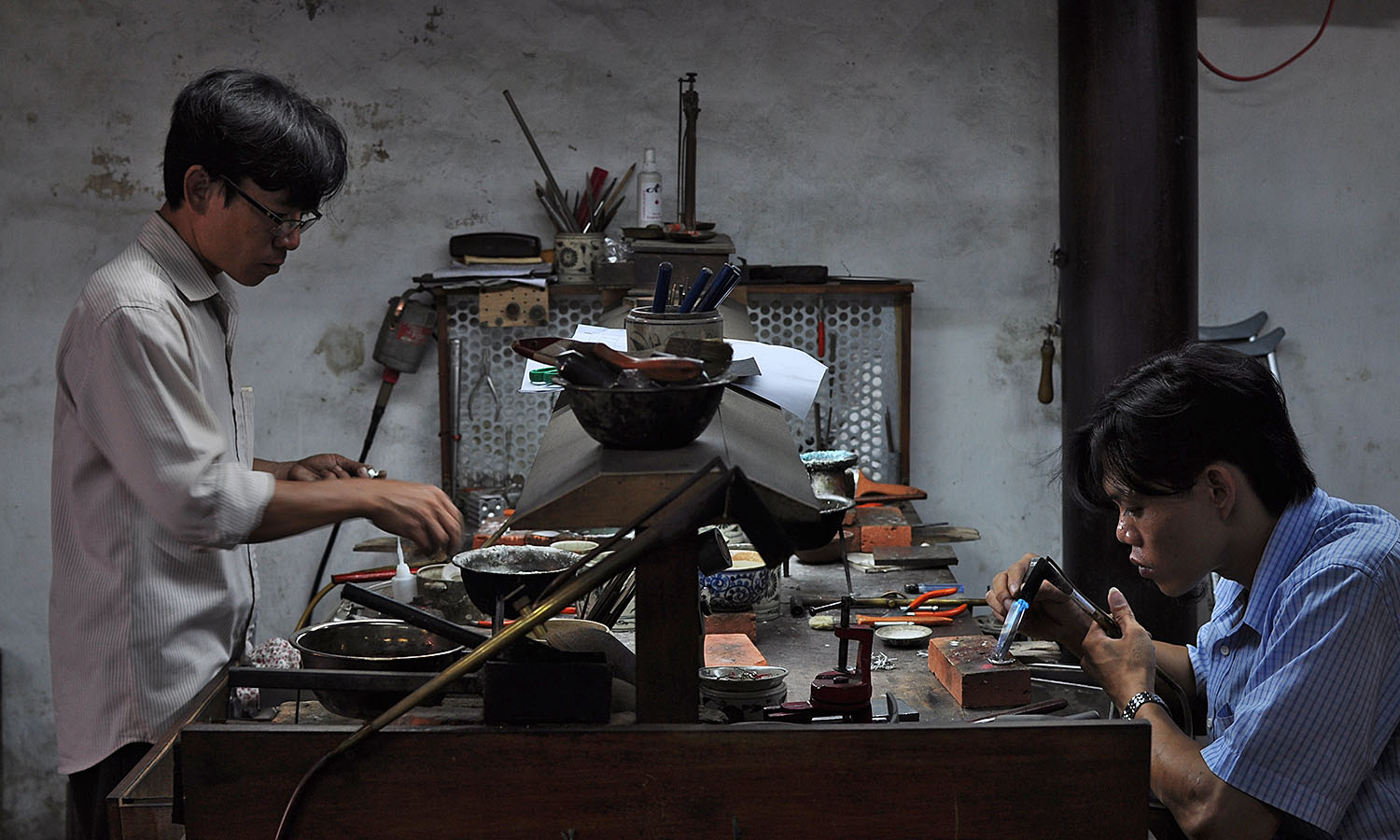
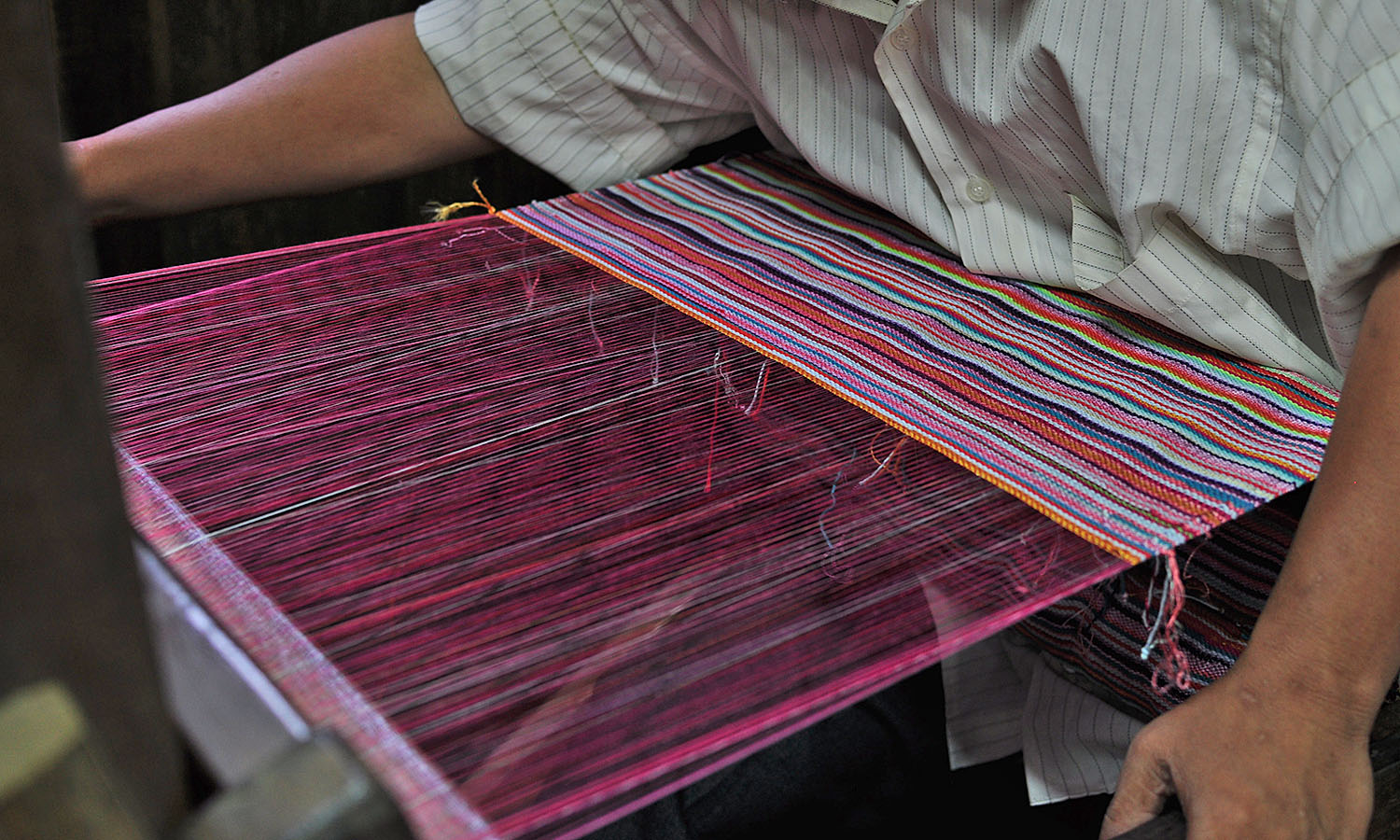
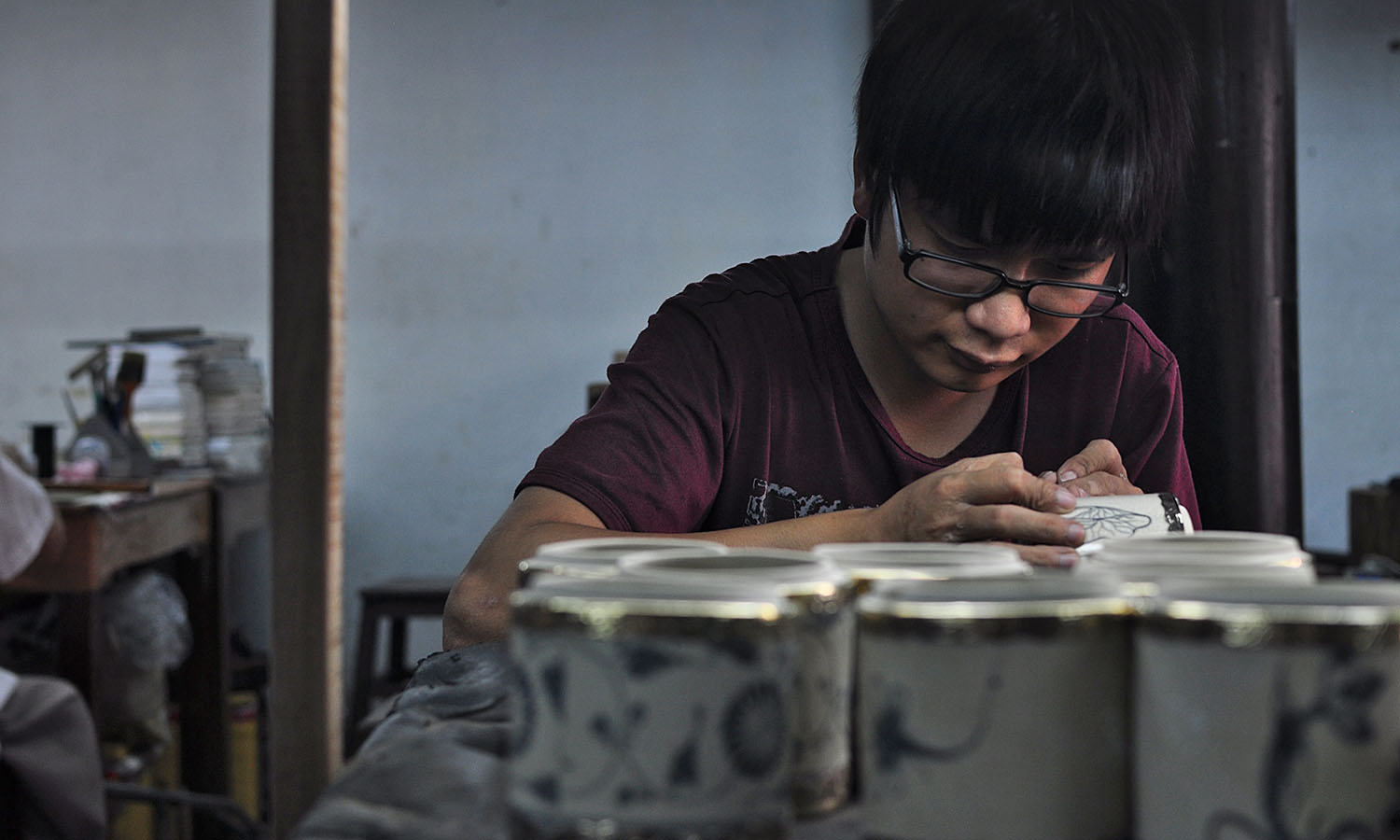
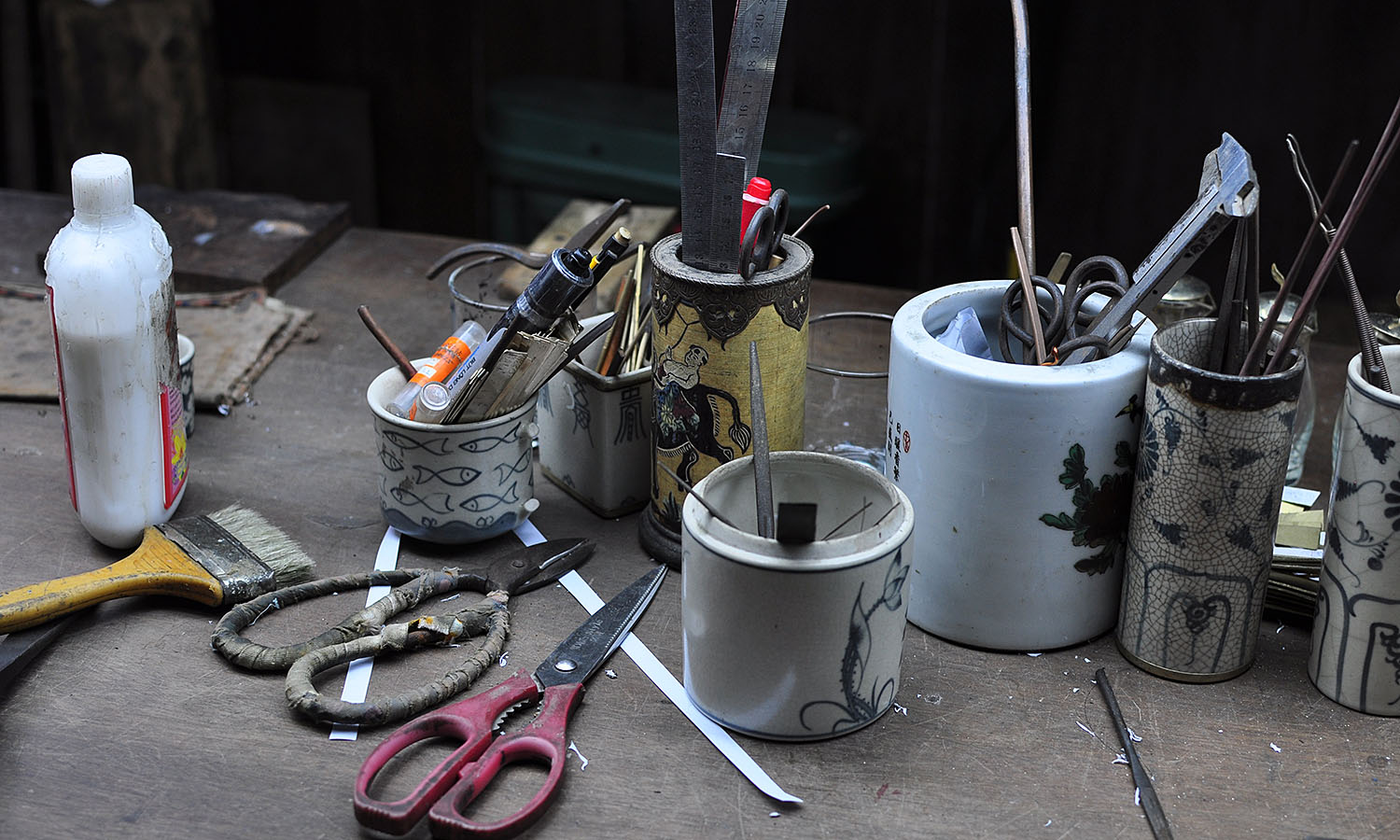
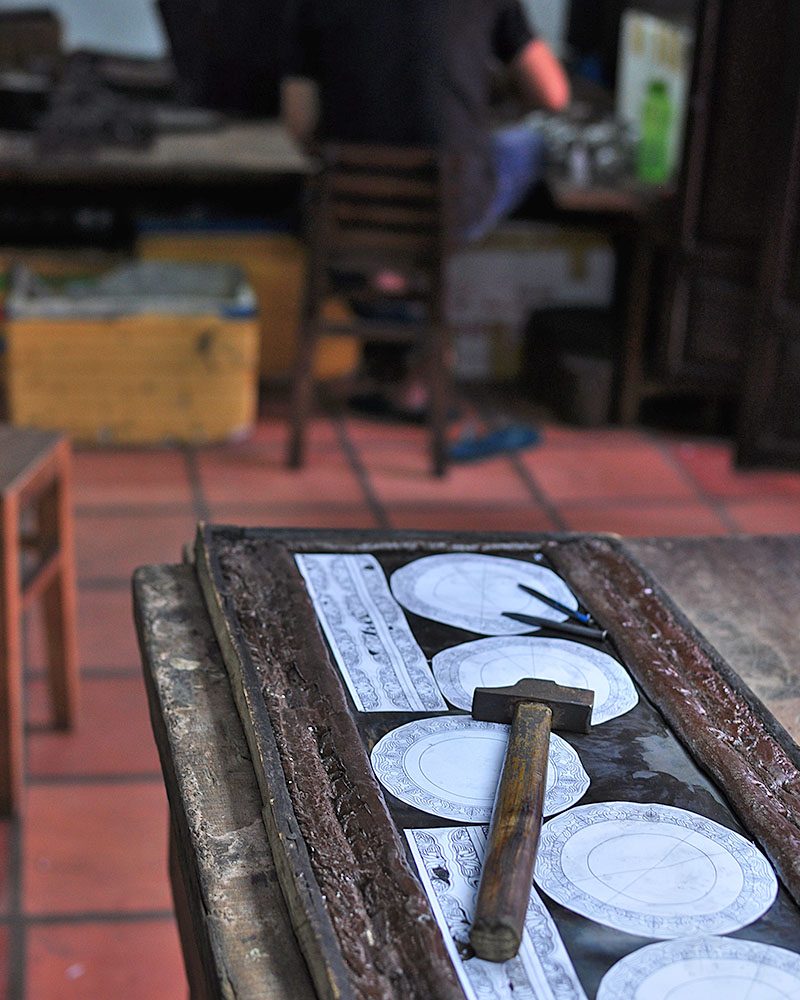
Reaching Out Arts & Crafts is a high-quality, fair-trade artisan market located in Hoi An’s Ancient Town. Many of the beautiful pieces at this ethical showroom are made by people with disabilities, allowing differently-abled people to receive fair wages and lead independent lives.
An abundance of bedding, bags, jewellery, stationery and toys can be found here – perfect presents for your return home. The real magic, though, can be found in the back of the shop, where you can have a peek at the artists working away at their fine handicrafts.
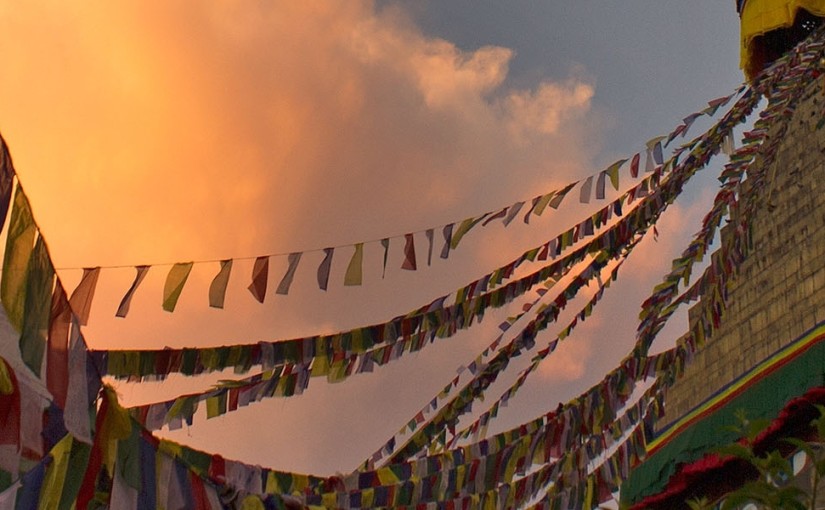
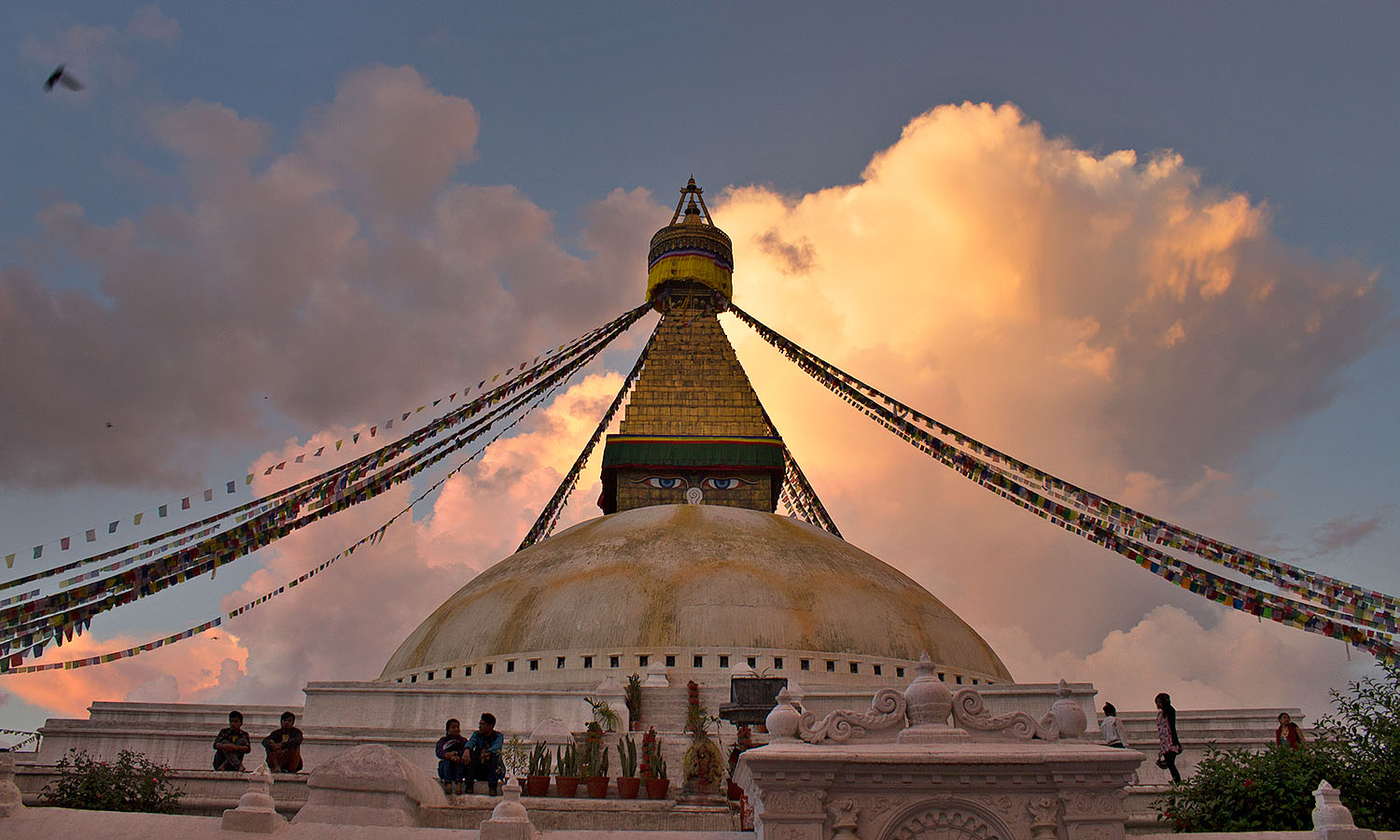
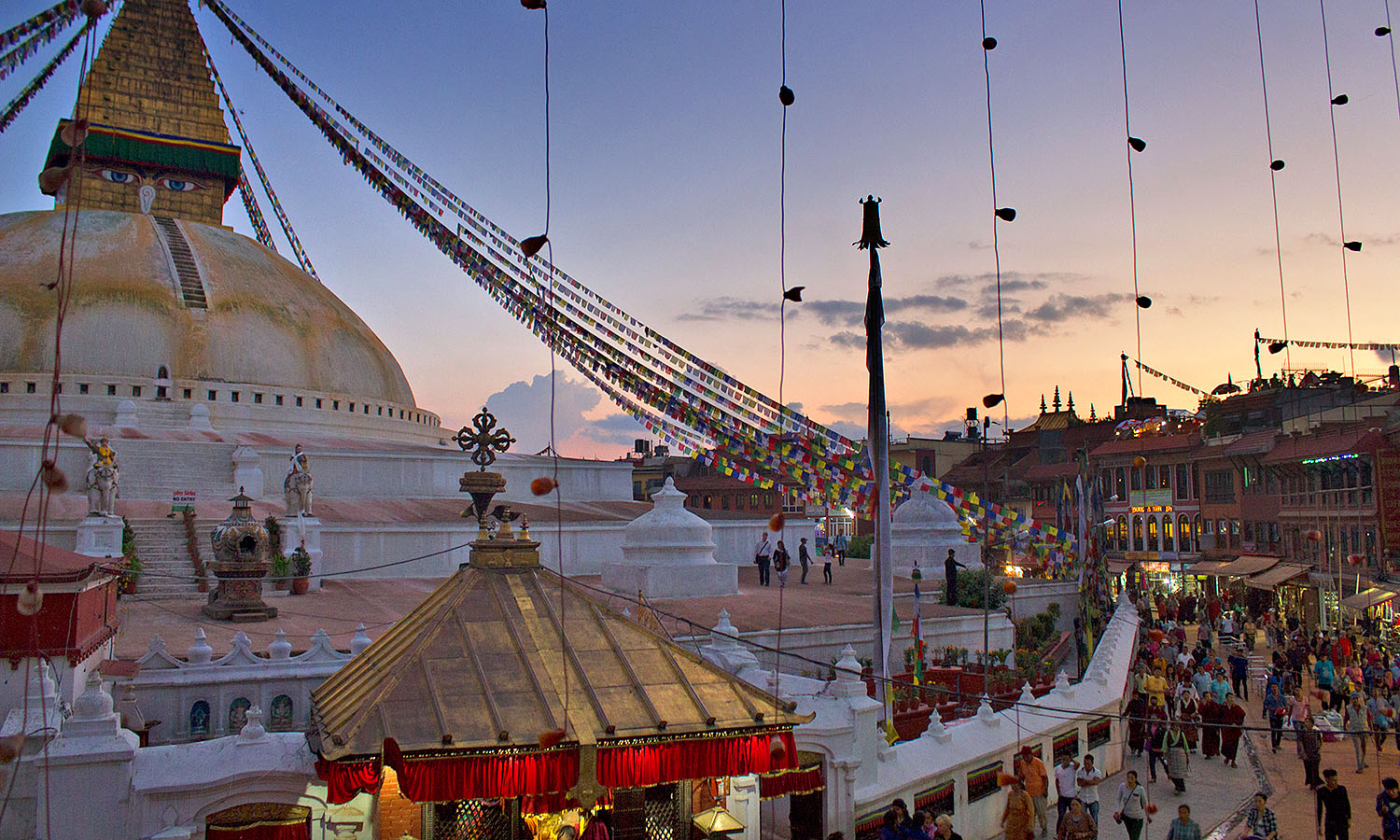
In a city filled with the incessant tooting of taxis and rickshaws, and stall owners selling their wares, Boudhanath Stupa is a peaceful retreat nestled among the constant hustle and bustle of Kathmandu. Built during the fourteenth century, the stupa is situated near the outskirts of the city in Bouda, and has been an important place for pilgrimage and meditation for Tibetan Buddhists and local Nepali people for centuries.
Get close to the divine as you walk around the white dome in a clockwise direction to pay your respects, inhaling sweet incense and blooming marigolds, listening to the hypnotic tune of chiming prayer wheels being turned and monks chanting as they make their way around the temple’s base. Once you’ve completed your journey, climb to a balcony at one of the surrounding cafes or the monastery for panoramic views of the city and mountains. Damaged during Nepal’s devastating 2015 earthquakes, the stupa is currently being restored but is still open to visitors who wish to experience its spiritual and humbling atmosphere.
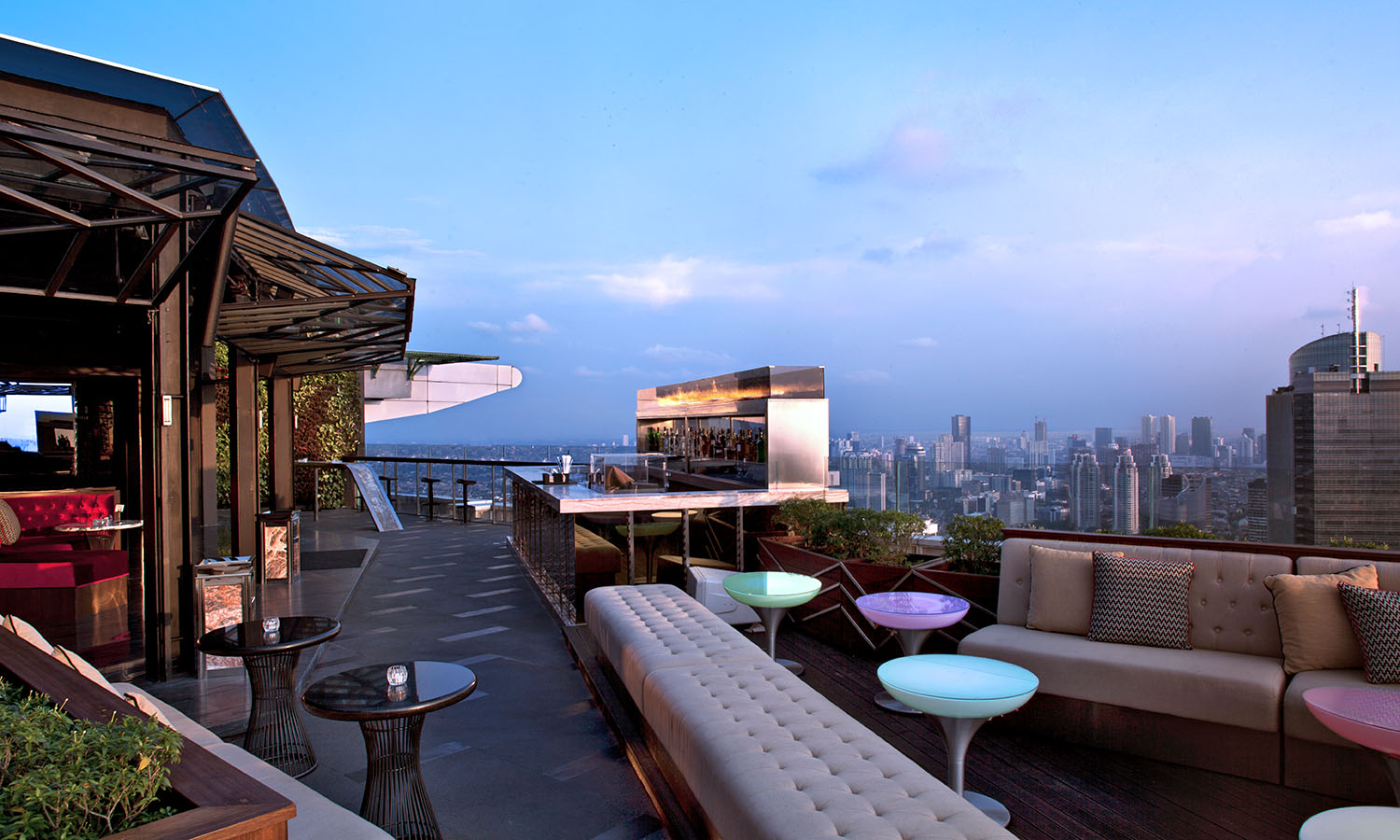
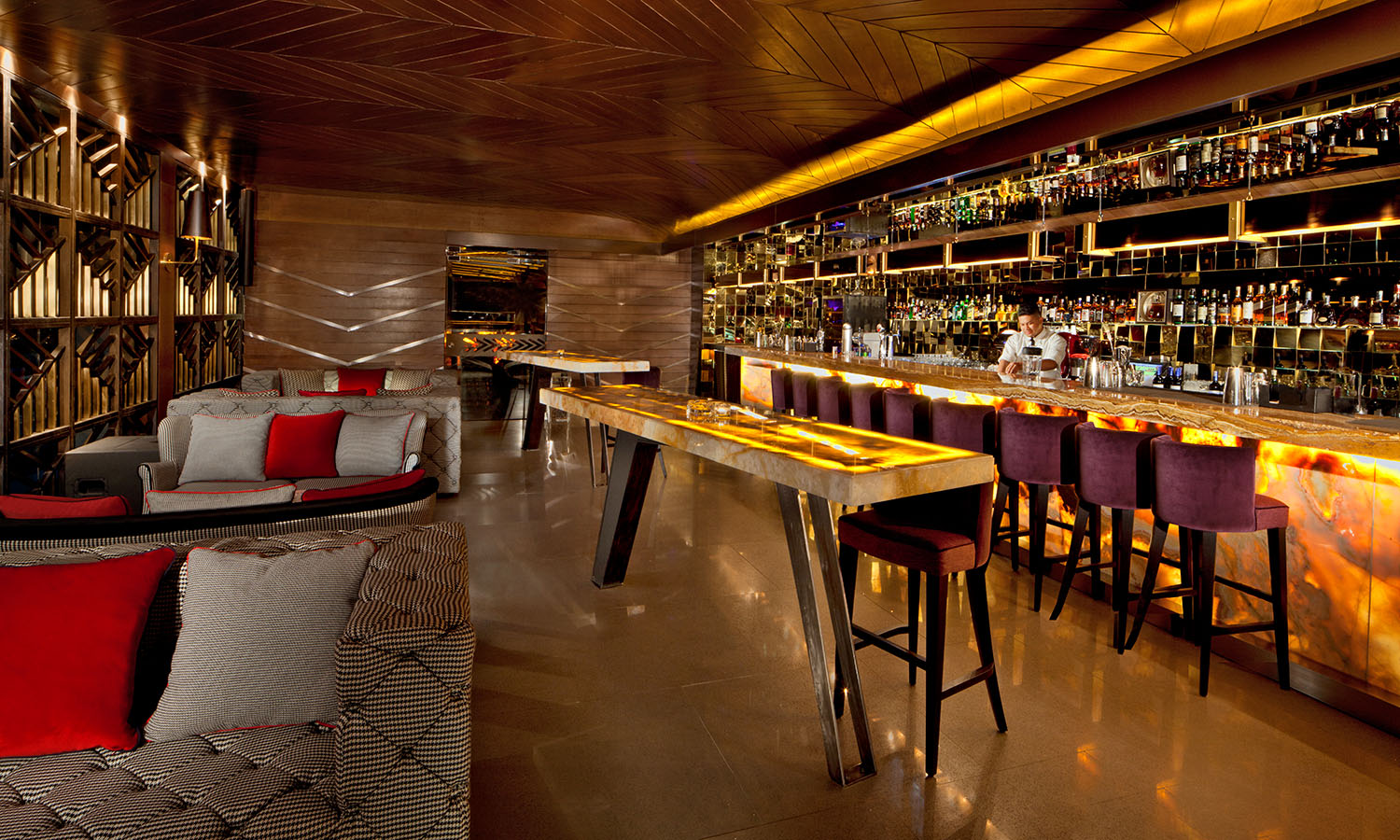
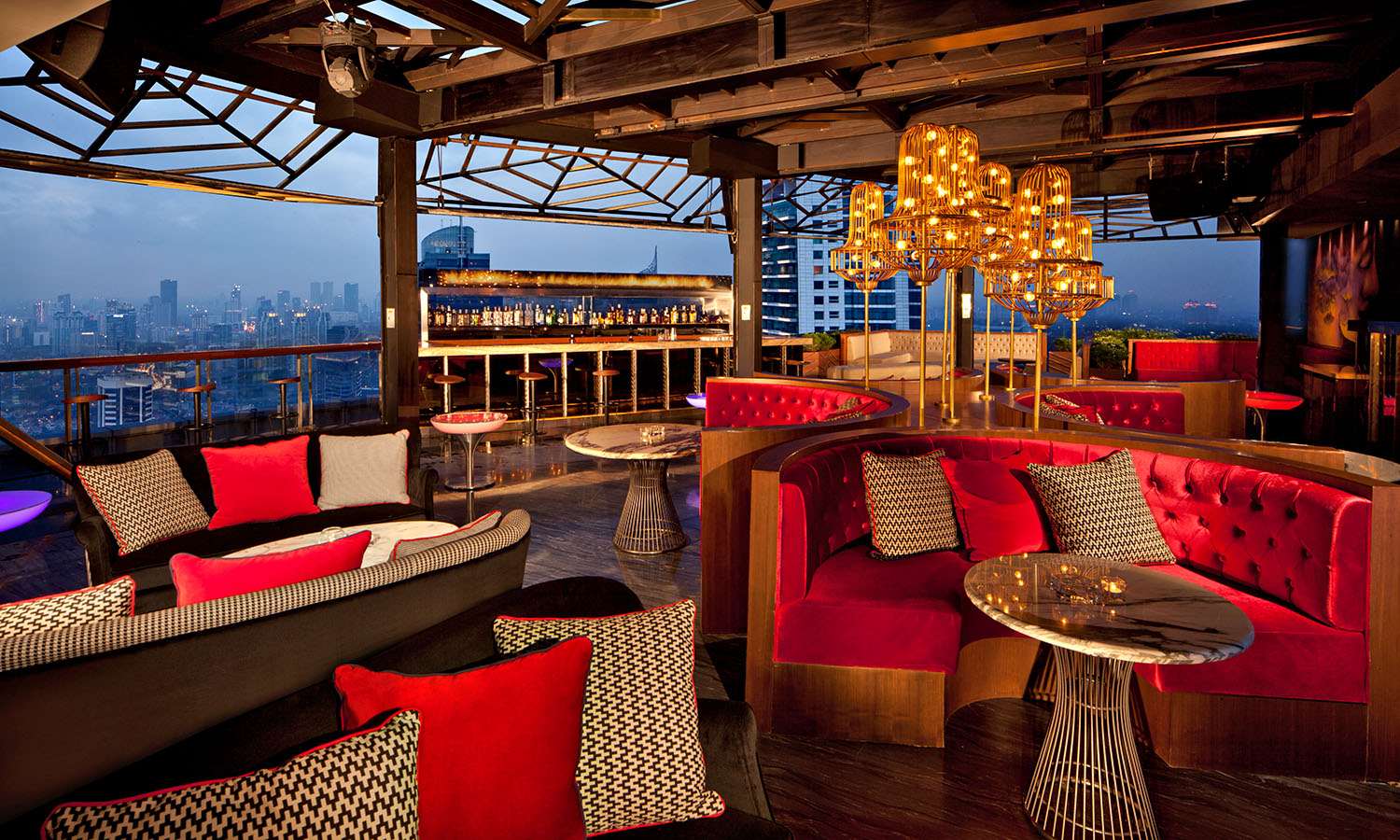
Where can you chill out after a day sweating it out on the steamy streets of Jakarta? A drink in the freezing Vodka Room at Cloud Lounge & Dining is a good place to start. Knock back a shot in a climate-controlled zero degrees, then head outside into the night’s balmy embrace to thaw out. If the vodka doesn’t get you tingling the views certainly will.
Located on the 49th floor of the Altitude skyscraper, Cloud Lounge has a vantage point unlike any other, with sweeping views across the city. Hold a gathering in one of five ‘living rooms’ that re-create the cosy atmosphere of a private home, or simply relax in the lounge bar and enjoy a cocktail as the sun sets over Jakarta’s skyline.
 (
(