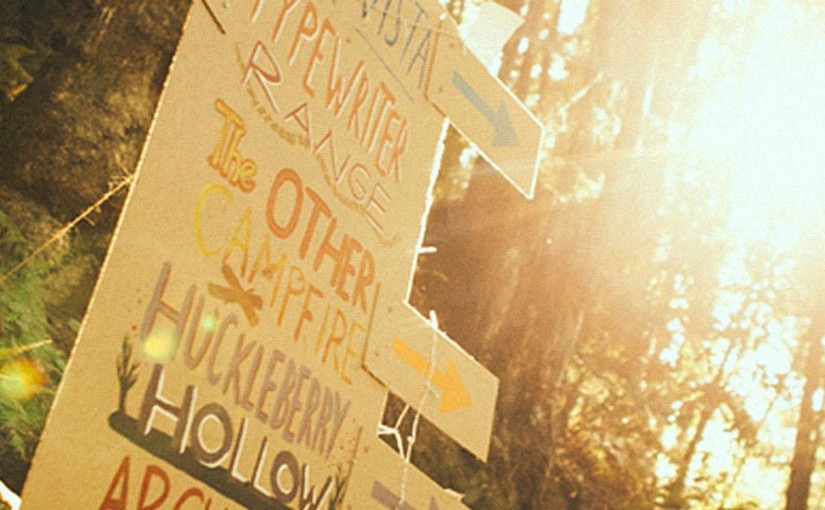
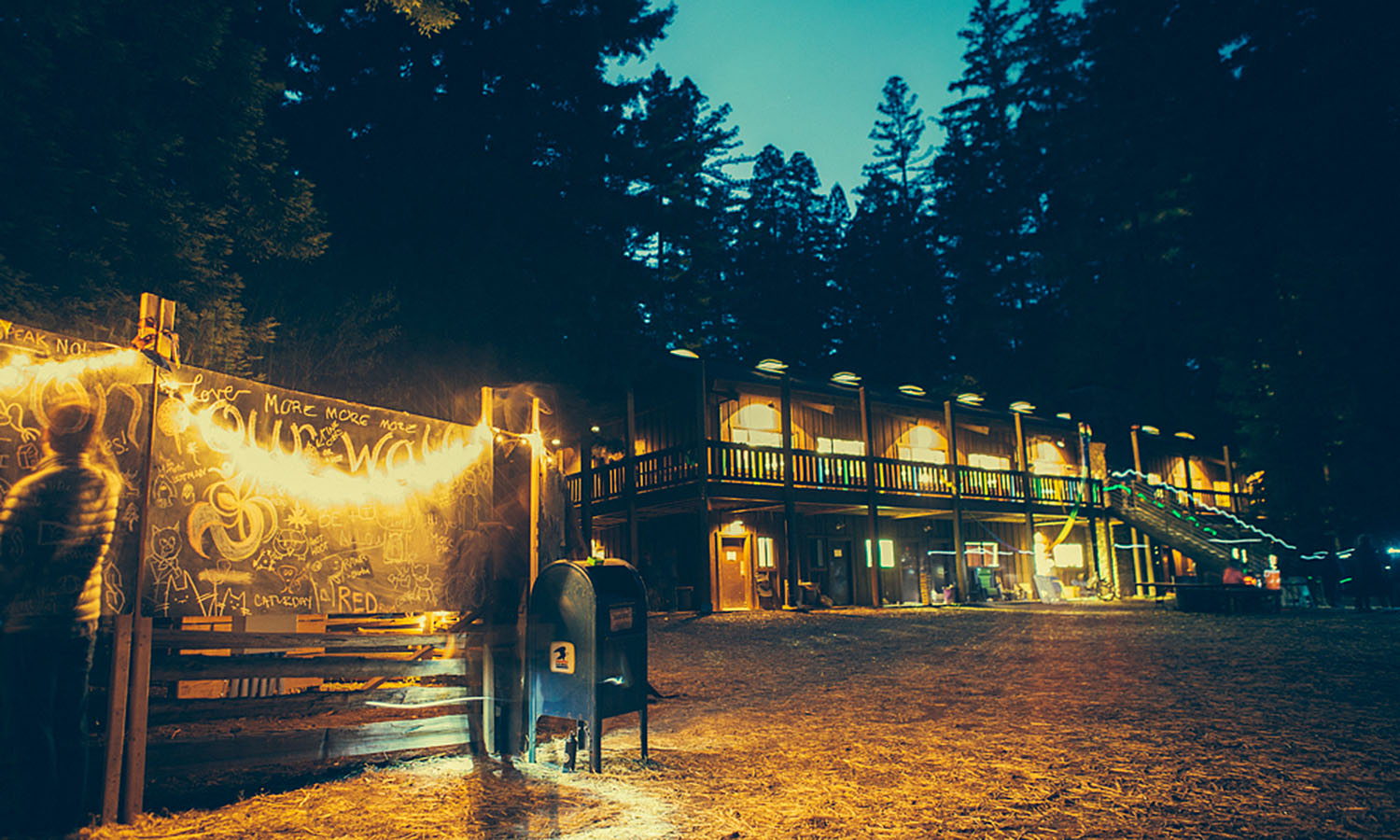
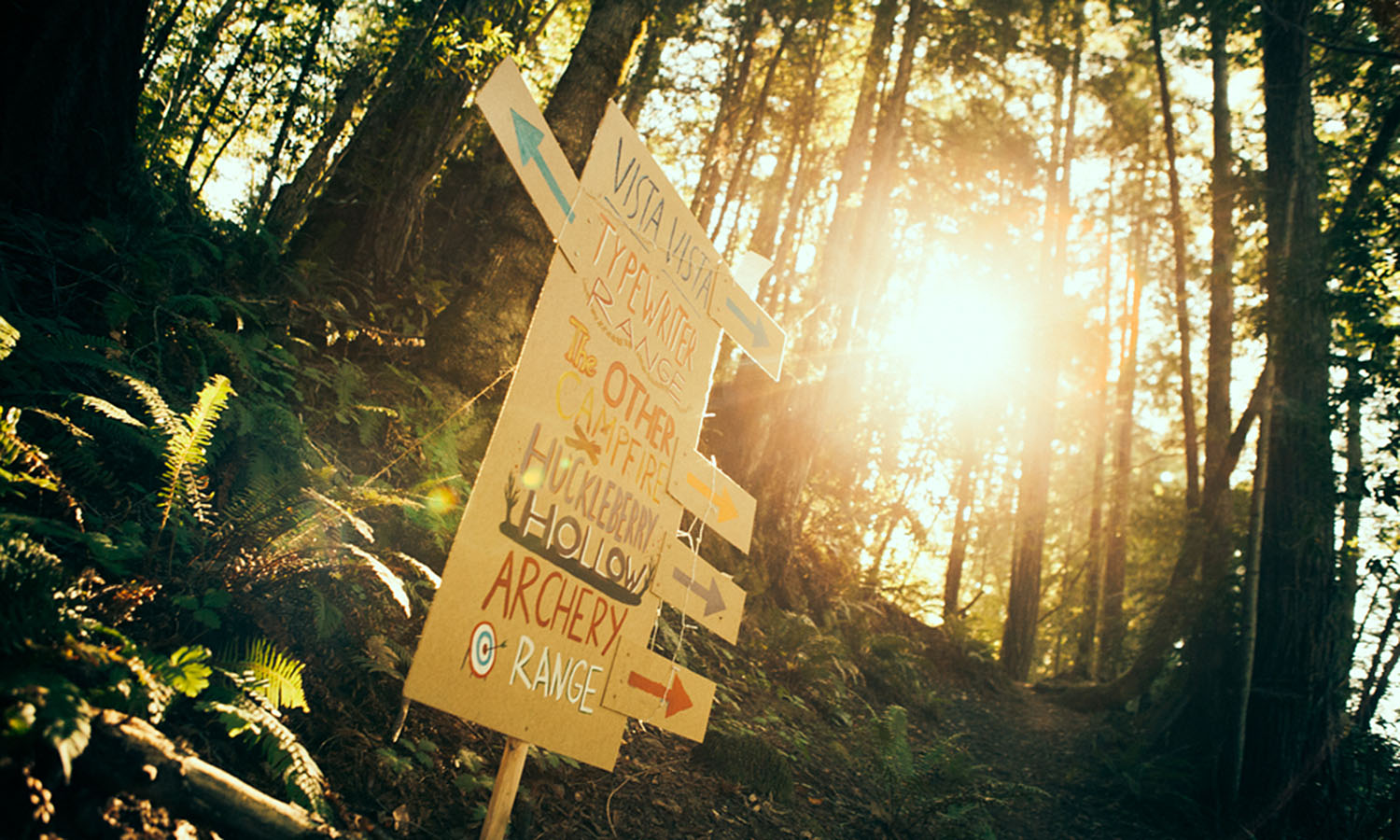
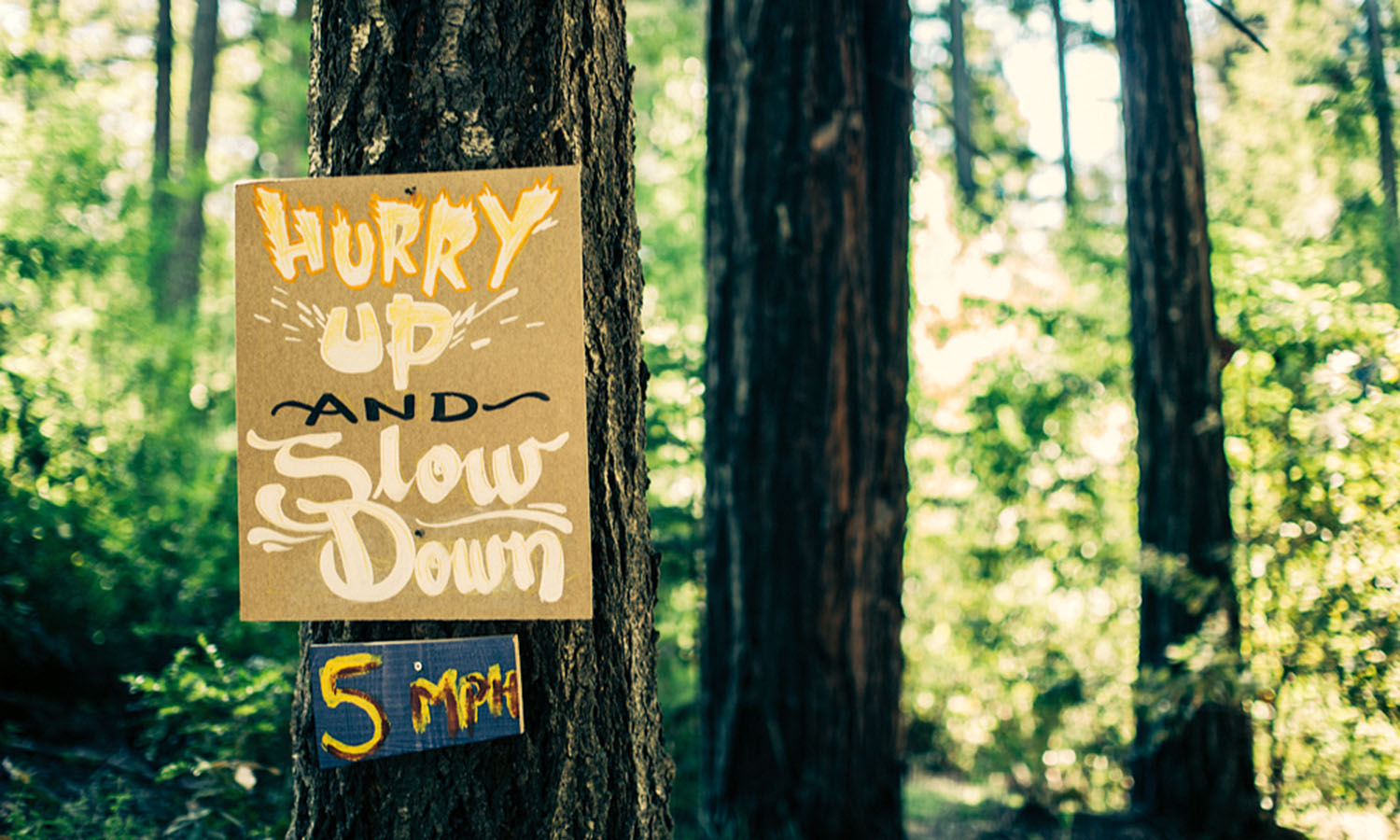
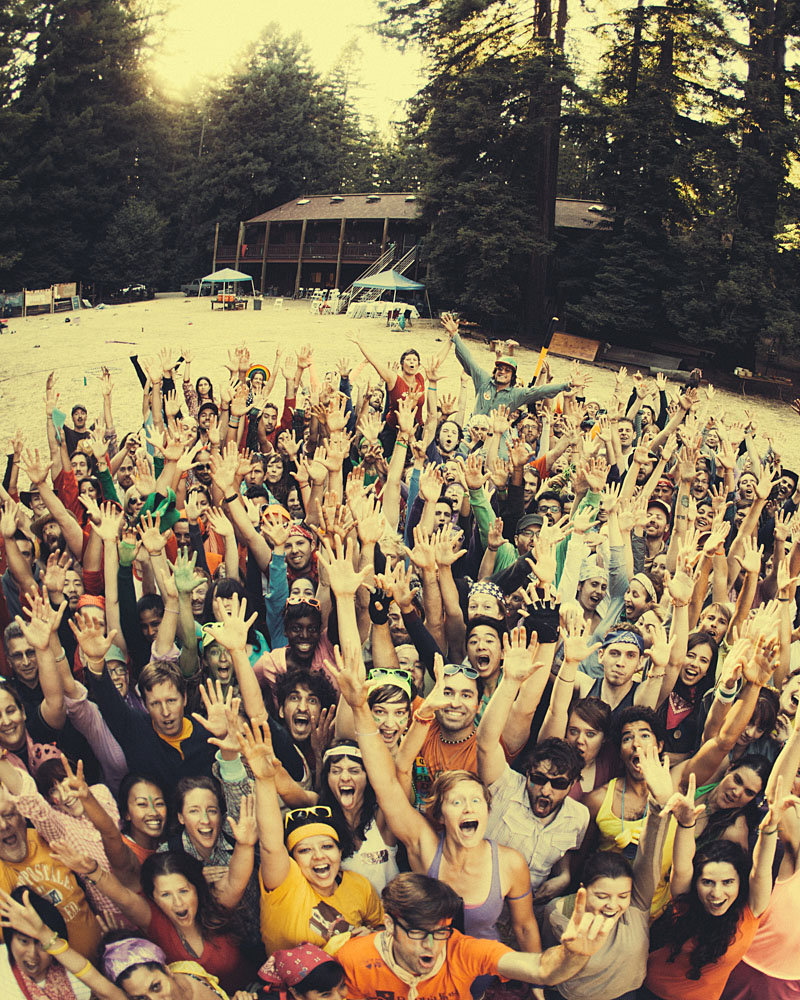
Feel like a kid again – or re-create scenes from some of your favourite movies – at these summer camps for adults. With the slogan ‘disconnect to reconnect’, Camp Grounded is the ultimate gadget-free getaway for tech addicts who want to get off the grid. Hand in your smartphone, laptop and assorted devices because here face time honours the true definition of the term, and the only posting you might do involves a mallet and dirt.
This is the perfect environment for grown-ups to tap into more wholesome childhood pastimes. For four days you can roast marshmallows during a campfire singalong, stargaze, learn to play a ukulele, take part in creative workshops, hike, bake, swim in the lake and shoot arrows. Hold your own in a laughing contest and be on guard for one hell of a pillow fight. You’ll have so much fun, you won’t want your gizmos back.
There are camps in New York, Texas and North Carolina, but our favourite Camp Grounded is set on 800 hectares on the edge of Jackson State Forest in California. It’s a renovated 1930s camp, surrounded by old-growth coastal redwoods. Trek into the forest to find secret forts and bands playing late into the night, or take a dip in the River Noyo, which runs through the property.
The last time I visited Nashville I really wanted to meet a country star. I craved big 10-gallon hats, hillbillies with long beards, the Grand Ole Opry, rhinestones, sequins, mullets and a whole lot of southern accents.
Serendipitously enough, my wish was granted. I ran into country star John Rich of the hugely successful duo Big & Rich at a trendy downtown bar. Having no knowledge of country music, I didn’t know who John Rich was until someone pointed out the gentleman I was talking to was a country superstar. The only thing I knew was that he was wearing sparkly silver boots and a matching glittery cowboy hat. And that was all I needed to strike up a conversation.
After a little convincing, he agreed to sing us his big hit, ‘Save a Horse (Ride a Cowboy)’, a ditty he performed acoustically with the help of a guitar plucked down from the wall. Only in Nashville could a song like that get produced and earn commercial success, without being interpreted as being part of a Saturday Night Live skit or lumped in with the likes of ‘Mambo No. 5’ or ‘I’m Too Sexy’. Oh yeah, the guys from Rascal Flatts were there too.
I had come to Nashville to find country and it had found me, in a bar.
But things have changed in the home of country music. Though country and honky-tonk are still very much part of the city’s music scene, rock has also taken a firm hold. And with the genre has come organic coffee bars, designer boutiques and skinny jeans, all rockin’ the foundations of this once exclusively country town.
Locals congregate at Marche Artisan Foods for brunch, before getting their shop on at places like imogene + willie (designer denim), Local Honey (local designers), Posh (high-end designer) and the Hip Zipper (vintage). Farm-to-table restaurants like City House have elevated the city’s dining scene, while hipster fave Mas Tacos brings an ethnic element to an otherwise very American food offering. And while tourists may choose to flock to bars like Tootsies, the locals prefer dives like the Springwater Supper Club & Lounge, bluegrass joint the Station Inn, or, for indie music, the 5 Spot or Exit / In.
Nashville’s much-storied musical history does feature a few earlier rock’n’roll moments. Both Elvis and Paul McCartney spent time here recording. It was in Nashville Jimi Hendrix honed his guitar skills with friend Billy Cox after being discharged from nearby military camp Fort Campbell. And Bob Dylan found himself head over heels with the city while recording Blonde on Blonde, later returning to record Nashville Skyline.
Alas the star power of these few was not enough for anyone to look past Nashville’s rhinestone sparkle. It took several decades after the 60s for any sort of viable change to occur. The shift in scenery started to take place when the Pied Piper of all things hip, Jack White, moved in, bringing his then-wife, English model Karen Elson. Like a slow trickle, White’s clout helped draw like-minded folks to the city. While Elson opened the now defunct vintage shop Venus and Mars, White opened the first physical location of Third Man Records, fostering local talent and serving as a mecca of sorts for fans. The label spawned bands like Jeff the Brotherhood and Pujol.
Then there’s that little multi-platinum, Grammy-award-winning local band, Kings of Leon. When their breakthrough album Only by the Night was released, their dirty, grungy rock appeal not only helped cement Nashville’s dominance in the rock scene, but allowed people to see the city as more than just the home of the Grand Ole Opry and Garth Brooks. Kings of Leon even went on to form a record label called Serpents and Snakes, helping bands like the Features and Turbo Fruits gain wider exposure.
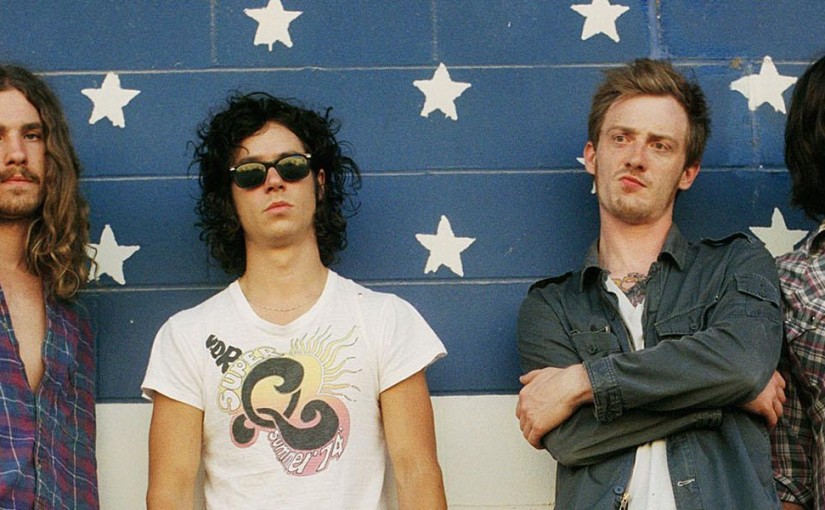
Before you could say “cowboy hat”, the glitter quickly gave way to grit, and transplants like the Black Keys, Paramore and the Ettes moved in. Along with homegrown talents like Pujol and the Honeymoon Thrillers, these bands have transformed Nashville from country capital to America’s hottest rock location.
Unlike Seattle in the early 90s or Los Angeles in the 80s, Nashville doesn’t seem so bombastic that it might prematurely explode. Music here is more about escaping the pretension of the bigger city and enjoying the community that comes with living in a smaller town.
“People are very warm and supportive,” says Lindsay ‘Coco’ Hames, lead singer of the Ettes. “They’re always willing to contribute what they can to other people’s projects. For instance, Poni (drums) and I are acting in two Wanda Jackson videos, just because it’s Wanda. Or Jem (bass) will fill in when a friend’s band’s bassist is out of town.”
Whether or not that means Nashville is the next Seattle is yet to be seen. So far the city has only produced one rock band that has had huge commercial success (Kings of Leon), while other well-known artists (the Black Keys, Paramore, Jack White) established their success before arriving in Nashville. Nashville is not known for a particular sound. But that’s what makes it unique.
“Everyone pitches in here and everyone supports everyone else,” Hames says. “It’s not competitive; it’s collaborative. And that feels special.”
“It’s Nashville’s time right now,” Turbo Fruits lead singer Jonas Stein says. “Come on down! We’ve got open arms.”
Brick Lane. Haarlemmerstraat. 7th Street. They might all sound wildly different, but at their root these streets all harbour the same eclectic soul.
My particular 7th Street is located in the East Village in Manhattan, and I’ve called it home for most of my life. It is by no happenstance that I put up with five flights of stairs, impossible parking and a light dusting of heroin addicts on my way home; I chose this address over any other in the city, if not the world, because nothing comes close to its character, anywhere.
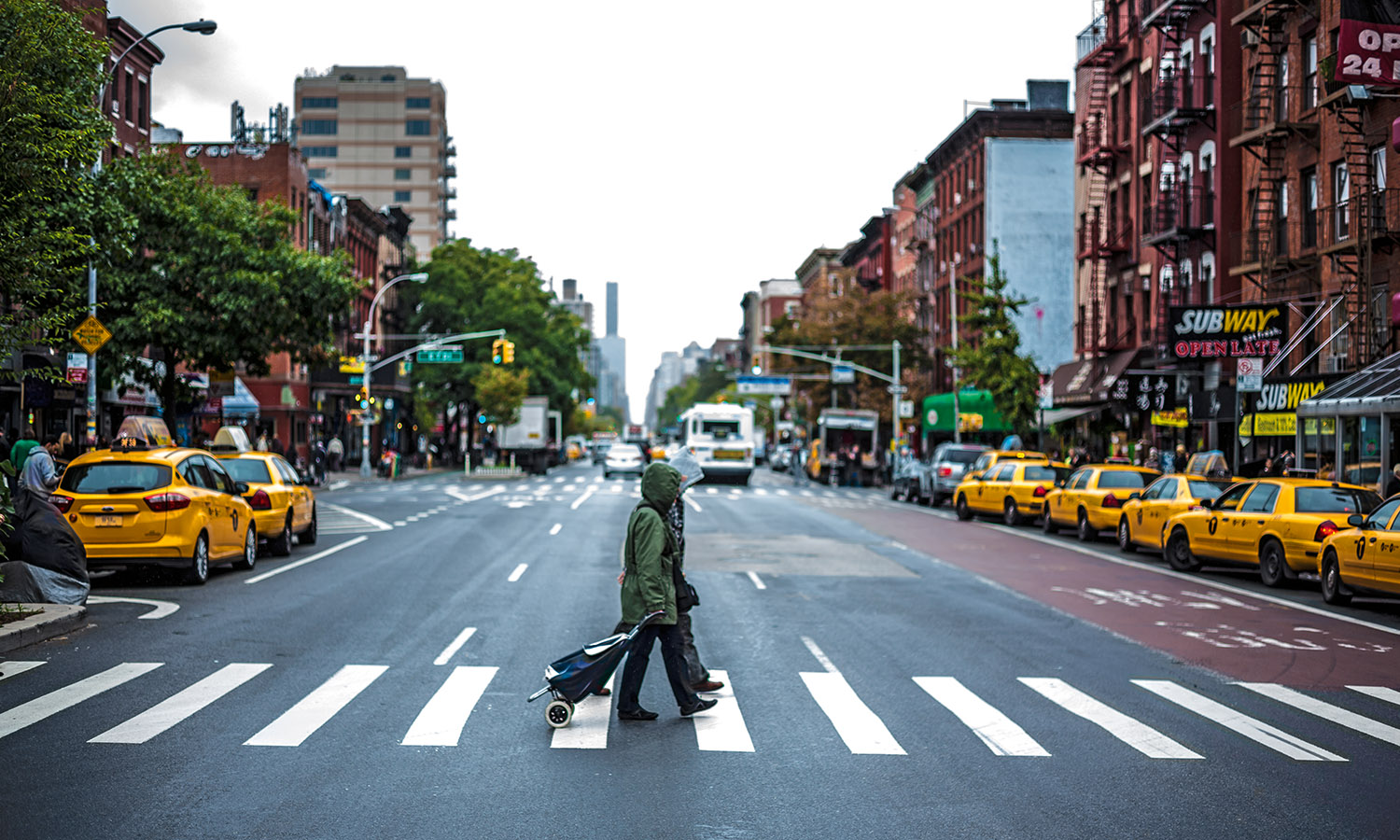
Diversity is at its best on 7th Street, if not the entire East Village. For anyone who demands a healthy dose of stimulus to keep their ADD at bay, the East Village is a natural remedy. Located east of Broadway between 14th and Houston streets, my neighbourhood is a turbulent mix of art and garbage, complex culinary dining and simple street food, deep religious roots and hedonistic sinners. While it’s impossible to bombard a reader’s senses with the raw, visceral environment that is the East Village, allow me to take you down my favourite street to give you a taste of what my home has to offer.
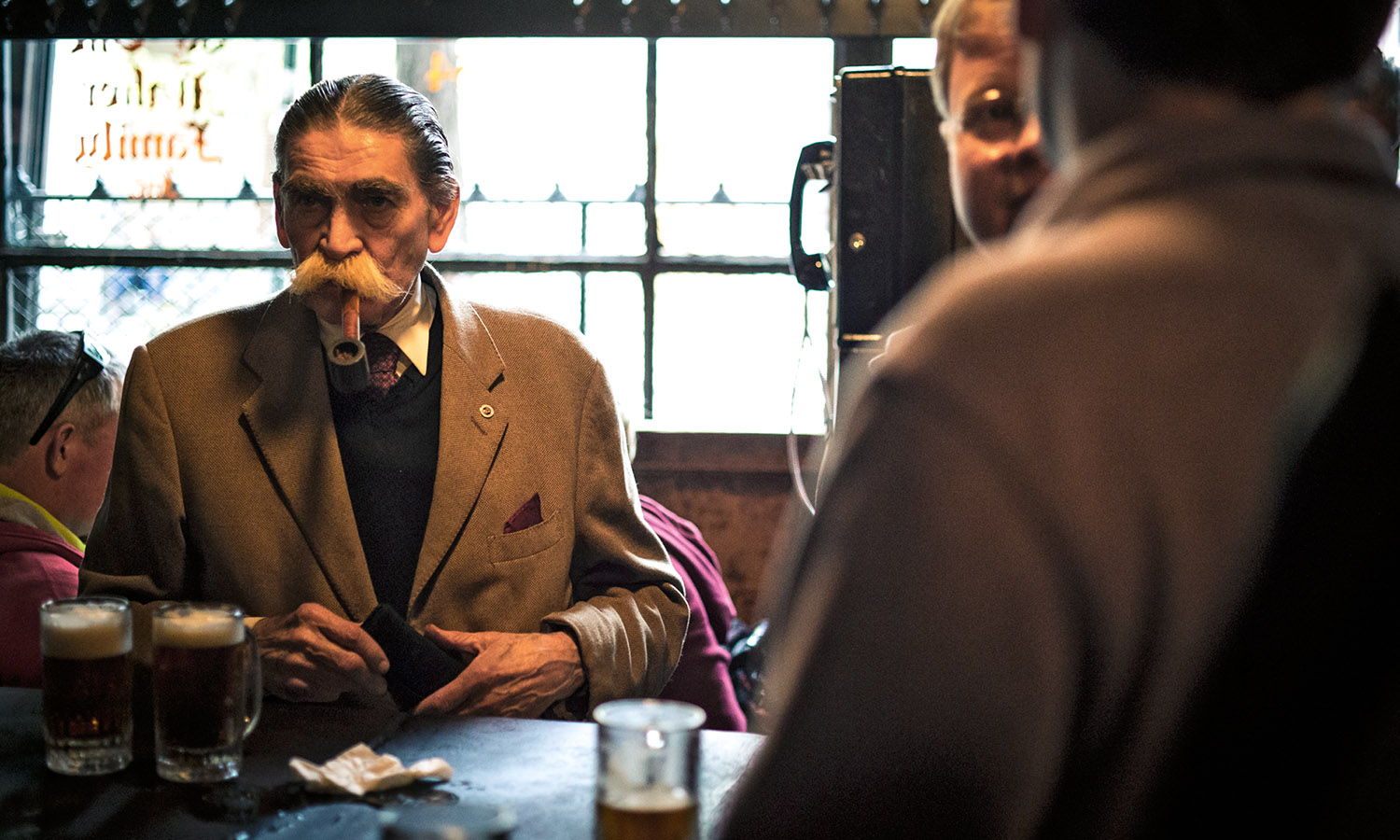
Starting at the western end of 7th Street, experience living history inside McSorley’s Old Ale House, established in 1854. It is unfair to call McSorley’s a bar when really it is a museum that serves beer. The guts of this old beast are lined with ancient artefacts from a city long gone: an invitation to the Brooklyn Bridge opening, a letter from Teddy Roosevelt, even Houdini’s handcuffs. As a local, I can’t say I call McSorley’s a hangout – it’s frequently overrun by tourists, only serves two beers (light or dark), and the way they clean their glasses is reminiscent of a old cowboy film – but I wouldn’t change it a bit. Again, this is not an East Village bar, it’s an East Village museum, and while MoMA (Museum of Modern Art) is amazing, I doubt you’ll see many bar fights inside.
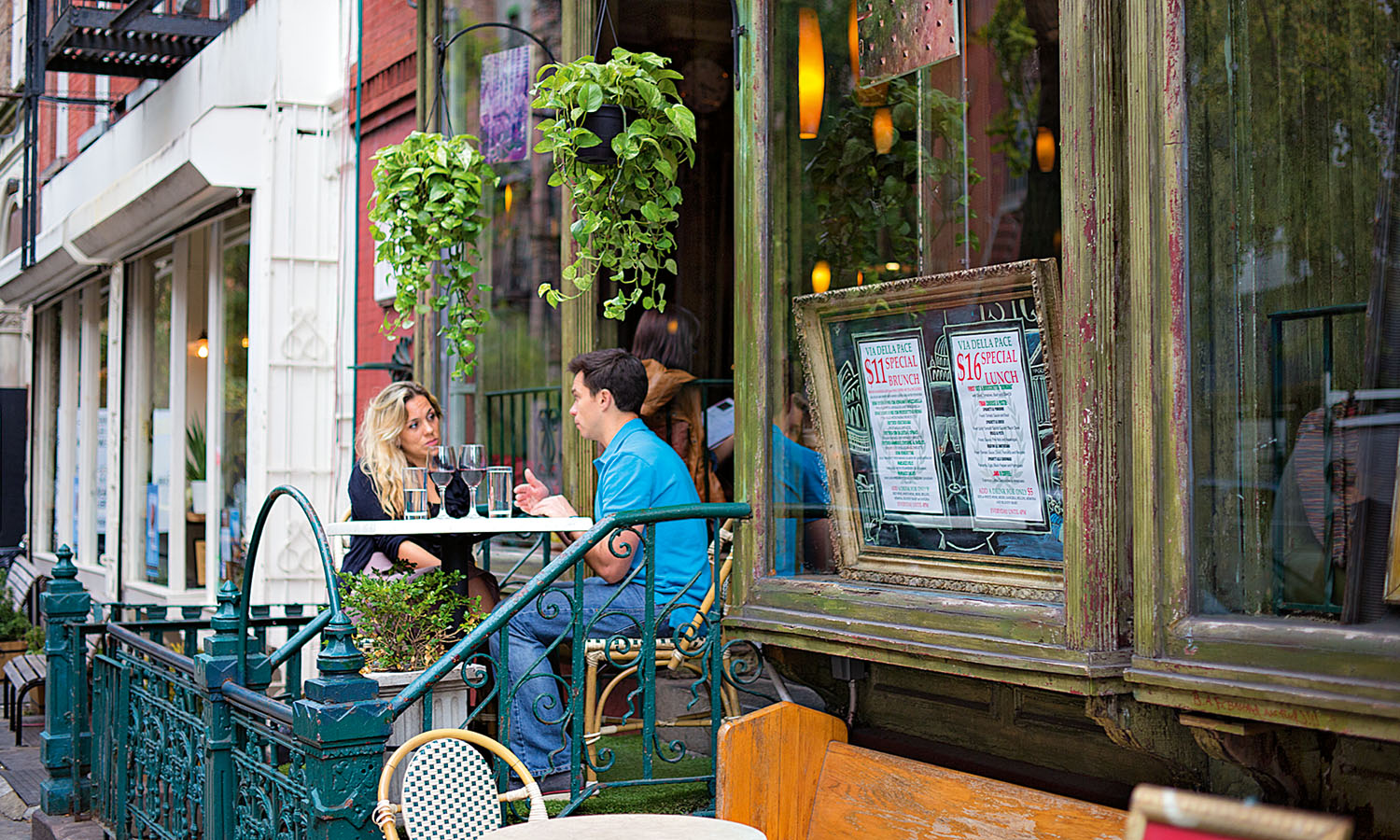
Wandering eastward you’ll pass a bevy of strange little shops, some that seem to be brand new and others perfectly ancient. There’s a little place where you can still fax things for five cents a page, Pilar’s Jewelry Repair – which I’m convinced is stuff from Pilar’s dresser drawer – and a Thai place whose delivered fare is the best you’ve ever tasted, until you see where it comes from. At the end of the block, you’d walk right past Jimmy’s No. 43, a subterranean cavern filled with the world’s best craft beer and amazing ‘hunter’s fare’ food, without even noticing it’s there. In a city constantly evolving due to the necessity of novelty, the East Village somehow remains constant – and yet continually surprises. It would seem that Houdini left more than his handcuffs here.
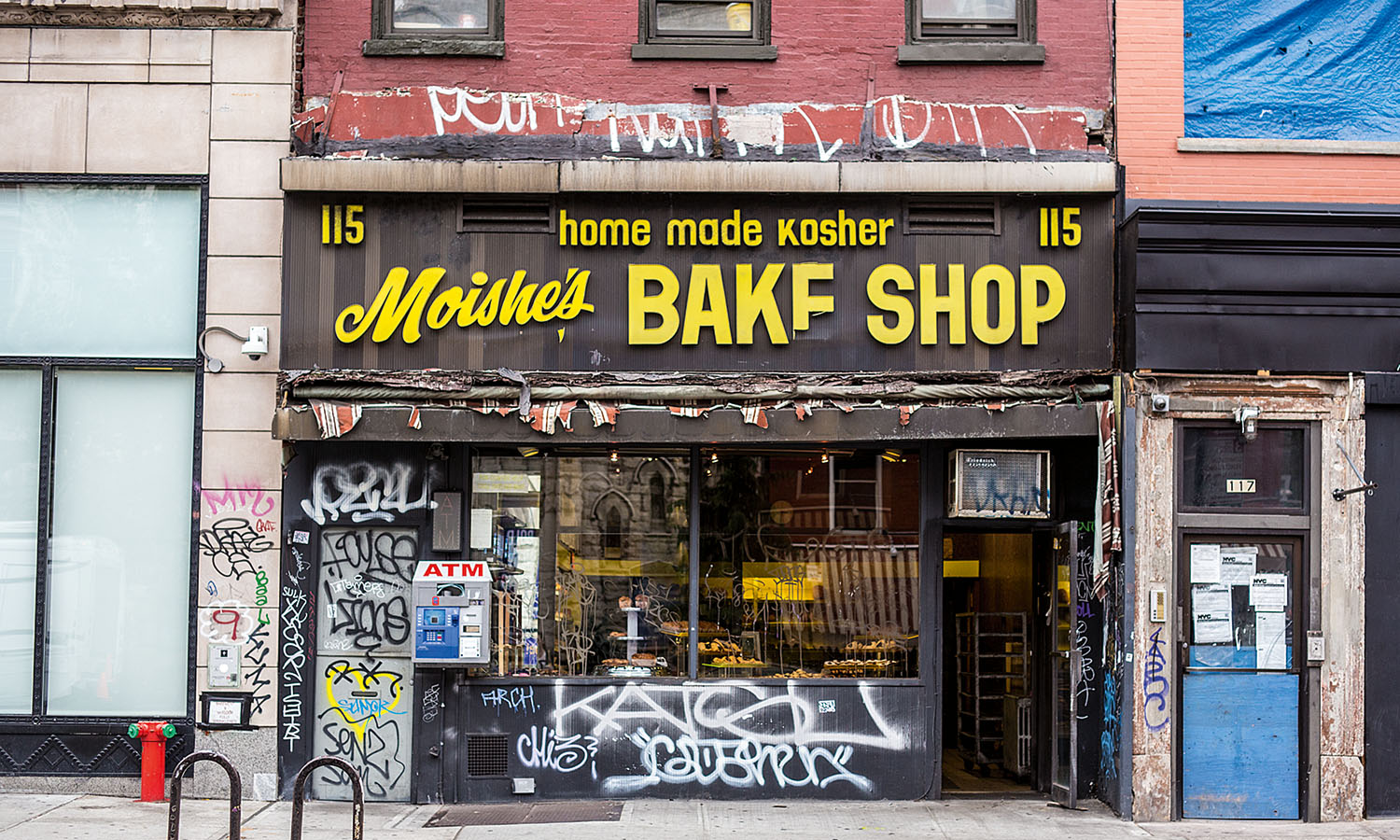
On the corner you will find Moishe’s. I have seen New York University students dare each other to eat something from this ancient Jewish bakery, and while it looks condemned, its chocolate cigars and raspberry rugelach (Jewish pastry) are the best in the city. I can hear old man Moishe, the owner, saying, “Who needs a fresh coat of paint when our confections are this delicious?” And he’s right. With sweet pastries in hand, continue down the block to Abraço Espresso, which serves the finest coffee you’ll find outside of Italy. Don’t judge the flavour of the coffee by the size of the shop; I have seen people lined up around the corner, waiting for a taste of the caffeinated delights coming out of this closet. Personally, I only drink its lattes, which can only be described as liquid cake. A warning to the Starbucks-goer: these are coffee purists. I have witnessed a young mother of two denied a ‘red-eye’ (drip-brew coffee with espresso) with a very disgusted look and a “we don’t do that sort of thing here” rebuke. She realised her mistake upon first sip and quickly departed, stroller in tow, whispering apologies to the espresso-laden air.
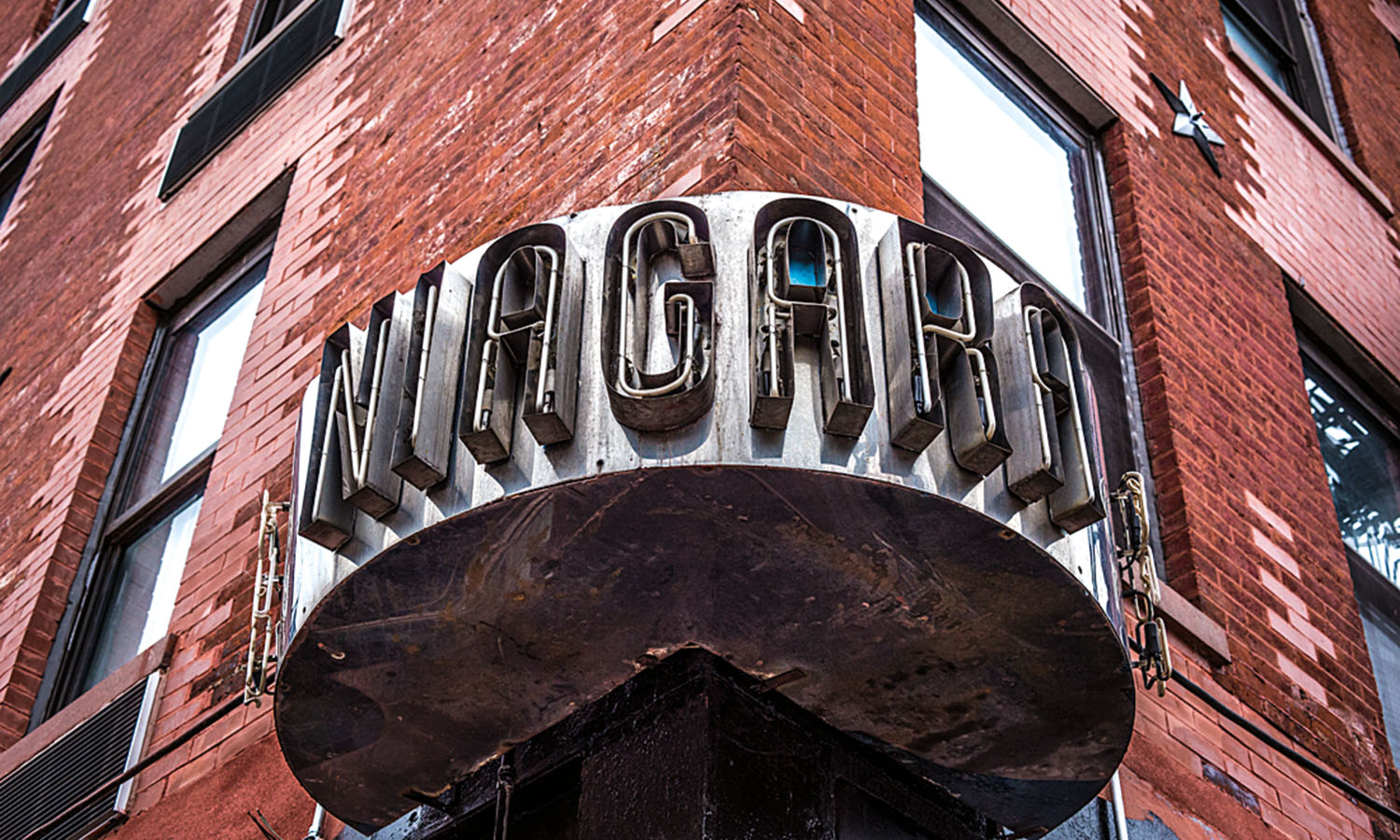
At this point it’s time to eat something serious, so I suggest the arepa de pabellón from Caracas Arepa Bar. Consider, if you will, a gently fried cornmeal dough stuffed full of delicious slow-cooked beef, salty white cheese and sweet tender plantains that greets your tastebuds with a Latin lover’s kiss. Don’t waste your time with dessert here my friends, for you have two fabulous choices just next door. Butter Lane offers myriad exceptional flavours on top of fluffy cupcakes. This is basically Magnolia Bakery without the tour bus outside. If creamy delights are more to your taste, venture into the closet with Big Gay Ice Cream. Greeted by a giant purple unicorn and more sparkles than a stripper’s bed sheet, Big Gay serves up chocolate-dipped, salty cones that will soon have you flying the rainbow flag. Walk a block to Tomkins Square Park and watch dogs play and junkies squabble while you slip into a blissful sugar coma. When you are done, head across the street to Niagara, a real local bar, where you can still get a shot of Powers and a bottle of cold beer for US$5. Let the night slip away as you watch the game, talk to an old-timer or eavesdrop as two drunken students passionately argue the plot points of their new short film.
This is just one street in the East Village. Just around the corner there’s plenty more to see, including Pommes Frites, the Russian & Turkish Baths and Brindle Room, home of the world’s best hamburger. Or the secret bar behind a wall in a hotdog stand, the hidden marble cemetery, or the two-tonne monument you can spin if you push the right way. While much of the rest of New York has replaced its old soul with a shiny new culture, the East Village stubbornly holds onto the character and grime that kept this city together through thick and thin. In a city that doesn’t sleep, the East Village is the afterparty New York goes to. It’s not glamorous, and it may not be pristine, but you can come as you are and find whatever fix you may need.
“Now I understand that there are one or two people in the world who don’t listen to country music, but even you’ll have heard of the people we’re gonna visit with.” At the Ryman Auditorium, Wanda, a tiny elderly lady with a beaming smile and wry sense of humour, is launching into her backstage tour. “The first people we’re gonna visit with are Johnny and June Cash.”
To visit Nashville is to be surrounded by both types of music (for those who haven’t heard the joke, that would be country and western) but it is also to be reminded constantly of the legacy of Johnny Cash. The Ryman, Wanda tells us, was the first place Johnny ever laid eyes on June. He was performing at the Grand Ole Opry; she was sitting in the balcony on a school trip.
It was in Nashville, too, that he shared a house with Waylon Jennings after divorcing Vivian in the mid-60s. Although he lived for many years in Hendersonville, northeast of the Tennessee capital, he played shows in Nashville throughout his life, and he inspired practically every musician who’s schlepped their guitar to the home of country music ever since.
Until the middle of 2013, however, there was no separate and permanent collection of Cash memorabilia. That was until Bill Miller, Cash’s niece Kelly Hancock and a small band of tireless friends and fans decided to take the DIY approach. “Bill Miller has been collecting memorabilia for 40-plus years,” says Sydney Robinson, the museum’s director of marketing. “He was in the fan club and established a lifelong friendship with Johnny.”
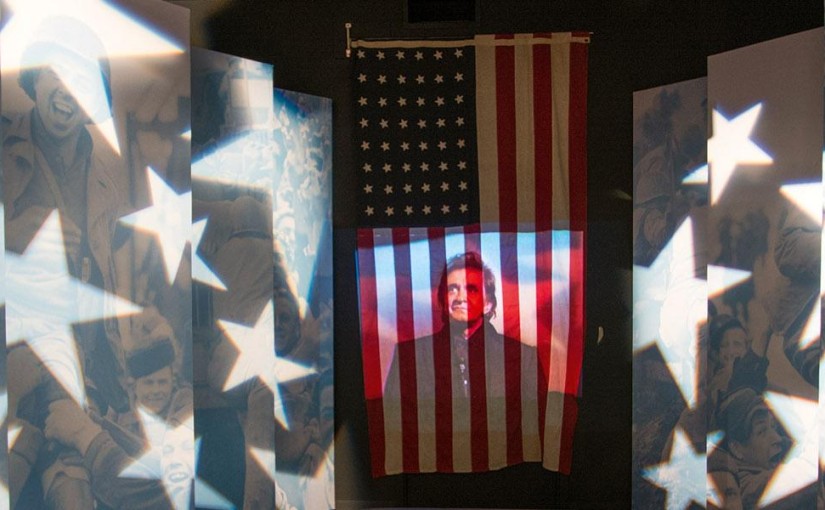
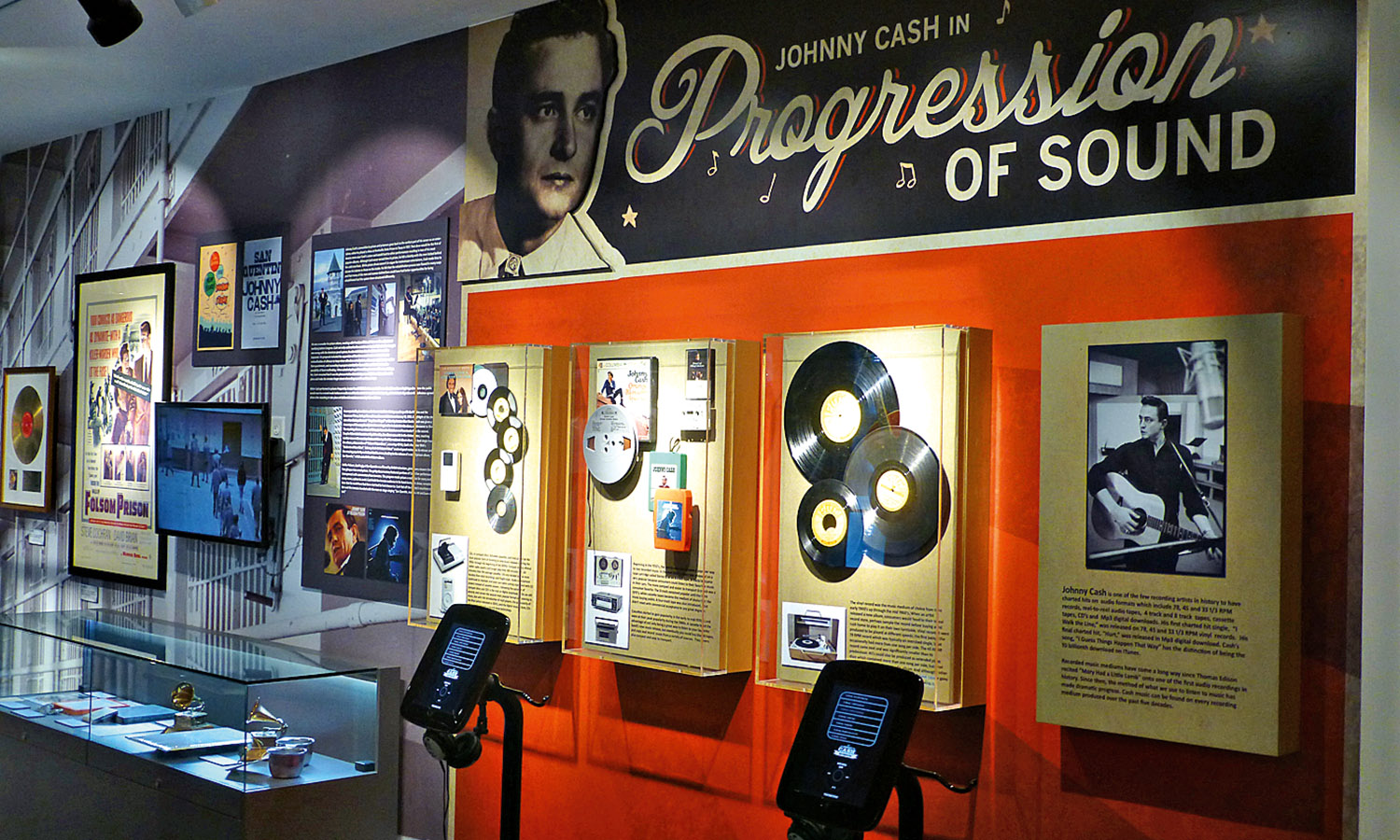
There could have been no other way to welcome fans to the museum than with the words, “Hello, I’m Johnny Cash.” The singer’s voice rings out as it does on the opening of his groundbreaking 1968 At Folsom Prison album. Then the visitor is launched into a multimedia room, where they can watch clips from each decade of his career on a series of iPads. You could – and some people do – spend hours pouring over the extensive footage. There are also the instruments he and the Tennessee Two – Luther Perkins and Marshall Grant – played during their very first recording session. “These were given to us by Marshall’s widow, Etta,” says Kelly, who, for the last 14 years of the singer’s life, was Cash’s personal assistant. “She’d kept them all these years, along with those handwritten cards.”
The extent of the items on display is extraordinary. There are instruments, stage costumes that show Cash was a big man in every respect (by comparison, June’s costumes look as though they could have been worn by a child), awards, programs, tickets and posters, but far more personal items too.
Both John’s mother, Carrie, and his first wife, Vivian, had boxes of papers and trinkets. There are bunches of cotton from Dyess, Arkansas, where Cash grew up, school report cards – “not very good at American history; straight As for typing,” Kelly points out – and the Bible he took with him when he served in Germany. “When Vivian passed away in 2005 her girls went over to her house and found a lot of these things in her attic,” Kelly explains. “She’d saved Johnny’s Air Force uniform as well as many other things. She kept everything.”
Fans, she explains, tend to congregate in the theatre where an 18-minute film offers a potted history of the singer’s time spent on the screen: hosting The Johnny Cash Show, appearing in movies such as Five Minutes to Live and The Last Days of Frank and Jesse James, taking parts in television series like Dr. Quinn, Medicine Woman and voicing Homer’s spirit guide in an episode of The Simpsons.
For Kelly, however, her favourite piece in the museum is far more personal. “It’s a letter Johnny wrote to June in 1973 when he flew from Jamaica to LA,” she explains. “My mum and my brother and I had flown to Jamaica to have Christmas there and he wrote this on the plane to LA – he had a very bad flight and didn’t think he was going to make it. It says, ‘Tell Reba, Timmy and Kelly that I love them all and I wish I could be there for Christmas’ and he writes about the Christmas spirit. It’s beautiful. The letter tells June what to do with the home they had in Cinnamon Hill, Jamaica, and some other things: sell this, don’t sell that, do this. It was kinda instructional, but it also said he loved us all, so it’s kinda precious.”
Near it is a diary opened to a page where he’s marked a trip to Australia. I mention that, since we use smartphones and computers to organise our lives these days, in future years there’ll be none of these kinds of documents to fill museum shelves. “Every single day, until the week before he passed away, Johnny wrote in his planner,” Kelly tells me. “And he believed in letters. Emails? Not so much. He was old school.”
For fans there are plenty of emotional tipping points: a recitation of ‘Ragged Old Flag’, photographs he took and sketches he drew, and the handwritten poem he read at June’s funeral. Then there’s the final exhibit: the console used during the recording of the American series, a sign rescued from the House of Cash and the video for ‘Hurt’, filmed three months before June’s death and seven months before Cash’s own. Some consider it one of his greatest recordings. There is, however, no mention of his passing. “That’s one thing Bill said about the very end of this tour: you will not find death,” says Sydney. “When you go to Graceland, at the very end of the tour, you get to the place where Elvis is buried and you leave on that note. But here you walk outside and there’s a huge mural just down the street done by some local guys as a tribute. Then you go on to Broadway and he is everywhere. All the bands know ‘Walk the Line’ and ‘Ring of Fire’. You leave here and turn on to Broadway and Johnny is everywhere. He’s still alive.”
Cioppino (chuh-pee-noh) is San Francisco’s answer to bouillabaisse or burrida, a tomato-based seafood stew that arrived here with Italian fishermen in the mid-nineteenth century.
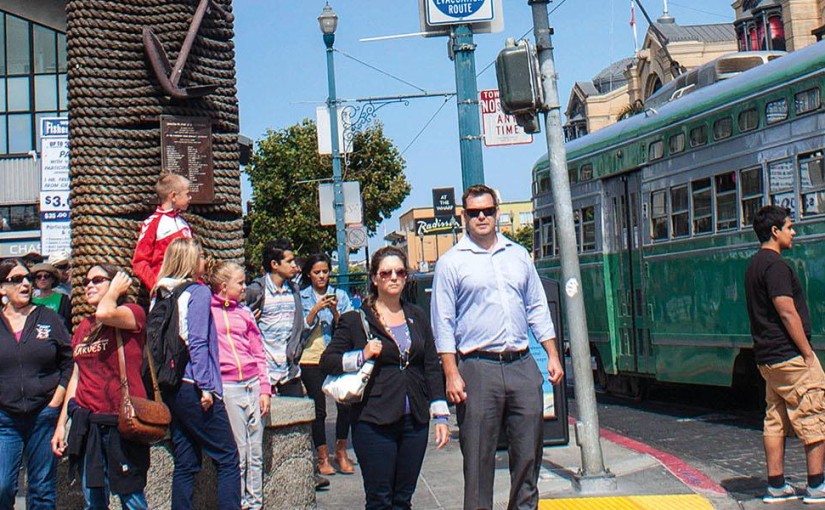
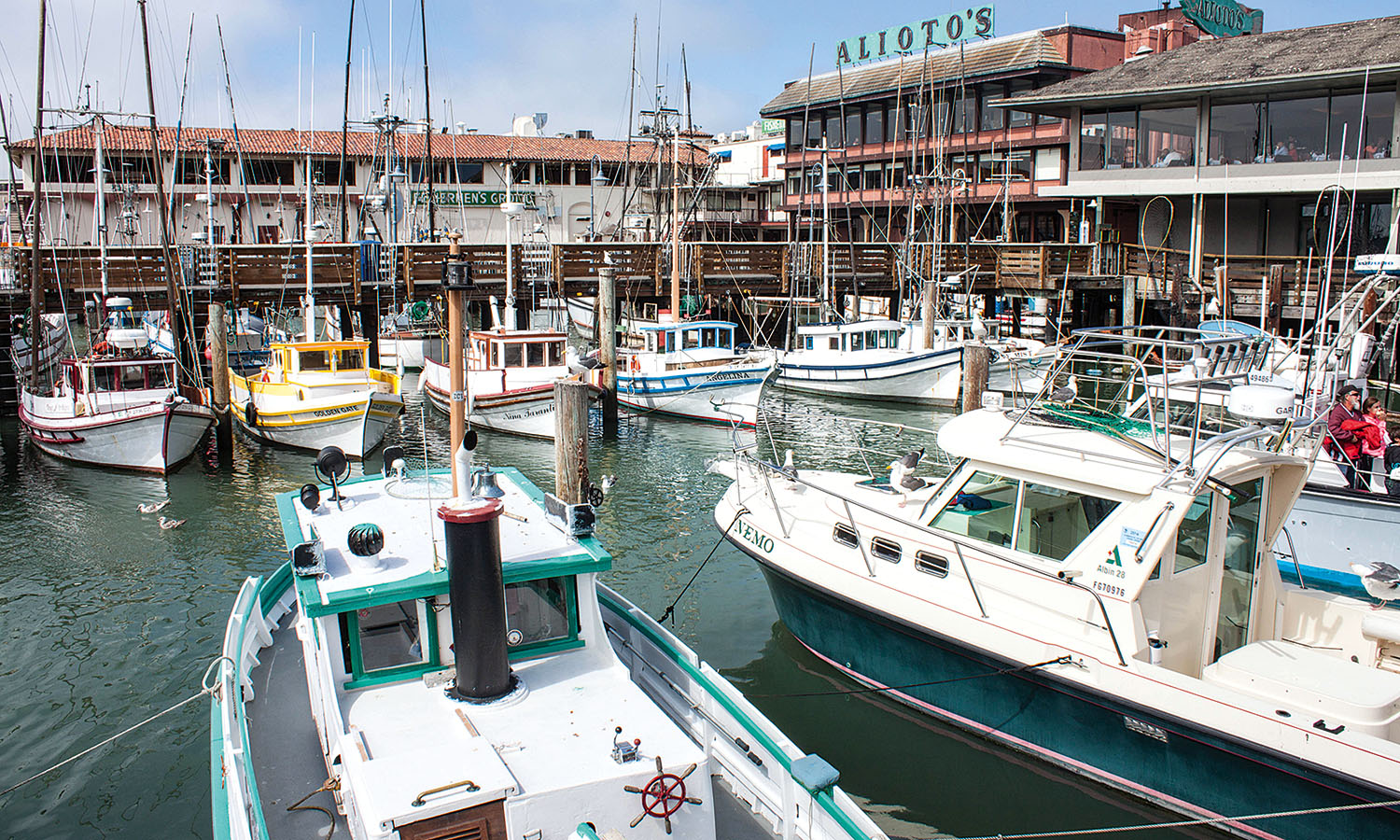
These fishermen, most of them from Liguria, would combine their leftover catch with whatever ingredients they had at sea, mostly canned tomatoes and wine. Eventually, the stew moved off the boats and into the Italian restaurants of North Beach before returning to Fisherman’s Wharf. Today, between colourful souvenir shops and statuesque street performers, visitors can find restaurants named after some of the oldest Italian families: Castagnola’s, Tarantino’s and Alioto’s. Adjacent to the California Shellfish Co. sits a restaurant simply called Cioppino’s. It’s a fitting place to have my first taste of the namesake dish.
Despite living in the Bay Area for five years, I have somehow avoided the famous fish stew. I wondered if it had become a cliché – reserved only for the most touristy of waterfront eateries – or whether locals embraced the soup, too.
“The fishing culture is alive and well,” says Taryn Hoppe, as we sit down for lunch at a red-and-white chequered table. Taryn is a fourth-generation San Franciscan and the daughter of Nick Hoppe, who opened Cioppino’s in 1997.
Taryn summarises the history of cioppino, which is also printed on the restaurant’s menu. “Back when it was called Meiggs’ Wharf, the fishermen would pull their boats in for the day and pool together all the seafood they couldn’t sell. Someone would go around calling for leftovers to throw into a pot, saying ‘chip in, chip in’. That morphed into chip-ee-no [the ‘in’ is pronounced with an Italian accent].”
Others say the name is derived from ciuppin, which means ‘to chop’ and ‘little soup’ in Genoa, the capital of Liguria, home to a similar seafood concoction.
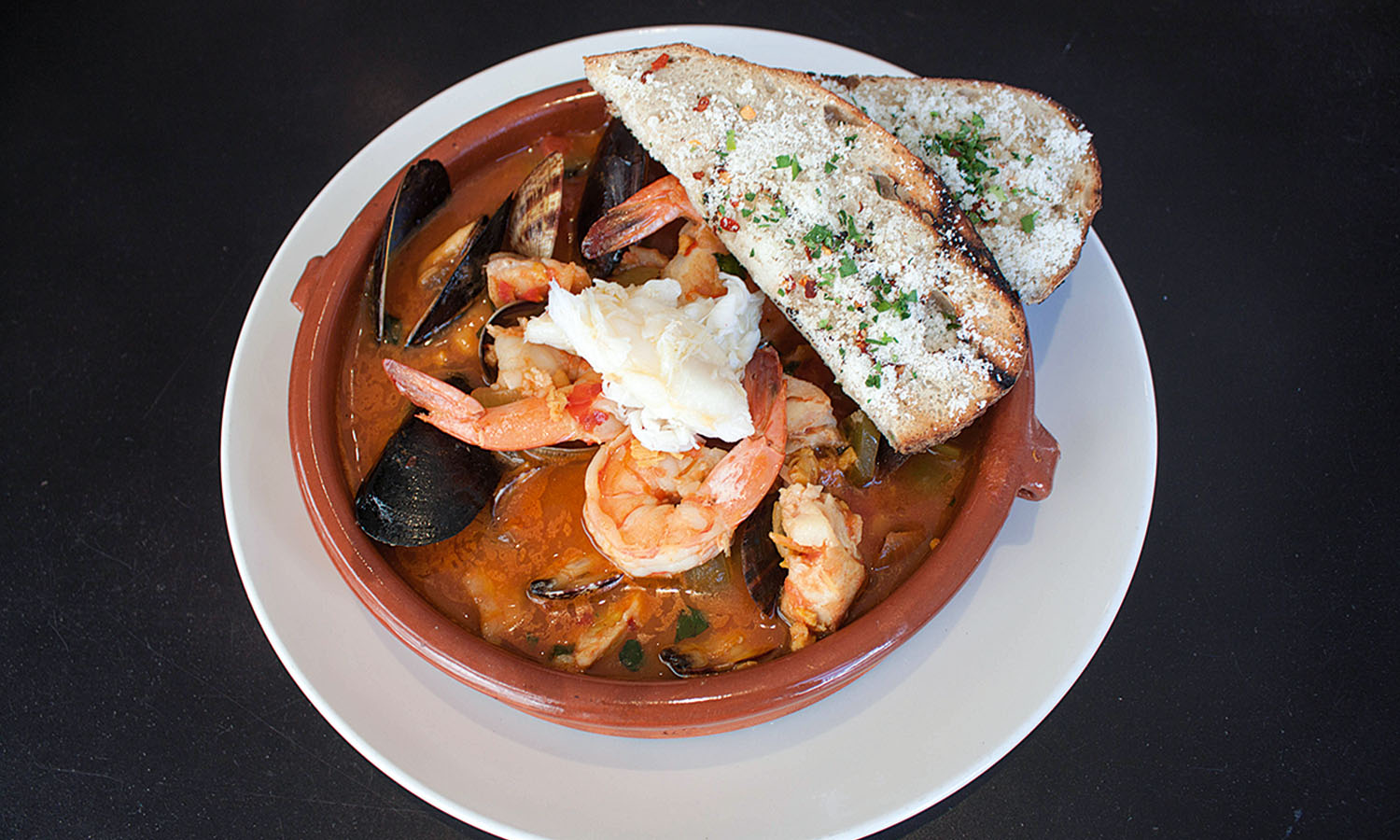
A shallow red bowl loaded with mussels, clams, shrimp and half a Dungeness crab appears in front of me. Before I know it, I’m cracking legs and wiping my mouth on a white bib emblazoned with the outline of a crustacean and the word ‘CRAB’. Spooning deeper into the bowl, I discover flaky snapper and springy calamari swimming in the broth laced with fennel, chilli and parsley. My Anchor Steam beer and sourdough from Boudin Bakery are the perfect accompaniments.
A few hours later, I meet Richie Alioto at the longstanding Fisherman’s Wharf establishment that his great-grandparents Nunzio and Rose Alioto opened in 1925.
Alioto’s started as a seafood stall, where the family would stoke a fire of coal or wood under the crab pot, mainly feeding local fishermen who would come in to trade or get their catch cooked by Nana Rose. Rose’s cioppino grew out of that tradition, and the recipe hasn’t changed since the early days, Richie says.
The dish is rich, with a spicy finish, and I ask Richie his secret. “I usually don’t share it,” he says, “but I will. We take a crab and crack it live, then sauté it right into the sauce. Some people get mad about that, but all the flavour comes from inside the shell. We call it butter. Tomato sauce is tomato sauce; it’s what you eat on pasta. This is something else.”
The next day, I find myself on the border of the financial district, not far from where Genoese immigrant Giuseppe Bazzuro first popularised cioppino at his eponymous restaurant in the 1850s. At this point, I still can’t tell whether cioppino is a tired tradition served mainly to out-of-towners or a staple as popular now as it was 165 years ago. I seek out Tadich Grill, which dates to Bazzuro’s day, for inspiration.
“Our cioppino is the most popular dish,” says general manager David Hanna. “On any given night, a third of the restaurant’s entrée sales are cioppino.”
Hanna says they butcher the fish on site, and little goes to waste. “The tail ends aren’t appetising to look at on a plate, but they’re still very edible and we can use those in cioppino. You can put anything in it,” he says. It occurs to me that the reason for cioppino’s invention – to save wasting the local catch – might also be reason for its survival.
For my final meal, I head to Pesce, a 14-year-old cichèti (Venetian tapas) bar located on upper Market Street. The modern interior features white walls, light timber floorboards and a subtle nautical vibe exaggerated by a Japanese-style fish mural in the back. It’s not the kind of place that would offer a bib with its cioppino.
I order a single version of the shared cioppino special. I’m told Pesce can’t keep it off the blackboard menu. I understand why as I sop up the final puddle of broth at the bottom of my terracotta dish. It’s simple yet modern, with meaty chunks of fresh rock cod and strong notes of saffron and green capsicum.
“We’re not reinventing the wheel,” chef-owner Ruggero Gadaldi tells me when I ask about his recipe. “It’s hard to erase so many years of history. When people think about San Francisco, they think about sourdough bread, they think about seafood on the wharf.”
Cioppino keeps those traditions alive. It’s little wonder it retains such a warm place in the hearts (and stomachs) of locals.
INGREDIENTS
1⁄4 cup olive oil
1 brown onion, diced
1 tablespoon chopped garlic
1 green capsicum, diced
1 red capsicum, diced
4 cups fish/shell fish stock
salt and white pepper, to taste
800g can chopped tomatoes
pinch saffron
pinch chilli flakes
18 clams
18 black mussels
12 large green prawns
450g cod
2 tablespoons chopped basil
11⁄2 tablespoons chopped Italian parsley
2 tablespoons grated parmesan
85g fresh crab meat
METHOD Heat olive oil in a large saucepan. Add onion, garlic and capsicum and cook for five minutes, stirring occasionally until the vegetables soften slightly. Stir in
the stock, salt, pepper, tomatoes, saffron and chilli flakes. Bring to boil and simmer for 30 minutes.
Meanwhile, place the clams and mussels in a bowl and rinse under running water for 10 minutes. Strain and set aside. Peel and devein prawns and set aside. Dice the cod into 2.5 centimetre squares.
When the base is ready, add the seafood, except the crab. Bring to the boil and cook for three minutes or until the clams and mussels open. Stir in basil and parsley. Sprinkle with parmesan and a pinch of fresh chopped parsley.
Divide cioppino into bowls, topping each dish with a spoonful of crab meat. Serve with a slice of sourdough.
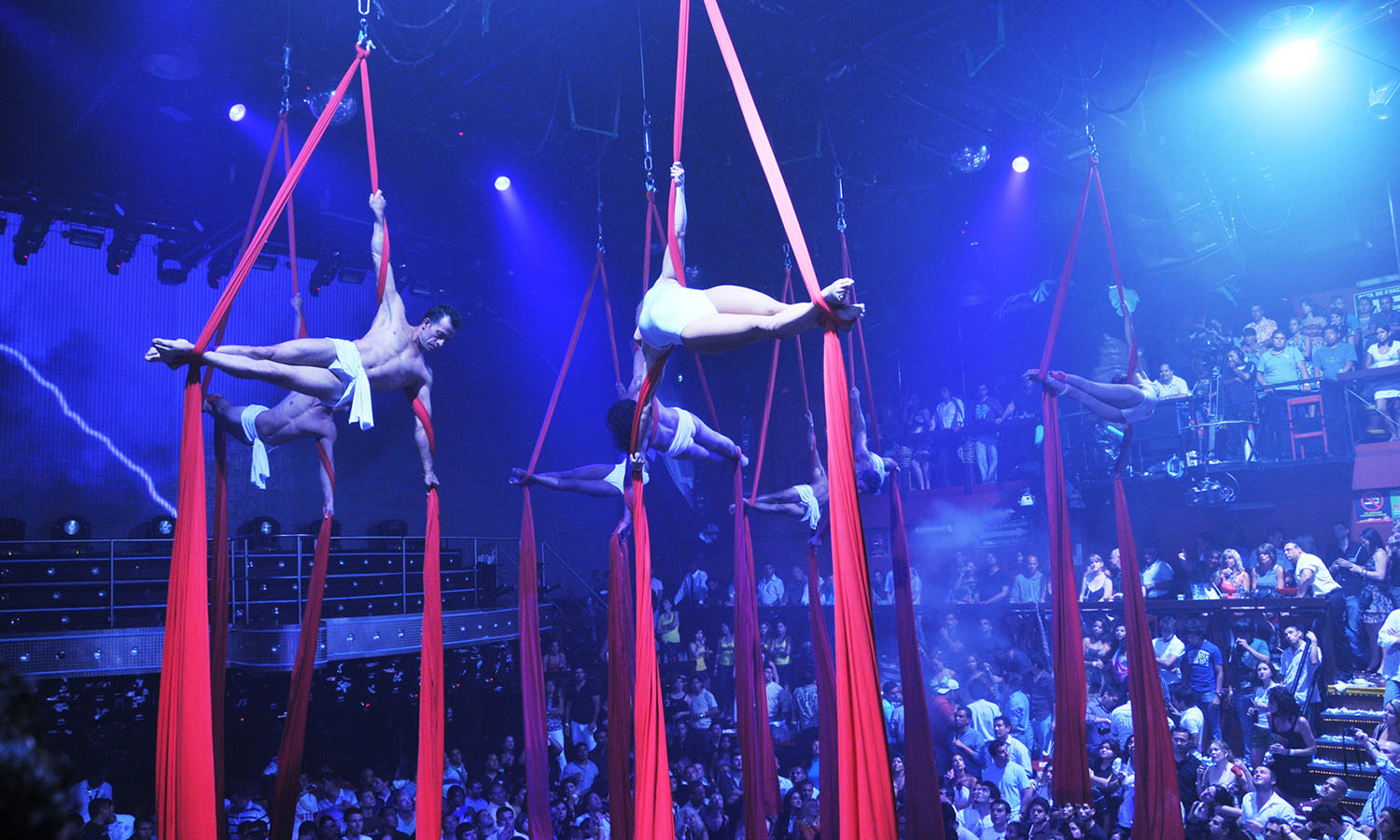
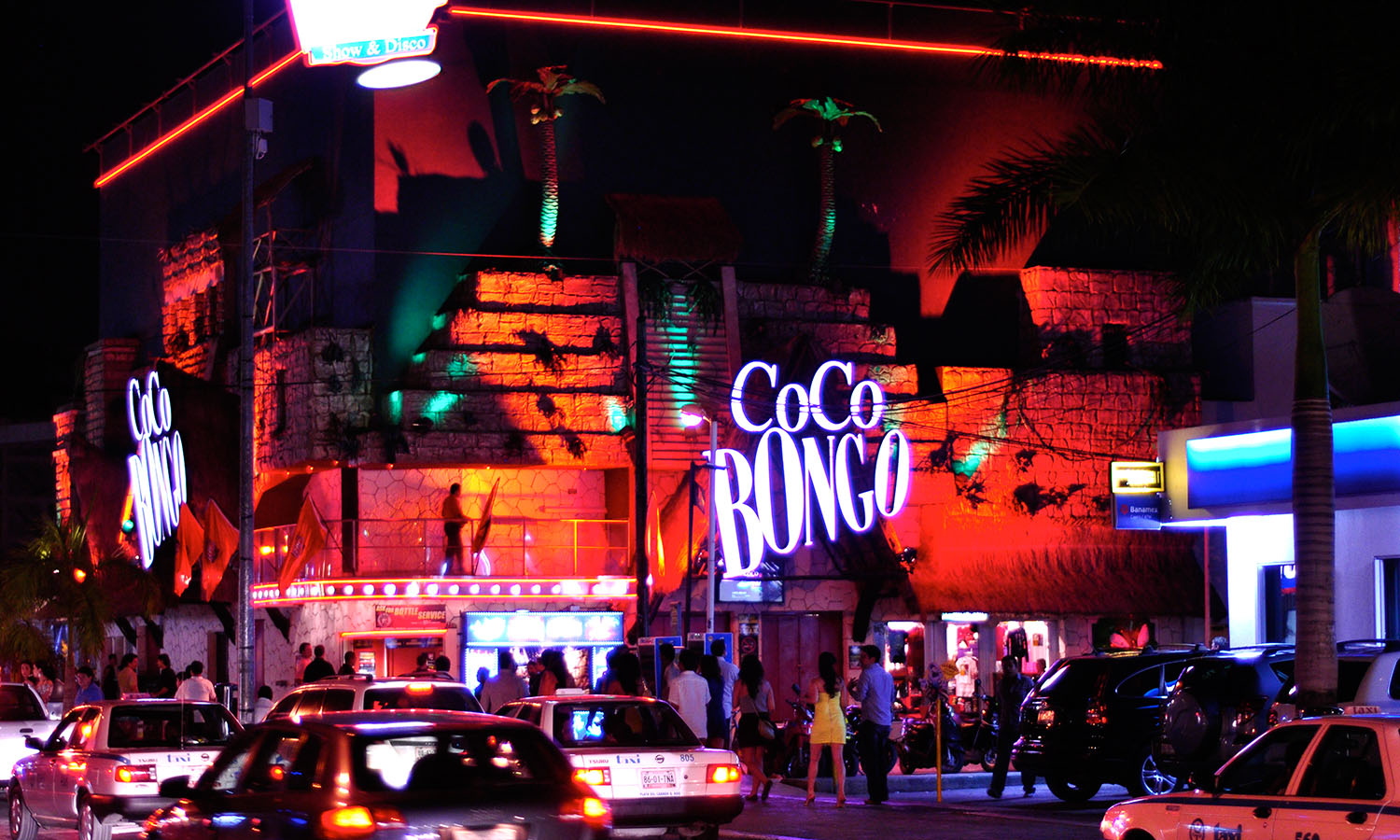
Experience a wild night at Coco Bongo, where even the venue is a heady cocktail: part nightclub, part floor show, with a dash of Cirque du Soleil poured into the mix to keep things very interesting. Think lip-synching pop star doppelgangers, acrobats, wild movie costumes, dancing and social lubricant by the litre. If you tire of the place in Cancún, head to its sister venue in Playa del Carmen.
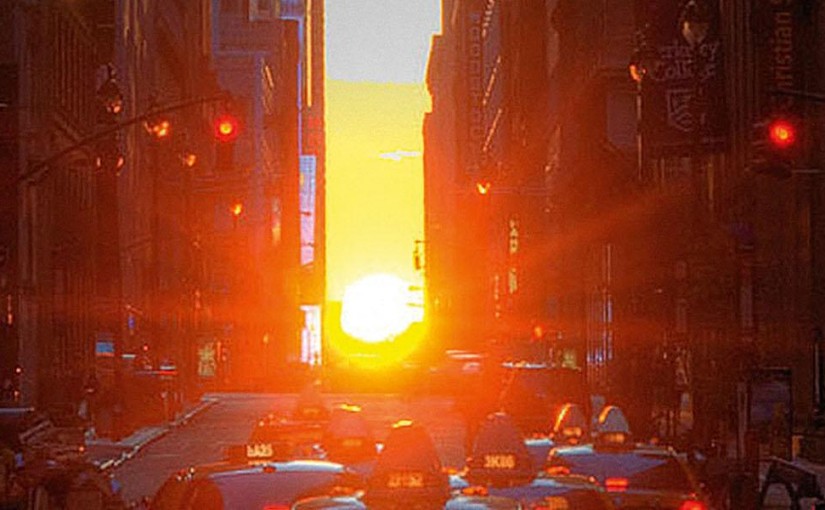
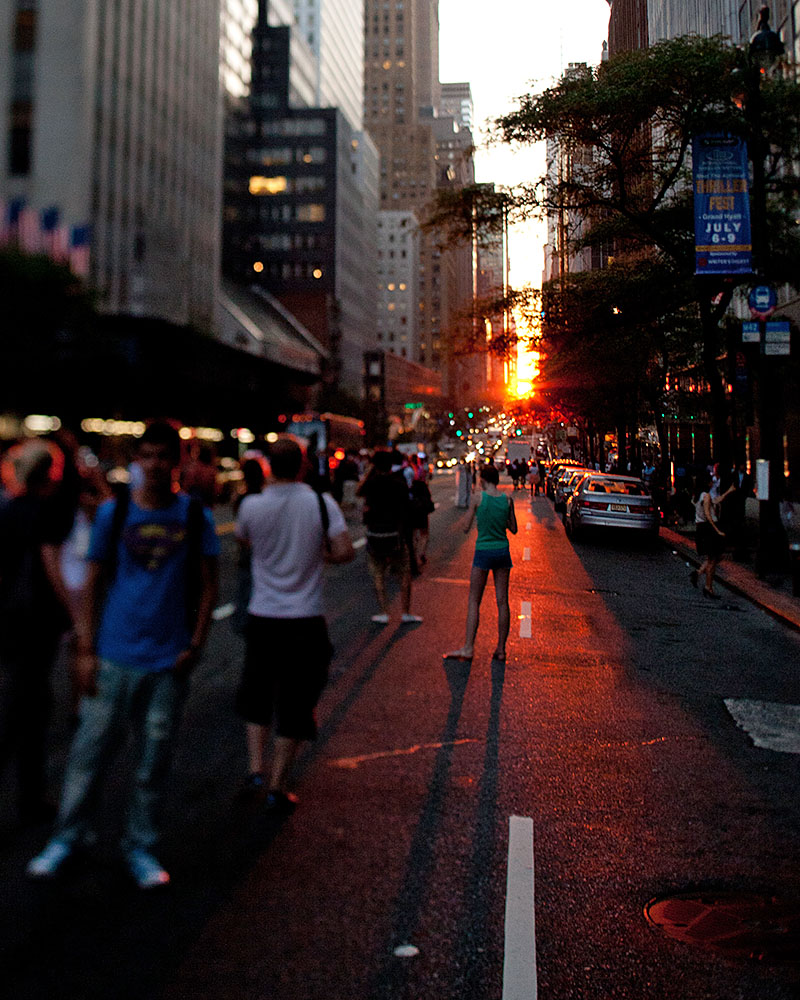
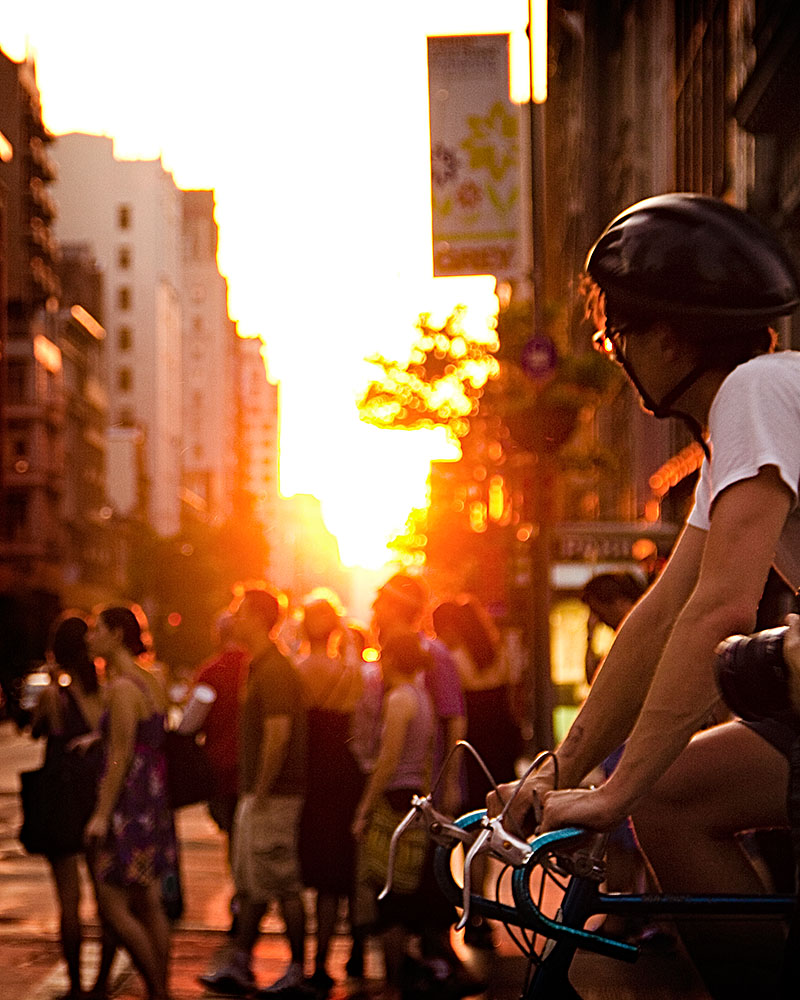
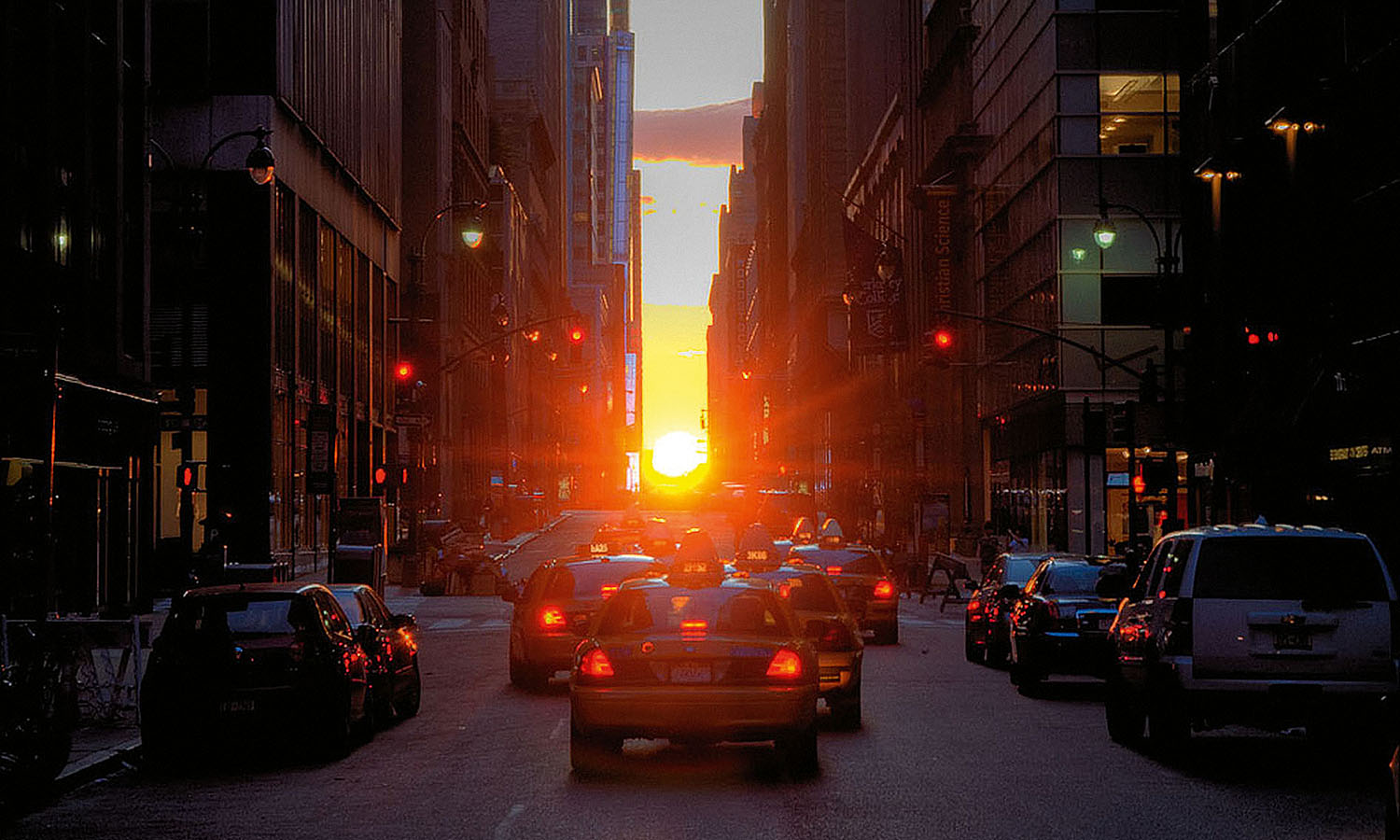
Also known as the Manhattan Solstice, this is a natural spectacle during which the setting sun aligns with the east–west streets of New York City’s main grid. It makes for some killer photos, so photographers, take note: it only happens twice a year, and the best chance to catch that perfect moment on camera is usually between the end of May and the middle of July.
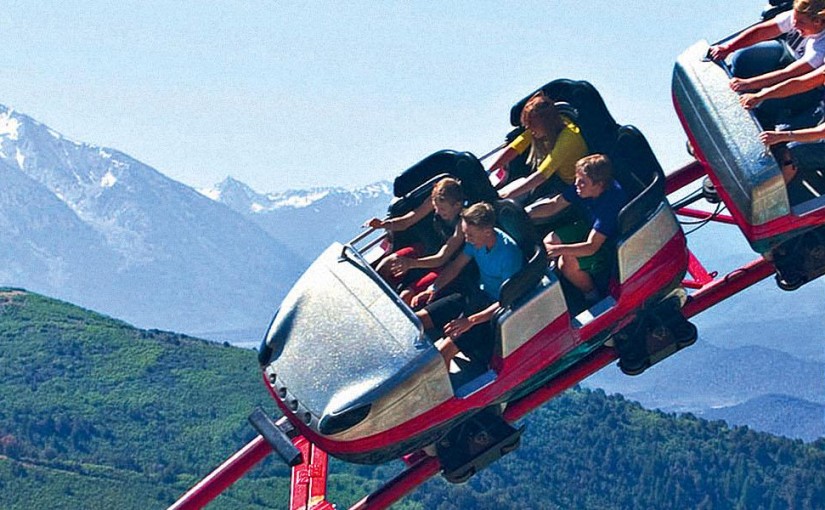
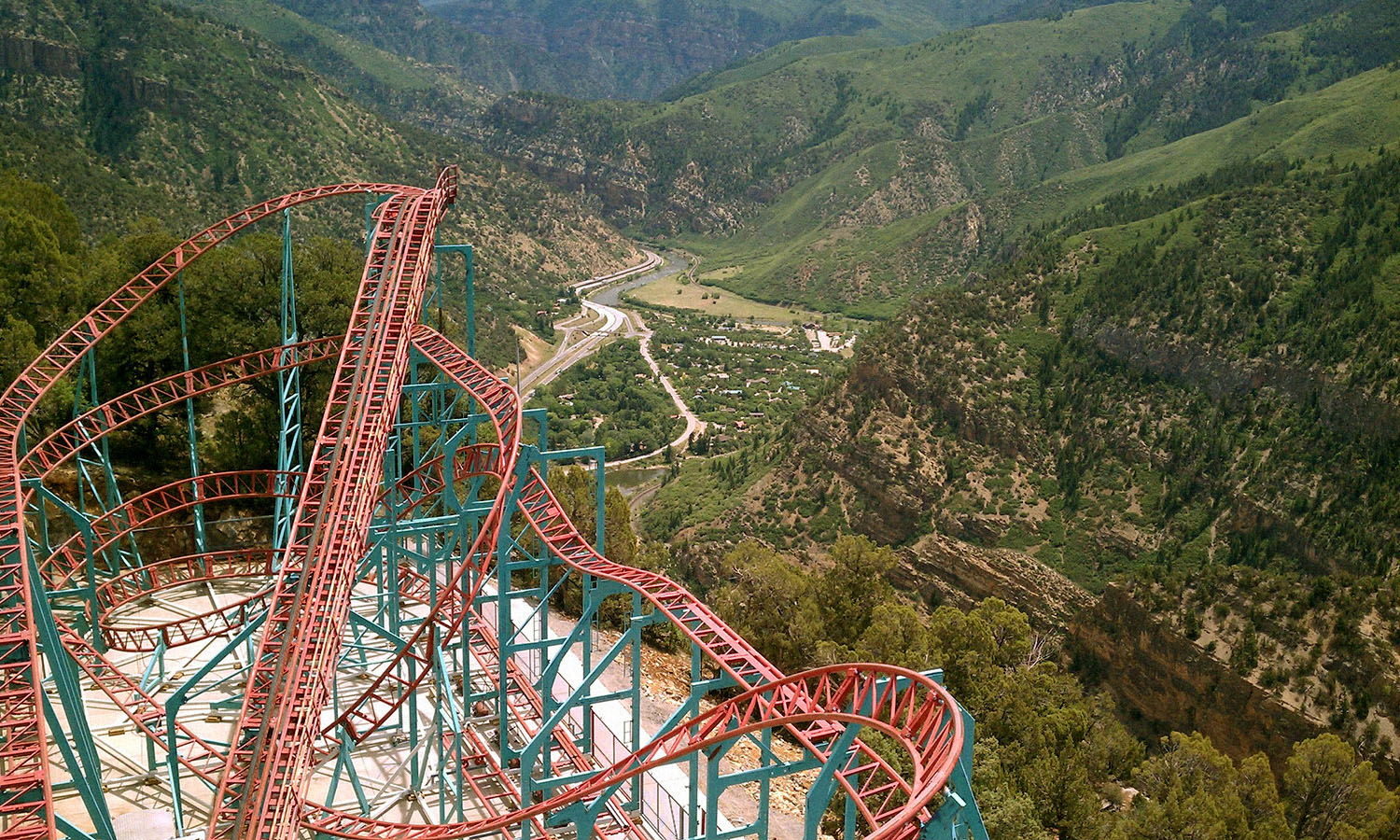
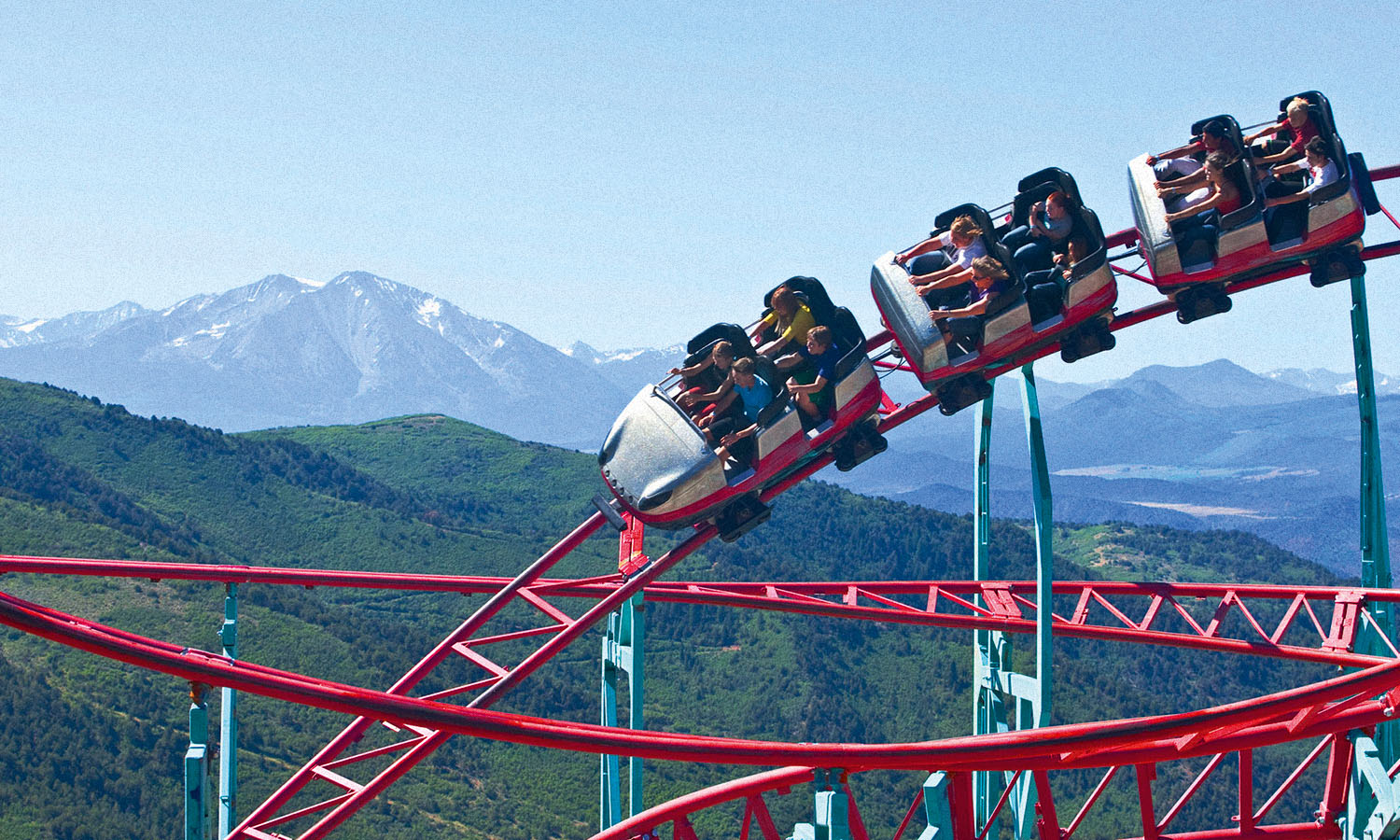
It’s not marketing hyperbole. The Cliffhanger roller-coaster at Glenwood Springs literally dangles on the edge of a two-kilometre-high mountain face. The rollercoaster was relocated from Branson, Missouri, and now you can feel the adrenaline rush through you as you flip and turn on this white-knuckle fun park ride.
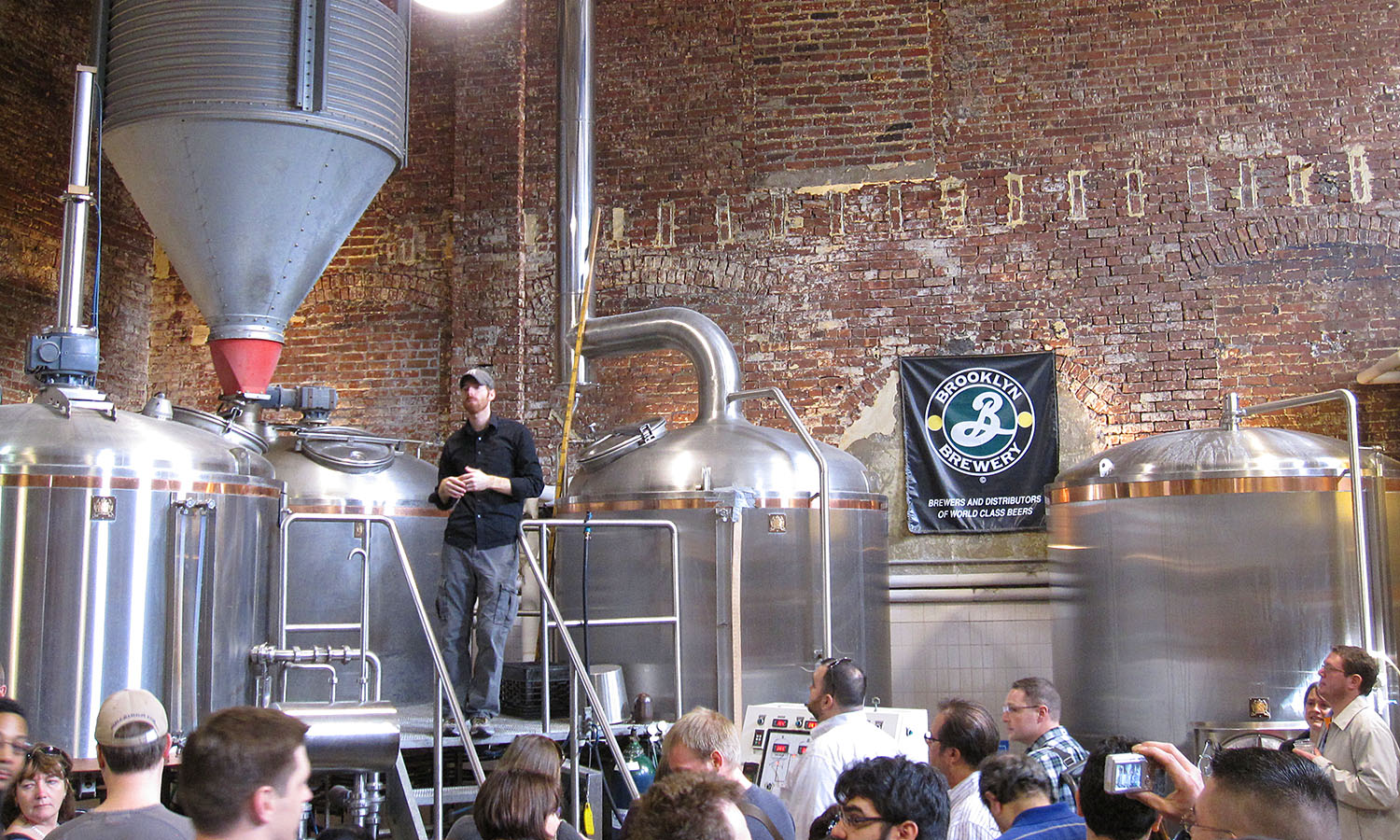
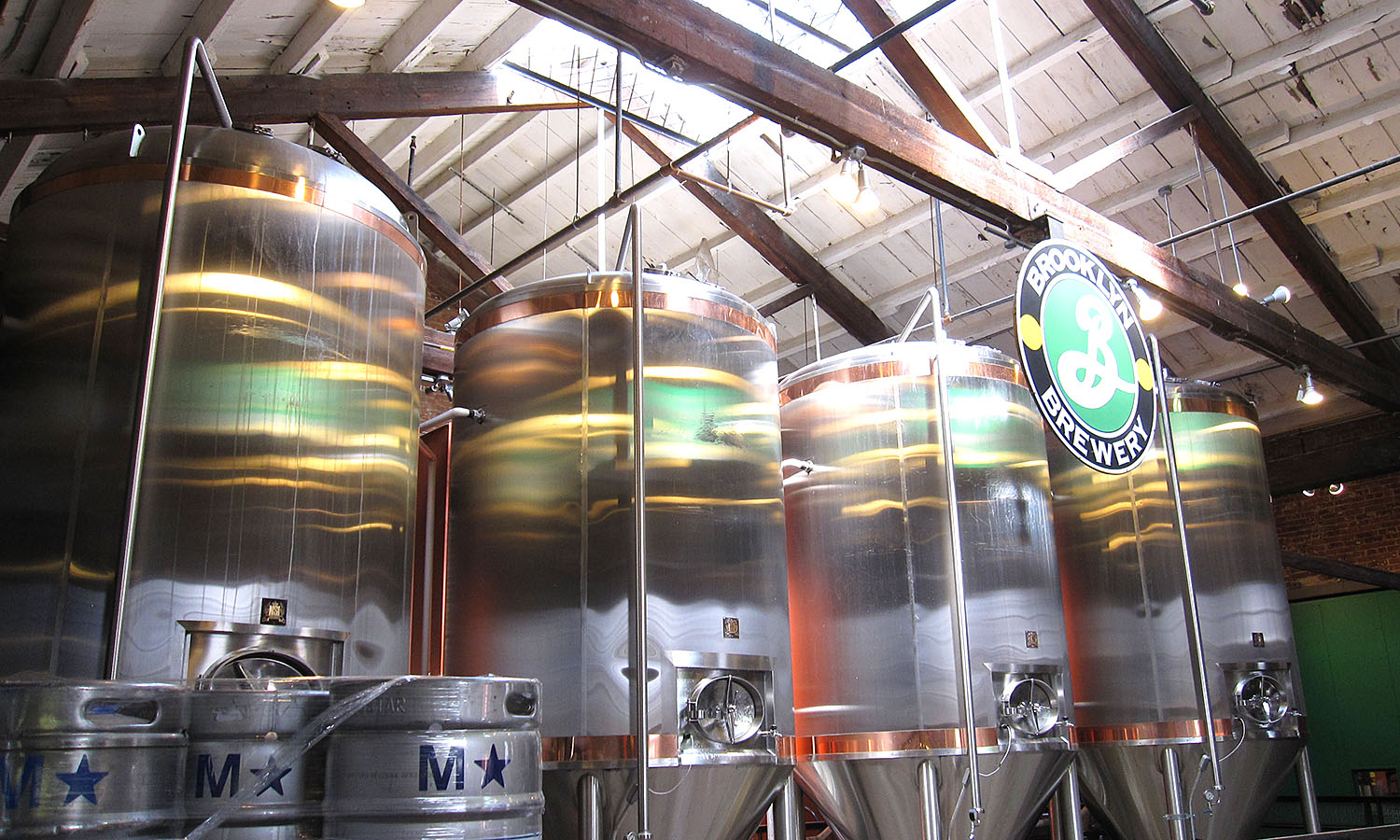
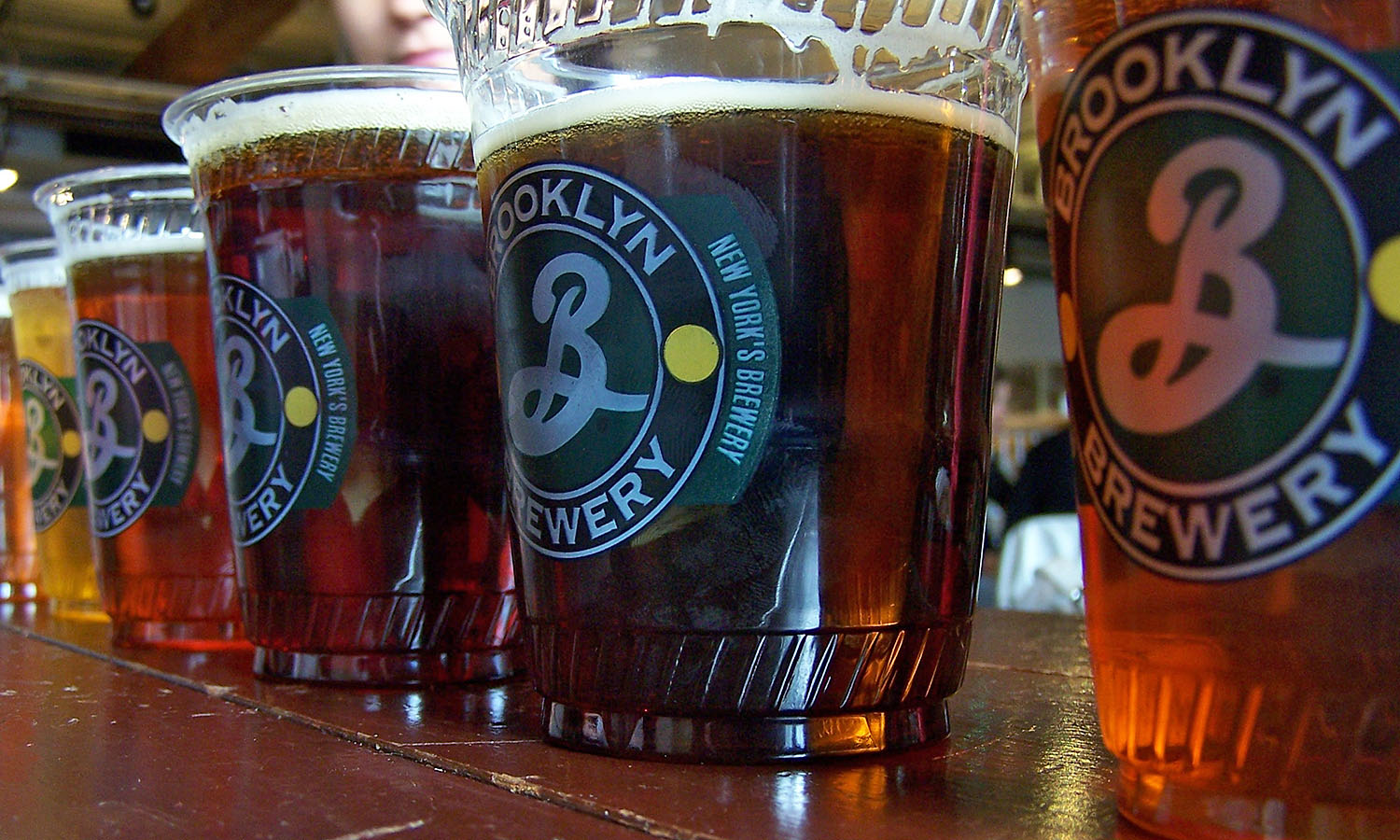
There was once a time, not so long ago, when Williamsburg wasn’t somewhere people visited. Now things are different and, even if they weren’t, it’d still be worth crossing the bridge to visit Brooklyn Brewery. From Monday to Thursday, the crew here runs bookable Small Batch Tours – part history lesson, part guided tasting – where you can ask questions and chill out afterwards.
On the weekends (it’s a no-tour zone on Friday), it’s a bit more laissez-faire with tickets for afternoon tours available on site an hour before. Order some pizza nearby, grab one of the seasonal brews and enjoy the atmosphere.
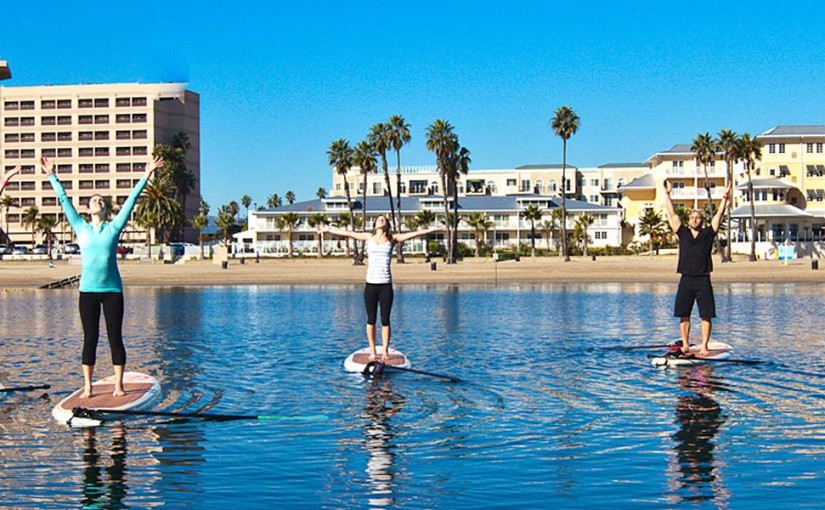
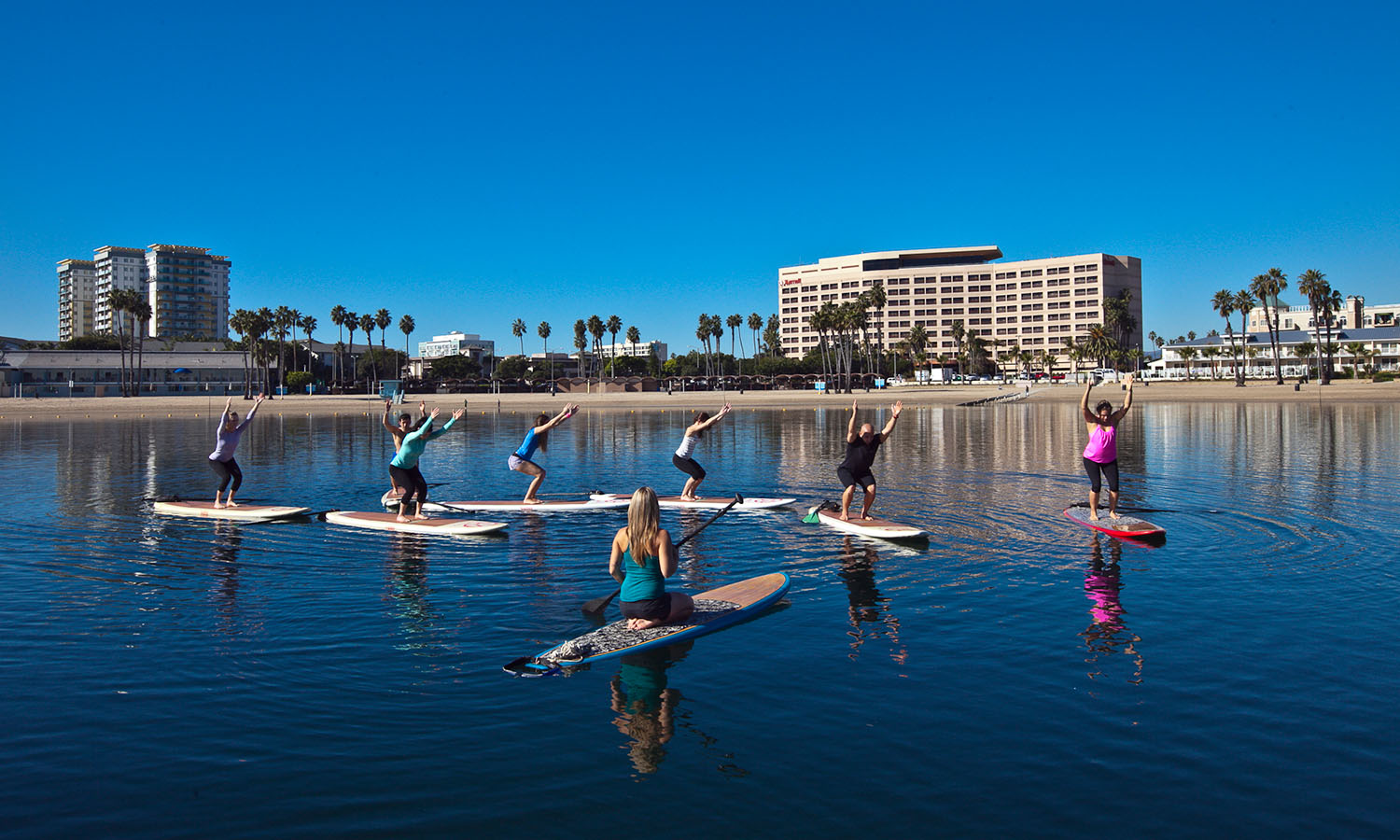
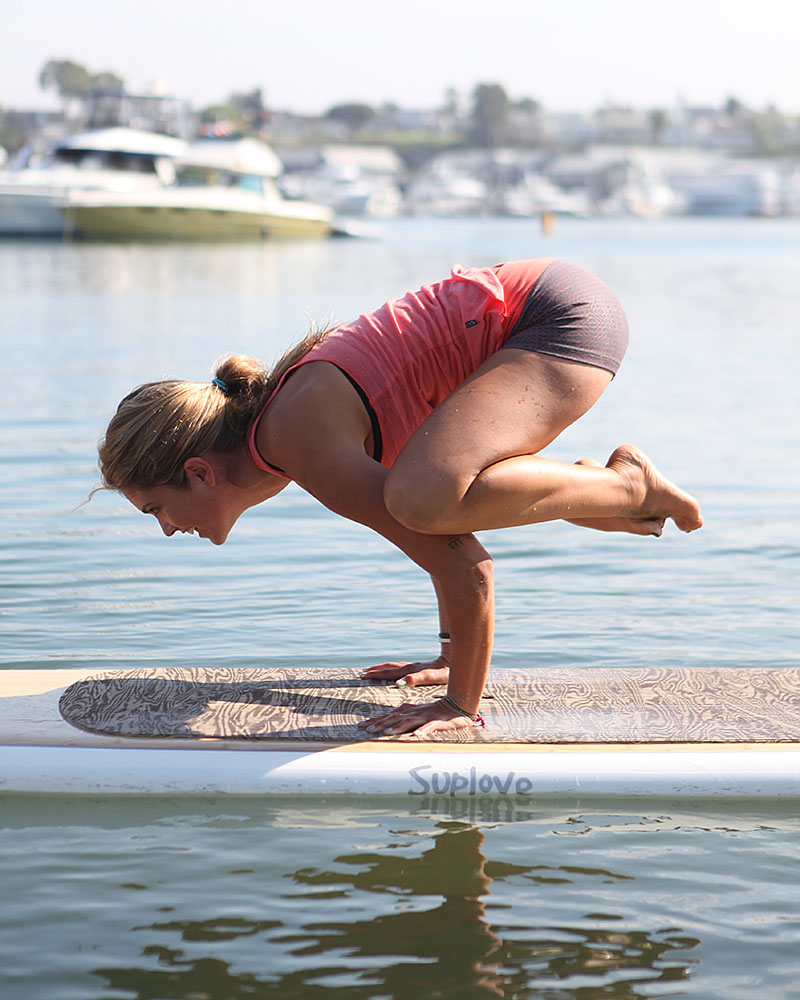
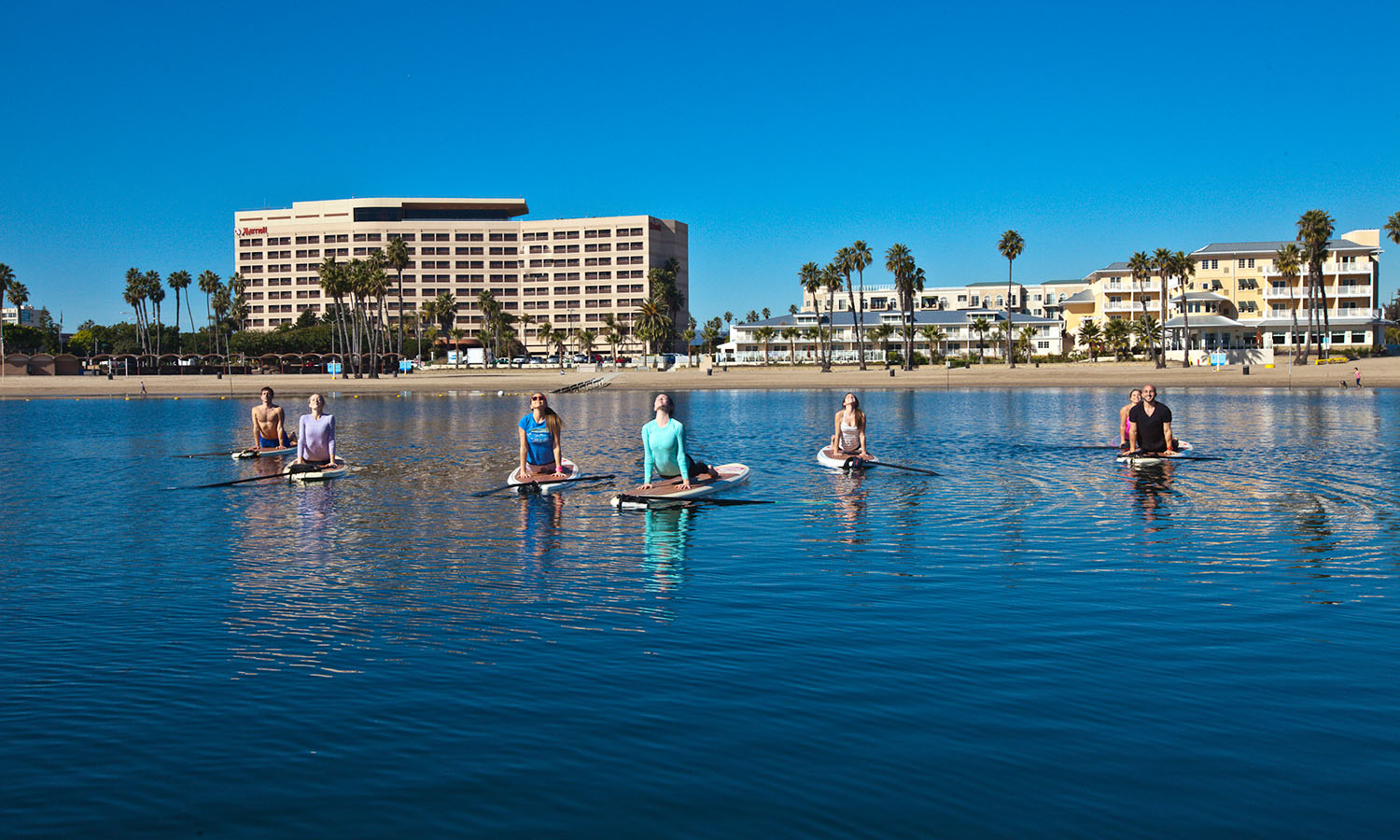
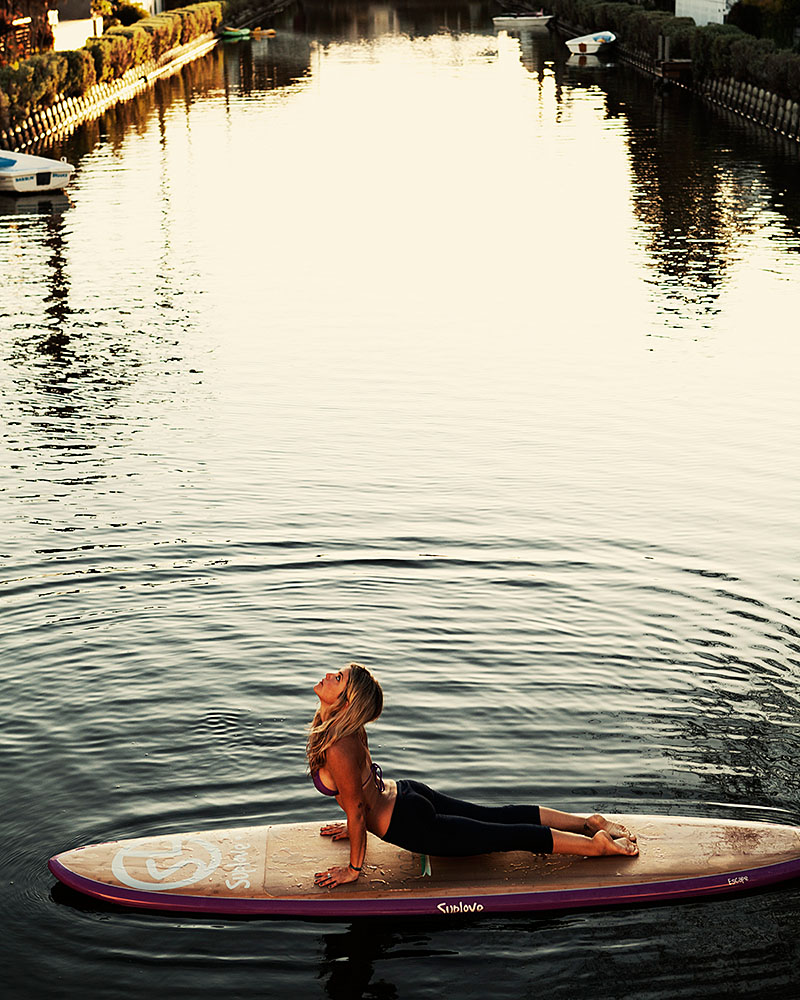
Think you’ve got the downward dog, cobra and child’s pose down pat? Try doing them on a board in the water, smartypants. Introducing YOGAqua, a stand-up-paddle-boarding-meets-asana caper for yogis who like to multitask. In 90 minutes of bodily bliss, learn how to limber up on a paddle board and sprout new muscles as you test your balance on a moving surface.
If it all becomes too much, you can always ditch the board and trade downward dog for dog paddle. After all, you’ll need to know how to swim if you want to make it back to shore.
 (
(