()
() 
Malaysia
Malaysia
The Final Frontier
“I know most of you want to see three, four, maybe even five orangutans, but remember, seeing one is better than none.”
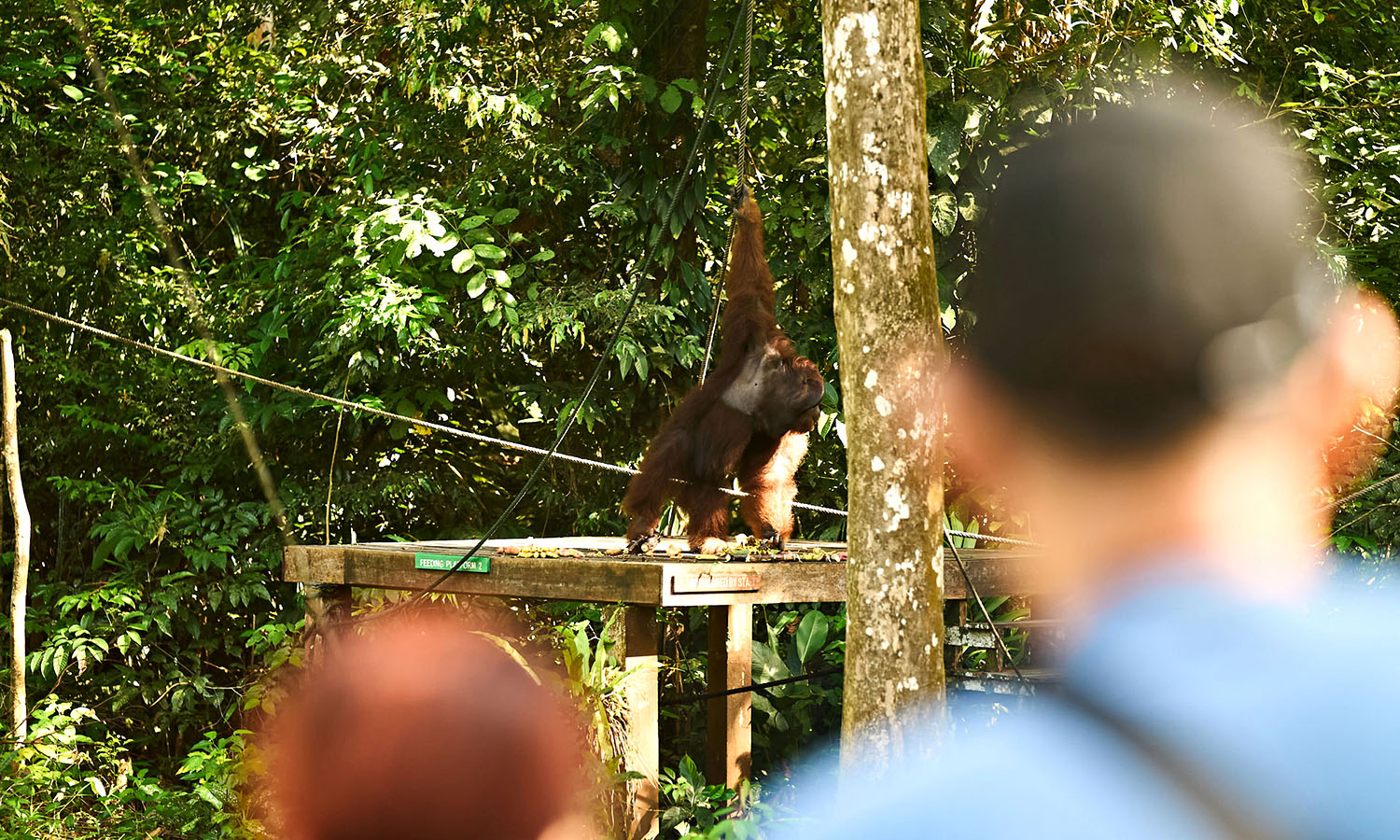
These words were ringing in my ears as I patiently waited for one of the Semonggoh Wildlife Centre’s regular primates to make its way to feeding platform number 2.
Click to view gallery

Thankfully, I didn’t have to wait long. Anaku, a 19-year-old male orangutan who’d only recently started developing his cheek pads, came into view. Swinging from branch to rope and back again, he slowly made his way to where a host of bananas, bamboo and mangosteens begged to be his breakfast.
The fourth largest orangutan in the area, Anaku is a big boy. We’re talking ‘it takes 8–10 grown men to control him’ kinda big. Daredevilish by nature, he’s part of the third generation of orangutans to be born in the Semonggoh region—a place where rehabilitation is key to keeping these gentle giants swinging through the trees.
And man, was I glad to see him.
Click play to watch
But let’s rewind. We’d landed in the buzzing city of Kuala Lumpur and immediately had a plan: check into the Moxy in Chinatown. Drop off our bags. Head to the rooftop and order a cocktail. So that’s exactly what we did.
We had just enough time to check out the hotel and enjoy the pool surrounded by the city’s skyscrapers before joining a food tour that would wind us through the backstreets of Chinatown’s best (and most local) food stops… by Vespa.
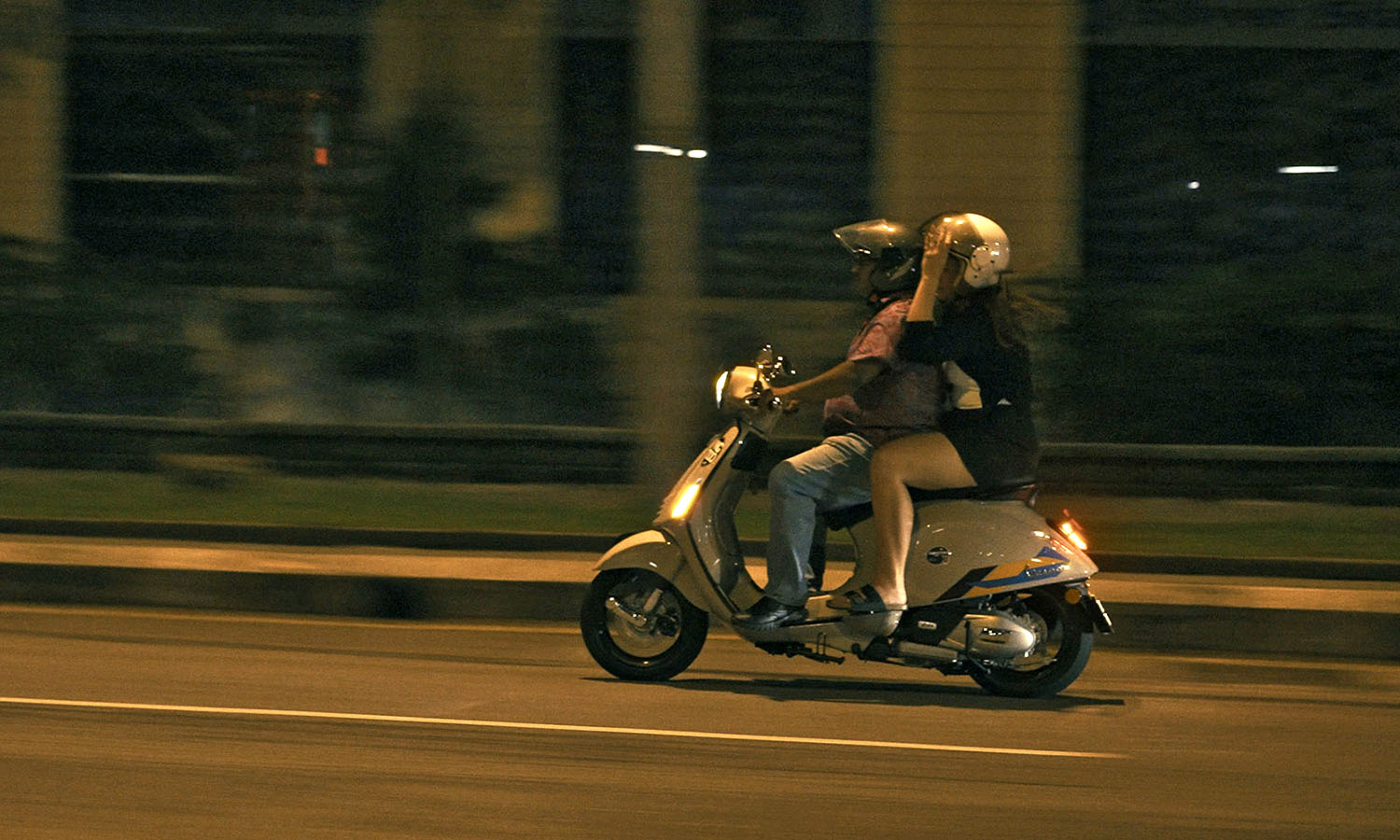
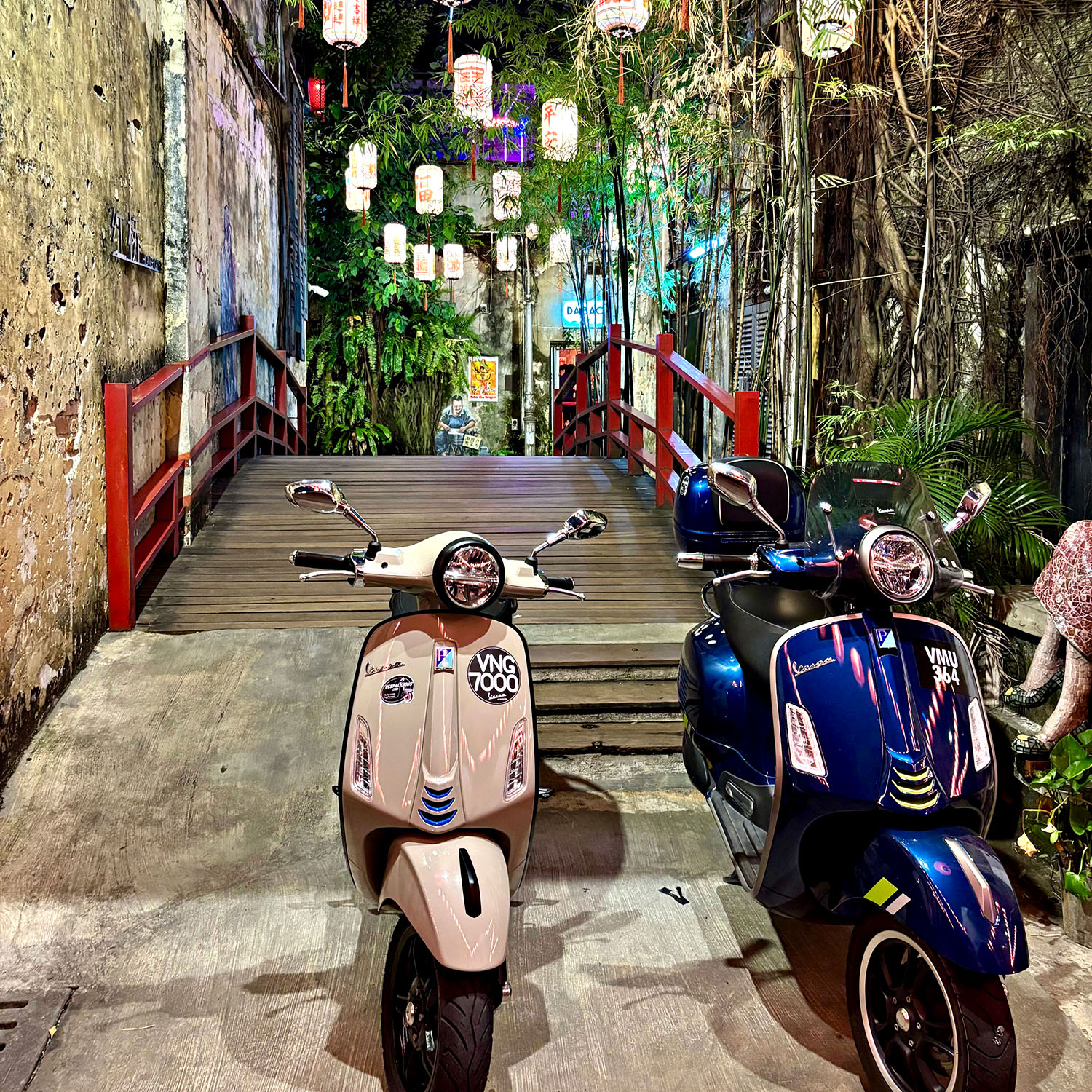
Funnily enough, I didn’t know you could fall in love with a city from the back of a Vespa, but there I was—gripping onto our guide Dass for dear life, completely googly-eyed for Kuala Lumpur as it whizzed by at an alarming pace.
The Vespalicious ‘Kuala Lumpur by Night’ tour is explicitly designed to make you feel like a local, and it delivers. Big time.
Click to view gallery
Click to view gallery
Click to view gallery
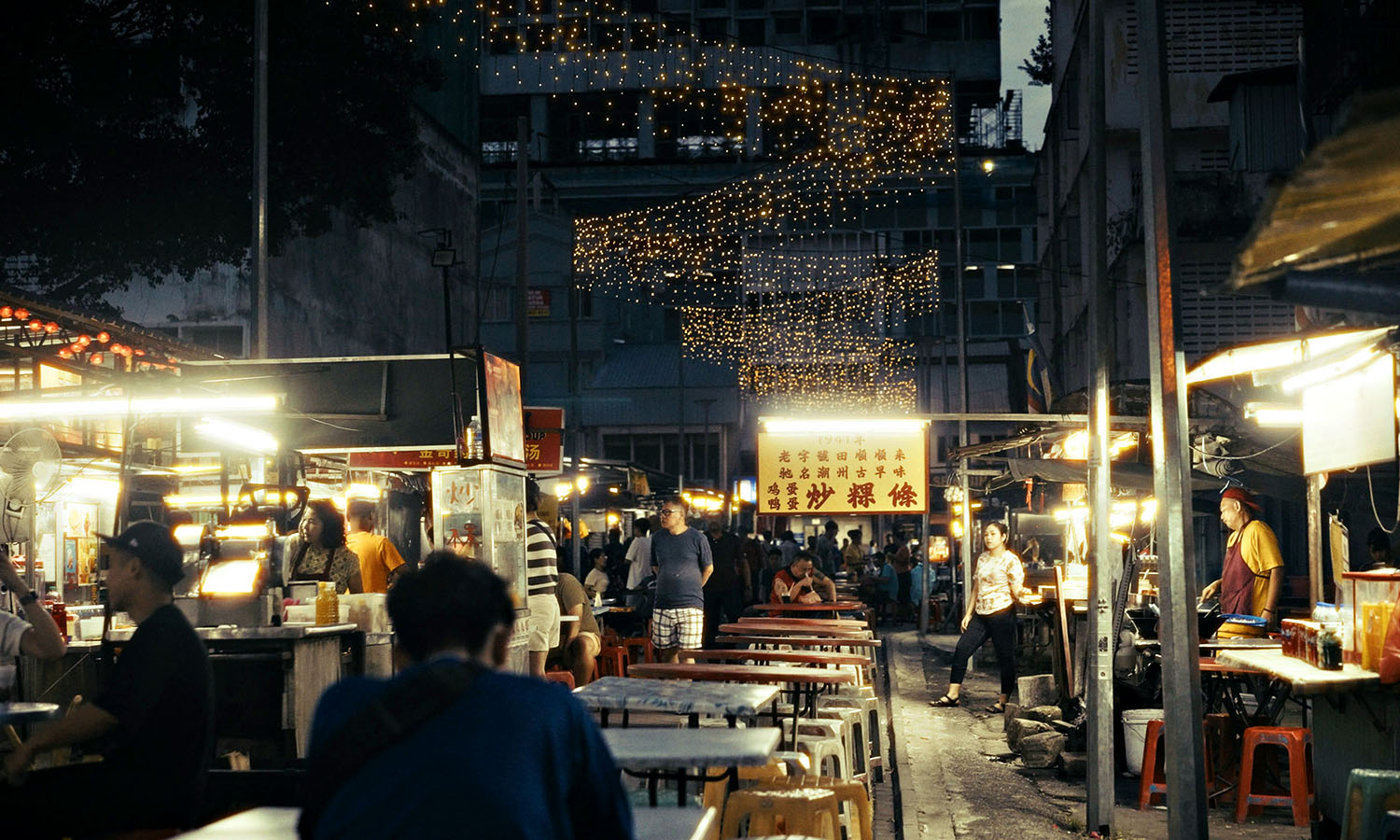
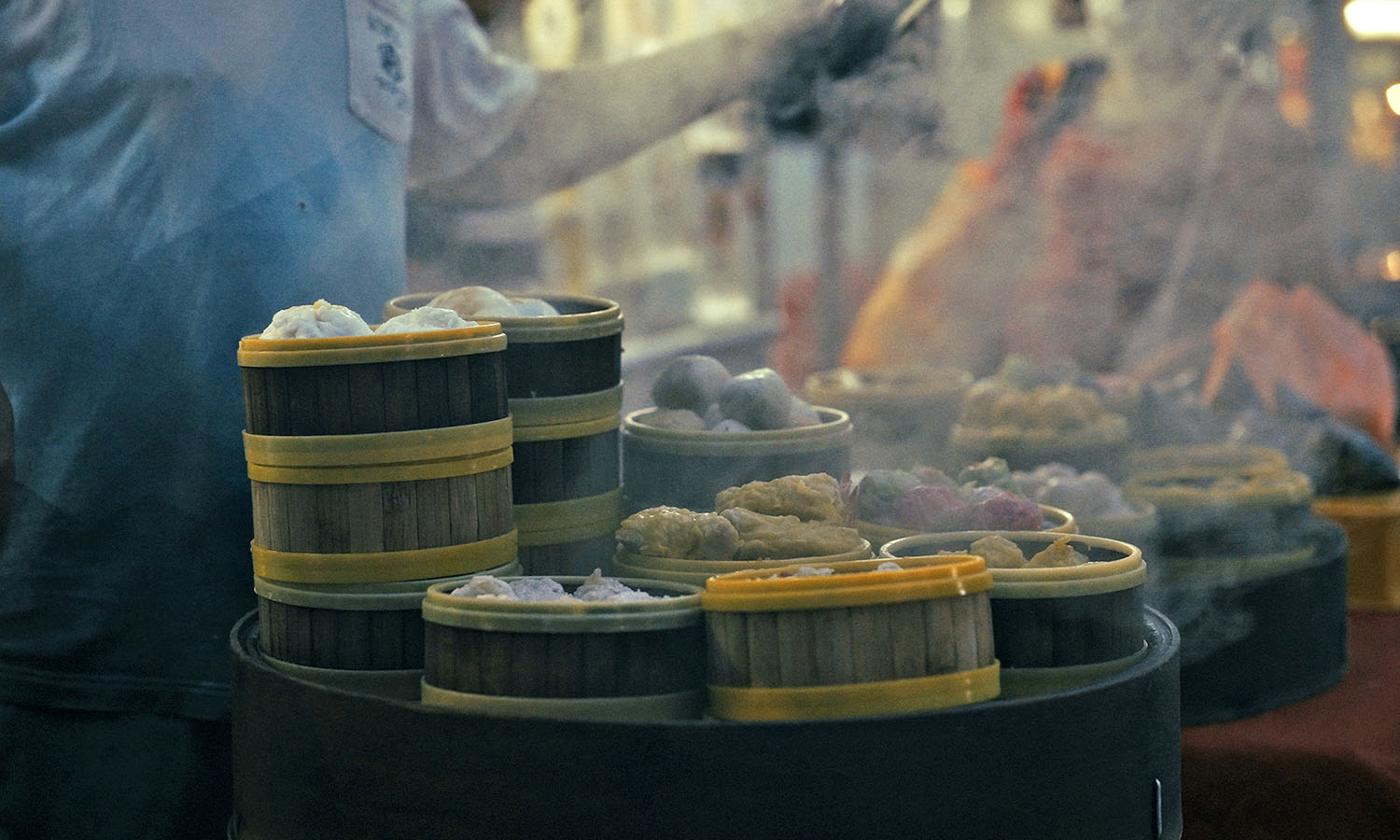
Our first stop was a busy street lined with food stalls serving all kinds of glorious things: dumplings, Hakka noodles, char kuey teow, and a brothy pork soup so good you could easily go back for seconds (and then thirds). It wasn’t long before I realised I was going to have serious trouble getting on and off the Vespa with all the food rolling around in my stomach.
Click to view gallery
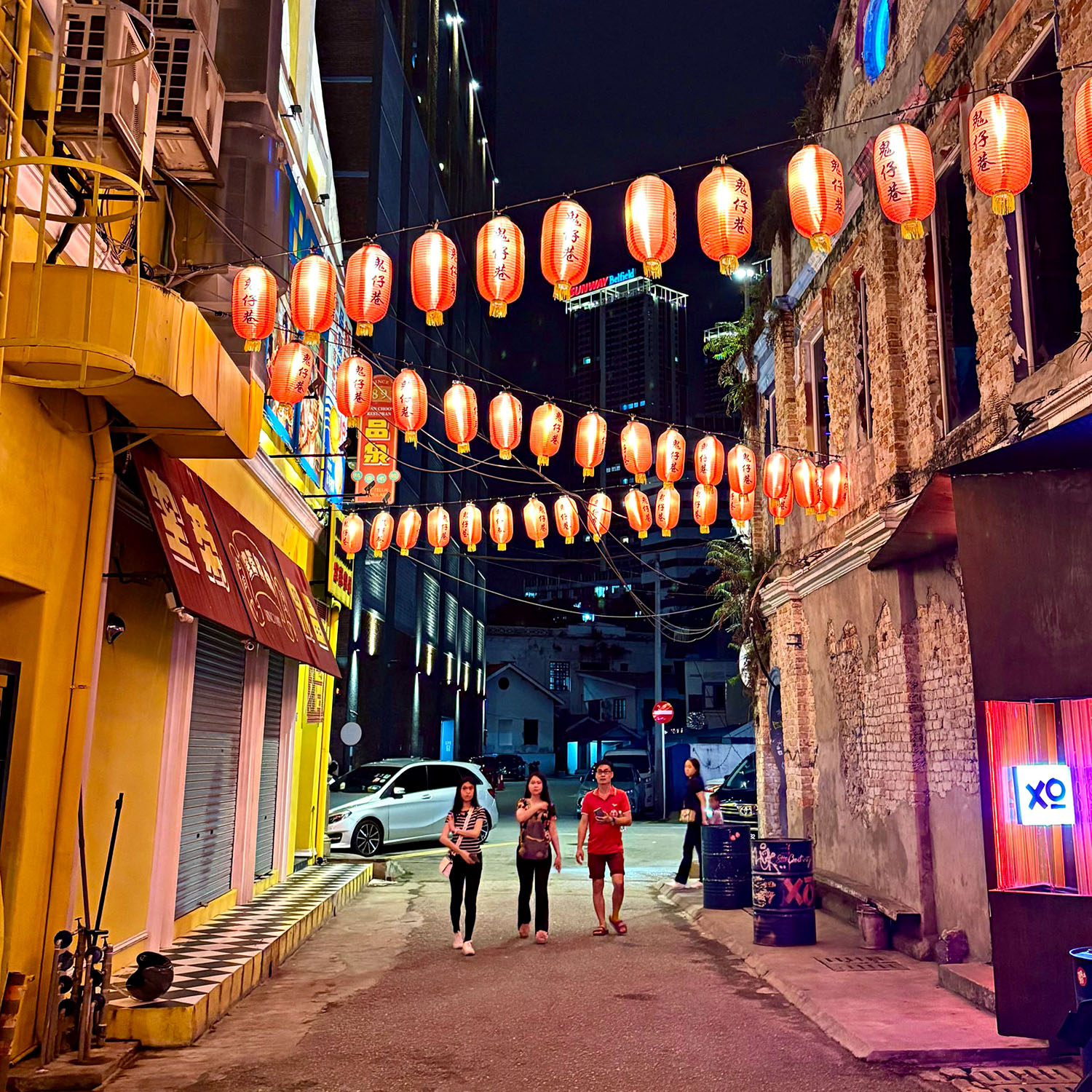
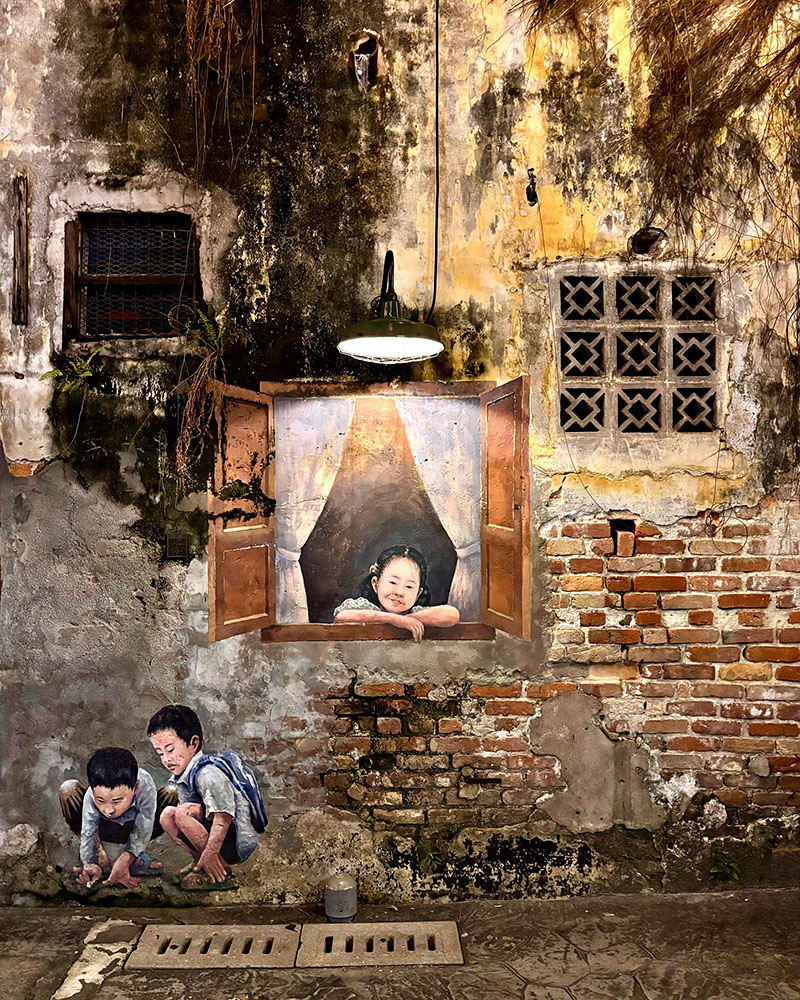
Mercifully, Dass zipped us to BookXcess, a dreamlike bookstore hidden inside an old cinema, full of winding staircases, hidden nooks, and a loooottt of crannies. I could’ve moved in, but the Vespa was beckoning, and soon we were cruising through mural-filled, lantern-lit alleyways in Chinatown. We managed a quick hydration break at a hidden speakeasy masquerading as a toy shop before it was time to eat again—this time Indian. Think kuttu paratha, roti tissue, and some seriously good masala chai.
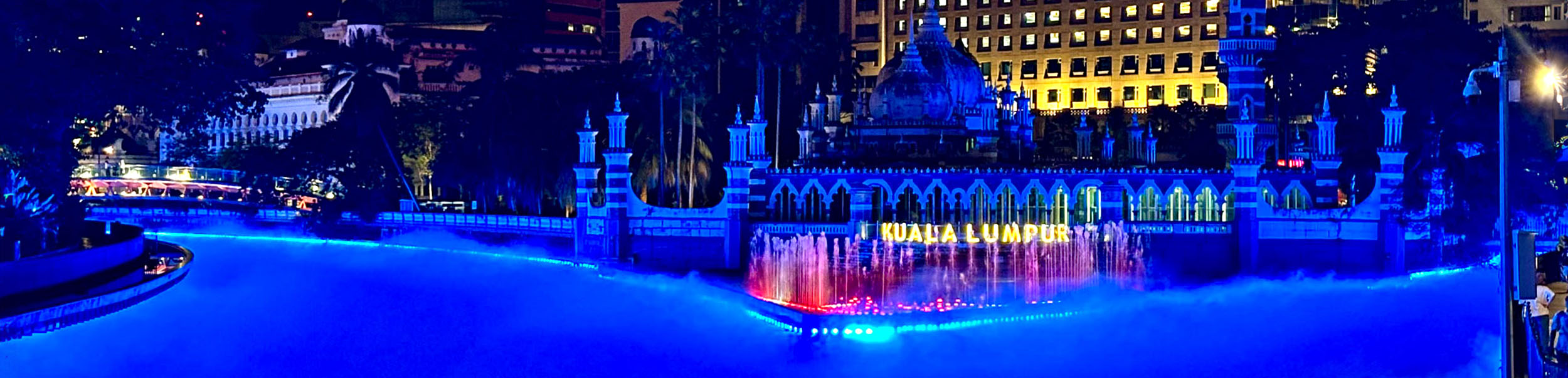
Our final stop was the River of Life. The fountains danced, the KL sign glowed, blue light lit up the scene, and for a moment, everything felt perfectly, ridiculously cinematic. If this is what the rest of Malaysia is like, I thought, then I’m in for a real treat.
And the treats kept coming; this time, we were headed to Sarawak.
Sitting pretty on the island of Borneo, Sarawak is where rainforest royalty (read: orangutans) reign supreme, and where you’ll almost definitely have the best laksa of your life.
Click to view gallery
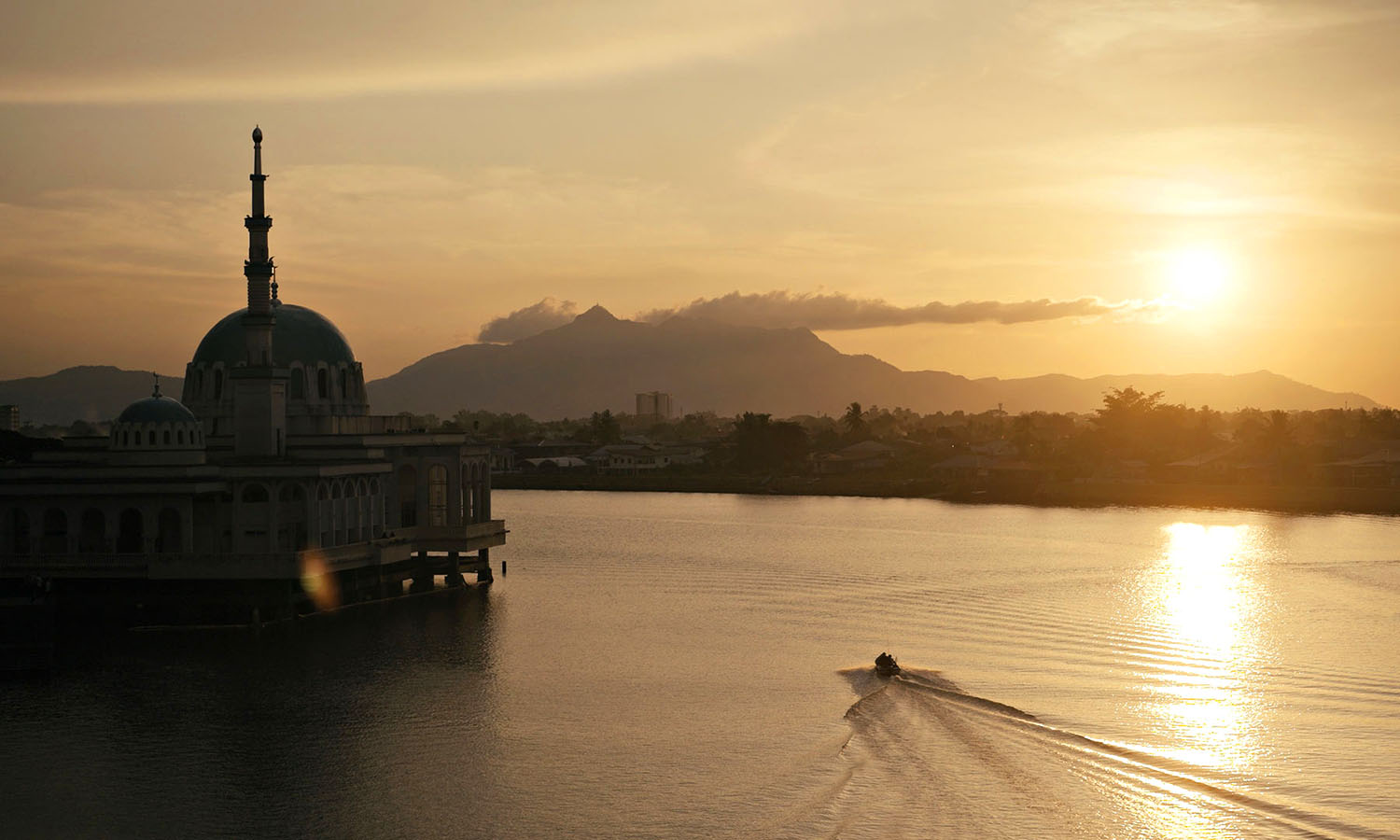
But first, we had to check out the state’s riverside capital city.
Kuching is one of those cities that sneaks up on you—charming, laidback, and just underrated enough to be unforgettable. We wandered its riverfront and stumbled upon (and by stumbled, I mean it was happening right outside our hotel’s front door) the Gawai Dayak Parade: a glorious riot of feathers, drums, and Dayak pride marching straight through town.
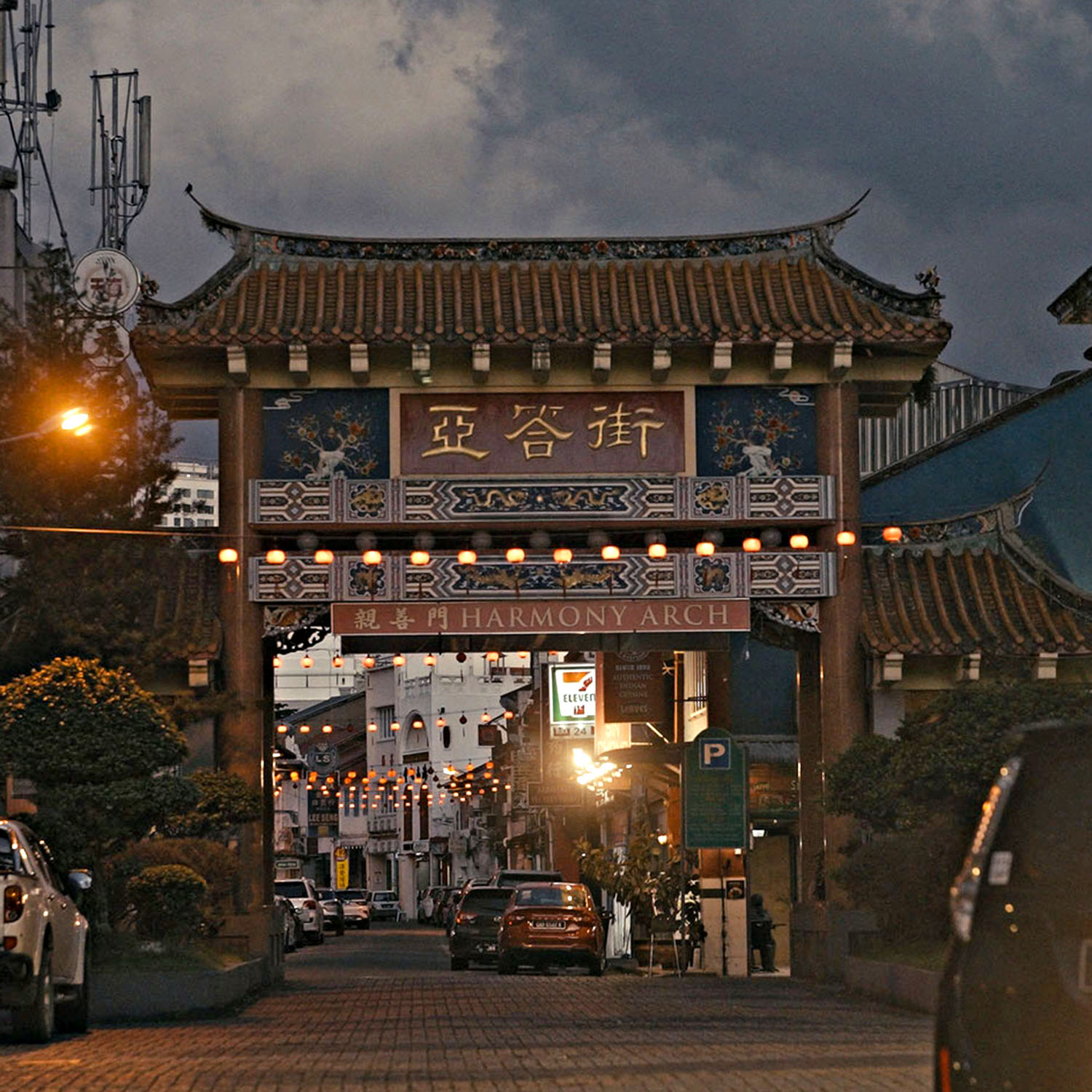
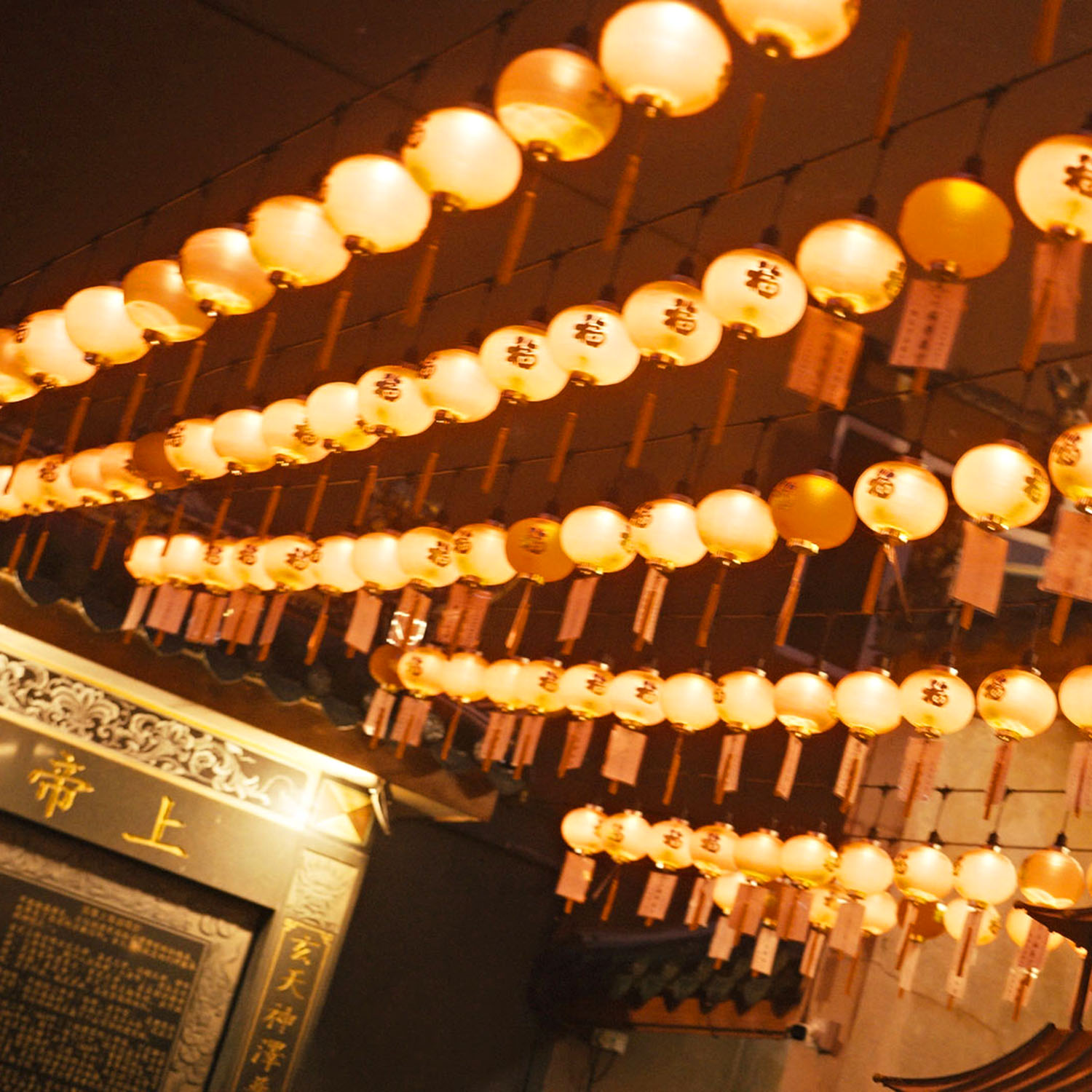
Later, we ducked down a side street and found a temple cloaked in incense and mystery, with dragons curling up the roof and lanterns swinging gently in the breeze.
Click to view gallery
Click to view gallery
But while I loved exploring Malaysia’s cities, it was time to go deeper. Like, way deeper.
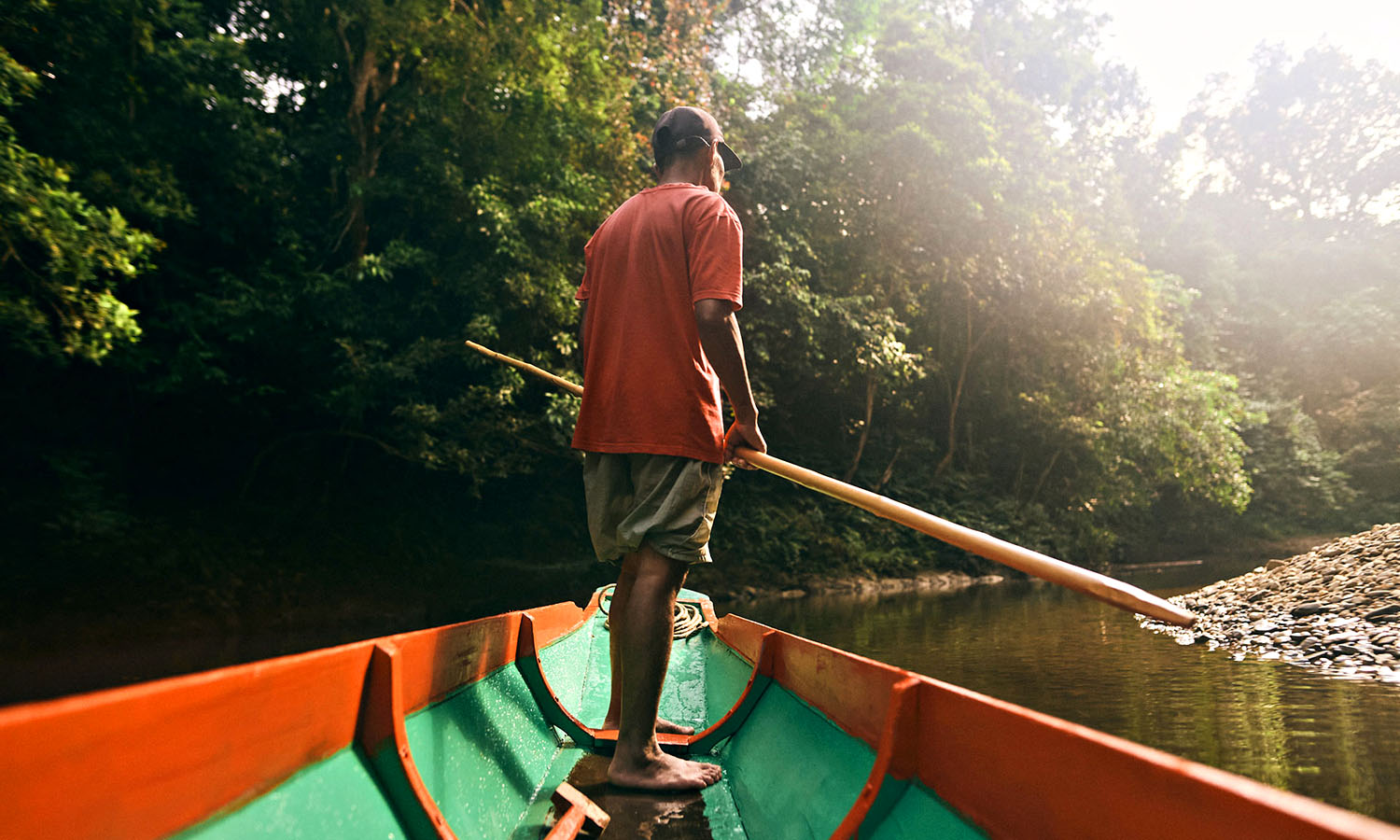
We were picked up by Lemon, our Borneo Adventure guide/living legend, and soon we were headed out. Roughly four hours from Kuching, the Batang Ai river system is where the road ends, and the adventure begins by boat.
Click to view gallery
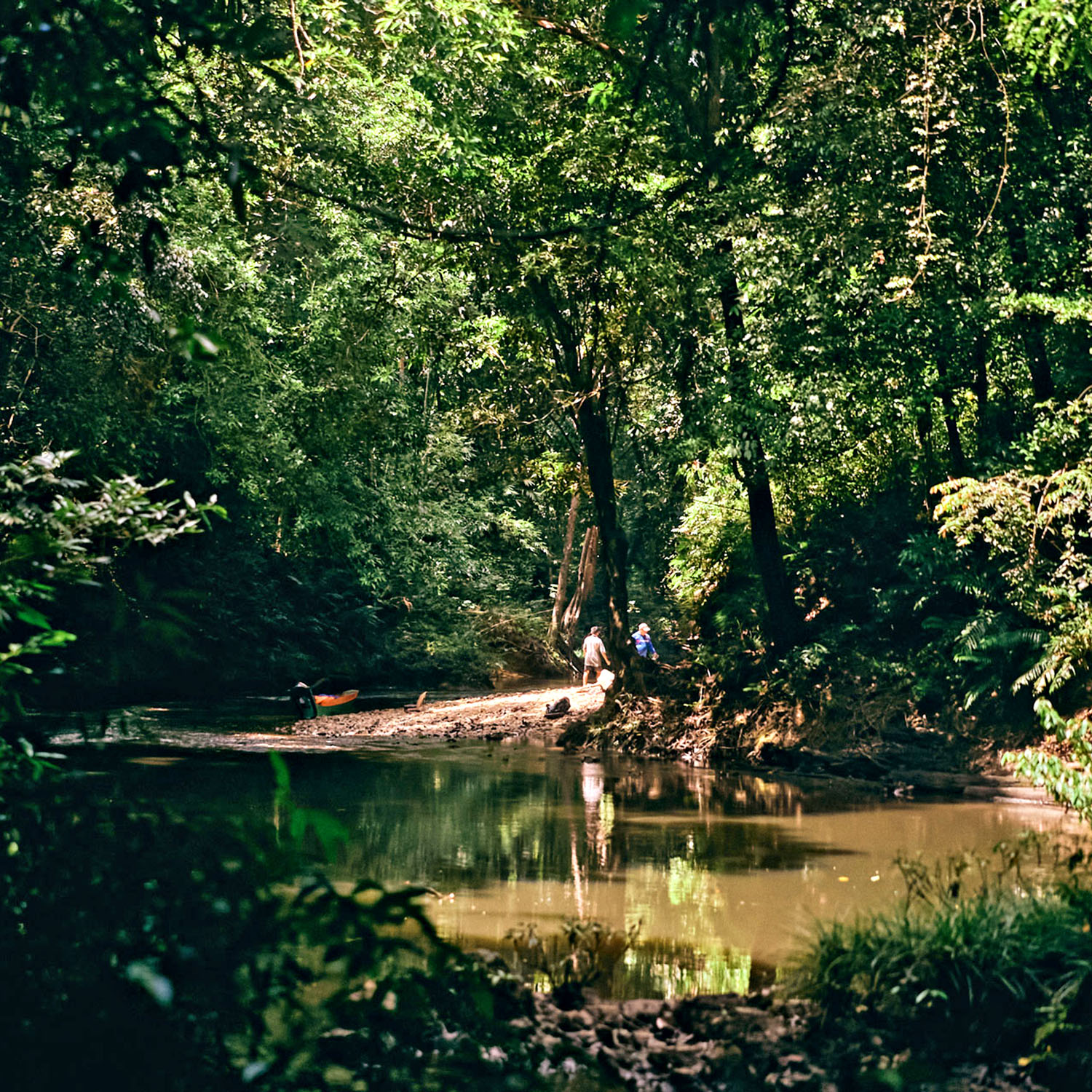
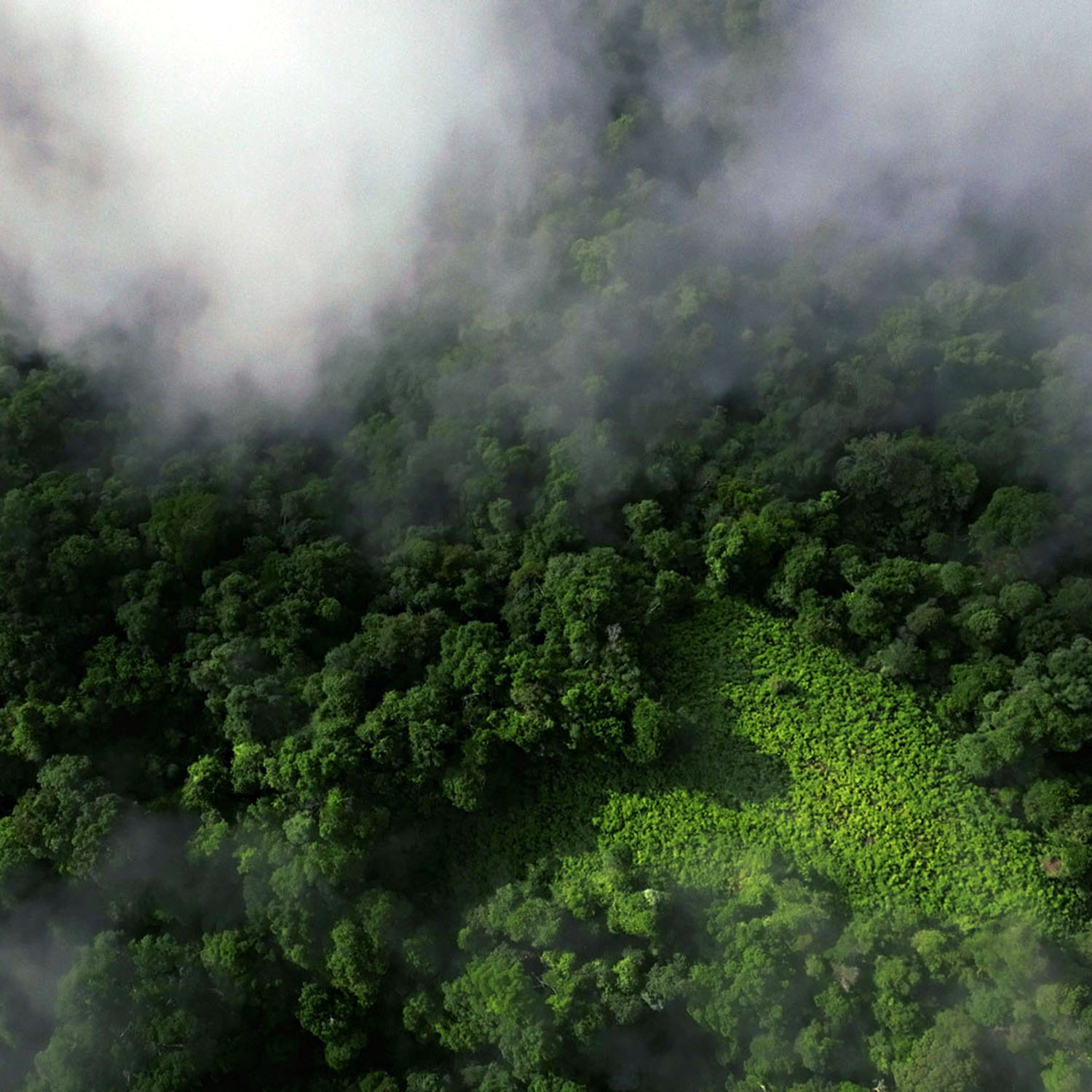
We motored deep into the jungle, slicing through narrow river channels flanked by overhanging trees, kingfishers flitting past, and water the colour of sweet tea.
Our first stop was Nanga Sumpa Lodge, nestled by the river and just a stone’s throw from an Iban longhouse. That evening, we sat cross-legged on woven mats with the village headman, who presided over us while our guide shared stories of how the Iban have lived in harmony with this land for generations. We drank some rice wine and, after a few spooky stories about headhunting (Google it), we called it a night.
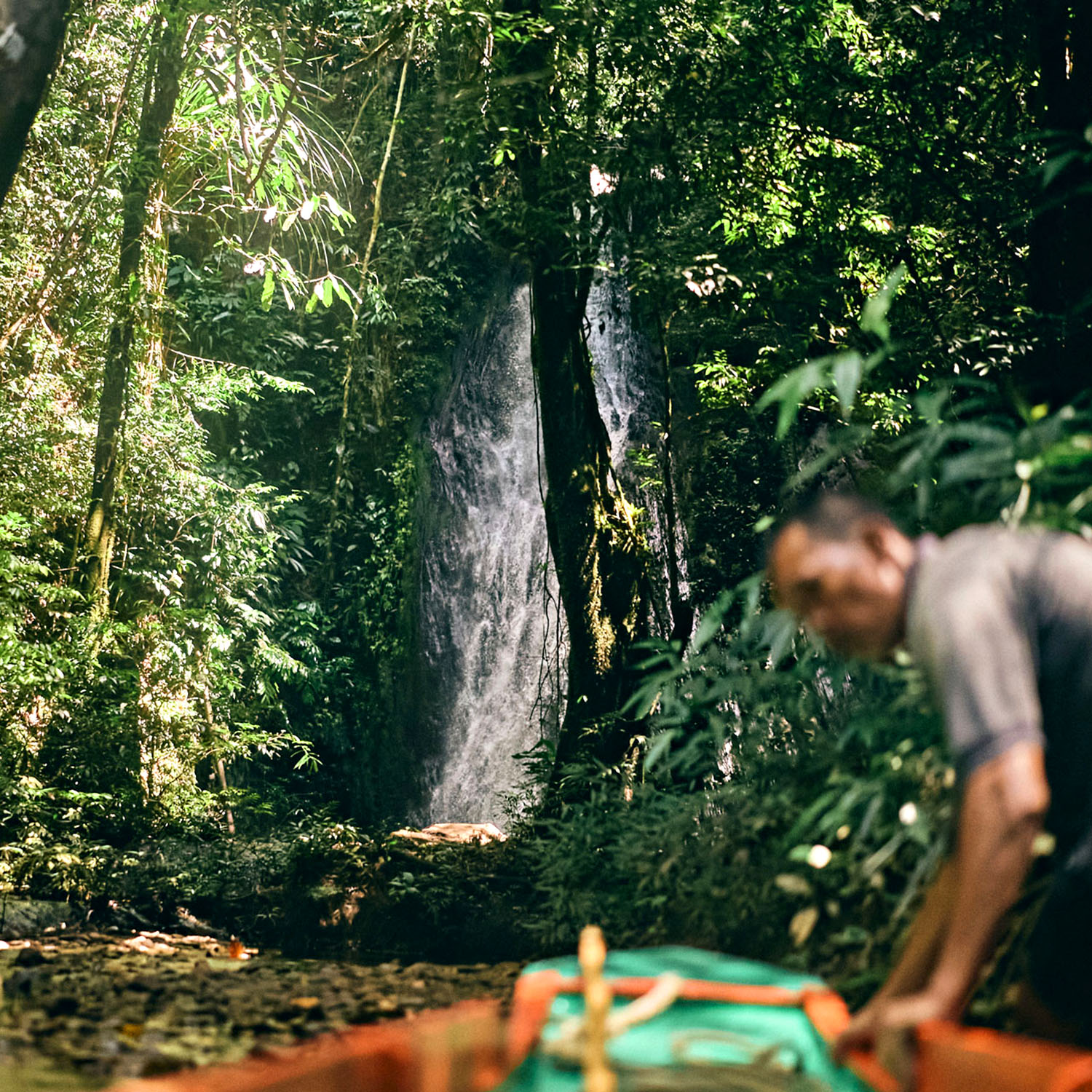
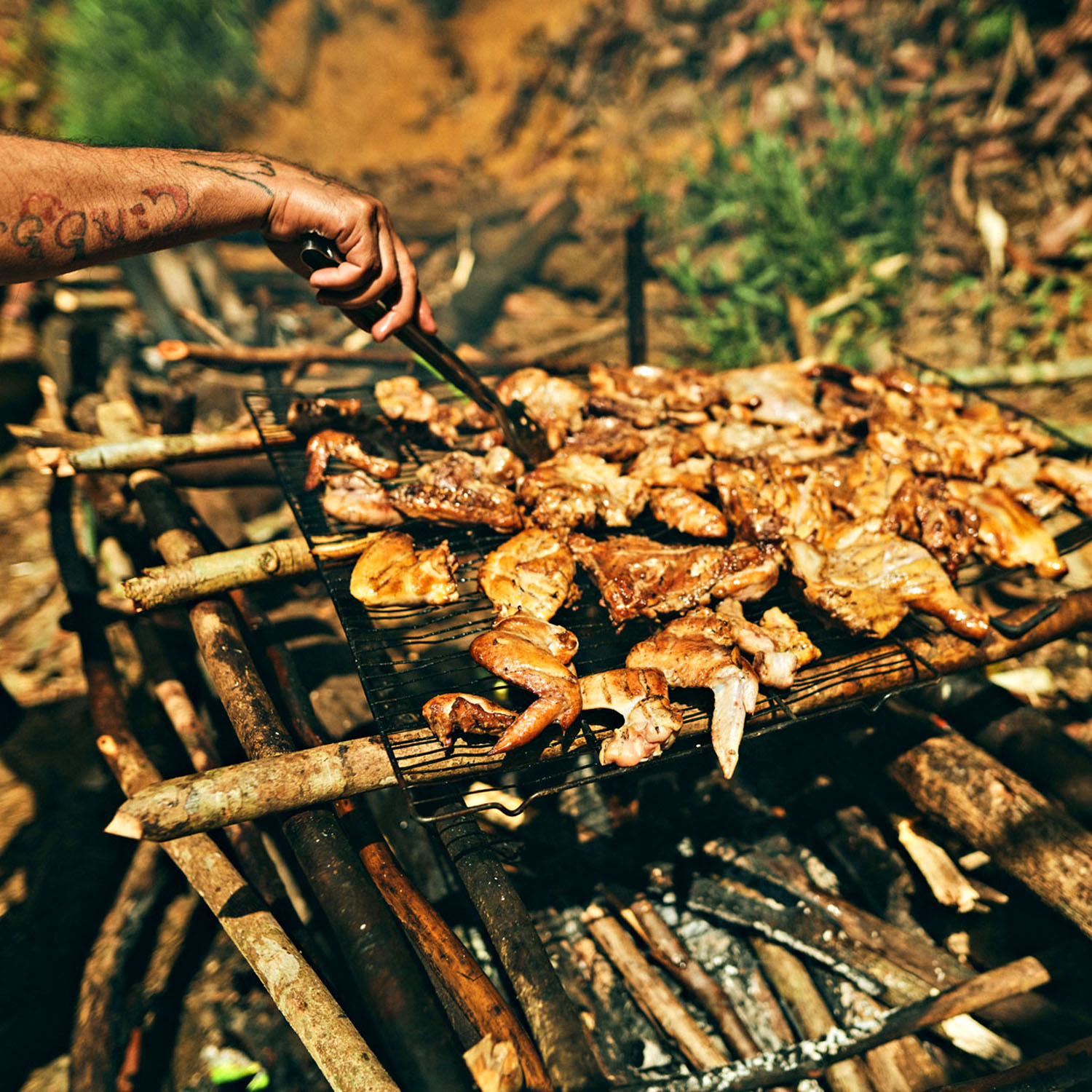
The next day, we hiked to Enseluai Waterfall, which looked like it had been plucked straight out of a shampoo commercial. We swam just long enough to work up an appetite for our jungle BBQ lunch—so smoky and satisfying it felt unfair.
Click to view gallery
Click to view gallery
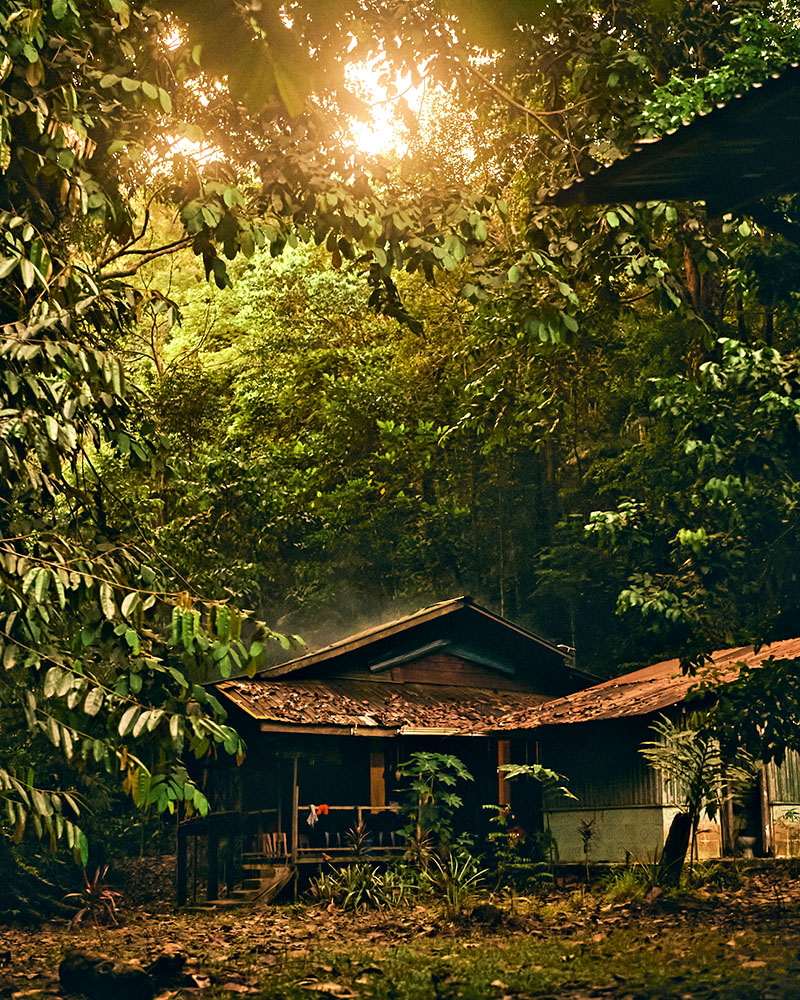
Full and sun-drenched, we cruised further upriver to Lubok Kasai Jungle Camp, our hideaway for the night. No frills, no electricity, just jungle sounds and more stars than I’d seen in years.
While we didn’t spot any wild orangutans during the trip (they’re notoriously afraid of humans and the jungle is... large), the journey and the experience itself were the reward. There’s a kind of deep, primal peace that settles into your bones out there, far from screens and urban noise. You notice things you forgot mattered: the crunch of leaves underfoot, the rhythm of cicadas, the feeling of your own heartbeat syncing with the jungle’s pulse. Out there, you don’t scroll—you look.
It's a kind of magic that’s hard to find anywhere else. It’s in the Batang Ai river system, an almost tangible feeling you get as you take in the pristine beauty of the lush canopy above from your perch in the middle of a longboat. It’s in the face of your captain, a local headman who’s been navigating these waters for decades. It’s even in the small fruit bat flapping around your room at 3:30am (although, admittedly, I could’ve done without that last one).
But it’s the idea that you have to completely surrender yourself to the jungle that hooks you; surrender to its animals, its history, and its legends. There’s no Wi-Fi, and there’s barely even running water. And yet, it’s hard to find anyone who focuses on that because what you’re surrounded by is ten times better than being able to post a TikTok or have a warm shower.
“Not many people experience this. It’s almost like a place for meditation,” Lemon told us as we trekked through the jungle’s undergrowth. And he’s right. You feel closer to a purpose out here, to reflecting on what really matters. To the idea that protecting these pockets of untouched nature is perhaps more important than you ever realised.
Click to view gallery
Click to view gallery
Yes, the chance of glimpsing an orangutan in the wild might be what initially draws you to the jungle of Sarawak, but you’ll quickly learn that it’s the cultural heritage and serene natural environment that keep you entranced.
Call it the final frontier, or call it a warning: some places are just too rare to take for granted, and Sarawak is full of ‘em.
Get there

AirAsia X flies direct from Melbourne to Kuala Lumpur every day of the week. That’s seven nonstop flights per week, making it one of the most consistent low-cost options for travelling between Australia and Malaysia.
Flights typically depart from Melbourne Tullamarine (MEL) and land at Kuala Lumpur International Airport (KUL), with schedules designed to suit both leisure and business travellers. Thanks to its daily frequency and budget-friendly fares, AirAsia X is a popular choice for those heading to Southeast Asia without the hefty price tag.
Stay there

Located in the heart of Kuala Lumpur’s vibrant Chinatown, Moxy Chinatown is the perfect urban playground for travellers seeking style, convenience, and a splash of local culture.
Housed in a beautifully restored 1970s Art‑Deco bank building, the hotel dazzles with industrial‑chic design, pop‑art neon lights, and creative murals that pay homage to the energetic streets below.
Each of its 320 rooms is smartly designed with modular furniture, fast Wi‑Fi, and city‑view balconies, ideal for both work and relaxation.
Get Informed

Malaysia unofficially shuts down for durian season (the obsession is real). Some folks plan holidays around harvests, and pop-up stalls are like mini festivals of funk and fruit.
Tour There

There are quite a few tour operators in Borneo, but when it comes to exploring the wild, wonderful heart of Sarawak, Borneo Adventure is hands-down the best in the business.
With over 30 years of experience, they’re known for their deep local knowledge, responsible travel practices, and unforgettable itineraries that take you beyond the tourist trail.
Whether it’s cruising the jungle rivers of Batang Ai, spotting orangutans in Semenggoh, or meeting Indigenous communities in remote longhouses, Borneo Adventure makes sure every trip is immersive, authentic, and expertly guided.



While you're here

BORNEO, MALAYSIA
If you’ve ever looked at a rainforest and thought, “Yeah, but what’s...
If you’ve ever looked at a rainforest and thought, “Yeah, but what’s going on up...

SELANGOR, MALAYSIA
Brace yourself (and your stomach) because Malaysia’s new 600-metre glass...
Brace yourself (and your stomach) because Malaysia’s new 600-metre glass slide at...

BORNEO, SABAH, MALAYSIA
You know the tropical paradise you dream about at 3.30pm on a Tuesday...
You know the tropical paradise you dream about at 3.30pm on a Tuesday afternoon, when...
SARAWAK, MALAYSIA
In Sarawak’s jungle, learning to live and survive as the indigenous Penan...
In Sarawak’s jungle, learning to live and survive as the indigenous Penan is a journey...