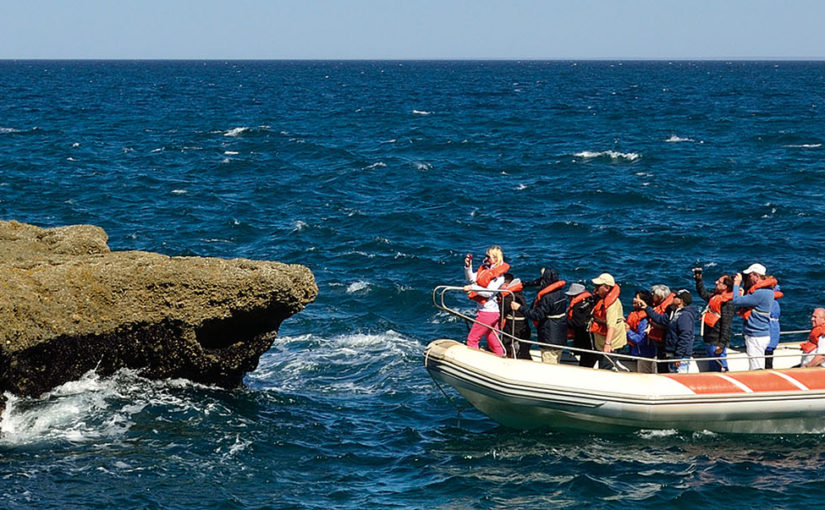
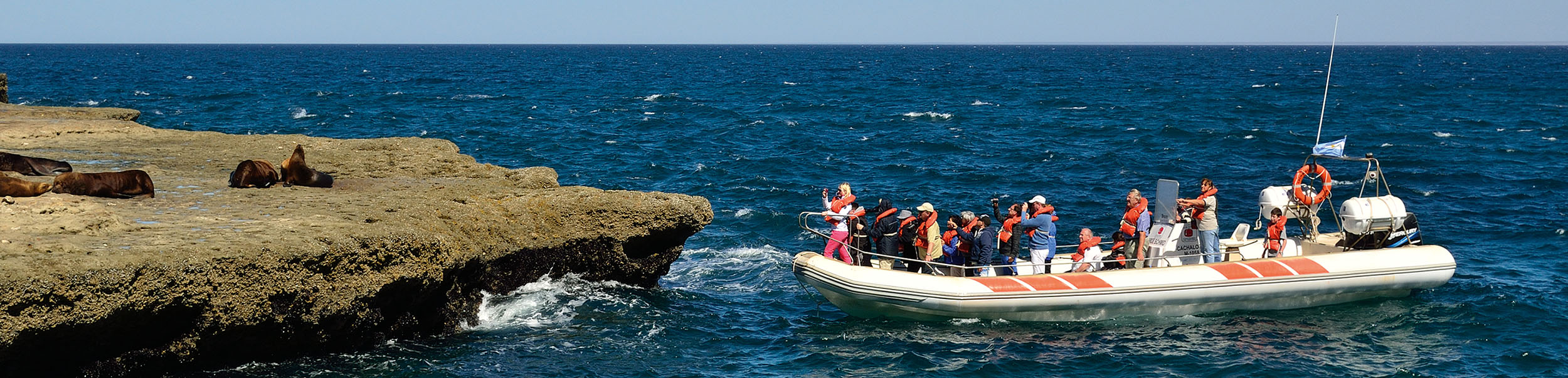
Who would have thought a marine safari could be so exciting? I’m on a boat swaying by a rocky platform where male sea lions are guarding their harems with strangled croaks. The persistent Patagonian wind ruffles their manes – surprisingly dry, for the males dare not dive into the sea.
If they did, competitors would steal their females in a flash. The harems are delineated with virtual walls – should any other male step beyond an imaginary partition, a fight ensues. But not for long. Every macho on the platform is worried about the teenagers swimming in the sea below. Not as well built but horny and tenacious, they wait for an opportunity to pounce when a herder isn’t looking. Suddenly all hell breaks loose. One harem disappears under the manic flapping of a million seagull wings. A male chases them off only to be attacked by a flock of South American terns. Other males scoot away awkwardly on their flippers. Their females follow them with the pups flapping clumsily behind. The teenagers swimming under the rock ledge prick up their ears. A giant petrel dives imperiously, disperses the terns with authority and picks up something bloody with its beak.
It’s a sea lion placenta, and I’ve just witnessed a birth; Patagonia certainly humbles you in more ways than one.
It’s difficult to believe the pup hasn’t been pecked to death, but there it is, tucked safely under its mother. She’s pushing to birth the last bit of placenta under the hungry eyes of a kelp gull. In a week she’ll be in heat, her mate will demand her favours and she’ll conceive next year’s baby.
Watching wildlife is a big tourist industry on Peninsula Valdes and every season has something different to attract the traveller. Although the southern right whales that migrate between June and December to give birth in the safe waters around Valdes have disappeared by the time I arrive, Magellanic penguins are still feeding their chicks along the Patagonian shore. At Estancia San Lorenzo, at the northern tip of Valdes, the overwhelming smell of regurgitated fish makes me wish I had not stuffed myself with barbecued lamb an hour earlier. Here, the penguin parents are doing their silly walks to the sea to catch fish, and their chicks open their beaks trustingly at anything remotely big and black, like my Nikon camera. When the Almighty created birds, She certainly had fun fashioning the penguins.
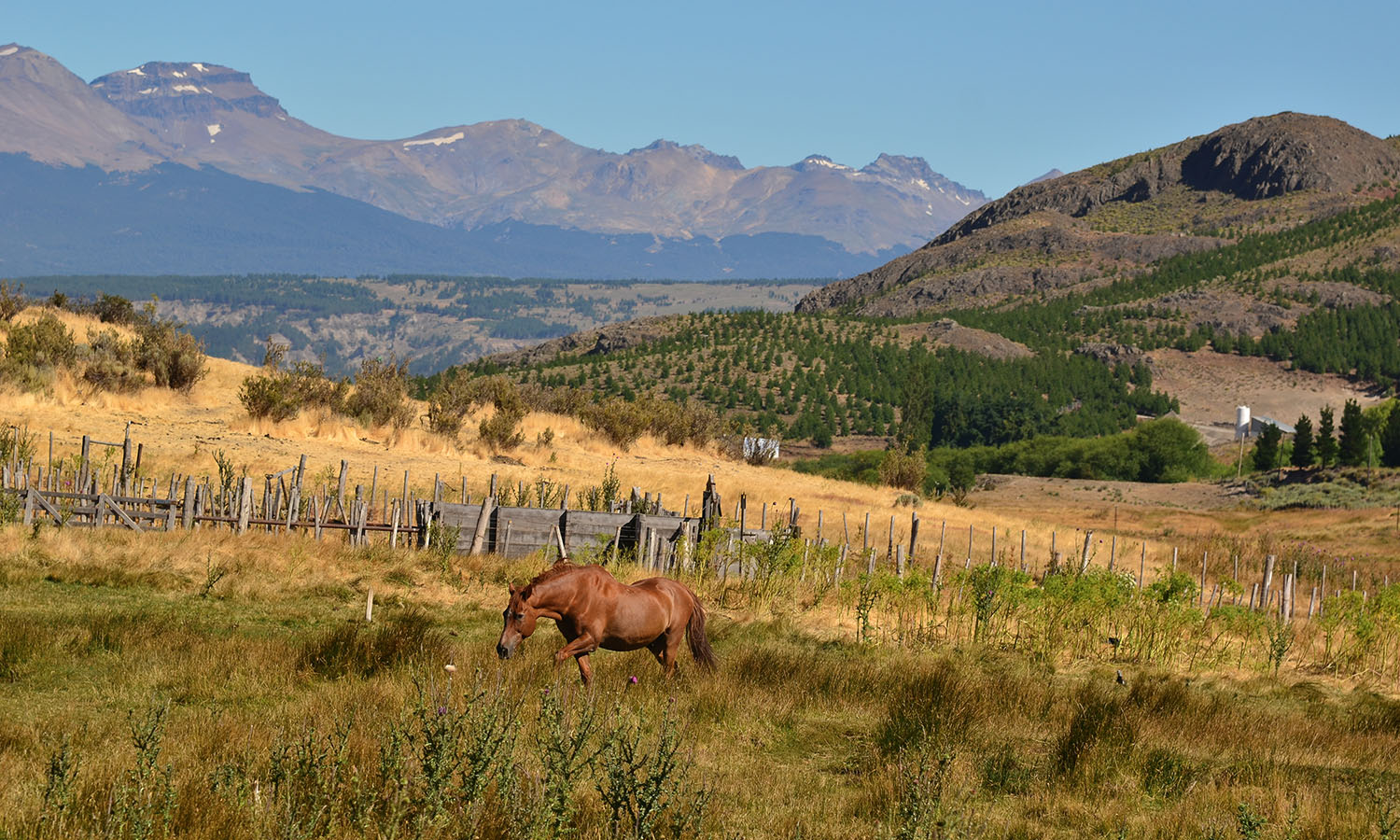
Most other wildlife is best seen around the artificial irrigation systems of the estancias (farms). Apart from the ubiquitous sheep, the easiest animals to spot are the graceful guanacos, always eyeing humans curiously as if debating whether we’re harmless enough for a closer look. Rheas, the stumpy cousins of the ostrich, have made up their minds and keep a respectful distance.
The next day I’m on my way to the mountains, hitching a ride with Gustavo and Paula who are working in Puerto Madryn, the gateway to Valdes, and are visiting family in Esquel, the regional administrative centre in the Andes. Leaving Valdes, I become acquainted with the tinamu, a pheasant-like bird. Unlike rheas, tinamus don’t just cross the road in front of us – they panic and change trajectory halfway across. Gustavo slams on the brakes, raising huge amounts of dust so we can never tell whether we’ve dodged or flattened them. It’s hard to put hand on heart and swear we left the roadside tinamu population as we found it, but I promise we tried.
Ever since Bruce Chatwin immersed himself in its vastness and praised its beauty, Patagonia has had a permanent hold on our imaginations. Although geographically it includes the densely forested Andes and a coast that teems with life, it is the plain between that defines it. Focusing in the distance on this interminable stretch of land is akin to revisiting your childhood, when the world was a vast unknowable universe and everything seemed so far away – the future included.
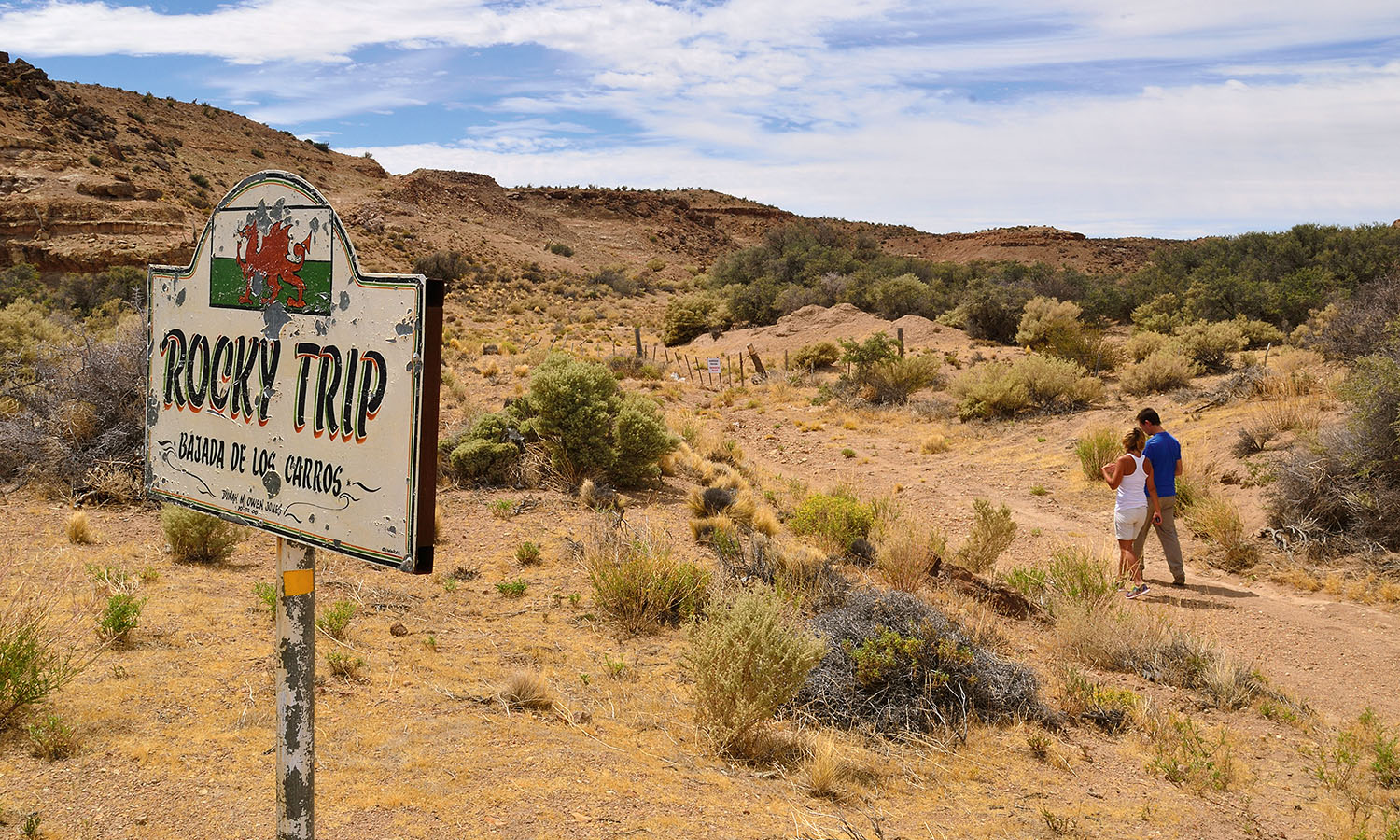
Patagonia may be flat, dry and windy, but it’s certainly not featureless. Humans have played their role here. At Loma Blanca wind turbines break the horizontal monotony. Beyond the cities of Trelew and Gaiman the landscape becomes exciting, as the Ruta Nacional 25, which stretches from Rawson to Tecka, follows the Chubut River, the life-giving aquatic lord of the province.
The ever-present gold-and-green tufts of the coirón, a tussock that has been our main companion in the marine zone, are now giving way to the scrub of the inland steppe. Some of the plants are in bloom: for several kilometres a yolk-yellow carpet of buttercups presses from both sides onto the highway. They are called botón-de-oro and women collect them in baskets. The Tehuelche Indians use them in tea as a remedy against colds.
At kilometre 255, we stop by the Carbon Canyon to exercise our legs. The canyon, with its coal-black walls, is a newly protected area and the walk through the long grass to a small waterfall is short and easy. We find a flat granite surface with recesses clearly carved by humans. Here, the Tehuelche used to sharpen their arrows. It’s a choice location, because opposite grows a duraznillo bush, bearing highly noxious berries. After sharpening their points, the Tehuelche dipped them in its poison. Like a yellow danger sign, the decomposing carcass of a guanaco is lying by the bush.
At Los Altares, our journey’s midpoint, there are signs triumphantly announcing mobile reception: Acá hay siñal cellular. It is the clincher to whether we’ll have a sit-down meal or grab a sandwich and move on. We decide to stay and stare at our smartphones while we eat at Marta’s, the only village inn. There are just three options: chicken with fries, empanadas (meat pies) or hamburgers. Paula points at a recess above our table draped in red with an icon in the middle. She explains to me reverentially that it’s a shrine to Gauchito Gil. He’s a Robin Hood figure of the pampas, who has been performing miracles all over Argentina since he healed, from beyond the grave, the son of the policeman who killed him. Although not canonised, he’s the choice figure for prayer in Argentina’s vast interior.
After Los Altares the road becomes narrower and distinctly worse. There’s more foliage than dusty rock and the sheep herds are larger. By kilometre 411 the mountain ranges first appear, yet they’re still 350 kilometres away. At Tecka, we can finally discern snow on the mountaintops. We fill up at the last petrol station before Esquel. It’s around here we finally lose the quilimbai, a thorny thistle with yellow flowers that’s followed us all the way from the ocean. The sky is cloudy and grey and, for the first time, we notice cows in the fields. The only thing that disturbs the serenity of the uniform, green landscape is the occasional row of cypresses announcing an estancia.
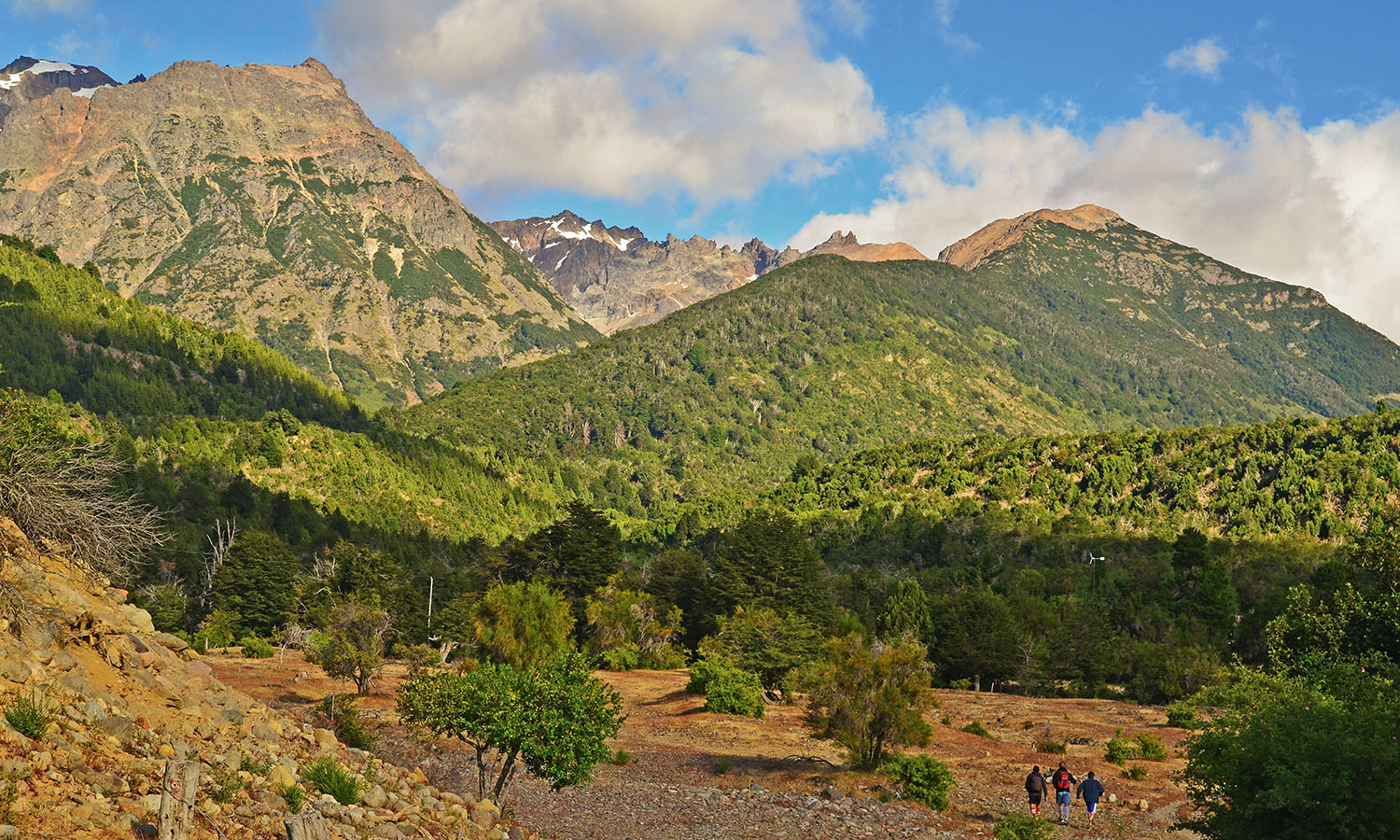
We have been travelling for nine hours when, just before sunset, we reach the gate of the Los Alerces National Park. Gustavo and Sandra drop me off at Hosteria Futalaufquen, a 1940s stone-built hotel that looks upon a glacial lake surrounded by southern birch and cedars.
I’m here to see some giants, but unlike the Patagons of lore, these ones are real.
When the Spanish arrived, this region was full of enormous trees they casually dubbed alerces (larches). The local Mapuche Indians called them lahuán (grandfathers) because they were the oldest and grandest beings in the forest. The Mapuche were right. These titans are closely related to the Californian redwoods and are some of the oldest living things on the planet. All too predictably the Spanish felled them, since their timber was perfect for shipbuilding: tough, yet pliable and light. In 1937 the park was established to protect them, but the trees were still being cut; the last conviction for illegal felling was in Chile only three years ago. Nowadays they are endangered. Although the odd tree might grow alone in some solitary spot, the alerce forest, called the Alerzal, exists in a remote corner where a restricted number of visitors may enter every day.
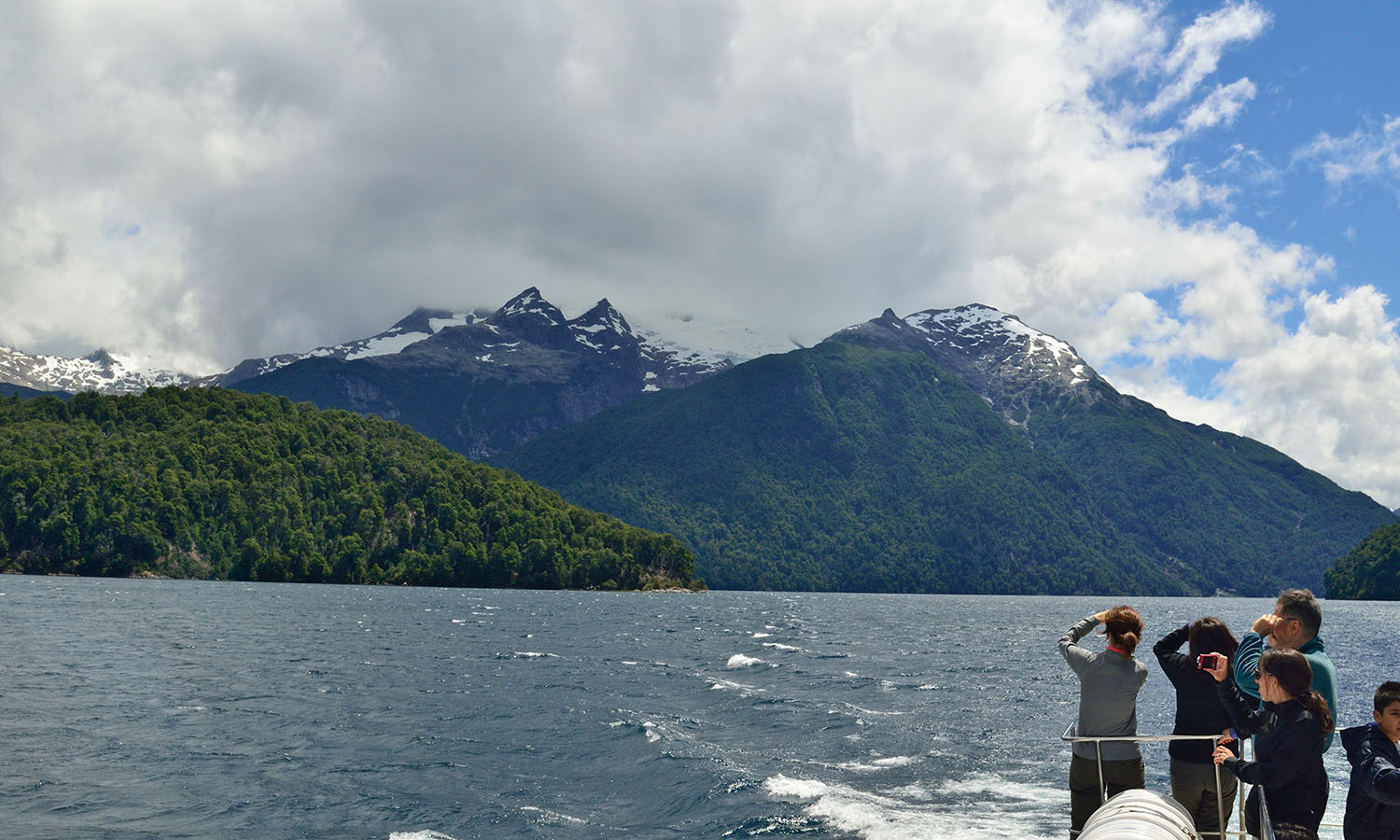
There is no walking path to the Alerzal, so I board a boat from Puerto Chucao, a small harbour on Lake Menendez. Our 50-strong crowd must dip our shoes in an antiseptic bath before we’re allowed on board. There are deadly fungal spores in the forest and someone has finally started caring about the health of the trees that remain.
It’s a 45-minute trip on the lake to the rather grandiose-sounding Puerto Sagrario, consisting of a single hut where a solitary ranger keeps watch over the forest. This is also Patagonia, captain, but not as we know it. The weather is as changeable as on the plains, but any sunny interludes alternate with dark, saturated clouds that spit their load on us and move on. Patagonia’s landscape varies dramatically because so does the rainfall. On Valdes it’s only 200 millimetres per year. As we go west it rises exponentially: at Esquel it’s 700; at Puerto Chucao 2500; and at the Alerzal it’s 4000.
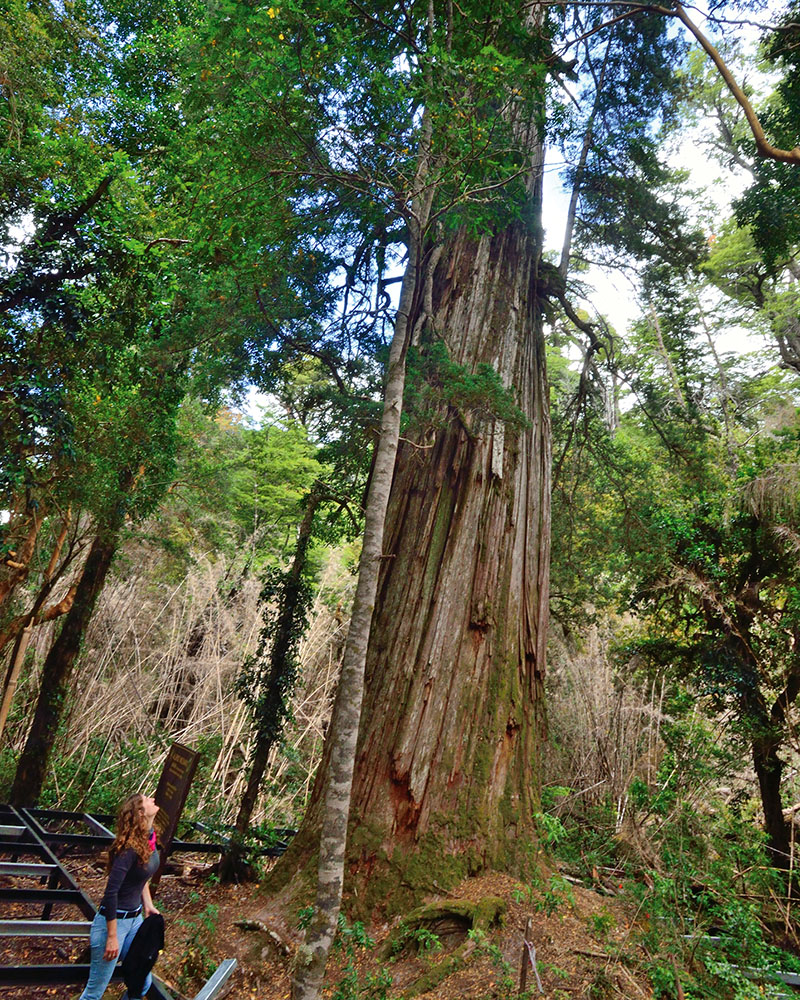
The alerce that welcomes us is 57 metres high. It has us craning our necks and moving back in a vain attempt to capture its majesty with our cameras. This colossus was alive when Homer wrote his epics; its age is estimated at a whopping 2600 years. Another alerce lies on its side, the hollow of its trunk gazing at us like a haunting museum exhibit. We pass it and follow the path under a gallery of colihue, a perennial bamboo that flowers every 70 years. The stems are brown and withering, because the last time this happened was the year before. At the time, the park was invaded by rats that consumed the seeds covering the forest floor. The rats disappeared as mysteriously and suddenly as they’d arrived when there were no more colihue seeds.
At the end of the trail, we reach a waterfall at Lago Cisne. Several alerces stand around the lake, as they have for centuries, but the ranger draws our attention to a small sapling, no more than 60 centimetres tall with leaves that look like basil. It’s a baby lahuán, only 12 years old. Will it survive the next century? The next millennium? It could, but I know I won’t.
Patagonia certainly humbles you in more ways than one.
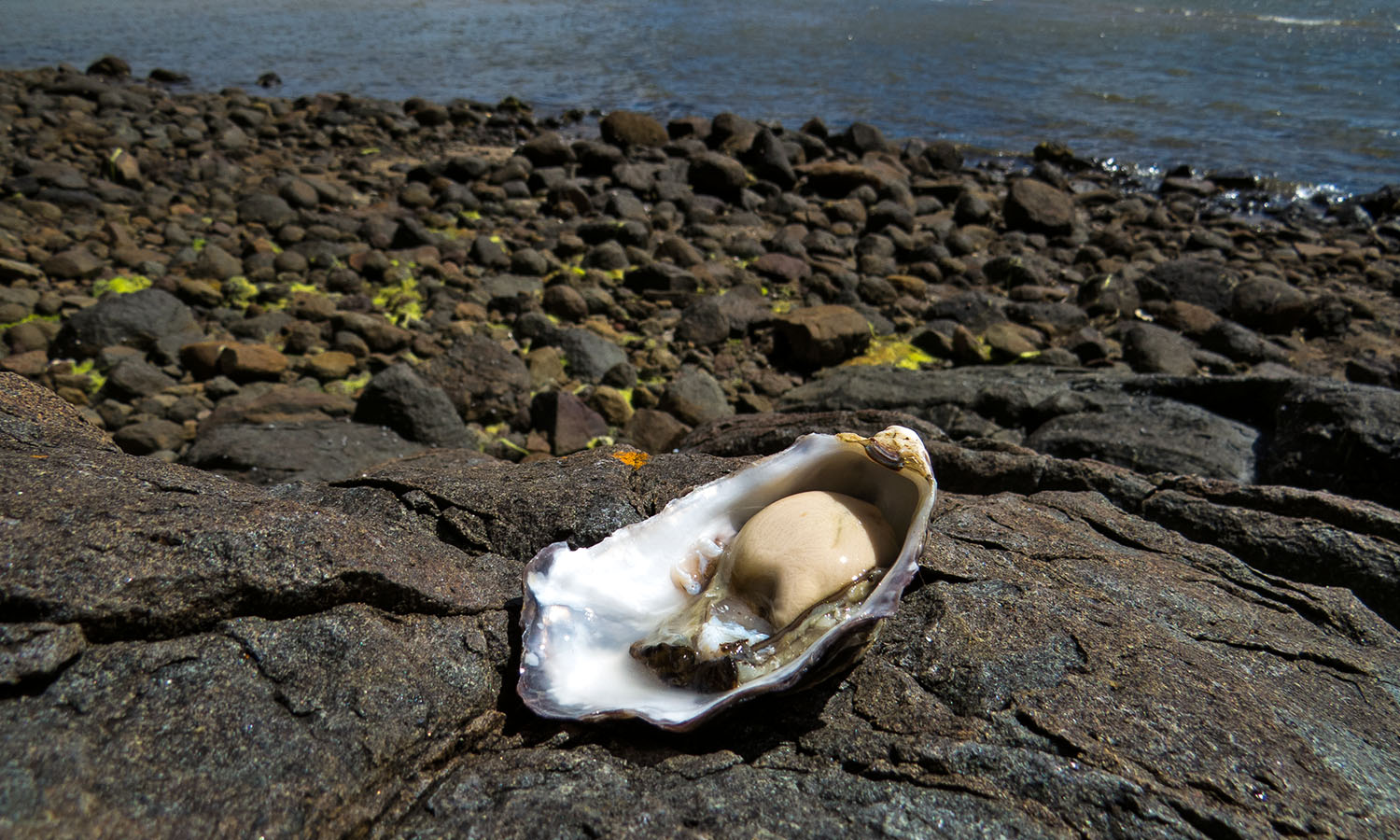
I’m butchering an oyster in a rookie attempt to shuck my waterside snack. The shell splinters as I clumsily try to crank it open with a knife, narrowly avoiding skewering my hand in the process. Eventually it hinges open, revealing a plump nugget bathing in a small puddle of the purest Tasmanian ocean water. My salivating taste buds are not disappointed when I slurp down the freshest, saltiest oyster I’ve ever eaten.
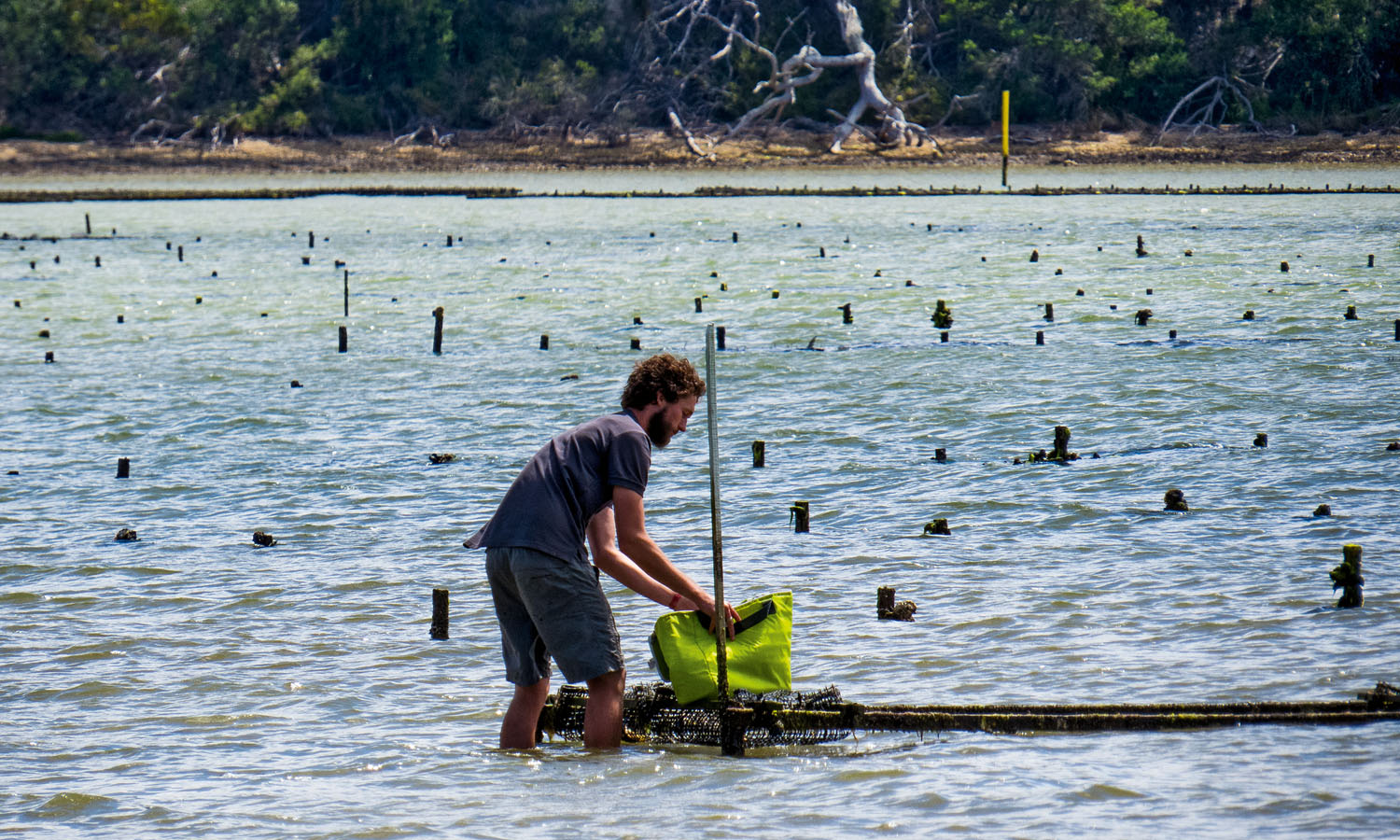
Our delicious bounty was plucked minutes ago from Ford Bay’s shallows by Tom, one of our guides on the Bruny Island Long Weekend food and walking tour. The private farm on the island was started by a Sydney stockbroker who decided to try his hand at growing oysters after the global financial crisis of 2007. We have exclusive access to these self-serve oysters, and it’s a delicious way to cap off our first day. Tom shucks as fast as he can to keep up with the all-you-can-eat demand, but eventually he admits defeat and declares the pop-up restaurant closed. It’s a natural protein shot following the day’s five-hour hike.
Bruny Island Long Weekend taps into the beloved institution of the three-day weekend, offering a mate’s insider tour of the island’s gems. Beyond the tourist trail, it combines three days of hiking with premium local food and wine. I’m here to taste it all and hopefully burn it off. The trip is ambitiously labelled as calorie-neutral but that seems unlikely faced with the prospect of all the fine produce.
We arrived this morning via the Derwent River, skirting down the coast on a roaring spin onboard Pennicott Wilderness Journeys’ giant inflatable craft. A swift 45-minute jet ride from the Hobart docks, Bruny Island is a miniature copy of the Tasmanian mainland. It has a unique microcosm of diverse weather, wildlife, terrain and food, packed within 362 square kilometres. Today’s walk covers 12 kilometres along a squiggled coastline bordered by rugged bushland, leading us to the peak of Cape Queen Elizabeth.
Tom and our second guide, Dave, lug weighted packs, a heavy comparison to our much lighter daypacks. The group settles into a cracking pace and within minutes of leaving the van we are deep in the wilderness and totally off the tourist grid. As the sandy path gives way to a steep rubble goat track, it’s evident that this weekend is no leisurely stroll. The terrain varies between muddy sludge, crumbling rock and knee-jarring sand. I focus on negotiating my steps up the lung-straining incline over the first cape, wary of stepping on an agitated jack-jumper or a slithery surprise. It isn’t long before a piercing yelp ahead halts the group. A venomous copperhead snake blocks our track but while I fight my urge to flee, it graciously gives way.
Bruny Island treats us to four seasons in one hour. One minute my skin is sizzling under the searing Tassie sun, then rain and icy winds force a pit stop to layer up. Before long, I’m steaming and overdressed as the sun makes its return. Thankfully, bushwalking funnels your focus on just the few metres ahead, making life’s complexities and woes vanish. It’s very cathartic finding a rhythm and I let my mind drift off with the muted roar of the waves.
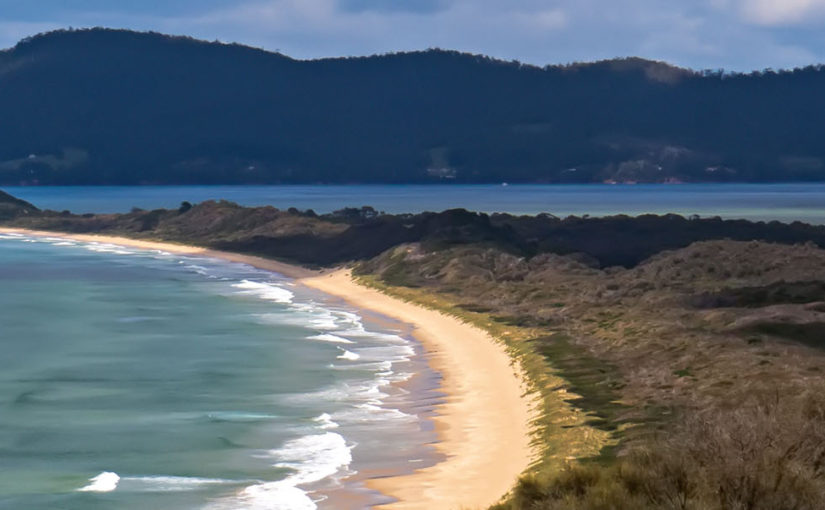
We are mere specks measured against the epic surrounds. The summit exposes a dramatic panorama that seems impossible to even partially conquer in just three days. Layers of peaks wrap around us, while below dozens of bays cut into the mainland. It looks remote and inhospitable under moody skies, but transforms as the sun escapes the clouds and lights up the turquoise waters and blinding white sand.
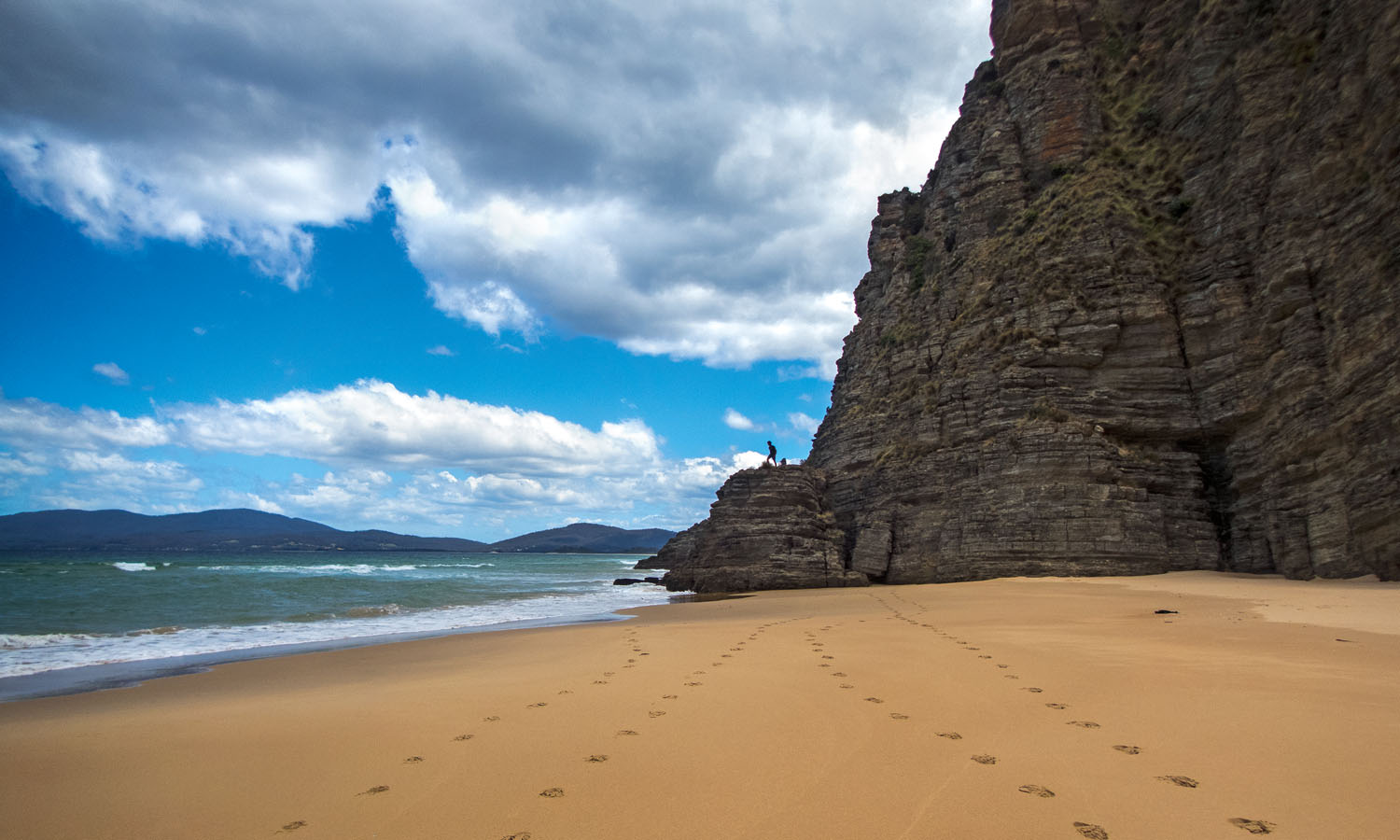
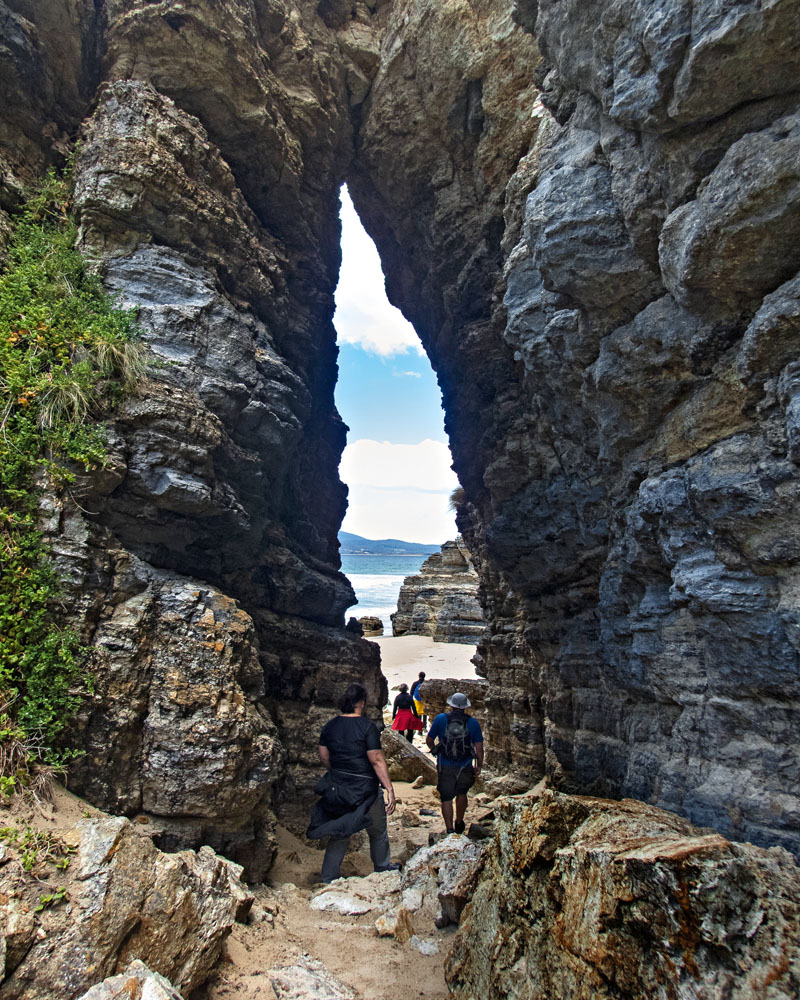
We traverse down the ocean side and hit rolling sand dunes. Sheer cliffs of mudstone and Jurassic dolomite drop straight into the water, and tessellated sculptures, beaten by centuries of weather, decorate the beach like an open-air gallery. Our shortcut home is blocked by the tide and we’re at an impasse with the cliff base, but rather than backtracking we opt for a little off-roading, climbing up and over the precarious rock formations pounded by the waves. The pace lifts during the final stretch, a silent collective push to bring forward happy hour.
The camp is tucked deep on the south island within South Bruny Forest, the island’s oldest forest. Four basic apex tents host luxurious king-sized beds within their canvas walls and a toilet hut features a long drop toilet with a dignified modern throne on top. A cubby-house nestled on the lush forest floor is in fact the outdoor shower. It is liberating being exposed in, and to, nature. Immense eucalypt trunks tower past the open front with the rustling canopy high above. I huddle under the steaming blanket of water with a front row seat to the feathered entertainment of this twitchers’ paradise, not wanting to turn the water off and give the next person their turn. I relinquish the urge to stay, knowing happy hour awaits our arrival in the dining room: a serving of Bruny cheese, crisp Sauvignon Blanc and a roaring fire. Tom and Dave impress with a feast of fresh scallops in white wine, lamb rump with chimichurri, and leatherwood honey panna cotta, filling our bellies for a night of slumber surrounded by nature.
My body awakens like a seized-up Tin Man, but is swiftly remedied with a morning shower to soothe it into submission. Today is a 15-kilometre hike through the South Bruny National Park, which starts with a long walk along Cloudy Bay. To the eye, the beach appears a short stroll, but an hour later we are still plodding along the coastline. Reaching the base of East Cloudy Head, Tom breaks the news that we now face a two-hour uphill slog. The terrain is distinctly more mountainous and rugged. We push through sharp, attacking thicket as we follow a mostly concealed overgrown track. It’s definite bush bashing with the landscape serving up its fair share of back-handers and kneecapping.
We plod one foot after the next, starting to hope each rise is our final hurdle. In my mind’s eye, our ant-line formation resembles the Von Trapp family fleeing Austria in the closing scene of The Sound of Music. It feels extremely isolated with either looming mountains above or sheer cliffs below. The powerful aura of hiking a dramatic coastline that has remained unchanged since the first European explorer, Abel Tasman, reached its shores in 1642, isn’t lost on me. At the pinnacle of the climb, I struggle to pinpoint our origin in the distance. What we’ve covered feels expansive, but in reality we’ve only trekked a tiny portion of the map.
We retrace our steps downhill in record time. Along the descent, chatter of ‘wine o’clock’ propels us forward, and a proposed ocean plunge divides the group – it’s a chilly venture considering the polar neighbour down south. I hurriedly change behind a tree, then sprint and dive before second thoughts kick in. The temperature is shocking, numbing and then outright painful, but also energising.
We collect some renowned smoked pork from chef and host of SBS series Gourmet Farmer, Ross O’Meara, before we head back to debrief on the deck. The Bruny oysters, pork rillettes, cheese and wine are fine examples of how this small island, and greater Tasmania, has firmly stamped its place on the global gourmet map. The weekend definitely tipped over into calorie-positive mode, but who am I kidding? I was never here to balance that line.
You feel the warmth immediately. And before you ask, no, it’s not the weather. “Belfast is like a village – everyone knows everyone,” says Dee, my guide. And that sense of community is evident from the moment you set foot in the city. Locals greet each other on the street, help visitors with directions without a grumble and strike up conversation with strangers at the pub. An intimacy runs through the city’s cobbled streets that Dublin, with its cosmopolitan atmosphere, lacks. Here, there’s always a story to be told: you’ll spot tales splashed across building walls or hear them muttered in the corner of a bar. And there’s a watering hole on almost every street. In fact, there are so many to choose from you could spend a week here and not have time to drink in each one. Let the craic begin!
3.30pm
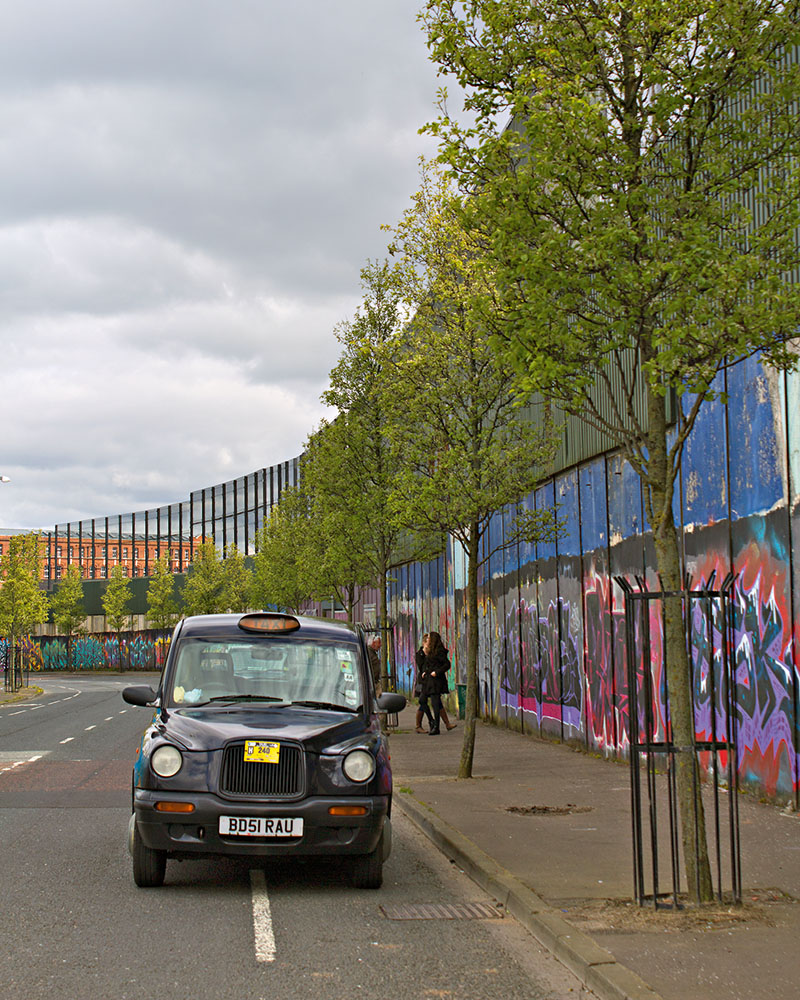
Belfast is still, to this day, a city feeling the effects of its complex past, and there’s no better way to delve into its chronicles than on a Black Cab Political Tour. Learn about the city’s landmarks and history of sectarian violence as you zigzag through the northern and western suburbs. Some of the stories behind the sights are incredible, but it’s the murals that will leave you floored. Unable to speak on camera, activists in the 1970s and 80s created protest art, painting their feelings about the violence and oppression in murals on the city’s walls, many of which remain today. The largest is the Peace Wall on Cupar Way, which separates the Protestant and Catholic neighbourhoods, and is splashed with vibrant images and thousands of messages of hope from both locals and visitors. When booking your tour, ask for Billy Scott. His depth of knowledge is nothing short of extraordinary and it’s delivered with a wicked sense of humour.
Touring Around Belfast touringaroundbelfast.com
5pm
After your lesson in Northern Ireland’s history you’ll be parched, so ask Billy to drop you off at Crown Liquor Saloon. A Belfast institution, this pub has been around for almost 200 years and shows no sign of slowing down anytime soon. Once a famed Victorian gin palace, its ornate interior is the handiwork of Italian craftsmen who had been brought to Ireland to adorn the many new churches being built at the time. Patrick Fanigan, then-owner of the saloon, convinced these artisans to work on the property’s interior after hours. As the sun sinks, stained-glass windows colour the interior with rainbow swirls along the mosaic-tiled floors, and the mahogany snugs make for a cosy spot to sip a cool glass of gin from the pub’s heritage selection.
Crown Liquor Saloon
46 Great Victoria Street nicholsonpubs.co.uk
6pm
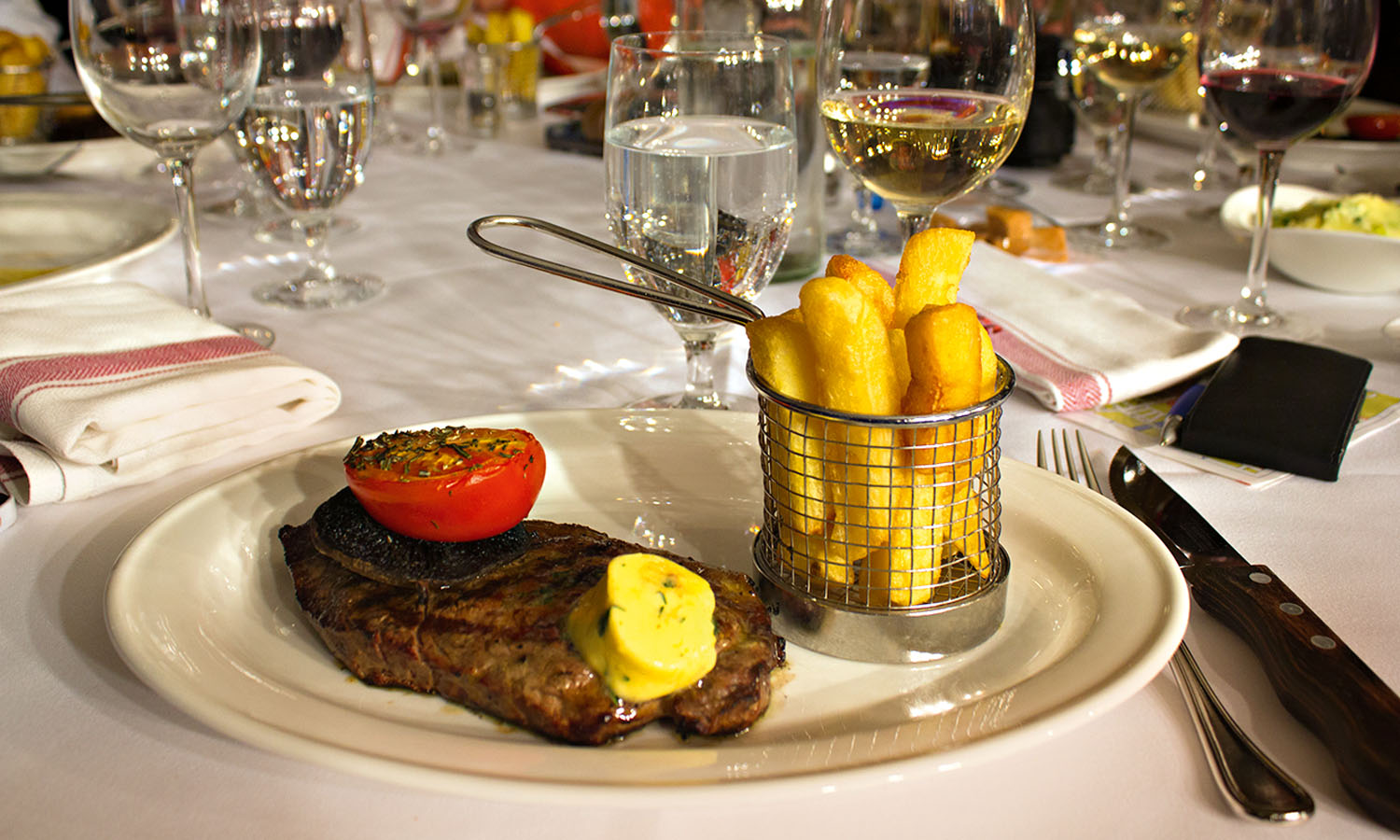
Before you consider filling up on Guinness, you should know Irish cuisine has come a long way since the humble potato. If you’re after a true gastronomic experience, book a table at Meat Locker by chef and restaurateur Michael Deane. Credited with revolutionising Belfast’s foodie scene – and a champion of fresh, local and seasonal produce – Deane has a restaurant portfolio spanning seven unique establishments. He also previously held a Michelin star for 14 consecutive years (the longest in Northern Ireland) so it’s safe to say you’re in for a treat. Here, the speciality is in the moniker, so sink your teeth into one of his lip-smacking steaks. Each prime cut is matured in a Himalayan salt chamber before it’s cooked to perfection on the restaurant’s Asador grill and served with beef-dripping chips. Not into red meat? Head next door to one of Deane’s two other restaurants: Love Fish, serving fresh seafood; or Eipic for fine dining.
Meat Locker
36–40 Howard Street michaeldeane.co.uk
7pm
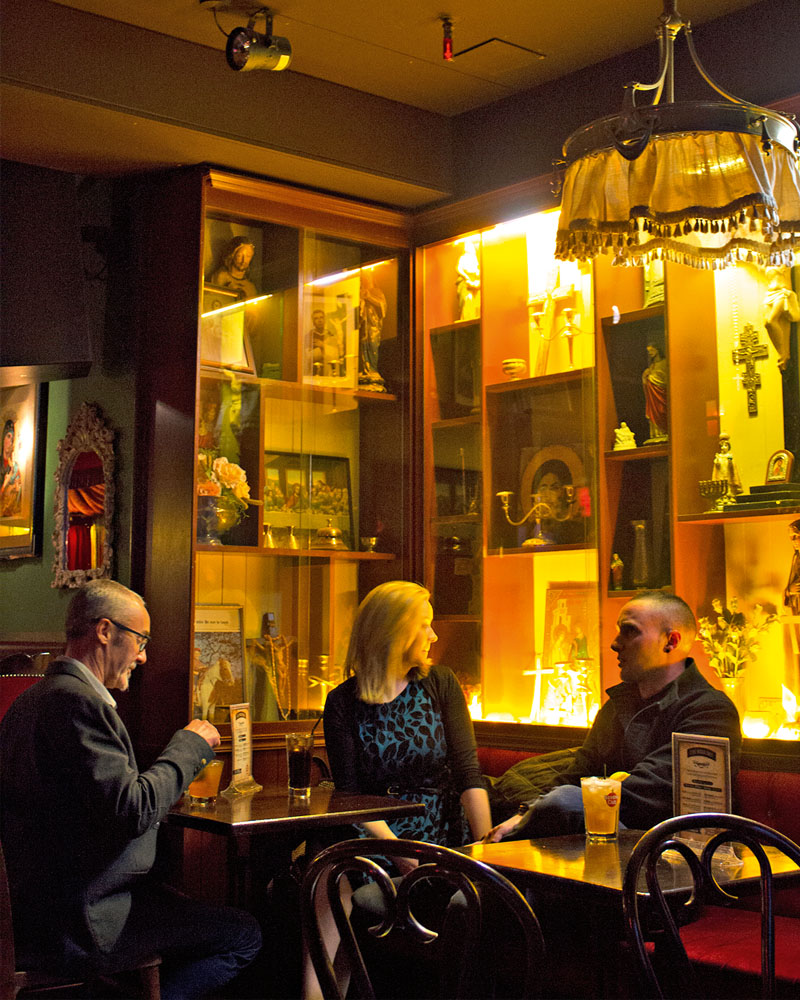
It’s the quasi-religious experience you didn’t ask for, but have always secretly wanted. Ascend to the second floor of the Spaniard and you’ll feel like you’ve stepped into a holy shrine. Religious paraphernalia decorates every wall – large golden chalices, ornate framed images of the Virgin Mary and figurines of Jesus Christ gleam in the soft light – and sweeping red velvet sheets adorn the ceiling. Before you confess your sins, you should know the atmosphere in this tiny bar is anything but holy – dance beats bounce off the walls and with over 50 types of rum to choose from, the cocktails err on the wicked side of delicious. It seems fitting that this debauched venue is a popular spot with the Game of Thrones cast (including Sean Bean and Emilia Clarke), who have been seen imbibing here between filming. A bar blessed by the Mother of Dragons? Amen to that.
The Spaniard
3 Skipper Street thespaniardbar.com
8pm
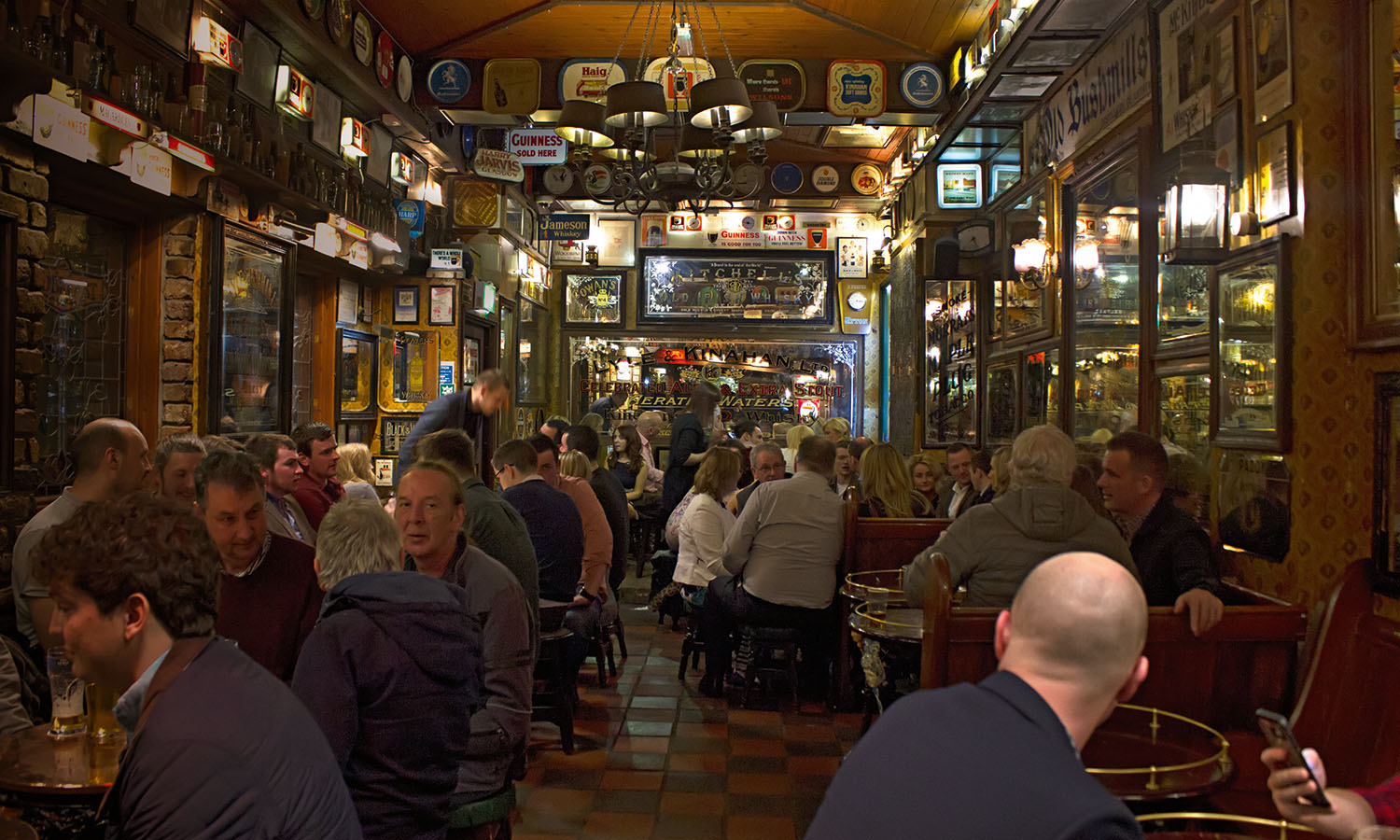
Watering holes the world over have tried to recreate the craic found in Ireland’s pubs, and the Duke of York is just the type of joint they aim to emulate. Located on one of Belfast’s oldest laneways, this bar pays homage to both the city’s industrial past and its residents’ love of whiskey (it boasts the largest selection in Ireland). Downstairs, walls glitter with antique mirrors advertising hard liquor, while every other surface is covered with memorabilia from a bygone era. It fills up fast so get there early to claim a table. Then squeeze through the crowds and climb up a narrow staircase to the band room where Snow Patrol got their start in the 90s. Spin and sway to live bands playing cover songs before fading to traditional Irish folk from Thursday to Sunday nights. When the place is fit to burst the crowds don’t disperse in defeat; they spill out onto the cobbled alleyway festooned with blossoming red flowers and continue the craic under the stars.
The Duke of York
7–11 Commercial Court dukeofyorkbelfast.com
9pm
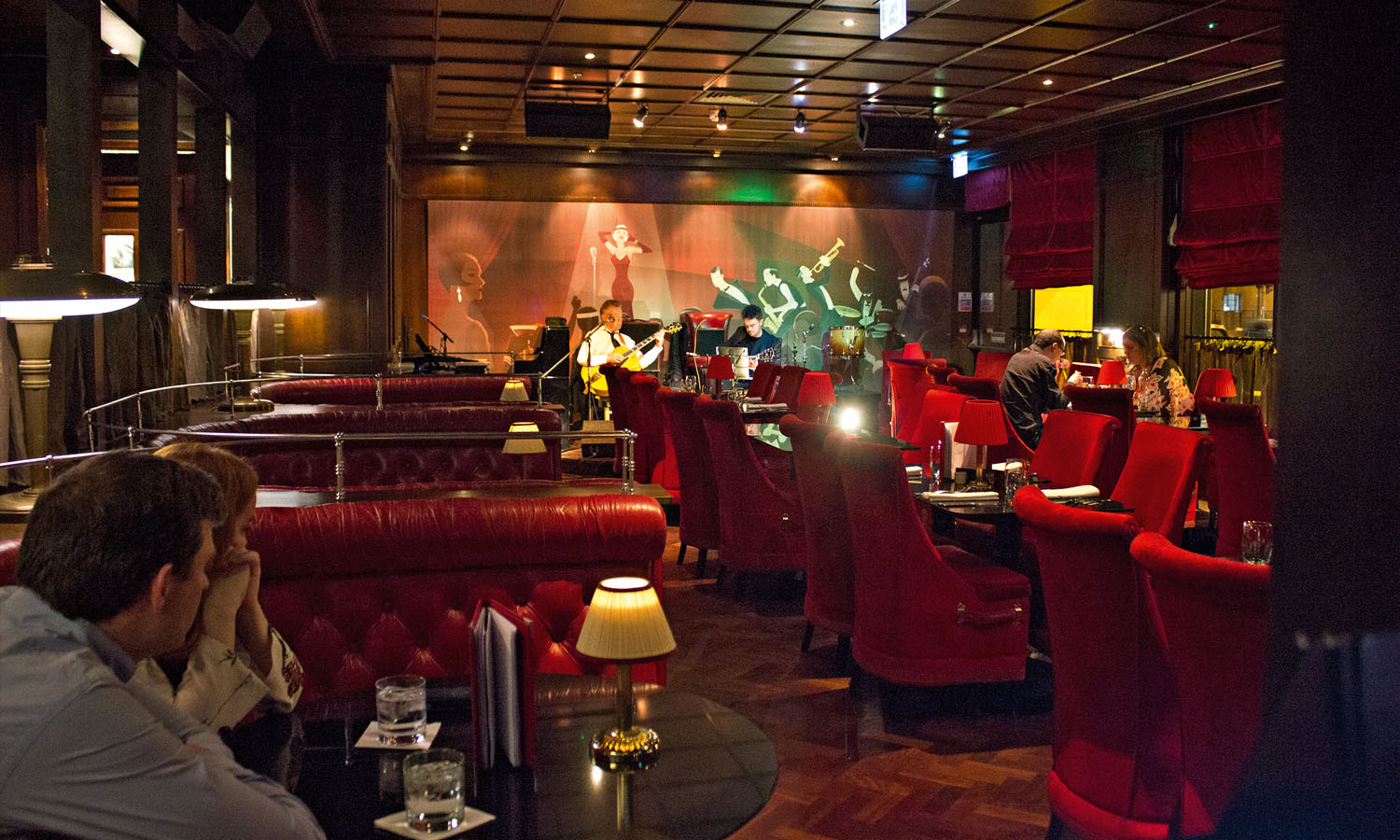
Ireland has an impressive music pedigree, so it’s not surprising that everything from traditional Irish folk to rock’n’roll filters out onto the streets. But did you know there’s also a thriving jazz scene? Tucked behind the Merchant Hotel is Bert’s Jazz Bar, the only venue in the city dedicated to this music genre. Decked out in Art Deco glamour reminiscent of 1930s New York, its plush red-velvet furnishings and polished brass surfaces exude intimacy in the soft lighting. Wander in any night of the week from 9pm to hear musicians from across the country play. The cocktails also possess legendary status: the drinks list resembles a novella and the inventive concoctions – crafted slowly, but with flawless precision – are well worth the wait. Pull up a bar stool and watch the mixologists whip up liquid magic, or ease into one of the booths, dig into a board of camembert and cured meats from the French-bistro-inspired menu and allow yourself to be bewitched by dulcet guitar licks and soulful sax.
Bert’s Jazz Bar
16 Skipper Street themerchanthotel.com
10pm
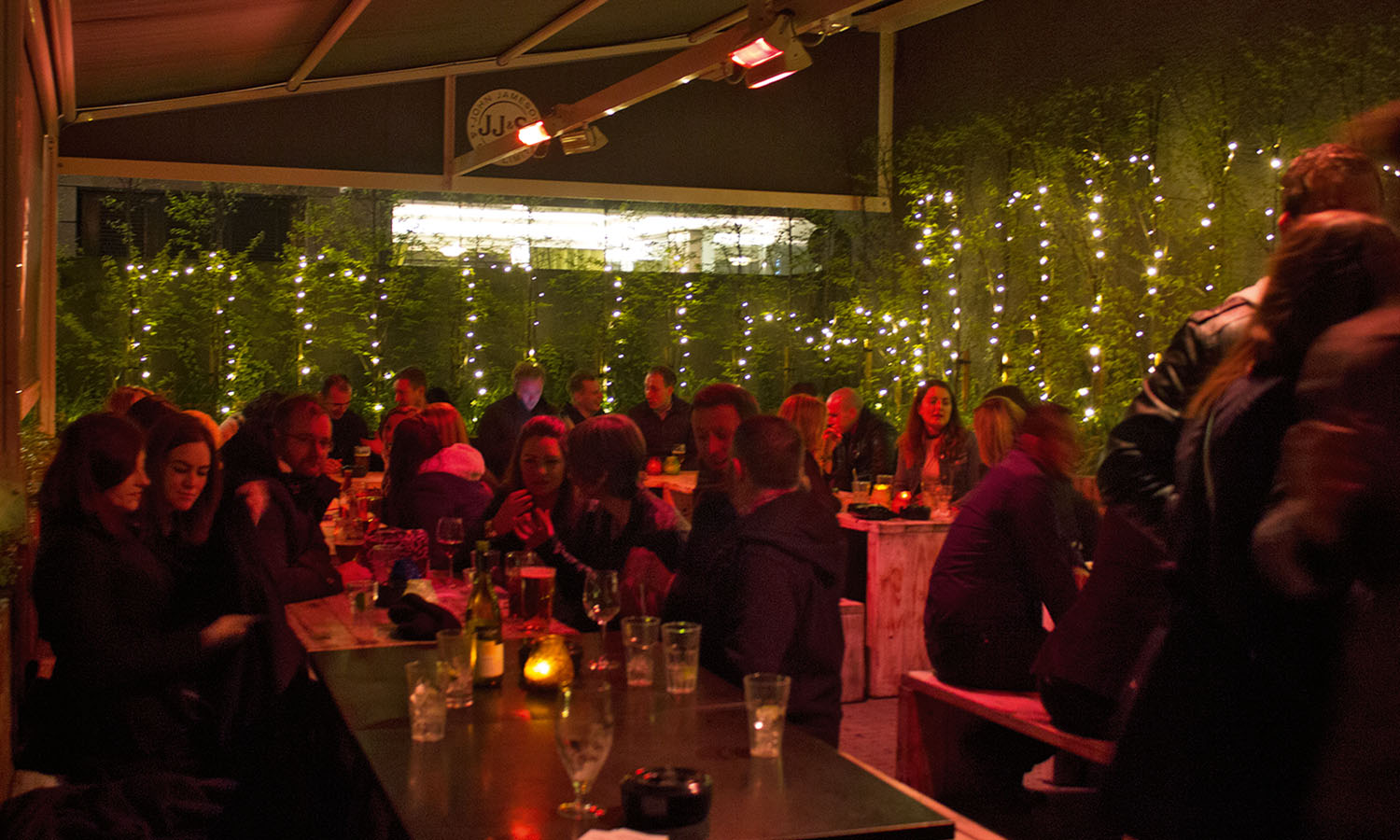
By day it’s a cafe serving coffee and scrambled eggs; by night it’s home to the largest beer garden in the Cathedral Quarter. At the National Grande Café, you won’t want for anything. This Victorian-period establishment has been stripped back to its innards, showcasing exposed brick and steel beams that ooze industrial chic. In the beer garden, the soft glow of lanterns and fairy lights adorn the open-air space, and in cooler months punters huddle close to heaters in the Winter Tent. Plonk yourself on a bench and fuel up on a turkey burger from one of their regular barbecue feasts, then make your way upstairs to Sixty6. Spanning three levels, the venue features a cocktail lounge, rooftop bar and a nightclub hosting some of Northern Ireland’s best DJs. The best part? When your head’s pounding from your inevitable hangover the next morning, you can pop back in downstairs for a full Ulster fry-up.
The National Grande Café
62 High Street thenationalbelfast.com
11pm
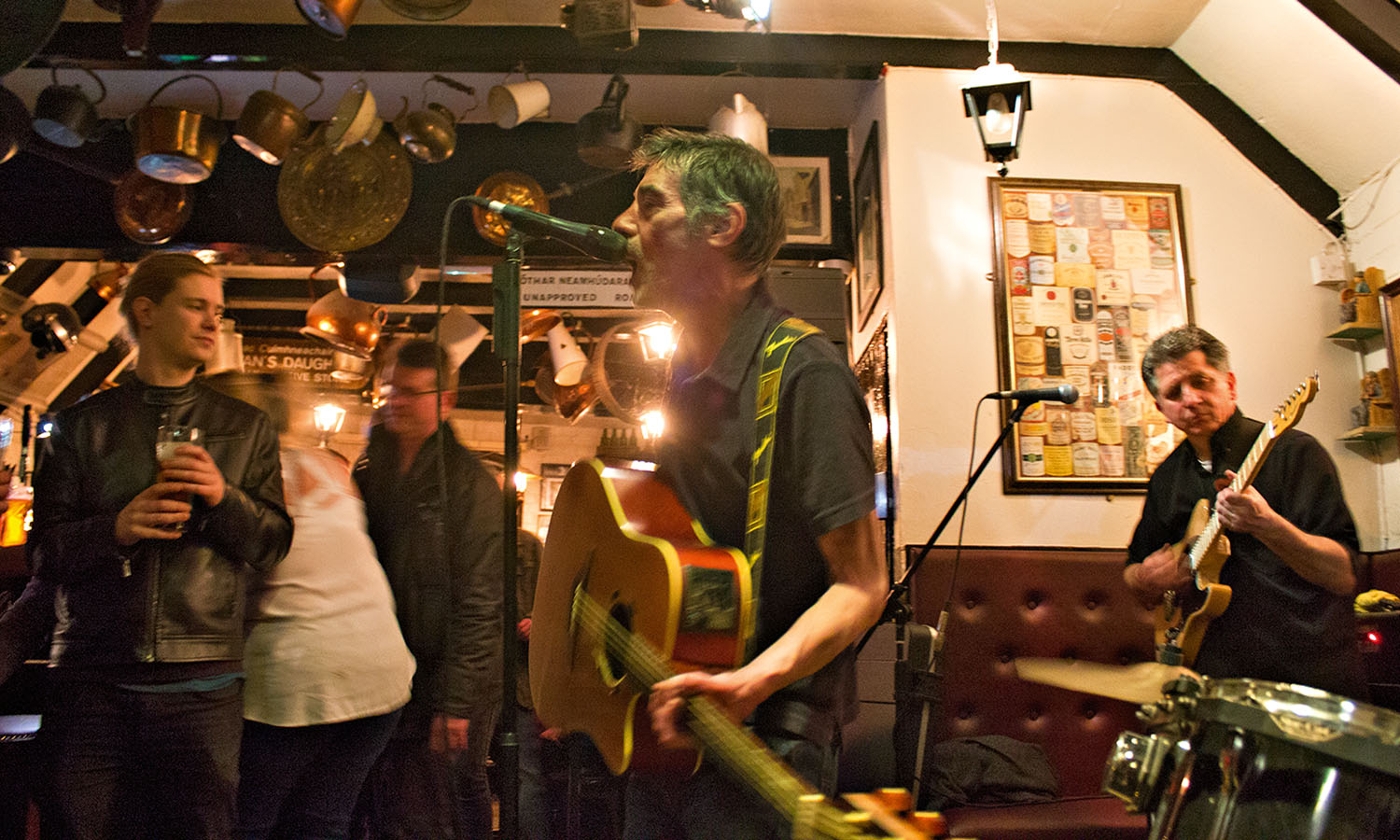
Now that you’ve experienced a slice of the Cathedral Quarter, wander to its fringes and return to the roots of Irish tradition. Slick new hipster bars have begun popping up around the city, but little has changed in the 200 years since Kelly’s Cellars – the oldest pub in Belfast – was built. The whitewashed walls, low archways and rough concrete floors will feel like home, as warmth blazes from fireplaces and light glimmers on the bronze pots and pans that hang from wooden beams along the ceiling. Here, not only should you expect a stranger to strike up a conversation with you (or pull you onto the dance floor) but you should also be ready to quaff a thick, hearty pint of Guinness. There’s an array of live bands performing throughout the week and on Sunday nights, when every other bar is closed, Kelly’s Cellars is still rocking out until midnight.
Kelly’s Cellars
30–32 Bank Street kellyscellars.com
1am
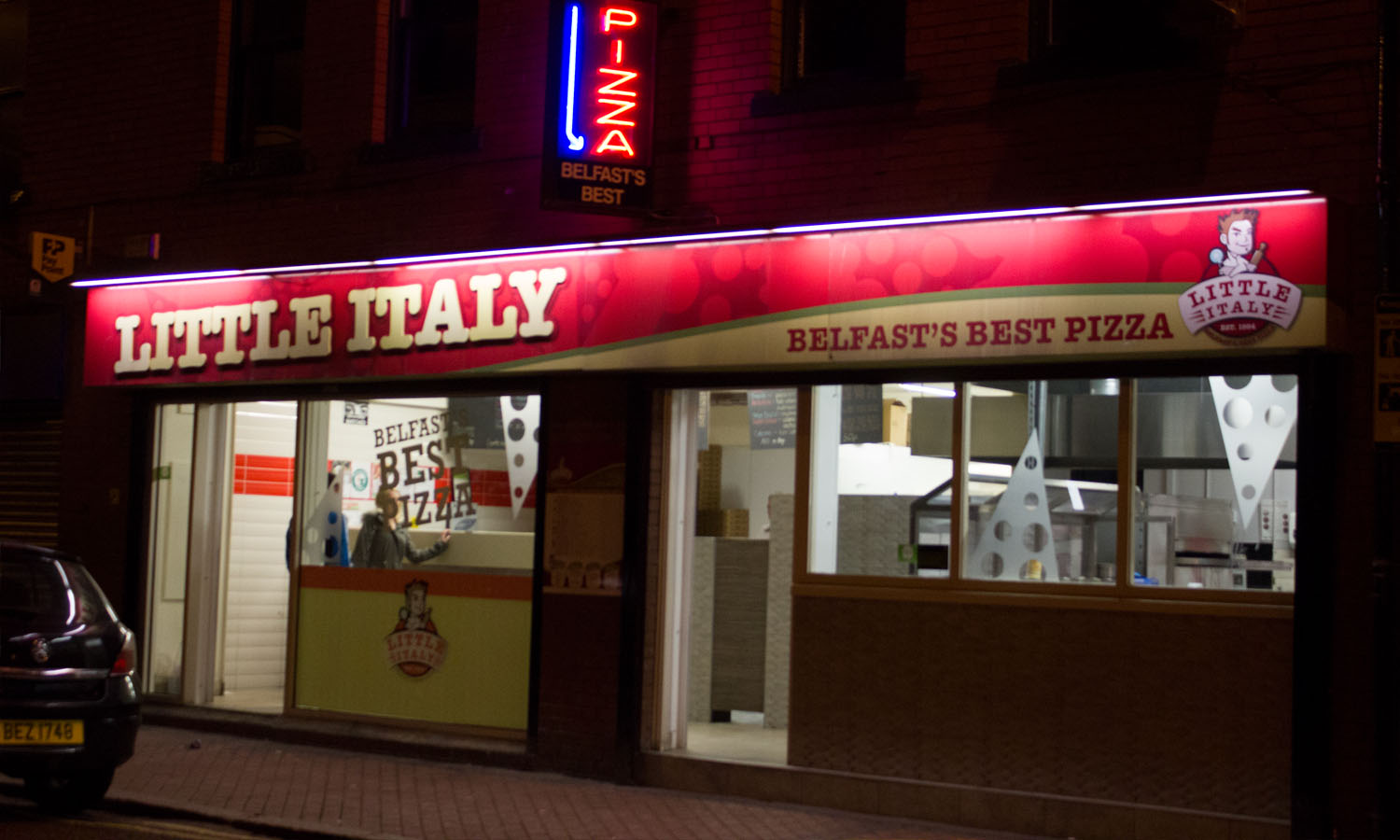
When the pubs and clubs have closed and your booze-soaked molecules ignite with pangs of hunger, jump in a cab and head back towards the Crown Liquor Saloon. By this time it’ll be closed, but just around the corner you’ll find Little Italy, hailed as “Belfast’s best pizza”. Don’t be fooled by the shop’s plain exterior – the accolade is no exaggeration. Efficient service coupled with freshly made dough ensures this pizzeria garners queues of tipsy customers. Watch plumes of flour dance in the air as pizzaiolos pound dough into spheres and haphazardly spread each one with a generous selection of toppings before posting them into the oven. Choose from nine-, 10- and 12-inch servings, all perfect sizes to take away and hoover down at your digs – because, let’s face it, one bite of this hot doughy goodness will ensure you won’t want to hang around to share.
Little Italy
13 Amelia Street
It’s a balmy summer afternoon in Park City, Utah, and after several summers observing elite aerial skiers practise their acrobatic jumps on water ramps before executing them on the less-forgiving snow, Jessie Mayo has finally mustered the courage to give it a whirl herself. After landing a few straight airs into the pool, she takes a deep breath, points her ski tips down the slope and prepares to attempt her first front ‘sault off the two-metre ramp.
“I chickened out at the last minute,” the 32-year-old tells me from the Australian Aerial Ski Team’s summer training ground. “I gained a new respect for the athletes – who perform multiple flips and twists on every jump – after that.”
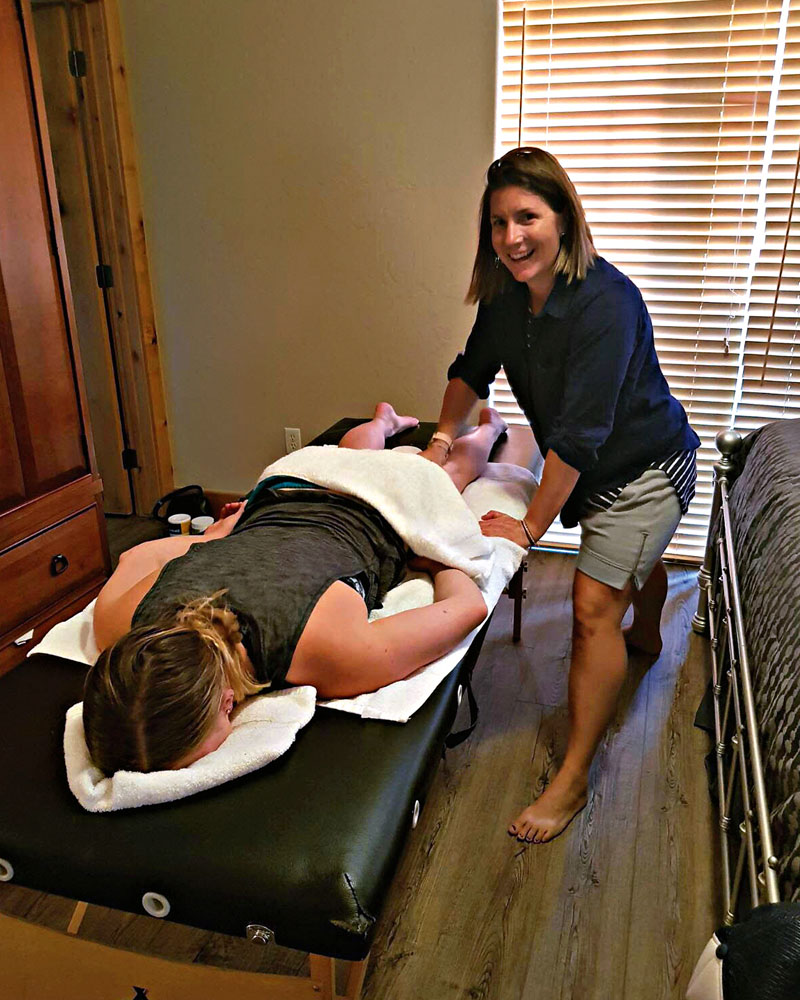
Such is a typical day in the office for the team’s dedicated physiotherapist, who is gearing up to travel to the 2018 PyeongChang Winter Olympics with the aerials team when we speak.
“It’s crazy to think that the last time I experienced the Winter Olympics was as a seasonaire,” she says.
She’s referring to Vancouver 2010, when we met as keen skiers who had both put our careers on hold to ‘do a season’ in Whistler, which hosted the Winter Games’ alpine and sliding events. Having long-harboured a dream of becoming a physio for the Australian cricket team, Jessie shifted her focus that winter.
“By the end of the season, finding a way to combine my love for skiing, physio and travel had become my new goal,” she says. “I mean, I don’t even play cricket.”
Back home in Melbourne, a chance conversation with one of her patients who had a contact at the Olympic Winter Institute Australia (OWIA) provided the perfect ‘in’.
“It was one of those right-place-right-time scenarios, as the OWIA was in the early stages of developing a network of physiotherapists back then,” Jessie says. “The institute now offers a range of professional development opportunities for physios interested in winter sport, which is great for people looking to get their foot in the door.”
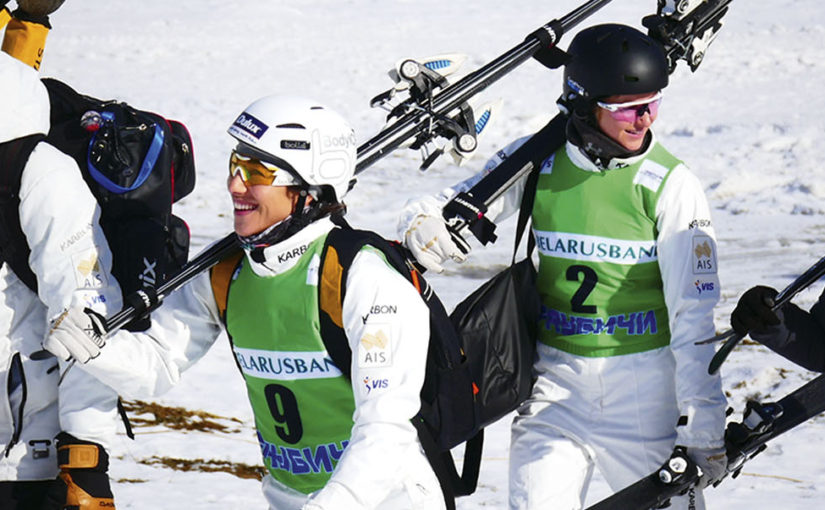
Following a stint with the snowboard half pipe team, Jessie joined the aerials staff in 2014 and has been travelling with the team for up to nine months each year ever since. Following summers in Park City, Jessie’s ‘aerials family’ hit the winter competition circuit, zipping between venues from Finland to Korea, Belarus to Spain. With the team constantly on the move, Jessie treats athletes wherever she can, “In hotel rooms, airport lounges, or wherever there’s free space!” she laughs.
On top of attending to the team’s physio needs, a typical work day sees Jessie supervise strength sessions in the gym and hang out at the base of ski jumps to provide medical aid as needed during training sessions and competition events. And there’s no slacking off slopeside.
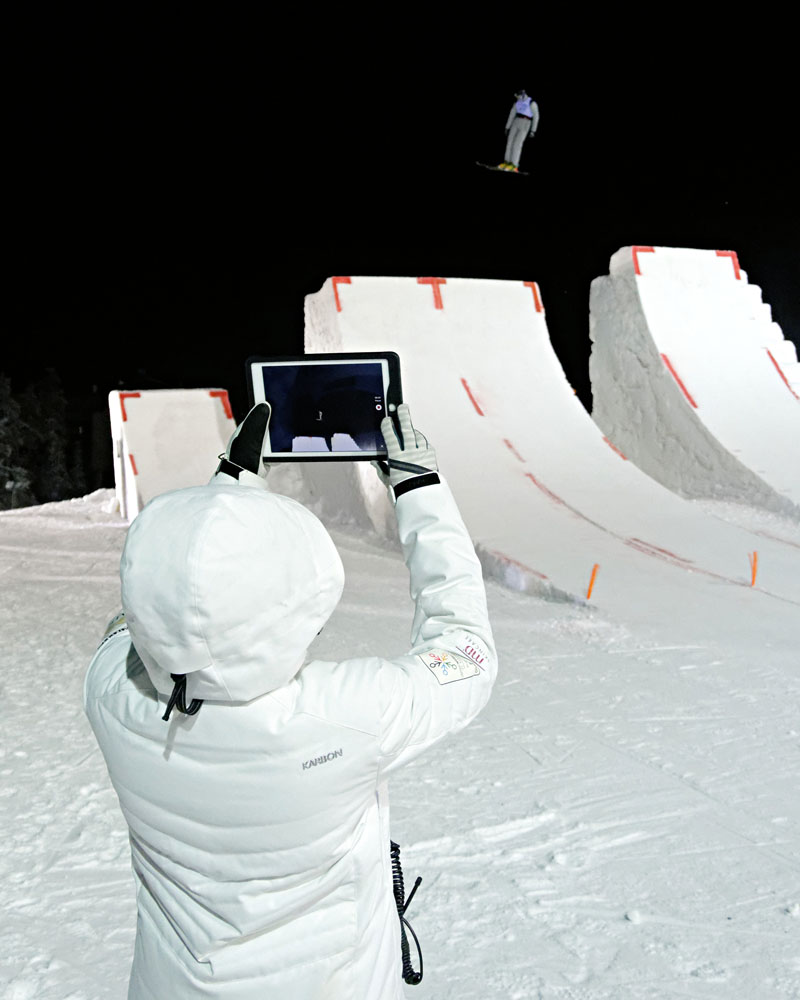
“It’s also my job to film the athletes’ jumps and help out with hill preparation,” Jessie says. Days can be long and they are always spent in the elements, toughing the snow or sun.
“Boot heaters are one of the best investments I’ve ever made. Standing on snow for eight to ten hours on a competition day is just brutal.” The payoff, however, is sweet.
“Seeing the athletes succeed – especially when the odds aren’t in their favour – is always special,” Jessie says. “In the days leading up to the 2015 World Championships, for example, Laura Peel was struck down by food poisoning, and she came out and won the competition. The athletes’ ability to clear their mind and focus on the task ahead never fails to impress me.”
Having grown up in Albury, New South Wales, just 90 minutes’ drive from Falls Creek, Jessie has been skiing herself since she was a toddler, though most people are surprised to learn that she doesn’t get as much hill time as she’d like these days.
“With other snow disciplines, physios need to be able to ski to the site and alongside the course, but aerial jump sites are all walkable from the base of the mountain, so I don’t really get to ski on the job – on snow, at least,” she rues.
However, Jessie admits the long periods away from home is a bigger downside.
“I’ve missed a lot of significant events, including my grandfather’s funeral, which broke my heart,” she says. “Moving around all the time also makes it incredibly difficult to maintain personal relationships.”
Luckily, her next gig – at the Commonwealth Games on the Gold Coast – will allow her to put her skillset to use closer to home.
“I’m going to be working as a volunteer physio at the Athlete’s Village, treating any type of athlete who requires assistance, which will be a nice change of scenery,” she says. “As much as I love the snow, it’ll be great to work near the beach for once.”
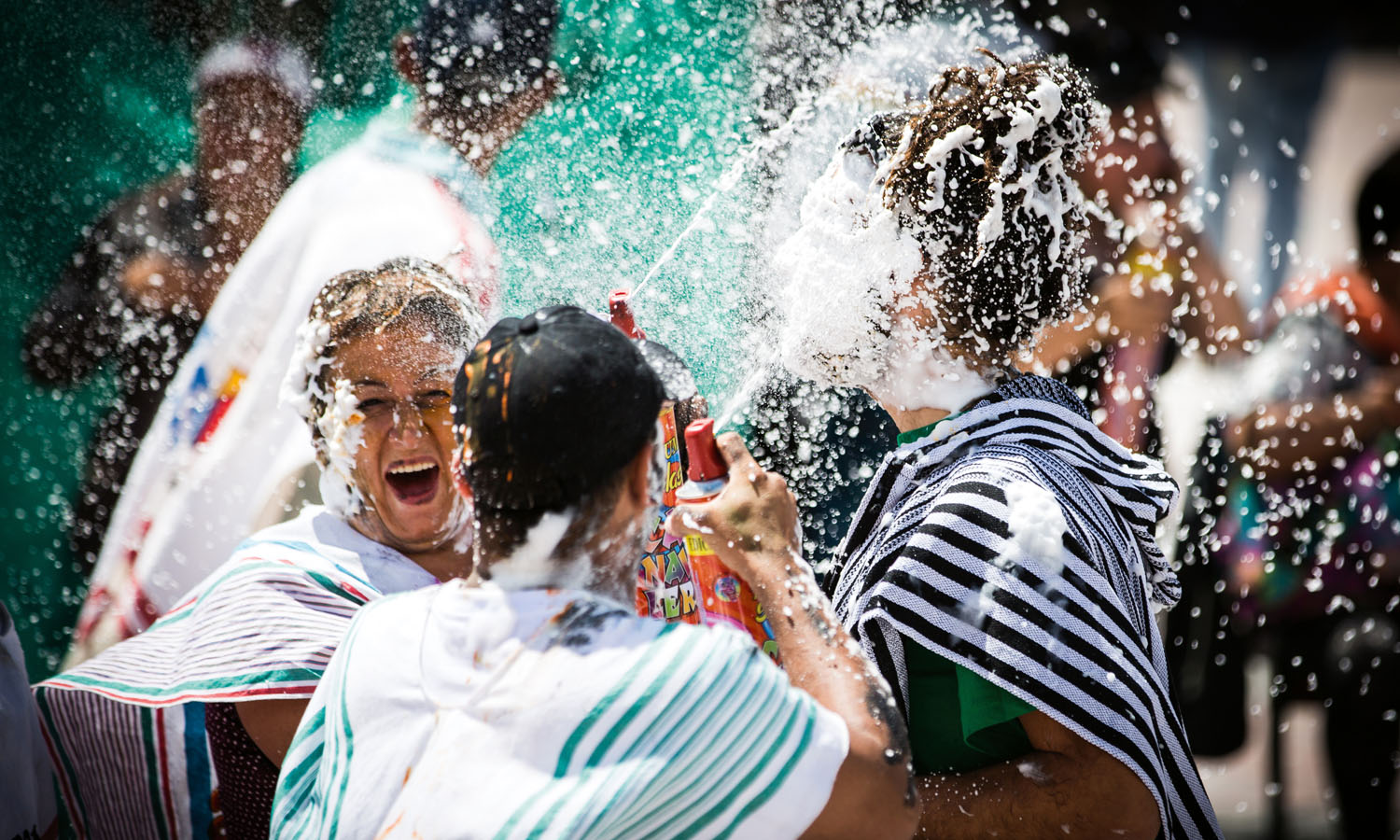
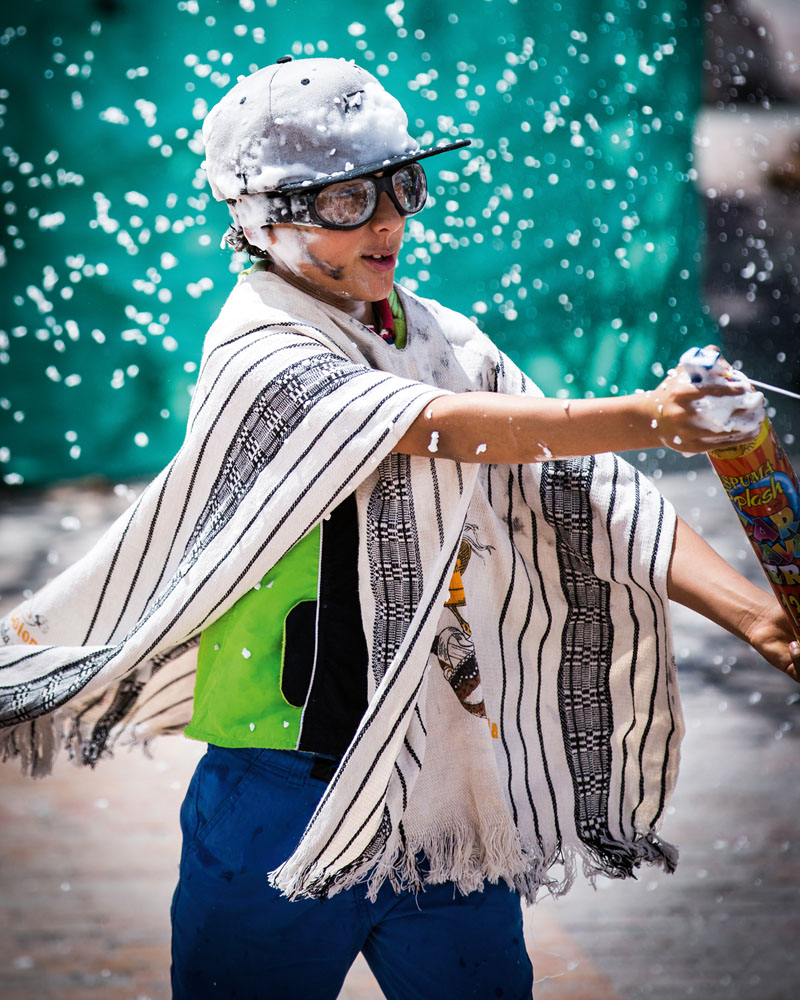
I was warned about getting shot in Colombia. The balaclava, reflective sunglasses and combat fatigues in the southern city of Pasto (San Juan de Pasto by its official name) are a giveaway. I should have just run. Instead, I’m hit twice – not with bullets but with white foam shot out of a metal canister by a 12-year old boy shouting “Viva Pasto!”
That gushing “spsssttt” is my intro to El Carnaval de Negros y Blancos (Black and White Festival in Colombia), a five-day party held in January each year that also happens to be the world’s biggest foam fight. This carnival is the loudest, longest and messiest festival in southern Colombia, and a real celebration of cultures.
To be fair, at the time the trigger is pulled I’m distracted by street vendors yelling, “Some goggles for you, senõr? A sombrero, cheap?” Now I understand why. Of course, in true horse-bolted fashion, I purchase a ridiculously oversized sombrero and a ‘foam-proof’ poncho to protect myself.
Post-splatter, I sheepishly make my way back to the hotel. The security-conscious manager, Jamie, is waiting behind a locked door. Letting me in with a chuckle, he looks at me with pity. “You got shot on your first day?! Bienvenido a Colombia!”
After cleaning myself up, I cautiously head towards Plaza del Carnaval, the main square of Pasto and the centrepiece of all things Carnaval. My peripheral vision is working overtime – it seems like every second person is armed with a carioca, an aluminium foam canister, cocked at the ready. Squeezing in next to a family, I proudly introduce myself in halting Spanish, adding “Viva Pasto!” as if it is some sort of protective cloak.
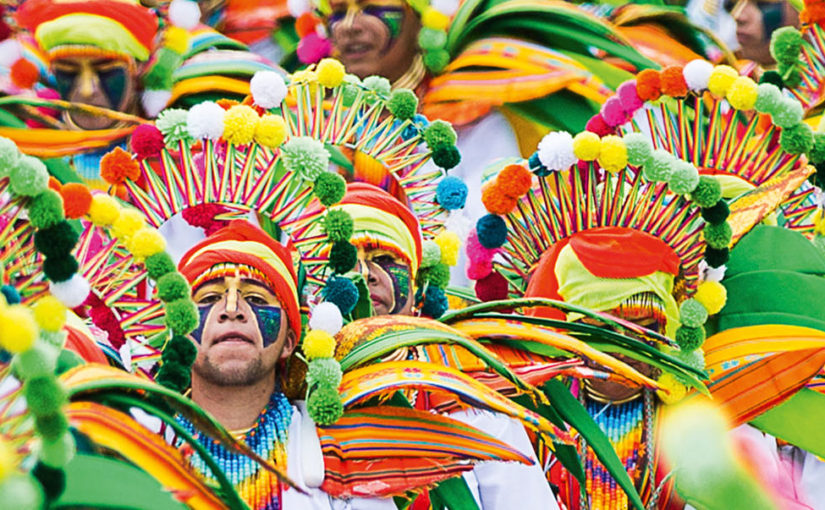
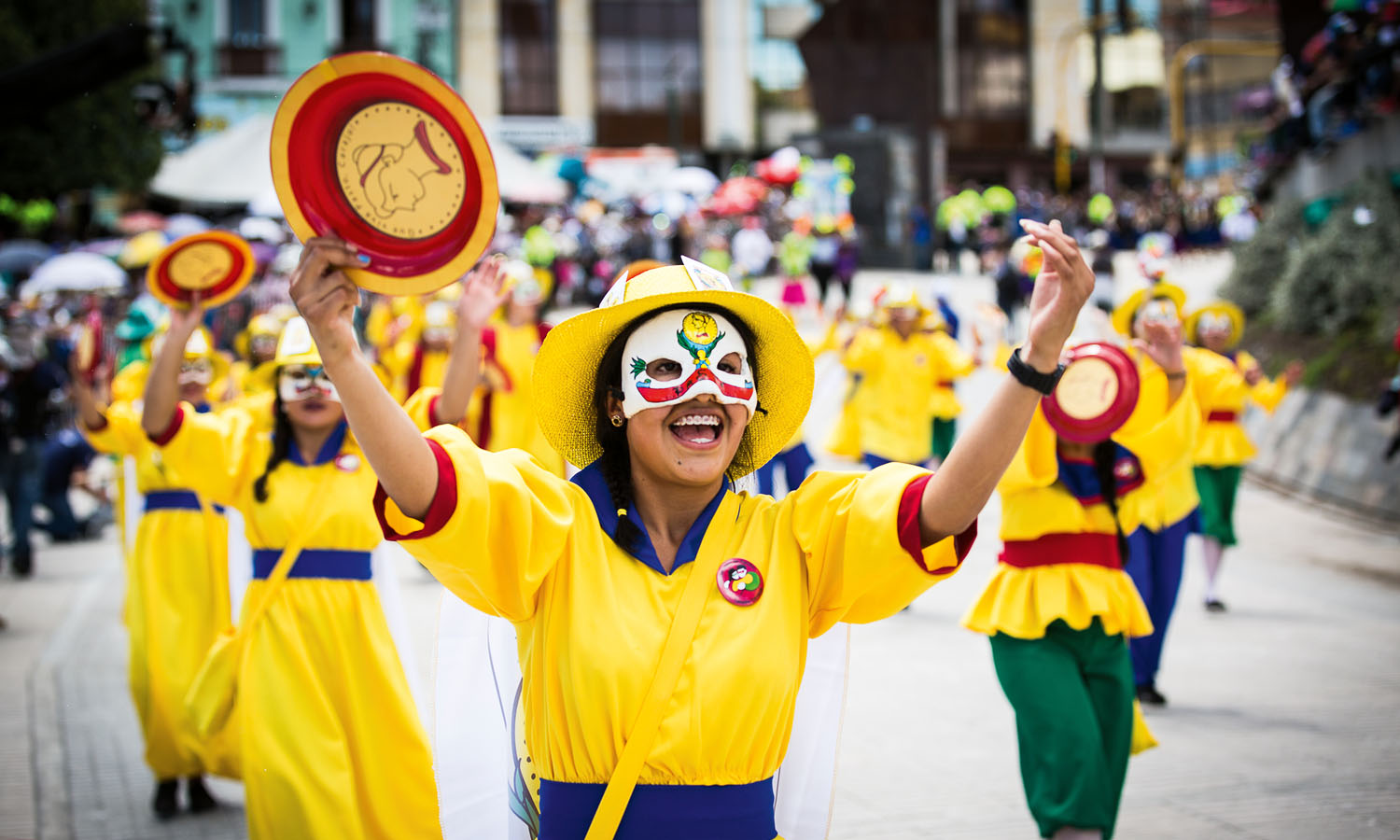
We are jostling among the thousands who have gathered to celebrate La Familia Castañeda – a colourful family who, when they arrived in Pasto in 1929, walked smack-bang into the middle of a horse parade and started randomly waving to the crowd. The Castañeda family became so popular they now have a dedicated parade in their honour.
The vibe is electric. We cheer on the performers dressed in 1920s attire as they dance and sing their way past the masses, their vibrant costumes lighting up the parade like the hot Colombian sun.
The performance is barely finished before I am hit with foam again, but this time it gets me in the mouth. In an attempt to escape, I hurtle down the main street and find myself at a security checkpoint to a concert, being patted down by a member of the policia. What an entry to Colombia I’ve made. I decide to take it all in my festival-stride and finish the night with a chorizo and a few local Poker pale ales.
The next morning Jamie intercepts me as I’m leaving to hit the streets on day four of the Carnaval. “Hey, you got Vaseline?” he whispers. It seems like an oddly personal question. “Huh?” I reply. “Your face,” he says, “the Vaseline, to get grease off.” This is his not-so-subtle way of warning me that it is Dia de Negros (Day of the Blacks). This event marks the day African slaves were freed, and it’s now celebrated with partygoers taking to the streets with black paint smeared across their faces as a sign of respect, symbolising the unity between all ethnicities.
Paint decorates the faces of the masses, and before long I realise I should have taken his advice and packed the Vaseline. My own face gets smudged and I’m greeted back at the hotel with a shake of the head and a smile from Jamie sending a telepathic ‘I told you so’.
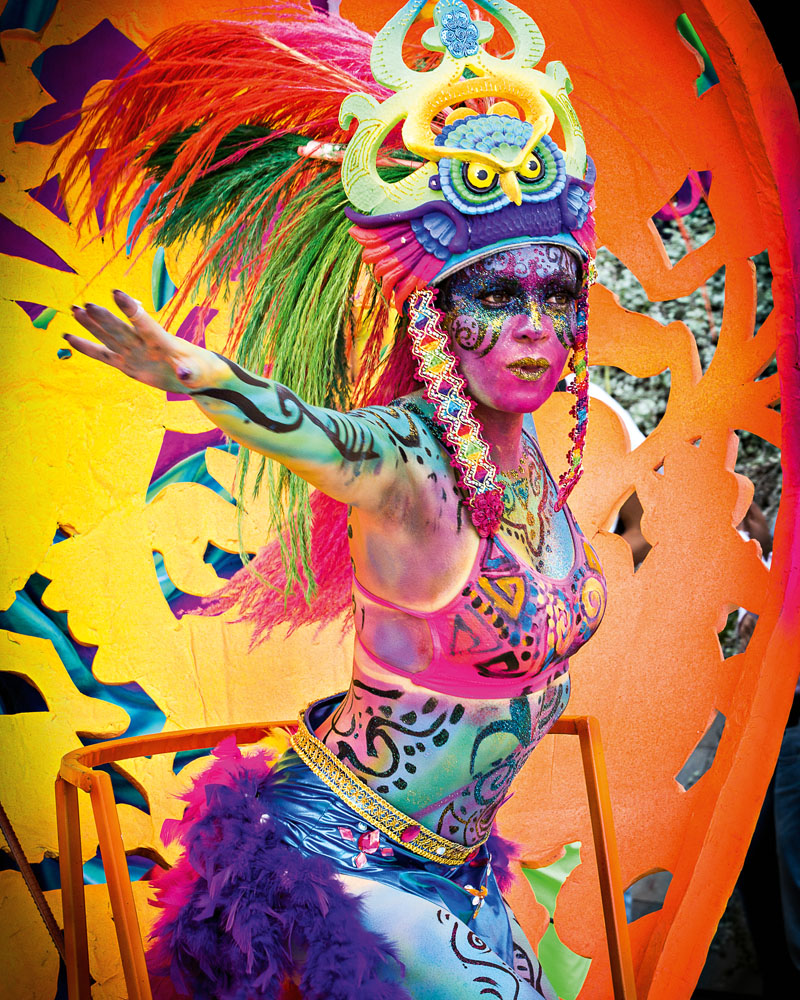
The pinnacle of the black and white festival is the Grand Parade that falls on Dia de Blancos (The Day of the Whites). This is the cause of all the foam, flour bombs and talcum powder, but before the war starts, a spectacular kaleidoscope of floats takes to the streets.
It’s like nothing I’ve ever seen before. The floats are covered in colourful and intricate details, and showers of confetti and streamers rain down as tiers of performers dance atop the four-storey-high structures. Cumbia rhythms blast from massive speakers and mechanical heads roar and bob about to the beat alongside the larger-than-life costumed characters who dance along the streets lined with an enthusiastic crowd.
I feel a hand close around my arm and I’m pulled towards a woman. It’s La Llorona, the legendary ghost who steals children, and she is not to be denied. As I do my best not to look uncoordinated, we salsa Cali-style, spinning and twirling throughout the parade to the sound of laughter, cheers and applause from my fellow spectators.
After five hours the show finally comes to an end. Looking around, there is now more white stuff on the ground than in any episode of Narcos. The foam battles have already started up again so I’m pretty grateful there is only 200 metres between my hotel room and my location.
Not close enough, it would seem.
The powder hits me square on the ear, and it’s impossible not to grin from that one to the other.
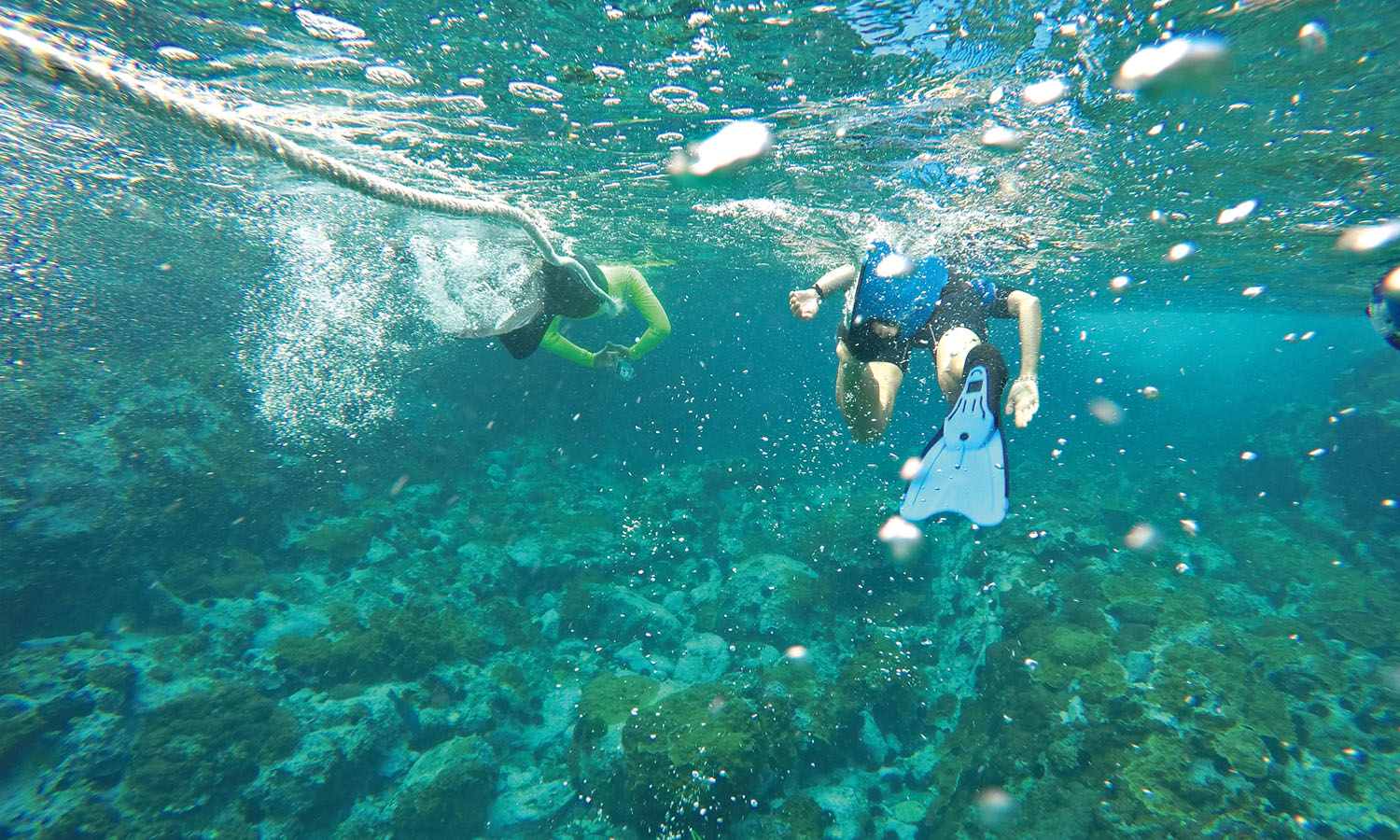
Water is pouring in from both directions, steadily rising as if someone forgot to turn off the tap. Streams of bubbles catapult past us with the speed of bullets. One moment we’re tossed around like bath toys as the swell effortlessly scoops up our neoprene-clad bodies, the next we rise and fall as if we were on the belly of a sleeping giant.
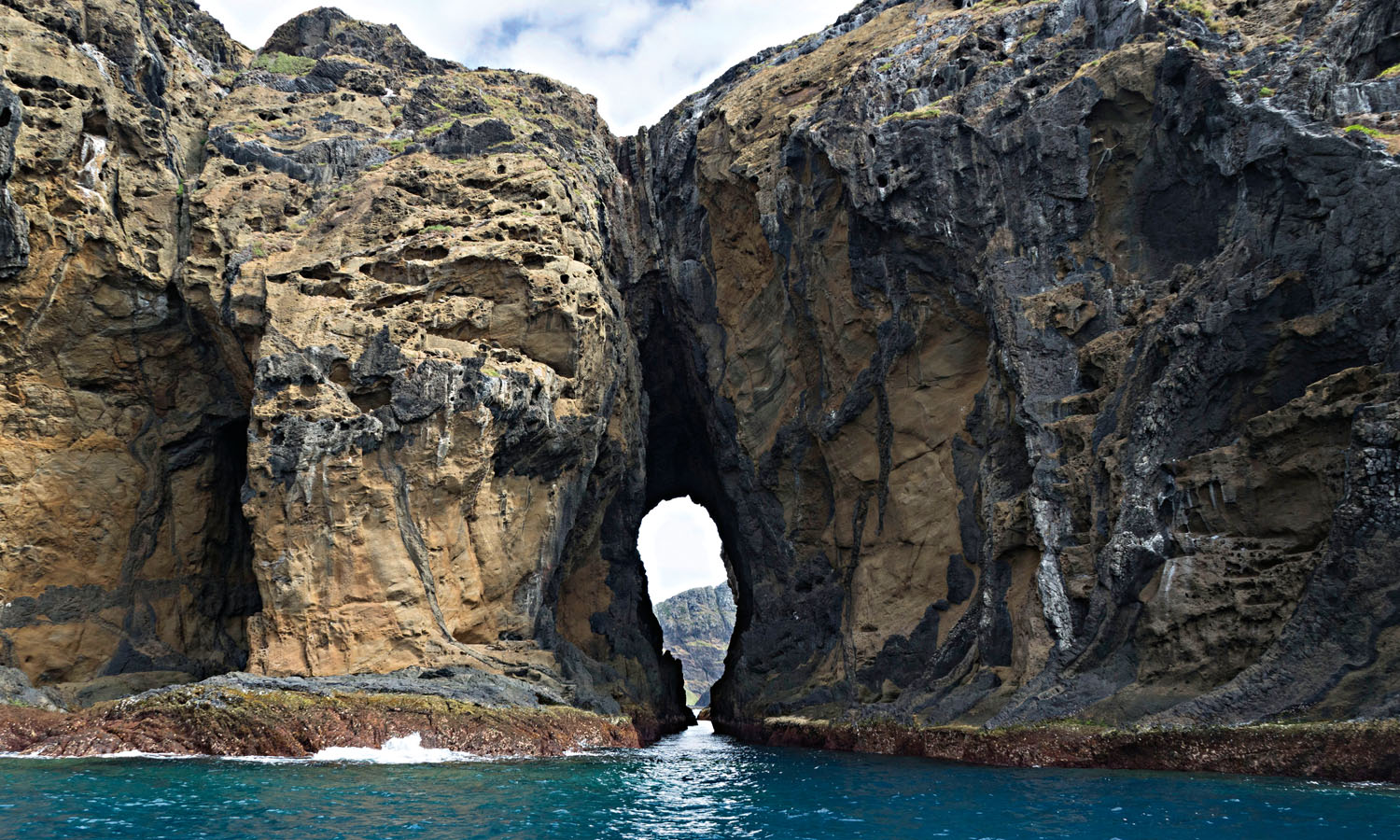
We’re in the eye of an ancient basaltic dike archway, moulded by the winds and ocean over many millennia, and there’s no other way to go now but through.
The third and final bubbling swell pours into the narrow fissure. My teeth clamp hard onto the rubbery plastic breathing tube, sucking in air fast and deep as the ocean’s unseen hand reaches for us once more. The torrents push and pull and rush all around us, yet we move neither forwards nor backwards. Every finned kick and stroke is seemingly useless against the deluge and I’m almost certain I’ll be sucked off into oblivion as we attempt to cross through this veil between worlds.
Then the swell breaks and we’re released, crossing over to the other side to glide through open waters and over a stunning seabed of temperate corals. We’ve just swum through the Eye of Roach, an islet among the Admiralty Islands and the oldest geological formation on Lord Howe Island.
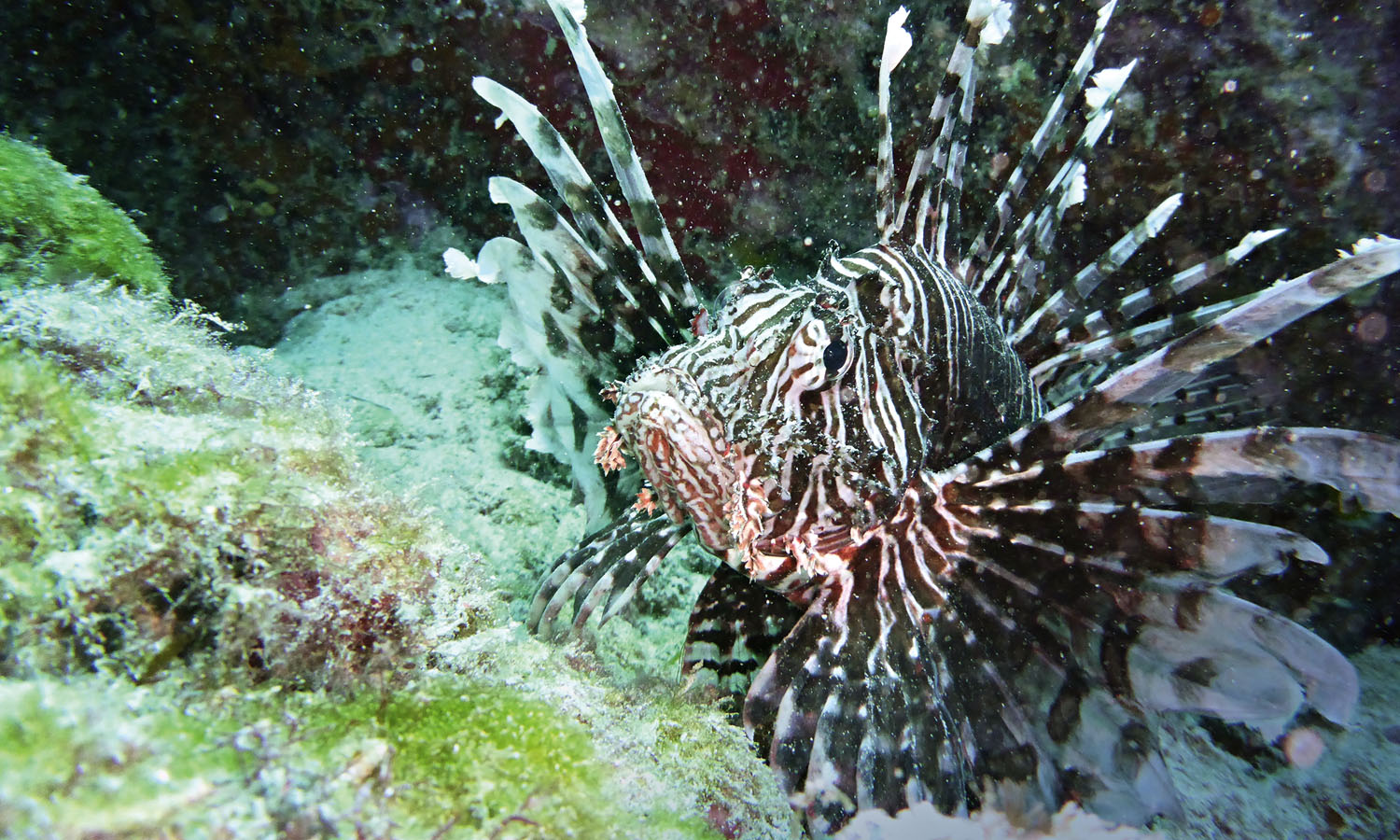
Flashes of bright butterfly fish and iridescent blue hellion wrasse shimmy in and out of coral-crusted fractures. Later on, we enter an ominous cave where the ocean floor disappears from view altogether and I get a close look at a Galapagos whale shark as it idly glides along, unaffected by my presence. Prior to swimming through the Eye my guide, Aaron from ProDive, explains that the archway channels the ocean from both ends, the water rising further to squeeze into the gap. The sea is a blue unlike any I’ve seen before. It’s 16 metres to the ocean floor where we plunge off the boat, yet I find out later that the archway is the shallowest point – just four metres deep at its heart. I dish about my up-close encounter with the Galapagos shark.
“They get a pretty bad write up if you google it,” he chuckles, “but they’re inquisitive, so they’ll come up and have a look. The water is so clear out here they’re not going to mistake you for something that’s on the menu.”
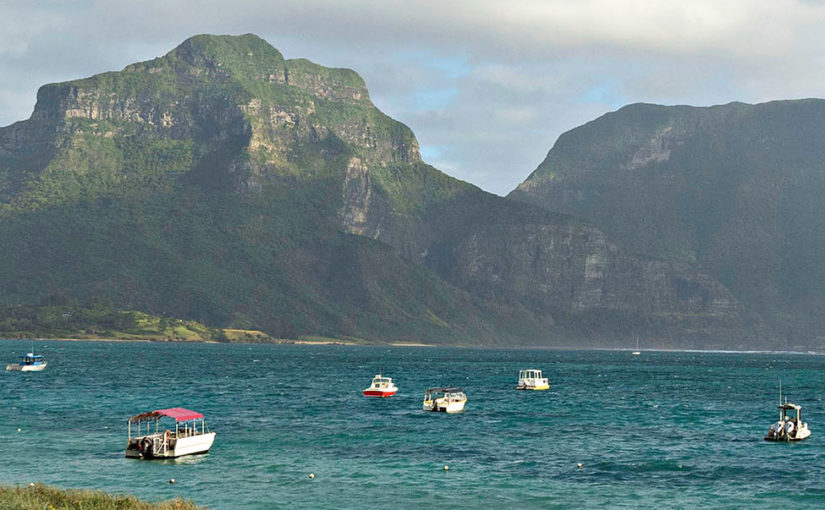
It’s one of the magical anomalies of the world’s southernmost reef. We swim over but a handful of the 500 fish species and 90 types of coral to be found among the reefs here. To the south where the crescent-shaped isle of Lord Howe lies, twin peaks Mount Lidgbird and Mount Gower – two thirds of the island’s landmass and the youngest geological formations on the island – are the unmissable bastions and useful for orientating yourself in the unlikely event you’re lost.
For the uninitiated, it’s easy to underestimate the number of things to do on an island that measures just 11 kilometres long and two kilometres wide, but don’t be fooled – the roads that fan out across the landscape lead to more than just sandy beaches and Tiffany-blue water.
Ned’s Beach is home to a friendly mullet population and snorkelling gear is available to rent via an honesty box. The Old Settlement receives regular visits from the local turtles that catch a ride in during high tide and surfers can ride the waves at Blinky Beach. Beyond the golden sands, more than 30 kilometres of root-riddled trails fringed by palms and mellifluous birdsong – ranging from leisurely stroll to lung-heaving climb – snake across the mainland, many with sweeping views of the island. Foodies will adore dining at the restaurants (produce is always local and fresh) or, better still, tucking into a lavish picnic by the water. The isle’s charm lies in its diversity as much as its beauty: a laid-back holiday can be dialled up to an adrenaline-pumping adventure and back again all in a day.
Conservation is taken seriously by the 350-resident island community. The island was listed as a UNESCO World Heritage site in 1982 for its rich biodiversity; 75 percent is protected park reserve and 145,000 hectares of the surrounding oceans are a marine park. Conservation projects include capping the island’s visitors to 400 at any one time, recycling and waste reduction, and the removal of noxious weeds. Native flora and fauna are regularly chronicled and studied by resident naturalists and the island’s history is immortalised by the Lord Howe Island Museum. Ian Hutton, a naturalist of more than 20 years and curator of the museum, explains that the introduction of non-native animals in the earlier years – cats, dogs, pigs and rats – was devastating for the local wildlife. Native flora was destroyed, the endemic woodhen faced extinction, and providence petrels and black woodies were pushed off the island. The Lord Howe Island phasmid was declared extinct, although it was later rediscovered in 2001 on Ball’s Pyramid. The gradual removal of introduced species over time has slowly remedied this issue and not only seen flora and fauna return and survive, but thrive.
“The animals here evolved over millions of years without any predators. This is an example of what the world would’ve been like if mammals hadn’t evolved. That’s why there’s a huge impact once rats or other animals get onto an island because the animals living in isolation have no instinctual mechanism to protect themselves,” says Ian. It’s also the reason why the wildlife is so calm and friendly in the presence of humans.
Much of this endemic flora and fauna can be seen on the longest, toughest and best day walk: Mount Gower. Towering an impressive 875 metres, Gower is Lord Howe’s loftiest peak. Its unmarked trails are only accessible with a licensed guide – of which there are only two on the island. One of those guides is Jack Schick, a fifth-generation resident of Lord Howe Island. Following in the footsteps of his grandfather and father before him, Jack has been making the challenging 14-kilometre return trek to the summit of Gower on a biweekly basis for more than 20 years. If that wasn’t impressive enough, in the final weeks of 2017 he completed his 2000th hike.
As first light cascades across the island in dreamy golden waves, I arrive at Little Island gate on the south end of Lord Howe at 7.20am sharp to meet him and my fellow walkers. After a brief rundown of the safety procedures, Jack ends his explanation with this: “Hope you enjoy it all and don’t hate me this afternoon.”
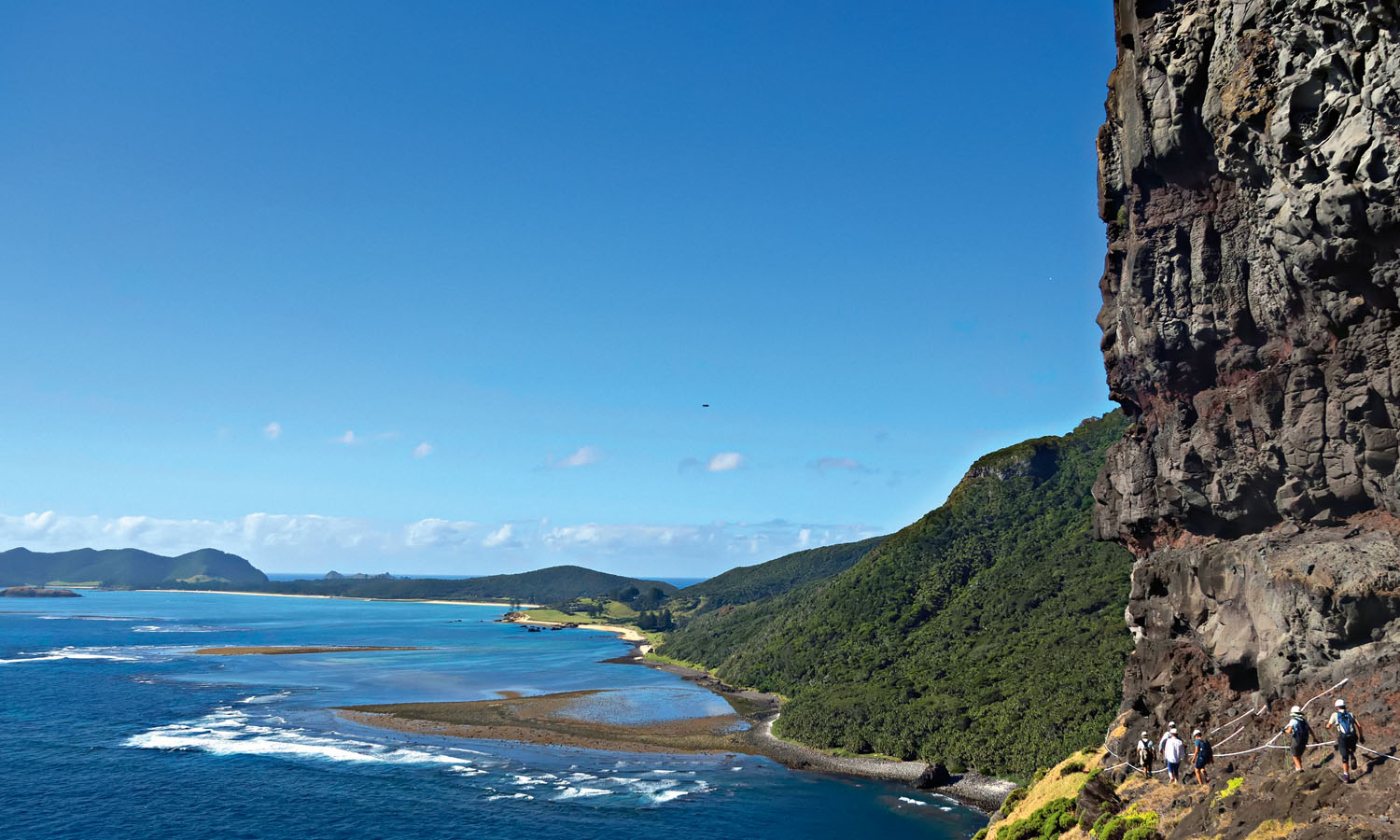
While I personally have nothing against Jack post-summit, my burning thighs and stiff knees do. The ‘walk’ begins with a leisurely stroll along the coastline before disappearing into a forest of towering kentia palms. We’re then confronted with a wheelie bin of hard hats which we don to shimmy along the narrow trail of sheer basaltic cliff that traces the rope-lined fringes of Mount Lidgbird. It’s a 100-metre drop into the drink below. It’s not long before we get a taste for the steep ascent, though, and soon we’re clambering over boulders and negotiating steps of thick and twisted tree roots. The beauty here is undeniable.
We emerge from beneath the frond-filled canopy into blazing sunlight. “I like to call this the Wow Saddle,” Jack smiles. He nods his head toward the view behind me. Mount Lidgbird rises up from the ocean, framed by crystal waters on either side. From here, we can see all the way out to Lagoon Beach and I feel my mouth form the word. A bit further along the track, we glimpse the rugged profile of Ball’s Pyramid, too. We’re more exposed now and I feel my skin sizzle as we reach what’s known as ‘The Get Up Place’. A single rope hangs down a sheer wall so high I can’t see its end. The extreme factor is heightened as we cross the thinnest of escarpments to reach it. I swallow hard and remind myself of Jack’s earlier story about his cousin, Phil Whistler, who did the trail at a run – up and back – in one hour and 41 minutes. I grit my teeth and edge my way across.
Our efforts do not go unrewarded as we reach the cloud forest summit. Moss blankets the ground and ferns fan out like enormous green flowers. Jack points out the little mountain palm that, like almost 20 percent of the island’s endemic plant species, can only be found on the upper slopes and the peak of Gower and Lidgbird. Through the foliage, we glimpse the piercing gold eyes and glossy black feathers of a currawong perched high up in the trees, and the elusive brown woodhen probing for worms and insects beneath an umbrella of ferns. The cloud that often passes through the upper reaches of the mountain transforms the forest into an ethereal hinterland pulled from the pages of a fantasy novel. Today’s beaming sun, however, means we miss this beautiful sight. But as we step out from the foliage on Gower’s summit we’re greeted by the most spectacular view of the island and an unrivalled lunch spot.
The next day, I take it easy with a slow walk to the top of Malabar Hill. At the lookout, I can see across the entire island and I can’t help but imagine my next trip here, as though it’s already a done deal. This mindset seems to be a recurring theme of the people I meet on the island; they’re either repeat visitors or have become so deeply enamoured with the island and its lifestyle that they’ve packed up their lives and moved over.
“It’s our fifth time here,” a man from our Pro Dive snorkelling jaunt tells me. And we met a German couple who are staying for the next six weeks!”
The tale that inspires me most though, comes soon after my morning walk. I’ve just returned my bike to the hire shop after a swim at Ned’s Beach, and make for Joy’s General Store for a cold drink. I lament to the cashier that it’s my last day and admit I’m not quite ready to leave. He can sympathise: “I came here for a week in October last year and loved it so much I didn’t want to leave. I’ve actually just deferred my uni degree so I can stay. You only live once, right?”
As I wait to board my flight home, the bloke’s words still ringing in my ears, I think back to that moment in the water on the flipside of the Eye. The swell had begun building again and our group rallied as they prepared to make the cross back over. “You coming through?” Aaron asks as we draw nearer to the arch. I could have taken the boat. But as the swell begins to suck us in, I realise that it’s too late: I’m hooked. And I’d happily stay that way. I smile. I’m ready. “Let’s go.”
He stalks by the tram stop in head-to-toe black PVC, thighs squeaking like rodents. Sunlight glints from studs around his neck that are long enough to skewer a steak, and his face scowls out from behind a fragile scaffolding of chains and piercings. Yes, I think. We’ve arrived.
Each year in May or June, the German city of Leipzig hosts the biggest gothic and dark culture event in the world – the four-day Wave-Gotik-Treffen (WGT). More than 20,000 of the gothic diaspora heed the call to come and swamp Leipzig in black.
But planning to attend a gothic festival is tricky when you’ve been travelling for six months. Our clothes are tattered and we left the leathers, fish-nets and capes back home. An unofficial WGT website, www.sadgoth.com, comforts festival neophytes like us, saying: “You will encounter a sea of black-dressed people the moment you arrive, making you feel at home and safe.”
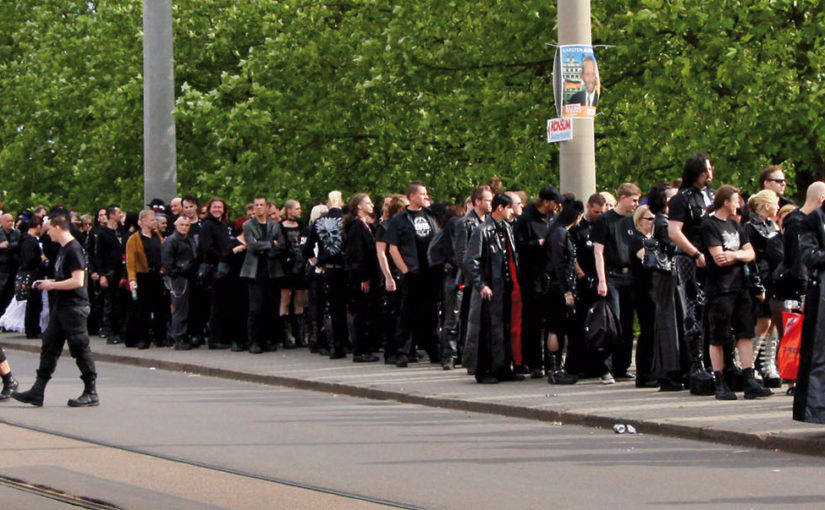
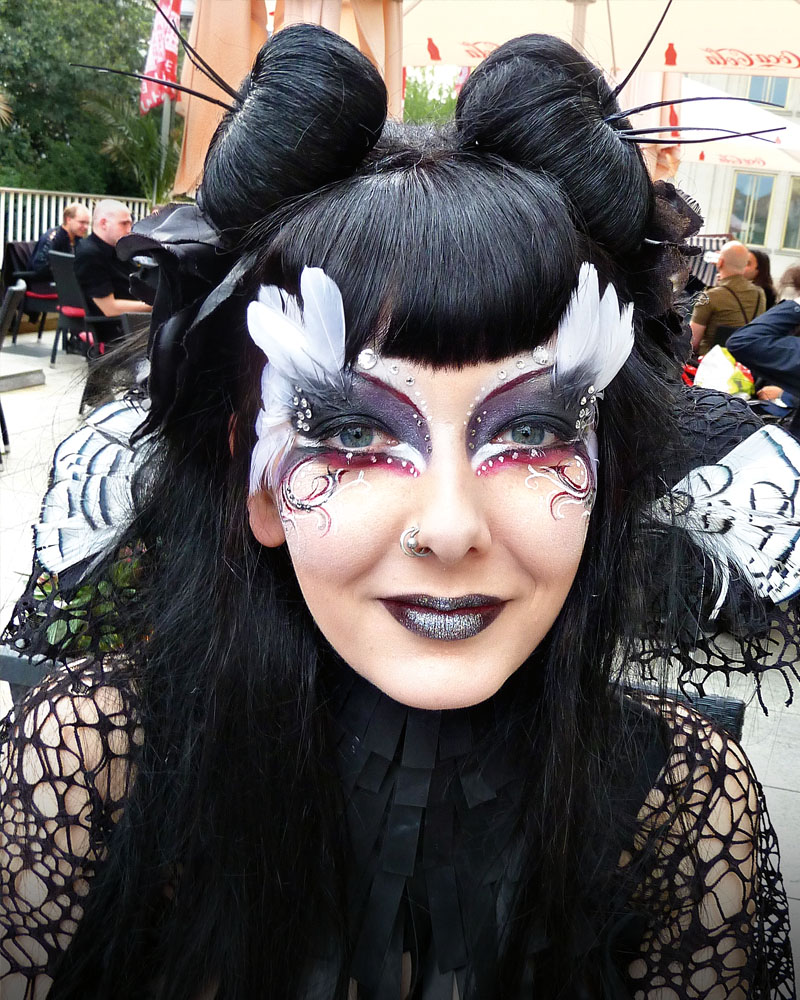
SadGoth.com was right. When we emerge from Leipzig train station a day before WGT, there are goths everywhere. There are pale people dragging coffins, men in top hats and gas masks, couples strolling by in full Romantic-era regalia and cyberpunk goths in welding goggles with hip-length hair extensions made from electrical wiring. There are rockabilly goths, transgender goths, steampunk goths, rivethead goths and vampire goths. Hundreds of them, all dimming the city streets like a colony of bats flying across the sun. And I’m caught out wearing my travel trackies and sandals. The first thing to do? Hightail it to the hotel and get all ‘gothed up’.
Uninformed tourists arriving in Leipzig during WGT will find accommodation scarce, but if they get lucky they’re in for a fabulous people-watching treat, even without a festival pass. WGT is held in around 40 venues right across the city meaning there are Goths promenading simply everywhere. Contrary to their reputation for sinister habits and depressive tendencies, there’s a celebratory, theatrical air in Leipzig. Oh, and the fashion! As the premiere event on the global Goth calendar, festival-goers spare no effort. It’s like being at the Melbourne Cup in a parallel universe where everyone likes Nick Cave. But goths, remember, dress to shock, so it’s BYO open mind.
Day one at WGT sees us don every black item in our suitcase and make a curious shopping list: black nail polish, black eyeliner, black hair dye and white face powder. Must. Fit. In. Our hotel is a crisp, corporate establishment with white walls, upright chairs and about 50 goths eating breakfast. A woman enters wearing a shroud and a black gauze tutu. She helps herself to boiled eggs at the buffet, taking care not to dip her shroud in the jam.
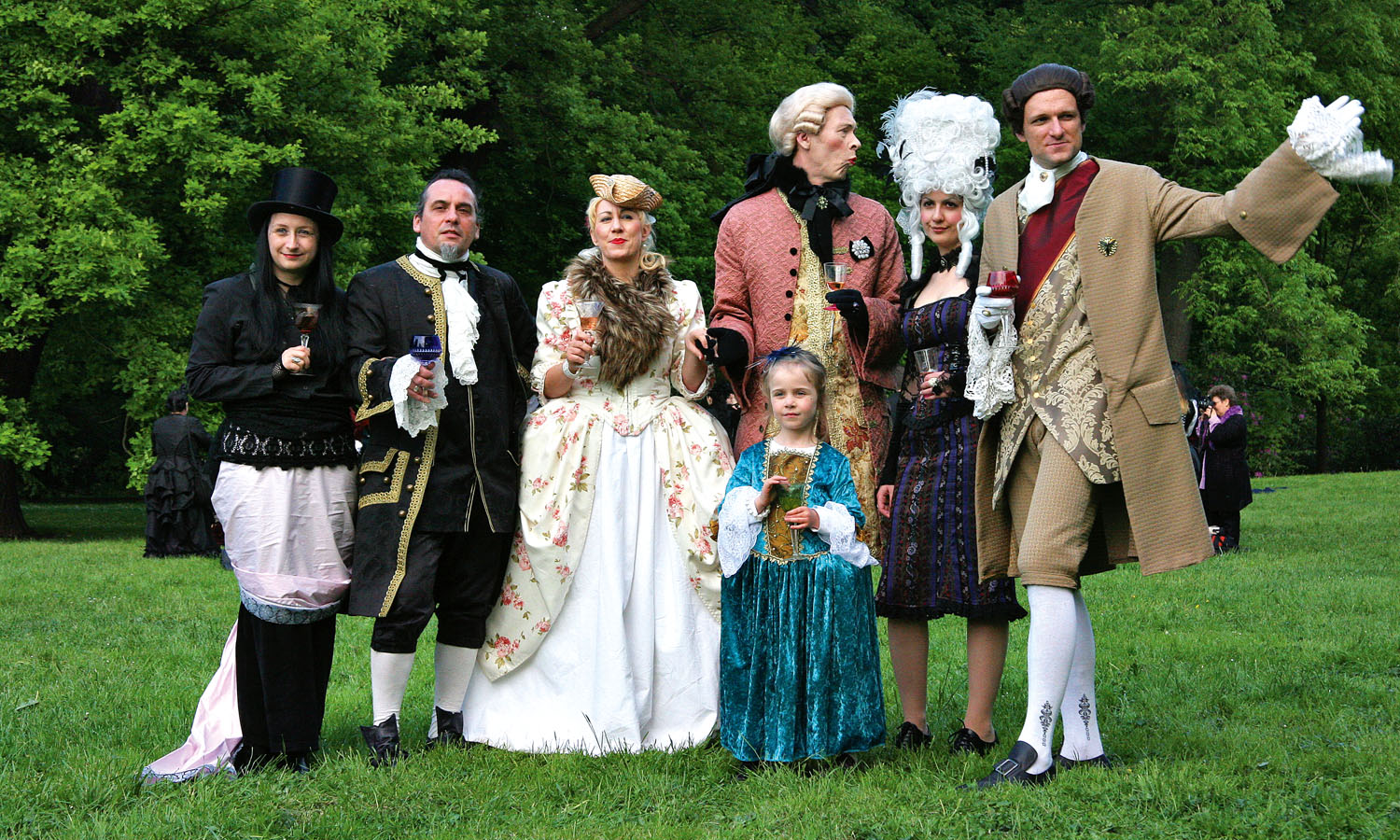
That afternoon we see Greek-American ‘horror opera’ diva Diamanda Galás at the Opera House. Unfortunately we miss the costume memo. No one congregating on the Opera House steps is in modern-day attire. I admire a Victorian-era widow-in-mourning with delicate bird wings for eyelashes. She’s accompanied by a fellow with an Amadeus Mozart ‘up do’ wearing a perfectly tailored hunting suit. “Spooky and cool,” my husband keeps murmuring as he watches yet another incredible frock flounce by. “It’s people watching people who want to be watched!”
We ask a German goth what bands he wants to see. “All and none,” he replies. “For me it’s more important to come here and just be. It’s a magic time for us. For four days this city is ours. It’s like being on another planet.”
For goths, being the majority in public is a rare event to be celebrated. Banned by the East German communist government in the 1980s, WGT relocated from Potsdam to Leipzig after the fall of the Berlin Wall. Leipzig is a pleasant, plain and well-serviced city – a surprising host for a movement that worships all things dark. Just an hour south of Berlin, Leipzig shares little of the gritty urban chic of its northern counterpart. But as a major conference city, it has ample hotel accommodation with about 12,000 rooms in the city centre alone. Come WGT, however, there’s barely a suit in sight when the hotels are dominated by goths.
These days WGT encompasses up to 200 musical acts, Renaissance fairs, Viking markets, a full-scale medieval village, film premieres, literary readings, artist signings and a campground. Its popularity has put Leipzig in the unusual position of having a gothic festival as one of its biggest civic events. The city embraces the festival. It runs a free ‘black’ tramline to festival venues and hands organisers the keys to venerable cultural institutions like churches, museums, the Opera House and – naturally – the cemetery.
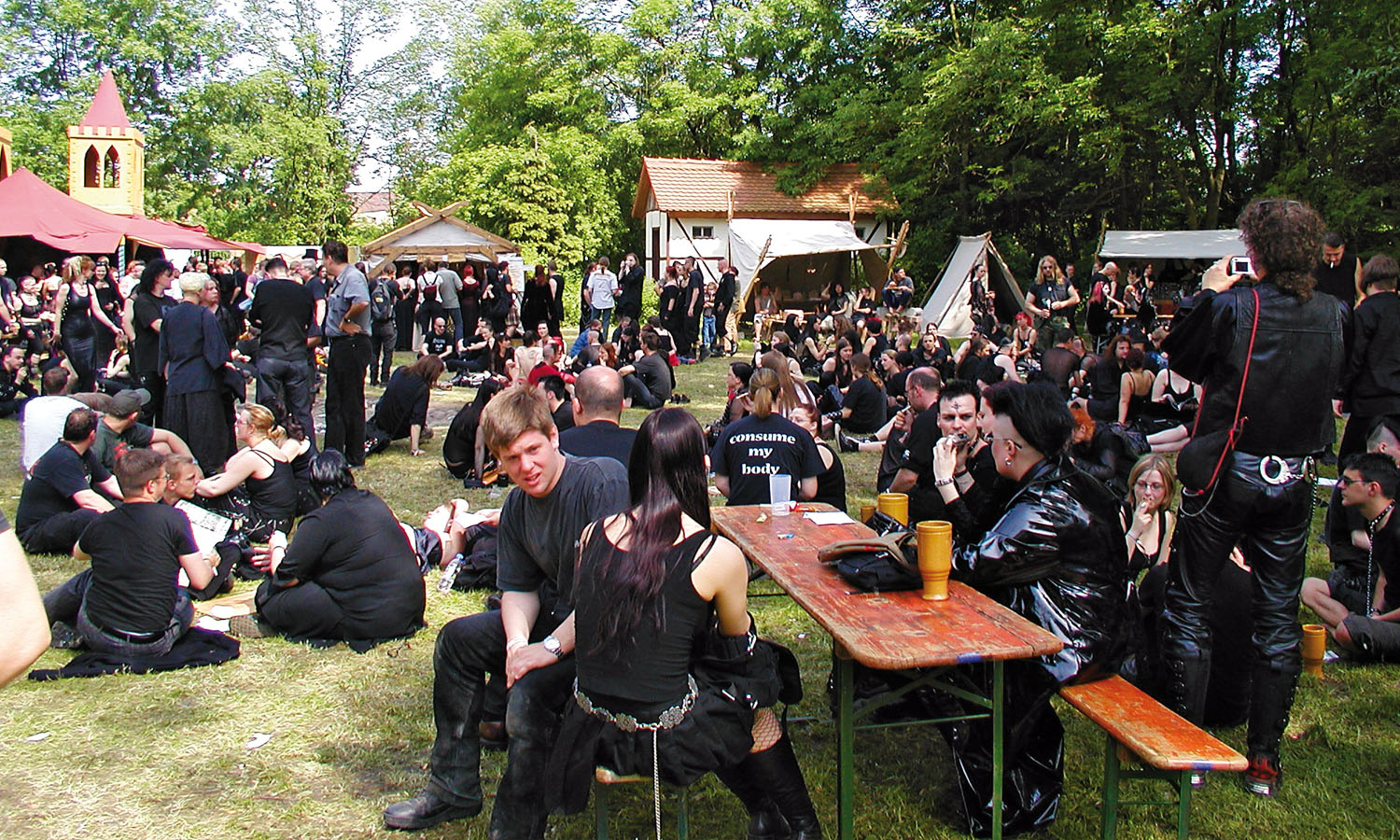
On the second day we go to the vampire masquerade. The venue is miles away, but we’re hoping for an impressive show. Instead we find a damp, decrepit house on the outskirts of town with 30 or so goths in the backyard beginning a vampire role-play game. Slightly alarmed, and spectacularly out of place, we decline their offer to play and instead stand awkwardly next to a tree, watching. The players wear fangs that look creepily real.But it’s not a spectator sport so we slip away and head to lush Parkbühne, which is full of goths mushrooming out of the greenery like some sort of spreading black fungus.
“What time does the cemetery open?” It’s not a question I usually ask when I wake up, but day three is open day at Leipzig’s cemeteries and churches and we anticipate quite a spectacle. The day is sunny but that hasn’t dampened the dark spirits of the goths gathering at Südfriedhof cemetery. Hundreds are here, draped over gravestones or milling around the chapel. Stunning women with spectacular cleavages, hooped gowns, corsets and parasols meander down leafy paths while a dead-looking goth drags his friend around on a chain. Next we enter a Cathedral, where an earnest Christian goth theatre troupe performs a musical about humankind’s fall from grace. Hang on, Christian goths? Yes, there are many unexpected subcultures sheltering beneath the gothic umbrella.
While the city of Leipzig capitulated to gothic purchase power long ago, some hotels remain aggrieved by the gothic influx. It’s true that their hotels do often look like the Hellfire Club has vomited up several hundred patrons over the inside of the lobby, but www.sadgoth.com maintains that’s no reason to raise an eyebrow. The website aims to punish prudish Leipzig hotels with a goth star-rating system. To determine the rating, Goths answer questions like “How did hotel staff treat you when you appeared ‘all gothed up’?” and “Did staff let you sleep or did they pester you to clean your room?” A rating of one measly goth star means the hotel “Treated you like an alien and told you not to come back next year.” A two-goth-star rated hotel “Treated you unequally, gave you dirty looks and made you feel ostracised.” Meanwhile, a five-goth-star hotel “Treated you with utmost respect, even with your best goth gear on.”
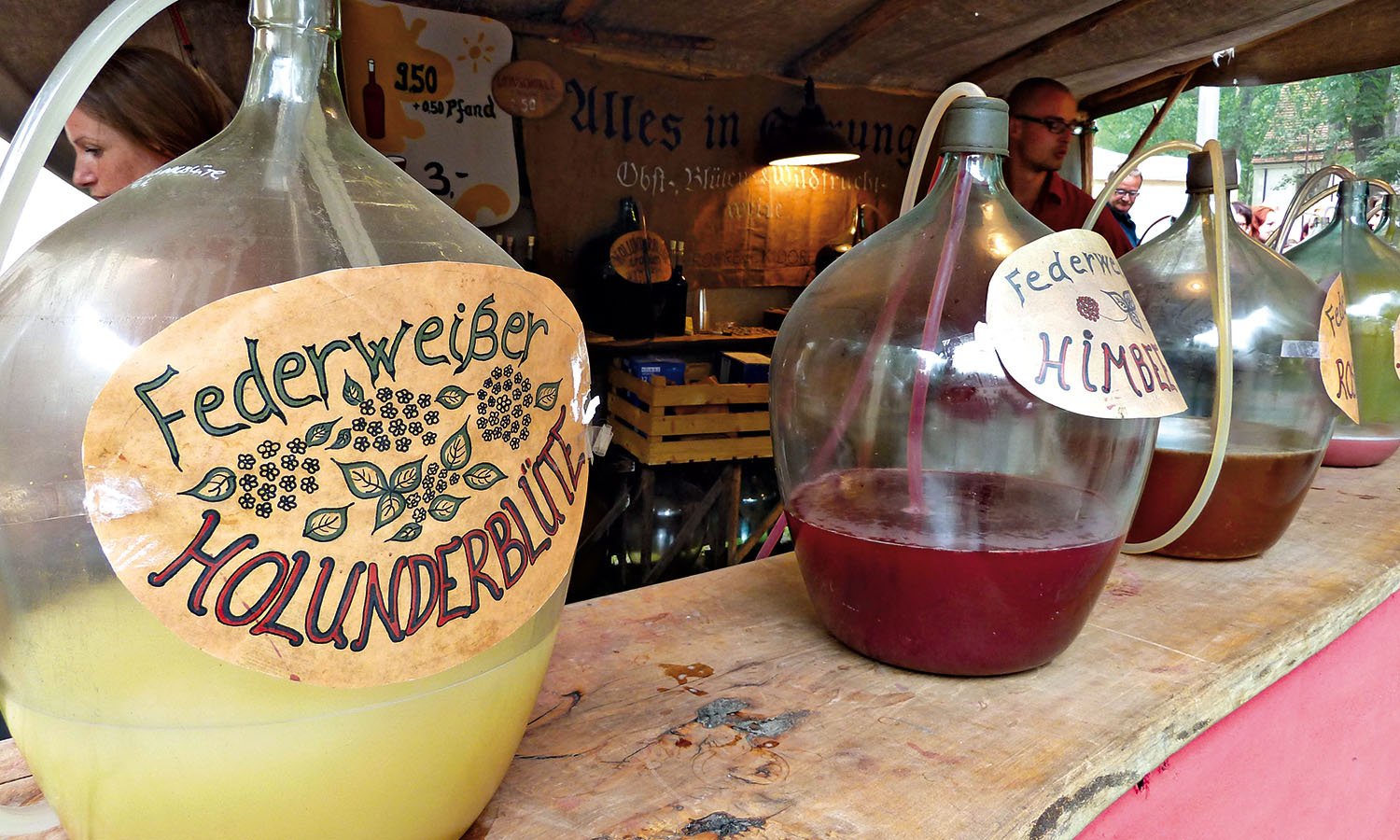
Day four and it’s time to visit The Agra: home to the campground, the rock stadiums, the medieval village and the gothic marketplace. We trundle through the city past tram stops where dozens of goths coagulate, making regular Leipzig citizens stick out like sore thumbs. Our tram, too, is packed with goths. We are, after all, headed to The Agra – the black, beating heart of WGT. We wander the marketplace until the PVC and rubber fumes make us dizzy, then while away hours in the medieval village where fathers push ‘gothed up’ prams wearing T-shirts saying: ‘I’m Dead’. Stalls sell modern essentials like swords, chain mail, axes, bows and arrows, perfume vials, potions and suspect medieval meats spinning on spits. We drink elderberry wine and dance to pagan folk (think brawny men in animal skins playing lutes, flutes and fiddles). By anyone’s definition, the medieval village is a big old barrel of fun. Even www.sadgoth.com agrees. “If you fail to enjoy yourself here, you may as well give up and crawl into your coffin.”
Back in Leipzig central, goths are running the gauntlet of happy snappers. Tourists have given up being spooked and the city has transformed into a sprawling photo shoot. They tap goths on the shoulder and point eagerly to their camera. “Ja,” most subjects reply before striking a killer pose. We watch bands, drink cheap steins and eat bockwurst. We walk the length of Leipzig mall and giggle at medieval damsels eating pizza. We marvel at goths downing fiery absinthe shots with mechanical equanimity and invent a guessing game of which ones can ‘de-goth’ for a conservative day job. We people-watch at WGT until it closes. This is one festival where the attendees are undoubtedly the star attraction.
Immerse yourself in the bright lights and busy streets of Tokyo before heading off to explore historic Yamaguchi.
Discover Tokyo
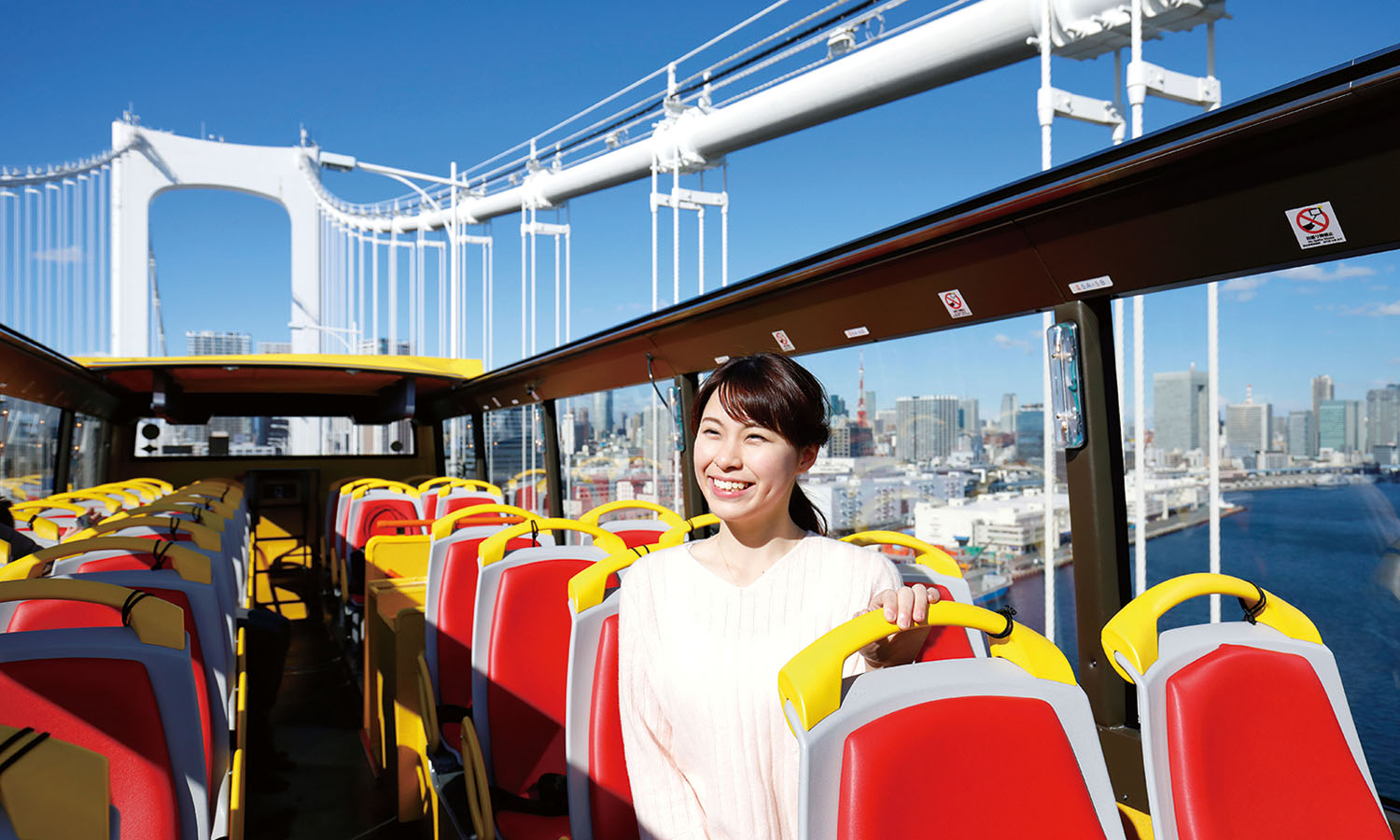
A bucket-list destination for many, the best way to take in the many vibrant sights and sounds of Tokyo is via the double decker open-air bus called ‘O Sola mio. On this trip, which runs for about an hour, you’ll pass major attractions such as Tokyo Tower, which, at 333 metres high, is the world’s tallest, self-supported steel tower. The bus also visits Ginza, Tokyo’s most famous upmarket shopping precinct, and Toranomon Hills, a high-rise business district. An absolute tour highlight however, is cruising over Rainbow Bridge, a suspension bridge that crosses northern Tokyo Bay. The harbour views are spectacular, and on the top deck of the bus you’ll feel as though you’re flying through the air.
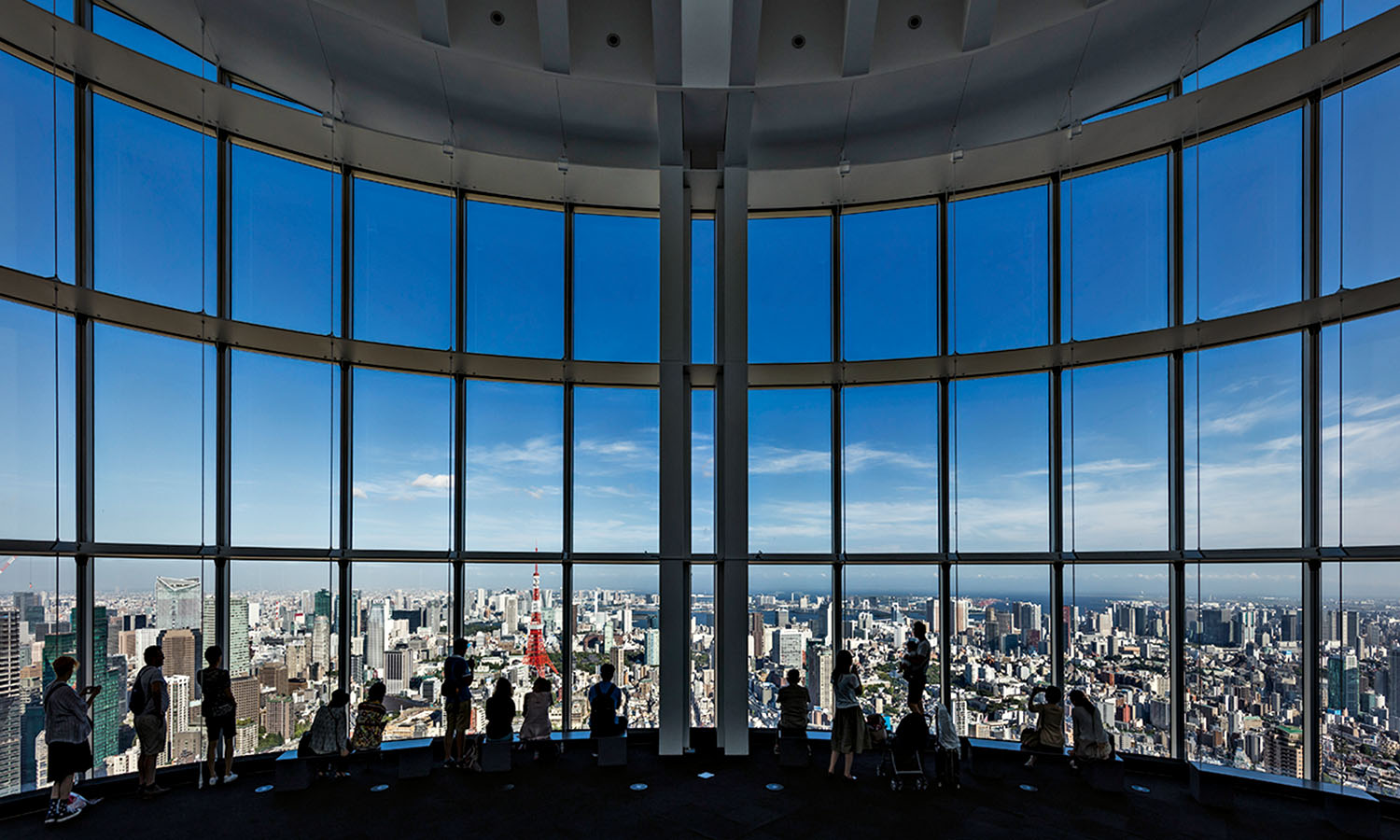
For unbeatable panoramic views of Tokyo and beyond, Tokyo City View is not to be missed. Situated in the heart of the city centre, the indoor observation gallery sits 250 metres above sea level, while the outdoor Sky Deck is 270 metres above sea level. Iconic landmarks such as the Tokyo Tower and Tokyo Skytree are easy to spot, and on a clear day you can even see out to Mt Fuji. When you’re this high up, and well away from the crowds below, the vast spread of Tokyo and its incredible infrastructure can really be appreciated.
If you’re after an authentic Tokyo dining experience, you can’t go past a meal at an Izakaya, an informal Japanese-style pub. A great place to find an Izakaya is in Kabukicho, which is part of the lively and colourful Shinjuku district – the centre of Tokyo culture. Nearby is the hub of Tokyo’s administration, Tokyo Metropolitan Government Building, the JR Shinjuku Station, which services 3.5 million passengers a day, and a chaotic maze of streets lined with a mix of department stores and quirky boutique shops.
After the hustle and bustle of Tokyo, it’s time to travel to Yamaguchi. From Tokyo’s Haneda Airport to Iwakuni Kintaikyo Airport, it’s approximately a 1hr 40mins flight to reach this serene and truly stunning part of Japan.
An important structure of the region is the wooden Kintaikyo Bridge, built in 1673 in Iwakuni. Featuring a series of five wooden arches, it’s a rare sight, even outside of Japan, and its intricate creation is the culmination of a range of masterful techniques.
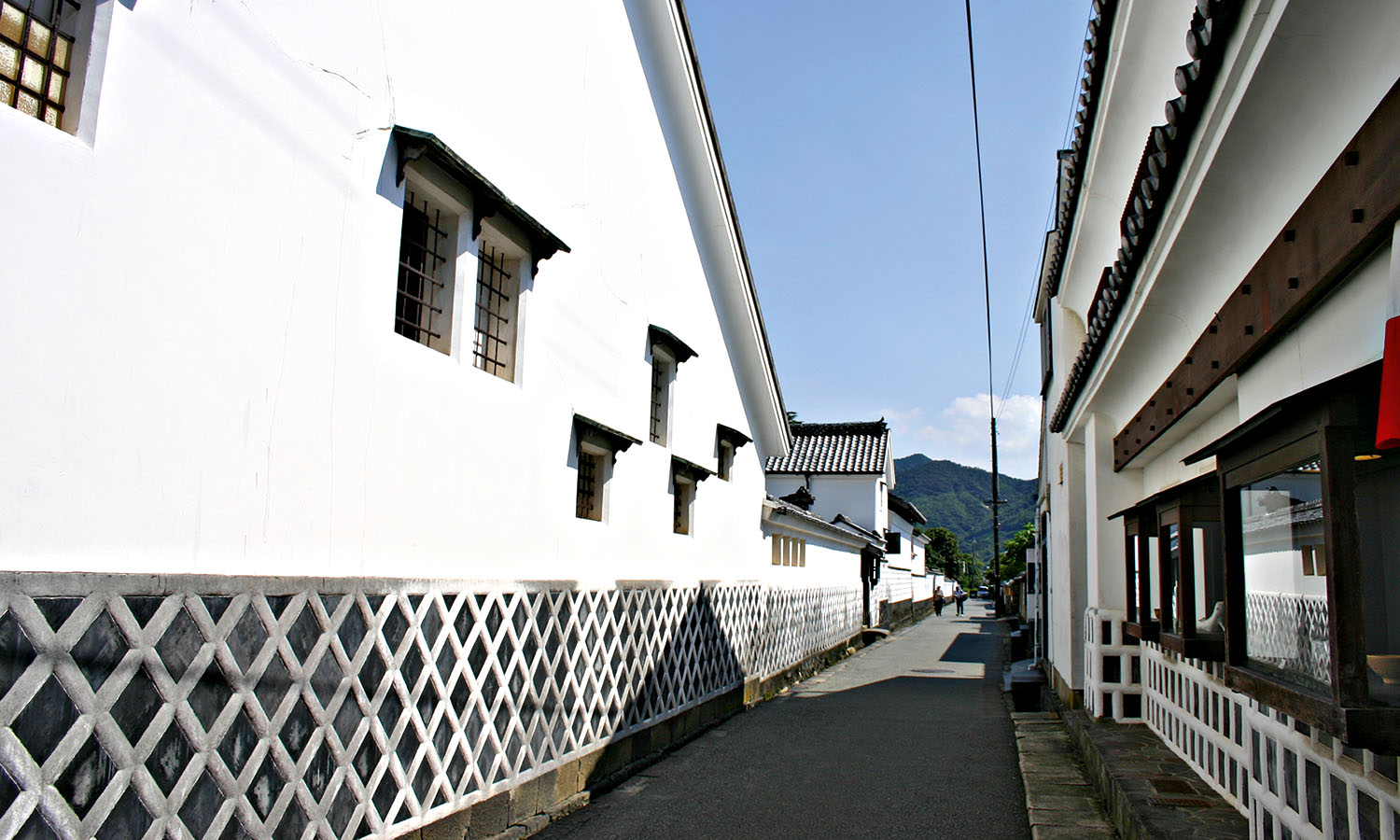
Also worth a visit is Hagi town, which is where Japanese daimyo Terumoto Mori built his castle in 1604. Now one of Japan’s most prominent historical cities, buke yashiki (samurai houses) from the Edo Period still line the streets, offering an insight into what life might have been like during that time.
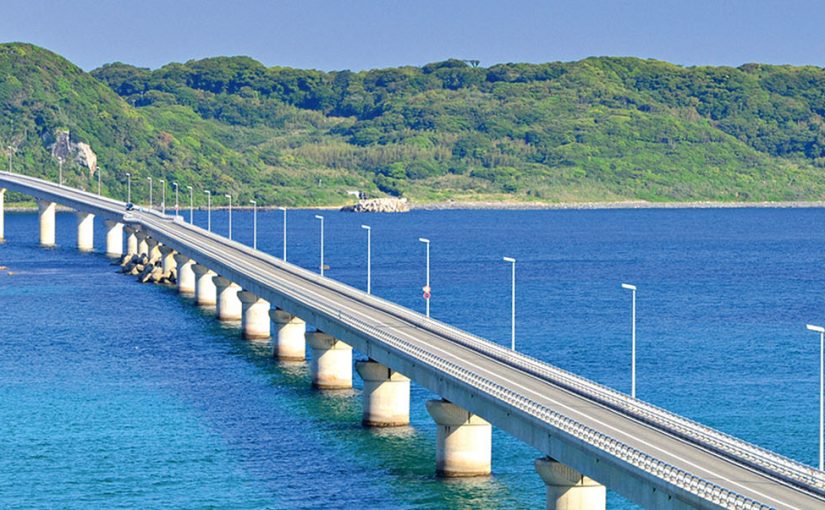
A popular destination for many tourists is Tsunoshima Bridge, a toll-free bridge connecting many of the surrounding remote islands. At over 1,780 metres in length, it’s one of the longest bridges in Japan, and since its inauguration in 2000, has featured in several movies, commercial messages and television programs. Stretching out over the clear turquoise blue sea, it makes for a spectacular sight, and it’s definitely a place you’ll want to make sure you have your camera at the ready.
This much sightseeing often builds quite an appetite, which means a visit to the Karato Fish Market in Shimonoseki is in order. Fresh fish and seafood is available to purchase, and every Friday, Saturday, Sunday and national holidays, the first floor of the market turns into a seafood stall, known as ‘Iki-iki Bakangai’. As a festival-like atmosphere grows, crowds of visitors from all over Japan and further afar can enjoy delicacies such as hand-rolled sushi with fresh food, blowfish soup and ‘fuku sashi’ – blowfish sashimi.
Other attractions include historical buildings such as Iwakuni Castle, the Old Megada Family’s House, and the Nagayamon Gate of the Megada Family, as well as art and history museums like the Iwakuni Choko-kan Museum, the Iwakuni Art Museum, and the Iwakuni Shirohebi (white snake) Museum. The Iwakuni Shirohebi Museum is a fascinating place, and the only place in the world that the Iwakuni white snake is found. Visitors can learn about the life and history of white snakes through games and scale models.
If there’s any one type of photography that has opened up to the masses in recent years it has to be taking images underwater. No longer do you need to own expensive, heavy equipment to jump in and take a snap of the charming manta rays you’ve travelled halfway around the world to see.
For me, getting beneath the surface is one of the most interesting ways to take photographs. It involves putting yourself in a completely different and unusual environment, and allows you to share your experiences and perspectives of a world rarely seen by others. It might not be the easiest of places to take a camera into, but these basic tips will hopefully inspire you and help you capture better photos when you’re floating in the big blue sea.
What Camera?
As an Olympus Visionary I am fortunate enough to have access to high-end professional cameras and dive housings, but that doesn’t mean you can’t take good underwater photos with much less. There is a whole range of small cameras that can be taken underwater without any extra housing. With technology improving at rapid speed, these gadgets can take excellent images, plus they’re much more compact, easier to use and don’t distract as much from the experience.
I recommend the Olympus Tough series if you want a camera that can be taken on every adventure into all kinds of environments. The latest model is the TG-4. It weighs about 250 grams, is shock proof (just in case you bump it on rocks or a jetty as you’re getting in – investing in a silicone jacket is always a good idea though) and waterproof up to 15 metres, so it’s perfect for snorkelling, surfing and most dives. These point-and-shoots really take the complications away and allow you to focus on what you’re actually supposed to be doing: having fun!
You might also want to invest a few dollars in a neoprene wrist strap. Even if you manage to let go of your camera before you safely slip your hand through the loop, this will float it to the surface of the water for easy retrieval.
Let There Be Light
If you’re not diving in the clearest water on the planet you might find that there isn’t much light below the surface. Most compact cameras have a little built-in flash that can help bring out colours and add the extra light needed to capture the underwater scene. Be aware, however, that straight flashlight can illuminate all the tiny particles floating between you and the subject. As well as making your image look as though it’s covered in tiny, bright dots it can confuse the camera’s auto-focus. Which leads me to my next tip…
Fill The Frame
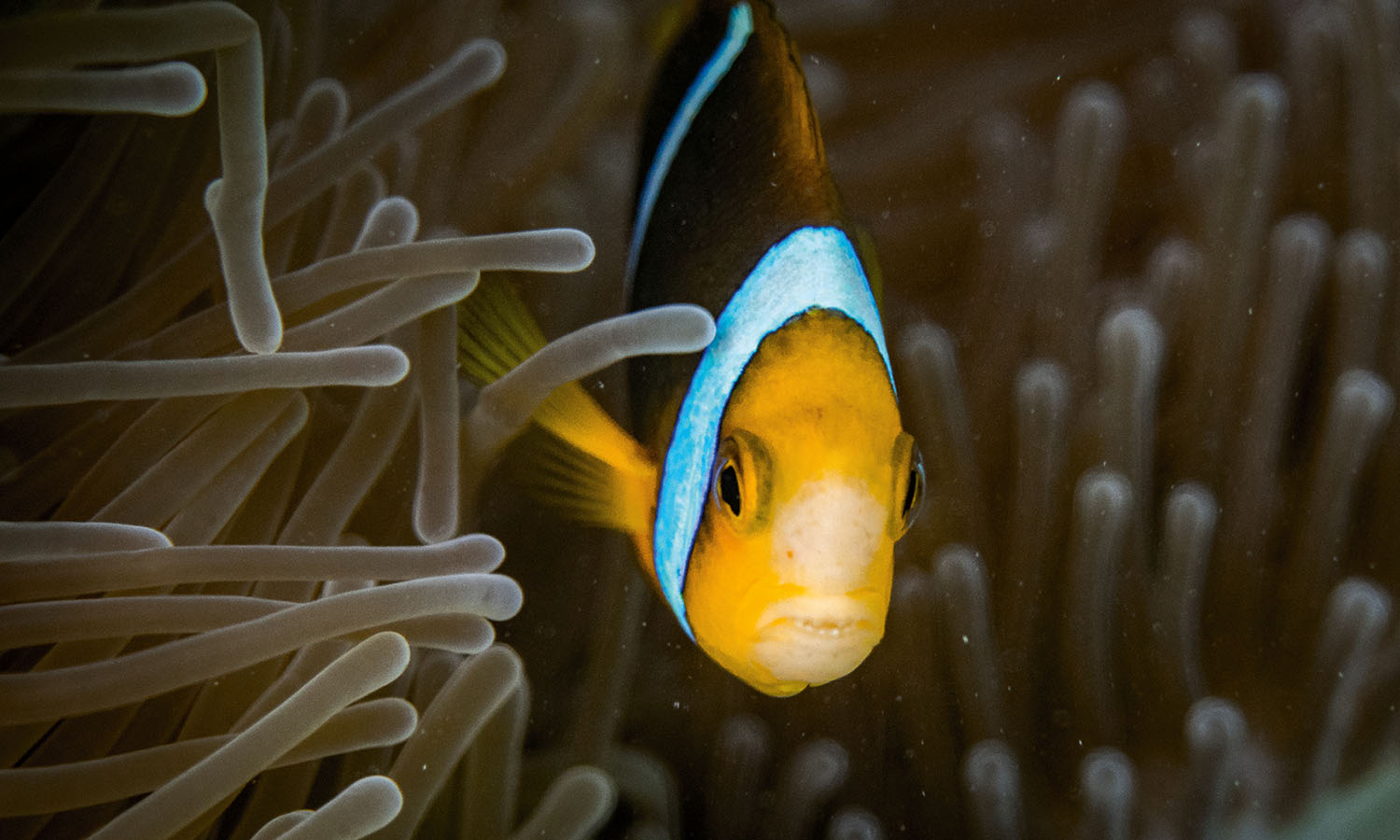
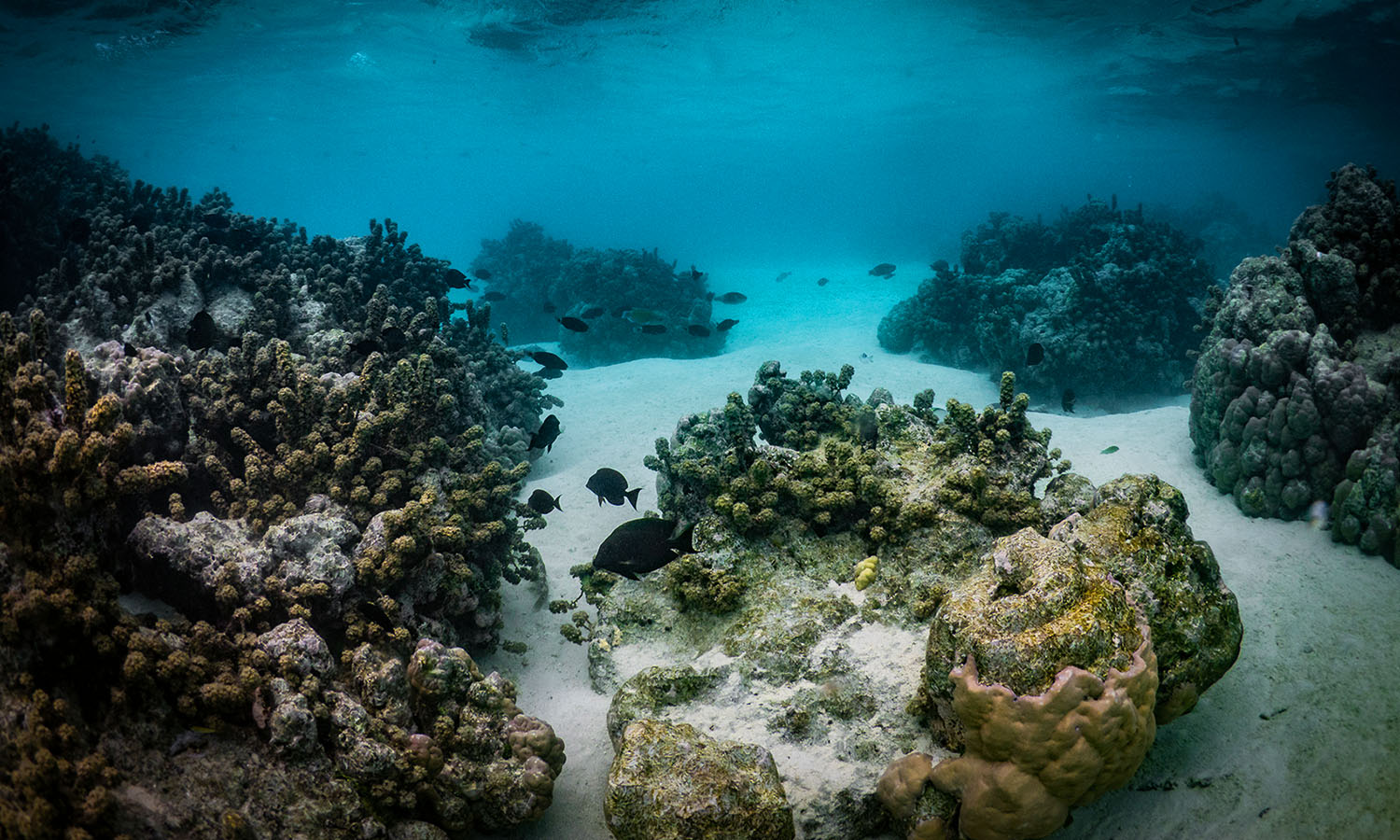
There are two types of underwater shots you should concentrate on perfecting when you first have a go at the medium. The first one is close-up (macro) shots of fish and details in coral. Get as close as you possibly can (it’s even better if you are on the same level as them) to reduce the amount of water and floating specks between you and your subject.
Then there are scenic underwater landscapes taking in corals, kelp forests or any other interesting feature below the surface. Obviously you’ll need to be in really clear water for these kinds of shots. Try shooting these types of images with the flash off. Like most compact cameras, the in-built flashes on these waterproof models aren’t particularly strong and the light doesn’t travel very far through the water; it will also eliminate the glowing particle issue mentioned before.
Choose Your Conditions
You don’t need a dive certificate to take underwater photos. I don’t have one. I just train my lungs and shoot a lot while snorkelling shallow reefs. And, in fact, when you’re getting used to how your camera works underwater it’s better not to have to be thinking about how much air you’ve got in your tank. Standing on a sandy bottom while you’re playing with settings isn’t a bad way to get started either.
The main factor to remember is that sunlight is your friend. Slather on the SPF 50 and get in the water when the sun is high overhead. It will shine right down into the depths and help light your underwater landscapes naturally.
It’s also better to shoot up-current as you will reduce the amount of sand you might have kicked up from the ocean floor.
Safety First
It’s easy to get distracted taking pictures underwater, but you should make sure you never put yourself in any danger. Always be aware of the current, waves, tides, the reef and your surroundings above and below the surface. I keep a reference point or two so I know when I’m drifting off course.
Remember you should never touch the coral reef, but if you can find a good sturdy rock at a comfortable depth, grabbing hold of it with one hand (wear lightweight gloves to avoid cuts) can help you steady yourself while you’re taking photos. Above all, stay within your comfort zone – taking pictures can be quite distracting, and if you’re also worried about being dragged away by a rip you won’t have fun or take any good photos.
Get Creative
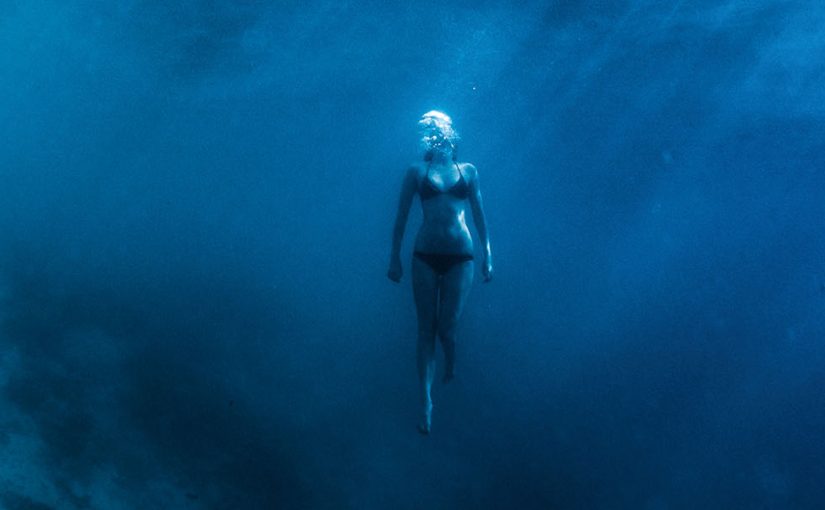
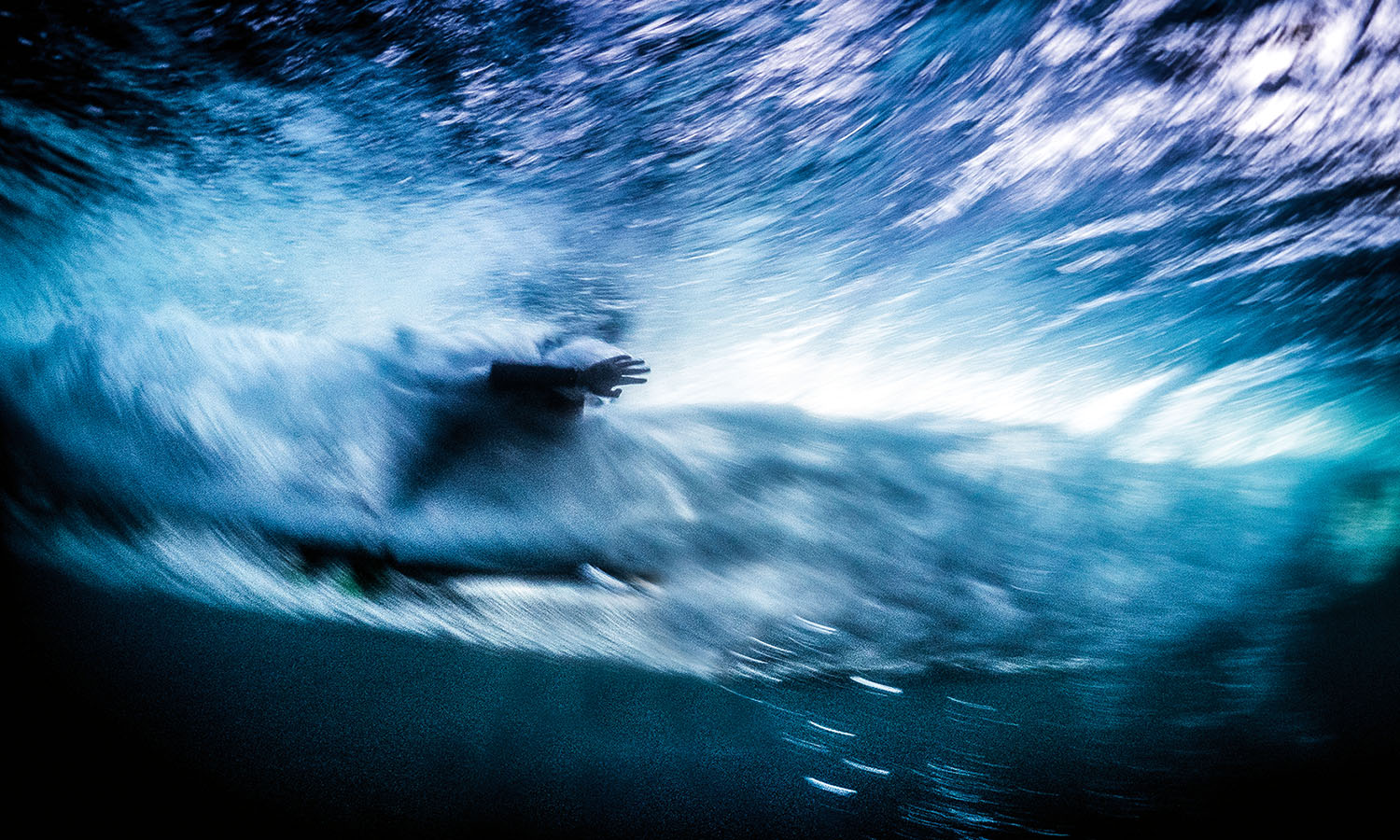
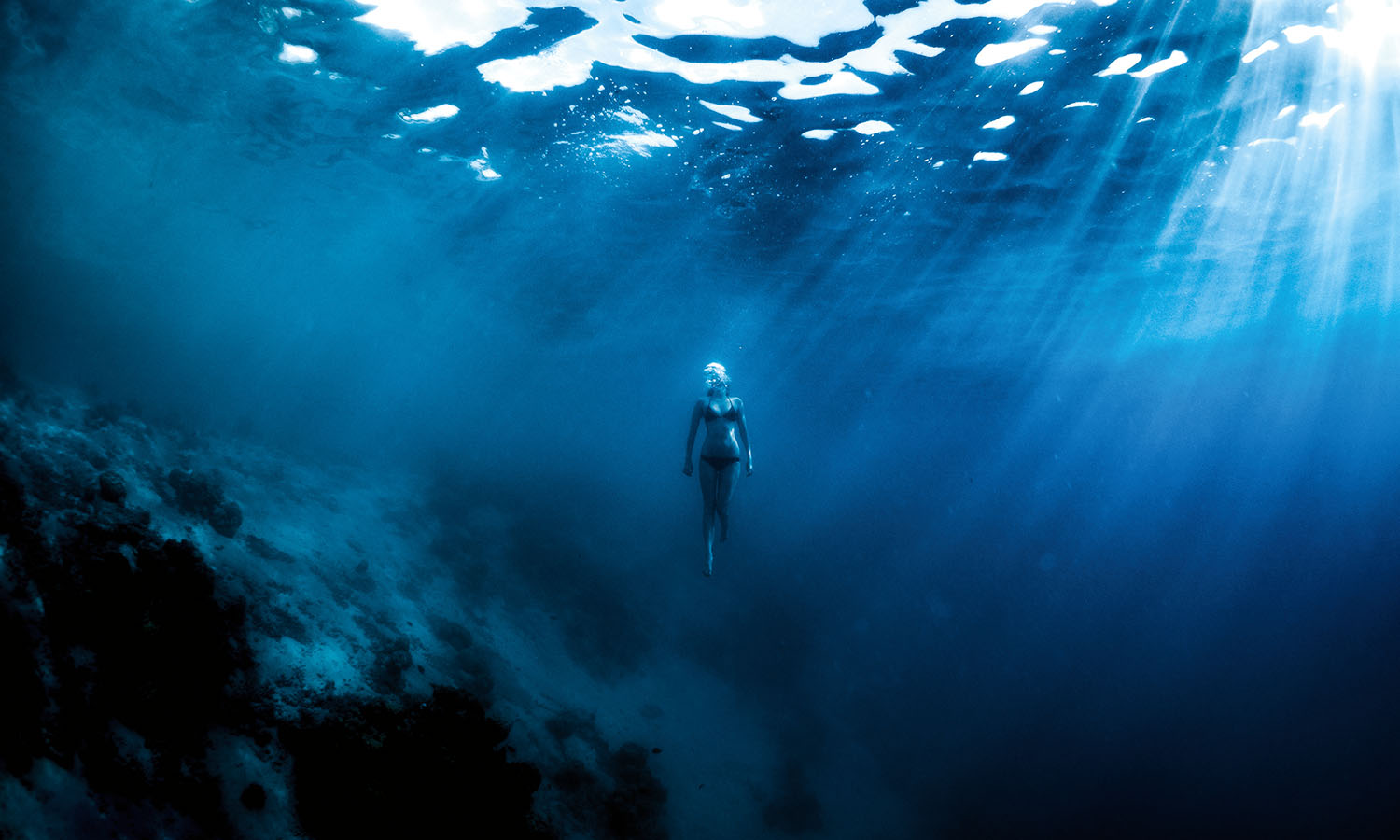
There’s more to shoot underwater than what, at first, you might think. Mostly, I’ve mentioned fish and coral, but you should push the boundaries a little. Dive a little deeper, quite literally, and shoot back up towards the surface, or bring subjects or objects with you into the underwater world. For instance, a person wearing a red rashie will be a startling contrast to the blue world around them. Why not shoot some surfers or waves from below the surface? There are other ways you can experiment too: try taking your camera into the water at different times of the day or when it’s raining to see how the changing light and conditions affect your photos. You can also buy yourself a little dive torch to add some artificial light that doesn’t come from your flash. In this digital age, you should just go ahead and shoot as many experimental frames as you like, just to see how the camera works and what you can do with it.
There’s nothing more rewarding than envisioning a shot, planning it and then – usually after multiple attempts – nailing it. That’s why I love shooting landscapes.
Obviously on a short holiday you don’t always have the time to revisit a location on multiple occasions, so here are a few tips to help you get a better shot. Because it’s happened to all of us. That moment when we’ve stood in front of an epic view, looking out at it with a sense of awe, and finding when we get back that our photos don’t do it justice.
The Golden Hour
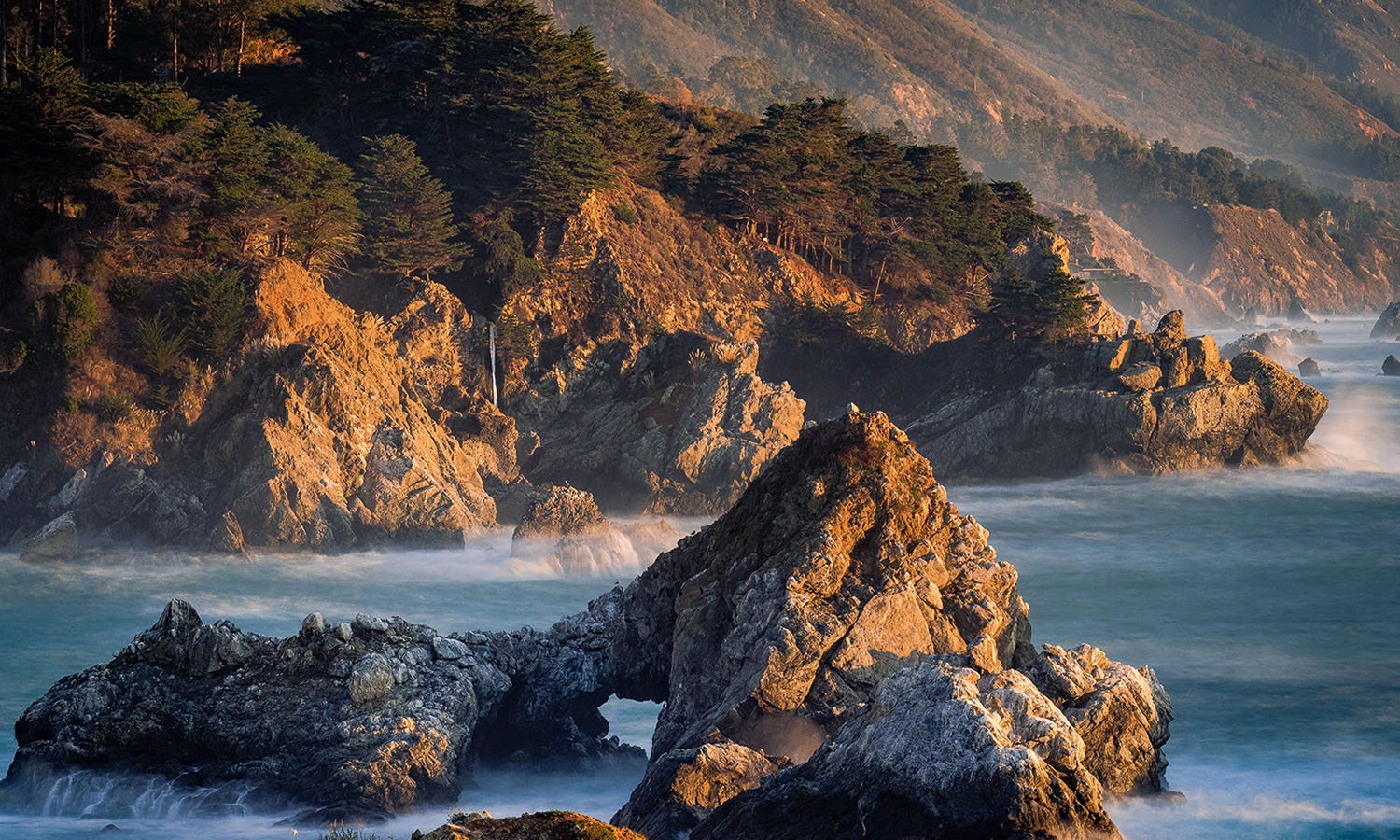
Nothing beats the light of the rising or setting sun. Every landscape looks better during the golden hour – that time when the sun casts a beautiful yellow-orange light on the earth. If you can, and you should, get up early and get to your photo location an hour before sunrise. Why pick sunrise over sunset? Because the best landscape shots often happen at places – lookouts, waterfalls, beaches – popular with lots of tourists. If you can beat the crowds, do it!
You won’t just get an amazing location to yourself, you’ll actually be able to enjoy the place much more knowing you’re seeing it as few other people do and, by the time the unknowing crowds arrive, you can leave with a big smile on your face.
Obviously this requires a bit of research and some planning. A good landscape shot reflects this. At what time and where does the sun rise? How can you use that to come up with the best composition? Think about your location, do some research and work out what image you want to get before you get there, so you don’t waste precious shooting time phaffing around trying to work out the best angle to avoid the inconveniently located car park.
All About Scale
Landscapes are all about showing the big picture. By using an ultra-wide lens, like the Olympus M.Zuiko 7–14mm f/2.8 Pro, you’ll capture the widest possible angle of your scene. The additional advantage of a wide lens is that it usually stretches the edges of your image and creates leading lines – the ones that pull the viewer’s attention toward the centre of an image – into the scene.
If, for example, you’re shooting a big valley or mountain, try framing your shot with familiar-sized objects in the foreground to create depth. This will give the viewer an idea of how vast the forest, tall the mountain or deep the valley actually is when they see it off in the distance.
To create an even stronger sense of depth and scale get down low or point your camera down a little and add a foreground into your image.
Polarising benefits
Although not a big fan of adding too many extras to my camera, I find a polarising filter can make the magic happen. These filters screw onto the front of your lens and cut out the glare and reflections of the sunlight bouncing off anything shiny. They also add saturation to blue and green tones, making those turquoise waters and juicy green fields look exactly the way you remember them. This essential accessory will make those landscape shots pop.
Rule Of Thirds
There’s nothing wrong with placing the horizon in the middle of the frame, but every time I see a shot like that I feel like I’m missing out on something. Is that straight horizon really what made this location so special? Were there beautiful clouds? Try pointing your camera up a little and place the horizon in the lower third of the frame. Got great texture in front of your feet? Move your lens towards the ground so the horizon is in the upper third of the frame. In either case you’ll immediately capture a much more dynamic shot and the viewer won’t feel like they’re missing out.
Take A Friend
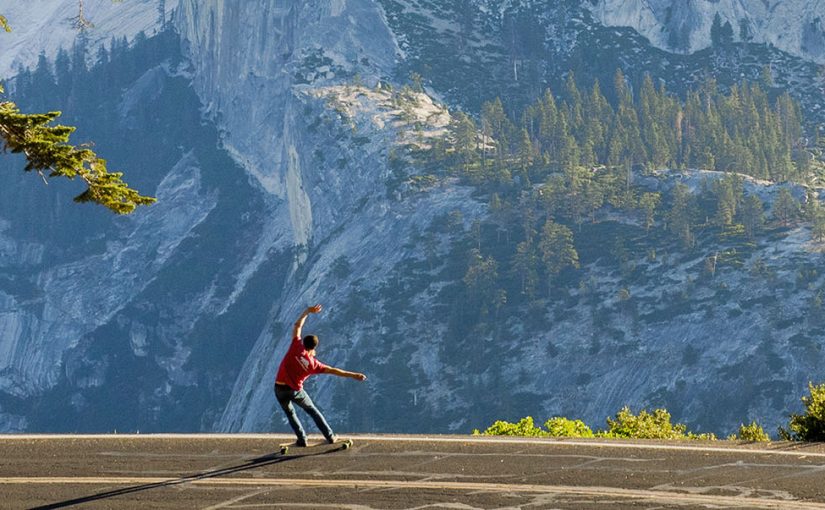
Remember how I mentioned getting there before the crowds? That doesn’t mean you shouldn’t bring someone along with you. Placing a person into a landscape shot can really emphasise scale, add a focal point and also make the location much more attainable. People see the image and immediately think, That could be me! Bonus tip: bring along a brightly coloured jacket to make the mate you’ve thrown in front of the camera stand out even more.
Be Patient
Once I sat and waited for more than five hours to get the right photo. Why? Because it took me six hours to drive to this location then two hours to scramble down a thorny cliff to the ocean’s edge and I knew I wasn’t going to be returning anytime soon. With a promising sunset on its way I sat and waited, did a few test shots and compositions and waited until I got what I wanted. It paid off. Not only did I get a very unusual shot of a well-known location, but I also had a fun story to tell. Sometimes it’s worth waiting that extra minute for the things to align. It’s not over until it’s over.
Use Your Feet
Go beyond the car park. Anyone can drive to a viewing platform, hop out of the car and take a photo. The person who gets the better images will be the one who leaves their vehicle behind, hikes up a mountain and brings an added layer of story to the shot. It always makes for a more rewarding photograph. And, as always, have fun.
Chris Eyre-Walker is a member of the Olympus Visionary Program, a team of award-winning photographers supported by Olympus.
 (
(