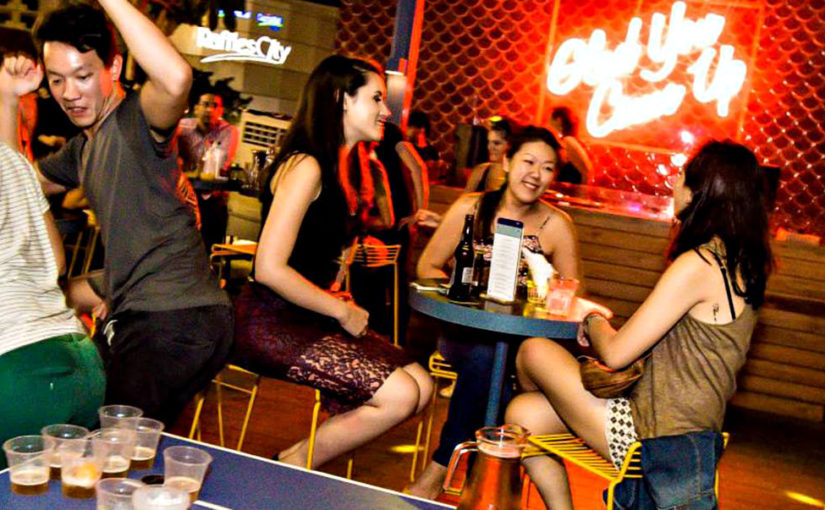
Hong Kong is a city of such immense proportions it can be hard to know how to tackle a night on the town. The popular approach is to venture to Lan Kwai Fong, where nightclubs nest among the swanky malls and streamlined buildings of Hong Kong Island’s financial district. But sticking here offers a woefully shallow view of a metropolis rich in culture. Start, instead, in the Kowloon district and creep down to Hong Kong Island as the night goes on. Home to the largest mix of ethnicities in Hong Kong, Kowloon welcomes fewer tourists than other districts, yet it’s a melting pot of the best markets, street food, temples and museums, all among some of the busiest neighbourhoods in the world. Armed only with a handful of Hong Kong dollars, you can easily devour dim sum, wander through frond-filled parklands, explore ancient sites of worship and dance in speakeasies all within a few short hours.
4pm
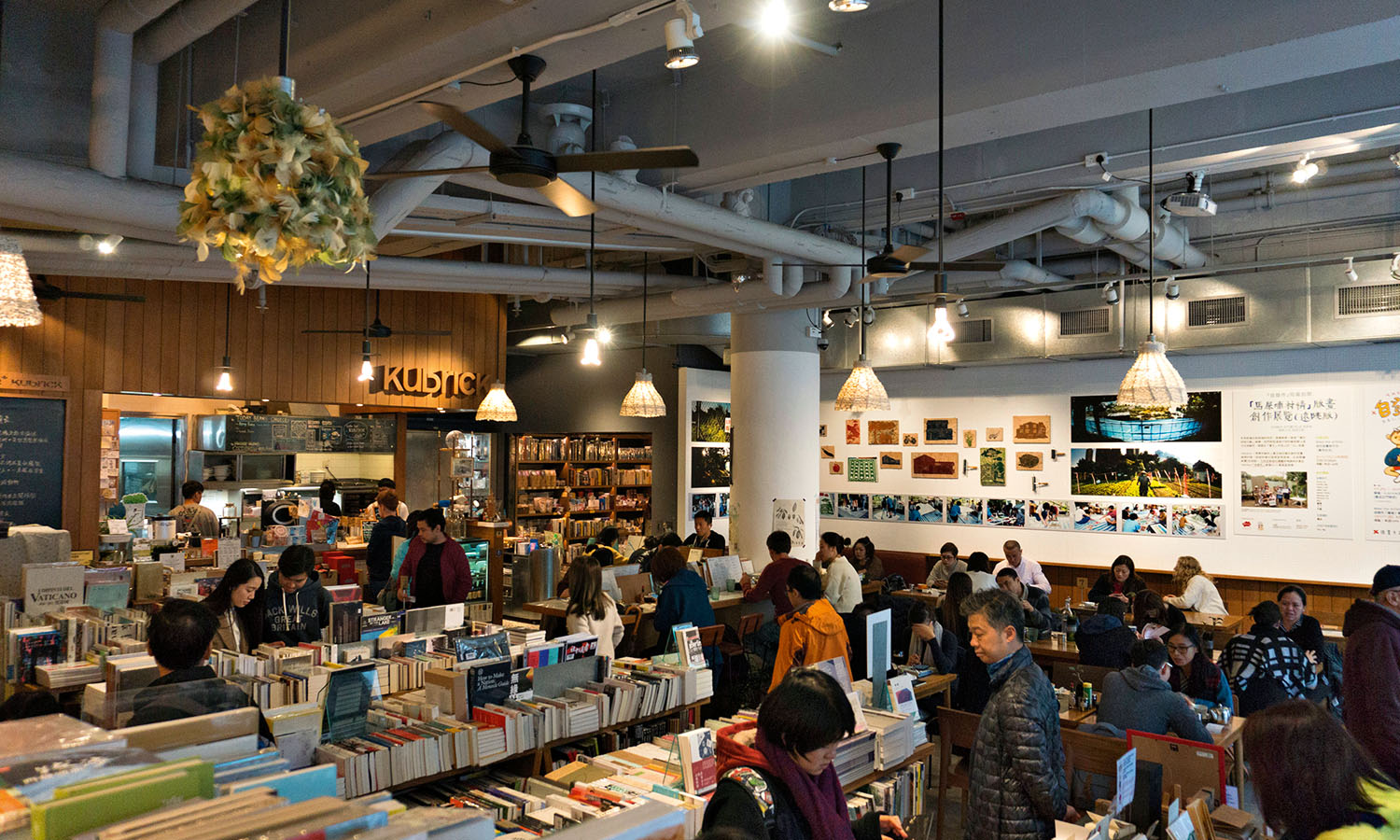
Hong Kong has a proud history of film, and although state-of-the-art cinemas premiering the latest Hollywood blockbusters have infiltrated the country, indie and international films reign supreme at Broadway Cinematheque. Concealed within the towering white buildings of a housing estate, Hong Kong’s only art-house cinema has been a delight for culture seekers for more than 20 years. You won’t find the regular mod-cons here; there’s no plush carpet or central cinema seating, but you will revel in its retro charm while watching a film with English subtitles from the embrace of a cushy red seat. Afterwards, dissect the script over coffee in Kubrick, a cafe and multilingual bookshop full of knick-knacks, just next door. Broadway Cinematheque
3 Public Square Street, Yau Ma Tei bc.cinema.com.hk
6pm
Return to the present and enter the rush of Temple Street Night Market. Just a short stroll from the cinema, this bazaar offers everything from clothing and handbags to electronics and paintings, and the absence of marked prices invites bargaining. Fortune tellers sell glimpses of the future and the hauntingly beautiful croon of Cantonese opera singers occasionally cuts through heady air permeated with the smells of lobster and duck cooking in surrounding dai pai dongs (street-food restaurants). Dome Temple Street, Yau Mei Tai temple-street-night-market.hk
6.30pm
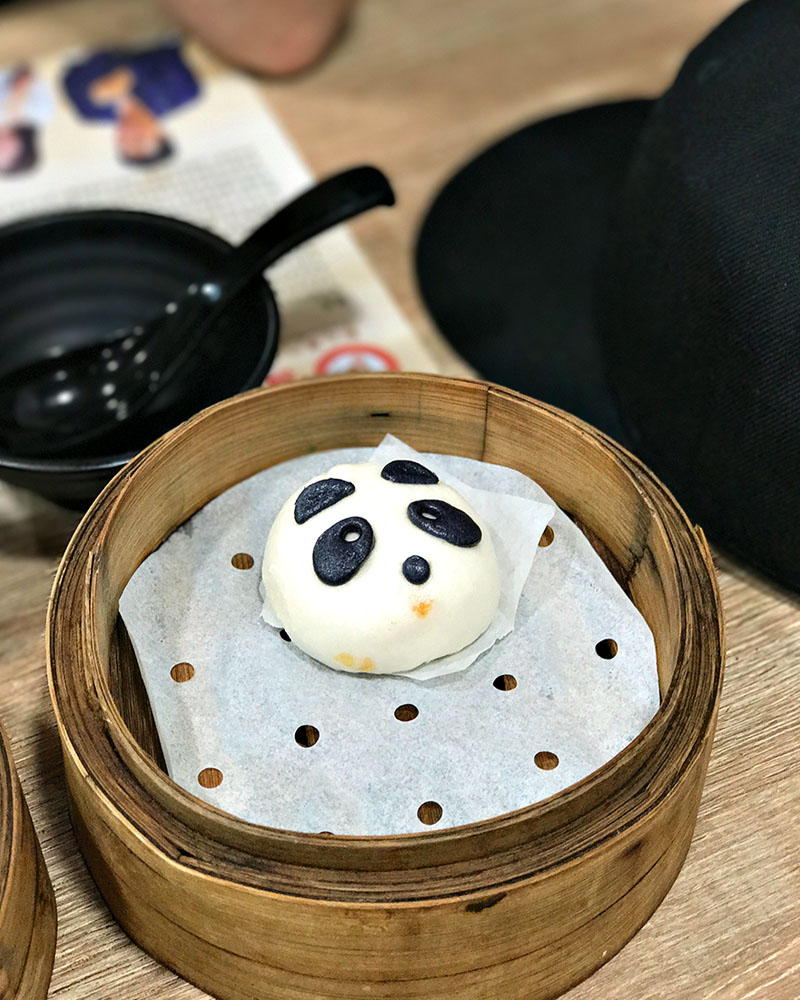
Shopping is hungry work. Though it’s typically served in the morning, you won’t be pressed to unearth restaurants offering dim sum all day long, making it the perfect pre-dinner snack. Joyful Point Dim Sum Specialist, just a street over, is a prime location for fist-sized buns hiding a bounty of sticky barbecued pork and steamed shrimp encased in delicate dumpling wrappers. The true prize, though, is the Egg Custard Durian Panda Bun. Behind its cute, pillowy panda face is a hot, sweet, gooey centre that flips the stinky fruit’s rep on its head. For something equally delicious, but a tad more pedestrian, make for Lee Keung Kee North Point Egg Waffles and sink your teeth into one of Hong Kong’s most celebrated desserts. Firm and crunchy on the outside, soft and doughy on the inside, these egg waffles satisfy any sweet tooth. Joyful Point Dim Sum Specialist
G/F, 121 Parkes Street, Jordan
Lee Keung Kee North Point Egg Waffles
178 Nathan Road, Tsim Sha Tsui
7pm
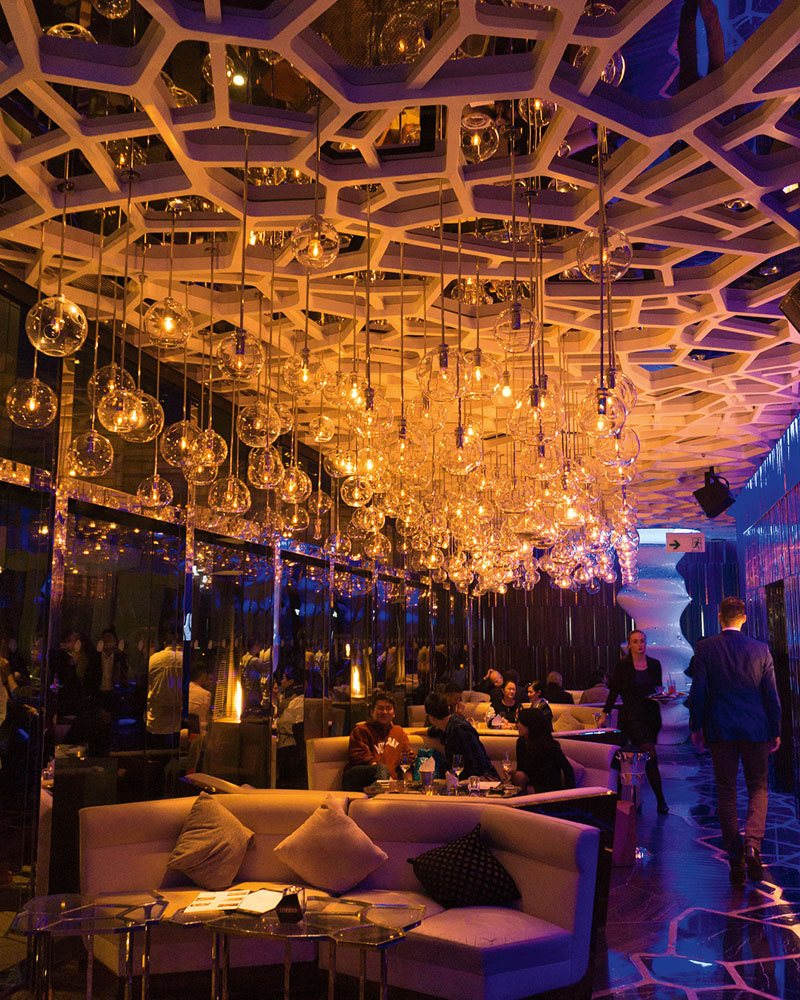
Now you’re ready to take to the skies at the highest rooftop bar in the world, Ozone. The crowning jewel of the swanky Ritz-Carlton, it’s not an off-the-beaten-path type of bar, but its views should not be missed. Feel your ears pop as you speed in the lift to the 118th floor at 490 metres above sea level, then wander across honeycomb-cracked floors awash in neon-blue lights to the terrace to snag a spot by the floor-to-ceiling windows. If the city’s tenacious smog has cleared, you’ll be rewarded with panoramic views of its twinkling skyline. Ozone Bar
1 Austin Road West, West Kowloon ritzcarlton.com
8pm
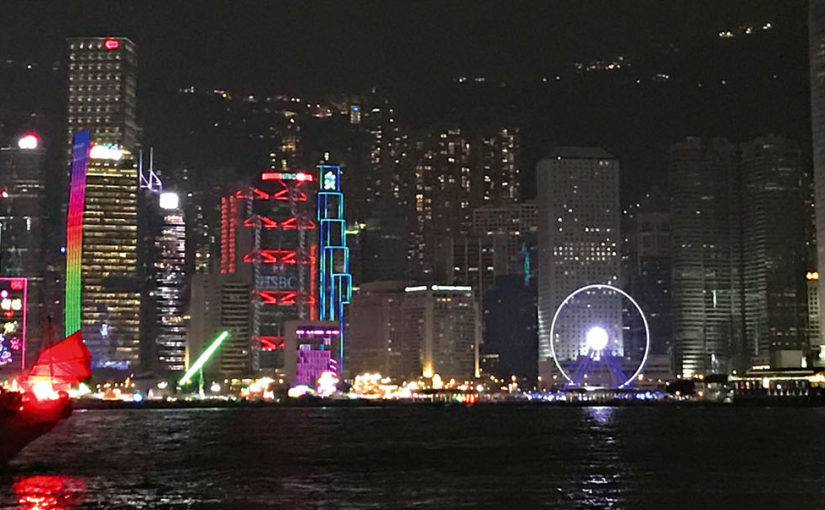
If you thought Victoria Harbour was special from up high, wait until Symphony of Lights, Hong Kong’s nightly light and sound show, transforms the city into an ever-changing canvas. Watch as, for 13 minutes, more than 40 buildings along the waterfront illuminate the evening in a mosaic of colour. Settle in among the throngs in Tsim Sha Tsui or, better yet, take to the bay by junk boat and get swept along with the lilting music. Tsim Sha Tsui, Kowloon
8.30pm
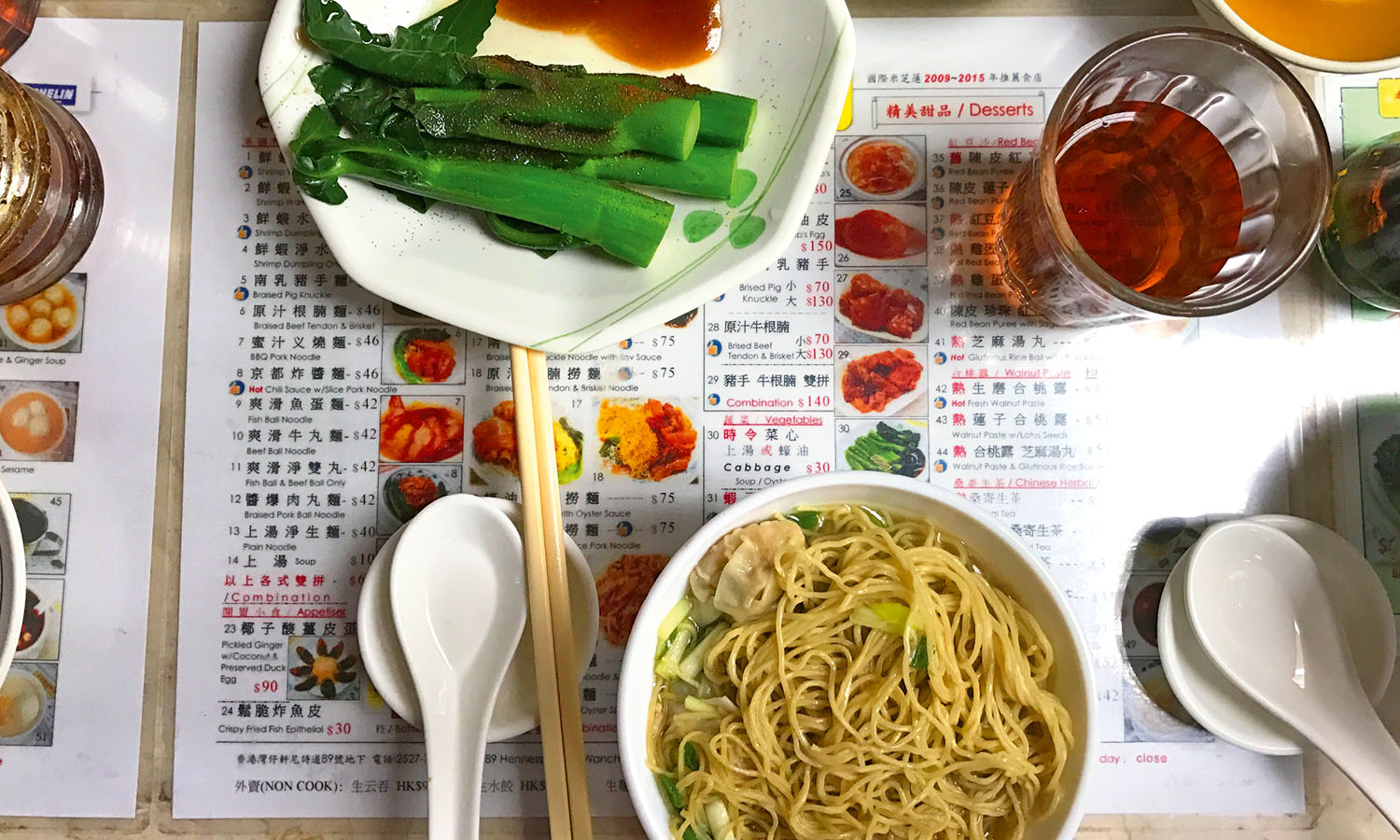
In a country so famous for food, restaurants need to pack a punch to stand out. Say goodbye to Kowloon, head to the MTR and jump on a train to Wan Chai on Hong Kong Island for dinner at an enduring favourite. Wing Wah Noodle Shop has been operating for more than 60 years, and although this Michelin-starred establishment may not be much to look at, it does cook up some of the best wonton noodles in the territory. Made from scratch using bamboo to knead the dough, the noodles’ rich aroma will hit you from the moment you enter the shop. Chow down on shrimp wonton noodles or a suckling pig variety. The serves are small, but service is fast and the flavours are enormous. Wing Wah Noodle Shop
89 Hennessey Road, Wan Chai
9.30pm
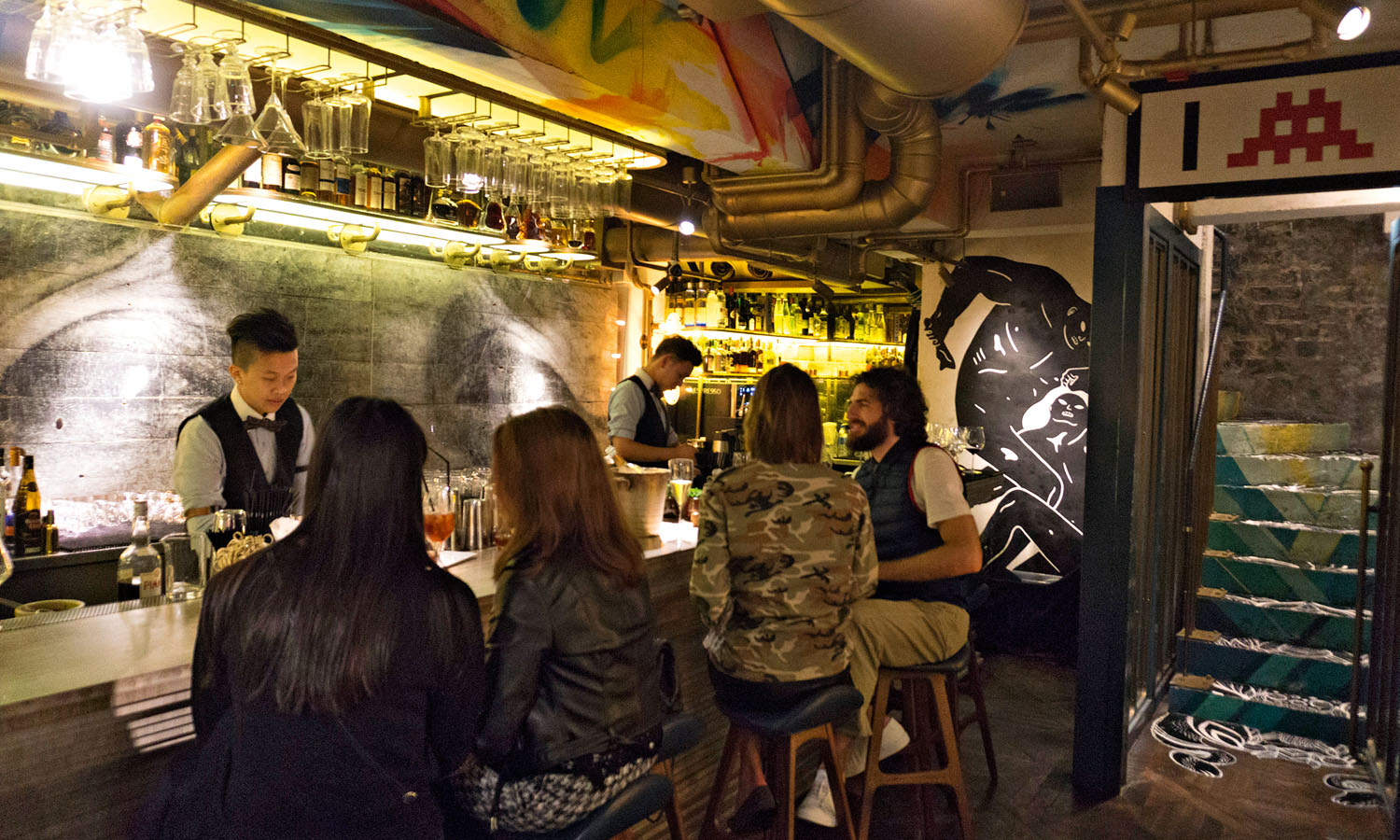
A 1930s Parisian saloon meets street art meets French cuisine at Bibo. Step off the street and into its kaleidoscopic, thought-provoking interior where creatives from all over the globe – even the elusive Banksy – have splashed their art across its walls. The French gastronomy is incredible, but the cocktails are a work of art and each drink is designed with layers revealing different flavours that evolve with every sip. Try Ma Cherie, a concoction of Don Q Anejo rum, Tia Maria, Figoun (coffee and fig liqueur) and Punt e Mes (Italian vermouth), with a dollop of blackcurrant sorbet infused with Sichuan peppercorns at its core and garnished with a golden squiggle of hard, crunchy caramel. Every sip enhances the art around you, making imbibing libations here an almost psychedelic affair. Bibo
G/F, 163 Hollywood Road, Sheung Wan bibo.hk
10pm
There’s more to this umbrella store than meets the eye. Wander its glowing corridor lined with silver-handled brollies, twitch the correct one by the reception desk and watch a panel slip aside to reveal Foxglove, a swish underground speakeasy. Taking inspiration from first-class air travel and vintage cars, the 1950s interior oozes bygone luxury with its sculpted cream ceiling, main lounge and bar fitted with navy-blue chintz booths and white tables illuminated by candlelight. Even the loos, modelled on ship cabin washrooms, are an adventure. On the drinks list, pass the cocktails and rare single malts so old they redefine ‘liquid gold’, and flick to the bar’s romantic ‘backstory’ – the fantasy world of a globe-trotting English gentleman and his ladylove. For those looking to take speakeasy to the next level there’s not one but two concealed VIP suites to be discovered – a red-velvet room reminiscent of a luxury train cabin and a library with wraparound shelves covering the walls and ceiling, all you have to do is find the key and sneak inside. Foxglove
2/F, 6 Duddell Street, Central foxglovehk.com
11pm
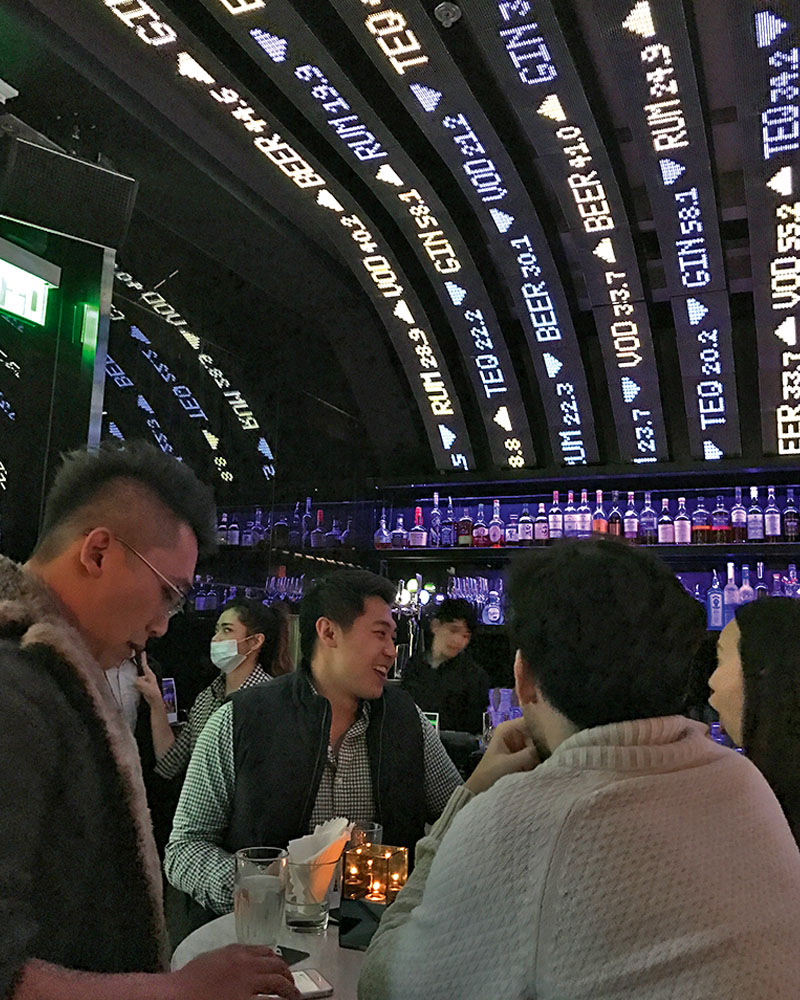
There’s no better way to immerse yourself in one of the world’s busiest financial hubs than at Hong Kong’s only stock market bar. Welcome to Wolf Market, where the price of your bevvy goes up or down according to what people are (or aren’t) drinking. Sink into a black leather chair on the Trading Floor, turn your eyes to the glowing LED screen flashing with prices above you and let the games begin. Feel the rush of anticipation as the competition intensifies. Watch your favoured libations like a hawk and, if you’re lucky, a market crash might just see you reaping the rewards with an inexpensive beverage. Once you’ve collected your bounty, climb the concealed staircase beside the bar to the top floor Trader’s Room and celebrate your savings with another signature cocktail. Making bank has never been so delicious. Wolf Market
21 D’Anguilar St, Central wolfmarket.com.hk
12am
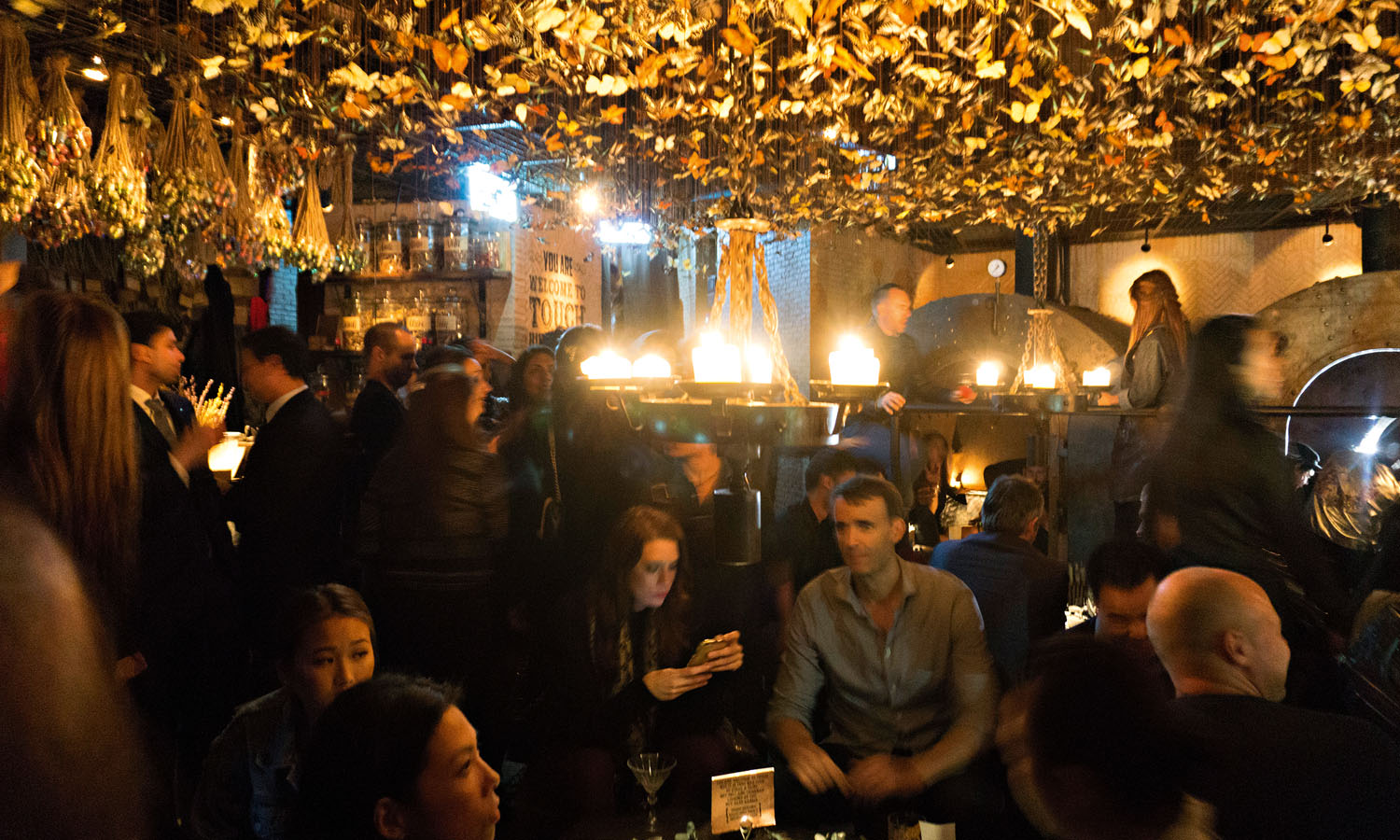
The midnight hour promises magic and the Iron Fairies is an otherworld made manifest. Modelled on an ironsmith’s workshop, this establishment is a feast for the eyes. Round iron tables adorned with fairy figurines dot the snug interior, candelabras emit a soft glow, and furnace and casting rooms offer space for more intimate gatherings. But it’s the 10,000 preserved butterflies that hang from the ceiling, suspended in perpetual flight, that will set your heart aflutter. At the bar, metal-crafting tools and tiny vials of ‘fairy dust’ dangle above mixologists crafting potions. Sink into a chair beneath the fluttering kaleidoscope, get your lips around Smoke in a Bottle – a heady brew of blueberry vodka, elderflower liqueur, homemade sage cordial, fresh lemon juice and crème de cassis with smoked cacao nibs – and let the live jazz and blues wash over you. The Iron Fairies
LG/F, 1–13 Hollywood Road, Central diningconcepts.com
2am
By this time, the Lan Kwai Fong district is heaving as party-goers spill out into the streets, dancing under the fluorescent lights to a mishmash of music before squeezing into taxis. Soon the night will simmer down, but not at Volar. The party at this underground club is just kicking into gear and, as one of Hong Kong’s longest-living dance clubs – it’s been reinventing itself since 2004 – it’s the perfect place to finish off the night with a bang. Slink down the stairs and into one of its two rooms: get your grind on to hip-hop and RnB between mirror-clad walls, then swagger to house and EDM beats in a blacked-out room streaked with neon LEDs. This is the place to see and be seen – some of the world’s best DJs and artists, socialites and athletes have graced these rooms – so dress to impress. Volar
44 D’Aguilar Street, Central volar.com.hk
Its rich, 2000-year-old history, diverse and verdant landscapes and eight UNESCO World Heritage Sites are a natural endorsement of what this island has to offer. But Sri Lanka’s true charm lies in its laidback lifestyle, and the villages that allow you to wander freely without hassle. Here, you’re guaranteed to find adventure, relaxation and the perfect cup of tea.
OUR TIPS FOR A 14-DAY TRIP FOR LESS THAN US$4249 ex Australia
NEGOMBO – ONE NIGHT
Situated just 10 kilometres from Bandaranaike International Airport, the beach town of Negombo is a relaxed first stop in Sri Lanka in comparison to the chaotic and congested streets of the country’s capital, Colombo. But its appeal goes beyond its proximity to the airport; there’s a wide, golden beach, a generous selection of hotels and restaurants with a lively evening buzz, and a historically rich town centre chock full of colonial influences, like the Dutch Fort.
KANDY – TWO NIGHTS
A vivid city built into the hills with a lake at its centre is bound to be striking, and Kandy does not disappoint. Dragon’s breath clings to the sloping forests, giving the city an almost magical quality.
Kandy is the last capital from the era of ancient kings and awash in historic and cultural sights such as the famous Temple of the Sacred Tooth Relic. Each night, the crowds flock to the temple, home to one of Buddha’s teeth, to witness the precious tooth being taken from its golden case and put on display.
From here, the tea plantations of Nuwara Eliya are just a day trip away. Powering through the rolling hills of southern Sri Lanka, the train journey to the misty green terraces is every bit as satisfying as the first sip of delicately flavoured brew.
TRINCOMALEE – THREE NIGHTS
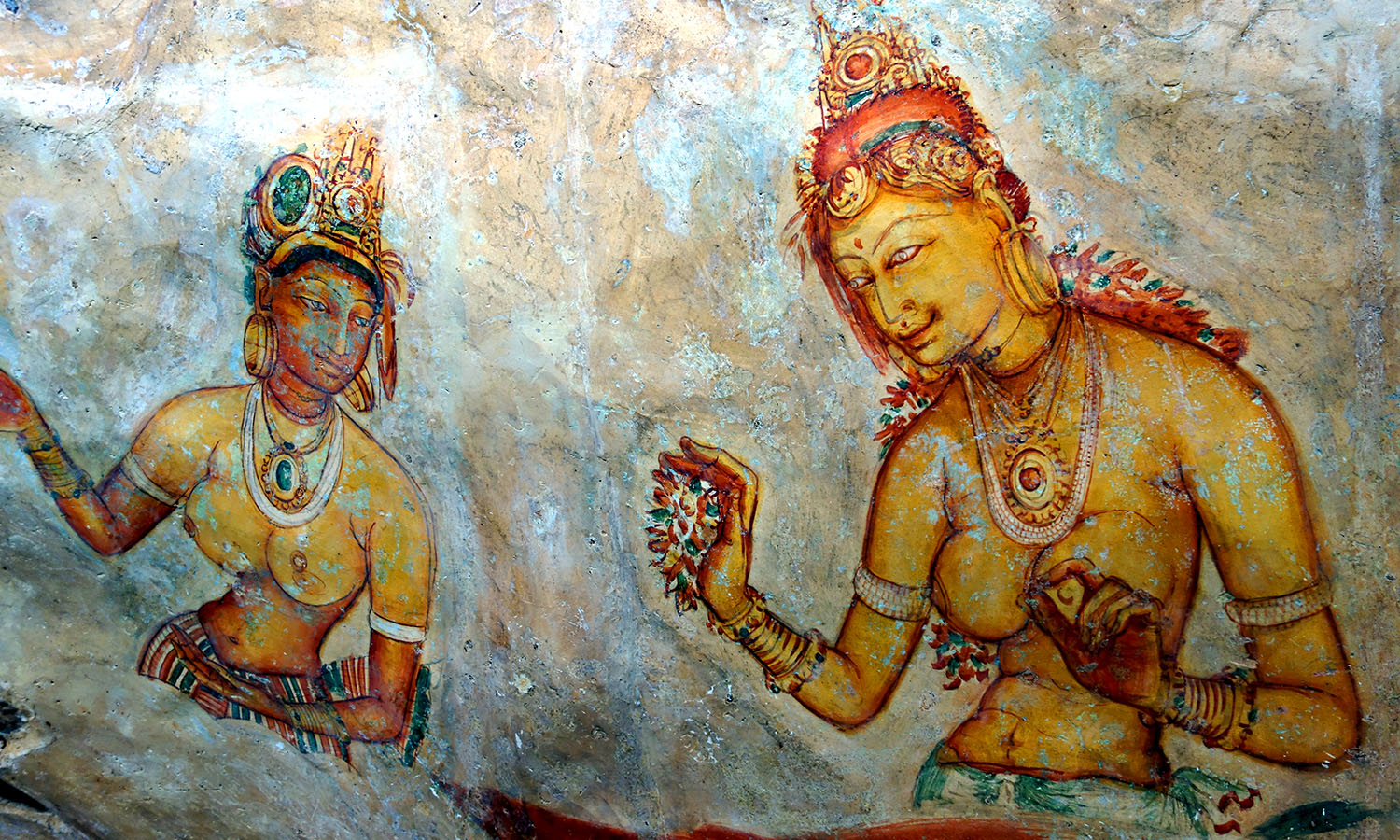
Break up the journey from Kandy to Trincomalee with a stop at Sigiriya, a dramatic and ancient 200-metre-high fortress. Its moniker translates to Lion’s Rock, a nod to the immense lion sculpture carved into its north wall (today, its paws are the only remaining vestiges). Climb to the top where you can explore the ruins of an ancient civilisation and take in panoramic views before continuing east to Trincomalee.
This crumbling harbour town is one of the oldest settlements in Sri Lanka but has only recently found its way onto the tourist trail. There’s plenty of history to discover here among its Buddhist ruins and colonial bricks.
Nearby Uppuveli and Nilaveli offer simple beach-side relaxation, while the coral-covered beaches of Pigeon Island are located just one kilometre off the coast of Nilaveli and are one of only two marine national parks in Sri Lanka. Snorkel along the ocean floor where you’ll see an underwater carnival of eels, colourful fish, turtles, rays and blacktip sharks.
ARUGAM BAY – TWO NIGHTS
Arugam is a small bay revered as one of Sri Lanka’s best surf spots, but even those that aren’t interested in taking on the waves are delighted by the bright fishing nets and battered shacks serving up fresh seafood.
The waves are most consistent here between May and September. Surfers visiting outside those months are better off heading for the country’s south.
YALA – ONE NIGHT
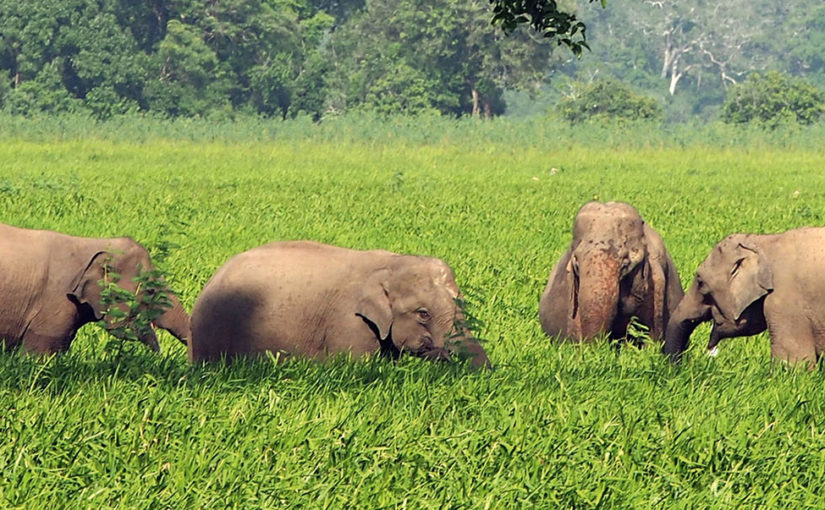
No trip to Sri Lanka would be complete without a safari through Yala National Park in search of the elusive leopards that slink through its undergrowth. The 130,000-hectare national park, the second largest in the country, is home to the world’s biggest concentration of the wild cats, plus hundreds of bird species and 44 varieties of mammal, including the mighty elephant.
Ditch the expensive hotels for one of the tree houses or tented camps in the park surroundings for a really wild experience under the stars.
DIKWELLA – TWO NIGHTS
Dikwella is known for its relaxing beach-side vibe, but there’s more to do than just lounging by the coast.
About six kilometres northeast of town is the Hummanaya blowhole, which is touted as the second largest blowhole in the world and is most spectacular during the monsoon season when it can shoot up to 18 metres high.
There’s also the 50-metre high Buddha, taking in the views from his seat at Wewurukannala Vihara, near Beliatta. You’ll find more Buddha statues inside the ancient complex of Buddhist cave temples hewn into the immense rock of Mulkirigala.
Meanwhile, along the coast at Matara (a short tuk tuk ride away), a shack rents
out boards to a handful of mostly foreign surfers. Thanks to the country’s two monsoon seasons, the best time to surf the southern beaches is between November and March.
GALLE – TWO NIGHTS
Soak up the laidback vibes of the historic old town of Galle. Built in 1663 by the Dutch, the Fort gives the colonial city its historical kudos, but the cute cafes, quirky art galleries and charming boutiques imbue it with character. It’s little wonder that writers, photographers and designers have long gravitated to this spot overlooking the sparkling Indian Ocean.
Just half an hour out of town at Habaraduwa, you can check out the Sea Turtle Hatchery where baby turtles are hatched in incubators and then released into the ocean, along with those that have recovered after being injured by fishing nets. So far the hatchery has released more than 500,000 turtles into the ocean.
COLOMBO – ONE NIGHT
It’s all too easy to overlook the capital and just nip straight to the airport with sand still between your toes, but Colombo still deserves a look in.
Once known as the ‘garden city of the East’, the sprawling city remains surprisingly green. Take in the tree-lined streets of area Colombo 7 by tuk tuk, or climb into an autorickshaw to check out the historic Fort and the dilapidated madness and multicultural wonder of Pettah Bazaar. It’s also a great option for foodies keen to visit the city’s tastiest street food stalls and indulge in those final few rotis and hoppers.
Despite the city evolving and modernising, its colonial architecture still retains its character, connecting its past with its present.
DESTINATION HIGHLIGHTS
Known as the “Tear of India”, Sri Lanka is often compared to its closest neighbour. People describe it as a similar destination to India, just a little less chaotic.
When it comes to cuisine, Sri Lanka’s fiery curries, served with sweet relishes and sour pickles, feature distinct flavours unique to this region. And in place of India’s Hindu temples and elaborate palaces and mosques, the island nation is dotted with rock fortresses and colossal golden Buddhas. While both countries have many things in common, Sri Lanka has a uniqueness of its own.
VITAL STATS
The unit of currency is the Sri Lankan Rupee.
WHEN TO GO
Although Sri Lanka is warm all year round, its climate has two different monsoon seasons, which affect parts of the island at different times of year. The good news is no matter the time of the year you visit, there will be somewhere on the island to spread your towel. Those affected the most by monsoon seasons are the surfers. Consistent waves along the east coast are produced during May to September, while southern beaches such as Weligama and Hikkaduwa are best visited between November and March.
TOP TIP
If you’re after an encounter with elephants, be sure to do your research when choosing your experience. A number of Sri Lankan tourist attractions have come under fire for the treatment of the animals. Instead of visiting zoos or elephant orphanages, opt to see the creatures in their natural habitats at one of the national parks instead.
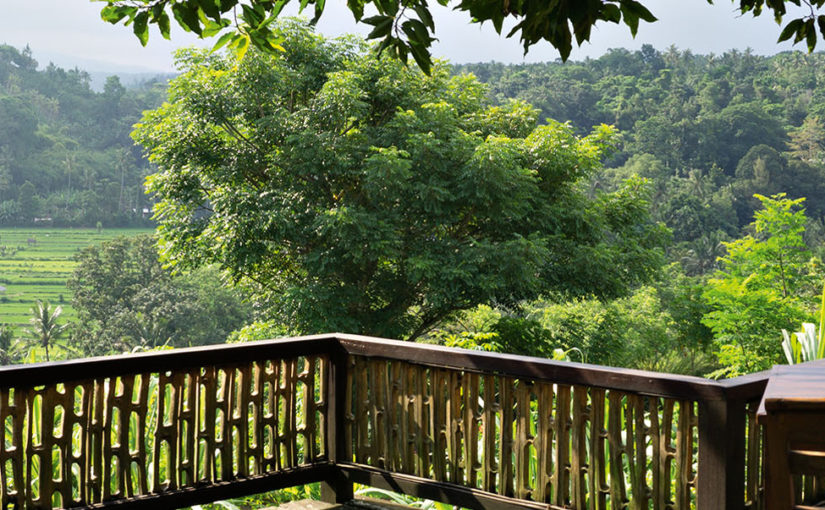
Sunlight cascades across tier after tier of technicolour green rice fields. The caress of a cool breeze glances off the thick humid air, bringing the sweet scent of the surrounding hinterland with it. I sip on a spicy salak, a refreshing elixir of poached snake fruit with cinnamon, star anise, soda, lime and a stick of sugar cane. It takes me a moment to remember that I’m sitting in a restaurant.
A couple of tables over, a female patron catches my eye. “Make sure you visit the loo while you’re here,” she whispers across to me.
I’m sure I’ve misheard her. “I’m sorry, what?”
“Trust me, you’ll want to make a visit,” she insists.
I laugh nervously. This is not what I want to hear. After more than an hour travelling down winding roads to get here and the warnings from previous Bali-goers about the region’s unforgiving Bali belly still ringing in my ears, my enthusiasm for diving face first into local Balinese cuisine wanes somewhat. Trying not to let any assumptions cloud my judgement, I give the woman a nod, my teeth clamped together in a strained smile.
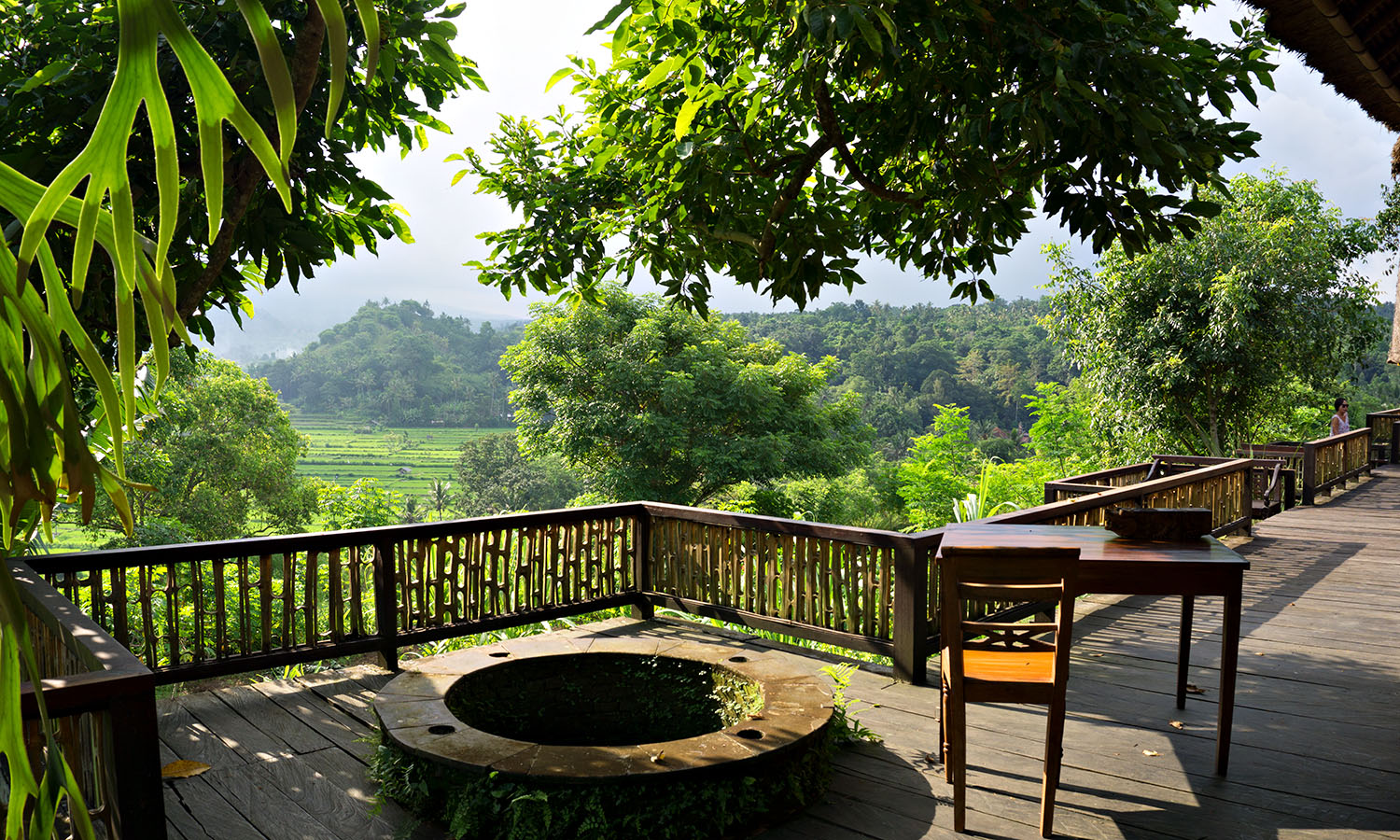
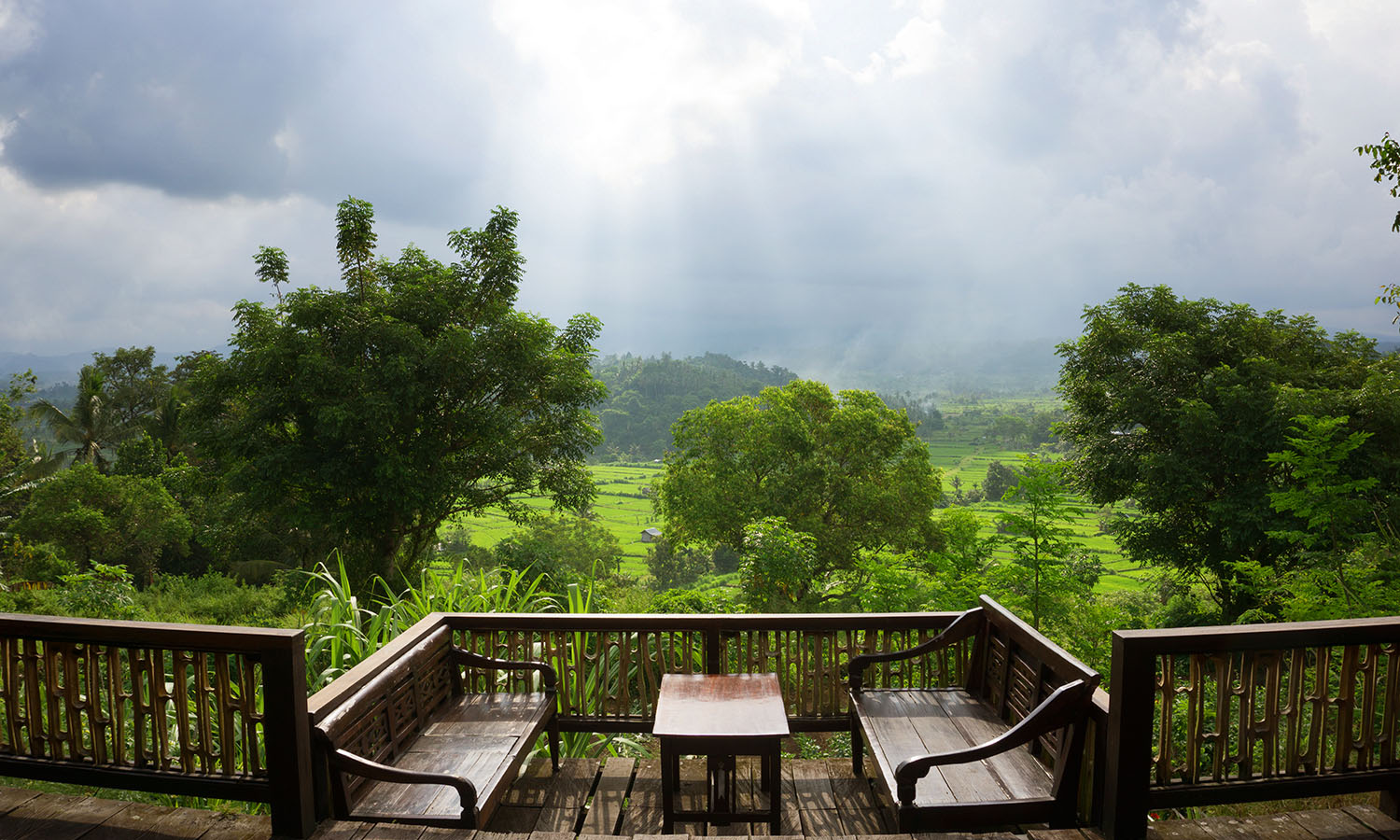
Thankfully, the views make it easy to push these unwelcome thoughts to the back of my mind. Prior to its havoc-inducing eruption in late 2017, Mount Agung stands tall and stoic in the distance, just visible beyond the low cloud cover that is slowly blanketing the sunny skies. It’s not difficult to see why owner and Executive Chef Penelope Williams chose this spot to build her restaurant, Bali Asli.
“I quickly discovered that Balinese cuisine and culture was very difficult for people with a limited amount of time to really discover properly,” she says. “It’s all a bit adulterated or out of context and people go home thinking that Balinese food is nasi goreng, mi goreng and chicken satay with peanut sauce. It’s not. So I decided to create a place that did culinary adventures and offered people the opportunity to feel how I did when I first came here.”
Penelope’s passion and enthusiasm for her craft is both evident and infectious. Originally from Sydney, her resume includes some of the top restaurants around the globe. She trained at the esteemed Savoy in London, worked as a sous chef at Bathers Pavilion in Sydney and was the Executive Chef at Alila Manghis in Ubud’s Candidasa region. Her restaurant, located in Karangasem, about a two-hour drive from the bedlam of Kuta, is the manifestation of her desire to go back to the roots of Balinese cuisine and craft something traditional, with a new twist.
This idea also inspired the name of her restaurant. Asli means original, or created in a traditional way using original ingredients.
“Balinese food is really regional,” she says as we sip our salaks. “No one travels – it’s just what’s there.” The menu changes almost daily according to what’s available from the village markets and everything is cooked and prepared on-site, from roasted coffee beans to honey. The venue itself is a work of art that only enhances the experience; its high thatched roof, recycled teak furniture and open-air deck overlooking the rice fields all capture the slow-moving serenity that many believe was sucked out of Bali long ago.
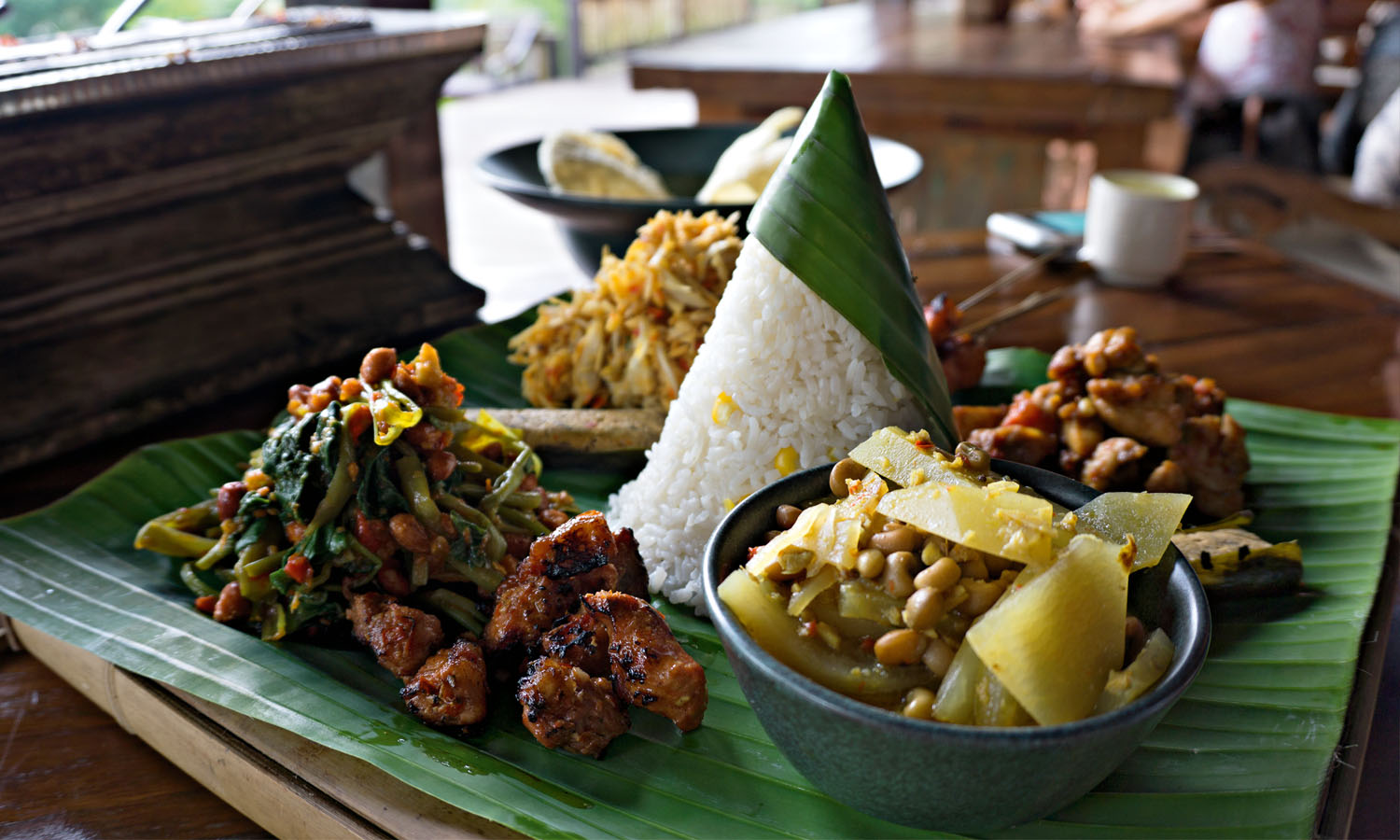
When it comes to choosing a meal that encapsulates the traditional cuisine of East Bali, Penelope recommends the megibung. The name means many people that sit and eat together from one large plate while discussing life. Similar to a tasting plate, it features six small dishes and is shared between three to four people. It’s also unique to the Karangasem area and can only be found in East Bali. The story goes that in 1692, the King of Karangasem, I Gusti Anglurah Ketut Karangasem, conquered what is now known as Lombok. He then withdrew his soldiers and invited Lombok’s dignitaries to sit and share a meal with him, together as equals, and announced the end of the war. It is a practice that is enjoyed to this day both in the home and at traditional events such as at weddings, festivals and cremations.
We start off with jukut kelor meliklik, a sweet corn broth infused with bayam (amaranth leaves) and garnished with fried shallot. Fragrant curlicues weave into the air as I look at the steaming bowl with trepidation, my thoughts back on the patron’s earlier comment. “It’s a broth,” I reason, “how bad could it be?” It’s wonderful.
Next is the megibung. The platter is a juxtaposition of casual refinery and miniature architecture – each vibrant dish has its own place, the rice cone forming a beacon-like centrepiece all presented on a banana leaf cut straight from the tree in the field below. I exemplify traits similar to that of a highchair-bound toddler that has spied something tasty and just out of reach as Penelope explains each morsel.
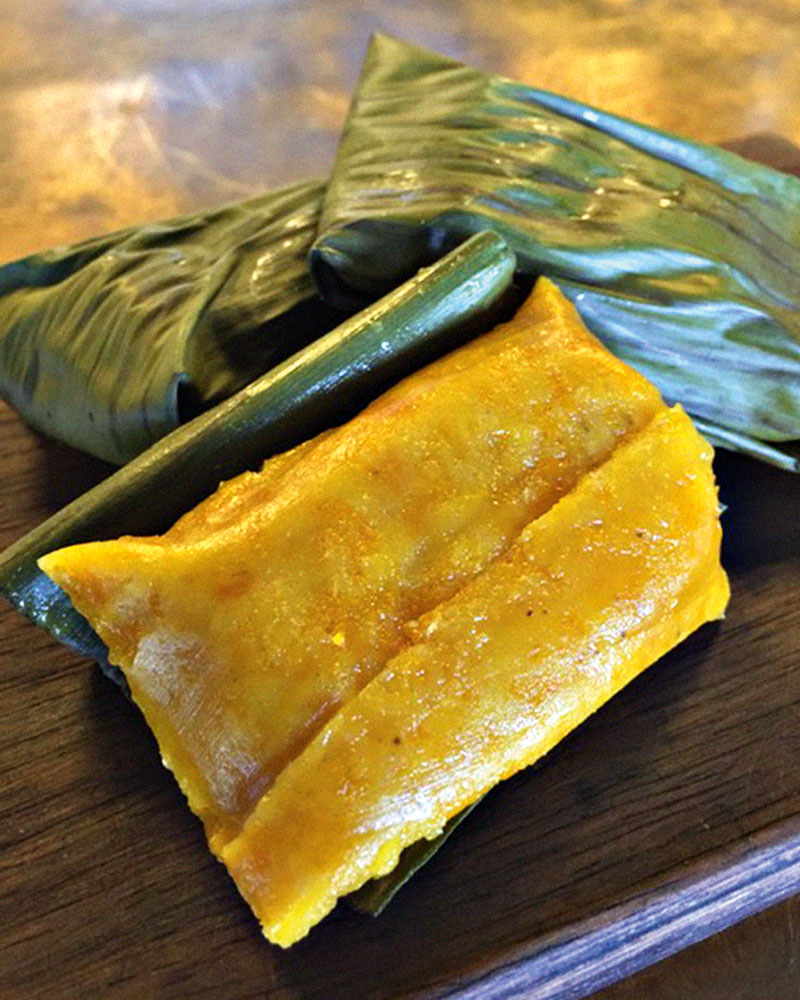
There’s besaip bumbu manis, chicken marinated in turmeric, garlic, chilli and braised in a sweet chili soy sauce, and pesan telingis, a rolled and grilled banana leaf filled with poached and shredded mackerel fish mixed with coconut curd. Plant-based dishes include urab nangke, a jackfruit salad tossed with finely grated coconut and pelecing kangkung, a shredded water spinach with fried peanuts and chunky tomato salsa. Rounding out the platter is jukut gadang kacang barak, a poached papaya with red beans and nasi jagung, a traditional fried rice with sweet corn.
This time, I don’t hesitate. Penelope encourages me to scoop up the food with my hands straight from the serving dish as is the traditional way. “It tastes nicer when it’s squished together; when it’s on a fork it just kind of all falls off,” she warns. My gluttonous inner-toddler rejoices.
Throughout the meal, Penelope shares tales of her culinary and cultural adventures, from fossicking for fresh sea urchins and snails in Uluwatu and picking herbs like moringa (said to be the next big superfood), to partaking in reincarnation ceremonies. Her self-ascribed ‘crazy adventures’ have inspired her to create foodie and cultural experiences, too, such as a cooking school plus hiking, cycling, vespa and street food tours.
As dessert is served – dragon fruit and Balinese coffee – I’m feeling good. Really good, in fact. Happily stuffed and no signs of an impending bowel breach.
“Loved the bathroom!” says a male patron as he walks past.
“Did you take a photo?” asks Penelope. Um. What?
“We’ve got an album on our Facebook page for toilet selfies,” she giggles.
Curiosity truly piqued, I decide to visit the bathroom, camera in hand, idly wondering if this is a photograph I’d rather not grace my SD card. I give the door a push. Bright, natural light bathes the room. Burgundy wallpaper dotted with round rustic mirrors covers either side, before opening out to a wall of towering banana leaf trees. I start laughing. The place where I feared I’d be spilling my guts is actually a magnificent outdoor bathroom. It’s just another of Penelope’s crazy adventures in a bid to immerse visitors in the local culture, with a fun twist, of course. It turns out I’ve got the best kind of Bali belly – a happy one.
INGREDIENTS
250g pumpkin, peeled and finely grated
50g rice flour
50g wheat flour
25g tapioca flour
80g white sugar
½ cup fresh, grated coconut
A pinch of salt
1 metre of banana leaf
Method
1. Combine the grated pumpkin with the salt, sugar, coconut and all the flours to make a soft paste. The taste shouldn’t be too sweet and the salt shouldn’t be overpowering, just enough to enhance the flavours.
2. Cut the banana leaf into 10cm x 12cm rectangles. You will need two rectangles for each parcel.
3. Place a tablespoon of the paste into the centre of the leaf, folding the long edges of the banana leaf together to keep its rectangular shape, before bending the open ends over to close the parcel.
4. Steam for 15 minutes until the mixture has thickened. Cool to room temperature, then serve.
It’s 7am and my driver, Hector, is late. We had planned to be on the road before rush hour, although in Costa Rica’s steamy capital of San Jose, the traffic seems to last most of the day. “It could be the rain,” shrugs my maroon-suited concierge, looking up at the bruised sky for the answers.
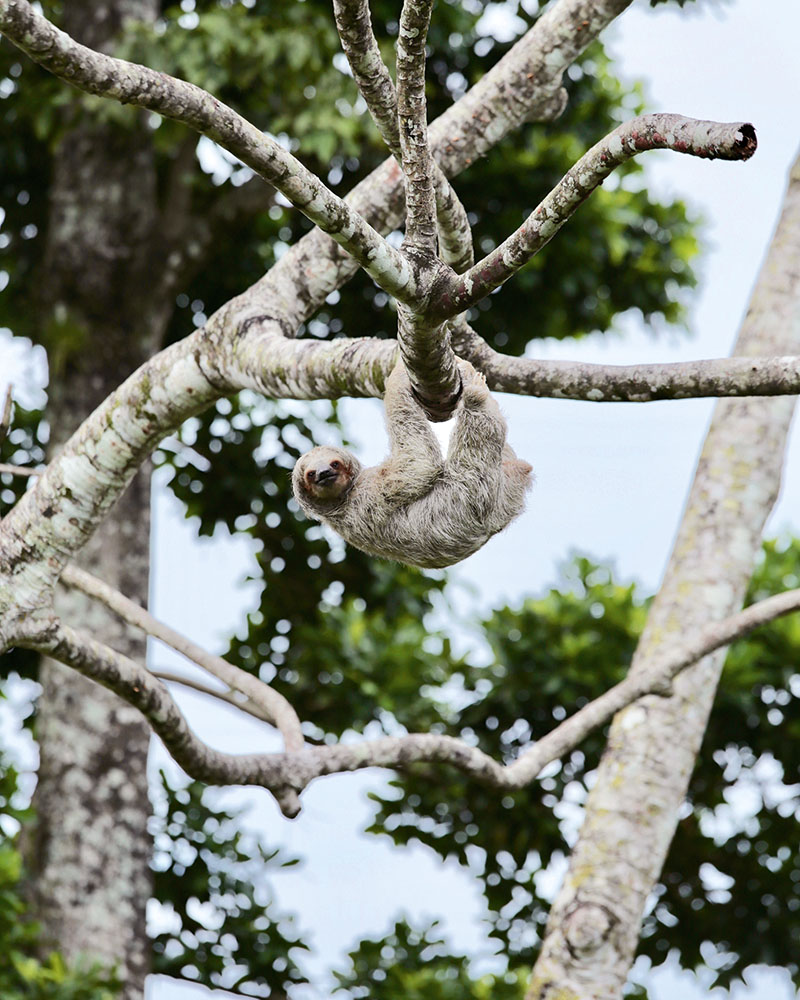
It turns out sloths were the culprits behind Hector’s tardy arrival, and he pulls into the hotel driveway at 8am with tales of helping relocate a sloth that had clawed its way too close to the road. It must have taken the slow-moving mammal days to get to its destination, only to be shunted back to the treeline by do-gooding ticos, as the local men are affectionately known.
On a larger scale, Hector’s story is one that tells the tale of Costa Rica as a country – a nation of environmentally aware citizens on a mission to ensure their slice of Central America remains one of the most biodiverse ecosystems in the world.
The short dash to the car leaves me soaked in the heavy rains, but it’s short-lived and soon, the sun and warm tropical air dry my sodden hair as we take Route 32 northeast toward the country’s Caribbean coast. Before long, tall palms and dark green jungle replace San Jose’s dusty, traffic-clogged highways, marking the beginning of coffee country.
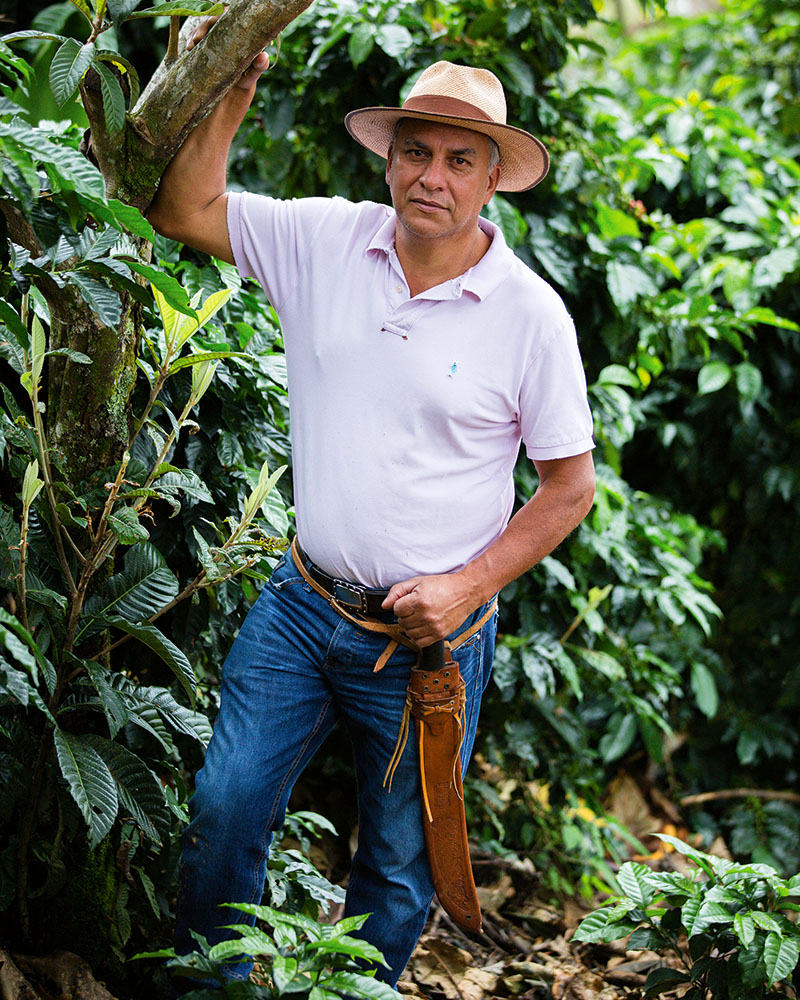
Costa Rica is one of the largest coffee producing nations in the world. The industry’s history dates back almost 200 years, and although tourism has leapfrogged it in terms of contribution to GDP, it’s still considered the first wealth creation for the country. In fact, direct taxes on coffee funded the vast majority of Costa Rica’s early infrastructure. Today there are still about 84,000 hectares of Arabica farmland left, with many of the country’s organic and biodynamic-savvy farmers growing other fruits as well, including pineapples, papaya and cacao.
We stop for a tasting of the latter at Sibu, an organic bean-to-bar chocolate producer committed to using Costa Rican flavours. Small-group tours introduce you to cacao farming and chocolate production and end, of course, with a tasting of Sibu’s bonbons – think flavour combinations such as chai and cayenne, cardamom and coffee and, a local favourite, ginger, coconut milk and caramel. Sibu’s owner tells us that even the packaging has an eye on the environment, with chocolate wrappers made from cacao nibs and recycled paper.
It would be easy to linger on the patio of the mountain-set roastery, overlooking the patchwork of green in Braulio Carrillo National Park, but we have more landscapes to discover and a jungle to explore.
The staggering diversity of ecosystems stands out the most in Costa Rica. Split by two mountain ranges, its 51,100 square kilometres – roughly the same size as Switzerland – include more than 1200 kilometres of coastline along not just the Caribbean but also the Pacific, with 12 tropical life zones in between. It accounts for 0.03 per cent of the Earth’s surface but is home to five per cent of the world’s wildlife species, and includes vast tropical rainforests, live volcanoes, 10,000 species of plants and more than 230 kinds of mammals.
Costa Rica developed its national parks system in the 1970s, taking its cue from the great North American parks. In the mid-1990s, the government instituted the most progressive reforestation program in the Americas and began an international campaign to market the nation, wedged between Nicaragua and Panama, as an “ecologically friendly” destination. For decades, travellers from the north came here to catch waves and study turtles, but then the rest of the world began to hear about la costa rica, which is Spanish for the rich coast. Visitors from all corners of the globe flocked to this slip of land to see one of the most biologically varied places on the planet, and an eco-tourism movement was born.
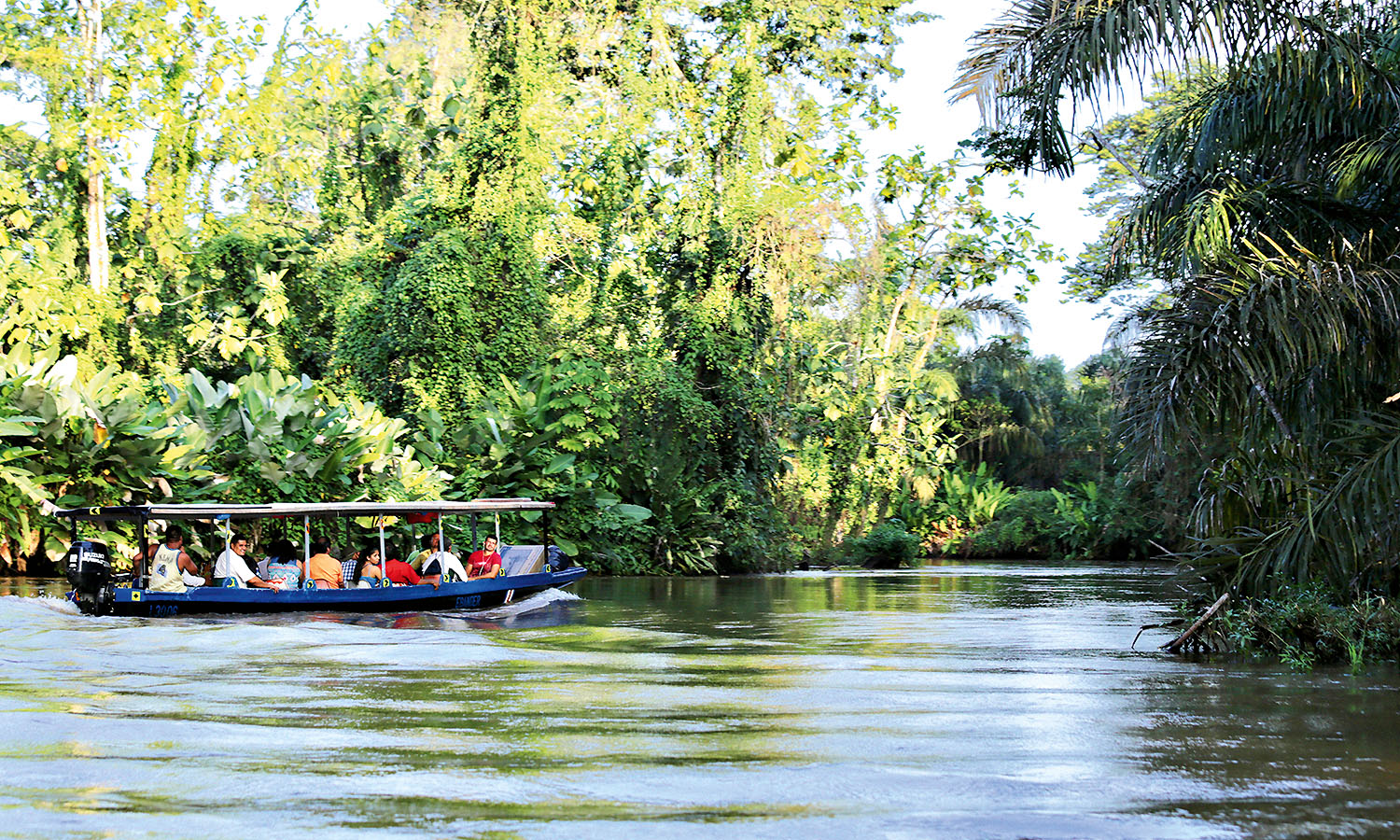
Hector and I see it in action at Parque Nacional Tortuguero, a protected wilderness area on the northern Caribbean coast. The beaches here are known for their sea turtle nesting grounds, including endangered green turtles, while the park’s freshwater creeks and lagoons shelter caimans and river turtles. We leave the car behind in Siquirres and catch a longboat up river to the coast, passing through wetlands and dense jungle where we spot crocs sunning themselves, iguanas clinging to hibiscus bushes, howler monkeys skipping between vines, and so many kinds of birds (toucans, pelicans, herons) that I and the other non-birders on board take solemn stock of our plight. At one point Hector points out a common basilisk, known as the Jesus lizard for the fact that it can walk on water.
Our hotel for the night, Laguna Lodge, is built on a narrow strip of land between Tortuguero’s main lagoon and the Caribbean coast. The bugs are bigger here, the wilderness wilder and the fauna at its noisiest after dark. My night-time lullaby is a symphony of red-eyed frogs and cicadas, chirping from the every-shade-of-green gardens that surround my rustic hut. I let out a long breath and feel tightness release in my belly. Henry David Thoreau had it right when he said, “We need the tonic of wildness.”
Leaving Tortuguero, Hector navigates west toward the town of La Fortuna de San Carlos, home of the colossal Arenal Volcano and another distinct ecosystem. Along the dusty highway, we detour to a small village where the Tico family shows us how they have been farming palmito (heart of palm) for generations. Things move at a slow pace here – at least a dozen well-fed dogs sleep in the sun when we arrive and mama Tico sits in a hammock peeling steamed plantain. Papa Tico dons thick gloves – the palm stalks have fierce thorns – and takes us into his plantations where he lobs off a couple of long buds, proudly revealing the tender inner hearts. Back in the open-air kitchen, mama serves me the just-peeled flesh transformed into a simple ceviche, with corn tortillas on the side. The nutty palmitos are the perfect complement to the warm bread, and I don’t leave a trace on my plate despite the fact that lunch is mere minutes away.
Lunch is at Hacienda Pozo Azul, an 80-hectare working ranch dedicated to eco-tourism. There are white water rafting trips, horse riding along jungle trails, ziplining through the forest and hikes into a private nature reserve where guides decode flora and fauna, including a large number of endemic butterflies and frogs. But I’m here to tour the expansive organic gardens and orchards that the owners, the Quintana family, use to supply the on-site restaurant. We pick corn, ginger, malanga (a type of root vegetable) and herbs, then sit down to a lunch of chorreadas (corn pancakes) and rondon (spicy coconut soup with fish and yucca), and a zingy ceviche made with sea bass, coriander and red pepper – it’s like Costa Rica on a plate.
There are similar offerings, although on a much larger scale, at nearby Arenal Vida Campesina, an organic garden and cultural centre where you can tour cocoa and coffee plantations and learn about the farm’s sustainable growing, harvesting and reforestation practices. There’s also an open kitchen where we watch chefs prepare local specialties, from gallo pinto (black beans and rice) to wafer-thin plantain chips and heart-starting coffee dripped in a chorreador, a type of cloth filter typical to the country.
This part of Costa Rica, the fertile northern lowlands, is the setting for Arenal, the country’s most active volcano and one of the top 10 most active of its kind in the world up until 2010. Until recently, it experienced 41 eruptions a day. It’s currently in a resting phase, which has paved the way for the many boutique hotels and resorts opening nearby its jungle-laced lava flows.
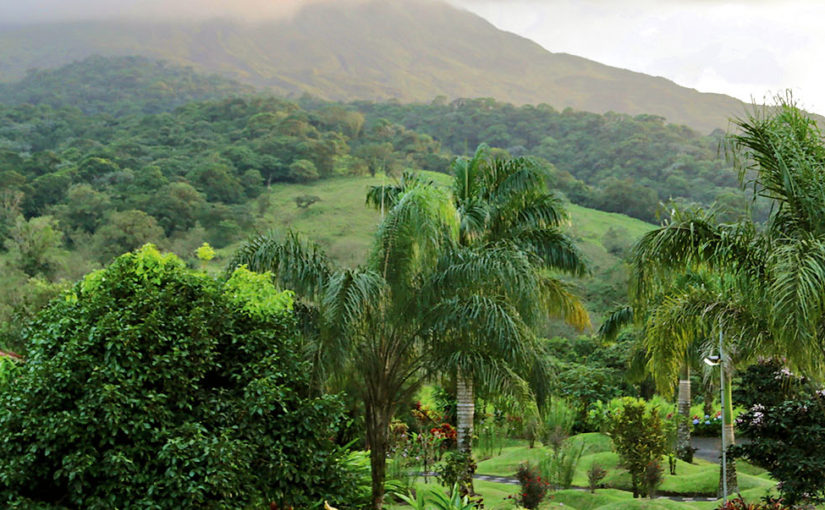
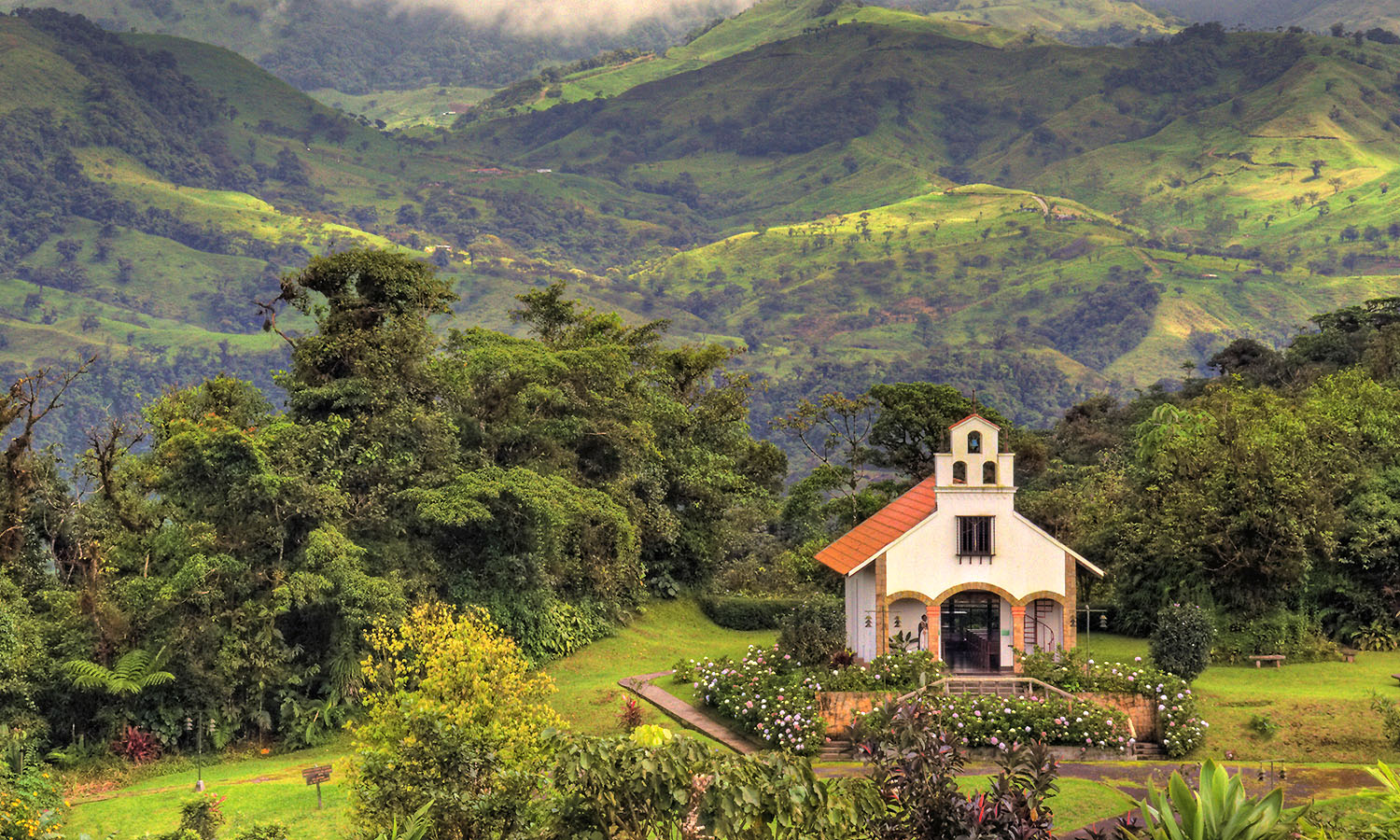
I check in to Arenal Kioro, known for its hot springs – my room comes with a thermal-heated hot tub – and incredible tropical gardens, complete with a backdrop of the near-symmetrical, 1633-metre-high Arenal cone. Within its foothills sit rainforest, waterfalls and the country’s largest lake, all easily accessible on hiking tours through Arenal Volcano National Park.
The park is also the site of 1140-metre-high Chato Volcano, although this particular volcano has been inactive for nearly 3500 years and has a collapsed crater that contains a picture-perfect lagoon. There are vast expanses of lava fields and forest to explore here, with short trails also leading to Lake Arenal at the mountain’s base. Significantly, the waterway supplies 12 per cent of Costa Rica’s hydroelectric energy, and there are wind farms on its banks and a geothermic plant nearby to tap into the region’s other bountiful green energy resources. It’s also a magnet for wildlife and as we stroll closer to the water, we spot white-faced monkeys and yellow-backed orioles clinging to ferns and wild orchids.
Our road trip ends at the Monteverde Cloud Forest Reserve, which straddles the Continental Divide and covers 10,520 hectares of tropical rainforest. It’s home to six ecological zones and an extremely high biodiversity (2500 plant species, 100 species of mammals, 400 bird species, and 161 reptilian and amphibian species). And many of them are on show at Villa Blanca, our boutique accommodation for the night situated in the neighbouring Los Angeles Private Cloud Forest Reserve.
In addition to the beautiful casitas (cabins) – each with vaulted cane ceilings, an open fire and spa tubs overlooking the gardens – the hotel features organic gardens, a strong recycling policy, and a commitment to sustainability. There’s an on-site research station where local scientists come to study the country’s endemic species, and guests can book in to meet with biologists and naturalists who help identify photos of plants and animals snapped around the property.
In the kitchen, chefs produce everything from butter to cheese – including a creamy smoked mozzarella and a hard cheese infused with spices from the greenhouse – along with a warming soup that is half black bean and half pejibaye (peach palm), and wholly delicious.
In the early evening I hike through the hotel’s expansive grounds as mist spills over a ridge thick with jungle, enveloping the whitewashed casitas. Fireflies flicker in the gathering darkness and, from the treetops, the haunting chant of howler monkeys gathers pace. I can smell rain, the earthy aroma of droplets hitting warm soil and tarmac. And somewhere there is a wood fire burning, signalling a cool night ahead. As I make my way back to the dinner table, I know that this is the only tonic I need.
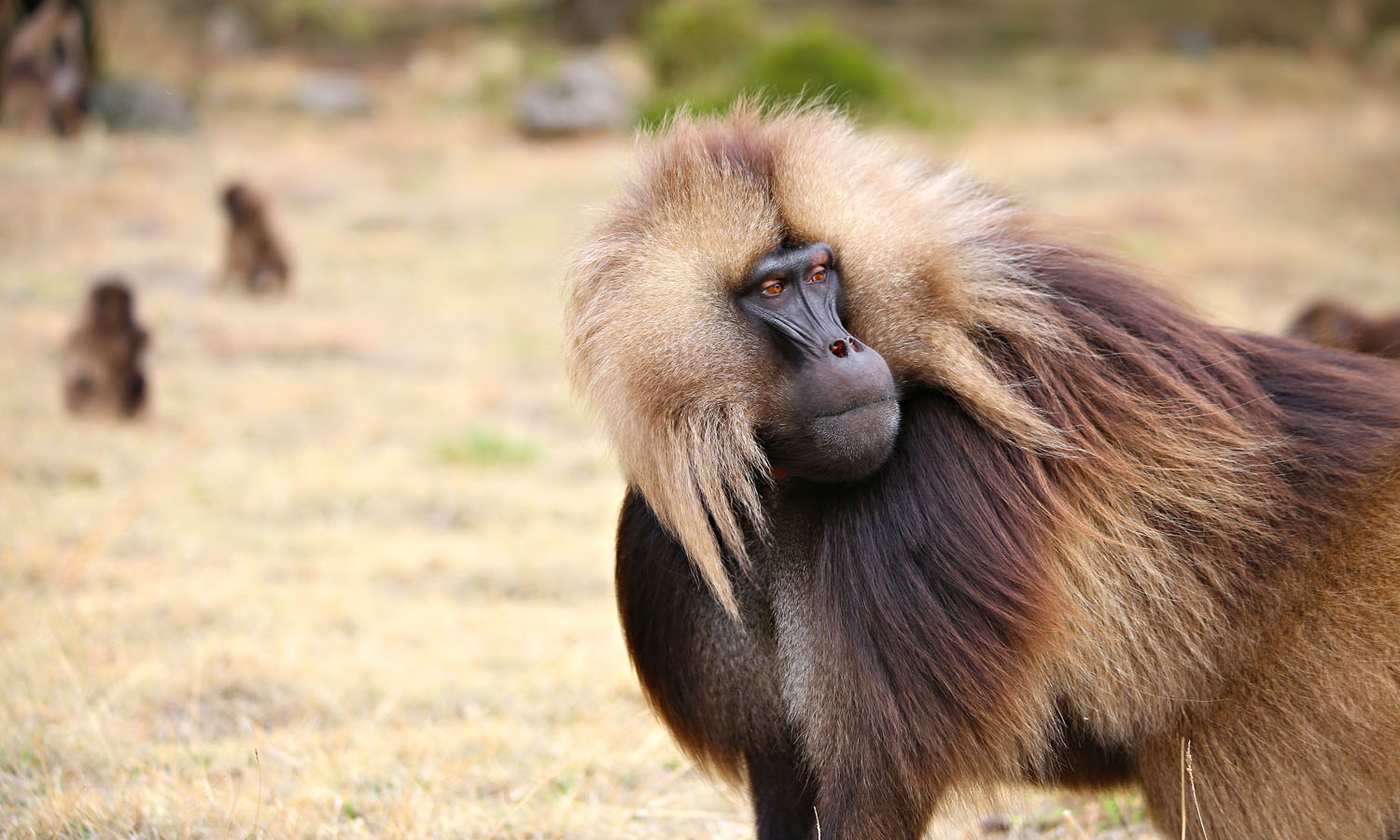
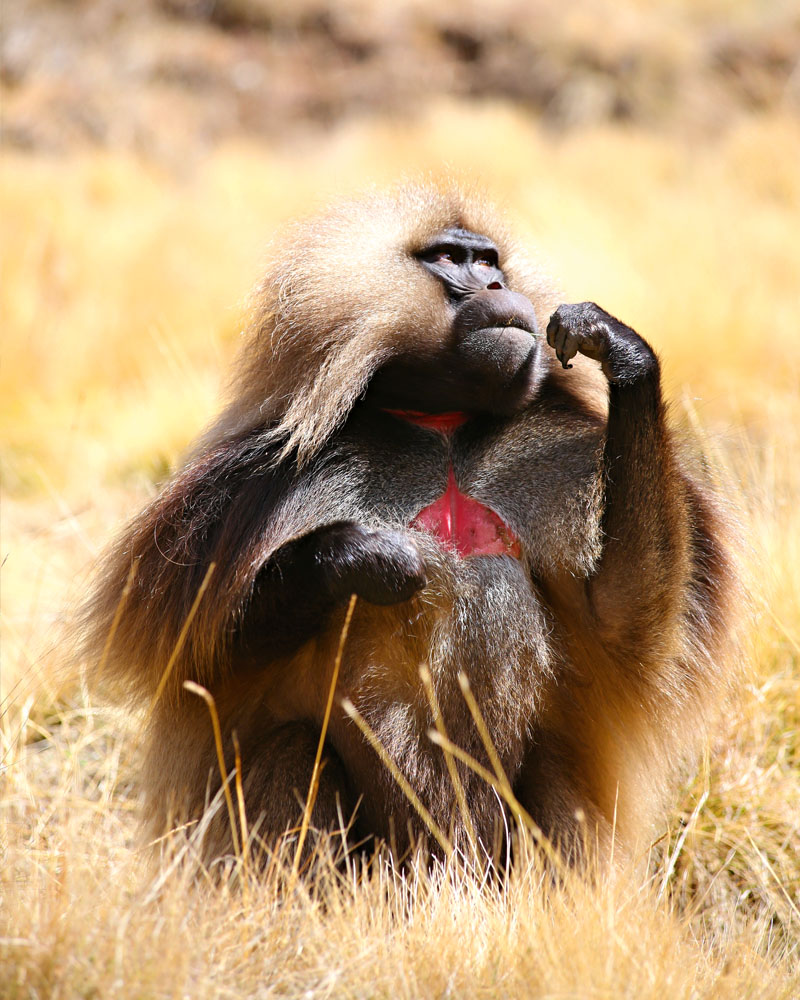
I’m being given the cold shoulder. It’s my fault; all the gelada monkey wants to do is dig into the ground for fresh, juicy grass and eat in peace, but from a few metres away, I’m pointing a camera lens in his face. His reaction is still surprisingly human, and a little at odds with the rest of the primates’ behaviour. Minutes before, I’d seen adults having rambunctious sex, not caring at all that they were surrounded by friends and family, including their offspring and the male’s other ‘wives’. When it comes to eating, though, it seems they prefer a little privacy.
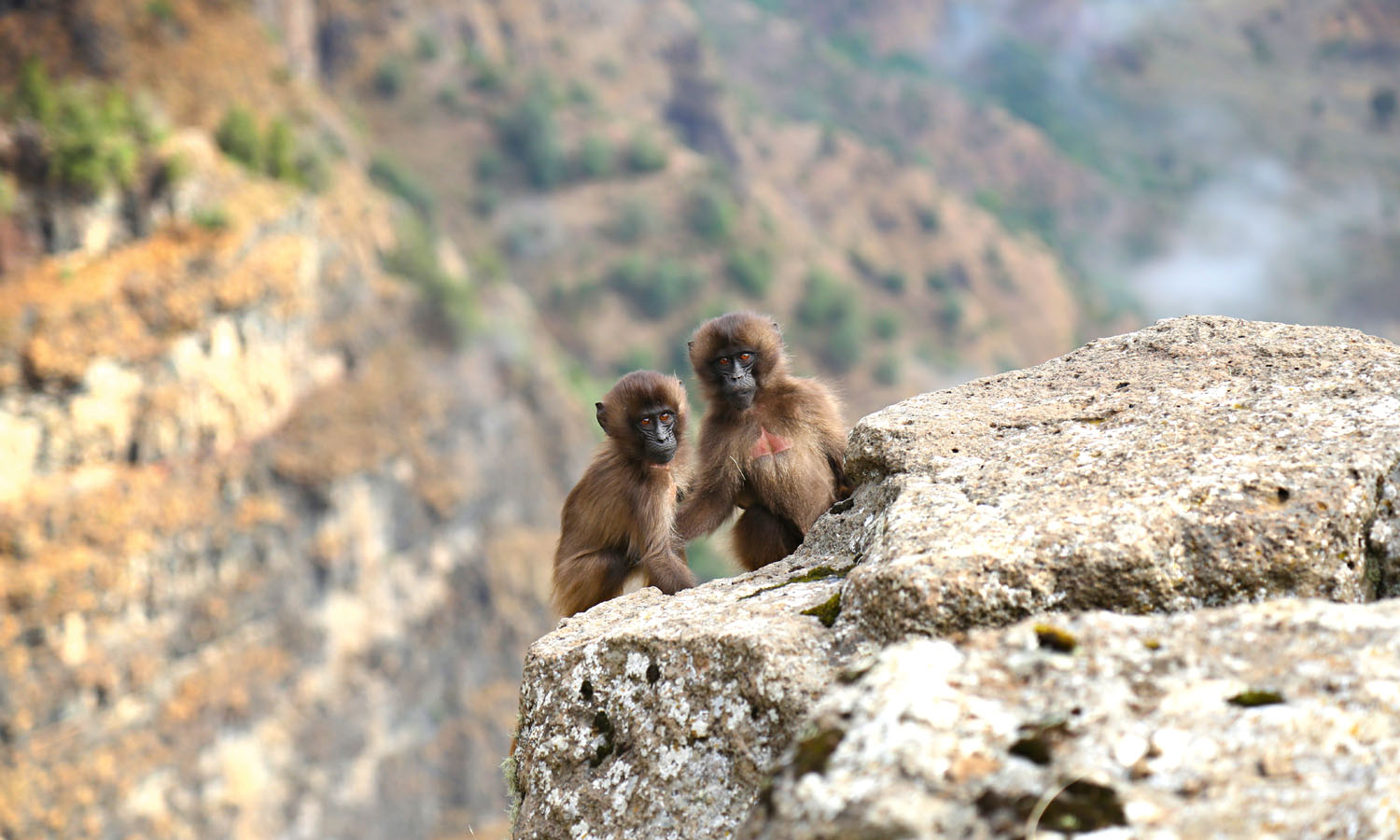
Spending time with the geladas is fascinating, and the remarkable Simien Mountains in northern Ethiopia is the place to do it. There are around 10,000 of them in this luscious, mountainous region, and although those living inside the national park are wild, they’re habituated enough to the presence of humans that, except for sudden moves or loud noises, I can sit among them as they go about their daily monkey business.
Each morning, as the day warms, troops of monkeys come up from the cliffs where they sleep, moving in chain-like lines to coalesce on the Simiens’ grand plateaus. “You’re very lucky,” wildlife guide Dani Fikru tells me when I pack up the camera for the day. “I never saw so many together. There must be at least 400 out there today.”
I’ve come to Ethiopia to seek out the wildlife in the country’s highlands, including Simien Mountains National Park up north and Bale Mountains National Park in the remote south. Endemic species like the geladas and Ethiopian wolves sit high on my list of hope-to-sees.
From the bustle of the country’s capital, Addis Ababa, a plane carries me to the ancient city of Gondar before I journey north with Ethiopian guide Dawit Teferi to Limalimo Lodge, a new opening located inside Simien Mountains National Park that promises understated luxury.
It doesn’t take long before the first gelada makes an appearance. Drawing back the curtains on the first morning, I spy a big male prowling through the forest below, and a mother passes by the window with her infant riding on her back. Over breakfast, a bearded vulture, known locally as ‘bone breakers’ because they smash bones from carcasses against rocks to get the soft marrow inside, rises up the hillside. Spotting wildlife among the deep gorges, interwoven forests and imposing outcrops of the majestic Simiens isn’t going to be a problem.
With Dawit, Dani and an armed ranger piled into our 4WD, we venture into the mountainous park.
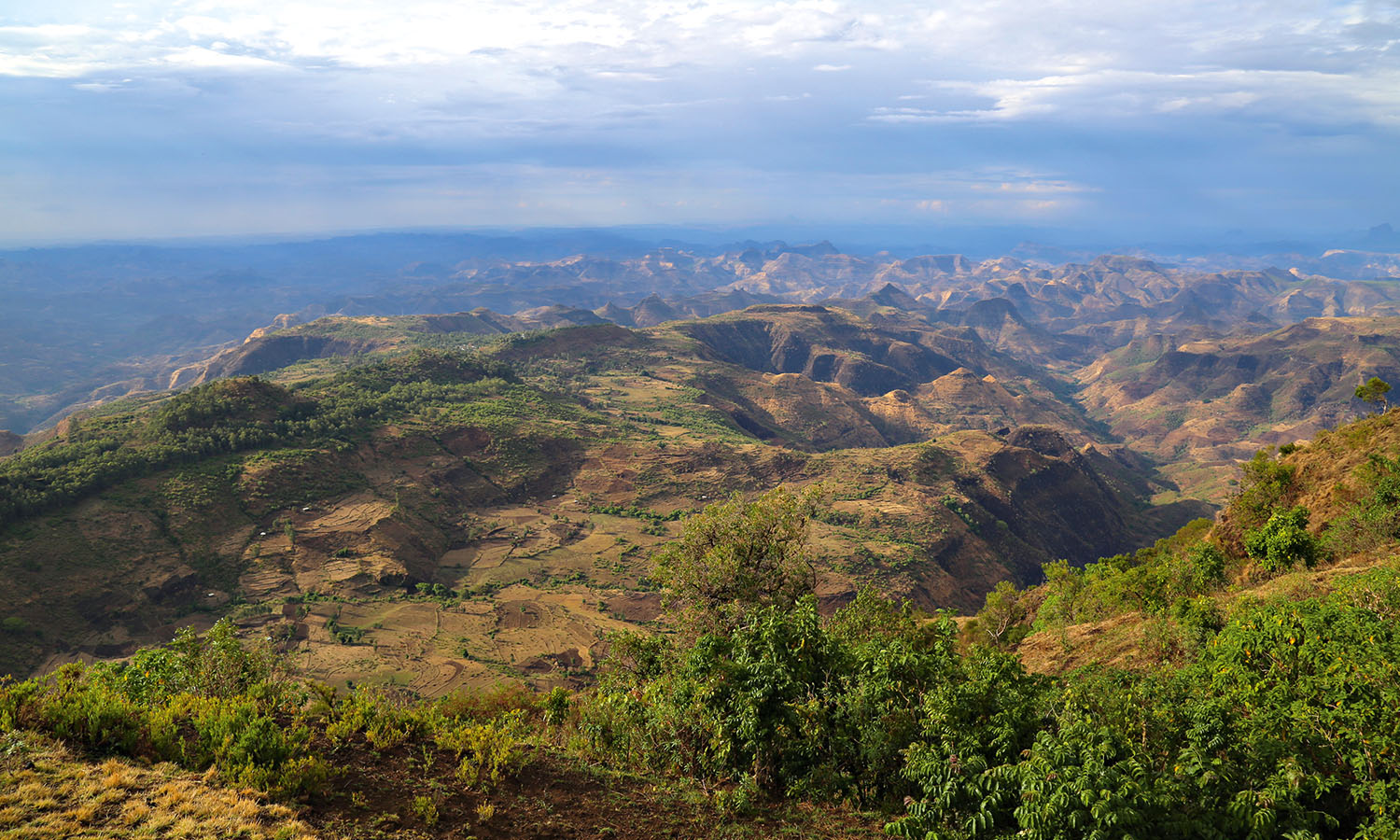
Formally established in 1966 and one of the world’s first natural UNESCO World Heritage Sites, the Simien Mountains National Park spans 412 square kilometres – roughly the size of Barbados – and ranges in altitude from 1900 metres to the 4533-metre peak of Ethiopia’s highest mountain, Ras Dashen.
Before long, we notice geladas munching their way across the hillside. “They eat one kilo of grass each day,” Dani tells me.
Between mouthfuls of grass blades, they huddle together and pick at each other’s fur. “It’s a ‘you-scratch-my-back, I’ll-scratch-yours’ situation,” Dani says. “Thirty to 40 per cent of their day is spent grooming. They’re picking out parasites, but it also has social value, a way to show friendship.”
The geladas gambol across the verdant hills. Infants tumble playfully, while others hitch rides on their mothers’ backs. A male gelada stands on all four paws, keeping watch over his ‘family’, which can include anywhere between seven and 14 wives.
“The male looks after his family,” Dani explains. “Leopards and hyenas are their natural predators. It’s why the Simiens are such a good place to see geladas – they like the big open areas and they have the safety of the cliffs to go to at night. They feel safe here.”
The signature red patch on the chest explains their alternate moniker ‘bleeding heart monkeys’, while the shaggy coats and thick manes of the adult males have earned them the nickname ‘lion monkeys’.
Despite the baboon-like appearance, Dawit explains the geladas are actually part of the monkey family (baboons are their own genus). “Nowadays, scientists say they’re technically gelada monkeys.
“They look like baboons, behave like baboons, but they have different DNA. Genetically, they’re more similar to a monkey that was historically in this area of Africa. The same thing happened with the Ethiopian wolf. It used to be called the Simien fox, but they found out the closest relative was the grey wolf, even though it looks like a fox.”
It’s not just geladas here, though. As we hike out to a ledge, we spot a bushbuck among the trees and small klipspringers on the cliffs below. Dawit and Dani list the exotic names for the impressive procession of birds of prey that soar across the canyon: griffon vulture, augur buzzard, Verreaux’s eagle.
Giant lobelia trees pop up between grasslands and rocky structures indicating we’re reaching the high altitudes we need in search of the endemic ibex. Its distinctive long, curved horns silhouetted against the sky appear in Dani’s binoculars, and we find another two closer to Bwahit Pass. As we try to keep up with the sauntering animal, it’s evident its legs and lungs are far better suited to the 4300-metre altitude we’re currently exploring. That explains my shortness of breath.
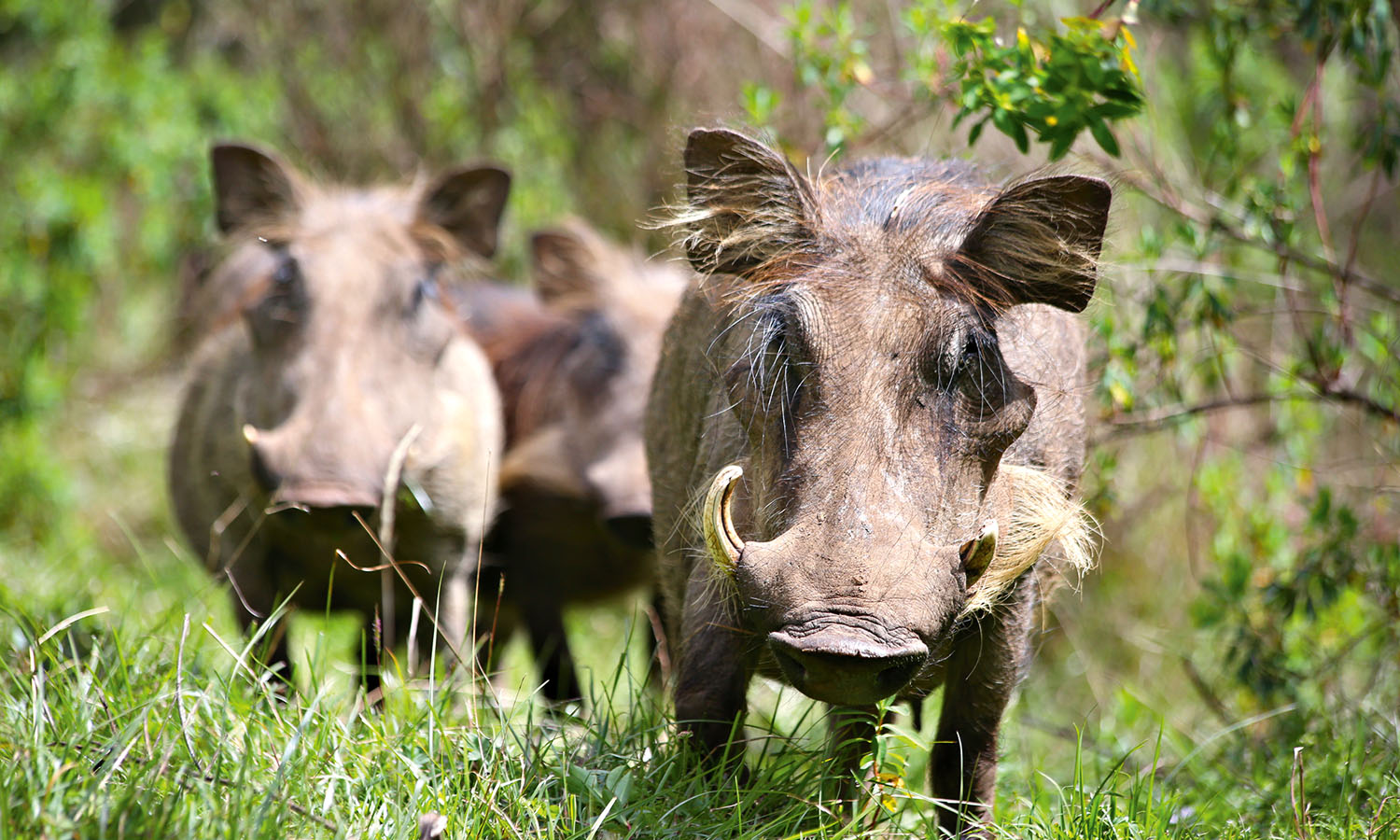
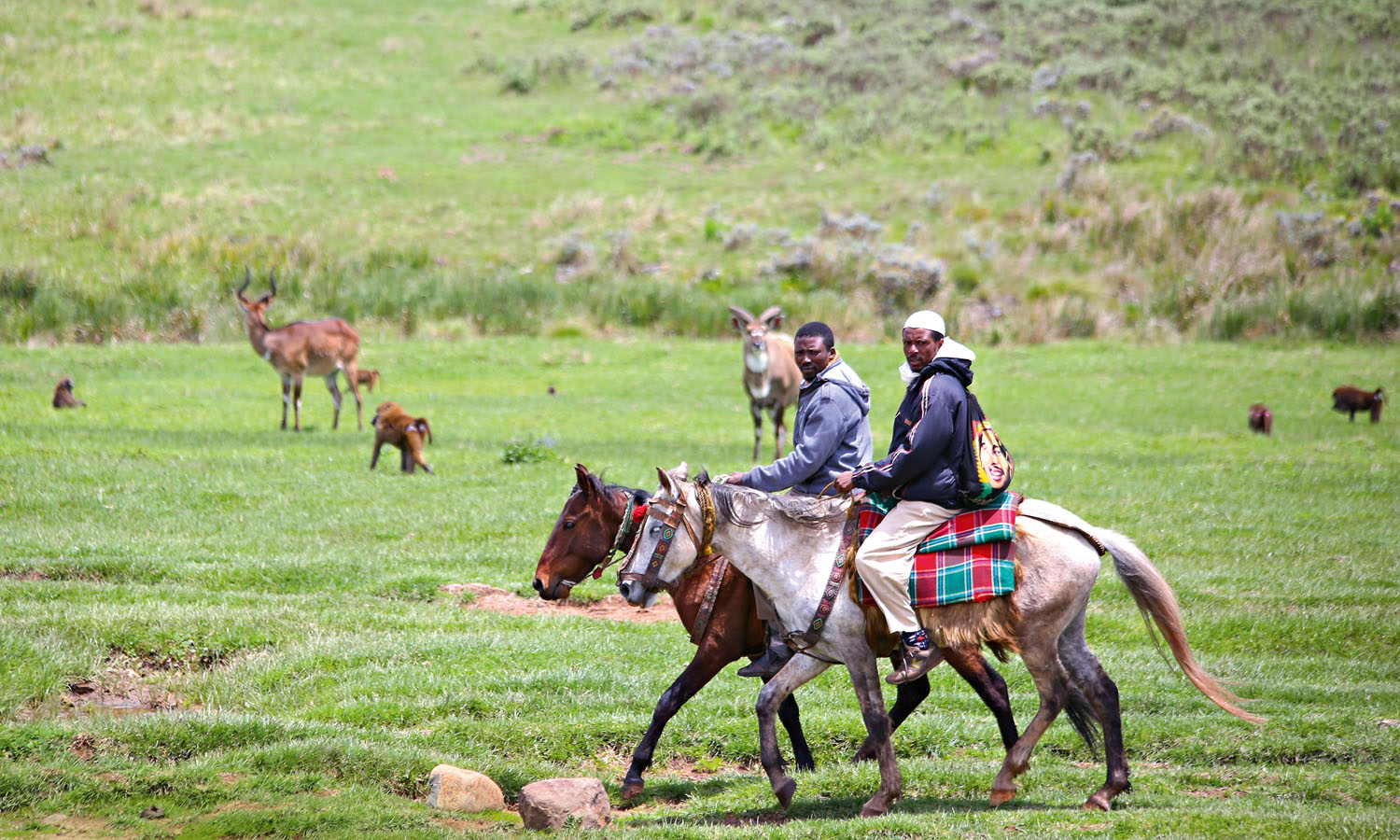
Leaving the Simiens behind us, it takes a full day of driving from Addis Ababa through the country’s south-eastern grasslands to reach Bale Mountains National Park. We’ve barely arrived when we spy the curved horns of mountain nyala (an antelope unique to this region), warthogs and Anubis baboons all gathered by a river. Hiding high up in the trees are shy colobus monkeys.
As we drive through plains that stretch to the horizon or climb slowly up to an escarpment, there’s and incredible feeling of space. Only occasionally, through the window, do we see distant figures of local people travelling from village to village.
By evening, we’ve passed through the national park to reach the warmth of the fireside at Bale Mountain Lodge, set within the thick greenery of Harenna Forest. Mist lingers over the treetops that cover the hillsides, and the forest rises up to a high jagged ridge.
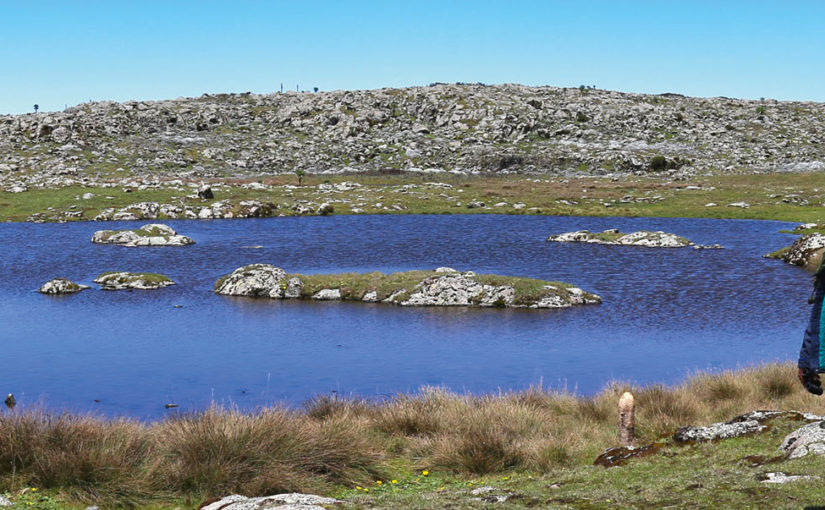
On the road to the Sanetti Plateau, we pass by colourfully painted mosques and through several small villages within the national park. Clouds rise up from the valleys and onto the peaks, creating enough moisture to explain why the 4000-metre-high ground of the plateau is so green and fertile – there are more than enough small lakes, rivers and plant life to make this area an attractive home for the wildlife.
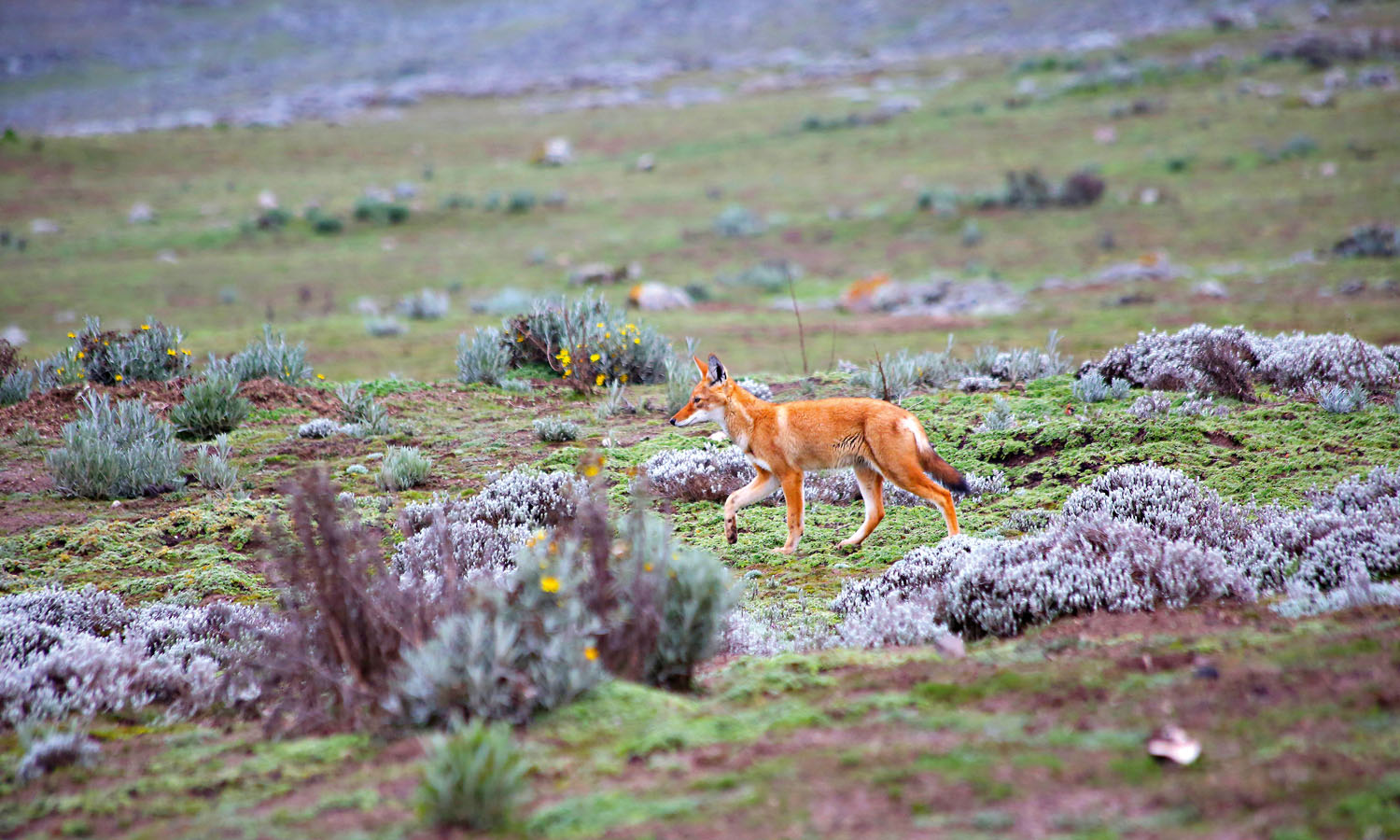
It’s in this region that we’re most likely to see the Ethiopian wolves. “There are possibly 200 here, out of a population of 500 in the country,” Dawit tells me. The abundance of giant mole-rats plays a role in the wolves’ attraction to this region; there’s plenty of food for the wolves to consume.
We search with binoculars to see if we can find any of the elegant golden animals, which, according to local guide Kassim Datu, sometimes hide among the cows to get closer to the mole-rats.
We spy two wolves among a cluster of rocks. They’re orange and look like foxes, but larger and more powerful. We see a third wolf down in the valley and, later, three smaller ones on the hillside, most likely hunting.
More emerge the next morning. Our first sighting is a wolf stalking geese down by a stream. Another crosses the road, pausing to nose and paw at holes, in search of food. Further along, we see three down in the valley. “That’s amazing,” says another local guide, Ziyad Kemal. “Five pups in one morning.”
It’s been a lucky day, but the Ethiopian wolf is are the most endangered canid in the world and Africa’s most threatened carnivore, and numbers are declining. “I see less today than I did five years ago,” says Dawit. “There’s a lot more land under cultivation, so they’ve lost habitat. But the main problem is people’s dogs and diseases like rabies and distemper.”
We drive to the summit of Mount Tullu Dimtu, the highest peak in the Bale area, for rewarding views of mist rolling across the mountains before a hike across the spectacular Sanetti Plateau. The warm sun brings out the bright greens of the grasses and spiky leaves of the giant lobelia, and enhances the pinks and yellows of Afro-alpine flowers. The plateau is alive with birdsong. Starck’s hares bolt to safety, disturbed by our presence, while a pair of lammergeier (bearded vultures) circle high up in the cloud.
Augur buzzards glide over the plateau or perch on the trunks of lobelia, scanning the surroundings for an afternoon meal. It shouldn’t take them long here.
That’s just how it is in Ethiopia’s remarkable highlands – wherever you look, there are signs of life or, depending on your perspective, lunch.
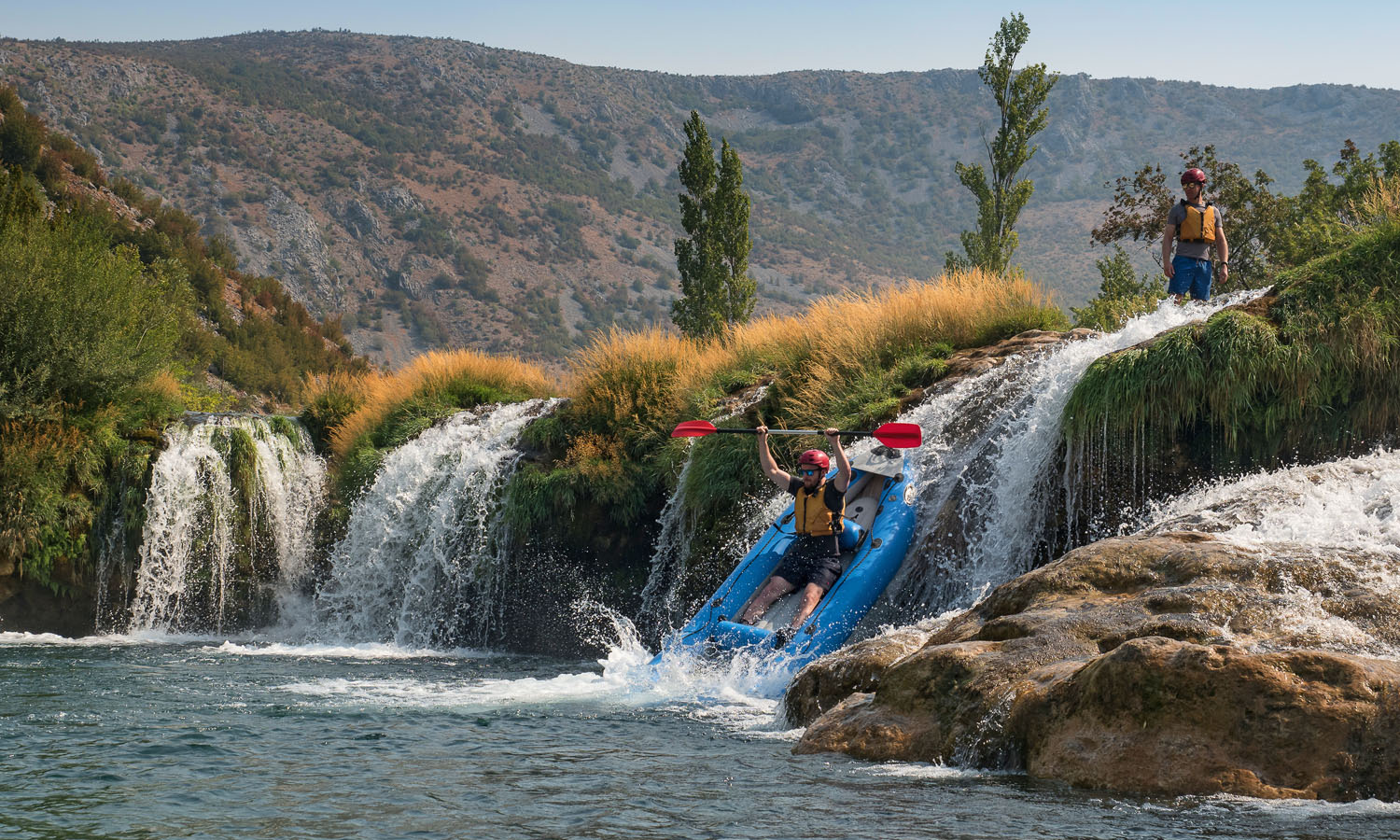
I never planned on going first, but somehow I’m called into action before the others. All I need to do is steer my kayak towards the ledge of the raging waterfall and launch myself off the vertiginous drop.
I paddle determinedly towards Eon, my guide, who stands like a beacon beside the point of no return. As I near the edge, the air becomes charged with tension and the deepening roar of the approaching waterfall intensifies. But in the last few seconds I sense disaster.
It’s hard to describe the feeling you get when your kayak decides to spin out of control just moments before you launch off the precipice of a waterfall. It’s like old mate Fear waking up in a good mood and deciding to go bungee jumping – hairy, yes, but totally exhilarating at the same time. A little embarrassing, too – especially when your kayaking troupe is in prime position to witness the spectacle.
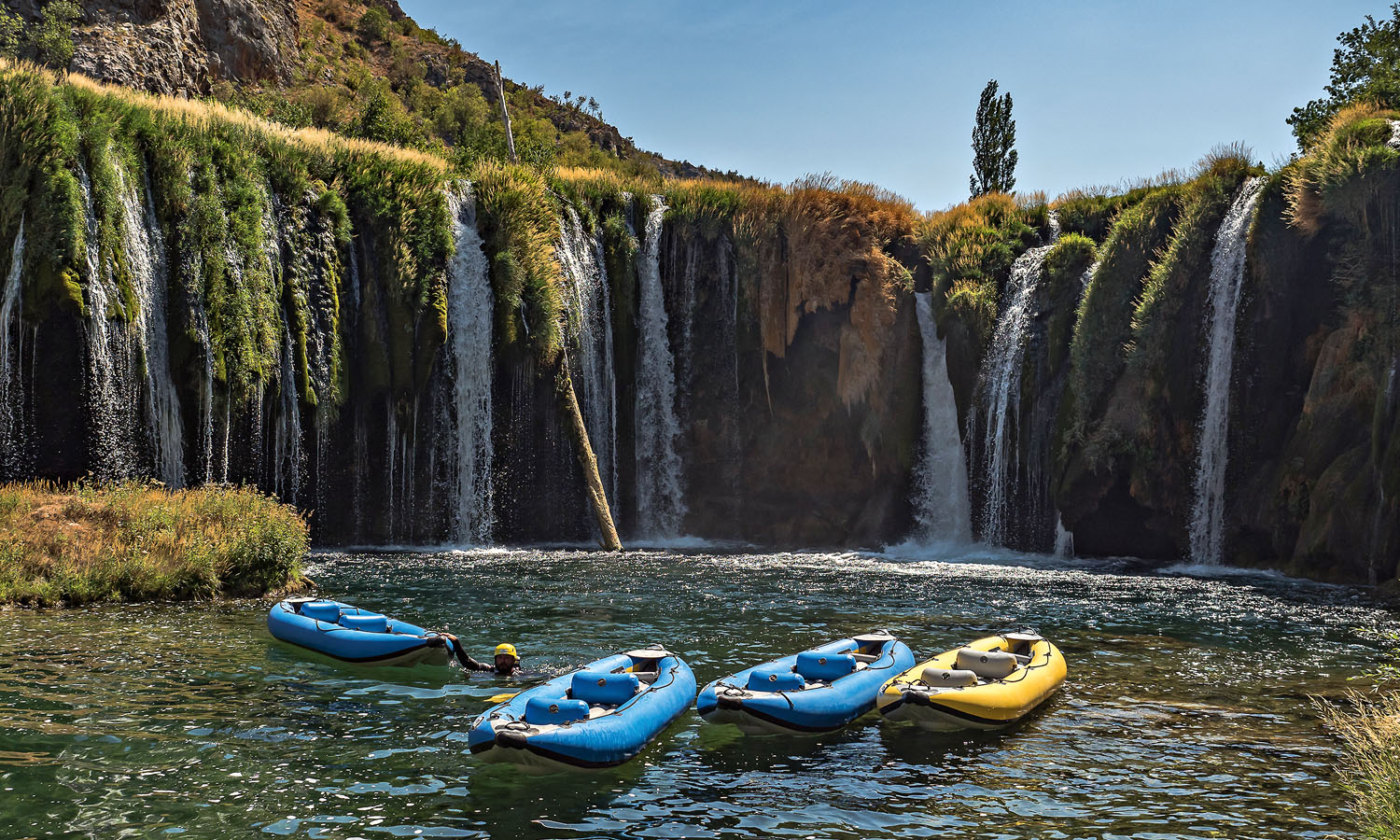
Thankfully, disaster never comes. Before giving the rear of my kayak a mighty push in the final moments before the drop, Eon straightens me up as I raise my paddle overhead. Seconds later I land under the gushing waterfall and a smile blooms on my drenched face. Paddling towards the edge of the deep green pool, forged by centuries of relentless flowing water, I watch as the rest of my group faces their fears and take the plunge, one by one.
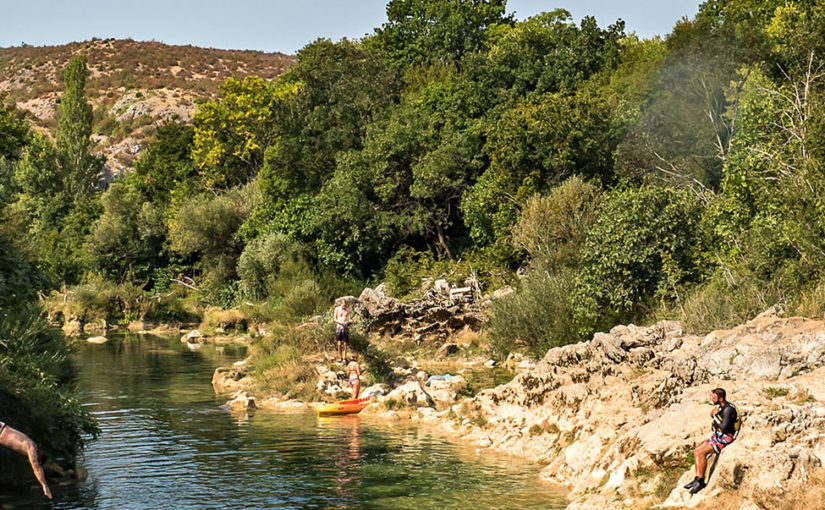
Things weren’t always so dramatic. For the past 48 hours I’ve been kayaking a section of the Zrmanja River through a rugged karst topography of canyons, caves and rock formations inside the Velebit Nature Park in Croatia’s Dalmatia region. I’m travelling with five Brits, and as the only Aussie I’m determined to make my country proud on this three-day adventure of wild camping, raging waterfalls and class II and III rapids. This is Croatia with the adventure factor dialed up to 11, minus the heaving tourist crowds.
Two days earlier we set off from Zadar, a historic town on the eastern shores fringing the Adriatic Sea. Famous for the architecturally designed musical instrument Morske Orgulje (Sea Organ), its myriad Roman, Venetian and Byzantine ruins, and being Croatia’s oldest continuously occupied city (it’s been inhabited as far back as ninth-century BC), Zadar is most memorable to me for having a name that sounds like the punchline of a magic trick. From here, it takes a little over 90 minutes by van to reach our first campsite at Kastel Zegarski, and along the way we pass Croatia’s largest mountain range, Velebit, which separates Dalmatia from the lush interior region of Lika. We also skirt by a raging bush fire edging the main road. Eon explains that this region is unfortunately prone to fires, especially during July and August.
As our kayaking adventure officially begins the next day, we spend the evening at the campsite getting acquainted over barbecued chicken, rice and beer. The night sky is so clear and dark out here that it’s actually possible to see the soft glow of the Milky Way and make out celestial constellations and asterisms like the Big Dipper. The need for sleep eventually wins out though, and I retire to my tent in preparation for the 11-kilometre paddle downstream that lies ahead.
I wake to the rooster’s resounding crow at 4am, but only feel compelled to get out of bed four hours later by the aroma of coffee and a delicious spread of meaty burek (flaky baked pastry), locally made cheese and fresh fruit. I’m keen to load up on carbs and caffeine for the day ahead, which will involve an eight-kilometre paddle that should take us four to five hours. Having only just completed a 15-day cycling trip through the Balkans, I’m eager to get out on the water to make sure my arms still work.
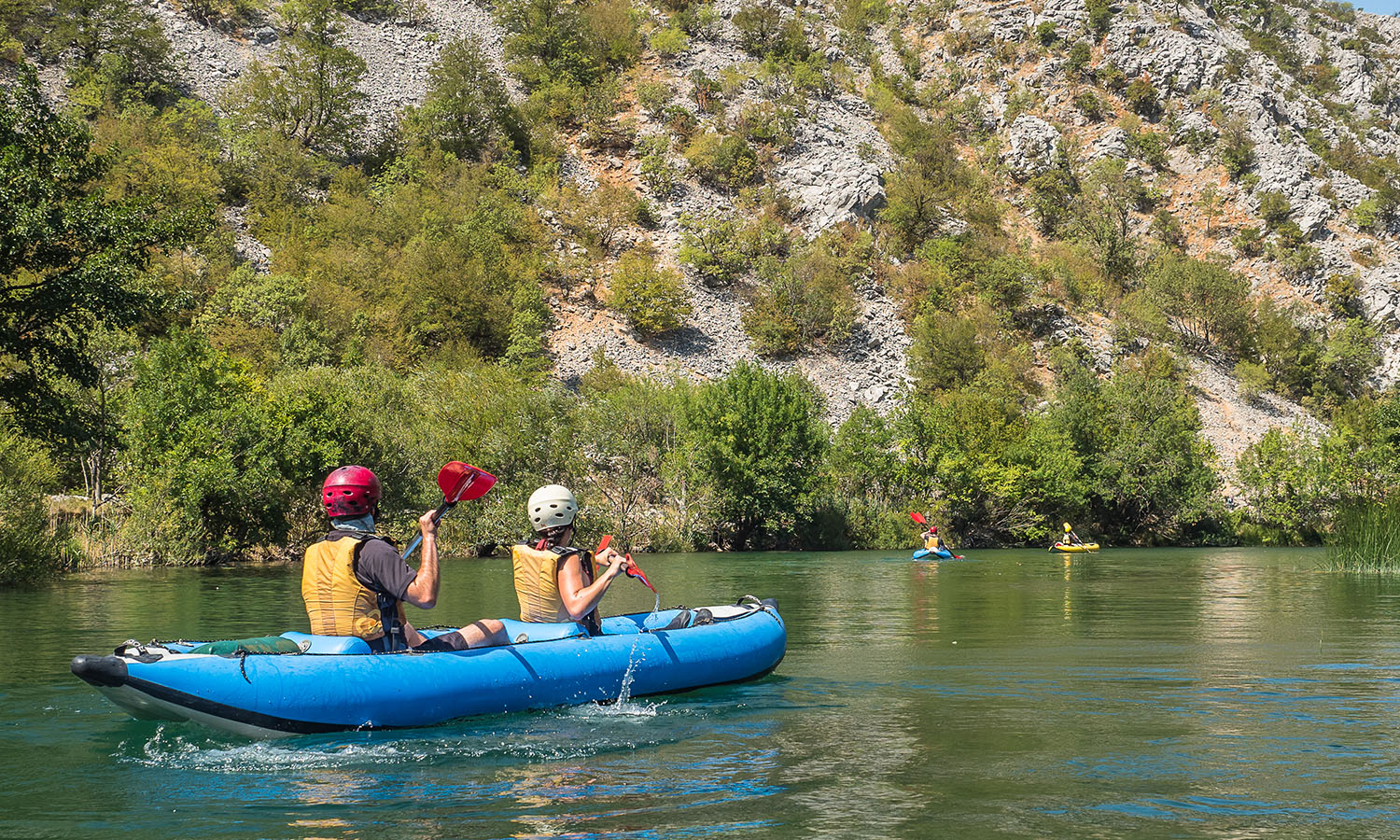
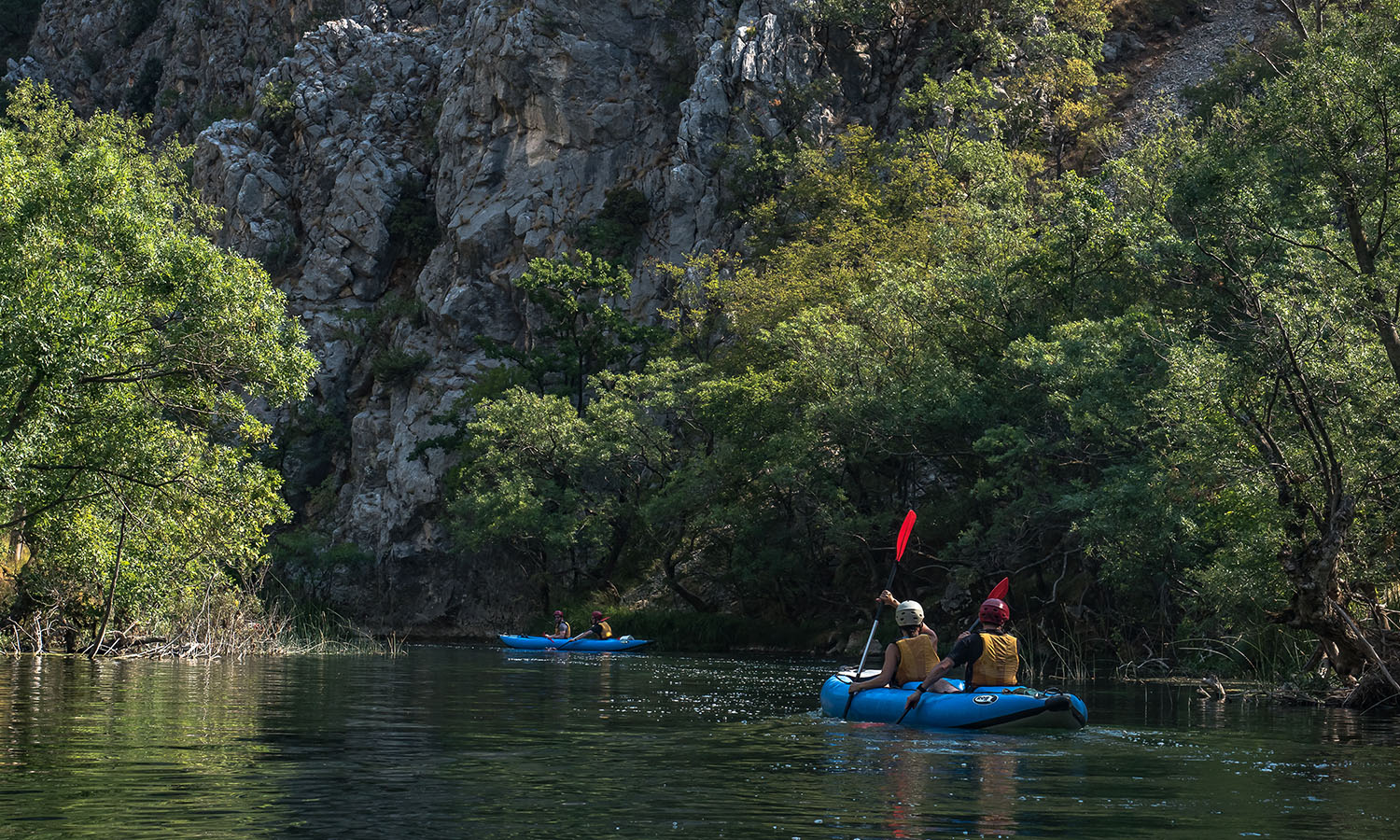
Soon I’m putting on my canary-yellow life vest, donning my red helmet and stepping into my black neoprene booties after a short safety talk. The six of us are divided into three teams of two and allocated blue rubber double kayaks.
“We don’t use hard kayaks on the river anymore as they can destroy the area’s delicate travertine,” Eon says as we make final preparations. I’m paired with Ros, an accountant from London, and moments later we’re taking our first strokes downstream on the calm, green Zrmanja River under a thick canopy of fig, juniper and hornbeam trees.
It’s evident from the get-go that staying on course is going to be a challenge over the next two days. As captain of the kayak, I’m sitting at the back, and it’s my job to keep us paddling in the right direction. But despite my best efforts, what should be a peaceful paddle down the river erupts into a frantic and frustrating fight to reel the vessel back in line and divert impending doom in the form of crashing into poke-your-eye-out branches or worse, other kayakers.
Thankfully, Ros is a complete pro at detecting even the slightest deviation and is able to synchronise with my strokes to bring the kayak back to its rightful position on the river. This back and forth is a constant theme throughout the trip. The threat of spinning out of control weighs on my shoulders, hanging in the air like a bad smell. One moment of distraction or a little too much muscle in a stroke and the battle to steer the kayak back on track begins.
Crafted by Mother Nature after the last Ice Age when sea levels swelled to more than 120 metres, the Zrmanja River and its estuaries flaunt a rich biodiversity of plant and animal life, including rare species of endemic birds and freshwater fish, such as the Zrmanja dace. The surrounding banks are also prime grazing territory for goats, cattle and sheep. “And snakes,” Eon says with a deadpan expression as we paddle through a flat bucolic section of the river. Whether he’s being serious or just pulling our legs remains a mystery.
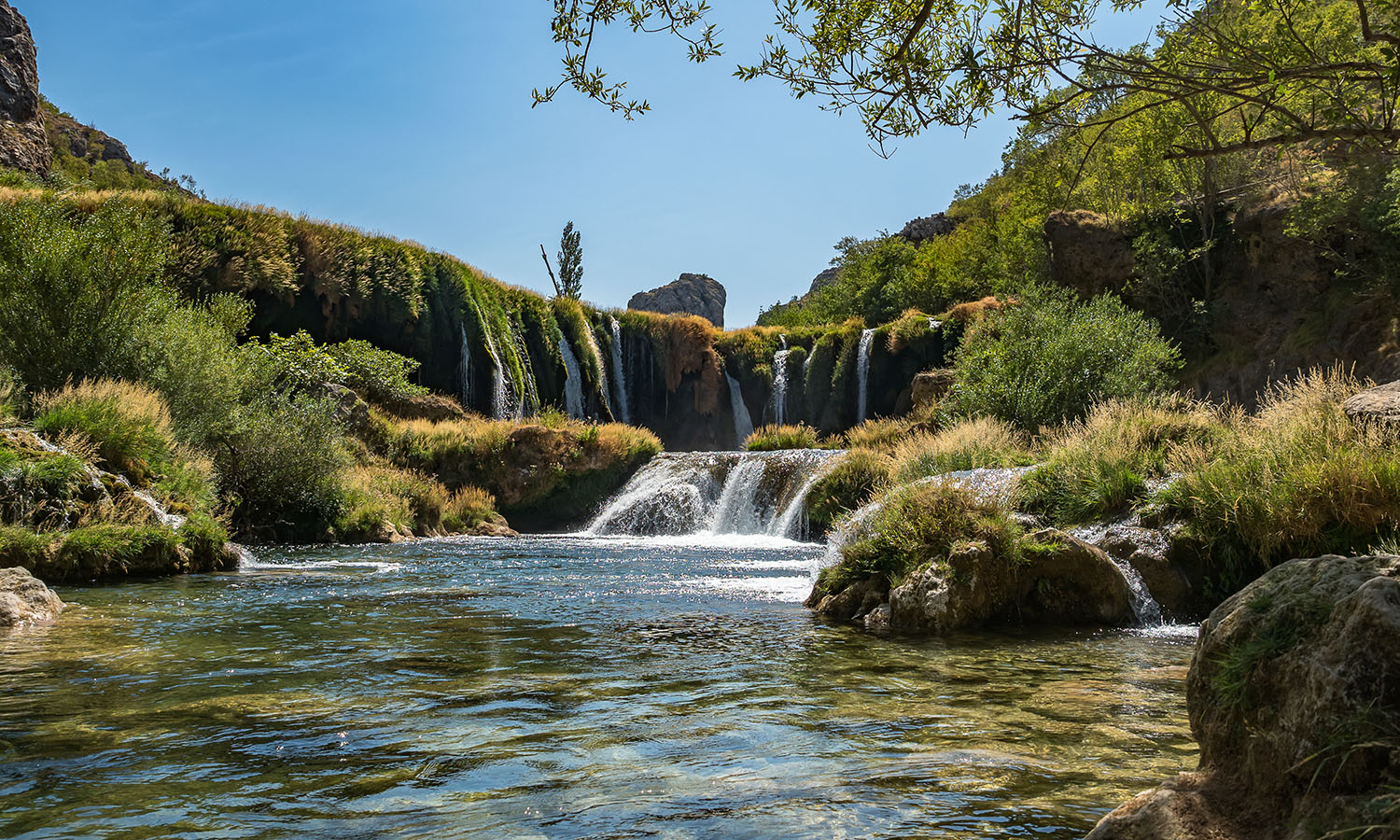
Two hours of paddling later and we’re rounding a bend where the confluence of the Zrmanja and Krupa rivers begins and we dock our kayaks at a grassy meadow nearby. From here we’ll hike up to the eight-metre Krupa River waterfall for a splash and swim before returning back to our kayaks to sate our grumbling stomachs. As we clamber up the rocky path towards the falls, sunlight filters through chinks in the canopy and the general chatter slowly dissolves into silence until we reach the top.
It’s at this point that I must confess: I can’t really dive. My attempts almost always result in a red belly (and face to match). The others, however, can and do and it doesn’t take long before our swimming break turns into a faux spectacle reminiscent of the trial stages for the FINA Diving World Series. I’m happy to just bomb away and wallow in the 20-degree pool beneath the roaring waterfall, its contours arranged in a way that almost hints at design, its walls harbouring shadows that cling to the mossy travertine. But, somewhat inevitably, I’m encouraged to demonstrate my diving form – after all, someone has to represent Australia, right? And, just as inevitably, the result of my effort is a resounding slap in the gut and a reverberating crack that provokes pitying laughter from the crowd. Evidently, I still need to work on my technique.
After a tasty lunch of sandwiches, local cheese and fruit we’re back on the water. We paddle through lush corridors of Mediterranean oak and European nettle trees and float past grassy banks smeared with heather and water mint. It’s an incredible tapestry of colours and textures, occasionally lulling us into serene silence amongst the singing birds and the rustling leaves played by a gentle wind.
Further downstream we navigate tumbling sections of class II and III rapids, injecting an addictive dose of adrenalin into our veins. We kayak through rugged canyons sparsely covered in thickets of hardy vegetation, paddle past rock formations that resemble faces and bits of faces – such as the karst monument jutting out from the water known locally as “Grandmothers Tooth” – and spy a trio of cows grazing on an island meadow made accessible by shallow water.
Eventually we reach our second and final campsite, perched on the side of the river just metres away from the roaring 3.5-metre Ogar waterfall. After setting up our tents and donning our swimmers, it’s straight to the falls for the ‘finals’ of the diving championship. We spend the afternoon swimming, chatting and jumping off the waterfall into the refreshing water. There’s no way I’ll be able to rank for a medal in diving this year. But that’s totally fine with me – I don’t mind coming back next year for another crack.
Breakfast is already on the table by 8am the next morning and a couple of the guys are walking back from a morning swim. I fuel up with strong coffee and a selection of pastries, muesli and fruit. We’re only paddling three kilometres today – the final stretch of the trip before reaching the village of Muškovci where we’ll de-kayak and have a celebratory beer – but I can’t help having seconds and thirds of the light, flaky cheese burek.
We still have some fears to face before the beers, though. Launching ourselves off Ogar waterfall – the last major obstacle of the trip – promises one final rush of adrenalin. We jumped and dived off it the day before, but today we’re taking it on with our kayaks. For safety reasons we’ll ride solo on this last major hump and go down one by one, and I’m called in to tackle the waterfall first. It’s true, I may not be able to dive, but I have no problems standing toe-to-toe with fear. Besides, all I need to do is paddle my kayak in a straight line. How hard could it be?
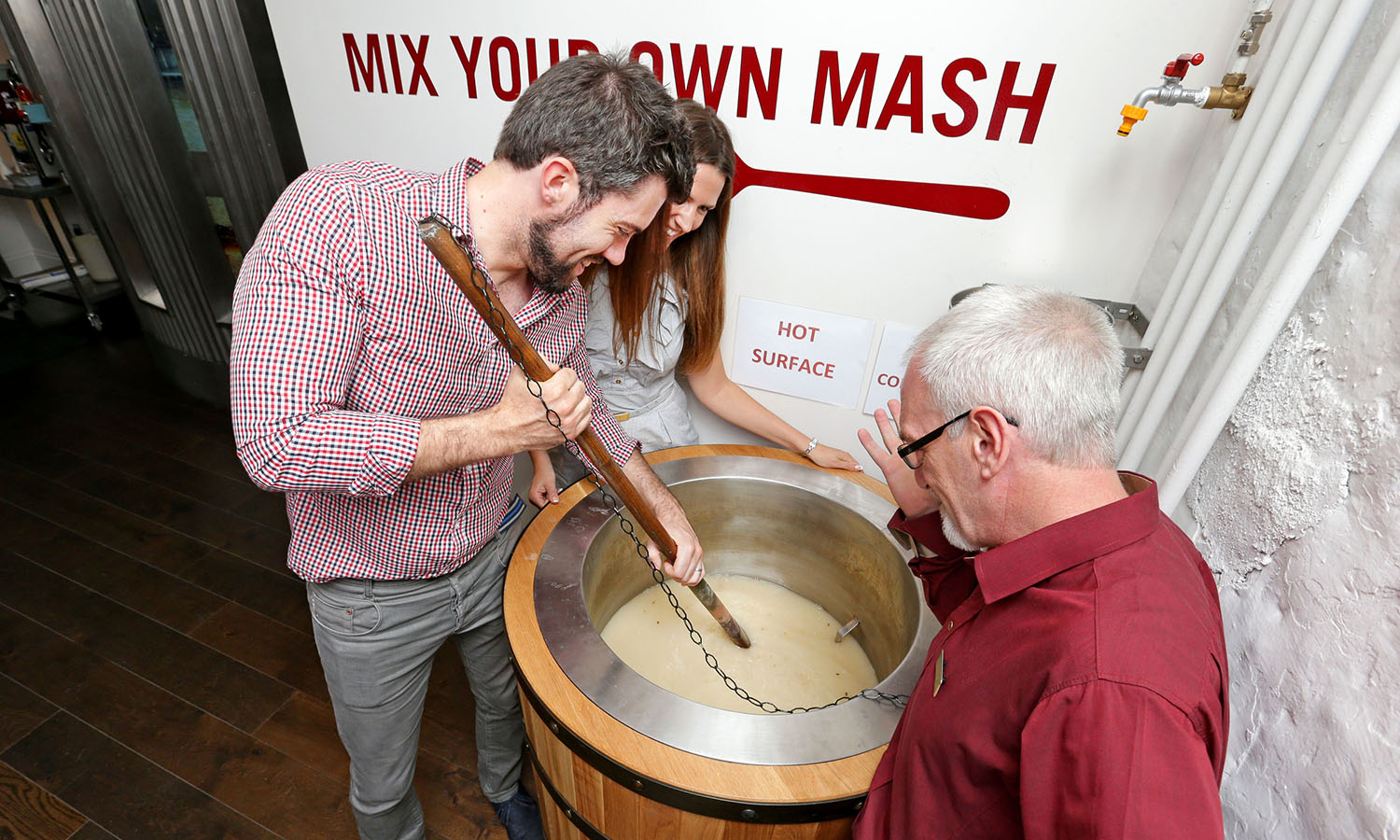
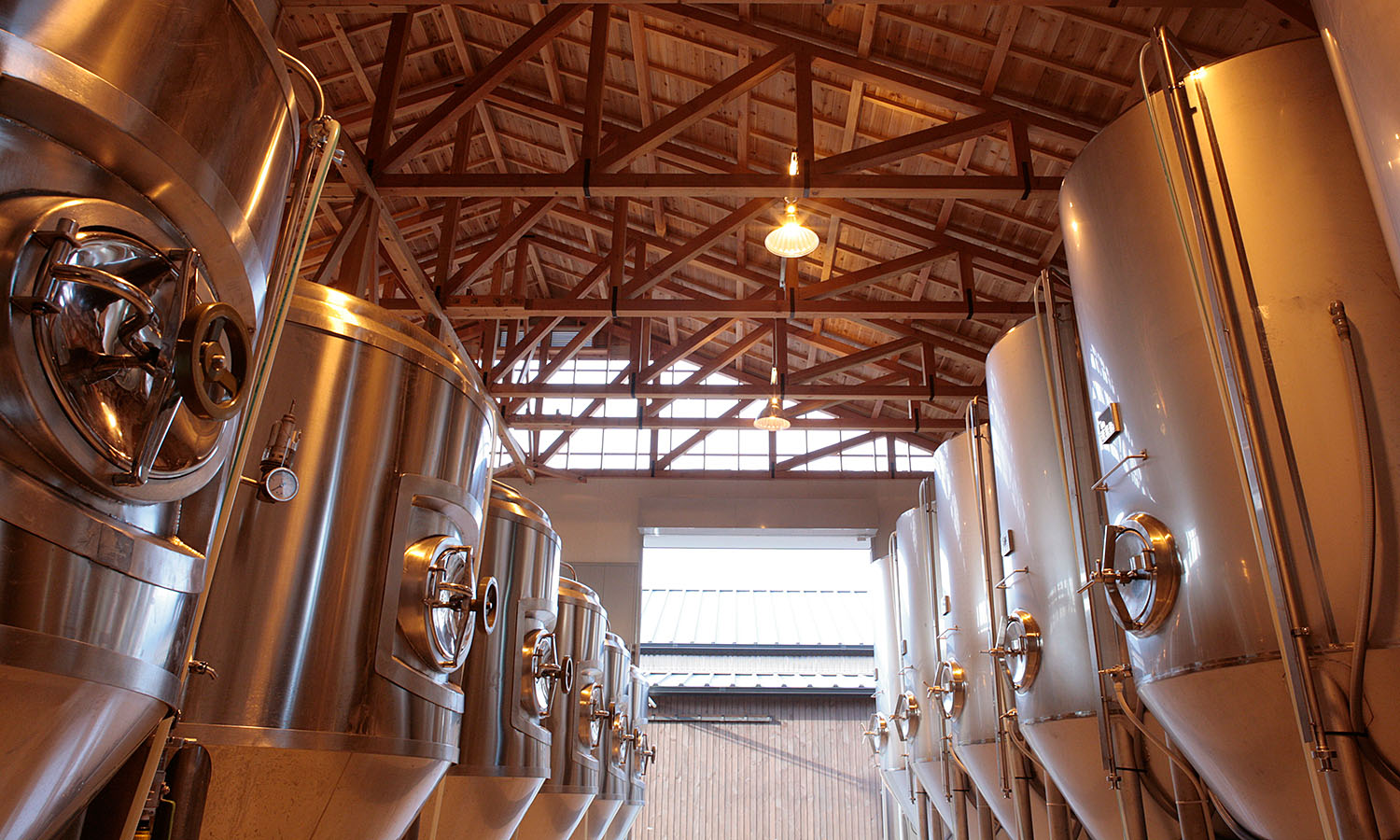
For those who like to get hands on with their beer, the Smithwick’s Experience is an interactive brewery tour that’ll let you get involved in the process while you fall even more in love with Irish beer.
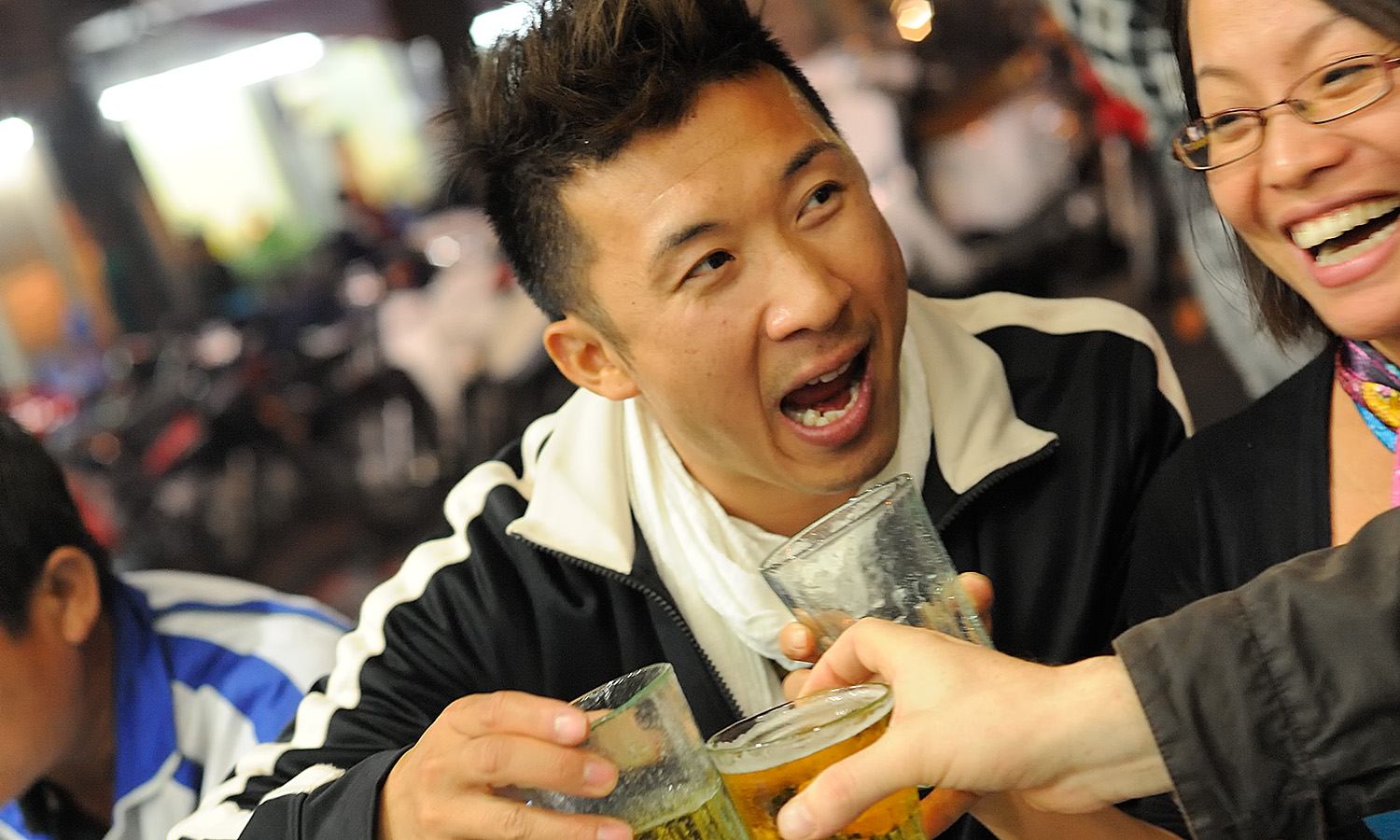
See the kegs roll out of the brewery and straight on to the streets of Hanoi. Enjoying bia hơi (fresh beer) as a breakfast chaser is all part of the fun.
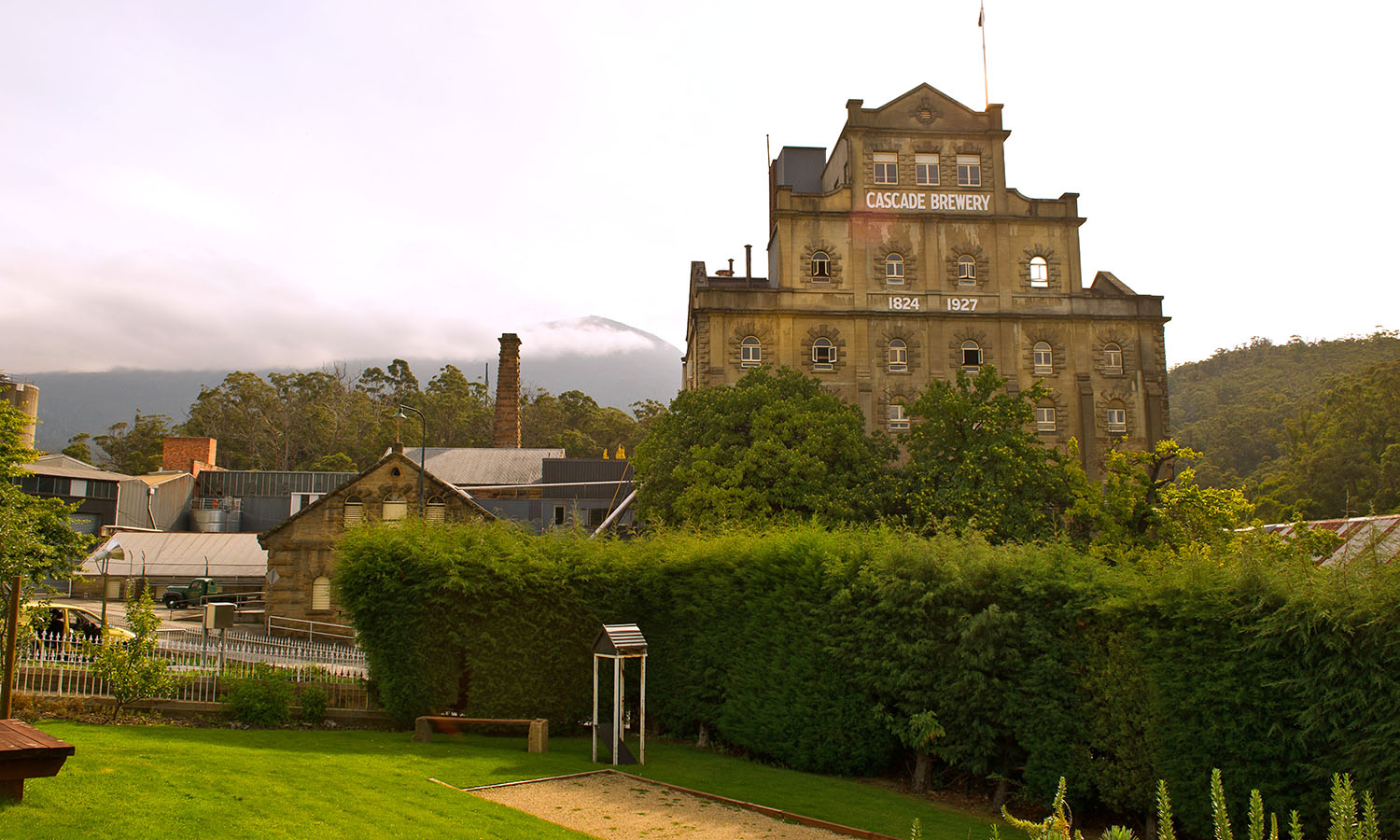
Not only is this Cascade Brewery in Hobart famous for one of the most well known beers, Cascade Brewery is also steeped in history. Started by an ex-con who concocted the idea in his jail cell, the brewery has stood the test of time
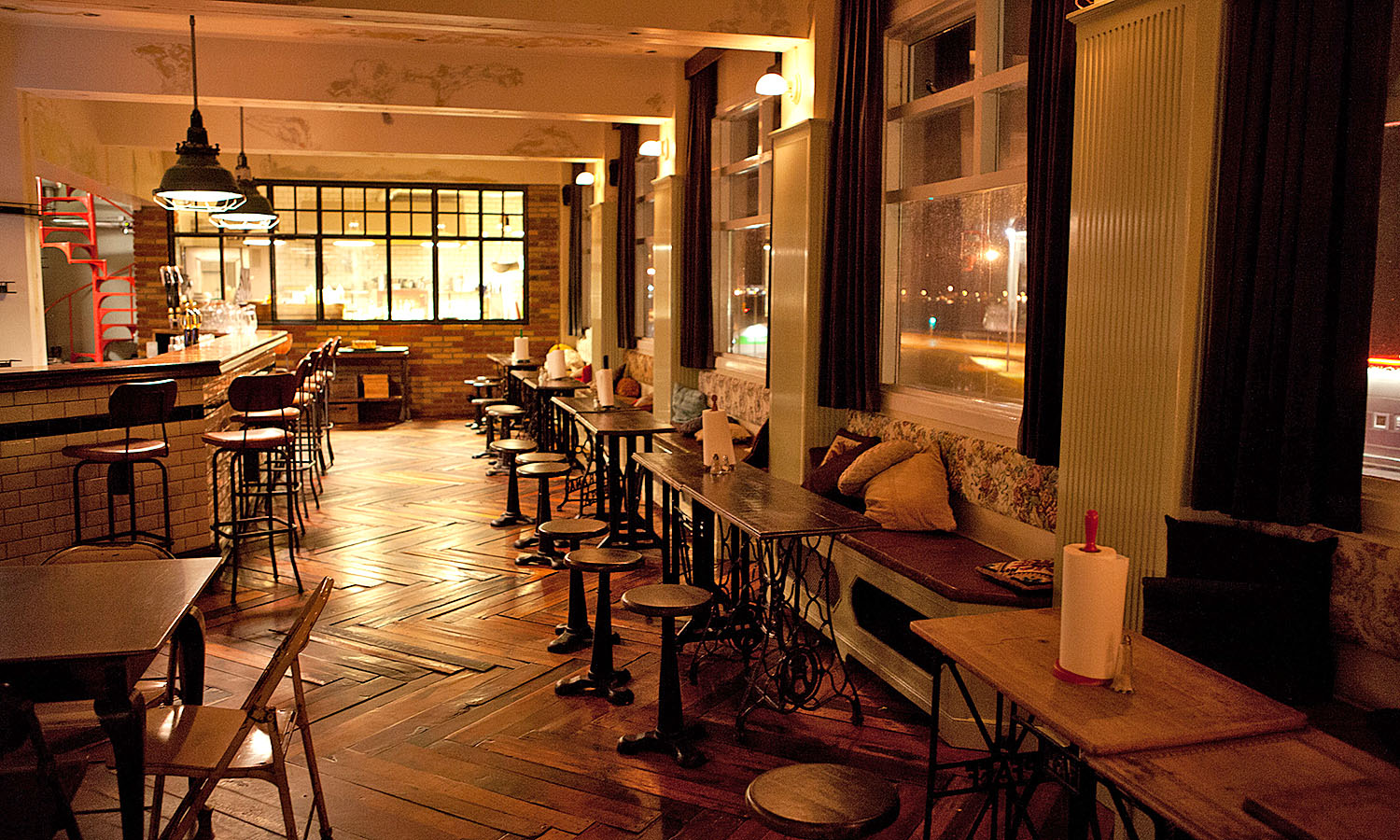
We can’t fathom what it would be like to go without beer, but that’s exactly what Iceland did until 1989. Since then they have made up for every lost second of beer-less boredom.
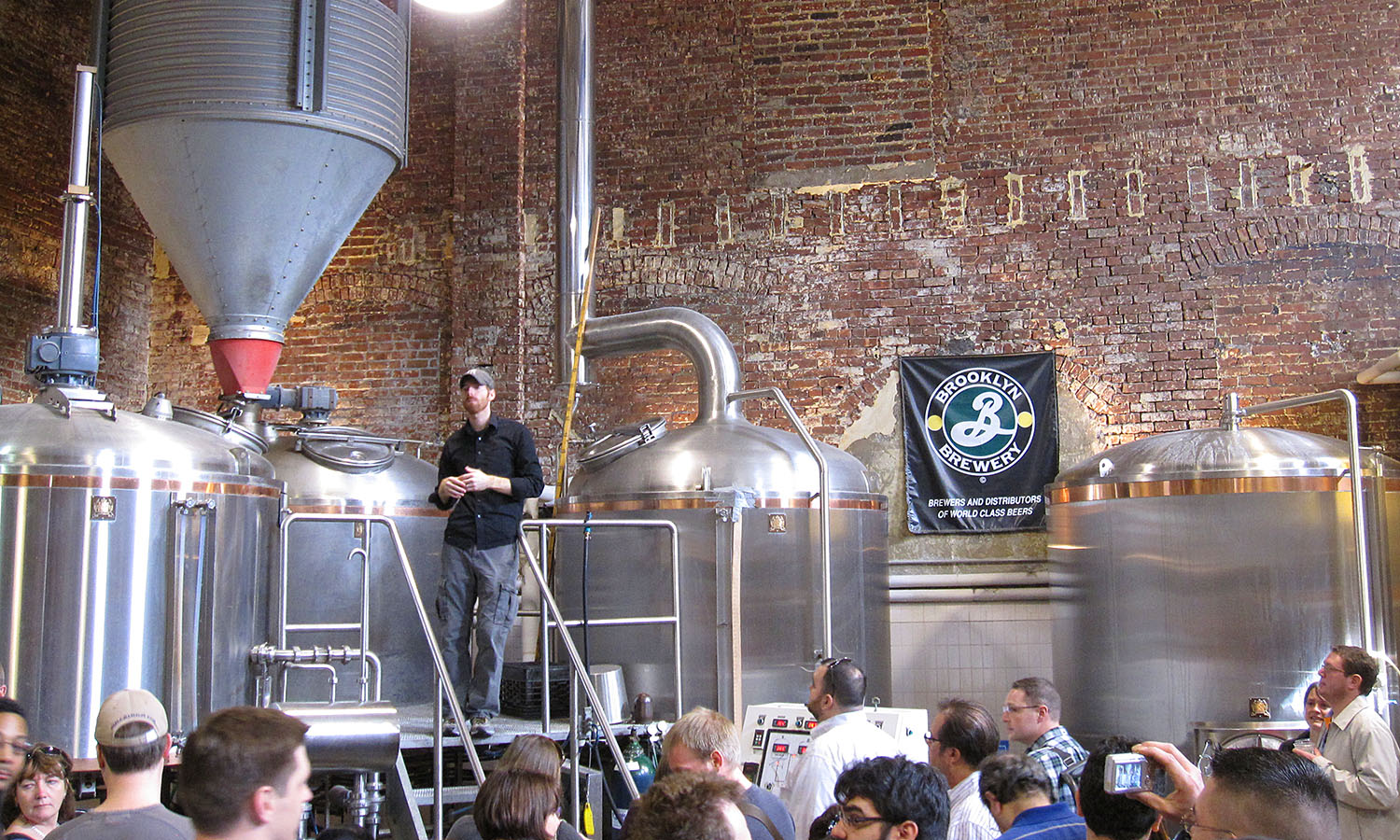
Nothing goes better with a slice of New York pizza that a cold pint. Hop over the bridge to Williamsburg and take a tour of Brooklyn Brewery… tastings of amber goodness included.
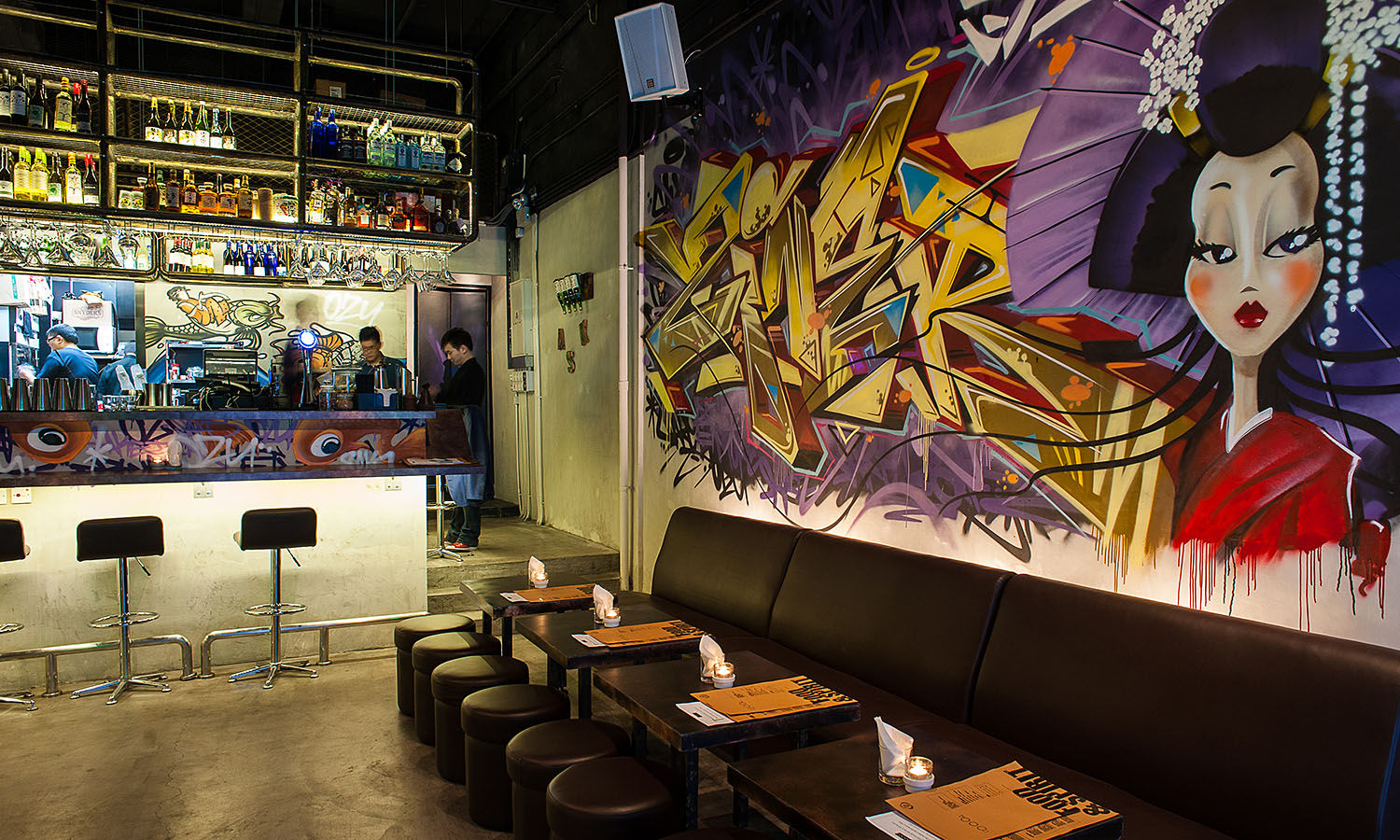
Hidden away in the backstreets of Hong Kong, Bar Ozu has all the best tastes of Japan. Confused? Don’t worry, just take a seat on the comfy couches and knock back a brew or two.
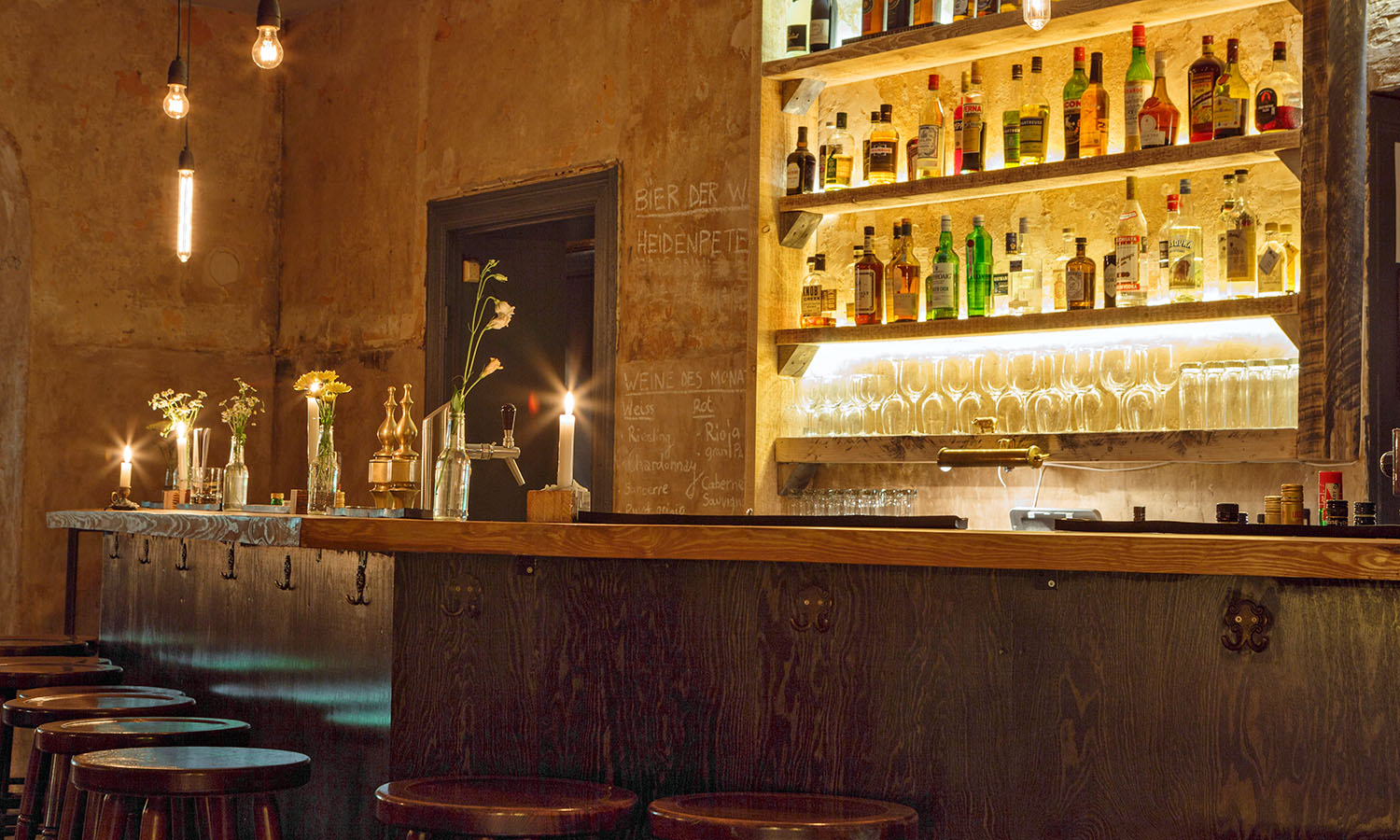
Join Germany’s thriving nightlife and hit the town in search of the best place for a nip. Our tip is to head straight to the trendy pews of Twinpigs in Neukölln, one of Berlin’s coolest boroughs.
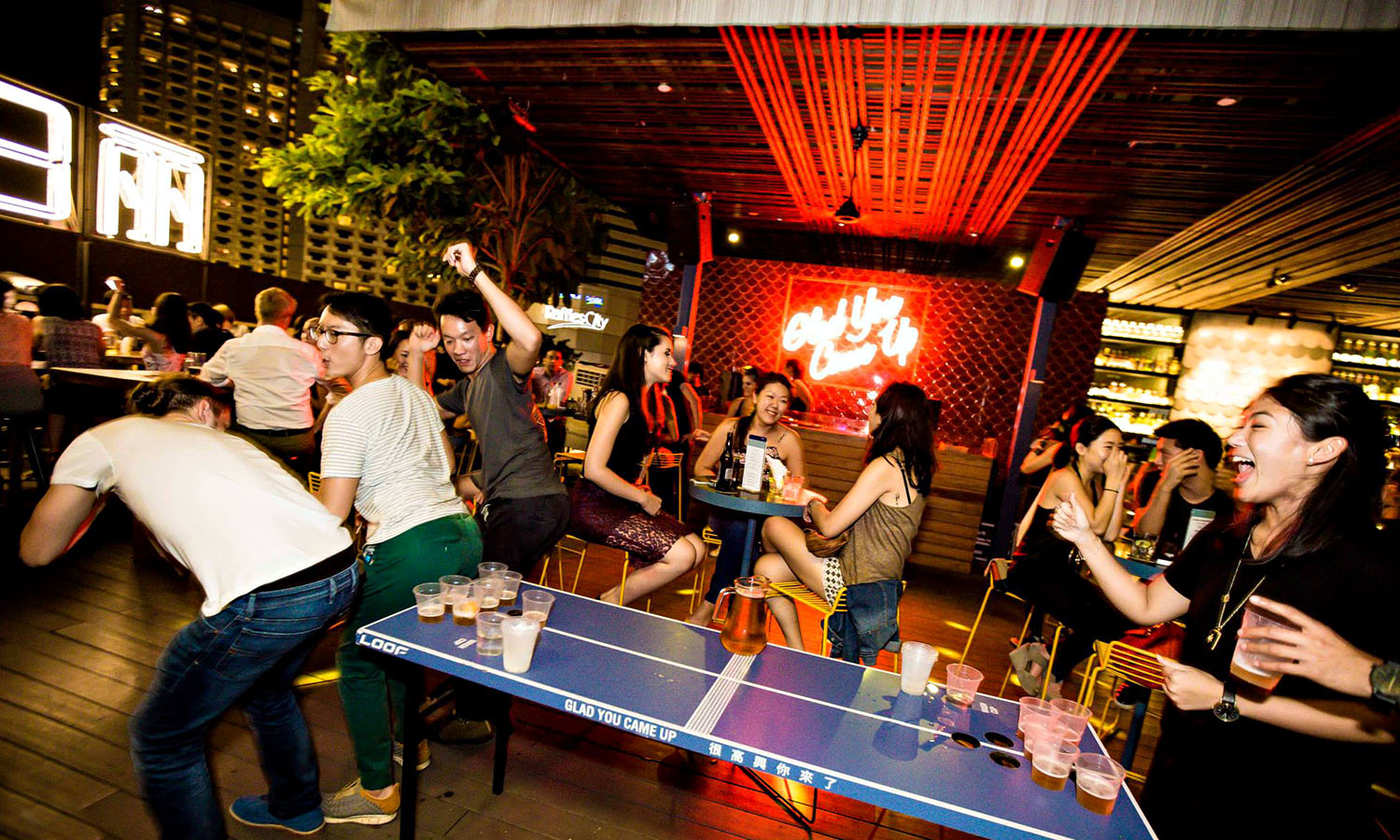
Loof will see you singing to the heavens when you try their variety of Asian oriented beers. This rooftop bar offers a variety of flavours and a killer view of Singapore’s skyline.
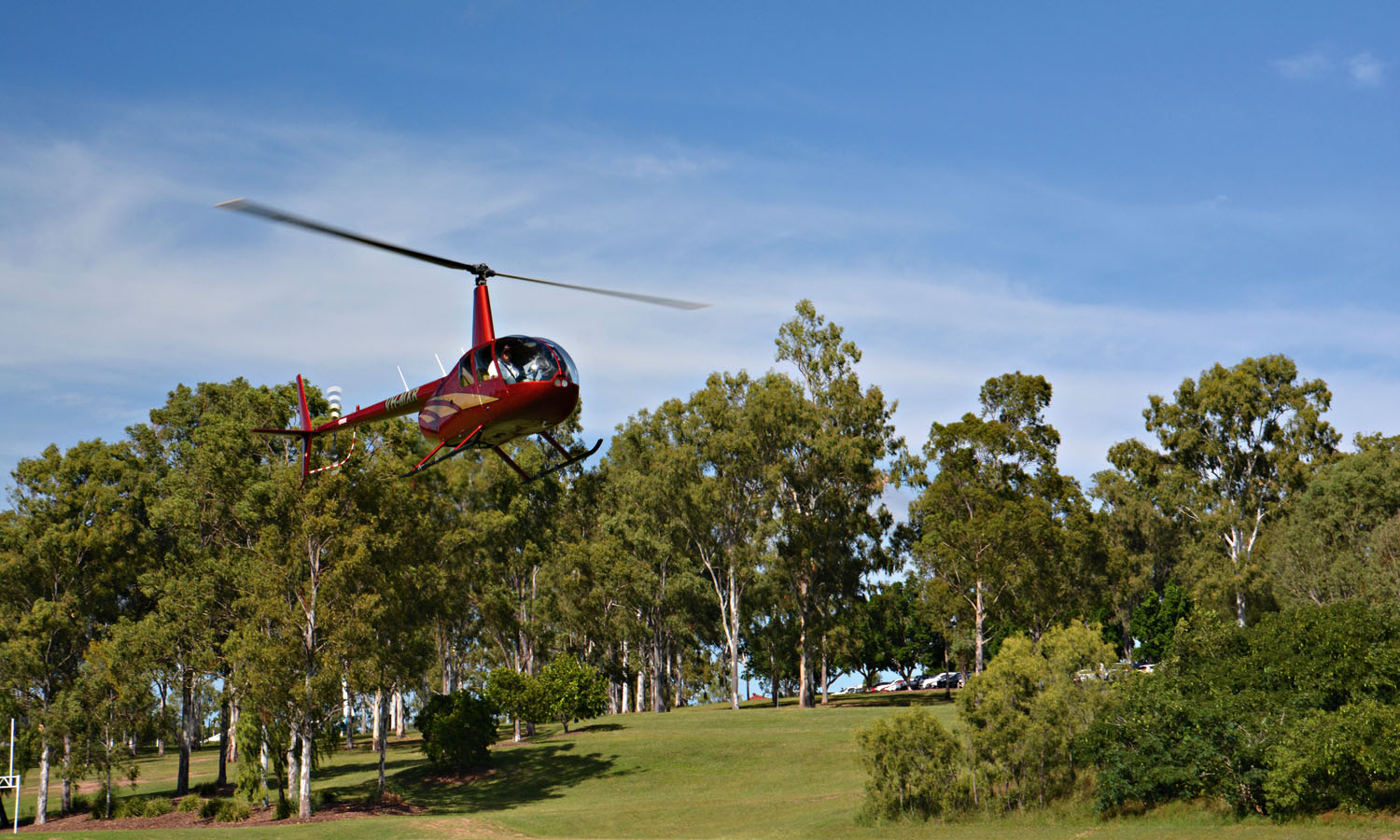
This takes pub crawls to new heights. Jump in a helicopter and soar over Queensland’s expansive landscape stopping off at a variety of Aussie pubs to down a drink or two and watch the passers by.
SIGHT The experience: Go full Stranger Things and experience the ‘upside down’ in the Scottish Highlands.
Deep within the omnipresent valleys, mountains and moors of Glen Coe in the Scottish Highlands lies a shallow, freshwater lake that tips reality on its head. Loch Achtriochtan, located just off the A82 trunk road that winds through the glen, is protected from the Highlands’ turbulent winds by the surrounding mountains, so much so that, if you’re lucky, you’ll witness one of its moments of utter mirror-like stillness. The splayed strokes of ochre and hunter green that sweep towards the looming summit above are reflected in the loch’s glassy waters, creating a mind-bending optical illusion that would see Will Byers running for the hills. It’s a rare sight – the Highlands experience some of the strongest winds in the UK – but worth waiting for.
Mosquito Bay, Puerto Rico Do you Believe in Magic?
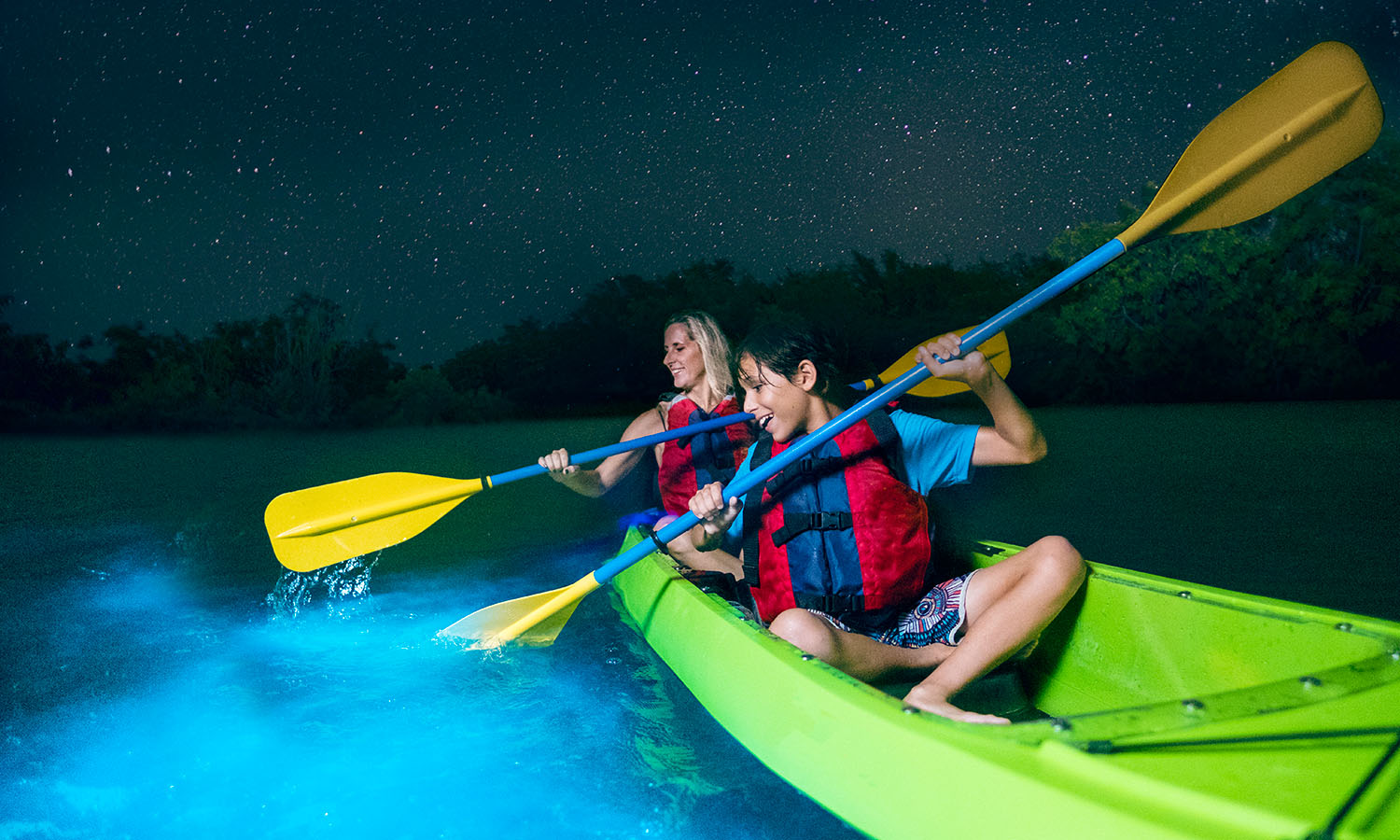
SIGHT The experience: Channel your inner Avatar and set your eyes on the closest thing we have to the glowing world of Pandora.
This natural light show isn’t found on a far distant planet (although, something similar might be), nor is it really magic. In fact, it’s just a bunch of plankton, known as Dinoflagellates (dinos), using a bioluminescent defense – all very sciency really. But a magical sight, all the same. On the southern shores of Isla de Vieques, the illuminated Mosquito Bay has the brightest bioluminescent waters in the world. As you kayak beneath the night sky through the glittering plankton, which float close to the water’s surface, they burst into a glowing greenish-blue and leave a starry trail behind you. The magic happens all year round, but arrive during the phase of the new moon and the dinos will dazzle you with their best show of the month. vieques.com
SIGHT
The experience: Learn to be more like Marvel’s Daredevil by eliminating sight and enhancing the sensitivity of all your other senses.
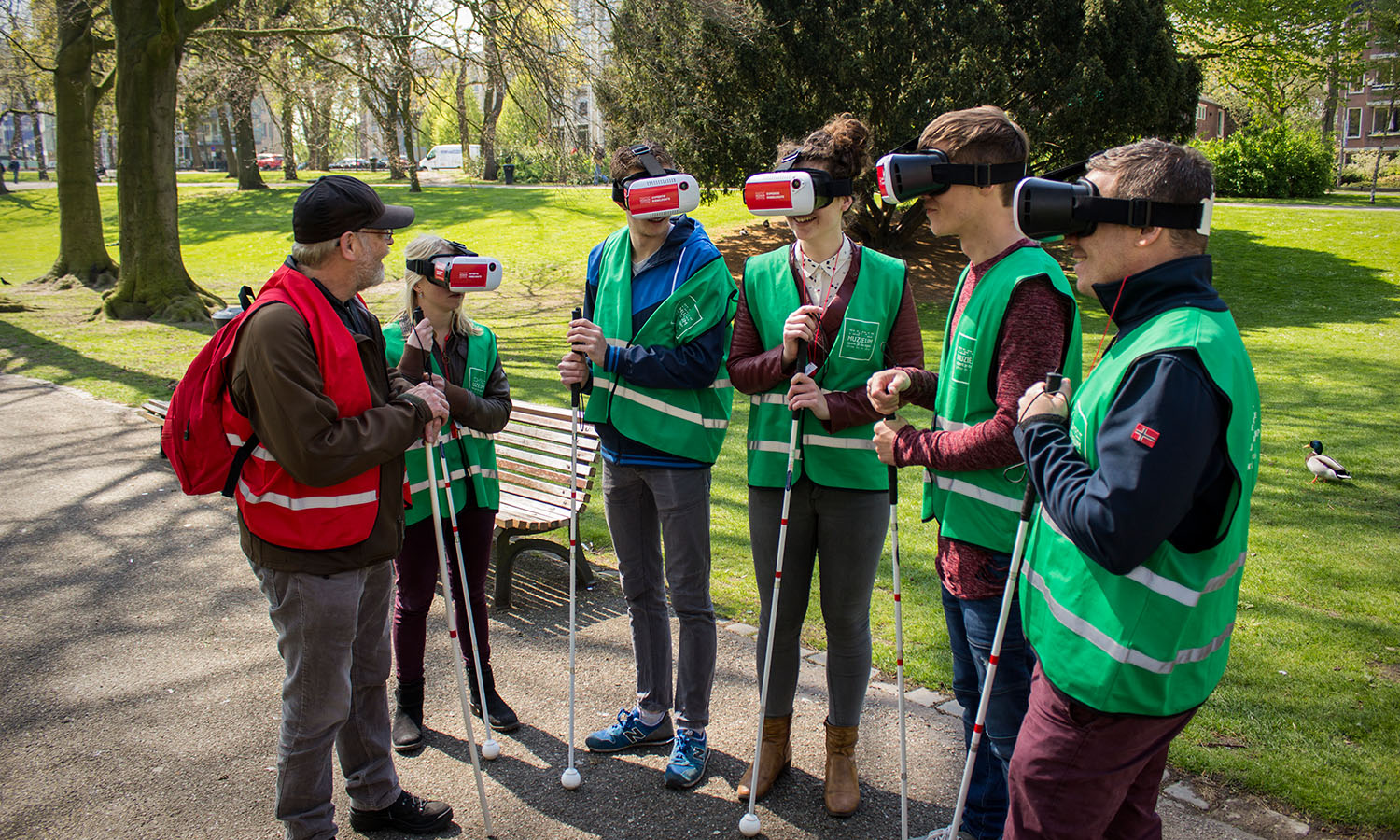
Eliminate one of your senses and suddenly, the other four become all the more important. That’s what you learn when you take a blind tour of the Netherlands’ oldest city, Nijmegen. MuZIEum recreates the blind experience and offers guided tours in the dark. With virtual reality glasses simulating the different forms of sight loss, a blind or partially sighted tour guide will lead you around the city, where you will navigate your way using sound, smell, touch and taste. It’ll teach you to see the world through different eyes, bringing awareness to the visually impaired, and the value of your senses. muzieum.nl
San Pedro de Atacama, Chile A five-star Experience
SIGHT
The experience: You missed out on the trip to Mars; so instead, you want to watch the clearest skies on the planet to reconnect with life beyond Earth.
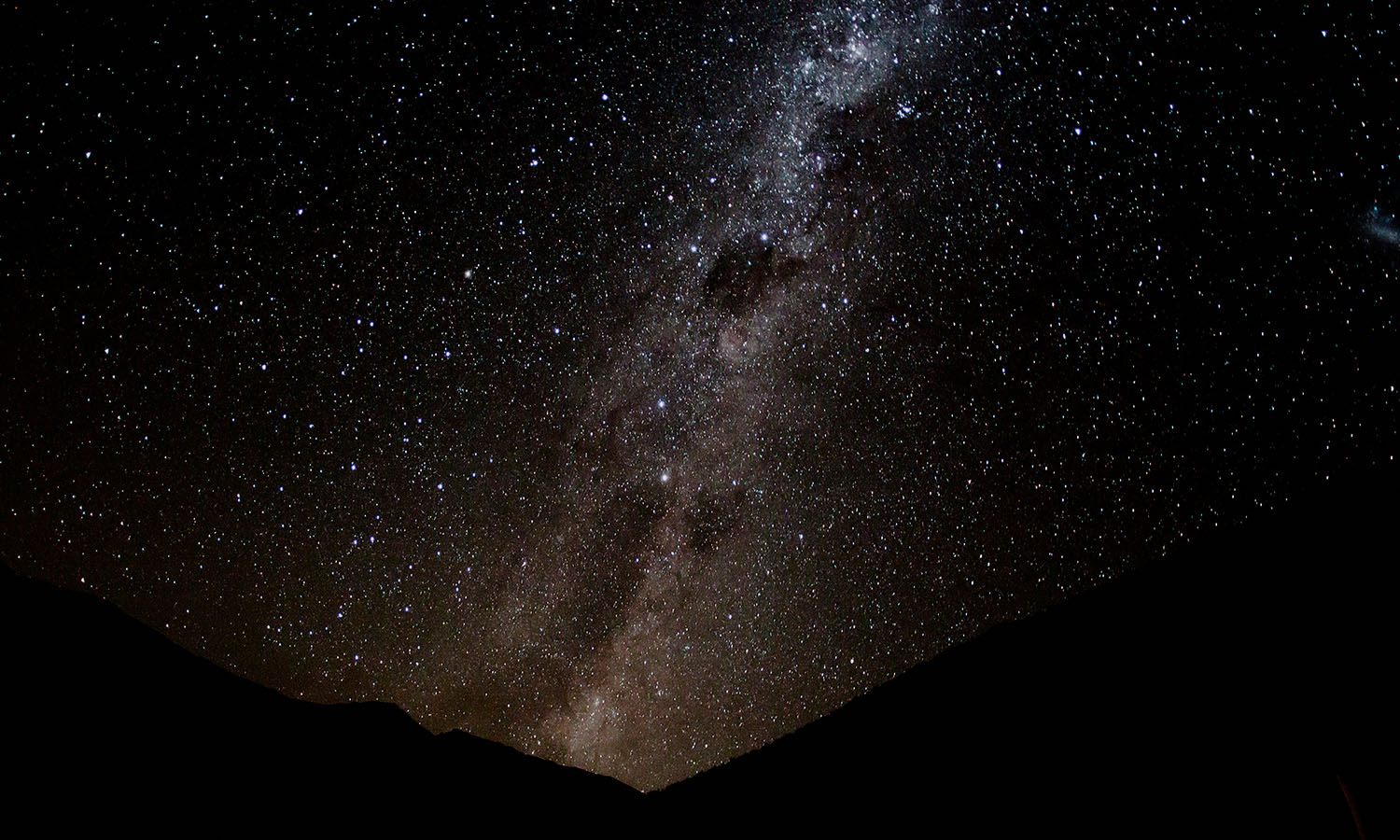
A trip to the small town of San Pedro in the Atacama Desert is guaranteed to leave you starstruck. The region offers some of the darkest and clearest skies on the planet, thanks to its high altitude, dry climate and low air pollution. It’s for this reason the Atacama Desert is one of the best stargazing sites in the world, offering a clear view of the southern sky’s starry constellations, nebulas and the Milky Way. Receiving less than 14 inches of rain per year, your astrological experience extends further than just looking through a telescope, with the dry land resembling the red, rocky landscape of Mars. San Pedro de Atacama Celestial Explorations (SPACE) is one of South America’s largest and highest open-air public observatories offering telescope rentals and tours. spaceobs.com
SIGHT
The experience: The chance to see the world in first class without your feet leaving the ground, or causing too much damage to your wallet.
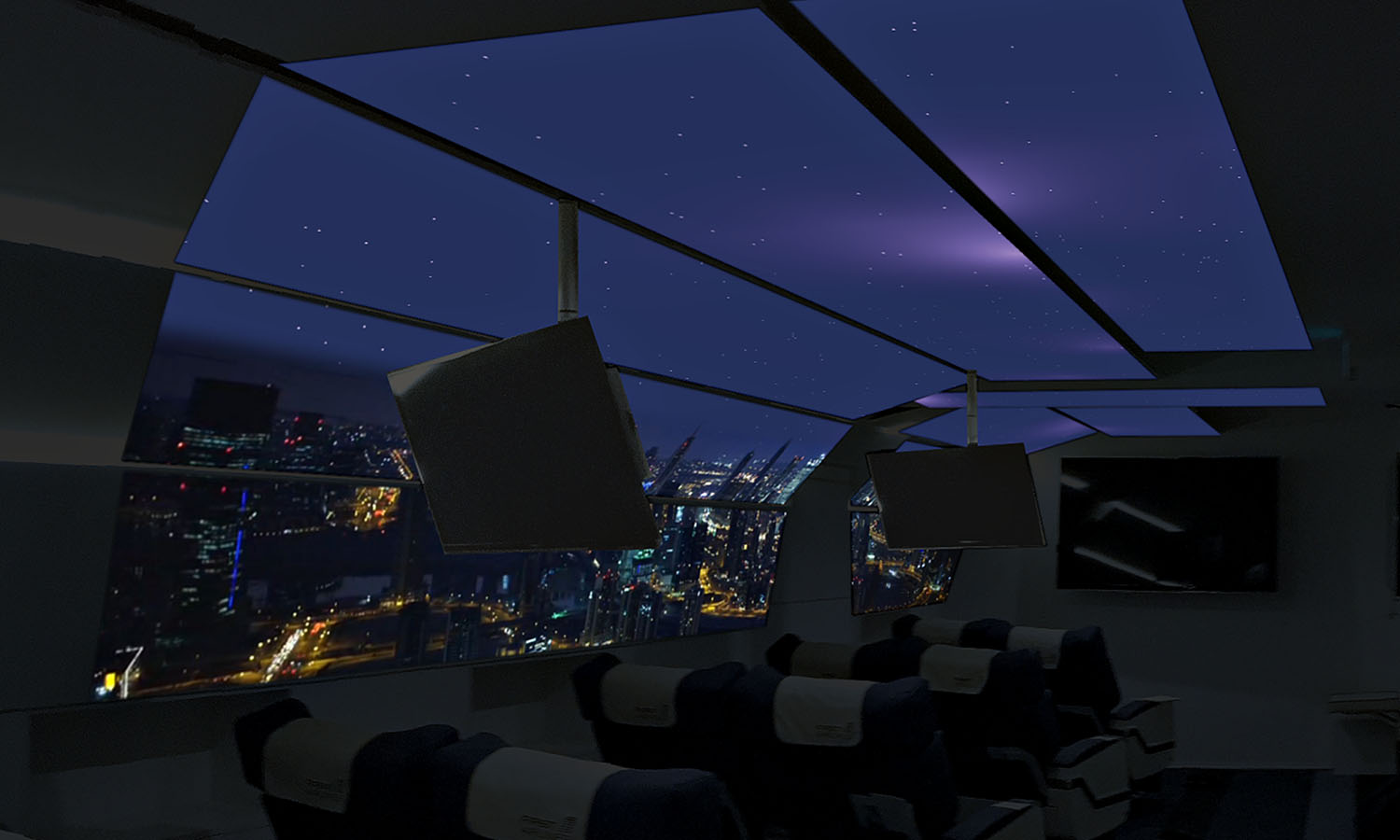
The world is your oyster – as long as you can handle long-haul flights. If the thought of sitting at 40,000 feet while listening to rumbling engines, creaking cabins and alarming dings causes you to break out in a sweat, then jetting across the globe probably isn’t going to sound appealing, even with a first class ticket. Cue virtual reality travel. With Tokyo-based First Airlines, getting to New York, Paris, Rome or Hawaii takes just two hours. Experience boarding, take-off, landing and a guided sightseeing tour, all simulated through virtual reality and projection mapping. You’ll even get to sample in-flight meals prepared by an ‘onboard’ chef. Of course, you’ll have to get to Tokyo first but for around AU$72 for a first class flight, you could visit all four destinations in a day for less than a domestic flight. firstairlines.jp
Jost Van Dyke Island, British Virgin Islands Shacking Up
TASTE
The experience: What could be better than drinking a famous rum cocktail from the shack on a beach that made it famous?
Alongside the Caribbean’s turquoise waters, vibrant marine life and colourful cultures, there’s one other ingredient that’s required to finish the pretty picture; sipping a rum cocktail from an al fresco shack. On Jost Van Dyke Island in the British Virgin Isles, nestled in White Bay, is the original home of the Painkiller cocktail. Soggy Dollar Bar created this popular, Caribbean-staple cocktail in the 1970s by mixing premium dark rum, coconut cream, pineapple and orange juice, and a hint of Grenadian nutmeg. Join in the island’s tradition: anchor your boat just off the beach, swim through the crystal waters to shore and pay for your Painkillers with a soggy dollar. Unique name, no? soggydollar.com
TASTE The experience: Taste wine that gives new meaning to divine, because the higher the altitude, the more chance it has of being touched by the gods, right?
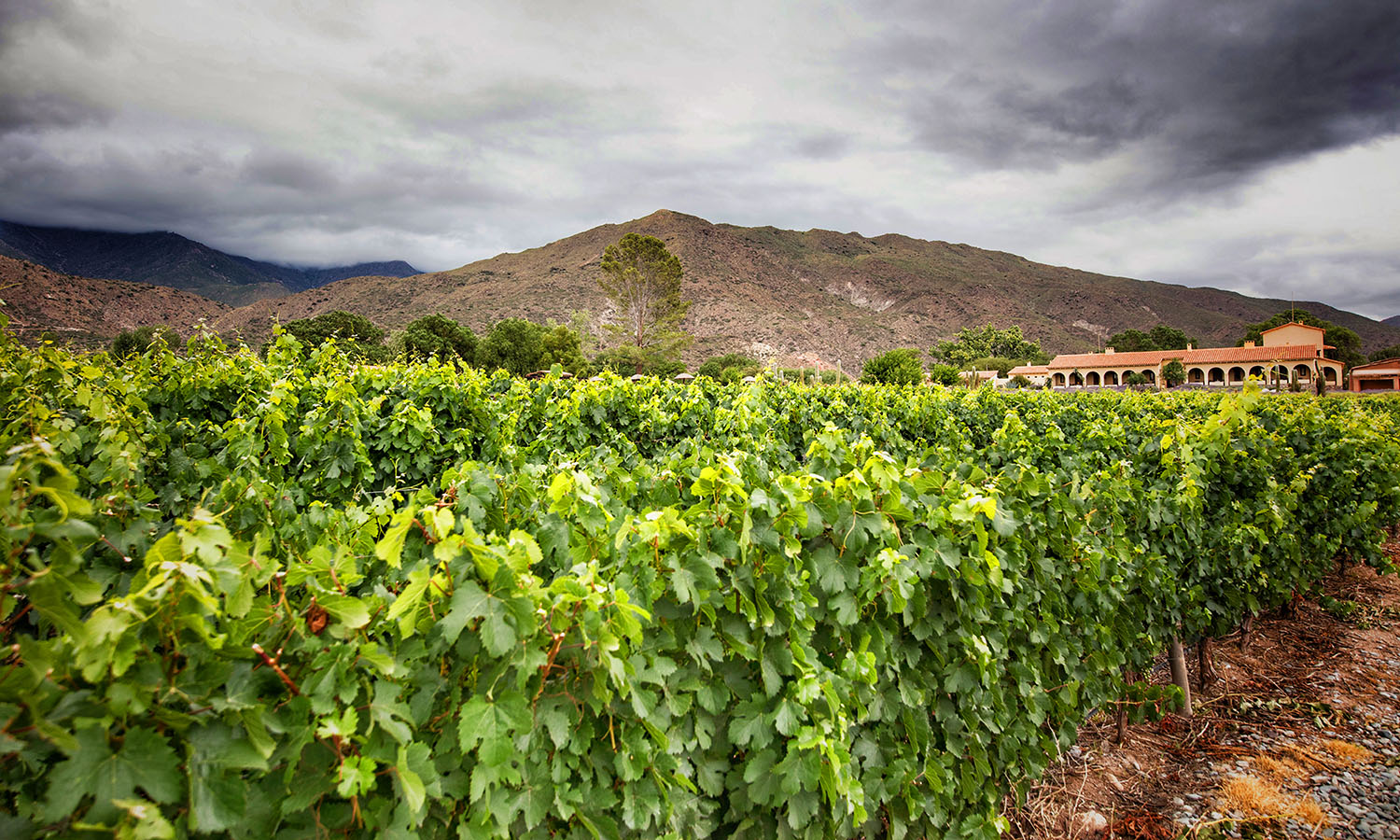
We’re not saying that higher altitude wines are the best in the world, but it does seem a little coincidental that vineyards that are closer to heaven grow deliciously light and fresh fruits despite the hellish environment. There is some science as to why high-altitude wines taste so good – the exposure to direct sunlight, dramatic changes in the temperature and drainage systems of mountainous landscapes all play a part. The sun exposure produces the lively colour and strong tannins, while the night-time temperature drop means the ripening process of the grapes is slower, halting sugar production and ultimately producing wine with lower alcohol and higher acidity. A visit to Colomé winery will give you firsthand tasting impressions of its famous ‘wines of altitude’. Situated between 2300 and 3111 metres in Argentina’s Calchaquí Valley it’s one of the world’s highest vineyards and its robust wines can be sipped while enjoying the untouched terrain and breathtaking views of the Colomé region from its James Turrell Museum in Molinos, Salta. bodegacolome.com
TASTE
The experience: Adding a little spice to your life has never been so tasty.
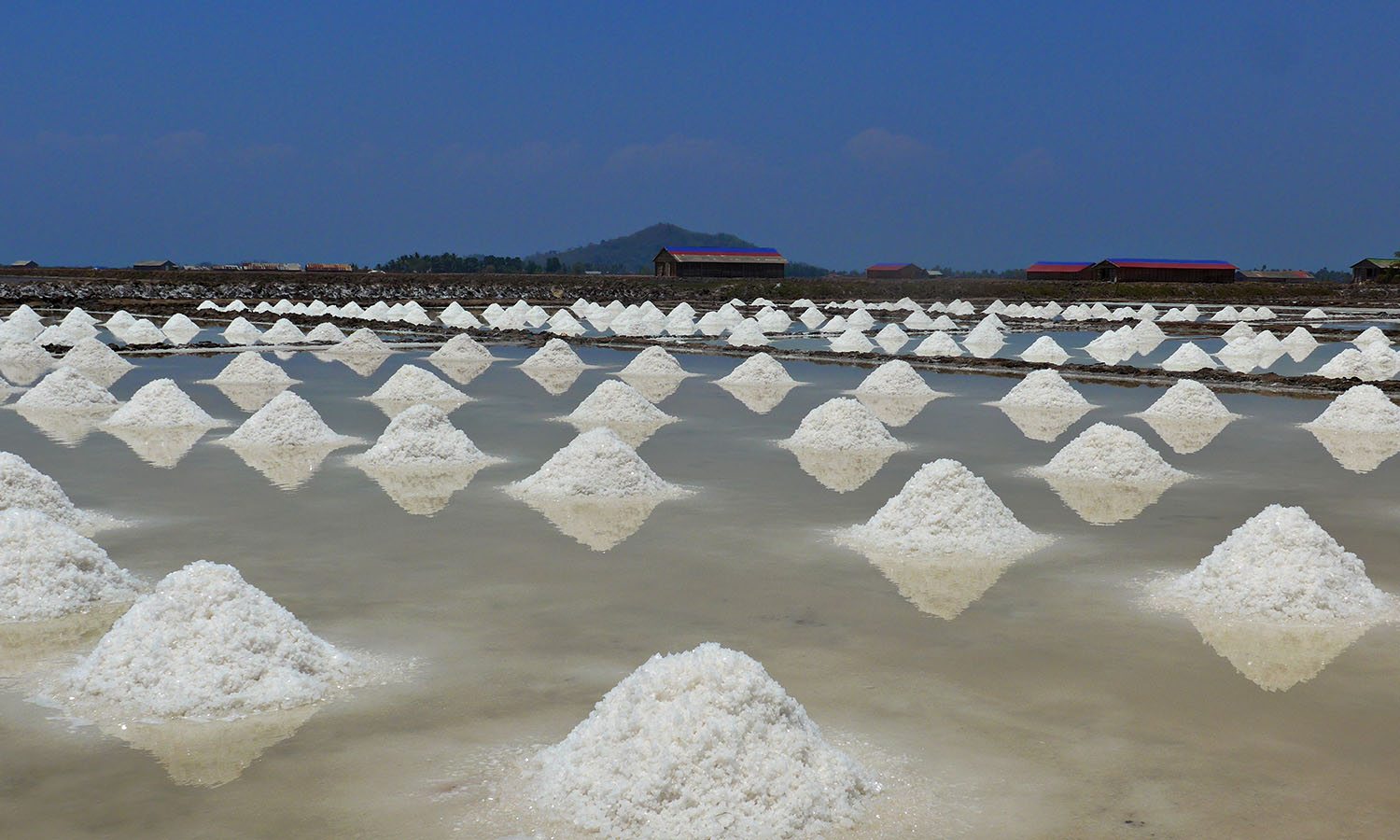
If you can’t get through a meal without adding a little salt and pepper, then you’ll appreciate the fineries of Cambodia’s Kampot. The region’s pepper is regarded as some of the best in the world with a distinctly sweet taste and fruity aroma. Located in ideal growing conditions, between the coast and the mountains, it’s Kampot’s rich quartz soil, rainfall and sunshine that ensures its bountiful growth and production, and savouring a Cambodian dish seasoned with fresh pepper and spices shouldn’t be missed. At La Plantation, you’ll be guided through the history of pepper production in Kampot (plus a little about Fleur de Sel (Flower of Salt), which is collected from the surface of evaporating seawater) and learn to cook Khmer food from a local chef, who will teach you how to use Kampot salt and pepper in your dishes. Alternatively, take a seat at one of the plantations two restaurants: Mahob, serving up Khmer food and La Rotisserie for French cuisine, and enjoy some peppered Lok Lak beef or roasted chicken with Kampot pepper sauce. kampotpepper.com
TASTE
The experience: Get your lips around Cuba’s most famous export.
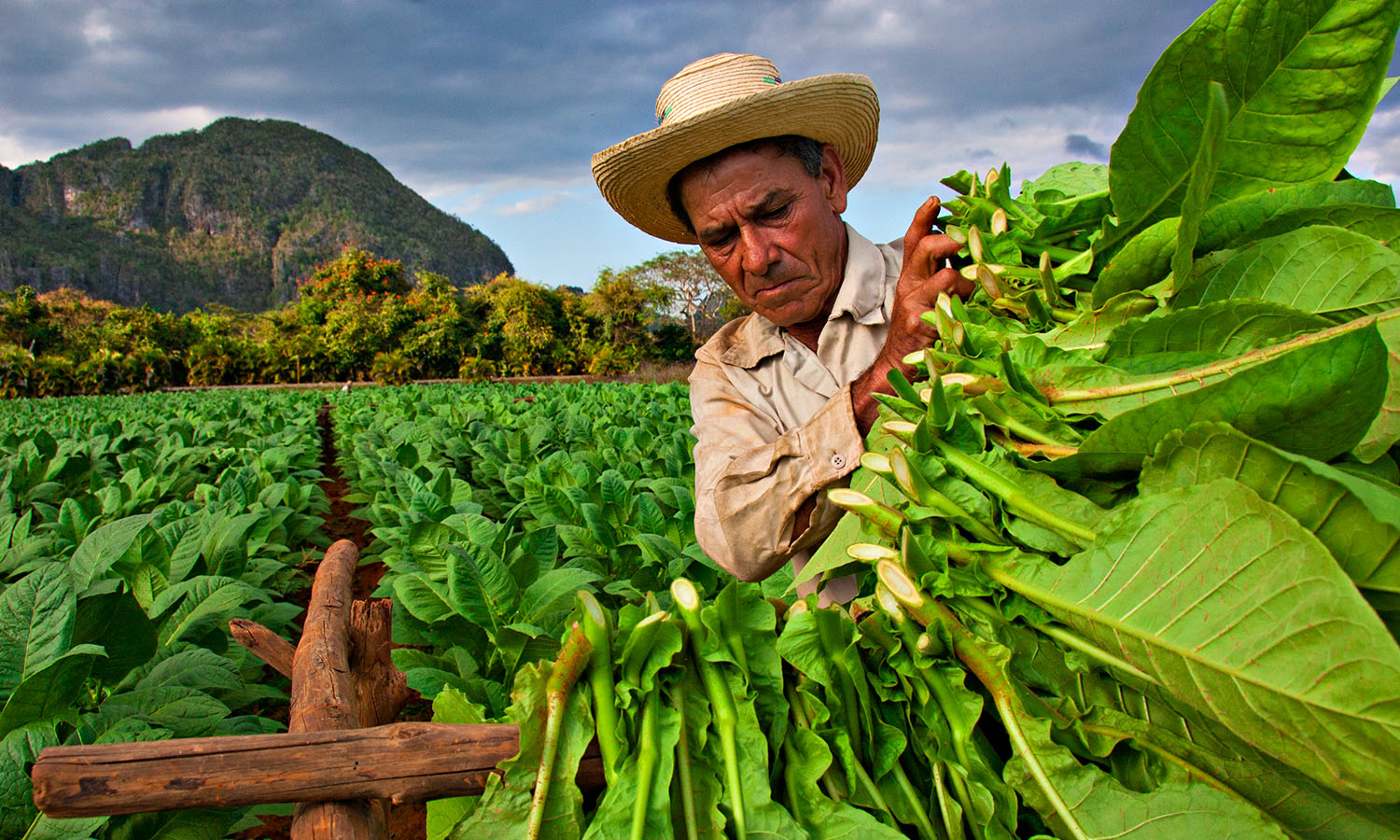
Cuba is renowned for its salsa and vintage cars, but its cigars are legendary. From featuring in some of history’s most iconic movies like The Godfather and Scarface to finding their way in the hands of celebs and world leaders, the taste of a Cuban cigar is a coveted flavour. The country’s fertile soil makes it a hinterland for tobacco plantations and you’ll find some of the best in the heart of the UNESCO World Heritage-listed Viñales National Park. Located about four hours west of Havana, the area is home to a number of tobacco growers. The crops are harvested by hand and then hung to dry in barns before being rolled, ready for you to draw in some of the rich flavours of the freshest cigar you’ll ever smoke. discover-vinales.com
TASTE
The experience: Discover what it means to taste with your eyes.
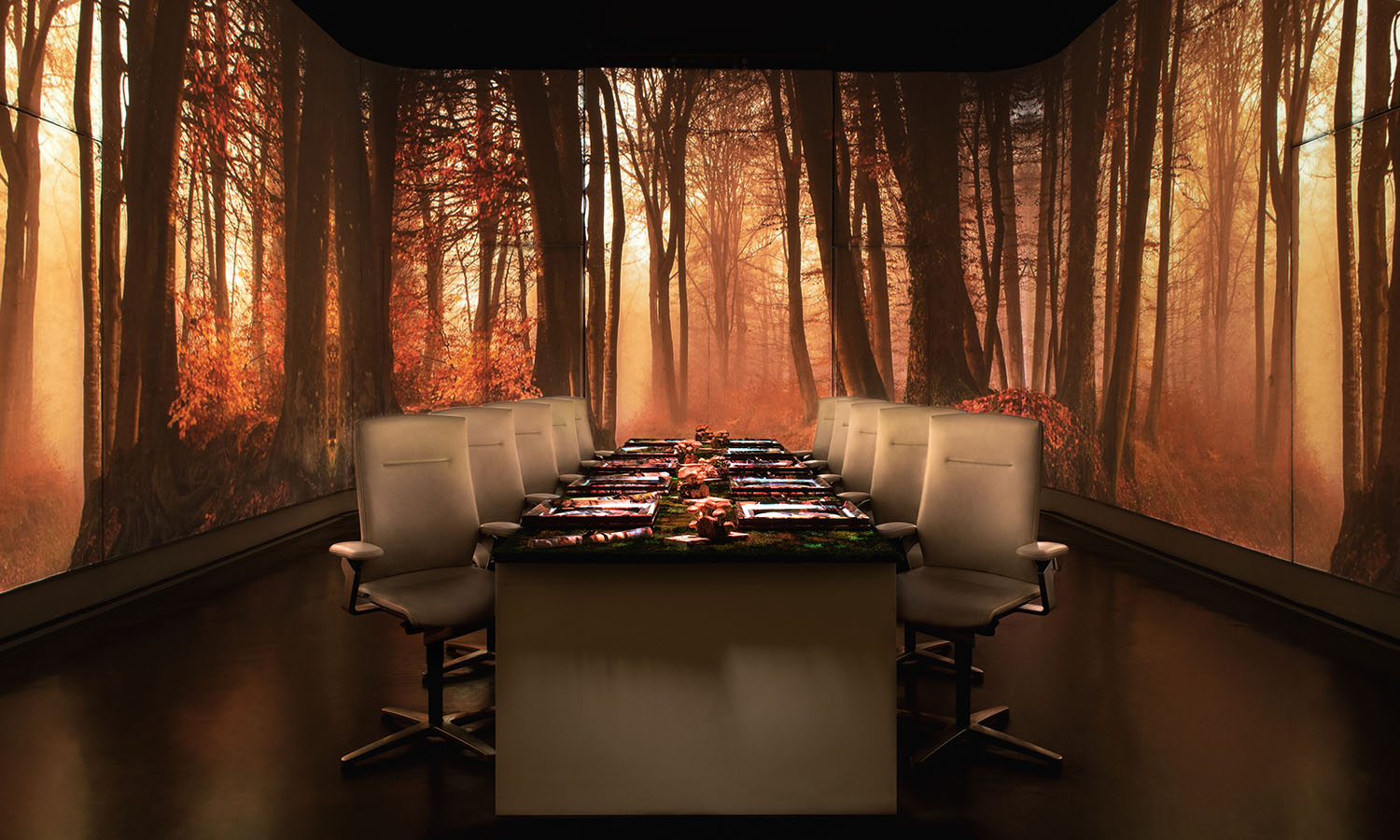
When you’re transferred to the secret location of Shanghai’s avant-garde restaurant, Ultraviolet, you’re welcomed by a room that’s void of decor. Chairs surrounding a single-lit long table welcome the exclusive 10-person guest list for the 20-course meal. When the first course arrives, diners are treated to a multi-sensory experience that plays into French chef Paul Pairet’s theory of ‘psycho taste’ – the psychology and emotions associated with food and the notion that taste can be altered by external factors. With each course the atmosphere is tailored to the dish and enhanced through lighting, sound and scent. The experimental meals are meant to tantalize more than just your tastebuds, and you’ll be amazed by how many of your senses you can use to taste just one meal. uvbypp.cc
SOUND
The experience: Hear Mother Nature tell her story loud and clear.
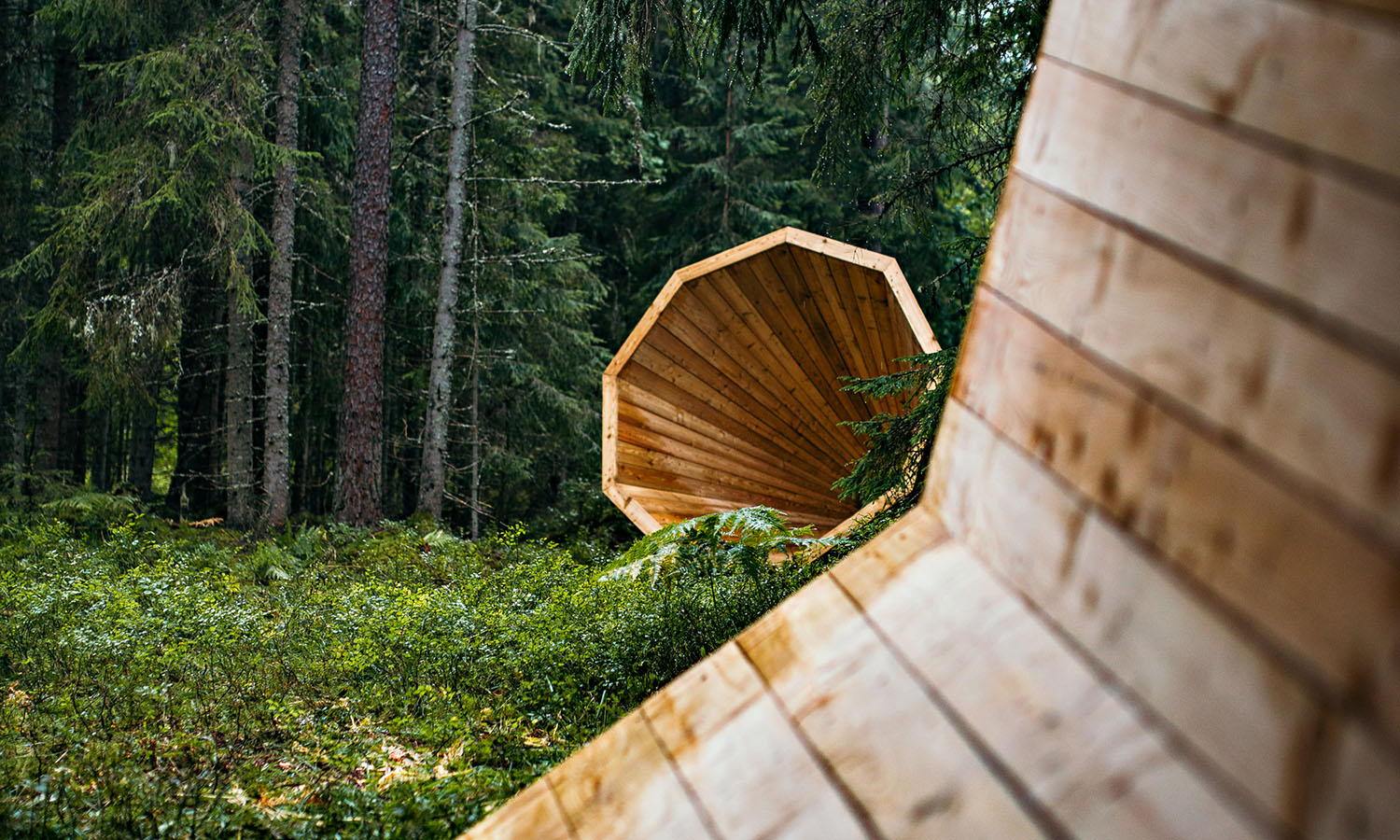
If you were hiking through a forest, surrounded by luscious, dark-barked fir trees, wooden megaphones would be the last thing you’d expect to see. But that’s exactly what sits in the RMK Pähni Nature Centre. The timber megaphones – an art installation created by Estonian interior architecture students – are each three-metres in diameter, and amplify the surrounding sounds, and silence, of nature. The role of the megaphones is to give visitors a chance to sit, sleep, meditate and just listen to the soothing sounds of the fir forest. Sitting inside one of the wooden structures gives two visual perspectives, and acts as a reminder that life is all about how you choose to look at or listen to your surroundings. ruup.ee
SOUND
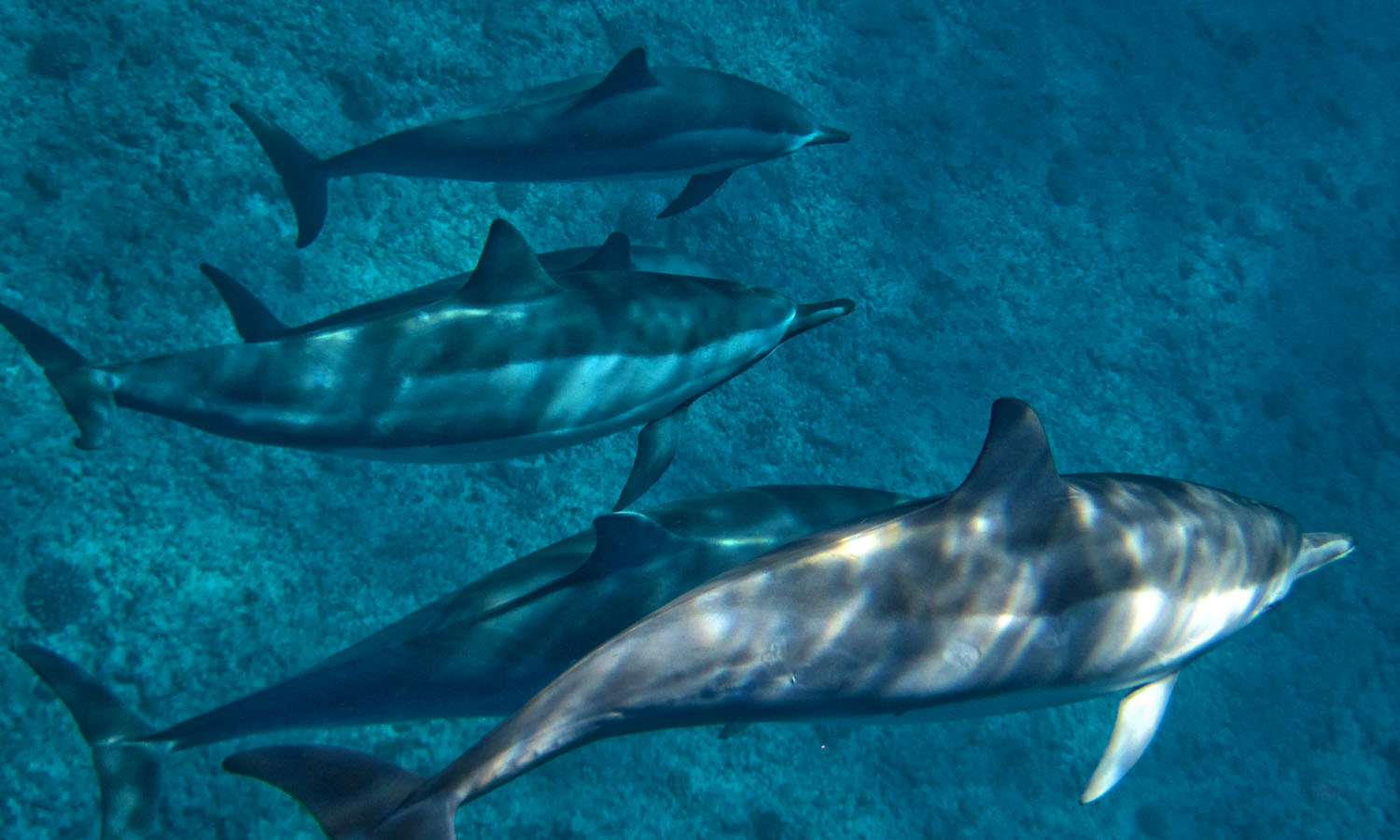
The experience: Channel your inner Doctor Dolittle and listen to dolphins speak.
The Hawaiian spinner dolphin, known locally on the island as nai’a (dolphin), might be one of the smallest species of this finned creature, but what it lacks in size it makes up for with its playful acoustic and acrobatic show. Torpedoing up to three metres into the air while serenading in playful whistles, squeaks and clicks, their series of melodic sounds are used to communicate with their pod as they hunt for prey and protect each other from predators. Off the coast of Oahu, the four-hour Best of the West tour by Wild Side Hawaii will get you up to speed on dolphin ‘wet-iquette’, offering a snorkelling experience with these graceful mammals, as well as giant sea turtles and humpback whales, for about AU$250. sailhawaii.com
SOUND
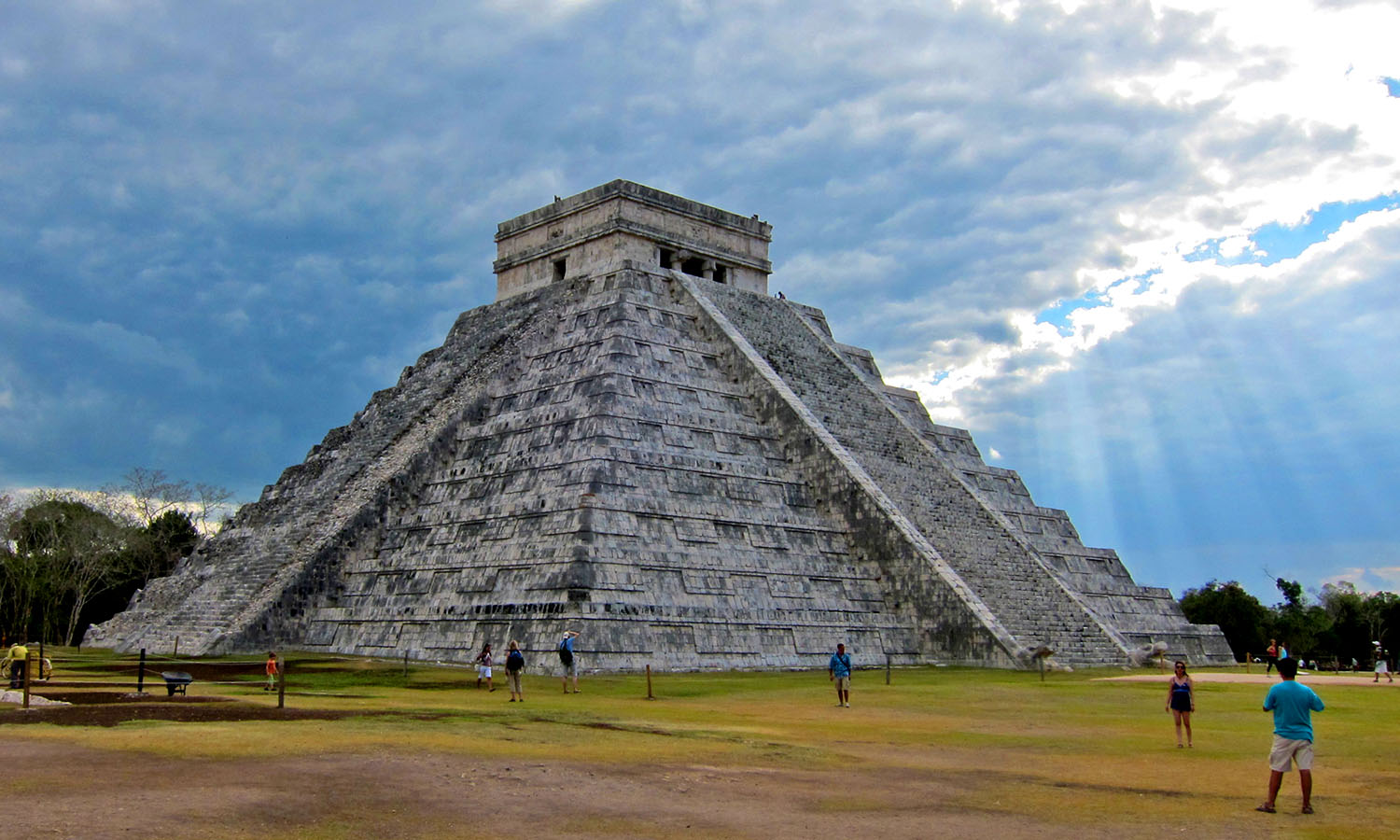
The experience: Learn how to make construction and sound engineering work in one awe-inspiring package from an ancient civilisation.
There’s more to the Chichén Itzá’s El Castillo (also known as the Temple of Kukulcan) than just it’s impressive structure. The exhibition of Mayan architectural and engineering genius attracts thousands of visitors each year on the spring and autumn equinoxes as a carved serpent dances in what is a trick of light. But it’s the clap-triggered chirping noise that really piques our interest. Standing at the bottom of the stairs, a clap generates a sound which some believe mimics that of a sacred quetzal bird. It all comes down to geometry, but debate still stands as to whether or not this was intentional. Either way, the Mayans have managed to baffle minds and challenge the sound-processing skills of each new generation with this quirky feat of engineering ever since. visitmexico.com
SOUND
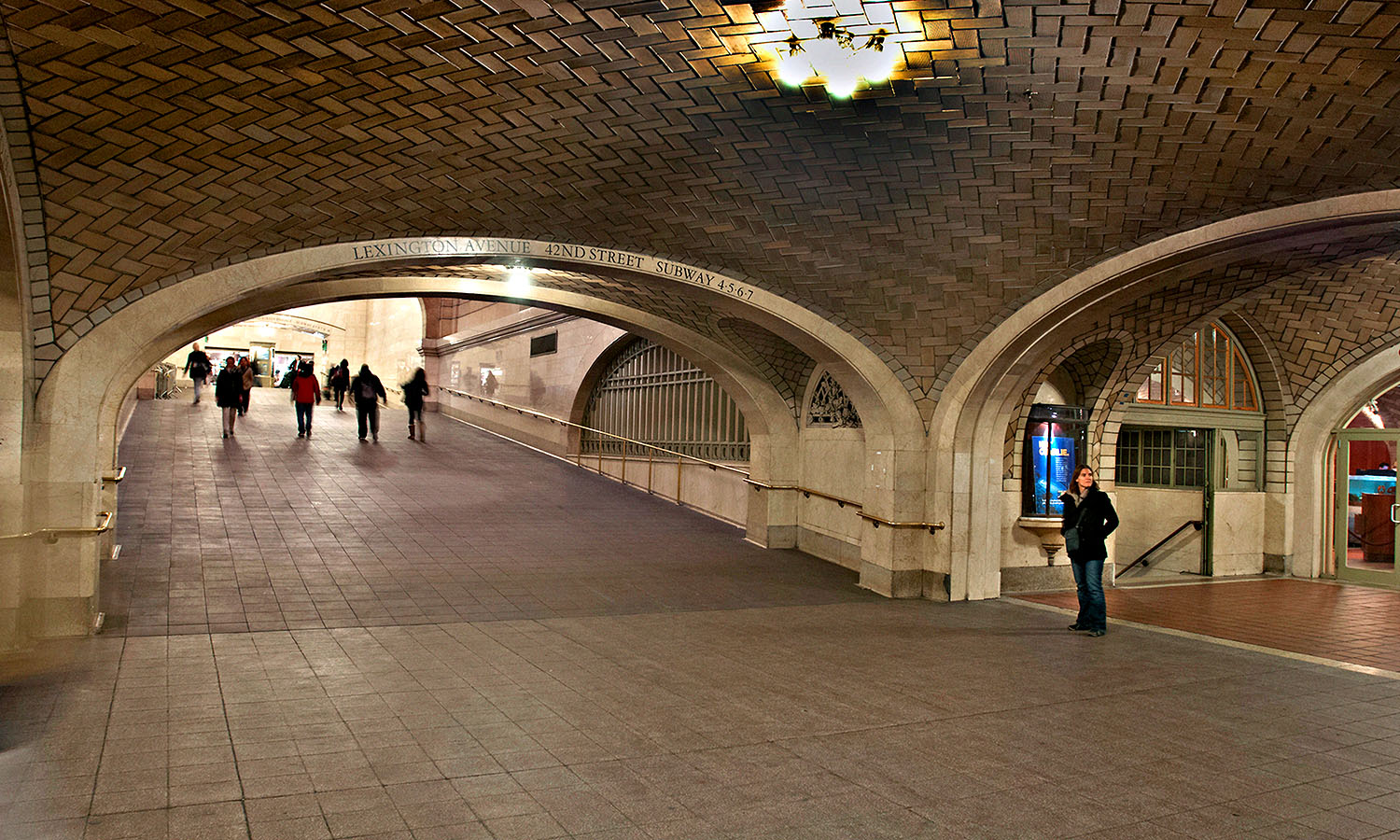
The experience: Share your deepest secrets with the walls of New York City’s underground.
It’s one of New York City’s most-visited sights, filled with architectural wonders and a fascinating history, plus a secret or two. Deep inside Grand Central Station there’s a stealthy little nook where, beneath the ceramic arches adorned with Guastavino tiles, you can whisper into the corner and the sound will travel to the other side. Grab a pal and speak to each other as you stand at opposing diagonal corners. Just don’t confess anything you wouldn’t want a stranger to know. Discover the Whispering Gallery and more on an audio tour of the station for AU$11 or jump on a guided tour for around AU$38. grandcentralterminal.com
Los Glaciares National Park, Argentina Crunch Time
SOUND
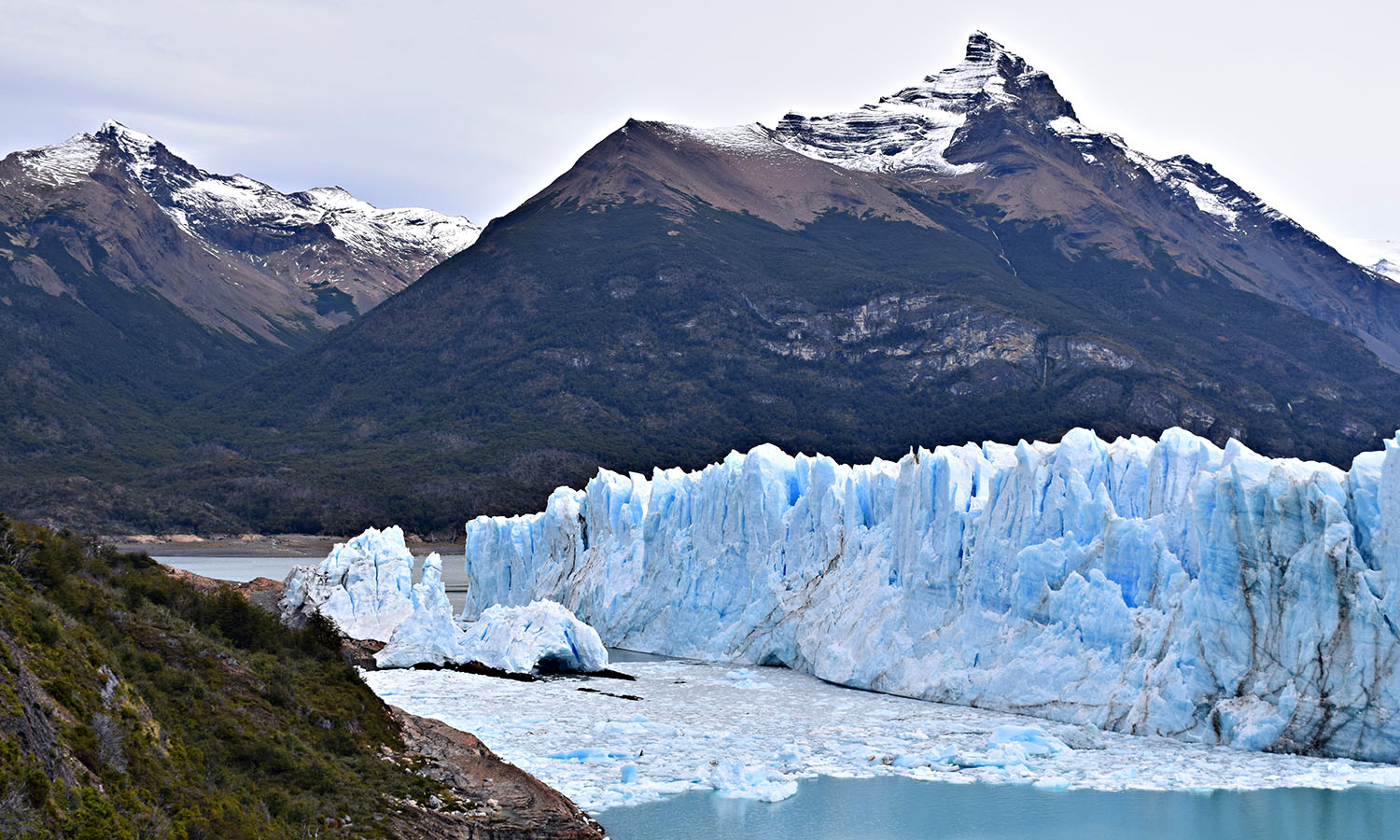
The experience: Hear the creaks and cracks of the earth.
Imagine standing near the precipice of an almighty wall of ice. All is still. Suddenly, a cacophony of sound breaks out: a deafening crack cuts through the air, then a groan, both which reverberate off the mountains blanketed with green above, followed by an booming splash into the turquoise waters below. You’ve just experienced the sound of Perito Moreno Glacier as it crumbles into the deep blue. A whopping 30 kilometres in length, five kilometres in width and 60 metres high, this hunk of glacial ice is consistently advancing up to two metres each day – a stark contrast to some of the other world’s glaciers which are receding at an alarming rate. The result of this constant growth is fractures in the ice, which send immense blocks of ‘berg down into the blue waters. Like the gaping yawn of the earth opening up – both awe-inspiring and scary – it’s a sound that will move you to your core. argentina.travel
TOUCH
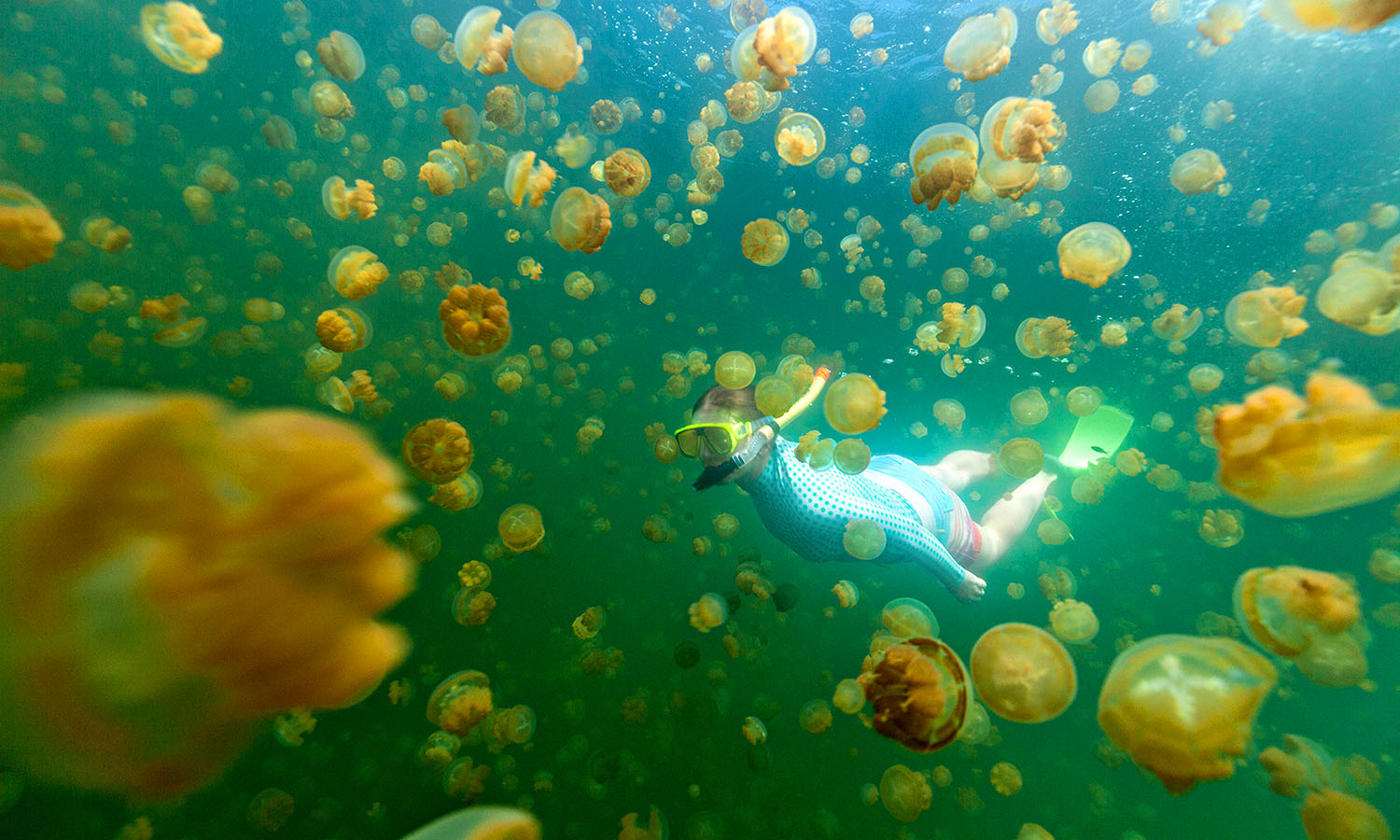
The experience: Finally satisfy your curiosity and party with jellyfish, minus the stinger hangover.
Nothing can prepare you for the ethereal experience of floating in clear water surrounded by a fluther of jellyfish. There are only a few places in the world that offer the experience to swim with stringless jellies. Jellyfish Lake on Kakaban Island in East Kalimantan, part of the Indonesian Archipelago, is one destination, alongside the more popular lake of the same name in Palau. Unfortunately, because of changing weather conditions, the jellyfish population on Palau has diminished and over the last few years, the lake has seen periods of shutdown. The lesser-known mangrove-fringed lake on Kakaban is home to four varieties of jellyfish (compared to Palau’s two), which thrive in diluted seawater alongside white anemone, sea cucumbers, crabs, snakes and clams. Years of living in this closed system without natural predators has forced these jellies to evolve into harmless, soft, gelatinous umbrellas, so it’s only natural we want to join the party.
TOUCH
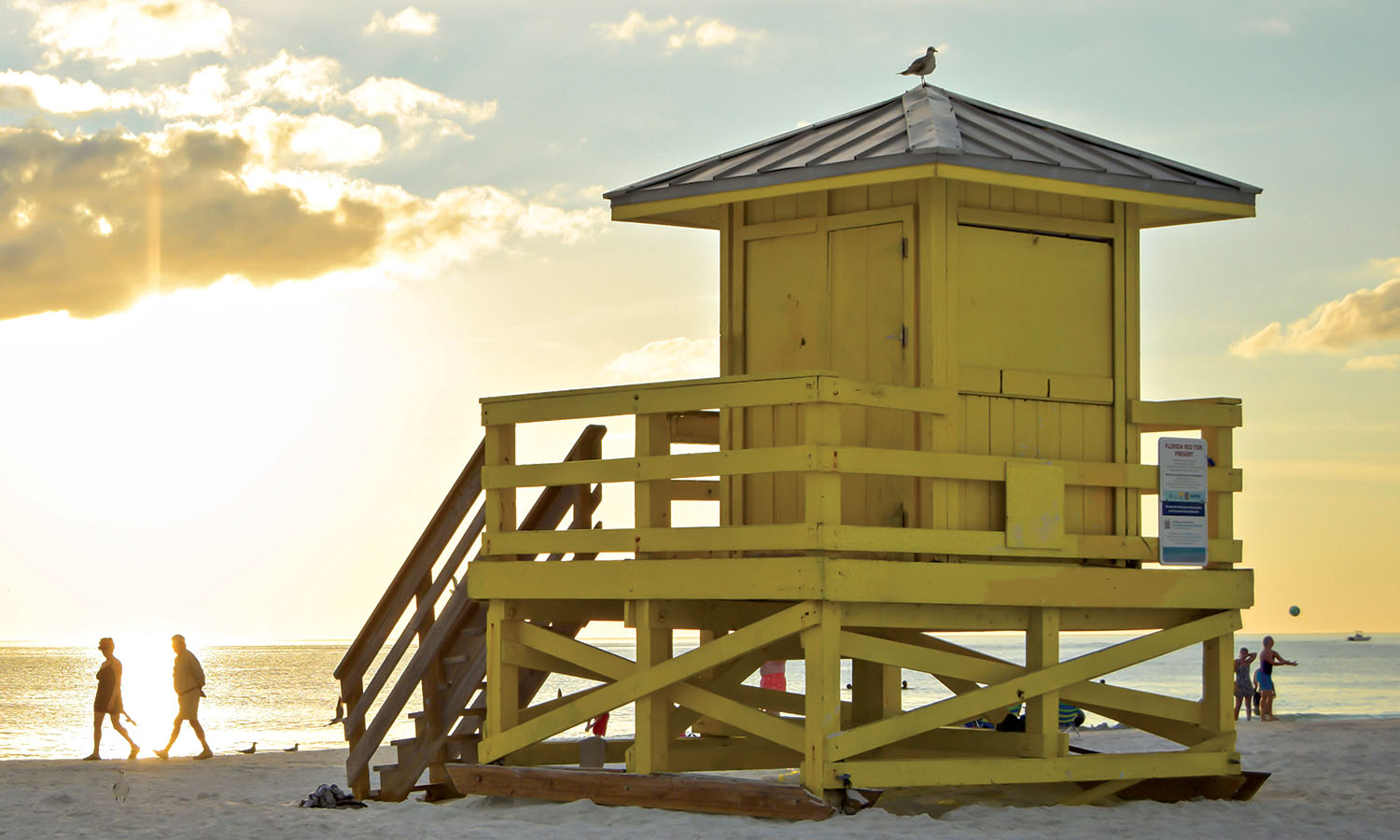
The experience: Build a sand castle masterpiece with the world’s softest sands.
There’s nothing quite like the feeling of soft sand between your toes, a balmy breeze bringing with it salty smells and the sound of the sea gently rolling on the shore. The sugary-white, powder-fine sands of Siesta Beach at Siesta Key in Florida are some of the softest going around. The sand here is said to consist of 99 per cent pure crushed quartz from the Appalachian Mountains, which gives it the glorious whiteness and also means the sand stays relatively cool – even on the hottest of days. Siesta Beach’s shallow, calm waters are ideal for splashing about and the quartz sand lends itself perfectly to building castles, so you can unleash your inner creative while basking on this beautiful beach. visitsarasota.com
TOUCH
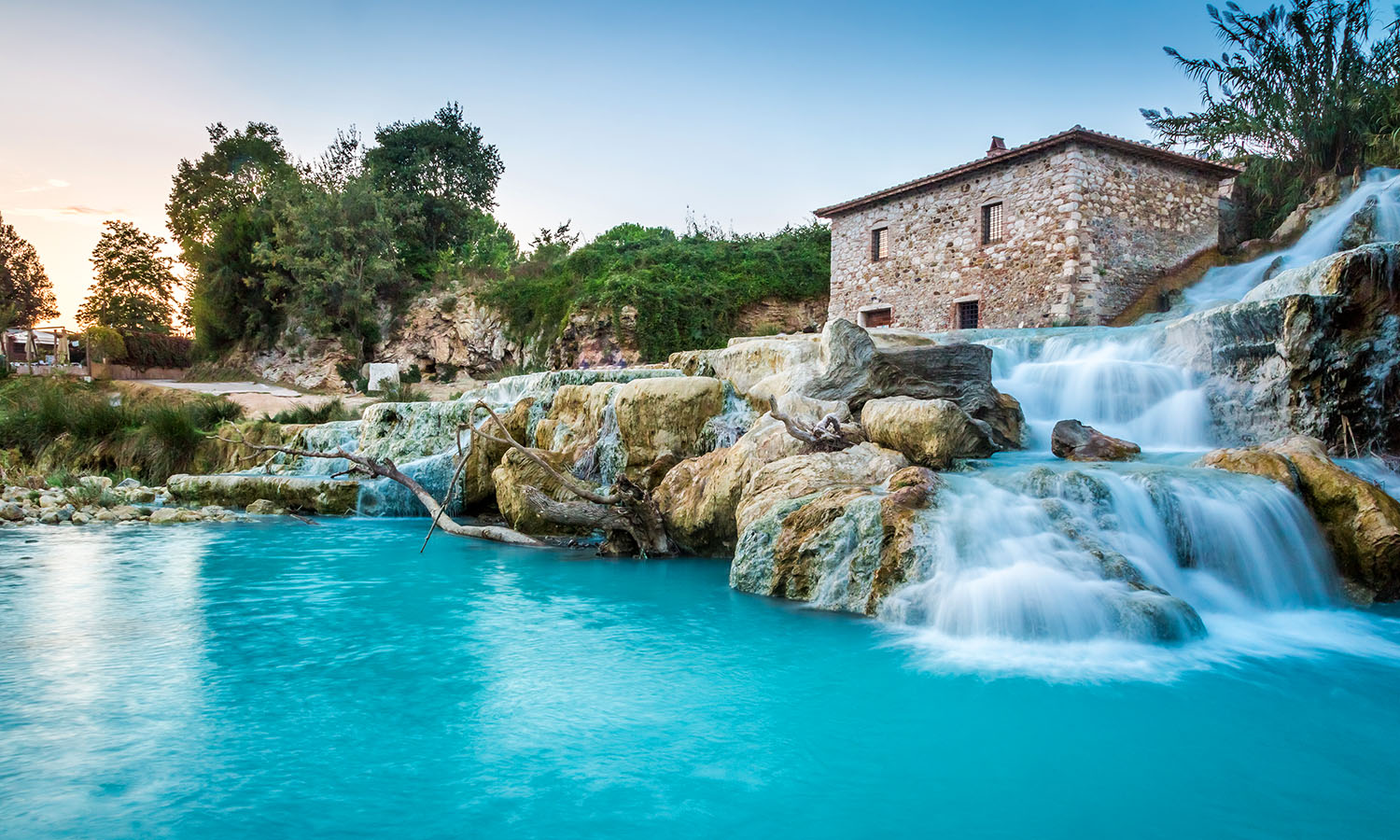
The experience: Feel the true power of water with a waterfall massage.
Nestle among the rocks and let the warm water caress your skin as it cascades down terraced pools of the palest blue at this natural hot spring. Cascate del Mulino is a southern Tuscan gem where you can plonk yourself in a pool and feel any stress or tension instantly melt away. Steam rises from the mineral pools and the smell of sulphur tinges the air while you settle back to enjoy the spectacular scenery as the warm waterfalls work their magic. Naturally heated at 37.5°C year-round, the mineral content of the water is perfect for relaxing tired muscles. cascate-del-mulino.info
TOUCH
The experience: Forego the confined space of a traditional ice bath with a plunge into the Southern Ocean.
For a truly bone-chilling and spine-tingling rush of adrenalin, you can’t go past a plunge into the freezing waters of Antarctica. It’s certainly not for the faint hearted but it’s a swim you won’t be forgetting any time soon. Thankfully, this voluntary ice bath is followed by a luxuriously hot sauna back onboard the boat to allow you to defrost. Aurora Expeditions offers the Polar Plunge excursion as part of its Antarctica expeditions, so as well as the opportunity to bathe in what is normally the domain of penguins and seals, brave swimmers will also experience a unique holiday adventure. auroraexpeditions.com.au
TOUCH
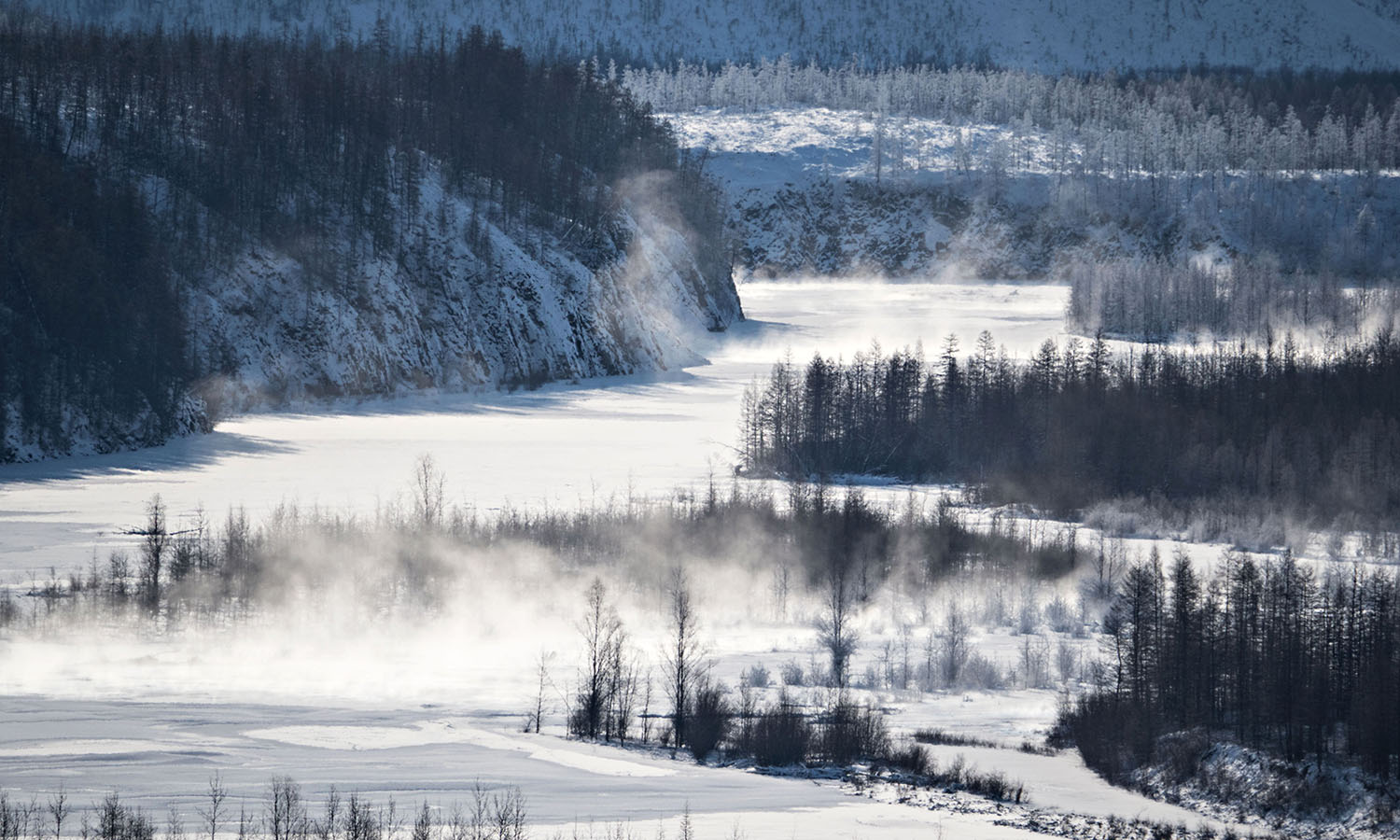
The experience: A chance to test your mettle and prove your strength in the coldest inhabited place on Earth.
Visiting a remote, far eastern corner of Siberia in the middle of winter is a sure-fire way to put your senses to the test. And while this land of extremes is renowned for its chilly Arctic weather, you can take it to the next level at Oymyakon – the coldest permanently inhabited place on earth with an average low of a bone-chilling -50°C. Oymyakon is home to a just few hundred hardy souls and can be visited from Yakutsk, which holds the well-deserved reputation as the world’s coldest city. It’s a 930-kilometre drive across ice, including a stretch over the Lena River, which doesn’t need a bridge thanks to the sub-zero temperatures. Just make sure you rug up before you go! visityakutia.com
SMELL
The experience: Lose your breath at a boiling gloopfest.
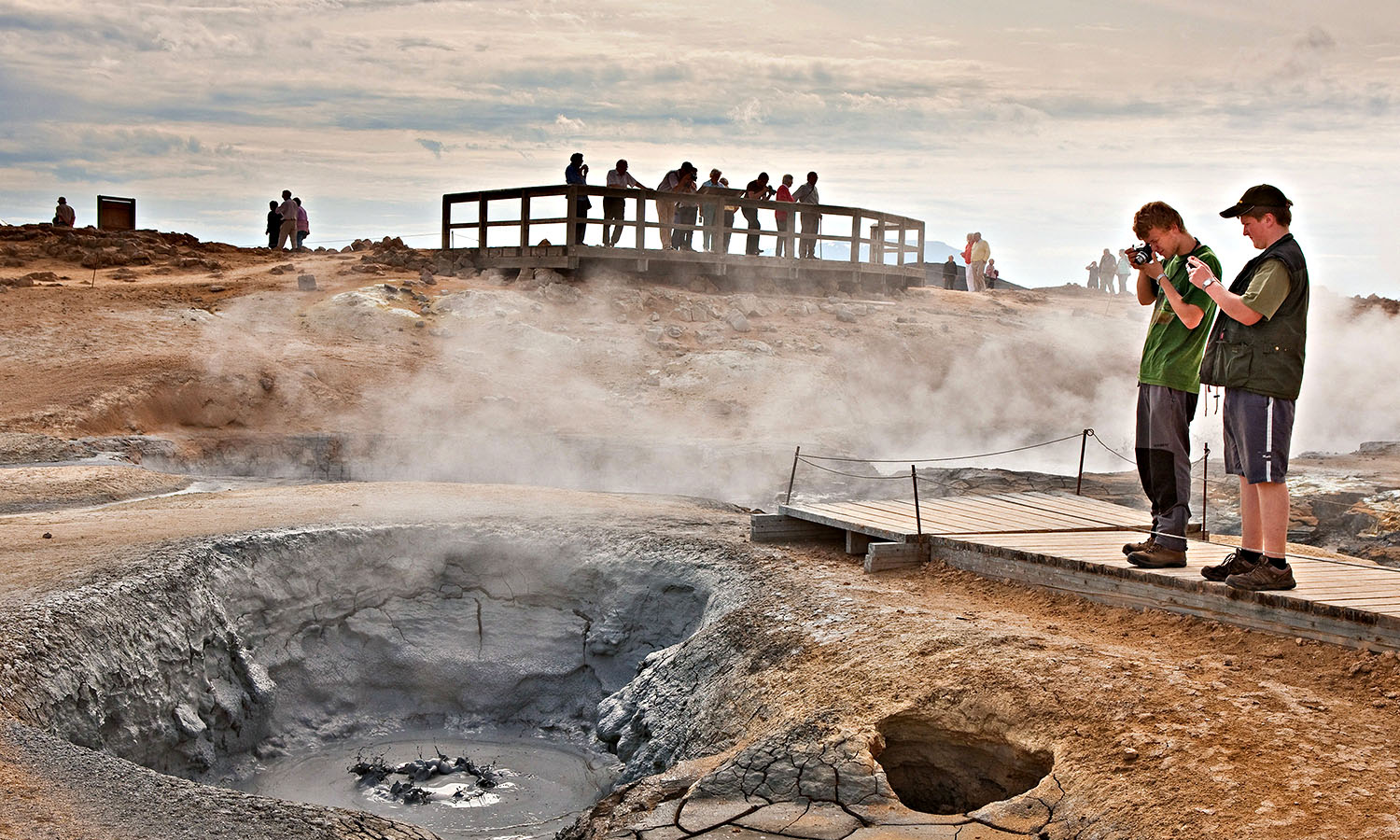
One small step for man. One giant leap for… a bucket? Take a walk among the lunar-like landscapes of Mount Námafjall, Hverir and Myvatn in Iceland’s north and you’ll be rewarded with plumes of marshmallow clouds billowing from fumaroles and pots and pools of thick, glooping mud – the result of the geothermal activity from the isle’s boiling reservoirs. But it’s the lingering scent that will leave you breathless. The steam and gas emitted from the boiling pits has a sulphurous stench likened to rotten eggs. To prove your iron stomach, make for Gunnuhver, the country’s largest mud pool. At 20 metres wide, the belly of this beast regularly erupts with boiling water and bubbling mud, which can be viewed from a ramp at a close but safe (and very stinky) distance. visitreykjanes.is
SMELL
The experience: Get a hearty whiff of one of the best scents in the world: chocolate.
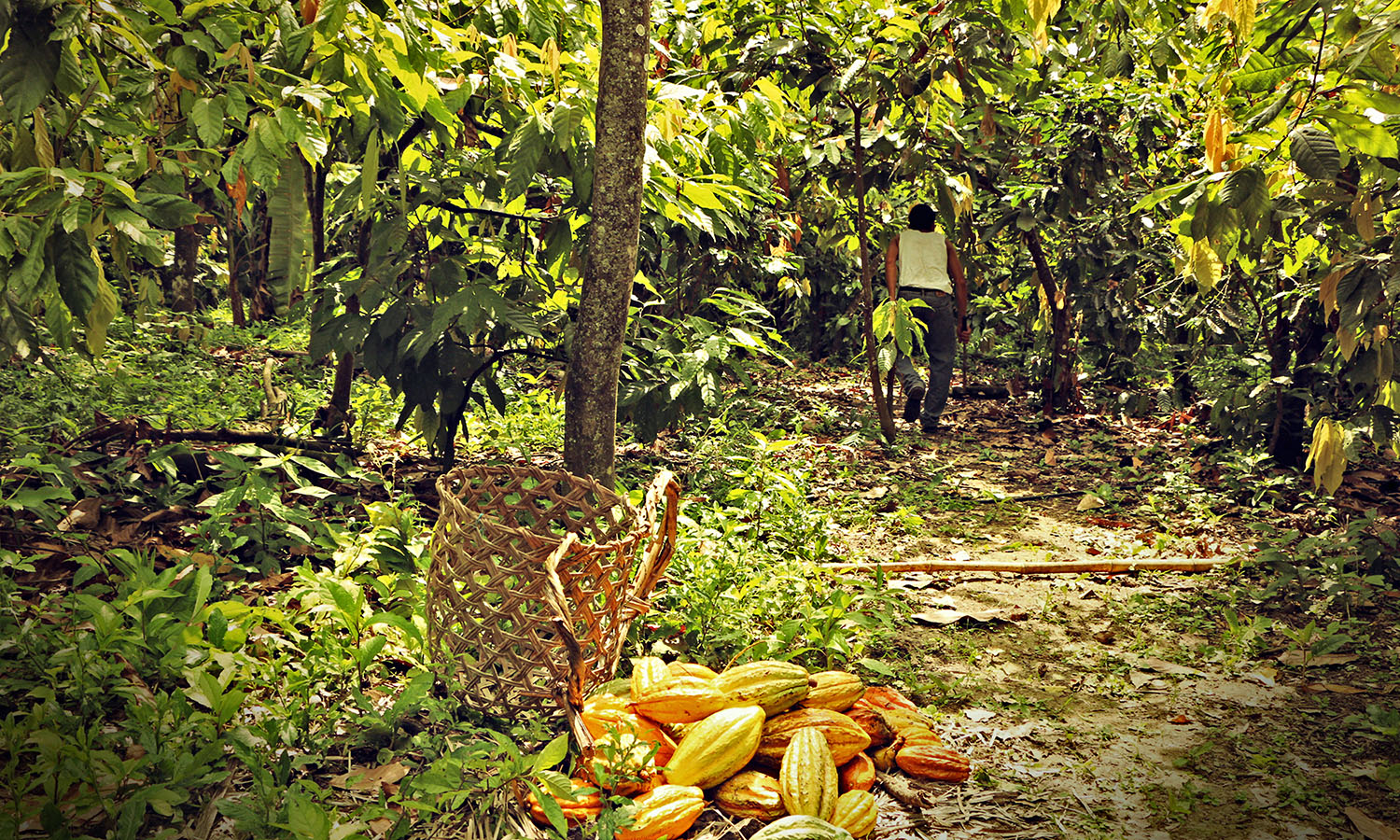
Scientists say that the smell of chocolate has the power to reduce stress and improve one’s mood, and one of the best places to inhale its invigorating scent is Ecuador. Thanks to the country’s proximity to the equator, cacao plantations have a variety of distinct floral, nutty and fruity aromas. Dive in to the full chocolate experience at Finca Sarita, a small farm just outside of Calceta, and learn about the processing and fermentation of the rare Arriba cacao that is transformed into To’ak, the most expensive chocolate in the world (a single vintage bar costs about AU$495). Or, if you’re in Quito, indulge in To’ak’s new two-hour comprehensive tasting tour, Chocolate and Art. Whether you choose the former or the latter, it’ll be an experience to savour. toakchocolate.com
SMELL
The experience: Inhale some of the world’s best and worst smelling oxygen, and breathe in the earth’s life force.
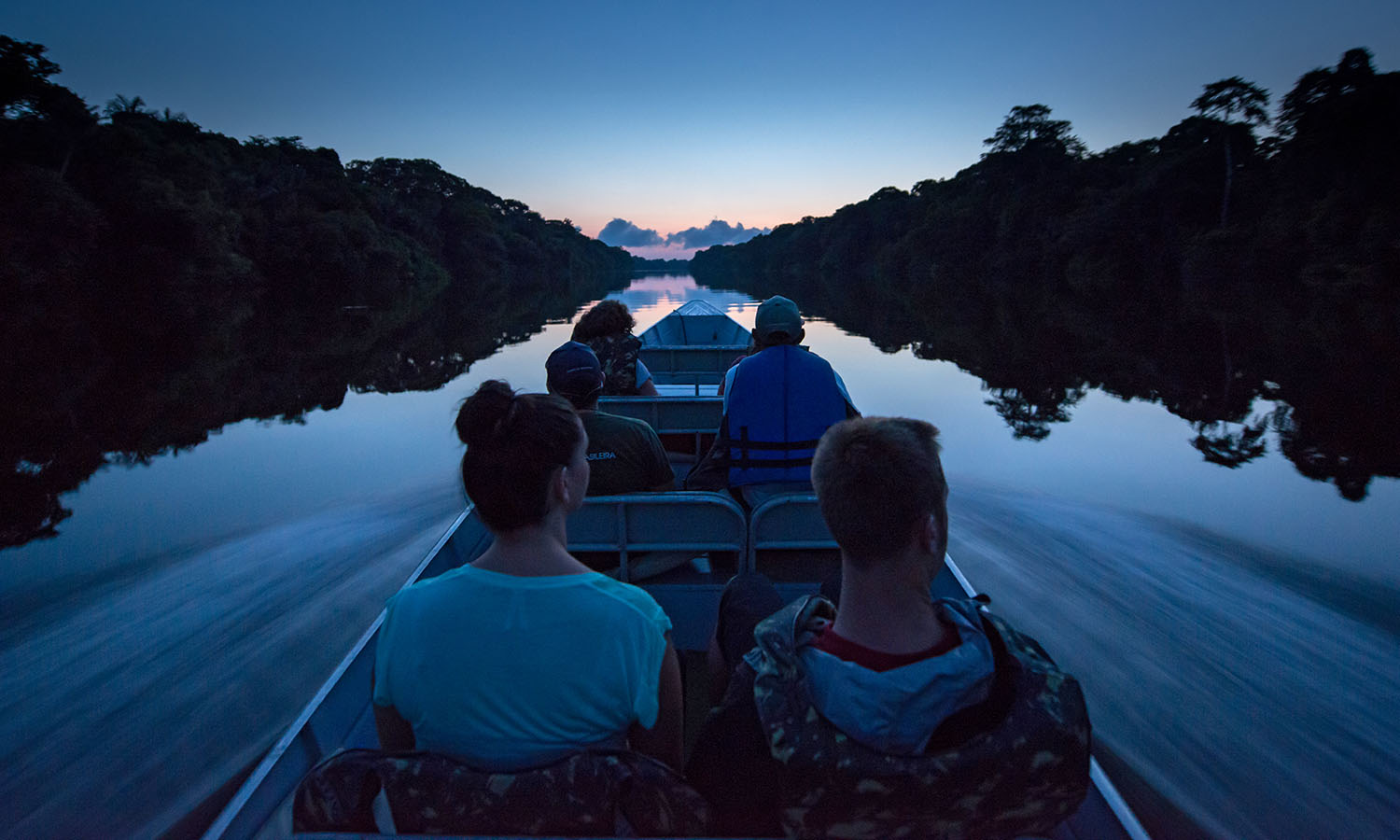
It’s a well-known fact that Amazon is the greatest life force on our planet. More than 40,000 exotic plants thrive, producing more than 20 per cent of the world’s oxygen. Make the 10-kilometre journey by boat from Manaus, the only city within the forest, to arrive at the stunning confluence of the jet-black Rio Negro and the coffee-coloured Rio Silomões, which form the Amazon River. The pungent bouquet of latex oozes from the rubber museum down river, and is married to the rich soil, fragrant flowers and the warm, sweet moisture that clings to the air from the rainfall. It’s a sensory experience that will leave a lifelong imprint on you.
SMELL
The experience: To find one of the sweetest towns of all, in more ways than one.
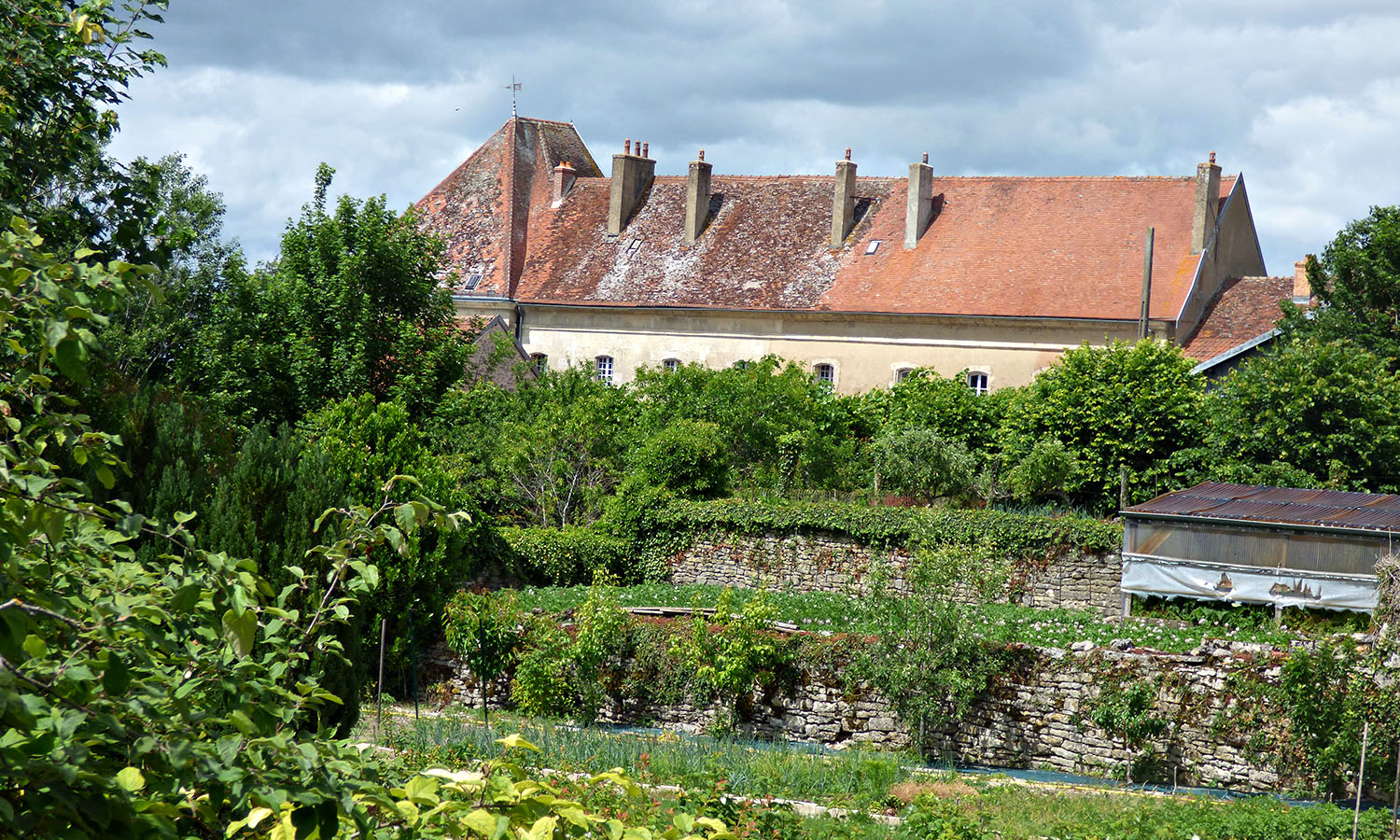
Perched on a sunny hilltop, the medieval village of Flavigny-sur-Ozerain is infused with a unique olfactory history: it’s aniseed country. The sweet, liquorice-like scent of the anise plant permeates the town’s cobbled streets, so naturally it makes sense that it’s also the home of Les Anis de Flavigny, an anise candy shop. These tasty treats are crafted from a 1200-year-old recipe in a former Benedictine abbey, where they were once created by the monks who lived there. Each seed is carefully selected, then coated in sugar syrup and repeatedly rotated in a pan, transforming the original kernel, weighing a tiny two milligrams, into a one-gram candy. There’s also an anise museum, cafe and boutique, perfect for collecting a variety of anise scents and flavours to gather as keepsakes to fill your home.
SMELL
The experience: Challenge your sense of smell with obnoxious, fishy odour but delicious tasting meals.
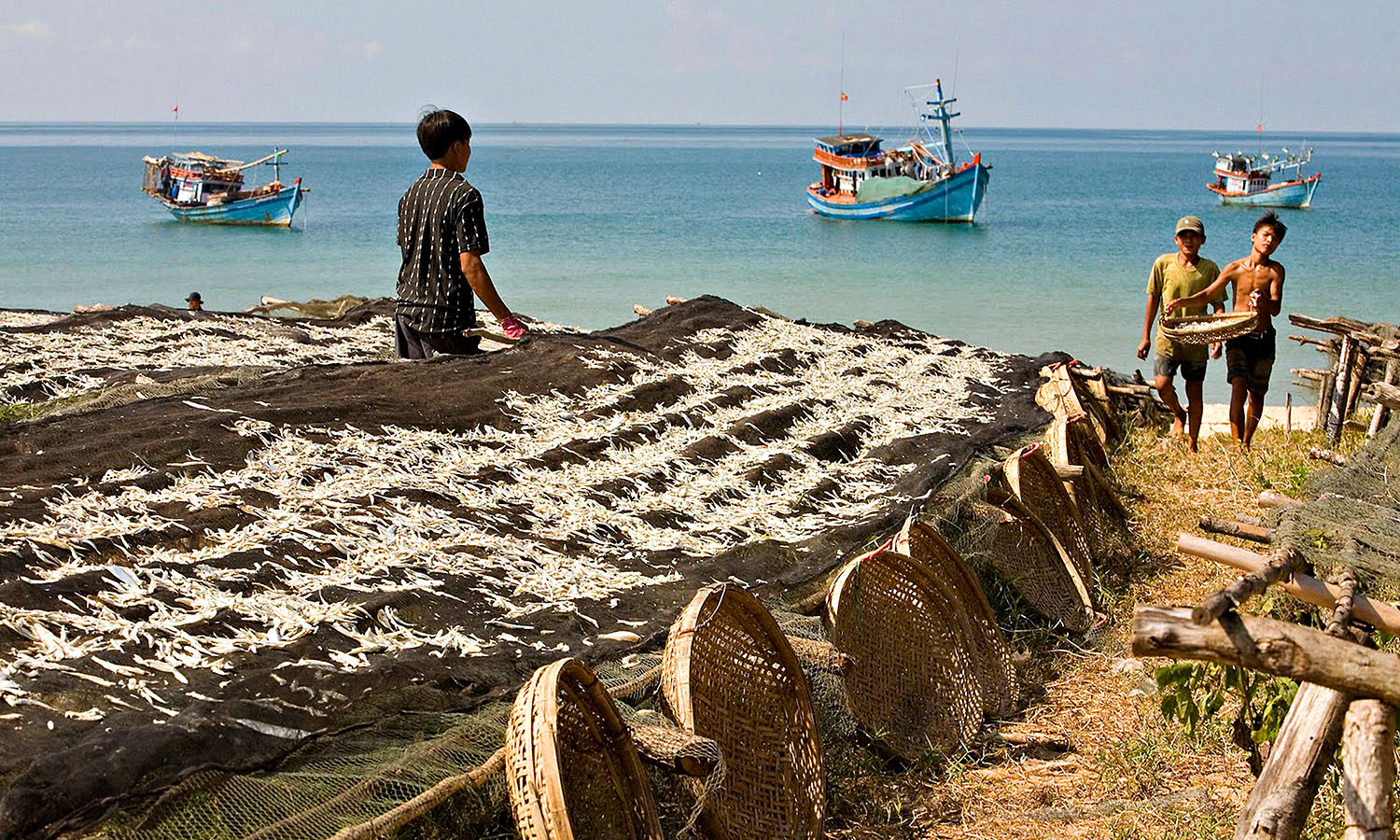
It’s often difficult to reconcile a bad smell with something tasty, but Vietnam’s famous pungent-yet-palatable fish sauce, crafted off the southwest coast on the small isle of Phu Quoc, is an affirming reminder that opposites indeed attract. Crafted from anchovies fished from the island, plus salt and water, the odorous sauce is fermented in vats made from beech wood and then stewed for a year before the amber-coloured liquid is bottled straight from the barrel. This simple process ensures the sauce is fresh (no preservatives) and high quality. If you can stomach the fishy scent, see the process in action and sample it at the local factories. All the best Vietnamese dishes are laced with its heady flavour, albeit with a far more innocuous smell.
SENSORY OVERLOAD
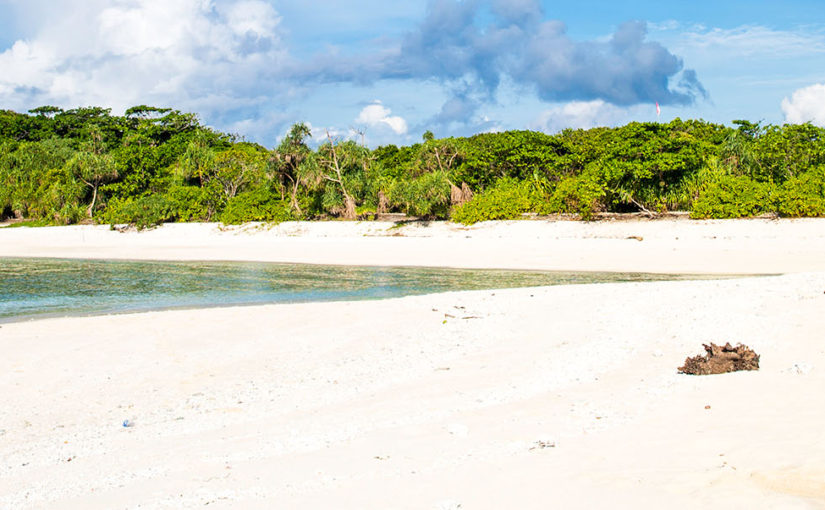
The experience: Grab Wilson and indulge in your most dreamy Castaway fantasy on this tiny Indonesian isle.
While engaging the senses can be wonderful, sensory overload is a very real thing, and the urge to disappear to a deserted island can be strong. Enter Run Island, one of the smallest isles in Indonesia’s Banda archipelago. At just three kilometres long and one kilometre wide, this forgotten blip of limestone and tangled jungle is a diamond in the rough, complete with one of the most fascinating territorial swaps in history. In 1667, the Treaty of Breda determined that the Dutch would exchange the small trading village of Manhattan to the English for Run Island and its valuable monopoly of nutmeg trees. They could not have fathomed the metropolis Manhattan would become. These days the island is as isolated as ever. The journey to Run is long and there are just a handful of guesthouses, but once you’re there, you’ll find an idyllic escape to unwind. Of course, it’ll still be somewhat of a sensory experience with the pristine white sand scrunching between your toes and the sounds of waves crashing on the shore. But given you’ll have most of this tiny island all to yourself, you’ll quickly forget that stress was ever a thing.
Agata Bogusz discovered she could freedive “by accident” in 2009 after joining a friend training in Egypt. Months later, the urban planner had broken four polish records and spends her days now travelling the globe in search of deep waters. The warm bays of Amed, three hours north of Denpasar in Bali, are the perfect base for freedive training, with a 40-meter drop off ten meters from the shore.
Students learn the basics by first mastering holding their breath in the pool, or in freedive speak, “static apnea”. Initially, I come up gasping for air, feeling slightly exasperated. The urge to breathe is overwhelming. I wonder how I am going to make the two-minute-45 mark, which is a requirement of my course. “What happened?”, Agata asks kindly. “I just wanted to breathe” I reply, feeling somewhat guilty. It’s fighting this instinct that is essential to freediving success. Panic and it’s all over. A few days later, we are high fiving each other in the pool. I can’t believe I made it.
In the next part of our course, we head to the calm waters of Jemeluk Bay, to practice pulling down a rope, learning the technique of ‘free immersion’ (using a rope to descend). It’s quite a lot to think about, but, it’s possible to master. Most of the students completing a beginner’s course will reach 20 meters, and we are no exception.
On the last day, we are taken for a ‘fun’ freedive session to Tulamben, home to the USAT Liberty shipwreck. The Liberty appears out of the blue like a ghost, covered in corals and fish. The US cargo ship was torpedoed to the beach in 1942 then moved back into the water 20 years later by a volcanic eruption. The spectacular site attracts divers, snorkelers and freedivers from across the globe.
Where is Agata gone?” I ask my diving buddy. “Down there, looking at a turtle”, he replies, pointing under the water to Agata, some 15 meters under. “I might go and join her”, I say with a grin.
I take a deep breath, equalise and dive. No longer floating on the surface, I can finally go deep, with just one breath.
Intrepid travel and food writer, presenter and erstwhile chef, Anthony Bourdain is a man who speaks his mind and knows what he’s talking about. He’s eaten the greatest and goriest of cuisine the world can offer – from endangered species such as ortolan (a rare French bird) at a grotesquely decadent and secret New York gathering, to barely seared wild boar’s anus with the Bushmen of Namibia.
He’s been run out of Romania, and he’s escaped from the sudden hell of late-2006 Beirut, only to get nominated for an Emmy award for the resultant episode of No Reservations, his genre-redefining travel series that’s just hit its hundredth episode and won an Emmy in 2009. He travels ten months a year and keeps notes all the while, scribbling his thoughts at the end of each day. Between shooting in Spain and holidaying with his wife and daughter in northern Italy, he took time out to chat one evening, from his Manhattan apartment.He’s been run out of Romania, and he’s escaped from the sudden hell of late-2006 Beirut, only to get nominated for an Emmy award for the resultant episode of No Reservations, his genre-redefining travel series that’s just hit its hundredth episode and won an Emmy in 2009. He travels ten months a year and keeps notes all the while, scribbling his thoughts at the end of each day. Between shooting in Spain and holidaying with his wife and daughter in northern Italy, he took time out to chat one evening, from his Manhattan apartment.
Q: You were pretty sick in Liberia recently – what managed to affect your iron-clad stomach?
A: Honestly, I don’t really know…my suspect is a large snail, but then I’d just been out in the bush and the hygiene was not so great. I was eating bushmeat – it really could have been anything. You spin the wheel enough times and eventually you lose. And I was really, really ill.
Q: From reading your blog, it seems it was a moving trip for you. How would you describe it?
A: It was hard for me. I was very aware of the fact that there have been a lot of westerners there, working for 15, 25 years, for whom my complaining would sound pretty ridiculous. I just found it a very confusing place. I don’t know – it was impossible for me to come to any comfortable conclusions, I guess. I’m always trying to come to terms with a place. And this time, now, I really came away just thrown and confused by the place. And not, not…and very shaken, as far as trying to figure out…there were no moral absolutes, there was no comfortable sort of angle or hook, just a lot of things that made me feel inspired, and a lot of things that really, sort of broke my heart. And I didn’t know how to feel about any of them. I felt inadequate to the task of making television in Liberia.
Q: How do you feel about Beirut?
A: Fantastic. The first time I went, I arrived at the airport, and I felt very comfortable there, right away. I don’t know what it is. It’s just a place I really care about. And for all the problems there – and there are many – and for all of the complications; it’s also for me a very hopeful one, and a very beautiful one, and one that makes me feel good about the world.
Q: What does Lebanese cuisine say about Lebanon?
A: Well, it’s a very international cuisine. They eat everything. Everyone’s been through, and left their mark. And they take a lot of pleasure in their food. I mean there’s Armenian, Iraqi, Palestinian, Yemeni, from the Gulf state, Indian influences, Ottoman, French – so it’s always been a very international city and it had stayed true to its Arab roots, but at the same time, picked up a lot of influences along the way.
Q: What’s your favourite Lebanese dish?
A: Oh, I’ll tell you, I had a kibbe there recently. It was absolutely out of sight. Absolutely incredible; delicate; the bulghur wheat, and just you know, a little bit of seasoning, it was just, so great.
Q: Do you have any foodie tips for travellers to Beirut?
A: Certainly, the green market is very good; it’s a good place to start, it’s called Souk el Tayeb [www.soukeltayeb.com]. It’s a relatively new thing, a green market serving seasonal produce and products from all over Lebanon. Artisanal produces have been specifically chosen and recruited because they come from different areas and different backgrounds and there’s a restaurant associated with the green market that’s really quite interesting, serving very, very high-quality stuff. Serving different regional cooks, from a different area, each day. And that’s quite wonderful. And then, of course, there’s a very famous restaurant, a casual eatery called Le Chef [Gouraud Street, Gemayze, Beirut, +961 1 446769] that everyone in town knows.
Q: You had a rough time filming in Romania and your honesty offended a lot of people. What happened?
A: I’m public enemy number one there, after my show. It really was front-page news in Romania for a while. I received quite a lot of threatening emails after that show. A lot of the Romanian press were accusing me of being either KGB or Mossad on a mission to bring dishonour to Romania; to foment war with their historic enemies, the Magyars. We had Romanian security and tourism forces all over us [while filming] – making sure we didn’t shoot any dogs, or Gypsies.
Q: Or Gypsies?
A: Oh, no, they didn’t want us shooting any Roma people at all. They were adamant about that. They didn’t want them seen.
Q: New York’s your stomping ground – what are your top tips for travellers?
A: Before you come to New York, ask yourself, what do we do better here than anyone else in the world? And the answer is quite simple – deli. So the first thing you’d want to do, is go to Katz’s deli [www.katzdeli.com] for a pastrami sandwich. And then go to Russ and Daughters [www.russanddaughters.com] just down the street and order a bagel with smoked Nova Scotia salmon and some cream cheese. Beautiful thing.
Q: When are you coming back to Australia?
A: Next year. There’s either a food and wine festival, or a Sydney book fair. I know I’ve cleared some time in June to come out. Hopefully I’ll have some time to do my business, and also see some friends.
Q: So do you travel to live, or live to travel?
A: It’s what I do. I know that if I go on too long without doing it, I start to feel unsatisfied. It’s just – life is short, keep moving.
 (
(