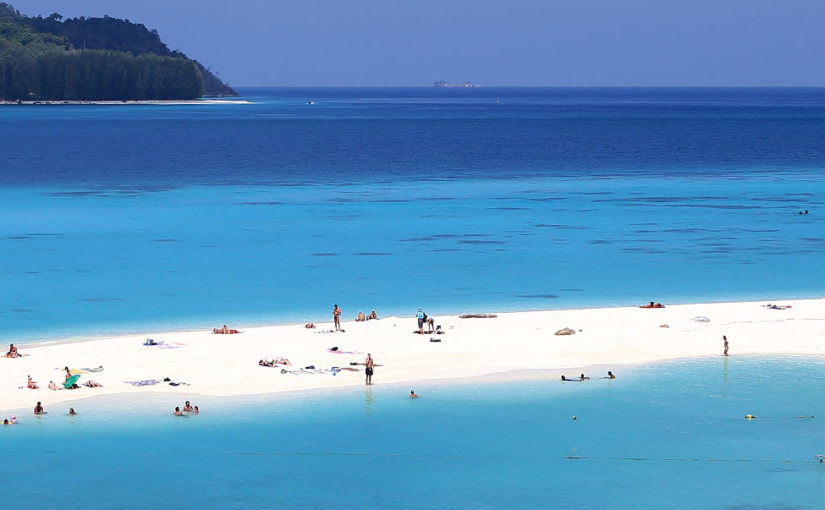
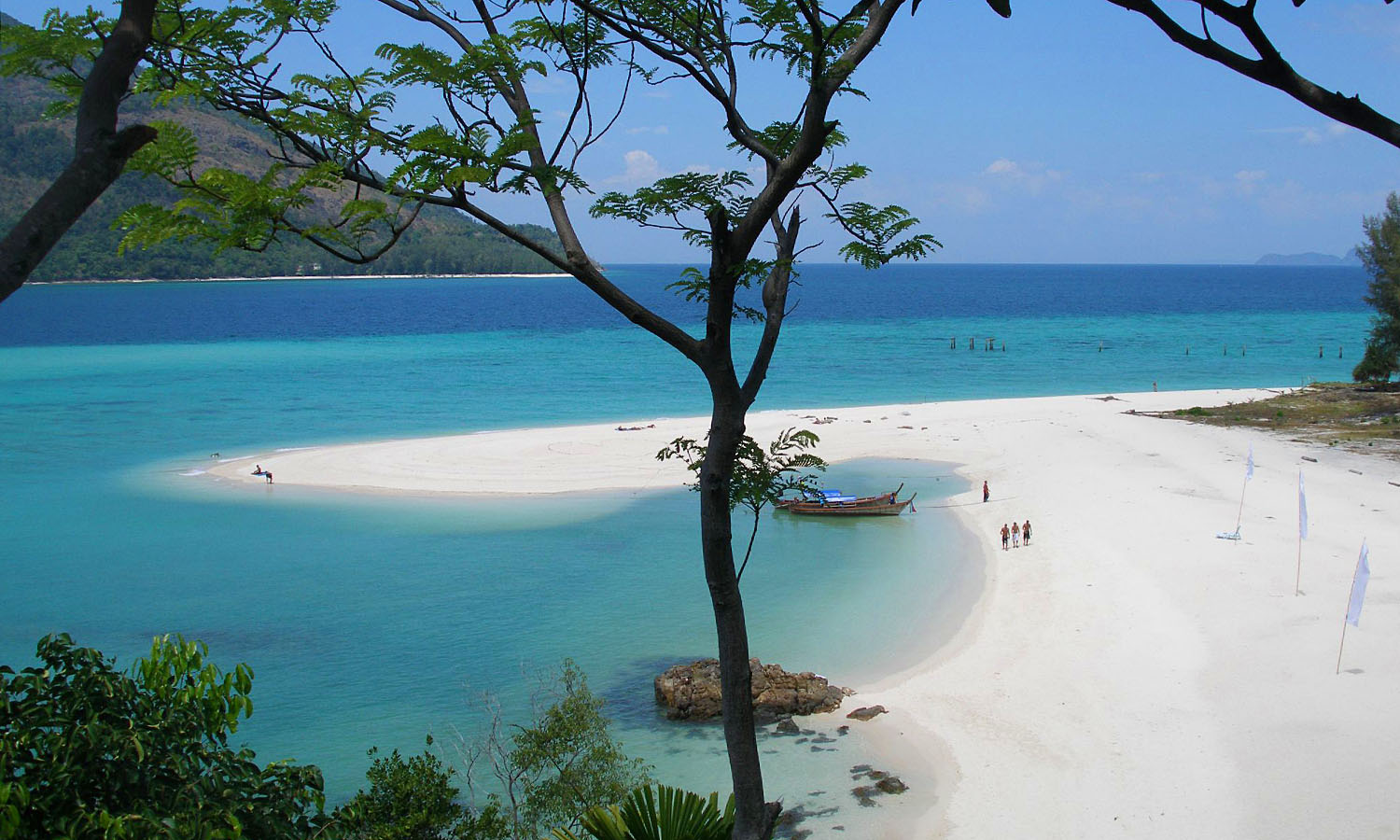
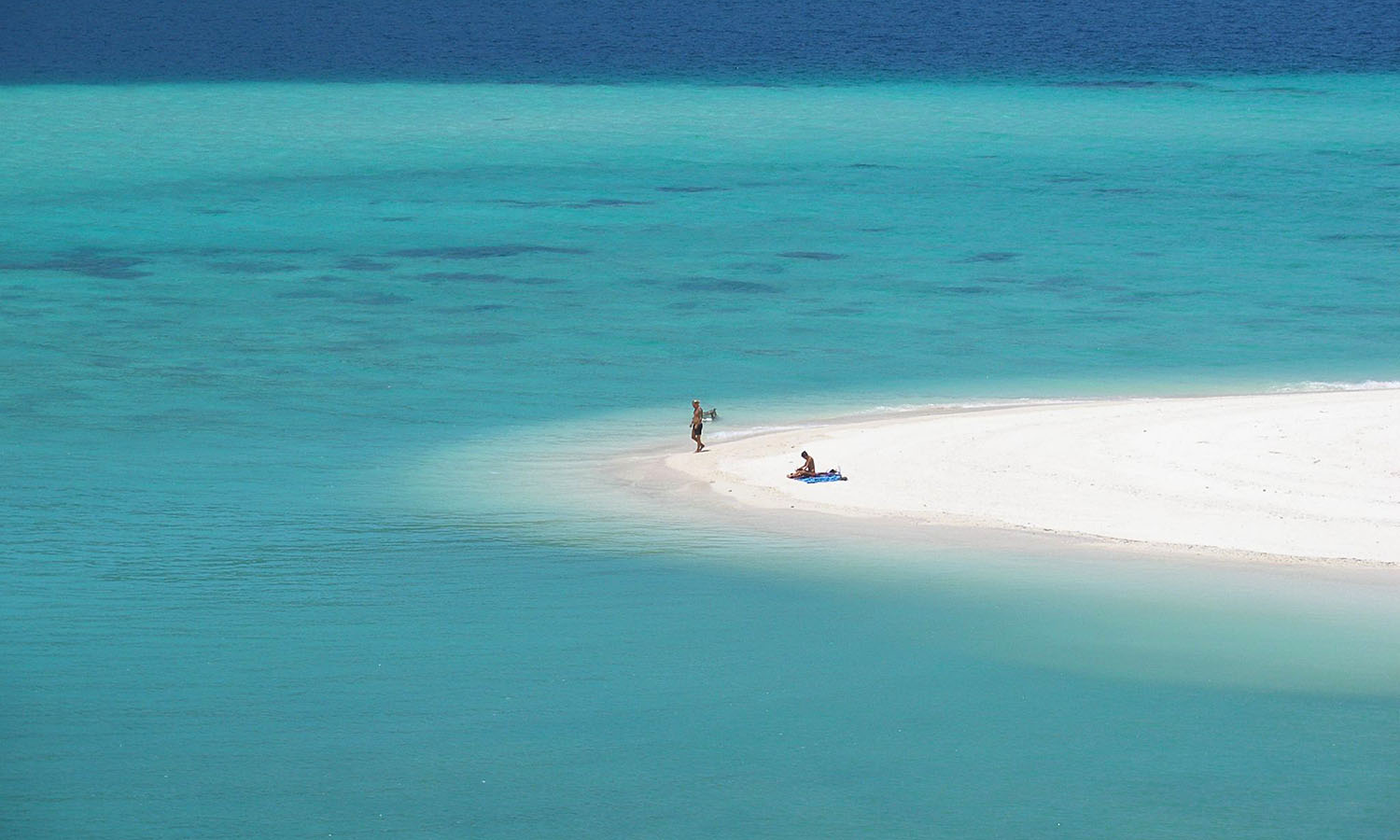
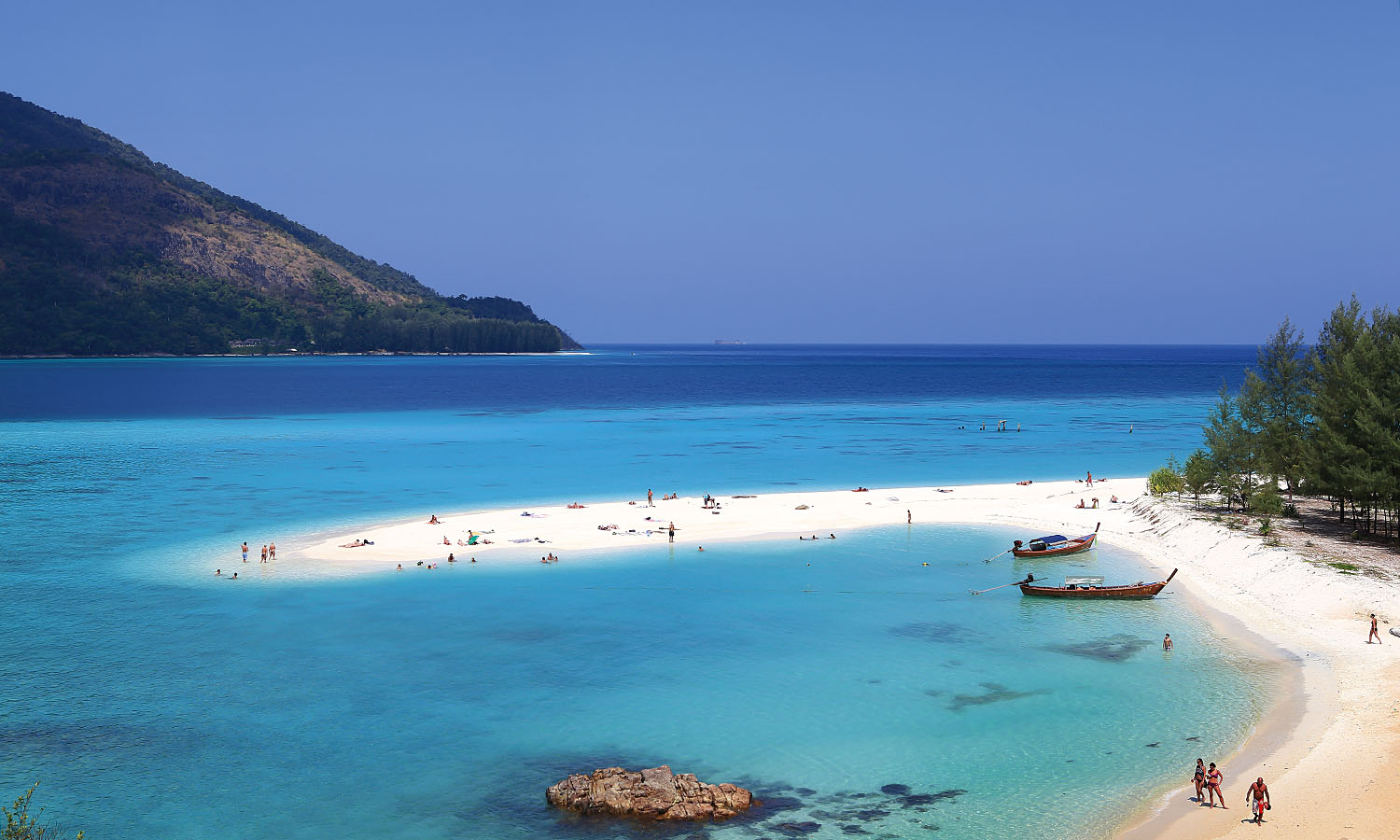
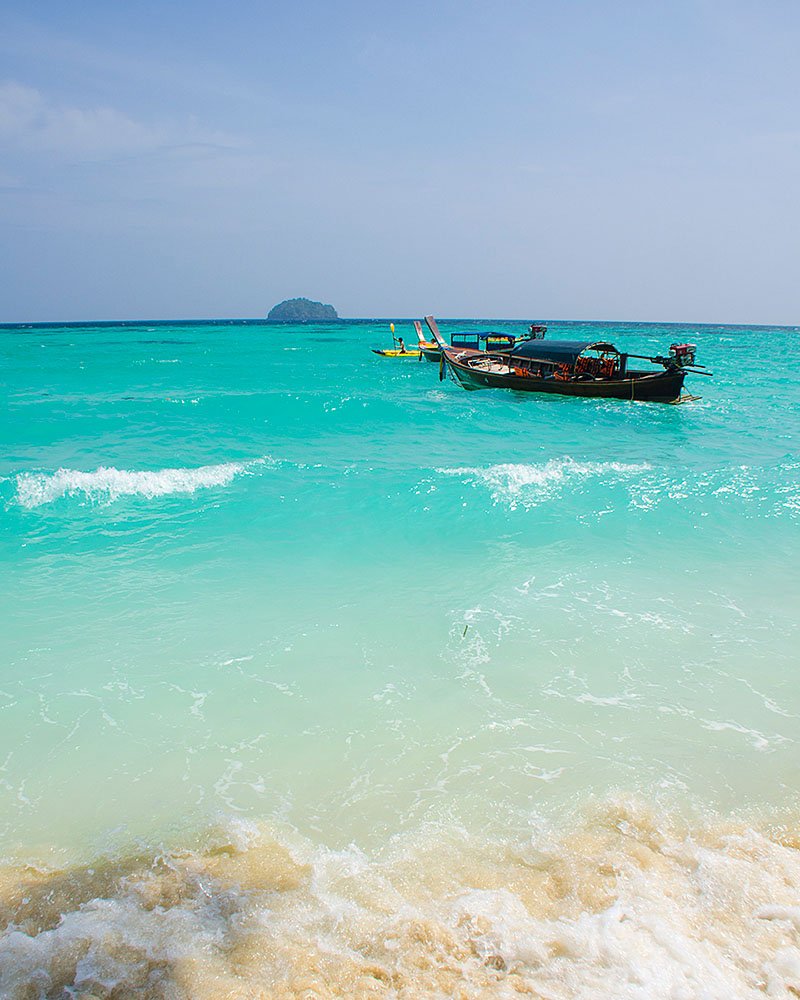
Thailand is one of the last places on earth you’d expect to find a secret beach and, although Lipe isn’t deserted, you’ll find far fewer tourists and a lot less development here than on many of the nearby islands.
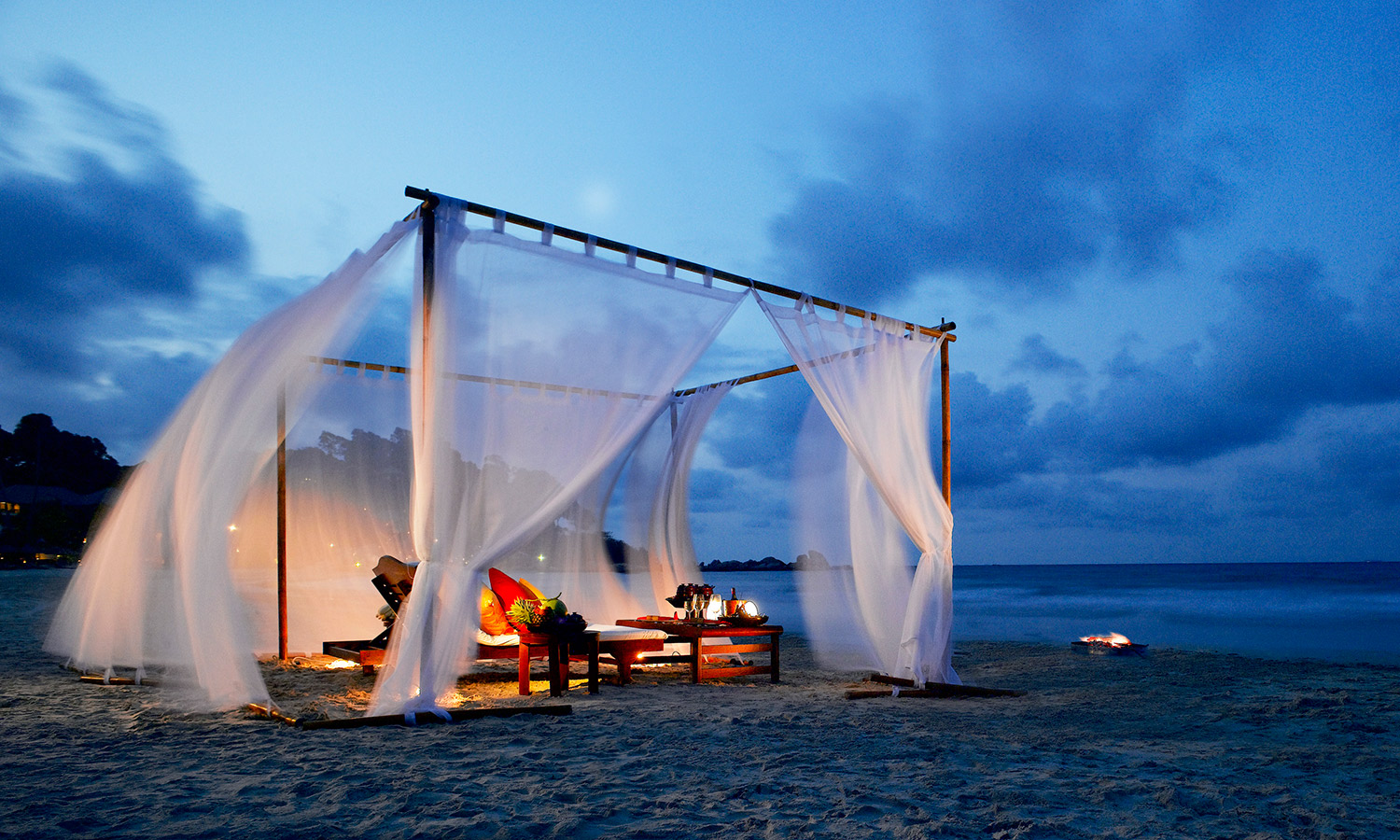
Koh Lipe is located in southern Thailand’s Satun Province, just a stone’s through from the Thai/Malay border and part of the Tarutao National Marine Park. There are three main beaches: Pattaya, Sunrise and Sunset. Sunset is the least developed with shacks made of driftwood acting as bars and restaurants. At Sunrise Beach, you’ll find Castaway Resort with its breezy bungalows, some set right on the sand.
If you really want to get away from the hustle and bustle that some of the islands have regrettably become, Castaway Resort can pack you a lunch, organise a boat and drop you at one of the nearby deserted islands where you can make like Burt Lancaster and Deborah Kerr.
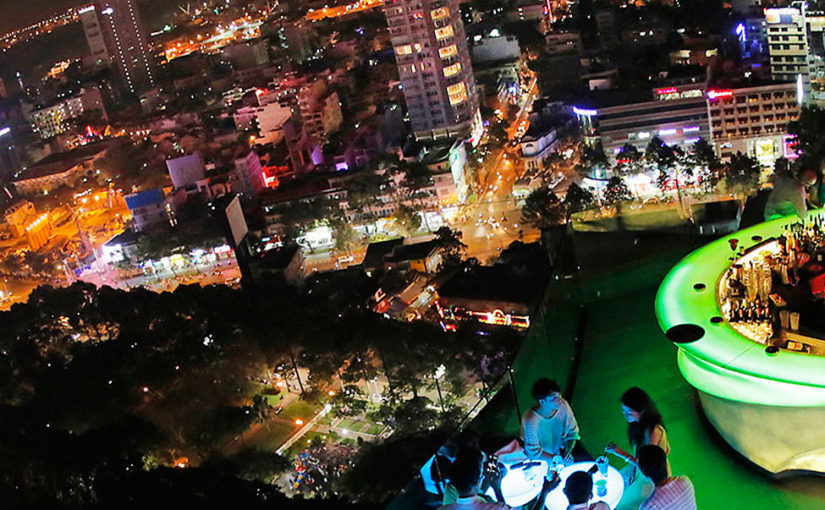
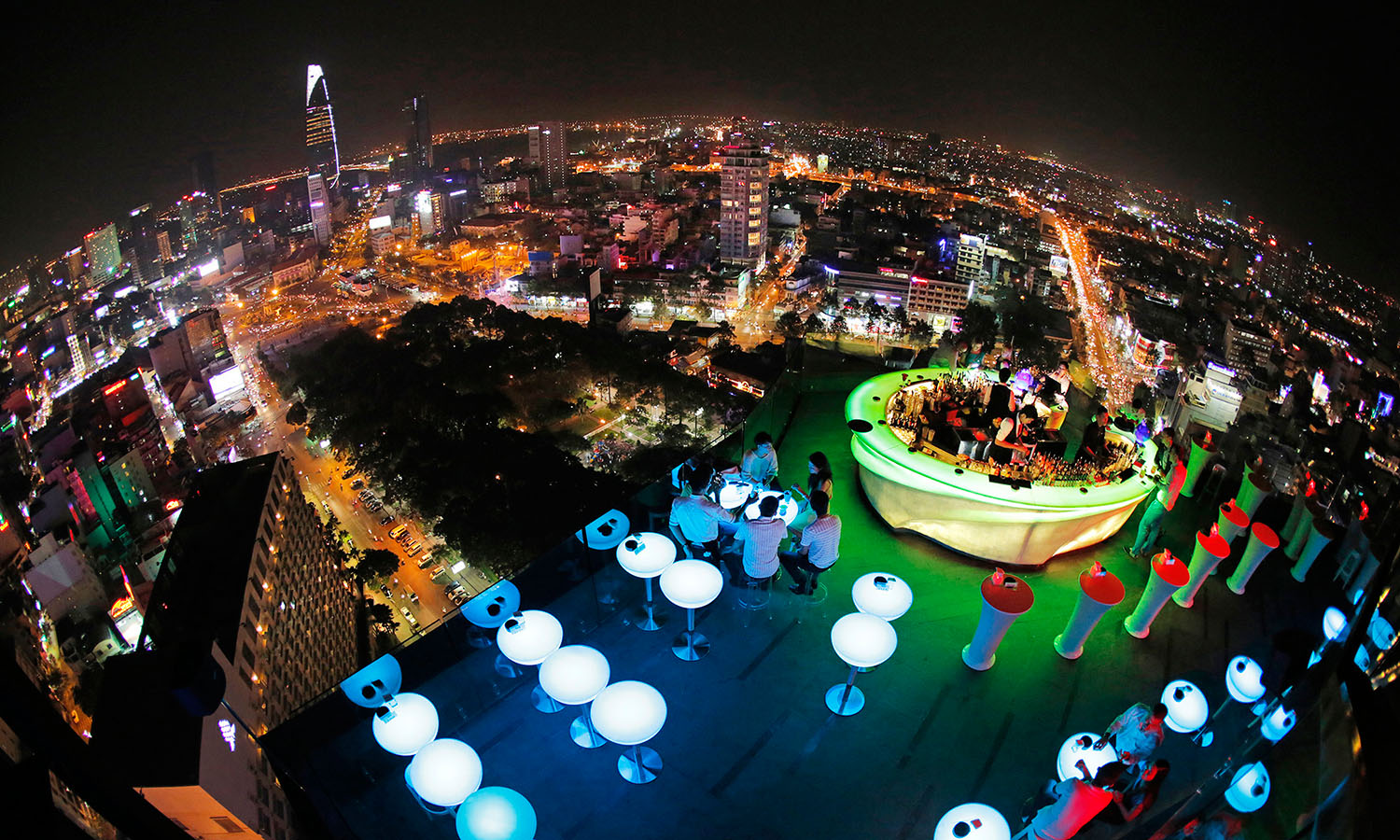
Boasting the brightest neon lights on the skyline and 360-degree views, Chill Skybar is the perfect place to escape the heat and urban bustle of Ho Chi Minh City.
Experience cocktails in the clouds on the open-air terrace of the AB Tower’s 26th floor, or cool down in the glass-walled restaurant and lounge. Join the high-class crowd – no singlets and thongs allowed – quaffing cocktails, ordering big from the bottle menu and slinging down shots of cold vodka topped with caviar. But if you’re watching your dong, head up late in the afternoon for a spectacular sunset and half-price happy hour.
After a couple of rounds, you might even be inspired to dance the night away as resident DJs spin discs on the deck.
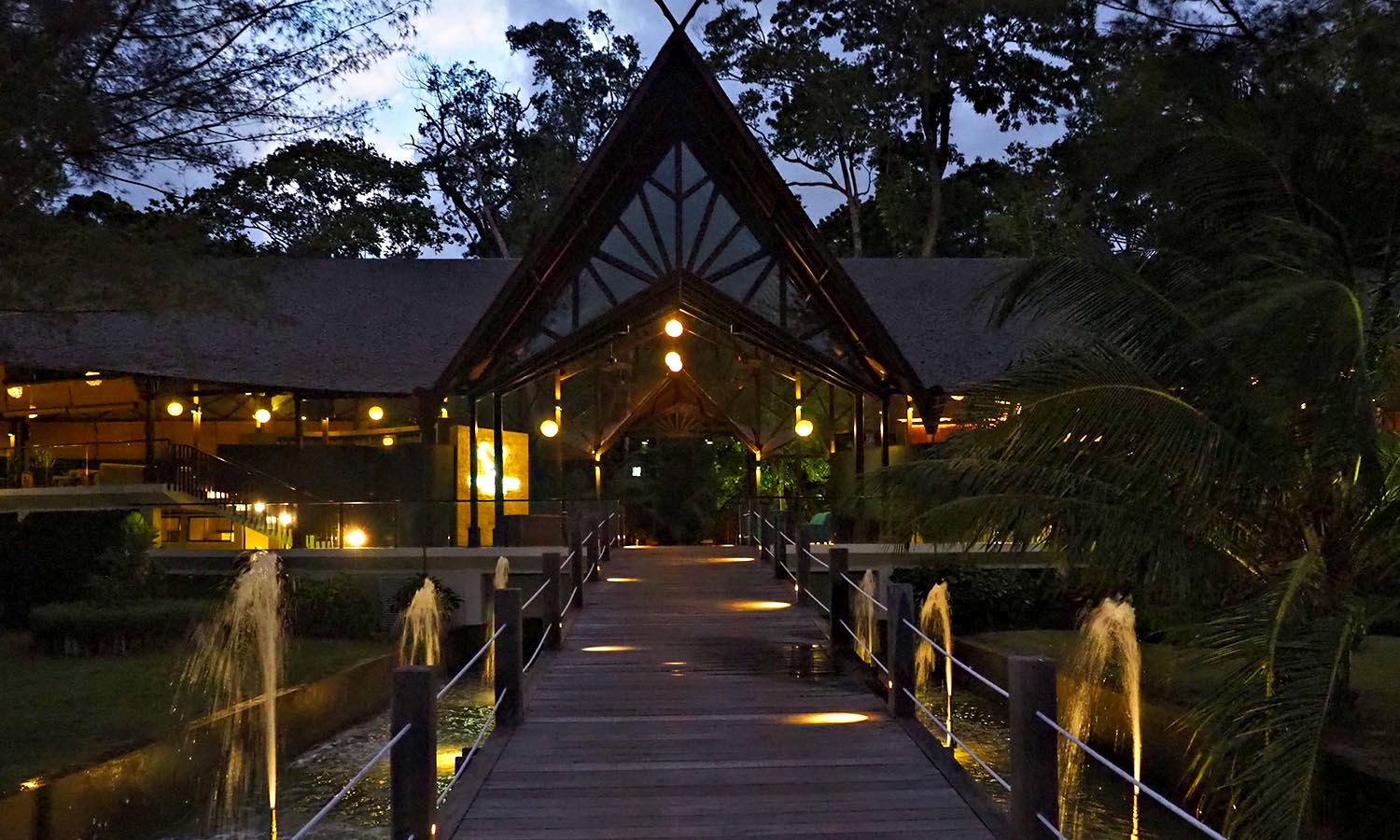
It’s a lovely countryside drive past colourful weatherboard houses, followed by a 30-minute boat journey through Kimanis Bay, to reach the destination. When they arrive on aptly named Pulau Tiga, a group of islands of the west coast of Sabah, guests of Borneo Eagle Resort are greeted at a large hut that’s said to resemble the wings of an eagle landing in its new nest.
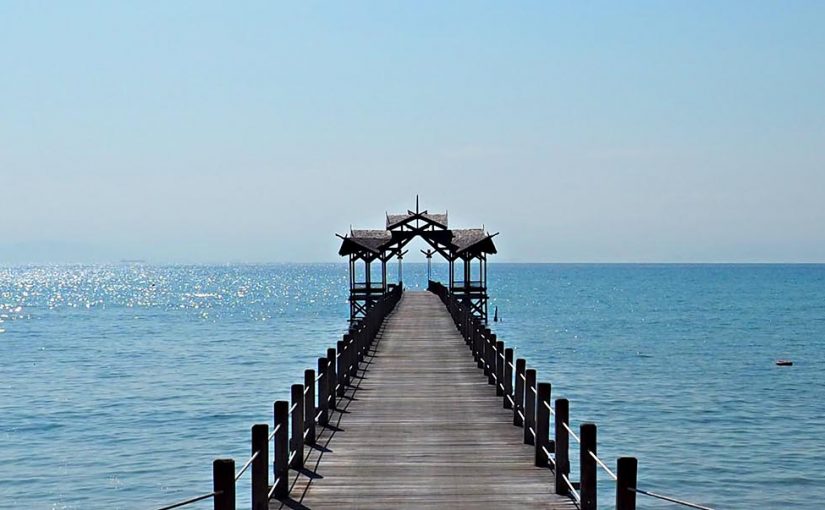
It’s small, considered details like this that make the resort so breathtaking. Like the first few minutes of a yoga class, arriving at the long timber jetty mimics one extended exhale into relaxation. From here, you have the choice of staying in a calming child’s pose equivalent by soaking up the sun’s rays alongside your private pool while gorging on fresh fruit platters or diving into a more adventurous flow with an island trek, diving, snorkelling and kayaking.
On my first night Benny, the resort’s manager, joins me for dinner at The Eagles Nest restaurant, which features a delectable menu using produce from the resort’s own farm, One Green. Benny tells me the overall goal of the destination is to get guests to relax. “You can tell,” he says. “When they get off the boat they’re full of stress, and we want to give them an opportunity to unwind.”
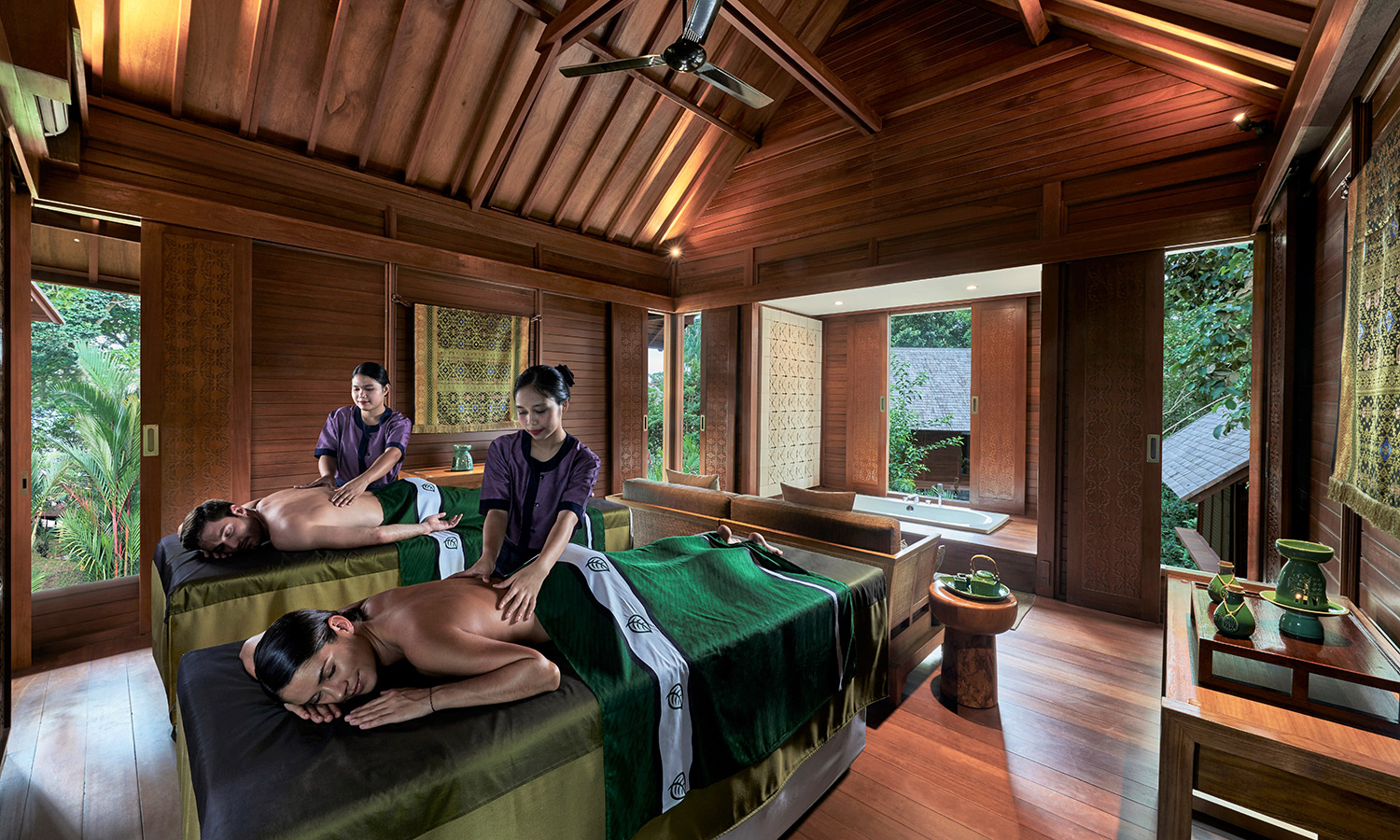
He insists I’m here to do the same, but I’ve never been good at relaxing travel and ask if we can arrange a snorkel safari followed by jungle trek … following my private in-room massage, of course.
The pathway back to my luxurious spa villa is every bit as exciting as the days to follow. To my right, through rustling leaves I spy monkeys playing hide-and-seek. Opposite, the ocean meets soft yellow sand, blanketing the shore in its crystal blue before receding back out to the reef that lurks below the glistening surface.
Sebastian, my personal attendant, warns me that while the monkeys may look cute, they’re actually quite aggressive: “You’re from Australia, so nothing probably scares you, but don’t get too close to them.”
“A little while ago, I saw a crocodile here,” Sebastian adds, glancing at me with a smile. “I’m not sure if it’s from the ocean or the freshwater inland, but either way, look out for the little guy.”
I’m glad my manicured pink nails and colourful floral kaftan does nothing to disguise my true identity and somewhere deep within me wants to respond with, “Yeah mate, that’s not a knife, this is a knife. But seriously, please don’t leave me in the jungle!” As we continue up the path, I sidestep away from a small monkey hiding in a nearby bush.
My villa’s courtyard is taken up by a private saltwater pool, fed directly from the ocean just metres ahead of me. I have the option to spend the following afternoon lazing on a bright yellow outdoor bed or flippering up to explore the reef. Of course, I opt for a date with the fish and hope Mother Nature pulls through with the weather goods and provides a clear, calm ocean.
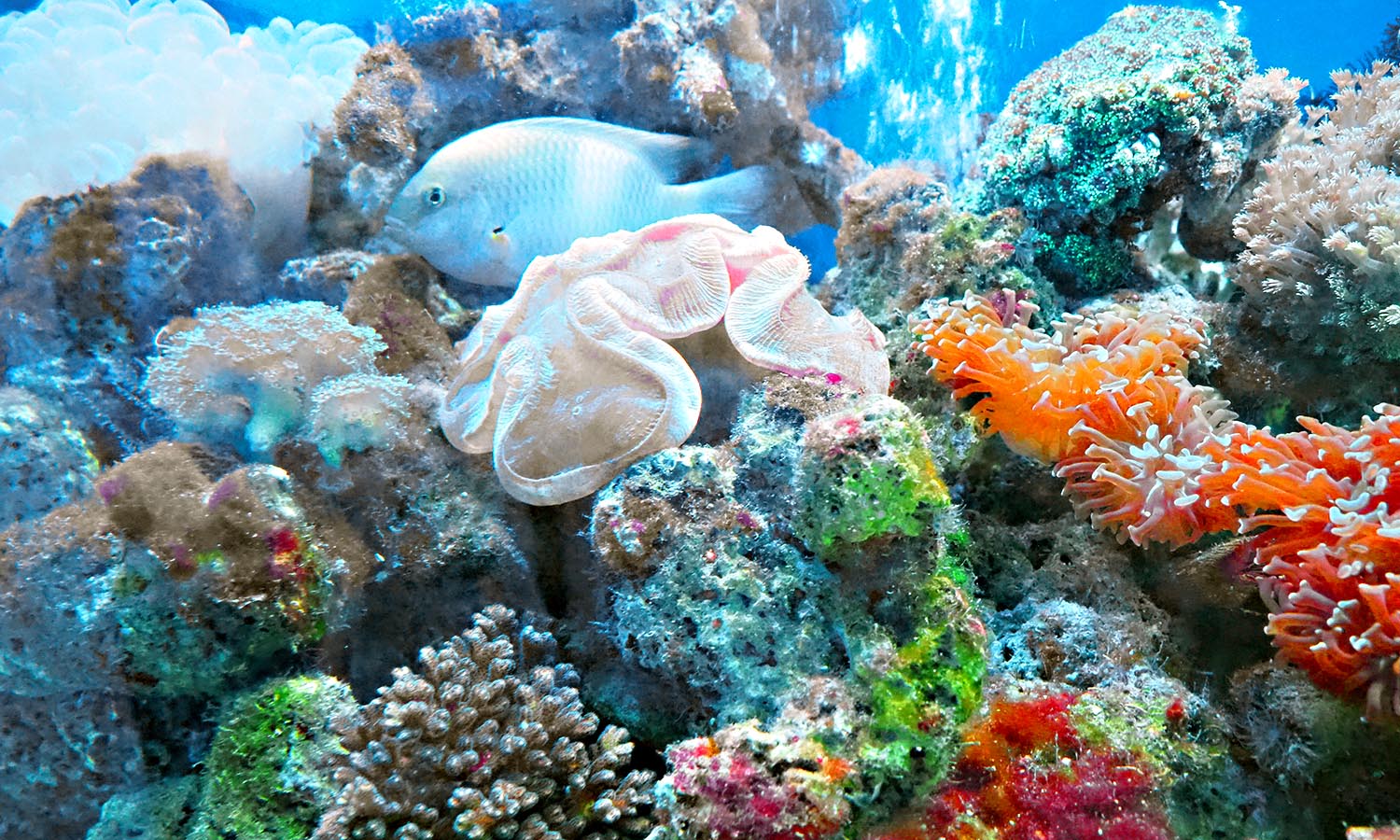
With my fins on and mask as ready as it can be, I walk backwards into the enticing cool of the not-so-calm waters. My hopes fade and Jane, my guide, yells over the crashing waves, “We’ve had a bit of wind so it might be a bit dusty.” We venture out as deep as we can go anyway. There are moments of clarity, but mostly it’s a particle-fuelled haze.
No matter, we keep trying and after seeing endless corals in browns, yellows and dusty pinks, a giant clam and a couple of colourful fish, we decide to retreat from the sea and venture further inland in search of monkeys, snakes, monitor lizards and the hornbill eagle. I’m thankful Jane is there to guide me and share her knowledge. “I learned from my dad who is a ranger on the island,” she tells me. “They originally discovered this island by accident. A fisherman got lost and, in the search, they found Pulau Tiga. They also found the fisherman who survived.”
She points out a liana, a long woody vine that clings to the trees and produces two types of liquids: one is safe to drink, the other poisonous.
“Only drink the clear,” Jane warns. “If it’s black or murky, it will be bad.” Suddenly, I feel like I’ve entered a game of Jumanji and everything is a test of survival. Jane points to a termite mound, standing among trees that dwarf it. “If you’re lost in the jungle, you can eat them,” she says. I take her word for it, since getting lost in the jungle isn’t high on my priority list.
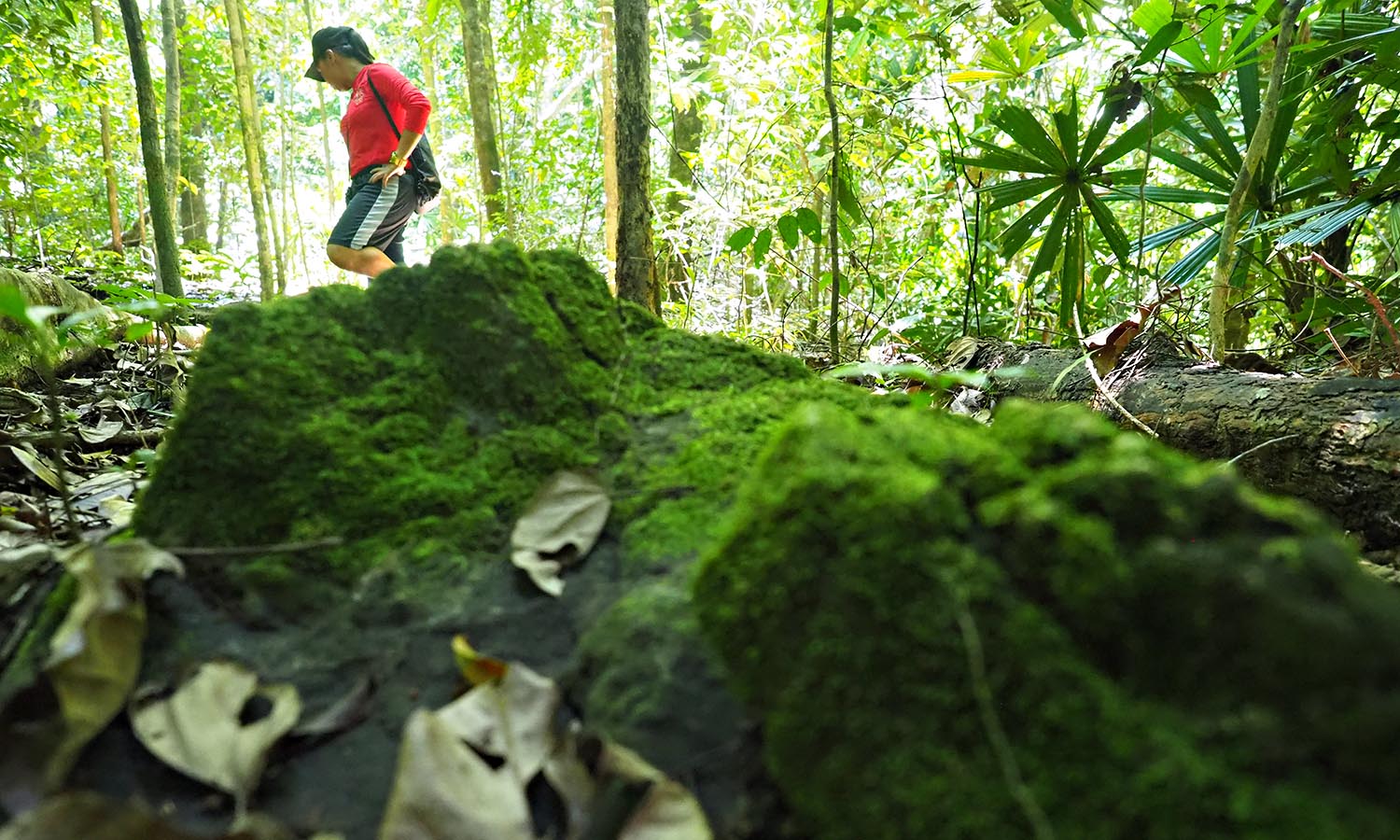
The trek is an easy one, and the only obstacles are some fallen trees and vines that occasionally catch my foot and send me tumbling. The air is thick and humid, and sweat covers every exposed inch of skin, offering up a gold mine to the local mosquitoes.
As we pass a long vine hanging from a tree, I contemplate channelling my inner Tarzan. “How sturdy are these vines?” I ask Jane, hand on the woody vine ready to launch. “I wouldn’t pull too hard,” she responds quickly. “There are two things you’ll find up there: snakes or a hive.” I pack away the loincloth, step away from the not-so-sturdy rope, and shield my face from a possible falling snake.
“Are the snakes here deadly?” My Australian ‘nothing scares us because everything is deadly in my country’ confidence has waned. “Yes, on snake island [one of the three islands that make up Palau Tiga] there are the yellow-lipped sea kraits.
“I don’t know why they call it yellow,” she explains. “It’s black and white. Anyway, they try to bite you between the fingers because it’s venom gets into your system quicker. They’re very dangerous. More poison than a cobra.”
Deadly snakes aside, I’m quickly distracted by the beauty of the jungle. It’s far greener than I ever imagined, with tall trees forming a lush emerald canopy that occasionally parts to reveal a glimpse of blue sky and sun. Vines weave their way from branch to branch, like purposefully placed decorations. There’s the occasional hoot of a monkey or squawk of a bird, but the jungle of this small island is otherwise peacefully silent bar the rustling of leaves.
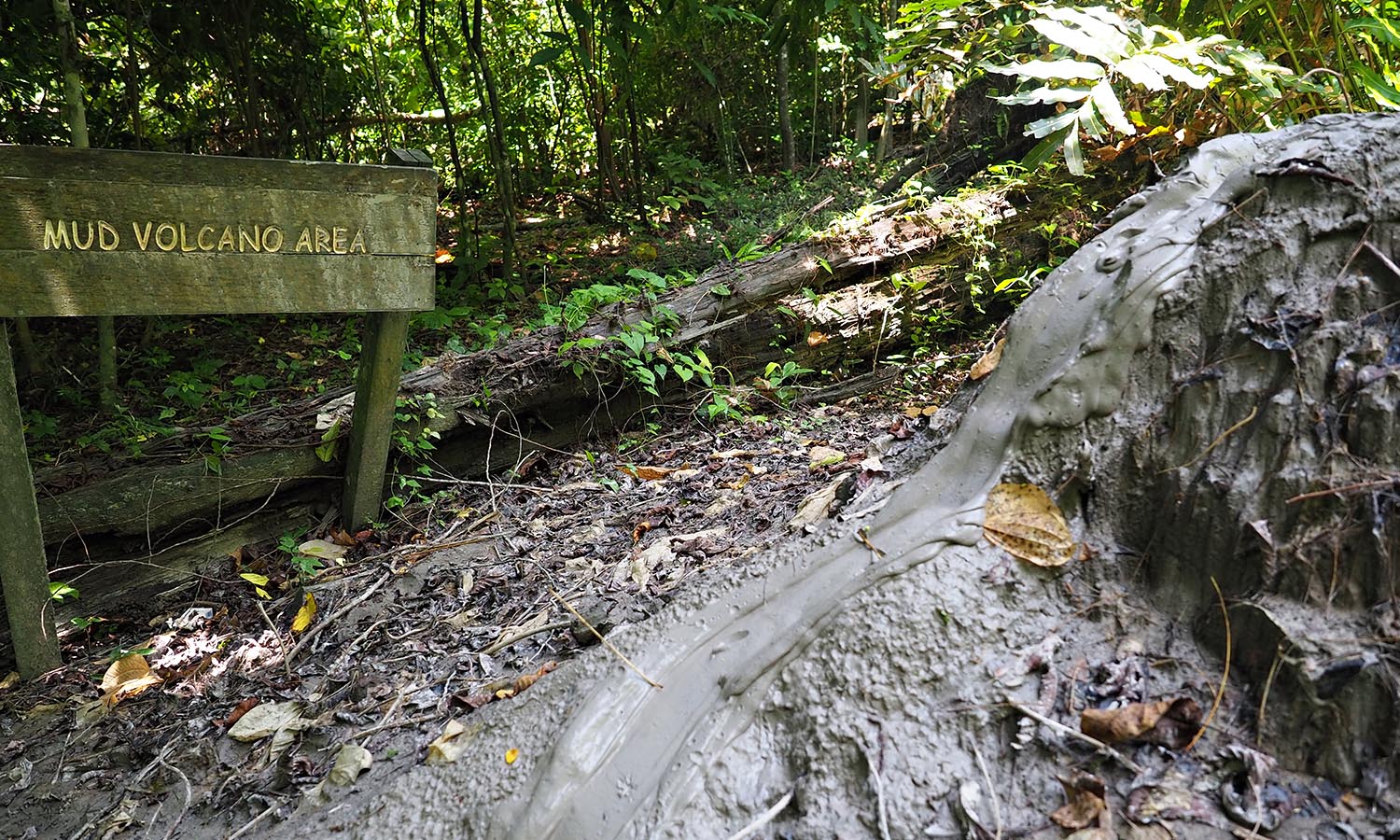
Eventually we make it to the mud volcano area, for what’s known as virgin mud. Don’t let the word volcano fool you. When we arrive, I’m shown to a small mound that’s been pushed up through the earth by the pressure of sulphur gas, forcing mineral-rich mud to flow from the top. It’s unsightly and reminds me of a very specific part of the human anatomy, thankfully without any offensive smells. The mud is said to have therapeutic properties, and is not out of place in Borneo Eagle’s spa features.
Jane tells me to scoop up a handful of the grey mud and smother it over my skin. “It’ll make you look 10 years younger,” she insists. I’m hesitant. Sticking my hand in a gurgling hole as if it’s the fountain of youth seems more akin to an Indiana Jones movie than a Sunday trek, but I do it anyway. I slather the grey paste on my face. It is smoother than I expected and glides over my sweaty skin like clay. It feels surprisingly comforting and calming and, as an added benefit, instantly shields my body from the thickening heat of the day.
On the trek back to the resort, the mud’s cooling effect works so well, I almost need a jumper in the 30ºC heat. As a bonus, it also acts as a natural bug repellent. When we arrive back at the resort, I enter the ocean a swamp monster and imagine re-emerging a youthful, toned Bond girl. Alas, the mirror’s reflection tells a different story – I look like the same version of me, only a little less stressed and puffy around the eyes. Benny was right, maybe there is something to this relaxation thing after all.
Picture this: you’re on an extended getaway – somewhere warm and tropical, perhaps – where you can spend both quality time relaxing with your loved ones AND fulfilling work requirements remotely.
Well, thanks to the launch of Banyan Tree Group’s new initiative, Habitat, that dream could become a reality. Habitat aims to redefine travel and offer a new way of living, working and holidaying by allowing guests to enjoy long-term stays at more than 30 Banyan Tree, Angsana and Cassia properties around the globe.
Purchase a Habitat Pass and you’ll be able to book stays in units of seven nights (with the option to move between properties), save up to 60 per cent on normal prices, and benefit from special Habitat-only inclusions like airport transfers, complimentary breakfast, wellness activities and free, unlimited wi-fi.
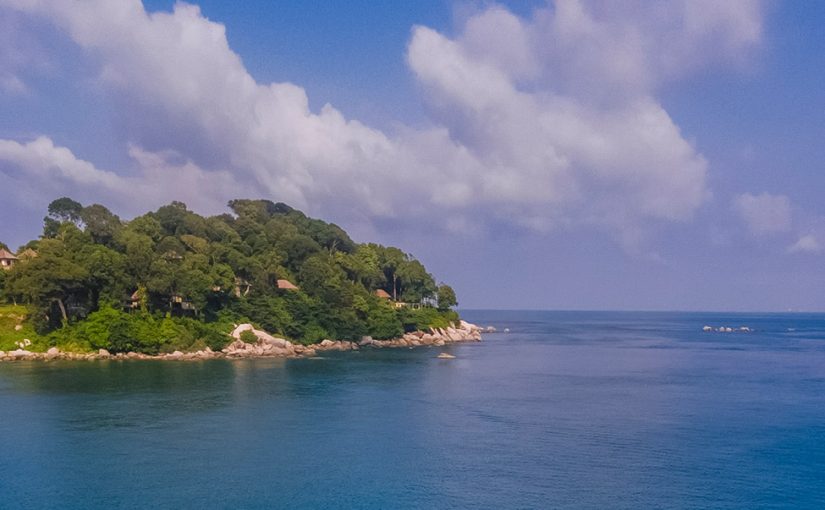
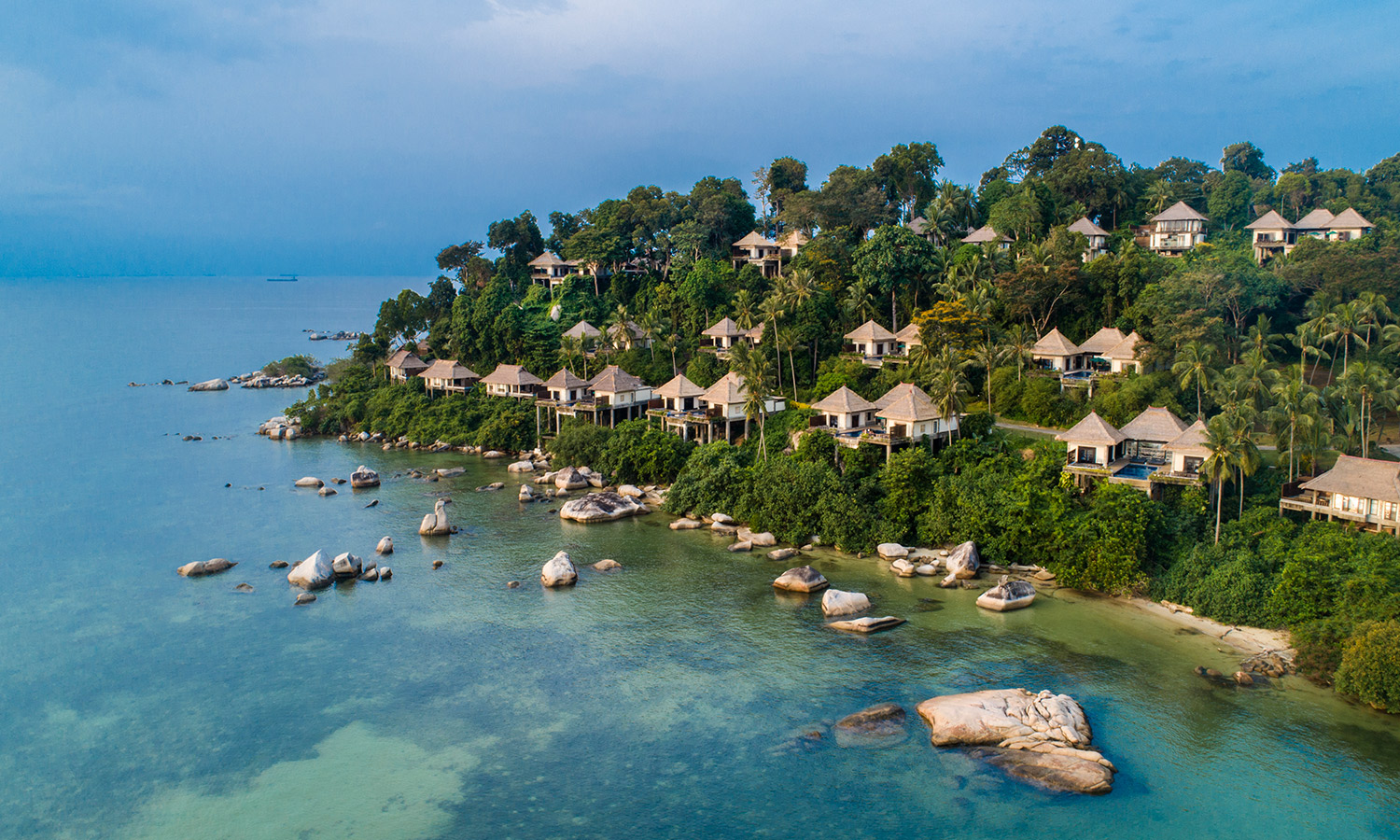
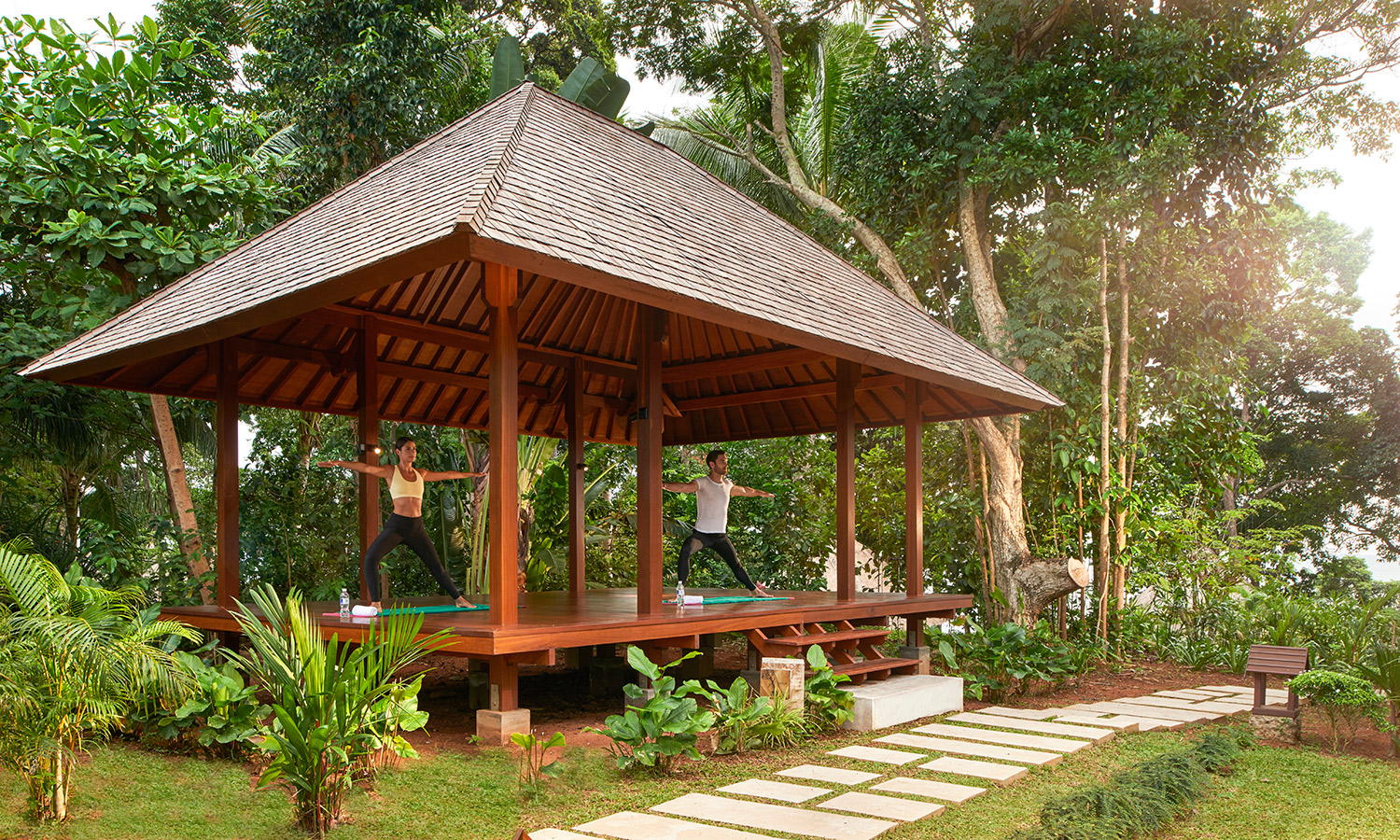
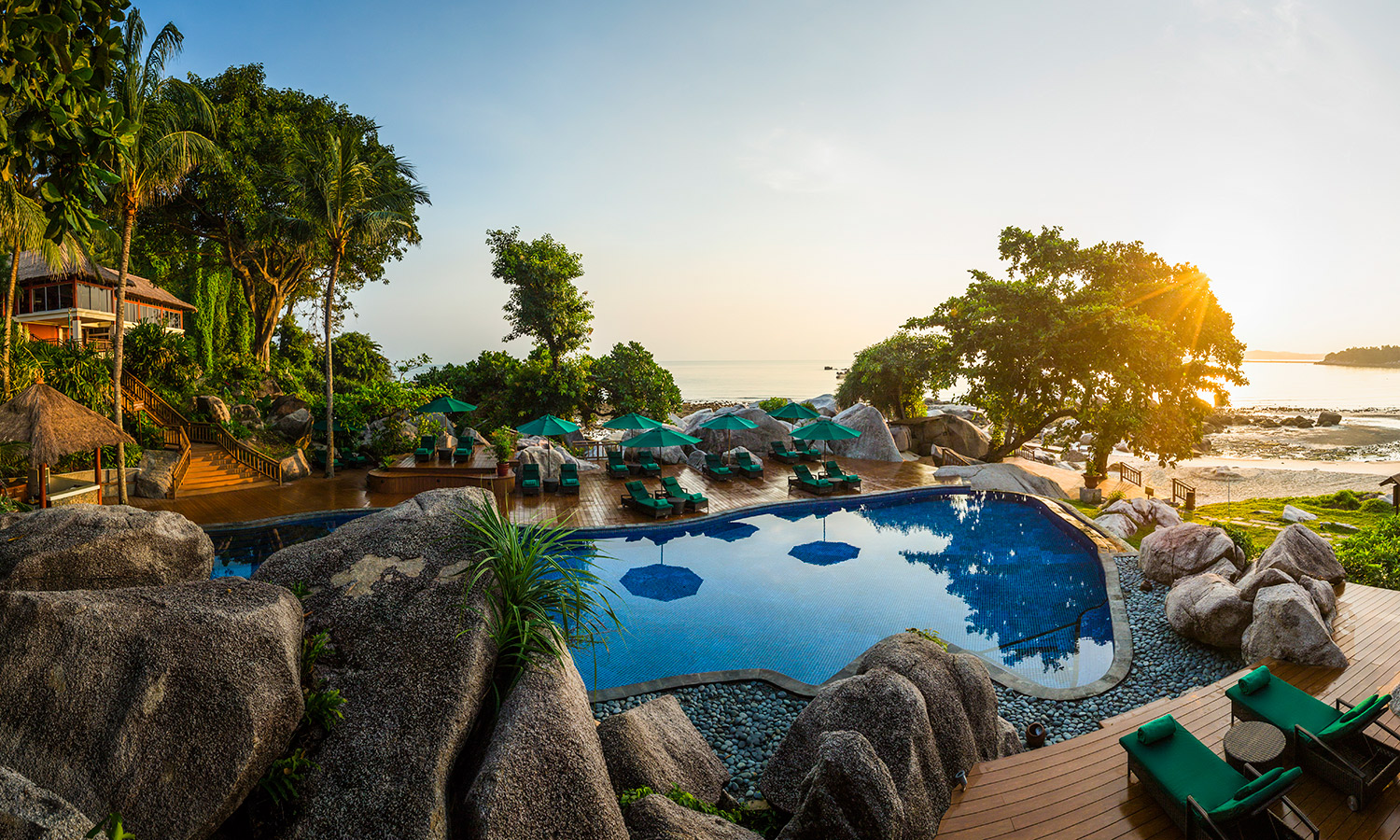
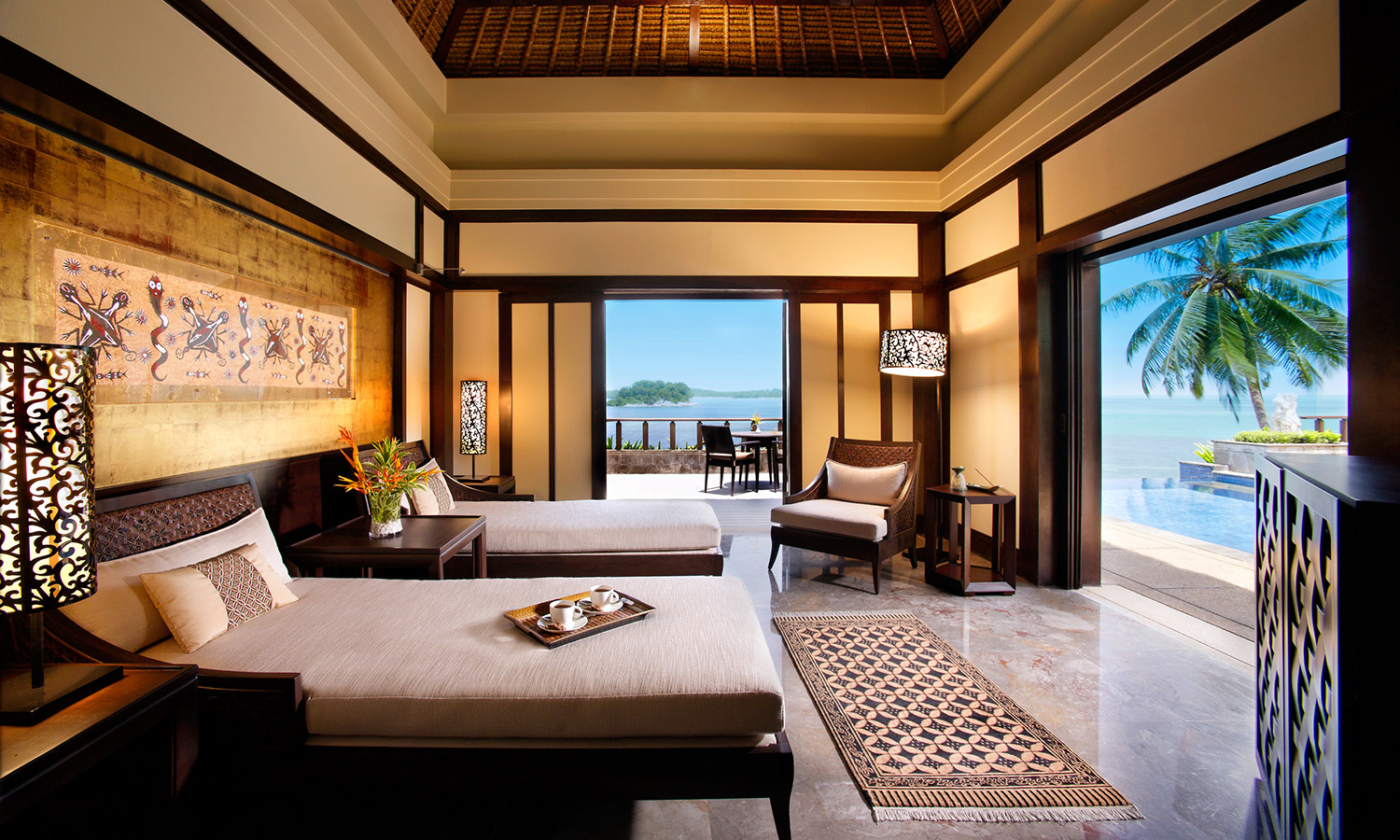
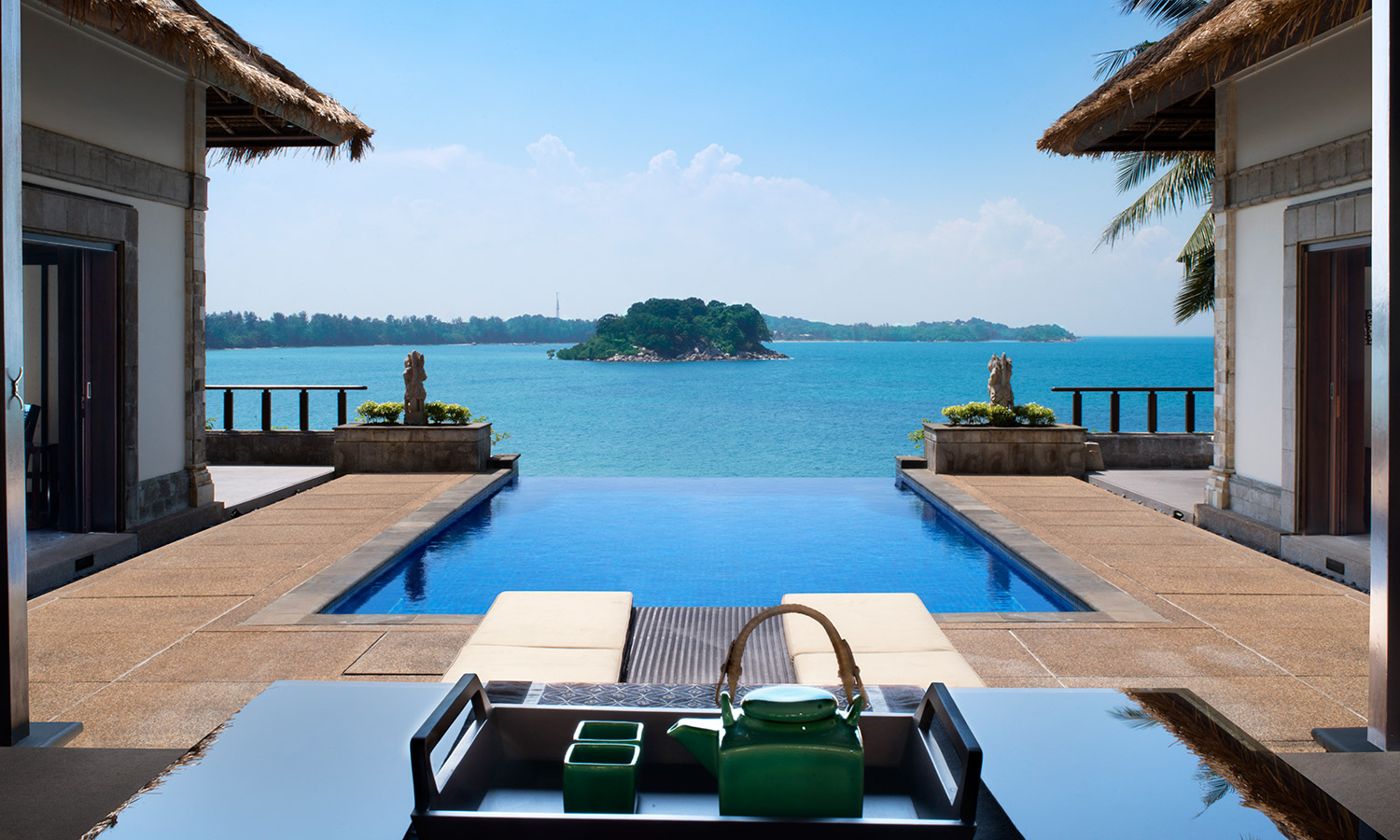
One of the properties available is Banyan Tree Bintan, which is perched atop a secluded bay on the northwestern tip of Indonesia’s Bintan Island. Boasting a range of spectacular Balinese-style villas (all with plunge pools), it’s hard to imagine a more gorgeous location to whip out the laptop and do a bit of work.
Once it’s time to clock off though, you can laze upon the resort’s private beach, tee off on the championship golf course or indulge in a pamper sesh at the acclaimed day spa. Because life’s all about balance, right? And that’s exactly what the Banyan Tree Group’s Habitat project is hoping to inspire.
It’s already pretty clear that due to Covid-19, the way we holiday is set to change dramatically. Out: crowded tourist hot spots, jam-packed festivals and busy major cities. In: remote locations, undisturbed seclusion and travelling with known groups of people (think family and close friends). Which means Aman’s new A Camp Of Your Own experience could not have arrived at a better time.
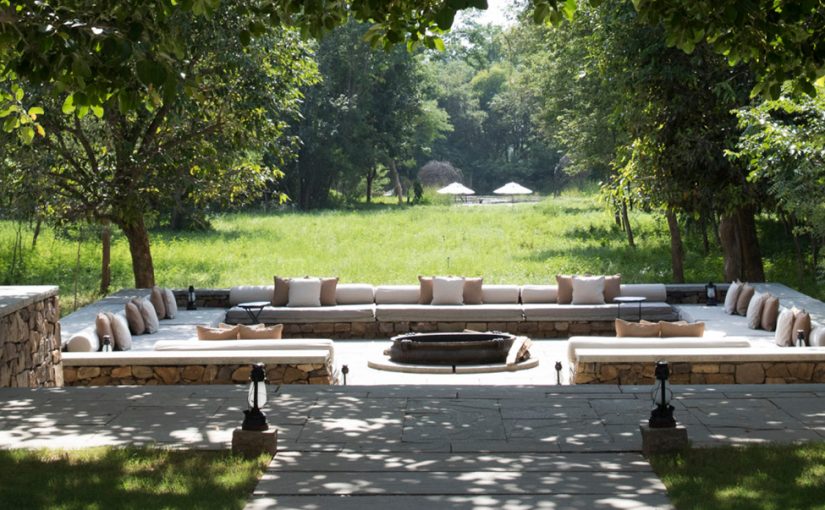
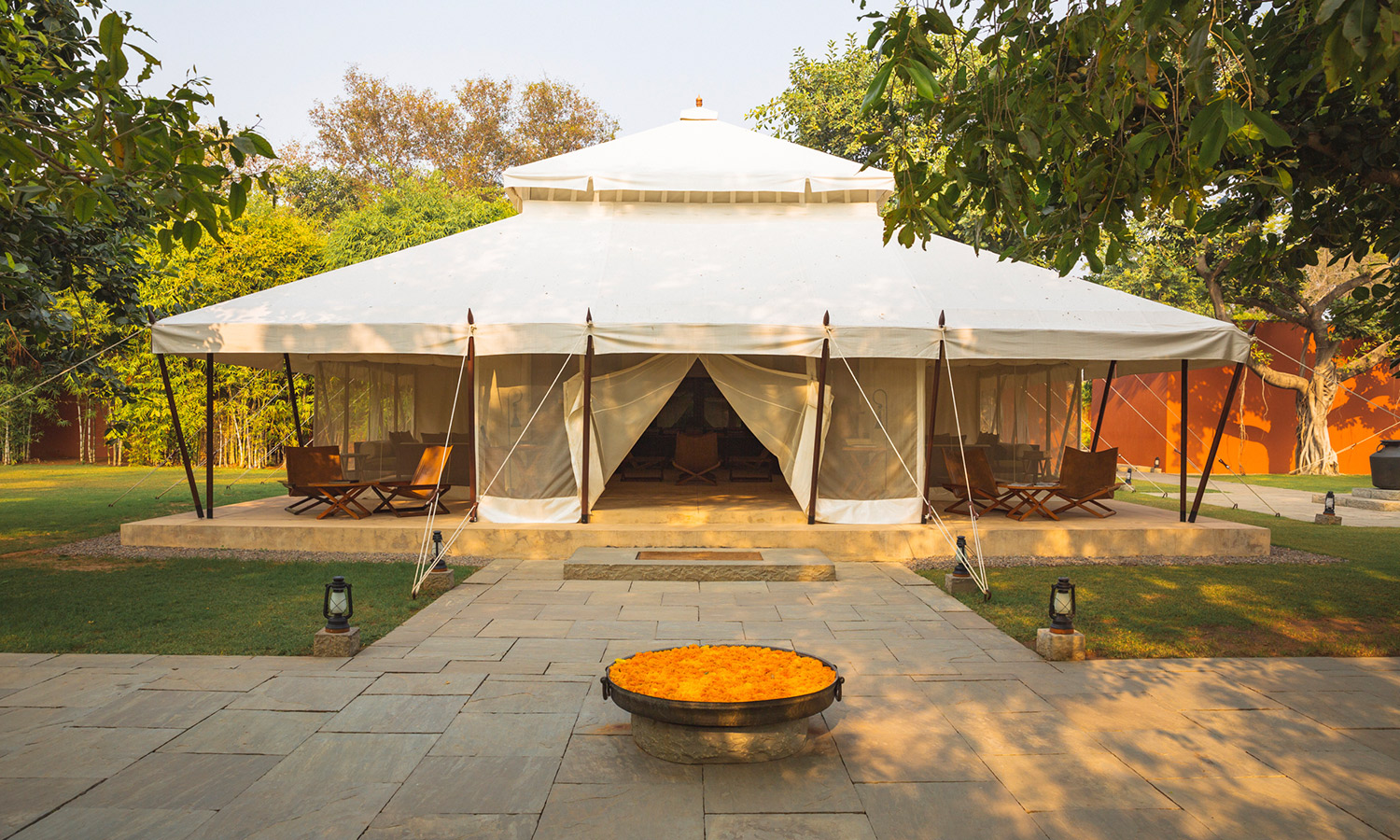
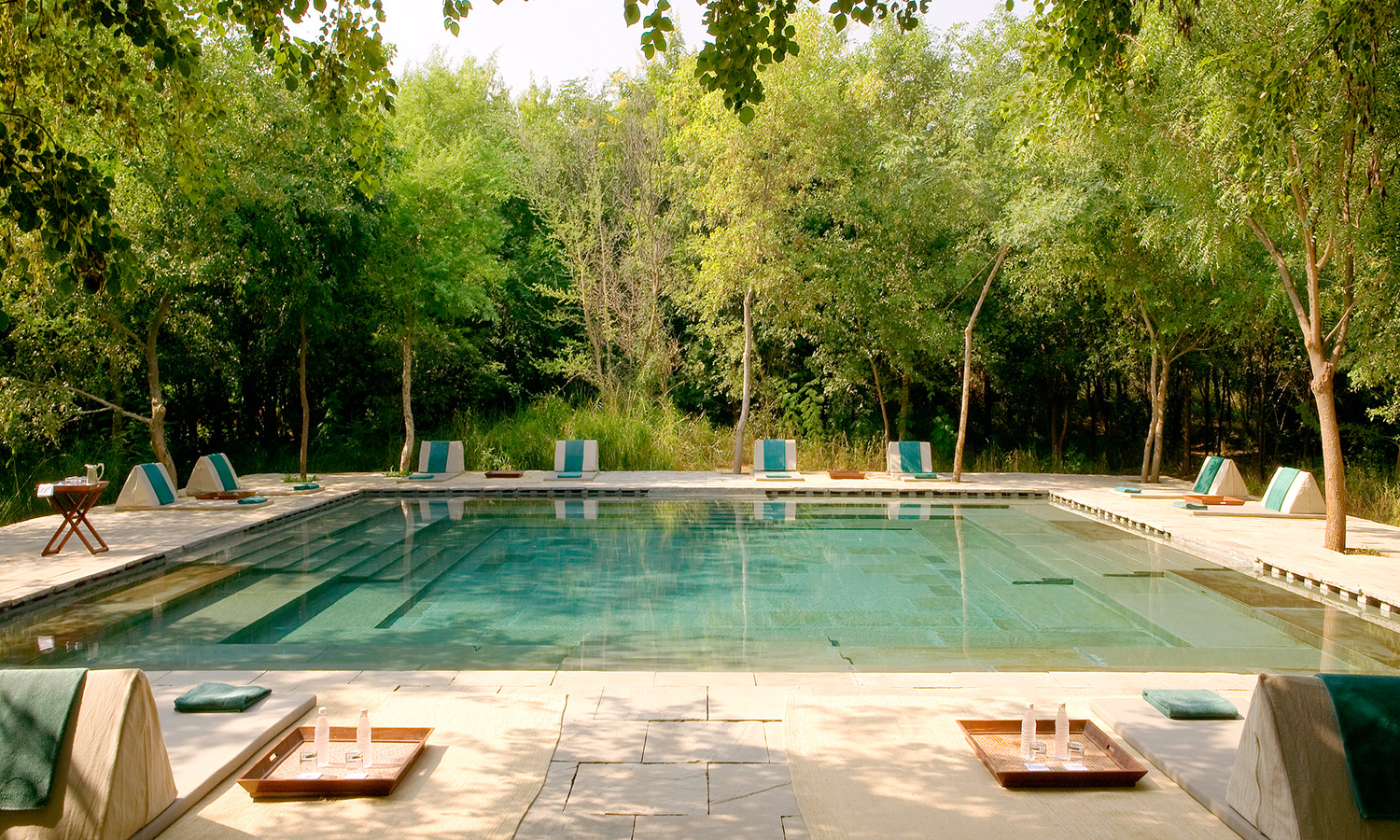
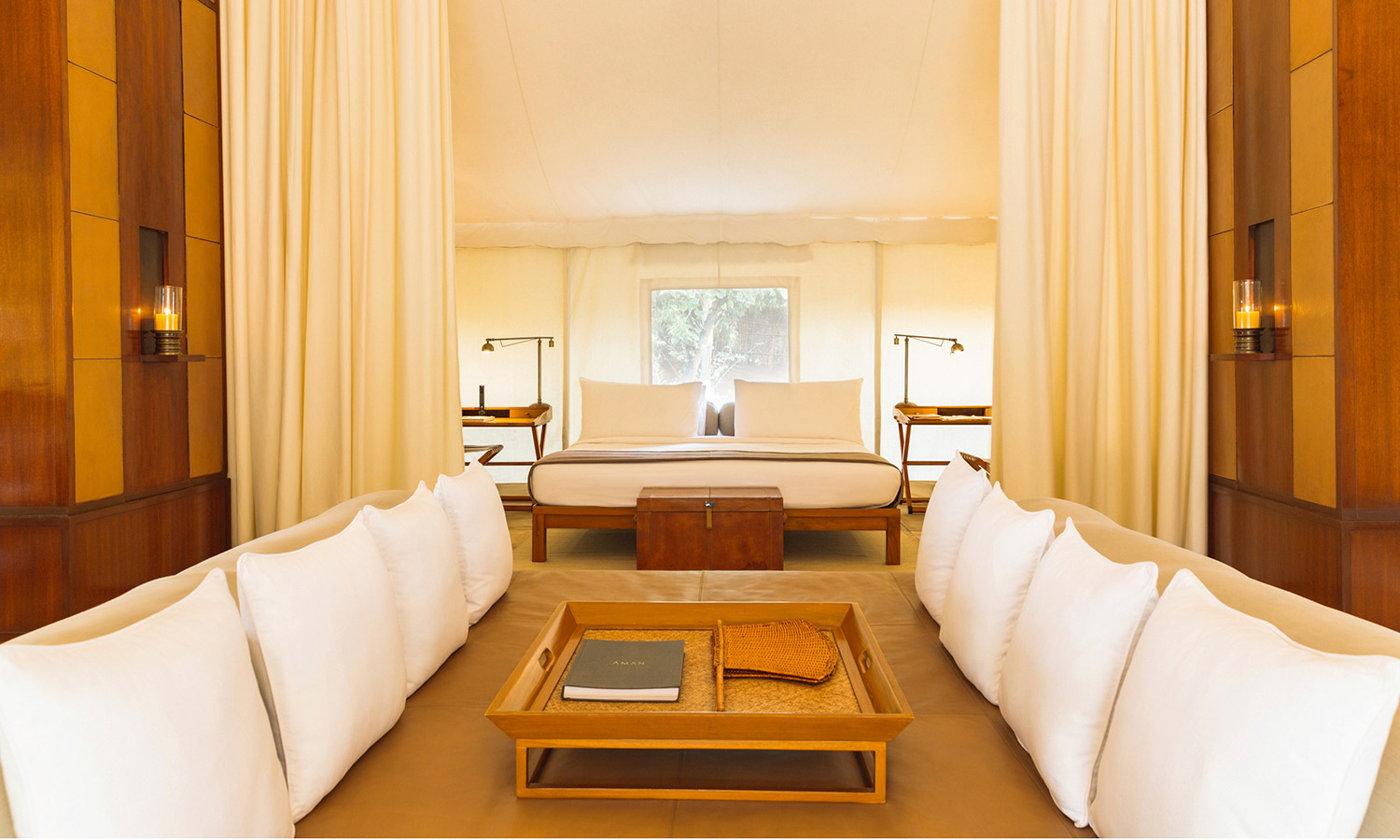
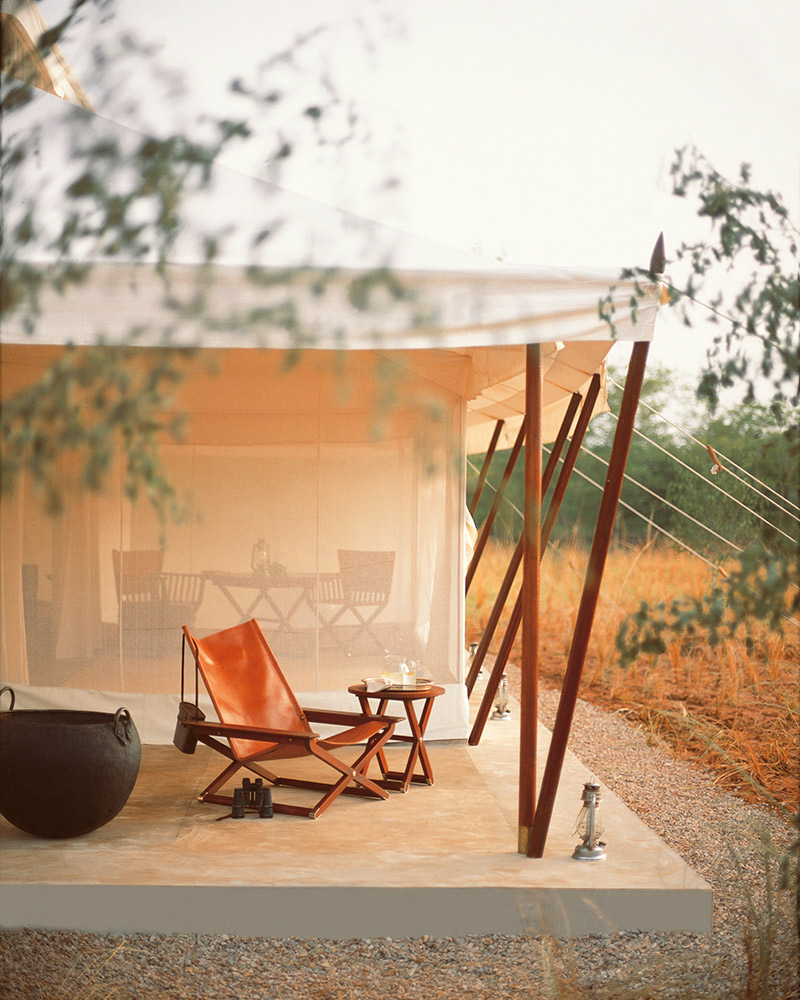
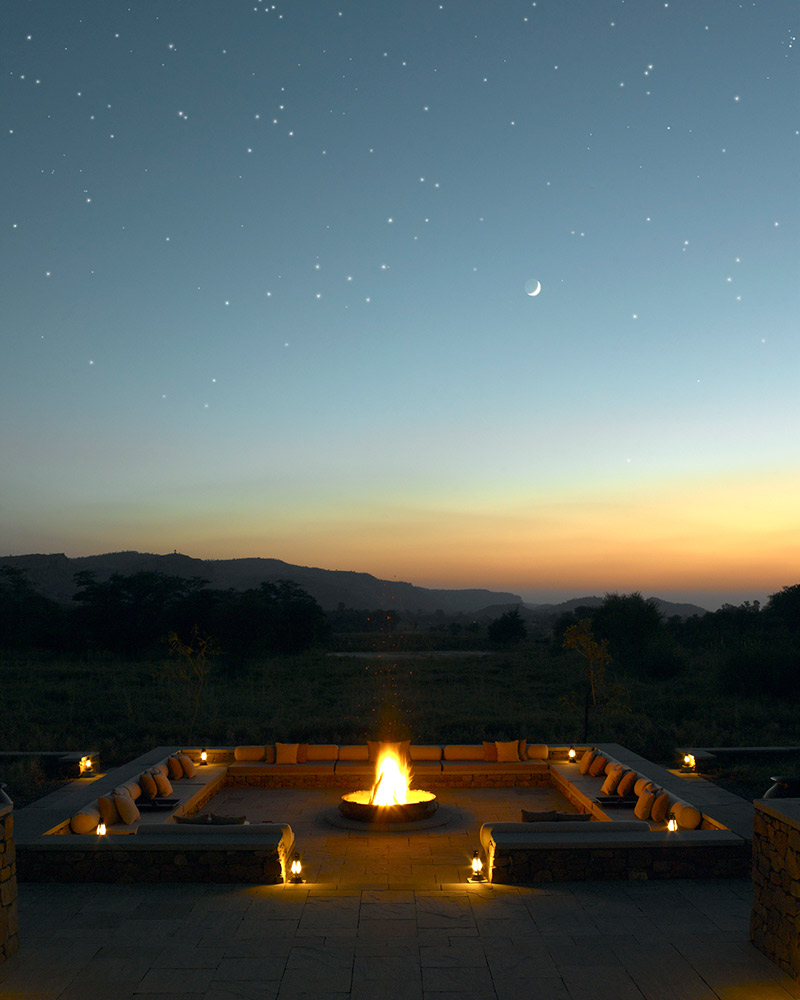
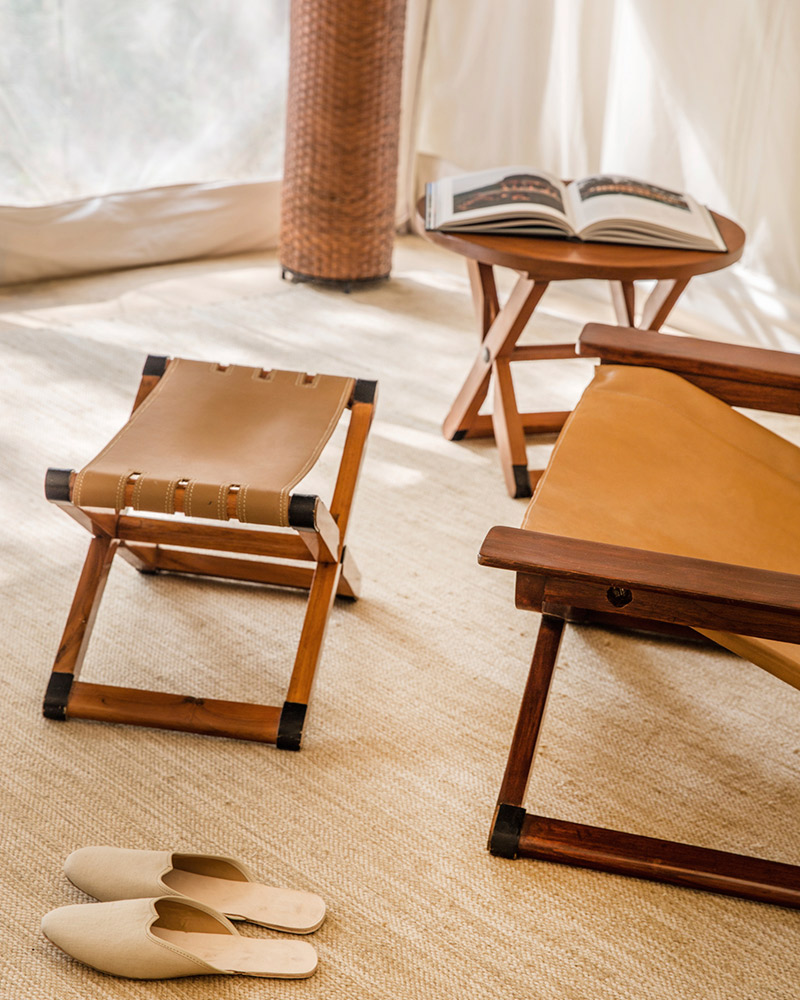
Available at Aman-i-Khas, an isolated wilderness retreat in rural Rajasthan, you can now book out the camp’s entire suite of 10 luxurious Mughal-style tents for a super exclusive getaway. Offering a private insight into the incredible site and its gorgeous surrounds, the unique opportunity guarantees a truly unforgettable adventure.
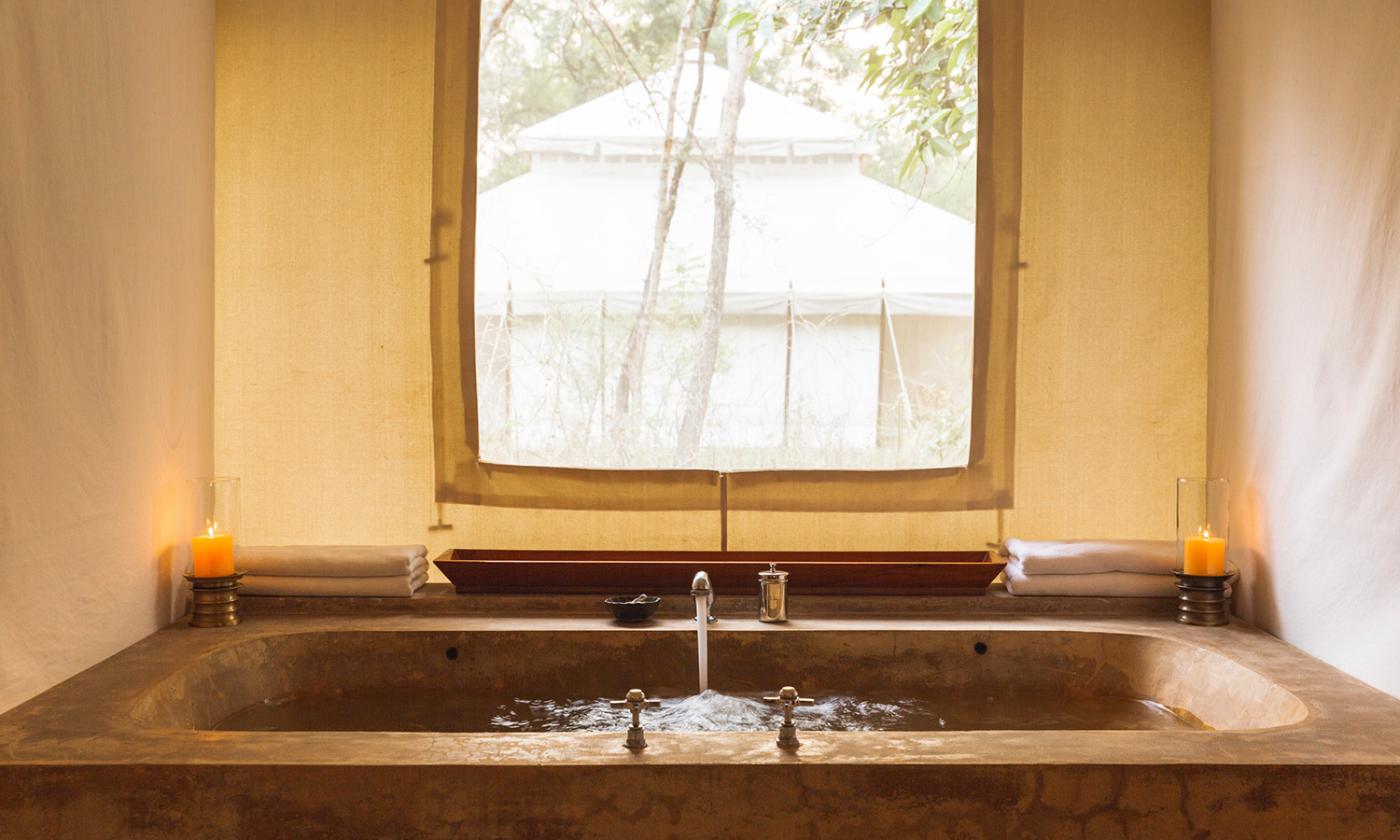
As part of your stay, a dedicated team of Aman staff will be on-hand to see to your every desire – be it running an aromatic bath (prepared with fresh flowers from the camp’s organic garden, of course), transporting you to various activities or whipping up world-class meals that are served in either the softly-lit Dining Tent or at one of the many outdoor settings.
Daily safaris into Ranthambore National Park where tigers, leopards, sloth bears and spotted deer roam can be arranged, as can birdwatching trips, daily yoga and meditation sessions, camel rides through local villages, and cultural excursions to Ranthambore Fort and Khandar Fort.
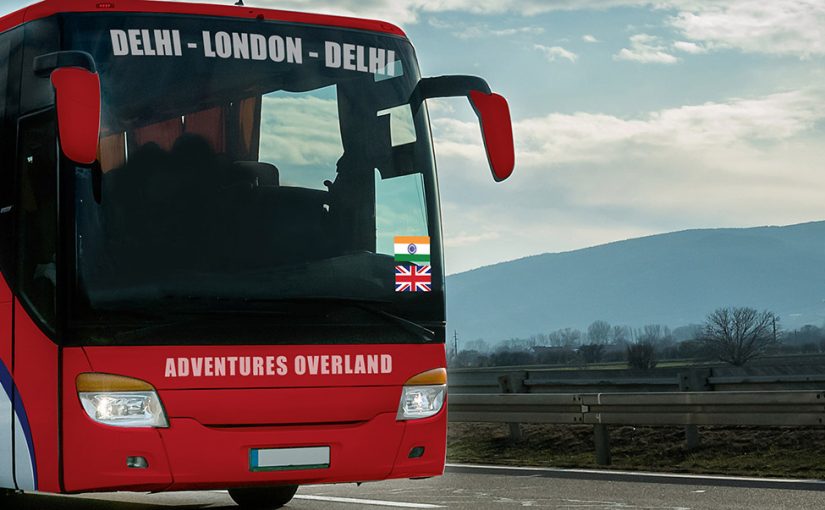
If you thought multi-day bus tours were typically reserved for young, first-time travellers à la a Contiki-style trip or organised groups of elderly retirees, let us introduce an ambitious new bus service promising the adventure of a lifetime.
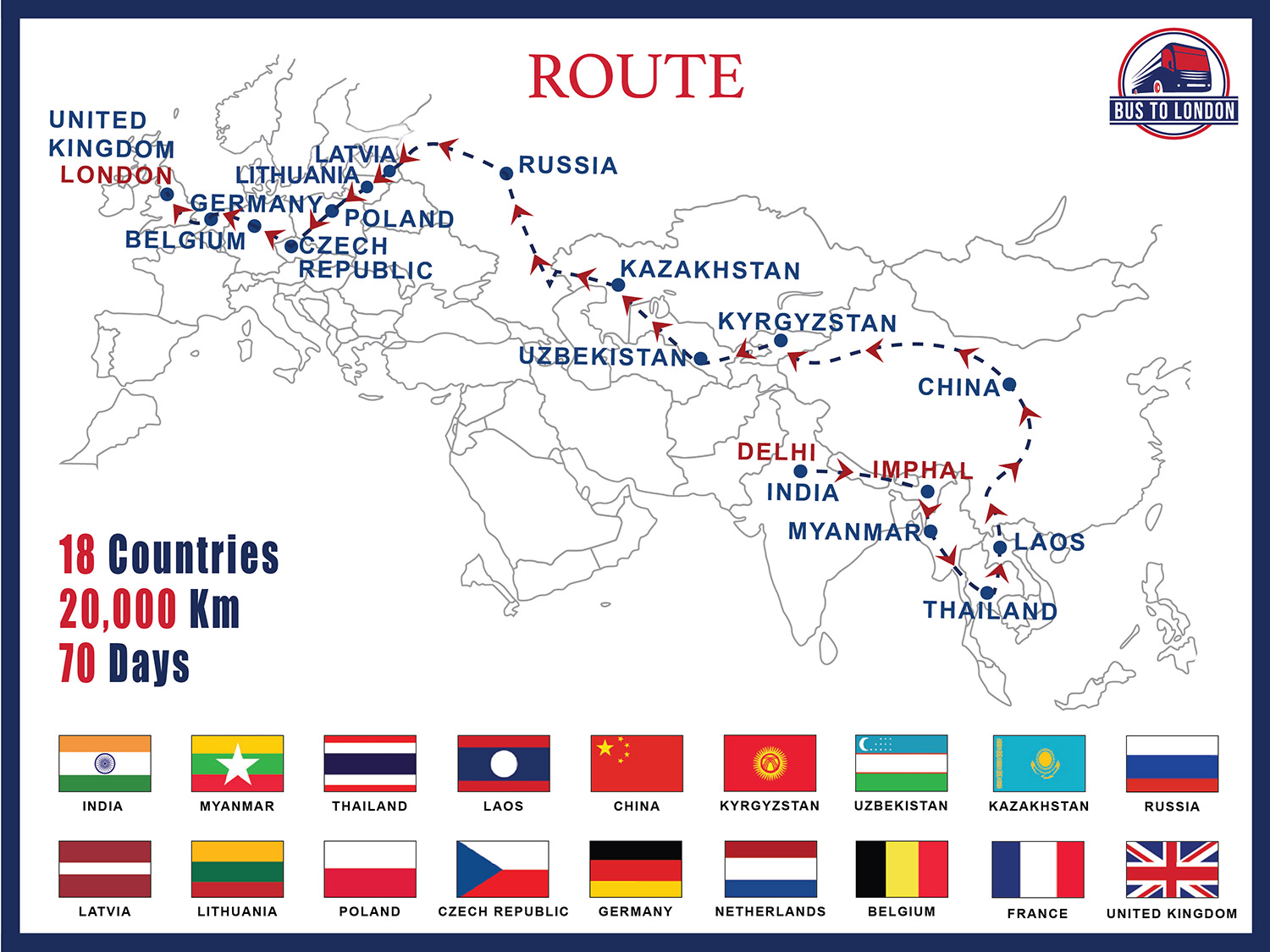
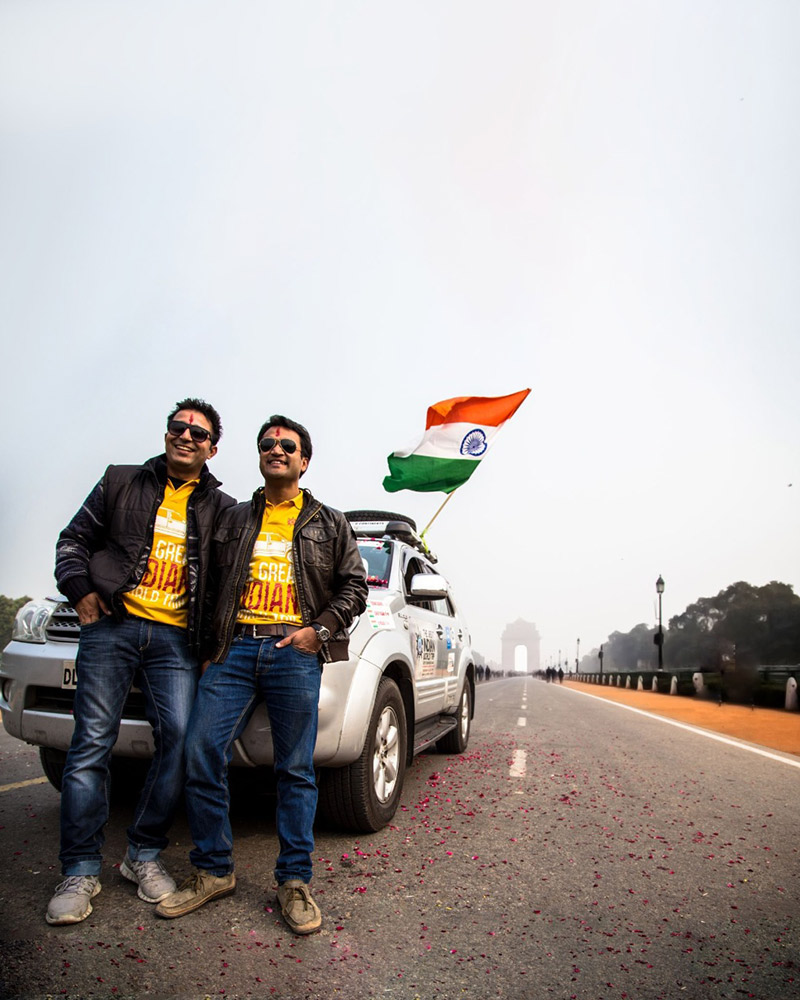
The epic 70-day Bus to London tour by expedition company Adventures Overland is one hell of a cross-continental journey. Beginning in Delhi, India, and traversing 18 different countries before finally reaching the UK capital of London, the hop-on hop-off itinerary will cover around 20,000 kilometres.
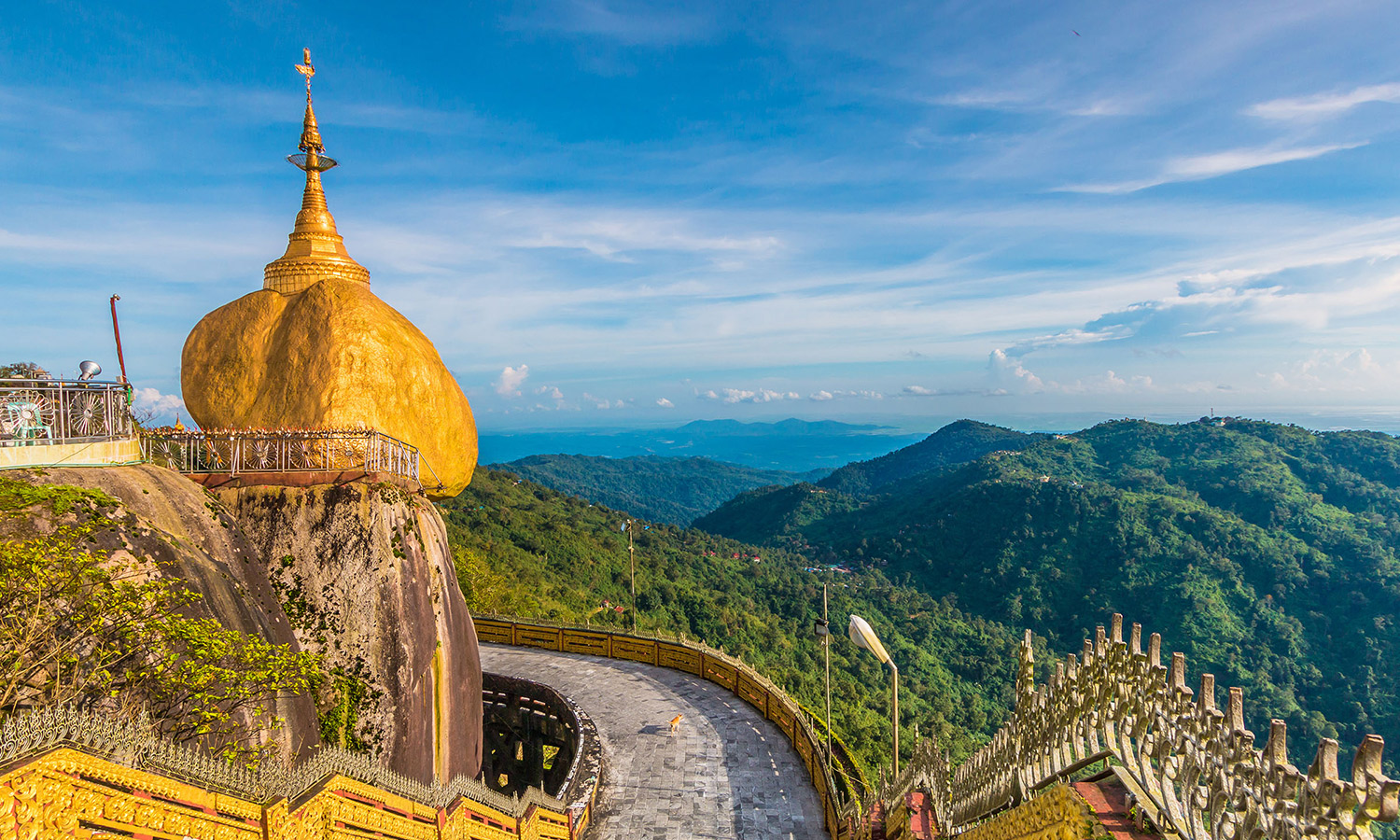
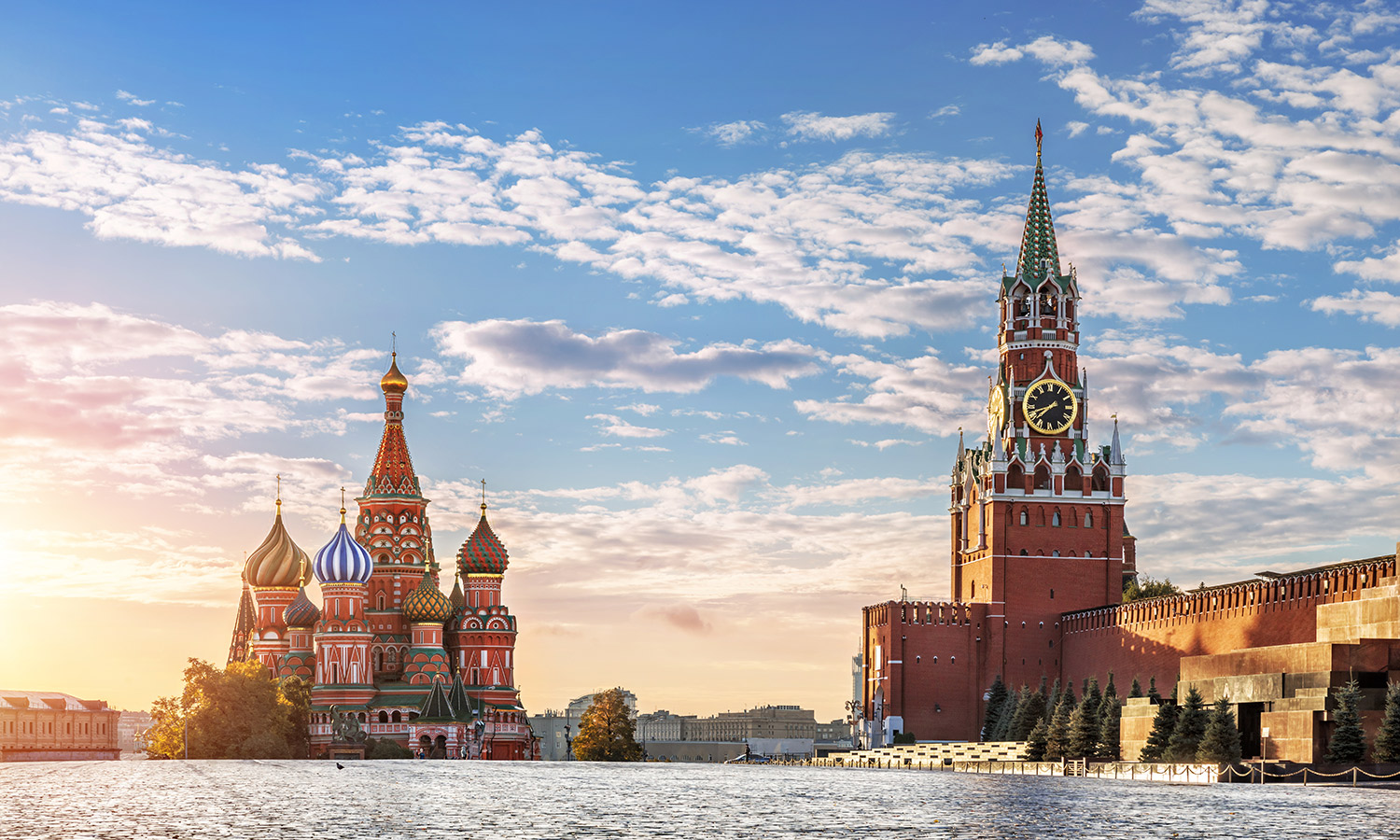
Partly inspired by the Hippie Trail movement of the 1950s and 60s, which saw thousands of young people embark on long-haul road trips from Europe to Asia, the Bus to London route will bypass major landmarks such as Myanmar’s Kyaiktiyo Pagoda, the Great Wall of China and the Red Square in Moscow. Other highlights include a thorough exploration of the ‘Stans (Kyrgyzstan, Uzbekistan and Kazakhstan), Baltic countries such as Latvia and Lithuania, and, of course, Euro faves such as Germany, Belgium and France.
Comfort is key on this expedition, and the purpose-built bus features all the luxury mod cons you’d expect from a first-class vehicle, like ample legroom, individual entertainment systems, private lockers and charging points.
The inaugural Bus to London tour departs in May 2021 (pending Covid-19 restrictions), and upon completion the bus will embark on a return voyage back to India. Now if this doesn’t get you excited for the return of international travel and incredible, one-off experiences, we’re not sure what will.
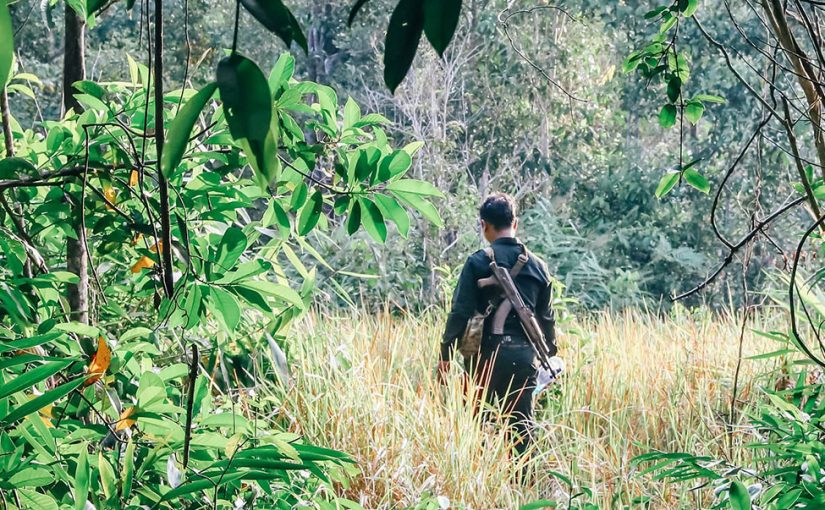
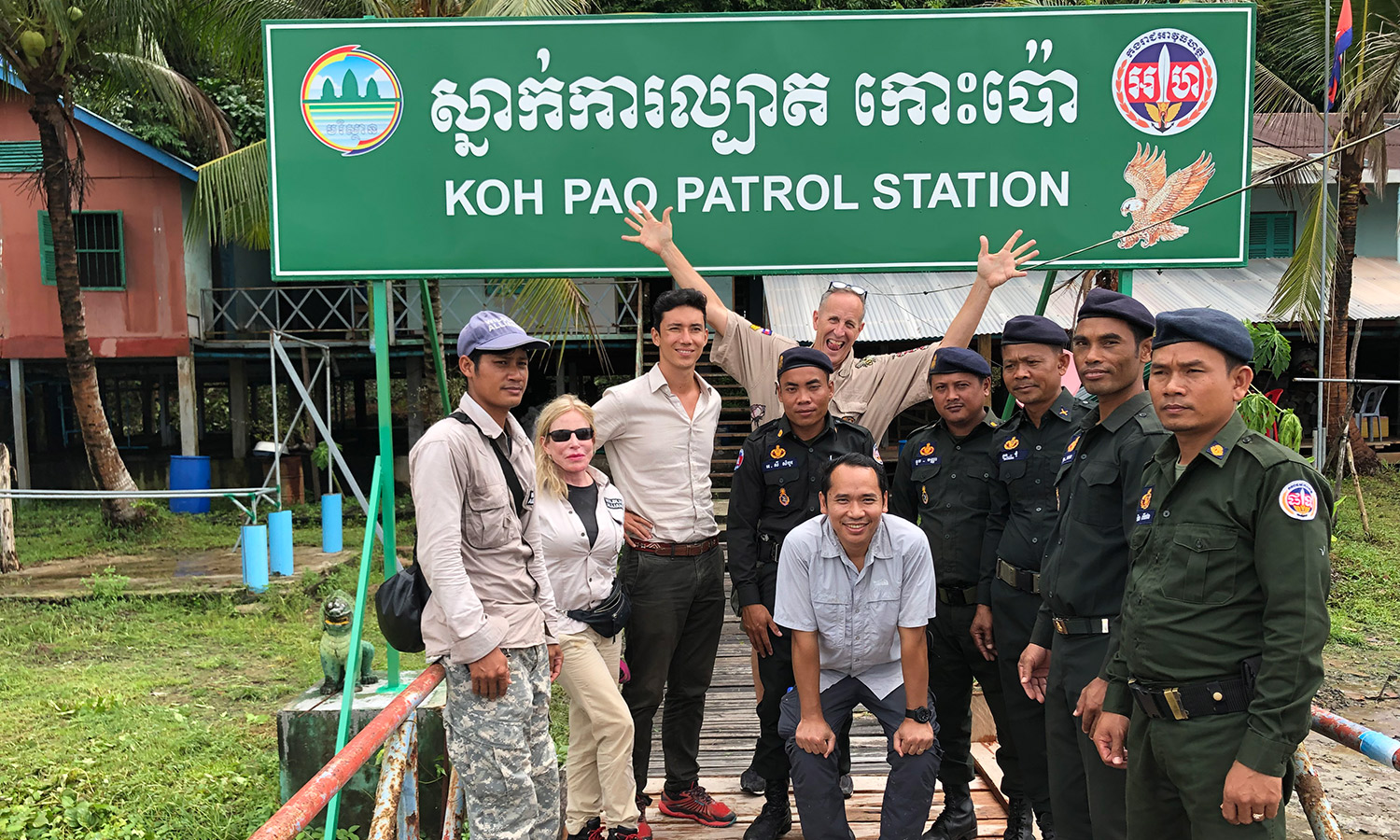
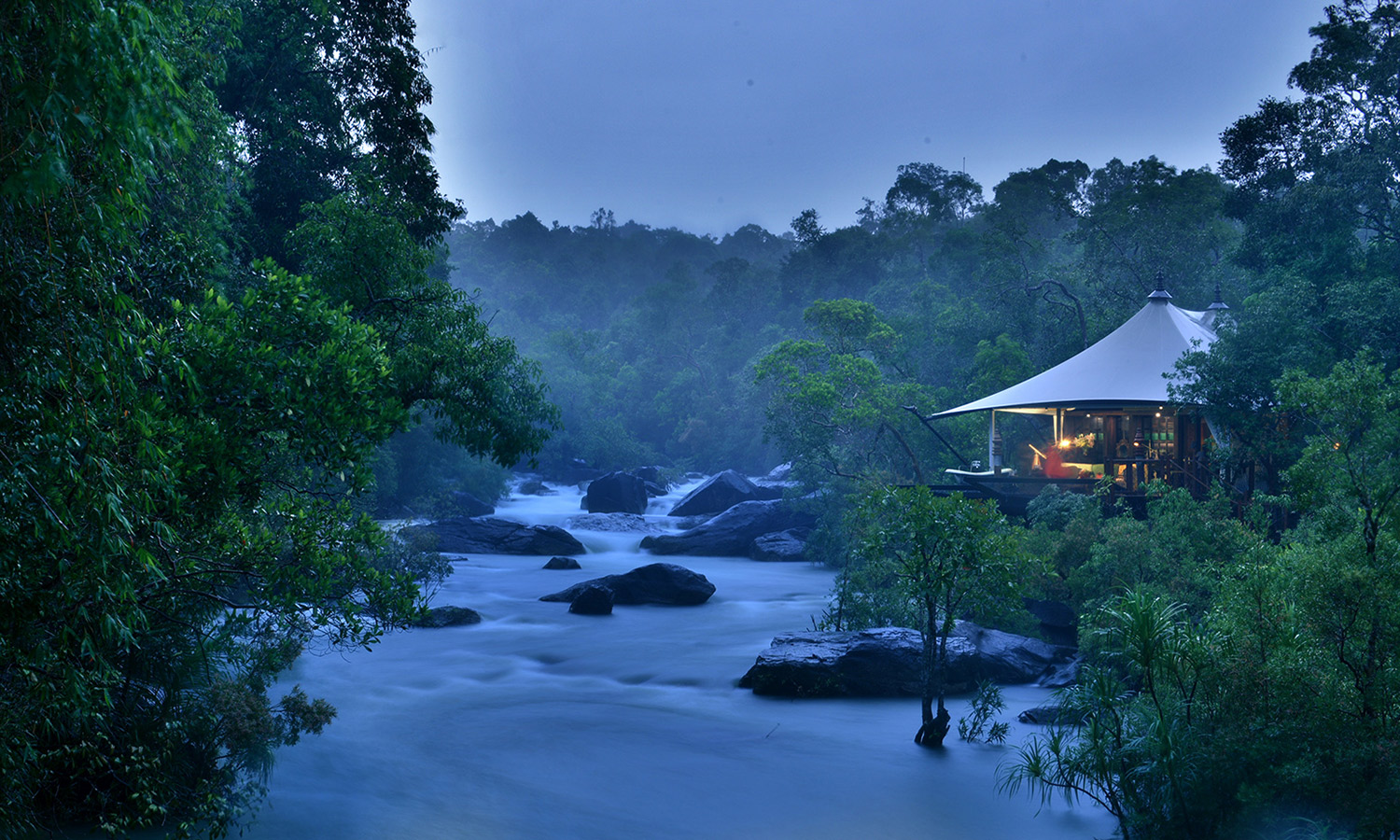
Deep in the South Cardamom Mountains in Cambodia you can jump on the back of a motorbike with an armed ranger and help protect the rainforest and local wildlife. The initiative is a partnership between luxury tented camp experience Shinta Mani Wild and not-for-profit conservation organisation Wildlife Alliance. The camp was built with the sole purpose of protecting the rainforest, and a stay here means you can head out with rangers daily – but it’s not for the faint hearted, they carry AK-47 rifles and large knives, and there’s a very real chance you’ll come across poachers.
Shinta Mani Wild has committed a lifetime of financial assistance to the cause and funds eight rangers, equating to the protection of 2,000 hectares of forest and 500 animals each year. Stay in one of 15 luxury tents perched above a cascading river with king-size beds, living areas and claw-foot verandah baths.
This is for those who want to be completely off-grid, without forgoing any luxuries.
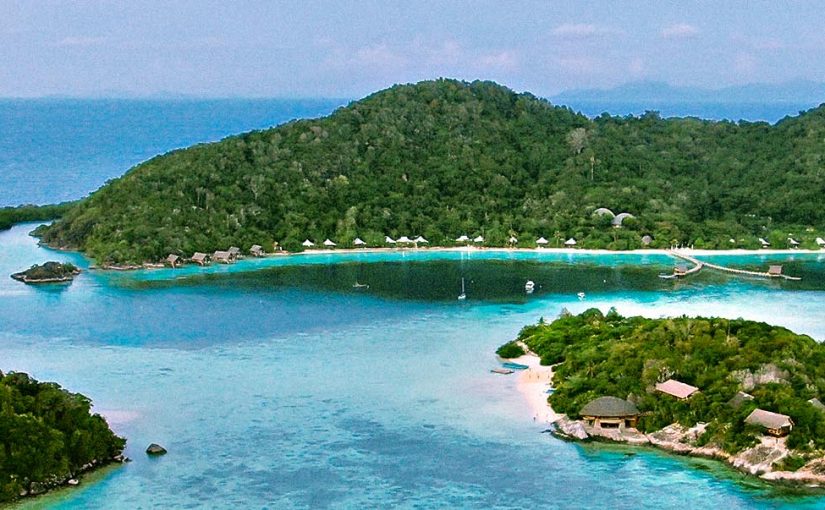
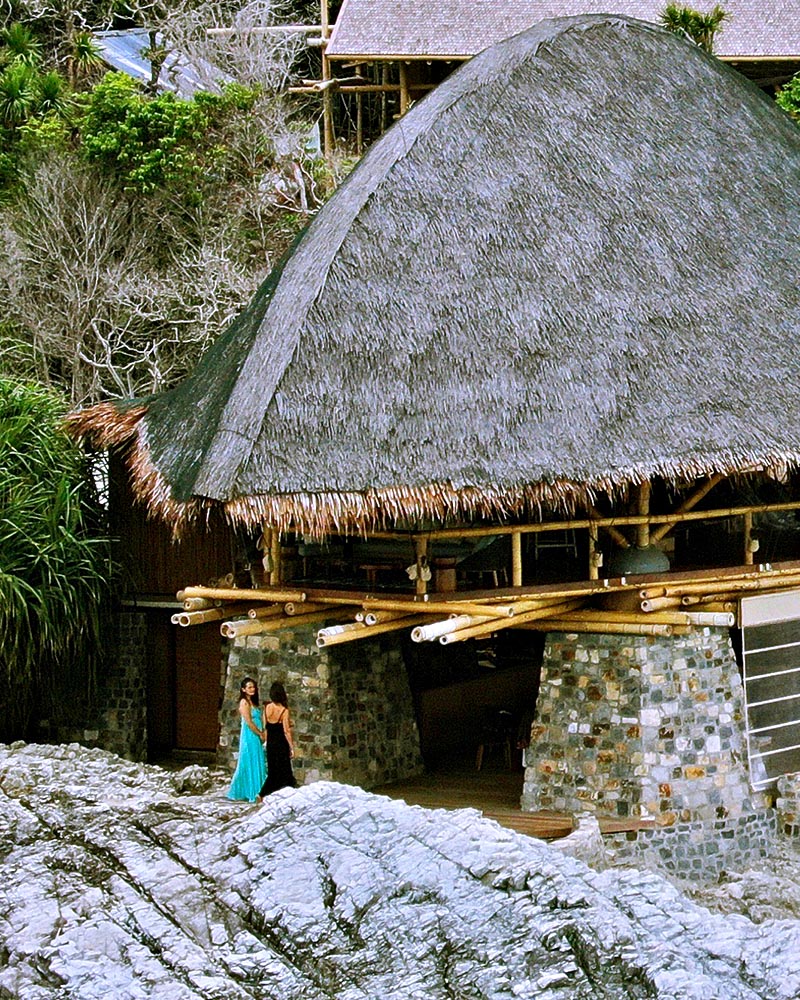
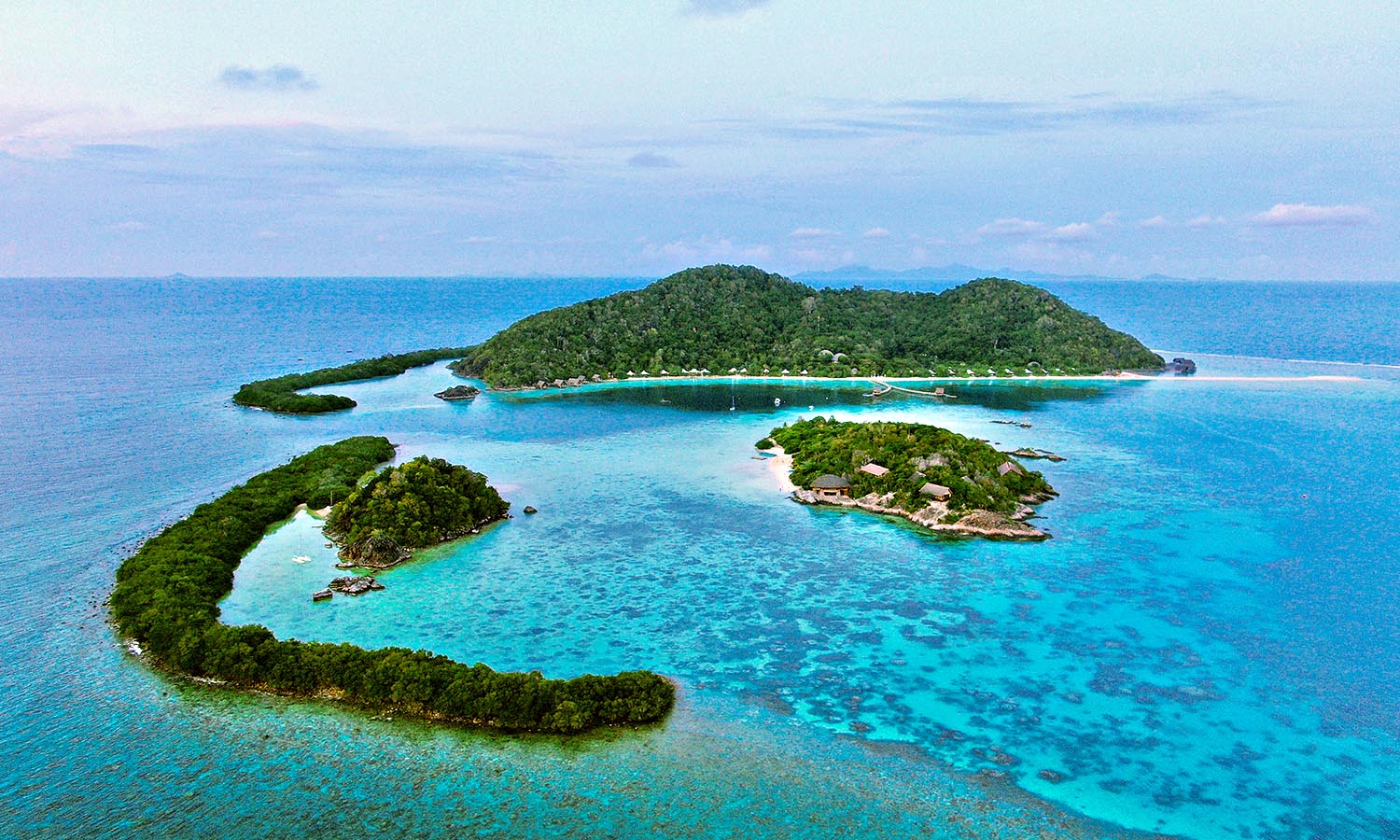
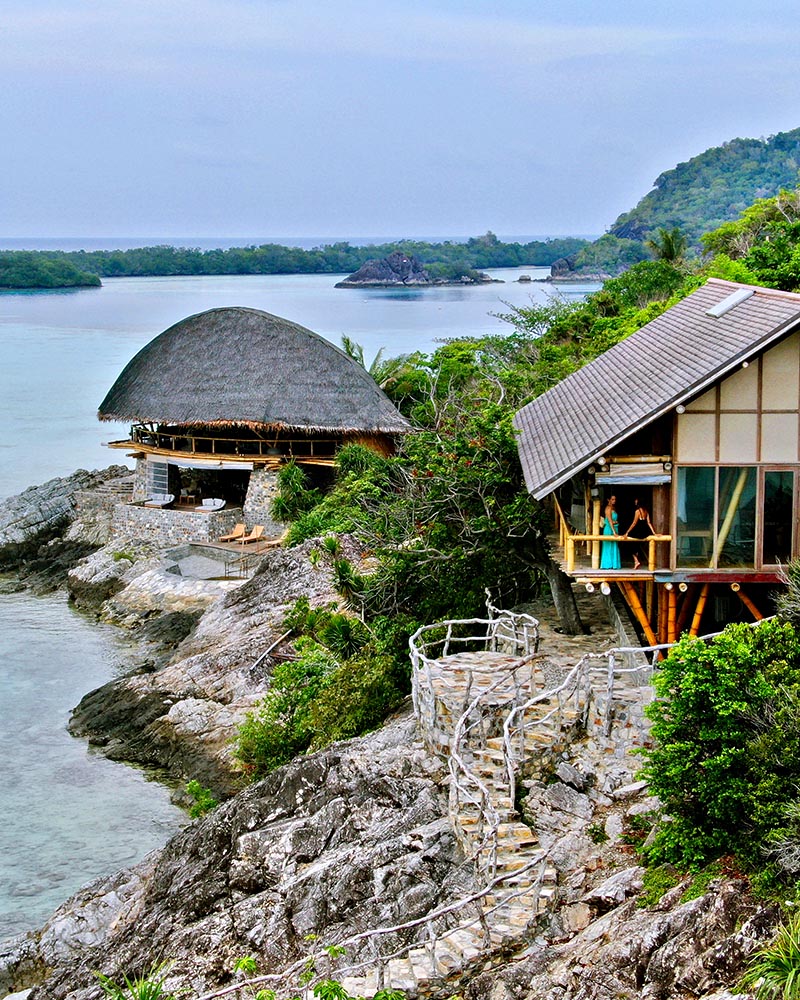
Elang Private Residence is an eco-resort that will open later this year on a remote private island in Indonesia. Off-grid means the journey is all part of the experience, and getting here requires a ferry from Singapore to the island of Batam then an 80-minute flight on a seaplane.
Once there, relax in one of six cliffside lodges made of bamboo, driftwood and hand-cut stone, each with living areas, balconies and personalised butler service.
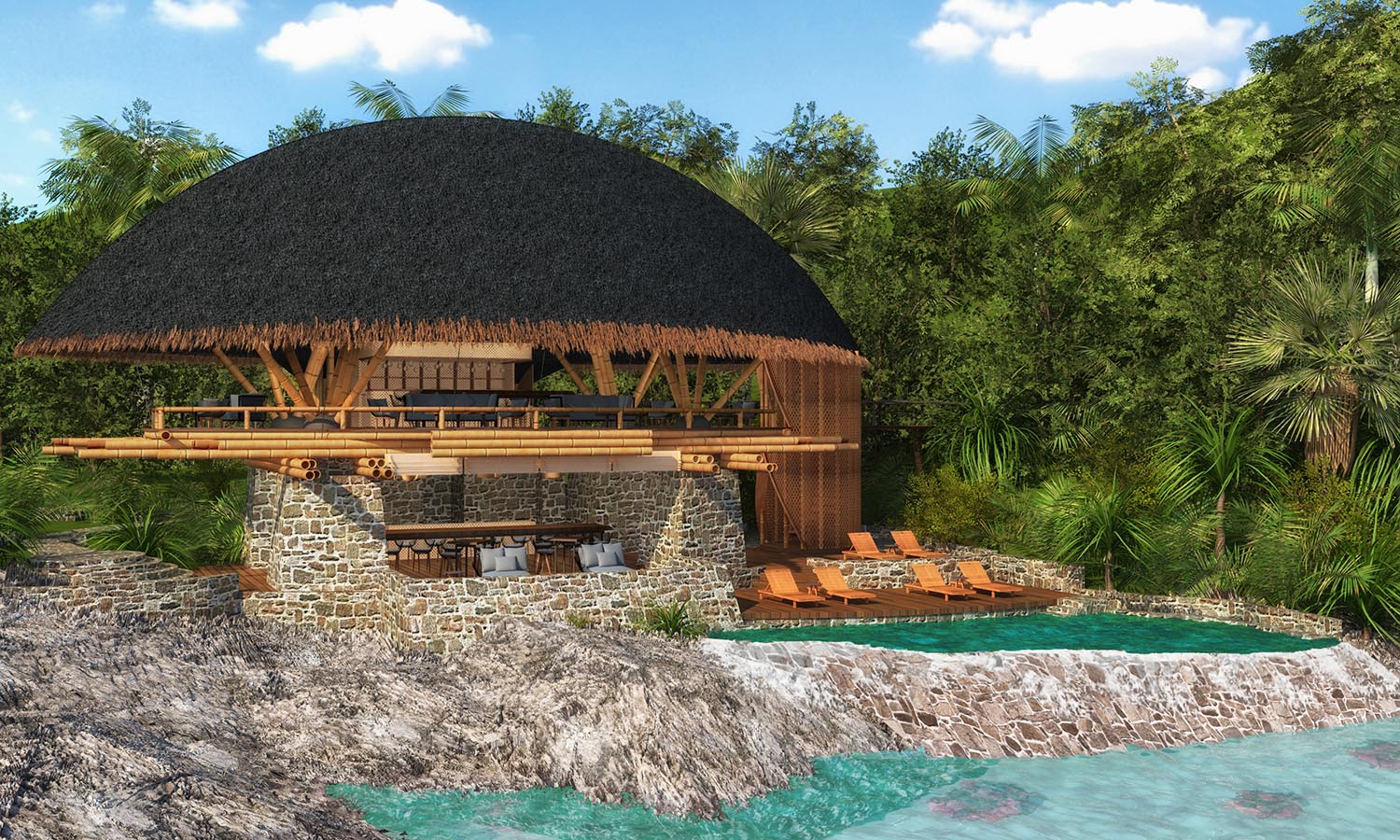
The nearby ‘village’ has a clubhouse with a two-storey open-air dining room, bar and saltwater infinity pool that was formed from a natural hollow. The Kayu Spa is in a restored joglo, a traditional Javanese house, that was gifted to the owner.
You can book just one lodge, or the entire island, but regardless which you choose, if you’re after complete privacy, this is your place.
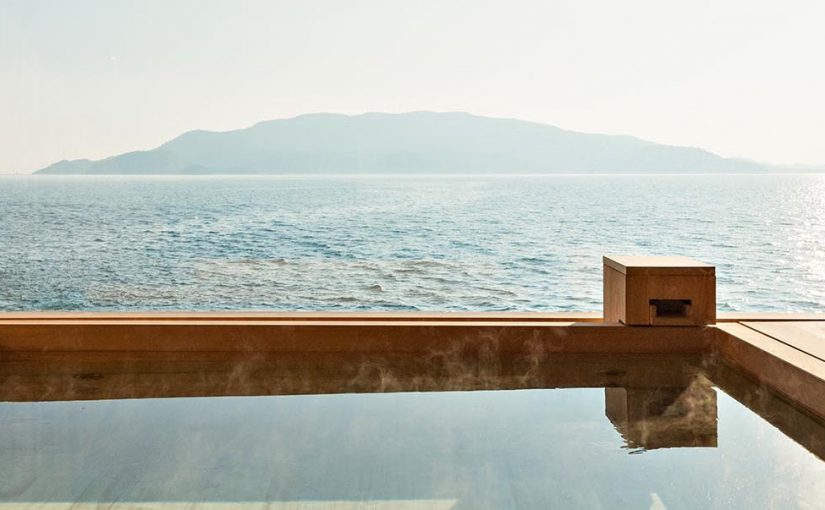
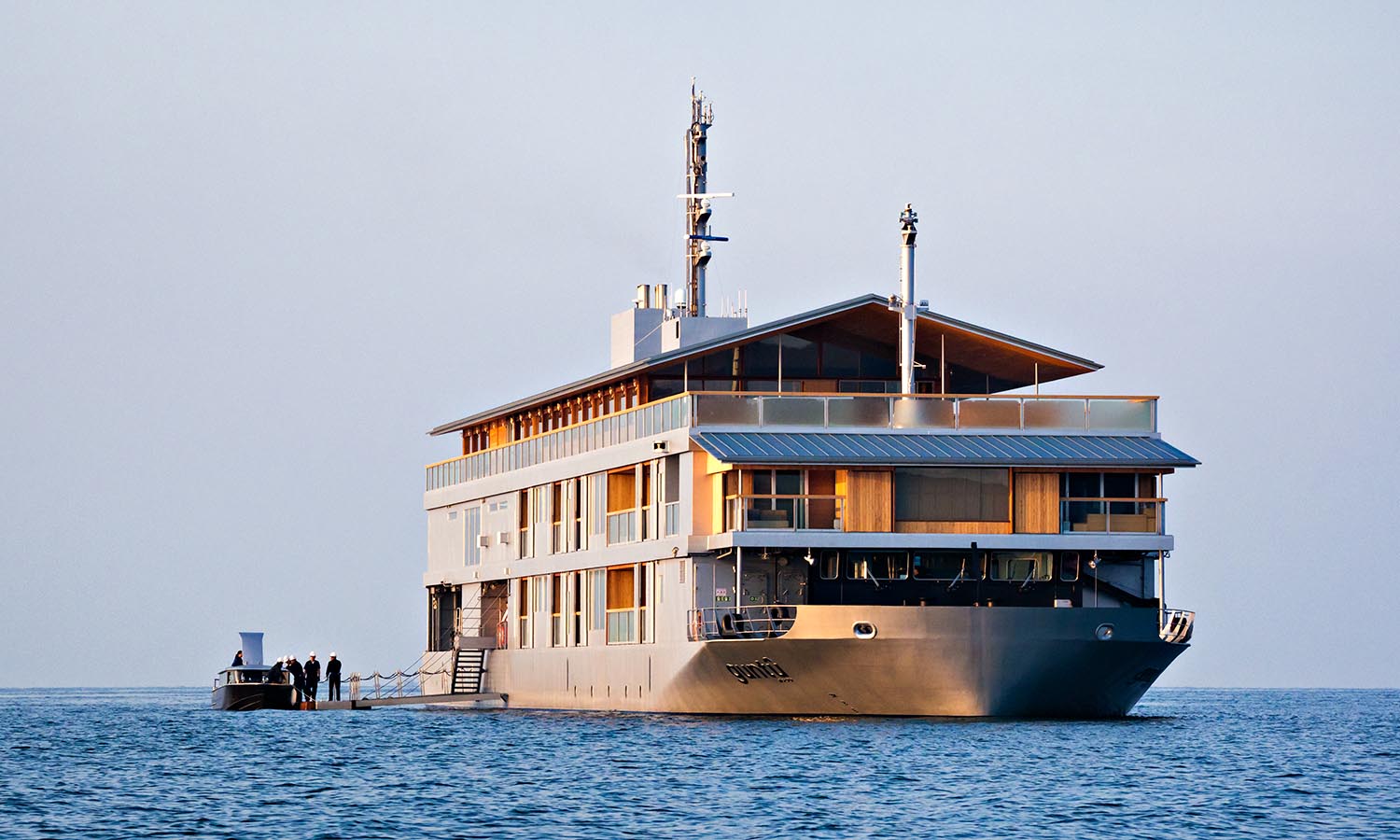
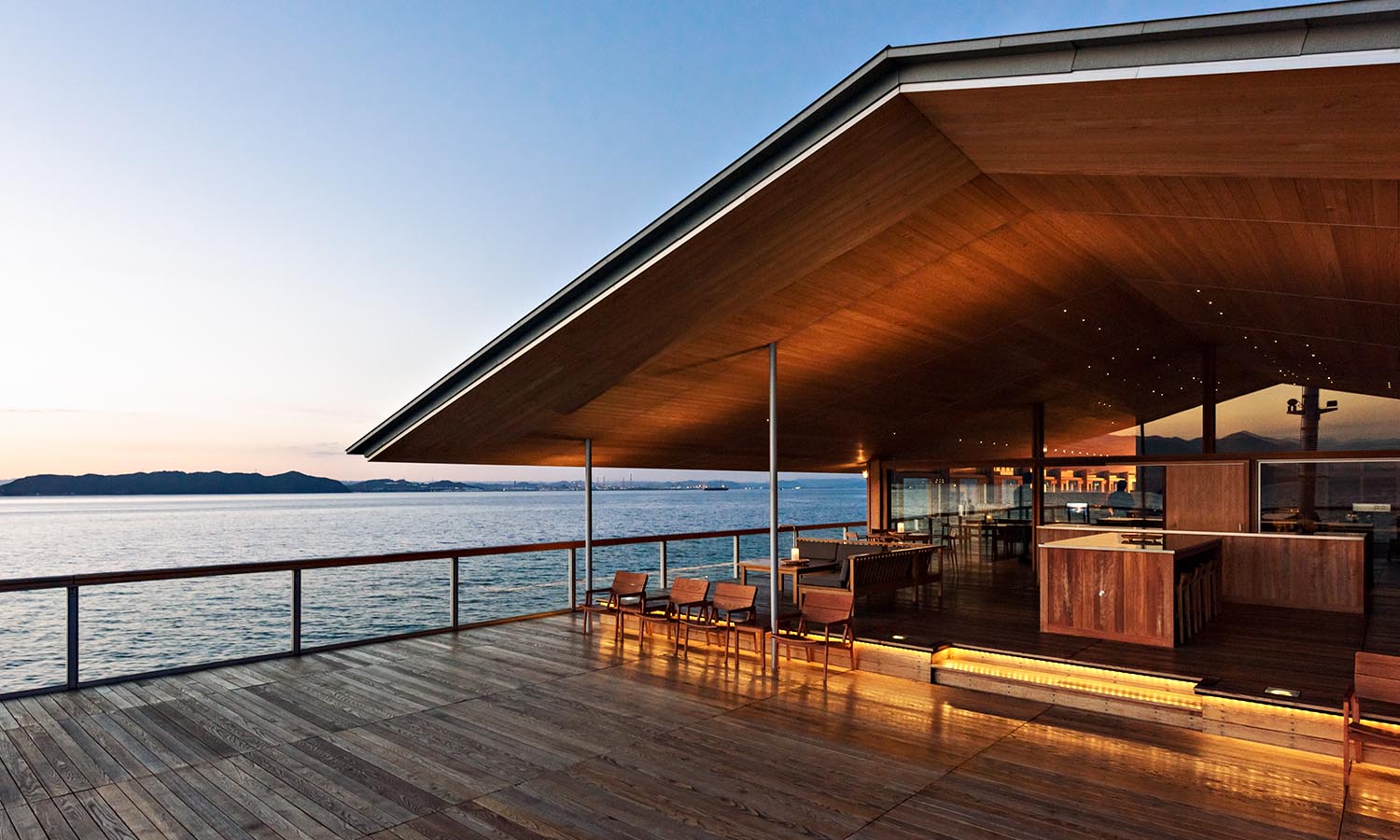
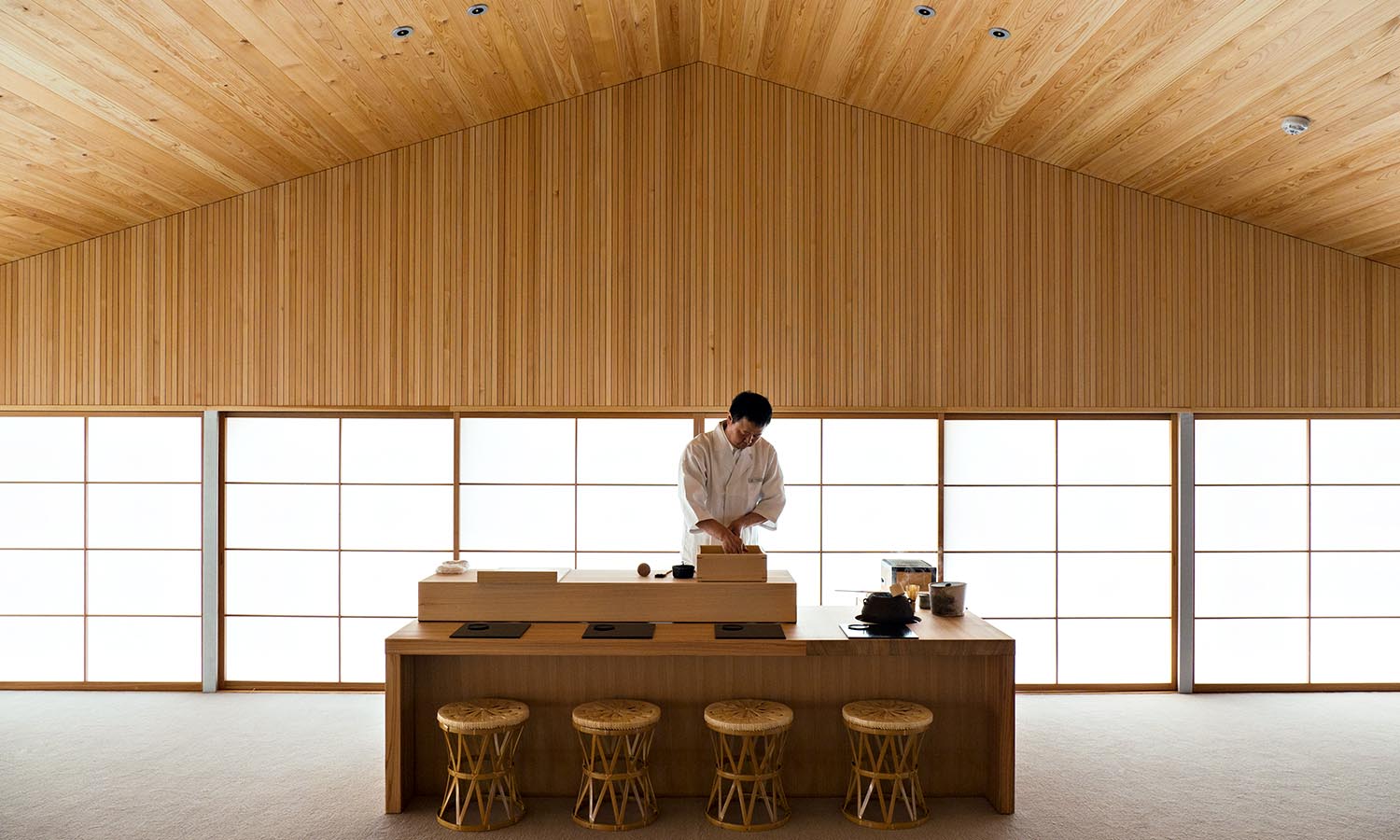
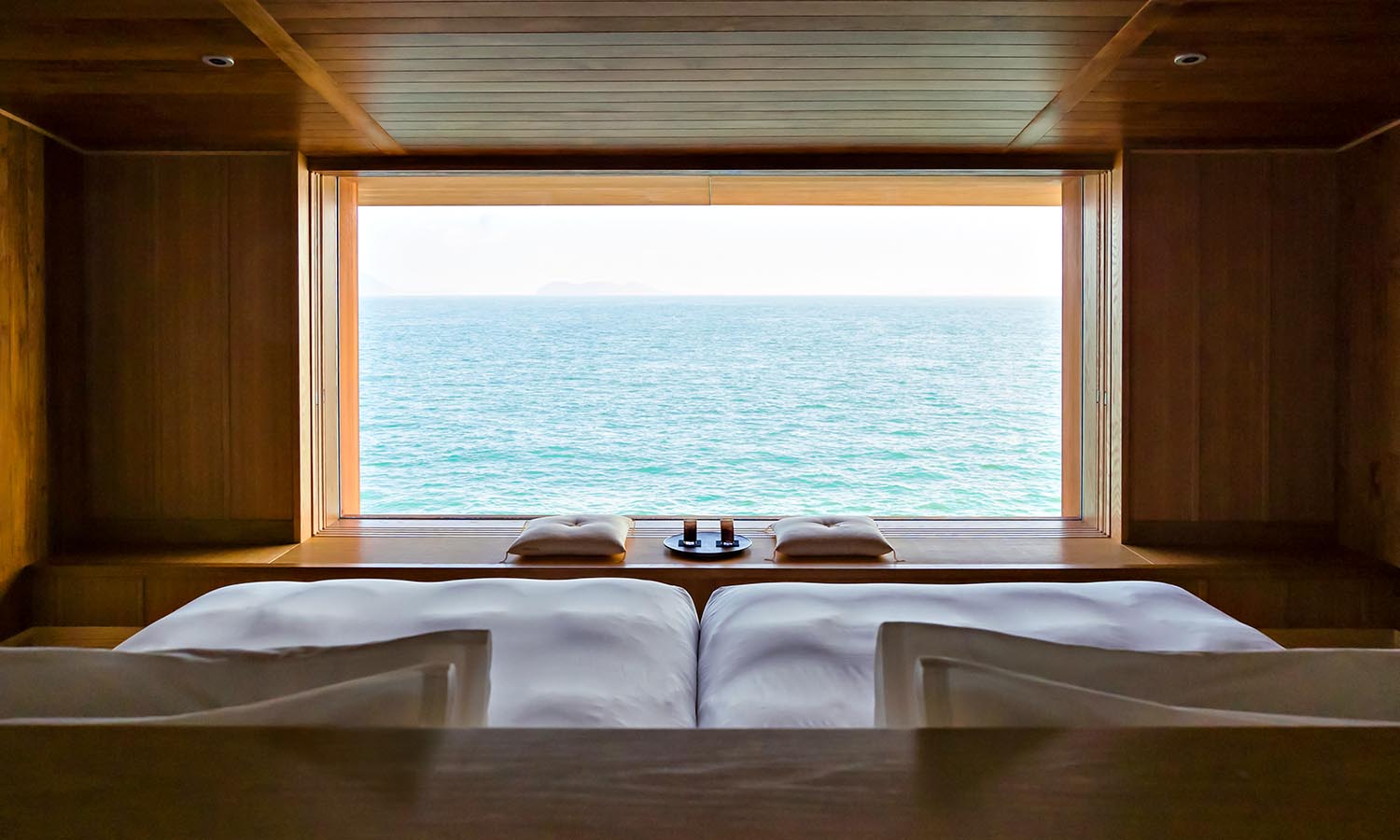
Imagine the minimalist ryokan of your dreams, then make it float. That is guntû, a luxury inn set on a boat that explores Setouchi, with its 700 islands and 7,000 kilometres of coastline. There are just 14 suites, each one panelled in wood and boasting a terrace just above the waterline. Some even have an open-air bath.
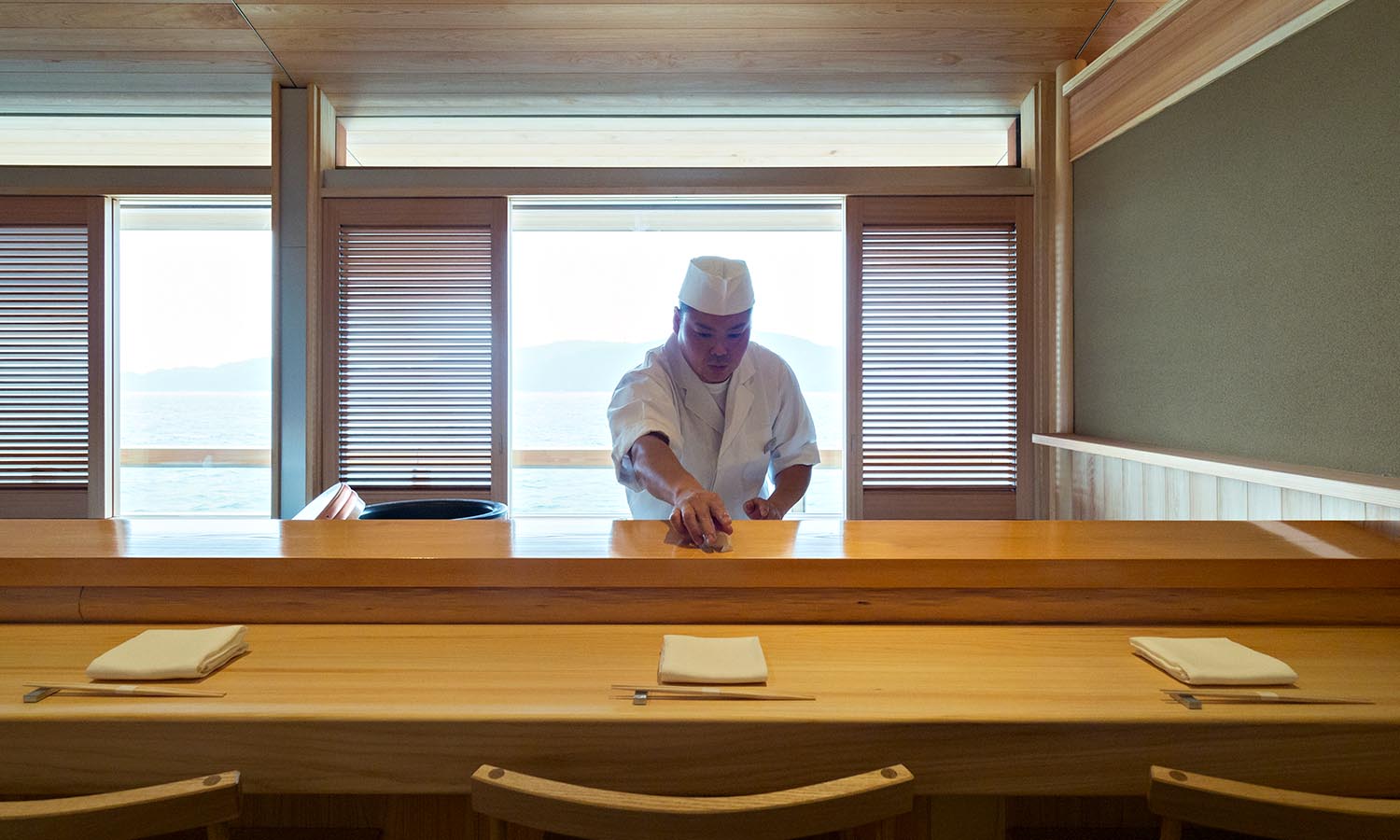
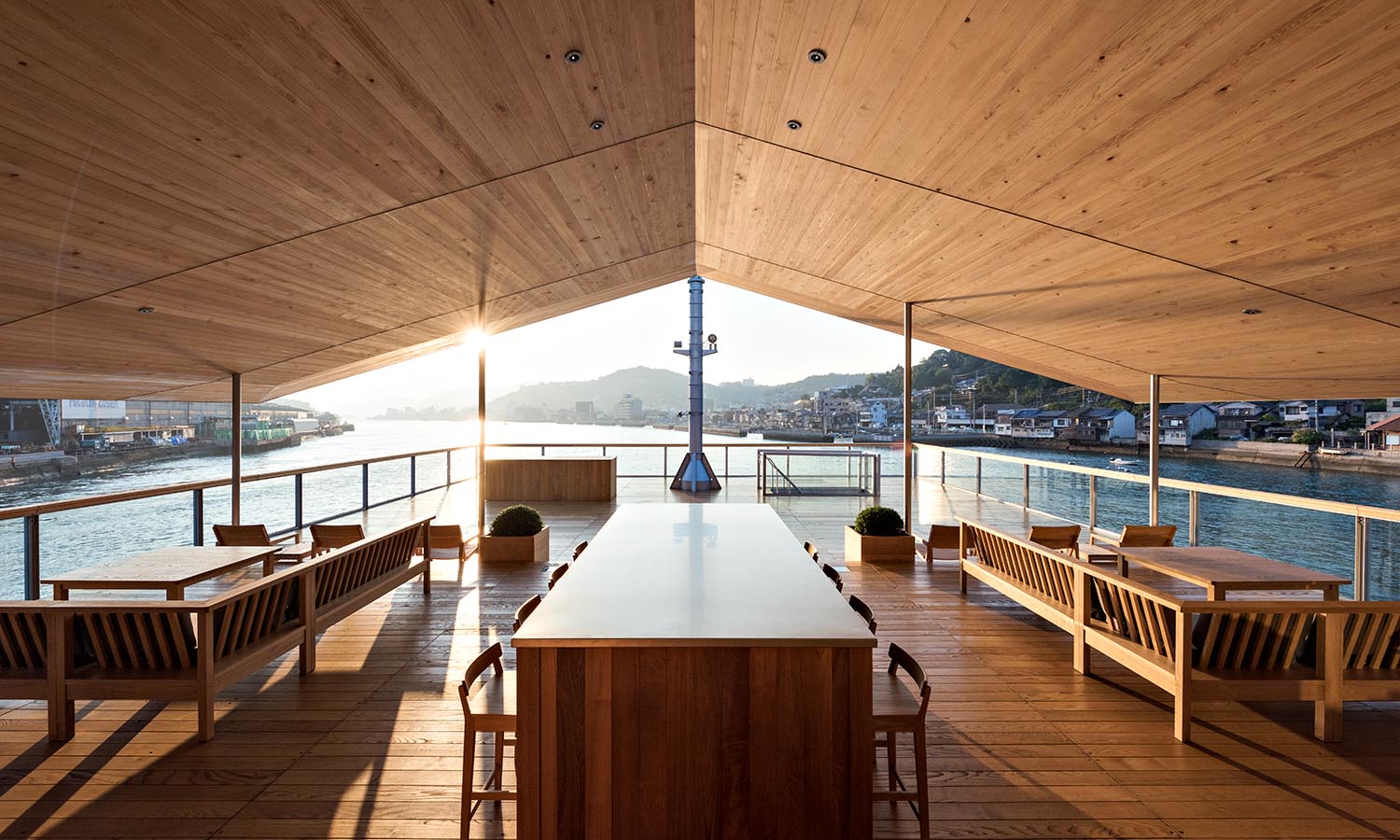
On board, there’s a spa, sushi bar, restaurant, cafe and even a lounge where tea ceremonies are performed. The top deck is designed to be a single living area, but many guests choose to watch the passing islands and boats from their private balconies.
During the day, guests are whisked by speedboat to places rarely visited by tourists. Guntû departs Onomichi City on one of 10 different routes – the four-day eastward journey is a favourite with culture vultures because it visits the art island of Naoshima.
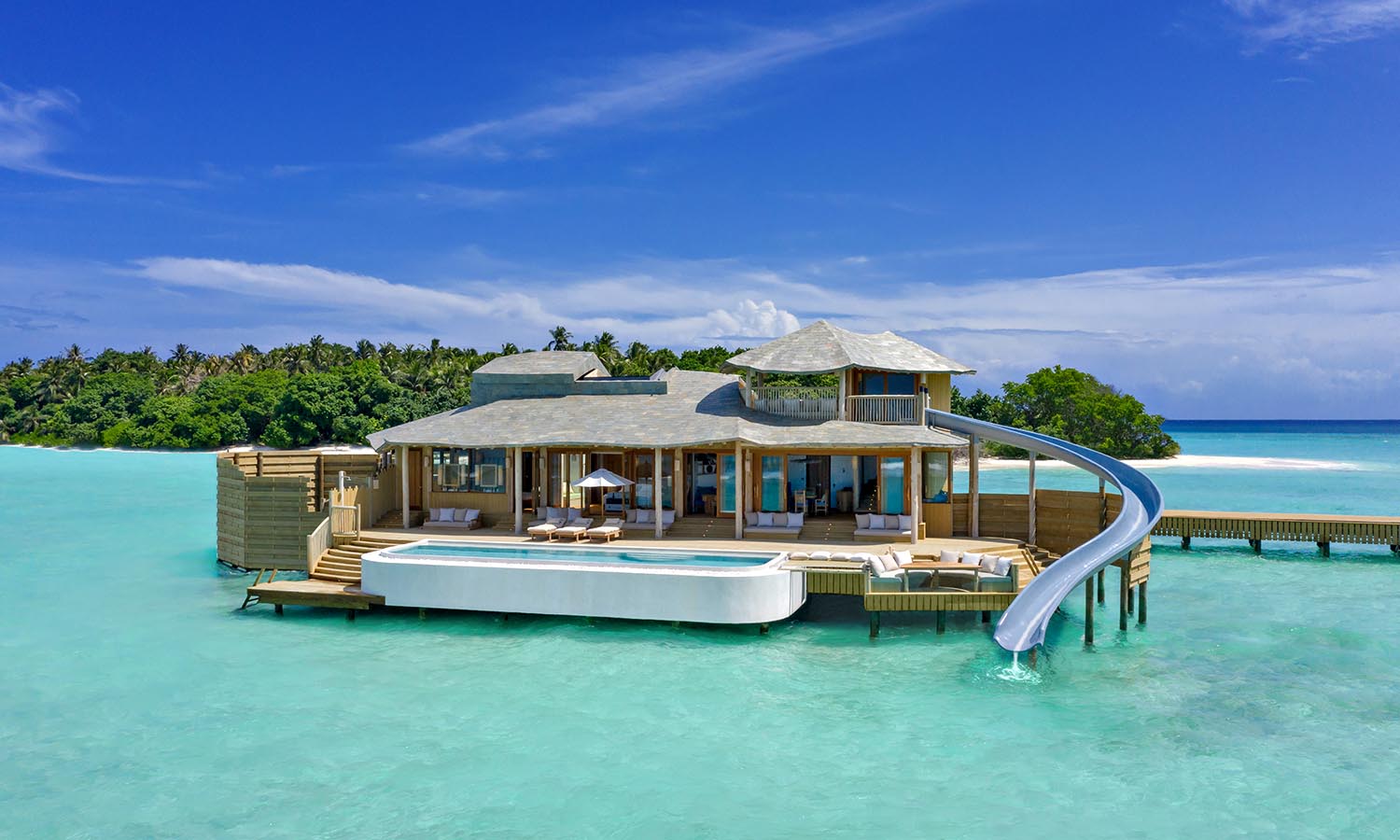
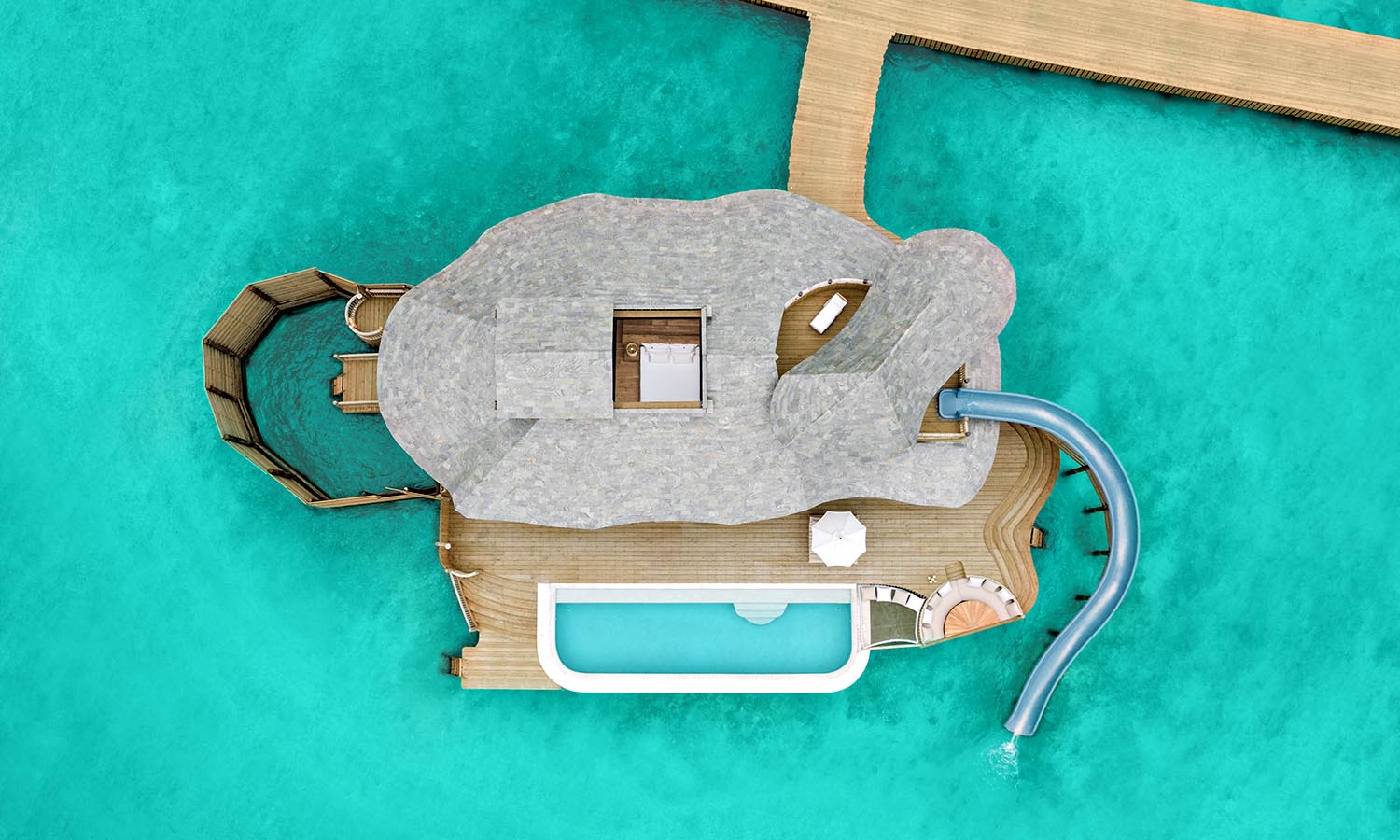
When you imagine the Maldives it’s impossible not to think of an island paradise that’s home to Insta-worthy sunsets, so-blue-it-can’t-be-real water, fruity cocktails and the all-important overwater bungalow. Well, luxury resort Soneva Fushi ups the ante with eight breathtaking Water Retreats on Kunfunadhoo Island.
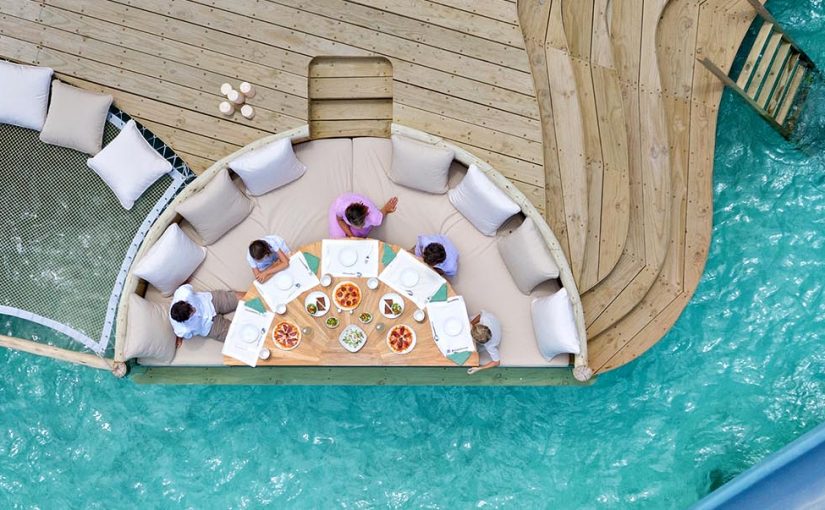
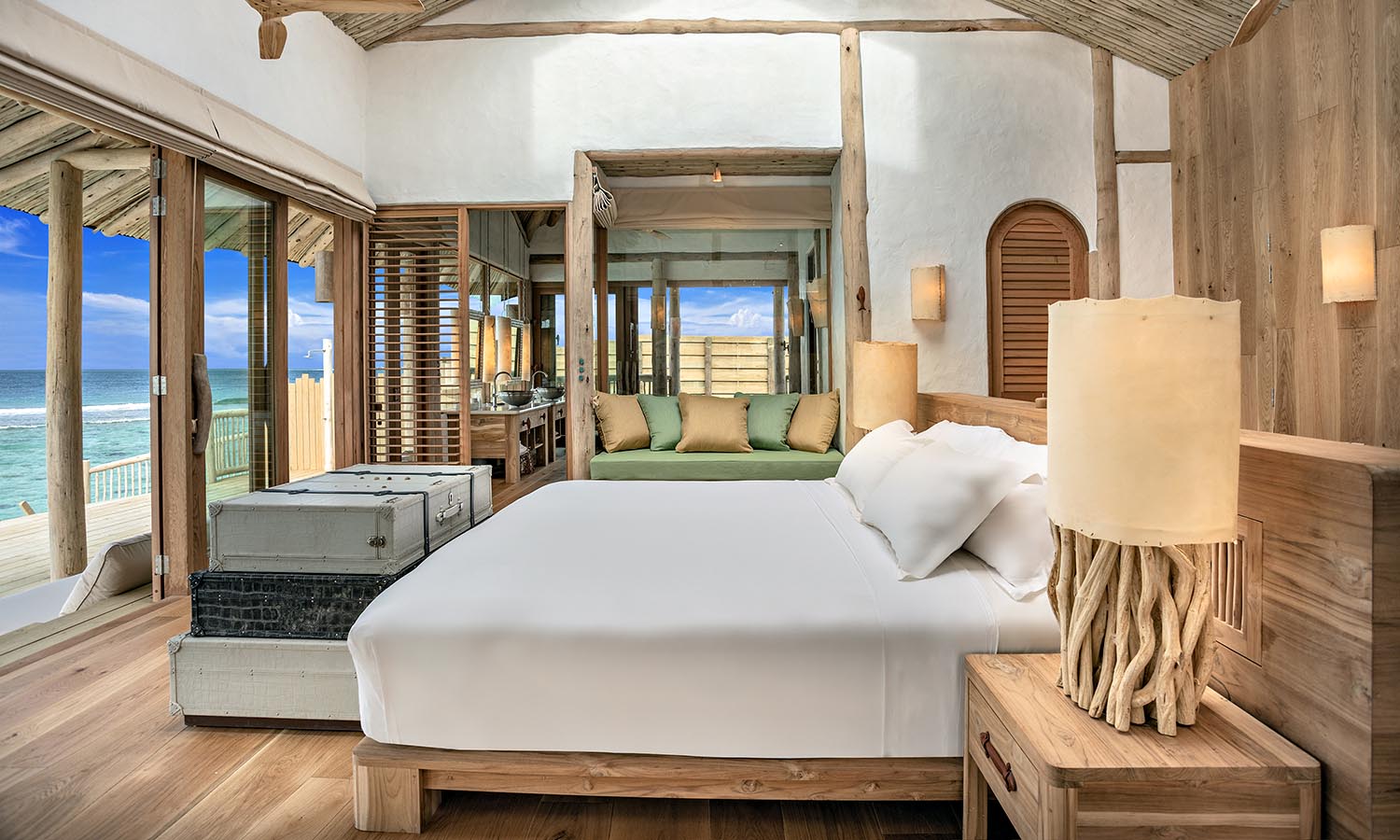
Lucky guests will have a choice between one- and two-bedroom villas that are the largest in the world. Equipped with retractable ceilings over the master bedroom for stargazing and infinity pools suspended above the ocean, these villas really are in a league of their own.
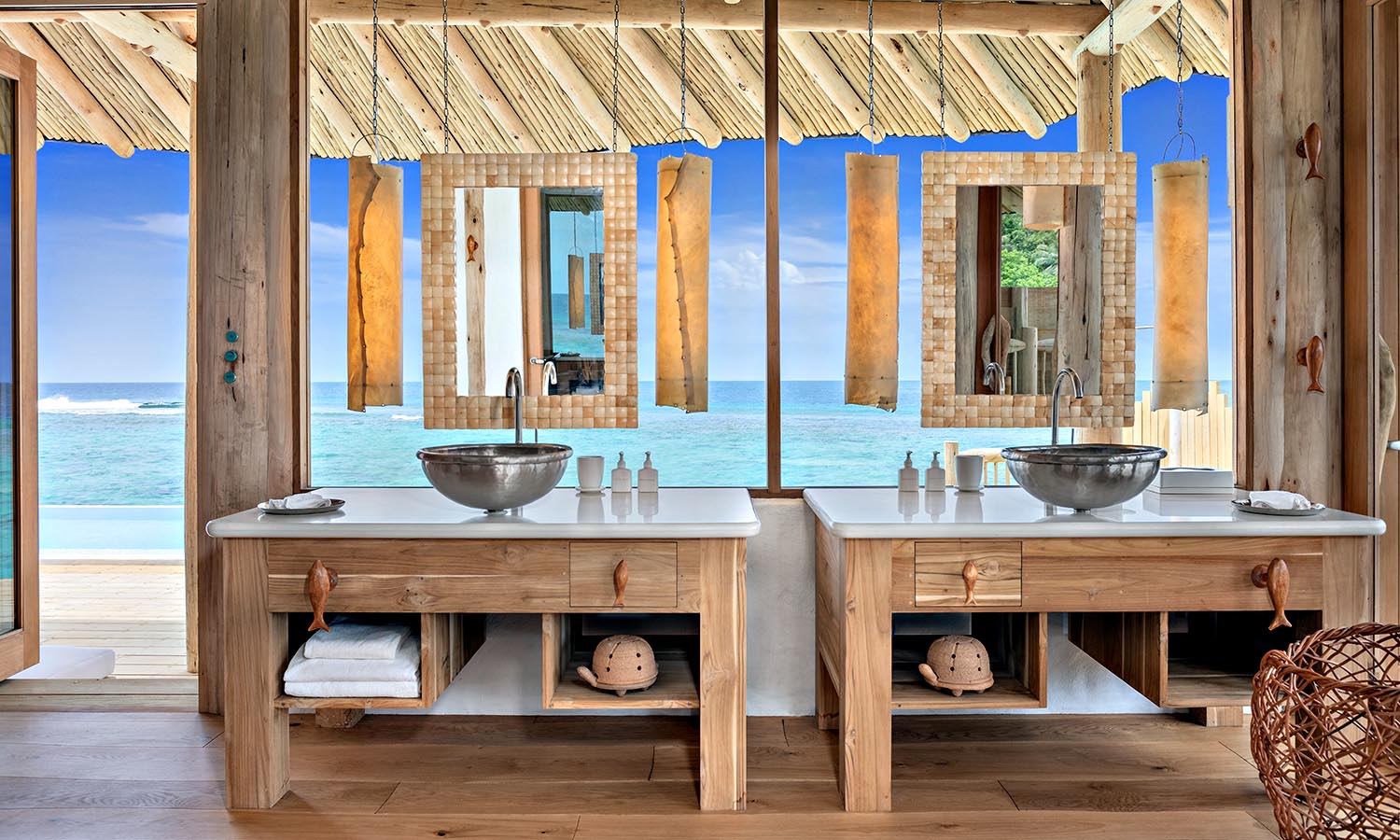
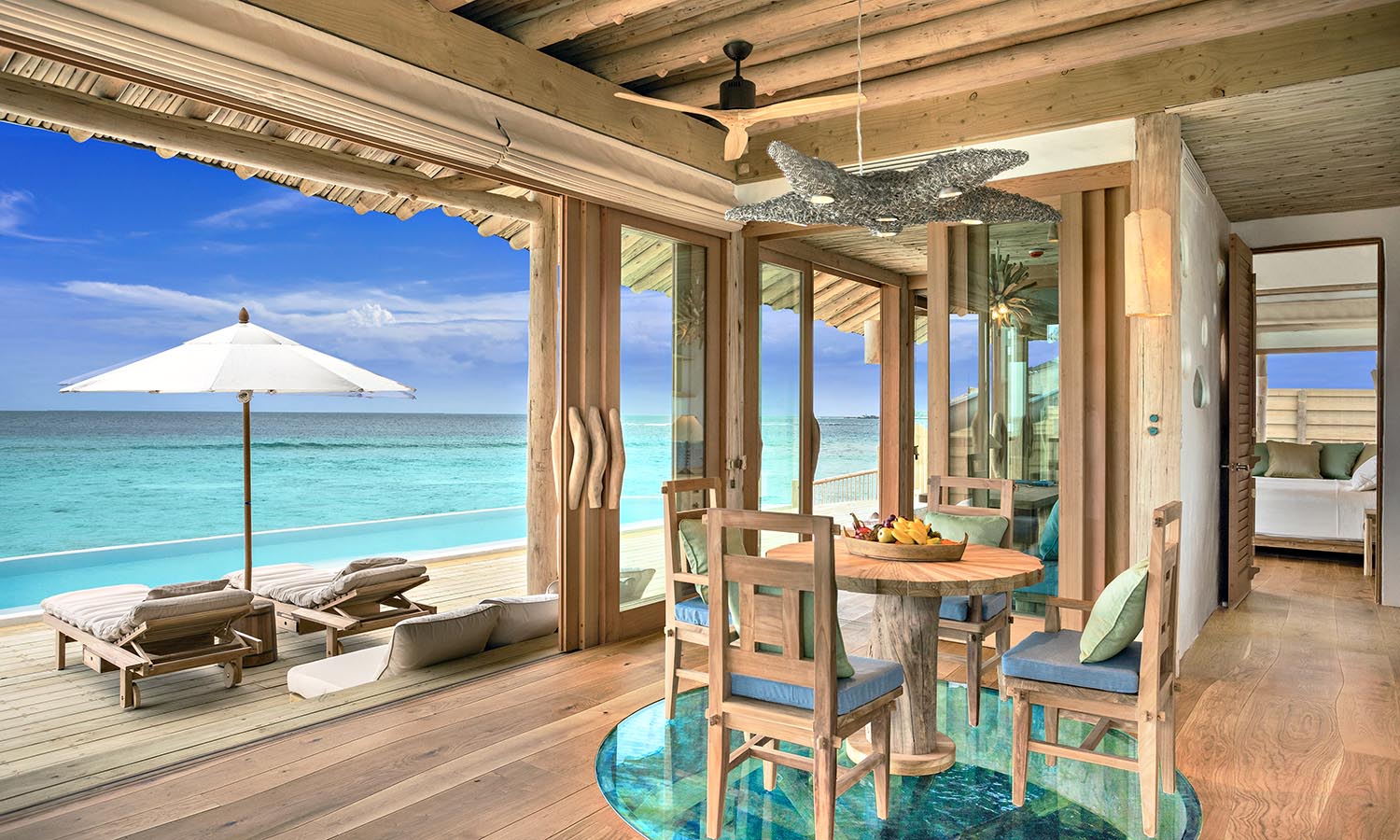
While the chic, tasteful interiors are a design highlight, the new Water Retreats are not whitewashed as per the rest of the resort. Instead, you can expect a more rustic castaway look. Think Gilligan’s Island if Thurston Howell III had designed it.
With a choice of either sunrise or sunset views, the villas also feature a large deck with plush loungers, a sunken seating area and catamaran nets upon which to laze. And when you’ve had enough of relaxing in the sun and want to cool off, simply slip down your very own slide into the inviting turquoise water.
You’ll also have access to the resort’s spa, sauna, gym and other facilities. Other highlights include the outdoor Cinema Paradiso, a high-tech observatory, chocolate and ice-cream rooms, wine cellar (with more than 500 bottles of top-shelf tipples), eight restaurants and three bars. All you need to do is go with the flow and abide by the Soneva Fushi philosophy: no news, no shoes, no pretensions.
 (
(