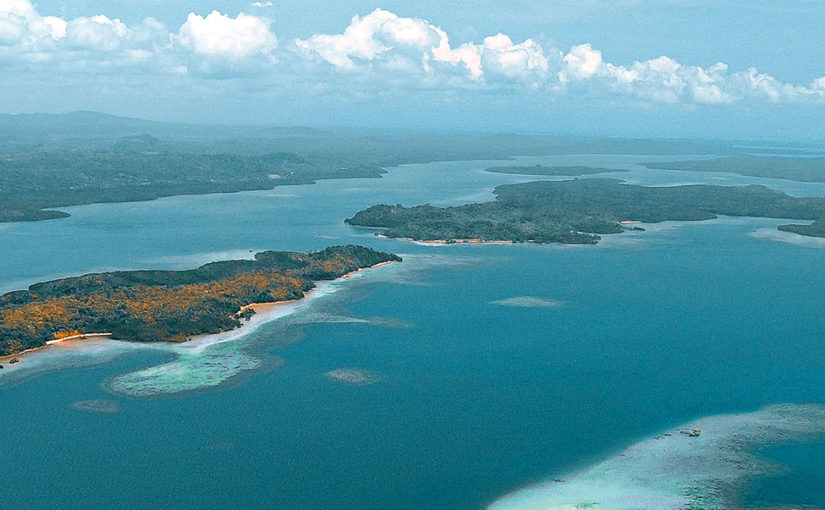
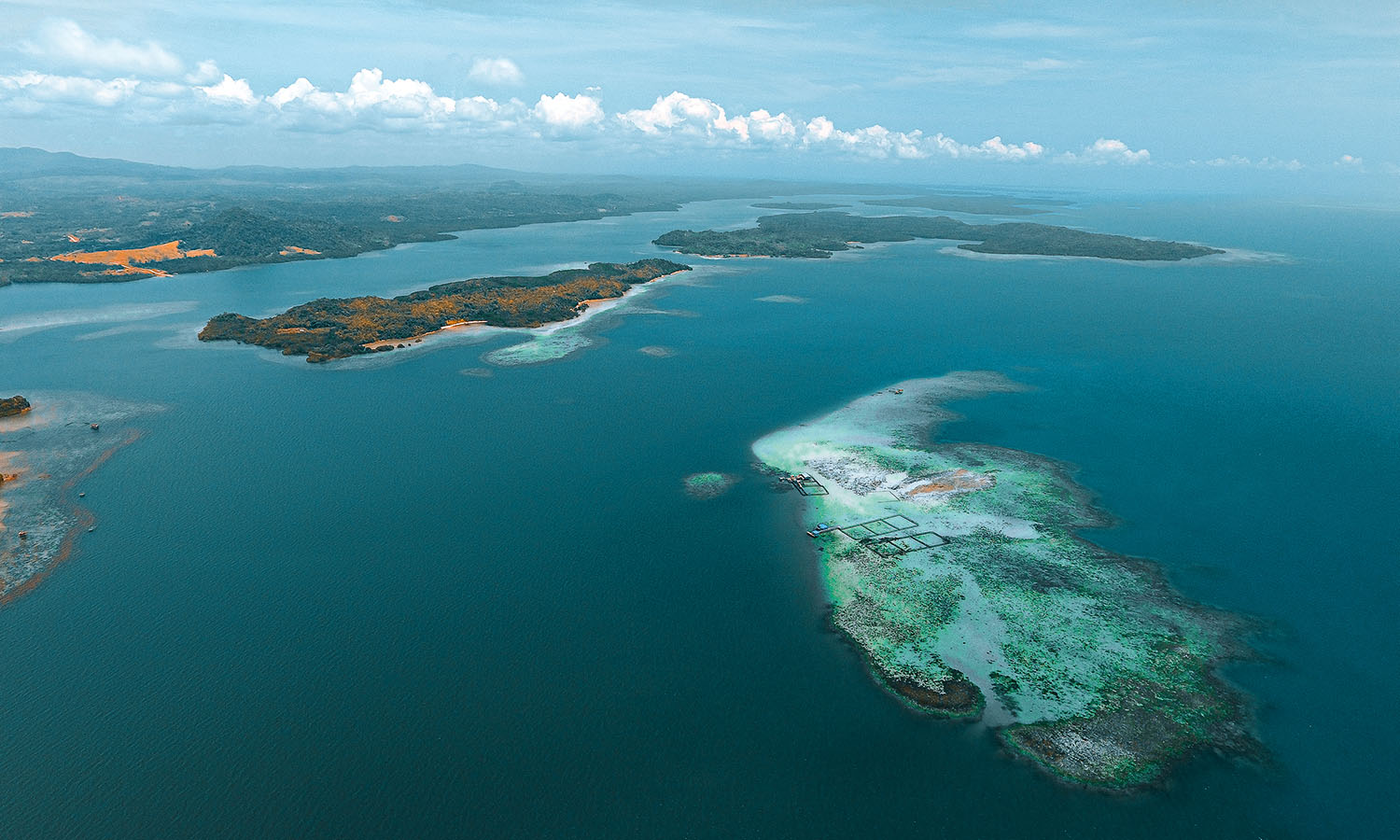
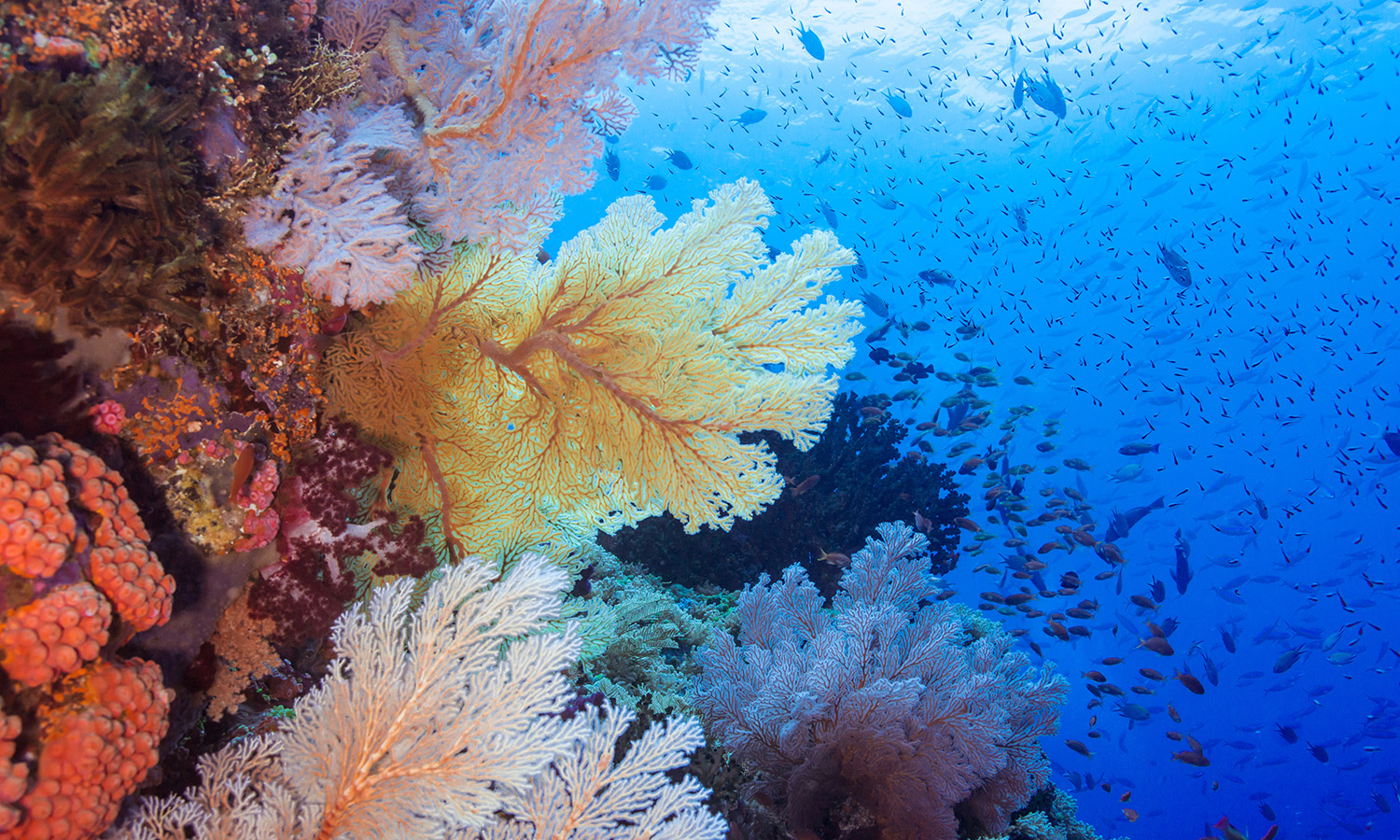
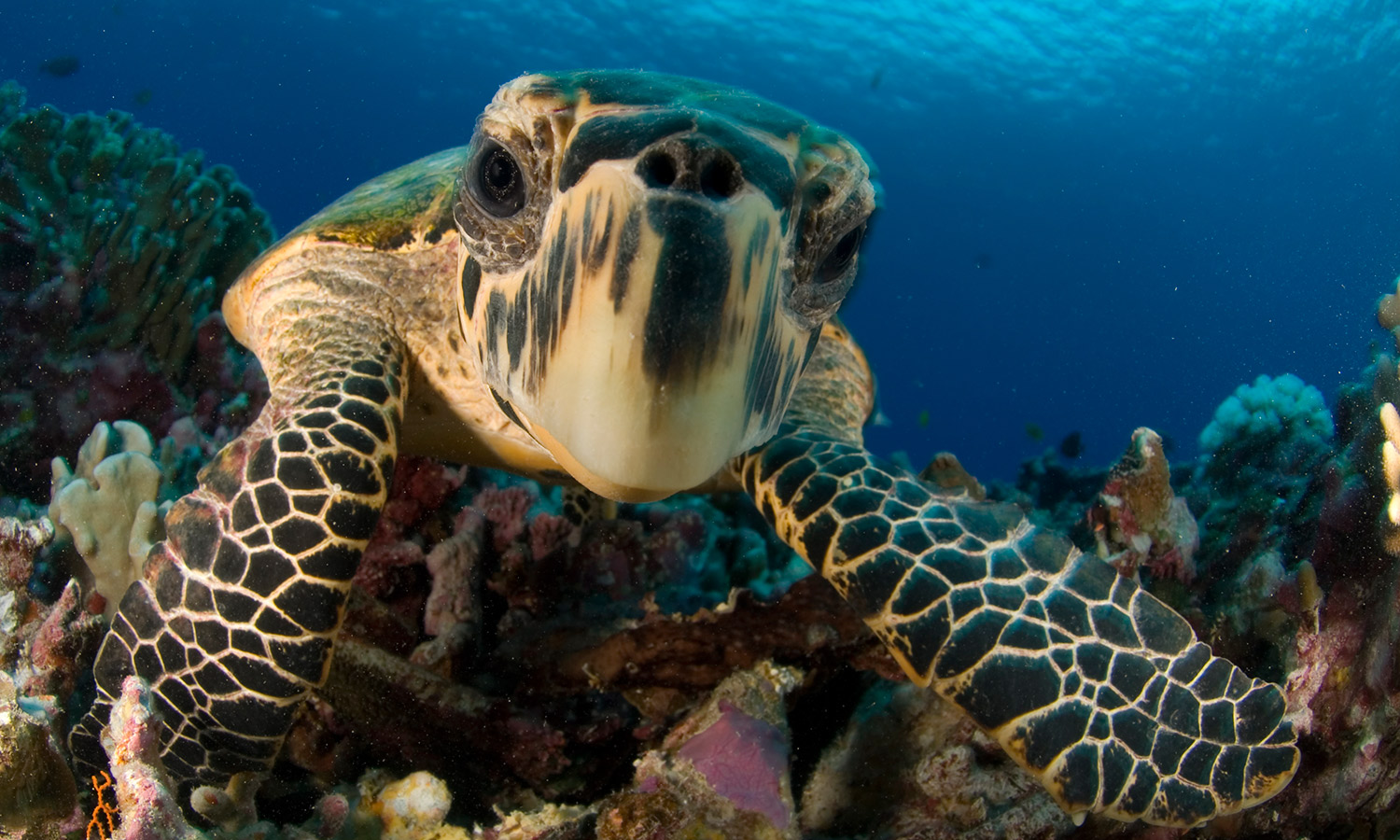
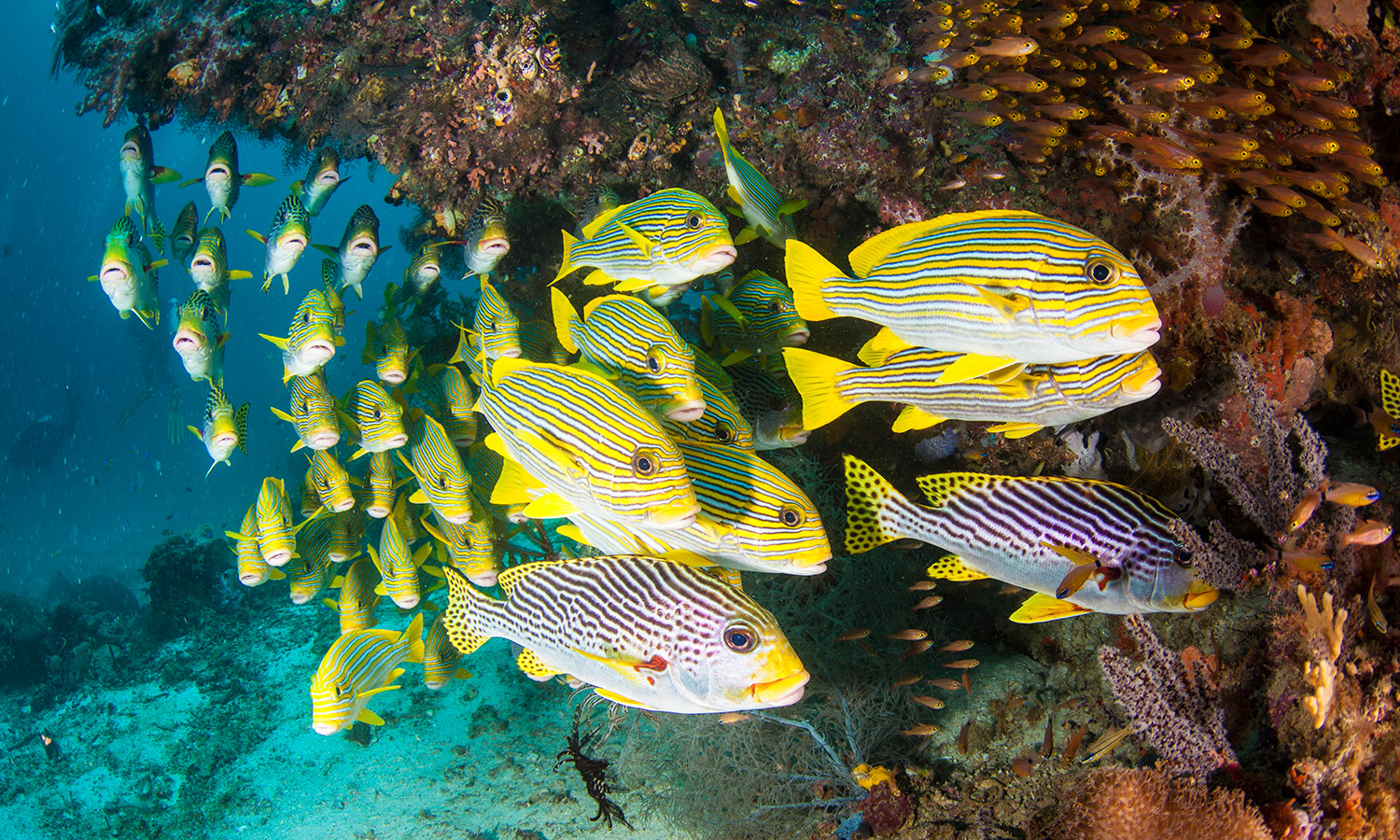
It’s the largest marine protected area in Malaysia and below the glistening turquoise surface, Tun Mustapha Park plays home to coral reefs, mangroves, dugongs, sea turtles, sharks and more than 360 species of fish.
It took almost 13 years to protect this colourful undersea world, but now, using a mixed approach to satisfy marine conservation, local communities and fishing industries, it’s intended to boost biodiversity over the next decade.
Covering more than one million hectares, it’s the largest marine park in Malaysia, encompassing more than 50 islands across the Kudat, Pita and Kota Marudu districts, from where travellers can swim, snorkel and dive to get up close and personal with the inhabitants of the deep.
What do you get when you add a vintage Vespa trip in Ho Chi Minh City, kayaking in Phong Na, a visit to UNESCO World Heritage-listed town Hoi An and lunch in Hanoi with a local family to your 14-day Vietnamese itinerary? The perfect combination of culture, adventure, nature and food… It’s the Vietnam you’d expect, only better.
This tour kicks off in Ho Chi Minh City, a former French enclave and bustling hive of activity and culture. It’s the perfect starting point for your adventure and it is here that you will feast on pho, noodles, rice paper rolls and banh mi. But indulge in the culinary delights of Vietnam is not all you’ll do. You will, however, eat pho from a restaurant that’s been serving noodle soup for more than 35 years. You can even contemplate your future at a famous fortune-telling temple nearby. But do you really want to know?
You’ll visit the incredible Cu Chi tunnels, an immense network of connecting underground passages used by the Viet Cong as hiding spots during combat. If you’re the size of a pixie you may just squeeze into one.
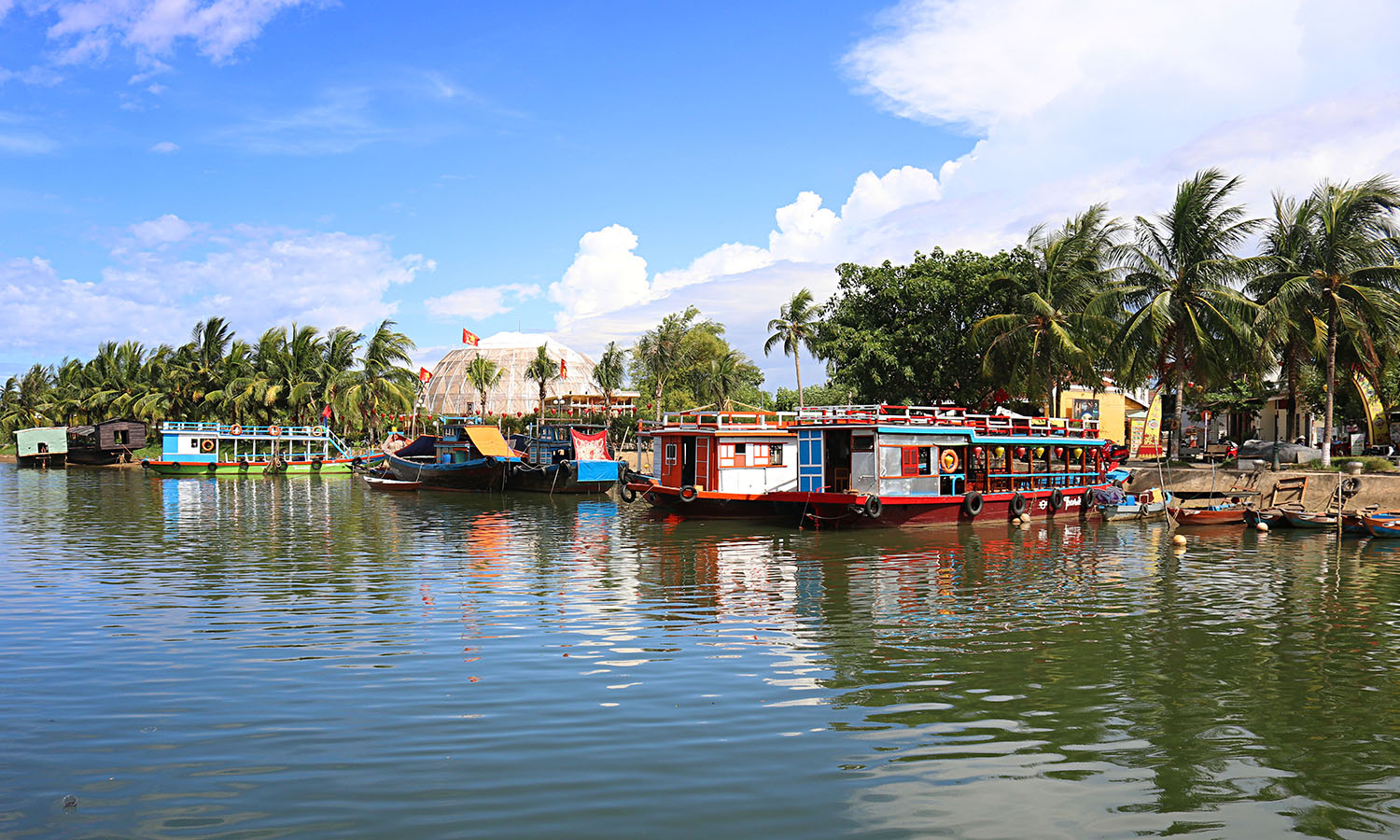
You’ll barely have had time to wipe your sweat-laden brow, before you’re off for a jaunt around Hoi An’s Cam Thanh village, known for its coconut jungles and rice paddies. Transfer to the Coco River for a bamboo basket boat ride to Thanh Dong village and the only organic farm in Hoi An. Explore the Thu Bon River by kayak.
The following two days will be spent in Lang Co, where you’ll head out in a local boat to enjoy being on the water and spectacular views of the jungle-covered Annamite Range. You can even try your hand at local fishing techniques, visit families in the village, and have lunch in an authentic stilt house above the waters of the lagoon.
After a chilled night sipping cocktails at Lang Co Beach Resort, you will put your walking shoes on for an eight-kilometre hike along the sub-tropical forest trails of the Bach Ma National Park. There’s also time for a splash at the Ngu Ho Lake and Do Quyen Waterfall.
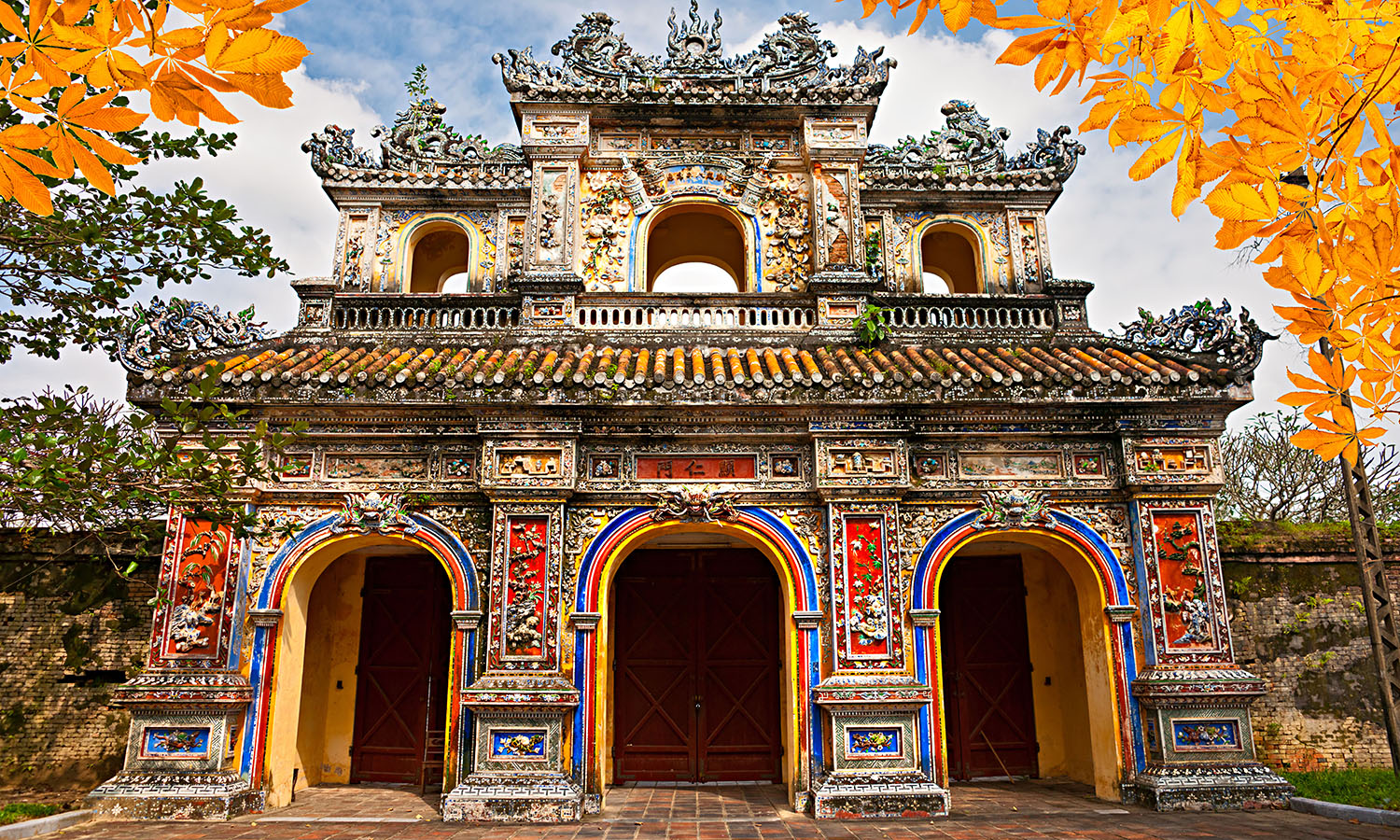
Transfer to Hue, a city renowned for its historical monuments, to visit the home of a local family and see traditional delicacies being made. Afterwards ride to the citadel to visit a doctor of herbal medicine and his shop. You know that dodgy back you’ve been complaining about? Dr Nguyen will fix it – no problem.
After a biking trip around Bong Lai Eco-Village, a boat journey will take you along Son River to the Phong Nha Cave and drive to the 31-kilometre-long Paradise Cave. After lunch you’ll go zip-lining and kayaking on the Chay River and don headlights and specialised equipment to explore Dark Cave.
Your time in the Phong Nha region will include a hike in the lush jungle of the UNESCO World Heritage-listed Phong Nha–Ke Bang National Park, where you’ll learn about the culture of the Ruc Ca Roong people. When you reach Pygmy Cave, you’ll have to duck (joke). It’s a real treat to spend the day underground at Hang Over Cave, the fourth largest cave in the world.
Spend the final four days of the trip in Hanoi, the capital of Vietnam and a city renowned for its centuries-old architecture as well as Southeast Asian, Chinese and French influences. You’ll head up the Cham River to gear up for a rafting adventure that takes you to the scenic Tan Lap Bridge.
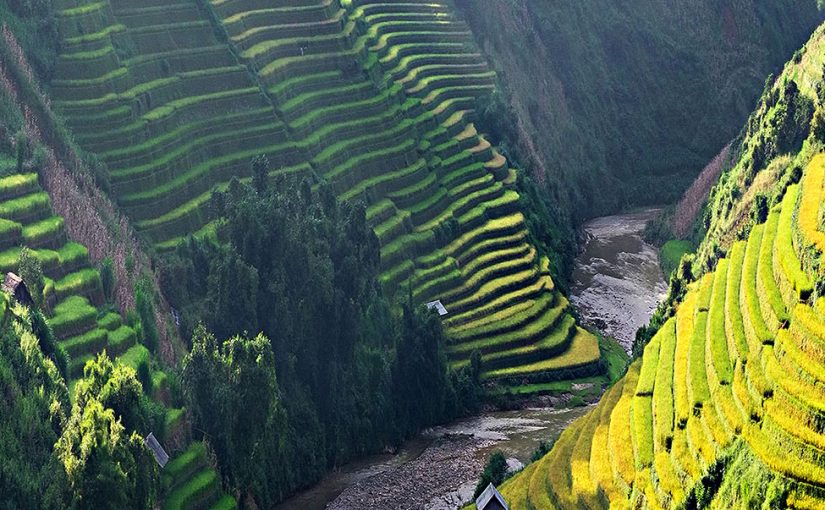
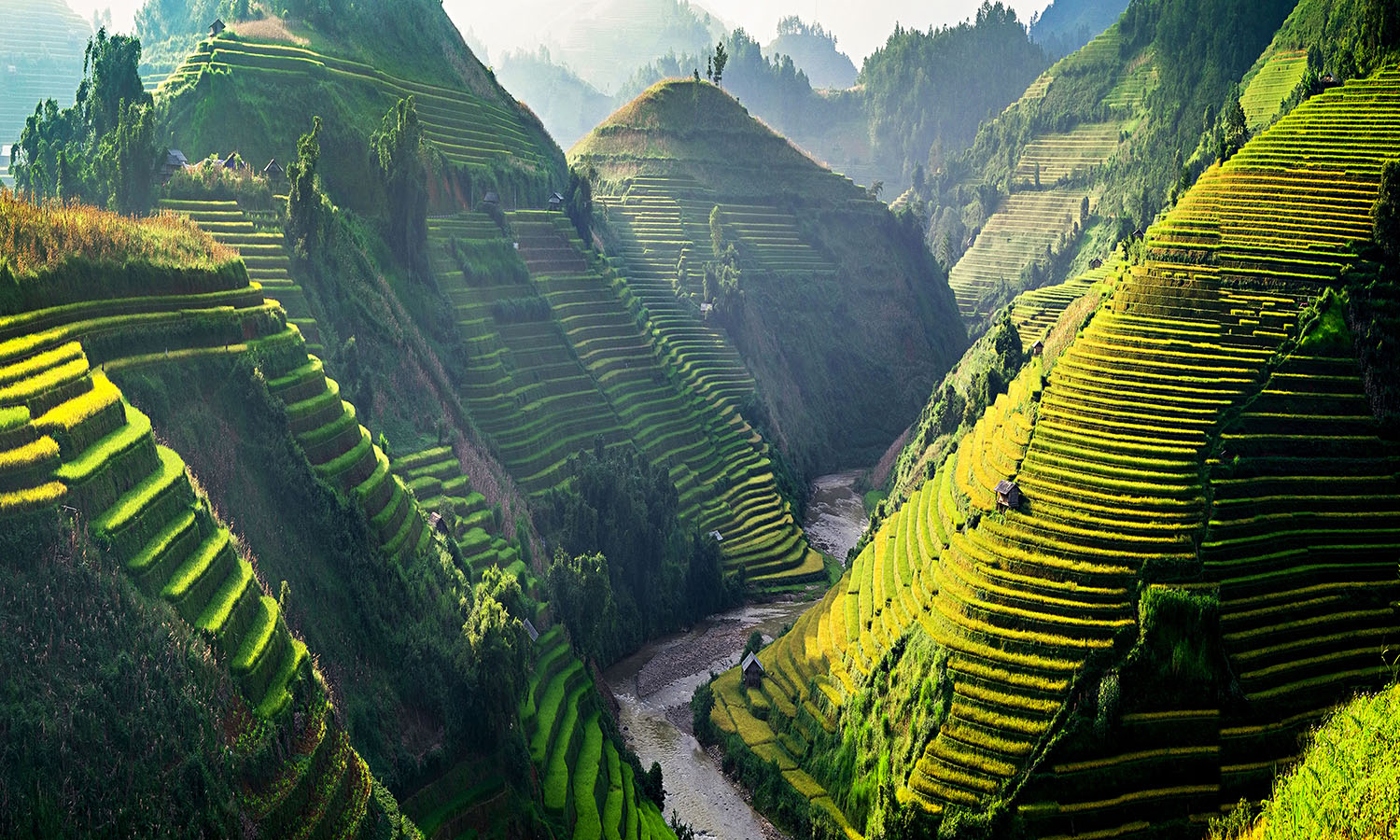
The following day wander around tumbling rice terraces and trek along small paths shrouded in vegetation before finishing at a picturesque local village where you’ll have the chance to interact with locals living in the hills. Explore working farms and rice fields, and learn about making rice wine and weaving colourful textiles. Finish off having a lunch with a local family. Don’t be shy – seconds are encouraged. If you still want more after this itinerary, you’re just being greedy.
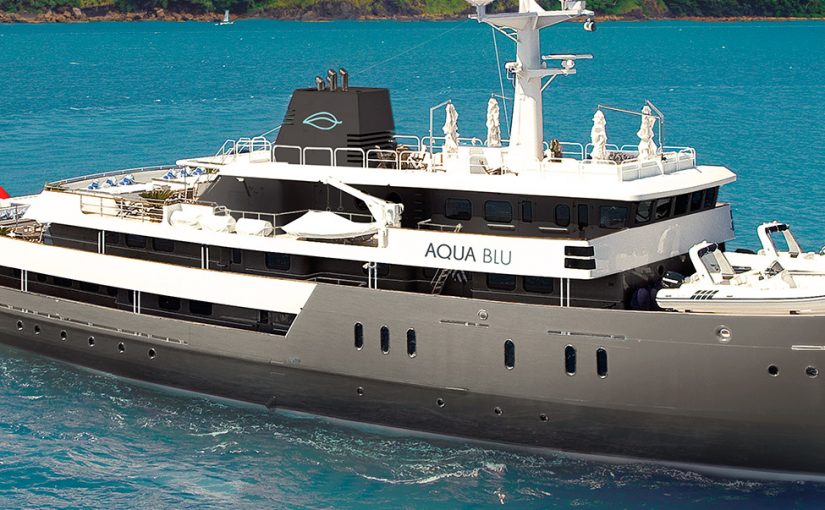
Cruise the heart of the Coral Triangle amongst tropical islands where wildlife, culture and age-old traditions coalesce. Experience the world’s best diving and snorkelling sites and traverse the fabled global spice trade route aboard a boutique luxury cruise line.
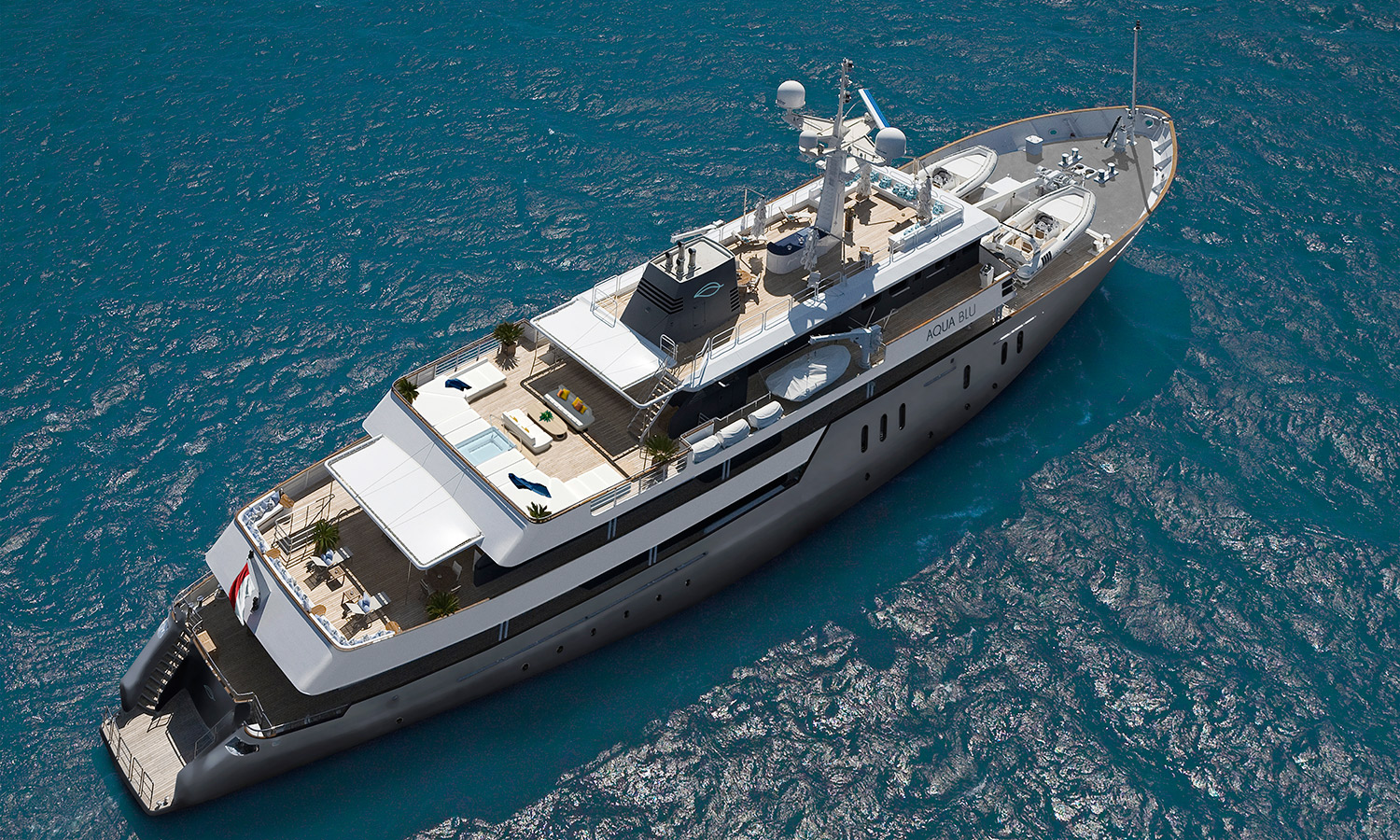
Aqua Blu is Aqua Expeditions’ first ever coastal ship, and first ever long-range expedition-class yacht to be permanently based in the East Indonesian Archipelago with year-round departures.
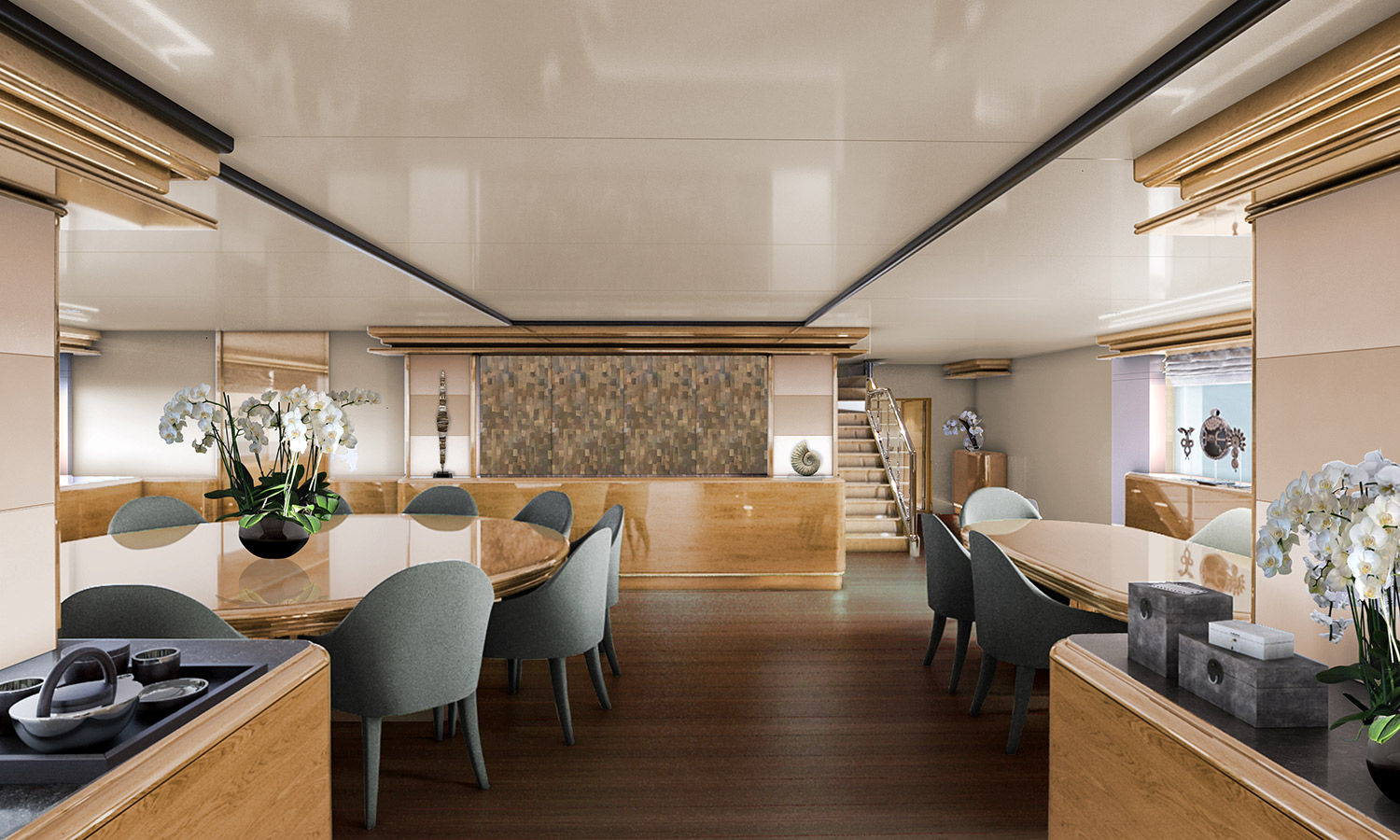
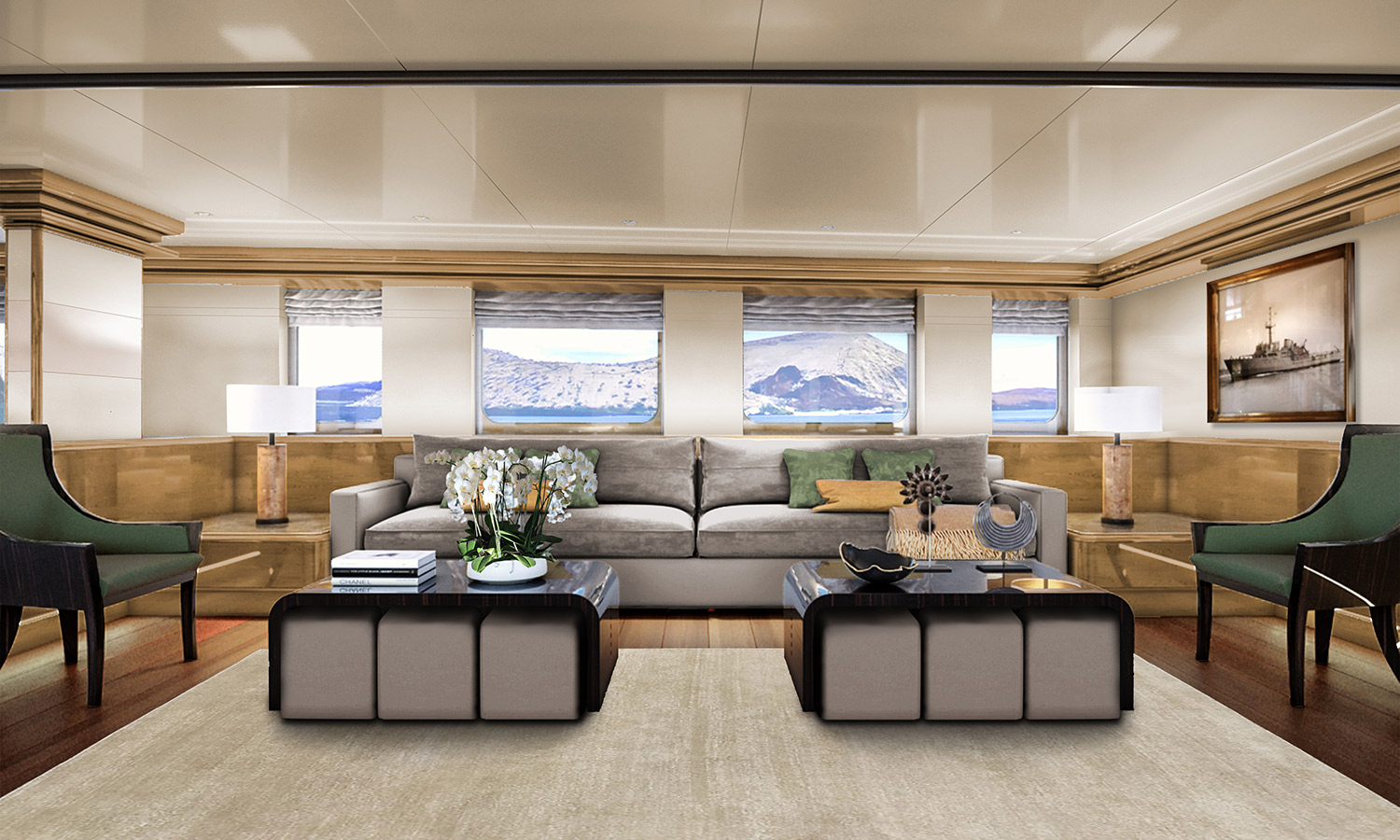
With 15 individually-designed sea-facing suites in three cabin categories, Aqua Blu will welcome guests with on-board certified dive guides and a range of luxurious amenities including a sun deck, indoor lounge and bar, outdoor jacuzzi, spa and top-of-the-line non-motorised watersports equipment such as diving and snorkelling gear, kayaks and stand-up paddleboards.
The East Indonesian Archipelago has more than 1000 species of fish, 260 species of reef-building coral, 70 species of sponges, and a smatter of dugong, sharks, manta rays, whales, dolphins and sea turtles.
Aqua Blu will serve the following three destinations on 7-night coastal cruise itineraries: Raja Amat, Bali-Komodo National Park and the Ambon and Spice Islands.
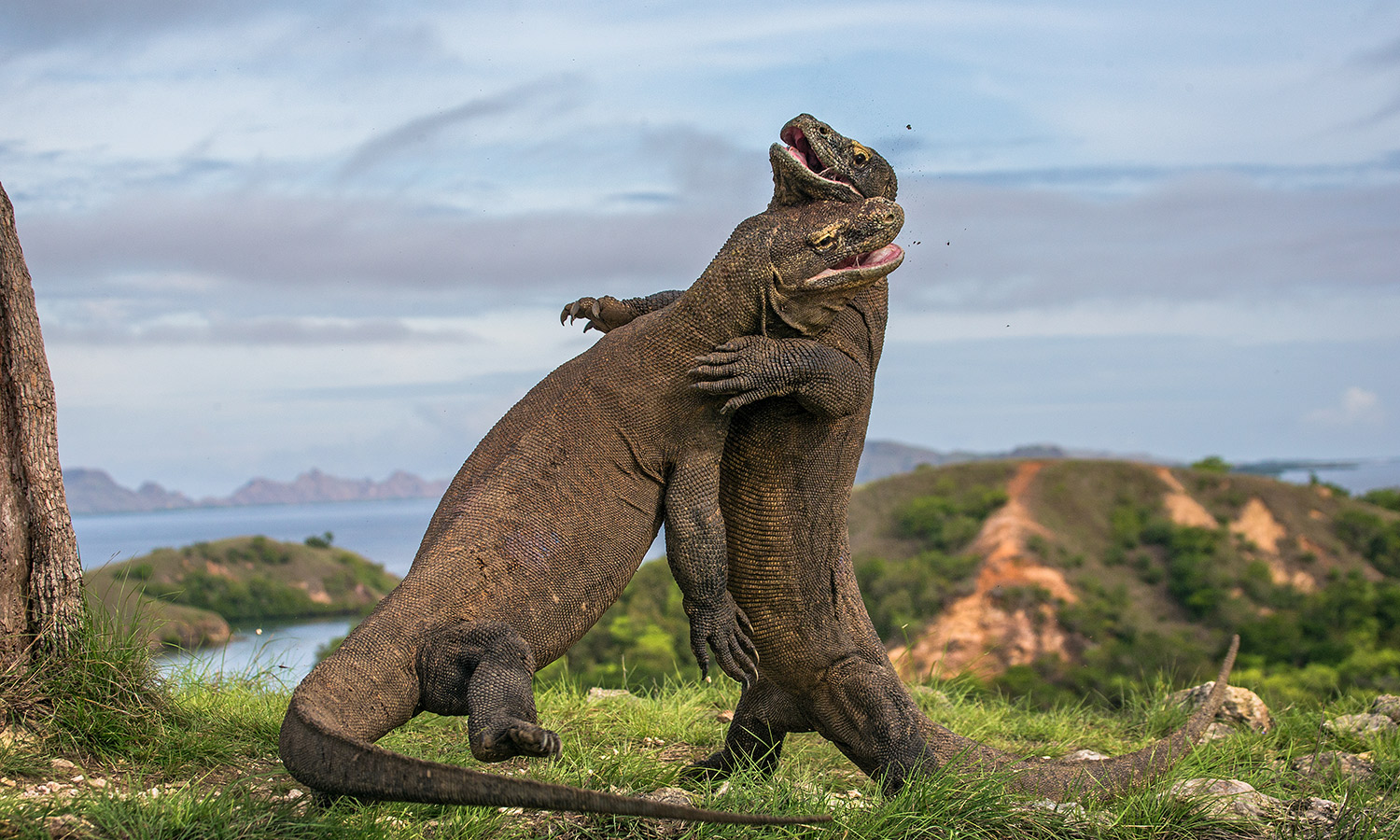
The magnificent Komodo National Park is a UNESCO World Heritage Site known for its volcanic-sculpted Pink Beach and biodiversity that includes the Komodo Dragon, orange-footed scrub and Timor deer.
Raja Ampat, located in the Bird’s Head Peninsula in West Papua, and Indonesia’s second easternmost province, is a land of glittering, blue waters and unique rock formations. The region is home to endemic and rare bird species, including the exquisite Wilson’s bird of paradise; more than 600 species of corals, and 1500 species of tropical marine fish.
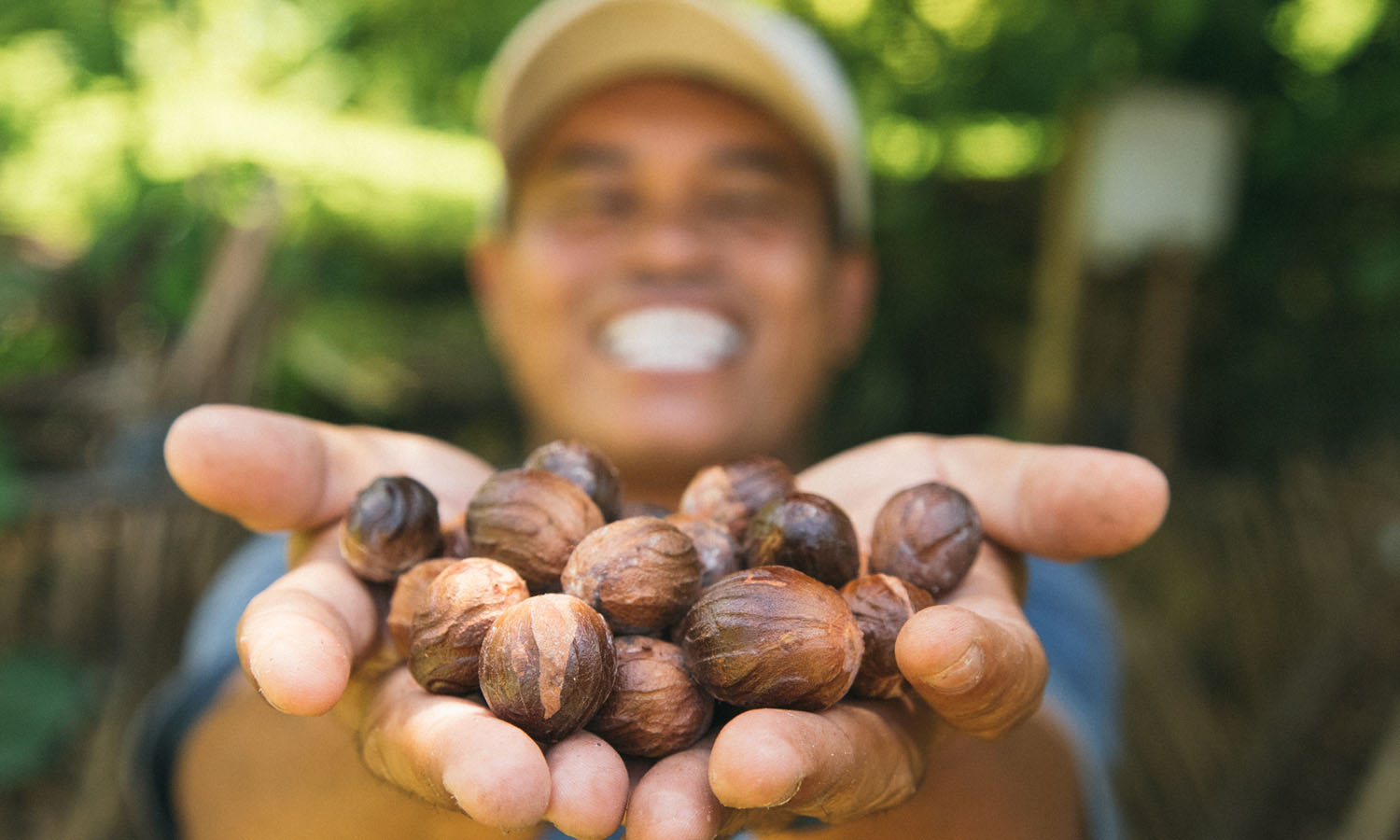
Comprising more than 1000 islands with a backdrop of Gunung Banda Api (Fire Mountain), an active volcano that’s also a hiker’s and birdwatchers’ favourite; the Spice Islands in the Maluku region was once the center of the global spice trade. Underwater, the Spice Islands houses a unique collection of marine life, after lava flow from a 1988 Gunung Banda Api eruption set off a massive rebirth of coral reefs. Today, these underwater gardens are among the liveliest and most diverse marine habitats in the East Indonesian Archipelago.
From August 1, 2020, the Aqua Nera will be embarking on luxury tours of the Peruvian Amazon.
Designed and built to become the most state-of-the-art river boat to ever sail the Amazon, Aqua Nera will present guests with a luxuriously-appointed boat equipped with restaurant, lounge and spa, river-facing plunge pool and gym.
The Tiger Leaping Gorge, where the Yangtze River carves through the mountains of China’s Yunnan Province, is a breathtaking attraction for travellers to the region.The Low Road
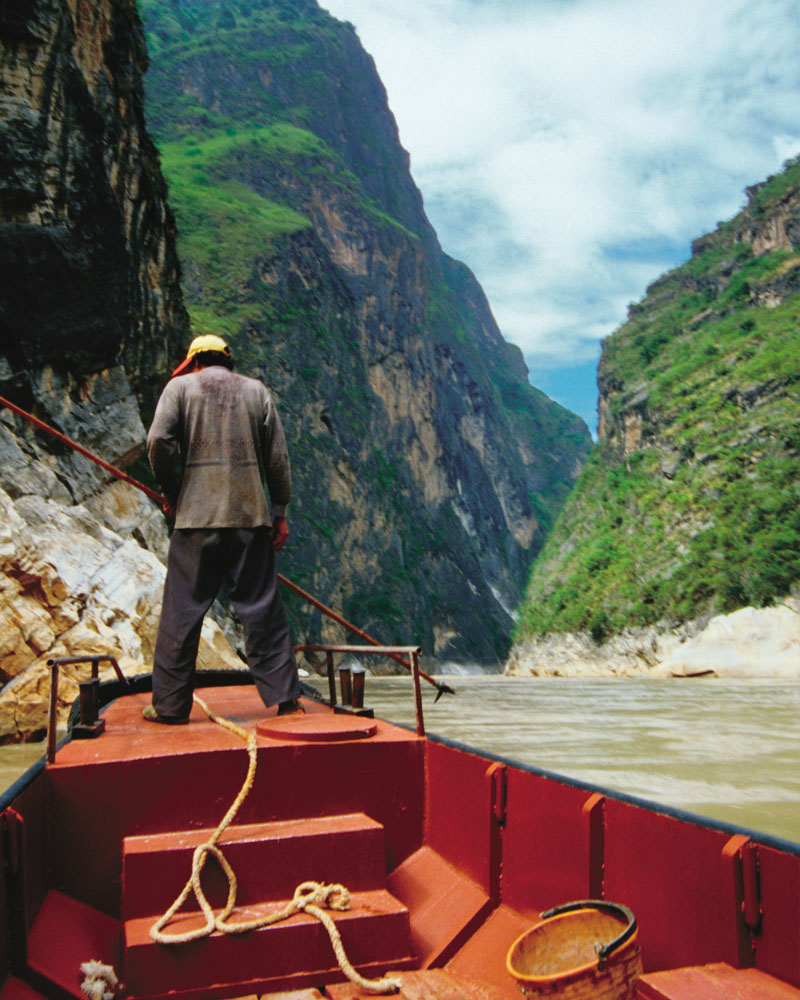
Qiaotou is an unlikely place for an Australian woman to call home. Yet this damp, drab one-street town in the northern mountains of southwest China’s Yunnan Province is where Margo Carter, a former Sydneysider in her late forties, resides. Qiaotou is perched on the banks of the Yangtze River, just before it forces its way through two monstrous mountain ranges in what is the world’s deepest gorge.
From the gushing muddy waters below to the peaks that rise above, the Tiger Leaping Gorge, or Hutiao Xia, rises a staggering 3000-plus metres. Margo arrived a few years ago to trek through the gorge and fell in love with it. She married a Tibetan man, Sean, who runs a guesthouse along the trek route, and is still here.
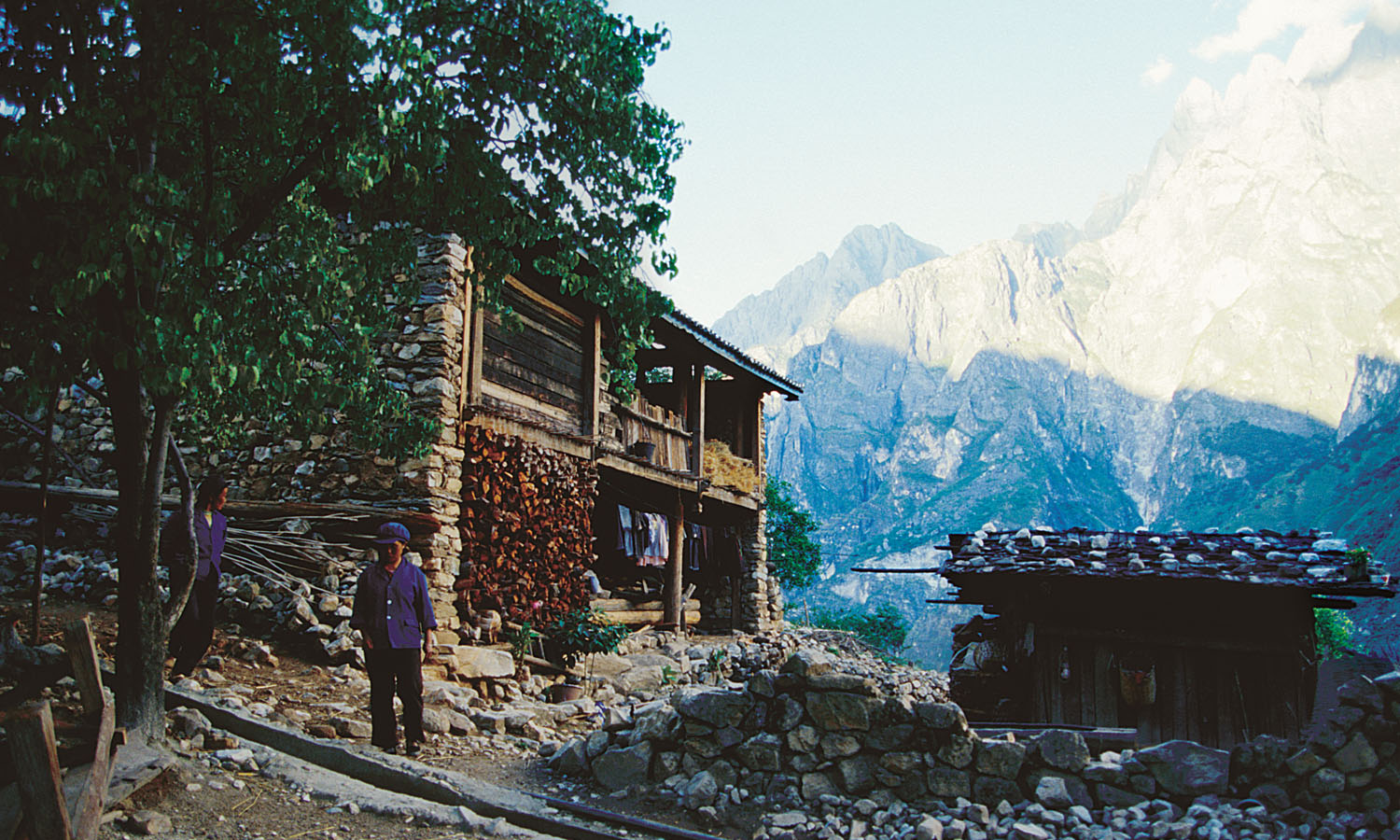
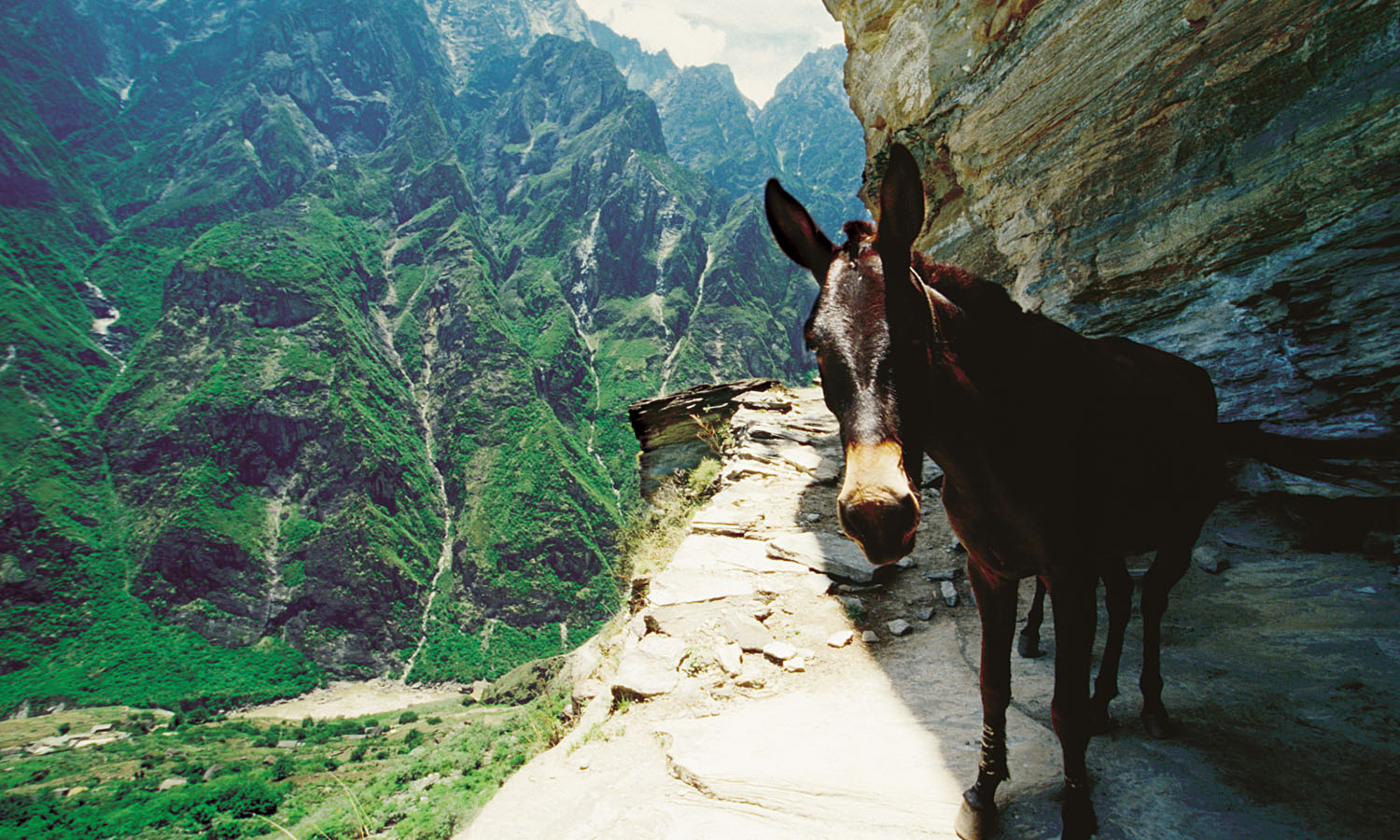
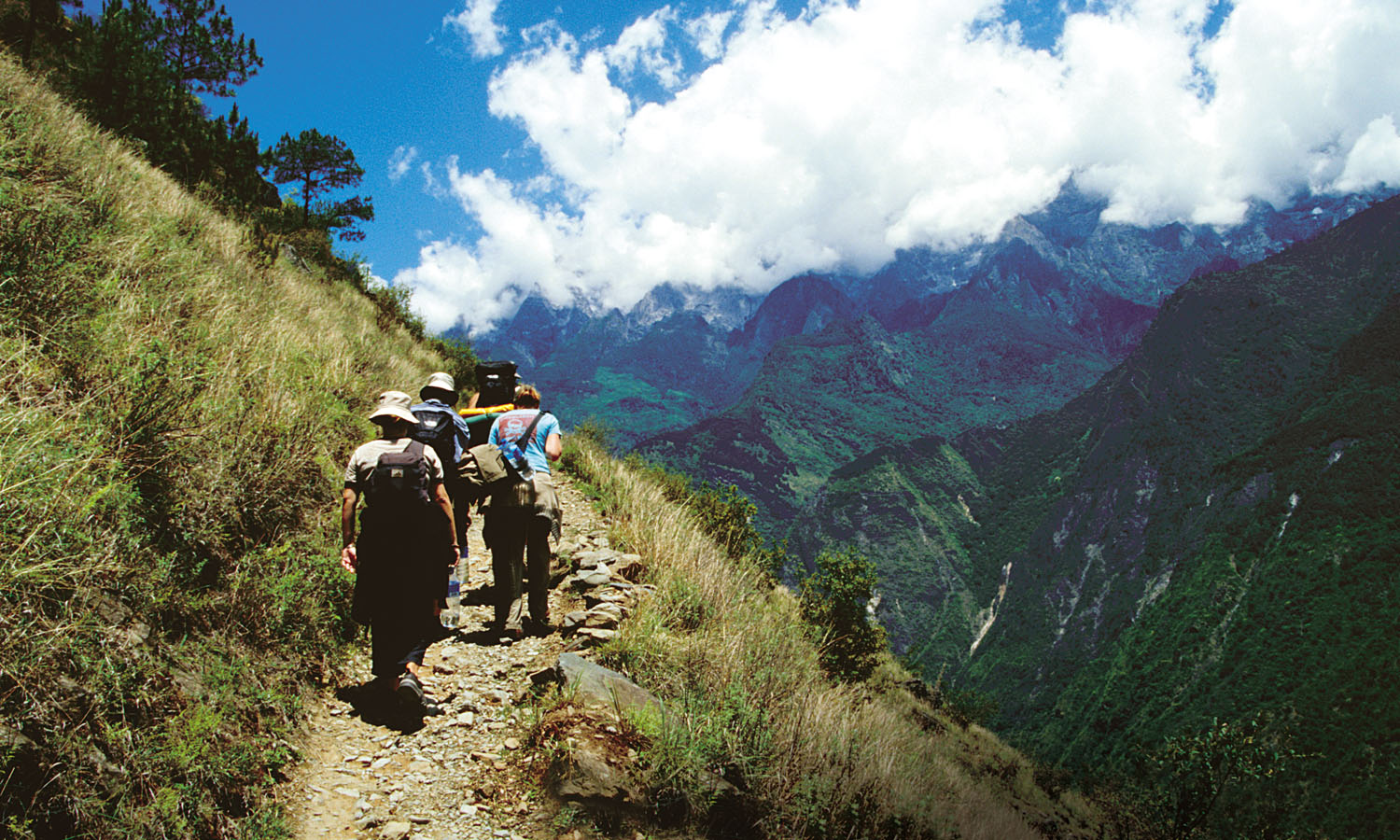
Experiencing the gorge previously required a walk along the old miners’ path that hugs the contours of the northern Haba Mountain range. Overlooking the Yangtze and with breathtaking views of the Jade Dragon Snow Mountain on the southern side, the path passes through some delightful traditional Naxi villages (one of China’s 55 ethnic minorities). A two to three day hike, it is certainly not for everybody. Frequent steep climbs require a moderate degree of fitness.
The so-called ‘28 bends’ is a seemingly neverending steep ascent destined to turn anybody’s calves and thighs to jelly. After heavy rainfall, the path can be particularly dangerous and a number of trekkers have died. Despite the hazards, almost everybody who comes to visit the nearby popular holiday destination of Lijiang wants to see this spectacular gorge.
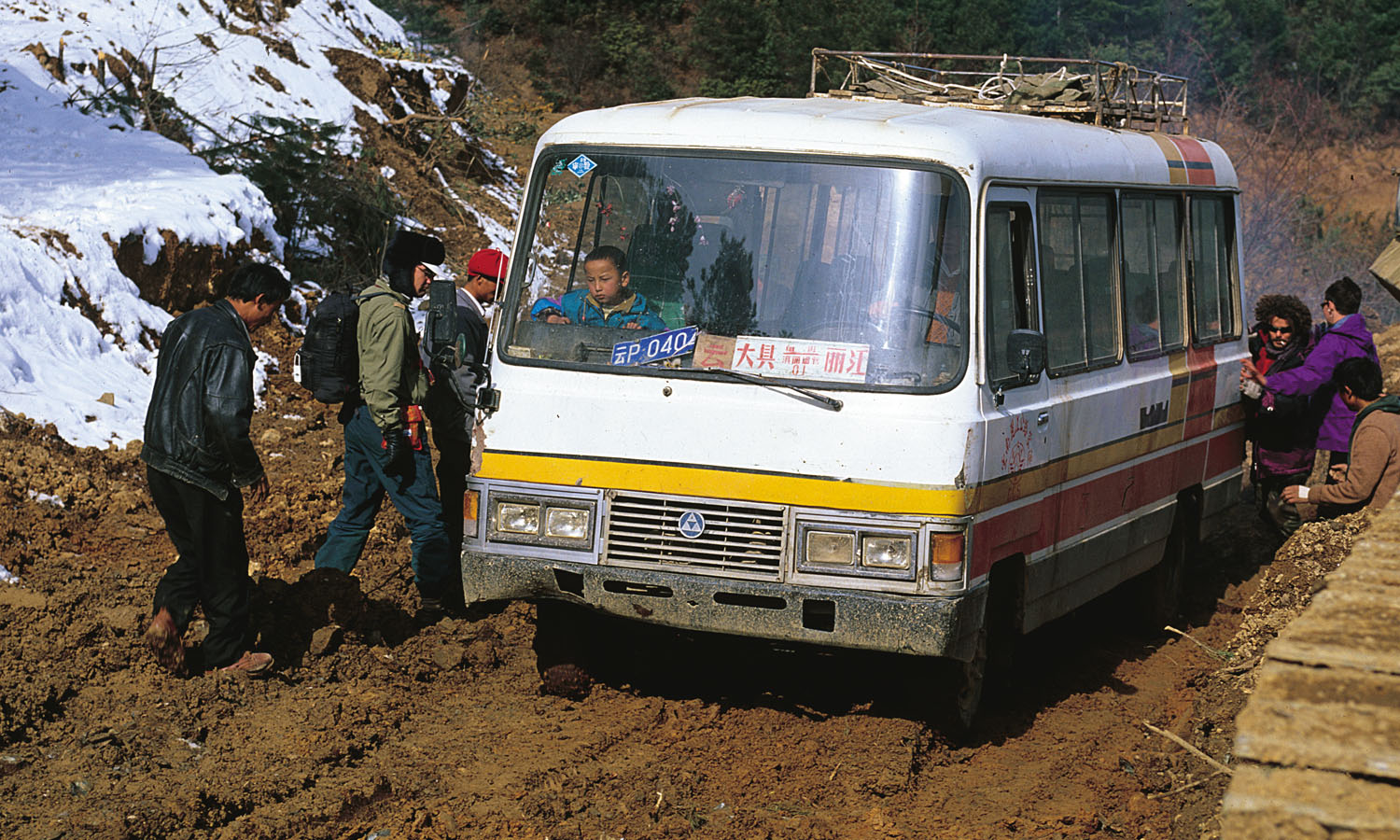
As the Chinese economy continues its unprecedented growth, generating an emerging affluent class, the numbers of domestic Chinese tourists visiting places like Lijiang increases astronomically each year. To meet this demand, the Yunnan government blasted a road along the bottom of the gorge that will eventually run from Qiaotou to Daju, some 30 kilometres away. The road offers close-up views of the river and dramatic rapids where the gorge narrows so considerably that a fable has it that a tiger once leapt across it to avoid a hunter. Buses now use the road to whisk tour groups quickly in and out of the gorge enabling those unfit for or uninterested in the trek to take their ‘I’ve been there’ snapshots.
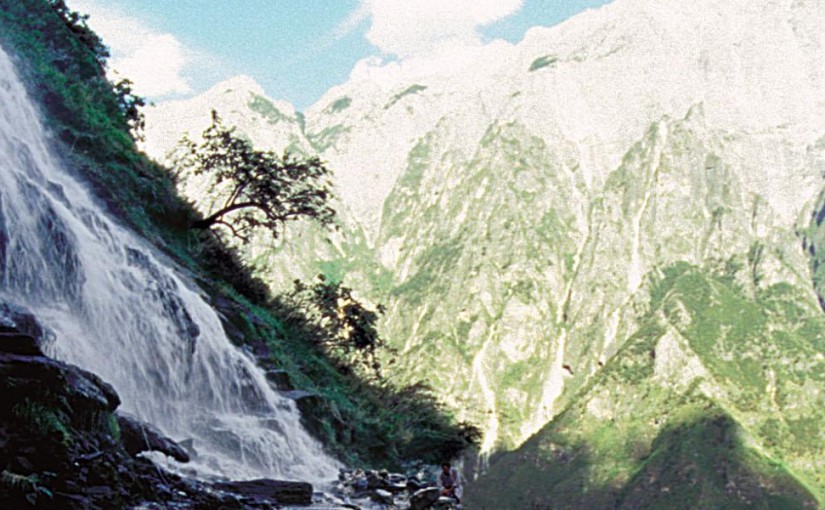
For many Chinese the idea of independent adventure travel remains alien. Most prefer in-and-out organised tours, typically following a guide who holds a group-identifying flag aloft. The accessible Low Road to the gorge offers a very different experience to the demanding High Road path and draws a different crowd. Trekkers on the ‘High Road’ are likely to be foreign, preferring the freedom of this route. Occasionally greeted by magnificent cascading waterfalls and steep drops, the path hugs tight as it twists and turns along the mountain face. Many trekkers opt for the best of both worlds. They take the High Road from Qiaotou and enjoy the stunning views and meet the locals en-route and then return along the Low Road for a closer glimpse of the Yangtze.
Back in Qiaotou, Margo is operating the Gorged Tiger Cafe, popular with travellers returning or about to embark on the gorge trek. Margo and her husband Sean, who has also been guiding Intrepid Travel groups through the gorge for years, are quite vocal in their opposition to developments in the gorge. At present, High Road and Low Road gorge visitors can be unaware of each other’s existence. According to Sean, this peaceful co-existence has been under threat for some time. When works on the Low Road were in progress, occasional explosions echoed through the gorge and punctuated the serenity of the valley.
In China, tourism often equates with development and Sean says the company managing the gorge has plans to increase accessibility. These include a resort, complete with golf course, and a cable car running through the gorge. Rumours that the gorge is to be dammed are also rife. Margo says officials from Yunnan State Power have made a number of visits to the gorge and the gorge could be dammed as early as 2008. Sean argues there should be only one future – the gorge’s unique beauty should be preserved. “Keep the gorge traditional,” he says. “More ecology tourism, bring tourist economy to countryside. The world has few places as good as the gorge.”
The High Road
Looking up, I spy the imposing 18,000-foot Dragon Snow and Jade Snow Mountains. Looking down, it’s a long drop to a notorious 17-kilometre stretch of China’s Mother River, its raging waters at this section noted as “too dangerous for rafting”. Here, what is locally known as the Jinsha-Jiang, the River of Golden Sand, has sliced like an ancient sword through the towering mountains of Yunnan Province to form what is known in the west as Tiger Leaping Gorge.
I strap on my boots and set off to tackle the route that takes walkers through what is said to be the deepest river-gorge on the surface of the planet. I watch on as goats clamber down barely-there tracks, their hooves causing an avalanche of stones to cascade into the valley, and I wonder if they should rename the area Clumsy Goat-Leaping Gorge.
Being a city girl, I hate walking at the best of times and in the rain I can’t think of anything worse. I repeat travellers’ clichés like mantras as I start clambering over rocks: ‘Suffering is character building’; ‘Today’s discomfort is tomorrow’s dinner table anecdote’. Neither alleviate any discomfort as I slip and slide over rocks and jump across sheer drops.
Tiger Leaping Gorge is a challenge for experienced walkers. Most maps are vague and paths often fork off into five or so options. Trekking its length requires a lot of scouting and it’s easy to become lost. Even the bright yellow arrows delineating the path to the middle-mark village of Walnut Grove are hit and miss, as in some places they vanish altogether.
At one such intersection I decide to follow the path into Ben-di One Village as marked on my hand-drawn map. When the locals fail to understand my (very) broken Chinese, I’m at a loss. Showing them my phrase book simply makes them laugh and after they rotate it in every direction I realise that most of them cannot read. Smiling and laughing they point to a path, and so on I walk. After half an hour of passing women returning from the fields with baskets full of bamboo, I begin to worry. Not a yellow arrow in sight and I seem to be returning in the general direction of Qiaotou, the town where I began.
Struck with panic, I decide to backtrack and explore other paths that passed by the village. Within minutes of leaving the settlement I find a marker under an overgrown bush, a splodge of vibrant yellow paint splashed across the craggy old boulder pointing to the right-hand path. Further along there are more distinctive arrows, which are easier to follow. After another half hour, the views of the aquamarine gorge surpass superlatives in equal but opposite measure to the path that disintegrates altogether in places. I stop to catch my breath and take some rain-swept photographs before beginning the two-hour ascent to the high point.
From here, the trek feels more like the beginning of a Bond movie with knife-edge bends and sheer drops into the abyss. It’s 3,500 feet down into the rocky gorge – no-one would survive the fall. The wind blows and a waterfall cascades across the main path. After seven hours of walking, every bone in my body aches but there is no going back. The sun comes out just as my spirits fade to nothing, the light rallying my weary body. I am facing the hardest section yet with another descent that has my knees bending at the strangest angles. When the yellow arrows suddenly turn into adverts for guesthouses, I’m grateful for the respite.
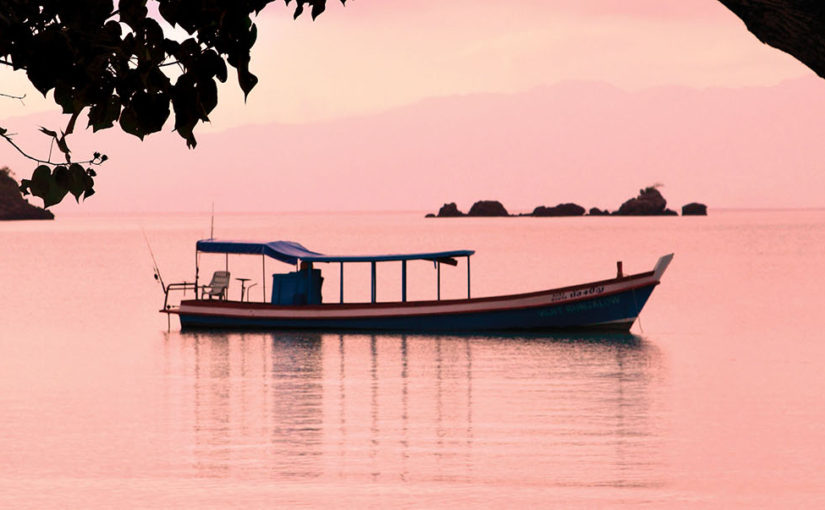
The little Thai island of Koh Phayam floats just south of Burma’s last blue-grey outrider islands, seemingly in the waters of amnesia. Our speedboat skitters towards it across a windless, swell-less sea.
If most Thais have forgotten this 35-square-kilometre dot in the Andaman Sea it is because they’ve never even heard of it. Koh Phayam (pronounced ‘pie-am’) has no cars or roads, few bars, no spas and no karaoke yowls… well, not yet. But, please, never call it paradise because, as Marcel Proust gloomily put it, “The only paradise is paradise lost.”
The speedboat zips us to Phayam, some 40 minutes and 30 kilometres from the Thai port of Ranong. This morning’s passengers include half a dozen European backpackers, the last Rajneeshi (still sporting his faded red threads), a young German family and seven Thais – island residents – loaded with groceries. A fair sampling of the Koh Phayam populace.
The jungle-covered island comes into view. As our speedboat carves an arc into Aow Mae Mai bay on its east coast, I see no condo towers or shrieking paragliders snagging the skyline. A good start. “We have nothing like that yet,” one of the Thais tells me. “And I hope we don’t get.”
As a traveller, you may know the feeling: returning to an island you loved not too long ago for its tranquility, you find it now paved with ravers and internet cafes – the victim of its own beauty.
Koh Phayam is nothing like that. We land at its only town, a T-junction near the pier from which radiates a collection of stalls, eateries, small bars and dive shops. My hotel transfer turns out to be a Thai girl named Lemon, who balances me and my bag on the back of her motorbike. We’re soon wobbling west across the sandy island on a narrow concrete path that’s shaded by cashew trees. I love the place already.
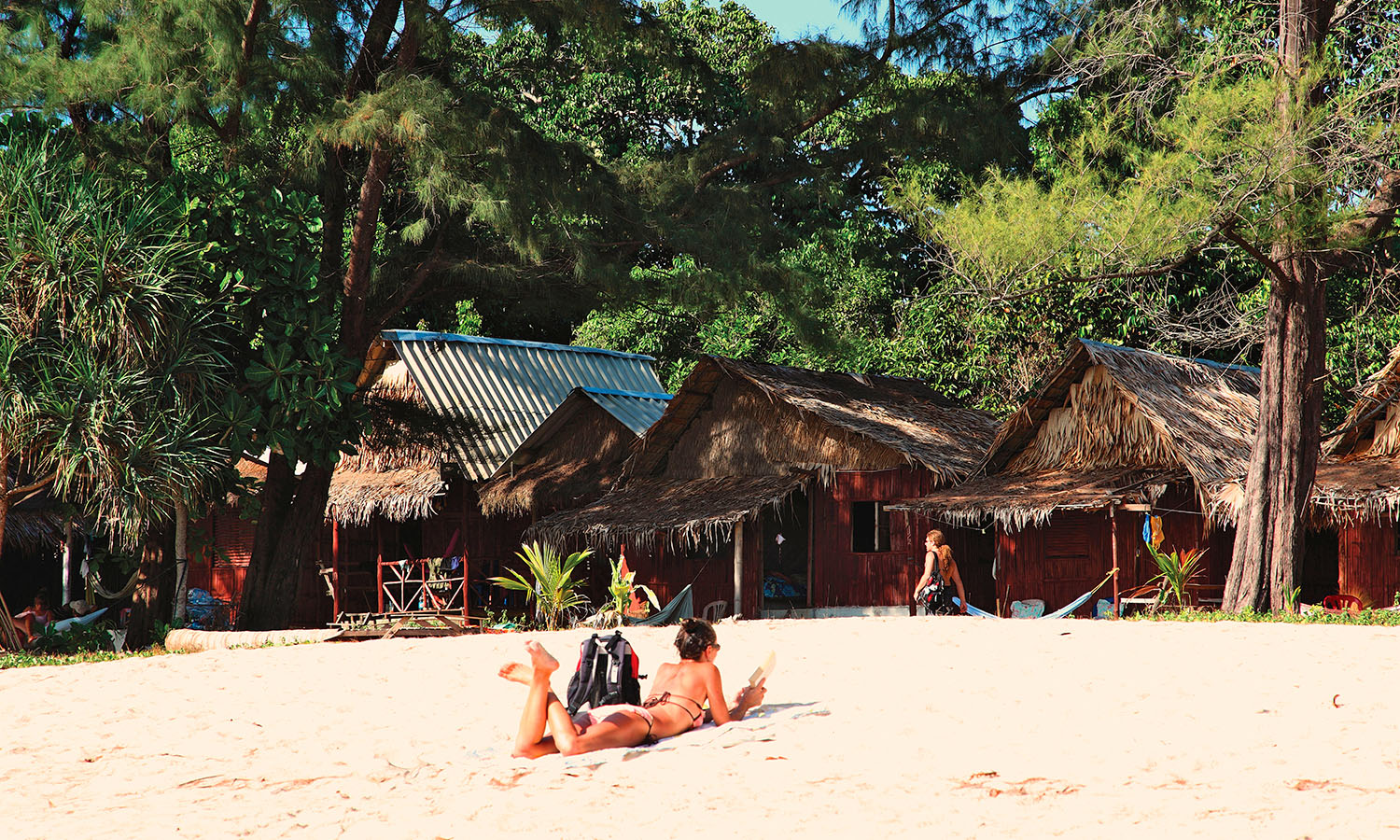
And of course there is no ‘hotel’, Phayam’s accommodation consisting of only bungalow resorts. The one I’ve booked is perhaps the best known, Bamboo Bungalows, run by a mellow, 40-ish Israeli, Yuli, and his Thai wife, Nute.
“It was a Robinson Crusoe place back then,” says Yuli over a coffee in the Bamboo’s open-air, beachfront restaurant. He paints a picture of the island when he arrived in 1997. “Foreigners were as rare as hornbills. There were only five resorts, now there are 35. We had the place almost to ourselves until about six years ago.”
Their garden resort – a scattering of some twenty bungalows and cottages of four types – looks out from beneath a fringe of palms, cashew trees, pandanus and casuarinas. The Andaman Sea stares spectacularly back. Three kilometres of wide, clean sand arcs to the north and south. I spot fifteen or twenty people along it, a high season crowd on Aow Yai Beach.
My mid-range bungalow has a double bed, outdoor shower and loo, light, two chairs, table and a roof. All I need. I grab a surf kayak and paddle out into the lazy blue swell. A small closeout wave breaks there all day long – hardly classic surf, but still it’s a wave, a wake-up and fun. Bamboo’s guests periodically wander down the beach with the resort’s boogie boards or kayaks and plunge in, even if only to snap themselves awake from a siesta.
Phayam’s like that: big on naps, long walks, longer reads, a bit of exploration, a trip to town for cinnamon buns at the Multi Kulti Bakery or a few beers at Oscars Bar. A major event might be an offshore fishing or snorkeling excursion, or a daytrip down to the magical Surin Islands. Extreme mobility here is a visit to neighbouring Koh Chang or a visa run to nearby Victoria Point in Burma.
If Phayam has a history, no one recalls it much. Its name supposedly came from the Thai word phayayam (‘try again’) perhaps from the days of sail when small vessels had to attempt the crossing more than once if the wind was against them. At the lower end of Kao Kwai Bay on the west coast is a small settlement of sea gypsies, also known as Moken or chao lay (people of the sea), but the majority of the island’s 600 permanent inhabitants are recently arrived mainland Thais employed in tourism.
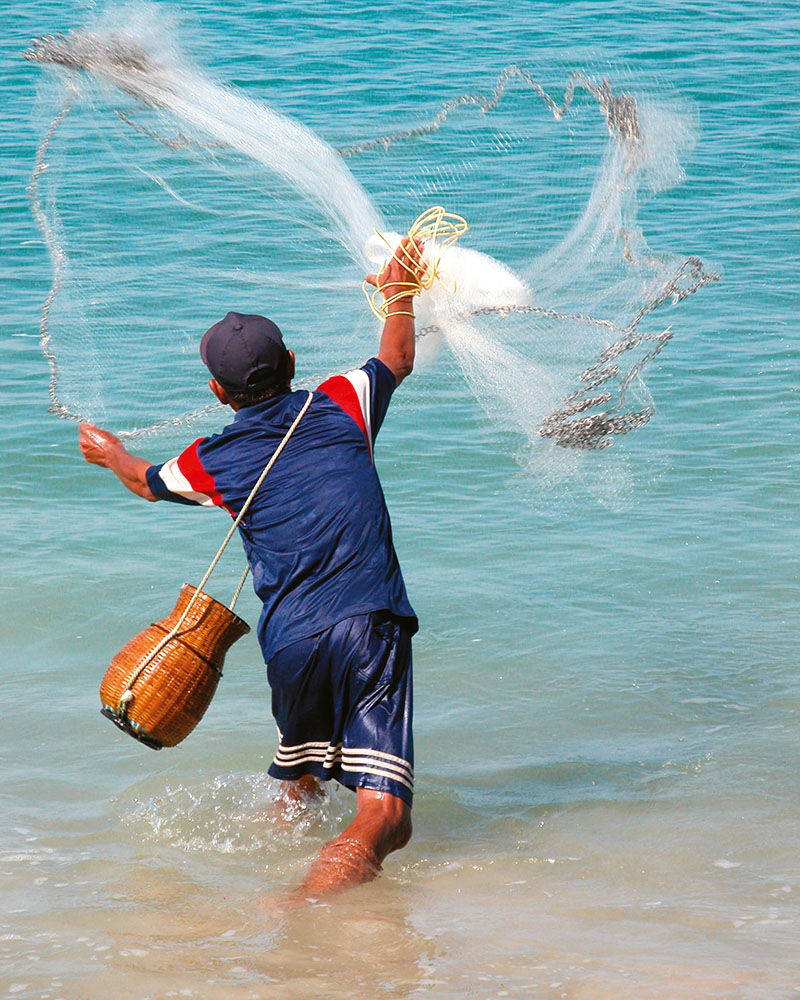
Before farang visitors came in any numbers, the islanders worked (and still do) at cashew nut farming, rubber cultivation and fishing. Long before that it was home mostly to monkeys, wild boar, squirrels, hawks, sea otters and the elusive Oriental Pied Hornbill. The only ones I spot are squirrels and hawks.
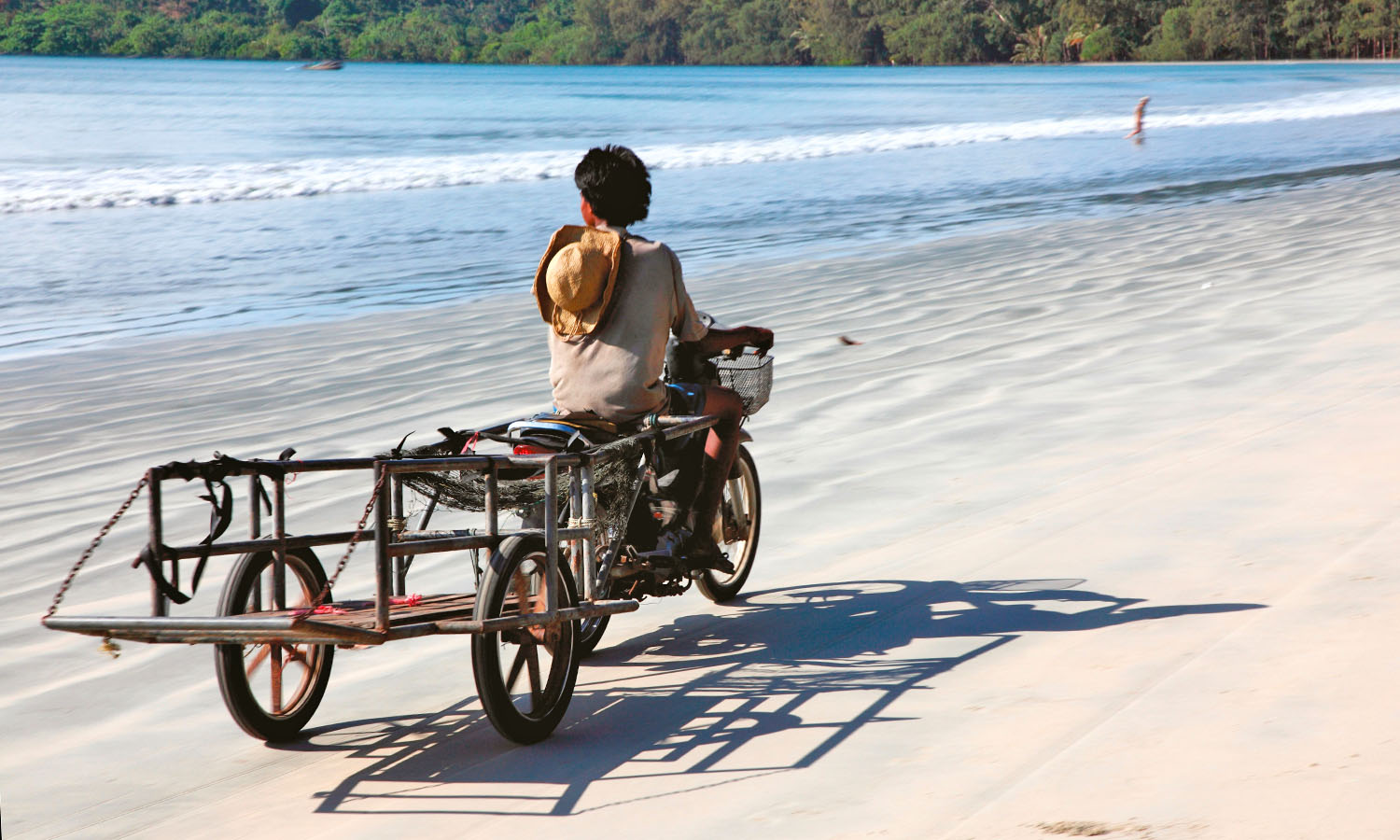
I hire a motorbike for 200 baht (A$7) and explore the island, all ten-by-six kilometres of it. Phayam’s ‘roads’ amount to just 2.5 kilometres of two-metre wide concrete ribbon that runs over hill and scrubby dale, one path going across the island, and the other, even shorter, running north. Branching from these, unsealed sidetracks cut through the bush to the beaches at Aow Yai (Big Bay) and its northern counterpart Aow Kao Kwai (Buffalo Bay). I overtake some Dutch travellers sweating along these sandy paths on 80-baht pushbikes. Virtuous as they may be (not to mention fitter and 120-baht-a-day richer than me), I pat my trusty little Suzuki gratefully.
I head for the isolated northern beach of Aow Kwang Peeb, navigating a precipitous track recently carved into the jungle hillside. It drops me down to a perfect emerald bay with a fingernail of sandy shoreline, where I dive straight in for a swim. (At less than ten degrees north of the equator, the water here is never cold.) This being ever-enterprising Thailand, I am not surprised that there is already a small resort and drinks bar here, and thus the newly carved road in the wilderness.
Both of Phayam’s two main west coast bays, Aow Yai and Aow Khao Kwai, have long beaches backed by low, forested hills, while the east coast is mostly tidal mangrove shore. I check some of the other accommodation, the most upmarket being the new Payam Cottage Resort (boasting 24-hour electricity) and nearby Buffalo Bay Vacation Club. The other end of the scale seems occupied by the Smile Hut, a less-than-tidy, long-stay, low-rent place where the pathway borders are formed by thousands of empty beer bottles.
I cruise home on a path fragrant with the fermenting musk of windfall cashew fruit, seeing an island whose appeal is defined by what it lacks: discos, ATMs, watch-floggers, beer bars and taxi mafia. Please, Buddha, may no one hex Phayam with the P-word. As the Eagles once cautioned, “You call some place paradise, kiss it goodbye.”
Back at Bamboo Bungalows I lap up the creature comforts including cold beer and Nute’s delicious tiger prawns and squid. (Like most places on Phayam, the power is from generator and solar sources, and runs from 10am to 2pm, and 6pm to 11pm). There is even a good internet connection. Yuli jokes, “guests complained when there was no internet, so I got it. Soon they complained it was too slow, so I installed free wireless. What’s next?”
My fellow guests are what you might call mature backpackers, mainly Europeans either with or without kids, plus travelling couples and singles. Predominantly they are German, Swedish, Australian and Dutch (in that order). Three polite young Israeli guys seem determined to be the opposite of their national backpacker stereotype. The only person I avoid is a German who sits himself at my table and lights up a rank cigar.
“The younger backpackers go to the ‘bar islands’,” says Yuli, referring to places like Phi Phi, Tao, Phangan, Phuket and Samui, islands now awash with mandatory full moon parties, tattoo shops and pizza parlours. Phayam is frequently described as “Like Koh Samui or Phuket 30 years ago” – a cliché freighted with troubling prophecy. Hopefully, ‘success’ will be as blind to Phayam as the 2004 tsunami and flow right past it.
Come late afternoon, Koh Phayam gets truly gorgeous. At around 4.30pm, the cicadas crank up the volume (as they also do at dawn), the beach is cool enough for a few games of volleyball and then the lightshow begins. Off to the north above the ghost islands of Burma, thunder clouds stack themselves thousand of metres high, grey on grey phantoms of vapour twitching with lightning. The sky behind them washes slowly from purple haze down to darkness while along the beach the first bonfire flames lick up and a conga drummer kicks in. Not paradise, but not far off.
Beyond Koh Phayam
Koh Surin Islands
Try a daytrip from Koh Phayam to this Andaman Sea archipelago, a Thai Marine National Park that offers some of the best diving and snorkelling anywhere. The waters around the two islands offer dramatic swim-throughs, superb corals, a huge variety of fish and stunning visibility. The forested islands are also home to several Moken ‘sea gypsy’ communities.
Koh Chang (Elephant Island)
About four kilometres north of Koh Phayam, this is even quieter than Phayam and far less developed. (Note that this is not the large island of the same name in the eastern Gulf of Thailand.) There are small lodges and restaurants, some 45 homes and a Buddhist monastery. No motor vehicles, just walking paths. There is no direct service from Koh Phayam to Koh Chang, but boats can be chartered from Ranong pier or via your booked lodge.
Ranong
Capital of the wettest province in Thailand, snoozy Ranong is a quite Thai-Chinese town best known among visitors for its hot springs. Jansom Ranong Hotel pipes water from the springs into its public spa. The hotel is in a state of gothic decrepitude (although being refurbished) but the spa is fine and the water so hot (around 60ºC) that it might boil the nuts off a brass monkey. Eat at Saphon’s Hideaway (Ruangrat Rd) or the Kiwi Guesthouse adjacent to Ranong bus station.
Victoria Point (Koh Song)
This Burma/Myanmar island is a fifteen-minute boat trip from Ranong pier. Before embarking on a daytrip, visitors must obtain a boarding card from the Thai Immigration Office in Pak Nam Ranong. You’ll find duty-free shopping, Burmese handicrafts and gems (caveat emptor), and the Andaman Club Island Resort casino.
What is your blood type?” asks Lady Gaga. It’s an odd question, especially one coming from a pop star I’ve only just met. “Um, I don’t know,” I say. She looks like I’ve just said her outfit sucks. “What? But everybody know blood type in Japan – like me. I am ‘A’, like real Gaga I think: patient, intelligent and, how you say? Conservative.” Conservative? She strikes me a pose á la Marilyn Monroe, gives me a wink and lights up her boobs like she’s a Christmas tree. Spiderman runs after her. Followed by two vampires, a pumpkin, a panda, some little green men and another Gaga dressed in lace.
I’m not sure what to expect upon my arrival for a few days in Tokyo, eight months after Japan’s devastating earthquake. But I’ve just discovered two things. 1) When someone asks what your blood group is, it’s like saying ‘what star sign are you?’ 2) I’ve unintentionally landed during Halloween, and everyone in Roppongi, the nightlife nerve centre, has gone a little Gaga.
In fact, since the pop diva urged fans to come back to the city during her visit in June 2011, she has become somewhat of a national hero – and an apt one at that. Out there yet enigmatic, gregarious yet shy, the ‘Poker Face’ singer with the big personality sums up this town to a tee.
After a heavy first night out on the sake, I spend the next couple of days finding out what makes Tokyo tick. It’s a sprawling city with quirks on every street corner. From Akihabara’s cutesy-poo maid cafes and AKB48 shops (a local J-pop group with 48 members) to Harajuku’s cosplay rockabillies and Shibuya’s statue of Hachiko: a dead dog that was so admired for his loyalty, they even made a movie about him. And while all of this is great and good, and blows my boxed-in Western mind, I decide that tomorrow it’s time to do something that’ll give me a different perspective of the city’s character – like get out of it.
About a 90-minute train ride north-west of Tokyo lies Okutama-machi: a vast wilderness of cool rivers, misty mountains, ancient shrines and blossoming pink ginkgo trees. Not that you’d ever think it was there. The fact that 35 million people cram into the greater Tokyo area alone makes it the world’s most populous metropolitan region. So how could there possibly be any room for anything else but chopsticks?
“A guy got mauled by a bear out here,” says Brad, an American who’s been an outdoor guide in Okutama for over 10 years. “It was really bad. But it did put us on the map,” he says, pointing to a little bear motif on a sign post as we exit Kori station. “I mean, the Japanese didn’t actually think there would be any wild animals around.”
I look over at the mint-green hills we’re about to climb. No neon-lit skyscrapers, air-conditioned malls or pimped-up plazas; just spectacular spots for picnicking, camping, bathing, fishing and walking.
Thankfully, Brad’s an expert in the area, so we start our hike a couple of hours down from Okutama town. This way, we can stroll up and finish the day at an onsen (hot spring).
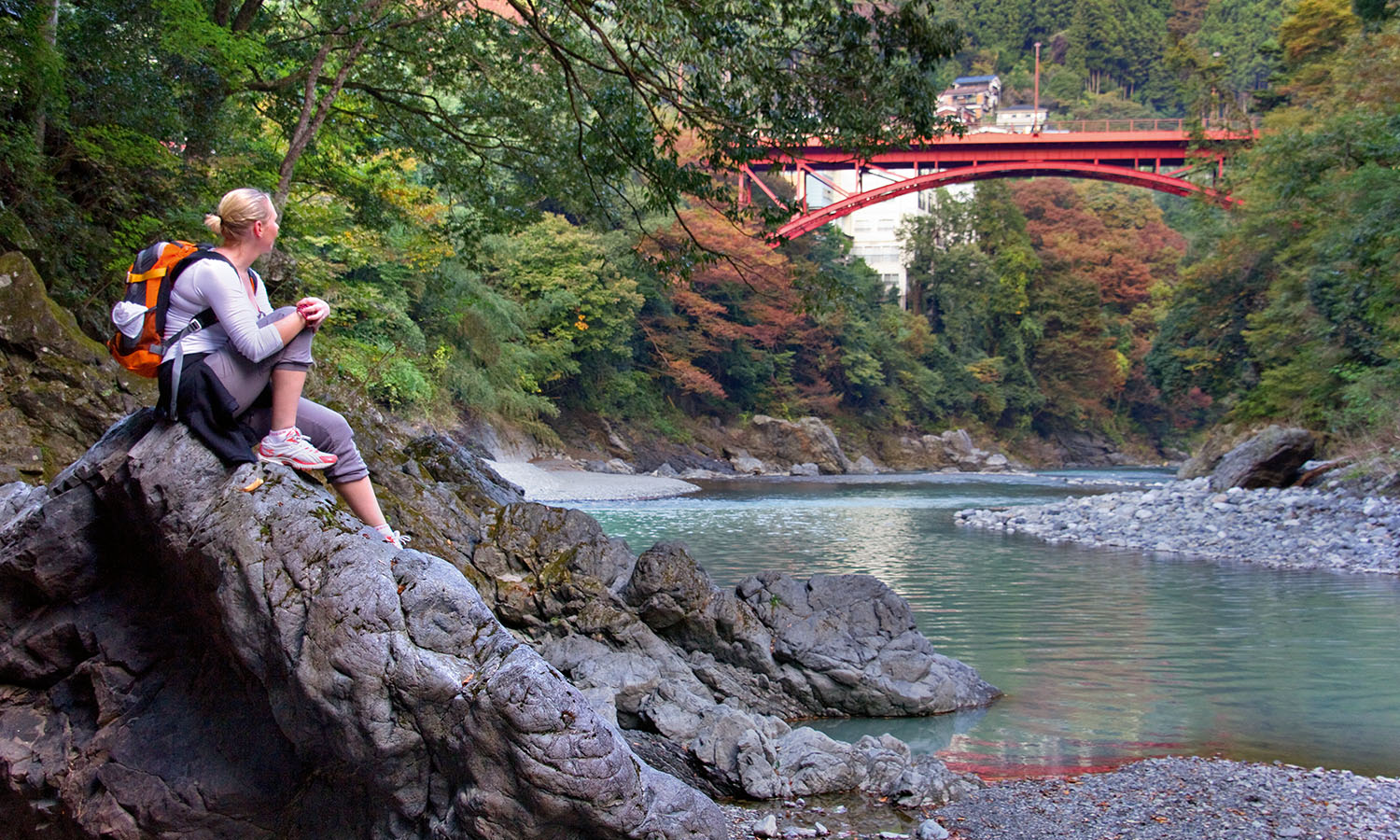
There’s not a cloud around as we wind our way around the pebbly shoreline of the Tama River, up grassy paths and across little wooden bridges. Unfortunately, we’re a bit too early in the season for the brilliant autumn colours that epitomise the area, but the maple leaves are starting to turn from chameleon green into dusty yellow, with slight tinges of orange and cherry red.
Not far from our destination we stop beneath a small shrine that’s on a rock overlooking the almost alpine-clear water. There’s hardly another soul about, just a couple of out-of-towners snacking on sushi rolls and limbering up for what looks like calisthenics.
Hiking, it seems, like any other hobby in Japan, is serious business. Kitted out with Gore-Tex boots and gaiters for a walk that has barely broken a sweat, they bend, flex and squat, hiking poles in hand, as if they’ve been summitting Mt Fuji.
I happily watch the performance while Brad calls the people at the onsen to fix up lunch. I hear hurried whispers, some laughing and a lot of ‘sumimasen’ – a popular Japanese word that means ‘sorry’, but is used to relax tension in a conversation about anything from the weather to washing powder.
Twenty minutes go by and Brad is still on the phone. He smiles, rolls his eyes at me and I wonder if he is also an ‘A’ blood-type character. This guy’s got more patience than a pachinko player. My belly is gurgling and I’m keen to get on.
“Sometimes I think I’m way too Japanese,” he chuckles, hanging up the phone. “Last time I went to the onsen they didn’t have fish, so I called to say that I’ve got my friend from Australia here and I’d really like her to experience our amazing local fish. We discussed why the fish was so great, but I didn’t actually ask for the fish. I just suggested it would be nice.”
I’m confused. Wouldn’t it have been easier just to ask for the fish? This, I am told, is classic Japanese ‘honne’ – a way of expressing your true feelings without actually saying what it is that you want. It is the Western equivalent of ‘beating around the bush’. And it works.
At the onsen I’m treated to grilled river trout that makes my tongue sing. I follow it up outside, bathing in a big Japanese tub that’s positioned high on a cliff looking onto a patch of river. Campers dot one side of the bank, struggling to put up tents. My warm skin soaks up the chilly air, as I close my eyes and relax into the gentle sound of the water rushing below.
It is a very different noise to the one I’m listening to later that evening after a train ride back to the city.
“Ussah, ussah…hi gora, hi gora!” The chanting is set to the beat of mini plastic bats being banged together. It is loud. It is melodic. It is being conducted like an orchestra by a man standing on an upturned milk crate, blowing a whistle through a megaphone. This is the sound of Japan’s national sport, baseball.
I’m at Jingu Stadium, home of the Yakult Swallows, and I’ve been lucky to score tickets to a game that’s on par with a preliminary final. Better yet, it’s a local derby. It’s between age-old rivals the Yomiuri Giants, known as the New York Yankees of Japan, and the local underdogs, the Swallows.
The guy squeezed in next to me at the very back of the bleachers is Wayne, an expat who’s somewhat an authority on Japanese baseball – he’s barely missed a game in 42 years. “This is the best part,” he says, as he opens up a pastel-coloured umbrella. I check the air, but I don’t feel a drop. Then the sea of bodies below us becomes a tide of translucent brollies, swaying in the breeze. “A fan got so worked up once, he started waving his brolly,” says Wayne. “Now, we all do it – even when it’s not raining.”
As Suishu Tobita, Japan’s ‘god of baseball’, once said “Baseball is more than just a game. It has eternal value. Through it one learns the beautiful and noble spirit of Japan.”
Players get sussed out by their blood type, of course. It is, after all, a sport about mental grit as much as physical strength. Yet it’s played in a much more polite and fastidious fashion than its counterpart in America. You’ll never see a mid-game spat – on or off the field – despite the fact ‘beer girls’ come to your seat and serve you full-strength from vacuum-cleaner-like kegs strapped to their backs. Even the cheer squads, known as oendans, are a perfectly executed, orderly procession. The Giants’ fans stand, sing and then sit. Then the Swallows’ fans stand, sing and then sit. Never, ever do they go at the same time.
You Gotta Have Wa, a book by Japan-based American Robert Whiting, is an insightful look into all the nuances of ‘besuboro’ (baseball). According to Whiting, “60 per cent of the country is a Giants fan…their performance has been held responsible for everything from the economic recession to the national suicide rate.” In another bizarre twist, even the owner of the Swallows, Hisami Matsuzono, is a shameless Giants fanatic. Though, not without good reason. If the Swallows defeat the Giants, sales of his Yakult plummet.
I give up my seat in the safety of the bleachers to come and join the action in the Swallows’ onedan. I have no idea what’s happening on the field, I’m too caught up in what now resembles a U2 concert. The air crackles with tension, then the chanting begins. “Ussah, ussah…hi gora, hi gora!” The usually reserved Japanese spill forth their lungs, like volcanoes erupting. It is a resounding, deafening cry that goes on and on until the game finishes four hours later.
Soon after, I’m sinking a beer with ‘OJ de Villager’ – Nigeria’s answer to Bob Marley. He came to Tokyo to be with his Japanese wife, a lady who looks as much fun as a plank of wood in a party hat. We’re downstairs in his bar: a seedy joint inappropriately named ‘Paradise Island’ that’s in the heart of Kabukicho, Tokyo’s red-light district. The room is bathed in a dingy blue glow, the air reeks of stale Asahi and the only other person in here is his mate propped up on a stool, slurping some ramen.
“I am a big star!” OJ announces, pointing to his chest like I may have mistaken him for someone else who isn’t in here. “Let me play something for you.”
He gets behind the DJ booth, starts the turntables rolling and some sort of J-pop/reggae tune, set to the rhythm of a doorbell, kicks in.
OJ picks up the mic: “I went to the airport, yo-o-o-oowah…and it was huge…I ran out of Africa thinking that Tokyo was the best…everybody, everybody, ohhh…”
After he’s finished serenading me, he points to the poster of a bare-chested African man with a glistening 10-pack. “This is me,” he says. I look at him and back at the poster. I look at him again, and once more at the poster. OJ might as well be wearing a gorilla suit. No amount of airbrushing could make that a picture of him.
I don’t want to be the one to put a lid on OJ’s bottle, so I ask him to sign his CD for me, before I make a quick exit.
Tokyo, I’ve discovered, is full of personality and personalities. Here, it doesn’t matter what pop star you’re trying to be, or what your blood type may be. As Lady Gaga once said: “You have to be unique, and different, and shine in your own way.”
Mai mee pun hah!” The chirpy phrase, meaning ‘no problem’, is the most commonly heard sound on Ko Chang.
I wake early for a run before the tropical heat kicks in. The sun is throwing its first saffron-coloured rays over the humpbacked forest slopes of Ko Chang and I’ve heard the phrase twice already. The first time was from my landlady when I stumbled out of my beach shack bleary-eyed and knocked my barbecue over. Now I hear it again from my new friend, Adi.
Thailand’s laid-back island attitude has almost become a travellers’ cliché, but for good reason. Life in fast-lane Bangkok has a way of taking its toll and I have come to Ko Chang for a month or two to let the warm waters of the Gulf of Thailand wash away the inevitable stress of big-city life.
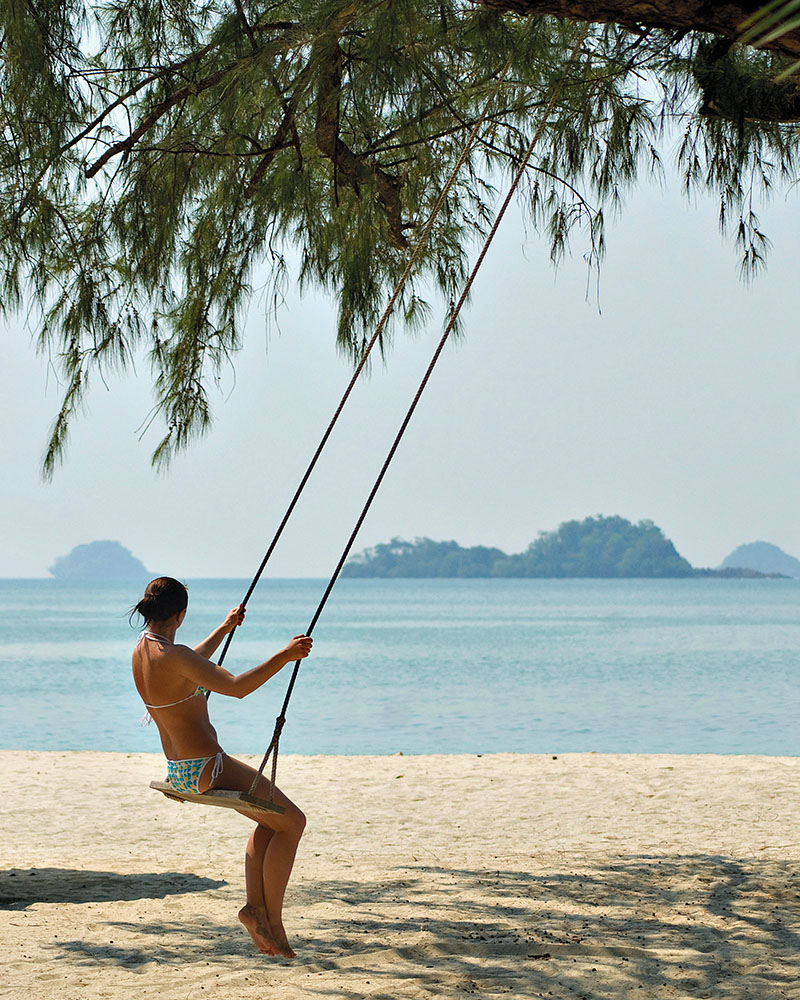
Adi clearly knows little of those problems. He, with his dog Mah at his side, operates a little pontoon boat across the narrow tidal inlet to the beach at Klong Prao. His workplace is prime beachfront real estate – the type that postcard publishers drool over. It is almost too perfect, with its turquoise waters and a white arc of sand that is dotted here and there with just the right amount of shade from towering palms.
Klong Prao offers more than enough temptation for me to rip off my trainers and wade across the shallow lagoon. Stupidly, I have come out without any baht and with a sheepish shrug to Adi I pull out my empty pockets.
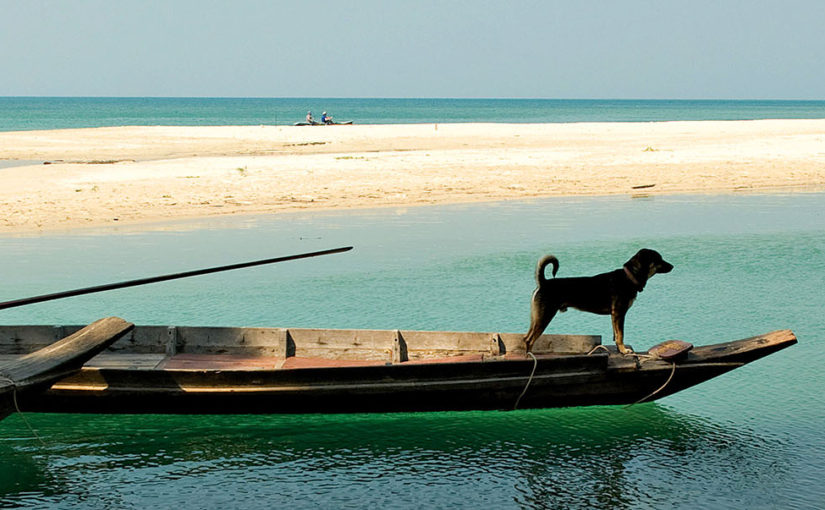
“Mai mee pun hah!” my new friend laughs as he punts over to me. Mah stands on the bow, tail wagging, waiting to greet the first ‘customer’ of the day. During the day, Adi makes his money shuttling tourists to and from the little beach-bar here. At night, he ferries honeymooners on romantic ‘firefly safaris’ deep into the mangroves, where cicadas chirp, frogs croak and there are fairy-light flashes from a million fireflies.
I promise to return that night to take a gentle cruise with a frosted bottle of Chang beer in hand. The thought is enough to put a renewed spring in my step as I start the long run back up the sand towards my bungalow.
Ko Chang (Elephant Island) is so-called because it is said to resemble a sleeping elephant. For much of the last month I have been living happily tucked away in the elephant’s armpit.
Facilities in my simple shack are limited. Ten dollars a night buys me a bamboo bed, a bare light bulb, a barbecue, an electric fan and a cold-water shower. I share the shower with a giant spotted gecko that is known throughout South-East Asia as ‘tokay’ for its loud territorial call. Even in the jungle the call would carry for half a mile, but amplified by the acoustics in my bathroom and the still of the night it is nothing short of terrifying. Someone once told me that it is good luck if the tokay repeats its call exactly seven times, and since then I have been obsessively counting.
However, the saving grace of my humble abode is the small verandah on which I am able to put some distance between my roommate and I, and doze in my hammock just a few feet from the small waves.
Ko Chang, an easy five-hour drive east of Bangkok, has remained a sleepy backwater place, while more isolated islands like Ko Samui and Ko Pha-Ngan have been frantically over-developed. Pioneering backpackers in search of ‘secret spots’ rushed to the outlying islands in the Gulf of Thailand and the Andaman Sea. Yet, thankfully, Ko Chang, one of Thailand’s biggest islands, was almost completely overlooked – saved by its size and its proximity to the country’s capital.
Just a decade ago, when Phuket (the country’s largest island) was exploding as a world-famous tourist destination, the Chang islanders were yet to receive electricity or telephones.
Things have changed in recent years and there is now a string of tourist resorts down the west coast of the island, and bars are spreading like a neon rash down busier sections of the coast road. Ko Chang even has its own little backpacker-ghetto party scene at the inappropriately named Lonely Beach.
Ko Chang (along with over 40 other islands) is part of the Mu Koh Chang Marine National Park, which means that development is more controlled here than anywhere else.
Take a little time to explore and you’ll easily find old-time Thailand in Ko Chang. Few tourists visit the remote hill villages, where farmers and rubber-tappers answer almost every question with a chirpy “mai mee pun hah!”
In the past month, I had travelled much of Ko Chang’s west coast by motorbike, and had explored the east by pickup truck. I found a wilderness of tangled mangrove swamps and deeply rutted sand-tracks. At almost every turn in the roller-coaster road I found beautiful bays with curvy strips of deserted talcum-powder sand.
I had even taken time to explore the outlying islands by boat. Some say that there are roughly 365 islands in the Gulf of Thailand, but nobody knows for sure. Some islands, like Ko Mak, have become tourist havens and dive resorts, but even here most islanders still make their living from fishing, rubber-tapping and harvesting copra oil. In larger fishing villages, jetties and rickety boardwalks jut out over sparkling reefs and rows of fishing boats. The boats are decked with fishbowl-sized light bulbs, used to lure fish. On good fishing nights, when the moon’s glow is dim, the ocean horizon can sparkle as strongly as the stars in the tropical sky.
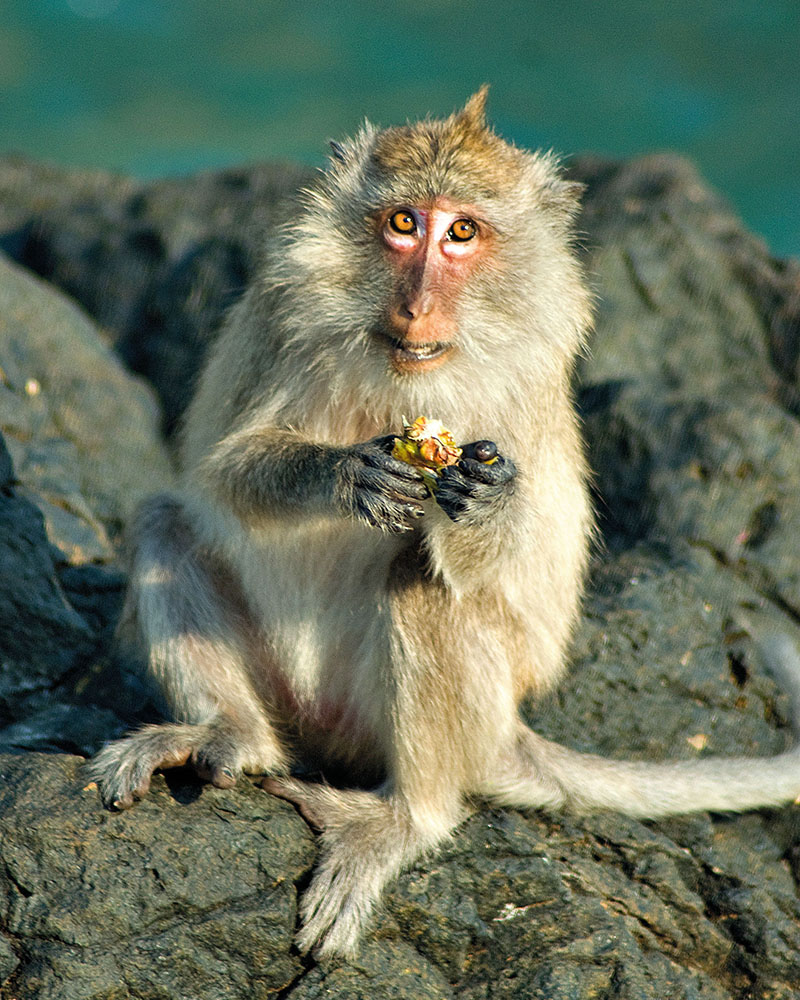
The centre of the island – the elephant’s back – is still hard to access independently without mounting a full-scale jungle expedition. This area is almost completely covered with jungle that is home to stump-tailed macaques, civets, giant monitor lizards, hornbills and occasional herds of ‘free range’ elephants, enjoying R&R from their tourist-ferrying duties.
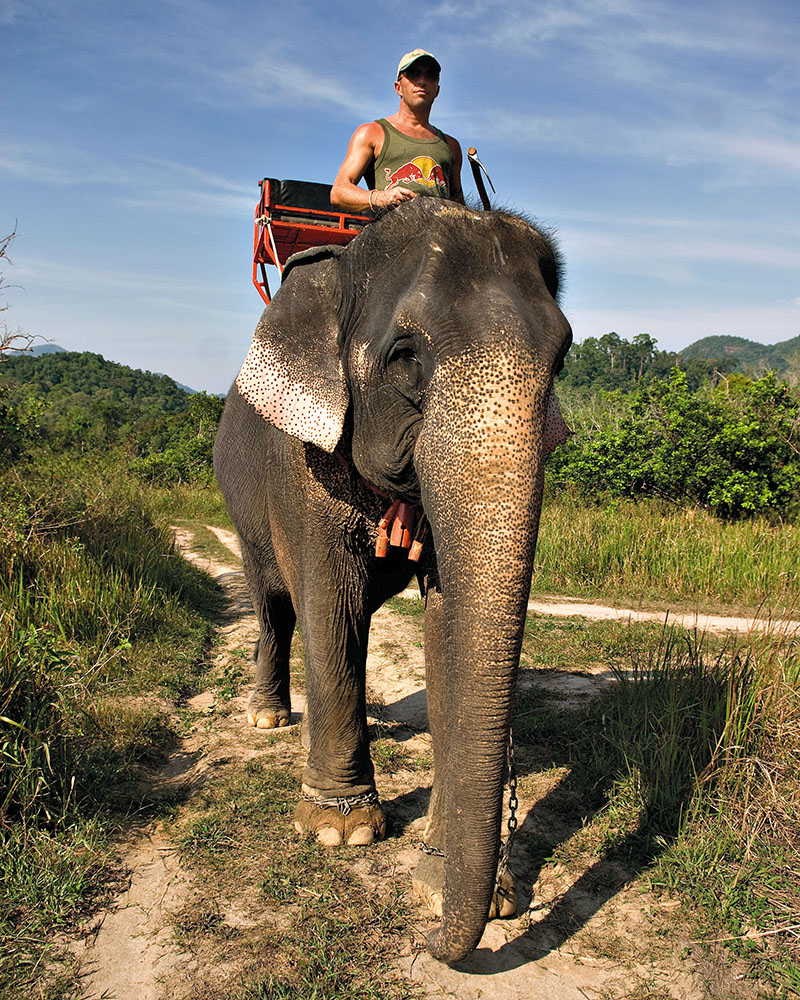
I had been on an elephant trek in Thailand before, and once I even joined an elephant-back tiger safari in India.
I hadn’t enjoyed either experience much. I had trouble coming to terms with the concept of chaining and domesticating an animal that most experts admit have a level of intelligence that we are never likely to fully comprehend. But I was on Elephant Island and, although I was still reticent, I finally convinced myself to give elephant trekking its last opportunity to convert me.
My new travelling companion is called Nam Pet. She weighs four tonnes, has rough, dry skin and a head of extremely harsh bristles that’s soon causing quite serious chaffing on my inner thighs. Nam Pet’s huge bulk sways as we shuffle through the rubber plantation and up into the jungle-clad lower slopes. The pace is slow and relaxed, like the rest of Ko Chang. To me it seems that Nam Pet and her colleagues are even enjoying their patrol, as they happily browse along the edge of the trail and nudge each other affectionately.
We trek for a couple of hours and enjoy sightings of macaques and hornbills that are unconcerned of our presence. On the way back down to Chutiman elephant camp a little bird flits happily between the elephants’ feet. It appears to be hunting for insects stirred up by the monstrous pads and it chirps a pretty little staccato call that seems to be repeating one phrase over and over.
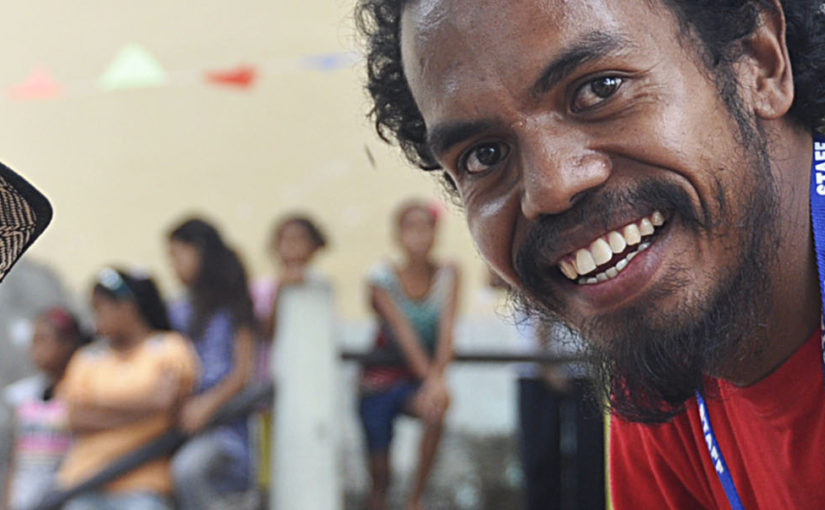
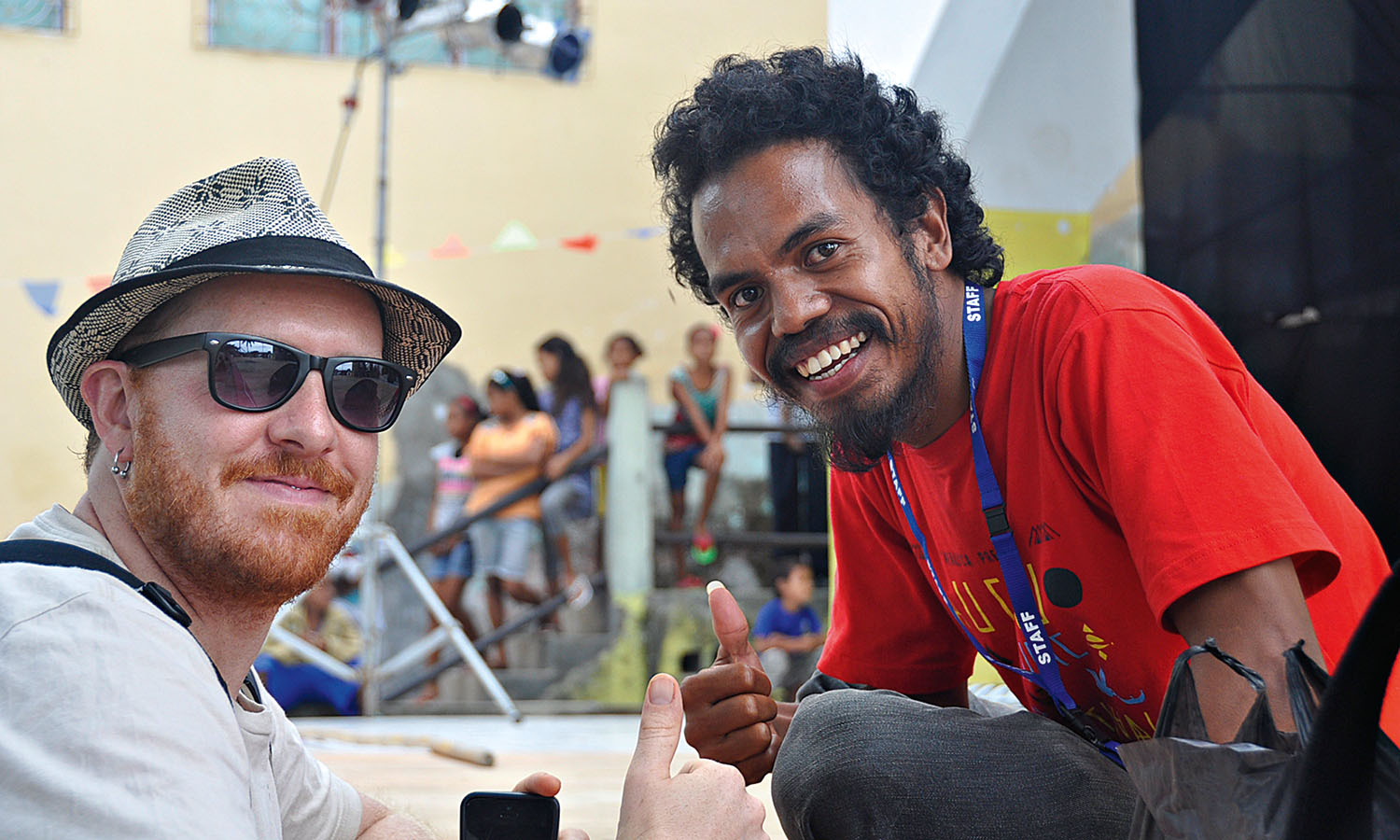
It starts quietly enough. Men playing an assortment of instruments – guitars, a violin, mandolin and bongos – are picking out a tune. Then a group of teenage girls starts singing, their voices transforming the music into something magical. “That’s a song about asking people to come back to your land,” says one of the men through a translator when the song is done. “A song that became popular after the independence vote.”
These are some of the local musicians in a small Timor-Leste village called Uai Gae, and the microphones they’ve been playing to on the patio of a small building have been placed their by Melbourne musician, songwriter and educator Jesse Hooper. In August 2013, Hooper, with the help of sponsors and money raised from a Pozible campaign, went to the island nation to explore its music and witness the country’s first-ever music and culture festival in Baucau.
“When I was there I spent most of my time looking at traditional music with the villagers, which was great, but at the festival they had much more modern rock music,” says the former Killing Heidi guitarist. “It was great – people wanted to rock out, they wanted to dance, they’d never seen a PA or big light rigs. From an audience perspective it was fantastic.”
While he was there, Hooper discovered a musical thread that seemed to connect the villagers, who often sing of independence, nation building and community, and a younger generation who are influenced by contemporary genres. One of the groups he met is called Galaxy.
“Galaxy fuse reggae and rock and are much more political about Timorese issues,” he explains. “That’s what excites me because it’s unique to that area and these are their stories. That’s what I’m curious about. In Dili, there are lots of youths, there are gangs, there’s massive unemployment and there’s tension building because what are they going to do? The guys in these bands are trying to provide some leadership through music to say it’s a new country, things are going to get better, let’s not forget our roots. That’s what I’d like to go back and explore.”
It’s not entirely surprising that Hooper was interested in their work, since Galaxy’s music has a definite synergy with his ‘day job’: one day a week he teaches at Melbourne music school Collarts, but he’s also a community cultural development artist at Artful Dodgers Studio, part of Jesuit Social Services in the suburb of Collingwood. There, he’s part of a team of professional musicians and artists that provides a creative outlet for refugees, asylum seekers and young people with mental health, alcohol or drug issues and other employment barriers.
Hooper’s connections with Timor-Leste go back some way. In 2001, he and sister Ella played there for the peacekeeping forces. On his return 12 years later, he noticed some big changes. “I remember going through Dili and most buildings were damaged or destroyed, but this time everything was rebuilt,” he says. “But when you go out to Baucau, the roads just drop away to nothing, there’s very little infrastructure and you can’t get phone or internet coverage most of the time.”
After returning from this latest trip, Hooper set about mixing the music he’d recorded. It’s now been delivered back to the people who originally made it. “I left some recording equipment there, but a lot of the people we met in the villages live in their own community and don’t really want to go to someone’s house to use the gear,” he says. “To get them the recordings was one of the main parts of the project and now they’ve got them and MP3 players and ways of listening to them.”
Now, Hooper’s working on the second phase of his grand scheme: to build a permanent recording studio for the musicians. Someone in Baucau has donated a plot of land, other groups have offered to design the facilities and people are helping with all-important fundraising to make it happen.
There’s another Timor connection at Artful Dodgers, through Hooper’s co-worker Paulie Stewart. Paulie’s brother Tony was one of the five journalists executed by Indonesian forces at Balibo in 1975. A member of seminal Melbourne rockers Painters and Dockers, Paulie now plays with the Dili Allstars (a Melbourne-based Australian and East Timorese reggae/ska band) and is a fierce supporter of Timor-Leste, as well as many other great causes.
“He’s got a lot of great connections in Timor,” says Hooper. “He and I have been thinking we’d love to take some young musicians from here to there to do a series of recordings and concerts, but also to bring Galaxy out here and share our audiences.”
My stomach is queasy. A mixture of excitement and motion sickness churns my insides as our boat, the Ocean Whisperer, lurches over a rather innocuous swell. We haven’t travelled far but I’m both regretful for the third glass of champagne at breakfast and thankful for passing on the fourth.
We’re in the Maldives, staying at the luxurious Anantara Kihavah resort, which sits just off the shores of a tiny jungle island. With private white sand beaches, a moonlight cinema and an underwater restaurant that’s so cool Leonardo DiCaprio left his own resort to check it out, Kihavah ticks all the boxes of decadence. It probably holds the Maldivian record for the most used screensaver with its obligatory overwater bungalows. I never want to leave.
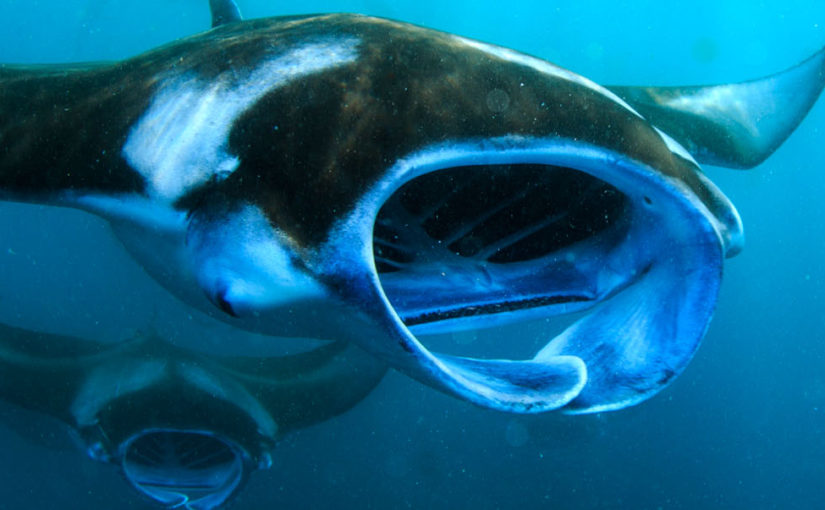
We’re not here for the champagne, lobster barbecue, oysters on tap and muscle-melting spa treatments, though. The boat is taking us about an hour southeast towards Hanifaru Bay, where we’re looking to meet the manta rays that congregate en mass when the full moon draws a cloud of plankton into the protected bay. Bo, the hotel’s resident marine biologist, gives us a run down of the do’s and don’ts.
“Don’t touch them,” he tells us. “If they come right at you, stay still and they’ll glide around you. Swim with them and under them if you can hold your breath long enough.” I mentally accept his challenge and my excitement starts to take over the champers-induced nausea.
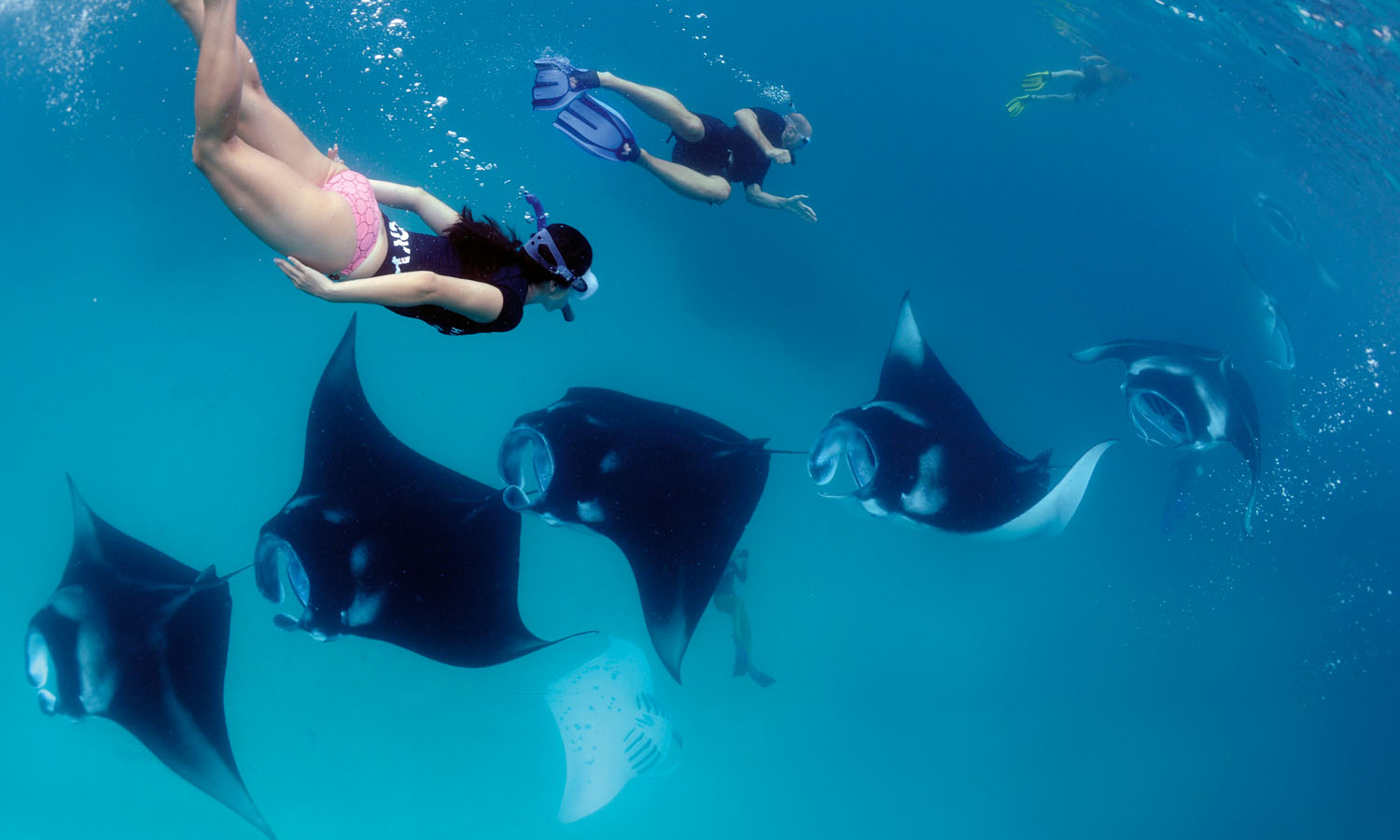
There is some debate over the collective noun for manta rays, also known as devilfish – they’re either a squadron or a fever – but whatever you call them, nothing quite prepares you for the moment ten horn-shaped cephalic fins glide out of the dark blue ocean in almost perfect formation, with gaping mouths wide enough to swallow a small child. The visibility isn’t great for this first sighting; the plankton has clouded the normally gin-clear waters, but it’s a small price to pay to be surrounded by so many mantas at once.
It takes a few minutes to gather my breath but I’m up to Bo’s challenge and dive below the devilfish, gazing up at their white bellies. They’re oblivious to our small group of six. I continue to swim with the fever until there are just four left. I float on the surface of the water, watching as they backflip below in slow circles and then disappear into the depths.
Back on the boat, the exhilaration is fever pitched. Each one of us is lost to the experience and we all have a story to tell, our faces beaming. The trip back to Kihavah is a blur, but the air is filled with the sound of storytelling-chatter. As stars blanket the night sky, I fall asleep quickly with the help of the memory of slow waving manta wings, which are far more sleep inducing than counting sheep. Only, I’ve fallen asleep on a beanbag in the moonlight cinema, woken suddenly by my cocktail spilling onto my chest.
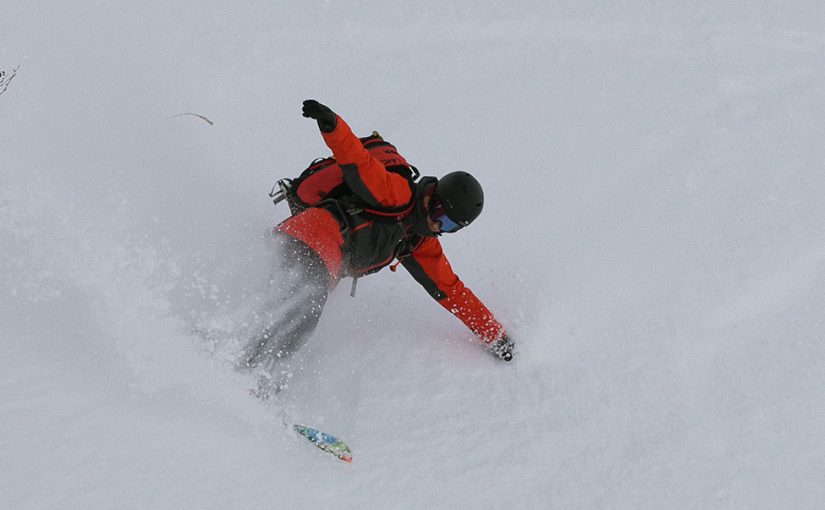
Salivating hordes of skiers and snowboarders descend on Japan each winter, eager to knife their carbon fiber blades through the country’s famously deep powder snow. You don’t so much ski across Japanese powder as plough through it, wiping it off your googles with trembling mitts after each ecstatic turn.
With hundreds of resorts of all shapes and sizes to choose from, the only question is where to go.
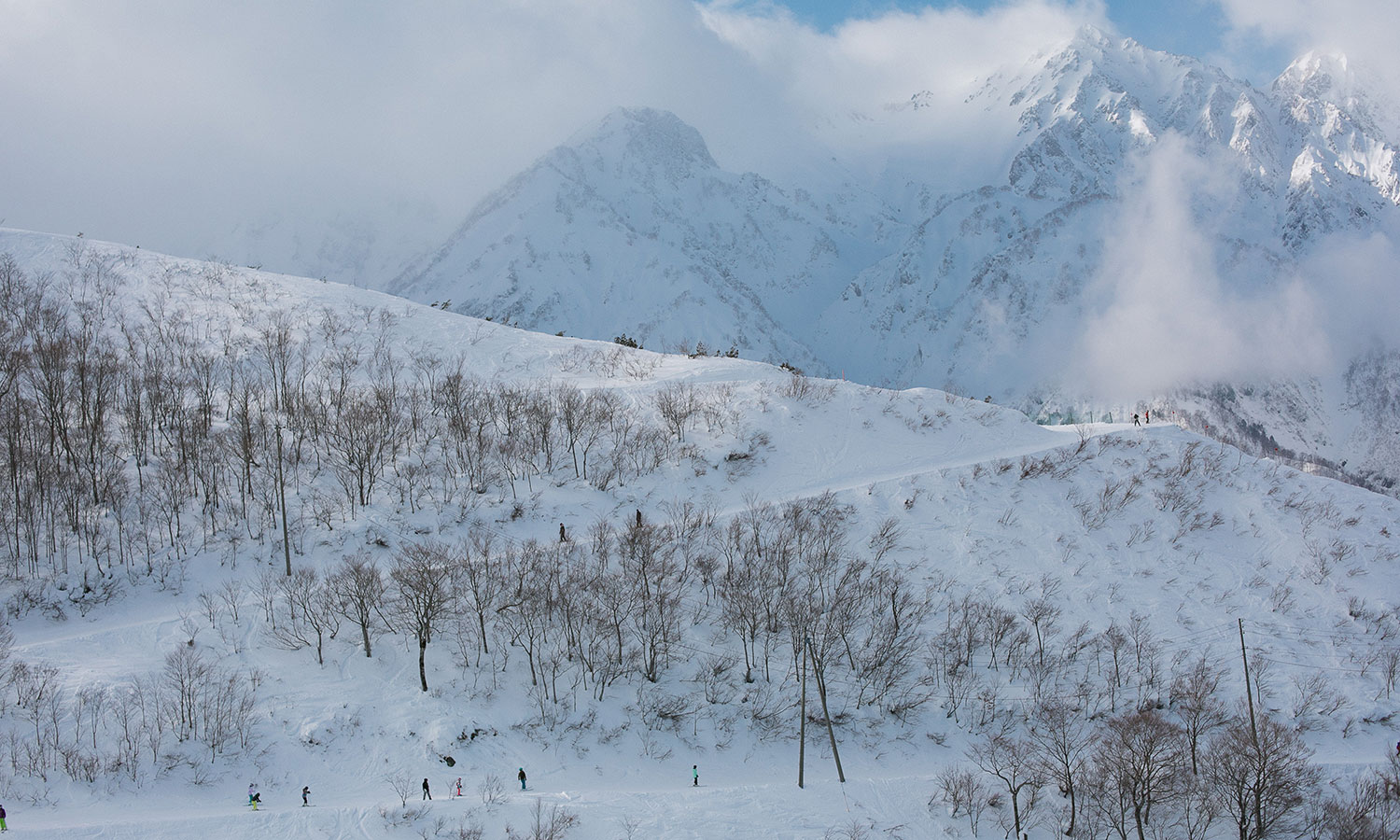
Hakuba Valley is a popular option as it is made up of ten individual resorts and offers a huge amount of terrain for skiers of all abilities. Located in Nagano Prefecture it’s easy to reach from Tokyo and has a good mix of local culture and western convenience, including a western ski school.
Serious skiers and boarders are drawn to Hakuba for the size of its mountains, which are among the biggest and most dramatic in all of Japan. They are part of the Japanese Alps, a spine of ranges which bisect central Honshu and are named are after their European equivalent. Their mighty peaks soar to 3000 meters and beckon serious skiers and snowboarders into their majestic topography.
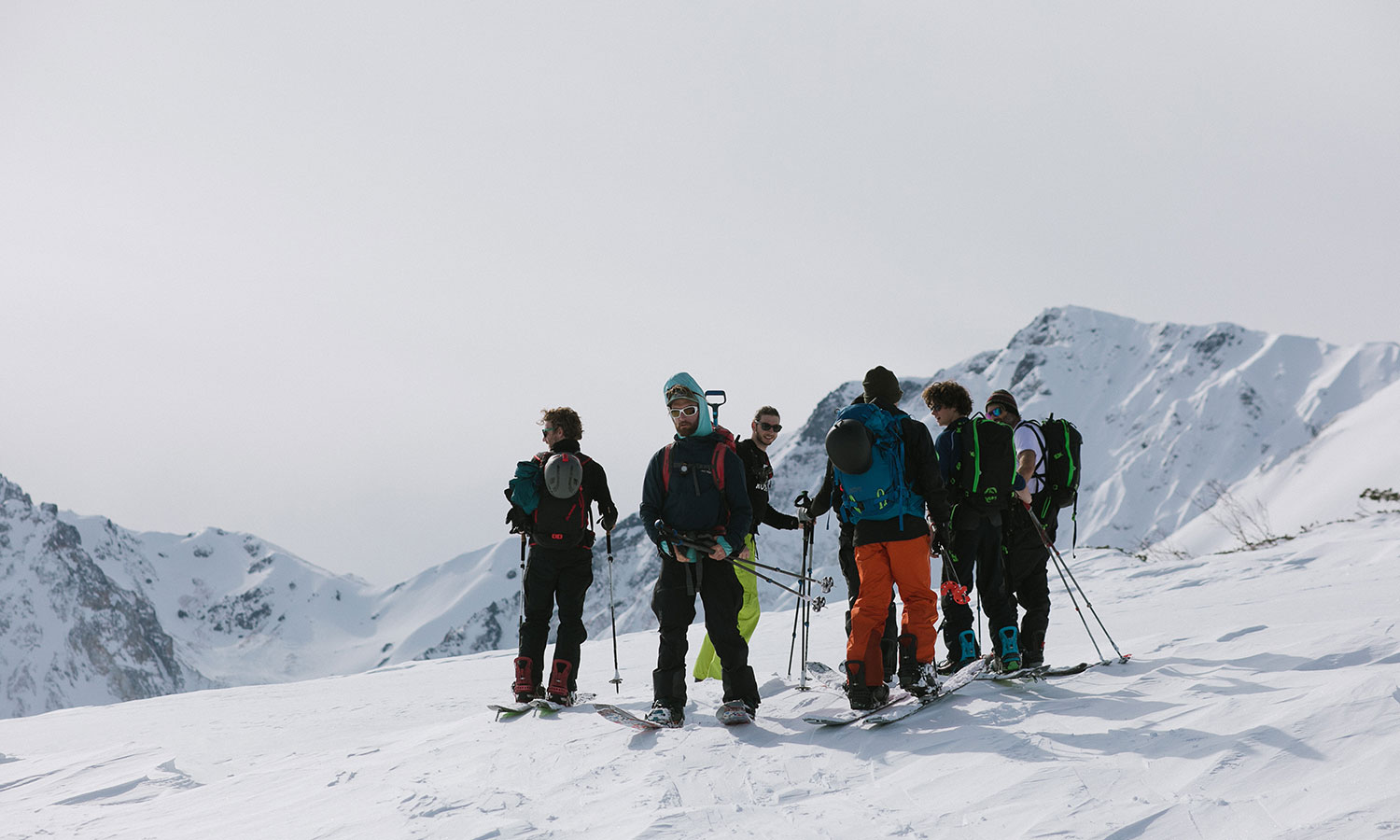
Backcountry skiing is tricky and dangerous in Japan. Hakuba is one of the few resorts where you can safely explore the backcountry with dedicated guides. Evergreen Backcountry Guides will take you way out of bounds for the ride of your life and rent you all the equipment you need to get there safely (avalanche transceivers, shovels and probe poles are all compulsory). Pick a bluebird day for the experience of a lifetime.
 (
(