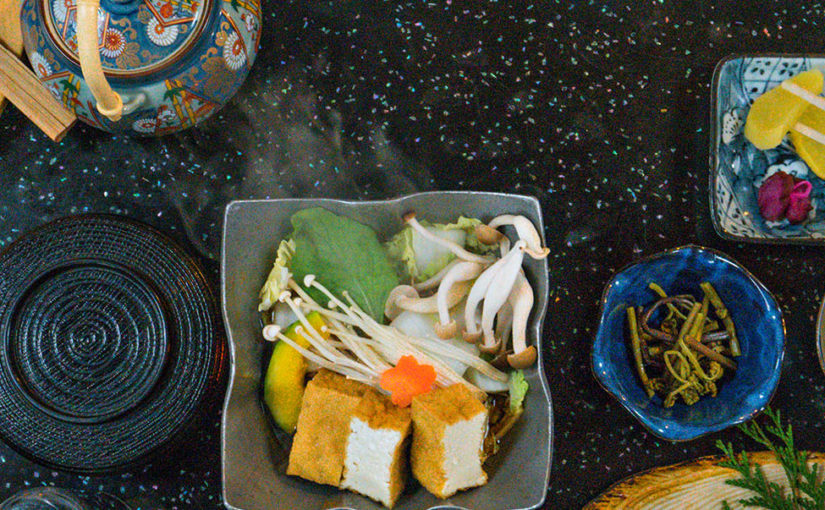
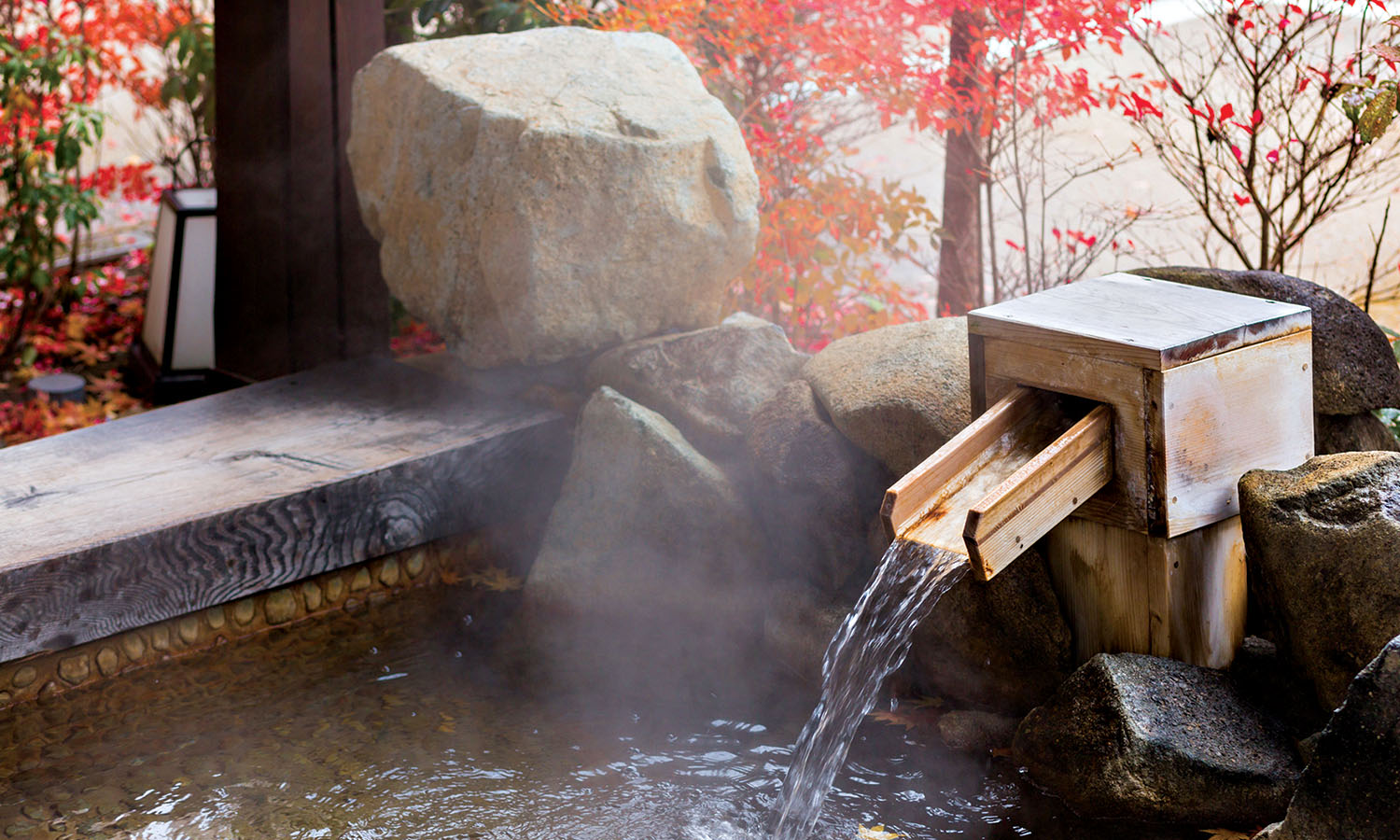
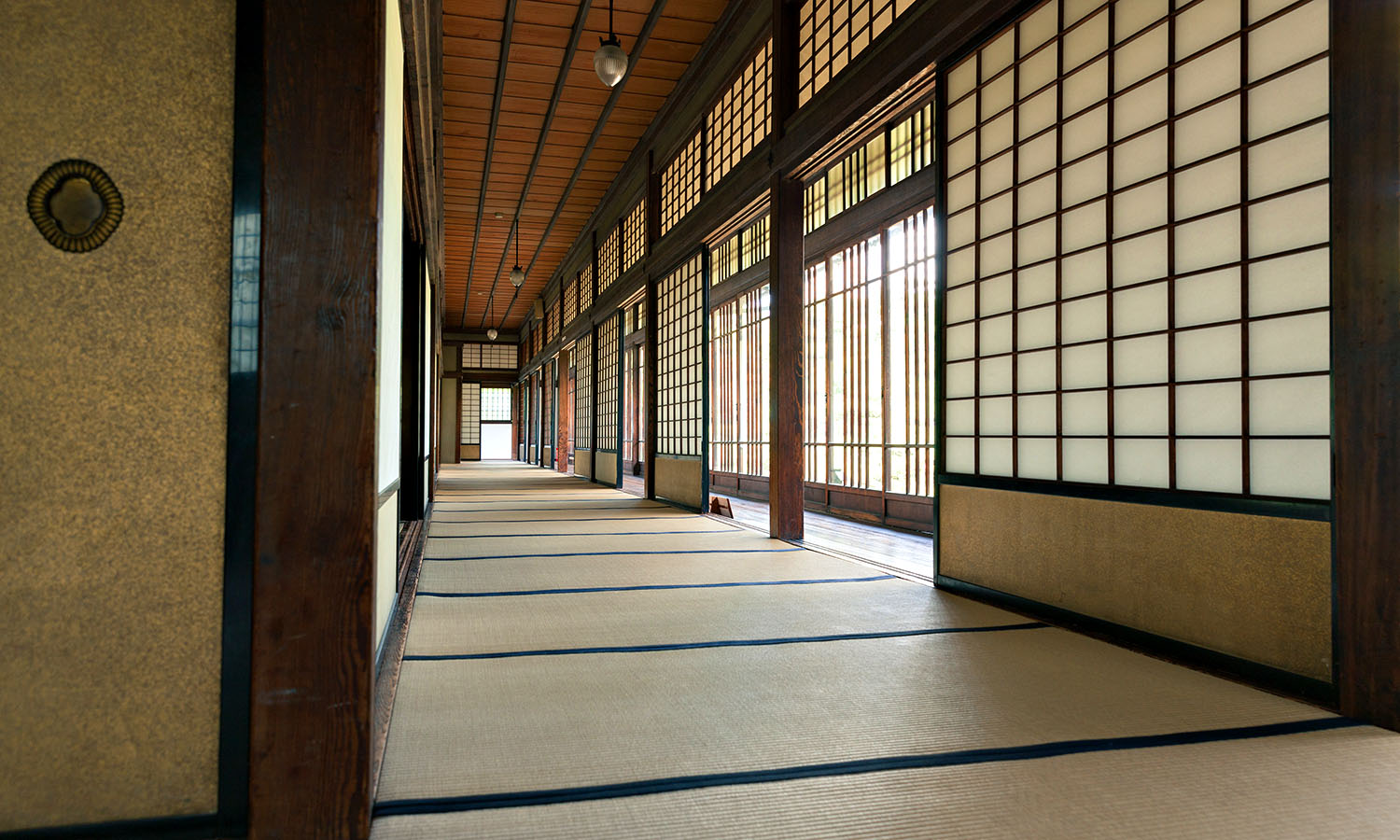
While in Japan there is one experience that you must try: an overnight stay in a ryokan (a traditional Japanese inn). Ryokans are more than just a place to sleep, they are an opportunity to get a taste of traditional Japanese life and hospitality, and incorporate elements such as tatami floors, futon beds (sleeping on a mattress on the floor), Japanese-style baths and local cuisine. Most visits to a ryokan include indulging in traditional meals and a trying a Japanese bath, also known as an onsen. In an onsen, men and women take a dip in completely separate bathing areas, and absolutely no clothing or swimming costumes are allowed.
Release your inhibitions and bathe, sleep and eat as the Japanese do!
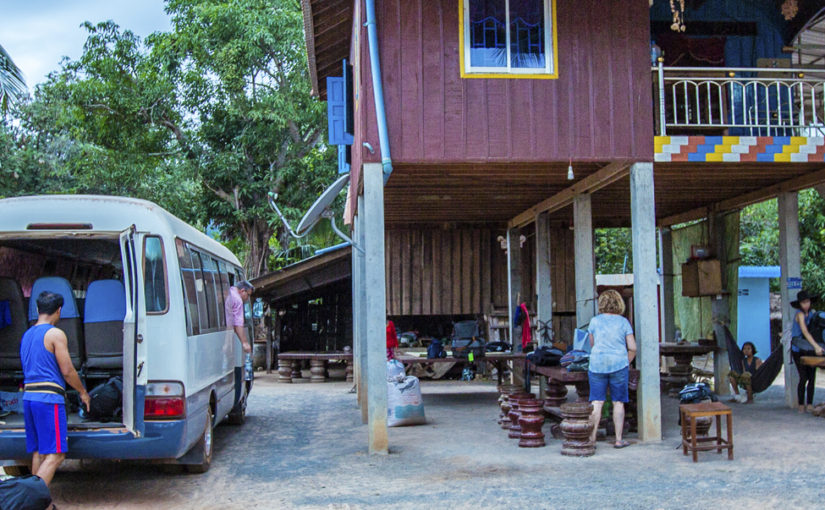
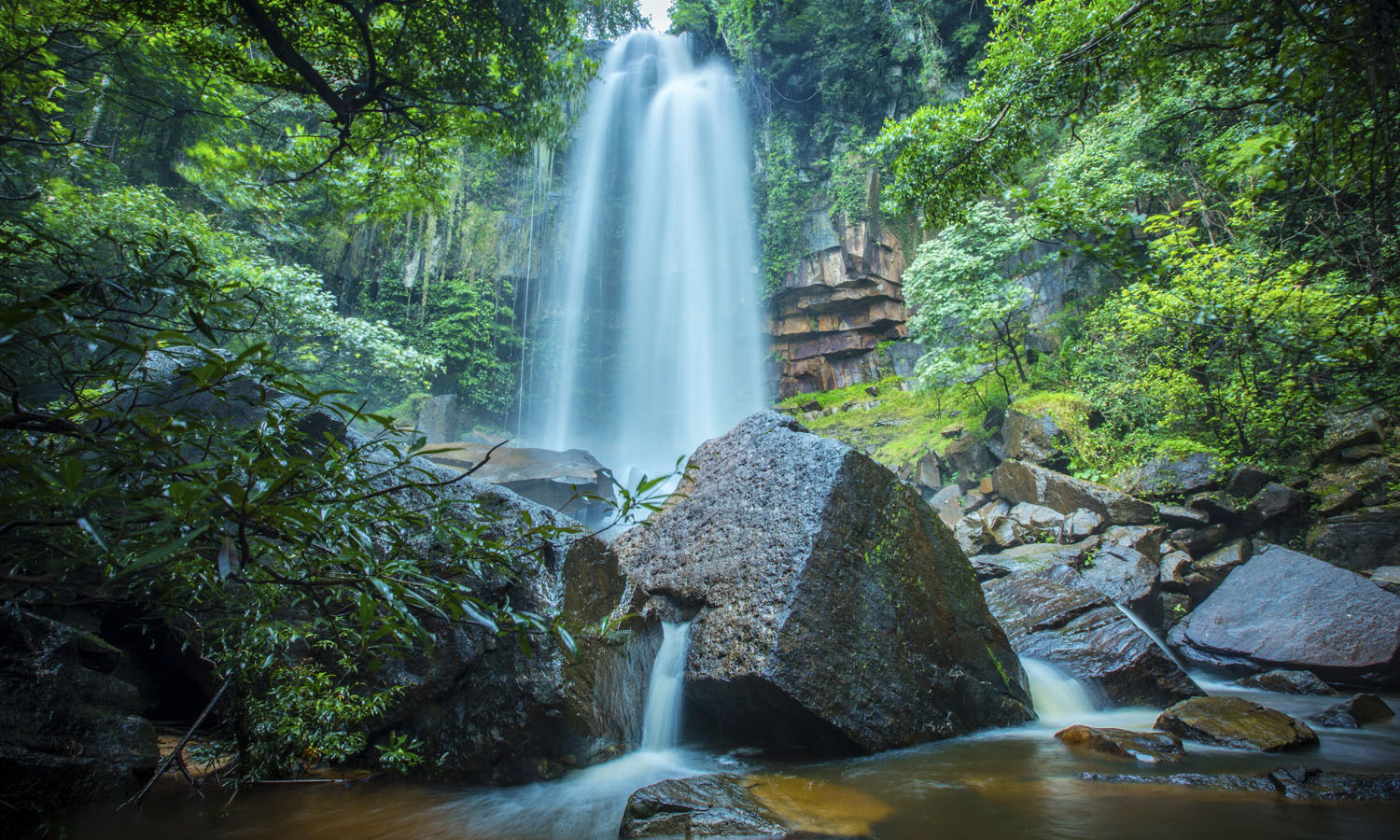
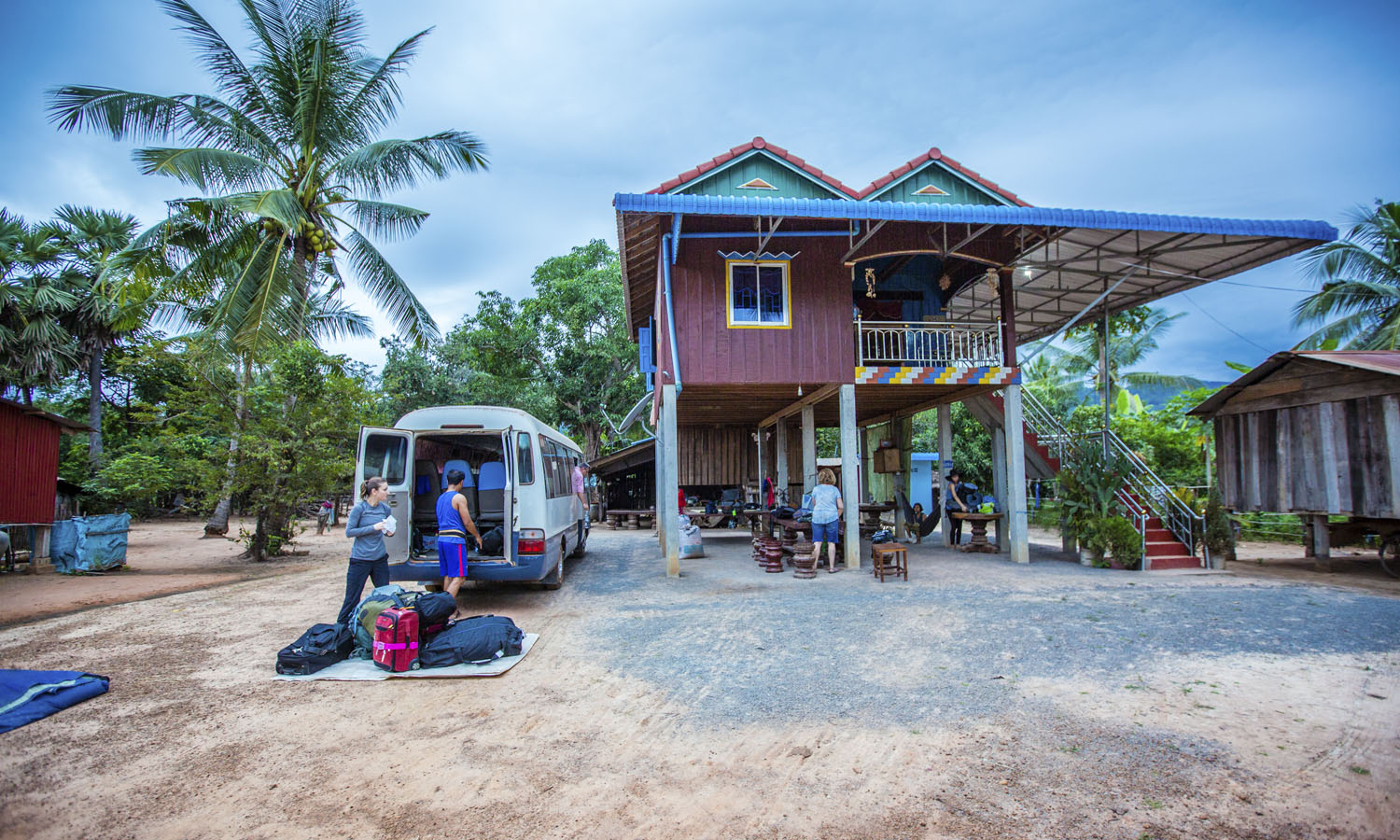
Head into rural Cambodia for an overnight stay with a local family in Chambok. It’s a great opportunity to participate in local life. This part of Cambodia is known for its natural beauty – mountains with waterfalls, swimming holes and bat caves tucked amongst them. Explore the area around the village before enjoying a traditional Khmer dinner with your hosts as well as a traditional dance performance.
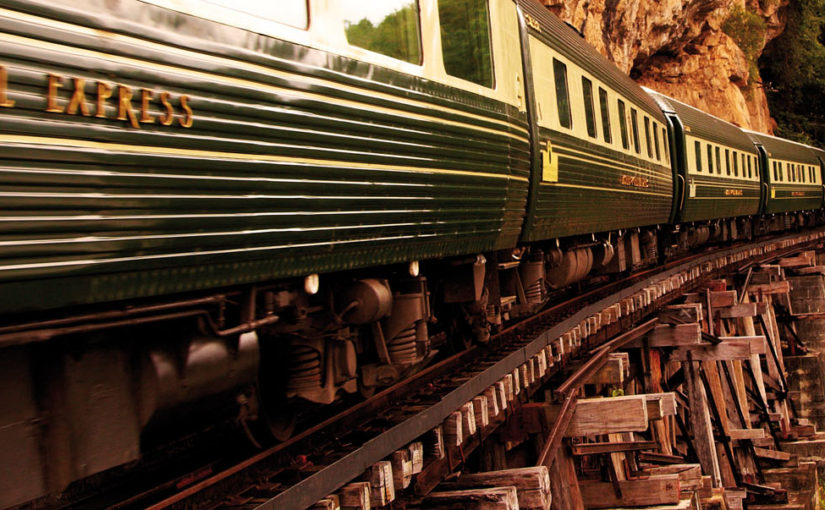
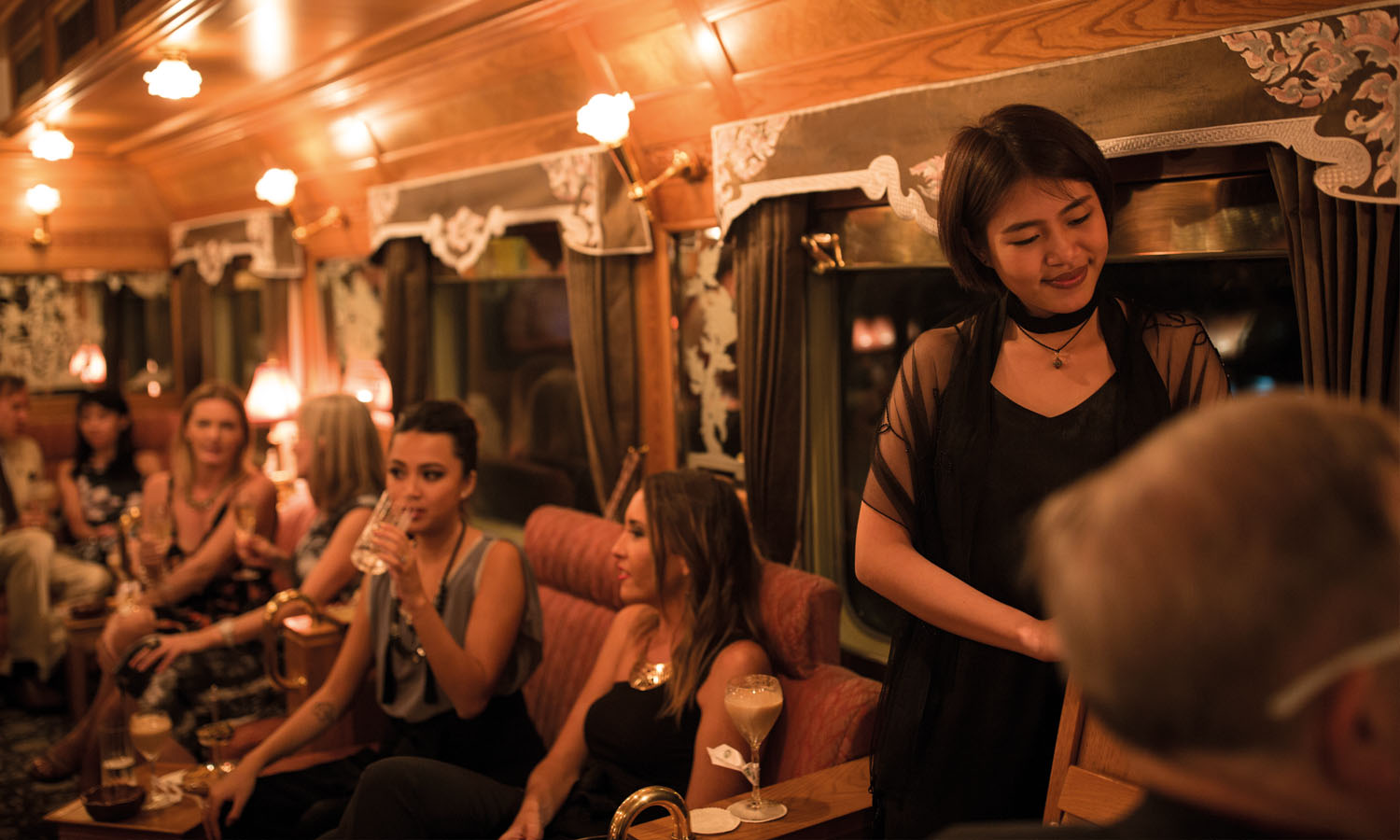
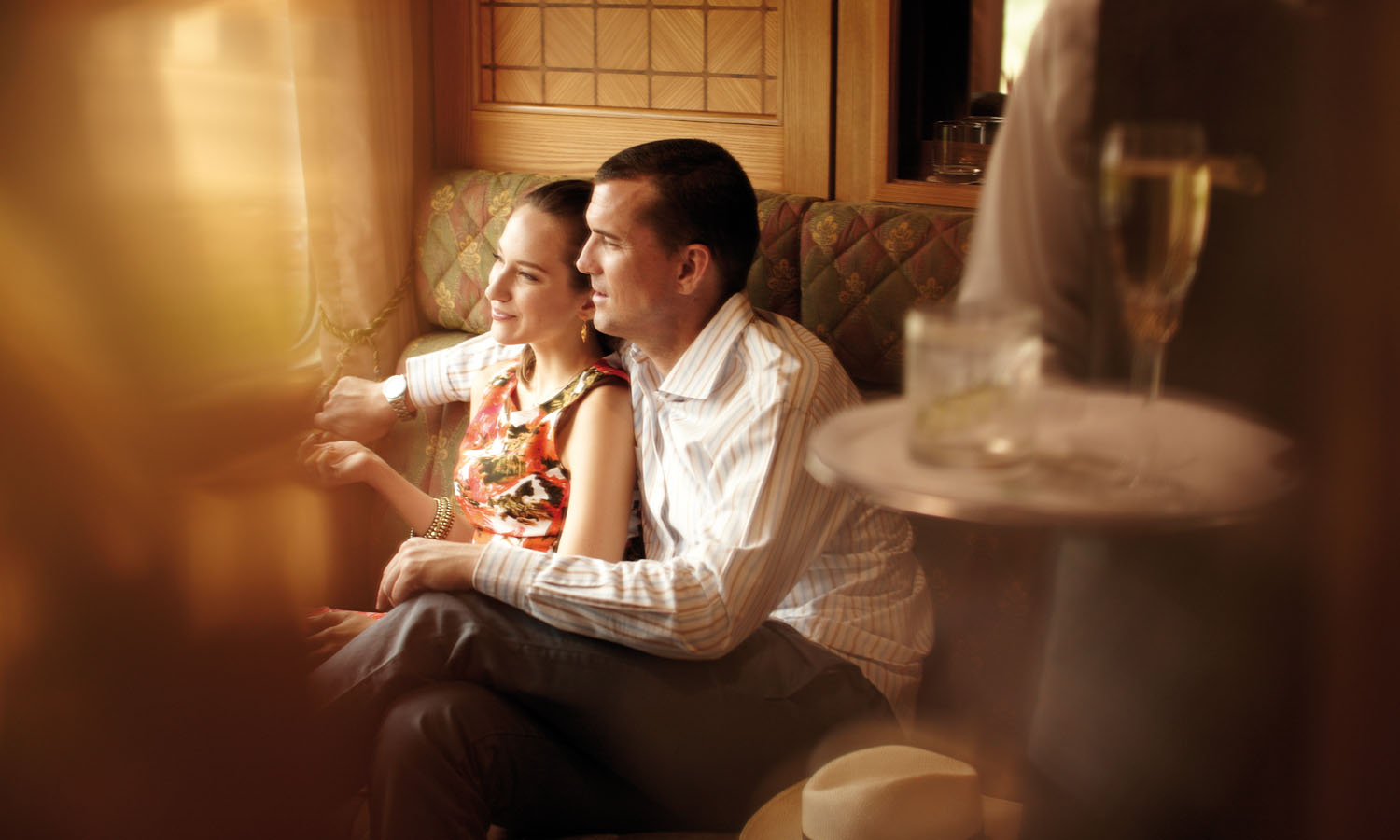
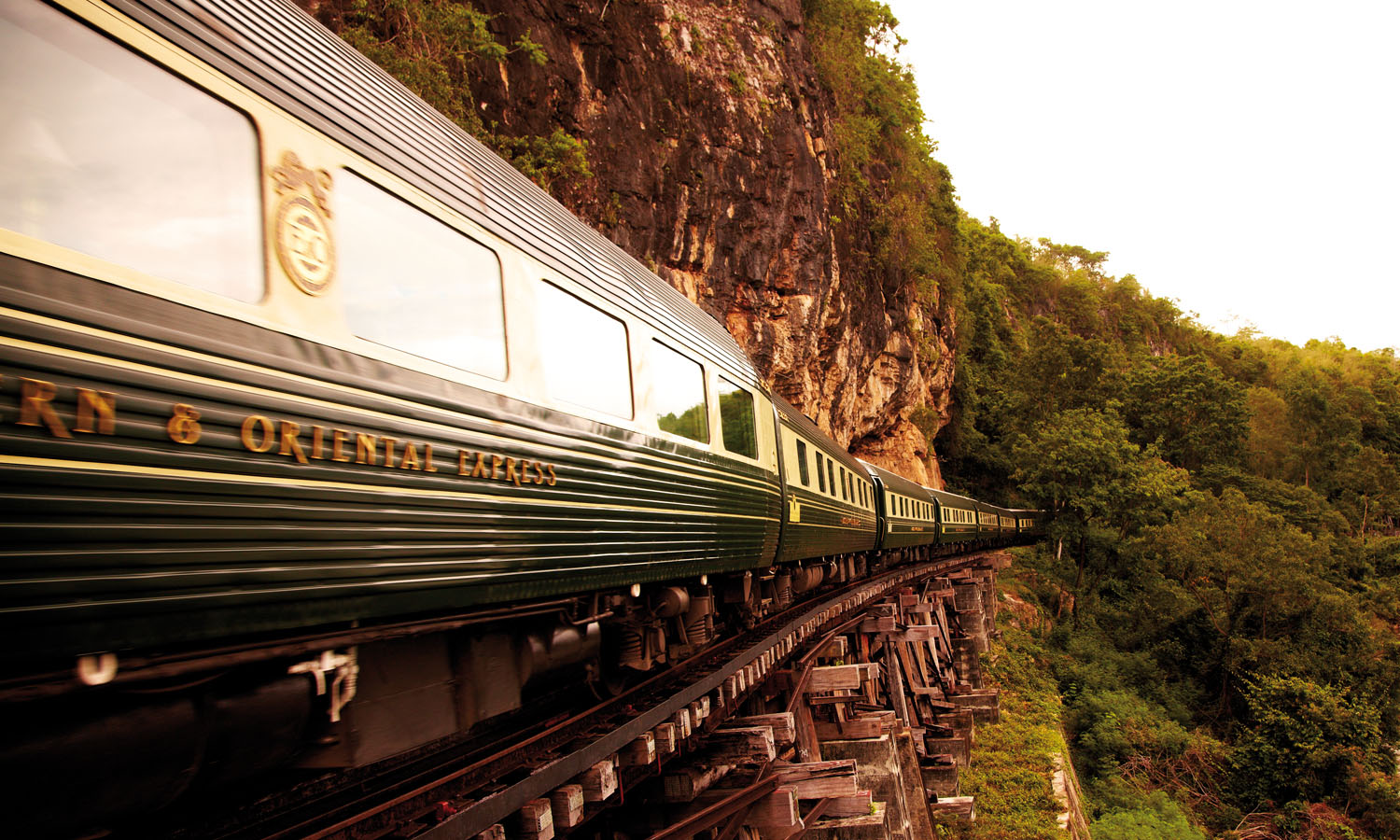
Southeast Asia is no doubt a popular destination for many Australians. With its diverse and interesting mix of culture, art, history, food and traditions, one can never tire of exploring this region. One of the best ways to discover the gems of Singapore, Malaysia and Thailand is by train. Travel between the modern and vibrant cities of Singapore and Bangkok via Malaysia on a luxury rail journey that speaks of the old world colonial charm. Here, you’ll pass through the region’s vast landscapes, towns, quaint villages, tropical jungles, winding rivers and ancient temples, while enjoying the tastes of specialties and rich flavours of the local cuisines.
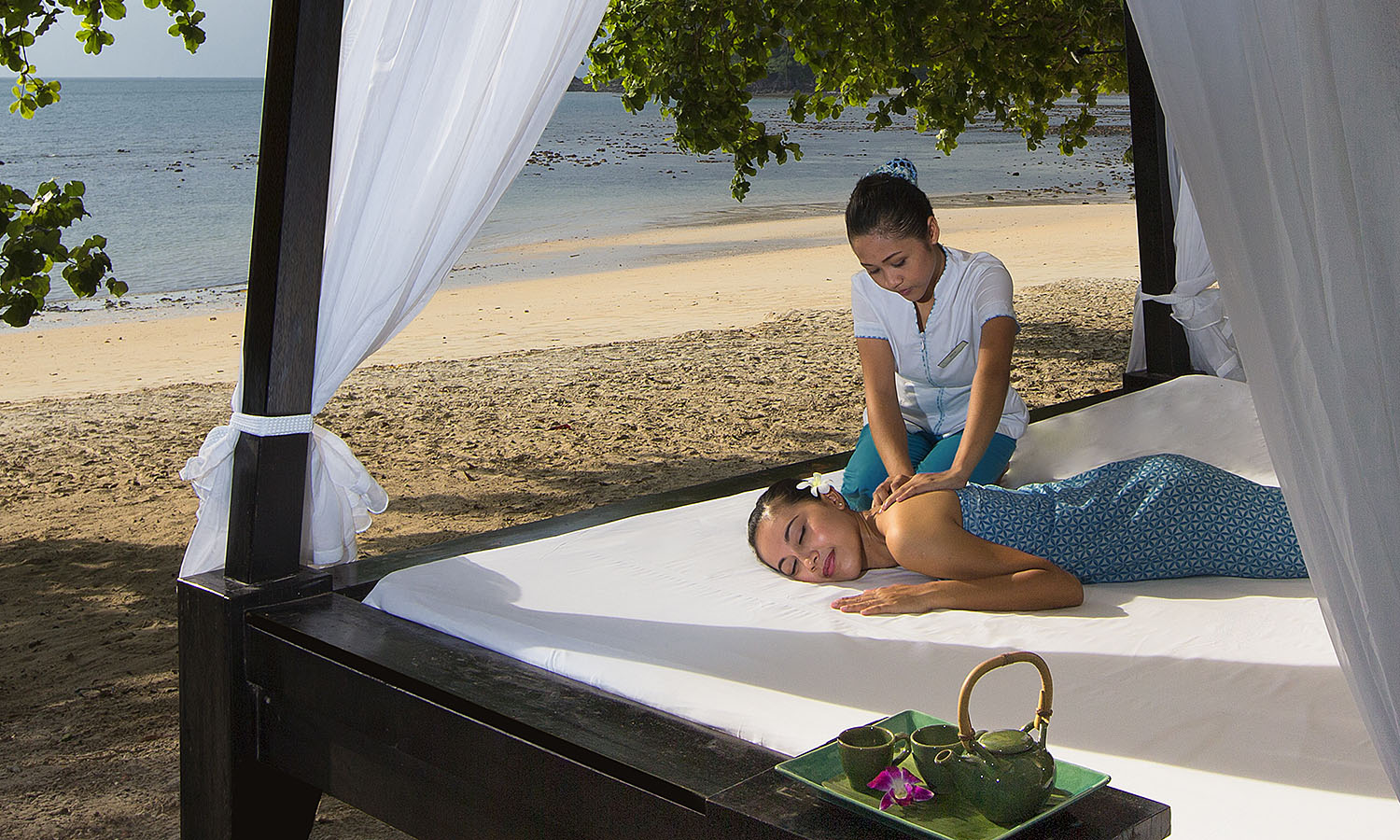
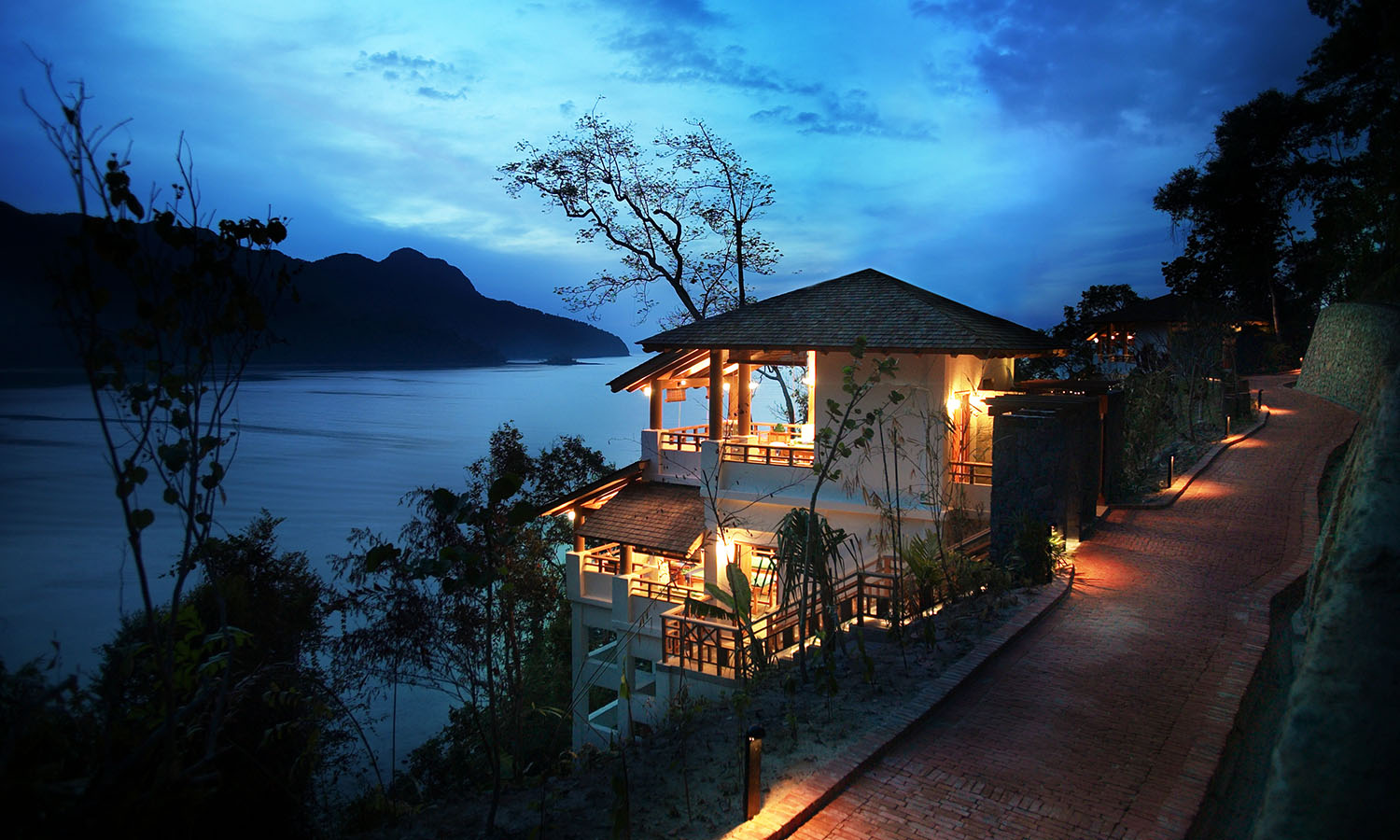
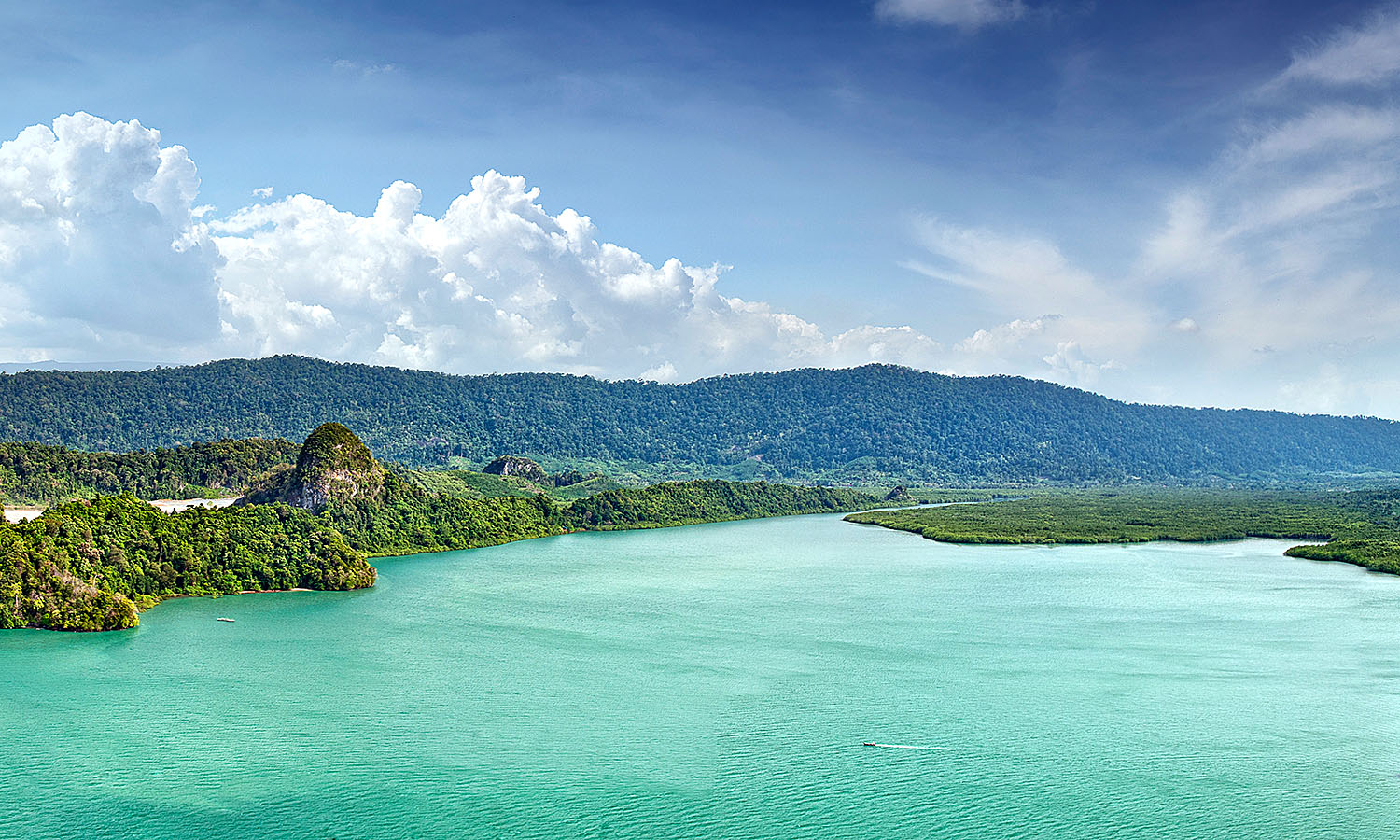
Set on Langkawi’s Datai Bay, the Andaman, a luxury resort backed by an ancient rainforest, offers the V Integrated Wellness retreat that, should you choose to make some serious bookings, doesn’t just dust off the cobwebs, it flushes out every dark and dank crevice till you gleam, inside and out.
A holistic lifestyle consultant personalises your program to help you achieve your goals. Kickstart your metabolism with organic meals, bursting with Malaysian flavours, and slip in an added antioxidant fix. Stretch and sweat through private yoga and fitness lessons, then invigorate your body and your mind as you glide through the pool’s clear waters or hike an ancient rainforest that fringes the Andaman Sea.
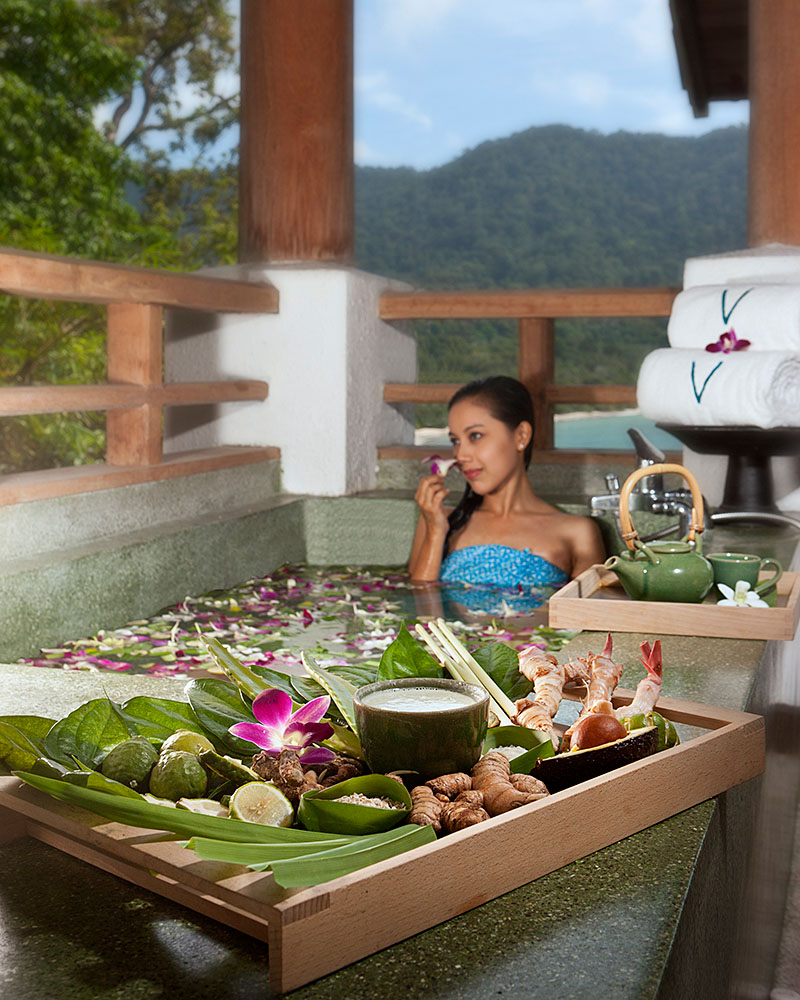
Each feature of the detox works in synergy to provide an all-over cleanse. The therapists can buff and polish every inch of your body, and even give your hair a detox treatment.
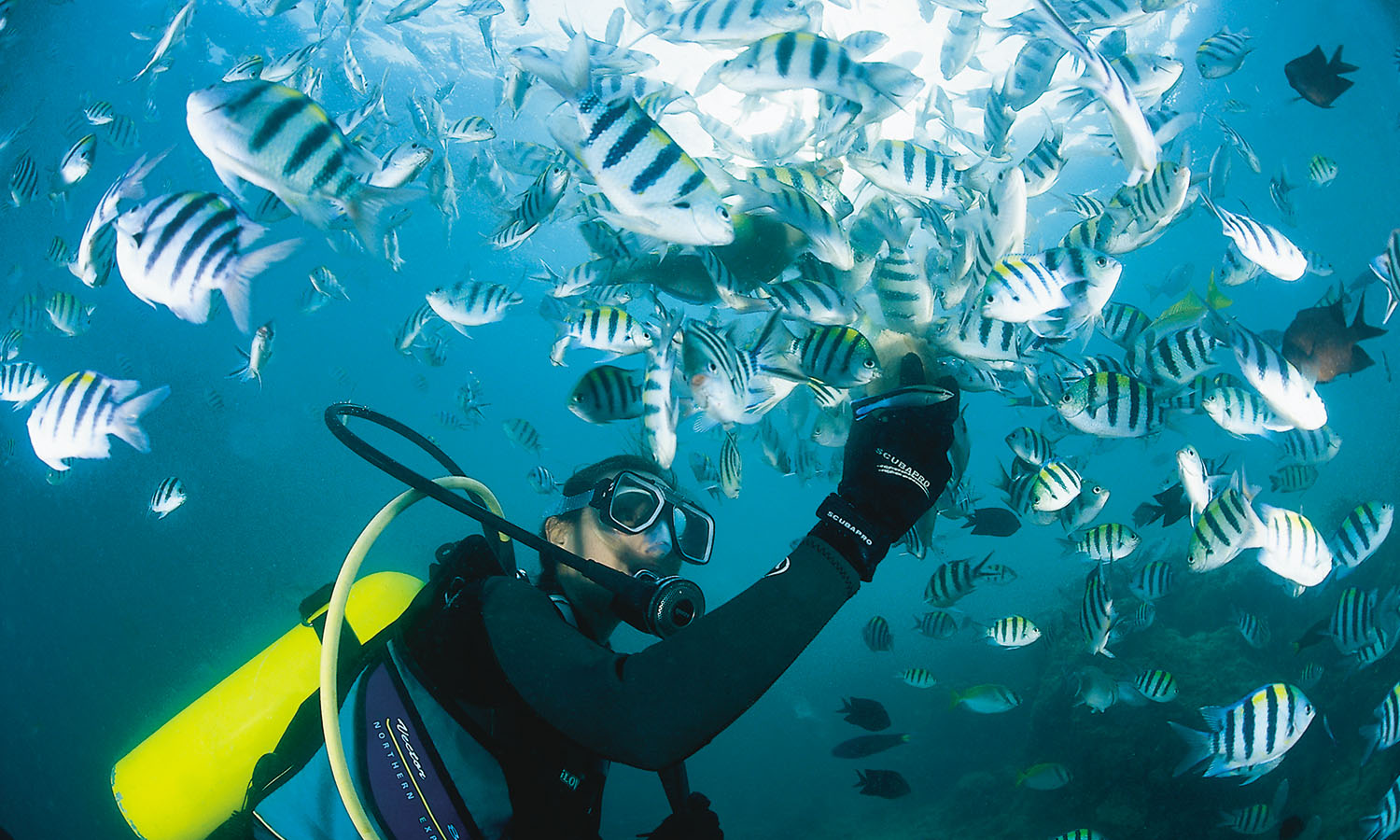
Fancy yourself a bit of a Survivor, yet can’t pry yourself away from holiday comforts? This is an El Nido Resort: a luxurious eco island that’s been recognised as a ‘conservation-minded place on a mission to protect the local environment’.
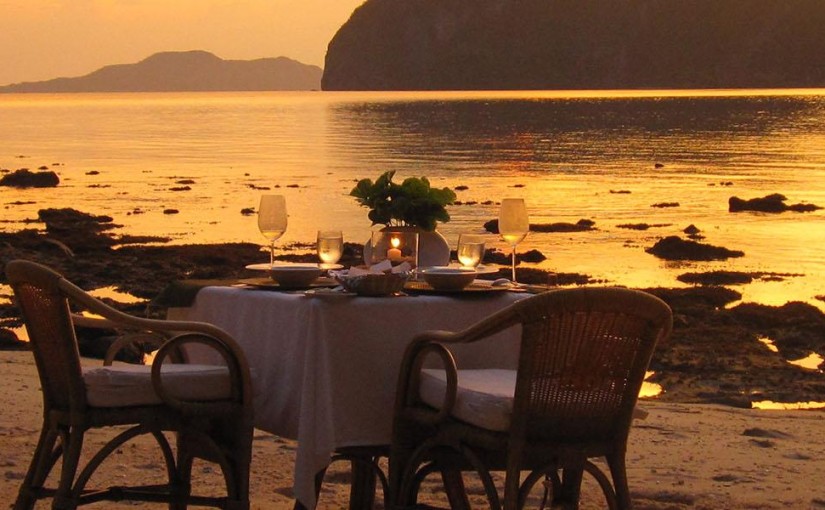
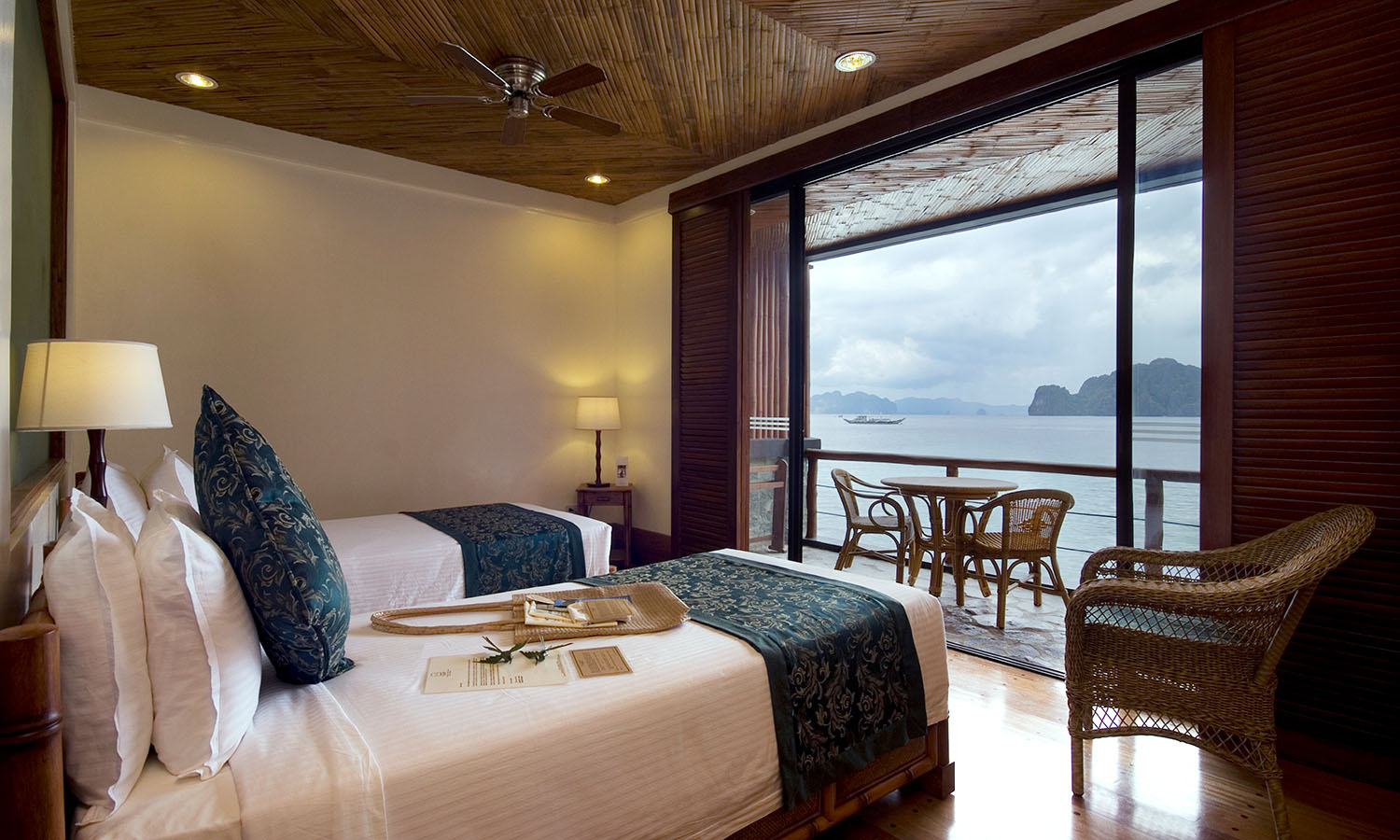
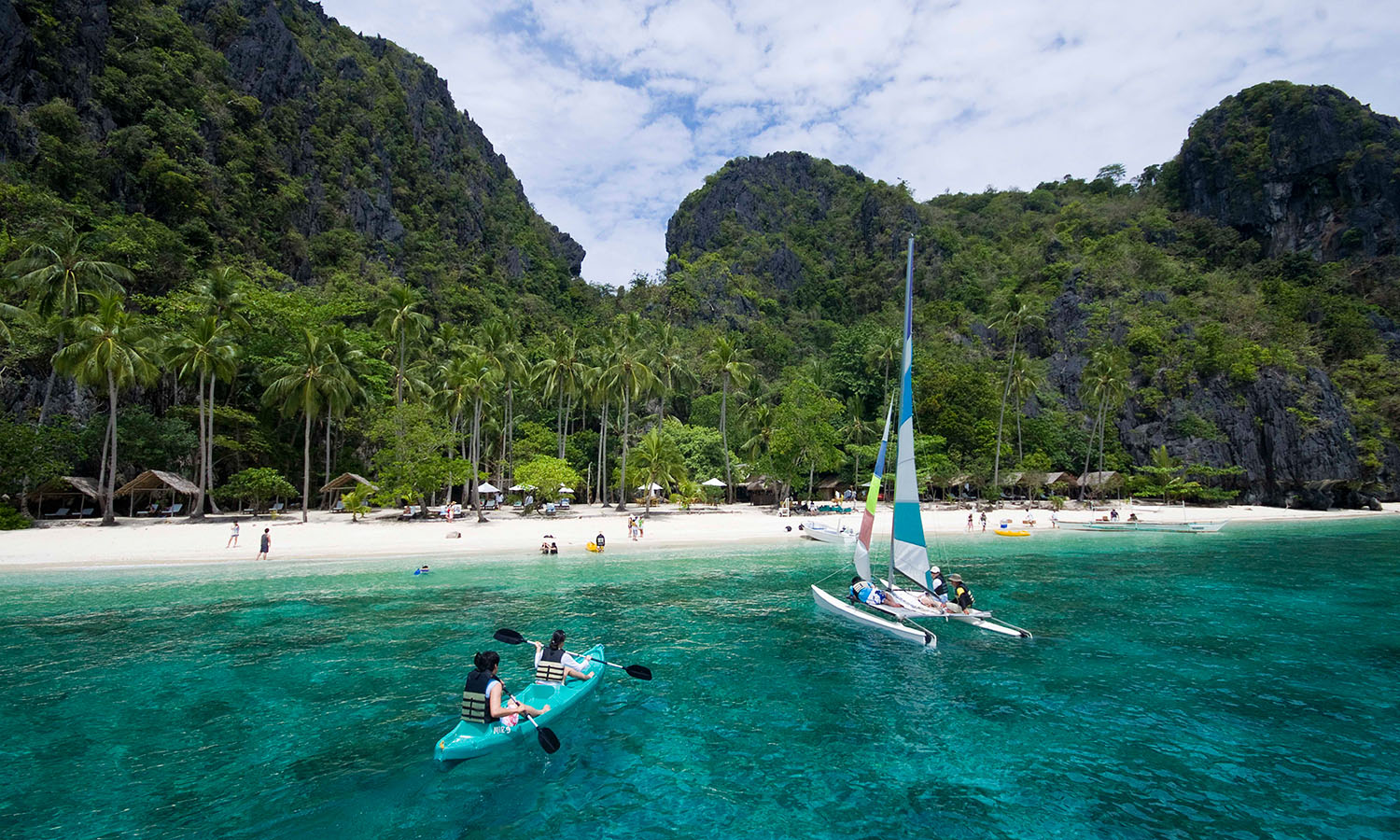
All rooms are thatched-roofed and rustically furnished with indigenous Filipino materials which you can admire as you walk out to your private sea-view veranda. It has over 50 beaches and caves that lead to private lagoons, so you can swim, snorkel and then splurge on a private island dinner, which comes with your own chef and waiter.
Surrounded by white sandy beaches, limestone cliffs, lagoons, tropical plants and almost as many monkeys as there are people, you’ll wish you got lost more often.
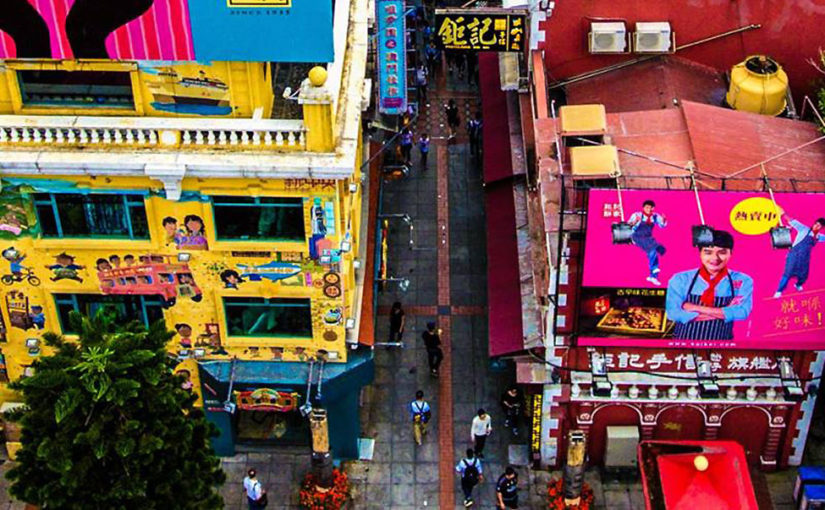
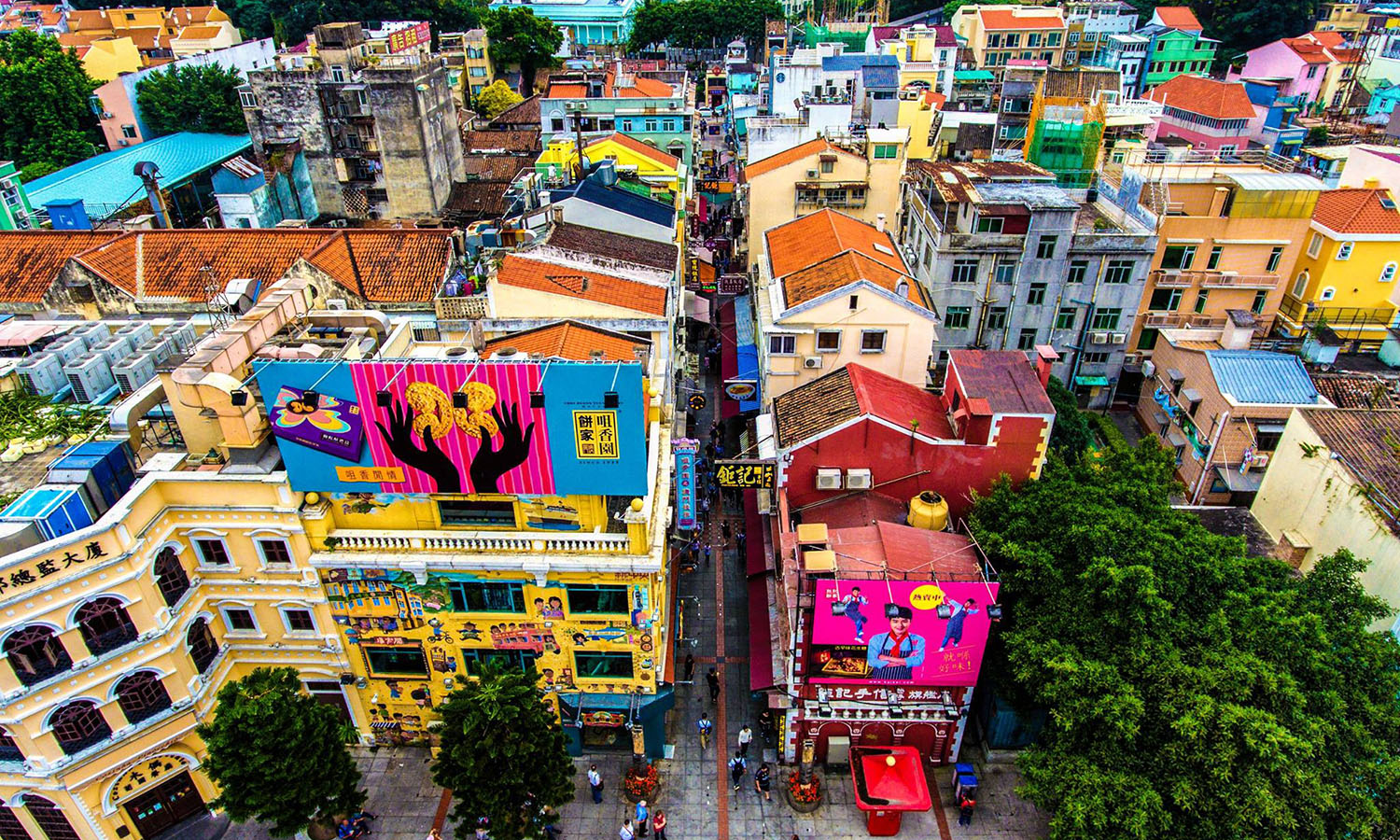
Tucked away within a leisurely stroll of the bright lights of Macao’s contemporary Cotai Strip is Taipa, a former fishing village that gave rise more than a century before ritzy resorts became integrated into the city’s skyline. The tiny village presents a maze of narrow lamp-posted lanes, the quaintness of its cobblestone squares matched by the colourful facades of multi-storey Portuguese homes and restaurants – therefore, lending itself perfectly as one of the self-guided walking tour routes part of Step Out, Experience Macao’s Communities.
Food for thought comes in the form of the array of street eateries along these lanes, where vendors – some with Michelin rating – sell almost everything, from Durian-flavoured ice cream to the mouth-watering pork chop bun, a Macao favourite among visiting holidaymakers from around the world. Even the street art focuses on food – an appropriate subject in 2018, as it is the Macao Year of Gastronomy, in recognition of its recent designation as a UNESCO Creative City of Gastronomy.
Taipa Village is one of eight self-guided walks in the Step Out, Experience Macao’s Communities walking tour routes by the Macao Government Tourism Office. Even better, they can be downloaded straight to your smartphone – no messing around with big maps and squiggly lines required.
At least six walking routes centre on the Macao peninsula, home to iconic sites like the Ruins of St Paul’s and the A-Ma Temple, while another walk concentrates of Coloane Island – otherwise known as the lungs of Macao – famous for its walking and cycling trails, picnic areas and beaches.
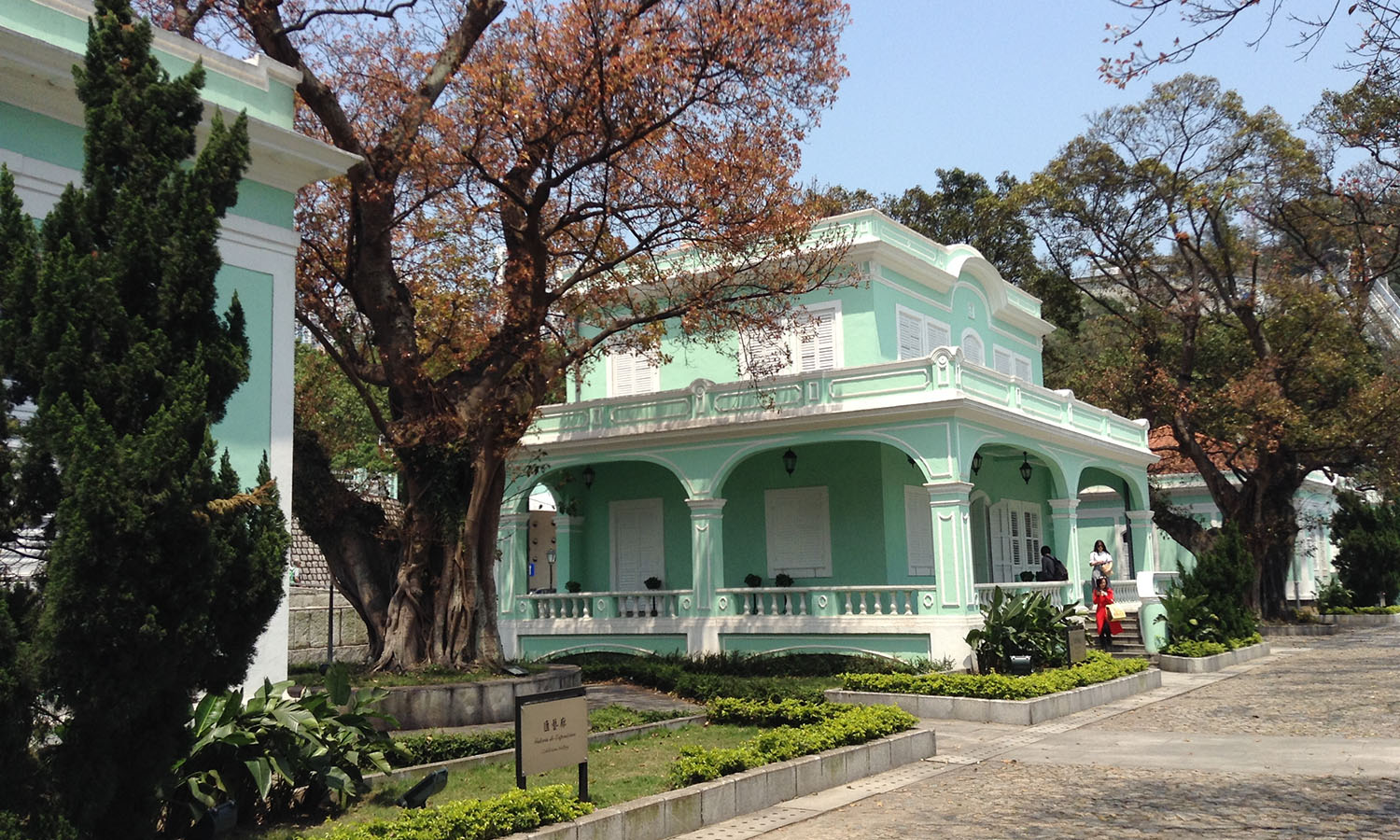
If you’re the kind of person who prefers the tangibility of a hardcopy, however, all the walks are also listed in a handy pocket-sized guidebook with ample of information on the places to see and visit, such as the Museum of Taipa and Coloane History and the famous, lovingly restored 1921-built Taipa Houses included. These green and white painted former residences of senior civil servants are of the Portuguese architectural style and can be freely visited to wander through without forking out an entry fee. They, like many other sites around Macao, offer a good insight in the early twentieth-century history of the former Portuguese enclave, now a Special Administrative Region of the People’s Republic of China.
Walk along a staircase from the Taipa Houses, and you will come across another charming square that fronts the yellow and white painted 1885-opened Our Lady of Carmo Church. This church is perched looking over Taipa Village and is a drawcard for newlyweds seeking photographs.
Evidence of Macao’s multi-cultural, east-meets-west values, traditions and qualities couldn’t be clearer than in Taipa Village. Within an easy walk of the Christian church are a number of tiny Buddhist temples, sandwiched between the Portuguese-designed houses. To think, the neon lights of such integrated resorts and hotels as The Venetian, the Galaxy and The City of Dreams are within eye-shot of such a quiet and culturally historical village.
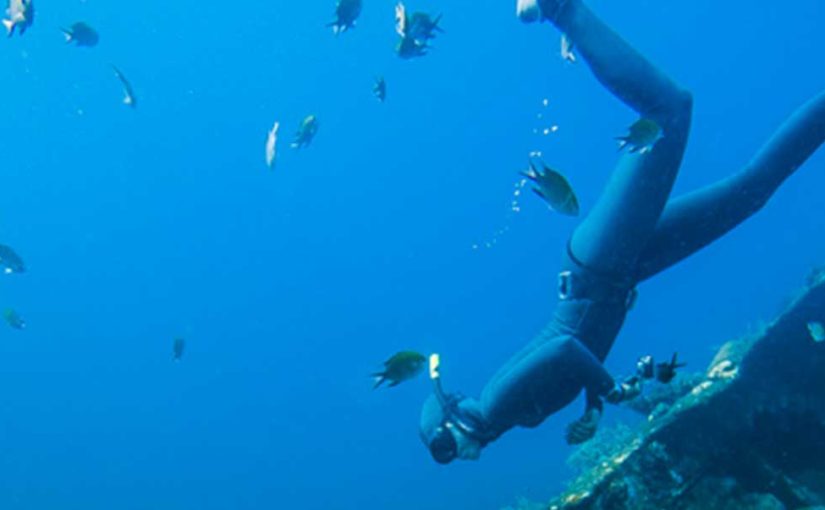
Agata Bogusz discovered she could freedive “by accident” in 2009 after joining a friend training in Egypt. Months later, the urban planner had broken four polish records and spends her days now travelling the globe in search of deep waters. The warm bays of Amed, three hours north of Denpasar in Bali, are the perfect base for freedive training, with a 40-meter drop off ten meters from the shore.
Students learn the basics by first mastering holding their breath in the pool, or in freedive speak, “static apnea”. Initially, I come up gasping for air, feeling slightly exasperated. The urge to breathe is overwhelming. I wonder how I am going to make the two-minute-45 mark, which is a requirement of my course. “What happened?”, Agata asks kindly. “I just wanted to breathe” I reply, feeling somewhat guilty. It’s fighting this instinct that is essential to freediving success. Panic and it’s all over. A few days later, we are high fiving each other in the pool. I can’t believe I made it.
In the next part of our course, we head to the calm waters of Jemeluk Bay, to practice pulling down a rope, learning the technique of ‘free immersion’ (using a rope to descend). It’s quite a lot to think about, but, it’s possible to master. Most of the students completing a beginner’s course will reach 20 meters, and we are no exception.
On the last day, we are taken for a ‘fun’ freedive session to Tulamben, home to the USAT Liberty shipwreck. The Liberty appears out of the blue like a ghost, covered in corals and fish. The US cargo ship was torpedoed to the beach in 1942 then moved back into the water 20 years later by a volcanic eruption. The spectacular site attracts divers, snorkelers and freedivers from across the globe.
Where is Agata gone?” I ask my diving buddy. “Down there, looking at a turtle”, he replies, pointing under the water to Agata, some 15 meters under. “I might go and join her”, I say with a grin.
I take a deep breath, equalise and dive. No longer floating on the surface, I can finally go deep, with just one breath.
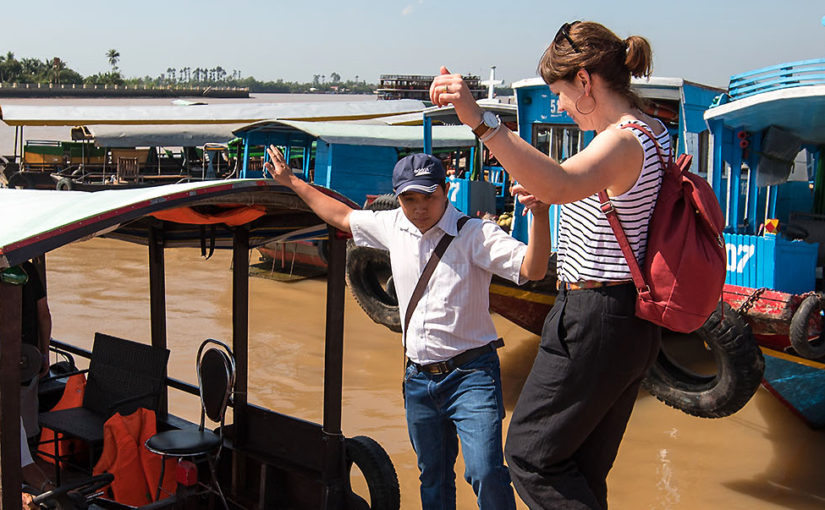
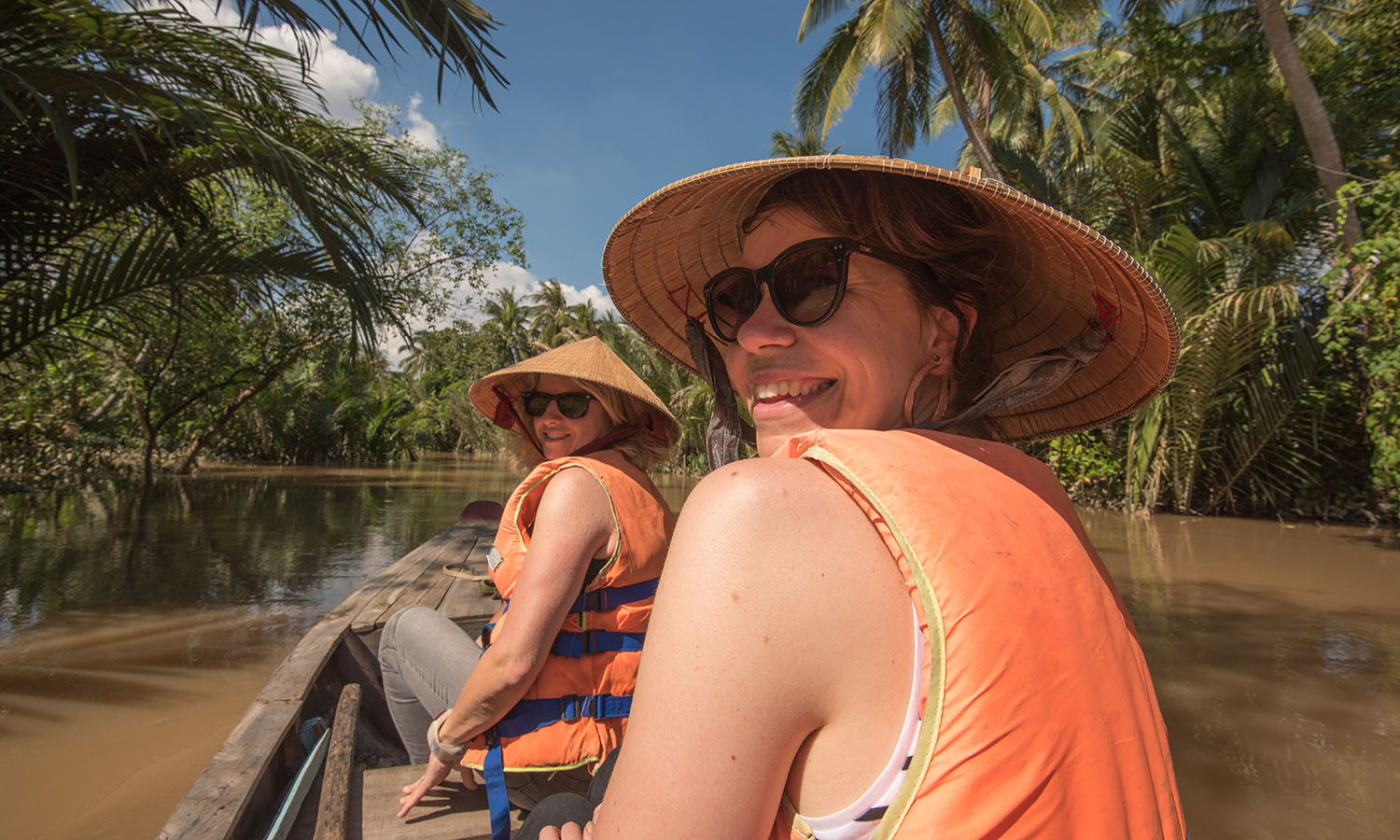
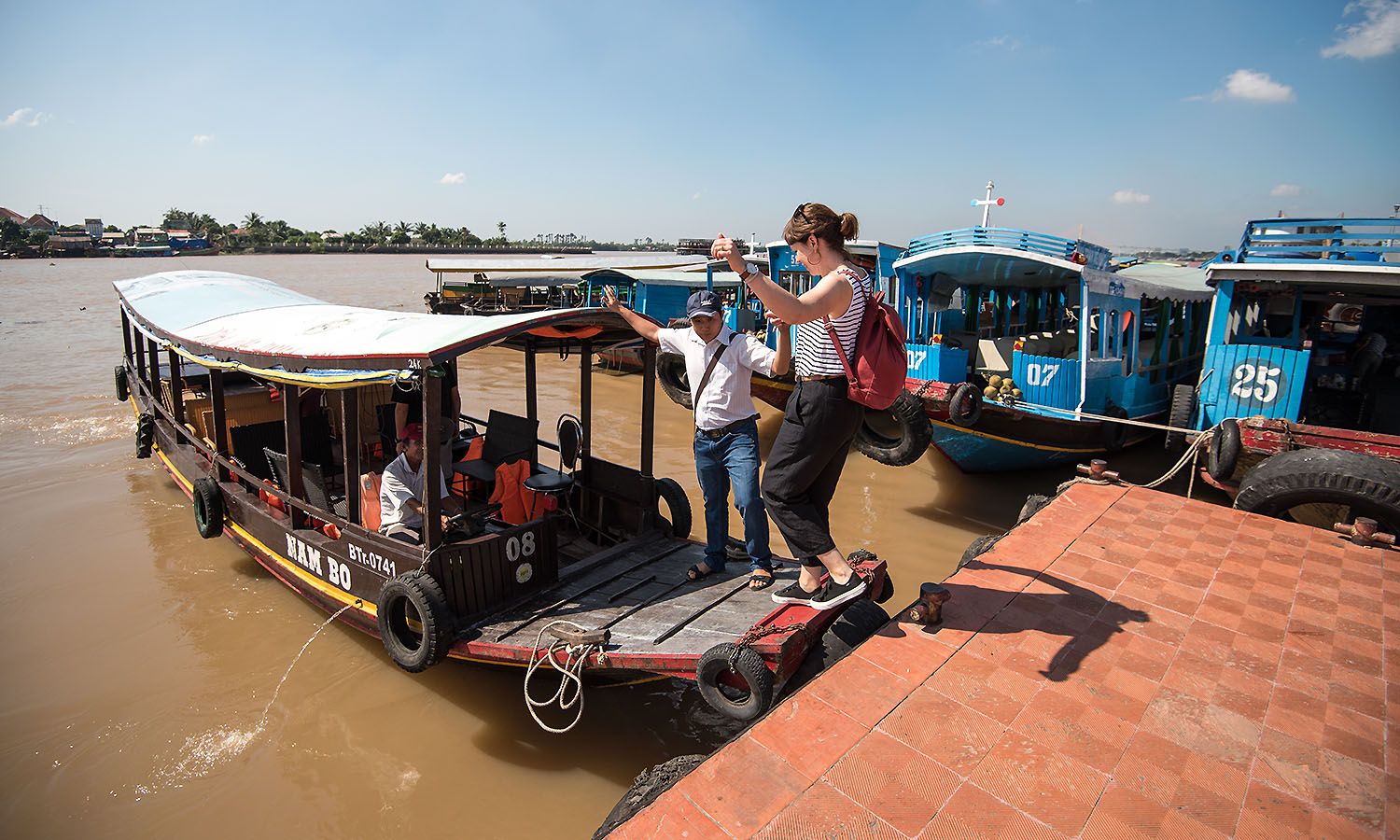
While some will try to convince you that the iridescent seascapes of Halong Bay, Hanoi’s motorbike-frenzied streets or rolling hills of Sapa should be your number one pick, we’re going to subtly (read: not-so-subtly) tell you that Ho Chi Minh City should take top spot on your Vietnam itinerary. Its a city of organised chaos – backpacker hostels thrive among towering boutique skyscrapers, fancy restaurants and bustling street food stalls dish up delicacies side by side and winning buys can be found in both chic malls and street markets – which makes it a place unlike anywhere else in South-East Asia. It’s also the gateway to the intricate waterways, swamps and endless shades of green that makes up the Mekong Delta, the country’s most famous body of water, situated south of the city – and a sublime place of respite from the hustle. Often described to as ‘the rice bowl’ of Vietnam, the delta is one of immense fecundity where rice, tropical fruit and flowers grow and blossom (it’s got the monopoly on these and supplies the whole country) and a trip here plunges visitors into a world of laid-back river life.
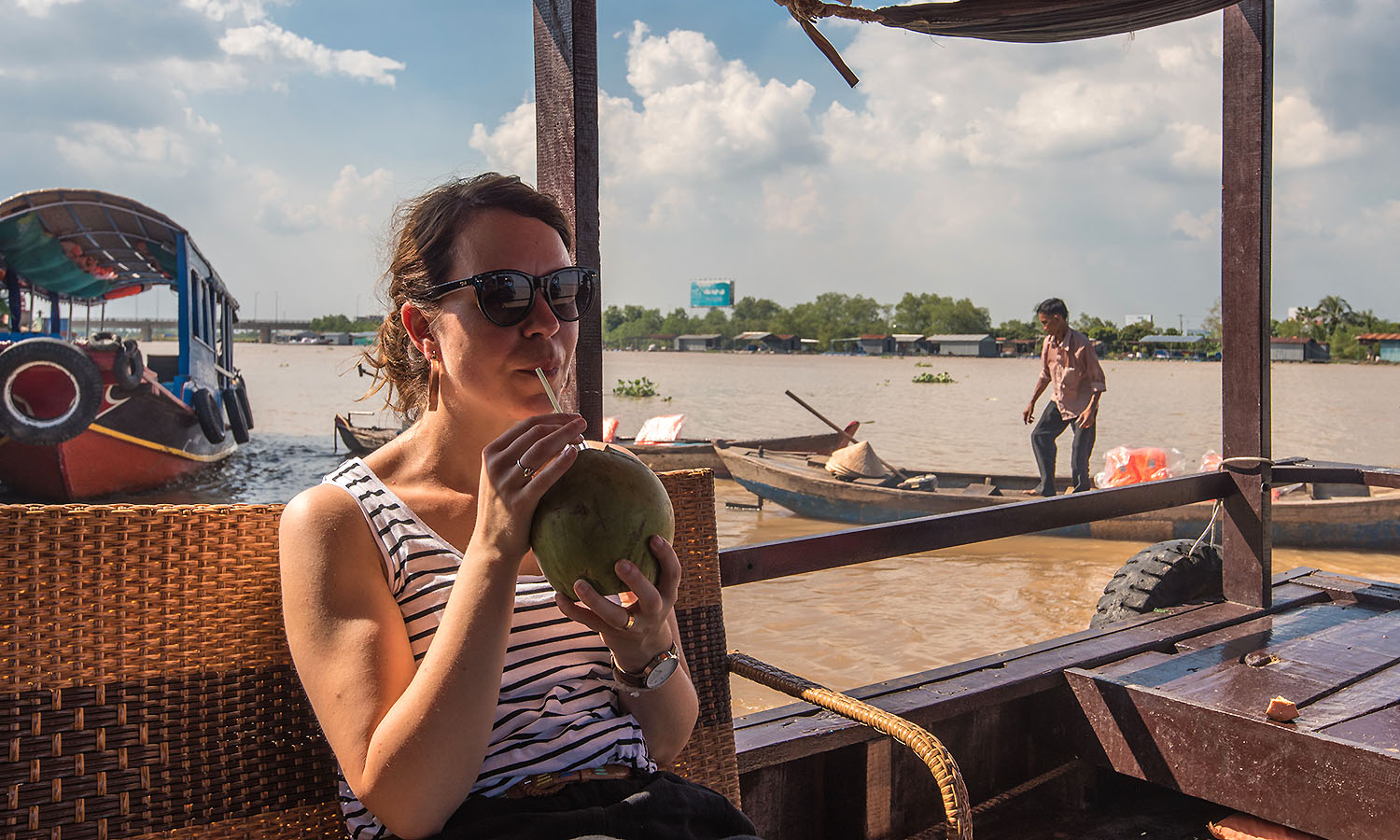
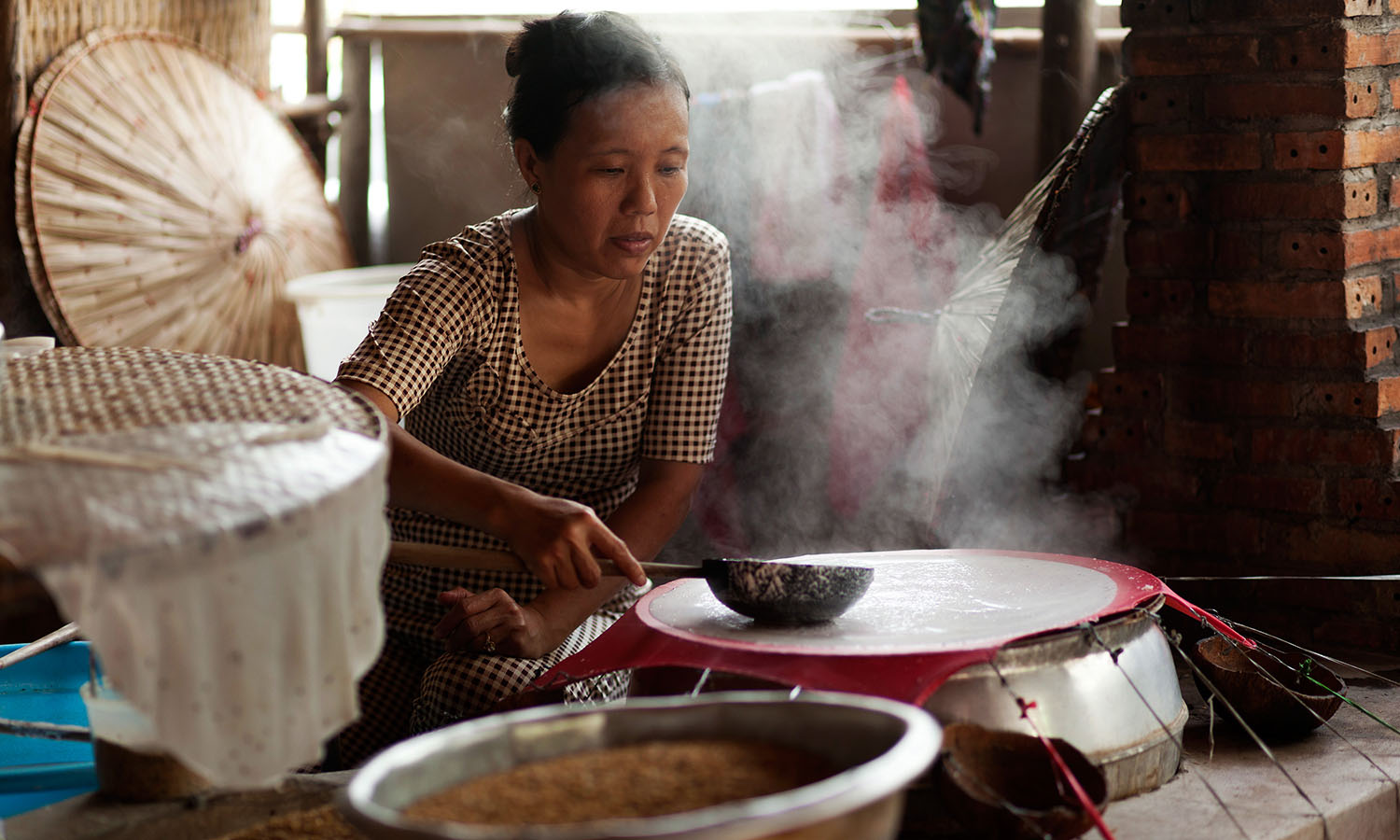
Board your private boat, sailing beneath luscious green fronds and past locals transporting produce along the canals until you reach Ben Tre, where you’ll visit the coconut gardens and sample the jams that are made from this refreshing fruit, then enjoy a leisurely paddle in a sampan (small rowing boat) beside the water coconut trees the fringe the waters of the Mekong. The adventure goes beyond the river, too; clamber into a tuk-tuk and zip around the riverside villages, learning about rural life and how the locals make their living from making coconut products. All this talk is likely to make you hungry, and lunch at a restaurant in the heart of the delta, sampling regional specialties such as the famous Elephant Ear fish among others, won’t disappoint.
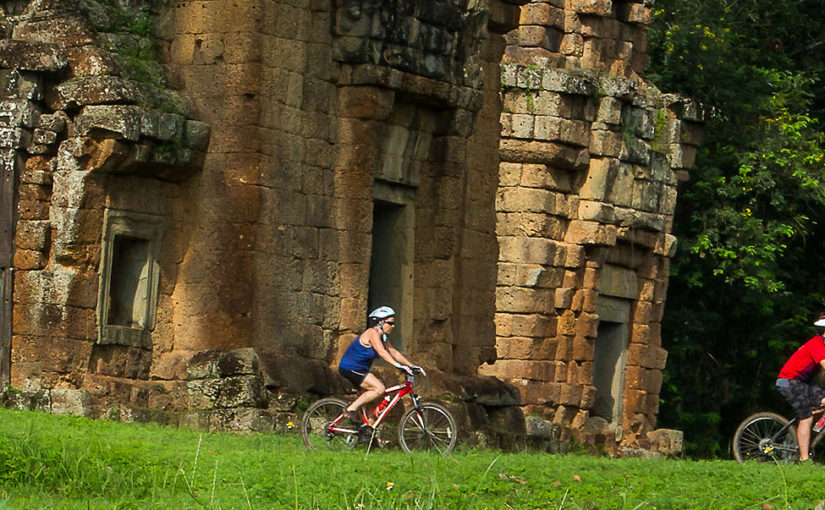
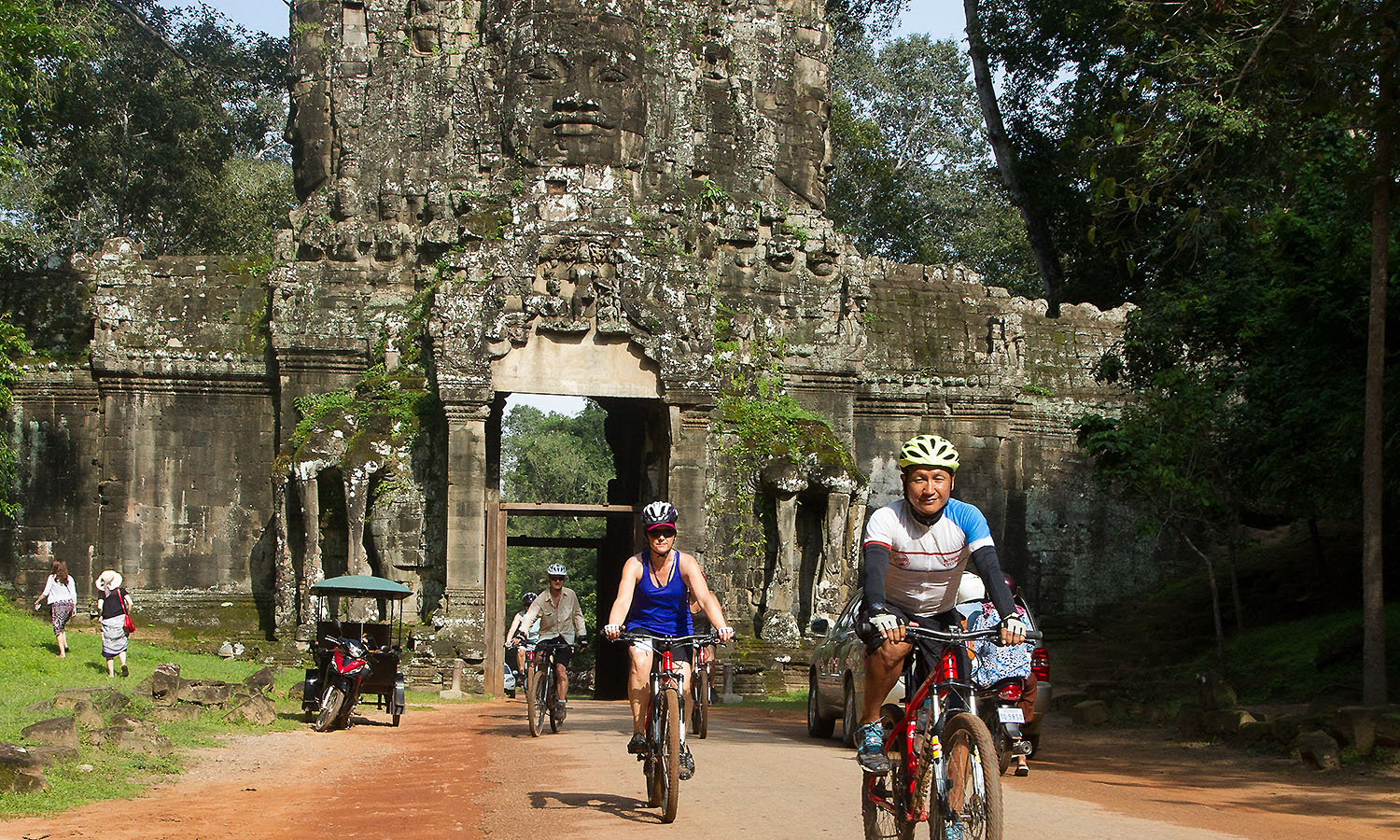
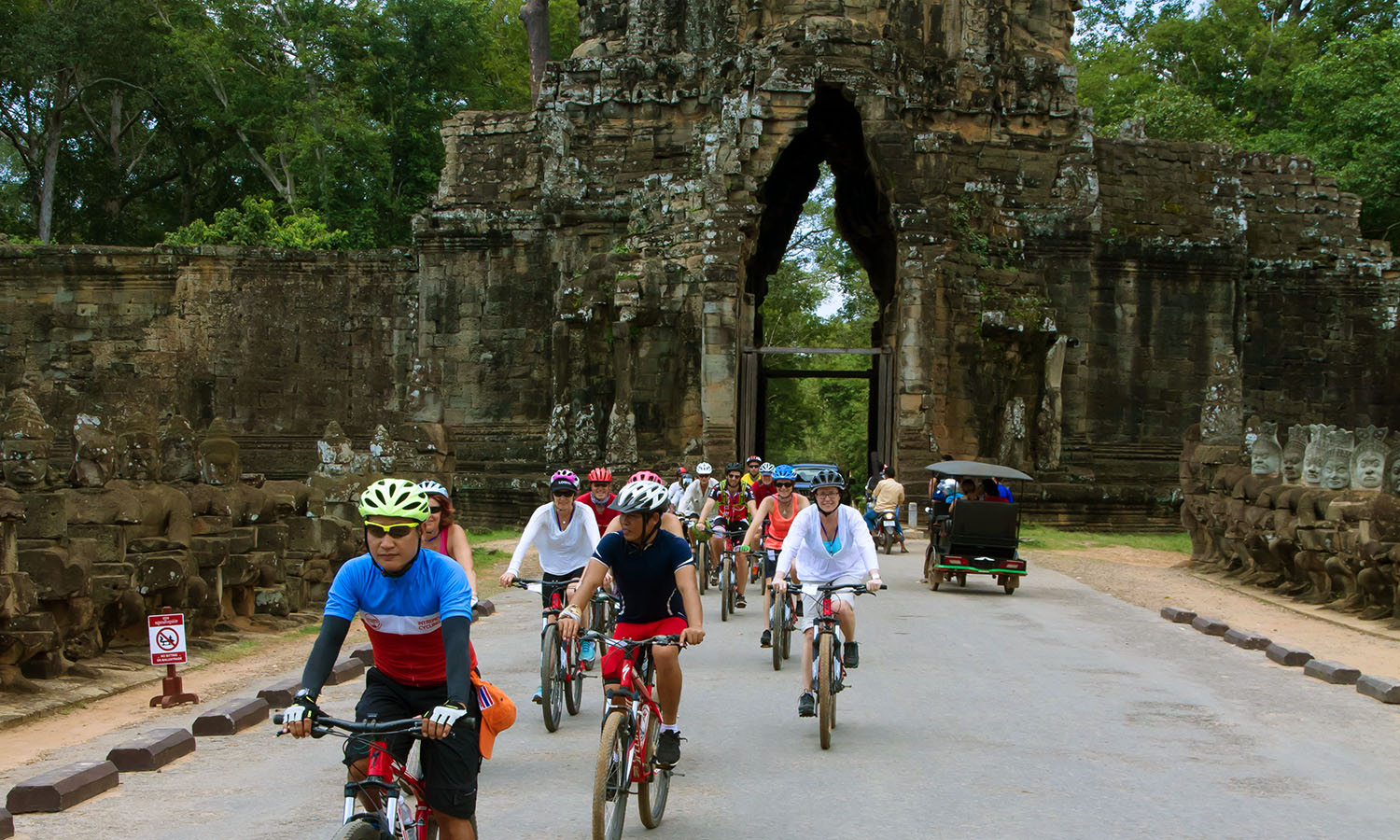
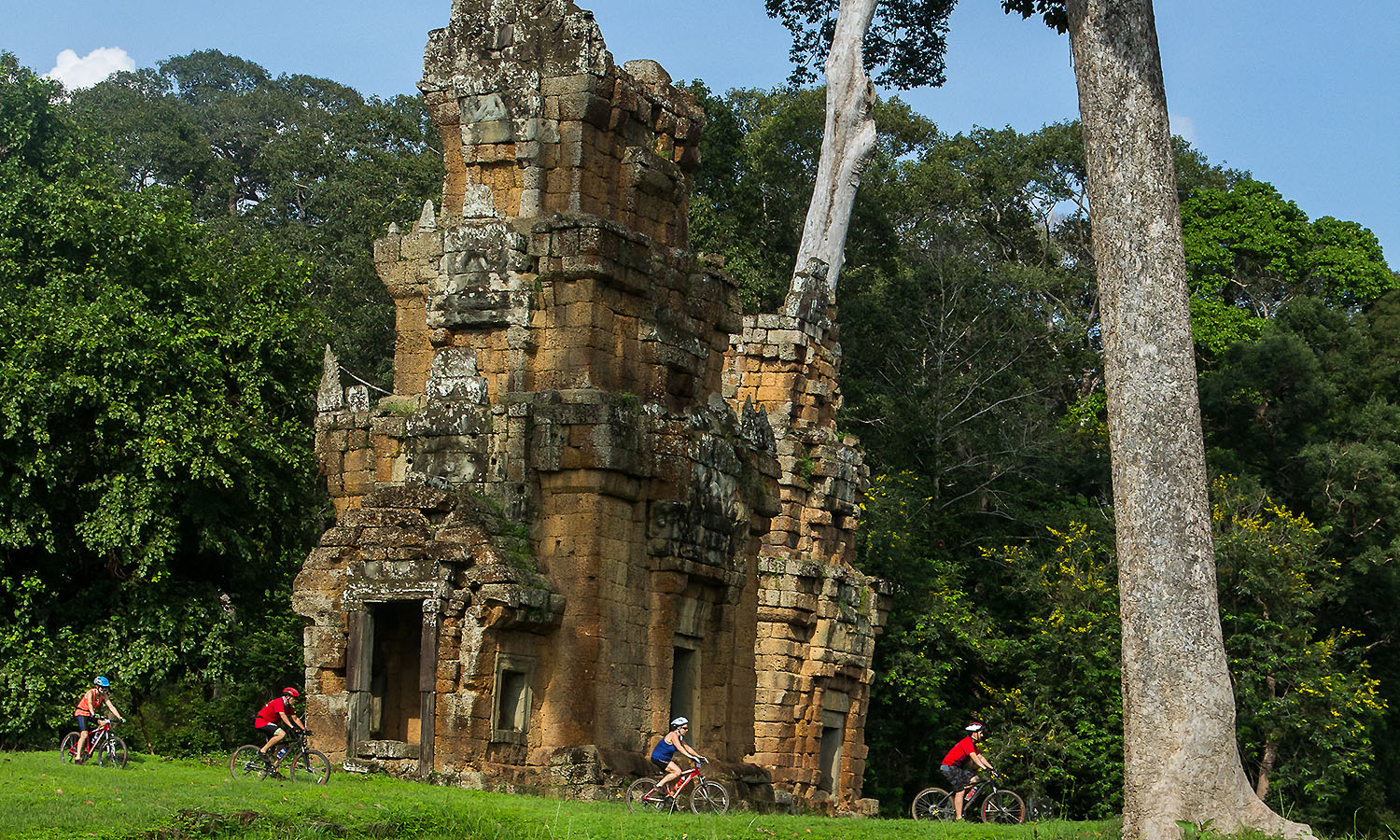
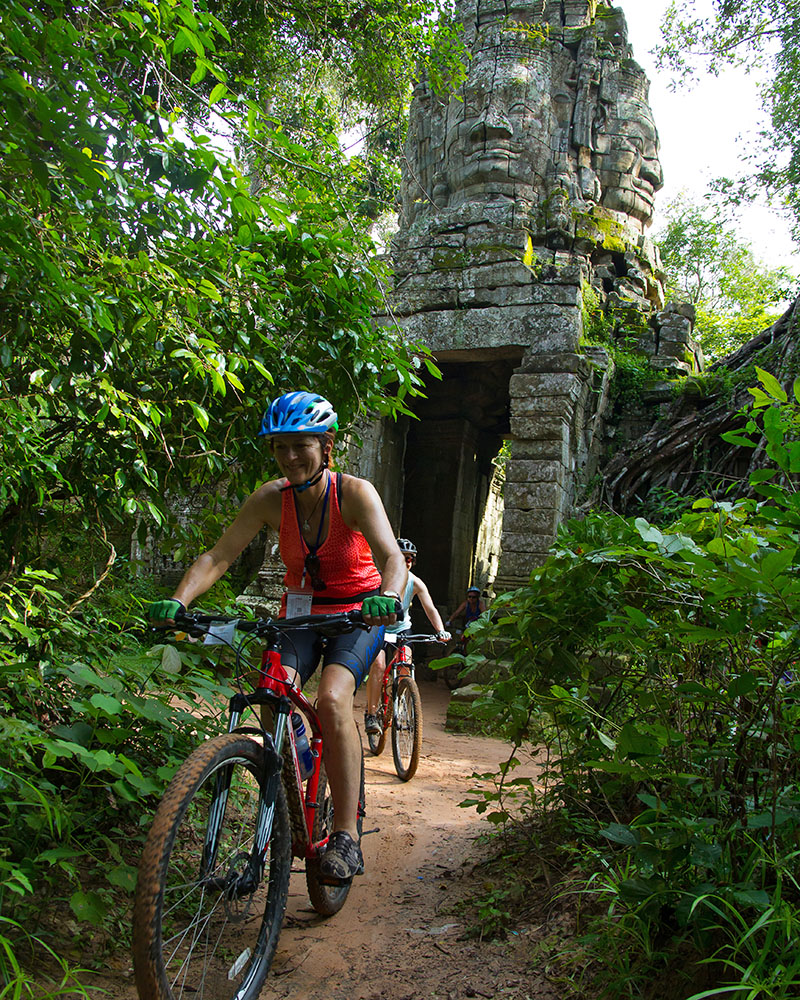
The name Angkor always captures the imagination, conjuring up images of soaring temples set in deep jungle hidden from the world for generations, and there is simply no better way to experience the allure of Cambodia’s legendary Angkor complex than by bicycle. Faster than walking yet able to go places that the tour buses just can’t go, cycling at your own pace along secluded roads and lush jungle trails is a tranquil way to experience this ancient wonderland as well as explore small temples hidden from everyday view.
Naturally you’ll set your pedal power to high as you make your way to the ancient structure of Angkor Wat, the greatest Buddhist temple in the world. You’ll also enjoy guided visits to the jungle-covered Tomb Raider favourite Ta Prohm, conquered by gigantor tree roots (the most renowned one is by the entrance, dubbed the Crocodile Tree), and the sheer majesty and many faces of Angkor Thom, too.
Seeing these UNESCO World Heritage Sites in such an environmentally friendly way, with no pollution or strain on the environment, is not only a great way to experience some semblance of the efforts that went into creating these masterpieces (pedalling is hot and hungry work, after all), it also helps to preserve this magnificent icons for future generations.
"This gives new meaning to the term cattle class,” chuckles my friend as she hops aboard a set of scales as part of check-in for our domestic flight between Jaffna’s Palaly Airport and Colombo.
Having been herded into a spluttering Tata bus and driven to the ‘terminal’, we are shepherded through a process that involves the weighing of our bodies as well as our bags. Red-faced, we board our plane – a twin-engine Antonov AN-32 military aircraft – only to be coastalcoastwelcomed by boxes of stinking Jaffna prawns sweating it out in the searing 35°C heat of the unpressurised cabin.
Back when we’d been planning our trip to the Jaffna Peninsular, we were looking to experience exactly this sort of extraordinary. We wanted to travel, and to taste an adventure of the flavour you don’t usually find in Sri Lanka.
We hoped that by visiting the north – untouched by tourism and branded by 26 years of civil war – we would experience Sri Lanka at her most raw. Since the conflict’s dramatic climax in May 2009, thousands of locals have made the bone-crunching pilgrimage to the north, but few foreign travellers have followed suit. I was keen to be amongst the first to visit Sri Lanka’s final frontier, a region deemed to have more cultural similarities with India’s Tamil Nadu than with Sri Lanka’s Buddhist-dominated south.
So, after enlisting a group of like-minded friends and renting a van and driver, we finalised our route: we would head up the seldom-visited north-west coast to the island of Mannar, then voyage east to Vavuniya and north again along the A9 highway to Jaffna, via Elephant Pass. Instead of repeating our outbound journey, we’d fly back to Colombo.
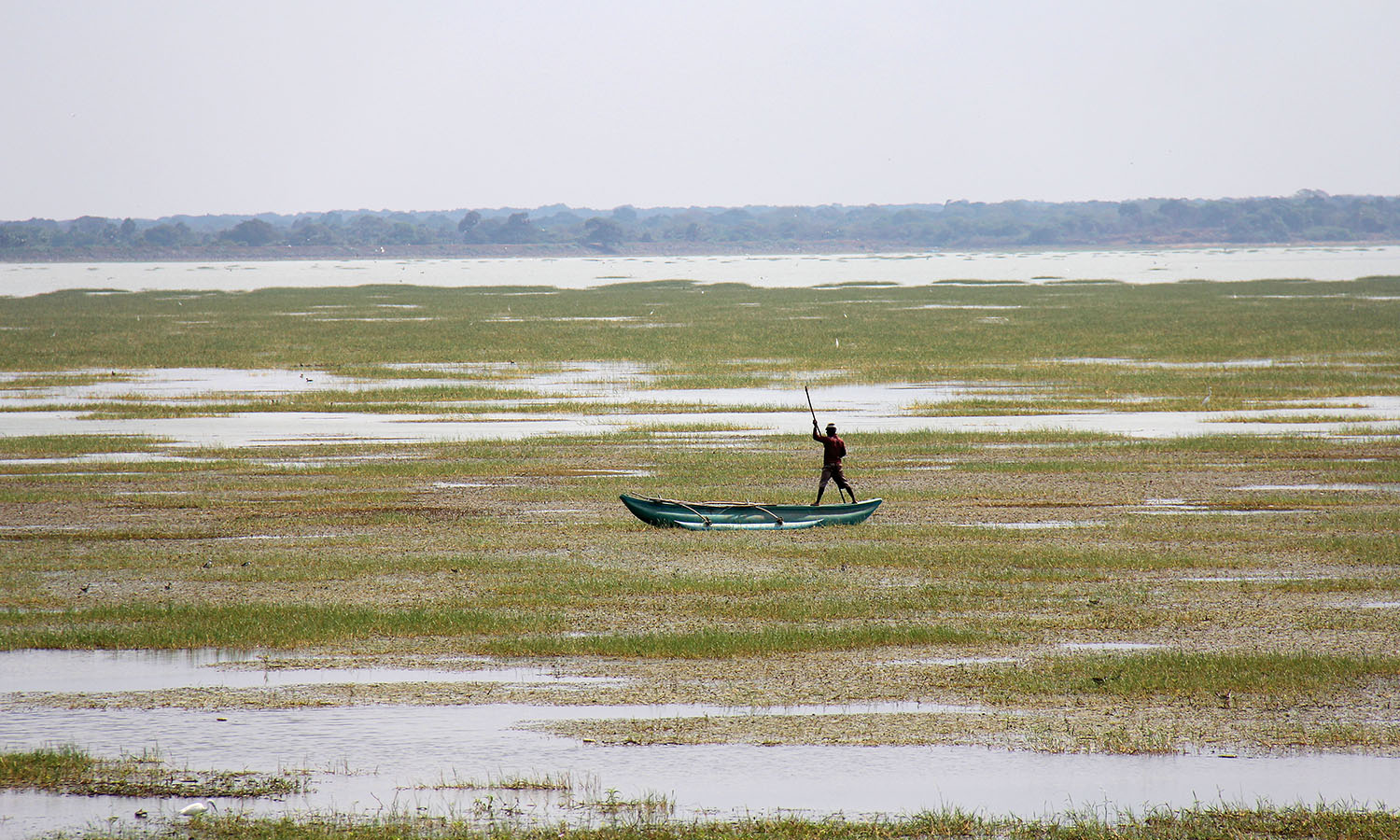
Setting off from the lush capital at dawn, we drive up the A3, passing by the fishing town of Chilaw and pushing into the dry zone. Just eight kilometres shy of Puttalam, curiosity sends us hurtling up the Kalpitiya Peninsula – a crescent-shaped landmass arching around the Puttalam Lagoon. The epic panorama of this arid, windswept landscape assaults our senses. The murky mangrove-pocked salt flats fringing the expansive grey-white lagoon have a raw, eerie beauty, whilst the pointed leaves of palmyrah palms crackle menacingly overhead. Kites dot the azure skies, and a line of wind turbines spin silently on the lagoon’s far eastern shore.
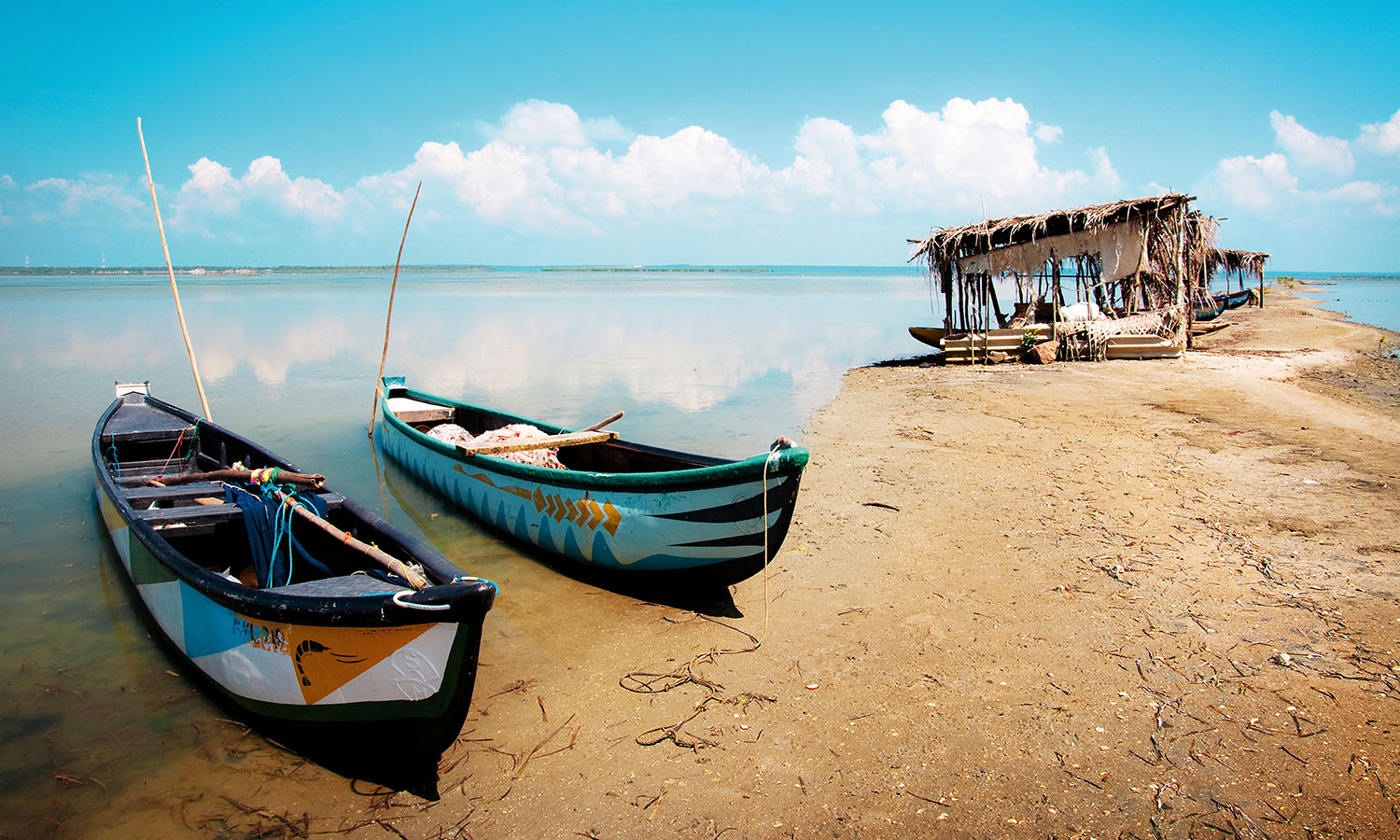
Kalpitiya’s beaches prove every inch as arresting. Given their relative proximity to the airport (just a couple of hours), we are surprised to see only a sprinkling of eco-resorts set back from Alankuda’s fir-fringed, near-deserted beach. Wandering along the sand, we encounter a gang of sarong-clad fishermen dragging a huge net onto shore, watched by a growing gaggle of villagers. Nearby, an earlier catch of fish lies shrinking and drying under the hot tropical sun. Kattawa (dried fish), a rather pungent delicacy used to flavour curries and sambals, is a particular speciality of the northern coastal regions, and we are to see many more of these hardened leathery hides dangling from the beams of shops.
Beyond Kalpitiya and Puttalam, the rust-red road pierces Wilpattu National Park and continues to Mannar, where we spend the night in a simple guesthouse eight kilometres east of town.
Mannar sits at the eastern end of a thin island attached to the mainland by a two-kilometre bridge. The island boasts a Portuguese fort and baobab bottle trees introduced by Arab traders from Africa 700 years ago, but the most interesting feature lies just beyond the far western tip. Adam’s Bridge is a chain of limestone shoals that extends to India, some 30 kilometre distant. Thought to be the route by which the earliest human settlers reached Sri Lanka 250,000 to 300,000 years ago, this was also the perilous pathway many displaced Sri Lankan Tamils used to flee the country during the war.
After a delicious breakfast of curries laid on by our generous hosts, we jump into the van and travel east towards Vavuniya. The journey is punctuated with stops at the serene Ketheeswaram Kovil, ringed by an iconic red-and-white–striped wall, and the huge, late nineteenth century Portuguese-style Madhu church, home to a 300-year-old statue of Virgin Mary.
Beyond Vavuniya, snaking along the infamous A9 through the sparsely populated northern landmass that is the Vanni, we are soon confronted with remnants of the war: desolate bullet-ridden houses, ghost towns, the headless trunks of palms severed by shelling, and yellow tape depicting the presence of mines.
The mood lightens as we reach the town of Kilinochchi. As the de facto capital of the rebel Tamil Tigers, this town was shelled repeatedly during the war, yet the scars of its casualties are harder to decipher, as buildings have been patched up or rebuilt, or lie hidden behind new, vibrant coats of paint.
A bombed water tower lying where it fell is the exception, and this is the first of a handful of war memorials we encounter on our 16-kilometre journey up towards Elephant Pass, the isthmus of the Jaffna Peninsula. Others include a grenade-charred armoured bulldozer, a bullet-scarred open-top jeep and, at Elephant Pass itself, a huge mounted map of Sri Lanka supported by four hands and topped with a blooming a lotus flower.
Here we begin chatting to local tourists. They’re interested to know our reasons for visiting a region with few obvious charms, and we are keen to know theirs. Thirty-six-year-old Dilhan Liyanage, a Sinhalese pharmacist from Dondra, in the southern district of Matara, echoes the majority sentiment: “I wanted to revisit a part of my country that was off limits for years,” he says. “Now we can safely travel here, I’ve brought my wife and children to see it for the first time.”
Others have come to visit the land where their loved ones fought and fell, and a few are paying visits to relatives and friends.
After finally crossing Elephant Pass, we arrive on the Jaffna Peninsula and travel towards town. On its quiet eastern fringes, we notice colourful bougainvillea and the fruit of karthacolomban (mango) trees draped across the spacious front yards of elegant Dutch period homes, gracefully adorned with pillared verandahs, carved roundels and engraved teak shutters. We encounter many more houses like this across town, although sadly most of them are abandoned, their owners having fled overseas at the advent of the war.
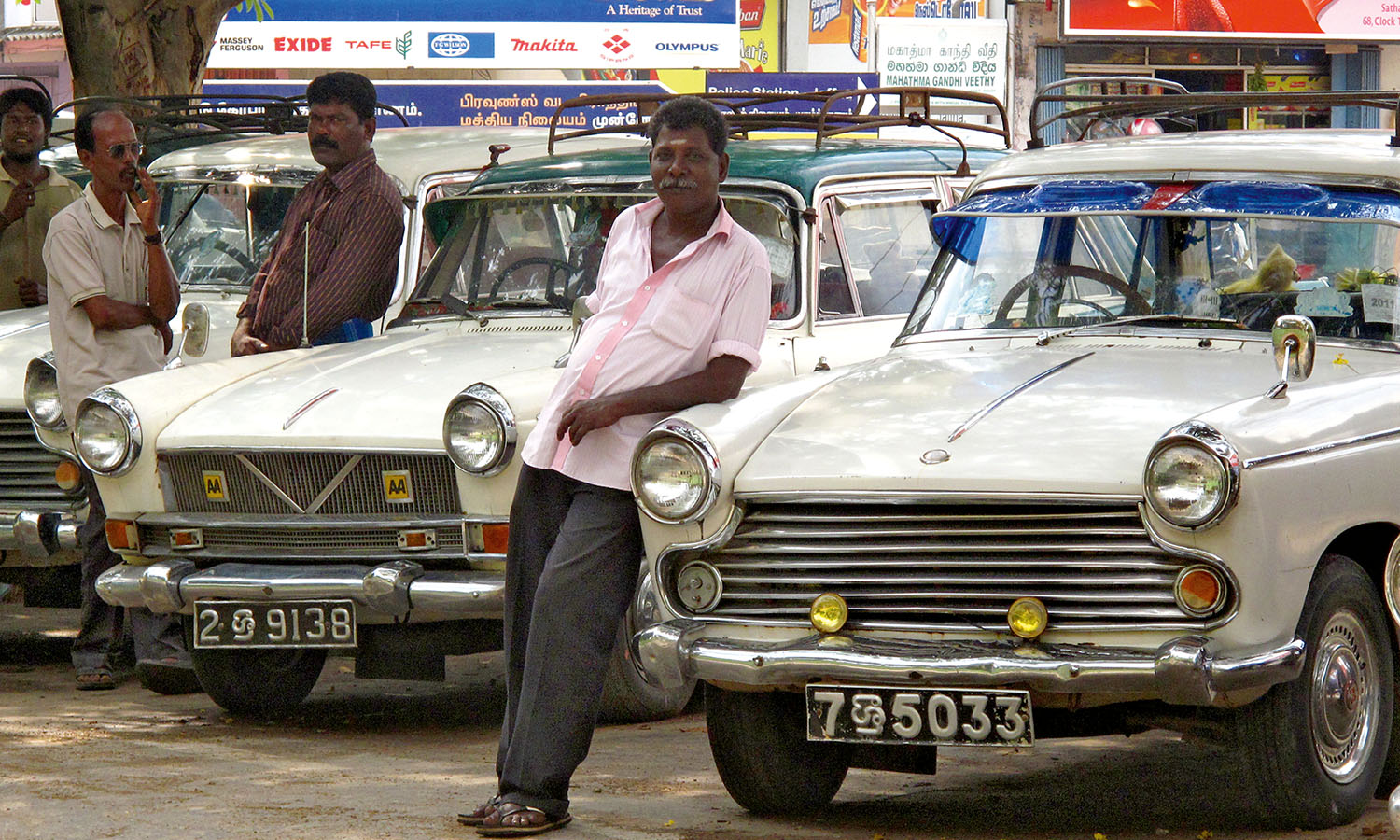
Driving straight into town, we pass the dome-crowned public library and stop off at the pentagonal Jaffna Fort, built by the Portuguese and extended by the Dutch. From its thick ramparts, we scour the views across to Kayts, an island connected to the Jaffna mainland by a narrow causeway topped by buses and bikes. Later, we pluck fruit from the vibrant yellow market stalls, pose beside a fleet of evocative Austin Cambridge taxis and stray up side streets in search of midi vedi, an explosively hot samosa whose name translates as ‘land mine’.
A visit to the Nallur Kovil, Jaffna’s biggest Hindu shrine, is a priority and our trip happens to coincide with Lord Skanda’s birthday. Leaving our sandals at the entrance, we keenly follow the rapt throngs of barefooted devotees as they offer prayers, flowers, incense and fire to their chosen gods. The frantic beating of the drums combined with the acoustics of the nadaswaram are atmospheric and strangely affecting. Afterwards, we devour toe-curlingly sweet sundaes from nearby Rio’s, one of Jaffna’s best loved ice cream parlours, as the rhythmic beats of Hindi music blare from the radio and the rapid dialogue of young Tamil families erupts excitedly around us.
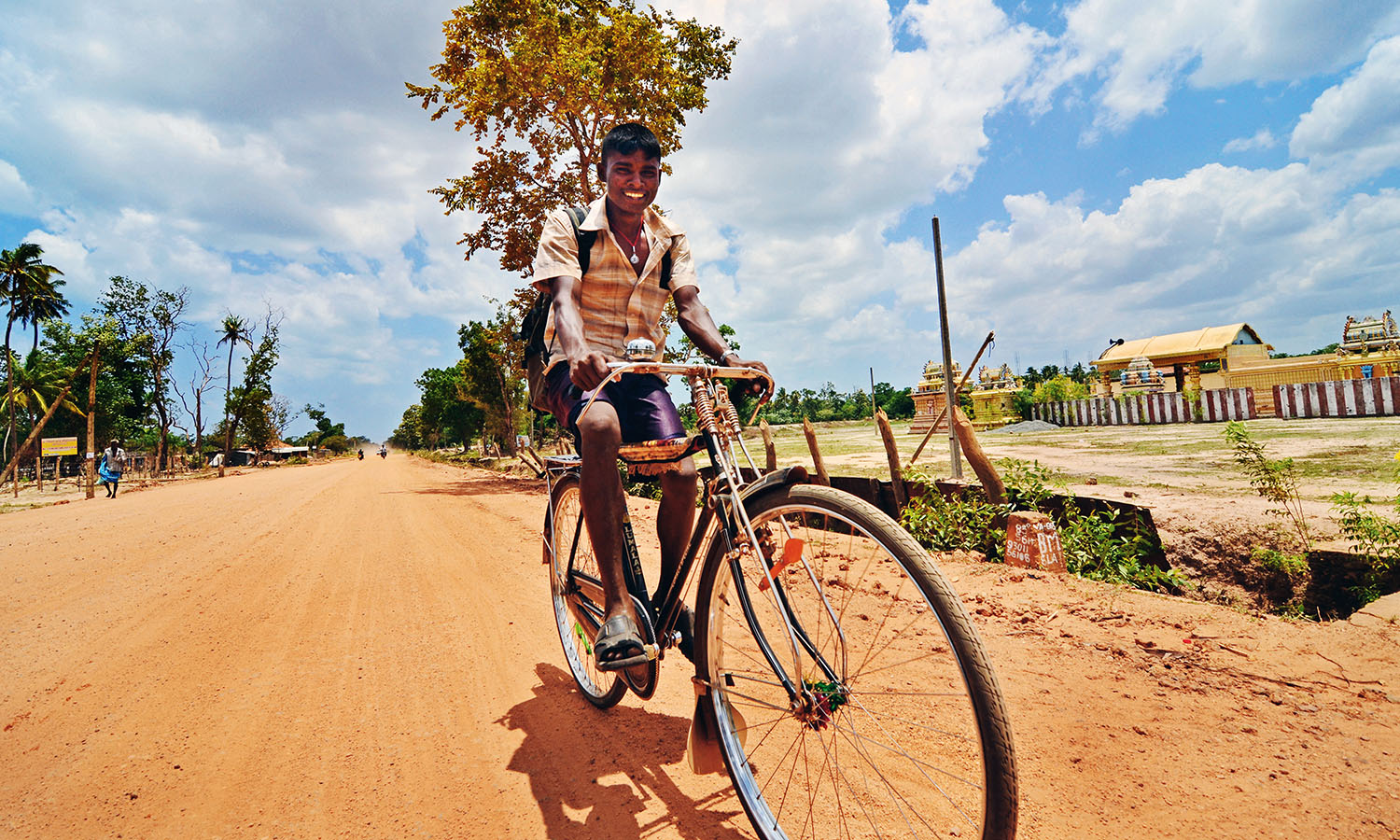
We explore the peninsula by bicycle, an iconic form of local transport, pedalling through farmland up to Point Pedro where a white flag on the beach marks the island’s northernmost point. The narrow, dusty streets of this sleepy backwater are lined with stalls selling live chickens, basketry and spices, and its lighthouse-fronted beach is prettified by a litter of jewel-hued fishing boats. Heading east, we visit Manalkadu’s sand dunes and the partial remains of St Anthony’s church, before returning to Expo Pavilion’s serene Margosa hotel. A dinner of succulent sweet Jaffna crab curry follows and sends us quickly to sleep.
On our final day, we set out to explore Jaffna’s islands. Choppy seas prevent us from visiting Delft, the peninsula’s furthest flung islet, but simply driving across such hauntingly beautiful open terrain feels escapist enough. Being a weekend, the popular golden-sand beaches of Casuarina and Chatty are busy with local families and groups bashing cymbals and drums, so we grab some deep-fried crab legs and head for the temples of Nainativu Island, a claustrophobia-inducing 15-minute ferry ride from Kurikadduwan dock.
In a region scarred by years of racial tension, it’s awe-inspiring to see a Buddhist temple and a Hindu kovil situated just 500 metres apart – two utterly different religions sharing such a small landmass. We watch as throngs of pilgrims from all over Sri Lanka pad barefoot between the two in apparent unity, and as they pay their respects to each temple, they stock up on the same goods (palm leaf-wrapped sweets, shells and toys) to take back home.
As we too head home – aboard our twin-engine bug basher of a plane, with its precious cargo of pungent prawns – I contemplate our trip. While, at times, Jaffna feels like an outpost of India – or certainly a very different place to the rest of the island – the curiosity, warmth and smiles of the resilient people we meet confirm it is part of the intoxicating story of Sri Lanka.
 (
(