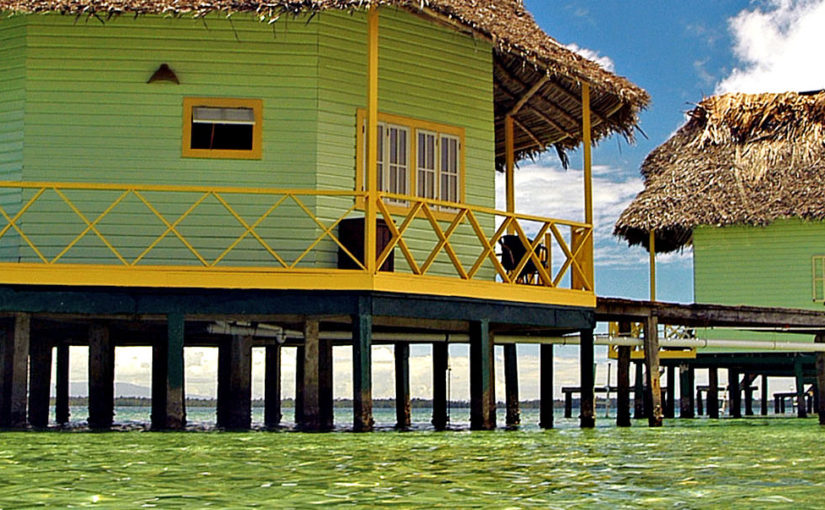
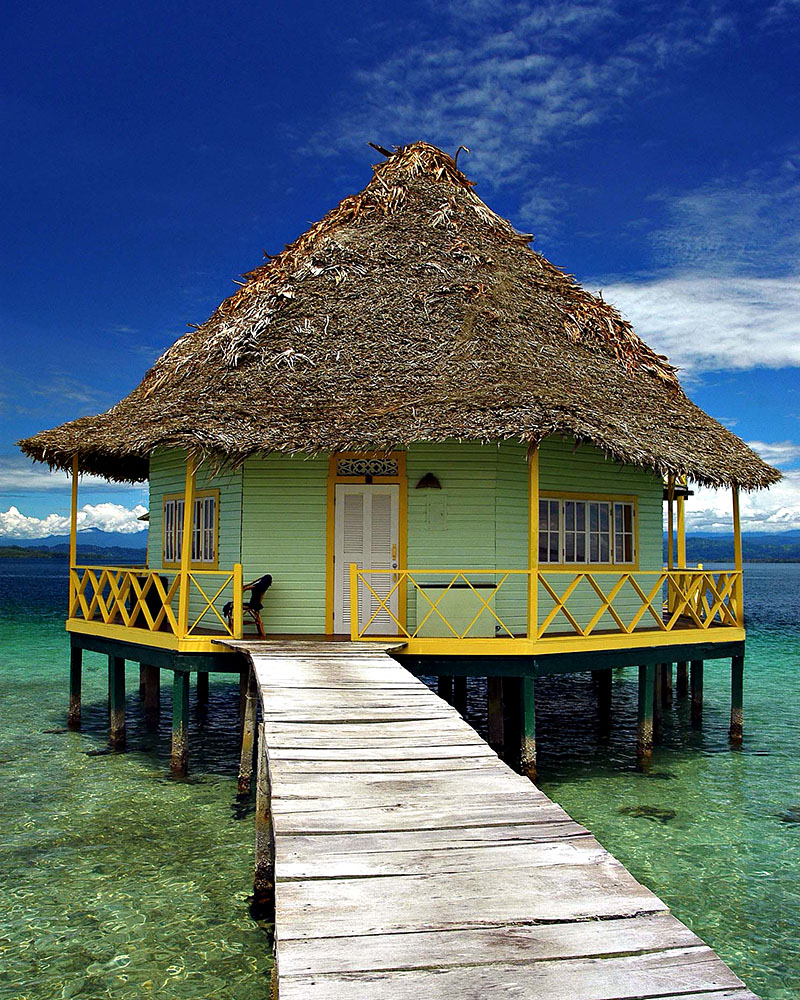
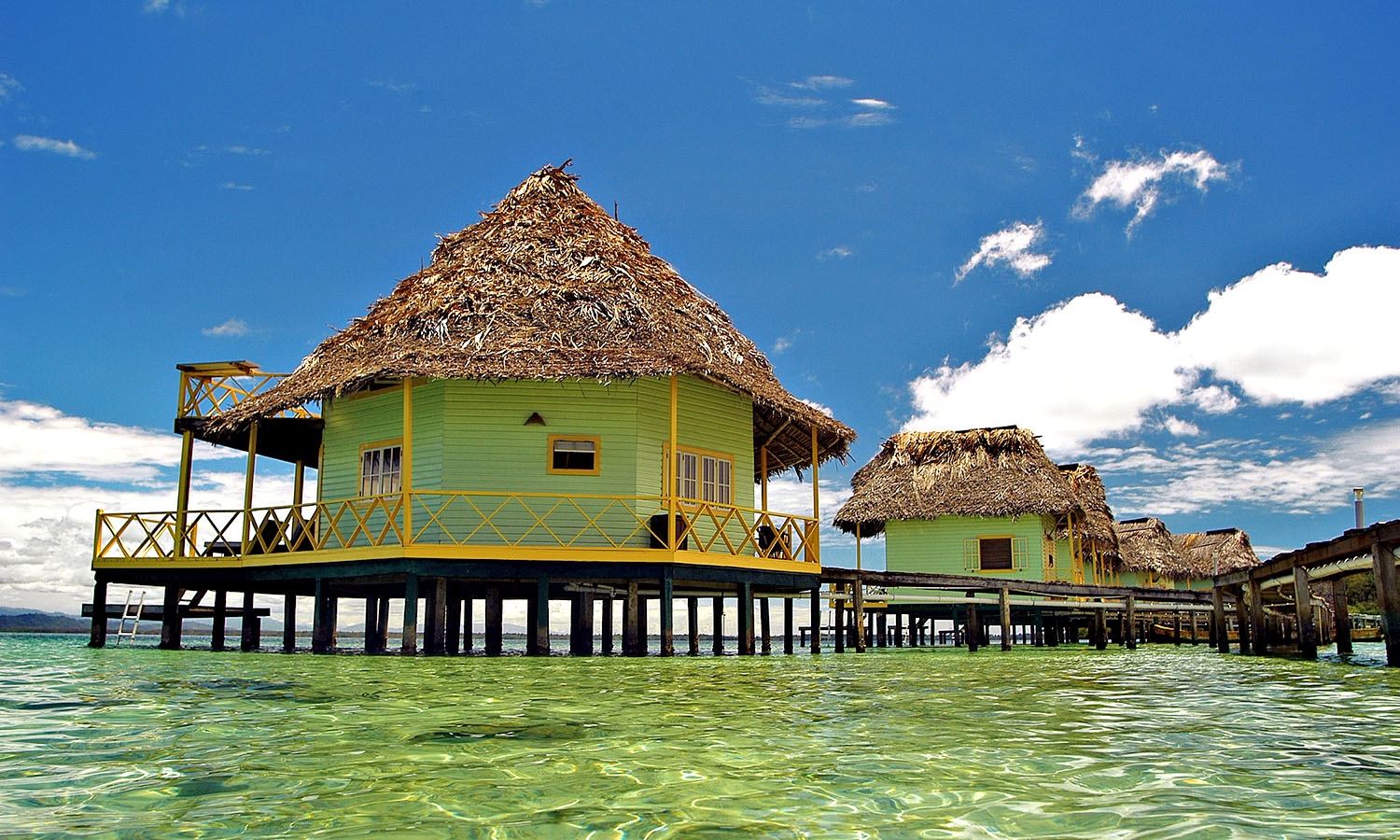
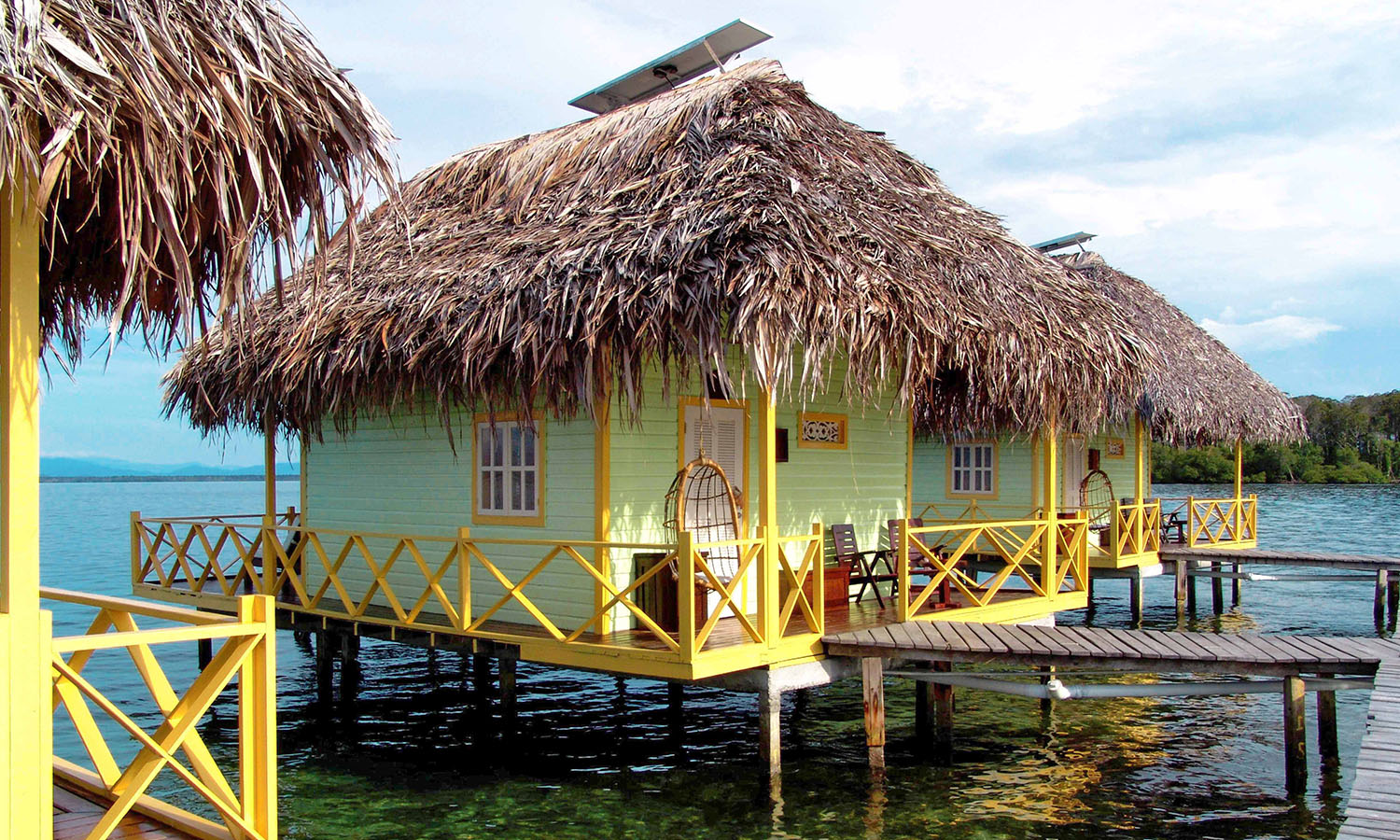
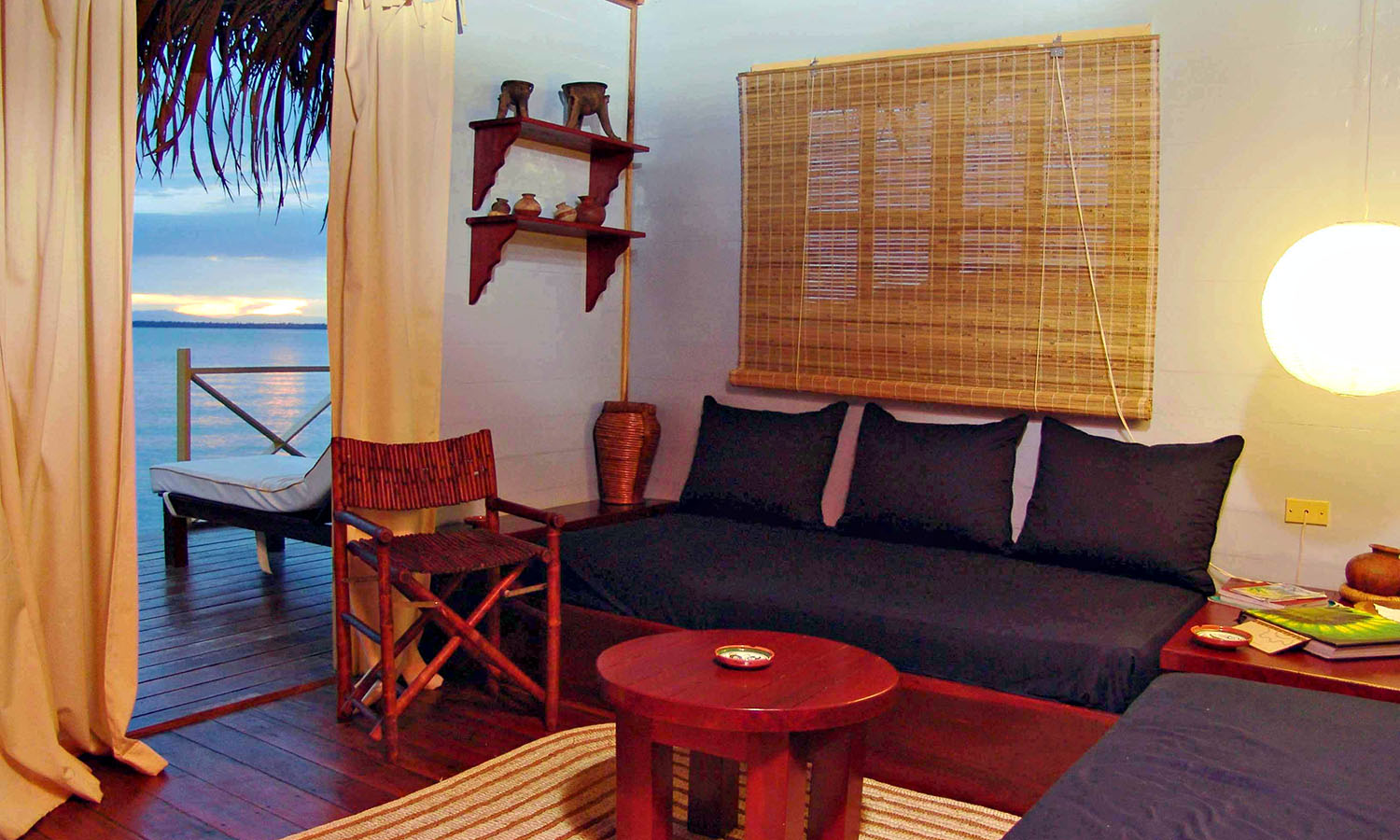
It speaks volumes that on its FAQ website page the number one suggestion for what to bring to this resort is a good book. With private terraces perched over the water at each of Punta Caracol’s bungalows – there are just nine in all, each spread across two levels – there’s plenty of temptation to just sit and stare at the Caribbean Sea’s frolicking dolphins. You’re in one of the most environmentally pristine parts of Central America though, so grab a mask and flop off the balcony onto the reef. There is superb snorkelling all around here, as well as the chance to go on boat expeditions to local Indian communities, hikes in the rainforest and tours by motorised canoe to spot sloths and white-face monkeys.
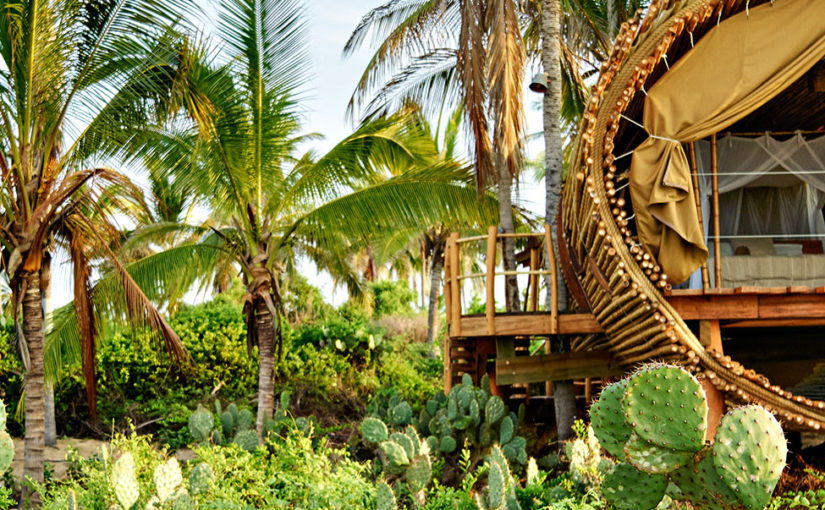
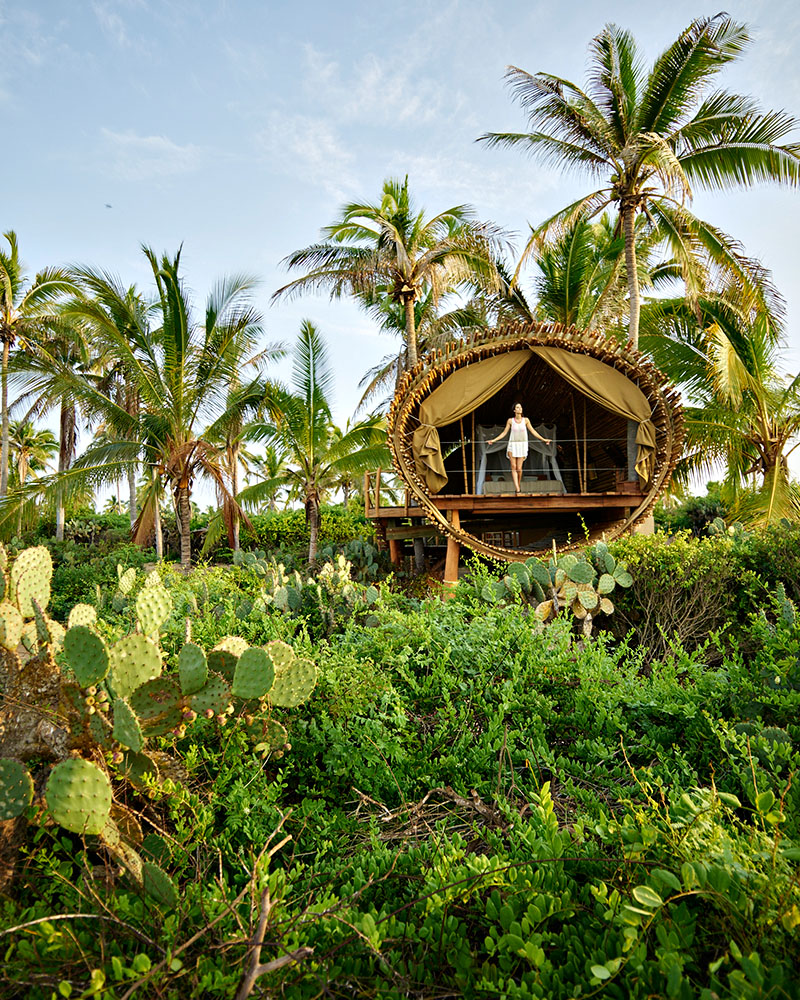
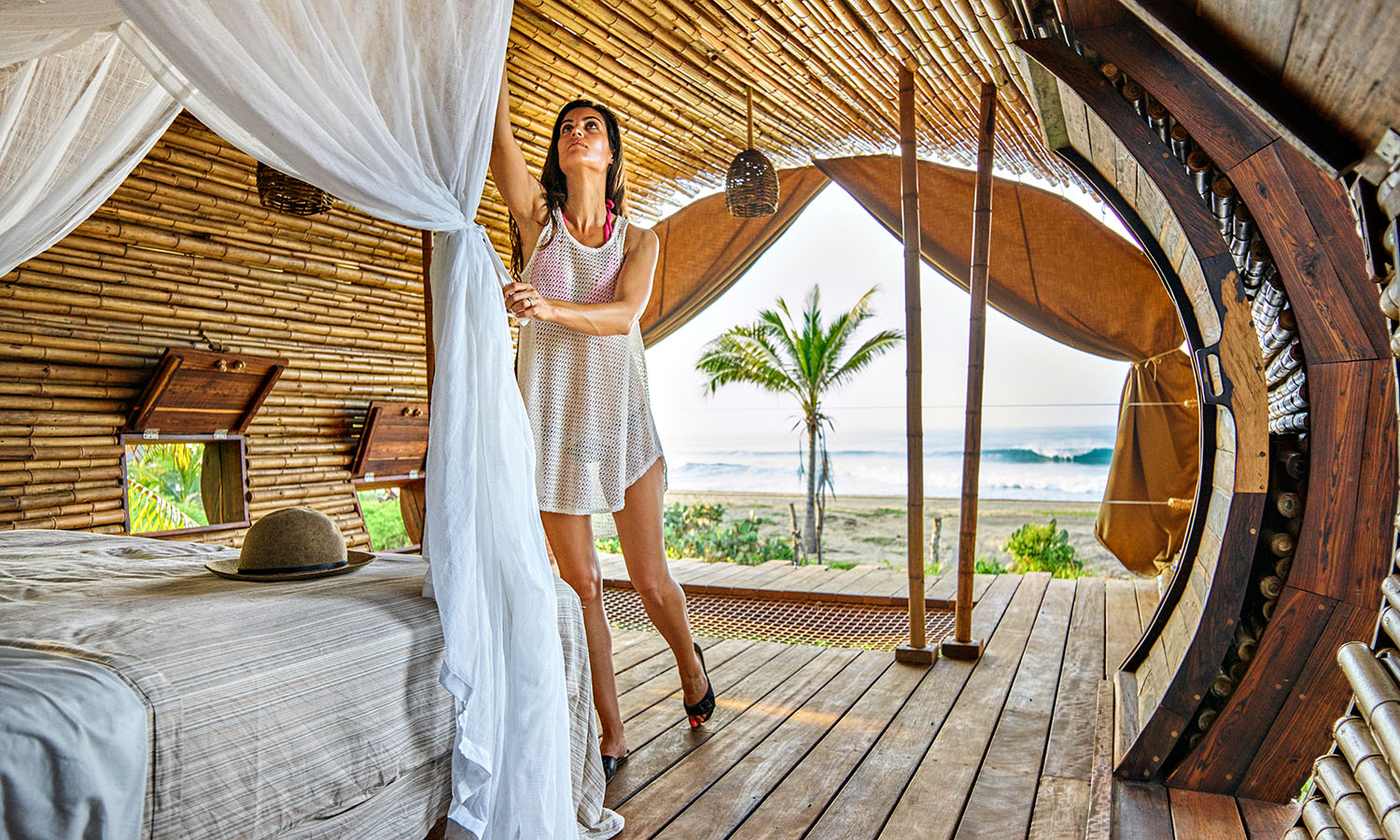
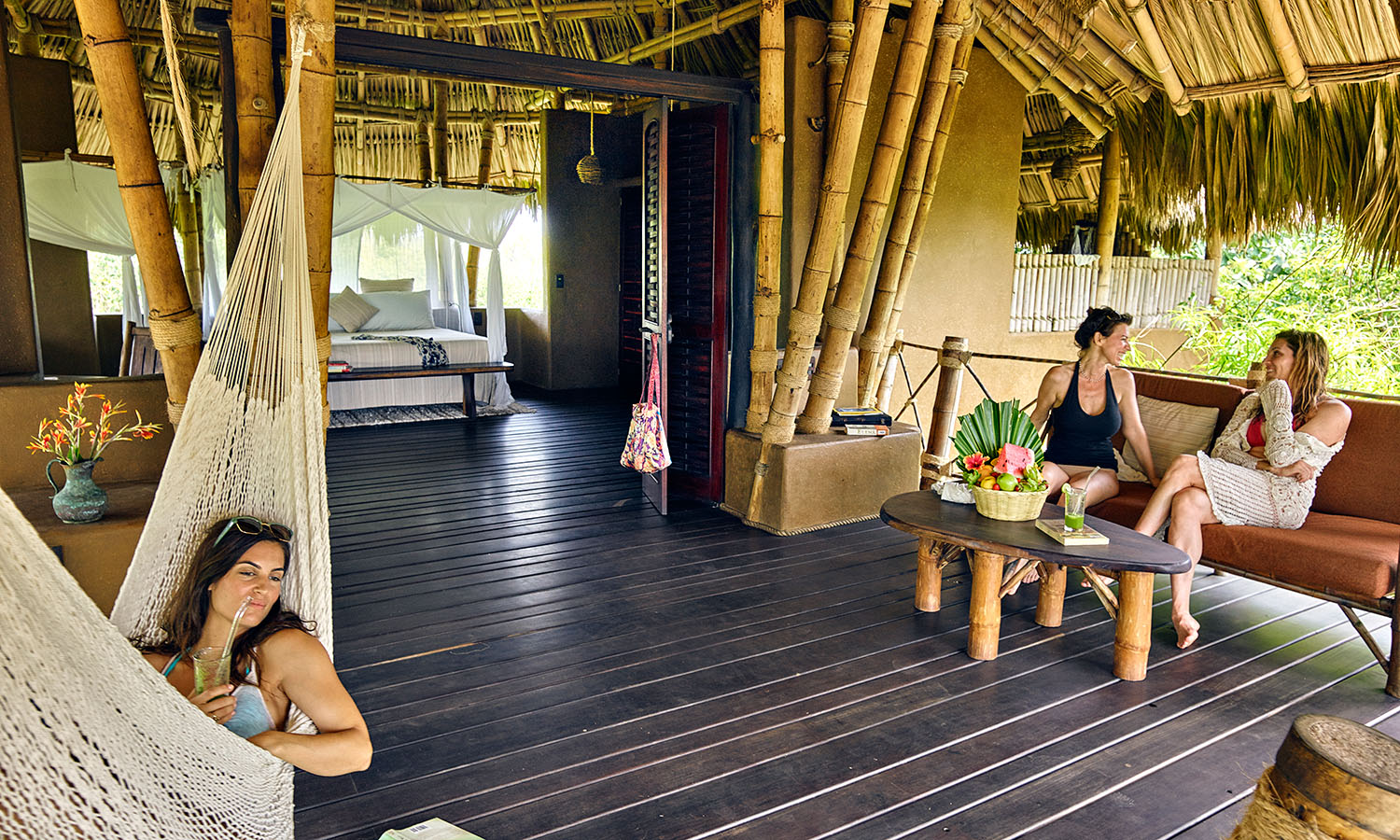
Wellness and nature come together at Playa Viva. Set on 80 hectares of beachfront land, the resort has 12 beachfront eco-luxury rooms, from casitas to suites, but the Treehouse is our kind of adventure. This tubular bamboo structure, surrounded by palm trees, features a king bed, private bathroom and lounge area, and stares directly at the Pacific Ocean.
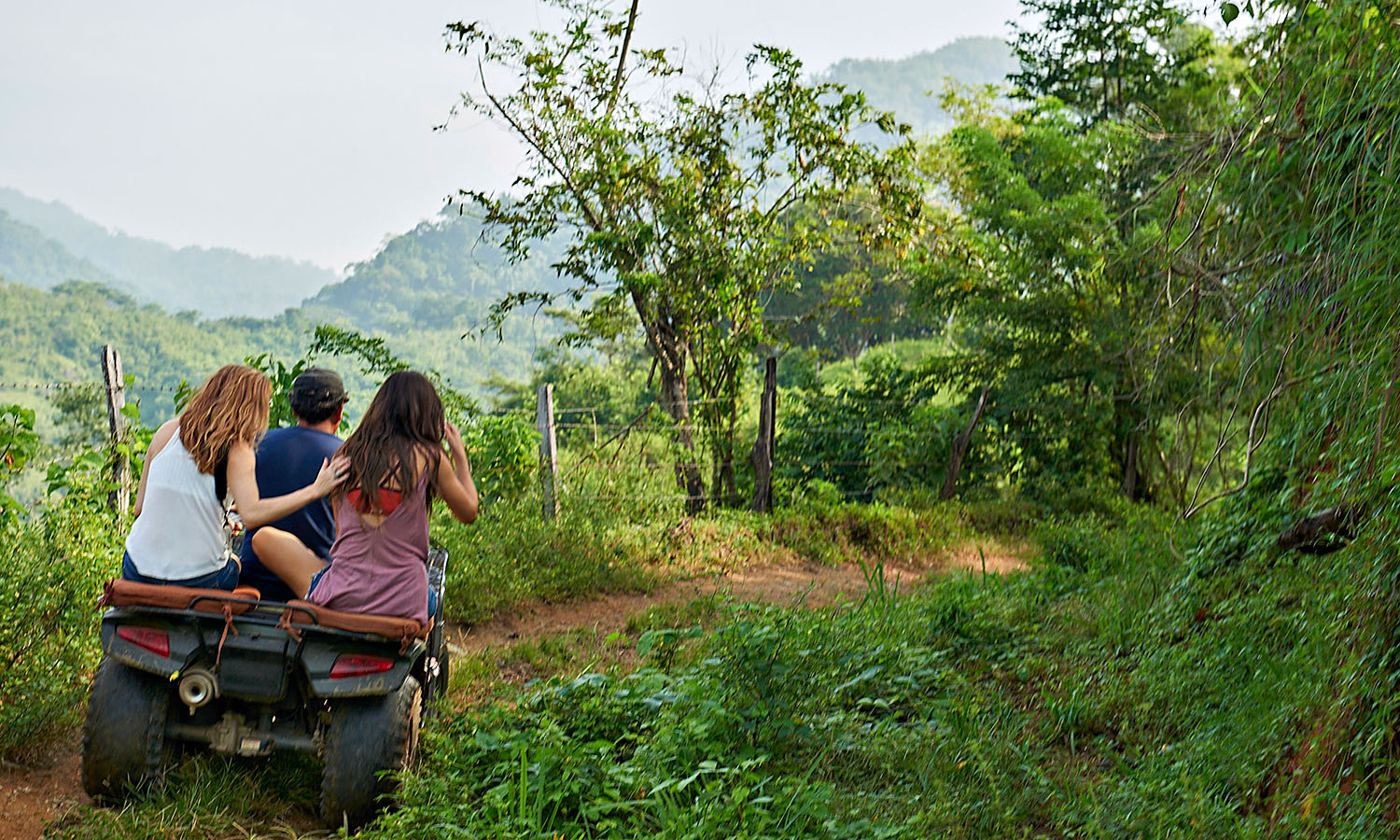
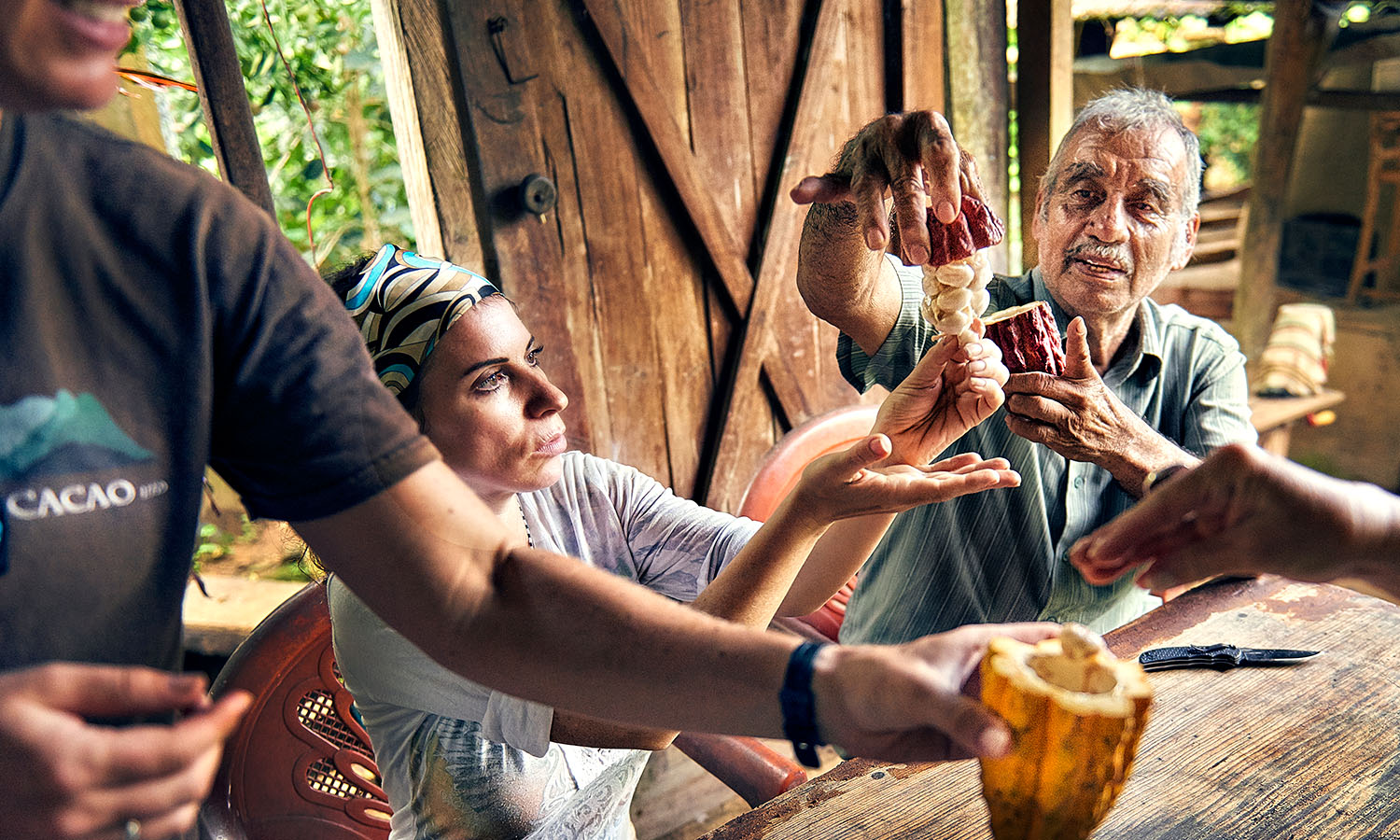
Salute the sun at a morning yoga class, devour organic meals, go horse riding along the beach, take a snorkelling or surfing excursion or get up close to nesting turtles at La Tortuga Viva, a protective sanctuary. There’s so much to explore, you might never want to leave.
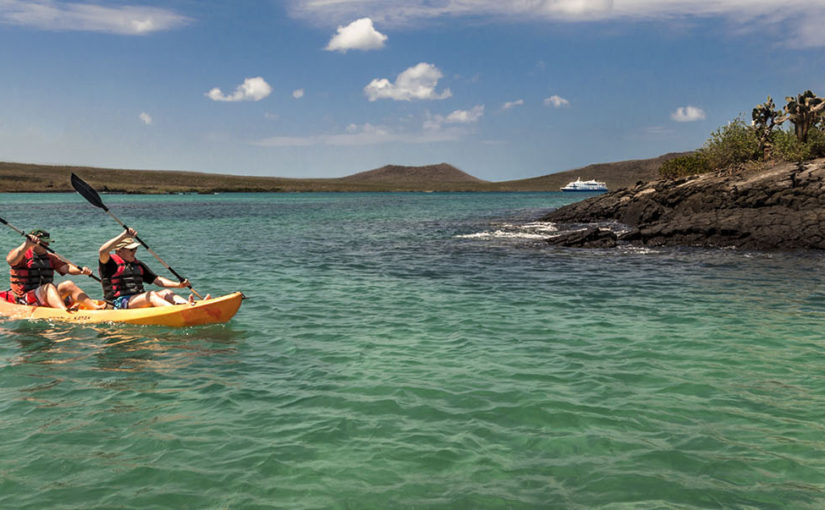
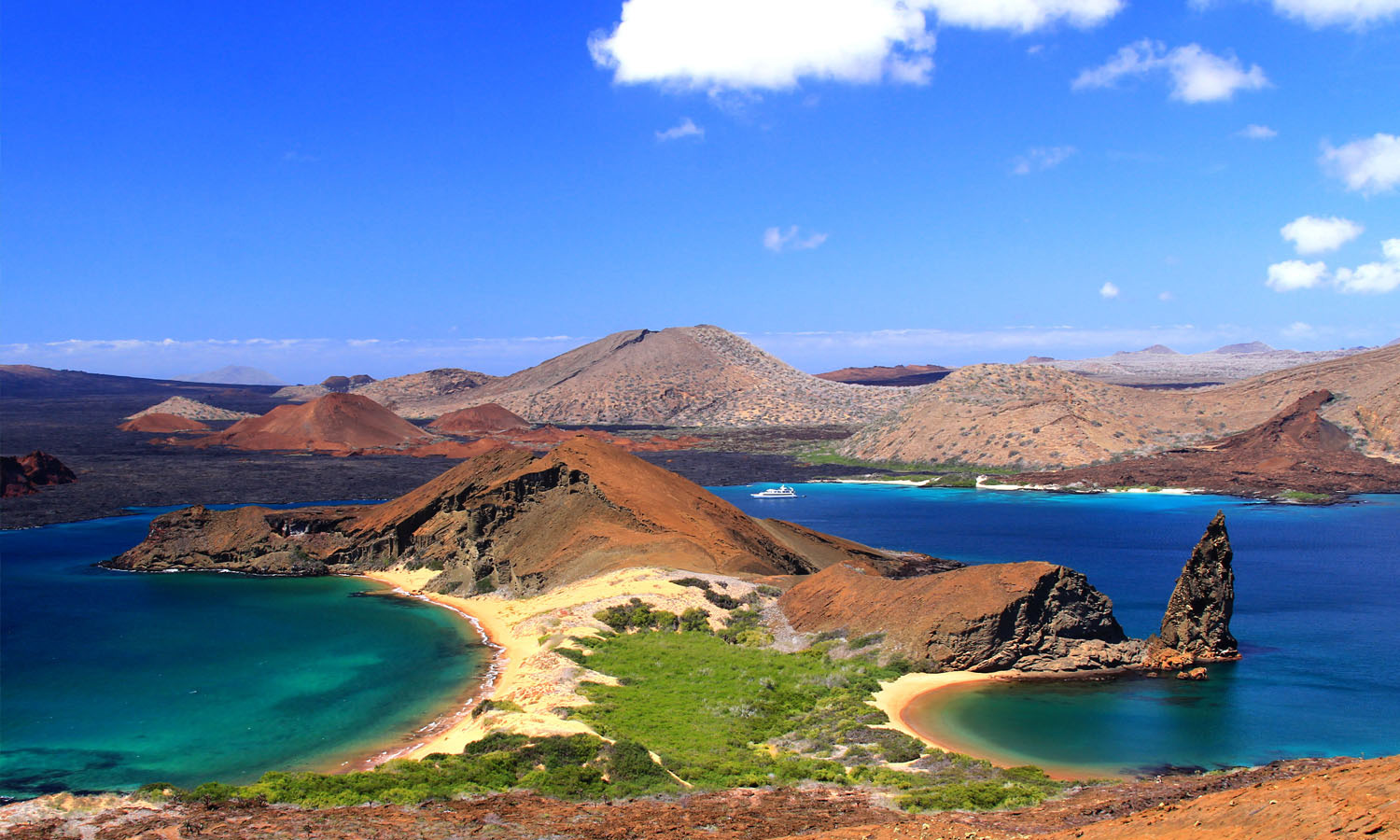
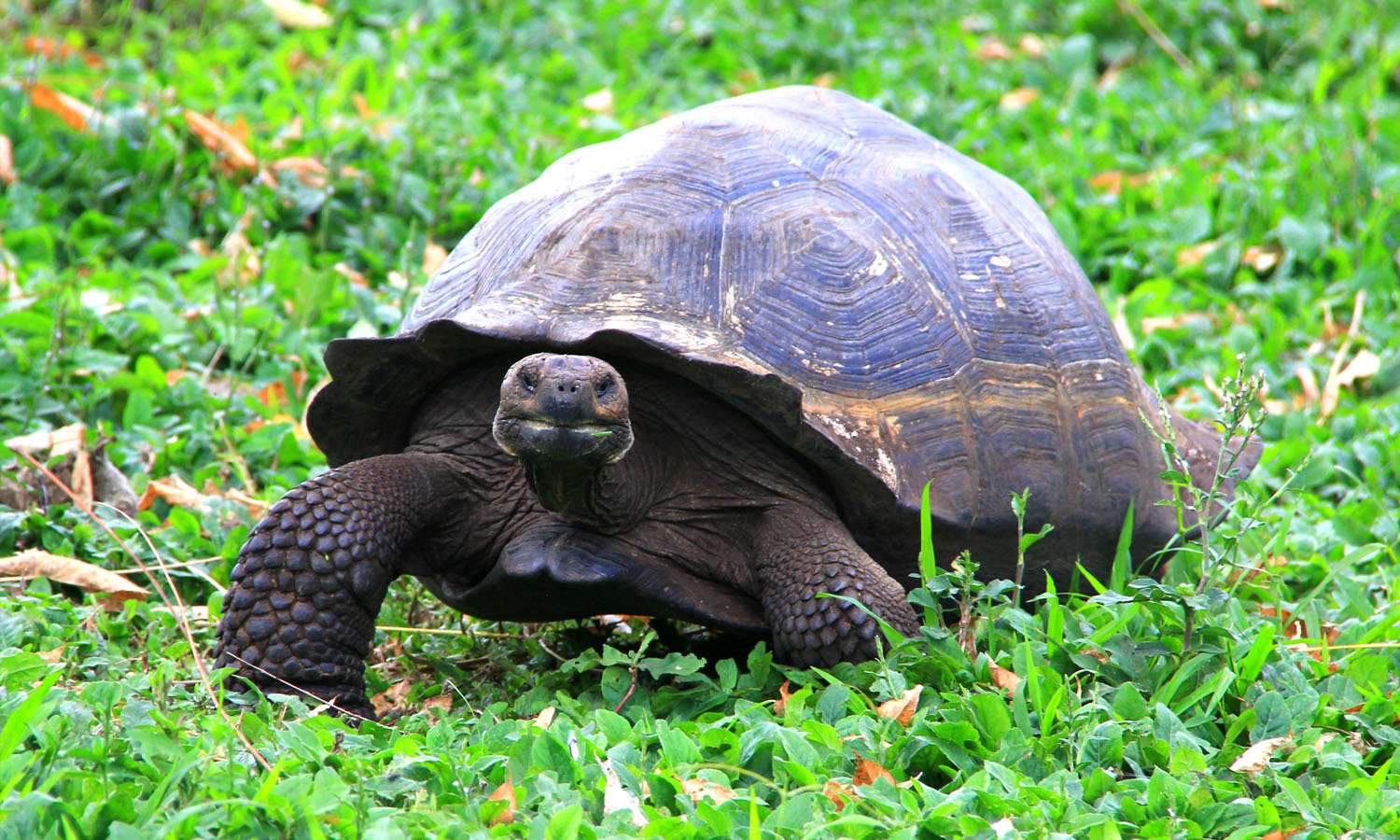
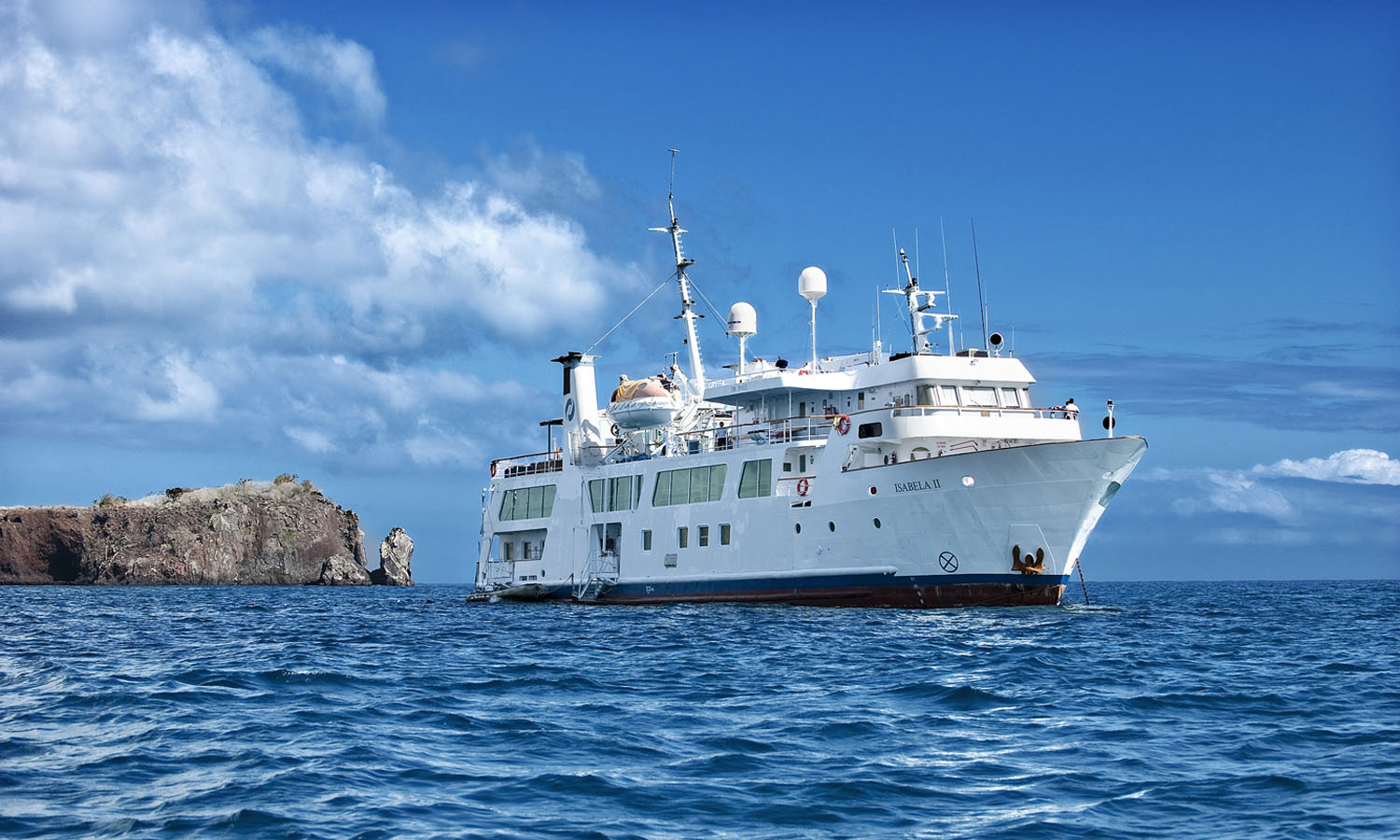
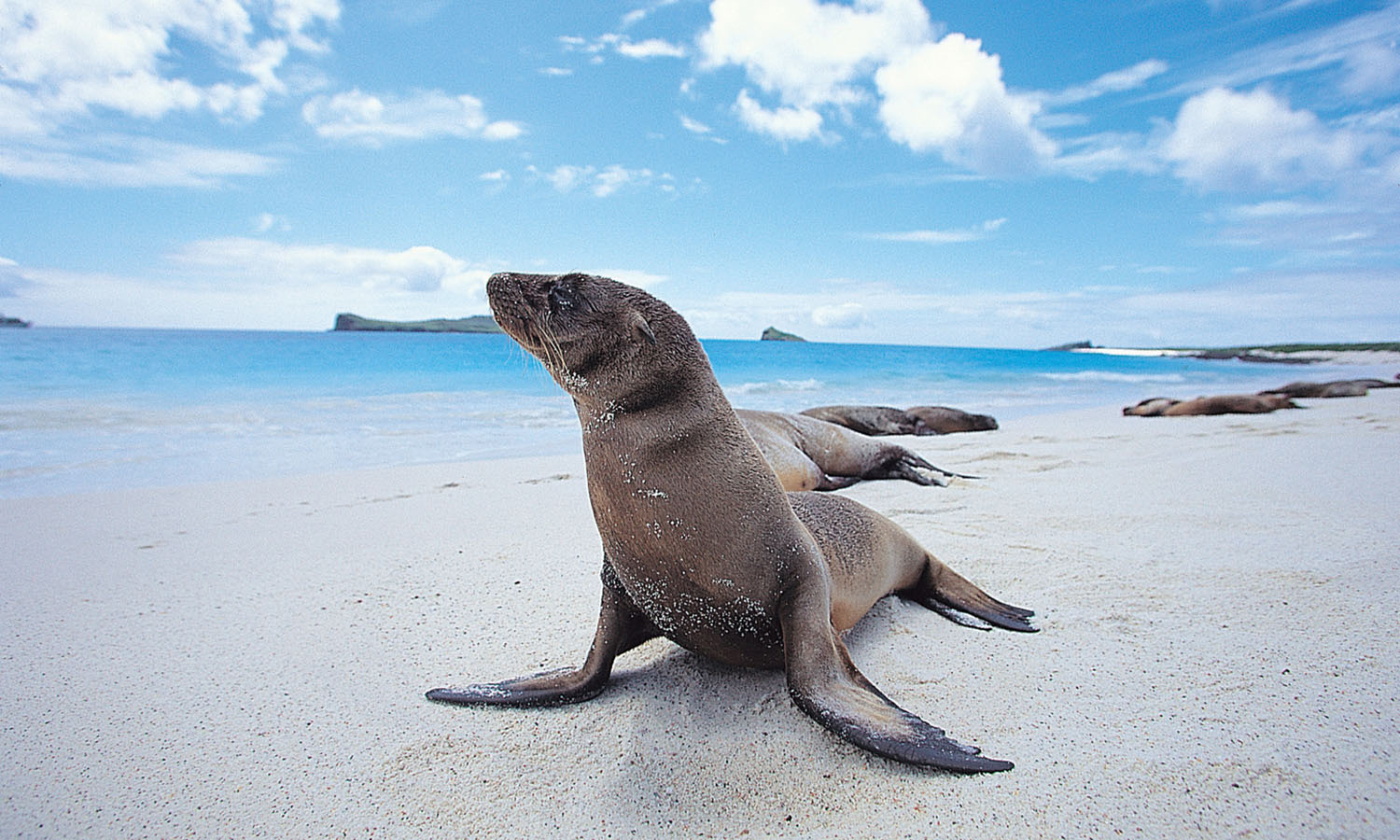
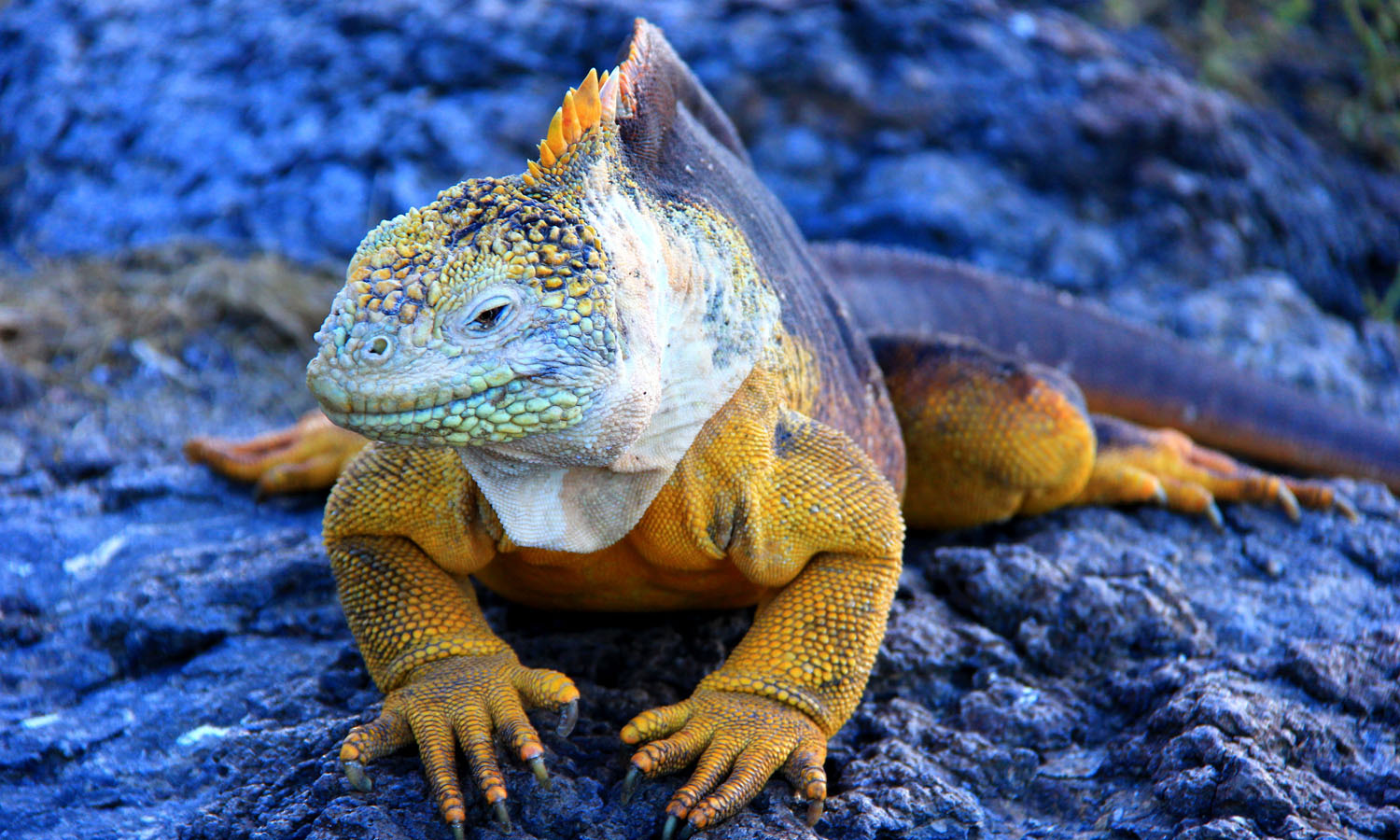
Explore one of the most unique archipelagos in the world on a sailing tour through the Ecuadorian Galapagos. Board your vessel in Baltra and begin by learning about evolutionary discoveries on Santa Cruz Island, home to the Charles Darwin Research Centre. Wander flora-filled trails on Santa Fe Island, then cruise to North Seymour Island to see one of the largest sea lion colonies.
On Bartomelé Island, watch lava spew from Pinnacle Rock and ooze into Sullivan Bay, before jumping in for a snorkel with reef sharks and colourful fish. Glimpse pink flamingos, pin-tailed ducks and the endemic Floreana mockingbird while walking the emerald sands of Cormorant Point on Floreana Island, then ascend a four-million-year-old volcano to glimpse a 30,000-strong colony of albatross on Española Island. Finish your epic journey in San Cristobal, Darwin’s landing point in 1835.
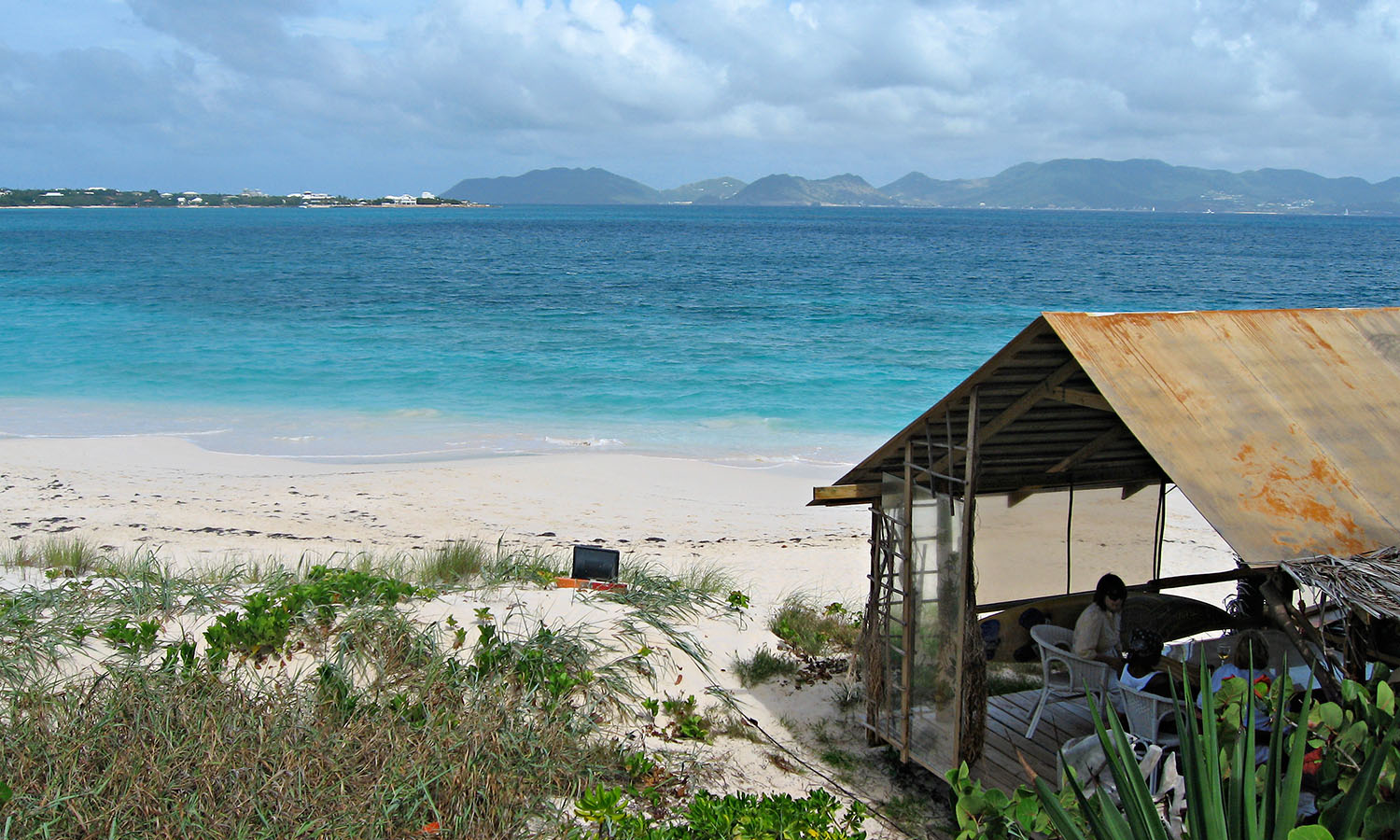
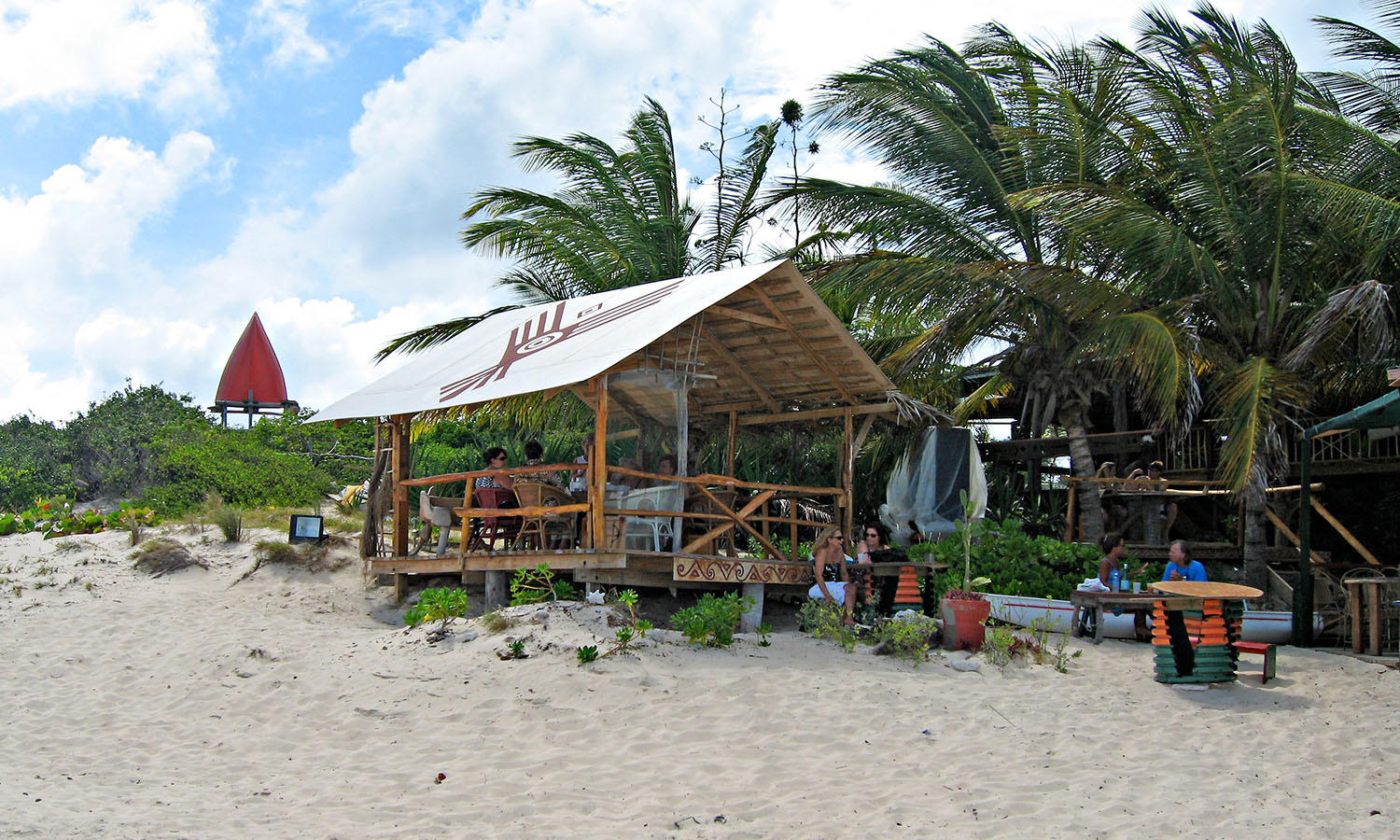
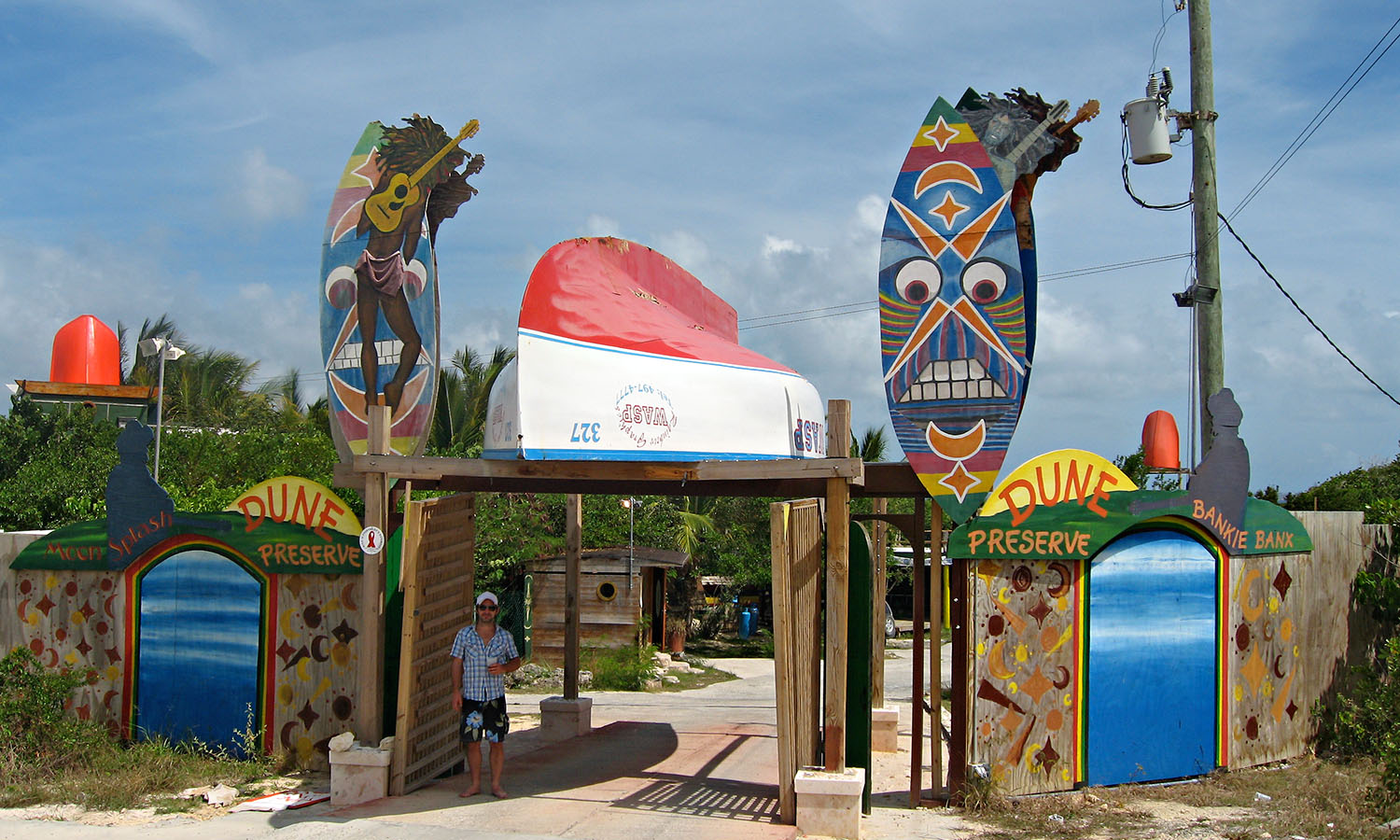
Backed by palm trees on a white-sand beach, just metres from the crystal turquoise waters of the Caribbean, you will find the wondrously ramshackle Dune Preserve. A beach bar-slash-music-club, cobbled together with driftwood, sailboats, fishing skiffs and coconut trees. Founded by Anguilla’s legendary folk son, Bankie Banx, this laid-back venue on Rendezvous Bay is the perfect place to kick back and enjoy a meal as the ocean laps at the shore. Or why not pop in and try their signature drink ‘Duneshine’, a liquor made from fermented ginger?
Just about every night of the week you can enjoy live music from local acts, sometimes even from the king of Anguilla’s music scene Bankie Banx himself. The beach bar has also played permanent host to the annual Moonsplash festival since 1995, held during the full moon in either late February or early March. The Caribbean’s best music festival is connected to the cultural core of Anguilla, and woven into the national identity so tightly it’s nearly impossible to separate one from the other.
Finally I can put a face to Mother Nature. However, I must first warn you, despite her majestic features she looks terribly uncomfortable.
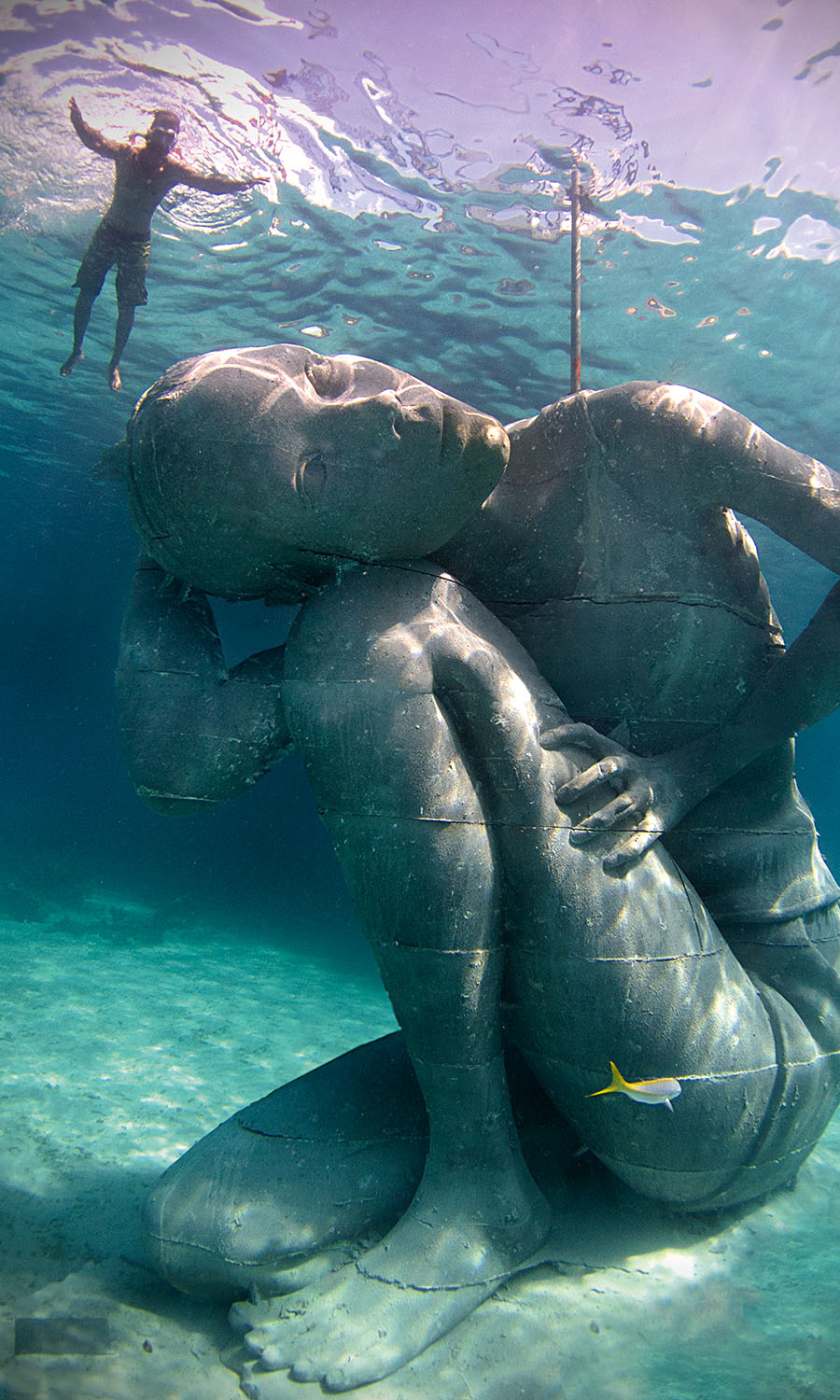
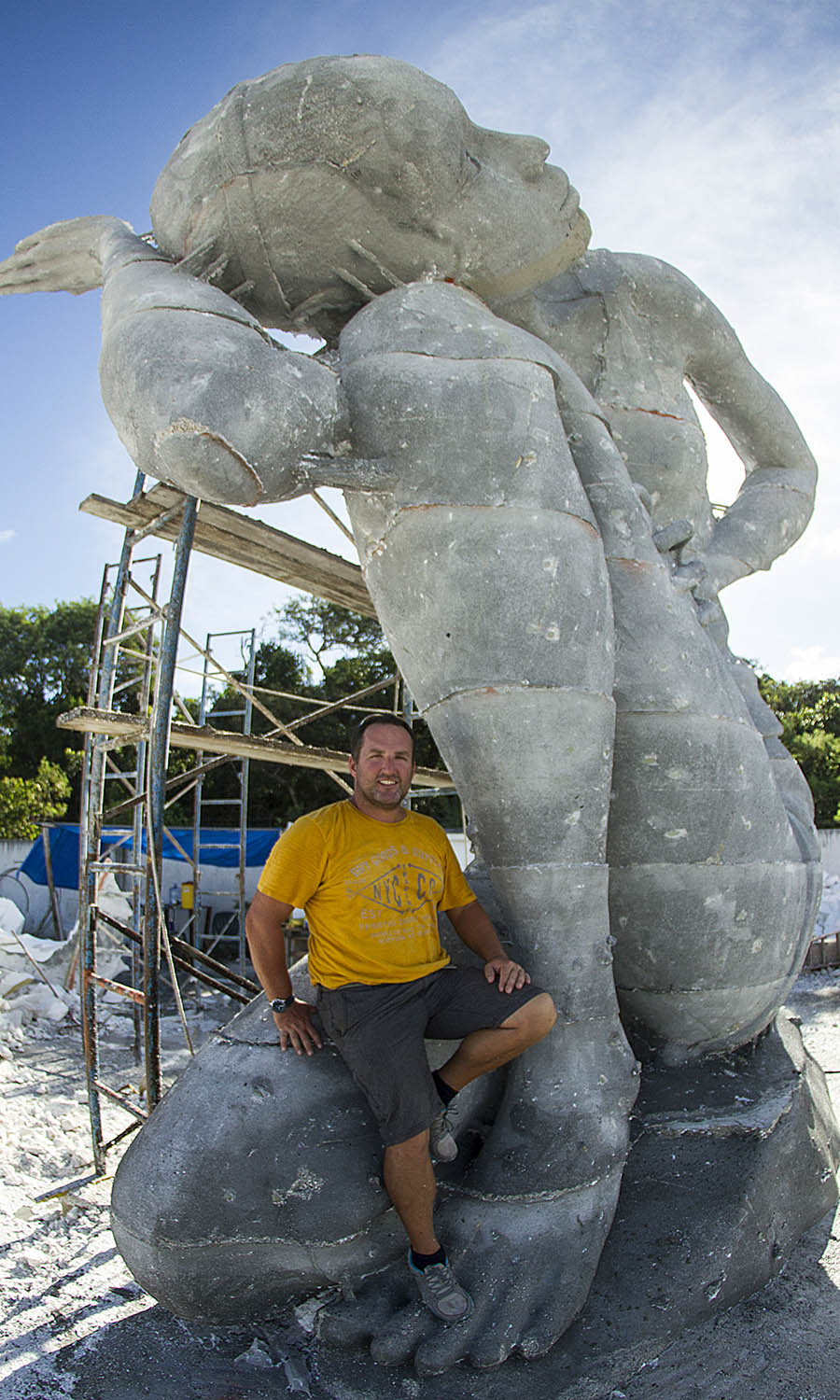
I’ve found her beneath the tropical waters of the Bahamas, off the western coast of the capital Nassau. It’s here her five-and-a-half-metre frame and 60-tonne weight emerges from the ocean floor. She is the world’s largest underwater sculpture and her figure cuts an imposing silhouette against the vast blue of the ocean.
As I snorkel in the gin-clear waters, my eyes dart to her crooked neck, then to her up-turned hand and finally her hunched shoulders. It’s then that I’m the one who begins to feel uncomfortable, for it looks as though she’s bearing the weight of the ocean on her shoulders. And she is, metaphorically speaking.
Commissioned by the Bahamas Reef Environmental Education Fund, the sculpture, known as Ocean Atlas, was designed by artist and conservationist Jason deCaires Taylor. Modelled on a 13-year-old Bahamian girl, the sculpture’s youthful appearance symbolises the burden we ask future generations to carry. With 40 per cent of the world’s coral reefs already lost, Taylor’s artistic goal is “to promote the regeneration of marine life and use sculpture as a means of conveying hope and awareness of the plight of our oceans”.
Built using wire, pH neutral marine cement and galvanised steel, Ocean Atlas joins a sea of more than 550 of Taylor’s submerged sculptures. All are forever in transition, over time transforming from rock into an artificial reef beckoning and sustaining sea life. Like those works, this sculpture was built to draw mankind away from over-stressed natural reef systems to give them much-needed time to rejuvenate and grow. For me it’s a surreal snorkelling spot with a profound message.
The halcyon days of my youth are locked in a trunk in my memory’s attic, a little like the journals filled with old family photographs stashed at home. As I get older I find myself flipping through those journals more and more, especially as work takes me further away from family for extended periods of time.
I clung to my youth for 30 years, but when cold-hearted Time suddenly and without warning took away my Aunt Linda in the spring, I was faced with the grim realities of adulthood: we grow up, we grow old and we die. My aunt and I were close. She was one of the most supportive and encouraging people I’ve ever known, and liked to crow to her friends that she kick-started my career when, on my seventeenth birthday, she gave me my first film camera.
The last time Linda and I spoke was shortly after Halloween. I was on assignment in South America, deep in the heart of a place wildly foreign to the rest of my family, but my aunt knew her way around a map. “Are you in one of those countries that paint the skulls?” she asked. I told her the big Day of the Dead festivals were held in Mexico and Guatemala. “I’ve heard of the Día de los Muertos,” she said. “Guatemala is the one with the Festival of Giant Kites, which locals use to communicate with the dead. Can you imagine what they’re saying?” At the time I couldn’t, and it took some time to muster the courage to visit Guatemala with my own farewell message.
On 31 October, Antigua’s cobbled streets heave in festive anticipation. Ladies in variegated outfits dress their tostadas in purple cabbage skirts, the canary-coloured church of La Merced proudly sports a garland of freshly cut flowers, while young folks dressed like Miley Cyrus cram into tuk-tuks with fireworks and bottles of Ron Zacapa under their arms. Antigua’s elderly Baroque bones love an old-fashioned shake and rattle, but I’ve come for something more subdued. I cross Plaza Union and pause for a moment to embrace the beauty of the ruins of the Santa Clara Convent and buy a small paper kite from a street vendor, before pushing back through time across the great wooden threshold at Casa Palopo Antigua, an immaculately restored colonial home that only betrays the calendar by displaying dates on the bottles of rum in the bar. I’ve accepted an invitation to a dinner party hosted by chef Mirciny Moliviatis that promises to explore themes of family and tradition.
Chef Moliviatis’s molecular gastronomic genius brings to life the capricious cuisine of her childhood. Her deconstructed sopa de frijol (black bean soup) and whimsical popcorn pork rinds are playful nods to her grandmother’s home cooking, and remind me of the times I used to sneak into the kitchen during the holidays to watch my mum, aunt and grandmother spin their Austrian magic. Adventure comes to the table disguised as fiambre, a traditional Guatemalan salad made using more than 50 ingredients and served as a precursor to the Day of the Dead festivities. I consume the blood sausage and olives with abandon, but high step over the brussels sprouts. Dinner guests go around the long wooden table telling stories of their favourite childhood meal, each of us spending a few moments raising a glass to someone we’ve lost.
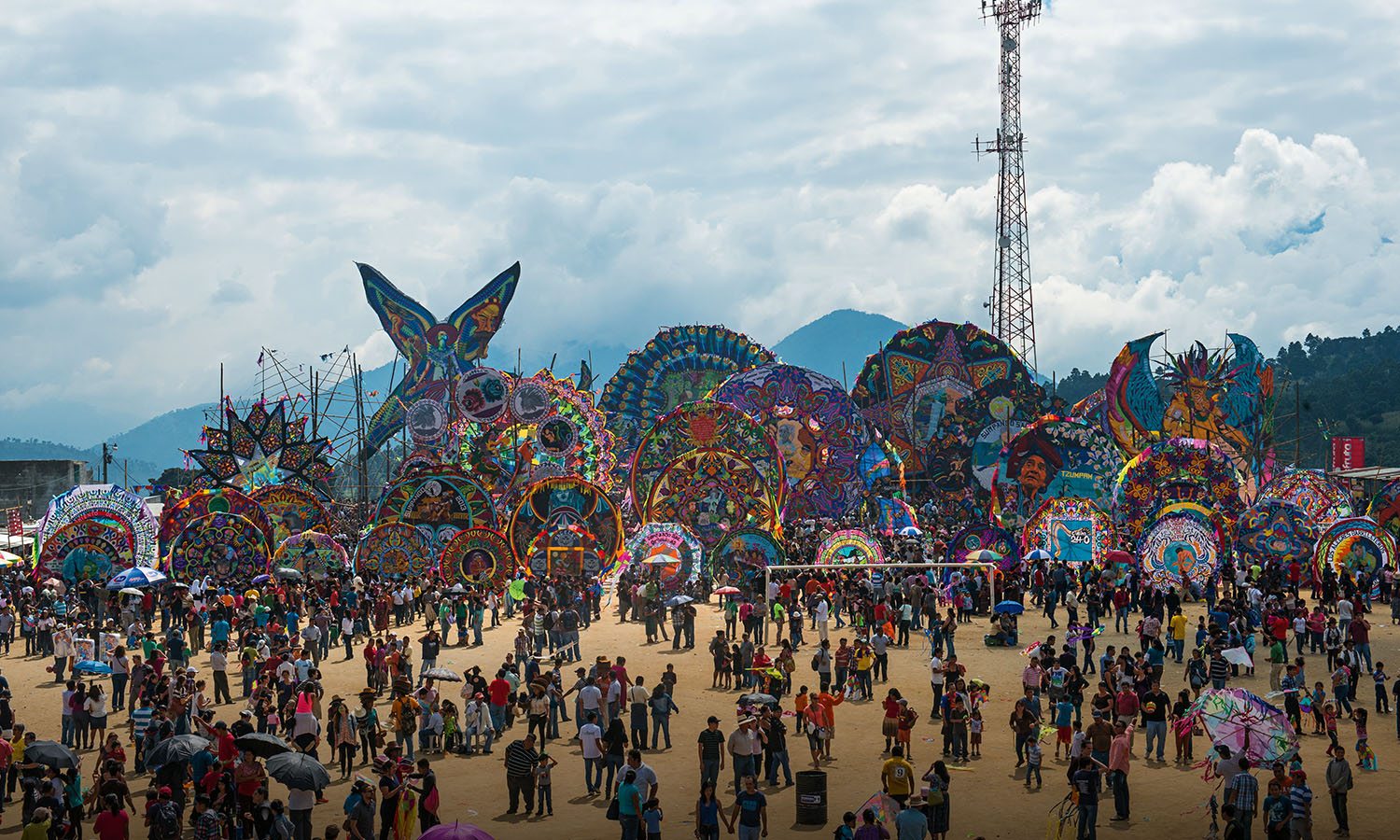
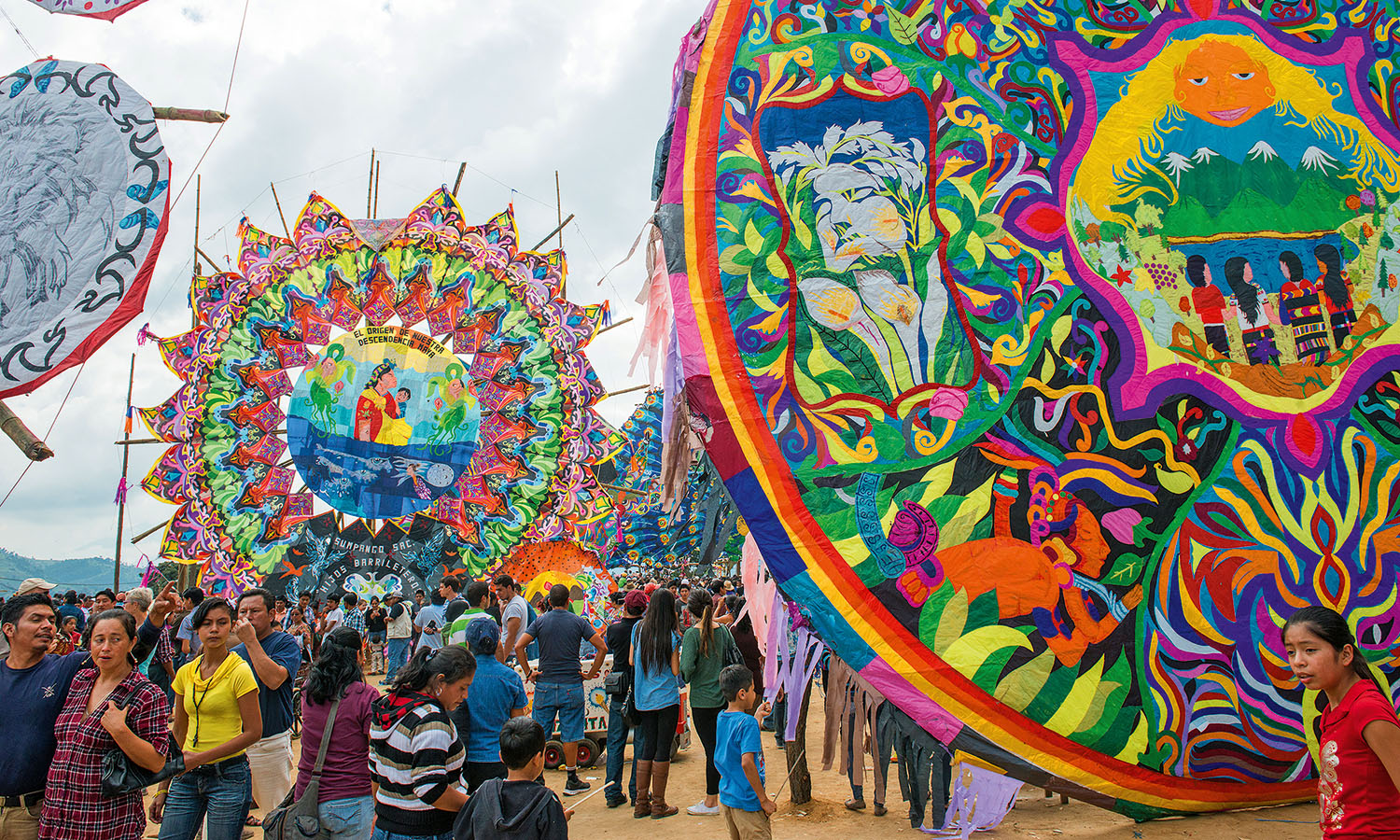
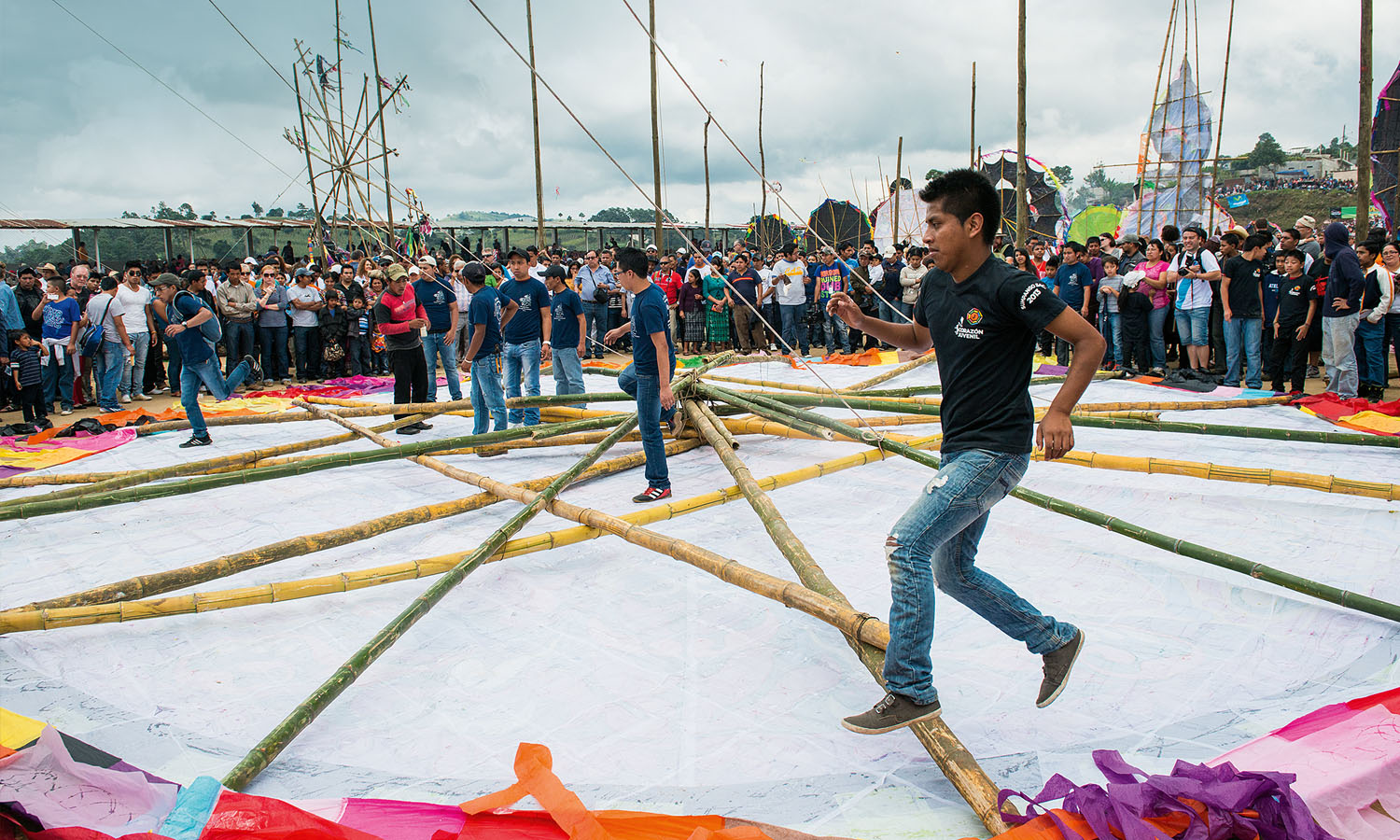
Every 1 November, Sumpango, an otherwise sleepy village in the Sacatepéquez district, welcomes more than 10,000 revellers keen on communicating with the dead during the Feria del Barriletes Gigantes, or the Festival of Giant Kite. I’ve made the short trip from Antigua, but as I stare out over the dusty soccer pitch crowded with giant kites, I feel as though my little medium, less than a metre wide, may be an inadequate messenger. Some of the intricately designed tissue-paper giants, adorned with Mayan cosmological icons, stand 20 metres tall and require the strength of a dozen people to heft their creaky bamboo skeletons into the air, where sheer force of spirit keeps them aloft. When these giants do fly, they carry the tidings of the entire town with them. I’m not quite ready to fly my kite, so I wander. I visit half a dozen food stalls, sip on chicha de hora (fermented corn beer), and dress my kite with paper-thin accents before descending into the busy graveyard, where children flit among the headstones in an effort to elevate their own tiny kites.
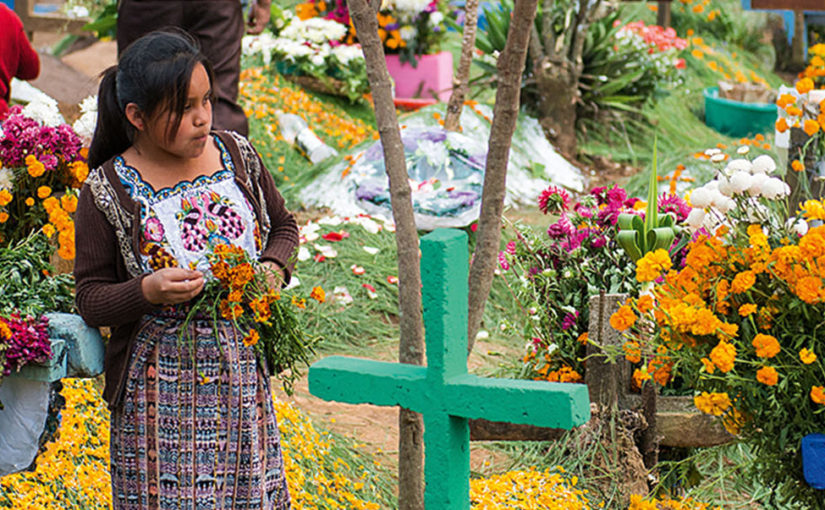
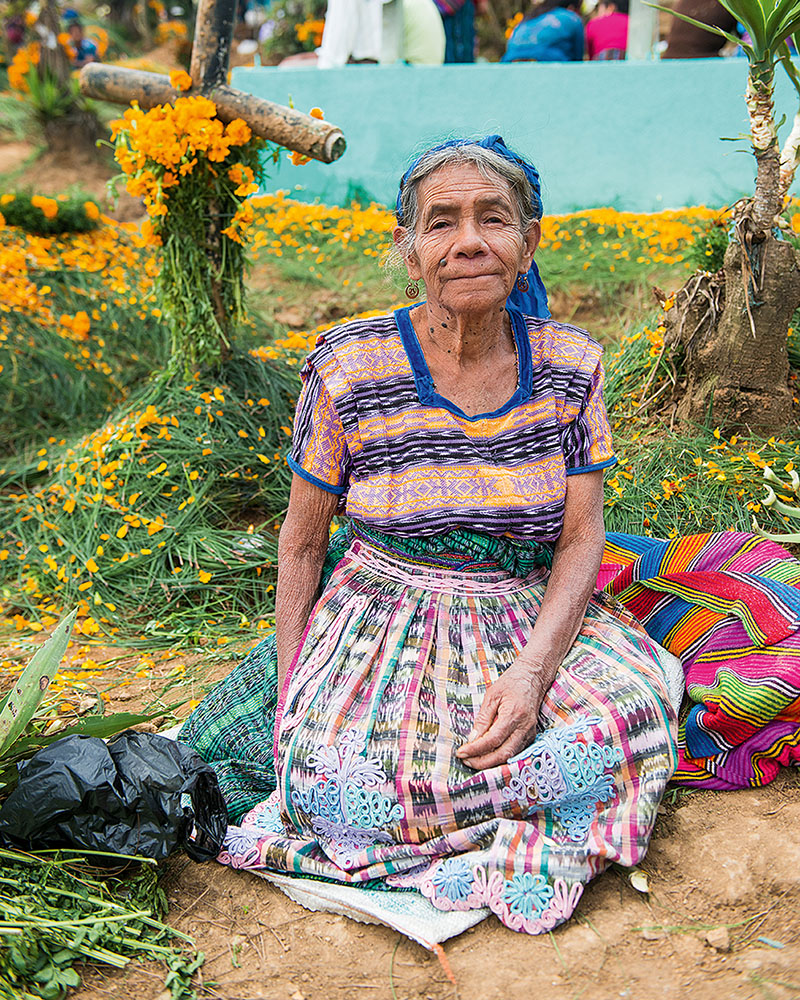
Jubilation hangs in the air, which is not what I would have expected from a graveyard packed with mourners. This feels like one of the happiest places I’ve ever been, a strange departure from the cemeteries I’ve visited back home. Tombstones and burial mounds have been decorated with fresh flowers and paper ornaments, while entire families picnic in the spaces between. I unfurl my kite and look skyward, but trip over a fresh mound and land on my backside in front of an elderly woman hanging a garland from a wooden cross. I’m terribly embarrassed, but she waves my worries away, takes me by the hand, and tells me of how she’s come to visit her husband on their first year apart. She speaks to him of what he’s missed – the wedding of their youngest son – and the year ahead, and tells me that this isn’t the time or place to mourn. Día de los Muertos is about reconnecting and staying in touch. She tells me to keep that in mind when I finally fly my kite. I thank her for enriching the most moving festival experience of my life.
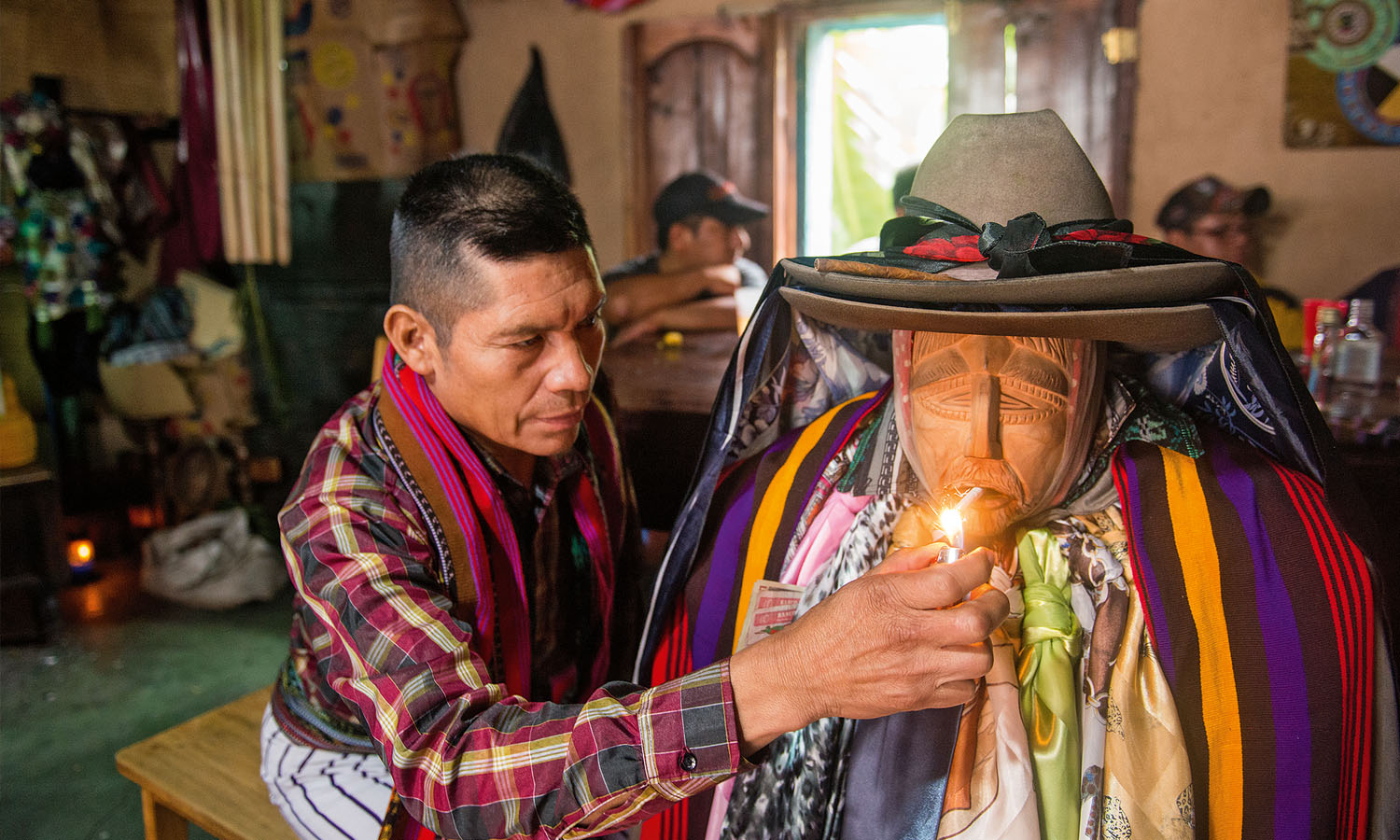
I’ve drifted further afield in my search for the perfect fly zone, and landed on a volcanic ridge at Lago de Atitlán, a mammoth crater lake where a trio of towering volcanic sentries keep watch over a dozen picturesque Mayan villages. Día de los Muertos is a big deal at Atitlán, and the aftermath is evident – the streets of Panajachel, the main town, are quiet, but bits of tissue paper cling to updrafts overhead. I roll through the village of Santiago, where locals hold fast to ancient Mayan and Tzutujil traditions, the most fascinating of which is the cult of Maximón, a venerated folk saint cared for by the religious brotherhood of the Cofradía. Ages ago, the spry Maximón visited Santiago and bedded all the village wives (at the same time). When the Cofradía returned from the fields they punished Maximón by chopping off his arms and legs, then flipped the script and decided to honour him as an icon. I slip into Maximón’s shrine in time to witness the Cofradía tip the stunted effigy back for a sip of rum, which he chases with a cigarette. I offer Maximón a few quetzales before I leave, bent on dipping my toes in the cleansing waters of the lake. My guide regales me with tales of Atitlán’s guardian serpent and the ruined city of Sambaj, the largest of Atitlán’s archaeological sites, which sits more than 20 metres below the surface. The ruins are more than 2500 years old, yet still people carry the memory of, and communicate with, the departed. I finally feel like I’ve found a place where I’m comfortable bringing up the dead.
I hike some 150 stone steps from the shore to Casa Palopo Atitlán, built into the hills near the village of Santa Catarina. Palopo, with its rustic elegance and charming decor – artist Fernando Botero has his figurative hands all over the walls – is the sort of place my aunt would have wanted to stay forever. I picture her telling me to take a photo of the sweeping panorama while she helps the bartender craft the world’s strongest Irish coffee, before raising her glass to a wild sunset caught on the lips of the volcanic trio. I use my little instant camera to snap a picture of the lake, and fix the print to the wing of my kite. With night falling, I toss the kite into the air and let the wind take hold, hardly slowing the line as it slips through my fingers. Before long the kite is out of sight, carrying what I hope is the first of many messages to a place I’m not quite ready to visit, and a promise to my aunt that she’ll receive a postcard from every stop I make on the road.
This country has it all – a dramatic landscape encompassing beaches, volcanoes and lakes, a rich history and some of Central America’s best eco-friendly adventures. Photographer and Olympus Visionary Chris Eyre-Walker takes a tour.
Pack your bags. You won’t be able to resist this intriguing Caribbean nation once you’ve seen the images from photographer and Olympus Visionary Program member Chris Eyre-Walker.
The sun-soaked Caribbean offers a wealth of destinations, but if you’re looking for an unspoiled gem then Grenada will spoil you. The first thing you’ll notice is the scent of nutmeg drifting from the plantations – it’s no wonder Grenada is also known as the Spice Isle.
Lesser known than its more famous neighbours – Trinidad and Tobago and Barbados – it boasts some of the best beaches in the world, virgin rainforest, mountain hiking with hypnotic views, and snorkelling in crystal clear waters. For something completely different on that front, spend some time exploring the underwater gallery of sculptures at Molinere Bay.
Capital St George’s sits around a picturesque horseshoe-shaped Carenage Harbour. Its narrow streets are perfect for wandering, and there are plenty of places to rest and sample the locally brewed beer, Carib, or a rum punch.
There are two other islands – Carriacou and Petite Martinique – that make up the country. The former is surrounded by shallow reefs, so is great for snorkellers, and it’s also home to most of Grenada’s musical heritage. Carnival here involves soca music, dancing, colourful costumes and a much more unusual tradition: on Fat (Shrove) Tuesday, pairs of masked men roam the island reciting lines from Shakespeare’s Julius Caesar. To get away from anything, do the short ferry trip to Petite Mart, as the locals call it. Here, people still make a living building boats and fishing. If you’re lucky you might even see the launching of a new boat on one of your leisurely strolls around the island.
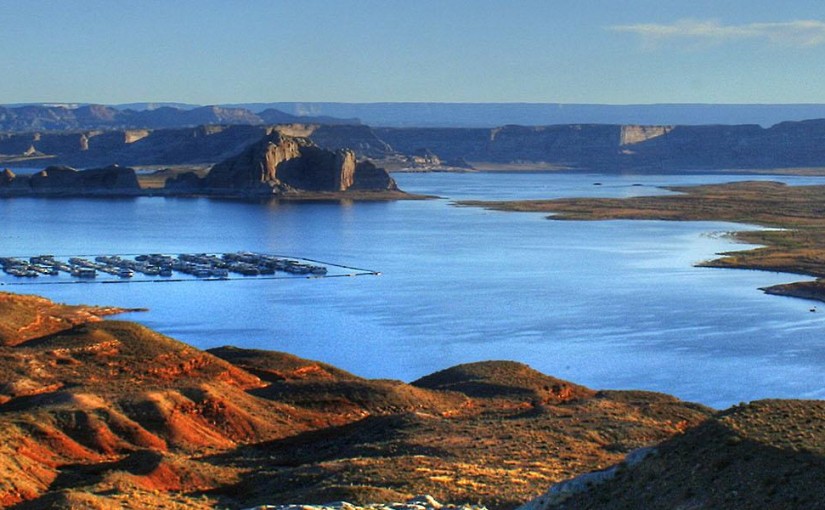
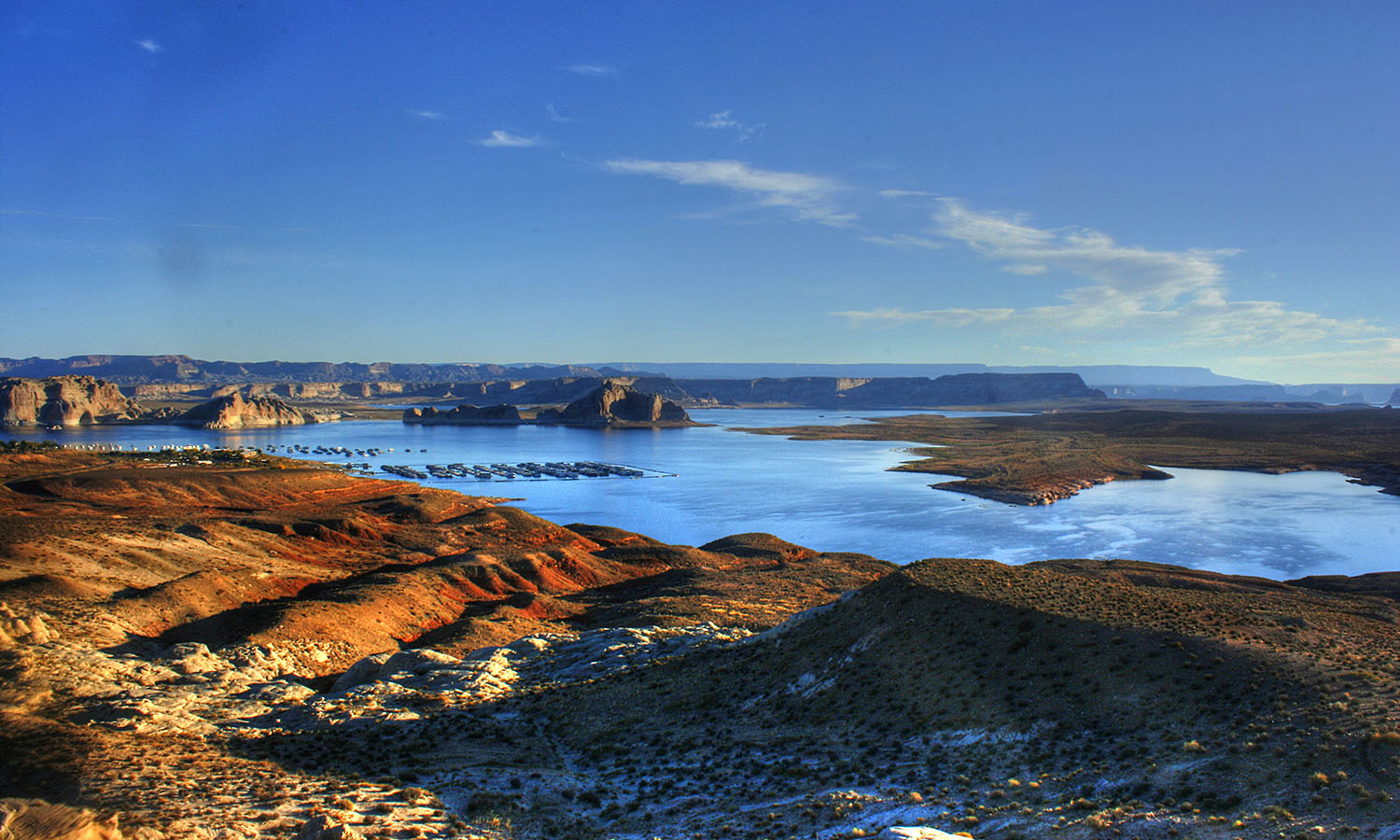
Arizona is the land of red rock formations and three-pronged cactus growing from the desert soil. It’s kinda the last place you might think to go on a houseboating holiday. But the azure waters of Lake Powell, on the Colorado River near the border of Utah, offer extraordinary beauty and the chance to get splashing. Here, you can hire one of a number of vessels, from a budget-friendly 46-foot number that sleeps up to eight to a far more luxurious offering. The 75-foot Odyssey houseboat has six staterooms, a hot tub and slide that takes from the deck and plunges you into the lake.
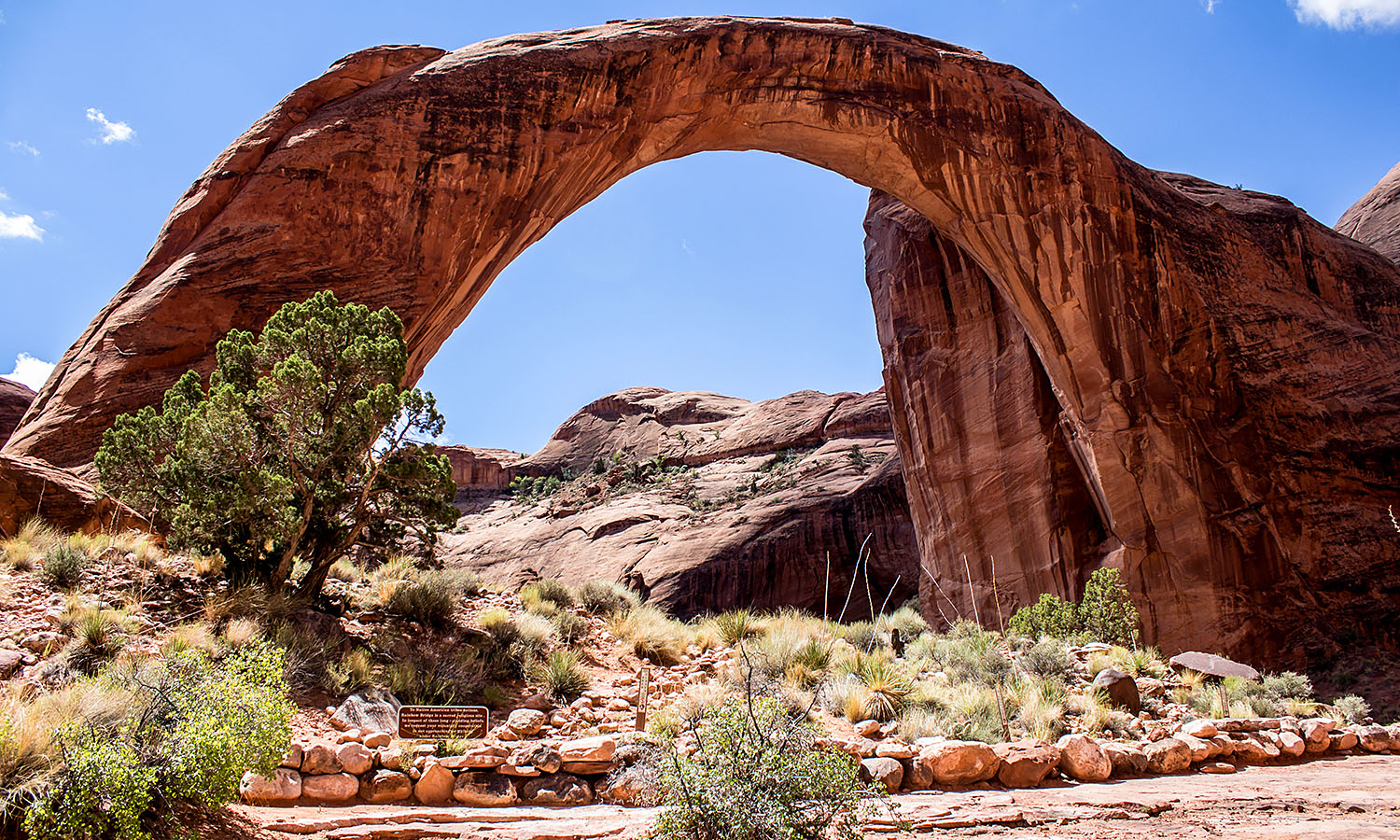
Regardless of whether you skimp or splurge, you can slip through secluded canyons and dramatic Navajo sandstone cliffs, before plunging into the water for a refreshing dip. Add a couple of kayaks to your rental and paddle through still coves and under Rainbow Bridge, the world’s largest natural stone bridge. Fish for fresh bass and catfish to cook on board. Watch the rusty rock blaze during sunset, and stargaze from the deck with a cold craft brew in your hand. It’s a desert holiday you’re unlikely to forget.
 (
(