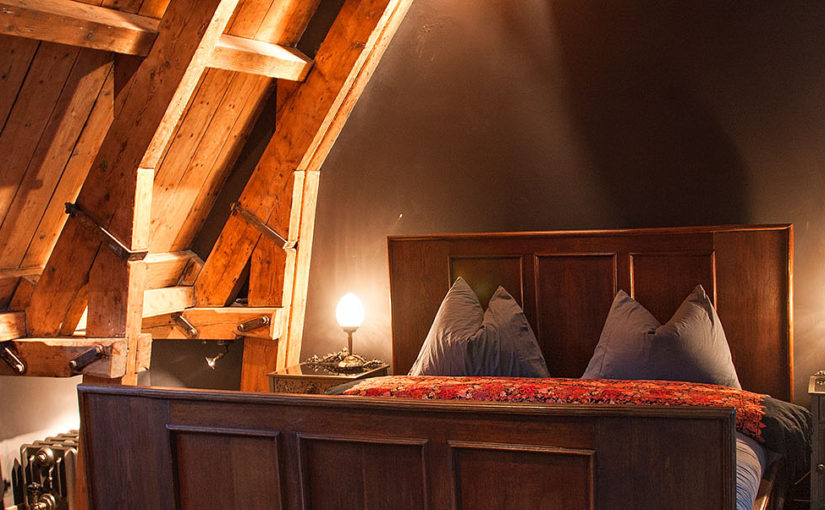
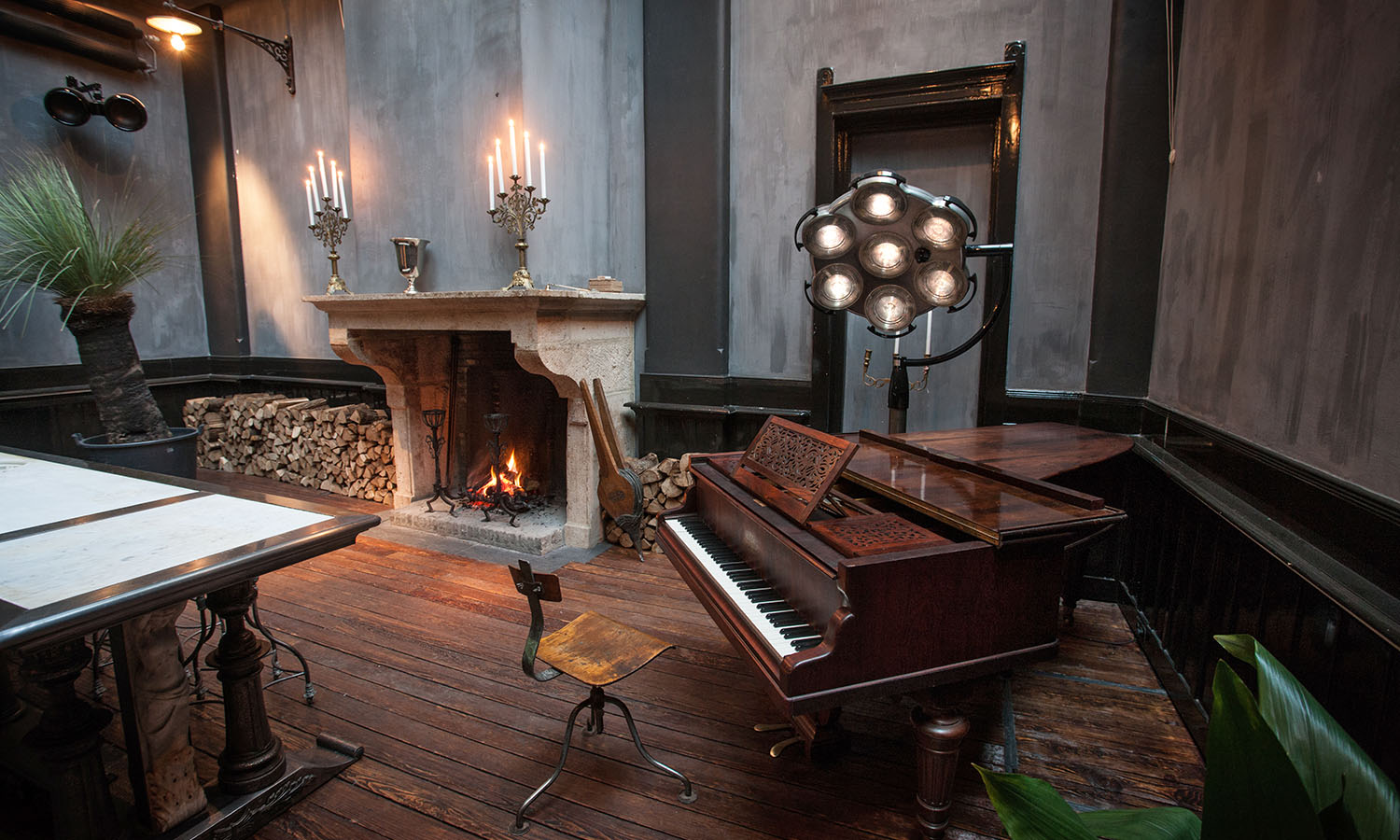
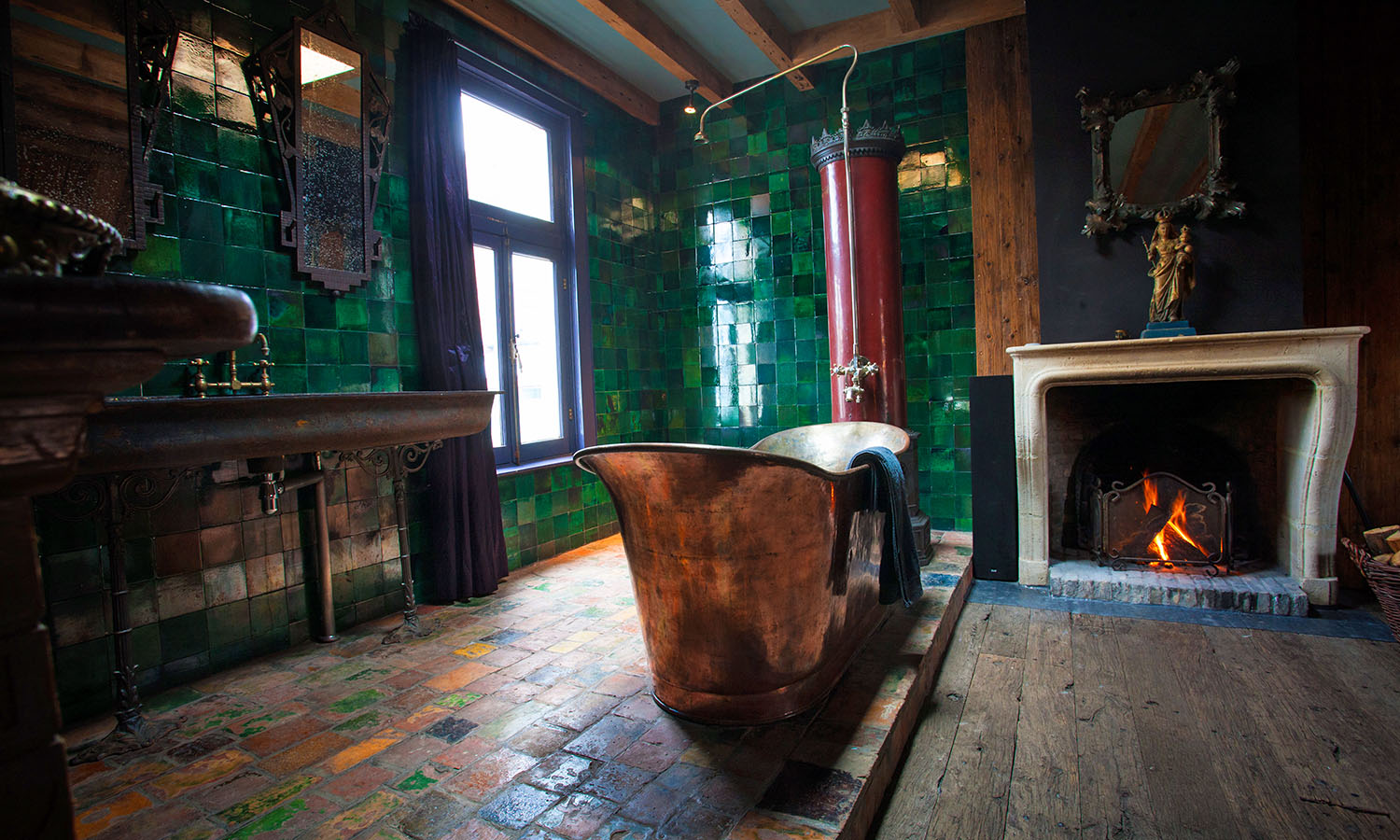
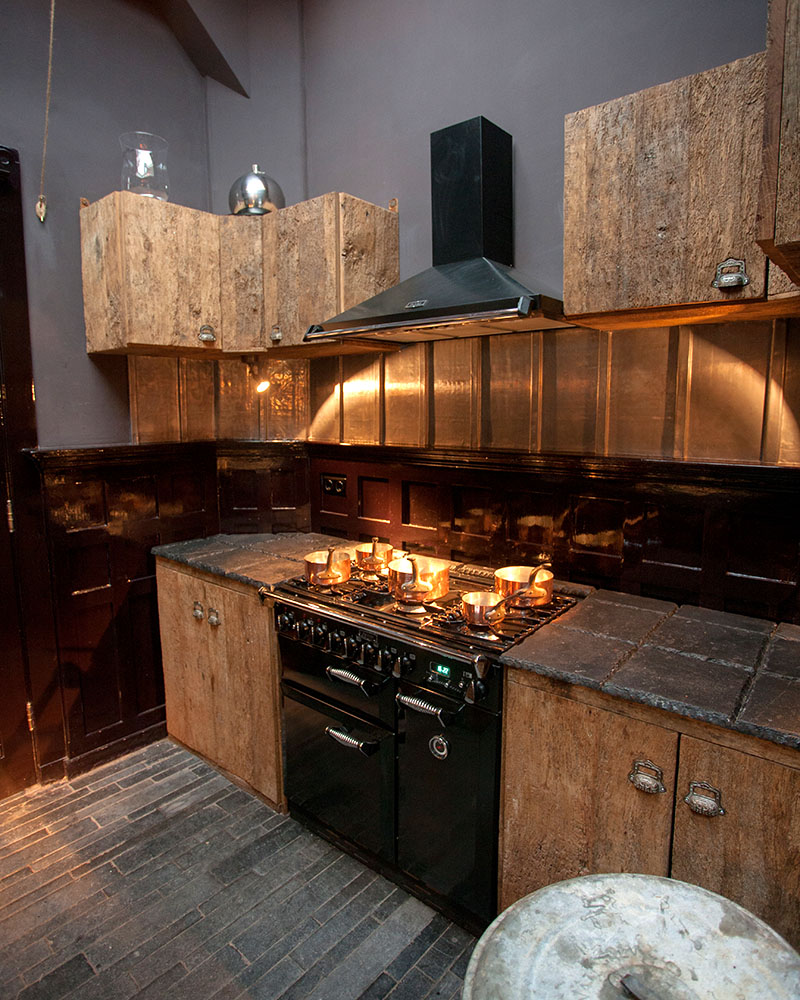
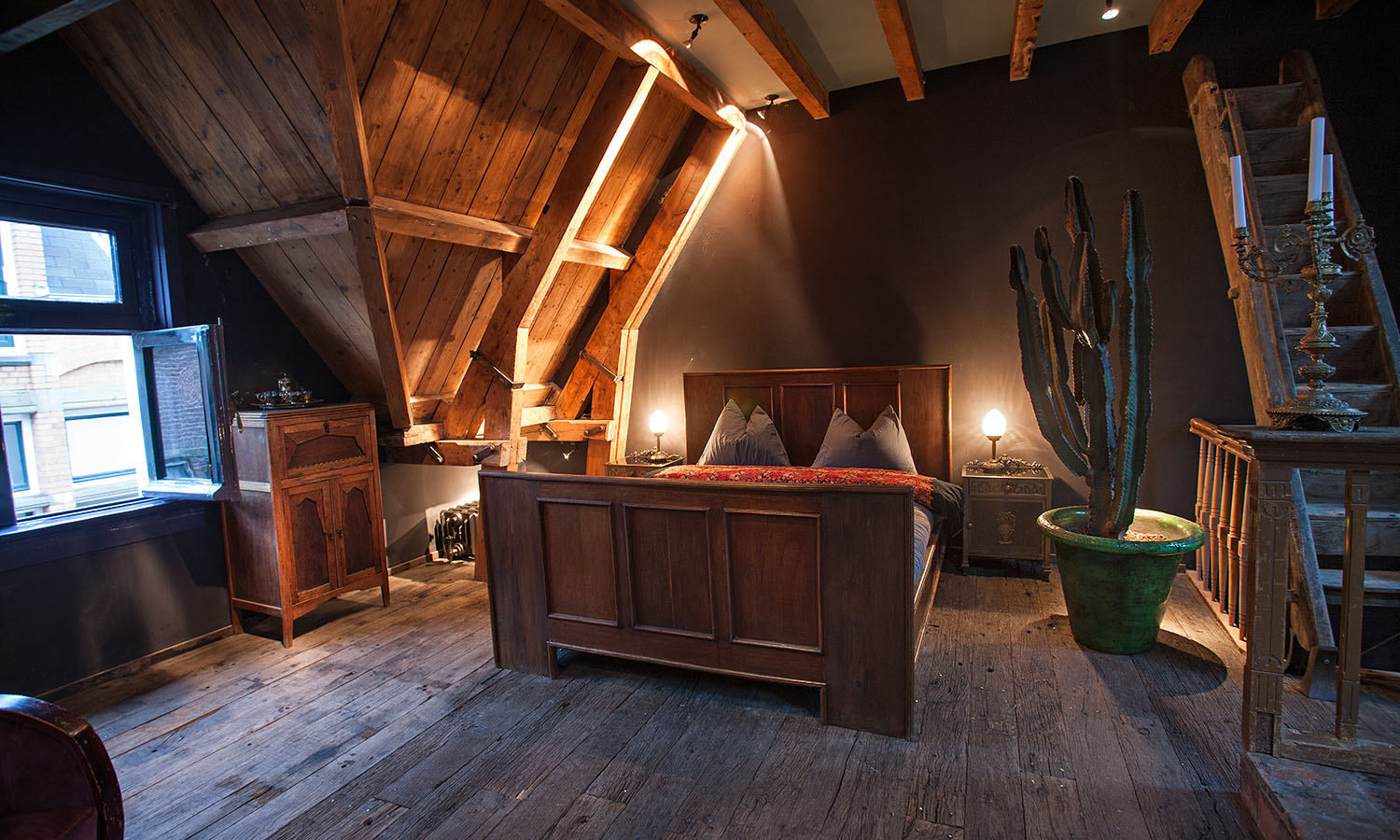
Embrace your inner noble on the banks of Amsterdam’s ancient canals. The Mayer Manor, built from the remains of a fifteenth-century convent, is now a three-storey Art Deco mansion with a spellbinding one-bedroom apartment spanning the top two levels.
Throw open the fairytale oak doors to a city haven furnished in moody tones and earthy textures. If you can bring yourself to leave the opulent setting, explore the nearby shops, galleries and cafes. Return for an evening soak in the oversized copper bath in your bedroom while the fireplace crackles and light from elegant candelabras flickers across your skin. Once you’re squeaky clean, climb the wooden staircase onto your rooftop, or trail the haunting melody from a distant piano playing in the private club downstairs.
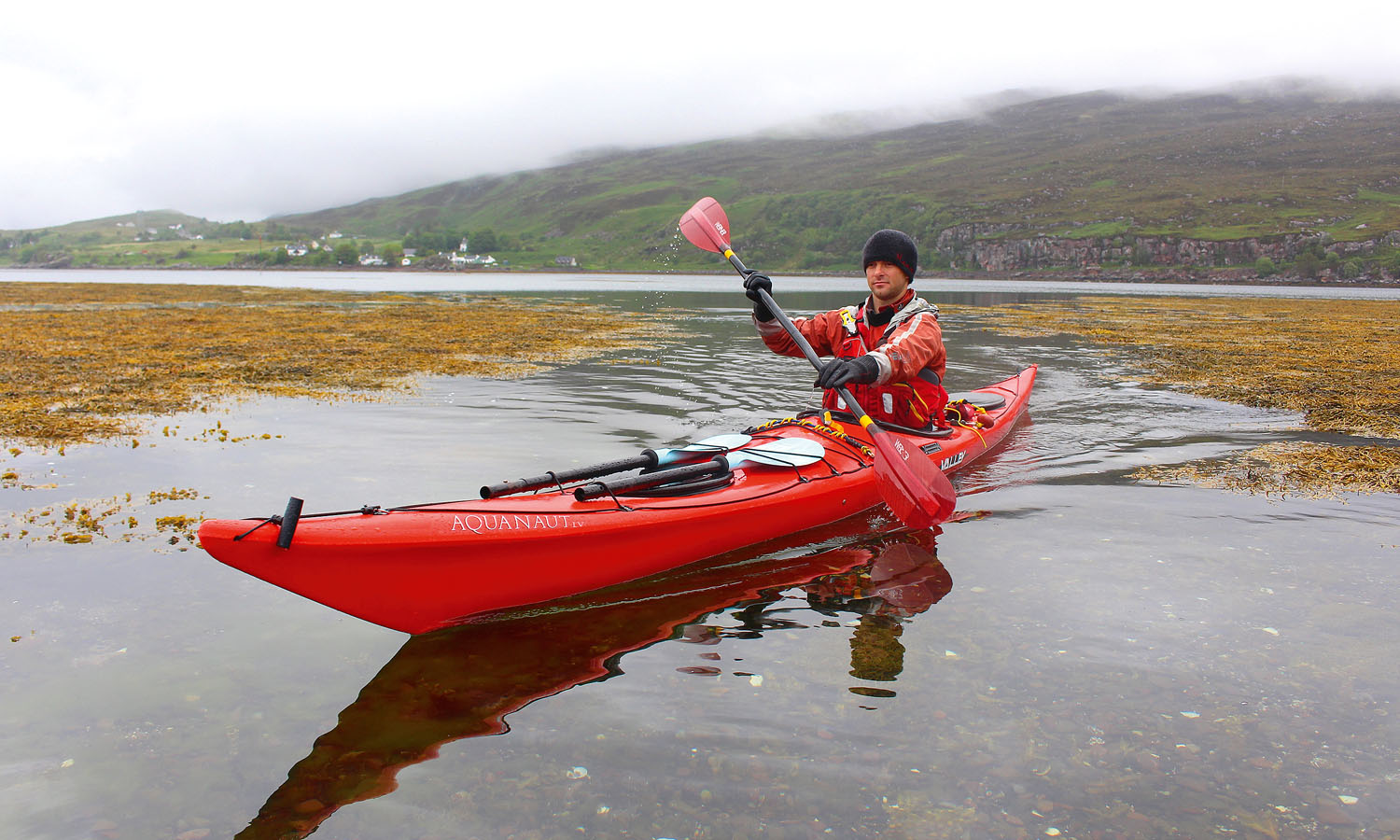
A face appears above the water, its two dark round eyes peering at us. Another head bobs up, then another, as we paddle across the Inner Sound off the northwest coast of Scotland. Soon, around 30 seals have flopped off the rocks and swum over to check us out. “They’re very curious, just like dogs,” says kayaking guide Chris Hingley. As they gather around our kayaks, their ghostly shapes watch us from the water like the Sirens from Greek mythology. Occasionally, they leap from the sea before slapping the water with their bodies and tails. “It’s likely that’s territorial behaviour,” suggests Chris, but it looks more like they’re showing off.
The North Highlands of Scotland are full of wildlife and wild landscapes. I’m exploring the North Coast 500 (NC500), a new tourist trail that starts and ends in Inverness, the capital of the Highlands. It loops up around the east coast to John o’ Groats, along the rugged north coast and down the mountainous west of Scotland through Ullapool and Applecross. The ‘500 Miles’ route, inspired by The Proclaimers’ classic song (it’s my week-long earworm), has been talked up as a new classic road trip – Scotland’s answer to Route 66 in the USA or Italy’s Amalfi Coast. This is more than just a road to blithely cruise along – it’s meant to be discovered at a leisurely pace, leaving time to explore castles, distilleries, wildlife, hiking trails and plenty more along the way.
There’s a real sense of adventure as I leave Inverness and cross the shining water of Beauly Firth before heading north into the evocatively named Black Isle. An hour up the road, I take a small detour to tackle my first hill, Cnoc Fyrish. It’s an easy, two-hour round trip – popular with local dog walkers and hill runners – through pine forest to the arches of the striking, Indian-influenced Fyrish Monument on the hilltop, with views of the green coastline and oil rigs in the silvery water of Cromarty Firth.
In the afternoon, I stop at Dunrobin Castle, a fairytale building originally from the 1300s – and my future home, as soon as that lottery win comes in. Falconry displays take place in the garden during summer, but my favourite feature of the castle is the ornate Aeolian Orchestrelle, a pressure-operated harmonium, in one of the hallways.
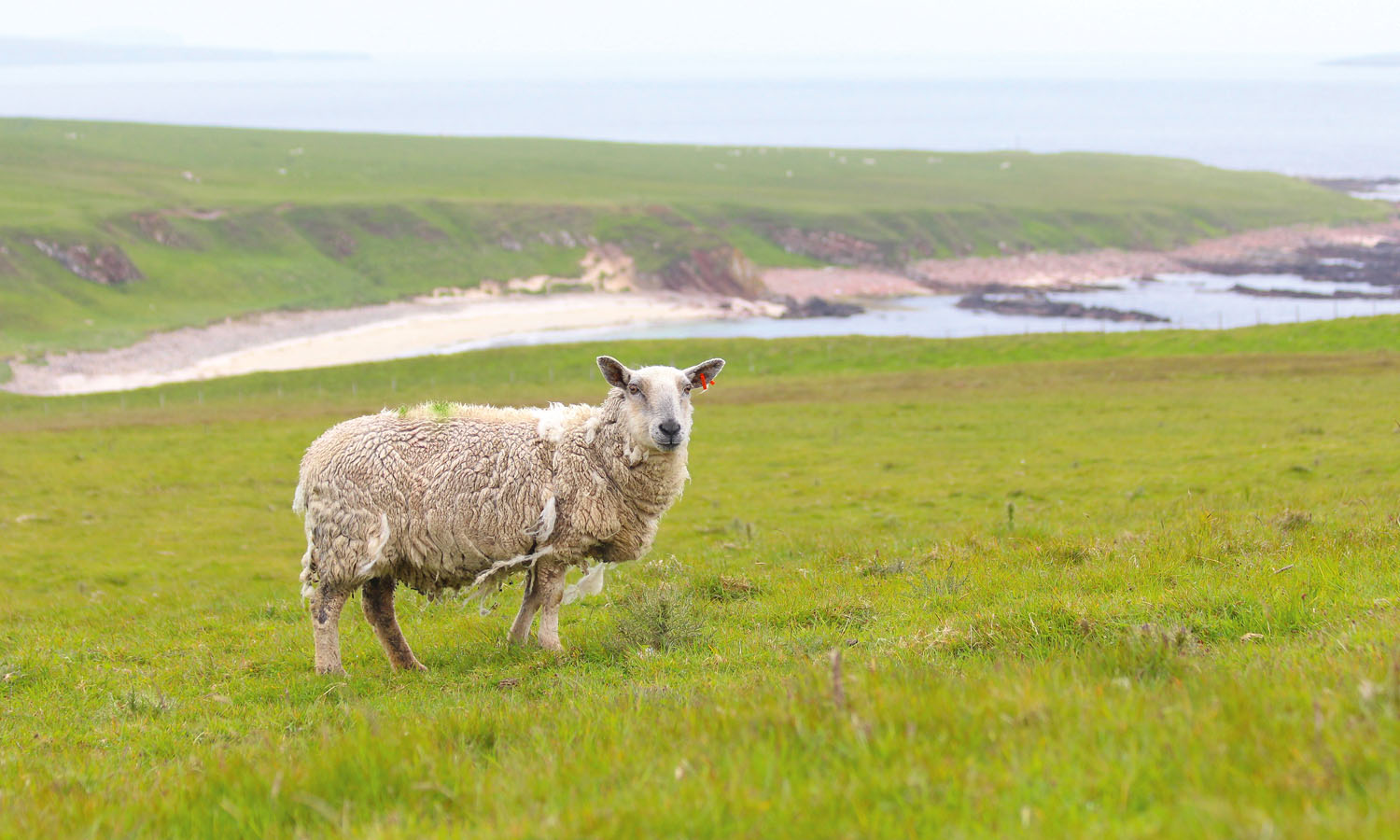
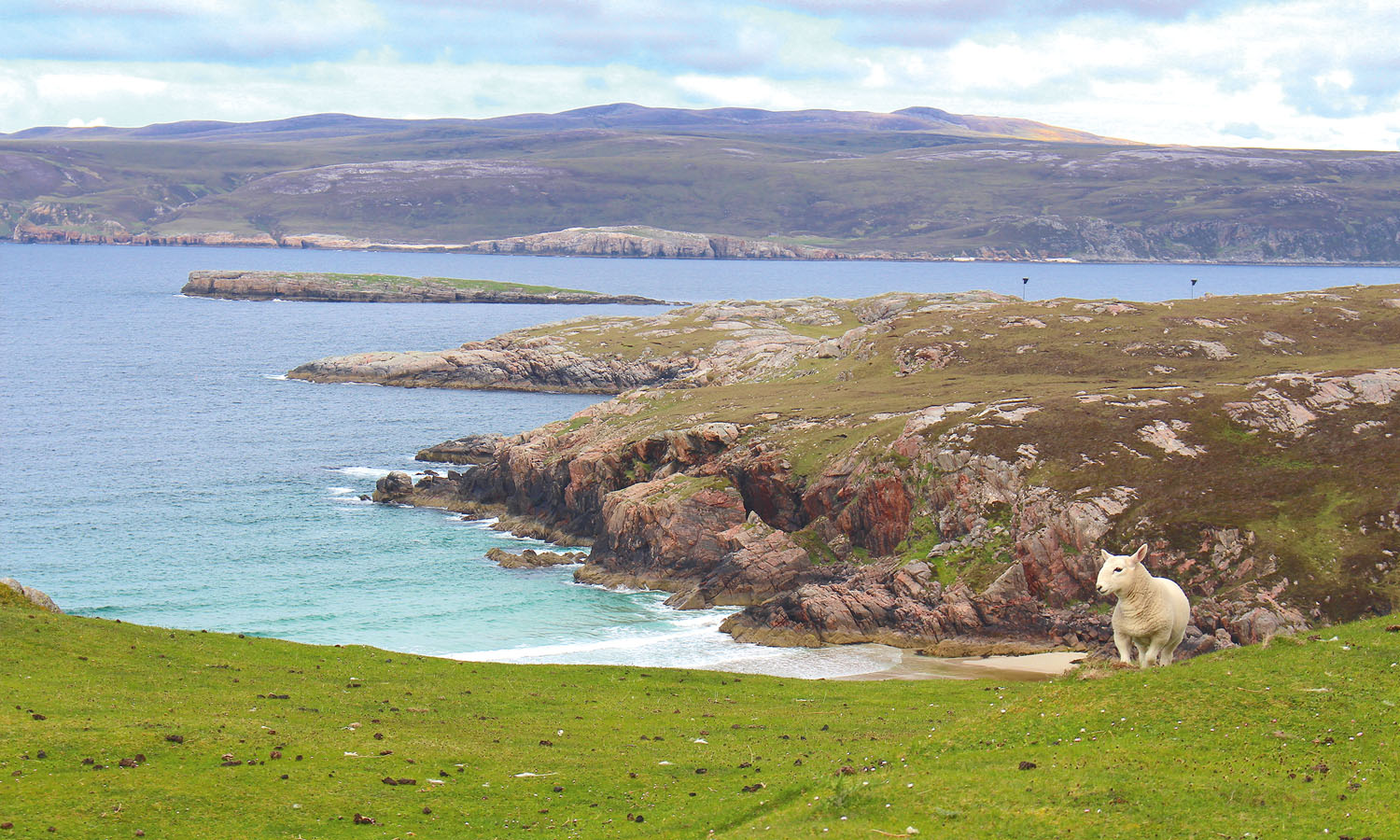
I’d been warned the first day’s drive from Inverness to John o’ Groats (I’m taking the route in an anticlockwise direction) is the least interesting section, but I like it. The high roads swoop along the coast, with views of the North Sea to my right. Thick yellow banks of heather stretch across massive, sweeping hills. I pass abandoned stone crofts, isolated farms and little harbours. Cows, horses and sheep graze on the grassy slopes leading down to rocky shores and beaches. If this is the dreary part of the NC500, there must be exciting days ahead.
John o’ Groats is generally believed to be the northernmost point on the British mainland (although that honour, in fact, goes to Dunnet Head). I hike out along the coast in the blustery Scottish morning to the lighthouse at Duncansby Head for dramatic windswept views across the Pentland Firth to the Orkney Islands and the lighthouse of Muckle Skerry. Walking over a small ridge, the Stacks of Duncansby, two towering pinnacles of rock out at sea that look like crumpled wizard’s hats, come into sight, with the arch of Thirle Door just in front of them. Seabirds – fulmars and kittiwakes – huddle for warmth in nests on the sea cliffs. Others swoop, glide and hover before coming in to land.
At Dunnet Head, I explore concrete bunkers from World War II. The hilltop location on the coast was a vital lookout for spotting enemy ships during the war.
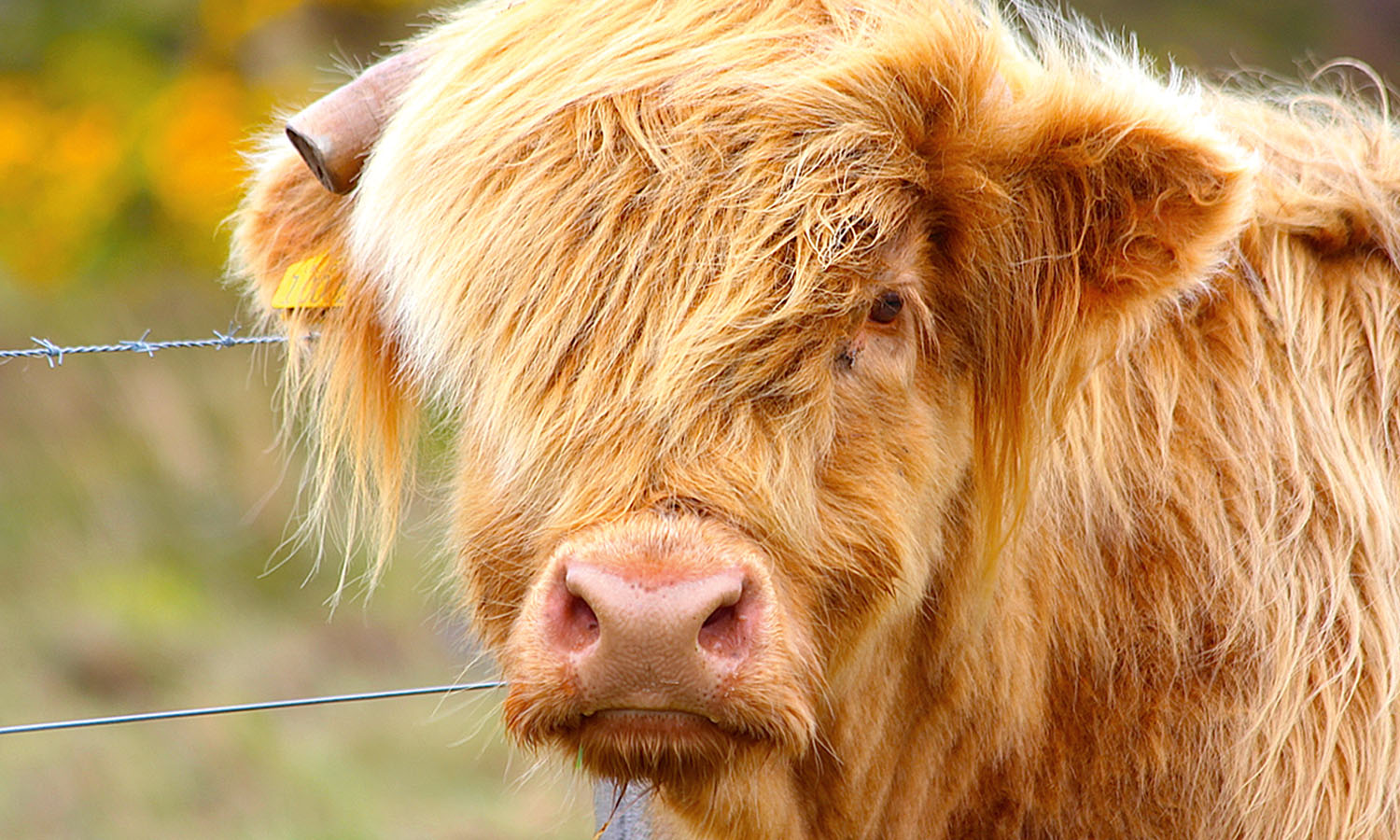
Next morning, I meet Gordon Anderson, a hiking guide with Wilderness Scotland, and we set off from Thurso for Ben Hope, Scotland’s most northerly munro (a mountain above 915 metres). The landscapes become more dramatic and varied as we make our way west, with pretty villages, blanket bog and moorland, deserted beaches and giant mountains. Sheep and snow-white lambs wander along the roadside, while scruffy ginger-haired Highland cows munch grass in the fields. Further on, a herd of deer crosses a river.
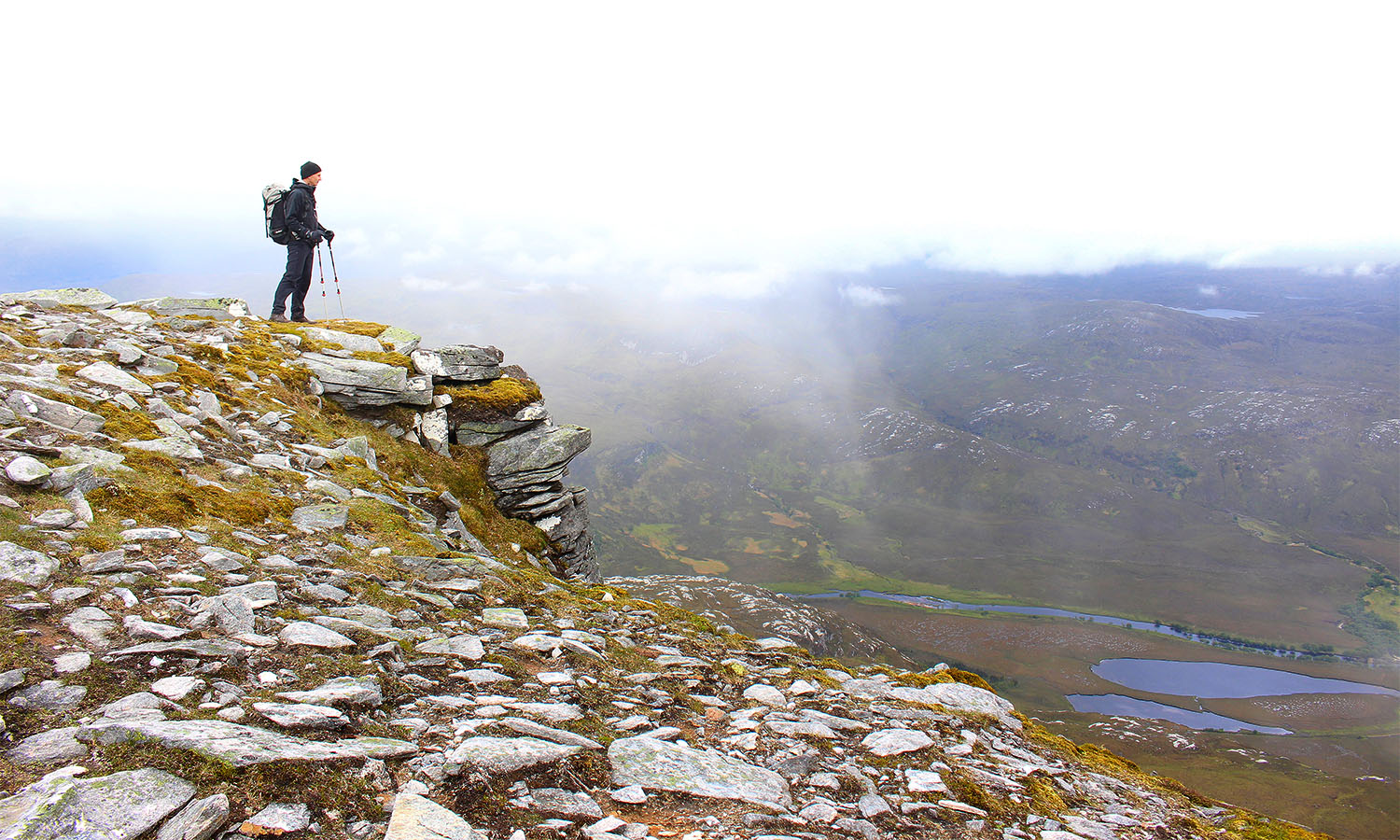
It’s a fast, steep climb up Ben Hope, meaning we’re soon high in a quintessential Highland scene, with a peaceful loch in the valley below and hills around us. “Once you get into the north, you really have that sense of remoteness,” says Gordon. “Up on the hills, there’s a feeling of space and openness.”
Mist unfortunately blocks the view at the top, but there’s some consolation: another hiker who made it to the summit ahead of us had the good sense to bring a bottle of whisky. He pours a dram and hands it over as I reach the summit. Scots have a deserved reputation for being friendly and whisky is never far away, even on a 927-metre summit.
The NC500’s most northwest point is Durness, and from here the route turns south. Sections of the road are slow-going single tracks, but I don’t mind the leisurely pace when there’s scenery like peaceful Loch Eriboll or the white sand beach of Tràigh na h-Uamhag to look at.
Hikers are spoilt for choice in the North Highlands. The next day, Gordon and I tackle Arkle. “Arkle’s a classic,” Gordon tells me, as we make our way across a grassy glen. “The views and the architecture of the mountain ridge make it a classic Scottish landscape.”
We forge our way uphill, stomping through bog and heather, surrounded by epic mountains and glassy lochs. A ghostly veil of mist moves across the mountain and envelops us. Without a map and compass, we’d be quickly lost. The views are hidden (nature seems to have it in for me this week), but it’s a fun 17.5-kilometre hike over the lunar-like grey rock plateau, with a jagged rocky ridge leading towards the 880-metre summit. We scramble over big boulders of quartzite slippery with Scotch mist. The ridge drops away steeply and, even with reduced visibility, I can see this is no place to fall.
In the morning, Gordon and I catch a boat across to Handa Island, a mile off the coast. This nature reserve is home to thousands of seabirds – guillemots, razorbills and great skuas included – but its most popular attraction is the 320 pairs of puffins who are found here between March and August. “It’s internationally important for seabirds,” says Caroline Rance, a volunteer with the Scottish Wildlife Trust, who greets us off the boat. “All along the west coast of Scotland you get amazing cliffs and pockets, with very little human interference – good nesting and good feeding spots.”
A wooden walkway takes us across the small island and past noisy nesting skuas and sweetly singing skylarks. The path leads to Puffin Bay and the Great Stack, a towering rock formation in the ocean, where we see puffins scampering along the cliff top. A group of them clusters together outside a burrow, keenly watched over by a seagull eager to steal their eggs.
We circle around the coast, keeping an eye out for the whales, seals and dolphins sometimes seen out in the bay. Our luck isn’t in today, but we do see a group of shags perched on a black craggy rock.
Back on the mainland, Gordon and I squeeze in one final hike. It takes two hours to get up and down Stac Pollaidh, another “Scottish classic”, climbing a steep path towards a jagged ridge that looks like a mountaintop castle. “To me that scenery is some of the best in Scotland,” Gordon says, as he points along the blue and green coastline towards Handa Island, the peaks of Suilvan, Cul Mor and Cul Beag, and lochs surrounding Stac Pollaidh.
Further south, Ullapool is the kind of pretty Scottish town, built around a harbour, that makes you want to relocate. There’s mist on the mountains as I make my way down the banks of Loch Broom, music blasting from the car stereo. I reach Loch Shieldaig late in the evening, unwinding from a long drive in the buzzing atmosphere of the Shieldaig Bar with a plate of fish and chips and a couple of pints of the local ale.
The coastal road leads me to Applecross in the morning, where I meet Chris Hingley. “This part of the coastline is great for kayaking,” he tells me, as we put them in at a seaweed-covered beach and paddle out to the Inner Sound. “It’s easy for beginners, but also a fantastic playground for more experienced kayakers, with loads of little bays, caves, arches and islands. There’s lots to explore.”
The curious seals watching our progress aren’t the only creatures out here. “It’s a great area for wildlife,” says Chris. “You’re pretty much guaranteed to see seals. You can sometimes see otters. And then there’s the birdlife: terns, gulls, oystercatchers…”
We paddle out past the wreck of an old fishing boat that smashed on the rocks more than 50 years ago, then make our way through a channel that cuts through Saints Island. Gulls and oystercatchers gather on rocks on one side of the island, terns on the other. A black cormorant stands on a pole out in the water, wings outstretched to dry in the wind.
We paddle as far as Coral Beach, which is marked by a rock shelter that Chris calls the Smuggler’s Cave, before turning around to complete the six-kilometre journey. Seals appear in the water again as we make our way back to shore. There’s time in the afternoon, as I make my way along the final stretch of the NC500 loop back to Inverness, to pause a while at Glen Ord distillery. I’m driving, so, of course, I only have a small sample of their water of life – just a taste to fuel me through the final few of a memorable 500 miles.
When the first Ace opened in Seattle in 1999, it changed the way people thought about hotels. You could do boutique in a way that was neighbourly, working with local creatives to establish, not just rooms, but environments.
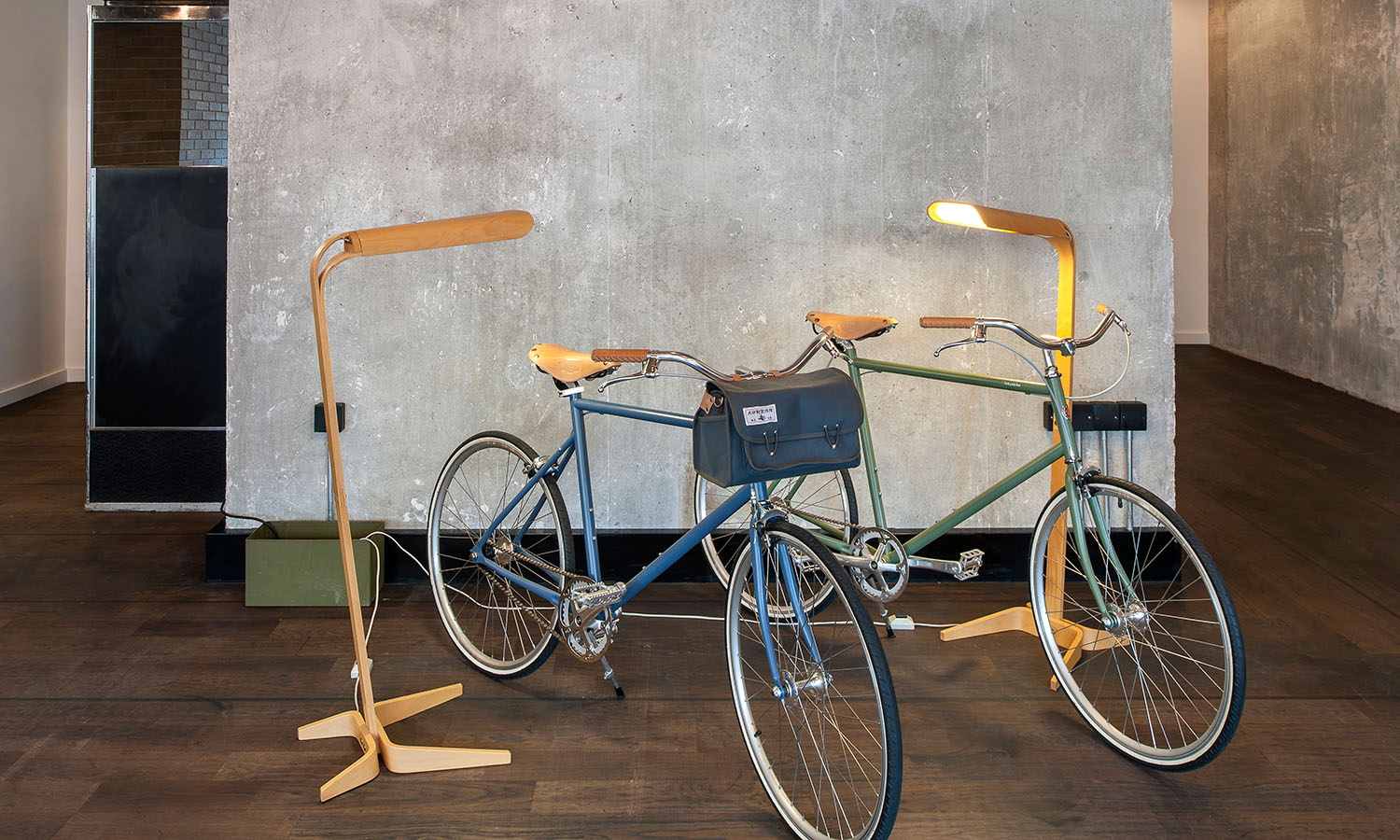
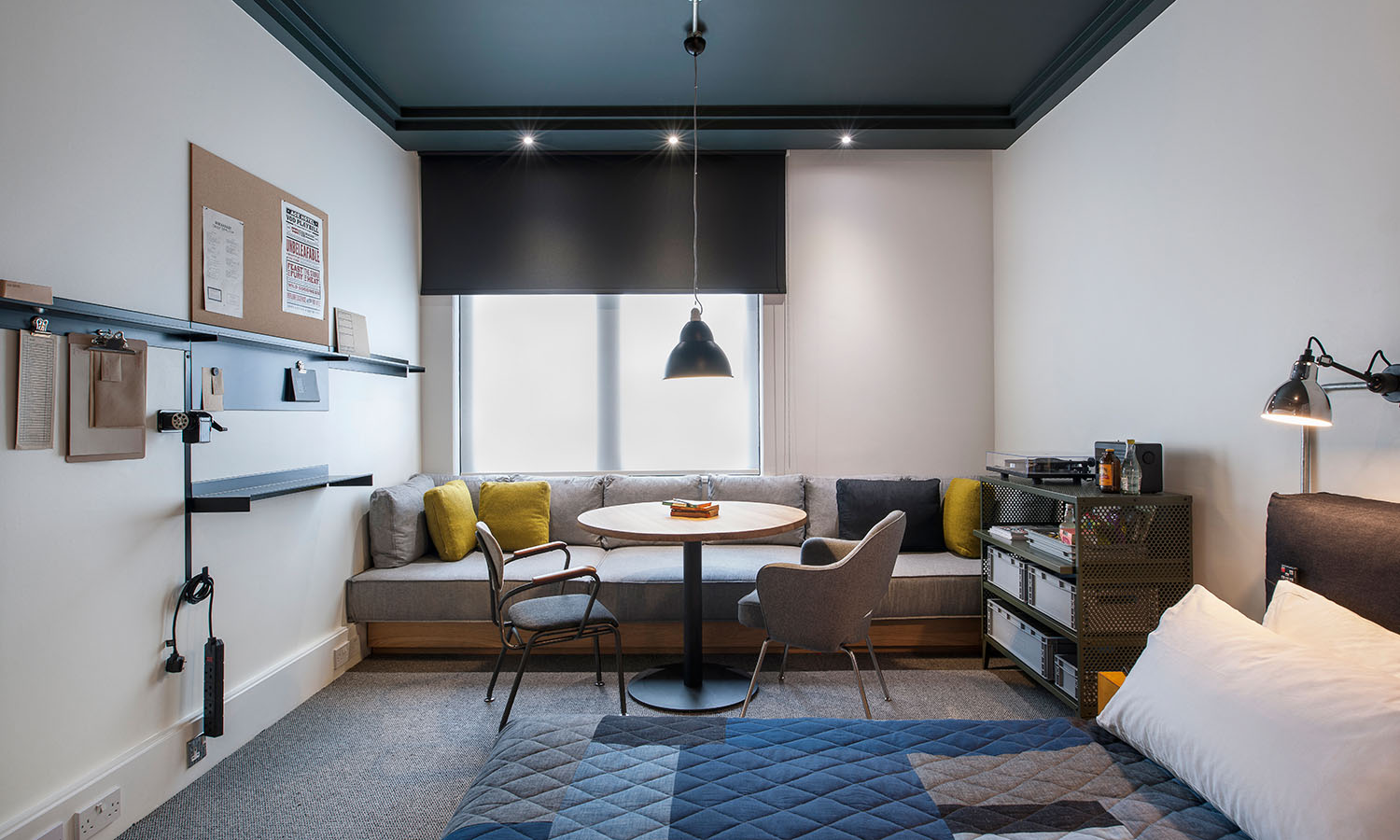
That extends to the London iteration, launched in 2013, where the apartment-style rooms have classic Ace touches, like maps and sketches by local artists, turntables and records, vintage furniture, custom Revo radios and even guitars.
Located in the historic Shoreditch neighbourhood; you’ll find galleries, theatres, restaurants, bars, fashion, and home of the Brick Lane market; bustling with vendors, bric a brac, food and street artists from around the world.
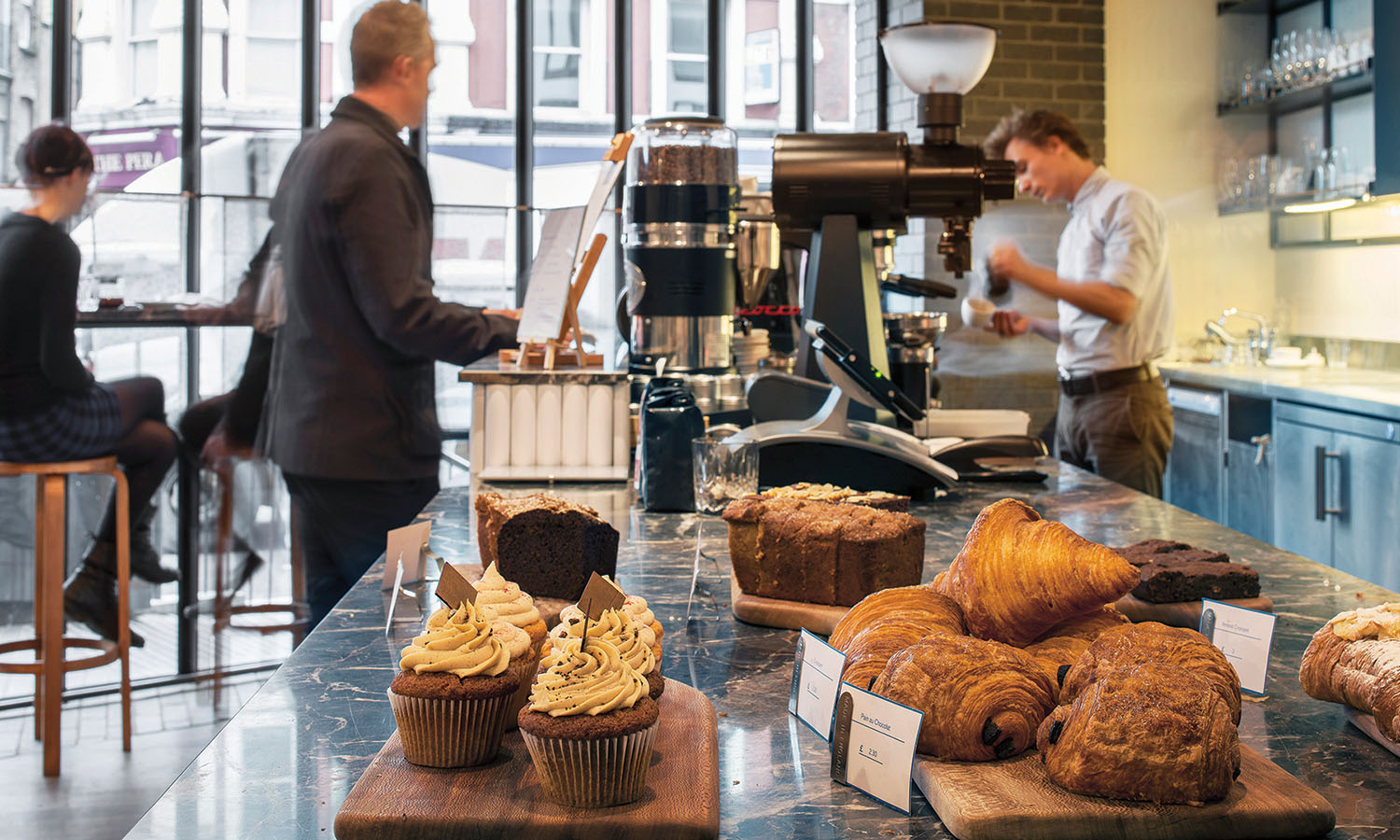
Back at the hotel after a day of exploring, there’s a cafe and gallery in the lobby space, and a ‘celestial’ subterranean bar with live music and DJs every night.
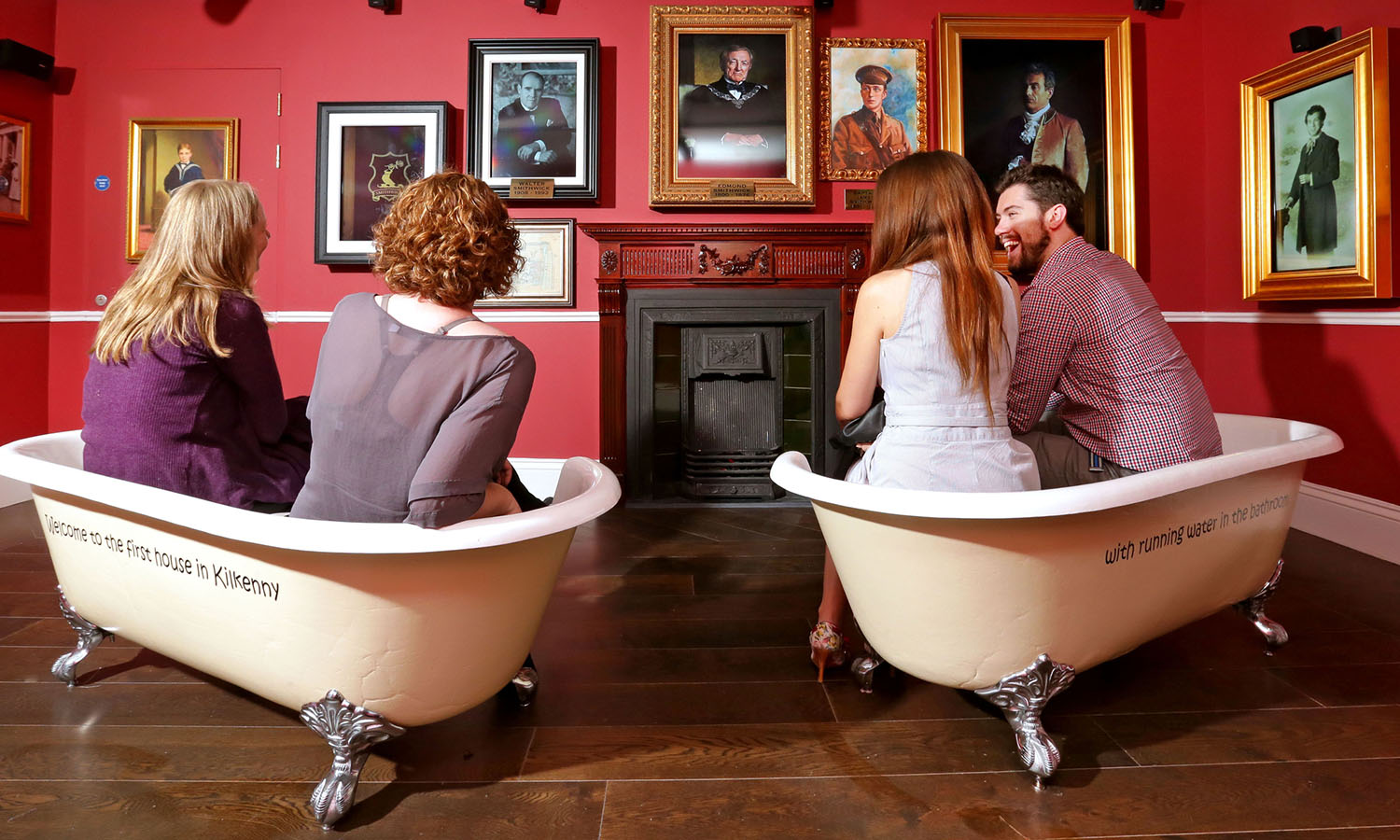
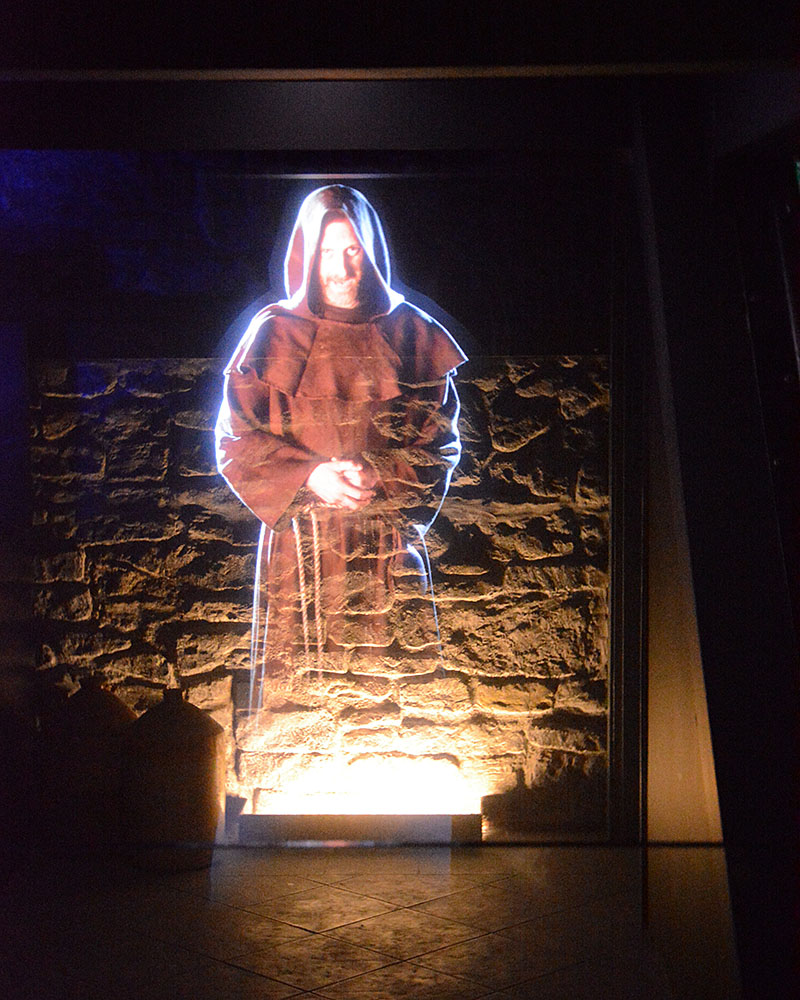
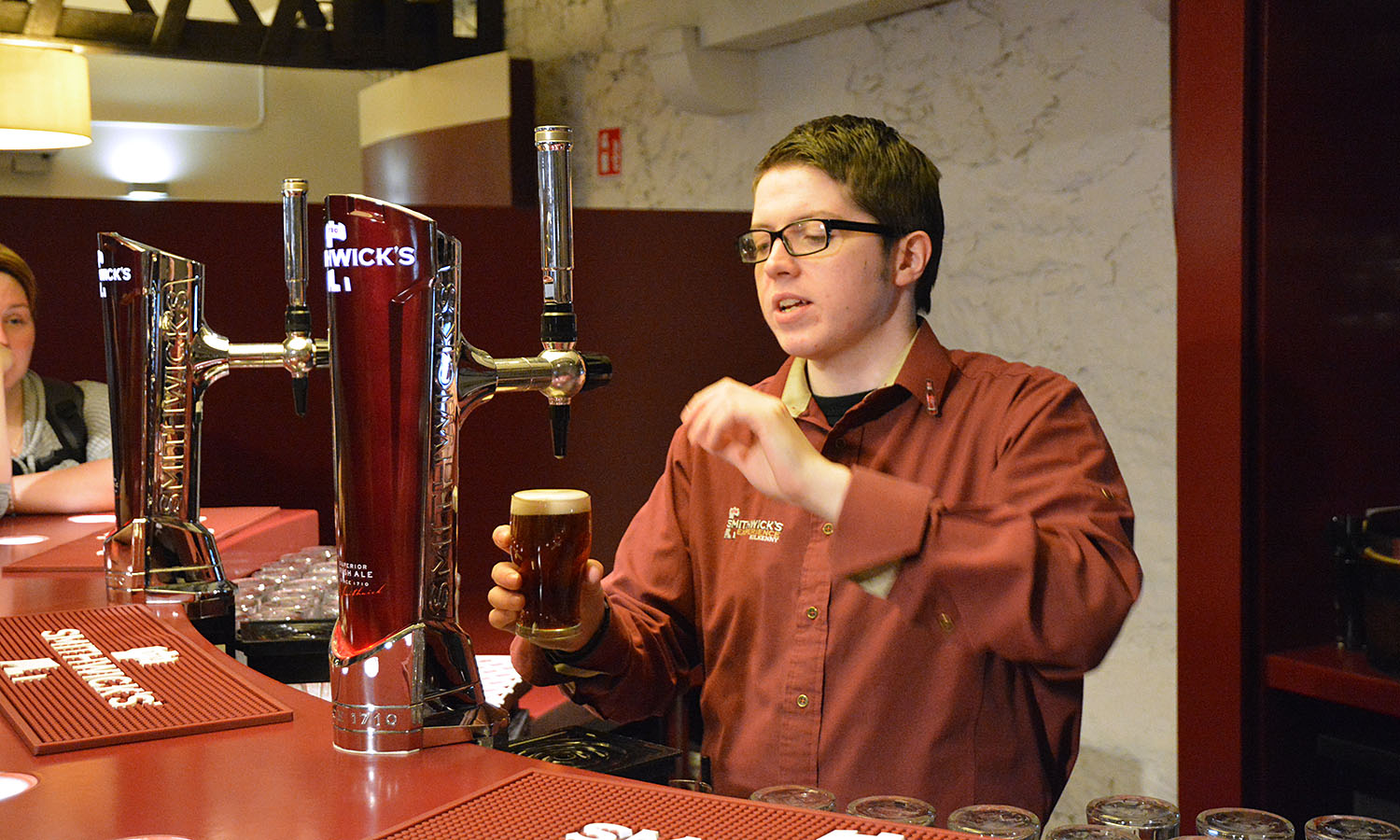
Beer, holograms and history – these are the ingredients that make the Smithwick’s Experience a must-do brewery tour.
The multi-sensory and interactive experience takes visitors on a journey through the story of the famous ruby red ale, exploring its place in one of the country’s coolest destination cities, Kilkenny.
Starting in a candle-lit cavern – it re-creates the atmosphere of the centuries-old St Francis Abbey Brewery that inspired John Smithwick – the tour uses a cool array of technology to illuminate the story of Smithwick’s creamy pints, from right up to the present day.
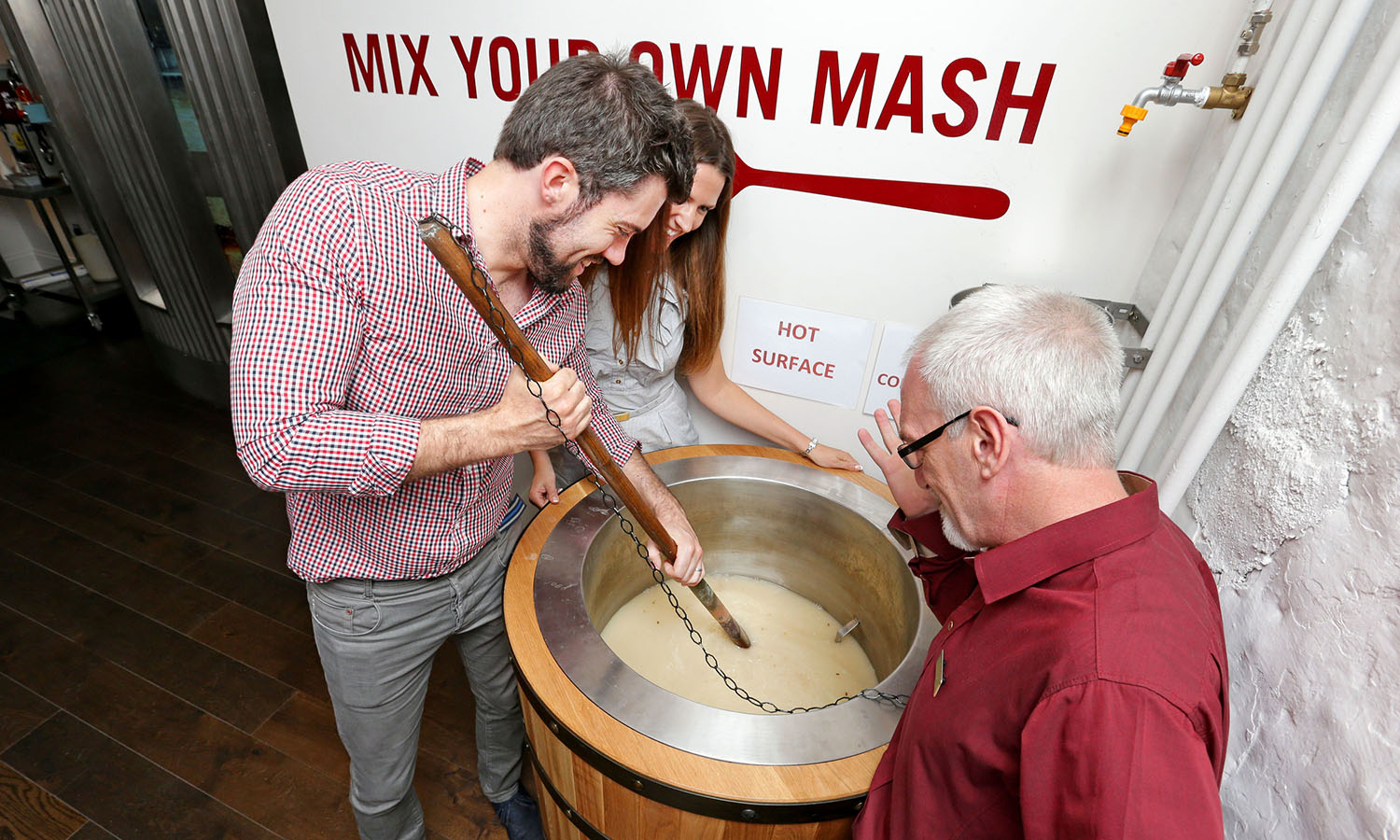
The 300-year-old brewing process is brought to life through installations and plenty of tactile experiences introducing you to the smells, tastes and textures of the raw materials involved in creating the perfect pint of ale.
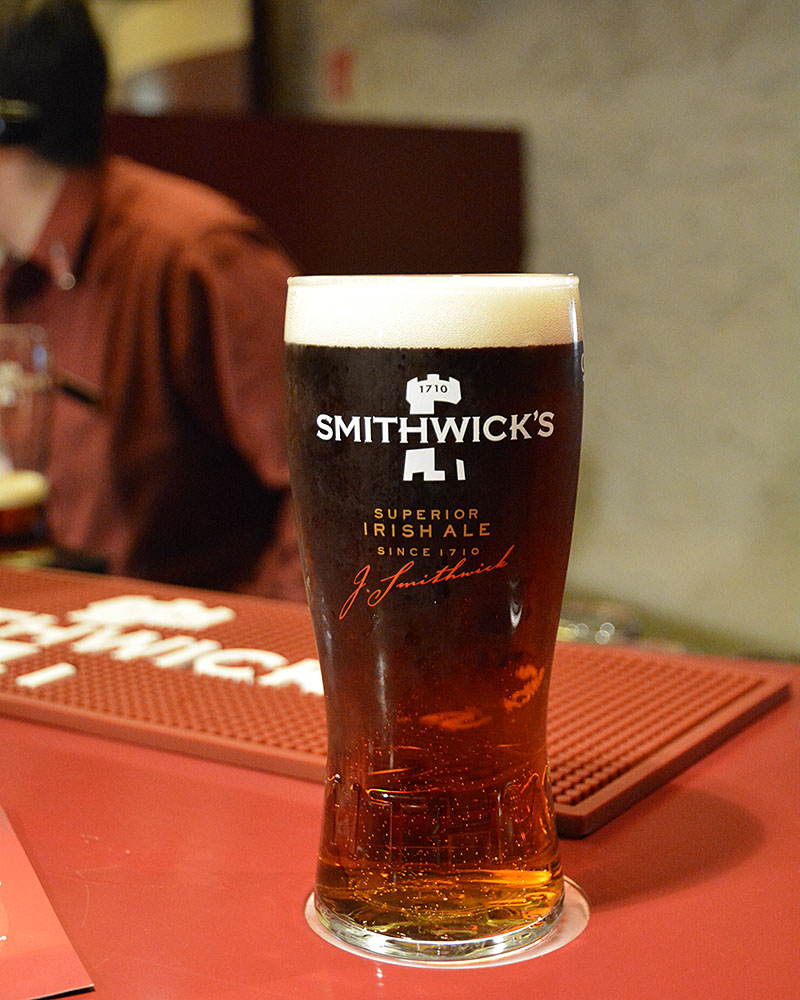
Like any good brewery tour the trip ends with a pint of the good stuff, where you’ll raise a glass to the celebrated Smithwick family.
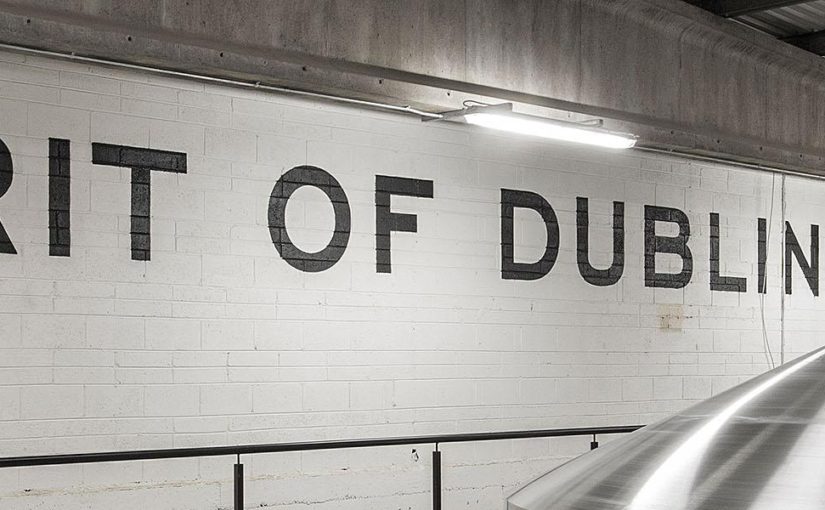
Located in Dublin City Centre, in the historic Liberties, the Teeling Whiskey Co is the only operational distillery in the city and the first of its kind to open its doors in more than 125 years. Here, you can experience the sound, smell and feel of a whiskey distillery.
Teeling Whiskey, which has produced award-winning single grain, single malt and small batch drops, has only been open to the public since June 2015. The city’s only operational distillery is an unmissable destination for all whiskey fans, although if you’re not yet a lover of the amber liquid this is the perfect place to start your education.
Offering a selection of tours, including the Teeling Small Batch & Seasonal Whiskey Cocktail tasting, the Teeling Trinity Tasting and the Teeling Single Malt tasting, visitors can get up close and personal with all the aspects of the famed Irish whiskey-making process.
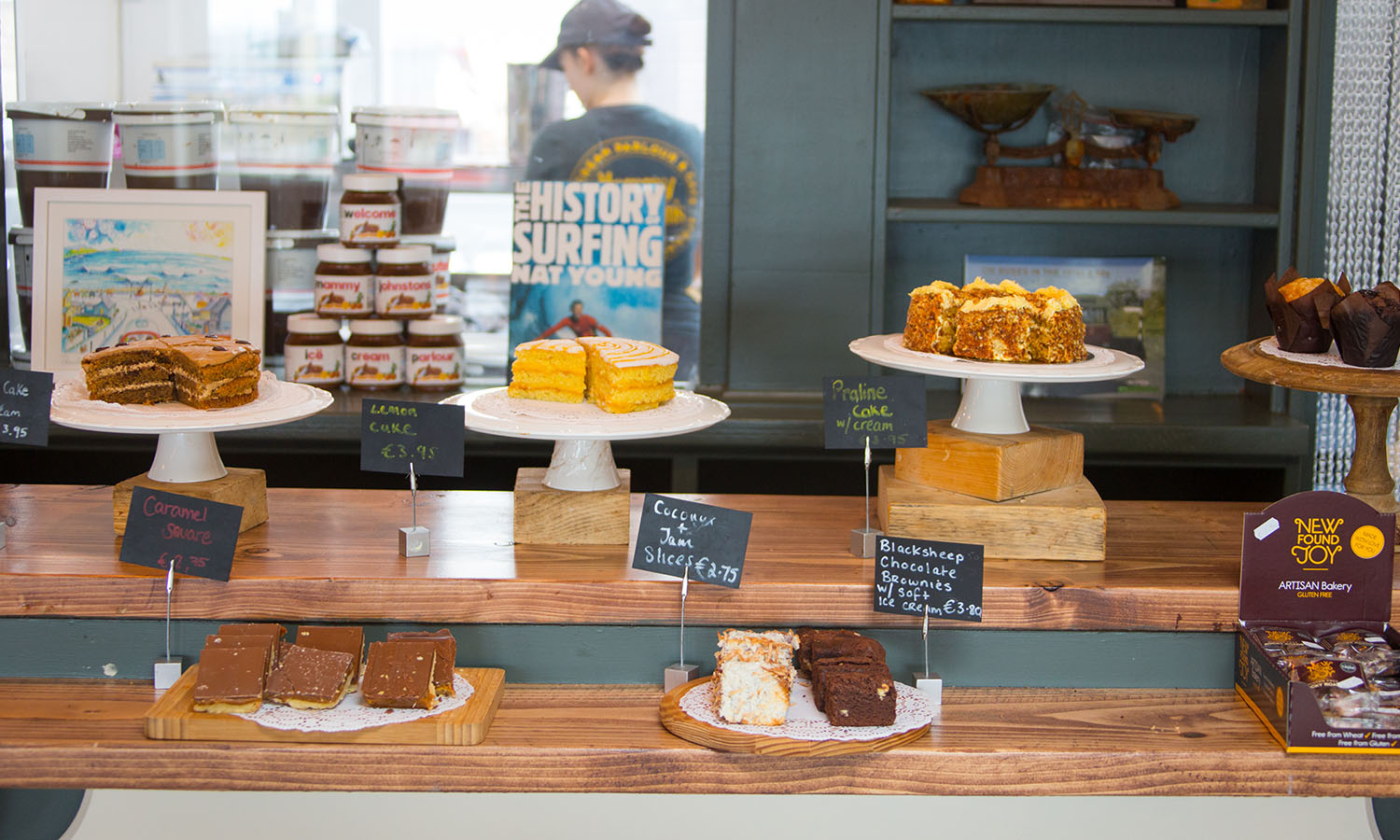
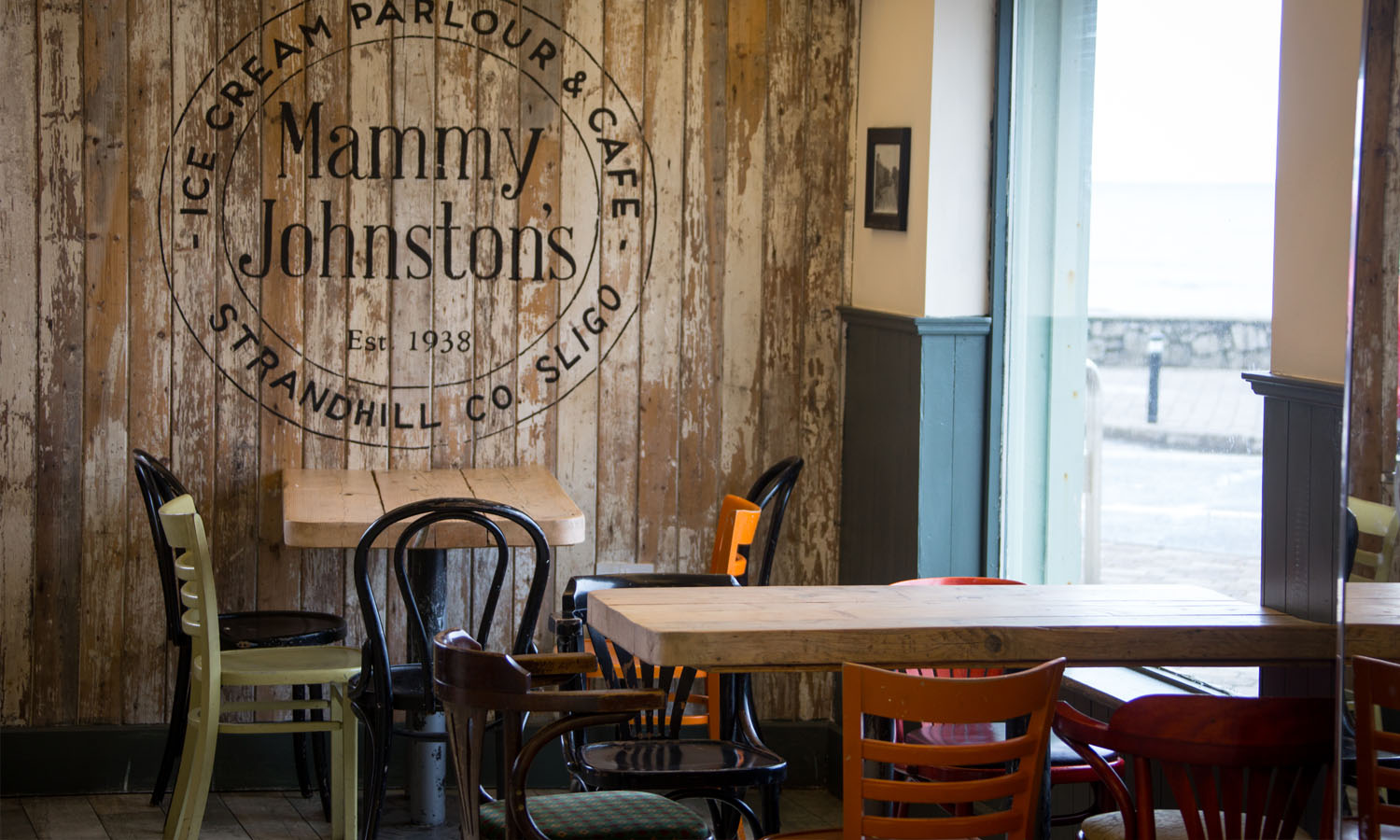
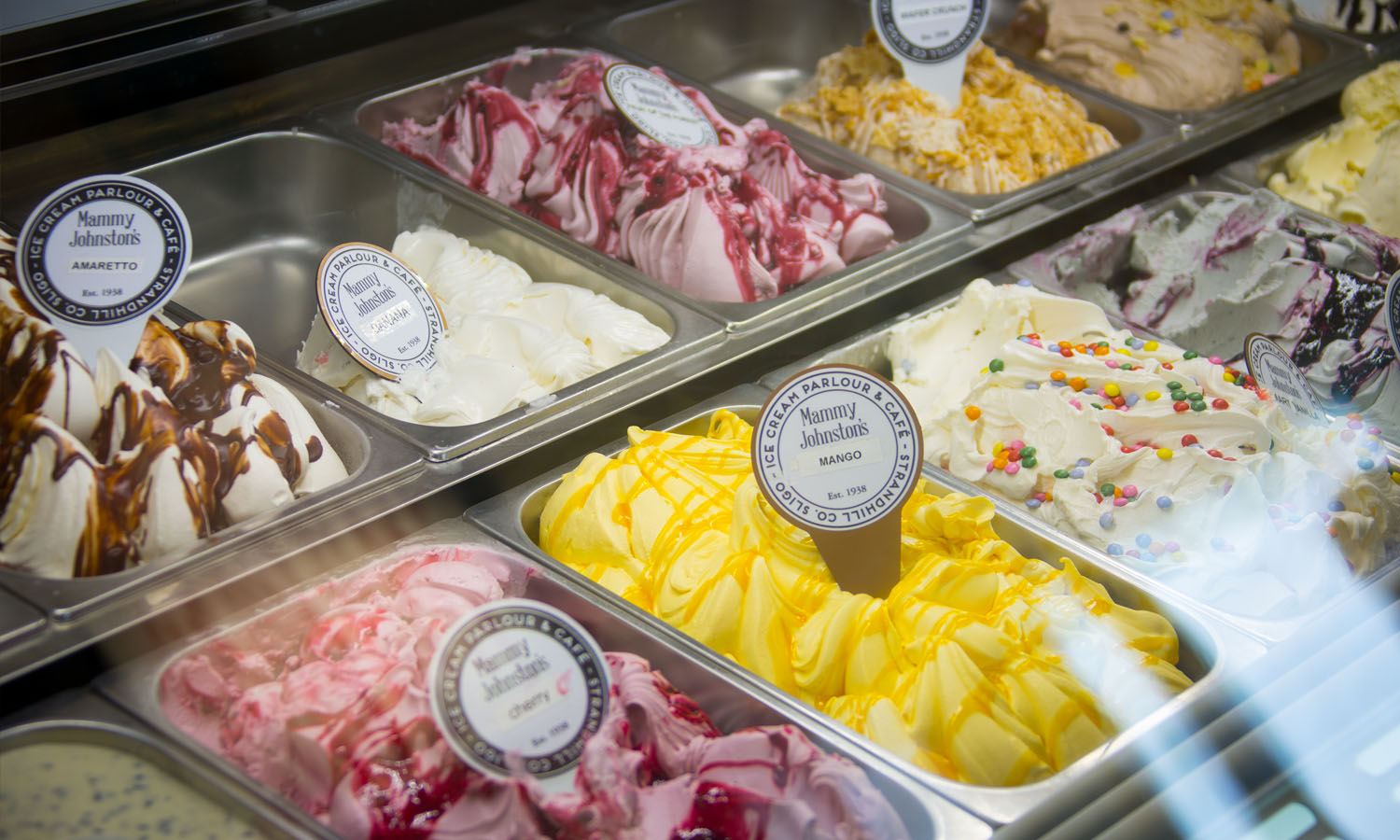
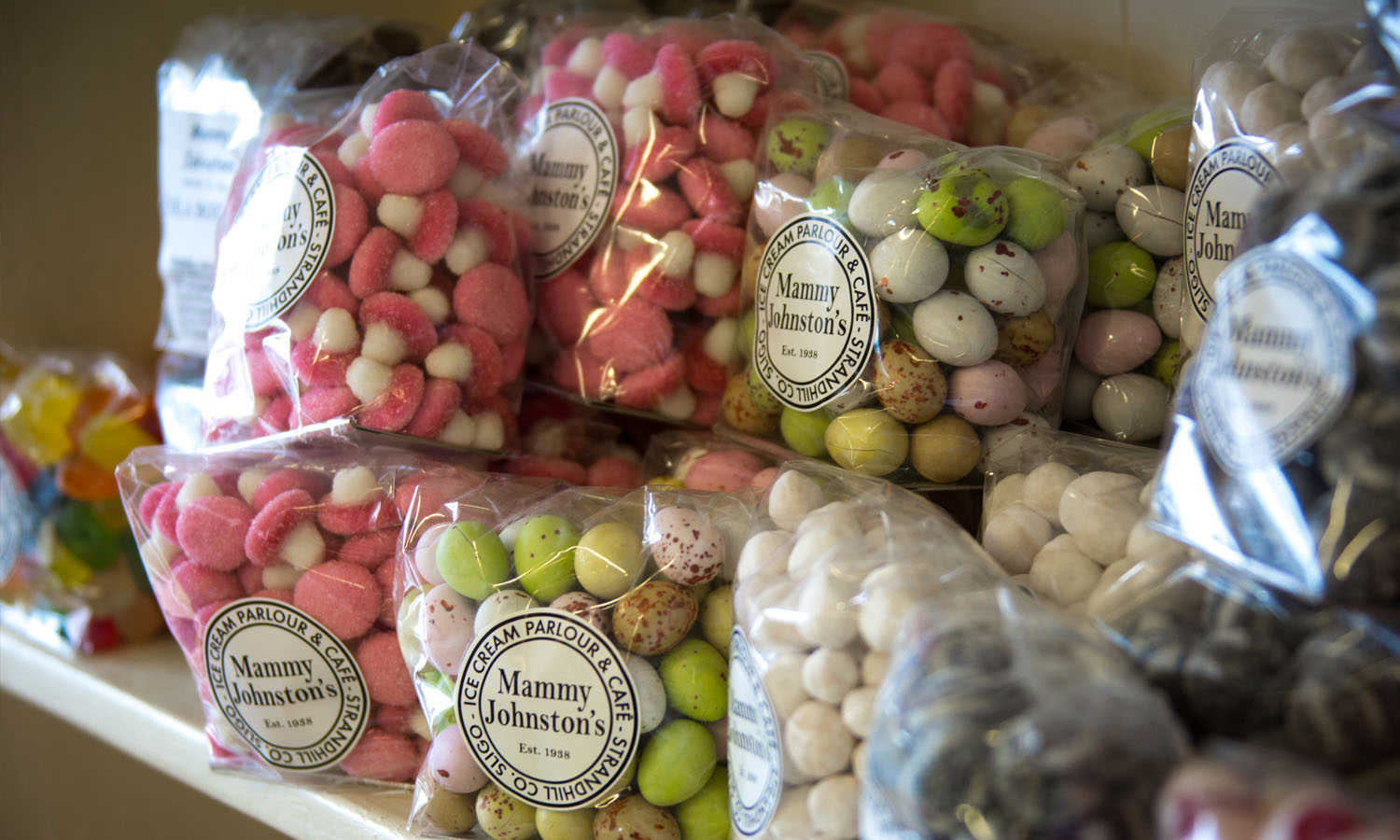
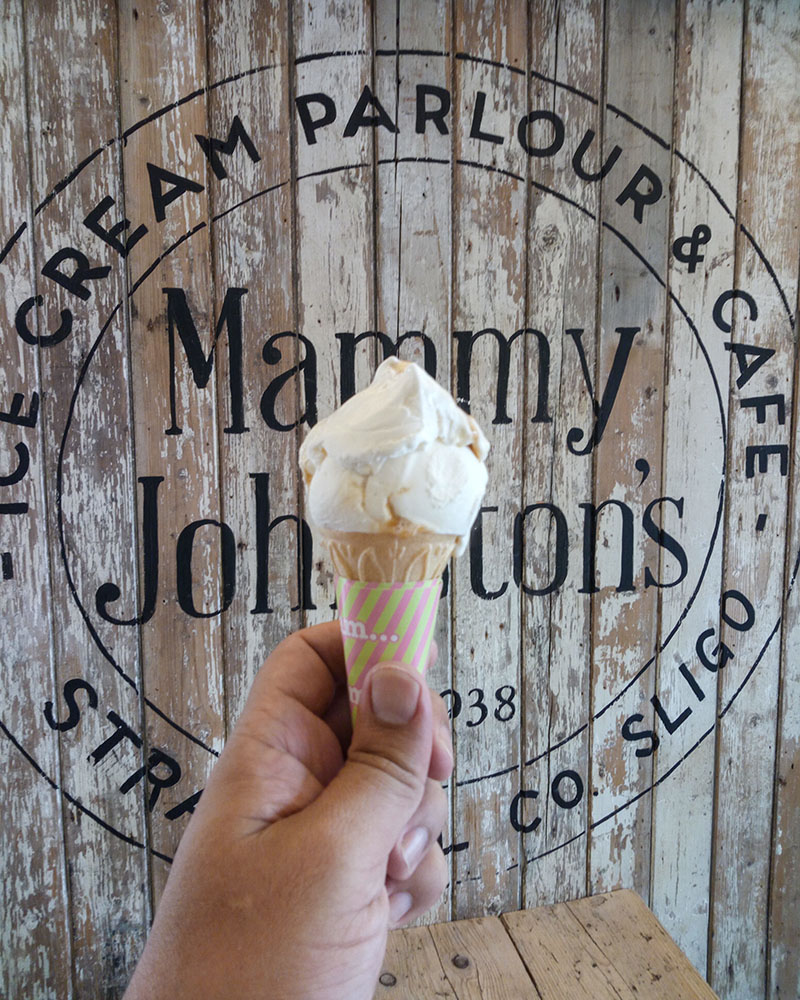
You might not think you’d discover a real gourmet treat in a tiny Irish beach town, but creamy gold awaits those who venture to Strandhill in County Sligo. The folks at seaside Mammy Johnston’s have been making gelato for three generations and now its chief ice-cream churner, Neil Byrne, has struck gold in the home of gelato.
At Italy’s Sigep Rimini trade show, which brings artisan bakers, gelato makers and coffee connoisseurs together, he picked up an award for the best honeycomb-flavoured gelato. Seems like these two countries share more than just the first letter of their names.
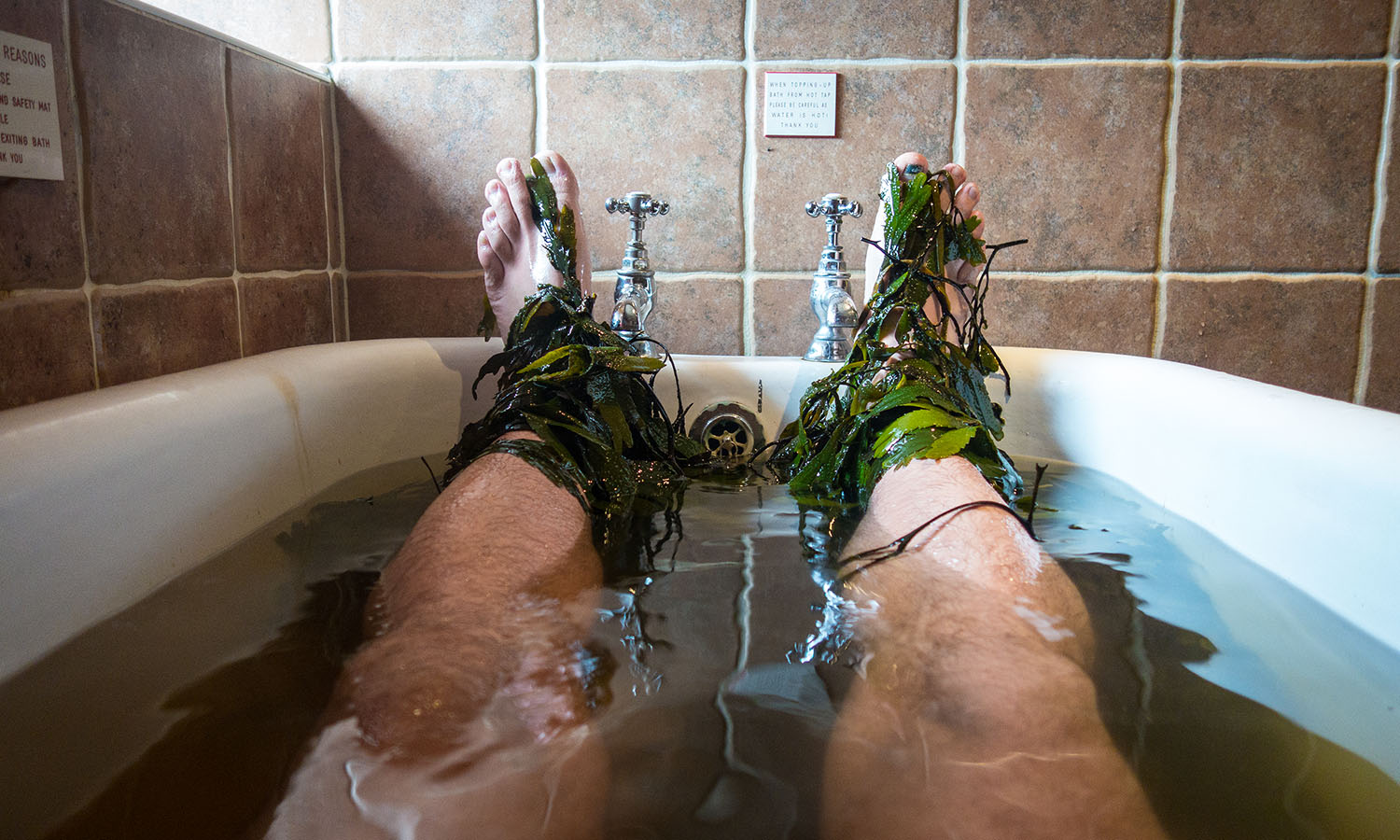
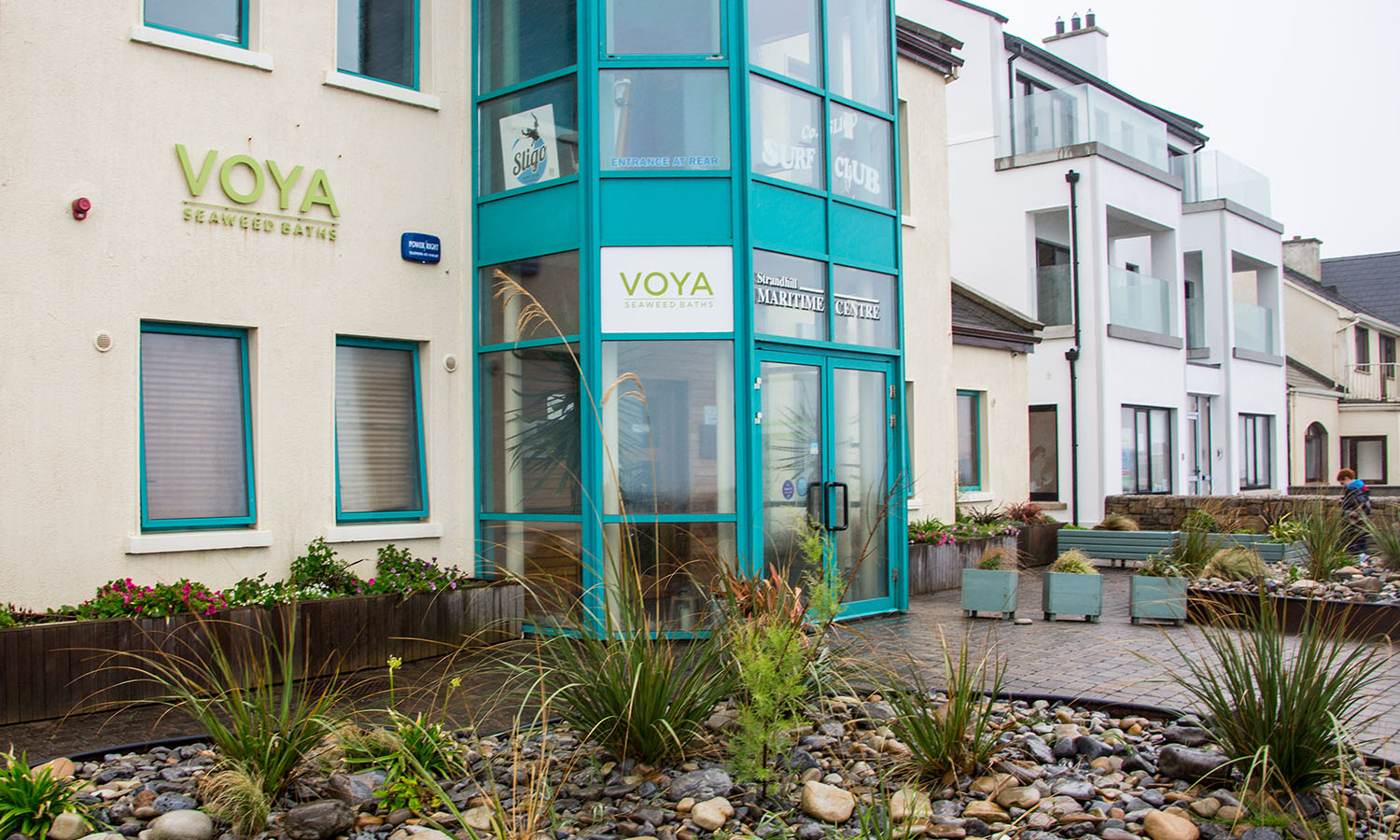
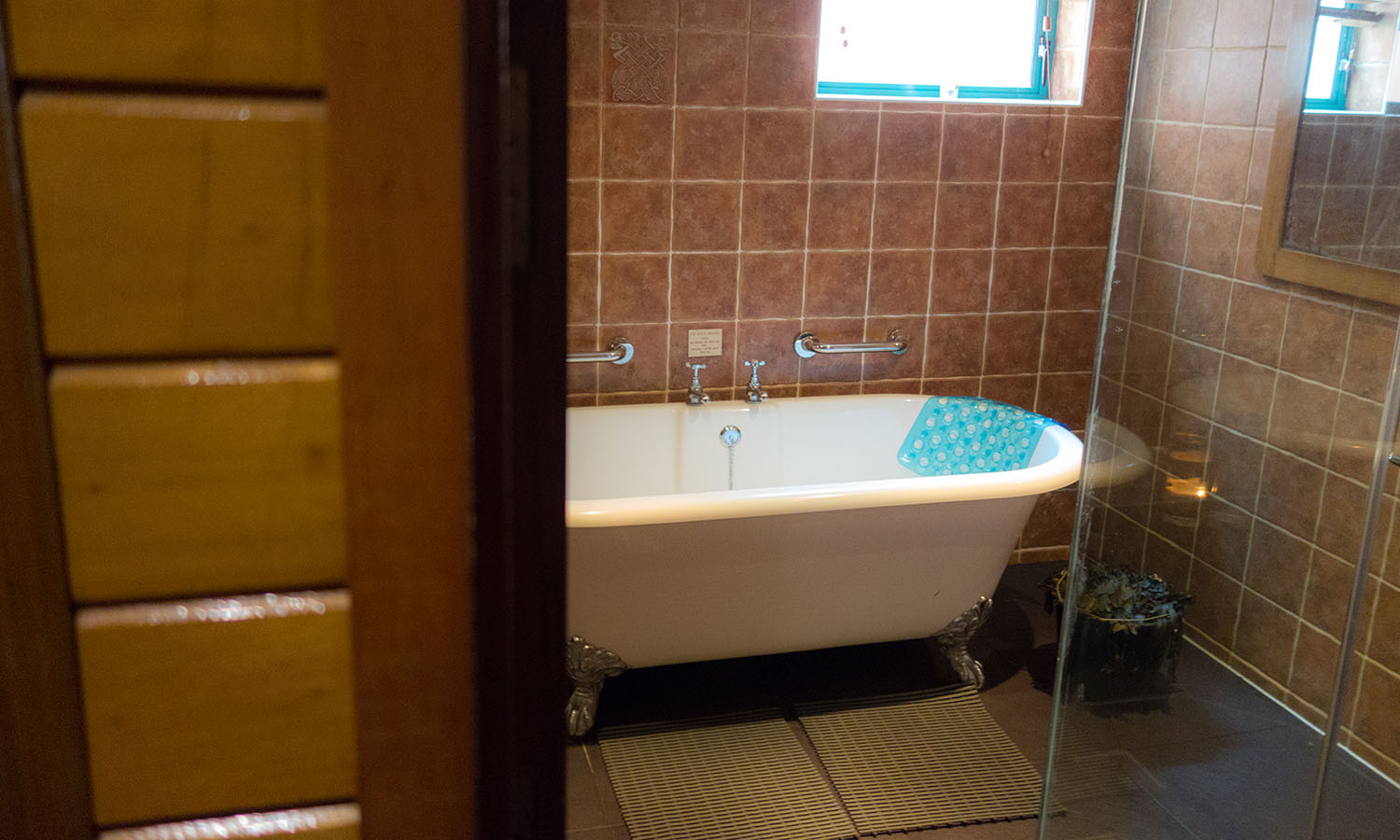
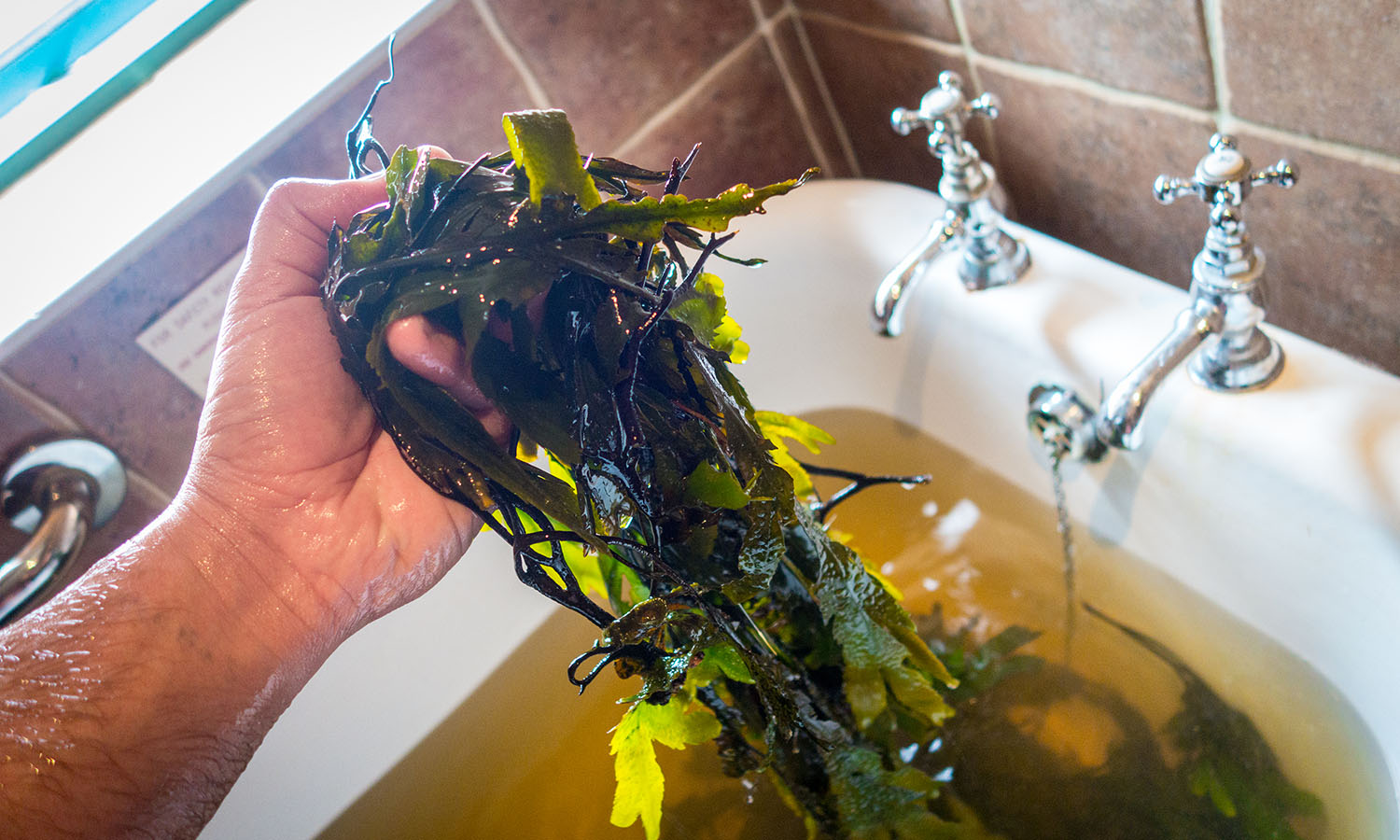
Let the powers of the wild Atlantic Ocean soothe your muscles with this special treatment at Voya Seaweed Baths in the picturesque town of Strandhill, Ireland. Located along the Wild Atlantic Way, Voya uses specially harvested local seaweed to create a tension melting treatment that is simply one of a kind.
Before you sink into a bath of hand-plucked plants in the name of improved circulation and plump, pert skin, you’ll experience a steaming treatment to open up your pores. Then lay back and let the spa work its magic.
While the stocks of countries like Croatia are on the rise, there are other places on this European peninsula still far from most tourists’ paths. Photographer and Olympus Visionary Chris Eyre-Walker explores Montenegro and Bosnia and Herzegovina.
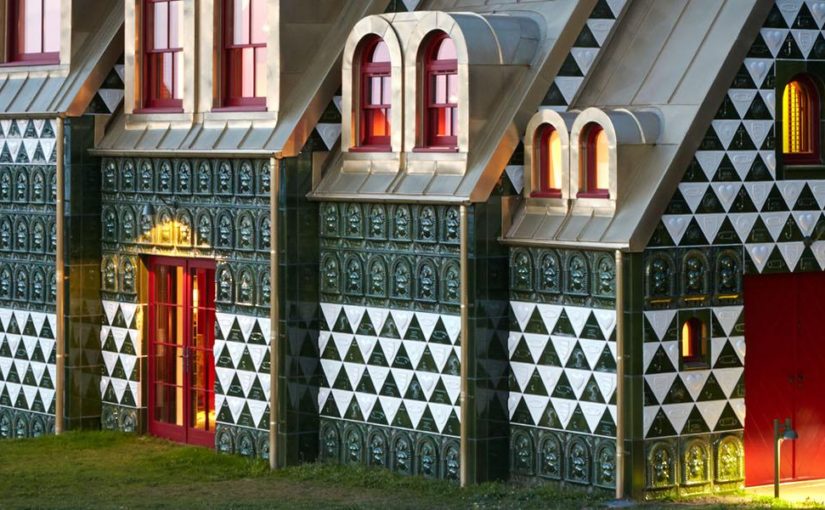
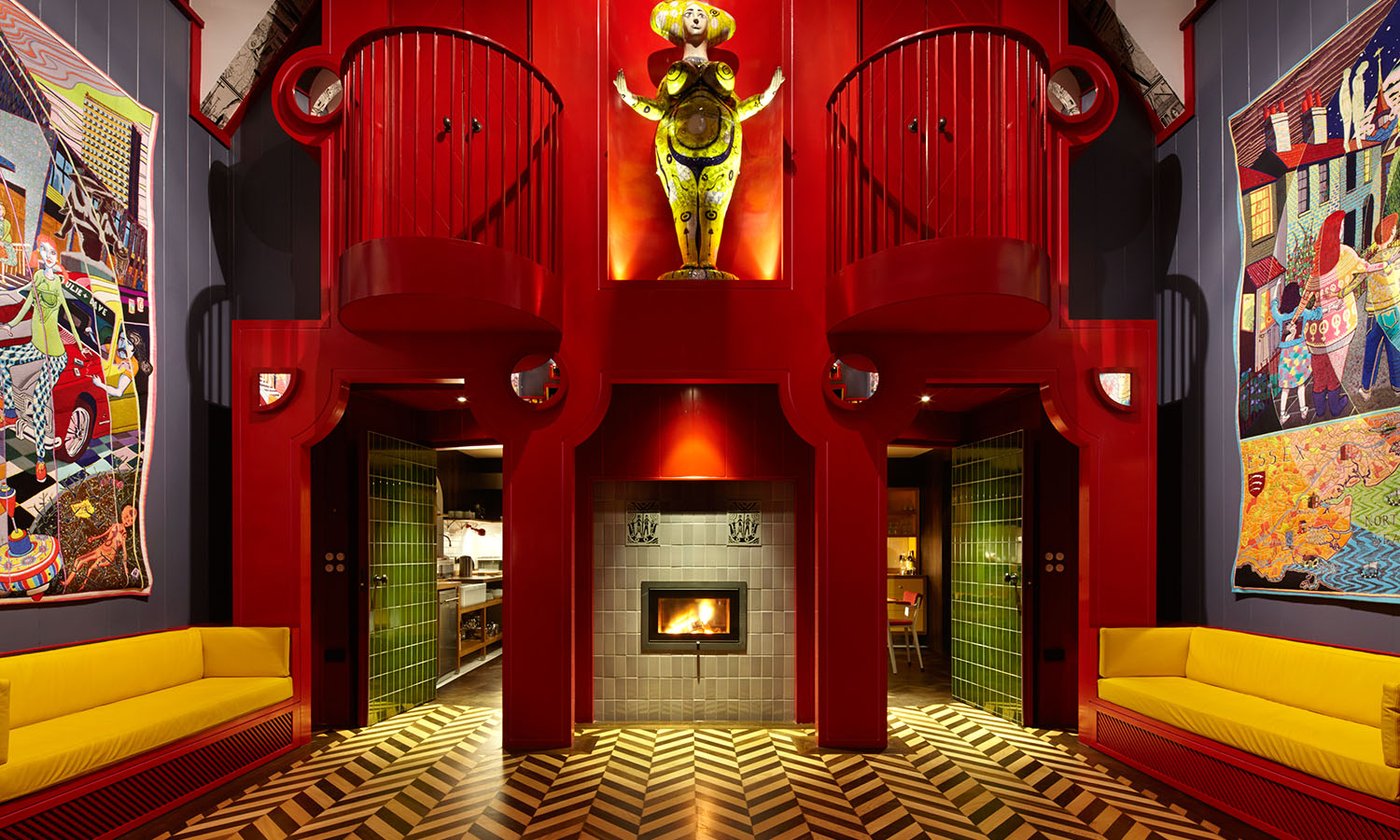
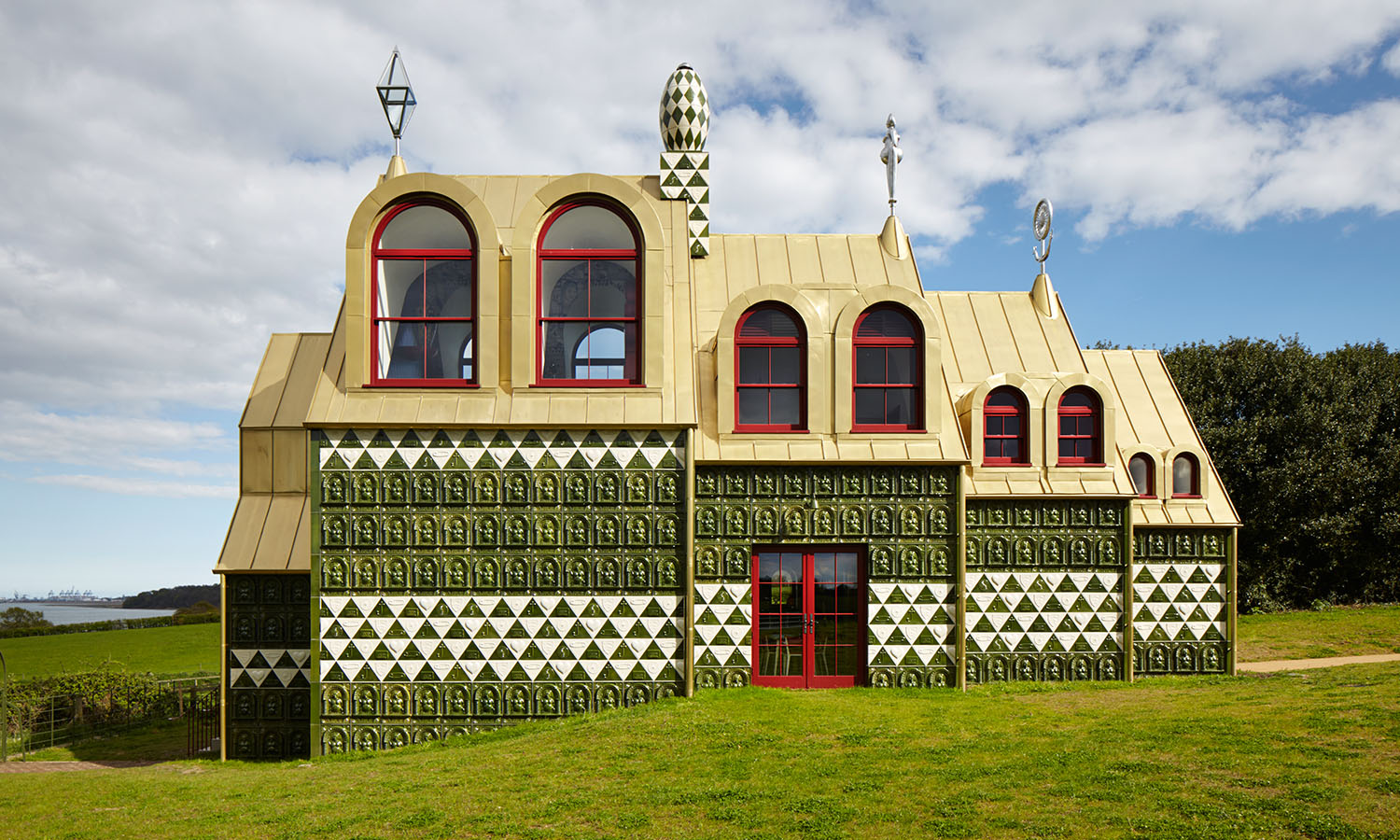
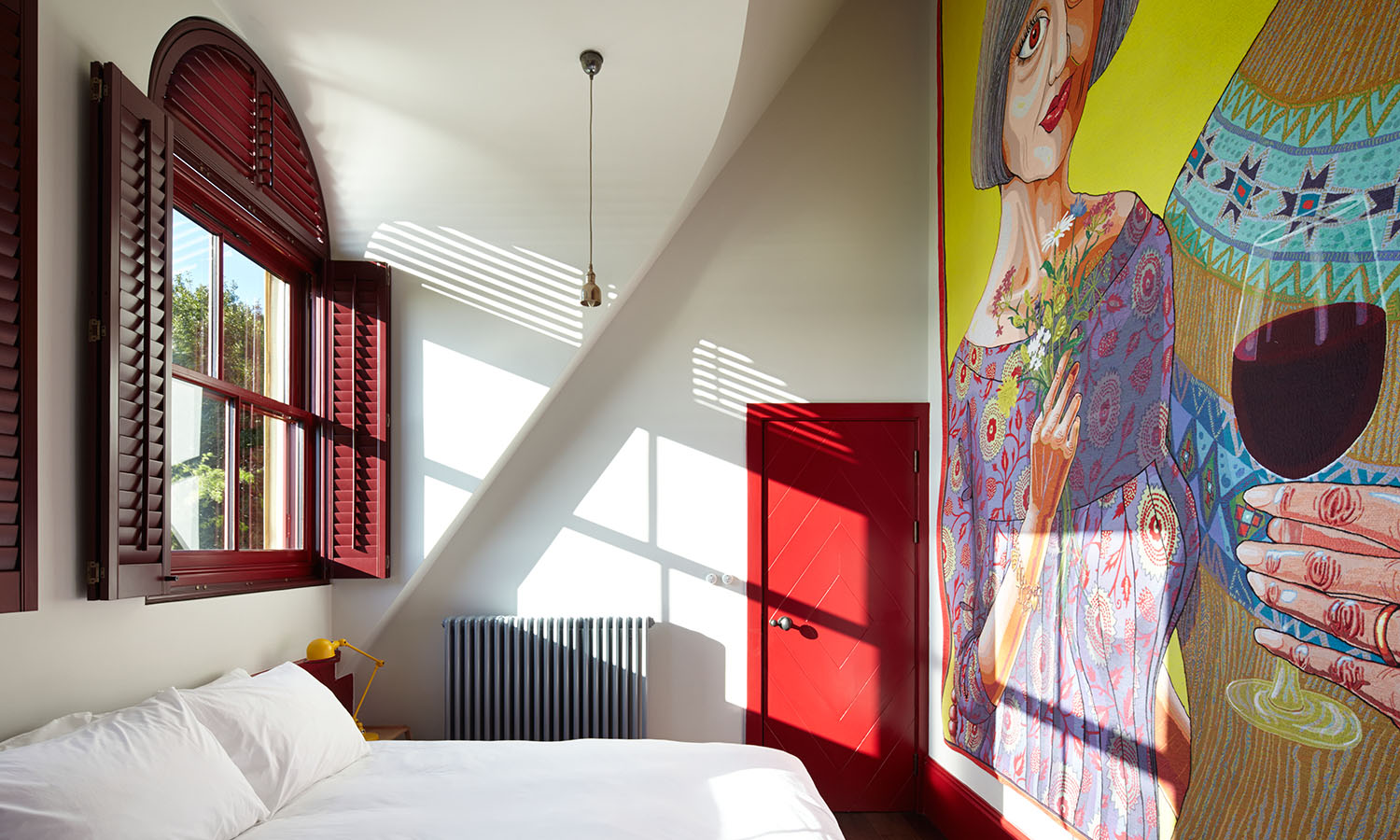
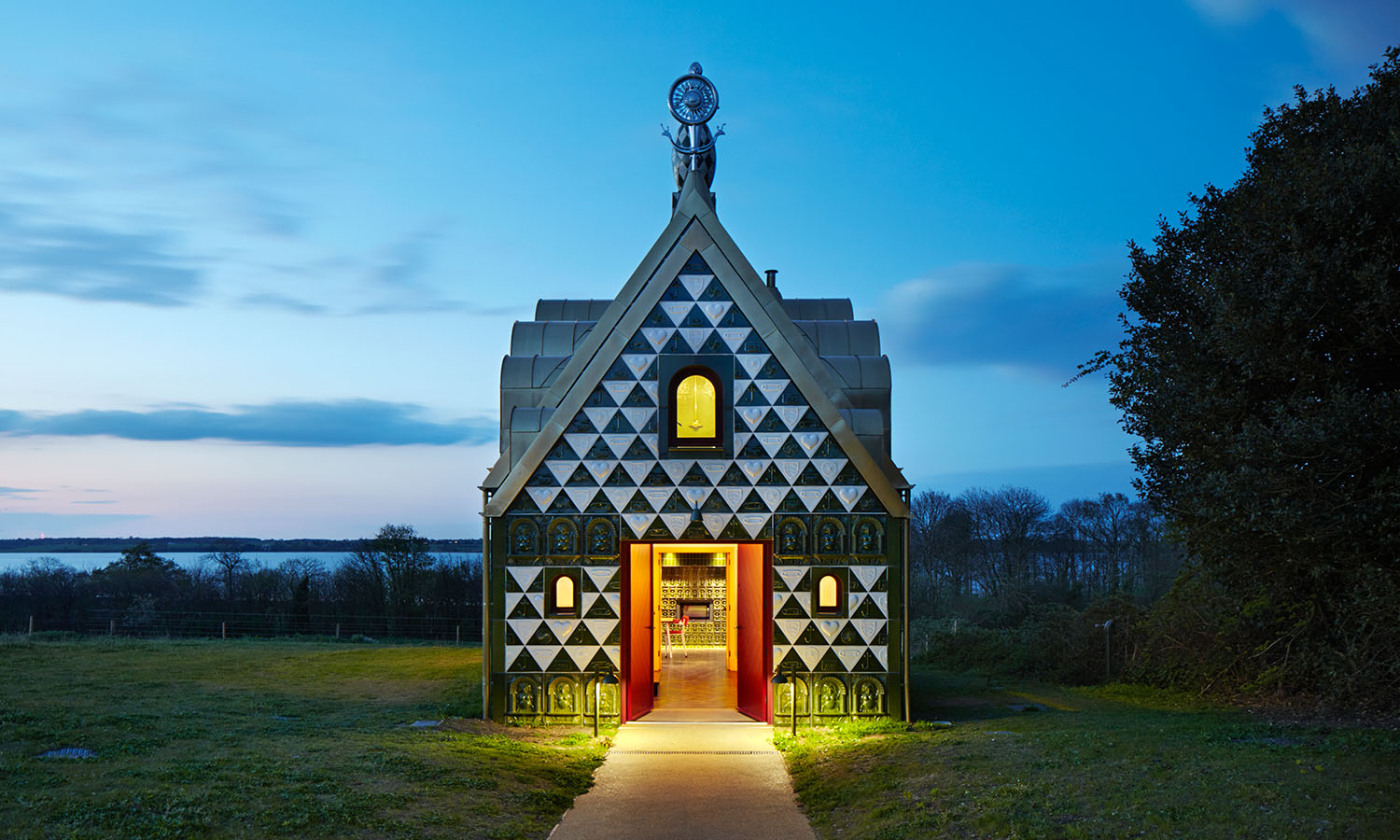
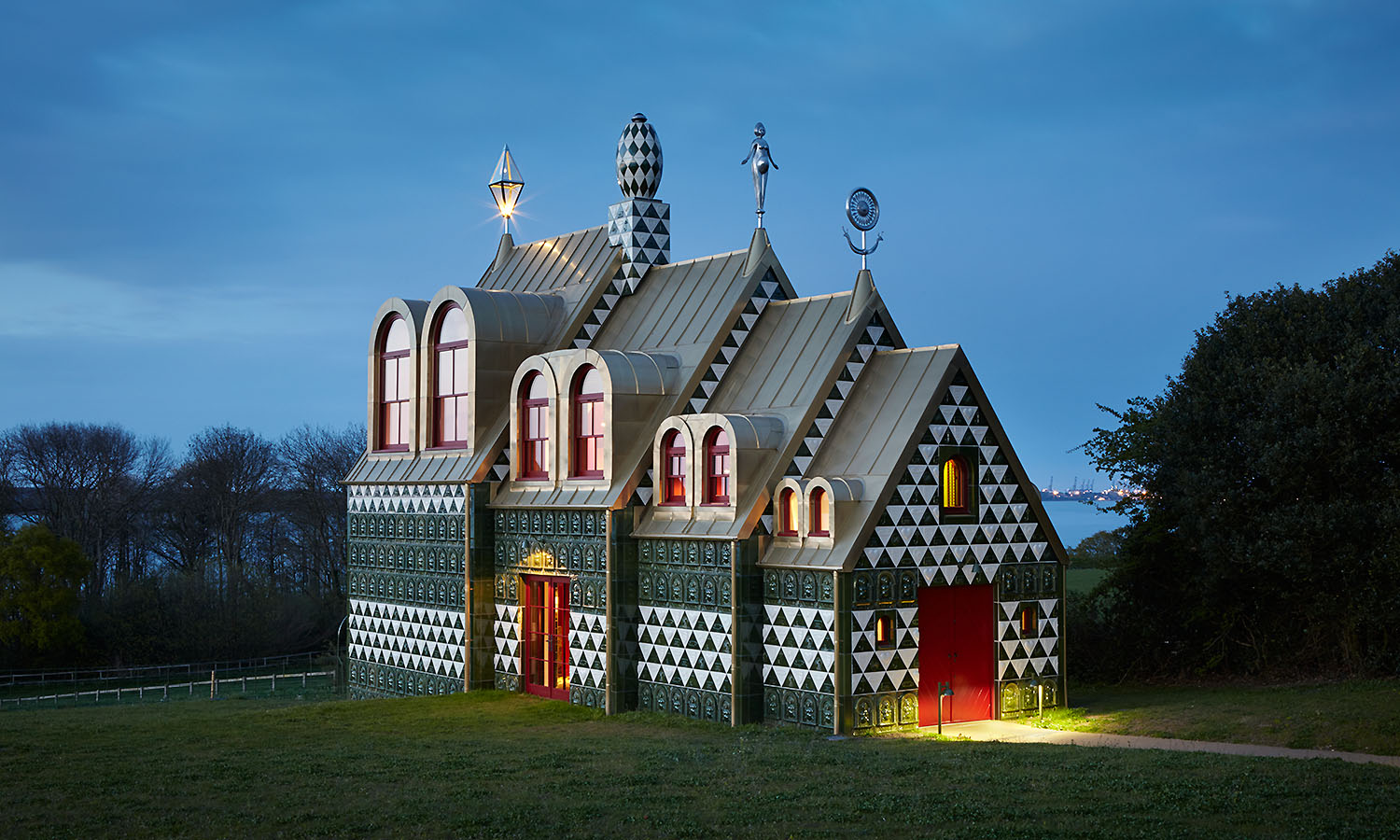
Anything designed by Grayson Perry is sure to have more than a touch of the kooky about it, and this holiday house, inspired by fairy tales, shrines and baroque architecture, is no exception. Perry, in conjunction with architectural firm FAT, created the two-bedroom home based on a character called Julie, for whom he produced an entire backstory.
It’s just one of a number of homes in a series by Living Architecture, an organisation that aims to increase appreciation of architecture by offering immaculately designed properties at reasonable rates. We love everything about it, from the ceramic green and while tiles (depicting safety pins, cassettes and hearts) covering the exterior to the Lego-like kitchen.
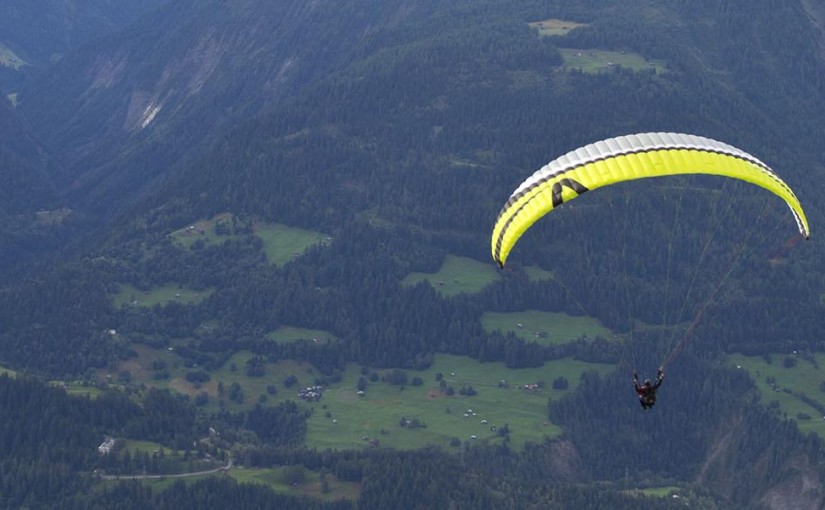
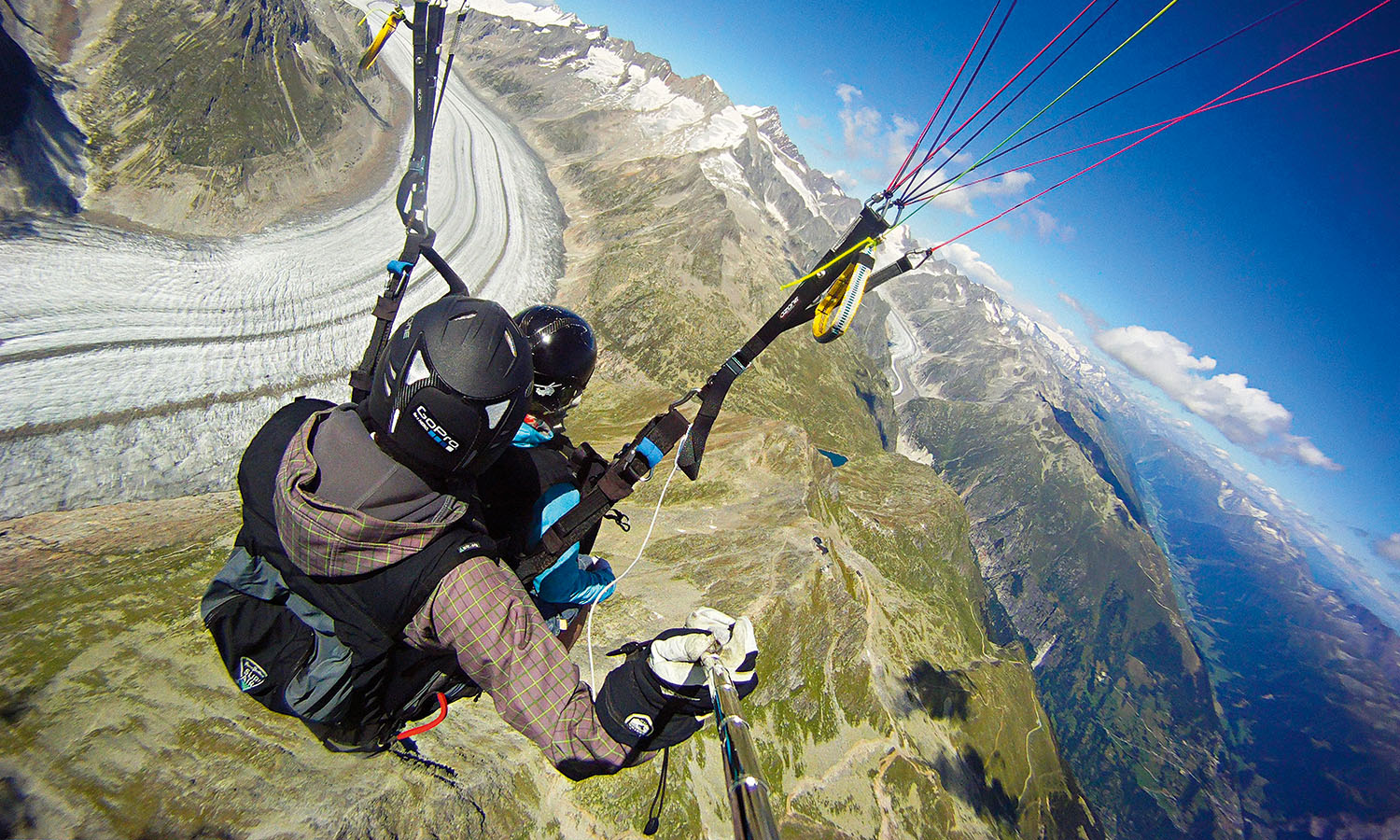
"Are you scared?” Petr asks me as he untangles the spaghetti of coloured chords attached to a large orange chute laid out behind us. I’m staring over a cliff that drops almost 2000 metres down to a miniature Swiss village. I can’t respond.
“You just have to walk fast when I tell you. Then everything will be fine. You are not too heavy. Soon we’ll be flying!” He’s laughing as he tells me this. “You are lucky today. Fiesch is the best place in the world for flying!”
And with that my new best friend takes a big step forward with me strapped to his front. We walk awkwardly together like clumsy Siamese twins. The chute catches the wind and my steps get decidedly longer. “Keep walking!” yells Petr. “I am!” I yell back, finally finding my voice, only to stare down at my feet frantically pedalling air as the lush green mountainside drops away.
It is suddenly quiet but for the wind hissing past my ears. My initial fear is replaced by awe as I stare, mouth agape, at the jagged white teeth of the Swiss Alps around us. To my left I can make out the white highway of the incredible Aletsch Glacier, winding its way from the peaks of Jungfrau and the Eiger down towards the Rhône valley. In the distance to my right the Matterhorn towers through the clouds.
The Valais region of Switzerland is a mecca for paragliders, with the valleys creating a perfect storm of thermals and winds. Petr tells me the record for the longest flight was recently set at more than 11 hours. The pilot flew wind-assisted from Fiesch to Zurich and back.
I ask Petr what happens if you lose a thermal and have to land far from home. He laughs and tells me they simply jump on the nearest train. “Swiss Rail is the best in the world. Always on time. We can fly anywhere and get home easy!”
I’m in no hurry to get home though, and as we rise over the undulating valleys below, I ask Petr if he can fly me to Zurich airport tomorrow. He laughs again and says: “Catch the train. You are too heavy!”
 (
(