Board Games with Stalin

All we have left for the morning fire is bark and Turkish newspapers flecked with candle wax and mutton grease. We’re in a six square metre cabin on the east side of the Rikoti Pass, just upslope from Surami, Georgia. Two days ago, we were admiring palm trees on the Black Sea coast, but here it’s cold. Snow fell overnight. Loading up the bikes, I hobble back inside for the last set of bags and the canvas backgammon board still spread on the table.

“How’s the Achilles?” John asks. My eyebrows arch and I shake my head: “Not great.” His sprained ankle is on the mend, but my tendons are getting worse.

Last night, two round women wrapped in tattered shawls and scarves had motioned us into the cabin, bustling about with kindling as they closed down their roadside soup dispensary. This morning, the Likhi Range is hung with cloud, and smoke sits on the ground and weaves into the forest. Just down from the cabin, we pause in the yard of the Kvirackhovlobis Church. I stretch, shiver and grimace. Wind plays on a twisted hornbeam nearby, swinging a green-black copper bell hung on jute.

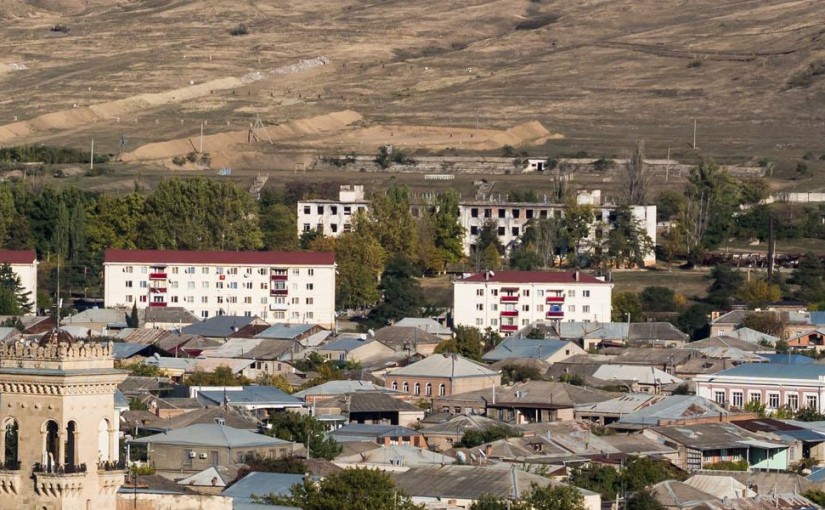
We stop in Gori for lunch: khachapuri and khinkali, cheese bread and meat dumplings. Stalin was born here. Georgia is one of the few places still proud of the man, and a museum about his life flanks the square. A giant bronze statue of him once stood outside, but in 2010 it was removed in the dead of night by a government looking to Westernise. We stretch awkwardly in the warm cafe, plotting our escape. The pain 
is getting worse and I know I shouldn’t push on to Tbilisi, so instead we head for the train station.

Two old men play in the shelter of a collapsing bus stop; the crack of wooden pieces on a wooden board and the tinkle of tiny dice compete with the howling wind. We pass them, and wheel our bikes into the Gori train station, dodging puddles in the dim, faded entry hall. Parcels tied with plastic twine line one wall, and a few solitary mounds of fabric indicate pensioners queuing for sport. A disc of plaster lets go, sending a wet comet to the floor and leaving drifting particles in its wake. A short woman in technicolour robes emerges with broom and bucket to clean up the mess, the latest attempt in her comic quest to keep the ceiling off the floor.

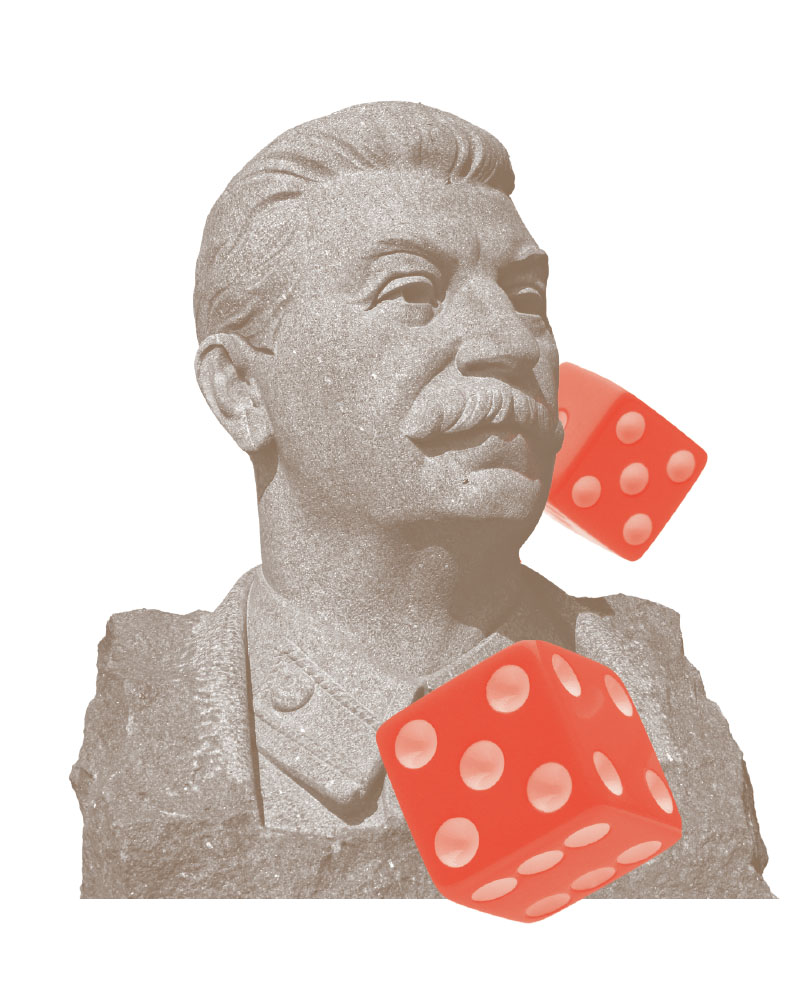
We buy tickets to Tbilisi by drawing a picture of a train, clock and bicycle and settle in to wait. There is no lighting or heat, and the cheap concrete seems to soak up any ambient warmth, leaving a damp chill to settle over the waiting passengers. We set to playing with gloved hands, matching the rhythm of the men outside. I win once, and John three times before we notice the two-and-a-half-metre statue of Stalin staring at us from the next room. He has been hiding here where no tourist will find him, while everywhere else in the old empire his likeness has been torn down. We play for six hours, freezing, reading when we get bored then starting up again under his marble gaze.

One of the old ladies strides up to us, pulling our tickets from our hands and shouting. We carry our gear across the tracks to the far platform and wait. A minute later, an hour late, a train appears and begins to slow. We prepare for a fight to get our bikes on board, but it doesn’t stop. The train blasts its horn and sails past the platform, casting on us rows of glassed, curious eyes. In Georgia, we are told, getting on a train is more like hailing a taxi. We trade tickets for a fist full of lari, minus a fee, and exit to the street. The players have packed up and gone home.

“To Tbilisi?” comes a shout from an idling car. At our nod, the driver reaches out and puts a magnetic cone on his roof. His name is Boris, and he’ll do it for 80 lari (about AU$50). He taps the homemade rack on his Lada and smiles a ruin of gold teeth. We pile in and he hands us apples, shining red in startling contrast to the muted tones of the station. We set off, stopping only so we can buy the tank of natural gas needed to make it to the capital.

Lost Valley of Ramila

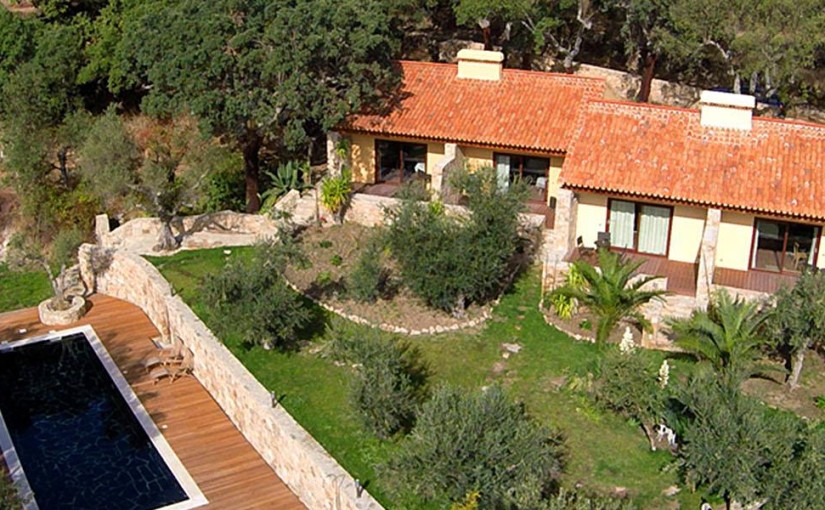
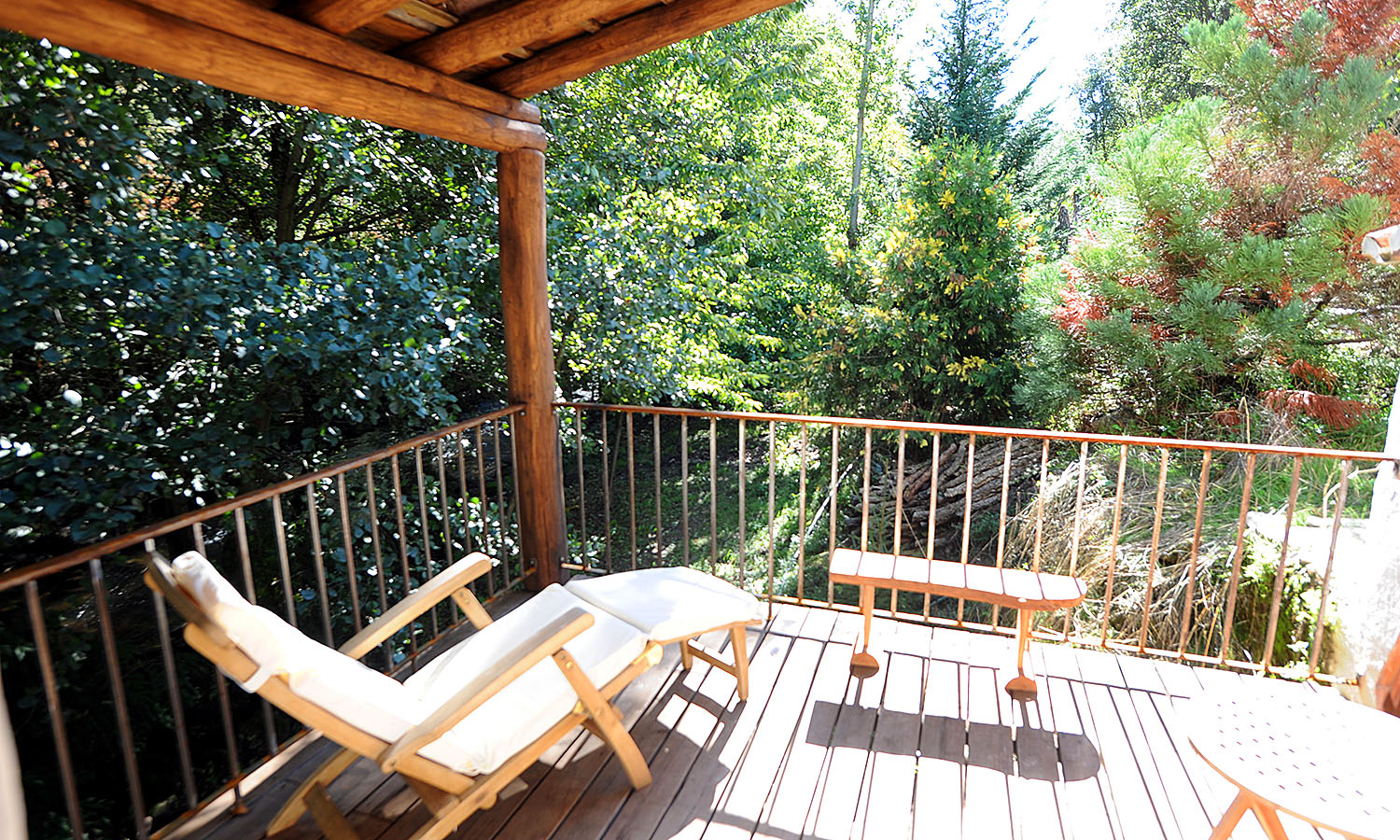
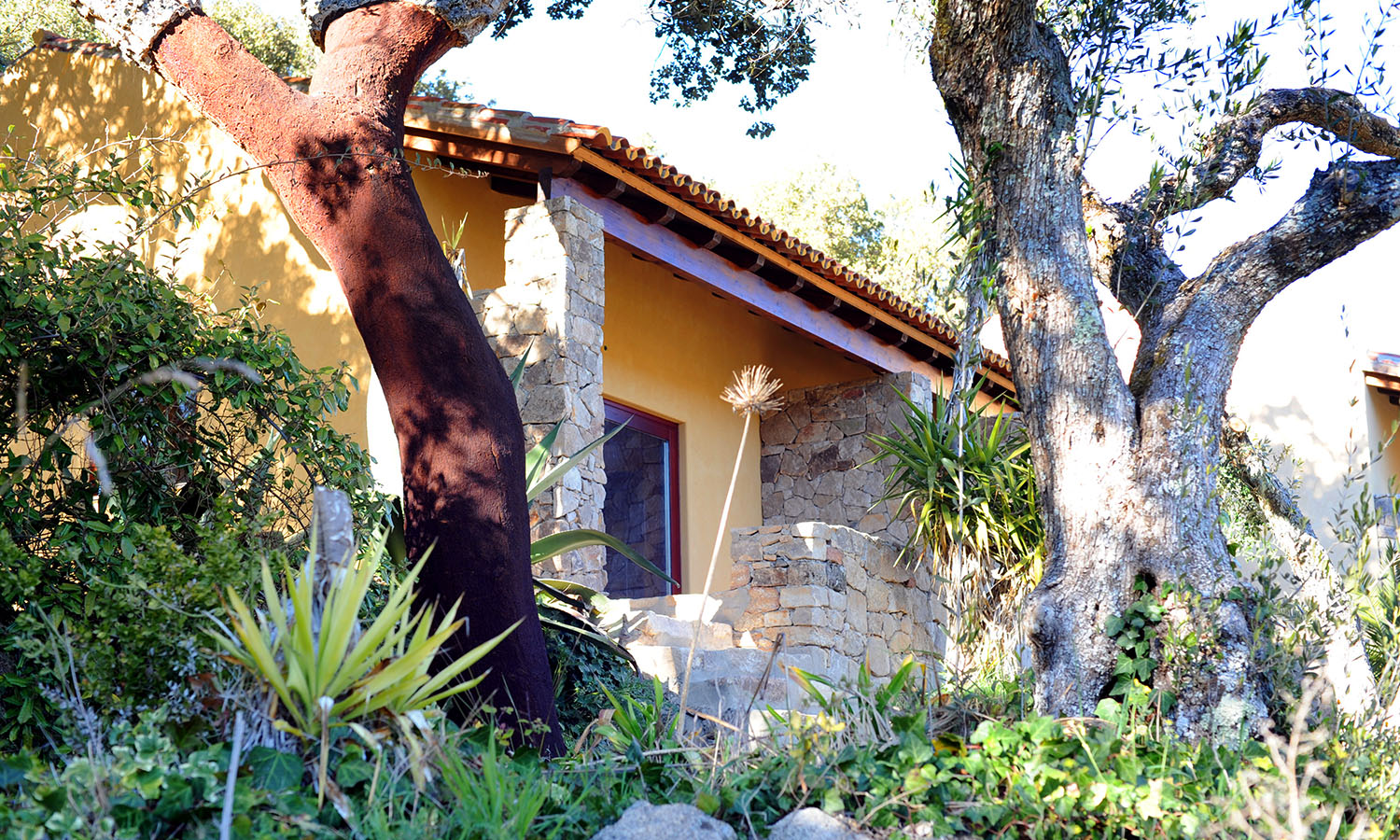
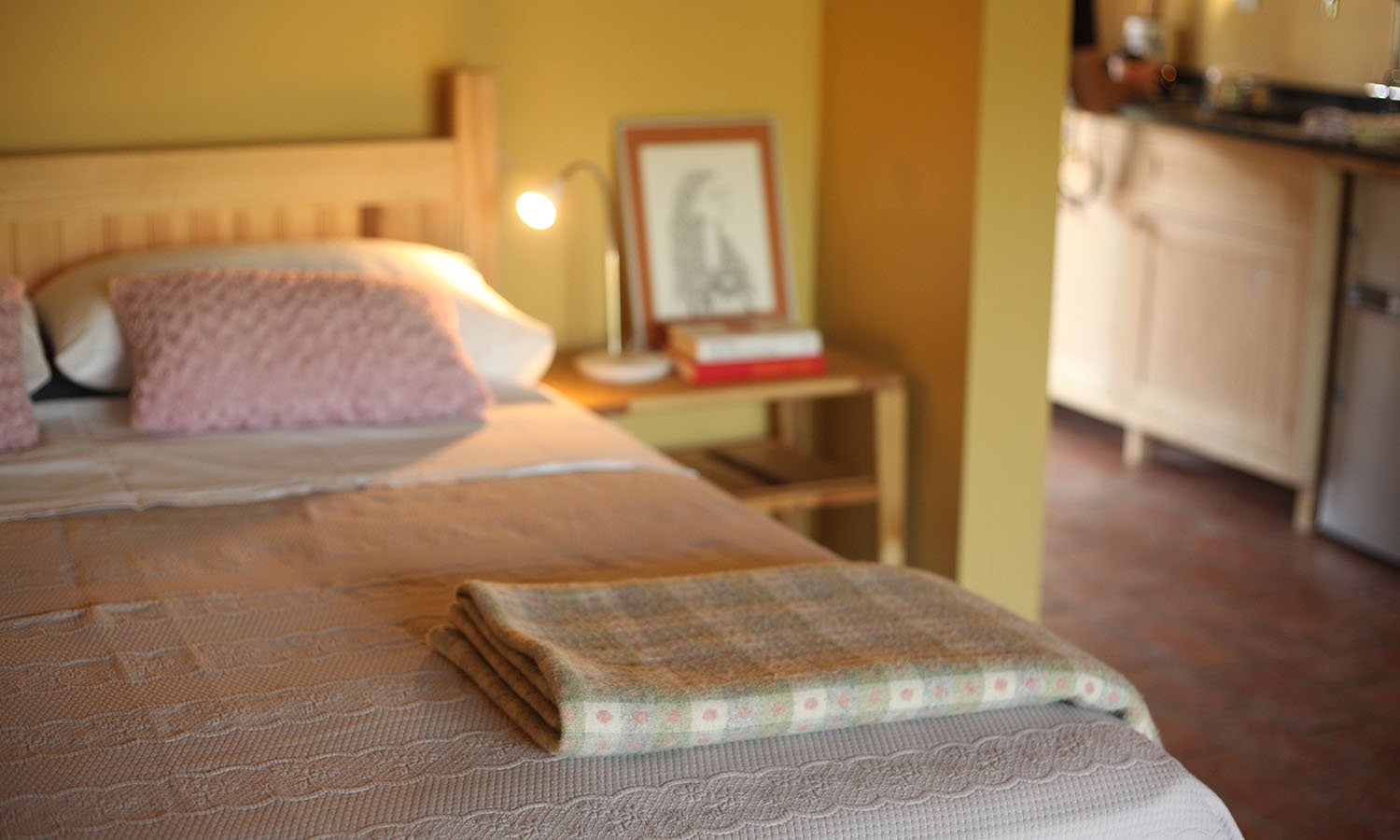
Hidden away down a rough track just a short drive from the medieval hilltop town of Marvão lies Lost Valley of Ramila, a complex of eco-friendly buildings spread across the hillside. Choose from four cosy self-contained apartments, each with neat kitchenettes, spacious bedroom/living area and private terrace with a glorious vista across the hills. Down by the river stands the charmingly renovated, century-old mill, with thick stone walls, neat windows, rustic furnishings and, forming one of the two bedrooms, a sleeping platform. All bathrooms are modern with showers and terracotta floor tiles.

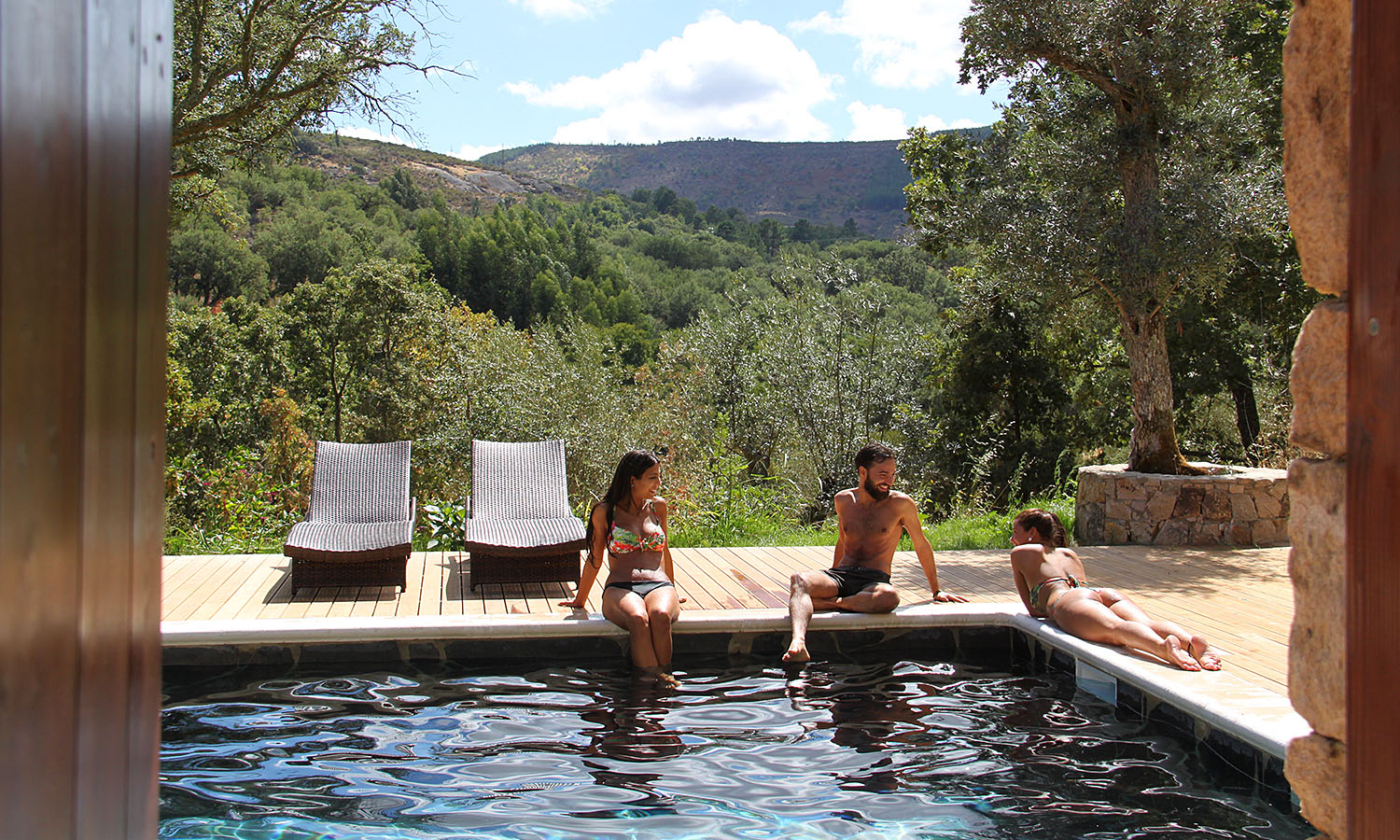
The setting is magical – think rocky outcrops covered in lichen, wild swimming in the river (or in the purpose-built hillside pool), secluded picnic spots beneath gnarled cork oaks, and wooden decking areas connected by pathways that meander through cacti, yuccas and olive trees. You can even try your hand making pizza or homemade bread in the traditional wood oven. Shops and restaurants are just a short drive away and the area is a dream for nature walks, photography, bird-watching and horse-riding.

The choice of accommodation is also an advantage; choose between newly built, eco-friendly apartments or one of the century-old mills, painstakingly restored to their former glory, with all the contemporary trimmings. But it’s the Sever River that makes this place even more special. As you meander along the river through the valley, enjoy your own private river beach, swing bridge or a nature walk through the São Mamede Natural Park.

Bulgaria

Whether you’re a hiker, history nerd or beach bum, you’ve discovered the perfect host. Bulgaria’s rich history dates back millenniums and there’s a bit of everything – Mediterranean, Roman, Ottoman, Persian, Celtic – in its cultural pot.

But almost a third of Bulgaria covered in forest, so hiking choices are plentiful. Choose to scale the domed Vitosha mountains on the outskirts of the capital Sofia, or take to adventure on the glacial peaks that top the Pirin Mountains.

Get your fix of history in the cobblestone streets of Plovdiv, one Europe’s oldest cities, where you can see a second-century Roman amphitheatre or visit the rubbled ruins of Eumolpias from 5000 BC. But if ruins and relics aren’t your thing, you may find your calling at one of the many beach towns lining the Black Sea coastline, where resorts run rampant.

Treating yourself to slabs of banitsa, a pastry stuffed with feta-like cheese and vegetables, is a must. And if someone offers you wine on a boozy night remember to shake your head, because here nodding means no and shaking means yes.


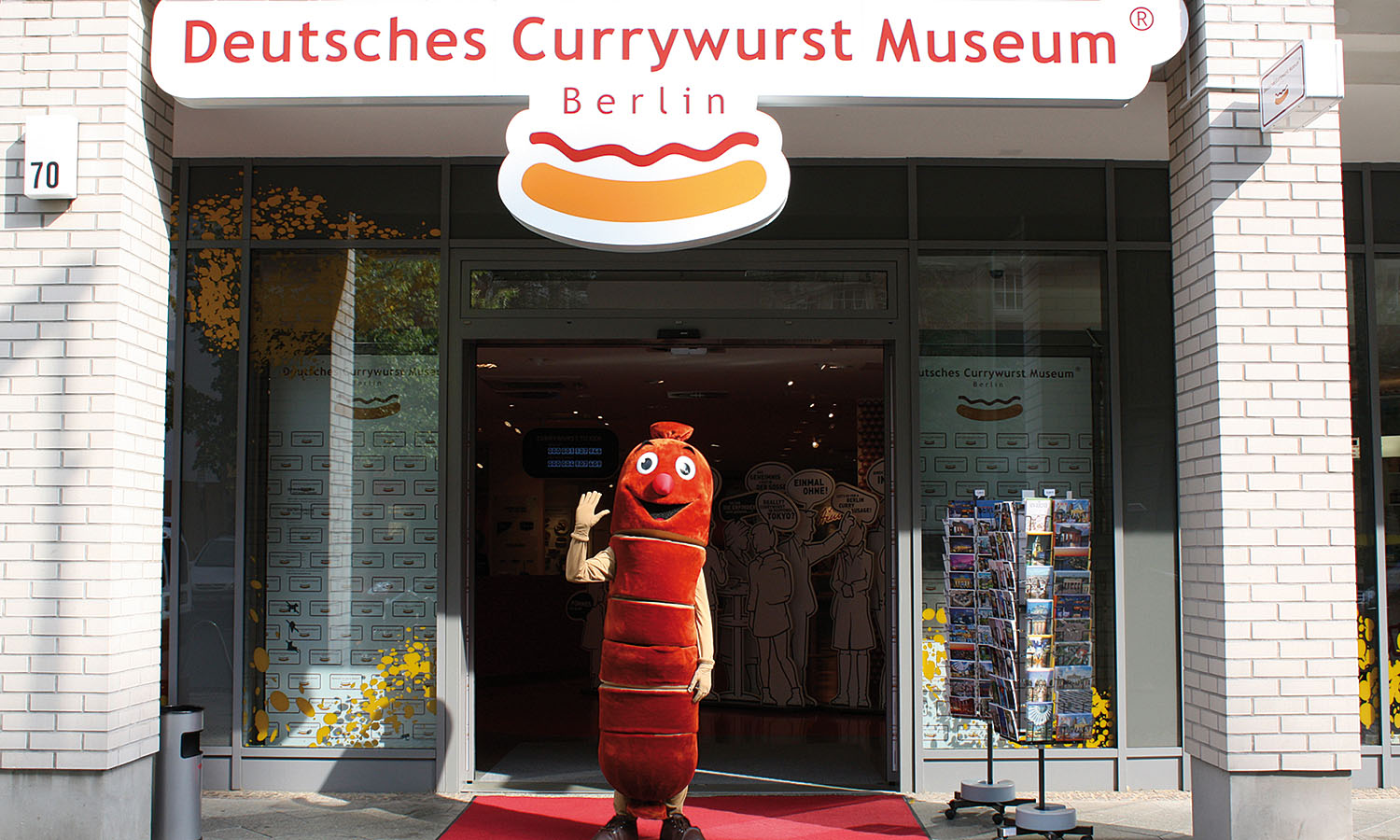
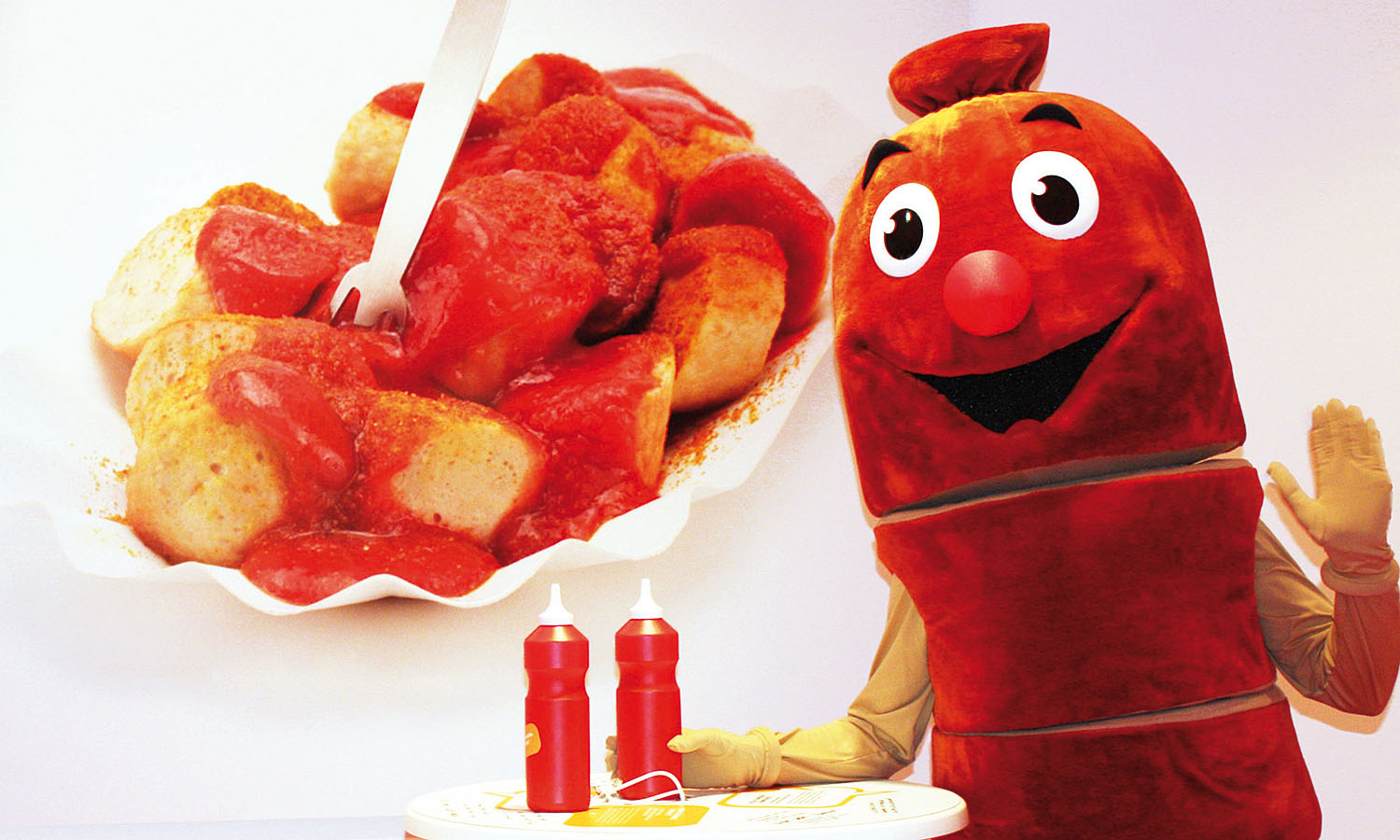
The Silly Sausage Museum

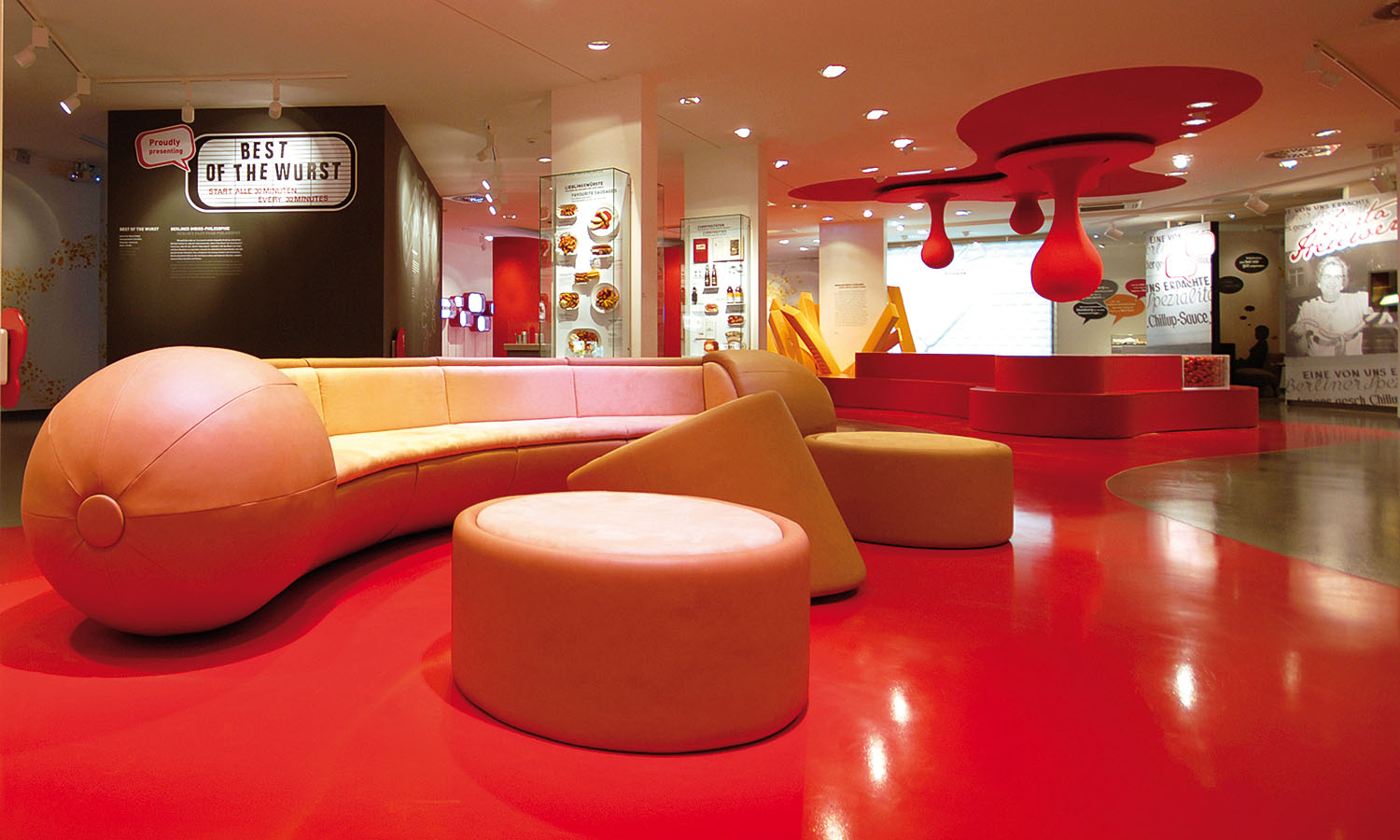
This monument to one of Germany’s favourite foodstuffs is as interactive as it is interesting (if sausages are your thing).

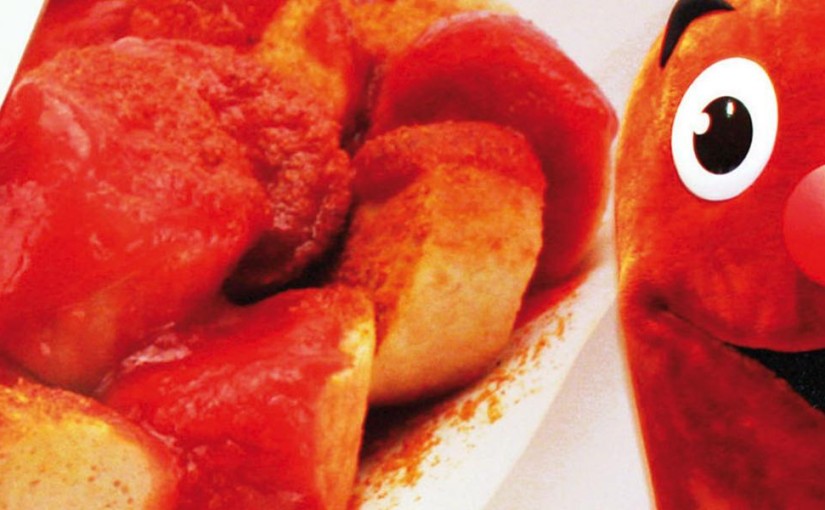
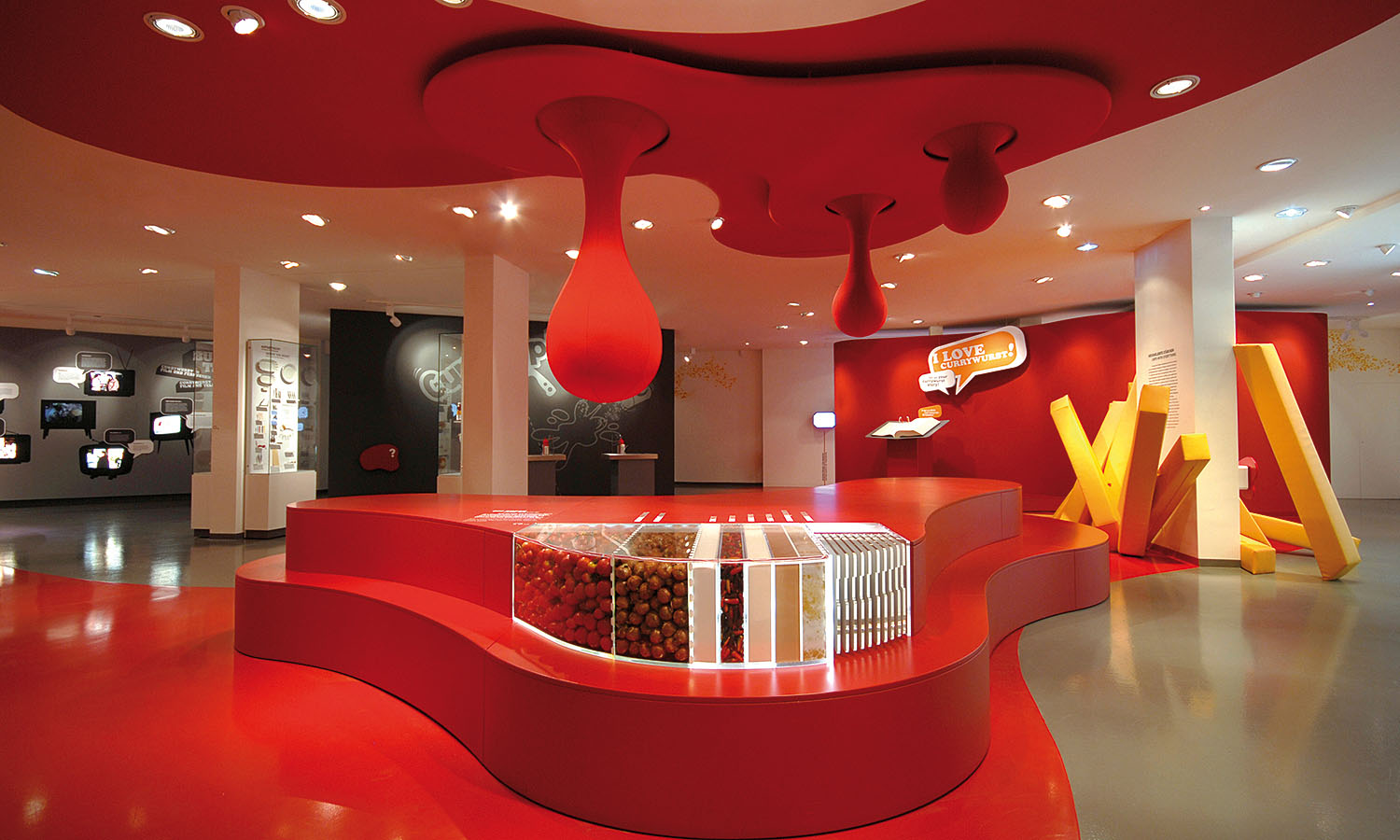
It is exactly as you would picture a museum that pays homage to hotdogs to be, with bun-shaped couches, artistically sculpted fries and glass cabinets explaining spices, flavours and all the other specifics of making the perfect currywurst.

Snag tastings are included in the tour and there is even a van set up inside for anyone who has ever dreamed of what being a street vendor must be like.

This is food and fun right in the heart of Berlin, and a must for all those who consider themselves sausage connoisseurs.

No Man’s Fort

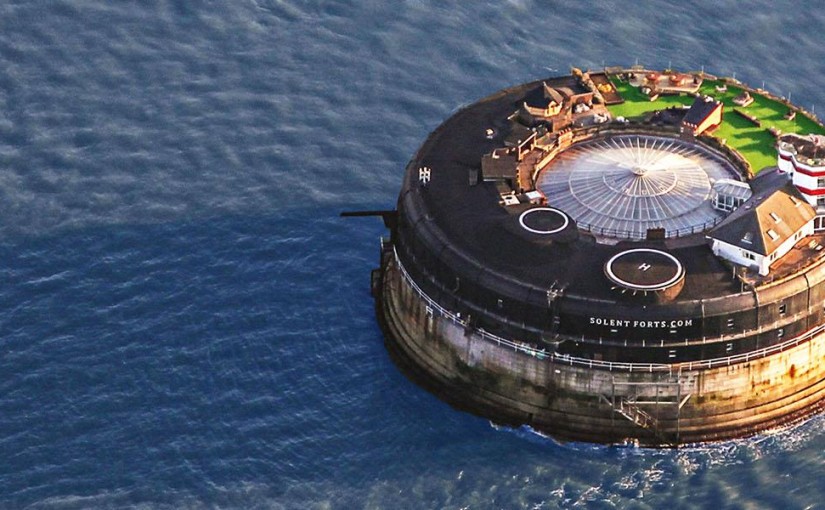
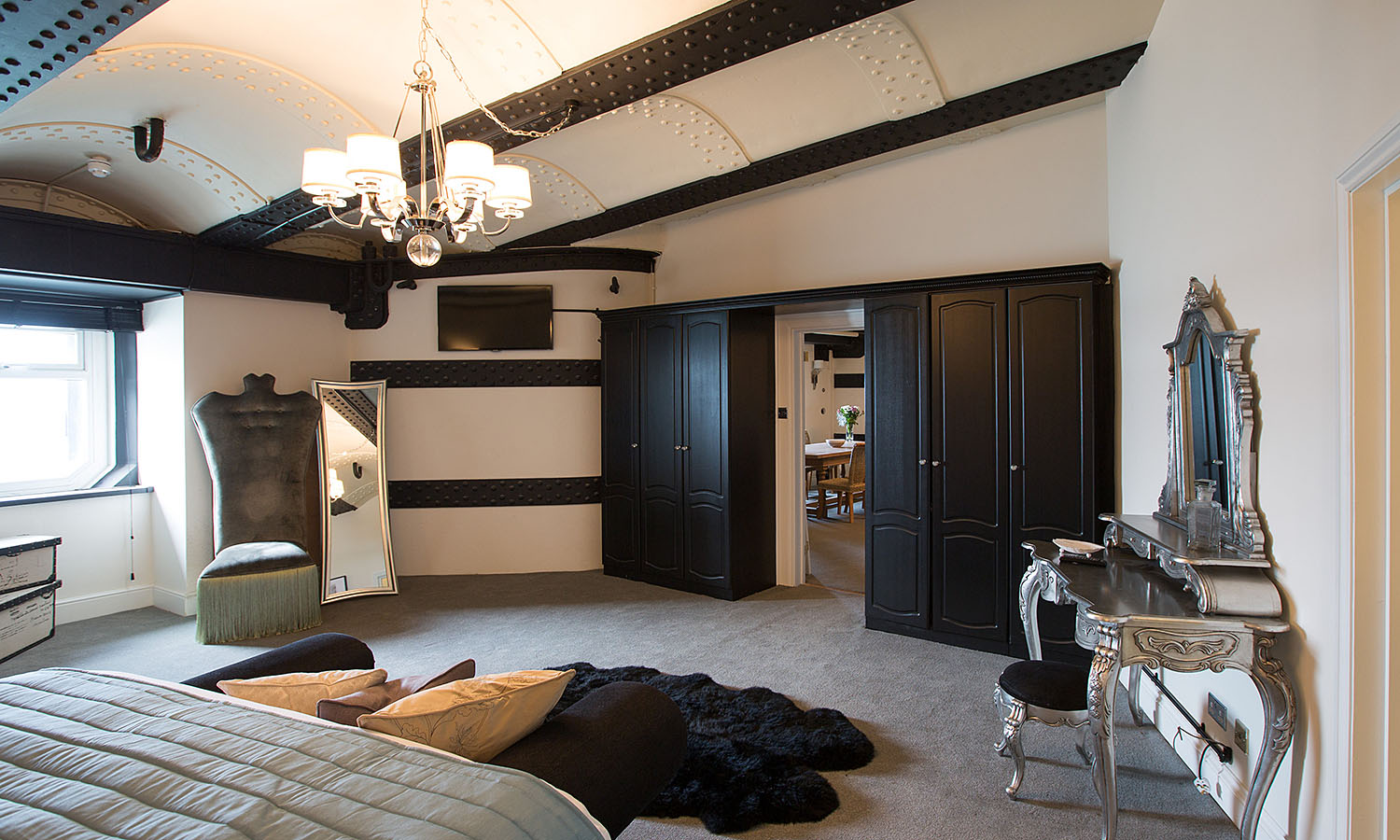
Defend queen and country with a sea-bound stay on a repurposed fort. Built 2.2 kilometres off England’s Isle of Wight in 1867 to guard against the threat of invading Frenchmen, No Man’s Fort has since undergone a spit and polish, opening its doors to guests in .

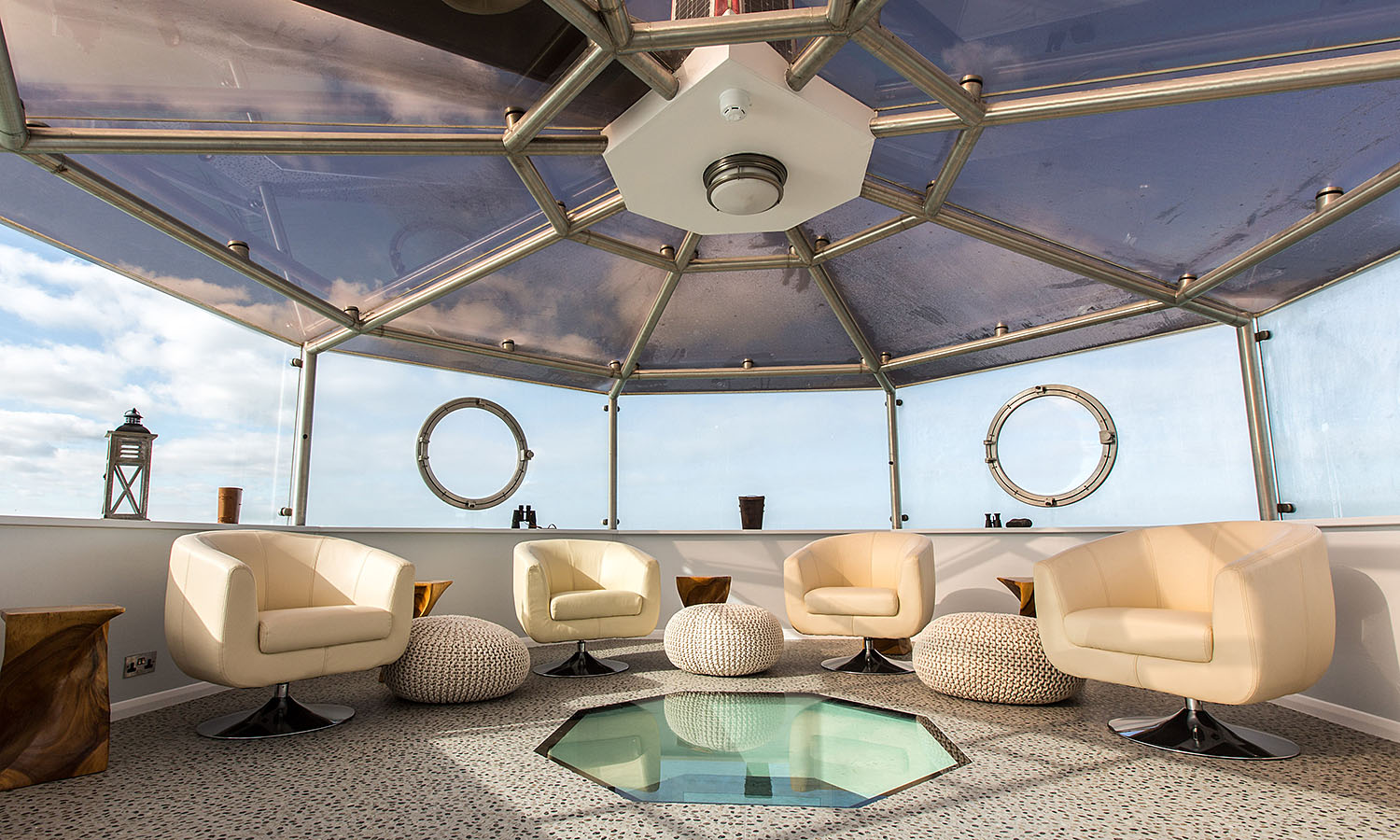
Gone are the days when 70 soldiers would hole up within its granite walls – now the structure boasts 23 luxurious bedrooms, as well as a wine bar, rooftop hot tubs and a spa centre offering signature salt treatments.

What to do while you’re at sea all day? Eat like a trooper, of course. When you’re not supping on mackerel caught from below or toasting the monarchy with a flagon of rum, take to the water for a sea-kayaking session or show off your military prowess in an on-board battle of laser tag.

Bosnia and Herzegovina

Psst, want to know a secret? You should head to B&H and do it quickly. For a country whose size is dwarfed by Tassie’s there’s plenty to check out. And people are finding out about it – especially Europeans. It’s one of the most-visited countries in the Balkan region and is expected to see a record growth in visitor numbers before 2020 rolls around.

Despite being heavily damaged during the Bosnian War of the 1990s, Sarajevo remains incredibly beautiful. Parts of its Old Town, with their Ottoman architecture, feel a little like Istanbul, while some Austro-Hungarian buildings have been restored to their former glory. While you’re walking through the streets, look down to find Sarajevo roses. Small craters left by shells have been filled with red paint to honour the lives taken.

Daredevils tend to stick Mostar on their itineraries so they can leap off the elegant Stari Most (Old Bridge), but the Old City, listed by UNESCO, has an intriguing mix of influences. Climb the the stairs to the top of the minaret in the Kossi Mehmed Pasa Mosque for a superb view of the bridge and Old Town. It’s worth heading 40 kilometres out of town, too, to see the stunning cascades of the Kravice waterfalls.

Set your sights out of the city to discover a growing force in ecotourism. The alps here are pristine and the perfect spot for hikers and mountain bikers. Whitewater rafters are in for a treat, too. It’s a popular pastime in Bosnia and the Tara River Canyon is the deepest river canyon in Europe.

Belarus

Belarus isn’t the easiest place to travel. Visas are fiddly to get, the service industry is fairly underdeveloped and the country’s less-than-impeccable reputation with human rights organisations all mean tourism isn’t exactly thriving. But that doesn’t mean it’s not worth seeing, exploring and understanding. As the ‘last Soviet Republic’, you won’t see much advertising or a whole heap of litter or graffiti – instead enjoy pleasant country landscapes away from the cities. And while most of its buildings were destroyed in World War II, if you’re interested in the Soviet period and its effects today, Minsk makes an intriguing visit.

Maison Souquet

Step into the Belle Époque in one of Paris’s most lavish new hotels, Maison Souquet. Hidden in the saucy Pigalle district, the abode pays homage to the courtesans who once sashayed through its halls. From the exterior, the only hints of opulence are two red lanterns and a canopy flanking a simple facade, but enter the former house of pleasure and you’ll plunge into a world of intricate panelling, plush furniture and gold, gold, gold.


The 20 rooms offer unique designs created by French artist Jacques Garcia, whose credits include the tearooms of Ladurées, the refurbishment of Château de Versailles and the styling of more than 30 rooms of the Louvre with 18th-century decorative art. This is how one should slumber in the city of love.

Rub-A-Dub at Hot Tub Cinema

Most of us go to the movies to relax, but just imagine blending that experience with a dip in a hot tub. A party with a single rub-a-dub tub got its organisers thinking about the possibilities of taking the concept to the people, and in July 2012 the first public Hot Tub Cinema was held in London.


These days you have to book well in advance for the summer screenings, which feature classic flicks (Ghostbusters, The Rocky Horror Picture Show, Austin Powers etc.), dressing up and waiters who deliver cold beverages to your hot tub. There’s no permanent home, so the moist movie theatre pops up wherever a spot can be found. The concept has spread to Bristol, Birmingham and Manchester in the UK, as well as abroad to Ibiza and New York City. What could be better than watching Lock, Stock and Two Smoking Barrels here?