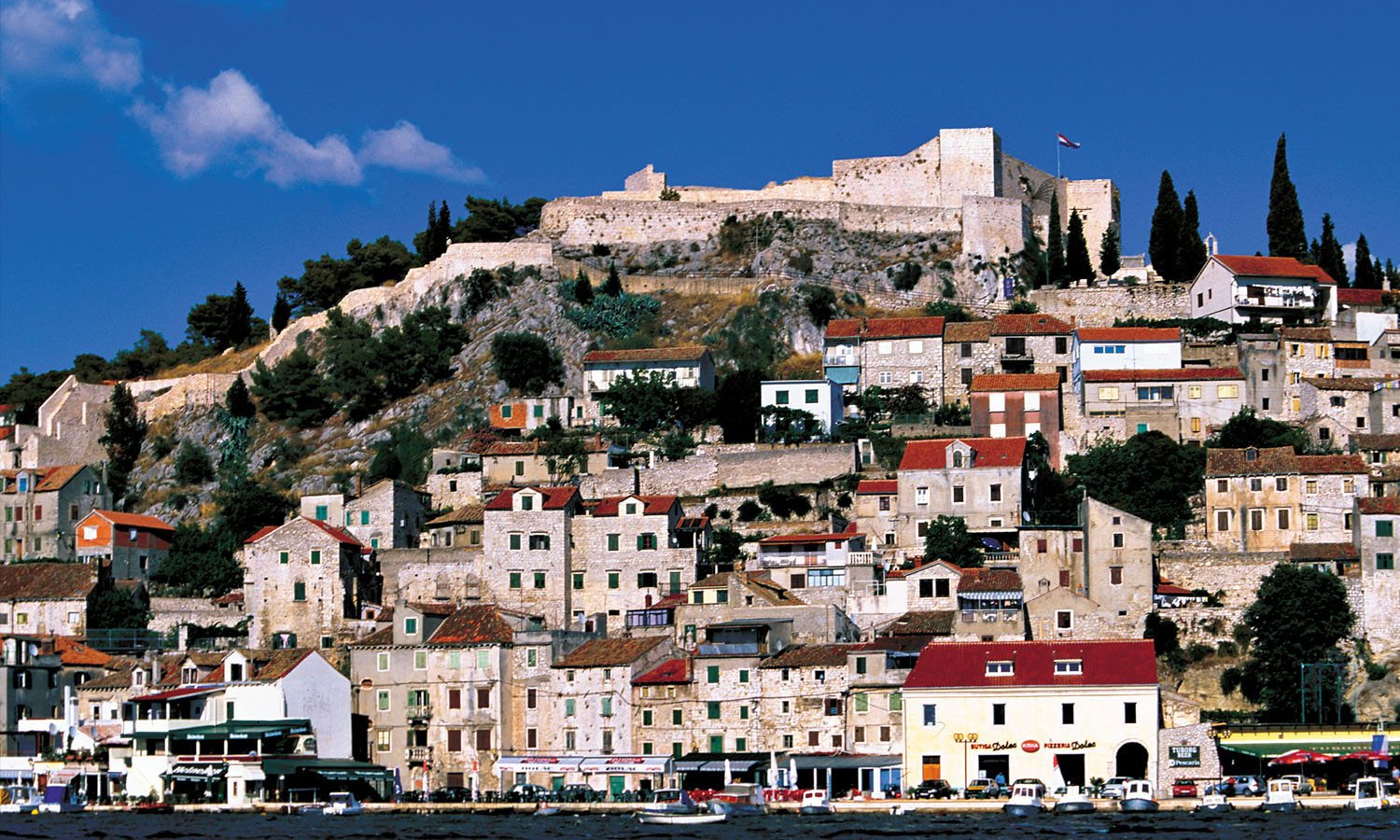
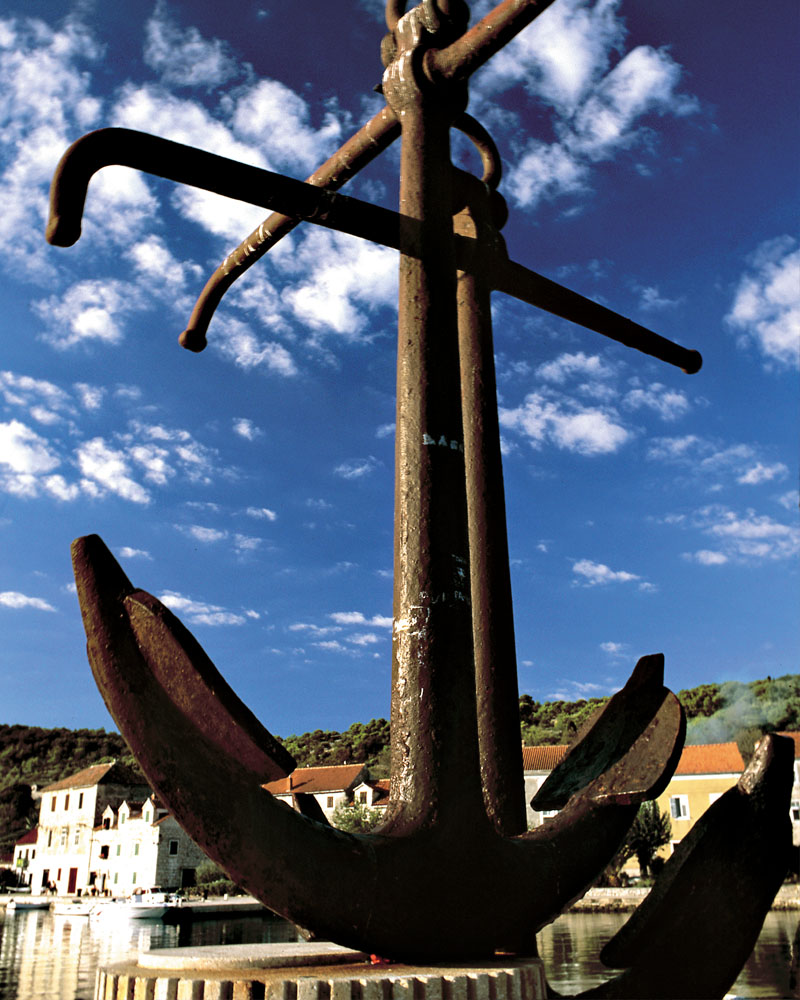
Following a bus ride through the darkness from our pick up point in Split, we arrived at Betina Marina on Murter Island. This was where my life as a deckhand was to begin. From the moment I set foot on Stella, the yacht that was to be my home for the next week, I should have known I was in for a rough ride. A violent storm immediately whipped up and I had visions of being sucked into the Adriatic Sea, dashed against rocks and swallowed by a whale, along with every other calamity imaginable for a committed land-lover like myself.
Stella is a great name for a woman. For a boat, I’m not so sure. One look inside the hold and I had the sneaking suspicion that my week was going to be far from stellar. They couldn’t really name a boat ‘Cramped and Small’ though, eh? Actually, small doesn’t really do it justice. It doesn’t really express the sheer lack of space I had for clothes, food, books and my massive backpack full of glam sailing gear. ‘Bijou and compact’ is how an estate agent might generously describe it. Never mind swinging a cat, being able to swing a sock would’ve been nice.
The kitchen was equally bijou – two cooking rings and a sink that had both kinds of water, fresh and sea. All the mod cons then. But rather than having a sign warning Danger Salt Water, the experienced crew waited until unsuspecting and overtired guests boiled up a cup of delightful seawater mixed with diesel and harbour debris. After drinking some, I understood why so many people get seasick on their maiden voyage. It took all my powers of concentration to stop myself vomiting on the spot.
Continuing my tour of Stella’s bowels, the captain gave me a quick lesson in how to pump water in and out of the toilet. The nearest I was going to get to an en suite bathroom on this voyage was a dip in the surrounding sea. A rather unpleasant surprise was that I had to share these waters with a naked Austrian, several pot-bellied Hungarian men, jellyfish – poisonous for all I knew – and the occasional frisky dolphin. Somewhere inside my head a tiny voice was telling me this wasn’t such a good idea after all.
Unfortunately that voice couldn’t be heard above the sound of my fellow travellers, a group of posh English girls. They ensured breakfasts were a noisy affair, full of Hello!-style gossip about Prada bags and shagging celebrities, interspersed with the whistling of the ship’s kettle. All notions of losing weight were also abandoned on day one as the ship’s captain fed us regular doses of large sugary Croatian pastries, surprisingly good at soaking up the night’s alcohol.
Despite there being 1185 islands and islets along the Dalmatian coast, only 66 islands are inhabited. Even with excellent maps and years of sailing experience, it can be difficult to tell one island from another. From Murter Island, our training route would take us through Sibenik and Kaninska. The town of Murter itself, one of three townships on the island, is a beautiful and relaxed locale of 750 inhabitants. Each such island settlement has a picture-postcard market square with dramatic statues of famous Croats doing famous Croatian things. Old ladies tend to huddle around them, selling onions and long strings of garlic. Artisan work and unusual shell souvenirs can also be purchased. My favourite stalls sold handmade bowls, crazy rock statues and idyllic island paintings.
As the weather on the first morning was bad, we took the opportunity to learn how to drive our little tub: parallel parking, three-point turns in the harbour, that sort of thing. To make life a little more interesting, our teacher Gary – who’d no doubt describe himself as ‘fun-loving’ – decided I should practise this next to the most expensive yachts in Murter’s port.
Throw into the mix some heavy rush-hour harbour traffic, stormy conditions, an inexperienced crew and a nauseous novice behind the wheel and you’ll understand the looks of sheer terror on the faces of the multi-millionaire skippers as I inexpertly reversed backwards, noisily crunching gears and narrowly missing their precious and immaculate million-dollar boats. I suspect that it was only my sparkly bikini that saved me from the onslaught of “women simply shouldn’t be allowed to drive boats or sail them for that matter”.
Next came hoisting the sails. This may sound easy enough to you, sitting at home on your sofa, reading this with a nice glass of red wine in one hand. However, this actually requires a nine-point set of manoeuvres, undertaken with military precision to avoid having the things drooping all over the crew. First, I battened down all the hatches – it always seems to work in the movies – and checked the head winds. I didn’t really know what I was doing but, giving a good impression that I did, I released the sail ties and pulled up the main sail by the halyard, which finally released the topping lift and tightened the kicking strap and main sheet. And crossed my fingers. And it worked. It must’ve been the fingers that did it.
After a swig of gin (we didn’t have any rum), I managed to sail to the next island along the coast with my crew tacking all the way. I started feeling like I was born for this sailing stuff after all. Being from an island race, there must be some salt in my blood somewhere? Instead of acknowledging the brilliance of Juliet the Salty Sea Dog, Gary, our long-suffering teacher, simply thought we were a group of lushes tucking into the grog so early in the morning. He probably had lots of interesting ideas about what to do with drunken lady sailors, but luckily for us there are no breathalysers on the open sea and walking the plank is no longer in vogue.
On our second day at sea, we sailed past Vodice and a Venetian fort, built in 1433 to protect the Croatians from pirates such as Guiskard. As my sailing improved, I discovered that distances on maps that would take just an hour by car take you all day to sail. And that’s assuming poor navigation doesn’t steer you on a massive detour. This can happen with no land in sight and only the endless open sea for guidance.
Days three and four were spent in Skradin port and Krka National Park, famed for its seven stepped waterfalls and 860 species and subspecies of plants. After climbing to the top of this gorgeous spot, I was rewarded by a swim in the pool at the bottom of the waterfalls. Croatians claim that the pool is full of mineral properties that are excellent for the skin and will make even the most sea-battered faces look smooth again. It certainly helped untangle my knotted, salty hair and, after a couple of hours swimming, I felt like I’d been through a body, mind and soul makeover. After a quick picnic of slabs of fresh home-baked bread stuffed full of the catch of the day, we retrieved the boat’s harbour documents and paid the nightly docking fee before heading out to another island and another day on the water.
By the end of the week I had adjusted to sea life and I even found myself swaying when we made dry land. Everything away from Stella seemed huge by comparison, even the smallest bijou restaurants we discovered in the harbour. I was converted and having sampled only a few of Croatia’s islands, I had a feeling I would be back. The attraction of running away to sea was evident: waking up every day and being able to discover new places by simply going where the wind takes you.
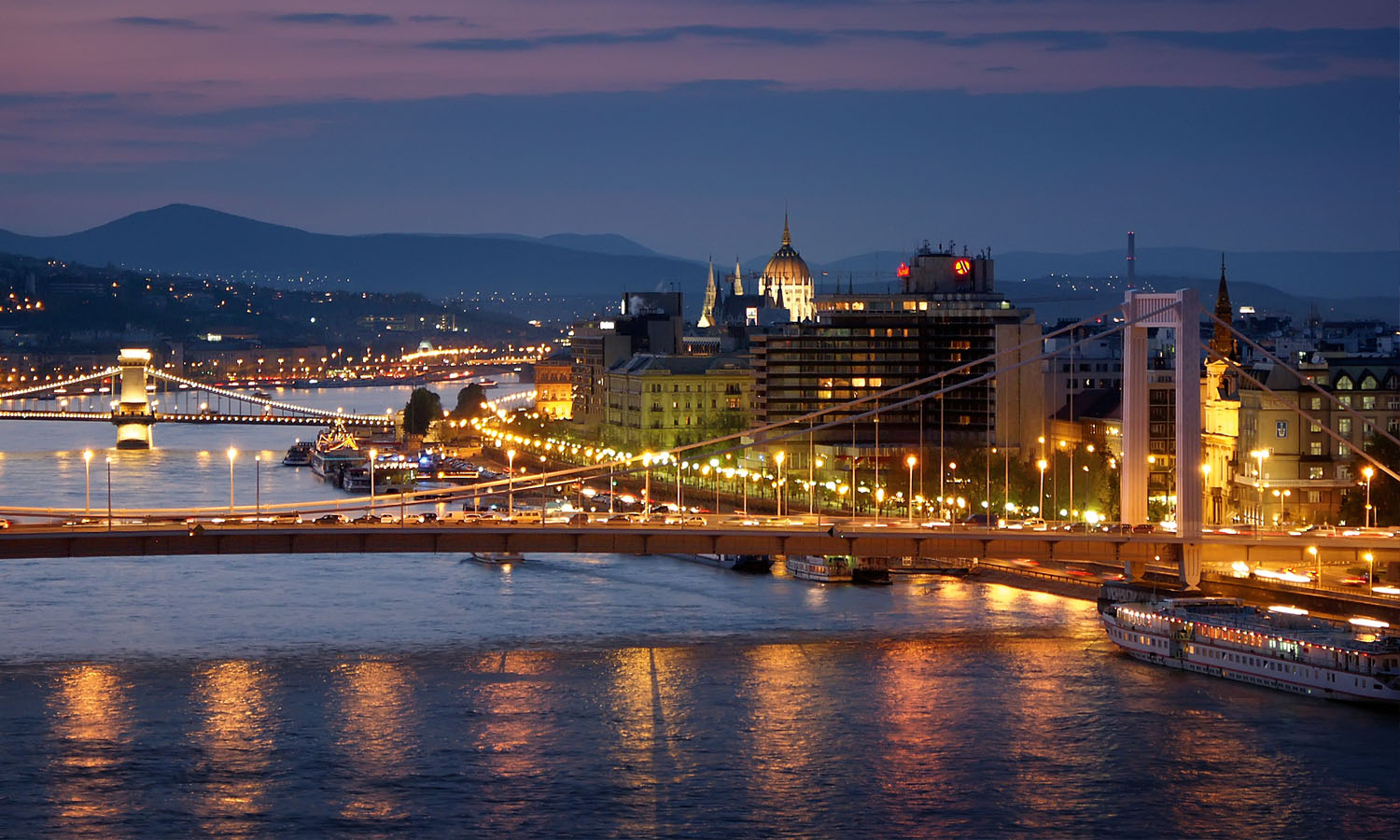
“Buda is like a garden, Pest is like a factory,” say the locals in Budapest, capital of Hungary.
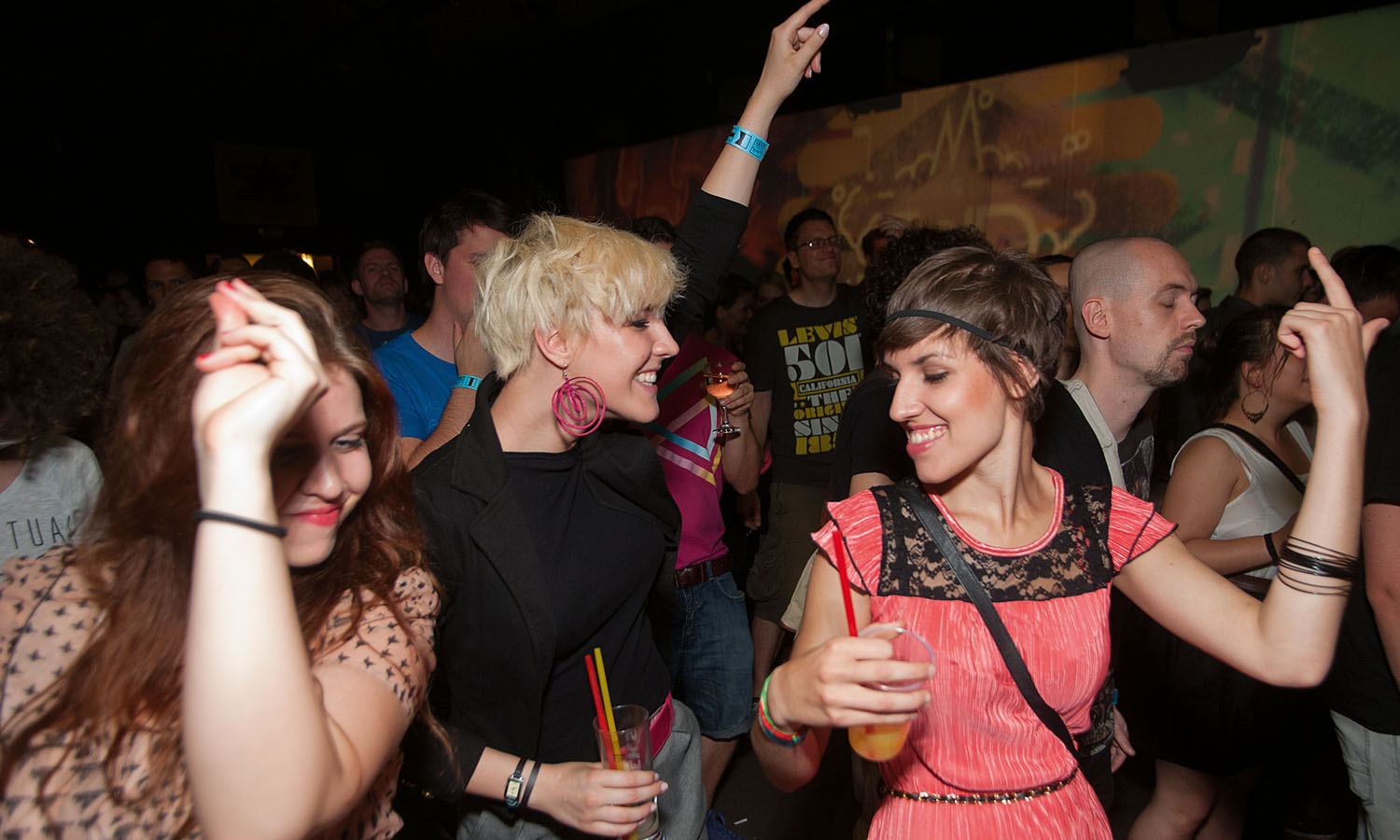
The pretty central European city is loved for its crumbling post-Communist grandeur, folksy culture and pocket-friendly prices. Yet, partying here in the non-political sense is a relatively new concept – from 1949 to 1989 the country was part of the Eastern Bloc and uncontrolled gatherings were forbidden. Now, the new generation of Hungarians, or Magyars, live it up like lab rats on caffeine, with an art-infused nightlife that’s possible to see any day of the week.
6pm
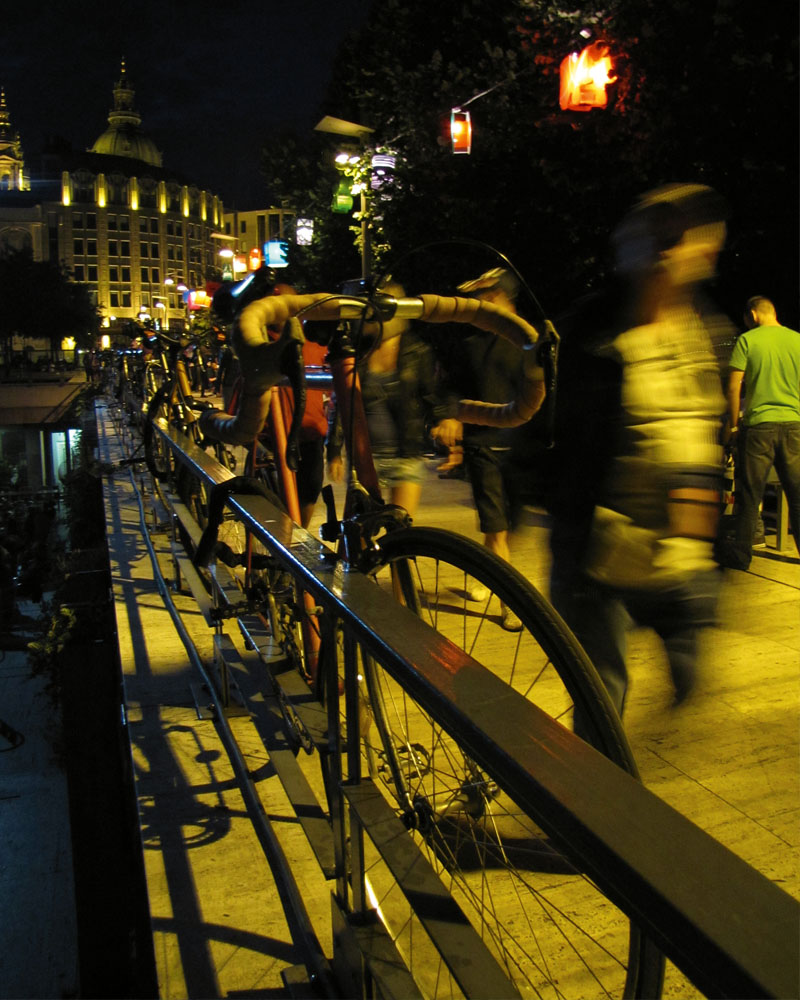
Downtown Budapest is the perfect place to start the evening’s festivities. It’s relatively small with a vibe that swings from modern to kitsch, and cosy village to grand metropolis. If you’re here in summer, make the most of the late evening sunshine at venues like Gödör, a relaxed outdoor cafe, nightclub and art space set below street level. Gödör has an outdoor stage offering free concerts and an ancient amphitheatre feel. Whatever the weather, it’s the perfect place to ease yourself into a long night ahead. It also loans bikes for free, so if you’re planning on covering a bit of ground, you could consider hiring one. But be warned: Buda is no Amsterdam. The cobblestoned streets, left-hand driving and lack of bike lanes make cycling here a bit of an adventure. Thankfully, there are also public buses, trams, trolleys, taxis and an underground metro service – Europe’s first. The beer’s pretty good, too. Gödör Klub
Erzsébet Square District V, Pest godorklub.hu
8.30pm
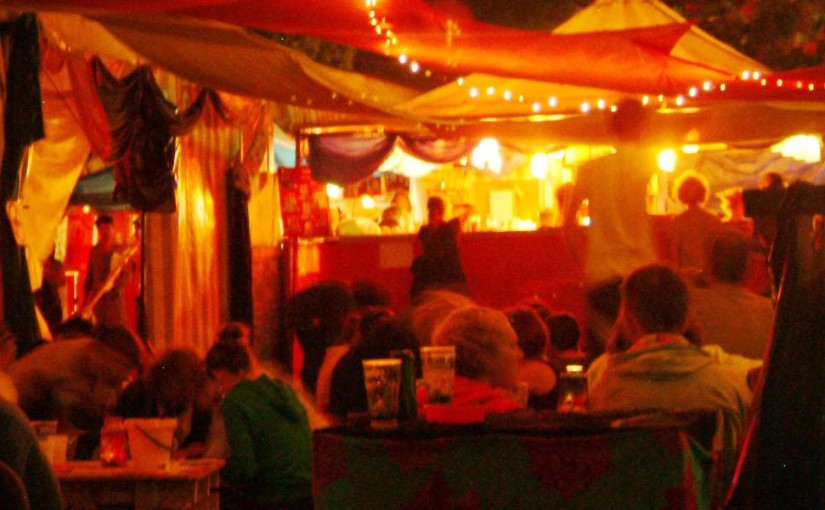
A hop, skip and a bike- or taxi-ride away, and you’re in the hip and happening District IX. Try Cökxpôn, a bar-cum-teahouse-cum-tent where music, theatre, dance and visuals take centre stage. It’ll give you a taster of the Sziget Festival, one of Europe’s largest events, which is held every August on the island of Óbudai in the Danube. The Cökxpôn crew run a pop-up there every year. Performances at Cökxpôn start around 9 or 10pm. Don’t be surprised if someone asks you to take your shoes off and let loose during a gig – visitors are encouraged to immerse themselves in a ‘collective spiritual experience’. Cökxpôn cokxponambient.hu
10.30pm
Head across the river to A38: a decommissioned 1968 Ukrainian stone-hauling barge. It’s now a floating restaurant and terrace bar by day and kick-arse club by night. Think jazz, blues, electronic, hip-hop, reggae and even classical. There are more than 20 types of the native plonk – a potent fruit brandy called pálinka that’s got an alcohol content of between 37 and 86 per cent – on offer. Knock a couple back before moving on to better-known evils like beer. Or try the bar’s own flaming cocktail creation, Massive Attack. It’s enough to, er, sink a ship. A38 Just south of Petöfi Bridge District I, Buda a38.hu
Midnight
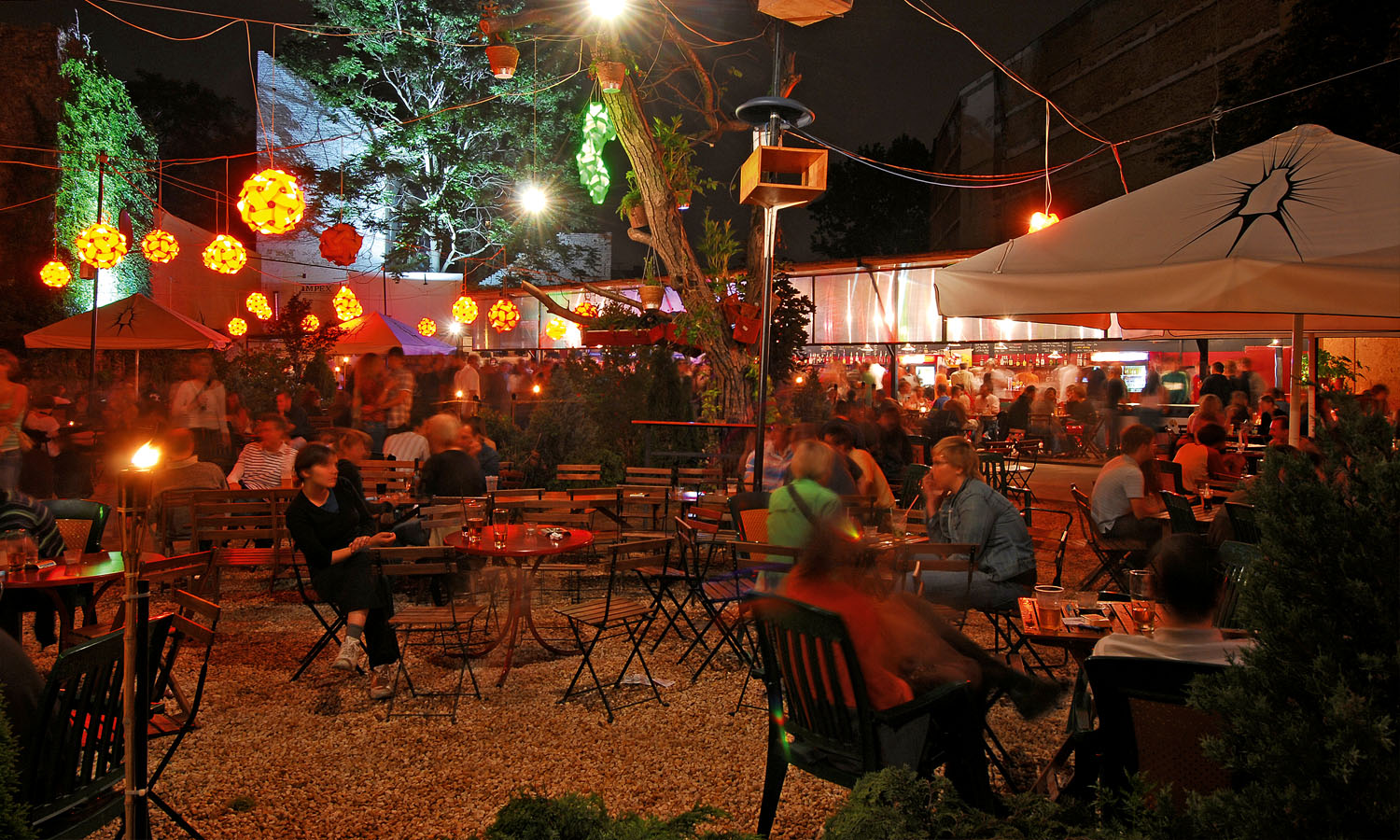
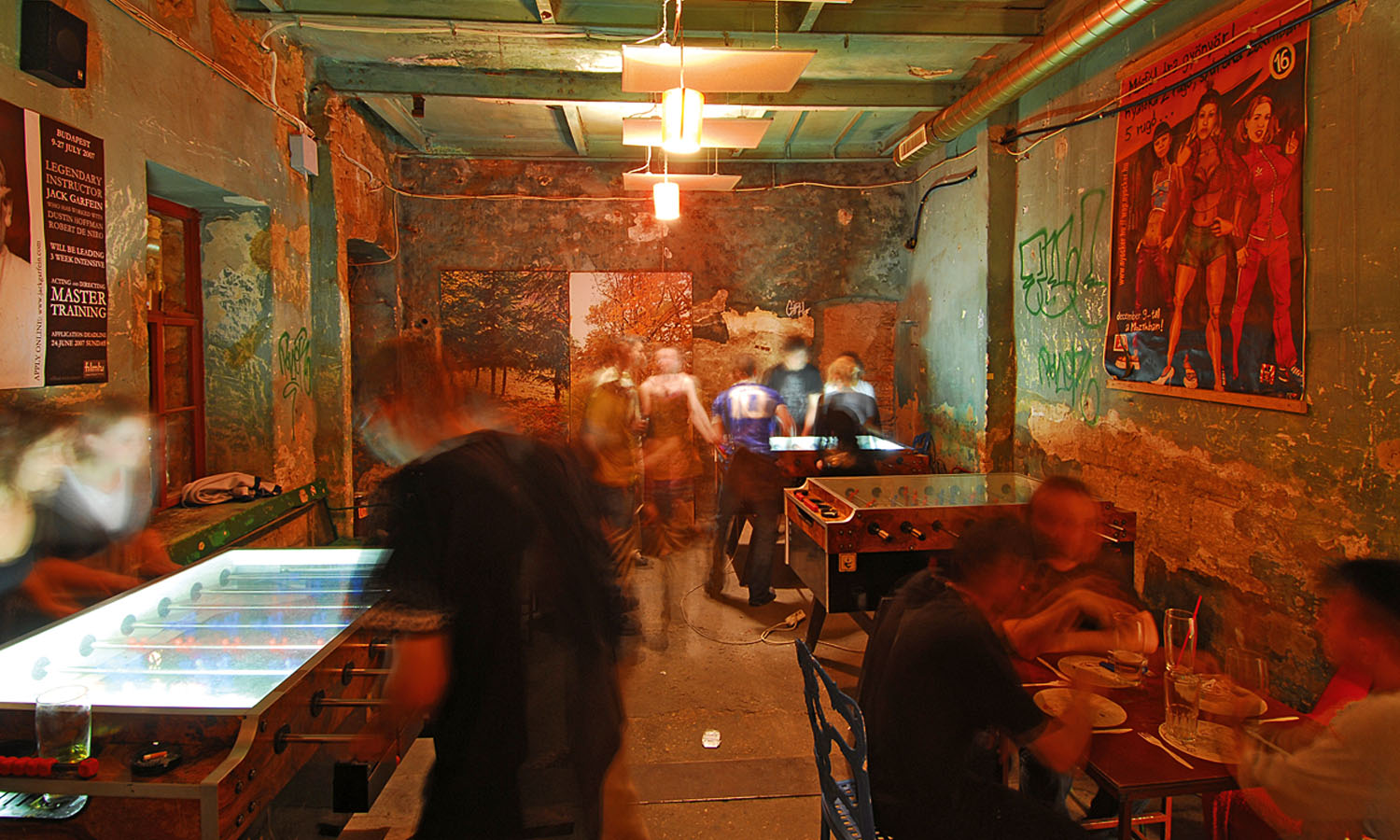
There’s just one catch about this next spot: it’s officially in Outer Pest. Leafy, quiet District XIV, to be precise. Although the neighbourhood is quiet the bars are anything but. Dürer Kert ticks two of the nightlife must-dos in Budapest: 1) It’s a kertek (garden) bar. 2) It’s a romkocsma, a ruined pub temporarily established in a dilapidated building earmarked for demolition. This one is in a former university arts faculty next to City Park, and has a large lamp-lit garden. Inside the vibe is student share house meets art studio. Cheap drinks, foosball, table tennis, darts, a lucky dip of live music and the likelihood of meeting switched-on young locals make the hike worth it. Dürer Kert
Ajtósi Dürer sor 19–21 District XIV, Pest durerkert.com
1am
Ready to get into the thick of things? Head to Szimpla: the first and most renowned of Budapest’s romkocsma. It’s located in District VII, which was home to a flourishing Jewish community before World War II. This area is notably neglected and run down, meaning that Szimpla is infused with a near-lethal dose of shabby chic. Listen to local gypsy bands, play backgammon or eat pizza by the slice. Szimpla
Kazinczy utca 14 District VII, Pest szimpla.hu
2am
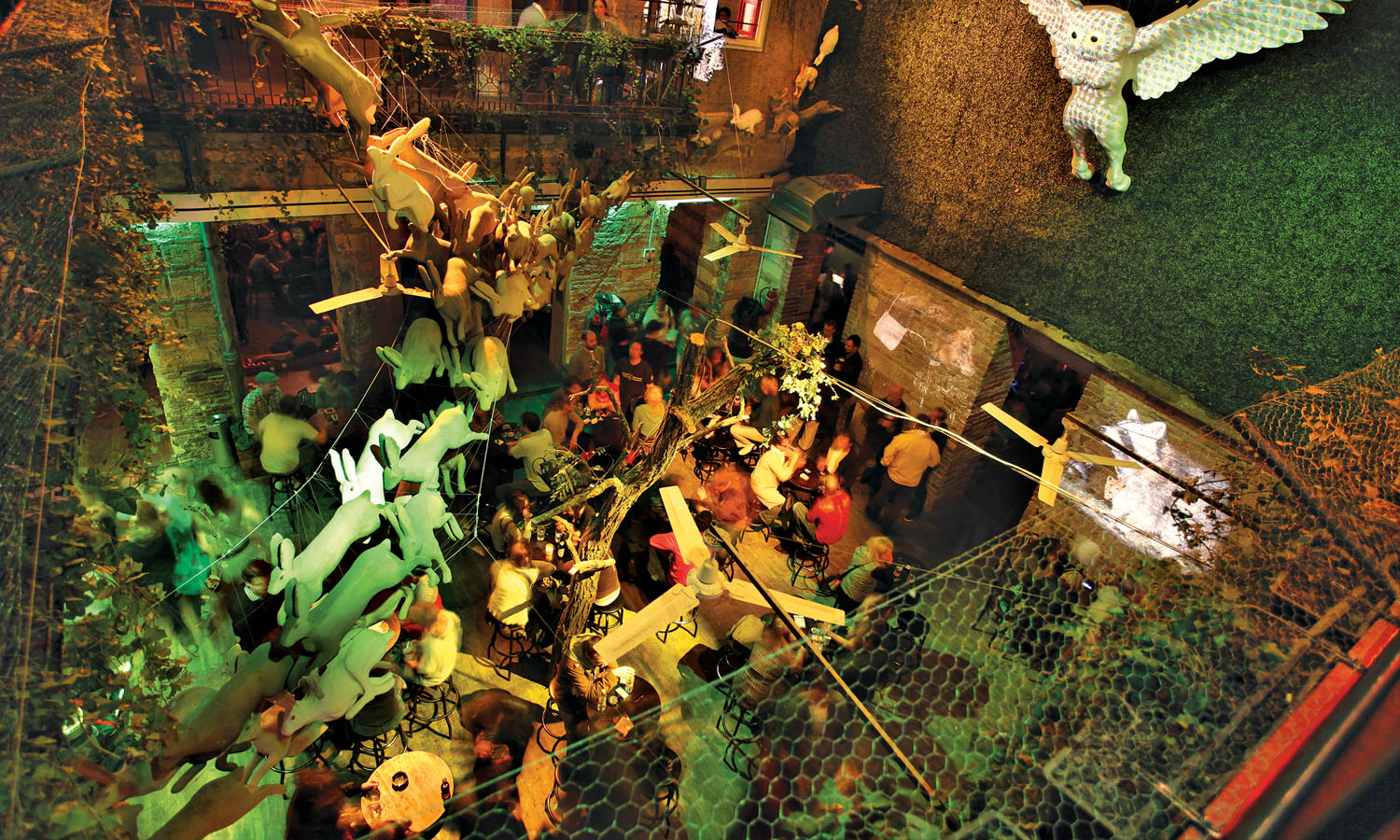
If you’re still not ready to call it a night, get over to District VI, Budapest’s cultural centre. Think wide, sycamore-lined boulevards, cafes on sidewalks, the Opera House and a club called Instant. Another feather in Budapest’s burgeoning romkocsma cap, Instant is made of two houses decorated to the eyeballs with the trappings of an enchanted forest. The biggest of the ruined pubs, it boasts 23 rooms, six bars, two gardens, three dance floors, multiple art exhibitions and pumping music. Now’s a good time to try a ‘simple’ toast in Magyar, the local language – Kedves egeszsegere! Instant Nagymezö utca 38 District VI, Pest instant.co.hu
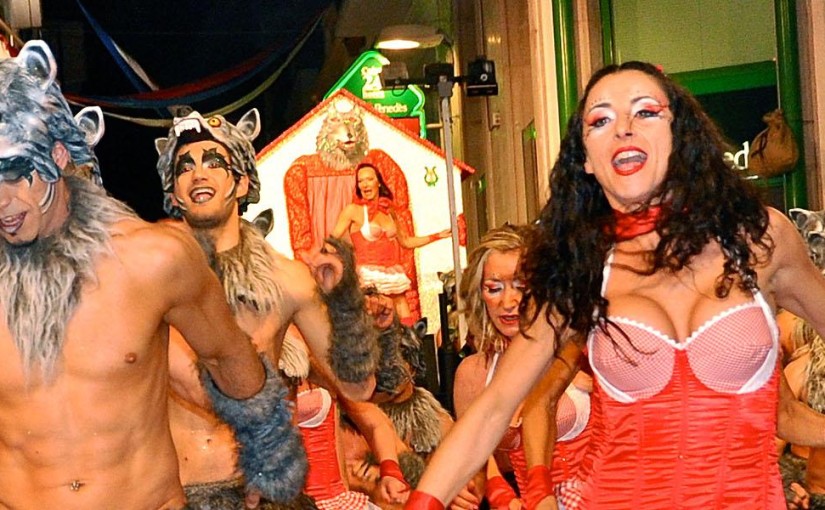
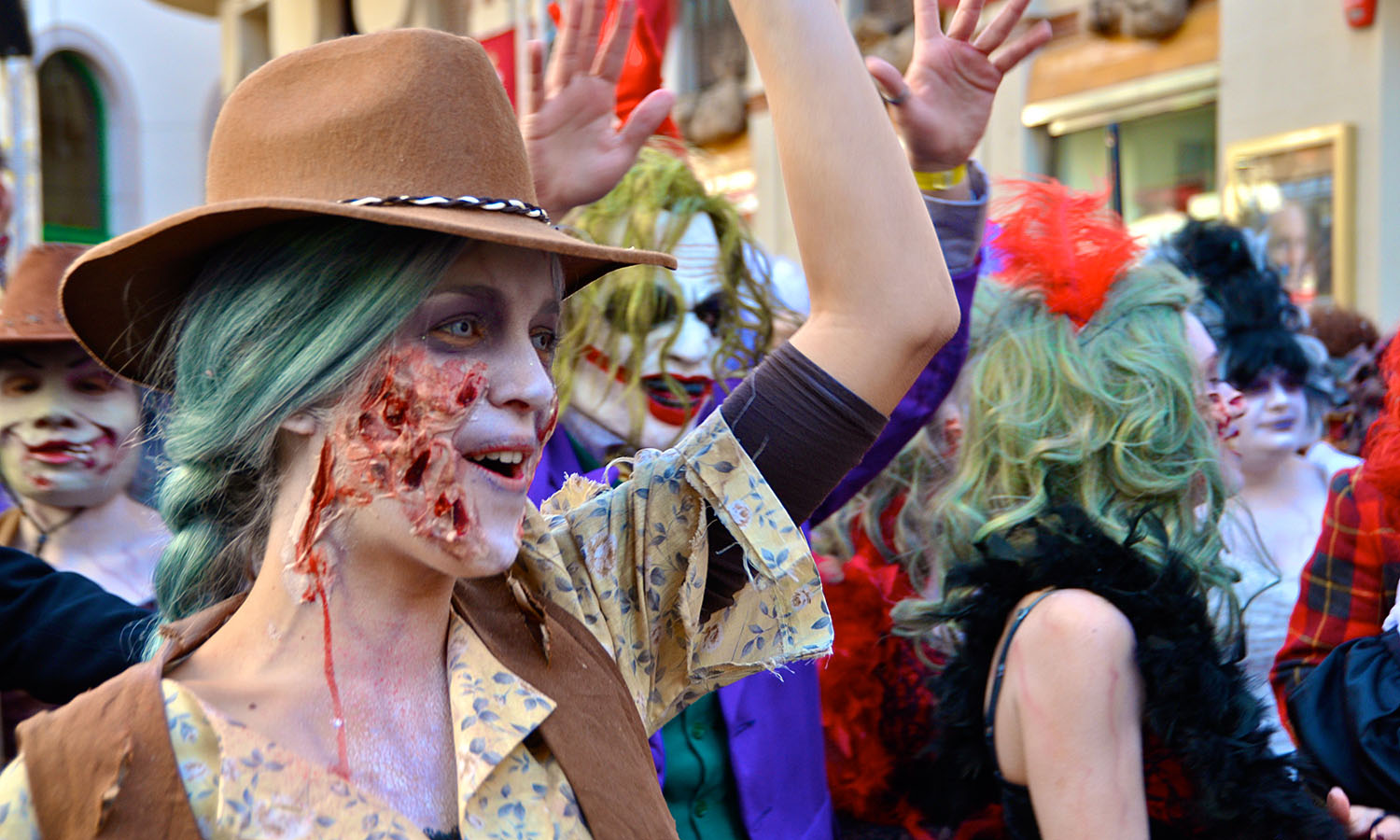
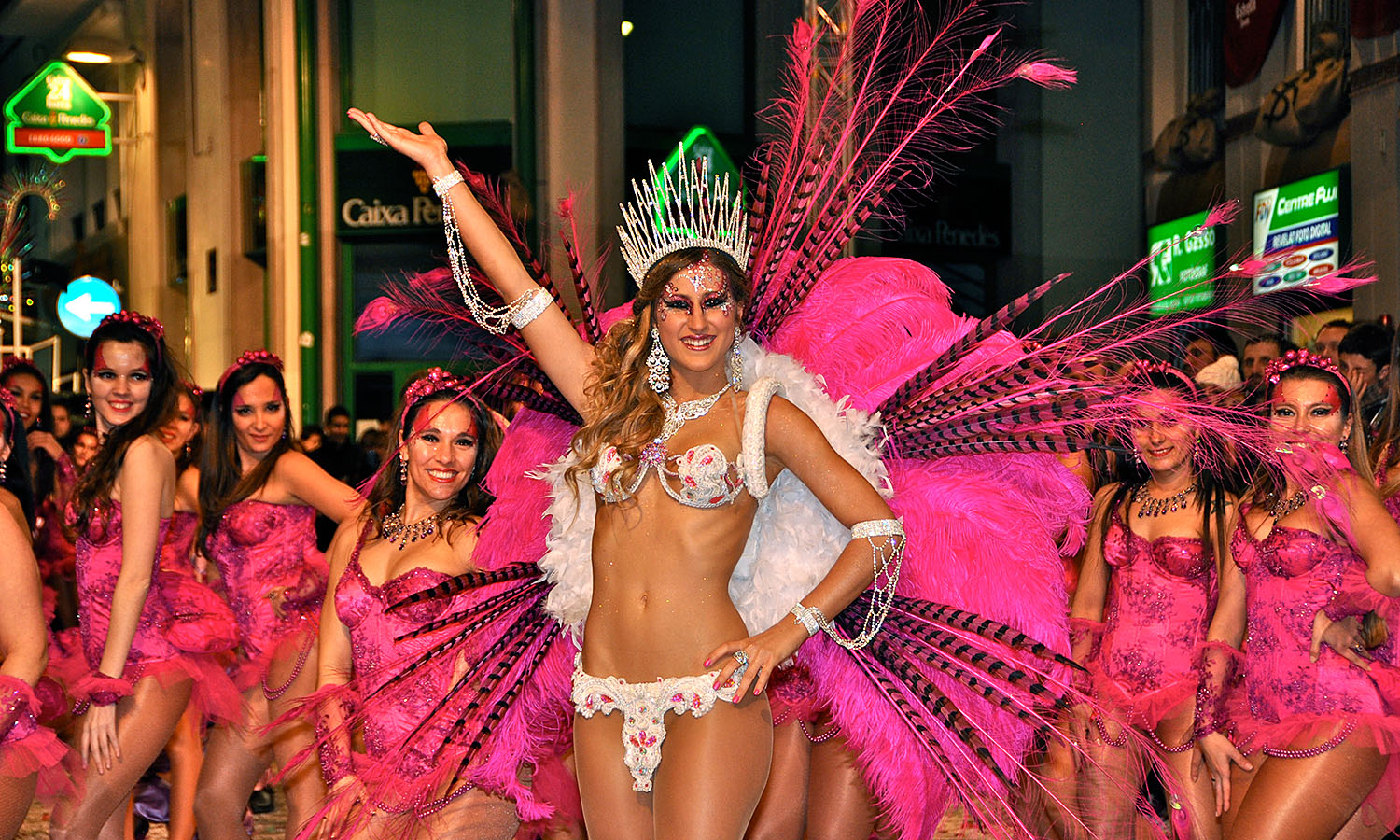
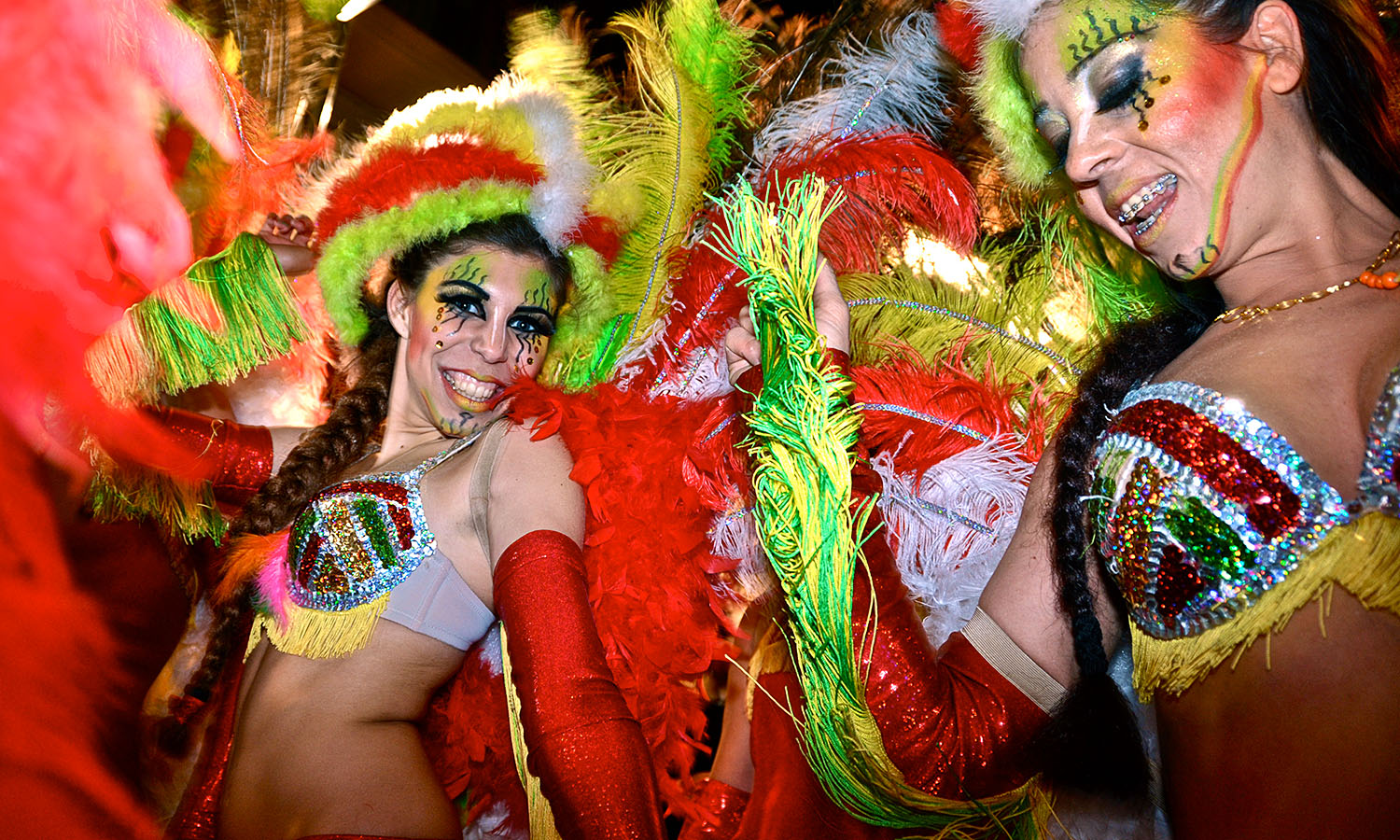
It gets totally wild when scantily clad Sitgetans take over the Catalonian city during their Carnival. Even in the chilly weather (it’s Europe in February, after all), a full covering is optional and debauchery rules the streets after dark.
When it first gets going, Sitges is essentially a party that attracts the LGBQTI crowd, but after the initial four days it becomes slightly more like Carnival in other parts of the world, albeit with a rainbow hue.
It all begins on Fat Thursday – they call it Dijou Gras here – and the Gran Rua (King’s Parade). Costumed ‘queens’ shimmy down the street and the King of the Carnival reads his proclamation to start proceedings. From then until the ceremonial burying of the sardine on Ash Wednesday the town becomes a heaving, swaying mass of humanity.
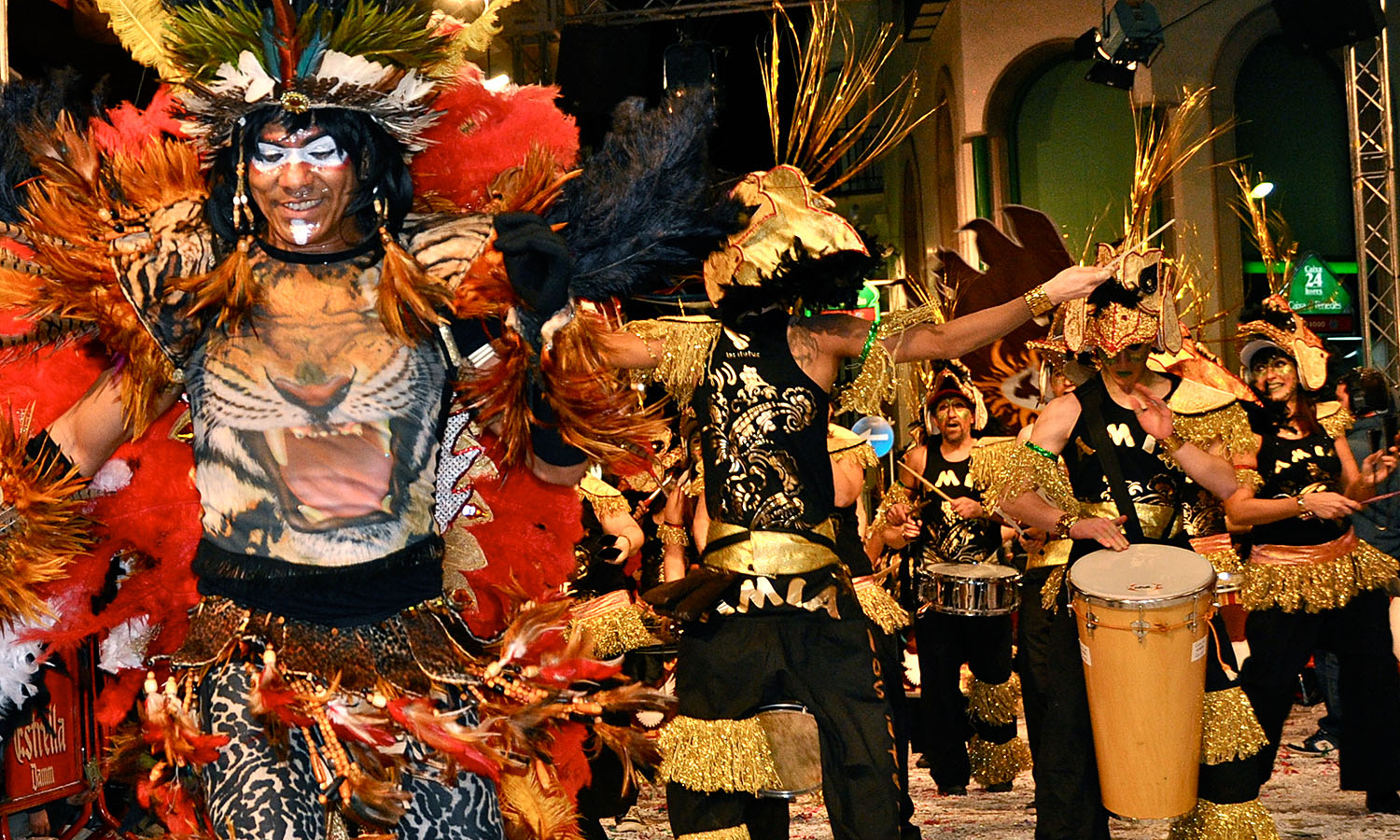
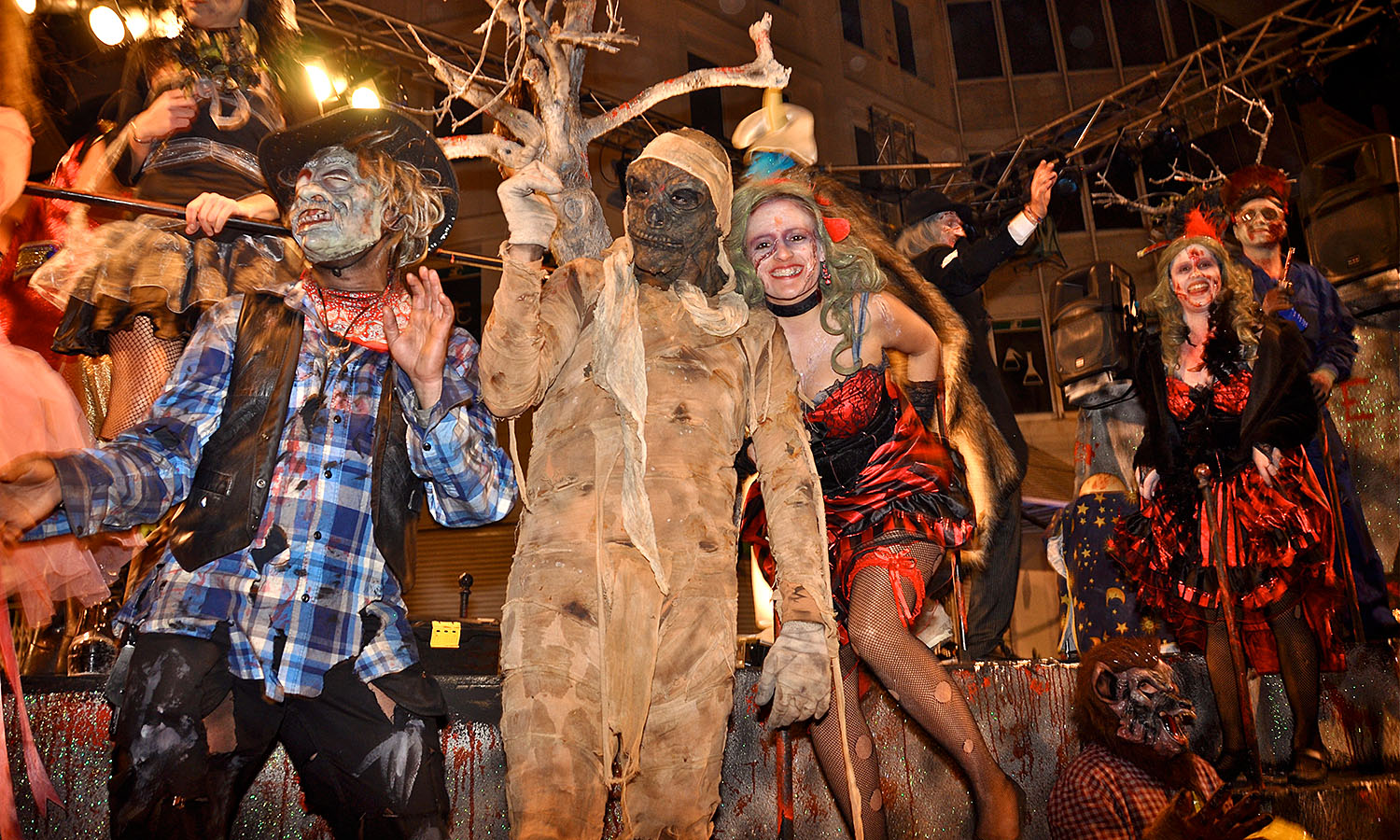
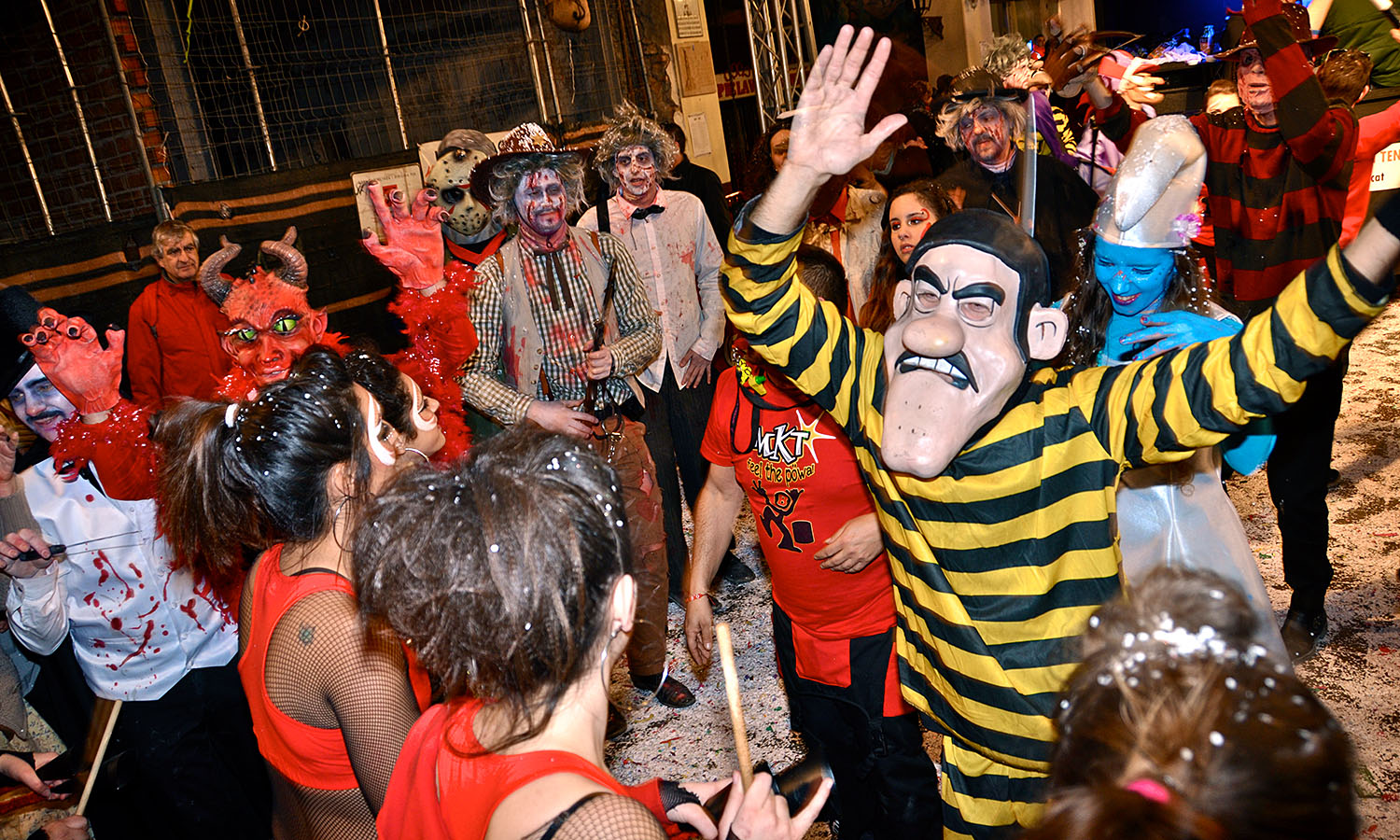
The two biggest events, however, are the Debauchery Parade on Sunday night and the Extermination Parade on Tuesday evening. A procession of floats, pumping out tunes and surrounded by dancers, cruises through the streets. Drag performers and dancers from all over Europe strut beside them, as up to 300,000 people from all corners of the globe shimmy on the sidelines. Then, when the parading is done, the Sitges nightlife keeps the party going until well past dawn.
During the day, if you manage to wake up, things are often a little calmer. You’ll see costumed children and folk dancing, take part in a game that’s a bit like bingo called the Great Carnival Quinto, and hook into the traditional feasts held at different points around the city. Try xató (cold cod salad), but hold on to your plate since the carnival jesters have been known to start food fights.
The historic walled city of Derry in Northern Ireland is a charismatic charmer, and there’s no better way to get there than by travelling the Causeway Coastal Route along the Antrim coast from Belfast.
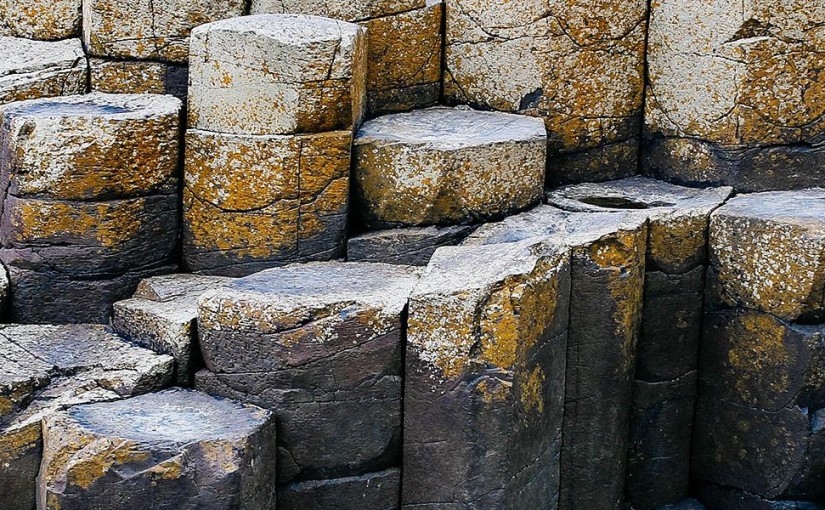
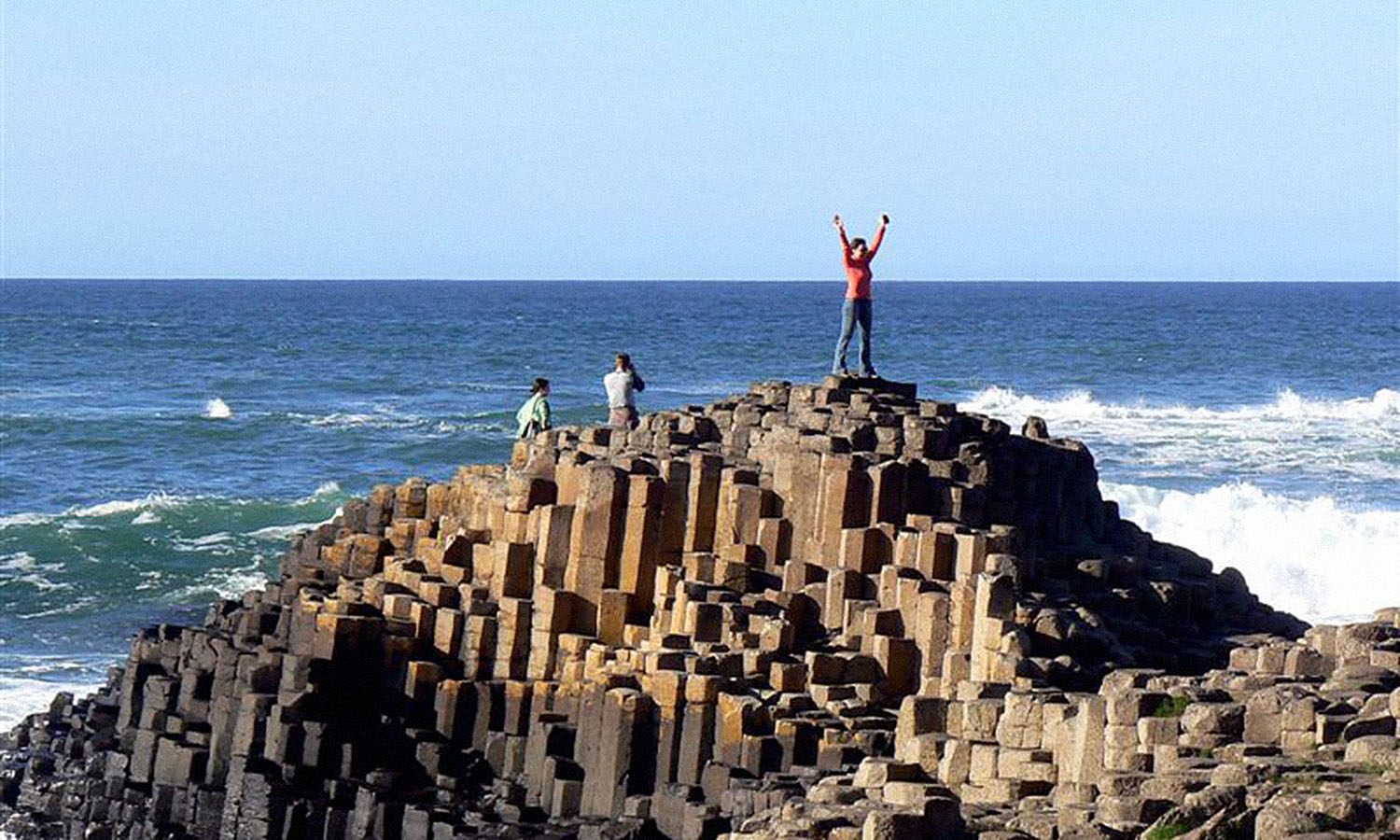
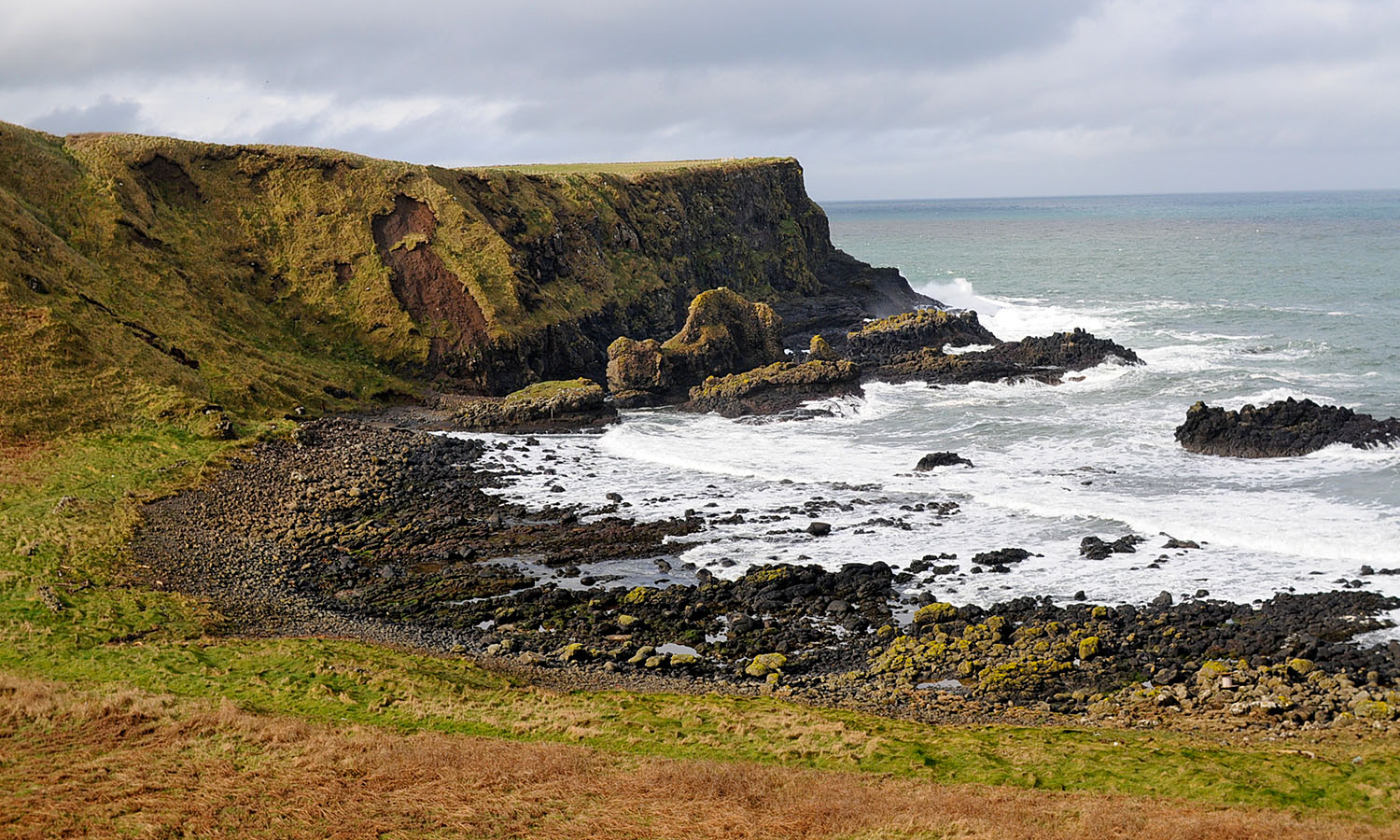
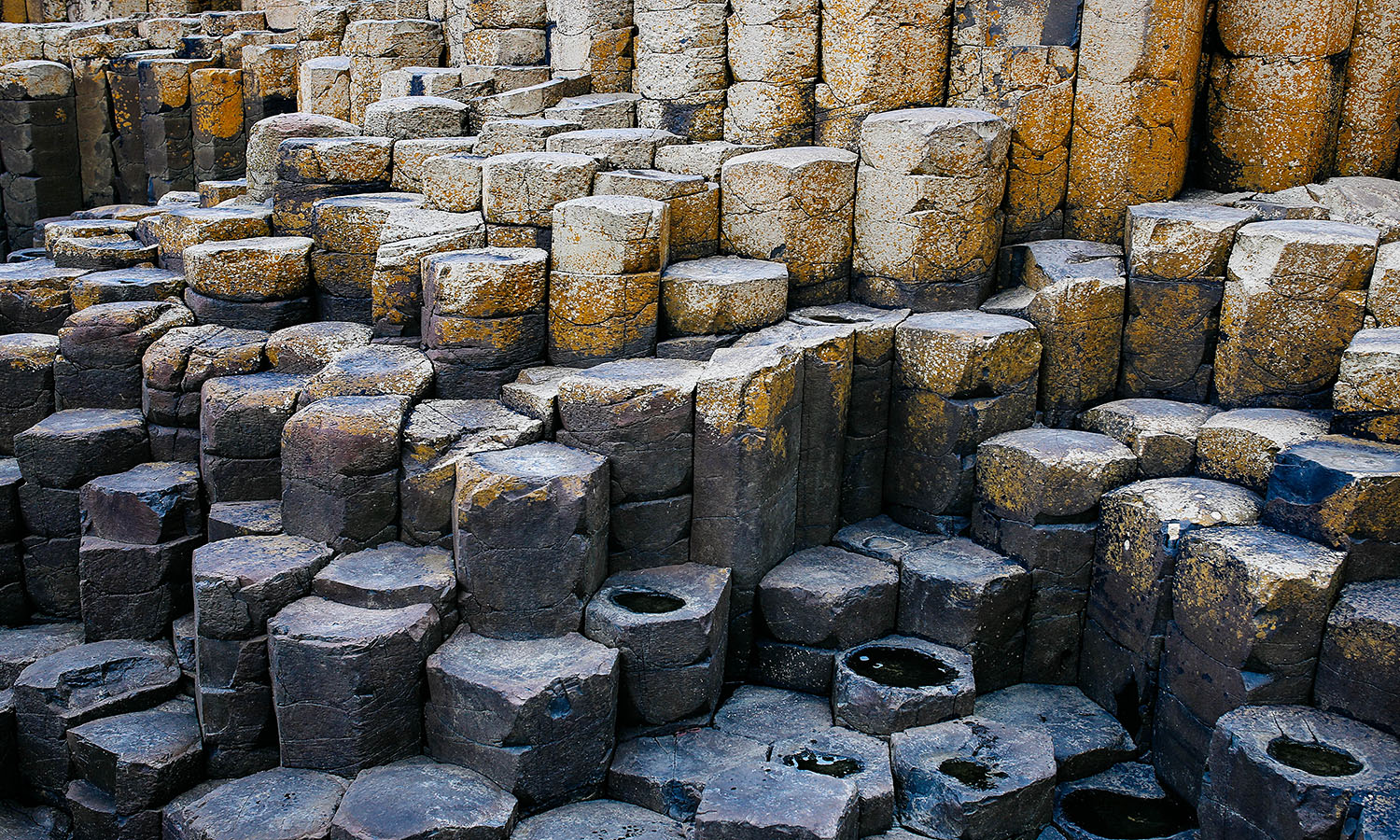
Whether you do it by bike, car or skateboard, take the time to explore the pubs and pit stops along the way, including Murlough Bay, the Carrick-a-Rede rope bridge, the Giant’s Causeway and the Old Bushmills Distillery.
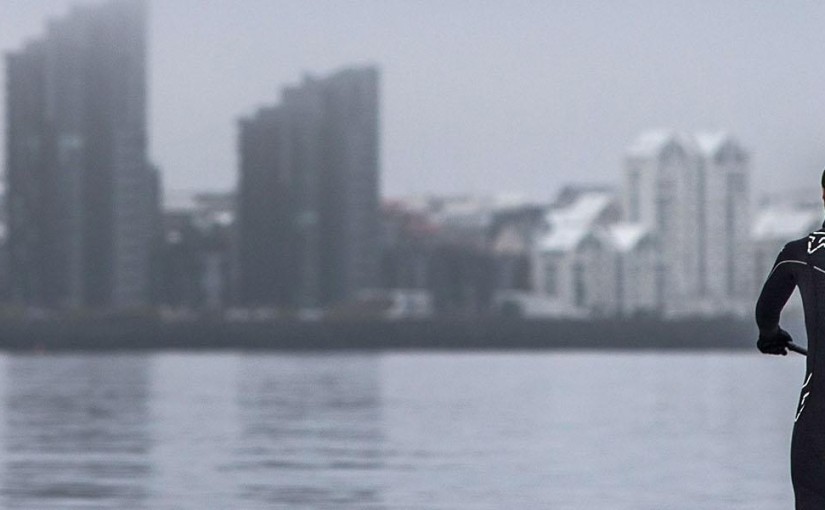
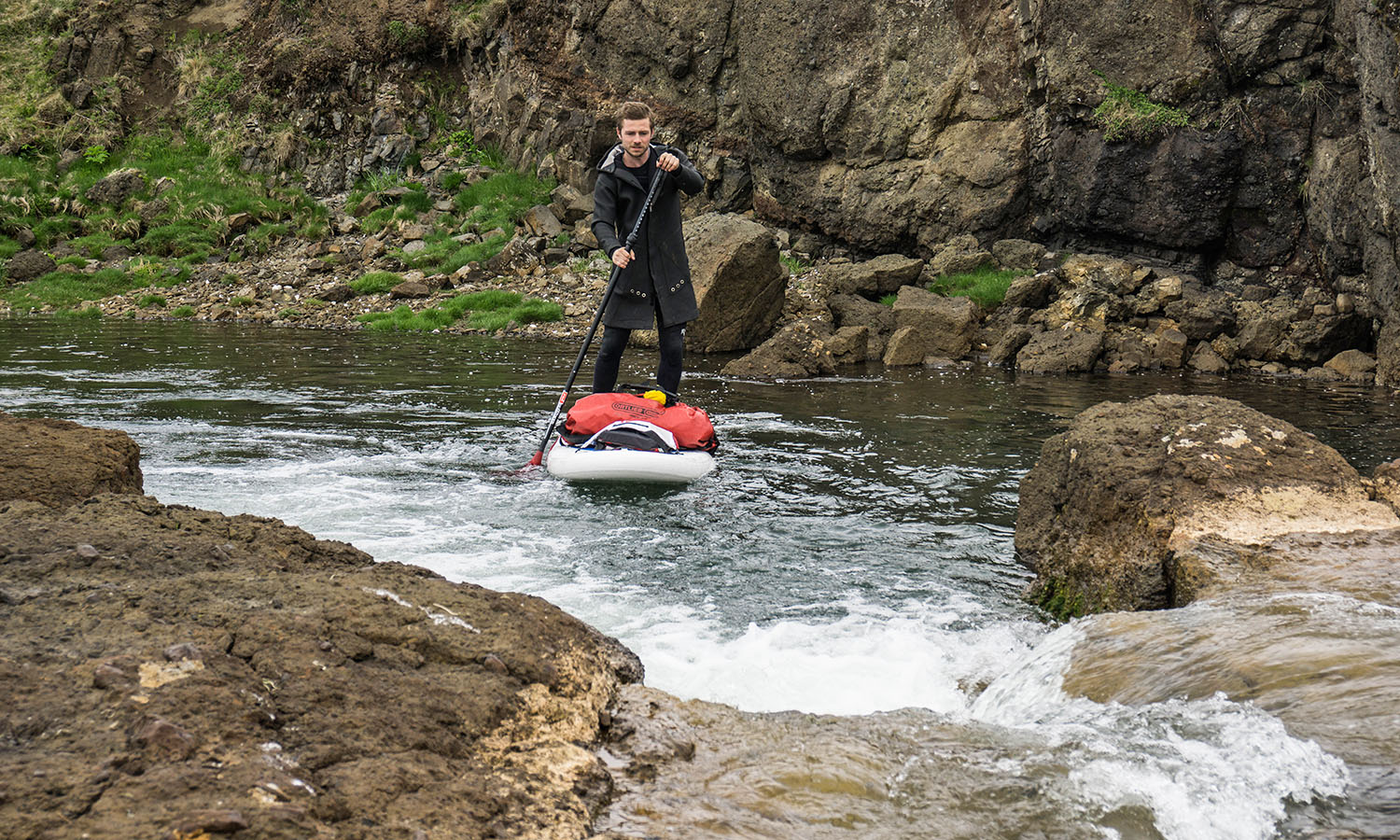
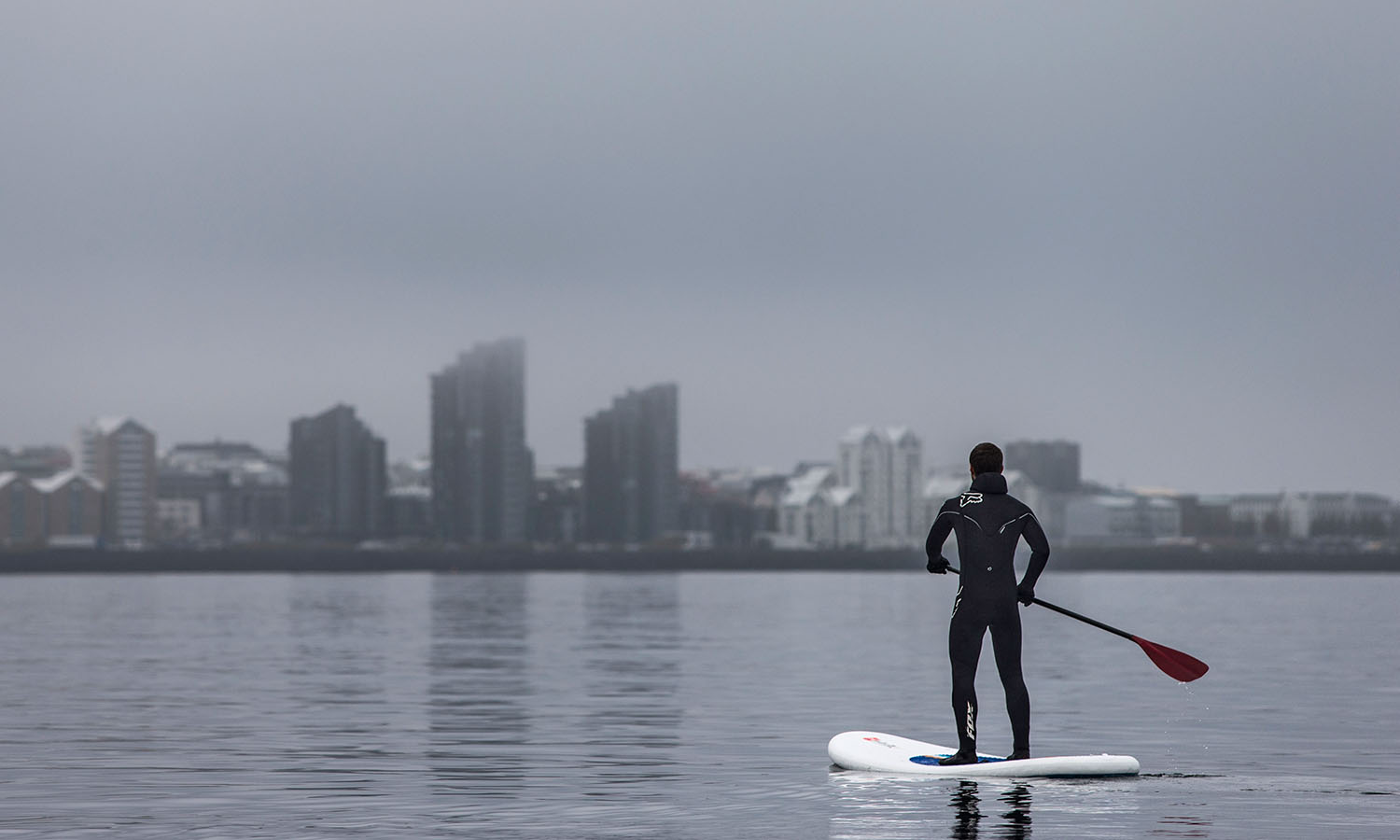
If you think a walking tour is the best way to explore Iceland’s capital city, think again. Slip into a wetsuit, fasten your leash and get your blood pumping on a stand-up paddleboarding tour around Reykjavík. Dip your paddle into the glassy waters of Reykjavík Harbour and glide beside skyscrapers and snow-capped buildings as you trace the frosty coastline. While you float along the city shores, your guide will point out the best sights and give you tips on the must-see attractions during your visit.
Whether it’s your first time or you’re a seasoned SUPer, this aquatic adventure will put your balance to the test as you gawp at your surroundings on this unique city tour. Once you’re familiar with the city, head out on a trip to another location – the country is full of paddleboarding opportunities.
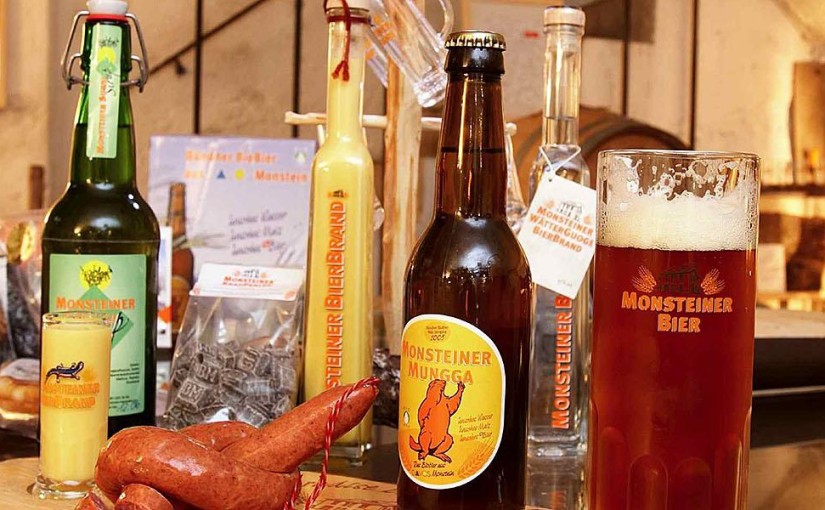
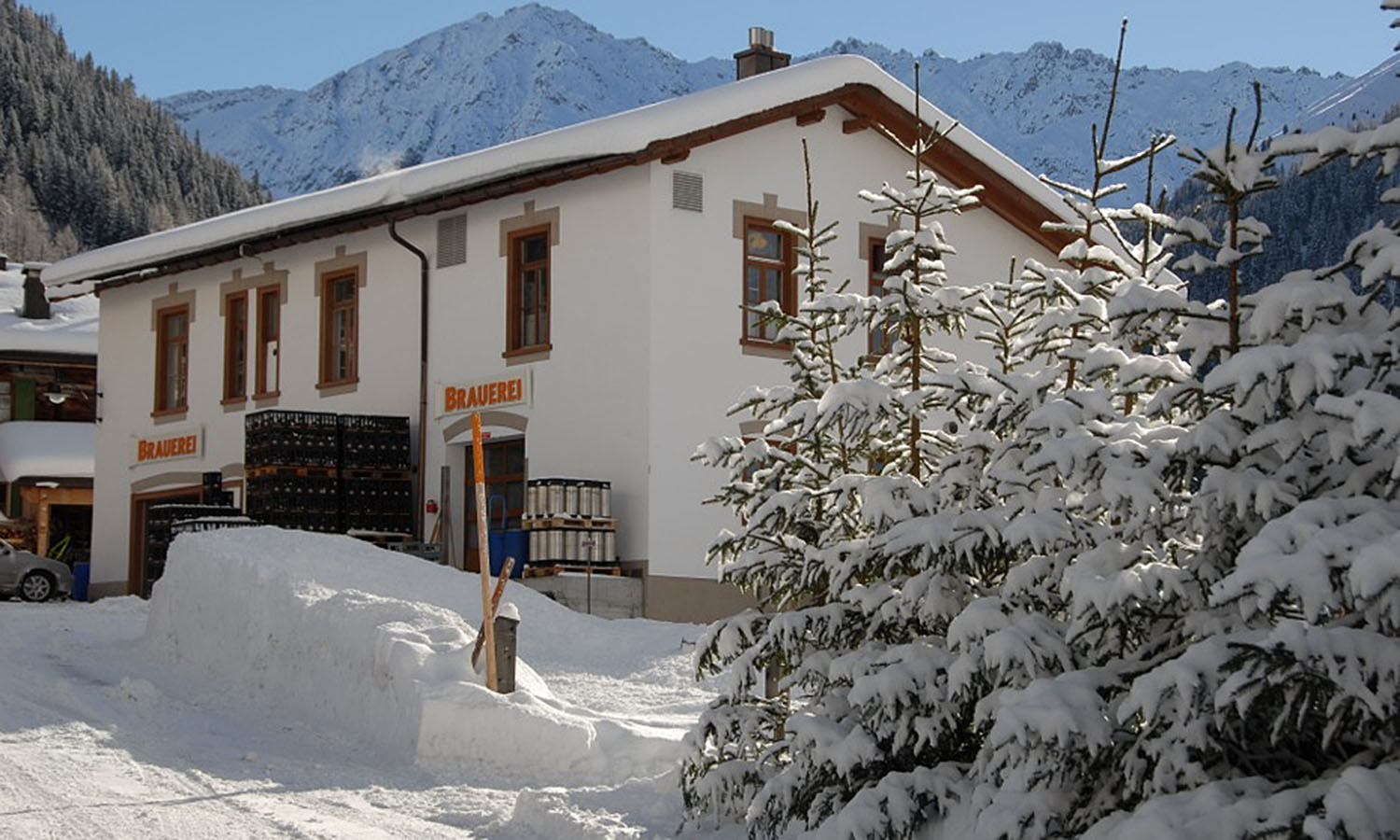
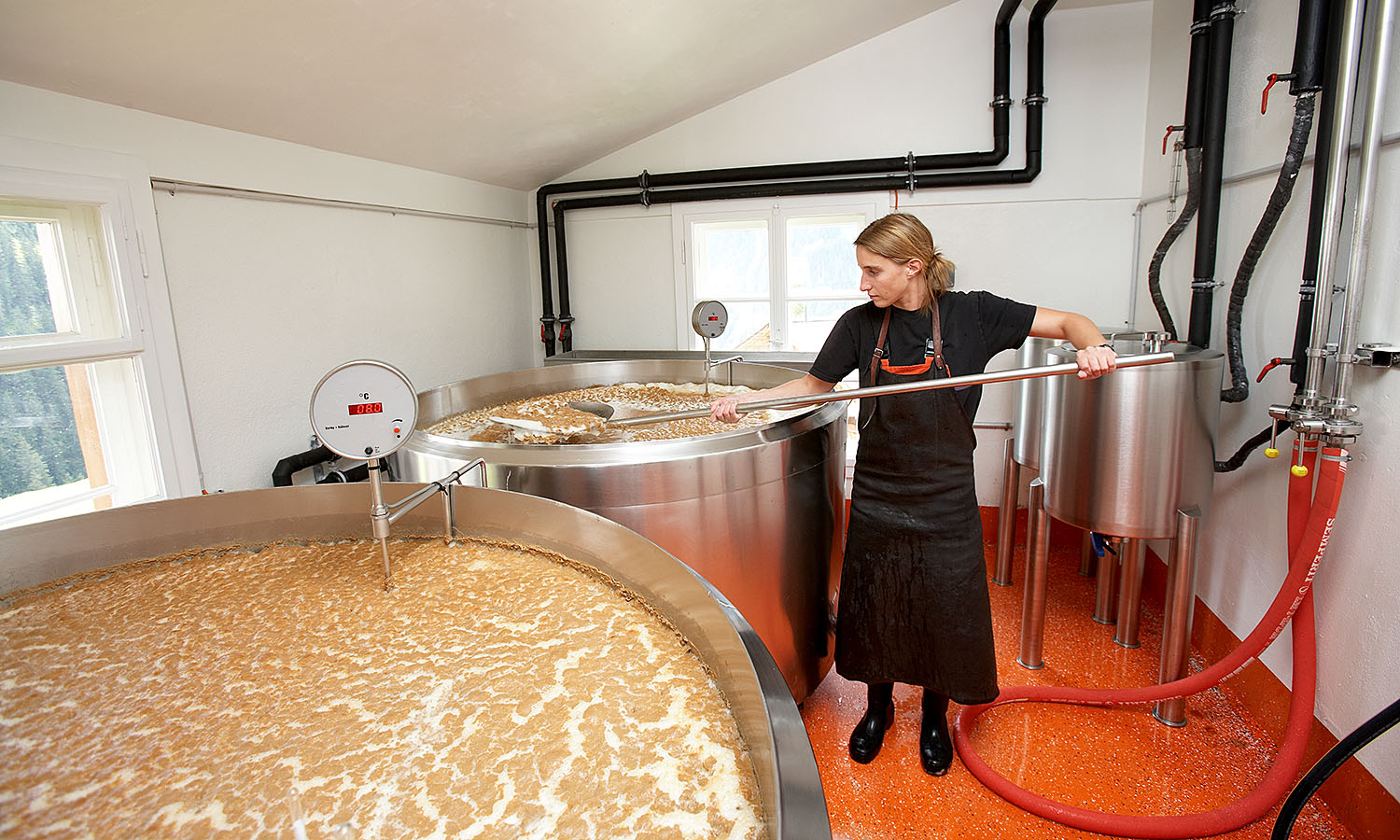
The village of Monstein above Davos – most famous as the host city of the annual World Economic Forum – is home to the highest brewery in Europe. The tour of BierVision Monstein begins in a vintage bus, where you’ll learn about Davos and its spectacular landscape, before moving on to the historic village and finally the brewery.
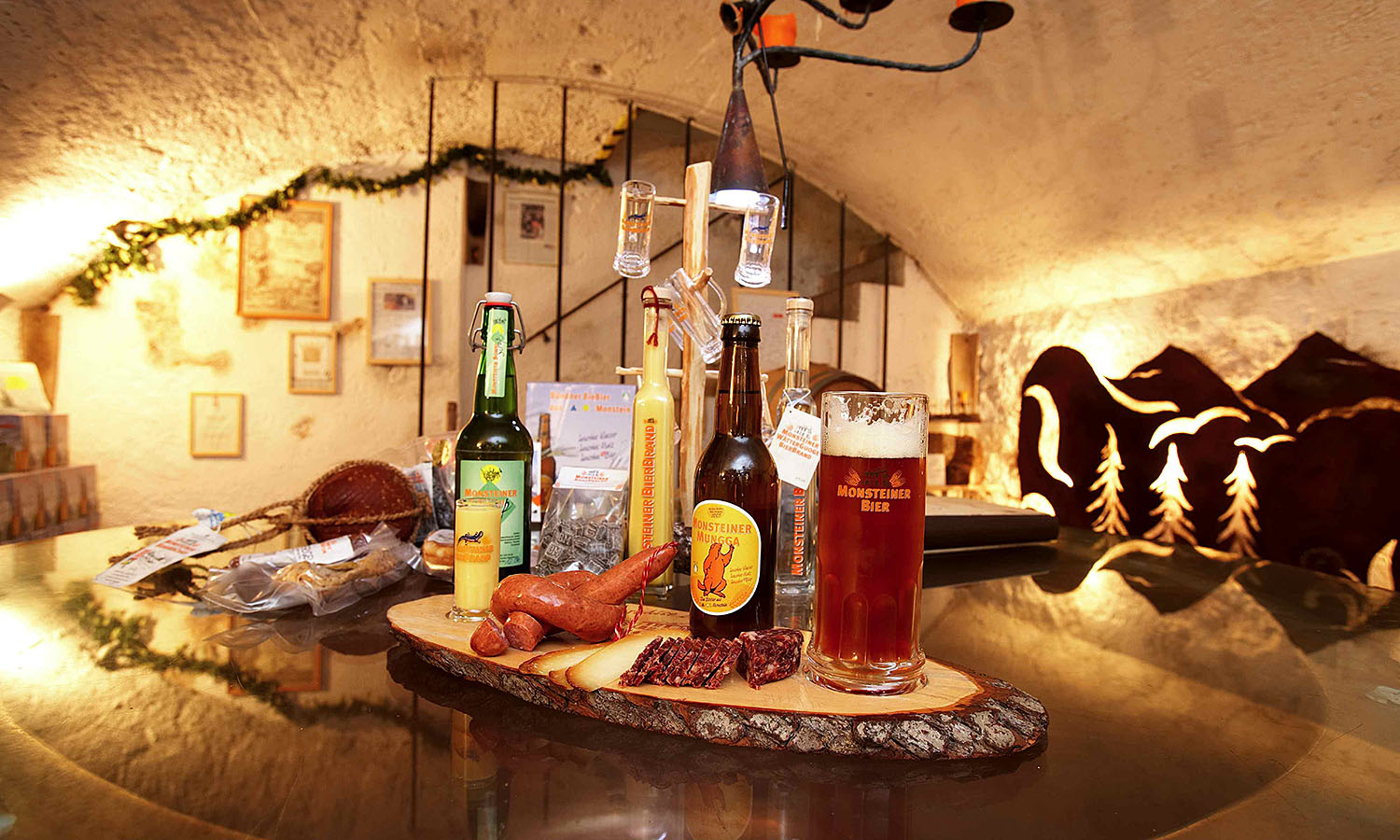
From a small homebrew operation started by four mates back in 2001, this is now a fully fledged, full-scale operation. During this leg of the tour you’ll taste the beer at all stages of the process and hear about the challenges facing the brewers way up here in the clouds. The tour ends with a glass of either pale Huusbier or dark Wätterguoge, and a plate of award-winning beer cheese made by co-founder Andreas Aergerter.
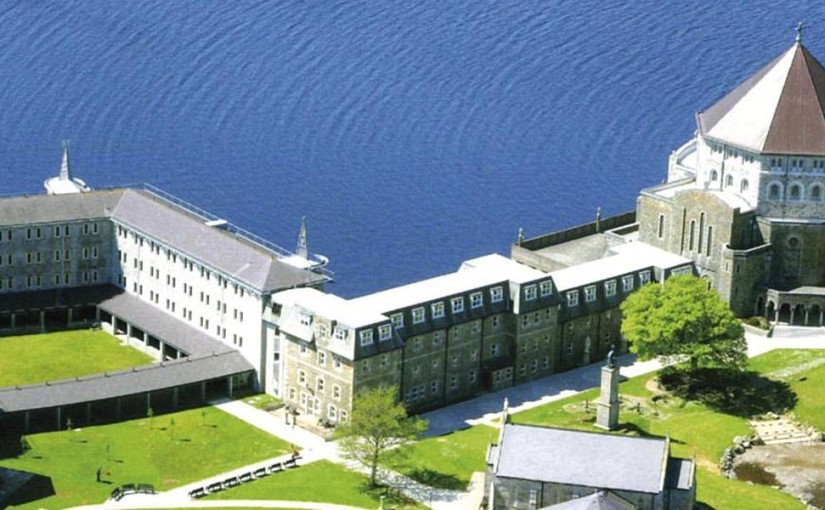
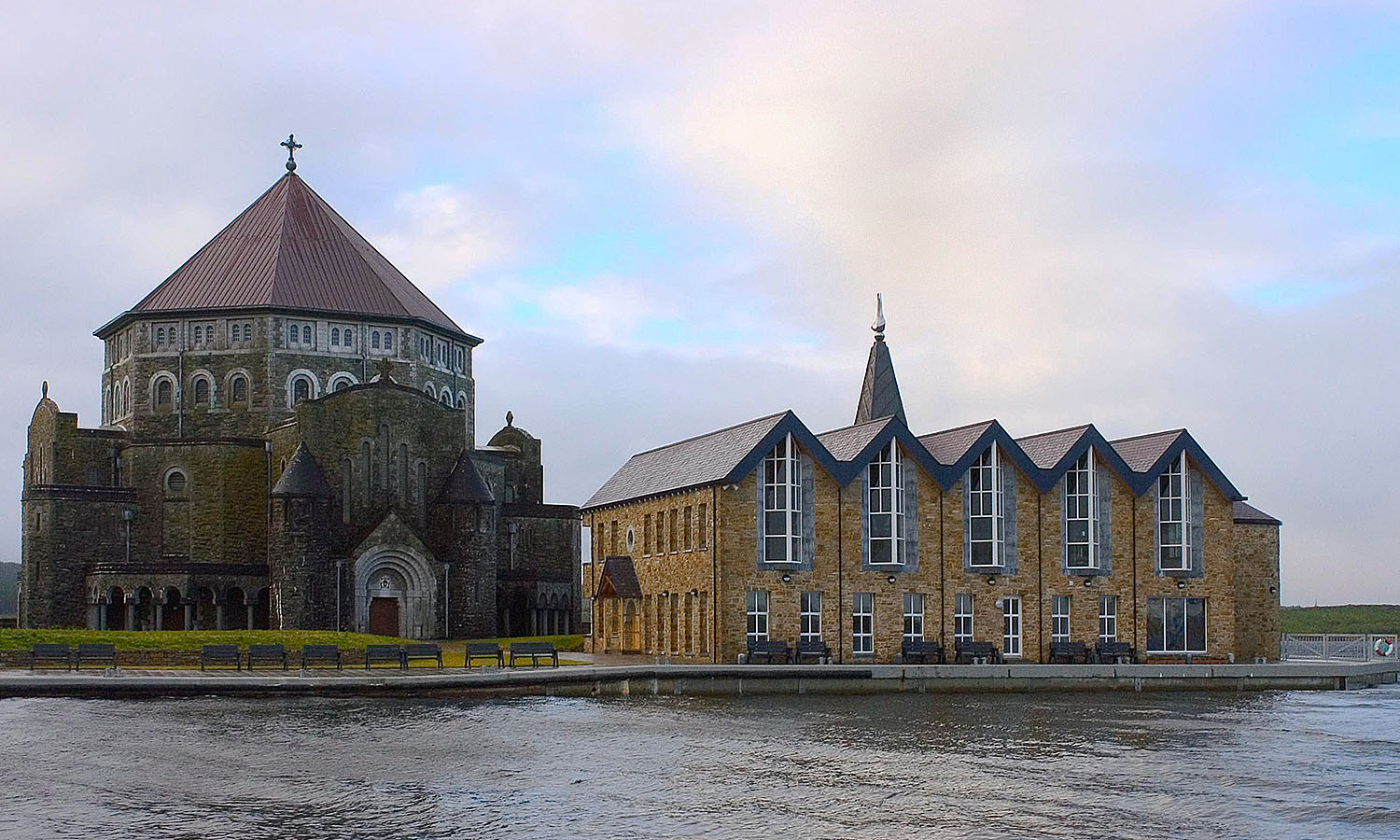
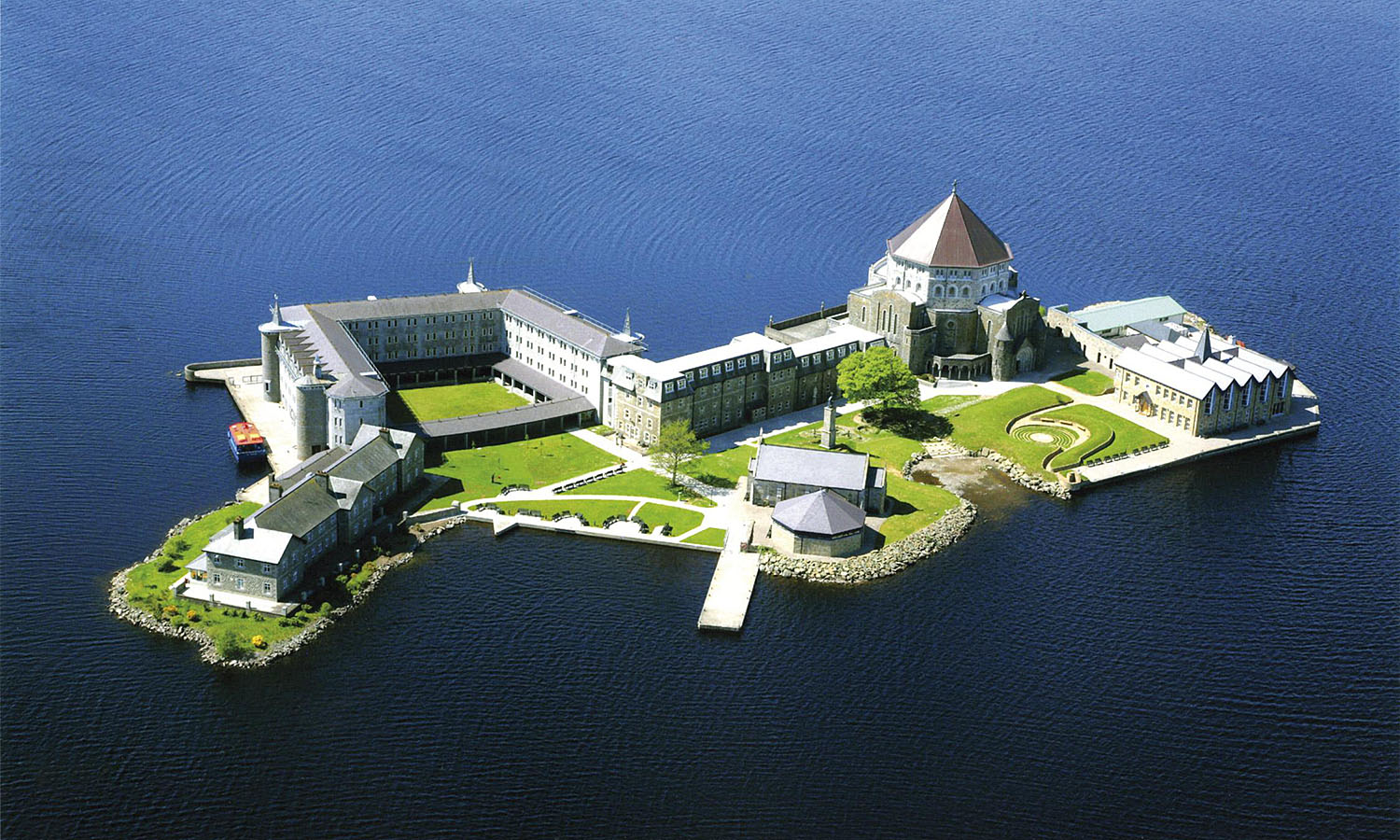
Test your Christian faith with the ultimate three-day pilgrimage to the island sanctuary of St Patrick.
Located on a small lake in Ireland’s County Donegal, Lough Derg has been attracting worshippers for more than 1000 years. Immerse yourself in this time-honoured tradition of Celtic spirituality, but be prepared to get tired, hungry and cold. When you arrive on the island bid farewell to your shoes in exchange for a frugal existence and prayer.
For the next three days you will walk barefoot, fast and engage in ritual worship, including silent prayer and kneeling on hallowed beds. Participate in an all-night, 24-hour vigil and fast for the duration of your stay, with the exception of one daily meal of dry toast and black tea or coffee.
Some find the pilgrimage an energising and enlightening experience. Others would concur with its other name – Saint Patrick’s Purgatory.
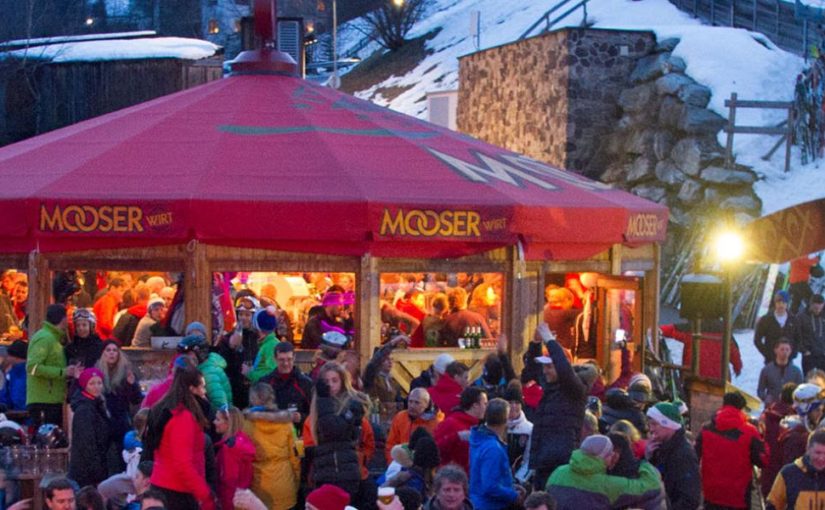
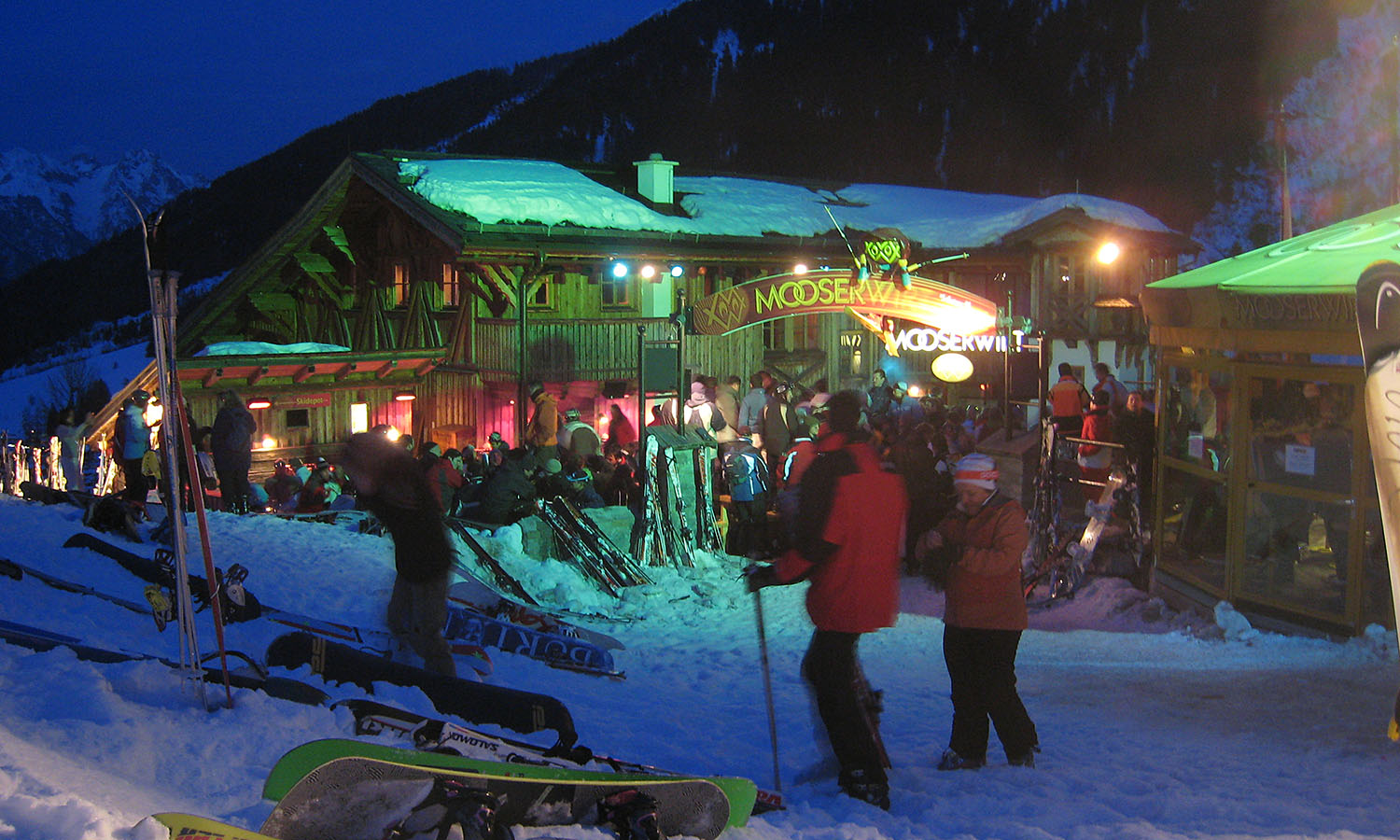
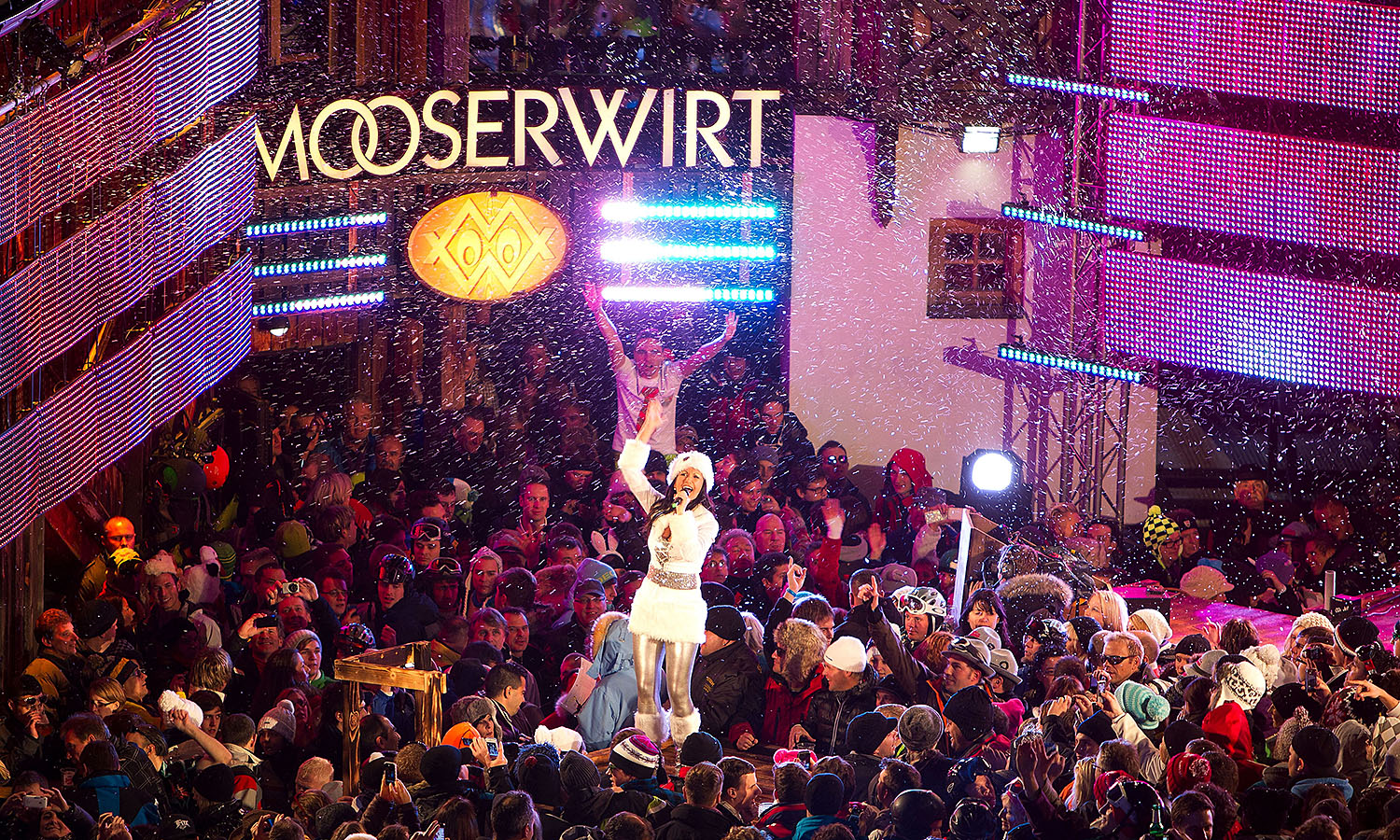
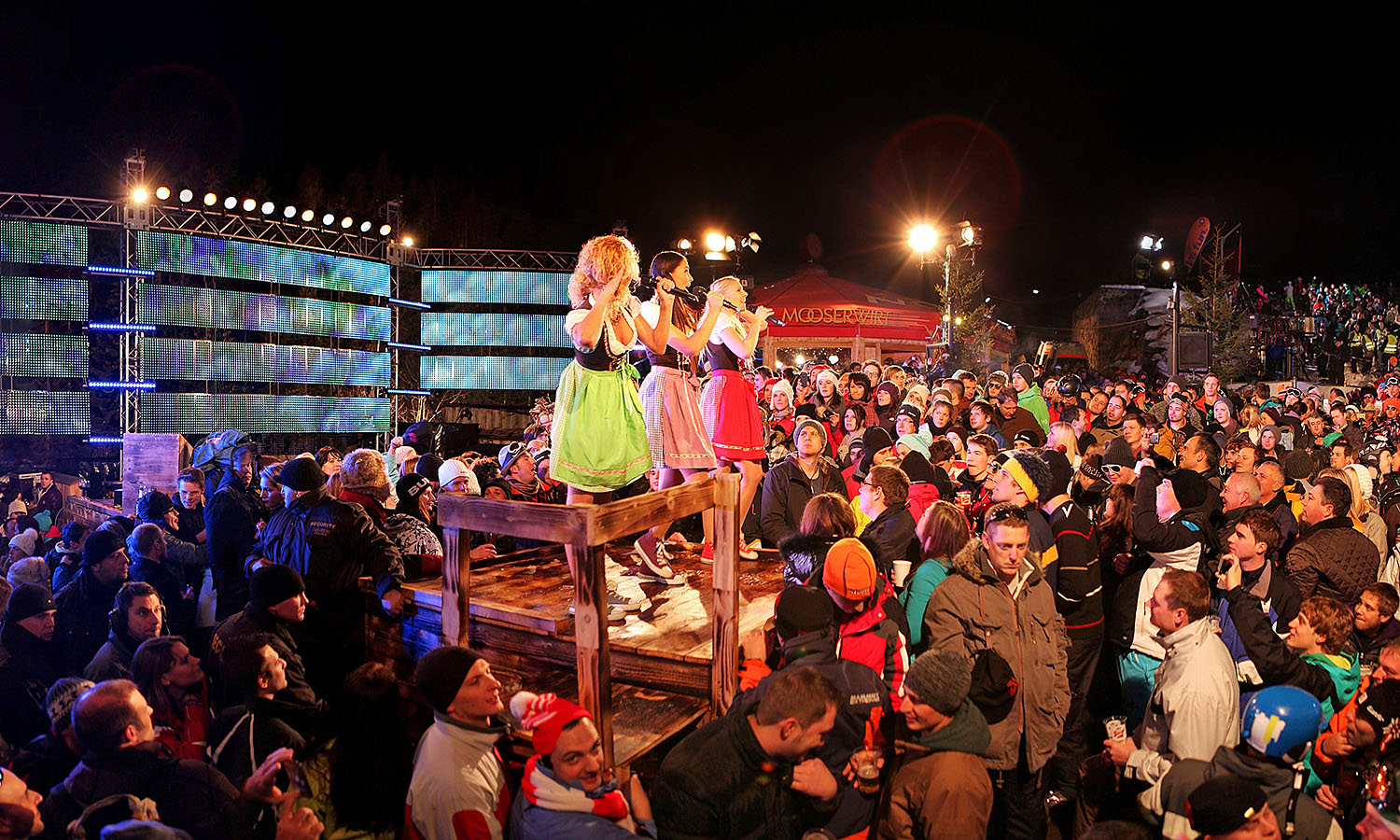
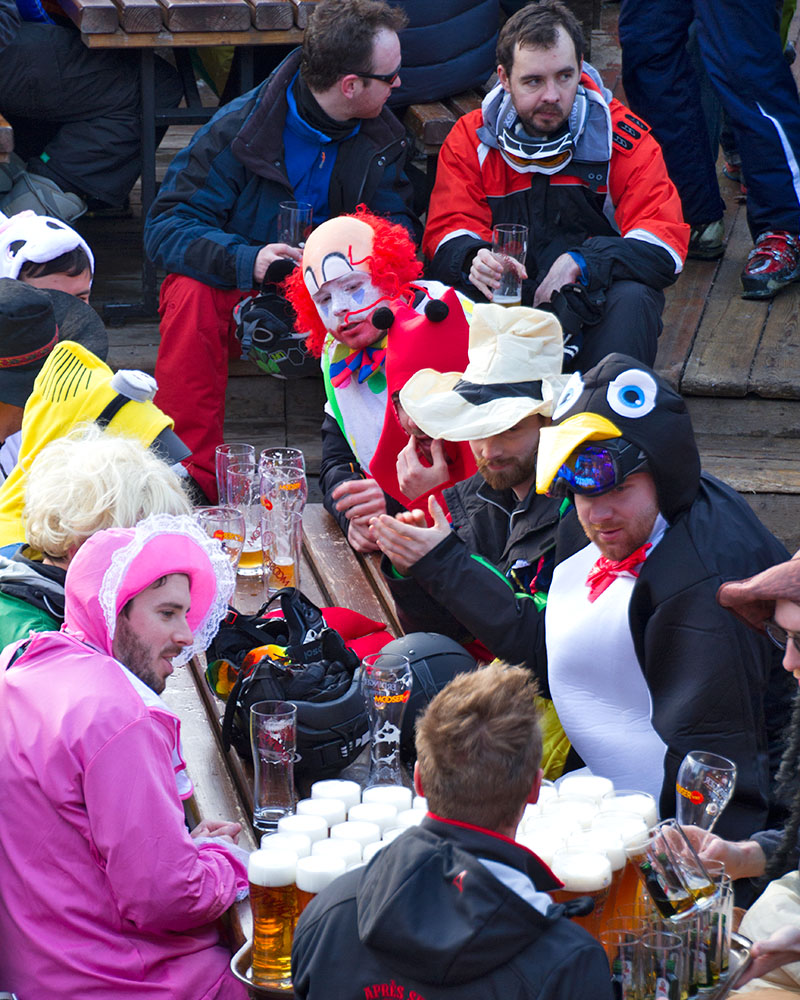
Want to get a taste of the pub rumoured to sell more beer per square metre than any other in Austria? Then best head to St Anton’s Mooserwirt, just one of the legendary après-ski haunts on the run from Glazig to St Anton. At 3pm, the shutters are closed and the club begins – alternatively you can try and find a place on the packed sun terrace.
Before you hit Mooserwirt, though, you might want to have a sneaky stein and schnitzel further up the mountain at the Krazy Kanguruh. Next door at Taps is a little quieter if you want to ease into the afternoon. The other slightly more sedate (but hardly quiet) option is Griabli, with live rock, soul and blues from about 3.30pm each day.
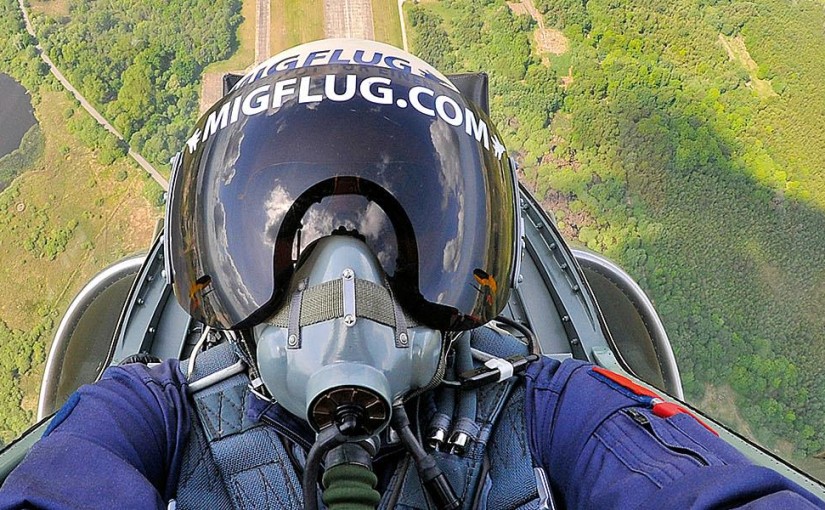
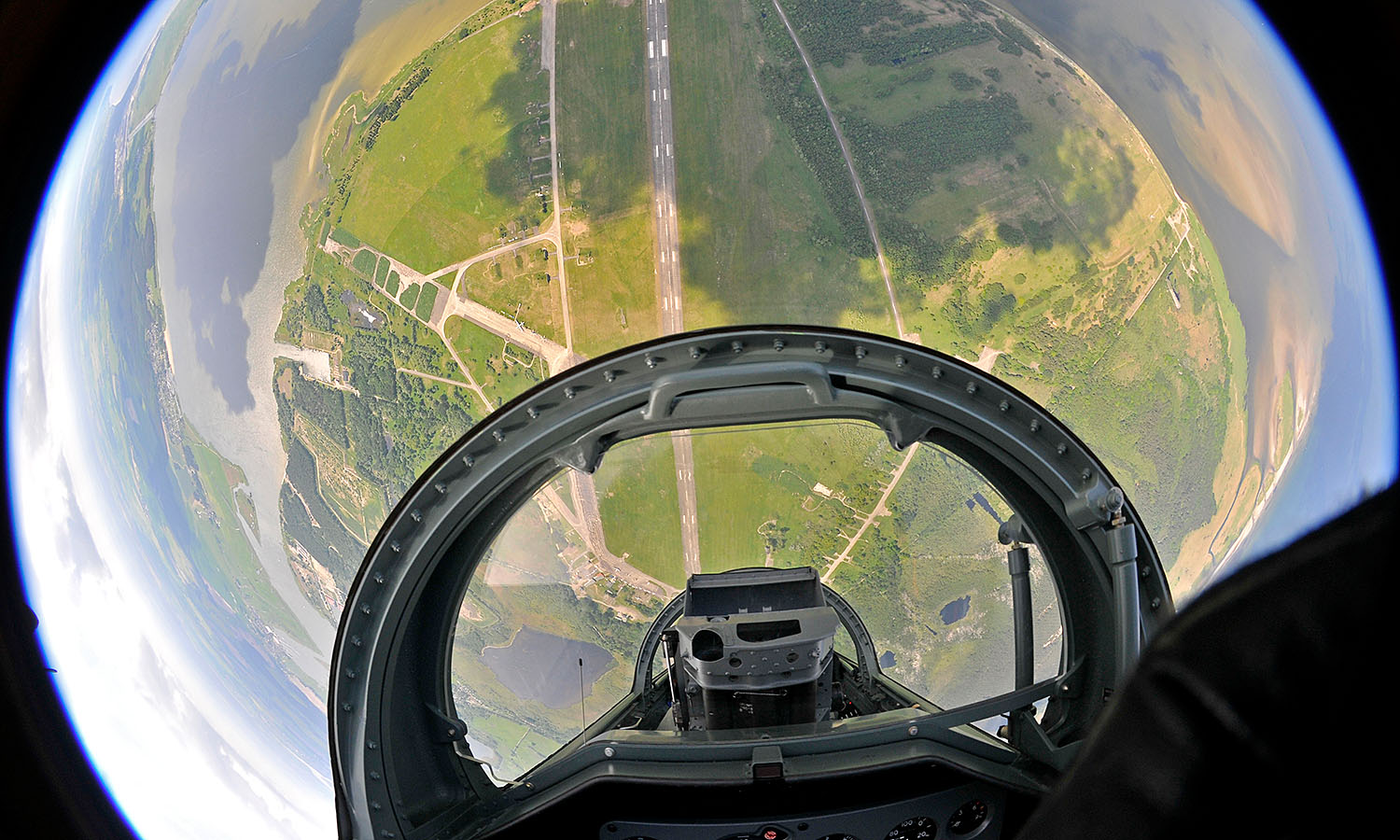
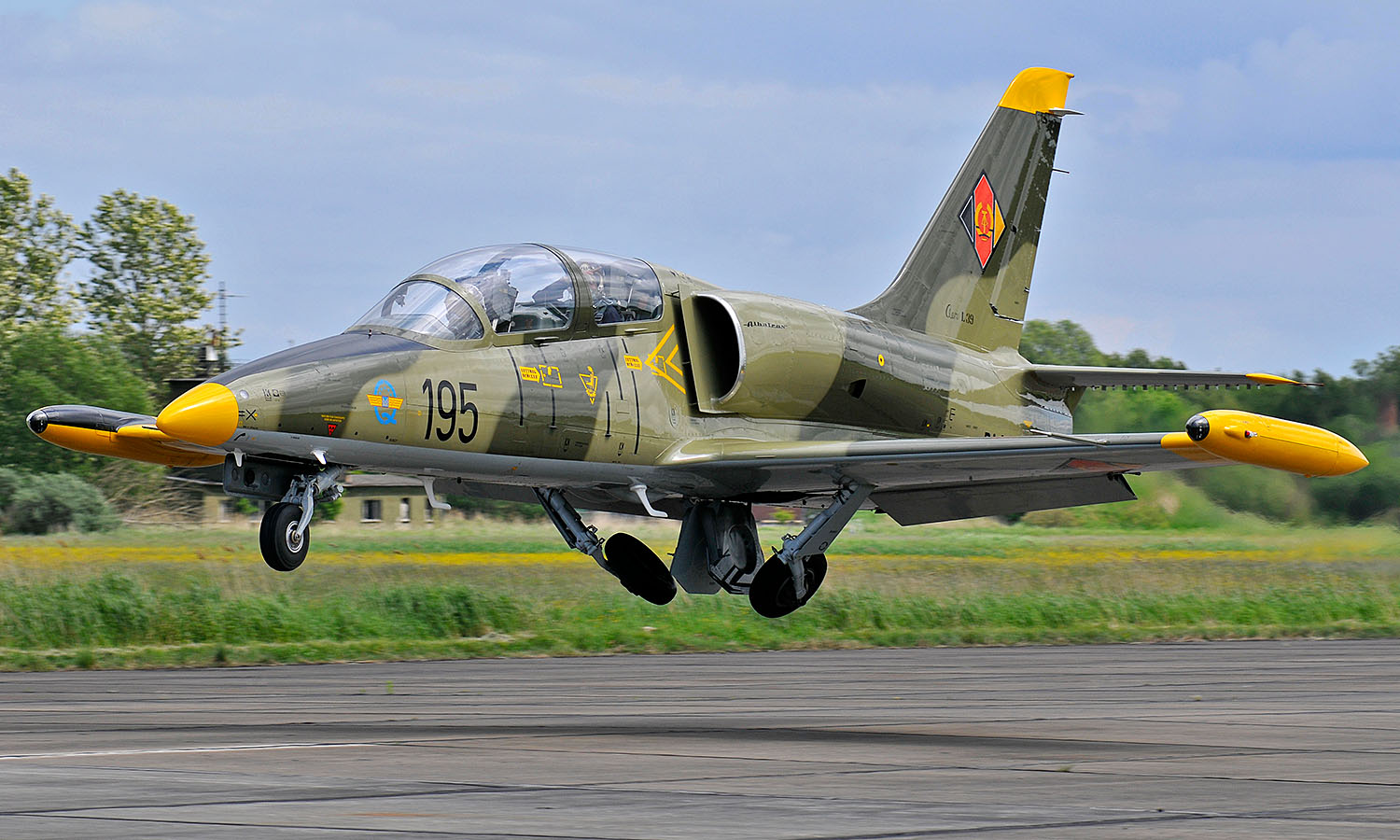
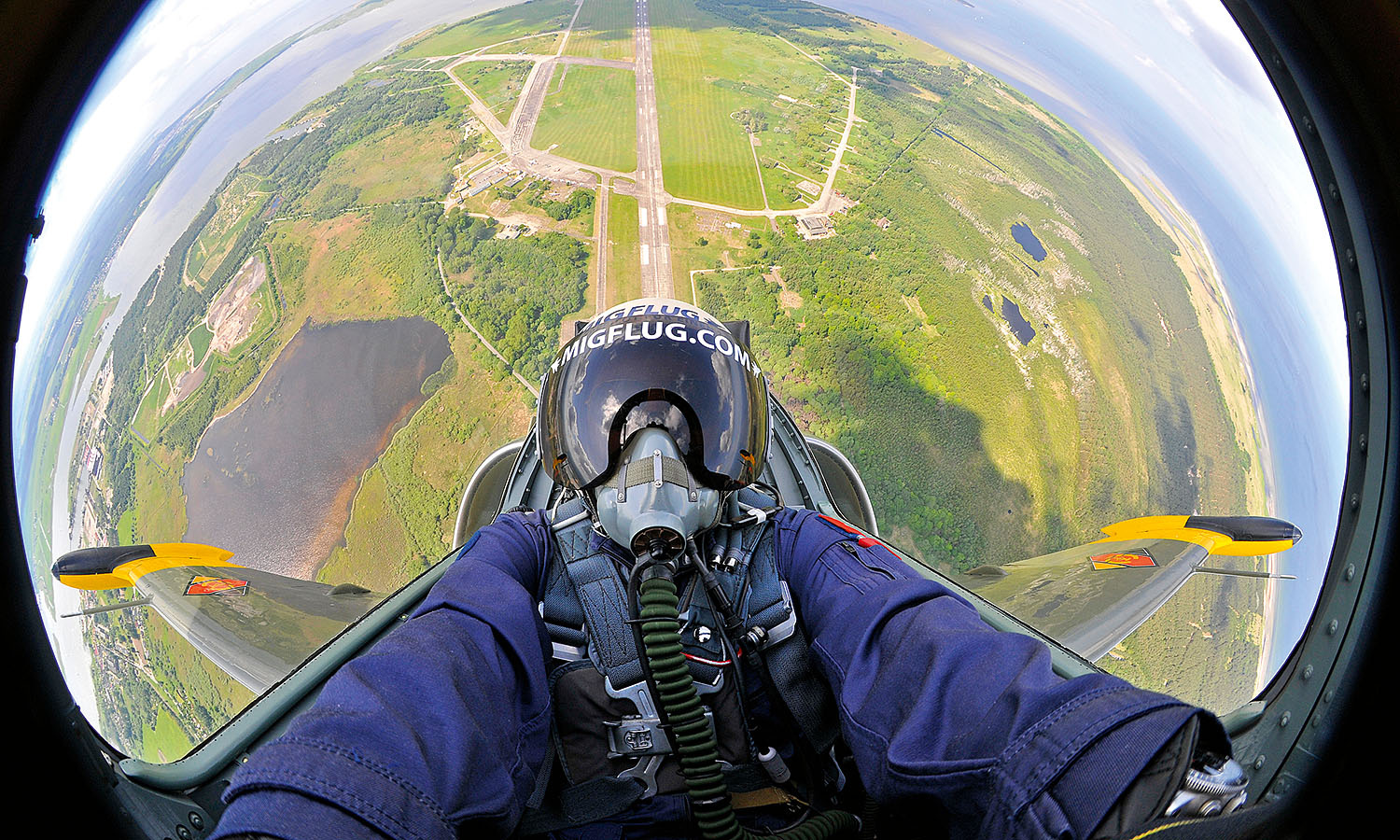
Join the Red Army for a day at the Pilsen air base and test your nerve in the cockpit of a Czech Aero L-39 Albatros with MiGFlug. This is not a simulated flight for wimpy air-force wannabes and you better have a stomach of steel. You take the controls as an instructor leads you through terrifying dogfight manoeuvres, including rolls, dives, loops and extremely low passes just a few metres from the ground.
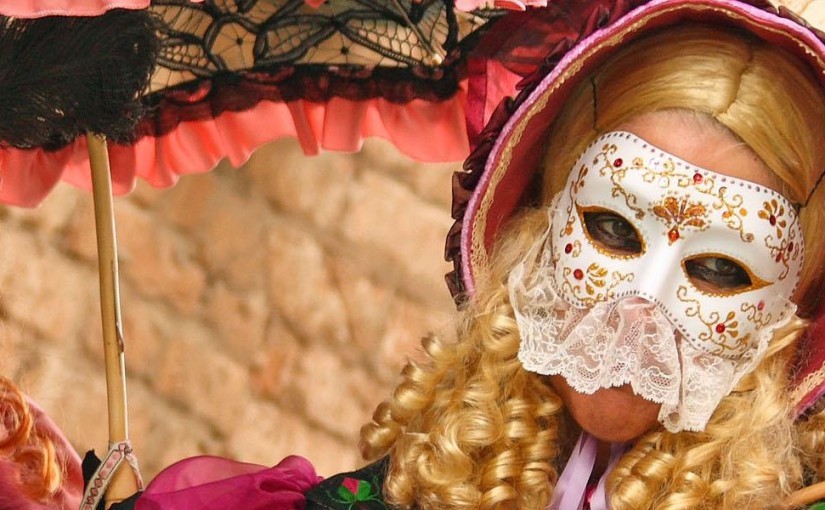
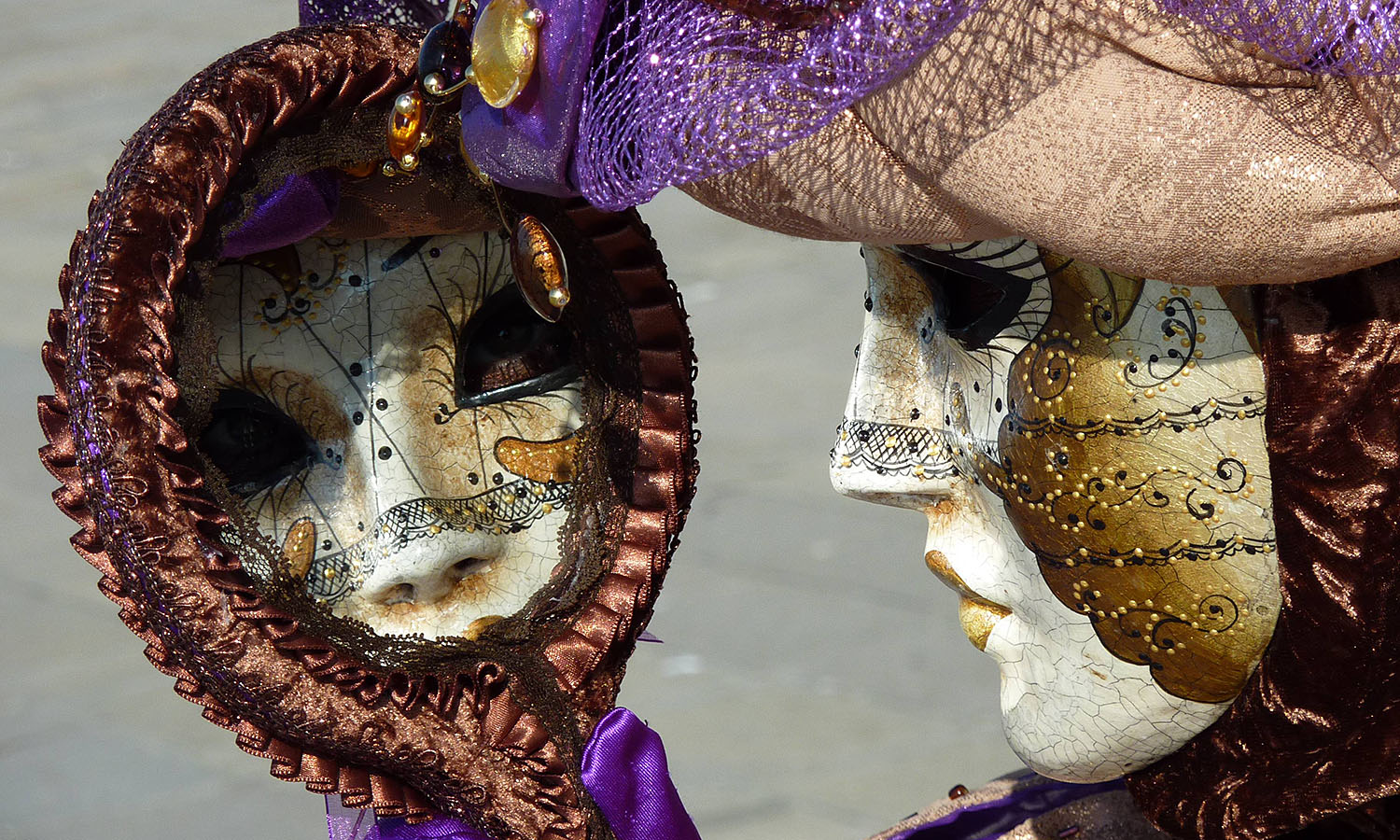
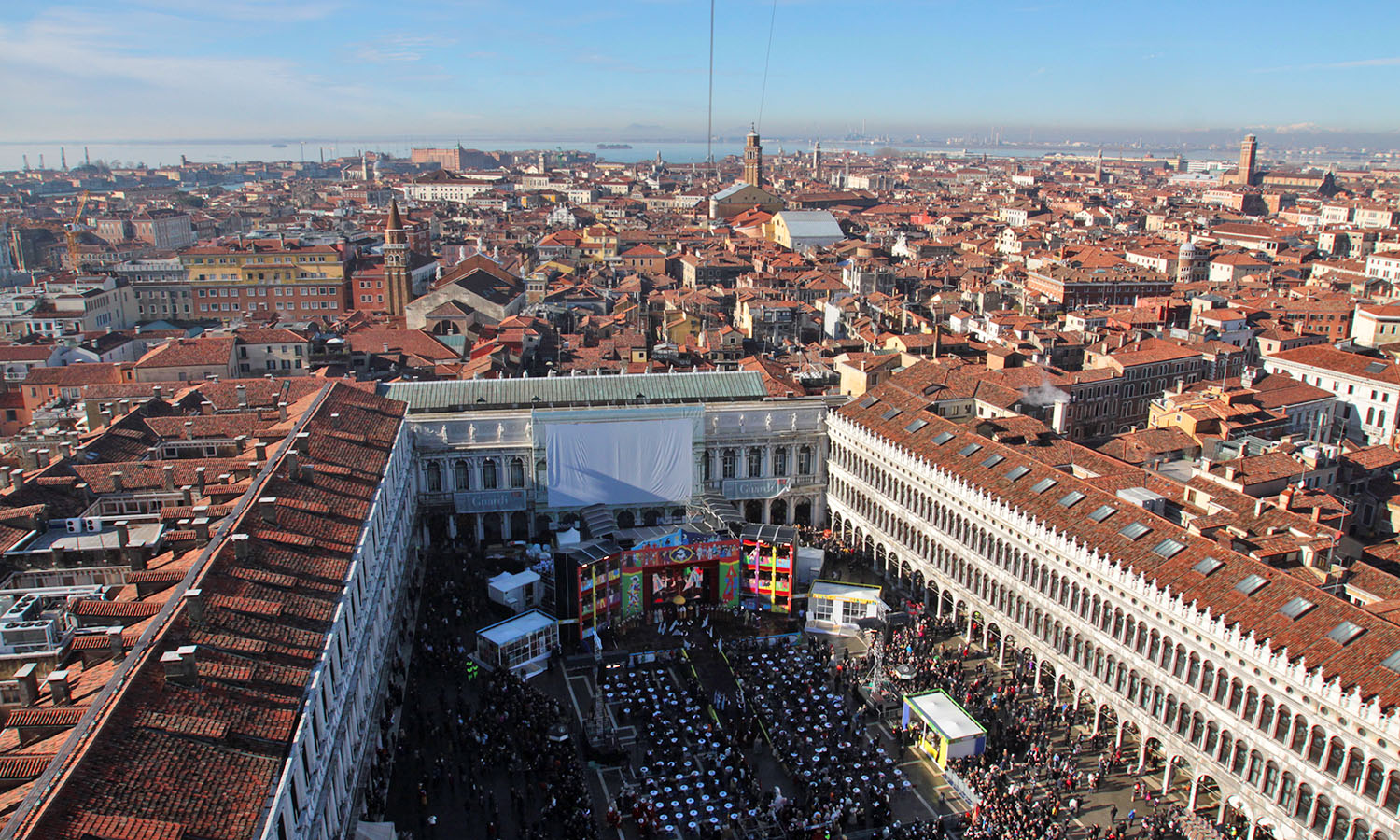
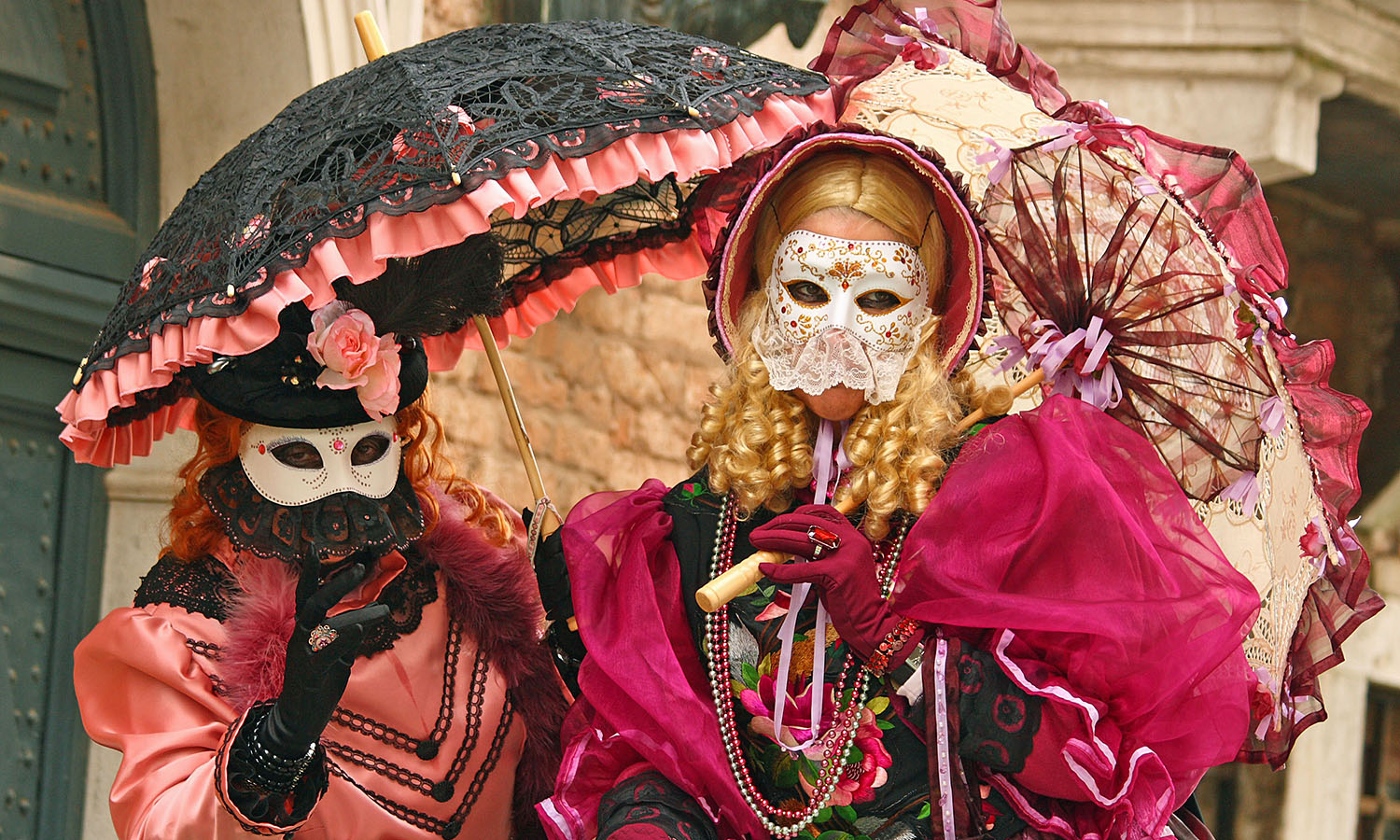
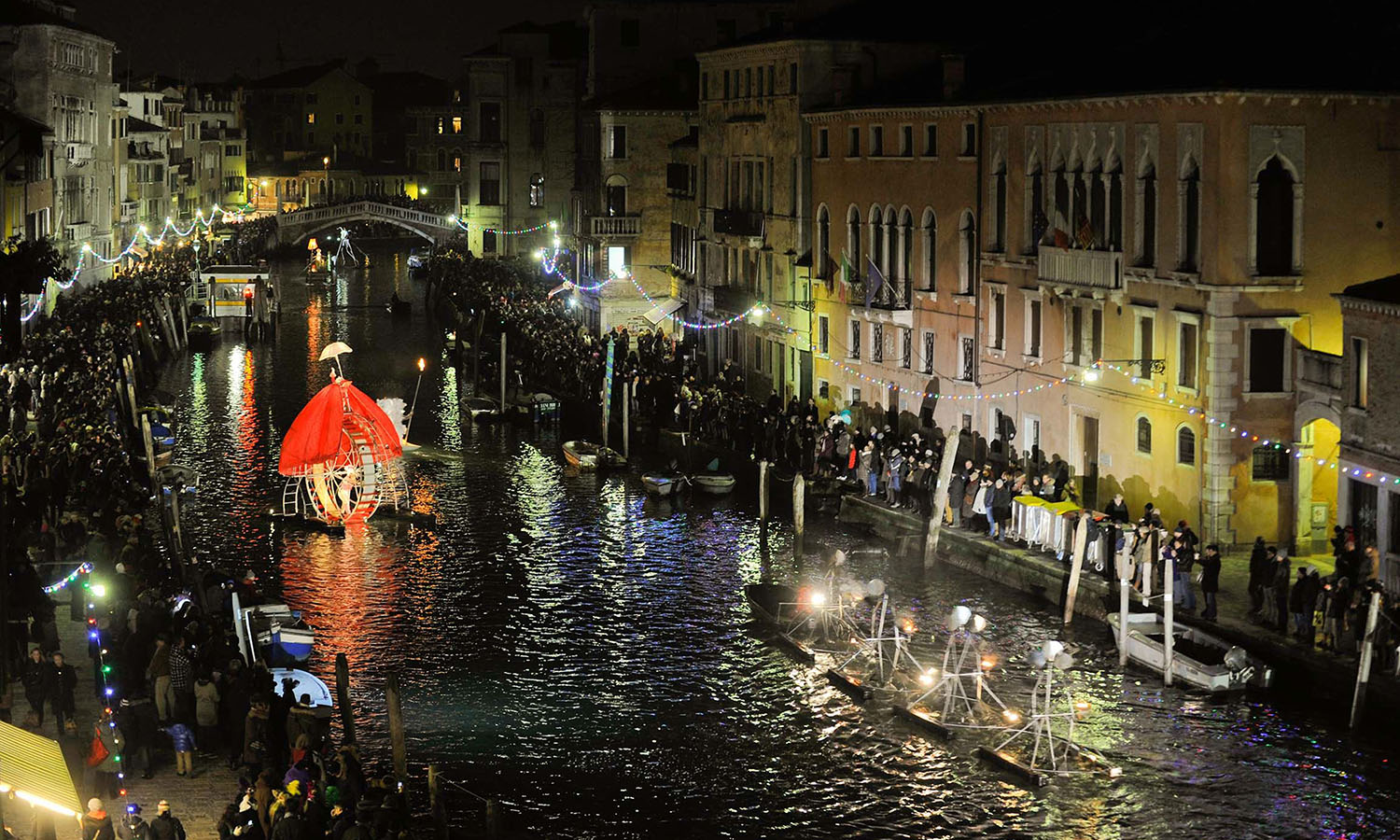
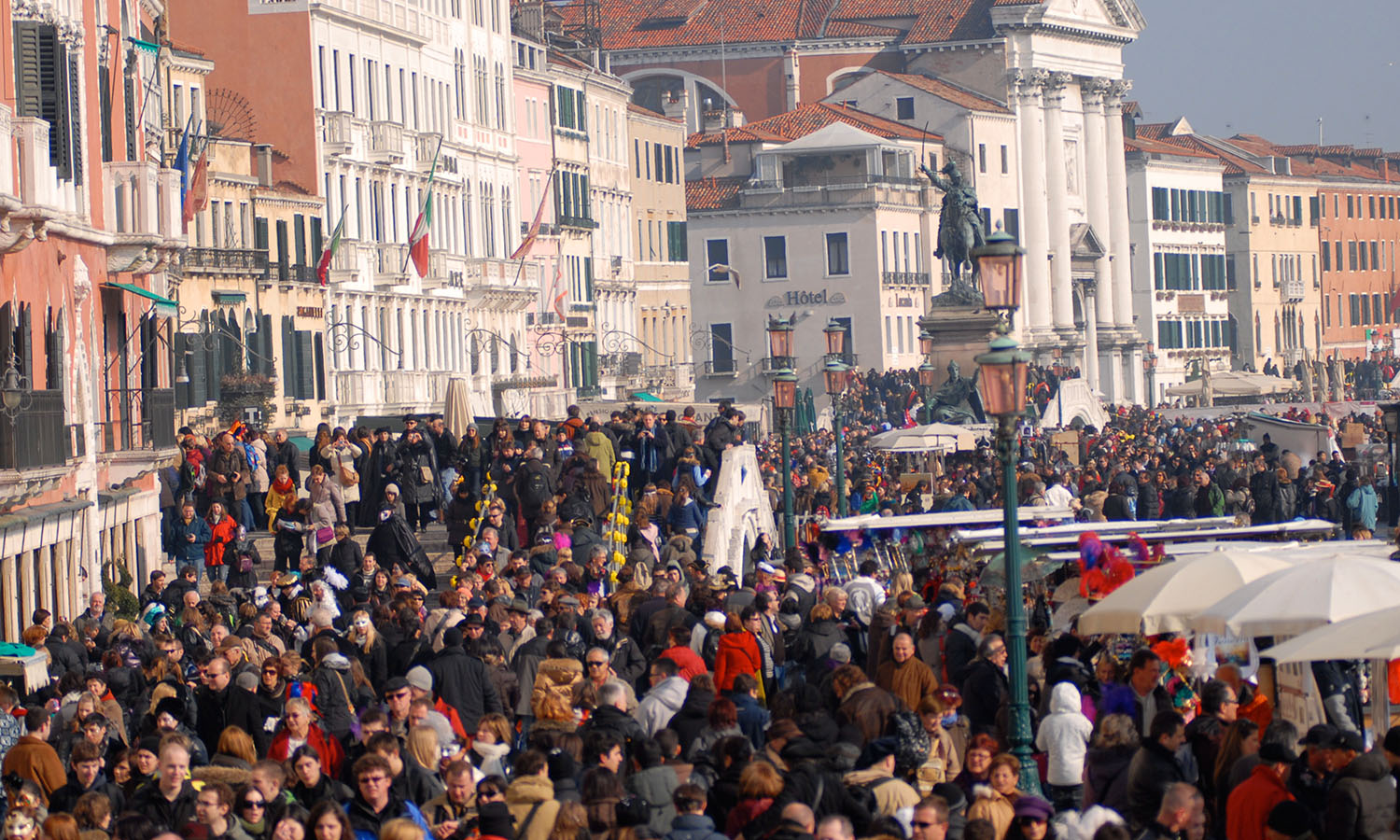
If you fancy yourself as some kind of international man/ma’am of mystery, this could be your dream celebration. Venice’s famous Carnival, like Carnival all around the world, involves an orgy of decadence before the self-denial of Lent. At least, that’s what Carnival is meant to celebrate, even if its origins have been long forgotten by many. Of course, Venice’s 12-day extravaganza is renowned for its masks that not only add an extra dash of colour to proceedings, but also encourage behaviour that may not come quite so naturally should the perpetrator be more easily identified.
Naturally, there are parades and drinking and dancing and debauchery, but also look out for other entertaining options: jousting tournaments, walking theatre performers leading tours of the city and its secrets, and games of calcio storico, an ancient sport that resembles football but also involves competitors knocking two shades of shit from one another.
If you fancy yourself as a bit of an artisan, get out the glue gun and BeDazzler, whip up a mask and enter it in the competition at Gran Teatro di Piazza San Marco. The overall winner receives a holiday in Venice and VIP tickets to Carnival events.
 (
(