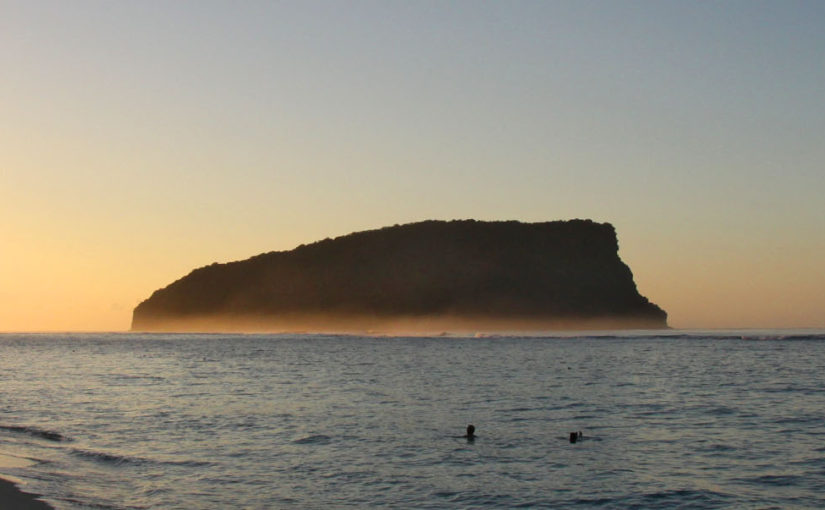
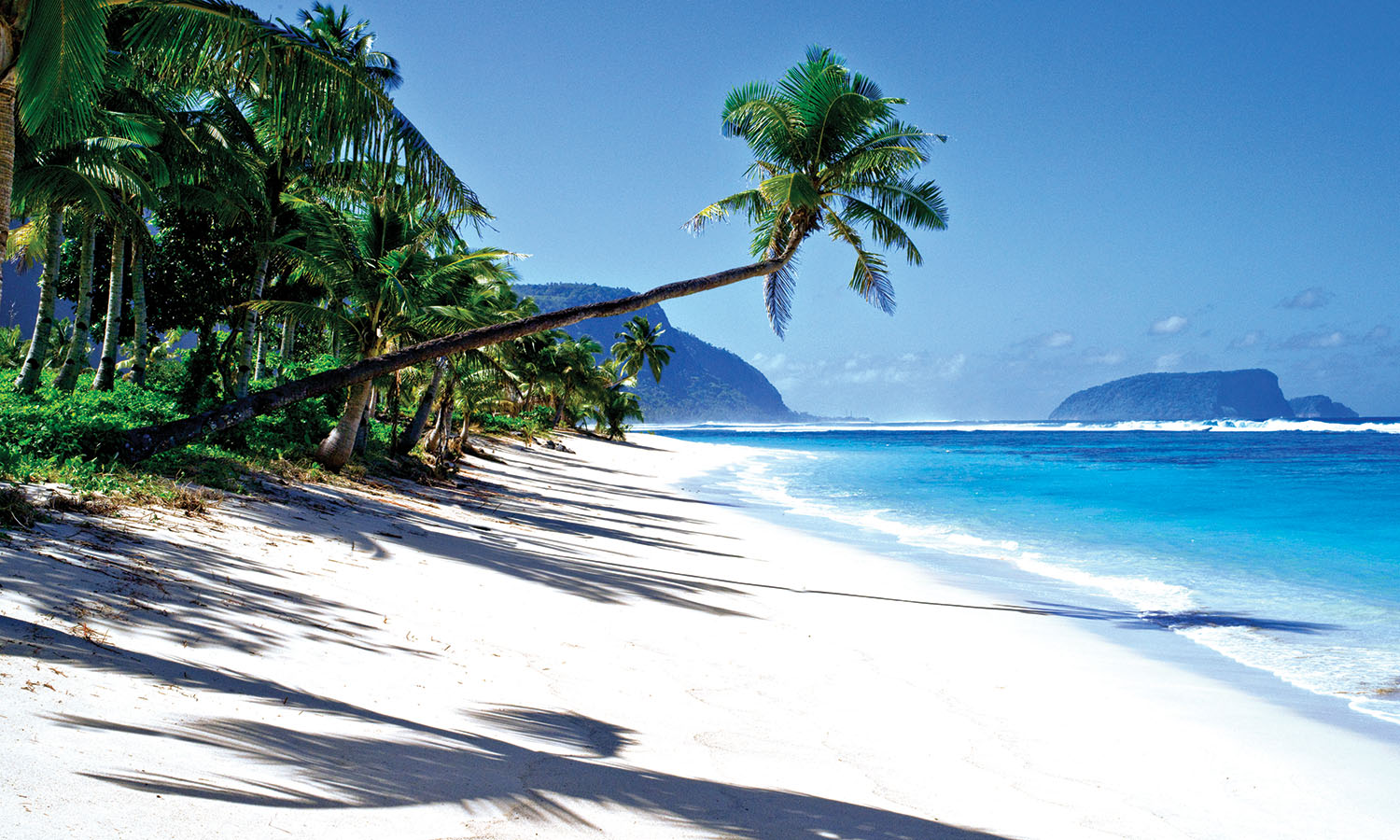
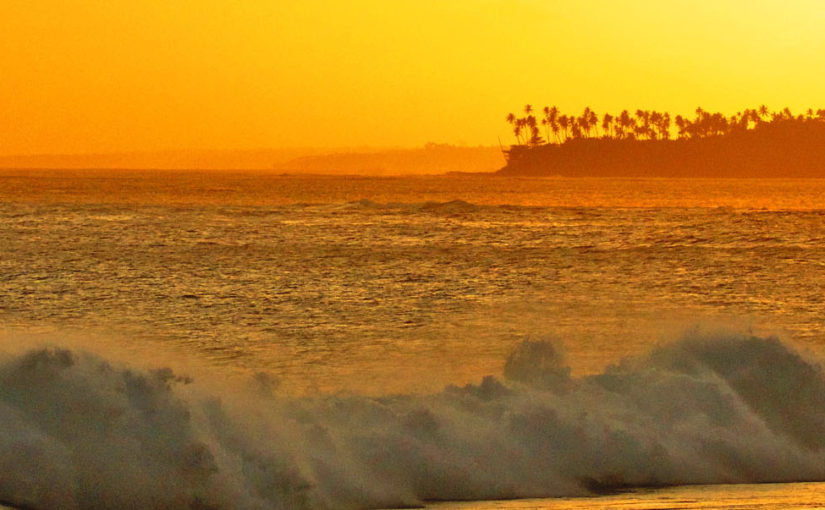
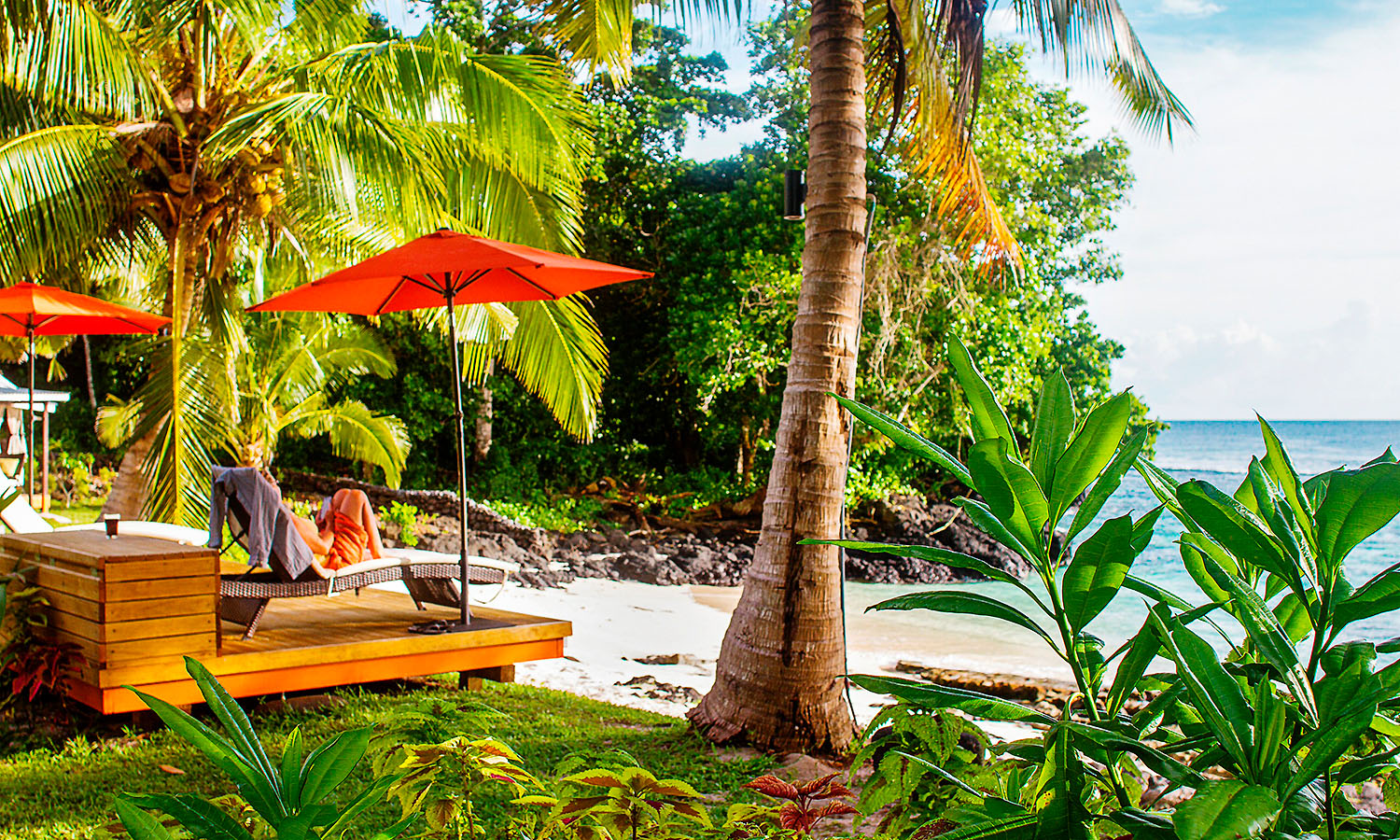
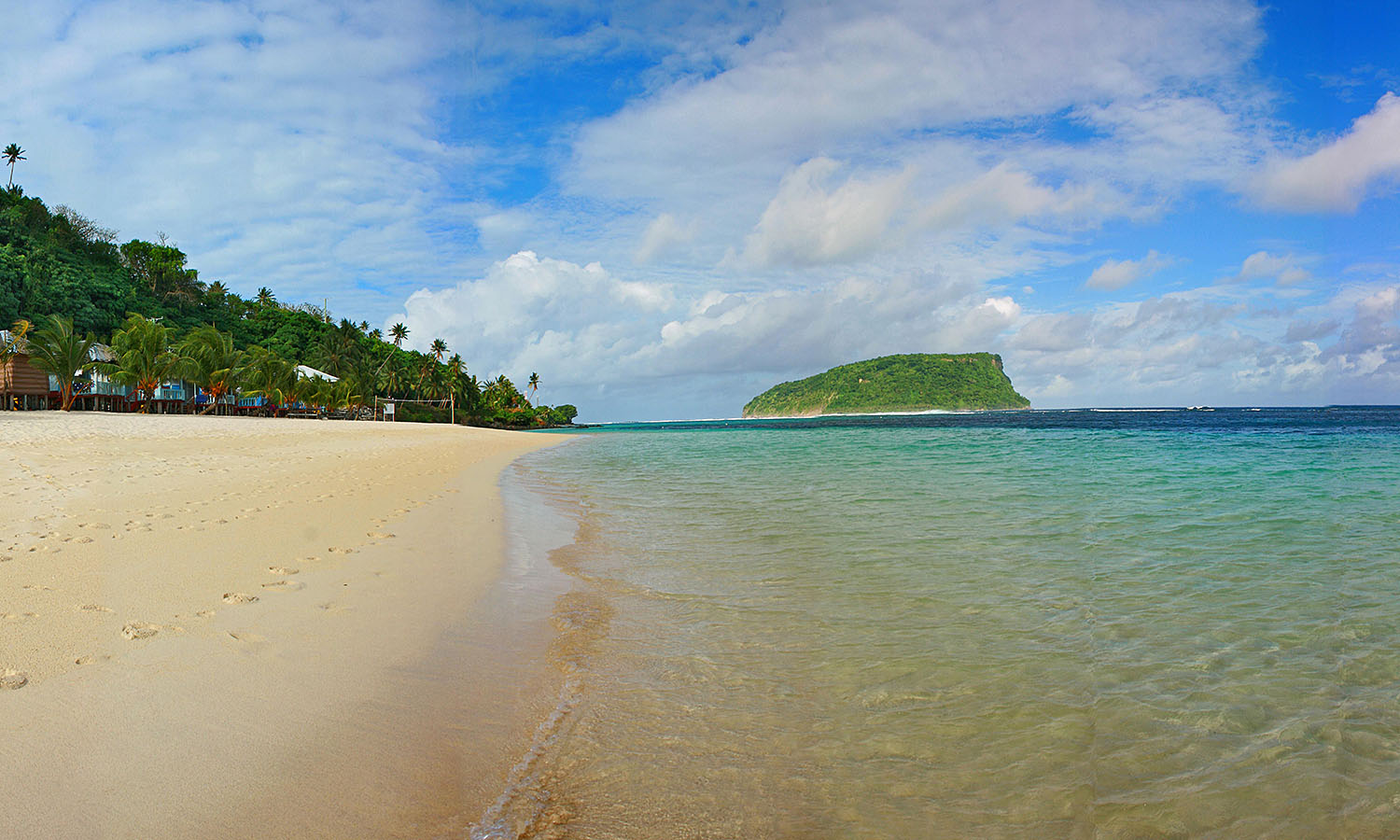
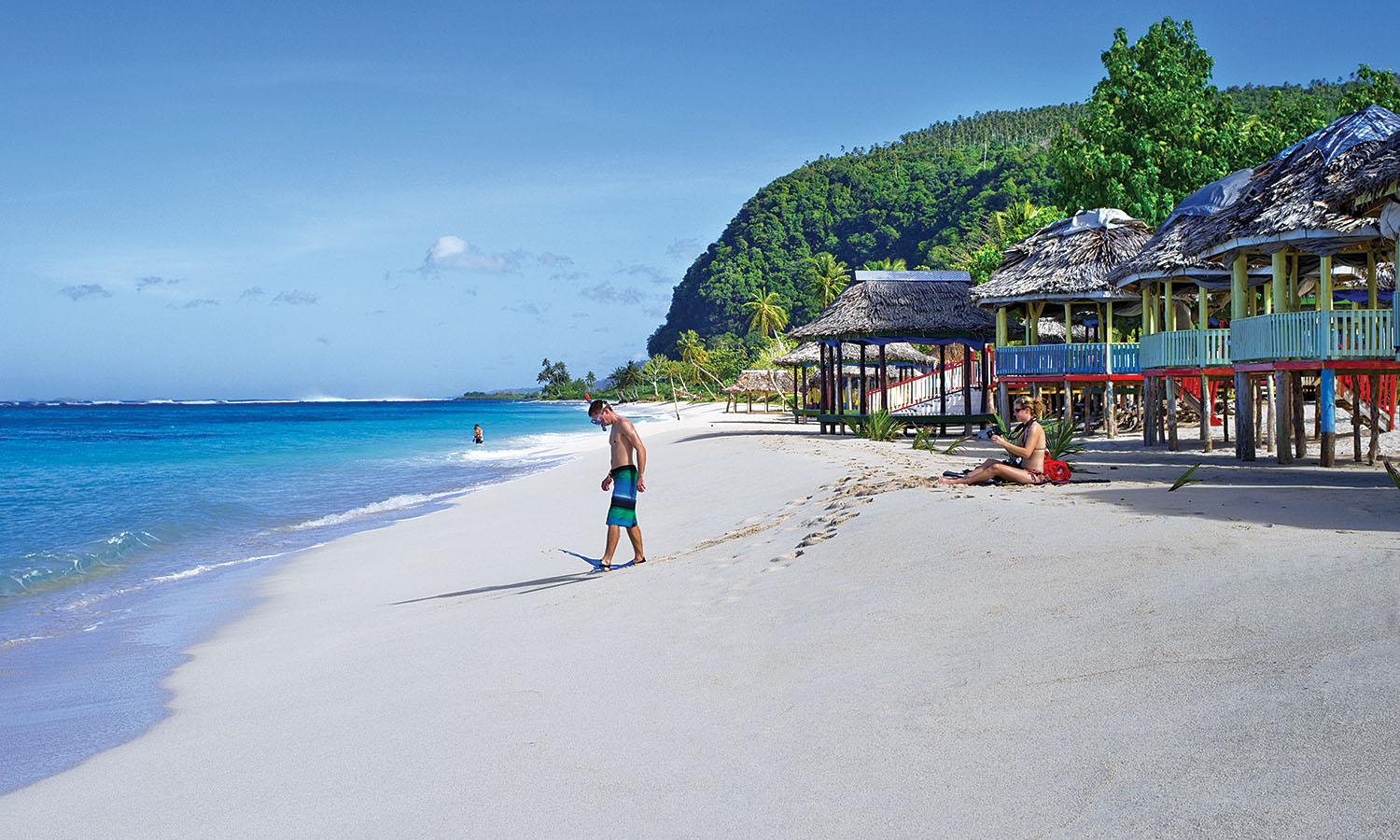
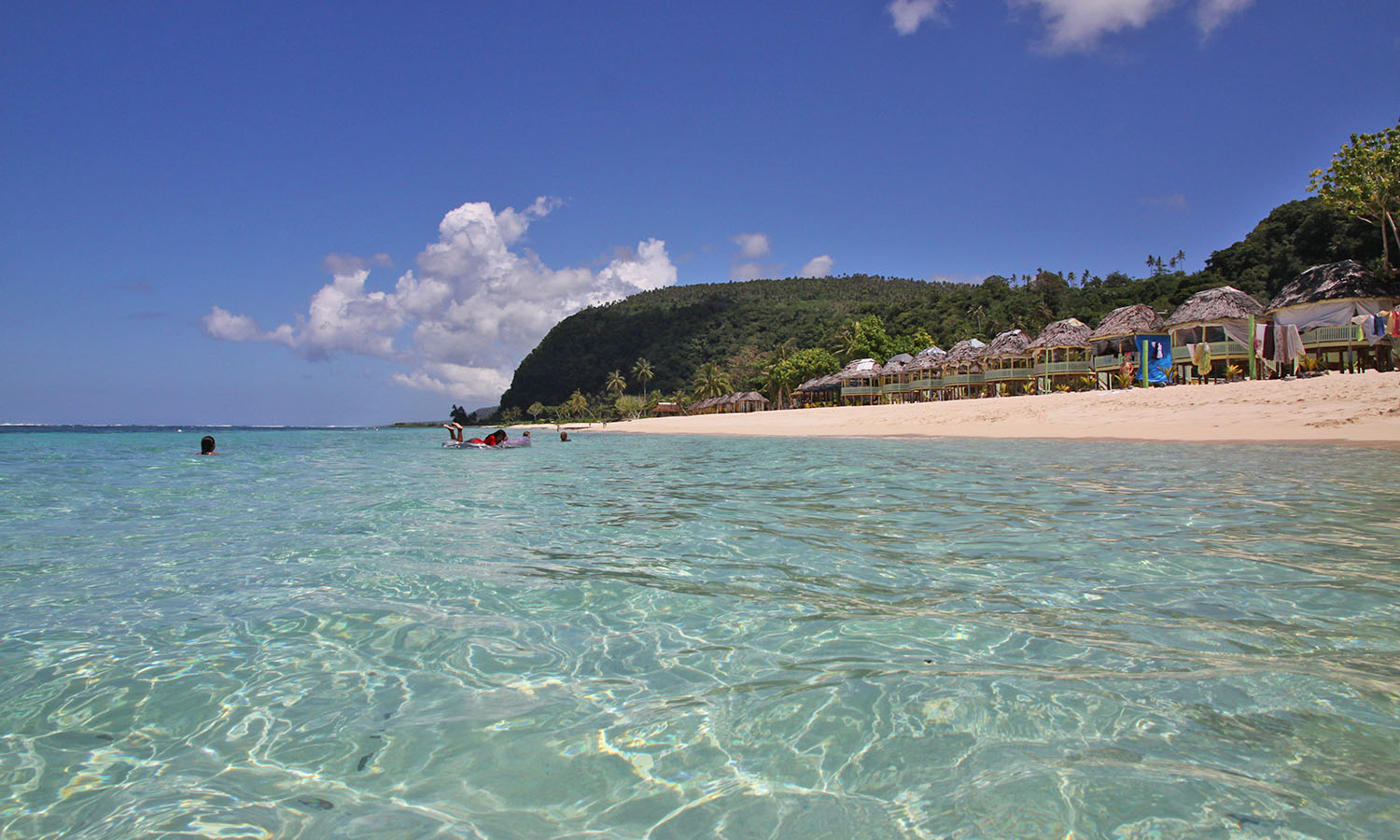
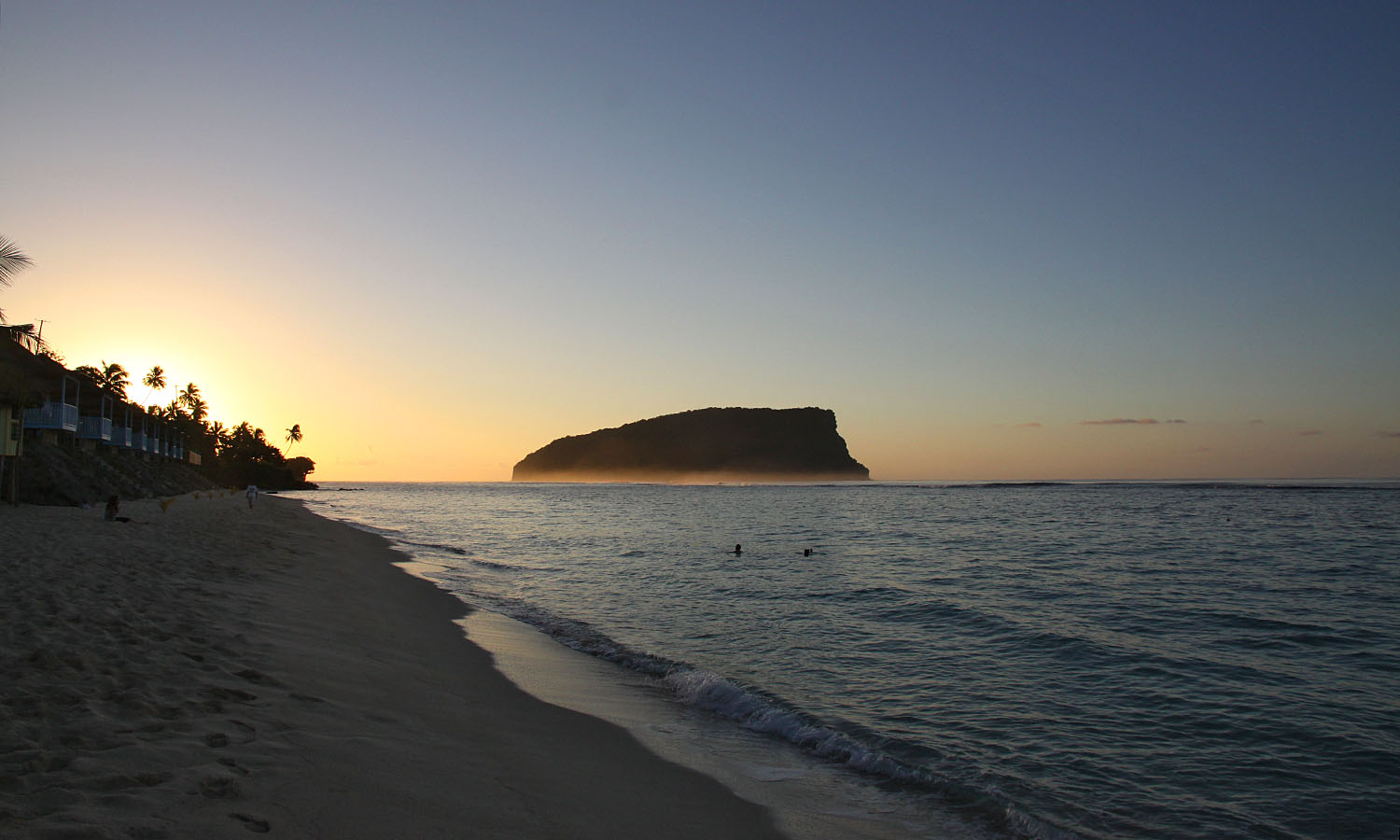
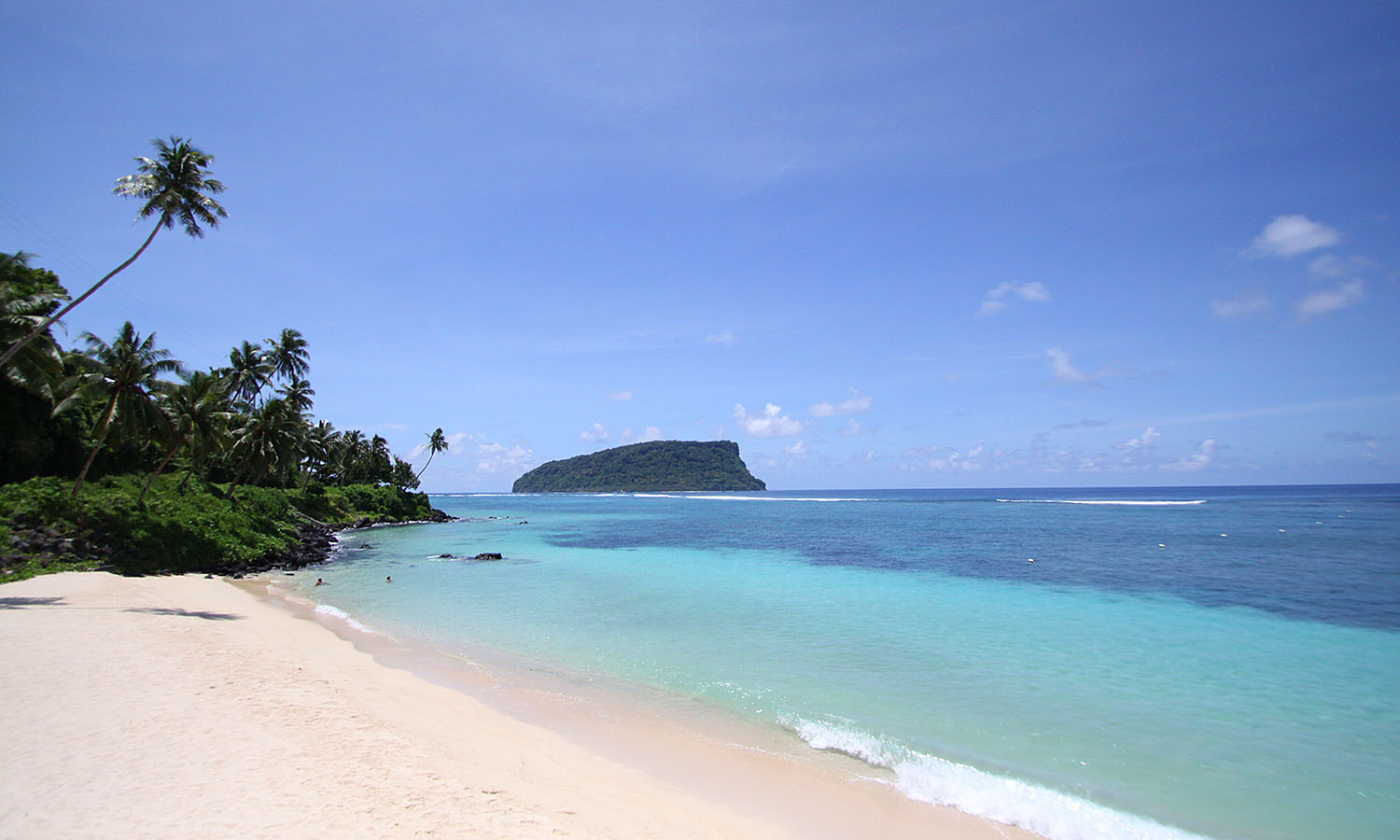
Set up shop on the east Coast of Upolu, Samoa’s main island, and spot tropical fish from your beach hut. Spend your days cooling off in the shallows or kayaking around uninhabited Nu’utele Island, rising dramatically from the water just a kilometre off shore. Lonely Planet lists Lalomanu among its top 10 Paradises on Earth and not without reason – the powdery sand remains deserted, save some simple fales (huts) for hire, a couple of restaurants selling fresh fish, coconuts and cocktails, and the verdant tendrils of vines creeping towards the lagoon.
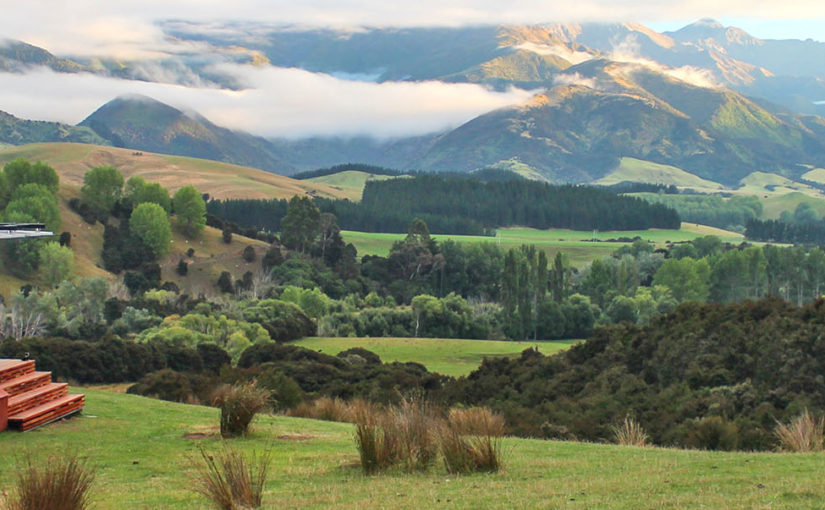
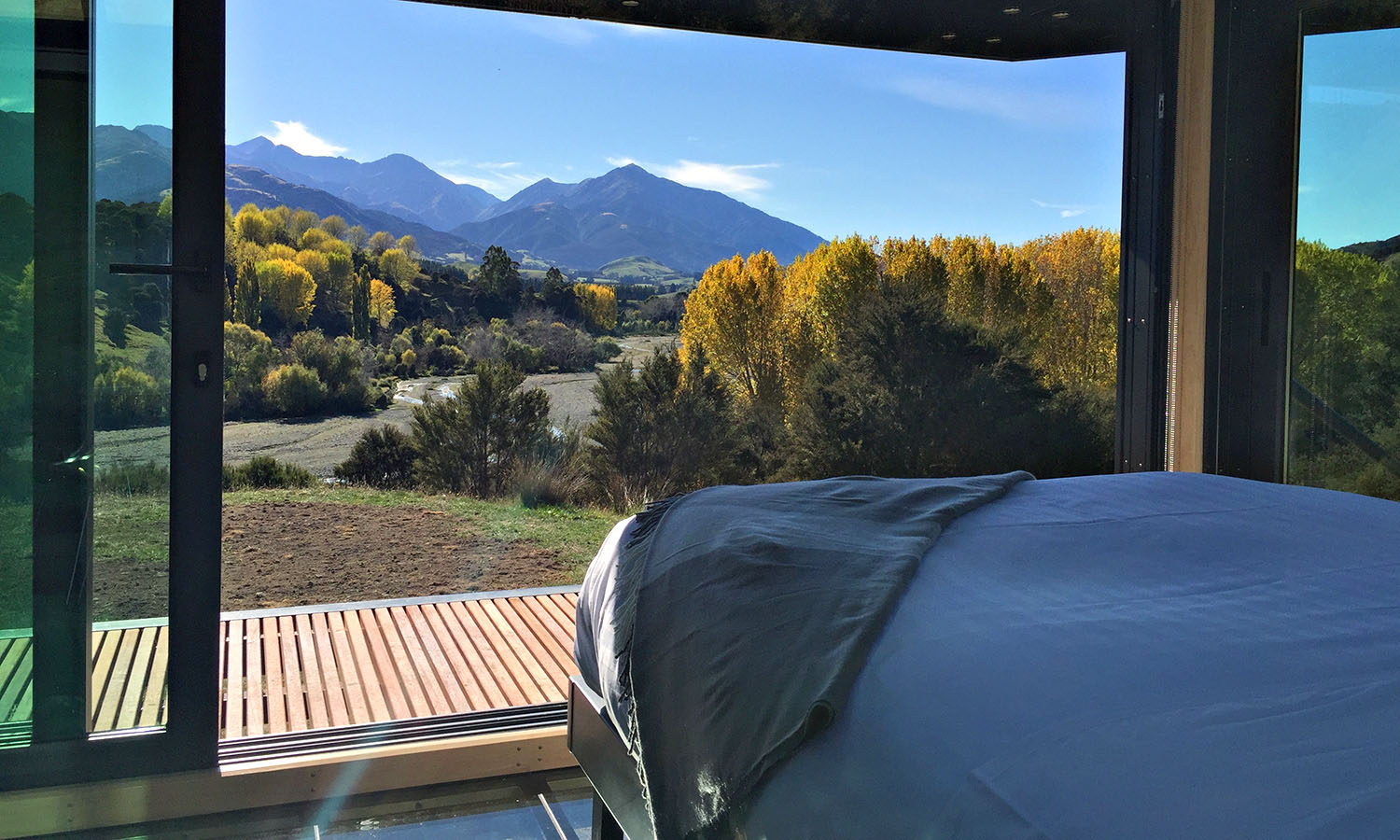
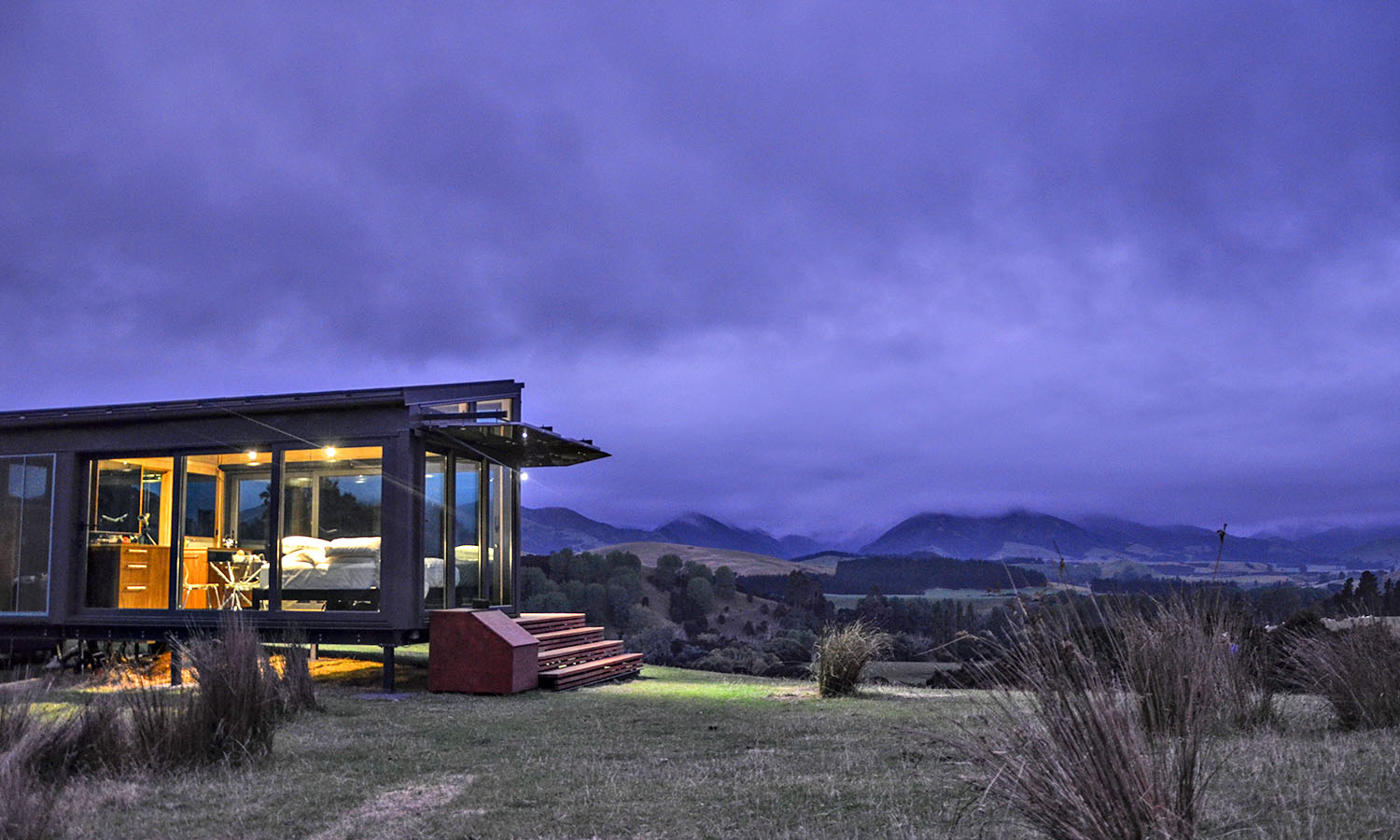
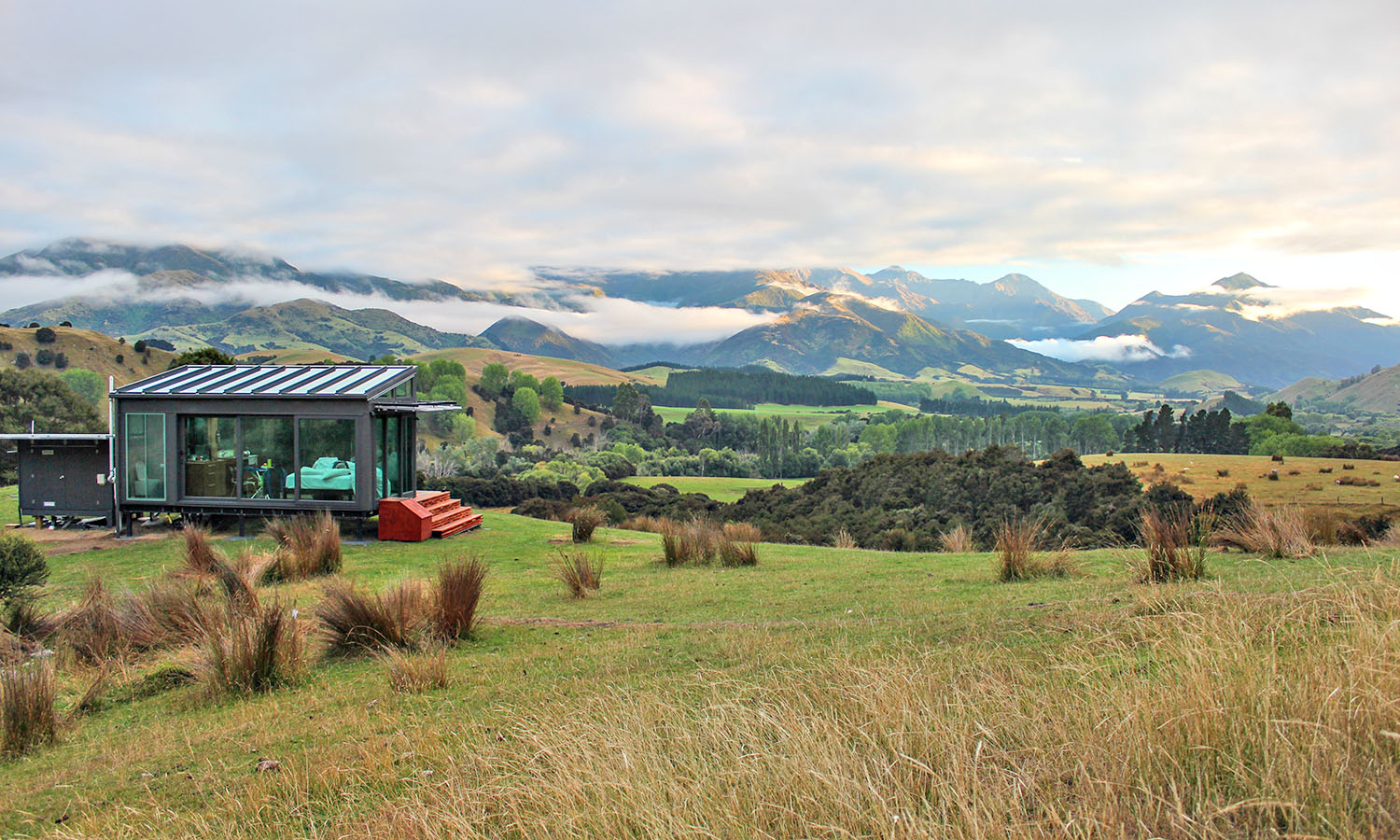
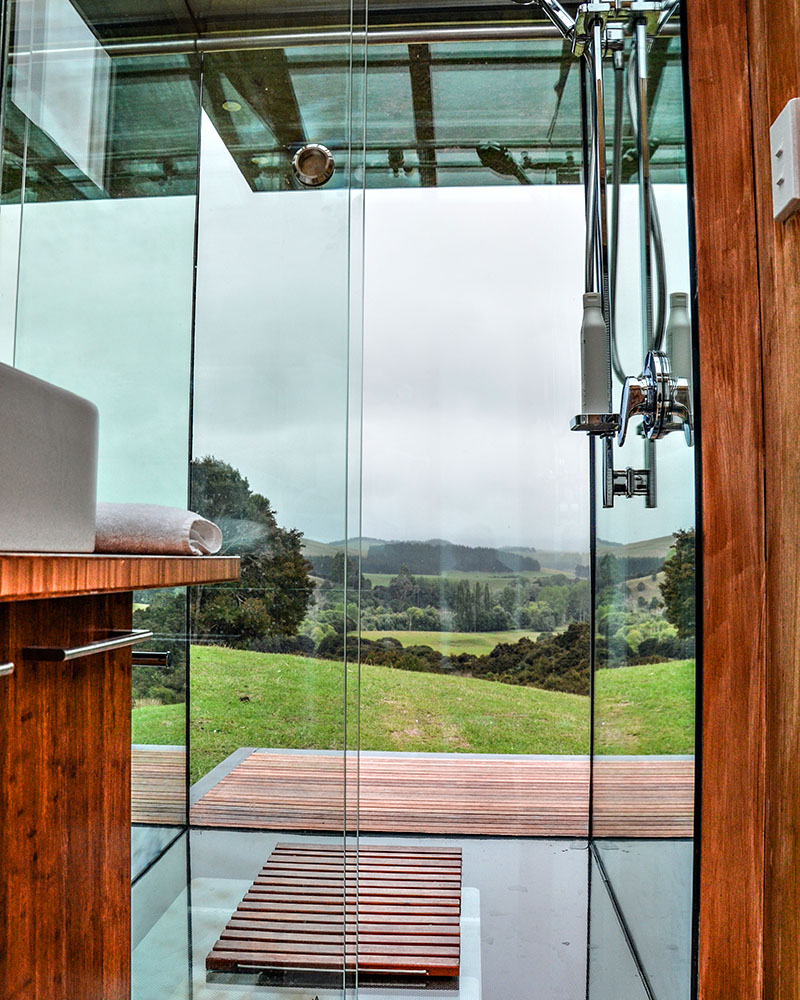
Hide away in your own slice of heaven. There are two PurePods about 20 minutes from Kaikoura (a third is located an hour from Christchurch), but each is located in a different spot to ensure complete privacy. And you need it, since the walls here are all made of glass. On a warm day, throw them open to completely surround yourself in fresh air and birdsong. In winter, you can lie in bed and stare out over snow-capped peaks. The pods are off-grid, but have everything you could need, as well as excellent extras like binoculars, reference books and board games. Bring food with you or have breakfast and dinner hampers delivered.
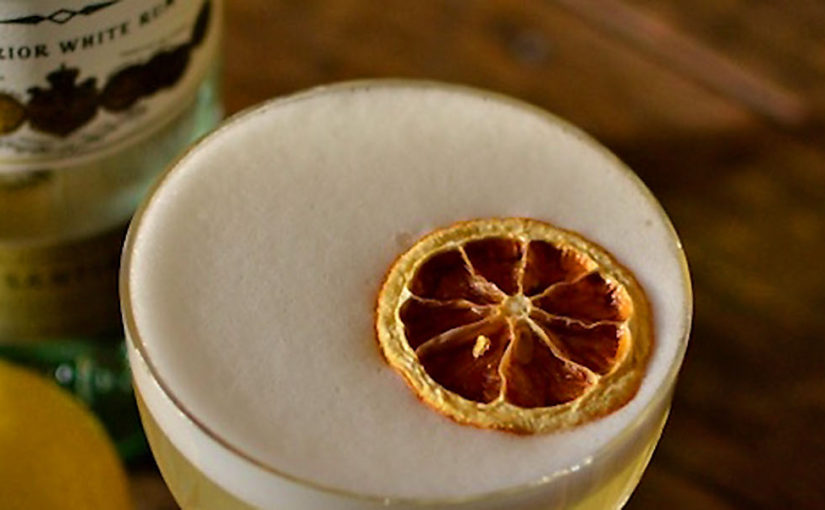
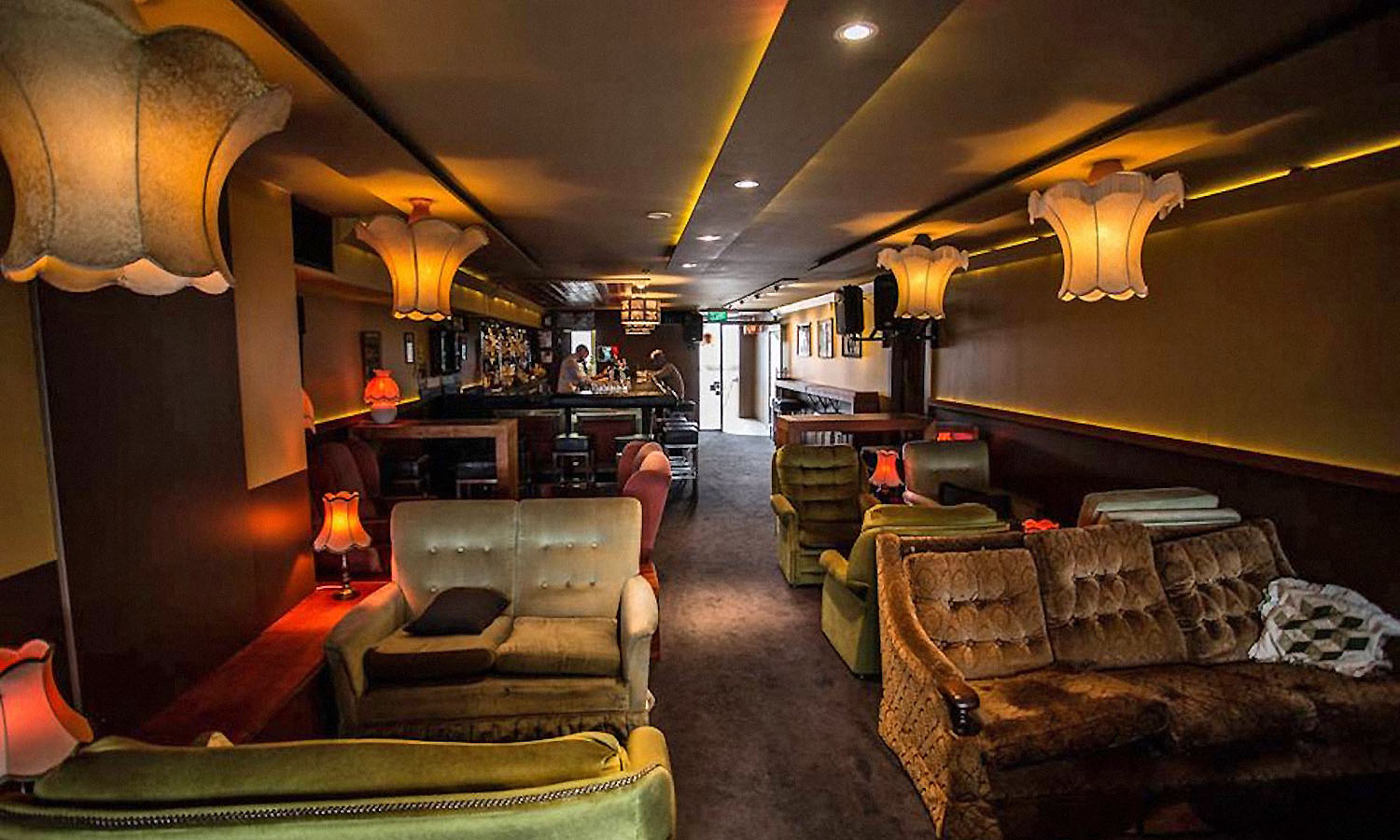
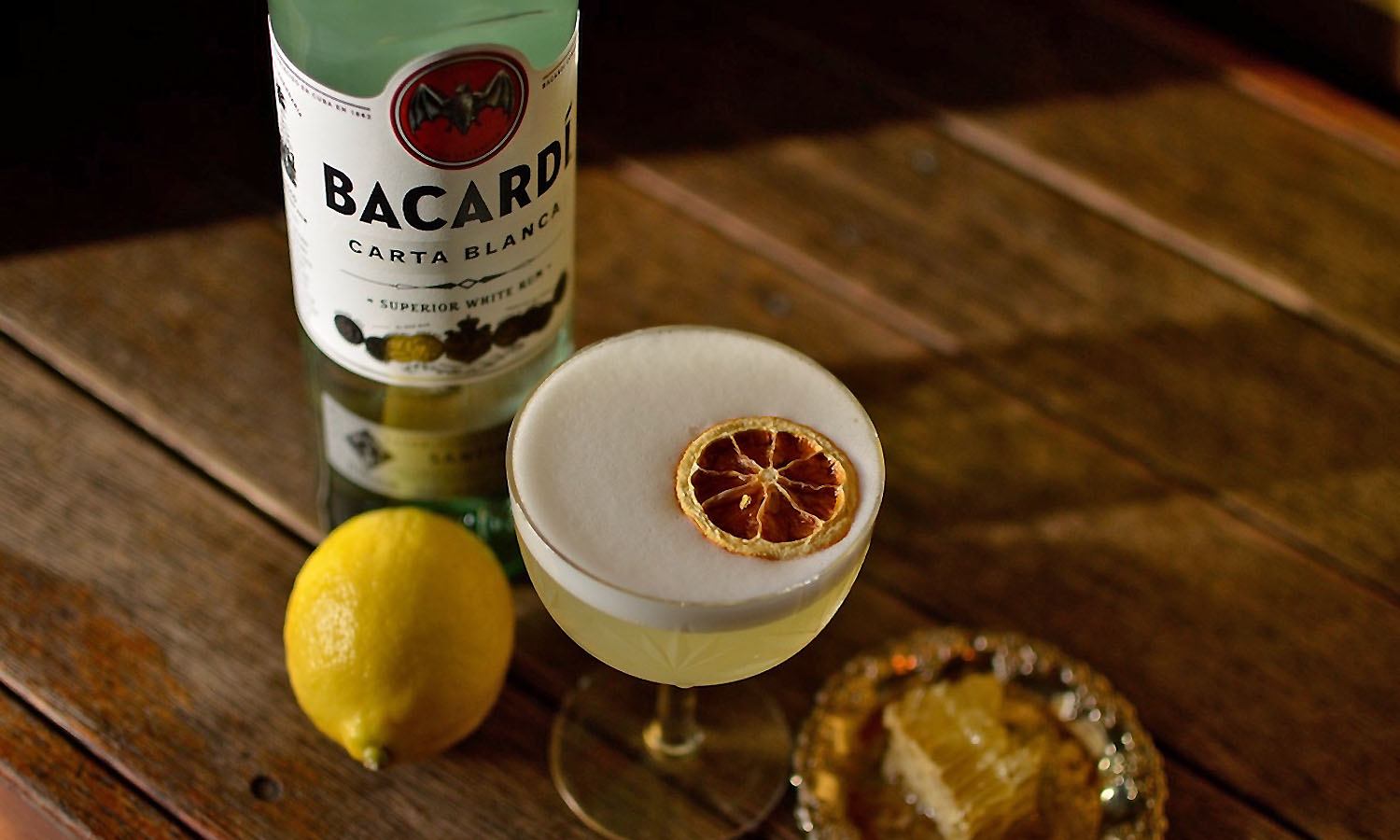
It’s that time of year when southern hemisphere snow-heads turn their thoughts to powder on New Zealand’s peaks. After a big day barreling down Treble Cone there’s nothing to be done apart from get a good stiff, warming drink. LaLaLand has got you covered. Arrive before the sun goes down and rug up for a seat on the deck overlooking the lake – really the only place to be as the day’s last rays disappear. Then scoot inside where the vibe is cosy, with velvet lounges, antique lamps and books on the shelves. The surroundings are slightly misleading though – these guys do a mean cocktail. Don’t miss the Te Anaka, a salty, citrusy surprise that took its maker James Crinson to the top three in the worldwide Bacardi Legacy Competition.
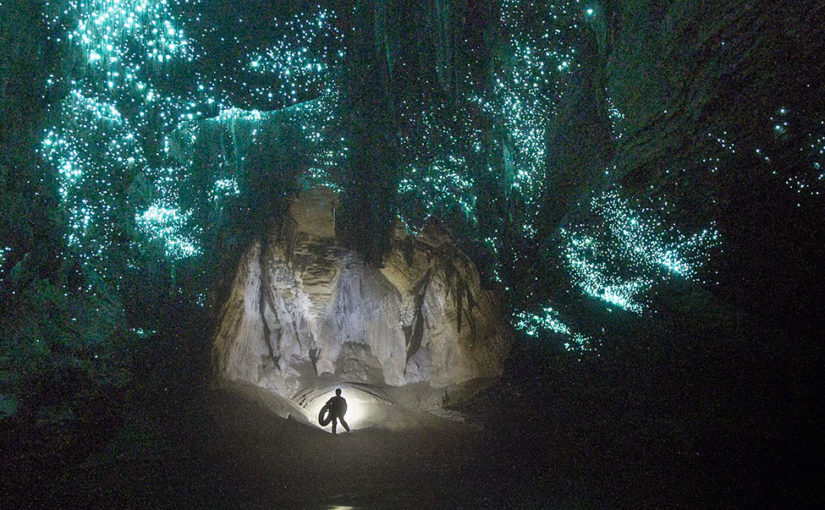
As far as having fun in the dark goes, it doesn’t get much crazier than this. Pull on a wetsuit and for the next three hours climb, clamber and coast through Ruakuri Cave on the North Island. For part of the journey with the Legendary Black Water Rafting Co you’ll be taking the plunge over underground waterfalls, but there’s also the chance to kick back on your inner tube and float through limestone galleries lit by glow-worms. Each tour, with a maximum of 12 adventurers, is led by a guide who’ll make sure you emerge safe and sound into the sunlight.
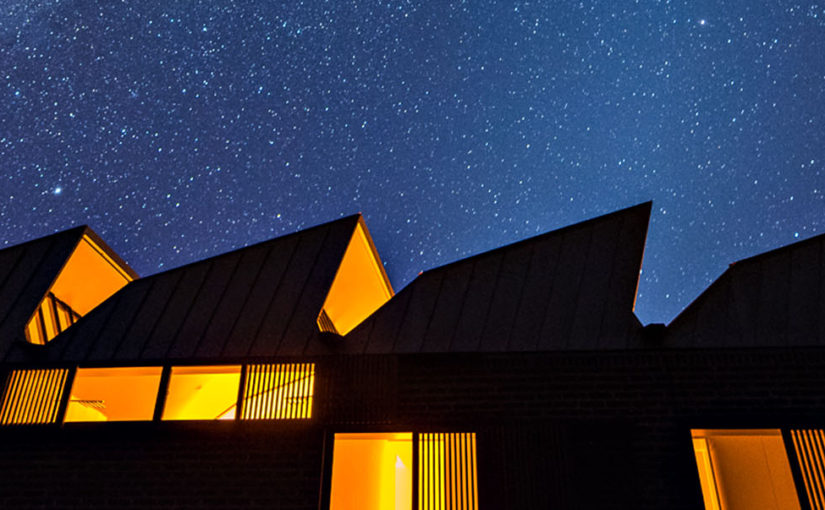
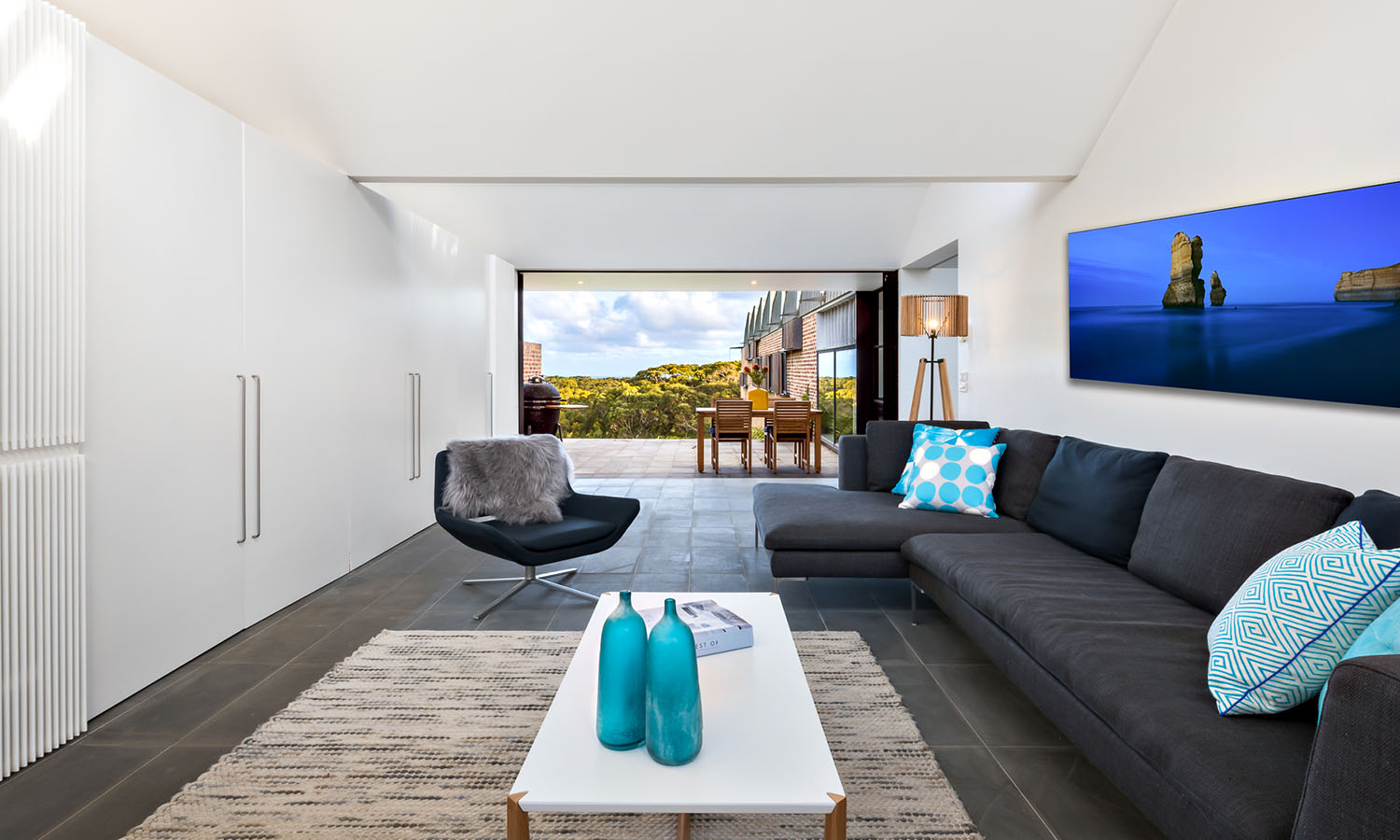
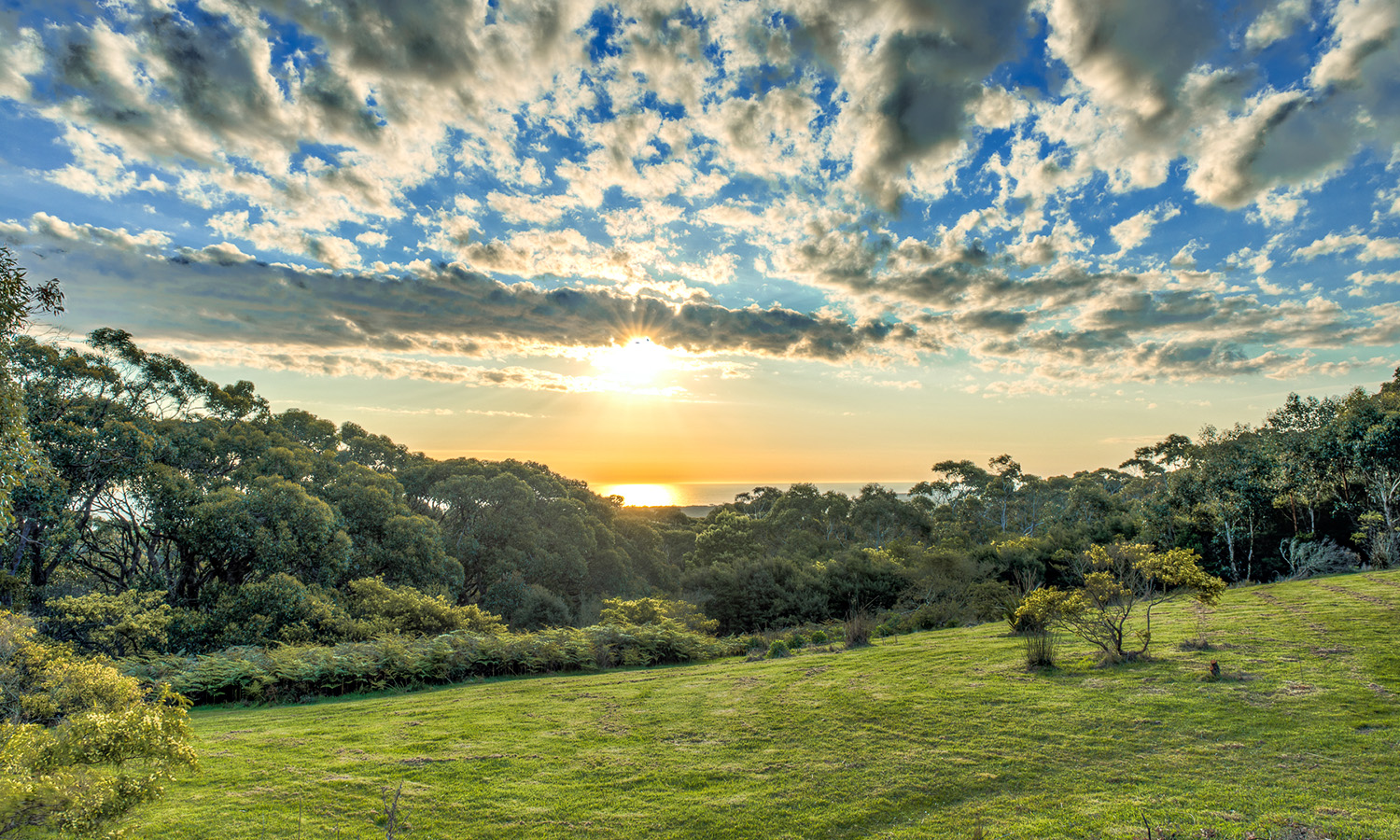
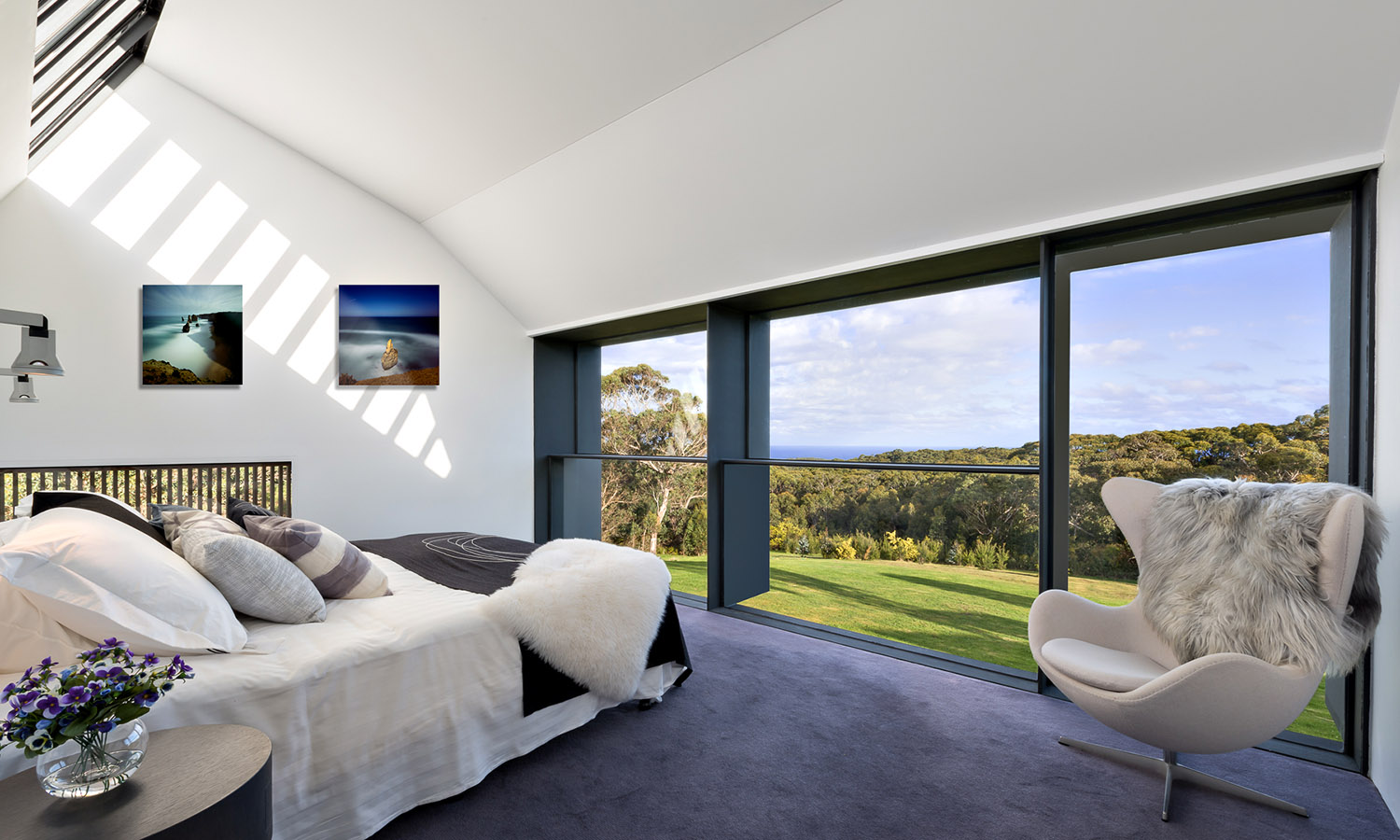
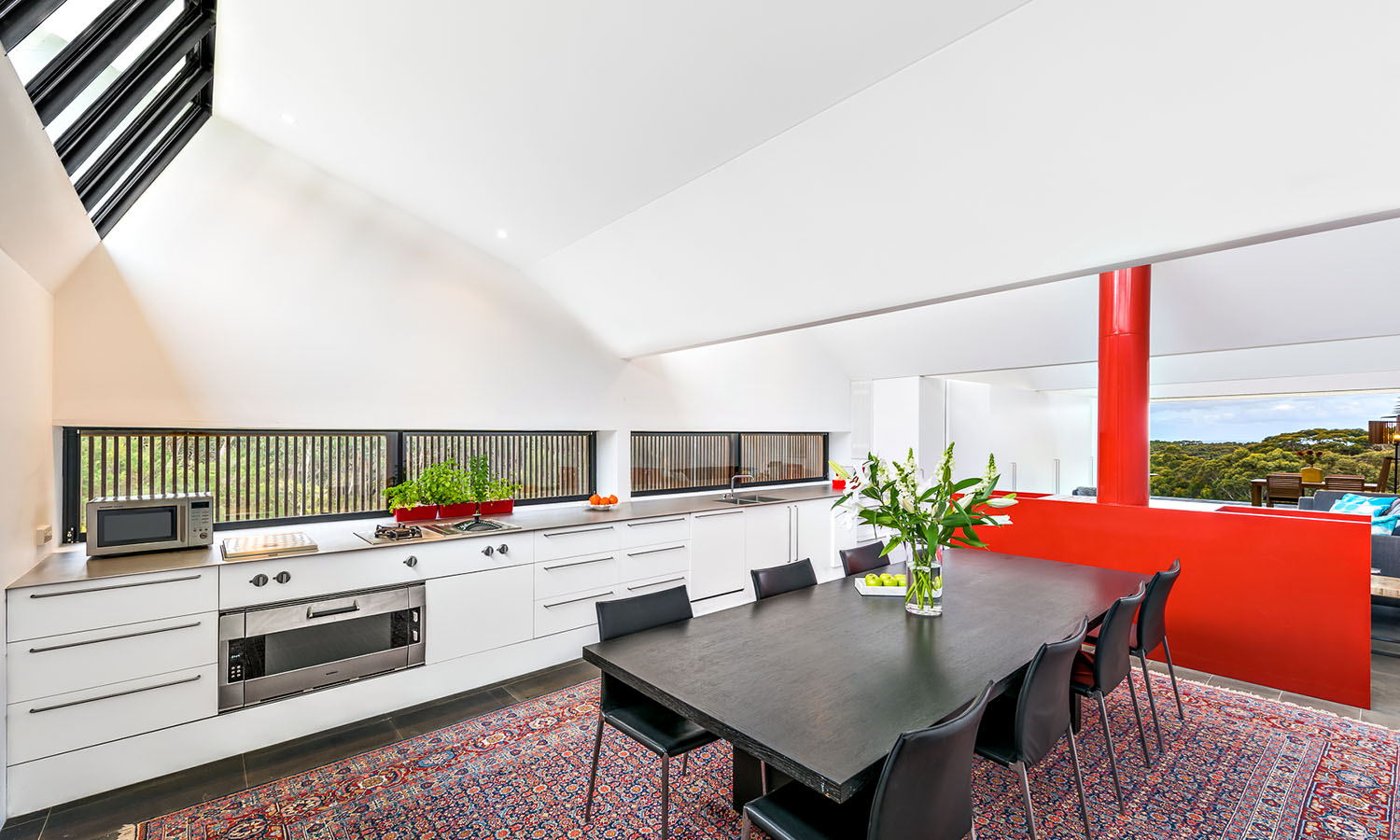
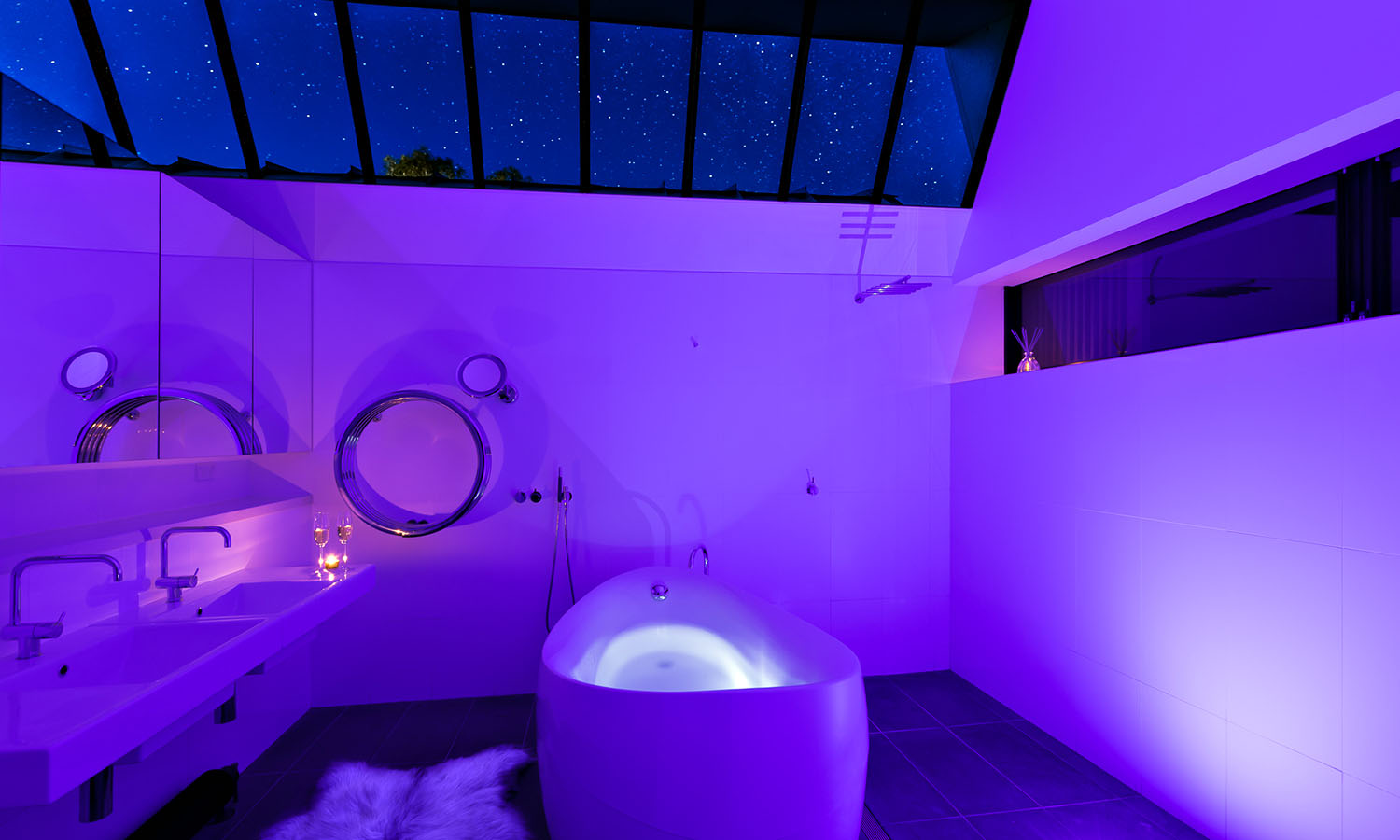
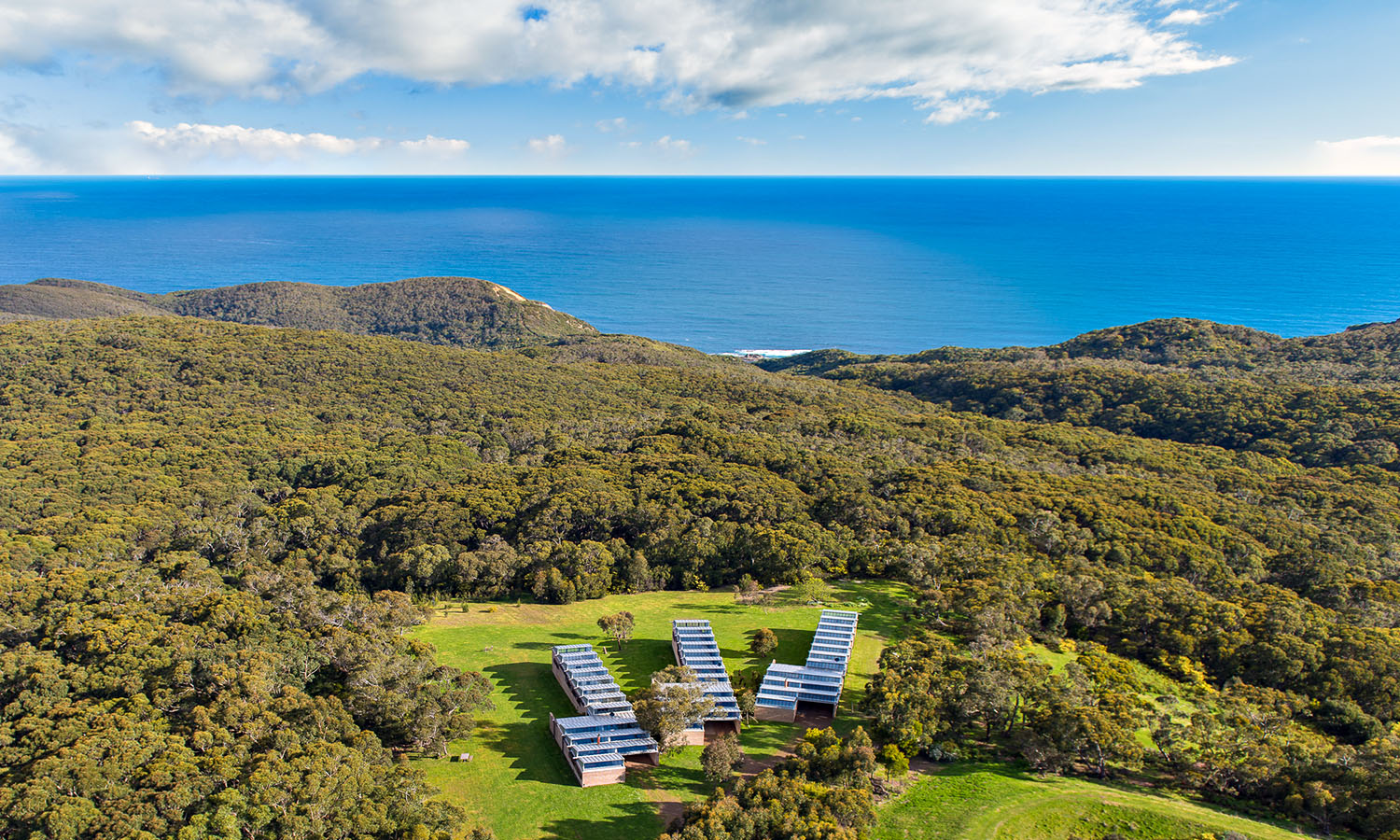
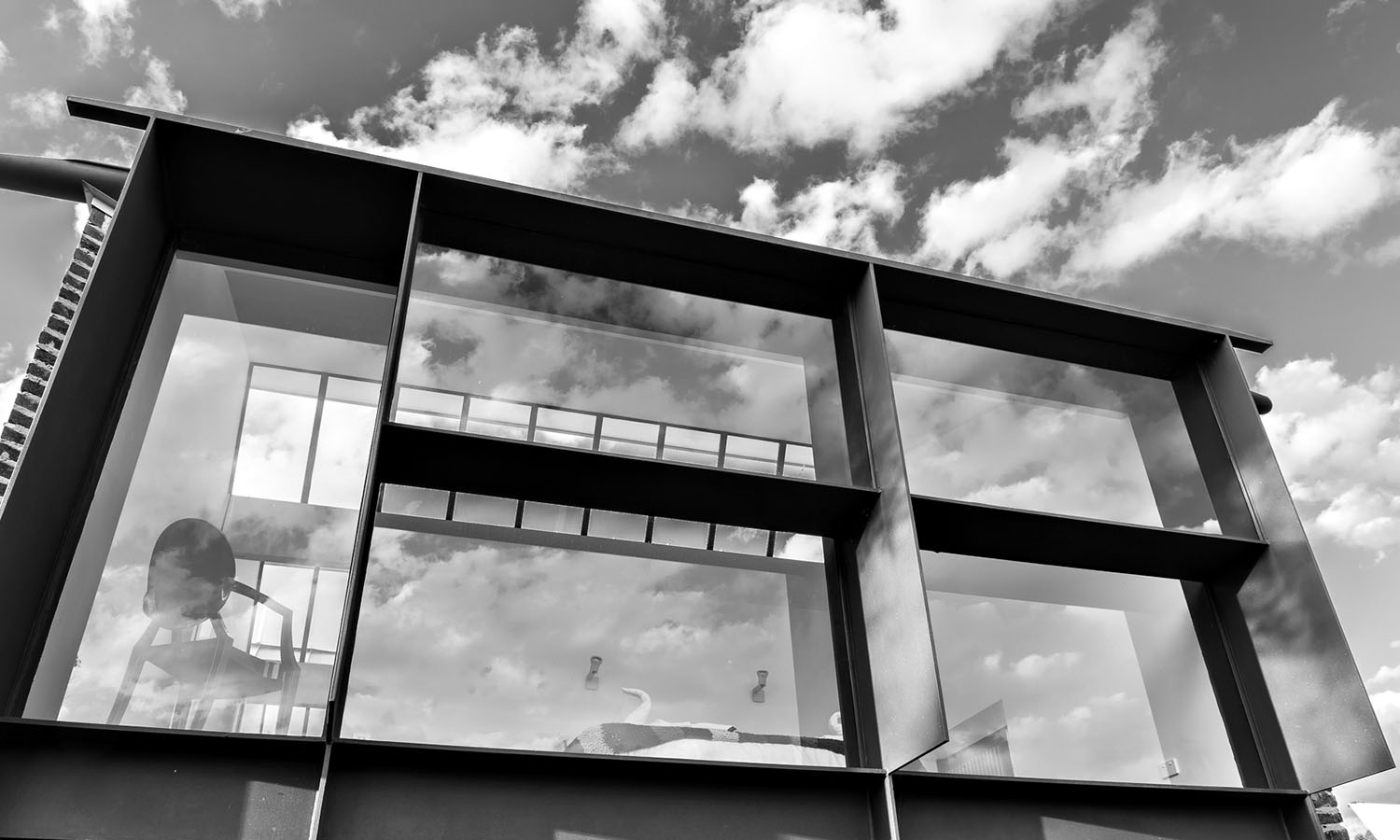
It’s one of the greatest drives in the world, but luxury accommodation along the Great Ocean Road is rare. Thankfully, we’ve discovered Alkina Lodge, a trio of four-bedroom villas designed by Glenn Murcutt and Wendy Lewin. Positioned in a clearing above the Southern Ocean, they offer every facility you could need plus luxuries like a fireplace, Bose sound system and a huge, freestanding bathtub.
The lodges are positioned to offer the utmost privacy while allowing guests to wake to the sight of kangaroos grazing on the lawn. Sky windows in the bathrooms and living spaces encourage lying back and enjoying a view of wafting clouds or twinkling stars. Best of all, this is a prime jumping-off point for the region’s attractions, from the 12 Apostles to the koala-rich area around Cape Otway.
One minute I’m eating breakfast in the offbeat cultural hub of Northbridge on the edge of Perth’s CBD. Twenty-five minutes later – no speeding involved – I’m in the Swan Valley wine region, the West Australian capital’s answer to Melbourne’s Yarra Valley or Sydney’s Hunter Valley, except closer. In fact it’s practically a suburb, albeit a rural one.
The scene here is all storm-grey eucalypts and red dirt mixed with luminescent green vines that march in military-straight lines through rectangle-cut acreages. Mission-brown brick homes, a nod to the area’s southern European immigrant history, add an urban twist to the farmhouse setting. The region’s Food and Wine Trail is a navigational cinch. The major road does a 32-kilometre loop around the region’s 40 wineries and 70 or so restaurant and food venues. It’s well signed so you can follow your nose rather than a GPS.
What it lacks in vineyard stereotypes – rolling landscapes and rusticity – it makes up for in earthy Aussieness. The pretty colonial town of Guildford, the gateway to the region, has a main street of antique shops and cafes shaded by bull-nosed verandas. There’s a little church, heritage-coloured pub and other old colonial buildings clustered along the railway line. Nearby, the rotted gums and dried mud on the banks of the Swan River conjure scenes from a Tom Roberts painting. Add dry heat and WA’s big blue skies to the mix and there’s no wine region quite like it.
While there’s chilled verdelho aplenty in the Swan Valley, I can’t help thinking the mid-summer heat calls for a cooling ale. Happily, and somewhat quirkily, Perth peeps, who think nothing of a casual trip to the Swan Valley, don’t mind mixing their drinks. The region, in step with the craft beer trend, now has six breweries. While I can tell a riesling from a chardonnay and shiraz from pinot noir, I’m less sure of my witbiers, IPAs (India pale ales) and stouts. With the help of an abstaining driver, I’m pit-stopping around the region to see if I can’t convert.
If you want to know how hops got hip in Australia, WA is the place to start. The state’s craft brewing goes back about 30 years, beginning with the opening of Sail and Anchor, the first brewpub in Fremantle. Since then local microbreweries such as Matilda Bay and Little Creatures (despite recent sell-offs) have set the stage for the raft of brewpubs and newcomers that have made craft beer more or less mainstream.
The Swan Valley’s breweries – like its wineries – are a mix of styles. You can go for a pub atmosphere, German beer hall or a traditional vineyard setting. The proximity to the city makes it an accessible place for a drink or meal. The result is lots of people and lots of fun.
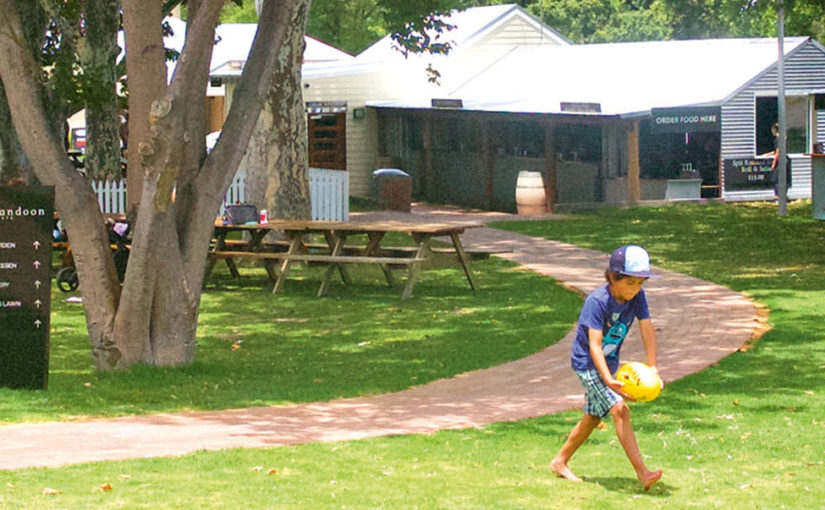
Superlatives abound at my first stop, Mandoon Estate’s Homestead Brewery. Mandoon is the darling of Swan Valley, with contemporary wood and corrugated-iron buildings, an awesome deck and beer garden with manicured lawns and vineyard views.
I plonk myself down inside at the big shiny bar, the Kaspar Schulz German-engineered kettles gleaming silver behind glass. It’s early for beer drinking so I have hospitality manager Gavin Fyffe’s full attention. He tells me the owner is a Swan Valley local of 50 years who lives down the road. The family started producing wine in 2010 and the restaurants and eating areas followed.
“Beer was always part of the big picture, but the brewery opened only 12 months ago,” he says. In that time, the number of beers brewed has gone from four to 10.
My Number 1 Belgian-style pale ale is served in a fine-lipped glass, chilled to the touch. It’s a good start to the day. I can detect the smooth malt, biscuit and fruit tastes I’m supposed to, if not the peppery finish.
“We really made this beer to check out how the brewery system all worked, but it turns out we liked it and started selling it,” says Fyffe. “In the first six months it was our number-one selling beer and one year down the track it’s still on tap.”
At the other end of the palate spectrum is the Velvet, a black cherry sour. Matured in old oak barrels from the winery, it has a stewed fruit flavour with cinnamon and chocolate thrown in. I also try Kaiser’s Choice. This German-style wheat beer with banana and clove notes was a gold medal winner at the Australian International Beer Awards last year.
Awards matter in beer circles, as I find out at Mash Brewery, which has a wall of them decorating the main bar. Mash is a modern establishment kitted out like an American roadside bar, with tunes, cool art and a vibe that feels like a party warming up. When I arrive, just before midday, the trestle tables are filling with punters ordering buffalo wings and other mouth-watering bar food. Enormous stainless-steel beer kettles fill the room, and there’s a queue at the bar. Behind it, Joshua Banks, a craft-beer nut, tells me Mash is almost nine years old, its success largely attributed to two master brewers who have collaboratively brought home the wall of awards.
Mash’s champion beer is Copy Cat IPA, an American-style India pale ale with a “tropical, piney, resinous hop bitterness and aroma”. Banks tells me the beer initially had a mixed reaction from the makers who didn’t want to replicate the style: “They said, ‘We’ll only do it if we call it Copy Cat.’ It went on to become the Australian International Beer Awards champion beer in 2014.”
Even for a novice, Copy Cat is easy drinking. Not so the experimental Cold Brew Coffee is the New IPA. Apart from a name that’s a total mouthful, this black, malty Scottish ale has a creamy caramel flavour and a coffee finish. It’s an intriguing on-trend concoction developed at Mash’s sister venue, 3 Ravens brewery in Melbourne.
“We put non-roasted coffee through a gravity filter with cold water (not hot), which extracts fruit, so there’s a hoppy flavour instead of roasted bitter flavour, but a) you gotta like beer and b) you gotta like coffee,” says Banks.
Happily I can tick both these boxes, although in this case one is more than enough.
By the time I get to Elmar’s in the Valley I feel like I’m getting a handle on at least a few of the 20 or so craft brews on offer in the region. Cue my next drink – a one-litre stein of Ein Stein Pilsner, a malty, hoppy, easy-drinking brew with honey notes. It’s Elmar’s most popular beverage and, for a little extra, you can buy the famed oversized drinking vessel.
Ten-year-old Elmar’s is owned by Elmar and Anette Dieren, a German couple, who, when missing their homeland cuisine, opened a German smallgoods store in Perth. When Elmar suggested opening an authentic German brewery, Anette intoned, “You can’t have beer without food.” The restaurant now serves gutsy dishes – pork knuckle with sauerkraut, grilled bratwurst, cheese kransky and its own beer bratwurst – that pair perfectly with a pint of the good stuff.
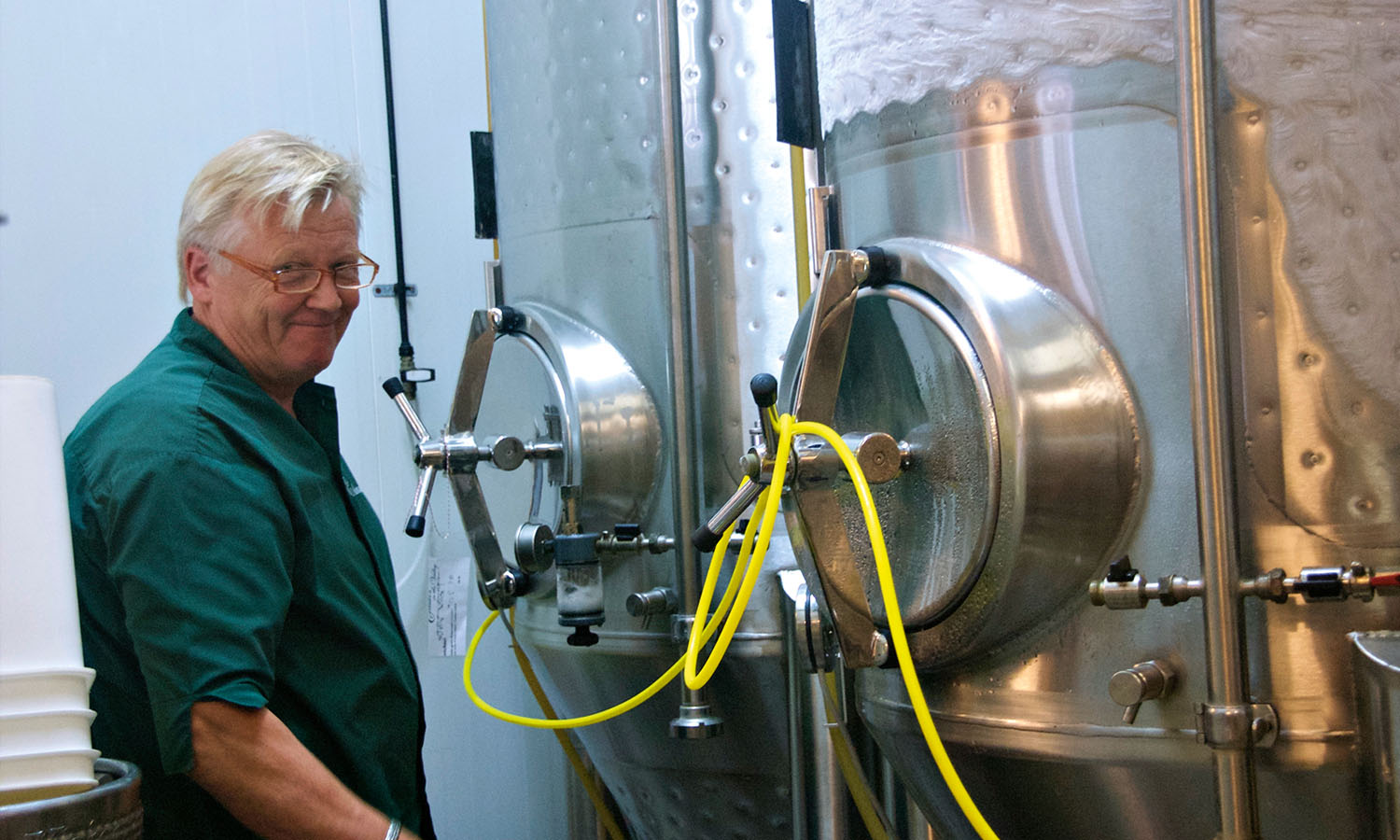
Gleaming copper kettles stand behind the main bar. As I’m snooping around them, oxygenating hops hissing, I meet Elmar himself. He’s a kind of Boris Johnson type – big with white hair and rosy cheeks. “The hops, the malt, the process,” he tells me, beaming excitedly, “everything is imported from Germany. Germans visit and they think the beer here is more authentic than the beer at home.”
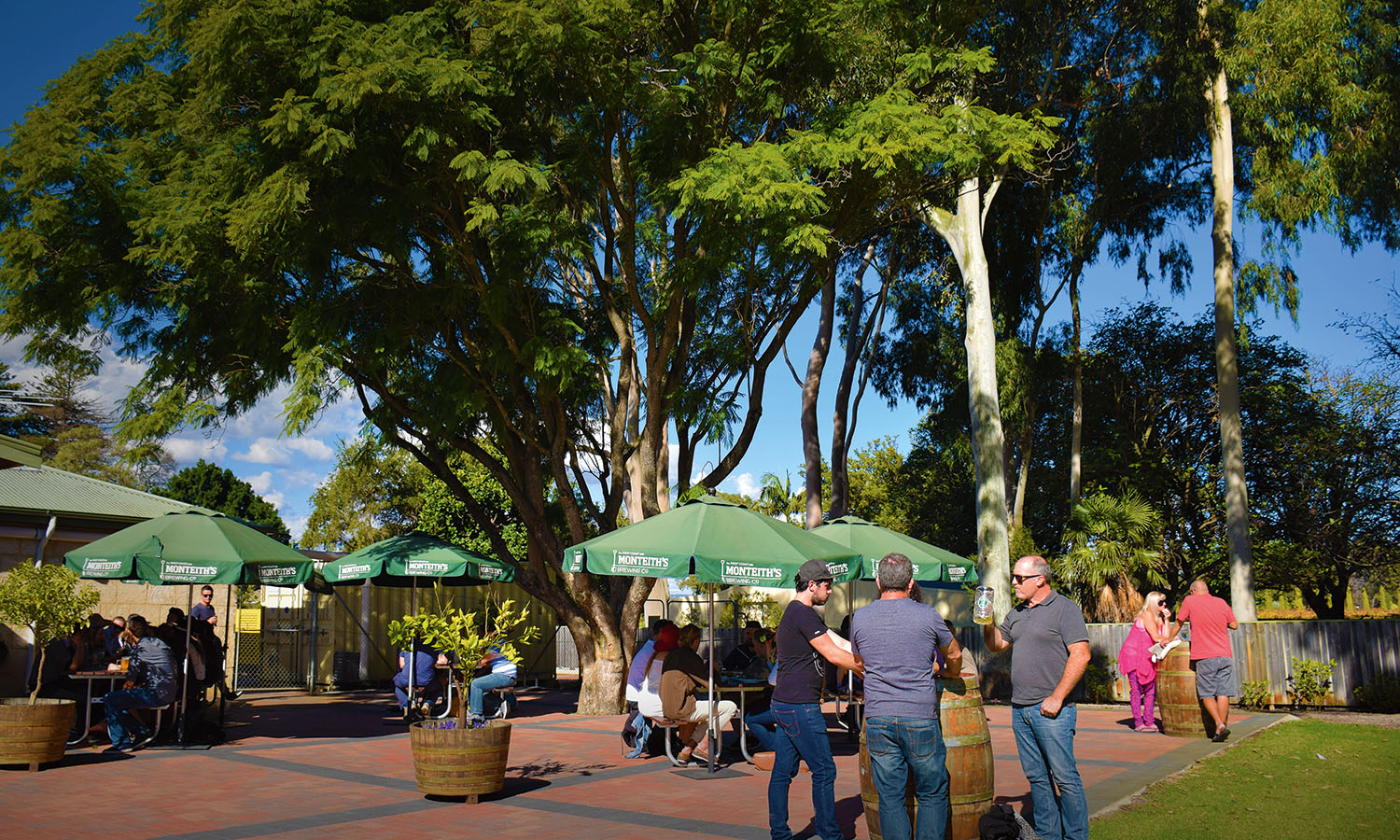
I take the rest of my stein outside to the grassed area shaded by gum trees where a local informs me this is the biggest licensed beer garden in the southern hemisphere. “It goes off during Oktoberfest,” he says.
I’m not sure I can handle another stein, but there’s one more stop that comes recommended: Feral Brewing. When we pull up into the red dirt car park I know why. It’s in a building that looks like a cross between an unassuming farmhouse and an outback pub, with veranda seating and a beer garden crowded with market umbrellas.
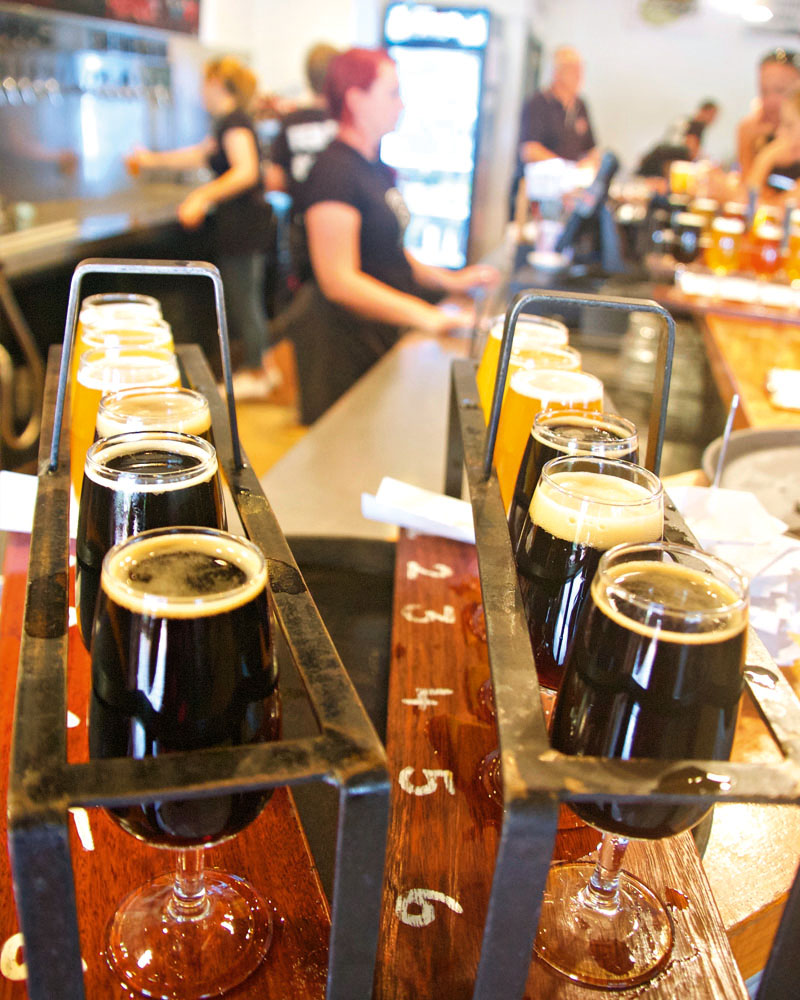
Feral is by far the most serious about educating its guests. The creative brews – from citrusy lagers to Belgian sours – can be tasted from small glasses on wooden paddles. In 2015 Feral’s Watermelon Warhead, a light, sour German wheat beer brewed with half a tonne of local watermelons, was awarded Champion Beer at the Australian Craft Beer Awards. But the drop that gets the most attention via word of mouth and on Facebook pages such as Perth Beer Snobs is the Hop Hog American IPA. My tasting notes point out lemon and pine and a slightly sweet taste “which makes it a perfect drink for newbies to the IPA style of beer”.
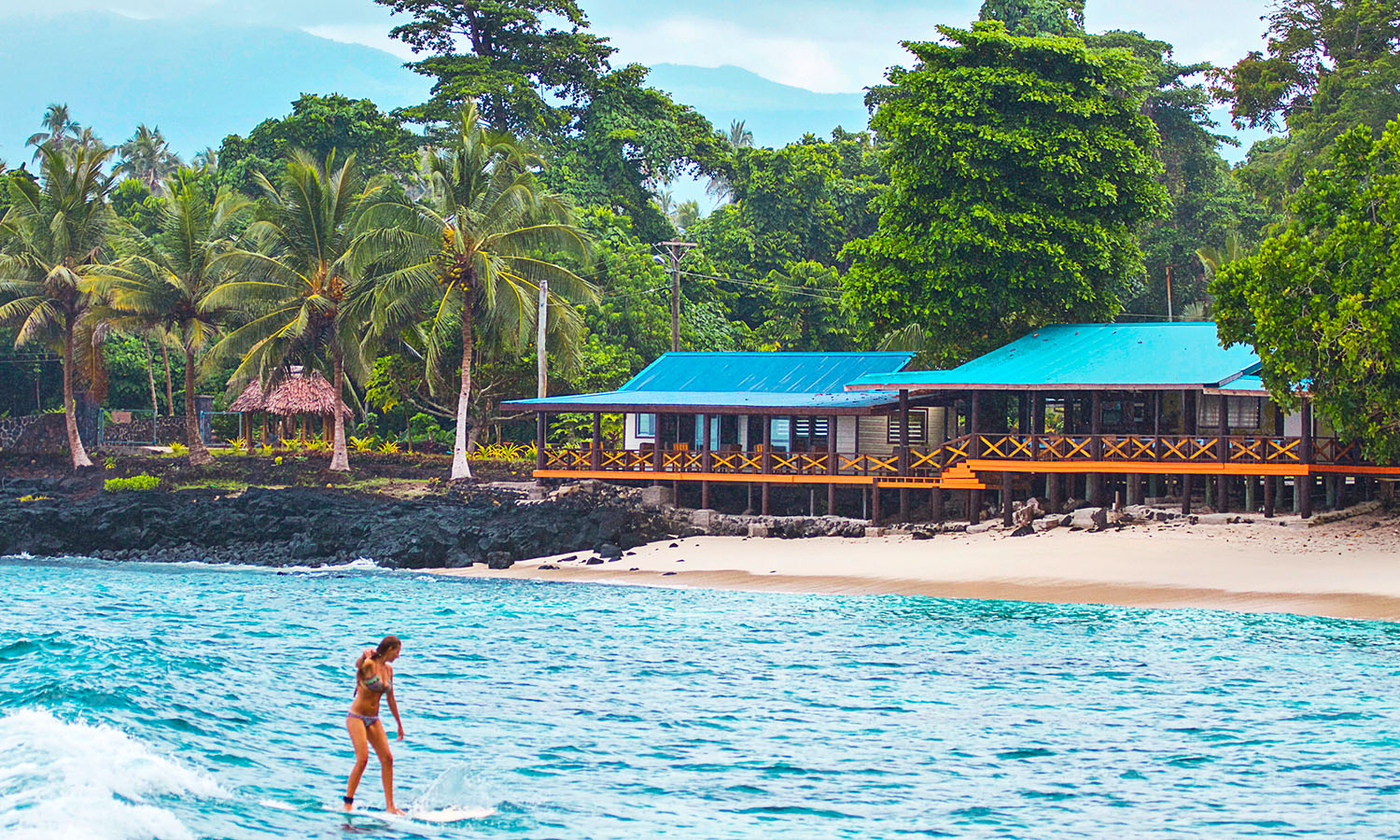
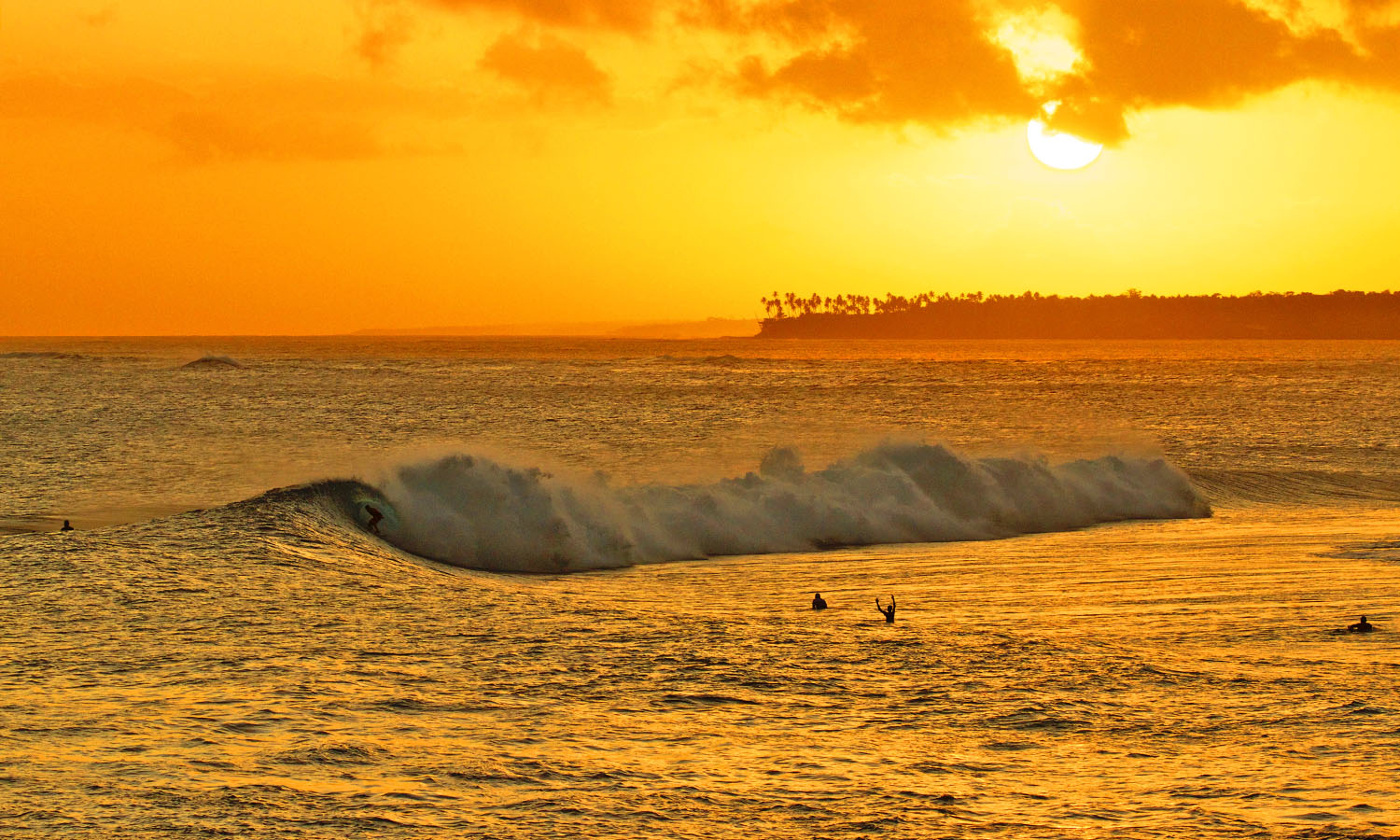
Catch world-class waves without the crowds in a Polynesian paradise. Despite being the largest island in Samoa, Savai’i and it’s impressive breaks are still something of a secret. At Aganoa Lodge you’ll have exclusive access to a beach sheltered by a barrier reef. High tide brings Little Left, the only beginner’s wave on the island, which breaks on the edge of the lagoon. For something more challenging, just ask the lodge’s experienced guides. They’ve got the drop on the island’s other breaks – there are right- and left-handers pumping at between two and 14 feet – and can usually get you there within 30 minutes (the furthest is an hour’s drive). When you’re not paddling out, go hiking to waterfalls, pull on a snorkel or try your luck catching dinner. In the evening, retreat to the deck for a cold one as the sun goes down.
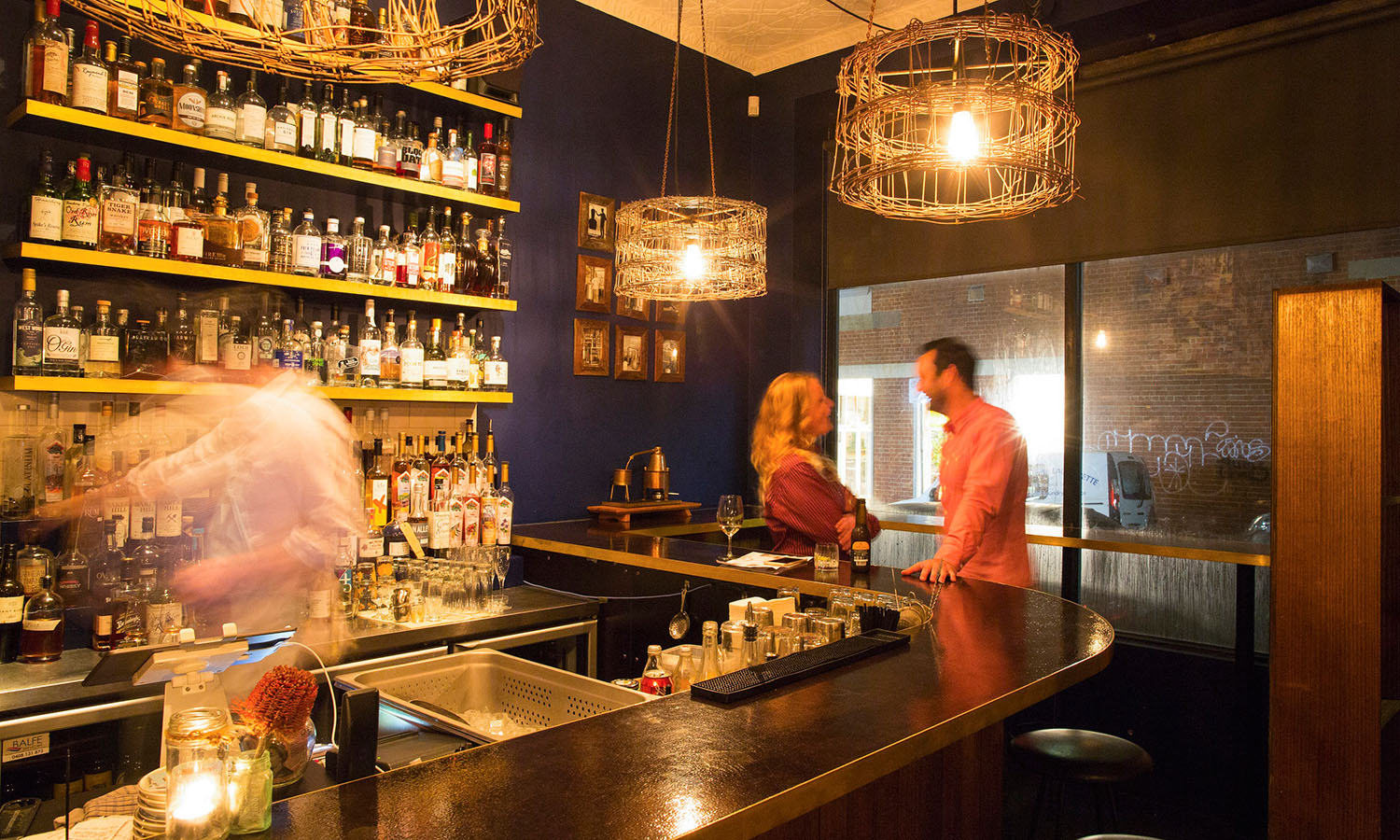
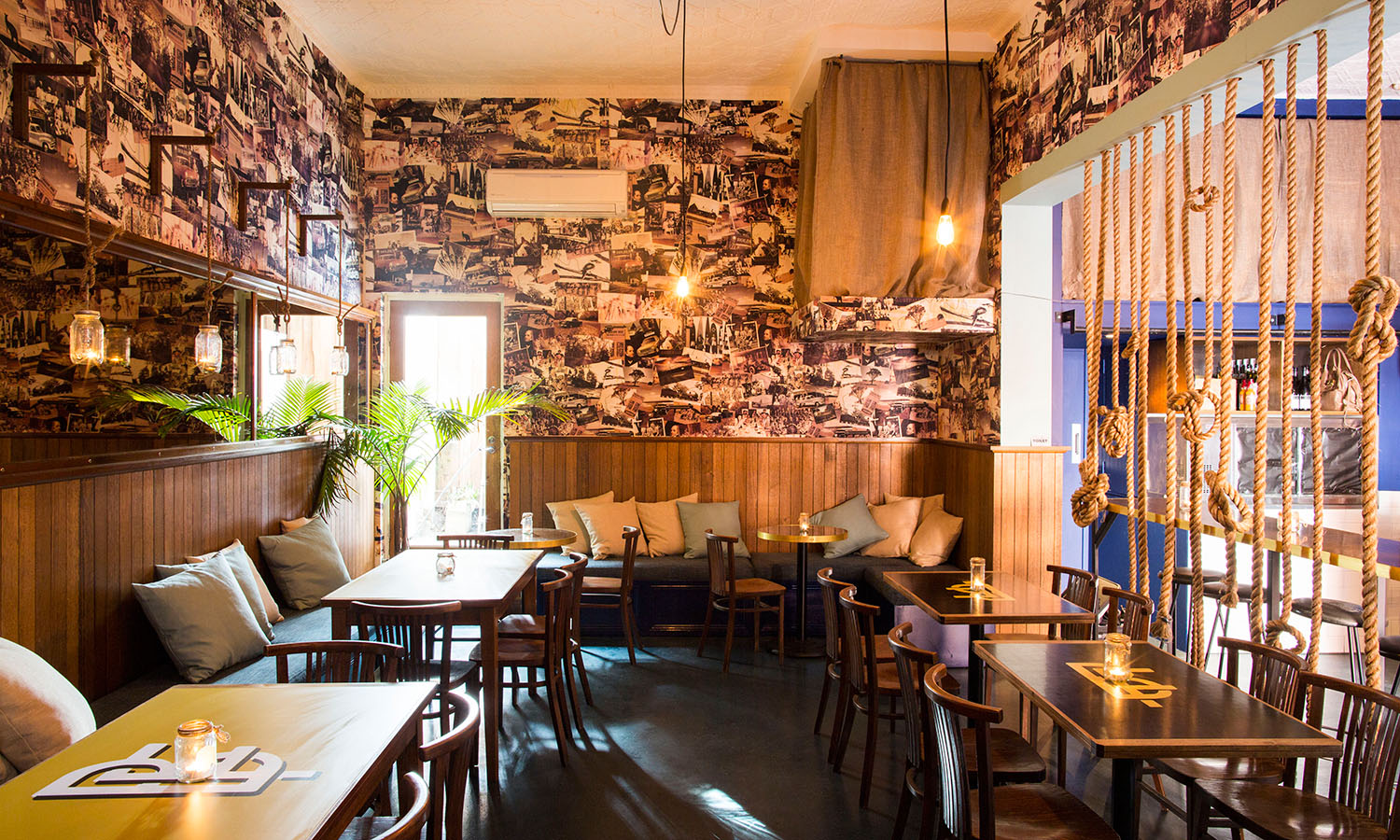
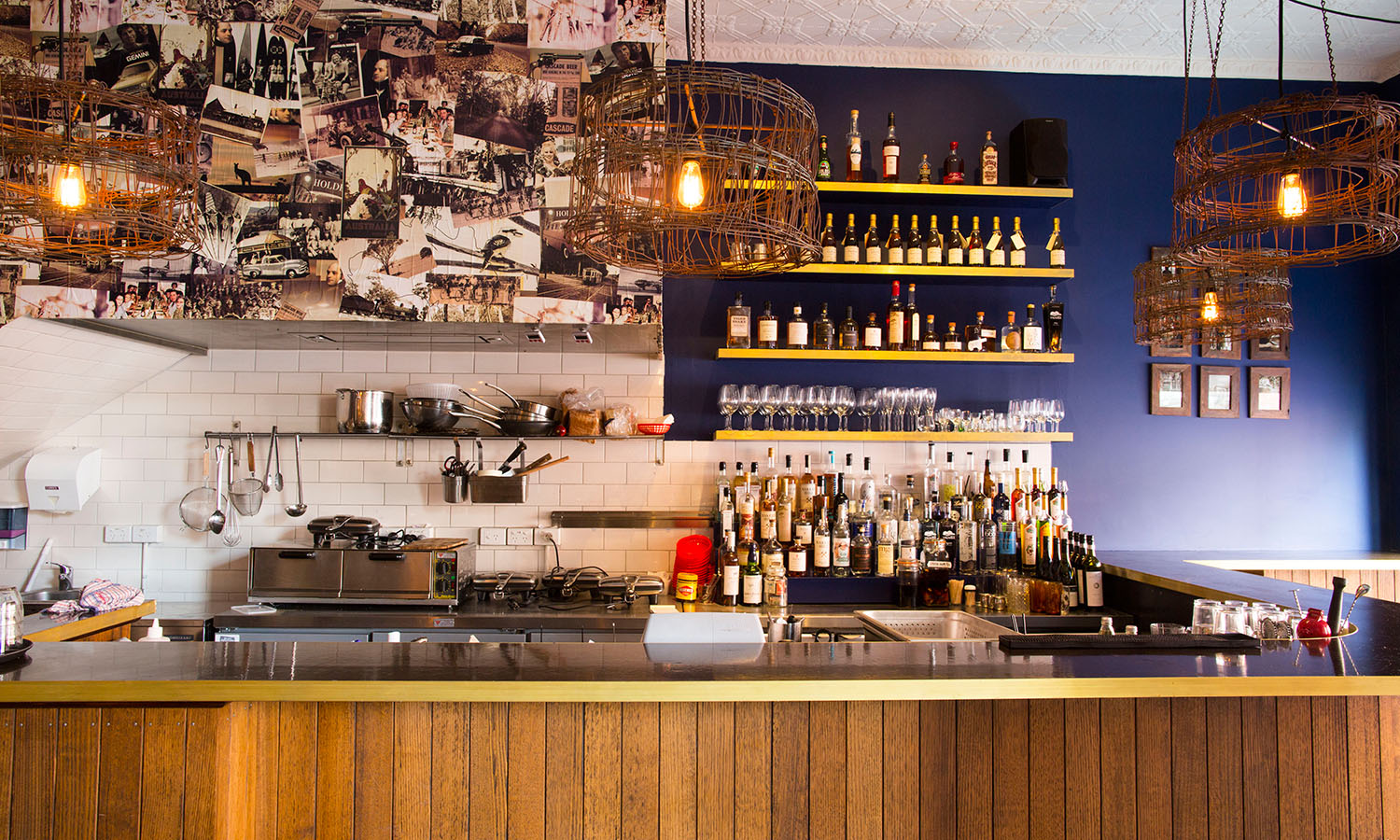
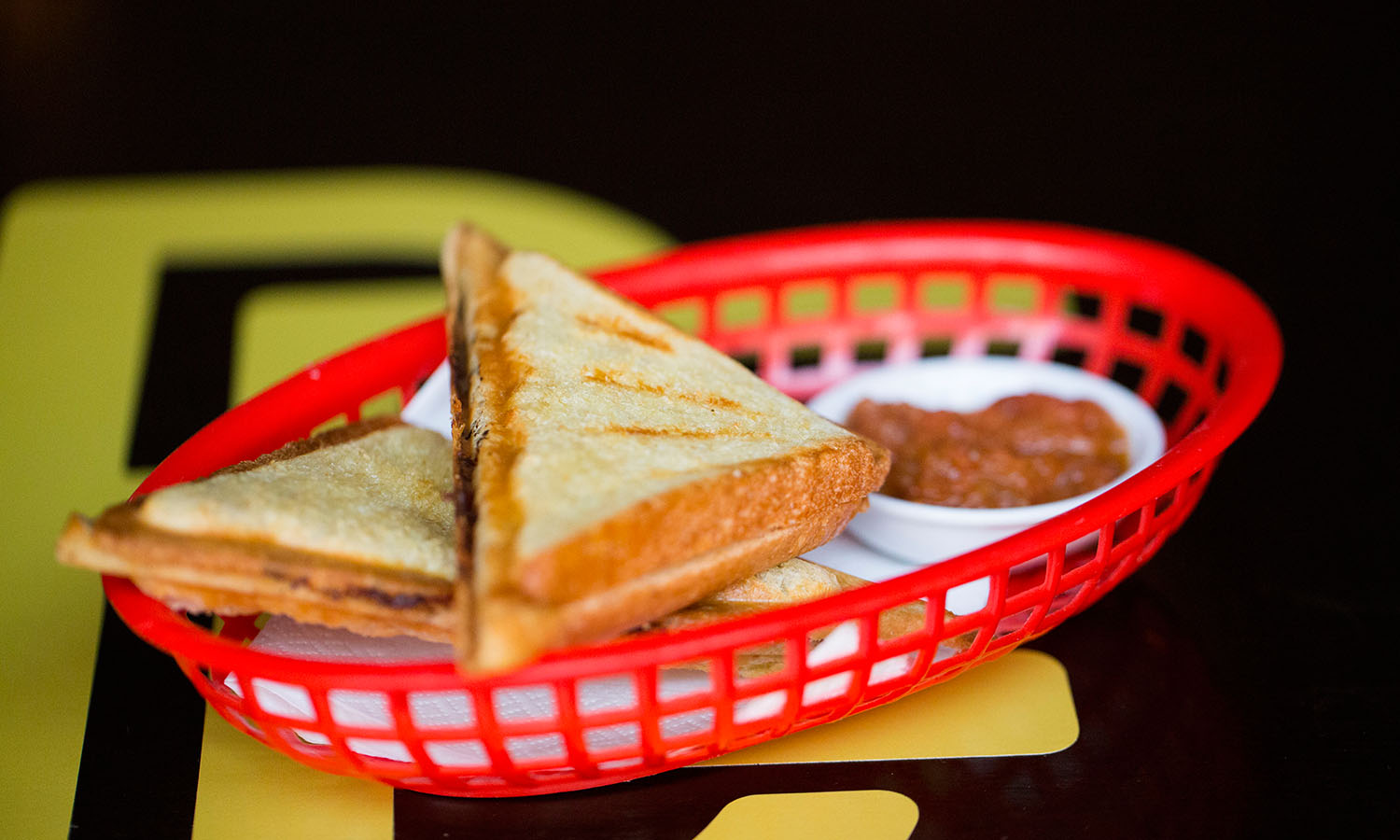
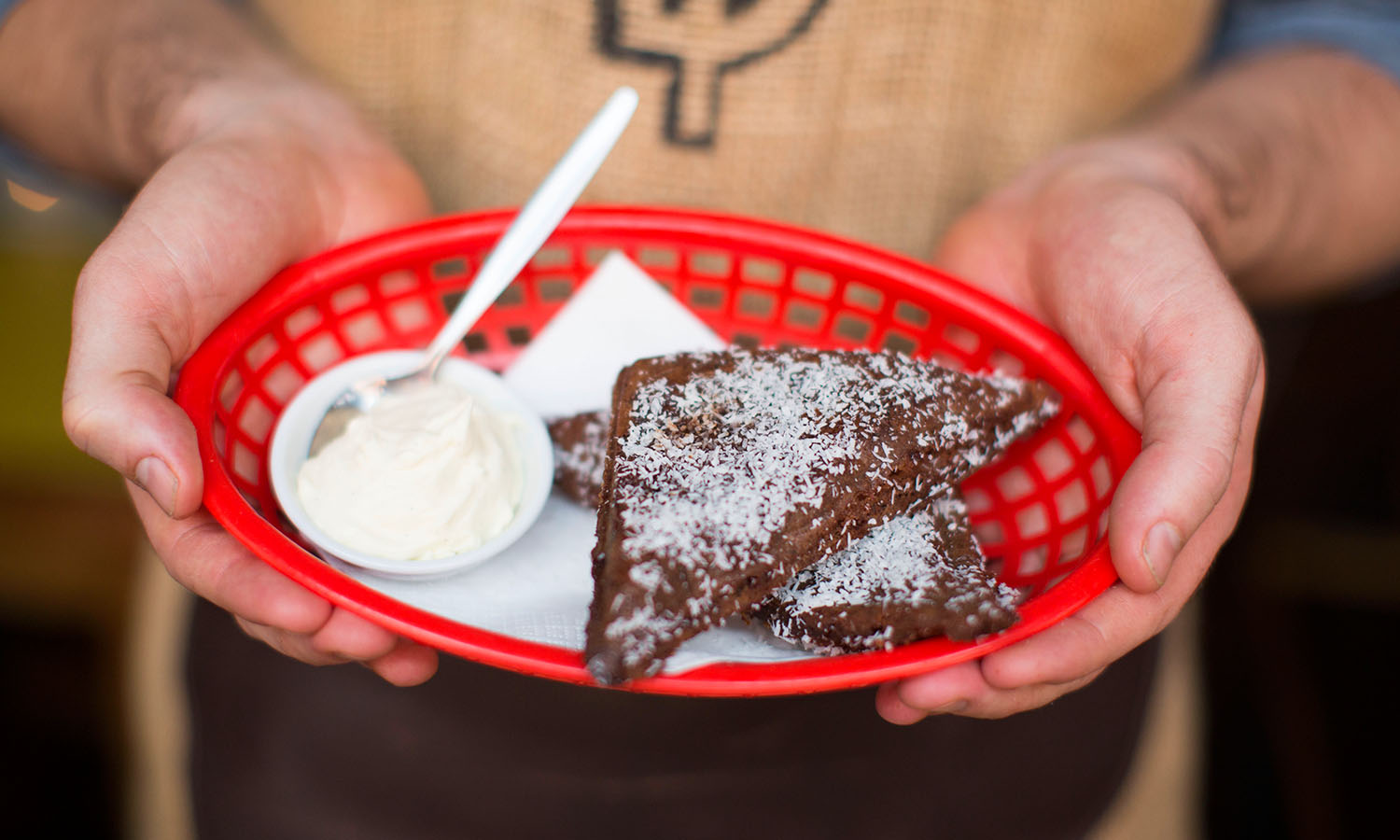
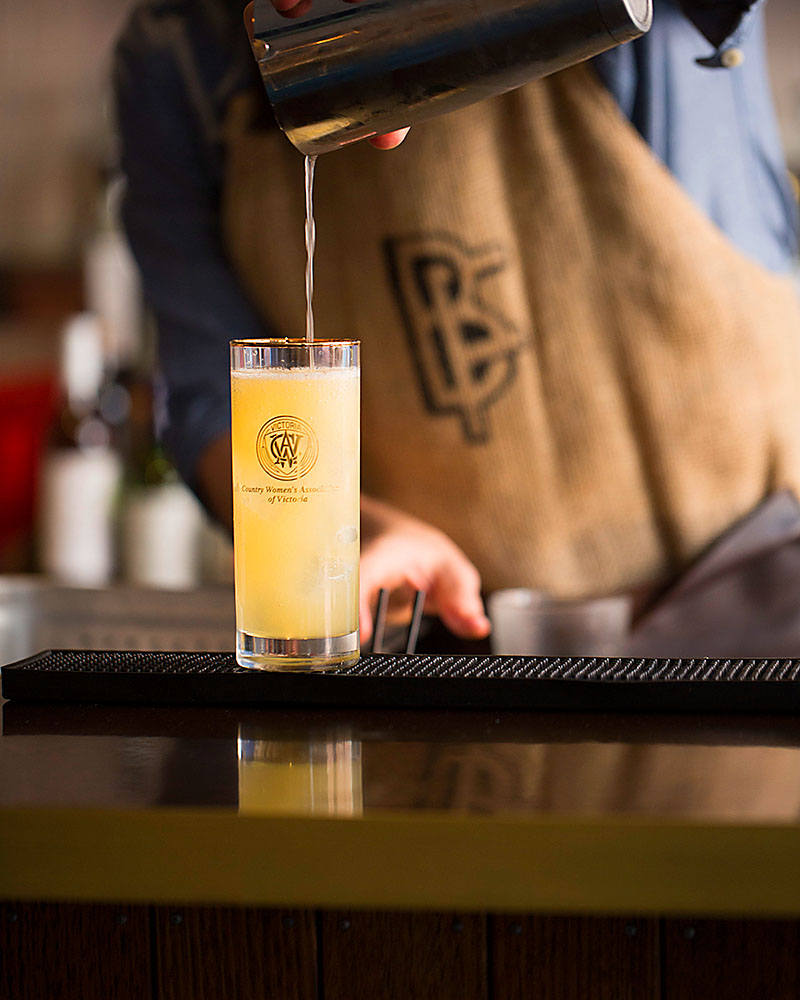
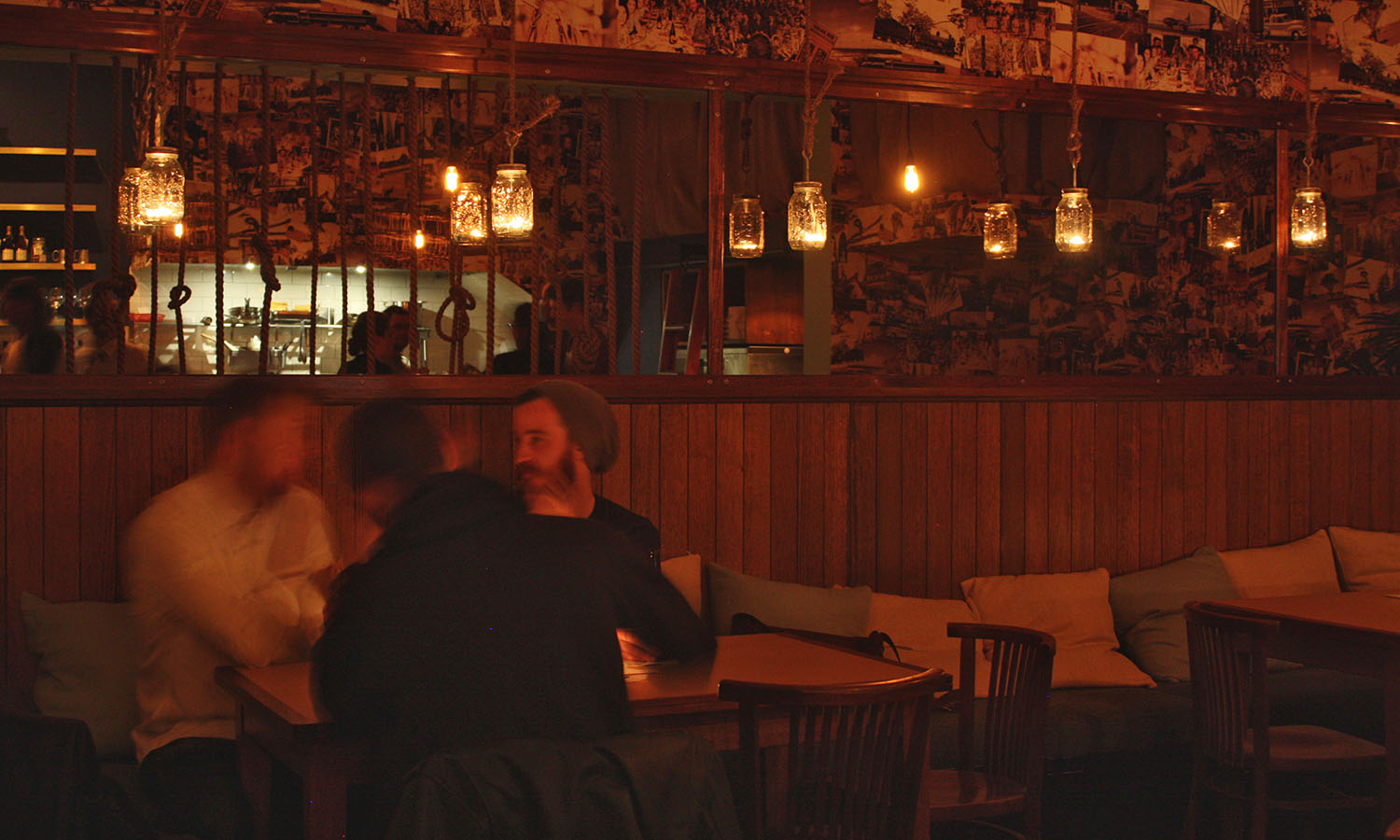
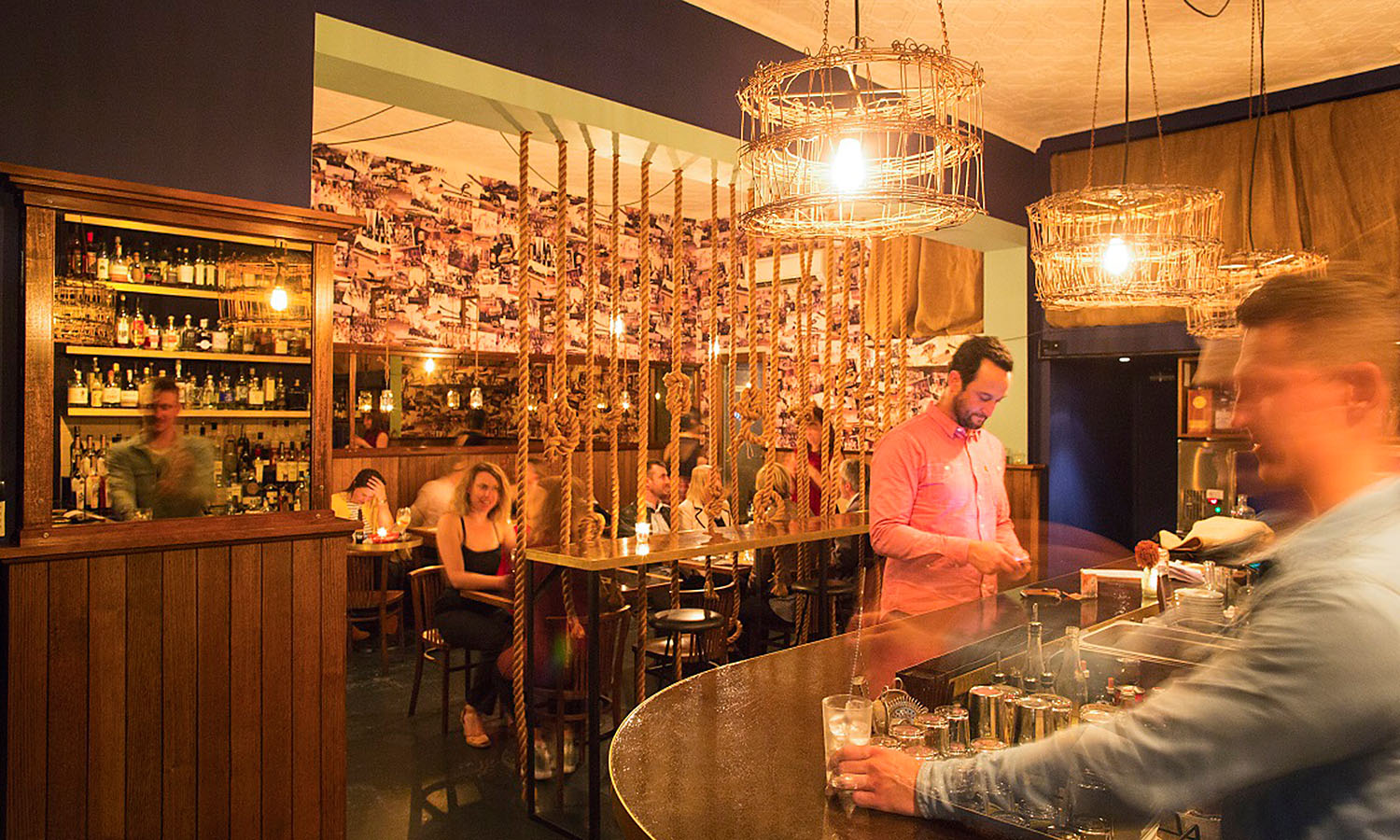
When John Franklin, the governor of Van Diemen’s Land, outlawed small pot stills in the early nineteenth century he crippled the distilling industry. It wasn’t until the 1990s that this law was overturned and Aussies once again began to brew their own spirits. At Bad Frankie, in Melbourne’s inner north, punters can celebrate the emancipation of local liquor and choose from hundreds of Australian whiskeys, rums, vodkas and gins. There’s even local absinthe for those disposed to a little adventure. But it’s not just the alcohol here that burns the tastebuds – it’s also the piping-hot jaffles. Bad Frankie serves nine different types, including two dessert versions. These more-ish, home-grown parcels include the Classic, stuffed with vintage cheddar and ham off the bone, and the Shroom, which packs garlic, spinach, fetta, and red wine and thyme mushrooms between slices of wholemeal.
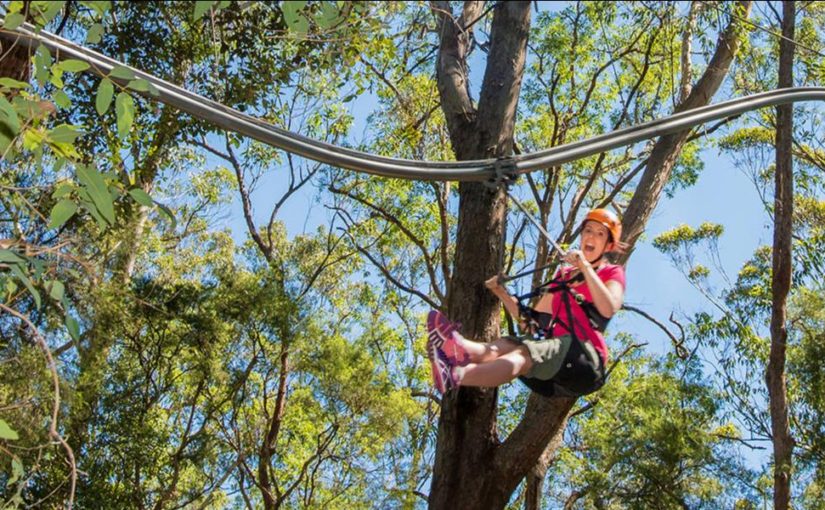
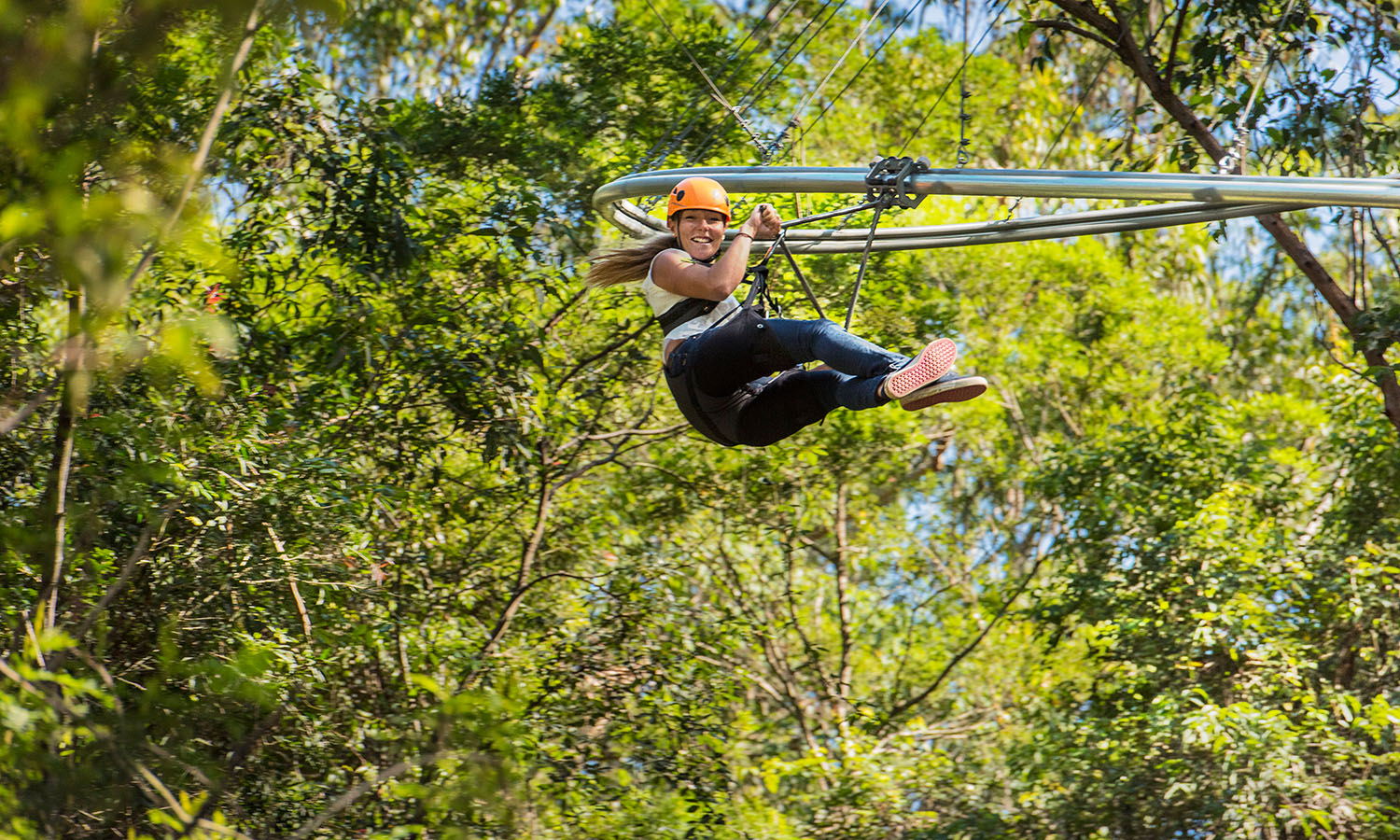
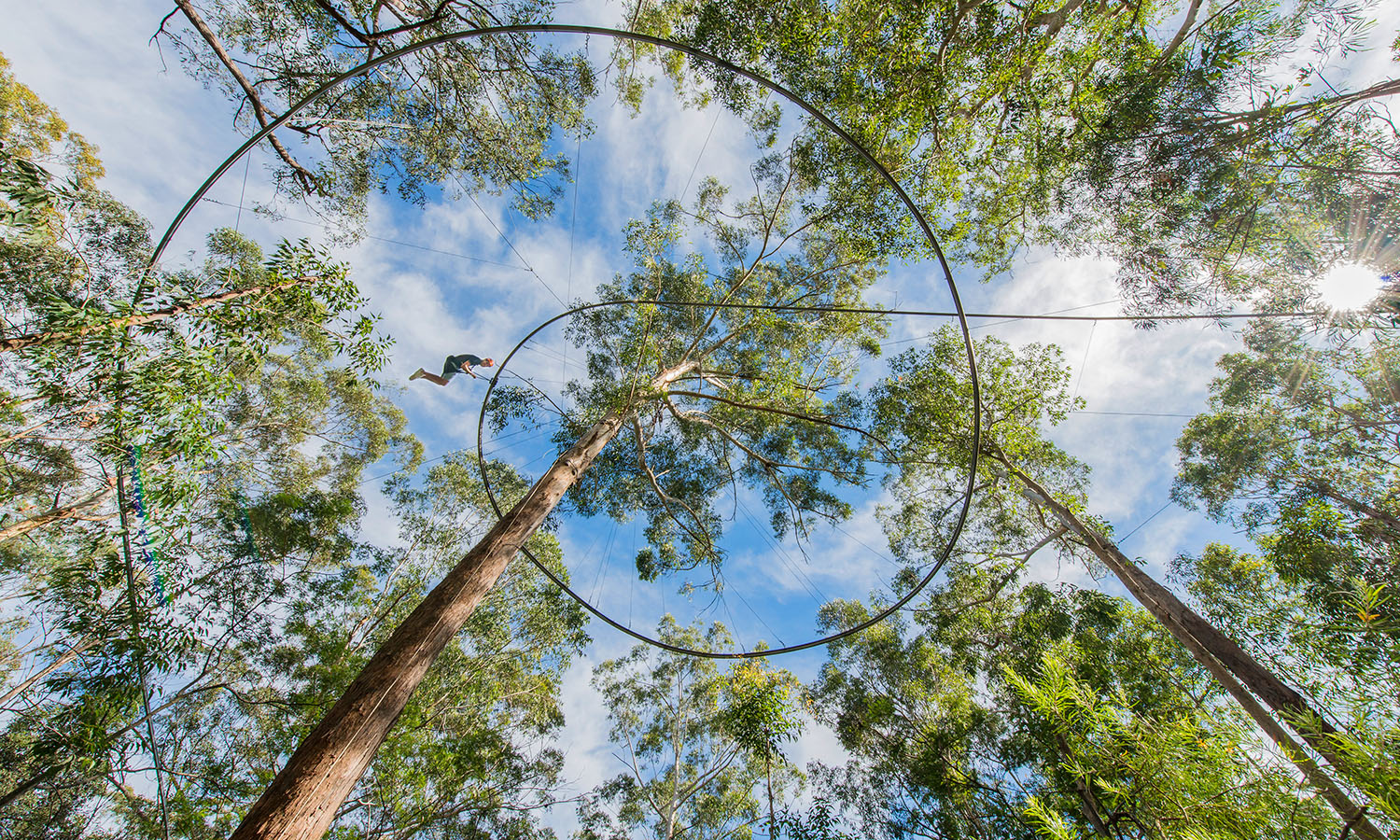
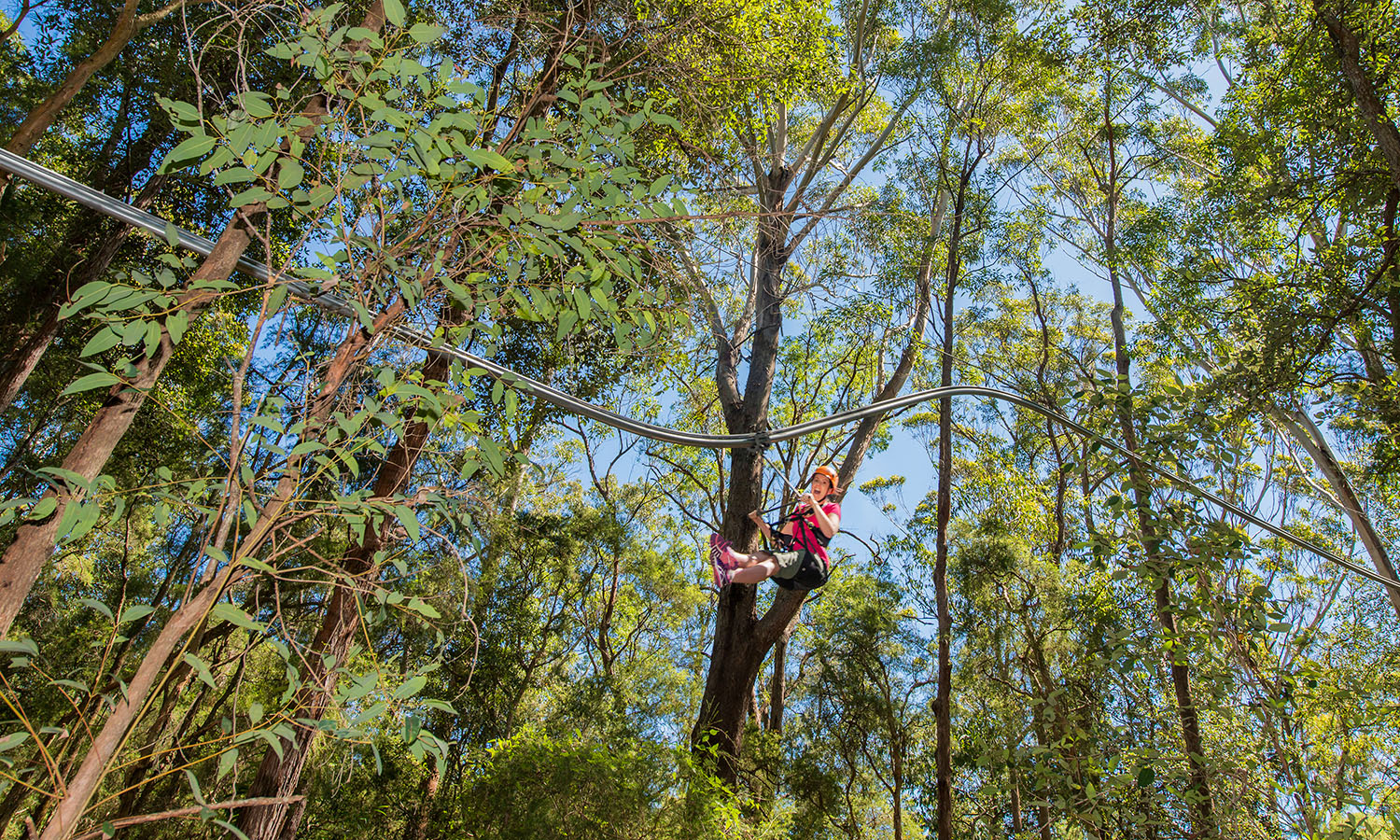
Introducing the Crazy Rider Xtreme, hailing from the next gen of zip-lines. Located in Ourimbah State Forest at TreeTops Adventure Park, a one-hour drive from Sydney, this ride combines the thrills of a roller-coaster with the flying sensation of a zip-line. Creating the structure wasn’t an easy feat – 2000 hours were spent on development and the ride took a staggering 5000 hours to build – but, by gosh, it was worth it.
At one-kilometre long, the Crazy Rider Xtreme is among the longest zip-lines in the world and during your five-minute ride you’ll zigzag your way through the trees, conquering 40 twists and turns and three 360-degree loops. If that isn’t enough, they’ve also thrown in a 540-degree whorl. Not sure your stomach is up to the extremity of Xtreme? Try the Crazy Rider Pioneer, a six-storey-high, 90-second ride with 10 twists along the way.
Palau is to diving what France is to wine – straight up heaven. It’s the main reason most visitors drop by this cluster of 250 or so islands about 700 kilometres east of the Philippines. And it’s easy to see why, with pristine reefs, spectacular drop-offs, shipwrecks from World War II and drift dives accessible as day trips from the main island of Koror. The Blue Holes comprises four vertical shafts that open on to a reef. The Chuyo Maru, a Japanese freighter sunk in April 1944, is covered in hard and soft coral and loads of lionfish at a depth of 11 to 40 metres. There’s also the awe-inspiring German Channel, which is famous for its population of manta rays.
Even if you don’t fancy strapping on an air tank, there are plenty of excellent snorkelling spots, including Jellyfish Lake, which is filled with millions of golden jellyfish that migrate across the water’s surface.
Most of Palau’s population lives on Koror, and it’s the centre for tourists, too. From here you can organise all your diving and snorkelling tours, as well as hiking, guided excursions to World War II sites and ATV adventures. Best of all, it’s the jumping off point for the Rock Islands, some of the most beautiful islets you’ll ever lay your eyes on, whether you choose to lie on the beach or explore the diverse underwater world.
 (
(