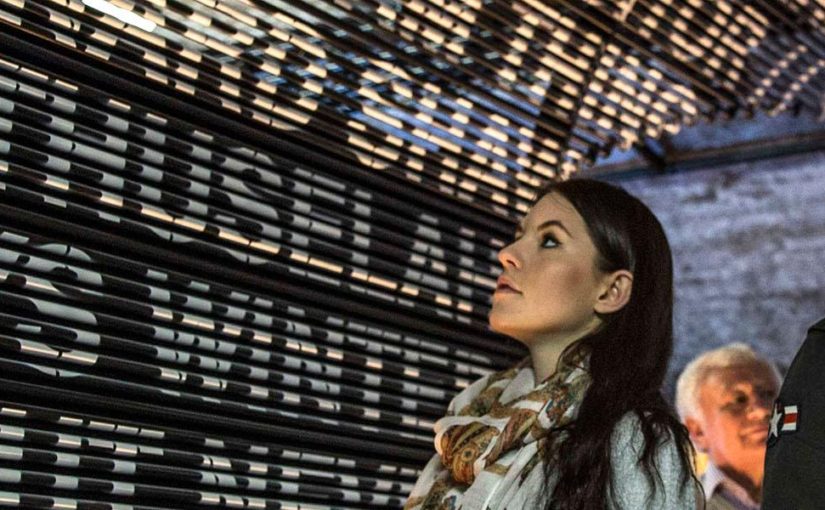
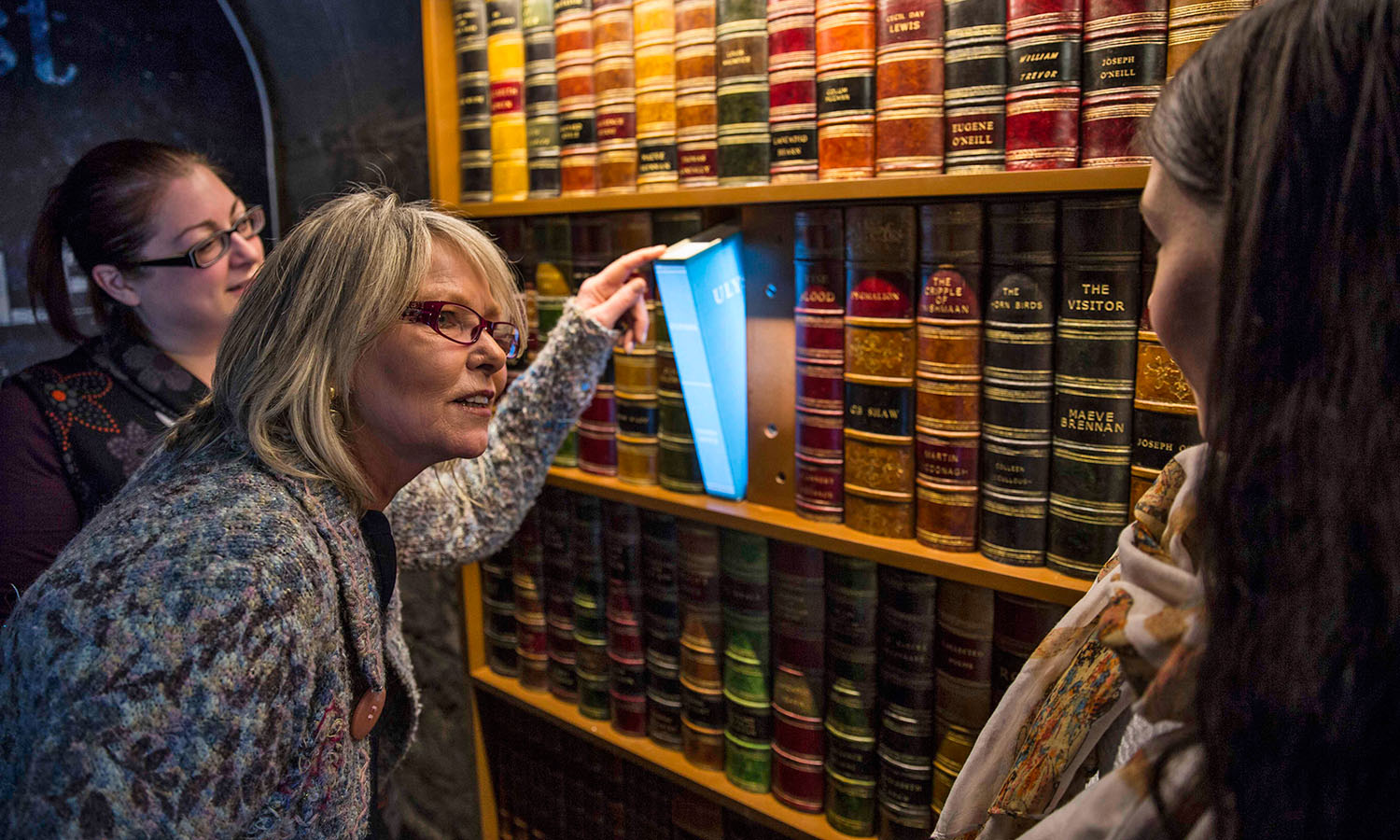
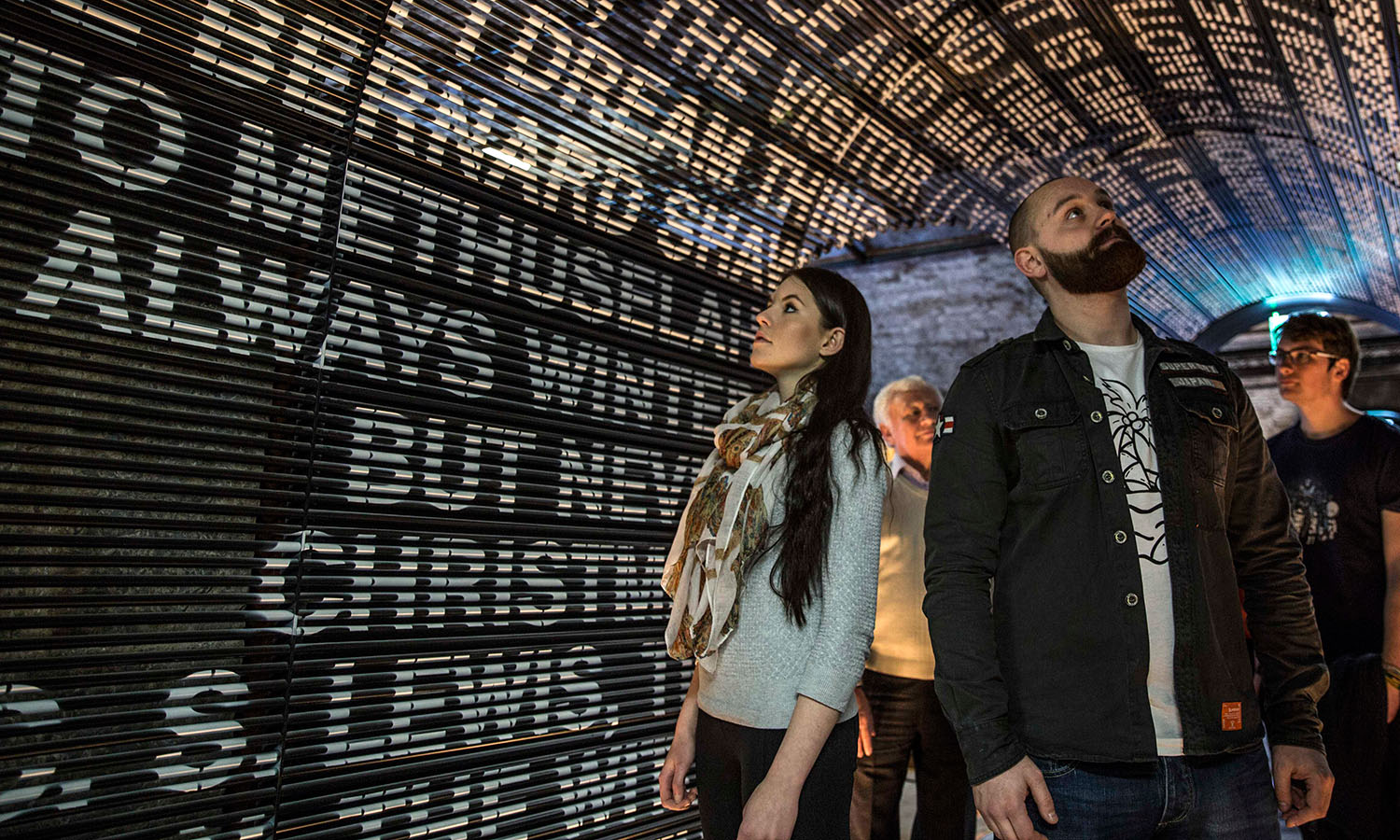
Sometimes, the thought of visiting yet another dry museum makes us want to pluck at our eyes, but EPIC Ireland makes us pretty excited about learning about the past.
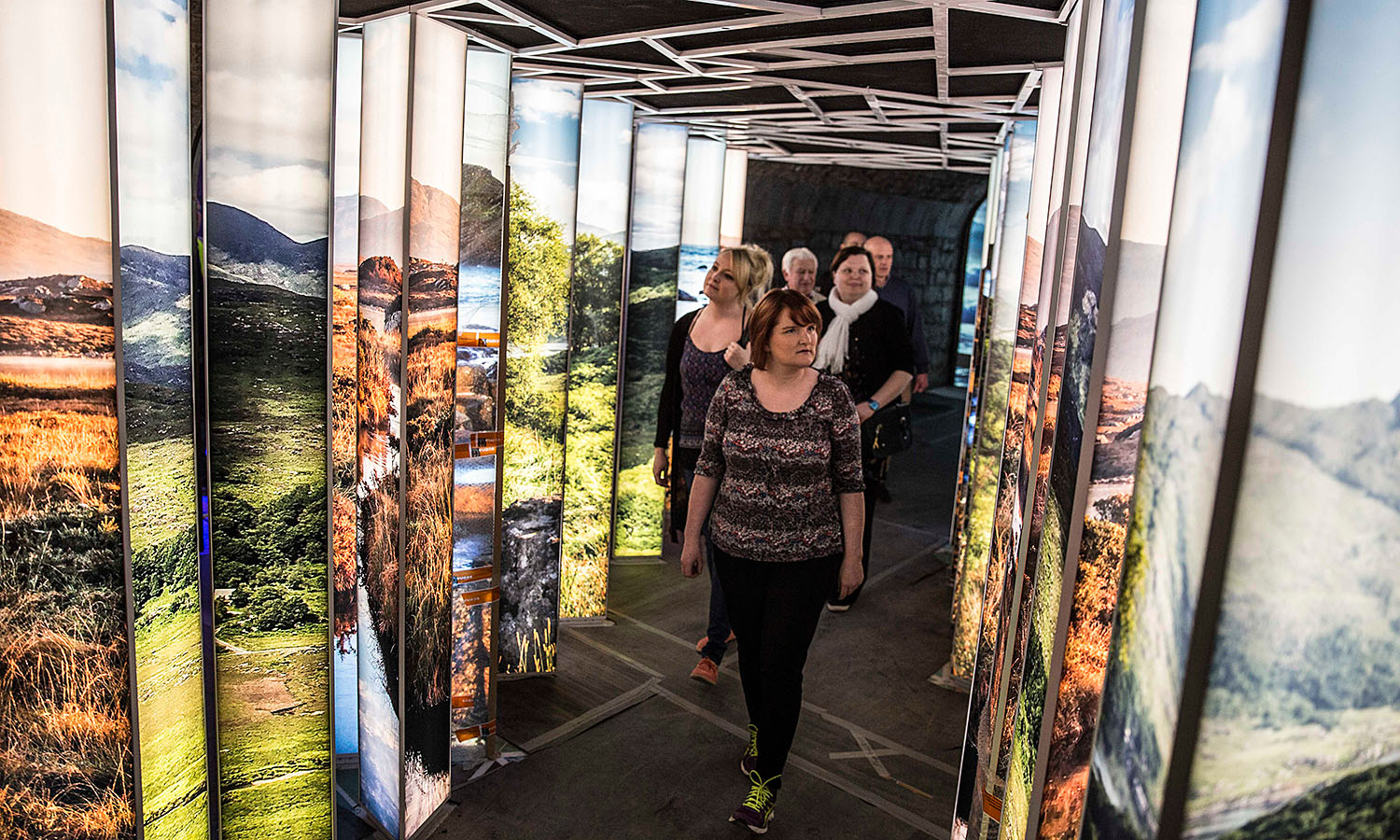
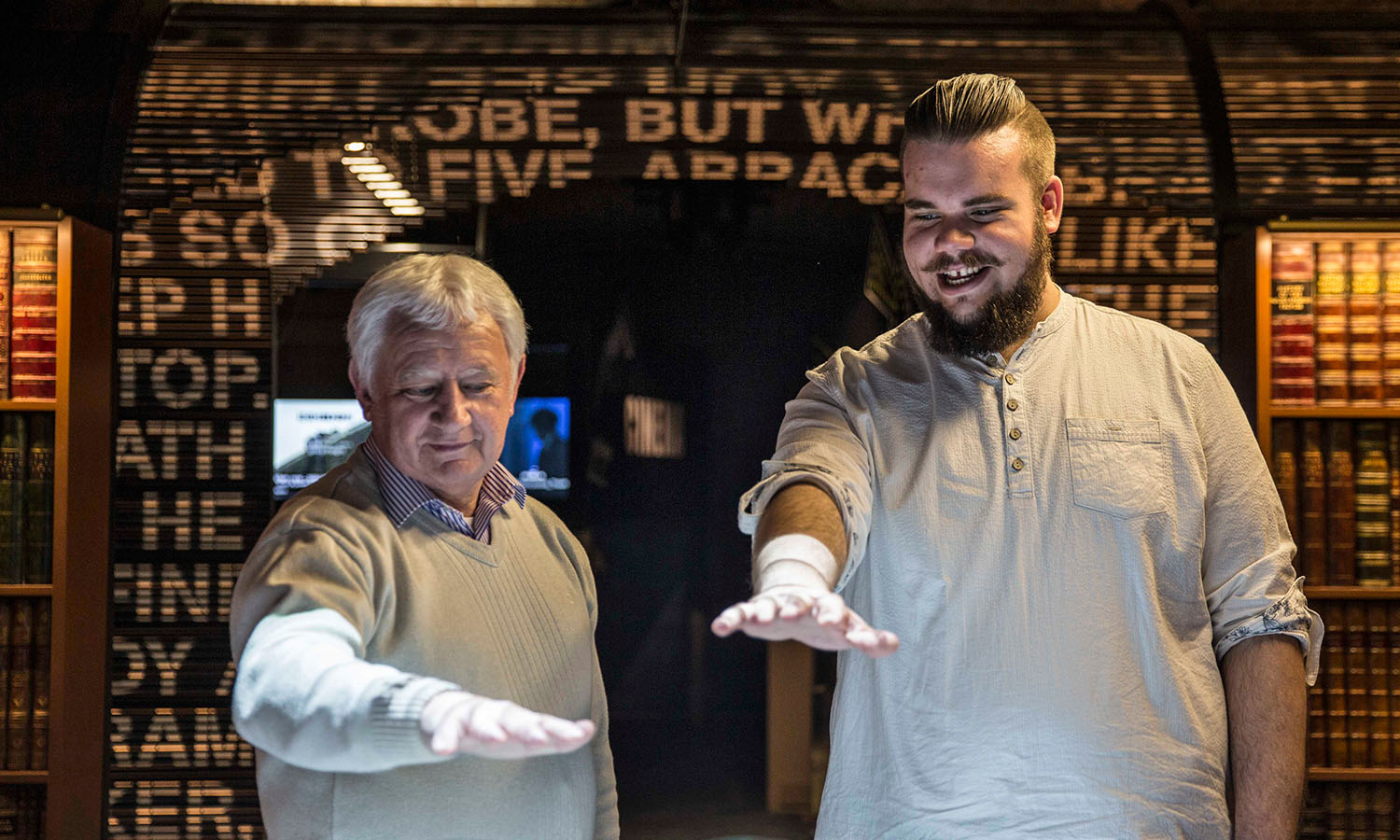
This dramatic new experience showcases the global movement of the Irish people, telling the authentic story of 10 million journeys and the roots of 70 million people. These stories just might link with your friends’ pasts, if not your own.
Following a path through 20 high-technology interactive galleries, you’ll delve into the journey of a people, told like never before. To get there, head into the beautiful vaults of the iconic CHQ building, situated on Custom House Quay in the centre of Dublin.
It’s a great first port of call for visitors to Ireland, and will colour your understanding of the entire country. Who would have thought history could look this cool?
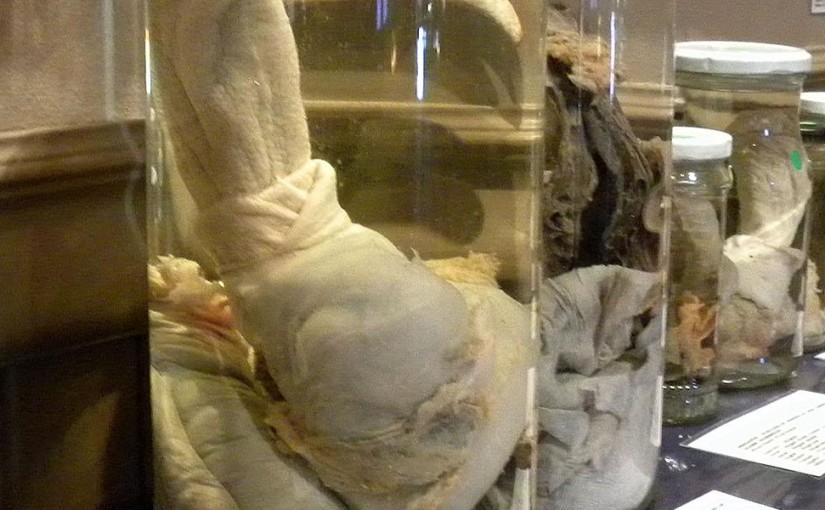
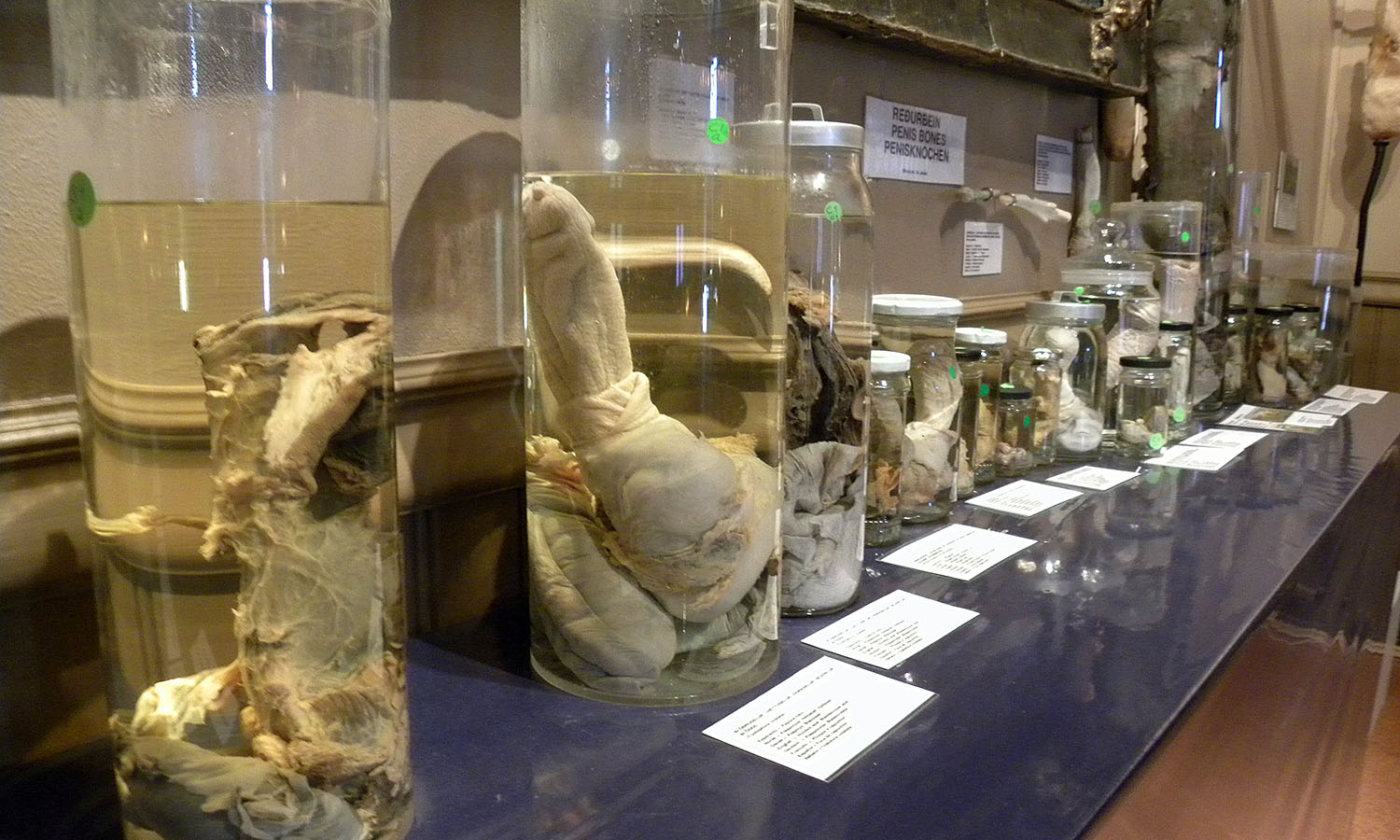
Marvel at mounted whale weenies measuring more than a metre long, ogle the embalmed member of a 600-kilogram polar bear, and snicker at a lampshade fashioned from 10 sheep scrotums at the Icelandic Phallological Museum.
There are 215 penises in total – representing every mammal found in Iceland, as well as a few foreigners – in this celebration of male virility, alongside various phallus-themed artefacts.
Gents beware: a serious loss of confidence can often follow a visit. If this is your type of exhibition, then the William P Didusch Center for Urologic History in Washington DC is worth investigating too.
Hitting the slopes may be well and good, but we all know the best part of the day takes place when you unclip your equipment. Take to the powder, work up a thirst and then head to a bar for a cracking party. Here’s our pick for some of the best après going around.
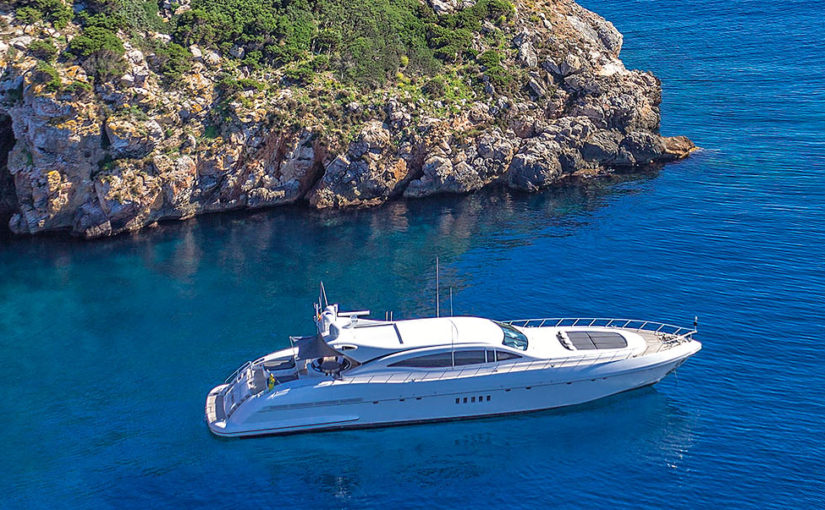
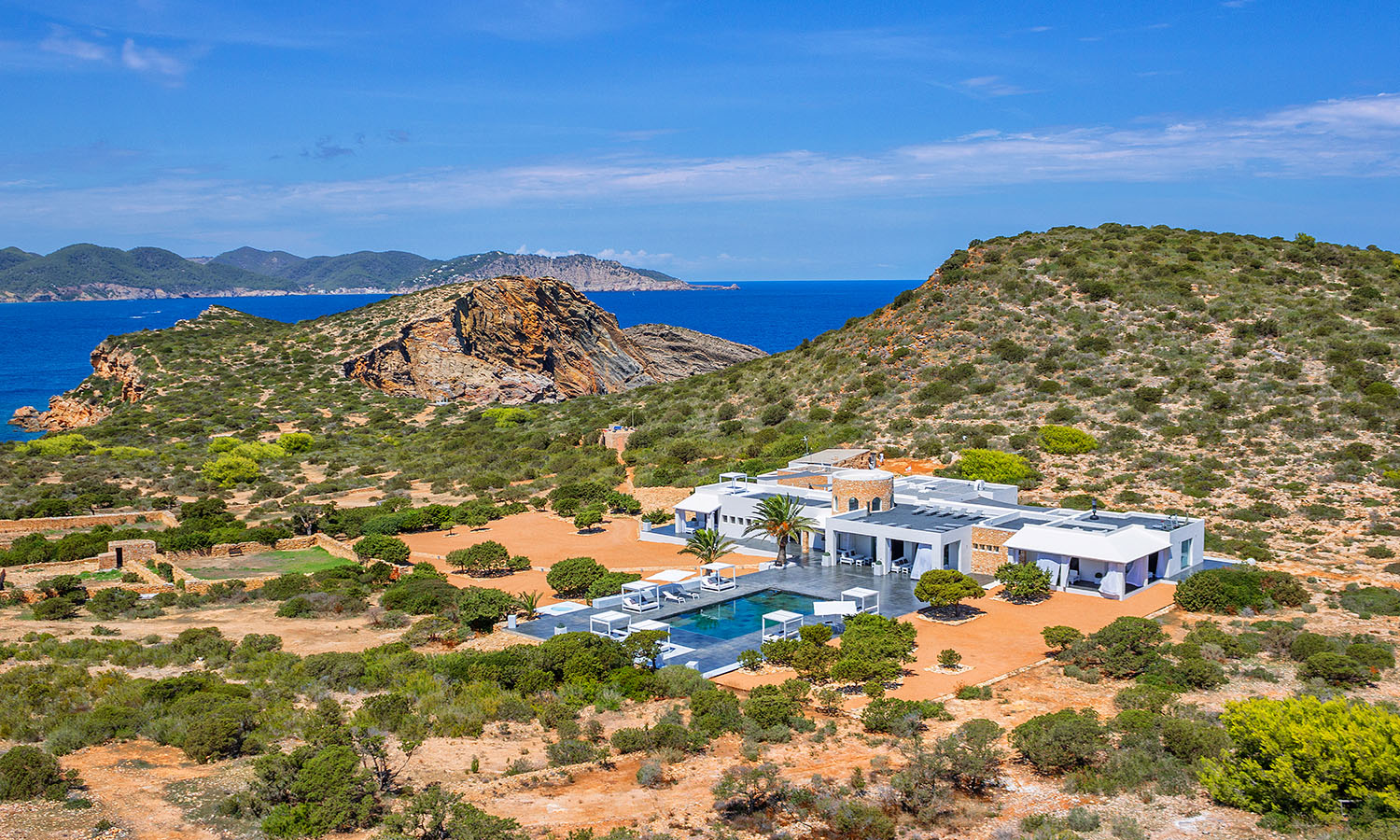
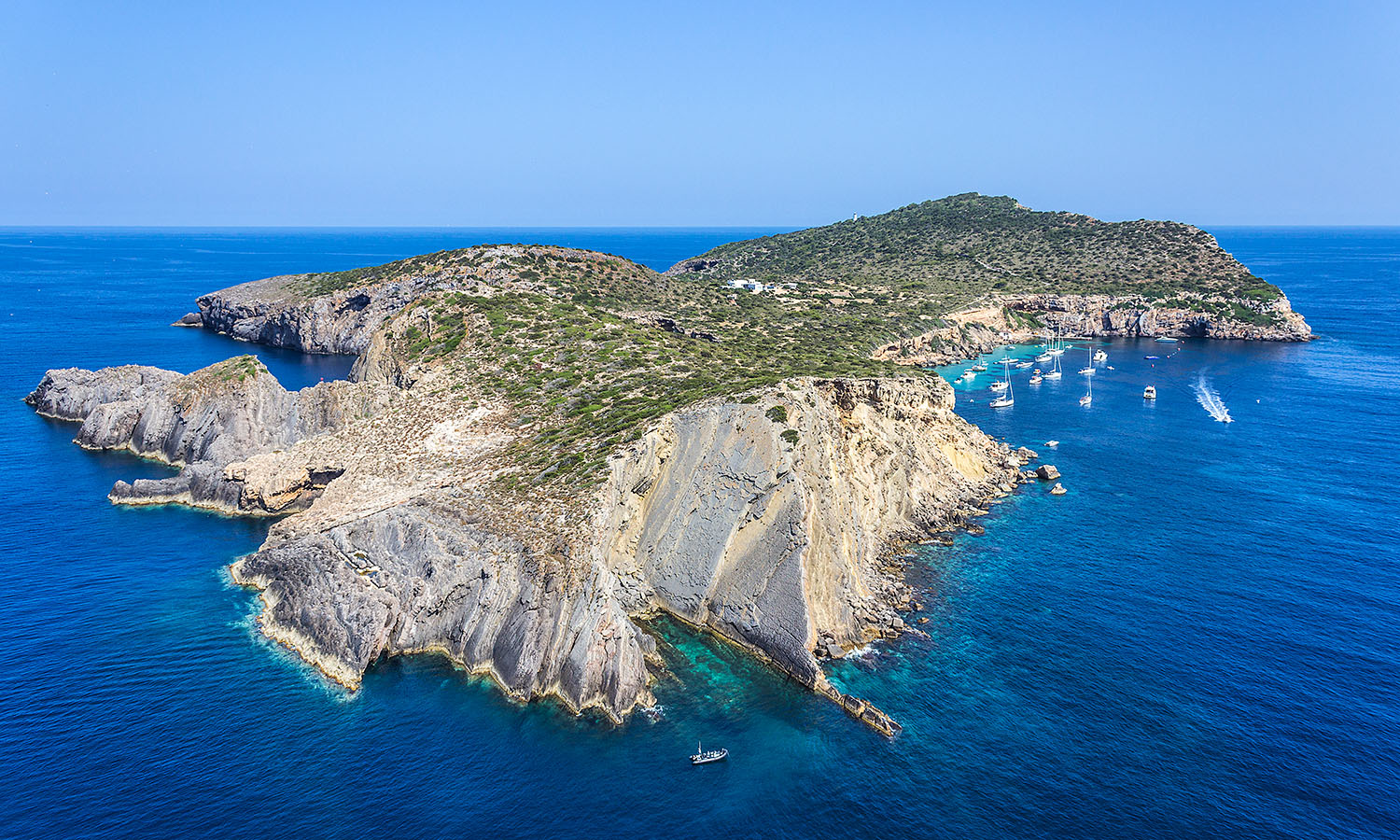
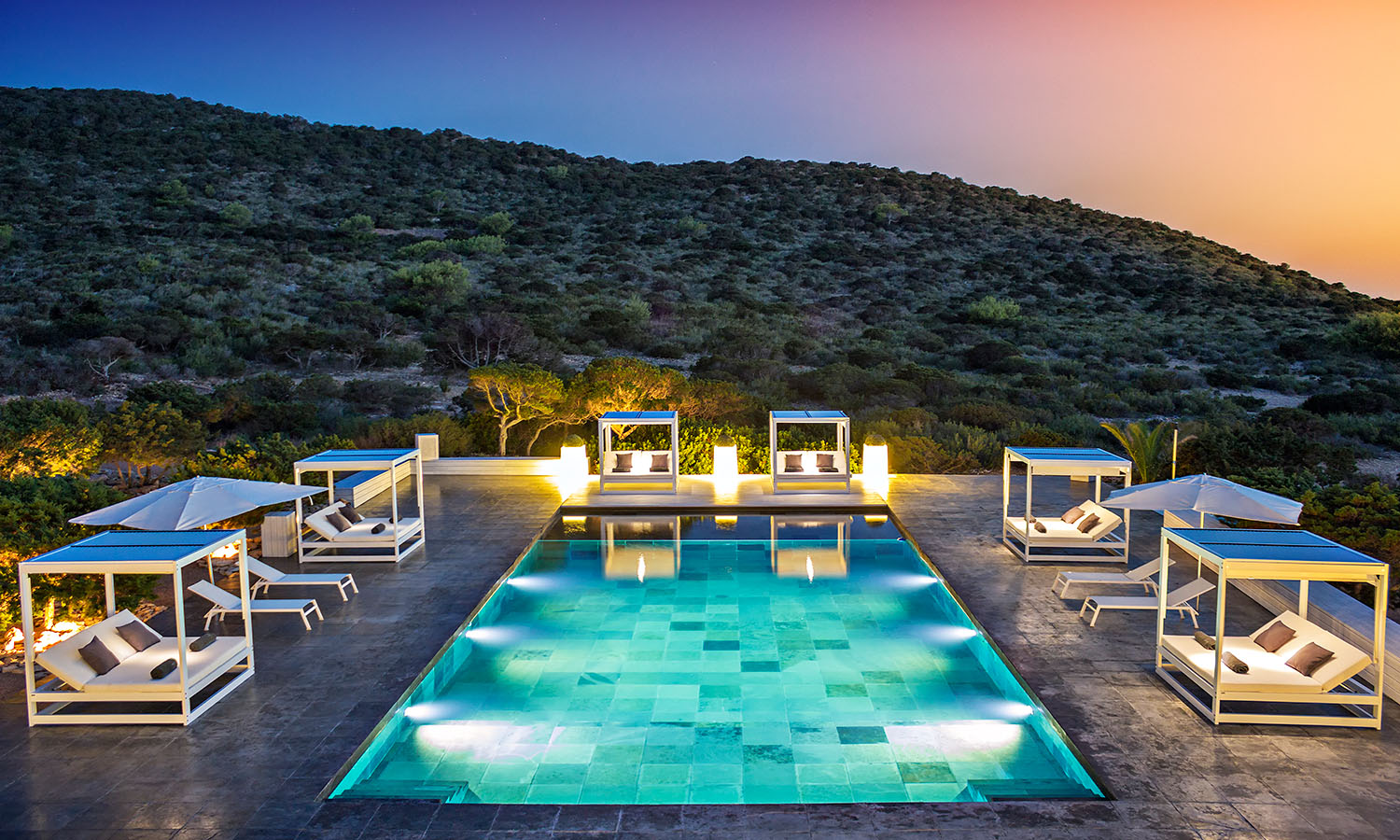
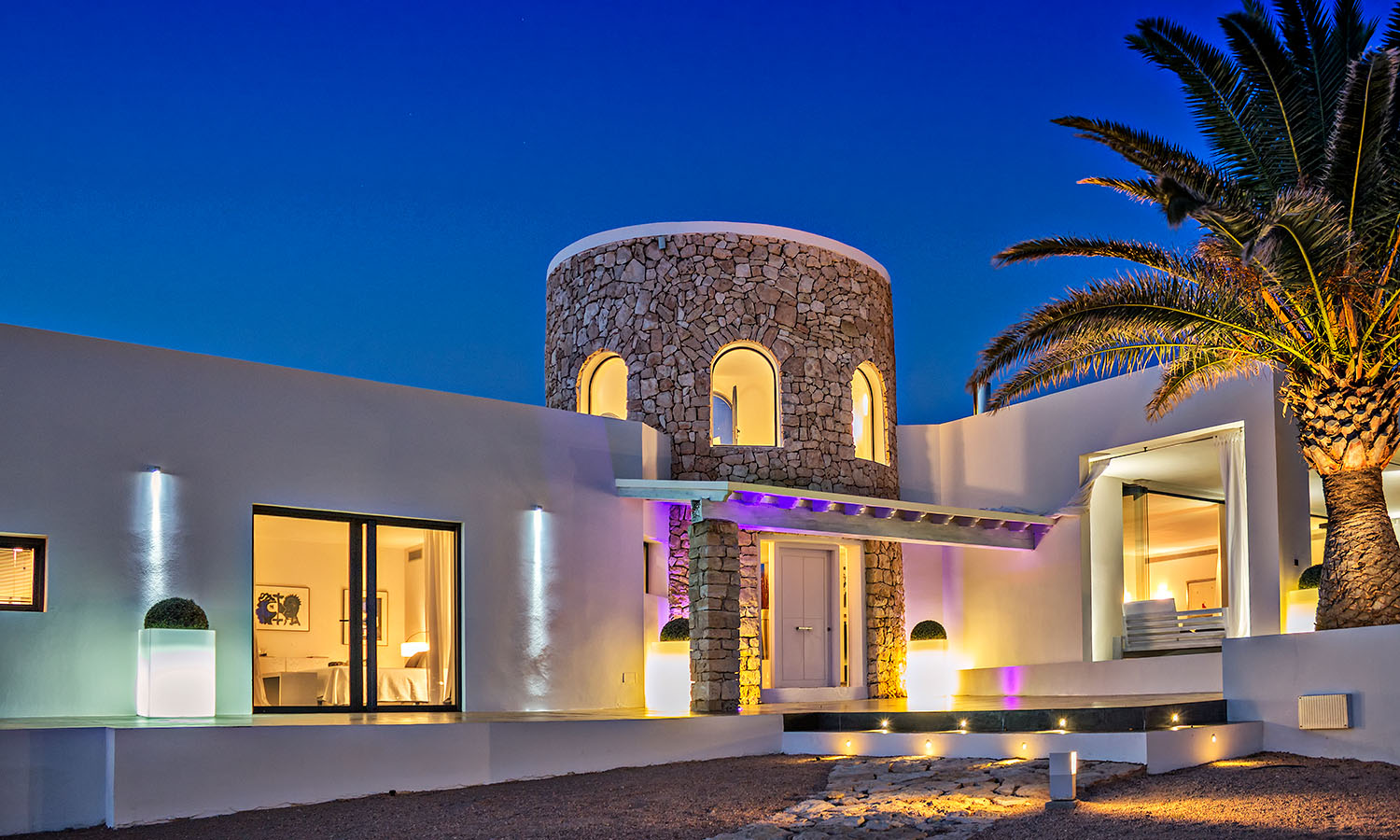
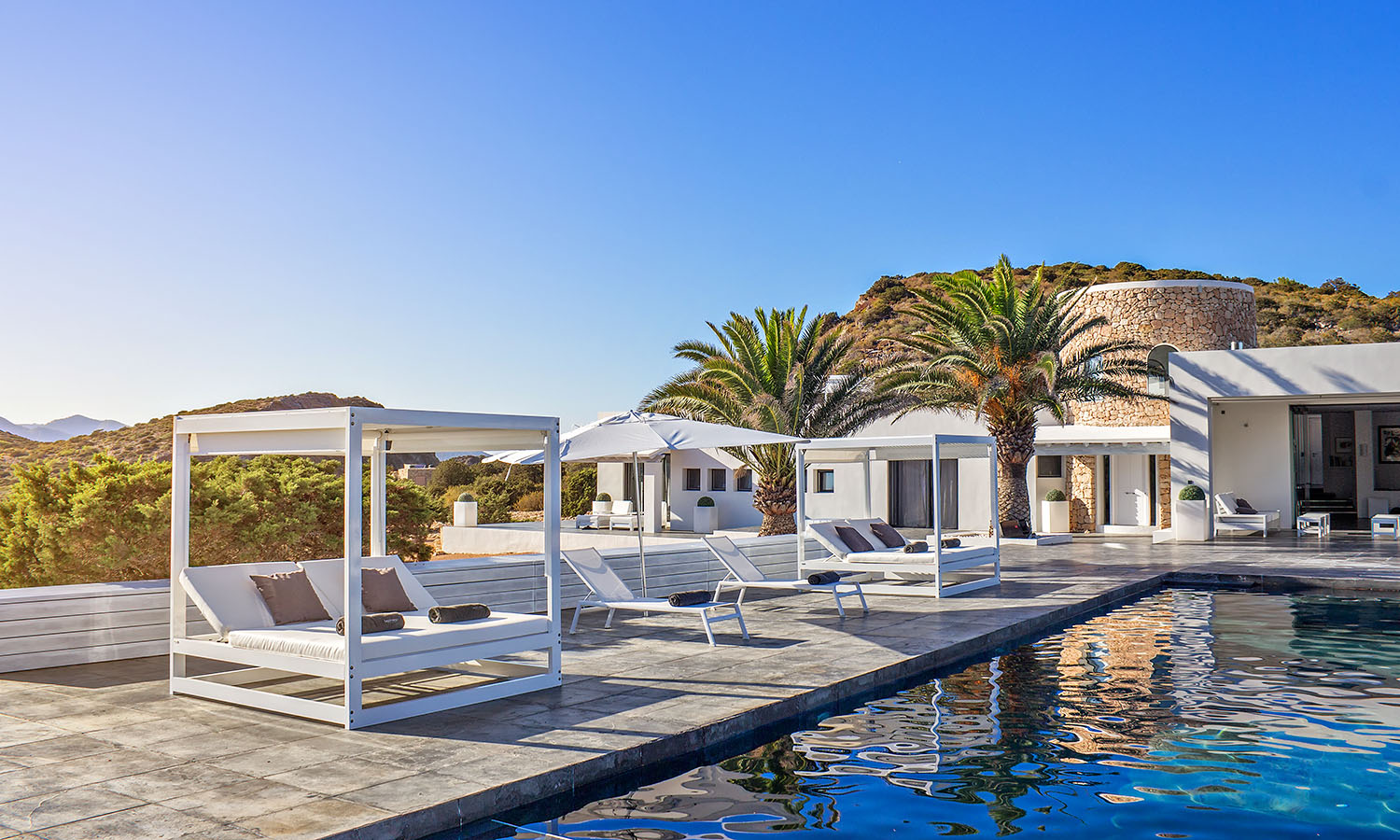
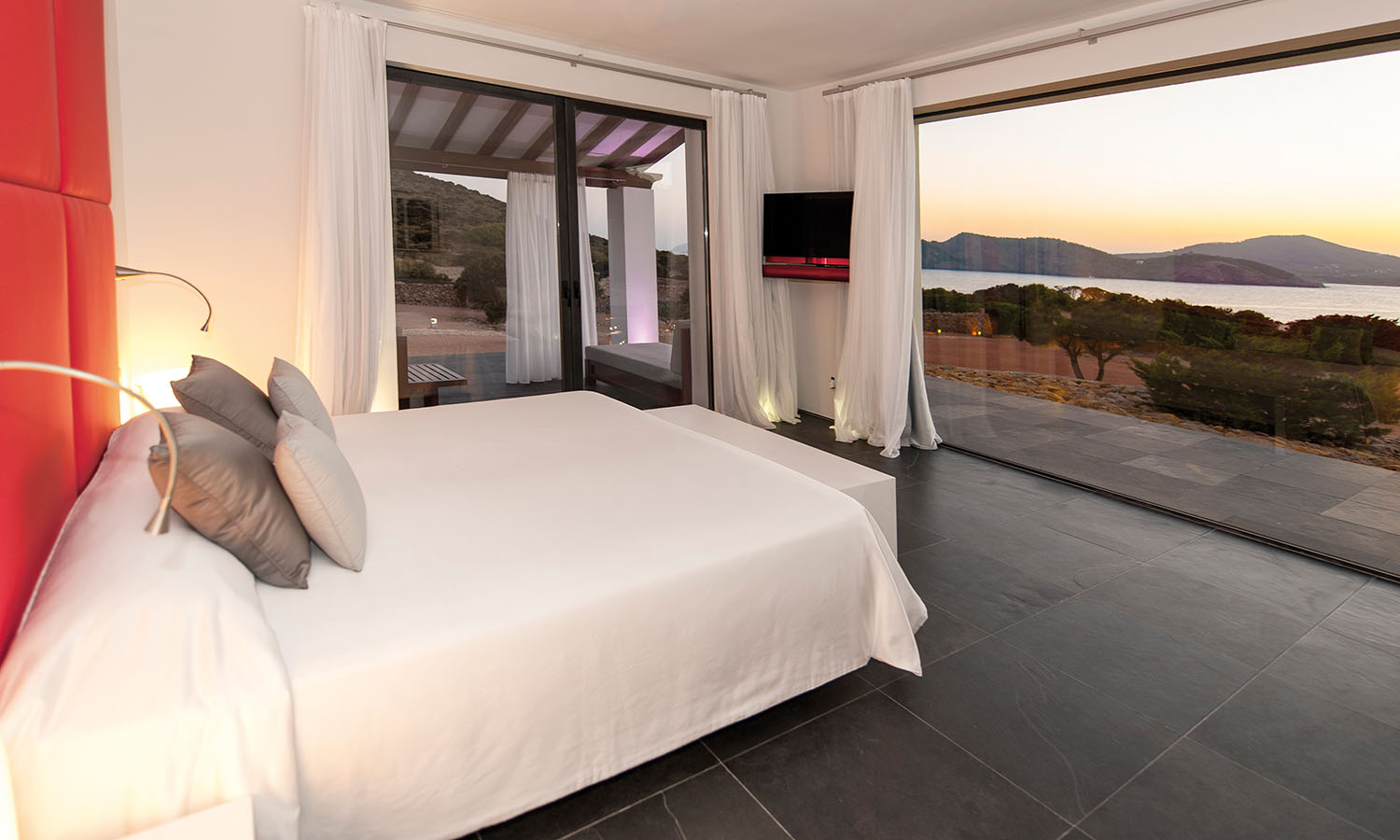
Move over, Ibiza – there’s a new kid in town. A five-minute boat ride from the east coast of Spain’s most famous party destination, Tagomago Island is a twenty-first-century Eden for the rich and famous.
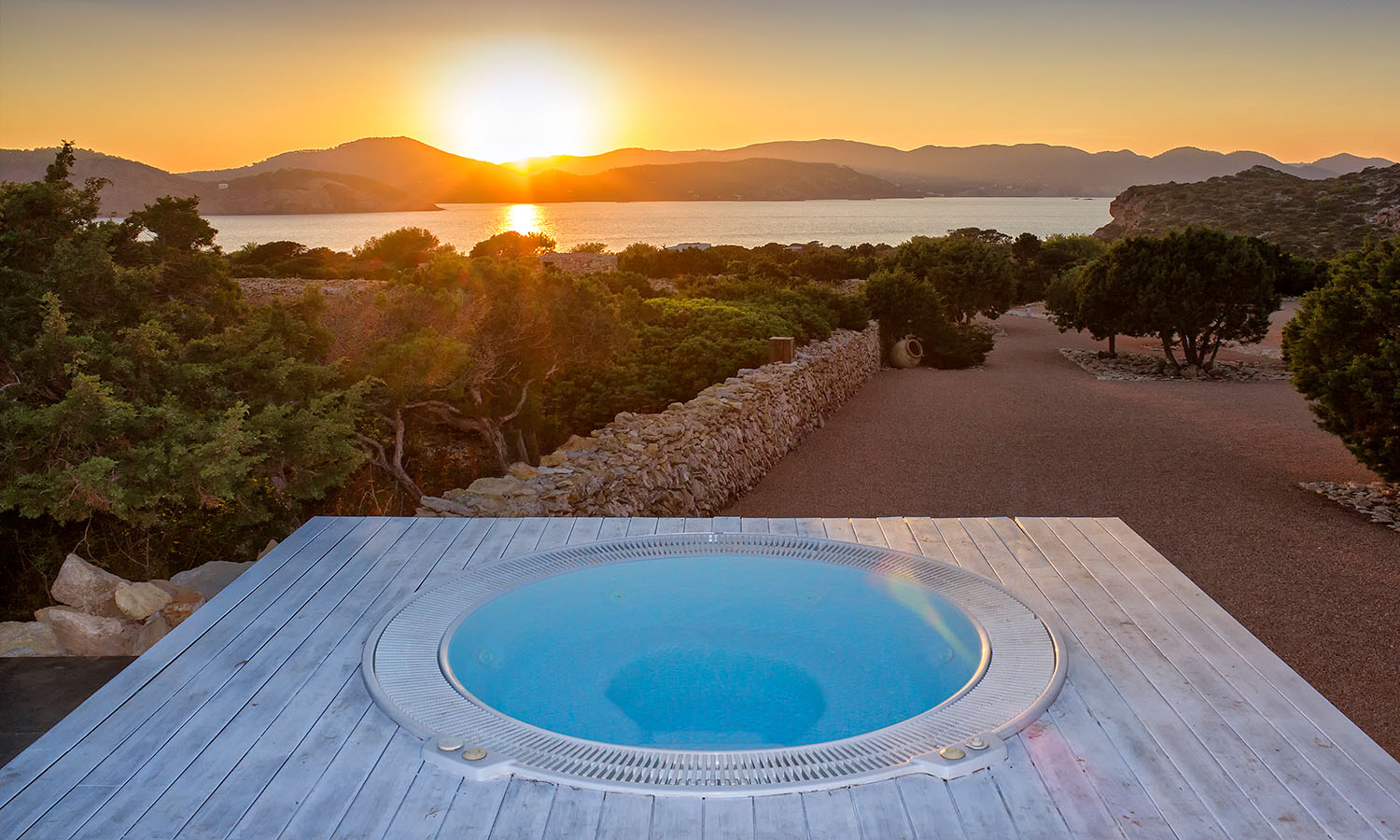
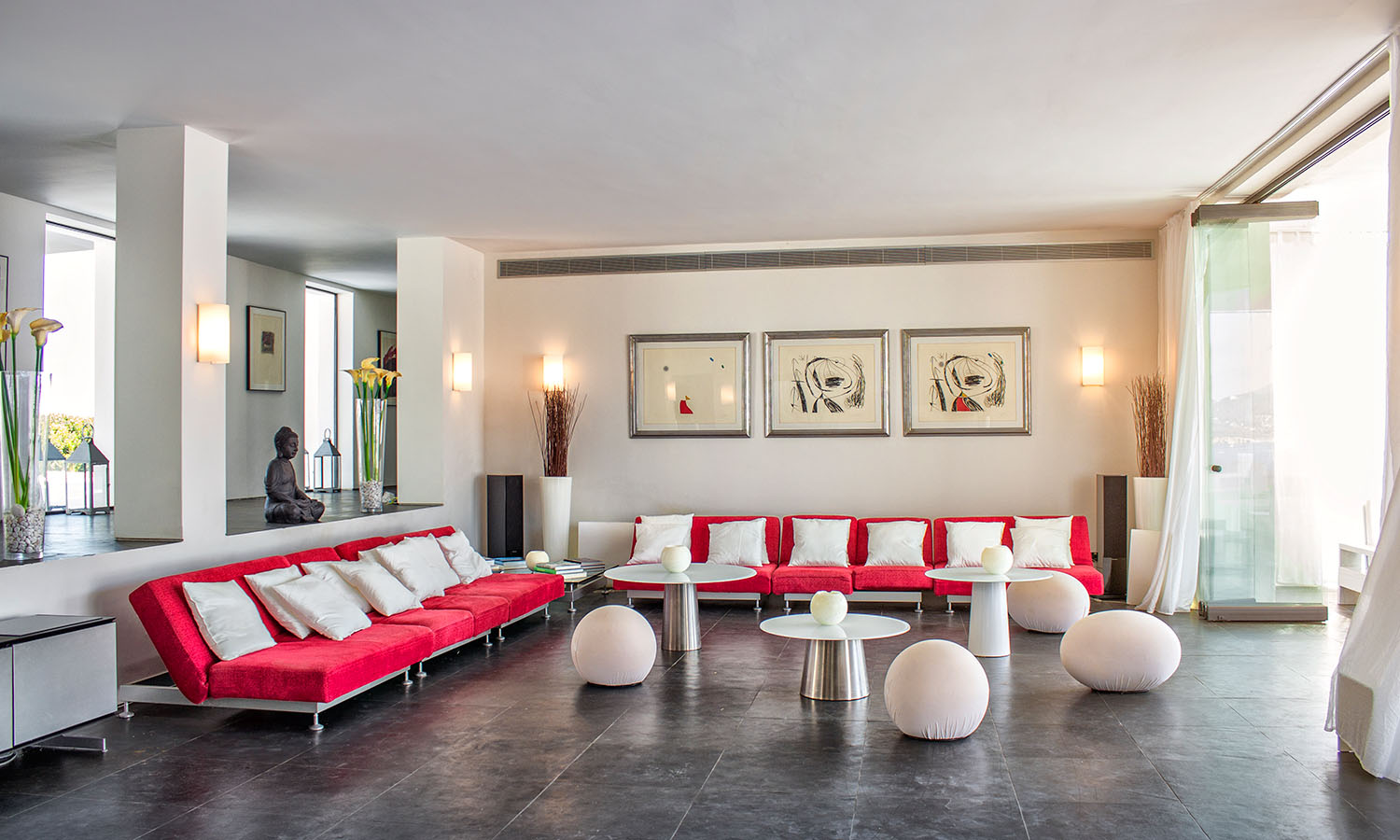
The exclusive abode has five double bedrooms, a state-of-the-art kitchen, a high-tech sound system, a swimming pool and sweeping terraces where you can sit with a cerveza and enjoy the coastline. Spend your days snorkelling in the turquoise waters, hiking winding trails to the lighthouse, visiting the beach bar or simply kicking back in a poolside cabana and catching some rays. Paradise this incredible doesn’t come cheap, but we can dream, right?
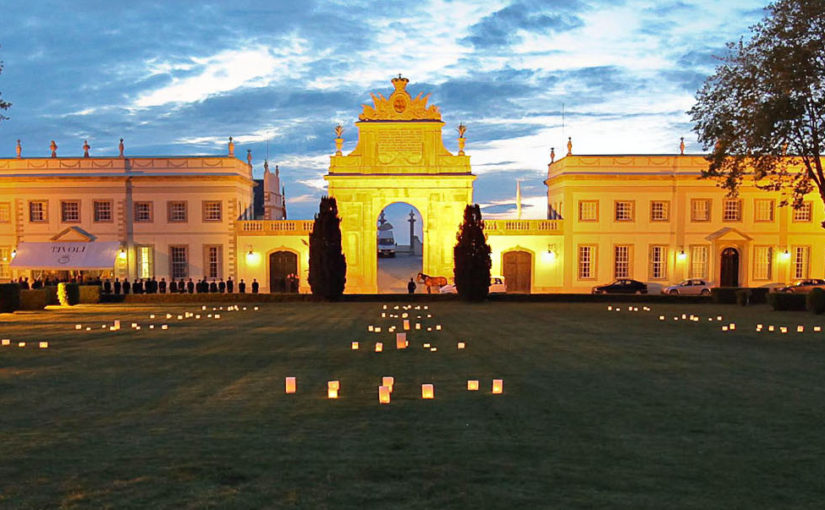
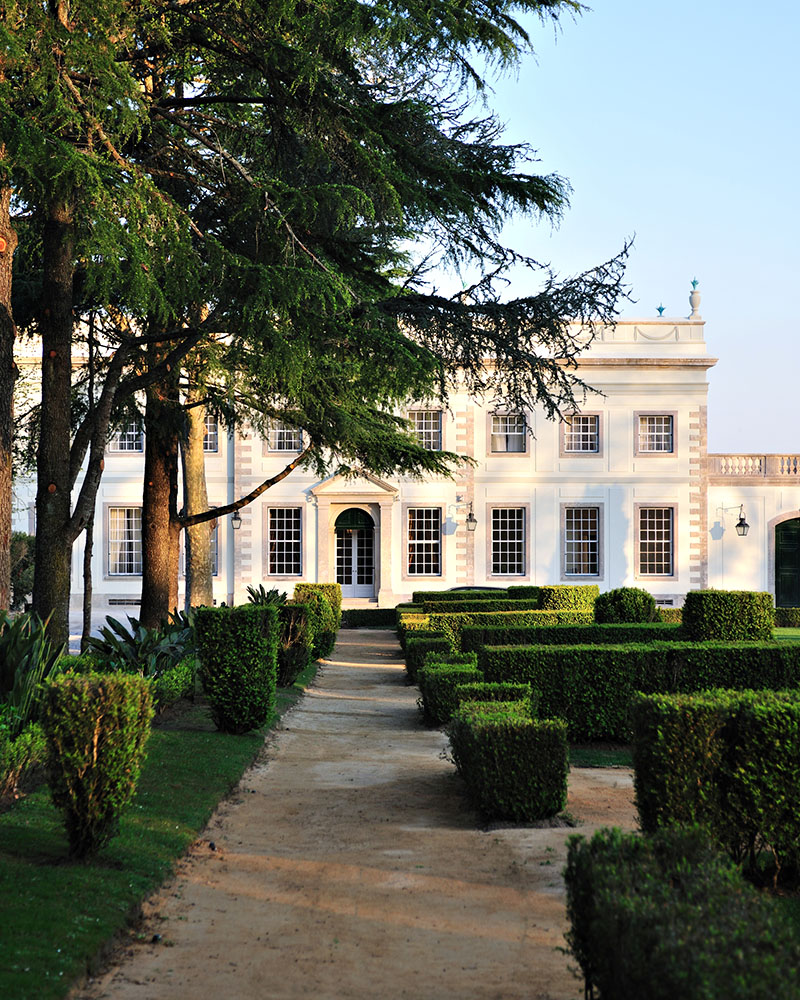
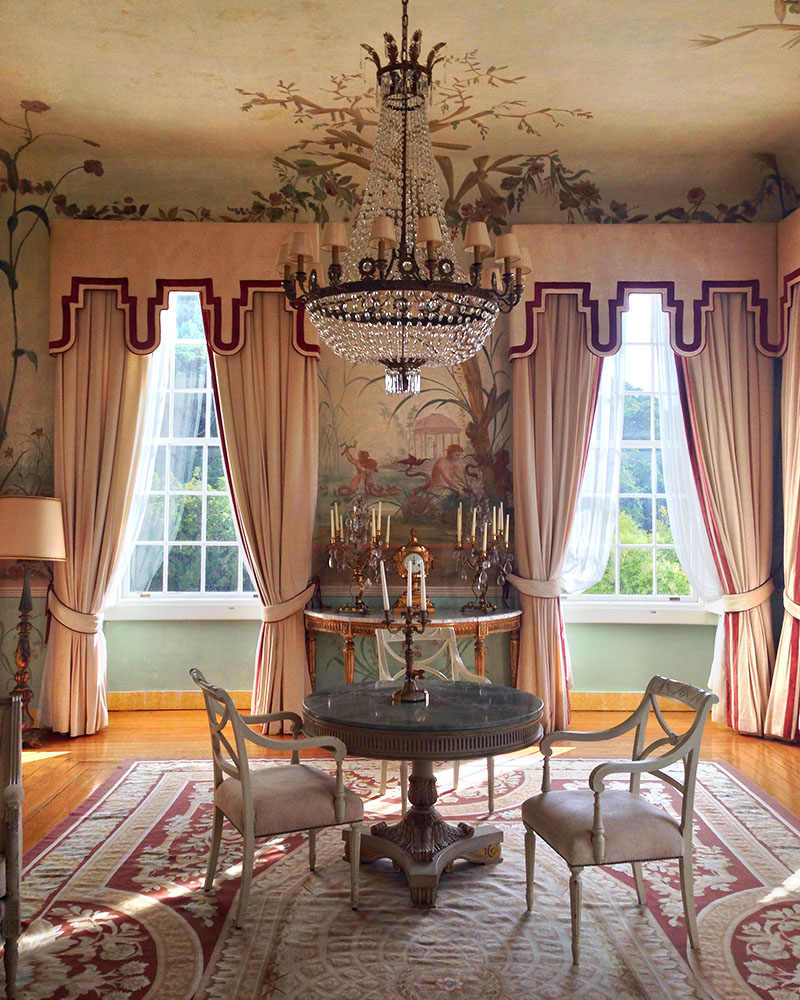
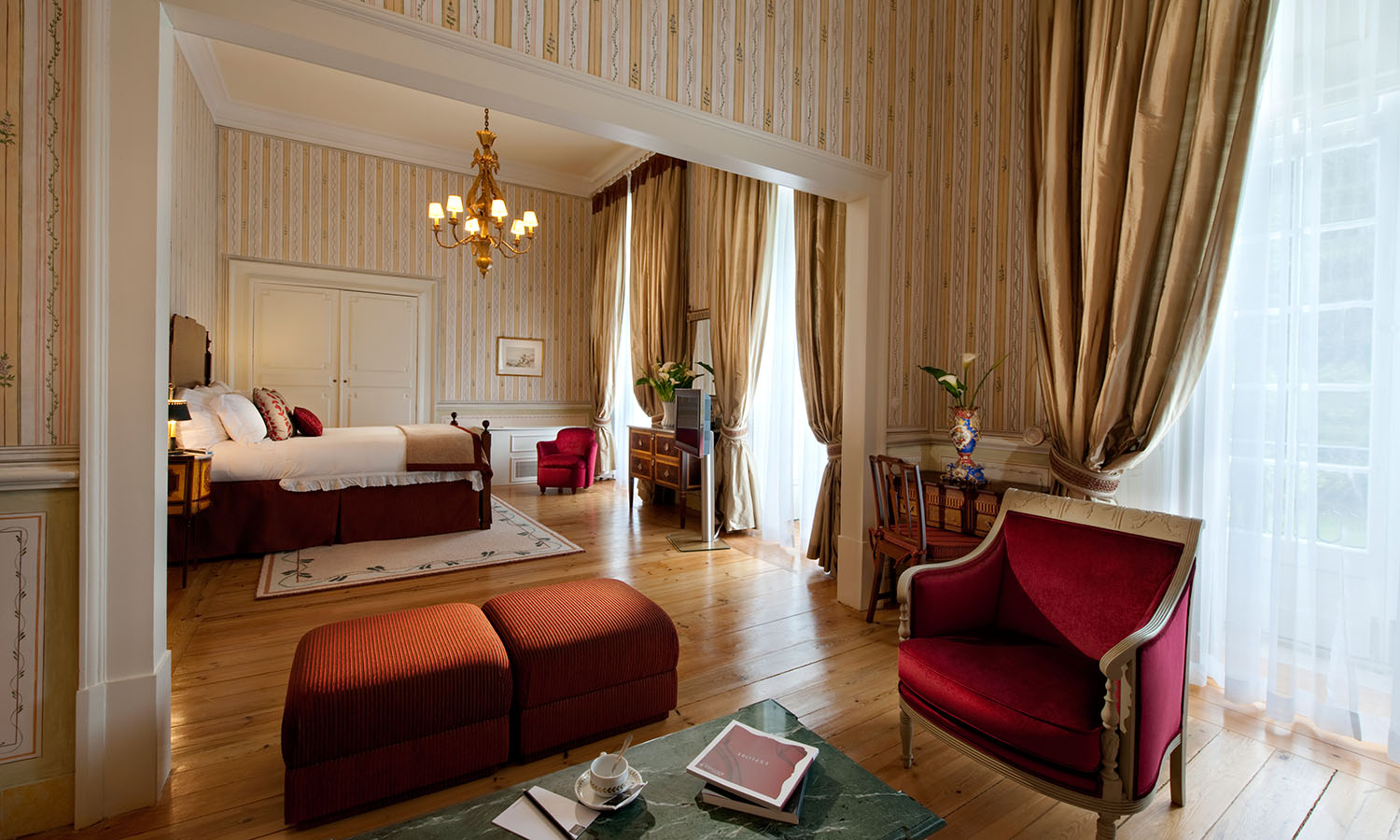
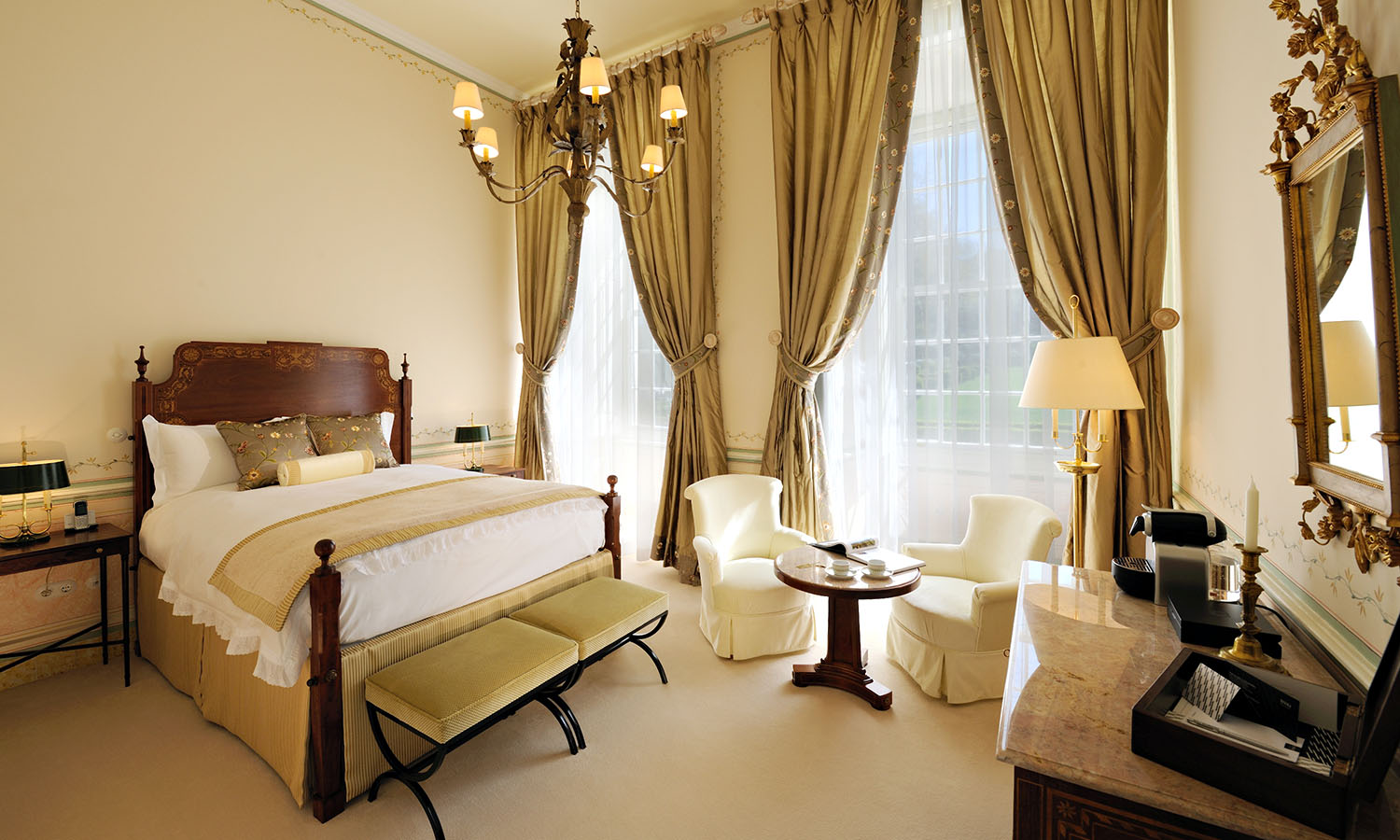
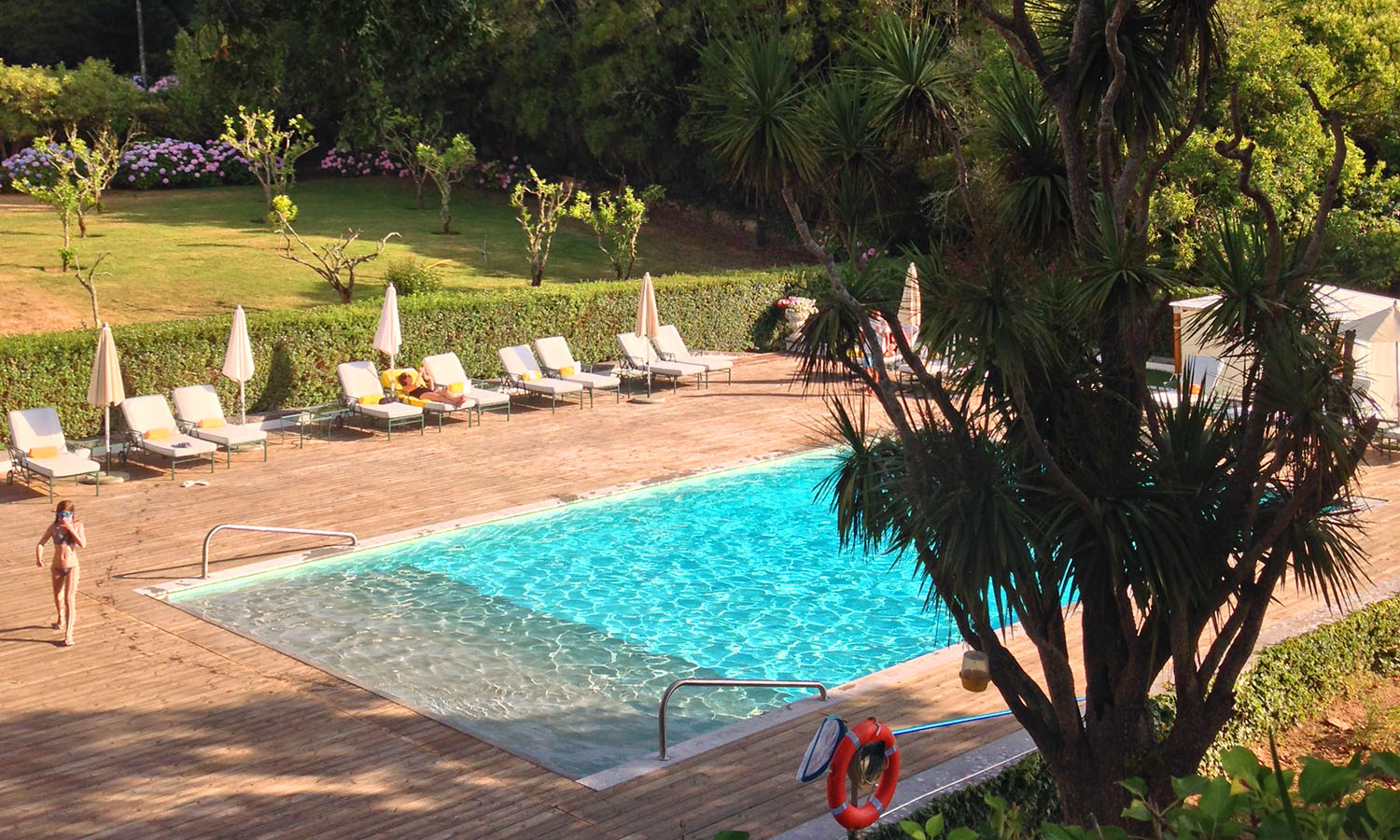
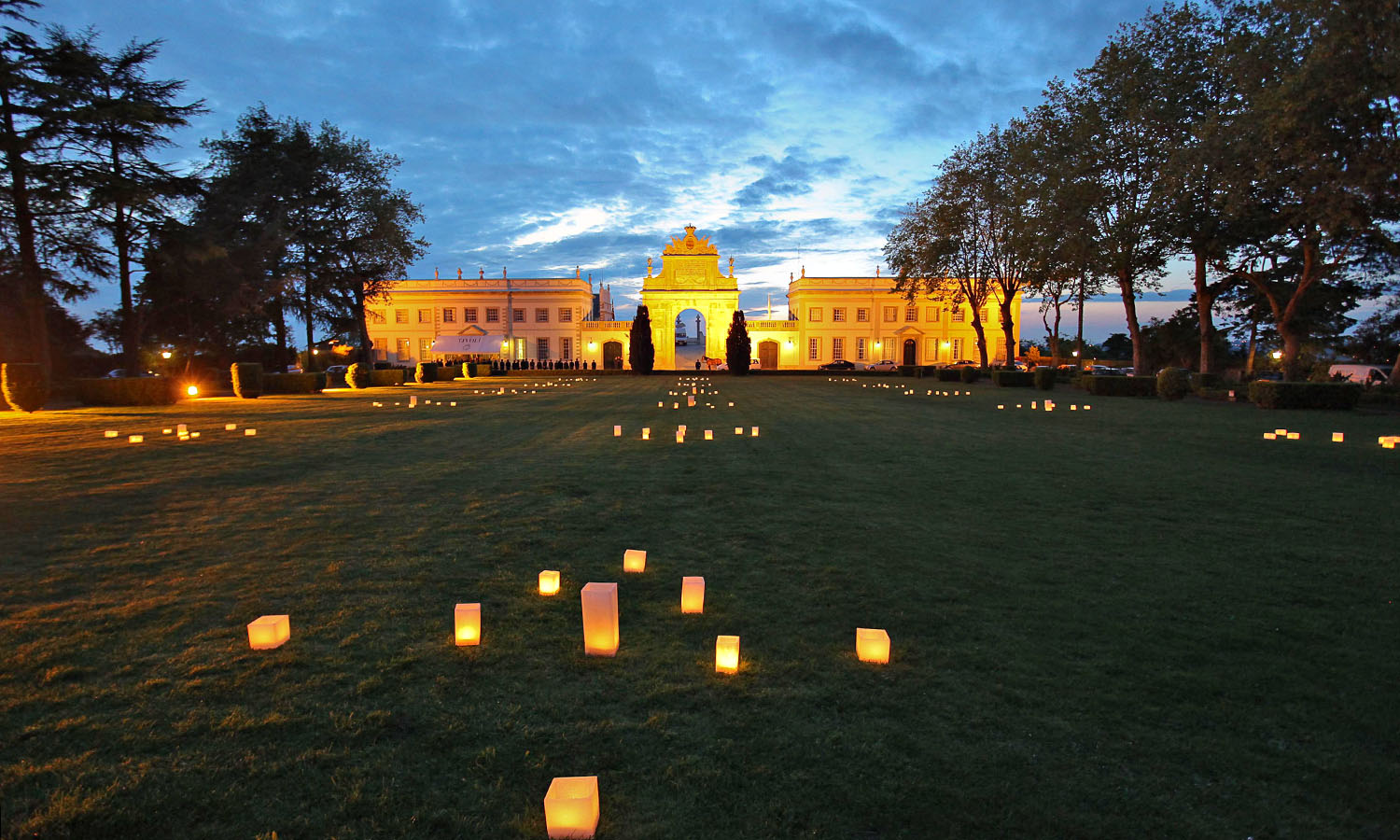
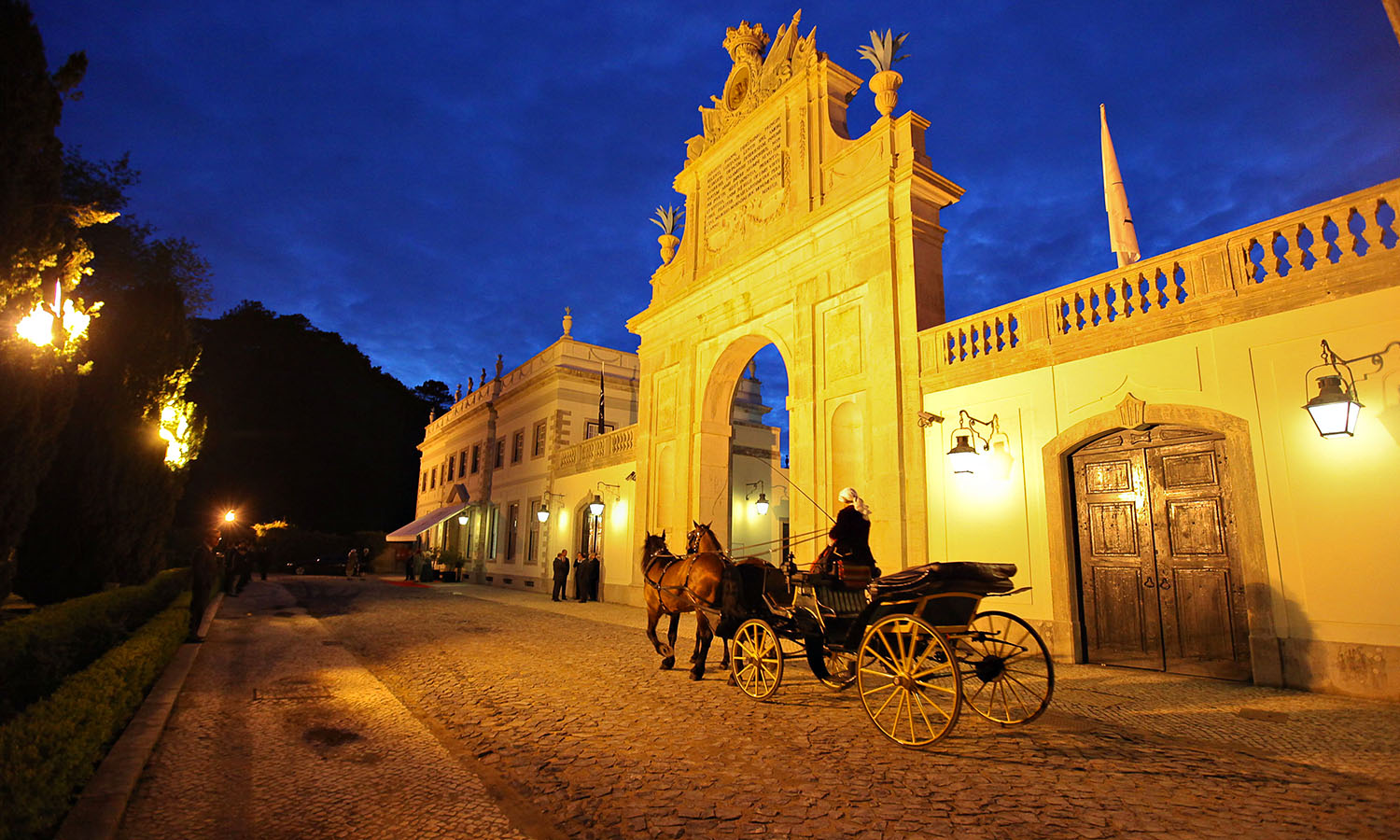
Famed for its castles, palaces and wild gardens, the tiny town of Sintra is one of Portugal’s shining stars. Experience it just like a royal, with a stay at the luxurious Tivoli Palácio de Seteais. Built on a hillside in the 1780s, this five-star, 30-room estate has been lovingly restored to resemble a palace of centuries past. Days can be spent soaking up the Portuguese sun by the infinity pool with fresh lemonade, crushed from the fruit in the gardens, delivered to your day bed. This is a prime spot to see the sun set over the ocean too or, better yet, opt for a suite with your very own terrace, and watch as the Atlantic sends mist swirling over the famous Pena Palace on the mountain above you.
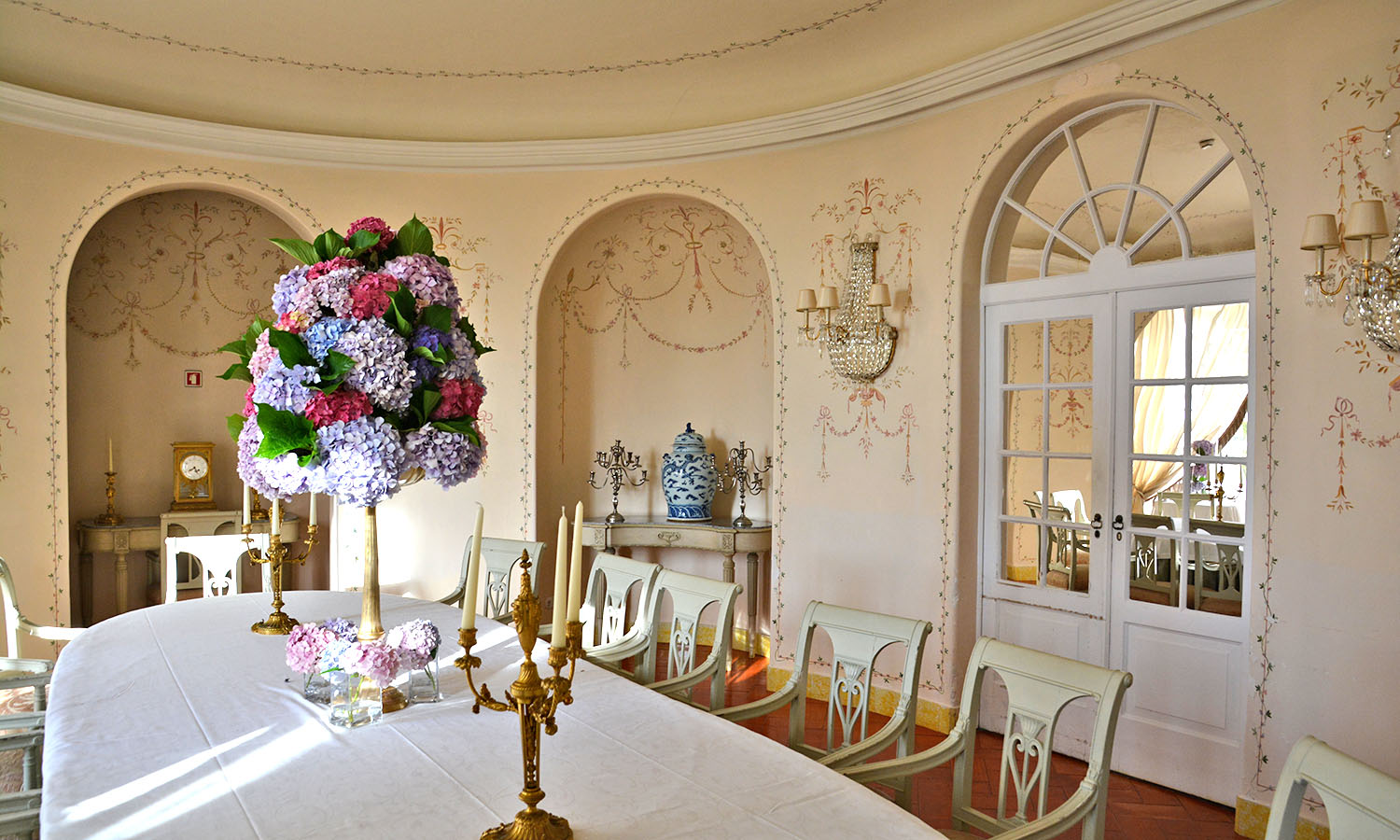
Wander the halls lined with priceless antiques and carpets worth as much as your university degree and kick back with a book – perhaps by Lord Byron, who wrote of Sintra as a “glorious Eden” – in one of the sitting rooms. At night, chandeliers illuminate the frescoes on the walls and music from a harpist or pianist dances in the air.
You’ve probably guessed it by now – Seteais is so beautiful you won’t want to leave, but exploring the UNESCO World Heritage town before the crowds arrive is one of the best parts of a stay. Then there are the hotel’s activities… Helicopter flights and horse riding adventures are all on the cards, but if you prefer to keep your feet on the ground head to the striking cliffs that form the westernmost point of Europe. Your guide, selected from Walk Hike Portugal, will share secrets of the area with you, including lunch at a local haunt where you’ll devour a feast of clams, prawns and fish chosen from the day’s catch, before rolling you back to the pool. Yep, a day trip to Sintra is far from enough.
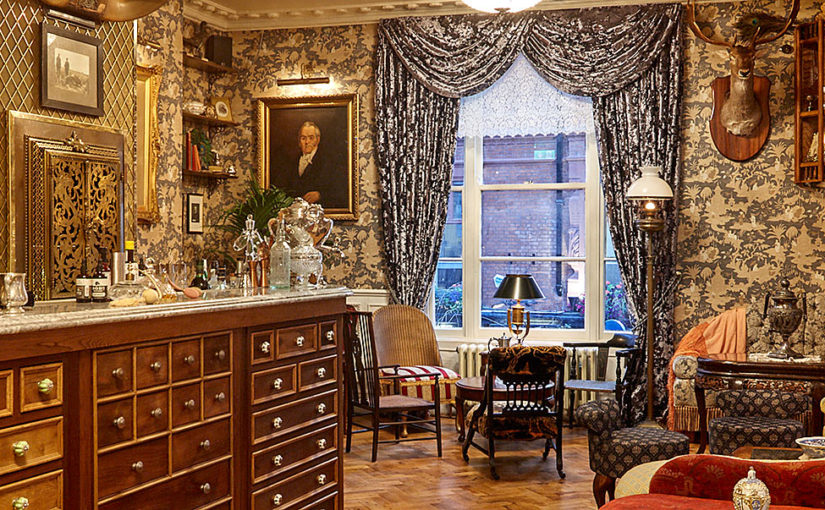
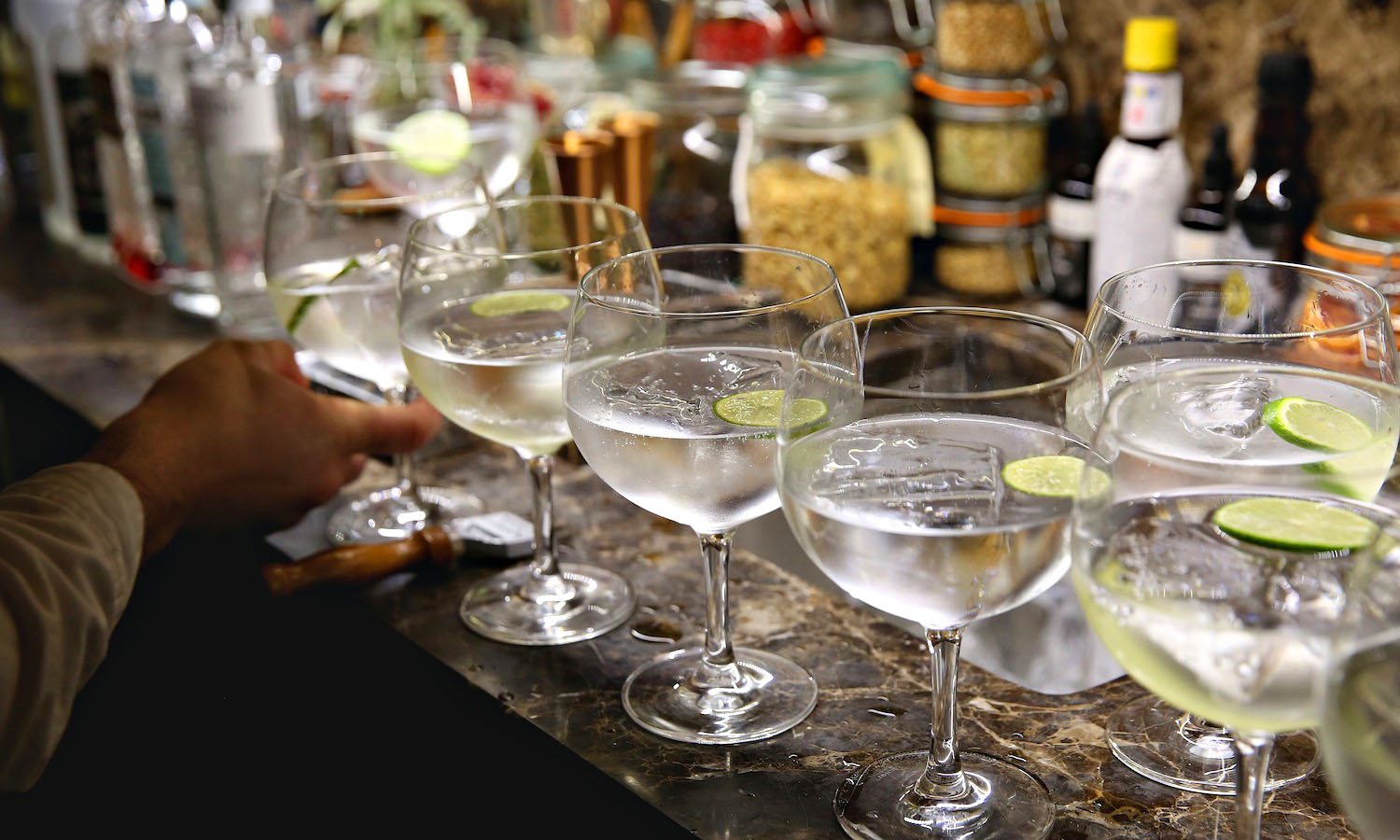
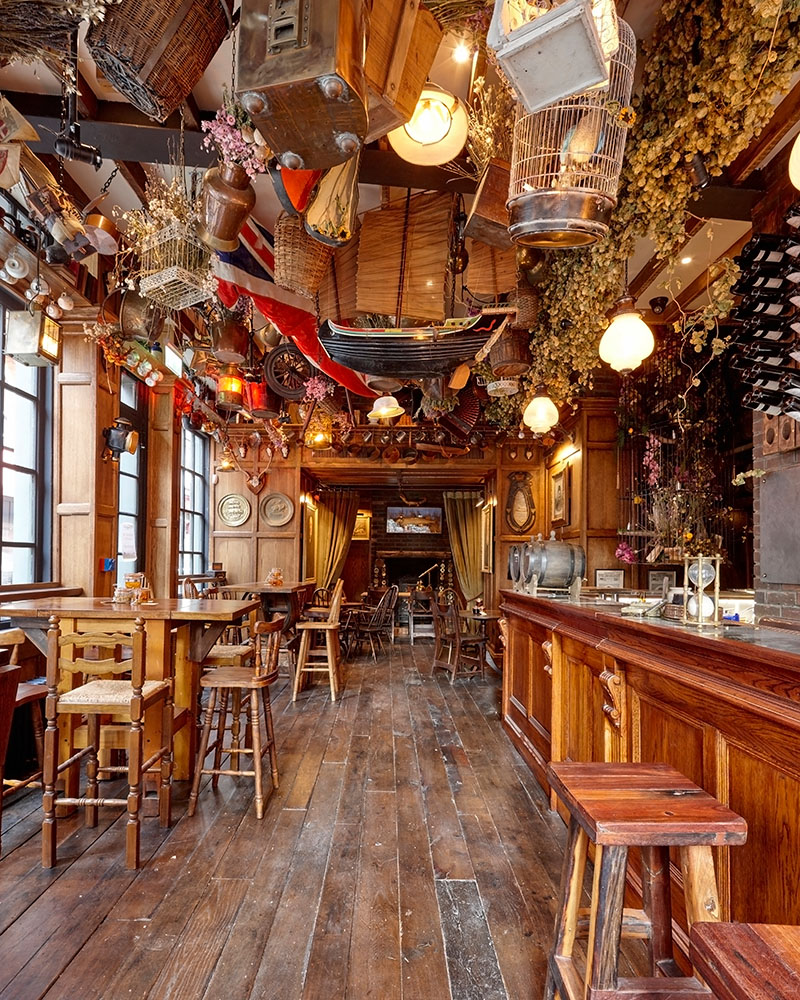
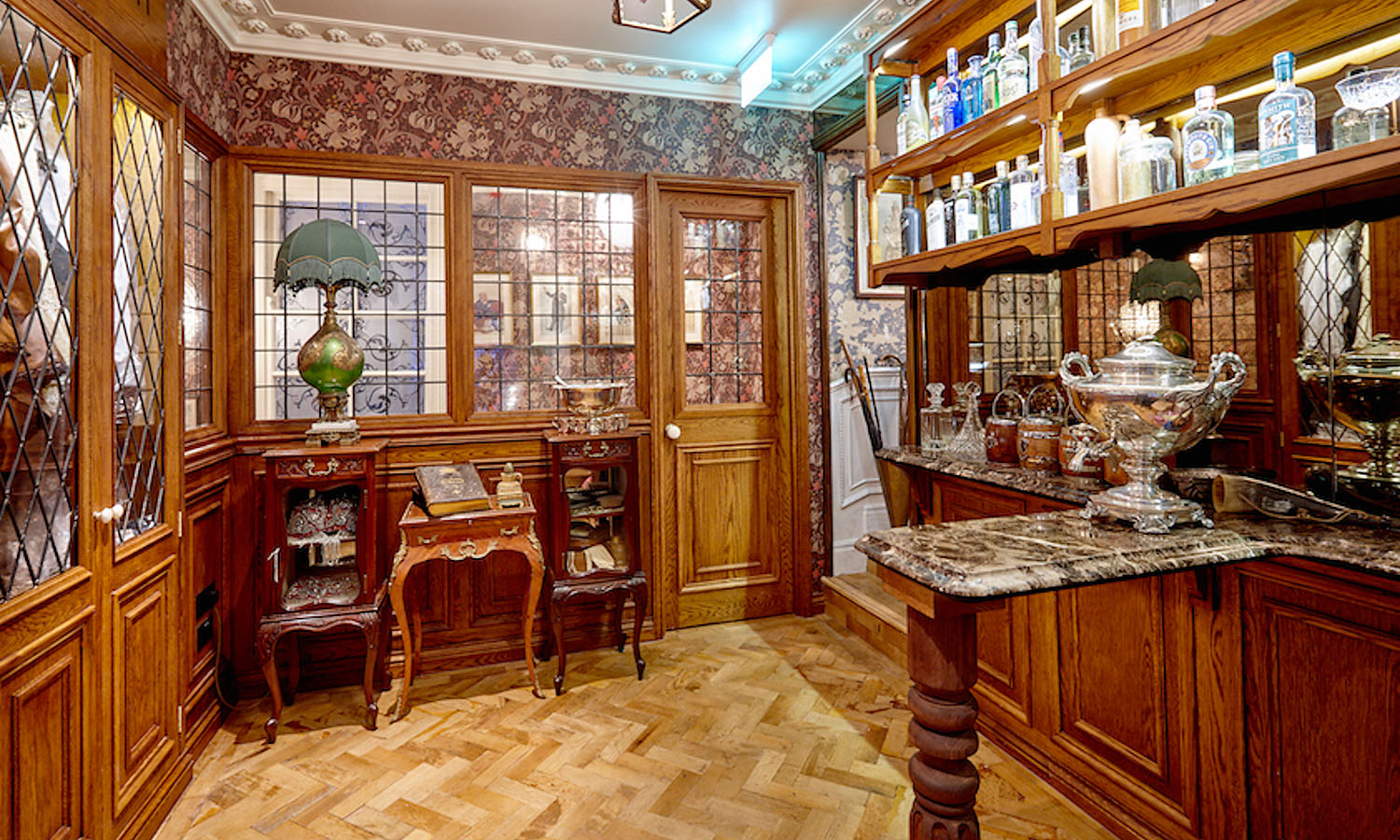
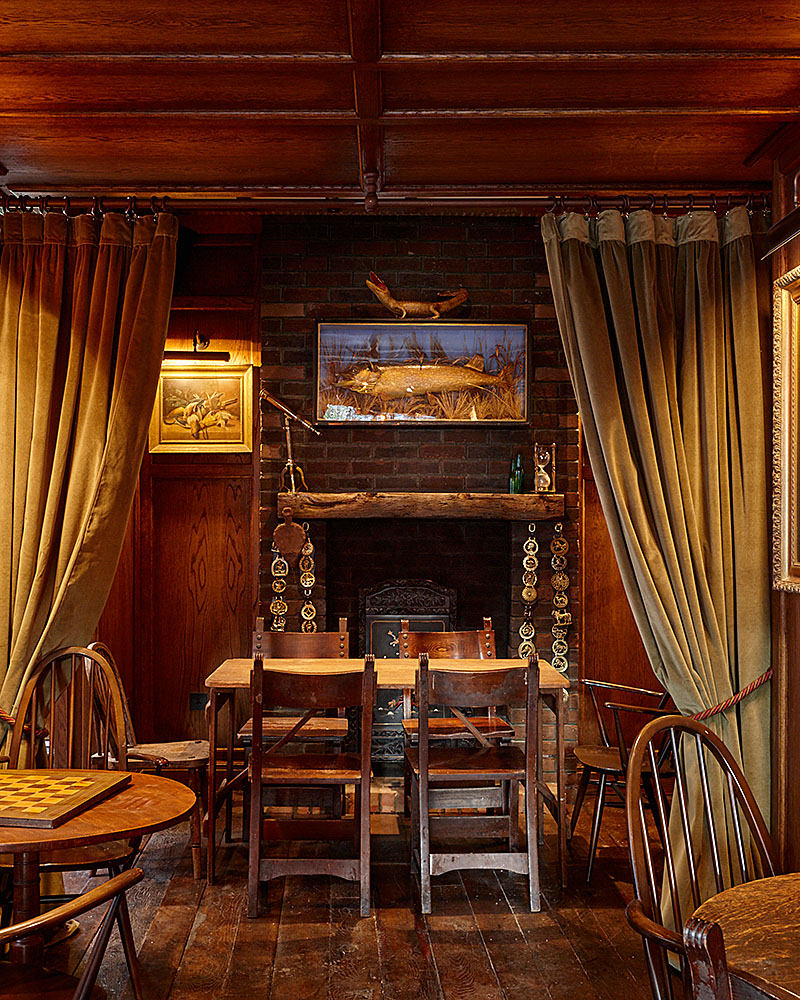
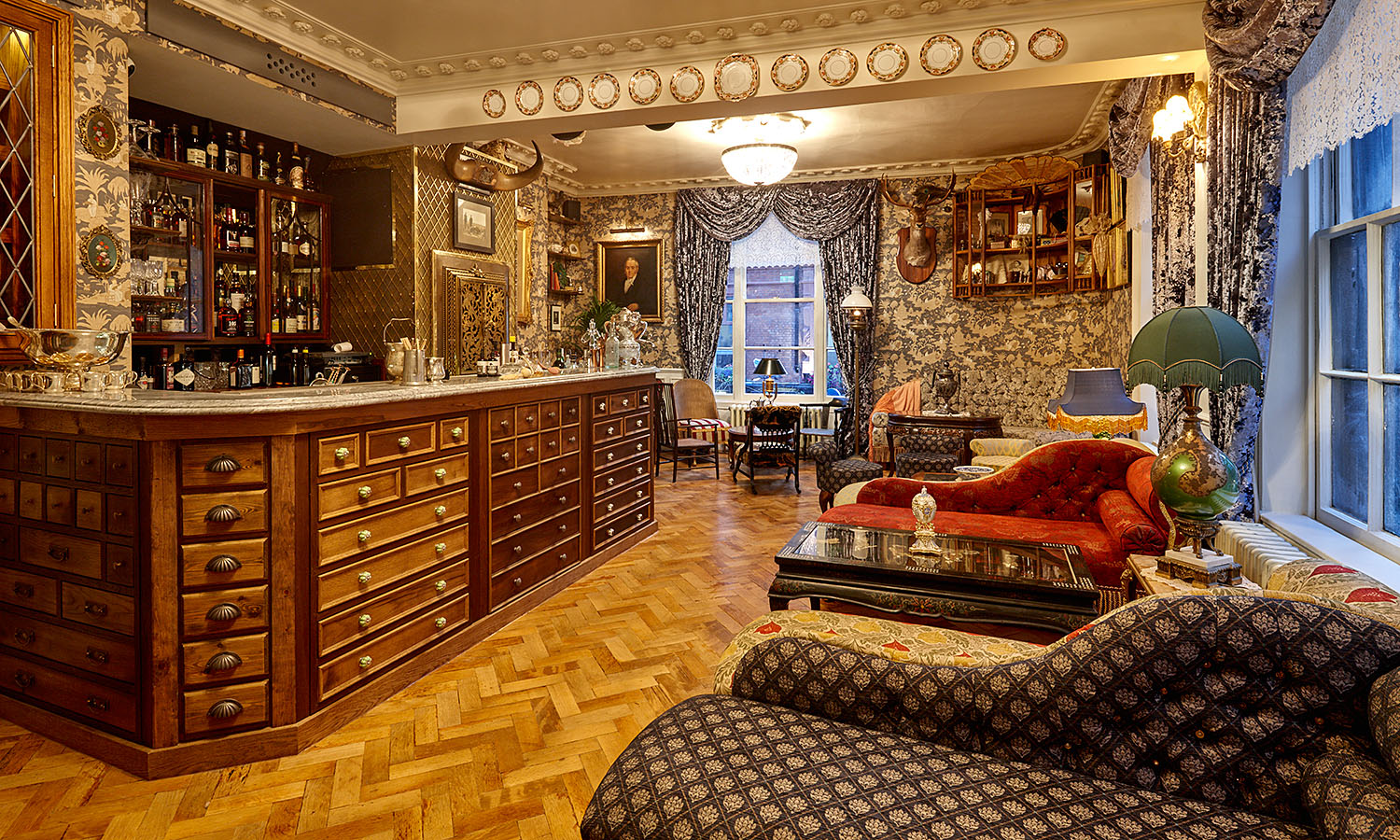
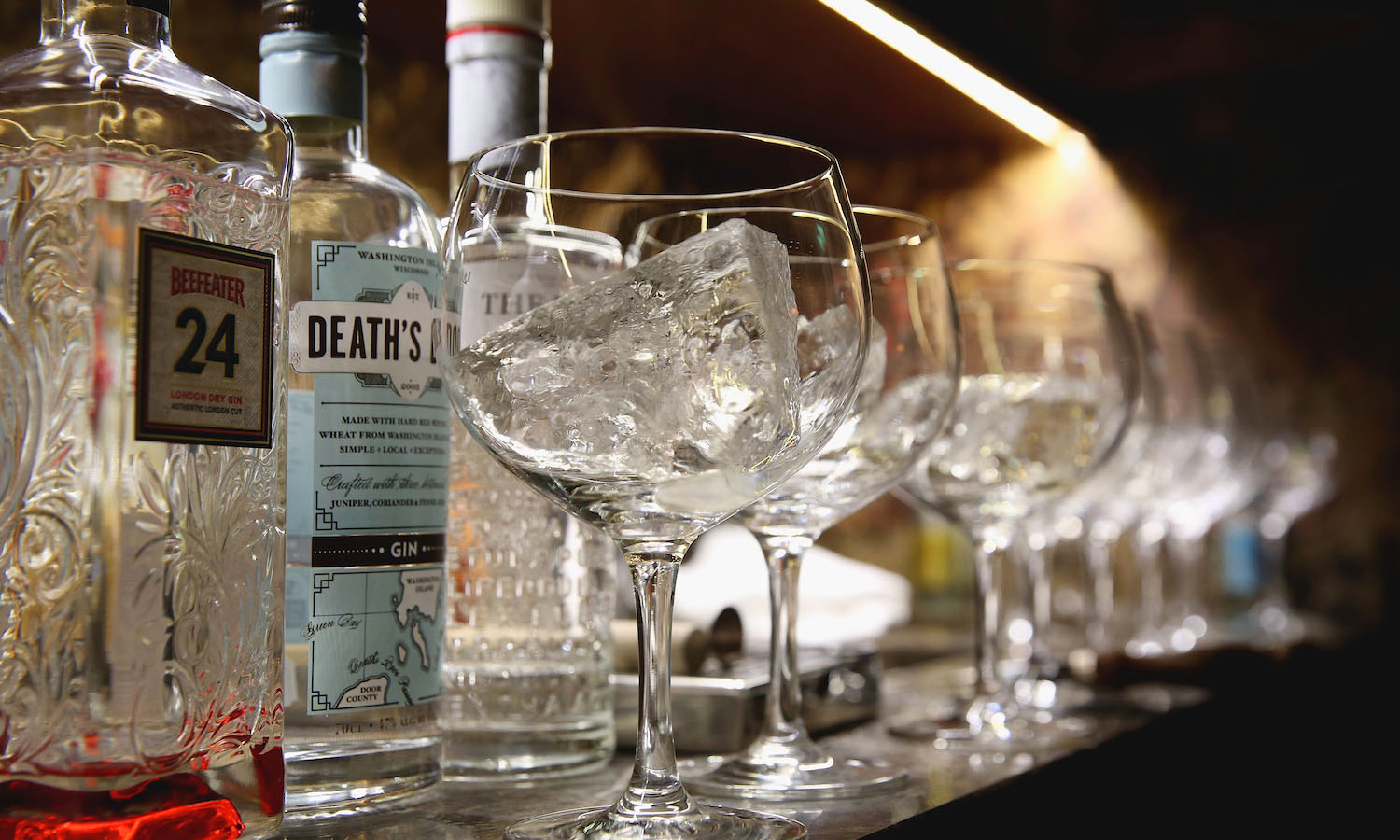
Forget dinner and a show, where’s the gin? Imbibe libations at this raucous West End tavern, an homage to Jules Verne’s fictional adventurer, Phileas Fogg, then toddle upstairs to the plush parlour of the explorer’s beloved aunt, acclaimed actress Gertrude Fogg.
Choose your poison from a selection of more than 300 types of the world’s most interesting gin, peruse curiosities from Gertrude’s days on stage and take in views of London’s Noël Coward Theatre. Indulge in a gin tasting or sashay into the salon and settle on a chaise longue to nibble treats fit for famed thespians, such as sloe gin cured salmon followed by gin and tonic marshmallows. After a couple of strong drinks you may feel the urge to crack open the cabinet of wigs and scripts for a debut under an ornate chandelier.
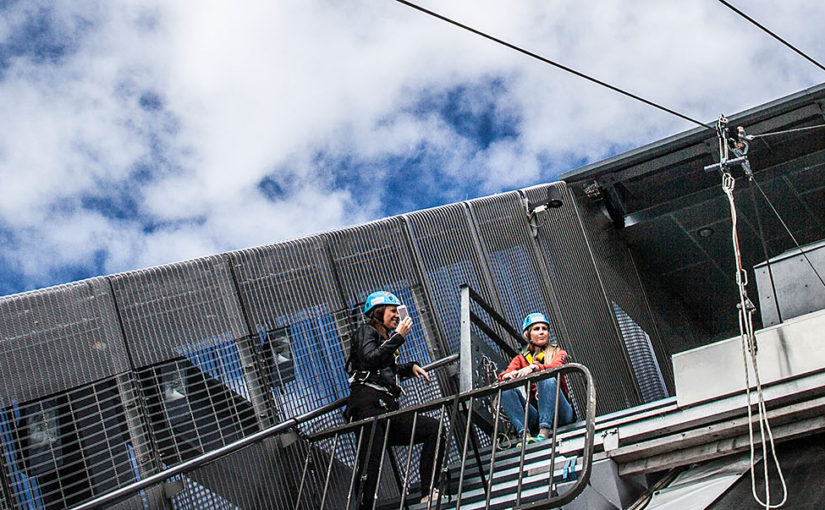
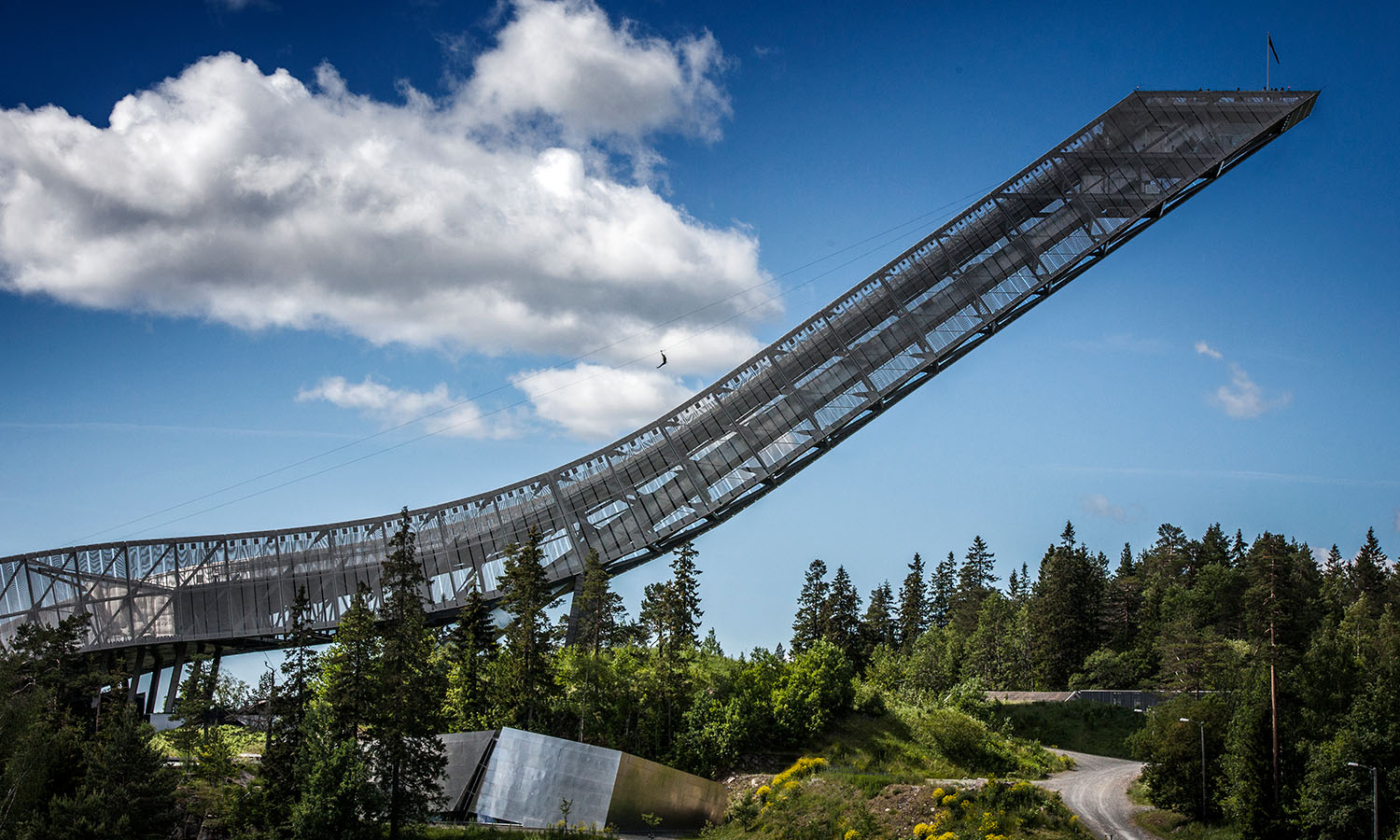
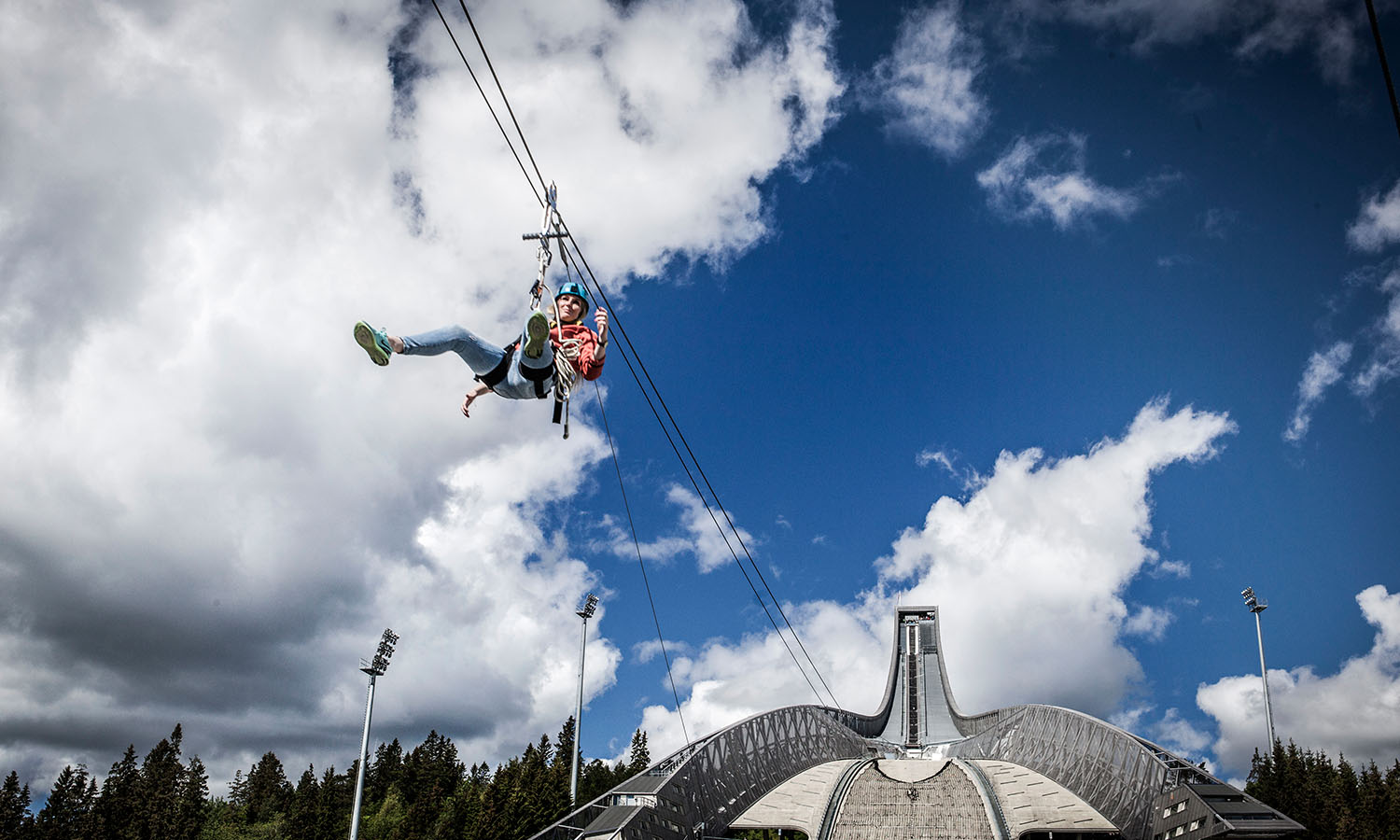
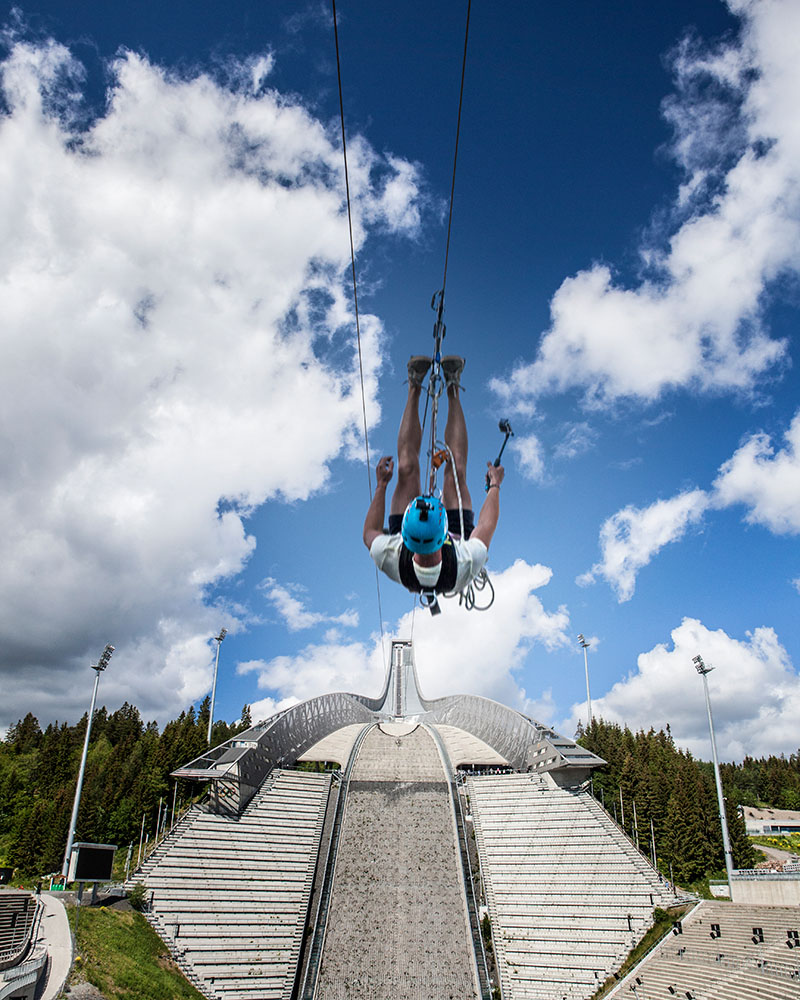
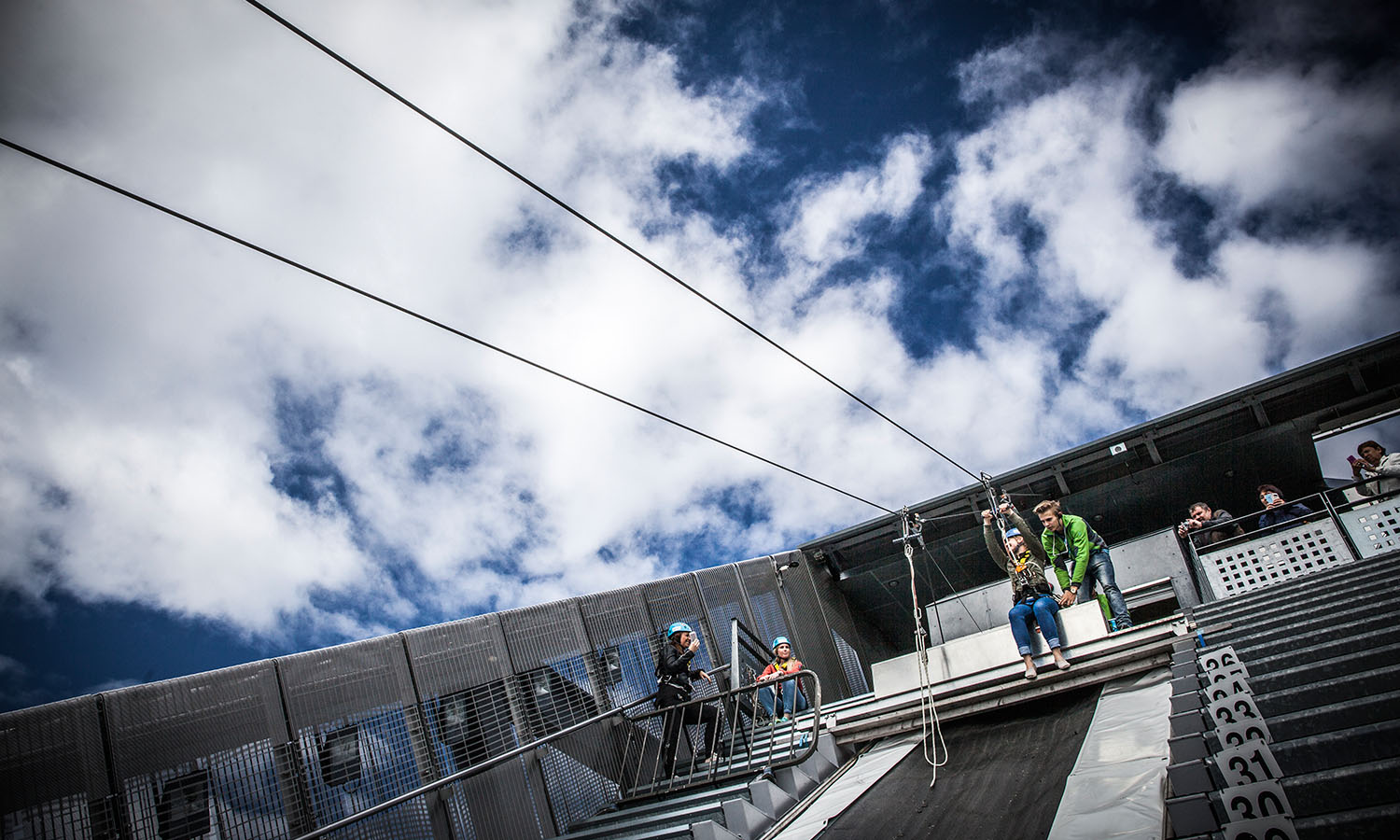
Experience the sensation of whooshing down an Olympic ski slope without the risk of breaking your neck at the Kollensvevet zip-line, propped on top of Oslo’s Holmenkollen jumping tower.
The first ski competition here took place in 1892 and since then the structure has undergone 14 transformations to morph into the architectural curiosity it is today. Stand atop 100 tonnes of steel and take in the expansive views of Norway’s capital, then plummet 107 metres over a swift 361-metre distance. If that isn’t enough to get your heart pumping, boost the adrenaline factor by riding upside down.
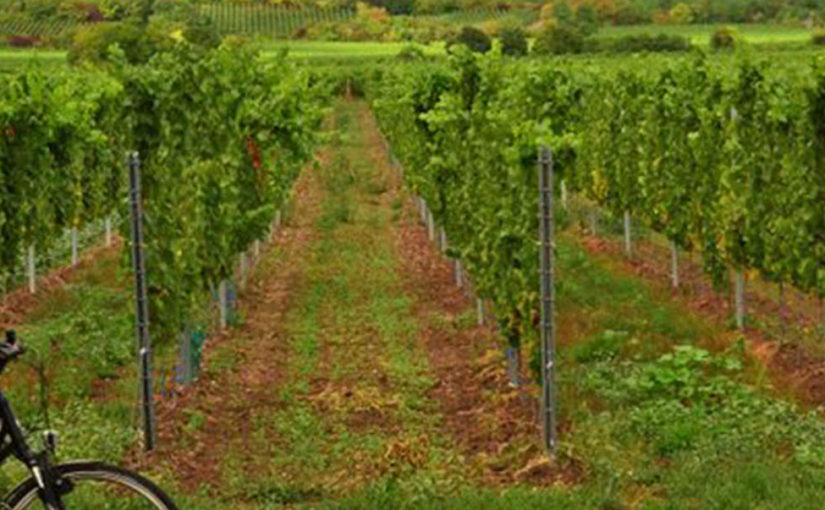
There’s something about wine routes: the sight of tethered vineyards, the undulating countryside and the obligatory mild climate, since vines demand a healthy dose of sunshine. There’s also that feeling of discovery. I get it when I’m bowled over by a fine vintage that makes the day’s drive worthwhile. Plus, of course, where there’s excellent wine, good food generally follows.
What I didn’t know is that the road I’m on this time, the Deutsche Weinstrasse, was the first wine route in the world. Running for 85 kilometres in the German region of Pfalz (Palatinate), it was inaugurated in October 1935 to help the local wine growers boost sales. What is more surprising is that it’s still refreshingly idyllic, meandering by sloping vineyards and winding through well-kept villages with timber-veined houses and geranium balcony blooms.
This has been prime wine country for centuries. Near the top of the Weinstrasse lies Ungstein, where a Roman winery has been excavated complete with grape-treading troughs. They are so intact experts have determined the Romans were cultivating riesling, pinot and gewürztraminer – the same varieties that are planted in the region today.
I have to fight constantly with my GPS that directs me away from village centres to the nearby highway, until I switch it off and simply follow the road signs of black grapes on a yellow background indicating the Weinstrasse. I’m aiming for the small village of Weyher in the shadow of the massive Pfalz forest, where the restaurant Zum Kronprinz has stood as long as folk memory serves. Rupprecht, the last Crown Prince of Bavaria, regularly stayed over after a forest hunt and endowed it with its name.
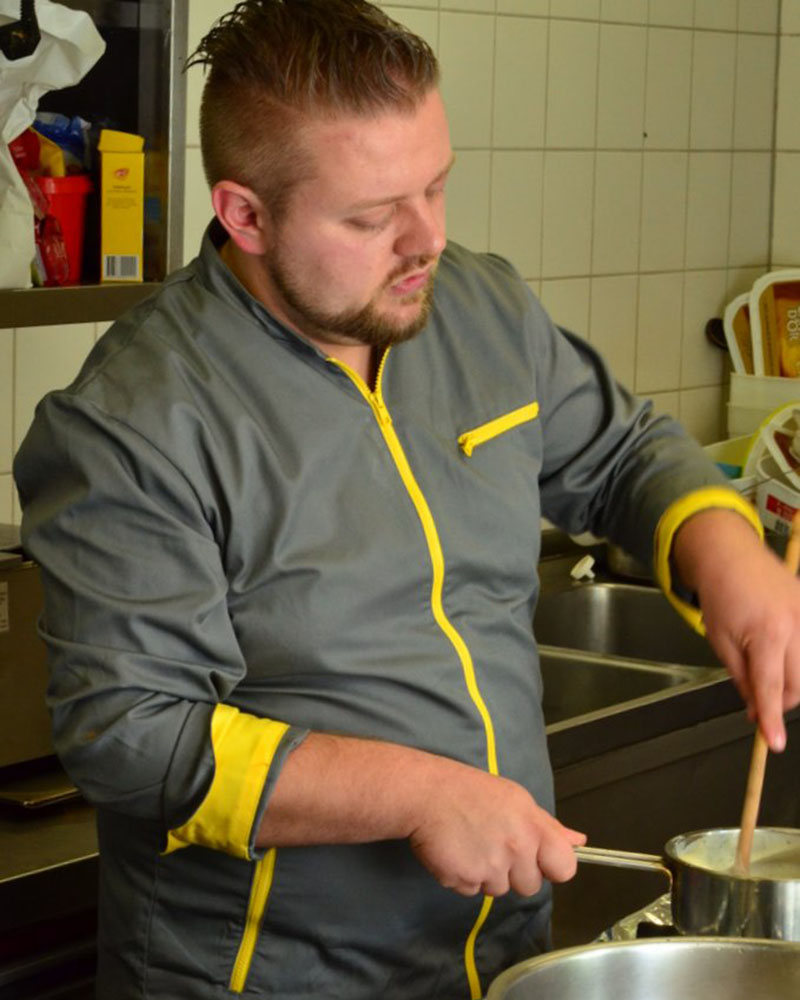
“My family has been running the restaurant for generations,” says Simon, the chef. Rotund, jovial and chatty, he is the embodiment of country cooks the world over. “Back in the 1970s, the restaurant was famous for its bear stew. My grandfather used to import bears from Russia and slaughter them for food.”
He shrugs his shoulders and winks. “Until animal rights campaigners stopped the trade. But it’s all ancient history. Nowadays we cook game seasonally. Hunters bring us deer, wild boar or game birds from the forest. Come here in May to taste maibock, one-year old buck, which we shoot in the spring.”
“Of course, we all like to forage every now and again. The older folk especially treat the forest like their back garden; they know exactly where to find mushrooms and ripe berries. We also plant carrots, potatoes and other root vegetables. On top of that we have many fig trees and sweet chestnuts, because of the temperate climate.”
Simon shows me a jar. “This is homemade fig mustard,” he says. “Goes very well with burgers. To make some, you just add fig jam to a grain mustard and there you have it.”
Apart from making good use of the forest’s bounty, Pfalz’s farmers are big on pig rearing – like the rest of Germany – and people here tend to utilise every part of the animal. And I mean every part.
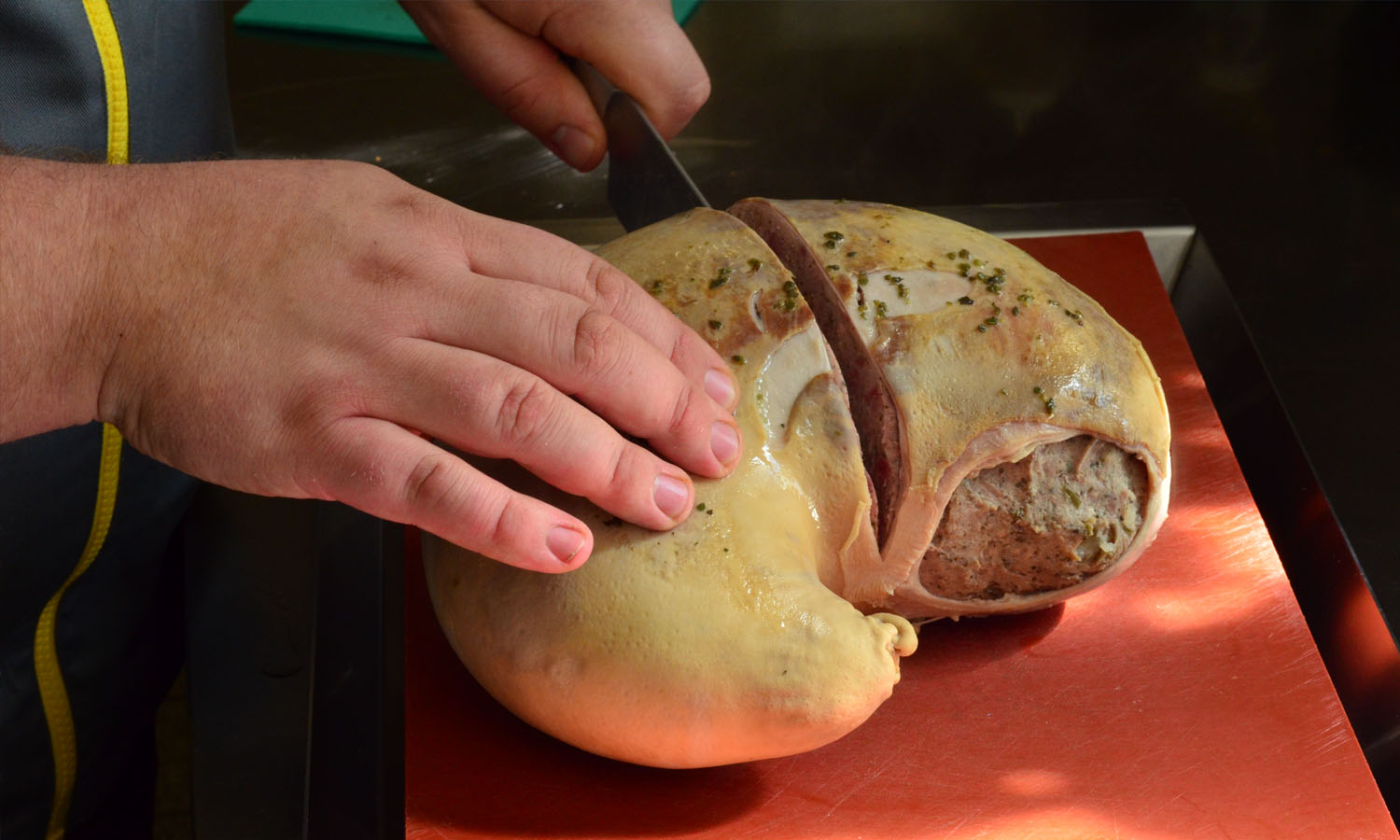
Simon leads me to the kitchen where the local speciality, saumagen, has been cooking for two hours and is ready for sampling. Notorious in Germany for being the favourite dish of Chancellor Kohl, it translates as “sow’s stomach”. I glance at it more in trepidation than eagerness. Many world leaders, including Thatcher, Clinton, Reagan and Mitterrand, shared my dread when they visited Kohl, knowing what would be served as dinner’s main course.
The origins of saumagen are lost in the mists of time. Some say it was poor people’s fodder, made using leftover scraps of meat and veg stuffed in a pig’s stomach and boiled. Others claim butchers stored their best meat there. During the frequent invasions, soldiers would loot the shops bare, but wouldn’t touch the stuffed stomachs hanging on the walls. Looking at the inflated sack bubbling slowly in the pot in front of me, I know I wouldn’t either.
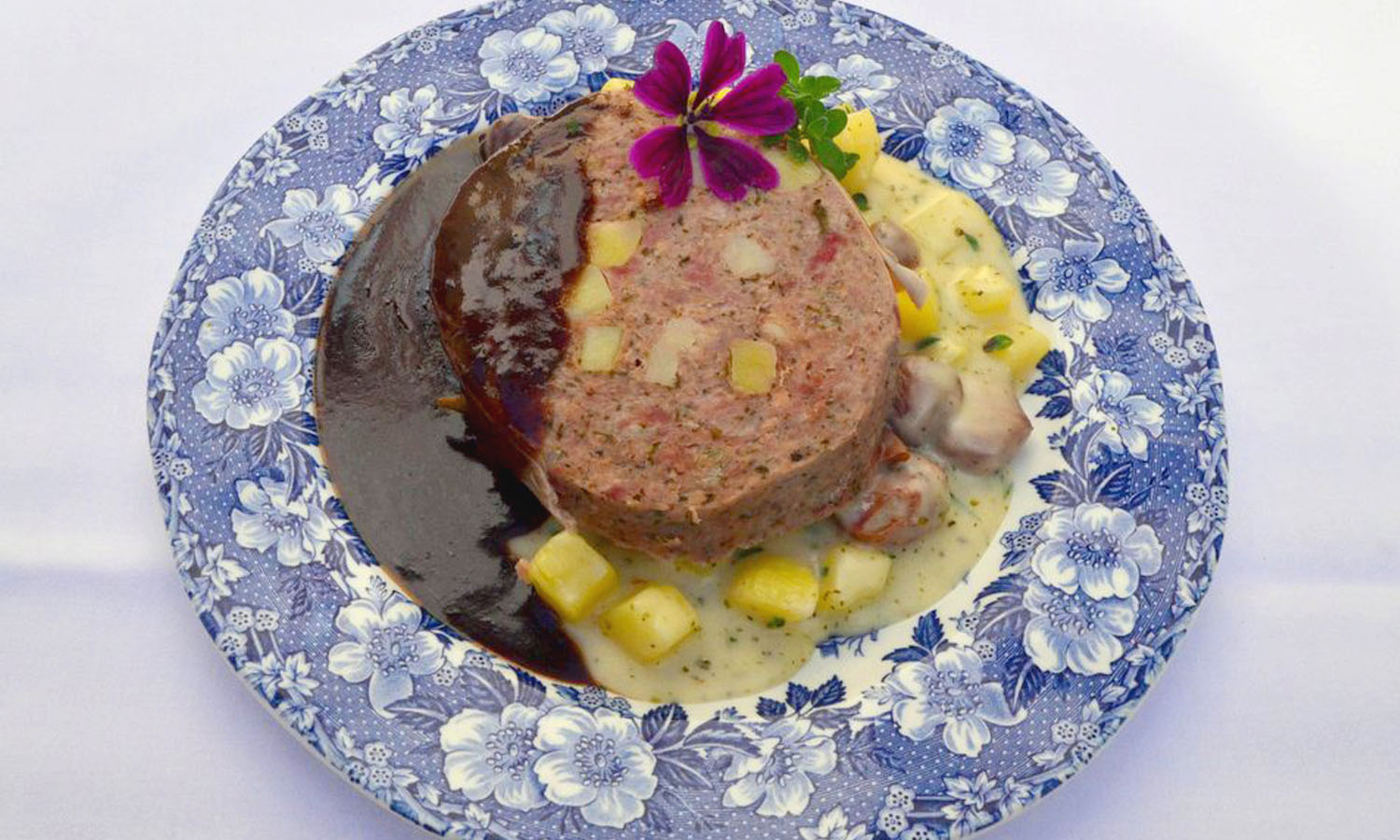
Simon takes out the saumagen, cuts it in half and carves a generous portion for me. He splashes a red wine gravy on top and adds a few spoonfuls of creamed potatoes on the side. I check the meat slice carefully; it’s convincingly disguised as a round meatloaf.
The moment of truth has arrived.
My teeth cut through the soft flesh and a sublime sense of meatiness, tempered by marjoram, invades my palate. For a minute I truly believe I’m in carnivore heaven. It’s as if all the porcine flavours – the tender sweetness of a lean pork chop, the salty, smoky taste of a bacon rasher, the melt-in-the-mouth texture of a pulled shoulder – have been concentrated into a single mouthful. I finish my plate in record time.
INGREDIENTS
750g thick-cut bacon
750g lean pork belly, rind removed
750g potatoes, boiled, drained
1kg pork mince
3 small bread rolls, soaked, drained
4 large eggs
1 tsp marjoram
1 pinch nutmeg
1 small pork stomach (order from butcher)*
10 bay leaves
1 tbs juniper berries
1 tbs marjoram, extra
1 tbs peppercorns
METHOD
Dice bacon, pork belly and potatoes into 1cm cubes. Add mince, bread, eggs, marjoram and nutmeg, then season and mix well.
Rinse the stomach thoroughly and pat dry. Close two of the stomach’s three openings with kitchen twine, then fill loosely with the pork mixture. Overfilling will cause it to burst during cooking. Tie off the final opening.
Bring a large pot of salted water to the boil, then reduce heat to a simmer. Add the stomach and cook for three hours. Add the bay leaves, juniper berries, extra marjoram and peppercorns to the pot and continue to cook for another 30 minutes. It’s important the saumagen doesn’t boil at any time during the cooking process. It is cooked when a fork pierces the stomach and it falls cleanly back into the pot.
To serve, cut into slices, plate up with creamy potatoes on the side, and top with gravy.
* If unavailable, use sausage skins or cook the filling as a meatloaf.
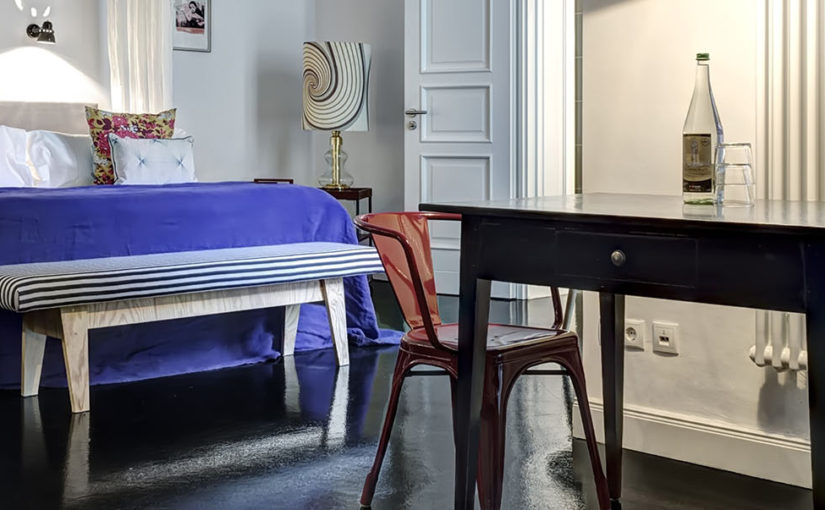
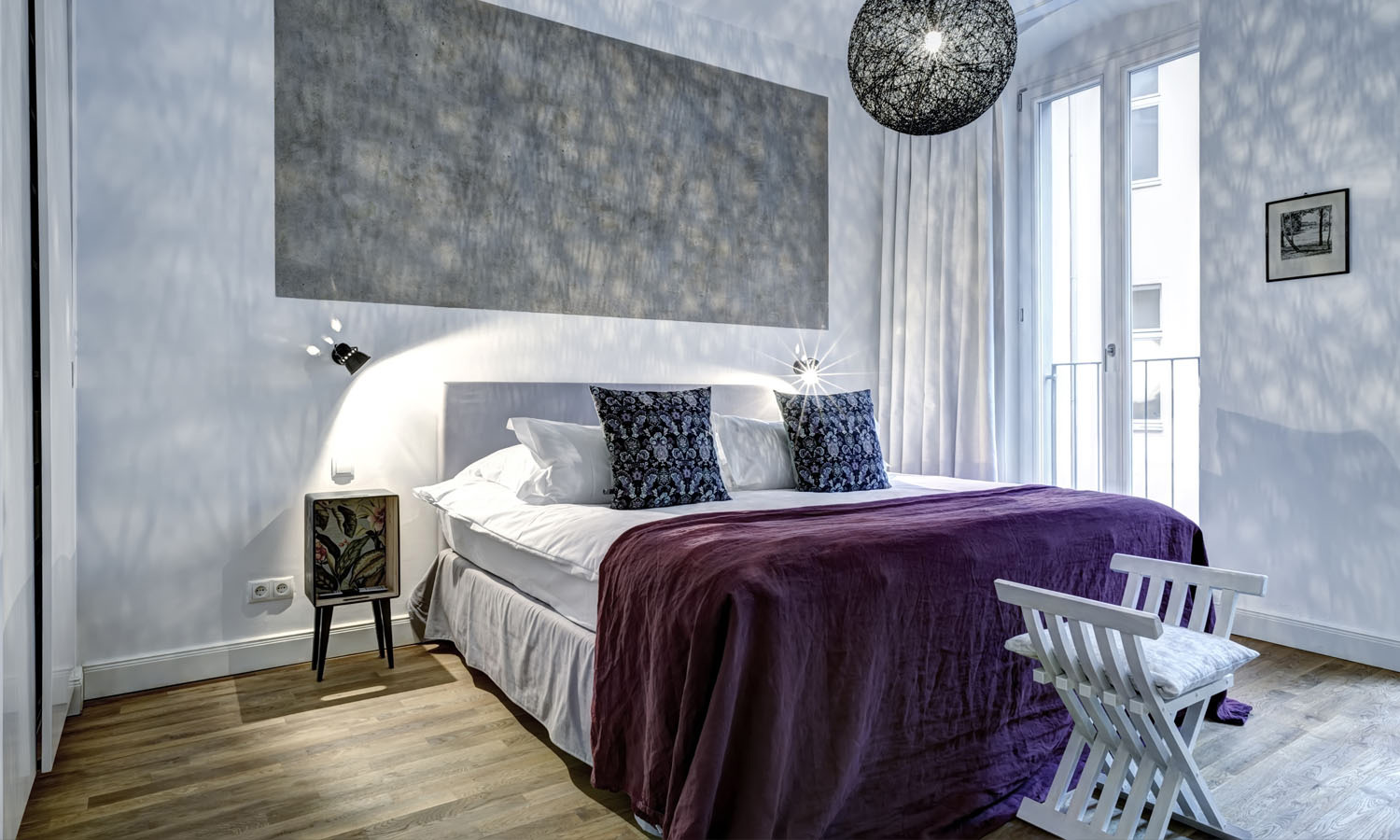
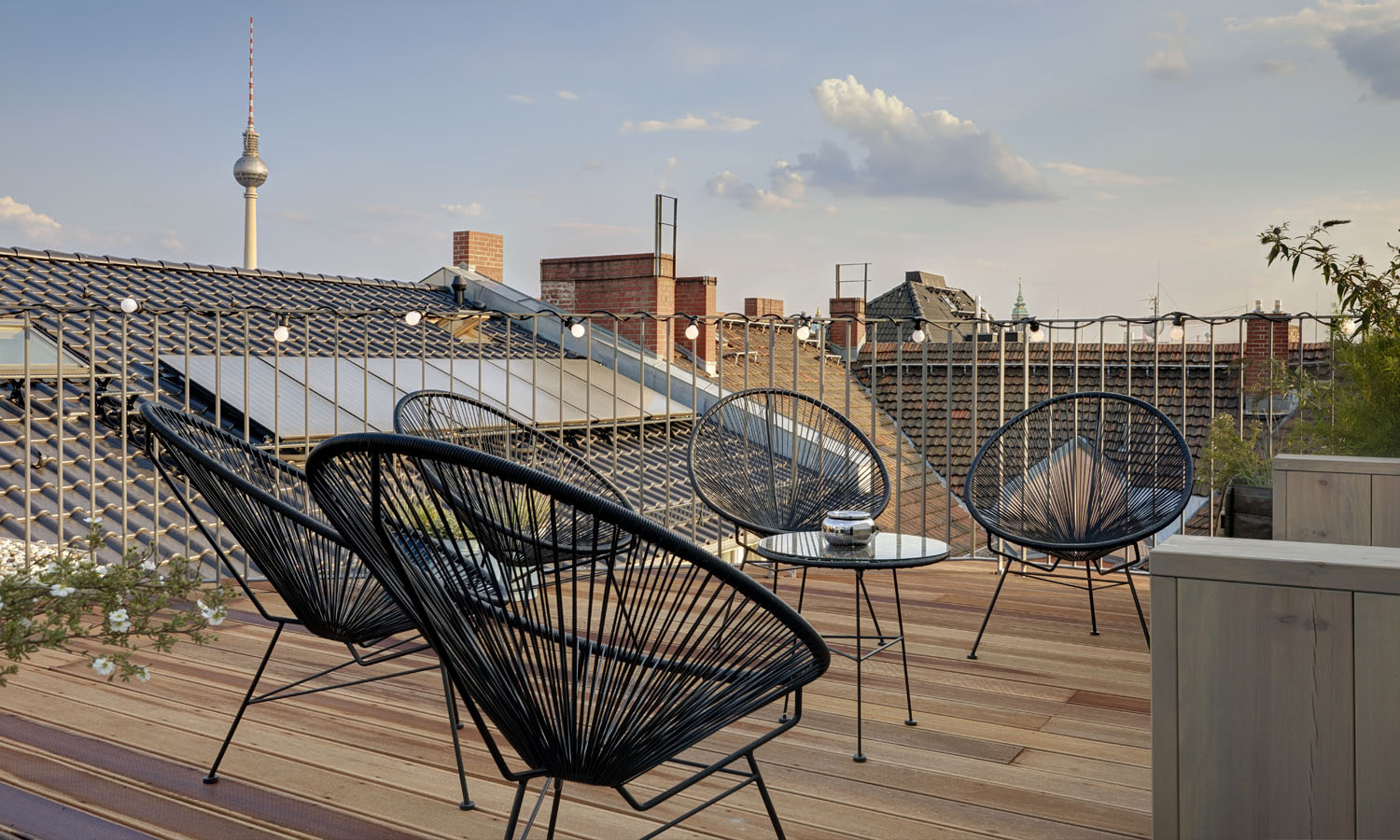
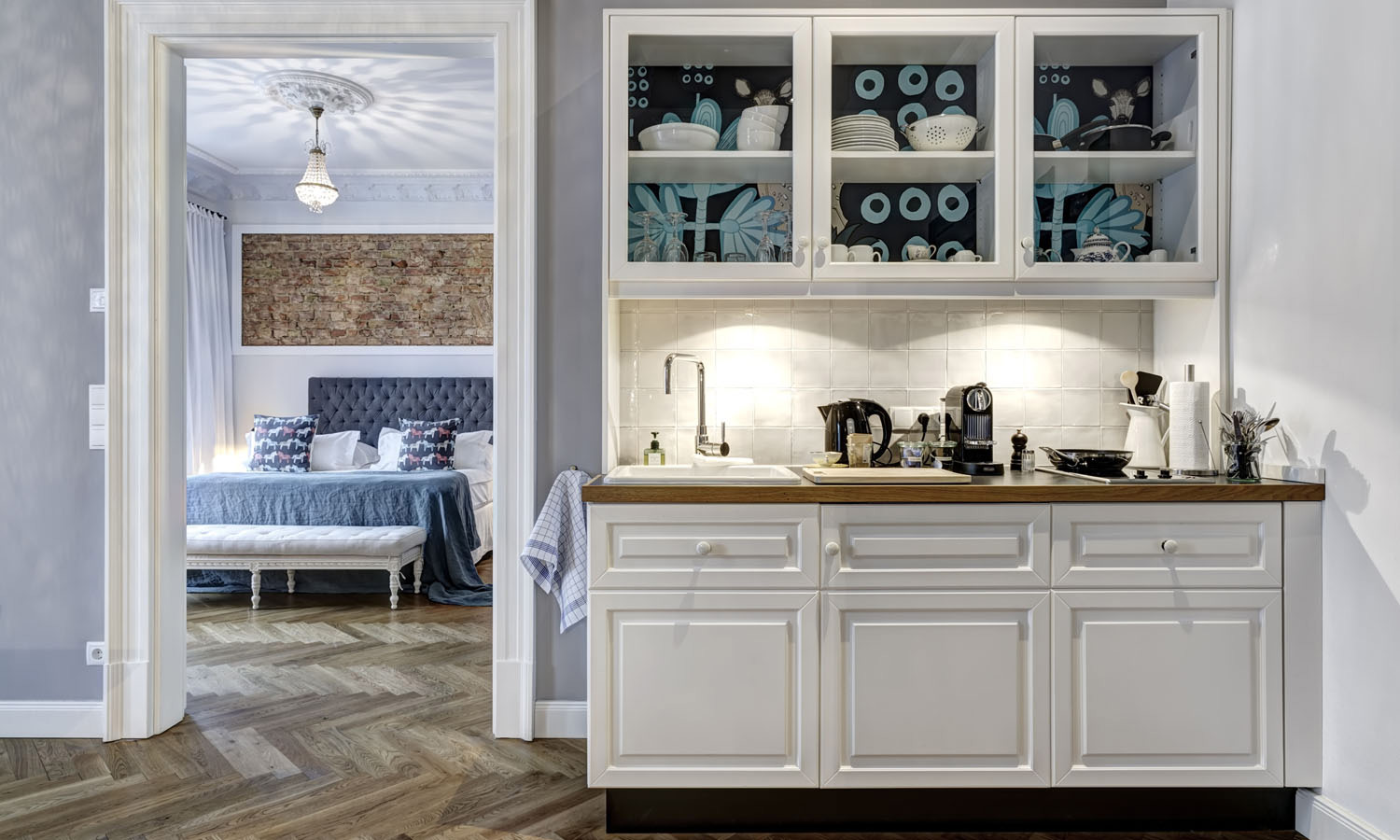
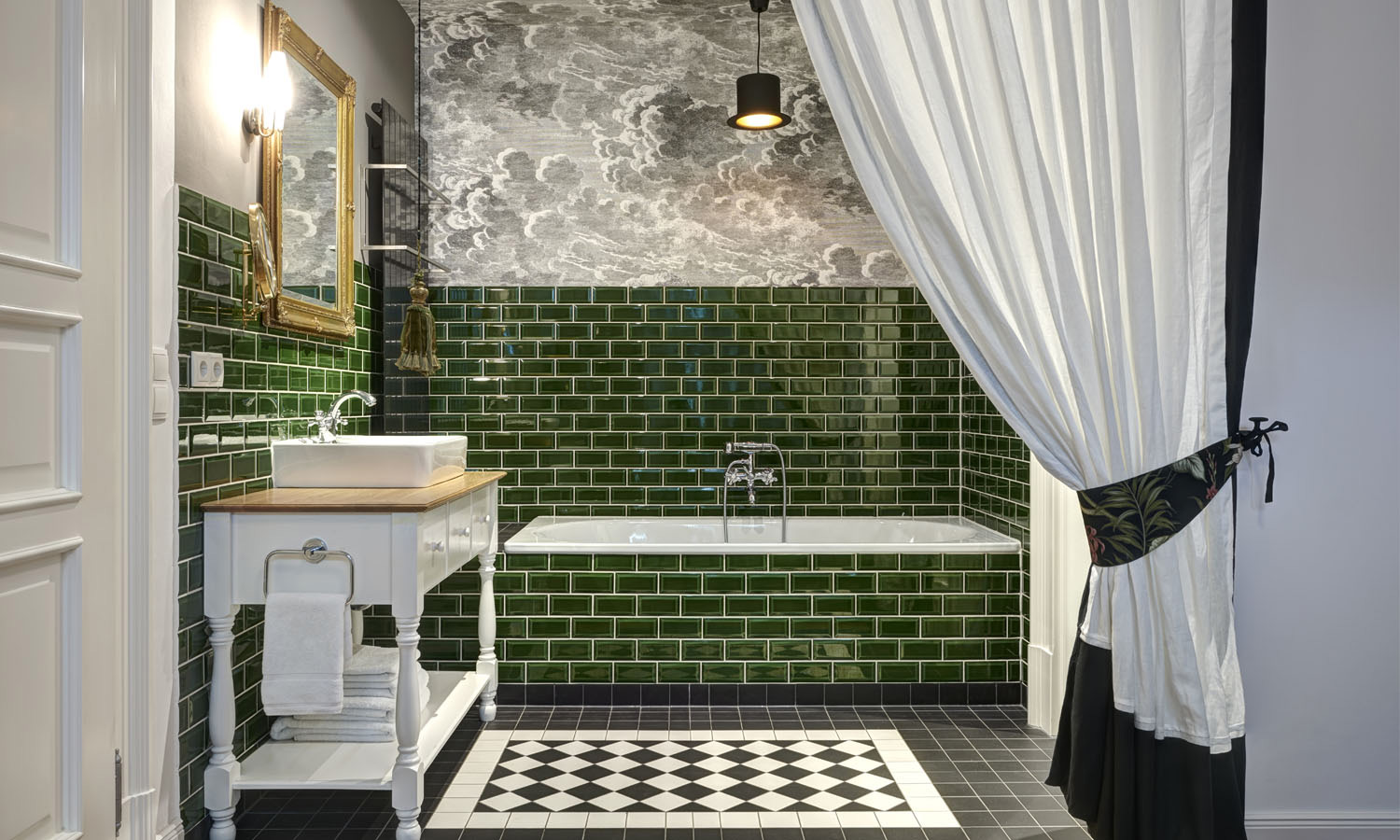
No matter where you’re from, Gorki Apartments makes Berlin feel like home. Located in the hip Mitte neighbourhood – much-loved for its historic attractions like the Brandenburg Gate, designer shopping and cool bars – the building has been transformed from its 1900s residential roots into 34 apartments and two expansive penthouses.
Little touches, like Berlin-based brews from Paper & Tea, seasonal decorations and freshly baked biscuits, make you feel as if you’re staying in someone’s home.
Take advantage of the concierge’s wisdom to get great tips for exploring the city, then climb on a Pelago bicycle to see Berlin from a different perspective. After a long day of exploring, settling into your room feels so right.
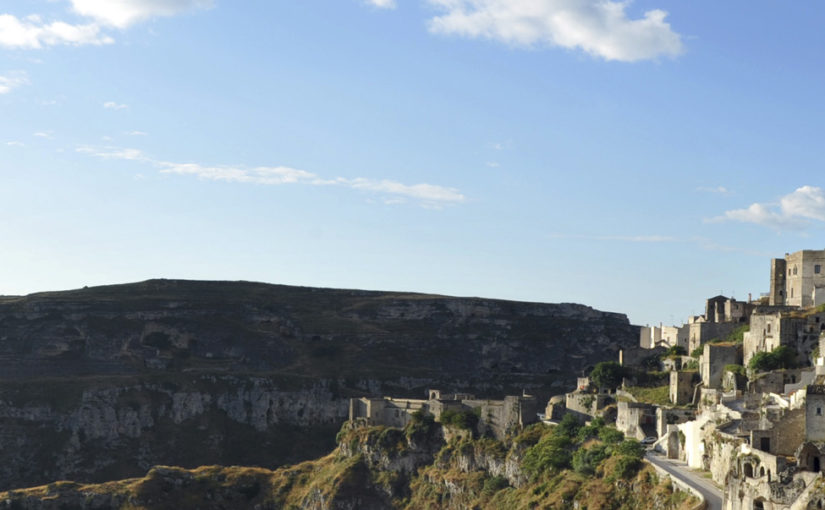
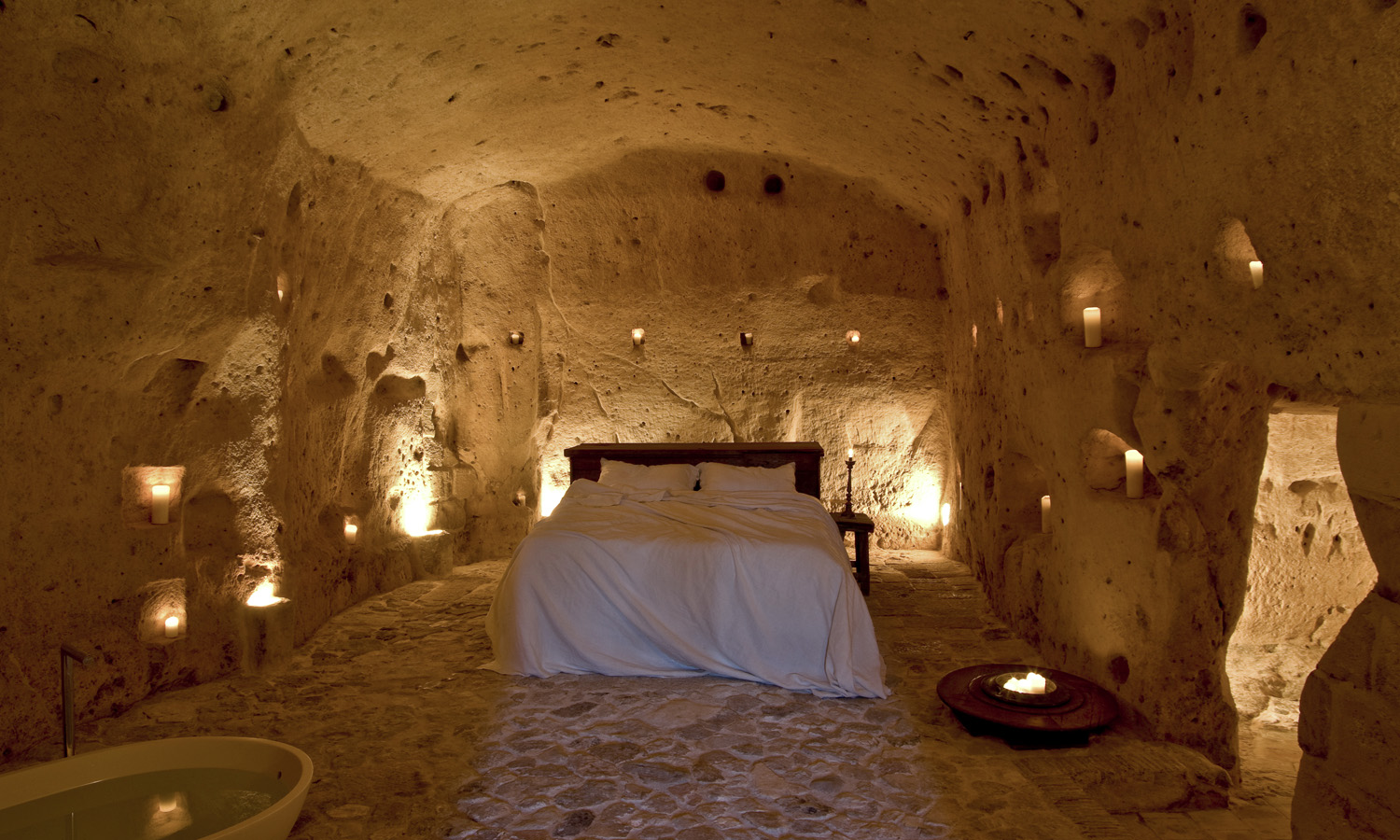
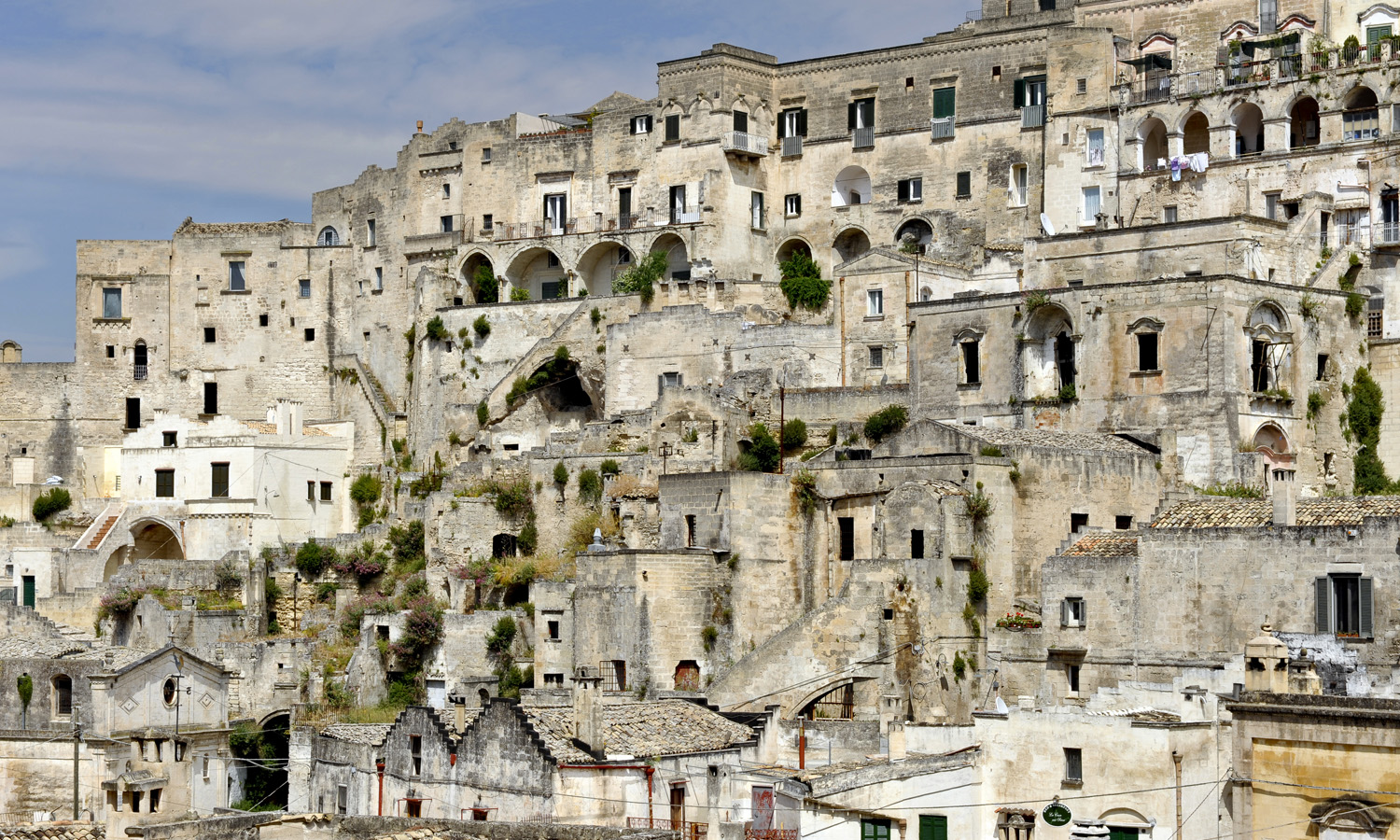
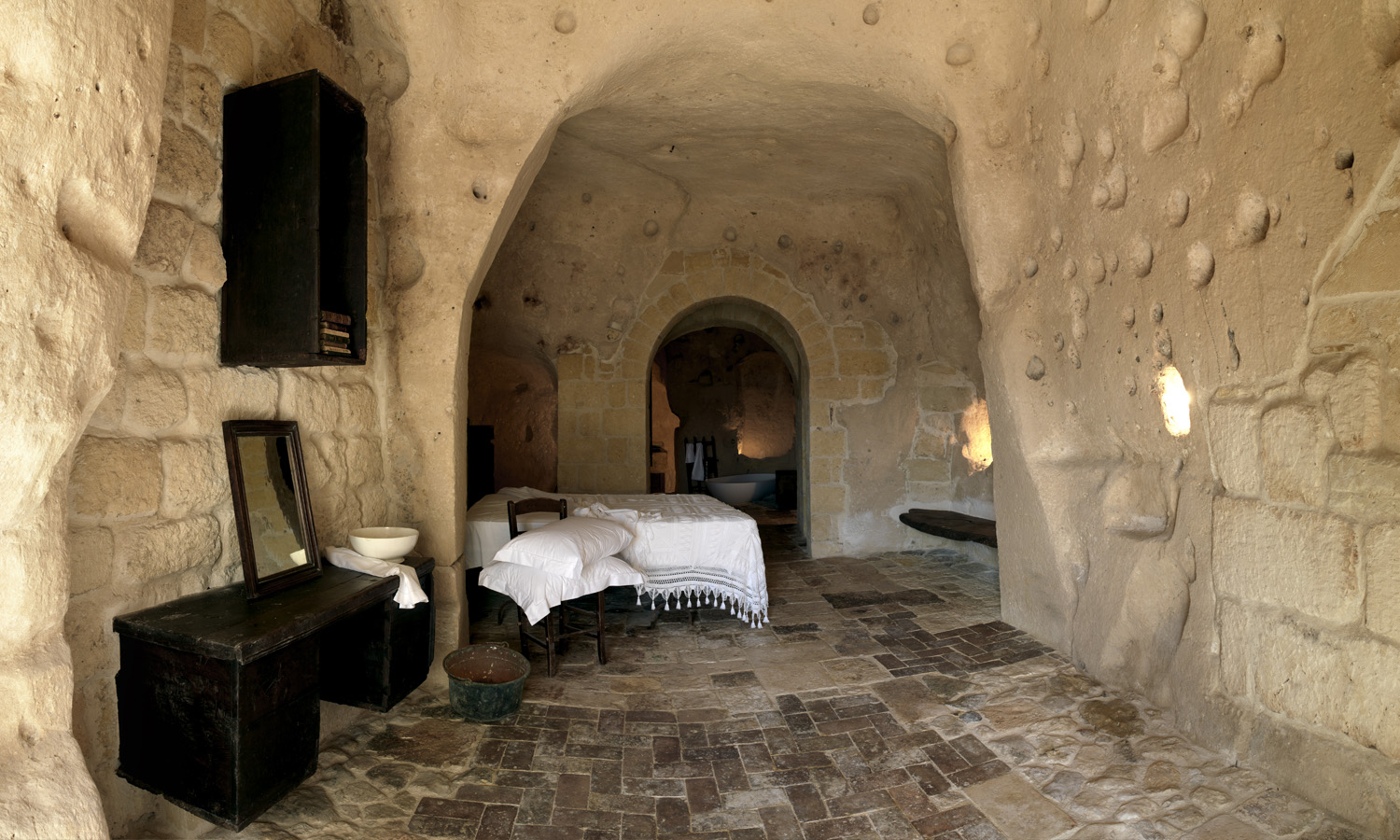
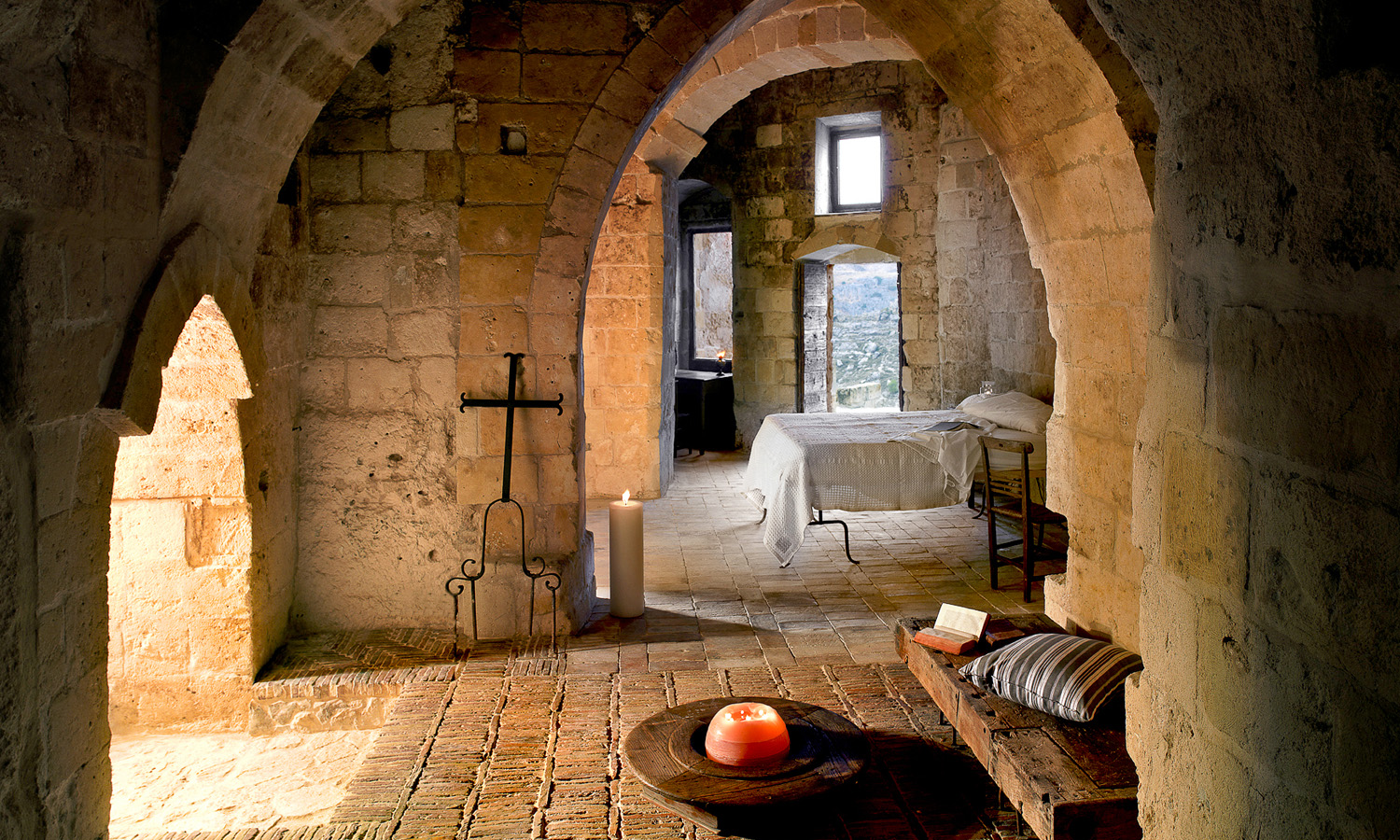
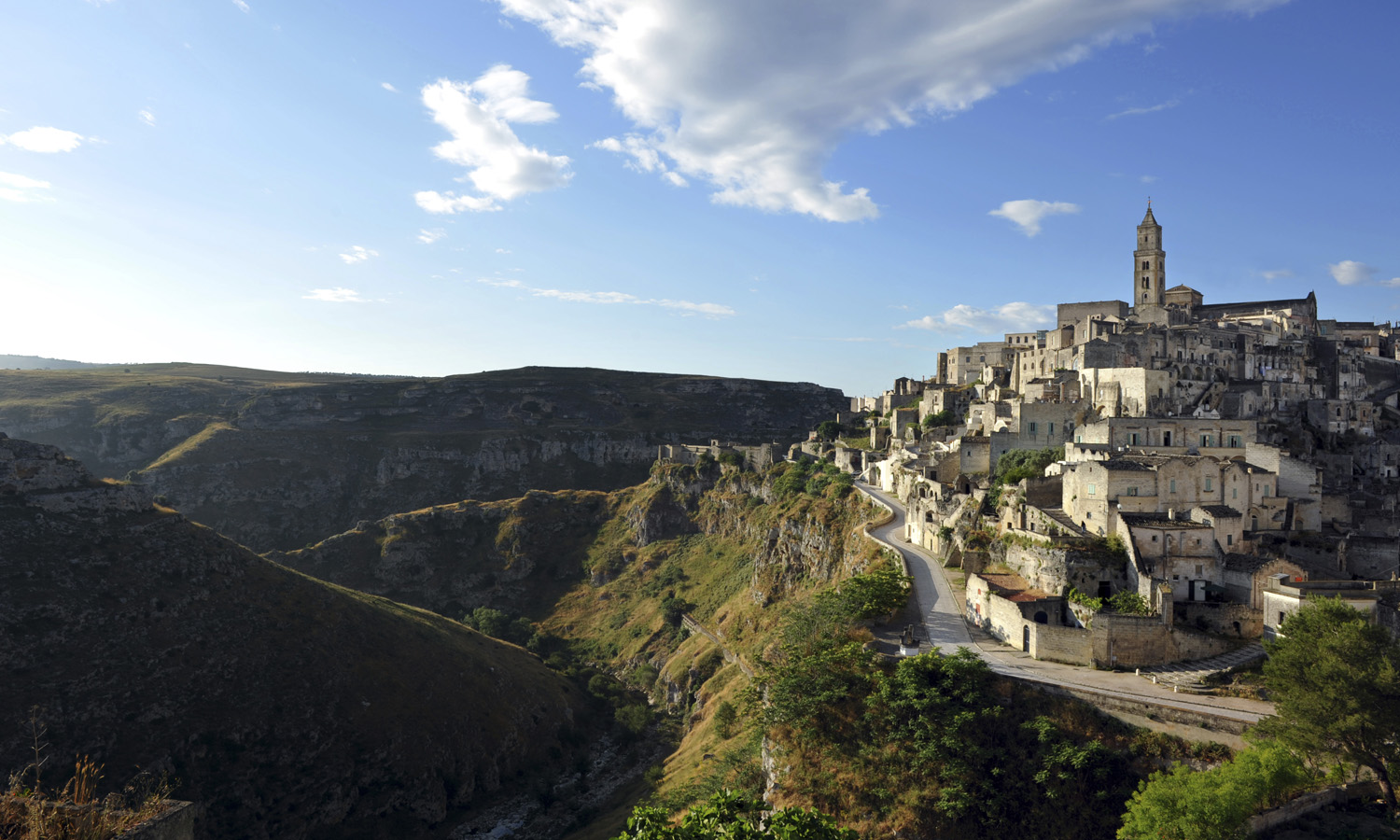
Imagine, if you can, people living in caves dug into the side of a ravine 7,000 years ago. That was how hotel Sextantio Le Grotte della Civita began its existence. The sassi are ancient cave dwellings that, until the late 1980s, were inhabited by the poor of Matera, a village in Italy’s south. With the rise in tourism, some have been transformed, including Le Grotte Della Civita, which is now a unique 18-room boutique hotel.
The whole town is UNESCO World Heritage listed, so each of the caves housing a suite has been carefully conserved and retains its original shape and materials. The interior design is minimal and true to the formation’s origins, the candlelit restaurant is set in a former church and even the spa is housed within rough-hewn walls.
 (
(