(
(
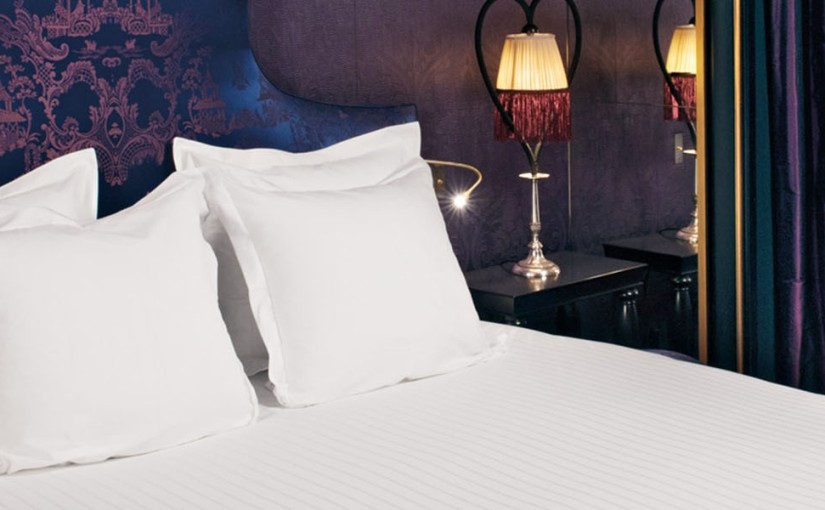
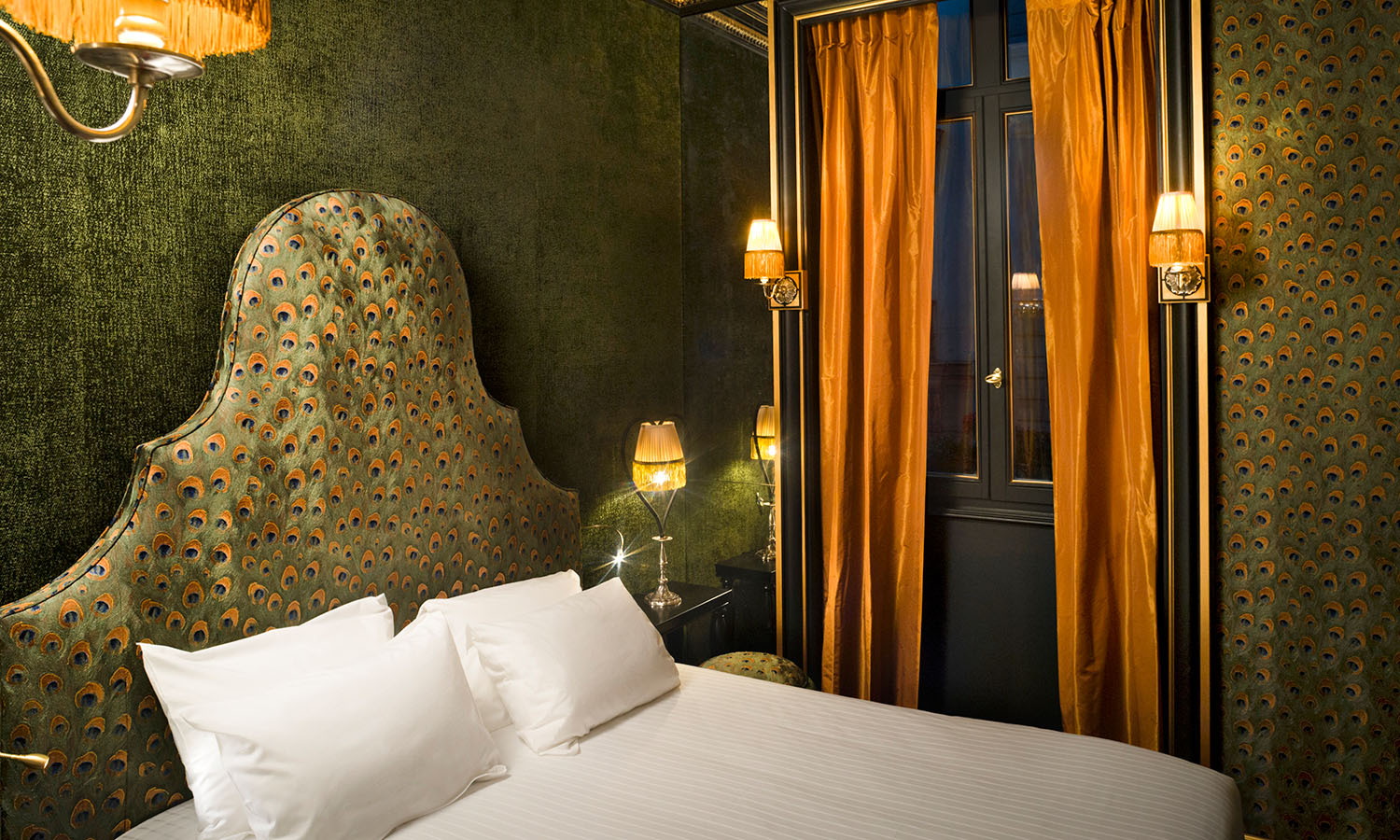
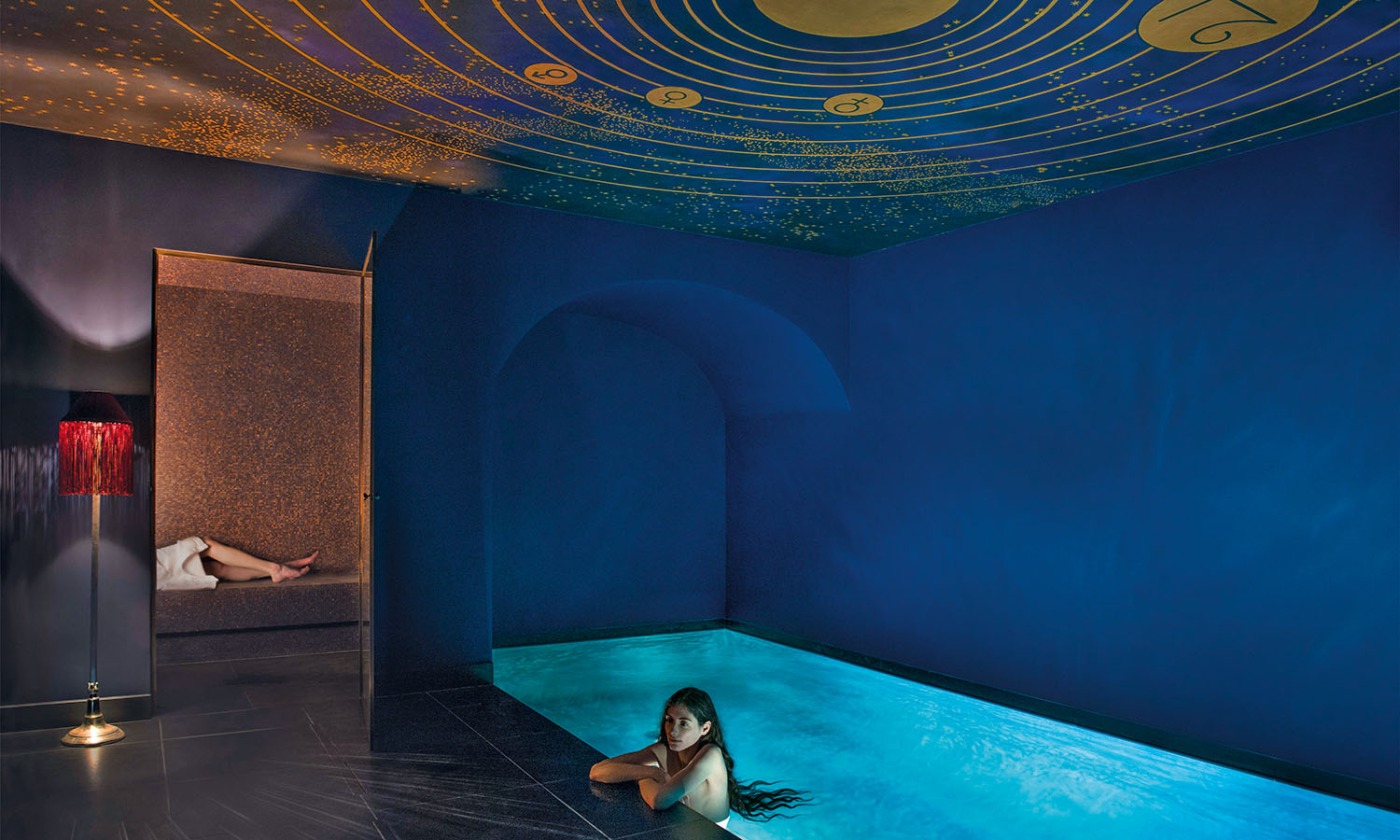
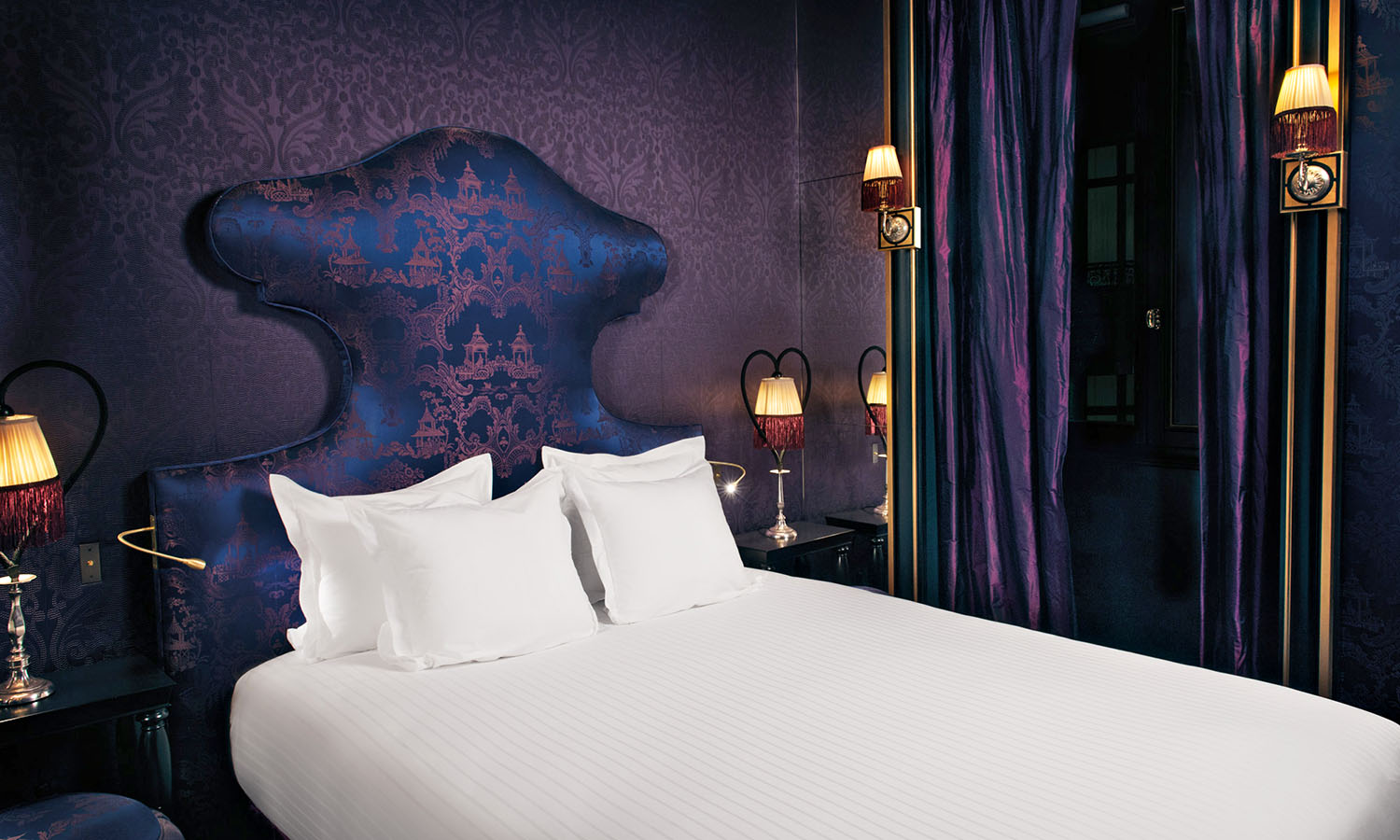
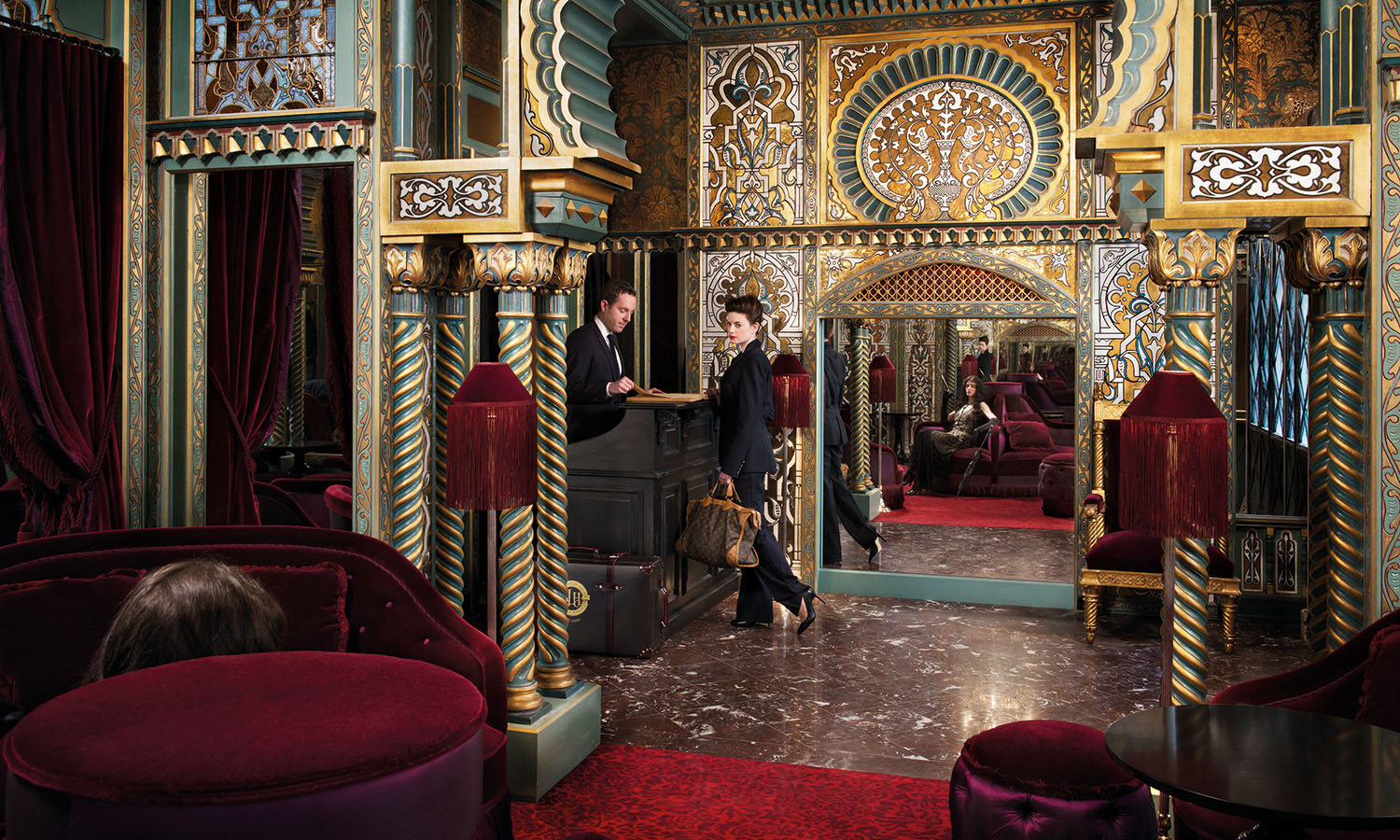
Step into the Belle Époque in one of Paris’s most lavish new hotels, Maison Souquet. Hidden in the saucy Pigalle district, the abode pays homage to the courtesans who once sashayed through its halls. From the exterior, the only hints of opulence are two red lanterns and a canopy flanking a simple facade, but enter the former house of pleasure and you’ll plunge into a world of intricate panelling, plush furniture and gold, gold, gold.
The 20 rooms offer unique designs created by French artist Jacques Garcia, whose credits include the tearooms of Ladurées, the refurbishment of Château de Versailles and the styling of more than 30 rooms of the Louvre with 18th-century decorative art. This is how one should slumber in the city of love.
region: Europe

Rub-A-Dub at Hot Tub Cinema
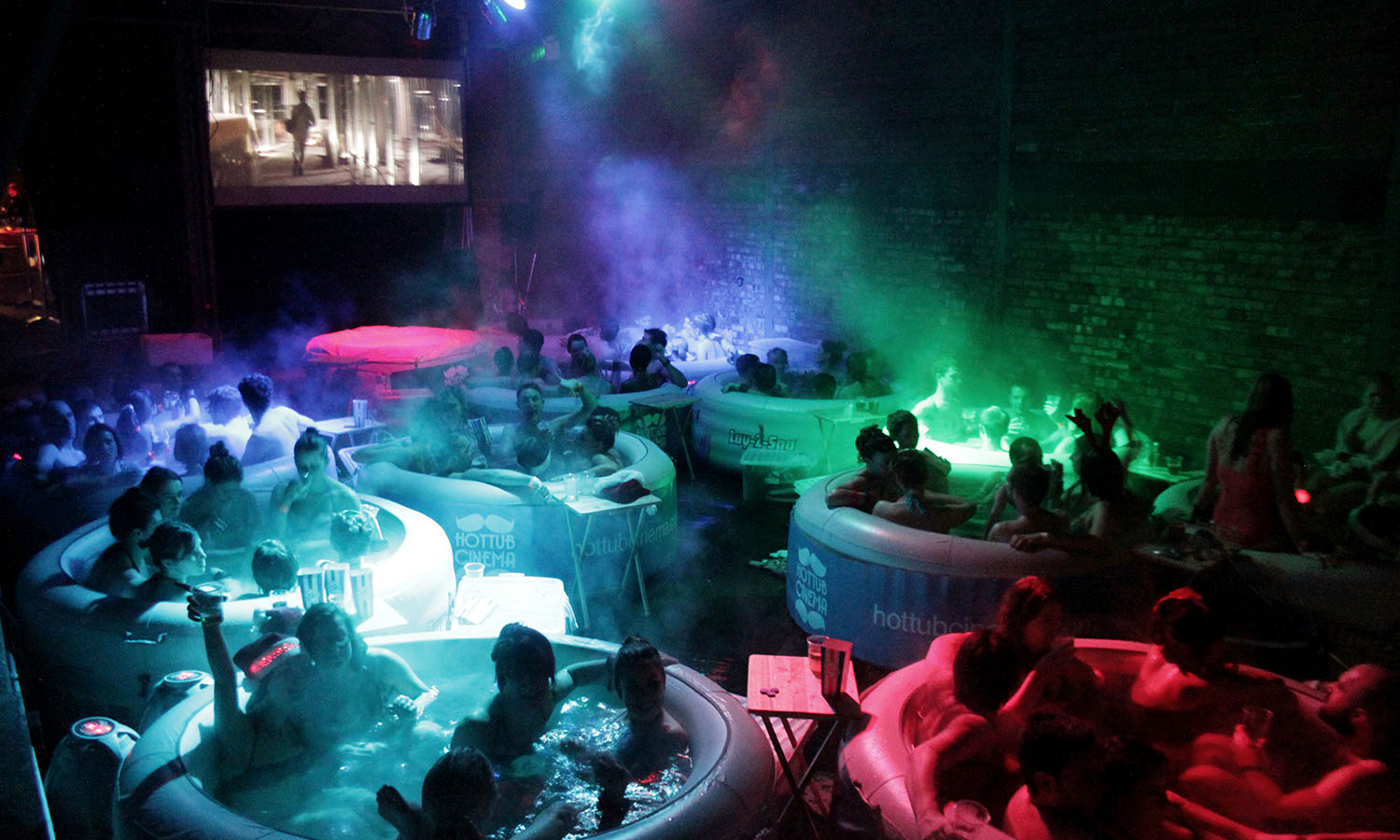
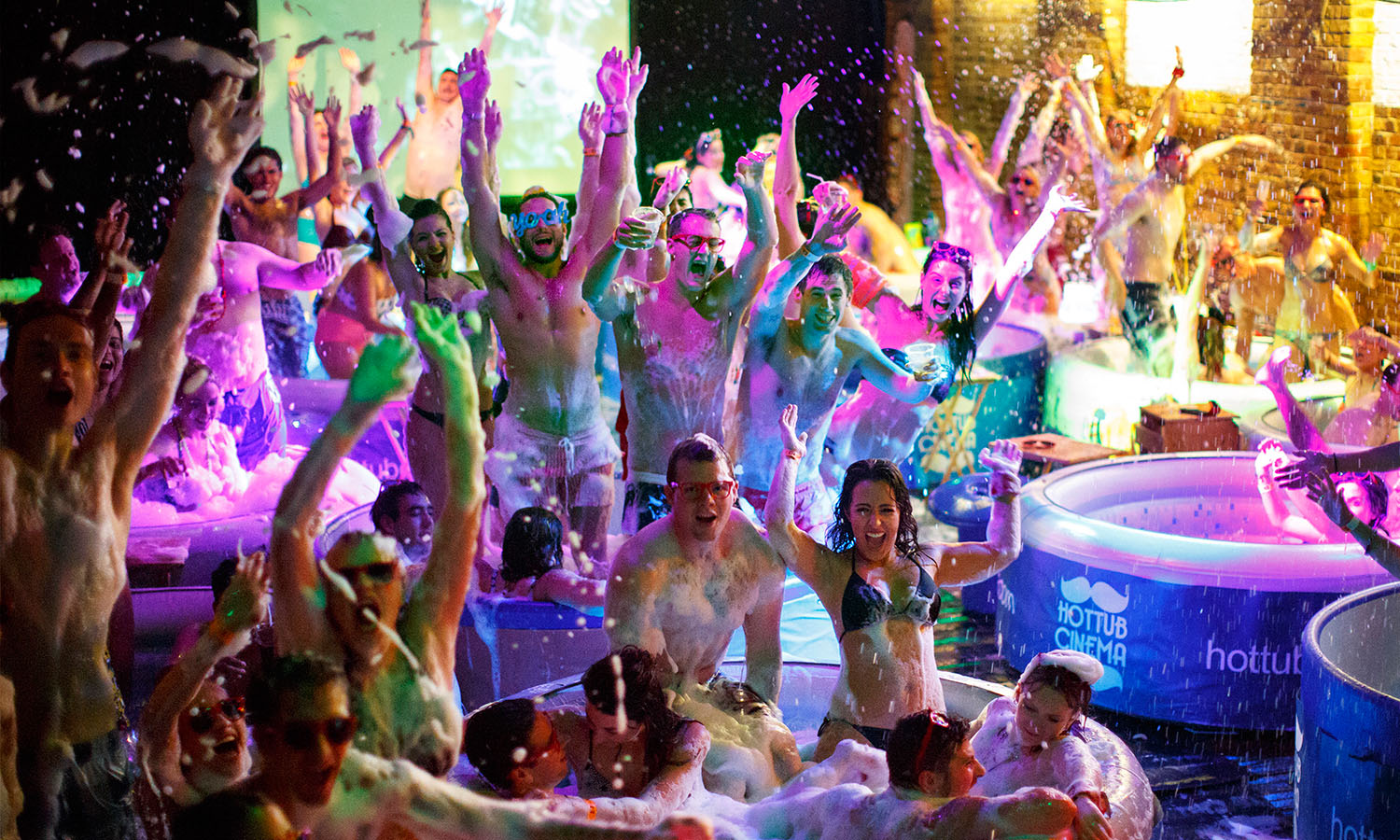
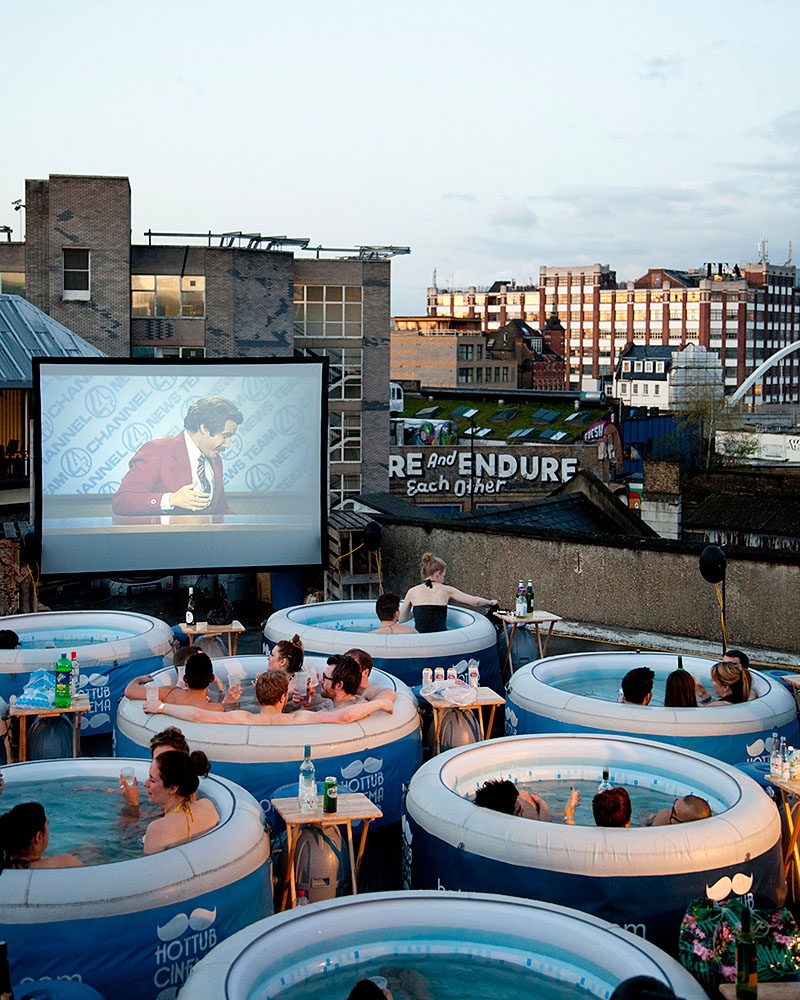
Most of us go to the movies to relax, but just imagine blending that experience with a dip in a hot tub. A party with a single rub-a-dub tub got its organisers thinking about the possibilities of taking the concept to the people, and in July 2012 the first public Hot Tub Cinema was held in London.
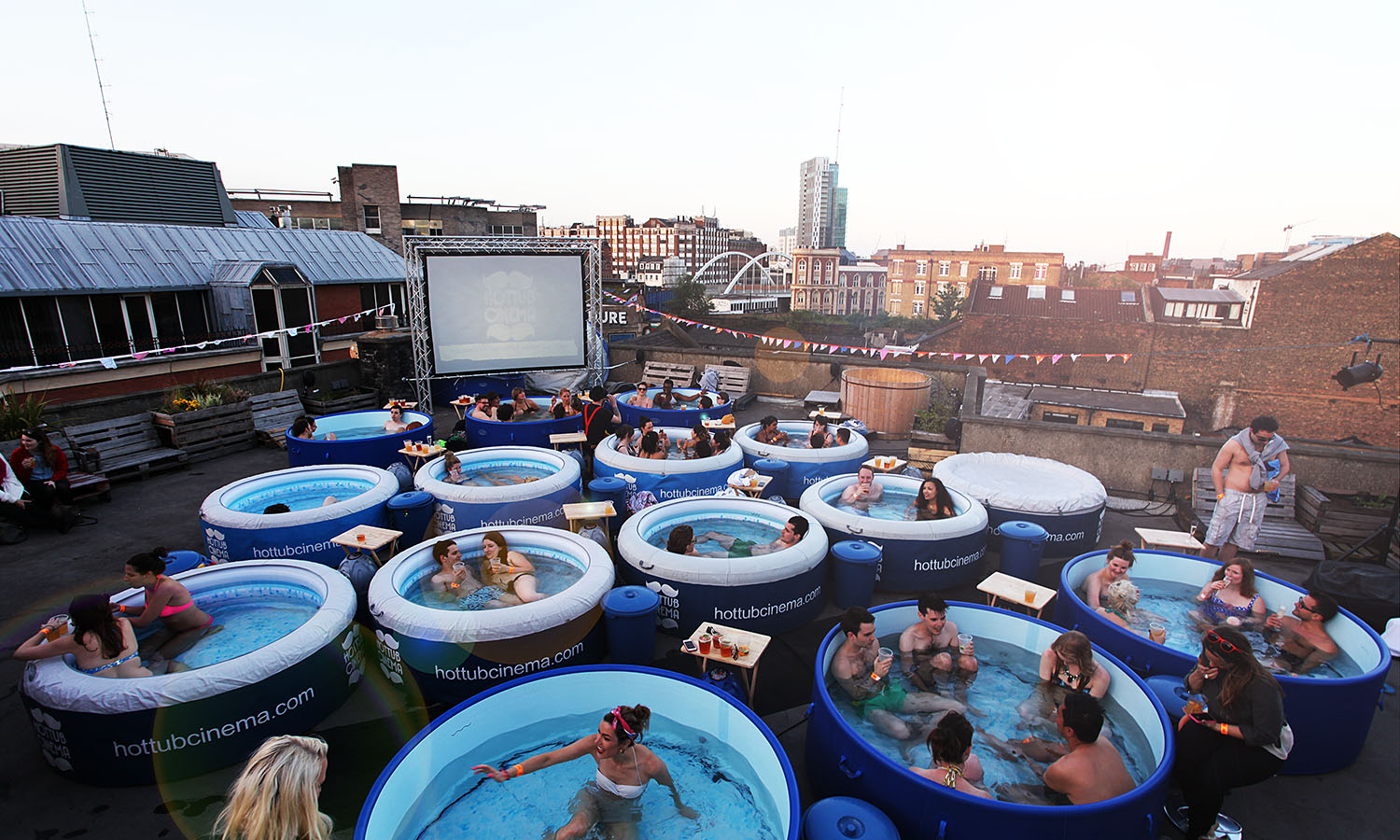
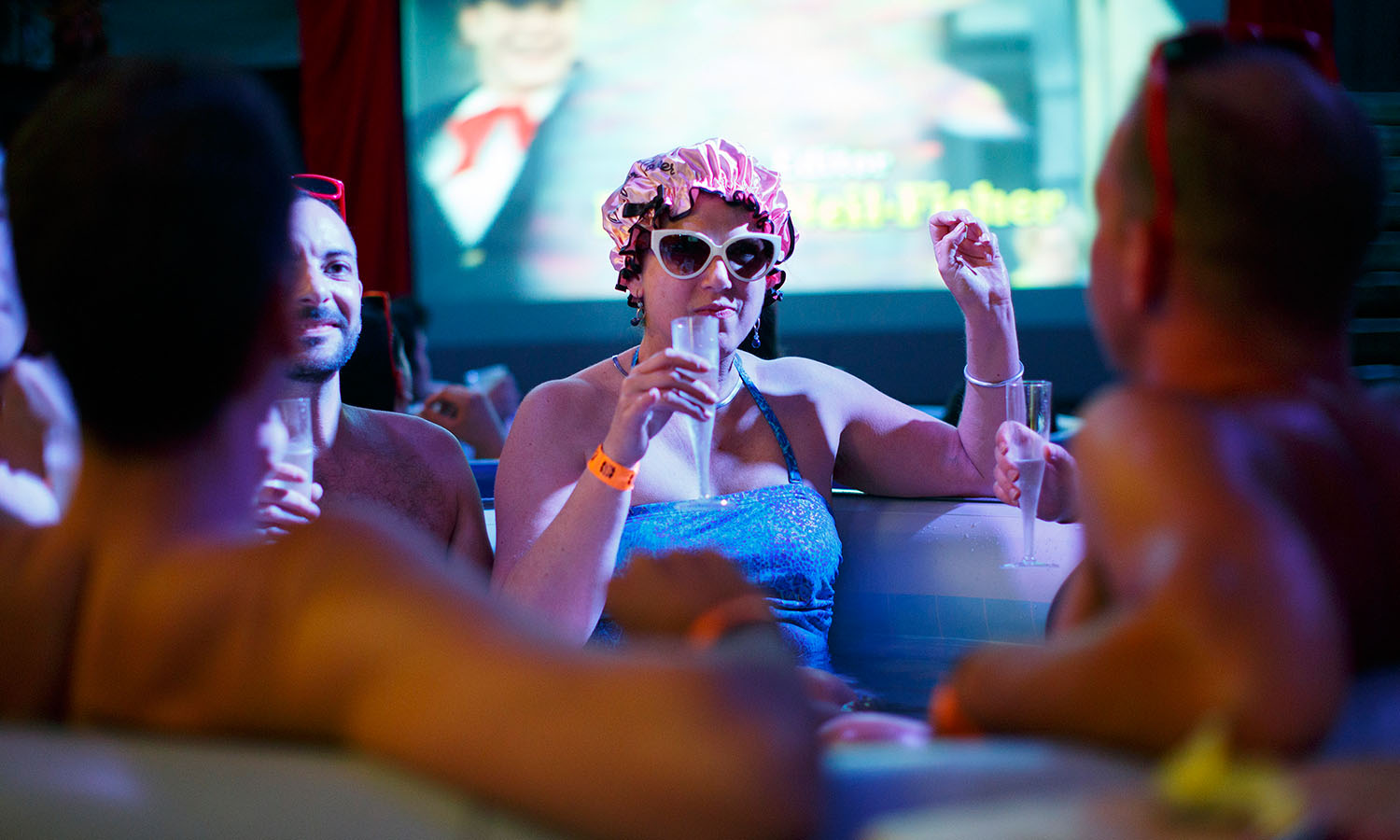
These days you have to book well in advance for the summer screenings, which feature classic flicks (Ghostbusters, The Rocky Horror Picture Show, Austin Powers etc.), dressing up and waiters who deliver cold beverages to your hot tub. There’s no permanent home, so the moist movie theatre pops up wherever a spot can be found. The concept has spread to Bristol, Birmingham and Manchester in the UK, as well as abroad to Ibiza and New York City. What could be better than watching Lock, Stock and Two Smoking Barrels here?
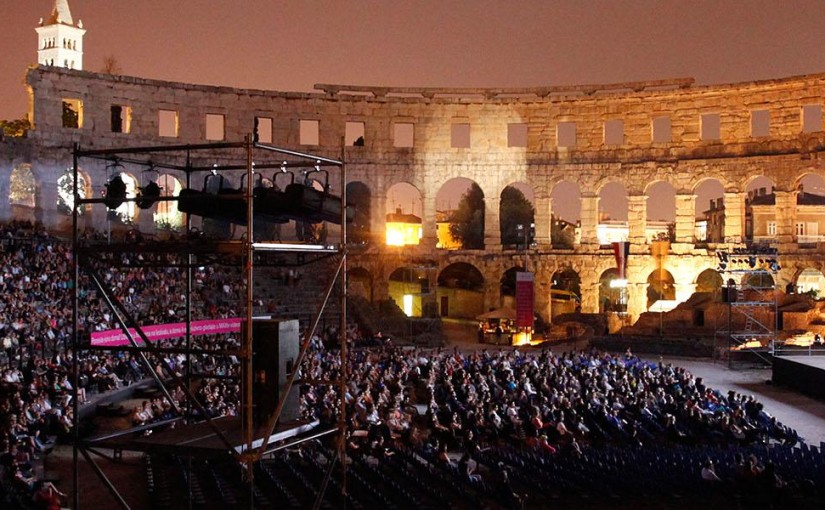
Open-air Cinema in an Ancient Amphitheatre
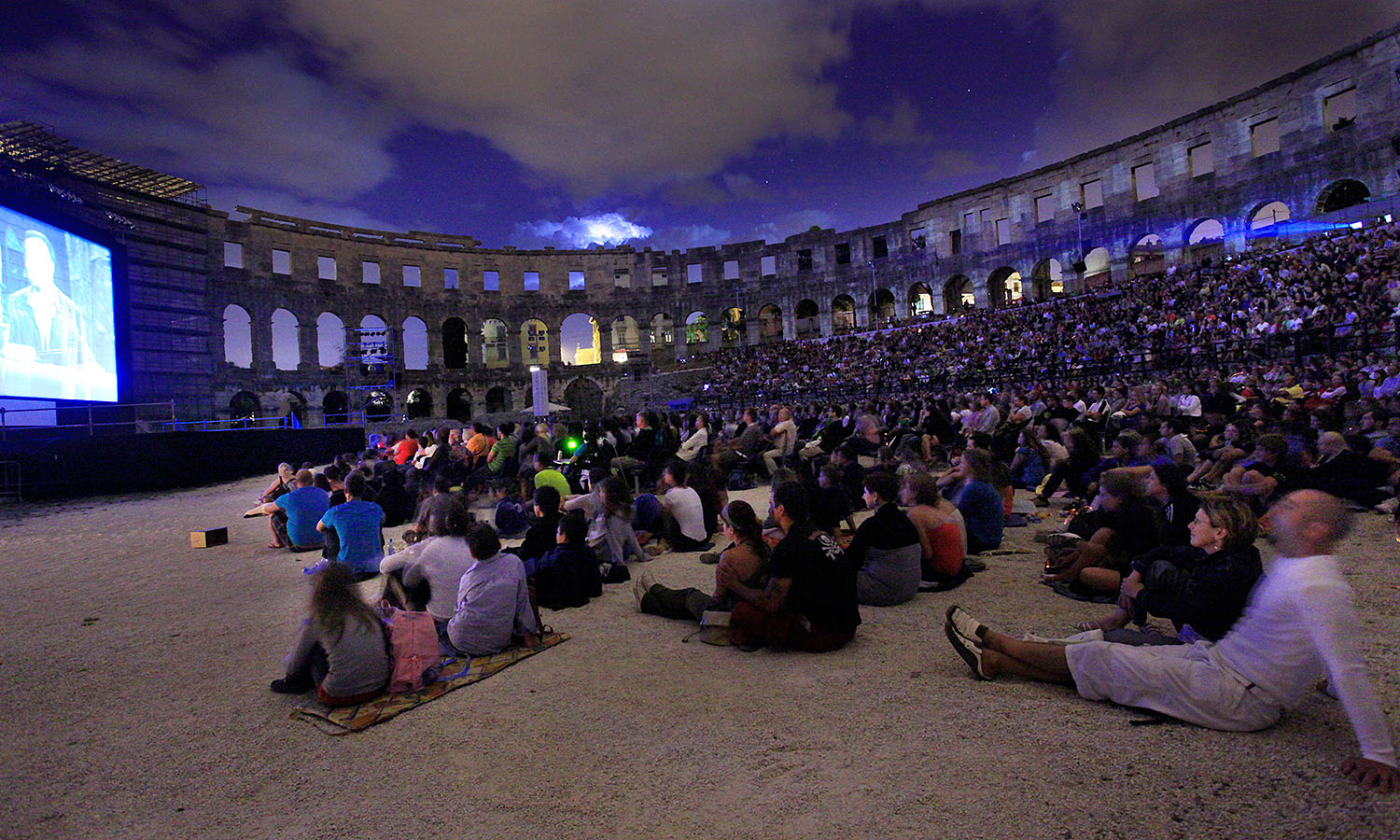
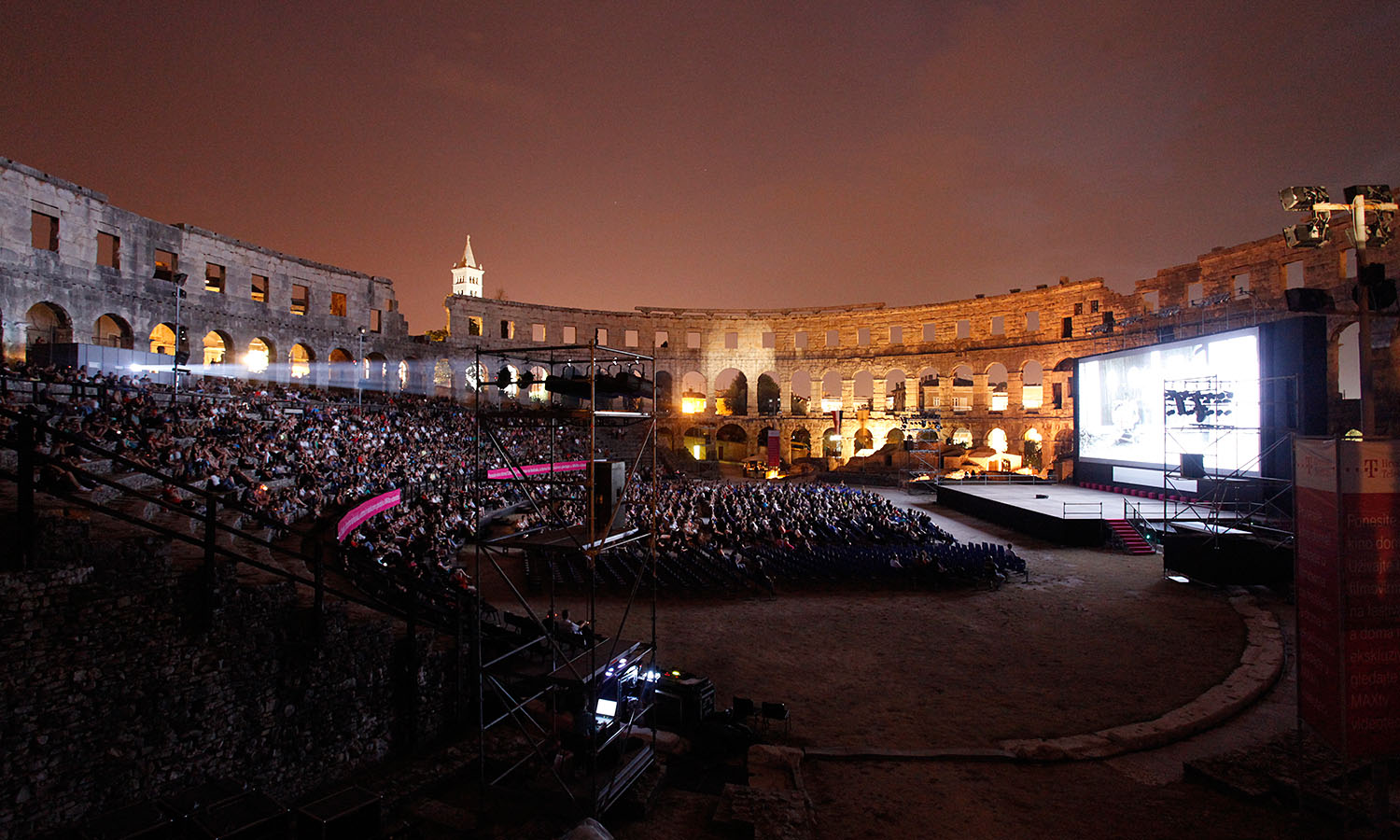
Located just outside the city walls of Pula, Vespasian’s Amphitheatre – fondly known as ‘the Arena’ – has been drawing people into its crumbling walls for millennia. Built during the first century AD, the great Roman-style landmark was once the bloody battleground of gladiators and knights. Now the Arena is one of the largest open-air cinemas in the world, home to some of Pula’s best summer entertainment.
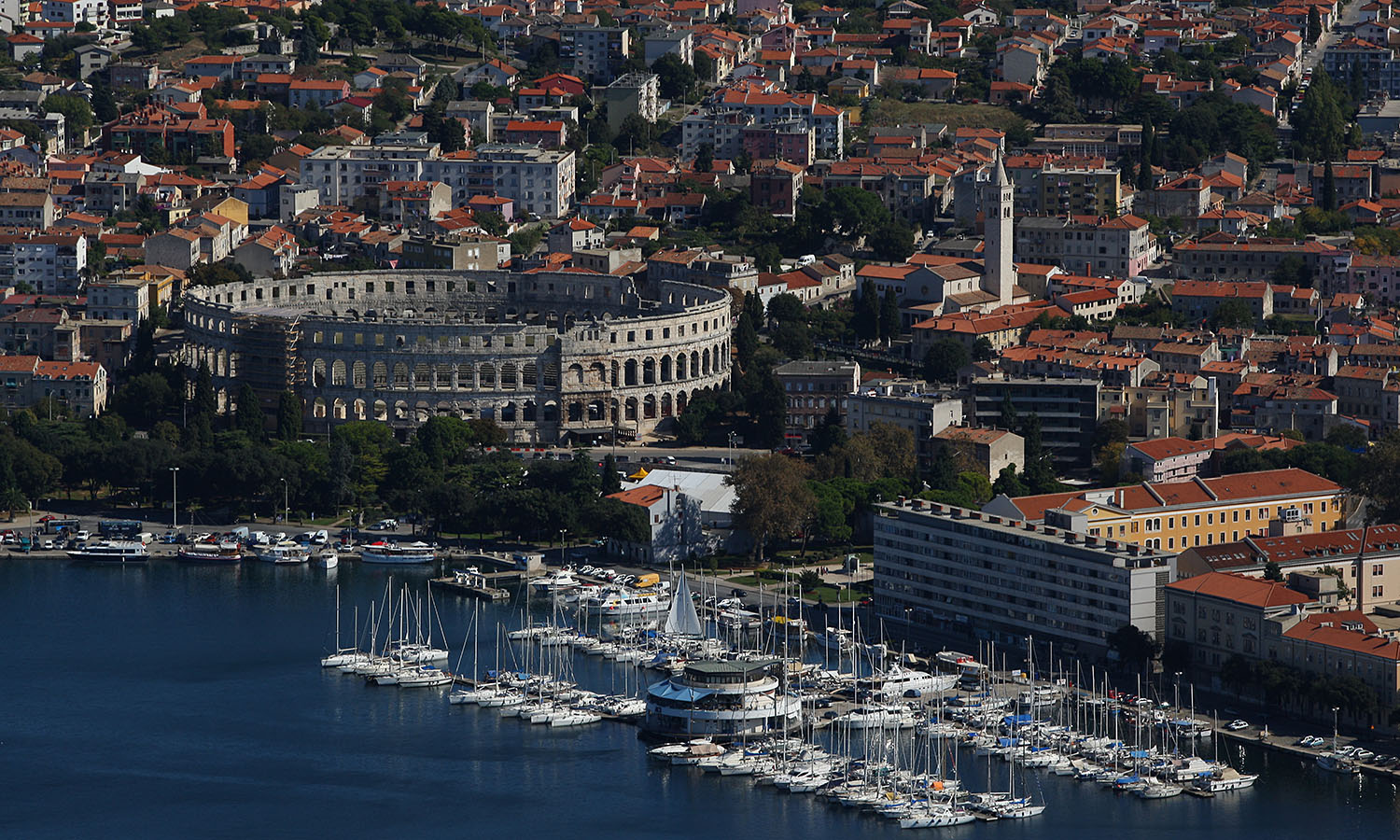
Hosting up to 5,000 spectators, the annual Pula Film Festival takes place during July, showcasing a program of Croatian cinema and a smattering of films from around the globe. In its 63rd year, the festival is an event not to be missed, so grab a seat and settle in for a cinema experience under the stars.
Looking for a Revolution
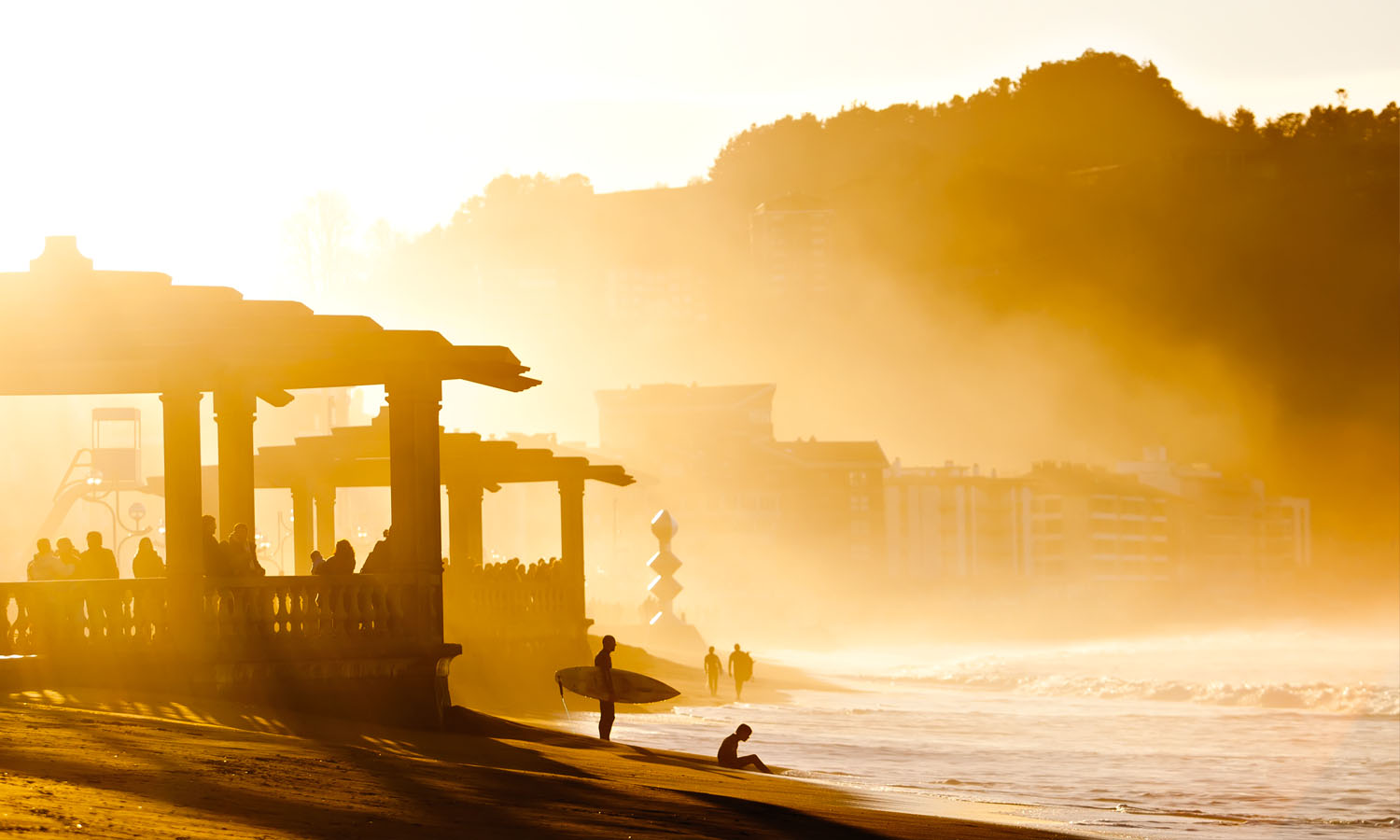
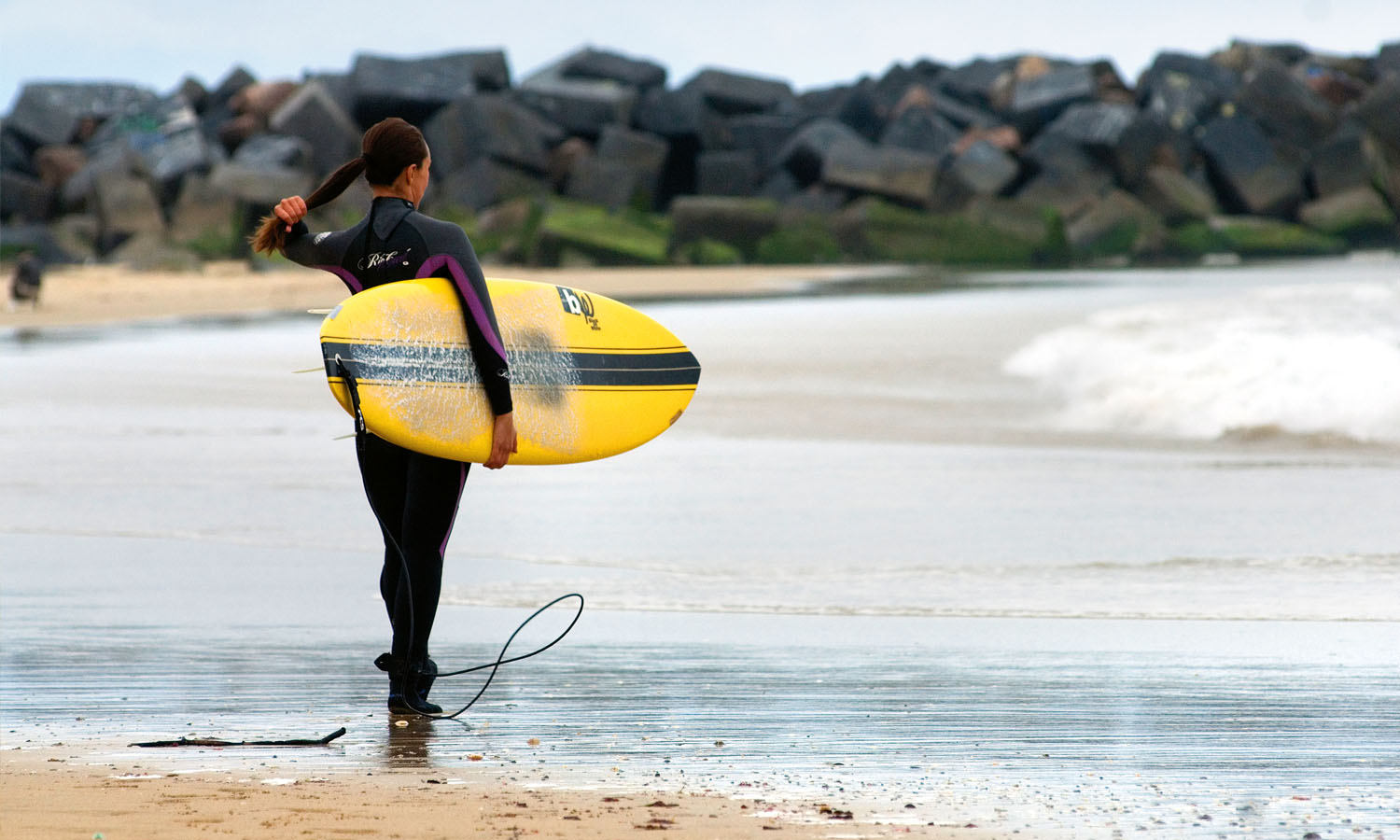
Carrying my board across the rain-pocked sand of La Zurriola beach I count about 30 surfers lined up along the clean, eight-foot faces. The Basques are a hardy race, tempered by a land of mist-shrouded mountains and rugged coastlines. Apparently it takes more than the nip of the txirimiri to keep the local surfers from their waves.
Tucked into the corner where Spain and France meet, San Sebastián seems to benefit as the focus point for any swell that is generated by the spiralling currents of the Bay of Biscay. To the east lies French Basque Country and to the west a rugged coastline of wave-smashed cliffs and wild, windswept beaches stretches unbroken to Fisterra – literally the End of the Land – in far off Galicia. San Sebastián’s Gipuzkoa province is particularly famed for spots like the legendary surf beach at Zarautz (10 minutes from the city) and the infamous Playa Gris, which seems almost to have acted as a magnet for some of the biggest waves in the history of surfing.
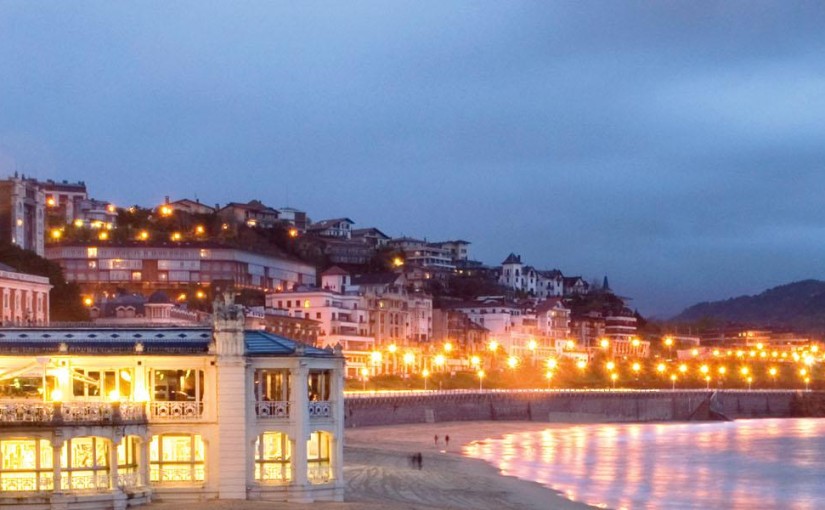
The city itself has two beaches with two very different characters. The immense sweeping arc of soft sand that is La Concha is a tranquil natural harbour and the ideal town beach. The great curving promenade here is fringed with Art Deco hotels and palaces, built way back when this was the prime summer getaway for Spanish royalty who came to take in the waters and breathe the cool air of green Spain. La Concha has been called the pearl of the Cantabrian Sea, but its Spanish name simply means ‘the shell’.
Beyond the plazas, palaces and tangled alleyways of the old town, across the river in Gros quarter, you find wild La Zurriola – a beach with an altogether different mood. The humble little quarter of Gros has now launched a bid to claim the title of European Capital of Surf. This seems unlikely, until you remember Gros is just an hour from legendary Mundaka, the river-mouth wave that is rated as one of the 10 best waves on the planet.
Riding on the swell of La Zurriola, San Sebastián is leading a World Surf Cities Network, a group of nine destinations striving to have more of an impact on one of the world’s fastest growing sports. Durban in South Africa and France’s Hossegor are already fixtures on any travelling surfer’s wishlist, along with Australia’s Gold Coast and Newcastle. The others – Ericeira (Portugal), Las Palmas de Gran Canaria (Spain), Arica (Chile) and Santos (Brazil) – are less well known, but are respected for truly world-class surf.
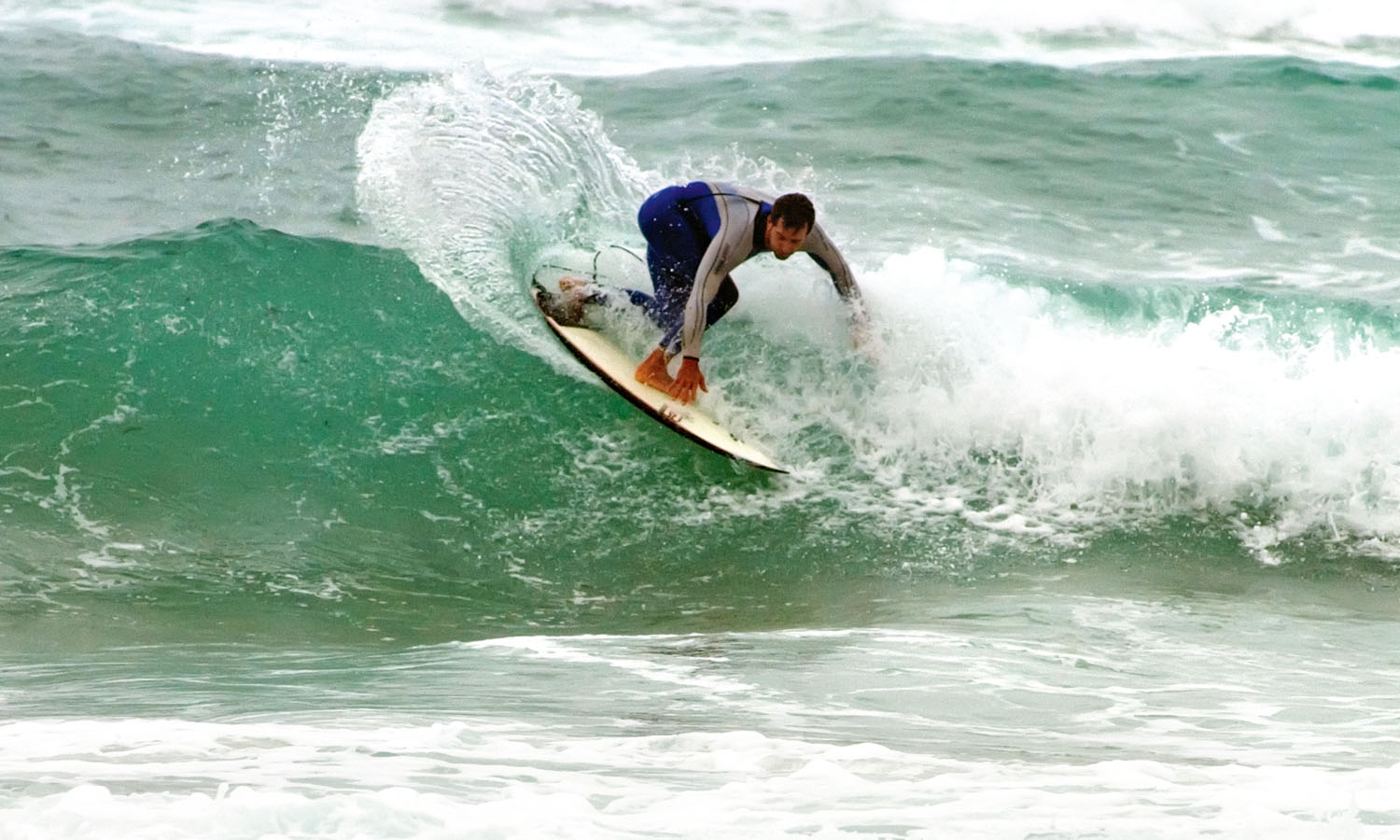
After a winter spent surfing balmier waves in Brazil, the chill seeping through my wetsuit is somewhat numbing. But there is more than one side to the surf revolution taking place on the Spanish north coast at the moment and I’m anxious to check it out. The board I’m now paddling out into the lineout is already getting some appraising looks – along with a few doubtfully raised eyebrows. It’s what is known as a parabolic shape: its curves go inwards where those on conventional boards go out. It’s a surfboard with a waist and hips. Engineers at Pamplona-based Trinity Board Sport perfected the design using aerodynamics software normally reserved for the production of wind turbines.
My first slide down the face and swooping bottom turn convinces me the hype about these boards is not overstated. It’s shorter than any board I would normally ride, but is very stable and extremely fast. So fast, in fact, that I arrive back at the top of the wave far quicker than expected. As I go flying up over the lip and the board goes spinning up into the spattering txirimiri, I have a moment to reflect that this isn’t the most impressive start to the session. By the time another set comes through, however, I’m prepared for the phenomenal acceleration. If it’s true that these are indeed the surfboards of the future then all I can say is ¡Viva la Revolución!